WO2022244757A1 - 抗癌剤の投与に伴う障害を治療又は予防するための医薬組成物 - Google Patents
抗癌剤の投与に伴う障害を治療又は予防するための医薬組成物 Download PDFInfo
- Publication number
- WO2022244757A1 WO2022244757A1 PCT/JP2022/020473 JP2022020473W WO2022244757A1 WO 2022244757 A1 WO2022244757 A1 WO 2022244757A1 JP 2022020473 W JP2022020473 W JP 2022020473W WO 2022244757 A1 WO2022244757 A1 WO 2022244757A1
- Authority
- WO
- WIPO (PCT)
- Prior art keywords
- cancer
- sod
- pharmaceutical composition
- administration
- superoxide dismutase
- Prior art date
- Legal status (The legal status is an assumption and is not a legal conclusion. Google has not performed a legal analysis and makes no representation as to the accuracy of the status listed.)
- Ceased
Links
Images









Classifications
-
- A—HUMAN NECESSITIES
- A61—MEDICAL OR VETERINARY SCIENCE; HYGIENE
- A61K—PREPARATIONS FOR MEDICAL, DENTAL OR TOILETRY PURPOSES
- A61K31/00—Medicinal preparations containing organic active ingredients
- A61K31/33—Heterocyclic compounds
- A61K31/555—Heterocyclic compounds containing heavy metals, e.g. hemin, hematin, melarsoprol
-
- A—HUMAN NECESSITIES
- A61—MEDICAL OR VETERINARY SCIENCE; HYGIENE
- A61K—PREPARATIONS FOR MEDICAL, DENTAL OR TOILETRY PURPOSES
- A61K33/00—Medicinal preparations containing inorganic active ingredients
- A61K33/24—Heavy metals; Compounds thereof
- A61K33/243—Platinum; Compounds thereof
-
- A—HUMAN NECESSITIES
- A61—MEDICAL OR VETERINARY SCIENCE; HYGIENE
- A61K—PREPARATIONS FOR MEDICAL, DENTAL OR TOILETRY PURPOSES
- A61K38/00—Medicinal preparations containing peptides
- A61K38/16—Peptides having more than 20 amino acids; Gastrins; Somatostatins; Melanotropins; Derivatives thereof
- A61K38/43—Enzymes; Proenzymes; Derivatives thereof
- A61K38/44—Oxidoreductases (1)
- A61K38/446—Superoxide dismutase (1.15)
-
- A—HUMAN NECESSITIES
- A61—MEDICAL OR VETERINARY SCIENCE; HYGIENE
- A61K—PREPARATIONS FOR MEDICAL, DENTAL OR TOILETRY PURPOSES
- A61K45/00—Medicinal preparations containing active ingredients not provided for in groups A61K31/00 - A61K41/00
- A61K45/06—Mixtures of active ingredients without chemical characterisation, e.g. antiphlogistics and cardiaca
-
- A—HUMAN NECESSITIES
- A61—MEDICAL OR VETERINARY SCIENCE; HYGIENE
- A61K—PREPARATIONS FOR MEDICAL, DENTAL OR TOILETRY PURPOSES
- A61K47/00—Medicinal preparations characterised by the non-active ingredients used, e.g. carriers or inert additives; Targeting or modifying agents chemically bound to the active ingredient
- A61K47/50—Medicinal preparations characterised by the non-active ingredients used, e.g. carriers or inert additives; Targeting or modifying agents chemically bound to the active ingredient the non-active ingredient being chemically bound to the active ingredient, e.g. polymer-drug conjugates
- A61K47/51—Medicinal preparations characterised by the non-active ingredients used, e.g. carriers or inert additives; Targeting or modifying agents chemically bound to the active ingredient the non-active ingredient being chemically bound to the active ingredient, e.g. polymer-drug conjugates the non-active ingredient being a modifying agent
- A61K47/54—Medicinal preparations characterised by the non-active ingredients used, e.g. carriers or inert additives; Targeting or modifying agents chemically bound to the active ingredient the non-active ingredient being chemically bound to the active ingredient, e.g. polymer-drug conjugates the non-active ingredient being a modifying agent the modifying agent being an organic compound
- A61K47/543—Lipids, e.g. triglycerides; Polyamines, e.g. spermine or spermidine
- A61K47/544—Phospholipids
-
- A—HUMAN NECESSITIES
- A61—MEDICAL OR VETERINARY SCIENCE; HYGIENE
- A61K—PREPARATIONS FOR MEDICAL, DENTAL OR TOILETRY PURPOSES
- A61K47/00—Medicinal preparations characterised by the non-active ingredients used, e.g. carriers or inert additives; Targeting or modifying agents chemically bound to the active ingredient
- A61K47/50—Medicinal preparations characterised by the non-active ingredients used, e.g. carriers or inert additives; Targeting or modifying agents chemically bound to the active ingredient the non-active ingredient being chemically bound to the active ingredient, e.g. polymer-drug conjugates
- A61K47/51—Medicinal preparations characterised by the non-active ingredients used, e.g. carriers or inert additives; Targeting or modifying agents chemically bound to the active ingredient the non-active ingredient being chemically bound to the active ingredient, e.g. polymer-drug conjugates the non-active ingredient being a modifying agent
- A61K47/54—Medicinal preparations characterised by the non-active ingredients used, e.g. carriers or inert additives; Targeting or modifying agents chemically bound to the active ingredient the non-active ingredient being chemically bound to the active ingredient, e.g. polymer-drug conjugates the non-active ingredient being a modifying agent the modifying agent being an organic compound
- A61K47/548—Phosphates or phosphonates, e.g. bone-seeking
-
- A—HUMAN NECESSITIES
- A61—MEDICAL OR VETERINARY SCIENCE; HYGIENE
- A61P—SPECIFIC THERAPEUTIC ACTIVITY OF CHEMICAL COMPOUNDS OR MEDICINAL PREPARATIONS
- A61P1/00—Drugs for disorders of the alimentary tract or the digestive system
- A61P1/16—Drugs for disorders of the alimentary tract or the digestive system for liver or gallbladder disorders, e.g. hepatoprotective agents, cholagogues, litholytics
-
- A—HUMAN NECESSITIES
- A61—MEDICAL OR VETERINARY SCIENCE; HYGIENE
- A61P—SPECIFIC THERAPEUTIC ACTIVITY OF CHEMICAL COMPOUNDS OR MEDICINAL PREPARATIONS
- A61P13/00—Drugs for disorders of the urinary system
- A61P13/12—Drugs for disorders of the urinary system of the kidneys
-
- A—HUMAN NECESSITIES
- A61—MEDICAL OR VETERINARY SCIENCE; HYGIENE
- A61P—SPECIFIC THERAPEUTIC ACTIVITY OF CHEMICAL COMPOUNDS OR MEDICINAL PREPARATIONS
- A61P25/00—Drugs for disorders of the nervous system
-
- A—HUMAN NECESSITIES
- A61—MEDICAL OR VETERINARY SCIENCE; HYGIENE
- A61P—SPECIFIC THERAPEUTIC ACTIVITY OF CHEMICAL COMPOUNDS OR MEDICINAL PREPARATIONS
- A61P25/00—Drugs for disorders of the nervous system
- A61P25/02—Drugs for disorders of the nervous system for peripheral neuropathies
-
- A—HUMAN NECESSITIES
- A61—MEDICAL OR VETERINARY SCIENCE; HYGIENE
- A61P—SPECIFIC THERAPEUTIC ACTIVITY OF CHEMICAL COMPOUNDS OR MEDICINAL PREPARATIONS
- A61P27/00—Drugs for disorders of the senses
- A61P27/16—Otologicals
-
- A—HUMAN NECESSITIES
- A61—MEDICAL OR VETERINARY SCIENCE; HYGIENE
- A61P—SPECIFIC THERAPEUTIC ACTIVITY OF CHEMICAL COMPOUNDS OR MEDICINAL PREPARATIONS
- A61P35/00—Antineoplastic agents
-
- A—HUMAN NECESSITIES
- A61—MEDICAL OR VETERINARY SCIENCE; HYGIENE
- A61P—SPECIFIC THERAPEUTIC ACTIVITY OF CHEMICAL COMPOUNDS OR MEDICINAL PREPARATIONS
- A61P39/00—General protective or antinoxious agents
-
- C—CHEMISTRY; METALLURGY
- C12—BIOCHEMISTRY; BEER; SPIRITS; WINE; VINEGAR; MICROBIOLOGY; ENZYMOLOGY; MUTATION OR GENETIC ENGINEERING
- C12N—MICROORGANISMS OR ENZYMES; COMPOSITIONS THEREOF; PROPAGATING, PRESERVING, OR MAINTAINING MICROORGANISMS; MUTATION OR GENETIC ENGINEERING; CULTURE MEDIA
- C12N9/00—Enzymes; Proenzymes; Compositions thereof; Processes for preparing, activating, inhibiting, separating or purifying enzymes
- C12N9/0004—Oxidoreductases (1.)
- C12N9/0089—Oxidoreductases (1.) acting on superoxide as acceptor (1.15)
-
- C—CHEMISTRY; METALLURGY
- C12—BIOCHEMISTRY; BEER; SPIRITS; WINE; VINEGAR; MICROBIOLOGY; ENZYMOLOGY; MUTATION OR GENETIC ENGINEERING
- C12Y—ENZYMES
- C12Y115/00—Oxidoreductases acting on superoxide as acceptor (1.15)
- C12Y115/01—Oxidoreductases acting on superoxide as acceptor (1.15) with NAD or NADP as acceptor (1.15.1)
- C12Y115/01001—Superoxide dismutase (1.15.1.1)
Definitions
- the present invention relates to pharmaceutical compositions for treating or preventing disorders associated with administration of anticancer agents.
- therapeutic or alleviating agents for neuropathy include blood glucose regulators (Patent Document 1), motor neurotrophic factor peptide analogues (Patent Document 2), glutamate dehydrogenase gene (Patent Document 3), CYP2J2.
- Antagonists Patent Document 4
- CXCR2 antagonists Patent Document 5
- selective organic cation transporters Patent Document 6
- neuplastin Patent Document 7
- GLP-1 analog derivatives Patent Document 8
- Calmangahoji A pill Patent Document 9 and the like have been reported.
- an object of the present invention is to provide a pharmaceutical composition for treating or preventing disorders associated with administration of anticancer drugs.
- PC-SOD lecithinized superoxide dismutase
- a pharmaceutical composition for treating or preventing a disorder associated with administration of an anticancer agent comprising a lecithinized superoxide dismutase.
- the pharmaceutical composition of [1] wherein the disorder associated with administration of the anticancer agent is a disorder selected from neuropathy, liver disorder, drug-induced deafness, renal disorder, myelosuppression, and combinations of one or more thereof.
- the neuropathy is peripheral neuropathy, neuropathy, neuropathic pain, allodynia, hyperalgesia or hypoalgesia, or thermal disorder.
- CIPN chemotherapy-induced peripheral neuropathy
- the anticancer agent is at least one selected from the group consisting of platinum agents, antimetabolites, taxane agents, vinca alkaloid agents, and proteasome inhibitors.
- the pharmaceutical composition according to . [14] The pharmaceutical composition of [13], wherein the anticancer agent is a platinum agent.
- the anticancer agent is ovarian cancer, non-small cell lung cancer, breast cancer, endometrial cancer, head and neck cancer, esophageal cancer, leukemia, malignant lymphoma, pediatric tumor, multiple myeloma, malignant astrocytoma, glioma, Trophoblastic disease, germ cell tumor, lung cancer, testicular tumor, bladder cancer, renal pelvic tumor, urethral tumor, prostate cancer, cervical cancer, neuroblastoma, small cell lung cancer, osteosarcoma, malignant pleural mesothelioma, malignant bone tumor , renal cancer, penile cancer, each bone and soft tissue tumor, liver cancer, thyroid cancer, retroperitoneal tumor, bone metastasis, testicular cancer, gallbladder cancer, biliary tract cancer, cholan
- R is an alkyl group having 8 to 30 carbon atoms
- n is an integer of 2 to 10.
- Including a lecithinated superoxide dismutase modified directly or via a linker with a lecithin residue represented by The lecithinated superoxide dismutase has m amino groups independently in each of the superoxide dismutase molecular subunits [m is an integer of 1 to 4, and the average value of m in the lecithinated superoxide dismutase subunits is 1.5 to 2.4.
- lecithinated superoxide dismutase A
- the medicament according to any one of [1] to [20], comprising lecithinized superoxide dismutase consisting of 5 to 15 mol% of the lecithinized superoxide dismutase subunit (a4) where m 4.
- composition The pharmaceutical composition according to any one of [1] to [21], wherein the lecithinized superoxide dismutase has PC bound to SOD at the following binding ratio: (1) the binding site is K3, and the binding ratio of PC at the N-terminus and T2 is 1 to 10% as the total of the amino acid residues on the left; (2) the binding rate of PC at the binding site K9 is 10 to 30%; (3) the binding rate of PC at the binding site K23 is 50 to 75%; (4) the binding rate of PC at the binding site K36 is 30 to 55%; (5) the binding ratio of PC at the binding site K70 or K75 is 10 to 80% as the total of the left amino acid residues; (6) the binding ratio of PC at the binding site K122 or K128 is 10 to 45% as the total of the left amino acid residues; (7) the binding rate of PC at the binding site K136 is 10 to 60%; As a total of the above (1) to (7), 1 to 8 PCs are bound to PC-SOD as an average number of bonds
- lecithinized superoxide dismutase superoxide dismutase has the amino acid sequence of SEQ ID NO:1.
- Use of lecithinized superoxide dismutase for the manufacture of a pharmaceutical composition for treating or preventing disorders associated with administration of anticancer agents is a disorder selected from neuropathy, liver disorder, drug-induced deafness, renal disorder, myelosuppression, and combinations of one or more thereof.
- a lecithinized superoxide dismutase for treating or preventing disorders associated with administration of anticancer agents is a disorder selected from neuropathy, liver disorder, drug-induced deafness, renal disorder, myelosuppression, and combinations of one or more thereof.
- PC-SOD used in the present invention can be used for various disorders associated with the administration of anticancer agents, namely neuropathy, liver disorder, drug-induced deafness, renal disorder, myelosuppression and combinations of one or more of these, particularly preferably CIPN and the like. It is useful for prevention or treatment, and is highly safe.
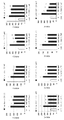
- FIG. 4 shows concentration-dependent results of prophylactic administration of PC-SOD (OXA+PC-SOD) to oxaliplatin (OXA) administration-induced allodynia model rats.
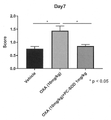
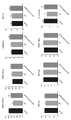
- FIG. 2 shows the preventive effect of PC-SOD (OXA+PC-SOD) on cold allodynia caused by oxaliplatin (OXA).
- FIG. 2 shows the results of PC-SOD (OXA+PC-SOD) administration on reduction of intraepidermal nerve fiber density by oxaliplatin (OXA).
- FIG. 1 shows concentration-dependent results of prophylactic administration of PC-SOD (OXA+PC-SOD) to oxaliplatin (OXA) administration-induced allodynia model rats.
- FIG. 2 shows the preventive effect of PC-SOD (OXA+PC-SOD) on cold allodynia caused by oxaliplatin (OXA).
- FIG. 2 shows the results of PC-SOD
- FIG. 1 shows the results of administration of PC-SOD (OXA+PC-SOD) on pathological injury of spinal cord dorsal root ganglion (DRG) neurons by oxaliplatin (OXA).
- FIG. 2 shows the results of administration of PC-SOD (OXA+PC-SOD) on liver pathological damage caused by oxaliplatin (OXA).
- 1 shows the effect of PC-SOD (PC-SOD) administration on colon cancer cell growth inhibitory effects of oxaliplatin (OXA).
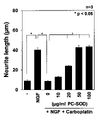
- PC-SOD PC-SOD
- PC-SOD PC-SOD
- PC-SOD PC-SOD
- PC-SOD PC-SOD
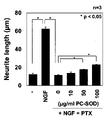
- paclitaxel (+NGF+PTX
- PC-SOD PC-SOD
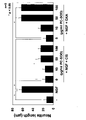
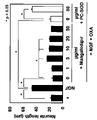
- Mangafojipir administration on neurite retraction induced by addition of oxaliplatin (+NGF+OXA) is shown.
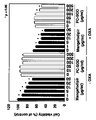
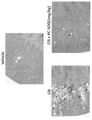
- Figure 1 shows the neuronal toxicity of PC-SOD (PC-SOD) and Mangafojipir in the presence and absence of oxaliplatin. Effect of PC-SOD (PC-SOD) on cisplatin (CIS)-induced renal injury is shown (kidney photograph).
- PC-SOD PC-SOD
- CIS cisplatin
- PC-SOD PC-SOD
- CIS cisplatin
- CIS cisplatin
- ⁇ -SMA staining The effect of PC-SOD (PC-SOD) on cisplatin (CIS)-induced renal injury (renal fibrosis) is shown.
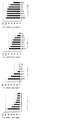
- RAW cytotoxicity by anticancer drugs (gemcitabine, oxaliplatin, cisplatin, carboplatin) is shown.
- Effect of PC-SOD on RAW cytotoxicity induced by anticancer agents (gemcitabine, oxaliplatin, cisplatin, carboplatin) is shown.
- FIG. 1 shows the action of anticancer drugs (gemcitabine, oxaliplatin, cisplatin, carboplatin) on RAW cells to produce active oxygen.
- the effect of PC-SOD on reactive oxygen production in RAW cells by anticancer drugs (gemcitabine, oxaliplatin, cisplatin, carboplatin) is shown.
- PC-SOD PC-SOD
- CIS myelosuppression induced by cisplatin
- PC-SOD lecithinized superoxide dismutase
- the terms “lecithinating superoxide dismutase” and “PC-SOD” are synonymous and can be used interchangeably.
- the terms “superoxide dismutase” and “SOD” are synonymous and can be used interchangeably.
- the terms “phosphatidylcholine”, “PC” and “lecithin” are synonymous and can be used interchangeably, both for aggregates and individual molecules. can be done.
- PC-SOD means an aggregate of PC-SOD molecules.
- PC-SOD the number and binding sites of PCs that bind to individual PC-SOD molecules that constitute "PC-SOD” may be the same or different between PC-SOD molecules. Therefore, the number of PCs bound to "PC-SOD” can be represented by the average number of bounds.
- the binding site of PC can be specified by the amino acid residue in SOD, and the binding ratio of PC can be expressed by the ratio of binding of PC to the amino acid residue in SOD. .
- PC-SOD subunit refers to an assembly of PC-SOD molecular subunits.
- SOD means an aggregate of SOD molecules.
- SOD subunit refers to an assembly of SOD molecular subunits.
- PC-SOD molecule means a molecule in which PC-SOD molecular subunits are dimerized
- PC-SOD molecular subunit refers to two It means a monomer of a mer.
- the number and binding sites of PCs that bind to the PC-SOD molecular subunits constituting the dimer of each PC-SOD molecule are the same among the PC-SOD molecular subunits that constitute the dimer. There may be, or they may be different.
- SOD molecule means a molecule in which SOD molecular subunits are dimerized, and the term “SOD molecular subunit” refers to a monomer among the dimers that constitute the SOD molecule.
- PC-SOD is a substance obtained by modifying SOD with lecithin, and has been used for burns (Patent Document 10), interstitial pneumonia (Patent Document 11), chronic obstructive pulmonary disease syndrome (Patent Document 12), and acute respiratory distress syndrome. (Patent Document 13), etc., the present applicant has reported that it is effective, but its effect on disorders associated with the administration of anticancer agents is completely unknown.
- PC-SOD is a substance obtained by modifying SOD with lecithin, and preferably one or more amino acid residues of SOD, preferably amino group-containing amino acid residues or N-terminal amino acid residues, more preferably lysine residues, are replaced with phosphatidylcholine. It is a substance modified with (PC) directly or via a linker.
- the SOD in PC-SOD is preferably human SOD (SEQ ID NO: 1), and particularly preferably human SOD containing copper and zinc in the active center (human Cu/ZnSOD).
- the SOD includes natural human Cu/ZnSOD produced from human tissue, human Cu/ZnSOD produced by genetic engineering techniques, and recombinant human Cu/ZnSOD having substantially the same amino acid sequence as the natural human Cu/ZnSOD.
- ZnSOD SOD obtained by chemically modifying or altering some amino acids in the amino acid sequence of these human Cu/ZnSOD, and the like, and any human Cu/ZnSOD may be used.
- the SOD in PC-SOD is human SOD1, more preferably human SOD1 in which the mercapto group at position 111 cysteine is protected, and still more preferably the mercapto group at position 111 cysteine is hydroxyethylthiolated. Human SOD1.
- PC is bound directly or via a linker to one or more free amino groups or hydroxy groups (preferably amino groups) of amino acid residues constituting SOD.
- Amino acid residues to which PC is bound include N-terminal Ala and Lys, Gln, Asn, Arg, Ser, Thr, and Tyr of the SOD molecule, preferably N-terminal Ala, Lys, and Thr. and more preferably N-terminal Ala and Lys, still more preferably Lys.
- the PC-SOD molecule preferably has 2 to 24 PCs, more preferably 2 to 16 PCs, even more preferably 2 to 8 PCs, and even more preferably 2 to 8 PCs.
- 4 to 6 are bonded, more preferably 4 are bonded.
- the number of PC bonds can be represented by the average number of PC bonds that bind to SOD as an aggregate. Therefore, in PC-SOD, the average number of bonds of PC to SOD is 2 to 24, preferably 2 to 16, more preferably 2 to 8, still more preferably 4 to 6, most preferably 4 are connected.
- PC may be directly bound to an amino acid residue that constitutes SOD, but is preferably bound via a linker.
- This linker connects the hydroxy group of the glyceryl group of PC and the amino group or hydroxy group (preferably amino group) of the amino acid residue.
- the number of carbon atoms in the fatty acid residue of PC is preferably 8 to 31, more preferably 10 to 28, still more preferably 14 to 22, and particularly preferably 16 (derived from palmitic acid).
- PC-SOD can be produced, for example, by the methods described in Patent Documents 14, 15 and 16, preferably by the method described in Patent Document 16.
- one or more of the amino groups of a human-derived superoxide dismutase subunit in which the mercapto group at position 111 cysteine, which is coordinated with copper and/or zinc, is hydroxyethylthiolated is general formula (I)
- R is an alkyl group having 8 to 30 carbon atoms
- n is an integer of 2 to 10.
- Including a lecithinated superoxide dismutase modified directly or via a linker with a lecithin residue represented by The lecithinated superoxide dismutase has m amino groups independently in each of the superoxide dismutase molecular subunits [m is an integer of 1 to 4, and the average value of m in the lecithinated superoxide dismutase subunits is 1.5 to 2.4.
- lecithinated superoxide dismutase (A) composed of lecithinated superoxide dismutase subunits substituted with the lecithin residue
- a lecithinized superoxide dismutase characterized by comprising 5 to 15 mol % of a lecithinized superoxide dismutase subunit (a4) where m 4.
- the binding site of PC that binds to SOD and the binding ratio are preferably as follows.
- the number following the one-letter amino acid represents the number of residues from the N-terminus in the SOD molecule.
- the binding ratio of PC is preferably 1 to 10%, more preferably 2 to 8%, and even more preferably 5%, as the total of the left amino acid residues. .
- the binding site is K9, the PC binding ratio is preferably 10 to 30%, more preferably 15 to 26%, and even more preferably 23%.
- the PC binding ratio is preferably 50 to 75%, more preferably 55 to 70%, and even more preferably 63%.
- the PC binding ratio is preferably 30 to 55%, more preferably 35 to 50%, and even more preferably 43%.
- the binding ratio of PC is preferably 10 to 80%, more preferably 30 to 65%, and even more preferably 53% as the total of the left amino acid residues.
- the binding ratio of PC is preferably 10 to 45%, more preferably 20 to 35%, and even more preferably 27%, as the total of the left amino acid residues.
- the PC binding ratio is preferably 10 to 60%, more preferably 20 to 45%, and even more preferably 33%.
- PC-SOD has 1 to 8 PCs, preferably 2 to 6 PCs, more preferably 3 to 5 PCs, and most preferably 3 to 5 PCs as the total of the above (1) to (7). are connected four times.
- the PC-SOD has the effect of treating or preventing disorders associated with the administration of anticancer drugs, as described in Examples below.
- disorders associated with administration of anticancer drugs include neuropathy, liver disorder, drug-induced deafness, renal disorder, myelosuppression, and any combination of one or more of these.
- Patients administered anticancer agents, particularly platinum agents often develop neuropathy. suggest that it is beneficial for improving Patients administered anticancer drugs often develop liver damage caused by anticancer drugs, and therefore, the effectiveness of the present invention for liver damage is beneficial in improving the QOL of patients treated with anticancer drugs. Suggest. Patients administered anticancer agents, particularly platinum agents, often develop drug-induced hearing loss.
- patients administered anticancer agents particularly platinum agents, more preferably cisplatin
- patients administered anticancer agents particularly platinum agents or antimetabolites, more preferably cisplatin, oxaliplatin, carboplatin, gemcitabine, etc.
- myelosuppression it is suggested that being effective in myelosuppression as a disorder is beneficial in improving the QOL of patients administered anticancer drugs.
- the pharmaceutical composition of the present invention is useful for peripheral neuropathy, neuropathy, neuropathic pain, allodynia, hyperalgesia or hypoalgesia, or thermal disorder, among neuropathies associated with administration of anticancer agents, and is particularly useful for CIPN.
- allodynia is synonymous with allodynia.
- neuropathic pain or allodynia include one or more selected from the group consisting of numbness in the extremities, pain in the extremities, decreased deep tendon reflexes, decreased muscle strength, and motor dysfunction.
- the thermal sensitivity disorder includes one or more selected from the group consisting of hypersensitivity to cold, hyposensitivity to cold, hypersensitivity to heat, and hyposensitivity to heat.
- CIPN chemotherapy-induced peripheral neuropathy
- the pharmaceutical composition of the present invention exhibits a preventive effect against a decrease in intraepidermal nerve fiber density caused by administration of an anticancer agent, and also exhibits a preventive effect against pathological damage to dorsal root ganglion (DRG) neurons caused by administration of an anticancer agent. show. Furthermore, it has the effect of protecting neurite disorder caused by administration of anticancer drugs. Therefore, the pharmaceutical composition of the present invention is useful for neuropathy caused by decreased density of nerve fibers, neuropathy caused by reduction or retraction of neurites, and neuropathy caused by damage to dorsal root ganglion (DRG) neurons. It has a therapeutic or prophylactic effect.
- the pharmaceutical composition of the present invention has therapeutic or preventive effects on liver damage associated with anticancer drug administration.
- the pharmaceutical composition of the present invention has an effect of treating or preventing drug-induced deafness associated with anticancer drug administration, particularly platinum drug administration, more preferably oxaliplatin, carboplatin, or cisplatin administration.
- the pharmaceutical composition of the present invention has therapeutic or preventive effects on renal disorders associated with anticancer drug administration, particularly platinum agent administration, more preferably cisplatin administration.
- the renal disorder associated with anticancer drug administration is preferably renal disorder associated with oliguria or cisplatin nephropathy. Renal injury associated with anticancer drug administration is preferably in a transitional phase from acute renal injury to chronic renal injury.
- the pharmaceutical composition of the present invention has therapeutic or preventive effects on myelosuppression associated with administration of anticancer agents, particularly platinum agents, antimetabolites, more preferably oxaliplatin, carboplatin, cisplatin, gemcitabine, and the like. Furthermore, the pharmaceutical composition of the present invention does not affect the antitumor effect of an anticancer agent, and is characterized by lower cytotoxicity and higher neuroprotective action than calmangafodipyr described in Patent Document 9.
- the pharmaceutical composition of the present invention has therapeutic or preventive effects on disorders associated with the administration of anticancer agents
- the anticancer agent is preferably a chemotherapeutic agent.
- At least one selected from the group consisting of antimetabolites, taxanes, vinca alkaloids, and proteasome inhibitors is preferred, and platinum agents are particularly preferred.
- platinum agents include cisplatin, carboplatin, and oxaliplatin.
- Specific examples of taxane-based formulations include, for example, paclitaxel or docetaxel.
- Specific examples of vinca alkaloid preparations include, for example, vincristine or vinorelbine.
- proteasome inhibitors include, for example, bortezomib or carfilzomib.
- antimetabolites include gemcitabine, cytarabine, carmofur, tegafur, 5-fluorouracil, methotrexate, capecitabine.
- specific anticancer agents include at least one selected from the group consisting of doxorubicin, epirubicin, oxaliplatin, carboplatin, cisplatin, gemcitabine, 5-fluorouracil, capecitabine, docetaxel, paclitaxel, vincristine, vinblastine, vinorelbine, bortezomib, and thalidomide. It preferably contains one, especially oxaliplatin.
- Preferred combinations of disorders associated with administration of anticancer agents and anticancer agents in the present invention are, for example, as follows.
- the anticancer agent is preferably a platinum agent or a taxane agent, and the anticancer agent is more preferably oxaliplatin, cisplatin or paclitaxel.
- the anticancer agent is preferably a platinum agent, more preferably oxaliplatin.
- the anticancer drug is preferably a platinum preparation, particularly oxaliplatin.
- the anticancer agent is preferably a platinum preparation, particularly cisplatin.
- the anticancer agent is preferably a platinum preparation, and particularly when the disorder associated with the administration of the anticancer agent is cisplatin nephropathy, the anticancer agent is preferably cisplatin.
- the anticancer agent is preferably a platinum agent or an antimetabolite, and particularly preferably cisplatin, carboplatin, oxaliplatin, gemcitabine.
- the pharmaceutical composition of the present invention is preferably administered with cancer chemotherapy such as FOLFOX therapy or XELOX therapy (CapeOX therapy), more preferably mFOLFOX therapy.
- FOLFOX is a cancer chemotherapy that combines folinic acid, fluorouracil, and oxaliplatin.
- FOLFOX has variations in modification methods including FOLFOX1 to FOLFOX7 and mFOLFOX6 due to differences in dosage of each drug, but FOLFOX4, FOLFOX6, or mFOLFOX6 are preferred, and mFOLFOX6 is particularly preferred in Japan.
- XELOX therapy is a cancer chemotherapy that combines Xeloda and oxaliplatin (capecitabine and oxaliplatin).
- the pharmaceutical composition of the present invention is useful for ovarian cancer, non-small cell lung cancer, breast cancer, endometrial cancer, head and neck cancer, esophageal cancer, leukemia, malignant lymphoma, pediatric tumor, multiple myeloma, malignant astrocytoma, and glioma.
- trophoblastic disease germ cell tumor, lung cancer, testicular tumor, bladder cancer, renal pelvic tumor, urethral tumor, prostate cancer, cervical cancer, neuroblastoma, small cell lung cancer, osteosarcoma, malignant pleural mesothelioma, malignant bone Tumor, renal cancer, penile cancer, various bone and soft tissue tumors, liver cancer, thyroid cancer, retroperitoneal tumor, bone metastasis, testicular cancer, gallbladder cancer, biliary tract cancer, cholangiocarcinoma, adrenal cancer, mesoblastoma, hepatoblastoma, liver Primary malignant tumor, medulloblastoma, gastric cancer, pancreatic cancer, urothelial cancer, extragonadal tumor, Langerhans cell histiocytosis, mantle cell lymphoma, lymphoplasmacytic lymphoma, small bowel cancer, colon cancer, rectal cancer, and colorectal cancer 1 selected from the group consisting of gastric
- anticancer agents can also be administered to patients as postoperative adjuvant chemotherapy or prevention of recurrence in patients who have undergone cancer resection. That is, anticancer agents include ovarian cancer, non-small cell lung cancer, breast cancer, endometrial cancer, head and neck cancer, esophageal cancer, leukemia, malignant lymphoma, pediatric tumors, multiple myeloma, malignant astrocytoma, glioma, and villous cancer.
- it is administered to a patient who has a history of one or more types of cancer and has had the cancer resected, and has a history of one or more types of cancer selected from the group consisting of colon cancer, rectal cancer, and colorectal cancer. More preferably, it is administered to patients who have a history of and have had the cancer resected.
- the pharmaceutical composition of the present invention has a therapeutic or preventive effect not only on neuropathy associated with anticancer drug administration, but also on liver disorder, drug-induced deafness, and/or renal disorder. It can also be administered to patients who are coexisting with one or more of renal impairment and myelosuppression in any combination.
- the pharmaceutical composition of the present invention has the effect of treating or preventing neuropathy, liver disorder, drug-induced deafness, renal disorder, bone marrow suppression, or a combination of one or more of these that accompanies the administration of an anticancer agent, the pharmaceutical composition is combined with an anticancer agent. administration is preferred.
- the pharmaceutical composition of the present invention may contain PC-SOD, it is preferable to mix it with a pharmaceutically acceptable carrier to prepare pharmaceutical compositions in various dosage forms.
- the administration form of such pharmaceutical compositions is preferably injection, preferably intravenous or local injection, or infusion.
- water, a solubilizing agent, or an aqueous solution of xylitol preferably 5 w/w%, 10 w/w%, or 20 w/w%, more preferably 5 w/w%) is used.
- intravenous administration, local injection, subcutaneous injection, and intramuscular administration are preferred.
- Formulations of the pharmaceutical composition of the present invention include freeze-dried preparations and powder fillers, with freeze-dried preparations being preferred.
- a stabilizer such as sucrose is preferably blended in order to obtain a freeze-dried preparation.
- An aqueous solution containing PC-SOD and sucrose can be formulated by lyophilization by methods known in the art.
- the PC-SOD:sucrose weight ratio is preferably 1:1 to 1:5, more preferably 1:1 to 1:2.
- sucrose is preferably 40 mg to 200 mg, more preferably 40 mg to 80 mg, and even more preferably 67 mg.
- the content of PC-SOD in the pharmaceutical composition of the present invention is not particularly limited, but is usually 1-100% by mass, preferably 10-80% by mass, more preferably 10-80% by mass, relative to the total amount of the composition. is 25 to 50% by mass.
- the dose of the pharmaceutical composition of the present invention varies depending on the symptoms and age of the patient to whom the anticancer agent is administered, but the PC-SOD is preferably 20 to 160 mg, more preferably 20 to 80 mg per day for adults. , 40-80 mg is more preferred.
- this dosage can be administered in 1 to 4 times a week, 1 to 4 times in 2 weeks, or 1 to 4 times in 3 weeks, and this administration cycle can be repeated 1 to 20 times. can be done.
- the pharmaceutical compositions of the present invention can be administered according to a FOLFOX or XELOX dosing regimen.
- FOLFOX the pharmaceutical composition of the invention is administered once every two weeks for 12 cycles.
- XELOX the pharmaceutical composition of the invention is administered once every three weeks for eight cycles.
- Another preferred embodiment of the present invention is PC-SOD for preventing or treating disorders associated with administration of anticancer agents.
- Another preferred embodiment of the present invention is the use of PC-SOD for manufacturing a pharmaceutical composition for the prevention or treatment of disorders associated with administration of anticancer agents.
- Another preferred embodiment of the present invention is a method for preventing or treating disorders associated with the administration of anticancer drugs, which comprises administering PC-SOD.
- Method Preparation of oxaliplatin administration-induced allodynia model rats: Male SD rats (200-400 g) aged 6-8 weeks were used, and 4 mg/kg of oxaliplatin (hereinafter sometimes abbreviated as OXA) was intraperitoneally administered to the rats. Administration was carried out twice a week for 4 weeks, a total of 8 times (days 1, 2, 7, 8, 13, 14, 19, 20). A control group was similarly administered a solvent for OXA, that is, a 5% glucose solution. 100 mg of Elplat injection (Yakult Honsha Co., Ltd.) was used as OXA.
- OXA oxaliplatin administration-induced allodynia model rats
- FIG. 1 shows the concentration-dependent results of prophylactic administration of PC-SOD among the above test results.
- the pain threshold was significantly lowered compared to the control group.
- PC-SOD inhibited the decrease in pain threshold caused by OXA in a concentration-dependent manner.
- the decrease in threshold observed in the OXA-administered group was significantly suppressed. From the above results, it was confirmed that PC-SOD has a preventive effect on mechanical allodynia caused by OXA.
- PC-SOD was administered to the OXA+PC-SOD administration group through the tail vein from 15 minutes after the administration of OXA as prophylactic administration. Administration is performed twice in total (days 1 and 2).
- the PC-SOD solvent is similarly administered to the control group and the OXA-administered group.
- Acetone test A rat was placed in a container with a wire mesh bottom and acclimatized for 30 minutes, then sprayed with 0.1 mL of acetone on the hind legs using a spray for organic solvents (NO.3530, manufactured by Furupla Co., Ltd.), A cold stimulus is applied by utilizing the cooling effect of acetone when it is vaporized.
- the rat's avoidance reaction was observed for 40 seconds after the start of misting and evaluated by a scoring method.
- the scoring method was specifically divided into 4 stages (scores 0, 1, 2, 3) and evaluated.
- a score of 0 means that the animal is as resting and unresponsive.
- a score of 1 indicates that the animal responds quickly, such as moving its hind paws, but does not include repeated responses or prolonged reaction times.
- a score of 2 includes rapid reaction of the animal's hind paws, such as leg movement, and repeated reactions or prolonged reaction time.
- Score 3 means that score 2 and the behavior of the animal licking its hind paws appear.
- Statistical Processing Data are shown as mean ⁇ standard error (Mean ⁇ SEM).
- FIG. 2 shows the results of prophylactic administration of PC-SOD for cold allodynia caused by OXA.
- the score due to the cold stimulus was significantly increased compared to the control group.
- the increase in score observed in the OXA-administered group was significantly suppressed. From the above results, it was confirmed that PC-SOD has a preventive effect against cold allodynia caused by OXA.
- Method (1) Evaluation method of intraepidermal nerve density. Rat epidermal tissue fixed with 4% paraformaldehyde fixative was washed with PBS after 24 hours to prepare a frozen block. For the prepared blocks, frozen sections with a thickness of 50 ⁇ m were prepared using a cryostat (CM3050S; manufactured by Leica), and 0.2% Triton-X solution was added for permeabilization and allowed to react for 10 minutes. Nerve fibers were reacted with an anti-PGP9.5 antibody (Ultraclone Ltd.) at 4° C. overnight, washed with PBSt, and reacted with a secondary fluorescent antibody (Alexa Fluor 488 goat anti-rabbit; IgG Invitrogen).
- FIG. 3 shows the results of administration of PC-SOD on the reduction of intraepidermal nerve fiber density by OXA.
- the intraepidermal nerve fiber density was decreased compared to the control group (arrow).
- the OXA+PC-SOD (1 mg/kg) administration group exhibited an inhibitory effect on the decrease in intraepidermal nerve fiber density due to OXA. From the above results, it was confirmed that PC-SOD has a preventive effect against the pathological damage of peripheral neuropathy caused by OXA.
- FIG. 4 shows the results of administration of PC-SOD on pathological injury of DRG by OXA.
- a phenomenon of pathological damage was observed in the OXA-administered group compared to the control group (arrows, multinucleation and morphological abnormalities of nucleoli of DRG neurons).
- the OXA+PC-SOD (1 mg/kg) administration group exhibited an inhibitory effect on the pathological damage of DRG by OXA. From the above results, it was confirmed that PC-SOD has a protective effect against pathological damage in DRG neurons caused by OXA.
- FIG. 5 shows the results of administration of PC-SOD for liver pathological damage caused by OXA and the results of differentiation from Mangafodipir.
- OXA-administered group liver pathological damage was confirmed compared to the control group (arrows, hepatocyte necrosis).
- OXA+PC-SOD (1 mg/kg) administration group OXA showed an inhibitory effect on hepatocyte necrosis.
- OXA did not show an inhibitory effect on hepatocyte necrosis.
- Mangafodipir is an analogue of Calmangafodipir, which is being developed as a drug for CIPN, and was available as a reagent, so it was used as a control in this example. From the above results, it was found that PC-SOD has a preventive effect against OXA-induced liver injury. It was also confirmed that PC-SOD has a preventive effect in reducing side effects against liver damage, which is one of the serious side effects of OXA, compared with Mangafodipir.
- Method (1) Cell culture Colorectal cancer cells (colo320, HCT116) were cultured in RPM1640 medium (Thermo Fisher Scientific) containing 10% fetal bovine serum and 100 units/mL penicillin-streptomycin (manufactured by Gibco BRL). and cultured in a 37° C., 5% CO 2 incubator. (2) Drug Treatment and Measurement of Cell Proliferation Cells are seeded in a 96-well plate at 10,000 cells/well, and 24 hours later, the cells are treated with the test solution. In the OXA-only test solution, OXA is diluted 3-fold (10 steps) from 100 ⁇ M and added to a 96-well plate.
- oxaliplatin final concentration 20 ⁇ M
- cisplatin abbreviated as CP in the results, final concentration 33 ⁇ M
- PC-SOD final concentrations 10, 50, 100 ⁇ g/ml
- Method PC12 cells were seeded on a collagen-coated 24-well plate at 5000 cells/well. After 24 hours, the medium was changed to a differentiation medium (RPMI-1640 containing 100 ng/mL NGF and 0.5% FBS) and cultured for an additional 96 hours. After neurite outgrowth, differentiation including oxaliplatin (final concentration 20 ⁇ M) alone or oxaliplatin and PC-SOD (final concentration 50 ⁇ g/mL) or Mangafodipir (final concentration 1, 5, 10, 20, 50 ⁇ g/mL) Cultured in medium for 24 hours. Cell images were obtained with a microscope (Keyence BZ-X800), and neurite lengths were measured using image analysis software ImageJ (NIH). Triplicate for each group, 30 cells per well were analyzed. The graph shows the average of each group, and multiple comparison was performed by Tukey's test (*: p ⁇ 0.05).
- Method PC12 cells were seeded on a collagen-coated 96-well plate at 10,000 cells/well, and after 24 hours, the medium was changed to a differentiation medium (RPMI-1640 containing 100 ng/mL NGF and 0.5% FBS) and cultured for an additional 72 hours. did.
- PC-SOD final concentrations 10, 50, 100, 200, 500 ⁇ g/mL
- Mangafodipir final concentrations 1, 5, 10, 20, 50 ⁇ g/mL
- oxaliplatin final concentration 20 ⁇ M
- Cell viability was analyzed by neutral red assay (*: p ⁇ 0.05). Each group was triplicated, and the graph shows the average of each group. Multiple comparison was performed by Tukey's test (*: p ⁇ 0.05).
- CIS cisplatin
- PC-SOD was administered to the CIS+PC-SOD administration group through the tail vein 5 to 15 minutes after the administration of CIS. Administration was carried out twice a week for 4 weeks, a total of 8 times (days 1, 2, 7, 8, 13, 14, 19, 20).
- the PC-SOD solvent was similarly administered to the control group and the CIS-administered group.
- the rat kidney weight was measured and changes in kidney weight were corrected for body weight.
- the excised kidney was sectioned in the sagittal plane, fixed with 10% formalin, and paraffin blocks were prepared using Histos5 (Milestone) and embedding center (EG1160; Leica).
- the sample block was sliced to a thickness of 3 ⁇ m using a microtome (MR2245; Leica) to prepare a slide.
- the prepared slides were subjected to Periodic acid Schiff (PAS) staining for pathological evaluation, Picrosiriu Red staining for fibrosis evaluation, ⁇ -SMA, a fibrosis marker, immunostaining, and microscopy (BZ-X800; Observation was performed with an optical microscope function (Keyence Corporation) at magnifications of 40 and 100.
- PAS Periodic acid Schiff
- cisplatin was administered twice weekly for 4 weeks. Therefore, it is considered that cisplatin nephropathy develops in this test system.
- acute kidney injury is a kidney injury that occurs over a period of several hours to several days
- chronic kidney injury chronic kidney disease
- the effect of PC-SOD to suppress renal swelling and fibrosis is during the transition from acute renal injury to chronic renal injury, preferably from acute cisplatin nephropathy to chronic cisplatin nephropathy. It was suggested that the
- Method RAW cells were seeded in a 96-well plate at 20000 cells/well (D-MEM high glucose medium containing 10% inactivated FBS). After 24 hours, gemcitabine alone, oxaliplatin alone, cisplatin alone, and carboplatin alone, or gemcitabine and PC-SOD, oxaliplatin and PC-SOD, cisplatin and PC-SOD, or carboplatin and PC-SOD were added. After 24 hours, the number of viable cells was calculated by measuring chemiluminescence using CellTiter-Glo TM 2.0 Cell Viability Assay (Promega) and a plate reader (Tecan, Infinite M Plex). Cells for 4 wells in each group were analyzed.
- the graph shows the average of each group, and multiple comparison was performed by Dunnett's test (*: p ⁇ 0.05, **: p ⁇ 0.01 vs control, #: p ⁇ 0.05, ##: p ⁇ 0.01 vs anticancer drug alone).
- Method RAW cells were seeded in a fluorescence 96-well plate at 20000 cells/well (D-MEM high glucose medium containing 10% inactivated FBS). After 24 hours, gemcitabine alone, oxaliplatin alone, cisplatin alone, and carboplatin alone, or gemcitabine and PC-SOD, oxaliplatin and PC-SOD, cisplatin and PC-SOD, or carboplatin and PC-SOD were added. After 16 hours, the HBSS solution dissolved with MitoSOX TM Red Mitochondrial Superoxide Indicator (Invitrogen TM ) was treated for 30 minutes, and then replaced with D-MEM high glucose medium containing 1% inactivated FBS.
- MitoSOX TM Red Mitochondrial Superoxide Indicator Invitrogen TM
- Reactive oxygen production in mitochondria was calculated by measuring fluorescence (Ex 510 nm, Em 580 nm) using a plate reader (Tecan, Infinite M Plex). Cells for 4 wells in each group were analyzed. The graph shows the average of each group, and multiple comparison was performed by Dunnett's test (*: p ⁇ 0.05, **: p ⁇ 0.01 vs control, #: p ⁇ 0.05, ##: p ⁇ 0.01 vs anticancer drug alone).
- CIS cisplatin
- PC-SOD was administered to the CIS+PC-SOD administration group through the tail vein 5 to 15 minutes after the administration of CIS. Administration was carried out twice a week for 4 weeks, a total of 8 times (days 1, 2, 7, 8, 13, 14, 19, 20). The PC-SOD solvent was similarly administered to the control group and the CIS-administered group. Peripheral blood was collected from the tail vein of rats on day 3, and peripheral blood analysis was performed using an automatic hemocytometer (MEK-6458 Nihon Kohden).
- PC-SOD Identification of PCylation Site of PC-SOD
- PC-SOD is typically produced according to the method described in Patent Documents 14, 15 or Patent Document 16, more preferably according to the method described in Patent Document 16. be done.
- the PC-SOD of the present invention is a heterogeneous assembly composed of PC-SOD molecules in which PCs are bound to SOD molecules at various numbers and binding sites. Therefore, the structure of "PC-SOD", particularly the binding site of PC in PC-SOD and the number of binding sites thereof, defines the amino acid residues of SOD to which PC can bind and the ratio of binding thereof within a certain range. It can be said that this is the clearest possible description of the structure of PC-SOD.
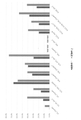
- FIG. 15 shows the PCylation sites and the PCylation ratio of the obtained PC-SOD.
- the number following the one-letter amino acid represents the number of residues from the N-terminus in the SOD molecule.
- the average values of the results of the above two analyzes are shown in the table below.
Landscapes
- Health & Medical Sciences (AREA)
- Life Sciences & Earth Sciences (AREA)
- Chemical & Material Sciences (AREA)
- General Health & Medical Sciences (AREA)
- Medicinal Chemistry (AREA)
- Veterinary Medicine (AREA)
- Public Health (AREA)
- Animal Behavior & Ethology (AREA)
- Pharmacology & Pharmacy (AREA)
- Engineering & Computer Science (AREA)
- Bioinformatics & Cheminformatics (AREA)
- Organic Chemistry (AREA)
- Chemical Kinetics & Catalysis (AREA)
- General Chemical & Material Sciences (AREA)
- Nuclear Medicine, Radiotherapy & Molecular Imaging (AREA)
- Epidemiology (AREA)
- Gastroenterology & Hepatology (AREA)
- Biomedical Technology (AREA)
- Molecular Biology (AREA)
- Urology & Nephrology (AREA)
- Proteomics, Peptides & Aminoacids (AREA)
- Immunology (AREA)
- Neurology (AREA)
- Neurosurgery (AREA)
- Zoology (AREA)
- Genetics & Genomics (AREA)
- Wood Science & Technology (AREA)
- Toxicology (AREA)
- Biophysics (AREA)
- Biochemistry (AREA)
- General Engineering & Computer Science (AREA)
- Biotechnology (AREA)
- Microbiology (AREA)
- Inorganic Chemistry (AREA)
- Medicines That Contain Protein Lipid Enzymes And Other Medicines (AREA)
- Medicinal Preparation (AREA)
- Acyclic And Carbocyclic Compounds In Medicinal Compositions (AREA)
- Pharmaceuticals Containing Other Organic And Inorganic Compounds (AREA)
Priority Applications (10)
| Application Number | Priority Date | Filing Date | Title |
|---|---|---|---|
| CN202280033165.1A CN117279657A (zh) | 2021-05-18 | 2022-05-17 | 用于治疗或预防伴随抗癌剂给药的障碍的医药组合物 |
| US18/560,442 US20240261375A1 (en) | 2021-05-18 | 2022-05-17 | Pharmaceutical composition for treating or preventing disorder associated with administration of anticancer agent |
| BR112023024140-5A BR112023024140B1 (pt) | 2021-05-18 | 2022-05-17 | Uso de uma superóxido dismutase lecitinizada para tratar ou prevenir um distúrbio associado com a administração de um agente anticâncer |
| MX2023013777A MX2023013777A (es) | 2021-05-18 | 2022-05-17 | Composicion farmaceutica para tratar o prevenir un trastorno relacionado con la administracion de un agente anticancerigeno. |
| KR1020237038088A KR102843447B1 (ko) | 2021-05-18 | 2022-05-17 | 항암제의 투여에 수반되는 장애를 치료 또는 예방하기 위한 의약 조성물 |
| CA3220333A CA3220333A1 (en) | 2021-05-18 | 2022-05-17 | Pharmaceutical composition for treating or preventing disorder associated with administration of anticancer agent |
| JP2023522667A JP7504367B2 (ja) | 2021-05-18 | 2022-05-17 | 抗癌剤の投与に伴う障害を治療又は予防するための医薬組成物 |
| AU2022278242A AU2022278242B2 (en) | 2021-05-18 | 2022-05-17 | Pharmaceutical composition for treating or preventing disorder associated with administration of anticancer agent |
| EP22804668.6A EP4353251A4 (en) | 2021-05-18 | 2022-05-17 | Pharmaceutical composition for the treatment or prevention of diseases associated with the administration of an anticancer agent |
| CONC2023/0017275A CO2023017275A2 (es) | 2021-05-18 | 2023-12-14 | Composición farmacéutica para tratar o prevenir un trastorno relacionado con la administración de un agente anticancerígeno |
Applications Claiming Priority (2)
| Application Number | Priority Date | Filing Date | Title |
|---|---|---|---|
| JP2021-083610 | 2021-05-18 | ||
| JP2021083610 | 2021-05-18 |
Publications (1)
| Publication Number | Publication Date |
|---|---|
| WO2022244757A1 true WO2022244757A1 (ja) | 2022-11-24 |
Family
ID=84141593
Family Applications (1)
| Application Number | Title | Priority Date | Filing Date |
|---|---|---|---|
| PCT/JP2022/020473 Ceased WO2022244757A1 (ja) | 2021-05-18 | 2022-05-17 | 抗癌剤の投与に伴う障害を治療又は予防するための医薬組成物 |
Country Status (11)
| Country | Link |
|---|---|
| US (1) | US20240261375A1 (https=) |
| EP (1) | EP4353251A4 (https=) |
| JP (1) | JP7504367B2 (https=) |
| KR (1) | KR102843447B1 (https=) |
| CN (1) | CN117279657A (https=) |
| AU (1) | AU2022278242B2 (https=) |
| CA (1) | CA3220333A1 (https=) |
| CO (1) | CO2023017275A2 (https=) |
| MX (1) | MX2023013777A (https=) |
| TW (1) | TWI867299B (https=) |
| WO (1) | WO2022244757A1 (https=) |
Cited By (2)
| Publication number | Priority date | Publication date | Assignee | Title |
|---|---|---|---|---|
| RU2821309C1 (ru) * | 2024-02-21 | 2024-06-20 | Евгений Владимирович Григорьев | Применение супероксиддисмутазы 2 в качестве антиоксиданта в сверхмалых дозировках |
| WO2025178511A1 (ru) * | 2024-02-21 | 2025-08-28 | Евгений Владимирович ГРИГОРЬЕВ | Применение супероксиддисмутазы 2 в качестве антиоксиданта в сверхмалых дозировках |
Citations (22)
| Publication number | Priority date | Publication date | Assignee | Title |
|---|---|---|---|---|
| JPS62103022A (ja) * | 1985-10-28 | 1987-05-13 | Nikken Food Kk | 化学療法剤の副作用低減化剤 |
| JPH04135485A (ja) * | 1990-09-28 | 1992-05-08 | Seikagaku Kogyo Co Ltd | 白金錯体及び抗腫瘍剤 |
| JPH06199895A (ja) | 1993-01-08 | 1994-07-19 | Ube Ind Ltd | ヒトCu,Zn型スーパーオキシドジスムターゼ誘導体及びその製造法 |
| JP2001002585A (ja) * | 1999-06-22 | 2001-01-09 | Ltt Kenkyusho:Kk | レシチン化スーパーオキシドジスムターゼ含有抗線維化剤 |
| JP2001064199A (ja) | 1999-06-24 | 2001-03-13 | Ltt Kenkyusho:Kk | レシチン化スーパーオキシドジスムターゼ含有医薬組成物 |
| JP2002080395A (ja) * | 2000-08-31 | 2002-03-19 | Ltt Institute Co Ltd | 心筋傷害処置剤 |
| JP2002514608A (ja) * | 1998-05-11 | 2002-05-21 | ユニバーシティー・オブ・ピッツバーグ | 電離放射線または化学療法剤による障害のインビボ遺伝子治療による防護 |
| JP2003532691A (ja) | 2000-05-05 | 2003-11-05 | ノボ ノルディスク アクティーゼルスカブ | 重症疾患神経障害 |
| JP3738008B2 (ja) | 2001-03-12 | 2006-01-25 | バイオジェン・アイデック・エムエイ・インコーポレイテッド | 神経栄養因子 |
| WO2006040980A1 (ja) | 2004-10-12 | 2006-04-20 | Asahi Glass Company, Limited | レシチン化スーパーオキシドディスムターゼ組成物およびその製造方法 |
| JP2006169128A (ja) | 2004-12-13 | 2006-06-29 | Ltt Bio-Pharma Co Ltd | 熱傷治療剤 |
| JP2006516287A (ja) | 2003-01-21 | 2006-06-29 | ジェナボン バイオファーマシューティカルズ エルエルシー | Mntfペプチドおよび組成物ならびに使用の方法 |
| JP2008075706A (ja) | 2006-09-20 | 2008-04-03 | Nsk Ltd | 無段変速装置 |
| JP2008518599A (ja) | 2004-10-28 | 2008-06-05 | ユニヴァーシティ オヴ ピッツバーグ オヴ ザ コモンウェルス システム オヴ ハイアー エデュケーション | 脊髄損傷疼痛のための末梢送達グルタミン酸脱炭酸酵素遺伝子治療 |
| JP2010215527A (ja) | 2009-03-13 | 2010-09-30 | Ltt Bio-Pharma Co Ltd | 慢性閉塞性肺疾患改善剤 |
| JP2014129338A (ja) * | 2012-11-30 | 2014-07-10 | Nano Egg:Kk | 手足症候群治療用組成物 |
| JP2017073255A (ja) | 2015-10-06 | 2017-04-13 | パナソニックIpマネジメント株式会社 | 照明制御装置及び照明システム |
| JP6131271B2 (ja) | 2012-01-05 | 2017-05-17 | プレッドファルマ・アーベー | カルマンガホジピル、新たな化学実体、および他の混合金属錯体、調製の方法、組成物、および処置の方法 |
| JP2017524696A (ja) | 2014-08-14 | 2017-08-31 | フラウンホファー‐ゲゼルシャフト・ツア・フェルデルング・デア・アンゲヴァンテン・フォルシュング・エー・ファウ | 疼痛治療におけるcyp2j2アンタゴニスト |
| JP2017527542A (ja) | 2014-07-31 | 2017-09-21 | グラクソスミスクライン、インテレクチュアル、プロパティー、ディベロップメント、リミテッドGlaxosmithkline Intellectual Property Development Limited | 化学療法誘発末梢神経障害(cipn)の予防および/または治療のためのcxcr2アンタゴニストの使用 |
| JP6231386B2 (ja) | 2010-11-09 | 2017-11-15 | ノヴォ ノルディスク アー/エス | リンカーを有する二重アシル化されたglp−1誘導体 |
| JP2018521133A (ja) | 2015-07-16 | 2018-08-02 | アマリ バイオファーマ, インコーポレイテッド | プラチナ薬剤の毒性の予防方法 |
Family Cites Families (2)
| Publication number | Priority date | Publication date | Assignee | Title |
|---|---|---|---|---|
| JPH08208511A (ja) * | 1995-01-31 | 1996-08-13 | Samu Kenkyusho:Kk | 抗運動ニューロン疾患剤 |
| US20100143321A1 (en) * | 2006-12-19 | 2010-06-10 | Ltt Bio Pharma Co., Ltd. | Therapeutic composition for interstitual pneumonia |
-
2022
- 2022-05-17 CN CN202280033165.1A patent/CN117279657A/zh active Pending
- 2022-05-17 JP JP2023522667A patent/JP7504367B2/ja active Active
- 2022-05-17 US US18/560,442 patent/US20240261375A1/en active Pending
- 2022-05-17 EP EP22804668.6A patent/EP4353251A4/en active Pending
- 2022-05-17 CA CA3220333A patent/CA3220333A1/en active Pending
- 2022-05-17 WO PCT/JP2022/020473 patent/WO2022244757A1/ja not_active Ceased
- 2022-05-17 AU AU2022278242A patent/AU2022278242B2/en active Active
- 2022-05-17 MX MX2023013777A patent/MX2023013777A/es unknown
- 2022-05-17 KR KR1020237038088A patent/KR102843447B1/ko active Active
- 2022-05-18 TW TW111118516A patent/TWI867299B/zh active
-
2023
- 2023-12-14 CO CONC2023/0017275A patent/CO2023017275A2/es unknown
Patent Citations (22)
| Publication number | Priority date | Publication date | Assignee | Title |
|---|---|---|---|---|
| JPS62103022A (ja) * | 1985-10-28 | 1987-05-13 | Nikken Food Kk | 化学療法剤の副作用低減化剤 |
| JPH04135485A (ja) * | 1990-09-28 | 1992-05-08 | Seikagaku Kogyo Co Ltd | 白金錯体及び抗腫瘍剤 |
| JPH06199895A (ja) | 1993-01-08 | 1994-07-19 | Ube Ind Ltd | ヒトCu,Zn型スーパーオキシドジスムターゼ誘導体及びその製造法 |
| JP2002514608A (ja) * | 1998-05-11 | 2002-05-21 | ユニバーシティー・オブ・ピッツバーグ | 電離放射線または化学療法剤による障害のインビボ遺伝子治療による防護 |
| JP2001002585A (ja) * | 1999-06-22 | 2001-01-09 | Ltt Kenkyusho:Kk | レシチン化スーパーオキシドジスムターゼ含有抗線維化剤 |
| JP2001064199A (ja) | 1999-06-24 | 2001-03-13 | Ltt Kenkyusho:Kk | レシチン化スーパーオキシドジスムターゼ含有医薬組成物 |
| JP2003532691A (ja) | 2000-05-05 | 2003-11-05 | ノボ ノルディスク アクティーゼルスカブ | 重症疾患神経障害 |
| JP2002080395A (ja) * | 2000-08-31 | 2002-03-19 | Ltt Institute Co Ltd | 心筋傷害処置剤 |
| JP3738008B2 (ja) | 2001-03-12 | 2006-01-25 | バイオジェン・アイデック・エムエイ・インコーポレイテッド | 神経栄養因子 |
| JP2006516287A (ja) | 2003-01-21 | 2006-06-29 | ジェナボン バイオファーマシューティカルズ エルエルシー | Mntfペプチドおよび組成物ならびに使用の方法 |
| WO2006040980A1 (ja) | 2004-10-12 | 2006-04-20 | Asahi Glass Company, Limited | レシチン化スーパーオキシドディスムターゼ組成物およびその製造方法 |
| JP2008518599A (ja) | 2004-10-28 | 2008-06-05 | ユニヴァーシティ オヴ ピッツバーグ オヴ ザ コモンウェルス システム オヴ ハイアー エデュケーション | 脊髄損傷疼痛のための末梢送達グルタミン酸脱炭酸酵素遺伝子治療 |
| JP2006169128A (ja) | 2004-12-13 | 2006-06-29 | Ltt Bio-Pharma Co Ltd | 熱傷治療剤 |
| JP2008075706A (ja) | 2006-09-20 | 2008-04-03 | Nsk Ltd | 無段変速装置 |
| JP2010215527A (ja) | 2009-03-13 | 2010-09-30 | Ltt Bio-Pharma Co Ltd | 慢性閉塞性肺疾患改善剤 |
| JP6231386B2 (ja) | 2010-11-09 | 2017-11-15 | ノヴォ ノルディスク アー/エス | リンカーを有する二重アシル化されたglp−1誘導体 |
| JP6131271B2 (ja) | 2012-01-05 | 2017-05-17 | プレッドファルマ・アーベー | カルマンガホジピル、新たな化学実体、および他の混合金属錯体、調製の方法、組成物、および処置の方法 |
| JP2014129338A (ja) * | 2012-11-30 | 2014-07-10 | Nano Egg:Kk | 手足症候群治療用組成物 |
| JP2017527542A (ja) | 2014-07-31 | 2017-09-21 | グラクソスミスクライン、インテレクチュアル、プロパティー、ディベロップメント、リミテッドGlaxosmithkline Intellectual Property Development Limited | 化学療法誘発末梢神経障害(cipn)の予防および/または治療のためのcxcr2アンタゴニストの使用 |
| JP2017524696A (ja) | 2014-08-14 | 2017-08-31 | フラウンホファー‐ゲゼルシャフト・ツア・フェルデルング・デア・アンゲヴァンテン・フォルシュング・エー・ファウ | 疼痛治療におけるcyp2j2アンタゴニスト |
| JP2018521133A (ja) | 2015-07-16 | 2018-08-02 | アマリ バイオファーマ, インコーポレイテッド | プラチナ薬剤の毒性の予防方法 |
| JP2017073255A (ja) | 2015-10-06 | 2017-04-13 | パナソニックIpマネジメント株式会社 | 照明制御装置及び照明システム |
Cited By (2)
| Publication number | Priority date | Publication date | Assignee | Title |
|---|---|---|---|---|
| RU2821309C1 (ru) * | 2024-02-21 | 2024-06-20 | Евгений Владимирович Григорьев | Применение супероксиддисмутазы 2 в качестве антиоксиданта в сверхмалых дозировках |
| WO2025178511A1 (ru) * | 2024-02-21 | 2025-08-28 | Евгений Владимирович ГРИГОРЬЕВ | Применение супероксиддисмутазы 2 в качестве антиоксиданта в сверхмалых дозировках |
Also Published As
| Publication number | Publication date |
|---|---|
| EP4353251A1 (en) | 2024-04-17 |
| CN117279657A (zh) | 2023-12-22 |
| US20240261375A1 (en) | 2024-08-08 |
| JP7504367B2 (ja) | 2024-06-24 |
| AU2022278242B2 (en) | 2024-11-14 |
| CO2023017275A2 (es) | 2023-12-20 |
| MX2023013777A (es) | 2023-12-04 |
| TW202313100A (zh) | 2023-04-01 |
| KR20240008844A (ko) | 2024-01-19 |
| JPWO2022244757A1 (https=) | 2022-11-24 |
| BR112023024140A2 (pt) | 2024-02-06 |
| TWI867299B (zh) | 2024-12-21 |
| AU2022278242A1 (en) | 2023-11-30 |
| EP4353251A4 (en) | 2025-05-14 |
| KR102843447B1 (ko) | 2025-08-06 |
| CA3220333A1 (en) | 2022-11-24 |
Similar Documents
| Publication | Publication Date | Title |
|---|---|---|
| Qiao et al. | Kidney-specific drug delivery system for renal fibrosis based on coordination-driven assembly of catechol-derived chitosan | |
| Wang et al. | Low-molecular-weight protamine-modified PLGA nanoparticles for overcoming drug-resistant breast cancer | |
| Liang et al. | cRGD-targeted heparin nanoparticles for effective dual drug treatment of cisplatin-resistant ovarian cancer | |
| US11622990B2 (en) | VAP polypeptide and use thereof in preparation of drug for targeted diagnosis and treatment of tumor | |
| Lopes-Nunes et al. | Biological studies of an ICG-tagged aptamer as drug delivery system for malignant melanoma | |
| EP3263107B1 (en) | Block copolymer conjugate of physiologically active substance | |
| Li et al. | A011, a novel small-molecule ligand of σ2 receptor, potently suppresses breast cancer progression via endoplasmic reticulum stress and autophagy | |
| Gong et al. | Adenosine-modulating synthetic high-density lipoprotein for chemoimmunotherapy of triple-negative breast cancer | |
| JP7504367B2 (ja) | 抗癌剤の投与に伴う障害を治療又は予防するための医薬組成物 | |
| Wang et al. | Targeting the GTPase RAN by liposome delivery for tackling cancer stemness-emanated therapeutic resistance | |
| Li et al. | A novel antibody-KSP inhibitor conjugate improves KSP inhibitor efficacy in vitro and in vivo | |
| JP2026001029A (ja) | がん治療のための化学療法剤とα-ラクトアルブミン-オレイン酸複合体の組合せ | |
| Uner et al. | Enhancement of in-vivo cellular uptake of Coenzyme Q10 using saponin derivatives in rTALAP transgenic mice model | |
| RU2845522C2 (ru) | Фармацевтическая композиция для лечения или профилактики расстройства, связанного с введением противоракового средства | |
| CA2807707A1 (en) | Compositions and methods for treating cancer | |
| Li et al. | Long-circulating liposomal delivery system targeting at PDGFR-β enhances the therapeutic effect of IFN-α on hepatic fibrosis | |
| US20220280469A1 (en) | Pharmaceutical compound and preparation method therefor and use thereof | |
| Wang et al. | A pH-sensitive peptide amphiphilic-based drug delivery system inhibits hepatocellular carcinoma growth by suppressing hepatic stellate cell activation | |
| HK40100859A (zh) | 用於治疗或预防伴随抗癌剂给药的障碍的医药组合物 | |
| EP2964242B1 (en) | Compositions for the treatment of cancer using gliadin peptides | |
| CA3135916C (en) | COMBINED USE OF THE COMPOUND MEDICINE A-NOR-5A ANDROSTANE AND AN ANTI-CANCER MEDICINE | |
| BR112023024140B1 (pt) | Uso de uma superóxido dismutase lecitinizada para tratar ou prevenir um distúrbio associado com a administração de um agente anticâncer | |
| 조영석 | Caspase-3 activated prodrugs for biomarker based targeted chemotherapy in TNBC | |
| US20130259944A1 (en) | Methods and compositions for treating cancer with platinum particles | |
| WO2025192799A1 (ko) | 오시머티닙, 에토포사이드 및 도세탁셀이 봉입된 폴리비닐 카프로락탐-폴리비닐 아세테이트-폴리에틸렌 글리콜 그래프트 공중합체 마이셀 및 이의 용도 |
Legal Events
| Date | Code | Title | Description |
|---|---|---|---|
| 121 | Ep: the epo has been informed by wipo that ep was designated in this application |
Ref document number: 22804668 Country of ref document: EP Kind code of ref document: A1 |
|
| WWE | Wipo information: entry into national phase |
Ref document number: 2023522667 Country of ref document: JP |
|
| WWE | Wipo information: entry into national phase |
Ref document number: 202317075048 Country of ref document: IN |
|
| WWE | Wipo information: entry into national phase |
Ref document number: 202280033165.1 Country of ref document: CN |
|
| WWE | Wipo information: entry into national phase |
Ref document number: 2022278242 Country of ref document: AU Ref document number: AU2022278242 Country of ref document: AU |
|
| WWE | Wipo information: entry into national phase |
Ref document number: 18560442 Country of ref document: US |
|
| WWE | Wipo information: entry into national phase |
Ref document number: 3220333 Country of ref document: CA |
|
| WWE | Wipo information: entry into national phase |
Ref document number: MX/A/2023/013777 Country of ref document: MX |
|
| REG | Reference to national code |
Ref country code: BR Ref legal event code: B01A Ref document number: 112023024140 Country of ref document: BR |
|
| ENP | Entry into the national phase |
Ref document number: 2022278242 Country of ref document: AU Date of ref document: 20220517 Kind code of ref document: A |
|
| WWE | Wipo information: entry into national phase |
Ref document number: NC2023/0017275 Country of ref document: CO |
|
| WWE | Wipo information: entry into national phase |
Ref document number: 2023133313 Country of ref document: RU Ref document number: 2022804668 Country of ref document: EP |
|
| NENP | Non-entry into the national phase |
Ref country code: DE |
|
| WWP | Wipo information: published in national office |
Ref document number: NC2023/0017275 Country of ref document: CO |
|
| ENP | Entry into the national phase |
Ref document number: 2022804668 Country of ref document: EP Effective date: 20231218 |
|
| WWP | Wipo information: published in national office |
Ref document number: MX/A/2023/013777 Country of ref document: MX |
|
| ENP | Entry into the national phase |
Ref document number: 112023024140 Country of ref document: BR Kind code of ref document: A2 Effective date: 20231117 |
|
| WWG | Wipo information: grant in national office |
Ref document number: 2023133313 Country of ref document: RU |
|
| WWG | Wipo information: grant in national office |
Ref document number: MX/A/2023/013777 Country of ref document: MX |