WO2022220123A1 - L-エルゴチオネイン含有組成物 - Google Patents
L-エルゴチオネイン含有組成物 Download PDFInfo
- Publication number
- WO2022220123A1 WO2022220123A1 PCT/JP2022/015935 JP2022015935W WO2022220123A1 WO 2022220123 A1 WO2022220123 A1 WO 2022220123A1 JP 2022015935 W JP2022015935 W JP 2022015935W WO 2022220123 A1 WO2022220123 A1 WO 2022220123A1
- Authority
- WO
- WIPO (PCT)
- Prior art keywords
- mass
- parts
- srh
- composition
- egt
- Prior art date
- Legal status (The legal status is an assumption and is not a legal conclusion. Google has not performed a legal analysis and makes no representation as to the accuracy of the status listed.)
- Ceased
Links
Images

Classifications
-
- A—HUMAN NECESSITIES
- A61—MEDICAL OR VETERINARY SCIENCE; HYGIENE
- A61K—PREPARATIONS FOR MEDICAL, DENTAL OR TOILETRY PURPOSES
- A61K31/00—Medicinal preparations containing organic active ingredients
- A61K31/33—Heterocyclic compounds
- A61K31/395—Heterocyclic compounds having nitrogen as a ring hetero atom, e.g. guanethidine or rifamycins
- A61K31/41—Heterocyclic compounds having nitrogen as a ring hetero atom, e.g. guanethidine or rifamycins having five-membered rings with two or more ring hetero atoms, at least one of which being nitrogen, e.g. tetrazole
- A61K31/4164—1,3-Diazoles
- A61K31/4172—Imidazole-alkanecarboxylic acids, e.g. histidine
-
- A—HUMAN NECESSITIES
- A61—MEDICAL OR VETERINARY SCIENCE; HYGIENE
- A61K—PREPARATIONS FOR MEDICAL, DENTAL OR TOILETRY PURPOSES
- A61K31/00—Medicinal preparations containing organic active ingredients
- A61K31/33—Heterocyclic compounds
- A61K31/395—Heterocyclic compounds having nitrogen as a ring hetero atom, e.g. guanethidine or rifamycins
- A61K31/41—Heterocyclic compounds having nitrogen as a ring hetero atom, e.g. guanethidine or rifamycins having five-membered rings with two or more ring hetero atoms, at least one of which being nitrogen, e.g. tetrazole
- A61K31/4164—1,3-Diazoles
- A61K31/417—Imidazole-alkylamines, e.g. histamine, phentolamine
-
- A—HUMAN NECESSITIES
- A23—FOODS OR FOODSTUFFS; TREATMENT THEREOF, NOT COVERED BY OTHER CLASSES
- A23L—FOODS, FOODSTUFFS OR NON-ALCOHOLIC BEVERAGES, NOT OTHERWISE PROVIDED FOR; PREPARATION OR TREATMENT THEREOF
- A23L33/00—Modifying nutritive qualities of foods; Dietetic products; Preparation or treatment thereof
- A23L33/10—Modifying nutritive qualities of foods; Dietetic products; Preparation or treatment thereof using additives
-
- A—HUMAN NECESSITIES
- A61—MEDICAL OR VETERINARY SCIENCE; HYGIENE
- A61K—PREPARATIONS FOR MEDICAL, DENTAL OR TOILETRY PURPOSES
- A61K31/00—Medicinal preparations containing organic active ingredients
- A61K31/70—Carbohydrates; Sugars; Derivatives thereof
-
- A—HUMAN NECESSITIES
- A61—MEDICAL OR VETERINARY SCIENCE; HYGIENE
- A61K—PREPARATIONS FOR MEDICAL, DENTAL OR TOILETRY PURPOSES
- A61K31/00—Medicinal preparations containing organic active ingredients
- A61K31/70—Carbohydrates; Sugars; Derivatives thereof
- A61K31/7028—Compounds having saccharide radicals attached to non-saccharide compounds by glycosidic linkages
-
- A—HUMAN NECESSITIES
- A61—MEDICAL OR VETERINARY SCIENCE; HYGIENE
- A61P—SPECIFIC THERAPEUTIC ACTIVITY OF CHEMICAL COMPOUNDS OR MEDICINAL PREPARATIONS
- A61P17/00—Drugs for dermatological disorders
- A61P17/18—Antioxidants, e.g. antiradicals
-
- A—HUMAN NECESSITIES
- A61—MEDICAL OR VETERINARY SCIENCE; HYGIENE
- A61P—SPECIFIC THERAPEUTIC ACTIVITY OF CHEMICAL COMPOUNDS OR MEDICINAL PREPARATIONS
- A61P39/00—General protective or antinoxious agents
- A61P39/06—Free radical scavengers or antioxidants
-
- Y—GENERAL TAGGING OF NEW TECHNOLOGICAL DEVELOPMENTS; GENERAL TAGGING OF CROSS-SECTIONAL TECHNOLOGIES SPANNING OVER SEVERAL SECTIONS OF THE IPC; TECHNICAL SUBJECTS COVERED BY FORMER USPC CROSS-REFERENCE ART COLLECTIONS [XRACs] AND DIGESTS
- Y02—TECHNOLOGIES OR APPLICATIONS FOR MITIGATION OR ADAPTATION AGAINST CLIMATE CHANGE
- Y02A—TECHNOLOGIES FOR ADAPTATION TO CLIMATE CHANGE
- Y02A50/00—TECHNOLOGIES FOR ADAPTATION TO CLIMATE CHANGE in human health protection, e.g. against extreme weather
- Y02A50/30—Against vector-borne diseases, e.g. mosquito-borne, fly-borne, tick-borne or waterborne diseases whose impact is exacerbated by climate change
Definitions
- the present invention relates to compositions containing L-ergothioneine (EGT). More specifically, the present invention relates to a composition in which discoloration is suppressed in the presence of S-ribosylhomocysteine (SRH), and a method for producing the same.
- ETT L-ergothioneine
- S-ribosylhomocysteine S-ribosylhomocysteine
- L-ergothioneine (sometimes referred to as "EGT" in this specification) is a type of sulfur-containing amino acid and is known to have various physiological activities including antioxidant ability.
- Non-Patent Document 1 describes that EGT has the effect of improving the effect of immunotherapy with a cancer vaccine consisting of a tumor-associated antigen (TAA) and an adjuvant.
- Patent Literature 1 describes that EGT has a therapeutic effect on bacterial infections.
- TAA tumor-associated antigen
- Experiment 1 of Patent Document 1 it was confirmed that 5 mM and 50 mM EGT suppresses the growth of E. coli. It can be understood that it is due to restraint.
- Non-Patent Document 2 production of cytokines (IL-6, IL-12p40, IL-1 ⁇ , IL-10) by mouse bone marrow-derived macrophages under stimulation conditions with Toll-like receptor ligands is promoted by 10 mM EGT. , that 1 mM EGT does not promote, and that in co-cultures of F4/80 macrophages and OT-II CD4 + T cells, Th17 polarization of OT-II CD4 + T cells is promoted by 30 mM EGT. Have been described. Thus, Non-Patent Document 2 describes that EGT at a high concentration of 10 mM or more activates macrophages.
- Non-Patent Document 3 is a review on the physiological activity of EGT.
- Non-Patent Document 3 describes that EGT is absorbed and accumulated in the bodies of animals and plants.
- compositions containing EGT have not yet been fully investigated.
- no detailed report has been made on the effects of other coexisting ingredients in compositions containing EGT.
- the present inventors have found that by reducing the content of SRH in a composition containing EGT and SRH, the coloring of the composition can be suppressed, leading to the completion of the present invention.
- the present invention provides the compositions listed below.
- composition containing L-ergothioneine and S-ribosylhomocysteine A composition wherein the content of said S-ribosylhomocysteine is reduced.
- composition according to [1] or [2], wherein the content of the S-ribosylhomocysteine is 15 parts by mass or less with respect to 100 parts by mass of the L-ergothioneine.
- a composition containing L-ergothioneine and S-ribosylhomocysteine The content of the S-ribosylhomocysteine is 15 parts by mass or less with respect to 100 parts by mass of the L-ergothioneine, A composition for suppressing coloration of the composition.
- the present invention relates to the manufacturing method listed below.
- a method for producing a composition containing L-ergothioneine and S-ribosylhomocysteine and having suppressed coloring A method comprising reducing the content of said S-ribosylhomocysteine.
- the present invention also relates to the methods listed below.
- a composition containing L-ergothioneine and S-ribosylhomocysteine The content of the S-ribosylhomocysteine is 15 parts by mass or less with respect to 100 parts by mass of the L-ergothioneine, A method for imparting a coloring suppression effect to the composition.
- compositions containing EGT S-ribosylhomocysteine (SRH) was found as a component that affects the coloring of the composition. Therefore, in a composition in which EGT and SRH coexist, it is possible to suppress coloring of the composition by reducing the content of SRH.
- SRH S-ribosylhomocysteine
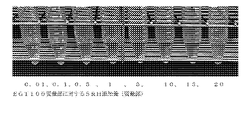
- FIG. 1 is a photograph showing the degree of coloration of a sample stored for 6 months in Test Example 1 before being dissolved in water.
- 2 is a photograph showing the degree of coloration after dissolving in water of a sample stored for 6 months in Test Example 1.
- FIG. 1 is a photograph showing the degree of coloration of a sample stored for 6 months in Test Example 1 before being dissolved in water.
- composition of the present invention contains L-ergothioneine (EGT) and S-ribosylhomocysteine (SRH), and has a reduced SRH content.
- EGT is a histidine derivative (N,N,N-trimethyl-L-2-thiohistidine), and its structure is represented by the following formula (1).
- EGT can be obtained by known methods such as synthetic methods, extraction methods, and fermentation methods, and it is also possible to obtain and use commercially available products.
- EGT products include L-ergothioneine (manufactured by Tetraedron).
- SRH S-ribosylhomocysteine
- SRH can be obtained by known methods such as synthesis, extraction, and fermentation.
- EGT and/or SRH may be in free form or salt form.
- the salt of EGT and/or SRH may be a salt formed with a carboxyl group in these structures, or a salt formed with a trimethylamino group or an amino group.
- EGT or SRH may be a solvate such as a hydrate.
- Salts of EGT and/or SRH are not particularly limited as long as they are pharmacologically or physiologically acceptable salts. Specific examples include organic acid salts, inorganic acid salts, salts with organic bases, Or a salt with an inorganic base.
- organic acid salts include monocarboxylic acid salts such as acetate, trifluoroacetate, butyrate, palmitate, and stearate; Polyvalent carboxylates; oxycarboxylates such as lactate, tartrate and citrate; organic sulfonates such as methanesulfonate, toluenesulfonate and tosylate.
- Examples of inorganic acid salts include hydrochlorides, sulfates, nitrates, hydrobromides, and phosphates.
- Examples of salts with organic bases include salts with organic amines such as methylamine, triethylamine, triethanolamine, diethanolamine, morpholine, piperazine, pyrrolidine and ethylenediamine.
- Examples of salts with inorganic bases include various salts such as salts with alkali metals such as sodium or potassium, alkaline earth metals such as calcium or magnesium, and salts with metals such as aluminum.
- EGT and/or SRH salts may be used singly or in any combination of two or more.
- “Pharmaceutically or physiologically acceptable salts” may include solvates or hydrates of salts.
- the present inventors discovered a new, hitherto unreported problem that the EGT-containing composition was colored when SRH coexisted in the EGT-containing composition. ing. Furthermore, the present inventors have found that by reducing the content of SRH in a composition containing EGT and SRH, the stability of the EGT-containing composition can be increased and coloration of the composition can be suppressed. there is
- the mode of coexistence of SRH in a composition containing EGT is not particularly limited. It may be contained intrinsically by a by-product or the like in.
- the details of the destabilization mechanism in the presence of SRH in a composition containing EGT are still unknown. It is speculated that the degradation products may have an adverse effect on the stability of the EGT-containing composition. Therefore, it is considered that reducing the SRH content leads to a reduction in SRH decomposition products, and as a result contributes to the stabilization of the EGT-containing composition.
- the SRH degradation product is not particularly limited, but includes, for example, SRH dehydrated dimer.
- the content of EGT when coloration is suppressed, compared with a composition containing 20 parts by mass of EGT and SRH (hereinafter also referred to as a reference composition), the content of EGT is aligned It means that the absorbance at 400 nm is reduced by reducing the content of SRH under the conditions.
- a reduction in absorbance at 400 nm can be determined using a known spectrophotometer.
- the reduction in absorbance at 400 nm is preferably at least a 5% reduction, more preferably at least a 10% reduction, compared to, for example, the baseline composition.
- the content ratio of EGT and SRH is preferably, for example, 15 parts by mass or less with respect to 100 parts by mass of EGT, from the viewpoint of suppressing coloring of the composition. It is more preferably 5 parts by mass or less, even more preferably 3 parts by mass or less, even more preferably 1 part by mass or less, and 0.5 parts by mass. It is even more preferably 0.1 parts by mass or less, and particularly preferably 0.01 parts by mass or less.
- the content ratio of EGT and SRH is, for example, 0.0001 parts by mass or more per 100 parts by mass of EGT, from the viewpoint of production efficiency of the composition. 0.001 parts by mass or more, 0.005 parts by mass or more, 0.01 parts by mass or more, or the like.
- the content ratio of EGT and SRH is set to 100 parts by mass of EGT from the viewpoint of suppressing coloring of the composition, the viewpoint of stability of the composition, and the production efficiency of the composition.
- the content of SRH can be, for example, 0.0001 to 15 parts by mass, 0.0001 to 10 parts by mass, 0.0001 to 5 parts by mass, 0.0001 to 1 part by mass, 0.0001 ⁇ 0.5 parts by mass, 0.0001 to 0.1 parts by mass, 0.001 to 15 parts by mass, 0.001 to 10 parts by mass, 0.001 to 5 parts by mass, 0.001 to 1 part by mass, 0 0.001 to 0.5 parts by mass, 0.001 to 0.1 parts by mass, 0.005 to 15 parts by mass, 0.005 to 10 parts by mass, 0.005 to 5 parts by mass, 0.005 to 1 part by mass , 0.005 to 0.5 parts by weight, 0.005 to 0.1 parts by weight, 0.01 to 15 parts by weight, 0.01 to 10 parts by
- the decomposition product of SRH is not particularly limited, but when it is, for example, an SRH dehydrated dimer, the content ratio of EGT and SRH dehydrated dimer is, from the viewpoint of suppressing coloring of the composition, relative to 100 parts by mass of EGT:
- the content of the dehydrated SRH dimer is, for example, preferably 15 parts by mass or less, more preferably 10 parts by mass or less, even more preferably 5 parts by mass or less, and 3 parts by mass or less. is even more preferably, it is even more preferably 1 part by mass or less, even more preferably 0.5 parts by mass or less, even more preferably 0.1 part by mass or less, and 0.01 mass parts Part or less is particularly preferred.
- the content ratio of EGT and SRH dehydrated dimer is, from the viewpoint of production efficiency of the composition, the content of SRH dehydrated dimer with respect to 100 parts by mass of EGT, for example, It can be 0.0001 parts by mass or more, and can be 0.001 parts by mass or more, 0.005 parts by mass or more, 0.01 parts by mass or more, and the like.
- the content ratio of EGT and SRH dehydrated dimer is EGT 100
- the content of the SRH dehydrated dimer can be, for example, 0.0001 to 15 parts by mass, 0.0001 to 10 parts by mass, 0.0001 to 5 parts by mass, 0.0001 ⁇ 1 part by mass, 0.0001 to 0.5 parts by mass, 0.0001 to 0.1 parts by mass, 0.001 to 15 parts by mass, 0.001 to 10 parts by mass, 0.001 to 5 parts by mass, 0 .001 to 1 part by weight, 0.001 to 0.5 parts by weight, 0.001 to 0.1 parts by weight, 0.005 to 15 parts by weight, 0.005 to 10 parts by weight, 0.005 to 5 parts by weight , 0.005 to 1 part by weight, 0.005 to 0.5 parts by weight, 0.005 to 0.1 parts by weight, 0.01 to 15 parts by weight, 0.01 to 10 parts by weight, 0.01 to 5 parts by mass, 0.01 to 1 part by mass, 0.01 to 0.5 parts
- the content of EGT is appropriately adjusted depending on the form of the formulation, the application, the type and content of other ingredients, etc., and is not limited. 0.000001% by mass or more, 0.000005% by mass or more, 0.00001% by mass or more, 0.00005% by mass or more, 0.0001% by mass or more, 0.0005% by mass or more, 0.001 More than mass % etc. are mentioned.
- the content of EGT can be, for example, 99.999% by mass or less, 99.9% by mass or less, 99.5% by mass or less, 99% by mass or less, 98.9% by mass or less, based on the total amount of the composition. 5 mass % or less, 98 mass % or less, etc.
- the content of EGT is not limited, but can be, for example, 80% by mass or less, 70% by mass or less, 60% by mass or less, relative to the total amount of the composition. % by mass or less, 50% by mass or less, 40% by mass or less, 30% by mass or less, 20% by mass or less, 10% by mass or less, 5% by mass or less, 1% by mass or less, and the like.
- EGT is known to have various physiological activities including antioxidant capacity. Also in a composition containing EGT and SRH, by using the present invention, it becomes possible to enhance the stability and exert the physiological activity originally possessed by EGT without impairing it.
- EGT EGT's original physiological activities for antioxidant, brain function improvement, anti-aging, eye disease, whitening, and ultraviolet absorption. , suppressing melanin production, scavenging reactive oxygen species, inhibiting elastase activity, suppressing wrinkle formation, suppressing skin sagging, suppressing the formation of dark spots on the skin, suppressing dark circles around the eyes, reducing skin damage caused by ultraviolet rays ( (suppression of photoaging), dry skin, sensitive skin, hair improvement, autophagy promotion, and the like.
- composition of the present invention can further contain active ingredients and additives that can be used in foods and beverages, foods with function claims, foods for specified health uses, quasi-drugs, pharmaceuticals, cosmetics, daily necessities, feeds, etc., as appropriate. Also, it can be appropriately formulated by a known formulation method used for the item.
- cosmetics and daily necessities include lotions, milky lotions, gels, serums, creams, sunscreen creams, packs, masks, foundations, powders, bath agents, body lotions, shampoos, rinses, hair treatments, hair conditioners, and hair styling products. , hair tonic, toothpaste, mouthwash, etc.
- composition of the present invention includes, for example, solid formulations such as tablets, capsules, granules, and powders; It can also be administered orally or parenterally (including external use) as liquid preparations such as emulsions, multiple emulsions, microemulsions, PET-emulsions, Pickering emulsions), gels (hydrogels, alcohol gels), and suspensions.
- liquid preparations such as emulsions, multiple emulsions, microemulsions, PET-emulsions, Pickering emulsions), gels (hydrogels, alcohol gels), and suspensions.
- emulsions multiple emulsions, microemulsions, PET-emulsions, Pickering emulsions
- gels hydrogels, alcohol gels
- suspensions can be used for solid preparations.
- excipients, lubricants, binders, and disintegrants agents, buffers, soothing agents, and the like can be used.
- excipients include sugar alcohols such as sorbitol, mannitol, and xylitol; sugars such as glucose, sucrose, lactose, and fructose; crystalline cellulose, carmellose sodium, croscarmellose sodium, calcium hydrogen phosphate; starch, corn starch, potato starch, dextrin, ⁇ -cyclodextrin, light anhydrous silicic acid, titanium oxide, magnesium aluminometasilicate, talc, kaolin, olive oil and the like.
- sugar alcohols such as sorbitol, mannitol, and xylitol
- sugars such as glucose, sucrose, lactose, and fructose
- crystalline cellulose carmellose sodium, croscarmellose sodium, calcium hydrogen phosphate
- starch corn starch, potato starch, dextrin, ⁇ -cyclodextrin, light anhydrous silicic acid, titanium oxide, magnesium aluminome
- Binders include, for example, cellulose derivatives such as methylcellulose, ethylcellulose, hydroxypropylcellulose, and hydroxypropylmethylcellulose, polyvinylpyrrolidone, polyvinyl alcohol, acrylic polymers, gelatin, gum arabic, pullulan, pregelatinized starch, agar, tragacanth, Examples include sodium alginate and propylene glycol alginate.
- disintegrants include starch, low-substituted hydroxypropylcellulose, carboxymethylcellulose calcium, croscarmellose sodium, hydroxypropyl starch, partially pregelatinized starch, and the like.
- solvents examples include water, alcohol, propylene glycol, macrogol, sesame oil, and corn oil.
- lubricants include stearic acid, magnesium stearate, calcium stearate, polyoxyl stearate, cetanol, talc, hydrogenated oil, sucrose fatty acid ester, dimethylpolysiloxane, beeswax, white beeswax, and the like.
- solubilizing agents include polyethylene glycol, propylene glycol, mannitol, benzyl benzoate, ethanol, tris(hydroxymethyl)aminomethane, cholesterol, triethanolamine, sodium carbonate, and sodium citrate.
- Suspending agents/emulsifiers include surfactants such as stearylamine, triethanolamine, sodium lauryl sulfate, laurylaminopropionic acid, lecithin, benzalkonium chloride, benzethonium chloride, and glyceryl monostearate; , polyvinylpyrrolidone, sodium carboxymethylcellulose, methylcellulose, hydroxymethylcellulose, hydroxyethylcellulose, hydroxypropylcellulose; hydrophilic polymers such as shellac wax, beeswax, carnauba wax, spermaceti wax, lanolin, liquid lanolin, reduced lanolin, hard lanolin, cyclic lanolin , lanolin wax, candelilla wax, Japanese wax, montan wax, and rice wax.
- surfactants such as stearylamine, triethanolamine, sodium lauryl sulfate, laurylaminopropionic acid, lecithin, benzalkonium chloride
- tonicity agents examples include sodium chloride, glycerin, D-mannitol, and the like.
- buffering agents include buffers such as phosphate, acetate, carbonate, and citrate.
- antiseptics examples include paraoxybenzoic acid esters, chlorobutanol, benzyl alcohol, phenethyl alcohol, dehydroacetic acid, and sorbic acid.
- antioxidants examples include sulfites and ascorbic acid.
- a manufacturing method known in the art can be used. For example, a method of kneading the composition and passing it through a screen to form extruded granules, pulverizing and sizing them, or adding kneading water to the composition and forming it with a vertical granulator.
- a method of pulverizing and sieving using a combill can be mentioned after the above.
- pulverizing with a roll granulator and sieving is mentioned after compressing the said pharmaceutical composition with a roller compactor.
- a method of fluidized bed drying after agitating granulation may be mentioned.
- the composition is produced by direct compression, the composition may be mixed and directly put into a tableting machine to be tableted.
- the composition of the present invention can also be used as a food or drink composition, and can be provided by being contained in food or functional food.
- Such foods or functional foods include cooked rice; various types of noodles including soba, udon, vermicelli, Chinese noodles, instant noodles, and cup noodles; soft drinks, carbonated drinks, nutritional drinks, fruit drinks, lactic acid drinks, and sports drinks.
- Beverages such as curry roux, stew, various soups; Frozen desserts such as ice cream, ice sherbet, and shaved ice; Candies, cookies, candies, gums, chocolates, tablets, snacks, biscuits, jelly, jams, creams, and other baked goods
- Processed fish and livestock foods such as fish paste, hampen, ham, sausage
- Dairy products such as processed milk and fermented milk
- Fats and oils such as salad oil, tempura oil, margarine, mayonnaise, shortening, whipped cream, and dressing Processed foods; seasonings such as sauces, dressings, miso, soy sauce, sauces; soups, salads, side dishes, sprinkles, pickles; other various forms of health foods, dietary supplements, foods with function claims, foods for specified health uses, etc. be done.
- supplements powder, granule, soft capsule, hard capsule, tablet, chewable tablet, rapidly disintegrating tablet, syrup, liquid, etc.
- composition of the present invention may be prepared.
- composition of the present invention can also be contained in food for animals such as pets.
- Additives are added to food and drink as needed.
- additives include glucose, fructose, sucrose, maltose, sorbitol, trehalose, stevioside, rubusoside, corn syrup, lactose, mannitol, dextrin, citric acid, sodium citrate, tartaric acid, malic acid, succinic acid, Lactic acid, L-ascorbic acid, tocopherol, sodium erythorbate, glycerin, propylene glycol, glycerin fatty acid ester, polyglycerin fatty acid ester, sucrose fatty acid ester, sorbitan fatty acid ester, gum arabic, carrageenan, casein, gelatin, pectin, agar, vitamin Class B, nicotinic acid amide, calcium pantothenate, amino acids, calcium salts, surfactants, pigments, fragrances, preservatives and the like.
- composition of the present invention can be used for foods and drinks that are permitted to be labeled as improving, preventing, improving, etc. various symptoms and conditions.
- food and drink that are permitted to display symptoms and conditions such as improvement, prevention, improvement, etc. are food and drinks that have efficacy permitted or designated by the country or public organizations.
- These include foods with function claims, foods with health claims such as foods for specified health uses, and foods for special dietary uses.
- the names and regulations change depending on the situation, the times, and the systems of each country, those that are essentially the same are included in the present invention.
- the amount of the composition of the present invention is not particularly limited, and the purpose of application (type of target disease or symptom, etc.), target site for application, gender and age of the applicant, food and drink, food with function claims , foods for specified health uses, quasi-drugs, pharmaceuticals, cosmetics, daily necessities, feeds, and other product forms;
- the daily intake (applied amount) of EGT is, for example, 0.005 to 4,000 mg, preferably 0.1 to 3,000 mg, more preferably 0 .5 to 2,000 mg, more preferably 1 to 1,000 mg, particularly preferably 2 to 500 mg, and most preferably 3 to 300 mg.
- composition of the present invention when used as a food or drink, it is not limited, but from the viewpoint of being able to display the physiological activity originally possessed by EGT, it is preferable to use it as a functional food.
- Foods, foods with nutrient function claims, nutritional supplements, and foods for specified health use can be mentioned, but foods with function claims are preferable in that their uses can be clearly indicated.
- Subjects to whom the composition of the present invention is applied are not particularly limited as long as they are in the age group in which EGT requires the physiological activity originally possessed by the EGT. It may be a middle-aged person (45 years old or more and less than 55 years old) who is likely to feel changes in the body due to changes in hormone balance and changes in the living environment, and elderly people (55 years old) above).
- the pH of the composition of the present invention is appropriately set according to the type and content of other ingredients, formulation form, method of use, etc., and is not limited as long as it is within a pharmaceutically or physiologically acceptable range.
- the pH can be 2-10.
- the pH of the composition of the present invention is, for example, pH 2 to 10, pH 2 to 9, pH 2 to 8, pH 2 to 7, pH 3 to 10, pH 3 to 9, pH 3 to 8, pH 3-7, pH 4-10, pH 4-9, pH 4-8, pH 4-7, pH 5-10, pH 5-9, pH 5-8, pH 5-7, pH 6-10, pH 6-9, pH 6-8, It is possible to set the pH to 6 to 7 or the like.
- the method for producing a composition containing EGT and SRH and having suppressed coloring includes a step of reducing the content of SRH.
- any known means can be used for the step of reducing the SRH content as long as the SRH content is reduced.
- a step of reducing the content ratio of SRH to EGT can be employed.
- the mode in which SRH coexists in a composition containing EGT is not particularly limited. It may be a mode that exists as
- bacteria belonging to the family Enterobacteriaceae having EGT-producing ability include bacteria of the genus Escherichia, the genus Enterobacter, the genus Pantoea, the genus Klebsiella, and the genus Salmonella. but not limited to these.
- Particularly preferred enterobacteria include enterobacteria of the genus Escherichia, such as Escherichia coli, and of the genus Pantoea, such as Pantoea ananatis.
- Bacteria belonging to the family Enterobacteriaceae can be cultured by normal methods. Specifically, LB medium, 2 ⁇ YT medium, NZY medium, M9 medium, SOC medium, YPD medium, or the like can be used. EGT and SRH can be produced using the medium described above, but the medium used is not limited to these. In addition, the produced EGT and SRH may accumulate within the cells, or may be secreted and accumulated outside the cells (in the culture solution).
- the collection of EGT and SRH released from the cells or the cells can be performed by a known purification method or the like.
- the culture is subjected to solid-liquid separation such as centrifugation or filtration, and EGT and SRH extracts can be obtained from the cells by solvent extraction, hot water extraction, crushing treatment, or the like.
- a means for decomposing SRH may be used from the viewpoint of efficiently reducing SRH.
- Methods for decomposing SRH include, for example, basifying, heating, and concentrating the solution of the composition, and may be appropriately combined with the purification method described above.
- the preferred content ratio of EGT and SRH conforms to the above.
- the above production method can further include a step of adjusting pH.
- the numerical range of the optimum pH conforms to the above.
- composition containing EGT and SRH a composition containing EGT and SRH
- a method for imparting an effect of suppressing coloration to the composition by setting the content of the SRH to 15 parts by mass or less with respect to 100 parts by mass of the EGT.
- the preferred content ratios of EGT and SRH conform to the above.
- composition containing L-ergothioneine and S-ribosylhomocysteine A composition wherein the content of said S-ribosylhomocysteine is reduced.
- composition described above wherein the coloring of the composition is suppressed by reducing the content of the S-ribosylhomocysteine.
- composition described above wherein the content of the S-ribosylhomocysteine is 15 parts by mass or less relative to 100 parts by mass of the L-ergothioneine.
- composition described above wherein the content of the S-ribosylhomocysteine is 10 parts by mass or less relative to 100 parts by mass of the L-ergothioneine.
- composition described above wherein the content of the S-ribosylhomocysteine is 5 parts by mass or less relative to 100 parts by mass of the L-ergothioneine.
- composition described above wherein the content of the S-ribosylhomocysteine is 0.001 parts by mass or more relative to 100 parts by mass of the L-ergothioneine.
- composition described above wherein the content of the S-ribosylhomocysteine is 0.005 parts by mass or more relative to 100 parts by mass of the L-ergothioneine.
- composition described above wherein the content of the S-ribosylhomocysteine is 0.01 parts by mass or more relative to 100 parts by mass of the L-ergothioneine.
- composition described above wherein the content of the S-ribosylhomocysteine is 0.001 to 15 parts by mass with respect to 100 parts by mass of the L-ergothioneine.
- composition described above wherein the content of the S-ribosylhomocysteine is 0.005 to 10 parts by mass with respect to 100 parts by mass of the L-ergothioneine.
- composition described above wherein the content of the S-ribosylhomocysteine is 0.01 to 5 parts by mass with respect to 100 parts by mass of the L-ergothioneine.
- composition described above which further contains an SRH dehydrated dimer.
- composition described above wherein the content of the SRH dehydrated dimer is 15 parts by mass or less with respect to 100 parts by mass of the L-ergothioneine.
- composition described above wherein the content of the SRH dehydrated dimer is 10 parts by mass or less with respect to 100 parts by mass of the L-ergothioneine.
- composition described above wherein the content of the SRH dehydrated dimer is 5 parts by mass or less relative to 100 parts by mass of the L-ergothioneine.
- composition described above wherein the content of the SRH dehydrated dimer is 0.001 parts by mass or more relative to 100 parts by mass of the L-ergothioneine.
- composition described above wherein the content of the SRH dehydrated dimer is 0.005 parts by mass or more relative to 100 parts by mass of the L-ergothioneine.
- composition described above wherein the content of the SRH dehydrated dimer is 0.01 parts by mass or more relative to 100 parts by mass of the L-ergothioneine.
- composition described above wherein the content of the SRH dehydrated dimer is 0.001 to 15 parts by mass with respect to 100 parts by mass of the L-ergothioneine.
- composition described above wherein the content of the SRH dehydrated dimer is 0.005 to 10 parts by mass with respect to 100 parts by mass of the L-ergothioneine.
- composition described above wherein the content of the SRH dehydrated dimer is 0.01 to 5 parts by mass with respect to 100 parts by mass of the L-ergothioneine.
- a composition containing L-ergothioneine and S-ribosylhomocysteine The content of the S-ribosylhomocysteine is 15 parts by mass or less with respect to 100 parts by mass of the L-ergothioneine, A composition for suppressing coloration of the composition.
- composition described above wherein the content of the S-ribosylhomocysteine is 5 parts by mass or less relative to 100 parts by mass of the L-ergothioneine.
- composition described above wherein the content of the S-ribosylhomocysteine is 0.01 parts by mass or more relative to 100 parts by mass of the L-ergothioneine.
- composition described above wherein the content of the S-ribosylhomocysteine is 0.01 to 5 parts by mass with respect to 100 parts by mass of the L-ergothioneine.
- composition described above which further contains an SRH dehydrated dimer.
- composition described above wherein the content of the SRH dehydrated dimer is 15 parts by mass or less with respect to 100 parts by mass of the L-ergothioneine.
- composition described above wherein the content of the SRH dehydrated dimer is 0.001 parts by mass or more relative to 100 parts by mass of the L-ergothioneine.
- composition described above wherein the content of the SRH dehydrated dimer is 0.001 to 15 parts by mass with respect to 100 parts by mass of the L-ergothioneine.
- a method for producing a composition containing L-ergothioneine and S-ribosylhomocysteine and having suppressed coloring A method comprising reducing the content of said S-ribosylhomocysteine.
- a composition containing L-ergothioneine and S-ribosylhomocysteine The content of the S-ribosylhomocysteine is 15 parts by mass or less with respect to 100 parts by mass of the L-ergothioneine, A method for imparting a coloring suppression effect to the composition.
- composition further contains an SRH dehydrated dimer.
- Test Example 1 Stability evaluation in composition containing EGT and SRH
- a composition containing L-ergothioneine (EGT) and S-ribosylhomocysteine (SRH) was examined for storage stability at 30°C as follows.
- EGT and SRH may be contained intrinsically depending on the product or the like.
- SRH is synthesized according to the method described in Carbohydrate Research, 2014, vol. 394, page 32, and an SRH aqueous solution (quantitated by NMR and containing 0.108 w/w% as SRH) is prepared by electrodialysis. did.
- the content of SRH is 20 parts by mass, 15 parts by mass, 10 parts by mass, 5 parts by mass, 1 part by mass, 0.5 parts by mass, 0.1 part by mass, and 0.01 part by mass
- Corresponding samples were prepared as follows. (1) 500 mg of EGT (manufactured by Tetraedron) was dissolved in 50 mL.
- HPLC analysis conditions and high-resolution mass spectrometry (LC-MS) analysis conditions are as follows.
Landscapes
- Health & Medical Sciences (AREA)
- Life Sciences & Earth Sciences (AREA)
- Chemical & Material Sciences (AREA)
- Pharmacology & Pharmacy (AREA)
- Veterinary Medicine (AREA)
- Public Health (AREA)
- General Health & Medical Sciences (AREA)
- Animal Behavior & Ethology (AREA)
- Medicinal Chemistry (AREA)
- Epidemiology (AREA)
- Molecular Biology (AREA)
- Engineering & Computer Science (AREA)
- Nuclear Medicine, Radiotherapy & Molecular Imaging (AREA)
- General Chemical & Material Sciences (AREA)
- Chemical Kinetics & Catalysis (AREA)
- Organic Chemistry (AREA)
- Biochemistry (AREA)
- Dermatology (AREA)
- Toxicology (AREA)
- Bioinformatics & Cheminformatics (AREA)
- Mycology (AREA)
- Nutrition Science (AREA)
- Food Science & Technology (AREA)
- Polymers & Plastics (AREA)
- Pharmaceuticals Containing Other Organic And Inorganic Compounds (AREA)
- Medicinal Preparation (AREA)
- Coloring Foods And Improving Nutritive Qualities (AREA)
Priority Applications (4)
| Application Number | Priority Date | Filing Date | Title |
|---|---|---|---|
| EP22788048.1A EP4324336B1 (en) | 2021-04-14 | 2022-03-30 | L-ergothioneine-containing composition |
| CN202280022582.6A CN117042631A (zh) | 2021-04-14 | 2022-03-30 | 含有l-麦角硫因的组合物 |
| US18/555,223 US20240189283A1 (en) | 2021-04-14 | 2022-03-30 | L-ergothioneine-containing composition |
| JP2022549575A JP7240565B2 (ja) | 2021-04-14 | 2022-03-30 | L-エルゴチオネイン含有組成物 |
Applications Claiming Priority (2)
| Application Number | Priority Date | Filing Date | Title |
|---|---|---|---|
| JP2021068583 | 2021-04-14 | ||
| JP2021-068583 | 2021-04-14 |
Publications (1)
| Publication Number | Publication Date |
|---|---|
| WO2022220123A1 true WO2022220123A1 (ja) | 2022-10-20 |
Family
ID=83639633
Family Applications (1)
| Application Number | Title | Priority Date | Filing Date |
|---|---|---|---|
| PCT/JP2022/015935 Ceased WO2022220123A1 (ja) | 2021-04-14 | 2022-03-30 | L-エルゴチオネイン含有組成物 |
Country Status (5)
| Country | Link |
|---|---|
| US (1) | US20240189283A1 (https=) |
| EP (1) | EP4324336B1 (https=) |
| JP (1) | JP7240565B2 (https=) |
| CN (1) | CN117042631A (https=) |
| WO (1) | WO2022220123A1 (https=) |
Citations (2)
| Publication number | Priority date | Publication date | Assignee | Title |
|---|---|---|---|---|
| WO2019089878A1 (en) | 2017-11-02 | 2019-05-09 | Colorado Seminary, Owner and Operator of University of Denver | Methods of treating microbial infection and inflammation |
| WO2019163767A1 (ja) | 2018-02-23 | 2019-08-29 | 長瀬産業株式会社 | エルゴチオネインの製造方法 |
Family Cites Families (2)
| Publication number | Priority date | Publication date | Assignee | Title |
|---|---|---|---|---|
| FR2707087B1 (fr) * | 1993-06-28 | 1995-10-13 | Bioxytech | Nouveau procédé de préparation de l'ergothionéine. |
| WO2014100752A1 (en) * | 2012-12-21 | 2014-06-26 | Liu Pinghua | Ergothioneine production through metabolic engineering |
-
2022
- 2022-03-30 US US18/555,223 patent/US20240189283A1/en active Pending
- 2022-03-30 JP JP2022549575A patent/JP7240565B2/ja active Active
- 2022-03-30 WO PCT/JP2022/015935 patent/WO2022220123A1/ja not_active Ceased
- 2022-03-30 EP EP22788048.1A patent/EP4324336B1/en active Active
- 2022-03-30 CN CN202280022582.6A patent/CN117042631A/zh active Pending
Patent Citations (2)
| Publication number | Priority date | Publication date | Assignee | Title |
|---|---|---|---|---|
| WO2019089878A1 (en) | 2017-11-02 | 2019-05-09 | Colorado Seminary, Owner and Operator of University of Denver | Methods of treating microbial infection and inflammation |
| WO2019163767A1 (ja) | 2018-02-23 | 2019-08-29 | 長瀬産業株式会社 | エルゴチオネインの製造方法 |
Non-Patent Citations (6)
| Title |
|---|
| "Bulletin of the College of Agriculture", vol. 1, 2016, TAMAGAWA UNIVERSITY, pages: 17 - 41 |
| CARBOHYDRATE RESEARCH, vol. 394, 2014, pages 32 |
| HALLIDAY, N.M. ; HARDIE, K.R. ; WILLIAMS, P. ; WINZER, K. ; BARRETT, D.A.: "Quantitative liquid chromatographytandem mass spectrometry profiling of activated methyl cycle metabolites involved in LuxS-dependent quorum sensing in Escherichia coli", ANALYTICAL BIOCHEMISTRY, vol. 403, no. 1-2, 1 August 2010 (2010-08-01), Amsterdam, NL , pages 20 - 29, XP027118749, ISSN: 0003-2697, DOI: 10.1016/j.ab.2010.04.021 * |
| PLOS ONE, vol. 12, no. 1, pages e0169360 |
| S. YOSHIDA ET AL., FRONT., vol. 10, 2019, pages 671 |
| See also references of EP4324336A4 |
Also Published As
| Publication number | Publication date |
|---|---|
| JPWO2022220123A1 (https=) | 2022-10-20 |
| EP4324336A1 (en) | 2024-02-21 |
| JP7240565B2 (ja) | 2023-03-15 |
| US20240189283A1 (en) | 2024-06-13 |
| EP4324336A4 (en) | 2025-03-26 |
| EP4324336B1 (en) | 2026-04-01 |
| CN117042631A (zh) | 2023-11-10 |
Similar Documents
| Publication | Publication Date | Title |
|---|---|---|
| JP5521788B2 (ja) | 新規なレスベラトロール重合化合物又はその薬学的に許容可能な塩 | |
| US12357614B2 (en) | L-ergothioneine-containing composition | |
| JP2008179632A (ja) | 抗酸化剤 | |
| JP2011032171A (ja) | 美白用組成物 | |
| JP2008239619A (ja) | 末梢血行改善組成物 | |
| TW201343189A (zh) | 含牛蒡苷元衍生物之抗老化劑 | |
| JP4828922B2 (ja) | 抗アレルギー剤 | |
| US7622450B2 (en) | Flavone C-glycoside derivatives and compositions containing the derivatives | |
| JPWO2015083554A1 (ja) | 4G−O−α−D−グルコピラノシルルチンの結晶とその用途 | |
| JP7240565B2 (ja) | L-エルゴチオネイン含有組成物 | |
| JP7727671B2 (ja) | ホモシステイン誘導体及びその製造方法、組成物、並びに、炎症抑制剤 | |
| KR101767261B1 (ko) | 메이스리그난 또는 육두구 추출물을 유효성분으로 하는 가려움증 완화 또는 피부손상 개선용 조성물 | |
| KR102279105B1 (ko) | 대추나무 뿌리 추출물을 포함하는 신장 질환의 예방 또는 치료용 조성물 | |
| BR112022017415B1 (pt) | Composição contendo l-ergotioneína | |
| BR122023019667B1 (pt) | Método de produção de uma composição contendo l-ergotioneína e n, n-dimetil-l-2-tiohistidina e método de supressão de coloração da composição | |
| HK40075066A (en) | L-ergothioneine-containing composition | |
| KR20150019678A (ko) | 피부 미백용 조성물 | |
| TWI918846B (zh) | 升半胱胺酸衍生物及其製造方法、組成物、以及發炎抑制劑 | |
| JP2019520786A (ja) | 3−o−ガロイル−3,3’,5,5’,7−ペンタヒドロキシフラボンを含む保湿用組成物 | |
| KR102138263B1 (ko) | 피부 재생 또는 주름 개선용 조성물 | |
| CN116648231A (zh) | 抗炎症剂 | |
| KR20150019675A (ko) | 피부 미백용 조성물 |
Legal Events
| Date | Code | Title | Description |
|---|---|---|---|
| ENP | Entry into the national phase |
Ref document number: 2022549575 Country of ref document: JP Kind code of ref document: A |
|
| 121 | Ep: the epo has been informed by wipo that ep was designated in this application |
Ref document number: 22788048 Country of ref document: EP Kind code of ref document: A1 |
|
| WWE | Wipo information: entry into national phase |
Ref document number: 202280022582.6 Country of ref document: CN |
|
| WWE | Wipo information: entry into national phase |
Ref document number: 18555223 Country of ref document: US |
|
| WWE | Wipo information: entry into national phase |
Ref document number: 2022788048 Country of ref document: EP |
|
| NENP | Non-entry into the national phase |
Ref country code: DE |
|
| ENP | Entry into the national phase |
Ref document number: 2022788048 Country of ref document: EP Effective date: 20231114 |
|
| WWG | Wipo information: grant in national office |
Ref document number: 2022788048 Country of ref document: EP |