WO2022186282A1 - 糖尿病に対するhb-egf遺伝子治療 - Google Patents
糖尿病に対するhb-egf遺伝子治療 Download PDFInfo
- Publication number
- WO2022186282A1 WO2022186282A1 PCT/JP2022/008898 JP2022008898W WO2022186282A1 WO 2022186282 A1 WO2022186282 A1 WO 2022186282A1 JP 2022008898 W JP2022008898 W JP 2022008898W WO 2022186282 A1 WO2022186282 A1 WO 2022186282A1
- Authority
- WO
- WIPO (PCT)
- Prior art keywords
- egf
- nucleic acid
- administration
- diabetes
- vector
- Prior art date
- Legal status (The legal status is an assumption and is not a legal conclusion. Google has not performed a legal analysis and makes no representation as to the accuracy of the status listed.)
- Ceased
Links
Images


Classifications
-
- C—CHEMISTRY; METALLURGY
- C12—BIOCHEMISTRY; BEER; SPIRITS; WINE; VINEGAR; MICROBIOLOGY; ENZYMOLOGY; MUTATION OR GENETIC ENGINEERING
- C12N—MICROORGANISMS OR ENZYMES; COMPOSITIONS THEREOF; PROPAGATING, PRESERVING, OR MAINTAINING MICROORGANISMS; MUTATION OR GENETIC ENGINEERING; CULTURE MEDIA
- C12N15/00—Mutation or genetic engineering; DNA or RNA concerning genetic engineering, vectors, e.g. plasmids, or their isolation, preparation or purification; Use of hosts therefor
- C12N15/09—Recombinant DNA-technology
- C12N15/63—Introduction of foreign genetic material using vectors; Vectors; Use of hosts therefor; Regulation of expression
- C12N15/79—Vectors or expression systems specially adapted for eukaryotic hosts
- C12N15/85—Vectors or expression systems specially adapted for eukaryotic hosts for animal cells
- C12N15/86—Viral vectors
-
- A—HUMAN NECESSITIES
- A61—MEDICAL OR VETERINARY SCIENCE; HYGIENE
- A61K—PREPARATIONS FOR MEDICAL, DENTAL OR TOILETRY PURPOSES
- A61K38/00—Medicinal preparations containing peptides
- A61K38/16—Peptides having more than 20 amino acids; Gastrins; Somatostatins; Melanotropins; Derivatives thereof
- A61K38/17—Peptides having more than 20 amino acids; Gastrins; Somatostatins; Melanotropins; Derivatives thereof from animals; from humans
- A61K38/18—Growth factors; Growth regulators
-
- A—HUMAN NECESSITIES
- A61—MEDICAL OR VETERINARY SCIENCE; HYGIENE
- A61K—PREPARATIONS FOR MEDICAL, DENTAL OR TOILETRY PURPOSES
- A61K38/00—Medicinal preparations containing peptides
- A61K38/16—Peptides having more than 20 amino acids; Gastrins; Somatostatins; Melanotropins; Derivatives thereof
- A61K38/17—Peptides having more than 20 amino acids; Gastrins; Somatostatins; Melanotropins; Derivatives thereof from animals; from humans
- A61K38/18—Growth factors; Growth regulators
- A61K38/1808—Epidermal growth factor [EGF] urogastrone
-
- A—HUMAN NECESSITIES
- A61—MEDICAL OR VETERINARY SCIENCE; HYGIENE
- A61K—PREPARATIONS FOR MEDICAL, DENTAL OR TOILETRY PURPOSES
- A61K38/00—Medicinal preparations containing peptides
- A61K38/16—Peptides having more than 20 amino acids; Gastrins; Somatostatins; Melanotropins; Derivatives thereof
- A61K38/17—Peptides having more than 20 amino acids; Gastrins; Somatostatins; Melanotropins; Derivatives thereof from animals; from humans
- A61K38/18—Growth factors; Growth regulators
- A61K38/1833—Hepatocyte growth factor; Scatter factor; Tumor cytotoxic factor II
-
- A—HUMAN NECESSITIES
- A61—MEDICAL OR VETERINARY SCIENCE; HYGIENE
- A61K—PREPARATIONS FOR MEDICAL, DENTAL OR TOILETRY PURPOSES
- A61K48/00—Medicinal preparations containing genetic material which is inserted into cells of the living body to treat genetic diseases; Gene therapy
- A61K48/0008—Medicinal preparations containing genetic material which is inserted into cells of the living body to treat genetic diseases; Gene therapy characterised by an aspect of the 'non-active' part of the composition delivered, e.g. wherein such 'non-active' part is not delivered simultaneously with the 'active' part of the composition
- A61K48/0025—Medicinal preparations containing genetic material which is inserted into cells of the living body to treat genetic diseases; Gene therapy characterised by an aspect of the 'non-active' part of the composition delivered, e.g. wherein such 'non-active' part is not delivered simultaneously with the 'active' part of the composition wherein the non-active part clearly interacts with the delivered nucleic acid
- A61K48/0033—Medicinal preparations containing genetic material which is inserted into cells of the living body to treat genetic diseases; Gene therapy characterised by an aspect of the 'non-active' part of the composition delivered, e.g. wherein such 'non-active' part is not delivered simultaneously with the 'active' part of the composition wherein the non-active part clearly interacts with the delivered nucleic acid the non-active part being non-polymeric
-
- A—HUMAN NECESSITIES
- A61—MEDICAL OR VETERINARY SCIENCE; HYGIENE
- A61K—PREPARATIONS FOR MEDICAL, DENTAL OR TOILETRY PURPOSES
- A61K48/00—Medicinal preparations containing genetic material which is inserted into cells of the living body to treat genetic diseases; Gene therapy
- A61K48/005—Medicinal preparations containing genetic material which is inserted into cells of the living body to treat genetic diseases; Gene therapy characterised by an aspect of the 'active' part of the composition delivered, i.e. the nucleic acid delivered
-
- A—HUMAN NECESSITIES
- A61—MEDICAL OR VETERINARY SCIENCE; HYGIENE
- A61P—SPECIFIC THERAPEUTIC ACTIVITY OF CHEMICAL COMPOUNDS OR MEDICINAL PREPARATIONS
- A61P1/00—Drugs for disorders of the alimentary tract or the digestive system
- A61P1/18—Drugs for disorders of the alimentary tract or the digestive system for pancreatic disorders, e.g. pancreatic enzymes
-
- A—HUMAN NECESSITIES
- A61—MEDICAL OR VETERINARY SCIENCE; HYGIENE
- A61P—SPECIFIC THERAPEUTIC ACTIVITY OF CHEMICAL COMPOUNDS OR MEDICINAL PREPARATIONS
- A61P3/00—Drugs for disorders of the metabolism
- A61P3/08—Drugs for disorders of the metabolism for glucose homeostasis
- A61P3/10—Drugs for disorders of the metabolism for glucose homeostasis for hyperglycaemia, e.g. antidiabetics
-
- C—CHEMISTRY; METALLURGY
- C07—ORGANIC CHEMISTRY
- C07K—PEPTIDES
- C07K14/00—Peptides having more than 20 amino acids; Gastrins; Somatostatins; Melanotropins; Derivatives thereof
- C07K14/435—Peptides having more than 20 amino acids; Gastrins; Somatostatins; Melanotropins; Derivatives thereof from animals; from humans
- C07K14/475—Growth factors; Growth regulators
-
- C—CHEMISTRY; METALLURGY
- C07—ORGANIC CHEMISTRY
- C07K—PEPTIDES
- C07K14/00—Peptides having more than 20 amino acids; Gastrins; Somatostatins; Melanotropins; Derivatives thereof
- C07K14/435—Peptides having more than 20 amino acids; Gastrins; Somatostatins; Melanotropins; Derivatives thereof from animals; from humans
- C07K14/475—Growth factors; Growth regulators
- C07K14/4753—Hepatocyte growth factor; Scatter factor; Tumor cytotoxic factor II
-
- C—CHEMISTRY; METALLURGY
- C07—ORGANIC CHEMISTRY
- C07K—PEPTIDES
- C07K14/00—Peptides having more than 20 amino acids; Gastrins; Somatostatins; Melanotropins; Derivatives thereof
- C07K14/435—Peptides having more than 20 amino acids; Gastrins; Somatostatins; Melanotropins; Derivatives thereof from animals; from humans
- C07K14/475—Growth factors; Growth regulators
- C07K14/485—Epidermal growth factor [EGF], i.e. urogastrone
-
- A—HUMAN NECESSITIES
- A61—MEDICAL OR VETERINARY SCIENCE; HYGIENE
- A61K—PREPARATIONS FOR MEDICAL, DENTAL OR TOILETRY PURPOSES
- A61K35/00—Medicinal preparations containing materials or reaction products thereof with undetermined constitution
- A61K35/66—Microorganisms or materials therefrom
- A61K35/76—Viruses; Subviral particles; Bacteriophages
-
- A—HUMAN NECESSITIES
- A61—MEDICAL OR VETERINARY SCIENCE; HYGIENE
- A61K—PREPARATIONS FOR MEDICAL, DENTAL OR TOILETRY PURPOSES
- A61K35/00—Medicinal preparations containing materials or reaction products thereof with undetermined constitution
- A61K35/66—Microorganisms or materials therefrom
- A61K35/76—Viruses; Subviral particles; Bacteriophages
- A61K35/761—Adenovirus
-
- C—CHEMISTRY; METALLURGY
- C12—BIOCHEMISTRY; BEER; SPIRITS; WINE; VINEGAR; MICROBIOLOGY; ENZYMOLOGY; MUTATION OR GENETIC ENGINEERING
- C12N—MICROORGANISMS OR ENZYMES; COMPOSITIONS THEREOF; PROPAGATING, PRESERVING, OR MAINTAINING MICROORGANISMS; MUTATION OR GENETIC ENGINEERING; CULTURE MEDIA
- C12N2710/00—MICROORGANISMS OR ENZYMES; COMPOSITIONS THEREOF; PROPAGATING, PRESERVING, OR MAINTAINING MICROORGANISMS; MUTATION OR GENETIC ENGINEERING; CULTURE MEDIA dsDNA viruses
- C12N2710/00011—Details
- C12N2710/10011—Adenoviridae
- C12N2710/10311—Mastadenovirus, e.g. human or simian adenoviruses
- C12N2710/10341—Use of virus, viral particle or viral elements as a vector
- C12N2710/10343—Use of virus, viral particle or viral elements as a vector viral genome or elements thereof as genetic vector
-
- C—CHEMISTRY; METALLURGY
- C12—BIOCHEMISTRY; BEER; SPIRITS; WINE; VINEGAR; MICROBIOLOGY; ENZYMOLOGY; MUTATION OR GENETIC ENGINEERING
- C12N—MICROORGANISMS OR ENZYMES; COMPOSITIONS THEREOF; PROPAGATING, PRESERVING, OR MAINTAINING MICROORGANISMS; MUTATION OR GENETIC ENGINEERING; CULTURE MEDIA
- C12N2750/00—MICROORGANISMS OR ENZYMES; COMPOSITIONS THEREOF; PROPAGATING, PRESERVING, OR MAINTAINING MICROORGANISMS; MUTATION OR GENETIC ENGINEERING; CULTURE MEDIA ssDNA viruses
- C12N2750/00011—Details
- C12N2750/14011—Parvoviridae
- C12N2750/14111—Dependovirus, e.g. adenoassociated viruses
- C12N2750/14141—Use of virus, viral particle or viral elements as a vector
- C12N2750/14143—Use of virus, viral particle or viral elements as a vector viral genome or elements thereof as genetic vector
Definitions
- the present invention relates to gene therapy agents for diabetes that ensure therapeutic effects. More particularly, the present invention relates to a pancreatic ⁇ -cell protection/regeneration agent in mammals with diabetes, comprising a nucleic acid encoding heparin-binding epidermal growth factor-like growth factor (HB-EGF).
- HB-EGF heparin-binding epidermal growth factor-like growth factor
- T2D type 2 diabetes
- pancreatic ⁇ cells exhibit insufficient insulin action due to compensatory insulin hypersecretion. It is a disease that tries to compensate, but if this state continues for a long time, it leads to ⁇ -cell exhaustion, which makes it impossible to secrete a sufficient amount of insulin, resulting in hyperglycemia.
- T1D type 1 diabetes
- T1D is a disease in which insulin secretion is depleted due to destruction of pancreatic ⁇ cells by an autoimmune mechanism, resulting in hyperglycemia.
- T1D has an early onset, but the details of its mechanism are still unclear.
- T1D patients need to self-inject insulin for the rest of their lives to control their blood sugar.
- glycemic control is difficult even with strict insulin therapy, and hyperglycemia and severe hypoglycemia recur, making it difficult to prevent complications from progressing. Therefore, there is a need for innovative therapeutic methods that can eradicate T1D.
- T1D ⁇ -cell replacement therapy by pancreatic islet transplantation
- this treatment method is effective in improving glucose metabolism.
- T1D patients must use immunosuppressants after islet transplantation, and the shortage of donors for islet transplantation limits the practical application of this technique.
- T1D causes a persistent autoimmune reaction against ⁇ cells, even if a donor is found, it is necessary to repeat the transplantation many times.
- Heparin-binding epidermal growth factor-like growth factor is a growth factor belonging to the EGF family. Soluble HB-EGF, which is produced by cleavage by metalloproteinase, is known to exhibit mitogenic effects on many cell types. However, there have been very few studies of HB-EGF gene therapy for T1D so far.
- an object of the present invention is to provide a novel means of gene therapy that is relatively less invasive and can produce desired therapeutic effects on diabetes including T1D.
- the present inventors conducted extensive studies and found that systemic administration of the HB-EGF gene, rather than local administration to the pancreas, in T1D model mice for at least 10 weeks after administration. Furthermore, IPGTT also inhibited the elevation of blood glucose after administration of glucose, and in the response to insulin secretion, an increase in the amount of insulin secreted after administration of glucose was confirmed. Administration of the HGF gene together with the HB-EGF gene produced a synergistic effect, significantly suppressing hyperglycemia over a long period of time, and also significantly suppressing blood glucose elevation and significantly maintaining insulin secretion levels in IPGTT.
- HGF hepatocyte growth factor
- Item 3 The agent according to Item 1 or 2, wherein pancreatic ⁇ -cells maintain glucose-responsive insulin secretion ability.
- Item 4 Item 4. The agent according to any one of Items 1 to 3, wherein the systemic administration is intravenous administration.
- Ad adenovirus
- AAV adeno-associated virus
- Item 10 Item 10. The agent according to any one of Items 1 to 9, wherein the mammal is human.
- item 11 A method for protecting and regenerating pancreatic ⁇ cells in a mammal having diabetes, comprising systemically administering an effective amount of a nucleic acid encoding HB-EGF to the mammal.
- item 12 12. The method of paragraph 11, further comprising administering an effective amount of a nucleic acid encoding HGF.
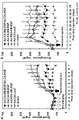
- FIG. 1A shows daily changes in blood glucose levels from day ⁇ 7 to day 7 after tail vein injection of adenoviral (Ad) vectors in mice that developed T1D due to streptozotocin (STZ) administration. .
- Day 0 is the day when the adenovirus vector was administered.
- FIG. 1B shows weekly changes in blood glucose levels from day ⁇ 7 to day 70 in the T1D model mice administered with the Ad vector.
- the horizontal axis indicates the number of days (days) after viral vector administration, and the vertical axis indicates the blood sugar level (mg/dl).
- FIG. 1 shows the results of IPGTT in the same mice as in FIG. 1 (day 16 after Ad vector administration).
- FIG. 2A shows the blood glucose level (mg/dl) after glucose administration
- FIG. 2B shows the plasma insulin level (ng/ml) after glucose administration over time.
- FIG. 1 shows the results of IPGTT in the same mice as in FIG. 1 (60 days after Ad vector administration).
- FIG. 3A shows the blood glucose level (mg/dl) after glucose administration
- FIG. 3B shows the plasma insulin level (ng/ml) after glucose administration over time.
- FIG. 3A shows the blood glucose level (mg/dl) after glucose administration
- FIG. 3B shows the plasma insulin level (ng/ml) after glucose administration over time.
- FIG. 4 shows the results of biochemical analysis of plasma AST and plasma ALT levels on days 3, 5, 7, and 14 in the same five groups of mice as in FIG. graph.
- the vertical axis indicates plasma AST level (IU/L) or plasma ALT level (IU/L).
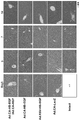
- FIG. 5 shows tissue analysis (HE staining) using a sample (liver) after virus administration.
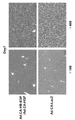
- FIG. 6 shows Ad. CA-HB-EGF and Ad. Mice administered with CA-HGF and Ad. The tissue analysis (HE staining) using the sample (liver) of the CA-LacZ-administered mouse is shown.
- ⁇ -cell protecting/regenerating agent (I) of the present invention provides an agent for protecting/regenerating pancreatic ⁇ cells in mammals with diabetes, comprising a nucleic acid encoding HB-EGF (hereinafter also referred to as “ ⁇ cell protecting/regenerating agent (I) of the present invention”). )I will provide a.
- the ⁇ -cell protecting/regenerating agent is characterized by being administered to a target mammal by systemic administration.
- pancreatic ⁇ cells refers to the maintenance of normal insulin secretion without compensatory hypersecretion of insulin from ⁇ cells in comparison with a control without therapeutic treatment.
- hyperglycemia in at least the acute phase is significantly suppressed, and the suppression tendency is maintained for a long period of time (e.g., 60 days or more, preferably 75 days or more, more preferably 90 days or more, and still more preferably 120 days or more).
- a long period of time e.g. 60 days or more, preferably 75 days or more, more preferably 90 days or more, and still more preferably 120 days or more.
- the "agent for protecting/regenerating ⁇ -cells of the present invention” can also be a “hyperglycemia inhibitor”.
- the " ⁇ -cell protecting/regenerating agent of the present invention” can also be used as a "therapeutic agent for diabetes.” could be.
- Non-Patent Document 1 when the HB-EGF gene was locally administered to alloxan pancreatic partial perfusion mice by intrapancreatic retrograde injection using an Ad vector, there was no fasting between the untreated (LacZ gene administration) group and the It was reported that there was no difference in blood glucose. Since the fasting blood glucose level in the non-treated group was normal, the animal model did not show the pathology of T1D in the first place ( ⁇ cells capable of secreting insulin to the extent that fasting hyperglycemia could be suppressed were maintained). However, the therapeutic effect on T1D has not been demonstrated.
- the fasting blood glucose (0-minute blood glucose in IPGTT) of the untreated group was significantly higher than that of normal mice (that is, the animal model clearly demonstrated the pathology of T1D). ), demonstrating that the fasting blood sugar is lowered in the HB-EGF gene administration group compared to the untreated group. Therefore, it can be said that the ⁇ -cell protecting/regenerating agent (I) of the present invention, which is capable of suppressing fasting hyperglycemia, exhibits advantageous effects over known HB-EGF gene therapeutic agents.
- pancreatic ⁇ -cells refers to the function of secreting insulin in response to stimulation by glucose and suppressing the rise in blood glucose due to glucose load, that is, ⁇ -cells retaining glucose-responsive insulin secretion ability. means the protection and regeneration of Even if the amount of ⁇ -cells is maintained by protecting remaining ⁇ -cells and/or differentiating or amplifying new ⁇ -cells, postprandial hyperglycemia cannot be suppressed if ⁇ -cells have low glucose-responsive insulin secretion ability. , may not achieve adequate glycemic control.
- Non-Patent Document 1 the alloxan pancreatic partial perfusion mouse tested is thought to have maintained ⁇ cells capable of insulin secretion to the extent that fasting blood glucose could be maintained at a normal level.
- HB-EGF gene administration group the non-treatment group until at least 60 minutes after glucose load, and local administration of the HB-EGF gene to the pancreas was sufficient to suppress postprandial hyperglycemia.
- the ⁇ -cell protecting/regenerating agent (I) of the present invention exerts an effect of suppressing glucose-responsive insulin secretion and postprandial hyperglycemia based thereon in IPGTT, and that this effect is maintained for a long period of time. ing.
- nucleic acid encoding HB-EGF used in the present invention may be DNA, RNA, or a DNA/RNA chimera. DNA is preferred. Also, the nucleic acid may be double-stranded or single-stranded. If double-stranded, it may be double-stranded DNA, double-stranded RNA or a DNA:RNA hybrid. If single stranded, it may be the sense strand (ie, the coding strand) or the antisense strand (ie, the non-coding strand).
- DNA encoding HB-EGF includes genomic DNA, cDNA (cRNA) derived from human or other mammalian cells/tissues, synthetic DNA (RNA), and the like.
- nucleic acid encoding HB-EGF used in the present invention includes a nucleotide sequence encoding at least secretory soluble HB-EGF.
- the "nucleic acid encoding HB-EGF” contains a nucleotide sequence encoding proHB-EGF, which is a membrane-bound HB-EGF, more preferably preproHB, which is an initial translation product containing a signal sequence at the N-terminus.
- preproHB which is an initial translation product containing a signal sequence at the N-terminus.
- EGF contains a nucleotide sequence encoding EGF.
- HB-EGF is first synthesized as a precursor containing a signal sequence, after which the signal sequence is cleaved in the endoplasmic reticulum to form membrane-bound proHB-EGF, which is further cleaved by a specific metalloproteinase in the juxtamembrane domain to become soluble.
- HB-EGF is produced.
- nucleic acid encoding HB-EGF that enters the blood stream by systemic administration is delivered to the organ to which the nucleic acid or vector (eg, viral vector) is directed, such as the liver.
- the soluble HB-EGF secreted and expressed from the cells of the organ is delivered to the pancreas through the bloodstream, and is thought to exert mainly the protective/regenerative effects on ⁇ cells. Therefore, if at least a nucleotide sequence encoding soluble HB-EGF is included, it can be directly secreted and expressed as soluble HB-EGF by inserting it into a secretory expression vector containing an appropriate signal sequence.
- proHB-EGF is first expressed as membrane-bound proHB-EGF, and then the action of protease endogenous to the mammal to be administered is utilized.
- soluble HB-EGF It is preferred to produce soluble HB-EGF. Also, the secretion efficiency can be improved by replacing the signal sequence with something other than the native signal sequence, but the secretion efficiency may conversely decrease. Nucleic acids encoding preproHB-EGF, including EGF, can be used.
- nucleic acid encoding HB-EGF SEQ ID NO: 1 [nucleotide sequence from 276th to 902nd of the human HB-EGF mRNA sequence registered in GenBank as Accession Number: NM_001945 ( CDS) (positions 276 to 332 correspond to the signal codon, positions 333 to 461 correspond to the propeptide coding region, and positions 462 to 719 correspond to the soluble HB-EGF coding region)].
- a nucleic acid encoding a protein that includes a nucleotide sequence that hybridizes with the strand sequence under stringent conditions and has an activity equivalent to that of HB-EGF (eg, pancreatic ⁇ -cell protective/regenerative activity).
- nucleic acid that hybridizes under stringent conditions with the complementary strand sequence of the nucleotide sequence represented by SEQ ID NO: 1 is, for example, about 60% or more, preferably about 70% or more, more preferably about 80% or more, particularly preferably about 90% or more, most preferably about 95% or more of the nucleotide sequence represented by SEQ ID NO: 1 Nucleic acids containing identical nucleotide sequences, and the like.
- the nucleic acid has about 90% or more, preferably about 95% or more, more preferably about 97% or more, and particularly preferably about 98% or more identity with the amino acid sequence represented by SEQ ID NO: 2. and encodes an amino acid sequence such that the protein comprising the amino acid sequence has substantially the same activity (e.g., pancreatic ⁇ -cell protecting/regenerating activity) as the protein comprising the amino acid sequence represented by SEQ ID NO:2 It is.
- Hybridization can be performed by a method known per se or a method analogous thereto, for example, Molecular Cloning, 2nd ed. (J. Sambrook et al., Cold Spring Harbor Lab. Press, 1989). Moreover, when using a commercially available library, hybridization can be performed according to the method described in the attached instruction manual. Hybridization is preferably performed under stringent conditions.
- Stringent conditions include (1) low ionic strength and elevated temperature for washing, e.g., 0.015 M sodium chloride/0.0015 M sodium citrate/0.1% sodium dodecyl sulfate at 50°C; A denaturing agent such as formamide, e.g., 0.1% bovine serum albumin/0.1% Ficoll/0.1% polyvinylpyrrolidone/750 mM sodium chloride, 50 mM sodium phosphate buffer (pH 6.5) containing 75 mM sodium citrate. ) with 50% (v/v) formamide at 42° C. are exemplified.
- formamide e.g., 0.1% bovine serum albumin/0.1% Ficoll/0.1% polyvinylpyrrolidone/750 mM sodium chloride, 50 mM sodium phosphate buffer (pH 6.5) containing 75 mM sodium citrate.
- stringent conditions are 50% formamide, 5xSSC (0.75M sodium chloride, 0.075M sodium citrate), 50mM sodium phosphate (pH 6.8), 0.1% sodium pyrophosphate, 5x Denhardt's solution, Sonicated salmon sperm DNA (50 ⁇ g/ml), 0.1% SDS, and 10% dextran sulfate was used at 42°C, washed with 0.2x SSC and 50% formaldehyde at 55°C, followed by EDTA at 55°C.
- a high stringency wash consisting of 0.1 x SSC containing Those skilled in the art can easily achieve the desired stringency by appropriately adjusting the temperature during the hybridization reaction and/or washing, the ionic strength of the buffer, etc., according to factors such as probe length.
- the nucleic acid encoding HB-EGF may be an ortholog in non-human mammals of the nucleic acid consisting of the nucleotide sequence represented by SEQ ID NO:1.
- Mammals to which the ⁇ -cell protecting/regenerating agent of the present invention is administered are not particularly limited as long as they have diabetes, and include humans, mice, rats, rabbits, dogs, monkeys and the like, preferably humans. Therefore, in a preferred embodiment, the nucleic acid encoding HB-EGF is a nucleic acid encoding human HB-EGF (ie, a protein consisting of the amino acid sequence represented by SEQ ID NO:2).
- a nucleic acid encoding HB-EGF is amplified by PCR using, for example, synthetic DNA primers having a portion of the nucleotide sequence of the CDS region of the HB-EGF gene, or DNA incorporated into an appropriate expression vector is transformed into HB- Cloning can be performed by hybridizing a labeled DNA fragment or synthetic DNA containing the nucleotide sequence of the CDS region of the EGF gene. Hybridization is described, for example, in Molecular Cloning, 2nd ed. It can be performed according to the method described in (above) and the like. Moreover, when using a commercially available library, hybridization can be performed according to the method described in the instruction manual attached to the library.
- the nucleotide sequence of the DNA can be determined using known kits such as MutanTM-super Express Km (Takara Shuzo Co., Ltd.), MutanTM-K (Takara Shuzo Co., Ltd.), etc., using ODA-LA PCR method, Gappedduplex method, Kunkel method, etc. can be converted according to a method known per se or a method based thereon.
- the cloned DNA can be used as it is, or after digestion with restriction enzymes or addition of linkers, if desired.
- the DNA may have ATG as a translation initiation codon at its 5' end and TAA, TGA or TAG as a translation termination codon at its 3' end. These translation initiation codons and translation termination codons can be added using suitable synthetic DNA adapters.
- An expression vector containing a nucleic acid encoding HB-EGF can be prepared, for example, by excising a fragment of interest from a nucleic acid encoding the CDS region of the HB-EGF gene, and ligating the DNA fragment downstream of the promoter in an appropriate expression vector.
- the expression vector is not particularly limited as long as it is commonly used in gene therapy, and examples thereof include adenovirus (Ad) vectors, adeno-associated virus (AAV) vectors, lentivirus vectors, retrovirus vectors, Sindbis virus vectors, Viral vectors such as rabies virus vectors, Sendai virus vectors, herpes simplex virus vectors, and non-viral vectors such as animal cell expression plasmids (e.g., pA1-11, pXT1, pRc/CMV, pRc/RSV, pcDNAI/Neo) are used. can do. From the viewpoints of high efficiency of gene introduction and expression, low frequency of chromosomal integration and no risk of insertional mutation, introduction into non-dividing cells, medium- to long-term expression of introduced genes, etc. Alternatively, preferably an AAV vector is used.
- Ad adenovirus
- AAV adeno-associated virus
- lentivirus vectors lenti
- the transgene expression period of Ad vectors (usually 2 to 3 weeks) is shorter than that of AAV vectors and chromosome-integrating vectors, but the effect of HB-EGF for protecting and regenerating pancreatic ⁇ cells far exceeds the gene expression period (at least 60 days or more, preferably 75 days or more, more preferably 90 days or more, further preferably 120 days or more), so that the risk of side effects such as carcinogenesis due to long-term expression of HB-EGF can be reduced or avoided. , can be rather advantageous.
- the AAV vector has a small gene size of 4.7 kb
- the HB-EGF coding sequence (CDS) is 624 bp
- the entire expression cassette including the promoter, terminator, etc. is about 1 to 2 kb. There is no problem in using it.
- Ad vectors are known to accumulate in the liver, but even if HB-EGF is introduced and expressed in cells of other organs, extracellularly secreted soluble HB-EGF can be delivered to the pancreas through the bloodstream.
- AAV vectors differ in tissue tropism depending on the serotype, and serotypes having tropism to the pancreas include, for example, types 6, 8, and 9.
- serotypes having tropism to the pancreas include, for example, types 6, 8, and 9.
- soluble HB-EGF introduced into cells of other organs and secreted and expressed can still be delivered to the pancreas through the bloodstream, so there is no particular limitation on the serotype used.
- ⁇ cells may be attacked by viral capsid antigen-specific killer T cells, so it may be preferable to express HB-EGF in cells of other organs.
- CMV cytomegalovirus
- HSV human immunodeficiency virus
- HIV LTR human immunodeficiency virus
- RSV Rous sarcoma virus
- MMTV mouse mammary tumor virus
- MoMLV Moloney murine leukemia virus
- HSV herpes simplex virus
- HSV herpes simplex virus
- TK thymidine kinase
- SV40 simian virus 40
- a nucleic acid encoding HB-EGF must be mounted downstream of a promoter having transcriptional activity capable of conferring .
- a promoter having stronger transcriptional activity than the CMV promoter or RSV promoter, which are frequently used for gene therapy using virus vectors, can be used.
- CA promoters and promoters having equivalent transcriptional activity include CA promoters and promoters having equivalent transcriptional activity, e.g., polypeptide chain elongation factor 1 ⁇ 1 (EF1A) promoter, polypeptide chain elongation factor 1 ⁇ 1 short (EFS) promoter, CBh promoter ( Hybrid promoter of CMV immediate early enhancer and modified chicken ⁇ -actin promoter different from CA promoter), splenic focal focal-forming virus (SFFV) promoter, mouse stem cell virus (MSCV) promoter, SV40 enhancer/early promoter, PGK promoter and ubiquitous promoters such as the ubiquitin C (UBC) promoter.
- EF1A polypeptide chain elongation factor 1 ⁇ 1
- EFS polypeptide chain elongation factor 1 ⁇ 1 short
- CBh promoter Hybrid promoter of CMV immediate early enhancer and modified chicken ⁇ -actin promoter different from CA promoter
- SFFV splenic focal focal-forming
- a promoter that is highly expressed tissue- or cell-specifically in the target organ e.g., albumin promoter in liver, ⁇ -fetoprotein promoter, thyroxine binding Examples include, but are not limited to, globulin promoters, insulin promoters in pancreatic ⁇ cells, Pdx1 promoters, Ins2 promoters, etc., myogenin promoters in muscles, skeletal muscle actin ⁇ 1 (ACTA1) promoters, MHCK7 promoters, SM22a promoters, etc. Any organ tissue- or cell-specific promoter from which the secreted-expressed HB-EGF can be delivered to the pancreas by the bloodstream can also be used.
- tissue- or cell-specific promoter from which the secreted-expressed HB-EGF can be delivered to the pancreas by the bloodstream can also be used.
- the expression vector preferably contains a transcription termination signal, ie, a terminator region, downstream of the HB-EGF-encoding nucleic acid. If desired, it may further contain an enhancer, a splicing signal, a selectable marker gene for selecting transformed cells, an SV40 origin of replication, and the like.
- selectable marker genes include genes that confer resistance to drugs such as tetracycline, ampicillin, kanamycin, hygromycin and phosphinothricin, and genes that complement auxotrophic mutations.
- a nucleotide sequence (signal codon) encoding a signal sequence suitable for the host may be added to the 5' end of the DNA encoding HB-EGF.
- a nucleotide sequence for example, insulin signal sequences, ⁇ -interferon signal sequences, antibody molecule signal sequences and the like can be used.
- An expression vector containing a nucleic acid encoding HB-EGF can be produced using conventional genetic engineering technology, cell culture technology, and virus production technology [for example, Current Protocols in Molecular Biology, F. Ausubel et al. , eds. (1994) John Wiley & Sons, Inc. ; Molecular Cloning (A Laboratory Manual), 3rd ed. Volumes 1-3, Joseph Sambrook & David W. Russeleds. , Cold Spring Harbor Laboratory Press (Cold Spring Harbor, New York) (2001); Culture of Animal Cells; Freshney eds. , 2nd ed. (1987), Wiley-Liss; Frank L.; Graham, Manipulation of adenovirus vector, Chapter 11.
- a non-viral vector when used as an expression vector containing a nucleic acid encoding HB-EGF, the expression vector is introduced using a polymer carrier such as a poly-L-lysine-nucleic acid complex, or encapsulated in a liposome.
- a polymer carrier such as a poly-L-lysine-nucleic acid complex
- encapsulated in a liposome can be done by A liposome is a phospholipid capsule with a particle size of several tens to several hundreds of nm, in which a vector such as a plasmid encoding HB-EGF can be enclosed.
- the ⁇ -cell protecting/regenerating agent (I) of the present invention can suppress hyperglycemia for a long period of time while maintaining normal insulin secretion.
- Diabetes mellitus for example, T2D, etc., in which insulin resistance progresses and ⁇ cells are exhausted due to compensatory insulin hypersecretion, resulting in impaired insulin secretion and ⁇ cell death), and suppression of progression to complications. be able to.
- the ⁇ -cell protecting/regenerating agent (I) of the present invention may use the HB-EGF expression vector of the present invention as it is, but if necessary, mix it with a pharmacologically acceptable carrier and inject it. It can also be used as a medicine after being made into various formulation forms such as agents.
- the pharmacologically acceptable carrier various organic or inorganic carrier substances commonly used as pharmaceutical materials are used. , as an analgesic, etc. Formulation additives such as preservatives, antioxidants and coloring agents can also be used as necessary.
- solvents include water for injection, physiological saline, Ringer's solution, alcohol, propylene glycol, polyethylene glycol, sesame oil, corn oil, olive oil, cottonseed oil and the like.
- solubilizing agents include polyethylene glycol, propylene glycol, D-mannitol, trehalose, benzyl benzoate, ethanol, trisaminomethane, cholesterol, triethanolamine, sodium carbonate, sodium citrate, sodium salicylate, sodium acetate. etc.
- suspending agents include surfactants such as stearyltriethanolamine, sodium lauryl sulfate, laurylaminopropionic acid, lecithin, benzalkonium chloride, benzethonium chloride, glyceryl monostearate, polyvinyl alcohol, polyvinyl Hydrophilic polymers such as pyrrolidone, carboxymethyl cellulose sodium, methyl cellulose, hydroxymethyl cellulose, hydroxyethyl cellulose, hydroxypropyl cellulose, polysorbates, polyoxyethylene hydrogenated castor oil and the like.
- surfactants such as stearyltriethanolamine, sodium lauryl sulfate, laurylaminopropionic acid, lecithin, benzalkonium chloride, benzethonium chloride, glyceryl monostearate, polyvinyl alcohol, polyvinyl Hydrophilic polymers such as pyrrolidone, carboxymethyl cellulose sodium, methyl cellulose, hydroxymethyl cellulose
- Suitable examples of tonicity agents include sodium chloride, glycerin, D-mannitol, D-sorbitol, glucose and the like.
- buffers include buffers such as phosphate, acetate, carbonate, and citrate.
- Suitable examples of soothing agents include benzyl alcohol.
- Suitable examples of preservatives include paraoxybenzoic acid esters, chlorobutanol, benzyl alcohol, phenethyl alcohol, dehydroacetic acid, sorbic acid, and the like.
- antioxidants include sulfites and ascorbates.
- coloring agents include water-soluble edible tar pigments (e.g. food colorings such as Food Red Nos. 2 and 3, Food Yellow Nos. 4 and 5, and Food Blue Nos. 1 and 2), and water-insoluble lake pigments. (eg, aluminum salts of water-soluble edible tar pigments), natural pigments (eg, ⁇ -carotene, chlorophyll, red iron oxide), and the like.
- water-soluble edible tar pigments e.g. food colorings such as Food Red Nos. 2 and 3, Food Yellow Nos. 4 and 5, and Food Blue Nos. 1 and 2
- water-insoluble lake pigments eg, aluminum salts of water-soluble edible tar pigments
- natural pigments eg, ⁇ -carotene, chlorophyll, red iron oxide
- the dosage form of the pharmaceutical composition includes, for example, injections (eg, subcutaneous injections, intravenous injections, intramuscular injections, intraperitoneal injections, etc.) and parenteral agents such as infusions.
- injections eg, subcutaneous injections, intravenous injections, intramuscular injections, intraperitoneal injections, etc.
- parenteral agents such as infusions.
- the ⁇ -cell protecting/regenerating agent (I) of the present invention can be produced by a method commonly used in the field of formulation technology, such as the method described in the Japanese Pharmacopoeia.
- the content of the viral vector, which is the active ingredient in the formulation varies depending on the dosage form, dosage of the active ingredient, etc., but is, for example, about 0.1 to 100% by weight.
- the virus titer is, for example, 10 10 to 10 11 pfu/ml (since the physical titer is several times to 100 times higher than the biological titer, 2 ⁇ 10 10 to 2 ⁇ when converted to virus particles). 10 13 vp/ml), but it is not limited to this range.
- Formulations suitable for parenteral administration include aqueous and non-aqueous isotonic sterile injection solutions, which include antioxidants. Agents, buffers, bacteriostatic agents, tonicity agents and the like may be included. Also included are aqueous and non-aqueous sterile suspensions, which may contain suspending agents, solubilizers, thickeners, stabilizers, preservatives, and the like.
- the most preferred dosage form in the present invention is an injectable solution.
- the dosage of the formulation varies depending on the type of vector, promoter activity, administration route, severity of disease, animal species to be administered, drug acceptability, body weight, age, etc. of the administration subject, but for example, HB-EGF
- Ad vector When an Ad vector is used as an expression vector, in a past clinical trial, there was a case of death due to acute liver injury due to hepatic arterial administration of 6 ⁇ 10 11 viral particles (vp)/kg body weight (total amount 3.8 ⁇ 10 13 vp). Although it has been reported (Mol Genet Metab 2003; 80: 148-158), since Ad vectors have a high accumulation in the liver, it is thought that a higher dose of Ad vector accumulates in the liver in the case of hepatic artery administration.
- Ad vector In other systemic administrations, especially when the Ad vector is administered via a peripheral vein, it is estimated that up to about 10 times the dose of 5 ⁇ 10 12 vp/kg body weight can be safely used. For example, about 5 ⁇ 10 9 to about 5 ⁇ 10 12 vp/kg body weight, preferably about 1 ⁇ 10 10 to about 2 ⁇ 10 12 vp/kg body weight as a single dose.
- AAV vector was used as the HB-EGF expression vector
- death due to severe liver damage was reported in a recent clinical trial in a high-dose (3 ⁇ 10 14 vp/kg body weight) administration group (Audentes et al. Therapeutics. Letter to the MTM disease community.
- Non-Patent Document 1 Ad vectors with a biological titer of 4 ⁇ 10 8 pfu (approximately 2 ⁇ 10 10 pfu/kg body weight) are retrogradely injected into the pancreatic duct into mice. Since the vp:pfu ratio fluctuates greatly due to the influence of the virus extraction method, etc., the dose converted to physical titer is unknown, but when the vp:pfu ratio is 100 times or more, it is about 2 ⁇ 10 12 vp / Estimated at over kg body weight.
- Intraductal retrograde infusion is restricted to the pancreas, so the dosage can be significantly reduced compared to systemic administration. Therefore, it is surprising that a superior effect of suppressing blood glucose elevation can be obtained compared to the case of intrapancreatic retrograde injection.
- a non-viral vector encapsulated in liposomes as the HB-EGF expression vector
- safety has been confirmed by intravenous administration of 666 ⁇ g of DNA in clinical studies using cynomolgus monkeys weighing about 4 kg.
- Aim for the same amount for example, a single dose for adults is about 2 to about 10 mg, preferably about 5 to about 8 mg.
- the ⁇ -cell protecting/regenerating agent (I) of the present invention is systemically administered parenterally (eg, intravenously, subcutaneously, intramuscularly, intraperitoneally, etc.) by injection, catheter, balloon catheter, or the like.
- systemic administration means that the nucleic acid encoding HB-EGF in the administered preparation and/or the soluble HB-EGF produced/secreted from the nucleic acid enters the blood stream and circulates throughout the body, resulting in As long as it can contribute to the protection and regeneration of pancreatic ⁇ -cells, administration methods other than local administration to the pancreas, such as intravenous administration, intramuscular administration, and intraperitoneal administration, may be used.
- Non-Patent Document 1 in the case of retrograde injection into the pancreatic duct, there is a risk of severe pancreatitis unless the vector concentration, volume, injection rate and time are strictly controlled. It can be said that administration is more safe.
- Non-Patent Document 1 the authors used gene therapy instead of injection of HB-EGF protein for HB-EGF therapy for diabetes, as reasons for using HB-EGF protein are low persistence of biological activity, They speculate that most of them are inactivated by proteases in pancreatic juice. They found that autocrine or juxtacrine action of membrane-bound proHB-EGF expressed in pancreatic duct cells is of paramount importance for the differentiation or neogenesis of ⁇ cells from pancreatic duct cells. It is considered that the paracrine effect of soluble HB-EGF protected and regenerated the remaining ⁇ -cells in the pancreatic islets.
- Non-Patent Document 1 soluble HB-EGF secreted and expressed from a remote organ such as the liver is delivered to the pancreas through the bloodstream, and has a protective/regenerative effect on ⁇ cells due to endocrine action. It is reasonable to interpret that it could not have been predicted to bring about Therefore, a new treatment strategy for diabetes is to introduce genes into other organs than the pancreas as the main target organ, protect and regenerate ⁇ -cells through the action of soluble HB-EGF secreted and expressed from the cells of these organs, and suppress the rise in blood sugar. and original.
- a high dose to the liver such as hepatic artery administration should be avoided in order to avoid liver damage, which is particularly important as an adverse event due to the viral vector. It is desirable to avoid an administration route that delivers the viral vector of the present invention, for example, to administer the ⁇ -cell protecting/regenerating agent (I) of the present invention via a vein or the like, particularly a peripheral vein or the like.
- the administration frequency of the ⁇ -cell protecting/regenerating agent (I) of the present invention is not particularly limited. As shown in the examples below, even when an Ad vector is used, a single administration can exhibit a certain degree of hyperglycemia suppressive effect over a long period of at least 70 days. In addition, the glucose-responsive insulin secretion ability of pancreatic ⁇ -cells can be maintained (improved glucose tolerance) for at least 60 days. The mouse of Example is being followed up further, and it is fully expected that the above effects will continue for an even longer period of time. The same may be true when introducing an AAV vector into dividing cells, the transgene of which is in principle not integrated into the chromosome.
- the ⁇ -cell protecting/regenerating agent (I) of the present invention is non-chromosomal-integrating, and even when using Ad vectors and AAV vectors that have been conventionally considered safer than retroviruses and lentivirus vectors and have been frequently used, For example, it can be administered at intervals of at least 60 days or longer, preferably 75 days or longer, more preferably 90 days or longer, still more preferably 120 days or longer.
- administration can be once every three months to several years, and in another embodiment, single administration is also possible.
- ⁇ -cell protecting/regenerating agent (II) of the present invention provides an agent for protecting and regenerating pancreatic ⁇ cells in mammals with diabetes, comprising a combination of a nucleic acid encoding HB-EGF and a nucleic acid encoding HGF, wherein at least a nucleic acid encoding HB-EGF is provided. is administered systemically (hereinafter also referred to as " ⁇ -cell protecting/regenerating agent (II) of the present invention").
- nucleic acid encoding HGF used in the present invention includes SEQ ID NO: 3 (nucleotide sequence (CDS) from 77th to 2263rd of the human HGF mRNA sequence registered in GenBank as accession number: NM_000601).
- SEQ ID NO: 3 nucleotide sequence (CDS) from 77th to 2263rd of the human HGF mRNA sequence registered in GenBank as accession number: NM_000601).
- nucleotide sequence that hybridizes with its complementary strand sequence under stringent conditions encodes a protein having activity equivalent to HGF (e.g., pancreatic ⁇ -cell protective/regenerative activity) and nucleic acids that A nucleic acid that hybridizes under stringent conditions with the complementary strand sequence of the nucleotide sequence represented by SEQ ID NO: 3 is, for example, about 60% or more, preferably about 70% or more, of the nucleotide sequence represented by SEQ ID NO: 3. , more preferably about 80% or more, particularly preferably about 90% or more, most preferably about 95% or more, and nucleic acids containing nucleotide sequences.
- HGF pancreatic ⁇ -cell protective/regenerative activity
- the term "stringent conditions" has the same meaning as in the nucleic acid encoding HB-EGF.
- the nucleic acid has about 90% or more, preferably about 95% or more, more preferably about 97% or more, and particularly preferably about 98% or more identity with the amino acid sequence represented by SEQ ID NO: 4. and encodes an amino acid sequence such that the protein comprising the amino acid sequence has substantially the same activity (e.g., pancreatic ⁇ -cell protecting/regenerating activity) as the protein comprising the amino acid sequence represented by SEQ ID NO:4 It is.
- the nucleic acid encoding HGF may be the ortholog in non-human mammals of the nucleic acid consisting of the nucleotide sequence represented by SEQ ID NO:3.
- Mammals to which the ⁇ -cell protecting/regenerating agent of the present invention is administered are not particularly limited as long as they have diabetes, and include humans, mice, rats, rabbits, dogs, monkeys and the like, preferably humans. Therefore, in a preferred embodiment, the nucleic acid encoding HGF is a nucleic acid encoding human HGF (ie, a protein consisting of the amino acid sequence represented by SEQ ID NO:4).
- the nucleic acid encoding HGF can be cloned in the same manner as the nucleic acid encoding HB-EGF, and can be inserted downstream of the promoter of various viral vectors or non-viral vectors similar to those described above.
- the HGF-encoding nucleic acid may be inserted into a single expression vector together with the HB-EGF-encoding nucleic acid, or each may be inserted into separate expression vectors.
- the HB-EGF-encoding nucleic acid and the HGF-encoding nucleic acid When the HB-EGF-encoding nucleic acid and the HGF-encoding nucleic acid are inserted into a single expression vector, they may be placed under the control of a single promoter, or may be under the control of separate identical or different promoters. may be placed under control.
- either the HB-EGF-encoding nucleic acid or the HGF-encoding nucleic acid may be placed upstream (on the side closer to the promoter), but dicistronic expression in mammalian cells may occur between the two nucleic acids. Enabling sequences (eg, IRES sequences, 2A sequences from foot and mouth disease virus) are inserted. Moreover, when the nucleic acid encoding HB-EGF and the nucleic acid encoding HGF are inserted into separate expression vectors, the types of expression vectors may be the same or different. Also, both nucleic acids may be placed under the control of the same or different promoters.
- a nucleic acid encoding HGF when used in combination with a nucleic acid encoding HB-EGF, can suppress hyperglycemia for a long period of time while maintaining normal insulin secretion. To the treatment and complications of other diabetes requiring can be used to suppress the progression of
- the ⁇ -cell protecting/regenerating agent (II) of the present invention may use the HB-EGF expression vector of the present invention and the HGF expression vector of the present invention as they are. It can also be used as a medicine after being mixed with the obtained carrier to prepare various pharmaceutical forms such as injections.
- the ⁇ -cell protection/regeneration agent (II) of the present invention is a single expression vector containing both expression vectors. may be formulated as a pharmaceutical composition, or each expression vector may be formulated separately and used in combination.
- the formulation containing the expression vector containing the HB-EGF-encoding nucleic acid is formulated in the same manner as the ⁇ -cell protecting/regenerating agent (I) of the present invention. administration route. Further, even when the HB-EGF-encoding nucleic acid and the HGF-encoding nucleic acid are inserted into a single expression vector, the preparation containing the expression vector is the ⁇ -cell protecting/regenerating agent of the present invention. It can be formulated in the same manner as (I) and administered by the same route of administration, dosage and frequency of administration.
- the expression vector containing the HGF-encoding nucleic acid is mixed with various organic or inorganic carrier substances commonly used as pharmaceutical ingredients, It is compounded and formulated as a solvent, solubilizing agent, suspending agent, tonicity agent, buffering agent, soothing agent, etc. in liquid preparations.
- Formulation additives such as preservatives, antioxidants and coloring agents can also be used as necessary.
- the solvent, suspending agent, tonicity agent, buffering agent, soothing agent, preservative, antioxidant, and coloring agent are those exemplified in the ⁇ -cell protecting/regenerating agent (I) of the present invention. can also be preferably used.
- the dosage form of the pharmaceutical composition includes, for example, injections (eg, subcutaneous injections, intravenous injections, intramuscular injections, intraperitoneal injections, etc.) and parenteral agents such as infusions.
- injections eg, subcutaneous injections, intravenous injections, intramuscular injections, intraperitoneal injections, etc.
- parenteral agents such as infusions.
- a formulation containing an expression vector containing a nucleic acid encoding HGF can be produced by a method commonly used in the field of formulation technology, such as the method described in the Japanese Pharmacopoeia.
- the content of the viral vector which is the active ingredient in the formulation, varies depending on the dosage form, dosage of the active ingredient, etc., but is, for example, about 0.1 to 100% by weight.
- the virus titer is, for example, 10 10 to 10 11 pfu/ml (since the physical titer is several times to 100 times higher than the biological titer, 2 ⁇ 10 10 to 2 ⁇ when converted to virus particles). 10 13 vp/ml), but it is not limited to this range.
- Formulations suitable for parenteral administration include aqueous and non-aqueous isotonic sterile injection solutions, including: may contain antioxidants, buffers, bacteriostatic agents, tonicity agents and the like. Also included are aqueous and non-aqueous sterile suspensions, which may contain suspending agents, solubilizers, thickeners, stabilizers, preservatives, and the like.
- aqueous and non-aqueous sterile suspensions which may contain suspending agents, solubilizers, thickeners, stabilizers, preservatives, and the like.
- the most preferred dosage form of a formulation containing an expression vector containing a nucleic acid encoding HGF is an injectable solution.
- both formulations are mixed at the time of use and administered as a single pharmaceutical composition.
- they may be administered as separate formulations, simultaneously or staggered, by the same or different routes of administration.
- the dosage of the ⁇ -cell protecting/regenerating agent (II) of the present invention, in which each expression vector is separately formulated, depends on the type of vector, promoter activity, administration route, severity of disease, and animal species to be administered.
- the total amount of both expression vectors is about 5 ⁇ 10 9 to about 5 ⁇ 10 12 vp/kg body weight, preferably about 1 ⁇ 10 10 to about 2 ⁇ 10 12 vp/kg body weight.
- the total amount of both expression vectors is about 5 ⁇ 10 9 to about 5 ⁇ 10 13 vp/kg body weight, preferably about 1 ⁇ 10 10 to about 1 ⁇ 10 13 vp/kg body weight.
- the total amount of both expression vectors is about 2 to about 10 mg, preferably about 5 to about 10 mg per adult. about 8 mg.
- the quantitative ratio of both expression vectors in the ⁇ -cell protective/regenerating agent (II) of the present invention, in which each expression vector is separately formulated, can provide the desired ⁇ -cell protective/regenerative effects (suppression of fasting and postprandial hyperglycemia,
- the ratio of HB-EGF expression vector:HGF expression vector is 10:1 to 1:10, preferably 5:1 to 1:5, more preferably 5:1 to 1:5. can be appropriately selected within the range of 2:1 to 1:2.
- mice Male 8-week-old c57/BL/6N mice (Kyudou Co., Ltd., Tosu) weighing 18-20 g were bred with food and water available ad libitum. As previously reported (Diabetes 2010; 59: 1261-1265), streptozotocin (STZ; Sigma-Aldrich Japan, Tokyo) dissolved in 0.01 M citrate buffer (pH 4.5) was added at a dose of 50 mg/kg. Forty mice were dosed intraperitoneally once daily for 5 consecutive days (days -7 to -3). STZ-injected mice were randomly divided into 4 groups (10 mice in each group) 3 days later (day 0), (1) 2 ⁇ 10 11 vp of Ad.
- STZ streptozotocin
- CA-LacZ (2) 1 ⁇ 10 11 vp of Ad.
- CA-LacZ (3) 1 ⁇ 10 11 vp of Ad.
- CA-LacZ (4) 1 ⁇ 10 11 vp of Ad.
- Intraperitoneal glucose tolerance test was performed 16 and 60 days after Ad vector administration. After fasting the mice for 14 hours, 2 g/kg body weight of glucose (equivalent to 75 g of oral glucose tolerance test (OGTT) in humans) was administered intraperitoneally, and blood was collected immediately before administration, 30, 60 and 120 minutes after administration. Blood glucose and plasma insulin levels were measured at time points. Insulin was measured using an ultrasensitive mouse insulin measurement ELISA kit (Morinaga Institute of Biological Science).
- Plasma aspartate aminotransferase (AST) and plasma alanine aminotransferase (ALT) levels were measured by SPOTCHEM SP-4430 clinical autometer (Arkray) using specimens from 3, 5, 7 and 14 days after virus administration in each group. It was measured.
- Intravenous administration of the Ad vector of this example does not cause hepatic dysfunction
- high doses of the Ad vector administered intravenously in vivo resulted in gene transfer primarily into the liver, thus causing severe liver dysfunction. It has been reported that it can cause severe liver damage (Mol Genet Metab 2003; 80: 148-158; Hum Gene Ther 2020; 31: 695-696). Therefore, in order to evaluate liver injury due to intravenous administration of the Ad vector of this example, the above 1.
- Plasma AST and ALT levels were measured on days 3, 5, 7, and 14 in 5 groups of mice similar to each group in . None of the biochemical tests (AST and ALT) showed abnormal values exceeding 200 IU/L (Fig. 4).
- HB-EGF histological analysis of the CA-LacZ group showed that the degree of liver damage was mild to moderate (FIGS. 5 and 6), confirming that the dosage poses no safety problems.
- the HB-EGF group inhibited the elevation of AST and ALT levels as compared to the LacZ group (Fig. 4), and the HB-EGF/HGF group exhibited a strong inhibitory effect (Figs. 1 to 3). From this, it was confirmed that HB-EGF, further HB-EGF/HGF, not only protects and regenerates ⁇ -cells in diabetes, but also suppresses hepatic dysfunction caused by virus administration.
- HB-EGF gene therapy by systemic administration shows protective and regenerative effects on pancreatic ⁇ cells, and has an effect of suppressing hyperglycemia while maintaining normal insulin secretory ability. Furthermore, by combining the HB-EGF gene with the HGF gene, the glucose-responsive insulin secretion ability is significantly improved, and not only the elevation of random blood sugar and fasting blood sugar is suppressed, but also postprandial hyperglycemia is significantly suppressed. can do.
- Gene therapy using HB-EGF for diabetes has been reported so far by retrograde injection into the pancreatic duct, which is highly invasive and involves complicated procedures. However, the antihyperglycemic effect was not sufficiently demonstrated.
- the present invention systemic administration such as intravenous injection, and even administration at a low dose equivalent to pancreatic local administration, exhibits superior ⁇ -cell protecting/regenerating effects and hyperglycemia-suppressing effects. Furthermore, even when a chromosomally non-integrating virus vector, which has hitherto been considered relatively safe, is used, the effect is maintained for a long period of time far exceeding the expected gene expression period. Therefore, the ⁇ -cell protecting/regenerating agent of the present invention can be a gene therapy agent for diabetes that is safe and effective and can be clinically applied. The number of diabetes patients continues to increase worldwide and has become a social problem, and the significance of the present invention is great.
- the ⁇ -cell protecting/regenerating agent of the present invention is an alternative and versatile regenerative medicine for T1D and other diabetes. It is extremely useful as a means of
Landscapes
- Health & Medical Sciences (AREA)
- Life Sciences & Earth Sciences (AREA)
- Chemical & Material Sciences (AREA)
- Engineering & Computer Science (AREA)
- General Health & Medical Sciences (AREA)
- Genetics & Genomics (AREA)
- Organic Chemistry (AREA)
- Gastroenterology & Hepatology (AREA)
- Medicinal Chemistry (AREA)
- Bioinformatics & Cheminformatics (AREA)
- Zoology (AREA)
- Veterinary Medicine (AREA)
- Public Health (AREA)
- Pharmacology & Pharmacy (AREA)
- Animal Behavior & Ethology (AREA)
- Proteomics, Peptides & Aminoacids (AREA)
- Molecular Biology (AREA)
- Biotechnology (AREA)
- Epidemiology (AREA)
- Diabetes (AREA)
- Biochemistry (AREA)
- Biophysics (AREA)
- General Engineering & Computer Science (AREA)
- Immunology (AREA)
- Wood Science & Technology (AREA)
- Biomedical Technology (AREA)
- General Chemical & Material Sciences (AREA)
- Chemical Kinetics & Catalysis (AREA)
- Nuclear Medicine, Radiotherapy & Molecular Imaging (AREA)
- Toxicology (AREA)
- Hematology (AREA)
- Emergency Medicine (AREA)
- Physics & Mathematics (AREA)
- Plant Pathology (AREA)
- Microbiology (AREA)
- Endocrinology (AREA)
- Virology (AREA)
- Obesity (AREA)
- Medicines That Contain Protein Lipid Enzymes And Other Medicines (AREA)
- Medicines Containing Material From Animals Or Micro-Organisms (AREA)
Priority Applications (12)
| Application Number | Priority Date | Filing Date | Title |
|---|---|---|---|
| PH1/2023/552425A PH12023552425A1 (en) | 2021-03-03 | 2022-03-02 | Hb-egf gene therapy for diabetes |
| KR1020237033566A KR20240004273A (ko) | 2021-03-03 | 2022-03-02 | 당뇨병을 위한 hb-egf 유전자 요법 |
| CA3212726A CA3212726A1 (en) | 2021-03-03 | 2022-03-02 | Hb-egf gene therapy for diabetes |
| CN202280028133.2A CN117279670A (zh) | 2021-03-03 | 2022-03-02 | 用于糖尿病的hb-egf基因治疗 |
| US18/548,807 US20240173381A1 (en) | 2021-03-03 | 2022-03-02 | Hb-egf gene therapy for diabetes |
| MX2023010315A MX2023010315A (es) | 2021-03-03 | 2022-03-02 | Terapia génica con factor de crecimiento tipo factor de crecimiento epidérmico de unión a la heparina (hb-egf) para la diabetes. |
| EP22761939.2A EP4302785A4 (en) | 2021-03-03 | 2022-03-02 | HB-EGF GENE THERAPY FOR DIABETES |
| AU2022230492A AU2022230492A1 (en) | 2021-03-03 | 2022-03-02 | Hb-egf gene therapy for diabetes |
| JP2023503916A JPWO2022186282A1 (https=) | 2021-03-03 | 2022-03-02 | |
| BR112023017808A BR112023017808A2 (pt) | 2021-03-03 | 2022-03-02 | Terapia genética de hb-egf para diabetes |
| IL305627A IL305627A (en) | 2021-03-03 | 2022-03-02 | Hb-egf gene therapy for diabetes |
| ZA2023/09227A ZA202309227B (en) | 2021-03-03 | 2023-10-02 | Hb-egf gene therapy for diabetes |
Applications Claiming Priority (4)
| Application Number | Priority Date | Filing Date | Title |
|---|---|---|---|
| JP2021033714 | 2021-03-03 | ||
| JP2021-033714 | 2021-03-03 | ||
| JP2021-145796 | 2021-09-07 | ||
| JP2021145796 | 2021-09-07 |
Publications (1)
| Publication Number | Publication Date |
|---|---|
| WO2022186282A1 true WO2022186282A1 (ja) | 2022-09-09 |
Family
ID=83154306
Family Applications (1)
| Application Number | Title | Priority Date | Filing Date |
|---|---|---|---|
| PCT/JP2022/008898 Ceased WO2022186282A1 (ja) | 2021-03-03 | 2022-03-02 | 糖尿病に対するhb-egf遺伝子治療 |
Country Status (12)
| Country | Link |
|---|---|
| US (1) | US20240173381A1 (https=) |
| EP (1) | EP4302785A4 (https=) |
| JP (1) | JPWO2022186282A1 (https=) |
| KR (1) | KR20240004273A (https=) |
| AU (1) | AU2022230492A1 (https=) |
| BR (1) | BR112023017808A2 (https=) |
| CA (1) | CA3212726A1 (https=) |
| IL (1) | IL305627A (https=) |
| MX (1) | MX2023010315A (https=) |
| PH (1) | PH12023552425A1 (https=) |
| WO (1) | WO2022186282A1 (https=) |
| ZA (1) | ZA202309227B (https=) |
Cited By (1)
| Publication number | Priority date | Publication date | Assignee | Title |
|---|---|---|---|---|
| JPWO2025211357A1 (https=) * | 2024-04-02 | 2025-10-09 |
Citations (4)
| Publication number | Priority date | Publication date | Assignee | Title |
|---|---|---|---|---|
| WO2007037514A1 (ja) * | 2005-09-28 | 2007-04-05 | Kagoshima University | ヘパリン結合性上皮増殖因子様増殖因子の新規医薬用途 |
| JP2020192844A (ja) | 2019-05-27 | 2020-12-03 | 株式会社ナイスリー | 車両用盗難防止装置 |
| JP2021033714A (ja) | 2019-08-26 | 2021-03-01 | 東芝テック株式会社 | 商品販売データ処理装置及びプログラム |
| JP2021145796A (ja) | 2020-03-17 | 2021-09-27 | 株式会社オリンピア | 遊技機 |
Family Cites Families (2)
| Publication number | Priority date | Publication date | Assignee | Title |
|---|---|---|---|---|
| JP2007223939A (ja) * | 2006-02-22 | 2007-09-06 | Kobe Univ | エネルギー代謝促進因子としてのhb−egfの使用 |
| US8236758B2 (en) * | 2007-07-20 | 2012-08-07 | Saitama Medical University | Method of treatment of diabestes or reduction in pancreatic beta-cells |
-
2022
- 2022-03-02 AU AU2022230492A patent/AU2022230492A1/en active Pending
- 2022-03-02 BR BR112023017808A patent/BR112023017808A2/pt unknown
- 2022-03-02 PH PH1/2023/552425A patent/PH12023552425A1/en unknown
- 2022-03-02 JP JP2023503916A patent/JPWO2022186282A1/ja active Pending
- 2022-03-02 CA CA3212726A patent/CA3212726A1/en active Pending
- 2022-03-02 US US18/548,807 patent/US20240173381A1/en active Pending
- 2022-03-02 KR KR1020237033566A patent/KR20240004273A/ko active Pending
- 2022-03-02 IL IL305627A patent/IL305627A/en unknown
- 2022-03-02 WO PCT/JP2022/008898 patent/WO2022186282A1/ja not_active Ceased
- 2022-03-02 MX MX2023010315A patent/MX2023010315A/es unknown
- 2022-03-02 EP EP22761939.2A patent/EP4302785A4/en active Pending
-
2023
- 2023-10-02 ZA ZA2023/09227A patent/ZA202309227B/en unknown
Patent Citations (4)
| Publication number | Priority date | Publication date | Assignee | Title |
|---|---|---|---|---|
| WO2007037514A1 (ja) * | 2005-09-28 | 2007-04-05 | Kagoshima University | ヘパリン結合性上皮増殖因子様増殖因子の新規医薬用途 |
| JP2020192844A (ja) | 2019-05-27 | 2020-12-03 | 株式会社ナイスリー | 車両用盗難防止装置 |
| JP2021033714A (ja) | 2019-08-26 | 2021-03-01 | 東芝テック株式会社 | 商品販売データ処理装置及びプログラム |
| JP2021145796A (ja) | 2020-03-17 | 2021-09-27 | 株式会社オリンピア | 遊技機 |
Non-Patent Citations (18)
| Title |
|---|
| "Audentes Therapeutics", LETTER TO THE MTM DISEASE COMMUNITY, Retrieved from the Internet <URL:https://myotubulartrust.org/audentes-therapeutics-letter-23-june-2020> |
| "Culture of Animal Cells; A Manual of Basic Technique", 1987, WILEY-LISS |
| "Current Protocols in Molecular Biology", 1994, JOHN WILEY SONS, INC |
| "Diabetes and Metabolic Syndrome, History of Medicine", 1 January 2004, Japan, article JUNICHIRO MIYAGAWA: "Apoptosis and regeneration of pancreatic β cells", pages: 77 - 83, XP009539904 * |
| "GenBank", Database accession no. NM_000601 |
| "Molecular Cloning (A Laboratory Manual)", vol. 1-3, 2001, COLD SPRING HARBOR LABORATORY PRESS |
| CHEN, S-H ET AL.: "Combination gene therapy for liver metastases of colon carcinoma in vivo", PROC. NATL. ACAD. SCI. USA, vol. 92, 1995, pages 2477 - 2581 |
| DIABETES, vol. 59, 2010, pages 1261 - 1265 |
| FRANK L. GRAHAM: "Gene Transfer and Expression Protocols", vol. 7, 1991, article "Methods in Molecular Biology", pages: 109,128 |
| HUM GENE THER, vol. 31, 2020, pages 695 - 696 |
| HUMAN GENE THERAPY, vol. 10, 1999, pages 2013 - 2017 |
| J. SAMBROOK ET AL.: "Molecular Cloning", 1989, COLD SPRING HARBOR LAB. PRESS |
| KOZAWA, J ET AL., PANCREAS, vol. 31, 2005, pages 32 - 42 |
| KOZAWA, JUNJI; TOKUI, YAE; MORIWAKI, MAKOTO; LI, MING; OHMOTO, HIROSHI; YUAN, MING; ZHANG, JUN; IWAHASHI, HIROMI; IMAGAWA, AKIHISA: "Regenerative and therapeutic effects of heparin-binding epidermal growth factor-like growth factor on diabetes by gene transduction through retrograde pancreatic duct injection of adenovirus vector.", SUIZO - JAPAN PANCREAS SOCIETY. JOURNAL, NIHON SUIZO GAKKAI, SENDAI, JP, vol. 31, no. 1, 1 January 2005 (2005-01-01), JP , pages 32 - 42, XP009539556, ISSN: 0913-0071, DOI: 10.1097/01.mpa.0000163177.59920.f8 * |
| MATSUDA ERIKO; OBAMA YUKI; KOSAI KEN-ICHIRO: "Safe and low-dose but therapeutically effective adenovirus-mediated hepatocyte growth factor gene therapy for type 1 diabetes in mice", LIFE SCIENCE, PERGAMON PRESS, OXFORD, GB, vol. 268, 4 January 2021 (2021-01-04), GB , XP086492951, ISSN: 0024-3205, DOI: 10.1016/j.lfs.2020.119014 * |
| MOL GENET METAB, vol. 80, 2003, pages 148 - 158 |
| PROC. NATL. ACAD. SCI. USA, vol. 92, 1995, pages 2577 - 2581 |
| See also references of EP4302785A4 |
Cited By (2)
| Publication number | Priority date | Publication date | Assignee | Title |
|---|---|---|---|---|
| JPWO2025211357A1 (https=) * | 2024-04-02 | 2025-10-09 | ||
| WO2025211357A1 (ja) * | 2024-04-02 | 2025-10-09 | 国立大学法人 鹿児島大学 | 糖尿病に対するsHB-EGF強化治療 |
Also Published As
| Publication number | Publication date |
|---|---|
| EP4302785A1 (en) | 2024-01-10 |
| PH12023552425A1 (en) | 2024-02-19 |
| CA3212726A1 (en) | 2022-09-09 |
| BR112023017808A2 (pt) | 2023-09-26 |
| JPWO2022186282A1 (https=) | 2022-09-09 |
| KR20240004273A (ko) | 2024-01-11 |
| IL305627A (en) | 2023-11-01 |
| MX2023010315A (es) | 2023-11-24 |
| US20240173381A1 (en) | 2024-05-30 |
| ZA202309227B (en) | 2024-06-26 |
| EP4302785A4 (en) | 2025-01-29 |
| AU2022230492A1 (en) | 2023-10-19 |
Similar Documents
| Publication | Publication Date | Title |
|---|---|---|
| US9017672B2 (en) | Hexon Tat-PTD modified adenovirus and uses thereof | |
| US20240101628A1 (en) | Cancer Treatment | |
| EP3768301A1 (en) | Compositions and methods of fas inhibition | |
| US20140051630A1 (en) | Periostin-induced pancreatic regeneration | |
| EP3741845B1 (en) | Recombinant vaccinia virus and pharmaceutical composition comprising same | |
| WO2022186282A1 (ja) | 糖尿病に対するhb-egf遺伝子治療 | |
| JP7413629B2 (ja) | Igf-1異型体を発現させるdnaコンストラクトを用いた神経病症の治療 | |
| Yu et al. | Advances in gene therapy for erectile dysfunction: Promises and challenges | |
| RU2853169C2 (ru) | Генотерапия с использованием hb-egf для лечения диабета | |
| CN107073078B (zh) | 利用肝细胞生长因子和基质细胞衍生因子1α的用于预防或治疗外周动脉疾病的组合物 | |
| JP2002522558A (ja) | エリスロポエチンをコードするアデノウイルスベクター及び遺伝子治療におけるそれらの使用 | |
| HK40103669A (en) | Hb-egf gene therapy for diabetes | |
| US20230414718A1 (en) | Low-dose hepatocyte growth factor gene therapy for diabetes | |
| KR20260042173A (ko) | 알파-1 안티트립신 결핍증을 위한 치료 | |
| JP2022512903A (ja) | Ad-REIC/Dkk-3とチェックポイント阻害剤とを用いた胸部がんの治療のための併用療法 | |
| CN117279670A (zh) | 用于糖尿病的hb-egf基因治疗 | |
| HK40095489A (en) | Low-dose hepatocyte growth factor gene therapy for diabetes | |
| Boulikas | Gene therapy to human diseases | |
| JP6175076B2 (ja) | Ad36e4orf1およびakt1阻害剤を使用した血糖コントロールの向上 | |
| CN116685340A (zh) | 针对糖尿病的低剂量的肝细胞生长因子基因治疗 | |
| US20230101788A1 (en) | Gene therapy | |
| US20020031493A1 (en) | Recombinant adenoviruses coding for glial-derived cell neurotrophic factor (gdnf) | |
| TW202602484A (zh) | 針對糖尿病之sHB-EGF強化治療 | |
| WO2022170919A1 (zh) | 一种重组溶瘤腺病毒及其应用 | |
| KR20230095460A (ko) | 흑색종 치료를 위한 sFlt-1을 과발현하는 중간엽줄기세포 및 이의 용도 |
Legal Events
| Date | Code | Title | Description |
|---|---|---|---|
| 121 | Ep: the epo has been informed by wipo that ep was designated in this application |
Ref document number: 22761939 Country of ref document: EP Kind code of ref document: A1 |
|
| WWE | Wipo information: entry into national phase |
Ref document number: 2023503916 Country of ref document: JP |
|
| WWE | Wipo information: entry into national phase |
Ref document number: 12023552425 Country of ref document: PH Ref document number: 18548807 Country of ref document: US |
|
| WWE | Wipo information: entry into national phase |
Ref document number: 305627 Country of ref document: IL |
|
| WWE | Wipo information: entry into national phase |
Ref document number: MX/A/2023/010315 Country of ref document: MX |
|
| WWE | Wipo information: entry into national phase |
Ref document number: 3212726 Country of ref document: CA |
|
| REG | Reference to national code |
Ref country code: BR Ref legal event code: B01A Ref document number: 112023017808 Country of ref document: BR |
|
| ENP | Entry into the national phase |
Ref document number: 112023017808 Country of ref document: BR Kind code of ref document: A2 Effective date: 20230901 |
|
| WWE | Wipo information: entry into national phase |
Ref document number: AU2022230492 Country of ref document: AU Ref document number: 2022230492 Country of ref document: AU |
|
| WWE | Wipo information: entry into national phase |
Ref document number: 202347066109 Country of ref document: IN Ref document number: 2023125146 Country of ref document: RU |
|
| WWE | Wipo information: entry into national phase |
Ref document number: 2022761939 Country of ref document: EP |
|
| NENP | Non-entry into the national phase |
Ref country code: DE |
|
| WWE | Wipo information: entry into national phase |
Ref document number: 202280028133.2 Country of ref document: CN |
|
| ENP | Entry into the national phase |
Ref document number: 2022761939 Country of ref document: EP Effective date: 20231004 |
|
| ENP | Entry into the national phase |
Ref document number: 2022230492 Country of ref document: AU Date of ref document: 20220302 Kind code of ref document: A |
|
| WWP | Wipo information: published in national office |
Ref document number: 2023125146 Country of ref document: RU |
|
| WWG | Wipo information: grant in national office |
Ref document number: 2023125146 Country of ref document: RU |