WO2022117050A1 - 一种新型肿瘤衔接器治疗药物的开发和应用 - Google Patents
一种新型肿瘤衔接器治疗药物的开发和应用 Download PDFInfo
- Publication number
- WO2022117050A1 WO2022117050A1 PCT/CN2021/135153 CN2021135153W WO2022117050A1 WO 2022117050 A1 WO2022117050 A1 WO 2022117050A1 CN 2021135153 W CN2021135153 W CN 2021135153W WO 2022117050 A1 WO2022117050 A1 WO 2022117050A1
- Authority
- WO
- WIPO (PCT)
- Prior art keywords
- amino acid
- seq
- heavy chain
- light chain
- variable region
- Prior art date
- Legal status (The legal status is an assumption and is not a legal conclusion. Google has not performed a legal analysis and makes no representation as to the accuracy of the status listed.)
- Ceased
Links
Images




Classifications
-
- C—CHEMISTRY; METALLURGY
- C07—ORGANIC CHEMISTRY
- C07K—PEPTIDES
- C07K16/00—Immunoglobulins [IG], e.g. monoclonal or polyclonal antibodies
- C07K16/18—Immunoglobulins [IG], e.g. monoclonal or polyclonal antibodies against material from animals or humans
- C07K16/28—Immunoglobulins [IG], e.g. monoclonal or polyclonal antibodies against material from animals or humans against receptors, cell surface antigens or cell surface determinants
- C07K16/30—Immunoglobulins [IG], e.g. monoclonal or polyclonal antibodies against material from animals or humans against receptors, cell surface antigens or cell surface determinants from tumour cells
- C07K16/303—Liver or Pancreas
-
- C—CHEMISTRY; METALLURGY
- C07—ORGANIC CHEMISTRY
- C07K—PEPTIDES
- C07K16/00—Immunoglobulins [IG], e.g. monoclonal or polyclonal antibodies
- C07K16/46—Hybrid immunoglobulins
- C07K16/468—Immunoglobulins having two or more different antigen binding sites, e.g. multifunctional antibodies
-
- A—HUMAN NECESSITIES
- A61—MEDICAL OR VETERINARY SCIENCE; HYGIENE
- A61K—PREPARATIONS FOR MEDICAL, DENTAL OR TOILETRY PURPOSES
- A61K45/00—Medicinal preparations containing active ingredients not provided for in groups A61K31/00 - A61K41/00
-
- A—HUMAN NECESSITIES
- A61—MEDICAL OR VETERINARY SCIENCE; HYGIENE
- A61K—PREPARATIONS FOR MEDICAL, DENTAL OR TOILETRY PURPOSES
- A61K47/00—Medicinal preparations characterised by the non-active ingredients used, e.g. carriers or inert additives; Targeting or modifying agents chemically bound to the active ingredient
- A61K47/50—Medicinal preparations characterised by the non-active ingredients used, e.g. carriers or inert additives; Targeting or modifying agents chemically bound to the active ingredient the non-active ingredient being chemically bound to the active ingredient, e.g. polymer-drug conjugates
- A61K47/51—Medicinal preparations characterised by the non-active ingredients used, e.g. carriers or inert additives; Targeting or modifying agents chemically bound to the active ingredient the non-active ingredient being chemically bound to the active ingredient, e.g. polymer-drug conjugates the non-active ingredient being a modifying agent
- A61K47/68—Medicinal preparations characterised by the non-active ingredients used, e.g. carriers or inert additives; Targeting or modifying agents chemically bound to the active ingredient the non-active ingredient being chemically bound to the active ingredient, e.g. polymer-drug conjugates the non-active ingredient being a modifying agent the modifying agent being an antibody, an immunoglobulin or a fragment thereof, e.g. an Fc-fragment
- A61K47/6835—Medicinal preparations characterised by the non-active ingredients used, e.g. carriers or inert additives; Targeting or modifying agents chemically bound to the active ingredient the non-active ingredient being chemically bound to the active ingredient, e.g. polymer-drug conjugates the non-active ingredient being a modifying agent the modifying agent being an antibody, an immunoglobulin or a fragment thereof, e.g. an Fc-fragment the modifying agent being an antibody or an immunoglobulin bearing at least one antigen-binding site
- A61K47/6843—Medicinal preparations characterised by the non-active ingredients used, e.g. carriers or inert additives; Targeting or modifying agents chemically bound to the active ingredient the non-active ingredient being chemically bound to the active ingredient, e.g. polymer-drug conjugates the non-active ingredient being a modifying agent the modifying agent being an antibody, an immunoglobulin or a fragment thereof, e.g. an Fc-fragment the modifying agent being an antibody or an immunoglobulin bearing at least one antigen-binding site the antibody targeting a material from animals or humans
-
- A—HUMAN NECESSITIES
- A61—MEDICAL OR VETERINARY SCIENCE; HYGIENE
- A61K—PREPARATIONS FOR MEDICAL, DENTAL OR TOILETRY PURPOSES
- A61K47/00—Medicinal preparations characterised by the non-active ingredients used, e.g. carriers or inert additives; Targeting or modifying agents chemically bound to the active ingredient
- A61K47/50—Medicinal preparations characterised by the non-active ingredients used, e.g. carriers or inert additives; Targeting or modifying agents chemically bound to the active ingredient the non-active ingredient being chemically bound to the active ingredient, e.g. polymer-drug conjugates
- A61K47/51—Medicinal preparations characterised by the non-active ingredients used, e.g. carriers or inert additives; Targeting or modifying agents chemically bound to the active ingredient the non-active ingredient being chemically bound to the active ingredient, e.g. polymer-drug conjugates the non-active ingredient being a modifying agent
- A61K47/68—Medicinal preparations characterised by the non-active ingredients used, e.g. carriers or inert additives; Targeting or modifying agents chemically bound to the active ingredient the non-active ingredient being chemically bound to the active ingredient, e.g. polymer-drug conjugates the non-active ingredient being a modifying agent the modifying agent being an antibody, an immunoglobulin or a fragment thereof, e.g. an Fc-fragment
- A61K47/6835—Medicinal preparations characterised by the non-active ingredients used, e.g. carriers or inert additives; Targeting or modifying agents chemically bound to the active ingredient the non-active ingredient being chemically bound to the active ingredient, e.g. polymer-drug conjugates the non-active ingredient being a modifying agent the modifying agent being an antibody, an immunoglobulin or a fragment thereof, e.g. an Fc-fragment the modifying agent being an antibody or an immunoglobulin bearing at least one antigen-binding site
- A61K47/6849—Medicinal preparations characterised by the non-active ingredients used, e.g. carriers or inert additives; Targeting or modifying agents chemically bound to the active ingredient the non-active ingredient being chemically bound to the active ingredient, e.g. polymer-drug conjugates the non-active ingredient being a modifying agent the modifying agent being an antibody, an immunoglobulin or a fragment thereof, e.g. an Fc-fragment the modifying agent being an antibody or an immunoglobulin bearing at least one antigen-binding site the antibody targeting a receptor, a cell surface antigen or a cell surface determinant
-
- A—HUMAN NECESSITIES
- A61—MEDICAL OR VETERINARY SCIENCE; HYGIENE
- A61K—PREPARATIONS FOR MEDICAL, DENTAL OR TOILETRY PURPOSES
- A61K47/00—Medicinal preparations characterised by the non-active ingredients used, e.g. carriers or inert additives; Targeting or modifying agents chemically bound to the active ingredient
- A61K47/50—Medicinal preparations characterised by the non-active ingredients used, e.g. carriers or inert additives; Targeting or modifying agents chemically bound to the active ingredient the non-active ingredient being chemically bound to the active ingredient, e.g. polymer-drug conjugates
- A61K47/51—Medicinal preparations characterised by the non-active ingredients used, e.g. carriers or inert additives; Targeting or modifying agents chemically bound to the active ingredient the non-active ingredient being chemically bound to the active ingredient, e.g. polymer-drug conjugates the non-active ingredient being a modifying agent
- A61K47/68—Medicinal preparations characterised by the non-active ingredients used, e.g. carriers or inert additives; Targeting or modifying agents chemically bound to the active ingredient the non-active ingredient being chemically bound to the active ingredient, e.g. polymer-drug conjugates the non-active ingredient being a modifying agent the modifying agent being an antibody, an immunoglobulin or a fragment thereof, e.g. an Fc-fragment
- A61K47/6835—Medicinal preparations characterised by the non-active ingredients used, e.g. carriers or inert additives; Targeting or modifying agents chemically bound to the active ingredient the non-active ingredient being chemically bound to the active ingredient, e.g. polymer-drug conjugates the non-active ingredient being a modifying agent the modifying agent being an antibody, an immunoglobulin or a fragment thereof, e.g. an Fc-fragment the modifying agent being an antibody or an immunoglobulin bearing at least one antigen-binding site
- A61K47/6851—Medicinal preparations characterised by the non-active ingredients used, e.g. carriers or inert additives; Targeting or modifying agents chemically bound to the active ingredient the non-active ingredient being chemically bound to the active ingredient, e.g. polymer-drug conjugates the non-active ingredient being a modifying agent the modifying agent being an antibody, an immunoglobulin or a fragment thereof, e.g. an Fc-fragment the modifying agent being an antibody or an immunoglobulin bearing at least one antigen-binding site the antibody targeting a determinant of a tumour cell
- A61K47/6859—Medicinal preparations characterised by the non-active ingredients used, e.g. carriers or inert additives; Targeting or modifying agents chemically bound to the active ingredient the non-active ingredient being chemically bound to the active ingredient, e.g. polymer-drug conjugates the non-active ingredient being a modifying agent the modifying agent being an antibody, an immunoglobulin or a fragment thereof, e.g. an Fc-fragment the modifying agent being an antibody or an immunoglobulin bearing at least one antigen-binding site the antibody targeting a determinant of a tumour cell the tumour determinant being from liver or pancreas cancer cell
-
- A—HUMAN NECESSITIES
- A61—MEDICAL OR VETERINARY SCIENCE; HYGIENE
- A61K—PREPARATIONS FOR MEDICAL, DENTAL OR TOILETRY PURPOSES
- A61K47/00—Medicinal preparations characterised by the non-active ingredients used, e.g. carriers or inert additives; Targeting or modifying agents chemically bound to the active ingredient
- A61K47/50—Medicinal preparations characterised by the non-active ingredients used, e.g. carriers or inert additives; Targeting or modifying agents chemically bound to the active ingredient the non-active ingredient being chemically bound to the active ingredient, e.g. polymer-drug conjugates
- A61K47/51—Medicinal preparations characterised by the non-active ingredients used, e.g. carriers or inert additives; Targeting or modifying agents chemically bound to the active ingredient the non-active ingredient being chemically bound to the active ingredient, e.g. polymer-drug conjugates the non-active ingredient being a modifying agent
- A61K47/68—Medicinal preparations characterised by the non-active ingredients used, e.g. carriers or inert additives; Targeting or modifying agents chemically bound to the active ingredient the non-active ingredient being chemically bound to the active ingredient, e.g. polymer-drug conjugates the non-active ingredient being a modifying agent the modifying agent being an antibody, an immunoglobulin or a fragment thereof, e.g. an Fc-fragment
- A61K47/6835—Medicinal preparations characterised by the non-active ingredients used, e.g. carriers or inert additives; Targeting or modifying agents chemically bound to the active ingredient the non-active ingredient being chemically bound to the active ingredient, e.g. polymer-drug conjugates the non-active ingredient being a modifying agent the modifying agent being an antibody, an immunoglobulin or a fragment thereof, e.g. an Fc-fragment the modifying agent being an antibody or an immunoglobulin bearing at least one antigen-binding site
- A61K47/6875—Medicinal preparations characterised by the non-active ingredients used, e.g. carriers or inert additives; Targeting or modifying agents chemically bound to the active ingredient the non-active ingredient being chemically bound to the active ingredient, e.g. polymer-drug conjugates the non-active ingredient being a modifying agent the modifying agent being an antibody, an immunoglobulin or a fragment thereof, e.g. an Fc-fragment the modifying agent being an antibody or an immunoglobulin bearing at least one antigen-binding site the antibody being a hybrid immunoglobulin
- A61K47/6879—Medicinal preparations characterised by the non-active ingredients used, e.g. carriers or inert additives; Targeting or modifying agents chemically bound to the active ingredient the non-active ingredient being chemically bound to the active ingredient, e.g. polymer-drug conjugates the non-active ingredient being a modifying agent the modifying agent being an antibody, an immunoglobulin or a fragment thereof, e.g. an Fc-fragment the modifying agent being an antibody or an immunoglobulin bearing at least one antigen-binding site the antibody being a hybrid immunoglobulin the immunoglobulin having two or more different antigen-binding sites, e.g. bispecific or multispecific immunoglobulin
-
- A—HUMAN NECESSITIES
- A61—MEDICAL OR VETERINARY SCIENCE; HYGIENE
- A61K—PREPARATIONS FOR MEDICAL, DENTAL OR TOILETRY PURPOSES
- A61K51/00—Preparations containing radioactive substances for use in therapy or testing in vivo
- A61K51/02—Preparations containing radioactive substances for use in therapy or testing in vivo characterised by the carrier, i.e. characterised by the agent or material covalently linked or complexing the radioactive nucleus
- A61K51/04—Organic compounds
- A61K51/08—Peptides, e.g. proteins, carriers being peptides, polyamino acids, proteins
- A61K51/10—Antibodies or immunoglobulins; Fragments thereof, the carrier being an antibody, an immunoglobulin or a fragment thereof, e.g. a camelised human single domain antibody or the Fc fragment of an antibody
- A61K51/1027—Antibodies or immunoglobulins; Fragments thereof, the carrier being an antibody, an immunoglobulin or a fragment thereof, e.g. a camelised human single domain antibody or the Fc fragment of an antibody against receptors, cell-surface antigens or cell-surface determinants
- A61K51/1039—Antibodies or immunoglobulins; Fragments thereof, the carrier being an antibody, an immunoglobulin or a fragment thereof, e.g. a camelised human single domain antibody or the Fc fragment of an antibody against receptors, cell-surface antigens or cell-surface determinants against T-cell receptors
- A61K51/1042—Antibodies or immunoglobulins; Fragments thereof, the carrier being an antibody, an immunoglobulin or a fragment thereof, e.g. a camelised human single domain antibody or the Fc fragment of an antibody against receptors, cell-surface antigens or cell-surface determinants against T-cell receptors against T-cell receptor (TcR)-CD3 complex
-
- A—HUMAN NECESSITIES
- A61—MEDICAL OR VETERINARY SCIENCE; HYGIENE
- A61K—PREPARATIONS FOR MEDICAL, DENTAL OR TOILETRY PURPOSES
- A61K51/00—Preparations containing radioactive substances for use in therapy or testing in vivo
- A61K51/02—Preparations containing radioactive substances for use in therapy or testing in vivo characterised by the carrier, i.e. characterised by the agent or material covalently linked or complexing the radioactive nucleus
- A61K51/04—Organic compounds
- A61K51/08—Peptides, e.g. proteins, carriers being peptides, polyamino acids, proteins
- A61K51/10—Antibodies or immunoglobulins; Fragments thereof, the carrier being an antibody, an immunoglobulin or a fragment thereof, e.g. a camelised human single domain antibody or the Fc fragment of an antibody
- A61K51/1045—Antibodies or immunoglobulins; Fragments thereof, the carrier being an antibody, an immunoglobulin or a fragment thereof, e.g. a camelised human single domain antibody or the Fc fragment of an antibody against animal or human tumor cells or tumor cell determinants
- A61K51/1057—Antibodies or immunoglobulins; Fragments thereof, the carrier being an antibody, an immunoglobulin or a fragment thereof, e.g. a camelised human single domain antibody or the Fc fragment of an antibody against animal or human tumor cells or tumor cell determinants the tumor cell being from liver or pancreas
-
- A—HUMAN NECESSITIES
- A61—MEDICAL OR VETERINARY SCIENCE; HYGIENE
- A61P—SPECIFIC THERAPEUTIC ACTIVITY OF CHEMICAL COMPOUNDS OR MEDICINAL PREPARATIONS
- A61P35/00—Antineoplastic agents
-
- C—CHEMISTRY; METALLURGY
- C07—ORGANIC CHEMISTRY
- C07K—PEPTIDES
- C07K16/00—Immunoglobulins [IG], e.g. monoclonal or polyclonal antibodies
- C07K16/18—Immunoglobulins [IG], e.g. monoclonal or polyclonal antibodies against material from animals or humans
- C07K16/28—Immunoglobulins [IG], e.g. monoclonal or polyclonal antibodies against material from animals or humans against receptors, cell surface antigens or cell surface determinants
- C07K16/2803—Immunoglobulins [IG], e.g. monoclonal or polyclonal antibodies against material from animals or humans against receptors, cell surface antigens or cell surface determinants against the immunoglobulin superfamily
- C07K16/2809—Immunoglobulins [IG], e.g. monoclonal or polyclonal antibodies against material from animals or humans against receptors, cell surface antigens or cell surface determinants against the immunoglobulin superfamily against the T-cell receptor (TcR)-CD3 complex
-
- C—CHEMISTRY; METALLURGY
- C12—BIOCHEMISTRY; BEER; SPIRITS; WINE; VINEGAR; MICROBIOLOGY; ENZYMOLOGY; MUTATION OR GENETIC ENGINEERING
- C12N—MICROORGANISMS OR ENZYMES; COMPOSITIONS THEREOF; PROPAGATING, PRESERVING, OR MAINTAINING MICROORGANISMS; MUTATION OR GENETIC ENGINEERING; CULTURE MEDIA
- C12N15/00—Mutation or genetic engineering; DNA or RNA concerning genetic engineering, vectors, e.g. plasmids, or their isolation, preparation or purification; Use of hosts therefor
- C12N15/09—Recombinant DNA-technology
- C12N15/63—Introduction of foreign genetic material using vectors; Vectors; Use of hosts therefor; Regulation of expression
-
- G—PHYSICS
- G01—MEASURING; TESTING
- G01N—INVESTIGATING OR ANALYSING MATERIALS BY DETERMINING THEIR CHEMICAL OR PHYSICAL PROPERTIES
- G01N33/00—Investigating or analysing materials by specific methods not covered by groups G01N1/00 - G01N31/00
- G01N33/48—Biological material, e.g. blood, urine; Haemocytometers
- G01N33/50—Chemical analysis of biological material, e.g. blood, urine; Testing involving biospecific ligand binding methods; Immunological testing
- G01N33/53—Immunoassay; Biospecific binding assay; Materials therefor
- G01N33/575—Immunoassay; Biospecific binding assay; Materials therefor for cancer
-
- C—CHEMISTRY; METALLURGY
- C07—ORGANIC CHEMISTRY
- C07K—PEPTIDES
- C07K16/00—Immunoglobulins [IG], e.g. monoclonal or polyclonal antibodies
- C07K16/18—Immunoglobulins [IG], e.g. monoclonal or polyclonal antibodies against material from animals or humans
- C07K16/28—Immunoglobulins [IG], e.g. monoclonal or polyclonal antibodies against material from animals or humans against receptors, cell surface antigens or cell surface determinants
- C07K16/30—Immunoglobulins [IG], e.g. monoclonal or polyclonal antibodies against material from animals or humans against receptors, cell surface antigens or cell surface determinants from tumour cells
-
- C—CHEMISTRY; METALLURGY
- C07—ORGANIC CHEMISTRY
- C07K—PEPTIDES
- C07K2317/00—Immunoglobulins specific features
- C07K2317/20—Immunoglobulins specific features characterized by taxonomic origin
- C07K2317/24—Immunoglobulins specific features characterized by taxonomic origin containing regions, domains or residues from different species, e.g. chimeric, humanized or veneered
-
- C—CHEMISTRY; METALLURGY
- C07—ORGANIC CHEMISTRY
- C07K—PEPTIDES
- C07K2317/00—Immunoglobulins specific features
- C07K2317/30—Immunoglobulins specific features characterized by aspects of specificity or valency
- C07K2317/31—Immunoglobulins specific features characterized by aspects of specificity or valency multispecific
-
- C—CHEMISTRY; METALLURGY
- C07—ORGANIC CHEMISTRY
- C07K—PEPTIDES
- C07K2317/00—Immunoglobulins specific features
- C07K2317/30—Immunoglobulins specific features characterized by aspects of specificity or valency
- C07K2317/33—Crossreactivity, e.g. for species or epitope, or lack of said crossreactivity
-
- C—CHEMISTRY; METALLURGY
- C07—ORGANIC CHEMISTRY
- C07K—PEPTIDES
- C07K2317/00—Immunoglobulins specific features
- C07K2317/50—Immunoglobulins specific features characterized by immunoglobulin fragments
- C07K2317/51—Complete heavy chain or Fd fragment, i.e. VH + CH1
-
- C—CHEMISTRY; METALLURGY
- C07—ORGANIC CHEMISTRY
- C07K—PEPTIDES
- C07K2317/00—Immunoglobulins specific features
- C07K2317/50—Immunoglobulins specific features characterized by immunoglobulin fragments
- C07K2317/515—Complete light chain, i.e. VL + CL
-
- C—CHEMISTRY; METALLURGY
- C07—ORGANIC CHEMISTRY
- C07K—PEPTIDES
- C07K2317/00—Immunoglobulins specific features
- C07K2317/50—Immunoglobulins specific features characterized by immunoglobulin fragments
- C07K2317/52—Constant or Fc region; Isotype
-
- C—CHEMISTRY; METALLURGY
- C07—ORGANIC CHEMISTRY
- C07K—PEPTIDES
- C07K2317/00—Immunoglobulins specific features
- C07K2317/50—Immunoglobulins specific features characterized by immunoglobulin fragments
- C07K2317/56—Immunoglobulins specific features characterized by immunoglobulin fragments variable (Fv) region, i.e. VH and/or VL
-
- C—CHEMISTRY; METALLURGY
- C07—ORGANIC CHEMISTRY
- C07K—PEPTIDES
- C07K2317/00—Immunoglobulins specific features
- C07K2317/50—Immunoglobulins specific features characterized by immunoglobulin fragments
- C07K2317/56—Immunoglobulins specific features characterized by immunoglobulin fragments variable (Fv) region, i.e. VH and/or VL
- C07K2317/565—Complementarity determining region [CDR]
-
- C—CHEMISTRY; METALLURGY
- C07—ORGANIC CHEMISTRY
- C07K—PEPTIDES
- C07K2317/00—Immunoglobulins specific features
- C07K2317/70—Immunoglobulins specific features characterized by effect upon binding to a cell or to an antigen
- C07K2317/73—Inducing cell death, e.g. apoptosis, necrosis or inhibition of cell proliferation
- C07K2317/732—Antibody-dependent cellular cytotoxicity [ADCC]
-
- C—CHEMISTRY; METALLURGY
- C07—ORGANIC CHEMISTRY
- C07K—PEPTIDES
- C07K2317/00—Immunoglobulins specific features
- C07K2317/70—Immunoglobulins specific features characterized by effect upon binding to a cell or to an antigen
- C07K2317/74—Inducing cell proliferation
-
- C—CHEMISTRY; METALLURGY
- C07—ORGANIC CHEMISTRY
- C07K—PEPTIDES
- C07K2317/00—Immunoglobulins specific features
- C07K2317/70—Immunoglobulins specific features characterized by effect upon binding to a cell or to an antigen
- C07K2317/77—Internalization into the cell
-
- C—CHEMISTRY; METALLURGY
- C07—ORGANIC CHEMISTRY
- C07K—PEPTIDES
- C07K2317/00—Immunoglobulins specific features
- C07K2317/90—Immunoglobulins specific features characterized by (pharmaco)kinetic aspects or by stability of the immunoglobulin
- C07K2317/92—Affinity (KD), association rate (Ka), dissociation rate (Kd) or EC50 value
Definitions
- the present disclosure relates to a bispecific antibody and its application, in particular to the development and application of a novel tumor-connector therapeutic drug.
- Glypican-3 (Glypican-3, GPC3, also known as DGSX, GTR2-2, MXR7, OCI-5, SDYS, SGB, SGBS or SGBS1) is a glypican proteoglycan belonging to the acetyl sulfate
- the heparan sulfate proteoglycans (HSPGs) family is anchored to the outer surface of the cell membrane through the glycosylphosphatidyl inositol (GPI).
- the core of GPC3 protein consists of 580 amino acids with a molecular weight of about 65kDa.
- the protease Furin is cleaved between 358Arg-359Ser (355R-356Q-357Y-358R-359S) to form two subunits, and two heparin sulfate polysaccharide chains are connected near the membrane It is an important part of the extracellular matrix and may be involved in the activation of cells by multiple signaling pathways such as Wnt, Hh (Hedgehog) and fibroblast growth factor (FGF) (Li N et al, Glypicans as Cancer Therapeutic Targets, Trends Cancer. 2018).
- GPC3 is expressed in a variety of fetal tissues (liver, lung, kidney, and placenta). After birth, the GPC3 gene is no longer expressed due to DNA methylation modification.
- cytotoxic T lymphocytes Through GPC3-specific cytotoxic T lymphocytes (CTL), it can effectively kill tumor stem cells and inhibit tumor growth in mice (Okada Metal, Selective elimination of undifferentiated human pluripotent stem cells using pluripotent state-specific immunogenic antigen Glypican-3, Biochem Biophys Res Commun. 2019 Apr 9;511(3):711-717).
- T cell bispecific antibody (or T cell adapter) is a special antibody molecule constructed artificially, which can recognize the target cell surface antigen (antigen arm) through one end and bind T cell CD3 receptor (CD3 arm) through the other end. ).
- CD3 on T cells is aggregated to activate T cells and kill tumors.
- BCMAxCD3 bispecific molecules are T cell bispecific (TCB) antibodies that target BCMA expressed on myeloma cells and CD3 ⁇ chain (CD3e) present on T cells.
- TAB T cell bispecific
- the mechanism of action of the BCMA ⁇ CD3 bispecific molecule involves simultaneous binding to BCMA+ myeloma cells and CD3+ T cells, resulting in T cell activation and T cell-mediated cell killing.
- Codrituzumab is the first therapeutic monoclonal antibody targeting GPC3, showing significant tumor-suppressive activity in mouse tumor models, but in a phase II clinical trial (NCT01507168), codrituzumab was free from disease progression and overall survival compared with the control group No significant difference (Abou-Alfa GK et al, Randomized phase II placebo controlled study of codrituzumab in previously treated patients with advanced hepatocellular carcinoma, J Hepatol.
- codrituzumab may be effective against tumors Patients with high GPC3 expression or CD16 high affinity mutation bring clinical benefit (Chen G et al, Combining expression of GPC3in tumors and CD16on NK cells from peripheral blood to identify patients responding to codrituzumab, Oncotarget.2018Jan 2;9(12) : 10436-10444).
- ERY974 is an anti-GPC3/CD3 bispecific antibody. It can effectively kill a variety of GPC3-positive tumor cells through T cell-mediated killing effect, and its activity is better than that of monoclonal antibodies. ; In 2019, after the restart of the phase I clinical trial, the IL-6 antibody Tocilizumab was used in combination to avoid cytokine release syndrome.
- the present disclosure provides a new GPC3 antibody with high affinity to GPC3 protein.
- the present disclosure also provides a novel GPC3-CD3 ⁇ bispecific antibody formed by GPC3 antibody and CD3 antibody.
- GPC3 antibodies can mediate antibody-dependent cell-mediated cytotoxicity (ADCC) effects on target cells, and GPC3 antibodies can inhibit GPC3-induced endocytosis.
- the GPC3-CD3 ⁇ bispecific antibody adopts the full-length IgG configuration. By introducing charge and affinity optimization, the ⁇ bispecific antibody can be preferentially localized to GPC3+ tumor tissue. At low concentrations, activated T cells can be recruited, which can effectively kill target cells.
- T cells are not activated in the presence of target cells; at the same time, ⁇ bispecific antibodies do not bind to receptors such as Fc ⁇ RI, Fc ⁇ RIIA and Fc ⁇ RIIIA, reducing the risk of cytokine storm.
- Pharmacodynamic tests confirmed that this novel GPC3-CD3 ⁇ bispecific antibody can inhibit tumor growth at very low doses and effectively inhibit the growth of transplanted tumors in immune-reconstructed mice; toxicological studies in cynomolgus monkeys also showed that animals
- the novel GPC3-CD3 ⁇ bispecific antibody is well tolerated, and the efficacy and safety of the novel GPC3-CD3 ⁇ bispecific antibody are superior to those of similar antibodies.
- the present disclosure provides an antibody or antigen-binding portion thereof that binds GPC3.
- the present disclosure provides a bispecific antibody or antigen-binding portion thereof.
- the present disclosure provides nucleic acids encoding bispecific antibodies or antigen-binding portions thereof according to the preceding aspects.
- the present disclosure provides vectors comprising the nucleic acids of the preceding aspects.
- the present disclosure provides cells comprising the nucleic acid or vector of the preceding aspects.
- the present disclosure provides a pharmaceutical composition or kit comprising an antibody, or antigen-binding portion thereof, or nucleic acid encoding thereof, according to any of the preceding aspects, and a pharmaceutically acceptable carrier.
- the present disclosure provides antibody-drug conjugates comprising an antibody or antigen-binding portion, bispecific or multispecific molecule thereof of any of the preceding aspects covalently attached to a therapeutic moiety.
- the present disclosure provides a method of treating a disorder associated with GPC3, comprising the steps of: administering to a mammal a therapeutically effective amount of an antibody or antigen-binding fragment thereof, nucleic acid, vector, cell, and/or pharmaceutical composition.
- the present disclosure provides an antibody or antigen-binding fragment, nucleic acid, vector, cell, and/or pharmaceutical composition of any of the preceding aspects in the manufacture of a medicament or kit for the treatment of a GPC3-related disorder in a mammal use.
- Antibodies of the present disclosure can be used in a variety of applications, including detection of GPC3 protein, diagnosis, treatment or prevention of GPC3-related diseases.
- Figure 1 shows the results of non-reducing SDS-PAGE of GPC3 recombinant protein.
- Figure 2 shows the results of flow cytometry of GPC3 stably transfected cells.
- Figure 3 shows the SDS-PAGE results of CD3 ⁇ -Fc recombinant protein.
- Figure 4 shows flow cytometry results of GPC3 antibody and human GPC3 stably transfected cells.
- Figure 5 shows the binding of antibody 49G8 to GPC3 antigens of different species.
- Figure 6 shows the ADCC effect mediated by antibody 49G8.
- Figure 7 shows the binding of humanized antibodies to GPC3 antigen.
- Figure 8 shows the binding of humanized antibodies to GPC3 stably transfected cells.
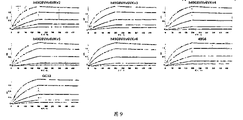
- Figure 9 shows Octet affinity determination of humanized antibodies.
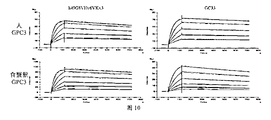
- Figure 10 shows SPR affinity determination of humanized antibodies.
- FIG. 11 shows the results of endocytosis of humanized antibodies.
- Figure 12 shows the binding of CD3 humanized antibodies to human CD3 ⁇ antigen.
- Figure 13 shows the binding of CD3 humanized antibodies to Jurkat cells.
- Figure 14 shows a comparison of CD3 humanized antibody affinity to human and monkey CD3 ⁇ antigens.
- Figure 15 shows the binding of GPC3xCD3 ⁇ bispecific antibody to GPC3 stably transfected cells.
- Figure 16 shows the binding of GPC3xCD3 ⁇ bispecific antibody to HepG2 cells.
- Figure 17 shows the binding of GPC3xCD3 ⁇ bispecific antibody to Jurkat cells.
- Figure 18 shows the binding of GPC3xCD3 ⁇ bispecific antibody to peripheral blood T cells.
- Figure 19 shows GPC3xCD3 ⁇ bispecific antibody-mediated TDCC effect
- Figure 19A shows killing of HepG2 cells
- Figure 19B shows activation of T cells.
- Figure 20 shows the effect of GPC3xCD3 ⁇ bispecific antibody on T cell NFAT signaling pathway.
- Figure 21 shows the activation of PBMC by GPC3xCD3 ⁇ bispecific antibody.
- Figure 22 shows binding of GPC3xCD3 ⁇ bispecific antibody to Fc ⁇ R-activating receptors.
- Figure 23 shows the inhibitory effect of GPC3 ⁇ CD3 ⁇ bispecific antibody in immune reconstitution mouse HepG2 xenograft model.
- Figure 24 shows the inhibitory effect of GPC3 ⁇ CD3 ⁇ bispecific antibody in CD3 humanized murine Hepa1-6/hGPC3 xenograft model.
- GPC3 may refer to a concept that collectively refers to GPC3 itself and any of its variants, isoforms and paralogs present in animals and preferably in humans.
- human GPC3 refers to GPC3 of human origin.
- anti-GPC3 antibody and "anti-GPC3-binding antibody” refer to an antibody capable of binding GPC3 with sufficient affinity such that the antibody is useful in targeting GPC3 as a diagnostic and/or therapeutic agent.
- the degree of binding of an anti-GPC3 antibody to an unrelated non-GPC3 protein is less than about 10% of the binding of the antibody to GPC3, as measured by, eg, a radioimmunoassay (RIA).
- RIA radioimmunoassay
- the antibody that binds GPC3 has ⁇ 1 ⁇ M, ⁇ 100 nM, ⁇ 10 nM, ⁇ 1 nM, ⁇ 0.1 nM, ⁇ 0.01 nM, or ⁇ 0.001 nM (eg, 10 ⁇ 8 M or less, eg, 10 ⁇ 8 M to 10 -13 M, eg, 10 -9 M to 10 -13 M) dissociation constant (Kd).
- anti-GPC3 antibodies bind to GPC3 epitopes that are conserved among GPC3s from different species.
- CD3 refers to any native CD3 from any vertebrate source, including mammals, such as primates (eg, humans), non-human primates (eg, cynomolgus monkeys), and rodents (eg, mice and rats), unless otherwise specified.
- the term encompasses "full-length” unprocessed CD3 as well as any form of CD3 derived from processing in a cell.
- the term also encompasses naturally occurring variants of CD3, such as splice variants or allelic variants.
- the CD3 is human CD3, particularly the epsilon subunit of human CD3 (CD3 ⁇ ).
- the amino acid sequence of human CD3 ⁇ is shown in UniProt (www.uniprot.org) accession number P07766 (version 144), or NCBI (www.ncbi.nlm.nih.gov/) RefSeq NP_000724.1.
- the amino acid sequence of cynomolgus monkey [Macaca fascicularis] CD3 ⁇ is shown in NCBI GenBank no.BAB71849.1.
- cell surface is used according to its normal meaning in the art and thus includes the exterior of the cell accessible by binding to proteins and other molecules.
- the term “about” or “approximately” means within plus or minus 10% of the given value or range. Where a whole number is required, the term refers to within plus or minus 10% of the given value or range, rounded up or down to the nearest whole number.
- the phrase "substantially identical" can be understood as exhibiting at least 60%, 65%, 70%, 75%, 80%, 85%, 90%, 95%, 96%, Antibody chains of 97%, 98%, 99% or more sequence identity.
- nucleic acid sequences the term is to be understood as exhibiting at least 60%, 65%, 70%, 75%, 80%, 85%, 90%, 95%, 96%, 97%, 98 A nucleotide sequence of %, 99% or greater sequence identity.
- sequence identity has an art-recognized meaning, and the percent sequence identity between two nucleic acid or polypeptide molecules or regions can be calculated using published techniques. Sequence identity can be measured along the full length of a polynucleotide or polypeptide or along regions of the molecule. While many methods exist for measuring the identity between two polynucleotides or polypeptides, the term “identity” is well known to the skilled artisan (Carrillo, H. & Lipman, D., SIAM J Applied Math 48:1073 (1988) ).
- substitutional variant is one in which at least one amino acid residue in the native sequence has been removed and a different amino acid inserted in its same position.
- the substitutions can be single, wherein only one amino acid is substituted in the molecule, or multiple, wherein the same molecule has two or more amino acids substituted. Multiple substitutions can be made at consecutive sites.
- one amino acid can be substituted by multiple residues, wherein such variants include both substitutions and insertions.
- An “insertional” variant is one in which one or more amino acids are inserted into an amino acid immediately adjacent to a specific position in a native sequence. Immediately adjacent to an amino acid means attachment to the alpha-carboxyl or alpha-amino functional group of the amino acid.
- a “deletion” variant is one in which one or more amino acids in the native amino acid sequence have been removed. Typically, deletion variants have one or two amino acids deleted in a specific region of their molecule.
- variable domains of antibodies refers to certain portions of related molecules that differ widely in sequence between antibodies and are used for the specific recognition and binding of a particular antibody against its specific target. However, the variability is not evenly distributed throughout the variable domains of antibodies. Variability is concentrated in three segments called complementarity determining regions (CDRs; ie CDR1, CDR2 and CDR3) or hypervariable regions, all located within the variable domains of light and heavy chains. The more conserved portions of the variable domains are referred to as framework (FR) regions or framework sequences.
- CDRs complementarity determining regions
- FR framework regions
- Each variable domain of native heavy and light chains includes four FR regions, predominantly in a beta-sheet configuration, linked by three CDRs that form loops that connect the beta-sheet structure and Partial ⁇ -sheet structures are formed in some cases.
- the CDRs of each chain are usually linked in proximity by FR regions and, with the aid of CDRs from other chains, contribute to the formation of antibody target binding sites (epitopes or determinants).
- the numbering of immunoglobulin amino acid residues is according to the immunoglobulin amino acid residue numbering system of Kabat et al., unless otherwise indicated.
- a CDR can have the ability to specifically bind to the cognate epitope.
- an "antibody fragment” or “antigen-binding fragment” of an antibody refers to any portion of a full-length antibody that is less than full-length, but which comprises at least a portion of the variable region (eg, one or more of the variable regions of said antibody that binds an antigen) CDRs and/or one or more antibody binding sites), and thus retain binding specificity and at least part of the specific binding capacity of the full-length antibody.
- an antigen-binding fragment refers to an antibody fragment comprising an antigen-binding portion that binds to the same antigen as the antibody from which the antibody fragment is derived.
- Antibody fragments include antibody derivatives produced by enzymatic treatment of full-length antibodies, as well as synthetically produced derivatives, eg, recombinantly produced derivatives.
- Antibodies include antibody fragments. Examples of antibody fragments include, but are not limited to, Fab, Fab', F(ab') 2 , single chain Fv (scFv), Fv, dsFv, diabodies, Fd and Fd' fragments and other fragments, including modified fragments.
- the fragments may comprise multiple chains linked together, eg, by disulfide bonds and/or by peptide linkers.
- Antibody fragments generally comprise at least or about 50 amino acids, and typically at least or about 200 amino acids.
- Antigen-binding fragments include any antibody fragment that, when inserted into the antibody framework (eg, by substituting the corresponding region), results in an antibody that immunospecifically binds (ie, exhibits a Ka of at least or at least about 107-108 M -1 ) to an antigen .
- a "functional fragment” or “analog of an anti-GPC3 antibody” is a fragment or analog that prevents or substantially reduces the ability of the receptor to bind a ligand or initiate signal transduction.
- functional fragments generally have the same meaning as "antibody fragments” and, in the case of antibodies, may refer to fragments that prevent or substantially reduce the ability of the receptor to bind a ligand or initiate signal transduction, eg, Fv, Fab , F(ab') 2 , and so on.
- "Fv" fragments consist of a dimer ( VH - VL dimer) formed by non-covalent association of the variable domains of a heavy chain and the variable domains of a light chain. In this configuration, the three CDRs of each variable domain interact to define the target binding site on the surface of the VH - VL dimer, as is the case with intact antibodies. The six CDRs collectively confer the target-binding specificity of the intact antibody. However, even a single variable domain (or half of an Fv that includes only 3 target-specific CDRs) can still have the ability to recognize and bind targets.
- BsAb Bispecific antibody
- a bispecific antibody and/or antigen-binding molecule Contains two antigen binding sites, each of which is specific for a different antigenic determinant.
- the bispecific antibody and/or antigen binding molecule is capable of binding two antigenic determinants simultaneously, particularly two antigenic determinants expressed on two different cells.
- monoclonal antibody refers to a population of identical antibodies, meaning that each individual antibody molecule in the monoclonal antibody population is identical to other antibody molecules. This property is in contrast to that of polyclonal populations of antibodies, which comprise antibodies with a variety of different sequences.
- Monoclonal antibodies can be prepared by a number of well-known methods (Smith et al. (2004) J. Clin. Pathol. 57, 912-917; and Nelson et al., J Clin Pathol (2000), 53, 111-117).
- monoclonal antibodies can be prepared by immortalizing B cells, eg, by fusion with myeloma cells to generate hybridoma cell lines or by infecting B cells with a virus such as EBV.
- Recombinant techniques can also be used to prepare antibodies from clonal populations of host cells in vitro by transforming the host cells with a plasmid carrying an artificial sequence of nucleotides encoding the antibody.
- hybridomas refers to a cell or cell line (usually myeloma or lymphoma cells) produced by fusing antibody-producing lymphocytes and non-antibody-producing cancer cells.
- hybridomas can proliferate and provide continuous supply to produce specific monoclonal antibodies. Methods for generating hybridomas are known in the art.
- hybridomas When referring to the term “hybridoma” or “hybridoma cell”, it also includes subclones and progeny cells of hybridomas.
- a full-length antibody is one that has two full-length heavy chains (eg, VH-CH1-CH2-CH3 or VH-CH1-CH2-CH3-CH4) and two full-length light chains (VL-CL) and a hinge region antibodies, such as those naturally produced by antibody-secreting B cells and those produced synthetically with the same domains.
- chimeric antibody refers to an antibody in which the variable region sequences are derived from one species and the constant region sequences are derived from another species, such as in which the variable region sequences are derived from a mouse antibody and the constant region sequences are derived from a human antibody of antibodies.
- Humanized antibodies refer to non-human (eg, mouse) forms of antibodies that are chimeric immunoglobulins, immunoglobulin chains, or fragments thereof (eg, Fv, Fab, Fab', F(ab') 2 or other antigen-binding subsequences of antibodies) containing minimal sequence derived from non-human immunoglobulins.
- the humanized antibody is a human immunoglobulin (recipient antibody) in which the complementarity determining region (CDR) residues of the recipient antibody are derived from a non-human species with the desired specificity, affinity and capacity ( donor antibody) such as mouse, rat or rabbit CDR residue substitutions.
- CDR complementarity determining region
- telomeres can be mutated amino acid residues within the CDR1, CDR2 and/or CDR3 regions of VH and/or VL, thereby improving one or more binding properties (eg, affinity) of the antibody .
- PCR-mediated mutagenesis can be performed to introduce mutations whose effect on antibody binding or other functional properties can be assessed using the in vitro or in vivo assays described herein. Typically, conservative mutations are introduced. Such mutations can be amino acid substitutions, additions or deletions.
- CDR refers to a complementarity-determining region
- each of the heavy and light chains of antibody molecules is known to have 3 CDRs.
- the CDRs are also referred to as hypervariable regions, and are present in the variable regions of each heavy and light chain of antibodies, with sites of very high variability in the primary structure of the CDRs.
- the CDRs of the heavy chain are represented by CDR1, CDR2, and CDR3 derived from the amino terminal of the amino terminal sequence of the heavy chain
- CDRs of the light chain are represented by CDR1, CDR2, and CDR3 derived from the amino terminal of the amino terminal sequence of the light chain.
- epitopic determinants refers to any antigenic determinant on an antigen to which the paratope of an antibody binds.
- Epitopic determinants typically comprise chemically active surface profiles of molecules, such as amino acids or sugar side chains, and typically have specific three-dimensional structural characteristics as well as specific charge characteristics.
- an antibody that immunospecifically binds (or specifically binds) an antigen has an affinity constant Ka of about or 1 ⁇ 10 7 M -1 or 1 ⁇ 10 8 M -1 or greater (or 1 ⁇ 10-7 M or 1 ⁇ 10 ⁇ 8 M or lower dissociation constant (Kd)) binds to the antigen.
- Affinity constants can be determined by standard kinetic methods of antibody responses, eg, immunoassays, surface plasmon resonance (SPR) (Rich and Myszka (2000) Curr. Opin. Biotechnol 11:54; Englebienne (1998) Analyst. 123: 1599), isothermal titration calorimetry (ITC), or other kinetic interaction assays known in the art; see also U.S. Pat. No. 7,229,619 describing exemplary SPR and ITC methods for calculating binding affinity of antibodies No). Instruments and methods for real-time detection and monitoring of binding rates are known and commercially available (see Malmqvist (2000) Biochem. Soc. Trans. 27:335).
- nucleic acid molecules refer to an oligomer or polymer comprising at least two linked nucleotides or nucleotide derivatives, including usually linked together by phosphodiester bonds Deoxyribonucleic acid (DNA) and ribonucleic acid (RNA).
- DNA deoxyribonucleic acid
- RNA ribonucleic acid
- nucleic acid molecule is intended to include DNA molecules and RNA molecules. Nucleic acid molecules can be single-stranded or double-stranded, and can be cDNA.
- an isolated nucleic acid molecule is one that is separated from other nucleic acid molecules present in the natural source of the nucleic acid molecule.
- An "isolated" nucleic acid molecule such as a cDNA molecule, can be substantially free of other cellular material or culture medium when prepared by recombinant techniques, or substantially free of chemical precursors or other chemical components when chemically synthesized.
- Exemplary isolated nucleic acid molecules provided herein include isolated nucleic acid molecules encoding the provided antibodies or antigen-binding fragments.
- operably linked in reference to nucleic acid sequences, regions, elements or domains means that the nucleic acid regions are functionally related to each other.
- a promoter can be operably linked to a nucleic acid encoding a polypeptide such that the promoter regulates or mediates transcription of the nucleic acid.
- conservative sequence modifications of the sequences described in the Sequence Listing described herein, ie, nucleotide and amino acid sequence modifications that do not eliminate binding of the antibody to the antigen encoded by the nucleotide sequence or containing the amino acid sequence.
- conservative sequence modifications include conservative nucleotide and amino acid substitutions and nucleotide and amino acid additions and deletions.
- modifications can be introduced into the Sequence Listing described herein by standard techniques known in the art, such as site-directed mutagenesis and PCR-mediated mutagenesis.
- Conservative sequence modifications include conservative amino acid substitutions in which amino acid residues are replaced with amino acid residues having similar side chains. Families of amino acid residues with similar side chains are defined in the art.
- amino acids with basic side chains eg, lysine, arginine, histidine
- amino acids with acidic side chains eg, aspartic acid, glutamic acid
- amino acids with uncharged polar side chains amino acids e.g. glycine, asparagine, glutamine, serine, threonine, tyrosine, cysteine, tryptophan
- amino acids with non-polar side chains e.g. alanine, valine
- leucine, isoleucine, proline, phenylalanine, methionine amino acids with beta branched side chains
- the predicted non-essential amino acid residue in the anti-GPC3 antibody is preferably replaced by another amino acid residue from the same side chain family.
- Methods for identifying conservative substitutions of nucleotides and amino acids that do not abolish antigen binding are well known in the art (for example, see Brummell et al., Biochem. 32:1180-1187 (1993); Kobayashi et al., Protein Eng. 12 ( 10): 879-884 (1999); Burks et al., Proc. Natl. Acad. Sci. USA 94: 412-417 (1997)).
- mutations can be introduced randomly along all or a portion of the anti-GPC3 antibody coding sequence, eg, by saturation mutagenesis, and the resulting modified anti-GPC3 antibodies can be screened for improved binding activity.
- expression refers to the process by which a polypeptide is produced by transcription and translation of a polynucleotide. Expression levels of a polypeptide can be assessed using any method known in the art, including, for example, methods that determine the amount of polypeptide produced from a host cell. Such methods may include, but are not limited to, quantification of polypeptides in cell lysates by ELISA, Coomassie blue staining followed by gel electrophoresis, Lowry protein assay, and Bradford protein assay.
- a "host cell” is a cell used to receive, maintain, replicate and amplify a vector. Host cells can also be used to express the polypeptide encoded by the vector. When the host cell divides, the nucleic acid contained in the vector replicates, thereby amplifying the nucleic acid.
- Host cells can be eukaryotic cells or prokaryotic cells. Suitable host cells include, but are not limited to, CHO cells, various COS cells, HeLa cells, HEK cells such as HEK 293 cells.
- a "vector" is a replicable nucleic acid from which one or more heterologous proteins can be expressed when transformed into an appropriate host cell.
- References to vectors include those into which nucleic acids encoding polypeptides or fragments thereof can be introduced, typically by restriction digestion and ligation.
- Reference to a vector also includes those vectors comprising nucleic acid encoding a polypeptide.
- Vectors are used to introduce nucleic acid encoding a polypeptide into a host cell, to amplify the nucleic acid, or to express/display the polypeptide encoded by the nucleic acid.
- Vectors generally remain episomal, but can be designed to integrate the gene or portion thereof into the chromosome of the genome.
- artificial chromosome vectors such as yeast artificial vectors and mammalian artificial chromosomes. The selection and use of such vehicles is well known to those skilled in the art.
- a vector also includes a "viral vector” or “viral vector.”
- a viral vector is an engineered virus that is operably linked to a foreign gene to transfer (either as a vehicle or shuttle) the foreign gene into a cell.
- an "expression vector” includes a vector capable of expressing DNA operably linked to regulatory sequences, such as promoter regions, capable of affecting the expression of such DNA fragments. Such additional fragments may include promoter and terminator sequences, and optionally, one or more origins of replication, one or more selectable markers, enhancers, polyadenylation signals, and the like. Expression vectors are typically derived from plasmid or viral DNA, or may contain elements of both. Thus, an expression vector refers to a recombinant DNA or RNA construct, such as a plasmid, phage, recombinant virus, or other vector, which, when introduced into an appropriate host cell, results in the expression of cloned DNA. Appropriate expression vectors are well known to those skilled in the art and include those that are replicable in eukaryotic and/or prokaryotic cells as well as those that remain episomal or that integrate into the host cell genome.
- treating an individual with a disease or condition means that the individual's symptoms are partially or completely alleviated, or remain unchanged following treatment.
- treatment includes prevention, treatment and/or cure.
- Prevention refers to preventing an underlying disease and/or preventing the worsening of symptoms or the development of a disease.
- Treatment also includes any provided antibodies or antigen-binding fragments thereof and any pharmaceutical uses of the compositions provided herein.
- therapeutic effect refers to an effect resulting from treatment of an individual that alters, generally ameliorates or ameliorates the symptoms of a disease or condition, or cures the disease or condition.
- a “therapeutically effective amount” or “therapeutically effective dose” refers to an amount of a substance, compound, material, or composition comprising a compound that is at least sufficient to produce a therapeutic effect after administration to a subject. Thus, it is an amount necessary to prevent, cure, ameliorate, retard or partially retard the symptoms of a disease or disorder.
- a prophylactically effective amount or “prophylactically effective dose” refers to an amount of a substance, compound, material or composition comprising a compound that, when administered to a subject, will have the desired prophylactic effect, eg, prevent or delay a disease or symptom occurrence or recurrence, and reduce the likelihood of occurrence or recurrence of disease or symptoms.
- a fully prophylactically effective dose need not occur by administering one dose, and may occur only after administering a series of doses. Thus, a prophylactically effective amount can be administered in one or more administrations.
- the term "patient” refers to a mammal, such as a human.
- the present disclosure provides a bispecific antibody, or antigen-binding portion thereof, comprising:
- a first antigen-binding portion or an antigen-binding fragment thereof that binds to the GPC3 antigen on the surface of a target cell comprising a first heavy chain and a first light chain
- the first antigen-binding portion comprising a first antigen-binding portion Combined first binding domain
- the first binding domain comprises amino acid sequence selected from SEQ ID NO: 11, 12, 13, 21, 32, 33, 64, 65, 66, 72, 73, 79, 80,
- a second antigen-binding portion or antigen-binding fragment thereof that binds to the CD3 antigen on the surface of the T cell comprising a second heavy chain and a second light chain, the second antigen-binding portion comprising a second antigen-binding portion Binding of the second binding domain.
- the first binding domain comprises a heavy chain CDR1 selected from the amino acid sequence of SEQ ID NO: 11, 32, 64, 79 or any variant thereof, selected from the amino acid sequence of SEQ ID NO: : heavy chain CDR2 of 12, 21, 33, 65, 72, 80, 101, 106 or any variant thereof, selected from the heavy chain CDR3 of amino acid sequence SEQ ID NO: 13, 66, 73, 81 or any variant thereof and/or the first binding domain comprises a light chain CDR1 selected from the amino acid sequence SEQ ID NO: 16, 38, 46, 60 or any variant thereof, selected from the amino acid sequence SEQ ID NO: 17, 47 or any variant thereof;
- the light chain CDR2 of the antibody is selected from the light chain CDR3 of the amino acid sequence SEQ ID NO: 18, 26, 29, 39, 48, 51, 54, 57, 61, 69, 76 or any variant thereof.
- the heavy chain CDR1, CDR2 and CDR3 sequences of the first binding domain are selected from the group consisting of: the first heavy chain CDR1, CDR2 and CDR3 sequence, first heavy chain CDR1, CDR2 and CDR3 sequence of amino acid sequence SEQ ID NO: 11, 21, 13, first heavy chain CDR1, CDR2 and CDR3 sequence of amino acid sequence SEQ ID NO: 32, 33, 13, amino acid
- Chain CDR1, CDR2 and CDR3 sequence amino acid sequence SEQ ID NO: 95, 1
- the first binding domain comprises the first heavy chain CDR1, CDR2 and CDR3 sequences of the amino acid sequences of SEQ ID NOs: 11, 12, 13, and the first heavy chain comprising the amino acid sequences of SEQ ID NOs: 16, 17, 18 A light chain CDR1, CDR2 and CDR3 sequence.
- the first binding domain comprises the first heavy chain CDR1, CDR2 and CDR3 sequences of the amino acid sequences SEQ ID NOs: 11, 21, 13, and the first heavy chain CDR1, CDR2 and CDR3 sequences comprising the amino acid sequences of SEQ ID NOs: 16, 17, 18 A light chain CDR1, CDR2 and CDR3 sequence.
- the first binding domain comprises the first heavy chain CDR1, CDR2 and CDR3 sequences of the amino acid sequences of SEQ ID NOs: 11, 12, 13, and the first heavy chain comprising the amino acid sequences of SEQ ID NOs: 16, 17, 26 A light chain CDR1, CDR2 and CDR3 sequence.
- the first binding domain comprises the first heavy chain CDR1, CDR2 and CDR3 sequences of the amino acid sequences SEQ ID NOs: 11, 12, 13, and the first heavy chain CDR1, CDR2 and CDR3 sequences comprising the amino acid sequences of SEQ ID NOs: 16, 17, 29 A light chain CDR1, CDR2 and CDR3 sequence.
- the first binding domain comprises the first heavy chain CDR1, CDR2 and CDR3 sequences of the amino acid sequences of SEQ ID NOs: 32, 33, 13, and the first heavy chain comprising the amino acid sequences of SEQ ID NOs: 16, 17, 18 A light chain CDR1, CDR2 and CDR3 sequence.
- the first binding domain comprises the first heavy chain CDR1, CDR2 and CDR3 sequences of the amino acid sequences SEQ ID NOs: 11, 21, 13, and the first heavy chain CDR1, CDR2 and CDR3 sequences comprising the amino acid sequences of SEQ ID NOs: 38, 17, 39 A light chain CDR1, CDR2 and CDR3 sequence.
- the first binding domain comprises the first heavy chain CDR1, CDR2 and CDR3 sequences of the amino acid sequences SEQ ID NOs: 11, 21, 13, and the first heavy chain CDR1, CDR2 and CDR3 sequences comprising the amino acid sequences of SEQ ID NOs: 16, 17, 18 A light chain CDR1, CDR2 and CDR3 sequence.
- the first binding domain comprises the first heavy chain CDR1, CDR2 and CDR3 sequences of the amino acid sequences of SEQ ID NOs: 11, 12, 13, and the first heavy chain comprising the amino acid sequences of SEQ ID NOs: 46, 47, 48 A light chain CDR1, CDR2 and CDR3 sequence.
- the first binding domain comprises the first heavy chain CDR1, CDR2 and CDR3 sequences of the amino acid sequences of SEQ ID NOs: 11, 12, 13, and the first heavy chain comprising the amino acid sequences of SEQ ID NOs: 16, 17, 51 A light chain CDR1, CDR2 and CDR3 sequence.
- the first binding domain comprises the first heavy chain CDR1, CDR2 and CDR3 sequences of the amino acid sequences of SEQ ID NOs: 11, 12, 13, and the first heavy chain comprising the amino acid sequences of SEQ ID NOs: 16, 17, 54 A light chain CDR1, CDR2 and CDR3 sequence.
- the first binding domain comprises the first heavy chain CDR1, CDR2, and CDR3 sequences of amino acid sequences SEQ ID NOs: 11, 12, 13, and the first heavy chain CDR1, CDR2, and CDR3 sequences comprising amino acid sequences of SEQ ID NOs: 16, 17, 57 A light chain CDR1, CDR2 and CDR3 sequence.
- the first binding domain comprises the first heavy chain CDR1, CDR2 and CDR3 sequences of the amino acid sequences of SEQ ID NOs: 11, 12, 13, and the first heavy chain comprising the amino acid sequences of SEQ ID NOs: 60, 17, 61 A light chain CDR1, CDR2 and CDR3 sequence.
- the first binding domain comprises the first heavy chain CDR1, CDR2 and CDR3 sequences of the amino acid sequences of SEQ ID NOs: 64, 65, 66, and the first heavy chain comprising the amino acid sequences of SEQ ID NOs: 16, 17, 69 A light chain CDR1, CDR2 and CDR3 sequence.
- the first binding domain comprises the first heavy chain CDR1, CDR2 and CDR3 sequences of the amino acid sequences of SEQ ID NOs: 11, 72, 73, and the first heavy chain comprising the amino acid sequences of SEQ ID NOs: 16, 17, 76 A light chain CDR1, CDR2 and CDR3 sequence.
- the first binding domain comprises the first heavy chain CDR1, CDR2 and CDR3 sequences of the amino acid sequences of SEQ ID NOs: 79, 80, 81, and the first heavy chain comprising the amino acid sequences of SEQ ID NOs: 16, 17, 69 A light chain CDR1, CDR2 and CDR3 sequence.
- the first binding domain comprises the first heavy chain CDR1, CDR2 and CDR3 sequences of the amino acid sequences of SEQ ID NOs: 11, 106, 13, and the first heavy chain comprising the amino acid sequences of SEQ ID NOs: 60, 17, 61 A light chain CDR1, CDR2 and CDR3 sequence.
- the first binding domain comprises the first heavy chain CDR1, CDR2 and CDR3 sequences of the amino acid sequences of SEQ ID NOs: 11, 106, 13, and the first heavy chain comprising the amino acid sequences of SEQ ID NOs: 92, 17, 61 A light chain CDR1, CDR2 and CDR3 sequence.
- the first binding domain comprises the first heavy chain CDR1, CDR2 and CDR3 sequences of the amino acid sequences of SEQ ID NOs: 11, 106, 13, and the first heavy chain comprising the amino acid sequences of SEQ ID NOs: 95, 17, 61 A light chain CDR1, CDR2 and CDR3 sequence.
- the first binding domain comprises the first heavy chain CDR1, CDR2 and CDR3 sequences of the amino acid sequences of SEQ ID NOs: 11, 106, 13, and the first heavy chain comprising the amino acid sequences of SEQ ID NOs: 98, 17, 61 A light chain CDR1, CDR2 and CDR3 sequence.
- the first binding domain comprises an amino acid sequence selected from the group consisting of SEQ ID NOs: 9, 19, 30, 40, 62, 70, 77, 99, 102, 104, 107, 109 , 111, or a first heavy chain variable region of any variant thereof, and/or comprising an amino acid sequence selected from the group consisting of amino acid sequences SEQ ID NOs: 14, 22, 24, 27, 34, 36, 42, 44, 49, 52, 55, 58, 67, 74, 82, 84, 86, 88, 90, 93, 96 or the first light chain variable region of any variant thereof.
- the first binding domain comprises the first heavy chain variable region of amino acid sequence SEQ ID NO: 9 or any variant thereof, and the first light chain of amino acid sequence SEQ ID NO: 14 or any variant thereof chain variable region.
- the first binding domain comprises the first heavy chain variable region of amino acid sequence SEQ ID NO: 19 or any variant thereof, and the first light chain of amino acid sequence SEQ ID NO: 22 or any variant thereof chain variable region.
- the first binding domain comprises the first heavy chain variable region of amino acid sequence SEQ ID NO: 9 or any variant thereof, and the first light chain of amino acid sequence SEQ ID NO: 24 or any variant thereof chain variable region.
- the first binding domain comprises the first heavy chain variable region of amino acid sequence SEQ ID NO:9 or any variant thereof, and the first light chain of amino acid sequence SEQ ID NO:27 or any variant thereof chain variable region.
- the first binding domain comprises the first heavy chain variable region of amino acid sequence SEQ ID NO:30 or any variant thereof, and the first light chain of amino acid sequence SEQ ID NO:34 or any variant thereof chain variable region.
- the first binding domain comprises the first heavy chain variable region of amino acid sequence SEQ ID NO: 19 or any variant thereof, and the first light chain of amino acid sequence SEQ ID NO: 36 or any variant thereof chain variable region.
- the first binding domain comprises the first heavy chain variable region of amino acid sequence SEQ ID NO:40 or any variant thereof, and the first light chain of amino acid sequence SEQ ID NO:42 or any variant thereof chain variable region.
- the first binding domain comprises the first heavy chain variable region of amino acid sequence SEQ ID NO:9 or any variant thereof, and the first light chain of amino acid sequence SEQ ID NO:44 or any variant thereof chain variable region.
- the first binding domain comprises the first heavy chain variable region of amino acid sequence SEQ ID NO:9 or any variant thereof, and the first light chain of amino acid sequence SEQ ID NO:49 or any variant thereof chain variable region.
- the first binding domain comprises the first heavy chain variable region of amino acid sequence SEQ ID NO:9 or any variant thereof, and the first light chain of amino acid sequence SEQ ID NO:52 or any variant thereof chain variable region.
- the first binding domain comprises the first heavy chain variable region of amino acid sequence SEQ ID NO:9 or any variant thereof, and the first light chain of amino acid sequence SEQ ID NO:55 or any variant thereof chain variable region.
- the first binding domain comprises the first heavy chain variable region of amino acid sequence SEQ ID NO:9 or any variant thereof, and the first light chain of amino acid sequence SEQ ID NO:58 or any variant thereof chain variable region.
- the first binding domain comprises the first heavy chain variable region of amino acid sequence SEQ ID NO:62 or any variant thereof, and the first light chain of amino acid sequence SEQ ID NO:67 or any variant thereof chain variable region.
- the first binding domain comprises the first heavy chain variable region of amino acid sequence SEQ ID NO:70 or any variant thereof, and the first light chain of amino acid sequence SEQ ID NO:74 or any variant thereof chain variable region.
- the first binding domain comprises the first heavy chain variable region of amino acid sequence SEQ ID NO:77 or any variant thereof, and the first light chain of amino acid sequence SEQ ID NO:82 or any variant thereof chain variable region.
- the first binding domain comprises the first heavy chain variable region of amino acid sequence SEQ ID NO: 111 or any variant thereof, and the first light chain variable region of amino acid sequence SEQ ID NO: 86 or any variant thereof chain variable region.
- the first binding domain comprises the first heavy chain variable region of amino acid sequence SEQ ID NO: 111 or any variant thereof, and the first light chain of amino acid sequence SEQ ID NO: 88 or any variant thereof chain variable region.
- the first binding domain comprises the first heavy chain variable region of amino acid sequence SEQ ID NO: 111 or any variant thereof, and the first light chain of amino acid sequence SEQ ID NO: 90 or any variant thereof chain variable region.
- the first binding domain comprises the first heavy chain variable region of amino acid sequence SEQ ID NO: 111 or any variant thereof, and the first light chain variable region of amino acid sequence SEQ ID NO: 93 or any variant thereof chain variable region.
- the first binding domain comprises the first heavy chain variable region of amino acid sequence SEQ ID NO: 111 or any variant thereof, and the first light chain of amino acid sequence SEQ ID NO: 96 or any variant thereof chain variable region.
- the second binding domain is selected from the amino acid sequences of SEQ ID NOs: 134, 135, 136, 139, 142, 145, 148, 151, 154, 155 or any variant thereof and/or comprising a light chain CDR selected from the amino acid sequence of SEQ ID NO: 115, 116, 117, 122, 123, 128, 131 or any variant thereof.
- the second binding domain comprises a second heavy chain CDR1 selected from the amino acid sequence of SEQ ID NO: 134, 139, 154 or any variant thereof, selected from the amino acid sequence of SEQ ID NO: 135, 155 or its The second heavy chain CDR2 of any variant selected from the second heavy chain CDR3 of the amino acid sequence SEQ ID NO: 136, 142, 145, 148, 151 or any variant thereof; and/or selected from the amino acid sequence SEQ ID NO: The second light chain CDR1 of 115, 122 or any variant thereof, selected from the second light chain CDR2 of amino acid sequence SEQ ID NO: 116, 123, 131 or any variant thereof, selected from amino acid sequence SEQ ID NO: 117, The second light chain CDR3 of 128 or any variant thereof.
- a second heavy chain CDR1 selected from the amino acid sequence of SEQ ID NO: 134, 139, 154 or any variant thereof, selected from the amino acid sequence of SEQ ID NO: 135, 155 or its
- the heavy chain CDR1, CDR2 and CDR3 sequences of the second binding domain are selected from the group consisting of: the second heavy chain CDR1, CDR2 and CDR3 sequences of amino acid sequences SEQ ID NOs: 134, 135, 136, amino acid sequence SEQ ID NOs: 134, 135, 136
- the second binding domain comprises the second heavy chain CDR1, CDR2, and CDR3 sequences of the amino acid sequences of SEQ ID NOs: 134, 135, 136, and the second heavy chain comprising the amino acid sequences of SEQ ID NOs: 115, 116, 128 Two light chain CDR1, CDR2 and CDR3 sequences.
- the second binding domain comprises the second heavy chain CDR1, CDR2 and CDR3 sequences of the amino acid sequences SEQ ID NOs: 134, 135, 136, and the second heavy chain CDR1, CDR2 and CDR3 sequences comprising the amino acid sequences of SEQ ID NOs: 115, 116, 117 Two light chain CDR1, CDR2 and CDR3 sequences.
- the second binding domain comprises the second heavy chain CDR1, CDR2 and CDR3 sequences of the amino acid sequences SEQ ID NOs: 134, 135, 136, and the second heavy chain CDR1, CDR2 and CDR3 sequences comprising the amino acid sequences of SEQ ID NOs: 122, 123, 117 Two light chain CDR1, CDR2 and CDR3 sequences.
- the second binding domain comprises a second heavy chain selectable from the amino acid sequence of SEQ ID NO: 132, 137, 140, 143, 146, 149, 152, 156, 158, 160, or any variant thereof.
- the second binding domain comprises a second heavy chain variable region of amino acid sequence SEQ ID NO: 132 or any variant thereof, and a second light chain variable region of amino acid sequence SEQ ID NO: 126 or any variant thereof chain variable region.
- the second binding domain comprises a second heavy chain variable region of amino acid sequence SEQ ID NO: 156 or any variant thereof, and a second light chain variable region of amino acid sequence SEQ ID NO: 113 or any variant thereof chain variable region.
- the second binding domain comprises a second heavy chain variable region of amino acid sequence SEQ ID NO: 156 or any variant thereof, and a second light chain variable region of amino acid sequence SEQ ID NO: 126 or any variant thereof chain variable region.
- the second binding domain comprises a second heavy chain variable region of amino acid sequence SEQ ID NO: 158 or any variant thereof, and a second light chain variable region of amino acid sequence SEQ ID NO: 113 or any variant thereof chain variable region.
- the second binding domain comprises a second heavy chain variable region of amino acid sequence SEQ ID NO: 158 or any variant thereof, and a second light chain variable region of amino acid sequence SEQ ID NO: 118 or any variant thereof chain variable region.
- the second binding domain comprises a second heavy chain variable region of amino acid sequence SEQ ID NO: 158 or any variant thereof, and a second light chain variable region of amino acid sequence SEQ ID NO: 120 or any variant thereof chain variable region.
- the second binding domain comprises a second heavy chain variable region of amino acid sequence SEQ ID NO: 158 or any variant thereof, and a second light chain variable region of amino acid sequence SEQ ID NO: 126 or any variant thereof chain variable region.
- first light chain of the first antigen-binding portion is a ⁇ -type light chain
- second light chain of the second antigen-binding portion is a ⁇ -type light chain
- the first light chain variable region of the first antigen binding moiety has a Gln43Lys mutation (V ⁇ GPC3 : Gln43Lys ).
- the first heavy chain variable region of the first antigen binding moiety has a Gln39Glu (VH GPC3 : Gln39Glu ) mutation.
- the second light chain variable region of the second antigen binding moiety has a Gln40Glu mutation ( V ⁇ CD3 : Gln40Glu ). In some embodiments, the second heavy chain variable region of the second antigen binding moiety has a Gln39Lys mutation (VH CD3 : Gln39Lys ).
- the Fc portion of the first antigen-binding portion of the bispecific antibody and the Fc portion of the second antigen-binding portion employ a knob-into-hole structure.
- the human IgG4 knob-into-hole structure is employed.
- the first heavy chain comprises a heavy chain selected from the group consisting of SEQ ID NOs: 164, 172, or any variant thereof
- the first light chain comprises a light chain selected from the group consisting of SEQ ID NOs: 162, 170, or any variant thereof chain.
- the first heavy chain comprises a heavy chain selected from SEQ ID NO: 164 or any variant thereof
- the first light chain comprises a light chain selected from SEQ ID NO: 162 or any variant thereof.
- the first heavy chain comprises a heavy chain selected from SEQ ID NO: 172 or any variant thereof
- the first light chain comprises a light chain selected from SEQ ID NO: 170 or any variant thereof.
- the second heavy chain comprises the heavy chain of amino acid sequence SEQ ID NO: 168 or any variant thereof
- the second light chain comprises the light chain of amino acid sequence SEQ ID NO: 166 or any variant thereof.
- the first heavy chain of the bispecific antibody comprises the heavy chain of the amino acid sequence SEQ ID NO: 164 or any variant thereof, and the first light chain of the bispecific antibody comprises the amino acid sequence SEQ ID NO: 162 or a light chain of any variant thereof;
- the second heavy chain comprises the heavy chain of the amino acid sequence SEQ ID NO: 168 or any variant thereof, and the second light chain comprises the light chain of the amino acid sequence SEQ ID NO: 166 or any variant thereof .
- the first heavy chain comprises the heavy chain of the amino acid sequence SEQ ID NO: 172 or any variant thereof and the first light chain of the bispecific antibody comprises the amino acid sequence SEQ ID NO: 170 or any variant thereof
- the second heavy chain comprises the heavy chain of amino acid sequence SEQ ID NO: 168 or any variant thereof, and the second light chain comprises the light chain of amino acid sequence SEQ ID NO: 166 or any variant thereof.
- the present disclosure provides an antibody or antigen-binding portion thereof that binds GPC3, the antibody comprising the aforementioned first antigen-binding portion.
- the antibody or antigen-binding portion thereof that binds GPC3 is at least greater than 60%, 65%, 70%, 75%, 80%, 85%, 90% of the antibody or antigen-binding portion thereof of any of the preceding aspects , 95%, 96%, 97%, 98%, 99% or higher sequence identity.
- the present disclosure provides nucleic acids encoding, or having at least greater than 60%, 65%, 70%, 75%, 80%, 85%, 90%, Nucleic acid molecules of 95%, 96%, 97%, 98%, 99% or higher sequence identity.
- the nucleic acid encoding the first heavy chain variable region of the first antigen binding portion is selected from the group consisting of the nucleotide sequences SEQ ID NOs: 10, 20, 31, 41, 63, 71, 78, 100, 103, 105, 108, 110, 112 or any variant thereof; and/or the nucleic acid encoding the first light chain variable region of the first antigen binding portion is selected from the nucleotide sequences SEQ ID NOs: 15, 23, 25, 28, 35, 37, 43, 45, 50, 53, 56, 59, 68, 75, 83, 85, 87, 89, 91, 94, 97 or any variation thereof.
- the nucleic acid encoding the first heavy chain variable region of the first antigen-binding portion is the nucleotide sequence of SEQ ID NO: 10; and the nucleic acid encoding the first light chain variable region is the nucleotide sequence SEQ ID NO: 10; Sequence SEQ ID NO:15.
- the nucleic acid encoding the first heavy chain variable region of the first antigen-binding portion is the nucleotide sequence of SEQ ID NO: 20; and the nucleic acid encoding the first light chain variable region is the nucleotide sequence Sequence SEQ ID NO:23.
- the nucleic acid encoding the first heavy chain variable region of the first antigen-binding portion is the nucleotide sequence of SEQ ID NO: 10; and the nucleic acid encoding the first light chain variable region is the nucleotide sequence SEQ ID NO: 10; Sequence SEQ ID NO:25.
- the nucleic acid encoding the first heavy chain variable region of the first antigen-binding portion is the nucleotide sequence of SEQ ID NO: 10; and the nucleic acid encoding the first light chain variable region is the nucleotide sequence SEQ ID NO: 10; Sequence SEQ ID NO:28.
- the nucleic acid encoding the first heavy chain variable region of the first antigen-binding portion is the nucleotide sequence of SEQ ID NO: 31; and the nucleic acid encoding the first light chain variable region is the nucleotide sequence Sequence SEQ ID NO:35.
- the nucleic acid encoding the first heavy chain variable region of the first antigen-binding portion is the nucleotide sequence of SEQ ID NO: 20; and the nucleic acid encoding the first light chain variable region is the nucleotide sequence Sequence SEQ ID NO:37.
- the nucleic acid encoding the first heavy chain variable region of the first antigen-binding portion is the nucleotide sequence of SEQ ID NO: 41; and the nucleic acid encoding the first light chain variable region is the nucleotide sequence Sequence SEQ ID NO:43.
- the nucleic acid encoding the first heavy chain variable region of the first antigen-binding portion is the nucleotide sequence of SEQ ID NO: 10; and the nucleic acid encoding the first light chain variable region is the nucleotide sequence SEQ ID NO: 10; Sequence SEQ ID NO:45.
- the nucleic acid encoding the first heavy chain variable region of the first antigen-binding portion is the nucleotide sequence of SEQ ID NO: 10; and the nucleic acid encoding the first light chain variable region is the nucleotide sequence SEQ ID NO: 10; Sequence SEQ ID NO:50.
- the nucleic acid encoding the first heavy chain variable region of the first antigen-binding portion is the nucleotide sequence of SEQ ID NO: 10; and the nucleic acid encoding the first light chain variable region is the nucleotide sequence SEQ ID NO: 10; Sequence SEQ ID NO:53.
- the nucleic acid encoding the first heavy chain variable region of the first antigen-binding portion is the nucleotide sequence of SEQ ID NO: 10; and the nucleic acid encoding the first light chain variable region is the nucleotide sequence SEQ ID NO: 10; Sequence SEQ ID NO:56.
- the nucleic acid encoding the first heavy chain variable region of the first antigen-binding portion is the nucleotide sequence of SEQ ID NO: 10; and the nucleic acid encoding the first light chain variable region is the nucleotide sequence SEQ ID NO: 10; Sequence SEQ ID NO:59.
- the nucleic acid encoding the first heavy chain variable region of the first antigen-binding portion is the nucleotide sequence of SEQ ID NO: 63; and the nucleic acid encoding the first light chain variable region is the nucleotide sequence Sequence SEQ ID NO:68.
- the nucleic acid encoding the first heavy chain variable region of the first antigen-binding portion is the nucleotide sequence of SEQ ID NO:71; and the nucleic acid encoding the first light chain variable region is the nucleotide sequence Sequence SEQ ID NO:75.
- the nucleic acid encoding the first heavy chain variable region of the first antigen-binding portion is the nucleotide sequence of SEQ ID NO: 78; and the nucleic acid encoding the first light chain variable region is the nucleotide sequence Sequence SEQ ID NO:83.
- the nucleic acid encoding the first heavy chain variable region of the first antigen-binding portion is the nucleotide sequence of SEQ ID NO: 112; and the nucleic acid encoding the first light chain variable region is the nucleotide sequence Sequence SEQ ID NO:87.
- the nucleic acid encoding the first heavy chain variable region of the first antigen-binding portion is the nucleotide sequence of SEQ ID NO: 112; and the nucleic acid encoding the first light chain variable region is the nucleotide sequence Sequence SEQ ID NO:89.
- the nucleic acid encoding the first heavy chain variable region of the first antigen-binding portion is the nucleotide sequence of SEQ ID NO: 112; and the nucleic acid encoding the first light chain variable region is the nucleotide sequence Sequence SEQ ID NO:91.
- the nucleic acid encoding the first heavy chain variable region of the first antigen-binding portion is the nucleotide sequence of SEQ ID NO: 112; and the nucleic acid encoding the first light chain variable region is the nucleotide sequence Sequence SEQ ID NO:94.
- the nucleic acid encoding the first heavy chain variable region of the first antigen-binding portion is the nucleotide sequence of SEQ ID NO: 112; and the nucleic acid encoding the first light chain variable region is the nucleotide sequence Sequence SEQ ID NO:97.
- the nucleic acid encoding the first heavy chain of the first antigen-binding portion is selected from the nucleotide sequences of SEQ ID NOs: 165, 173 or any variant thereof; and/or the encoding of the first light chain of the first antigen-binding portion
- the nucleic acid is selected from the nucleotide sequences of SEQ ID NO: 163, 171 or any variant thereof.
- the nucleic acid encoding the first heavy chain of the first antigen-binding portion is the nucleotide sequence of SEQ ID NO: 165, and the nucleic acid encoding the first light chain of the first antigen-binding portion is nucleotides Sequence SEQ ID NO: 163.
- the nucleic acid encoding the first heavy chain of the first antigen-binding portion is the nucleotide sequence of SEQ ID NO: 173, and the nucleic acid encoding the first light chain of the first antigen-binding portion is nucleotides Sequence SEQ ID NO: 171.
- the nucleic acid encoding the second heavy chain variable region of the second antigen binding portion is selected from the group consisting of the nucleotide sequences SEQ ID NOs: 133, 138, 141, 144, 147, 150, 153, 157, 159, 161 or any variant thereof; and/or the nucleic acid encoding the second light chain variable region of the second antigen binding moiety is selected from the nucleotide sequences of SEQ ID NOs: 114, 119, 121, 125, 127, 130 or any thereof Variants.
- the nucleic acid encoding the second heavy chain variable region of the second antigen binding portion is the nucleotide sequence of SEQ ID NO: 133; and the nucleic acid encoding the second light chain variable region is the nucleotide sequence SEQ ID NO: 133; Sequence SEQ ID NO: 127.
- the nucleic acid encoding the second heavy chain variable region of the second antigen-binding portion is the nucleotide sequence of SEQ ID NO: 157; and the nucleic acid encoding the second light chain variable region is the nucleotide sequence SEQ ID NO: 157; Sequence SEQ ID NO: 114.
- the nucleic acid encoding the second heavy chain variable region of the second antigen-binding portion is the nucleotide sequence of SEQ ID NO: 157; and the nucleic acid encoding the second light chain variable region is the nucleotide sequence SEQ ID NO: 157; Sequence SEQ ID NO: 127.
- the nucleic acid encoding the second heavy chain variable region of the second antigen-binding portion is the nucleotide sequence of SEQ ID NO: 159; and the nucleic acid encoding the second light chain variable region is the nucleotide sequence Sequence SEQ ID NO: 114.
- the nucleic acid encoding the second heavy chain variable region of the second antigen-binding portion is the nucleotide sequence of SEQ ID NO: 159; and the nucleic acid encoding the second light chain variable region is the nucleotide sequence Sequence SEQ ID NO: 119.
- the nucleic acid encoding the second heavy chain variable region of the second antigen-binding portion is the nucleotide sequence of SEQ ID NO: 159; and the nucleic acid encoding the second light chain variable region is the nucleotide sequence Sequence SEQ ID NO: 121.
- the nucleic acid encoding the second heavy chain variable region of the second antigen-binding portion is the nucleotide sequence of SEQ ID NO: 159; and the nucleic acid encoding the second light chain variable region is the nucleotide sequence Sequence SEQ ID NO: 127.
- the nucleic acid encoding the second heavy chain of the second antigen-binding portion is the nucleotide sequence of SEQ ID NO: 169 or any variant thereof; and/or the nucleic acid encoding the second light chain of the second antigen-binding portion is a nuclear The nucleotide sequence of SEQ ID NO: 167 or any variant thereof.
- the nucleic acid encoding the second heavy chain of the second antigen-binding portion is the nucleotide sequence of SEQ ID NO: 169, and the nucleic acid encoding the second light chain of the second antigen-binding portion is nucleotides Sequence SEQ ID NO: 167.
- the nucleic acid encoding the first heavy chain of the first antigen-binding portion of the bispecific antibody is the nucleotide sequence of SEQ ID NO: 165
- the nucleic acid encoding the first light chain of the first antigen-binding portion is the nucleotide sequence of SEQ ID NO: 163
- the nucleic acid encoding the second heavy chain of the second antigen-binding portion is the nucleotide sequence of SEQ ID NO: 169
- the nucleic acid encoding the second light chain of the second antigen-binding portion is Nucleotide sequence SEQ ID NO: 167.
- the nucleic acid encoding the first heavy chain of the first antigen-binding portion of the bispecific antibody is the nucleotide sequence of SEQ ID NO: 173, and the nucleic acid encoding the first light chain of the first antigen-binding portion is the nucleotide sequence of SEQ ID NO: 171, the nucleic acid encoding the second heavy chain of the second antigen-binding portion is the nucleotide sequence of SEQ ID NO: 169, and the nucleic acid encoding the second light chain of the second antigen-binding portion is Nucleotide sequence SEQ ID NO: 167.
- the present disclosure provides vectors comprising the aforementioned nucleic acids.
- the present disclosure provides cells comprising the aforementioned nucleic acids or vectors.
- compositions comprising the aforementioned bispecific antibodies or antigen-binding portions thereof, nucleic acids, vectors, and/or cells.
- the present disclosure provides antibody-drug conjugates comprising the aforementioned bispecific antibodies, or antigen-binding portions thereof, covalently attached to a therapeutic moiety.
- the therapeutic moiety is selected from cytotoxic moieties, chemotherapeutic agents, cytokines, immunosuppressive agents, immunostimulatory agents, lytic peptides or radioisotopes.
- the antibodies of the present disclosure are useful as therapeutic or diagnostic tools in various diseases in which GPC3 is unfavorably expressed or found.
- the expression of GPC3 in cells of a diseased tissue or organ is increased compared to the state in a healthy tissue or organ.
- To increase means to increase by at least 10%, especially at least 20%, at least 50%, at least 100%, at least 200%, at least 500%, at least 1000%, at least 10000% or even more.
- expression is found only in diseased tissue, whereas expression in corresponding healthy tissue is suppressed.
- diseases associated with GPC3 include tumors.
- the tumor is cancer.
- the cancer is GPC3 positive cancer, for example, can be GPC3 positive liver cancer, GPC3 positive hepatocellular carcinoma, GPC positive pancreatic cancer, GPC positive lung cancer, GPC positive colon cancer, GPC positive breast cancer, GPC positive prostate cancer, GPC-positive leukemia or GPC-positive lymphoma.
- the therapeutic agent comprises an antibody that specifically binds an activating T cell antigen.
- the therapeutic agent comprises an antibody that specifically binds CD3, particularly CD3 ⁇ .
- Methods of treating diseases and symptoms with the bispecific antibodies of the present disclosure include the steps of administering to a mammal a therapeutically effective amount of an antibody or antigen-binding fragment or nucleic acid molecule or vector or cell or pharmaceutical composition of any of the foregoing aspects.
- the present disclosure provides a method of treating or preventing a cancer disease comprising administering to a patient an antibody capable of binding GPC3, wherein the antibody is administered to provide a serum level of at least 40 ⁇ g/ml.
- the antibody is administered to provide serum levels of at least 50 ⁇ g/ml, at least 150 ⁇ g/ml, at least 300 ⁇ g/ml, at least 400 ⁇ g/ml, or at least 500 ⁇ g/ml.
- the antibody is administered to provide a serum level of no more than 800 ⁇ g/ml, 700 ⁇ g/ml, 600 ⁇ g/ml, 550 ⁇ g/ml or 500 ⁇ g/ml.
- the provided serum level is 40 ⁇ g/ml to 700 ⁇ g/ml, preferably 40 ⁇ g/ml to 600 ⁇ g/ml, preferably 50 ⁇ g/ml to 500 ⁇ g/ml, such as 150 ⁇ g/ml to 500 ⁇ g/ml or 300 ⁇ g /ml to 500 ⁇ g/ml.
- serum level as used in this specification means the concentration of the substance in question in serum.
- serum levels are provided for at least 7 days or for at least 14 days.
- the method comprises administering an antibody dose of at least 300 mg/m 2 , such as at least 600 mg/m 2 , and preferably at most 1500 mg/m 2 , at most 1200 mg/m 2 or at most 1000 mg/m 2 .
- the present disclosure provides a method of treating or preventing a cancer disease comprising administering to a patient an antibody capable of binding GPC3, wherein at least 300 mg/m 2 , such as at least 600 mg/m 2 , and preferably at most 1500 mg/m 2 , the antibody is administered at a dose of up to 1200 mg/m 2 or up to 1000 mg/m 2 .
- the present disclosure provides a method of treating or preventing a cancer disease comprising administering to a patient an antibody capable of binding GPC3, wherein at least 50%, preferably 60%, 70%, 80% or 90% of the patient has cancer
- the cells are GPC3 positive and/or at least 40%, preferably 50% or 60% of the cancer cells of the patient are positive for surface expression of GPC3.
- the present disclosure also provides a method of treating or preventing a cancer disease, the method comprising: a. identifying at least 50%, preferably 60%, 70%, 80% or 90% of GPC3 positive cancer cells and/or at least 40%, preferably 50% or 60% of the patient with cancer cells that are positive for surface expression of GPC3; and b. administering to the patient an antibody capable of binding GPC3.
- at least 95% or at least 98% of the cancer cells of the patient are GPC3 positive.
- at least 70%, at least 80% or at least 90% of the cancer cells of the patient are positive for surface expression of GPC3.
- the outcome of the treatment of the cancer disease is the achievement of stable disease.
- disease stabilization is achieved for at least 2 months, at least 3 months, or at least 6 months.
- the present disclosure provides methods of achieving disease stabilization in a cancer patient comprising administering to the patient an antibody capable of binding GPC3.
- disease stabilization is achieved for at least 2 months, at least 3 months, or at least 6 months.
- the antibody is administered in a single dose or multiple doses.
- the present disclosure provides a method of treating or preventing a cancer disease comprising administering to a patient an antibody capable of binding GPC3, wherein the antibody is administered in multiple doses.
- the antibody is administered in multiple doses according to the present disclosure, preferably at least 3 doses, at least 4 doses, at least 5 doses, at least 6 doses, at least 7 doses, at least 8 doses, at least 9 doses, or at least 9 doses
- the antibody is administered in 10 doses and preferably up to 30 doses, 25 doses, 20 doses, 15 doses or 10 doses.
- Doses of the antibody are preferably administered at intervals of at least 7 days, at least 10 days, at least 14 days, or at least 20 days.
- Doses of antibody are preferably administered at intervals of 7 to 30 days, 10 to 20 days, and preferably about 14 days.
- the antibody is administered so as to provide a serum level of at least 40 ⁇ g/ml. In various embodiments, the antibody is administered so as to provide serum levels of at least 50 ⁇ g/ml, at least 150 ⁇ g/ml, at least 300 ⁇ g/ml, at least 400 ⁇ g/ml, or at least 500 ⁇ g/ml. In various embodiments, the antibody is administered so as to provide serum levels of no more than 800 ⁇ g/ml, 700 ⁇ g/ml, 600 ⁇ g/ml, 550 ⁇ g/ml or 500 ⁇ g/ml.
- the provided serum level is 40 ⁇ g/ml to 700 ⁇ g/ml, preferably 40 ⁇ g/ml to 600 ⁇ g/ml, preferably 50 ⁇ g/ml to 500 ⁇ g/ml, such as 150 ⁇ g/ml to 500 ⁇ g/ml or 300 ⁇ g /ml to 500 ⁇ g/ml.
- serum levels are provided for at least 7 days or for at least 14 days.
- the method comprises administering a dose of the antibody of at least 300 mg/m 2 , such as at least 600 mg/m 2 and preferably at most 1500 mg/m 2 , at most 1200 mg/m 2 or at most 1000 mg/m 2 .
- the antibody is optionally conjugated to other drugs, such as labeled or cytotoxic conjugates.
- kits comprising antibodies of the present disclosure, fragments, homologues, derivatives thereof, etc., eg, labeled or cytotoxic conjugates, as well as instructions for use of the antibodies, killing Conjugates to dead specific cell types and more.
- the instructions may include instructions for using the antibody, conjugate, etc. in vitro, in vivo or ex vivo.
- Antibodies can be in liquid form or solid, usually lyophilized.
- the kit may contain other suitable reagents, such as buffers, reconstitution solutions, and other necessary components for the intended use. Packaged reagent combinations in predetermined quantities are contemplated along with instructions for their use, eg, for therapeutic use or for performing diagnostic assays.
- the kit may include a substrate and cofactors required by the enzyme (eg, a substrate precursor that provides a detectable chromophore or fluorophore).
- a substrate precursor that provides a detectable chromophore or fluorophore e.g., a substrate precursor that provides a detectable chromophore or fluorophore.
- other additives such as stabilizers, buffers (eg, blocking buffers or lysis buffers), etc., may also be included.
- the relative amounts of the various reagents can be varied to provide concentrates of reagent solutions, which provides user flexibility, space savings, reagent savings, and the like.
- These reagents can also be provided in dry powder form, usually lyophilized, including excipients which, when dissolved, provide a solution of the reagents of appropriate concentrations.
- antibodies of the present disclosure can also be used in immunoassays, purification methods, and other methods using immunoglobulins or fragments thereof. Such uses are well known in the art.
- compositions comprising the anti-GPC3 antibodies or fragments thereof of the present disclosure, the antibodies being conveniently combined with a pharmaceutically acceptable carrier, diluent or excipient, which is a routine practice in the art.
- the term "pharmaceutical composition” refers to a formulation of various preparations. Formulations containing a therapeutically effective amount of the multivalent antibody are in sterile liquid solutions, liquid suspensions, or lyophilized forms, optionally containing stabilizers or excipients.
- the antibodies of the present disclosure can be used as compositions for administration alone, or can be used in combination with other active agents.
- the humanized antibodies of the present disclosure are conjugated to a therapeutic moiety (ie, a drug).
- Therapeutic moieties can be, for example, cytotoxins, chemotherapeutic agents, cytokines, immunosuppressive agents, immunostimulatory agents, lytic peptides, or radioisotopes.
- conjugates are referred to herein as "antibody-drug conjugates" or "ADCs".
- the antibody is conjugated to a cytotoxic moiety.
- Cytotoxic moieties may, for example, be selected from the following: paclitaxel; cytochalasin B; gramicidin D; ethidium bromide; ipecine; mitomycin; etoposide; teniposide; vincristine; vinblastine ; Colchicine; Doxorubicin; Daunorubicin; F or its analogues or derivatives; Dolastatin 10 or 15 or its analogues; Irinotecan or its analogues; Mitoxantrone; corticosteroids; procaine; tetracaine; lidocaine; propranolol; puromycin; calicheamicin or its analogs or derivatives; antimetabolites such as methotrexate, 6-mercaptopurine , 6-thioguanine, cytarabine, fludarabine, 5-fluorouracil, sebadiazine, hydroxy
- the antibody is conjugated to auristatin or a peptide analog, derivative or prodrug thereof.
- Auristatin has been shown to interfere with microtubule dynamics, GTP hydrolysis, and nuclear and cell division and has anticancer and antifungal activity.
- auristatin E can be reacted with p-acetylbenzoic acid or benzoylvaleric acid to produce AEB and AEVB, respectively.
- Other typical auristatin derivatives include AFP, MMAF (monomethyl auristatin F) and MMAE (monomethyl auristatin E).
- Suitable auristatin and auristatin analogs, derivatives and prodrugs, as well as suitable linkers for conjugating auristatin to the Ab are described, for example, in US Pat. Nos. 5,635,483, 5,780,588 and 6,214,345 and International Patent Application Publication WO02088172 , WO2004010957, WO2005081711, WO2005084390, WO2006132670, WO03026577, WO200700860, WO207011968 and WO205082023.
- the antibody is conjugated to pyrrolo[2,1-c][1,4]-benzodiazepine (PDB) or a peptide analog, derivative or prodrug thereof.
- PDB pyrrolo[2,1-c][1,4]-benzodiazepine
- Suitable PDBs and PDB derivatives and related techniques are described, for example, in Hartley J.A. et al., Cancer Res 2010; 70(17):6849-6858; Antonow D. et al., Cancer J 2008; 14(3):154-169; Howard P.W. et al, Bioorg Med Chem Lett 2009;19:6463-6466 and Sagnou et al, Bioorg Med Chem Lett 2000;10(18):2083-2086.
- the antibody is conjugated to a cytotoxic moiety selected from the group consisting of anthracyclines, maytansines, calicheamicin, dukamycin, racheomycin (CC-1065), dolastatin 10.
- a cytotoxic moiety selected from the group consisting of anthracyclines, maytansines, calicheamicin, dukamycin, racheomycin (CC-1065), dolastatin 10.
- Dolastatin 15 irinotecan, monomethylauristatin E, monomethylauristatin F, PDB, or any analog, derivative or prodrug thereof.
- the antibody is conjugated to an anthracycline or an analog, derivative or prodrug thereof. In some embodiments, the antibody is conjugated to maytansine or an analog, derivative or prodrug thereof. In some embodiments, the antibody is conjugated to calicheamicin or an analog, derivative or prodrug thereof. In some embodiments, the antibody is conjugated to Dokamycin or an analog, derivative or prodrug thereof. In some embodiments, the antibody is conjugated to Rachelmycin (CC-1065) or an analog, derivative or prodrug thereof. In some embodiments, the antibody is conjugated to dolastatin 10 or an analog, derivative or prodrug thereof. In some embodiments, the antibody is conjugated to dolastatin 15 or an analog, derivative or prodrug thereof.
- the antibody is conjugated to monomethyl auristatin E or an analog, derivative or prodrug thereof. In some embodiments, the antibody is conjugated to monomethylauristatin F or an analog, derivative or prodrug thereof. In some embodiments, the antibody is conjugated to a pyrrolo[2,1-c][1,4]-benzodiazepine or an analog, derivative, or prodrug thereof. In some embodiments, the antibody is conjugated to irinotecan or an analog, derivative or prodrug thereof.
- the antibody is conjugated with a cytokine (eg, IL-2, IL-4, IL-6, IL-7, IL-10, IL-12, IL-13, IL-15, IL-18, IL- 23, IL-24, IL-27, IL-28a, IL-28b, IL-29, KGF, IFN ⁇ , IFN ⁇ , IFN ⁇ , GM-CSF, CD40L, Flt3 ligand, stem cell factor, axigrastim and TNF ⁇ ) link.
- a cytokine eg, IL-2, IL-4, IL-6, IL-7, IL-10, IL-12, IL-13, IL-15, IL-18, IL- 23, IL-24, IL-27, IL-28a, IL-28b, IL-29, KGF, IFN ⁇ , IFN ⁇ , IFN ⁇ , GM-CSF, CD40L, Flt3 ligand, stem cell factor, axigrastim and TNF ⁇
- the antibody is conjugated to a radioisotope or radioisotope-containing chelate.
- the antibody can be conjugated to a chelator linker (eg, DOTA, DTPA, or tiracetam) that allows complexation of the antibody with the radioisotope.
- Antibodies may also or alternatively contain or be conjugated to one or more radiolabeled amino acids or other radiolabeled molecules.
- radioisotopes include3H , 14C , 15N , 35S , 90Y , 99Tc , 125I , 131I , 186Re , 213Bi , 225Ac , and227Th .
- radioisotopes that emit beta or alpha particle radiation such as131I , 90Y , 211At , 212Bi , 67Cu , 186Re , 188Re and212Pb , can be used.
- nucleic acid molecules are covalently linked to lysine or cysteine on the antibody through an N-hydroxysuccinimide ester or maleimide functional group, respectively.
- Conjugation methods using engineered cysteines or incorporating unnatural amino acids have been reported to improve the homogeneity of the conjugates.
- acyl-donor glutamine-containing tags eg Gin peptide-containing tags or Q-tags
- polypeptide engineering eg by amino acid deletions, insertions, substitutions or mutations on polypeptides
- Transglutaminase can then be covalently cross-linked with an amine-donating agent (eg, a small molecule comprising or linked to a reactive amine) to form a stable and homogeneous population of engineered Fc-containing polypeptide conjugates, wherein Amine donor agents are site-specifically coupled to Fc-containing polypeptides via an acyl-donor glutamine-containing tag or an accessible/exposed/reactive endogenous glutamine (WO2012059882).
- an amine-donating agent eg, a small molecule comprising or linked to a reactive amine
- the therapeutic agents according to the above-described embodiments will be administered with suitable pharmaceutically acceptable carriers, excipients, and other agents that are incorporated into the formulation to provide improved transfer, delivery, tolerability, and the like.
- suitable pharmaceutically acceptable carriers, excipients, and other agents that are incorporated into the formulation to provide improved transfer, delivery, tolerability, and the like.
- suitable formulations can be found in the pharmacopoeia known to all medicinal chemists: Remington's Pharmaceutical Sciences (15th edition, Mack Publishing Company, Easton, Pa. (1975)), especially Chapter 87 in Blaug, Seymour.
- Such formulations include, for example, powders, pastes, ointments, gels, waxes, oils, lipids, lipid-containing (cationic or anionic) carriers (eg, Lipofectin TM ), DNA conjugates, anhydrous slurries, oil-in-water and water-in-oil emulsions, emulsion polyethylene glycols (polyethylene glycols of various molecular weights), semisolid gels, and semisolid mixtures containing polyethylene glycols. Any of the foregoing mixtures may be suitable for use in treatment or therapy according to the present disclosure, provided that the active ingredient in the formulation is not inactivated by the formulation and that the formulation is physiologically compatible and tolerated by the route of administration.
- antibodies can be used as therapeutic agents. Such agents will typically be used to treat, alleviate and/or prevent a disease or pathology associated with aberrant GPC3 expression, activity and/or signaling in a subject. Treatment regimens can be implemented using standard methods by identifying a subject, eg, a human patient having (or at risk or developing) a disease or disorder associated with aberrant GPC3 expression, activity and/or signaling, eg, a GPC3-related disorder. An antibody preparation, preferably one with high specificity and high affinity for its target antigen, is administered to a subject and will generally have an effect due to its binding to the target.
- the administered antibody may abrogate or inhibit or interfere with the expression, activity and/or signaling function of the target (eg, GPC3).
- Administered antibodies can eliminate or inhibit or prevent the target (eg, GPC3) from binding to the endogenous ligand to which it naturally binds.
- an antibody binds to a target and modulates, blocks, inhibits, reduces, antagonizes, neutralizes and/or otherwise interferes with GPC3 expression, activity and/or signaling.
- an antibody having heavy and light chain CDRs can be administered to a subject.
- antibodies directed against GPC3 can be used in methods known in the art related to the localization and/or quantification of GPC3 (eg, for determining the level of GPC3 and/or GPC3 in an appropriate physiological sample, for diagnostic methods, for protein imaging, etc.).
- an antibody specific for GPC3 or a derivative, fragment, analog or homolog thereof, comprising an antigen-binding domain derived from an antibody is used as a pharmaceutically active compound (hereinafter referred to as "Therapeutic Agent").
- GPC3 polypeptides can be isolated by standard techniques such as immunoaffinity, chromatography or immunoprecipitation using antibodies specific for GPC3.
- Antibodies to the GPC3 protein (or fragments thereof) can be used to detect the protein in biological samples.
- GPC3 can be detected in biological samples as part of a clinical testing procedure, eg, to determine the efficacy of a given treatment regimen. Detection can be facilitated by coupling (ie, physically linking) the antibody to a detectable substance. Examples of detectable substances include various enzymes, prosthetic groups, fluorescent materials, luminescent materials, bioluminescent materials, and radioactive materials.
- suitable enzymes include horseradish peroxidase, alkaline phosphatase, beta-galactosidase or acetylcholinesterase;
- suitable prosthetic complexes include streptavidin/biotin and avidin/ Biotin;
- suitable fluorescent materials include umbelliferone, fluorescein, fluorescein isothiocyanate, rhodamine, dichlorotriazine aminofluorescein, dansyl chloride, or phycoerythrin;
- luminescent materials include Mino;
- bioluminescent materials include luciferase, luciferin, and aequorin, and examples of suitable radioactive materials include125I, 131I , 35S , or3H .
- antibodies according to the present disclosure can be used as reagents for detecting the presence of GPC3 or protein fragments thereof in a sample.
- the antibody comprises a detectable label.
- the antibody is a polyclonal antibody, or more preferably a monoclonal antibody. Whole antibodies or fragments thereof (eg Fab, scFv or F(ab') 2 ) are used.
- labeling in reference to an antibody is intended to include direct labeling of the antibody by conjugating (ie, physically linking) a detectable substance to the antibody, as well as indirect labeling of the antibody by reaction with another reagent that is directly labeled.
- Examples of indirect labeling include detection of a primary antibody using a fluorescently-labeled secondary antibody, and end-labeling the antibody with biotin to enable detection with fluorescently-labeled streptavidin.
- bio sample is intended to include tissues, cells, and biological fluids isolated from a subject, as well as tissues, cells, and fluids present in a subject.
- biological sample is used to include blood and fractions or components in blood, including serum, plasma, or lymph.
- the detection methods of the above-described embodiments can be used to detect analyte mRNA, protein or genomic DNA in biological samples in vitro and in vivo.
- in vitro detection techniques for analyte mRNA include Norhtern hybridization and in situ hybridization.
- Analyte protein in vitro detection techniques include enzyme-linked immunosorbent assay (ELISA), Western blotting, immunoprecipitation, and immunofluorescence.
- In vitro detection techniques for analyte genomic DNA include Southern hybridization. Procedures for performing immunoassays are described, for example, in "ELISA: Theory and Practice: Methods in Molecular Biology", Vol. 42, JRCrowther (ed.) Human Press, Totowa, NJ, 1995; "Immunoassay", E. Diamandis and T.
- in vivo detection techniques for analyte proteins include introducing into a subject a labeled anti-analyte protein antibody.
- an antibody can be labeled with a radiolabel, and the presence and location of the radiolabel in a subject can then be detected by standard imaging techniques.
- the antibodies herein and derivatives, fragments, analogs and homologs thereof can be incorporated into pharmaceutical compositions suitable for administration.
- the principles and considerations involved in preparing such compositions and guidelines for selecting components are well known in the art.
- compositions typically comprise the antibody and a pharmaceutically acceptable carrier.
- antibody fragments When antibody fragments are used, the smallest inhibitory fragment that specifically binds to the target protein binding domain may be preferred.
- peptide molecules can be designed that retain the ability to bind target protein sequences. Such peptides can be chemically synthesized and/or produced by recombinant DNA techniques (see, eg, Marasco et al., Proc. Natl. Acad. Sci. USA, 90:7889-7893 (1993)).
- the term "pharmaceutically acceptable carrier” is intended to include any and all solvents, dispersion media, coatings, antibacterial and antifungal agents, isotonic and absorption delaying agents, and the like, compatible with pharmaceutical administration .
- Suitable pharmaceutically acceptable carriers are described in the latest edition of Remington's Pharmaceutical Sciences, a standard bibliography in the art, which is incorporated herein by reference.
- Preferred examples of such carriers or diluents include, but are not limited to, water, saline, Ringer's solution, dextrose solution, and 5% human serum albumin.
- Liposomes and non-aqueous vehicles, such as fixed oils, can also be used. The use of such media and agents for pharmaceutically active substances is well known in the art. In addition to any conventional media or reagents that are incompatible with the antibody, its use in compositions is contemplated.
- compositions of the above-described embodiments are formulated to be compatible with their intended route of administration.
- routes of administration include parenteral, eg, intravenous, intradermal, subcutaneous, oral (eg, inhalation), transdermal (ie, topical), transmucosal, and rectal.
- Solutions or suspensions for parenteral, intradermal or subcutaneous administration may include the following components: sterile injectable diluents such as water, saline solutions, fixed oils, polyethylene glycols, glycerol, propylene glycol or other synthetic solvents; Antibacterial agents such as benzyl alcohol or methylparaben; antioxidants such as ascorbic acid or sodium bisulfite; chelating agents such as ethylenediaminetetraacetic acid (EDTA); buffers such as acetate, citrate Or phosphate, and agents to adjust osmotic pressure, such as sodium chloride or dextrose. The pH can be adjusted with acids or bases, such as hydrochloric acid or sodium hydroxide.
- the parenteral preparation can be packaged in ampoules, disposable syringes or multiple dose vials made of glass or plastic.
- compositions suitable for injectable use include sterile aqueous solutions (herein water-soluble) or dispersions and sterile powders for the extemporaneous preparation of sterile injectable solutions or dispersions.
- suitable pharmaceutically acceptable carriers include physiological saline, bacteriostatic water, Cremophor EL TM (BASF, Parsippany, NJ) or phosphate buffered saline (PBS).
- the composition must be sterile and should be fluid to the extent that it is easy to inject. It must be stable under the conditions of manufacture and storage and must be protected against the contaminating action of microorganisms such as bacteria and fungi.
- the carrier can be a solvent or dispersion medium containing, for example, water, ethanol, polyol (for example, glycerol, propylene glycol, and liquid polyethylene glycol, and the like), and suitable mixtures thereof.
- Proper fluidity can be maintained, for example, by the use of coatings such as lecithin to maintain the desired particle size in the case of dispersions, and by the use of surfactants.
- Prevention of the action of microorganisms can be achieved by various antibacterial and antifungal agents such as parabens, chlorobutanol, phenol, ascorbic acid, thimerosal, and the like.
- isotonic agents such as sugars, polyols (such as mannitol, sorbitol), sodium chloride in the composition.
- Prolonged absorption of the injectable compositions can be brought about by including in the composition an agent which delays absorption, for example, aluminum monostearate and gelatin.
- Sterile injectable solutions can be prepared by incorporating the antibody in the required amount in an appropriate solvent with one or a combination of ingredients enumerated above, as required, followed by filter sterilization.
- dispersions are prepared by incorporating the antibody into a sterile vehicle that contains a basic dispersion medium and the required other ingredients from those enumerated above.
- the methods of preparation are vacuum drying and freeze-drying to obtain a powder containing the active ingredient and any additional desired ingredient from a sterile-filtered solution of those previously enumerated. .
- the compounds are delivered as an aerosol spray from a pressurized container or dispenser containing a gas of a suitable propellant, such as carbon dioxide, or a nebulizer.
- a gas of a suitable propellant such as carbon dioxide, or a nebulizer.
- Systemic administration can also be by transmucosal or transdermal means.
- penetrants appropriate to the permeation barrier are used in the formulation.
- penetrants are generally known in the art and include, for example, detergents, bile salts and fusidic acid derivatives for transmucosal administration.
- Transmucosal administration can be accomplished through the use of nasal sprays or suppositories.
- one or more antibodies may be formulated into an ointment, ointment, gel, or cream as generally known in the art.
- the compounds can also be prepared for rectal delivery in the form of suppositories (eg, with conventional suppository bases such as cocoa butter or other glycerides) or retention enemas.
- suppositories eg, with conventional suppository bases such as cocoa butter or other glycerides
- retention enemas e.g., retention enemas.
- the antibody may be prepared with a carrier that will prevent its rapid elimination from the body, such as a sustained/controlled release formulation, including implants and microencapsulated delivery systems.
- a sustained/controlled release formulation including implants and microencapsulated delivery systems.
- Biodegradable, biocompatible polymers can be used, such as ethylene vinyl acetate, polyanhydrides, polyglycolic acid, collagen, polyorthoesters, and polylactic acid. Methods for preparing such formulations will be apparent to those skilled in the art.
- Dosage unit form refers to physically discrete units suitable as unitary dosages for the subjects to be treated; each unit containing a predetermined quantity calculated to produce the desired therapeutic effect in association with the required pharmaceutical carrier one or more antibodies.
- the specifications for the dosage unit forms of the above-described embodiments are indicated by and are directly dependent on the unique characteristics of the antibody and the particular therapeutic effect to be achieved, and the limitations inherent in the art of formulation of such antibodies for the treatment of individuals.
- compositions can be placed in a container, pack, or dispenser with instructions for administration.
- compositions described herein may also contain more than one antibody, preferably those that have complementary activities but do not negatively affect each other, depending on the particular condition to be treated.
- the composition may, for example, comprise an agent that enhances its function, such as a cytotoxic agent, a cytokine, a chemotherapeutic agent, or a growth inhibitory agent.
- an agent that enhances its function such as a cytotoxic agent, a cytokine, a chemotherapeutic agent, or a growth inhibitory agent.
- Such molecules are suitably combined in amounts effective for the intended purpose. For example, it can be combined in a kit, and can also be combined in use.
- one or more antibodies may be administered in combination therapy, ie, with other agents such as therapeutic agents, which are useful in the treatment of pathological conditions or disorders, such as various forms of cancer, autoimmune disorders and inflammation sexually transmitted diseases) combined.
- agents such as therapeutic agents, which are useful in the treatment of pathological conditions or disorders, such as various forms of cancer, autoimmune disorders and inflammation sexually transmitted diseases
- the term "combination” as used herein refers to the administration of the agents substantially simultaneously, simultaneously or sequentially. If administered sequentially, at the start of administration of the second compound, the first of the two compounds is still preferably detected at an effective concentration at the treatment site. In one instance, “combination” can also be the simultaneous inclusion of an antibody of the present disclosure and other therapeutic agents in a kit.
- a combination therapy can comprise one or more antibodies described herein with one or more additional therapeutic agents (eg, one or more cytokine and growth factor inhibitors, immunosuppressants, anti-inflammatory agents, metabolic inhibitors) , enzyme inhibitors, and/or cytotoxins or cytostatics, as described in more detail below) are co-formulated and/or co-administered.
- additional therapeutic agents eg, one or more cytokine and growth factor inhibitors, immunosuppressants, anti-inflammatory agents, metabolic inhibitors
- enzyme inhibitors e.g., enzyme inhibitors, and/or cytotoxins or cytostatics
- the treatment regimen is effective to reduce cytokine release associated with administration of the T cell activating therapeutic in the subject compared to a corresponding treatment regimen without administration of an anti-GPC3 antibody.
- Example 1 Antigen expression and construction of stably transfected cells
- human GPC3 (Sino biological, HG10088) as a template, amplifying the extracellular region of human GPC3 (25-563), transfecting HEK293E cells, and expressing the recombinant protein of human GPC3 (SEQ ID NO.1), or the near-membrane sequence ( aa 524-563) was inserted into the EcoRI site of pGEX3X vector by Gibson assembly method, the plasmid was transfected into Escherichia coli BL21 (DE3), and IPTG induced expression and purification to obtain GST-human GPC3stem recombinant protein (SEQ ID NO.2).
- FIG.3 shows the results of non-reducing SDS-PAGE of GPC3 recombinant protein.
- HEK293T cells were co-transfected with the Lenti vector and packaging plasmid (Genecoepia) containing the full-length sequence of human and rhesus monkey GPC3.
- the culture supernatant containing pseudovirus was collected 48 hours after transfection, and 10 ⁇ L was taken to infect 1 ⁇ 10 6 CHO cells , adding puromycin (puromycin) for resistance screening, and finally isolated CHO-hGPC3 (clone 2B10) and CHO-cynoGPC3 (clone 4D6) stably transfected cells with high expression of human or monkey GPC3.
- Figure 2 shows the results of flow cytometry of GPC3 stably transfected cells.
- CD3 ⁇ -Fc and CD3 ⁇ will be expressed - Fc recombinant plasmid was mixed with 3 mg/mL PEI (Polysciences, #24765-2), co-transfected into HEK293E cells (medium OPM-293CD03DPM), cultured at 37°C 120rpm 5% CO for 7 days, and the medium supernatant was collected , purified by Protein A affinity chromatography to obtain human or cynomolgus CD3 ⁇ -Fc recombinant protein, the purity of SDS-PAGE was higher than 95% ( Figure 3).
- mice use the full-length or near-membrane sequence (aa 524-563) of the extracellular region of human GPC3 to construct a transient expression plasmid, and immunize the mice with DNA by gene gun.
- 20 ⁇ g plasmid/mouse once a week, after 8 times of immunization, the serum titer was detected, and CHO-hGPC3 stable transfected cells (5 ⁇ 10 6 cells/mice) were used for shock immunization.
- the mice were sacrificed by cervical dislocation, the spleen and peripheral lymph nodes of the mice were collected, and the total RNA was extracted after grinding and centrifugation. region cDNA library.
- phage antibody library display technology a GPC3 immune library based on filamentous phage M13 was constructed for subsequent phage panning.
- the recombinant human GPC3 protein was coated on an immunotube (Immuno tube), 1 mL of GPC3 phage immune library was added for incubation and panning, the phage displaying high-affinity Fab was eluted and infected with TG1 bacteria, and the phage was prepared again. for the next round of panning. After 2 rounds of panning and screening, single clones were inoculated into 96-well U-shaped plates for induction of IPTG expression, and the culture supernatant was taken for ELISA detection. A total of 323 positive clones that recognized the membrane-proximal end of the extracellular region of human GPC3 were obtained.
- Partial clones were selected by sequencing, and the light and heavy chain genes were cloned into eukaryotic expression vectors containing antibody light chain constant region or human IgG1 heavy chain constant region CH1-CH3, and co-transfected HEK293E cells, 37°C 120rpm 5%CO 2 After culturing for 5-6 days, the medium supernatant was collected and purified by Protein A column to obtain IgG anti-GPC3 chimeric antibody.
- the control antibody GC33 was synthesized with reference to the literature Nakano K et al. (2009) and expressed as a human IgG1 chimeric antibody (referred to as GC33).
- variable region sequence of the GPC3 antibody is shown below:
- amino acid sequence of the heavy chain VH is shown in SEQ ID NO.9
- its encoding nucleic acid is shown in SEQ ID NO.10
- its HCDR1, HCDR2 and HCDR3 are respectively shown in SEQ ID NO.11, 12, 13.
- amino acid sequence of the light chain VK is shown in SEQ ID NO.14
- its encoding nucleic acid is shown in SEQ ID NO.15
- its LCDR1, LCDR2 and LCDR3 are respectively shown in SEQ ID NO.16, 17, 18.
- amino acid sequence of the heavy chain VH is shown in SEQ ID NO.19
- its encoding nucleic acid is shown in SEQ ID NO.20
- its HCDR1, HCDR2 and HCDR3 are respectively shown in SEQ ID NO.11, 21, 13.
- amino acid sequence of the light chain VK is shown in SEQ ID NO.22
- its encoding nucleic acid is shown in SEQ ID NO.23
- its LCDR1, LCDR2 and LCDR3 are respectively shown in SEQ ID NO.16, 17, 18.
- amino acid sequence of the heavy chain VH is shown in SEQ ID NO.9
- its encoding nucleic acid is shown in SEQ ID NO.10
- its HCDR1, HCDR2 and HCDR3 are respectively shown in SEQ ID NO.11, 12, 13.
- amino acid sequence of the light chain VK is shown in SEQ ID NO.24
- its encoding nucleic acid is shown in SEQ ID NO.25
- its LCDR1, LCDR2 and LCDR3 are respectively shown in SEQ ID NO.16, 17, 26.
- amino acid sequence of the heavy chain VH is shown in SEQ ID NO.9
- its encoding nucleic acid is shown in SEQ ID NO.10
- its HCDR1, HCDR2 and HCDR3 are respectively shown in SEQ ID NO.11, 12, 13.
- amino acid sequence of the light chain VK is shown in SEQ ID NO.27
- its encoding nucleic acid is shown in SEQ ID NO.28
- its LCDR1, LCDR2 and LCDR3 are respectively shown in SEQ ID NO.16, 17, 29.
- amino acid sequence of the heavy chain VH is shown in SEQ ID NO.30
- its encoding nucleic acid is shown in SEQ ID NO.31
- its HCDR1, HCDR2 and HCDR3 are respectively shown in SEQ ID NO.32, 33, 13.
- amino acid sequence of the light chain VK is shown in SEQ ID NO.34
- its encoding nucleic acid is shown in SEQ ID NO.35
- its LCDR1, LCDR2 and LCDR3 are respectively shown in SEQ ID NO.16, 17, 18.
- amino acid sequence of the heavy chain VH is shown in SEQ ID NO.19
- its encoding nucleic acid is shown in SEQ ID NO.20
- its HCDR1, HCDR2 and HCDR3 are respectively shown in SEQ ID NO.11, 21, 13.
- amino acid sequence of the light chain VK is shown in SEQ ID NO.36
- its encoding nucleic acid is shown in SEQ ID NO.37
- its LCDR1, LCDR2 and LCDR3 are respectively shown in SEQ ID NO.38, 17, 39.
- amino acid sequence of the heavy chain VH is shown in SEQ ID NO.40
- its encoding nucleic acid is shown in SEQ ID NO.41
- its HCDR1, HCDR2 and HCDR3 are respectively shown in SEQ ID NO.11, 21, 13.
- amino acid sequence of the light chain VK is shown in SEQ ID NO.42
- its encoding nucleic acid is shown in SEQ ID NO.43
- its LCDR1, LCDR2 and LCDR3 are respectively shown in SEQ ID NO.16, 17, 18.
- amino acid sequence of the heavy chain VH is shown in SEQ ID NO.9
- its encoding nucleic acid is shown in SEQ ID NO.10
- its HCDR1, HCDR2 and HCDR3 are respectively shown in SEQ ID NO.11, 12, 13.
- amino acid sequence of the light chain VK is shown in SEQ ID NO.44
- its encoding nucleic acid is shown in SEQ ID NO.45
- its LCDR1, LCDR2 and LCDR3 are respectively shown in SEQ ID NO.46, 47, 48.
- amino acid sequence of the heavy chain VH is shown in SEQ ID NO.9
- its encoding nucleic acid is shown in SEQ ID NO.10
- its HCDR1, HCDR2 and HCDR3 are respectively shown in SEQ ID NO.11, 12, 13.
- amino acid sequence of the light chain VK is shown in SEQ ID NO.49
- its encoding nucleic acid is shown in SEQ ID NO.50
- its LCDR1, LCDR2 and LCDR3 are respectively shown in SEQ ID NO.16, 17, 51.
- amino acid sequence of the heavy chain VH is shown in SEQ ID NO.9
- its encoding nucleic acid is shown in SEQ ID NO.10
- its HCDR1, HCDR2 and HCDR3 are respectively shown in SEQ ID NO.11, 12, 13.
- amino acid sequence of the light chain VK is shown in SEQ ID NO.52
- its encoding nucleic acid is shown in SEQ ID NO.53
- its LCDR1, LCDR2 and LCDR3 are respectively shown in SEQ ID NO.16, 17, 54.
- amino acid sequence of the heavy chain VH is shown in SEQ ID NO.9
- its encoding nucleic acid is shown in SEQ ID NO.10
- its HCDR1, HCDR2 and HCDR3 are respectively shown in SEQ ID NO.11, 12, 13.
- amino acid sequence of the light chain VK is shown in SEQ ID NO.55
- its encoding nucleic acid is shown in SEQ ID NO.56
- its LCDR1, LCDR2 and LCDR3 are respectively shown in SEQ ID NO.16, 17, 57.
- amino acid sequence of the heavy chain VH is shown in SEQ ID NO.9
- its encoding nucleic acid is shown in SEQ ID NO.10
- its HCDR1, HCDR2 and HCDR3 are respectively shown in SEQ ID NO.11, 12, 13.
- amino acid sequence of the light chain VK is shown in SEQ ID NO.58
- its encoding nucleic acid is shown in SEQ ID NO.59
- its LCDR1, LCDR2 and LCDR3 are respectively shown in SEQ ID NO.60, 17, 61.
- amino acid sequence of the heavy chain VH is shown in SEQ ID NO. 62
- its encoding nucleic acid is shown in SEQ ID NO. 63
- its HCDR1, HCDR2 and HCDR3 are shown in SEQ ID NO. 64, 65, and 66, respectively.
- amino acid sequence of the light chain VK is shown in SEQ ID NO.67
- its encoding nucleic acid is shown in SEQ ID NO.68
- its LCDR1, LCDR2 and LCDR3 are respectively shown in SEQ ID NO.16, 17, 69.
- amino acid sequence of heavy chain VH is shown in SEQ ID NO.70
- its encoding nucleic acid is shown in SEQ ID NO.71
- its HCDR1, HCDR2 and HCDR3 are shown in SEQ ID NO.11, 72, 73 respectively.
- amino acid sequence of the light chain VK is shown in SEQ ID NO.74
- its encoding nucleic acid is shown in SEQ ID NO.75
- its LCDR1, LCDR2 and LCDR3 are respectively shown in SEQ ID NO.16, 17, 76.
- amino acid sequence of heavy chain VH is shown in SEQ ID NO.77
- its encoding nucleic acid is shown in SEQ ID NO.78
- its HCDR1, HCDR2 and HCDR3 are shown in SEQ ID NO.79, 80, 81 respectively.
- amino acid sequence of the light chain VK is shown in SEQ ID NO.82
- its encoding nucleic acid is shown in SEQ ID NO.83
- its LCDR1, LCDR2 and LCDR3 are respectively shown in SEQ ID NO.16, 17, 69.
- the binding of the above antibodies to human GPC3 stably transfected cells was detected by FACS. Take the CHO-human GPC3 stably transfected cells prepared in Example 1 in the logarithmic growth phase, adjust the cells to 5 ⁇ 10 5 cells/ml with 4% calf serum (Hyclone, SH30626.06), and add 100 ⁇ l/well of cell suspension Transfer to a 96-well U-shaped plate, centrifuge at 300g for 5 minutes, discard the supernatant, add 100 ⁇ L of serially diluted antibody (initial concentration 200nM, 3-fold dilution, 12 gradients) to each well, and incubate at 4°C for 45 minutes.
- Figure 4 shows the flow cytometry results of chimeric antibodies and human GPC3-CHO stably transfected cells.
- the antibody to be tested was captured on the Protein A probe, and the binding ability to human GPC3 protein (10 ⁇ g/ml was the initial concentration, 2-fold gradient, a total of 5 concentration points) was detected.
- the affinity constant KD is obtained from the association and dissociation rates.
- the high-affinity positive clone 49G8 was selected to detect the binding activity to human, cynomolgus monkey, mouse GPC3 full-length recombinant protein and human GPC3 extracellular region near-membrane recombinant protein.
- the ELISA results are shown in Figure 5.
- the 49G8 antibody can bind to the full-length protein of human and cynomolgus monkey GPC3 and the near-membrane end of the extracellular region of human GPC3, with a slightly higher affinity than the control antibody, and weak affinity with the mouse GPC3 protein (Table 3).
- ADCC Antibody-dependent cell-mediated cytotoxicity
- the human hepatoma cell HepG2 expressing GPC3 was used as the target cell, the target cell density was adjusted to 5 ⁇ 10 4 cells/well, the effector cell NK92MI-CD16a was adjusted to 1 ⁇ 10 5 cells/well, and the serially diluted antibody (66.7nM was the starting concentration, 10-fold gradient, a total of 6 dilutions), cultured in a 37°C, 5% CO2 incubator for 4 hours, and the supernatant was taken to detect the release of lactate dehydrogenase (LDH).
- LDH lactate dehydrogenase
- the murine antibody 49G8 variable region sequence was humanized by CDR grafting and point mutation.
- the light chain of mAb49G8 mouse antibody is mouse IMGT_mVK1-110, the human IMGT_hVK2-28 with the highest homology to its framework region is selected for CDR transplantation, and the human IGKJ4*01 with the highest homology is selected for FM4;
- the heavy chain of mouse antibody is IGHV1- 15.
- Back mutations were designed to synthesize 6 heavy chain variable regions and 6 light chain variable region humanized variants.
- the binding activity of 49G8 humanized antibody to human and cynomolgus monkey GPC3 full-length protein was determined by ELISA; the binding of 49G8 humanized antibody to human GPC3-CHO cells was detected by flow cytometry.
- the ELISA results are shown in Figure 7.
- the 49G8 humanized antibody can bind to human and cynomolgus monkey GCP3 recombinant protein with high affinity.
- the FACS results are shown in Figure 8.
- the affinity of the 49G8 humanized antibody to human GPC3-CHO stably transfected cells is comparable to that of the humanized pre-mouse antibody, and slightly higher than that of the control antibody.
- the humanized antibody heavy/light chain variable region sequences are as follows:
- amino acid sequence of the light chain VK is shown in SEQ ID NO.84, its encoding nucleic acid is shown in SEQ ID NO.85, and its LCDR1, LCDR2 and LCDR3 are respectively shown in SEQ ID NO.60, 17, 61.
- amino acid sequence of the light chain VK is shown in SEQ ID NO.86
- its encoding nucleic acid is shown in SEQ ID NO.87
- its LCDR1, LCDR2 and LCDR3 are respectively shown in SEQ ID NO.60, 17, 61.
- amino acid sequence of the light chain VK is shown in SEQ ID NO.88
- its encoding nucleic acid is shown in SEQ ID NO.89
- its LCDR1, LCDR2 and LCDR3 are respectively shown in SEQ ID NO.60, 17, 61.
- amino acid sequence of the light chain VK is shown in SEQ ID NO.90
- its encoding nucleic acid is shown in SEQ ID NO.91
- its LCDR1, LCDR2 and LCDR3 are respectively shown in SEQ ID NO.92, 17, 61.
- amino acid sequence of light chain VK is shown in SEQ ID NO.93
- its encoding nucleic acid is shown in SEQ ID NO.94
- its LCDR1, LCDR2 and LCDR3 are shown in SEQ ID NO.95, 17, 61 respectively.
- amino acid sequence of the light chain VK is shown in SEQ ID NO.96
- its encoding nucleic acid is shown in SEQ ID NO.97
- its LCDR1, LCDR2 and LCDR3 are respectively shown in SEQ ID NO.98, 17, 61.
- amino acid sequence of heavy chain VH is shown in SEQ ID NO.99
- its encoding nucleic acid is shown in SEQ ID NO.100
- its HCDR1, HCDR2 and HCDR3 are shown in SEQ ID NO.11, 101, 13 respectively.
- the amino acid sequence of the heavy chain VH is shown in SEQ ID NO.102, its encoding nucleic acid is shown in SEQ ID NO.103, and its HCDR1, HCDR2 and HCDR3 are shown in SEQ ID NO.11, 101, and 13, respectively.
- amino acid sequence of heavy chain VH is shown in SEQ ID NO.104
- its encoding nucleic acid is shown in SEQ ID NO.105
- its HCDR1, HCDR2 and HCDR3 are shown in SEQ ID NO.11, 106, 13 respectively.
- amino acid sequence of the heavy chain VH is shown in SEQ ID NO.107
- its encoding nucleic acid is shown in SEQ ID NO.108
- its HCDR1, HCDR2 and HCDR3 are respectively shown in SEQ ID NO.11, 101, 13.
- amino acid sequence of heavy chain VH is shown in SEQ ID NO.109
- its encoding nucleic acid is shown in SEQ ID NO.110
- its HCDR1, HCDR2 and HCDR3 are shown in SEQ ID NO.11, 101, 13 respectively.
- amino acid sequence of heavy chain VH is shown in SEQ ID NO.111
- its encoding nucleic acid is shown in SEQ ID NO.112
- its HCDR1, HCDR2 and HCDR3 are shown in SEQ ID NO.11, 106, 13 respectively.
- the antibody to be tested was captured on the Protein A probe, and the binding ability to human GPC3 protein (10 ⁇ g/ml was the initial concentration, 2-fold gradient, a total of 5 concentration points) was detected.
- the affinity constant KD is obtained from the association and dissociation rates.
- Figure 9 the 49G8 humanized antibody binds to the GPC3 recombinant protein with high affinity, and the affinity data is shown in Table 6.
- a humanized antibody with higher affinity was selected, and the binding ability to human and cynomolgus monkey GPC3 was compared.
- the humanized antibody h49G8VHv6VKv3 was captured by a Protein A chip (GE healthcare), and the human and cynomolgus monkey GPC3 recombinant proteins were diluted in series (5 ⁇ g/ml as the starting concentration, 2-fold gradient, a total of 5 concentration points), at 30 ⁇ L/min
- the flow rate was 150 seconds for binding and 600 seconds for dissociation.
- the kinetic constants were obtained by fitting the Langmuir 1:1 kinetics model by Biacore T200 evaluation software. The results are shown in Figure 10.
- the humanized antibody h49G8VHv6VKv3 binds to human and cynomolgus monkey GPC3 with high affinity, with an affinity of 1.39 nM for human GPC3 and 2.10 nM for cynomolgus monkey GPC3, which are comparable. Affinity data are shown in Table 7.
- Murine hybridoma CD3 antibody (EMBO J.1985.4(2):337-344; J.Immunol.1986,137(4):1097-100; J.Exp.Med.1991,174:319-326; J. Immunol. 1991, 147(9):3047-52) recognizes human and monkey CD3 receptors, the sequence of which is as follows:
- amino acid sequence of the anti-CD3 mouse monoclonal antibody light chain is shown in SEQ ID NO.174:
- the heavy chain amino acid sequence of anti-CD3 mouse monoclonal antibody is shown in SEQ ID NO.175:
- Anti-CD3 mouse monoclonal antibody was humanized, the human germline gene IMGT_hVL7-43 with the highest homology was selected for light chain CDR transplantation, human IGLJ3*02 was selected for FM4; human IMGT_hVH3-73 was selected for heavy chain CDR transplantation, and human FM4 was selected for transplantation IGHJ4*01.
- the designs resulted in different heavy and light chain variants (Tables 8, 9).
- the amino acid sequence of hVL1 is shown in SEQ ID NO.113, its encoding nucleic acid is shown in SEQ ID NO.114, and its LCDR1, LCDR2 and LCDR3 are shown in SEQ ID NO.115, 116, 117 respectively.
- the amino acid sequence of hVL2 is shown in SEQ ID NO.118, its encoding nucleic acid is shown in SEQ ID NO.119, and its LCDR1, LCDR2 and LCDR3 are shown in SEQ ID NO.115, 116, 117 respectively.
- the amino acid sequence of hVL3 is shown in SEQ ID NO.120, its encoding nucleic acid is shown in SEQ ID NO.121, and its LCDR1, LCDR2 and LCDR3 are shown in SEQ ID NO.122, 123, 117 respectively.
- the amino acid sequence of hVL4 is shown in SEQ ID NO.124, its encoding nucleic acid is shown in SEQ ID NO.125, and its LCDR1, LCDR2 and LCDR3 are shown in SEQ ID NO.122, 123, 117 respectively.
- the amino acid sequence of hVL5 is shown in SEQ ID NO.126, its encoding nucleic acid is shown in SEQ ID NO.127, and its LCDR1, LCDR2 and LCDR3 are shown in SEQ ID NO.115, 116, 128 respectively.
- hVL6 The amino acid sequence of hVL6 is shown in SEQ ID NO.129, its encoding nucleic acid is shown in SEQ ID NO.130, and its LCDR1, LCDR2 and LCDR3 are shown in SEQ ID NO.115, 131, 128 respectively.
- hVH1 The amino acid sequence of hVH1 is shown in SEQ ID NO.132, its encoding nucleic acid is shown in SEQ ID NO.133, and its HCDR1, HCDR2 and HCDR3 are shown in SEQ ID NO.134, 135, and 136, respectively.
- hVH2 The amino acid sequence of hVH2 is shown in SEQ ID NO.137, its encoding nucleic acid is shown in SEQ ID NO.138, and its HCDR1, HCDR2 and HCDR3 are shown in SEQ ID NO.139, 135, 136, respectively.
- hVH3 The amino acid sequence of hVH3 is shown in SEQ ID NO.140, its encoding nucleic acid is shown in SEQ ID NO.141, and its HCDR1, HCDR2 and HCDR3 are shown in SEQ ID NO.139, 135, 142, respectively.
- hVH4 The amino acid sequence of hVH4 is shown in SEQ ID NO.143, its encoding nucleic acid is shown in SEQ ID NO.144, and its HCDR1, HCDR2 and HCDR3 are shown in SEQ ID NO.139, 135, 145, respectively.
- the amino acid sequence of hVH5 is shown in SEQ ID NO.146, its encoding nucleic acid is shown in SEQ ID NO.147, and its HCDR1, HCDR2 and HCDR3 are shown in SEQ ID NO.139, 135, 148 respectively.
- hVH6 The amino acid sequence of hVH6 is shown in SEQ ID NO.149, its encoding nucleic acid is shown in SEQ ID NO.150, and its HCDR1, HCDR2 and HCDR3 are shown in SEQ ID NO.139, 135, 151 respectively.
- the amino acid sequence of hVH7 is shown in SEQ ID NO.152, its encoding nucleic acid is shown in SEQ ID NO.153, and its HCDR1, HCDR2 and HCDR3 are shown in SEQ ID NO.154, 155, 136, respectively.
- the amino acid sequence of hVH8 is shown in SEQ ID NO.156, its encoding nucleic acid is shown in SEQ ID NO.157, and its HCDR1, HCDR2 and HCDR3 are shown in SEQ ID NO.134, 135, 136, respectively.
- the amino acid sequence of hVH9 is shown in SEQ ID NO.158, its encoding nucleic acid is shown in SEQ ID NO.159, and its HCDR1, HCDR2 and HCDR3 are shown in SEQ ID NO.134, 135, and 136, respectively.
- hVH10 The amino acid sequence of hVH10 is shown in SEQ ID NO.160, its encoding nucleic acid is shown in SEQ ID NO.161, and its HCDR1, HCDR2 and HCDR3 are shown in SEQ ID NO.134, 135, 136, respectively.
- the light and heavy chain humanized variants were synthesized in full sequence, cloned into a eukaryotic expression vector containing antibody lambda light chain constant region or human IgG4 heavy chain constant region CH1-CH3, and co-transfected into HEK293E cells at 37°C After 5-6 days of culture at 120 rpm 5% CO 2 , the medium supernatant was collected and purified by a Protein A column.
- CD3 antibodies Coated with human CD3 ⁇ protein overnight at 4°C. After blocking with 2% skim milk, CD3 antibodies of different dilutions were added to each well and incubated for 1 hour; the secondary antibody was added with HPR-labeled goat anti-human IgG Fc, after TMB solution developed color, the reaction was terminated with concentrated sulfuric acid and read at 450nm Absorbance (results are shown in Figure 12 and Table 8).
- Figure 12 shows the combination of anti-CD3 humanized antibodies (including aCD3-hVH8/VL1, aCD3-hVH9/VL1, aCD3-hVH9/VL2, aCD3-hVH9/VL3, aCD3-hVH1/VL5, aCD3- hVH8/VL5, aCD3-hVH9/VL5), CD3 humanized antibody binds CD3 ⁇ recombinant protein with high affinity.
- CD3 humanized antibodies including aCD3-hVH8/VL1, aCD3-hVH9/VL1, aCD3-hVH9/VL2, aCD3-hVH9/VL3, aCD3-hVH1/VL5, aCD3- hVH8/VL5, aCD3-hVH9/VL5
- Figure 13 shows that the combination of anti-CD3 humanized antibodies bound to Jurkat cells, wherein the CD3 humanized antibodies hVH9/VL5 (aCD3-hVH9/VL5) and hVH9/VL2 (aCD3-hVH9/VL2) were both significantly weaker than the control antibody OKT3 , binds Jurkat cells with moderate affinity.
- the humanized antibody 49G8VHv6VKv3 and the humanized CD3 antibody hVH9/VL5 (aCD3-hVH9/VL5) containing ⁇ light chain were used to construct a new GPC3-CD3 ⁇ humanized bispecific antibody with natural IgG configuration.
- the arm and CD3 arm introduced charge variants (V ⁇ GPC3 : Gln 43 Lys; VH GPC3 : Gln 39 Glu; V ⁇ CD3 : Gln 40 Glu; VH CD3 : Gln 39 Lys) (Table 11).
- the Fc portion of the bispecific antibody adopts the human IgG4 knob-into-hole structure to achieve heterodimeric pairing (Atwell et al., 1997), and by mutating Ser228Pro, Leu235Glu and Pro329Ala, the hinge region is kept stable, while the Fc ⁇ receptor is completely removed The interaction between the body and C1q.
- CD CHO AGT medium Gibco #12490-001
- the fermentation broth was harvested, filtered and preliminarily purified by Protein A affinity chromatography.
- the SEC-HPLC showed that the monomer content was higher than 92%; after Butyl HP hydrophobic chromatography and Capto Q anion chromatography , the monomer content was further increased to more than 99.5% (Table 12).
- GPC3 arm light chain GPC3 arm heavy chain CD3 arm light chain CD3 arm heavy chain
- GPC3 ⁇ CD3 ⁇ 002 SEQ ID NO. 162
- SEQ ID NO. 164 SEQ ID NO. 166
- GPC3 ⁇ CD3 ⁇ 003 SEQ ID NO. 170
- SEQ ID NO. 172 SEQ ID NO. 166
- SEQ ID NO. 168 GPC3 ⁇ CD3 ⁇ 003
- the affinity of the bispecific antibody GPC3 antigen arm was determined by detecting the binding to GPC3 recombinant protein, overexpressed stable cells or GPC3+ tumor cells, and the affinity of the bispecific antibody CD3 arm was determined by detecting the binding to Jurkat cells.
- the antibody at a concentration of 1 ⁇ g/ml was captured on a Protein A chip (GE healthcare), and different concentrations of human or cynomolgus GPC3 recombinant protein (5 ⁇ g/ml as the starting concentration, 2-fold gradient, a total of 6 concentration points) were used for analysis.
- the protein flowed through the chip at a flow rate of 30 ⁇ L/min, the binding time was 120 seconds, and the dissociation time was 400 seconds.
- Biacore T200evaluation software was used to bind the model at 1:1, and the power was obtained by fitting. Learning constants.
- Jurkat cells in logarithmic growth phase were taken, 200 ⁇ g/mL mouse IgG (Jackson ImmunoResearch, 115-005-03) was added, and the cells were ice-bathed for 30 minutes.
- the cells were adjusted to 5 ⁇ 10 5 cells/mL with 4% calf serum, 100 ⁇ L per well was added to a 96-well U-plate, centrifuged at 300 g to remove the supernatant, and 100 ⁇ L of serially diluted antibodies were added to each well (initial concentration 1800nM, 3-fold dilution). , 10 gradients), incubated at 4°C for 60 minutes.
- the GPC3 ⁇ CD3 ⁇ bispecific antibody binds to the human leukemia T cell line Jurkat cells with moderate affinity, with an EC 50 of about 20-40 nM.
- PBMCs were obtained by separation by Ficoll-Paque Plus (GE, 17-1440-03). PBMCs were adjusted to 5 ⁇ 10 5 cells/mL with 4% calf serum (Hyclone, SH30626.06), 100 ⁇ L/well was added to a 96-well U-shaped plate, the supernatant was discarded by centrifugation, and 100 ⁇ L of serially diluted antibodies were added to each well ( Starting concentration 1800nM, 3-fold dilution, 11 gradients), incubated at 4°C for 60 minutes.
- T cell activation detection antibodies CD25-BV421, CD4-FITC, CD69-BV605 and CD8-APC
- T cell activation detection antibodies CD25-BV421, CD4-FITC, CD69-BV605 and CD8-APC
- Figure 19 shows that the GPC3 ⁇ CD3 ⁇ bispecific antibody has a slightly higher maximal killing rate of HepG2 cells or is equivalent to the control antibody in an in vitro activity study (Figure 19A), but T cells CD69 (early activation) and CD25 (late activation) during TDCC Activation), all suggest that GPC3 ⁇ CD3 ⁇ bispecific antibody activates T cells more mildly than the control antibody.
- Example 6 Activation of T cell activation pathway by GPC3 ⁇ CD3 ⁇ bispecific antibody
- the target cell CHO-human GPC3 in logarithmic growth phase was taken, the supernatant was discarded by centrifugation, and resuspended to 2 ⁇ 10 5 cells/ml. 50 ⁇ L/well of target cells were seeded into a 96-well plate, 5% CO 2 , and cultured at 37°C overnight.
- PBMCs Freshly isolated PBMCs were taken, added with 100 ⁇ L of antibody (10 ⁇ g/mL), and incubated at 37° C. with 5% CO 2 for 24 hours. After the cells in the well were washed twice with 4% calf blood, 100 ⁇ g/mL human IgG was added to incubate for 10 minutes, and then T cell activation detection antibodies (CD25-BV421, CD4-FITC, CD69-BV605 and CD8-APC) were added, and the cells were kept on ice. Incubate for 20 minutes. Wash and discard the supernatant, add 60 ⁇ L/well of PI, incubate on ice for 5 minutes, and use a flow cytometer for detection. The test results are shown in Figure 21. In the absence of target cells, GPC3 ⁇ CD3 ⁇ bispecific antibody has no activating effect on peripheral blood T cells, which is equivalent to the negative control KLH ⁇ CD3.
- His-Tag antibody 50 ⁇ g/ml His-Tag antibody was coupled to the CM5 chip through amino groups, and the recombinant proteins of Fc ⁇ RI, Fc ⁇ RIIAH131 and Fc ⁇ RIIIAV158 with His tags were captured respectively (Sino Biological, #10256-H08H/10374-H08H1/10389-H08H1), the capture time For 40 seconds, the flow rate was 10 ⁇ L/min. After the baseline was stable, the antibody in gradient dilution (initial concentration of 37.5 ⁇ g/mL, 2-fold dilution) was flowed through the chip at a flow rate of 30 ⁇ L/min. The binding time was 120 seconds and the dissociation time was 200 seconds.
- mice 6-8 weeks old female B-NGD mice (Biositu Biotechnology Co., Ltd.) were selected and subcutaneously inoculated with HepG2 cells (7 ⁇ 10 6 /mice).
- HepG2 cells 7 ⁇ 10 6 /mice.
- the tumor grew to 60-100 mm 3 , they were randomly divided into groups and set separately. It is 3.0 mg/kg in the administration group, 1.0 mg/kg in the administration group, 0.3 mg/kg in the administration group and KLH ⁇ CD33 mg/kg in the negative control group.
- 1 ⁇ 10 7 PBMC cells were injected into the tail vein of each mouse, and the first mouse administration was started 3 days later, and the administration interval was once every 5 days, and the administration was administered twice in total. The tumor volume and body weight of the mice were monitored.
- mice were sacrificed by neck dislocation, and the tumors were weighed and recorded. The results are shown in Figure 23.
- the in vivo efficacy of GPC3 ⁇ CD3 ⁇ bispecific antibody was dose-dependent, and the tumor inhibition rates (low dose to high dose) were 76.7%, 81.3% and 95.9%, respectively.
- the tumor-bearing mice tolerated the above doses well without adverse reactions such as weight loss.
- mice Six-week-old female C57/BL6-hCD3 mice (Biositu Biotechnology Co., Ltd.) were selected, and Hepa1-6/hGPC3 (6 ⁇ 10 6 / mouse) was subcutaneously inoculated into the mice, and the tumor volume reached 60-100 mm. 3 o'clock, random grouping.
- the doses were set at 10 mg/kg in the administration group, 3 mg/kg in the administration group, 1 mg/kg in the administration group, and KLH ⁇ CD3 10 mg/kg in the negative control group.
- the dosing interval was once every 3 days, and a total of 3 doses were administered.
- the tumor volume and body weight of the mice were monitored. After the experiment, the mice were sacrificed by cervical dislocation, and the tumors were weighed and recorded. The results are shown in Figure 24.
- the GPC3 ⁇ CD3 ⁇ bispecific antibody can significantly inhibit the growth of Hepa1-6/hGPC3 tumor and reduce the tumor-bearing volume.
Landscapes
- Health & Medical Sciences (AREA)
- Life Sciences & Earth Sciences (AREA)
- Chemical & Material Sciences (AREA)
- Immunology (AREA)
- Organic Chemistry (AREA)
- General Health & Medical Sciences (AREA)
- Medicinal Chemistry (AREA)
- Genetics & Genomics (AREA)
- Pharmacology & Pharmacy (AREA)
- Veterinary Medicine (AREA)
- Public Health (AREA)
- Animal Behavior & Ethology (AREA)
- Proteomics, Peptides & Aminoacids (AREA)
- Engineering & Computer Science (AREA)
- Molecular Biology (AREA)
- Biochemistry (AREA)
- Biophysics (AREA)
- Cell Biology (AREA)
- Epidemiology (AREA)
- Bioinformatics & Cheminformatics (AREA)
- Gastroenterology & Hepatology (AREA)
- General Chemical & Material Sciences (AREA)
- Nuclear Medicine, Radiotherapy & Molecular Imaging (AREA)
- Biomedical Technology (AREA)
- Chemical Kinetics & Catalysis (AREA)
- Physics & Mathematics (AREA)
- Zoology (AREA)
- Biotechnology (AREA)
- Oncology (AREA)
- General Engineering & Computer Science (AREA)
- Wood Science & Technology (AREA)
- Microbiology (AREA)
- Optics & Photonics (AREA)
- Urology & Nephrology (AREA)
- Hematology (AREA)
- Plant Pathology (AREA)
- General Physics & Mathematics (AREA)
- Pathology (AREA)
- Food Science & Technology (AREA)
- Analytical Chemistry (AREA)
Priority Applications (7)
| Application Number | Priority Date | Filing Date | Title |
|---|---|---|---|
| CN202180081609.4A CN116601296A (zh) | 2020-12-02 | 2021-12-02 | 一种新型肿瘤衔接器治疗药物的开发和应用 |
| KR1020237022098A KR20230117183A (ko) | 2020-12-02 | 2021-12-02 | 새로운 종양 인게이저 치료 약물의 개발 및 이의 용도 |
| AU2021390123A AU2021390123B2 (en) | 2020-12-02 | 2021-12-02 | Development of new tumor engager therapeutic drug and use thereof |
| EP21900076.7A EP4257612A4 (en) | 2020-12-02 | 2021-12-02 | Development and use of a new tumor-engaging therapeutic |
| US18/265,114 US20240043568A1 (en) | 2020-12-02 | 2021-12-02 | Development of new tumor engager therapeutic drug and use thereof |
| JP2023533881A JP7667857B2 (ja) | 2020-12-02 | 2021-12-02 | 新規な腫瘍エンゲージャ治療剤の開発及び使用 |
| CA3200813A CA3200813A1 (en) | 2020-12-02 | 2021-12-02 | Development of new tumor engager therapeutic drug and use thereof |
Applications Claiming Priority (2)
| Application Number | Priority Date | Filing Date | Title |
|---|---|---|---|
| CN202011402162.XA CN114573702A (zh) | 2020-12-02 | 2020-12-02 | 一种新型肿瘤衔接器治疗药物的开发和应用 |
| CN202011402162.X | 2020-12-02 |
Publications (1)
| Publication Number | Publication Date |
|---|---|
| WO2022117050A1 true WO2022117050A1 (zh) | 2022-06-09 |
Family
ID=81769955
Family Applications (1)
| Application Number | Title | Priority Date | Filing Date |
|---|---|---|---|
| PCT/CN2021/135153 Ceased WO2022117050A1 (zh) | 2020-12-02 | 2021-12-02 | 一种新型肿瘤衔接器治疗药物的开发和应用 |
Country Status (8)
| Country | Link |
|---|---|
| US (1) | US20240043568A1 (https=) |
| EP (1) | EP4257612A4 (https=) |
| JP (1) | JP7667857B2 (https=) |
| KR (1) | KR20230117183A (https=) |
| CN (2) | CN114573702A (https=) |
| AU (1) | AU2021390123B2 (https=) |
| CA (1) | CA3200813A1 (https=) |
| WO (1) | WO2022117050A1 (https=) |
Cited By (2)
| Publication number | Priority date | Publication date | Assignee | Title |
|---|---|---|---|---|
| EP4293360A4 (en) * | 2021-02-15 | 2024-12-25 | Canon Medical Systems Corporation | EXAMINATION METHODS AND EXAMINATION KIT FOR SILENT DISEASE IN ADULTS |
| WO2025006613A1 (en) * | 2023-06-27 | 2025-01-02 | Hopewell Therapeutics, Inc. | Lipid nanoparticles for cancer immunotherapy |
Families Citing this family (3)
| Publication number | Priority date | Publication date | Assignee | Title |
|---|---|---|---|---|
| CN114524878B (zh) * | 2020-11-23 | 2024-08-02 | 康诺亚生物医药科技(成都)有限公司 | 一种双特异性抗体及其用途 |
| CN114573702A (zh) * | 2020-12-02 | 2022-06-03 | 康诺亚生物医药科技(成都)有限公司 | 一种新型肿瘤衔接器治疗药物的开发和应用 |
| WO2025078400A1 (en) * | 2023-10-10 | 2025-04-17 | Astrazeneca Ab | T cell binding compositions and methods |
Citations (15)
| Publication number | Priority date | Publication date | Assignee | Title |
|---|---|---|---|---|
| US5635483A (en) | 1992-12-03 | 1997-06-03 | Arizona Board Of Regents Acting On Behalf Of Arizona State University | Tumor inhibiting tetrapeptide bearing modified phenethyl amides |
| US5780588A (en) | 1993-01-26 | 1998-07-14 | Arizona Board Of Regents | Elucidation and synthesis of selected pentapeptides |
| US6214345B1 (en) | 1993-05-14 | 2001-04-10 | Bristol-Myers Squibb Co. | Lysosomal enzyme-cleavable antitumor drug conjugates |
| WO2002088172A2 (en) | 2001-04-30 | 2002-11-07 | Seattle Genetics, Inc. | Pentapeptide compounds and uses related thereto |
| WO2003026577A2 (en) | 2001-09-24 | 2003-04-03 | Seattle Genetics, Inc. | P-amidobenzylethers in drug delivery agents |
| WO2004010957A2 (en) | 2002-07-31 | 2004-02-05 | Seattle Genetics, Inc. | Drug conjugates and their use for treating cancer, an autoimmune disease or an infectious disease |
| WO2005081711A2 (en) | 2003-11-06 | 2005-09-09 | Seattle Genetics, Inc. | Monomethylvaline compounds capable of conjugation to ligands |
| WO2005084390A2 (en) | 2004-03-02 | 2005-09-15 | Seattle Genetics, Inc. | Partially loaded antibodies and methods of their conjugation |
| WO2006132670A2 (en) | 2004-11-12 | 2006-12-14 | Seattle Genetics, Inc. | Auristatins having an aminobenzoic acid unit at the n terminus |
| WO2007000860A1 (ja) | 2005-06-28 | 2007-01-04 | Pioneer Corporation | 放送受信装置、妨害検出装置および妨害検出方法 |
| US7229619B1 (en) | 2000-11-28 | 2007-06-12 | Medimmune, Inc. | Methods of administering/dosing anti-RSV antibodies for prophylaxis and treatment |
| WO2012059882A2 (en) | 2010-11-05 | 2012-05-10 | Rinat Neuroscience Corporation | Engineered polypeptide conjugates and methods for making thereof using transglutaminase |
| CN103833852A (zh) * | 2012-11-23 | 2014-06-04 | 上海市肿瘤研究所 | 针对磷脂酰肌醇蛋白多糖-3和t细胞抗原的双特异性抗体 |
| CN107556387A (zh) * | 2016-06-30 | 2018-01-09 | 中国科学院深圳先进技术研究院 | 抗gpc3和cd3特异性双靶向抗体、含该双靶向抗体表达盒的微环dna及应用 |
| CN112010982A (zh) * | 2020-08-31 | 2020-12-01 | 重庆金迈博生物科技有限公司 | 一种抗gpc3/cd3双特异性抗体及其应用 |
Family Cites Families (7)
| Publication number | Priority date | Publication date | Assignee | Title |
|---|---|---|---|---|
| WO2015172341A1 (zh) * | 2014-05-14 | 2015-11-19 | 上海市肿瘤研究所 | 针对磷脂酰肌醇蛋白多糖-3和t细胞抗原的双特异性抗体 |
| ES2883240T3 (es) | 2015-08-03 | 2021-12-07 | Cafa Therapeutics Ltd | Anticuerpo contra glipicano-3 y aplicación del mismo |
| CN106591371A (zh) | 2016-11-25 | 2017-04-26 | 哈尔滨百伊生生物科技有限公司 | Cd16a/gpc3双抗慢病毒表达载体及其构建方法和应用 |
| MX2019008221A (es) | 2017-01-10 | 2019-12-09 | Univ Yamaguchi | Anticuerpo anti-gpc3. |
| CN108383911A (zh) | 2018-02-06 | 2018-08-10 | 广州市拜沃思生物科技有限公司 | 一种双特异性抗体及其制备方法和应用 |
| CN114524878B (zh) * | 2020-11-23 | 2024-08-02 | 康诺亚生物医药科技(成都)有限公司 | 一种双特异性抗体及其用途 |
| CN114573702A (zh) * | 2020-12-02 | 2022-06-03 | 康诺亚生物医药科技(成都)有限公司 | 一种新型肿瘤衔接器治疗药物的开发和应用 |
-
2020
- 2020-12-02 CN CN202011402162.XA patent/CN114573702A/zh active Pending
-
2021
- 2021-12-02 JP JP2023533881A patent/JP7667857B2/ja active Active
- 2021-12-02 US US18/265,114 patent/US20240043568A1/en active Pending
- 2021-12-02 WO PCT/CN2021/135153 patent/WO2022117050A1/zh not_active Ceased
- 2021-12-02 KR KR1020237022098A patent/KR20230117183A/ko active Pending
- 2021-12-02 AU AU2021390123A patent/AU2021390123B2/en active Active
- 2021-12-02 CN CN202180081609.4A patent/CN116601296A/zh active Pending
- 2021-12-02 CA CA3200813A patent/CA3200813A1/en active Pending
- 2021-12-02 EP EP21900076.7A patent/EP4257612A4/en active Pending
Patent Citations (15)
| Publication number | Priority date | Publication date | Assignee | Title |
|---|---|---|---|---|
| US5635483A (en) | 1992-12-03 | 1997-06-03 | Arizona Board Of Regents Acting On Behalf Of Arizona State University | Tumor inhibiting tetrapeptide bearing modified phenethyl amides |
| US5780588A (en) | 1993-01-26 | 1998-07-14 | Arizona Board Of Regents | Elucidation and synthesis of selected pentapeptides |
| US6214345B1 (en) | 1993-05-14 | 2001-04-10 | Bristol-Myers Squibb Co. | Lysosomal enzyme-cleavable antitumor drug conjugates |
| US7229619B1 (en) | 2000-11-28 | 2007-06-12 | Medimmune, Inc. | Methods of administering/dosing anti-RSV antibodies for prophylaxis and treatment |
| WO2002088172A2 (en) | 2001-04-30 | 2002-11-07 | Seattle Genetics, Inc. | Pentapeptide compounds and uses related thereto |
| WO2003026577A2 (en) | 2001-09-24 | 2003-04-03 | Seattle Genetics, Inc. | P-amidobenzylethers in drug delivery agents |
| WO2004010957A2 (en) | 2002-07-31 | 2004-02-05 | Seattle Genetics, Inc. | Drug conjugates and their use for treating cancer, an autoimmune disease or an infectious disease |
| WO2005081711A2 (en) | 2003-11-06 | 2005-09-09 | Seattle Genetics, Inc. | Monomethylvaline compounds capable of conjugation to ligands |
| WO2005084390A2 (en) | 2004-03-02 | 2005-09-15 | Seattle Genetics, Inc. | Partially loaded antibodies and methods of their conjugation |
| WO2006132670A2 (en) | 2004-11-12 | 2006-12-14 | Seattle Genetics, Inc. | Auristatins having an aminobenzoic acid unit at the n terminus |
| WO2007000860A1 (ja) | 2005-06-28 | 2007-01-04 | Pioneer Corporation | 放送受信装置、妨害検出装置および妨害検出方法 |
| WO2012059882A2 (en) | 2010-11-05 | 2012-05-10 | Rinat Neuroscience Corporation | Engineered polypeptide conjugates and methods for making thereof using transglutaminase |
| CN103833852A (zh) * | 2012-11-23 | 2014-06-04 | 上海市肿瘤研究所 | 针对磷脂酰肌醇蛋白多糖-3和t细胞抗原的双特异性抗体 |
| CN107556387A (zh) * | 2016-06-30 | 2018-01-09 | 中国科学院深圳先进技术研究院 | 抗gpc3和cd3特异性双靶向抗体、含该双靶向抗体表达盒的微环dna及应用 |
| CN112010982A (zh) * | 2020-08-31 | 2020-12-01 | 重庆金迈博生物科技有限公司 | 一种抗gpc3/cd3双特异性抗体及其应用 |
Non-Patent Citations (32)
| Title |
|---|
| "ELISA: Theory and Practice: Methods in Molecular Biology", vol. 42, 1995, HUMAN PRESS |
| "GenBank", Database accession no. BAB71849.1 |
| "NCBI", Database accession no. NP_000724.1 |
| "Remington's Pharmaceutical Sciences", 1975, MACK PUBLISHING COMPANY |
| "UniProt", Database accession no. P07766 |
| ABOU-ALFA GK ET AL.: "Randomized phase II placebo controlled study of codrituzumab in previously treated patients with", J HEPATOL, vol. 65, no. 2, August 2016 (2016-08-01), pages 289 - 95, XP029642041, DOI: 10.1016/j.jhep.2016.04.004 |
| ANTONOW D, CANCER J, vol. 14, no. 3, 2008, pages 154 - 169 |
| BAUMHOER D ET AL.: "Glypican 3 expression in human nonneoplastic, preneoplastic, and neoplastic tissues: a tissue microarray analysis of 4,387 tissue samples", AM J CLIN PATHOL, vol. 129, no. 6, June 2008 (2008-06-01), pages 899 - 906, XP093019428, DOI: 10.1309/HCQWPWD50XHD2DW6 |
| BRUMMELL ET AL., BIOCHEM., vol. 32, 1993, pages 1180 - 1187 |
| BURKS ET AL., PROC.NATL.ACAD.SCI.USA, vol. 94, 1997, pages 412 - 417 |
| CHEN G ET AL.: "Combining expression of GPC3 in tumors and CD16 on NK cells from peripheral blood to identify patients responding to codrituzumab", ONCOTARGET, vol. 9, no. 12, 2 January 2018 (2018-01-02), pages 10436 - 10444 |
| E. DIAMANDIST. CHRISTOPOULUS: "immunoassay", 1996, ACADEMIC PRESS, INC |
| EMBO J., vol. 4, no. 2, 1985, pages 337 - 344 |
| ENGLEBIENNE, ANALYST, vol. 123, 1998, pages 1599 |
| HARTLEY J. A. ET AL., CANCER RES, vol. 70, no. 17, 2010, pages 6849 - 6858 |
| HOWARD P.W. ET AL., BIOORG MED CHEM LETT, vol. 19, 2009, pages 6463 - 6466 |
| ISHIGURO T ET AL.: "An anti-glypican 3/CD3 bispecific T cell-redirecting antibody for the treatment of solid tumors", SCI TRANSL MED, vol. 9, no. 410, 4 October 2017 (2017-10-04), pages eaal4291, XP055606251, DOI: 10.1126/scitranslmed.aal4291 |
| J.EXP.MED., vol. 174, 1991, pages 319 - 326 |
| J.IMMUNOL., vol. 137, no. 4, 1986, pages 1097 - 100 |
| J.IMMUNOL., vol. 147, no. 9, 1991, pages 3047 - 52 |
| KAWAIDA M ET AL.: "Diffuse and canalicular patterns of glypican-3 expression reflect malignancy of hepatocellular carcinoma", PATHOL INT, vol. 69, no. 3, March 2019 (2019-03-01), pages 125 - 134 |
| KOBAYASHI ET AL., PROTEIN ENG, vol. 12, no. 10, 1999, pages 879 - 884 |
| LI N ET AL.: "Glypicans as Cancer Therapeutic Targets", TRENDS CANCER, 2018 |
| MALMQVIST, BIOCHEM.SOC.TRANS., vol. 27, 2000, pages 335 |
| MARASCO ET AL., PROC. NATL. ACAD. SCI. USA, vol. 90, 1993, pages 7889 - 7893 |
| NELSON ET AL., J CLIN PATHOL, vol. 53, 2000, pages 111 - 117 |
| OKADA M ET AL.: "Selective elimination of undifferentiated human pluripotent stem cells using pluripotent state-specific immunogenic antigen Glypican-3", BIOCHEM BIOPHYS RES COMMUN, vol. 511, no. 3, 9 April 2019 (2019-04-09), pages 711 - 717, XP085640228, DOI: 10.1016/j.bbrc.2019.02.094 |
| RICHMYSZKA, CURR. OPIN.BIOTECHNOL, vol. 11, 2000, pages 54 |
| SAGNOU ET AL., BIOORG MED CHEM LETT, vol. 10, no. 18, 2000, pages 2083 - 2086 |
| See also references of EP4257612A4 |
| SMITH ET AL., J.CLIN. PATHOL., vol. 57, 2004, pages 912 - 917 |
| YU X ET AL.: "Differential expression of glypican-3 (GPC3) in lung squamous cell carcinoma and lung adenocarcinoma and its clinical significance", GENET MOL RES, vol. 14, no. 3, 28 August 2015 (2015-08-28), pages 10185 - 92 |
Cited By (2)
| Publication number | Priority date | Publication date | Assignee | Title |
|---|---|---|---|---|
| EP4293360A4 (en) * | 2021-02-15 | 2024-12-25 | Canon Medical Systems Corporation | EXAMINATION METHODS AND EXAMINATION KIT FOR SILENT DISEASE IN ADULTS |
| WO2025006613A1 (en) * | 2023-06-27 | 2025-01-02 | Hopewell Therapeutics, Inc. | Lipid nanoparticles for cancer immunotherapy |
Also Published As
| Publication number | Publication date |
|---|---|
| US20240043568A1 (en) | 2024-02-08 |
| JP7667857B2 (ja) | 2025-04-23 |
| CN114573702A (zh) | 2022-06-03 |
| JP2023552765A (ja) | 2023-12-19 |
| AU2021390123A1 (en) | 2023-07-13 |
| CN116601296A (zh) | 2023-08-15 |
| AU2021390123A9 (en) | 2024-02-08 |
| EP4257612A1 (en) | 2023-10-11 |
| CA3200813A1 (en) | 2022-06-09 |
| AU2021390123B2 (en) | 2025-12-18 |
| KR20230117183A (ko) | 2023-08-07 |
| EP4257612A4 (en) | 2025-03-12 |
Similar Documents
| Publication | Publication Date | Title |
|---|---|---|
| US12398206B2 (en) | Antibodies having specificity for nectin-4 and uses thereof | |
| CN111777681B (zh) | 一种结合紧密连接蛋白-18.2的抗体及其用途 | |
| JP7667857B2 (ja) | 新規な腫瘍エンゲージャ治療剤の開発及び使用 | |
| WO2021104053A1 (zh) | 一种tslp相关病症治疗剂的开发和应用 | |
| CN110577597A (zh) | 一种阻断CD47和SIRPα相互作用的抗体 | |
| WO2021027674A1 (zh) | 一种含有抗体的肿瘤治疗剂的开发和应用 | |
| US20240247072A1 (en) | Development and use of function-enhanced antibody blocking agent | |
| JP7736783B2 (ja) | エンゲージャを含む薬物治療剤の開発及び応用 | |
| WO2022105924A1 (zh) | 一种双特异性抗体及其用途 | |
| CN109988240A (zh) | 抗gpc-3抗体及其用途 | |
| CN113015751A (zh) | 一种融合蛋白及其用途 | |
| CN104704119A (zh) | 在体内具有抗肿瘤活性的抗人Dlk-1抗体 | |
| JP2026027375A (ja) | T細胞アダプター治療剤の開発及び使用 | |
| WO2024153146A1 (zh) | 抗nmda受体自身免疫性脑炎新型抗体及其用途 | |
| HK40047979A (en) | Fusion protein and use thereof |
Legal Events
| Date | Code | Title | Description |
|---|---|---|---|
| 121 | Ep: the epo has been informed by wipo that ep was designated in this application |
Ref document number: 21900076 Country of ref document: EP Kind code of ref document: A1 |
|
| ENP | Entry into the national phase |
Ref document number: 3200813 Country of ref document: CA |
|
| WWE | Wipo information: entry into national phase |
Ref document number: 202180081609.4 Country of ref document: CN Ref document number: 2023533881 Country of ref document: JP Ref document number: 18265114 Country of ref document: US |
|
| ENP | Entry into the national phase |
Ref document number: 20237022098 Country of ref document: KR Kind code of ref document: A |
|
| WWE | Wipo information: entry into national phase |
Ref document number: 202337044047 Country of ref document: IN |
|
| NENP | Non-entry into the national phase |
Ref country code: DE |
|
| ENP | Entry into the national phase |
Ref document number: 2021900076 Country of ref document: EP Effective date: 20230703 |
|
| ENP | Entry into the national phase |
Ref document number: 2021390123 Country of ref document: AU Date of ref document: 20211202 Kind code of ref document: A |