WO2021234913A1 - リチウムイオン二次電池とその製造方法 - Google Patents
リチウムイオン二次電池とその製造方法 Download PDFInfo
- Publication number
- WO2021234913A1 WO2021234913A1 PCT/JP2020/020134 JP2020020134W WO2021234913A1 WO 2021234913 A1 WO2021234913 A1 WO 2021234913A1 JP 2020020134 W JP2020020134 W JP 2020020134W WO 2021234913 A1 WO2021234913 A1 WO 2021234913A1
- Authority
- WO
- WIPO (PCT)
- Prior art keywords
- copo
- ion secondary
- lithium
- secondary battery
- lithium ion
- Prior art date
- Legal status (The legal status is an assumption and is not a legal conclusion. Google has not performed a legal analysis and makes no representation as to the accuracy of the status listed.)
- Ceased
Links
Images


Classifications
-
- H—ELECTRICITY
- H01—ELECTRIC ELEMENTS
- H01M—PROCESSES OR MEANS, e.g. BATTERIES, FOR THE DIRECT CONVERSION OF CHEMICAL ENERGY INTO ELECTRICAL ENERGY
- H01M4/00—Electrodes
- H01M4/02—Electrodes composed of, or comprising, active material
- H01M4/36—Selection of substances as active materials, active masses, active liquids
- H01M4/58—Selection of substances as active materials, active masses, active liquids of inorganic compounds other than oxides or hydroxides, e.g. sulfides, selenides, tellurides, halogenides or LiCoFy; of polyanionic structures, e.g. phosphates, silicates or borates
- H01M4/5825—Oxygenated metallic salts or polyanionic structures, e.g. borates, phosphates, silicates, olivines
-
- C—CHEMISTRY; METALLURGY
- C01—INORGANIC CHEMISTRY
- C01B—NON-METALLIC ELEMENTS; COMPOUNDS THEREOF; METALLOIDS OR COMPOUNDS THEREOF NOT COVERED BY SUBCLASS C01C
- C01B25/00—Phosphorus; Compounds thereof
- C01B25/16—Oxyacids of phosphorus; Salts thereof
- C01B25/26—Phosphates
- C01B25/455—Phosphates containing halogen
-
- H—ELECTRICITY
- H01—ELECTRIC ELEMENTS
- H01M—PROCESSES OR MEANS, e.g. BATTERIES, FOR THE DIRECT CONVERSION OF CHEMICAL ENERGY INTO ELECTRICAL ENERGY
- H01M10/00—Secondary cells; Manufacture thereof
- H01M10/05—Accumulators with non-aqueous electrolyte
- H01M10/052—Li-accumulators
- H01M10/0525—Rocking-chair batteries, i.e. batteries with lithium insertion or intercalation in both electrodes; Lithium-ion batteries
-
- H—ELECTRICITY
- H01—ELECTRIC ELEMENTS
- H01M—PROCESSES OR MEANS, e.g. BATTERIES, FOR THE DIRECT CONVERSION OF CHEMICAL ENERGY INTO ELECTRICAL ENERGY
- H01M4/00—Electrodes
- H01M4/02—Electrodes composed of, or comprising, active material
- H01M4/13—Electrodes for accumulators with non-aqueous electrolyte, e.g. for lithium-accumulators; Processes of manufacture thereof
- H01M4/136—Electrodes based on inorganic compounds other than oxides or hydroxides, e.g. sulfides, selenides, tellurides, halogenides or LiCoFy
-
- H—ELECTRICITY
- H01—ELECTRIC ELEMENTS
- H01M—PROCESSES OR MEANS, e.g. BATTERIES, FOR THE DIRECT CONVERSION OF CHEMICAL ENERGY INTO ELECTRICAL ENERGY
- H01M4/00—Electrodes
- H01M4/02—Electrodes composed of, or comprising, active material
- H01M4/13—Electrodes for accumulators with non-aqueous electrolyte, e.g. for lithium-accumulators; Processes of manufacture thereof
- H01M4/139—Processes of manufacture
- H01M4/1397—Processes of manufacture of electrodes based on inorganic compounds other than oxides or hydroxides, e.g. sulfides, selenides, tellurides, halogenides or LiCoFy
-
- H—ELECTRICITY
- H01—ELECTRIC ELEMENTS
- H01M—PROCESSES OR MEANS, e.g. BATTERIES, FOR THE DIRECT CONVERSION OF CHEMICAL ENERGY INTO ELECTRICAL ENERGY
- H01M4/00—Electrodes
- H01M4/02—Electrodes composed of, or comprising, active material
- H01M4/36—Selection of substances as active materials, active masses, active liquids
- H01M4/362—Composites
- H01M4/366—Composites as layered products
-
- H—ELECTRICITY
- H01—ELECTRIC ELEMENTS
- H01M—PROCESSES OR MEANS, e.g. BATTERIES, FOR THE DIRECT CONVERSION OF CHEMICAL ENERGY INTO ELECTRICAL ENERGY
- H01M4/00—Electrodes
- H01M4/02—Electrodes composed of, or comprising, active material
- H01M4/36—Selection of substances as active materials, active masses, active liquids
- H01M4/58—Selection of substances as active materials, active masses, active liquids of inorganic compounds other than oxides or hydroxides, e.g. sulfides, selenides, tellurides, halogenides or LiCoFy; of polyanionic structures, e.g. phosphates, silicates or borates
-
- H—ELECTRICITY
- H01—ELECTRIC ELEMENTS
- H01M—PROCESSES OR MEANS, e.g. BATTERIES, FOR THE DIRECT CONVERSION OF CHEMICAL ENERGY INTO ELECTRICAL ENERGY
- H01M4/00—Electrodes
- H01M4/02—Electrodes composed of, or comprising, active material
- H01M4/36—Selection of substances as active materials, active masses, active liquids
- H01M4/58—Selection of substances as active materials, active masses, active liquids of inorganic compounds other than oxides or hydroxides, e.g. sulfides, selenides, tellurides, halogenides or LiCoFy; of polyanionic structures, e.g. phosphates, silicates or borates
- H01M4/583—Carbonaceous material, e.g. graphite-intercalation compounds or CFx
- H01M4/587—Carbonaceous material, e.g. graphite-intercalation compounds or CFx for inserting or intercalating light metals
-
- H—ELECTRICITY
- H01—ELECTRIC ELEMENTS
- H01M—PROCESSES OR MEANS, e.g. BATTERIES, FOR THE DIRECT CONVERSION OF CHEMICAL ENERGY INTO ELECTRICAL ENERGY
- H01M4/00—Electrodes
- H01M4/02—Electrodes composed of, or comprising, active material
- H01M4/62—Selection of inactive substances as ingredients for active masses, e.g. binders, fillers
- H01M4/624—Electric conductive fillers
- H01M4/625—Carbon or graphite
-
- C—CHEMISTRY; METALLURGY
- C01—INORGANIC CHEMISTRY
- C01P—INDEXING SCHEME RELATING TO STRUCTURAL AND PHYSICAL ASPECTS OF SOLID INORGANIC COMPOUNDS
- C01P2002/00—Crystal-structural characteristics
- C01P2002/50—Solid solutions
-
- C—CHEMISTRY; METALLURGY
- C01—INORGANIC CHEMISTRY
- C01P—INDEXING SCHEME RELATING TO STRUCTURAL AND PHYSICAL ASPECTS OF SOLID INORGANIC COMPOUNDS
- C01P2004/00—Particle morphology
- C01P2004/80—Particles consisting of a mixture of two or more inorganic phases
-
- C—CHEMISTRY; METALLURGY
- C01—INORGANIC CHEMISTRY
- C01P—INDEXING SCHEME RELATING TO STRUCTURAL AND PHYSICAL ASPECTS OF SOLID INORGANIC COMPOUNDS
- C01P2006/00—Physical properties of inorganic compounds
- C01P2006/40—Electric properties
-
- H—ELECTRICITY
- H01—ELECTRIC ELEMENTS
- H01M—PROCESSES OR MEANS, e.g. BATTERIES, FOR THE DIRECT CONVERSION OF CHEMICAL ENERGY INTO ELECTRICAL ENERGY
- H01M4/00—Electrodes
- H01M4/02—Electrodes composed of, or comprising, active material
- H01M2004/026—Electrodes composed of, or comprising, active material characterised by the polarity
- H01M2004/028—Positive electrodes
-
- Y—GENERAL TAGGING OF NEW TECHNOLOGICAL DEVELOPMENTS; GENERAL TAGGING OF CROSS-SECTIONAL TECHNOLOGIES SPANNING OVER SEVERAL SECTIONS OF THE IPC; TECHNICAL SUBJECTS COVERED BY FORMER USPC CROSS-REFERENCE ART COLLECTIONS [XRACs] AND DIGESTS
- Y02—TECHNOLOGIES OR APPLICATIONS FOR MITIGATION OR ADAPTATION AGAINST CLIMATE CHANGE
- Y02E—REDUCTION OF GREENHOUSE GAS [GHG] EMISSIONS, RELATED TO ENERGY GENERATION, TRANSMISSION OR DISTRIBUTION
- Y02E60/00—Enabling technologies; Technologies with a potential or indirect contribution to GHG emissions mitigation
- Y02E60/10—Energy storage using batteries
Definitions
- the present invention relates to a lithium ion secondary battery and a method for manufacturing the same.
- Lithium-ion secondary batteries that use lithium-ion insertion and desorption reactions are widely used as secondary batteries with high energy density in various electronic devices, automobile power supplies, power storage, and the like. Research and development of electrode materials and electrolyte materials are underway for the purpose of improving the performance and reducing the cost.
- Non-Patent Document 1 A flexible battery is reported in, for example, Non-Patent Document 1. It has been reported that the battery is thin, bendable, and exhibits a discharge capacity of about 250 ⁇ Ah / g at a current density of 0.1 mA / cm2.
- Non-Patent Document 2 focused on Li 2 CoPO 4 F a polyanionic positive electrode active material as an example of a high voltage of high energy density batteries. Since Li 2 CoPO 4 F contains 2 atoms of Li per composition formula, it has a larger theoretical capacity (287 mgAh / g) as compared with LiCoPO 4. However, the actual capacity remains at 172 mAh / g.
- the present invention has been made in view of this problem, and an object of the present invention is to provide a high-voltage lithium ion secondary battery having high transparency to visible light and high energy density, and a method for manufacturing the same.
- One aspect of the present invention is a lithium ion secondary battery, wherein as a positive electrode active material capable of inserting and removing lithium ions, the general formula Li (1 + y) CoPO 4 X (y) (wherein X is F in the formula). , Cl, Br and I, and y contains a lithium oxide represented by 1 ⁇ y ⁇ 2).
- One aspect of the present invention is a method for manufacturing a lithium ion secondary battery, which comprises a general formula LiCoPO 4 and a general formula yLiX (wherein X is F, Cl, Br and Br) in a container filled with an inert gas.
- the starting material selected from the group consisting of I, y is in the range of 1 ⁇ y ⁇ 2) is mixed and pulverized to obtain a precursor, and the precursor is heat-treated in an inert gas, and is generally used.
- Including a heat treatment step is included in the formula Li (1 + y) CoPO 4 X (y) (in the formula, X is selected from the group consisting of F, Cl, Br and I, and y is in the range of 1
- the present invention it is possible to provide a high voltage lithium ion secondary battery having high transparency to visible light and high energy density and a method for manufacturing the same.
- FIG. 1 It is a figure which shows an example of the light transmission property of the positive electrode active material of Experimental Examples 1 and 2. It is a figure which shows an example of the light transmission property of the positive electrode active material of Experimental Examples 3 and 6. It is a figure which shows an example of the light transmission property of the positive electrode active material of Experimental Examples 4 and 7. It is a figure which shows an example of the light transmission property of the positive electrode active material of Experimental Examples 5 and 8.
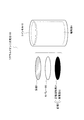
- FIG. 1 is a schematic diagram showing a basic configuration of a lithium ion secondary battery according to the present embodiment.
- the lithium ion secondary battery 100 of the present embodiment includes a negative electrode 1, a separator 2, a positive electrode 3, and an electrolytic solution 4.
- the illustrated lithium ion secondary battery 100 is a coin-type battery in which a negative electrode 1, a separator 2, a positive electrode 3, and an electrolytic solution 4 are housed in a coin cell 10.
- Negative electrode 1 contains metallic lithium, a lithium-containing substance, or a substance capable of inserting and removing lithium ions.
- lithium (Li) is used for the negative electrode 1
- PVDF polyvinylidene fluoride
- the electrolytic solution 4 contains an electrolyte having lithium ion conductivity.
- the electrolytic solution 4 of the present embodiment is an organic electrolytic solution in which a metal salt containing lithium ion, which is lithium hexafluorophosphate (LiPF6), is dissolved in a mixed solvent of ethylene carbonate and dialkyl carbonate (volume ratio 1: 1). Use.
- the material of the negative electrode 1, the material of the separator 2, the metal salt related to the electrolytic solution 4, and the material of the organic electrolytic solution are not limited to the above, and materials other than the above may be used.
- the positive electrode 3 includes a positive electrode active material 31 capable of inserting and removing lithium ions, and a current collector foil 32.
- the positive electrode active material 31 of the present embodiment is selected from the group consisting of the general formula Li (1 + y) CoPO 4 X (y) (in the formula, X is F, Cl, Br and I, and y is 1 ⁇ y ⁇ 2). Includes lithium oxide represented by range).
- the positive electrode active material 31 contains a lithium oxide obtained by doping (inserting) lithium with a halogen (X) into LiCoPO 4, which is a polyanionic positive electrode active material.
- Al is used as the material of the current collector foil 32 of the present embodiment, but other than Al may be used.
- the positive electrode active material 31 is represented by the general formula Li (1 + y) CoPO 4 X (y) (in the formula, X is selected from the group consisting of F, Cl, Br and I, and y is in the range of 1 ⁇ y ⁇ 2).
- Lithium oxide, carbon as a conductive auxiliary agent, and polyvinylidene fluoride (PVDF) are mixed and pulverized at an arbitrary ratio, coated on the current collector foil 32 with a bar coater, and then dried for 24 hours or more. Obtained by letting.
- fibrous carbon is used as the carbon, but the present invention is not limited to this, and any carbon that imparts electron conductivity may be used.
- carbon carbon nanotubes, fullerenes, graphene, graphite, amorphous carbon and the like may be used.
- a mixer for example, a mixer, a homogenizer, an ultrasonic homogenizer, a high-speed rotary shear type stirrer, a colloidal mill, a roll mill, a high-pressure injection disperser, a rotary ball mill, a vibration ball mill, a planetary ball mill, an attritor, etc. may be used.
- a planetary ball mill When a planetary ball mill is used, carbon can be further atomized and the battery capacity can be increased. Therefore, in the present embodiment, the carbon is pulverized using the planetary ball mill.
- the electrolytic solution 4 is sealed and pressed to put all the materials in the coin cell 10. Encapsulate.
- the lithium ion secondary battery 100 can be manufactured by the above process.
- X is a halogen selected from the group consisting of F, Cl, Br and I.
- the method for producing a positive electrode active material includes a mixing and pulverizing step and a heat treatment step.
- the mixed pulverization step the starting material containing the general formula LiCoPO 4 and the general formula yLiX is mixed and pulverized in a container filled with an inert gas to obtain a precursor.
- the precursor is heat-treated in an inert gas to obtain a positive electrode active material represented by the general formula Li (1 + y) CoPO 4 X (y).
- X in the formula is selected from the group consisting of F, Cl, Br and I, and y is in the range of 1 ⁇ y ⁇ 2.
- Lithium cobalt oxide (LiCoPO 4 : manufactured by High Purity Chemical Co., Ltd.) and lithium fluoride (LiF: manufactured by Fuji Film Wako Pure Chemical Industries, Ltd.), which are commercially available reagents as raw materials (starting materials), are combined with a mol of Co: F. Weighed to a ratio of 1: 1.5, mixed with zirconia beads, and ground using a planetary ball mill.
- the revolution speed of the planetary ball mill was 400 rpm.
- the rotation ratio was 1: -2 and was fixed.
- zirconia beads having a diameter larger than 1.5 mm were used, they were not pulverized and a desired substance could not be obtained in the heat treatment step described later.
- the revolution rotation speed of the planetary ball mill is preferably 300 rpm or more. At a revolution speed of less than 300 rpm, pulverization was not performed, and a desired substance could not be obtained in the heat treatment step described later.
- the pulverized LiCoPO 4 and LiF were mixed in a mortar to obtain a mixture (precursor).
- the obtained mixture was filled in a crucible and heated at 780 ° C. for 24 hours in an argon atmosphere using an electric furnace to obtain Li 2.5 CoPO 4 F 1.5.
- the atmosphere if it is an inert gas, a gas other than argon can be used, and for example, helium, neon, nitrogen and the like can be used.
- the heating time required was 12 hours or more, and if the heating time was shorter than this, the desired substance could not be obtained.
- Lithium cobalt phosphate (LiCoPO 4 : manufactured by High Purity Chemical Co., Ltd.) and lithium chloride (LiCl: manufactured by Fuji Film Wako Pure Chemical Industries, Ltd.), which are commercially available reagents as raw materials (starting materials), have a Co: Cl molar ratio. Weighed so that the ratio was 1: 1.5, zirconia beads were mixed, and the mixture was pulverized using a planetary ball mill.
- the revolution speed of the planetary ball mill was 400 rpm.
- the rotation ratio was 1: -2 and was fixed.
- zirconia beads having a diameter larger than 1.5 mm were used, they were not pulverized and a desired substance could not be obtained in the heat treatment step described later.
- the revolution rotation speed of the planetary ball mill is preferably 300 rpm or more. At a revolution speed of less than 300 rpm, pulverization was not performed, and a desired substance could not be obtained in the heat treatment step described later.
- the pulverized LiCoPO 4 and LiCl were mixed in a mortar to obtain a mixture (precursor).
- the obtained mixture was filled in a crucible and heated at 550 ° C. for 24 hours in an argon atmosphere using an electric furnace to obtain Li 2.5 CoPO 4 Cl 1.5.
- the atmosphere if it is an inert gas, a gas other than argon can be used, and for example, helium, neon, nitrogen and the like can be used.
- the heating time required was 12 hours or more, and if the heating time was shorter than this, the desired substance could not be obtained.
- Lithium cobalt oxide (LiCoPO 4 : manufactured by High Purity Chemical Co., Ltd.), which is a commercially available reagent as a raw material (starting material), and lithium bromide (LiBr: manufactured by Fuji Film Wako Pure Chemical Industries, Ltd.) are combined with a mol of Co: Br. Weighed to a ratio of 1: 1.5, mixed with zirconia beads, and ground using a planetary ball mill.
- the revolution speed of the planetary ball mill was 400 rpm.
- the rotation ratio was 1: -2 and was fixed.
- zirconia beads having a diameter larger than 1.5 mm were used, they were not pulverized and a desired substance could not be obtained in the heat treatment step described later.
- the revolution rotation speed of the planetary ball mill is preferably 300 rpm or more. At a revolution speed of less than 300 rpm, pulverization was not performed, and a desired substance could not be obtained in the heat treatment step described later.
- the pulverized LiCoPO 4 and LiBr were mixed in a mortar to obtain a mixture (precursor).
- the obtained mixture was filled in a crucible and heated at 480 ° C. for 24 hours in an argon atmosphere using an electric furnace to obtain Li 2.5 CoPO 4 Br 1.5.
- the atmosphere if it is an inert gas, a gas other than argon can be used, and for example, helium, neon, nitrogen and the like can be used.
- the heating time required was 12 hours or more, and if the heating time was shorter than this, the desired substance could not be obtained.
- Lithium cobalt oxide (LiCoPO 4 : manufactured by High Purity Chemical Co., Ltd.) and lithium iodide (LiI: manufactured by Fuji Film Wako Pure Chemical Industries, Ltd.), which are commercially available reagents as raw materials (starting materials), are combined with a mol of Co: I. Weighed to a ratio of 1: 1.5, mixed with zirconia beads, and ground using a planetary ball mill.
- the revolution speed of the planetary ball mill was 400 rpm.
- the rotation ratio was 1: -2 and was fixed.
- zirconia beads having a diameter larger than 1.5 mm were used, they were not pulverized and a desired substance could not be obtained in the heat treatment step described later.
- the revolution rotation speed of the planetary ball mill is preferably 300 rpm or more. At a revolution speed of less than 300 rpm, pulverization was not performed, and a desired substance could not be obtained in the heat treatment step described later.
- the pulverized LiCoPO 4 and LiI were mixed in a mortar to obtain a mixture (precursor).
- the obtained mixture was filled in a crucible and heated at 400 ° C. for 24 hours in an argon atmosphere using an electric furnace to obtain Li 2.5 CoPO 4 I 1.5.
- the atmosphere if it is an inert gas, a gas other than argon can be used, and for example, helium, neon, nitrogen and the like can be used.
- the heating time required was 12 hours or more, and if the heating time was shorter than this, the desired substance could not be obtained.
- Lithium cobalt oxide (LiCoPO 4 : manufactured by High Purity Chemical Co., Ltd.) and lithium fluoride (LiF: manufactured by Fuji Film Wako Pure Chemical Industries, Ltd.), which are commercially available reagents as raw materials (starting materials), are combined with a mol of Co: F. Weighed to a ratio of 1: 2, mixed with zirconia beads, and ground using a planetary ball mill.
- the revolution speed of the planetary ball mill was 400 rpm.
- the rotation ratio was 1: -2 and was fixed.
- zirconia beads having a diameter larger than 1.5 mm were used, they were not pulverized and a desired substance could not be obtained in the heat treatment step described later.
- the revolution rotation speed of the planetary ball mill is preferably 300 rpm or more. At a revolution speed of less than 300 rpm, pulverization was not performed, and a desired substance could not be obtained in the heat treatment step described later.
- the pulverized LiCoPO 4 and LiF were mixed in a mortar to obtain a mixture (precursor).
- the obtained mixture was filled in a crucible and heated at 780 ° C. for 24 hours in an argon atmosphere using an electric furnace to obtain Li 3 CoPO 4 F 2.
- the atmosphere is an inert gas, a gas other than argon can be used, and for example, helium, neon, nitrogen, or the like can be used.
- the heating time required was 12 hours or more, and if the heating time was shorter than this, the desired substance could not be obtained.
- Lithium cobalt phosphate (LiCoPO 4 : manufactured by High Purity Chemical Co., Ltd.) and lithium chloride (LiCl: manufactured by Fuji Film Wako Pure Chemical Industries, Ltd.), which are commercially available reagents as raw materials (starting materials), have a Co: Cl molar ratio. Weighed so that the ratio was 1: 2, zirconia beads were mixed, and the mixture was pulverized using a planetary ball mill.
- the revolution speed of the planetary ball mill was 400 rpm.
- the rotation ratio was 1: -2 and was fixed.
- zirconia beads having a diameter larger than 1.5 mm were used, they were not pulverized and a desired substance could not be obtained in the heat treatment step described later.
- the revolution rotation speed of the planetary ball mill is preferably 300 rpm or more. At a revolution speed of less than 300 rpm, pulverization was not performed, and a desired substance could not be obtained in the heat treatment step described later.
- the pulverized LiCoPO 4 and LiCl were mixed in a mortar to obtain a mixture (precursor).
- the obtained mixture was filled in a crucible and heated at 550 ° C. for 24 hours in an argon atmosphere using an electric furnace to obtain Li 3 CoPO 4 Cl 2.
- the atmosphere is an inert gas, a gas other than argon can be used, and for example, helium, neon, nitrogen, or the like can be used.
- the heating time required was 12 hours or more, and if the heating time was shorter than this, the desired substance could not be obtained.
- Lithium cobalt oxide (LiCoPO 4 : manufactured by High Purity Chemical Co., Ltd.), which is a commercially available reagent as a raw material (starting material), and lithium bromide (LiBr: manufactured by Fuji Film Wako Pure Chemical Industries, Ltd.) are combined with a mol of Co: Br. Weighed to a ratio of 1: 2, mixed with zirconia beads, and ground using a planetary ball mill.
- the revolution speed of the planetary ball mill was 400 rpm.
- the rotation ratio was 1: -2 and was fixed.
- zirconia beads having a diameter larger than 1.5 mm were used, they were not pulverized and a desired substance could not be obtained in the heat treatment step described later.
- the revolution rotation speed of the planetary ball mill is preferably 300 rpm or more. At a revolution speed of less than 300 rpm, pulverization was not performed, and a desired substance could not be obtained in the heat treatment step described later.
- the pulverized LiCoPO 4 and LiBr were mixed in a mortar to obtain a mixture (precursor).
- the obtained mixture was filled in a crucible and heated at 480 ° C. for 24 hours in an argon atmosphere using an electric furnace to obtain Li 3 CoPO 4 Br 2.
- the atmosphere is an inert gas, a gas other than argon can be used, and for example, helium, neon, nitrogen, or the like can be used.
- the heating time required was 12 hours or more, and if the heating time was shorter than this, the desired substance could not be obtained.
- Lithium cobalt oxide (LiCoPO 4 : manufactured by High Purity Chemical Co., Ltd.) and lithium iodide (LiI: manufactured by Fuji Film Wako Pure Chemical Industries, Ltd.), which are commercially available reagents as raw materials (starting materials), are combined with a mol of Co: I. Weighed to a ratio of 1: 2, mixed with zirconia beads, and ground using a planetary ball mill.
- the revolution speed of the planetary ball mill was 400 rpm.
- the rotation ratio was 1: -2 and was fixed.
- zirconia beads having a diameter larger than 1.5 mm were used, they were not pulverized and a desired substance could not be obtained in the heat treatment step described later.
- the revolution rotation speed of the planetary ball mill is preferably 300 rpm or more. At a revolution speed of less than 300 rpm, pulverization was not performed, and a desired substance could not be obtained in the heat treatment step described later.
- the pulverized LiCoPO 4 and LiI were mixed in a mortar to obtain a mixture (precursor).
- the obtained mixture was filled in a crucible and heated at 400 ° C. for 24 hours in an argon atmosphere using an electric furnace to obtain Li 3 CoPO 4 I 2.
- the atmosphere is an inert gas, a gas other than argon can be used, and for example, helium, neon, nitrogen, or the like can be used.
- the heating time required was 12 hours or more, and if the heating time was shorter than this, the desired substance could not be obtained.
- a solid-phase synthesis method was used in which the raw materials crushed using a planetary ball mill were mixed, filled in a crucible, and heated in an electric furnace, but the reaction was promoted. Therefore, pellets may be prepared by pressurizing the crushed raw material and then heated. Further, the method is not limited to the solid phase synthesis method, and a liquid phase synthesis method such as a hydrothermal method, a gas phase synthesis method, or the like may be used.
- a mixing step of carbon-coating Li 3 CoPO 4 F 2 produced in the adjustment example (v) was performed. Specifically, Li 3 CoPO 4 F 2 of the adjustment example (v), carbon as a conductive auxiliary agent, and polyvinylidene fluoride (PVDF) are mixed (carbon coated) at a ratio of 90: 9: 1. Then, the mixture was applied onto the current collector foil with a bar coater and then dried for 24 hours or more to obtain the positive electrode active material of this example. Aluminum was used for the current collector foil, and fibrous carbon was used for the carbon. In this example, carbon was pulverized and mixed using a planetary ball mill.
- the electrolytic solution is sealed, and all the materials are sealed in the coin cell by pressing.
- the negative electrode stainless steel was used, and as the electrolytic solution, an organic electrolytic solution in which 1 mol / L of lithium bistrifluoromethanesulfonylimide (LiTFSI) was dissolved as a lithium salt was used.
- LiTFSI lithium bistrifluoromethanesulfonylimide
- the charge / discharge test was performed using a general charge / discharge system (SD8 charge / discharge system manufactured by Hokuto Denko Co., Ltd.).
- the charging conditions were as follows: the current density per effective area of the positive electrode film was 10 ⁇ A / cm2, and the charge termination voltage was 5.0 V.
- the discharge conditions were such that the current density was 10 ⁇ A / cm2 and the discharge end voltage was 2.0 V.
- the charge / discharge test was performed in a constant temperature bath at 25 ° C. (the atmosphere is a normal atmospheric environment).
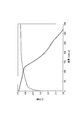
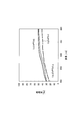
- FIG. 2 shows the charge / discharge characteristics of the lithium ion secondary battery of this embodiment.
- the horizontal axis of FIG. 2 is the capacity [mAh / g], and the vertical axis is the battery voltage [V].
- the broken line indicates the charging characteristic, and the solid line indicates the discharging characteristic.
- the lithium ion secondary battery according to this embodiment can be reversibly charged and discharged, and from the discharge characteristics, it can be seen that the actual capacity is 320 mAh / g.
- the actual capacity of this example shown in FIG. 2 is 320 mAh / g, which is significantly increased as compared with the actual capacity of the comparative example (148 mAh / g.
- the actual capacity of Li 3 CoPO 4 F 2 of this example The theoretical capacity is 378 mAh / g, and the energy density can be increased as compared with the theoretical capacity (287 mAh / g) of Li 2 CoPO 4 F of the comparative example which is a raw material.
- FIG. 4 is a diagram showing charge / discharge cycle characteristics of the lithium ion secondary battery of this embodiment.
- the horizontal axis of FIG. 4 is the number of charge / discharge cycles [times], and the vertical axis is the discharge capacity [mAh / g].
- Table 1 shows the average discharge voltage and discharge capacity in the first cycle and the discharge capacity retention rate in the 20th cycle.
- the decrease in the discharge capacity of this embodiment is about 6 mAh / g, and it can be seen that the battery has stable charge / discharge cycle characteristics. That is, the lithium ion secondary battery of this embodiment has a high energy density. Further, as shown in Table 1, the average discharge voltage of this embodiment is 4.9 V, which is a high voltage.
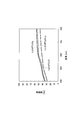
- FIG. 5 is a diagram showing light transmission characteristics when Li 3 CoPO 4 F 2 and Li 2.5 CoPO 4 F 1.5 adjusted in Adjustment Examples (v) and (i) are applied onto a glass substrate, respectively.
- the horizontal axis of FIG. 5 is the wavelength of light [nm], and the vertical axis is the transmittance of light [%].
- the solid line shows the light transmission characteristics of the glass substrate coated with Li 3 CoPO 4 F 2
- the broken line shows the light transmission characteristics of the glass substrate coated with Li 2.5 CoPO 4 F 1.5.
- the alternate long and short dash line shows the light transmission characteristics of a glass substrate coated with Li 2 CoPO 4 F as a comparative example.
- Li 3 CoPO 4 F 2 has improved light transmission characteristics in the visible light wavelength range (about 400 nm to 780 nm) as compared with Li 2 CoPO 4 F.
- the lithium ion secondary battery of this embodiment has a stable charge cycle characteristic with a high energy density and a high voltage. Further, Li 3 CoPO 4 F 2 , which is the positive electrode active material of this example, has high light transmission characteristics.
- Example 2 Using the Li 2.5 CoPO 4 F 1.5 prepared in Adjustment Example (i), the lithium ion secondary battery of this example was prepared under the same conditions as in Example 1, and the lithium ion secondary battery was prepared. A charge / discharge test was carried out.
- the decrease in discharge capacity after 20 cycles of this embodiment is about 6 mAh, and it can be seen that the battery has stable charge / discharge cycle characteristics. That is, the lithium ion secondary battery of this embodiment has a high energy density. Further, as shown in Table 1, the average discharge voltage of this embodiment is 4.9 V, which is a high voltage.
- Li 2.5 CoPO 4 F 1.5 has improved light transmission characteristics in the visible light wavelength range (about 400 nm to 780 nm) as compared with Li 2 CoPO 4 F. There is.
- Example 3 Using the Li 2.5 CoPO 4 Cl 1.5 prepared in Preparation Example (ii), the lithium ion secondary battery of this example was prepared under the same conditions as in Example 1, and the lithium ion secondary battery was prepared. A charge / discharge test was conducted.
- the decrease in discharge capacity after 20 cycles of this embodiment is about 5 mAh, and it can be seen that the battery has stable charge / discharge cycle characteristics. That is, the lithium ion secondary battery of this embodiment has a high energy density. Further, as shown in Table 1, the average discharge voltage of this embodiment is 4.8 V, which is a high voltage.
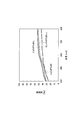
- FIG. 6 is a diagram showing light transmission characteristics when Li 2.5 CoPO 4 Cl 1.5 and Li 3 CoPO 4 Cl 2 adjusted in Adjustment Examples (ii) and (vi) are applied onto a glass substrate, respectively.
- the horizontal axis of FIG. 6 is the wavelength of light [nm], and the vertical axis is the transmittance of light [%].
- the solid line shows the light transmission characteristics of the glass substrate coated with Li 3 CoPO 4 Cl 2
- the broken line shows the light transmission characteristics of the glass substrate coated with Li 2.5 CoPO 4 Cl 1.5.
- the alternate long and short dash line shows the light transmission characteristics of a glass substrate coated with Li 2 CoPO 4 Cl as a comparative example.
- Li 2.5 CoPO 4 Cl 1.5 has improved light transmission characteristics in the visible light wavelength range (about 400 nm to 780 nm) as compared with Li 2 CoPO 4 Cl.
- Example 4 Using the Li 2.5 CoPO 4 Br 1.5 prepared in the adjustment example (iii), a lithium ion secondary battery was produced under the same conditions as in Example 1, and the charge / discharge test of the lithium ion secondary battery was performed. carried out.
- the decrease in discharge capacity after 20 cycles of this embodiment is about 6 mAh, and it can be seen that the battery has stable charge / discharge cycle characteristics. That is, the lithium ion secondary battery of this embodiment has a high energy density. Further, as shown in Table 1, the average discharge voltage of this embodiment is 4.7 V, which is a high voltage.
- FIG. 7 is a diagram showing light transmission characteristics when Li 2.5 CoPO 4 Br 1.5 and Li 3 CoPO 4 Br 2 adjusted in Adjustment Examples (iii) and (vii) are applied onto a glass substrate, respectively.
- the horizontal axis of FIG. 7 is the wavelength of light [nm], and the vertical axis is the transmittance of light [%].
- the solid line shows the light transmission characteristics of the glass substrate coated with Li 3 CoPO 4 Br 2
- the broken line shows the light transmission characteristics of the glass substrate coated with Li 2.5 CoPO 4 Br 1.5.
- the alternate long and short dash line shows the light transmission characteristics of a glass substrate coated with Li 2 CoPO 4 Br as a comparative example.
- Li 2.5 CoPO 4 Br 1.5 has improved light transmission characteristics in the visible light wavelength range (about 400 nm to 780 nm) as compared with Li 2 CoPO 4 Br.
- Example 5 Using the Li 2.5 CoPO 4 I 1.5 prepared in Adjustment Example (iv), a lithium ion secondary battery was prepared under the same conditions as in Example 1, and the charge / discharge test of the lithium ion secondary battery was performed. carried out.
- the decrease in discharge capacity after 20 cycles of this embodiment is about 6 mAh, and it can be seen that the battery has stable charge / discharge cycle characteristics. That is, the lithium ion secondary battery of this embodiment has a high energy density. Further, as shown in Table 1, the average discharge voltage of this embodiment is 4.6 V, which is a high voltage.
- FIG. 8 is a diagram showing light transmission characteristics when Li 2.5 CoPO 4 I 1.5 and Li 3 CoPO 4 I 2 adjusted in Adjustment Examples (iv) and (viii) are applied onto a glass substrate, respectively.
- the horizontal axis of FIG. 8 is the wavelength of light [nm], and the vertical axis is the transmittance of light [%].
- the solid line shows the light transmission characteristics of the glass substrate coated with Li 3 CoPO 4 I 2
- the broken line shows the light transmission characteristics of the glass substrate coated with Li 2.5 CoPO 4 I 1.5.
- the alternate long and short dash line shows the light transmission characteristics of a glass substrate coated with Li 2 CoPO 4 I as a comparative example.
- Li 2.5 CoPO 4 I 1.5 has improved light transmission characteristics in the visible light wavelength range (about 400 nm to 780 nm) as compared with Li 2 CoPO 4 I.
- Example 6 Using the Li 3 CoPO 4 Cl 2 prepared in Adjustment Example (vi), a lithium ion secondary battery was prepared under the same conditions as in Example 1, and a charge / discharge test of the lithium ion secondary battery was carried out.
- the decrease in discharge capacity after 20 cycles of this embodiment is about 6 mAh, and it can be seen that the battery has stable charge / discharge cycle characteristics. That is, the lithium ion secondary battery of this embodiment has a high energy density. Further, as shown in Table 1, the average discharge voltage of this embodiment is 4.8 V, which is a high voltage.
- Li 3 CoPO 4 Cl 2 has improved light transmission characteristics in the visible light wavelength range (about 400 nm to 780 nm) as compared with Li 2 CoPO 4 Cl.
- Example 7 Using the Li 3 CoPO 4 Br 2 prepared in the adjustment example (vii), a lithium ion secondary battery was prepared under the same conditions as in Example 1, and a charge / discharge test of the lithium ion secondary battery was carried out.
- the decrease in discharge capacity after 20 cycles is about 7 mAh, and it can be seen that the battery has stable charge / discharge cycle characteristics. That is, the lithium ion secondary battery of this embodiment has a high energy density. Further, as shown in Table 1, the average discharge voltage of this embodiment is 4.7 V, which is a high voltage.
- Li 3 CoPO 4 Br 2 has improved light transmission characteristics in the visible light wavelength range (about 400 nm to 780 nm) as compared with Li 2 CoPO 4 Br 2.
- Example 8 Using the Li 3 CoPO 4 I 2 prepared in the preparation example of the adjustment example (viii), a lithium ion secondary battery was manufactured under the same conditions as in Example 1, and a charge / discharge test of the lithium ion secondary battery was carried out. bottom.
- the decrease in discharge capacity after 20 cycles is about 8 mAh, and it can be seen that the battery has stable charge / discharge cycle characteristics. That is, the lithium ion secondary battery of this embodiment has a high energy density. Further, as shown in Table 1, the average discharge voltage of this embodiment is 4.6 V, which is a high voltage.
- Li 3 CoPO 4 I 2 has improved light transmission characteristics in the visible light wavelength range (about 400 nm to 780 nm) as compared with Li 2 CoPO 4 I.
- the lithium ion secondary battery of the present embodiment can be used as a drive source for various electronic devices and the like.
- Lithium ion secondary battery 1 Negative electrode 2: Separator 3: Positive electrode 31: Positive electrode active material 32: Current collector foil 4: Electrolyte
Landscapes
- Chemical & Material Sciences (AREA)
- Chemical Kinetics & Catalysis (AREA)
- General Chemical & Material Sciences (AREA)
- Electrochemistry (AREA)
- Inorganic Chemistry (AREA)
- Engineering & Computer Science (AREA)
- Materials Engineering (AREA)
- Organic Chemistry (AREA)
- Composite Materials (AREA)
- Manufacturing & Machinery (AREA)
- Crystallography & Structural Chemistry (AREA)
- Battery Electrode And Active Subsutance (AREA)
- Secondary Cells (AREA)
Abstract
リチウムイオン二次電池であって、リチウムイオンの挿入および脱離が可能な正極活物質として、一般式Li(1+y)CoPO4X(y)(式中、XはF、Cl、BrおよびIからなる群より選ばれ、yは1<y≦2の範囲)で表されるリチウム酸化物を含む。
Description
本発明は、リチウムイオン二次電池とその製造方法に関する。
リチウムイオンの挿入および脱離反応を用いるリチウムイオン二次電池は、エネルギー密度の高い二次電池として様々な電子機器、自動車用電源、及び電力貯蔵等の用途で広く使用されている。その性能向上及び低コスト化を目的に、電極材料及び電解質材料の研究開発が進められている。
近頃では、スマートフォン等のIT機器及びIoT機器の発展により、モバイル電源用としてリチウムイオン二次電池が注目されている。様々な商品の差別化を目的として、それらの機器用の電池に、新しい特性が求められる場合がある。新しい特性としては、例えば柔軟性等が顕在化している。
柔軟性を持つ電池は、例えば非特許文献1で報告されている。その電池は、薄型で曲げることができ、電流密度0.1mA/cm2の放電電流で、約250μAh/gの放電容量を示すことが報告されている。
Masahiko Hayashi, et al.,"Preparation and electrochemical properties of pure lithium cobalt oxide films by electron cyclotron resonance sputtering", Journal of Power Sources 189 (2009) 416~422.
馬原 隆徳ら、「Li2CoPO4Fの合成方法ならびにその炭素コーティング手法の改善による充放電サイクル特性および放電容量の向上」、GS Yuasa Technical Report、Vol.14 No.1、June 28, 2017
可視光を透過する電池材料についても研究されているが、このような電池材料はエネルギー密度が低いため大量に使用しなければならず、電池全体としての透過性が落ちてしまい、実用化に至っていないといった課題がある。
非特許文献2では、電圧が高くエネルギー密度の高い電池の例としてポリアニオン系正極活物質であるLi2CoPO4Fに着目している。Li2CoPO4Fは、組成式あたりLiを2原子含むことから、LiCoPO4と比較して、より大きな理論容量(287mgAh/g)を有する。しかしながら、実容量は172mAh/gにとどまっている。
つまり、可視光に対する透過性を持ち、電圧が高くエネルギー密度が高い電池が実現できれば、IoT機器のデザイン性や用途の幅を大きく広げ、更なる小型化を実現することが可能であるが、そのような電池が存在しないという課題がある。
本発明は、この課題に鑑みてなされたものであり、可視光に対する透過性が高く、エネルギー密度が高い、高電圧なリチウムイオン二次電池とその製造方法を提供することを目的とする。
本発明の一態様は、リチウムイオン二次電池であって、リチウムイオンの挿入および脱離が可能な正極活物質として、一般式Li(1+y)CoPO4X(y)(式中、XはF、Cl、BrおよびIからなる群より選ばれ、yは1<y≦2の範囲)で表されるリチウム酸化物を含む。
本発明の一態様は、リチウムイオン二次電池の製造方法であって、不活性ガスを封入した容器内で、一般式LiCoPO4と、一般式yLiX(式中、XはF、Cl、BrおよびIからなる群より選ばれ、yは1<y≦2の範囲)とを含む出発材料を混合粉砕し、前駆体を得る混合粉砕工程と、前記前駆体を不活性ガス中で熱処理し、一般式Li(1+y)CoPO4X(y)(式中、XはF、Cl、BrおよびIからなる群より選ばれ、yは1<y≦2の範囲)で表される正極活物質を得る熱処理工程と、を含む。
本発明によれば、可視光に対する透過性が高く、エネルギー密度が高い、高電圧なリチウムイオン二次電池とその製造方法を提供することができる。
以下に、本発明のリチウムイオン二次電池の実施形態について説明する。
〔リチウムイオン二次電池の構成〕
図1は、本実施形態に係るリチウムイオン二次電池の基本的な構成を示す模式図である。本実施形態のリチウムイオン二次電池100は、負極1と、セパレータ2と、正極3と、電解液4とを備える。図示するリチウムイオン二次電池100は、コイン型の電池であって、コインセル10の中に負極1と、セパレータ2と、正極3と、電解液4とが収容される。
図1は、本実施形態に係るリチウムイオン二次電池の基本的な構成を示す模式図である。本実施形態のリチウムイオン二次電池100は、負極1と、セパレータ2と、正極3と、電解液4とを備える。図示するリチウムイオン二次電池100は、コイン型の電池であって、コインセル10の中に負極1と、セパレータ2と、正極3と、電解液4とが収容される。
負極1は、金属リチウム、リチウム含有物質、またはリチウムイオンの挿入および脱離が可能な物質を含む。本実施形態では、負極1にリチウム(Li)を用い、セパレータ2にポリフッ化ビニリデン(PVDF)を用いる。
電解液4は、リチウムイオン導電性を有する電解質を含む。本実施形態の電解液4には、ヘキサフルオロリン酸リチウム(LiPF6)であるリチウムイオンを含む金属塩を、エチレンカーボネートおよびジアルキルカーボネート(体積比1:1)の混合溶媒に溶解した有機電解液を用いる。
負極1の材料、セパレータ2の材料、電解液4に関わる金属塩および有機電解液の材料は、上記に限定されず、上記以外のものを用いてもよい。
正極3は、リチウムイオンの挿入および脱離が可能な正極活物質31と、集電箔32とを備える。本実施形態の正極活物質31は、一般式Li(1+y)CoPO4X(y)(式中、XはF、Cl、BrおよびIからなる群より選ばれ、yは1<y≦2の範囲)で表されるリチウム酸化物を含む。具体的には、正極活物質31は、ポリアニオン系正極活物質であるLiCoPO4に、ハロゲン(X)でリチウムをドープ(挿入)したリチウム酸化物を含む。本実施形態の集電箔32の材料には、Alを用いるが、Al以外を用いてもよい。
以上により、本実施形態では、可視光に対する透過性が高く、エネルギー密度が高い、高電圧なリチウムイオン二次電池を提供することができる。
〔リチウムイオン二次電池の製造方法〕
正極活物質31は、一般式Li(1+y)CoPO4X(y)(式中、XはF、Cl、BrおよびIからなる群より選ばれ、yは1<y≦2の範囲)で表されるリチウム酸化物と、導電助剤であるカーボンと、ポリフッ化ビニリデン(PVDF)とを任意の割合で混合および粉砕した後、集電箔32上にバーコーターで塗布した後、24時間以上乾燥させることで得られる。
正極活物質31は、一般式Li(1+y)CoPO4X(y)(式中、XはF、Cl、BrおよびIからなる群より選ばれ、yは1<y≦2の範囲)で表されるリチウム酸化物と、導電助剤であるカーボンと、ポリフッ化ビニリデン(PVDF)とを任意の割合で混合および粉砕した後、集電箔32上にバーコーターで塗布した後、24時間以上乾燥させることで得られる。
本実施形態では、カーボンに繊維状カーボンを用いたがこれに限定されず、電子伝導性を付与するカーボンであればよい。カーボンに、カーボンナノチューブ、フラーレン、グラフェン、グラファイト、非晶質カーボンなどを用いてもよい。
粉砕法には、例えば、ミキサー、ホモジナイザー、超音波ホモジナイザー、高速回転せん断型撹拌機、コロイドミル、ロールミル、高圧噴射式分散機、回転ボールミル、振動ボールミル、遊星ボールミル、アトライターなどを使用することができる。遊星ボールミルを用いると、カーボンをより微粒化することができ、電池容量を増大することができるため、本実施形態では遊星ボールミルを用いて粉砕した。
リチウムイオン二次電池の組み立てについては、コインセル10に、負極1、セパレータ2、正極3の順番で組み立てた後、電解液4を封入し、プレスすることで、コインセル10内に、全ての材料を封入する。
上記の工程によって、リチウムイオン二次電池100を製造することができる。
〔実施例〕
(I)正極活物質の作製
正極活物質の作製について説明する。下記の各調整例では、次式の化学反応式に基づき、正極活物質(リチウム酸化物)を作製した。
(I)正極活物質の作製
正極活物質の作製について説明する。下記の各調整例では、次式の化学反応式に基づき、正極活物質(リチウム酸化物)を作製した。
LiCoPO4 + yLiX → Li(1+y)CoPO4X(y)
yの値は任意であり、1<y≦2の範囲であれば、LiXの仕込み量を調整することで所望の化学構造の正極活物質を得ることができる。調整例では、y=1.5および2を用いた。XはF、Cl、BrおよびIからなる群より選ばれるハロゲンである。
yの値は任意であり、1<y≦2の範囲であれば、LiXの仕込み量を調整することで所望の化学構造の正極活物質を得ることができる。調整例では、y=1.5および2を用いた。XはF、Cl、BrおよびIからなる群より選ばれるハロゲンである。
具体的には、正極活物質の製造方法は、混合粉砕工程と、熱処理工程とを含む。混合粉砕工程は、不活性ガスを封入した容器内で、一般式LiCoPO4と、一般式yLiXとを含む出発材料を混合粉砕し、前駆体を得る。熱処理工程は、前駆体を不活性ガス中で熱処理し、一般式Li(1+y)CoPO4X(y)で表される正極活物質を得る。式中のXはF、Cl、BrおよびIからなる群より選ばれ、yは1<y≦2の範囲である。
(i)(Li2.5CoPO4F1.5)の調製
本調整例は、ハロゲンにフッ素(F)を用い、y=1.5の場合の調整例である。
本調整例は、ハロゲンにフッ素(F)を用い、y=1.5の場合の調整例である。
原料(出発物質)である市販試薬のリン酸コバルトリチウム(LiCoPO4:高純度化学株式会社製)と、フッ化リチウム(LiF:富士フィルム和光純薬株式会社製)とを、Co:Fのモル比が1:1.5となるように秤量し、ジルコニアビーズを混合し、遊星ボールミルを用いて粉砕した。
遊星ボールミルは、Retsch社製PM100を用い、遊星ボールミルの容器に不活性ガスを封入し、不活性雰囲気にて粉砕した。ジルコニアビーズの径は1.5mm径のものと0.9mm径のものを混合して用いた。大気中でも粉砕は可能であるが、酸素と反応して副生成物を生じさせないために、不活性雰囲気の方が好ましい。
遊星ボールミルの公転回転数は400rpmとした。公自転比は1:-2であり、固定とした。ジルコニアビーズは直径1.5mmより大きいものを用いた場合、粉砕が行われず、後述する熱処理工程において所望の物質を得られなかった。また、遊星ボールミルの公転回転数は300rpm以上が好ましい。300rpm未満の公転回転数では、粉砕が行われず、後述する熱処理工程において所望の物質を得られなかった。
粉砕したLiCoPO4およびLiFを乳鉢にて混合し、混合物(前駆体)を得た。得られた混合物をるつぼに充填し、電気炉を用いてアルゴン雰囲気下において780℃で24時間加熱することにより、Li2.5CoPO4F1.5を得た。なお、雰囲気は不活性ガスであればアルゴン以外のものを用いることができ、例えば、ヘリウム、ネオン、窒素などを用いることができる。加熱時間は12時間以上必要で、これより加熱時間が短いと所望の物質は得られなかった。
(ii)(Li2.5CoPO4Cl1.5)の調製
本調整例は、ハロゲンに塩素(Cl)を用い、y=1.5の場合の調整例である。
本調整例は、ハロゲンに塩素(Cl)を用い、y=1.5の場合の調整例である。
原料(出発物質)である市販試薬のリン酸コバルトリチウム(LiCoPO4:高純度化学株式会社製)と、塩化リチウム(LiCl:富士フィルム和光純薬株式会社製)と、をCo:Clのモル比が1:1.5となるように秤量し、ジルコニアビーズを混合し、遊星ボールミルを用いて粉砕した。
遊星ボールミルは、Retsch社製PM100を用い、遊星ボールミルの容器に不活性ガスを封入し、不活性雰囲気にて粉砕した。ジルコニアビーズの径は1.5mm径のものと0.9mm径のものを混合して用いた。大気中でも粉砕は可能であるが、酸素と反応して副生成物を生じさせないために、不活性雰囲気の方が好ましい。
遊星ボールミルの公転回転数は400rpmとした。公自転比は1:-2であり、固定とした。ジルコニアビーズは直径1.5mmより大きいものを用いた場合、粉砕が行われず、後述する熱処理工程において所望の物質を得られなかった。また、遊星ボールミルの公転回転数は300rpm以上が好ましい。300rpm未満の公転回転数では、粉砕が行われず、後述する熱処理工程において所望の物質を得られなかった。
粉砕したLiCoPO4およびLiClを乳鉢にて混合し、混合物(前駆体)を得た。得られた混合物をるつぼに充填し、電気炉を用いてアルゴン雰囲気下において550℃で24時間加熱することにより、Li2.5CoPO4Cl1.5を得た。なお、雰囲気は不活性ガスであればアルゴン以外のものを用いることができ、例えば、ヘリウム、ネオン、窒素などを用いることができる。加熱時間は12時間以上必要で、これより加熱時間が短いと所望の物質は得られなかった。
(iii)(Li2.5CoPO4Br1.5)の調製
本調整例は、ハロゲンに臭素(Br)を用い、y=1.5の場合の調整例である。
本調整例は、ハロゲンに臭素(Br)を用い、y=1.5の場合の調整例である。
原料(出発物質)である市販試薬のリン酸コバルトリチウム(LiCoPO4:高純度化学株式会社製)と、臭化リチウム(LiBr:富士フィルム和光純薬株式会社製)とを、Co:Brのモル比が1:1.5となるように秤量し、ジルコニアビーズを混合し、遊星ボールミルを用いて粉砕した。
遊星ボールミルは、Retsch社製PM100を用い、遊星ボールミルの容器に不活性ガスを封入し、不活性雰囲気にて粉砕した。ジルコニアビーズの径は1.5mm径のものと0.9mm径のものを混合して用いた。大気中でも粉砕は可能であるが、酸素と反応して副生成物を生じさせないために、不活性雰囲気の方が好ましい。
遊星ボールミルの公転回転数は400rpmとした。公自転比は1:-2であり、固定とした。ジルコニアビーズは直径1.5mmより大きいものを用いた場合、粉砕が行われず、後述する熱処理工程において所望の物質を得られなかった。また、遊星ボールミルの公転回転数は300rpm以上が好ましい。300rpm未満の公転回転数では、粉砕が行われず、後述する熱処理工程において所望の物質を得られなかった。
粉砕したLiCoPO4およびLiBrを乳鉢にて混合し、混合物(前駆体)を得た。得られた混合物をるつぼに充填し、電気炉を用いてアルゴン雰囲気下において480℃で24時間加熱することにより、Li2.5CoPO4Br1.5を得た。なお、雰囲気は不活性ガスであればアルゴン以外のものを用いることができ、例えば、ヘリウム、ネオン、窒素などを用いることができる。加熱時間は12時間以上必要で、これより加熱時間が短いと所望の物質は得られなかった。
(iv)(Li2.5CoPO4I1.5)の調製
本調整例は、ハロゲンにヨウ素(I)を用い、y=1.5の場合の調整例である。
本調整例は、ハロゲンにヨウ素(I)を用い、y=1.5の場合の調整例である。
原料(出発物質)である市販試薬のリン酸コバルトリチウム(LiCoPO4:高純度化学株式会社製)と、ヨウ化リチウム(LiI:富士フィルム和光純薬株式会社製)とを、Co:Iのモル比が1:1.5となるように秤量し、ジルコニアビーズを混合し、遊星ボールミルを用いて粉砕した。
遊星ボールミルは、Retsch社製PM100を用い、遊星ボールミルの容器に不活性ガスを封入し、不活性雰囲気にて粉砕した。ジルコニアビーズの径は1.5mm径のものと0.9mm径のものを混合して用いた。大気中でも粉砕は可能であるが、酸素と反応して副生成物を生じさせないために、不活性雰囲気の方が好ましい。
遊星ボールミルの公転回転数は400rpmとした。公自転比は1:-2であり、固定とした。ジルコニアビーズは直径1.5mmより大きいものを用いた場合、粉砕が行われず、後述する熱処理工程において所望の物質を得られなかった。また、遊星ボールミルの公転回転数は300rpm以上が好ましい。300rpm未満の公転回転数では、粉砕が行われず、後述する熱処理工程において所望の物質を得られなかった。
粉砕したLiCoPO4およびLiIを乳鉢にて混合し、混合物(前駆体)を得た。得られた混合物をるつぼに充填し、電気炉を用いてアルゴン雰囲気下において400℃で24時間加熱することにより、Li2.5CoPO4I1.5を得た。なお、雰囲気は不活性ガスであればアルゴン以外のものを用いることができ、例えば、ヘリウム、ネオン、窒素などを用いることができる。加熱時間は12時間以上必要で、これより加熱時間が短いと所望の物質は得られなかった。
(v)(Li3CoPO4F2)の調製
本調整例は、ハロゲンにフッ素(F)を用い、y=2の場合の調整例である。
本調整例は、ハロゲンにフッ素(F)を用い、y=2の場合の調整例である。
原料(出発物質)である市販試薬のリン酸コバルトリチウム(LiCoPO4:高純度化学株式会社製)と、フッ化リチウム(LiF:富士フィルム和光純薬株式会社製)とを、Co:Fのモル比が1:2となるように秤量し、ジルコニアビーズを混合し、遊星ボールミルを用いて粉砕した。
遊星ボールミルは、Retsch社製PM100を用い、遊星ボールミルの容器に不活性ガスを封入し、不活性雰囲気にて粉砕した。ジルコニアビーズの径は1.5mm径のものと0.9mm径のものを混合して用いた。大気中でも粉砕は可能であるが、酸素と反応して副生成物を生じさせないために、不活性雰囲気の方が好ましい。
遊星ボールミルの公転回転数は400rpmとした。公自転比は1:-2であり、固定とした。ジルコニアビーズは直径1.5mmより大きいものを用いた場合、粉砕が行われず、後述する熱処理工程において所望の物質を得られなかった。また、遊星ボールミルの公転回転数は300rpm以上が好ましい。300rpm未満の公転回転数では、粉砕が行われず、後述する熱処理工程において所望の物質を得られなかった。
粉砕したLiCoPO4およびLiFを乳鉢にて混合し、混合物(前駆体)を得た。得られた混合物をるつぼに充填し、電気炉を用いてアルゴン雰囲気下において780℃で24時間加熱することにより、Li3CoPO4F2を得た。なお、雰囲気は不活性ガスであればアルゴン以外のものを用いることができ、例えば、ヘリウムやネオン、窒素などを用いることができる。加熱時間は12時間以上必要で、これより加熱時間が短いと所望の物質は得られなかった。
(vi)(Li3CoPO4Cl2)の調製
本調整例は、ハロゲンに塩素(Cl)を用い、y=2の場合の調整例である。
本調整例は、ハロゲンに塩素(Cl)を用い、y=2の場合の調整例である。
原料(出発物質)である市販試薬のリン酸コバルトリチウム(LiCoPO4:高純度化学株式会社製)と、塩化リチウム(LiCl:富士フィルム和光純薬株式会社製)とを、Co:Clのモル比が1:2となるように秤量し、ジルコニアビーズを混合し、遊星ボールミルを用いて粉砕した。
遊星ボールミルは、Retsch社製PM100を用い、遊星ボールミルの容器に不活性ガスを封入し、不活性雰囲気にて粉砕した。ジルコニアビーズの径は1.5mm径のものと0.9mm径のものを混合して用いた。大気中でも粉砕は可能であるが、酸素と反応して副生成物を生じさせないために、不活性雰囲気の方が好ましい。
遊星ボールミルの公転回転数は400rpmとした。公自転比は1:-2であり、固定とした。ジルコニアビーズは直径1.5mmより大きいものを用いた場合、粉砕が行われず、後述する熱処理工程において所望の物質を得られなかった。また、遊星ボールミルの公転回転数は300rpm以上が好ましい。300rpm未満の公転回転数では、粉砕が行われず、後述する熱処理工程において所望の物質を得られなかった。
粉砕したLiCoPO4およびLiClを乳鉢にて混合し、混合物(前駆体)を得た。得られた混合物をるつぼに充填し、電気炉を用いてアルゴン雰囲気下において550℃で24時間加熱することにより、Li3CoPO4Cl2を得た。なお、雰囲気は不活性ガスであればアルゴン以外のものを用いることができ、例えば、ヘリウムやネオン、窒素などを用いることができる。加熱時間は12時間以上必要で、これより加熱時間が短いと所望の物質は得られなかった。
(vii)(Li3CoPO4Br2)の調製
本調整例は、ハロゲンに臭素(Br)を用い、y=2の場合の調整例である。
本調整例は、ハロゲンに臭素(Br)を用い、y=2の場合の調整例である。
原料(出発物質)である市販試薬のリン酸コバルトリチウム(LiCoPO4:高純度化学株式会社製)と、臭化リチウム(LiBr:富士フィルム和光純薬株式会社製)とを、Co:Brのモル比が1:2となるように秤量し、ジルコニアビーズを混合し、遊星ボールミルを用いて粉砕した。
遊星ボールミルは、Retsch社製PM100を用い、遊星ボールミルの容器に不活性ガスを封入し、不活性雰囲気にて粉砕した。ジルコニアビーズの径は1.5mm径のものと0.9mm径のものを混合して用いた。大気中でも粉砕は可能であるが、酸素と反応して副生成物を生じさせないために、不活性雰囲気の方が好ましい。
遊星ボールミルの公転回転数は400rpmとした。公自転比は1:-2であり、固定とした。ジルコニアビーズは直径1.5mmより大きいものを用いた場合、粉砕が行われず、後述する熱処理工程において所望の物質を得られなかった。また、遊星ボールミルの公転回転数は300rpm以上が好ましい。300rpm未満の公転回転数では、粉砕が行われず、後述する熱処理工程において所望の物質を得られなかった。
粉砕したLiCoPO4およびLiBrを乳鉢にて混合し、混合物(前駆体)を得た。得られた混合物をるつぼに充填し、電気炉を用いてアルゴン雰囲気下において480℃で24時間加熱することにより、Li3CoPO4Br2を得た。なお、雰囲気は不活性ガスであればアルゴン以外のものを用いることができ、例えば、ヘリウムやネオン、窒素などを用いることができる。加熱時間は12時間以上必要で、これより加熱時間が短いと所望の物質は得られなかった。
(viii)(Li3CoPO4I2)の調製
本調整例は、ハロゲンにヨウ素(I)を用い、y=2の場合の調整例である。
本調整例は、ハロゲンにヨウ素(I)を用い、y=2の場合の調整例である。
原料(出発物質)である市販試薬のリン酸コバルトリチウム(LiCoPO4:高純度化学株式会社製)と、ヨウ化リチウム(LiI:富士フィルム和光純薬株式会社製)とを、Co:Iのモル比が1:2となるように秤量し、ジルコニアビーズを混合し、遊星ボールミルを用いて粉砕した。
遊星ボールミルは、Retsch社製PM100を用い、遊星ボールミルの容器に不活性ガスを封入し、不活性雰囲気にて粉砕した。ジルコニアビーズの径は1.5mm径のものと0.9mm径のものを混合して用いた。大気中でも粉砕は可能であるが、酸素と反応して副生成物を生じさせないために、不活性雰囲気の方が好ましい。
遊星ボールミルの公転回転数は400rpmとした。公自転比は1:-2であり、固定とした。ジルコニアビーズは直径1.5mmより大きいものを用いた場合、粉砕が行われず、後述する熱処理工程において所望の物質を得られなかった。また、遊星ボールミルの公転回転数は300rpm以上が好ましい。300rpm未満の公転回転数では、粉砕が行われず、後述する熱処理工程において所望の物質を得られなかった。
粉砕したLiCoPO4およびLiIを乳鉢にて混合し、混合物(前駆体)を得た。得られた混合物をるつぼに充填し、電気炉を用いてアルゴン雰囲気下において400℃で24時間加熱することにより、Li3CoPO4I2を得た。なお、雰囲気は不活性ガスであればアルゴン以外のものを用いることができ、例えば、ヘリウムやネオン、窒素などを用いることができる。加熱時間は12時間以上必要で、これより加熱時間が短いと所望の物質は得られなかった。
なお、上述の調整例(i)~(viii)では、遊星ボールミルを用いて粉砕した原料を混合した後、るつぼに充填し、電気炉で加熱する固相合成法を用いたが、反応を促進するため、粉砕した原料を加圧することでペレットを作製してから加熱してもよい。また、固相合成法に限らず、水熱法などの液相合成法、気相合成法などを用いてもよい。
(II)充放電試験
(実施例1)
実施例1のリチウムイオン二次電池の充放電特性を測定した。本実施例のリチウムイオン二次電池は、正極活物質として調整例(v)のLi3CoPO4F2(リチウム酸化物)を用いた。
(実施例1)
実施例1のリチウムイオン二次電池の充放電特性を測定した。本実施例のリチウムイオン二次電池は、正極活物質として調整例(v)のLi3CoPO4F2(リチウム酸化物)を用いた。
本実施例では、調整例(v)で作製したLi3CoPO4F2をカーボンコートする混合工程を行った。具体的には、調整例(v)のLi3CoPO4F2と、導電助剤であるカーボンと、ポリフッ化ビニリデン(PVDF)とを、90:9:1の割合で混合(カーボンコート)し、その後、混合物を集電箔上にバーコーターで塗布した後、24時間以上乾燥させることで本実施例の正極活物質を得た。集電箔にはアルミを用い、カーボンには繊維状カーボンを用いた。本実施例では遊星ボールミルを用いてカーボンを粉砕混合した。
リチウムイオン二次電池の組み立てについては、コインセルに、負極、セパレータ、正極の順番で組み立てた後、電解液を封入し、プレスすることでコインセル内にすべての材料を封入する。負極にはステンレス、電解液には、リチウム塩としてリチウムビストリフルオロメタンスルホニルイミド(LiTFSI)を1mol/L溶解させた有機電解液を用いた。上記の工程によって、本実施例のリチウムイオン二次電池を製造した。
充放電試験は、一般的な充放電システム(北斗電工社製、SD8充放電システム)を用いて行った。充電条件は、正極膜の有効面積当たりの電流密度10μA/cm2で通電し、充電終止電圧を5.0Vとした。
また、放電条件は、電流密度10μA/cm2で放電し、放電終止電圧2.0Vとした。充放電試験は25℃の恒温槽内(雰囲気は通常の大気環境下)で行った。
図2に、本実施例のリチウムイオン二次電池の充放電特性を示す。図2の横軸は容量[mAh/g]、縦軸は電池電圧[V]である。図2において、破線は充電特性、実線は放電特性を示す。本実施例によるリチウムイオン二次電池は、可逆的な充放電が可能であり、放電特性より、実容量は320mAh/gであることが分かる。
図3に、比較例として、正極活物質にLi2CoPO4Fを用いて作製したリチウムイオン二次電池の充放電特性を示す。図3において、破線は充電特性、実線は放電特性を示す。放電特性より、比較例の実容量は148mAh/gであることが分かる。
図2に示す本実施例の実容量は320mAh/gであり、比較例の実容量(148mAh/gと比較して大幅に増加している。なお、本実施例のLi3CoPO4F2の理論容量は378mAh/gであり、原料である比較例のLi2CoPO4Fの理論容量(287mAh/g)と比較して、エネルギー密度を高めることができる。
図4は、本実施例のリチウムイオン二次電池の充放電サイクル特性を示す図である。図4の横軸は充放電サイクルのサイクル数[回]、縦軸は放電容量[mAh/g]である。表1は、初回サイクルにおける平均放電電圧および放電容量と、20サイクル目の放電容量維持率を示す。
図4および表1に示すように、本実施例の放電容量の低下は、約6mAh/g程度であり、安定した充放電サイクル特性を有していることが分かる。すなわち、本実施例のリチウムイオン二次電池は、エネルギー密度が高い。また、表1に示すように、本実施例の平均放電電圧は4.9Vであり、高電圧である。

図5は、ガラス基板上に、調整例(v)および(i)で調整したLi3CoPO4F2およびLi2.5CoPO4F1.5 をそれぞれ塗布した際の光透過特性を示す図である。図5の横軸は光の波長[nm]、縦軸は光の透過率[%]である。図5において、実線はLi3CoPO4F2を塗布したガラス基板の光の透過特性を示し、破線はLi2.5CoPO4F1.5を塗布したガラス基板の光の透過特性を示し、一点鎖線は比較例としてLi2CoPO4Fを塗布したガラス基板の光の透過特性を示す。図5に示すように、Li3CoPO4F2は、Li2CoPO4Fと比較して可視光の波長範囲(約400nmから780nm)において光の透過特性が向上している。
以上のように本実施例のリチウムイオン二次電池は、エネルギー密度が高い安定した充電サイクル特性を有し、高電圧である。また、本実施例の正極活物質であるLi3CoPO4F2は、高い光の透過特性を有する。
(実施例2)
調整例(i)で調製したLi2.5CoPO4F1.5を用いて、実施例1と同様の条件で本実施例のリチウムイオン二次電池を作製し、当該リチウムイオン二次電池の充放電試験を実施した。
調整例(i)で調製したLi2.5CoPO4F1.5を用いて、実施例1と同様の条件で本実施例のリチウムイオン二次電池を作製し、当該リチウムイオン二次電池の充放電試験を実施した。
表1に示すように、本実施例の20サイクル後の放電容量の低下は、約6mAh程度であり、安定した充放電サイクル特性を有していることが分かる。すなわち、本実施例のリチウムイオン二次電池は、エネルギー密度が高い。また、表1に示すように、本実施例の平均放電電圧は4.9Vであり、高電圧である。
また、図5に示すように、Li2.5CoPO4F1.5は、Li2CoPO4Fと比較して可視光の波長範囲(約400nmから780nm)において光の透過特性が向上している。
(実施例3)
調製例(ii)で調製したLi2.5CoPO4Cl1.5を用いて、実施例1と同様の条件で本実施例のリチウムイオン二次電池を作製し、当該リチウムイオン二次電池の充放電試験を実施した。
調製例(ii)で調製したLi2.5CoPO4Cl1.5を用いて、実施例1と同様の条件で本実施例のリチウムイオン二次電池を作製し、当該リチウムイオン二次電池の充放電試験を実施した。
表1に示すように、本実施例の20サイクル後の放電容量の低下は、約5mAh程度であり、安定した充放電サイクル特性を有していることが分かる。すなわち、本実施例のリチウムイオン二次電池は、エネルギー密度が高い。また、表1に示すように、本実施例の平均放電電圧は4.8Vであり、高電圧である。
図6は、ガラス基板上に、調整例(ii)および(vi)で調整したLi2.5CoPO4Cl1.5およびLi3CoPO4Cl2をそれぞれ塗布した際の光透過特性を示す図である。図6の横軸は光の波長[nm]、縦軸は光の透過率[%]である。図6において、実線はLi3CoPO4Cl2を塗布したガラス基板の光の透過特性を示し、破線はLi2.5CoPO4Cl1.5を塗布したガラス基板の光の透過特性を示し、一点鎖線は比較例としてLi2CoPO4Clを塗布したガラス基板の光の透過特性を示す。図6に示すように、Li2.5CoPO4Cl1.5は、Li2CoPO4Clと比較して可視光の波長範囲(約400nmから780nm)において光の透過特性が向上している。
(実施例4)
調整例(iii)で調製したLi2.5CoPO4Br1.5を用いて、実施例1と同様の条件でリチウムイオン二次電池を作製し、当該リチウムイオン二次電池の充放電試験を実施した。
調整例(iii)で調製したLi2.5CoPO4Br1.5を用いて、実施例1と同様の条件でリチウムイオン二次電池を作製し、当該リチウムイオン二次電池の充放電試験を実施した。
表1に示すように、本実施例の20サイクル後の放電容量の低下は、約6mAh程度であり、安定した充放電サイクル特性を有していることが分かる。すなわち、本実施例のリチウムイオン二次電池は、エネルギー密度が高い。また、表1に示すように、本実施例の平均放電電圧は4.7Vであり、高電圧である。
図7は、ガラス基板上に、調整例(iii)および(vii)で調整したLi2.5CoPO4Br1.5およびLi3CoPO4Br2をそれぞれ塗布した際の光透過特性を示す図である。図7の横軸は光の波長[nm]、縦軸は光の透過率[%]である。図7において、実線はLi3CoPO4Br2を塗布したガラス基板の光の透過特性を示し、破線はLi2.5CoPO4Br1.5を塗布したガラス基板の光の透過特性を示し、一点鎖線は比較例としてLi2CoPO4Brを塗布したガラス基板の光の透過特性を示す。図7に示すように、Li2.5CoPO4Br1.5は、Li2CoPO4Brと比較して可視光の波長範囲(約400nmから780nm)において光の透過特性が向上している。
(実施例5)
調整例(iv)で調製したLi2.5CoPO4I1.5を用いて、実施例1と同様の条件でリチウムイオン二次電池を作製し、当該リチウムイオン二次電池の充放電試験を実施した。
調整例(iv)で調製したLi2.5CoPO4I1.5を用いて、実施例1と同様の条件でリチウムイオン二次電池を作製し、当該リチウムイオン二次電池の充放電試験を実施した。
表1に示すように、本実施例の20サイクル後の放電容量の低下は、約6mAh程度であり、安定した充放電サイクル特性を有していることが分かる。すなわち、本実施例のリチウムイオン二次電池は、エネルギー密度が高い。また、表1に示すように、本実施例の平均放電電圧は4.6Vであり、高電圧である。
図8は、ガラス基板上に、調整例(iv)および(viii)で調整したLi2.5CoPO4I1.5およびLi3CoPO4I2をそれぞれ塗布した際の光透過特性を示す図である。図8の横軸は光の波長[nm]、縦軸は光の透過率[%]である。図8において、実線はLi3CoPO4I2を塗布したガラス基板の光の透過特性を示し、破線はLi2.5CoPO4I1.5を塗布したガラス基板の光の透過特性を示し、一点鎖線は比較例としてLi2CoPO4Iを塗布したガラス基板の光の透過特性を示す。図8に示すように、Li2.5CoPO4I1.5は、Li2CoPO4Iと比較して可視光の波長範囲(約400nmから780nm)において光の透過特性が向上している。
(実施例6)
調整例(vi)で調製したLi3CoPO4Cl2を用いて、実施例1と同様の条件でリチウムイオン二次電池を作製し、当該リチウムイオン二次電池の充放電試験を実施した。
調整例(vi)で調製したLi3CoPO4Cl2を用いて、実施例1と同様の条件でリチウムイオン二次電池を作製し、当該リチウムイオン二次電池の充放電試験を実施した。
表1に示すように、本実施例の20サイクル後の放電容量の低下は、約6mAh程度であり、安定した充放電サイクル特性を有していることが分かる。すなわち、本実施例のリチウムイオン二次電池は、エネルギー密度が高い。また、表1に示すように、本実施例の平均放電電圧は4.8Vであり、高電圧である。
また、図6に示すように、Li3CoPO4Cl2は、Li2CoPO4Clと比較して可視光の波長範囲(約400nmから780nm)において光の透過特性が向上している。
(実施例7)
調整例(vii)で調製したLi3CoPO4Br2を用いて、実施例1と同様の条件でリチウムイオン二次電池を作製し、当該リチウムイオン二次電池の充放電試験を実施した。
調整例(vii)で調製したLi3CoPO4Br2を用いて、実施例1と同様の条件でリチウムイオン二次電池を作製し、当該リチウムイオン二次電池の充放電試験を実施した。
表1に示すように、20サイクル後の放電容量の低下は、約7mAh程度であり、安定した充放電サイクル特性を有していることが分かる。すなわち、本実施例のリチウムイオン二次電池は、エネルギー密度が高い。また、表1に示すように、本実施例の平均放電電圧は4.7Vであり、高電圧である。
また、図7に示すように、Li3CoPO4Br2は、Li2CoPO4Brと比較して可視光の波長範囲(約400nmから780nm)において光の透過特性が向上している。
(実施例8)
調整例(viii)の調製例で調製したLi3CoPO4I2を用いて、実施例1と同様の条件でリチウムイオン二次電池を作製し、当該リチウムイオン二次電池の充放電試験を実施した。
調整例(viii)の調製例で調製したLi3CoPO4I2を用いて、実施例1と同様の条件でリチウムイオン二次電池を作製し、当該リチウムイオン二次電池の充放電試験を実施した。
表1に示すように、20サイクル後の放電容量の低下は、約8mAh程度であり、安定した充放電サイクル特性を有していることが分かる。すなわち、本実施例のリチウムイオン二次電池は、エネルギー密度が高い。また、表1に示すように、本実施例の平均放電電圧は4.6Vであり、高電圧である。
また、図8に示すように、Li3CoPO4I2は、Li2CoPO4Iと比較して可視光の波長範囲(約400nmから780nm)において光の透過特性が向上している。
以上説明した本実施形態によれば、可視光に対する透過性が高く、エネルギー密度が高い、高電圧なリチウムイオン二次電池と、リチウムイオン二次電池の製造方法を提供することができる。また、本実施形態のリチウムイオン二次電池は、様々な電子機器の駆動源等として使用することができる。
なお、本発明は上記実施形態に限定されるものではなく、本発明の技術的思想内で、様々な変形および組み合わせが可能である。
100:リチウムイオン2次電池
1 :負極
2 :セパレータ
3 :正極
31:正極活物質
32:集電箔
4 :電解液
1 :負極
2 :セパレータ
3 :正極
31:正極活物質
32:集電箔
4 :電解液
Claims (3)
- リチウムイオンの挿入および脱離が可能な正極活物質として、一般式Li(1+y)CoPO4X(y)(式中、XはF、Cl、BrおよびIからなる群より選ばれ、yは1<y≦2の範囲)で表されるリチウム酸化物を含む
リチウムイオン二次電池。 - 不活性ガスを封入した容器内で、一般式LiCoPO4と、一般式yLiX(式中、XはF、Cl、BrおよびIからなる群より選ばれ、yは1<y≦2の範囲)とを含む出発材料を混合粉砕し、前駆体を得る混合粉砕工程と、
前記前駆体を不活性ガス中で熱処理し、一般式Li(1+y)CoPO4X(y)(式中、XはF、Cl、BrおよびIからなる群より選ばれ、yは1<y≦2の範囲)で表される正極活物質を得る熱処理工程と、を含む
リチウムイオン二次電池の製造方法。 - 前記正極活物質をカーボンコートする混合工程を含む
請求項2記載のリチウムイオン二次電池の製造方法。
Priority Applications (3)
| Application Number | Priority Date | Filing Date | Title |
|---|---|---|---|
| US17/921,901 US20230178732A1 (en) | 2020-05-21 | 2020-05-21 | Lithium-Ion Secondary Battery and Manufacturing Method for the Same |
| JP2022524807A JP7389388B2 (ja) | 2020-05-21 | 2020-05-21 | リチウムイオン二次電池とその製造方法 |
| PCT/JP2020/020134 WO2021234913A1 (ja) | 2020-05-21 | 2020-05-21 | リチウムイオン二次電池とその製造方法 |
Applications Claiming Priority (1)
| Application Number | Priority Date | Filing Date | Title |
|---|---|---|---|
| PCT/JP2020/020134 WO2021234913A1 (ja) | 2020-05-21 | 2020-05-21 | リチウムイオン二次電池とその製造方法 |
Publications (1)
| Publication Number | Publication Date |
|---|---|
| WO2021234913A1 true WO2021234913A1 (ja) | 2021-11-25 |
Family
ID=78707910
Family Applications (1)
| Application Number | Title | Priority Date | Filing Date |
|---|---|---|---|
| PCT/JP2020/020134 Ceased WO2021234913A1 (ja) | 2020-05-21 | 2020-05-21 | リチウムイオン二次電池とその製造方法 |
Country Status (3)
| Country | Link |
|---|---|
| US (1) | US20230178732A1 (ja) |
| JP (1) | JP7389388B2 (ja) |
| WO (1) | WO2021234913A1 (ja) |
Citations (3)
| Publication number | Priority date | Publication date | Assignee | Title |
|---|---|---|---|---|
| JP2010097934A (ja) * | 2008-09-17 | 2010-04-30 | Equos Research Co Ltd | リチウムイオン電池用正極及びリチウムイオン電池 |
| JP2011071084A (ja) * | 2009-01-19 | 2011-04-07 | Equos Research Co Ltd | 二次電池用正極及び二次電池 |
| JP2015146307A (ja) * | 2014-02-04 | 2015-08-13 | 公立大学法人兵庫県立大学 | 組成変調されたリン酸コバルトリチウム化合物からなる正極材料、及び、その製造方法、並びに、高電圧リチウムイオン二次電池 |
Family Cites Families (3)
| Publication number | Priority date | Publication date | Assignee | Title |
|---|---|---|---|---|
| US20030190527A1 (en) * | 2002-04-03 | 2003-10-09 | James Pugh | Batteries comprising alkali-transition metal phosphates and preferred electrolytes |
| FR2952367B1 (fr) * | 2009-11-10 | 2012-09-28 | Commissariat Energie Atomique | Synthese d'un fluorophosphate metallique et utilisation comme materiau actif d'electrode pour accumulateur |
| JP2018106895A (ja) * | 2016-12-26 | 2018-07-05 | 株式会社Gsユアサ | 正極活物質、正極、及び非水電解質蓄電素子 |
-
2020
- 2020-05-21 WO PCT/JP2020/020134 patent/WO2021234913A1/ja not_active Ceased
- 2020-05-21 US US17/921,901 patent/US20230178732A1/en not_active Abandoned
- 2020-05-21 JP JP2022524807A patent/JP7389388B2/ja active Active
Patent Citations (3)
| Publication number | Priority date | Publication date | Assignee | Title |
|---|---|---|---|---|
| JP2010097934A (ja) * | 2008-09-17 | 2010-04-30 | Equos Research Co Ltd | リチウムイオン電池用正極及びリチウムイオン電池 |
| JP2011071084A (ja) * | 2009-01-19 | 2011-04-07 | Equos Research Co Ltd | 二次電池用正極及び二次電池 |
| JP2015146307A (ja) * | 2014-02-04 | 2015-08-13 | 公立大学法人兵庫県立大学 | 組成変調されたリン酸コバルトリチウム化合物からなる正極材料、及び、その製造方法、並びに、高電圧リチウムイオン二次電池 |
Also Published As
| Publication number | Publication date |
|---|---|
| JPWO2021234913A1 (ja) | 2021-11-25 |
| US20230178732A1 (en) | 2023-06-08 |
| JP7389388B2 (ja) | 2023-11-30 |
Similar Documents
| Publication | Publication Date | Title |
|---|---|---|
| US20240363857A1 (en) | Iron-based cathode material for sodium-ion battery, preparation method thereof, and corresponding sodium-ion full battery | |
| US20220223846A1 (en) | Vopo4 cathode for sodium ion batteries | |
| CN1833328B (zh) | 蓄电池的阴极材料,生产方法和蓄电池 | |
| EP2203948B1 (en) | Positive electrode active material, lithium secondary battery, and manufacture methods therefore | |
| JP4742413B2 (ja) | 正極活物質の製造方法及び非水電解質電池の製造方法 | |
| US20200140339A1 (en) | Doped titanium niobate and battery | |
| CN105914395A (zh) | 硫化物固体电解质材料、电池和硫化物固体电解质材料的制造方法 | |
| Huang et al. | Al3+-doped FeNb11O29 anode materials with enhanced lithium-storage performance | |
| CN103078113A (zh) | 钒、钛离子共掺杂磷酸铁锂材料及其制备方法 | |
| CN108615855A (zh) | 一种碳包覆制备的磷酸钛钠材料及制备和应用 | |
| CN110467170B (zh) | 一种钾离子电池高电位正极材料及其制备方法 | |
| CN114520323A (zh) | 一种双策略改性层状氧化物钠离子电池正极材料及其制备方法和应用 | |
| CN114084882B (zh) | 不同价态锰掺杂Na3V2(PO4)2F3碳包覆立方晶型材料及其制备方法和应用 | |
| CN101304084A (zh) | Li3V2(PO4)3/C复合正极材料制备方法及制得的正极材料 | |
| Lu et al. | Influence of bio-derived agar addition on the electrochemical performance of LiFePO4 cathode powders for Li-ion batteries | |
| CN111009659A (zh) | 生物质碳/聚氟磷酸锰钠复合材料的制备方法及其应用 | |
| CN116487571A (zh) | 一种钠离子电池正极材料及其制备方法 | |
| CN109734069A (zh) | 一种钠离子二次电池用高电压正极材料,制备方法,电极及钠离子二次电池 | |
| CN105680037B (zh) | 一种锂离子电池正极材料及其制备方法 | |
| CN108933243B (zh) | 一种高比容量钠离子电池正极材料及其制备方法和钠离子电池 | |
| CN104617297B (zh) | 一种熔盐法制备锂离子电池正极材料LiMnBO3的方法 | |
| Hu et al. | Fabrication of phosphorus-doped carbon-decorated Li4Ti5O12 anode and its lithium storage performance for Li-ion batteries | |
| JP7823868B2 (ja) | 非水二次電池用電解液及びそれを用いた非水二次電池 | |
| JP5197008B2 (ja) | 陰極複合材料及びその製造方法、陰極及びリチウムイオン電池 | |
| CN120727959A (zh) | 一种活性卤化物固态电解质材料及其制备方法和应用 |
Legal Events
| Date | Code | Title | Description |
|---|---|---|---|
| 121 | Ep: the epo has been informed by wipo that ep was designated in this application |
Ref document number: 20936240 Country of ref document: EP Kind code of ref document: A1 |
|
| ENP | Entry into the national phase |
Ref document number: 2022524807 Country of ref document: JP Kind code of ref document: A |
|
| NENP | Non-entry into the national phase |
Ref country code: DE |
|
| 122 | Ep: pct application non-entry in european phase |
Ref document number: 20936240 Country of ref document: EP Kind code of ref document: A1 |