WO2021177279A1 - 高活性nk細胞の処理方法 - Google Patents
高活性nk細胞の処理方法 Download PDFInfo
- Publication number
- WO2021177279A1 WO2021177279A1 PCT/JP2021/007863 JP2021007863W WO2021177279A1 WO 2021177279 A1 WO2021177279 A1 WO 2021177279A1 JP 2021007863 W JP2021007863 W JP 2021007863W WO 2021177279 A1 WO2021177279 A1 WO 2021177279A1
- Authority
- WO
- WIPO (PCT)
- Prior art keywords
- cells
- highly active
- thawing
- hours
- medium
- Prior art date
- Legal status (The legal status is an assumption and is not a legal conclusion. Google has not performed a legal analysis and makes no representation as to the accuracy of the status listed.)
- Ceased
Links
Images











Classifications
-
- C—CHEMISTRY; METALLURGY
- C12—BIOCHEMISTRY; BEER; SPIRITS; WINE; VINEGAR; MICROBIOLOGY; ENZYMOLOGY; MUTATION OR GENETIC ENGINEERING
- C12N—MICROORGANISMS OR ENZYMES; COMPOSITIONS THEREOF; PROPAGATING, PRESERVING, OR MAINTAINING MICROORGANISMS; MUTATION OR GENETIC ENGINEERING; CULTURE MEDIA
- C12N5/00—Undifferentiated human, animal or plant cells, e.g. cell lines; Tissues; Cultivation or maintenance thereof; Culture media therefor
- C12N5/06—Animal cells or tissues; Human cells or tissues
- C12N5/0602—Vertebrate cells
- C12N5/0634—Cells from the blood or the immune system
- C12N5/0646—Natural killers cells [NK], NKT cells
-
- A—HUMAN NECESSITIES
- A01—AGRICULTURE; FORESTRY; ANIMAL HUSBANDRY; HUNTING; TRAPPING; FISHING
- A01N—PRESERVATION OF BODIES OF HUMANS OR ANIMALS OR PLANTS OR PARTS THEREOF; BIOCIDES, e.g. AS DISINFECTANTS, AS PESTICIDES OR AS HERBICIDES; PEST REPELLANTS OR ATTRACTANTS; PLANT GROWTH REGULATORS
- A01N1/00—Preservation of bodies of humans or animals, or parts thereof
- A01N1/10—Preservation of living parts
- A01N1/12—Chemical aspects of preservation
- A01N1/122—Preservation or perfusion media
- A01N1/125—Freeze protecting agents, e.g. cryoprotectants or osmolarity regulators
-
- A—HUMAN NECESSITIES
- A01—AGRICULTURE; FORESTRY; ANIMAL HUSBANDRY; HUNTING; TRAPPING; FISHING
- A01N—PRESERVATION OF BODIES OF HUMANS OR ANIMALS OR PLANTS OR PARTS THEREOF; BIOCIDES, e.g. AS DISINFECTANTS, AS PESTICIDES OR AS HERBICIDES; PEST REPELLANTS OR ATTRACTANTS; PLANT GROWTH REGULATORS
- A01N1/00—Preservation of bodies of humans or animals, or parts thereof
- A01N1/10—Preservation of living parts
- A01N1/16—Physical preservation processes
- A01N1/162—Temperature processes, e.g. following predefined temperature changes over time
-
- A—HUMAN NECESSITIES
- A61—MEDICAL OR VETERINARY SCIENCE; HYGIENE
- A61K—PREPARATIONS FOR MEDICAL, DENTAL OR TOILETRY PURPOSES
- A61K35/00—Medicinal preparations containing materials or reaction products thereof with undetermined constitution
- A61K35/12—Materials from mammals; Compositions comprising non-specified tissues or cells; Compositions comprising non-embryonic stem cells; Genetically modified cells
- A61K35/14—Blood; Artificial blood
- A61K35/17—Lymphocytes; B-cells; T-cells; Natural killer cells; Interferon-activated or cytokine-activated lymphocytes
-
- A—HUMAN NECESSITIES
- A61—MEDICAL OR VETERINARY SCIENCE; HYGIENE
- A61K—PREPARATIONS FOR MEDICAL, DENTAL OR TOILETRY PURPOSES
- A61K40/00—Cellular immunotherapy
- A61K40/10—Cellular immunotherapy characterised by the cell type used
- A61K40/15—Natural-killer [NK] cells; Natural-killer T [NKT] cells
-
- A—HUMAN NECESSITIES
- A61—MEDICAL OR VETERINARY SCIENCE; HYGIENE
- A61K—PREPARATIONS FOR MEDICAL, DENTAL OR TOILETRY PURPOSES
- A61K40/00—Cellular immunotherapy
- A61K40/40—Cellular immunotherapy characterised by antigens that are targeted or presented by cells of the immune system
- A61K40/41—Vertebrate antigens
- A61K40/42—Cancer antigens
-
- A—HUMAN NECESSITIES
- A61—MEDICAL OR VETERINARY SCIENCE; HYGIENE
- A61K—PREPARATIONS FOR MEDICAL, DENTAL OR TOILETRY PURPOSES
- A61K47/00—Medicinal preparations characterised by the non-active ingredients used, e.g. carriers or inert additives; Targeting or modifying agents chemically bound to the active ingredient
- A61K47/02—Inorganic compounds
-
- A—HUMAN NECESSITIES
- A61—MEDICAL OR VETERINARY SCIENCE; HYGIENE
- A61K—PREPARATIONS FOR MEDICAL, DENTAL OR TOILETRY PURPOSES
- A61K47/00—Medicinal preparations characterised by the non-active ingredients used, e.g. carriers or inert additives; Targeting or modifying agents chemically bound to the active ingredient
- A61K47/06—Organic compounds, e.g. natural or synthetic hydrocarbons, polyolefins, mineral oil, petrolatum or ozokerite
- A61K47/08—Organic compounds, e.g. natural or synthetic hydrocarbons, polyolefins, mineral oil, petrolatum or ozokerite containing oxygen, e.g. ethers, acetals, ketones, quinones, aldehydes, peroxides
- A61K47/12—Carboxylic acids; Salts or anhydrides thereof
-
- A—HUMAN NECESSITIES
- A61—MEDICAL OR VETERINARY SCIENCE; HYGIENE
- A61K—PREPARATIONS FOR MEDICAL, DENTAL OR TOILETRY PURPOSES
- A61K9/00—Medicinal preparations characterised by special physical form
- A61K9/10—Dispersions; Emulsions
-
- A—HUMAN NECESSITIES
- A61—MEDICAL OR VETERINARY SCIENCE; HYGIENE
- A61P—SPECIFIC THERAPEUTIC ACTIVITY OF CHEMICAL COMPOUNDS OR MEDICINAL PREPARATIONS
- A61P31/00—Antiinfectives, i.e. antibiotics, antiseptics, chemotherapeutics
- A61P31/12—Antivirals
-
- A—HUMAN NECESSITIES
- A61—MEDICAL OR VETERINARY SCIENCE; HYGIENE
- A61P—SPECIFIC THERAPEUTIC ACTIVITY OF CHEMICAL COMPOUNDS OR MEDICINAL PREPARATIONS
- A61P35/00—Antineoplastic agents
-
- A—HUMAN NECESSITIES
- A61—MEDICAL OR VETERINARY SCIENCE; HYGIENE
- A61P—SPECIFIC THERAPEUTIC ACTIVITY OF CHEMICAL COMPOUNDS OR MEDICINAL PREPARATIONS
- A61P37/00—Drugs for immunological or allergic disorders
- A61P37/02—Immunomodulators
- A61P37/04—Immunostimulants
-
- C—CHEMISTRY; METALLURGY
- C12—BIOCHEMISTRY; BEER; SPIRITS; WINE; VINEGAR; MICROBIOLOGY; ENZYMOLOGY; MUTATION OR GENETIC ENGINEERING
- C12N—MICROORGANISMS OR ENZYMES; COMPOSITIONS THEREOF; PROPAGATING, PRESERVING, OR MAINTAINING MICROORGANISMS; MUTATION OR GENETIC ENGINEERING; CULTURE MEDIA
- C12N1/00—Microorganisms; Compositions thereof; Processes of propagating, maintaining or preserving microorganisms or compositions thereof; Processes of preparing or isolating a composition containing a microorganism; Culture media therefor
- C12N1/04—Preserving or maintaining viable microorganisms
-
- C—CHEMISTRY; METALLURGY
- C12—BIOCHEMISTRY; BEER; SPIRITS; WINE; VINEGAR; MICROBIOLOGY; ENZYMOLOGY; MUTATION OR GENETIC ENGINEERING
- C12N—MICROORGANISMS OR ENZYMES; COMPOSITIONS THEREOF; PROPAGATING, PRESERVING, OR MAINTAINING MICROORGANISMS; MUTATION OR GENETIC ENGINEERING; CULTURE MEDIA
- C12N2501/00—Active agents used in cell culture processes, e.g. differentation
- C12N2501/20—Cytokines; Chemokines
- C12N2501/23—Interleukins [IL]
- C12N2501/2302—Interleukin-2 (IL-2)
-
- C—CHEMISTRY; METALLURGY
- C12—BIOCHEMISTRY; BEER; SPIRITS; WINE; VINEGAR; MICROBIOLOGY; ENZYMOLOGY; MUTATION OR GENETIC ENGINEERING
- C12N—MICROORGANISMS OR ENZYMES; COMPOSITIONS THEREOF; PROPAGATING, PRESERVING, OR MAINTAINING MICROORGANISMS; MUTATION OR GENETIC ENGINEERING; CULTURE MEDIA
- C12N2501/00—Active agents used in cell culture processes, e.g. differentation
- C12N2501/999—Small molecules not provided for elsewhere
-
- Y—GENERAL TAGGING OF NEW TECHNOLOGICAL DEVELOPMENTS; GENERAL TAGGING OF CROSS-SECTIONAL TECHNOLOGIES SPANNING OVER SEVERAL SECTIONS OF THE IPC; TECHNICAL SUBJECTS COVERED BY FORMER USPC CROSS-REFERENCE ART COLLECTIONS [XRACs] AND DIGESTS
- Y02—TECHNOLOGIES OR APPLICATIONS FOR MITIGATION OR ADAPTATION AGAINST CLIMATE CHANGE
- Y02A—TECHNOLOGIES FOR ADAPTATION TO CLIMATE CHANGE
- Y02A50/00—TECHNOLOGIES FOR ADAPTATION TO CLIMATE CHANGE in human health protection, e.g. against extreme weather
- Y02A50/30—Against vector-borne diseases, e.g. mosquito-borne, fly-borne, tick-borne or waterborne diseases whose impact is exacerbated by climate change
Definitions
- the present invention relates to a method for cryopreserving cells having high cytotoxic activity.
- Non-Patent Document 1 Non-Patent Document 1
- Patent Document 1 As a method for preserving cells, a method of storing cells in a suspended state without freezing is known in the case of short-term storage (for example, Patent Document 1), and in the case of long-term storage, storage is performed by freezing.
- the method is known (for example, Patent Document 2).
- Patent Document 3 For freezing containing sodium salts, potassium salts, sugars, frost protection agents, and bicarbonates and / or carbonates, as cells are further frozen to give cells that maintain high viability even after thawing.
- Patent Document 3 The use of a solution has been studied.
- An object of the present invention is to provide a method for cryopreserving and thawing while maintaining high viability and high activity, which can be applied to highly active NK cells.
- the present invention provides: [1] Cell treatment method including the following steps: (1) Cells activated in vitro are collected in a medium for cell culture; (2) Suspend the collected cells in a solution for cryopreservation; (3) Freeze the suspended cells. [2] The method according to [1], wherein step (1) comprises treatment with a medium supplemented with any one selected from the group consisting of bile acids and phenylbutyric acid. [3] The method according to [1] or [2], which further comprises the following steps: (4) The cryopreserved cells are thawed and suspended in the thaw solvent I.
- thawing solvent I is an aqueous solution containing the following: ⁇ Sodium chloride 9.00-108 mM, ⁇ Sodium gluconate 2.30-27.7 mM, ⁇ Sodium acetate 2.70-32.5 mM, -Potassium chloride 0.496-5.96 mM, and-Magnesium chloride 0.148-1.78 mM.
- the thawing solvent I satisfies at least one of the following: ⁇ Does not contain calcium ions at a concentration of 0.423 mM or higher.
- -Glucose is not contained at a concentration of 5.55 mM or more, and lactate is not contained at a concentration of 27.7 mM or more.
- Liquid for suspending highly active NK cells including: ⁇ Sodium chloride 9.00-108 mM, ⁇ Sodium gluconate 2.30-27.7 mM, ⁇ Sodium acetate 2.70-32.5 mM, -Potassium chloride 0.496-5.96 mM, and-Magnesium chloride 0.148-1.78 mM.
- the solution according to [6] which is for suspending frozen highly active NK cells by suspending them in a solution for cryopreservation.
- a pharmaceutical composition comprising highly active NK cells, a solution for cryopreservation, and the solution described in [6].
- a method for producing a pharmaceutical composition containing cells which comprises the following steps: (1) Cells activated in vitro are collected in a medium for cell culture; (2) Suspend the collected cells in a solution for cryopreservation; (3) Freeze the suspended cells.
- step (1) comprises treatment with a medium supplemented with any one selected from the group consisting of bile acid and phenylbutyric acid.
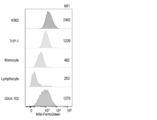
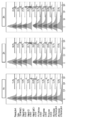
- Flow cytometer analysis results of various cells after Mito-Ferro Green reaction are highly active NK cells have a high iron content, and it is suspected that Ferroptosis induction may occur.
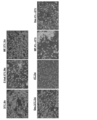
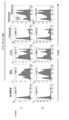
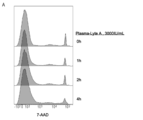
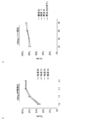
- Lacto lactolin gel Continuation of Figure 1-3 Viability when thawing highly active NK cells. Viability improved when diluted with Plasma-Lyte A at the time of thawing, but Viability deteriorated when diluted with Plasma-Lyte A containing 40% Serum (human AB type serum). Viable cell number and viability (right) and cytotoxic activity (left) of highly active NK cells after standing for a certain period of time.
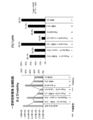
- Plasma Plasma-Lyte A Effect of prefreezing treatment of highly active NK cells. Treatment with KBM501 with 4-PBA added before freezing improved Viability during thawing. Recovery rate of highly active NK cells frozen and thawed after 2 hours pretreatment.
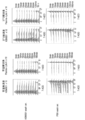
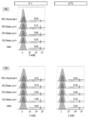
- Highly active NK cells after washing and freezing with KBM501 medium or PBS are thawed at room temperature, allowed to stand at room temperature for each hour without dilution operation, and then diluted 10-fold with KBM501 medium or Plasma-Lyte A, 7- Staining with AAD was performed and analyzed with FlowJo software (left).
- Highly active NK cells after washing and freezing with KBM501 medium or PBS are thawed at 37 ° C, allowed to stand at room temperature for each hour without dilution operation, and then diluted 10-fold with KBM501 medium or Plasma-Lyte A, 7 -Stained with AAD and analyzed with FlowJo software (right).
- Viability transition Highly active NK cells after washing and freezing with KBM501 medium or PBS are thawed at 37 ° C, diluted 10-fold with KBM501 medium or Plasma-Lyte A, allowed to stand at room temperature for 0 to 6 hours, and then with 7-AAD. Staining was performed and analyzed with FlowJo software. Viability transition. Effects of dilution with Plasma-Lyte A serially diluted with sterile distilled water and standing at 37 ° C. The cells after each treatment were stained with 7-AAD and analyzed with FlowJo software (same in the figure below). Continuation of Figure 12-1 Viability transition.
- mM is used in the same meaning as mmol / L unless otherwise specified.
- a numerical range is represented by x to y, the range includes the values x and y at both ends.
- the present invention relates to a method for cryopreserving cells having high cytotoxic activity.
- Applicable cells The present invention can be applied to various cells.
- One of the cells to which the present invention can be preferably applied is a cell that has undergone an activation operation by using some cytokine in vitro, and such cells include NK cells having high cytotoxic activity (highly active NK cells) and the like. Is included.
- the activation procedure typically relies on incubating cells with medium containing interleukin (IL) -2.
- IL interleukin
- NK cells are large granular lymphocytes that do not express the T cell receptor (TCR), the T cell universal marker CD3, and the membrane immunoglobulin B cell receptor, usually humans. Is CD16 positive and CD56 positive. Those skilled in the art can easily determine whether or not they are NK cells based on the expression pattern of cell surface markers and the like. NK cells have cytotoxic activity, and the presence or absence and degree of this cytotoxic activity can be measured by various known methods. NK cells can include peripheral blood NK cells, cord blood NK cells, primary NK cells, cultured NK cells, and highly active NK cells.
- Raw materials such as highly active NK cells to which the present invention can be preferably applied may be peripheral blood, cord blood, bone marrow and / or lymph nodes, and blood collected by the apheresis method (apheresis blood).
- the raw materials are hematopoietic stem cells derived from any stem cell selected from the group consisting of embryonic stem cells, adult stem cells and artificial pluripotent stem (iPS) cells, cord blood-derived hematopoietic stem cells, peripheral blood-derived hematopoietic stem cells, and the like.
- the donor of the raw material may be the patient who receives immunotherapy with highly active NK cells or the like, a close relative of the patient, or a healthy person who has no blood relationship with the patient. There may be multiple donors.
- the medium used for culturing highly active NK cells is KBM501 medium (Kojin Bio Co., Ltd. containing 1,750 JRU / mL of IL-2) and Cosmedium 008 (Cosmo Bio. IL-2 of 1,750 JRU / mL).
- Preferred examples are KBM501 medium, FKCM101 or Cosmedium 008.
- cells when cells are cultured, unless otherwise specified, for any purpose selected from the group consisting of cell survival maintenance, cell amplification, and cell activation. It means to maintain cells in a medium or a similar solution for a certain period of time. When the treatment is performed at a specific temperature for a certain period of time, it is sometimes called incubation.
- IL-2 may be added to the medium at a concentration that can achieve the object of the present invention.
- concentration of IL-2 may range from 2500 IU / mL to 2813 IU / mL.
- IL-2 preferably has a human amino acid sequence and is preferably produced by recombinant DNA technology for safety reasons.
- IL-2 concentrations may be expressed in national standard units (JRU) and international units (IU). Since 1 IU is about 0.622 JRU, 1750 JRU / mL of existing medium corresponds to about 2813 IU / mL.
- IL-12 When any one selected from the group consisting of IL-12, IL-15, and IL-18 is added at the same time as or in place of IL-2 described above at a concentration that can achieve the object of the present invention.
- Non-Patent Document 2 Leong JW et al. Biol Blood Marrow Transplant 20 (2014) 463-473. Each concentration may range from 1 pg / mL to 1 ⁇ g / mL, regardless of the presence or concentration of other cytokines.
- IL-2 preferably has a human amino acid sequence and is preferably produced by recombinant DNA technology for safety reasons.
- the subject's autologous serum, human ABO blood group available from BioWhittaker and others, and blood donated human serum albumin available from the Japanese Red Cross Society may be added to the medium.
- Autologous serum and human ABO blood group serum are preferably added at a concentration of 1 to 10%
- blood donated human serum albumin is preferably added at a concentration of 1 to 10%.
- Human platelet lysate (HPL) may be added with or in place of serum.
- HPL is commercially available, and the UltraGROTM series (AventaCell BioMedical) and others are on sale. When HPL is used, heparin sodium may be further added to the medium.
- the medium may contain appropriate proteins, cytokines, antibodies, compounds and other components, provided that the NK cell culture effect is not impaired.
- Cytokines include IL-2, IL-12, IL-15, and IL-18 mentioned above, as well as IL-3, IL-7, IL-21, stem cell factor (SCF), and / or FMS-like tyrosine kinases. May be 3 ligands (Flt3L). All of these preferably have a human amino acid sequence and are preferably produced by recombinant DNA technology for safety reasons.
- the medium is preferably a serum-free medium.
- the serum-free medium preferably contains serum albumin, transferrin, and insulin.
- Serum-free media for culturing lymphocytes have been developed and marketed, and they can be utilized in the present invention.
- One of the preferred examples of the serum-free medium is a basal medium supplemented with CTS Immuno Cell SR (Thermo Fisher Scientific), which is commercially available as a composition that supports the growth of human T cells.
- the medium may be replaced or replenished at any time after the start of culturing, provided that the desired culturing effect is obtained, but it is preferably every 3 to 5 days.
- Culture vessels used for culturing include, but are not limited to, commercially available dishes, flasks, plates, multi-well plates.
- the culturing conditions are not particularly limited as long as the culturing effect of NK cells is not impaired, but culturing conditions at 37 ° C., 5% CO 2 and a saturated steam atmosphere are common.
- the culturing period is not particularly limited as long as the desired culturing effect can be obtained.
- Highly active NK cells and the like to which the present invention can be preferably applied include the following [1], [2], [3] and [4].
- NK cells having the following characteristics (1) and (2): (1) CD16 positive, CD56 highly expressed, and CD57 negative. (2) NKG2C positive, NKG2A negative to low expression, and CD94 positive.
- the highly active NK cells of [1] may be highly expressed in CD16. Further, the highly active NK cells of [1] may further have the following characteristics regardless of whether or not they are highly expressed in CD16. (3)
- the cytotoxic activity is 50% or more when the NK cells are used as effector cells (E) and K562 cells are used as target cells (T) and co-cultured at a mixing ratio (E: T) of 1: 1.
- the highly active NK cells in [1] can also be expressed as: From healthy human-derived peripheral blood mononuclear cells, CD3 beads (eg, CliniMACS CD3, Miltenyi Biotec, Catalog No. 130-017-601), LD columns (eg, Miltenyi Biotec, Catalog No. 130-042-901) and Cell populations from which CD3-positive cells have been removed using a separation buffer (eg, 0.5% human AB serum (deactivated), PBS containing 2 mM EDTA) are cultivated in a suitable medium (eg, 5% human AB serum).
- a separation buffer eg, 0.5% human AB serum (deactivated)
- PBS containing 2 mM EDTA eg, 5% human AB serum
- NK cells obtained by culturing in Cosmedium 008) supplemented with (inactivated) for 14 days and having the following characteristics (1) and (3): (1) CD16 positive, CD56 highly expressed, and CD57 negative. (3) The cytotoxic activity is 50% or more when the NK cells are used as effector cells (E) and K562 cells are used as target cells (T) and co-cultured at a mixing ratio (E: T) of 1: 1.
- Japanese Patent Application Laid-Open No. 2018-193303 can be referred to.
- the cells of [2] may be further highly expressive of CD11c.
- the cells in [2] can also be represented as: Cells that are CCR5 positive, CCR6 positive, CXCR3 positive, Integrin ⁇ 1 positive, Integrin ⁇ 3 positive and Integrin ⁇ 3 negative and CD3 negative.
- Cells that are CCR5 positive, CCR6 positive, CXCR3 positive, CD11a high expression and CD11c high expression and CD3 negative, high expression of substantially uncultured NK cells obtained from peripheral blood. Cells, as determined by comparison with expression in the population.
- the cells of [2] show extremely high cytotoxic activity against solid cancers that have formed tumor masses.
- Japanese Patent Application Laid-Open No. 2019-170176 can be referred to for details of the cell characteristics of [2] and a more specific production method.
- CD3 beads eg, CliniMACS CD3, Miltenyi Biotec, 130-017-601 ( 5 ⁇ L per 1x10 7 cells)
- frozen apheresis blood on mononuclear cells from fresh peripheral blood or from frozen apheresis blood.
- a separation buffer eg, 0.5% human.
- Add type AB serum inactivated at 56 ° C.
- an appropriate medium for example , 5x10 5 cells / mL when using peripheral blood and 1x10 6 cells / mL when using frozen aferesis blood
- an appropriate medium for example , 5x10 5 cells / mL when using peripheral blood and 1x10 6 cells / mL when using frozen aferesis blood
- 5% human AB serum inactivated at 56 ° C for 30 minutes
- 5% UltraGRO AventaCell, HPCPLCRL10
- the cells are suspended and cultured until the 14th day while changing the medium as appropriate.
- the present invention may be described by using highly active NK cells as an example, but those skilled in the art may use some other cytokine in vitro according to the description. It is also possible to understand the case of using cells that have undergone the activation operation by.
- the term “active or cytotoxic activity” with respect to highly active NK cells and the like refers to the lytic ability of a target cell (effector cell, E) to a target cell (T) unless otherwise specified.
- the cytotoxic activity can be expressed as a percentage (%) of the target cells that have died by the effector cells, and is calculated by the following formula.
- the mixing ratio of effector cells and target cells (E: T) and the co-culture time of effector cells and target cells are determined according to the degree of cytotoxic activity of effector cells. , It can be appropriately adjusted according to the type of cells used and the strength of activity.
- the target cells may be, but are not limited to, K562 cells, acute myelogenous leukemia cells, and chronic myelogenous leukemia cells. Effector cells and target cells, live cells and dead cells can be distinguished and quantified by reagents such as antibodies labeled with radioactive substances and fluorescent dyes.
- T 2: 1 for 1 to 3 hours, more specifically 2 hours.
- the activity is preferably 60% or more, more preferably 70% or more.
- highly active NK cells and the like to be frozen are recovered from the culture system prior to the freezing step described later. Recovery can be performed by centrifuging to separate the medium and cells. If necessary, EDTA at an appropriate concentration may be added to the culture system, and the adhered cells may be exfoliated from the surface of the culture vessel. Alternatively, the surface of the culture vessel after the medium may be washed with an appropriate solution to obtain the remaining cells. The resulting cells are washed with a suitable solution and suspended in a suitable solution, if necessary.
- a solution such as a medium, an isotonic solution, or a buffer solution can be used for exfoliation and washing of cells.
- media that can be used are KBM501 medium, Cosmedium 008, FKCM101, CellGro SCGM medium, X-VIVO15 medium, Gibco (registered trademark) CTS (registered trademark) AIM V (registered trademark) Medium, CTS OpTmizer T Cell Expansion Basal. Examples include Medium, IMDM, MEM, DMEM and RPMI-1640.
- the isotonic liquid is a liquid having an osmotic pressure substantially equal to the osmotic pressure (285 ⁇ 5 mOsm / L) of the body fluid (plasma), and in the present invention, it is a liquid having an osmotic pressure of 285 ⁇ 13 mOsm / L.
- the osmotic pressure of Plasma-Lyte A is 294 mOsm / L
- the osmotic pressure of PBS (-) is 280 ⁇ 4 mOsm / L (freezing point drop method).
- Examples of usable isotonic solutions include Plasma-Lyte A (Baxter), physiological saline, Ringer's solution (Lactated Ringer's solution, Ringer's acetate solution, Ringer's bicarbonate solution, etc.), and 5% aqueous glucose solution.
- Examples of buffers that can be used include Phosphate-buffered saline (PBS), Tris hydrochloride buffer, Tris acetate buffer, and HEPES buffer.
- the medium for culturing human lymphocytes may contain human serum albumin, human transferrin, recombinant human insulin, and recombinant human IL-2.
- Preferred examples of such media are KBM501 medium, FKCM101 or Cosmedium 008.
- KBM501 medium contains human serum albumin, human transferrin, recombinant human insulin, recombinant human IL-2, and no other proteins.
- the KBM501 medium also contains an antibiotic (kanamycin), LVDS 3 , L-Glutamine, and a pH regulator.
- PBS (-) typically contains sodium chloride 136.9 mM, potassium chloride 2.68 mM, disodium hydrogen phosphate 8.1 mM, and potassium hydrogen phosphate 1.47 mM.
- Pretreatment In the present invention, highly active NK cells or the like to be frozen may be pretreated prior to the freezing step described later. Pretreatment is the suspension of the recovered cells in a solution containing the additive. Pretreatment involves recovery with a solution containing additives.
- any one selected from the group consisting of bile acid and phenylbutyric acid can be used.
- bile acids are tauroursodeoxycholic acid (TUDCA), ursodeoxycholic acid (UDCA), kenodeoxycholic acid, cholic acid, hyodeoxycholic acid, deoxycholic acid, 7-oxolithocholic acid, lithocholic acid, iododeoxycholic acid. Acids, iocholic acid, taurokenodeoxycholic acid, taurodeoxycholic acid, glycoursodeoxycholic acid, taurocholic acid, glycocholic acid or its analogs and derivatives.
- TDCA tauroursodeoxycholic acid
- UDCA ursodeoxycholic acid
- kenodeoxycholic acid cholic acid
- hyodeoxycholic acid deoxycholic acid
- 7-oxolithocholic acid lithocholic acid
- phenylbutyric acid examples include 4-phenylbutyric acid (4-PBA), gluceryl (tri-4-PBA), phenylacetic acid, 2-POAA-OMe, 2-POAA-NO2, 2-NOAA or pharmaceutically acceptable thereof. , Salt, analog, derivative or prodrug.
- a particularly preferred example of the additive used in the pretreatment is one selected from the group consisting of TUDCA and 4-PBA.
- the concentration may be appropriate, but it is preferably 100 to 5000 ⁇ M, more preferably 200 to 2500 ⁇ M, and further preferably 400 to 1000 ⁇ M. Such a range is particularly suitable when using TUDCA.
- the concentration may be appropriate, but is preferably 1 to 1000 ⁇ M, more preferably 5 to 500 ⁇ M, and even more preferably 10 to 100 ⁇ M. Such a range is particularly suitable when using 4-PBA.
- DMSO dimethyl sulfoxide
- concentration can be adjusted as appropriate, but is preferably 0.5 to 15%, more preferably 1 to 12.5%, and even more preferably 2 to 10%.
- the solution for pretreatment can be a solution such as a medium, an isotonic solution, or a buffer solution, similar to the solution used for recovery.
- One of the preferred examples of the solution used in the pretreatment is a medium, more preferably a medium for culturing human lymphocytes, and even more preferably KBM501 medium, FKCM101 or Cosmedium 008.
- the medium used for pretreatment may also contain human serum albumin, human transferrin, recombinant human insulin, and recombinant human IL-2, antibiotics (kanamycin), LVDS 3 , L-Glutamine, pH. It may contain a regulator.
- the time for pretreatment is not particularly limited.
- the suspension may be allowed to stand for minutes to hours, for example 5 minutes to 4 hours, more preferably 30 minutes to 3 hours after suspending the cells for pretreatment.
- Standing may be performed at ambient temperature (eg 1-30 ° C, typically 15-25 ° C) or in a CO 2 incubator (eg 36-42 ° C, typically 37 ° C). ..
- the cell density at the time of pretreatment can be appropriately set, but it is preferable that the cell density is suitable for maintaining cells. Specifically, it is 1x10 5 to 1x10 7 cells / mL, preferably 2x10 5 to 5x10 6 cells / mL, and more preferably 5x10 5 to 2x10 6 cells / mL.
- pretreatment TUDCA the 400 ⁇ 1000 [mu] M or 4-PBA the KBM501 medium added 10 ⁇ 100 [mu] M, the FKCM101 or Cosmedium 008, as cell density is 5x10 5 ⁇ 2x10 6 cells / mL To suspend. At this time, it is advisable to incubate at 37 ° C. under 5% CO 2 for 30 minutes to 3 hours.
- pretreatment is not essential in the present invention, by pretreating highly active NK cells and the like with KBM501 medium supplemented with 4-PBA or TUDCA before freezing, the cells can be treated as compared with the case where no pretreatment is performed.
- the survival rate (which can also be called the recovery rate) when thawed can be improved.
- the recovered, preferably pretreated cells are frozen by conventional procedures. Specifically, if necessary, the number of cells and the viability are confirmed, and after centrifugation to remove the supernatant, the cells are suspended in a cryopreservation solution so as to have an appropriate cell density. After dispensing the cell suspension into a container for cryopreservation, freeze it in a deep freezer at -80 ° C and store it. If necessary, freeze in a liquid nitrogen tank.
- the cryopreservation solution that can be used in the present invention may contain a sodium salt, a potassium salt, a sugar, a hydrogen carbonate, a carbonate, and a frost damage protective agent.
- the sodium salt that can be used is not particularly limited as long as it produces sodium ions when dissolved in a solvent, and may be an oxo acid salt, a halide, an oxide, a hydroxide, an inorganic salt, an organic acid salt, or the like. ..
- the sodium salt may be used alone or in combination of two or more.
- sodium chloride is preferably used as one type, and sodium chloride and sodium citrate are preferably used as a plurality of types.
- the sodium salt content is not particularly limited, but the final concentration of all sodium ions contained in the cryopreservation solution is preferably 0.01 to 5000 mM, more preferably 0.1 to 1000 mM, and even more preferably 1 to 300 mM.
- the potassium salt that can be used is not particularly limited as long as it produces potassium ions when dissolved in a solvent, and may be an oxo acid salt, a halide, an oxide, a hydroxide, an inorganic salt, an organic acid salt, or the like. ..
- the potassium salt may be used alone or in combination of two or more. Potassium chloride is preferably used in the present invention.
- the potassium salt content is not particularly limited, but the final concentration of total potassium ions contained in the cryopreservation solution is preferably 0.01 to 5000 mM, more preferably 0.1 to 1000 mM, and even more preferably 1 to 100 mM.
- the usable hydrogen carbonate is not particularly limited as long as it produces hydrogen carbonate ions when dissolved in a solvent, and salts with various cations can be used.
- ammonium hydrogen carbonate, potassium hydrogen carbonate, calcium hydrogen carbonate, sodium hydrogen carbonate, magnesium hydrogen carbonate and the like can be mentioned.
- the carbonates that can be used are not particularly limited as long as they generate carbonate ions when dissolved in a solvent, and salts with various cations can be used.
- ammonium carbonate, potassium carbonate, calcium carbonate, sodium carbonate, barium carbonate, magnesium carbonate and the like can be mentioned.
- These hydrogen carbonates and / or carbonates may be used alone or in combination of two or more.
- Sodium hydrogen carbonate is preferably used in the present invention.
- the content of bicarbonate and / or carbonate is not particularly limited, but the total final concentration of hydrogen carbonate ion and carbonate ion contained in the cryopreservation solution is preferably 0.01 to 1000 mM, more preferably 0.1 to 500 mM. It is more preferably 1 to 100 mM.
- the concentration ratio of sodium ions to potassium ions (sodium ion / potassium ion) in the cryopreservation solution is preferably 1/1000 to 1000/1, more preferably 1/100 to 100/1, and even more preferably 1/10 to 100. It is / 1, more preferably 1/1 to 100/1, and even more preferably 10/1 to 50/1.
- Usable sugars are monosaccharides, oligosaccharides or sugar alcohols, for example glucose, galactose, fructose, mannose, xylose, arabinose as monosaccharides, trehalose, sucrose, maltose, lactose, cellobiose, sugars as oligosaccharides.
- the alcohol include xylitol, sorbitol and the like.
- These saccharides may be used alone or in combination of two or more, but in the present invention, they are preferably at least one saccharide selected from the group consisting of glucose, galactose, fructose, mannose, xylose, and arabinose. , More preferably glucose.
- the content of saccharides in the cryopreservation solution is preferably 0.01 to 100 g / L, more preferably 0.1 to 100 g / L, and even more preferably 0.25 to 50 g / L.
- frost damage protective agents examples include dimethyl sulfoxide (DMSO), hydroxyethyl starch (HES), ethylene glycol, glycerol and the like.
- the frost damage protective agent may be used alone or in combination of two or more.
- any one selected from the group consisting of DMSO and hydroxyethyl starch is preferably used.
- the total content is preferably within the above range, and the respective concentrations are such that the DMSO concentration is preferably 0.01 to 50%, more preferably 1 to 1. It is 30%, more preferably 2 to 15%, and the hydroxyethyl starch concentration is preferably 0.01 to 50%, more preferably 1 to 30%, still more preferably 2 to 15%.
- a component selected from the group consisting of protein, magnesium salt and calcium salt is further contained.
- proteins that can be used include serum albumin and serum globulin.
- serum albumin examples include human serum albumin and bovine serum albumin.
- human serum albumin is suitable.
- the protein content is preferably 0.01 to 50%, more preferably 1 to 30%, still more preferably 2 to 15% in the cryopreservation solution.
- the magnesium salt that can be used is not particularly limited as long as it produces magnesium ions when dissolved in a solvent, and an oxo acid salt, a halide, an oxide, a hydroxide, an inorganic salt, an organic acid salt, or the like may be used. Can be done.
- the magnesium salt may be used alone or in combination of two or more.
- Magnesium chloride is preferably used in the present invention.
- the magnesium salt content is not particularly limited, but the final concentration of all magnesium ions contained in the cryopreservation solution is preferably 0.01 to 10 mM, more preferably 0.1 to 5 mM.
- the calcium salt that can be used is not particularly limited as long as it produces calcium ions when dissolved in a solvent, and an oxo acid salt, a halide, an oxide, a hydroxide, an inorganic salt, an organic acid salt, or the like is used. Can be done.
- the calcium salt may be used alone or in combination of two or more. Calcium chloride is preferably used in the present invention.
- the calcium salt content is not particularly limited, but the final concentration of all calcium ions contained in the cryopreservation solution is preferably 0.01 to 10 mM, more preferably 0.1 to 5 mM.
- the cryopreservation solution may further contain substances that are not damaging to cells, such as vitamins and amino acids.
- the cryopreservation solution may contain phosphate ions from the viewpoint of exerting pH adjustment and buffering action.
- the osmotic pressure of the cryopreservation solution is preferably in the range that does not damage the cells during freezing, and from the viewpoint of increasing the permeability of the components into the cells during freezing and inhibiting ice crystal formation, for example, 500 to 8000 mOsm. It may be / L, 1000 to 7500 mOsm / L, 1500 to 7000 mOsm / L, or 1800 to 5000 mOsm / L.
- the pH of the cryopreservation solution is preferably in the range that does not damage the cells, for example, 3.0 to 10.0, and more preferably 4.5 to 9.0.
- cryopreservation liquid may be used.
- products that can be used include the cell / tissue cryopreservation solution cell bunker series (STEM-CELLBANKER (registered trademark)), and more specifically, STEM-CELLBANKER (ZENOAQ, CB045).
- the cells at the time of freezing are in the logarithmic growth phase.
- the cell density at the time of freezing can be appropriately adjusted, but specifically, it is 1x10 6 to 2x10 8 cells / mL, preferably 2x10 6 to 1x10 8 cells / mL, and more preferably 1x10 7 to. 5x10 7 cells / mL.
- cells are stored at 4x10 7 cells / mL in a 5 mL volume container. Freezing of highly active NK cells The ability to freeze at high density when shipping contributes to making the product more compact and reducing transportation costs.
- cryopreserved cells can be thawed by various procedures.
- a container for cryopreservation containing cells can be quickly thawed in a warm bath at 37 ° C while shaking as necessary.
- it can be naturally thawed by leaving it at room temperature without actively heating it after taking it out of the freezer.
- the thawed cells are mixed with the appropriate thawing solvent I. If necessary, the supernatant can be removed by centrifugation and suspended in an appropriate amount of thawing solvent II for culturing or activation treatment.
- thawing solvent I the solution used for thawing the frozen cells suspended in the cryopreservation solution and diluting them together with the cryopreservation solution.
- thawing solvent I Various solvents can be used as the thawing solvent I for the cells collected according to the present invention, pretreated as necessary, and cryopreserved.
- the thawing solvent I may contain a sodium salt, a potassium salt, a gluconate salt, and an acetate salt. It may also contain magnesium salts.
- the sodium salt that can be used as the thawing solvent I can be an oxo acid salt, a halide, an oxide, a hydroxide, an inorganic salt, an organic acid salt, or the like.
- the sodium salt may be used alone or in combination of two or more.
- the thawing solvent I preferably contains any one selected from the group consisting of sodium chloride, sodium gluconate, and sodium acetate, and more preferably contains sodium chloride, sodium gluconate, and sodium acetate.
- the content of the sodium salt of the solvent I at the time of thawing is preferably 14.0 to 200 mM, more preferably 28.0 to 182 mM, and further preferably 70.0 to 168 mM as the final concentration of all sodium ions. Alternatively, it is preferable to contain 9.00 to 108 mM as sodium chloride, 2.30 to 27.7 mM as sodium gluconate, and 2.70 to 32.5 mM as sodium acetate.
- the potassium salt that can be used in the thawing solvent I can be an oxo acid salt, a halide, an oxide, a hydroxide, an inorganic salt, an organic acid salt, or the like.
- the potassium salt may be used alone or in combination of two or more.
- the thawing solvent I preferably contains any one selected from the group consisting of potassium chloride, potassium gluconate, and potassium acetate, and more preferably contains potassium chloride.
- the content of the potassium salt of the solvent I at the time of thawing is preferably 0.50 to 8.0 mM, more preferably 1.0 to 7.0 mM, and further preferably 2.5 to 6.0 mM as the final concentration of total potassium ions.
- potassium chloride preferably contains 0.496 to 5.96 mM.
- the gluconate salt that can be used as the solvent I at the time of thawing is not particularly limited as long as it produces gluconate ions when dissolved in the solvent, and salts with various cations can be used.
- the thawing solvent I preferably contains sodium gluconate.
- the content of gluconate in solvent I at the time of thawing is preferably 2.3 to 32.3 mM, more preferably 4.6 to 29.9 mM, and further preferably 12.5 to 27.7 mM as the final concentration of total gluconate ions. ..
- the acetate salt that can be used in the solvent I at the time of thawing is not particularly limited as long as it produces acetate ions when dissolved in the solvent, and salts with various cations can be used.
- salts with various cations can be used.
- sodium acetate, potassium acetate and the like can be mentioned.
- the thawing solvent I preferably contains sodium acetate.
- the content of the acetate of Solvent I at the time of thawing is preferably 2.7 to 37.8 mM, more preferably 5.4 to 35.1 mM, and further preferably 13.5 to 32.5 mM as the final concentration of total acetate ions.
- a commercially available isotonic solution may be used as the thawing solvent I.
- examples of products that can be used include Plasma-Lyte A, and a solution obtained by diluting it with water. Specifically, it is a liquid containing the following. ⁇ Sodium chloride 9.00-108mM ⁇ Sodium gluconate 2.30-27.7 mM ⁇ Sodium acetate 2.70-32.5 mM ⁇ Potassium chloride 0.496-5.96 mM ⁇ Magnesium chloride 0.148-1.78mM
- the thawing solvent I may contain only sodium salts.
- the sodium salt that can be used in the thawing solvent I may be an oxo acid salt, a halide, an oxide, a hydroxide, an inorganic salt, an organic acid salt, or the like.
- the sodium salt may be used alone or in combination of two or more.
- the thawing solvent I preferably contains only sodium chloride.
- the content of the sodium salt of the solvent I at the time of thawing is preferably 15.4 to 216 mM, more preferably 30.8 to 200 mM, and further preferably 70.0 to 185 mM as the final concentration of all sodium ions.
- physiological saline or a solution obtained by diluting it with water may be used.
- the cells suspended in the solvent I at the time of thawing together with the solution for cryopreservation can be used as they are for administration.
- the mixed solution becomes isotonic after mixing the solution for cryopreservation and the solvent I at the time of thawing (having an osmotic pressure almost equal to that of the body fluid, specifically 285 ⁇ ). 13mOsm / L) is preferable.
- the liquid for cryopreservation is a hypertonic liquid (for example, 1500 to 7000 mOsm / L) in a preferred embodiment, the solvent I at the time of thawing may be a liquid having a low osmotic pressure.
- a person skilled in the art can appropriately determine the component concentration of the solvent I during thawing in consideration of the dilution ratio of the solution for cryopreservation with the solvent I during thawing.
- the solvent I at the time of thawing is specifically a liquid containing the following. ⁇ Sodium chloride 85.5-94.5 mM ⁇ Sodium gluconate 21.8-24.2 mM ⁇ Sodium acetate 25.6-28.5 mM ⁇ Potassium chloride 4.71-5.21 mM ⁇ Magnesium chloride 1.40 ⁇ 1.55mM Alternatively, the thawing solvent I is specifically a liquid containing the following. ⁇ Sodium chloride 146.3 to 161.7 mM
- the solvent I at the time of thawing does not contain calcium ions at a concentration of 0.423 mM or more. Further, in any composition, it is preferable that the solvent I at the time of thawing does not contain glucose at a concentration of 5.55 mM or more. Further, in any composition, it is preferable that the solvent I at the time of thawing does not contain lactate at a concentration of 27.7 mM or more. This is because the viability or cytotoxic activity of thawed cells may decrease. In this sense, RPMI medium, Hanks'Balanced Salt Solution (HBSS) (+), and Ringer's lactate solution may not be suitable for use as solvent I during thawing.
- HBSS Hanks'Balanced Salt Solution
- the solvent I at the time of thawing preferably contains no serum at a concentration of 40% or more, and more preferably does not contain any serum. This is because the inclusion of serum may reduce the viability of cells.
- the cell density when suspended in the solvent I at the time of thawing can be appropriately set, but it is preferable that the cell density is suitable for maintaining the cells or is suitable for administration. Specifically, it is 1x10 5 to 1x10 7 cells / mL, preferably 2x10 5 to 5x10 6 cells / mL, and more preferably 5x10 5 to 2x10 6 cells / mL.
- Cells can be maintained for a relatively long time in solvent I upon thawing.
- the suspension may be allowed to stand for several minutes to several hours, for example, 5 minutes to 6 hours, more preferably 30 minutes to 4 hours.
- Standing may be performed at ambient temperature (eg 1-30 ° C, typically 15-25 ° C) or in a CO 2 incubator (eg 36-42 ° C, typically 37 ° C). ..
- solvent II during thawing
- the cells after thawing the frozen cells with the thawing solvent I, the cells can be further cultured or activated using the thawing solvent II.
- the solution used for recovering the cells suspended in the thawing solvent I and resuspending them for culturing or activation is referred to as thawing solvent II.
- thawing solvent II various solvents can be used depending on the purpose.
- the present invention provides a pharmaceutical composition comprising highly active NK cells, etc., which have been recovered by an appropriate method, pretreated as necessary, and cryopreserved.
- the pharmaceutical composition provided by the present invention can be applied to the treatment and / or prevention of various diseases sensitive to highly active NK cells and the like.
- diseases are cancer or infectious diseases, specifically skin cancer, oral cancer, bile sac cancer, bile duct cancer, lung cancer, liver cancer, stomach cancer, colon cancer, It includes, but is not limited to, pancreatic cancer, kidney cancer, ovarian cancer, bladder cancer, prostate cancer, neuroblastoma, leukemia, and infections caused by viruses, bacteria, and the like.
- the present inventors have confirmed the effect on colorectal cancer model animals that die within 30 days without treatment using cells frozen and thawed by the method of the present application.
- the cell therapy with the pharmaceutical composition of the present invention may be carried out alone or in combination with surgical therapy, chemotherapy, radiotherapy, antibody drug and the like.
- Constituent cells Highly active NK cells, etc. Content: 6 x 10 6 to 4.8 x 10 9 cells / 60 kg
- the shelf life after thawing is 6 hours, preferably 4 hours when stored at room temperature.
- KBM501 medium so that the final volume on day 9 of culture is 6 mL per well for a 6-well plate, 50 mL per flask for a T-75 flask, and 500 mL per bag for a bag. It was added and incubated until day 14.
- cells obtained from PBMCs through this culture step will be referred to as "Highly activated NK cell-like CD3-negative cells” or simply “highly activated NK cells”. ..
- Recovery method 2 Method of the present application The culture solution was recovered on the 14th day of culture, 1 mM EDTA was added to the culture vessel to exfoliate the adhered cells, and the culture vessel after collecting the detached cells was washed with KBM501 medium. All cell recovery solutions were centrifuged, washed with KBM501 medium, and resuspended.
- Highly active NK cells PBMC, K562 (human chronic myelogenous leukemia cell line), THP-1 (human acute monocytic leukemia cell line) obtained by the procedure described in the method for culturing and recovering highly active NK cells 1.
- PBMC, K562 human chronic myelogenous leukemia cell line
- THP-1 human acute monocytic leukemia cell line
- NK cells have a high iron content. From the morphological observation results and the time to death, it was assumed that the Viability of highly active NK cells significantly decreased by freezing and thawing in five morphologies: Ferroptosis (oxidative stress), Apoptosis, Autophagy, Necrosis and Necroptosis. .. Inhibitors for each form are shown below.
- NK cells The number of viable cells of highly active NK cells obtained by the procedure described in the method for culturing and recovering highly active NK cells was counted, and 1x10 7 cells were suspended in 1 mL of STEM-CELLBANKER (ZENOAQ, CB045). Frozen at -80 ° C. NK cells frozen for 48 hours or more were thawed in a water bath at 37 ° C., diluted 10-fold with the following solvent, allowed to stand at each temperature and time, and then observed and photographed with an optical microscope. ..
- Fig. 1-2 The results are shown in Fig. 1-2. It was confirmed that the Viability of highly active NK cells was significantly reduced by freezing and thawing. This was also not improved by the addition of Methylprednisolone, Dexamethasone, or Z-Vad after freeze-thaw.
- the highly active NK cells obtained by the procedure described in the method for culturing and recovering highly active NK cells 1 were recovered and then frozen and thawed by the method as described.
- Example 1 (1-1) The number of viable cells of highly active NK cells obtained by the procedure described in the method of culturing and recovering highly active NK cells from each of two healthy volunteers was counted, and 1x10 7 cells and 8x10, respectively. 6 cells were suspended in 1 mL of STEM-CELLBANKER (ZENOAQ, CB045) and frozen at -80 ° C. NK cells frozen for 48 hours or more were thawed in a water bath at 37 ° C., and immediately after thawing, 1x10 5 cells were separated into 96-well plates (IWAKI).
- STEM-CELLBANKER ZENOAQ, CB0405
- NK cells frozen for 48 hours or more were thawed in a water bath at 37 ° C., and immediately after thawing, 1x10 5 cells were separated into 96-well plates (IWAKI).
- KBM501 medium 3500 units / mL IL-2 (Seroiku® injection 40, Takeda Yakuhin Kogyo), lactolinger containing 139.9 mM maltose (Fuso Yakuhin Kogyo), Plasma containing 3500 units / mL IL-2.
- KBM501 medium 3500 units / mL IL-2 (Seroiku® injection 40, Takeda Yakuhin Kogyo), lactolinger containing 139.9 mM maltose (Fuso Yakuhin Kogyo), Plasma containing 3500 units / mL IL-2.
- KBM501 medium containing Lyte A (Baxter)
- 5.02 mg / mL sodium gluconate Nacalai, 16720-22
- Example 2 The viable cells of highly active NK cells obtained by the procedure described in the method for culturing and recovering highly active NK cells are counted, and 5x10 6 cells and 1x10 7 cells are suspended in 1 mL of STEM-CELL BANKER at -80 ° C. Frozen. NK cells frozen for 48 hours or more were thawed in a water bath at 37 ° C., and immediately after thawing, 1x10 5 cells were separated into 96-well plates.
- Example 3 The number of viable cells of highly active NK cells obtained by the procedure described in the method for culturing and recovering highly active NK cells was counted, and 1x10 7 cells were suspended in 1 mL of STEM-CELL BANKER and frozen at -80 ° C. After thawing NK cells frozen for 48 hours or more in a water bath at 37 ° C, Plasma-Lyte A (solvent (1)) containing 3500 units / mL IL-2 (Immnes, Shionogi Pharmaceutical Co., Ltd.), or Diluted with KBM501 medium (solvent (2)), the number of viable cells, viable cell rate, and cytotoxic activity rate (% Lysis) after dilution were calculated for each of the following groups.
- ⁇ 4> Dilute 10-fold with solvent (1), leave at 37 ° C for 1 hour, add lactoline gel containing an equal amount of IL-2, and incubate at 37 ° C overnight.
- ⁇ 5> Dilute 10-fold with solvent (1) and leave at 37 ° C for 3 hours.
- ⁇ 6> Dilute 10-fold with solvent (2) and leave at 37 ° C for 3 hours.
- ⁇ 7> Dilute 10-fold with solvent (2) and leave overnight at 37 ° C.
- cytotoxic activity rate For the measurement of cytotoxic activity, a group in which NK cells and K562 cells were reacted, a group in which only K562 cells were used as a negative control, and a group in which K562 cells were fixed with 10% formalin were prepared as a positive control.
- ⁇ NK cells After incubating for the time described in each group, cells were harvested and adjusted to a concentration of 2x10 6 cells / mL with 10% FBS / RPMI 1640.
- K562 cells K562 cells in which K562 cells (human chronic myelogenous leukemia cell line) were suspended in RPMI1640 medium containing no serum component were stained with PKH26 Red Fluorescent Cell Linker Kit (Sigma, PKH26GL-1KT), and finally 10 It was prepared to be 2x10 6 cells / mL with% FBS / RPMI1640.
- Fig. 3 For frozen and thawed highly active NK cells, the number of viable cells and Viability were correlated. In addition, the number of viable cells or Viability and cytotoxic activity tended to be inversely correlated. Furthermore, when the treatment solution for frozen and thawed cells was switched from Plasma-Lyte A to another solution, Viability decreased.
- Example 4 The number of viable cells of highly active NK cells obtained by the procedure described in the method for culturing and recovering highly active NK cells is counted and suspended in the following 6 kinds of solvents so as to be 1x10 6 cells / mL. , Pre-freezing treatment was performed by seeding on a low-adsorption 6-well plate (IWAKI, 4810-800SP).
- the pretreatment solvent includes (1) KBM501 medium containing 10 ⁇ M 4-phenylbutyric acid (4-PBA, Tokyo Kasei Kogyo Co., Ltd., P0643), (2) KBM501 medium containing 100 ⁇ M 4-phenylbutyric acid, and (3) Plasma- Lyte A, (4) Plasma-Lyte A containing 3000 units / mL IL-2 (Immnes, Shionogi Co., Ltd.), (5) Plasma-Lyte A containing 10 ⁇ M Salubrinal (TOCRIS, 2347), (6) 23 mM Using PBS containing sodium gluconate, cells suspended in each solvent were placed at 37 ° C for groups (1) and (2) under 5% CO 2 , and for 2 hours at room temperature for groups (3) to (6).
- NK cells were suspended in STEM-CELLBANKER so as to have 1x10 7 cells / mL based on the number of cells at the time of treatment, and cryopreserved at -80 ° C.
- Pretreated NK cells frozen for 48 hours or more were thawed in a water bath at 37 ° C. and diluted as follows. Dilution and incubation after thawing were all carried out in a low adsorption 6-well plate.
- KBM501 medium containing 10 ⁇ M 4-phenylbutyric acid Dilute 11-fold each in Plasma-Lyte A containing 1000 units / mL IL-2 or Plasma-Lyte A containing 1000 units / mL IL-2 and 100 ⁇ M 4-PBS, incubate at room temperature for 1 hour, and then in KBM501 medium 5 It was diluted 2-fold.
- KBM501 medium containing 100 ⁇ M 4-phenylbutyric acid >> It was diluted 11-fold with Plasma-Lyte A, incubated at room temperature for 1 hour, and then diluted 5-fold with RPMI medium * 6 or RPMI medium containing 2400 units / mL IL-2.
- Plasma-Lyte A Dilute 11-fold each in Plasma-Lyte A containing 1000 units / mL IL-2 or Plasma-Lyte A containing 1000 units / mL IL-2 and 100 ⁇ M 4-PBA, incubate at room temperature for 1 hour, and then in KBM501 medium 5 It was diluted 2-fold.
- Plasma-Lyte A containing 10 ⁇ M Salubrinal ⁇ Dilute 11-fold each in Plasma-Lyte A containing 1000 units / mL IL-2 and Plasma-Lyte A containing 1000 units / mL IL-2 and 100 ⁇ M 4-PBA, incubate at room temperature for 1 hour, and then in KBM501 medium 5 It was diluted 2-fold.
- the cells of each group diluted in the medium were incubated overnight at 37 ° C. under 5% CO 2 , and then the number of viable cells was counted.
- the experimental conditions are summarized below.
- Example 5 The number of viable cells of highly active NK cells obtained by the procedures described in the culture method, recovery method 1 and recovery method 2 of highly active NK cells was counted and suspended in various solvents so as to be 1x10 6 cells / mL. Pre-freezing treatment was performed by seeding in a low-adsorption 6-well plate. The NK cells obtained by the recovery method 1 were suspended in PBS and incubated at room temperature for 1 hour.
- the NK cells obtained by the recovery method 2 are (1) KBM501 medium, (2) KBM501 medium containing 30 ⁇ M 4-phenylbutyric acid, and (3) KBM501 containing 30 ⁇ M Tauroursodeoxycholic Acid Dihydrate (TUDCA, Tokyo Kasei Kogyo Co., Ltd., T1567). Cells suspended in medium, (4) KBM501 medium containing 30 ⁇ M 4-phenylbutyric acid and 30 ⁇ M TUDCA were incubated at 37 ° C. under 5% CO 2 for 2 hours.
- TDCA Tauroursodeoxycholic Acid Dihydrate
- the cells were suspended in STEM-CELLBANKER so as to have 1x10 7 cells / mL based on the number of cells at the time of treatment, and cryopreserved at -80 ° C.
- Pretreated highly active NK cells frozen for 48 hours or longer were thawed in a water bath at 37 ° C., diluted 11-fold with Plasma-Lyte A in each group, and incubated at room temperature for 1 hour. After 1 hour, the cells were gently suspended and the number of viable cells was counted. Further, the cells were diluted 5-fold in KBM501 medium and incubated at 37 ° C. under 5% CO 2 for 2 hours, and then the number of viable cells was counted and calculated as the recovery rate with respect to the number of cells at the time of freezing.
- Example 6 Count the number of viable cells of highly active NK cells obtained by the procedure described in the method for culturing and recovering highly active NK cells, and use only KBM501 medium or TUDCA (10 ⁇ M, 30 ⁇ M) so as to be 1x10 6 cells / mL. , 90 ⁇ M, 270 ⁇ M, 810 ⁇ M) were suspended in KBM501 medium, seeded on a low-adsorption 6-well plate, incubated at 37 ° C. under 5% CO 2 for 2 hours, and pre-frozen treatment was performed.
- the cells were suspended in STEM-CELLBANKER so as to have 1x10 7 cells / mL based on the number of cells at the time of treatment, and cryopreserved at -80 ° C.
- Pretreated NK cells frozen for 48 hours or longer were thawed in a water bath at 37 ° C., 10-fold amount of Plasma-Lyte A was added to each group, and the cells were incubated at room temperature for up to 3 hours. After 1 hour and 3 hours, the cells were loosely suspended and the number of viable cells was counted. After 1 hour, the cells were diluted 5-fold in KBM501 medium and incubated at 37 ° C. under 5% CO 2 for 2 hours, and the number of viable cells was counted. It was calculated from the number of viable cells at each point after thawing as the recovery rate with respect to the number of cells at the time of freezing. In addition, the cytotoxic activity of highly active NK cells was measured at each time point.
- cytotoxic activity rate For the measurement of cytotoxic activity, a group in which NK cells and K562 cells were reacted, a group in which only K562 cells were used as a negative control, and a group in which K562 cells were fixed with 10% formalin were prepared as a positive control.
- ⁇ NK cells The cells thawed and diluted by the method described were collected in the required amount based on the number of viable cells at the time of freezing, and then adjusted to a concentration of 2x10 6 cells / mL with 10% FBS / RPMI1640.
- K562 cells were suspended in serum-free RPMI1640 medium, stained with PKH26 Red Fluorescent Cell Linker Kit, and then prepared to 2x10 6 cells / mL with 10% FBS / RPMI1640.
- NK cells and K562 cells were added to a 96-well plate (IWAKI, 4870-800SP) so as to have a cell ratio of 2: 1 and mixed, and reacted at 37 ° C. under 5% CO 2 for 2 hours. After the reaction, the mixture was centrifuged (500 x g, 5 minutes), the supernatant was removed, a 7-AAD solution diluted with PBS was added and suspended, and the mixture was incubated at room temperature for 20 minutes. Measurements were performed using a flow cytometer and analyzed with FlowJo software to calculate the cytotoxic activity rate (% Lysis).
- the table below shows the recovery rate obtained together with the pretreatment conditions and thawing conditions.
- Pretreatment of highly active NK cells with KBM501 medium supplemented with TUDCA at various concentrations improved the recovery rate after thawing.
- Example 7 The number of viable cells of highly active NK cells obtained by the procedure described in the method for culturing and recovering highly active NK cells is counted so that the number of viable cells is 1x10 6 cells / mL.
- KBM501 medium only, 266 ⁇ M, 810 ⁇ M, 2400 ⁇ M TUDCA Suspended in KBM501 medium containing KBM501 medium, 2.4% DMSO (Nakalitesk, 13445-74), seeded in low-adsorption 6-well plates, incubated for 2 hours under 37 ° C., 5% CO 2 for prefreezing. went.
- the cells were suspended in STEM-CELLBANKER so as to have 1x10 7 cells / mL based on the number of cells at the time of treatment, and cryopreserved at -80 ° C.
- Pretreated NK cells frozen for 48 hours or longer were thawed in a water bath at 37 ° C., diluted 11-fold with Plasma-Lyte A or Plasma-Lyte A containing 3000 units / mL IL-2 in each group at room temperature. Incubated for up to 3 hours. After 1 hour and 3 hours, the cells were loosely suspended and the number of viable cells was counted. After 1 hour, the cells were diluted 5-fold in KBM501 medium and incubated at 37 ° C. under 5% CO 2 for 2 hours, and the number of viable cells was counted. It was calculated from the number of viable cells at each point after thawing as the recovery rate with respect to the number of cells at the time of freezing.
- cytotoxic activity of highly active NK cells against K562 cells was measured at each time point of thawing and dilution by the method described in Example 6.
- highly active NK cells 1 hour and 3 hours after thawing were evaluated using a solid tumor model (3D killing assay).
- highly active NK cells were prepared in KBM501 medium so as to be 1x10 6 cells / mL based on the number of cells at the time of freezing. 50 ⁇ L of prepared NK cells were added to one SKOV3 sphere seeded in advance in a 384-well plate, and the cells were reacted at 37 ° C. under 5% CO 2 for 4 days. Then, the cells were detached and collected by Accutase, and expanded and cultured in RPMI medium on a 24-well plate.
- ⁇ SKOV3 sphere ⁇ SKOV3 cells (human ovarian cancer cell line) were prepared so as to 3x10 4 cells / mL in 10% FBS / RPMI1640, were seeded 3x10 3/100 [mu] L per well of 96-well plates.
- a sphere was prepared by culturing at 37 ° C. under 5% CO 2 for 3 days.
- the table below shows the recovery rate obtained together with the pretreatment conditions and thawing conditions.
- Pretreatment of highly active NK cells with KBM501 medium supplemented with TUDCA at various concentrations improved recovery after thawing.
- Fig. 7-1 The measurement results of cytotoxic activity are shown in Fig. 7-1, and the results of evaluation using a solid tumor model (3D killing assay) are shown in Fig. 7-2.
- Fig. 7-1 the SKOV3 sphere to which NK cells were not added was indicated as nega.
- TUDCA concentration range of TUDCA was widened and the evaluation in the solid tumor model was added, it was preferable to use TUDCA added before freezing at a concentration between 2,400 ⁇ M and 267 ⁇ M, and the recovery rate was high and the recovery rate was particularly high when used at 800 ⁇ M.
- the injury activity for the solid tumor model was high.
- Example 8 (8-1) Count the number of viable cells of highly active NK cells obtained by the procedure described in the method for culturing and recovering highly active NK cells, and suspend them with STEM-CELL BANKER so as to be 1x10 7 cells / mL. It became turbid and was cryopreserved at -80 ° C.
- the highly active NK cells were frozen for more than 48 hours 37 ° C., was thawed in a water bath, including (1) Plasma-Lyte A, (2) 1.48mM MgCl 2 ⁇ 6H 2 O ( Nacalai Tesque, 20909-55) PBS (-), (3) PBS (-), (4) KBM501 medium, (5) 62.2mg / L CaCl 2 ⁇ 2H 2 O ( Nacalai Tesque, 08895-15) Plasma-Lyte a containing, (6) Plasma-Lyte A with 0.1% glucose (50% glucose, Termo), (7) glucose, (8) RPMI medium without serum components (Nacalai Tesque, 09892-15), (9) RPMI medium with glucose (9) It was diluted 10-fold in Nacalai Tesque, 30264-85), and (1) to (4) were incubated at room temperature for 2 hours, and (1) and (5) to (9) were incubated at 37 ° C for 3 hours. After that, the measurement was performed by
- lactic acid was added according to the lactic acid concentration of the lacto Ringer's solution, and it was confirmed on the Lithomas test paper that it was neutral.
- DDL 4 was added according to the DDL 4 concentration of HBSS. After that, the measurement was performed by the method described in the staining method using 7-AAD, and the analysis was performed with FlowJo software.
- Plasma-Lyte A (2) saline solution, (3) RPMI1640 medium, (4) lactolin gel, (5) 0.423 mM CaCl 2 , prepared with Plasma-Lyte A, (6) Diluted 10-fold with 1.36 mM CaCl 2 and allowed to stand at 37 ° C for 3 hours.
- CaCl 2 of (5) was added to RPMI1640 medium, and CaCl 2 of (6) was added according to Lacto Ringer's solution. After that, the measurement was performed by the method described in the staining method using 7-AAD, and the analysis was performed with FlowJo software.
- Example 9 (9-1) Count the number of viable cells of highly active NK cells obtained by the procedure described in the method for culturing and recovering highly active NK cells, and suspend them with STEM-CELL BANKER so as to be 4x10 7 cells / mL. It became turbid and was cryopreserved at -80 ° C. Highly active NK cells frozen for 48 hours or more were thawed in a water bath at 37 ° C., diluted 10-fold with Plasma-Lyte A containing 3000 units / mL IL-2, and allowed to stand at room temperature for up to 6 hours. Cytotoxic activity was analyzed at points 2 hours, 5 hours, and 6 hours after thawing.
- NK cells and K562 cells were added to a 96-well plate (IWAKI, 4870-800SP) so that the cell ratio was 1: 1 by the method described in Example 9-1 (b), and then mixed.
- the reaction was carried out at 37 ° C. under 5% CO 2 for 2 hours.
- the number of viable cells of highly active NK cells obtained by the procedure described in the method for culturing and recovering highly active NK cells was counted, suspended in STEM-CELLBANKER so as to be 4x10 7 cells / mL, and -80 ° C. It was cryopreserved in.
- Highly active NK cells frozen for 48 hours or more were thawed in a water bath at 37 ° C., diluted 10-fold with Plasma-Lyte A containing 3000 units / mL IL-2, and allowed to stand at room temperature for up to 4 hours.
- Viability transition Thawed cells were mixed well at each point , 1x10 5 cells were separated, measured by the method described in the staining method with 7-AAD, and analyzed with FlowJo software.
- cytotoxic activity a group in which NK cells and K562 cells were reacted, a group in which only K562 cells were used as a negative control, and a group in which K562 cells were fixed with 10% formalin were prepared as a positive control.
- NK cells The required amount of NK cells was collected based on the number of viable cells at the time of freezing, and then adjusted to a concentration of 1x10 6 cells / mL with 10% FBS / RPMI1640.
- K562 cells were suspended in serum-free RPMI1640 medium, stained with PKH26 Red Fluorescent Cell Linker Kit, and then prepared to 2x10 6 cells / mL with 10% FBS / RPMI1640.
- NK cells and K562 cells were added to and mixed in a 96-well plate (IWAKI, 4870-800SP) so that the cell ratio was 1: 2, 1: 1, 2: 1, 4: 1, 37 ° C, 5%. Reacted under CO 2 for 2 hours. After completion of the reaction, measurement was performed by the method described in the staining method using 7-AAD, and analysis was performed with FlowJo software to calculate the cytotoxic activity rate (% Lysis).
- NK cells and K562 cells were prepared by the method described in b).
- Cell damage activity (1), and 96-well plates (IWAKI, 4870-800SP) were prepared so that the cell ratio of NK cells and K562 cells was 1: 1.
- the cells were reacted at 37 ° C. under 5% CO 2 for 2 hours, 4 hours, 6 hours and 8 hours.
- measurement was performed by the method described in the staining method using 7-AAD, and analysis was performed with FlowJo software to calculate the cytotoxic activity rate (% Lysis).
- cytotoxic activity was measured. Specifically, NK cells and K562 cells were added to a 96-well plate (IWAKI, 4870-800SP) so as to have a cell ratio of 1: 1 and mixed, and then reacted at 37 ° C. under 5% CO 2 for 2 hours. rice field. After completion of the reaction, measurement was performed by the method described in the staining method using 7-AAD, and analysis was performed with FlowJo software to calculate the cytotoxic activity rate (% Lysis).
- Example 10 (10-1) Culturing method of highly active NK cells, counting the number of viable cells of highly active NK cells obtained by the procedures described in recovery method 1 and recovery method 2, 1x10 7 cells / mL (1.5 mL tube). Suspend in STEM-CELLBANKER to obtain recovery method 1, i.e. wash with PBS at the time of recovery), 4x10 7 cells / mL (5 mL vial; recovery method 2, i.e. wash with KBM501 medium at the time of recovery), -80 It was cryopreserved at ° C. Highly active NK cells frozen for 48 hours or longer were thawed at room temperature.
- Plasma-Lyte A or KBM501 medium Immediately after the thawed cells are completely dissolved, 10 times in Plasma-Lyte A or KBM501 medium at 5 minutes, 10 minutes, 15 minutes, 20 minutes, 25 minutes, 30 minutes, 60 minutes, 120 minutes, and 180 minutes. It was diluted and allowed to stand at room temperature for up to 180 minutes. After diluting to 180 minutes, the measurement was performed by the method described in the staining method using 7-AAD, and the analysis was performed with FlowJo software.
- Plasma-Lyte A or KBM501 medium Immediately after the thawed cells are completely dissolved, 10 times in Plasma-Lyte A or KBM501 medium at 5 minutes, 10 minutes, 15 minutes, 20 minutes, 25 minutes, 30 minutes, 60 minutes, 120 minutes, and 180 minutes. It was diluted and allowed to stand at room temperature for up to 180 minutes. After diluting to 180 minutes, the measurement was performed by the method described in the staining method using 7-AAD, and the analysis was performed with FlowJo software.
- Example 11 1x10 7 cells / mL (1.5 mL tube), 4x10 7 cells / The cells were suspended in STEM-CELLBANKER so as to be mL (5 mL vial), and cryopreserved at -80 ° C. Highly active NK cells frozen for 48 hours or longer were thawed in a water bath at 37 ° C. Immediately after it was completely dissolved, it was diluted 10-fold in Plasma-Lyte A or KBM501 medium and allowed to stand at room temperature for up to 6 hours. Immediately after dilution, 1x10 5 cells were fractionated at points of 1 hour, 2 hours, 3 hours, and 6 hours, measured by the method described in the staining method with 7-AAD, and analyzed with FlowJo software.
- Example 12 (12-1) Count the number of viable cells of highly active NK cells obtained by the procedure described in the method for culturing and recovering highly active NK cells, and suspend them with STEM-CELL BANKER so as to be 4x10 7 cells / mL. It became turbid and was cryopreserved at -80 ° C. Highly active NK cells frozen for 48 hours or longer were thawed in a water bath at 37 ° C. Immediately after complete dissolution, Plasma-Lyte A was diluted 10-fold with 80%, 50% and 10% Plasma-Lyte A diluted with Ultra Pure Distilled Water (invitrogen, 10977-015) at room temperature and 37 ° C, respectively.
- Ultra Pure Distilled Water invitrogen, 10977-015
- Plasma-Lyte A was diluted with physiological saline and diluted 10-fold with 80%, 50%, 10% Plasma-Lyte A, 3 at room temperature and 37 ° C, respectively. It was left to stand for hours.
- Plasma-Lyte A was diluted with physiological saline or diluted 10-fold with physiological saline, and allowed to stand at room temperature and 37 ° C for up to 3 hours, respectively.
- (12-7) The cells were treated and analyzed in the same manner as in (12-6). However, the cells were diluted 10-fold with each solution and allowed to stand at 37 ° C. for up to 3 hours.
- Viability could be maintained with the NaCl solution regardless of whether the solution used for thawing was hypotonic or hypertonic. Further, even with an isotonic solution using a monosaccharide or a polysaccharide, Viability could be maintained at room temperature or for a short period of time. On the other hand, 100 mM MgCl 2 was inferior in Viability.
Landscapes
- Health & Medical Sciences (AREA)
- Life Sciences & Earth Sciences (AREA)
- General Health & Medical Sciences (AREA)
- Engineering & Computer Science (AREA)
- Chemical & Material Sciences (AREA)
- Veterinary Medicine (AREA)
- Public Health (AREA)
- Animal Behavior & Ethology (AREA)
- Organic Chemistry (AREA)
- Zoology (AREA)
- Wood Science & Technology (AREA)
- Immunology (AREA)
- Biomedical Technology (AREA)
- Medicinal Chemistry (AREA)
- Pharmacology & Pharmacy (AREA)
- Bioinformatics & Cheminformatics (AREA)
- Epidemiology (AREA)
- Biotechnology (AREA)
- Genetics & Genomics (AREA)
- Chemical Kinetics & Catalysis (AREA)
- General Chemical & Material Sciences (AREA)
- Nuclear Medicine, Radiotherapy & Molecular Imaging (AREA)
- Cell Biology (AREA)
- Environmental Sciences (AREA)
- Dentistry (AREA)
- Hematology (AREA)
- Virology (AREA)
- Biochemistry (AREA)
- General Engineering & Computer Science (AREA)
- Microbiology (AREA)
- Communicable Diseases (AREA)
- Oncology (AREA)
- Developmental Biology & Embryology (AREA)
- Dispersion Chemistry (AREA)
- Inorganic Chemistry (AREA)
- Tropical Medicine & Parasitology (AREA)
- Oil, Petroleum & Natural Gas (AREA)
- Micro-Organisms Or Cultivation Processes Thereof (AREA)
- Medicines Containing Material From Animals Or Micro-Organisms (AREA)
- Medicinal Preparation (AREA)
Priority Applications (5)
| Application Number | Priority Date | Filing Date | Title |
|---|---|---|---|
| KR1020227033295A KR20220148233A (ko) | 2020-03-02 | 2021-03-02 | 고활성 nk 세포의 처리 방법 |
| US17/908,472 US20230109717A1 (en) | 2020-03-02 | 2021-03-02 | Method for treating highly active nk cells |
| AU2021230860A AU2021230860A1 (en) | 2020-03-02 | 2021-03-02 | Method for treating highly active NK cells |
| EP21765044.9A EP4151717A4 (en) | 2020-03-02 | 2021-03-02 | Method for treating highly active nk cells |
| CN202180018428.7A CN115279887A (zh) | 2020-03-02 | 2021-03-02 | 高活性nk细胞的处理方法 |
Applications Claiming Priority (2)
| Application Number | Priority Date | Filing Date | Title |
|---|---|---|---|
| JP2020035297A JP7793284B2 (ja) | 2020-03-02 | 2020-03-02 | 高活性nk細胞の処理方法 |
| JP2020-035297 | 2020-03-02 |
Publications (1)
| Publication Number | Publication Date |
|---|---|
| WO2021177279A1 true WO2021177279A1 (ja) | 2021-09-10 |
Family
ID=77614337
Family Applications (1)
| Application Number | Title | Priority Date | Filing Date |
|---|---|---|---|
| PCT/JP2021/007863 Ceased WO2021177279A1 (ja) | 2020-03-02 | 2021-03-02 | 高活性nk細胞の処理方法 |
Country Status (8)
| Country | Link |
|---|---|
| US (1) | US20230109717A1 (https=) |
| EP (1) | EP4151717A4 (https=) |
| JP (2) | JP7793284B2 (https=) |
| KR (1) | KR20220148233A (https=) |
| CN (1) | CN115279887A (https=) |
| AU (1) | AU2021230860A1 (https=) |
| TW (1) | TW202140770A (https=) |
| WO (1) | WO2021177279A1 (https=) |
Cited By (2)
| Publication number | Priority date | Publication date | Assignee | Title |
|---|---|---|---|---|
| WO2023038037A1 (ja) | 2021-09-08 | 2023-03-16 | 株式会社ガイアバイオメディシン | 細胞の処理方法 |
| WO2024190864A1 (ja) | 2023-03-15 | 2024-09-19 | 株式会社ガイアバイオメディシン | 細胞を懸濁するための液、及びその利用 |
Families Citing this family (3)
| Publication number | Priority date | Publication date | Assignee | Title |
|---|---|---|---|---|
| TW202413411A (zh) | 2022-08-30 | 2024-04-01 | 日商蓋亞生物製藥有限公司 | 單抗體(monobody)及NK細胞 |
| KR102940135B1 (ko) | 2024-01-05 | 2026-03-16 | 인하대학교 산학협력단 | 고삼투 및 진동 자극에 노출된 배양보조세포를 통한 nk 세포의 효과적인 활성화 및 이의 용도 |
| CN121294344A (zh) * | 2024-06-20 | 2026-01-09 | 杭州百瑞竞康生物技术有限公司 | Nk细胞无血清培养基 |
Citations (6)
| Publication number | Priority date | Publication date | Assignee | Title |
|---|---|---|---|---|
| JP2002233356A (ja) | 2000-12-04 | 2002-08-20 | Human Tekku:Kk | 細胞の保存液および該保存液を用いた細胞の保存方法 |
| JP2006230396A (ja) | 2004-10-12 | 2006-09-07 | Nipro Corp | 細胞保存液 |
| WO2011021618A1 (ja) | 2009-08-19 | 2011-02-24 | タカラバイオ株式会社 | 細胞の保存方法 |
| JP2018193303A (ja) | 2017-05-12 | 2018-12-06 | 米満 吉和 | 高活性nk細胞、およびその利用 |
| JP2019170176A (ja) | 2018-03-27 | 2019-10-10 | 株式会社ガイアバイオメディシン | ケモカインレセプターと細胞接着分子を発現するcd3陰性細胞の集団、およびその利用 |
| JP2020518260A (ja) * | 2017-05-04 | 2020-06-25 | メゾブラスト・インターナショナル・エスアーエールエル | 向上した免疫抑制作用を有する間葉系前駆または幹細胞 |
Family Cites Families (7)
| Publication number | Priority date | Publication date | Assignee | Title |
|---|---|---|---|---|
| ES2666746T3 (es) | 2010-07-13 | 2018-05-07 | Anthrogenesis Corporation | Métodos para generar linfocitos citolíticos naturales |
| WO2014083133A1 (en) * | 2012-11-29 | 2014-06-05 | Cellectis Sa | Improved methods for producing mammalian pluripotent stem cell-derived endodermal cells |
| WO2016122014A1 (ko) * | 2015-01-27 | 2016-08-04 | 한국생명공학연구원 | 자연살해세포의 대량생산 방법 및 상기 방법으로 수득된 자연살해세포의 항암제로서의 용도 |
| EA201890960A1 (ru) * | 2015-10-15 | 2018-10-31 | Селулэрити, Инк. | Натуральные киллеры и клетки ilc3 и их применение |
| WO2018017843A1 (en) * | 2016-07-22 | 2018-01-25 | Tissue Testing Technologies Llc | Enhancement of cell cryopreservation with glycolipids |
| JP2019024418A (ja) * | 2017-07-31 | 2019-02-21 | 公立大学法人大阪府立大学 | 選択分離用培地 |
| CN114615886A (zh) * | 2019-08-29 | 2022-06-10 | 得克萨斯大学体系董事会 | 细胞冷冻保存培养基 |
-
2020
- 2020-03-02 JP JP2020035297A patent/JP7793284B2/ja active Active
-
2021
- 2021-03-02 TW TW110107331A patent/TW202140770A/zh unknown
- 2021-03-02 KR KR1020227033295A patent/KR20220148233A/ko active Pending
- 2021-03-02 EP EP21765044.9A patent/EP4151717A4/en active Pending
- 2021-03-02 CN CN202180018428.7A patent/CN115279887A/zh active Pending
- 2021-03-02 AU AU2021230860A patent/AU2021230860A1/en active Pending
- 2021-03-02 US US17/908,472 patent/US20230109717A1/en active Pending
- 2021-03-02 WO PCT/JP2021/007863 patent/WO2021177279A1/ja not_active Ceased
-
2023
- 2023-07-24 JP JP2023120214A patent/JP2023126695A/ja active Pending
Patent Citations (6)
| Publication number | Priority date | Publication date | Assignee | Title |
|---|---|---|---|---|
| JP2002233356A (ja) | 2000-12-04 | 2002-08-20 | Human Tekku:Kk | 細胞の保存液および該保存液を用いた細胞の保存方法 |
| JP2006230396A (ja) | 2004-10-12 | 2006-09-07 | Nipro Corp | 細胞保存液 |
| WO2011021618A1 (ja) | 2009-08-19 | 2011-02-24 | タカラバイオ株式会社 | 細胞の保存方法 |
| JP2020518260A (ja) * | 2017-05-04 | 2020-06-25 | メゾブラスト・インターナショナル・エスアーエールエル | 向上した免疫抑制作用を有する間葉系前駆または幹細胞 |
| JP2018193303A (ja) | 2017-05-12 | 2018-12-06 | 米満 吉和 | 高活性nk細胞、およびその利用 |
| JP2019170176A (ja) | 2018-03-27 | 2019-10-10 | 株式会社ガイアバイオメディシン | ケモカインレセプターと細胞接着分子を発現するcd3陰性細胞の集団、およびその利用 |
Non-Patent Citations (3)
| Title |
|---|
| LEONG JW ET AL., BIOL. BLOOD MARROW TRANSPLANT, vol. 20, 2014, pages 463 - 473 |
| LIU E. ET AL., N. ENGL. J. MED., vol. 382, 2020, pages 545 - 53 |
| See also references of EP4151717A4 |
Cited By (4)
| Publication number | Priority date | Publication date | Assignee | Title |
|---|---|---|---|---|
| WO2023038037A1 (ja) | 2021-09-08 | 2023-03-16 | 株式会社ガイアバイオメディシン | 細胞の処理方法 |
| WO2024190864A1 (ja) | 2023-03-15 | 2024-09-19 | 株式会社ガイアバイオメディシン | 細胞を懸濁するための液、及びその利用 |
| KR20250161543A (ko) | 2023-03-15 | 2025-11-17 | 가부시키가이샤 가이아바이오메디신 | 세포를 현탁하기 위한 액 및 그 이용 |
| EP4682242A1 (en) | 2023-03-15 | 2026-01-21 | GAIA BioMedicine Inc. | Solution for suspending cells, and use of same |
Also Published As
| Publication number | Publication date |
|---|---|
| EP4151717A4 (en) | 2024-04-17 |
| JP7793284B2 (ja) | 2026-01-05 |
| AU2021230860A1 (en) | 2022-09-22 |
| TW202140770A (zh) | 2021-11-01 |
| EP4151717A1 (en) | 2023-03-22 |
| CN115279887A (zh) | 2022-11-01 |
| KR20220148233A (ko) | 2022-11-04 |
| JP2021136883A (ja) | 2021-09-16 |
| US20230109717A1 (en) | 2023-04-13 |
| JP2023126695A (ja) | 2023-09-07 |
Similar Documents
| Publication | Publication Date | Title |
|---|---|---|
| WO2021177279A1 (ja) | 高活性nk細胞の処理方法 | |
| RU2756561C2 (ru) | Среда для формирования колоний и её применение | |
| ES2909752T3 (es) | MSC en el tratamiento de enfermedades pulmonares inflamatorias | |
| Finkielsztein et al. | Human megakaryocyte progenitors derived from hematopoietic stem cells of normal individuals are MHC class II-expressing professional APC that enhance Th17 and Th1/Th17 responses | |
| Yuan et al. | Cryopreservation of human mesenchymal stromal cells expressing TRAIL for human anti-cancer therapy | |
| CN105324480A (zh) | 含有海藻糖及葡聚糖的哺乳动物细胞移植用溶液 | |
| KR20220038450A (ko) | 면역치료를 위한 nk 세포 조성물 및 제제 및 이의 생산 방법 | |
| JP2022088551A (ja) | 増殖造血幹細胞/前駆細胞集団の利用 | |
| AU2016297523B2 (en) | Methods and compositions for stem cell transplantation | |
| WO2014110020A1 (en) | Compositions and methods for expansion of embryonic hematopoietic stem cells | |
| JP2013006793A (ja) | Nk細胞を増幅するための組成物及び方法 | |
| CN107410288B (zh) | 一种人脐带间充质干细胞的储存液 | |
| EP4400576A1 (en) | Method for treating cells | |
| HK40083554A (en) | Method for treating highly active nk cells | |
| HK40084673A (en) | Method for treating highly active nk cells | |
| US20230141224A1 (en) | Fibroblast mediated expansion and augmentation of immune regulatory cells for treatment of acute respiratory distress syndrome (ards) | |
| KR20250161543A (ko) | 세포를 현탁하기 위한 액 및 그 이용 | |
| Szpak et al. | Kalaszczy nska, I. Influence of Hypothermic Storage Fluids on Mesenchymal Stem Cell Stability: A Comprehensive Review and Personal Experience. Cells 2021, 10, 1043 | |
| WO2020251046A1 (ja) | 医薬組成物 | |
| HK40106614A (zh) | 细胞的处理方法 | |
| US20250241961A1 (en) | Stem cell immunotherapy for colitis | |
| HK40108875A (en) | Method for treating cells | |
| 藤田泰毅 et al. | Study on preservation solutions for therapy with human adipose tissue-derived mesenchymal stromal cells | |
| JP2025146940A (ja) | 拡大した幹細胞生成物を使用して、血液悪性腫瘍を有する患者の処置転帰を改善するための組成物および方法 | |
| Landum | Targeting a bicarbonate transporter in pancreatic cancer overcomes immunosuppression |
Legal Events
| Date | Code | Title | Description |
|---|---|---|---|
| 121 | Ep: the epo has been informed by wipo that ep was designated in this application |
Ref document number: 21765044 Country of ref document: EP Kind code of ref document: A1 |
|
| ENP | Entry into the national phase |
Ref document number: 2021230860 Country of ref document: AU Date of ref document: 20210302 Kind code of ref document: A |
|
| ENP | Entry into the national phase |
Ref document number: 20227033295 Country of ref document: KR Kind code of ref document: A |
|
| NENP | Non-entry into the national phase |
Ref country code: DE |
|
| ENP | Entry into the national phase |
Ref document number: 2021765044 Country of ref document: EP Effective date: 20221004 |