WO2020195960A1 - 情報処理装置、情報処理方法、情報処理プログラム、およびゴミ焼却プラント - Google Patents
情報処理装置、情報処理方法、情報処理プログラム、およびゴミ焼却プラント Download PDFInfo
- Publication number
- WO2020195960A1 WO2020195960A1 PCT/JP2020/011127 JP2020011127W WO2020195960A1 WO 2020195960 A1 WO2020195960 A1 WO 2020195960A1 JP 2020011127 W JP2020011127 W JP 2020011127W WO 2020195960 A1 WO2020195960 A1 WO 2020195960A1
- Authority
- WO
- WIPO (PCT)
- Prior art keywords
- plant
- information processing
- data
- manual operation
- learning
- Prior art date
- Legal status (The legal status is an assumption and is not a legal conclusion. Google has not performed a legal analysis and makes no representation as to the accuracy of the status listed.)
- Ceased
Links
Images




Classifications
-
- G—PHYSICS
- G05—CONTROLLING; REGULATING
- G05B—CONTROL OR REGULATING SYSTEMS IN GENERAL; FUNCTIONAL ELEMENTS OF SUCH SYSTEMS; MONITORING OR TESTING ARRANGEMENTS FOR SUCH SYSTEMS OR ELEMENTS
- G05B23/00—Testing or monitoring of control systems or parts thereof
- G05B23/02—Electric testing or monitoring
Definitions
- the present invention relates to an information processing device or the like for plant control using machine learning.
- Patent Document 1 rule information including conditions for performing intervention operations is generated by performing machine learning using historical data of operator intervention operations performed on equipment operating in a plant.
- the technology to do is disclosed.
- Japanese Patent Publication Japanese Patent Laid-Open No. 2017-49801 (published on March 9, 2017)
- Patent Document 1 The technique of Patent Document 1 is based on the premise that the intervention operation of the operator is appropriate. However, not all intervention operations are appropriate, even for skilled operators. Then, when an inappropriate intervention operation is included in the historical data, there is a problem that effective machine learning cannot be performed because the inappropriate intervention operation is learned.
- One aspect of the present invention has been made in view of the above problems, and an object of the present invention is to provide an information processing device or the like capable of selecting learning data capable of performing effective machine learning. There is.
- the manual operation shown in the historical data is the relevant.
- Control to execute in the plant the conformity determination unit that determines whether or not the condition of the plant at the time of manual operation is conformed and the history data that the conformity determination unit has determined to be conforming. It is equipped with a learning data selection unit that serves as learning data for machine learning.
- the information processing method is an information processing method using an information processing apparatus, and each of a plurality of historical data indicating the history of plant control by manual operation is manually shown in the historical data.
- the step of determining whether or not the operation conforms to the state of the plant at the time when the manual operation is performed and the history data determined to conform in the determination step are executed in the plant. It includes a step of making the control to be processed into training data for machine learning.
- history data of manual operation suitable for the state of the plant can be used as learning data, so that effective machine learning can be performed.
- the present invention can be applied to an incineration plant that incinerates an arbitrary incineration target.
- the waste incineration plant can be applied not only to a general waste incineration plant, but also to an industrial waste incineration plant and a sludge incineration plant.
- These incineration plants may use the heat generated by incineration to generate electricity.
- plants that incinerate for the main purpose of power generation such as biomass power generation plants, are also included in the category of the above incineration plants.
- the plant is not limited to an incineration plant, and may be any one that performs a predetermined process (performing a predetermined process on a predetermined target, manufacturing a predetermined article, etc.) using at least one machine or device.
- the garbage incineration plant 5 is a plant for collecting and incinerating garbage, and is provided with an information processing device 1, a plant control device 2, and a plant facility 3 as shown in FIG.
- the plant equipment 3 includes an incinerator, a dust supply device for supplying garbage into the furnace, a grate for moving garbage in the furnace, a boiler, a generator, and the like.
- the plant equipment 3 supplies heat generated by incineration of garbage to a boiler, and the steam generated from the boiler turns a turbine of a generator to generate electricity.
- the plant equipment 3 includes a valve for adjusting the flow rate of combustion air, a heating device for adjusting the temperature of combustion air, and a valve for adjusting the flow rate of air supplied to the furnace (for example, a valve for adjusting primary air). It is equipped with a valve for secondary air regulation).
- Information on the operating status of the plant equipment 3 is detected by sensors and the like provided in various places of the plant equipment 3 and output to at least one of the plant control unit 106 of the plant control device 2 and the information processing device 1.
- Examples of the above information include the temperature in the combustion furnace, the amount of dust supplied in the combustion furnace, the amount of steam generated from the boiler, the oxygen concentration in the exhaust gas, the flow rate / temperature of the combustion air, and the like.
- the plant control device 2 includes at least a plant control unit 106 that controls the operation of various devices included in the plant equipment 3, and a communication unit 107 for the plant control device 2 to communicate with other devices.
- the information processing device 1 performs machine learning in advance using the history data of the manual operation of the plant operator as learning data to generate the trained model 115. Then, the plant control unit 106 of the plant control device 2 performs control determined to be executed by the generated learned model 115 on the plant equipment 3.
- the historical data is historical data of plant control by manual operation, and includes, for example, data such as manual operation contents, operation amount, and operation time performed on the equipment operating in the plant.
- the manual operation content is the content of the manual operation performed by the operator on the equipment operating in the plant.
- manual operation such as speed increase / deceleration of dust supply device, speed increase / deceleration of grate, flow rate increase / decrease of combustion air, temperature increase / decrease of combustion air, and flow rate increase / decrease of secondary air.
- manual operation such as speed increase / deceleration of dust supply device, speed increase / deceleration of grate, flow rate increase / decrease of combustion air, temperature increase / decrease of combustion air, and flow rate increase / decrease of secondary air.
- the history data may be data input or transmitted to the information processing device 1 by a manually operated operator. Further, the history data may be data transmitted from the manually operated device of the plant equipment 3 to the information processing device 1, and the device of the plant equipment 3 to the information processing device 1 via the plant control device 2. It may be transmitted data. Further, the data may be a combination of these data.
- FIG. 1 is a block diagram showing an example of a main configuration of the information processing device 1.
- the information processing device 1 includes a control unit 10 that controls and controls each part of the information processing device 1, a storage unit 11 that stores various data used by the information processing device 1, an input unit 12 that receives an input operation, and information.
- the output unit 13 for outputting the information is provided, and the communication unit 14 for communicating with other devices is provided.
- the control unit 10 includes a history data acquisition unit 101, a classification unit 102, a conformity determination unit 103, a learning data selection unit 104, and a machine learning execution unit 105. Further, the storage unit 11 stores the history database (DB) 111, the operation set filter 112, the plant state DB 113, the learning DB 114, and the learned model 115.
- DB history database
- the history data acquisition unit 101 acquires a plurality of history data from the history DB 111.
- the history DB 111 is a database that stores in advance the history data of plant control by manual operation performed by the operator.
- the historical data is data including, for example, the contents of manual operations performed on the equipment operating in the plant, the amount of operations, the operation time, and the like.
- the classification unit 102 classifies a plurality of historical data acquired by the history data acquisition unit 101 according to the manual operation contents shown in each history data.
- the conformity determination unit 103 conforms the manual operation shown in the historical data to the state of the plant at the time when the manual operation is performed. Judge whether or not.
- the plurality of historical data to be determined are the historical data after classification by the classification unit 102.
- the conformity determination unit 103 when the state data indicating the state of the plant at the time when the manual operation shown in the history data is performed satisfies a predetermined condition, the manual operation shown in the history data is performed by the manual operation. It may be determined that it conforms to the state of the plant at the time it was carried out.
- the predetermined condition is a condition that is satisfied when the plant is in a state where the manual operation should be performed.
- the state of the plant in this embodiment is the state of combustion of the incinerator. This combustion state is represented by, for example, the temperature in the combustion furnace, the amount of dust supplied in the combustion furnace, the amount of steam generated from the boiler, the oxygen concentration contained in the exhaust gas, and the like.
- the conformity determination unit 103 reads the above state data from the plant state DB 113.
- the plant state DB 113 is a database that stores data indicating the state of the plant at the time when the manual operation is performed. Further, the conformity determination unit 103 reads out the above-mentioned predetermined conditions from the operation set filter 112. Although details will be described later with reference to FIG. 2, the operation set filter 112 shows a predetermined condition that is satisfied when the plant is in a state where a predetermined manual operation should be performed.
- the learning data selection unit 104 uses the historical data determined by the conformity determination unit 103 as the learning data for machine learning the control to be executed in the plant. Specifically, the history data determined by the conformity determination unit 103 to be incompatible with the state of the plant is excluded. Then, the learning data selection unit 104 selects the history data determined to be conforming as learning data and stores it in the learning DB 114.
- the learning DB 114 is a database that stores the selected historical data as learning data. The details of the selection will be described later based on FIGS. 3 to 7.
- the machine learning execution unit 105 executes machine learning using the learning data selected by the learning data selection unit 104, and generates a trained model 115 for determining the control to be executed in the plant.
- the generated trained model 115 is stored in the storage unit 11.
- the trained model 115 can be generated by efficient machine learning.
- the accuracy of the trained model constructed using the training data selected based on the operation set filter 112 greatly increases the accuracy of the trained model constructed without such selection. The result is that it exceeds.
- the garbage incineration plant 5 includes the information processing device 1 and is controlled by the plant control unit 106. Since the control by the plant control unit 106 is performed based on the highly accurate trained model 115 as described above, the waste incinerator plant 5 can perform appropriate plant control in response to changes in the combustion state of the incinerator. It becomes.
- the conformity determination unit 103 determines conformity as to whether or not the manual operation of the history data conforms to the state of the plant at the time when the manual operation is performed. Specifically, a predetermined condition corresponding to the manual operation content is preset in the operation set filter 112. Then, when the state of the plant at the time when the manual operation is performed satisfies the predetermined condition according to the operation set filter 112, the conformity determination unit 103 performs the manual operation at the time when the manual operation is performed. It is judged that it conforms to. On the other hand, the conformity determination unit 103 determines that the condition of the plant at the time when the manual operation is performed does not conform to the condition of the plant if the predetermined condition is not satisfied.
- Predetermined conditions corresponding to the manual operation contents related to the waste incinerator 5 are included in, for example, "conditions related to the temperature inside the incinerator”, “conditions related to the amount of steam generated from the incinerator”, and “exhaust gas from the incinerator”. Includes at least one of "conditions for oxygen concentration” and “conditions for the amount of waste in the incinerator”.
- All of the above conditions are conditions related to the state of the plant that should be taken into consideration when appropriately determining the manual operation to be performed in the waste incineration plant. Therefore, according to the above configuration using at least one of these conditions, it is appropriately determined whether or not the manual operation shown in the historical data conforms to the state of the plant at the time when the manual operation is performed. can do.
- the classification unit 102 classifies each historical data into, for example, data indicating a dust feeder speed increase and data indicating a grate speed deceleration, according to the manual operation content shown in each historical data.
- the conformity determination unit 103 uses an operation set filter 112 according to the classification in order to determine conformity for each classification.
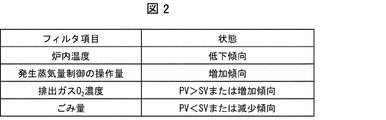
- FIG. 2 is a diagram showing an example of an operation set filter 112 corresponding to the classification of “dust feeder speed increase”.
- the conformity determination unit 103 uses the operation set filter 112 of FIG. 2 to determine the conformity of each historical data classified as “dust feeder speed increase” with the state of the plant.
- the filter item and the state of the plant are associated with each other.
- the combination of this filter item and the state of the plant indicates a "predetermined condition".
- the combination of the filter item “inside the furnace temperature” and the state “declining tendency” indicates the "predetermined condition” that the inside temperature tends to decrease.
- the operation amount of the generated steam amount control is a control operation amount for bringing the measured value (PV) of the generated steam amount closer to the set value (SV).
- PV measured value
- the control operation amount for increasing or decreasing the amount of waste supplied to the incinerator and the control operation amount for increasing or decreasing the supply amount of combustion air correspond to the operation amount for generating steam amount control.
- this operation amount may be the control amount in PID control (Proportional-Integral-Differential Controller).
- All of these conditions are conditions in which manual operation of "dust feeder speed increase” is satisfied in an appropriate plant state. That is, when in the (1) furnace temperature decline, is (2) when the operation amount of the generated steam amount control is in effect tend, for (3) exhaust gas O 2 concentration, PV> SV or increasing When, and (4) the amount of waste is PV ⁇ SV or decreasing, it is appropriate to manually operate the “dust feeder speed increase”. Therefore, it can be said that the manual operation of the "dust feeder speed increase” was appropriate as many of these multiple conditions were satisfied.
- the conformity determination unit 103 determines whether or not the state of the plant when the manual operation shown in the history data is performed satisfies each of these conditions. For example, when determining the historical data indicating that the manual operation of the "dust feeder speed increase" was performed at a certain time, the conformity determination unit 103 determines whether or not the temperature in the furnace at that time tends to decrease. To judge. Similarly, the conformity determination unit 103 also determines the "operation amount of the generated steam amount control", the "exhaust gas O 2 concentration", and the "dust amount” at that time.
- a predetermined period is set starting from the time of manual operation shown in the history data, and various numerical values (in-furnace temperature, etc.) indicating the plant state in that period are obtained from the plant state DB 113. It can be determined by reading.
- the conformity determination unit 103 determines the conformity of the historical data based on the determination results for each condition shown in the operation set filter 112.
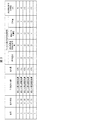
- FIG. 3 is a diagram illustrating an outline of conformity determination.
- FIG. 3 shows the information shown in the history data and the determination result for each filter item set in the operation set filter 112.
- the "operation time”, “manual operation content”, and “operation amount” in the figure are the information shown in each historical data, and are the time when the manual operation was performed, the manual operation content, and the manual operation, respectively. Indicates the amount of operation of.
- the "filter suitability determination result” in the figure indicates the determination result regarding the suitability between the manual operation and the state of the plant for each filter item. " ⁇ " is entered for those judged to be compatible, and "x" is entered for those judged to be non-conforming.
- the history data 1 indicates that the manual operation for increasing the speed of the dust feeder was performed at 12:15 with the operation amount + 10% (the manual operation for increasing the speed of the dust dispenser was performed by 10%).
- Filter compatibility determination result " ⁇ " for a furnace temperature (incompatible) the operation amount of the generated steam amount control, the exhaust gas O 2 concentration and the amount of dust is inputted The symbol "" (suitable for) ..
- the conformity determination unit 103 determines the suitability of historical data based on each determination result of filter suitability. For example, the suitability may be determined by the number of “ ⁇ ” or “ ⁇ ” in the filter suitability determination result. If the number of " ⁇ ” is large (for example, three or more), it may be determined that there is compatibility, and if the number of "x" is large (for example, two or more), it may be determined that there is no compatibility.
- the historical data determined to be non-conforming is excluded from the historical data to be learned by the learning data selection unit 104. On the other hand, the historical data determined to be compatible is regarded as the historical data to be learned.
- time until the next operation is shown in the rightmost column of FIG.
- the “time until the next operation” is the time from one manual operation to the next manual operation.
- the time from the operation of the history data 4 to the operation of the history data 5 is as short as 5 minutes.
- the operation of the history data 4 and the operation of the history data 5 are both "acceleration of dust supply device speed", and the same operation content is performed a plurality of times within a short period of time for the same operation target. become.
- the history data of those manual operations is not valid as learning data.
- the period may be such that it can be considered that The predetermined period can be arbitrarily set according to the plant to be applied and the content of manual operation.
- the predetermined period may be set by the operator, the manager of the plant equipment, or the like. For example, when the predetermined period is set to 20 minutes, the history data 4 and the history data 5 are excluded by the learning data selection unit 104 and do not become learning data.
- the learning data selection unit 104 does not use the history data of a plurality of manual operations with the same control target performed within a predetermined period as learning data. As a result, historical data indicating inefficient manual operation is not regarded as learning data, so that more effective machine learning can be performed.
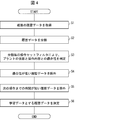
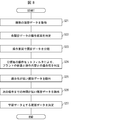
- FIG. 4 is a flowchart showing an example of processing (information processing method) executed by the information processing apparatus 1.
- the history data acquisition unit 101 acquires a plurality of history data from the history DB 111. Then, in S2, the classification unit 102 classifies the history data according to the manual operation content shown in the history data.
- the conformity determination unit 103 determines the manual operation shown in the history data and the state of the plant at the time when the manual operation is performed, based on the predetermined conditions corresponding to the predetermined operation contents for each classification. Judge suitability. Specifically, the conformity determination unit 103 determines whether or not the conformity is met depending on how many of a plurality of predetermined conditions shown in the operation set filter 112 according to the classification are satisfied.
- the learning data selection unit 104 excludes the historical data determined to have low suitability (non-conformity) from the history data determined in S3 from the target of the learning data. In other words, the learning data selection unit 104 uses the historical data determined to be conforming in S3 as learning data for machine learning the control to be executed in the plant. However, the history data determined to be conforming in S3 is processed in S5, and the history data excluded by this processing is not the learning data.
- the learning data selection unit 104 excludes the historical data determined in S3 that the same operation is performed a plurality of times for the same control target within a short period of time. To do. The process of S5 may be performed before S4. Finally, in S6, the learning data selection unit 104 determines the historical data to be the learning data. That is, the learning data selection unit 104 determines that the historical data not excluded in any of S4 and S5 is used as the learning data.
- the history data 2 is excluded in S4. Further, assuming that the time (predetermined period) that is the reference for the determination in S5 is 20 minutes, the historical data 4 and 5 are excluded in S5. Therefore, in this case, in S6, the historical data 1 and 3 are determined as the learning data used in the machine learning.
- the history data of a plurality of manual operations having the same control target performed within a predetermined period is an operation amount obtained by adding the operation amounts for the control targets in the plurality of manual operations. It may be included in the learning data after being changed to the history data of one manual operation. As a result, historical data for which the amount of operation is inappropriate can be effectively used as learning data.
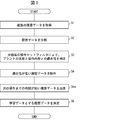
- FIG. 5 is a flowchart showing another example of the processing flow in the information processing apparatus 1. Since the processes of S1 to S4 and S6 are the same as the processes of S1 to S4 and S6 of FIG. 4, the description will not be repeated. By these processes, the acquired historical data is classified, and after the suitability is determined, the data having low suitability is excluded.
- the learning data selection unit 104 adds the operation amount to the historical data in which the same control target is operated a plurality of times within a predetermined period, and then changes the operation to one manual operation. Include in training data. For example, in the example of FIG. 3, when the predetermined time is 20 minutes, the learning data selection unit 104 determines the operation amount of the history data 4 for the history data 4 and 5 in which the operations are performed a plurality of times within the predetermined period. The operation amount "+ 12%" of the history data 5 is added to "+ 5%", and the history data modified to the operation amount "+ 17%" and changed to one manual operation is selected as learning data.
- FIG. 6 is a block diagram showing an example of the main configuration of the information processing apparatus 1 of the second embodiment.
- the control unit 10 of the second embodiment includes an operation intention determination unit 151 for determining which of a plurality of predetermined operation intentions the operation intention of the manual operation shown in each history data corresponds to. It is different from the control unit 10 of the first embodiment.
- the operation intention is the intention of the operator when the operator manually operates the equipment operating in the plant. For example, "I want to increase the amount of garbage supplied to the incinerator", "I want to promote combustion in the incinerator”, etc. are examples of operation intentions.
- the operation intention may be input by the operator when performing a manual operation, for example, and recorded in the history DB 111.
- the operation intention determination unit 151 can determine the operation intention of the manual operation shown in each history data by referring to the history DB 111. Further, the operation intention determination unit 151 may determine the operation intention of the manual operation based on the plant state when the manual operation is performed. In this case, if the correspondence between the plant state and the operation intention is modeled in advance, the operation intention determination unit 151 can determine the operation intention of the manual operation shown in each history data by using the model.
- the classification unit 102 of the second embodiment classifies the history data according to the operation intention determined by the operation intention determination unit 151 as described above. Therefore, in the second embodiment, the operation set filter 112 created in advance for each operation intention is stored in the storage unit 11.
- the conformity determination unit 103 specifies the filter number according to the classification result of the classification unit 102 by referring to this table. Can be done.
- the filter number is a number that identifies the operation set filter 112 (for example, as in the example of FIG. 2, a combination of a plurality of predetermined conditions used for determining one suitability for one historical data).
- the predetermined conditions used for determining the suitability are preset for each of the plurality of operation intentions.
- the filter target is associated with each operation intention.
- the conformity determination unit 103 applies the operation set filter 112 to the manual operation of the content shown in the filter target.
- the conformity determination unit 103 has "dust feeder speed increase” or “grate speed increase” which is the filter target of the historical data classified as "I want to increase the amount of dust”.
- the operation set filter 112 of the filter number “1” is used.
- FIG. 8 is a flowchart showing an example of the flow of processing executed by the information processing apparatus 1 of the second embodiment.
- the history data acquisition unit 101 acquires a plurality of history data from the history DB 111.
- the operation intention determination unit 151 determines the operation intention of each history data.
- the classification unit 102 classifies the historical data based on the operation intention determined in S22.
- the conformity determination unit 103 determines the conformity between the plant state and the operation content for each historical data acquired in S21 by using the operation set filter 112 according to the classification of S23. For example, when the table of FIG. 7 is used, the conformity determination unit 103 refers to the table to specify the operation set filter 112 according to the classification of S23. Then, the conformity determination unit 103 determines the suitability of the history data of the manual operation that is the filter target in the above table by using the specified operation set filter 112.
- the conformity determination unit 103 determines that the historical data whose operation intention and the filter target do not match is nonconformity. For example, in the example of FIG. 7, the operation intention corresponds to "I want to increase the amount of dust", but the manual operation performed is a manual operation other than "dust feeder speed increase” and "grate speed increase”. For some historical data, the conformity determination unit 103 determines that it is nonconformity. Since the processing of S25 to S27 is the same as the processing of S4 to S6 of FIG. 4, the description thereof will be omitted.
- the information processing device 1 of the present embodiment includes an operation intention determination unit 151 for determining which of a plurality of predetermined operation intentions the operation intention of the manual operation shown in the history data corresponds to. .. Further, as described with reference to FIG. 7, the above-mentioned predetermined conditions are preset for each of the plurality of operation intentions. Then, the conformity determination unit 103 uses a predetermined condition according to the operation intention to determine whether or not the manual operation shown in the historical data conforms to the state of the plant at the time when the manual operation is performed. judge. According to this configuration, since the determination is made using the conditions according to the operation intention, it is possible to use the history data of the manual operation whose operation intention matches the plant state as the learning data.
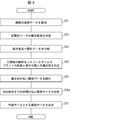
- FIG. 9 is a flowchart showing another example of the processing flow in the information processing apparatus 1 of the second embodiment. The description of the processing other than S26a, which is a difference from the flowchart of FIG. 8, will be omitted.
- the learning data selection unit 104 adds the operation amount of the data in which the same control target is operated a plurality of times within a predetermined period, and performs one manual operation. After changing to, include it in the training data. According to this configuration, since the historical data that is not valid as the learning data is corrected and used as the learning data, the historical data for which the operation amount is inappropriate can be effectively used as the learning data.
- the learning data selection unit 104 of the third embodiment is different from the learning data selection unit 104 of the first embodiment in that the historical data having a short time until the operation in the opposite direction is excluded from the learning data.
- the reverse direction operation means a manual operation in which the content of the manual operation is the same as the content of the manual operation already performed on the same operation target, but the operation amount is changed in the opposite direction.
- the operation in the opposite direction to the operation of increasing the speed of the dust feeding device is an operation of decelerating the speed of the dust feeding device.
- the "operation time” shown in FIG. 10B indicates the time when the operation was performed, the "manual operation content” indicates the manual operation content, and the “operation amount” indicates the direction and operation amount of the manual operation. ..
- the time from the manual operation of the history data 4 to the manual operation of the history data 5 is as short as 5 minutes.
- the operation target of the history data 4 and the history data 5 is both "speed of the dust supply device", but the operation amount of the history data 4 is "+ 5%", that is, the speed is increased, while the operation of the history data 5 is performed.
- the amount is "-7%” or deceleration. Therefore, the manual operation of the history data 5 is the opposite direction of the manual operation of the history data 4.
- the learning data selection unit 104 does not select the history data of those manual operations as learning data when the operations in the opposite directions are performed within a predetermined period.
- FIG. 10A is a flowchart showing an example of the flow of processing executed by the information processing apparatus 1 of the third embodiment. Since the processes of S31 to S34 and S37 are the same as the processes of S1 to S4 and S6 of FIG. 4, the description thereof will be omitted.
- the learning data selection unit 104 selects the historical data in which the same operation is performed a plurality of times within a short period of time for the same control target among the historical data determined to be compatible in S33. exclude. Alternatively, the learning data selection unit 104 adds the operation amount of the history data in which the same operation is performed a plurality of times within a short period of time for the same control target, and changes the operation to one manual operation. It may be included in the training data.
- the learning data selection unit 104 excludes the history data having a short time until the operation in the opposite direction from the history data determined to be suitable in S33 and not excluded in S34.
- the learning data sorting unit 104 may add the operation amount of a certain manual operation to the operation amount of the opposite direction operation to change the operation amount to one manual operation and then include it in the learning data.
- the learning data selection unit 104 adds the operation amount "-7%" of the history data 5 to the operation amount "+ 5%" of the history data 4 and corrects it to the operation amount "-2%" once.
- the history data changed to the manual operation of may be used as the learning data.
- the control block of the information processing device 1 (particularly, each block included in the control unit 10 of FIG. 1) may be realized by a logic circuit (hardware) formed in an integrated circuit (IC chip) or the like, or by software. It may be realized.
- the information processing device 1 includes a computer that executes a program instruction, which is software that realizes each function.
- the computer includes, for example, one or more processors and a recording medium that can be read by a computer that stores the program. Then, in the computer, the processor reads the program (information processing program) from the recording medium and executes it, thereby achieving the object of the present invention.
- the processor for example, a CPU (Central Processing Unit) can be used.
- the recording medium in addition to a “non-temporary tangible medium” such as a ROM (Read Only Memory), a tape, a disk, a card, a semiconductor memory, a programmable logic circuit, or the like can be used.
- a RAM RandomAccessMemory
- the program may be supplied to the computer via an arbitrary transmission medium (communication network, broadcast wave, etc.) capable of transmitting the program.
- a transmission medium communication network, broadcast wave, etc.
- one aspect of the present invention can also be realized in the form of a data signal embedded in a carrier wave, in which the above program is embodied by electronic transmission.
- the history data is classified according to the operation contents, and then the matching history data is selected by the operation set filter 112.
- the history data may be first extracted by the operation set filter 112 and then narrowed down by the operation contents.
- the conformity determination unit 103 may use all the history data to the operation set filter 112 with the operation intention of "want to increase dust” and extract the history data having a high conformity rate. Then, the learning data sorting unit 104 says that among the extracted historical data, the operation content matches the operation intention of "want to increase dust" ("dust feeder speed increase” or “grate speed increase”). It may be used as learning data by selecting the ones that have become.
- the conformity determination unit 103 determines whether or not the manual operation shown in the history data conforms to the state of the plant at the time when the manual operation is performed, and determines whether or not the manual operation conforms to the state of the plant at the time when the manual operation is performed. It may be done based on the state.
- the conformity determination unit 103 may determine that the manual operation conforms to the state of the plant if the period during which the combustion state in the furnace after the manual operation is normal is a predetermined time or longer. In this case, if the combustion state in the furnace after the manual operation is normal for less than a predetermined time, the conformity determination unit 103 determines that the manual operation does not conform to the state of the plant. Historical data of such manual operation is excluded without being regarded as learning data.
- Whether or not the combustion state is normal may be determined based on the plant state DB 113. For example, when the combustion state is normal, the conditions of the furnace temperature, the deviation of the generated steam amount, and the exhaust gas CO concentration are set in advance, and the conformity determination unit 103 determines that the combustion state is normal when these conditions are met. It may be determined that. To give a specific numerical example, the conformity determination unit 103 has a furnace temperature of 900 to 950 ° C., a generated steam amount of
- the determination based on the period in which the combustion state is normal and the determination based on the operation set filter 112 may be used in combination.
- the learning data selection unit 104 may preferentially use the historical data determined to be compatible based on the operation set filter 112 for a longer period in which the combustion state is normal as the learning data.
- the system configuration in FIG. 1 is an example, and it is possible to realize the same functions as the waste incineration plant 5 even if the system configuration is changed.
- it may be a system in which the function of the machine learning execution unit 105 is provided to another information processing device.
- the information processing device 1 even selects the learning data, and another information processing device performs machine learning using the selected data.
- the information processing device 1 may be incorporated into the plant control device 2 to form one device.
Landscapes
- Physics & Mathematics (AREA)
- General Physics & Mathematics (AREA)
- Engineering & Computer Science (AREA)
- Automation & Control Theory (AREA)
- Incineration Of Waste (AREA)
- Testing And Monitoring For Control Systems (AREA)
Abstract
効果的な機械学習を行うことが可能な学習データを選別する。情報処理装置(1)は、手動操作によるプラントの制御の履歴を示す複数の履歴データの各々について、当該履歴データに示される手動操作が、当該手動操作が行われた時点の上記プラントの状態に適合しているか否かを判定する適合判定部(103)と、上記適合判定部が適合していると判定した履歴データを、上記プラントで実行すべき制御を機械学習するための学習データとする学習データ選別部(104)と、を備えている。
Description
本発明は、機械学習を用いたプラント制御のための情報処理装置等に関する。
従来、発電所やゴミ焼却施設等のプラントの自動運転に関する技術の開発が進められている。例えば、下記の特許文献1には、プラントで稼働する機器に対して行われた運転員の介入操作の履歴データを用いて機械学習を行うことにより、介入操作を行う条件を含むルール情報を生成する技術が開示されている。
上記特許文献1の技術は、運転員の介入操作が適切であるという前提に基づいている。しかしながら、たとえ熟練した運転員であっても、全ての介入操作が必ずしも適切であるとは限らない。そして、適切ではない介入操作が履歴データに含まれている場合には、適切ではない介入操作が学習されるため、効果的な機械学習を行うことができなくなるという問題があった。
本発明の一態様は、上記の問題点に鑑みてなされたものであり、その目的は、効果的な機械学習を行うことが可能な学習データを選別することができる情報処理装置等を提供することにある。
上記の課題を解決するために、本発明の一態様に係る情報処理装置は、手動操作によるプラントの制御の履歴を示す複数の履歴データの各々について、当該履歴データに示される手動操作が、当該手動操作が行われた時点の上記プラントの状態に適合しているか否かを判定する適合判定部と、上記適合判定部が適合していると判定した履歴データを、上記プラントで実行すべき制御を機械学習するための学習データとする学習データ選別部と、を備えている。
また、本発明の一態様に係る情報処理方法は、情報処理装置による情報処理方法であって、手動操作によるプラントの制御の履歴を示す複数の履歴データの各々について、当該履歴データに示される手動操作が、当該手動操作が行われた時点の上記プラントの状態に適合しているか否かを判定するステップと、上記判定するステップにて適合していると判定した履歴データを、上記プラントで実行すべき制御を機械学習するための学習データとするステップと、を含む。
本発明の一態様によれば、プラントの状態に適合した手動操作の履歴データを学習データとすることができるので、効果的な機械学習を行うことが可能になる。
〔実施形態1〕
〔ゴミ焼却プラント〕
本実施形態のゴミ焼却プラント5の構成を、図1に基づいて説明する。なお、本実施形態では、ゴミ焼却プラントについて説明するが、本発明は、任意の焼却対象を焼却する焼却プラントに適用できる。例えば、一般廃棄物の焼却プラントの他、産業廃棄物の焼却プラント、および汚泥の焼却プラントにも適用することができる。これらの焼却プラントは、焼却によって生じる熱を利用して発電を行うものであってもよい。また、バイオマス発電プラント等のように、発電を主目的として焼却を行うプラントも上記焼却プラントの範疇に含まれる。また、プラントは焼却プラントに限らず、少なくとも1つの機械あるいは装置を用いて所定の処理(所定の対象に所定の処理を施す、所定の物品を製造する等)を行うものであればよい。
〔ゴミ焼却プラント〕
本実施形態のゴミ焼却プラント5の構成を、図1に基づいて説明する。なお、本実施形態では、ゴミ焼却プラントについて説明するが、本発明は、任意の焼却対象を焼却する焼却プラントに適用できる。例えば、一般廃棄物の焼却プラントの他、産業廃棄物の焼却プラント、および汚泥の焼却プラントにも適用することができる。これらの焼却プラントは、焼却によって生じる熱を利用して発電を行うものであってもよい。また、バイオマス発電プラント等のように、発電を主目的として焼却を行うプラントも上記焼却プラントの範疇に含まれる。また、プラントは焼却プラントに限らず、少なくとも1つの機械あるいは装置を用いて所定の処理(所定の対象に所定の処理を施す、所定の物品を製造する等)を行うものであればよい。
ゴミ焼却プラント5は、ゴミの集積と焼却を行うためのプラントであり、図1に示すように、情報処理装置1、プラント制御装置2、およびプラント設備3を備えている。
プラント設備3には、焼却炉、ゴミを炉内に供給する給じん装置、ゴミを炉内で移動させる火格子、ボイラ、および発電機等が含まれる。プラント設備3は、ゴミの焼却で発生した熱をボイラに供給し、ボイラから発生した蒸気によって発電機のタービンを回して発電を行う。また、プラント設備3は、燃焼用空気の流量を調節するバルブ、燃焼用空気の温度を調節する加熱装置、炉内に供給する空気の流量を調節するバルブ(例えば、一次空気調節用のバルブと二次空気調節用のバルブ)等が備えられている。
プラント設備3の稼働状況に関する情報は、プラント設備3の各所に設けられたセンサ等により検知され、プラント制御装置2のプラント制御部106および情報処理装置1の少なくとも一方に出力される。上記情報としては、例えば、燃焼炉内の温度、燃焼炉内に供給されるゴミの量、ボイラから発生した蒸気量、排ガスに含まれる酸素濃度、および燃焼空気の流量/温度等が挙げられる。
プラント制御装置2は、プラント設備3に含まれる各種装置の動作を制御するプラント制御部106と、プラント制御装置2が他の装置と通信するための通信部107とを少なくとも備えている。
ゴミ焼却プラント5において、効率的に発電するためには、蒸気量を安定的に発生させることが望まれる。その一方、焼却炉では、焼却するゴミの質や量の変動、焼却炉に対する操作量の変動などの様々な要因に伴い、焼却炉の燃焼状態が変化する。よって、かかる焼却炉の燃焼状態の変化に対応しつつ、蒸気を安定的に発生させることのできる焼却炉の制御が必要となる。
従来の一般的なゴミ処理プラントでは、運転員が各種計器の値や炉内の様子を考慮しながら手動操作にプラント設備に対する各種制御を行う。これに対し、ゴミ焼却プラント5においては、プラントの運転員の手動操作の履歴データを用いて機械学習を行って作成した学習済みモデルを用いて、燃焼炉を自動制御することが可能になっている。
具体的には、情報処理装置1は、予め、プラントの運転員の手動操作の履歴データを学習データとして機械学習を行って、学習済みモデル115を生成する。そして、プラント制御装置2のプラント制御部106は、生成された学習済みモデル115により実行すべきと判定された制御をプラント設備3に対して行う。
しかしながら、運転員の全ての手動操作が必ずしも適切であるとは限らず、適切でない手動操作が履歴データに含まれている場合がある。このため、機械学習を効率的に行うためには、適切でない履歴データを除外して、適切な履歴データを選別する必要がある。
また、履歴データとは、手動操作によるプラント制御の履歴データであって、例えば、プラントで稼働する機器に対して行われた手動操作内容、操作量、および操作時刻等のデータが含まれる。手動操作内容とは、運転員によって、プラントで稼働する機器に対して行われる手動操作の内容のことである。例えば、給じん装置の速度増速/減速、火格子の速度増速/減速、燃焼空気の流量増量/減量、燃焼空気の温度増加/減少、および二次空気の流量増量/減量等の手動操作の内容が、上記手動操作内容に該当する。
また、履歴データは、手動操作をした運転員によって、情報処理装置1に入力又は送信されたデータであってもよい。また、履歴データは、手動操作をされたプラント設備3の機器から情報処理装置1に送信されたデータであってもよく、プラント設備3の機器からプラント制御装置2を介して情報処理装置1に送信されたデータであってもよい。また、これらのデータが組み合わされたデータであってもよい。
〔情報処理装置〕
情報処理装置1の構成を、図1に基づいて詳細に説明する。図1は、情報処理装置1の要部構成の一例を示すブロック図である。
情報処理装置1の構成を、図1に基づいて詳細に説明する。図1は、情報処理装置1の要部構成の一例を示すブロック図である。
情報処理装置1は、情報処理装置1の各部を統括して制御する制御部10と、情報処理装置1が使用する各種データを記憶する記憶部11と、入力操作を受け付ける入力部12と、情報を出力するための出力部13と、他の装置と通信するための通信部14とを備えている。
制御部10には、履歴データ取得部101、分類部102、適合判定部103、学習データ選別部104、および機械学習実行部105が含まれる。また、記憶部11には、履歴データベース(DB)111、操作セットフィルタ112、プラント状態DB113、学習DB114、および学習済みモデル115が記憶されている。
履歴データ取得部101は、履歴DB111から複数の履歴データを取得する。履歴DB111は、運転員が行った手動操作によるプラント制御の履歴データを予め格納するデータベースである。履歴データとは、上述したように、例えば、プラントで稼働する機器に対して行われた手動操作内容、操作量、および操作時刻等を含むデータである。
分類部102は、履歴データ取得部101が取得した複数の履歴データを、各履歴データに示される手動操作内容によって分類する。
適合判定部103は、手動操作によるプラントの制御の履歴を示す複数の履歴データの各々について、当該履歴データに示される手動操作が、当該手動操作が行われた時点の上記プラントの状態に適合しているか否かを判定する。なお、判定の対象とする複数の履歴データは、分類部102による分類後の履歴データである。
適合判定部103は、履歴データに示される手動操作が行われた時点のプラントの状態を示す状態データが所定の条件を充足する場合に、当該履歴データに示される手動操作が、当該手動操作が行われた時点のプラントの状態に適合していると判定してもよい。なお、上記所定の条件は、上記プラントが当該手動操作を行うべき状態であるときに充足される条件である。また、本実施形態におけるプラントの状態とは焼却炉の燃焼状態のことである。この燃焼状態は、例えば、燃焼炉内の温度、燃焼炉内に供給されるゴミの量、ボイラから発生した蒸気量、排ガスに含まれる酸素濃度等で表される。
この場合、適合判定部103は、上記状態データをプラント状態DB113から読み出す。プラント状態DB113は、手動操作が行われた時点のプラントの状態を示すデータを格納するデータベースである。また、適合判定部103は、上記所定の条件を操作セットフィルタ112から読み出す。詳細は図2に基づいて後述するが、操作セットフィルタ112には、プラントが所定の手動操作を行うべき状態であるときに充足される所定の条件が示されている。
学習データ選別部104は、適合判定部103が適合していると判定した履歴データを、上記プラントで実行すべき制御を機械学習するための学習データとする。具体的には、適合判定部103がプラントの状態に適合しないと判定した履歴データを除外する。そして、学習データ選別部104は、適合していると判定された履歴データを学習データとして選別し、学習DB114に格納する。学習DB114は、選別された履歴データを学習データとして格納するデータベースである。なお、選別の詳細は図3から図7に基づいて後述する。
機械学習実行部105は、学習データ選別部104が選別した学習データを用いて機械学習を実行し、プラントで実行すべき制御を判定するための学習済みモデル115を生成する。生成された学習済みモデル115は、記憶部11に格納される。
上記の構成によれば、プラントの状態に適合する履歴データを抽出できる。そして、抽出した履歴データを学習データとすることで、効率的な機械学習によって学習済みモデル115を生成することができる。本発明の発明者らによる実験では、操作セットフィルタ112に基づいて選別した学習データを用いて構築した学習済みモデルの精度が、そのような選別を行うことなく構築した学習済みモデルの精度を大きく上回るという結果が得られている。
また、ゴミ焼却プラント5は、情報処理装置1を含み、プラント制御部106によって制御される。そして、プラント制御部106による制御は、上述のように高精度な学習済みモデル115に基づいて行われるから、ゴミ焼却プラント5では、焼却炉の燃焼状態の変化に対応した適切なプラント制御が可能となる。
〔適合判定の詳細〕
<操作セットフィルタ>
適合判定部103による適合性の判定は、履歴データの手動操作が、当該手動操作が行われた時点のプラントの状態に適合するか否かについて行われる。具体的には、操作セットフィルタ112には、手動操作内容に対応する所定の条件が予め設定されている。そして、適合判定部103は、操作セットフィルタ112に従って、手動操作が行われた時点のプラントの状態がこの所定の条件を満たす場合に、手動操作を当該手動操作が行われた時点のプラントの状態に適合すると判定する。一方、適合判定部103は、手動操作が行われた時点のプラントの状態が所定の条件を満たさない場合にはプラントの状態に適合しないと判定する。
<操作セットフィルタ>
適合判定部103による適合性の判定は、履歴データの手動操作が、当該手動操作が行われた時点のプラントの状態に適合するか否かについて行われる。具体的には、操作セットフィルタ112には、手動操作内容に対応する所定の条件が予め設定されている。そして、適合判定部103は、操作セットフィルタ112に従って、手動操作が行われた時点のプラントの状態がこの所定の条件を満たす場合に、手動操作を当該手動操作が行われた時点のプラントの状態に適合すると判定する。一方、適合判定部103は、手動操作が行われた時点のプラントの状態が所定の条件を満たさない場合にはプラントの状態に適合しないと判定する。
ゴミ焼却プラント5に関する手動操作内容に対応する所定の条件は、例えば、「焼却炉内の温度に関する条件」、「焼却炉から発生する蒸気量に関する条件」、「焼却炉からの排出ガスに含まれる酸素濃度に関する条件」、および「焼却炉内のゴミの量に関する条件」のうち、少なくとも何れかを含む。
上記の条件は、何れもゴミ焼却プラントにおいて実行すべき手動操作を適切に判断する上で、考慮すべきであるプラントの状態に関する条件である。よって、これらの条件の少なくとも何れかを用いる上記の構成によれば、履歴データに示される手動操作が、当該手動操作が行われた時点のプラントの状態に適合しているか否かを適切に判定することができる。
ここで、分類部102は、各履歴データに示される手動操作内容によって、各履歴データを、例えば、給じん装置速度増速を示すデータ、火格子速度減速を示すデータ、というように分類する。適合判定部103は、この分類毎に適合性を判定するため、分類に応じた操作セットフィルタ112を用いる。
図2に基づいて、操作セットフィルタ112に示される所定の条件について具体的に説明する。図2は、「給じん装置速度増速」の分類に対応する操作セットフィルタ112の一例を示す図である。適合判定部103は、図2の操作セットフィルタ112を用いて、「給じん装置速度増速」に分類された各履歴データについて、プラントの状態との適合性を判定する。
図2の操作セットフィルタ112では、フィルタ項目とプラントの状態とが対応付けられている。このフィルタ項目とプラントの状態との組み合わせが、「所定の条件」を示している。例えば、フィルタ項目「炉内温度」と状態「低下傾向」の組み合わせにより、炉内温度が低下傾向にあるという「所定の条件」が示されている。
この他にも、図2の操作セットフィルタ112では、「発生蒸気量制御の操作量」が「増加傾向」であるとの所定の条件が示されている。なお、発生蒸気量制御の操作量とは、発生蒸気量の測定値(PV)を設定値(SV)に近付けるための制御の操作量である。例えば焼却炉へ供給するゴミ量を増加または減少させる制御の操作量や、燃焼用空気の供給量を増加または減少させる制御の操作量が発生蒸気量制御の操作量に該当する。なお、この操作量は、PID制御(Proportional-Integral-Differential Controller)における制御量であってもよい。さらに、「排出ガスO2濃度」については、測定値(PV)が設定値(SV)より大きいか、または「増加傾向」であるとの所定の条件が示されている。そして、「ゴミ量」については、測定値(PV)が設定値(SV)より小さいか、または「減少傾向」であるとの所定の条件が示されている。
これらの条件は、何れも「給じん装置速度増速」の手動操作を行うことが適切なプラント状態において充足される条件である。つまり、(1)炉内温度が低下傾向にあるとき、(2)発生蒸気量制御の操作量が効果傾向にあるとき、(3)排出ガスO2濃度について、PV>SVまたは増加傾向であるとき、および、(4)ごみ量について、PV<SVまたは減少傾向であるときには、「給じん装置速度増速」の手動操作を行うことが適切である。したがって、これら複数の条件のうち、できるだけ多くの条件が充足されている程、「給じん装置速度増速」の手動操作が妥当であったということができる。
適合判定部103は、履歴データに示される手動操作が行われたときのプラントの状態が、これらの各条件を満たしているか否かを判定する。例えば、ある時刻に「給じん装置速度増速」の手動操作が行われたことを示す履歴データについて判定を行う場合、適合判定部103は、その時刻における炉内温度が低下傾向であったか否かを判定する。同様に、適合判定部103は、その時刻における「発生蒸気量制御の操作量」、「排出ガスO2濃度」、および「ゴミ量」についても判定する。
なお、各条件における「傾向」は、当該履歴データに示される手動操作の時刻を起点として所定期間を設定し、その期間における、プラント状態を示す各種数値(炉内温度等)をプラント状態DB113から読み出すことにより判定することができる。
<履歴データの適合性判定>
適合判定部103は、操作セットフィルタ112に示される各条件についての判定結果に基づいて、履歴データの適合性判定を行う。図3は、適合性判定の概要を説明する図である。図3は、履歴データに示される情報と、操作セットフィルタ112に設定された各フィルタ項目についての判定結果を示している。図中の「操作時刻」、「手動操作内容」、および「操作量」は、各履歴データに示されている情報であって、それぞれ手動操作が行われた時刻、手動操作内容、および手動操作の操作量を示している。図中の「フィルタ適合性の判定結果」は、各フィルタ項目について、手動操作とプラントの状態との適合性についての判定結果を示すものである。適合性ありと判定されたものには「〇」が、適合性無しと判定されたものには「×」が入力されている。
適合判定部103は、操作セットフィルタ112に示される各条件についての判定結果に基づいて、履歴データの適合性判定を行う。図3は、適合性判定の概要を説明する図である。図3は、履歴データに示される情報と、操作セットフィルタ112に設定された各フィルタ項目についての判定結果を示している。図中の「操作時刻」、「手動操作内容」、および「操作量」は、各履歴データに示されている情報であって、それぞれ手動操作が行われた時刻、手動操作内容、および手動操作の操作量を示している。図中の「フィルタ適合性の判定結果」は、各フィルタ項目について、手動操作とプラントの状態との適合性についての判定結果を示すものである。適合性ありと判定されたものには「〇」が、適合性無しと判定されたものには「×」が入力されている。
例えば、履歴データ1は、時刻12:15に給じん装置速度増速の手動操作が操作量+10%でなされたこと(給じん装置速度を10%増加させる手動操作がなされたこと)を示している。フィルタ適合性の判定結果は、炉内温度については「×」(不適合)、発生蒸気量制御の操作量、排出ガスO2濃度、およびゴミ量については「〇」(適合)が入力されている。
適合判定部103は、フィルタ適合性の各判定結果に基づいて、履歴データの適合性を判定する。例えば、フィルタ適合性の判定結果の「〇」又は「×」の数で、適合性を判定してもよい。「〇」の数が多ければ(例えば3つ以上)、適合性ありと判定し、「×」の数が多ければ(例えば2つ以上)、適合性無しと判定してもよい。適合性無しと判定された履歴データは、学習データ選別部104によって、学習対象の履歴データから除外される。一方、適合性ありと判定された履歴データは、学習対象の履歴データとされる。
また、図3の右端欄には、「次の操作までの時間」が示されている。「次の操作までの時間」とは、一つの手動操作が行われてから、次の手動操作が行われるまでの時間のことである。ここで、履歴データ4の操作が行われてから履歴データ5の操作が行われるまでの時間は5分と短い時間であることがわかる。また、履歴データ4の操作と履歴データ5の操作は、共に「給じん装置速度増速」であり、同一の操作対象に対して同一の操作内容が短期間内に複数回行われていることになる。
操作対象・操作内容が同一であれば、1回の手動操作で完了することが可能であった筈であるが、結果的に追加の手動操作が必要となったことから、これらの手動操作は少なくとも操作効率が良いものであったとはいえない。
そこで、同一の操作対象に対して同一の操作内容の手動操作が所定期間内に複数回行われている場合、それらの手動操作の履歴データは、学習データとして妥当なものではないと考えられる。上記所定期間は、同一の操作対象に対して同一の操作内容の手動操作が複数回行われたが、その複数回の手動操作の代わりに、1回の手動操作を行ったとしても同様の効果が得られたとみなせる程度の期間とすればよい。なお、所定期間は、適用するプラントや手動操作内容に応じて任意に設定できる。また、所定期間は、運転者、又はプラント設備の管理者等によって定められてもよい。例えば、上記所定期間を20分とした場合、履歴データ4および履歴データ5は、学習データ選別部104によって除外され、学習データとはならない。
このように、学習データ選別部104は、所定期間内に行われた、制御対象が同一である複数の手動操作の履歴データは、学習データとしない。これにより、効率が良くない手動操作を示す履歴データが、学習データとされないので、より効果的な機械学習を行うことが可能になる。
<処理の流れ>
次に、図4に基づいて、情報処理装置1が学習データとする履歴データを決定する処理の流れを説明する。図4は、情報処理装置1が実行する処理(情報処理方法)の一例を示すフローチャートである。
次に、図4に基づいて、情報処理装置1が学習データとする履歴データを決定する処理の流れを説明する。図4は、情報処理装置1が実行する処理(情報処理方法)の一例を示すフローチャートである。
S1において、履歴データ取得部101は、履歴DB111から複数の履歴データを取得する。そして、S2において、分類部102は、履歴データに示される手動操作内容によって、履歴データを分類する。
S3において、適合判定部103は、分類毎に所定の操作内容に対応する所定の条件に基づいて、履歴データに示される手動操作と、当該手動操作が行われた時点の上記プラントの状態との適合性を判定する。具体的には、適合判定部103は、分類に応じた操作セットフィルタ112に示される複数の所定の条件のうちいくつの条件を満たすかによって、適合するか否かを判定する。
S4において、学習データ選別部104は、S3で判定が行われた履歴データのうち、適合性が低い(適合しない)と判定された履歴データを、学習データの対象から除外する。言い換えれば、学習データ選別部104は、S3で適合していると判定された履歴データを、プラントで実行すべき制御を機械学習するための学習データとする。ただし、S3で適合していると判定された履歴データについては、S5の処理が行われ、この処理で除外された履歴データは学習データとはならない。
S5において、学習データ選別部104は、S3で適合していると判定された履歴データのうち、同一の制御対象に対して短期間内に複数回同一の操作が行われている履歴データを除外する。なお、S4よりも先にS5の処理を行ってもよい。最後に、S6において、学習データ選別部104は、学習データとする履歴データを決定する。つまり、学習データ選別部104は、S4およびS5の何れにおいても除外されなかった履歴データを、学習データとすることを決定する。
例えば、図3の例において、フィルタ適合性の判定結果の「○」が3つ以上である場合に適合性ありと判定するとすれば、S4で履歴データ2が除外される。また、S5の判定の基準となる時間(所定期間)を20分であるとすれば、S5で履歴データ4および5が除外される。よって、この場合、S6では、履歴データ1および3が、機械学習で用いられる学習データとして決定される。
〔履歴データにおける操作量の加算〕
同一の操作対象に対して同一の操作内容が所定期間内に複数回行われている場合、それらの手動操作は、制御対象は適切であったが、操作量が不適切であったとも考えられる。この場合、最初になされた手動操作の操作量が適切であれば、1回の操作で済み、効率的であったといえる。
同一の操作対象に対して同一の操作内容が所定期間内に複数回行われている場合、それらの手動操作は、制御対象は適切であったが、操作量が不適切であったとも考えられる。この場合、最初になされた手動操作の操作量が適切であれば、1回の操作で済み、効率的であったといえる。
このため、学習データ選別部104は、所定期間内に行われた、制御対象が同一である複数の手動操作の履歴データは、当該複数の手動操作における制御対象に対する操作量をそれぞれ加算した操作量の1回の手動操作の履歴データに変更した上で、学習データに含めてもよい。これにより、操作量が不適切であった履歴データも学習データとして有効に活用することができる。
<処理の流れ>
次に、図5に基づいて、情報処理装置1における処理の流れの他の一例を説明する。図5は、情報処理装置1における処理の流れの他の一例を示すフローチャートである。なお、S1からS4、およびS6の処理は、図4のS1からS4、およびS6の処理と同一であるから説明は繰り返さない。これらの処理により、取得した履歴データが分類され、適合性が判定された後、適合性が低いデータは除外される。
次に、図5に基づいて、情報処理装置1における処理の流れの他の一例を説明する。図5は、情報処理装置1における処理の流れの他の一例を示すフローチャートである。なお、S1からS4、およびS6の処理は、図4のS1からS4、およびS6の処理と同一であるから説明は繰り返さない。これらの処理により、取得した履歴データが分類され、適合性が判定された後、適合性が低いデータは除外される。
S5aでは、学習データ選別部104は、同一の制御対象に対して所定期間内に複数回の操作が行われている履歴データについて、操作量を加算して1回の手動操作に変更した上で学習データに含める。例えば、図3の例において所定時間を20分とした場合、学習データ選別部104は、所定期間内に複数回の操作が行われている履歴データ4および5について、履歴データ4の操作量「+5%」に、履歴データ5の操作量「+12%」を加算して、操作量「+17%」に修正して1回の手動操作に変更した履歴データを、学習データとして選別する。
〔実施形態2〕
本発明の他の実施形態について、以下に説明する。なお、説明の便宜上、上記実施形態1にて説明したものと同じ機能を有するものについては、同じ符号を付記し、その説明を繰り返さない。実施形態3以降も同様である。
本発明の他の実施形態について、以下に説明する。なお、説明の便宜上、上記実施形態1にて説明したものと同じ機能を有するものについては、同じ符号を付記し、その説明を繰り返さない。実施形態3以降も同様である。
<装置構成>
図6は、実施形態2の情報処理装置1の要部構成の一例を示すブロック図である。図示のように、実施形態2の制御部10は、各履歴データに示される手動操作の操作意図が、所定の複数の操作意図の何れに該当するか判定する操作意図判定部151を含む点で実施形態1の制御部10と相違する。なお、操作意図とは、プラントで稼働する機器に対して運転員が手動操作を行った際の運転員の意図のことである。例えば、「焼却炉内に供給するゴミの量を増やしたい」、「焼却炉内の燃焼を促進したい」等は、操作意図の例である。
図6は、実施形態2の情報処理装置1の要部構成の一例を示すブロック図である。図示のように、実施形態2の制御部10は、各履歴データに示される手動操作の操作意図が、所定の複数の操作意図の何れに該当するか判定する操作意図判定部151を含む点で実施形態1の制御部10と相違する。なお、操作意図とは、プラントで稼働する機器に対して運転員が手動操作を行った際の運転員の意図のことである。例えば、「焼却炉内に供給するゴミの量を増やしたい」、「焼却炉内の燃焼を促進したい」等は、操作意図の例である。
操作意図は、運転員が例えば手動操作を行う際に入力して履歴DB111に記録しておくようにしてもよい。この場合、操作意図判定部151は、履歴DB111を参照することにより、各履歴データに示される手動操作の操作意図を判定することができる。また、操作意図判定部151は、手動操作が行われたときのプラント状態に基づいて、当該手動操作の操作意図を判定してもよい。この場合、プラント状態と操作意図の対応関係を予めモデル化しておけば、操作意図判定部151は、当該モデルを用いて各履歴データに示される手動操作の操作意図を判定することができる。
実施形態2の分類部102は、操作意図判定部151が上述のようにして判定した操作意図によって履歴データを分類する。このため、実施形態2においては、操作意図毎に予め作成した操作セットフィルタ112を記憶部11に記憶しておく。
<操作意図に基づく操作セットフィルタの決定>
図7に基づいて、適合判定部103が、使用する操作セットフィルタ112を決定する方法について説明する。図7のテーブルは、操作意図とフィルタ番号とフィルタ対象が対応付けられたものである。
図7に基づいて、適合判定部103が、使用する操作セットフィルタ112を決定する方法について説明する。図7のテーブルは、操作意図とフィルタ番号とフィルタ対象が対応付けられたものである。
図7のテーブルでは、「ゴミ量を増やしたい」、「ゴミ量を減らしたい」、「燃焼を促進したい」、「燃焼を抑制したい」、および「COを減らしたい」の5種類の操作意図が例示されている。これらの操作意図には、1から5のフィルタ番号が対応付けられているから、適合判定部103は、このテーブルを参照することにより、分類部102の分類結果に応じたフィルタ番号を特定することができる。フィルタ番号は、操作セットフィルタ112(例えば図2の例のように、1つの履歴データに対する1回の適合性の判定に用いる複数の所定の条件を組み合わせたもの)を識別する番号である。このように、本実施形態において、適合性の判定に用いる所定の条件は、複数の操作意図のそれぞれについて予め設定されている。
また、図7のテーブルでは、各操作意図に対してフィルタ対象が対応付けられている。適合判定部103は、このフィルタ対象に示される内容の手動操作に対して、操作セットフィルタ112を適用する。例えば、適合判定部103は、「ゴミ量を増やしたい」との操作意図に分類された履歴データのうち、フィルタ対象となっている「給じん装置速度増速」または「火格子速度増速」の手動操作の履歴データについて、フィルタ番号「1」の操作セットフィルタ112を用いる。
<処理の流れ>
次に、図8に基づいて、実施形態2の情報処理装置1が実行する処理の流れを説明する。図8は、実施形態2の情報処理装置1が実行する処理の流れの一例を示すフローチャートである。
次に、図8に基づいて、実施形態2の情報処理装置1が実行する処理の流れを説明する。図8は、実施形態2の情報処理装置1が実行する処理の流れの一例を示すフローチャートである。
S21において、履歴データ取得部101は、履歴DB111から複数の履歴データを取得する。続くS22において、操作意図判定部151は、各履歴データの操作意図を判定する。そして、S23において、分類部102は、S22で判定された操作意図に基づいて履歴データを分類する。
S24において、適合判定部103は、S23の分類に応じた操作セットフィルタ112を用いて、S21で取得された各履歴データについて、プラントの状態と操作内容との適合性を判定する。例えば、図7のテーブルを用いる場合、適合判定部103は、該テーブルを参照してS23の分類に応じた操作セットフィルタ112を特定する。そして、適合判定部103は、特定した操作セットフィルタ112を用いて、上記テーブルにおいてフィルタ対象となっている手動操作の履歴データの適合性の判定を行う。
なお、適合判定部103は、操作意図とフィルタ対象が合致しない履歴データは、不適合と判定する。例えば、図7の例において、操作意図が「ゴミ量を増やしたい」に該当するが、行われた手動操作が「給じん装置速度増速」および「火格子速度増速」以外の手動操作である履歴データについては、適合判定部103は、不適合と判定する。S25からS27の処理は、図4のS4からS6の処理と同様であるから説明を省略する。
以上のように、本実施形態の情報処理装置1は、履歴データに示される手動操作の操作意図が、所定の複数の操作意図の何れに該当するか判定する操作意図判定部151を備えている。また、図7に基づいて説明したように、上記所定の条件は、複数の操作意図のそれぞれについて予め設定されている。そして、適合判定部103は、操作意図に応じた所定の条件を用いて、履歴データに示される手動操作が、当該手動操作が行われた時点の上記プラントの状態に適合しているか否かを判定する。この構成によれば、操作意図に応じた条件を用いて判定を行うので、操作意図がプラント状態に適合した手動操作の履歴データを学習データとすることが可能になる。
<処理の流れ(履歴データにおける操作量を加算)>
本実施形態においても、図5の例のように、履歴データにおける操作量を加算した上で学習データに加えてもよい。これについて図9に基づき説明する。図9は、実施形態2の情報処理装置1における処理の流れの他の例を示すフローチャートである。なお、図8のフローチャートとの相違点であるS26a以外の処理については説明を省略する。
本実施形態においても、図5の例のように、履歴データにおける操作量を加算した上で学習データに加えてもよい。これについて図9に基づき説明する。図9は、実施形態2の情報処理装置1における処理の流れの他の例を示すフローチャートである。なお、図8のフローチャートとの相違点であるS26a以外の処理については説明を省略する。
図9に示すように、S26aにおいて、学習データ選別部104は、同一の制御対象に対して所定期間内に複数回の操作が行われているデータの操作量を加算して1回の手動操作に変更した上で学習データに含める。この構成によれば、学習データとして妥当でない履歴データを修正した上で学習データとするため、操作量が不適切であった履歴データも学習データとして有効に活用することができる。
〔実施形態3〕
本発明のさらに他の実施形態について、図10に基づいて説明する。実施形態3の学習データ選別部104は、反対方向操作までの時間が短い履歴データを学習データから除外する点で、実施形態1の学習データ選別部104と異なっている。
本発明のさらに他の実施形態について、図10に基づいて説明する。実施形態3の学習データ選別部104は、反対方向操作までの時間が短い履歴データを学習データから除外する点で、実施形態1の学習データ選別部104と異なっている。
ここで、反対方向操作とは、同一の操作対象に対して既になされた手動操作の内容と同一の操作の内容であるが、操作量が逆方向に変わっている手動操作を意味する。具体例を示すと、例えば、給じん装置の速度を増速した操作に対する反対方向操作とは、給じん装置の速度を減速する操作のことである。
図10(b)に示す「操作時刻」には、操作が行われた時刻、「手動操作内容」には手動操作内容、「操作量」には手動操作の方向と操作量が示されている。ここで、履歴データ4の手動操作が行われてから履歴データ5の手動操作が行われるまでの時間は5分と短いことがわかる。また、履歴データ4と履歴データ5の操作対象は、共に「給じん装置の速度」であるが、履歴データ4の操作量は「+5%」すなわち増速であり、一方、履歴データ5の操作量は「-7%」すなわち減速である。よって、履歴データ5の手動操作は、履歴データ4の手動操作の反対方向操作である。
ある手動操作が行われてから所定期間内に、反対方向の操作が行われている場合、最初の手動操作の方向が不適切であったため、2回目の手動操作が行われたと考えられる。そこで、学習データ選別部104は、所定期間内に反対方向操作が行われている場合、それらの手動操作の履歴データを学習データとして選別しない。
このように、操作方向が適切でないと判断される手動操作を示す履歴データは、学習データとして妥当でないとして除外されるため、より効果的な機械学習を行うことが可能になる。なお、以下説明するように、学習データ選別部104は、ある手動操作の後、所定期間内に反対方向操作が行われている場合、それらの操作量をそれぞれ加算した操作量の1回の手動操作の履歴データに変更した上で、学習データに含めてもよい。これにより、反対方向操作の履歴データも学習データとして有効に活用することができる。
<処理の流れ>
図10(a)に基づいて、実施形態3の情報処理装置1が実行する処理の流れを説明する。図10(a)は、実施形態3の情報処理装置1が実行する処理の流れの一例を示すフローチャートである。なお、S31からS34およびS37の処理は、図4のS1からS4およびS6の処理と同様であるから説明を省略する。
図10(a)に基づいて、実施形態3の情報処理装置1が実行する処理の流れを説明する。図10(a)は、実施形態3の情報処理装置1が実行する処理の流れの一例を示すフローチャートである。なお、S31からS34およびS37の処理は、図4のS1からS4およびS6の処理と同様であるから説明を省略する。
S35において、学習データ選別部104は、S33で適合していると判定された履歴データのうち、同一の制御対象に対して短期間内に複数回同一内容の操作が行われている履歴データを除外する。あるいは、学習データ選別部104は、同一の制御対象に対して短期間内に複数回同一内容の操作が行われている履歴データの操作量を加算して1回の手動操作に変更した上で学習データに含めてもよい。
S36において、学習データ選別部104は、S33で適合していると判定され、S34で除外されなかった履歴データのうち、反対方向操作までの時間が短い履歴データを除外する。あるいは、学習データ選別部104は、ある手動操作の操作量に、その反対方向操作の操作量を加算して1回の手動操作に変更した上で学習データに含めてもよい。例えば、学習データ選別部104は、履歴データ4の操作量「+5%」に、履歴データ5の操作量「-7%」を加算して、操作量「-2%」に修正して1回の手動操作に変更した履歴データを、学習データとしてもよい。
〔ソフトウェアによる実現例〕
情報処理装置1の制御ブロック(特に図1の制御部10に含まれる各ブロック)は、集積回路(ICチップ)等に形成された論理回路(ハードウェア)によって実現してもよいし、ソフトウェアによって実現してもよい。
情報処理装置1の制御ブロック(特に図1の制御部10に含まれる各ブロック)は、集積回路(ICチップ)等に形成された論理回路(ハードウェア)によって実現してもよいし、ソフトウェアによって実現してもよい。
後者の場合、情報処理装置1は、各機能を実現するソフトウェアであるプログラムの命令を実行するコンピュータを備えている。このコンピュータは、例えば1つ以上のプロセッサを備えていると共に、上記プログラムを記憶したコンピュータに読み取り可能な記録媒体を備えている。そして、上記コンピュータにおいて、上記プロセッサが上記プログラム(情報処理プログラム)を上記記録媒体から読み取って実行することにより、本発明の目的が達成される。上記プロセッサとしては、例えばCPU(Central Processing Unit)を用いることができる。上記記録媒体としては、「一時的でない有形の媒体」、例えば、ROM(Read Only Memory)等の他、テープ、ディスク、カード、半導体メモリ、プログラマブルな論理回路などを用いることができる。また、上記プログラムを展開するRAM(Random Access Memory)などをさらに備えていてもよい。また、上記プログラムは、該プログラムを伝送可能な任意の伝送媒体(通信ネットワークや放送波等)を介して上記コンピュータに供給されてもよい。なお、本発明の一態様は、上記プログラムが電子的な伝送によって具現化された、搬送波に埋め込まれたデータ信号の形態でも実現され得る。
〔変形例〕
上記各実施形態で説明した各処理は、適宜変更することが可能である。例えば、実施形態1では、操作内容で履歴データを分類した後、操作セットフィルタ112で適合する履歴データを選別したが、最初に、操作セットフィルタ112で抽出した後、操作内容で絞り込んでもよい。
上記各実施形態で説明した各処理は、適宜変更することが可能である。例えば、実施形態1では、操作内容で履歴データを分類した後、操作セットフィルタ112で適合する履歴データを選別したが、最初に、操作セットフィルタ112で抽出した後、操作内容で絞り込んでもよい。
例えば、実施形態2の例において、適合判定部103は、全ての履歴データを「ゴミを増やしたい」という操作意図の操作セットフィルタ112に供し、適合率が高い履歴データを抽出してもよい。そして、学習データ選別部104は、抽出された履歴データのうち、操作内容が「ゴミを増やしたい」操作意図に適合したもの(「給じん装置速度増速」または「火格子速度増速」となっているもの)を選別して学習データとしてもよい。
また、適合判定部103は、履歴データに示される手動操作が、当該手動操作が行われた時点の上記プラントの状態に適合しているか否かの判定を、当該手動操作後の炉内の燃焼状態に基づいて行ってもよい。
例えば、適合判定部103は、手動操作後の炉内の燃焼状態が正常である期間が所定時間以上であれば、当該手動操作がプラントの状態に適合していると判定してもよい。この場合、適合判定部103は、手動操作後の炉内の燃焼状態が正常である期間が所定時間未満であれば、当該手動操作はプラントの状態に適合していないと判定することになり、このような手動操作の履歴データは学習データとされることなく除外される。
燃焼状態が正常であるか否かは、プラント状態DB113に基づいて判定すればよい。例えば、燃焼状態が正常であるときの、炉内温度、発生蒸気量の偏差、および排ガスCO濃度の条件を予め定めておき、適合判定部103は、それらの条件を満たす場合に燃焼状態が正常であると判定してもよい。具体的な数値例を挙げれば、適合判定部103は、炉内温度が900~950℃であり、発生蒸気量について、|PV-SV|/SV<0.05であり、かつ排ガスCO濃度が5ppm未満であれば、燃焼状態が正常であると判定してもよい。なお、|PV-SV|/SV<0.05とは、PVとSVの差がSVの5%を下回っていることを意味している。
また、燃焼状態が正常である期間に基づく判定と、操作セットフィルタ112に基づく判定とを併用してもよい。例えば、学習データ選別部104は、操作セットフィルタ112に基づいて適合性ありと判定された履歴データのうち、燃焼状態が正常である期間がより長いものを優先して学習データとしてもよい。
なお、図1のシステム構成は一例であり、システムの構成を変更してもゴミ焼却プラント5と同様の機能を実現することが可能である。例えば、機械学習実行部105の機能を他の情報処理装置に持たせたシステムとしてもよい。この場合、情報処理装置1は、学習データの選別まで行い、選別されたデータを用いた機械学習は他の情報処理装置が行う。また、例えば、情報処理装置1をプラント制御装置2に組み込んで1つの装置としてもよい。
本発明は上述した各実施形態に限定されるものではなく、請求項に示した範囲で種々の変更が可能であり、異なる実施形態にそれぞれ開示された技術的手段を適宜組み合わせて得られる実施形態についても本発明の技術的範囲に含まれる。
1 情報処理装置
103 適合判定部
104 学習データ選別部
103 適合判定部
104 学習データ選別部
Claims (11)
- 手動操作によるプラントの制御の履歴を示す複数の履歴データの各々について、当該履歴データに示される手動操作が、当該手動操作が行われた時点の上記プラントの状態に適合しているか否かを判定する適合判定部と、
上記適合判定部が適合していると判定した履歴データを、上記プラントで実行すべき制御を機械学習するための学習データとする学習データ選別部と、を備えていることを特徴とする情報処理装置。 - 上記適合判定部は、上記履歴データに示される手動操作が行われた時点の上記プラントの状態を示す状態データが、上記プラントが当該手動操作を行うべき状態であるときに充足される所定の条件を充足する場合に、当該履歴データに示される手動操作が、当該手動操作が行われた時点の上記プラントの状態に適合していると判定することを特徴とする請求項1に記載の情報処理装置。
- 上記プラントは、ゴミ焼却プラントであり、
上記所定の条件は、焼却炉内の温度に関する条件、焼却炉から発生する蒸気量に関する条件、焼却炉からの排出ガスに含まれる酸素の濃度に関する条件、および焼却炉内のゴミの量に関する条件の少なくとも何れかを含むことを特徴とする請求項2に記載の情報処理装置。 - 上記履歴データに示される上記手動操作の操作意図が、所定の複数の操作意図の何れに該当するか判定する操作意図判定部を備え、
上記所定の条件は、複数の上記操作意図のそれぞれについて予め設定されており、
上記適合判定部は、上記操作意図に応じた上記所定の条件を用いて、上記履歴データに示される手動操作が、当該手動操作が行われた時点の上記プラントの状態に適合しているか否かを判定することを特徴とする請求項2または3に記載の情報処理装置。 - 上記学習データ選別部は、所定期間内に行われた、制御対象が同一である複数の手動操作の履歴データは、上記学習データとしないことを特徴とする請求項1から4の何れか1項に記載の情報処理装置。
- 上記学習データ選別部は、所定期間内に行われた、制御対象が同一である複数の手動操作の履歴データは、当該複数の手動操作における上記制御対象に対する操作量をそれぞれ加算した操作量の1回の手動操作の履歴データに変更した上で、上記学習データに含めることを特徴とする請求項1から4の何れか1項に記載の情報処理装置。
- 上記学習データ選別部が学習データとした上記履歴データを用いた機械学習により、上記プラントで実行すべき制御を判定するための学習済みモデルを生成する機械学習実行部を備えていることを特徴とする請求項1から6の何れか1項に記載の情報処理装置。
- 上記情報処理装置が生成した上記学習済みモデルにより実行すべきと判定された制御を、上記プラントに対して行うプラント制御部を備えていることを特徴とする請求項7に記載の情報処理装置。
- 情報処理装置による情報処理方法であって、
手動操作によるプラントの制御の履歴を示す複数の履歴データの各々について、当該履歴データに示される手動操作が、当該手動操作が行われた時点の上記プラントの状態に適合しているか否かを判定するステップと、
上記判定するステップにて適合していると判定した履歴データを、上記プラントで実行すべき制御を機械学習するための学習データとするステップと、を含むことを特徴とする情報処理方法。 - 請求項1に記載の情報処理装置としてコンピュータを機能させるための情報処理プログラムであって、上記適合判定部、および上記学習データ選別部としてコンピュータを機能させるための情報処理プログラム。
- ゴミ焼却プラントであって、
請求項8に記載の情報処理装置を含み、
上記情報処理装置が備える上記プラント制御部によって制御されることを特徴とするゴミ焼却プラント。
Priority Applications (1)
| Application Number | Priority Date | Filing Date | Title |
|---|---|---|---|
| CN202080025106.0A CN113646719B (zh) | 2019-03-28 | 2020-03-13 | 信息处理装置、信息处理方法、存储介质、和垃圾焚烧工厂 |
Applications Claiming Priority (2)
| Application Number | Priority Date | Filing Date | Title |
|---|---|---|---|
| JP2019-064745 | 2019-03-28 | ||
| JP2019064745A JP7162560B2 (ja) | 2019-03-28 | 2019-03-28 | 情報処理装置、情報処理方法、情報処理プログラム、およびゴミ焼却プラント |
Publications (1)
| Publication Number | Publication Date |
|---|---|
| WO2020195960A1 true WO2020195960A1 (ja) | 2020-10-01 |
Family
ID=72611451
Family Applications (1)
| Application Number | Title | Priority Date | Filing Date |
|---|---|---|---|
| PCT/JP2020/011127 Ceased WO2020195960A1 (ja) | 2019-03-28 | 2020-03-13 | 情報処理装置、情報処理方法、情報処理プログラム、およびゴミ焼却プラント |
Country Status (3)
| Country | Link |
|---|---|
| JP (1) | JP7162560B2 (ja) |
| CN (1) | CN113646719B (ja) |
| WO (1) | WO2020195960A1 (ja) |
Families Citing this family (7)
| Publication number | Priority date | Publication date | Assignee | Title |
|---|---|---|---|---|
| JP7443683B2 (ja) * | 2019-07-02 | 2024-03-06 | Jfeエンジニアリング株式会社 | 自動燃焼制御方法および監視センタ |
| WO2022091530A1 (ja) * | 2020-11-02 | 2022-05-05 | Soinn株式会社 | 推定装置、推定方法及びプログラムが格納された非一時的なコンピュータ可読媒体 |
| KR102609549B1 (ko) * | 2021-07-22 | 2023-12-04 | 한국원자력연구원 | 플랜트 자동화 제어 장치 및 방법 |
| JP7317931B2 (ja) * | 2021-12-20 | 2023-07-31 | エヌ・ティ・ティ・コミュニケーションズ株式会社 | 選定装置、選定方法および選定プログラム |
| JP2024034510A (ja) * | 2022-08-31 | 2024-03-13 | 株式会社日立製作所 | 運転制御装置及び方法 |
| JP7335414B1 (ja) | 2022-10-28 | 2023-08-29 | エヌ・ティ・ティ・コミュニケーションズ株式会社 | 学習装置、学習方法及び学習プログラム |
| JP7371802B1 (ja) | 2023-01-11 | 2023-10-31 | 富士電機株式会社 | 異常診断システム、異常診断装置、異常診断方法、及びプログラム |
Citations (4)
| Publication number | Priority date | Publication date | Assignee | Title |
|---|---|---|---|---|
| JPH10187228A (ja) * | 1996-12-20 | 1998-07-14 | Toshiba Corp | プラント運転支援装置 |
| JP2018013958A (ja) * | 2016-07-21 | 2018-01-25 | 東芝三菱電機産業システム株式会社 | オペレータ監視装置 |
| JP2018180649A (ja) * | 2017-04-04 | 2018-11-15 | 公立大学法人大阪府立大学 | 情報処理装置、制御装置、制御プログラム、および記録媒体 |
| JP2019159675A (ja) * | 2018-03-12 | 2019-09-19 | 三菱重工業株式会社 | プラント運転支援装置、プラント運転支援方法、およびプラント運転支援プログラム |
Family Cites Families (12)
| Publication number | Priority date | Publication date | Assignee | Title |
|---|---|---|---|---|
| JP4188859B2 (ja) * | 2004-03-05 | 2008-12-03 | 株式会社荏原製作所 | 廃棄物処理プラント設備の運転制御方法及び運転制御装置 |
| JP4427074B2 (ja) * | 2007-06-07 | 2010-03-03 | 株式会社日立製作所 | プラントの制御装置 |
| KR101096793B1 (ko) * | 2010-04-19 | 2011-12-21 | 비앤에프테크놀로지 주식회사 | 산업설비의 공정 여유도 감시 시스템용 데이터 수집 방법 및 그 저장매체 |
| CN103425119B (zh) * | 2012-05-23 | 2018-10-19 | 株式会社堀场制作所 | 测试系统、设备管理装置和车辆性能测试系统 |
| US10282676B2 (en) * | 2014-10-06 | 2019-05-07 | Fisher-Rosemount Systems, Inc. | Automatic signal processing-based learning in a process plant |
| WO2015077890A1 (en) * | 2013-11-27 | 2015-06-04 | Adept Ai Systems Inc. | Method and system for artificially intelligent model-based control of dynamic processes using probabilistic agents |
| JP2016100662A (ja) * | 2014-11-19 | 2016-05-30 | アイシン精機株式会社 | 車両用操作検出装置 |
| US10176032B2 (en) * | 2014-12-01 | 2019-01-08 | Uptake Technologies, Inc. | Subsystem health score |
| JP6530182B2 (ja) * | 2014-12-08 | 2019-06-12 | 株式会社東芝 | プラント監視装置、プラント監視方法、およびプログラム |
| KR102432620B1 (ko) * | 2015-11-12 | 2022-08-16 | 삼성전자주식회사 | 외부 객체의 근접에 따른 동작을 수행하는 전자 장치 및 그 방법 |
| JP2018077757A (ja) * | 2016-11-11 | 2018-05-17 | 横河電機株式会社 | 情報処理装置、情報処理方法、情報処理プログラム及び記録媒体 |
| JP7005914B2 (ja) * | 2017-03-13 | 2022-01-24 | オムロン株式会社 | 情報処理装置、情報処理方法、および情報処理プログラム |
-
2019
- 2019-03-28 JP JP2019064745A patent/JP7162560B2/ja active Active
-
2020
- 2020-03-13 WO PCT/JP2020/011127 patent/WO2020195960A1/ja not_active Ceased
- 2020-03-13 CN CN202080025106.0A patent/CN113646719B/zh active Active
Patent Citations (4)
| Publication number | Priority date | Publication date | Assignee | Title |
|---|---|---|---|---|
| JPH10187228A (ja) * | 1996-12-20 | 1998-07-14 | Toshiba Corp | プラント運転支援装置 |
| JP2018013958A (ja) * | 2016-07-21 | 2018-01-25 | 東芝三菱電機産業システム株式会社 | オペレータ監視装置 |
| JP2018180649A (ja) * | 2017-04-04 | 2018-11-15 | 公立大学法人大阪府立大学 | 情報処理装置、制御装置、制御プログラム、および記録媒体 |
| JP2019159675A (ja) * | 2018-03-12 | 2019-09-19 | 三菱重工業株式会社 | プラント運転支援装置、プラント運転支援方法、およびプラント運転支援プログラム |
Also Published As
| Publication number | Publication date |
|---|---|
| JP2020166421A (ja) | 2020-10-08 |
| JP7162560B2 (ja) | 2022-10-28 |
| CN113646719B (zh) | 2024-07-26 |
| CN113646719A (zh) | 2021-11-12 |
Similar Documents
| Publication | Publication Date | Title |
|---|---|---|
| WO2020195960A1 (ja) | 情報処理装置、情報処理方法、情報処理プログラム、およびゴミ焼却プラント | |
| US12242234B2 (en) | Heuristic method of automated and learning control, and building automation systems thereof | |
| JP6951101B2 (ja) | 情報処理装置、制御装置、情報処理装置の制御方法、制御プログラム、および記録媒体 | |
| Kusiak et al. | Combustion efficiency optimization and virtual testing: A data-mining approach | |
| CN111651847B (zh) | 一种确定燃气锅炉的运行氧量的方法及装置 | |
| US11475186B2 (en) | Apparatus and method for deriving boiler combustion model | |
| EP3936958A1 (en) | Cooperative learning system and monitoring system | |
| DE102006050078A1 (de) | Systeme und Methoden zur Steuerung eines Multibrennstoffdampferzeugungssystem | |
| CN103136630B (zh) | 用于管理工厂操作的方法和系统 | |
| CN109855113B (zh) | 一种防止电站锅炉结渣的方法和装置 | |
| JP7697021B2 (ja) | オペレータアクションに基づく分散制御システムの制御戦略の改善 | |
| JP2020135374A (ja) | 情報処理装置、情報処理方法、および情報処理プログラム | |
| CN115237472A (zh) | 控制方法、云边控制系统、存储介质及程序产品 | |
| JP6899766B2 (ja) | 情報処理装置、および情報処理方法 | |
| Barreto G | Lime kiln hybrid control system | |
| CN209181284U (zh) | 有机载体炉控制系统 | |
| Corbett | Strategic options for CIM Technology-centred versus human-centred systems design | |
| CN104571039B (zh) | 工艺处理流程的数字化方法 | |
| CN117349203B (zh) | 一种控制数据处理方法及装置 | |
| EP4455807A1 (en) | Computer-implemented method for configuring a sub-system of a plant | |
| JP7838446B2 (ja) | 自動運転管理方法および自動運転管理装置 | |
| Pavlica et al. | An application of PID-fuzzy hybrid controller | |
| CN119651792B (zh) | 火电机组的控制方法、装置、介质、设备及程序产品 | |
| CN115516393B (zh) | 用于使得能够访问食品生产工厂的工艺数据的方法和装置 | |
| JP2023045285A (ja) | Hmi用ツール |
Legal Events
| Date | Code | Title | Description |
|---|---|---|---|
| 121 | Ep: the epo has been informed by wipo that ep was designated in this application |
Ref document number: 20778558 Country of ref document: EP Kind code of ref document: A1 |
|
| NENP | Non-entry into the national phase |
Ref country code: DE |
|
| 122 | Ep: pct application non-entry in european phase |
Ref document number: 20778558 Country of ref document: EP Kind code of ref document: A1 |