WO2020189430A1 - 生体情報取得装置及び生体情報取得方法 - Google Patents
生体情報取得装置及び生体情報取得方法 Download PDFInfo
- Publication number
- WO2020189430A1 WO2020189430A1 PCT/JP2020/010438 JP2020010438W WO2020189430A1 WO 2020189430 A1 WO2020189430 A1 WO 2020189430A1 JP 2020010438 W JP2020010438 W JP 2020010438W WO 2020189430 A1 WO2020189430 A1 WO 2020189430A1
- Authority
- WO
- WIPO (PCT)
- Prior art keywords
- information
- cognitive function
- biometric information
- blood pressure
- function test
- Prior art date
- Legal status (The legal status is an assumption and is not a legal conclusion. Google has not performed a legal analysis and makes no representation as to the accuracy of the status listed.)
- Ceased
Links
Images





Classifications
-
- G—PHYSICS
- G16—INFORMATION AND COMMUNICATION TECHNOLOGY [ICT] SPECIALLY ADAPTED FOR SPECIFIC APPLICATION FIELDS
- G16H—HEALTHCARE INFORMATICS, i.e. INFORMATION AND COMMUNICATION TECHNOLOGY [ICT] SPECIALLY ADAPTED FOR THE HANDLING OR PROCESSING OF MEDICAL OR HEALTHCARE DATA
- G16H50/00—ICT specially adapted for medical diagnosis, medical simulation or medical data mining; ICT specially adapted for detecting, monitoring or modelling epidemics or pandemics
- G16H50/20—ICT specially adapted for medical diagnosis, medical simulation or medical data mining; ICT specially adapted for detecting, monitoring or modelling epidemics or pandemics for computer-aided diagnosis, e.g. based on medical expert systems
-
- A—HUMAN NECESSITIES
- A61—MEDICAL OR VETERINARY SCIENCE; HYGIENE
- A61B—DIAGNOSIS; SURGERY; IDENTIFICATION
- A61B5/00—Measuring for diagnostic purposes; Identification of persons
- A61B5/0002—Remote monitoring of patients using telemetry, e.g. transmission of vital signals via a communication network
- A61B5/0004—Remote monitoring of patients using telemetry, e.g. transmission of vital signals via a communication network characterised by the type of physiological signal transmitted
-
- A—HUMAN NECESSITIES
- A61—MEDICAL OR VETERINARY SCIENCE; HYGIENE
- A61B—DIAGNOSIS; SURGERY; IDENTIFICATION
- A61B5/00—Measuring for diagnostic purposes; Identification of persons
- A61B5/16—Devices for psychotechnics; Testing reaction times ; Devices for evaluating the psychological state
-
- A—HUMAN NECESSITIES
- A61—MEDICAL OR VETERINARY SCIENCE; HYGIENE
- A61B—DIAGNOSIS; SURGERY; IDENTIFICATION
- A61B5/00—Measuring for diagnostic purposes; Identification of persons
- A61B5/40—Detecting, measuring or recording for evaluating the nervous system
- A61B5/4076—Diagnosing or monitoring particular conditions of the nervous system
- A61B5/4088—Diagnosing of monitoring cognitive diseases, e.g. Alzheimer, prion diseases or dementia
-
- G—PHYSICS
- G16—INFORMATION AND COMMUNICATION TECHNOLOGY [ICT] SPECIALLY ADAPTED FOR SPECIFIC APPLICATION FIELDS
- G16H—HEALTHCARE INFORMATICS, i.e. INFORMATION AND COMMUNICATION TECHNOLOGY [ICT] SPECIALLY ADAPTED FOR THE HANDLING OR PROCESSING OF MEDICAL OR HEALTHCARE DATA
- G16H20/00—ICT specially adapted for therapies or health-improving plans, e.g. for handling prescriptions, for steering therapy or for monitoring patient compliance
- G16H20/70—ICT specially adapted for therapies or health-improving plans, e.g. for handling prescriptions, for steering therapy or for monitoring patient compliance relating to mental therapies, e.g. psychological therapy or autogenous training
-
- A—HUMAN NECESSITIES
- A61—MEDICAL OR VETERINARY SCIENCE; HYGIENE
- A61B—DIAGNOSIS; SURGERY; IDENTIFICATION
- A61B2503/00—Evaluating a particular growth phase or type of persons or animals
- A61B2503/08—Elderly
-
- A—HUMAN NECESSITIES
- A61—MEDICAL OR VETERINARY SCIENCE; HYGIENE
- A61B—DIAGNOSIS; SURGERY; IDENTIFICATION
- A61B5/00—Measuring for diagnostic purposes; Identification of persons
- A61B5/02—Detecting, measuring or recording for evaluating the cardiovascular system, e.g. pulse, heart rate, blood pressure or blood flow
- A61B5/021—Measuring pressure in heart or blood vessels
-
- A—HUMAN NECESSITIES
- A61—MEDICAL OR VETERINARY SCIENCE; HYGIENE
- A61B—DIAGNOSIS; SURGERY; IDENTIFICATION
- A61B5/00—Measuring for diagnostic purposes; Identification of persons
- A61B5/02—Detecting, measuring or recording for evaluating the cardiovascular system, e.g. pulse, heart rate, blood pressure or blood flow
- A61B5/024—Measuring pulse rate or heart rate
-
- A—HUMAN NECESSITIES
- A61—MEDICAL OR VETERINARY SCIENCE; HYGIENE
- A61B—DIAGNOSIS; SURGERY; IDENTIFICATION
- A61B5/00—Measuring for diagnostic purposes; Identification of persons
- A61B5/74—Details of notification to user or communication with user or patient; User input means
- A61B5/7475—User input or interface means, e.g. keyboard, pointing device, joystick
- A61B5/749—Voice-controlled interfaces
Definitions
- the present invention relates to a biometric information acquisition device and a biometric information acquisition method.
- Dementia refers to a state in which the intellectual function that has once developed normally is continuously reduced, and the social life is hindered by the impairment of multiple intellectual functions including the memory function.
- Intellectual disability in dementia ranges from mild to severe and is said to progress in stages. When it progresses to moderate dementia, it interferes with daily life, but in the case of mild dementia, lifestyle improvement and anti-dementia drugs are effective, so early detection and early treatment are important. ..
- Patent Document 1 proposes a dementia diagnosis support system that provides a simple diagnostic test for dementia in a short time while waiting at a medical institution.
- an object of the present invention is to provide a biometric information acquisition device capable of undergoing a cognitive function test as a part of daily health management.
- the biometric information acquisition device A biological information acquisition device having a cognitive function test function.
- a cognitive function test can be taken when acquiring biometric information as part of daily health management.
- blood pressure information such as systolic blood pressure, diastolic blood pressure, pulse, body composition such as body weight and body fat percentage, exercise amount such as steps and calories burned, heart rate, electrocardiographic data, respiratory rate, and body temperature. Etc. are included, but not limited to this.
- a cognitive function test we specialized in memory while referring to various tests such as known MMSE, Hasegawa type (HDS-R), WMS-R, ADAS-J, Cog, MoCA-J, and FCSRT. Appropriate cognitive function tests such as tests can be adopted.
- the time of the biometric information acquisition process may be matched with the time that should elapse from the end of the test information providing process to the start of the answer confirmation process.
- the biometric information acquisition process can be performed by adjusting the time of the biometric information acquisition process to the time to elapse required from the end of the test information provision process to the start of the response confirmation process. It can be effectively used for cognitive function tests.
- the content of the test information may be changed so that the biometric information acquisition process is performed for the time that should elapse from the end of the test information providing process to the start of the answer confirmation process.
- the contents of the inspection information include, but are not limited to, for example, the type of inspection such as image memory and word memory, the difficulty level, and the number of problems.
- the length of the time for performing the biometric information acquisition process is determined so that the biometric information acquisition process is performed at the time that should elapse from the end of the test information providing process to the start of the answer confirmation process. You may do so.
- the biometric information acquisition process may be a process for acquiring the biometric information by measurement.
- the biometric information acquisition process may be a process of acquiring the biometric information by receiving the transfer of the biometric information measured by the biometric information measuring device.
- the transfer is not limited to the biological information measured by the biological information measuring device, and may include related information related to the biological information including environmental information such as temperature and atmospheric pressure.
- the present invention It is a biological information acquisition method that has a cognitive function test function. Steps to provide users with test information to test cognitive function, The step of acquiring the biometric information of the user and Steps to confirm the response to the inspection information from the user, and Is characterized in that.
- biometric information such as blood pressure information such as systolic blood pressure, diastolic blood pressure, pulse, body composition such as body weight and body fat percentage, exercise amount such as steps and calories burned, heart rate, electrocardiographic data, respiratory rate, and body temperature. Etc. are included, but not limited to this.
- a cognitive function test we specialized in memory while referring to various tests such as known MMSE, Hasegawa type (HDS-R), WMS-R, ADAS-J, Cog, MoCA-J, and FCSRT. Appropriate cognitive function tests such as tests can be adopted.
- biometric information acquisition device capable of undergoing a cognitive function test as a part of daily health management.
- FIG. 1 is a block diagram illustrating an outline of a configuration example of the biological information measurement system according to the first embodiment.
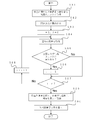
- FIG. 2 is a flowchart showing a processing procedure of the blood pressure information measuring method of the biological information measuring system according to the first embodiment.
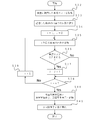
- FIG. 3 is a flowchart showing a processing procedure for providing inspection information of the biological information measurement system according to the first embodiment.
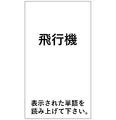
- FIG. 4 is a diagram showing a display example of the touch panel display of the biological information measurement system according to the first embodiment.
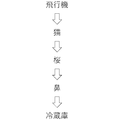
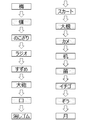
- FIG. 5 is a diagram for explaining the transition of words displayed in the provision of inspection information of the biological information measurement system according to the first embodiment.
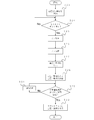
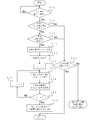
- FIG. 6 is a flowchart showing a procedure for measuring blood pressure information by the sphygmomanometer of the biological information measuring system according to the first embodiment.
- FIG. 7 is a diagram showing a display example of a touch panel display in the blood pressure information measurement process by the sphygmomanometer of the biological information measurement system according to the first embodiment.
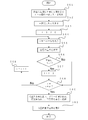
- FIG. 8 is a flowchart showing a processing procedure for confirming the answer of the biological information measurement system according to the first embodiment.
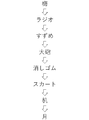
- FIG. 9 is a diagram for explaining the transition of words displayed in the provision of test information of the biometric information measurement system according to the second embodiment.
- FIG. 10 is a flowchart showing a processing procedure for confirming the answer of the biological information measurement system according to the second embodiment.
- FIG. 10 is a flowchart showing a processing procedure for confirming the answer of the biological information measurement system according to the second embodiment.
- FIG. 11 is a diagram for explaining the transition of words provided in the response confirmation process of the biometric information measurement system according to the second embodiment.
- FIG. 12 is a flowchart showing a processing procedure for providing inspection information of the biological information measurement system according to the third embodiment.
- FIG. 13 is a diagram showing a display example of the touch panel display in the inspection information providing process of the third embodiment.
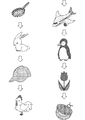
- FIG. 14 is a diagram illustrating a transition of the illustration provided in the inspection information providing process of the third embodiment.
- FIG. 15 is a flowchart showing a processing procedure for confirming the response of the biological information measurement system according to the third embodiment.
- FIG. 16 is a flowchart showing a processing procedure for providing inspection information of the biological information measurement system according to the fourth embodiment.
- FIG. 17 is a flowchart showing a processing procedure for receiving transferred biometric information of the biometric information measurement system according to the fourth embodiment.
- FIG. 1 is a schematic view showing a configuration example of a biological information measurement system 1 which is a biological information acquisition device according to the present embodiment.
- the biometric information measurement system 1 includes a sphygmomanometer 10 as a biometric information measuring device and a smartphone 20 as a terminal, and the sphygmomanometer 10 and the smartphone 20 can communicate with each other.
- the communication method is not particularly limited, and for example, a wireless communication method such as Bluetooth (registered trademark), infrared communication, information transmission by ultrasonic waves, or a wired communication method connected via a cable or a connector can be adopted. ..
- the sphygmomanometer 10 in the present embodiment is a measuring device that measures a user's blood pressure by a so-called oscillometric method, and as shown in FIG. 1, a sensor unit 110, a display unit 120, a communication unit 130, and an input unit. It is configured to include 140, a control unit 150, and a storage unit 160.
- the sensor unit 110 includes a pressure sensor arranged in the cuff portion of the sphygmomanometer 10, and detects a pulse wave from the blood vessel of the user under an appropriate cuff pressure.
- the pulse can be measured in addition to the systolic blood pressure and the diastolic blood pressure based on the pulse wave detected by the sensor unit.
- blood pressure information corresponds to biological information.
- the display unit 120 is formed by, for example, a liquid crystal display or the like, and displays the calculated blood pressure information.
- the communication unit 130 is a communication interface that controls the transmission and reception of signals with the smartphone 20.
- the communication unit 130 is a communication antenna for transmitting and receiving radio waves including radio waves related to short-range wireless communication when the wireless communication method is used, but the communication unit 130 is not limited to this, and a desired known technique can be adopted. Further, the communication unit 130 may use a wired communication method, and a desired known technique can be adopted.
- the communication unit 130 transmits information including an identification number (for example, a serial number) unique to each sphygmomanometer and the measured blood pressure information.
- the input unit 140 is an input means such as a button for receiving input from the user and a touch panel display, and receives various operations such as power ON / OFF, measurement start, and item selection from the user.
- the control unit 150 is a means for controlling the blood pressure monitor 10, and includes, for example, a CPU (Central Processing Unit) and the like.
- the control unit 150 receives an instruction to start measurement from the user via the input unit 140, the control unit 150 pressurizes the cuff and calculates blood pressure information based on the pulse wave detected by the sensor unit 110 under an appropriate cuff pressure. Then, the calculated value is displayed on the display unit 120.
- each component of the sphygmomanometer 10 is controlled so as to execute a process according to the operation of the user via the input unit 140.
- the storage unit 160 is configured to include a long-term storage medium such as a flash memory in addition to a main storage device such as a RAM, and stores various information such as an application program and blood pressure information.
- the measurement result recording unit 170 is a non-volatile memory included in the storage unit 160, and records information such as blood pressure information measured by the sensor unit 110.
- the smartphone 20 includes a communication unit 210, a touch panel display 220, a storage unit 230, a control unit 240, a clock unit 250, a voice input unit 260, and a voice output unit 270.
- the communication unit 210 is a communication interface that controls transmission and reception of signals with the sphygmomanometer 10.
- the communication unit 210 is a communication antenna that transmits and receives radio waves including radio waves related to short-range wireless communication when the wireless communication method is used, and receives measurement information transmitted from the sphygmomanometer 10 and other electronic devices. It also sends and receives radio waves to and from the base station.
- the communication unit 210 may use a wired communication method, and a desired known technique can be adopted.
- the touch panel display 220 serves as both a display means and an input means. It displays various information to the user and accepts various inputs from the user.
- the storage unit 230 is configured to include a long-term storage medium such as a flash memory in addition to a main storage device such as a RAM, and stores various information such as an application program and biometric information.
- the measurement result recording unit 231 is a non-volatile memory included in the storage unit 230, and records information such as blood pressure information received from the sphygmomanometer 10 and the measurement date and time when the blood pressure information was measured.
- the cognitive function test result recording unit 232 is a non-volatile memory included in the storage unit 230, and records the result of the cognitive function test described later.
- the result of this cognitive function test includes, but is not limited to, information on the date and time of the test in which the cognitive function test was performed, the content of the test, and evaluation information such as the correct answer rate.
- the cognitive function test information storage unit 233 is a non-volatile memory included in the storage unit 230, and stores data such as words and illustrations used in the cognitive function test and a program for performing the cognitive function test. In addition, depending on the content of the cognitive function test, information on the time required to elapse from the provision of the test information to the confirmation of the response from the user to the test information is also stored.
- the time adjustment information storage unit 234 is a non-volatile memory included in the storage unit 230.
- the time adjustment information storage unit 234 stores time adjustment information for adjusting the blood pressure measurement time and the time from the cognitive function test to the confirmation of the user's response.
- the time adjustment information is information provided to the user through the touch panel display 220 and the audio output unit 270, and is visually for displaying the measured value so that it can be provided according to the time to be adjusted.
- Various information such as effects, music, moving images, and conversation programs with characters are stored.
- the control unit 240 is a means for controlling the control of the smartphone.
- the control unit 240 is configured to include a CPU and the like, and by executing various programs stored in the storage unit 230, the functions corresponding to these are exhibited.
- the clock unit 250 has a timekeeping function and holds the current date and time information.
- the voice input unit 260 includes a microphone that converts voice into an electric signal, and accepts input of voice information.
- the voice output unit 270 includes a speaker that converts an electric signal into voice, and outputs information by voice.
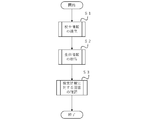
- FIG. 2 is a flowchart showing a processing procedure of a biological information acquisition method including a cognitive function test process, a biological information acquisition process, and a response confirmation process.
- blood pressure information as biological information is acquired by measurement. That is, the biological information acquisition process is realized as a blood pressure information measurement process.
- information for the cognitive function test is provided to the user via the smartphone 20 (step S1).
- the blood pressure information which is biological information, is measured by the sphygmomanometer 10 (step S2).
- the answer to the information for the cognitive function test is received from the user via the smartphone 20 and confirmed (step S3).
- Cognitive function test information provision processing As cognitive function tests, various tests such as MMSE, Hasegawa method (HDS-R), WMS-R, ADAS-J, Cog, MoCA-J, and FCSRT have been proposed.
- a test specializing in memory is performed, but the present invention is not limited to this.
- the cognitive function test if a predetermined time elapses or a predetermined interference task is required before the response by the user, blood pressure information is measured or a substitute for the predetermined time elapse or the predetermined interference task. It is possible to have the user perform the work including. In this way, the cognitive function test can be easily performed along with the measurement of blood pressure information, which is a daily health management, so that the resistance and labor for undergoing the cognitive function test can be reduced, and dementia can be detected early. Can be expected.
- FIG. 3 is a flowchart showing a processing procedure for providing cognitive function test information.
- the cognitive function test of the present embodiment is called word reproduction, in which a plurality of displayed words are memorized by the user, and after a predetermined time or a predetermined interference work, the previously displayed word is verbally displayed. Let them speak.
- the cognitive function test information providing process described below, including other embodiments, is realized by executing the program stored in the storage unit 230 in the control unit 240 of the smartphone 20. That is, the inspection information providing means includes a touch panel display 220, a storage unit 230, a clock unit 250, a voice input unit 260, a voice output unit 270, and a control unit 240 that cooperates with these.
- the cognitive function test function is realized by executing the cognitive function test information providing process and the oral confirmation process described later.
- step S11 When the date and time preset by the user for blood pressure information measurement arrives (step S11), it is determined whether or not the date and time preset as the cognitive function test date has arrived (step S12). If it is determined in step S12 that the cognitive function test date has not arrived, the touch panel display 220 asks the user to confirm whether or not to perform only blood pressure measurement (step S13).
- step S13 when an input is received from the user to perform only blood pressure measurement via the touch panel display 220 or via the voice input unit 260, the cognitive function test information providing process is terminated and described later. Perform blood pressure measurement processing. In this case, when the blood pressure measurement process is completed, the process is completed without performing the answer confirmation process. In step S13, when an input indicating that only blood pressure measurement is not performed is received from the user via the touch panel display 220 or via the voice input unit 260, both the blood pressure measurement process and the response confirmation process are performed. End the process without.
- step S12 If it is determined in step S12 that the cognitive function test date has arrived, the message "Would you like to perform a cognitive level test?" Is displayed on the touch panel display of the smartphone 20, or the voice output unit 270 displays the message. The voice of the message is output and the user is requested to consent (step S14).
- the "Yes” and “No” buttons are displayed on the touch panel display 220 of the smartphone 20, it is detected whether the user touches any of the buttons, and it is determined whether or not there is consent.
- the voice input unit 260 of the smartphone 20 may accept an oral response from the user to make a judgment. If the consent of the user is not obtained, the process proceeds to step S13.
- a list of n words stored in the cognitive function test information storage unit 233 of the storage unit 230 is acquired (step S15).
- a word list may be stored in the cognitive function test information storage unit 233, or n words may be extracted from the word group to form a word list.
- the words constituting the word group may also store the category to which each word belongs.
- the cognitive function test method to be implemented is displayed on the touch panel display 220 of the smartphone 20 and guided (step S16).
- a message is displayed that guides the cognitive function test method, such as "I will display n words one by one. Please read and memorize the displayed words.” This message may also be output by the voice output unit 270 of the smartphone 20.
- step S17 the first word in the word list acquired in step S13 is displayed on the touch panel display 220, and a message prompting the user to read the displayed word is displayed (step S18).
- the word "airplane” is displayed on the touch panel display 220.
- the message prompting the user to read the displayed word may be output via the voice output unit 270.
- the user recognizes the voice reading the i-th word from the voice acquired via the voice input unit 260 of the smartphone 20 (step S19). If the voice for the user to read the i-th word cannot be recognized within a predetermined time, a message prompting the user to read the displayed word again is displayed on the touch panel display 220 or output via the voice output unit 270. You may do so. Further, if the voice of the user reading the i-th word cannot be recognized within a predetermined time, the process may proceed to step S20.
- n different words are sequentially displayed on the touch panel display 220 of the smartphone 20.
- the word list consists of five words: airplane, cat, cherry blossom, nose, and refrigerator.
- the words displayed at this time should all belong to different categories such as vehicles, animals, flowers, body parts, home appliances, and the like.
- the number n of displayed words is not limited to 5, and may be set as appropriate.
- the date and time when the inspection information is provided is, for example, the date and time when the reading voice of the nth word is recognized. Then, the process of providing cognitive function test information is completed.
- step S2 the process proceeds to the blood pressure information measurement process as shown in FIG. 2 (step S2).
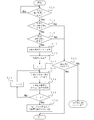
- FIG. 6 is a flowchart showing a processing procedure for measuring blood pressure information.
- the blood pressure information measurement process described below, including other embodiments, is realized by executing the program stored in the storage unit 230 in the control unit 240 of the smartphone 20 and cooperating with the sphygmomanometer 10. At this time, the sphygmomanometer 10 also similarly executes the program stored in the storage unit 160 by the control unit 150.
- the biological information measuring means as the biological information acquisition means includes the touch panel display 220, the storage unit 230, the clock unit 250, the voice input unit 260 and the voice output unit 270, the communication unit 210, and the control unit that cooperates with them. Includes 240.
- the biological information measuring means further includes at least a sensor unit 110, a storage unit 160, a communication unit 130, and a control unit 150 that cooperates with the sensor unit 110, the storage unit 160, and the blood pressure monitor 10.
- step S23 guide the user to start blood pressure measurement (step S23).
- the touch panel display 220 of the smartphone 20 displays the "START” and “STOP” buttons, and says “Let's take a deep breath and then measure the blood pressure.”
- a message prompting the measurement of blood pressure information is displayed on the touch panel display 220 or output from the voice output unit 270.
- a message explaining the blood pressure measurement operation specifically, a message instructing the cuff to be wrapped around the arm may be displayed on the touch panel display 220 or output from the voice output unit 270.
- a predetermined initialization of the sphygmomanometer 10 is performed.
- step 24 When the user wraps the cuff around his arm and presses the "START” button displayed on the touch panel display 220 of the smartphone 20, or the user inputs the voice “start” via the voice input unit 260. Wait (step 24).
- the smartphone 20 sends an instruction to start blood pressure measurement to the sphygmomanometer 10, and the sphygmomanometer 10 that receives the instruction pressurizes the cuff pressure ( Step S25).
- the pressure is increased to a predetermined pressure, the cuff pressure is gradually reduced (step S26).
- step S27 the systolic blood pressure, diastolic blood pressure, and pulse rate are calculated by a known method.
- the systolic blood pressure, diastolic blood pressure, and pulse rate are calculated by the sphygmomanometer 10
- the calculated systolic blood pressure, diastolic blood pressure, and pulse rate are displayed on the display unit 120 of the sphygmomanometer 10, and blood pressure information including the systolic blood pressure is displayed. It is transmitted to the smartphone 20 (step S28).
- the smartphone 20 By receiving the blood pressure information from the sphygmomanometer 10, the smartphone 20 recognizes that the measurement of the blood pressure information by the sphygmomanometer 10 has been completed. Then, it is determined whether or not a predetermined time has elapsed from the provision date and time of the cognitive function test information stored in step S22 (step S29). This predetermined time should be set aside from the provision of cognitive function test information such as word display to the confirmation of the answer such as word reproduction by the user according to the content of the cognitive function test performed in step S1. It's time. Such a predetermined time is stored in the cognitive function test information storage unit 233 of the storage unit 230.
- step S28 If it is determined in step S28 that a predetermined time has passed from the date and time when the cognitive function test information is provided, the touch panel display 220 of the smartphone 20 is displayed with the systolic blood pressure, diastolic blood pressure, and pulse rate calculated in step S27. It is displayed (step S30), and the process ends.
- step S29 the calculated systolic blood pressure, diastolic blood pressure, and pulse rate may be output via the audio output unit 270. If it is determined in step S29 that the predetermined time has not elapsed from the date and time when the cognitive function test information is provided, the process proceeds to step S31.
- step S31 a time adjustment process for adjusting the elapsed time from the provision date and time of the cognitive function test information is performed.
- the time adjustment information stored in the time adjustment information storage unit 234 of the storage unit 230 is provided to the user via the touch panel display 220 and the voice output unit 270.
- the difference between the time to be freed from the provision of the cognitive function test information to the confirmation of the answer (the time to elapse) and the elapsed time up to the present is the time to be adjusted.
- the content of the time adjustment information is selected according to the time to be adjusted.
- the time of the blood pressure information measurement process is determined including the time of providing the selected time adjustment information.
- the time adjustment information includes, for example, music, moving images, games, conversations with characters, and the like, and is provided to the user by reading these files and programs from the time adjustment information storage unit 234 and playing or executing them. These time adjustment information is provided, and a predetermined time elapses from the provision date and time of the cognitive function test information. Depending on the above difference, a plurality of types of information may be provided, or the provision may be stopped in the middle of one piece of information. Further, the time adjustment information is not limited to the one stored in the time adjustment information storage unit 234, and may be provided to the user by a method such as streaming from an external server via the network. Here, the time adjustment information is provided before the blood pressure information is displayed on the touch panel display 220 (step S30).
- the process of simply displaying the blood pressure information this time may be omitted.
- the history including the past blood pressure information recorded in the measurement result recording unit 231 of the storage unit 230 is displayed as a graph, or the current blood pressure information is displayed. May be provided including information related to the current blood pressure information as time adjustment information by imparting a visual or auditory effect to the blood pressure.
- a message prompting the user to read out the display such as systolic blood pressure may be displayed on the touch panel display 220 or output from the voice output unit 270. Further, when the time to be adjusted is as short as about 1 second, the display of blood pressure information (step S30) may be delayed a little as a time adjustment process.
- FIG. 8 is a flowchart showing a processing procedure for confirming the user's response to the provided cognitive function test information.
- the answer confirmation process described below, including other embodiments, is realized by executing the program stored in the storage unit 230 in the control unit 240 of the smartphone 20. That is, the answer confirmation service means includes the touch panel display 220, the storage unit 230, the clock unit 250, the voice input unit 260, the voice output unit 270, and the control unit 240 that cooperates with these.
- step S32 the word list used for the test is acquired from the cognitive function test result recording unit 232 of the storage unit 230.
- a message prompting the user to answer the memorized word verbally is displayed on the touch panel display 220 (step S33). For example, a message such as "Please say a word you remember" is displayed on the touch panel display 220.
- a message prompting an oral answer of the memorized word may be output via the voice output unit 270, or the display and the voice output may be performed at the same time.
- step S34 the voice of the i-th word from the user is acquired via the voice input unit 260 (step S35).
- the cognitive function test result recording unit 232 of the storage unit 230 records (step S40).
- step S41 the user is informed of the next scheduled date for the cognitive function test (step S41). For example, a message such as "Thank you for the inspection. It was done well. Please do the test three more times to get the final result. The next inspection will be done on the X-day.” It is displayed on the display 220. This message may be output via the voice output unit 270. The next test day is recorded in the cognitive function test result recording unit 232 of the memory unit 230, and the next cognitive function test is prompted when the blood pressure information is measured on that day. In this way, the accuracy of the evaluation is further increased by performing the cognitive function test a plurality of times.
- the hurdle for undergoing the cognitive function test is lowered by performing the cognitive function test by taking advantage of the opportunity of measuring the blood pressure information performed as a part of daily health management. Therefore, early detection of dementia can be expected.
- the blood pressure measurement by the sphygmomanometer 10 is started by transmitting the instruction to start the blood pressure measurement from the smartphone 20 to the sphygmomanometer 10, but until the start of the blood pressure measurement.
- the operation of the smartphone 20 and the blood pressure monitor 10 is not limited to this.
- the operation of the blood pressure monitor 10 is guided by the display on the touch panel display 220 and the voice output from the voice output unit 270, and the user presses the button constituting the input unit 140 of the blood pressure monitor 10. Therefore, the blood pressure measurement may be started.
- the smartphone 20 can recognize that the blood pressure measurement has been completed by receiving the blood pressure information transmitted from the blood pressure monitor 10 in step S28, the subsequent processing can be performed in the same manner.
- the cognitive function test of the present embodiment is called word recognition, in which a plurality of displayed words are memorized by the user, and after a predetermined time or a predetermined interference work, a dummy other than the previously displayed word is used. A plurality of words including the word of are displayed, and whether or not the displayed word is the previously displayed word is answered.
- the process of providing cognitive function test information in this embodiment is the same as in FIG.
- the number n of displayed words is set to 8, and as shown in FIG. 9, 8 words are used on the touch panel of the smartphone 20 in the order of plum, radio, suzume, cannon, eraser, skirt, desk, and moon.
- the display 220 is sequentially displayed. These words shall be extracted from at least three or more categories.
- n words (correct answer group) used for providing cognitive function test information are read from the cognitive function test result recording unit 232 of the storage unit 230, and correct answers are obtained from the word group stored in the cognitive function test information storage unit 233.
- M words (dummy group) not included in the group are extracted, and a word list composed of n + m words is acquired (step 51).
- a message instructing the answer method to answer verbally is displayed on the touch panel display 220 (step S52).
- the message guiding the answering method may be output via the voice output unit 270, or the display and the voice output may be performed at the same time.
- step S54 the i-th word is displayed on the touch panel display 220 of the smartphone 20.
- step S55 the voice indicating the answer "yes” or "not” from the user is acquired via the voice input unit 260 (step S55).
- step S56 Analyze the acquired voice and determine whether the answer is correct. That is, the word displayed on the touch panel display 220 in step S54 is included in the correct answer group, and if the obtained answer is "yes", it is determined that the answer is correct, and the obtained answer is "not”. If it is, it is judged that the answer is incorrect. Further, if the word displayed on the touch panel display 220 in step S53 is included in the dummy group and the obtained answer is "not", it is determined that the answer is correct, and the obtained answer is "yes”. If it is, it is judged that the answer is incorrect.
- m is set to 8, and 8 words shown in shading are extracted as a dummy group.
- the order in which the correct answer words are displayed is maintained as shown in FIG. 11, and the dummy words are displayed between the correct answers.
- the display order of the words in the group and the dummy group is not limited to this.
- the display order of the words in the correct answer group may be changed so that dummy words are displayed between the correct answers.
- the user is informed of the next scheduled date of the cognitive function test (step S61). For example, a message such as "Thank you for the inspection. It was done well. Please do the test three more times to get the final result. The next inspection will be done on the X-day.” It is displayed on the display 220. This message may be output via the voice output unit 270.
- the next test day is recorded in the cognitive function test result recording unit 232 of the memory unit 230, and the next cognitive function test is prompted when the blood pressure information is measured on that day.
- the number n of words displayed in the process of providing cognitive function test information is not limited to 8, and may be appropriately set.
- the number of displayed words may be different each time, such as 8 for the first time, 6 for the second time, and 12 for the third time.
- the number of words extracted as a dummy group may be the same as the number of words displayed in the process of providing cognitive function test information, but the difficulty level can be adjusted by increasing or decreasing the number of dummies.
- the hurdle for undergoing the cognitive function test is lowered by performing the cognitive function test by taking advantage of the opportunity of measuring the blood pressure information performed as a part of daily health management. Therefore, early detection of dementia can be expected.
- the third embodiment of the present invention will be described below. A detailed description of the same configuration as that of the first embodiment will be omitted by using the same reference numerals.
- the configuration of the biological information system, the entire flow from the provision of cognitive function test information to the measurement of blood pressure information and the confirmation of the response to the test information, and the content of the blood pressure measurement process are the same as those in the first embodiment. .. Since the content of the cognitive function test is different from that of the first embodiment in the present embodiment, the process of the cognitive function test and the process of confirming the answer to the test information will be described.
- FIG. 12 is a flowchart showing a processing procedure for providing cognitive function test information.
- the cognitive function test of the present embodiment is called word reproduction using an image, and displays an illustration to memorize the article name in the user, and displays it first after a predetermined time or a predetermined interference work. Have the words spoken verbally.
- a list consisting of n illustrations stored in the cognitive function test information storage unit 233 of the storage unit 230 and the article name of the illustration is acquired (step S71).
- the list may be stored in the cognitive function test information storage unit 233, or n pairs may be extracted from a group including a plurality of pairs of illustrations and article names to form a list.
- the cognitive function test method to be implemented is displayed on the touch panel display 220 of the smartphone 20 and guided (step S72).
- a message that guides the method of cognitive function test such as "N n illustrations will be displayed one by one.
- the item name of the displayed illustration will be read aloud, so please repeat and memorize it.”
- This message may also be output by the voice output unit 270 of the smartphone 20.
- step S73 the first illustration of the list acquired in step S71 is displayed on the touch panel display 220, and the voice reading out the article name of the illustration is output from the voice output unit 270 (step S74).
- an illustration of a frying pan is displayed on the touch panel display 220, and the voice output unit 270 outputs the voice "frying pan" which is the name of the article.
- a message prompting the user to repeat the article name may be displayed in the same manner.
- step S75 the user recognizes the voice reciting the article name of the i-th illustration. If the voice for the user to read the i-th word cannot be recognized within a predetermined time, a message prompting the user to read the displayed word is displayed on the touch panel display 220 or output via the voice output unit 270. It may be. Further, if the voice of the user reading the i-th word cannot be recognized within a predetermined time, the process may proceed to step S76.
- different illustrations are sequentially displayed on the touch panel display 220 of the smartphone 20.
- the list consists of eight illustrations: a frying pan, a rabbit, a hat, a chicken, an airplane, a penguin, a tulip, and a castanets. The illustrations displayed at this time should all belong to different categories.
- the number n of the displayed illustrations is not limited to 8, and may be set as appropriate. When the same test is repeated a plurality of times, the number of displayed words may be increased as the number of times is increased, such as 8 for the first time and 12 for the second time.
- the cognitive function test result recording unit 232 of the storage unit 230 step S78.
- the date and time when the inspection information is provided is, for example, the date and time when the reading voice of the nth word is recognized. Then, the process of providing cognitive function test information is completed.
- the touch panel display 220 displays a message prompting the user to answer the memorized article name verbally (step S82). For example, a message such as "Please tell me the name of the item you remember" is displayed on the touch panel display 220.
- a message prompting an oral response to the memorized article name may be output via the voice output unit 270, or the display and the voice output may be performed at the same time.
- step S83 the voice of the i-th word from the user is acquired via the voice input unit 260 (step S84).
- step S90 the user is informed of the scheduled date for the next cognitive function test (step S90). For example, a message such as "Thank you for the inspection. It was done well. Please do the test three more times to get the final result. The next inspection will be done on the X-day.” It is displayed on the display 220. This message may be output via the voice output unit 270. The next test day is recorded in the cognitive function test result recording unit 232 of the memory unit 230, and the next cognitive function test is prompted when the blood pressure information is measured on that day. In this way, the accuracy of the evaluation is further increased by performing the cognitive function test a plurality of times.
- the hurdle for undergoing the cognitive function test is lowered by performing the cognitive function test by taking advantage of the opportunity of measuring the blood pressure information performed as a part of daily health management. Therefore, early detection of dementia can be expected.
- the biological information is acquired by receiving the transfer of the biological information already measured by the biological information measuring device. That is, the biometric information acquisition process is realized as a transfer biometric information reception process.
- the same reference numerals are used for the configurations and processes common to those in the first embodiment, and detailed description thereof will be omitted.
- Biological information includes, for example, blood pressure, body weight, body composition, amount of exercise, and body temperature, but is not limited thereto.
- the schematic configuration of the biological information measurement system 1 which is the biological information acquisition device is the same as that of the first embodiment shown in FIG.
- the sphygmomanometer 10 stores the blood pressure information as the already measured biological information in the measurement result recording unit 170 of the storage unit 160. Then, by transferring the measurement result stored in the measurement result recording unit 170 by the sphygmomanometer 10 to the smartphone 20, the smartphone 20 acquires the blood pressure information recorded in the measurement result recording unit 170 of the sphygmomanometer 10.
- the blood pressure monitor 10 will be described as an example, but the biometric information stored from a plurality of biometric information measuring instruments including a weight scale, a body composition meter, an exercise meter, a thermometer, etc., which are communicably connected to the smartphone 20. May be transferred.
- the device that is communicably connected to the smartphone 20 and transfers biological information may be a biological information measuring device having a biological information measuring function, or another living body that does not have a biological information measuring function by itself. It may be a device that stores biological information measured by an information measuring device.
- related information is transferred as information having some relation to biological information including environmental conditions such as temperature and atmospheric pressure stored in a predetermined area of the storage unit 160.
- a biometric information measuring device having a biometric information measuring function and a device that does not have a biometric information assumption function but stores biometric information and related information measured by other biometric information measuring instruments. It is called a biological information holding device.
- the processing procedure of the biometric information acquisition method including the cognitive function test process, the biometric information acquisition process and the answer confirmation process is the same as that of the first embodiment shown in FIG.
- FIG. 16 shows the cognitive function test information providing process. Only the part different from the cognitive function test information providing process of the first embodiment shown in FIG. 3 will be described.
- the message "Do you want to transfer biometric information?" Is displayed on the touch panel display 220 of the smartphone 20, or the voice of the message is output from the voice output unit 270, and the biometric information or the like is output to the user.
- Request consent for the transfer of step S91).
- a plurality of bio-related information holding devices are communicably connected to the smartphone 20
- a list of a plurality of bio-related information holding devices including the blood pressure monitor 10 is displayed on the touch panel display 220 of the smartphone 20 to display the bio-information. Consent may be sought in a manner that allows the selection of a bio-related information holding device to be transferred.
- step S12 The process of step S12 is the same as that of the first embodiment. If it is determined in step S12 that the cognitive function test date has not arrived, the touch panel display 220 or the voice output unit 270 is requested to confirm whether or not the user only transfers biological information or the like (step). S92). In step S92, when an input to the effect that only biometric information is transferred is received from the user via the touch panel display 220 or the voice input unit 260, the cognitive function test information providing process is terminated. The transfer biometric information reception process described later is performed. In this case, when the transfer biometric information reception process is completed, the process is completed without performing the answer confirmation process.
- step S92 when an input is received from the user via the touch panel display 220 or the voice input unit 260 to the effect that only the biometric information is not transferred, the transfer biometric information reception process and the response confirmation are received.
- the process ends without performing any of the processes.
- FIG. 17 is a flowchart showing a processing procedure for receiving transferred biometric information.
- the transfer biometric information reception process described below is realized by executing the program stored in the storage unit 230 in the control unit 240 of the smartphone 20 and cooperating with the sphygmomanometer 10. At this time, the sphygmomanometer 10 also similarly executes the program stored in the storage unit 160 by the control unit 150.
- the biological information acquisition means includes a touch panel display 220, a storage unit 230, a clock unit 250, a voice input unit 260 and a voice output unit 270, a communication unit 210, and a control unit 240 that cooperates with these of the smartphone 20.
- the biometric information acquisition means further includes at least a storage unit 160, a communication unit 130, and a control unit 150 that cooperates with the sphygmomanometer 10.
- step S93 guide the user to start transferring biometric information (step S93).
- the touch panel display 220 of the smartphone 20 displays the "START” button, and the touch panel displays a message instructing the transfer to start, "Press the START button or say start to start the transfer.” It is displayed on the display 220 or output from the audio output unit 270.
- the "START” button is pressed or the voice "start” is detected the blood pressure information stored in the measurement result recording unit 170 of the sphygmomanometer 10 is received (step S95).
- the bio-related information is sequentially received from each bio-related information holding device.
- step S29 The processing of steps S29 and S31 is the same as that of the first embodiment shown in FIG. If it is determined in step S29 that a predetermined time has elapsed from the date and time when the cognitive function test information is provided, the biometric information received in step S95 is displayed on the touch panel display 220 of the smartphone 20 (step S96). , End the process. In step S96, the received biometric information may be output via the voice output unit 270.
- the hurdle for undergoing the cognitive function test is lowered by performing the cognitive function test by utilizing the opportunity of transferring the biometric information measured as a part of daily health management. Therefore, early detection of dementia can be expected.
- the processing of step S26 and step S28 in the blood pressure information measurement processing may be performed in another procedure in the blood pressure information measurement processing.
- the content of the cognitive function test is not limited to that described in the first, second, and third embodiments, and other cognitive function tests may be adopted, in the first, second, and third embodiments.
- the cognitive function tests described may be combined.
- the test information such as the number of words and illustrations provided as cognitive function test information and the difficulty level
- the time required from the end of the cognitive function test information provision process to the start of the answer confirmation process can be expanded or contracted. Therefore, the test information may be changed so that this time matches the time required for the blood pressure information measurement process.
- a biological information measurement system including a sphygmomanometer for measuring blood pressure information has been described as a biological information measuring device.
- a biological information measuring device a weight scale that measures body weight as biological measurement information, a body composition meter that measures body composition such as body fat percentage, an exercise meter that measures exercise amount such as steps and calories burned, and a body temperature meter that measures body temperature.
- the present invention can also be applied to the biological information measurement system provided.
- the sphygmomanometer 10 is configured to be able to measure blood pressure information by itself, but in FIG. 1, the input unit 140 and the display unit 120 are omitted, and the input of operation information and the display of various information are performed. It can also be configured to be performed from the smartphone 20 side. Further, in FIG. 1, the measurement result recording unit 170 may be omitted, and the measurement result may be recorded on the smartphone 20 side.
- the biological information measurement system includes a smartphone 20 as a terminal, but the terminal is not limited to this, and the terminal is not limited to this, and is a stationary information in addition to a portable information terminal such as a tablet terminal or a laptop computer. It may be a terminal.
- the blood pressure information is measured between the provision of the cognitive function test information and the confirmation of the response from the user to the cognitive function test information. There is. If each process is performed in this order, for an inspection that confirms both the answer immediately after memorization (first answer) and the answer after a while (second answer). Before measuring the blood pressure information, the cognitive function test information is provided and the first response from the user to the cognitive function test information is confirmed. After the blood pressure information is measured, the user gives the cognitive function test information. You may want to confirm the second answer of.
- the response may be confirmed before and after the blood pressure information measurement.
- the start of blood pressure measurement is guided after the cognitive function test information provision process is completed.
- exercise tasks such as stepping and stepping up and down may be imposed before measuring the biological information, and then the biological information may be measured. ..
- the exercise task can be incorporated into the measurement of biological information as a means of adjusting the time.
- the time can be adjusted by displaying the timing of stepping and the number of times of stepping up and down on the touch panel display 220 of the smartphone 20 or outputting from the voice output unit 270.
- the measurement of the biometric information described in the first to third embodiments may be combined with the transfer of the biometric information described in the fourth embodiment.
- the measurement of blood pressure information by the sphygmomanometer 10 and the transfer of the blood pressure information can be performed in combination, or the measurement of the blood pressure information by the sphygmomanometer 10 and the transfer of the biological information from another biometric information measuring device. It can also be done in combination with.
- Biometric information measurement system 10 ... Sphygmomanometer 20 ... Smartphone 110 ... Sensor unit 130 ... Communication unit 150 ... Control unit 160 ... Storage unit 210 ... Communication unit 220 ... Touch panel display 230 ... Storage unit 240 ... Control unit 250 ... Clock unit 260 ... Audio input unit 270 ... Audio output unit
Landscapes
- Health & Medical Sciences (AREA)
- Life Sciences & Earth Sciences (AREA)
- Engineering & Computer Science (AREA)
- Public Health (AREA)
- Medical Informatics (AREA)
- General Health & Medical Sciences (AREA)
- Biomedical Technology (AREA)
- Pathology (AREA)
- Heart & Thoracic Surgery (AREA)
- Molecular Biology (AREA)
- Surgery (AREA)
- Animal Behavior & Ethology (AREA)
- Physics & Mathematics (AREA)
- Biophysics (AREA)
- Veterinary Medicine (AREA)
- Neurology (AREA)
- Physiology (AREA)
- Cardiology (AREA)
- Developmental Disabilities (AREA)
- Psychology (AREA)
- Psychiatry (AREA)
- Hospice & Palliative Care (AREA)
- Child & Adolescent Psychology (AREA)
- Neurosurgery (AREA)
- Primary Health Care (AREA)
- Epidemiology (AREA)
- Social Psychology (AREA)
- Computer Networks & Wireless Communication (AREA)
- Vascular Medicine (AREA)
- Databases & Information Systems (AREA)
- Data Mining & Analysis (AREA)
- Educational Technology (AREA)
- Measuring And Recording Apparatus For Diagnosis (AREA)
- Measuring Pulse, Heart Rate, Blood Pressure Or Blood Flow (AREA)
- Medical Treatment And Welfare Office Work (AREA)
Abstract
日常的な健康管理の一環として認知機能検査を受けることが可能な生体情報取得装置を提供する。認知機能検査情報を提供する(ステップS1)。その後に、干渉作業として、生体情報を取得する(ステップS2)。生体情報の取得の後に、先に提供された認知機能検査情報に対する使用者からの回答を確認する(ステップS3)。
Description
本発明は、生体情報取得装置及び生体情報取得方法に関する。
近年、高齢者の増加に伴い、認知症への取り組みが課題となっている。認知症とは、一旦正常に発達した知的機能が持続的に低下し、記憶機能をはじめとして、複数の知的機能の障害により社会生活に支障をきたすようになった状態を指す。認知症における知的機能の障害には、軽度のものから高度のものまであり、段階的に進行するとされている。中度認知症まで進行すると、日常生活に支障が生じるが、軽度認知症の状態であれば、生活習慣改善や抗認知症薬による効果が見られることから、早期発見・早期治療が重要である。
認知症の早期発見のために行われる認知機能検査としては、MMSE,長谷川式(HDS-R),WMS-R,ADAS-J,Cog,MoCA-J,FCSRT等の種々の検査が提案されている。医療機関において認知症の診断を行う場合には、これらの認知機能検査のうち複数の検査が組み合わせて行われ、さらに神経学的な診察やMRI等も行われる。このように認知症の診断に要する間が長くなることから、高齢者等の認知症の検査対象者にとっても受診のハードルが高く、このことは早期発見を妨げる一因となっている。
特許文献1には、医療機関での待ち時間に短時間で認知症の簡易診断テストを提供する認知症診断支援システムが提案されている。
しかしながら、このような簡易診断テストを受けるためには、システムが設置された医療機関に出向かなければならず、日常的な健康管理のなかで手軽に検査を受けることができなかった。
上記のような従来の技術に鑑み、本発明は、日常的な健康管理の一環として認知機能検査を受けることが可能な生体情報取得装置を提供することを目的とする。
上記の課題を解決するため、本発明に係る生体情報取得装置は、
認知機能検査機能を有する生体情報取得装置であって、
認知機能を検査するための検査情報を使用者へ提供する検査情報提供処理を行う提供手段と、
前記使用者の生体情報を取得する生体情報取得処理を行う生体情報取得手段と、
前記使用者からの前記検査情報に対する回答を確認する回答確認処理を行う回答確認手段と、
を有し、
前記検査情報提供処理、前記使用者の前記生体情報の取得、前記使用者からの前記検査情報の回答確認の順番で行うことを特徴とする。
認知機能検査機能を有する生体情報取得装置であって、
認知機能を検査するための検査情報を使用者へ提供する検査情報提供処理を行う提供手段と、
前記使用者の生体情報を取得する生体情報取得処理を行う生体情報取得手段と、
前記使用者からの前記検査情報に対する回答を確認する回答確認処理を行う回答確認手段と、
を有し、
前記検査情報提供処理、前記使用者の前記生体情報の取得、前記使用者からの前記検査情報の回答確認の順番で行うことを特徴とする。
このようにすれば、日常的な健康管理の一環として生体情報を取得する際に、認知機能検査を受けることができる。
ここで、生体情報としては、最高血圧、最低血圧、脈拍等の血圧情報や、体重、体脂肪率等の体組成、歩数や消費カロリー等の運動量、心拍数、心電データ、呼吸数、体温等が含まれるがこれに限られない。
また、認知機能検査としては、公知のMMSE,長谷川式(HDS-R),WMS-R,ADAS-J,Cog,MoCA-J,FCSRT等の種々の検査を参照しつつ、記憶に特化した検査等のように適宜の認知機能検査を採用することができる。
ここで、生体情報としては、最高血圧、最低血圧、脈拍等の血圧情報や、体重、体脂肪率等の体組成、歩数や消費カロリー等の運動量、心拍数、心電データ、呼吸数、体温等が含まれるがこれに限られない。
また、認知機能検査としては、公知のMMSE,長谷川式(HDS-R),WMS-R,ADAS-J,Cog,MoCA-J,FCSRT等の種々の検査を参照しつつ、記憶に特化した検査等のように適宜の認知機能検査を採用することができる。
また、本発明において、
前記生体情報取得処理の時間と、前記検査情報提供処理の終了後、前記回答確認処理を開始するまでに経過すべき時間とを合せるようにしてもよい。
前記生体情報取得処理の時間と、前記検査情報提供処理の終了後、前記回答確認処理を開始するまでに経過すべき時間とを合せるようにしてもよい。
このようにすれば、生体情報取得処理の時間を、検査情報提供処理の終了後、回答確認処理を開始するまでに必要とされる経過すべき時間に適合させることにより、生体情報取得処理を、認知機能検査のために有効に活用することができる。
また、本発明において、
前記検査情報提供処理を終了してから、前記回答確認処理を開始するまでに経過すべき時間が、前記生体情報取得処理を行うように、前記検査情報の内容を変更するようにしてもよい。
前記検査情報提供処理を終了してから、前記回答確認処理を開始するまでに経過すべき時間が、前記生体情報取得処理を行うように、前記検査情報の内容を変更するようにしてもよい。
ここでは、検査情報の内容には、例えば、画像記憶や単語記憶等の検査の種類、難易度、問題数等を含むがこれらに限られない。
また、本発明において、
前記検査情報提供処理を終了してから、前記回答確認処理を開始するまでに経過すべき時間に、前記生体情報取得処理を行うように、前記生体情報取得処理を行う時間の長さを決定するようにしてもよい。
前記検査情報提供処理を終了してから、前記回答確認処理を開始するまでに経過すべき時間に、前記生体情報取得処理を行うように、前記生体情報取得処理を行う時間の長さを決定するようにしてもよい。
また、本発明において、
前記生体情報取得処理は、測定によって前記生体情報を取得する処理であるようにしてもよい。
前記生体情報取得処理は、測定によって前記生体情報を取得する処理であるようにしてもよい。
このようにすれば、日常的な健康管理の一環として生体情報を測定する際に、認知機能検査を受けることができる。
また、本発明において、
前記生体情報取得処理は、生体情報測定器によって測定された前記生体情報の転送を受けることによって取得する処理であるようにしてもよい。
前記生体情報取得処理は、生体情報測定器によって測定された前記生体情報の転送を受けることによって取得する処理であるようにしてもよい。
このようにすれば、日常の健康管理の一環として測定された生体情報の転送の機会を利用して、認知機能検査を受けることができる。また、生体情報測定器によって測定された生体情報に限らず、気温や気圧等の環境情報等を含め生体情報と関連を有する関連情報を含めて転送を受けるようにしてもよい。
また、本発明は、
認知機能検査機能を有する生体情報取得方法であって、
認知機能を検査するための検査情報を使用者に提供するステップと、
前記使用者の生体情報を取得するステップと、
前記使用者からの前記検査情報に対する回答を確認するステップと、
を順に行うことを特徴とする。
認知機能検査機能を有する生体情報取得方法であって、
認知機能を検査するための検査情報を使用者に提供するステップと、
前記使用者の生体情報を取得するステップと、
前記使用者からの前記検査情報に対する回答を確認するステップと、
を順に行うことを特徴とする。
このようにすれば、日常的な健康管理の一環として、生体情報を取得する際に、認知機能検査を受けることができる。
ここで、生体情報としては、最高血圧、最低血圧、脈拍等の血圧情報や、体重、体脂肪率等の体組成、歩数や消費カロリー等の運動量、心拍数、心電データ、呼吸数、体温等が含まれるがこれに限られない。
また、認知機能検査としては、公知のMMSE,長谷川式(HDS-R),WMS-R,ADAS-J,Cog,MoCA-J,FCSRT等の種々の検査を参照しつつ、記憶に特化した検査等のように適宜の認知機能検査を採用することができる。
ここで、生体情報としては、最高血圧、最低血圧、脈拍等の血圧情報や、体重、体脂肪率等の体組成、歩数や消費カロリー等の運動量、心拍数、心電データ、呼吸数、体温等が含まれるがこれに限られない。
また、認知機能検査としては、公知のMMSE,長谷川式(HDS-R),WMS-R,ADAS-J,Cog,MoCA-J,FCSRT等の種々の検査を参照しつつ、記憶に特化した検査等のように適宜の認知機能検査を採用することができる。
本発明によれば、日常的な健康管理の一環として認知機能検査を受けることが可能な生体情報取得装置を提供することができる。
以下、本発明の具体的な実施形態について図面に基づいて説明する。
<実施形態1>
まず図1から図15に基づいて、本発明の実施形態の一例について説明する。ただし、この実施形態に記載されている構成部品の寸法、材質、形状、その相対配置などは、特に記載がない限りは、この発明の範囲をそれらのみに限定する趣旨のものではない。
まず図1から図15に基づいて、本発明の実施形態の一例について説明する。ただし、この実施形態に記載されている構成部品の寸法、材質、形状、その相対配置などは、特に記載がない限りは、この発明の範囲をそれらのみに限定する趣旨のものではない。
(システム構成)
図1は本実施形態に係る生体情報取得装置である生体情報測定システム1の構成例を示す概略図である。図1に示すように、生体情報測定システム1は、生体情報測定器としての血圧計10と、端末としてのスマートフォン20を含んでおり、血圧計10とスマートフォン20とは通信可能な構成となっている。通信の方式は特に限定されないが、例えば、Bluetooth(登録商標)、赤外線通信、超音波による情報伝送などの無線通信方法、ケーブル又はコネクタ等を介して接続される有線通信方式を採用することができる。
図1は本実施形態に係る生体情報取得装置である生体情報測定システム1の構成例を示す概略図である。図1に示すように、生体情報測定システム1は、生体情報測定器としての血圧計10と、端末としてのスマートフォン20を含んでおり、血圧計10とスマートフォン20とは通信可能な構成となっている。通信の方式は特に限定されないが、例えば、Bluetooth(登録商標)、赤外線通信、超音波による情報伝送などの無線通信方法、ケーブル又はコネクタ等を介して接続される有線通信方式を採用することができる。
(血圧計)
本実施形態における血圧計10は、いわゆるオシロメトリック法により使用者の血圧を測定する計測機器であり、図1に示すように、センサ部110と、表示部120と、通信部130と、入力部140と、制御部150と、記憶部160を含んで構成される。
本実施形態における血圧計10は、いわゆるオシロメトリック法により使用者の血圧を測定する計測機器であり、図1に示すように、センサ部110と、表示部120と、通信部130と、入力部140と、制御部150と、記憶部160を含んで構成される。
センサ部110は、血圧計10のカフ部分に配置される圧力センサを備えており、適正なカフ圧下で使用者の血管から脈波を検出する。本実施形態における血圧計10では、センサ部が検出する脈波に基づいて、最高血圧、最低血圧に加えて脈拍も計測可能である。以下、最高血圧、最低血圧、脈拍の値をまとめて血圧情報という。本実施形態では、血圧情報が生体情報に相当する。
表示部120は、例えば液晶ディスプレイなどによって形成され、算出された血圧情報を表示する。
通信部130は、スマートフォン20と信号の送受信を司る通信インタフェースである。通信部130は、無線通信方法による場合には、近距離無線通信に係る電波を含む電波を送受信する通信アンテナであるがこれに限られず、所望の公知技術を採用することができる。また、通信部130は、有線通信方法によってもよく、所望の公知技術を採用することができる。通信部130によって、血圧計それぞれに固有の識別番号(例えば、シリアルナンバーなど)と、計測された血圧情報を含む情報が送信される。
入力部140は、使用者からの入力を受け付けるボタン、タッチパネルディスプレイなどの入力手段であり、使用者から、電源のON/OFF、計測の開始、項目の選択などの各種操作を受け付ける。
制御部150は、血圧計10の制御を司る手段であり、例えば、CPU(CentralProcessing Unit)などを含んで構成される。制御部150は、入力部140を介して使用者からの計測開始の指示を受け付けるとカフを加圧し、適切なカフ圧下で、センサ部110が検出した脈波に基づいて血圧情報を算出する。そして、表示部120に当該算出した値を表示する。その他、入力部140を介して使用者の操作に応じた処理を実行するように血圧計10の各構成要素を制御する。
記憶部160は、RAMなどの主記憶装置の他、例えばフラッシュメモリなどの長期記憶媒体を含んで構成され、アプリケーションプログラム、血圧情報、などの各種の情報を記憶する。
測定結果記録部170は、記憶部160に含まれる不揮発性メモリであって、センサ部110によって測定された血圧情報等の情報を記録する。
測定結果記録部170は、記憶部160に含まれる不揮発性メモリであって、センサ部110によって測定された血圧情報等の情報を記録する。
(スマートフォン)
スマートフォン20は、図1に示すように、通信部210、タッチパネルディスプレイ220、記憶部230、制御部240、時計部250、音声入力部260、音声出力部270を含んで構成される。
スマートフォン20は、図1に示すように、通信部210、タッチパネルディスプレイ220、記憶部230、制御部240、時計部250、音声入力部260、音声出力部270を含んで構成される。
通信部210は、血圧計10との信号の送受信を司る通信インタフェースである。通信部210は、無線通信方法による場合には、近距離無線通信に係る電波を含む電波を送受信する通信アンテナであり、血圧計10から送信された計測情報を受信する他、他の電子機器や基地局とも電波の送受信を行う。通信部210は、有線通信方法によるものであってもよく、所望の公知技術を採用することができる。
タッチパネルディスプレイ220は、表示手段と入力手段とを兼ねる。各種情報を使用者に表示し、使用者からの各種入力を受け付ける。
記憶部230は、RAMなどの主記憶装置の他、例えばフラッシュメモリなどの長期記憶媒体を含んで構成され、アプリケーションプログラム、生体情報、などの各種の情報を記憶する。
測定結果記録部231は、記憶部230に含まれる不揮発性メモリであって、血圧計10から受信した血圧情報や当該血圧情報が測定された測定日時等の情報を記録する。
認知機能検査結果記録部232は、記憶部230に含まれる不揮発性メモリであって、後述する認知機能検査の結果を記録する。この認知機能検査の結果には、認知機能検査が行われた検査日時の情報や、検査の内容、正答率等の評価情報が含まれるが、これらに限られない。
認知機能検査情報記憶部233は、記憶部230に含まれる不揮発性メモリであって、認知機能検査に用いられる単語、イラスト等のデータや認知機能検査を実施するためのプログラムを記憶する。また、認知機能検査の内容に応じて、検査情報の提供から、当該検査情報に対する使用者からの回答を確認するまでに必要な経過すべき時間に関する情報も記憶する。
時間調整情報記憶部234は、記憶部230に含まれる不揮発性メモリである。時間調整情報記憶部234には、血圧測定時間や、認知機能検査実施から使用者の回答確認までの時間を調整するための時間調整情報が記憶される。時間調整情報は、具体的には、タッチパネルディスプレイ220や、音声出力部270を通じて、使用者に提供される情報であり、調整すべき時間に応じて提供できるように、測定値表示のための視覚効果、音楽、動画、キャラクターとの会話プログラム等、種々の情報が記憶される。
制御部240はスマートフォンの制御を司る手段であり、例えばCPUなどを含んで構成され、記憶部230に格納された各種プログラムを実行することにより、これらに応じた機能を発揮する。
時計部250は、計時機能を有し、現在の日時情報を保持する。
音声入力部260は、音声を電気信号に変換するマイクを含み、音声による情報の入力を受け付ける。
音声出力部270は、電気信号を音声に変換するスピーカを含み、音声による情報の出力を行う。
(血圧情報取得方法)
図2は、認知機能検査処理、生体情報取得処理及び回答確認処理を含む生体情報取得方法の処理手順を示すフローチャートである。ここでは、生体情報としての血圧情報を、測定により取得している。すなわち、生体情報取得処理は、血圧情報測定処理として実現される。
まず、スマートフォン20を介して、認知機能検査のための情報が使用者に提供される(ステップS1)。
次に、血圧計10により生体情報である血圧情報の測定が行われる(ステップS2)。 次に、スマートフォン20を介して、認知機能検査のための情報に対する回答を使用者から受け付けて確認する(ステップS3)。
図2は、認知機能検査処理、生体情報取得処理及び回答確認処理を含む生体情報取得方法の処理手順を示すフローチャートである。ここでは、生体情報としての血圧情報を、測定により取得している。すなわち、生体情報取得処理は、血圧情報測定処理として実現される。
まず、スマートフォン20を介して、認知機能検査のための情報が使用者に提供される(ステップS1)。
次に、血圧計10により生体情報である血圧情報の測定が行われる(ステップS2)。 次に、スマートフォン20を介して、認知機能検査のための情報に対する回答を使用者から受け付けて確認する(ステップS3)。
(認知機能検査情報提供処理)
認知機能検査としては、MMSE,長谷川式(HDS-R),WMS-R,ADAS-J,Cog,MoCA-J,FCSRT等の種々の検査が提案されている。本実施形態では、血圧計10による血圧情報の測定時間を有効に利用するために、特に、記憶に特化した検査を行うが、これに限られない。認知機能検査の実施において、使用者による回答までに所定時間の経過や、所定の干渉課題が要求される場合には、この所定時間の経過や所定の干渉課題の代替として血圧情報の測定又はこれを含む作業を使用者に行わせることができる。このようにすれば、日常の健康管理である血圧情報の測定とともに、認知機能検査を手軽に行うことができるので、認知機能検査を受けるための抵抗感や手間を低減し、認知症の早期発見を期待できる。
認知機能検査としては、MMSE,長谷川式(HDS-R),WMS-R,ADAS-J,Cog,MoCA-J,FCSRT等の種々の検査が提案されている。本実施形態では、血圧計10による血圧情報の測定時間を有効に利用するために、特に、記憶に特化した検査を行うが、これに限られない。認知機能検査の実施において、使用者による回答までに所定時間の経過や、所定の干渉課題が要求される場合には、この所定時間の経過や所定の干渉課題の代替として血圧情報の測定又はこれを含む作業を使用者に行わせることができる。このようにすれば、日常の健康管理である血圧情報の測定とともに、認知機能検査を手軽に行うことができるので、認知機能検査を受けるための抵抗感や手間を低減し、認知症の早期発見を期待できる。
図3は、認知機能検査情報提供の処理手順を示すフローチャートである。本実施形態の認知機能検査は、単語再生といわれるものであり、表示された複数の単語を使用者に記憶させ、所定の時間又は所定の干渉作業の後に、先に表示された単語を口頭で発語させる。他の実施例を含め、以下に説明する認知機能検査情報提供処理は、記憶部230に記憶されたプログラムをスマートフォン20の制御部240において実行することによって実現される。すなわち、タッチパネルディスプレイ220、記憶部230、時計部250、音声入力部260及び音声出力部270及び、これらと協働する制御部240を含んで検査情報提供手段が構成される。また、認知機能検査情報提供処理及び後述する口頭確認処理を実行することにより、認知機能検査機能が実現される。
使用者が血圧情報測定の日時として予め設定した日時が到来すると(ステップS11)、認知機能検査日として予め設定された日が到来しているか否かを判断する(ステップS12)。
ステップS12において認知機能検査日が到来していないと判断された場合には、タッチパネルディスプレイ220により、使用者に血圧測定のみを行うか否かの確認を求める(ステップS13)。ステップS13において、タッチパネルディスプレイ220を介して、または音声入力部260を介して、使用者から血圧測定のみを行う旨の入力を受け付けた場合には、認知機能検査情報提供処理を終了して、後述する血圧測定処理を行う。この場合には、血圧測定処理が終了すれば、回答確認処理を行わずに処理を終了する。ステップS13において、タッチパネルディスプレイ220を介して、または音声入力部260を介して、使用者から血圧測定のみを行わない旨の入力を受け付けた場合には、血圧測定処理および回答確認処理のいずれも行わずに処理を終了する。
ステップS12において認知機能検査日が到来していないと判断された場合には、タッチパネルディスプレイ220により、使用者に血圧測定のみを行うか否かの確認を求める(ステップS13)。ステップS13において、タッチパネルディスプレイ220を介して、または音声入力部260を介して、使用者から血圧測定のみを行う旨の入力を受け付けた場合には、認知機能検査情報提供処理を終了して、後述する血圧測定処理を行う。この場合には、血圧測定処理が終了すれば、回答確認処理を行わずに処理を終了する。ステップS13において、タッチパネルディスプレイ220を介して、または音声入力部260を介して、使用者から血圧測定のみを行わない旨の入力を受け付けた場合には、血圧測定処理および回答確認処理のいずれも行わずに処理を終了する。
ステップS12において、認知機能検査日が到来していると判断された場合には、スマートフォン20のタッチパネルディスプレイに「認知レベルテストをしませんか。」というメッセージを表示し、又は、音声出力部270から当該メッセージの音声を出力し、使用者に同意を求める(ステップS14)。
このとき、スマートフォン20のタッチパネルディスプレイ220に「はい」及び「いいえ」のボタンを表示して、使用者がいずれかのボタンに触れたかを検出し、同意の有無を判断する。または、スマートフォン20の音声入力部260から使用者の口頭による回答を受け付けて判断するようにしてもよい。
使用者の同意が得られない場合には、ステップS13に進む。
使用者の同意が得られた場合には、記憶部230の認知機能検査情報記憶部233に記憶されているn個の単語リストを取得する(ステップS15)。認知機能検査情報記憶部233には、単語リストが記憶されていてもよいし、単語群からn個の単語を抽出して単語リストを構成するようにしてもよい。このとき、単語群を構成する単語には、各単語が属するカテゴリーも併せて記憶されていてもよい。
使用者の同意が得られない場合には、ステップS13に進む。
使用者の同意が得られた場合には、記憶部230の認知機能検査情報記憶部233に記憶されているn個の単語リストを取得する(ステップS15)。認知機能検査情報記憶部233には、単語リストが記憶されていてもよいし、単語群からn個の単語を抽出して単語リストを構成するようにしてもよい。このとき、単語群を構成する単語には、各単語が属するカテゴリーも併せて記憶されていてもよい。
次に、これから実施する認知機能検査方法をスマートフォン20のタッチパネルディスプレイ220に表示して案内する(ステップS16)。ここでは、「これからn個の単語を1個ずつ表示します。表示された単語を読み上げて記憶して下さい。」のような認知機能検査の方法を案内するメッセージを表示する。このメッセージは併せて、スマートフォン20の音声出力部270が出力してもよい。
次に、i=1とおく(ステップS17)。
そして、図4に示すように、ステップS13で取得した単語リストの1番目の単語をタッチパネルディスプレイ220に表示し、使用者に表示された単語を読み上げるように促すメッセージを表示する(ステップS18)。ここでは、タッチパネルディスプレイ220に「飛行機」という単語が表示されている。表示された単語を読み上げるように促すメッセージは、音声出力部270を介して出力するようにしてもよい。
そして、図4に示すように、ステップS13で取得した単語リストの1番目の単語をタッチパネルディスプレイ220に表示し、使用者に表示された単語を読み上げるように促すメッセージを表示する(ステップS18)。ここでは、タッチパネルディスプレイ220に「飛行機」という単語が表示されている。表示された単語を読み上げるように促すメッセージは、音声出力部270を介して出力するようにしてもよい。
スマートフォン20の音声入力部260を介して取得した音声から、使用者がi番目の単語を読み上げる音声を認識する(ステップS19)。使用者がi番目の単語を読み上げる音声が所定時間内に認識できない場合には、表示された単語を読み上げるように再度促すメッセージをタッチパネルディスプレイ220に表示するか、音声出力部270を介して出力するようにしてもよい。また、使用者がi番目の単語を読み上げる音声が所定時間内に認識できない場合には、ステップS20に進むようにしてもよい。
使用者がi番目の単語を読み上げる音声を認識すると、i=nか否かを判断する(ステップS20)。
ステップS18において、i=nではない場合には、i=i+1とし(ステップS21)、ステップS18に戻り、ステップS15で取得した単語リストの次の単語についてステップS18以降の処理を繰り返す。このようにして、図5に示すように、スマートフォン20のタッチパネルディスプレイ220には、順次、n個の異なる単語が表示される。ここでは、単語リストは、飛行機、猫、桜、鼻、冷蔵庫の5個の単語から構成される。このとき表示される単語は、乗り物、動物、花、体の一部、家電等のように全て異なるカテゴリーに属するようにする。表示される単語の数nは、5に限られず、適宜設定すればよい。同様の検査を複数回繰り返す場合には、表示される単語の数を、1回目は5個、2回目は7個というように、回数を重ねるごとに増やしていく。
ステップS20において、i=nである場合には、ステップS15で取得した単語リストの内容と検査情報を提供した日時を記憶部230の認知機能検査結果記録部232に記憶する(ステップS21)。ここで、検査情報を提供した日時は、例えば、n番目の単語の読み上げ音声を認識した時点の日時である。
そして、認知機能検査情報の提供処理を終了する。
このように認知機能検査情報の提供処理が終了すると、図2に示すように、血圧情報測定処理に進む(ステップS2)。
(血圧情報測定処理)
図6は、血圧情報測定の処理手順を示すフローチャートである。他の実施例を含め、以下に説明する血圧情報測定処理は、記憶部230に記憶されたプログラムをスマートフォン20の制御部240において実行し、血圧計10と連携することによって実現される。このとき、血圧計10も同様に、記憶部160に記憶されたプログラムを制御部150によって実行する。生体情報取得手段としての生体情報測定手段は、スマートフォン20の、タッチパネルディスプレイ220、記憶部230、時計部250、音声入力部260及び音声出力部270、通信部210及び、これらと協働する制御部240を含む。生体情報測定手段は、さらに、血圧計10の、少なくともセンサ部110、記憶部160、通信部130及び、これらと協働する制御部150を含む。
図6は、血圧情報測定の処理手順を示すフローチャートである。他の実施例を含め、以下に説明する血圧情報測定処理は、記憶部230に記憶されたプログラムをスマートフォン20の制御部240において実行し、血圧計10と連携することによって実現される。このとき、血圧計10も同様に、記憶部160に記憶されたプログラムを制御部150によって実行する。生体情報取得手段としての生体情報測定手段は、スマートフォン20の、タッチパネルディスプレイ220、記憶部230、時計部250、音声入力部260及び音声出力部270、通信部210及び、これらと協働する制御部240を含む。生体情報測定手段は、さらに、血圧計10の、少なくともセンサ部110、記憶部160、通信部130及び、これらと協働する制御部150を含む。
まず、使用者に血圧測定の開始を案内する(ステップS23)。このとき、スマートフォン20のタッチパネルディスプレイ220に、図7に示すように、「START」、「STOP」のボタンを表示するとともに、「では、深く深呼吸をしてから、血圧を測定しましょう。」という血圧情報測定を促すメッセージを、タッチパネルディスプレイ220に表示又は音声出力部270から出力する。ここで、さらに、血圧の測定操作を説明するメッセージ、具体例としてはカフを腕に巻くように指示するメッセージをタッチパネルディスプレイ220に表示又は音声出力部270から出力してもよい。このときに、血圧計10の所定の初期化を行う。
使用者がカフを腕に巻いて、スマートフォン20のタッチパネルディスプレイ220に表示された「START」ボタンを押下する、又は音声入力部260を介して、使用者が「スタート」という音声を入力するのを待機する(ステップ24)。
「START」ボタンの押下、又は「スタート」という音声が検出されると、スマートフォン20が血圧測定を開始する指示を血圧計10に送信し、指示を受信した血圧計10がカフ圧を加圧する(ステップS25)。所定の圧力まで加圧されると、カフ圧を徐々に減圧する(ステップS26)。
次に、公知の方法により、最高血圧、最低血圧、脈拍数を算出する(ステップS27)。
血圧計10において、最高血圧、最低血圧、脈拍数が算出されると、血圧計10の表示部120に算出された最高血圧、最低血圧、脈拍数を表示するとともに、最高血圧を含む血圧情報をスマートフォン20に送信する(ステップS28)。
「START」ボタンの押下、又は「スタート」という音声が検出されると、スマートフォン20が血圧測定を開始する指示を血圧計10に送信し、指示を受信した血圧計10がカフ圧を加圧する(ステップS25)。所定の圧力まで加圧されると、カフ圧を徐々に減圧する(ステップS26)。
次に、公知の方法により、最高血圧、最低血圧、脈拍数を算出する(ステップS27)。
血圧計10において、最高血圧、最低血圧、脈拍数が算出されると、血圧計10の表示部120に算出された最高血圧、最低血圧、脈拍数を表示するとともに、最高血圧を含む血圧情報をスマートフォン20に送信する(ステップS28)。
血圧計10から血圧情報を受信することにより、スマートフォン20は、血圧計10での血圧情報の測定が終了したこと認識する。そして、ステップS22で記憶された認知機能検査情報の提供日時から所定時間が経過しているか否かを判断する(ステップS29)。この所定時間とは、ステップS1で実施された認知機能検査の内容に応じて、単語の表示等の認知機能検査情報の提供から、使用者による単語の再生等の回答を確認するまでに空けるべき時間である。このような所定時間は、記憶部230の認知機能検査情報記憶部233に記憶されている。
ステップS28において、認知機能検査情報の提供日時から所定時間が経過していると判断された場合には、スマートフォン20のタッチパネルディスプレイ220に、ステップS27で算出された最高血圧、最低血圧、脈拍数を表示して(ステップS30)、処理を終了する。ステップS29において、算出された最高血圧、最低血圧、脈拍数は、音声出力部270を介して出力するようにしてもよい。
ステップS29において、認知機能検査情報の提供日時から所定時間が経過していないと判断された場合には、ステップS31に進む。ステップS31では、認知機能検査情報の提供日時からの経過時間を調整する時間調整処理を行う。ここでは、時間調整処理の一例として、記憶部230の時間調整情報記憶部234に記憶された時間調整情報を、タッチパネルディスプレイ220、音声出力部270を介して使用者に提供する。ここで、認知機能検査情報の提供から回答の確認までに空けるべき時間(経過すべき時間)と、現在までの経過時間との差分が、調整すべき時間となる。時間調整情報の内容は、このような調整すべき時間に応じて選択する。血圧情報測定処理の時間は、選択された時間調整情報を提供する時間を含めて決定される。時間調整情報としては、例えば、音楽、動画、ゲーム、キャラクターとの会話等であり、これらのファイルやプログラムを時間調整情報記憶部234から読み出して再生又は実行することにより、使用者に提供する。これらの時間調整情報を提供し、認知機能検査情報の提供日時から所定時間が経過するのを待機する。上記差分に応じて、複数種類の情報を提供してもよいし、一つの情報の途中で提供を中止してもよい。また、時間調整情報は時間調整情報記憶部234に記憶されたものに限られず、ネットワークを介して外部のサーバからストリーミング等の方法で、使用者に提供するようにしてもよい。
ここでは、タッチパネルディスプレイ220への血圧情報の表示(ステップS30)の前に、時間調整情報の提供を行っている。ステップS28において、血圧計10の表示部120にすでに血圧情報を表示しているので、単に今回の血圧情報を表示する処理は省略してもよい。しかし、今回の測定による最高血圧等の血圧情報の表示とともに、記憶部230の測定結果記録部231に記録されている過去の血圧情報を含めた履歴をグラフ表示する、又は今回の血圧情報の表示に視覚または聴覚効果を付与する等により、時間調整情報として今回の血圧情報に関連する情報を含めて提供してもよい。また、時間調整情報の提供として、使用者に最高血圧等の表示を読み上げさせるように促すメッセージをタッチパネルディスプレイ220に表示、又は音声出力部270から出力するようにしてもよい。また、調整すべき時間が1秒程度の短い時間である場合には、時間調整処理として、血圧情報の表示(ステップS30)を少し遅らせるようにしてもよい。
(回答確認処理)
図8は、提供された認知機能検査情報に対する使用者の回答確認の処理手順を示すフローチャートである。他の実施例を含め、以下に説明する回答確認処理は、記憶部230に記憶されたプログラムをスマートフォン20の制御部240において実行することによって実現される。すなわち、タッチパネルディスプレイ220、記憶部230、時計部250、音声入力部260及び音声出力部270及び、これらと協働する制御部240を含んで回答確認供手段が構成される。
図8は、提供された認知機能検査情報に対する使用者の回答確認の処理手順を示すフローチャートである。他の実施例を含め、以下に説明する回答確認処理は、記憶部230に記憶されたプログラムをスマートフォン20の制御部240において実行することによって実現される。すなわち、タッチパネルディスプレイ220、記憶部230、時計部250、音声入力部260及び音声出力部270及び、これらと協働する制御部240を含んで回答確認供手段が構成される。
ステップS32では、記憶部230の認知機能検査結果記録部232から、検査に使用した単語リストを取得する。
次に、タッチパネルディスプレイ220に、使用者に記憶した単語の口頭での回答を促すメッセージを表示する(ステップS33)。たとえば、「覚えている単語を言ってください」等のメッセージをタッチパネルディスプレイ220に表示する。記憶した単語の口頭での回答を促すメッセージを、音声出力部270を介して出力するようにしてもよく、表示と音声出力を併せて行ってもよい。
次に、タッチパネルディスプレイ220に、使用者に記憶した単語の口頭での回答を促すメッセージを表示する(ステップS33)。たとえば、「覚えている単語を言ってください」等のメッセージをタッチパネルディスプレイ220に表示する。記憶した単語の口頭での回答を促すメッセージを、音声出力部270を介して出力するようにしてもよく、表示と音声出力を併せて行ってもよい。
次に、i=1,j=0とおく(ステップS34)。
そして、使用者からのi番目の単語の音声を、音声入力部260を介して取得する(ステップS35)。
そして、使用者からのi番目の単語の音声を、音声入力部260を介して取得する(ステップS35)。
取得した音声を解析し、使用者が回答した単語がステップS31で取得した単語リストに含まれるか否かを判断する(ステップS36)。
ステップS36において、単語リストに含まれると判断された場合には、j=j+1とおき(ステップS37)、ステップS38に進む。
ステップS36において、単語リストに含まれないと判断された場合には、ステップS39に進む。
ステップS36において、単語リストに含まれると判断された場合には、j=j+1とおき(ステップS37)、ステップS38に進む。
ステップS36において、単語リストに含まれないと判断された場合には、ステップS39に進む。
ステップS38では、i=nか否かを判断する。
ステップS38において、i=nではない場合には、i=i+1とおき(ステップS39)、ステップS35に戻り、i+1番目の単語の音声の取得を待機する。
ステップS38において、i=nである場合には、今回の認知機能検査の対象となった単語数n、使用者が再生できた単語数j、正答率j/nをタッチパネルディスプレイ220に表示するとともに、記憶部230の認知機能検査結果記録部232に記録する(ステップS40)。
ステップS38において、i=nではない場合には、i=i+1とおき(ステップS39)、ステップS35に戻り、i+1番目の単語の音声の取得を待機する。
ステップS38において、i=nである場合には、今回の認知機能検査の対象となった単語数n、使用者が再生できた単語数j、正答率j/nをタッチパネルディスプレイ220に表示するとともに、記憶部230の認知機能検査結果記録部232に記録する(ステップS40)。
次に、次回の認知機能検査予定日を使用者に案内する(ステップS41)。例えば、「検査お疲れ様でした。よくできていましたよ。最終的な結果を出すためには、後3回試験をして下さいね。次回の検査はX日に行います。」等のメッセージをタッチパネルディスプレイ220に表示する。このメッセージを、音声出力部270を介して出力してもよい。
次回の検査日は、記憶部230の認知機能検査結果記録部232に記録しておき、当該日の血圧情報測定の際に、次回の認知機能検査を促すようにする。このように、認知機能検査は、複数回行うことによって評価の確度がより高まる。
次回の検査日は、記憶部230の認知機能検査結果記録部232に記録しておき、当該日の血圧情報測定の際に、次回の認知機能検査を促すようにする。このように、認知機能検査は、複数回行うことによって評価の確度がより高まる。
このように、本実施形態によれば、日常の健康管理の一環として行われる血圧情報の測定の機会を利用して、認知機能検査を行うことにより、認知機能検査を受けるためのハードルを低くして、認知症の早期発見を期待できる。
上述したように、本実施形態では、スマートフォン20から血圧計10に血圧測定を開始する指示を送信することにより血圧計10での血圧測定を開始しているが、血圧測定の開始に至るまでのスマートフォン20と血圧計10の動作はこれに限られない。例えば、スマートフォン20において、タッチパネルディスプレイ220への表示や音声出力部270からの音声出力によって、血圧計10の操作を案内し、使用者が血圧計10の入力部140を構成するボタンを押下することにより、血圧測定を開始するようにしてもよい。この場合にも、スマートフォン20では、ステップS28において血圧計10から送信された血圧情報を受信することにより血圧測定が終了したことを認識できるので、以降の処理を同様に行うことができる。
<実施形態2>
以下に、本発明の実施形態2について説明する。実施形態1と同様の構成については、同様の符号を用いて詳細な説明を省略する。
本実施形態では、生体情報システムの構成、認知機能検査情報の提供から血圧情報の測定を経て検査情報に対する回答の確認に至る全体の流れ及び、血圧測定処理の内容は実施形態1と同じである。本実施形態では認知機能検査の内容が実施形態1とは異なるので、認知機能検査の処理及び検査情報に対する回答の確認処理について説明する。
以下に、本発明の実施形態2について説明する。実施形態1と同様の構成については、同様の符号を用いて詳細な説明を省略する。
本実施形態では、生体情報システムの構成、認知機能検査情報の提供から血圧情報の測定を経て検査情報に対する回答の確認に至る全体の流れ及び、血圧測定処理の内容は実施形態1と同じである。本実施形態では認知機能検査の内容が実施形態1とは異なるので、認知機能検査の処理及び検査情報に対する回答の確認処理について説明する。
(認知機能検査情報提供処理)
本実施形態の認知機能検査は、単語再認といわれるものであり、表示された複数の単語を使用者に記憶させ、所定の時間又は所定の干渉作業の後に、先に表示された単語以外にダミーの単語を含めて複数の単語を表示させ、当該表示された単語が先に表示された単語であるか否かを回答させる。
本実施形態の認知機能検査情報の提供処理は、図3と同様である。ここでは、例えば、表示される単語の数nを8とし、図9に示すように、梅、ラジオ、すずめ、大砲、消しゴム、スカート、机、月の順で8個の単語をスマートフォン20のタッチパネルディスプレイ220に順次表示させる。これらの単語は少なくとも3つ以上のカテゴリーから抽出するものとする。
本実施形態の認知機能検査は、単語再認といわれるものであり、表示された複数の単語を使用者に記憶させ、所定の時間又は所定の干渉作業の後に、先に表示された単語以外にダミーの単語を含めて複数の単語を表示させ、当該表示された単語が先に表示された単語であるか否かを回答させる。
本実施形態の認知機能検査情報の提供処理は、図3と同様である。ここでは、例えば、表示される単語の数nを8とし、図9に示すように、梅、ラジオ、すずめ、大砲、消しゴム、スカート、机、月の順で8個の単語をスマートフォン20のタッチパネルディスプレイ220に順次表示させる。これらの単語は少なくとも3つ以上のカテゴリーから抽出するものとする。
(回答確認処理)
血圧測定処理は、実施形態1と同様であるので説明を省略し、以下に、図10を参照して、回答確認処理について説明する。
まず、認知機能検査情報の提供に使用した単語n個(正解群)を、記憶部230の認知機能検査結果記録部232から読出し、認知機能検査情報記憶部233に記憶された単語群から、正解群に含まれない単語m個(ダミー群)を抽出し、併せてn+m個の単語から構成される単語リストを取得する(ステップ51)。
血圧測定処理は、実施形態1と同様であるので説明を省略し、以下に、図10を参照して、回答確認処理について説明する。
まず、認知機能検査情報の提供に使用した単語n個(正解群)を、記憶部230の認知機能検査結果記録部232から読出し、認知機能検査情報記憶部233に記憶された単語群から、正解群に含まれない単語m個(ダミー群)を抽出し、併せてn+m個の単語から構成される単語リストを取得する(ステップ51)。
そして、タッチパネルディスプレイ220に表示される単語が、血圧測定の前に表示された単語である場合には「あった」、血圧測定の前に表示された単語ではない場合には「なかった」と口頭で回答するように回答方法を案内するメッセージをタッチパネルディスプレイ220に表示する(ステップS52)。回答方法を案内するメッセージを、音声出力部270を介して出力するようにしてもよく、表示と音声出力を併せて行ってもよい。
次に、i=1,j=0とおく(ステップS53)。
そして、スマートフォン20のタッチパネルディスプレイ220にi番目の単語を表示する(ステップS54)。ここでは、後述するように、正解群に含まれる単語、又は正解群に含まれない単語のいずれかが表示される。
次に、使用者からの「あった」又は「なかった」という回答を示す音声を、音声入力部260を介して取得する(ステップS55)。
そして、スマートフォン20のタッチパネルディスプレイ220にi番目の単語を表示する(ステップS54)。ここでは、後述するように、正解群に含まれる単語、又は正解群に含まれない単語のいずれかが表示される。
次に、使用者からの「あった」又は「なかった」という回答を示す音声を、音声入力部260を介して取得する(ステップS55)。
取得した音声を解析し、回答が正しいか否かを判断する(ステップS56)。すなわち、ステップS54でタッチパネルディスプレイ220に表示された単語が正解群に含まれるものであり、取得した回答が「あった」である場合には回答が正しいと判断し、取得した回答が「なかった」である場合には回答が正しくないと判断する。また、ステップS53でタッチパネルディスプレイ220に表示された単語がダミー群に含まれるものであり、取得した回答が「なかった」である場合には回答が正しいと判断し、取得した回答が「あった」である場合には回答が正しくないと判断する。
ステップS56において、回答が正しいと判断された場合には、j=j+1とおき(ステップS57)、ステップS58に進む。
ステップS56において、回答が正しくないと判断された場合には、ステップS58に進む。
ステップS56において、回答が正しくないと判断された場合には、ステップS58に進む。
ステップS58では、i=n+mか否かを判断する。
ステップS58において、i=n+mではない場合には、i=i+1とおき(ステップS59)、ステップS54に戻り、i+1番目の単語をタッチパネルディスプレイ220に表示する。このようにして、例えば、図11に示すように、梅、蝶、のこぎり、ラジオ、すずめ、大砲、口、消しゴム、スカート、大根、カメ、机、笛、イチゴ、ぞう、月の16個の単語が、順次タッチパネルディスプレイ220に表示される。ここでは、mを8個とし、ダミー群として、網掛けで示した8個の単語が抽出されている。正解群とダミー群とからなるn+m個の単語を表示する際には、図11のように正解の単語を表示する順序を維持し、正解の間にダミーの単語を表示しているが、正解群とダミー群の単語の表示順序はこれに限られない。例えば、正解群の単語の表示順序を入れ替えて、正解の間にダミーの単語を表示するようにしてもよい。
ステップS58において、i=n+mではない場合には、i=i+1とおき(ステップS59)、ステップS54に戻り、i+1番目の単語をタッチパネルディスプレイ220に表示する。このようにして、例えば、図11に示すように、梅、蝶、のこぎり、ラジオ、すずめ、大砲、口、消しゴム、スカート、大根、カメ、机、笛、イチゴ、ぞう、月の16個の単語が、順次タッチパネルディスプレイ220に表示される。ここでは、mを8個とし、ダミー群として、網掛けで示した8個の単語が抽出されている。正解群とダミー群とからなるn+m個の単語を表示する際には、図11のように正解の単語を表示する順序を維持し、正解の間にダミーの単語を表示しているが、正解群とダミー群の単語の表示順序はこれに限られない。例えば、正解群の単語の表示順序を入れ替えて、正解の間にダミーの単語を表示するようにしてもよい。
ステップS58において、i=n+mである場合には、今回の認知機能検査の対象となった単語数n、ダミーとして追加した単語数m、使用者が再認できた単語数j、正答率j/(n+m)をタッチパネルディスプレイ220に表示するとともに、記憶部230の認知機能検査結果記録部232に記録する(ステップS60)。
次に、次回の認知機能検査予定日を使用者に案内する(ステップS61)。例えば、「検査お疲れ様でした。よくできていましたよ。最終的な結果を出すためには、後3回試験をして下さいね。次回の検査はX日に行います。」等のメッセージをタッチパネルディスプレイ220に表示する。このメッセージを、音声出力部270を介して出力してもよい。
次回の検査日は、記憶部230の認知機能検査結果記録部232に記録しておき、当該日の血圧情報測定の際に、次回の認知機能検査を促すようにする。
次に、次回の認知機能検査予定日を使用者に案内する(ステップS61)。例えば、「検査お疲れ様でした。よくできていましたよ。最終的な結果を出すためには、後3回試験をして下さいね。次回の検査はX日に行います。」等のメッセージをタッチパネルディスプレイ220に表示する。このメッセージを、音声出力部270を介して出力してもよい。
次回の検査日は、記憶部230の認知機能検査結果記録部232に記録しておき、当該日の血圧情報測定の際に、次回の認知機能検査を促すようにする。
本実施形態においても、認知機能検査情報の提供処理において表示される単語の数nは、8に限られず、適宜設定すればよい。同様の検査を複数回繰り返す場合には、表示される単語の数を、1回目は8個、2回目は6個、3回目は12個というように、各回で個数を異ならせてもよい。また、ダミー群として抽出する単語の数は、認知機能検査情報の提供処理において表示される単語の数と同数とすればよいが、ダミーの数を増減させて難易度を調整することもできる。
このように、本実施形態によれば、日常の健康管理の一環として行われる血圧情報の測定の機会を利用して、認知機能検査を行うことにより、認知機能検査を受けるためのハードルを低くして、認知症の早期発見を期待できる。
<実施形態3>
以下に、本発明の実施形態3について説明する。実施形態1と同様の構成については、同様の符号を用いて詳細な説明を省略する。
本実施形態では、生体情報システムの構成、認知機能検査情報の提供から血圧情報の測定を経て検査情報に対する回答の確認に至る全体の流れ及び、血圧測定処理の内容は実施形態1と同じである。本実施形態では認知機能検査の内容が実施形態1とは異なるので、認知機能検査の処理及び検査情報に対する回答の確認処理について説明する。
以下に、本発明の実施形態3について説明する。実施形態1と同様の構成については、同様の符号を用いて詳細な説明を省略する。
本実施形態では、生体情報システムの構成、認知機能検査情報の提供から血圧情報の測定を経て検査情報に対する回答の確認に至る全体の流れ及び、血圧測定処理の内容は実施形態1と同じである。本実施形態では認知機能検査の内容が実施形態1とは異なるので、認知機能検査の処理及び検査情報に対する回答の確認処理について説明する。
(認知機能検査情報提供処理)
図12は、認知機能検査情報提供の処理手順を示すフローチャートである。本実施形態の認知機能検査は、画像を用いた単語再生といわれるものであり、イラストを表示してその物品名を使用者に記憶させ、所定の時間又は所定の干渉作業の後に、先に表示された単語を口頭で発語させる。
図12は、認知機能検査情報提供の処理手順を示すフローチャートである。本実施形態の認知機能検査は、画像を用いた単語再生といわれるものであり、イラストを表示してその物品名を使用者に記憶させ、所定の時間又は所定の干渉作業の後に、先に表示された単語を口頭で発語させる。
ステップS11及びステップS12における処理は、実施形態1と同様であるので説明を省略する。
次に、記憶部230の認知機能検査情報記憶部233に記憶されているn枚のイラスト及び当該イラストの物品名からなるリストを取得する(ステップS71)。認知機能検査情報記憶部233には、リストが記憶されていてもよいし、イラストと物品名との組を複数含む群からn個の組を抽出してリストを構成するようにしてもよい。
次に、記憶部230の認知機能検査情報記憶部233に記憶されているn枚のイラスト及び当該イラストの物品名からなるリストを取得する(ステップS71)。認知機能検査情報記憶部233には、リストが記憶されていてもよいし、イラストと物品名との組を複数含む群からn個の組を抽出してリストを構成するようにしてもよい。
次に、これから実施する認知機能検査方法をスマートフォン20のタッチパネルディスプレイ220に表示して案内する(ステップS72)。ここでは、「これからn個のイラストを1個ずつ表示します。表示されたイラストの物品名を読み上げますので、復唱して記憶して下さい。」のような認知機能検査の方法を案内するメッセージを表示する。このメッセージは併せて、スマートフォン20の音声出力部270が出力してもよい。
次に、i=1とおく(ステップS73)。
そして、図13に示すように、ステップS71で取得したリストの1番目のイラストをタッチパネルディスプレイ220に表示し、当該イラストの物品名を読み上げる音声を音声出力部270から出力する(ステップS74)。ここでは、タッチパネルディスプレイ220には、フライパンのイラストが表示され、音声出力部270から物品名である「フライパン」という音声を出力する。このとき、使用者に物品名を復唱するように促すメッセージを同様に表示してもよい。
そして、図13に示すように、ステップS71で取得したリストの1番目のイラストをタッチパネルディスプレイ220に表示し、当該イラストの物品名を読み上げる音声を音声出力部270から出力する(ステップS74)。ここでは、タッチパネルディスプレイ220には、フライパンのイラストが表示され、音声出力部270から物品名である「フライパン」という音声を出力する。このとき、使用者に物品名を復唱するように促すメッセージを同様に表示してもよい。
次に、スマートフォン20の音声入力部260を介して取得した音声から、使用者がi番目のイラストの物品名を復唱する音声を認識する(ステップS75)。使用者がi番目の単語を読み上げる音声が所定時間内に認識できない場合には、表示された単語を読み上げるように促すメッセージをタッチパネルディスプレイ220に表示するか、音声出力部270を介して出力するようにしてもよい。また、使用者がi番目の単語を読み上げる音声が所定時間内に認識できない場合には、ステップS76に進むようにしてもよい。
使用者がi番目のイラストの物品名を復唱する音声を認識すると、i=nか否かを判断する(ステップS76)。
ステップS76において、i=nではない場合には、i=i+1とし(ステップS77)、ステップS74に戻り、ステップS61で取得したリストの次のイラスト及び物品名についてステップS64以降の処理を繰り返す。このようにして、図14に示すように、スマートフォン20のタッチパネルディスプレイ220には、順次、異なるイラストが表示される。ここでは、リストは、フライパン、うさぎ、帽子、鶏、飛行機、ペンギン、チューリップ、カスタネットの8枚のイラストから構成される。このとき表示されるイラストは、全て異なるカテゴリーに属するようにする。表示されるイラストの数nは、8に限られず、適宜設定すればよい。同様の検査を複数回繰り返す場合には、表示される単語の数を、1回目は8枚、2回目は12枚というように、回数を重ねるごとに増やしていってもよい。
ステップS76において、i=nである場合には、ステップS61で取得したリストの内容と検査情報を提供した日時を記憶部230の認知機能検査結果記録部232に記憶する(ステップS78)。ここで、検査情報を提供した日時は、例えば、n番目の単語の読み上げ音声を認識した時点の日時である。
そして、認知機能検査情報の提供処理を終了する。
(回答確認処理)
血圧測定処理は、実施形態1と同様であるので説明を省略し、以下に、図15を参照して、回答確認処理について説明する。
まず、認知機能検査情報の提供に使用したn個の物品名を含む物品名リストを、記憶部230の認知機能検査結果記録部232から読出して取得する(ステップ81)。
血圧測定処理は、実施形態1と同様であるので説明を省略し、以下に、図15を参照して、回答確認処理について説明する。
まず、認知機能検査情報の提供に使用したn個の物品名を含む物品名リストを、記憶部230の認知機能検査結果記録部232から読出して取得する(ステップ81)。
次に、タッチパネルディスプレイ220に、使用者に記憶した物品名の口頭での回答を促すメッセージを表示する(ステップS82)。たとえば、「覚えている物品名を言ってください」等のメッセージをタッチパネルディスプレイ220に表示する。記憶した物品名の口頭での回答を促すメッセージを、音声出力部270を介して出力するようにしてもよく、表示と音声出力を併せて行ってもよい。
次に、i=1,j=0とおく(ステップS83)。
そして、使用者からのi番目の単語の音声を、音声入力部260を介して取得する(ステップS84)。
そして、使用者からのi番目の単語の音声を、音声入力部260を介して取得する(ステップS84)。
取得した音声を解析し、ステップS71で取得した物品名リストに含まれるか否かを判断する(ステップS85)。
ステップS85において、物品名リストに含まれると判断された場合には、j=j+1とおき(ステップS86)、ステップS87に進む。
ステップS85において、物品名リストに含まれないと判断された場合には、ステップS87に進む。
ステップS85において、物品名リストに含まれると判断された場合には、j=j+1とおき(ステップS86)、ステップS87に進む。
ステップS85において、物品名リストに含まれないと判断された場合には、ステップS87に進む。
ステップS87では、i=nか否かを判断する。
ステップS87において、i=nではない場合には、i=i+1とおき(ステップS88)、ステップS84に戻り、i+1番目の単語の音声の取得を待機する。
ステップS87において、i=nである場合には、今回の認知機能検査の対象となった物品名数n、使用者が再生できた物品名数j、正答率j/nをタッチパネルディスプレイ220に表示するとともに、記憶部230の認知機能検査結果記録部232に記録する(ステップS89)。
ステップS87において、i=nではない場合には、i=i+1とおき(ステップS88)、ステップS84に戻り、i+1番目の単語の音声の取得を待機する。
ステップS87において、i=nである場合には、今回の認知機能検査の対象となった物品名数n、使用者が再生できた物品名数j、正答率j/nをタッチパネルディスプレイ220に表示するとともに、記憶部230の認知機能検査結果記録部232に記録する(ステップS89)。
次に、次回の認知機能検査予定日を使用者に案内する(ステップS90)。例えば、「検査お疲れ様でした。よくできていましたよ。最終的な結果を出すためには、後3回試験をして下さいね。次回の検査はX日に行います。」等のメッセージをタッチパネルディスプレイ220に表示する。このメッセージを、音声出力部270を介して出力してもよい。
次回の検査日は、記憶部230の認知機能検査結果記録部232に記録しておき、当該日の血圧情報測定の際に、次回の認知機能検査を促すようにする。このように、認知機能検査は、複数回行うことによって評価の確度がより高まる。
次回の検査日は、記憶部230の認知機能検査結果記録部232に記録しておき、当該日の血圧情報測定の際に、次回の認知機能検査を促すようにする。このように、認知機能検査は、複数回行うことによって評価の確度がより高まる。
このように、本実施形態によれば、日常の健康管理の一環として行われる血圧情報の測定の機会を利用して、認知機能検査を行うことにより、認知機能検査を受けるためのハードルを低くして、認知症の早期発見を期待できる。
<実施形態4>
本実施形態は、既に生体情報測定器によって測定された生体情報の転送を受けることによって、生体情報を取得している。すなわち、生体情報取得処理は、転送生体情報受信処理として実現される。実施形態1と共通する構成及び処理については同様の符号を用いて詳細な説明を省略する。生体情報としては、例えば、血圧のほか、体重、体組成、運動量又は体温が挙げられるが、これらに限られない。
本実施形態は、既に生体情報測定器によって測定された生体情報の転送を受けることによって、生体情報を取得している。すなわち、生体情報取得処理は、転送生体情報受信処理として実現される。実施形態1と共通する構成及び処理については同様の符号を用いて詳細な説明を省略する。生体情報としては、例えば、血圧のほか、体重、体組成、運動量又は体温が挙げられるが、これらに限られない。
生体情報取得装置である生体情報測定システム1の概略構成は、図1に示す実施形態1の場合と共通である。ただし、本実施形態では、血圧計10は、既に測定された生体情報としての血圧情報を記憶部160の測定結果記録部170に記憶している。そして、血圧計10が測定結果記録部170に記憶している測定結果をスマートフォン20に転送することにより、スマートフォン20は血圧計10の測定結果記録部170に記録されている血圧情報を取得する。
ここでは、血圧計10を例に説明するが、スマートフォン20と通信可能に接続される体重計、体組成計、運動量計、体温計等を含む複数の生体情報測定器から、記憶している生体情報を転送させるようにしてもよい。また、スマートフォン20と通信可能に接続されて生体情報を転送する装置は、生体情報測定機能を有する生体情報測定器であってもよいし、自らは生体情報測定機能を有しないが、他の生体情報測定器において測定された生体情報を記憶している装置であってもよい。さらに、スマートフォン20と通信可能に接続された装置から、記憶部160の所定領域に記憶されている気温や気圧等の環境条件を含む生体情報と何らかの関連を有する情報としての関連情報の転送を受けるようにしてもよい。ここで生体情報測定機能を有する生体情報測定器と、自らは生体情報想定機能を有しないが、他の生体情報測定器において測定された生体情報や関連情報を記憶している装置を含めて、生体関連情報保持装置と称する。
ここでは、血圧計10を例に説明するが、スマートフォン20と通信可能に接続される体重計、体組成計、運動量計、体温計等を含む複数の生体情報測定器から、記憶している生体情報を転送させるようにしてもよい。また、スマートフォン20と通信可能に接続されて生体情報を転送する装置は、生体情報測定機能を有する生体情報測定器であってもよいし、自らは生体情報測定機能を有しないが、他の生体情報測定器において測定された生体情報を記憶している装置であってもよい。さらに、スマートフォン20と通信可能に接続された装置から、記憶部160の所定領域に記憶されている気温や気圧等の環境条件を含む生体情報と何らかの関連を有する情報としての関連情報の転送を受けるようにしてもよい。ここで生体情報測定機能を有する生体情報測定器と、自らは生体情報想定機能を有しないが、他の生体情報測定器において測定された生体情報や関連情報を記憶している装置を含めて、生体関連情報保持装置と称する。
認知機能検査処理、生体情報取得処理及び回答確認処理を含む生体情報取得方法の処理手順は図2に示す実施形態1と同様である。
(認知機能検査情報提供処理)
図16に認知機能検査情報提供処理を示す。図3に示す実施形態1の認知機能検査情報提供処理と異なる部分についてのみ説明する。
本実施形態では、スマートフォン20のタッチパネルディスプレイ220に「生体情報を転送しますか。」というメッセージを表示し、又は、音声出力部270から当該メッセージの音声を出力し、使用者に、生体情報等の転送に対する同意を求める(ステップS91)。
スマートフォン20に複数の生体関連情報保持装置が通信可能に接続されている場合には、血圧計10を含む複数の生体関連情報保持装置のリストを、スマートフォン20のタッチパネルディスプレイ220に表示させ、生体情報の転送を受けるべき生体関連情報保持装置を選択させる態様で同意を求めてもよい。
ステップS12の処理は、実施形態1と同様である。ステップS12において認知機能検査日が到来していないと判断された場合には、タッチパネルディスプレイ220又は音声出力部270により、使用者に生体情報等の転送のみを行うか否かの確認を求める(ステップS92)。
ステップS92において、タッチパネルディスプレイ220を介して、または音声入力部260を介して、使用者から生体情報転送のみを行う旨の入力を受け付けた場合には、認知機能検査情報提供処理を終了して、後述する転送生体情報受信処理を行う。この場合には、転送生体情報受信処理が終了すれば、回答確認処理を行わずに処理を終了する。ステップS92において、タッチパネルディスプレイ220を介して、または音声入力部260を介して、使用者から、生体情報の転送のみを行わない旨の入力を受け付けた場合には、転送生体情報受信処理および回答確認処理のいずれも行わずに処理を終了する。
ステップS92において、タッチパネルディスプレイ220を介して、または音声入力部260を介して、使用者から生体情報転送のみを行う旨の入力を受け付けた場合には、認知機能検査情報提供処理を終了して、後述する転送生体情報受信処理を行う。この場合には、転送生体情報受信処理が終了すれば、回答確認処理を行わずに処理を終了する。ステップS92において、タッチパネルディスプレイ220を介して、または音声入力部260を介して、使用者から、生体情報の転送のみを行わない旨の入力を受け付けた場合には、転送生体情報受信処理および回答確認処理のいずれも行わずに処理を終了する。
(転送生体情報受信処理)
図17は、転送生体情報受信の処理手順を示すフローチャートである。以下に説明する転送生体情報受信処理は、記憶部230に記憶されたプログラムをスマートフォン20の制御部240において実行し、血圧計10と連携することによって実現される。このとき、血圧計10も同様に、記憶部160に記憶されたプログラムを制御部150によって実行する。生体情報取得手段は、スマートフォン20の、タッチパネルディスプレイ220、記憶部230、時計部250、音声入力部260及び音声出力部270、通信部210及び、これらと協働する制御部240を含む。生体情報取得手段は、さらに、血圧計10の、少なくとも記憶部160、通信部130及び、これらと協働する制御部150を含む。
図17は、転送生体情報受信の処理手順を示すフローチャートである。以下に説明する転送生体情報受信処理は、記憶部230に記憶されたプログラムをスマートフォン20の制御部240において実行し、血圧計10と連携することによって実現される。このとき、血圧計10も同様に、記憶部160に記憶されたプログラムを制御部150によって実行する。生体情報取得手段は、スマートフォン20の、タッチパネルディスプレイ220、記憶部230、時計部250、音声入力部260及び音声出力部270、通信部210及び、これらと協働する制御部240を含む。生体情報取得手段は、さらに、血圧計10の、少なくとも記憶部160、通信部130及び、これらと協働する制御部150を含む。
まず、使用者に生体情報転送の開始を案内する(ステップS93)。このとき、スマートフォン20のタッチパネルディスプレイ220に、「START」のボタンを表示するとともに、「STARTボタンを押すか、スタートと声をかけると転送を開始します。」という転送開始を案内するメッセージをタッチパネルディスプレイ220に表示又は音声出力部270から出力する。
使用者がスマートフォン20のタッチパネルディスプレイ220に表示された「START」ボタンを押下、又は音声入力部260を介して使用者が「スタート」という音声を入力するのを待機する(ステップ94)。
「START」ボタンの押下、又は「スタート」という音声が検出されると、血圧計10の測定結果記録部170に記憶された血圧情報を受信する(ステップS95)。生体情報の転送を受けるべき生体関連情報保持装置が複数選択されている場合には、各生体関連情報保持装置から生体情報を順次受信する。
「START」ボタンの押下、又は「スタート」という音声が検出されると、血圧計10の測定結果記録部170に記憶された血圧情報を受信する(ステップS95)。生体情報の転送を受けるべき生体関連情報保持装置が複数選択されている場合には、各生体関連情報保持装置から生体情報を順次受信する。
ステップS29及びステップS31の処理は、図6に示す実施形態1と同様である。
ステップS29において、認知機能検査情報の提供日時から所定時間が経過していると判断された場合には、スマートフォン20のタッチパネルディスプレイ220に、ステップS95で受信した生体情報を表示して(ステップS96)、処理を終了する。ステップS96において、受信した生体情報は、音声出力部270を介して出力するようにしてもよい。
ステップS29において、認知機能検査情報の提供日時から所定時間が経過していると判断された場合には、スマートフォン20のタッチパネルディスプレイ220に、ステップS95で受信した生体情報を表示して(ステップS96)、処理を終了する。ステップS96において、受信した生体情報は、音声出力部270を介して出力するようにしてもよい。
このように、本実施形態によれば、日常の健康管理の一環として測定された生体情報の転送の機会を利用して、認知機能検査を行うことにより、認知機能検査を受けるためのハードルを低くして、認知症の早期発見を期待できる。
<変形例>
血圧情報測定処理におけるステップS26及びステップS28の処理は、血圧情報測定処理における他の手順において行うようにしてもよい。
<変形例>
血圧情報測定処理におけるステップS26及びステップS28の処理は、血圧情報測定処理における他の手順において行うようにしてもよい。
認知機能検査の内容は、実施形態1、実施形態2、実施形態3で説明したものに限られず、他の認知機能検査を採用してもよく、実施形態1、実施形態2、実施形態3で説明した認知機能検査を組み合わせて行ってもよい。
また、認知機能検査情報として提供される単語、イラストの数や難易度等の検査情報を変更することにより、認知機能検査情報提供処理の終了後、回答確認処理の開始までに必要な時間を伸縮することができるので、この時間が血圧情報測定処理に要する時間に一致するように検査情報を変更するようにしてもよい。
また、認知機能検査情報として提供される単語、イラストの数や難易度等の検査情報を変更することにより、認知機能検査情報提供処理の終了後、回答確認処理の開始までに必要な時間を伸縮することができるので、この時間が血圧情報測定処理に要する時間に一致するように検査情報を変更するようにしてもよい。
実施形態1では、生体情報測定器として、血圧情報を測定する血圧計を備える生体情報測定システムについて説明した。生体情報測定器として、生体測定情報として体重を測定する体重計、体脂肪率等の体組成を測定する体組成計、歩数や消費カロリー等の運動量を測定する運動量計、体温を測定する体温計を備える生体情報測定システムについても本発明を適用することができる。
また、実施形態1では、血圧計10は単体で血圧情報を測定できる構成であるが、図1において、入力部140、表示部120を省略し、操作情報等の入力や各種情報の表示は、スマートフォン20側から行うように構成することもできる。また、図1において、測定結果記録部170を省略して、測定結果の記録はスマートフォン20側で行うように構成することもできる。
また、実施形態1における生体情報測定システムは、端末としてスマートフォン20を含んで構成されるが、端末は、これに限定されず、タブレット端末、ノートパソコンなどの携帯情報端末の他、据置型の情報端末であってもよい。
また、実施形態1ないし実施形態3では、図2に示すように、認知機能検査情報の提供と、認知機能検査情報に対する使用者からの回答の確認との間に、血圧情報の測定を行っている。このような順番で各処理が行われるのであれば、記憶した直後の回答(第1の回答)と少し時間を空けた後の回答(第2の回答)の両者を確認するような検査について、血圧情報の測定の前に、認知機能検査情報の提供、及び、認知機能検査情報に対する使用者からの第1の回答の確認を行い、血圧情報の測定の後に、認知機能検査情報に対する使用者からの第2の回答の確認を行うようにしてもよい。回答までに要する経過すべき時間や干渉作業が異なる認知機能検査を行う場合には、経過すべき時間が短いものについては、第1の回答確認として血圧情報の測定前に行い、長いものについては、第2の回答確認として血圧情報の測定後に行うようにしてもよい。また、同一の認知機能検査について、回答までに要する経過すべき時間や干渉作業が異なる場合の検査を行うために、回答確認を血圧情報測定の前と後とで行うようにしてもよい。
また、図6に示す血圧情報測定処理では、認知機能検査情報提供処理の終了後に、血圧測定の開始を案内している。このような血圧情報測定処理を一例とする生体情報測定処理において、生体情報の測定を行う前に、足踏みや踏み台昇降等の運動タスクを課し、その後に生体情報を測定するようにしてもよい。このようにすれば、生体情報の測定に、時間調整の手段として運動タスクを組み込むことができる。この場合には、足踏みのタイミングや踏み台昇降の回数をスマートフォン20のタッチパネルディスプレイ220に表示し又は音声出力部270から出力することにより時間調整を行うことができる。
実施形態1ないし3で説明した生体情報の測定と実施形態4で説明した生体情報の転送とを組み合わせて行うようにしてもよい。この場合に、例えば、血圧計10による血圧情報の測定と血圧情報の転送とを組み合わせて行うこともできるし、血圧計10による血圧情報の測定と他の生体情報測定器からの生体情報の転送とを組み合わせて行うこともできる。
1・・・・生体情報測定システム
10・・・血圧計
20・・・スマートフォン
110・・センサ部
130・・通信部
150・・制御部
160・・記憶部
210・・通信部
220・・タッチパネルディスプレイ
230・・記憶部
240・・制御部
250・・時計部
260・・音声入力部
270・・音声出力部
10・・・血圧計
20・・・スマートフォン
110・・センサ部
130・・通信部
150・・制御部
160・・記憶部
210・・通信部
220・・タッチパネルディスプレイ
230・・記憶部
240・・制御部
250・・時計部
260・・音声入力部
270・・音声出力部
Claims (7)
- 認知機能検査機能を有する生体情報取得装置であって、
認知機能を検査するための検査情報を使用者へ提供する検査情報提供処理を行う検査情報提供手段と、
前記使用者の生体情報を取得する生体情報取得処理を行う生体情報取得手段と、
前記使用者からの前記検査情報に対する回答を確認する回答確認処理を行う回答確認手段と、
を有し、
前記検査情報提供処理、前記生体情報取得処理、前記回答確認処理の順番で行うことを特徴とする生体情報取得装置。 - 前記生体情報取得処理の時間と、前記検査情報提供処理の終了後、前記回答確認処理を開始するまでに経過すべき時間とを合せることを特徴とする請求項1に記載の生体情報取得装置。
- 前記検査情報提供処理を終了してから、前記回答確認処理を開始するまでに経過すべき時間が、前記生体情報取得処理に要する時間と一致するように、前記検査情報の内容を変更することを特徴とする請求項2に記載の生体情報取得装置。
- 前記検査情報提供処理を終了してから、前記回答確認処理を開始するまで経過すべき時間に、前記生体情報取得処理を行うように、前記生体情報取得処理を行う時間の長さを決定することを特徴とする請求項2に記載の生体情報取得装置。
- 前記生体情報取得処理は、測定によって前記生体情報を取得する処理であることを特徴とする請求項1ないし4のいずれか1項に記載の生体情報取得装置。
- 前記生体情報取得処理は、生体情報測定器によって測定された前記生体情報の転送を受けることによって取得する処理であることを特徴とする請求項1ないし4のいずれか1項に記載の生体情報取得装置。
- 認知機能検査機能を有する生体情報取得方法であって、
認知機能を検査するための検査情報を使用者に提供するステップと、
前記使用者の生体情報を取得するステップと、
前記使用者からの前記検査情報に対する回答を確認するステップと、
を順に行うことを特徴とする生体情報取得方法。
Priority Applications (3)
| Application Number | Priority Date | Filing Date | Title |
|---|---|---|---|
| DE112020000747.2T DE112020000747T5 (de) | 2019-03-18 | 2020-03-11 | Vorrichtung zur erfassung biologischer informationen und verfahren zur erfassung biologischer informationen |
| CN202080018081.1A CN113507892A (zh) | 2019-03-18 | 2020-03-11 | 生物体信息获取装置及生物体信息获取方法 |
| US17/447,503 US20210401354A1 (en) | 2019-03-18 | 2021-09-13 | Biological information acquisition device and biological information acquisition method |
Applications Claiming Priority (2)
| Application Number | Priority Date | Filing Date | Title |
|---|---|---|---|
| JP2019050507A JP7272027B2 (ja) | 2019-03-18 | 2019-03-18 | 生体情報取得装置及び生体情報取得方法 |
| JP2019-050507 | 2019-03-18 |
Related Child Applications (1)
| Application Number | Title | Priority Date | Filing Date |
|---|---|---|---|
| US17/447,503 Continuation US20210401354A1 (en) | 2019-03-18 | 2021-09-13 | Biological information acquisition device and biological information acquisition method |
Publications (1)
| Publication Number | Publication Date |
|---|---|
| WO2020189430A1 true WO2020189430A1 (ja) | 2020-09-24 |
Family
ID=72519827
Family Applications (1)
| Application Number | Title | Priority Date | Filing Date |
|---|---|---|---|
| PCT/JP2020/010438 Ceased WO2020189430A1 (ja) | 2019-03-18 | 2020-03-11 | 生体情報取得装置及び生体情報取得方法 |
Country Status (5)
| Country | Link |
|---|---|
| US (1) | US20210401354A1 (ja) |
| JP (1) | JP7272027B2 (ja) |
| CN (1) | CN113507892A (ja) |
| DE (1) | DE112020000747T5 (ja) |
| WO (1) | WO2020189430A1 (ja) |
Cited By (1)
| Publication number | Priority date | Publication date | Assignee | Title |
|---|---|---|---|---|
| JP2024000237A (ja) * | 2022-06-20 | 2024-01-05 | オムロンヘルスケア株式会社 | 認知機能検査装置及び認知機能検査プログラム |
Families Citing this family (3)
| Publication number | Priority date | Publication date | Assignee | Title |
|---|---|---|---|---|
| JP7508820B2 (ja) * | 2020-03-19 | 2024-07-02 | オムロンヘルスケア株式会社 | 生体情報取得装置及び生体情報取得方法 |
| US20230233138A1 (en) * | 2022-01-21 | 2023-07-27 | Haii Corp. | Technique for identifying dementia based on plurality of result data |
| JP7885599B2 (ja) * | 2022-06-20 | 2026-07-07 | オムロンヘルスケア株式会社 | 認知機能検査装置及び認知機能検査プログラム |
Citations (2)
| Publication number | Priority date | Publication date | Assignee | Title |
|---|---|---|---|---|
| WO2016148199A1 (ja) * | 2015-03-16 | 2016-09-22 | 国立大学法人大阪大学 | デュアルタスク遂行能力評価方法、及びデュアルタスク遂行能力評価システム |
| WO2018216347A1 (ja) * | 2017-05-22 | 2018-11-29 | 株式会社Jvcケンウッド | 評価装置、評価方法、及び評価プログラム |
Family Cites Families (13)
| Publication number | Priority date | Publication date | Assignee | Title |
|---|---|---|---|---|
| CN1739451A (zh) * | 2005-07-21 | 2006-03-01 | 高春平 | 监测心理、职业测试真实度的方法及装置 |
| JP5987238B2 (ja) * | 2012-03-29 | 2016-09-07 | 株式会社Lassic | マルチモーダル型トラッキングシステム及びそのプログラム |
| ES2838682T3 (es) * | 2012-09-28 | 2021-07-02 | Univ California | Sistema de elaboración de perfiles sensoriales y cognitivos |
| EP2948880A1 (en) * | 2013-01-25 | 2015-12-02 | Vanderbilt University | Smart mobile health monitoring system and related methods |
| US9420970B2 (en) * | 2013-10-22 | 2016-08-23 | Mindstrong, LLC | Method and system for assessment of cognitive function based on mobile device usage |
| WO2015091223A1 (en) * | 2013-12-17 | 2015-06-25 | Koninklijke Philips N.V. | System and method for assessing the cognitive style of a person |
| US9883831B1 (en) * | 2014-01-30 | 2018-02-06 | Texas Health Biomedical Advancement Center, Inc. | Digital medical evaluation and testing on a touch screen device |
| US20150359477A1 (en) * | 2014-06-11 | 2015-12-17 | Akshitha Ramachandran | Systems and methods for assessing possible cognitive impairment |
| CN104856704B (zh) * | 2015-03-31 | 2018-03-23 | 鲍崇智 | 主客观相结合的心理测评方法及系统 |
| CN105069294B (zh) * | 2015-08-07 | 2018-06-15 | 北京环度智慧智能技术研究所有限公司 | 一种用于认知能力值测试的计算和分析方法 |
| CN105022929B (zh) * | 2015-08-07 | 2018-05-08 | 北京环度智慧智能技术研究所有限公司 | 一种人格特质值测验的认知准确度分析方法 |
| JP6755128B2 (ja) | 2016-06-03 | 2020-09-16 | 一生 重松 | 認知症診断支援装置とその作動方法および作動プログラム、並びに認知症診断支援システム |
| KR102020053B1 (ko) * | 2018-06-08 | 2019-09-10 | 주식회사 옴니씨앤에스 | 생체 정보를 이용하여 정신 건강을 관리하기 위한 방법, 시스템 및 비일시성의 컴퓨터 판독 가능 기록 매체 |
-
2019
- 2019-03-18 JP JP2019050507A patent/JP7272027B2/ja active Active
-
2020
- 2020-03-11 DE DE112020000747.2T patent/DE112020000747T5/de active Pending
- 2020-03-11 CN CN202080018081.1A patent/CN113507892A/zh active Pending
- 2020-03-11 WO PCT/JP2020/010438 patent/WO2020189430A1/ja not_active Ceased
-
2021
- 2021-09-13 US US17/447,503 patent/US20210401354A1/en not_active Abandoned
Patent Citations (2)
| Publication number | Priority date | Publication date | Assignee | Title |
|---|---|---|---|---|
| WO2016148199A1 (ja) * | 2015-03-16 | 2016-09-22 | 国立大学法人大阪大学 | デュアルタスク遂行能力評価方法、及びデュアルタスク遂行能力評価システム |
| WO2018216347A1 (ja) * | 2017-05-22 | 2018-11-29 | 株式会社Jvcケンウッド | 評価装置、評価方法、及び評価プログラム |
Cited By (2)
| Publication number | Priority date | Publication date | Assignee | Title |
|---|---|---|---|---|
| JP2024000237A (ja) * | 2022-06-20 | 2024-01-05 | オムロンヘルスケア株式会社 | 認知機能検査装置及び認知機能検査プログラム |
| JP7845075B2 (ja) | 2022-06-20 | 2026-04-14 | オムロンヘルスケア株式会社 | 認知機能検査装置及び認知機能検査プログラム |
Also Published As
| Publication number | Publication date |
|---|---|
| JP2020151045A (ja) | 2020-09-24 |
| DE112020000747T5 (de) | 2021-11-11 |
| CN113507892A (zh) | 2021-10-15 |
| JP7272027B2 (ja) | 2023-05-12 |
| US20210401354A1 (en) | 2021-12-30 |
Similar Documents
| Publication | Publication Date | Title |
|---|---|---|
| US11191432B2 (en) | Wearable health monitoring system | |
| JP7272027B2 (ja) | 生体情報取得装置及び生体情報取得方法 | |
| KR101520524B1 (ko) | 알츠하이머 인지 인에이블러 | |
| US20200365256A1 (en) | Patient status determination device, patient status determination system, patient status determination method, and patient status determination program recording medium | |
| US20170007126A1 (en) | System for conducting a remote physical examination | |
| KR20090027024A (ko) | 다중 측정된 생체신호를 기반으로한 스트레스 분석방법 | |
| JP2005228315A (ja) | 児童成長発育管理システム及び方法 | |
| KR100596099B1 (ko) | 심신 진단 시스템 | |
| JP6724279B2 (ja) | ストレスマネジメント支援システム | |
| JP2018206055A (ja) | 会話記録システム、会話記録方法およびケアサポートシステム | |
| JP2004240394A (ja) | 話者音声解析システムおよびこれに用いるサーバ装置、話者音声の解析を利用した健康診断方法、話者音声解析プログラム | |
| JPH06114038A (ja) | 聴覚検査・訓練装置 | |
| JP2020151045A5 (ja) | ||
| JP4388773B2 (ja) | 自動問診装置 | |
| JP3764663B2 (ja) | 心身診断システム | |
| JP2011115390A (ja) | 自動問診装置 | |
| KR20090027027A (ko) | 인지적 자극 하에서 측정된 생체신호를 이용한 정신적질환분석방법 | |
| JP2014030625A (ja) | 情報処理装置、情報処理方法、制御プログラム、および、記録媒体 | |
| JP7508820B2 (ja) | 生体情報取得装置及び生体情報取得方法 | |
| CN119092123A (zh) | 凝血功能健康管理平台、方法及存储介质 | |
| US20080049946A1 (en) | Self-paced in-situ audiometry | |
| JP2015167624A (ja) | 血圧測定技術の習得支援装置及び血圧測定技術の習得方法 | |
| JP2023067016A (ja) | 測定支援装置および測定支援方法 | |
| JP2021145985A5 (ja) | ||
| JP3273713B2 (ja) | 音響心理試験装置 |
Legal Events
| Date | Code | Title | Description |
|---|---|---|---|
| 121 | Ep: the epo has been informed by wipo that ep was designated in this application |
Ref document number: 20773224 Country of ref document: EP Kind code of ref document: A1 |
|
| DPE1 | Request for preliminary examination filed after expiration of 19th month from priority date (pct application filed from 20040101) | ||
| 122 | Ep: pct application non-entry in european phase |
Ref document number: 20773224 Country of ref document: EP Kind code of ref document: A1 |