WO2020179570A1 - ペプチド - Google Patents
ペプチド Download PDFInfo
- Publication number
- WO2020179570A1 WO2020179570A1 PCT/JP2020/007659 JP2020007659W WO2020179570A1 WO 2020179570 A1 WO2020179570 A1 WO 2020179570A1 JP 2020007659 W JP2020007659 W JP 2020007659W WO 2020179570 A1 WO2020179570 A1 WO 2020179570A1
- Authority
- WO
- WIPO (PCT)
- Prior art keywords
- amino acid
- peptide
- promoting
- ghrelin
- secretion
- Prior art date
- Legal status (The legal status is an assumption and is not a legal conclusion. Google has not performed a legal analysis and makes no representation as to the accuracy of the status listed.)
- Ceased
Links
Images

Classifications
-
- A—HUMAN NECESSITIES
- A23—FOODS OR FOODSTUFFS; TREATMENT THEREOF, NOT COVERED BY OTHER CLASSES
- A23L—FOODS, FOODSTUFFS OR NON-ALCOHOLIC BEVERAGES, NOT OTHERWISE PROVIDED FOR; PREPARATION OR TREATMENT THEREOF
- A23L33/00—Modifying nutritive qualities of foods; Dietetic products; Preparation or treatment thereof
- A23L33/10—Modifying nutritive qualities of foods; Dietetic products; Preparation or treatment thereof using additives
- A23L33/17—Amino acids, peptides or proteins
- A23L33/18—Peptides; Protein hydrolysates
-
- A—HUMAN NECESSITIES
- A61—MEDICAL OR VETERINARY SCIENCE; HYGIENE
- A61K—PREPARATIONS FOR MEDICAL, DENTAL OR TOILETRY PURPOSES
- A61K38/00—Medicinal preparations containing peptides
- A61K38/03—Peptides having up to 20 amino acids in an undefined or only partially defined sequence; Derivatives thereof
-
- A—HUMAN NECESSITIES
- A61—MEDICAL OR VETERINARY SCIENCE; HYGIENE
- A61K—PREPARATIONS FOR MEDICAL, DENTAL OR TOILETRY PURPOSES
- A61K38/00—Medicinal preparations containing peptides
- A61K38/04—Peptides having up to 20 amino acids in a fully defined sequence; Derivatives thereof
- A61K38/05—Dipeptides
-
- A—HUMAN NECESSITIES
- A61—MEDICAL OR VETERINARY SCIENCE; HYGIENE
- A61P—SPECIFIC THERAPEUTIC ACTIVITY OF CHEMICAL COMPOUNDS OR MEDICINAL PREPARATIONS
- A61P1/00—Drugs for disorders of the alimentary tract or the digestive system
- A61P1/14—Prodigestives, e.g. acids, enzymes, appetite stimulants, antidyspeptics, tonics, antiflatulents
-
- A—HUMAN NECESSITIES
- A61—MEDICAL OR VETERINARY SCIENCE; HYGIENE
- A61P—SPECIFIC THERAPEUTIC ACTIVITY OF CHEMICAL COMPOUNDS OR MEDICINAL PREPARATIONS
- A61P43/00—Drugs for specific purposes, not provided for in groups A61P1/00-A61P41/00
Definitions
- the present invention relates to a ghrelin secretagogue, a pharmaceutical composition for promoting appetite, a pharmaceutical composition for promoting secretion of growth hormone, and a method for promoting appetite and/or secretion of growth hormone.
- Ghrelin is a gastrointestinal hormone that has an appetite promoting action and a growth hormone secretagogue action.
- Japan which is facing a super-aging society, it is desired to develop a ghrelin secretion-promoting substance that contributes to the improvement of anorexia and decrease in growth hormone secretion associated with aging.
- Patent Document 1 describes a low-molecular peptide that activates the ghrelin receptor.
- Patent Document 2 describes a growth hormone secretagogue composition derived from soybean protein.
- the present invention provides a novel ghrelin secretagogue, a pharmaceutical composition for promoting appetite, a pharmaceutical composition for promoting secretion of growth hormone, and a method for promoting appetite and/or secretion of growth hormone.
- the purpose is to
- the present inventor has been diligently researching to solve the above problems. As a result, 2 to 2 having the amino acid sequence SX (X indicates an amino acid residue selected from V, L, I, M, F, W, Y, S, T, N, K, R and H). It was found that a 20 amino acid long peptide has a ghrelin secretagogue action. The present invention has been completed by further studying based on such findings.
- the present invention includes the following aspects.
- Item 2 having an amino acid sequence SX (X represents an amino acid residue selected from V, L, I, M, F, W, Y, S, T, N, K, R and H) 2 to A ghrelin secretagogue comprising a 20 amino acid long peptide as an active ingredient.
- SX represents an amino acid residue selected from V, L, I, M, F, W, Y, S, T, N, K, R and H
- Item 2 to 2 having the amino acid sequence SX (X indicates an amino acid residue selected from V, L, I, M, F, W, Y, S, T, N, K, R and H).
- Item 2 having an amino acid sequence SX (X is an amino acid residue selected from V, L, I, M, F, W, Y, S, T, N, K, R and H)
- a pharmaceutical composition for promoting secretion of growth hormone which comprises a peptide having a length of 20 amino acids as an active ingredient.
- a method of promoting appetite and / or promoting growth hormone secretion which comprises the step of administering to a patient or reserve group in need of a peptide having a length of 2 to 20 amino acids.
- an amino acid sequence SX (X is V, L, I, M, F, W, Y, S, T, N, K, R, and R) for promoting appetite and/or promoting secretion of growth hormone
- X is V, L, I, M, F, W, Y, S, T, N, K, R, and R
- the ghrelin secretion-promoting agent and the pharmaceutical composition of the present invention exert an appetite-promoting action and a growth hormone secretion-promoting action based on the ghrelin secretion-promoting action. Based on these actions, it can be suitably used for the prevention and treatment of anorexia, muscle loss, and locomotive syndrome.
- the ghrelin secretagogue and the pharmaceutical composition of the present invention have few side effects and are suitable for long-term administration.
- the ghrelin secretagogue and the pharmaceutical composition of the present invention are effective by oral administration.
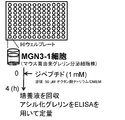
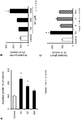
- Fig. 2 schematically shows a method for evaluating ghrelin secretory activity. The evaluation result of ghrelin secretory activity is shown.
- A Evaluation results of dipeptide SV, SF and SW
- B Evaluation results of dose dependence of dipeptide SV
- C Evaluation results of constituent amino acids of dipeptide SV are shown.
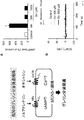
- the left figure schematically shows the known ghrelin secretagogue pathway.
- A shows the measurement results of intracellular cAMP concentration when ghrelin secretion was promoted by dipeptide SV.
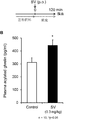
- B shows the measurement results of intracellular calcium ion concentration when ghrelin secretion was promoted by dipeptide SV. It shows the feeding promoting action by administration of dipeptide SV. The effect of increasing the blood ghrelin concentration by administration of dipeptide SV is shown.
- the peptides that are the active ingredients in the present invention are amino acid sequences SX (X is V (valine), L (leucine), I (isoleucine), M (methionine), F (phenylalanine), W (tryptophan), Y (tyrosine). ), S (serine), T (threonine), N (asparagin), K (lysine), R (arginine) and H (histidine).) 2 to 20 amino acid residues It is a long peptide.
- the peptide preferably has 2 to 20 amino acid residues, more preferably 2 to 10 amino acid residues, still more preferably 2 to 5 amino acid residues, and particularly preferably 2, 3, 4 or 5 amino acid residues.
- the above peptide has an arbitrary amino acid residue on the N-terminal side and / or C-terminal side of the amino acid sequence NX.
- the amino acid residue may be a natural amino acid or a non-natural amino acid.
- Natural amino acids are amino acids that form proteins of alanine, arginine, asparagine, aspartic acid, cysteine, glutamine, glutamic acid, glycine, histidine, isoleucine leucine, lysine, methionine, phenylalanine, proline, serine, threonine, tryptophan, tyrosine, and valine.
- residues as well as other amino acid residues such as selenocysteine, N-formylmethionine, pyrrolicin, and pyroglutamine.
- the peptide is a dipeptide SV.
- the amino acids constituting the peptide are L-form amino acids, D-form amino acids, or DL-form amino acids (if the amino acids are a mixture of D-form and L-form, any of the racemic form and any amino acid having an excess of either enantiomer). Any of the included) can be used. Peptides consisting of only L-form amino acids or D-form amino acids are preferred, and particularly peptides consisting of L-form amino acids are preferred.
- the peptide used in the present invention when it contains two or more asymmetric carbons, it can be in any form of each enantiomer or diastereomer or a mixture thereof in any ratio. Separation of enantiomers or diastereomers can be performed using a normal column, using an optically active column, or by introducing an optically active group to optically resolve in the form of a derivative, and then removing the optically active group. Any known method can be used, such as a method of forming a salt with an optically active acid or base and performing optical resolution.
- the peptide can have modifications.
- the amino terminal (N-terminal) of the peptide may be a free amino group (NH 2 —) or may have a modification such as an acetyl group (CH 3 CO—).
- the carboxy terminal (C-terminal) of the peptide may be a free carboxyl group (—COOH) or may have a modification such as an amide group.
- the amino acid residue of the peptide may be unmodified or may have a modified phosphate group, sugar chain or the like.
- the peptide of the present invention may be a salt (acid addition salt or base salt).
- Acid addition salts include inorganic salts such as hydrochloric acid, sulfuric acid, nitrate, phosphoric acid, hydrobromic acid and perchloric acid, citric acid, succinic acid, maleic acid, fumaric acid, malic acid, tartaric acid and p-toluenesulfonic acid.
- Salts of organic acids such as benzene sulfonic acid, methane sulfonic acid and trifluoroacetic acid.
- the base salt include alkali metal salts such as sodium, potassium and lithium, and alkaline earth metal salts such as calcium and magnesium.
- the peptide of the present invention may be a solvate.
- Solvates include water (in the case of hydrates), methanol, ethanol, isopropanol, acetic acid, tetrahydrofuran, acetone, dimethylformamide, dimethylsulfoxide, dimethylacetamide, acetamide, ethylene glycol, propylene glycol, dimethoxyethane and the like. Things can be mentioned.
- the peptide of the present invention can be obtained by, for example, a peptide synthesis method. That is, by a liquid phase method or a solid phase method which is a method usually used for peptide synthesis, a method using an active ester such as HBTU for a raw material having a reactive carboxyl group and a raw material having a reactive amino group, or a carbodiimide It can be condensed by a usual method in peptide synthesis such as a method using a coupling agent such as. When the resulting condensate has a protecting group, it can also be produced by removing the protecting group.
- a peptide synthesis method That is, by a liquid phase method or a solid phase method which is a method usually used for peptide synthesis, a method using an active ester such as HBTU for a raw material having a reactive carboxyl group and a raw material having a reactive amino group, or a carbodiimide It can be condensed by a usual method in
- the amino group-protecting group include benzyloxycarbonyl (CBZ), t-butyloxycarbonyl (Boc), 9-fluorenylmethyloxycarbonyl (Fmoc) and the like.
- the carboxyl group protecting agent include groups capable of forming alkyl esters, benzyl esters and the like.
- the C-terminal carboxyl group is a chlorotrityl resin, chloromethyl resin, oxymethyl resin, p- It is bound to a carrier such as an alkoxybenzyl alcohol resin.
- the condensation reaction is carried out in the presence of a condensing agent such as carbodiimide or with an N-protected amino acid active ester or peptide active ester.
- the peptide of the present invention is purified according to a conventional method. Examples thereof include ion exchange chromatography, reverse phase liquid chromatography, affinity chromatography and the like. The synthesis of the synthesized peptide is analyzed by a protein sequencer, GC-MS, etc., which reads the amino acid sequence from the C-terminal by the Edman degradation method.
- the peptide of the present invention can also be synthesized by an enzymatic method (see WO2003/010307).
- the peptide of the present invention has an action of promoting the secretion of ghrelin.
- Ghrelin is a biologically derived peptide having the following structure. Specifically, it consists of 28 amino acid residues, and the third serine residue is modified with n-octanoic acid. Ghrelin exhibits an appetite promoting action and a growth hormone secretagogue action.
- the peptide of the present invention that promotes the secretion of ghrelin also has an action based on the promotion of ghrelin secretion such as an appetite promoting action (feeding promoting action) and a growth hormone secretion promoting action.
- an appetite promoting action feeding promoting action
- a growth hormone secretion promoting action a growth hormone secretion promoting action.
- the peptides of the present invention can be used for the treatment of anorexia in the elderly and the like.
- the secretagogue action of growth hormone it can be used for prevention of muscle loss, prevention or treatment of locomotive syndrome (locomotive syndrome), and the like.
- the fact that the peptide of the present invention promotes the amount of ghrelin secreted can be evaluated by a method known to those skilled in the art.
- the amount of ghrelin secreted can be measured by quantifying.
- the quantification of ghrelin can be performed by an immunochemical method such as ELISA (Enzyme-Linked ImmunoSorbent Assay).
- the peptide of the present invention can be provided as a pharmaceutical composition or a food (food composition).
- the administration route of the peptide of the present invention or the product containing the peptide is not particularly limited, and any of oral administration, parenteral administration, and rectal administration can be adopted, and oral or parenteral administration is possible. It can be administered. Among them, oral administration is preferable from the viewpoint of high effect.
- the dose of this peptide varies depending on the administration method, the condition and age of the person to be administered, but is usually 0.01 mg / kg to 500 mg / kg, preferably 0.05 mg / kg to 100 mg / kg per day for an adult. , And more preferably 0.1 to 30 mg/kg.
- the peptide of the present invention (active ingredient) can be administered in the form of a pharmaceutical composition prepared by mixing with a carrier for formulation.
- a carrier for formulation a substance commonly used in the pharmaceutical field and which does not react with the peptide of the present invention is used.
- the peptides of the invention can be used as pharmaceuticals or foods themselves, or in tablets (uncoated tablets, sugar-coated tablets, effervescent tablets, alone or with suitable non-toxic carriers, diluents or excipients).
- tablets uncoated tablets, sugar-coated tablets, effervescent tablets, alone or with suitable non-toxic carriers, diluents or excipients.
- suitable non-toxic carriers diluents or excipients.
- It can be a food or pharmaceutical formulation such as a sustained release formulation such as enteric-coated tablets, capsules, granules, etc.
- the content of the peptide in the food can be appropriately selected, but is generally in the range of 0.01 to 100% by weight.
- lactose lactose
- cyclodextrin starch
- sucrose as examples of substances such as pharmaceutical or oral carriers, diluents or excipients that can be added to pharmaceuticals or foods.
- dosage forms include tablets, capsules, granules, powders, syrups, suspensions, suppositories, ointments, creams, gels, patches, inhalants, injections and the like. These preparations are prepared according to a conventional method. The liquid preparation may be dissolved or suspended in water or another suitable solvent before use. The tablets and granules may be coated by a known method. In the case of an injection, the peptide of the present invention is prepared by dissolving it in water, but it may be dissolved in physiological saline or glucose solution as needed, or a buffer or preservative may be added. Good.
- compositions can contain the peptide of the present invention in a proportion of 0.01% to 100% by weight, preferably 1 to 90% by weight. These formulations may also contain other therapeutically valuable ingredients.
- the active ingredient and excipient ingredients such as lactose, starch, crystalline cellulose, calcium lactate, silicic anhydride, etc. are mixed to form a powder, or sucrose, if necessary.
- a binder such as hydroxypropyl cellulose or polyvinylpyrrolidone, a disintegrant such as carboxymethyl cellulose or carboxymethyl cellulose calcium is added, and wet or dry granulation is performed to obtain granules.
- these powders and granules may be tableted as they are or by adding a lubricant such as magnesium stearate or talc.
- granules or tablets should be coated with an enteric solvent base such as hydroxypropylmethylcellulose phthalate or methacrylic acid-methylmethacrylic acid polymer to make an enteric solvent preparation, or coated with ethyl cellulose, carnauba wax, cured oil, etc. to make a long-acting preparation.
- an enteric solvent base such as hydroxypropylmethylcellulose phthalate or methacrylic acid-methylmethacrylic acid polymer to make an enteric solvent preparation
- ethyl cellulose, carnauba wax, cured oil, etc. to make a long-acting preparation.
- hard capsules are filled with powders or granules, or the active ingredient is used as it is or dissolved in glycerin, polyethylene glycol, sesame oil, olive oil, etc. and then coated with a gelatin film to form soft capsules. You can
- an active ingredient and sucrose, sorbitol, a sweetening agent such as glycerin are dissolved in water to prepare a transparent syrup, and further an essential oil and ethanol are added to form an elixir, or Gum arabic, tragacanth, polysorbate 80, sodium carboxymethyl cellulose, etc. may be added to prepare an emulsion or suspension.
- a flavoring agent, a coloring agent, a preservative and the like may be added to these liquid preparations.
- Specific forms of foods that can be prepared by adding or blending the peptides according to the present invention include, for example, beverages (coffee, cocoa, juice, soft drinks, mineral drinks, tea drinks, green tea, tea, crow dragon tea, dairy drinks). , Lactic acid bacteria drinks, yogurt drinks, carbonated drinks, other non-alcoholic drinks, alcoholic drinks, etc.), confectionery (hard candy, gum, gummy, jelly, pudding, mousse, cake, candy, cookies, crackers, biscuits, chocolate, frozen desserts ( Ice cream, ice candy, sorbet, shaved ice, etc.), sprinkles, dressing, seasonings, processed soybean food (tofu, miso, soy sauce, yuba, kinako, natto, etc.), processed meat food (hamburger, meatloaf, meatballs, etc.) (Tsukune, etc.), processed fish meat foods (kamaboko, chikuwa, etc.), retort foods, jelly-like foods (jelly,
- Foods that can be prepared by adding or blending the peptides of the present invention include so-called health foods, functional foods, foods with functional claims, nutritional supplements, supplements, foods for specified health use, foods for the sick, and combinations for the sick. It may be food (Ministry of Health, Labor and Welfare, one of special-purpose foods) or food for the elderly (Ministry of Health, Labor and Welfare, one of special-purpose foods), plain tablets, film-coated tablets, dragees, granules, powders, tablets, capsules (hard capsules and soft capsules). It can also be a chewable type, a syrup type, a drink type, or the like.
- the food product to which the peptide according to the present invention is added and / or blended can be prepared by a method known per se.
- the peptide according to the present invention can be used as a lead compound as an active ingredient of a drug for promoting appetite and / or promoting the secretion of growth hormone.
- the peptide according to the present invention can be chemically modified to obtain a pharmaceutical active ingredient for promoting the final appetite and / or the secretion of growth hormone that satisfies stability, safety and the like.
- the peptide according to the present invention can also be used as a control in the screening of the active ingredient of a drug for promoting appetite and / or promoting the secretion of growth hormone.
- the activity of promoting the secretion of ghrelin of the test substance to be screened is evaluated, and when the activity of promoting the secretion of ghrelin is higher than that of the peptide of the present invention, the test substance promotes appetite and/or Alternatively, it can be selected as an active ingredient of a drug for promoting the secretion of growth hormone.
- Ghrelin-secreting cells MGN3-1 were seeded on a 96-well plate at 1 ⁇ 10 5 cells/well and cultured in a medium for 24 hours. After culturing, the cells were washed with DPBS, and 100 ⁇ L of the test substance (Buffer: 50 ⁇ M sodium octanoate/DMEM) was added. Only the buffer to which the test substance was not added was used as a control. After further culturing for 4 hours, the medium was collected and centrifuged to obtain a supernatant (supernatant). 10 ⁇ L of 1N HCl was added to the supernatant, and the mixture was stored at -80°C.
- Buffer 50 ⁇ M sodium octanoate/DMEM
- the concentration of ghrelin (acylated ghrelin) in the sample was quantitatively evaluated by the ELISA method (Ghrelin (Acylated) EIA Kit A05117 manufactured by Bertin Pharma).
- Test substance (peptide) Dipeptides SV, SL, SI, SM, SF, SW, SY, SS, ST, SN, SK, SR and SH, which were synthesized by a conventional method, were used as test substances.
- Test Example 1 Evaluation of ghrelin secretory activity (1) For the sample dipeptide, the effect on ghrelin secretion was evaluated using ghrelin secreting cell MGN3-1.
- the tested dipeptide has an activity of increasing ghrelin secretion and promoting ghrelin secretion.
- Test Example 2 Evaluation of ghrelin secretory activity (2)
- the results are shown in Figure 2C.
- the dipeptide SV had an activity of promoting ghrelin secretion, but the constituent amino acids S and V alone and a mixture of S and V did not have an activity of promoting ghrelin secretion.
- Test Example 3 Mechanism of action The mechanism of action leading to the promotion of ghrelin secretion was verified. The effect of peptide SV on intracellular cAMP concentration and intracellular calcium ion concentration ([Ca 2+ ]) was evaluated.
- ghrelin-secreting cells MGN3-1 were seeded on a 96-well plate at 1 x 10 5 cells/well and cultured in a medium for 24 hours. After culturing, the cells were washed with DPBS, and 45 ⁇ L of the test substance (Buffer: Krebs-Ringer-HEPES buffer containing 0.5 mM IBMX) was added. After further culturing for 30 minutes, intracellular cAMP was quantified using HitHunter cAMP Assay for small molecules (manufactured by DiscoveRx).
- the intracellular calcium ion concentration was measured according to the method described in the literature: Kagebayashi T et. Al. Mol. Nutr. Food Res. 2012 Sep; 56 (9): 1456-63.
- Noradrenaline is known to promote the secretion of ghrelin through an increase in intracellular cAMP concentration and intracellular calcium ion concentration.
- the involvement of Gs-type trimeric G protein is known.
- the dipeptide SV promotes the secretion of ghrelin without changing the intracellular cAMP concentration and intracellular calcium ion concentration, and is therefore considered to be through a route different from the known route.
- Test Example 4 In vivo food-promoting and ghrelin-secreting effects Dipeptide SV was administered to mice (ddY mice, males, 34-42 g) to evaluate their effects on food intake and blood ghrelin concentration. Specifically, dipeptide SV dissolved in physiological saline was orally administered (po) to mice at a dose of 0.3 mg/kg or 1.0 mg/kg. A mouse to which only physiological saline was administered served as a control. Regarding the food intake, a solid feed (CE-2, manufactured by Japan Claire) weighed in advance after SV administration was given, and over time (0 minutes, 20 minutes, 60 minutes, 120 minutes after administration, and After 240 minutes), the amount of food intake was calculated by measuring the weight of the feed. Regarding blood ghrelin concentration (Plasma acetylated ghrelin), feed was removed after SV administration, and serum ghrelin concentration was measured 2 hours (120 minutes) later.
- Dipeptide SV was found to increase feeding and blood ghrelin levels in mice by oral administration.
Landscapes
- Health & Medical Sciences (AREA)
- Life Sciences & Earth Sciences (AREA)
- Chemical & Material Sciences (AREA)
- Engineering & Computer Science (AREA)
- General Health & Medical Sciences (AREA)
- Veterinary Medicine (AREA)
- Public Health (AREA)
- Animal Behavior & Ethology (AREA)
- Pharmacology & Pharmacy (AREA)
- Medicinal Chemistry (AREA)
- Bioinformatics & Cheminformatics (AREA)
- Proteomics, Peptides & Aminoacids (AREA)
- Epidemiology (AREA)
- Immunology (AREA)
- Nuclear Medicine, Radiotherapy & Molecular Imaging (AREA)
- Organic Chemistry (AREA)
- Nutrition Science (AREA)
- General Chemical & Material Sciences (AREA)
- Chemical Kinetics & Catalysis (AREA)
- Food Science & Technology (AREA)
- Molecular Biology (AREA)
- Gastroenterology & Hepatology (AREA)
- Mycology (AREA)
- Polymers & Plastics (AREA)
- Medicines That Contain Protein Lipid Enzymes And Other Medicines (AREA)
- Coloring Foods And Improving Nutritive Qualities (AREA)
- Peptides Or Proteins (AREA)
Abstract
新規なグレリン分泌促進剤、食欲を促進するための医薬組成物、成長ホルモンの分泌促進のための医薬組成物、並びに食欲を促進及び/または成長ホルモンの分泌を促進する方法が提供される。具体的には、アミノ酸配列SX(Xは、V、L、I、M、F、W、Y、S、T、N、K、R及びHから選択されるアミノ酸残基を示す。)を有する2~20アミノ酸長のペプチドを有効成分とするグレリン分泌促進剤、食欲を促進するための医薬組成物、成長ホルモンの分泌促進のための医薬組成物、並びに食欲を促進及び/または成長ホルモンの分泌を促進する方法が提供される。
Description
本発明は、グレリン分泌促進剤、食欲を促進するための医薬組成物、成長ホルモンの分泌促進のための医薬組成物、並びに食欲を促進及び/または成長ホルモンの分泌を促進する方法に関する。
グレリンは、食欲促進作用と成長ホルモン分泌促進作用を有する消化管ホルモンである。超高齢化社会を迎える我が国では、加齢に伴う食欲不振や成長ホルモン分泌減少の改善に寄与する、グレリン分泌促進物質の開発が望まれている。
特許文献1には、グレリン受容体を活性化する低分子ペプチドが記載されている。特許文献2には、大豆タンパク質由来の成長ホルモン分泌促進組成物が記載されている。
本発明は、新規なグレリン分泌促進剤、食欲を促進するための医薬組成物、成長ホルモンの分泌促進のための医薬組成物、並びに食欲を促進及び/または成長ホルモンの分泌を促進する方法を提供することを目的とする。
本発明者は、上記課題を解決すべく、鋭意研究を重ねてきた。その結果、アミノ酸配列SX(Xは、V、L、I、M、F、W、Y、S、T、N、K、R及びHから選択されるアミノ酸残基を示す。)を有する2~20アミノ酸長のペプチドがグレリンの分泌促進作用を有すること見出した。本発明はかかる知見に基づいて、さらに検討を重ねて完成されたものである。
すなわち、本発明は以下の態様を包含する。
項1、アミノ酸配列SX(Xは、V、L、I、M、F、W、Y、S、T、N、K、R及びHから選択されるアミノ酸残基を示す。)を有する2~20アミノ酸長のペプチドを有効成分とするグレリン分泌促進剤。
項2、アミノ酸配列SX(Xは、V、L、I、M、F、W、Y、S、T、N、K、R及びHから選択されるアミノ酸残基を示す。)を有する2~20アミノ酸長のペプチドを有効成分とする、食欲を促進するための医薬組成物。
項3、アミノ酸配列SX(Xは、V、L、I、M、F、W、Y、S、T、N、K、R及びHから選択されるアミノ酸残基を示す。)を有する2~20アミノ酸長のペプチドを有効成分とする、成長ホルモンの分泌促進のための医薬組成物。
項4、有効量のアミノ酸配列SX(Xは、V、L、I、M、F、W、Y、S、T、N、K、R及びHから選択されるアミノ酸残基を示す。)を有する2~20アミノ酸長のペプチドを必要とする患者または予備群に投与する工程を含む、食欲を促進及び/または成長ホルモンの分泌を促進する方法。
項5、食欲を促進及び/または成長ホルモンの分泌を促進するための、アミノ酸配列SX(Xは、V、L、I、M、F、W、Y、S、T、N、K、R及びHから選択されるアミノ酸残基を示す。)を有する2~20アミノ酸長のペプチドの使用。
本発明のグレリン分泌促進剤及び医薬組成物は、グレリンの分泌促進作用に基づき、食欲促進や成長ホルモンの分泌促進の作用を発揮する。これらの作用に基づき、食欲不振、筋肉量低下、ロコモティブシンドロームの予防や治療に好適に使用することができる。本発明のグレリン分泌促進剤及び医薬組成物は、副作用が低く長期の服用に適したものである。また、本発明のグレリン分泌促進剤及び医薬組成物は、経口投与で有効である。
本発明における有効成分であるペプチドは、アミノ酸配列SX(Xは、V(バリン)、L(ロイシン)、I(イソロイシン)、M(メチオニン)、F(フェニルアラニン)、W(トリプトファン)、Y(チロシン)、S(セリン)、T(スレオニン)、N(アスパラギン)、K(リジン)、R(アルギニン)及びH(ヒスチジン)から選択されるアミノ酸残基を示す。)を有する2~20アミノ酸残基長のペプチドである。
上記ペプチドは、好ましくは2~20アミノ酸残基、より好ましくは2~10アミノ酸残基、さらに好ましくは2~5アミノ酸残基、特に好ましくは2、3、4又は5アミノ酸残基を有する。
上記ペプチドは、アミノ酸残基長が3以上である場合、アミノ酸配列NXのN末端側及び/又はC末端側に、任意のアミノ酸残基を有する。アミノ酸残基は、天然アミノ酸であっても非天然のアミノ酸であってもよい。天然アミノ酸は、アラニン、アルギニン、アスパラギン、アスパラギン酸、システイン、グルタミン、グルタミン酸、グリシン、ヒスチジン、イソロイシンロイシン、リシン、メチオニン、フェニルアラニン、プロリン、セリン、トレオニン、トリプトファン、チロシン、及びバリンのタンパク質を構成するアミノ酸残基、並びに、セレノシステイン、N-ホルミルメチオニン、ピロリシン、ピログルタミン等のその他のアミノ酸残基が含まれる。
本発明の好ましい態様の一つにおいて、上記ペプチドはジペプチドSVである。
ペプチドを構成するアミノ酸は、L体のアミノ酸、D体のアミノ酸或いはDL体のアミノ酸(D体とL体が混合されたアミノ酸であればラセミ体といずれか一方のエナンチオマーが過剰なアミノ酸のいずれも含まれる)のいずれを使用することができる。好ましくはL体のアミノ酸のみ、或いはD体のアミノ酸のみからなるペプチド、特にL体のアミノ酸のみからなるペプチドが好ましい。
また、本発明で使用するペプチドが2以上の不斉炭素を含む場合、各エナンチオマーないしジアステレオマー或いはこれらの任意の比率の混合物のいずれの形態でもあり得る。エナンチオマーまたはジアステレオマーの分離は、通常のカラムで行う方法、光学活性カラムを使用したり、光学活性基を導入して誘導体の形態で光学分割した後、その光学活性基を除去する方法や、光学活性の酸または塩基との塩を形成して光学分割する方法などの公知のいずれの方法を用いることができる。
ペプチドは、修飾を有することができる。ペプチドのアミノ末端(N末端)は、遊離のアミノ基(NH2-)であっても、アセチル基(CH3CO-)などの修飾を有するものであってもよい。ペプチドのカルボキシ末端(C末端)は、遊離のカルボキシル基(-COOH)であっても、アミド基などの修飾を有するものであってもよい。ペプチドのアミノ酸残基は、無修飾ものであっても、リン酸基、糖鎖などの修飾を有するものであってもよい。
本発明のペプチドは、塩(酸付加塩又は塩基塩)であってもよい。酸付加塩としては、塩酸、硫酸、硝酸、リン酸、臭化水素酸、過塩素酸などの無機塩、クエン酸、コハク酸、マレイン酸、フマル酸、リンゴ酸、酒石酸、p-トルエンスルホン酸、ベンゼンスルホン酸、メタンスルホン酸、トリフルオロ酢酸などの有機酸の塩が挙げられる。塩基塩としては、ナトリウム、カリウム、リチウムなどのアルカリ金属塩、カルシウム、マグネシウムなどのアルカリ土類金属塩などが挙げられる。
本発明のペプチドは、溶媒和物であってもよい。溶媒和物としては、水(水和物の場合)、メタノール、エタノール、イソプロパノール、酢酸、テトラヒドロフラン、アセトン、ジメチルホルムアミド、ジメチルスルホキシド、ジメチルアセトアミド、アセトアミド、エチレングリコール、プロピレングリコール、ジメトキシエタンなどの溶媒和物が挙げられる。
また本発明のペプチドは、例えば、ペプチド合成法で取得することができる。即ち、ペプチド合成に通常用いられる方法である液相法または固相法で、反応性カルボキシル基を有する原料と、反応性アミノ基を有する原料とをHBTU等の活性エステルを用いた方法や、カルボジイミドなどのカップリング剤を用いた方法等のペプチド合成において通常の方法により縮合させることができる。生成する縮合物が保護基を有する場合、その保護基を除去することによっても製造し得る。
この反応工程において反応に関与すべきでない官能基は、保護基により保護される。アミノ基の保護基としては、例えばベンジルオキシカルボニル(CBZ)、t-ブチルオキシカルボニル(Boc),9-フルオレニルメチルオキシカルボニル(Fmoc)等が挙げられる。カルボキシル基の保護剤としては例えばアルキルエステル、ベンジルエステル等を形成し得る基が挙げられるが、固相法の場合は、C末端のカルボキシル基はクロロトリチル樹脂、クロルメチル樹脂、オキシメチル樹脂、p-アルコキシベンジルアルコール樹脂等の担体に結合している。縮合反応は、カルボジイミド等の縮合剤の存在下にあるいはN-保護アミノ酸活性エステルまたはペプチド活性エステルを用いて実施する。
縮合反応終了後、保護基は除去されるが、固相法の場合はさらにペプチドのC末端と樹脂との結合を切断する。更に、本発明のペプチドは通常の方法に従い精製される。例えばイオン交換クロマトグラフィー、逆相液体クロマトグラフィー、アフィニティークロマトグラフィー等が挙げられる。合成したペプチドの合成はエドマン分解法でC-末端からアミノ酸配列を読み取るプロテインシークエンサー、GC-MS等で分析される。
本発明のペプチドは、酵素法によっても合成することが可能である(WO2003/010307参照)。
本発明のペプチドは、グレリンの分泌を促進する作用を有する。グレリンは、下記の構造を有する生体由来のペプチドである。具体的には、アミノ酸残基28基からなり、3番目のセリン残基がn-オクタン酸で修飾されている。グレリンは、食欲促進作用と成長ホルモン分泌促進作用を示す。

従って、グレリンの分泌を促進する本発明のペプチドは、食欲促進作用(摂食促進作用)、成長ホルモンの分泌促進作用等のグレリンの分泌促進に基づく作用をも有する。食欲促進作用(摂食促進作用)に基づいて、本発明のペプチドは、高齢者における食欲不振の治療のためなどに使用することができる。成長ホルモンの分泌促進作用に基づいて、筋肉量低下の予防、ロコモティブシンドローム(ロコモ)の予防若しくは治療のためなどに使用することができる。
本発明のペプチドがグレリンの分泌量を促進することは、当業者に公知の手法で評価をすることができる。例えば、文献:Iwakura H et.al. Endocrinology. 2010 Jun;151(6):2940-5に記載のグレリン分泌細胞MGN3-1に試験物質を添加して、所定時間培養後に回収した培地中のグレリンを定量することで、グレリンの分泌量を測定することができる。グレリンの定量は、ELISA(Enzyme-Linked ImmunoSorbent Assay)などの免疫化学的手法により行うことができる。
本発明のペプチドは、医薬組成物または食品(食品組成物)として提供されうる。
本発明のペプチドまたはこれを含有する製品の投与経路は特に限定されるものではなく、経口投与、非経口投与、直腸内投与のいずれを採用することも可能であり、経口的あるいは非経口的に投与することができる。中でも、効果が高いとの観点から、経口投与が好ましい。
本ペプチドの投与量は、投与方法、投与される者の状態や年齢等により異なるが、成人1日あたり通常は0.01mg/kg~500mg/kg、好ましくは0.05mg/kg~100mg/kg、より好ましくは0.1~30mg/kgである。本発明のペプチド(有効成分)は、製剤用担体と混合して調製した医薬組成物の形で投与することができる。製剤用担体としては、製剤分野において常用され、かつ本発明のペプチドと反応しない物質が用いられる。
本発明のペプチドはそれ自体医薬または食品として利用することができ、或いは単独で、もしくは適当な無毒性の経口摂取用担体、希釈剤または賦形剤とともに、タブレット(素錠、糖衣錠、発泡錠、フィルムコート錠、チュアブル錠など)、カプセル、トローチ、粉末、細粒剤、顆粒剤、液剤、懸濁液、乳濁液、ペースト、クリーム、注射剤(アミノ酸輸液、電解質輸液等の輸液に配合する場合を含む)、或いは腸溶性の錠剤、カプセル剤、顆粒剤などの徐放性製剤などの食品用もしくは医薬用の製剤にすることが可能である。食品中のペプチドの含有量は適宜選択が可能であるが一般に、0.01~100重量%の範囲である。
具体的には、医薬または食品に加えることができる製剤用担体ないし経口摂取用担体、希釈剤または賦形剤のような物質の例として乳糖、ブドウ糖、マンニット、デキストリン、シクロデキストリン、デンプン、蔗糖、メタケイ酸アルミン酸マグネシウム、合成ケイ酸アルミニウム、カルボキシメチルセルロースナトリウム、ヒドロキシプロピルデンプン、カルボキシメチルセルロースカルシウム、イオン交換樹脂、メチルセルロース、ゼラチン、アラビアゴム、ヒドロキシプロピルセルロース、ヒドロキシプロピルメチルセルロース、ポリビニルピロリドン、ポリビニルアルコール、軽質無水ケイ酸、ステアリン酸マグネシウム、タルク、トラガント、ベントナイト、ビーガム、酸化チタン、ソルビタン脂肪酸エステル、ラウリル硫酸ナトリウム、グリセリン、脂肪酸グリセリンエステル、精製ラノリン、グリセロゼラチン、ポリソルベート、マクロゴール、植物油、ロウ、流動パラフィン、白色ワセリン、フルオロカーボン、非イオン性界面活性剤、プロピレングルコール、水等が挙げられる。
剤型としては、錠剤、カプセル剤、顆粒剤、散剤、シロップ剤、懸濁剤、坐剤、軟膏、クリーム剤、ゲル剤、貼付剤、吸入剤、注射剤等が挙げられる。これらの製剤は常法に従って調製される。尚、液体製剤にあっては、用時、水又は他の適当な溶媒に溶解または懸濁する形であってもよい。また錠剤、顆粒剤は周知の方法でコーティングしてもよい。注射剤の場合には、本発明のペプチドを水に溶解させて調製されるが、必要に応じて生理食塩水あるいはブドウ糖溶液に溶解させてもよく、また緩衝剤や保存剤を添加してもよい。
これらの製剤は、本発明のペプチドを0.01%~100重量%、好ましくは1~90重量%の割合で含有することができる。これらの製剤はまた、治療上価値のある他の成分を含有していてもよい。
経口投与用の固形製剤を製造するには、有効成分と賦形剤成分例えば乳糖、澱粉、結晶セルロース、乳酸カルシウム、無水ケイ酸などと混合して散剤とするか、さらに必要に応じて白糖、ヒドロキシプロピルセルロース、ポリビニルピロリドンなどの結合剤、カルボキシメチルセルロース、カルボキシメチルセルロースカルシウムなどの崩壊剤などを加えて湿式又は乾式造粒して顆粒剤とする。錠剤を製造するには、これらの散剤及び顆粒剤をそのまま或いはステアリン酸マグネシウム、タルクなどの滑沢剤を加えて打錠すればよい。これらの顆粒又は錠剤はヒドロキシプロピルメチルセルロースフタレート、メタクリル酸-メタクリル酸メチルポリマーなどの腸溶剤基剤で被覆して腸溶剤製剤、あるいはエチルセルロース、カルナウバロウ、硬化油などで被覆して持続性製剤とすることもできる。また、カプセル剤を製造するには、散剤又は顆粒剤を硬カプセルに充填するか、有効成分をそのまま或いはグリセリン、ポリエチレングリコール、ゴマ油、オリーブ油などに溶解した後ゼラチン膜で被覆し軟カプセルとすることができる。
経口投与用の液状製剤を製造するには、有効成分と白糖、ソルビトール、グリセリンなどの甘味剤とを水に溶解して透明なシロップ剤、更に精油、エタノールなどを加えてエリキシル剤とするか、アラビアゴム、トラガント、ポリソルベート80、カルボキシメチルセルロースナトリウムなどを加えて乳剤又は懸濁剤としてもよい。これらの液状製剤には所望により矯味剤、着色剤、保存剤などを加えてもよい。
本発明に係るペプチドを添加、配合して調製しうる食品の具体的形態としては、例えば、飲料類(コーヒー、ココア、ジュース、清涼飲料、ミネラル飲料、茶飲料、緑茶、紅茶、烏龍茶、乳飲料、乳酸菌飲料、ヨーグルト飲料、炭酸飲料、その他ノンアルコール飲料、アルコール飲料など)、菓子類(ハードキャンディー、ガム、グミ、ゼリー、プディング、ムース、ケーキ、キャンデー、クッキー、クラッカー、ビスケット、チョコレート、氷菓(アイスクリーム、アイスキャンディ、シャーベット、かき氷など)など)、ふりかけ、ドレッシング、調味料、大豆加工食品(豆腐、味噌、醤油、湯葉、きな粉、納豆など)、食肉加工食品(ハンバーグ、ミートローフ、ミートボール、つくねなど)、魚肉加工食品(かまぼこ、ちくわなど)、レトルト食品、ゼリー状食品(ゼリー、寒天、ゼリー状飲料等)、等を挙げることができる。本発明のペプチドを添加・配合して調製しうる食品としては、いわゆる健康食品、機能性食品、機能性表示食品、栄養補助食品、サプリメント、特定保健用食品、病者用食品・病者用組合せ食品(厚生労働省、特別用途食品の一種)又は高齢者用食品(厚生労働省、特別用途食品の一種)としてもよく、素錠、フィルムコート錠、糖衣錠、顆粒、粉末、タブレット、カプセル(ハードカプセルとソフトカプセルとのいずれも含む。)、チュアブルタイプ、シロップタイプ、ドリンクタイプ等とすることもできる。本発明に係るペプチドを添加及び/又は配合した食品の調製は、それ自体公知の方法で行うことができる。
本発明に係るペプチドは、食欲を促進及び/または成長ホルモンの分泌を促進するための医薬の有効成分のリード化合物として用いることができる。本発明に係るペプチドに必要な化学修飾を加えて、安定性、安全性などを満たす最終的な食欲を促進及び/または成長ホルモンの分泌を促進するための医薬の有効成分を得ることができる。
本発明に係るペプチドはまた、食欲を促進及び/または成長ホルモンの分泌を促進するための医薬の有効成分のスクリーニングにおける、対照として用いることができる。具体的には、スクリーニング対象の被験物質のグレリンの分泌を促進する活性を評価し、本発明に係るペプチドよりもグレリンの分泌を促進する活性が高い場合は、当該被験物質を食欲を促進及び/または成長ホルモンの分泌を促進するための医薬の有効成分として選択することができる。
次に実施例により本発明を更に具体的に説明する。しかし下記の実施例は本発明の範囲を限定するものではない。
<方法>
(グレリン分泌活性の評価)
グレリン分泌細胞MGN3-1を96ウェルプレートに1 x 10⁵cells/well播種し、培地中で24時間培養した。培養後、細胞をDPBSで洗浄し、試験物質100μL(Buffer:50 μM sodium octanoate/DMEM)を添加した。なお、試験物質を添加しないBufferのみを対照(control)とした。さらに4時間培養をした後に、培地を回収し遠心分離処理により上清(supernatant)を得た。上清に1N HClを10μL添加し、-80℃で保存をした。
(グレリン分泌活性の評価)
グレリン分泌細胞MGN3-1を96ウェルプレートに1 x 10⁵cells/well播種し、培地中で24時間培養した。培養後、細胞をDPBSで洗浄し、試験物質100μL(Buffer:50 μM sodium octanoate/DMEM)を添加した。なお、試験物質を添加しないBufferのみを対照(control)とした。さらに4時間培養をした後に、培地を回収し遠心分離処理により上清(supernatant)を得た。上清に1N HClを10μL添加し、-80℃で保存をした。
試料中のグレリン(アシル化グレリン)の濃度をELISA法(Bertin Pharma社製、Ghrelin (Acylated) EIA Kit A05117)により定量評価した。
評価方法を図1に模式的に示す。
(試験物質(ペプチド))
定法により合成したジペプチドSV、SL、SI、SM、SF、SW、SY、SS、ST、SN、SK、SR及びSHを試験物質とした。
定法により合成したジペプチドSV、SL、SI、SM、SF、SW、SY、SS、ST、SN、SK、SR及びSHを試験物質とした。
(統計解析)
試験により得られたデータを、試行数nの平均(Mean)と標準誤差(Standard error of the mean、SEM)との和で表した。2群間の比較にはt検定を用いた。3群間以上の比較には、データを1方向ANOVAにより解析し、引き続いて多重比較のためのTukey-Kramer試験を行った。p<0.05の場合(図中、”*”)に、有意差ありと判定した。
試験により得られたデータを、試行数nの平均(Mean)と標準誤差(Standard error of the mean、SEM)との和で表した。2群間の比較にはt検定を用いた。3群間以上の比較には、データを1方向ANOVAにより解析し、引き続いて多重比較のためのTukey-Kramer試験を行った。p<0.05の場合(図中、”*”)に、有意差ありと判定した。
<試験例>
試験例1:グレリン分泌活性の評価(1)
試料ジペプチドについて、グレリン分泌細胞MGN3-1を用いて、グレリン分泌に与える影響を評価した。
試験例1:グレリン分泌活性の評価(1)
試料ジペプチドについて、グレリン分泌細胞MGN3-1を用いて、グレリン分泌に与える影響を評価した。
結果を表1に示す(n=1)。数値は、対照のグレリン濃度に対する比である。
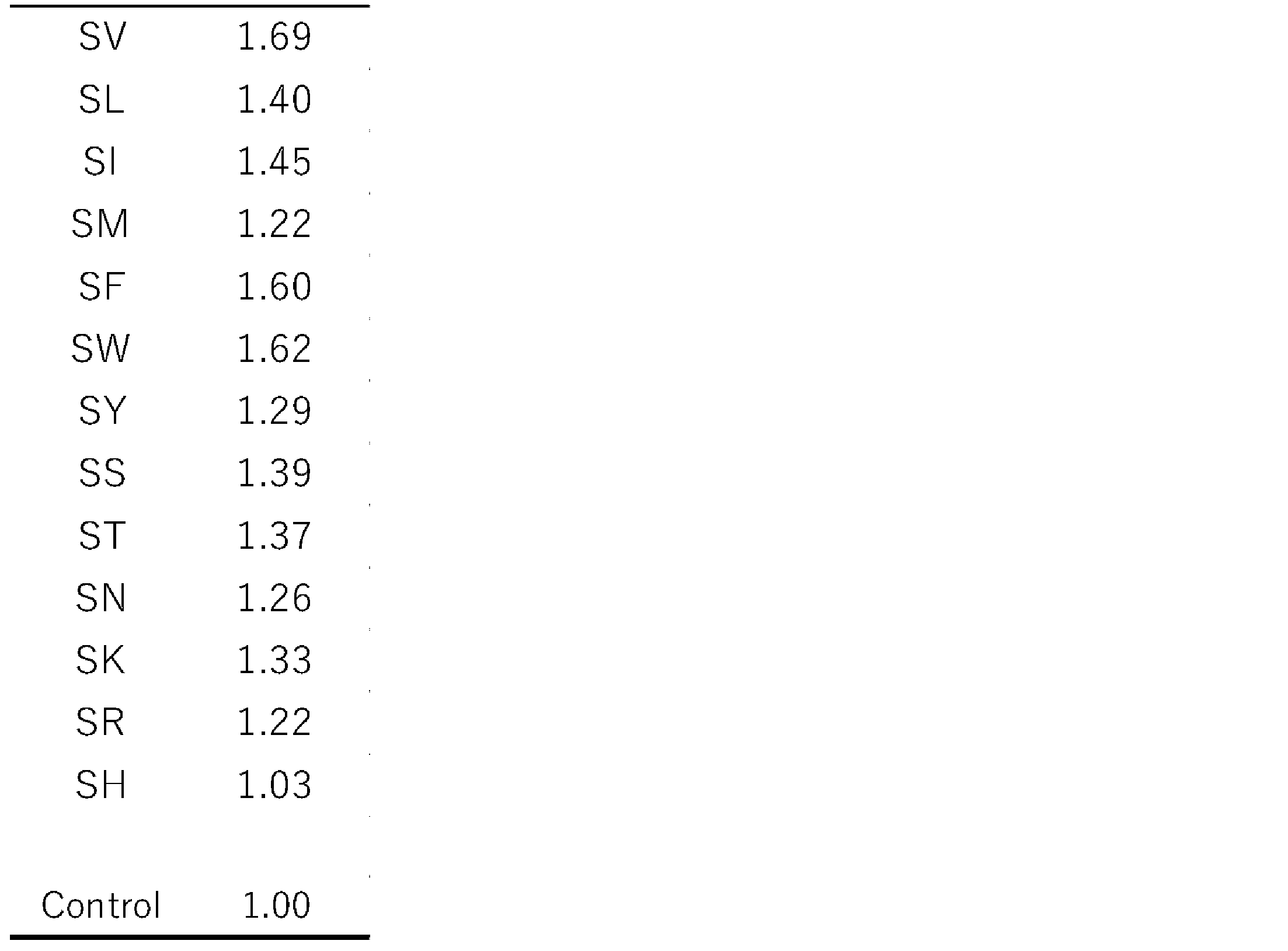
試験したジペプチドは、グレリン分泌量を増加させる、グレリン分泌を促進する活性を有することが明らかとなった。
試験例2:グレリン分泌活性の評価(2)
(A)ジペプチドSV、SF及びSWについて、試行回数n=8として、グレリン分泌に与える影響を評価した。試験例1と同様の手順で試験を行った。
(A)ジペプチドSV、SF及びSWについて、試行回数n=8として、グレリン分泌に与える影響を評価した。試験例1と同様の手順で試験を行った。
結果を図2Aに示す。図中、横軸「Ghrelin (% of control)」は、対照(試験物質を添加しないBufferのみ)をMGN3-1に添加した場合のグレリン分泌量の測定値に対する割合(百分率)を示す。試験例1で得られた結果と同様に、ジペプチドSV、SF及びSWはグレリン分泌を促進する活性を有することが明らかとなった。
(B)試料中のジペプチドSVの濃度を100μM、300μM及び1000μMとして、試験例1と同様の手順で試験を行った(n=4)。
結果を図2Bに示す。ジペプチドSVは、用量(濃度)に依存してグレリン分泌を促進する活性を有することが明らかとなった。
(C)アミノ酸S、V及びSとVとの混合物(S+V)について、試験例1と同様の手順で試験を行った(n=4)。
結果を図2Cに示す。ジペプチドSVはグレリン分泌を促進する活性を有するが、構成アミノ酸であるS及びV単独、並びに、SとVとの混合物はグレリン分泌を促進する活性を有さなかった。
試験例3:作用機構
グレリンの分泌促進に至る作用機構を検証した。ペプチドSVが、細胞内のcAMP濃度及び細胞内カルシウムイオン濃度([Ca2+])に与える影響を評価した。
グレリンの分泌促進に至る作用機構を検証した。ペプチドSVが、細胞内のcAMP濃度及び細胞内カルシウムイオン濃度([Ca2+])に与える影響を評価した。
細胞内cAMP濃度の測定については、グレリン分泌細胞MGN3-1を96ウェルプレートに1 x 10⁵cells/well播種し、培地中で24時間培養した。培養後、細胞をDPBSで洗浄し、試験物質45μL(Buffer:0.5 mM IBMXを含むKrebs-Ringer-HEPES buffer)を添加した。さらに30分間培養をした後に、細胞内のcAMPをHitHunter cAMP Assay for small molecules (DiscoveRx社製)を用いて定量した。
細胞内カルシウムイオン濃度については、文献:Kagebayashi T et.al. Mol. Nutr. Food Res. 2012 Sep;56(9):1456-63に記載の方法に従って測定した。
結果を図3に示す。ノルアドレナリン(NA)は、細胞内のcAMP濃度及び細胞内カルシウムイオン濃度の増加を介して、グレリンの分泌を促進することが知られている。Gs型の三量体Gタンパク質の関与が知られている。これに対して、ジペプチドSVは、細胞内のcAMP濃度及び細胞内カルシウムイオン濃度の変化を介さずにグレリンの分泌を促進するため、既知の経路とは異なる経路を介していると考えられる。
試験例4:In vivoでの摂食促進作用とグレリン分泌作用
マウス(ddYマウス、雄、34~42g)にジペプチドSVを投与して、摂食量および血中グレリン濃度への影響を評価した。具体的には、生理食塩水に溶解したジペプチドSVをマウスに0.3 mg/kg又は1.0 mg/kgの投与量で経口投与(p.o.)した。生理食塩水のみを投与したマウスを対照とした。摂食量(Food intake)については、SV投与後に予め秤量した固形飼料(CE-2, 日本クレア製)を与え、経時的(投与後0分後、20分後、60分後、120分後及び240分後)に飼料重量を測定することにより摂食量を算出した。血中グレリン濃度(Plasma acetylated ghrelin)については、SV投与後に飼料を除去し、2時間(120分)後に血清中のグレリン濃度を測定した。
マウス(ddYマウス、雄、34~42g)にジペプチドSVを投与して、摂食量および血中グレリン濃度への影響を評価した。具体的には、生理食塩水に溶解したジペプチドSVをマウスに0.3 mg/kg又は1.0 mg/kgの投与量で経口投与(p.o.)した。生理食塩水のみを投与したマウスを対照とした。摂食量(Food intake)については、SV投与後に予め秤量した固形飼料(CE-2, 日本クレア製)を与え、経時的(投与後0分後、20分後、60分後、120分後及び240分後)に飼料重量を測定することにより摂食量を算出した。血中グレリン濃度(Plasma acetylated ghrelin)については、SV投与後に飼料を除去し、2時間(120分)後に血清中のグレリン濃度を測定した。
結果を図4A及び4Bに示す。ジペプチドSVは、経口投与によりマウスの摂食および血中グレリン濃度を増加させることが明らかとなった。
Claims (5)
- アミノ酸配列SX(Xは、V、L、I、M、F、W、Y、S、T、N、K、R及びHから選択されるアミノ酸残基を示す。)を有する2~20アミノ酸長のペプチドを有効成分とするグレリン分泌促進剤。
- アミノ酸配列SX(Xは、V、L、I、M、F、W、Y、S、T、N、K、R及びHから選択されるアミノ酸残基を示す。)を有する2~20アミノ酸長のペプチドを有効成分とする、食欲を促進するための医薬組成物。
- アミノ酸配列SX(Xは、V、L、I、M、F、W、Y、S、T、N、K、R及びHから選択されるアミノ酸残基を示す。)を有する2~20アミノ酸長のペプチドを有効成分とする、成長ホルモンの分泌促進のための医薬組成物。
- 有効量のアミノ酸配列SX(Xは、V、L、I、M、F、W、Y、S、T、N、K、R及びHから選択されるアミノ酸残基を示す。)を有する2~20アミノ酸長のペプチドを必要とする患者または予備群に投与する工程を含む、食欲を促進及び/または成長ホルモンの分泌を促進する方法。
- 食欲を促進及び/または成長ホルモンの分泌を促進するための、アミノ酸配列SX(Xは、V、L、I、M、F、W、Y、S、T、N、K、R及びHから選択されるアミノ酸残基を示す。)を有する2~20アミノ酸長のペプチドの使用。
Applications Claiming Priority (2)
| Application Number | Priority Date | Filing Date | Title |
|---|---|---|---|
| JP2019-037252 | 2019-03-01 | ||
| JP2019037252A JP7315161B2 (ja) | 2019-03-01 | 2019-03-01 | ペプチド |
Publications (1)
| Publication Number | Publication Date |
|---|---|
| WO2020179570A1 true WO2020179570A1 (ja) | 2020-09-10 |
Family
ID=72279862
Family Applications (1)
| Application Number | Title | Priority Date | Filing Date |
|---|---|---|---|
| PCT/JP2020/007659 Ceased WO2020179570A1 (ja) | 2019-03-01 | 2020-02-26 | ペプチド |
Country Status (2)
| Country | Link |
|---|---|
| JP (1) | JP7315161B2 (ja) |
| WO (1) | WO2020179570A1 (ja) |
Cited By (1)
| Publication number | Priority date | Publication date | Assignee | Title |
|---|---|---|---|---|
| WO2021107080A1 (ja) * | 2019-11-28 | 2021-06-03 | 国立大学法人京都大学 | ペプチド |
Citations (2)
| Publication number | Priority date | Publication date | Assignee | Title |
|---|---|---|---|---|
| JP2005082489A (ja) * | 2003-09-04 | 2005-03-31 | Kyoto Univ | 新規な摂食促進ペプチド、新規な成長ホルモン分泌促進ペプチド |
| WO2017150548A1 (ja) * | 2016-02-29 | 2017-09-08 | 国立大学法人京都大学 | ペプチド |
-
2019
- 2019-03-01 JP JP2019037252A patent/JP7315161B2/ja active Active
-
2020
- 2020-02-26 WO PCT/JP2020/007659 patent/WO2020179570A1/ja not_active Ceased
Patent Citations (2)
| Publication number | Priority date | Publication date | Assignee | Title |
|---|---|---|---|---|
| JP2005082489A (ja) * | 2003-09-04 | 2005-03-31 | Kyoto Univ | 新規な摂食促進ペプチド、新規な成長ホルモン分泌促進ペプチド |
| WO2017150548A1 (ja) * | 2016-02-29 | 2017-09-08 | 国立大学法人京都大学 | ペプチド |
Non-Patent Citations (4)
| Title |
|---|
| JUNYA NAKATO , HAYATO AOKI ,YUKI TOKUYAMA , YUTA YAMAMOTO ,HIROSHI IWAKURA ,SHIGENOBU MATSUMURA ,KAZUO INOUE , KOUSAKU OHINATA: "Comprehensive analysis of a dipeptide library to identify ghrelin release- modulating peptides", FEBS LETTERS, vol. 593, no. 18, 29 June 2019 (2019-06-29), pages 2637 - 2645, XP055736664, ISSN: 0014-5793, DOI: 10.1002/1873-3468.13522 * |
| JUNYA NAKATO; AOKI HAYATO; IWAKURA HIROSHI; SUZUKI HIDEYUKI; KANAMOTO RYUHEI; OHINATA KOUSAKU: "Soy-ghretropin, a novel ghrelin-releasing peptide derived from soy protein", FEBS LETTERS, vol. 590, no. 16, 15 July 2016 (2016-07-15), pages 2681 - 2689, XP55736224, ISSN: 0014-5793, DOI: 10.1002/1873-3468.12306 * |
| MOUSSAKA OHINATA , KANAKO KOBAYASHI , MASAAKI YOSHIKAWA: "Trp3, Arg5]-ghrelin(1-5) stimulates growth hormone secretion and food intake via growth hormone secretagogue (GHS) receptor", PEPTIDES, vol. 27, no. 7, 13 March 2006 (2006-03-13), pages 1632 - 1637, XP025067419, ISSN: 0196-9781, DOI: 10.1016/j.peptides.2006.01.022 * |
| NARIA A BEDNAREK , SCOTT D FEIGHNER , SHENG-SHUNG PONG , KAREN KULJU MCKEE , DONNA L HRENLUK , MARIA V SILVA , VIVIEN A WARREN , A: "Structure-function studies on the new growth hormone-releasing peptide, ghrelin: minimal sequence of ghrelin necessary for activation of growth hormone secretagogue receptor 1a", JOURNAL OF MEDICINAL CHEMISTRY, vol. 43, no. 23, 26 October 2000 (2000-10-26), pages 4370 - 4376, XP002560707, ISSN: 0022-2623, DOI: 10.1021/jm0001727 * |
Cited By (1)
| Publication number | Priority date | Publication date | Assignee | Title |
|---|---|---|---|---|
| WO2021107080A1 (ja) * | 2019-11-28 | 2021-06-03 | 国立大学法人京都大学 | ペプチド |
Also Published As
| Publication number | Publication date |
|---|---|
| JP2020138948A (ja) | 2020-09-03 |
| JP7315161B2 (ja) | 2023-07-26 |
Similar Documents
| Publication | Publication Date | Title |
|---|---|---|
| AU2025237957A1 (en) | Modified GIP peptide analogues | |
| US20100317600A1 (en) | Process for Preparing Cardiodilatin Fragments; Highly Purified Cardiodilatin Fragments and Intermediate Products for the Preparation of Same | |
| JP7141642B2 (ja) | ペプチド | |
| JP7211659B2 (ja) | アシル化オキシントモジュリンペプチド類似体 | |
| US8946164B2 (en) | Bioactive peptide | |
| JP2022068289A (ja) | 治療用ペプチド | |
| JP6957033B2 (ja) | ペプチド | |
| JP6958864B2 (ja) | ペプチド | |
| US20100210564A1 (en) | Drug or food containing a peptide | |
| EP3845551A1 (en) | Novel peptide capable of binding to biomarker for inflammatory and metabolic diseases, and use thereof | |
| JP7315161B2 (ja) | ペプチド | |
| WO2021107080A1 (ja) | ペプチド | |
| WO2012070554A1 (ja) | ペプチド | |
| WO2021200259A1 (ja) | Vipr2アンタゴニストペプチド | |
| WO2001064716A1 (fr) | Composes antiviraux | |
| WO2007037297A1 (ja) | 成人病の予防及び治療に有効な組成物 | |
| JP7339650B2 (ja) | ペプチド | |
| JP7032808B2 (ja) | ペプチドもしくはその薬学的に許容される塩、またはそれらのプロドラッグ | |
| JP7218906B2 (ja) | 血管機能の検出方法、高血圧症の進行段階を判定する方法、高血圧症の進行段階を判定するためのキット及び高血圧症の治療効果の予測方法 | |
| AU736207B2 (en) | Peptides which promote activation of latent TGF-beta and method of screening TGF-beta activity-regulating compounds | |
| JP2012180315A (ja) | タンパク質チロシンキナーゼ阻害活性を有する環状ペプチド化合物 | |
| WO2011148972A1 (ja) | 生理活性ペプチドを含む医薬組成物 | |
| JP2018184367A (ja) | ペプチド | |
| JP2005082489A6 (ja) | 新規な摂食促進ペプチド、新規な成長ホルモン分泌促進ペプチド | |
| RU2817673C2 (ru) | Модифицированные аналоги GIP пептида |
Legal Events
| Date | Code | Title | Description |
|---|---|---|---|
| 121 | Ep: the epo has been informed by wipo that ep was designated in this application |
Ref document number: 20765708 Country of ref document: EP Kind code of ref document: A1 |
|
| NENP | Non-entry into the national phase |
Ref country code: DE |
|
| 122 | Ep: pct application non-entry in european phase |
Ref document number: 20765708 Country of ref document: EP Kind code of ref document: A1 |