WO2020141608A1 - 潰瘍性大腸炎及び原発性硬化性胆管炎の検査方法 - Google Patents
潰瘍性大腸炎及び原発性硬化性胆管炎の検査方法 Download PDFInfo
- Publication number
- WO2020141608A1 WO2020141608A1 PCT/JP2019/051592 JP2019051592W WO2020141608A1 WO 2020141608 A1 WO2020141608 A1 WO 2020141608A1 JP 2019051592 W JP2019051592 W JP 2019051592W WO 2020141608 A1 WO2020141608 A1 WO 2020141608A1
- Authority
- WO
- WIPO (PCT)
- Prior art keywords
- antibody
- integrin
- fragment
- ulcerative colitis
- human
- Prior art date
- Legal status (The legal status is an assumption and is not a legal conclusion. Google has not performed a legal analysis and makes no representation as to the accuracy of the status listed.)
- Ceased
Links
Images













Classifications
-
- G—PHYSICS
- G01—MEASURING; TESTING
- G01N—INVESTIGATING OR ANALYSING MATERIALS BY DETERMINING THEIR CHEMICAL OR PHYSICAL PROPERTIES
- G01N33/00—Investigating or analysing materials by specific methods not covered by groups G01N1/00 - G01N31/00
- G01N33/48—Biological material, e.g. blood, urine; Haemocytometers
- G01N33/50—Chemical analysis of biological material, e.g. blood, urine; Testing involving biospecific ligand binding methods; Immunological testing
- G01N33/68—Chemical analysis of biological material, e.g. blood, urine; Testing involving biospecific ligand binding methods; Immunological testing involving proteins, peptides or amino acids
- G01N33/6893—Chemical analysis of biological material, e.g. blood, urine; Testing involving biospecific ligand binding methods; Immunological testing involving proteins, peptides or amino acids related to diseases not provided for elsewhere
-
- A—HUMAN NECESSITIES
- A61—MEDICAL OR VETERINARY SCIENCE; HYGIENE
- A61K—PREPARATIONS FOR MEDICAL, DENTAL OR TOILETRY PURPOSES
- A61K31/00—Medicinal preparations containing organic active ingredients
- A61K31/33—Heterocyclic compounds
- A61K31/395—Heterocyclic compounds having nitrogen as a ring hetero atom, e.g. guanethidine or rifamycins
- A61K31/435—Heterocyclic compounds having nitrogen as a ring hetero atom, e.g. guanethidine or rifamycins having six-membered rings with one nitrogen as the only ring hetero atom
- A61K31/44—Non condensed pyridines; Hydrogenated derivatives thereof
- A61K31/445—Non condensed piperidines, e.g. piperocaine
- A61K31/4523—Non condensed piperidines, e.g. piperocaine containing further heterocyclic ring systems
- A61K31/453—Non condensed piperidines, e.g. piperocaine containing further heterocyclic ring systems containing a six-membered ring with oxygen as a ring hetero atom
-
- A—HUMAN NECESSITIES
- A61—MEDICAL OR VETERINARY SCIENCE; HYGIENE
- A61K—PREPARATIONS FOR MEDICAL, DENTAL OR TOILETRY PURPOSES
- A61K31/00—Medicinal preparations containing organic active ingredients
- A61K31/33—Heterocyclic compounds
- A61K31/395—Heterocyclic compounds having nitrogen as a ring hetero atom, e.g. guanethidine or rifamycins
- A61K31/495—Heterocyclic compounds having nitrogen as a ring hetero atom, e.g. guanethidine or rifamycins having six-membered rings with two or more nitrogen atoms as the only ring heteroatoms, e.g. piperazine or tetrazines
- A61K31/505—Pyrimidines; Hydrogenated pyrimidines, e.g. trimethoprim
- A61K31/519—Pyrimidines; Hydrogenated pyrimidines, e.g. trimethoprim ortho- or peri-condensed with heterocyclic rings
- A61K31/52—Purines, e.g. adenine
-
- A—HUMAN NECESSITIES
- A61—MEDICAL OR VETERINARY SCIENCE; HYGIENE
- A61K—PREPARATIONS FOR MEDICAL, DENTAL OR TOILETRY PURPOSES
- A61K38/00—Medicinal preparations containing peptides
- A61K38/16—Peptides having more than 20 amino acids; Gastrins; Somatostatins; Melanotropins; Derivatives thereof
- A61K38/17—Peptides having more than 20 amino acids; Gastrins; Somatostatins; Melanotropins; Derivatives thereof from animals; from humans
- A61K38/177—Receptors; Cell surface antigens; Cell surface determinants
-
- A—HUMAN NECESSITIES
- A61—MEDICAL OR VETERINARY SCIENCE; HYGIENE
- A61K—PREPARATIONS FOR MEDICAL, DENTAL OR TOILETRY PURPOSES
- A61K38/00—Medicinal preparations containing peptides
- A61K38/16—Peptides having more than 20 amino acids; Gastrins; Somatostatins; Melanotropins; Derivatives thereof
- A61K38/17—Peptides having more than 20 amino acids; Gastrins; Somatostatins; Melanotropins; Derivatives thereof from animals; from humans
- A61K38/177—Receptors; Cell surface antigens; Cell surface determinants
- A61K38/1777—Integrin superfamily
-
- A—HUMAN NECESSITIES
- A61—MEDICAL OR VETERINARY SCIENCE; HYGIENE
- A61K—PREPARATIONS FOR MEDICAL, DENTAL OR TOILETRY PURPOSES
- A61K39/00—Medicinal preparations containing antigens or antibodies
- A61K39/395—Antibodies; Immunoglobulins; Immune serum, e.g. antilymphocytic serum
- A61K39/39533—Antibodies; Immunoglobulins; Immune serum, e.g. antilymphocytic serum against materials from animals
- A61K39/3955—Antibodies; Immunoglobulins; Immune serum, e.g. antilymphocytic serum against materials from animals against proteinaceous materials, e.g. enzymes, hormones, lymphokines
-
- A—HUMAN NECESSITIES
- A61—MEDICAL OR VETERINARY SCIENCE; HYGIENE
- A61K—PREPARATIONS FOR MEDICAL, DENTAL OR TOILETRY PURPOSES
- A61K45/00—Medicinal preparations containing active ingredients not provided for in groups A61K31/00 - A61K41/00
- A61K45/06—Mixtures of active ingredients without chemical characterisation, e.g. antiphlogistics and cardiaca
-
- A—HUMAN NECESSITIES
- A61—MEDICAL OR VETERINARY SCIENCE; HYGIENE
- A61P—SPECIFIC THERAPEUTIC ACTIVITY OF CHEMICAL COMPOUNDS OR MEDICINAL PREPARATIONS
- A61P1/00—Drugs for disorders of the alimentary tract or the digestive system
- A61P1/04—Drugs for disorders of the alimentary tract or the digestive system for ulcers, gastritis or reflux esophagitis, e.g. antacids, inhibitors of acid secretion, mucosal protectants
-
- C—CHEMISTRY; METALLURGY
- C07—ORGANIC CHEMISTRY
- C07K—PEPTIDES
- C07K14/00—Peptides having more than 20 amino acids; Gastrins; Somatostatins; Melanotropins; Derivatives thereof
- C07K14/435—Peptides having more than 20 amino acids; Gastrins; Somatostatins; Melanotropins; Derivatives thereof from animals; from humans
- C07K14/705—Receptors; Cell surface antigens; Cell surface determinants
-
- G—PHYSICS
- G01—MEASURING; TESTING
- G01N—INVESTIGATING OR ANALYSING MATERIALS BY DETERMINING THEIR CHEMICAL OR PHYSICAL PROPERTIES
- G01N33/00—Investigating or analysing materials by specific methods not covered by groups G01N1/00 - G01N31/00
- G01N33/48—Biological material, e.g. blood, urine; Haemocytometers
- G01N33/50—Chemical analysis of biological material, e.g. blood, urine; Testing involving biospecific ligand binding methods; Immunological testing
- G01N33/5005—Chemical analysis of biological material, e.g. blood, urine; Testing involving biospecific ligand binding methods; Immunological testing involving human or animal cells
- G01N33/5008—Chemical analysis of biological material, e.g. blood, urine; Testing involving biospecific ligand binding methods; Immunological testing involving human or animal cells for testing or evaluating the effect of chemical or biological compounds, e.g. drugs, cosmetics
-
- G—PHYSICS
- G01—MEASURING; TESTING
- G01N—INVESTIGATING OR ANALYSING MATERIALS BY DETERMINING THEIR CHEMICAL OR PHYSICAL PROPERTIES
- G01N33/00—Investigating or analysing materials by specific methods not covered by groups G01N1/00 - G01N31/00
- G01N33/48—Biological material, e.g. blood, urine; Haemocytometers
- G01N33/50—Chemical analysis of biological material, e.g. blood, urine; Testing involving biospecific ligand binding methods; Immunological testing
- G01N33/53—Immunoassay; Biospecific binding assay; Materials therefor
- G01N33/543—Immunoassay; Biospecific binding assay; Materials therefor with an insoluble carrier for immobilising immunochemicals
-
- G—PHYSICS
- G01—MEASURING; TESTING
- G01N—INVESTIGATING OR ANALYSING MATERIALS BY DETERMINING THEIR CHEMICAL OR PHYSICAL PROPERTIES
- G01N33/00—Investigating or analysing materials by specific methods not covered by groups G01N1/00 - G01N31/00
- G01N33/48—Biological material, e.g. blood, urine; Haemocytometers
- G01N33/50—Chemical analysis of biological material, e.g. blood, urine; Testing involving biospecific ligand binding methods; Immunological testing
- G01N33/53—Immunoassay; Biospecific binding assay; Materials therefor
- G01N33/566—Immunoassay; Biospecific binding assay; Materials therefor using specific carrier or receptor proteins as ligand binding reagents where possible specific carrier or receptor proteins are classified with their target compounds
-
- G—PHYSICS
- G01—MEASURING; TESTING
- G01N—INVESTIGATING OR ANALYSING MATERIALS BY DETERMINING THEIR CHEMICAL OR PHYSICAL PROPERTIES
- G01N33/00—Investigating or analysing materials by specific methods not covered by groups G01N1/00 - G01N31/00
- G01N33/48—Biological material, e.g. blood, urine; Haemocytometers
- G01N33/50—Chemical analysis of biological material, e.g. blood, urine; Testing involving biospecific ligand binding methods; Immunological testing
- G01N33/68—Chemical analysis of biological material, e.g. blood, urine; Testing involving biospecific ligand binding methods; Immunological testing involving proteins, peptides or amino acids
- G01N33/6854—Immunoglobulins
- G01N33/6857—Antibody fragments
-
- G—PHYSICS
- G01—MEASURING; TESTING
- G01N—INVESTIGATING OR ANALYSING MATERIALS BY DETERMINING THEIR CHEMICAL OR PHYSICAL PROPERTIES
- G01N2333/00—Assays involving biological materials from specific organisms or of a specific nature
- G01N2333/435—Assays involving biological materials from specific organisms or of a specific nature from animals; from humans
- G01N2333/705—Assays involving receptors, cell surface antigens or cell surface determinants
- G01N2333/70546—Integrin superfamily, e.g. VLAs, leuCAM, GPIIb/GPIIIa, LPAM
-
- G—PHYSICS
- G01—MEASURING; TESTING
- G01N—INVESTIGATING OR ANALYSING MATERIALS BY DETERMINING THEIR CHEMICAL OR PHYSICAL PROPERTIES
- G01N2800/00—Detection or diagnosis of diseases
- G01N2800/06—Gastro-intestinal diseases
- G01N2800/065—Bowel diseases, e.g. Crohn, ulcerative colitis, IBS
Definitions
- One aspect of the present invention relates to a method for testing ulcerative colitis (UC) and a test kit for testing UC.
- UC ulcerative colitis
- Another aspect of the present invention relates to a test method for primary sclerosing cholangitis (PSC) and a test kit for testing PSC.
- PSC primary sclerosing cholangitis
- ulcerative colitis In ulcerative colitis, erosive or inflammatory ulcers are continuously generated in the large intestine mucous membrane from the rectum and are accompanied by symptoms such as diarrhea, bloody stools, and abdominal pain. Ulcerative colitis develops in young people, as well as in the elderly, and requires repeated treatment for a long period of time because it repeats the active phase and the remission phase. In recent years, ulcerative colitis has been increasing worldwide.
- Primary sclerosing cholangitis is a progressive chronic liver disease that causes multiple and diffuse strictures in the bile ducts inside and outside the liver. Primary sclerosing cholangitis is thought to be a multifactorial disease including immunological abnormalities, but the cause is unknown. Primary sclerosing cholangitis is often associated with inflammatory bowel disease (especially ulcerative colitis).
- Patent Document 1 as a mapping method for diagnosing ulcerative colitis and/or predicting prognosis, the intestinal bacterial flora of a subject is classified into 10 types of intestinal bacterial groups, and each intestinal bacterial group is autologous. Methods are described that include processing data by organized map analysis.
- Patent Document 2 it is possible to measure the soluble LR11 concentration in a blood-derived sample derived from a mammal as an index for evaluating the degree of severity of liver diseases such as primary sclerosing cholangitis and viral hepatitis and the prognosis prediction. Have been described.
- Patent Document 1 describes a mapping method for diagnosing ulcerative colitis, but it is not easy to carry out because it requires collection of intestinal flora and gene analysis thereof.
- Patent Document 2 is a method for diagnosing liver diseases including primary sclerosing cholangitis, viral hepatitis, etc., but is specifically diagnosed by distinguishing primary sclerosing cholangitis from other liver diseases. Not the way to do it.
- the present inventors have surprisingly found that the blood level of autoantibodies against integrin ⁇ V ⁇ 6 and integrin ⁇ V ⁇ 3 is significantly high in patients with ulcerative colitis and patients with primary sclerosing cholangitis. Based on this finding, the inventors have completed the following invention.
- a method for examining ulcerative colitis comprising: As an index of ulcerative colitis, a detection step of detecting an antibody immunologically reacting with a fragment or whole of integrin ⁇ V ⁇ 6 and/or an antibody immunologically reacting with a fragment or whole of integrin ⁇ V ⁇ 3 in a sample Including the method.
- the detection step detects an antibody that immunologically reacts with the fragment or whole of integrin ⁇ V ⁇ 6 as an antigen, and/or immunology with the fragment or whole of integrin ⁇ V ⁇ 3 as an antigen
- the method according to (1) which comprises detecting an antibody that reacts with the reaction.
- a test kit or test reagent for testing ulcerative colitis which comprises a fragment or whole of integrin ⁇ V ⁇ 6 and/or a fragment or whole of integrin ⁇ V ⁇ 3.
- the test kit or test reagent according to (4) which further comprises a detection antibody.
- the test kit or test reagent according to (4) or (5) which further contains a positive standard solution and/or a negative standard solution.
- a method for examining primary sclerosing cholangitis As an index of primary sclerosing cholangitis, an antibody immunologically reacting with a fragment or whole of integrin ⁇ V ⁇ 6 and/or an antibody immunologically reacting with a fragment or whole of integrin ⁇ V ⁇ 3 in a sample is detected.
- a method comprising a detecting step.
- the detection step detects an antibody that immunologically reacts with the integrin ⁇ V ⁇ 6 fragment or the whole as an antigen, and/or immunology with the integrin ⁇ V ⁇ 3 fragment or the whole as an antigen
- the method according to (8) which comprises detecting an antibody that reacts with the reaction.
- test kit or test reagent for testing primary sclerosing cholangitis which comprises a fragment or whole of integrin ⁇ V ⁇ 6 and/or a fragment or whole of integrin ⁇ V ⁇ 3.
- test kit according to any one of (11) to (13), which comprises the fragment or the whole fragment of integrin ⁇ V ⁇ 6 and/or the fragment or the whole fragment of integrin ⁇ V ⁇ 3 in a form immobilized on a solid phase. Testing reagent.
- a method for evaluating the effect of treatment for ulcerative colitis comprising: An antibody that immunologically reacts with a fragment or whole of integrin ⁇ V ⁇ 6 and/or an immunological reaction with a fragment or whole of integrin ⁇ V ⁇ 3 in a sample obtained from a test animal that has been treated for ulcerative colitis A method comprising a detection step of detecting the antibody.
- a method for evaluating the effect of treatment for primary sclerosing cholangitis comprising: An antibody that immunologically reacts with the fragment or whole of integrin ⁇ V ⁇ 6 and/or the fragment or whole of integrin ⁇ V ⁇ 3 in a specimen obtained from a test animal that has been treated for primary sclerosing cholangitis A method comprising a detection step of detecting an antibody that reacts with.
- a method for diagnosing ulcerative colitis comprising: Detecting an antibody that immunologically reacts with a fragment or whole of integrin ⁇ V ⁇ 6 in a specimen derived from a test animal, and/or an antibody that immunologically reacts with a fragment or whole of integrin ⁇ V ⁇ 3, and A method comprising determining that the test animal suffers from ulcerative colitis when an antibody is detected.
- the test animal is a human or non-human animal, preferably a human.
- the detection comprises detecting an antibody that immunologically reacts with a fragment or whole of integrin ⁇ V ⁇ 6 as an antigen, and/or immunologically using the fragment or whole of integrin ⁇ V ⁇ 3 as an antigen
- the method according to (17), which comprises detecting an antibody that reacts with which comprises detecting an antibody that reacts with.
- the method according to (17) or (18), wherein the sample is a blood sample, and preferably a blood sample isolated from the subject animal.
- a biomarker for the diagnosis of ulcerative colitis which comprises an antibody that immunologically reacts with a fragment or whole of integrin ⁇ V ⁇ 6 and/or an antibody that immunologically reacts with a fragment or whole of integrin ⁇ V ⁇ 3 ..
- a method for screening a candidate substance for a therapeutic agent for ulcerative colitis comprising: Detecting an antibody immunologically reacting with a fragment or whole of integrin ⁇ V ⁇ 6 and/or an antibody immunologically reacting with a fragment or whole of integrin ⁇ V ⁇ 3 in a specimen obtained from an animal treated with a test substance An antibody detection step, And a step of selecting the test substance as a candidate substance for a therapeutic agent for ulcerative colitis when the antibody in the sample decreases due to the action of the test substance.
- a method for producing a non-human model animal for ulcerative colitis which comprises: An antibody administration step of administering to a non-human animal an antibody that immunologically reacts with a fragment or whole of integrin ⁇ V ⁇ 6 and/or an antibody that immunologically reacts with a fragment or whole of integrin ⁇ V ⁇ 3, and a non-human animal A method comprising at least one of an immunization step of immunizing with a fragment or whole of integrin ⁇ V ⁇ 6 and/or a fragment or whole of integrin ⁇ V ⁇ 3 as an antigen.
- a method for obtaining an index of ulcerative colitis comprising: A method comprising a detection step of detecting an antibody which immunologically reacts with a fragment or whole of integrin ⁇ V ⁇ 6 and/or an antibody which immunologically reacts with a fragment or whole of integrin ⁇ V ⁇ 3 in a sample.
- the detection step detects an antibody that immunologically reacts with a fragment or whole of integrin ⁇ V ⁇ 6 as an antigen, and/or immunology with the fragment or whole of integrin ⁇ V ⁇ 3 as an antigen
- a diagnostic method for primary sclerosing cholangitis comprising: Detecting an antibody that immunologically reacts with a fragment or whole of integrin ⁇ V ⁇ 6 in a specimen derived from a test animal, and/or an antibody that immunologically reacts with a fragment or whole of integrin ⁇ V ⁇ 3, and A method comprising determining that the subject animal has primary sclerosing cholangitis when an antibody is detected.
- the test animal is a human or non-human animal, preferably a human.
- the detection comprises detecting an antibody that immunologically reacts with a fragment or whole of integrin ⁇ V ⁇ 6 as an antigen, and/or immunologically using a fragment or whole of integrin ⁇ V ⁇ 3 as an antigen
- the method according to (34) which comprises detecting an antibody that reacts with.
- the method according to (34) or (35), wherein the specimen is a blood sample, and preferably a blood sample isolated from the subject animal.
- (37) For the diagnosis of primary sclerosing cholangitis, which comprises an antibody immunologically reactive with a fragment or whole of integrin ⁇ V ⁇ 6 and/or an antibody immunologically reactive with a fragment or whole of integrin ⁇ V ⁇ 3 Biomarkers.
- a method for screening a candidate substance for a therapeutic agent for primary sclerosing cholangitis comprising: Detecting an antibody immunologically reacting with a fragment or whole of integrin ⁇ V ⁇ 6 and/or an antibody immunologically reacting with a fragment or whole of integrin ⁇ V ⁇ 3 in a specimen obtained from an animal treated with a test substance An antibody detection step, And a step of selecting the test substance as a candidate substance for a therapeutic agent for primary sclerosing cholangitis, when the antibody in the sample decreases due to the action of the test substance.
- a method for producing a non-human model animal of primary sclerosing cholangitis comprising: An antibody administration step of administering to a non-human animal an antibody that immunologically reacts with a fragment or whole of integrin ⁇ V ⁇ 6 and/or an antibody that immunologically reacts with a fragment or whole of integrin ⁇ V ⁇ 3, and a non-human animal
- An antibody administration step of administering to a non-human animal an antibody that immunologically reacts with a fragment or whole of integrin ⁇ V ⁇ 6 and/or an antibody that immunologically reacts with a fragment or whole of integrin ⁇ V ⁇ 3, and a non-human animal A method comprising at least one of an immunization step of immunizing with a fragment or whole of integrin ⁇ V ⁇ 6 and/or a fragment or whole of integrin ⁇ V ⁇ 3 as an antigen.
- a method for obtaining an index of primary sclerosing cholangitis comprising: A method comprising a detection step of detecting an antibody which immunologically reacts with a fragment or whole of integrin ⁇ V ⁇ 6 and/or an antibody which immunologically reacts with a fragment or whole of integrin ⁇ V ⁇ 3 in a sample. (41) The detection step detects an antibody that immunologically reacts with the fragment or whole of integrin ⁇ V ⁇ 6 as an antigen, and/or immunology with the fragment or whole of integrin ⁇ V ⁇ 3 as an antigen
- the method according to (40) which comprises detecting an antibody that reacts with the reaction.
- An antibody that immunologically reacts with the fragment or whole of integrin ⁇ V ⁇ 6 and/or the fragment or whole of integrin ⁇ V ⁇ 3 in the production of a reagent for producing a non-human model animal of primary sclerosing cholangitis Use of immunologically reactive antibodies.
- a method for detecting an antibody which immunologically reacts with a fragment or whole of integrin ⁇ V ⁇ 6 in a test animal, and/or an antibody which immunologically reacts with a fragment or whole of integrin ⁇ V ⁇ 3 A method comprising detecting the presence of the antibody in a specimen derived from a test animal.
- the test animal is a human or non-human animal, preferably a human.
- the human may be a patient with ulcerative colitis or a person suspected of having ulcerative colitis.
- the human may be a patient with primary sclerosing cholangitis or a person suspected of having primary sclerosing cholangitis.
- the human may be a patient with primary sclerosing cholangitis associated with ulcerative colitis or a person suspected of having primary sclerosing cholangitis associated with ulcerative colitis.
- the sample is brought into contact with an antigen which is a fragment or whole of integrin ⁇ V ⁇ 6 and/or a fragment or whole of integrin ⁇ V ⁇ 3, and the binding between the antigen and the antibody is detected,
- the method according to (51) which comprises detecting the presence of the antibody in a sample.
- the sample is contacted with an antigen that is a fragment or whole of integrin ⁇ V ⁇ 6 and/or a fragment or whole of integrin ⁇ V ⁇ 3, and further, anti-human IgG antibody, anti-human IgA antibody, anti-human IgM.
- An antibody and/or an anti-human IgE antibody is contacted, and the binding between the antibody and the anti-human IgG antibody, the anti-human IgA antibody, the anti-human IgM antibody and/or the anti-human IgE antibody is detected in the sample.
- the method according to (51) which comprises detecting the presence of the antibody.
- the antigen is preferably immobilized on a solid phase.
- the sample is a blood sample isolated from the subject animal.
- the blood sample is preferably a serum sample, a plasma sample or whole blood.
- a method for diagnosing ulcerative colitis in a test animal comprising: A specimen derived from a test animal is brought into contact with a solid phase carrier on which an antigen that is a fragment or whole of integrin ⁇ V ⁇ 6 and/or a fragment or whole of integrin ⁇ V ⁇ 3 is immobilized, and the antigen and the antigen are immunologically Detecting the presence of the antibody in the sample by detecting binding with a reactive antibody, and A method comprising diagnosing that the test animal suffers from ulcerative colitis when the presence of the antibody is detected in the sample.
- the test animal is a human or non-human animal, preferably a human.
- the human may be a patient with ulcerative colitis or a person suspected of having ulcerative colitis.
- the sample is contacted with an antigen that is a fragment or whole of integrin ⁇ V ⁇ 6 and/or a fragment or whole of integrin ⁇ V ⁇ 3, and further, anti-human IgG antibody, anti-human IgA antibody, anti-human IgM.
- An antibody and/or an anti-human IgE antibody is contacted, and the binding between the antibody and the anti-human IgG antibody, the anti-human IgA antibody, the anti-human IgM antibody and/or the anti-human IgE antibody is detected in the sample.
- the blood sample is preferably a serum sample, a plasma sample or whole blood.
- a method for diagnosing and treating ulcerative colitis in a test animal comprising: Detects whether an antibody that immunologically reacts with a fragment or whole of integrin ⁇ V ⁇ 6 and/or an antibody immunologically reacts with a fragment or whole of integrin ⁇ V ⁇ 3 in a specimen derived from a test animal thing, When the presence of the antibody in the sample is detected, diagnosing that the test animal suffers from ulcerative colitis, and, Administration of an effective amount of a therapeutic agent for ulcerative colitis to the subject animal diagnosed as suffering from ulcerative colitis, and/or blood cell component removal for treating ulcerative colitis A method comprising administering therapy or surgery.
- the test animal is a human or non-human animal, preferably a human.
- the human may be a patient with ulcerative colitis or a person suspected of having ulcerative colitis.
- the therapeutic agent is a steroid drug, a 5-aminosalicylic acid (5ASA) preparation, an immunomodulator (eg, azathioprine, mercaptopurine), a biological preparation (eg, infliximab, adalimumab, golimumab, tofacitinib, vedolizumab), anti-TNF ⁇ .
- the method according to (58) which is one or more selected from drugs and immunosuppressants (eg, tacrolimus, cyclosporine).
- the blood sample is preferably a serum sample, a plasma sample or whole blood.
- a method for diagnosing primary sclerosing cholangitis in a test animal comprising: A specimen derived from a test animal is brought into contact with a solid phase carrier on which an antigen that is a fragment or whole of integrin ⁇ V ⁇ 6 and/or a fragment or whole of integrin ⁇ V ⁇ 3 is immobilized, and the antigen and the antigen are immunologically Detecting the presence of the antibody in the sample by detecting binding with a reactive antibody, and A method comprising diagnosing that the subject animal has primary sclerosing cholangitis, when the presence of the antibody is detected in the sample.
- the test animal is a human or non-human animal, preferably a human.
- the human may be a patient with primary sclerosing cholangitis or a person suspected of having primary sclerosing cholangitis.
- the sample is contacted with an antigen that is a fragment or whole of integrin ⁇ V ⁇ 6 and/or a fragment or whole of integrin ⁇ V ⁇ 3, and further, anti-human IgG antibody, anti-human IgA antibody, anti-human IgM
- An antibody and/or an anti-human IgE antibody is contacted, and the binding between the antibody and the anti-human IgG antibody, the anti-human IgA antibody, the anti-human IgM antibody and/or the anti-human IgE antibody is detected in the sample.
- the test animal is a human or non-human animal, preferably a human.
- the human may be a patient with primary sclerosing cholangitis or a person suspected of having primary sclerosing cholangitis.
- the sample is a blood sample isolated from the subject animal.
- the blood sample is preferably a serum sample, a plasma sample or whole blood.
- a method for diagnosing and treating primary sclerosing cholangitis associated with ulcerative colitis in a test animal comprising: Detects whether an antibody that immunologically reacts with a fragment or whole of integrin ⁇ V ⁇ 6 and/or an antibody immunologically reacts with a fragment or whole of integrin ⁇ V ⁇ 3 in a specimen derived from a test animal thing, When the presence of the antibody in the specimen is detected, the subject animal is diagnosed as having primary sclerosing cholangitis with ulcerative colitis, and, An effective amount of a therapeutic agent for primary sclerosing cholangitis associated with ulcerative colitis is administered to the test animal diagnosed as having primary sclerosing cholangitis associated with ulcerative colitis And/or performing a blood cell depleting therapy or surgery for treating primary sclerosing cholangitis associated with ulcerative colitis.
- the test animal is a human or non-human animal, preferably a human.
- the human may be a patient with primary sclerosing cholangitis associated with ulcerative colitis or a person suspected of having primary sclerosing cholangitis associated with ulcerative colitis.
- the therapeutic agent is a steroid drug, a 5-aminosalicylic acid (5ASA) preparation, an immunomodulator (eg azathioprine, mercaptopurine), a biological preparation (eg infliximab, adalimumab, golimumab, tofacitinib, vedolizumab), anti-TNF ⁇ .
- the method according to (67) which is one or more selected from drugs and immunosuppressants (eg, tacrolimus, cyclosporine).
- the test method for ulcerative colitis of the present invention it is possible to detect ulcerative colitis with high sensitivity and specificity, and distinguish it from Crohn's disease and other inflammatory bowel diseases. It is possible to detect specifically.
- primary sclerosing cholangitis can be detected with high sensitivity and specificity, and IgG4-related sclerosing cholangitis and It can be specifically detected by being distinguished from other hepatobiliary diseases.
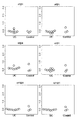
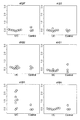
- FIG. 3 shows the concentrations of antibodies against human integrins having different combinations of subunit ⁇ chains and ⁇ chains in ulcerative colitis serum (UC) and control serum (Control).
- FIG. 3 shows the concentrations of antibodies against human integrins having different combinations of subunit ⁇ chains and ⁇ chains in ulcerative colitis serum (UC) and control serum (Control).
- FIG. 3 shows the concentrations of antibodies against human integrins having different combinations of subunit ⁇ chains and ⁇ chains in ulcerative colitis serum (UC) and control serum (Control).
- FIG. 3 shows the concentrations of antibodies against human integrins having different combinations of subunit ⁇ chains and ⁇ chains in ulcerative colitis serum (UC) and control serum (Control).
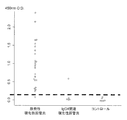
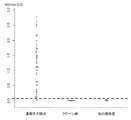
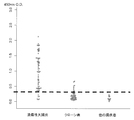
- FIG. 2 shows the concentrations of anti-human integrin ⁇ V ⁇ 6 antibody in ulcerative colitis patient serum, Crohn disease patient serum, and control serum.
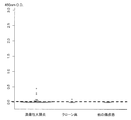
- Fig. 3 shows the concentration of anti-human integrin ⁇ V ⁇ 6 antibody in the serum of patients with primary sclerosing cholangitis, the serum of patients with IgG4-related sclerosing cholangitis, and the control serum.
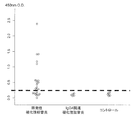
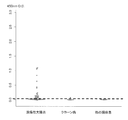
- 2 shows the concentrations of anti-human integrin ⁇ V ⁇ 3 antibody in ulcerative colitis patient serum, Crohn disease patient serum, and control serum.
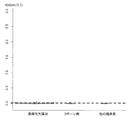
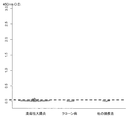
- 3 shows the concentration of anti-human integrin ⁇ V ⁇ 3 antibody in the serum of patients with primary sclerosing cholangitis, the serum of patients with IgG4-related sclerosing cholangitis, and the control serum.
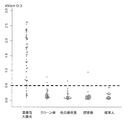
- 2 shows the concentration of anti-human integrin ⁇ V ⁇ 6 antibody in sera of ulcerative colitis, serum of patients with Crohn's disease, and sera of patients with other intestinal diseases.
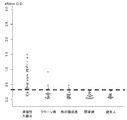
- 2 shows the concentrations of anti-human integrin ⁇ V ⁇ 6 antibody in ulcerative colitis patient serum, Crohn's disease patient serum, other intestinal disease patient serum, collagen disease patient serum, and healthy subject serum.
- 2 shows the concentration of anti-human integrin ⁇ V ⁇ 6 antibody IgG1 in the sera of patients with ulcerative colitis, the sera of patients with Crohn's disease, and the sera of patients with other intestinal diseases.
- 2 shows the concentration of anti-human integrin ⁇ V ⁇ 6 antibody IgG2 in ulcerative colitis patient serum, Crohn's disease patient serum, and other intestinal disease patient serum.
- the concentration of anti-human integrin ⁇ V ⁇ 6 antibody IgG3 in the sera of patients with ulcerative colitis, the sera of patients with Crohn's disease, and the sera of patients with other intestinal diseases is shown.
- the concentration of the anti-human integrin ⁇ V ⁇ 6 antibody IgG4 in the sera of patients with ulcerative colitis, the sera of patients with Crohn's disease, and the sera of patients with other intestinal diseases is shown.
- 2 shows the concentration of anti-human integrin ⁇ V ⁇ 6 antibody IgA in the sera of ulcerative colitis patients, the sera of patients with Crohn's disease, and the sera of patients with other intestinal diseases.
- the concentration of anti-human integrin ⁇ V ⁇ 6 antibody IgM in the sera of patients with ulcerative colitis, the sera of patients with Crohn's disease, and the sera of patients with other intestinal diseases is shown.
- FIG. 10A is a partial Mayo score (left vertical axis) and an anti-human integrin ⁇ V ⁇ 6 autoantibody (IgG) antibody in patients with ulcerative colitis at each time point from November 2017 to November 2018. Value (right vertical axis) is shown.
- FIG. 10B is a partial Mayo score (left vertical axis) and an anti-human integrin ⁇ V ⁇ 6 autoantibody (IgG) of another patient with ulcerative colitis at each time point from November 2017 to November 2018. Shows the antibody titer (right vertical axis).
- 2 shows the concentration of anti-human integrin ⁇ V ⁇ 3 antibody in sera of patients with ulcerative colitis, sera of patients with Crohn's disease, and sera of patients with other intestinal diseases.
- 1 shows the concentrations of anti-human integrin ⁇ V ⁇ 3 antibody in ulcerative colitis patient serum, Crohn's disease patient serum, other intestinal disease patient serum, collagen disease patient serum, and healthy subject serum.
- 2 shows the concentration of anti-human integrin ⁇ V ⁇ 3 antibody IgG1 in the sera of ulcerative colitis patients, the sera of patients with Crohn's disease, and the sera of patients with other intestinal diseases.
- 2 shows the concentration of anti-human integrin ⁇ V ⁇ 3 antibody IgG2 in ulcerative colitis patient serum, Crohn disease patient serum, and other intestinal disease patient serum.
- the concentration of anti-human integrin ⁇ V ⁇ 3 antibody IgG3 in the sera of patients with ulcerative colitis, the sera of patients with Crohn's disease, and the sera of patients with other intestinal diseases is shown.
- 2 shows the concentration of anti-human integrin ⁇ V ⁇ 3 antibody IgG4 in sera of patients with ulcerative colitis, sera of patients with Crohn's disease, and sera of patients with other intestinal diseases.
- the concentration of anti-human integrin ⁇ V ⁇ 3 antibody IgA in the sera of patients with ulcerative colitis, the sera of patients with Crohn's disease, and the sera of patients with other intestinal diseases is shown.
- the concentration of the anti-human integrin ⁇ V ⁇ 3 antibody IgM in the sera of patients with ulcerative colitis, the sera of patients with Crohn's disease, and the sera of patients with other intestinal diseases is shown.
- the concentration of anti-human integrin ⁇ V ⁇ 3 antibody IgE in the sera of patients with ulcerative colitis, the sera of patients with Crohn's disease, and the sera of patients with other intestinal diseases is shown.
- test animal targeted by the test method of the present invention is not particularly limited and may be a human or other non-human mammal, but is preferably a human.
- the sample used in the test method of the present invention includes body fluid collected from a subject animal. Specifically, in addition to blood samples such as serum, plasma, and whole blood, body fluid samples other than blood such as saliva, spinal fluid, and urine may be used. In addition to body fluids, tissues collected from animals such as ulcerative colitis disease site (eg, large intestine, rectum) or primary sclerosing cholangitis disease site (eg, liver) to be examined. The collected tissue can also be used as a sample. The sample is used in the test method of the present invention in a form separated from the test animal.
- body fluid samples other than blood such as saliva, spinal fluid, and urine
- tissues collected from animals such as ulcerative colitis disease site (eg, large intestine, rectum) or primary sclerosing cholangitis disease site (eg, liver) to be examined.
- the collected tissue can also be used as a sample.
- the sample is used in the test method of the present invention in a form separated from the test animal.
- Integrin is, in its natural form, a protein composed of a heterodimeric molecule composed of two subunit chains, an ⁇ chain and a ⁇ chain.
- ⁇ 1 to ⁇ 11, ⁇ V, ⁇ X, ⁇ M, ⁇ L, ⁇ D, ⁇ E, ⁇ IIb and ⁇ 1 to ⁇ 8 are known as ⁇ chains, and there are a plurality of isoforms having different combinations thereof.
- Integrin is present on the surface of epithelial cells and binds to extracellular matrix proteins such as laminin and fibronectin on the surface of connective tissues.
- Integrin ⁇ V ⁇ 6 consists of a heterodimeric molecule containing ⁇ V as the ⁇ chain and ⁇ 6 as the ⁇ chain. Integrin ⁇ V ⁇ 6 is hardly expressed in normal tissues, but is expressed on the surface of epithelial cells during inflammation stimulation.
- the origin of the fragment or whole of integrin ⁇ V ⁇ 6 that immunologically binds to the autoantibody to be detected is not particularly limited, but it is preferably the same species as the test animal, and particularly preferably human.
- the nucleotide sequence information of the genes encoding the ⁇ V chain and ⁇ 6 chain of integrin of mammalian species such as human and the amino acid sequence information of each chain can be obtained from a known database (GenBank etc.).
- the amino acid sequence of the preproprotein of human integrin ⁇ V chain isoform 1 has been registered as GenBank Accession Number NP — 002101.2 and is shown in SEQ ID NO:1.
- the amino acid sequence of the precursor of human integrin ⁇ 6 chain is registered as GenBank Accession Number NP_000879.2, and is shown in SEQ ID NO: 2.
- the amino acid sequence information of integrin ⁇ V chain and ⁇ 6 chain of various mammals other than human can be similarly obtained from a known database (GenBank etc.).
- An integrin ⁇ V ⁇ 6 may be formed by an ⁇ V chain and a ⁇ 6 chain containing an amino acid sequence formed by posttranslational modification of one or both of the amino acid sequences of the ⁇ V chain and ⁇ 6 chain registered in the database.
- the partial sequence from the 1st position to the 30th position in the amino acid sequence of SEQ ID NO: 1 is a signal peptide sequence
- the amino acid sequence of the mature polypeptide of human integrin ⁇ V chain is from the 31st position to the amino acid sequence of SEQ ID NO: 1 It includes the sequence at position 1048.
- the partial sequence from the 1st position to the 21st position in the amino acid sequence of SEQ ID NO: 2 is a signal peptide sequence
- the amino acid sequence of the mature polypeptide of human integrin ⁇ 6 chain is the 22nd position in the amino acid sequence of SEQ ID NO: 2.
- integrin ⁇ V ⁇ 6 is not limited to a natural type containing a mature or immature amino acid sequence, and may be a mutant in a form equivalent to natural type integrin ⁇ V ⁇ 6.
- the integrin ⁇ V ⁇ 6 is not limited to a form in which the natural or mutant ⁇ chain and ⁇ chain containing the mature or immature amino acid sequence include the entire length thereof (that is, the whole integrin ⁇ V ⁇ 6), and is a fragment of the integrin ⁇ V ⁇ 6. It may be in the form of.
- the autoantibody to be detected is not limited to an antibody that immunologically binds to a fragment of integrin ⁇ V ⁇ 6 or an amino acid sequence consisting entirely of the integrin ⁇ V ⁇ 6, and other peptides may be attached to each fragment of the integrin ⁇ V ⁇ 6 or the entire chain. It may be an antibody that immunologically binds to the one to which is added (particularly to the one added to the C-terminal side).
- the integrin ⁇ V ⁇ 6 fragment examples include those in which at least one of the ⁇ V chain and the ⁇ 6 chain forming the dimer of integrin is shorter than the mature or immature natural type or its mutant.
- the ⁇ V chain includes an ⁇ V chain containing a partial sequence from Phe at position 31 to Val at position 992 in the amino acid sequence of the ⁇ V chain shown in SEQ ID NO: 1, and/or ⁇ 6 chain
- a dimer containing the ⁇ 6 chain containing a partial sequence from Gly at the 22nd position to Asn at the 707th position in the amino acid sequence of the ⁇ 6 chain shown in SEQ ID NO: 2 can be exemplified.
- the fragment of integrin ⁇ V ⁇ 6 preferably forms a dimer, and more preferably has binding activity to extracellular matrix proteins such as laminin and fibronectin.
- extracellular matrix proteins such as laminin and fibronectin.
- the fact that the fragment of integrin ⁇ V ⁇ 6 has the binding activity to the extracellular matrix protein can be confirmed by the ELISA method or the like.
- the fact that the whole integrin ⁇ V ⁇ 6 or a fragment thereof forms a dimer means that the whole integrin ⁇ V ⁇ 6 or a fragment thereof is subjected to SDS-PAGE in the absence of 2-mercaptoethanol. It can be confirmed that a band corresponding to the molecular weight can be detected, and that the band corresponding to the molecular weight of the dimer disappears when the band is subjected to SDS-PAGE in the presence of 2-mercaptoethanol.
- integrin ⁇ V ⁇ 6 is recombinant human integrin ⁇ V ⁇ 6 (R&D Systems, Minnesota, USA, product number 3817-AV).
- This recombinant human integrin ⁇ V ⁇ 6 has a partial sequence from Phe at position 31 to Val at position 992 in the amino acid sequence of the ⁇ V chain shown in SEQ ID NO: 1, a linker sequence added to its C terminus, and an acidic tail sequence. And a partial sequence from Gly at the 22nd position to Asn at the 707th position in the amino acid sequence of the ⁇ 6 chain shown in SEQ ID NO: 2, and a linker sequence and a basic tail sequence added to the C-terminus thereof. It is a dimer with the ⁇ 6 chain.
- amino acid sequence shown in SEQ ID NO: 1 or a polypeptide containing a partial sequence from Phe at position 31 to Thr at position 1048 in the amino acid sequence shown in SEQ ID NO: 1 (II) Of the amino acid sequence shown in SEQ ID NO: 1 A polypeptide comprising a partial sequence and functionally equivalent to the polypeptide of (I), (III) A polypeptide comprising an amino acid sequence having 85% or more sequence identity with the amino acid sequence shown in SEQ ID NO: 1 or a partial sequence thereof, and functionally equivalent to the polypeptide of (I), and (IV) sequence
- the amino acid sequence shown in No. 1 or a partial sequence thereof comprises an amino acid sequence in which one or more amino acids are substituted, deleted and/or added, and is composed of a polypeptide functionally equivalent to the polypeptide of (I) Included are polypeptides selected from the group.
- polypeptides (I) to (IV) preferably have the amino acid sequence or partial sequence defined in the above (I) to (IV), and further have another amino acid sequence on at least one of the N-terminal side and the C-terminal side. May be a polypeptide containing an amino acid sequence added to the C-terminal side.
- polypeptide functionally equivalent to the polypeptide of (I) means a polypeptide consisting of the integrin ⁇ 6 chain (particularly preferably, the amino acid sequence shown in SEQ ID NO: 2).
- a polypeptide chain consisting of a partial sequence up to Asn at position 707) can form a dimer, and the dimer formed is a natural integrin ⁇ V ⁇ 6 such as laminin or fibronectin or a commercially available integrin.
- An example is a polypeptide that will have the ability to bind to extracellular matrix proteins to which ⁇ V ⁇ 6 can bind.
- the partial sequence in (II) above includes the partial sequence from Phe at position 31 to Val at position 992 in the amino acid sequence shown in SEQ ID NO: 1.
- the partial sequences in (III) and (IV) above include the partial sequence from Phe at position 31 to Thr at position 1048 in the amino acid sequence shown in SEQ ID NO: 1, or the amino acid sequence shown in SEQ ID NO: 1.
- the partial sequence from Phe at the 31st position to Val at the 992nd position can be mentioned.
- sequence identity in the above (III) is preferably 90% or more, more preferably 95% or more, even more preferably 96% or more, particularly preferably 97% or more, most preferably 98% or more, or 99% or more.
- “1 or more” is, for example, 1 to 100, preferably 1 to 50, preferably 1 to 30, preferably 1 to 20, preferably 1 to 15, preferably The number is 1 to 10, preferably 1 to 5, preferably 1 to 4, preferably 1 to 3, preferably 1 to 2, and preferably 1.
- ⁇ 6 chain constituting the fragment or whole of integrin ⁇ V ⁇ 6 (V) of the amino acid sequence shown in SEQ ID NO: 2 or the polypeptide (VI) containing the partial sequence from Gly at the 22nd position to Cys at the 788th position in the amino acid sequence shown in SEQ ID NO: 2
- VII A polypeptide comprising an amino acid sequence having 85% or more sequence identity with the amino acid sequence shown in SEQ ID NO: 2 or a partial sequence thereof, and functionally equivalent to the polypeptide of (V), and (VIII) sequence
- the amino acid sequence shown in No. 2 or a partial sequence thereof includes an amino acid sequence in which one or more amino acids are substituted, deleted, and/or added, and is composed of a polypeptide functionally equivalent to the polypeptide (V) Included are polypeptides selected from the group.
- polypeptides of (V) to (VIII) preferably have the amino acid sequence or partial sequence defined in (V) to (VIII), and further have another amino acid sequence on at least one of the N-terminal side and the C-terminal side. May be a polypeptide containing an amino acid sequence added to the C-terminal side.
- the polypeptide functionally equivalent to the polypeptide of (V) means an integrin ⁇ V chain (particularly preferably a polypeptide consisting of the amino acid sequence shown in SEQ ID NO: 1).
- a chain a polypeptide chain consisting of a partial sequence from Phe at position 31 to Thr at position 1048 in the amino acid sequence shown in SEQ ID NO: 1, or from Phe at position 31 in the amino acid sequence shown in SEQ ID NO: 1
- a polypeptide chain consisting of a partial sequence up to Val at position 992 can form a dimer, and the formed dimer is a natural integrin ⁇ V ⁇ 6 or a commercially available integrin ⁇ V ⁇ 6 such as laminin and fibronectin.
- An example is a polypeptide that has the ability to bind to extracellular matrix proteins that can bind to.
- the partial sequence in (VI) above includes the partial sequence from Gly at the 22nd position to Asn at the 707th position in the amino acid sequence shown in SEQ ID NO: 2.
- the partial sequences in (VII) and (VIII) above include the partial sequence from Gly at the 22nd position to Cys at the 788th position in the amino acid sequence shown in SEQ ID NO:2, or the amino acid sequence shown in SEQ ID NO:2.
- the partial sequence from Gly at the 22nd position to Asn at the 707th position can be mentioned.
- sequence identity in the above (VII) is preferably 90% or more, more preferably 95% or more, even more preferably 96% or more, particularly preferably 97% or more, most preferably 98% or more, or most preferably 99% or more.
- “1 or more” is, for example, 1 to 100, preferably 1 to 50, preferably 1 to 30, preferably 1 to 20, preferably 1 to 15, preferably The number is 1 to 10, preferably 1 to 5, preferably 1 to 4, preferably 1 to 3, preferably 1 to 2, and preferably 1.
- sequence identity of amino acid sequences can be determined using a method well known to those skilled in the art, sequence analysis software, or the like.
- sequence analysis software include the blastp program of the BLAST algorithm and the fasta program of the FASTA algorithm.
- the origin of the integrin ⁇ V ⁇ 3 fragment or whole that immunologically binds to the autoantibody to be detected is not particularly limited, but it is preferably the same species as the test animal, and particularly preferably human.
- the nucleotide sequence information of the genes encoding the ⁇ V chain and ⁇ 3 chain of integrins of mammalian species such as human and the amino acid sequence information of each chain can be obtained from a known database (GenBank etc.). The description of the ⁇ V chain is omitted because it is as described above.
- amino acid sequence of the precursor of the human integrin ⁇ 3 chain has been registered as GenBank Accession Number AAA52589.1 and is shown in SEQ ID NO:3.
- Amino acid sequence information of the integrin ⁇ 3 chain of various mammals other than humans can also be obtained from publicly known databases (GenBank etc.).
- An integrin ⁇ V ⁇ 3 may be formed by an ⁇ V chain and a ⁇ 3 chain containing an amino acid sequence formed by post-translational modification of one or both of the ⁇ V chain and ⁇ 3 chain amino acid sequences registered in the database.
- the amino acid sequence of the mature polypeptide of human integrin ⁇ V chain includes the sequence from position 31 to position 1048 in the amino acid sequence of SEQ ID NO: 1.
- the partial sequence from the 1st position to the 26th position in the amino acid sequence of SEQ ID NO: 3 is a signal peptide sequence
- the amino acid sequence of the mature polypeptide of human integrin ⁇ 3 chain is the 27th position in the amino acid sequence of SEQ ID NO: 3. To include the sequence at position 788.
- the integrin ⁇ V ⁇ 3 is not limited to a natural type containing a mature or immature amino acid sequence, and may be a mutant in a form equivalent to the natural type integrin ⁇ V ⁇ 3.
- integrin ⁇ V ⁇ 3 is not limited to a form in which the ⁇ chain and ⁇ chain of a natural type or mutant containing a mature or immature amino acid sequence include both full lengths (that is, whole integrin ⁇ V ⁇ 3), and a fragment of integrin ⁇ V ⁇ 3 It may be in the form of.
- the autoantibody to be detected is not limited to an antibody that immunologically binds to a fragment of integrin ⁇ V ⁇ 3 or an amino acid sequence of the entire integrin ⁇ V ⁇ 3. It may be an antibody that immunologically binds to the one to which is added (particularly to the one added to the C-terminal side).
- the integrin ⁇ V ⁇ 3 fragment examples include those in which at least one of the ⁇ V chain and the ⁇ 3 chain forming the dimer of integrin is shorter than the mature or immature natural type or its mutant.
- the ⁇ V chain includes an ⁇ V chain containing a partial sequence from Phe at position 31 to Val at position 992 in the amino acid sequence of the ⁇ V chain shown in SEQ ID NO: 1, and/or ⁇ 3 chain
- a dimer containing the ⁇ 3 chain containing a partial sequence from Gly at the 27th position to Asp at the 718th position in the amino acid sequence of the ⁇ 3 chain shown in SEQ ID NO: 3 can be exemplified.
- the fragment of integrin ⁇ V ⁇ 3 preferably forms a dimer, and more preferably has binding activity to extracellular matrix proteins such as laminin and fibronectin.
- extracellular matrix proteins such as laminin and fibronectin.
- the fact that the fragment of integrin ⁇ V ⁇ 3 has the binding activity to the extracellular matrix protein can be confirmed by the ELISA method or the like.
- the fact that the whole integrin ⁇ V ⁇ 3 or a fragment thereof forms a dimer means that the whole integrin ⁇ V ⁇ 3 or a fragment thereof was subjected to SDS-PAGE in the absence of 2-mercaptoethanol. It can be confirmed that a band corresponding to the molecular weight can be detected, and that the band corresponding to the molecular weight of the dimer disappears when the band is subjected to SDS-PAGE in the presence of 2-mercaptoethanol.
- Examples of commercially available integrin ⁇ V ⁇ 3 include recombinant human integrin ⁇ V ⁇ 3 (R&D Systems, Minnesota, USA, product number 3050-AV).
- This recombinant human integrin ⁇ V ⁇ 3 comprises a partial sequence from Phe at position 31 to Val at position 992 in the amino acid sequence of the ⁇ V chain shown in SEQ ID NO: 1, a linker sequence added to its C-terminal and an acidic tail sequence.
- a more specific embodiment of the fragment of integrin ⁇ V ⁇ 3 or the ⁇ V chain constituting the whole is a polypeptide selected from the above (I) to (IV).
- a more specific embodiment of the fragment of integrin ⁇ V ⁇ 3 or the ⁇ 3 chain constituting the whole is: (IX) Partial sequence from the 27th position Gly to the 718th Asp of the amino acid sequence shown in SEQ ID NO: 3 or the amino acid sequence shown in SEQ ID NO: 3 or the 27th position Gly of the amino acid sequence shown in SEQ ID NO: 3 To the Thr at position 788 (X) A polypeptide (X) comprising a partial sequence of the amino acid sequence shown in SEQ ID NO: 3 and functionally equivalent to the polypeptide (IX), (XI) A polypeptide comprising an amino acid sequence having a sequence identity of 85% or more with the amino acid sequence shown in SEQ ID NO: 3 or a partial sequence thereof, and being functionally equivalent to the polypeptide of (IX), and (XII) sequence
- the amino acid sequence shown in No. 3 or a partial sequence thereof contains an amino acid sequence in which one or more amino acids are substituted, deleted, and/or added, and is composed
- the polypeptide of (IX) to (XII) is preferably an amino acid sequence or a partial sequence defined in (IX) to (XII), and another amino acid sequence is preferably present on at least one of the N-terminal side and the C-terminal side. May be a polypeptide containing an amino acid sequence added to the C-terminal side.
- the polypeptide functionally equivalent to the polypeptide of (IX) means an integrin ⁇ V chain (particularly preferably, a polypeptide chain consisting of the amino acid sequence shown in SEQ ID NO: 1, SEQ ID NO: In the amino acid sequence shown in 1, the polypeptide chain consisting of a partial sequence from Phe at position 31 to Thr at position 1048, or in the amino acid sequence shown in SEQ ID NO: 1 from Phe at position 31 to Val at position 992
- a polypeptide chain consisting of a partial sequence up to) and a dimer formed can bind to natural type integrin ⁇ V ⁇ 3 or commercially available integrin ⁇ V ⁇ 3 such as laminin and fibronectin.
- a polypeptide that has the ability to bind to extracellular matrix proteins that can
- the partial sequence in (X) above includes the partial sequence from Gly at the 27th position to Asp at the 718th position in the amino acid sequence shown in SEQ ID NO:3.
- the partial sequences in (XI) and (XII) include the partial sequence from Gly at the 27th position to Asp at the 718th position in the amino acid sequence shown in SEQ ID NO:3, or the amino acid sequence shown in SEQ ID NO:3.
- the partial sequence from Gly at the 27th position to Thr at the 788th position can be mentioned.
- sequence identity in the above (XI) is preferably 90% or more, more preferably 95% or more, even more preferably 96% or more, particularly preferably 97% or more, most preferably 98% or more, or 99% or more.
- “1 or more” is, for example, 1 to 100, preferably 1 to 50, preferably 1 to 30, preferably 1 to 20, preferably 1 to 15, preferably The number is 1 to 10, preferably 1 to 5, preferably 1 to 4, preferably 1 to 3, preferably 1 to 2, and preferably 1.
- Test method for ulcerative colitis or primary sclerosing cholangitis is, firstly, A method for examining ulcerative colitis, As an index of ulcerative colitis, a detection step of detecting an antibody immunologically reacting with a fragment or whole of integrin ⁇ V ⁇ 6 and/or an antibody immunologically reacting with a fragment or whole of integrin ⁇ V ⁇ 3 in a sample Regarding the method including.
- a method for testing primary sclerosing cholangitis As an index of primary sclerosing cholangitis, an antibody immunologically reacting with a fragment or whole of integrin ⁇ V ⁇ 6 and/or an antibody immunologically reacting with a fragment or whole of integrin ⁇ V ⁇ 3 in a sample is detected.
- a method comprising a detection step.
- fragment or whole of integrin ⁇ V ⁇ 6 is generically referred to as “integrin ⁇ V ⁇ 6”
- fragment or whole of integrin ⁇ V ⁇ 3 is generically referred to as “integrin ⁇ V ⁇ 3”.
- the first test method of the present invention is an indicator that an antibody against integrin ⁇ V ⁇ 6 (autoantibody) and an antibody against integrin ⁇ V ⁇ 3 (autoantibody) in a sample obtained from a test animal have ulcerative colitis. It was completed based on the surprising finding that
- the second test method of the present invention is that the antibody to the integrin ⁇ V ⁇ 6 (autoantibody) and the antibody to integrin ⁇ V ⁇ 3 (autoantibody) in the sample obtained from the test animal are affected by primary sclerosing cholangitis. It was completed based on the surprising knowledge that it will be an index of.
- the detection step in the test method of the present invention is a step of detecting an antibody that immunologically reacts with integrin ⁇ V ⁇ 6 and/or an antibody that immunologically reacts with integrin ⁇ V ⁇ 3 in the sample.
- detection means to confirm whether or not an antibody immunologically reacts with integrin ⁇ V ⁇ 6 and/or an antibody immunologically reacts with integrin ⁇ V ⁇ 3 in the sample.
- the concept also includes measuring the content of the antibody in a sample, that is, "quantifying”.
- the detection step in the test method of the present invention may be any method that can quantitatively or qualitatively detect the antibody in the sample, and the specific embodiment is not particularly limited.
- immunological techniques can be used, for example, antibody enzyme method (ELISA method), immunoprecipitation method (IPP method), immunoblotting method (IB method), latex agglutination method, immunochromatography method, indirect fluorescent antibody. Methods (IF method), radioimmunoassay method (RIA method) and the like can be mentioned.
- ELISA method antibody enzyme method
- IPP method immunoprecipitation method
- IB method immunoblotting method
- latex agglutination method immunochromatography method
- indirect fluorescent antibody indirect fluorescent antibody.
- Methods IF method
- radioimmunoassay method RIA method
- An ELISA method that can process many specimens is particularly preferred.
- integrin ⁇ V ⁇ 6 and/or integrin ⁇ V ⁇ 3, which are the antigens of the antibody, as described above, are immobilized on a solid phase, and the specimen is contacted with the antigen immobilized on the solid phase. Then, the antibody can be detected by detecting an immune complex between the antigen and the antibody that may be contained in the sample using an enzyme-labeled detection antibody or the like.
- an enzyme-labeled detection antibody or the like There is no particular limitation on the method for suppressing non-specific reaction accompanying the implementation of the ELISA method, the labeling substance that can be used at the time of detection, the measuring instrument, and the like.
- the solid phase for immobilizing the antigen a solid phase having any shape such as a plate, beads, or tube can be used.
- a step of bringing a sample that may contain the antibody into contact with the antigen, a necessary washing step, a necessary labeling step, and a necessary detection step are carried out in an appropriate buffer solution.
- a buffer solution containing at least one metal ion selected from calcium ion, magnesium ion, manganese ion, sodium, lithium and the like.
- the metal ion is preferably a divalent metal ion such as calcium ion, magnesium ion and manganese ion, and particularly preferably one or two kinds of calcium ion, magnesium ion and manganese ion.
- the concentration of the metal ion in the buffer solution is not particularly limited, but may be 0.02 mM to 200 mM in total, preferably 0.2 mM to 20 mM, and particularly preferably 0.4 mM to 10 mM. In a buffer solution containing these metal ions, detection sensitivity is enhanced, which is preferable.
- the amount of the antibody that immunologically reacts with the integrin ⁇ V ⁇ 6 and/or the amount of the antibody that immunologically reacts with the integrin ⁇ V ⁇ 3 is determined for the detection that is bound to the immune complex of the antibody and the antigen. It can be determined as a measured value of the labeled amount of the antibody. It is also possible to prepare a calibration curve using a positive standard solution containing a known concentration of the antibody, and use the calibration curve to calculate the amount of the antibody in the test sample from the measured value of the labeled amount.
- determination of whether or not an antibody immunologically reacting with integrin ⁇ V ⁇ 6 and/or an antibody immunologically reacting with integrin ⁇ V ⁇ 3 is present is carried out by the test animal individual.
- the measurement value of the antibody in a sample obtained from a human who is suspected to have ulcerative colitis or primary sclerosing cholangitis is not affected by ulcerative colitis or primary sclerosing cholangitis. It can be carried out by comparing with the measured value of the antibody in a sample obtained from an individual animal (for example, a healthy person).
- the measurement value of the antibody in a sample obtained from an individual not suffering from ulcerative colitis or primary sclerosing cholangitis may be a value obtained by simultaneous measurement, or may be measured in advance. It may be a value obtained by The measurement value of the antibody in the sample obtained from the test animal individual is significantly higher than the measurement value of the antibody in the sample obtained from the animal individual not suffering from ulcerative colitis or primary sclerosing cholangitis. If it is larger, it can be judged as positive.
- the antibody that immunologically reacts with integrin ⁇ V ⁇ 6 and/or the antibody that immunologically reacts with integrin ⁇ V ⁇ 3 that is detected in the detection step is not particularly limited, and may be an IgG antibody, an IgA antibody, an IgM antibody, an IgE antibody. IgG antibodies or IgA antibodies are particularly preferred. As an antibody that immunologically reacts with integrin ⁇ V ⁇ 6, it is particularly preferable to detect IgG or IgA. As an antibody that immunologically reacts with integrin ⁇ V ⁇ 3, it is particularly preferable to detect an IgG antibody.
- the subclass among IgG antibodies is not particularly limited, but, for example, IgG1 antibody, IgG2 antibody, IgG3 antibody or IgG4 antibody can be detected.
- IgG antibody that immunologically reacts with integrin ⁇ V ⁇ 6 it is more preferable to detect an IgG1 antibody, an IgG2 antibody or an IgG4 antibody, and it is most preferable to detect an IgG1 antibody.
- IgG antibody that immunologically reacts with integrin ⁇ V ⁇ 3 it is more preferable to detect an IgG1 antibody, an IgG2 antibody or an IgG3 antibody, and it is most preferable to detect an IgG1 antibody.
- Test kit or test reagent for ulcerative colitis or primary sclerosing cholangitis firstly relates to a test kit or test reagent for testing ulcerative colitis, which comprises a fragment or whole of integrin ⁇ V ⁇ 6 and/or a fragment or whole of integrin ⁇ V ⁇ 3.
- test kit or test reagent of the present invention relates to a test kit or test reagent for testing primary sclerosing cholangitis, which comprises a fragment or whole of integrin ⁇ V ⁇ 6 and/or a fragment or whole of integrin ⁇ V ⁇ 3. ..
- fragment or whole of integrin ⁇ V ⁇ 6 is generically referred to as “integrin ⁇ V ⁇ 6”
- fragment or whole of integrin ⁇ V ⁇ 3 is generically referred to as “integrin ⁇ V ⁇ 3”.
- test kit or test reagent of the present invention can be used in the above-described test method of the present invention.
- the test kit of the present invention requires reagents necessary for immunological measurement, for example, one or more metal salts selected from buffers, calcium salts, magnesium salts, manganese salts, sodium salts, lithium salts and the like. May be included depending on
- test reagent of the present invention may be a liquid or solid composition containing integrin ⁇ V ⁇ 6 and/or integrin ⁇ V ⁇ 3 and a carrier such as a solvent or an excipient which is acceptable for the purpose of formulation.
- the form of integrin ⁇ V ⁇ 6 and/or integrin ⁇ V ⁇ 3 is not particularly limited, and may be in a solution state, a dry state, or immobilized on a solid phase. It may have a different form.
- a buffer solution or a solvent for making it into a solution state before use may be included in the test kit or the test reagent of the present invention.
- a test kit or test reagent containing integrin ⁇ V ⁇ 6 and/or integrin ⁇ V ⁇ 3 immobilized on a solid phase can be used to test for ulcerative colitis or primary sclerosing cholangitis by the ELISA method.
- the form of the solid phase may be any form such as plates, beads, tubes and the like.
- Kits for examining ulcerative colitis or primary sclerosing cholangitis by ELISA method include, in addition to the above-mentioned solid phase, positive standard solution, negative standard solution, blocking solution, washing solution, specimen diluting solution, detection antibody, substrate A liquid or the like can be included.
- the detection antibody may be labeled with a detectable label such as an enzyme.
- Examples of the positive standard solution include integrin ⁇ V ⁇ 6 and/or integrin ⁇ V ⁇ 3 and/or integrin ⁇ V ⁇ 3, as well as a serum diluent of a patient with ulcerative colitis or primary sclerosing cholangitis containing an integrin ⁇ V ⁇ 3 autoantibody.
- a solution containing an antibody is used.
- the antibody added to the solution is preferably the same isotype as the autotype of the autoantibody to be measured, such as IgG antibody, IgA antibody, IgM antibody, and IgE antibody.
- Negative standard solution is a serum dilution of a person who does not have ulcerative colitis or primary sclerosing cholangitis, serum of other intestinal diseases medically distinguished from ulcerative colitis, primary sclerosing cholangio Serum of other hepatobiliary system diseases medically distinguished from inflammation, serum of normal human (control serum) and its diluted solution are used.
- a method of evaluating the effect of treatment for ulcerative colitis comprising: An antibody that immunologically reacts with a fragment or whole of integrin ⁇ V ⁇ 6 and/or an immunological reaction with a fragment or whole of integrin ⁇ V ⁇ 3 in a sample obtained from a test animal that has been treated for ulcerative colitis To detect the antibody.
- the method for evaluating the therapeutic effect of the present invention A method of assessing the effect of treatment for primary sclerosing cholangitis, comprising: An antibody that immunologically reacts with the fragment or whole of integrin ⁇ V ⁇ 6 and/or the fragment or whole of integrin ⁇ V ⁇ 3 in a specimen obtained from a test animal that has been treated for primary sclerosing cholangitis And a detection step of detecting an antibody that reacts with.
- fragment or whole of integrin ⁇ V ⁇ 6 is generically referred to as “integrin ⁇ V ⁇ 6”
- fragment or whole of integrin ⁇ V ⁇ 3 is generically referred to as “integrin ⁇ V ⁇ 3”.
- an antibody that immunologically reacts with integrin ⁇ V ⁇ 6 and an antibody that immunologically reacts with integrin ⁇ V ⁇ 3 in the specimen are respectively ulcerative colitis or primary sclerosis. It is useful as an indicator of cholangitis. Therefore, the amount of the antibody in a sample obtained from a subject animal treated for ulcerative colitis or primary sclerosing cholangitis is decreased when the treatment is effective and cured, and the treatment is When the effect is not sufficiently exerted, it does not change or increases before the start of treatment. Therefore, the effect of the treatment can be evaluated by detecting the antibody in the sample obtained from the subject animal treated for the ulcerative colitis or the primary sclerosing cholangitis.
- test animals examples include humans and non-human animals treated for ulcerative colitis or primary sclerosing cholangitis.
- the quantification result of the antibody in a sample obtained from a test animal that has been treated for ulcerative colitis or primary sclerosing cholangitis for example, When the former is smaller than the latter as compared with the quantification result of the antibody in the sample obtained from the same animal individual before starting the treatment, it can be evaluated that the treatment is effective. On the other hand, when the former is comparable to the latter or larger than the latter, it can be evaluated that the treatment is ineffective or insufficient. Based on this evaluation result, it is possible to determine whether to continue the treatment, change the treatment policy, stop the treatment, or the like.
- the quantification result of the antibody in a sample obtained from a test animal that has been treated for ulcerative colitis or primary sclerosing cholangitis For example, in comparison with the quantification result of the antibody in a sample obtained from a healthy individual of the same animal species, if the former is comparable to or smaller than the latter, it can be evaluated that the treatment is effective. .. On the other hand, when the former is larger than the latter, it can be evaluated that the treatment is ineffective or insufficient. Based on this evaluation result, it is possible to determine whether to continue the treatment, change the treatment policy, stop the treatment, or the like.
- the screening method of the present invention comprises: A method for screening a candidate substance for a therapeutic agent for ulcerative colitis, comprising: Detecting an antibody immunologically reacting with a fragment or whole of integrin ⁇ V ⁇ 6 and/or an antibody immunologically reacting with a fragment or whole of integrin ⁇ V ⁇ 3 in a specimen obtained from an animal treated with a test substance An antibody detection step, And a step of selecting the test substance as a candidate substance for a therapeutic agent for ulcerative colitis when the antibody in the sample is decreased by the action of the test substance.
- the screening method of the present invention comprises: A method for screening a candidate substance for a therapeutic agent for primary sclerosing cholangitis, comprising: Detecting an antibody immunologically reacting with a fragment or whole of integrin ⁇ V ⁇ 6 and/or an antibody immunologically reacting with a fragment or whole of integrin ⁇ V ⁇ 3 in a specimen obtained from an animal treated with a test substance An antibody detection step, And a step of selecting the test substance as a candidate substance for a therapeutic agent for primary sclerosing cholangitis, when the antibody in the sample decreases due to the action of the test substance.
- the antibody immunologically reacting with the fragment or whole of integrin ⁇ V ⁇ 6 and/or the antibody immunologically reacting with the fragment or whole of integrin ⁇ V ⁇ 3 in the sample is ulcerative colitis or primary It is useful as an index of sclerosing cholangitis. Therefore, when the antibody in the specimen is decreased by the action of a test substance, the test substance may be selected as a candidate substance for a therapeutic agent for ulcerative colitis or primary sclerosing cholangitis. It will be possible.
- the test substance is a test substance that may be a candidate for a new drug and is not particularly limited.
- the animal to which the test substance acts is typically a fragment or whole of integrin ⁇ V ⁇ 6, and/or, as compared with a healthy individual such as a non-human model animal of ulcerative colitis or primary sclerosing cholangitis, and/or It is an animal in which a large amount of an antibody that immunologically reacts with a fragment or whole of integrin ⁇ V ⁇ 3 in a sample.
- the test A substance can be selected as a candidate substance for a therapeutic agent for ulcerative colitis or primary sclerosing cholangitis.
- the quantification result of the antibody in the sample obtained from the animal to which the test substance was allowed to act was obtained from a healthy individual of the same animal species.
- the test substance can be selected as a candidate substance for a therapeutic agent for ulcerative colitis or primary sclerosing cholangitis.
- the method for producing the non-human model animal of the present invention is A method for producing a non-human model animal for ulcerative colitis, comprising: An antibody administration step of administering to a non-human animal an antibody that immunologically reacts with a fragment or whole of integrin ⁇ V ⁇ 6 and/or an antibody that immunologically reacts with a fragment or whole of integrin ⁇ V ⁇ 3, and a non-human animal , An integrin ⁇ V ⁇ 6 fragment or the whole, and/or an integrin ⁇ V ⁇ 3 fragment or the whole or an immunization step as an antigen.
- the method for producing the non-human model animal of the present invention comprises: A method for producing a non-human model animal of primary sclerosing cholangitis, comprising: An antibody administration step of administering to a non-human animal an antibody that immunologically reacts with a fragment or whole of integrin ⁇ V ⁇ 6 and/or an antibody that immunologically reacts with a fragment or whole of integrin ⁇ V ⁇ 3, and a non-human animal , An integrin ⁇ V ⁇ 6 fragment or the whole, and/or an integrin ⁇ V ⁇ 3 fragment or the whole or an immunization step as an antigen.
- the specific forms of the integrin ⁇ V ⁇ 6 fragment or whole, the integrin ⁇ V ⁇ 3 fragment or whole, the antibody and the like in the method for producing a non-human model animal of the present invention are the same as those in the test method of the present invention.
- the non-human animal is administered with an antibody immunologically reactive with the fragment or whole of integrin ⁇ V ⁇ 6 and/or the fragment or whole of integrin ⁇ V ⁇ 3, whereby ulcerative colitis or primary sclerosing cholangitis It is possible to produce non-human model animals.
- non-human animals to which the antibody is administered include mice such as BALB/c mouse and B6 mouse, and other non-human animals.
- the administration route of the antibody immunologically reacting with the fragment or whole of integrin ⁇ V ⁇ 6 and/or the antibody immunologically reacting with the fragment or whole of integrin ⁇ V ⁇ 3 is not particularly limited, but, for example, subcutaneously Administration, intraperitoneal administration, intravenous administration and the like can be exemplified.
- the antibody need not be administered to the non-human animal as a purified antibody, but may be administered to the non-human animal as serum containing the antibody, for example.
- the antibody to be administered in the antibody administration step is selected so that it can immunologically react with integrin ⁇ V ⁇ 6 and/or integrin ⁇ V ⁇ 3 possessed by the non-human animal receiving the administration.
- a non-human animal model of ulcerative colitis or primary sclerosing cholangitis is produced by an immunization step of immunizing a non-human animal with the fragment or whole of integrin ⁇ V ⁇ 6 and/or the fragment or whole of integrin ⁇ V ⁇ 3 as an antigen. It can be manufactured.
- the non-human animal to which the antigen is administered include mice such as BALB/c mouse and B6 mouse, and other non-human animals.
- the method in the immunization process is not particularly limited.
- the fragment or whole of integrin ⁇ V ⁇ 6 and/or the fragment or whole of integrin ⁇ V ⁇ 3 is administered to a non-human animal by a route such as subcutaneous administration, intravenous administration or intraperitoneal administration together with an appropriate adjuvant such as complete Freund's adjuvant.
- a non-human animal can be immunized.
- a fragment or whole of integrin ⁇ V ⁇ 6 and/or a fragment or whole of integrin ⁇ V ⁇ 3 to be administered as an antigen is immunized by an antibody against the integrin ⁇ V ⁇ 6 and/or integrin ⁇ V ⁇ 3 by autoimmunity. Selected so that it can react chemically.
- human IgG that can be contained in serum of patients with ulcerative colitis and that binds to an antigen candidate immobilized on a solid phase is used as an autoantibody to be detected, and rabbit anti-antibody labeled with HRP (horseradish peroxidase) is used.
- HRP horseradish peroxidase
- Human integrin ⁇ 2b ⁇ 3 (7148-A2, R&D system) Human integrin ⁇ 1 ⁇ 1 (7064-AB, R&D system) Human integrin ⁇ 2 ⁇ 1 (5698-A2, R&D system) Human integrin ⁇ 3 ⁇ 1 (2840-A3, R&D system) Human integrin ⁇ 4 ⁇ 1 (5668-A4, R&D system) Human integrin ⁇ 4 ⁇ 7 (5397-A3, R&D system) Human integrin ⁇ 5 ⁇ 1 (3230-A5, R&D system) Human integrin ⁇ 6 ⁇ 1 (7809-A6, R&D system) Human integrin ⁇ 6 ⁇ 4 (5497-A6, R&D system) Human integrin ⁇ 9 ⁇ 1 (5438-A9, R&D system) Human integrin ⁇ 10 ⁇ 1 (5895-AB, R&D system) Human integrin ⁇ 11 ⁇ 1 (6357-AB, R&D system) Human integrin ⁇ 10 ⁇ 1 (5895-AB,
- Serum Samples Serum samples were obtained from 8 patients diagnosed with ulcerative colitis. Patients without ulcerative colitis without primary sclerosing cholangitis were selected. Serum samples from three healthy individuals were obtained as control serum samples.
- Blocking (1) 200 ⁇ l of the blocking buffer for ELISA of the above kit was added to each well. (2) Incubated for 30 minutes. (3) After incubation, the blocking buffer for ELISA was removed, and each well was washed 3 times.
- HRP-conjugated detection antibody A detection antibody (abcam6759, rabbit anti-human IgG H&L (HRP)) conjugated with HRP (horseradish peroxidase) was added to the conjugate diluent (Conjugate Diluent) of the above-mentioned kit 1 : Diluted at a rate of 50,000. (2) 100 ⁇ l of the detection antibody diluent obtained by the above dilution was added to each well of the microwell plate in contact with serum. (3) Incubated for 60 minutes. (4) After incubation, the detection antibody diluent was removed, and each well was washed 5 times.
- Enzyme Substrate Reaction (1) A TMB (3,3′,5,5′-tetramethylbenzidine) solution was prepared according to the manufacturer's recommended conditions. (2) 100 ⁇ l of the TMB solution was added to each well of the microwell plate in contact with the detection antibody. (3) Incubated for 7 to 8 minutes. (4) 100 ⁇ l of 0.18 MH 2 SO 4 was added to each well to stop the oxidation of TMB. (5) Using a microplate reader, the coloration due to the product of the oxidation reaction was measured at a wavelength of 450 nm.
- the vertical axis represents the relative value of the absorbance at 450 nm, which is proportional to the amount of detection antibody on the solid phase.
- the anti-human integrin ⁇ V ⁇ 6 antibody concentration in each serum sample was measured by the ELISA method in the same procedure as described in Experiment 1. However, CaCl 2 and MgCl 2 were added to the ELISA washing solution, the ELISA blocking buffer, and the conjugate diluent so that the final concentration of each was 1 mM.
- the vertical axis represents the relative value of absorbance at 450 nm, which is proportional to the amount of detection antibody on the solid phase.
- the cut-off value indicated by the broken line is a value obtained by adding a value three times the standard deviation (SD) to the average value of the relative absorbance values of the control serum sample.
- SD standard deviation
- the anti-human integrin ⁇ V ⁇ 6 antibody was positive in 58 of 63 cases in the serum sample of ulcerative colitis patient, and the sensitivity was 92%.
- the serum sample of Crohn's disease patient 45 out of 48 cases were negative, and in the control serum sample, 11 out of 11 cases were negative, and the specificity was 95%. This result supports that it is possible to diagnose ulcerative colitis based on the blood level of autoantibodies against human integrin ⁇ V ⁇ 6.
- the anti-human integrin ⁇ V ⁇ 6 antibody concentration in each serum sample was measured by the ELISA method in the same procedure as described in Experiment 1. However, CaCl 2 and MgCl 2 were added to the ELISA washing solution, the ELISA blocking buffer, and the conjugate diluent so that the final concentration of each was 1 mM.
- the vertical axis represents the relative value of the absorbance at 450 nm, which is proportional to the amount of detection antibody on the solid phase.
- the cut-off value indicated by the broken line is a value obtained by adding a value three times the standard deviation (SD) to the average value of the relative absorbance values of the control serum sample.
- SD standard deviation
- the anti-human integrin ⁇ V ⁇ 6 antibody was positive in 23 of 24 PSC patient serum samples and the sensitivity was 96%.
- the IgG4 related sclerosing cholangitis patient serum sample was negative in 4 out of 5 cases, and the control serum sample was negative in 6 out of 6 cases, and the specificity was 91%.
- PSC primary sclerosing cholangitis
- the anti-human integrin ⁇ V ⁇ 3 antibody concentration in each serum sample was measured by the ELISA method in the same procedure as described in Experiment 1. However, CaCl 2 and MgCl 2 were added to the ELISA washing solution, the ELISA blocking buffer, and the conjugate diluent so that the final concentration of each was 1 mM.
- the vertical axis represents the relative value of the absorbance at 450 nm, which is proportional to the amount of detection antibody on the solid phase.
- the cut-off value indicated by the broken line is a value obtained by adding a value three times the standard deviation (SD) to the average value of the relative absorbance values of the control serum sample.
- SD standard deviation
- the anti-human integrin ⁇ V ⁇ 3 antibody was positive in 58 out of 63 cases and the sensitivity was 93% in the ulcerative colitis patient serum sample.
- 4 out of 4 serum samples from Crohn's disease patients were negative, and 9 out of 9 control serum samples were negative, and the specificity was 100%. This result supports that it is possible to diagnose ulcerative colitis based on the blood level of autoantibodies against human integrin ⁇ V ⁇ 3.
- the anti-human integrin ⁇ V ⁇ 3 antibody concentration in each serum sample was measured by the ELISA method in the same procedure as described in Experiment 1. However, CaCl 2 and MgCl 2 were added to the ELISA washing solution, the ELISA blocking buffer, and the conjugate diluent so that the final concentration of each was 1 mM.
- the vertical axis represents the relative value of the absorbance at 450 nm, which is proportional to the amount of detection antibody on the solid phase.
- the cut-off value indicated by the broken line is a value obtained by adding a value three times the standard deviation (SD) to the average value of the relative absorbance values of the control serum sample.
- SD standard deviation
- the anti-human integrin ⁇ V ⁇ 3 antibody was positive in 15 of 24 PSC patient serum samples and the sensitivity was 63%.
- the IgG4 related sclerosing cholangitis patient serum sample was negative in 5 out of 5 cases, and the control serum sample was negative in 6 cases in 6 cases, and the specificity was 100%.
- PSC primary sclerosing cholangitis
- the anti-human integrin ⁇ V ⁇ 6 antibody concentration in each serum sample was measured by the ELISA method in the same procedure as described in Experiment 2.
- the vertical axis represents the relative value of the absorbance at 450 nm, which is proportional to the amount of detection antibody on the solid phase.
- “Ulcerative colitis” refers to a serum sample of ulcerative colitis patient
- “Crohn's disease” refers to a serum sample of Crohn's disease
- other intestinal disease refers to a serum sample of the other intestinal disease.
- the cut-off value shown by the broken line is a value obtained by adding a value three times the standard deviation (SD) to the average value of the relative absorbance values of the serum samples of the other intestinal disease patients.
- the anti-human integrin ⁇ V ⁇ 6 antibody was positive in 62 out of 66 serum samples of ulcerative colitis patients, and the sensitivity was 94%. On the other hand, 44 out of 47 serum samples from Crohn's disease patients were negative, and 9 out of 9 serum samples from other intestinal disease patients were negative, and the specificity was 95%. This result indicates that the blood level of autoantibodies against human integrin ⁇ V ⁇ 6 is specifically high in patients with ulcerative colitis.
- the anti-human integrin ⁇ V ⁇ 6 antibody concentration in each serum sample was measured by the ELISA method in the same procedure as described in Experiment 2.
- Fig. 7 the vertical axis represents the relative value of the absorbance at 450 nm, which is proportional to the amount of detection antibody on the solid phase.
- "Ulcerative colitis” indicates a ulcerative colitis patient serum sample
- "Crohn's disease” indicates a Crohn's disease patient serum sample
- “other intestinal disease” indicates the other intestinal disease patient serum sample
- “Collagen disease” refers to a serum sample of a collagen disease patient
- healthy person refers to a serum sample of a healthy person.
- the cut-off value indicated by the broken line is a value obtained by adding a value three times the standard deviation (SD) to the average value of the relative absorbance values of the serum sample of a healthy person.
- SD standard deviation
- the anti-human integrin ⁇ V ⁇ 6 antibody was positive in 43 out of 51 serum samples from patients with ulcerative colitis, and the sensitivity was 84%.
- 24 out of 26 serum samples from Crohn's disease patients were negative
- 23 out of 24 serum samples from other intestinal disease patients were negative
- 26 out of 27 serum samples from collagen disease were negative, serum samples from healthy subjects.
- 22 cases 22 cases were negative and the specificity was 96%.
- This result also shows that, as in Experiment 6, the blood level of autoantibodies against human integrin ⁇ V ⁇ 6 was specifically high in patients with ulcerative colitis.
- n 47 for ulcerative colitis patient serum sample
- intestinal diseases infectious enteritis, ischemic enteritis, Behcet's disease, eosinophilic gastroenteritis, clonkite
- IBDU intestinal diseases
- Anti-human IgG1 antibody (Anti-IgG1-HRP, AP006, Binding Site), anti-human IgG2 antibody conjugated with HRP (Anti-IgG2-HRP, AP007, Binding Site), anti-human IgG3 conjugated with HRP Antibody (Anti-IgG3-HRP, AP008, Binding Site) or HRP-conjugated anti-human IgG4 antibody (Anti-IgG4-HRP, AP009, Binding Site) is used for washing solution for ELISA, blocking for ELISA
- the ELISA method was performed in the same procedure as in Experiment 1 except that CaCl 2 and MgCl 2 were added to the buffer and the conjugate diluent so that the final concentration of each was 1 mM.
- FIG. 8A shows the detection result of IgG1
- FIG. 8B shows the detection result of IgG2
- FIG. 8C shows the detection result of IgG3
- FIG. 8D shows the detection result of IgG4.
- the vertical axis represents the relative value of the absorbance at 450 nm, which is proportional to the amount of detection antibody on the solid phase.
- other intestinal diseases indicate the other
- the cutoff value shown by the broken line is a value obtained by adding a value three times the standard deviation (SD) to the average value of the relative absorbance values of the serum samples of the other intestinal disease patients.
- SD standard deviation
- Figure 8A shows the following results. IgG1 that binds to human integrin ⁇ V ⁇ 6 is positive in 45 of 47 ulcerative colitis serum samples (96% sensitivity), negative in 8 of 8 serum samples of Crohn's disease patients Serum samples were negative in 8 of 8 cases.
- Figure 8B shows the following results. IgG2 that binds to human integrin ⁇ V ⁇ 6 is positive in 29 out of 47 serum samples of ulcerative colitis patients (sensitivity 62%), and negative in 7 out of 8 serum samples of Crohn's disease patients Serum samples were negative in 8 of 8 cases.
- Figure 8C shows the following results. IgG3 that binds to human integrin ⁇ V ⁇ 6 is positive in 10 out of 47 serum samples of ulcerative colitis patients (sensitivity 21%), negative in 6 out of 8 serum samples of Crohn's disease patients, and other intestinal disease patients Serum samples were negative in 8 of 8 cases.
- Figure 8D shows the following results. IgG4 binding to human integrin ⁇ V ⁇ 6 is positive in 19 of 47 ulcerative colitis serum samples (sensitivity 40%), negative in 8 of 8 serum samples of Crohn's disease patients, other intestinal disease patients Serum samples were negative in 8 of 8 cases.
- IgG1 is predominant in the IgG subclass of anti-human integrin ⁇ V ⁇ 6 autoantibodies in patients with ulcerative colitis.
- n 47 for ulcerative colitis patient serum sample
- intestinal diseases infectious enteritis, ischemic enteritis, Behcet's disease, eosinophilic gastroenteritis, clonkite
- IBDU intestinal diseases
- anti-human IgA conjugated with HRP was used as a detection antibody.
- Antibodies Goat anti-Human IgA Antibodies HRP Conjugated, A80-102P, BETHYL
- HRP-conjugated anti-human IgM antibodies Goat anti-Human IgU Antibodies HRP Conjugated Antibodies HRP Conjugated, H80 Conjugated, A80-102P, BETHYL).
- FIG. 9A shows the detection result of IgA
- FIG. 9B shows the detection result of IgM
- FIG. 9C shows the detection result of IgE.
- the vertical axis represents the relative value of the absorbance at 450 nm, which is proportional to the amount of detection antibody on the solid phase.
- other intestinal diseases indicate the other
- the cutoff value shown by the broken line is a value obtained by adding a value three times the standard deviation (SD) to the average value of the relative absorbance values of the serum samples of the other intestinal disease patients.
- SD standard deviation
- Figure 9A shows the following results. IgA that binds to human integrin ⁇ V ⁇ 6 was positive in 35 of 47 patients with ulcerative colitis serum sample (sensitivity: 74%), and negative in 8 of 8 serum samples with Crohn's disease patient; Serum samples were negative in 8 of 8 cases.
- Figure 9B shows the following results. IgM that binds to human integrin ⁇ V ⁇ 6 was positive in 11 of 47 serum samples from ulcerative colitis patients (sensitivity: 23%), and negative in 8 serum samples from Crohn's disease patients, negative in 8 of 8 patients. Serum samples were negative in 8 of 8 cases.
- Figure 9C shows the following results. IgE that binds to human integrin ⁇ V ⁇ 6 was positive in 10 out of 47 serum samples from ulcerative colitis patients (sensitivity 21%), negative in 7 out of 8 serum samples from Crohn's disease patients, and other intestinal disease patients Serum samples were negative in 8 of 8 cases.
- IgA, IgM, and IgE are included as anti-human integrin ⁇ V ⁇ 6 autoantibodies in patients with ulcerative colitis, and IgA is predominant.
- the antibody titer of anti-human integrin ⁇ V ⁇ 6 autoantibody (IgG) was measured by the same procedure as in Experiment 2 above.
- FIG. 10A and FIG. 10B show two representative ulcerative colitis patients with partial Mayo score (left vertical axis) and anti-human integrin at each time point from November 2017 to November 2018.
- the antibody titers of ⁇ V ⁇ 6 autoantibodies (IgG) (right vertical axis) are shown.
- the anti-human integrin ⁇ V ⁇ 3 antibody concentration in each serum sample was measured by the ELISA method in the same procedure as described in Experiment 4.
- Fig. 11 the vertical axis represents the relative value of the absorbance at 450 nm, which is proportional to the amount of detection antibody on the solid phase.
- “Ulcerative colitis” refers to a serum sample of ulcerative colitis patient
- “Crohn's disease” refers to a serum sample of Crohn's disease
- other intestinal disease refers to a serum sample of the other intestinal disease.
- the cut-off value shown by the broken line is a value obtained by adding a value three times the standard deviation (SD) to the average value of the relative absorbance values of the serum samples of the other intestinal disease patients.
- SD standard deviation
- the anti-human integrin ⁇ V ⁇ 3 antibody was positive in 60 of 66 serum samples from ulcerative colitis patient serum samples, and the sensitivity was 91%. On the other hand, in the serum sample of Crohn's disease patient, 38 cases out of 47 cases were negative, and in the serum samples of other intestinal disease patient, 9 cases out of 9 cases were negative, and the specificity was 84%. This result indicates that the blood level of autoantibodies against human integrin ⁇ V ⁇ 3 is specifically high in patients with ulcerative colitis.
- the anti-human integrin ⁇ V ⁇ 3 antibody concentration in each serum sample was measured by the ELISA method in the same procedure as described in Experiment 4.
- the vertical axis represents the relative value of the absorbance at 450 nm, which is proportional to the amount of detection antibody on the solid phase.
- UC indicates a ulcerative colitis patient serum sample
- CD indicates a Crohn's disease patient serum sample
- other intestinal disease indicates the other intestinal disease patient serum sample
- collagen disease indicates A serum sample of a patient with collagen disease is shown
- healthy person means a serum sample of a healthy person.
- the cut-off value indicated by the broken line is a value obtained by adding a value three times the standard deviation (SD) to the average value of the relative absorbance values of the serum sample of a healthy person.
- SD standard deviation
- the anti-human integrin ⁇ V ⁇ 3 antibody was positive in 42 out of 51 serum samples from patients with ulcerative colitis, and the sensitivity was 82%.
- 21 out of 26 serum samples of Crohn's disease patients were negative
- 21 out of 24 serum samples of other intestinal disease patients were negative
- 27 out of 27 serum samples of collagen disease were negative
- healthy human serum samples In 22 of 22 cases were negative, and the specificity was 92%.
- This result also shows that the blood concentration of autoantibodies against human integrin ⁇ V ⁇ 3 is specifically high in patients with ulcerative colitis, as in Experiment 11.
- n 47 for ulcerative colitis patient serum sample
- intestinal diseases infectious enteritis, ischemic enteritis, Behcet's disease, eosinophilic gastroenteritis, clonkite
- IBDU intestinal diseases
- Anti-human IgG1 antibody (Anti-IgG1-HRP, AP006, Binding Site), anti-human IgG2 antibody conjugated with HRP (Anti-IgG2-HRP, AP007, Binding Site), anti-human IgG3 conjugated with HRP Antibody (Anti-IgG3-HRP, AP008, Binding Site) or HRP-conjugated anti-human IgG4 antibody (Anti-IgG4-HRP, AP009, Binding Site) is used for washing solution for ELISA, blocking for ELISA
- the ELISA method was performed in the same procedure as in Experiment 1 except that CaCl 2 and MgCl 2 were added to the buffer and the conjugate diluent so that the final concentration of each was 1 mM.
- the detection result of IgG1 is shown in FIG. 13A
- the detection result of IgG2 is shown in FIG. 13B
- the detection result of IgG3 is shown in FIG. 13C
- the detection result of IgG4 is shown in FIG. 13D.
- the vertical axis represents the relative value of the absorbance at 450 nm, which is proportional to the amount of detection antibody on the solid phase.
- “other intestinal diseases” indicate the other
- the cutoff value shown by the broken line is a value obtained by adding a value three times the standard deviation (SD) to the average value of the relative absorbance values of the serum samples of the other intestinal disease patients.
- SD standard deviation
- FIG. 13A shows the following results. IgG1 that binds to human integrin ⁇ V ⁇ 3 is positive in 39 of 47 ulcerative colitis serum samples (sensitivity 83%), negative in 8 of 8 serum samples of Crohn's disease patients, and other intestinal disease patients Serum samples were negative in 8 of 8 cases.
- FIG. 13B shows the following result. IgG2, which binds to human integrin ⁇ V ⁇ 3, is positive in 14 of 47 sera samples of patients with ulcerative colitis (sensitivity 30%), and negative in 8 of 8 serum samples of Crohn's disease patients Serum samples were negative in 8 of 8 cases.
- FIG. 13C shows the following result. IgG3 that binds to human integrin ⁇ V ⁇ 3 is positive in 16 out of 47 serum samples of ulcerative colitis patients (sensitivity 34%), negative in 8 out of 8 serum samples of Crohn's disease patients, patients with other intestinal diseases Serum samples were negative in 8 of 8 cases.
- FIG. 13D shows the following result.
- IgG4 which binds to human integrin ⁇ V ⁇ 3
- IgG1 is predominant in the IgG subclass of anti-human integrin ⁇ V ⁇ 3 autoantibodies in patients with ulcerative colitis.
- n 47 for ulcerative colitis patient serum sample
- intestinal diseases infectious enteritis, ischemic enteritis, Behcet's disease, eosinophilic gastroenteritis, clonkite
- IBDU intestinal diseases
- anti-human IgA conjugated with HRP was used as a detection antibody.
- Antibodies Goat anti-Human IgA Antibodies HRP Conjugated, A80-102P, BETHYL
- HRP-conjugated anti-human IgM antibodies Goat anti-Human IgU Antibodies HRP Conjugated Antibodies HRP Conjugated, H80 Conjugated, A80-102P, BETHYL).
- Fig. 14A shows the detection result of IgA
- Fig. 14B shows the detection result of IgM
- Fig. 14C shows the detection result of IgE.
- the vertical axis represents the relative value of absorbance at 450 nm, which is proportional to the amount of detection antibody on the solid phase.
- other intestinal diseases indicate the other
- the cutoff value shown by the broken line is a value obtained by adding a value three times the standard deviation (SD) to the average value of the relative absorbance values of the serum samples of the other intestinal disease patients.
- SD standard deviation
- Figure 14A shows the following results. IgA, which binds to human integrin ⁇ V ⁇ 3, was positive in 5 out of 47 serum samples from ulcerative colitis patients (sensitivity: 11%) and negative in 8 out of 8 serum samples from Crohn's disease patients Serum samples were negative in 8 of 8 cases.
- FIG. 14B shows the following results. IgM, which binds to human integrin ⁇ V ⁇ 3, was positive in 10 out of 47 serum samples of ulcerative colitis patients (sensitivity: 21%), and negative in 8 out of 8 serum samples of Crohn's disease patients. Serum samples were negative in 8 of 8 cases.
- FIG. 14C shows the following results. IgE that binds to human integrin ⁇ V ⁇ 3 was positive (0% in 47 cases) in serum samples from ulcerative colitis patients, and negative in 8 cases in serum samples from Crohn's disease patients. Serum samples were negative in 8 of 8 cases.
- IgA, IgM, and IgE were all small as isotypes of anti-human integrin ⁇ V ⁇ 3 autoantibodies in patients with ulcerative colitis.
Landscapes
- Health & Medical Sciences (AREA)
- Life Sciences & Earth Sciences (AREA)
- Chemical & Material Sciences (AREA)
- Engineering & Computer Science (AREA)
- Immunology (AREA)
- Medicinal Chemistry (AREA)
- General Health & Medical Sciences (AREA)
- Biomedical Technology (AREA)
- Molecular Biology (AREA)
- Urology & Nephrology (AREA)
- Hematology (AREA)
- Cell Biology (AREA)
- Pharmacology & Pharmacy (AREA)
- Veterinary Medicine (AREA)
- Animal Behavior & Ethology (AREA)
- Public Health (AREA)
- Microbiology (AREA)
- Biochemistry (AREA)
- Epidemiology (AREA)
- General Physics & Mathematics (AREA)
- Biotechnology (AREA)
- Pathology (AREA)
- Food Science & Technology (AREA)
- Physics & Mathematics (AREA)
- Analytical Chemistry (AREA)
- Proteomics, Peptides & Aminoacids (AREA)
- Bioinformatics & Cheminformatics (AREA)
- Organic Chemistry (AREA)
- Zoology (AREA)
- Gastroenterology & Hepatology (AREA)
- Toxicology (AREA)
- Chemical Kinetics & Catalysis (AREA)
- General Chemical & Material Sciences (AREA)
- Nuclear Medicine, Radiotherapy & Molecular Imaging (AREA)
- Endocrinology (AREA)
- Mycology (AREA)
- Tropical Medicine & Parasitology (AREA)
- Biophysics (AREA)
- Genetics & Genomics (AREA)
- Peptides Or Proteins (AREA)
Abstract
Description
潰瘍性大腸炎の指標として、検体中の、インテグリンαVβ6の断片又は全体と免疫学的に反応する抗体、及び/又は、インテグリンαVβ3の断片又は全体と免疫学的に反応する抗体を検出する検出工程
を含む方法。
(2)前記検出工程が、インテグリンαVβ6の断片又は全体を抗原として用いてそれと免疫学的に反応する抗体を検出すること、及び/又は、インテグリンαVβ3の断片又は全体を抗原として用いてそれと免疫学的に反応する抗体を検出することを含む、(1)に記載の方法。
(3)前記検体が血液試料である、(1)又は(2)に記載の方法。
(4)インテグリンαVβ6の断片又は全体、及び/又は、インテグリンαVβ3の断片又は全体を含む、潰瘍性大腸炎を検査するための検査キット又は検査試薬。
(5)更に検出用抗体を含む、(4)に記載の検査キット又は検査試薬。
(6)更に陽性標準液及び/又は陰性標準液を含む、(4)又は(5)に記載の検査キット又は検査試薬。
(7)前記インテグリンαVβ6の断片又は全体、及び/又は、前記インテグリンαVβ3の断片又は全体を、固相に固定された形態で含む、(4)~(6)のいずれかに記載の検査キット又は検査試薬。
(8)原発性硬化性胆管炎の検査方法であって、
原発性硬化性胆管炎の指標として、検体中の、インテグリンαVβ6の断片又は全体と免疫学的に反応する抗体、及び/又は、インテグリンαVβ3の断片又は全体と免疫学的に反応する抗体を検出する検出工程
を含む方法。
(9)前記検出工程が、インテグリンαVβ6の断片又は全体を抗原として用いてそれと免疫学的に反応する抗体を検出すること、及び/又は、インテグリンαVβ3の断片又は全体を抗原として用いてそれと免疫学的に反応する抗体を検出することを含む、(8)に記載の方法。
(10)前記検体が血液試料である、(8)又は(9)に記載の方法。
(11)インテグリンαVβ6の断片又は全体、及び/又は、インテグリンαVβ3の断片又は全体を含む、原発性硬化性胆管炎を検査するための検査キット又は検査試薬。
(12)更に検出用抗体を含む、(11)に記載の検査キット又は検査試薬。
(13)更に陽性標準液及び/又は陰性標準液を含む、(11)又は(12)に記載の検査キット又は検査試薬。
(14)前記インテグリンαVβ6の断片又は全体、及び/又は、前記インテグリンαVβ3の断片又は全体を、固相に固定された形態で含む、(11)~(13)のいずれかに記載の検査キット又は検査試薬。
(15)潰瘍性大腸炎に対する治療の効果を評価する方法であって、
潰瘍性大腸炎に対する治療が施された被験動物から得た検体中の、インテグリンαVβ6の断片又は全体と免疫学的に反応する抗体、及び/又は、インテグリンαVβ3の断片又は全体と免疫学的に反応する抗体を検出する検出工程
を含む方法。
(16)原発性硬化性胆管炎に対する治療の効果を評価する方法であって、
原発性硬化性胆管炎に対する治療が施された被験動物から得た検体中の、インテグリンαVβ6の断片又は全体と免疫学的に反応する抗体、及び/又は、インテグリンαVβ3の断片又は全体と免疫学的に反応する抗体を検出する検出工程
を含む方法。
被検動物に由来する検体中の、インテグリンαVβ6の断片又は全体と免疫学的に反応する抗体、及び/又は、インテグリンαVβ3の断片又は全体と免疫学的に反応する抗体を検出すること、及び
前記抗体が検出された場合に、前記被検動物が潰瘍性大腸炎に罹患していると判断すること
を含む方法。
ここで前記被検動物はヒト又は非ヒト動物であり、好ましくはヒトである。
(18)前記検出が、インテグリンαVβ6の断片又は全体を抗原として用いてそれと免疫学的に反応する抗体を検出すること、及び/又は、インテグリンαVβ3の断片又は全体を抗原として用いてそれと免疫学的に反応する抗体を検出することを含む、(17)に記載の方法。
(19)前記検体が血液試料であり、好ましくは、前記被検動物から単離された血液試料である、(17)又は(18)に記載の方法。
(20)インテグリンαVβ6の断片又は全体と免疫学的に反応する抗体、及び/又は、インテグリンαVβ3の断片又は全体と免疫学的に反応する抗体を含む、潰瘍性大腸炎の診断のためのバイオマーカー。
(21)潰瘍性大腸炎の治療薬の候補物質をスクリーニングする方法であって、
試験物質を作用させた動物から得た検体中の、インテグリンαVβ6の断片又は全体と免疫学的に反応する抗体、及び/又は、インテグリンαVβ3の断片又は全体と免疫学的に反応する抗体を検出する抗体検出工程と、
前記試験物質を作用させたことにより前記検体中の前記抗体が減少した場合に、前記試験物質を、潰瘍性大腸炎の治療薬の候補物質として選抜する選抜工程と
を含む方法。
(22)潰瘍性大腸炎の非ヒトモデル動物を作製する方法であって、
非ヒト動物に、インテグリンαVβ6の断片又は全体と免疫学的に反応する抗体、及び/又は、インテグリンαVβ3の断片又は全体と免疫学的に反応する抗体を投与する抗体投与工程、並びに
非ヒト動物を、インテグリンαVβ6の断片又は全体、及び/又は、インテグリンαVβ3の断片又は全体を抗原として免疫する免疫工程
のうち少なくとも一方を含む方法。
(23)潰瘍性大腸炎の指標を取得する方法であって、
検体中の、インテグリンαVβ6の断片又は全体と免疫学的に反応する抗体、及び/又は、インテグリンαVβ3の断片又は全体と免疫学的に反応する抗体を検出する検出工程
を含む方法。
(24)前記検出工程が、インテグリンαVβ6の断片又は全体を抗原として用いてそれと免疫学的に反応する抗体を検出すること、及び/又は、インテグリンαVβ3の断片又は全体を抗原として用いてそれと免疫学的に反応する抗体を検出することを含む、(23)に記載の方法。
(25)前記検体が血液試料である、(23)又は(24)に記載の方法。
(26)潰瘍性大腸炎を検査するための検査キット又は検査試薬の製造における、インテグリンαVβ6の断片又は全体、及び/又は、インテグリンαVβ3の断片又は全体の使用。
(27)前記インテグリンαVβ6の断片又は全体、及び/又は、前記インテグリンαVβ3の断片又は全体が、固相に固定された形態である、(26)に記載の使用。
(28)潰瘍性大腸炎の検査に使用するための、インテグリンαVβ6の断片又は全体、及び/又は、インテグリンαVβ3の断片又は全体。
(29)固相に固定された形態である、(25)に記載の、インテグリンαVβ6の断片又は全体、及び/又は、インテグリンαVβ3の断片又は全体。
(30)潰瘍性大腸炎の非ヒトモデル動物を作製する方法に使用するための、インテグリンαVβ6の断片又は全体と免疫学的に反応する抗体、及び/又は、インテグリンαVβ3の断片又は全体と免疫学的に反応する抗体。
(31)潰瘍性大腸炎の非ヒトモデル動物を作製する方法に使用するための、インテグリンαVβ6の断片又は全体、及び/又は、インテグリンαVβ3の断片又は全体。
(32)潰瘍性大腸炎の非ヒトモデル動物を作製するための試薬の製造における、インテグリンαVβ6の断片又は全体と免疫学的に反応する抗体、及び/又は、インテグリンαVβ3の断片又は全体と免疫学的に反応する抗体の使用。
(33)潰瘍性大腸炎の非ヒトモデル動物を作製するための試薬の製造における、インテグリンαVβ6の断片又は全体、及び/又は、インテグリンαVβ3の断片又は全体の使用。
被検動物に由来する検体中の、インテグリンαVβ6の断片又は全体と免疫学的に反応する抗体、及び/又は、インテグリンαVβ3の断片又は全体と免疫学的に反応する抗体を検出すること、及び
前記抗体が検出された場合に、前記被検動物が原発性硬化性胆管炎に罹患していると判断すること
を含む方法。
ここで前記被検動物はヒト又は非ヒト動物であり、好ましくはヒトである。
(35)前記検出が、インテグリンαVβ6の断片又は全体を抗原として用いてそれと免疫学的に反応する抗体を検出すること、及び/又は、インテグリンαVβ3の断片又は全体を抗原として用いてそれと免疫学的に反応する抗体を検出することを含む、(34)に記載の方法。
(36)前記検体が血液試料であり、好ましくは、前記被検動物から単離された血液試料である、(34)又は(35)に記載の方法。
(37)インテグリンαVβ6の断片又は全体と免疫学的に反応する抗体、及び/又は、インテグリンαVβ3の断片又は全体と免疫学的に反応する抗体を含む、原発性硬化性胆管炎の診断のためのバイオマーカー。
(38)原発性硬化性胆管炎の治療薬の候補物質をスクリーニングする方法であって、
試験物質を作用させた動物から得た検体中の、インテグリンαVβ6の断片又は全体と免疫学的に反応する抗体、及び/又は、インテグリンαVβ3の断片又は全体と免疫学的に反応する抗体を検出する抗体検出工程と、
前記試験物質を作用させたことにより前記検体中の前記抗体が減少した場合に、前記試験物質を、原発性硬化性胆管炎の治療薬の候補物質として選抜する選抜工程と
を含む方法。
(39)原発性硬化性胆管炎の非ヒトモデル動物を作製する方法であって、
非ヒト動物に、インテグリンαVβ6の断片又は全体と免疫学的に反応する抗体、及び/又は、インテグリンαVβ3の断片又は全体と免疫学的に反応する抗体を投与する抗体投与工程、並びに
非ヒト動物を、インテグリンαVβ6の断片又は全体、及び/又は、インテグリンαVβ3の断片又は全体を抗原として免疫する免疫工程
のうち少なくとも一方を含む方法。
(40)原発性硬化性胆管炎の指標を取得する方法であって、
検体中の、インテグリンαVβ6の断片又は全体と免疫学的に反応する抗体、及び/又は、インテグリンαVβ3の断片又は全体と免疫学的に反応する抗体を検出する検出工程
を含む方法。
(41)前記検出工程が、インテグリンαVβ6の断片又は全体を抗原として用いてそれと免疫学的に反応する抗体を検出すること、及び/又は、インテグリンαVβ3の断片又は全体を抗原として用いてそれと免疫学的に反応する抗体を検出することを含む、(40)に記載の方法。
(42)前記検体が血液試料である、(40)又は(41)に記載の方法。
(43)原発性硬化性胆管炎を検査するための検査キット又は検査試薬の製造における、インテグリンαVβ6の断片又は全体、及び/又は、インテグリンαVβ3の断片又は全体の使用。
(44)前記インテグリンαVβ6の断片又は全体、及び/又は、前記インテグリンαVβ3の断片又は全体が、固相に固定された形態である、(43)に記載の使用。
(45)原発性硬化性胆管炎の検査に使用するための、インテグリンαVβ6の断片又は全体、及び/又は、インテグリンαVβ3の断片又は全体。
(46)固相に固定された形態である、(45)に記載の、インテグリンαVβ6の断片又は全体、及び/又は、インテグリンαVβ3の断片又は全体。
(47)原発性硬化性胆管炎の非ヒトモデル動物を作製する方法に使用するための、インテグリンαVβ6の断片又は全体と免疫学的に反応する抗体、及び/又は、インテグリンαVβ3の断片又は全体と免疫学的に反応する抗体。
(48)原発性硬化性胆管炎の非ヒトモデル動物を作製する方法に使用するための、インテグリンαVβ6の断片又は全体、及び/又は、インテグリンαVβ3の断片又は全体。
(49)原発性硬化性胆管炎の非ヒトモデル動物を作製するための試薬の製造における、インテグリンαVβ6の断片又は全体と免疫学的に反応する抗体、及び/又は、インテグリンαVβ3の断片又は全体と免疫学的に反応する抗体の使用。
(50)原発性硬化性胆管炎の非ヒトモデル動物を作製するための試薬の製造における、インテグリンαVβ6の断片又は全体、及び/又は、インテグリンαVβ3の断片又は全体の使用。
被検動物に由来する検体中において前記抗体が存在するかを検出すること
を含む方法。
ここで前記被検動物はヒト又は非ヒト動物であり、好ましくはヒトである。前記ヒトは、潰瘍性大腸炎患者又は潰瘍性大腸炎に罹患していることが疑われるヒトであってよい。前記ヒトは、原発性硬化性胆管炎患者又は原発性硬化性胆管炎に罹患していることが疑われるヒトであってよい。前記ヒトは、潰瘍性大腸炎を合併する原発性硬化性胆管炎患者又は潰瘍性大腸炎を合併する原発性硬化性胆管炎に罹患していることが疑われるヒトであってよい。
(52)前記検出が、前記検体を、インテグリンαVβ6の断片又は全体、及び/又は、インテグリンαVβ3の断片又は全体である抗原と接触させ、前記抗原と前記抗体との結合を検出することにより、前記検体中に前記抗体が存在するかを検出することである、(51)に記載の方法。
(53)前記検出が、前記検体を、インテグリンαVβ6の断片又は全体、及び/又は、インテグリンαVβ3の断片又は全体である抗原と接触させ、さらに、抗ヒトIgG抗体、抗ヒトIgA抗体、抗ヒトIgM抗体及び/又は抗ヒトIgE抗体を接触させ、前記抗体と前記抗ヒトIgG抗体、抗ヒトIgA抗体、抗ヒトIgM抗体及び/又は抗ヒトIgE抗体との結合を検出することにより、前記検体中に前記抗体が存在するかを検出することである、(51)に記載の方法。
ここで、前記抗原は、固相に固定化されていることが好ましい。
(54)前記検体が、前記被検動物から単離された血液試料である、(51)~(53)のいずれかに記載の方法。ここで、前記血液試料は血清試料、血漿試料又は全血であることが好ましい。
(55)被検動物における潰瘍性大腸炎を診断する方法であって、
被検動物に由来する検体を、インテグリンαVβ6の断片又は全体、及び/又は、インテグリンαVβ3の断片又は全体である抗原を固定した固相担体と接触させ、前記抗原と、前記抗原と免疫学的に反応する抗体との結合を検出することにより、前記検体中に前記抗体が存在するかを検出すること、並びに、
前記検体中に前記抗体の存在が検出された場合に、前記被検動物が潰瘍性大腸炎に罹患していると診断すること
を含む方法。
ここで前記被検動物はヒト又は非ヒト動物であり、好ましくはヒトである。前記ヒトは、潰瘍性大腸炎患者又は潰瘍性大腸炎に罹患していることが疑われるヒトであってよい。
(56)前記検出が、前記検体を、インテグリンαVβ6の断片又は全体、及び/又は、インテグリンαVβ3の断片又は全体である抗原と接触させ、さらに、抗ヒトIgG抗体、抗ヒトIgA抗体、抗ヒトIgM抗体及び/又は抗ヒトIgE抗体を接触させ、前記抗体と前記抗ヒトIgG抗体、抗ヒトIgA抗体、抗ヒトIgM抗体及び/又は抗ヒトIgE抗体との結合を検出することにより、前記検体中に前記抗体が存在するかを検出することである、(55)に記載の方法。
(57)前記検体が、前記被検動物から単離された血液試料である、(55)又は(56)に記載の方法。ここで、前記血液試料は血清試料、血漿試料又は全血であることが好ましい。
(58)被検動物における潰瘍性大腸炎を診断及び治療する方法であって、
被検動物に由来する検体中に、インテグリンαVβ6の断片又は全体と免疫学的に反応する抗体、及び/又は、インテグリンαVβ3の断片又は全体と免疫学的に反応する抗体が存在するかを検出すること、
前記検体中に前記抗体の存在が検出された場合に、前記被検動物が潰瘍性大腸炎に罹患していると診断すること、並びに、
潰瘍性大腸炎に罹患していると診断された前記被検動物に、有効量の、潰瘍性大腸炎の治療薬を投与する、及び/又は、潰瘍性大腸炎を治療するための血球成分除去療法もしくは手術を施すこと
を含む方法。
ここで前記被検動物はヒト又は非ヒト動物であり、好ましくはヒトである。前記ヒトは、潰瘍性大腸炎患者又は潰瘍性大腸炎に罹患していることが疑われるヒトであってよい。
(59)前記治療薬が、ステロイド薬、5-アミノサリチル酸(5ASA)製剤、免疫調節薬(例えばアザチオプリン、メルカプトプリン)、生物学的製剤(例えばインフリキシマブ、アダリムマブ、ゴリムマブ、トファシチニブ、ベドリズマブ)、抗TNFα薬及び免疫抑制薬(例えばタクロリムス、シクロスポリン)から選択される1以上である、(58)に記載の方法。
(60)前記検体が、前記被検動物から単離された血液試料である、(58)又は(59)に記載の方法。ここで、前記血液試料は血清試料、血漿試料又は全血であることが好ましい。
(61)被検動物における原発性硬化性胆管炎を診断する方法であって、
被検動物に由来する検体を、インテグリンαVβ6の断片又は全体、及び/又は、インテグリンαVβ3の断片又は全体である抗原を固定した固相担体と接触させ、前記抗原と、前記抗原と免疫学的に反応する抗体との結合を検出することにより、前記検体中に前記抗体が存在するかを検出すること、並びに、
前記検体中に前記抗体の存在が検出された場合に、前記被検動物が原発性硬化性胆管炎に罹患していると診断すること
を含む方法。
ここで前記被検動物はヒト又は非ヒト動物であり、好ましくはヒトである。前記ヒトは、原発性硬化性胆管炎患者又は原発性硬化性胆管炎に罹患していることが疑われるヒトであってよい。
(62)前記検出が、前記検体を、インテグリンαVβ6の断片又は全体、及び/又は、インテグリンαVβ3の断片又は全体である抗原と接触させ、さらに、抗ヒトIgG抗体、抗ヒトIgA抗体、抗ヒトIgM抗体及び/又は抗ヒトIgE抗体を接触させ、前記抗体と前記抗ヒトIgG抗体、抗ヒトIgA抗体、抗ヒトIgM抗体及び/又は抗ヒトIgE抗体との結合を検出することにより、前記検体中に前記抗体が存在するかを検出することである、(61)に記載の方法。
(63)前記検体が、前記被検動物から単離された血液試料である、(61)又は(62)に記載の方法。
(64)被検動物における原発性硬化性胆管炎を診断及び治療する方法であって、
被検動物に由来する検体中に、インテグリンαVβ6の断片又は全体と免疫学的に反応する抗体、及び/又は、インテグリンαVβ3の断片又は全体と免疫学的に反応する抗体が存在するかを検出すること、
前記検体中に前記抗体の存在が検出された場合に、前記被検動物が原発性硬化性胆管炎に罹患していると診断すること、並びに、
原発性硬化性胆管炎に罹患していると診断された前記被検動物に、有効量の、原発性硬化性胆管炎の治療薬を投与すること
を含む方法。
ここで前記被検動物はヒト又は非ヒト動物であり、好ましくはヒトである。前記ヒトは、原発性硬化性胆管炎患者又は原発性硬化性胆管炎に罹患していることが疑われるヒトであってよい。
(65)前記検体が、前記被検動物から単離された血液試料である、(64)に記載の方法。ここで、前記血液試料は血清試料、血漿試料又は全血であることが好ましい。
(66)前記被検動物から前記血液試料を単離することを更に含む、(54)、(57)、(60)又は(63)に記載の方法。
(67)被検動物における潰瘍性大腸炎を合併する原発性硬化性胆管炎を診断及び治療する方法であって、
被検動物に由来する検体中に、インテグリンαVβ6の断片又は全体と免疫学的に反応する抗体、及び/又は、インテグリンαVβ3の断片又は全体と免疫学的に反応する抗体が存在するかを検出すること、
前記検体中に前記抗体の存在が検出された場合に、前記被検動物が潰瘍性大腸炎を合併する原発性硬化性胆管炎に罹患していると診断すること、並びに、
潰瘍性大腸炎を合併する原発性硬化性胆管炎に罹患していると診断された前記被検動物に、有効量の、潰瘍性大腸炎を合併する原発性硬化性胆管炎の治療薬を投与する、及び/又は、潰瘍性大腸炎を合併する原発性硬化性胆管炎を治療するための血球成分除去療法もしくは手術を施すことを含む方法。
ここで前記被検動物はヒト又は非ヒト動物であり、好ましくはヒトである。前記ヒトは、潰瘍性大腸炎を合併する原発性硬化性胆管炎患者又は潰瘍性大腸炎を合併する原発性硬化性胆管炎に罹患していることが疑われるヒトであってよい。
(68)前記治療薬が、ステロイド薬、5-アミノサリチル酸(5ASA)製剤、免疫調節薬(例えばアザチオプリン、メルカプトプリン)、生物学的製剤(例えばインフリキシマブ、アダリムマブ、ゴリムマブ、トファシチニブ、ベドリズマブ)、抗TNFα薬及び免疫抑制薬(例えばタクロリムス、シクロスポリン)から選択される1以上である、(67)に記載の方法。
本発明の検査方法が対象とする被検動物は特に限定されずヒトであってもよいし、他の非ヒト哺乳動物であってもよいが、好ましくはヒトである。
インテグリンは、天然型では、α鎖及びβ鎖の2本のサブユニット鎖からなるヘテロ二量体分子からなるタンパク質である。α鎖としてα1~α11、αV、αX、αM、αL、αD、αE、αIIb、β鎖としてβ1~β8が知られており、それらの組み合わせが異なる複数のアイソフォームが存在する。
(I)配列番号1に示すアミノ酸配列又は配列番号1に示すアミノ酸配列のうち第31位のPheから第1048位のThrまでの部分配列を含むポリペプチド
(II)配列番号1に示すアミノ酸配列の部分配列を含み、(I)のポリペプチドと機能的に等価なポリペプチド、
(III)配列番号1に示すアミノ酸配列又はその部分配列と、85%以上の配列同一性を有するアミノ酸配列を含み、(I)のポリペプチドと機能的に等価なポリペプチド、及び
(IV)配列番号1に示すアミノ酸配列又はその部分配列において、1もしくは複数個のアミノ酸が置換、欠失、及び/又は付加したアミノ酸配列を含み、(I)のポリペプチドと機能的に等価なポリペプチド
からなる群から選択されるポリペプチドが挙げられる。
(V)配列番号2に示すアミノ酸配列又は配列番号2に示すアミノ酸配列のうち第22位のGlyから第788位のCysまでの部分配列を含むポリペプチド
(VI)配列番号2に示すアミノ酸配列の部分配列を含み、(V)のポリペプチドと機能的に等価なポリペプチド、
(VII)配列番号2に示すアミノ酸配列又はその部分配列と、85%以上の配列同一性を有するアミノ酸配列を含み、(V)のポリペプチドと機能的に等価なポリペプチド、及び
(VIII)配列番号2に示すアミノ酸配列又はその部分配列において、1もしくは複数個のアミノ酸が置換、欠失、及び/又は付加したアミノ酸配列を含み、(V)のポリペプチドと機能的に等価なポリペプチド
からなる群から選択されるポリペプチドが挙げられる。
インテグリンαVβ3は、α鎖としてαV、β鎖としてβ3を含むヘテロ二量体分子からなる。
αV鎖については上述の通りであるから説明を省略する。
(IX)配列番号3に示すアミノ酸配列又は配列番号3に示すアミノ酸配列のうち第27位のGlyから第718位のAspまでの部分配列又は配列番号3に示すアミノ酸配列のうち第27位のGlyから第788位のThrまでの部分配列を含むポリペプチド
(X)配列番号3に示すアミノ酸配列の部分配列を含み、(IX)のポリペプチドと機能的に等価なポリペプチド、
(XI)配列番号3に示すアミノ酸配列又はその部分配列と、85%以上の配列同一性を有するアミノ酸配列を含み、(IX)のポリペプチドと機能的に等価なポリペプチド、及び
(XII)配列番号3に示すアミノ酸配列又はその部分配列において、1もしくは複数個のアミノ酸が置換、欠失、及び/又は付加したアミノ酸配列を含み、(IX)のポリペプチドと機能的に等価なポリペプチド
からなる群から選択されるポリペプチドが挙げられる。
本発明の検査方法は第一に、
潰瘍性大腸炎の検査方法であって、
潰瘍性大腸炎の指標として、検体中の、インテグリンαVβ6の断片又は全体と免疫学的に反応する抗体、及び/又は、インテグリンαVβ3の断片又は全体と免疫学的に反応する抗体を検出する検出工程
を含む方法に関する。
原発性硬化性胆管炎の検査方法であって、
原発性硬化性胆管炎の指標として、検体中の、インテグリンαVβ6の断片又は全体と免疫学的に反応する抗体、及び/又は、インテグリンαVβ3の断片又は全体と免疫学的に反応する抗体を検出する検出工程
を含む方法に関する。
本発明の検査キット又は検査試薬は第一に、インテグリンαVβ6の断片又は全体、及び/又は、インテグリンαVβ3の断片又は全体を含む、潰瘍性大腸炎を検査するための検査キット又は検査試薬に関する。
本発明の検査キットは、免疫学的測定に必要な試薬類、例えば、緩衝液、カルシウム塩、マグネシウム塩、マンガン塩、ナトリウム塩、リチウム塩等から選択される1種以上の金属塩等を必要に応じて含んでよい。
本発明の治療効果の評価方法は第一に、
潰瘍性大腸炎に対する治療の効果を評価する方法であって、
潰瘍性大腸炎に対する治療が施された被験動物から得た検体中の、インテグリンαVβ6の断片又は全体と免疫学的に反応する抗体、及び/又は、インテグリンαVβ3の断片又は全体と免疫学的に反応する抗体を検出する検出工程
を含む方法に関する。
原発性硬化性胆管炎に対する治療の効果を評価する方法であって、
原発性硬化性胆管炎に対する治療が施された被験動物から得た検体中の、インテグリンαVβ6の断片又は全体と免疫学的に反応する抗体、及び/又は、インテグリンαVβ3の断片又は全体と免疫学的に反応する抗体を検出する検出工程
を含む方法に関する。
本発明のスクリーニング方法は第一に、
潰瘍性大腸炎の治療薬の候補物質をスクリーニングする方法であって、
試験物質を作用させた動物から得た検体中の、インテグリンαVβ6の断片又は全体と免疫学的に反応する抗体、及び/又は、インテグリンαVβ3の断片又は全体と免疫学的に反応する抗体を検出する抗体検出工程と、
前記試験物質を作用させたことにより前記検体中の前記抗体が減少した場合に、前記試験物質を、潰瘍性大腸炎の治療薬の候補物質として選抜する選抜工程と
を含む方法
に関する。
原発性硬化性胆管炎の治療薬の候補物質をスクリーニングする方法であって、
試験物質を作用させた動物から得た検体中の、インテグリンαVβ6の断片又は全体と免疫学的に反応する抗体、及び/又は、インテグリンαVβ3の断片又は全体と免疫学的に反応する抗体を検出する抗体検出工程と、
前記試験物質を作用させたことにより前記検体中の前記抗体が減少した場合に、前記試験物質を、原発性硬化性胆管炎の治療薬の候補物質として選抜する選抜工程と
を含む方法
に関する。
本発明の非ヒトモデル動物を作製する方法は第一に、
潰瘍性大腸炎の非ヒトモデル動物を作製する方法であって、
非ヒト動物に、インテグリンαVβ6の断片又は全体と免疫学的に反応する抗体、及び/又は、インテグリンαVβ3の断片又は全体と免疫学的に反応する抗体を投与する抗体投与工程、並びに
非ヒト動物を、インテグリンαVβ6の断片又は全体、及び/又は、インテグリンαVβ3の断片又は全体を抗原として免疫する免疫工程
のうち少なくとも一方を含む方法
に関する。
原発性硬化性胆管炎の非ヒトモデル動物を作製する方法であって、
非ヒト動物に、インテグリンαVβ6の断片又は全体と免疫学的に反応する抗体、及び/又は、インテグリンαVβ3の断片又は全体と免疫学的に反応する抗体を投与する抗体投与工程、並びに
非ヒト動物を、インテグリンαVβ6の断片又は全体、及び/又は、インテグリンαVβ3の断片又は全体を抗原として免疫する免疫工程
のうち少なくとも一方を含む方法
に関する。
抗原を投与する非ヒト動物としては、例えばBALB/cマウス、B6マウス等のマウス、その他の非ヒト動物が例示できる。
本発明者らは、潰瘍性大腸炎の患者に特異的な自己抗体の抗原を特定するために、文献から既知の細胞外マトリクスタンパク質を抗原候補として、個別に固相に固定し、潰瘍性大腸炎患者の血清中に、前記細胞外マトリクスタンパク質に結合する抗体が含まれるか否かを、ELISA(Enzyme-Linked ImmunoSorbent Assay)法により確認した。
抗原候補として、細胞外マトリクスタンパク質として既知の以下のタンパク質を用いた。
ヒトインテグリンα2bβ3(7148-A2、R&D system)
ヒトインテグリンα1β1(7064-AB、R&D system)
ヒトインテグリンα2β1(5698-A2、R&D system)
ヒトインテグリンα3β1(2840-A3、R&D system)
ヒトインテグリンα4β1(5668-A4、R&D system)
ヒトインテグリンα4β7(5397-A3、R&D system)
ヒトインテグリンα5β1(3230-A5、R&D system)
ヒトインテグリンα6β1(7809-A6、R&D system)
ヒトインテグリンα6β4(5497-A6、R&D system)
ヒトインテグリンα9β1(5438-A9、R&D system)
ヒトインテグリンα10β1(5895-AB、R&D system)
ヒトインテグリンα11β1(6357-AB、R&D system)
ヒトインテグリンαEβ7(5850-A3、R&D system)
ヒトインテグリンαLβ2(3868-AV、R&D system)
ヒトインテグリンαMβ2(4047-AM、R&D system)
ヒトインテグリンαVβ1(6579-AVB、R&D system)
ヒトインテグリンαVβ3(3050-AV、R&D system)
ヒトインテグリンαVβ5(2528-AV、R&D system)
ヒトインテグリンαVβ6(3817-AV、R&D system)
ヒトインテグリンαVβ8(4135-AV、R&D system)
ヒトインテグリンαXβ2(5755-AX、R&D system)
潰瘍性大腸炎と診断された8名の患者から血清試料を取得した。
潰瘍性大腸炎患者としては、原発性硬化性胆管炎の合併がない患者を選択した。
対照血清試料として、3名の健常者からの血清試料を取得した。
以下の試験では、特に明示しない場合は、ELISA Starter Accessory Kit(E101,Bethyl Laboratories)を用いた。
ELISA用コーティングバッファー(ELISA Coating Buffer)、ELISA用洗浄溶液(ELISA Wash Solution)、ELISA用ブロッキングバッファー(ELISA Blocking Buffer)、コンジュゲート希釈剤(Conjugate Diluent)は全て前記キットの指示書に従い調製した。
全ての工程は明示しない限り室温で行った。
(1)上記の抗原候補の1つを前記キットのELISA用コーティングバッファーに希釈して2μg/ml濃度溶液とした。この溶液100μlを前記キットのマイクロウェルプレートの各ウェルに加えた。
(2)上記のマイクロウェルプレートを4℃で60分間インキュベートした。
(3)インキュベート後に各ウェルから溶液を吸引除去した。
(4)各ウェルを前記キットのELISA用洗浄溶液により洗浄した。具体的には、各ウェルに前記ELISA用洗浄溶液を満たし、次いで、前記ELISA用洗浄溶液を吸引除去する洗浄操作を3回行った。
(1)前記キットのELISA用ブロッキングバッファー200μlを各ウェルに添加した。
(2)30分間インキュベートした。
(3)インキュベート後、前記ELISA用ブロッキングバッファーを除去した後、各ウェルを3回洗浄した。
(1)前記潰瘍性大腸炎患者血清試料(n=8)又は前記対照血清試料(n=3)を、前記キットのコンジュゲート希釈剤(Conjugate Diluent)により1:100の割合で希釈した。
(2)前記希釈により得られた血清希釈液を、ブロッキング後のマイクロウェルプレートの各ウェルに100μl加えた。
(3)60分間インキュベートした。
(4)インキュベート後、前記血清希釈液を除去し、各ウェルを5回洗浄した。
(1)HRP(セイヨウワサビペルオキシダーゼ)とコンジュゲートされた検出用抗体(abcam6759,ウサギ抗ヒトIgG H&L(HRP))を、前記キットのコンジュゲート希釈剤(Conjugate Diluent)により1:50000の割合で希釈した。
(2)前記希釈により得られた検出用抗体希釈液を、血清を接触させたマイクロウェルプレートの各ウェルに100μl加えた。
(3)60分間インキュベートした。
(4)インキュベート後、前記検出用抗体希釈液を除去し、各ウェルを5回洗浄した。
(1)製造元の推奨条件に従ってTMB(3,3’,5,5’-テトラメチルベンジジン)溶液を調製した。
(2)前記TMB溶液を、検出用抗体を接触させたマイクロウェルプレートの各ウェルに100μl加えた。
(3)7分間~8分間インキュベートした。
(4)TMBの酸化を停止するために、100μlの0.18M H2SO4を、各ウェルに加えた。
(5)マイクロプレートリーダーを用い、450nmの波長にて、前記酸化反応の生成物による呈色を測定した。
結果を図1-1~図1-4に示す。各グラフの表題部分に抗原候補のインテグリンのαサブユニットとβサブユニットのタイプの組合せを示す。
実験1では、潰瘍性大腸炎患者血清において抗ヒトインテグリンαVβ6抗体の濃度が高いことが確認された。
この実験でも、潰瘍性大腸炎患者としては、原発性硬化性胆管炎の合併がない患者を選択した。
本実験では抗ヒトインテグリンαVβ6抗体の血清中濃度に基づいて原発性硬化性胆管炎(PSC)を診断できる可能性を検討した。PSC患者血清試料をn=24、IgG4関連硬化性胆管炎と診断された患者からの血清試料をn=5、健常者からの対照血清試料をn=6の母数で使用した。
原発性硬化性胆管炎24症例のうち18症例は潰瘍性大腸炎を合併していた。
実験1では、潰瘍性大腸炎患者血清において抗ヒトインテグリンαVβ3抗体の濃度が高いことが確認された。
この実験でも、潰瘍性大腸炎患者としては、原発性硬化性胆管炎の合併がない患者を選択した。
本実験では抗ヒトインテグリンαVβ3抗体の血清中濃度に基づいて原発性硬化性胆管炎(PSC)を診断できる可能性を検討した。PSC患者血清試料をn=24、IgG4関連硬化性胆管炎と診断された患者からの血清試料をn=5、健常者又は胆管癌、原発性胆汁性胆管炎、肝硬変、肝細胞癌と診断された患者からの対照血清試料をn=6の母数で使用した。
原発性硬化性胆管炎24症例のうち18症例は潰瘍性大腸炎を合併していた。
本実験では、抗ヒトインテグリンαVβ6抗体の血清中濃度に基づいて潰瘍性大腸炎を診断する方法が、潰瘍性大腸炎を特異的に陽性と診断できることを確認した。本実験では、潰瘍性大腸炎患者血清試料をn=66、クローン病患者血清試料をn=47、他の腸疾患(感染性腸炎、虚血性腸炎、ベーチェット病、好酸球性胃腸炎、クロンカイト・カナダ症候群、又は、IBDU)患者血清試料をn=9の母数で使用した。
この実験でも、潰瘍性大腸炎患者としては、原発性硬化性胆管炎の合併がない患者を選択した。
本実験では、抗ヒトインテグリンαVβ6抗体の血清中濃度に基づいて潰瘍性大腸炎を診断する方法が、潰瘍性大腸炎を特異的に陽性と診断できることを確認した。本実験では、潰瘍性大腸炎患者血清試料をn=51、クローン病患者血清試料をn=26、他の腸疾患(感染性腸炎、虚血性腸炎、ベーチェット病、好酸球性胃腸炎、クロンカイト・カナダ症候群、又は、IBDU)患者血清試料をn=24、膠原病患者血清試料をn=27、健常人の血清試料をn=22の母数で使用した。
この実験でも、潰瘍性大腸炎患者としては、原発性硬化性胆管炎の合併がない患者を選択した。
本実験では、潰瘍性大腸炎患者の血清中の抗ヒトインテグリンαVβ6自己抗体のIgGサブクラスを確認した。
この実験でも、潰瘍性大腸炎患者としては、原発性硬化性胆管炎の合併がない患者を選択した。
本実験では、潰瘍性大腸炎患者の血清中の抗ヒトインテグリンαVβ6自己抗体として、IgG以外のアイソタイプであるIgA、IgM、IgEを検出した。
この実験でも、潰瘍性大腸炎患者としては、原発性硬化性胆管炎の合併がない患者を選択した。
潰瘍性大腸炎の病勢と、抗ヒトインテグリンαVβ6自己抗体(IgG)の抗体価との相関関係について検証した。
本実験では、抗ヒトインテグリンαVβ3抗体の血清中濃度に基づいて潰瘍性大腸炎を診断する方法が、潰瘍性大腸炎を特異的に陽性と診断できることを確認した。本実験では、潰瘍性大腸炎患者血清試料をn=66、クローン病患者血清試料をn=47、他の腸疾患(感染性腸炎、虚血性腸炎、ベーチェット病、好酸球性胃腸炎、クロンカイト・カナダ症候群、又は、IBDU)患者血清試料をn=9の母数で使用した。
この実験でも、潰瘍性大腸炎患者としては、原発性硬化性胆管炎の合併がない患者を選択した。
本実験では、抗ヒトインテグリンαVβ3抗体の血清中濃度に基づいて潰瘍性大腸炎を診断する方法が、潰瘍性大腸炎を特異的に陽性と診断できることを確認した。本実験では、潰瘍性大腸炎患者血清試料をn=51、クローン病患者血清試料をn=26、他の腸疾患(感染性腸炎、虚血性腸炎、ベーチェット病、好酸球性胃腸炎、クロンカイト・カナダ症候群、又は、IBDU)患者血清試料をn=24、膠原病患者血清試料をn=27、健常人の血清試料をn=22の母数で使用した。
この実験でも、潰瘍性大腸炎患者としては、原発性硬化性胆管炎の合併がない患者を選択した。
本実験では、潰瘍性大腸炎患者の血清中の抗ヒトインテグリンαVβ3自己抗体のIgGサブクラスを確認した。
この実験でも、潰瘍性大腸炎患者としては、原発性硬化性胆管炎の合併がない患者を選択した。
本実験では、潰瘍性大腸炎患者の血清中の抗ヒトインテグリンαVβ3自己抗体として、IgG以外のアイソタイプであるIgA、IgM、IgEを検出した。
この実験でも、潰瘍性大腸炎患者としては、原発性硬化性胆管炎の合併がない患者を選択した。
Claims (14)
- 潰瘍性大腸炎の検査方法であって、
潰瘍性大腸炎の指標として、検体中の、インテグリンαVβ6の断片又は全体と免疫学的に反応する抗体、及び/又は、インテグリンαVβ3の断片又は全体と免疫学的に反応する抗体を検出する検出工程
を含む方法。 - 前記検出工程が、インテグリンαVβ6の断片又は全体を抗原として用いてそれと免疫学的に反応する抗体を検出すること、及び/又は、インテグリンαVβ3の断片又は全体を抗原として用いてそれと免疫学的に反応する抗体を検出することを含む、請求項1に記載の方法。
- 前記検体が血液試料である、請求項1又は2に記載の方法。
- インテグリンαVβ6の断片又は全体、及び/又は、インテグリンαVβ3の断片又は全体を含む、潰瘍性大腸炎を検査するための検査キット。
- 更に検出用抗体を含む、請求項4に記載の検査キット。
- 更に陽性標準液及び/又は陰性標準液を含む、請求項4又は5に記載の検査キット。
- 前記インテグリンαVβ6の断片又は全体、及び/又は、前記インテグリンαVβ3の断片又は全体を、固相に固定された形態で含む、請求項4~6いずれか1項に記載の検査キット。
- 原発性硬化性胆管炎の検査方法であって、
原発性硬化性胆管炎の指標として、検体中の、インテグリンαVβ6の断片又は全体と免疫学的に反応する抗体、及び/又は、インテグリンαVβ3の断片又は全体と免疫学的に反応する抗体を検出する検出工程
を含む方法。 - 前記検出工程が、インテグリンαVβ6の断片又は全体を抗原として用いてそれと免疫学的に反応する抗体を検出すること、及び/又は、インテグリンαVβ3の断片又は全体を抗原として用いてそれと免疫学的に反応する抗体を検出することを含む、請求項8に記載の方法。
- 前記検体が血液試料である、請求項8又は9に記載の方法。
- インテグリンαVβ6の断片又は全体、及び/又は、インテグリンαVβ3の断片又は全体を含む、原発性硬化性胆管炎を検査するための検査キット。
- 更に検出用抗体を含む、請求項11に記載の検査キット。
- 更に陽性標準液及び/又は陰性標準液を含む、請求項11又は12に記載の検査キット。
- 前記インテグリンαVβ6の断片又は全体、及び/又は、前記インテグリンαVβ3の断片又は全体を、固相に固定された形態で含む、請求項11~13いずれか1項に記載の検査キット。
Priority Applications (4)
| Application Number | Priority Date | Filing Date | Title |
|---|---|---|---|
| EP19907900.5A EP3907504A4 (en) | 2019-01-04 | 2019-12-27 | TEST PROCEDURE FOR ULCERATIVE COLITIS AND PRIMARY SCLEROTIC CHOLANGITIS |
| US17/419,932 US20220091135A1 (en) | 2019-01-04 | 2019-12-27 | Test method for ulcerative colitis and primary sclerosing cholangitis |
| JP2020563877A JP7317379B2 (ja) | 2019-01-04 | 2019-12-27 | 潰瘍性大腸炎及び原発性硬化性胆管炎の検査方法 |
| CN201980087854.9A CN113287013B (zh) | 2019-01-04 | 2019-12-27 | 溃疡性大肠炎以及原发性硬化性胆管炎的检查方法 |
Applications Claiming Priority (2)
| Application Number | Priority Date | Filing Date | Title |
|---|---|---|---|
| JP2019000060 | 2019-01-04 | ||
| JP2019-000060 | 2019-01-04 |
Publications (1)
| Publication Number | Publication Date |
|---|---|
| WO2020141608A1 true WO2020141608A1 (ja) | 2020-07-09 |
Family
ID=71407191
Family Applications (1)
| Application Number | Title | Priority Date | Filing Date |
|---|---|---|---|
| PCT/JP2019/051592 Ceased WO2020141608A1 (ja) | 2019-01-04 | 2019-12-27 | 潰瘍性大腸炎及び原発性硬化性胆管炎の検査方法 |
Country Status (5)
| Country | Link |
|---|---|
| US (1) | US20220091135A1 (ja) |
| EP (1) | EP3907504A4 (ja) |
| JP (1) | JP7317379B2 (ja) |
| CN (1) | CN113287013B (ja) |
| WO (1) | WO2020141608A1 (ja) |
Cited By (4)
| Publication number | Priority date | Publication date | Assignee | Title |
|---|---|---|---|---|
| CN116655731A (zh) * | 2023-06-30 | 2023-08-29 | 吉林大学 | 一条具有辅助治疗溃疡性结肠炎作用的蛋清肽序列及其应用 |
| WO2024085195A1 (ja) | 2022-10-19 | 2024-04-25 | 国立大学法人京都大学 | 免疫関連有害事象腸炎の検査方法 |
| WO2024122553A1 (ja) | 2022-12-05 | 2024-06-13 | 国立大学法人京都大学 | 潰瘍性大腸炎又は原発性硬化性胆管炎の治療方法 |
| WO2025253854A1 (ja) * | 2024-06-04 | 2025-12-11 | 国立大学法人京都大学 | B細胞受容体を発現する細胞の傷害及び/又は除去剤、該剤を含む自己免疫疾患の治療剤及び医薬組成物 |
Families Citing this family (1)
| Publication number | Priority date | Publication date | Assignee | Title |
|---|---|---|---|---|
| CN116162699A (zh) * | 2023-02-14 | 2023-05-26 | 江南大学附属医院 | 一种鉴别溃疡性结肠炎活动期与非活动期的生物标志物及其应用 |
Citations (5)
| Publication number | Priority date | Publication date | Assignee | Title |
|---|---|---|---|---|
| JP2006516636A (ja) * | 2003-01-30 | 2006-07-06 | メディミューン,インコーポレーテッド | 抗インテグリンαvβ3抗体製剤及びその用途 |
| JP2009500041A (ja) * | 2005-07-08 | 2009-01-08 | バイオジェン・アイデック・エムエイ・インコーポレイテッド | 抗αVβ6抗体およびその使用 |
| JP2014167446A (ja) | 2013-02-28 | 2014-09-11 | Sekisui Medical Co Ltd | 肝臓疾患の評価方法及び診断キット |
| JP2017122603A (ja) | 2016-01-05 | 2017-07-13 | 哲朗 高山 | 潰瘍性大腸炎の診断及び/又は予後予測のためのマッピング方法 |
| JP2019000060A (ja) | 2017-06-16 | 2019-01-10 | 国立大学法人福井大学 | 白内障の誘導方法、白内障のモデル生物、白内障の予防剤ならびに治療剤のスクリーニング方法、および、白内障誘導剤 |
Family Cites Families (19)
| Publication number | Priority date | Publication date | Assignee | Title |
|---|---|---|---|---|
| GB9827152D0 (en) | 1998-07-03 | 1999-02-03 | Devgen Nv | Characterisation of gene function using double stranded rna inhibition |
| EP1279404A1 (en) * | 2001-07-26 | 2003-01-29 | Istituto Superiore di Sanità | Use of HIV-1 tat, fragments or derivatives thereof, to target or to activate antigen-presenting cells, to deliver cargo molecules for vaccination or to treat other diseases |
| US7138104B2 (en) * | 2001-08-08 | 2006-11-21 | Bristol-Myers Squibb Company | Simultaneous imaging of cardiac perfusion and a vitronectin receptor targeted imaging agent |
| US20060188519A1 (en) * | 2004-06-14 | 2006-08-24 | To Cheung | Peptides, antibodies, and methods for the diagnosis of SARS |
| AR053579A1 (es) * | 2005-04-15 | 2007-05-09 | Genentech Inc | Tratamiento de la enfermedad inflamatoria intestinal (eii) |
| EP2311985A1 (en) | 2005-07-27 | 2011-04-20 | Oncotherapy Science, Inc. | Sirna for treating esophageal cancer |
| JP5736176B2 (ja) * | 2008-04-24 | 2015-06-17 | 株式会社ジーンテクノサイエンス | 細胞外マトリックスタンパク質のアミノ酸配列rgdに特異的なヒト化抗体およびその使用 |
| NZ594343A (en) * | 2009-03-25 | 2013-10-25 | Genentech Inc | Novel anti-alpha5beta1 antibodies and uses thereof |
| CN102597001B (zh) * | 2009-08-19 | 2014-07-30 | 默克专利有限公司 | 在ffpe材料中用于检测整联蛋白复合体的抗体 |
| US9551714B2 (en) * | 2010-06-25 | 2017-01-24 | Abbott Laboratories | Materials and methods for assay of anti-hepatitis C virus (HCV) antibodies |
| EP2718325A4 (en) * | 2011-06-13 | 2015-03-11 | ABGENOMICS COöPERATIEF U A | ANTI-PSGL-1 ANTIBODIES AND USES THEREOF |
| US20140045196A1 (en) | 2012-08-13 | 2014-02-13 | University Of Tokyo | Methods of prognosis and diagnosis of cancer |
| WO2014193999A2 (en) * | 2013-05-28 | 2014-12-04 | Caris Science, Inc. | Biomarker methods and compositions |
| GB201400442D0 (en) * | 2014-01-10 | 2014-02-26 | Sigmoid Pharma Ltd | Compositions for use in the treatment of ulcerative colitis |
| AU2016360661B2 (en) * | 2015-11-23 | 2023-12-14 | Merck Patent Gmbh | Anti-alpha-v integrin antibody for the treatment of fibrosis and/or fibrotic disorders |
| AR106785A1 (es) * | 2015-11-23 | 2018-02-21 | Merck Patent Ges Mit Beschraenkter Haftung | ANTICUERPO INTEGRINA ANTI-a-V PARA EL TRATAMIENTO DE LA FIBROSIS Y/O LOS TRASTORNOS FIBRÓTICOS |
| BR112018014109A2 (en) * | 2016-01-11 | 2018-12-11 | Verndari, Inc. | microneedle compositions and methods of using them |
| EP3633376A4 (en) * | 2017-06-02 | 2020-12-16 | Limited Liability Company "Prostagnost" | MARKER PROTEIN FOR PROSTATE CANCER DIAGNOSIS, METHOD OF MEASURING THE QUANTITY OF MARKER PROTEIN AND ALGORITHM FOR INTERPRETING THE RESULT |
| WO2019067530A1 (en) * | 2017-09-26 | 2019-04-04 | The Broad Institute, Inc. | COMPOSITIONS AND METHODS FOR TREATING INFLAMMATORY INTESTINAL DISEASE |
-
2019
- 2019-12-27 JP JP2020563877A patent/JP7317379B2/ja active Active
- 2019-12-27 US US17/419,932 patent/US20220091135A1/en active Pending
- 2019-12-27 CN CN201980087854.9A patent/CN113287013B/zh active Active
- 2019-12-27 EP EP19907900.5A patent/EP3907504A4/en active Pending
- 2019-12-27 WO PCT/JP2019/051592 patent/WO2020141608A1/ja not_active Ceased
Patent Citations (5)
| Publication number | Priority date | Publication date | Assignee | Title |
|---|---|---|---|---|
| JP2006516636A (ja) * | 2003-01-30 | 2006-07-06 | メディミューン,インコーポレーテッド | 抗インテグリンαvβ3抗体製剤及びその用途 |
| JP2009500041A (ja) * | 2005-07-08 | 2009-01-08 | バイオジェン・アイデック・エムエイ・インコーポレイテッド | 抗αVβ6抗体およびその使用 |
| JP2014167446A (ja) | 2013-02-28 | 2014-09-11 | Sekisui Medical Co Ltd | 肝臓疾患の評価方法及び診断キット |
| JP2017122603A (ja) | 2016-01-05 | 2017-07-13 | 哲朗 高山 | 潰瘍性大腸炎の診断及び/又は予後予測のためのマッピング方法 |
| JP2019000060A (ja) | 2017-06-16 | 2019-01-10 | 国立大学法人福井大学 | 白内障の誘導方法、白内障のモデル生物、白内障の予防剤ならびに治療剤のスクリーニング方法、および、白内障誘導剤 |
Non-Patent Citations (6)
| Title |
|---|
| DANESE, S. ET AL.: "Angiogenesis as a Novel Component of Inflammatory Bowel Disease Pathogenesis", GASTROENTEROLOGY, vol. 130, no. 7, 2006, pages 2060 - 2073, XP026190953, DOI: 10.1053/j.gastro.2006.03.054 * |
| JUNFENG WANG, DAWEI SUN, YANBO WANG, FENGHAI REN, SAINAN PANG, DANDAN WANG, SHIDONG XU: "PR3-ANCA: A Promising Biomarker in Primary Sclerosing Cholangitis (PSC", PLOS ONE, vol. 9, no. 11, e112150, 1 January 2014 (2014-01-01), pages 1 - 7, XP055229063, ISSN: 1932-6203, DOI: 10.1371/journal.pone.0112150 * |
| MAHLER, M. ET AL.: "PR3-ANCA: A promising biomarker for ulcerative colitis with extensive disease", CLINICA CHIMICA ACTA, vol. 424, 24 June 2013 (2013-06-24), pages 267 - 273, XP028708564, DOI: 10.1016/j.cca.2013.06.005 * |
| PENG, Z. W. ET AL.: "Integrin alpha V beta 6 Critically Regulates Hepatic Progenitor Cell Function and Promotes Ductular Reaction, Fibrosis, and Tumorigenesis", HEPATOLOGY, vol. 63, no. 1, 8 October 2015 (2015-10-08), pages 217 - 232, XP055723362 * |
| See also references of EP3907504A4 |
| ZENG, D. F. ET AL.: "Autoantibody against integrin alphavbeta3 contributes to thrombocytopenia by blocking the migration and adhesion of megakaryocytes", JOURNAL OF THROMBOSIS AND HAEMOSTASIS, vol. 16, no. 9, 28 June 2018 (2018-06-28), pages 1843 - 1856, XP055723366 * |
Cited By (5)
| Publication number | Priority date | Publication date | Assignee | Title |
|---|---|---|---|---|
| WO2024085195A1 (ja) | 2022-10-19 | 2024-04-25 | 国立大学法人京都大学 | 免疫関連有害事象腸炎の検査方法 |
| WO2024122553A1 (ja) | 2022-12-05 | 2024-06-13 | 国立大学法人京都大学 | 潰瘍性大腸炎又は原発性硬化性胆管炎の治療方法 |
| EP4631545A1 (en) | 2022-12-05 | 2025-10-15 | Kyoto University | Method for treating ulcerative colitis or primary sclerosing cholangitis |
| CN116655731A (zh) * | 2023-06-30 | 2023-08-29 | 吉林大学 | 一条具有辅助治疗溃疡性结肠炎作用的蛋清肽序列及其应用 |
| WO2025253854A1 (ja) * | 2024-06-04 | 2025-12-11 | 国立大学法人京都大学 | B細胞受容体を発現する細胞の傷害及び/又は除去剤、該剤を含む自己免疫疾患の治療剤及び医薬組成物 |
Also Published As
| Publication number | Publication date |
|---|---|
| JP7317379B2 (ja) | 2023-07-31 |
| CN113287013B (zh) | 2025-04-15 |
| CN113287013A (zh) | 2021-08-20 |
| US20220091135A1 (en) | 2022-03-24 |
| EP3907504A1 (en) | 2021-11-10 |
| EP3907504A4 (en) | 2022-11-30 |
| JPWO2020141608A1 (ja) | 2021-11-18 |
Similar Documents
| Publication | Publication Date | Title |
|---|---|---|
| JP7317379B2 (ja) | 潰瘍性大腸炎及び原発性硬化性胆管炎の検査方法 | |
| JP2021167805A (ja) | SARS−CoV−2感染症を診断するための方法および試薬 | |
| US10739356B2 (en) | Prognosis and monitoring of membranous nephropathy based on the analysis of PLA2R1 epitope profile and spreading | |
| JP5543614B2 (ja) | プロガストリン及び肝臓病理 | |
| US10126312B2 (en) | Diagnostic method for urinary tract infection | |
| CN111487419B (zh) | Kl-6在儿童新冠肺炎中的应用 | |
| JP2015508892A (ja) | 慢性b型肝炎患者の応答予測及び治療観察のためのb型肝炎ウイルス免疫複合体 | |
| WO2010102412A1 (en) | Compositions and methods for characterizing arthritic conditions | |
| CN113960315A (zh) | 一种诊断抗mda5阳性皮肌炎的分子标志物及其应用 | |
| RU2739607C2 (ru) | Специфически очищенные антитела против пресепсина | |
| JP2023522052A (ja) | 線維症のバイオマーカー | |
| AU2017334408B2 (en) | Point of care assays | |
| JP7509361B2 (ja) | 炎症性腸疾患の診断を補助する方法 | |
| JP7610516B2 (ja) | Xxiii型コラーゲンアッセイ | |
| KR102802482B1 (ko) | 치주질환 진단 방법, 이를 위한 조성물 및 키트 | |
| JP5413863B2 (ja) | 劇症1型糖尿病の検査方法及び検査試薬 | |
| EP3311164A1 (en) | Methods and compositions for diagnosis and prognosis of appendicitis and differentiation of causes of abdominal pain | |
| US20250138026A1 (en) | Method for diagnosing collagen degradation associated disease | |
| JP7446882B2 (ja) | 被験者のスクリ-ニング方法及び鑑別方法 | |
| CN116500267A (zh) | 一种用于afp阴性肝癌诊断的生物标志物及检测试剂盒 | |
| US20100028855A1 (en) | Detection of influenza virus type b | |
| JP2024140805A (ja) | 自己免疫性脳弓下器官疾患を判定するための方法 | |
| WO2024085195A1 (ja) | 免疫関連有害事象腸炎の検査方法 | |
| JP2023131930A (ja) | 炎症性腸疾患を検査する方法 | |
| JP6312054B2 (ja) | 間質性肺炎のバイオマーカー |
Legal Events
| Date | Code | Title | Description |
|---|---|---|---|
| 121 | Ep: the epo has been informed by wipo that ep was designated in this application |
Ref document number: 19907900 Country of ref document: EP Kind code of ref document: A1 |
|
| ENP | Entry into the national phase |
Ref document number: 2020563877 Country of ref document: JP Kind code of ref document: A |
|
| NENP | Non-entry into the national phase |
Ref country code: DE |
|
| ENP | Entry into the national phase |
Ref document number: 2019907900 Country of ref document: EP Effective date: 20210804 |
|
| WWG | Wipo information: grant in national office |
Ref document number: 201980087854.9 Country of ref document: CN |