WO2019035263A1 - 通信端末および通信方法 - Google Patents
通信端末および通信方法 Download PDFInfo
- Publication number
- WO2019035263A1 WO2019035263A1 PCT/JP2018/020577 JP2018020577W WO2019035263A1 WO 2019035263 A1 WO2019035263 A1 WO 2019035263A1 JP 2018020577 W JP2018020577 W JP 2018020577W WO 2019035263 A1 WO2019035263 A1 WO 2019035263A1
- Authority
- WO
- WIPO (PCT)
- Prior art keywords
- communication
- nsi
- identification information
- routing
- socket
- Prior art date
- Legal status (The legal status is an assumption and is not a legal conclusion. Google has not performed a legal analysis and makes no representation as to the accuracy of the status listed.)
- Ceased
Links
Images




Classifications
-
- H—ELECTRICITY
- H04—ELECTRIC COMMUNICATION TECHNIQUE
- H04W—WIRELESS COMMUNICATION NETWORKS
- H04W40/00—Communication routing or communication path finding
Definitions
- the present invention relates to a communication terminal and a communication method executed by the communication terminal.
- Non-Patent Document 1 a base station (eNodeB or gNodeB), a U-plane function (UPF: User Plane Function), a C-plane function (for example, AMF (Access and Mobility Management Function), SMF (Session Management Function), etc. And a communication terminal, and a next-generation mobile communication system is disclosed which operates a plurality of network slice instances (NSI: Network Slice Instance).
- NSF Network Slice Instance
- the above-mentioned NSI is composed of at least one of the U-plane function and the C-plane function virtually created from a common network virtualization infrastructure, for example, by the network virtualization technology described in Non-Patent Document 2.
- NSIs are separated from each other so that they are not affected by communication and processing.
- the technology of the non-patent document 2 is applied to the mobile communication system of the non-patent document 1, and the communication terminal creates a bearer for each NSI, so that the communication terminal simultaneously performs data communication using a plurality of NSIs.
- the technology to perform is assumed.
- the present invention has been made to solve the above-mentioned problems, and an object of the present invention is to realize smooth communication by a communication terminal simultaneously using a plurality of NSIs operating in the same ID system.
- a communication terminal specifies a network slice instance (NSI) identification information to create a socket, and a control device for controlling communication in a mobile communication system with the NSI identification information.
- a request transmission unit for designating and transmitting a request for establishment of communication to NSI, a bearer created in response to the request for establishment of communication, a linking unit for linking the NSI identification information, and the created socket, and And a communication control unit that creates a routing DB storing routing information linked to NSI identification information, and controls communication based on the routing DB.
- the creating unit designates the NSI identification information to create the socket
- the request sending unit designates the NSI identification information to the control device that controls the communication in the mobile communication system, Send a communication establishment request.
- the linking unit links the bearer created in response to the communication establishment request, the NSI identification information, and the created socket
- the communication control unit is linked to the NSI identification information.
- a routing DB storing routing information is created, and communication is controlled based on the routing DB.
- bearer, socket and routing information are associated with the NSI identification information, and the communication control unit performs communication control based on the routing DB.
- the communication terminal can distinguish a plurality of NSI operating in the same ID system by the NSI identification information, and interference etc. While avoiding, it is possible to realize smooth communication by simultaneously using a plurality of NSIs operating in the same ID system.
- the communication terminal can achieve smooth communication by simultaneously using a plurality of NSIs operating in the same ID system.
- (A) is an example of a pseudo code when the application processing unit of the communication terminal uses the communication API
- (b) is another pseudo code when the application processing unit of the communication terminal uses the communication API
- a mobile communication system 1 includes communication terminal 10, a base station 20, a plurality of NSIs 30 (NSI 1 and NSI 2 in this embodiment), and communication in mobile communication system 1. It comprises a control device 50 to control and a plurality of servers 40 (server 1 and server 2 in the present embodiment).
- the NSI 30 is configured to include both or one of the U-plane function and the C-plane function described above.
- NSI1 and NSI2 are operated by the same ID system (private IP address), and server 1 and server 2 have the same private IP address (192.168.0.1) and the same TCP port (80). Use and work.
- the communication terminal 10 includes a plurality of application processing units (hereinafter referred to as “application processing units”) that execute processing of an application, and in this case, a configuration example including the application processing unit 1 and the application processing unit 2 will be described. Do. Note that the application being executed by the application processing unit is also referred to as a “process”. As shown in FIG. 1, the process 1 being executed by the application processing unit 1 communicates with the NSI 1 via the bearer 1, and the process 2 being executed by the application processing unit 2 communicates via the NSI 2 and the bearer 2.
- the communication terminal 10 includes the application processing unit 11 described above, a communication API (Application Programming Interface) 12 including a socket and a bearer, a communication device 14, and a communication API 12 and communication.
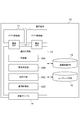
- Communication processing unit 13 performing communication processing between devices 14, communication processing DB 15 for storing information to be referred to when communication processing unit 13 performs communication processing, and communication processing unit 13 required when communication processing is performed Routing DB 16 for storing various routing information.
- the communication processing unit 13 designates NSI identification information for the control unit 50 (FIG. 1) and the creation unit 13A for creating a socket by designating NSI identification information for identifying a plurality of NSIs.
- a request transmission unit 13B for transmitting a request for establishment of communication to NSI
- an association unit 13C for associating a bearer created in response to the request for establishment of communication with the NSI identification information and the created socket, and association with NSI identification information
- a communication control unit 13D that creates a routing DB 16 storing the routing information stored therein and controls communication based on the routing DB 16.
- a control sequence by such a communication processing unit 13 will be described later with reference to FIG.
- FIG. 3A shows an example of pseudo code when the application processing unit 11 of the communication terminal 10 calls and uses the socket of the communication API 12 as the getSocket function.
- NSI identification information (here, “xxx. NSI1”) is specified in nsi_name for specifying an NSI name as an argument of the getSocket function. That is, as an example, the creating unit 13A of the communication processing unit 13 creates a socket by specifying NSI identification information (here, “xxx. NSI1”) in the argument nsi_name of the getSocket function.
- FIG. 3B shows another example in which "xxx.NSI2" is designated as NSI identification information.
- the creating unit 13A of the communication processing unit 13 creates a socket by specifying NSI identification information (here, “xxx.NSI2”) in the argument nsi_name of the getSocket function.
- FIG. 4 shows a sequence diagram showing control processing executed in the mobile communication system 1.
- the communication terminal (the creating unit 13A of the communication processing unit 13) transmits NSI identification information (here, “xxx.NSI1”) to the argument nsi_name of the getSocket function as shown in FIGS. 3 (a) and 3 (b) described above. , "Xxx.NSI2 etc.” to create a socket.
- NSI identification information here, “xxx.NSI1”
- nsi_name of the getSocket function as shown in FIGS. 3 (a) and 3 (b) described above.
- Xxx.NSI2 etc. to create a socket.
- step S2 when the communication terminal (the request transmission unit 13B of the communication processing unit 13) specifies the NSI identification information and transmits a communication establishment request to the NSI to the control device 50 via the base station 20,
- step S3 the control device 50 instructs each of the NSI 30, the base station 20 and the communication terminal 10 to create a bearer for NSI of the NSI identification information specified in the communication establishment request.
- step S4 the communication terminal 10 creates a bearer according to the above instruction, and links the created bearer with the NSI identification information and the created socket by the linking unit 13C.
- the linked information is stored in the communication process DB 15 and used in communication control.
- a process ID for identifying a process, a socket descriptor, NSI identification information (nsi_name), a protocol type, and an interface are stored in association with each other, communication It is referred to when the processing unit 13 performs communication processing.
- step S5 the communication terminal 10 creates a routing DB 16 linked to the NSI identification information (nsi_name), and performs communication based on the routing DB 16.
- a socket descriptor which is a return value of the socket function is used.
- NSI identification information (nsi_name) is associated with information such as destination, net mask, gateway and interface as information related to routing, and stored. Be done.
- the bearer, socket and routing information are linked to the NSI identification information, and communication control based on the routing DB is performed by the communication control unit. Therefore, a plurality of communication terminals operate in the same ID system
- the NSI can be distinguished by NSI identification information, and smooth communication can be realized by simultaneously using a plurality of NSI operating in the same ID system while avoiding interference and the like.
- each functional block may be realized by one physically and / or logically coupled device, or directly and / or indirectly two or more physically and / or logically separated devices. It may be connected by (for example, wired and / or wireless) and realized by the plurality of devices.
- the communication terminal 10 in the above embodiment may function as a computer that performs the process of the communication terminal 10 described above.
- FIG. 7 is a diagram showing an example of the hardware configuration of the communication terminal 10.
- the communication terminal 10 described above may be physically configured as a computer device including a processor 1001, a memory 1002, a storage 1003, a communication device 1004, an input device 1005, an output device 1006, a bus 1007 and the like.
- the term “device” can be read as a circuit, a device, a unit, or the like.
- the hardware configuration of the communication terminal 10 may be configured to include one or more of the devices illustrated in the drawing, or may be configured without including some devices.
- Each function in the communication terminal 10 performs a calculation by causing the processor 1001 to read predetermined software (program) on hardware such as the processor 1001 and the memory 1002, and the communication by the communication device 1004, the memory 1002, and the storage 1003. It is realized by controlling reading and / or writing of data.
- the processor 1001 operates, for example, an operating system to control the entire computer.
- the processor 1001 may be configured by a central processing unit (CPU: Central Processing Unit) including an interface with a peripheral device, a control device, an arithmetic device, a register, and the like.
- CPU Central Processing Unit
- each functional unit of the communication terminal 10 may be realized including the processor 1001.
- the processor 1001 also reads a program (program code), a software module, data, and the like from the storage 1003 and / or the communication device 1004 to the memory 1002, and executes various processing according to these.
- a program a program that causes a computer to execute at least a part of the operations described in the above embodiments is used.
- each functional unit of the communication terminal 10 may be realized by a control program stored in the memory 1002 and operated by the processor 1001, or may be realized similarly for other functional blocks.
- the various processes described above have been described to be executed by one processor 1001, but may be executed simultaneously or sequentially by two or more processors 1001.
- the processor 1001 may be implemented by one or more chips.
- the program may be transmitted from the network via a telecommunication line.
- the memory 1002 is a computer readable recording medium, and includes, for example, at least one of a ROM (Read Only Memory), an EPROM (Erasable Programmable ROM), an EEPROM (Electrically Erasable Programmable ROM), and a RAM (Random Access Memory). It may be done.
- the memory 1002 may be called a register, a cache, a main memory (main storage device) or the like.
- the memory 1002 may store a program (program code), a software module, etc. that can be executed to implement the method according to an embodiment of the present invention.
- the storage 1003 is a computer readable recording medium, and for example, an optical disc such as a CD-ROM (Compact Disc ROM), a hard disc drive, a flexible disc, a magneto-optical disc (eg, a compact disc, a digital versatile disc, a Blu-ray A (registered trademark) disk, a smart card, a flash memory (for example, a card, a stick, a key drive), a floppy (registered trademark) disk, a magnetic strip, and the like may be used.
- the storage 1003 may be called an auxiliary storage device.
- the above-mentioned storage medium may be, for example, a database including the memory 1002 and / or the storage 1003, a server or any other suitable medium.
- the communication device 1004 is hardware (transmission / reception device) for performing communication between computers via a wired and / or wireless network, and is also called, for example, a network device, a network controller, a network card, a communication module, or the like.
- a network device for example, a network controller, a network card, a communication module, or the like.
- each functional unit of the communication terminal 10 described above may be realized including the communication device 1004.
- the input device 1005 is an input device (for example, a keyboard, a mouse, a microphone, a switch, a button, a sensor, and the like) that receives an input from the outside.
- the output device 1006 is an output device (for example, a display, a speaker, an LED lamp, etc.) that performs output to the outside.
- the input device 1005 and the output device 1006 may be integrated (for example, a touch panel).
- each device such as the processor 1001 and the memory 1002 is connected by a bus 1007 for communicating information.
- the bus 1007 may be configured by a single bus or may be configured by different buses among the devices.
- the communication terminal 10 includes hardware such as a microprocessor, a digital signal processor (DSP), an application specific integrated circuit (ASIC), a programmable logic device (PLD), and a field programmable gate array (FPGA). It may be configured, and part or all of each functional block may be realized by the hardware. For example, processor 1001 may be implemented in at least one of these hardware.
- the configuration other than the communication terminal 10 illustrated in FIG. 1 may have the same configuration as that of the communication terminal.
- the input / output information may be stored in a specific place (for example, a memory), or may be managed by a management table. Information to be input or output may be overwritten, updated or added. The output information may be deleted. The input information or the like may be transmitted to another device.
- the determination may be performed by a value (0 or 1) represented by one bit, may be performed by a boolean value (Boolean: true or false), or may be compared with a numerical value (for example, a predetermined value). Comparison with the value).
- notification of predetermined information is not limited to what is explicitly performed, but is performed by implicit (for example, not notifying of the predetermined information) It is also good.
- Software may be called software, firmware, middleware, microcode, hardware description language, or any other name, and may be instructions, instruction sets, codes, code segments, program codes, programs, subprograms, software modules. Should be interpreted broadly to mean applications, software applications, software packages, routines, subroutines, objects, executables, threads of execution, procedures, functions, etc.
- software, instructions, etc. may be sent and received via a transmission medium.
- software may use a wireline technology such as coaxial cable, fiber optic cable, twisted pair and digital subscriber line (DSL) and / or a website, server or other using wireless technology such as infrared, radio and microwave When transmitted from a remote source, these wired and / or wireless technologies are included within the definition of transmission medium.
- wireline technology such as coaxial cable, fiber optic cable, twisted pair and digital subscriber line (DSL) and / or a website, server or other using wireless technology such as infrared, radio and microwave
- data, instructions, commands, information, signals, bits, symbols, chips etc may be voltage, current, electromagnetic waves, magnetic fields or particles, optical fields or photons, or any of these May be represented by a combination of
- information, parameters, and the like described in the present specification may be represented by absolute values, may be represented by relative values from predetermined values, or may be represented by corresponding other information. .
- Mobile communication terminals may be subscriber stations, mobile units, subscriber units, wireless units, remote units, mobile devices, wireless devices, wireless communication devices, remote devices, mobile subscriber stations, access terminals, mobile terminals, by those skilled in the art. It may also be called a wireless terminal, a remote terminal, a handset, a user agent, a mobile client, a client, or some other suitable term.
- determining may encompass a wide variety of operations.
- “Judgment”, “decision” are, for example, judging, calculating, calculating, processing, processing, deriving, investigating, looking up (for example, a table) (Searching in a database or another data structure), ascertaining may be regarded as “decision”, “decision”, etc.
- “determination” and “determination” are receiving (e.g. receiving information), transmitting (e.g. transmitting information), input (input), output (output), access (accessing) (for example, accessing data in a memory) may be regarded as “judged” or “decided”.
- the phrase “based on” does not mean “based only on,” unless expressly stated otherwise. In other words, the phrase “based on” means both “based only on” and “based at least on.”
Landscapes
- Engineering & Computer Science (AREA)
- Computer Networks & Wireless Communication (AREA)
- Signal Processing (AREA)
- Mobile Radio Communication Systems (AREA)
- Computer And Data Communications (AREA)
Abstract
通信端末(10)は、ネットワークスライスインスタンス(NSI)識別情報を指定してソケットを作成する作成部(13A)と、移動通信システムにおける通信を制御する制御装置に対し、NSI識別情報を指定してNSIへの通信確立要求を送信する要求送信部(13B)と、通信確立要求に応じて作成されるベアラとNSI識別情報と作成されたソケットとを紐付ける紐付け部(13C)と、NSI識別情報に紐付けされたルーティング情報を記憶したルーティングDB(16)を作成し、該ルーティングDB(16)に基づき通信を制御する通信制御部(13D)と、を備える。
Description
本発明は、通信端末と、通信端末により実行される通信方法と、に関する。
例えば非特許文献1には、基地局(eNodeBもしくはgNodeB)とU-plane機能(UPF:User Plane Function)とC-plane機能(例えばAMF(Access and Mobility Management Function)、SMF(Session Management Function)など)と通信端末とを含んで構成され、複数のネットワークスライスインスタンス(NSI:Network Slice Instance)を動作させる次世代の移動通信システムが開示されている。また、上記のNSIは、例えば非特許文献2に記載のネットワーク仮想化技術によって、共通のネットワーク仮想化基盤から仮想的に作り出される、U-plane機能およびC-plane機能の少なくとも一方から構成され、複数のNSI同士は、通信および処理の影響を互いに受けないように分離される。ここで、上記非特許文献1の移動通信システムに上記非特許文献2の技術を適用し、通信端末がNSI毎にベアラを作成することで当該通信端末は複数のNSIを同時に用いてデータ通信を行う技術が想定される。
3GPP TR23.799 Release.14
ETSI GS NFV 002 V1.1.1
しかしながら、上記のような従来技術では、通信端末が、ID(プライベートアドレス等)が重複する複数のネットワークに同時に接続するようなケース、即ち、同一のID体系で動作する複数のNSIを同時に用いて通信するケースは想定されておらず、このようなケースであっても円滑な通信を実現する手段が待望される。
本発明は、上記課題を解決するために成されたものであり、通信端末が、同一のID体系で動作する複数のNSIを同時に用いて円滑な通信を実現することを目的とする。
本発明の一実施形態に係る通信端末は、ネットワークスライスインスタンス(NSI)識別情報を指定してソケットを作成する作成部と、移動通信システムにおける通信を制御する制御装置に対し、前記NSI識別情報を指定してNSIへの通信確立要求を送信する要求送信部と、前記通信確立要求に応じて作成されるベアラと、前記NSI識別情報と、作成されたソケットとを紐付ける紐付け部と、前記NSI識別情報に紐付けされたルーティング情報を記憶したルーティングDBを作成し、前記ルーティングDBに基づき通信を制御する通信制御部と、を備える。
上記の通信端末では、作成部が、NSI識別情報を指定してソケットを作成し、要求送信部が、移動通信システムにおける通信を制御する制御装置に対し、NSI識別情報を指定してNSIへの通信確立要求を送信する。そして、紐付け部が、上記通信確立要求に応じて作成されるベアラと、上記NSI識別情報と、作成されたソケットとを紐付けて、通信制御部が、上記NSI識別情報に紐付けされたルーティング情報を記憶したルーティングDBを作成し、該ルーティングDBに基づき通信を制御する。このように、上記NSI識別情報に対し、ベアラ、ソケットおよびルーティング情報が紐付けられ、通信制御部によってルーティングDBに基づく通信制御が行われる。ここでは、NSI識別情報に対し、ベアラ、ソケットおよびルーティング情報が紐付けられるため、通信端末は、同一のID体系で動作する複数のNSIを、NSI識別情報によって区別することができ、混信などを回避しながら、同一のID体系で動作する複数のNSIを同時に用いて円滑な通信を実現することができる。
本発明によれば、通信端末が、同一のID体系で動作する複数のNSIを同時に用いて円滑な通信を実現することができる、という効果を奏する。
以下、図面を参照しながら、本発明に係る実施形態を説明する。発明の実施形態に係る移動通信システムの基本的な機能および構成は、前述した非特許文献1に開示された複数のネットワークスライスインスタンス(NSI)を動作させる次世代の移動通信システムと同様であるため、以下では、本発明の特徴に係る部分を中心に説明する。
図1に示すように、発明の実施形態に係る移動通信システム1は、通信端末10と、基地局20と、複数のNSI30(本実施形態ではNSI1、NSI2)と、移動通信システム1における通信を制御する制御装置50と、複数のサーバ40(本実施形態ではサーバ1、サーバ2)と、を備える。上記のうちNSI30は、前述したU-plane機能とC-plane機能の両方又は一方を含んで構成される。
本実施形態では、NSI1とNSI2とが同一ID体系(プライベートIPアドレス)で運用され、サーバ1とサーバ2とは、同一のプライベートIPアドレス(192.168.0.1)および同一のTCPポート(80番)を使って動作する。また、通信端末10は、アプリケーションの処理を実行する複数のアプリケーション処理部(以下「アプリ処理部」と称する)を含み、ここでは、アプリ処理部1、アプリ処理部2を含んだ構成例を説明する。なお、アプリ処理部により実行中のアプリケーションを「プロセス」ともいう。図1に示すように、アプリ処理部1により実行中のプロセス1はNSI1とベアラ1で通信し、アプリ処理部2により実行中のプロセス2はNSI2とベアラ2で通信する。
図2に示すように、発明の実施形態に係る通信端末10は、前述したアプリ処理部11と、ソケットおよびベアラを含む通信API(Application Programming Interface)12と、通信デバイス14と、通信API12と通信デバイス14間で通信処理を行う通信処理部13と、通信処理部13が通信処理を行う際に参照する情報を記憶するための通信処理DB15と、通信処理部13が通信処理を行う際に必要なルーティング情報を記憶するためのルーティングDB16と、を備える。
上記のうち通信処理部13は、複数のNSIを識別するためのNSI識別情報を指定してソケットを作成する作成部13Aと、制御装置50(図1)に対し、NSI識別情報を指定してNSIへの通信確立要求を送信する要求送信部13Bと、通信確立要求に応じて作成されるベアラとNSI識別情報と作成されたソケットとを紐付ける紐付け部13Cと、NSI識別情報に紐付けされたルーティング情報を記憶したルーティングDB16を作成し、該ルーティングDB16に基づき通信を制御する通信制御部13Dと、を含んで構成される。このような通信処理部13による制御シーケンスは、図4を用いて後述する。
図3(a)には、通信端末10のアプリ処理部11が通信API12のソケットをgetSocket関数として呼び出して利用する際の擬似コードの一例を示す。図3(a)に示すように、getSocket関数の引数として、NSI名を指定するためのnsi_nameには、NSI識別情報(ここでは「xxx.NSI1」)が指定される。即ち、通信処理部13の作成部13Aは、一例として、getSocket関数の引数nsi_nameにNSI識別情報(ここでは「xxx.NSI1」)を指定してソケットを作成する。
図3(b)には、別の例として、「xxx.NSI2」がNSI識別情報として指定される例を示す。この例では、通信処理部13の作成部13Aは、getSocket関数の引数nsi_nameにNSI識別情報(ここでは「xxx.NSI2」)を指定してソケットを作成する。
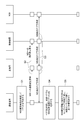
図4には、移動通信システム1において実行される制御処理を示すシーケンス図を示す。ステップS1において、通信端末(通信処理部13の作成部13A)は、上述した図3(a)、(b)のように、getSocket関数の引数nsi_nameにNSI識別情報(ここでは「xxx.NSI1」、「xxx.NSI2」等)を指定してソケットを作成する。次に、ステップS2において、通信端末(通信処理部13の要求送信部13B)が、基地局20経由で制御装置50に対し、NSI識別情報を指定してNSIへの通信確立要求を送信すると、ステップS3において制御装置50は、NSI30、基地局20および通信端末10のそれぞれに対し、上記通信確立要求で指定されたNSI識別情報のNSI用のベアラを作成するよう指示する。
そして、ステップS4において、通信端末10は、上記指示に応じてベアラを作成し、紐付け部13Cによって、上記作成されたベアラとNSI識別情報と作成されたソケットとを紐付ける。紐付けられた情報は、通信処理DB15に記憶され、通信制御において用いられる。図5に示すように通信処理DB15には、一例として、プロセスを識別するためのプロセスID、ソケット記述子、NSI識別情報(nsi_name)、プロトコルタイプ、およびインターフェースが互いに紐付けられて記憶され、通信処理部13が通信処理を行う際に参照される。
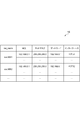
さらに、ステップS5において、通信端末10は、NSI識別情報(nsi_name)に紐付けされるルーティングDB16を作成し、当該ルーティングDB16に基づき通信を行う。この通信では、ソケット関数の返戻値であるソケット記述子が用いられる。なお、図6に示すように、上記のルーティングDB16には、一例として、NSI識別情報(nsi_name)に対し、ルーティングに係る情報として、宛先、ネットマスク、ゲートウェイおよびインターフェースといった情報が紐付けられて記憶される。
以上説明したように、NSI識別情報に対し、ベアラ、ソケットおよびルーティング情報が紐付けられ、通信制御部によってルーティングDBに基づく通信制御が行われるため、通信端末は、同一のID体系で動作する複数のNSIを、NSI識別情報によって区別することができ、混信などを回避しながら、同一のID体系で動作する複数のNSIを同時に用いて円滑な通信を実現することができる。
なお、上記の実施形態の説明で用いたブロック図は、機能単位のブロックを示している。これらの機能ブロック(構成部)は、ハードウェア及び/又はソフトウェアの任意の組み合わせによって実現される。また、各機能ブロックの実現手段は特に限定されない。すなわち、各機能ブロックは、物理的及び/又は論理的に結合した1つの装置により実現されてもよいし、物理的及び/又は論理的に分離した2つ以上の装置を直接的及び/又は間接的に(例えば、有線及び/又は無線)で接続し、これら複数の装置により実現されてもよい。
例えば、上記の実施形態における通信端末10は、上述した通信端末10の処理を行うコンピュータとして機能してもよい。図7は、通信端末10のハードウェア構成の一例を示す図である。上述の通信端末10は、物理的には、プロセッサ1001、メモリ1002、ストレージ1003、通信装置1004、入力装置1005、出力装置1006、バス1007などを含むコンピュータ装置として構成されてもよい。
なお、以下の説明では、「装置」という文言は、回路、デバイス、ユニットなどに読み替えることができる。通信端末10のハードウェア構成は、図に示した各装置を1つ又は複数含むように構成されてもよいし、一部の装置を含まずに構成されてもよい。
通信端末10における各機能は、プロセッサ1001、メモリ1002などのハードウェア上に所定のソフトウェア(プログラム)を読み込ませることで、プロセッサ1001が演算を行い、通信装置1004による通信、メモリ1002及びストレージ1003におけるデータの読み出し及び/又は書き込みを制御することで実現される。
プロセッサ1001は、例えば、オペレーティングシステムを動作させてコンピュータ全体を制御する。プロセッサ1001は、周辺装置とのインターフェース、制御装置、演算装置、レジスタなどを含む中央処理装置(CPU:Central Processing Unit)で構成されてもよい。例えば、通信端末10の各機能部は、プロセッサ1001を含んで実現されてもよい。
また、プロセッサ1001は、プログラム(プログラムコード)、ソフトウェアモジュール、データ等を、ストレージ1003及び/又は通信装置1004からメモリ1002に読み出し、これらに従って各種の処理を実行する。プログラムとしては、上述の実施形態で説明した動作の少なくとも一部をコンピュータに実行させるプログラムが用いられる。例えば、通信端末10の各機能部は、メモリ1002に格納され、プロセッサ1001で動作する制御プログラムによって実現されてもよく、他の機能ブロックについても同様に実現されてもよい。上述の各種処理は、1つのプロセッサ1001で実行される旨を説明してきたが、2以上のプロセッサ1001により同時又は逐次に実行されてもよい。プロセッサ1001は、1以上のチップで実装されてもよい。なお、プログラムは、電気通信回線を介してネットワークから送信されても良い。
メモリ1002は、コンピュータ読み取り可能な記録媒体であり、例えば、ROM(Read Only Memory)、EPROM(Erasable Programmable ROM)、EEPROM(Electrically Erasable Programmable ROM)、RAM(Random Access Memory)などの少なくとも1つで構成されてもよい。メモリ1002は、レジスタ、キャッシュ、メインメモリ(主記憶装置)などと呼ばれてもよい。メモリ1002は、本発明の一実施形態に係る方法を実施するために実行可能なプログラム(プログラムコード)、ソフトウェアモジュールなどを保存することができる。
ストレージ1003は、コンピュータ読み取り可能な記録媒体であり、例えば、CD-ROM(Compact Disc ROM)などの光ディスク、ハードディスクドライブ、フレキシブルディスク、光磁気ディスク(例えば、コンパクトディスク、デジタル多用途ディスク、Blu-ray(登録商標)ディスク)、スマートカード、フラッシュメモリ(例えば、カード、スティック、キードライブ)、フロッピー(登録商標)ディスク、磁気ストリップなどの少なくとも1つで構成されてもよい。ストレージ1003は、補助記憶装置と呼ばれてもよい。上述の記憶媒体は、例えば、メモリ1002及び/又はストレージ1003を含むデータベース、サーバその他の適切な媒体であってもよい。
通信装置1004は、有線及び/又は無線ネットワークを介してコンピュータ間の通信を行うためのハードウェア(送受信デバイス)であり、例えばネットワークデバイス、ネットワークコントローラ、ネットワークカード、通信モジュールなどともいう。例えば、上述の通信端末10の各機能部は、通信装置1004を含んで実現されてもよい。
入力装置1005は、外部からの入力を受け付ける入力デバイス(例えば、キーボード、マウス、マイクロフォン、スイッチ、ボタン、センサなど)である。出力装置1006は、外部への出力を実施する出力デバイス(例えば、ディスプレイ、スピーカー、LEDランプなど)である。なお、入力装置1005及び出力装置1006は、一体となった構成(例えば、タッチパネル)であってもよい。
また、プロセッサ1001、メモリ1002などの各装置は、情報を通信するためのバス1007で接続される。バス1007は、単一のバスで構成されてもよいし、装置間で異なるバスで構成されてもよい。
また、通信端末10は、マイクロプロセッサ、デジタル信号プロセッサ(DSP:Digital Signal Processor)、ASIC(Application Specific Integrated Circuit)、PLD(Programmable Logic Device)、FPGA(Field Programmable Gate Array)などのハードウェアを含んで構成されてもよく、当該ハードウェアにより、各機能ブロックの一部又は全てが実現されてもよい。例えば、プロセッサ1001は、これらのハードウェアの少なくとも1つで実装されてもよい。なお、図1に示す通信端末10以外の装置についても、上記通信端末と同様の構成であってもよい。
以上、本実施形態について詳細に説明したが、当業者にとっては、本実施形態が本明細書中に説明した実施形態に限定されるものではないということは明らかである。本実施形態は、特許請求の範囲の記載により定まる本発明の趣旨及び範囲を逸脱することなく修正及び変更態様として実施することができる。したがって、本明細書の記載は、例示説明を目的とするものであり、本実施形態に対して何ら制限的な意味を有するものではない。
本明細書で説明した各態様/実施形態の処理手順、シーケンス、フローチャートなどは、矛盾の無い限り、順序を入れ替えてもよい。例えば、本明細書で説明した方法については、例示的な順序で様々なステップの要素を提示しており、提示した特定の順序に限定されない。
入出力された情報などは特定の場所(例えば、メモリ)に保存されてもよいし、管理テーブルで管理してもよい。入出力される情報などは、上書き、更新、または追記され得る。出力された情報などは削除されてもよい。入力された情報などは他の装置へ送信されてもよい。
判定は、1ビットで表される値(0か1か)によって行われてもよいし、真偽値(Boolean:trueまたはfalse)によって行われてもよいし、数値の比較(例えば、所定の値との比較)によって行われてもよい。
本明細書で説明した各態様/実施形態は単独で用いてもよいし、組み合わせて用いてもよいし、実行に伴って切り替えて用いてもよい。また、所定の情報の通知(例えば、「Xであること」の通知)は、明示的に行うものに限られず、暗黙的(例えば、当該所定の情報の通知を行わない)ことによって行われてもよい。
ソフトウェアは、ソフトウェア、ファームウェア、ミドルウェア、マイクロコード、ハードウェア記述言語と呼ばれるか、他の名称で呼ばれるかを問わず、命令、命令セット、コード、コードセグメント、プログラムコード、プログラム、サブプログラム、ソフトウェアモジュール、アプリケーション、ソフトウェアアプリケーション、ソフトウェアパッケージ、ルーチン、サブルーチン、オブジェクト、実行可能ファイル、実行スレッド、手順、機能などを意味するよう広く解釈されるべきである。
また、ソフトウェア、命令などは、伝送媒体を介して送受信されてもよい。例えば、ソフトウェアが、同軸ケーブル、光ファイバケーブル、ツイストペア及びデジタル加入者回線(DSL)などの有線技術及び/又は赤外線、無線及びマイクロ波などの無線技術を使用してウェブサイト、サーバ、又は他のリモートソースから送信される場合、これらの有線技術及び/又は無線技術は、伝送媒体の定義内に含まれる。
本明細書で説明した情報、信号などは、様々な異なる技術のいずれかを使用して表されてもよい。例えば、上記の説明全体に渡って言及され得るデータ、命令、コマンド、情報、信号、ビット、シンボル、チップなどは、電圧、電流、電磁波、磁界若しくは磁性粒子、光場若しくは光子、又はこれらの任意の組み合わせによって表されてもよい。
また、本明細書で説明した情報、パラメータなどは、絶対値で表されてもよいし、所定の値からの相対値で表されてもよいし、対応する別の情報で表されてもよい。
移動通信端末は、当業者によって、加入者局、モバイルユニット、加入者ユニット、ワイヤレスユニット、リモートユニット、モバイルデバイス、ワイヤレスデバイス、ワイヤレス通信デバイス、リモートデバイス、モバイル加入者局、アクセス端末、モバイル端末、ワイヤレス端末、リモート端末、ハンドセット、ユーザエージェント、モバイルクライアント、クライアント、またはいくつかの他の適切な用語で呼ばれる場合もある。
本明細書で使用する「判断(determining)」、「決定(determining)」という用語は、多種多様な動作を包含する場合がある。「判断」、「決定」は、例えば、判定(judging)、計算(calculating)、算出(computing)、処理(processing)、導出(deriving)、調査(investigating)、探索(looking up)(例えば、テーブル、データベースまたは別のデータ構造での探索)、確認(ascertaining)した事を「判断」「決定」したとみなす事などを含み得る。また、「判断」、「決定」は、受信(receiving)(例えば、情報を受信すること)、送信(transmitting)(例えば、情報を送信すること)、入力(input)、出力(output)、アクセス(accessing)(例えば、メモリ中のデータにアクセスすること)した事を「判断」「決定」したとみなす事などを含み得る。また、「判断」、「決定」は、解決(resolving)、選択(selecting)、選定(choosing)、確立(establishing)、比較(comparing)などした事を「判断」「決定」したとみなす事を含み得る。つまり、「判断」「決定」は、何らかの動作を「判断」「決定」したとみなす事を含み得る。
本明細書で使用する「に基づいて」という記載は、別段に明記されていない限り、「のみに基づいて」を意味しない。言い換えれば、「に基づいて」という記載は、「のみに基づいて」と「に少なくとも基づいて」の両方を意味する。
「含む(include)」、「含んでいる(including)」、およびそれらの変形が、本明細書あるいは特許請求の範囲で使用されている限り、これら用語は、用語「備える(comprising)」と同様に、包括的であることが意図される。さらに、本明細書あるいは特許請求の範囲において使用されている用語「または(or)」は、排他的論理和ではないことが意図される。
本明細書において、文脈または技術的に明らかに1つのみしか存在しない装置である場合以外は、複数の装置をも含むものとする。本開示の全体において、文脈から明らかに単数を示したものではなければ、複数のものを含むものとする。
1…移動通信システム、10…通信端末、11…アプリ処理部、12…通信API、13…通信処理部、13A…作成部、13B…要求送信部、13C…紐付け部、13D…通信制御部、14…通信デバイス、15…通信処理DB、16…ルーティングDB、20…基地局、30…NSI、40…サーバ、50…制御装置、1001…プロセッサ、1002…メモリ、1003…ストレージ、1004…通信装置、1005…入力装置、1006…出力装置、1007…バス。
Claims (2)
- ネットワークスライスインスタンス(NSI)識別情報を指定してソケットを作成する作成部と、
移動通信システムにおける通信を制御する制御装置に対し、前記NSI識別情報を指定してNSIへの通信確立要求を送信する要求送信部と、
前記通信確立要求に応じて作成されるベアラと、前記NSI識別情報と、作成されたソケットとを紐付ける紐付け部と、
前記NSI識別情報に紐付けされたルーティング情報を記憶したルーティングDBを作成し、前記ルーティングDBに基づき通信を制御する通信制御部と、
を備える通信端末。 - 通信端末により実行される通信方法であって、
ネットワークスライスインスタンス(NSI)識別情報を指定してソケットを作成するステップと、
移動通信システムにおける通信を制御する制御装置に対し、前記NSI識別情報を指定してNSIへの通信確立要求を送信するステップと、
前記通信確立要求に応じて作成されるベアラと、前記NSI識別情報と、作成されたソケットとを紐付けるステップと、
前記NSI識別情報に紐付けされたルーティング情報を記憶したルーティングDBを作成し、前記ルーティングDBに基づき通信を制御するステップと、
を備える通信方法。
Priority Applications (1)
| Application Number | Priority Date | Filing Date | Title |
|---|---|---|---|
| JP2019536428A JP7068314B2 (ja) | 2017-08-18 | 2018-05-29 | 通信端末および通信方法 |
Applications Claiming Priority (2)
| Application Number | Priority Date | Filing Date | Title |
|---|---|---|---|
| JP2017-157900 | 2017-08-18 | ||
| JP2017157900 | 2017-08-18 |
Publications (1)
| Publication Number | Publication Date |
|---|---|
| WO2019035263A1 true WO2019035263A1 (ja) | 2019-02-21 |
Family
ID=65362661
Family Applications (1)
| Application Number | Title | Priority Date | Filing Date |
|---|---|---|---|
| PCT/JP2018/020577 Ceased WO2019035263A1 (ja) | 2017-08-18 | 2018-05-29 | 通信端末および通信方法 |
Country Status (2)
| Country | Link |
|---|---|
| JP (1) | JP7068314B2 (ja) |
| WO (1) | WO2019035263A1 (ja) |
-
2018
- 2018-05-29 WO PCT/JP2018/020577 patent/WO2019035263A1/ja not_active Ceased
- 2018-05-29 JP JP2019536428A patent/JP7068314B2/ja not_active Expired - Fee Related
Non-Patent Citations (1)
| Title |
|---|
| "Motorola Mobility, Lenovo, Solution: PDU Sessions served by different Network Slices", 3GPP TSG-SA WG2#114, 5 April 2016 (2016-04-05), pages 2 - 161574, XP051086558, Retrieved from the Internet <URL:http://www.3gpp.org/ftp/tsg_sa/WG2_Arch/TSGS2_114_Sophia_Antipolis/Docs/S2-161574.zip> [retrieved on 20180807] * |
Also Published As
| Publication number | Publication date |
|---|---|
| JPWO2019035263A1 (ja) | 2020-07-27 |
| JP7068314B2 (ja) | 2022-05-16 |
Similar Documents
| Publication | Publication Date | Title |
|---|---|---|
| US20230155994A1 (en) | System and method for secure application communication between networked processors | |
| WO2019011203A1 (zh) | 设备接入方法、设备及系统 | |
| JPWO2019077801A1 (ja) | 通信システム、通信制御装置、および通信方法 | |
| CN110337829B (zh) | 通信控制方法及通信系统 | |
| JP6941676B2 (ja) | ネットワークアクセス方法及び通信システム | |
| WO2019064678A1 (ja) | 管理装置およびネットワーク構成制御方法 | |
| US9077666B2 (en) | Service segregation according to subscriber service association | |
| WO2018061921A1 (ja) | ゲートウェイ選択方法および通信システム | |
| WO2019159373A1 (ja) | 通信制御方法および通信システム | |
| WO2019035263A1 (ja) | 通信端末および通信方法 | |
| WO2019035287A1 (ja) | 通信制御方法および通信システム | |
| US11805479B2 (en) | Establishing a connection between an access point and an unstable client device | |
| JP6932133B2 (ja) | スライス割当方法 | |
| CN116744391A (zh) | 一种基站选择方法及装置 | |
| JP2018164235A (ja) | 通信端末および通信制御方法 | |
| CN116074859A (zh) | 业务分流方法、系统、电子设备及计算机可读介质 | |
| JP6797757B2 (ja) | 通信制御装置および通信システム | |
| WO2019064677A1 (ja) | 管理装置およびネットワーク構成制御方法 | |
| WO2019064676A1 (ja) | 管理装置およびアクセス制御方法 | |
| JP2018164231A (ja) | 通信端末および通信制御方法 | |
| JP6826492B2 (ja) | 通信システム | |
| JP2019071586A (ja) | 通信システムおよび通信制御方法 | |
| JP7557271B2 (ja) | 通信制御装置 | |
| JP2018085688A (ja) | 通信制御装置 | |
| WO2019193763A1 (ja) | 通信制御方法および通信システム |
Legal Events
| Date | Code | Title | Description |
|---|---|---|---|
| 121 | Ep: the epo has been informed by wipo that ep was designated in this application |
Ref document number: 18846245 Country of ref document: EP Kind code of ref document: A1 |
|
| ENP | Entry into the national phase |
Ref document number: 2019536428 Country of ref document: JP Kind code of ref document: A |
|
| NENP | Non-entry into the national phase |
Ref country code: DE |
|
| 122 | Ep: pct application non-entry in european phase |
Ref document number: 18846245 Country of ref document: EP Kind code of ref document: A1 |