WO2018135282A1 - エッジサーバ及びデータ管理方法 - Google Patents
エッジサーバ及びデータ管理方法 Download PDFInfo
- Publication number
- WO2018135282A1 WO2018135282A1 PCT/JP2017/047076 JP2017047076W WO2018135282A1 WO 2018135282 A1 WO2018135282 A1 WO 2018135282A1 JP 2017047076 W JP2017047076 W JP 2017047076W WO 2018135282 A1 WO2018135282 A1 WO 2018135282A1
- Authority
- WO
- WIPO (PCT)
- Prior art keywords
- terminal device
- edge server
- data
- terminal
- edge
- Prior art date
- Legal status (The legal status is an assumption and is not a legal conclusion. Google has not performed a legal analysis and makes no representation as to the accuracy of the status listed.)
- Ceased
Links
Images





Classifications
-
- H—ELECTRICITY
- H04—ELECTRIC COMMUNICATION TECHNIQUE
- H04W—WIRELESS COMMUNICATION NETWORKS
- H04W4/00—Services specially adapted for wireless communication networks; Facilities therefor
- H04W4/02—Services making use of location information
- H04W4/029—Location-based management or tracking services
-
- H—ELECTRICITY
- H04—ELECTRIC COMMUNICATION TECHNIQUE
- H04W—WIRELESS COMMUNICATION NETWORKS
- H04W28/00—Network traffic management; Network resource management
- H04W28/02—Traffic management, e.g. flow control or congestion control
- H04W28/10—Flow control between communication endpoints
- H04W28/14—Flow control between communication endpoints using intermediate storage
-
- H—ELECTRICITY
- H04—ELECTRIC COMMUNICATION TECHNIQUE
- H04W—WIRELESS COMMUNICATION NETWORKS
- H04W4/00—Services specially adapted for wireless communication networks; Facilities therefor
- H04W4/02—Services making use of location information
- H04W4/025—Services making use of location information using location based information parameters
- H04W4/026—Services making use of location information using location based information parameters using orientation information, e.g. compass
-
- H—ELECTRICITY
- H04—ELECTRIC COMMUNICATION TECHNIQUE
- H04W—WIRELESS COMMUNICATION NETWORKS
- H04W4/00—Services specially adapted for wireless communication networks; Facilities therefor
- H04W4/02—Services making use of location information
- H04W4/025—Services making use of location information using location based information parameters
- H04W4/027—Services making use of location information using location based information parameters using movement velocity, acceleration information
-
- H—ELECTRICITY
- H04—ELECTRIC COMMUNICATION TECHNIQUE
- H04W—WIRELESS COMMUNICATION NETWORKS
- H04W64/00—Locating users or terminals or network equipment for network management purposes, e.g. mobility management
- H04W64/003—Locating users or terminals or network equipment for network management purposes, e.g. mobility management locating network equipment
-
- H—ELECTRICITY
- H04—ELECTRIC COMMUNICATION TECHNIQUE
- H04L—TRANSMISSION OF DIGITAL INFORMATION, e.g. TELEGRAPHIC COMMUNICATION
- H04L67/00—Network arrangements or protocols for supporting network services or applications
- H04L67/01—Protocols
- H04L67/10—Protocols in which an application is distributed across nodes in the network
-
- H—ELECTRICITY
- H04—ELECTRIC COMMUNICATION TECHNIQUE
- H04W—WIRELESS COMMUNICATION NETWORKS
- H04W36/00—Hand-off or reselection arrangements
- H04W36/24—Reselection being triggered by specific parameters
- H04W36/32—Reselection being triggered by specific parameters by location or mobility data, e.g. speed data
- H04W36/326—Reselection being triggered by specific parameters by location or mobility data, e.g. speed data by proximity to another entity
-
- H—ELECTRICITY
- H04—ELECTRIC COMMUNICATION TECHNIQUE
- H04W—WIRELESS COMMUNICATION NETWORKS
- H04W36/00—Hand-off or reselection arrangements
- H04W36/34—Reselection control
- H04W36/38—Reselection control by fixed network equipment
-
- H—ELECTRICITY
- H04—ELECTRIC COMMUNICATION TECHNIQUE
- H04W—WIRELESS COMMUNICATION NETWORKS
- H04W92/00—Interfaces specially adapted for wireless communication networks
- H04W92/16—Interfaces between hierarchically similar devices
- H04W92/20—Interfaces between hierarchically similar devices between access points
Definitions
- the present invention relates to an edge server and a data management method.
- a cloud server data that a terminal device performs such as a server on the cloud (hereinafter referred to as a cloud server) stores data such as photos and videos, and sends software execution results to the terminal device.
- a cloud server stores data such as photos and videos, and sends software execution results to the terminal device.
- an edge server that performs a part of calculation processing of software or temporarily stores large-scale data may be arranged near the terminal device.
- Edge servers each have a corresponding service providing coverage area.
- the terminal device communicates by wireless connection with an edge server corresponding to the coverage area in which the terminal device is located.
- the edge server to which the terminal device is wirelessly connected is switched as the terminal device moves.
- the edge server to which the terminal device is wirelessly connected is switched, the data of the terminal device stored in the wirelessly connected edge server is stored in the edge server corresponding to the adjacent coverage area so that the service received by the terminal device is not interrupted. Also remember. Thereby, even if the terminal device moves to an adjacent edge server, the terminal device can continuously enjoy the service.
- JP 2000-268212 A Japanese Patent Laying-Open No. 2015-156623 Japanese Patent Laying-Open No. 2015-161545
- the amount of data stored in the edge server increases as the number of terminal devices in the communication system increases.
- the cost of constructing the equipment increases, such as adding a hard disk or changing to a computer with a larger storage capacity.
- one disclosure provides an edge server and a data management method that suppress the amount of data to be stored.
- edge data that is wirelessly connected to a terminal device located in a coverage area, relays communication between the terminal device and the server, and is part or all of the data included in the server.
- An acquisition unit that acquires terminal information including the position and moving speed of the terminal device from the terminal device, a storage unit that stores the acquired terminal information, and the terminal device itself In the first time located in the coverage area, the terminal device position is estimated at a second time after the first time based on at least the first terminal information of the terminal device acquired at the first time.
- the accumulated edge data of the terminal device is stored in another edge server including the estimated position of the terminal device at the second time in a coverage area.
- a data management unit for shooting is provided to acquire the terminal information including the position and moving speed of the terminal device from the terminal device, a storage unit that stores the acquired terminal information, and the terminal device itself In the first time located in the coverage area, the terminal device position is estimated at a second time after the first time based on at least the first terminal information of the terminal device acquired at the first time.
- One disclosure provides an edge server and a data management method for suppressing the amount of data to be stored.
- FIG. 1 is a diagram illustrating a configuration example of a wireless communication system 10.
- FIG. 2 is a diagram illustrating an example in which a plurality of edge servers 200 share edge data.
- FIG. 3 is a diagram illustrating a configuration example of the edge server 200.
- FIG. 4 is a diagram illustrating a configuration example of the terminal device 100.
- FIG. 5 is a diagram illustrating an example of a copy destination of edge data in the estimated movement destination transfer method.
- FIG. 6 is a diagram illustrating an example of a sequence of the estimated destination transfer method.
- FIG. 7 is a diagram illustrating an example of a process flowchart of the terminal location confirmation process in the edge server 200.
- FIG. 8 is a diagram illustrating an example of a processing flowchart of position estimation processing in the edge server 200.
- FIG. 1 is a diagram illustrating a configuration example of a wireless communication system 10.
- FIG. 2 is a diagram illustrating an example in which a plurality of edge servers 200 share edge data.
- FIG. 9 is a diagram illustrating an example of the terminal information table 225 of the edge server 200.
- FIG. 10 is a diagram illustrating an example of the position of the terminal device 100 at the timing T5. It is a figure which shows the example of distribution of the moving speed which can be changed by the time of the next terminal information acquisition in the terminal device 100 which was 40 Km / hour.
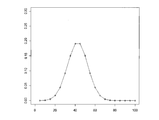
- FIG. 12 is a diagram illustrating an example of the distribution graph of FIG.
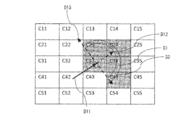
- FIG. 13 is a diagram illustrating an example in which the terminal device 100 that has moved from the coverage area C42 to the coverage area C33 estimates the destination.
- FIG. 1 is a diagram illustrating a configuration example of a wireless communication system 10.
- the wireless communication system 10 includes a terminal device 100, edge servers 200-1 and 200-2 (hereinafter sometimes referred to as edge server 200), and a network 300.
- the network 300 is a cloud server group that provides services such as video distribution and car navigation to the terminal device 100, for example.
- the network 300 is connected to the edge servers 200-1 and 200-2 and relays communication between the edge servers 200-1 and 200-2.
- the terminal device 100 is a mobile communication device such as a smartphone or a tablet terminal, and moves within the wireless communication system 10.
- FIG. 1 shows an example in which the terminal device 100 moves.
- the terminal device 100-a shows the terminal device 100 before moving, and the terminal device 100-b shows the terminal device 100 after moving.
- the terminal device 100 communicates with, for example, a cloud server (also referred to as a first server) via the edge server 200 and receives a service from the cloud server.
- a cloud server also referred to as a first server
- the edge server 200 has a coverage area indicating a range in which the terminal device 100 is wirelessly connected.
- the edge server 200-1 has a coverage area C1
- the edge server 200-2 has a coverage area C2.
- the edge server 200-x (x is a numerical value) has a coverage area Cx.
- the edge server 200 accumulates (stores) part or all of the data used by the terminal device 100 for communication.
- the edge server 200 executes part or all of the processing instead of, for example, a cloud server.
- the data stored in the edge server 200 is an application program or object for processing executed instead.
- the edge server 200 stores and transmits part or all of the data transmitted or stored by the cloud server instead of the cloud server.
- the data stored in the edge server 200 is data to be stored or transmitted instead.
- the edge data is, for example, all or a part of data to be stored instead of a cloud server or an application program for processing to be executed instead.
- Edge data is data stored for each terminal device.
- the edge data may include terminal information to be described later.
- the terminal device 100-a before movement is located in the coverage area C1, and communicates via the edge server 200-1 having the coverage area C1. Then, the terminal device 100 moves from the terminal device 100-a to the terminal device 100-b. The moved terminal apparatus 100-b is located in the coverage area C2, and communicates via the edge server 200-2 having the coverage area C2.
- edge server 200 shares the edge data with other edge servers 200 so that the terminal device 100 can enjoy the cloud service without interruption even if the edge server 200 is switched by the movement of the terminal device 100.
- the sharing of edge data means that a plurality of edge servers 200 store edge data of a certain terminal device 100.
- FIG. 2 is a diagram illustrating an example in which a plurality of edge servers 200 share edge data.
- C11 to C55 indicate coverage areas.
- C11 to C55 correspond to the edge servers 200-11 to 55, respectively. It is assumed that the terminal device 100 is located at C22 before movement and is located at C33 after movement.
- 2A and 2B show data accumulation before and after the movement of the terminal device 100, respectively.
- the shaded coverage area is a coverage area corresponding to the edge server 200 that stores the edge data of the terminal device 100.
- a method in which the edge server 200 transfers edge data to the adjacent edge server 200 is called a proximity transfer method, and the proximity transfer method will be described below.
- the terminal device 100 before moving is wirelessly connected to the edge server 200-22 and receives a service from the cloud server.
- the edge server 200-22 accumulates (stores) the edge data of the terminal device 100.
- the edge server 200-22 transfers and copies the stored data to all the adjacent edge servers 200.
- All adjacent edge servers 200 are edge servers 200 corresponding to the coverage areas C11, C12, C13, C21, C23, C31, C32, and C33, which are shaded in FIG.
- the moved terminal apparatus 100 enjoys the service by wirelessly connecting to and communicating with the edge servers 200-33.
- the edge servers 200-33 copy and store the edge data of the terminal device 100 before the terminal device 100 moves. Even if the terminal device 100 moves in any direction from the coverage area C22, the edge server 200 corresponding to the destination coverage area stores the edge data of the terminal device 100, so that the service can be enjoyed without interruption. .
- the edge server 200-33 transfers the edge data of the terminal device 100 stored in the device itself to all the adjacent edge servers 200 to be copied. As described above, in the proximity transfer method, the edge server 200 transfers the edge data of the terminal device 100 to all the adjacent edge servers 200 as the terminal device 100 moves, and copies it.
- the edge server 200 to which the moved terminal device 100 is wirelessly connected is the edge server 200-33, but the edge server 200 to which the edge data is copied is the edge server 200-11 as shown in FIG. , 12, 13, 21, 23, 31, 32, 33 are targeted. That is, the edge data copied to other than the destination edge server 200-33 of the terminal device 100 is not used by the terminal device 100 and is unnecessary data for the terminal device 100 to enjoy the service.
- the edge server 200 needs to have a capacity for storing a huge amount of data in order to copy unnecessary data, which increases the cost of constructing a wireless communication system.
- the estimated destination transfer method is used instead of the proximity transfer method.
- the edge server 200 acquires terminal information including the position and moving speed of the terminal device 100 from the terminal device 100 connected wirelessly. And the edge server 200 memorize
- FIG. 3 is a diagram illustrating a configuration example of the edge server 200.
- the edge server 200 includes a CPU (Central Processing Unit) 210, a storage 220, a memory 230 such as a DRAM (Dynamic Random Access Memory), a NIC (Network Interface Card) 240, and an R An F (Radio Frequency) circuit 250 is included.
- the edge server 200 is, for example, a server machine or a computer.
- the edge server 200 may be configured by a plurality of devices such as a device that stores data and a base station device that wirelessly connects to the terminal device 100 and relays communication of the terminal device 100, for example.
- the storage 220 is an auxiliary storage device such as a flash memory, an HDD (Hard Disk Drive), or an SSD (Solid State Drive) that stores programs and data.
- the storage 220 stores a wireless communication control program 221, an edge computing program 222, a terminal location estimation program 223, a terminal information acquisition program 224, and a terminal information table 225.
- the memory 230 is an area for loading a program stored in the storage 220.
- the memory 230 is also used as an area where the program stores data. Further, the memory 230 associates the edge data of the terminal device 100 with each terminal device and stores the data as edge data 2301 for each terminal.
- the terminal edge data 2301 is data stored in place of the cloud server.
- the terminal edge data 2301 may be stored in the storage 220. Further, the edge data for each terminal may include the contents stored in the terminal information table described later.
- the NIC 240 is a network interface connected to another edge server 200 or the network 300.
- the edge server 200 communicates with other communication devices by receiving packets via the NIC 240.
- the RF circuit 250 is a device that is wirelessly connected to the terminal device 100.
- the RF circuit 250 has an antenna, for example, and communicates with the terminal device 100 by transmitting and receiving radio waves to and from the terminal device 100 that is wirelessly connected.
- the CPU 210 performs a wireless communication control process by executing the wireless communication control program 221.
- the wireless communication control process is a process of wirelessly connecting to the terminal device 100 and relaying communication performed by the terminal device 100.
- the wireless communication control process determines whether the terminal device 100 is located within the own coverage area. If the terminal device 100 is not located within the own coverage area, the wireless communication control process wirelessly connects to the edge server having the coverage area where the terminal device 100 is located. The terminal device 100 is instructed.
- the CPU 210 executes the position information confirmation module 2211 to perform position information confirmation processing.
- the position information confirmation process is a process for determining whether or not the terminal device 100 is located within its own coverage area.
- the edge server 200 determines whether or not the terminal device 100 is located within the own coverage area based on the position information (latitude and longitude) of the terminal device 100.
- the CPU 210 executes the edge computing program 222 to perform edge computing processing.
- the edge computing process is a process for executing part or all of the process executed by the cloud computer with which the terminal device 100 communicates, instead of the cloud computer.
- the edge computing process is a process of storing a part or all of data transmitted / received to / from a cloud computer with which the terminal device 100 communicates in place of the cloud computer or transmitting / receiving to / from the terminal device 100.
- the CPU 210 executes the terminal position estimation program 223 to construct a data management unit and perform terminal position estimation processing.
- the terminal position estimation process is a process of estimating the position of the terminal apparatus 100 after a predetermined time and copying the edge data of the terminal apparatus 100 to the edge server 200 in the coverage area including the estimated position.
- the CPU 210 executes the terminal information acquisition program 224 to construct an acquisition unit and a storage unit, and perform terminal information acquisition processing.
- the terminal information acquisition process is a process for receiving terminal information from the terminal device 100.
- the terminal information includes, for example, the position and moving speed of the terminal device 100.
- the terminal information may be included in a service request transmitted by the terminal device 100.
- the edge server 200 stores the received terminal information in the terminal information table 225 in the terminal information acquisition process.
- FIG. 4 is a diagram illustrating a configuration example of the terminal device 100.
- the terminal device 100 includes a CPU 110, a storage 120, a memory 130 such as a DRAM, and an RF circuit 150.
- the storage 120 is an auxiliary storage device such as a flash memory, HDD, or SSD that stores programs and data.
- the storage 120 stores a wireless communication program 121 and a service execution program 122.
- the memory 130 is an area for loading a program stored in the storage 120.
- the memory 130 is also used as an area where the program stores data.
- the RF circuit 150 is a device that wirelessly connects to the edge server 200.
- the RF circuit 150 has, for example, an antenna, and communicates with other communication devices via the edge server 200 by transmitting and receiving radio waves to and from the edge server 200 that is wirelessly connected.
- the CPU 110 performs a wireless communication process by executing the wireless communication program 121.
- the wireless communication process is a process of communicating with the communication apparatus of the communication partner via the edge server 200.
- the terminal device 100 communicates with the cloud server via the edge server 200 and receives a service from the cloud server, for example.
- the CPU 110 executes service execution processing by executing the service execution program 122.
- the service execution process is a process in which the terminal device 100 receives a service from the cloud server. Further, the terminal device 100 transmits terminal information to the edge server 200, for example, in the service execution process. For example, the terminal device 100 periodically transmits terminal information. Or the terminal device 100 transmits terminal information irregularly according to a movement distance, a radio wave condition, etc., for example. In addition, the terminal device 100 may transmit terminal information in response to a request from the edge server 200, for example.
- the CPU110 performs terminal position measurement processing by executing the terminal position measurement module 1221.
- the terminal position measurement process is a process of measuring the position of the terminal device 100 (for example, longitude, latitude, etc.).
- the terminal device 100 includes, for example, information on the position of the terminal device 100 measured in the terminal information and transmits the information to the edge server 200.
- the CPU 110 performs a speed measurement process by executing the speed measurement module 1222.
- the speed measurement process is a process for measuring the moving speed of the terminal device 100.
- the terminal device 100 includes the information on the moving speed of the terminal device 100 measured in the terminal information and transmits the information to the edge server 200.
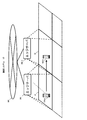
- FIG. 5 is a diagram illustrating an example of a copy destination of edge data in the estimated movement destination transfer method in the wireless communication system 10.
- the terminal device 100 is located in the coverage area C22 before moving.
- the edge server 200-22 estimates that the terminal device 100 moves to the coverage area C33, transfers the edge data of the terminal device 100 to the edge server 200-33, and transfers the data to the edge server 200-33 to copy the data.
- the terminal device 100 moves to the coverage area C33 as illustrated in FIG.
- the edge servers 200-33 provide services to the terminal device 100 using the copied edge data of the terminal device 100.
- the edge server 200-33 estimates that the terminal device 100 moves to the coverage area C44, and transfers the edge data of the terminal device 100 to the edge server 200-44.
- the edge server 200 since the edge server 200 estimates and transfers the edge data only to the destination edge server 200, the edge server 200 that is likely to not move the terminal device 100 is the edge data. Therefore, the amount of data stored in the edge server 200 is suppressed. Details of the edge data copying process will be described below.
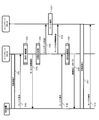
- FIG. 6 is a diagram showing an example of a sequence of the estimated destination transfer method.
- the terminal device 100 is wirelessly connected to the edge server 200-22 (S101).
- the terminal device 100 accesses the cloud server and enjoys the service from the cloud server.
- the terminal device 100 transmits a service request w to the cloud server via the edge server 200-22 in order to enjoy the service (S102).
- the service request includes, for example, terminal information of the terminal device 100.
- the terminal information includes, for example, the moving speed, position information, and radio wave status of the terminal device 100.
- the terminal information includes, for example, the state of equipment mounted on the vehicle (meter, window, air conditioner, tire pressure, exhaust gas amount, engine), etc. May be included.
- the service request may include, for example, a service reception progress status indicating how much the service has been received, and a request for changing, adding, or stopping the service content.
- the edge server 200-22 When the edge server 200-22 acquires the terminal information included in the service request (S102), the edge server 200-22 performs a terminal location confirmation process (S103).
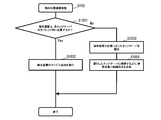
- FIG. 7 is a diagram illustrating an example of a process flowchart of the terminal location confirmation process in the edge server 200.
- the edge server 200 determines whether or not the terminal device 100 that has transmitted the terminal information is located within the coverage area of the own device (S1031).
- the coverage area of the edge server 200 is, for example, a range surrounded by a quadrilateral that connects four coordinates with straight lines. Further, the coverage area of the edge server 200 is, for example, a range surrounded by a circle centered on one point of coordinates.
- the edge server 200 determines whether the terminal device 100 is located within the coverage area based on the position of the terminal device 100 included in the terminal information.
- the edge server 200 determines that the terminal device 100 is located within the coverage area (Yes in S1031), the edge server 200 executes service processing of the terminal device 100 (S1032).
- the service processing of the terminal device 100 is processing according to the content of the service request.
- the service request is transmitted to the cloud server, or the edge server uses the edge data of the terminal device 100 to transmit the service request to the terminal device 100.
- This is a process of executing a part of the provided service.
- the edge server 200 transmits, for example, a service information notification received from the cloud server or generated by the edge server 200 to the terminal device 100.
- the service information notification includes, for example, data and information associated with services that the terminal device 100 enjoys.
- the edge server 200 determines that the terminal device 100 is not located within the coverage area (No in S1031), the edge server 200 selects the edge server 200 according to the location of the terminal device 100 (S1033).
- the edge server 200 makes an inquiry to, for example, a management server that stores the correspondence between the edge server 200 and the coverage area. Then, the edge server 200 receives the identifier and address of the edge server 200 according to the position of the terminal device 100 from the management server.
- the edge server 200 stores a correspondence relationship between the edge server 200 and the coverage area in an internal memory, and extracts the edge server 200 according to the position of the terminal device 100 from the stored correspondence relationship.
- the edge server 200 transmits a connection instruction to the terminal device 100 so as to connect to the selected edge server 200 (S1034).
- the connection instruction includes an identifier of the selected edge server 200, for example.
- the edge server 200-22 determines whether or not the terminal device 100 is located in the coverage area in the terminal location confirmation processing S103 (S1031 of FIG. 7). Then, the edge server 200-22 determines that the terminal device 100 before movement is located in the coverage area 22 as shown in FIG. 5A (Yes in S1031 in FIG. 7). Then, the edge server 200-22 executes service processing of the terminal device 100 (S1032 in FIG. 7), and transmits a service information notification to the terminal device 100 (S104).
- the terminal device 100 When the terminal device 100 receives the service information notification, the terminal device 100 performs processing according to the service to be enjoyed. For example, when the service to be enjoyed is a video distribution service, the video data included in the received service information notification is reproduced on the display unit of the terminal device 100. Further, for example, when the service to be enjoyed is navigation, the traffic jam information included in the received service information notification is displayed on the display unit of the terminal device 100.
- the service to be enjoyed is a video distribution service
- the video data included in the received service information notification is reproduced on the display unit of the terminal device 100.
- the traffic jam information included in the received service information notification is displayed on the display unit of the terminal device 100.
- the edge server 200-22 performs the position estimation process after executing the terminal position confirmation process (S105).
- the position estimation process is performed after the terminal position confirmation process is performed.
- the position estimation process may be performed before the terminal position confirmation process is performed.
- FIG. 8 is a diagram illustrating an example of a processing flowchart of position estimation processing in the edge server 200.
- the edge server 200 estimates the position of the terminal device 100 after a predetermined time based on the position and moving speed of the terminal device 100 included in the terminal information (S1051).
- the edge server 200 estimates the moving direction and moving speed of the terminal device 100, for example. Based on the estimated moving direction (hereinafter, sometimes referred to as an estimated moving direction) and the estimated moving speed (hereinafter, sometimes referred to as an estimated moving speed), the position of the terminal device 100 after a predetermined time is estimated. .
- the edge server 200 has previously acquired from the position (first position) included in the terminal information acquired last (for example, the first terminal information acquired at the first time).
- the direction to the position (second position) included in the terminal information (for example, the second terminal information acquired at the second time before the first time) (for example, acquired one time before the last acquisition)
- the estimated moving direction is estimated.
- the edge server 200 estimates the moving speed included in the terminal information acquired last as the estimated moving speed.
- the estimation method of the estimated movement direction and the estimation method of the position after a predetermined time of the terminal device 100 in the first embodiment will be described below.
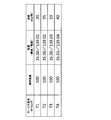
- FIG. 9 is a diagram illustrating an example of the terminal information table 225 of the edge server 200.
- the terminal information table 225 stores, for example, “service request timing”, “terminal device”, “position (longitude / latitude)”, and “movement speed (Km / hour)”.
- “Service request timing” is the time when a service request (or terminal information) is received.
- T1 is the oldest, and the newer the time x of Tx (x is an integer) becomes larger.
- Terminal device is an identifier of the terminal device 100.
- “Position (longitude / latitude)” indicates the position of the terminal device 100, and is the longitude and latitude of the terminal device 100.
- “Movement speed (Km / hour)” indicates the movement speed of the terminal device 100, and its unit is kilometers per hour.
- the edge server 200 estimates the moving speed of 40 km / hour at the timing T4 as the estimated moving speed of the terminal device 100 from FIG. Then, from FIG. 9, the edge server 200 estimates the estimated moving direction based on the position (35.01 / 139.04) at the timing T4 from the position (35.00 / 139.03) at the timing T3. That is, the edge server 200 estimates the direction from the past position of the terminal device 100 to the current position of the terminal device 100 as the moving direction after the present time of the terminal device 100.
- FIG. 10 is a diagram illustrating an example of the position of the terminal device 100 at the timing T5.
- the edge server 200 sets the moving direction ⁇ from the timing T3 to the timing T4 as the estimated moving direction. That is, it is estimated that the terminal device 100 moves in the direction of the arrow D1.
- the position of each timing in FIG. 10 is shown relatively on the basis of the position at the timing T3. As shown in FIG. 10, when the longitude and latitude of the position at timing T3 are both 0 °, the position at timing T4 is 0.01 ° longitude and 0.01 ° latitude.
- the edge server 200 estimates that the position at the timing T5 is near the tip of the arrow D1 from the distance obtained by multiplying the estimated movement speed by a predetermined time and the estimated movement direction.
- the estimated movement direction may be regarded as a direction in which the terminal device 100 may move, for example, a direction of ⁇ 180 degrees with the movement direction ⁇ as a center.
- the edge server 200 transfers the edge data of the terminal device 100 to the edge server 200 in the coverage area including the estimated position (S1052).
- the edge server 200 to which the edge data has been transferred copies the edge data to the internal memory.
- the edge server 200 waits for the time until moving to the coverage area including the position estimated by the terminal device 100 to be equal to or shorter than the threshold time (No in S1053).
- the service processing information is transmitted to the edge server 200 that has copied the edge data. (S1054).
- the service processing information indicates, for example, how much service the terminal device 100 has enjoyed.
- the service processing information is, for example, information on how much video data has been transmitted to the terminal device 100 when the service to be enjoyed is a video distribution service. Further, the service processing information is information such as the destination of the terminal device 100 and the movement status when the service to be enjoyed is navigation, for example.
- the edge server 200 estimates that the position of the terminal device 100 after a predetermined time is the coverage area C33 as shown in FIG. 5 (S1051 of FIG. 8), and sends it to the edge server 200-33.
- the edge data is transferred (S106, S1052 in FIG. 8).
- the edge server 200-33 Upon receiving the edge data, the edge server 200-33 copies the edge data to the internal memory (S107).
- the edge server 200-22 detects that the time until the terminal device 100 moves and the terminal device 100 moves to the coverage area C33 is equal to or shorter than the threshold time (Yes in S1053 in FIG. 8).
- the processing information is transmitted to the edge server 200-33 (S108, S1054 in FIG. 8).
- the terminal device 100 further moves, and the terminal device 100 transmits a service request to the edge server 200-22 (S109).
- the edge server 200-22 performs terminal location confirmation processing S103.
- the edge server 200-22 detects that the terminal device 100 has moved and is not located within the coverage area C22 (No in S1031 in FIG. 7). Then, since the terminal device 100 is located in the coverage area C33, the edge server 200-22 selects the edge server 200-33 as the edge server 200 according to the position of the terminal device 100 (S1033).
- the edge server 200-22 transmits a connection instruction to the terminal device 100 so as to connect to the edge server 200-33 (S110, S1034 in FIG. 7).
- the terminal device 100 When receiving the connection instruction, the terminal device 100 wirelessly connects to the edge servers 200-33 included in the connection instruction (S111). Then, the terminal device 100 transmits a service request to the edge servers 200-33 that are wirelessly connected (S112).
- the edge server 200 estimates the position of the terminal device 100 after a predetermined time based on the terminal information. Then, the edge server 200 causes the edge server 200 at the estimated position to copy the edge data. Thereby, since the edge server 200 does not copy data to the edge server 200 in the coverage area where the terminal device 100 does not move, the data capacity stored in the edge server 200 can be suppressed as compared with the proximity transfer method. .
- the edge server 200 estimates the estimated moving speed based on the terminal information (third terminal information) of all the terminal devices 100 in the wireless communication system 10.
- the edge server 200 generates a travel speed transition distribution based on the travel speed included in the terminal device 100.
- the transition of the moving speed is, for example, the terminal information (fourth information) acquired at the next timing at a certain timing from the moving speed (third moving speed) of the terminal information (third terminal information) acquired at a certain timing.
- Terminal information is a change in the moving speed (fourth moving speed).
- FIG. 11 is a diagram illustrating an example of the distribution of the moving speed that can be changed until the next terminal information acquisition in the terminal device 100 that has been moving speed of 40 km / hour.
- “speed” is the moving speed at the time of acquiring the next terminal information
- “distribution” indicates the probability (frequency) of transition to the moving speed indicated by “speed”.
- FIG. 11 shows, for example, that the probability that the terminal device 100 that has moved at 40 km / hour at the first timing is 10 km / hour at the second timing is 0.001, that is, the terminal information to be distributed is If the number is 1000 units in total, it means that one unit was 10 km / hour.
- FIG. 12 is a diagram showing an example of the distribution graph of FIG.
- the horizontal axis represents the moving speed after transition
- the vertical axis represents the distribution.
- the graph of the movement speed distribution shows a distribution close to a so-called normal distribution.
- the occurrence probability f of the moving speed v after the transition is represented by the following approximate expression (1), for example.
- the probability that the terminal device 100 at 40 km / hour has a moving speed of v by the next terminal information acquisition timing, that is, the moving speed of the terminal device 100 is v.
- the frequency of occurrences can be calculated. Thereby, the probability of the movement speed can be multiplied by the predetermined time, and the probability of the movement distance after the predetermined time of the terminal device 100 can be derived.
- FIG. 11 shows the transition from 40 km / hour.
- the transition is tabulated at 10 km / hour and the coefficients a, b, and c are calculated in the same manner.
- the edge server 200 can estimate the occurrence probability of the moving distance until the next terminal information acquisition timing based on the current moving speed of the terminal device 100.
- FIG. 13 is a diagram illustrating an example in which the terminal device 100 that has moved from the coverage area C42 to the coverage area C33 estimates the destination.
- the edge server 200-33 estimates the moving direction D11 from the coverage area C42 to C33 as the estimated moving direction D12.
- the edge servers 200-33 consider the direction D13 of ⁇ 180 degrees, for example, around the estimated movement direction D12 as a direction in which the terminal device 100 may move. That is, the edge servers 200-33 consider that the terminal device 100 may move in the semicircle S11 direction around the current position of the terminal device 100.
- the edge servers 200-33 calculate, for example, a predetermined probability (predetermined frequency) of the occurrence probability (occurrence frequency) of the movement speed that can occur after movement as the estimated movement speed based on the equation (1).
- the predetermined probability (predetermined frequency) is, for example, 0%, and all possible moving speeds are assumed to be estimated moving speeds.
- the predetermined probability (predetermined frequency) may be set to 10%, for example, and the number of edge servers 200 to which edge data is copied may be reduced by not using the moving speed below a certain occurrence probability as the estimated moving speed.
- the edge server 200-33 determines the terminal device 100 after the predetermined time based on the probability of the moving distance obtained by multiplying the calculated probability of occurrence of the estimated moving speed by the predetermined time and the direction (direction D13) that may move. Is estimated to be within a range surrounded by the semicircle S1 and the semicircle S2.
- the edge server 200-33 transfers the edge data of the terminal device 100 to the edge servers 200-22, 23, 34, 44 corresponding to the coverage area including the range surrounded by the semicircle S1 and the semicircle S2. .
- the edge servers 200-22, 23, 34, 44 receive the data, they are copied to the internal memory.
- the moving speed of the terminal device 100 is affected by, for example, the traffic congestion state of the road, the presence or absence of signals, and the like.
- the moving speed of a certain terminal device 100 and the moving speeds of peripheral terminal devices 100 are the same or close to the same value. In other words, it is unlikely that a certain car will protrude faster or slower than the surrounding cars due to a stop by a signal or a speed limit due to a traffic jam.
- a certain terminal device 100 assumes that the moving speed changes in the same manner as the moving speed of the peripheral terminal devices 100, and based on the moving speed change of the other terminal devices 100, The movement speed after movement of the terminal device 100 is estimated, and the probability of the movement distance after a predetermined time is derived. Thereby, the accuracy of the estimation of the moving speed of the terminal device 100 increases, and the probability of moving to the estimated position increases. When the probability of moving increases, the probability of copying edge data to the edge server 200 that does not move in the actual inspection decreases, so the data capacity of the edge server 200 can be suppressed.
- An edge server that wirelessly connects to a terminal device located in a coverage area, relays communication between the terminal device and the server, and accumulates edge data that is data for each of the terminal devices in part or all of the data of the server Because
- An acquisition unit that acquires terminal information including a position and a moving speed of the terminal device from the terminal device;
- a storage unit for storing the acquired terminal information;
- the terminal device in the second time after the first time based on the first terminal information of the terminal device acquired at least in the first time in the first time when the terminal device is located in its own coverage area.
- a data management unit that copies the stored edge data of the terminal device to another edge server that includes the estimated position of the terminal device at the second time in a coverage area.
- the data management unit estimates an estimated movement direction and an estimated movement speed of the terminal device after obtaining the first terminal information, and based on the estimated movement direction and the estimated movement speed, in the second time of the terminal device
- the edge server according to appendix 1 which estimates a position.
- the data management unit is configured to perform the estimated movement based on a first position included in the first terminal information and a second position included in second terminal information of the terminal device acquired before the first time.
- the edge server according to appendix 2, which estimates a direction.
- the data management unit includes an amount of change from the third movement speed included in the third terminal information to the fourth movement speed included in the fourth terminal information acquired before the third terminal information;
- the edge server according to claim 2 wherein the estimated moving speed of the terminal device is estimated based on a moving speed included in the first terminal information.
- the data management unit determines the frequency of occurrence of the movement speed after the change from the movement speed included in the first terminal information based on the distribution of the amount of change from the third movement speed to the fourth movement speed.
- the edge server according to claim 5, wherein the edge server calculates the movement speed after the change in which the calculated occurrence frequency is equal to or higher than a predetermined frequency as the estimated movement speed of the terminal device.
- Appendix 7 The edge server according to appendix 1, wherein the edge data includes the stored terminal information.
- An edge server that wirelessly connects to a terminal device located in a coverage area, relays communication between the terminal device and the server, and accumulates edge data that is data for each of the terminal devices in part or all of the data of the server
- Data management method in Obtaining terminal information including the position and moving speed of the terminal device from the terminal device, Storing the acquired terminal information; The terminal device in the second time after the first time based on the first terminal information of the terminal device acquired at least in the first time in the first time when the terminal device is located in its own coverage area.
- a data management method for estimating the location of the terminal device and copying the stored edge data of the terminal device to another edge server including the estimated location of the terminal device at the second time in a coverage area.
Landscapes
- Engineering & Computer Science (AREA)
- Computer Networks & Wireless Communication (AREA)
- Signal Processing (AREA)
- Mobile Radio Communication Systems (AREA)
- Telephonic Communication Services (AREA)
- Information Transfer Between Computers (AREA)
Abstract
【課題】記憶するデータ量を抑制することができる。 【解決手段】カバレッジエリアに位置する端末装置と無線接続し、前記端末装置とサーバ間の通信を中継し、前記サーバが有するデータの一部又は全部の前記端末装置毎のデータであるエッジデータを蓄積するエッジサーバであって、前記端末装置から、前記端末装置の位置及び移動速度を含む端末情報を取得する取得部と、前記取得した端末情報を記憶する記憶部と、前記端末装置が自身のカバレッジエリア内に位置する第1時間において、少なくとも前記第1時間に取得した前記端末装置の第1の端末情報に基づき、前記第1時間以降の第2時間における前記端末装置の位置を推定し、推定した前記端末装置の前記第2時間における位置をカバレッジエリアに含む他のエッジサーバに、前記蓄積された端末装置の前記エッジデータを複写するデータ管理部とを有する。
Description
本発明は、エッジサーバ及びデータ管理方法に関する。
クラウドサービスでは、クラウド上のサーバ(以下、クラウドサーバと呼ぶ)が、写真や動画などデータを保存したり、ソフトウェアを実行した結果を端末装置に送信したりするなど、端末装置が行っていたデータ保存やソフトウェア実行を、サービスとして提供する。しかし、クラウドサービスの利用者が多くなると、クラウドサーバにかかる処理負荷が増大する。そこで、例えば、ソフトウェアの一部の演算処理や、大規模データの一時的な保管を行うエッジサーバを、端末装置の近くに配置することがある。
エッジサーバは、それぞれ対応するサービス提供のカバレッジエリアを有する。端末装置は、自装置が位置するカバレッジエリアに対応するエッジサーバと無線接続し、通信を行う。端末装置が無線接続するエッジサーバは、端末装置の移動に伴い切り替わる。
そこで、端末装置が無線接続するエッジサーバが切り替わったとき、端末装置が享受するサービスが途切れないよう、無線接続中のエッジサーバが蓄積する端末装置のデータを、近接するカバレッジエリアに対応するエッジサーバにも記憶させる。これにより、端末装置が近接するエッジサーバに移動しても、端末装置は継続してサービスを享受できる。
エッジサーバ関連する技術は、以下の特許文献1~3に記載されている。
しかし、近接するエッジサーバ全てに同じデータを記憶させる場合、通信システム内の端末装置の数が増加すると、エッジサーバの記憶するデータ量も大きくなる。エッジサーバは、記憶するデータ量が増加すると、ハードディスクを増設したり、より記憶容量の大きいコンピュータに変更したりするなど、設備構築のコストが増大する。
そこで、一開示は、記憶するデータ量を抑制するエッジサーバ及びデータ管理方法を提供する。
1つの側面では、カバレッジエリアに位置する端末装置と無線接続し、前記端末装置とサーバ間の通信を中継し、前記サーバが有するデータの一部又は全部の前記端末装置毎のデータであるエッジデータを蓄積するエッジサーバであって、前記端末装置から、前記端末装置の位置及び移動速度を含む端末情報を取得する取得部と、前記取得した端末情報を記憶する記憶部と、前記端末装置が自身のカバレッジエリア内に位置する第1時間において、少なくとも前記第1時間に取得した前記端末装置の第1の端末情報に基づき、前記第1時間以降の第2時間における前記端末装置の位置を推定し、推定した前記端末装置の前記第2時間における位置をカバレッジエリアに含む他のエッジサーバに、前記蓄積された
端末装置の前記エッジデータを複写するデータ管理部とを有する。
端末装置の前記エッジデータを複写するデータ管理部とを有する。
一開示は、記憶するデータ量を抑制するエッジサーバ及びデータ管理方法を提供する。
以下、本実施の形態について図面を参照して詳細に説明する。本明細書における課題及び実施例は一例であり、本願の権利範囲を限定するものではない。特に、記載の表現が異なっていたとしても技術的に同等であれば、異なる表現であっても本願の技術を適用可能であり、権利範囲を限定するものではない。
[第1の実施の形態]
第1の実施の形態について以下に説明する。
第1の実施の形態について以下に説明する。
<無線通信システムの構成例>
図1は、無線通信システム10の構成例を示す図である。無線通信システム10は、端末装置100、エッジサーバ200-1,2(以降、エッジサーバ200と呼ぶ場合がある)、及びネットワーク300を有する。
図1は、無線通信システム10の構成例を示す図である。無線通信システム10は、端末装置100、エッジサーバ200-1,2(以降、エッジサーバ200と呼ぶ場合がある)、及びネットワーク300を有する。
ネットワーク300は、例えば、端末装置100に動画配信やカーナビゲーションなどのサービスを提供するクラウドサーバ群である。また、ネットワーク300は、エッジサーバ200-1,2と接続し、エッジサーバ200-1,2間の通信を中継するネットワークである。
端末装置100は、例えば、スマートフォンやタブレット端末などの移動体通信装置であり、無線通信システム10内を移動する。図1は端末装置100が移動する例を示し、端末装置100-aは移動前、端末装置100-bは移動後の端末装置100を示す。端
末装置100は、例えば、クラウドサーバ(第1サーバとも呼ぶ)と、エッジサーバ200を介して、通信を行い、クラウドサーバからサービスを享受する。
末装置100は、例えば、クラウドサーバ(第1サーバとも呼ぶ)と、エッジサーバ200を介して、通信を行い、クラウドサーバからサービスを享受する。
エッジサーバ200は、端末装置100と無線接続する範囲を示すカバレッジエリアを有する。エッジサーバ200-1はカバレッジエリアC1を、エッジサーバ200-2はカバレッジエリアC2をそれぞれ有する。以降の説明において、エッジサーバ200-x(xは数値)は、カバレッジエリアCxを有する。
また、エッジサーバ200は、端末装置100が通信に使用するデータの一部又は全部を蓄積(記憶)する。エッジサーバ200は、例えば、クラウドサーバに代替して、一部又は全部の処理を実行する。この場合、エッジサーバ200が蓄積するデータは、代替して実行する処理のアプリケーションプログラムやオブジェクトである。また、エッジサーバ200は、クラウドサーバが送信したり、保存したりするデータの一部又は全部を、クラウドサーバに代替して保存及び送信する。この場合、エッジサーバ200が蓄積するデータは、代替して保存又は送信するデータである。エッジデータは、例えば、クラウドサーバに代替した保存するデータや代替した実行する処理のアプリケーションプログラムの全部又は一部である。エッジデータは、端末装置ごとに蓄積されるデータである。エッジデータには、後述する端末情報が含まれてもよい。
無線通信システム10において、移動前の端末装置100-aは、カバレッジエリアC1内に位置しており、カバレッジエリアC1を有するエッジサーバ200-1を介して通信を行う。そして、端末装置100は、端末装置100-aから端末装置100-bに移動する。移動後の端末装置100-bは、カバレッジエリアC2内に位置しており、カバレッジエリアC2を有するエッジサーバ200-2を介して通信を行う。
エッジサーバ200は、端末装置100が移動することでエッジサーバ200を切り替えても、端末装置100がクラウドサービスを途切れずに享受できるようにするため、他のエッジサーバ200とエッジデータを共有する場合がある。エッジデータの共有とは、ある端末装置100のエッジデータを、複数のエッジサーバ200が記憶することを示す。
図2は、複数のエッジサーバ200がエッジデータを共有する例を示す図である。C11~C55は、カバレッジエリアを示す。C11~C55それぞれは、エッジサーバ200-11~55に対応する。端末装置100は、移動前はC22に位置し、移動後はC33に位置するものとする。図2(A)及び(B)は、それぞれ端末装置100の移動前、及び移動後のデータの蓄積を示す。また、網掛けされたカバレッジエリアは、端末装置100のエッジデータを記憶するエッジサーバ200に対応するカバレッジエリアである。エッジサーバ200が近接するエッジサーバ200にエッジデータを転送する方式を、近接転送方式と呼び、以下に近接転送方式について説明する。
移動前の端末装置100は、エッジサーバ200-22と無線接続し、クラウドサーバからサービスを享受する。エッジサーバ200-22は、端末装置100のエッジデータを蓄積(記憶)する。エッジサーバ200-22は、隣接する全てのエッジサーバ200に、蓄積するデータを転送し、複写させる。隣接する全てのエッジサーバ200とは、図2(A)において網掛けされている、カバレッジエリアC11、C12、C13、C21、C23、C31、C32、C33に対応するエッジサーバ200である。
移動後の端末装置100は、エッジサーバ200-33と無線接続し通信することで、サービスを享受する。エッジサーバ200-33は、図2(A)に示すように、端末装置100が移動する前に、端末装置100のエッジデータを複写され、記憶している。端末
装置100は、カバレッジエリアC22からどの方向に移動しても、移動先のカバレッジエリアに対応するエッジサーバ200が、端末装置100のエッジデータを記憶しているため、サービスを途切れることなく享受できる。カバレッジエリアC33に端末装置100が移動すると、エッジサーバ200-33は、自装置が記憶する端末装置100のエッジデータを、隣接する全てのエッジサーバ200に転送し、複写させる。このように、近接転送方式では、エッジサーバ200は、端末装置100の移動に伴い、隣接する全てのエッジサーバ200に端末装置100のエッジデータを転送し、複写させる。
装置100は、カバレッジエリアC22からどの方向に移動しても、移動先のカバレッジエリアに対応するエッジサーバ200が、端末装置100のエッジデータを記憶しているため、サービスを途切れることなく享受できる。カバレッジエリアC33に端末装置100が移動すると、エッジサーバ200-33は、自装置が記憶する端末装置100のエッジデータを、隣接する全てのエッジサーバ200に転送し、複写させる。このように、近接転送方式では、エッジサーバ200は、端末装置100の移動に伴い、隣接する全てのエッジサーバ200に端末装置100のエッジデータを転送し、複写させる。
移動した端末装置100が無線接続するエッジサーバ200は、エッジサーバ200-33であるが、エッジデータを複写する対象のエッジサーバ200は、図2(A)で示すように、エッジサーバ200-11、12、13、21、23、31、32、33の8つのエッジサーバ200が対象となる。すなわち、端末装置100の移動先のエッジサーバ200-33以外に複写したエッジデータは、端末装置100によって使用されない、端末装置100がサービスを享受するためには不要なデータである。エッジサーバ200は、不要なデータを複写するために、膨大なデータを記憶する容量を有する必要があり、無線通信システムの構築のコストが増大する。
そこで、第1の実施の形態においては、近接転送方式ではなく、推定移動先転送方式を用いる。推定移動先転送方式では、エッジサーバ200は、無線接続する端末装置100から、端末装置100の位置及び移動速度を含む端末情報を取得する。そして、エッジサーバ200は、取得した端末情報を記憶し、少なくとも推定対象の端末装置100の端末情報に基づき、端末装置100の移動後の位置を推定する。さらに、エッジサーバ200は、推定した移動後の位置をカバレッジエリアに含む他のエッジサーバ200に、端末装置100のエッジデータを転送し、複写させる。これにより、エッジデータを複写するエッジサーバ200が減少するため、エッジサーバ200のデータ容量を抑制することができる。
<エッジサーバの構成例>
図3は、エッジサーバ200の構成例を示す図である。エッジサーバ200は、CPU(Central Processing Unit)210、ストレージ220、DRAM(Dynamic Random Access Memory)などのメモリ230、NIC(Network Interface Card)240、及びR
F(Radio Frequency)回路250を有する。エッジサーバ200は、例えば、サーバマ
シンやコンピュータである。また、エッジサーバ200は、例えば、データを記憶する装置と、端末装置100と無線接続し、端末装置100の通信を中継する基地局装置など、複数の装置で構成されてもよい。
図3は、エッジサーバ200の構成例を示す図である。エッジサーバ200は、CPU(Central Processing Unit)210、ストレージ220、DRAM(Dynamic Random Access Memory)などのメモリ230、NIC(Network Interface Card)240、及びR
F(Radio Frequency)回路250を有する。エッジサーバ200は、例えば、サーバマ
シンやコンピュータである。また、エッジサーバ200は、例えば、データを記憶する装置と、端末装置100と無線接続し、端末装置100の通信を中継する基地局装置など、複数の装置で構成されてもよい。
ストレージ220は、プログラムやデータを記憶する、フラッシュメモリ、HDD(Hard Disk Drive)、又はSSD(Solid State Drive)などの補助記憶装置である。ストレージ220は、無線通信制御プログラム221、エッジコンピューティングプログラム222、及び端末位置推定プログラム223、端末情報取得プログラム224、及び端末情報テーブル225を記憶する。
メモリ230は、ストレージ220に記憶されているプログラムをロードする領域である。また、メモリ230は、プログラムがデータを記憶する領域としても使用される。さらに、メモリ230は、端末装置100のエッジデータを、端末装置毎に対応づけ、端末毎エッジデータ2301として記憶する。端末毎エッジデータ2301は、クラウドサーバに代替して記憶するデータである。端末毎エッジデータ2301は、ストレージ220に記憶してもよい。また、端末毎エッジデータは、後述する端末情報テーブルに記憶される内容を含んでもよい。
NIC240は、他のエッジサーバ200やネットワーク300と接続するネットワークインタフェースである。エッジサーバ200は、NIC240介してパケットを受信することで、他の通信装置と通信を行う。
RF回路250は、端末装置100と無線接続する装置である。RF回路250は、例えば、アンテナを有し、無線接続する端末装置100と電波を送受信することで、端末装置100と通信を行う。
CPU210は、無線通信制御プログラム221を実行することで、無線通信制御処理を行う。無線通信制御処理は、端末装置100と無線接続し、端末装置100が行う通信を中継する処理である。また、無線通信制御処理は、端末装置100が自カバレッジエリア内に位置するかどうか判定し、自カバレッジエリア内に位置しない場合、端末装置100が位置するカバレッジエリアを有するエッジサーバと無線接続するよう、端末装置100に指示する。
CPU210は、位置情報確認モジュール2211を実行することで、位置情報確認処理を行う。位置情報確認処理は、端末装置100が自カバレッジエリア内に位置するか否かを判定する処理である。エッジサーバ200は、端末装置100の位置情報(緯度、経度)に基づき、端末装置100が自カバレッジエリア内に位置するか否かを判定する。
また、CPU210は、エッジコンピューティングプログラム222を実行することで、エッジコンピューティング処理を行う。エッジコンピューティング処理は、端末装置100が通信を行うクラウドコンピュータが実行する処理の一部又は全部を、クラウドコンピュータを代替して実行する処理である。また、エッジコンピューティング処理は、端末装置100が通信を行うクラウドコンピュータと送受信するデータの一部又は全部を、クラウドコンピュータを代替した保存したり、端末装置100と送受信したりする処理である。
また、CPU210は、端末位置推定プログラム223を実行することで、データ管理部を構築し、端末位置推定処理を行う。端末位置推定処理は、端末装置100の所定時間後の位置を推定し、推定した位置を含むカバレッジエリアのエッジサーバ200に、端末装置100のエッジデータを複写する処理である。
また、CPU210は、端末情報取得プログラム224を実行することで、取得部及び記憶部を構築し、端末情報取得処理を行う。端末情報取得処理は、端末装置100から端末情報を受信する処理である。端末情報は、例えば、端末装置100の位置や移動速度を含む。また、端末情報は、端末装置100が送信するサービス要求に含まれてもよい。また、エッジサーバ200は、端末情報取得処理において、受信した端末情報を端末情報テーブル225に記憶する。
<端末装置の構成例>
図4は、端末装置100の構成例を示す図である。端末装置100は、CPU110、ストレージ120、DRAMなどのメモリ130、及びRF回路150を有する。
図4は、端末装置100の構成例を示す図である。端末装置100は、CPU110、ストレージ120、DRAMなどのメモリ130、及びRF回路150を有する。
ストレージ120は、プログラムやデータを記憶する、フラッシュメモリ、HDD、又はSSDなどの補助記憶装置である。ストレージ120は、無線通信プログラム121及びサービス実行プログラム122を記憶する。
メモリ130は、ストレージ120に記憶されているプログラムをロードする領域である。また、メモリ130は、プログラムがデータを記憶する領域としても使用される。
RF回路150は、エッジサーバ200と無線接続する装置である。RF回路150は、例えば、アンテナを有し、無線接続するエッジサーバ200と電波を送受信することで、エッジサーバ200を介して、他の通信装置と通信を行う。
CPU110は、無線通信プログラム121を実行することで、無線通信処理を行う。無線通信処理は、エッジサーバ200を介して、通信相手の通信装置と通信を行う処理である。端末装置100は、無線通信処理において、例えば、エッジサーバ200を介して、クラウドサーバと通信し、クラウドサーバからサービスを享受する。
また、CPU110は、サービス実行プログラム122を実行することで、サービス実行処理を行う。サービス実行処理は、端末装置100がクラウドサーバからサービスを享受する処理である。また、端末装置100は、サービス実行処理において、例えば、エッジサーバ200に端末情報を送信する。端末装置100は、例えば、定期的に端末情報を送信する。あるいは、端末装置100は、例えば、移動距離や電波状況などに応じて、不定期に端末情報を送信する。また、端末装置100は、例えば、エッジサーバ200からの要求に応答して、端末情報を送信してもよい。
CPU110は、端末位置測定モジュール1221を実行することで、端末位置測定処理を行う。端末位置測定処理は、端末装置100の位置(例えば、経度、緯度など)を測定する処理である。端末装置100は、例えば、端末情報に測定した端末装置100の位置に関する情報を含め、エッジサーバ200に送信する。
CPU110は、速度測定モジュール1222を実行することで、速度測定処理を行う。速度測定処理は、端末装置100の移動速度を測定する処理である。端末装置100は、端末情報に測定した端末装置100の移動速度に関する情報を含め、エッジサーバ200に送信する。
<推定移動先転送方式にエッジデータの複写処理>
図5は、無線通信システム10における、推定移動先転送方式におけるエッジデータの複写先の例を示す図である。端末装置100は、図5(A)に示すように、移動前はカバレッジエリアC22に位置する。そして、エッジサーバ200-22は、端末装置100がカバレッジエリアC33に移動すると推定し、エッジサーバ200-33に端末装置100のエッジデータを転送し、エッジサーバ200-33に転送してデータを複写させる。そして、端末装置100は、図5(B)に示すように、カバレッジエリアC33に移動する。エッジサーバ200-33は、複写した端末装置100のエッジデータを用いて、端末装置100にサービスを提供する。そして、エッジサーバ200-33は、端末装置100がカバレッジエリアC44に移動すると推定し、エッジサーバ200-44に、端末装置100のエッジデータを転送する。
図5は、無線通信システム10における、推定移動先転送方式におけるエッジデータの複写先の例を示す図である。端末装置100は、図5(A)に示すように、移動前はカバレッジエリアC22に位置する。そして、エッジサーバ200-22は、端末装置100がカバレッジエリアC33に移動すると推定し、エッジサーバ200-33に端末装置100のエッジデータを転送し、エッジサーバ200-33に転送してデータを複写させる。そして、端末装置100は、図5(B)に示すように、カバレッジエリアC33に移動する。エッジサーバ200-33は、複写した端末装置100のエッジデータを用いて、端末装置100にサービスを提供する。そして、エッジサーバ200-33は、端末装置100がカバレッジエリアC44に移動すると推定し、エッジサーバ200-44に、端末装置100のエッジデータを転送する。
このように、第1の実施の形態では、エッジサーバ200が推定して移動先のエッジサーバ200のみにエッジデータを転送するため、端末装置100が移動しない可能性の高いエッジサーバ200はエッジデータを複写しないため、エッジサーバ200の記憶するデータ量は抑制される。エッジデータの複写処理の詳細について、以下に説明する。
図6は、推定移動先転送方式のシーケンスの例を示す図である。端末装置100は、エッジサーバ200-22と無線接続中である(S101)。そして、端末装置100は、例えば、クラウドサーバにアクセスし、クラウドサーバからサービスを享受している。端末装置100は、サービスを享受するため、エッジサーバ200-22を介して、サービス要求wをクラウドサーバに送信する(S102)。
サービス要求は、例えば、端末装置100の端末情報を含む。端末情報は、例えば、端末装置100の移動速度、位置情報、電波状況を含む。また、端末装置100が車両である場合や、車両に付随する通信装置である場合、端末情報は、例えば、車両の搭載機器(メーター、ウィンドウ、エアコン、タイヤ圧、排ガス量、エンジン)の状態などを含んでもよい。また、サービス要求は、例えば、サービスをどこまで享受したかを示すサービス享受経過状況や、サービス内容の変更、追加、停止などの要求を含んでもよい。
エッジサーバ200-22は、サービス要求に含まれる端末情報を取得すると(S102)、端末位置確認処理を行う(S103)。
図7は、エッジサーバ200における、端末位置確認処理の処理フローチャートの例を示す図である。エッジサーバ200は、端末情報を送信した端末装置100が、自装置のカバレッジエリア内に位置するか否かを判定する(S1031)。エッジサーバ200のカバレッジエリアは、例えば、4点の座標をそれぞれ直線で結んだ四角形で囲まれた範囲である。また、エッジサーバ200のカバレッジエリアは、例えば、1点の座標を中心とした円で囲まれた範囲である。エッジサーバ200は、端末情報に含まれる端末装置100の位置に基づき、端末装置100がカバレッジエリア内に位置するかどうかを判定する。
エッジサーバ200は、カバレッジエリア内に端末装置100が位置すると判定すると(S1031のYes)、端末装置100のサービス処理を実行する(S1032)。端末装置100のサービス処理とは、サービス要求の内容に応じた処理であり、例えば、サービス要求をクラウドサーバに送信したり、エッジサーバが端末装置100のエッジデータを使用して、端末装置100に提供するサービスの一部を実行したりする処理である。また、エッジサーバ200は、サービス処理において、例えば、クラウドサーバから受信した、又はエッジサーバ200で生成した、サービス情報通知を端末装置100に送信する。サービス情報通知は、例えば、端末装置100が享受するサービスに伴うデータや情報が含まれる。
エッジサーバ200は、カバレッジエリア内に端末装置100が位置しないと判定すると(S1031のNo)、端末装置100の位置に応じたエッジサーバ200を選出する(S1033)。エッジサーバ200は、例えば、エッジサーバ200とカバレッジエリアの対応関係を記憶する管理サーバに問い合わせる。そして、エッジサーバ200は、管理サーバから端末装置100の位置に応じたエッジサーバ200の識別子やアドレスを受信する。また、エッジサーバ200は、例えば、内部メモリにエッジサーバ200とカバレッジエリアの対応関係を記憶しておき、記憶する対応関係から、端末装置100の位置に応じたエッジサーバ200を抽出する。
そして、エッジサーバ200は、選出したエッジサーバ200に接続するよう、端末装置100に接続指示を送信する(S1034)。接続指示は、例えば、選出したエッジサーバ200の識別子を含む。
図6のシーケンスに戻り、エッジサーバ200-22は、端末位置確認処理S103において、端末装置100がカバレッジエリア内に位置するか否かを判定する(図7のS1031)。そして、エッジサーバ200-22は、図5(A)に示すように、移動前の端末装置100はカバレッジエリア22に位置すると判定する(図7のS1031のYes)。そして、エッジサーバ200-22は、端末装置100のサービス処理を実行し(図7のS1032)、端末装置100にサービス情報通知を送信する(S104)。
端末装置100は、サービス情報通知を受信すると、享受するサービスに応じた処理を行う。例えば、享受するサービスが動画配信サービスの場合、受信したサービス情報通知に含まれる動画データを、端末装置100の表示部で再生する。また、例えば、享受するサービスがナビゲーションである場合、受信したサービス情報通知に含まれる渋滞情報を、端末装置100の表示部に表示する。
エッジサーバ200-22は、端末位置確認処理を実行した後、位置推定処理を行う(S105)。なお、図6のシーケンスにおいては、端末位置確認処理の実行後に位置推定処置を実行しているが、端末位置確認処理の実行前に位置推定処置を実行してもよい。
図8は、エッジサーバ200における位置推定処理の処理フローチャートの例を示す図である。エッジサーバ200は、端末情報に含まれる、端末装置100の位置及び移動速度に基づき、所定時間後の端末装置100の位置を推定する(S1051)。
エッジサーバ200は、所定時間後の端末装置100の位置の推定において、例えば、端末装置100の移動方向及び移動速度を推定する。そして、推定した移動方向(以降、推定移動方向と呼ぶ場合がある)と推定した移動速度(以降、推定移動速度と呼ぶ場合がある)に基づき、所定時間後の端末装置100の位置を推定する。
第1の実施の形態においては、エッジサーバ200は、最後に取得した端末情報(例えば、第1時間に取得した第1の端末情報)に含まれる位置(第1位置)から、以前に取得した(例えば、最後の取得の1回前に取得した)端末情報(例えば、第1時間より以前の第2時間に取得した第2の端末情報)に含まれる位置(第2位置)への方向を、推定移動方向と推定する。
また、第1の実施の形態においては、エッジサーバ200は、最後に取得した端末情報に含まれる移動速度を、推定移動速度と推定する。第1の実施の形態における、推定移動方向の推定方法、及び端末装置100の所定時間後の位置の推定方法について以下に説明する。
図9は、エッジサーバ200の端末情報テーブル225の例を示す図である。端末情報テーブル225は、例えば、「サービス要求タイミング」、「端末装置」、「位置(経度/緯度)」、及び「移動速度(Km/時)」が記憶される。「サービス要求タイミング」は、サービス要求(又は端末情報)を受信した時間であり、図9においては、T1が最も古く、Tx(xは整数)のxが大きくなるほど新しい時間となる。「端末装置」は、端末装置100の識別子である。「位置(経度/緯度)」は、端末装置100の位置を示し、端末装置100の経度、緯度である。「移動速度(Km/時)」は、端末装置100の移動速度を示し、単位はキロメートル毎時間である。
エッジサーバ200は、図9より、タイミングT4における移動速度40Km/時を、端末装置100の推定移動速度と推定する。そして、エッジサーバ200は、図9より、タイミングT3での位置(35.00/139.03)からタイミングT4での位置(35.01/139.04)に基づき、推定移動方向を推定する。すなわち、エッジサーバ200は、過去の端末装置100の位置から現在の端末装置100の位置への方向を、端末装置100の現在より以降の移動方向と推定する。
図10は、端末装置100のタイミングT5における位置の例を示す図である。例えば、エッジサーバ200は、タイミングT3からタイミングT4までの移動方向θを推定移動方向とする。すなわち、端末装置100は、矢印D1の方向に移動すると推定される。なお、図10における各タイミングの位置は、タイミングT3における位置を基準として
相対的に示す。図10に示すように、タイミングT3の位置の経度及び緯度を共に0°とした場合に、タイミングT4の位置は、経度0.01°、緯度0.01°となる。そして、エッジサーバ200は、推定移動速度に所定時間を乗じた距離と、推定移動方向より、タイミングT5の位置を矢印D1の先端部近辺であると推定する。このとき、推定移動方向は、移動方向θを中心に、例えば、±180度の方向を、端末装置100が移動する可能性のある方向とみなしてもよい。
相対的に示す。図10に示すように、タイミングT3の位置の経度及び緯度を共に0°とした場合に、タイミングT4の位置は、経度0.01°、緯度0.01°となる。そして、エッジサーバ200は、推定移動速度に所定時間を乗じた距離と、推定移動方向より、タイミングT5の位置を矢印D1の先端部近辺であると推定する。このとき、推定移動方向は、移動方向θを中心に、例えば、±180度の方向を、端末装置100が移動する可能性のある方向とみなしてもよい。
図8の処理フローチャートに戻り、エッジサーバ200は、推定した位置を含むカバレッジエリアのエッジサーバ200に、端末装置100のエッジデータを転送する(S1052)。エッジデータを転送されたエッジサーバ200は、エッジデータを内部メモリに複写する。
エッジサーバ200は、端末装置100が推定した位置を含むカバレッジエリアに移動するまでの時間が閾値時間以下になるのを待ち受ける(S1053のNo)。エッジサーバ200は、端末装置100が推定した位置を含むカバレッジエリアに移動するまでの時間が閾値時間以下になると(S1053のYes)、サービス処理用情報を、エッジデータを複写したエッジサーバ200に送信する(S1054)。サービス処理用情報は、例えば、端末装置100に対してどれくらいのサービスを享受したかの度合いを示す。サービス処理情報は、例えば、享受するサービスが動画配信サービスの場合、端末装置100にどこまでの動画データを送信したかの情報である。また、サービス処理情報は、例えば、享受するサービスがナビゲーションである場合、端末装置100の目的地や移動状況などの情報である。
図6のシーケンスに戻り、エッジサーバ200は、図5に示すように、端末装置100の所定時間後の位置をカバレッジエリアC33であると推定し(図8のS1051)、エッジサーバ200-33にエッジデータを転送する(S106、図8のS1052)。
エッジサーバ200-33は、エッジデータを受信すると、内部メモリにエッジデータを複写する(S107)。
そして、エッジサーバ200-22は、端末装置100が移動し、カバレッジエリアC33に端末装置100が移動するまでの時間が閾値時間以下になったことを検出すると(図8のS1053のYes)、サービス処理用情報をエッジサーバ200-33に送信する(S108、図8のS1054)。
そして、さらに端末装置100が移動し、端末装置100はエッジサーバ200-22にサービス要求を送信する(S109)。エッジサーバ200-22は、サービス要求を受信すると、端末位置確認処理S103を行う。エッジサーバ200-22は、端末装置100が移動してカバレッジエリアC22内に位置しないことを検出する(図7のS1031のNo)。そして、エッジサーバ200-22は、端末装置100がカバレッジエリアC33に位置するため、エッジサーバ200-33を端末装置100の位置に応じたエッジサーバ200として選出する(S1033)。エッジサーバ200-22は、エッジサーバ200-33に接続するよう、端末装置100に接続指示を送信する(S110、図7のS1034)。
端末装置100は、接続指示を受信すると、接続指示に含まれるエッジサーバ200-33に無線接続する(S111)。そして、端末装置100は、無線接続するエッジサーバ200-33にサービス要求を送信する(S112)。
第1の実施の形態では、エッジサーバ200は、端末情報に基づき、所定時間後の端末
装置100の位置を推定する。そして、エッジサーバ200は、推定した位置のエッジサーバ200にエッジデータを複写させる。これにより、エッジサーバ200は、端末装置100が移動しないカバレッジエリアのエッジサーバ200にデータを複写させることがないため、近接転送方式に比べ、エッジサーバ200が記憶するデータ容量を抑制することができる。
装置100の位置を推定する。そして、エッジサーバ200は、推定した位置のエッジサーバ200にエッジデータを複写させる。これにより、エッジサーバ200は、端末装置100が移動しないカバレッジエリアのエッジサーバ200にデータを複写させることがないため、近接転送方式に比べ、エッジサーバ200が記憶するデータ容量を抑制することができる。
[第2の実施の形態]
第2の実施の形態においては、エッジサーバ200は、無線通信システム10内の全ての端末装置100の端末情報(第3の端末情報)に基づき、推定移動速度を推定する。
第2の実施の形態においては、エッジサーバ200は、無線通信システム10内の全ての端末装置100の端末情報(第3の端末情報)に基づき、推定移動速度を推定する。
<推定移動速度の推定処理>
エッジサーバ200は、端末装置100に含まれる移動速度に基づき、移動速度の推移の分布を生成する。移動速度の推移とは、例えば、あるタイミングで取得した端末情報(第3の端末情報)の移動速度(第3の移動速度)から、あるタイミングの次回のタイミングで取得した端末情報(第4の端末情報)の移動速度(第4の移動速度)の変化である。
エッジサーバ200は、端末装置100に含まれる移動速度に基づき、移動速度の推移の分布を生成する。移動速度の推移とは、例えば、あるタイミングで取得した端末情報(第3の端末情報)の移動速度(第3の移動速度)から、あるタイミングの次回のタイミングで取得した端末情報(第4の端末情報)の移動速度(第4の移動速度)の変化である。
図11は、移動速度40Km/時であった端末装置100における、次の端末情報取得時までに変化し得る移動速度の分布の例を示す図である。図11において、「速度」は次の端末情報取得時の移動速度であり、「分布」は「速度」に示す移動速度に推移する確率(頻度)を示す。図11は、例えば、第1のタイミングで40Km/時で移動していた端末装置100が、第2のタイミングで10Km/時である確率は0.001、すなわち、分布の対象となる端末情報の数をのべ1000台とすると、1台が10Km/時であったということを示す。
図12は、図11の分布のグラフの例を示す図である。図12のグラフは、横軸が推移後の移動速度、縦軸が分布である。図12に示すように、移動速度の分布のグラフは、いわゆる正規分布に近い分布を示す。推移後の移動速度vの発生確率fは、例えば、以下の近似式(1)で表される。

図11のデータに基づき、例えば、非線形最小二乗法により式(1)のa,b,cを算出すると、a=0.197、b=42.5、c=14.3243となる。この算出したa,b,cを用いて、40Km/時の端末装置100が、次の端末情報取得タイミングまでに移動速度がvとなっている確率、すなわち、端末装置100の移動速度がvとなることの発生頻度を算出することができる。これにより、移動速度の発生確率に所定時間を乗じ、端末装置100の所定時間後の移動距離の確率を導出することができる。
図11は、40Km/時からの推移であるが、例えば、10Km/時刻みで推移を集計し、同様にa,b,cの係数を算出する。これにより、エッジサーバ200は、端末装置100の現在の移動速度に基づき、次の端末情報取得タイミングまでの移動距離の発生確率を推定することができる。
<推定移動先転送方式にエッジデータの複写処理>
図13は、カバレッジエリアC42からカバレッジエリアC33に移動した端末装置100が、移動先を推定する例を示す図である。
図13は、カバレッジエリアC42からカバレッジエリアC33に移動した端末装置100が、移動先を推定する例を示す図である。
エッジサーバ200-33は、カバレッジエリアC42からC33への移動方向D11を、推定移動方向D12と推定する。ここで、エッジサーバ200-33は、推定移動方向D12を中心に、例えば±180度の方向D13を、端末装置100が移動する可能性のある方向とみなす。つまり、エッジサーバ200-33は、端末装置100は、端末装置100の現在位置を中心として、半円S11方向に移動する可能性があるとみなす。
さらに、エッジサーバ200-33は、式(1)に基づき、例えば、移動後に発生し得る移動速度の発生確率(発生頻度)が所定確率(所定頻度)を、推定移動速度として算出する。所定確率(所定頻度)は、例えば、0%とし、発生しうる全ての移動速度を推定移動速度とする。また、所定確率(所定頻度)は、例えば、10%とし、ある程度の発生確率以下の移動速度を推定移動速度としないことで、エッジデータ複写するエッジサーバ200の数を減少させてもよい。
そして、エッジサーバ200-33は、算出した推定移動速度の発生確率に所定時間を乗じた移動距離の確率と、移動する可能性のある方向(方向D13)に基づき、所定時間後の端末装置100は、半円S1と半円S2に囲まれた範囲内であると推定する。
そして、エッジサーバ200-33は、半円S1と半円S2に囲まれた範囲を含むカバレッジエリアに対応するエッジサーバ200-22、23、34、44に、端末装置100のエッジデータを転送する。エッジサーバ200-22、23、34、44は、データを受信すると、内部メモリに複写する。
端末装置100の移動速度は、例えば、道路の渋滞状況、信号の有無などに影響される。例えば、端末装置100が車に搭載されて移動している場合、ある端末装置100の移動速度と、周辺の端末装置100の移動速度は、同じか同じに近い値である。すなわち、信号による停止や、渋滞による速度制限などにより、ある1台の車が、周辺の車と比較して、突出した速い又は遅いということは少ない。よって、第2の実施の形態では、ある端末装置100は、周辺の端末装置100の移動速度の推移と同等に移動速度が推移するとみなして、他の端末装置100の移動速度の推移に基づき、端末装置100の移動後の移動速度を推定し、所定時間後の移動距離の確率を導出する。これにより、端末装置100の移動速度の推定の精度が上昇し、推定した位置に移動する確率が上昇する。移動する確率が上昇すると、実査には移動しないエッジサーバ200にエッジデータを複写する確率が低下するため、エッジサーバ200のデータ容量を抑制することができる。
以上、第1及び第2の実施の形態を含む実施形態に関し、更に以下の付記を開示する。
(付記1)
カバレッジエリアに位置する端末装置と無線接続し、前記端末装置とサーバ間の通信を中継し、前記サーバが有するデータの一部又は全部の前記端末装置毎のデータであるエッジデータを蓄積するエッジサーバであって、
前記端末装置から、前記端末装置の位置及び移動速度を含む端末情報を取得する取得部と、
前記取得した端末情報を記憶する記憶部と、
前記端末装置が自身のカバレッジエリア内に位置する第1時間において、少なくとも前記第1時間に取得した前記端末装置の第1の端末情報に基づき、前記第1時間以降の第2時間における前記端末装置の位置を推定し、推定した前記端末装置の前記第2時間における位置をカバレッジエリアに含む他のエッジサーバに、前記蓄積された端末装置の前記エッジデータを複写するデータ管理部とを有する
エッジサーバ。
カバレッジエリアに位置する端末装置と無線接続し、前記端末装置とサーバ間の通信を中継し、前記サーバが有するデータの一部又は全部の前記端末装置毎のデータであるエッジデータを蓄積するエッジサーバであって、
前記端末装置から、前記端末装置の位置及び移動速度を含む端末情報を取得する取得部と、
前記取得した端末情報を記憶する記憶部と、
前記端末装置が自身のカバレッジエリア内に位置する第1時間において、少なくとも前記第1時間に取得した前記端末装置の第1の端末情報に基づき、前記第1時間以降の第2時間における前記端末装置の位置を推定し、推定した前記端末装置の前記第2時間における位置をカバレッジエリアに含む他のエッジサーバに、前記蓄積された端末装置の前記エッジデータを複写するデータ管理部とを有する
エッジサーバ。
(付記2)
前記データ管理部は、前記第1の端末情報取得後の前記端末装置の推定移動方向及び推定移動速度を推定し、前記推定移動方向及び推定移動速度に基づき、前記端末装置の前記第2時間における位置を推定する
付記1記載のエッジサーバ。
前記データ管理部は、前記第1の端末情報取得後の前記端末装置の推定移動方向及び推定移動速度を推定し、前記推定移動方向及び推定移動速度に基づき、前記端末装置の前記第2時間における位置を推定する
付記1記載のエッジサーバ。
(付記3)
前記データ管理部は、前記第1の端末情報に含まれる第1位置と、前記第1時間より前に取得した前記端末装置の第2の端末情報に含まれる第2位置に基づき、前記推定移動方向を推定する
付記2記載のエッジサーバ。
前記データ管理部は、前記第1の端末情報に含まれる第1位置と、前記第1時間より前に取得した前記端末装置の第2の端末情報に含まれる第2位置に基づき、前記推定移動方向を推定する
付記2記載のエッジサーバ。
(付記4)
前記データ管理部は、前記端末装置の推定移動速度の推定において、前記第1の端末情報に含まれる移動速度を、前記推定移動速度とみなす
付記2記載のエッジサーバ。
前記データ管理部は、前記端末装置の推定移動速度の推定において、前記第1の端末情報に含まれる移動速度を、前記推定移動速度とみなす
付記2記載のエッジサーバ。
(付記5)
前記データ管理部は、第3の端末情報に含まれる第3の移動速度から、前記第3の端末情報の前に取得した第4の端末情報に含まれる第4の移動速度への変化量と、前記第1の端末情報に含まれる移動速度に基づき、前記端末装置の前記推定移動速度を推定する
付記2記載のエッジサーバ。
前記データ管理部は、第3の端末情報に含まれる第3の移動速度から、前記第3の端末情報の前に取得した第4の端末情報に含まれる第4の移動速度への変化量と、前記第1の端末情報に含まれる移動速度に基づき、前記端末装置の前記推定移動速度を推定する
付記2記載のエッジサーバ。
(付記6)
前記データ管理部は、前記第3の移動速度から前記第4の移動速度への変化量の分布に基づき、前記第1の端末情報に含まれる移動速度からの変化後の移動速度の発生頻度を算出し、算出した前記発生頻度が所定頻度以上の前記変化後の移動速度を、前記端末装置の前記推定移動速度と推定する
付記5記載のエッジサーバ。
前記データ管理部は、前記第3の移動速度から前記第4の移動速度への変化量の分布に基づき、前記第1の端末情報に含まれる移動速度からの変化後の移動速度の発生頻度を算出し、算出した前記発生頻度が所定頻度以上の前記変化後の移動速度を、前記端末装置の前記推定移動速度と推定する
付記5記載のエッジサーバ。
(付記7)
前記エッジデータは、前記記憶する端末情報を含む
付記1記載のエッジサーバ。
前記エッジデータは、前記記憶する端末情報を含む
付記1記載のエッジサーバ。
(付記8)
前記転送部は、前記推定した移動後の位置をカバレッジエリアに含む他のエッジサーバ以外のエッジサーバに、前記蓄積するデータを転送しない
付記1記載のエッジサーバ。
前記転送部は、前記推定した移動後の位置をカバレッジエリアに含む他のエッジサーバ以外のエッジサーバに、前記蓄積するデータを転送しない
付記1記載のエッジサーバ。
(付記9)
前記第1時間は、前記第1の端末情報を、最後に取得した時間である
付記1記載のエッジサーバ。
前記第1時間は、前記第1の端末情報を、最後に取得した時間である
付記1記載のエッジサーバ。
(付記10)
カバレッジエリアに位置する端末装置と無線接続し、前記端末装置とサーバ間の通信を中継し、前記サーバが有するデータの一部又は全部の前記端末装置毎のデータであるエッジデータを蓄積するエッジサーバにおけるデータ管理方法であって、
前記端末装置から、前記端末装置の位置及び移動速度を含む端末情報を取得し、
前記取得した端末情報を記憶し、
前記端末装置が自身のカバレッジエリア内に位置する第1時間において、少なくとも前
記第1時間に取得した前記端末装置の第1の端末情報に基づき、前記第1時間以降の第2時間における前記端末装置の位置を推定し、推定した前記端末装置の前記第2時間における位置をカバレッジエリアに含む他のエッジサーバに、前記蓄積された端末装置の前記エッジデータを複写する
データ管理方法。
カバレッジエリアに位置する端末装置と無線接続し、前記端末装置とサーバ間の通信を中継し、前記サーバが有するデータの一部又は全部の前記端末装置毎のデータであるエッジデータを蓄積するエッジサーバにおけるデータ管理方法であって、
前記端末装置から、前記端末装置の位置及び移動速度を含む端末情報を取得し、
前記取得した端末情報を記憶し、
前記端末装置が自身のカバレッジエリア内に位置する第1時間において、少なくとも前
記第1時間に取得した前記端末装置の第1の端末情報に基づき、前記第1時間以降の第2時間における前記端末装置の位置を推定し、推定した前記端末装置の前記第2時間における位置をカバレッジエリアに含む他のエッジサーバに、前記蓄積された端末装置の前記エッジデータを複写する
データ管理方法。
10…無線通信システム 100…端末装置
110…CPU 120…ストレージ
121…無線通信プログラム 122…サービス実行プログラム
1221…端末位置測定モジュール 1222…速度測定モジュール
130…メモリ 150…RF回路
200…エッジサーバ 210…CPU
220…ストレージ 221…無線通信制御プログラム
2211…位置情報確認モジュール 222…エッジコンピューティングプログラム
223…端末位置推定プログラム 224…端末情報取得プログラム
225…端末情報テーブル 230…メモリ
2301…端末毎エッジデータ 240…NIC
250…RF回路 300…ネットワーク
110…CPU 120…ストレージ
121…無線通信プログラム 122…サービス実行プログラム
1221…端末位置測定モジュール 1222…速度測定モジュール
130…メモリ 150…RF回路
200…エッジサーバ 210…CPU
220…ストレージ 221…無線通信制御プログラム
2211…位置情報確認モジュール 222…エッジコンピューティングプログラム
223…端末位置推定プログラム 224…端末情報取得プログラム
225…端末情報テーブル 230…メモリ
2301…端末毎エッジデータ 240…NIC
250…RF回路 300…ネットワーク
Claims (10)
- カバレッジエリアに位置する端末装置と無線接続し、前記端末装置とサーバ間の通信を中継し、前記サーバが有するデータの一部又は全部の前記端末装置毎のデータであるエッジデータを蓄積するエッジサーバであって、
前記端末装置から、前記端末装置の位置及び移動速度を含む端末情報を取得する取得部と、
前記取得した端末情報を記憶する記憶部と、
前記端末装置が自身のカバレッジエリア内に位置する第1時間において、少なくとも前記第1時間に取得した前記端末装置の第1の端末情報に基づき、前記第1時間以降の第2時間における前記端末装置の位置を推定し、推定した前記端末装置の前記第2時間における位置をカバレッジエリアに含む他のエッジサーバに、前記蓄積された端末装置の前記エッジデータを複写するデータ管理部とを有する
エッジサーバ。 - 前記データ管理部は、前記第1の端末情報取得後の前記端末装置の推定移動方向及び推定移動速度を推定し、前記推定移動方向及び推定移動速度に基づき、前記端末装置の前記第2時間における位置を推定する
請求項1記載のエッジサーバ。 - 前記データ管理部は、前記第1の端末情報に含まれる第1位置と、前記第1時間より前に取得した前記端末装置の第2の端末情報に含まれる第2位置に基づき、前記推定移動方向を推定する
請求項2記載のエッジサーバ。 - 前記データ管理部は、前記端末装置の推定移動速度の推定において、前記第1の端末情報に含まれる移動速度を、前記推定移動速度とみなす
請求項2記載のエッジサーバ。 - 前記データ管理部は、第3の端末情報に含まれる第3の移動速度から、前記第3の端末情報の前に取得した第4の端末情報に含まれる第4の移動速度への変化量と、前記第1の端末情報に含まれる移動速度に基づき、前記端末装置の前記推定移動速度を推定する
請求項2記載のエッジサーバ。 - 前記データ管理部は、前記第3の移動速度から前記第4の移動速度への変化量の分布に基づき、前記第1の端末情報に含まれる移動速度からの変化後の移動速度の発生頻度を算出し、算出した前記発生頻度が所定頻度以上の前記変化後の移動速度を、前記端末装置の前記推定移動速度と推定する
請求項5記載のエッジサーバ。 - 前記エッジデータは、前記記憶する端末情報を含む
請求項1記載のエッジサーバ。 - 前記転送部は、前記推定した移動後の位置をカバレッジエリアに含む他のエッジサーバ以外のエッジサーバに、前記蓄積するデータを転送しない
請求項1記載のエッジサーバ。 - 前記第1時間は、前記第1の端末情報を、最後に取得した時間である
請求項1記載のエッジサーバ。 - カバレッジエリアに位置する端末装置と無線接続し、前記端末装置とサーバ間の通信を中継し、前記サーバが有するデータの一部又は全部の前記端末装置毎のデータであるエッジデータを蓄積するエッジサーバにおけるデータ管理方法であって、
前記端末装置から、前記端末装置の位置及び移動速度を含む端末情報を取得し、
前記取得した端末情報を記憶し、
前記端末装置が自身のカバレッジエリア内に位置する第1時間において、少なくとも前
記第1時間に取得した前記端末装置の第1の端末情報に基づき、前記第1時間以降の第2時間における前記端末装置の位置を推定し、推定した前記端末装置の前記第2時間における位置をカバレッジエリアに含む他のエッジサーバに、前記蓄積された端末装置の前記エッジデータを複写する
データ管理方法。
Priority Applications (1)
| Application Number | Priority Date | Filing Date | Title |
|---|---|---|---|
| US16/511,791 US10939352B2 (en) | 2017-01-19 | 2019-07-15 | Edge server and data management method |
Applications Claiming Priority (2)
| Application Number | Priority Date | Filing Date | Title |
|---|---|---|---|
| JP2017-007343 | 2017-01-19 | ||
| JP2017007343A JP6940744B2 (ja) | 2017-01-19 | 2017-01-19 | エッジサーバ及びデータ管理方法 |
Related Child Applications (1)
| Application Number | Title | Priority Date | Filing Date |
|---|---|---|---|
| US16/511,791 Continuation US10939352B2 (en) | 2017-01-19 | 2019-07-15 | Edge server and data management method |
Publications (1)
| Publication Number | Publication Date |
|---|---|
| WO2018135282A1 true WO2018135282A1 (ja) | 2018-07-26 |
Family
ID=62908765
Family Applications (1)
| Application Number | Title | Priority Date | Filing Date |
|---|---|---|---|
| PCT/JP2017/047076 Ceased WO2018135282A1 (ja) | 2017-01-19 | 2017-12-27 | エッジサーバ及びデータ管理方法 |
Country Status (3)
| Country | Link |
|---|---|
| US (1) | US10939352B2 (ja) |
| JP (1) | JP6940744B2 (ja) |
| WO (1) | WO2018135282A1 (ja) |
Cited By (1)
| Publication number | Priority date | Publication date | Assignee | Title |
|---|---|---|---|---|
| JP2023507782A (ja) * | 2019-12-20 | 2023-02-27 | コンヴィーダ ワイヤレス, エルエルシー | シームレスなエッジアプリケーションハンドオーバ |
Families Citing this family (4)
| Publication number | Priority date | Publication date | Assignee | Title |
|---|---|---|---|---|
| KR20210095457A (ko) | 2020-01-23 | 2021-08-02 | 삼성전자주식회사 | 엣지 컴퓨팅 서비스를 위한 방법 및 장치 |
| WO2022036102A1 (en) * | 2020-08-12 | 2022-02-17 | Idac Holdings, Inc. | Edge application server relocation |
| EP4240029A4 (en) | 2020-10-30 | 2023-12-20 | Mitsubishi Electric Corporation | Server selection device and server selection system |
| CN116887287B (zh) * | 2023-08-30 | 2023-12-08 | 荣耀终端有限公司 | 一种通信方法、介质和电子设备 |
Citations (3)
| Publication number | Priority date | Publication date | Assignee | Title |
|---|---|---|---|---|
| JP2015005225A (ja) * | 2013-06-21 | 2015-01-08 | トヨタ自動車株式会社 | 車両挙動予測装置 |
| JP2016063315A (ja) * | 2014-09-16 | 2016-04-25 | 株式会社東芝 | 中継装置及び通信システム |
| WO2017002735A1 (ja) * | 2015-06-29 | 2017-01-05 | 株式会社Nttドコモ | 通信制御方法、通信制御装置、及び通信システム |
Family Cites Families (10)
| Publication number | Priority date | Publication date | Assignee | Title |
|---|---|---|---|---|
| JP2000268212A (ja) | 1999-03-19 | 2000-09-29 | Toshiba Corp | 車両情報通信システム |
| JP2008118551A (ja) * | 2006-11-07 | 2008-05-22 | Fujitsu Ltd | 移動通信装置 |
| JP2012114570A (ja) * | 2010-11-22 | 2012-06-14 | Fujitsu Ltd | 基地局装置、移動局装置、通信システム及び通信方法 |
| US20150215742A1 (en) * | 2012-09-28 | 2015-07-30 | Nec Corporation | Mobile communication system, movement prediction device and paging area determination method |
| KR101828091B1 (ko) * | 2012-12-11 | 2018-02-12 | 한국전자통신연구원 | 고속 이동체의 무선 통신을 위한 핸드오버 및 전력 제어 시스템, 그 방법 |
| JP6115495B2 (ja) | 2014-02-21 | 2017-04-19 | 株式会社デンソー | 無線通信システムおよび無線通信装置 |
| JP5904226B2 (ja) | 2014-02-26 | 2016-04-13 | 株式会社豊田中央研究所 | 車両挙動予測装置及びプログラム |
| CN105530653B (zh) * | 2014-09-28 | 2019-04-12 | 国际商业机器公司 | 确定道路沿线的通信网络的覆盖空洞的方法和装置 |
| US20170178268A1 (en) * | 2015-12-16 | 2017-06-22 | International Business Machines Corporation | Management of mobile objects and resources |
| EP3508002B1 (en) * | 2016-08-30 | 2023-04-19 | Sony Group Corporation | Relocation of mobile edge computing services |
-
2017
- 2017-01-19 JP JP2017007343A patent/JP6940744B2/ja not_active Expired - Fee Related
- 2017-12-27 WO PCT/JP2017/047076 patent/WO2018135282A1/ja not_active Ceased
-
2019
- 2019-07-15 US US16/511,791 patent/US10939352B2/en not_active Expired - Fee Related
Patent Citations (3)
| Publication number | Priority date | Publication date | Assignee | Title |
|---|---|---|---|---|
| JP2015005225A (ja) * | 2013-06-21 | 2015-01-08 | トヨタ自動車株式会社 | 車両挙動予測装置 |
| JP2016063315A (ja) * | 2014-09-16 | 2016-04-25 | 株式会社東芝 | 中継装置及び通信システム |
| WO2017002735A1 (ja) * | 2015-06-29 | 2017-01-05 | 株式会社Nttドコモ | 通信制御方法、通信制御装置、及び通信システム |
Cited By (3)
| Publication number | Priority date | Publication date | Assignee | Title |
|---|---|---|---|---|
| JP2023507782A (ja) * | 2019-12-20 | 2023-02-27 | コンヴィーダ ワイヤレス, エルエルシー | シームレスなエッジアプリケーションハンドオーバ |
| JP7681024B2 (ja) | 2019-12-20 | 2025-05-21 | コンヴィーダ ワイヤレス, エルエルシー | シームレスなエッジアプリケーションハンドオーバ |
| US12604239B2 (en) | 2019-12-20 | 2026-04-14 | Interdigital Patent Holdings, Inc. | Seamless edge application handover |
Also Published As
| Publication number | Publication date |
|---|---|
| JP2018117266A (ja) | 2018-07-26 |
| US10939352B2 (en) | 2021-03-02 |
| US20190342814A1 (en) | 2019-11-07 |
| JP6940744B2 (ja) | 2021-09-29 |
Similar Documents
| Publication | Publication Date | Title |
|---|---|---|
| WO2018135282A1 (ja) | エッジサーバ及びデータ管理方法 | |
| CN105492922B (zh) | 利用往返时间信息的被动定位 | |
| JP5603432B2 (ja) | 位置データベースを用いた移動装置の位置の判定 | |
| JP5722408B2 (ja) | ネットワークに基づくポジショニングシステムの位置データベースの管理 | |
| JP6120473B2 (ja) | 公共交通車両運転予測方法、装置及びデバイス | |
| US12389317B2 (en) | Methods and systems for selection of optimal access points | |
| CN109548106B (zh) | 网络连接方法及相关产品 | |
| US20210112417A1 (en) | Pathloss drop trusted agent misbehavior detection | |
| US20150103738A1 (en) | Selecting an access point for determining position of a device based on traffic load information | |
| US20220038992A1 (en) | Network management apparatus, network management method, and storage medium | |
| JP6912271B2 (ja) | デバイス位置管理システム及びデバイス位置管理サーバ | |
| CN112335295B (zh) | 车间通信系统、车辆用通信装置 | |
| US10631135B2 (en) | Information processing device, information processing system, and information processing method | |
| TW201806329A (zh) | 一種可感知干擾源的系統及方法 | |
| CN114401482B (zh) | 终端设备定位方法、装置及存储介质 | |
| CN111565357A (zh) | 定位方法和终端 | |
| JP7538357B2 (ja) | 測位方法、及び測位装置 | |
| US20150304371A1 (en) | Data sharing system | |
| KR101949282B1 (ko) | 멀티홉 시스템에서의 무선 위치 추정 방법 | |
| JP2014052208A (ja) | 位置推定装置、位置推定システム、および、位置推定方法 | |
| CN117979261A (zh) | 蓝牙通信方法、电子设备、存储介质和计算机程序产品 | |
| Fang et al. | An improved DV-Hop algorithm with Jaccard coefficient based on optimization of distance correction | |
| CN114630416A (zh) | 用于对移动终端进行定位的方法、装置及设备 | |
| CN118655593B (zh) | 卫星下行波束信号的捕获方法及相关装置 | |
| JP7831580B2 (ja) | 情報出力装置、情報出力方法および情報出力プログラム |
Legal Events
| Date | Code | Title | Description |
|---|---|---|---|
| 121 | Ep: the epo has been informed by wipo that ep was designated in this application |
Ref document number: 17893434 Country of ref document: EP Kind code of ref document: A1 |
|
| NENP | Non-entry into the national phase |
Ref country code: DE |
|
| 122 | Ep: pct application non-entry in european phase |
Ref document number: 17893434 Country of ref document: EP Kind code of ref document: A1 |