WO2018132976A1 - Monoclonal and humanized antibodies to a cancer glycopeptide - Google Patents
Monoclonal and humanized antibodies to a cancer glycopeptide Download PDFInfo
- Publication number
- WO2018132976A1 WO2018132976A1 PCT/CN2017/071546 CN2017071546W WO2018132976A1 WO 2018132976 A1 WO2018132976 A1 WO 2018132976A1 CN 2017071546 W CN2017071546 W CN 2017071546W WO 2018132976 A1 WO2018132976 A1 WO 2018132976A1
- Authority
- WO
- WIPO (PCT)
- Prior art keywords
- seq
- functional fragment
- amino acid
- antibody
- set forth
- Prior art date
- Legal status (The legal status is an assumption and is not a legal conclusion. Google has not performed a legal analysis and makes no representation as to the accuracy of the status listed.)
- Ceased
Links
Images




Classifications
-
- C—CHEMISTRY; METALLURGY
- C07—ORGANIC CHEMISTRY
- C07K—PEPTIDES
- C07K16/00—Immunoglobulins [IG], e.g. monoclonal or polyclonal antibodies
- C07K16/18—Immunoglobulins [IG], e.g. monoclonal or polyclonal antibodies against material from animals or humans
- C07K16/28—Immunoglobulins [IG], e.g. monoclonal or polyclonal antibodies against material from animals or humans against receptors, cell surface antigens or cell surface determinants
- C07K16/30—Immunoglobulins [IG], e.g. monoclonal or polyclonal antibodies against material from animals or humans against receptors, cell surface antigens or cell surface determinants from tumour cells
- C07K16/3076—Immunoglobulins [IG], e.g. monoclonal or polyclonal antibodies against material from animals or humans against receptors, cell surface antigens or cell surface determinants from tumour cells against structure-related tumour-associated moieties
- C07K16/3092—Immunoglobulins [IG], e.g. monoclonal or polyclonal antibodies against material from animals or humans against receptors, cell surface antigens or cell surface determinants from tumour cells against structure-related tumour-associated moieties against tumour-associated mucins
-
- A—HUMAN NECESSITIES
- A61—MEDICAL OR VETERINARY SCIENCE; HYGIENE
- A61P—SPECIFIC THERAPEUTIC ACTIVITY OF CHEMICAL COMPOUNDS OR MEDICINAL PREPARATIONS
- A61P35/00—Antineoplastic agents
-
- C—CHEMISTRY; METALLURGY
- C07—ORGANIC CHEMISTRY
- C07K—PEPTIDES
- C07K16/00—Immunoglobulins [IG], e.g. monoclonal or polyclonal antibodies
- C07K16/46—Hybrid immunoglobulins
- C07K16/461—Igs containing Ig-regions, -domains or -residues form different species
- C07K16/464—Igs containing CDR-residues from one specie grafted between FR-residues from another
-
- A—HUMAN NECESSITIES
- A61—MEDICAL OR VETERINARY SCIENCE; HYGIENE
- A61K—PREPARATIONS FOR MEDICAL, DENTAL OR TOILETRY PURPOSES
- A61K39/00—Medicinal preparations containing antigens or antibodies
- A61K2039/505—Medicinal preparations containing antigens or antibodies comprising antibodies
-
- C—CHEMISTRY; METALLURGY
- C07—ORGANIC CHEMISTRY
- C07K—PEPTIDES
- C07K2317/00—Immunoglobulins specific features
- C07K2317/20—Immunoglobulins specific features characterized by taxonomic origin
- C07K2317/24—Immunoglobulins specific features characterized by taxonomic origin containing regions, domains or residues from different species, e.g. chimeric, humanized or veneered
-
- C—CHEMISTRY; METALLURGY
- C07—ORGANIC CHEMISTRY
- C07K—PEPTIDES
- C07K2317/00—Immunoglobulins specific features
- C07K2317/50—Immunoglobulins specific features characterized by immunoglobulin fragments
- C07K2317/56—Immunoglobulins specific features characterized by immunoglobulin fragments variable (Fv) region, i.e. VH and/or VL
- C07K2317/565—Complementarity determining region [CDR]
-
- C—CHEMISTRY; METALLURGY
- C07—ORGANIC CHEMISTRY
- C07K—PEPTIDES
- C07K2317/00—Immunoglobulins specific features
- C07K2317/70—Immunoglobulins specific features characterized by effect upon binding to a cell or to an antigen
- C07K2317/73—Inducing cell death, e.g. apoptosis, necrosis or inhibition of cell proliferation
Definitions
- the present invention relates to the field of biotechnology, particularly to the monoclonal and humanized antibodies or a functional fragment thereof against a cancer glycopeptide, and use of the same.
- Cancer cells expresss abnormal glycoconjugates which are immune-suppressive biomarcromolecules to subvert immune surveillance (Figure 1) .
- Abnormal glycosylated tumor mucins such as MUC1
- MUC1 glycans bind to signaling molecule of lymphocytes, Galectin-9, and inhibit the cytotoxic function of natural killer cells [3-4] .
- MUC1 is the highest expressed mucin in lung cancer, which has been widely studied in the treatment of lung cancer (small cell lung cancer and NSCLC) .
- Our previous studies including analysis of mRNA expression profiles of glycoproteins in 212 cases of lung cancer, confirmed that MUC1 is the preferred target for immunotherapy [5] .
- Previous studies by others also found that MUC1 protein bearing Tn and sialyl Tn sugar residues are expressed by breast, gastric, colon, pancreatic, and other cancer types [6-9] .
- MUC1 has been as a target for immunotherapy for decades. Most antibodies generated against MUC1 are induced by synthetic peptides containing the tandem repeat domain of MUC1, without glycan modification. These anitbodies were found to be safe in phase I and II clinical trials [11] . However, no significant clinical benefits have been observed. It is believed that the antibody-dependent cell-mediated cytotoxicity is not sufficient to eliminate tumor in patients. Antibody-drug conjugates, chimeric antigen receptor (CAR) transduced T cells, have been reported to target several forms of MUC1 peptides or glycopeptides.
- CAR chimeric antigen receptor
- huDS6-DM4 developed by Sanofi, recognizes a tumor-associated sialoglyco-epitope on MUC1, although the exact epitope sequence remains unclear (12) .
- 5E5 a monoclonal antibody which binds to GalNAc (Tn) modified 60 mer tandem repeat sequence (13, 14) , has shown great promise in the treatment of solid tumor (pancreatic cancer) when its VL and VH regions were used in the design of chimeric antigen receptor for T cell therapy (15) .
- anti-glycopeptides with therapeutic value, they must have the high specificity to recognize tumor but not healthy tissues. While tumor tissues are known to express unique glycan structures such as Tn antigen (GalNAc) , Sialyl Tn antigen (NeuAc alpha2, 6 GalNAc) , glycan structures are poorly immunogenic, and can not induce antibodies with high affinity. In order to obtain glycopeptide-specific antibodies which can recognize both glycans and polypeptides, we have screened mice immunized by tumor cells, and selected those few mice with higher serum antibody response to glycopeptide compared to non-glycosylated control peptide, and generated monoclonal antibodies specific to glycopeptides.
- Tn antigen GalNAc
- Sialyl Tn antigen NeuroAc alpha2, 6 GalNAc
- Murine antibodies must be humanized for therapeutic utilizations such as antibody-drugs, CAR (chimeric antigen receptor) T-cell therapy, in vivo antibody-based diagnostic reagents, etc.
- CDR composite determination region
- graft is the graft of mouse CDR of variable region, which recognizes antigen and determines the specificity of antibody.
- humanized light chains hVL1 and hVL2 sequence as well as humanzied heavy chains hVH1, hVH2, hVH3, hVH4, hVH5 sequences for cVL gene and cVH gene of murine 16A.
- Humanized antibodies were designed by creating multiple hybrid sequences that fuse select parts of the parental antibody sequence with the human framework sequences. Using the 3D model, these humanized sequences were methodically analyzed by eye and computer modeling to isolate the sequences that would most likely retain antigen binding [16] . The goal was to maximize the amount of human sequence in the final humanized antibodies while retaining the original antibody specificity.
- Objects of the present invention include providing the humanized and monoclonal antibodies or a functional fragment thereof against a cancer glycopeptide, and use of the same.
- a humanized antibody or a functional fragment thereof wherein the humanized antibody recognizes the MUC1 glycopeptide epitope, RPAPGS (GalNAc) TAPPAHG on the surface of cancer cells.
- the humanized antibodies are preferably monoclonal.
- the humanized antibody functional or a fragment thereof comprises: a heavy chain sequence contains a variable region having CDRH1, CDRH2, and CDRH3, and the CDRH1 comprises an amino acid sequence set forth in SEQ ID NO: 28, the CDRH2 comprises the amino acid sequences set forth in SEQ ID NOS: 29, and the CDRH3 comprises an amino acid sequence set forth in SEQ ID NO: 30; and
- a light chain sequence contains a variable region having CDRL1, CDRL2, and CDRL3, and the CDRL1 comprises the amino acid sequences set forth in SEQ ID NO: 31, the CDRL2 comprises an amino acid sequence set forth in SEQ ID NO: 32, and the CDRL3 comprises an amino acid sequence set forth in SEQ ID NO: 33.
- the humanized antibody or a functional fragment thereof comprises the variable region of the heavy chain sequence, the variable region comprises an amino acid sequence set forth in any one of SEQ ID NOs: 21-25.
- the humanized antibody or a functional fragment thereof comprises the variable region of the light chain sequences, the variable region comprises an amino acid sequences set forth in SEQ ID NO: 26 or SEQ ID NO: 27.
- the humanized antibody or a functional fragment thereof comprises humanized heavy chain sequences hVH1, hVH2, hVH3, hVH4, and hVH5 comprising an amino acid sequence set forth in SEQ ID NO: 5, SEQ ID NO: 7, SEQ ID NO: 9, SEQ ID NO: 11 and SEQ ID NO: 13, respectively.
- the present invention provides the humanized antibody or a functional fragment thereof comprises humanized light chain sequences hVL1 and hVL2 comprising an amino acid sequences set forth in SEQ ID NO: 15 and SEQ ID NO: 17, respectively.
- nucleotide sequence encoding the heavy chain hVH1, hVH2, hVH3, hVH4, and hVH5 of the humanized antibody or a functional fragment thereof as above mentioned, wherein the nucleotide sequence is depicted in SEQ ID NO: 6, SEQ ID NO: 8, SEQ ID NO: 10, SEQ ID NO: 12 and SEQ ID NO: 14, respectively.
- the present invention provides a nucleotide sequence encoding the light chain hVL1 and hVL2 of the humanized antibody or a functional fragment thereof as above mentioned, wherein the nucleotide sequence is depicted in SEQ ID NO: 16, and SEQ ID NO: 18.
- a mouse-human chimeric antibody 16A or a functional fragment thereof wherein the mouse-human chimeric antibody recognizes the MUC1 glycopeptide epitope, RPAPGS (GalNAc) TAPPAHG on the surface of cancer cells.
- the mouse-human chimeric antibody 16A or a functional fragment thereof comprises a heavy chain sequence cVH having an amino acid sequence depicted in SEQ ID NO: 1, and a light chain sequence cVL having an amino acid sequence depicted in SEQ ID NO: 2.
- the present invention provides a nucleotide sequence encoding the heavy chain cVH of the mouse-human chimeric antibody 16A or a functional fragment thereof having the nucleotide sequence depicted in SEQ ID NO: 3.
- the present invention provides a nucleotide sequence encoding the light chain cVL of the mouse-human chimeric antibody 16A or a functional fragment thereof, wherein the gene has the nucleotide sequence depicted in SEQ ID NO: 4.
- an expression vector comprising the nucleotide sequences the encoding the heavy chain hVH1, hVH2, hVH3, hVH4, and hVH5 of the humanized antibody as above mentioned, and/or the nucleotide sequences encoding the light chain hVL1 and hVL2 of the humanized antibody as above mentioned.
- a host cell wherein the cell comprises the expression vector as above mentioned, or has the nucleotide sequences as above mentioned integrated into its genome.
- a pharmaceutical composition comprises the mouse-human chimeric antibody 16A, which contains the VL and VH regions of mouse monoclonal antibody 16A and the constant region of human IgG1, or a functional fragment thereof and a pharmaceutically acceptable carrier.
- a pharmaceutical composition comprises the humanized antibody or a functional fragment thereof as above mentioned and a pharmaceutically acceptable carrier.
- the present still provides the use of the humanized antibody or a functional fragment thereof as above mentioned in the prevention or treatment of the diseases such as cancers.
- the present also provides the use of the mouse-human chimeric antibody 16A or a functional fragment thereof in the prevention or treatment of the diseases such as cancers.
- the present still provides a method for preventing or treating cancers, wherein said method comprises administering to a subject in need an effective amount of the humanized antibody or a functional fragment thereof, or the mouse-human chimeric antibody 16A or a functional fragment thereof as above mentioned.
- Fig. 1 illustrates tumor glycoconjugates promote tumor growth and subvert immune surveillance.
- Mucin MUC1 directly binds to BAX molecule and blocks apoptotic pathways of tumor cells.
- Mucin glycoproteins bind to galectins of NK cells and T cells, and induce the apoptosis of immune cells.
- Fig. 2 illustrates generation of monoclonal antibodies by immunizing mice with xenogenic tumor cell lines lacking core-1 ⁇ 3-galactosyltransferase activity.
- A C57B6 strain of mice were intravenously immunized by Jurkat cell line transfected by MUC1 gene;
- B MUC1 epitopes expressed on tumor cell surface stimulate B cells to produce antibodies.
- Tumor cell antigens provide CD4 T cell help to B cells.
- C Antibody responses toward glycopeptide can be detected by ELISA experiments. Monoclonal antibodies can be selected by using specific glycopeptides.
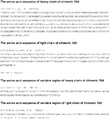
- Fig. 3 depicts amino acid and DNA sequences of 16A chimeric antibody. Each variable region is showed by dark area.
- Fig. 4 shows humanization degree of CDR grafted antibody.
- Fig. 5 depicts amino acid and DNA sequence of humanized antibody. Each variable region is showed by dark area.
- Fig. 6 illustrates specificity of chimeric and humanized antibodies as measured by ELISA.
- Pep1 is glycopeptide RPAPGS (GalNAc) TAPPAHG
- Pep 2 is control polypeptide without glycosylation.
- Y-axis is the value of OD
- X-axis is the concentrations of antibodies (ng/ml) .
- Fig. 7 illustrates binding of chimeric and humanized antibodies to lung cancer cell line H838.
- Lung cancer cell line H838 were stained with chimeric parental and humanized antibodies (hVH1hVL2, hVH2hVL2, hVH3hVL2, hVH4hVL2, and hVH5hVL2) with different concentrations.
- Solid line is the staining first by humanized antibodies and then fluorescence-labeled secondary antibody; dashed line is the staining by secondary antibody alone. The overlap of solid line and dashed line indicates the lowest staining concentration.
- Fig. 8 illustrates the anti-tumor efficacy of 16A antibody.
- Left panel 16A antibody drug group;
- Right panel control IgG group.
- Each group contained 5 mice.
- the tumor growth curve of every mouse was presented.
- Data are representative of 3 independent experiments (The 16 A antibody inhibited the growth of tumor cell line) .
- Fig. 9 illustrates the specific binding of 16A antibody to tissue section of a representative lung adenocarcinoma patient. Only tumor tissue is stained as positive, but not the peritumoral lung tissue.
- the primer used for reverse transcription was Oligo-dT.
- Universal primer A mix (CLONTECH) and 5’ -GGGRCCARKG GATAGACHGATGG-3’ (designed according to the C segment of mouse IgG antibody heavy chain sequence) were used as cloning primers of cVH gene.
- Universal primer A mix (CLONTECH) and 5’ -5′-CTTCAGAGGA AGGGTGGAAACAGG-3’ (designed according to the C segment of mouse IgG antibody light chain sequence) were used as cloning primers of cVL gene.
- cVH and cVL PCR fragments were sequenced by 3130XL ABI DNA sequencer.
- the encoding gene of Chimeric 16A antibody is a hybrid structure wherein the murine 16A VH and VL gene fragments jointed to C region fragments of human IgG1.
- Amino acid and cDNA sequences of 16A chimeric antibody are as shown in Figure 3.
- the VL and VH genes were synthesized by Sydlabs, MA. The synthesized genes were verified by DNA sequencing using 3130XL ABI DNA sequencer. Chimeric VL and chimeric VH genes were built into pcDNA3.1 expression vector (Invitrogen) , as pcDNA3.1-chimeric VL and pcDNA3.1-chimeric-VH, respectively.
- HEK293 cells were cultured in serum-free media (DMEM, Life Technologies) .
- DMEM serum-free media
- pcDNA3.1-chimeric VL and pcDNA3.1-chimeric-VH were transiently transfected simultaneously by electroporation (Maxcyte) .
- HEK293 cells were cultured for 5 additional days after electroporation, and culture supernatant was used in subsequent testing of antibody titer. Then culture supernatant was combined, and antibody was purified by Protein A affinity chromatography column (GE Healthcare) .
- CDR of 16A antibody variable region directly determines the specificity of antibody.
- CDR of 16A antibody variable region directly determines the specificity of antibody.
- Humanized antibody was generated by grafting 16A CDR region to human antibody frame work. Furthermore, several amino acid sites were optimized by using computer 3D modeling. The aim was to obtain humanized sequences with the highest humanness score, while the specificity of 16A antibody is remained. The calculation method of humanized extent was according to Reference 16. Predicted humanness score was as shown in Figure 4.
- ELISA plates were coated with streptavidin (1.5 ⁇ g/ml, Millipore) for overnight at 4 degree, and blocked by 1%BSA for 1 hour at room temperature. 2 ⁇ g/ml biotinylated glycopeptides (RPAPGS (GalNAc) TAPPAHG) were attached to streptavidin coated plates. Serially diluted chimeric or humanized 16A antibodies (antibody concentrations as shown in Figure 6) were incubated with glycopeptides. After washing three times with PBS 0.05%Tween-20, the plates were then incubated with HRP-conjugated goat-anti-mouse secondary antibody. After three washes, the plates were incubated with DAB reagent. Non-glycosylated control peptide was used at the same concentrations to measure its binding to chimeric or humanized 16A antibodies.
- Affinity of 16A chimeric antibody and humanized antibody for glycopeptides was higher than control polypeptides, particularly the hVH5hVL2.
- control polypeptides particularly the hVH5hVL2.
- the only difference between Peptide 1 and Peptide 2 is Peptide 2 had no sugar (GalNAc) modification.
- Lung cancer cell line H838 was obtained from the University of Texas M. D. Anderson Cancer Center. Cells were cultured in 10%RPMI 1640 medium. Different concentrations of chimeric antibody or humanized antibodies were used as primary antibody for staining, washed three times with PBS, then incubated with PE-conjugated mouse-anti-human IgG (BioLegend) . The stained cells were analyzed by FACS Caliber flow cytometer (BD Biosciences, San Jose, CA) . Staining results were as shown in Figure 7.
- Minimal concentration of chimeric and humanized antibodies to bind antigen determined by cell surface staining of lung cancer cell line H838.
- C3H mice (Jackson Laboratory, ME) were inoculated with Ag104-MUC1 cell line, a mouse fibrosarcoma cell line stably transfected by MUC1 gene (9) . 6-week old C3H mice were inoculated with 2 million tumor cells subcutaneously. 100 micrograms of 16A antibody were administered by intraperotoneal injection at the same day of tumor inoculation. 16A antibody drug was given at 100 microgram per mouse every 3 days. Control mouse IgG antibody (from Southern Biotech, AL) was used to treat the tumor-bearing mice in the control group. The perpendicular diameters of tumor were measured and the tumor area was used to represent tumor burden. In mice treated by 16A monoclonal antibody, the tumor growth is significantly inhibited.
- Immunohistochemistry was performed as previously described (9) . Briefly, 5- ⁇ m paraffin-fixed tissue sections were deparaffinized in xylene and rehydrated through using a gradient of alcohol (100, 95 to 80%, Sigma, St. Louis, MO) . Antigen retrieval was carried out for 30 min using PT Module (Lab Vision Corp., USA) in Tris-EDTA buffer (pH 9.0) . After cooling down, the slides were thoroughly washed in distilled water and washed three times in 1X phosphate-buffered saline (PBS) , 2 min each.
- PBS 1X phosphate-buffered saline
- Endogenous peroxidase activity was quenched by immersion in 3%hydrogen peroxide (Sigma) , then in methanol for 10 min at room temperature followed by rinsing for 2 min in 1X PBS three times. Nonspecific binding of the primary antibody was blocked by incubating the sections with 10%normal horse serum for 30 min at room temperature. Sections were then incubated with primary anti-16A monoclonal antibody at 4°C overnight, at 1 ⁇ g/ml concentration.
- the slides were counterstained with hematoxylin and coverslipped with PerMount. Sections of Jurkat-pcDNA-IRES-eGFP-MUC1 and Jurkat-pcDNA-IRES-eGFP were used as positive and negative controls, respectively. Isotype IgG and omission of the primary antibody were used as negative controls for staining.
Landscapes
- Health & Medical Sciences (AREA)
- Chemical & Material Sciences (AREA)
- Organic Chemistry (AREA)
- Life Sciences & Earth Sciences (AREA)
- Immunology (AREA)
- General Health & Medical Sciences (AREA)
- Medicinal Chemistry (AREA)
- Biochemistry (AREA)
- Biophysics (AREA)
- Genetics & Genomics (AREA)
- Molecular Biology (AREA)
- Proteomics, Peptides & Aminoacids (AREA)
- Cell Biology (AREA)
- Chemical Kinetics & Catalysis (AREA)
- General Chemical & Material Sciences (AREA)
- Nuclear Medicine, Radiotherapy & Molecular Imaging (AREA)
- Pharmacology & Pharmacy (AREA)
- Animal Behavior & Ethology (AREA)
- Public Health (AREA)
- Veterinary Medicine (AREA)
- Peptides Or Proteins (AREA)
- Medicines Containing Antibodies Or Antigens For Use As Internal Diagnostic Agents (AREA)
- Preparation Of Compounds By Using Micro-Organisms (AREA)
- Micro-Organisms Or Cultivation Processes Thereof (AREA)
Priority Applications (5)
| Application Number | Priority Date | Filing Date | Title |
|---|---|---|---|
| EP17892372.8A EP3570881A4 (en) | 2017-01-18 | 2017-01-18 | MONOCLONAL AND HUMANIZED ANTIBODIES DIRECTED AGAINST CANCER GLYCOPEPTIDE |
| JP2019559134A JP7162011B2 (ja) | 2017-01-18 | 2017-01-18 | 癌糖ペプチドに対するモノクローナルおよびヒト化抗体 |
| CN201780083837.9A CN112105384B (zh) | 2017-01-18 | 2017-01-18 | 癌糖肽的单克隆和人源化抗体 |
| US16/478,833 US11673966B2 (en) | 2017-01-18 | 2017-01-18 | Monoclonal and humanized antibodies to a cancer glycopeptide |
| PCT/CN2017/071546 WO2018132976A1 (en) | 2017-01-18 | 2017-01-18 | Monoclonal and humanized antibodies to a cancer glycopeptide |
Applications Claiming Priority (1)
| Application Number | Priority Date | Filing Date | Title |
|---|---|---|---|
| PCT/CN2017/071546 WO2018132976A1 (en) | 2017-01-18 | 2017-01-18 | Monoclonal and humanized antibodies to a cancer glycopeptide |
Publications (1)
| Publication Number | Publication Date |
|---|---|
| WO2018132976A1 true WO2018132976A1 (en) | 2018-07-26 |
Family
ID=62907489
Family Applications (1)
| Application Number | Title | Priority Date | Filing Date |
|---|---|---|---|
| PCT/CN2017/071546 Ceased WO2018132976A1 (en) | 2017-01-18 | 2017-01-18 | Monoclonal and humanized antibodies to a cancer glycopeptide |
Country Status (5)
| Country | Link |
|---|---|
| US (1) | US11673966B2 (https=) |
| EP (1) | EP3570881A4 (https=) |
| JP (1) | JP7162011B2 (https=) |
| CN (1) | CN112105384B (https=) |
| WO (1) | WO2018132976A1 (https=) |
Families Citing this family (1)
| Publication number | Priority date | Publication date | Assignee | Title |
|---|---|---|---|---|
| CN119431585A (zh) * | 2024-11-19 | 2025-02-14 | 恩替(苏州)生物科技有限公司 | 一种抗人muc1抗体的制备方法及应用 |
Citations (1)
| Publication number | Priority date | Publication date | Assignee | Title |
|---|---|---|---|---|
| CN103880956A (zh) * | 2014-03-10 | 2014-06-25 | 中国人民解放军第四军医大学 | 抗muc1单克隆抗体及其轻链和重链可变区 |
Family Cites Families (6)
| Publication number | Priority date | Publication date | Assignee | Title |
|---|---|---|---|---|
| EP2281844A1 (en) | 2009-07-31 | 2011-02-09 | Glycotope GmbH | MUC 1 antibodies |
| JP2013526852A (ja) * | 2010-04-06 | 2013-06-27 | カリス ライフ サイエンシズ ルクセンブルク ホールディングス | 疾患に対する循環バイオマーカー |
| CA2808417A1 (en) * | 2010-08-18 | 2012-02-23 | Caris Life Sciences Luxembourg Holdings, S.A.R.L. | Circulating biomarkers for disease |
| EP2678448A4 (en) * | 2011-02-22 | 2014-10-01 | Caris Life Sciences Luxembourg Holdings S A R L | CIRCULATING BIOMARKERS |
| AU2014298514A1 (en) * | 2013-08-02 | 2016-03-10 | Sanofi | Use of anti-MUC1 maytansinoid immunoconjugate antibody for the treatment of solid tumors |
| US11753619B2 (en) * | 2017-02-02 | 2023-09-12 | The Scripps Research Institute | Engineered cells and methods of use |
-
2017
- 2017-01-18 EP EP17892372.8A patent/EP3570881A4/en active Pending
- 2017-01-18 WO PCT/CN2017/071546 patent/WO2018132976A1/en not_active Ceased
- 2017-01-18 CN CN201780083837.9A patent/CN112105384B/zh active Active
- 2017-01-18 US US16/478,833 patent/US11673966B2/en active Active
- 2017-01-18 JP JP2019559134A patent/JP7162011B2/ja active Active
Patent Citations (1)
| Publication number | Priority date | Publication date | Assignee | Title |
|---|---|---|---|---|
| CN103880956A (zh) * | 2014-03-10 | 2014-06-25 | 中国人民解放军第四军医大学 | 抗muc1单克隆抗体及其轻链和重链可变区 |
Non-Patent Citations (3)
| Title |
|---|
| PICHINUK, EDWARD ET AL.: "Antibody targeting of cell -bound MUC1 SEA domain kills tumor cells", CANCER RESEARCH, vol. 72, no. 13, 1 July 2012 (2012-07-01), pages 3324 - 3336, XP002738243 * |
| See also references of EP3570881A4 * |
| WEI, SONG ET AL.: "MUC1 glycopeptide epitopes predicted by computational glycomics", INTERNATIONAL JOURNAL OF ONCOLOGY, vol. 41, no. 6, 31 December 2012 (2012-12-31), pages 1977 - 1984, XP055508857 * |
Also Published As
| Publication number | Publication date |
|---|---|
| JP7162011B2 (ja) | 2022-10-27 |
| CN112105384B (zh) | 2024-08-23 |
| EP3570881A4 (en) | 2020-08-19 |
| US11673966B2 (en) | 2023-06-13 |
| EP3570881A1 (en) | 2019-11-27 |
| JP2020507338A (ja) | 2020-03-12 |
| US20200115466A1 (en) | 2020-04-16 |
| CN112105384A (zh) | 2020-12-18 |
Similar Documents
| Publication | Publication Date | Title |
|---|---|---|
| TWI840433B (zh) | 新穎合理設計的蛋白質組合物 | |
| EP3505535B1 (en) | Anti-pd1 monoclonal antibody, pharmaceutical composition thereof and use thereof | |
| KR102255616B1 (ko) | 암의 치료 및/또는 예방용 의약 조성물 | |
| JP2024123122A (ja) | 抗pd-1抗体及びその使用 | |
| WO2017148424A1 (zh) | 一种pdl-1抗体、其药物组合物及其用途 | |
| CN114044827B (zh) | 低adcc/cdc功能性单抗及其制备方法与应用 | |
| CN104086654B (zh) | 人源化修饰型抗CD147嵌合抗体HcHAb18及其应用 | |
| RU2009120536A (ru) | Рекомбинантные антитела против васкулярного эндотелиального фактора роста (vegf) | |
| RU2533460C2 (ru) | Фармацевтическая композиция для лечения и предупреждения рака | |
| JP2025148350A (ja) | 進展型小細胞肺癌(es-sclc)の治療のための組成物及び方法 | |
| CN113287018A (zh) | 抗肿瘤抗原的l2a5抗体或其功能性片段 | |
| WO2024051223A1 (zh) | 药物组合及用途 | |
| US11673966B2 (en) | Monoclonal and humanized antibodies to a cancer glycopeptide | |
| RU2714205C2 (ru) | Фармацевтическая композиция для лечения и/или предотвращения злокачественной опухоли | |
| JP2020150947A (ja) | 抗ポドプラニン抗体 | |
| EP4357367A1 (en) | Pharmaceutical composition and use thereof | |
| CN118108842A (zh) | 人源化抗cd24抗体及其应用 | |
| RU2783685C2 (ru) | Анти-pd-l1 антитело и его применение | |
| ES2348161T3 (es) | Métodos para dañar células usando funciones efectoras de anticuerpos anti-gfra1. | |
| JP2023103254A (ja) | 後期肺癌の処置のための組成物及び方法 | |
| EP4735482A1 (en) | Anti-her2 antibody for use in treating a low her2 expressing tumor in a subject | |
| CN120714022A (zh) | 药物组合及用途 | |
| CN118184785A (zh) | Cea抗体及其应用 | |
| HK40049109A (en) | Anti pd-l1 antibody and use thereof | |
| JPWO2020188836A1 (ja) | 抗ポドプラニン抗体 |
Legal Events
| Date | Code | Title | Description |
|---|---|---|---|
| 121 | Ep: the epo has been informed by wipo that ep was designated in this application |
Ref document number: 17892372 Country of ref document: EP Kind code of ref document: A1 |
|
| ENP | Entry into the national phase |
Ref document number: 2019559134 Country of ref document: JP Kind code of ref document: A |
|
| NENP | Non-entry into the national phase |
Ref country code: DE |
|
| ENP | Entry into the national phase |
Ref document number: 2017892372 Country of ref document: EP Effective date: 20190819 |