WO2018079527A1 - 制御装置、出力方法及びプログラム - Google Patents
制御装置、出力方法及びプログラム Download PDFInfo
- Publication number
- WO2018079527A1 WO2018079527A1 PCT/JP2017/038289 JP2017038289W WO2018079527A1 WO 2018079527 A1 WO2018079527 A1 WO 2018079527A1 JP 2017038289 W JP2017038289 W JP 2017038289W WO 2018079527 A1 WO2018079527 A1 WO 2018079527A1
- Authority
- WO
- WIPO (PCT)
- Prior art keywords
- sound
- vehicle
- destination
- sounds
- control device
- Prior art date
- Legal status (The legal status is an assumption and is not a legal conclusion. Google has not performed a legal analysis and makes no representation as to the accuracy of the status listed.)
- Ceased
Links
Images


Classifications
-
- B—PERFORMING OPERATIONS; TRANSPORTING
- B60—VEHICLES IN GENERAL
- B60R—VEHICLES, VEHICLE FITTINGS, OR VEHICLE PARTS, NOT OTHERWISE PROVIDED FOR
- B60R11/00—Arrangements for holding or mounting articles, not otherwise provided for
- B60R11/02—Arrangements for holding or mounting articles, not otherwise provided for for radio sets, television sets, telephones, or the like; Arrangement of controls thereof
-
- G—PHYSICS
- G08—SIGNALLING
- G08G—TRAFFIC CONTROL SYSTEMS
- G08G1/00—Traffic control systems for road vehicles
- G08G1/16—Anti-collision systems
-
- H—ELECTRICITY
- H04—ELECTRIC COMMUNICATION TECHNIQUE
- H04R—LOUDSPEAKERS, MICROPHONES, GRAMOPHONE PICK-UPS OR LIKE ACOUSTIC ELECTROMECHANICAL TRANSDUCERS; ELECTRIC HEARING AIDS; PUBLIC ADDRESS SYSTEMS
- H04R1/00—Details of transducers, loudspeakers or microphones
- H04R1/20—Arrangements for obtaining desired frequency or directional characteristics
- H04R1/32—Arrangements for obtaining desired frequency or directional characteristics for obtaining desired directional characteristic only
- H04R1/40—Arrangements for obtaining desired frequency or directional characteristics for obtaining desired directional characteristic only by combining a number of identical transducers
-
- H—ELECTRICITY
- H04—ELECTRIC COMMUNICATION TECHNIQUE
- H04R—LOUDSPEAKERS, MICROPHONES, GRAMOPHONE PICK-UPS OR LIKE ACOUSTIC ELECTROMECHANICAL TRANSDUCERS; ELECTRIC HEARING AIDS; PUBLIC ADDRESS SYSTEMS
- H04R3/00—Circuits for transducers
-
- H—ELECTRICITY
- H04—ELECTRIC COMMUNICATION TECHNIQUE
- H04R—LOUDSPEAKERS, MICROPHONES, GRAMOPHONE PICK-UPS OR LIKE ACOUSTIC ELECTROMECHANICAL TRANSDUCERS; ELECTRIC HEARING AIDS; PUBLIC ADDRESS SYSTEMS
- H04R3/00—Circuits for transducers
- H04R3/04—Circuits for transducers for correcting frequency response
Definitions
- the invention according to claim 8 provides: Computer A sound collection process for collecting sounds outside the moving body; A processing step of processing the sound collected by the sound collection unit so as to emphasize the sound characterized by the external environment from other sounds different from the characterized sound; Is the output method to execute.
- the invention according to claim 9 is: Computer Sound collecting means for collecting sounds outside the moving body, Processing means for processing a sound characterized by the external environment among sounds collected by the sound collecting unit so as to be emphasized over other sounds different from the characterized sound; It is a program that functions as
- the control device of this embodiment is an in-vehicle device mounted on a vehicle, or a mobile phone, a smartphone, a tablet terminal, or the like brought into the vehicle.
- the control device includes a sound collection unit and a processing unit.
- the sound collection unit collects sound outside the vehicle (moving body).
- the processing unit emphasizes the sound collected by the sound collection unit over sounds that are characterized by the external environment and other sounds that are characterized by the destination of the vehicle and that are different from the sounds that are characterized. To output from the speaker. For example, the desired sound is emphasized by reducing the sound of a predetermined frequency by filtering.
- Sound characterized by external environment are sounds that characteristically represent the external environment. For example, if the vehicle is located near the sea, the sound of waves, if it is located in the mountains, the sound of birds, the sound of leaves passing each other, the sound of the river, and the sound of children if it is located in the school zone.
- the “sound characterized by the destination of the moving object” is a sound characteristically representing the destination. For example, when the destination is the sea, the sound of a wave, and when the destination is a mountain, the sound of a bird, the sound of foliage, the sound of a river, etc.
- the sound that characterizes the current external environment and the sound that characterizes the destination can be emphasized over other sounds and transmitted to the person in the vehicle. Humans can quickly and accurately grasp the current external environment based on the sound. As a result, safety can be ensured, and you can enjoy driving while feeling close to your destination or recognizing the external environment of your current location.
- the in-vehicle device 10 of the present embodiment includes a sound collection unit 11, a processing unit 12, and a detection unit 13.
- Each functional unit shown in the functional block diagram is a CPU (Central Processing Unit) of an arbitrary computer, a memory, a program loaded into the memory, a storage unit such as a hard disk for storing the program (stored from the stage of shipping the device in advance) It can also store programs downloaded from CDs (Compact Discs) and other servers and servers on the Internet), and any combination of hardware and software, centering on the network connection interface Realized.
- CPU Central Processing Unit
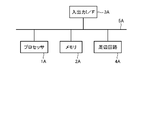
- FIG. 2 is a block diagram illustrating a hardware configuration of the in-vehicle device 10 of the present embodiment.
- the in-vehicle device 10 includes a processor 1A, a memory 2A, an input / output interface 3A, a peripheral circuit 4A, and a bus 5A.
- the peripheral circuit 4A includes various modules. The peripheral circuit 4A may not be provided.
- the bus 5A is a data transmission path through which the processor 1A, the memory 2A, the peripheral circuit 4A, and the input / output interface 3A transmit / receive data to / from each other.
- the processor 1A is an arithmetic processing unit such as a CPU (Central Processing Unit) or a GPU (Graphics Processing Unit).
- the memory 2A is a memory such as a RAM (Random Access Memory) or a ROM (Read Only Memory).
- the input / output interface 3A is an interface for acquiring information from an input device (eg, keyboard, mouse, microphone, etc.), external device, external server, external sensor, etc., and an output device (eg, display, speaker, printer, mailer). Etc.), an interface for outputting information to an external device, an external server, etc.
- the processor 1A can issue a command to each module and perform a calculation based on the calculation result.
- the detection unit 13 acquires information indicating the destination of the host vehicle from the route search device.
- the route search device accepts an input from the user specifying a destination. Then, the route search device searches for a route from the departure place (eg, current position or position specified by the user) to the destination, and provides it to the user. Further, the route search device can guide to the destination based on the determined route and the current position.
- a route search device can be realized according to the prior art.
- the detection unit 13 may acquire information indicating the waypoint instead of or in addition to the destination. In the following, the transit point is included in the destination.
- the in-vehicle device 10 may be physically and / or logically integrated with the route search device.
- the in-vehicle device 10 may be configured to be physically and / or logically separated from the route search device. In the latter case, the in-vehicle device 10 and the route search device are configured to transmit and receive information by wired and / or wireless communication.
- the detection unit 13 may further detect the current position of the host vehicle.
- the means for acquiring the current position may be, for example, one using GPS (Global Positioning System), but is not particularly limited.
- the processing unit 12 specifies the type of the destination when receiving the information indicating the destination from the detection unit 13.
- the processing unit 12 can specify the destination type using map information that is held in advance, correspondence information that associates the destination with the destination type, or the like.
- the amplification factor of the signal input to the speaker is changed as described above, the sound related to the destination can be output from the speaker in the vehicle with a sufficient sound volume when sufficiently close to the destination. it can. As a result, the above inconvenience can be reduced.
- the processing unit 12 may perform processing such that the sound characterized by the current position is emphasized over other sounds.
- the processing unit 12 can realize the process so as to emphasize the sound characterized at the current position from the other sounds in the same manner as the above-described process of emphasizing the sound characterized by the destination from other sounds. . That is, the processing unit 12 may select one of a plurality of frequency filters provided in advance based on the current position. Then, the processing unit 12 may perform filter processing on the electrical signal using the selected frequency filter, and output sound from the speaker based on the filtered electrical signal. For example, the processing unit 12 may prepare a frequency filter for each type of position. Examples of the position type include “near the sea”, “mountain”, “near the zoo”, and the like, but are not limited thereto.
- the processing unit 12 determines an output condition based on the destination, and sets the determined content (S21). For example, the processing unit 12 determines a frequency filter to be applied based on the destination, and sets the determined frequency filter. Further, the processing unit 12 may continue monitoring the distance between the current position and the destination, and determine and set the amplification factor of the signal input to the speaker according to the distance. Thereafter, the same processing is repeated.
- the in-vehicle device 10 of the present embodiment can output sound outside the vehicle from a speaker installed in the vehicle under conditions determined based on the destination.
- the in-vehicle device 10 outputs a sound outside the vehicle from a speaker after performing a filtering process with a frequency filter selected based on the destination and the current position.
- a frequency filter selected based on the destination and the current position.
- sounds related to the destination and the current position for example, a sound characterized by the destination and the current position are left, and other sounds are reduced.
- sound outside the vehicle can be output from a speaker installed in the vehicle.
- a person in the vehicle can quickly and accurately grasp the current external environment based on the sound output from the speaker.
- safety can be ensured, and you can enjoy driving while feeling close to your destination or recognizing the external environment of your current location.
- the in-vehicle device 10 can change the amplification factor of the signal input to the speaker according to the distance between the destination and the current position, that is, the distance to the destination. For example, the amplification factor of “when the distance between the destination and the current position is less than a predetermined value” and the amplification factor of “when the distance between the destination and the current position is greater than or equal to a predetermined value”. Can be larger. Note that when “the distance between the destination and the current position is greater than or equal to a predetermined value”, the amplification factor may be set to “0” (that is, sound outside the vehicle is not output from the speaker).
- Sounds related to the destination are emitted from other destinations.
- the sound of a wave etc. is illustrated as a sound relevant to the destination.
- the sound of the waves is emitted not only from the beach A at the destination but also from the beach B, the port C, and the like. For this reason, if a sound outside the vehicle is output from the speaker under the same conditions regardless of the distance to the destination, a situation may occur in which a sound related to the destination is notified to a person in the vehicle at a location different from the destination. obtain.
- the amplification factor of the signal input to the speaker is changed as described above, the sound related to the purpose can be output from the speaker in the vehicle with a sufficient sound volume when sufficiently close to the destination. . As a result, the above inconvenience can be reduced.
- the frequency filter is selected based on the destination. .
- the frequency filter that passes the sound related to the destination is selected.
- the sound to be notified to the person in the vehicle can be appropriately switched according to the distance to the destination.
- each functional unit Since an example of the hardware configuration of each functional unit is as described in the first embodiment, description thereof is omitted here.
- functions of the respective functional units shown in the functional block diagram of FIG. 1 will be described in detail.
- the configurations of the sound collection unit 11 and the detection unit 13 are the same as those in the first embodiment.
- the processing unit 12 determines a sound output condition outside the vehicle based on the destination and the current position. For example, the processing unit 12 determines a frequency filter to be applied or determines an amplification factor of a signal input to the speaker. And the process part 12 outputs the sound outside a vehicle from the speaker installed in the vehicle on the determined conditions.
- a specific example of processing by the processing unit 12 will be described.
- the processing unit 12 can calculate the distance between the destination and the current position. And when the said distance is more than predetermined value (design matter), the process part 12 determines conditions based on a present position. On the other hand, when the distance is less than the predetermined value (design matter), the processing unit 12 determines a condition based on the destination.
- the process for determining the condition based on the destination is the same as in the first embodiment.
- second process an example of a process for determining a condition based on the current position
- the processing unit 12 can select a frequency filter used for the filter processing from a plurality of frequency filters based on the current position.
- a frequency band to be passed and a frequency band to be reduced are different from each other.
- “frequency filter that passes the components of the frequency band of the human voice and reduces the components of other frequency bands” “passes the components of the frequency band of the human child's voice
- “Frequency filter that reduces other frequency band components” “Frequency that reduces components in other frequency bands through the frequency band components of bicycle sounds (eg, brake sound, bell sound, wheel rotation sound, etc.)
- “Filter” “Frequency filter that passes the components of the frequency band of the sea wave sound and reduces the components of the other frequency bands”
- the component of the other frequency bands that passes the components of the frequency band of the bird call” Any one or more of “frequency filters for reducing the frequency of the frequency filter” may be included.
- the illustrated frequency filter is merely an example, and is not limited thereto.
- the processing unit 12 can select a frequency filter based on the current position detected by the detection unit 13. For example, the processing unit 12 may specify an attribute (position attribute) of the current position. Then, the processing unit 12 may select a frequency filter corresponding to the specified position attribute.
- position attribute position attribute
- the processing unit 12 may select a frequency filter corresponding to the specified position attribute.
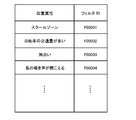
- the processing unit 12 selects a frequency filter corresponding to the position attribute of the specified current position. For example, as illustrated in FIG. 6, the processing unit 12 may hold correspondence information in which position attributes are associated with frequency filters. Then, the processing unit 12 may select a frequency filter corresponding to the position attribute of the current position based on the correspondence information.
- the frequency filter corresponding to “position attribute: school zone” may be, for example, “a frequency filter that passes a frequency band component of a human child's voice and reduces other frequency band components”.
- the frequency filter corresponding to “position attribute: heavy bicycle traffic” is, for example, “passes the frequency band component of the bicycle sound (eg, brake sound, bell sound, wheel rotation sound, etc.) and others.
- the frequency filter corresponding to “position attribute: along the sea” may be, for example, “a frequency filter that passes the components of the frequency band of the sound of the sea wave and reduces the components of other frequency bands”.
- the frequency filter corresponding to “position attribute: a bird's cry can be heard” may be, for example, “a frequency filter that passes the components of the frequency band of the bird's cry and reduces the components of other frequency bands”.
- the processing unit 12 performs a filtering process on the electrical signal generated by the sound collection unit 11 using, for example, the frequency filter selected as described above.
- the processing unit 12 may hold correspondence information in which a plurality of combinations of position attributes and frequency filters are associated with each other.
- a frequency filter may be associated with a combination of “position attribute: school zone” and “position attribute: heavy bicycle traffic”.
- the frequency filter is “passes the frequency band component of the voice of a human child and the frequency band component of a bicycle sound (eg, brake sound, bell sound, wheel rotation sound, etc.) and other frequency band. It may be a “frequency filter that reduces components”.
- the processing unit 12 may not select a frequency filter. In this case, a sound outside the vehicle may be output from the speaker without performing the filtering process. Alternatively, the processing unit 12 may not output sound outside the vehicle from the speaker at the current position.
- the sound that passes through the frequency filter and is output from the speaker that is, the sound that is notified to the person in the vehicle differs.
- the voice of a child is notified
- the sound of a bicycle is notified at a position where there is a lot of bicycle traffic
- the sound of a sea wave is notified along the sea
- the sound of a bird is heard at a position where the sound of a bird can be heard. It is a condition of notifying.
- the processing unit 12 may change the amplification factor of the signal input to the speaker according to the sound characterized by the current position (that is, according to the current position). Specifically, the processing unit 12 sets the amplification factor so that the sound informing the person in the vehicle at the current position can be informed to the person in the vehicle with an appropriate volume (not too loud and not too small). It may be set.
- the processing unit 12 can determine a part of microphones (first group of microphones) according to the sound characterized by the current position of the host vehicle (that is, according to the current position). That is, the processing unit 12 can group a plurality of microphones into a first group and a second group based on the current position of the host vehicle.
- the processing unit 12 sets the amplification factor of the sound signal collected by the microphone located on the side where the sea exists to the other microphone. You may make it larger than the amplification factor of the signal of the collected sound.
- the processing unit 12 classifies microphones located on the right side of the host vehicle (eg, right front, right rear, etc.) into the first group, and the left side ( (Example: left front, left rear, etc.) The microphones located in the left group may be classified into the second group.
- the amplification factor of the sound signal collected by the first group may be larger than the amplification factor of the sound signal collected by the second group.
- the sound collecting unit 11 collects the sound outside the vehicle (S10). And the process part 12 processes an electrical signal, and makes the sound outside a vehicle output from the speaker installed in the vehicle on the set output conditions (S11). Thereafter, the same processing is repeated.
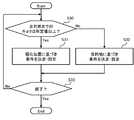
- the detection unit 13 continues to monitor the distance between the destination of the host vehicle and the current position. If the distance is equal to or greater than the predetermined value (Yes in S30), the detection unit 13 determines and sets an output condition based on the current position (S31). On the other hand, when the distance is less than the predetermined value (No in S30), the detection unit 13 determines and sets an output condition based on the destination (S32). Thereafter, the same processing is repeated.
- the sound is hard to hear, there may be a problem that people in the car miss the sound. Also, if the sound is too loud, it can hinder driving. In addition, if the sound is too loud, a person in the vehicle may change the speaker volume setting to be small, and thereafter a problem such as difficulty in hearing a predetermined sound may occur.
- the in-vehicle device 10 that can change the amplification factor of the signal input to the speaker in accordance with the current position and adjust the sound to be notified to the person in the vehicle at each position so that the sound is output from the speaker at an appropriate volume. The above inconvenience can be reduced.
- the in-vehicle device 10 receives a sound signal collected by a microphone that easily collects a sound to be notified to a person in the vehicle (for example, a microphone on a side where a sound source of a sound to be notified to a person in the vehicle is located).
- the amplification factor can be made larger than the amplification factor of the sound signal collected by the other microphone and output from the speaker. According to such an in-vehicle device 10, it is possible to emphasize a sound to be notified to a person in the vehicle and output it from a speaker. As a result, it is possible to reliably notify the person in the vehicle of the sound that should be notified to the person in the vehicle at each location, as compared with the prior art.
- an alarm sound may be output from the speaker instead of outputting the sound outside the vehicle from the speaker inside the vehicle.
- sound outside the vehicle may be output from a speaker inside the vehicle.
- an emergency sound from an emergency vehicle existing around the host vehicle is detected, a sound outside the vehicle is not output from the speaker inside the vehicle, but instead a buzzer sound set in the control device in advance from the speaker.
- An emergency sound may be output.
- other sounds may be reduced and output from the speaker in the vehicle while leaving a sound such as an alarm sound such as a siren or a voice from the emergency vehicle speaker. .
- the detection unit 13 may detect the automatic driving level permitted for the road on which the own vehicle is traveling. Good. Then, the processing unit 12 may process the sound collected by the sound collecting unit 11 based on the automatic driving level allowed on the road on which the host vehicle is traveling.
- the processing unit 12 may output the sound collected by the sound collecting unit 11 from a speaker installed in the vehicle when the automatic driving level allowed on the road on which the host vehicle is traveling is 0 to 2.
- the automatic driving level is 0 to 2
- the processing unit 12 may not output the sound collected by the sound collecting unit 11 from the speaker installed in the vehicle.
- the automatic driving level is 3 to 5 since the driver is not involved in driving control, the necessity of outputting sound outside the vehicle is low.
- the detection unit 13 may further detect whether or not the condition is satisfied. Then, the detection unit 13 may notify the processing unit 12 of the result.
- the detection unit 13 can realize the detection using a known technique.
- the processing unit 12 is installed in the vehicle with the sound collected by the sound collecting unit 11 if the automatic driving conditions are satisfied.
- the sound collected by the sound collection unit 11 may be output from a speaker installed in the vehicle if the automatic driving condition is not satisfied without being output from the speaker.
- the detection unit 13 detects whether the map information corresponding to the current position of the host vehicle is a high-precision map.
- the processing unit 12 does not output the sound collected by the sound collecting unit 11 from the speaker installed in the vehicle.
- the map information corresponding to the current position of the host vehicle is not a high-precision map, that is, if automatic driving is not possible, the sound collected by the sound collection unit 11 is output from a speaker installed in the vehicle.
- the sound amplification factor when the sound collected by the sound collection unit 11 is output from a speaker installed in the vehicle may be arbitrarily determined according to the current position. For example, the amplification factor may be increased at intersections and urban areas. In addition, the amplification factor may be lowered in a mountainous area where there is little traffic.
- the detection unit 13 detects objects (obstacles, vehicles ahead) by sensors (camera, lidar (LiDAR: Light Detection and Ranging), radar, etc.) mounted on the host vehicle. , Signs, white lines, etc.) may be detected. And even if the process part 12 changes the control content of the process which outputs the sound which the sound collection part 11 collected from the speaker installed in the vehicle according to the detection accuracy of the sensor mounted in the own vehicle. Good.
- the sound collecting unit 11 collects sound. Sound is output from a speaker installed in the car.
- the sound amplification factor when the sound collected by the sound collection unit 11 is output from a speaker installed in the vehicle may be arbitrarily determined according to the current position. For example, the amplification factor may be increased at intersections and urban areas. In addition, the amplification factor may be lowered in a mountainous area where there is little traffic.
- the detection part 13 detects that it is difficult to continue automatic driving
- the control device may be a mobile terminal such as a mobile phone, a smartphone, or a tablet terminal brought into the vehicle.
- the sound outside the vehicle collected by the microphone installed in the vehicle is transmitted to the portable terminal by wire or wireless.
- sounds outside the vehicle can be output (notified in the vehicle) from a speaker mounted on the mobile terminal.
- the speaker which outputs the sound outside the vehicle to the inside of the vehicle may be a speaker connected to the portable terminal by wire or wireless instead of the speaker mounted on the portable terminal.
Landscapes
- Physics & Mathematics (AREA)
- Engineering & Computer Science (AREA)
- Acoustics & Sound (AREA)
- Signal Processing (AREA)
- Health & Medical Sciences (AREA)
- Otolaryngology (AREA)
- General Physics & Mathematics (AREA)
- Mechanical Engineering (AREA)
- Circuit For Audible Band Transducer (AREA)
Abstract
本発明では、移動体の外部の音を集音する集音部(11)と、集音部(11)に集音された音の内、外部の環境に特徴付けられる音を、特徴付けられる音とは異なる他の音より強調するように処理する処理部(12)と、を有する制御装置(車載装置(10))を提供する。
Description
本発明は、制御装置、出力方法及びプログラムに関する。
特許文献1には、車外の周囲音を集音器で収集し、収集した音を提示する装置が開示されている。当該装置は、車両の移動方向の周囲音を抑圧して提示したり、運転手の視線方向の周囲音を抑圧して提示したり、車内の走行雑音の周波数帯域を抑圧して提示したり、車速情報に応じて音圧レベルを調整したり、移動性音源の検出に応じて音の提示を開始したりできる。
特許文献2には、救急車、消防車、踏切等が備える音声発生装置と、車外で発生した音を車内に通知する車載音声通知装置とを有するシステムが開示されている。音声発生装置は、音声信号の種別を示す識別情報を音声信号に重畳させた信号に基づき、所定の音を出力する。車載音声通知装置は、収集した音声信号から上記識別情報を抽出する。そして、車載音声通知装置は、抽出した識別情報に基づき、車内に通知すべきか判断する。
特許文献3には、車外の周囲音を集音器で収集し、収集した音を提示する装置が開示されている。当該装置は、自車両周囲に存在する物体を検出する。そして、物体が検出された場合には、所定の音を提示し、物体が検出されていない場合には、当該所定の音を提示しない。所定の音は、マイクで集音された音と、当該装置で生成された仮想音とを合成した音である。検出された物体が音を発する物体である場合、マイクで集音された音により当該物体の検出が通知される。検出された物体が音を発しない物体である場合、仮想音により当該物体の検出が通知される。
特許文献4には、集音した車外の音に基づき、自車両に接近する接近車両を検出する装置が開示されている。当該装置は、自車両が走行する走行路の形状や、接近車両が走行する走行路の路面種類等を検出し、検出結果に基づいて、集音特性を調整する。
特許文献1乃至4に記載の技術によれば、自車両の周囲の音を車内の人間に通知することができる。しかし、自車両の周囲には様々な音が混在する。混在する音の中には、車内の人間への通知が望まれる音、及び、車内の人間への通知が不要な音が混在する。単に、車外の音を集音し、車内のスピーカから出力させる場合、車内の人間に通知される音の中に、車内の人間への通知が望まれる音、及び、車内の人間への通知が不要な音が混在する。結果、車内の人間への通知が望まれる音を車内の人間が聞き逃す等の不都合が発生し得る。
本発明の課題の一例は、自車両の周囲の音を運転手に通知するシステムにおいて発生し得る上述のような不都合を軽減する技術を提供することである。
請求項1に記載の発明は、
移動体の外部の音を集音する集音部と、
前記集音部に集音された音の内、前記外部の環境に特徴付けられる音を、前記特徴付けられる音とは異なる他の音より強調するように処理する処理部と、
を有する制御装置である。
移動体の外部の音を集音する集音部と、
前記集音部に集音された音の内、前記外部の環境に特徴付けられる音を、前記特徴付けられる音とは異なる他の音より強調するように処理する処理部と、
を有する制御装置である。
請求項8に記載の発明は、
コンピュータが、
移動体の外部の音を集音する集音工程と、
前記集音部に集音された音の内、前記外部の環境に特徴付けられる音を、前記特徴付けられる音とは異なる他の音より強調するように処理する処理工程と、
を実行する出力方法である。
コンピュータが、
移動体の外部の音を集音する集音工程と、
前記集音部に集音された音の内、前記外部の環境に特徴付けられる音を、前記特徴付けられる音とは異なる他の音より強調するように処理する処理工程と、
を実行する出力方法である。
請求項9に記載の発明は、
コンピュータを、
移動体の外部の音を集音する集音手段、
前記集音部に集音された音の内、前記外部の環境に特徴付けられる音を、前記特徴付けられる音とは異なる他の音より強調するように処理する処理手段、
として機能させるプログラムである。
コンピュータを、
移動体の外部の音を集音する集音手段、
前記集音部に集音された音の内、前記外部の環境に特徴付けられる音を、前記特徴付けられる音とは異なる他の音より強調するように処理する処理手段、
として機能させるプログラムである。
上述した目的、およびその他の目的、特徴および利点は、以下に述べる好適な実施の形態、およびそれに付随する以下の図面によってさらに明らかになる。
以下、本発明の実施の形態について、図面を用いて説明する。尚、すべての図面において、同様な構成要素には同様の符号を付し、適宜説明を省略する。
<<第1の実施形態>>
<本実施形態の概要>
本実施形態の制御装置は、車両に搭載される車載装置、又は、車両に持ち込まれた携帯電話、スマートフォン、タブレット端末等である。制御装置は、集音部と、処理部とを有する。集音部は、車両(移動体)の外部の音を集音する。処理部は、集音部に集音された音の内、外部の環境に特徴付けられる音や、車両の目的地に特徴付けられ音が、特徴付けられる音とは異なる他の音より強調してスピーカから出力されるように処理する。例えば、フィルタ処理で所定の周波数の音を低減することで、所望の音を強調する。
<本実施形態の概要>
本実施形態の制御装置は、車両に搭載される車載装置、又は、車両に持ち込まれた携帯電話、スマートフォン、タブレット端末等である。制御装置は、集音部と、処理部とを有する。集音部は、車両(移動体)の外部の音を集音する。処理部は、集音部に集音された音の内、外部の環境に特徴付けられる音や、車両の目的地に特徴付けられ音が、特徴付けられる音とは異なる他の音より強調してスピーカから出力されるように処理する。例えば、フィルタ処理で所定の周波数の音を低減することで、所望の音を強調する。
「外部の環境に特徴付けられる音」は、外部の環境を特徴的に表す音である。例えば、車両が海の近くに位置すれば波の音、山に位置すれば鳥の鳴き声・葉のすれ合う音・川の音、スクールゾーンに位置すれば子供の声等が挙げられる。「移動体の目的地に特徴付けられる音」は、目的地を特徴的に表す音である。例えば、目的地が海の場合は波の音、山の場合は鳥の鳴き声・葉のすれ合う音・川の音等が挙げられる。
現在の外部環境を特徴的に表す音や目的地を特徴的に表す音を、他の音より強調して車両内の人間に伝えることができる本実施形態の制御装置によれば、車両内の人間は、その音に基づき、現在の外部環境を迅速かつ的確に把握することができる。結果、安全の確保が実現されるほか、目的地に近づいたことを感じたり、現在位置の外部環境を認識したりしながらドライブを楽しむこともできる。
以下、制御装置が車載装置である例を説明する。まず、車載装置の概要を説明する。本実施形態の車載装置は、車両に搭載される。車載装置は、検出部と、集音部と、処理部とを有する。検出部は、自車両の目的地を検出する。集音部は、車外の音を電気信号に変換する。処理部は、上記電気信号を処理し、上記目的地に基づき決定された条件で、車内に設置されたスピーカから車外の音を出力させる。処理部は、例えば、目的地に基づき選択した周波数フィルタでフィルタ処理を行った後、車外の音をスピーカから出力させる。
このような本実施形態の車載装置によれば、周波数フィルタを適切に選択することで、目的地に関連する音、例えば目的地から発せられている音を残しつつ、他の音を軽減して、車内に設置されたスピーカから車外の音を出力させることができる。かかる場合、車内の人間は、スピーカから出力される音に基づき、目的地を感じることができる。結果、車内の人間は、目的地に近づいていることや、目的地に到着したことを認識することができる。また、車内の人間は、スピーカから出力される音に基づき気持ちを高揚させ、目的地への訪問をより楽しいものとすることができる。
<本実施形態の詳細>
次に、本実施形態の車載装置の構成を詳細に説明する。図1に、本実施形態の車載装置10の機能ブロック図の一例を示す。図示するように、本実施形態の車載装置10は、集音部11と、処理部12と、検出部13とを有する。
次に、本実施形態の車載装置の構成を詳細に説明する。図1に、本実施形態の車載装置10の機能ブロック図の一例を示す。図示するように、本実施形態の車載装置10は、集音部11と、処理部12と、検出部13とを有する。
機能ブロック図で示される各機能部は、任意のコンピュータのCPU(Central Processing Unit)、メモリ、メモリにロードされるプログラム、そのプログラムを格納するハードディスク等の記憶ユニット(あらかじめ装置を出荷する段階から格納されているプログラムのほか、CD(Compact Disc)等の記憶媒体やインターネット上のサーバ等からダウンロードされたプログラムをも格納できる)、ネットワーク接続用インターフェイスを中心にハードウエアとソフトウエアの任意の組合せによって実現される。そして、その実現方法、装置にはいろいろな変形例があることは、当業者には理解されるところである。
図2は、本実施形態の車載装置10のハードウエア構成を例示するブロック図である。図2に示すように、車載装置10は、プロセッサ1A、メモリ2A、入出力インターフェイス3A、周辺回路4A、バス5Aを有する。周辺回路4Aには、様々なモジュールが含まれる。なお、周辺回路4Aを有さなくてもよい。
バス5Aは、プロセッサ1A、メモリ2A、周辺回路4A及び入出力インターフェイス3Aが相互にデータを送受信するためのデータ伝送路である。プロセッサ1Aは、例えばCPU(Central Processing Unit)やGPU(Graphics Processing Unit)などの演算処理装置である。メモリ2Aは、例えばRAM(Random Access Memory)やROM(Read Only Memory)などのメモリである。入出力インターフェイス3Aは、入力装置(例:キーボード、マウス、マイク等)、外部装置、外部サーバ、外部センサ等から情報を取得するためのインターフェイスや、出力装置(例:ディスプレイ、スピーカ、プリンター、メーラ等)、外部装置、外部サーバ等に情報を出力するためのインターフェイスなどを含む。プロセッサ1Aは、各モジュールに指令を出し、それらの演算結果をもとに演算を行うことができる。
以下、図1の機能ブロック図で示される各機能部の機能を詳細に説明する。
検出部13は、自車両の目的地を検出する。「自車両」は、車載装置10を搭載した車両を意味する(以下同様)。
例えば、検出部13は、経路探索装置から、自車両の目的地を示す情報を取得する。経路探索装置は、ユーザから、目的地を指定する入力を受付ける。そして、経路探索装置は、出発地(例:現在位置、又は、ユーザが指定した位置)から目的地への経路を探索し、ユーザに提供する。また、経路探索装置は、決定された経路と現在位置とに基づき、目的地までのガイドを行うことができる。このような経路探索装置は、従来技術に準じて実現できる。なお、検出部13は、目的地に代えて又は加えて、経由地を示す情報を取得してもよい。以下において、経由地は目的地に含むものとする。
車載装置10は、経路探索装置と物理的及び/又は論理的に一体となって構成されてもよい。また、車載装置10は、経路探索装置と物理的及び/又は論理的に分かれて構成されてもよい。後者の場合、車載装置10と経路探索装置とは、有線及び/又は無線での通信により、情報の送受信を行うよう構成される。
また、検出部13は、自車両の現在位置をさらに検出してもよい。現在位置を取得する手段は、例えばGPS(Global Positioning System)を利用するものなどが考えられるが、特段限定されない。
集音部11は、車外の音を電気信号に変換する。集音部11は、1つ又は複数のマイクを有する。マイクは、車外の音を集音する任意の位置に設置される。例えば、4つのマイクが自車両の右前方、左前方、右後方、左後方の4か所に設置されてもよい。
処理部12は、集音部11により生成された電気信号に基づき、車内に設置されたアンプ及びスピーカを介して車外の音を出力させる。処理部12は、集音部11で集音された音を、リアルタイムにスピーカから出力させる。集音から出力までのタイムロスはできるだけ小さいのが好ましい。スピーカの数及び設置位置は設計的事項である。
処理部12は、集音部11が生成した電気信号に所定の処理を実行する。例えば、処理部12は、複数の周波数フィルタの中から選択した周波数フィルタを用いて、電気信号にフィルタ処理を行ってもよい。また、処理部12は、電気信号に対してゲイン調整(増幅処理、減衰処理等)を行ってもよい。また、複数のマイクで集音される場合には、処理部12は、複数のマイク各々に対応する複数の音波を合成する処理(複数のマイクで集音した複数の音の合成)を行ってもよい。なお、処理部12は、電気信号に対してその他の処理を行ってもよい。
処理部12は、集音部11により生成された電気信号を処理し、目的地(検出部13により検出された目的地)に基づき決定された条件で、車内に設置されたスピーカから車外の音を出力させることができる。具体的には、処理部12は、目的地に特徴付けられる音を他の音より強調するように処理する。
例えば、処理部12は、目的地に基づき、予め備えている複数の周波数フィルタの中からいずれかを選択してもよい。そして、処理部12は、選択した周波数フィルタを用いて電気信号にフィルタ処理を行い、フィルタ処理後の電気信号に基づき、スピーカから音を出力させてもよい。以下、当該処理の具体例を説明する。
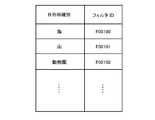
図3に示すように、処理部12は、目的地の種別(目的地種別)毎に、周波数フィルタを用意してもよい。図3の例の場合、目的地種別「海」、「山」、「動物園」各々に対応した周波数フィルタが用意されている。
各目的地種別に対応する周波数フィルタは、目的地に関連する音、例えば目的地から発せられている音を通し、他の音を軽減するよう構成される。目的地種別「海」に対応する周波数フィルタは、例えば、「波の音の周波数帯域の成分を通し、その他の周波数帯域の成分を低減する周波数フィルタ」であってもよい。また、目的地種別「山」に対応する周波数フィルタは、例えば、「鳥の鳴き声、葉のすれ合う音、川の音等の周波数帯域の成分を通し、その他の周波数帯域の成分を低減する周波数フィルタ」であってもよい。また、目的地種別「動物園」に対応する周波数フィルタは、例えば、「動物の鳴き声の周波数帯域の成分を通し、その他の周波数帯域の成分を低減する周波数フィルタ」であってもよい。複数の周波数フィルタは、通す周波数帯域、及び、低減する周波数帯域が互いに異なる。なお、例示した目的種別はあくまで一例であり、これらに限定されない。
複数の周波数フィルタの中には、観光地やレジャー地等に対応したものが含まれるのが好ましい。複数の周波数フィルタの中には、コンビニエンスストア、スーパーマーケット、ガソリンスタンド等、日常で訪問する目的地種別に対応したものは含まなくてもよい。
図3に示すような情報を保持している場合、処理部12は、検出部13より目的地を示す情報を受信すると、その目的地の種別を特定する。例えば、処理部12は、予め保持している地図情報や、目的地と目的地種別を対応付けた対応情報等を利用して、目的地種別を特定することができる。
目的地種別を特定した後、処理部12は、図3に示すような情報に基づき、特定した目的地種別に対応する周波数フィルタを特定する。そして、処理部12は、特定した周波数フィルタでフィルタ処理を行い、フィルタ処理後の電気信号に基づき、スピーカから車外の音を出力させる。
なお、処理部12は、自車両の現在位置に基づき、スピーカに入力される信号の増幅率を変えてもよい。なお、増幅率は0以上の値である。例えば、処理部12は、「目的地と現在位置との間の距離が所定値未満である場合」と、「目的地と現在位置との間の距離が所定値以上である場合」とで、上記増幅率を変えてもよい。一例として、「目的地と現在位置との間の距離が所定値未満である場合」の上記増幅率を、「目的地と現在位置との間の距離が所定値以上である場合」の上記増幅率よりも大きくする処理が考えられる。この場合、「目的地と現在位置との間の距離が所定値以上である場合」には、上記増幅率を「0」(すなわち、車外の音をスピーカから出力しない)にしてもよい。
目的地に関連する音は、目的地以外からも発せられる。例えば、目的地が海の場合、目的地に関連する音として波の音等が例示される。波の音は、目的地の海水浴場Aのみならず、海水浴場B、港C等からも発せられる。このため、目的地までの距離に関わらず同じ条件で車外の音をスピーカから出力させると、目的地と異なる場所で目的地に関連する音を車内の人間に通知してしまうという状況が発生し得る。
上述のようにスピーカに入力される信号の増幅率を変えた場合、目的地に十分近づいた場合に、十分な音の大きさで、目的地に関連する音を車内のスピーカから出力させることができる。結果、上述のような不都合を軽減できる。
ところで、特定した目的地種別(例:ガソリンスタンド)に対応する周波数フィルタが存在しない場合、処理部12は、その旨を特定する。かかる場合、処理部12は、スピーカから車外の音を出力させなくてもよい。又は、かかる場合、処理部12は、フィルタ処理を行わずに、スピーカから車外の音を出力させてもよい。ガソリンスタンドなど、日常で訪問する訪問先においては、上述のような演出は不要であるという判断に基づく。
なお、処理部12は、現在位置に特徴付けられる音を他の音より強調するように処理してもよい。処理部12は、上述した目的地に特徴付けられる音を他の音より強調する処理と同様にして、現在位置に特徴付けられる音を他の音より強調するように処理を実現することができる。すなわち、処理部12は、現在位置に基づき、予め備えている複数の周波数フィルタの中からいずれかを選択してもよい。そして、処理部12は、選択した周波数フィルタを用いて電気信号にフィルタ処理を行い、フィルタ処理後の電気信号に基づき、スピーカから音を出力させてもよい。例えば、処理部12は、各位置の種別毎に、周波数フィルタを用意してもよい。各位置の種別は、「海の近く」、「山」、「動物園の近く」等が例示されるが、これらに限定されない。
次に、本実施形態の車載装置10の処理の流れの一例を説明する。
図4に示すように、車外の音をスピーカから出力する処理が開示されると、集音部11は、車外の音を集音する(S10)。そして、処理部12は、電気信号を処理し、設定されている出力条件(目的地に基づき決定された出力条件)で、車内に設置されたスピーカから車外の音を出力させる(S11)。以降、同様の処理が繰り返される。
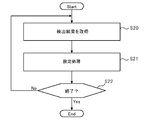
次に、図5のフローチャートを用いて、上記出力条件を設定する処理の一例を説明する。
検出部13は、自車両の目的地を検出する。具体的には、検出部13は、経路探索装置から、目的地を示す情報を取得する(S20)。
その後、処理部12は、目的地に基づき出力条件を決定し、決定した内容を設定する(S21)。例えば、処理部12は、目的地に基づき適用する周波数フィルタを決定し、決定した周波数フィルタを設定する。また、処理部12は、現在位置と目的地との間の距離の監視を継続し、当該距離に応じてスピーカに入力される信号の増幅率を決定し、設定してもよい。以降、同様の処理が繰り返される。
次に、本実施形態の作用効果を説明する。
本実施形態の車載装置10は、目的地に基づき決定された条件で、車内に設置されたスピーカから車外の音を出力させることができる。
例えば、車載装置10は、目的地や現在位置に基づき選択した周波数フィルタでフィルタ処理を行った後、車外の音をスピーカから出力させる。このような車載装置10によれば、周波数フィルタを適切に選択することで、目的地や現在位置に関連する音、例えば目的地や現在位置に特徴付けられる音を残しつつ、他の音を軽減して、車内に設置されたスピーカから車外の音を出力させることができる。かかる場合、車内の人間は、スピーカから出力される音に基づき、現在の外部環境を迅速かつ的確に把握することができる。結果、安全の確保が実現されるほか、目的地に近づいたことを感じたり、現在位置の外部環境を認識したりしながらドライブを楽しむこともできる。
また、車載装置10は、目的地と現在位置との間の距離、すなわち目的地までの距離に応じて、スピーカに入力される信号の増幅率を変えることができる。例えば、「目的地と現在位置との間の距離が所定値未満である場合」の上記増幅率を、「目的地と現在位置との間の距離が所定値以上である場合」の上記増幅率よりも大きくすることができる。なお、「目的地と現在位置との間の距離が所定値以上である場合」には、上記増幅率を「0」(すなわち、車外の音をスピーカから出力しない)にしてもよい。
目的地に関連する音は、目的地以外からも発せられる。例えば、目的地が海の場合、目的地に関連する音として波の音等が例示される。波の音は、目的地の海水浴場Aのみならず、海水浴場B、港C等からも発せられる。このため、目的地までの距離に関わらず同じ条件で車外の音をスピーカから出力させると、目的地と異なる場所で目的地に関連する音を車内の人間に通知してしまうという状況が発生し得る。
上述のようにスピーカに入力される信号の増幅率を変えた場合、目的地に十分近づいた場合に、十分な音の大きさで、目的に関連する音を車内のスピーカから出力させることができる。結果、上述のような不都合を軽減できる。
<<第2の実施形態>>
<本実施形態の概要>
第1の実施形態では、目的地と現在位置との間の距離に応じて、スピーカに入力される信号の増幅率を変える処理例を説明した。本実施形態では、目的地と現在位置との間の距離に応じて、周波数フィルタの選択方法を変える。
<本実施形態の概要>
第1の実施形態では、目的地と現在位置との間の距離に応じて、スピーカに入力される信号の増幅率を変える処理例を説明した。本実施形態では、目的地と現在位置との間の距離に応じて、周波数フィルタの選択方法を変える。
具体的には、目的地と現在位置との間の距離が所定値未満である場合、すなわち、自車両が目的地に所定レベル以上近づいている場合には、目的地に基づき周波数フィルタを選択する。結果、第1の実施形態と同様、目的地に関連する音を通す周波数フィルタが選択される。
一方、目的地と現在位置との間の距離が所定値以上である場合、すなわち、自車両が目的地に所定レベル以上近づいていない場合には、現在位置に基づき周波数フィルタを選択する。結果、現在位置で車両内の人間に通知すべき音を通す周波数フィルタが選択される。例えば、現在位置がスクールゾーンである場合、子供の声を通す周波数フィルタが選択される。
このように、本実施形態によれば、目的地までの距離に応じて車内の人間に通知する音を適切に切り替えることができる。
<本実施形態の詳細>
次に、本実施形態の車載装置10の構成を詳細に説明する。本実施形態の車載装置10の機能ブロック図の一例は、第1の実施形態と同様に図1で示される。図示するように、本実施形態の車載装置10は、集音部11と、処理部12と、検出部13とを有する。
次に、本実施形態の車載装置10の構成を詳細に説明する。本実施形態の車載装置10の機能ブロック図の一例は、第1の実施形態と同様に図1で示される。図示するように、本実施形態の車載装置10は、集音部11と、処理部12と、検出部13とを有する。
各機能部のハードウエア構成の例は、第1の実施形態で説明した通りであるので、ここでの説明は省略する。以下、図1の機能ブロック図で示される各機能部の機能を詳細に説明する。なお、集音部11及び検出部13の構成は、第1の実施形態と同様である。
処理部12は、目的地及び現在位置に基づき車外の音の出力条件を決定する。例えば、処理部12は、適用する周波数フィルタを決定したり、スピーカに入力される信号の増幅率を決定したりする。そして、処理部12は、決定された条件で、車内に設置されたスピーカから車外の音を出力させる。以下、処理部12による処理の具体例を説明する。
例えば、処理部12は、目的地と現在位置との間の距離を算出することができる。そして、当該距離が所定値(設計的事項)以上である場合、処理部12は、現在位置に基づき条件を決定する。一方、当該距離が所定値(設計的事項)未満である場合、処理部12は、目的地に基づき条件を決定する。目的地に基づき条件を決定する処理は、第1の実施形態と同様である。
ここで、現在位置に基づき条件を決定する処理(以下、「第2の処理」という場合がある)の一例を説明する。
例えば、処理部12は、現在位置に基づき、フィルタ処理に用いる周波数フィルタを複数の周波数フィルタの中から選択することができる。
第2の処理で選択される複数の周波数フィルタの中には、通す周波数帯域、及び、低減する周波数帯域が互いに異なるものが含まれる。例えば、複数の周波数フィルタの中には、「人間の声の周波数帯域の成分を通し、その他の周波数帯域の成分を低減する周波数フィルタ」、「人間の子供の声の周波数帯域の成分を通し、その他の周波数帯域の成分を低減する周波数フィルタ」、「自転車の音(例:ブレーキ音、ベル音、車輪の回転音等)の周波数帯域の成分を通し、その他の周波数帯域の成分を低減する周波数フィルタ」、「海の波の音の周波数帯域の成分を通し、その他の周波数帯域の成分を低減する周波数フィルタ」、及び、「鳥の鳴き声の周波数帯域の成分を通し、その他の周波数帯域の成分を低減する周波数フィルタ」の中のいずれか1つまたは複数が含まれてもよい。なお、例示した周波数フィルタはあくまで一例であり、これらに限定されない。
処理部12は、検出部13により検出された現在位置に基づき、周波数フィルタを選択することができる。例えば、処理部12は、現在位置の属性(位置属性)を特定してもよい。そして、処理部12は、特定した位置属性に対応する周波数フィルタを選択してもよい。以下、当該処理の一例を説明する。
例えば、処理部12は、各位置の属性(位置属性)を示す地図情報に基づき、現在位置の位置属性を特定してもよい。位置属性としては、例えば、「スクールゾーン」、「自転車の交通量が多い」、「海沿い」、「鳥の鳴き声が聞こえる」等が例示されるがこれらに限定されない。なお、地図情報では、ある位置に1つの位置属性を対応付けてもよいし、ある位置に複数の位置属性を対応付けてもよい。また、位置属性を対応付けられていない位置が存在してもよい。
そして、処理部12は、特定した現在位置の位置属性に対応する周波数フィルタを選択する。例えば、処理部12は、図6に示すように、位置属性と周波数フィルタとを対応付けた対応情報を保持しておいてもよい。そして、処理部12は、当該対応情報に基づき、現在位置の位置属性に対応する周波数フィルタを選択してもよい。
「位置属性:スクールゾーン」に対応する周波数フィルタは、例えば、「人間の子供の声の周波数帯域の成分を通し、その他の周波数帯域の成分を低減する周波数フィルタ」であってもよい。また、「位置属性:自転車の交通量が多い」に対応する周波数フィルタは、例えば、「自転車の音(例:ブレーキ音、ベル音、車輪の回転音等)の周波数帯域の成分を通し、その他の周波数帯域の成分を低減する周波数フィルタ」であってもよい。
また、「位置属性:海沿い」に対応する周波数フィルタは、例えば、「海の波の音の周波数帯域の成分を通し、その他の周波数帯域の成分を低減する周波数フィルタ」であってもよい。また、「位置属性:鳥の鳴き声が聞こえる」に対応する周波数フィルタは、例えば、「鳥の鳴き声の周波数帯域の成分を通し、その他の周波数帯域の成分を低減する周波数フィルタ」であってもよい。
処理部12は、例えば上述のようにして選択した周波数フィルタを用いて、集音部11が生成した電気信号にフィルタ処理を行う。
なお、図6では図示していないが、処理部12は、複数の位置属性の組み合わせと周波数フィルタとを対応付けた対応情報を保持しておいてもよい。例えば、「位置属性:スクールゾーン」と「位置属性:自転車の交通量が多い」の組み合わせに対応して、周波数フィルタが対応付けられてもよい。当該周波数フィルタは、「人間の子供の声の周波数帯域の成分、及び、自転車の音(例:ブレーキ音、ベル音、車輪の回転音等)の周波数帯域の成分を通し、その他の周波数帯域の成分を低減する周波数フィルタ」であってもよい。
現在位置に複数の位置属性が対応付けられている場合、処理部12は、複数の位置属性の組み合わせに対応する周波数フィルタを選択することができる。
また、現在位置にいずれの位置属性も対応付けられていない場合、処理部12は、周波数フィルタを選択しなくてもよい。この場合、フィルタ処理を行わずに車外の音がスピーカら出力されてもよい。または、処理部12は、現在位置では、スピーカから車外の音を出力させなくてもよい。
ところで、上述の通り、現在位置の位置属性に応じて、周波数フィルタを通過させてスピーカから出力させる音、すなわち、車内の人間に通知する音が異なる。例えば、スクールゾーンでは子供の声を通知し、自転車の交通量が多い位置では自転車の音を通知し、海沿いでは海の波の音を通知し、鳥の鳴き声が聞こえる位置では鳥の鳴き声を通知するという具合である。
このように、車内の人間に通知する音は複数種類(例:人間の話す声、自転車の音、海の波の音、鳥の鳴き声)存在し得るが、それらは、音源から発せられる音の大きさが互いに異なる。
そこで、処理部12は、現在位置に特徴付けられる音に応じて(すなわち、現在位置に応じて)、スピーカに入力される信号の増幅率を変えてもよい。具体的には、処理部12は、現在位置で車内の人間に通知する音を適切な大きさ(大きすぎず、かつ、小さすぎず)で車内の人間に通知できるように、上記増幅率を設定してもよい。
また、集音部11が複数のマイクで車外の音を集音する場合、処理部12は、一部のマイク(第1のグループのマイク)で集音され、スピーカに入力される信号の増幅率を、他のマイク(第2のグループのマイク)で集音され、スピーカに入力される信号の増幅率と異ならせてもよい。
処理部12は、自車両の現在位置に特徴付けられる音に応じて(すなわち、現在位置に応じて)、一部のマイク(第1のグループのマイク)を決定することができる。すなわち、処理部12は、自車両の現在位置に基づき、複数のマイクを、第1のグループ及び第2のグループにグループ分けすることができる。
例えば、自車両の現在位置の位置属性が「海沿い」である場合、処理部12は、海が存在する側に位置するマイクで集音された音の信号の増幅率を、他のマイクで集音された音の信号の増幅率よりも大きくしてもよい。例えば、海が自車両の右側に位置する場合、処理部12は、自車両の右側(例:右前方、右後方等)に位置するマイクを第1のグループに分類し、自車両の左側(例:左前方、左後方等)に位置するマイクを第2のグループに分類してもよい。そして、第1のグループで集音された音の信号の増幅率を、第2のグループで集音された音の信号の増幅率よりも大きくしてもよい。
次に、本実施形態の車載装置10の処理の流れの一例を説明する。
図4に示すように、車外の音をスピーカから出力する処理が開示されると、集音部11は、車外の音を集音する(S10)。そして、処理部12は、電気信号を処理し、設定されている出力条件で、車内に設置されたスピーカから車外の音を出力させる(S11)。以降、同様の処理が繰り返される。
次に、図7のフローチャートを用いて、上記出力条件を設定する処理の一例を説明する。
検出部13は、自車両の目的地と現在位置との間の距離の監視を継続する。そして、当該距離が所定値以上である場合(S30のYes)、検出部13は、現在位置に基づき出力条件を決定し、設定する(S31)。一方、当該距離が所定値未満である場合(S30のNo)、検出部13は、目的地に基づき出力条件を決定し、設定する(S32)。以降、同様の処理が繰り返される。
次に、本実施形態の作用効果を説明する。
本実施形態の車載装置10によれば、目的地と現在位置との間の距離が所定値未満である場合、すなわち、自車両が目的地に所定レベル以上近づいている場合には、目的地に基づき決定された条件で、車内のスピーカから車外の音を出力させることができる。例えば、かかる場合には、所定の周波数フィルタを選択することで、目的地に関連する音を残しつつ、その他の音を軽減して、車内に設置されたスピーカから車外の音を出力させることができる。結果、第1の実施形態と同様な作用効果が実現される。
また、本実施形態の車載装置10によれば、目的地と現在位置との間の距離が所定値以上である場合、すなわち、自車両が目的地に所定レベル以上近づいていない場合には、現在位置に基づき決定された条件で、車内のスピーカから車外の音を出力させることができる。例えば、かかる場合には、所定の周波数フィルタを選択することで、その位置で特に注意すべき音を残しつつ、その他の音を軽減して、車内に設置されたスピーカから出力させることができる。例えば、現在位置がスクールゾーンである場合、子供の声を残しつつ、その他の音を軽減して、車内に設置されたスピーカから出力させることができる。
このように、所望の音源の音(車内の人間への通知が望まれる音)を残しつつ、他の音源の音(車内の人間への通知が不要な音)を軽減して、車内に設置されたスピーカから車外の音を出力させることができる。このような車載装置10によれば、より確実に、所望の車外の音を車内の人間に通知することができる。
また、車載装置10は、現在位置に応じて、スピーカに入力される信号の増幅率を変えることができる。車内の人間に通知すべき音は多数存在し、音源から発せられる大きさは互いに異なる。このため、スピーカに入力される信号の増幅率を一定にしていると、ある音は適当な大きさで聞こえるが、他の音は聞こえにくかったり、また、大きすぎたりという状況が生じ得る。
音が聞こえにくいと、車内の人間がその音を聞き逃すという問題が発生し得る。また、音が大きすぎると、運転の妨げになり得る。また、音が大きすぎると、車内の人間がスピーカの音量の設定を小さくなるように変更し、それ以降、所定の音が聞こえにくくなる等の問題が発生し得る。
現在位置に応じてスピーカに入力される信号の増幅率を変え、各位置で車内の人間に通知すべき音が適当な大きさでスピーカから出力されるように調整できる車載装置10によれば、上述のような不都合を軽減できる。
また、車載装置10は、複数のマイクで車外の音を集音する場合、一部のマイクで集音され、スピーカに入力される信号の増幅率を、他のマイクで集音され、スピーカに入力される信号の増幅率と異ならせることができる。そして、現在位置に応じて、上記一部のマイクと上記他のマイクとのグループ分けを行うことができる。
例えば、車載装置10は、車内の人間に通知すべき音を集音しやすいマイク(例:車内の人間に通知すべき音の音源が位置する側のマイク)で集音された音の信号の増幅率を、他のマイクで集音された音の信号の増幅率よりも大きくして、スピーカから出力させることができる。このような車載装置10によれば、車内の人間に通知すべき音を強調してスピーカから出力させることができる。結果、従来技術に比べて確実に、各場所で車内の人間に通知すべき音を車内の人間に通知することができる。
<<変形例>>
以下、車載装置10の変形例を説明する。車載装置10は、第1の実施形態及び第2の実施形態の機能に加えて又は代えて、以下の変形例の機能を備えることができる。
以下、車載装置10の変形例を説明する。車載装置10は、第1の実施形態及び第2の実施形態の機能に加えて又は代えて、以下の変形例の機能を備えることができる。
<第1の変形例>
自車両が自動運転機能を有する場合、検出部13は、自動運転から手動運転への切り替えの緊急度合いを検出してもよい。そして、処理部12は、切り替えの緊急度合いに基づいて、集音部11に集音された音を処理してもよい。また、検出部13は、例えば、パトカーや救急車等の緊急車両が発するサイレン等の警報音や、緊急車両のスピーカから出る声等の音である緊急音(緊急信号)を検出してもよい。そして、処理部12は、緊急信号に基づいて、集音部11に集音された音を処理してもよい。
自車両が自動運転機能を有する場合、検出部13は、自動運転から手動運転への切り替えの緊急度合いを検出してもよい。そして、処理部12は、切り替えの緊急度合いに基づいて、集音部11に集音された音を処理してもよい。また、検出部13は、例えば、パトカーや救急車等の緊急車両が発するサイレン等の警報音や、緊急車両のスピーカから出る声等の音である緊急音(緊急信号)を検出してもよい。そして、処理部12は、緊急信号に基づいて、集音部11に集音された音を処理してもよい。
例えば、緊急度合いが高い切り替えの場合(すぐに切り替えが必要な場合)は、車外の音を車内のスピーカから出力させず、代わりに当該スピーカからアラーム音を出力させてもよい。一方、緊急度合いが低い切り替えの場合(すぐりに切り替える必要がない場合)は、車外の音を車内のスピーカから出力させてもよい。また、例えば、自車両の周辺に存在する緊急車両からの緊急音を検出した場合、車外の音を車内のスピーカから出力させず、代わりに当該スピーカから予め制御装置に設定されたブザー音等の非常音を出力させてもよい。なお、当該非常音をスピーカから出力する代わりに、サイレン等の警報音や緊急車両のスピーカから出る声等の音を残しつつ、その他の音を軽減して、車内のスピーカから出力させてもよい。
このようにすると、緊急度合いが高い切り替え又は緊急音を検出した場合、その緊急性を効果的に車内の人間に伝えることができる。また、その際に車外の音をシャットアウトすることで、より確実にアラーム音又は緊急音を車内の人間に伝えることができる。一方、緊急度合いが低い切り替え又は緊急音を検出しない場合は、アラーム音又は緊急音ではなく車外の音を使用することで、より自然でストレスの少ない切り替えが可能になる。
なお、予め、自動運転から手動運転への切り替えを必要とする原因(イベント)毎に、緊急度合いが定められている。そして、検出部13は、自動運転から手動運転への切り替えを検出した場合には、当該切り替えの原因に対応する緊急度合いを処理部12に通知する。
<第2の変形例>
自車両が自動運転機能を有し、かつ、道路ごとに許される自動運転レベルが定められている場合、検出部13は、自車両が走行中の道路で許される自動運転レベルを検出してもよい。そして、処理部12は、自車両が走行中の道路で許される自動運転レベルに基づいて、集音部11に集音された音を処理してもよい。
自車両が自動運転機能を有し、かつ、道路ごとに許される自動運転レベルが定められている場合、検出部13は、自車両が走行中の道路で許される自動運転レベルを検出してもよい。そして、処理部12は、自車両が走行中の道路で許される自動運転レベルに基づいて、集音部11に集音された音を処理してもよい。
自動運転レベルは以下のように定義される。
自動運転レベル0(運転自動化なし)
自動運転レベル1(運転支援。例:ACC[アダプティブ・クルーズ・コントロール])
自動運転レベル2(部分運転自動化。例:ACC[アダプティブ・クルーズ・コントロール])
自動運転レベル3(条件付き自動運転。例:車両システムが自動運転)
自動運転レベル4(高度自動運転。例:車両システムが自動運転)
自動運転レベル5(完全自動運転。例:車両システムが自動運転)
自動運転レベル0(運転自動化なし)
自動運転レベル1(運転支援。例:ACC[アダプティブ・クルーズ・コントロール])
自動運転レベル2(部分運転自動化。例:ACC[アダプティブ・クルーズ・コントロール])
自動運転レベル3(条件付き自動運転。例:車両システムが自動運転)
自動運転レベル4(高度自動運転。例:車両システムが自動運転)
自動運転レベル5(完全自動運転。例:車両システムが自動運転)
例えば、地図情報に、各道路に対応付けて許される自動運転レベルが登録されていてもよい。そして、検出部13は、自車両の現在位置と、当該地図情報とに基づき、自車両が走行中の道路で許される自動運転レベルを検出してもよい。
処理部12は、自車両が走行中の道路で許される自動運転レベルが0乃至2の場合、集音部11が集音した音を車内に設置されたスピーカから出力させてもよい。自動運転レベルが0乃至2の場合、運転手が運転制御を実施中であるか、又は、すぐに実施する可能性が高いため、車外の音を車内に出力し、運転手に車外の状況を認識させる。
なお、かかる場合、自動運転レベルに応じて集音した音の増幅率を変化させてもよい。運転手が運転制御に関わっているレベルが高いほど、増幅率を大きくし、車外の状況をより確実に認識させる。自動運転レベル0の増幅率が最も高く、自動運転レベル1の増幅率が次に高く、自動運転レベル2の増幅率が最も低くなる。
一方、自車両が走行中の道路で許される自動運転レベルが3乃至5の場合、処理部12は、集音部11が集音した音を車内に設置されたスピーカから出力させなくてもよい。自動運転レベルが3乃至5の場合、運転手が運転制御に関わっていないため、車外の音を車内に出力させる必要性が低い。
なお、自動運転レベル3及び4の場合は、「交通量が少ない、天候や視界がよい、運転しやすい環境が整っている」等の一定の条件下で自動運転が許される。このため、自動運転レベル3及び4の場合、検出部13は当該条件を満たしているか否かをさらに検出してもよい。そして、検出部13はその結果を処理部12に通知してもよい。検出部13は周知の技術を利用して当該検出を実現することができる。処理部12は、自車両が走行中の道路で許される自動運転レベルが3及び4である場合、自動運転の条件を満たしていれば、集音部11が集音した音を車内に設置されたスピーカから出力させず、自動運転の条件を満たしていなければ、集音部11が集音した音を車内に設置されたスピーカから出力させてもよい。
<第3の変形例>
自車両が自動運転機能を有する場合、検出部13は、自車両が走行中の位置の地図情報の精度を検出してもよい。そして、処理部12は、自車両が走行中の地図情報の精度に応じて、集音部11に集音された音を処理してもよい。
自車両が自動運転機能を有する場合、検出部13は、自車両が走行中の位置の地図情報の精度を検出してもよい。そして、処理部12は、自車両が走行中の地図情報の精度に応じて、集音部11に集音された音を処理してもよい。
自動運転を実施する際には、車載装置に記憶されている地図情報の内容が重要である。このため、自動運転を実施する為には高精度地図(車線レベル等の情報が詳細に描かれている地図)の地図データが必要となる。そこで、自車両が走行中の位置における地図情報が高精度地図データか、そうでない地図データ(通常の道路ノードと道路リンクで構成される地図データ)かに応じて、集音部11が集音した音を車内に設置されたスピーカから出力させるか否かを制御する。
検出部13は、自車両の現在位置にあたる地図情報が高精度地図であるか否かを検出する。処理部12は、自車両の現在位置にあたる地図情報が高精度地図である場合、すなわち自動運転可能である場合、集音部11が集音した音を車内に設置されたスピーカから出力させない。一方、自車両の現在位置にあたる地図情報が高精度地図でない場合、すなわち自動運転可能でない場合、集音部11が集音した音を車内に設置されたスピーカから出力させる。集音部11が集音した音を車内に設置されたスピーカから出力させる場合の音の増幅率は、現在位置に応じて任意に決めてよい。例えば、交差点や市街地では増幅率を高くしてもよい。そして、人通りが少ない山間部等は増幅率を低くしてもよい。
<第4の変形例>
自車両が自動運転機能を有する場合、検出部13は、自車両に搭載されているセンサ(カメラ、ライダ(LiDAR:Light Detection and Ranging)、レーダー等)による車両周辺の物体(障害物、前方車両、標識、白線等)の検出精度を検出してもよい。そして、処理部12は、自車両に搭載されているセンサの検出精度に応じて、集音部11が集音した音を車内に設置されたスピーカから出力させる処理の制御内容を変更してもよい。
自車両が自動運転機能を有する場合、検出部13は、自車両に搭載されているセンサ(カメラ、ライダ(LiDAR:Light Detection and Ranging)、レーダー等)による車両周辺の物体(障害物、前方車両、標識、白線等)の検出精度を検出してもよい。そして、処理部12は、自車両に搭載されているセンサの検出精度に応じて、集音部11が集音した音を車内に設置されたスピーカから出力させる処理の制御内容を変更してもよい。
自動運転を実施する際には、センサによる車両周辺の物体(障害物、前方車両、標識、白線等)を高精度に検出することが必要である。そこで、この検出精度が所定レベルより落ちているか否かに応じて、集音部11が集音した音を車内に設置されたスピーカから出力させるか否かを制御する。
検出部13は、例えばライダが取得した計測データから物体(例えば、建物等の地物や人物等)の認識精度を検出したり、ライダが取得した計測データから所定の物体(例えば建物等の静止物)までの距離を算出し、算出された距離と予め保持している地図情報における自車両から当該所定の物体までの距離と比較する等の手段で、自車両に搭載されているセンサの検出精度を検出する。処理部12は、自車両に搭載されているセンサの検出精度が所定レベルより高い場合、すなわち自動運転可能である場合、集音部11が集音した音を車内に設置されたスピーカから出力させない。一方、自車両に搭載されているセンサの検出精度が所定レベルより低い場合、すなわち自動運転可能でない又は自動運転から手動運転への切り替えが起こる可能性が高い場合、集音部11が集音した音を車内に設置されたスピーカから出力させる。集音部11が集音した音を車内に設置されたスピーカから出力させる場合の音の増幅率は、現在位置に応じて任意に決めてよい。例えば、交差点や市街地では増幅率を高くしてもよい。そして、人通りが少ない山間部等は増幅率を低くしてもよい。また、検出部13は、センサから異常を示す信号や予期しない信号を取得した場合、自動運転を継続することが困難であると検出する。その場合、処理部12は、集音部11が集音した音を車内に設置されたスピーカから出力させる。このような車載装置10によれば、より確実に、所望の車外の音を車内の人間に通知することができる。
ここまでは、制御装置が車載装置である例を説明したが、上述の通り、制御装置は車両に持ち込まれた携帯電話、スマートフォン、タブレット端末等の携帯端末であってもよい。この場合、車両に設置されたマイクにより集音された車外の音を、有線又は無線により携帯端末に送信する。そして、携帯端末の検出部13、処理部12を用いて、携帯端末に搭載されているスピーカから、車外の音を出力(車内に通知)することができる。また、車外の音を車内に出力するスピーカは、携帯端末に搭載されているスピーカではなく、携帯端末と有線又は無線で接続されているスピーカであってもよい。また、車外の音を集音するマイクとして、携帯端末に搭載されているマイクを用いてもよい。
以上、図面を参照して実施形態及び実施例について述べたが、これらは本発明の例示であり、上記以外の様々な構成を採用することもできる。
この出願は、2016年10月25日に出願された日本出願特願2016-208480号を基礎とする優先権を主張し、その開示の全てをここに取り込む。
Claims (13)
- 移動体の外部の音を集音する集音部と、
前記集音部に集音された音の内、前記外部の環境に特徴付けられる音を、前記特徴付けられる音とは異なる他の音より強調するように処理する処理部と、
を有する制御装置。 - 請求項1に記載の制御装置において、
前記処理部は、
前記移動体の現在位置に基づき、複数の周波数フィルタの中からいずれかを選択し、
選択した前記周波数フィルタを用いて前記集音部に集音された音にフィルタ処理を行う制御装置。 - 請求項1又は2に記載の制御装置において、
前記移動体の目的地及び現在位置を検出する検出部を有し、
前記処理部は、前記目的地に特徴付けられる音又は前記現在位置に特徴付けられる音を前記他の音より強調するように処理する制御装置。 - 請求項3に記載の制御装置において、
前記処理部は、
前記目的地と前記現在位置との間の距離が所定値以上である場合、前記現在位置に特徴付けられた音を前記他の音より強調するように処理し、
前記目的地と前記現在位置との間の距離が所定値未満である場合、前記目的地に特徴付けられた音を前記他の音より強調するように処理する制御装置。 - 請求項1から4のいずれか1項に記載の制御装置において、
前記処理部に処理された音を出力するスピーカを有し、
前記検出部は、移動体の現在位置を検出し、
前記処理部は、前記現在位置に特徴付けられる音に基づき、前記スピーカに入力される信号の増幅率を変える制御装置。 - 請求項5に記載の制御装置において、
前記集音部は、複数のマイクで外部の音を集音し、
前記処理部は、一部のマイクで集音され、前記スピーカに入力される信号の増幅率を、他のマイクで集音され、前記スピーカに入力される信号の増幅率と異ならせる制御装置。 - 請求項6に記載の車載装置において、
前記処理部は、前記現在位置に特徴付けられる音に基づき、前記一部のマイクを決定する制御装置。 - コンピュータが、
移動体の外部の音を集音する集音工程と、
前記集音工程で集音された音の内、前記外部の環境に特徴付けられる音を、前記特徴付けられる音とは異なる他の音より強調するように処理する処理工程と、
を実行する出力方法。 - コンピュータを、
移動体の外部の音を集音する集音手段、
前記集音手段に集音された音の内、前記外部の環境に特徴付けられる音を、前記特徴付けられる音とは異なる他の音より強調するように処理する処理手段、
として機能させるプログラム。 - 請求項1に記載の制御装置において、
自動運転から手動運転への切り替えの緊急度合い又は緊急性が高い緊急信号を検出する検出部を有し、
前記処理部は、前記切り替えの緊急度合い又は前記緊急信号に基づいて、前記集音部に集音された音を処理する制御装置。 - 請求項1に記載の制御装置において、
前記移動体が走行する道路の自動運転レベルを検出する検出部を有し、
前記処理部は、前記自動運転レベルに基づいて、前記集音部に集音された音を処理する制御装置。 - 請求項1に記載の制御装置において、
前記移動体が走行する位置における地図情報の精度を検出する検出部を有し、
前記処理部は、前記地図情報の精度に基づいて、前記集音部に集音された音を処理する制御装置。 - 請求項1に記載の制御装置において、
前記移動体に設けられたセンサによる物体の検出精度を検出する検出部を有し、
前記処理部は、前記検出精度に基づいて、前記集音部に集音された音を処理する制御装置。
Applications Claiming Priority (2)
| Application Number | Priority Date | Filing Date | Title |
|---|---|---|---|
| JP2016208480 | 2016-10-25 | ||
| JP2016-208480 | 2016-10-25 |
Publications (1)
| Publication Number | Publication Date |
|---|---|
| WO2018079527A1 true WO2018079527A1 (ja) | 2018-05-03 |
Family
ID=62023471
Family Applications (1)
| Application Number | Title | Priority Date | Filing Date |
|---|---|---|---|
| PCT/JP2017/038289 Ceased WO2018079527A1 (ja) | 2016-10-25 | 2017-10-24 | 制御装置、出力方法及びプログラム |
Country Status (1)
| Country | Link |
|---|---|
| WO (1) | WO2018079527A1 (ja) |
Cited By (4)
| Publication number | Priority date | Publication date | Assignee | Title |
|---|---|---|---|---|
| CN111483461A (zh) * | 2019-01-25 | 2020-08-04 | 三星电子株式会社 | 包括声音传感器的车辆驾驶控制装置及车辆驾驶控制方法 |
| WO2020255246A1 (ja) * | 2019-06-18 | 2020-12-24 | 三菱電機株式会社 | 運転支援装置、運転支援システムおよび運転支援方法 |
| JP2022035024A (ja) * | 2020-08-20 | 2022-03-04 | トヨタ自動車株式会社 | 情報処理装置、情報処理方法、及び情報処理プログラム |
| JP2022165229A (ja) * | 2021-04-19 | 2022-10-31 | 株式会社カプコン | システム、プログラムおよび移動体 |
Citations (5)
| Publication number | Priority date | Publication date | Assignee | Title |
|---|---|---|---|---|
| JP2009051333A (ja) * | 2007-08-27 | 2009-03-12 | Nissan Motor Co Ltd | 車両用聴覚モニタ装置 |
| JP2009113659A (ja) * | 2007-11-07 | 2009-05-28 | Toyota Motor Corp | 車両用ノイズキャンセル装置 |
| JP2011233090A (ja) * | 2010-04-30 | 2011-11-17 | Toyota Motor Corp | 車外音検出装置 |
| JP2013149080A (ja) * | 2012-01-19 | 2013-08-01 | Denso Corp | 音声出力装置 |
| JP2015217798A (ja) * | 2014-05-16 | 2015-12-07 | 三菱電機株式会社 | 車載情報表示制御装置 |
-
2017
- 2017-10-24 WO PCT/JP2017/038289 patent/WO2018079527A1/ja not_active Ceased
Patent Citations (5)
| Publication number | Priority date | Publication date | Assignee | Title |
|---|---|---|---|---|
| JP2009051333A (ja) * | 2007-08-27 | 2009-03-12 | Nissan Motor Co Ltd | 車両用聴覚モニタ装置 |
| JP2009113659A (ja) * | 2007-11-07 | 2009-05-28 | Toyota Motor Corp | 車両用ノイズキャンセル装置 |
| JP2011233090A (ja) * | 2010-04-30 | 2011-11-17 | Toyota Motor Corp | 車外音検出装置 |
| JP2013149080A (ja) * | 2012-01-19 | 2013-08-01 | Denso Corp | 音声出力装置 |
| JP2015217798A (ja) * | 2014-05-16 | 2015-12-07 | 三菱電機株式会社 | 車載情報表示制御装置 |
Cited By (7)
| Publication number | Priority date | Publication date | Assignee | Title |
|---|---|---|---|---|
| CN111483461A (zh) * | 2019-01-25 | 2020-08-04 | 三星电子株式会社 | 包括声音传感器的车辆驾驶控制装置及车辆驾驶控制方法 |
| WO2020255246A1 (ja) * | 2019-06-18 | 2020-12-24 | 三菱電機株式会社 | 運転支援装置、運転支援システムおよび運転支援方法 |
| JPWO2020255246A1 (ja) * | 2019-06-18 | 2021-11-18 | 三菱電機株式会社 | 運転支援装置、運転支援システムおよび運転支援方法 |
| JP2022035024A (ja) * | 2020-08-20 | 2022-03-04 | トヨタ自動車株式会社 | 情報処理装置、情報処理方法、及び情報処理プログラム |
| JP7347368B2 (ja) | 2020-08-20 | 2023-09-20 | トヨタ自動車株式会社 | 情報処理装置、情報処理方法、及び情報処理プログラム |
| JP2022165229A (ja) * | 2021-04-19 | 2022-10-31 | 株式会社カプコン | システム、プログラムおよび移動体 |
| JP7273328B2 (ja) | 2021-04-19 | 2023-05-15 | 株式会社カプコン | システム、プログラムおよび移動体 |
Similar Documents
| Publication | Publication Date | Title |
|---|---|---|
| CN102905941B (zh) | 车辆提醒声产生装置以及车辆提醒声产生方法 | |
| US20140056438A1 (en) | System for vehicle sound synthesis | |
| US20180290590A1 (en) | Systems for outputting an alert from a vehicle to warn nearby entities | |
| KR20190017411A (ko) | 주변 상황에 기초하여 음악을 재생하는 방법 및 장치 | |
| JP2018041328A (ja) | 車両用情報提示装置 | |
| WO2018079527A1 (ja) | 制御装置、出力方法及びプログラム | |
| CN118974796A (zh) | 声学控制方法和声学控制装置 | |
| US20250088823A1 (en) | System and method for velocity-based geofencing for emergency vehicle | |
| US20190325752A1 (en) | Cognitively filtered and recipient-actualized vehicle horn activation | |
| JP6690007B2 (ja) | 処理装置、サーバ装置、出力方法及びプログラム | |
| US20240034344A1 (en) | Detecting and handling driving event sounds during a navigation session | |
| CN108352119A (zh) | 具有车辆到车辆通信能力的用于安静车辆的增强声音生成 | |
| US11705141B2 (en) | Systems and methods to reduce audio distraction for a vehicle driver | |
| JP4873255B2 (ja) | 車両用報知システム | |
| WO2018163545A1 (ja) | 情報処理装置、情報処理方法及び記録媒体 | |
| JP2008114649A (ja) | クラクション制御装置 | |
| US11981265B2 (en) | In-vehicle device and method for controlling in-vehicle device | |
| JP6726297B2 (ja) | 処理装置、サーバ装置、出力方法及びプログラム | |
| JP5211747B2 (ja) | 音響制御装置及び音響制御プログラム | |
| JP2003036494A (ja) | 安全運転支援装置、及びプログラム | |
| WO2018062476A1 (ja) | 車載装置、出力方法及びプログラム | |
| WO2018101341A1 (ja) | 情報処理装置、外部音再生方法、プログラム及びデータ構造 | |
| WO2018079584A1 (ja) | 制御装置、制御システム、制御方法、及びプログラム | |
| WO2018139650A1 (ja) | 音声制御装置、音声制御方法、及びプログラム | |
| CN121924419A (zh) | 一种音量调节方法及车辆 |
Legal Events
| Date | Code | Title | Description |
|---|---|---|---|
| 121 | Ep: the epo has been informed by wipo that ep was designated in this application |
Ref document number: 17864878 Country of ref document: EP Kind code of ref document: A1 |
|
| NENP | Non-entry into the national phase |
Ref country code: DE |
|
| 122 | Ep: pct application non-entry in european phase |
Ref document number: 17864878 Country of ref document: EP Kind code of ref document: A1 |
|
| NENP | Non-entry into the national phase |
Ref country code: JP |