WO2017119562A1 - 왕지네 유래 신규 화합물 및 이의 항혈전 용도 - Google Patents
왕지네 유래 신규 화합물 및 이의 항혈전 용도 Download PDFInfo
- Publication number
- WO2017119562A1 WO2017119562A1 PCT/KR2016/007159 KR2016007159W WO2017119562A1 WO 2017119562 A1 WO2017119562 A1 WO 2017119562A1 KR 2016007159 W KR2016007159 W KR 2016007159W WO 2017119562 A1 WO2017119562 A1 WO 2017119562A1
- Authority
- WO
- WIPO (PCT)
- Prior art keywords
- formula
- compound
- compounds
- pharmaceutically acceptable
- antithrombotic
- Prior art date
- Legal status (The legal status is an assumption and is not a legal conclusion. Google has not performed a legal analysis and makes no representation as to the accuracy of the status listed.)
- Ceased
Links
- 0 *c(cc1C(NCCCCNC(N)=N)=O)ccc1O Chemical compound *c(cc1C(NCCCCNC(N)=N)=O)ccc1O 0.000 description 4
Images



Classifications
-
- A—HUMAN NECESSITIES
- A61—MEDICAL OR VETERINARY SCIENCE; HYGIENE
- A61K—PREPARATIONS FOR MEDICAL, DENTAL OR TOILETRY PURPOSES
- A61K35/00—Medicinal preparations containing materials or reaction products thereof with undetermined constitution
- A61K35/56—Materials from animals other than mammals
- A61K35/63—Arthropods
- A61K35/648—Myriapods, e.g. centipedes or millipedes
-
- C—CHEMISTRY; METALLURGY
- C07—ORGANIC CHEMISTRY
- C07C—ACYCLIC OR CARBOCYCLIC COMPOUNDS
- C07C279/00—Derivatives of guanidine, i.e. compounds containing the group, the singly-bound nitrogen atoms not being part of nitro or nitroso groups
- C07C279/04—Derivatives of guanidine, i.e. compounds containing the group, the singly-bound nitrogen atoms not being part of nitro or nitroso groups having nitrogen atoms of guanidine groups bound to acyclic carbon atoms of a carbon skeleton
-
- C—CHEMISTRY; METALLURGY
- C07—ORGANIC CHEMISTRY
- C07D—HETEROCYCLIC COMPOUNDS
- C07D215/00—Heterocyclic compounds containing quinoline or hydrogenated quinoline ring systems
- C07D215/02—Heterocyclic compounds containing quinoline or hydrogenated quinoline ring systems having no bond between the ring nitrogen atom and a non-ring member or having only hydrogen atoms or carbon atoms directly attached to the ring nitrogen atom
Definitions
- the invention wangjine (Scolopendra subspinipes mutilans L. Koch) and the novel compounds isolated from the anti-thrombotic use, and more particularly, the new compounds isolated from the royal zine acylated polyamine and sulfated quinoline alkaloids, and the acylated polyamine, sulfated quinoline It relates to antithrombotic use of alkaloids and indole acetic acid.
- Thrombus formation is a crucial event in the pathophysiology of atherosclerotic cardiovascular diseases (CVD) (Non-Patent Document 1).
- CVD cardiovascular diseases
- Non-Patent Document 1 Myocardial infarction or ischemic stroke induced by blood clots is a major cause of CVD-related deaths.
- Thrombus formation due to abnormal coagulation process is often observed in arteries or veins and can cause reduced blood flow or ischemia (Non-Patent Document 1).
- Thrombus formation is associated with blood cell wall damage, soluble cell adhesion, coagulation and fibrinolysis (Non Patent Literatures 1 and 2).
- the main global cause of death is cardiovascular disease and consequently thrombosis (Non-Patent Document 1).
- Non-Patent Document 3 Platelet activity in atherosclerosis is important for the development of arterial thrombosis, and therefore, precise control of platelet function is essential to prevent thrombosis events.
- Most thrombus processes require anticoagulant therapy. This illustrates the current efforts to develop specific and potential anticoagulants and antithrombotic agents.
- Non-Patent Document 1 There is a great need for research on new bioactive compounds and drugs having different mechanisms of action, increased efficacy and low toxicity.
- Non-Patent Document 10 Quinoline alkaloids are specified as representative small molecule metabolites of SSM, and there are some chemical studies on secondary metabolites of SSM (Non Patent Literatures 11 to 14).
- Non-Patent Documents 15 and 16 Heparin as a commercial anticoagulant has been used for the prevention of thromboembolic diseases of veins for more than 60 years.
- heparin is incapable of inhibiting thrombin bound to fibrin, inefficiency in congenital or acquired antithrombin deficiency, the development of thrombocytopenia, the increased risk of thromboembolic disease if the therapeutic response is not achieved, and the therapeutic range is exceeded. Case causes side effects such as an increased risk of bleeding (Non-Patent Documents 16 and 17).
- the amount of heparin available is small in the bovine lung or pig small intestine from which heparin is mainly extracted (Non-Patent Document 17). Therefore, the need to find alternative resources for anticoagulants has increased with the demand for safe anticoagulant therapy.
- the present inventors have tried to find a small molecule anticoagulant from all substances of clinically used Wangzine (SSM), and thus, a novel acylated polyamine (compound 1) and sulfated quinoline alkaloid (compound) isolated from ethanol extract of SSM 2), and five known alkaloids, 8-hydroxy-4-quinolone (Compound 3), indole acetic acid (Compound 4), were isolated Inhibits the production of thrombin and activated factor X (FXa), prothrombin time (PT), activated partial thromboplastin time (aPTT) and fibrinolytic activity The present invention was completed by confirming the effect of extending).
- SSM Wangzine
- FXa thrombin and activated factor X
- PT prothrombin time
- aPTT activated partial thromboplastin time
- fibrinolytic activity The present invention was completed by confirming the effect of extending).
- Non-Patent Document 1 Fares A. Winter cardiovascular diseases phenomenon. N Am J Med Sci 2013, 5 (4): 266-279.
- Non-Patent Document 2 Weitz JI, Hirsh J, Samama MM. New anticoagulant drugs: the Seventh ACCP Conference on Antithrombotic and Thrombolytic Therapy. Chest 2004, 126 (3 Suppl): 265S-286S.
- Non-Patent Document 3 Davi G, Patrono C. Platelet activation and atherothrombosis. N Engl J Med 2007, 357 (24): 2482-2494.
- Non-Patent Document 4 Cai MD, Choi S-M, Song BK, Son I, Kim S, Yang EJ. Scolopendra subspinipes mutilans attenuates neuroinflammation in symptomatic hSOD1G93A mice. J Neuroinflammation 2013, 10: 131 / 131-131 / 139, 139 pp.
- Non-Patent Document 5 Ma W, Zhang D, Zheng L, Zhan Y, Zhang Y. Potential roles of Centipede Scolopendra extracts as a strategy against EGFR-dependent cancers. Am J Transl Res 2015, 7 (1): 39-52.
- Non-Patent Document 6 Kong Y, Li S, Shao Y, He Z-l, Chen M-m, Ming X, et al. Antithrombotic Peptides from Scolopendra subspinipes mutilans Hydrolysates. International Journal of Peptide Research and Therapeutics 2014, 20 (2): 245-252.
- Non-Patent Document 7 Kong Y, Huang SL, Shao Y, Li S, Wei JF. Purification and characterization of a novel antithrombotic peptide from Scolopendra subspinipes mutilans. J Ethnopharmacol 2013, 145 (1): 182-186.
- Non-Patent Document 8 Kong Y, Shao Y, Chen H, Ming X, Wang JB, Li ZY, et al. A Novel Factor Xa-Inhibiting Peptide from Centipedes Venom. Int J Pept Res Ther 2013, 19: 303-311.
- Non-Patent Document 9 Liu ZC, Zhang R, Zhao F, Chen ZM, Liu HW, Wang YJ, et al. Venomic and transcriptomic analysis of centipede Scolopendra subspinipes dehaani. J Proteome Res 2012, 11 (12): 6197-6212.
- Non-Patent Document 10 Yang S, Xiao Y, Kang D, Liu J, Li Y, Undheim EA, et al. Discovery of a selective Na V 1.7 inhibitor from centipede venom with analgesic efficacy exceeding morphine in rodent pain models. Proc Natl Acad Sci U S A 2013, 110 (43): 17534-17539.
- Non-Patent Document 11 Moon SS, Cho NS, Shin J, Seo Y, Lee CO, Choi SU. Jineol, a cytotoxic alkaloid from the centipede Scolopendra subspinipes. Journal of Natural Products 1996, 59 (8): 777-779.
- Non-Patent Document 12 Fu YD, Li ZL, Pu SB, Qian SH. Two new compounds from Scolopendra multidens Newport. J Asian Nat Prod Res 2013, 15 (4): 363-367.
- Non-Patent Document 13 Yoon MA, Jeong TS, Park DS, Xu MZ, Oh HW, Song KB, et al. Antioxidant effects of quinoline alkaloids and 2,4-di-tert-butylphenol isolated from Scolopendra subspinipes. Biological & Pharmaceutical Bulletin 2006, 29 (4): 735-739.
- Non-Patent Document 14 Noda N, Yashiki Y, Nakatani T, Miyahara K, Du XM. A novel quinoline alkaloid possessing a 7-benzyl group from the centipede, Scolopendra subspinipes. CHEMICAL & PHARMACEUTICAL BULLETIN 2001, 49 (7): 930-931.
- Non-Patent Document 15 Wells PS, Forgie MA, Rodger MA. Treatment of venous thromboembolism. JAMA 2014, 311 (7): 717-728.
- Non-Patent Document 16 Hirsh J, Raschke R, Warkentin TE, Dalen JE, Deykin D, Poller L. Heparin: mechanism of action, pharmacokinetics, dosing considerations, monitoring, efficacy, and safety. Chest 1995, 108 (4 Suppl): 258S-275S.
- Non-Patent Document 17 Pereira MS, Melo FR, Mourao PA. Is there a correlation between structure and anticoagulant action of sulfated galactans and sulfated fucans Glycobiology 2002, 12 (10): 573-580.
- An object of the present invention is the Scolopendra subspinipes mutilans L. Koch) to provide novel acylated polyamines (Compound 1) and sulfated quinoline alkaloids (Compound 2).
- Still another object of the present invention is that acylated polyamines (compound 1), sulfated quinoline alkaloids (compound 2), and indole acetic acid (compound 4) exhibit anticoagulant and antiplatelet activity and thus serve as antithrombotic agents. It is to provide a use.
- the present invention provides a compound represented by the following formula (1) or formula (2), optical isomers thereof, or pharmaceutically acceptable salts thereof.
- the present invention provides a composition comprising a compound represented by Formula 1 or Formula 2, optical isomers thereof, or a pharmaceutically acceptable salt thereof.
- the present invention is an antithrombotic, antiplatelet or anticoagulant pharmaceutical composition containing the compound represented by Formula 1, Formula 2, or Formula 3 below, optical isomers thereof, or pharmaceutically acceptable salts thereof as an active ingredient. To provide.
- the present invention provides an antithrombotic, antiplatelet or anticoagulant health functional food containing the compound represented by Formula 1, Formula 2, or Formula 3, optical isomers thereof, or a pharmaceutically acceptable salt thereof as an active ingredient. to provide.
- the present invention is a pharmaceutical composition for preventing and treating cardiovascular diseases containing a compound represented by the formula (1), (2), or (3), optical isomers thereof, or pharmaceutically acceptable salts thereof as an active ingredient.
- a compound represented by the formula (1), (2), or (3), optical isomers thereof, or pharmaceutically acceptable salts thereof as an active ingredient.
- the present invention is a health functional food for preventing and improving cardiovascular disease containing the compound represented by Formula 1, Formula 2, or Formula 3, optical isomers thereof, or pharmaceutically acceptable salts thereof as an active ingredient. To provide.
- Compounds 1, 2 and 4 according to the present invention inhibit exogenous and endogenous blood coagulation pathways through inhibition of FXa and thrombin production in HUVECs, inhibit the secretion of PAI-1 induced by TNF- ⁇ , and in vivo
- these compounds can be usefully used as an active ingredient of a medicament for the treatment or prevention of vascular diseases associated with coagulation.
- FIG. 1 shows compounds isolated from Scolopendra subspinipes mutilans L. Koch.
- Figure 2 is a diagram showing the HMBC correlation ( ⁇ ) and COSY correlation ( ⁇ ) of the compounds 1 and 2.
- FIG. 3 is a graph showing the effects on fibrin polymerization, platelet aggregation and their cytotoxicity of Compounds 1-4 (Compound 1: White Box; Compound 2: Light Gray Box; Compound 3: Dark Gray Box; and Compound 4: Black Color box; D is 0.2% DMSO as vehicle control):
- 3A is a graph showing the degree of fibrin polymerization catalyzed by thrombin.
- 3B is a graph showing the degree of human platelet aggregation induced by 2 ⁇ M U46619 in vitro.
- 3C is a graph showing the results of in vitro monitoring of mouse platelet aggregation induced by 2 ⁇ M U46619.
- 3D is a graph showing cell viability using MTT assay.
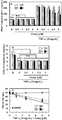
- FIG. 4 is a graph showing the effects of carotid arterial thrombosis and acute thrombosis models of Compounds 1-4 (Compound 1: White Box; Compound 2: Light Gray Box; Compound 3: Dark Gray Box; and Compound 4: Black Box; Tiro: Tyropiban was used as a positive control, where D used 0.2% DMSO as the vehicle control):
- 4A is a graph showing time for large thrombus formation.
- 4B is a graph showing the size score of the thrombus 60 minutes after FeCl 3 treatment.
- 4C is acute observed 6 hours after administration of each compound intravenously, followed by administration of a mixture of collagen (C, 500 ⁇ g / kg) and epinephrine (E, 50 ⁇ g / kg) to the tail vein of mice.
- FIG. 5 is a diagram showing the effects of PKC activity and intracellular calcium mobilization of Compounds 1-4 (Compound 1: White Box; Compound 2: Light Gray Box; Compound 3: Dark Gray Box; and Compound 4: Black Box) Tiro: Tyropiban was used as a positive control, where D used 0.2% DMSO as the vehicle control):
- 5A is a diagram showing the results of measuring phosphorylation of MARCKS using western blotting.
- FIG. 5 is a graph showing the [Ca 2 +] i increase by the addition by U46619 in human platelets has been loaded with Fura-2.
- Figure 5 C is a graph showing the [Ca 2 +] i increase by the addition of thrombin in the Fura-2 is loaded human platelets.
- FIG. 6 is a graph showing the effect on the inactivation and production of thrombin and Factor Xa of Compounds 1-4 (Compound 1: White Box; Compound 2: Light Gray Box; Compound 3: Dark Gray Box; and Compound 4: Black) Box; A or B: Argatroban or Rivaroxaban as positive control; D using 0.2% DMSO as vehicle control):
- FIG. 6A is a graph showing the degree of inhibition of thrombin (Th) using a chromogenic assay.
- FIG. 6B is a graph showing the degree of inhibition of factor Xa (FXa) using colorimetric analysis.
- 6C is a graph showing the degree of thrombin production by HUVEC.
- 6D is a graph showing the degree of production of factor Xa (FXa) by HUVEC.
- FIG. 7 is a graph showing the effect of PAI-1 and tPA secretion of Compounds 1-4 (Compound 1: White Box; Compound 2: Light Gray Box; Compound 3: Dark Gray Box; and Compound 4: Black Box; Where D is 0.2% DMSO as vehicle control):
- 7A is a graph showing PAI-1 concentrations measured in HUVEC cultures cultured with or without TNF- ⁇ .
- FIG. 7B is a graph showing tPA concentrations measured in HUVEC cultures cultured with or without TNF- ⁇ .
- FIG. 7C is a graph showing the PAI-1 / t-PA ratio in HUVEC activated with TNF- ⁇ .
- the present invention provides compounds represented by the following general formula (1) or (2), optical isomers thereof, or pharmaceutically acceptable salts thereof:
- the compound represented by Formula 1 or 2 of the present invention may be used in the form of a pharmaceutically acceptable salt, and as the salt, an acid addition salt formed by a pharmaceutically acceptable free acid is useful.
- Acid addition salts include inorganic acids such as hydrochloric acid, nitric acid, phosphoric acid, sulfuric acid, hydrobromic acid, hydroiodic acid, nitrous acid, phosphorous acid, aliphatic mono and dicarboxylates, phenyl-substituted alkanoates, hydroxy alkanoates and alkanes.
- non-toxic organic acids such as dioate, aromatic acids, aliphatic and aromatic sulfonic acids, and organic acids such as acetic acid, benzoic acid, citric acid, lactic acid, maleic acid, gluconic acid, methanesulfonic acid, 4-toluenesulfonic acid, tartaric acid, fumaric acid and the like.
- Such pharmaceutically nontoxic salts include sulfate, pyrosulfate, bisulfate, sulfite, bisulfite, nitrate, phosphate, monohydrogen phosphate, dihydrogen phosphate, metaphosphate, pyrophosphate chloride, bromide, eye Odide, fluoride, acetate, propionate, decanoate, caprylate, acrylate, formate, isobutyrate, caprate, heptanoate, propiolate, oxalate, malonate, succinate, suve Latex, sebacate, fumarate, maleate, butyne-1,4-dioate, hexane-1,6-dioate, benzoate, chlorobenzoate, methylbenzoate, dinitro benzoate, hydroxybenzoate, Methoxybenzoate, phthalate, terephthalate, benzenesulfonate, toluenesulfonate, chloride
- the acid addition salt according to the present invention can be prepared by a conventional method, for example, a precipitate produced by dissolving a derivative of Formula 1 in an organic solvent such as methanol, ethanol, acetone, methylene chloride, acetonitrile and adding an organic or inorganic acid.
- the solvent may be prepared by filtration and drying, or by distillation under reduced pressure of the solvent and excess acid, followed by drying and crystallization in an organic solvent.
- Bases can also be used to make pharmaceutically acceptable metal salts.
- Alkali metal or alkaline earth metal salts are obtained, for example, by dissolving a compound in an excess of alkali metal hydroxide or alkaline earth metal hydroxide solution, filtering the insoluble compound salt, and evaporating and drying the filtrate. At this time, it is pharmaceutically suitable to prepare sodium, potassium or calcium salt as the metal salt.
- Corresponding salts are also obtained by reacting alkali or alkaline earth metal salts with a suitable negative salt (eg silver nitrate).
- the present invention includes not only the compound represented by Formula 1 or 2 and pharmaceutically acceptable salts thereof, but also solvates, optical isomers, hydrates, and the like that can be prepared therefrom.
- novel compounds of the present invention are compounds isolated from Scolopendra subspinipes mutilans L. Koch and are characterized by having an unknown chemical structure.
- It provides a method for producing a compound represented by the formula (1) or 2 comprising the step of separating and purifying the n-butanol fraction obtained in step 2 (step 3).
- Step 2 may include directly separating the compound using ethyl acetate (EtOAc) or n-butanol (BuOH) fractions using high performance liquid chromatography (prep HPLC).
- EtOAc ethyl acetate
- BuOH n-butanol
- the present invention provides a composition comprising a compound represented by Formula 1 or 2.
- composition may be prepared in a form comprising a compound according to the invention and comprising a carrier or carrier suitable for use in pharmaceutical or food preparations.
- the present invention is an antithrombotic, antiplatelet or anticoagulant pharmaceutical composition containing the compound represented by the following formula (1), (2) or (3), optical isomers thereof, or pharmaceutically acceptable salts thereof as an active ingredient.
- the compound represented by the following formula (1), (2) or (3), optical isomers thereof, or pharmaceutically acceptable salts thereof as an active ingredient.
- Compounds represented by Formulas 1, 2 and 3 of the present invention prolong aPTT and PT, inhibit thrombin and FXa in human umbilical vein endothelial cells (HUVECs), and inhibit fibrin polymerization and platelet aggregation catalyzed by thrombin
- Antithrombotic, antiplatelet agents by inhibiting, enhancing antithrombotic effects in pulmonary embolism model and arterial thrombosis model mice, preventing PKC activity and calcium mobilization in cells, and reducing the ratio of PAI-1 to t-PA And it can be usefully used as an active ingredient of the anticoagulant.
- composition when formulating a composition according to the present invention, it may be prepared using diluents or excipients such as fillers, extenders, binders, wetting agents, disintegrants, surfactants and the like commonly used.
- diluents or excipients such as fillers, extenders, binders, wetting agents, disintegrants, surfactants and the like commonly used.
- Solids for oral administration include tablets, pills, powders, granules, capsules, troches, and the like, which solid preparations comprise at least one excipient such as starch, calcium carbonate, water, or the like in one or more compounds of the invention. It is prepared by mixing cross, lactose or gelatin. In addition to simple excipients, lubricants such as magnesium styrate talc are also used.
- Liquid preparations for oral administration include suspensions, solvents, emulsions, or syrups, and may include various excipients such as wetting agents, sweeteners, fragrances, and preservatives, in addition to commonly used simple diluents such as water and liquid paraffin. have.
- Formulations for parenteral administration include sterile aqueous solutions, non-aqueous solvents, suspensions, emulsions, lyophilized preparations, suppositories, and the like.
- non-aqueous solvent and the suspension solvent propylene glycol, polyethylene glycol, vegetable oil such as olive oil, injectable ester such as ethyl oleate, and the like can be used.
- base of the suppository witepsol, macrogol, tween 81, cacao butter, taurine, glycerol, gelatin and the like can be used.
- composition according to the invention can be administered in a pharmaceutically effective amount.
- pharmaceutically effective amount means an amount sufficient to treat a disease at a reasonable benefit / risk ratio applicable to medical treatment, and an effective dose level means the type, severity, and activity of the patient's disease. , Sensitivity to the drug, time of administration, route of administration and rate of release, duration of treatment, factors including concurrent use of the drug, and other factors well known in the medical arts.
- the compositions of the present invention may be administered as individual therapeutic agents or in combination with other therapeutic agents, may be administered sequentially or simultaneously with conventional therapeutic agents, and may be single or multiple doses. Taking all of the above factors into consideration, it is important to administer an amount that can achieve the maximum effect with a minimum amount without side effects, which can be readily determined by one skilled in the art.
- the effective amount of the compound according to the present invention may vary depending on the age, sex, and weight of the patient, and in general, 0.001 mg to 1000 mg, preferably 0.01 mg to 100 mg per kg body weight daily or every other day Alternatively, the administration may be divided into 1 to 3 times a day. However, the dosage may be increased or decreased depending on the route of administration, the severity of the disease, sex, weight, age, etc., and the above dosage does not limit the scope of the present invention in any way.
- the present invention is an anti-thrombotic, anti-platelet or anticoagulant health function containing the compound represented by Formula 1, Formula 2, or Formula 3, optical isomers thereof, or pharmaceutically acceptable salts thereof as an active ingredient Provide food.
- health functional food is manufactured by using raw materials or ingredients (functional raw materials) that are useful for the human body or nutrients that are likely to be lacking in daily meals, and maintain health through the activation of physiological functions or maintaining normal functions of the human body.
- Foods to be maintained and improved are those defined by the Commissioner of Food and Drug Safety, but are not limited thereto and are not used to exclude health foods in the usual sense.
- the compound of the present invention may be added to a food as it is, or used with other food or food ingredients, and may be appropriately used according to a conventional method.
- the mixing amount of the active ingredient can be suitably determined according to the purpose of use (prevention or improvement).
- the amount of the compound in the dietary supplement may be added at 0.01 to 90 parts by weight of the total food weight.
- the amount may be below the above range, and the active ingredient may be used in an amount above the above range because there is no problem in terms of safety.
- the health functional food of the present invention is not particularly limited to other ingredients besides containing the compound. Specifically, various nutrients, vitamins, minerals (electrolytes), flavors such as synthetic flavors and natural flavors, coloring and neutralizing agents (such as cheese, chocolate), pectic acid and salts thereof, alginic acid and salts thereof, organic acids, Protective colloid thickeners, pH adjusters, stabilizers, preservatives, glycerin, alcohols, carbonation agents used in carbonated beverages and the like. These components can be used independently or in combination. The proportion of such additives is not so critical but is generally selected in the range of 0.1 to about 20 parts by weight per 100 parts by weight of the compound of the present invention.
- the present invention is a pharmaceutical composition for preventing and treating cardiovascular diseases containing a compound represented by the formula (1), (2), or (3), optical isomers thereof, or pharmaceutically acceptable salts thereof as an active ingredient.
- a compound represented by the formula (1), (2), or (3), optical isomers thereof, or pharmaceutically acceptable salts thereof as an active ingredient.
- the present invention is a health functional food for preventing and improving cardiovascular disease containing the compound represented by Formula 1, Formula 2, or Formula 3, optical isomers thereof, or pharmaceutically acceptable salts thereof as an active ingredient. To provide.
- the cardiovascular disease is preferably myocardial infarction or ischemic stroke due to blood coagulation.
- the dried SSM (521 g) (purchased in the herbal market of Geumsan, Korea) was extracted with ethanol (5 L ⁇ 4) at room temperature, and the obtained extract was concentrated in vacuo to give a brown ethanol extract (110.0 g).
- the brown ethanol extract was suspended in water, and then sequentially fractionated with ethyl acetate (EtOAc) and n-butanol (BuOH), followed by EtOAc fraction (SS-1, 60.0 g), BuOH fraction (SS-2, 8.0 g) and The residue (SS-3, 40.0 g) was obtained.
- EtOAc fraction (SS-1) comprises hexane / EtOAc 40: 1, 20: 1, 10: 1, and 4: 1; Hexanes / EtOAc / MeOH 2/1 / 0.2; CHCl 3 / MeOH 6: 1; Eight fractions (SS-1a-h) were subjected to vacuum-liquid chromatography (VLC) using CHCl 3 / MeOH / H 2 O 3: 1: 0.1 and washed with MeOH as eluent. Obtained. At this time, VLC was performed on Merck silica gel (70-230 mesh).
- Fraction SS-1d (8.0 g) eluted with hexanes / EtOAc 4: 1 was partitioned between hexanes and MeOH to give genineol (60.0 mg).
- Fraction SS-1f (1.6 g) eluted with CHCl 3 / MeOH 6: 1 was applied to prep HPLC using a gradient of MeOH to 10-100% water to give indole acetic acid (2- (1H-indol-3yl) acetic acid) (t R 38.0 min, 1 mg), 3-methoxy-8-hydroxy-quinolin-2-one (t R , 42.0 min, 22.0 mg) and 3,4-dimethoxy-8-hydroxy-quinolin-2 source (3,4-dimethoxy-8-hydroxy -quinolin-2-one) (t R, 52.0 bun, 36.0 mg) to remove It was.
- Fraction SS-1g (700 mg) eluted with CHCl 3 / MeOH / H 2 O 3: 1: 0.1 was separated using preparative reverse phase HPLC (prep HPLC) using a gradient of MeOH to 15-85% water. 8-hydroxy-4-quinolone (t R , 37.0 min, 3.6 mg) was isolated. At this time, prep HPLC separation was performed on YMC C18 column (250 ⁇ 20.0 mm, 5 ⁇ m) or Kinetex Biphenyl column (250 ⁇ 21.5 mm, 5 ⁇ m) at 5 mL / min flow rate.
- BuOH fraction (SS-2, 7.4 g) was selected from Hexane / EtOAc / MeOH 2/1 / 0.2; CHCl 3 / MeOH 8: 1, 6: 1, and 4: 1; CHLC 3 / MeOH / H 2 O 2: 1: 0.1 was applied to VLC and then washed with 100% MeOH as mobile phase to give 6 fractions (SS-2a-f).
- the combined fractions SS-2d and SS-2e eluted with CHCl 3 / MeOH 6: 1 and 4: 1, 7.5 g were subjected to medium-pressure liquid chromatography (MPLC) to give eight fractions (SS -2e-I to SS-2e-VIII) were obtained.
- MPLC medium-pressure liquid chromatography
- Fraction SS-2e-V (89 mg) was applied to prep HPLC using a gradient of MeOH-H 2 O (20% methanol, 25 minutes; 20 to 25%, 30 minutes; and 25 to 55%, 10 minutes) Compound 1 (t R , 41.0 min, 1.0 mg) was isolated.
- Fraction SS-2e-VI (85 mg) was purified by prep HPLC using an isocratic solution of MeOH / H 2 O (1: 1) to determine scolopendrine (t R , 12.4 min, 10.0 mg). ) was separated.
- the structure of the isolated compound was determined by MS, 1D, and 2D NMR analysis. NMR experiments were performed using a Bruker Avance III (600 MHz) spectrophotometer. IR data were recorded in thermal electronics US / Nicolet380 (Madison, WI, USA). HRESIMS data was obtained on a JMS 700 high resolution mass spectrometer (JEOL, Tokyo, Japan).
- HMBC correlation between H2-1 'at ⁇ H 3.44 and carbonyl carbon at ⁇ C 170.8 (C-7) allows binding of agmatine and gentic acid fragments, and gentisic acid agmatine Compound 1 was identified as amide-3-sulfate).
- Compound 1 may be classified as acylated polyamines, reportedly derived from the venom of arachnids (McCormick KD, et al., J Chem Ecol 1993, 19 (10): 2411-2451).
- compound 1 relates to toxins isolated from the venom of the spider Tegenaria agrestis (Schroeder FC, et al., Proc Natl Acad Sci 2008, 105 (38): 14283-14287). Compared to the structure of known acylated polyamines, Compound 1 shows a distinct chemical type in classification.
- PRP platelet rich plasma
- PRP was prepared in HEPES buffer in the presence of 1 mM CaCl 2 (5 mM HEPES, 136 mM NaCl, 2.7 mM KCl, 0.42 mM NaH 2 PO 4, 2 mM MgCl 2 , 5.6 mM glucose, 0.1% BSA (w / v), pH). Wash up to 7.45). Platelets were left at room temperature for 30 minutes. A 10 milliliter blood sample was used for the measurement of the point of coagulation.
- the research protocol (KNUH 2012-01-010) was approved by the Institutional Audit Committee of Kyungpook National University Hospital (Daegu, Republic of Korea).
- HAVECs Primary human umbilical vein endothelial cells
- Cambrex Bio Science Cambrex Bio Science (Charles City, IA, USA) and known methods (Bae JS, et al., Am J Respir Crit Care Med 2014, 189 (7): 779-786; Ku SK, et al., BMB Rep 2014, 47 (6): 336-341; Ku SK, et al., Arch Phar m Res 2014, 37 (11): 1454-1463 Ku SK, et al., BMB Rep 2014, 47 (7): 376-381). Specifically, cells were cultured in EBM-2 basal medium supplemented with growth supplements (Cambrex Bio Science, Charles City, IA, USA) at 37 ° C. under 5% CO 2 atmosphere.
- mice Male C57BL / 6 mice (6-7 weeks old, weight 27 g) were purchased from Orient Bio Co. (Sungnam, Republic of Korea) and used after 12 days of adaptation. Mice were housed 5 per polycarbonate cage under controlled temperature (20-25 ° C.) and humidity (40-45% relative humidity) and 12h: 12h light: dark cycle. Mice were fed normal rodent pellet food and water randomly during adaptation and were treated according to the Guidelines on Care and Use of Laboratory Animals (IRB No. KNU 2012-13) issued by Kyungpook National University of Korea.
- aPTT and PT assays and human plasma Anti-coagulant activity of each compound was tested using aPTT and PT assays and human plasma.
- aPTT and PT were measured using a thrombotimer (Behnk Elektronik, Norderstedt, Germany) according to the manufacturer's instructions.
- transfused normal human plasma 90 ⁇ L was mixed with 10 ⁇ L of heparin or each compound and incubated at 37 ° C. for 1 hour. Plasma samples were then incubated at 37 ° C. for 1 minute after addition of aPTT assay reagent (100 ⁇ L) (Fisher Diagnostics, Middletown, VA, USA), followed by the addition of 20 mM CaCl 2 (100 ⁇ L) and the coagulation time. Recorded.
- transfused normal human plasma 90 ⁇ L was mixed with 10 ⁇ L of each compound stock solution and incubated at 37 ° C. for 1 hour.
- PT assay reagent 200 ⁇ L (Fisher Diagnostics, Middletown, VA, USA) was preincubated at 37 ° C. for 10 minutes before addition and the coagulation time was recorded.
- the aPTT results are displayed only in seconds.
- the results are expressed as mean ⁇ standard deviation of the mean (SEM) of at least three independent experiments performed in duplicate. P ⁇ 0.05 was considered statistically significant and determined using SPSS software (version 14.0, SPSS Science, Chicago, IL, USA). Hereinafter, statistical analysis of all experiments used the same method
- compounds 1, 2 and 4 showed anticoagulant activity, while compound 3 was weaker than heparin and aPTT and PT were significantly extended by compounds 1, 2 and 4 (1-5 ⁇ M, respectively, and their More than).
- compounds genieol, 3-methoxy-8-hydroxy-quinoline-2-one, 3,4-dimethoxy-8-hydroxy-quinoline-2-one, and scolopendrin are tested. There was no change in the coagulation time in the tube. Extension of aPTT and PT suggests inhibition of unique or common pathways, and PT extension suggests inhibition of external or common pathways.
- Compounds 1, 2 and 4 at concentrations of 3.30, 3.82 and 3.53 ⁇ M required twice the coagulation time in the aPTT assay. These results indicated that compounds 1, 2 and 4 can inhibit the common coagulation pathway.
- in vitro coagulation time and tail bleeding time were measured to confirm in vitro results. Specifically, the in vitro coagulation time was fasted overnight in male C57BL / 6 mice and then administered i.v. to each compound contained in 0.5% DMSO. One hour after administration, arterial blood samples (0.1 mL) were drawn out in 3.8% sodium citrate (1/10, v / v) for in vitro aPTT and PT measurements. Solidification time was determined as described above. In addition, tail bleeding time was determined using the method described by Dejana et al. (Thromb Res 1979, 15 (1-2): 191-197) or Kim TH et al. (J Cell Biochem 2012, 113 (9): 2877-2883). Measured.
- mice Male C57BL / 6 mice were fasted overnight before the experiment, and then dissected transversely at 2 mm from the end of this mouse 1 hour after intravenous (i.v.) administration of each compound. Bleeding time was defined as the time course until the bleeding stopped. Bleeding times over 15 minutes were recorded as lasting 15 minutes. The average circulating blood volume for mice is 72 mL / kg (Diehl KH, et al., J Appl Toxicol 2001, 21 (1): 15-23).
- the average weight of mice used is 27 g
- the average blood volume is 2 mL
- the amount of compound 1 (1.73 or 3.46 ⁇ g per mouse)
- the amount of compound 2 (1.21 or 2.41 ⁇ g per mouse
- the amount of compound 3 (0.81 or 1.61 ⁇ g per mouse)
- the amount of Compound 4 (0.87 or 1.75 ⁇ g per mouse) was equivalent to a peripheral blood concentration of approximately 2.5 or 5.0 ⁇ M, respectively.
- the effect of each compound on fibrin polymerization catalyzed by thrombin in human plasma was determined as a change in absorbance at 360 nm. Specifically, thrombin-catalyzed polymerization was measured every 6 seconds for 20 minutes by monitoring the turbidity at 360 nm using a spectrophotometer (TECAN, Mannedorf, Switzerland) at ambient temperature. Control plasma and plasma incubated with each compound were diluted three times in DMSO and coagulated with thrombin (final concentration: 0.5 U / mL). The maximum polymerization ratio (Vmax, ⁇ mOD / min) of each absorption curve was recorded (Nowak P, et al., Thromb Res 2007, 121 (2): 163-174).
- U46619 stabilize thromboxane A2 analog / aggregating agent catalytic platelet aggregation assay was performed. Specifically, in vitro platelet aggregation assays were reported by Kim SY et al. (Kim SY, et al., BMB Rep 2011, 44 (2): 140-145; Lee W, et al., Arch Pharm Res 2015, 38 (5): 893-903). Washed human platelets were incubated at the indicated concentrations of each compound in DMSO for 1, 3, 5 or 10 minutes. Then stimulated by U46619 (2 ⁇ M) in 0.9% saline solution at 37 ° C. for 5 minutes.
- Platelet aggregation was recorded using an aggregometer (Chronolog, Havertown, PA, USA). In addition, in vitro platelet aggregation assay was followed by overnight fasting of male mice followed by intravenous (i.v.) injection of the indicated concentrations of each compound included in DMSO. After 24 hours, platelet rich plasma (109 platelets / mL) in a volume of 240 ⁇ L was incubated at 37 ° C. for 1.5 minutes in agglutination detector under continuous stirring at 1000 rpm and then U46619 (final concentration 2 ⁇ M) (Calbiochem- Stimulated with Novabiochem Corp., San Diego, CA, USA. Platelet aggregation was recorded as described above.
- MTT assay was used as an indicator of cell viability.
- DMSO dimethylsulfoxide
- each compound did not affect cell survival up to a concentration of 10 ⁇ M as determined using MTT assay in HUVEC treated with compound for 24 hours (FIG. 3D).
- Carotid arterial thrombosis mouse models have generally been used to assess antiplatelet effects (Izuhara Y, et al., Arterioscler Thromb Vasc Biol 2008, 28 (4): 672-677). Specifically, a thrombosis model induced with ferric chloride (FeCl 3 ) was established by the method reported by Izuhara Y et al. (Izuhara Y, et al., Arterioscler Thromb Vasc Biol 2008, 28 (4): 672-677). Specifically, male C57BL / 6 mice were fasted overnight and then each indicated compound contained in DMSO was administered by intravenous injection.
- FeCl 3 ferric chloride
- thrombus After monitoring the size and time of thrombus formation, the results were classified as follows: No thrombus as a score of thrombus is zero; Small thrombus (50 ⁇ m ⁇ 75 ⁇ m) is 1; Medium clots (100 ⁇ m ⁇ 150 ⁇ m) are 2; Large thrombus (200 ⁇ m ⁇ 300 ⁇ m) is three.
- the time to occlusion of the testicular artery was measured by a large blood clot from FeCl 3 mediated endothelial damage. The thrombus formation time and the size of the thrombus generated are shown in FIG. 4.
- mice showed endothelial damage after FeCl 3 treatment and caused large thrombus growth at 8.5 ⁇ 0.9 min.
- Examination of the effect of each compound on thrombus size 60 minutes after endothelial injury induced by FeCl 3 showed that compounds 1, 2 and 4 reduced thrombus formation induced by FeCl 3 (FIG. 4B).
- mice Male C57BL / 6 mice were fasted overnight and then grouped into 10 groups. Each compound suspended in DMSO was administered to mice intravenously. A mixture of epinephrine (50 ⁇ g / kg) plus collagen (500 ⁇ g / kg) was injected into the tail vein of the mouse to induce acute thrombosis after 1 hour. Each mouse was carefully watched for 15 minutes to determine if the mouse was paralyzed, killed or recovered from acute thrombosis. For statistical analysis, five separate experiments were performed.
- PLC phospholipase C
- PKC and Ca 2 + act synergistically to induce granule secretion, and platelet aggregation, the final step receptor protein (GP) IIb / IIIa activity of sugar in charge of the (Wei AH, et al., Br J Haematol 2009, 147 (4): 415-430).
- the effect of each compound on PKC activity was determined by measuring the phosphorylation of MARCKS, a major substrate of PKC in human platelets (Elzagallaai A, et al., Blood 2000, 95 (3): 894-902). Specifically, washed human platelets were incubated with DMSO or each compound (5 ⁇ M) at 37 ° C. for 10 minutes, then stimulated with U46619 (2 ⁇ M) or thrombin (0.05 U / mL) for 1 minute, followed by platelet fusion. Phosphorylation-MARCKS in the seafood was detected using western blotting. Western blotting was performed as follows. Whole cell extracts were prepared by lysis of HUVEC and protein concentrations were measured using the Bradford assay.
- Intracellular [Ca 2 +] i was measured by the change in monitoring the fluorescence of fura-2 in the fura-2 loaded the platelets stimulated with thrombin and U46619. Specifically, the Ca 2 + mobilization in cells of the platelet ([Ca 2 +] i) was (Wu CC, et al measured by the method reported by Wu CC, Planta Med 2007, 73 (5):. 439-443 ). Platelets were incubated with fura-2 / AM (3 ⁇ M) at 37 ° C. for 30 minutes. After washing twice, it was suspended in the platelet loading with fura-2 in the 2 + -free Tyrode's solution in Ca 5 ⁇ 10 7 platelets / mL final concentration.
- thrombin solution 150 ⁇ L, 10 U / mL
- thrombin substrate 150 ⁇ L, 1.5 mM
- Argatroban a direct thrombin inhibitor (Santa Cruz Biotechnology, Inc., Dallas, TX, USA), was used as a positive control.
- FXa analysis was performed in the same manner as described for thrombin activity analysis, except that it was replaced by FXa (1 U / mL) and S-2222 (Chromogenix AB, Molndal, Sweden) as substrate.
- FXa (1 U / mL
- S-2222 Choromogenix AB, Molndal, Sweden
- a direct FXa inhibitor, rivaroxaban (Santa Cruz Biotechnology, Inc., Dallas, TX, USA) was used as a positive control.
- Thrombin production by HUVEC was quantified by the method reported by Dejana E et al. (Dejana E, et al., J Cell Biochem 2012, 113 (9): 2877-2883; Bae JS. Et al., Food Chem Toxicol 2011, 49 (7): 1572-1577). Specifically, HUVECs were preincubated in 300 ⁇ L of 50 mM Tris-HCl buffer, 100 pM FVa, and 1 nM FXa containing each compound for 10 minutes, and then prothrombin (Haematologic Technologies, Essex) at a final concentration of 1 ⁇ M. Junction, VT, USA).
- prothrombin was determined by measuring the rate of hydrolysis of S-2238 (thrombin substrate) (Chromogenix AB, Molndal, Sweden) at 405 nm. Standard curves were prepared with known amounts of purified thrombin.
- TNF- ⁇ is known to inhibit fibrin lysis in HUVECs by inducing the production of PAI-I.
- Changes in the balance between t-PA and PAI-1 are known to cause changes in aggregation and fibrinolysis (Philip-Joet F, et al., Eur Respir J 1995, 8 (8): 1352-1356; Schleef RR , et al., J Biol Chem 1988, 263 (12): 5797-5803).
- TNF- ⁇ has no significant effect on t-PA production (Hamaguchi E, et al., J Pharmacol Exp Ther 2003, 307 (3): 987-994) and between plasminogen activators and inhibitors thereof The balance reflects pure plasminogen activity (Davie EW. Et al., Thromb Haemost 1995, 74 (1): 1-6; Davie EW, et al., Biochemistry 1991, 30 (43): 10363-10370 Quinn C, et al., Clin Lab Sci 2000, 13 (4): 229-238).
- HUVECs were incubated for 18 hours in medium with or without each compound in the presence or absence of TNF- ⁇ .
- concentration of PAI-1 in HUVEC culture supernatants was determined using an ELISA kit (American Diagnostica, Inc., Stamford, CT, USA).
Landscapes
- Chemical & Material Sciences (AREA)
- Organic Chemistry (AREA)
- Health & Medical Sciences (AREA)
- Life Sciences & Earth Sciences (AREA)
- Animal Behavior & Ethology (AREA)
- Veterinary Medicine (AREA)
- Pharmacology & Pharmacy (AREA)
- Epidemiology (AREA)
- Insects & Arthropods (AREA)
- General Health & Medical Sciences (AREA)
- Public Health (AREA)
- Medicinal Chemistry (AREA)
- Pharmaceuticals Containing Other Organic And Inorganic Compounds (AREA)
- Mycology (AREA)
- Nutrition Science (AREA)
- Engineering & Computer Science (AREA)
- Food Science & Technology (AREA)
- Polymers & Plastics (AREA)
Abstract
본 발명은 왕지네(Scolopendra subspinipes)로부터 분리한 화합물을 유효성분으로 함유하는 항혈전, 항혈소판 및 항응고용 약학적 조성물에 관한 것이다. 보다 상세하게는 본 발명의 화합물은 인간 제대정맥혈관내피세포에서 활성화 부분 트롬보플라스틴 시간 및 프로트롬빈 시간을 연장하고 트롬빈 및 활성화된 인자 X를 억제하며, 트롬빈에 의해 촉매된 피브린 중합 및 혈소판 응집을 억제하고, 폐색전증 모델 및 동맥 혈전증 모델에서 항혈전 효과를 증진시키는 효과가 있다. 또한 단백질 키나아제 C 활성 및 칼슘 동원을 방지하고, 마우스에서 항응고 효과를 야기하며, 조직 플라스미노겐 활성화제에 대한 플라스미노겐 활성화제 억제제-1의 비율을 감소시킴으로써, 항혈전제, 항혈소판제 및 항응고제의 유효성분으로 유용하게 사용될 수 있다.
Description
본 발명은 왕지네(Scolopendra
subspinipes
mutilans L. Koch)로부터 분리한 신규 화합물들 및 이의 항혈전 용도에 관한 것으로서, 보다 상세하게는 왕지네에서 분리된 신규한 화합물인 아실화 폴리아민 및 황산화 퀴놀린 알카로이드, 및 상기 아실화 폴리아민, 황산화 퀴놀린 알카로이드 및 인돌 아세트산의 항혈전 용도에 관한 것이다.
혈전 형성은 동맥경화성 심혈관계 질환(atherosclerotic cardiovascular diseases, CVD)의 병태생리에서 결정적 이벤트이다(비특허문헌 1). 혈전에 의해 유도되는 심근경색증 또는 허혈성 뇌졸중은 CVD 관련 사망의 주요 원인이다. 비정상적인 응고 과정에 기인한 혈전 형성은 종종 동맥 또는 정맥에서 관찰되고 감소된 혈류 도는 허혈을 야기할 수 있다(비특허문헌 1). 혈전 형성은 혈액 세포벽 손상, 수용성 세포 부착, 응고 및 섬유소용해에 관련된다(비특허문헌 1 및 2). 사망의 세계적인 주요 원인은 심혈관 질환 및 결과적으로 혈전증이다(비특허문헌 1). 죽상 동맥에서 혈소판 활성은 동맥 혈전증의 발달에 중요하며, 그러므로 혈소판 기능의 정확한 제어가 혈전증 이벤트를 예방하는데 필수적이다(비특허문헌 3). 대부분의 혈전 과정은 항응혈제 치료가 요구된다. 이는 구체적이고 잠재적인 항응고제 및 항혈전제를 개발하기 위해 현재의 노력을 설명하는 것이다. 작용의 다른 메커니즘, 증가된 효능 및 낮은 독성을 가지는 새로운 생리활성 화합물 및 약물에 대한 연구는 매우 필요하다(비특허문헌 1).
왕지네(학명: Scolopendra
subspinipes
mutilans L. Koch; 약명: 오공(蜈蚣), 지네, 천룡(天龍); 이하 약어로서 'SSM'으로 표시한다)는 뇌졸중 관련 편측 마비, 간질성 발작, 파상풍 및 통증에 적용되는 것으로 한방 약전 및 중국 약전에서 나열된 약용 자원이다(비특허문헌 4 및 5). 뇌졸중 및 뇌졸중 관련 편측 마비에서 SSM의 전통적인 적용은 지네로부터 항응혈제를 발견하기 위해 관심을 끌고 있다. 지금까지, SSM의 독에 있는 펩타이드 및 단백질이 항혈전 효과를 가지고 있는 것이 입증된 바 있다(비특허문헌 6 내지 9). 게다가, SSM에 대한 증거를 기초로 한 연구는 모르핀만큼 효과적인 진통제로 발전될 잠재적인 펩타이드의 발견을 야기하였다(비특허문헌 10). 퀴놀린 알카로이드가 SSM의 대표적인 소분자 대사물질로서 특정되는 것으로, SSM의 이차 대사 산물에 대한 일부 화학적 연구가 있다(비특허문헌 11 내지 14).
상업적인 항응고제로서 헤파린은 60년 이상 동안 정맥의 혈전색전성 질환의 예방을 위해 사용되었다(비특허문헌 15 및 16). 그러나, 헤파린은 피브린에 결합된 트롬빈의 억제 무능력, 선천성 또는 후천성 항트롬빈 결핍에서의 비효율, 혈소판 감소증의 발달, 치료 반응이 달성되지 않는 경우 혈전색전성 질환의 증가된 위험, 및 치료 범위가 초과되는 경우 출혈의 증가된 위험과 같은 부작용을 일으킨다(비특허문헌 16 및 17). 또한, 이용가능한 헤파린의 양은 헤파린이 주로 추출되는 소 폐 또는 돼지 소장에서 적다(비특허문헌 17). 그러므로, 항응고제의 대체 자원을 발견하기 위한 요구가 안전한 항응고제 치료를 위한 수요와 함께 증가하였다.
본 발명자들은 임상적으로 사용되는 왕지네(SSM)의 전체 물질로부터 소분자 항응혈제를 발견하기 위해 노력한 결과, SSM의 에탄올 추출물로부터 분리한 신규한 아실화 폴리아민(화합물 1) 및 황산화 퀴놀린 알카로이드(화합물 2), 및 5개의 공지된 알칼로이드, 8-하이드옥시-4-퀴놀론(8-hydroxy-4-quinolone)(화합물 3), 인돌 아세트산(indole acetic acid)(화합물 4)을 분리하였으며, 이들 화합물들이 트롬빈 및 활성화된 인자 X(activated factor X, FXa)의 생성을 억제시키고, 프로트롬빈 시간(prothrombin time, PT), 활성화 부분 트롬보플라스틴 시간(activated partial thromboplastin time, aPTT) 및 섬유용해 활성(fibrinolytic activity)을 연장시키는 효과를 확인함으로써, 본 발명을 완성하였다.
(비특허문헌 1) Fares A. Winter cardiovascular diseases phenomenon. N Am J Med Sci 2013, 5(4): 266-279.
(비특허문헌 2) Weitz JI, Hirsh J, Samama MM. New anticoagulant drugs: the Seventh ACCP Conference on Antithrombotic and Thrombolytic Therapy. Chest 2004, 126(3 Suppl): 265S-286S.
(비특허문헌 3) Davi G, Patrono C. Platelet activation and atherothrombosis. N Engl J Med 2007, 357(24): 2482-2494.
(비특허문헌 4) Cai MD, Choi S-M, Song BK, Son I, Kim S, Yang EJ. Scolopendra subspinipes mutilans attenuates neuroinflammation in symptomatic hSOD1G93A mice. J Neuroinflammation 2013, 10: 131/131-131/139, 139 pp.
(비특허문헌 5) Ma W, Zhang D, Zheng L, Zhan Y, Zhang Y. Potential roles of Centipede Scolopendra extracts as a strategy against EGFR-dependent cancers. Am J Transl Res 2015, 7(1): 39-52.
(비특허문헌 6) Kong Y, Li S, Shao Y, He Z-l, Chen M-m, Ming X, et al. Antithrombotic Peptides from Scolopendra subspinipes mutilans Hydrolysates. International Journal of Peptide Research and Therapeutics 2014, 20(2): 245-252.
(비특허문헌 7) Kong Y, Huang SL, Shao Y, Li S, Wei JF. Purification and characterization of a novel antithrombotic peptide from Scolopendra subspinipes mutilans. J Ethnopharmacol 2013, 145(1): 182-186.
(비특허문헌 8) Kong Y, Shao Y, Chen H, Ming X, Wang JB, Li ZY, et al. A Novel Factor Xa-Inhibiting Peptide from Centipedes Venom. Int J Pept Res Ther 2013, 19: 303-311.
(비특허문헌 9) Liu ZC, Zhang R, Zhao F, Chen ZM, Liu HW, Wang YJ, et al. Venomic and transcriptomic analysis of centipede Scolopendra subspinipes dehaani. J Proteome Res 2012, 11(12): 6197-6212.
(비특허문헌 10) Yang S, Xiao Y, Kang D, Liu J, Li Y, Undheim EA, et al. Discovery of a selective NaV1.7 inhibitor from centipede venom with analgesic efficacy exceeding morphine in rodent pain models. Proc Natl Acad Sci U S A 2013, 110(43): 17534-17539.
(비특허문헌 11) Moon SS, Cho NS, Shin J, Seo Y, Lee CO, Choi SU. Jineol, a cytotoxic alkaloid from the centipede Scolopendra subspinipes. Journal of Natural Products 1996, 59(8): 777-779.
(비특허문헌 12) Fu YD, Li ZL, Pu SB, Qian SH. Two new compounds from Scolopendra multidens Newport. J Asian Nat Prod Res 2013, 15(4): 363-367.
(비특허문헌 13) Yoon MA, Jeong TS, Park DS, Xu MZ, Oh HW, Song KB, et al. Antioxidant effects of quinoline alkaloids and 2,4-di-tert-butylphenol isolated from Scolopendra subspinipes. Biological & Pharmaceutical Bulletin 2006, 29(4): 735-739.
(비특허문헌 14) Noda N, Yashiki Y, Nakatani T, Miyahara K, Du XM. A novel quinoline alkaloid possessing a 7-benzyl group from the centipede, Scolopendra subspinipes. CHEMICAL & PHARMACEUTICAL BULLETIN 2001, 49(7): 930-931.
(비특허문헌 15) Wells PS, Forgie MA, Rodger MA. Treatment of venous thromboembolism. JAMA 2014, 311(7): 717-728.
(비특허문헌 16) Hirsh J, Raschke R, Warkentin TE, Dalen JE, Deykin D, Poller L. Heparin: mechanism of action, pharmacokinetics, dosing considerations, monitoring, efficacy, and safety. Chest 1995, 108(4 Suppl): 258S-275S.
(비특허문헌 17) Pereira MS, Melo FR, Mourao PA. Is there a correlation between structure and anticoagulant action of sulfated galactans and sulfated fucans Glycobiology 2002, 12(10): 573-580.
본 발명의 목적은 왕지네(Scolopendra
subspinipes
mutilans L. Koch)로부터 분리한 신규한 아실화 폴리아민(화합물 1) 및 황산화 퀴놀린 알카로이드(화합물 2)를 제공하는 것이다.
또한, 본 발명의 또다른 목적은 아실화 폴리아민(화합물 1), 황산화 퀴놀린 알카로이드(화합물 2), 및 인돌 아세트산(indole acetic acid)(화합물 4)이 항응고 및 항혈소판 활성을 나타내어 항혈전제로 사용하는 용도를 제공하는 것이다.
상기 목적을 달성하기 위하여, 본 발명은 하기 화학식 1 또는 화학식 2로 표시되는 화합물, 이들의 광학 이성질체, 또는 이들의 약학적으로 허용가능한 염을 제공한다.
[화학식 1]

[화학식 2]

본 발명은 상기 화학식 1 또는 화학식 2로 표시되는 화합물, 이들의 광학 이성질체, 또는 이들의 약학적으로 허용가능한 염을 포함하는 조성물을 제공한다.
본 발명은 상기 화학식 1, 화학식 2, 또는 하기 화학식 3으로 표시되는 화합물, 이들의 광학 이성질체, 또는 이들의 약학적으로 허용가능한 염을 유효성분으로 함유하는 항혈전, 항혈소판 또는 항응고용 약학적 조성물을 제공한다.
[화학식 3]
.
본 발명은 상기 화학식 1, 화학식 2, 또는 화학식 3으로 표시되는 화합물, 이들의 광학 이성질체, 또는 이들의 약학적으로 허용가능한 염을 유효성분으로 함유하는 항혈전, 항혈소판 또는 항응고용 건강기능식품을 제공한다.
또한, 본 발명은 상기 화학식 1, 화학식 2, 또는 화학식 3으로 표시되는 화합물, 이들의 광학 이성질체, 또는 이들의 약학적으로 허용가능한 염을 유효성분으로 함유하는 심혈관계 질환 예방 및 치료용 약학적 조성물을 제공한다.
아울러, 본 발명은 상기 화학식 1, 화학식 2, 또는 화학식 3으로 표시되는 화합물, 이들의 광학 이성질체, 또는 이들의 약학적으로 허용가능한 염을 유효성분으로 함유하는 심혈관계 질환 예방 및 개선용 건강기능식품을 제공한다.
본 발명에 따른 화합물 1, 2 및 4는 HUVEC에서 FXa 및 트롬빈 생산의 억제를 통해 외인적 및 내인적 혈액 응고 경로를 억제하고, TNF-α에 의해 유도된 PAI-1의 분비를 억제하며, 생체내외에서 혈소판 응집을 억제하고, 단백질 키나제 C 및 칼슘 동원을 특이적으로 방지함으로써, 이런 화합물들을 응고와 관련된 혈관 질환의 치료 또는 예방을 위한 약제의 유효성분으로 유용하게 사용할 수 있다.
도 1은 왕지네(Scolopendra subspinipes mutilans L. Koch)로부터 분리된 화합물들을 보여주는 그림이다.
도 2는 화합물 1 및 2의 HMBC 상관관계(→) 및 COSY 상관관계(━)를 보여주는 그림이다.
도 3은 화합물 1-4의 피브린 중합, 혈소판 응집 및 그들의 세포독성에 대한 효과를 보여주는 그래프이다(화합물 1: 흰색 박스; 화합물 2: 밝은 회색 박스; 화합물 3: 짙은 회색 박스; 및 화합물 4: 검은색 박스이다; 이때, D는 비히클 대조군으로서 0.2% DMSO를 사용한 것이다):
도 3의 A는 트롬빈에 의해 촉매된 피브린 중합 정도를 보여주는 그래프이다.
도 3의 B는 시험관내에서 2 μM U46619에 의해 유도된 인간 혈소판 응집 정도를 보여주는 그래프이다.
도 3의 C는 2 μM U46619에 의해 유도된 마우스 혈소판 응집 정도를 생체외에서 모니터링한 결과를 보여주는 그래프이다.
도 3의 D는 MTT 분석을 이용한 세포 생존도를 보여주는 그래프이다.
도 4는 화합물 1-4의 경동맥 혈전증 및 급성 혈전증 모델에 대한 효과를 보여주는 그래프이다(화합물 1: 흰색 박스; 화합물 2: 밝은 회색 박스; 화합물 3: 짙은 회색 박스; 및 화합물 4: 검은색 박스; Tiro: 양성 대조군으로 티로피반을 사용한 것이다; 이때, D는 비히클 대조군으로서 0.2% DMSO를 사용한 것이다):
도 4의 A는 큰 혈전 형성에 대한 시간을 보여주는 그래프이다.
도 4의 B는 FeCl3 처리 60분 후에 혈전의 크기 점수(size score)를 보여주는 그래프이다.
도 4의 C는 각 화합물을 정맥으로 투여한 후, 콜라겐(C, 500 μg/kg) 및 에피네프린(E, 50 μg/kg)의 혼합물을 마우스의 꼬리 정맥에 투여한 후 6시간 후에 관찰한 급성 혈전 변화를 보여주는 그래프이다.
도 5는 화합물 1-4의 PKC 활성 및 세포 내 칼슘 동원에 대한 효과를 보여주는 그림이다(화합물 1: 흰색 박스; 화합물 2: 밝은 회색 박스; 화합물 3: 짙은 회색 박스; 및 화합물 4: 검은색 박스; Tiro: 양성 대조군으로 티로피반을 사용한 것이다; 이때, D는 비히클 대조군으로서 0.2% DMSO를 사용한 것이다):
도 5의 A는 웨스턴블랏팅을 이용하여 MARCKS의 인산화를 측정한 결과를 보여주는 그림이다.
도 5의 B는 Fura-2가 로딩된 인간 혈소판에서 U46619 첨가에 의한 [Ca2
+]i 증가 정도를 보여주는 그래프이다.
도 5의 C는 Fura-2가 로딩된 인간 혈소판에서 트롬빈 첨가에 의한 [Ca2
+]i 증가 정도를 보여주는 그래프이다.
도 6은 화합물 1-4의 트롬빈 및 인자 Xa의 비활성 및 생산에 대한 효과를 보여주는 그래프이다(화합물 1: 흰색 박스; 화합물 2: 밝은 회색 박스; 화합물 3: 짙은 회색 박스; 및 화합물 4: 검은색 박스; A 또는 B: 양성 대조군으로 아르가트로반 또는 리바록사반을 사용한 것이다; 이때, D는 비히클 대조군으로서 0.2% DMSO를 사용한 것이다):
도 6의 A는 발색 분석(chromogenic assay)을 이용하여 트롬빈(Th)의 억제 정도를 보여주는 그래프이다.
도 6의 B는 발색 분석을 이용하여 인자 Xa(FXa)의 억제 정도를 보여주는 그래프이다.
도 6의 C는 HUVEC에 의한 트롬빈의 생산 정도를 보여주는 그래프이다.
도 6의 D는 HUVEC에 의한 인자 Xa(FXa)의 생산 정도를 보여주는 그래프이다.
도 7은 화합물 1-4의 PAI-1 및 tPA 분비에 대한 효과를 보여주는 그래프이다(화합물 1: 흰색 박스; 화합물 2: 밝은 회색 박스; 화합물 3: 짙은 회색 박스; 및 화합물 4: 검은색 박스; 이때, D는 비히클 대조군으로서 0.2% DMSO를 사용한 것이다):
도 7의 A는 TNF-α 존재 또는 부존재 하에서 배양된 HUVEC 배양액에서 측정된 PAI-1 농도를 보여주는 그래프이다.
도 7의 B는 TNF-α 존재 또는 부존재 하에서 배양된 HUVEC 배양액에서 측정된 tPA 농도를 보여주는 그래프이다.
도 7의 C는 TNF-α로 활성화된 HUVEC에서 PAI-1/t-PA 비율을 보여주는 그래프이다.
도 8은 화합물 1, 2 및 4의 항혈전 활성에 대한 메커니즘을 보여주는 그림이다.
이하, 본 발명을 상세히 설명한다.
본 발명은 하기 화학식 1 또는 화학식 2로 표시되는 화합물, 이들의 광학 이성질체, 또는 이들의 약학적으로 허용가능한 염을 제공한다:
[화학식 1]

[화학식 2]

본 발명의 화학식 1 또는 2로 표시되는 화합물은 약학적으로 허용가능한 염의 형태로 사용할 수 있으며, 염으로는 약학적으로 허용가능한 유리산(free acid)에 의해 형성된 산 부가염이 유용하다. 산 부가염은 염산, 질산, 인산, 황산, 브롬화수소산, 요드화수소산, 아질산, 아인산 등과 같은 무기산류, 지방족 모노 및 디카르복실레이트, 페닐-치환된 알카노에이트, 하이드록시 알카노에이트 및 알칸디오에이트, 방향족 산류, 지방족 및 방향족 설폰산류 등과 같은 무독성 유기산, 아세트산, 안식향산, 구연산, 젖산, 말레인산, 글루콘산, 메탄설폰산, 4-톨루엔설폰산, 주석산, 푸마르산등과 같은 유기산으로부터 얻는다. 이러한 약학적으로 무독한 염의 종류로는 설페이트, 피로설페이트, 바이설페이트, 설파이트, 바이설파이트, 니트레이트, 포스페이트, 모노하이드로겐 포스페이트, 디하이드로겐 포스페이트, 메타포스페이트, 피로포스페이트 클로라이드, 브로마이드, 아이오다이드, 플루오라이드, 아세테이트, 프로피오네이트, 데카노에이트, 카프릴레이트, 아크릴레이트, 포메이트, 이소부티레이트, 카프레이트, 헵타노에이트, 프로피올레이트, 옥살레이트, 말로네이트, 석시네이트, 수베레이트, 세바케이트, 푸마레이트, 말리에이트, 부틴-1,4-디오에이트, 헥산-1,6-디오에이트, 벤조에이트, 클로로벤조에이트, 메틸벤조에이트, 디니트로 벤조에이트, 하이드록시벤조에이트, 메톡시벤조에이트, 프탈레이트, 테레프탈레이트, 벤젠설포네이트, 톨루엔설포네이트, 클로로벤젠설포네이트, 크실렌설포네이트, 페닐아세테이트, 페닐프로피오네이트, 페닐부티레이트, 시트레이트, 락테이트, β-하이드록시부티레이트, 글리콜레이트, 말레이트, 타트레이트, 메탄설포네이트, 프로판설포네이트, 나프탈렌-1-설포네이트, 나프탈렌-2-설포네이트, 만델레이트 등을 포함한다.
본 발명에 따른 산 부가염은 통상의 방법으로 제조할 수 있으며, 예를 들면 화학식 1의 유도체를 메탄올, 에탄올, 아세톤, 메틸렌클로라이드, 아세토니트릴 등과 같은 유기용매에 녹이고 유기산 또는 무기산을 가하여 생성된 침전물을 여과, 건조시켜 제조하거나, 용매와 과량의 산을 감압 증류한 후 건조시켜 유기용매 하에서 결정화시켜셔 제조할 수 있다.
또한, 염기를 사용하여 약학적으로 허용가능한 금속염을 만들 수 있다. 알칼리 금속 또는 알칼리 토금속 염은 예를 들면 화합물을 과량의 알칼리 금속 수산화물 또는 알칼리 토금속 수산화물 용액 중에 용해하고, 비용해 화합물 염을 여과하고, 여액을 증발, 건조시켜 얻는다. 이때, 금속염으로는 나트륨, 칼륨 또는 칼슘염을 제조하는 것이 제약상 적합하다. 또한, 이에 대응하는 염은 알칼리 금속 또는 알칼리 토금속 염을 적당한 음염(예, 질산은)과 반응시켜 얻는다.
나아가, 본 발명은 상기 화학식 1 또는 2로 표시되는 화합물 및 이의 약학적으로 허용가능한 염뿐만 아니라, 이로부터 제조될 수 있는 용매화물, 광학 이성질체, 수화물 등을 모두 포함한다.
본 발명의 신규한 화합물들은 왕지네(Scolopendra subspinipes mutilans L. Koch)로부터 분리한 화합물들로서 기존에 알려지지 않은 화학구조를 가지는 것을 특징으로 한다.
또한, 본 발명은
왕지네(Scolopendra subspinipes mutilans L. Koch)를 에탄올로 추출하여 에탄올 추출물을 얻는 단계(단계 1);
상기 단계 1에서 얻은 에탄올 추출물을 물에 현탁한 후 에틸 아세테이트(EtOAc) 및 n-부탄올(BuOH)을 이용하여 순차적으로 분획하여 n-부탄올 분획을 얻는 단계(단계 2); 및
상기 단계 2에서 얻은 n-부탄올 분획물을 분리 및 정제하는 단계(단계 3);를 포함하는 상기 화학식 1 또는 2로 표시되는 화합물의 제조방법을 제공한다.
상기 단계 2는 에틸 아세테이트(EtOAc) 또는 n-부탄올(BuOH) 분획물을 고속액체컬럼크로마토그래피(prep HPLC)를 이용하여 화합물을 직접 분리하는 단계를 포함할 수 있다.
또한, 본 발명은 상기 화학식 1 또는 2로 표시되는 화합물을 포함하는 조성물을 제공한다.
상기 조성물은 본 발명에 따른 화합물들을 포함하고 약학적 또는 식품학적 조제물에서 사용하기에 적합한 담체 또는 운반체를 포함하는 형태로 제조될 수 있다.
또한, 본 발명은 하기 화학식 1, 화학식 2 또는 화학식 3으로 표시되는 화합물, 이들의 광학 이성질체, 또는 이들의 약학적으로 허용가능한 염을 유효성분으로 함유하는 항혈전, 항혈소판 또는 항응고용 약학적 조성물을 제공한다.
[화학식 1]

[화학식 2]

[화학식 3]

본 발명의 화학식 1, 화학식 2 및 화학식 3으로 표시되는 화합물은 인간 제대정맥혈관내피세포(HUVECs)에서 aPTT 및 PT를 연장시키고 트롬빈 및 FXa를 억제하며, 트롬빈에 의해 촉매된 피브린 중합 및 혈소판 응집을 억제하고, 폐색전증 모델 및 동맥 혈전증 모델 마우스에서 항혈전 효과를 증진시키며, 세포 내에서 PKC 활성 및 칼슘 동원을 방지하고, t-PA에 대한 PAI-1의 비율을 감소시킴으로써, 항혈전제, 항혈소판제 및 항응고제의 유효성분으로 유용하게 사용될 수 있다.
본 발명에 따른 조성물을 제제화할 경우, 보통 사용하는 충진제, 증량제, 결합제, 습윤제, 붕해제, 계면활성제 등의 희석제 또는 부형제를 사용하여 제조될 수 있다.
경구 투여를 위한 고형제에는 정제, 환제, 산제, 과립제, 캡슐제, 트로키제 등이 포함되며, 이러한 고형 제제는 하나 이상의 본 발명의 화합물에 적어도 하나 이상의 부형제 예를 들면, 전분, 탄산칼슘, 수크로스(sucrose) 또는 락토오스(lactose) 또는 젤라틴 등을 섞어 조제된다. 또한, 단순한 부형제 외에 마그네슘 스티레이트 탈크 같은 윤활제들도 사용된다. 경구 투여를 위한 액상 제제로는 현탁제, 내용액제, 유제 또는 시럽제 등이 해당되는데, 흔히 사용되는 단순 희석제인 물, 리퀴드 파라핀 이외에 여러가지 부형제, 예를 들면 습윤제, 감미제, 방향제, 보존제 등이 포함될 수 있다.
비경구 투여를 위한 제제에는 멸균된 수용액, 비수성용제, 현탁용제, 유제, 동결건조제제, 좌제 등이 포함된다. 비수성용제, 현탁용제로는 프로필렌글리콜, 폴리에틸렌 글리콜, 올리브 오일과 같은 식물성 기름, 에틸올레이트와 같은 주사 가능한 에스테르 등이 사용될 수 있다. 좌제의 기제로는 위텝솔(witepsol), 마크로골, 트윈(tween) 81, 카카오지, 타우린지, 글리세롤, 젤라틴 등이 사용될 수 있다.
본 발명에 따른 조성물은 약제학적으로 유효한 양으로 투여할 수 있다. 본 발명에 있어서, "약제학적으로 유효한 양"은 의학적 치료에 적용 가능한 합리적인 수혜/위험 비율로 질환을 치료하기에 충분한 양을 의미하며, 유효용량 수준은 환자의 질환의 종류, 중증도, 약물의 활성, 약물에 대한 민감도, 투여 시간, 투여 경로 및 배출 비율, 치료기간, 동시 사용되는 약물을 포함한 요소 및 기타 의학 분야에 잘 알려진 요소에 따라 결정될 수 있다. 본 발명의 조성물은 개별 치료제로 투여하거나 다른 치료제와 병용하여 투여될 수 있고 종래의 치료제와는 순차적 또는 동시에 투여될 수 있으며, 단일 또는 다중 투여될 수 있다. 상기한 요소들을 모두 고려하여 부작용없이 최소한의 양으로 최대 효과를 얻을 수 있는 양을 투여하는 것이 중요하며, 이는 당업자에 의해 용이하게 결정될 수 있다.
구체적으로, 본 발명에 따른 화합물의 유효량은 환자의 나이, 성별, 체중에 따라 달라질 수 있으며, 일반적으로는 체중 1 kg 당 0.001 mg 내지 1000 mg, 바람직하게는 0.01 mg 내지 100 mg을 매일 또는 격일 투여하거나, 1일 1 내지 3회로 나누어 투여할 수 있다. 그러나 투여 경로, 질환의 중증도, 성별, 체중, 연령 등에 따라서 증감될 수 있으므로 상기 투여량이 어떠한 방법으로도 본 발명의 범위를 한정하는 것은 아니다.
또한, 본 발명은 상기 화학식 1, 화학식 2, 또는 화학식 3으로 표시되는 화합물, 이들의 광학 이성질체, 또는 이들의 약학적으로 허용가능한 염을 유효성분으로 함유하는 항혈전, 항혈소판 또는 항응고용 건강기능식품을 제공한다.
여기서, "건강기능식품"이란 일상 식사에서 결핍되기 쉬운 영양소나 인체에 유용한 기능을 가진 원료나 성분(기능성 원료)을 사용하여 제조한 것으로, 인체의 정상적인 기능을 유지하거나 생리기능 활성화를 통하여 건강을 유지하고 개선하는 식품으로 식품의약품안전처장이 정한 것을 의미하나, 이에 한정되지 않으며 통상적인 의미의 건강식품을 배제하는 의미로 사용된 것이 아니다.
본 발명의 화합물은 식품에 그대로 첨가하거나 다른 식품 또는 식품 성분과 함께 사용될 수 있고, 통상적인 방법에 따라 적절하게 사용될 수 있다. 유효 성분의 혼합량은 그의 사용 목적(예방 또는 개선용)에 따라 적합하게 결정될 수 있다. 일반적으로, 건강기능식품 중의 상기 화합물의 양은 전체 식품 중량의 0.01 내지 90 중량부로 가할 수 있다. 그러나 건강 및 위생을 목적으로 하거나 또는 건강 조절을 목적으로 하는 장기간의 섭취시에는 상기 양은 상기 범위 이하일 수 있으며, 안전성 면에서 아무런 문제가 없기 때문에 유효성분은 상기 범위 이상의 양으로도 사용될 수 있다.
본 발명의 건강기능식품은 상기 화합물을 함유하는 외에 다른 성분에는 특별한 제한이 없다. 구체적으로, 여러 가지 영양제, 비타민, 광물(전해질), 합성 풍미제 및 천연 풍미제 등의 풍미제, 착색제 및 중진제(치즈, 초콜릿 등), 펙트산 및 그의 염, 알긴산 및 그의 염, 유기산, 보호성 콜로이드 증점제, pH 조절제, 안정화제, 방부제, 글리세린, 알코올, 탄산음료에 사용되는 탄산화제 등을 함유할 수 있다. 이러한 성분은 독립적으로 또는 조합하여 사용할 수 있다. 이러한 첨가제의 비율은 그렇게 중요하진 않지만 본 발명의 화합물 100 중량부 당 0.1 내지 약 20 중량부의 범위에서 선택되는 것이 일반적이다.
또한, 본 발명은 상기 화학식 1, 화학식 2, 또는 화학식 3으로 표시되는 화합물, 이들의 광학 이성질체, 또는 이들의 약학적으로 허용가능한 염을 유효성분으로 함유하는 심혈관계 질환 예방 및 치료용 약학적 조성물을 제공한다.
아울러, 본 발명은 상기 화학식 1, 화학식 2, 또는 화학식 3으로 표시되는 화합물, 이들의 광학 이성질체, 또는 이들의 약학적으로 허용가능한 염을 유효성분으로 함유하는 심혈관계 질환 예방 및 개선용 건강기능식품을 제공한다.
상기 심혈관계 질환은 혈액응고에 기인한 심근경색증 또는 허혈성 뇌졸중인 것이 바람직하다.
이하, 실시예 및 실험예를 통하여 본 발명을 더 상세히 설명한다.
그러나 본 발명은 이하에서 개시되는 실시예 및 실시예에 한정되는 것이 아니라 서로 다른 다양한 형태로 구현될 수 있는 것으로, 이하의 실시예 및 실험예는 본 발명의 개시가 완전하도록 하며, 통상의 지식을 가진 자에게 발명의 범주를 완전하게 알려주기 위해 제공되는 것이다.
<실시예 1> SSM으로부터 소분자 알카로이드의 추출 및 분리
건조된 SSM(521 g)(한국, 금산의 약초 시장에서 구입)을 실온에서 에탄올(5 L × 4)로 추출한 후, 획득한 추출물을 진공 하에 농축하여 갈색 에탄올 추출물을 수득하였다(110.0 g). 갈색 에탄올 추출물을 물에 현탁한 후 에틸 아세테이트(EtOAc) 및 n-부탄올(BuOH)을 이용하여 순차적으로 분획하여 EtOAc 분획(SS-1, 60.0 g), BuOH 분획(SS-2, 8.0 g) 및 잔사(SS-3, 40.0 g)를 수득하였다.
EtOAc 분획(SS-1)은 헥산/EtOAc 40:1, 20:1, 10:1, 및 4:1; 헥산/EtOAc/MeOH 2/1/0.2; CHCl3/MeOH 6:1; CHCl3/MeOH/H2O 3:1:0.1를 이용하여 진공-액체 크로마토그래피(Vacuum-liquid chromatography, VLC)에 적용한 후 용리제로서 MeOH로 세척하여 8개의 분획(SS-1a-h)을 수득하였다. 이때, VLC는 Merck 실리카겔(70-230 메쉬)에서 수행하였다. 헥산/EtOAc 4:1로 용출된 분획 SS-1d(8.0 g)를 헥산 및 MeOH로 분획하여 지네올(jineol)(60.0 mg)을 수득하였다. CHCl3/MeOH 6:1로 용출된 분획 SS-1f(1.6 g)를 10 내지 100%의 물에 대한 MeOH의 구배를 이용하여 prep HPLC에 적용하여 인돌 아세트산(2-(1H-indol-3yl)acetic acid) (tR 38.0분, 1 mg), 3-메톡시-8-히드록시-퀴놀린-2-온(3-methoxy-8-hydroxy-quinolin-2-one)(tR, 42.0분, 22.0 mg) 및 3,4-디메톡시-8-히드록시-퀴놀린-2-원(3,4-dimethoxy-8-hydroxy-quinolin-2-one)(tR, 52.0분, 36.0 mg)을 분리하였다. CHCl3/MeOH/H2O 3:1:0.1로 용출된 분획 SS-1g(700 mg)를 15 내지 85 %의 물에 대한 MeOH의 구배를 이용하여 분취 역상 HPLC(prep HPLC)를 이용하여 분리하여 8-히드록시-4-퀴놀론(8-hydroxy-4-quinolone)(tR, 37.0분, 3.6 mg)을 분리하였다. 이때, prep HPLC 분리는 5 mL/min 흐름율에서 YMC C18 컬럼(250 × 20.0 mm, 5 μm) 또는 Kinetex Biphenyl 컬럼(250 × 21.5 mm, 5 μm)에서 수행하였다.
BuOH 분획(SS-2, 7.4 g)은 헥산/EtOAc/MeOH 2/1/0.2; CHCl3/MeOH 8:1, 6:1, 및 4:1; CHCl3/MeOH/H2O 2:1:0.1를 이용하여 VLC에 적용한 후 이동상으로 100% MeOH로 세척하여 6개의 분획(SS-2a-f)을 수득하였다. 결합된 분획 SS-2d 및 SS-2e(CHCl3/MeOH 6:1 및 4:1로 용출, 7.5 g)은 중압 액체 크로마토그래피(medium-pressure liquid chromatography, MPLC)에 적용시켜 8개의 분획(SS-2e-I 내지 SS-2e-VIII)을 수득하였다. 이때, MPLC는 역상 C18 SNAP Cartridge KPC18-HS(340 g, Biotage AB, Uppsala, Sweden)를 구비한 Biotage Isolera 장치를 이용하여 수행하였다. 분획 SS-2e-III(213 mg)를 30% MeOH의 등용매 용액 조건을 이용하여 prep HPLC에 의해 분리하였다. 10 내지 12.5분 사이에 용출된 HPLC 분획을 물에 대한 10% MeOH의 이동상을 갖는 prep HPLC를 이용하여 결합 및 정제하여 화합물 2(tR, 32.0분, 15.0 mg)를 분리하였다. 분획 SS-2e-V(89 mg)를 MeOH-H2O(20% 메탄올, 25분; 20 내지 25%, 30분; 및 25 내지 55%, 10분)의 구배를 이용하여 prep HPLC에 적용하여 화합물 1(tR, 41.0분, 1.0 mg)을 분리하였다. 분획 SS-2e-VI(85 mg)를 MeOH/H2O(1:1)의 등용매 용액을 이용하여 prep HPLC에 의해 정제하여 스콜로펜드린(scolopendrine)(tR, 12.4분, 10.0 mg)을 분리하였다.
<실시예 2> SSM으로부터 분리된 소분자 알카로이드의 동정 및 구조 분석
분리된 화합물의 구조를 MS, 1D, 및 2D NMR 분석에 의해 결정하였다. NMR 실험은 Bruker Avance III(600 MHz) 분광광도계를 이용하여 수행하였다. IR 데이타는 열 전자 US/Nicolet380(Madison, WI, USA)에서 기록하였다. HRESIMS 데이타는 JMS 700 고해상도 질량분석기(JEOL, Tokyo, Japan)에서 획득하였다.
구체적으로, 화합물 1은 황색 무정형 분말로서 분리되었다. HR-ESI-MS 데이터에서 관찰된 유사분자(pseudomolecular)이온 m/z 369.0841(산출된 [M + Na]+, m/z 369.0845)으로부터 C12H18N4O6S의 분자식을 유추하였다. 1H 및 13C NMR 스펙트럼은 아그마틴 부분에 대한 별개의 공명을 보였다(표 1). NMR 스펙트럼은 겐티신산(gentisic acid, GA)의 것과 밀접하게 일치하였다. 겐티신산의 양성자 화학적 이동을 비교하면, 화합물 1에서 H-2 및 H-4의 양성자는 화합물 1의 C-3에서 황산염 기능성의 존재를 나타내는 다운필드(각각 δ1-δGA 0.35 및 0.31)로 유의적으로 이동되었다. δH 6.85(H-5)의 벤젠 양성자로부터 δC 145.7의 4급 탄소까지 강한 HMBC 상관관계, 및 약 5 ppm의 업필드된 탄소 화학적 이동은 C-3에서 황산염이 치환되어 있음을 의미하였다. δH 3.44에서 H2-1′및 δC 170.8(C-7)에서의 카르보닐 탄소 사이 HMBC 상관관계는 아그마틴 및 겐티신산 단편의 결합이 허용되고, 겐티신산 아미드-3-설페이트(gentisic acid agmatine amide-3-sulfate)로서 화합물 1을 동정하였다. 화합물 1은 거미류의 독으로부터 유래된다고 보고된(McCormick KD, et al., J Chem Ecol 1993, 19(10): 2411-2451), 아실화 폴리아민으로 분류될 수 있다. 폴리아민 사슬을 제외한, 화합물 1의 구조는 거미 Tegenaria agrestis의 독으로부터 분리된 독소와 관련된다(Schroeder FC, et al., Proc Natl Acad Sci 2008, 105(38): 14283-14287). 알려진 아실화 폴리아민의 구조와 비교하면, 화합물 1은 분류상 독특한 화학형을 보인다.
화합물 1 : 황색 무정형 분말; UV (MeOH) λmax (log ε) 240 sh (4.22), 308 (3.61) nm; IR (KBr) νmax 3357, 1657, 1547, cm-1; 1H 및 13C NMR, 표 1 참조; HR-ESI-MS m/z 369.0841 [M + Na]+ (C12H18N4O6SNa에 대해 산출, m/z 369.0845).

화합물 2는 황색 무정형 분말로서 분리되었고 지네올(jineol)과 유사한 특유의 NMR 신호를 보였다(Moon S-S, et al., J Nat Prod 1996, 59(8): 777-779)(표 2). 분자식 C9H7NO5S(산출된 [M + Na]+, m/z 263.9943)는 HR-ESI-MS 데이타의 가분자 이온 피크 m/z 263.9935로부터 결정되었고 이는 화합물 2가 지네올의 황산염 유도체인 것을 의미하였다. 지네올 보다 약 5 ppm 업필된 탄소의 화학적 이동(δC 149.0 (C-8))은 화합물 2에서 황산염 기의 존재를 나타내었다. δH 7.50(H-4) 양성자와 δC 123.9(C-5) 탄소 사이 및 δH 7.45(H-6) 양성자와 δC 149.0(C-8) 탄소 사이의 HMBC 상관관계는 C-8에 황산염이 치환되어 있음을 입증하였다. H-5/H-6 및 H-6/H-7의 1H-1H COSY 상관관계는 C-8에서 황산염의 치환을 지지하였다. 따라서 화합물 2는 지네올-8-설페이트(jineol-8-sulfate)로 명명된, 3-하이드록시퀘놀린-8-일 하이드로겐 설페이트(3-hydroxyquinolin-8-yl hydrogen sulfate)로서 동정하였다.
화합물 2 : 황색 무정형 분말; UV (MeOH) λmax (log ε) 242 (4.49), 326 (3.67) nm; IR (KBr) νmax 3385, 1606, 1550, cm-1; 1H 및 13C NMR: 표 2 참조; HR-ESI-MS [M + Na]+ m/z 263.9935 (C9H7NO5SNa에 대해 산출, m/z 263.9943).
화합물 3은 황색 무정형 분말로 분리되었다. 1H 및 13C NMR 스펙트럼에서(표 2), δH 6.35(d, J = 7.1 Hz; δC 109.7) 및 δH 7.93(d, J = 7.1 Hz; δC 140.6)에서 올레핀 메틴 기와 함께 δC 181.0에서 카르보닐 탄소는 화합물 3이 퀴놀린-4-온류 알칼로이드가 되는 것을 나타내었다. δC 148.5에서 4급 탄소와 함께 δH 7.10(d, J = 8.0 Hz), 7.24(t, J = 8.0 Hz) 및 δH 7.70(d, J = 8.0 Hz)의 양성자 신호는 화합물 3이 C-5 또는 8에서 히드록시기를 갖는 퀴놀론인 것을 나타내었다. δH 7.70의 양성자 및 δC 181.0의 카르보닐 탄소 사이 교차 피크를 보여주는 HMBC 데이타의 분석을 통해, 화합물 3을 8-히드록시-4-퀴놀론(8-hydroxy-4-quinolone)으로 결정하였다. 화합물 3은 문어류 O. dofleini martini의 먹물로부터 유래된 보고가 있다(Siuda JF. et al., Lloydia 1974, 37(3): 501-503).

화합물 4는 무색 고체로서 분리되었다. NMR 스펙트럼은 전형적인 인돌 종류 화합물이고 δH 3.96(s; δC 33.5)에서 메틸렌 기와 함께 δC 176.5에서 카르보닐 탄소를 통해 화합물 4가 인돌 아세트산(2-(1H-indol-3yl)acetic acid)인 것을 확인(Evidente A, et al., Experientia 1993, 49(2): 182-183)하였으며 구조를 HMBC 스펙트럼의 분석에 의해 추가적으로 확인하였다.
다른 공지된 알카로이드들은 이들의 스펙트럼 분석 데이타의 비교 및 문헌에 보고된 것을 통해 지네올(jineol)(Moon S-S, et al., J Nat Prod 1996, 59(8): 777-779), 3-메톡시-8-히드록시-퀴놀린-2-온(3-methoxy-8-hydroxy-quinolin-2-one)(Fu Y-D, et al., J Asian Nat Prod Res 2013, 15(4): 363-367), 3,4-디메톡시-8-히드록시-퀴놀린-2-온(3,4-dimethoxy-8-hydroxy-quinolin-2-one)(Yoon M-A, et al., Biol Pharm Bull 2006, 29(4): 735-739), 및 스콜로펜드린(scolopendrine)(Noda N, et al., Chem Pharm Bull 2001, 49(7): 930-931)인 것을 확인하였다.
<실시예 3> 인간 혈장 및 혈소판의 분리
인간 혈액 샘플은 심혈관 질환, 알러지 및 지방 또는 탄수화물 대사 질환이 없고, 약물 치료를 받지 않는 10명의 건강하고 금식한 자원자(연령: 24-28세, 4명의 남성 및 6명의 여성)으로부터 아침에 채취하였다. 모든 대상자들은 연구에 참여하기 전에 동의서를 작성하였다. 대상자들은 중독성 물질 또한 항산화 식품 보충제를 사용하지 않았고, 그들의 식단은 균형(고기 및 채소)있게 하였다.
혈액은 시트르산 나트륨(0.32% 최종 농도)에서 수집하였고 혈장을 획득하기 위해 즉시 원심분리(2000 rpm × 15 min)하였다. 인간 혈소판은 Fares A 등에 의해 보고된 방법으로 제조하였다(Fares A. et al., N Am J Med Sci 2013, 5(4): 266-279; Weitz JI, et al., Chest 2004, 126(3 Suppl): 265S-286S). 간략히, 혈소판 풍부 혈장(PRP)을 150 g에서 15분 동안 실온에서 원심분리에 의해 제조하였다. PRP는 세포 수를 위한 혈구계산기(hemocytometer)의 사용으로 1 × 10⁹ platelets/mL의 농도로 조절하였다. PRP는 1 mM CaCl2의 존재 하에서 HEPES 완충용액(5 mM HEPES, 136 mM NaCl, 2.7 mM KCl, 0.42 mM NaH2PO4, 2 mM MgCl2, 5.6 mM 글루코즈, 0.1% BSA (w/v), pH 7.45까지)로 한번 세척하였다. 혈소판은 30분 동안 실온에서 방치하였다. 10 밀리리터 혈액 샘플은 혈액응고 시점 측정을 위해 사용하였다. 연구 프로토콜(KNUH 2012-01-010)은 경북대학교 병원(Daegu, Republic of Korea)의 기관감사위원회에 의해 승인되었다.
<실시예 4> 인간 제대정맥혈관내피세포의 배양
일차 인간 제대정맥혈관내피세포(human umbilical vein endothelial cells, HUVECs)는 Cambrex Bio Science(Charles City, IA, USA)에서 획득하였고 공지된 방법(Bae JS, et al., Am J Respir Crit Care Med 2014, 189(7): 779-786; Ku SK, et al., BMB Rep 2014, 47(6): 336-341; Ku SK, et al., Arch Pharm
Res 2014, 37(11): 1454-1463; Ku SK, et al., BMB Rep 2014, 47(7): 376-381)에 따라 유지시켰다. 구체적으로, 세포를 5% CO2 대기 하에 37℃에서 성장 보충제(Cambrex Bio Science, Charles City, IA, USA)가 보충된 EBM-2 기본 배지에서 배양하였다.
<실시예 5> 마우스의 준비 및 사육
수컷 C57BL/6 마우스(6-7 주령, 무게 27 g)를 Orient Bio Co.(Sungnam, Republic of Korea)에서 구입하였고 12일간의 적응기간 후에 사용하였다. 마우스는 제어된 온도(20-25℃) 및 습도(40-45% 상대 습도) 및 12h:12h 명:암 주기 하에서 폴리카보네이트 우리당 5마리씩 수용하였다. 마우스는 적응하는 동안 정상적인 설치류 펠렛 사료 및 임의대로 물을 공급하였고, 대한민국 경북대학교에 의해 발행된 '실험 동물의 관리 및 사용에 관한 가이드라인'(IRB No. KNU 2012-13)에 따라 처리하였다.
<실험예 1> 분리된 화합물들의 응고 및 출혈 시간에 대한 효과 확인
<실험예 1-1> 시험관내(In Vitro)에서 aPTT 및 PT 분석
각 화합물의 항-응고 활성은 aPTT 및 PT 분석 및 인간 혈장을 이용하여 테스트하였다. aPTT 및 PT는 트롬보타이머(Thrombotimer)(Behnk Elektronik, Norderstedt, Germany)를 이용하여 제조사의 지시에 따라 측정하였다. 구체적으로, 수혈된 정상 인간 혈장(90 μL)을 10 μL의 헤파린 또는 각 화합물과 혼합한 후 37℃에서 1시간 동안 인큐베이트시켰다. 이어서 aPTT 분석 시약(100 μL)(Fisher Diagnostics, Middletown, VA, USA)을 첨가한 후 혈장 샘플을 37℃에서 1분 동안 인큐베이트시킨 다음, 20 mM CaCl2(100 μL)을 첨가하였고, 응고 시간을 기록하였다. PT 분석을 위해, 수혈된 정상 인간 혈장(90 μL)을 10 μL의 각 화합물 저장 용액과 혼합한 후 37℃에서 1시간 동안 인큐베이트시켰다. PT 분석 시약(200μ L)(Fisher Diagnostics, Middletown, VA, USA)을 37℃에서 10분 동안 전배양한 후 첨가한 다음 응고 시간을 기록하였다. PT 결과는 초 단위로 표시되었고, 국제 표준화 비율(INR): INR = (PT 샘플/PT 대조군)ISI, 여기서 ISI = 국제 민감도 지수로서 표시되었다. aPTT 결과는 단지 초 단위로만 표시되었다. 통계적 분석의 경우, 결과는 중복해서 수행한 적어도 세 번의 독립적인 실험의 평균(SEM)의 평균 ± 표준편차로 나타내었다. P < 0.05를 통계학적으로 유의한 것으로 고려하였고 SPSS 소프트웨어(버전 14.0, SPSS Science, Chicago, IL, USA)를 이용하여 결정하였다. 이하, 모든 실험의 통계적 분석은 동일한 방법을 사용하였다.
그 결과, 인간 혈장과 화합물 1 내지 4의 배양은 응고에 영향을 미쳤다(표 3 및 4).

a각 값은 평균±SEM(n=5)를 나타낸다.
*대조군과 비교하여 P<0.05.
a각 값은 평균±SEM(n=5)를 나타낸다.
*대조군과 비교하여 P<0.05.
구체적으로, 화합물 1, 2 및 4는 항-응고 활성을 나타낸 반면, 화합물 3은 헤파린보다 약했으며, aPTT 및 PT는 화합물 1, 2 및 4에 의해 상당히 연장되었다(각각 1-5 μM, 및 그 이상). 그러나, 그 외 화합물인 지네올, 3-메톡시-8-히드록시-퀴놀린-2-원, 3,4-디메톡시-8-히드록시-퀴놀린-2-원, 및 스콜로펜드린은 시험관내에서 응고 시간을 변화시키지 않았다. aPTT 및 PT의 연장은 고유하거나 공통의 경로의 억제를 제시하고, PT 연장은 외적이거나 공통된 경로의 억제를 제시하는 것이다. 3.30, 3.82 및 3.53 μM 농도의 화합물 1, 2 및 4는 aPTT 분석에서 응고 시간을 두 배로 요구하였다. 이런 결과는 화합물 1, 2 및 4가 공통된 응고 경로를 억제할 수 있는 것을 나타내었다.
<실험예 1-2> 생체 외(Ex Vivo)에서 응고 및 꼬리 출혈 시간 분석
시험관 내 결과를 확인하기 위해 생체 외 응고 시간 및 꼬리 출혈 시간을 측정하였다. 구체적으로, 생체 외 응고 시간은 수컷 C57BL/6 마우스를 밤새 금식시킨 후 0.5% DMSO에 포함된 각 화합물을 i.v.로 투여하였다. 투여 1시간 후에, 생체 외 aPTT 및 PT 측정을 위해, 동맥 혈액 샘플(0.1 mL)을 3.8% 시트르산 나트륨(1/10, v/v)에 빼내었다. 응고 시간은 상술한 바와 같이 결정하였다. 또한, 꼬리 출혈 시간은 Dejana 등(Thromb Res 1979, 15(1-2): 191-197) 또는 Kim TH 등(J Cell Biochem 2012, 113(9): 2877-2883)에 의해 기재된 방법을 이용하여 측정하였다. 수컷 C57BL/6 마우스를 실험 이전 밤새 금식시킨 후, 각 화합물의 정맥(i.v.) 투여 1시간 후에 이 마우스의 끝 부분으로부터 2 mm에서 가로로 절개하였다. 출혈 시간은 출혈이 멈출 때까지 시간 경과로서 정의하였다. 15분이 넘는 출혈 시간은 15분 동안 지속되는 것으로 기록하였다. 마우스에 대한 평균 순환 혈액 부피는 72 mL/kg이다(Diehl KH, et al., J Appl Toxicol 2001, 21(1): 15-23). 사용된 마우스의 평균 중량은 27 g이기 때문에, 평균 혈액 부피는 2 mL이며, 화합물 1의 양(마우스 당 1.73 또는 3.46 μg), 화합물 2의 양(마우스 당 1.21 또는 2.41 μg), 화합물 3의 양(마우스 당 0.81 또는 1.61 μg), 및 화합물 4의 양(마우스 당 0.87 또는 1.75 μg)은 각각 대략 2.5 또는 5.0 μM의 말초 혈액 농도와 같게 했다.
그 결과, 상기 표 3 및 4 나타난 바와 같이, 꼬리 출혈 시간은 대조군에 비교하여 화합물 1, 2 및 4(i.v. 주사)에 의해 상당히 연장되었다. 각 화합물의 항-응고 효과는 aPTT 및 PT의 농도 의존적 연장으로 나타난 바(표 5)와 같이 마우스에서 생체 외에서 또한 관찰되었다. 그러나, 생체 외 혈액응고 시간은 그 외 화합물인 지네올, 3-메톡시-8-히드록시-퀴놀린-2-원, 3,4-디메톡시-8-히드록시-퀴놀린-2-원, 및 스콜로펜드린에 의해서는 변화되지 않았다.

a각 값은 평균±SEM(n=5)를 나타낸다.
*대조군과 비교하여 P<0.05.
<실험예 2> 분리된 화합물들의 피브린 중합, 혈소판 응집, 및 세포 생존에 대한 효과 확인
<실험예 2-1> 트롬빈-촉매 피브린 중합 분석
인간 혈장에서 트롬빈에 의해 촉매된 피브린 중합에 대한 각 화합물의 효과는 360 nm의 흡광도에서 변화에 따라 결정하였다. 구체적으로, 트롬빈-촉매 중합은 주위 온도에서 분광광도계(TECAN, Mannedorf, Switzerland)를 이용하여 360 nm에서 탁도를 모니터링함으로써 20분 동안 매 6초에 측정하였다. 대조군 혈장 및 각 화합물과 인큐베이트된 혈장을 DMSO에 3번 희석한 후 트롬빈으로 응고시켰다(최종 농도: 0.5 U/mL). 각 흡수 곡선의 최대 중합 비율(Vmax, ΔmOD/min)을 기록하였다(Nowak P, et al., Thromb Res 2007, 121(2): 163-174).
그 결과, 인간 혈장과 화합물 1, 2 및 4의 인큐베이션은 피브린 중합의 최대 속도에서 상당히 감소시켰다(도 3A). 샘플의 pH의 효과를 제거하기 위해, 모든 희석액은 50 mM TBS(pH 7.4)로 만들었다. 또한, 인간 혈장에서 DMSO의 동일한 부피의 효과를 평가하였고 이것이 응고에 영향을 미치지 않았음을 발견하였다. 화합물 3은 트롬빈에 의해 유도된 피브린 중합을 억제하지 않았다(도 3A). 렙틸라제 촉매 중합 분석은 관찰된 피브린 중합의 감소가 트롬빈에 직접적인 효과에 기인할 수 있다면 형성된 피브린의 중합보다 피브린 생산의 감소를 유도하는 것인지 알아보기 위해 수행하였다. 화합물 1, 2 및 4는 렙틸라제 촉매 중합을 상당히 감소시켰고, 이는 트롬빈에 잠재적인 직접적 효과를 제외시키는 것이다.
<실험예 2-2> 혈소판 응집 분석
화합물 1, 2 및 4의 항-응고 활성을 확인하기 위해, U46619(안정된 트롬복산 A2 아날로그/응집 작용제) 촉매 혈소판 응집 분석을 수행하였다. 구체적으로, 시험관 내 혈소판 응집 분석은 Kim SY 등에 의해 보고된 방법(Kim SY, et al., BMB Rep 2011, 44(2): 140-145; Lee W, et al., Arch Pharm Res 2015, 38(5): 893-903)에 따라 수행하였다. 세척된 인간 혈소판을 1, 3, 5 또는 10분 동안 DMSO에서 각 화합물을 표시된 농도로 인큐베이트시켰다. 이어서 5분 동안 37℃에서 0.9% 식염수 용액에서 U46619(2 μM)에 의해 자극시켰다. 혈소판 응집은 응집검출계(aggregometer)(Chronolog, Havertown, PA, USA)를 이용하여 기록하였다. 또한, 생체 외 혈소판 응집 분석은 수컷 마우스를 밤새 금식시킨 후 DMSO에 포함된 각 화합물의 표시된 농도를 정맥(i.v.) 주사로 투여하였다. 24시간 후, 240 μL의 부피에서 혈소판 풍부 혈장(109 혈소판/mL)을 1000 rpm에서 연속적인 교반 하의 응집검출계에서 1.5분 동안 37℃에서 인큐베이트한 다음 U46619(최종 농도 2 μM)(Calbiochem-Novabiochem Corp., San Diego, CA, USA)로 자극하였다. 혈소판 응집은 상술한 바와 같이 기록하였다.
그 결과, 화합물 1, 2 및 4의 처리는 농도 의존적으로 U46619에 의해 유도된 인간 혈소판 응집을 상당히 억제하였다(도 3B). 이런 시험관 내 결과는 생체 외 혈소판 응집 분석(i.v. 주사, 도 3C)에서 확인하였다.
<실험예 2-3> 세포 생존 분석
화합물 1, 2 및 4의 세포 생존에 미치는 영향을 알아보기 위해 MTT 분석을 통해 세포 생존 분석을 수행하였다. 구체적으로, MTT 분석을 세포 생존능의 지표로서 사용하였다. 세포를 5 × 10³ 세포/웰의 밀도로 96-웰 플레이트에서 배양시켰다. 24시간 후, 세포를 새로운 배지로 세척한 다음, 각 화합물로 처리하였다. 48시간 인큐베이션한 후, 세포를 세척한 후 100 μL의 1 mg/mL MTT를 세포에 첨가한 다음, 4시간 동안 인큐베이션시켰다. 최종적으로, 150 μL의 디메틸설폭시드(DMSO)를 형성된 포르마잔염의 가용화를 위해 첨가한 다음, 마이크로플레이트 리더기(Tecan Austria GmbH, Grodig, Austria)를 이용하여 540 nm에서 흡광도를 측정하여 결정하였다.
그 결과, 각 화합물은 24시간 동안 화합물을 처리한 HUVEC에서의 MTT 분석을 이용하여 결정된 바와 같이 10 μM의 농도까지 세포 생존에 영향을 미치지 않았다(도 3D).
<실험예 3> 분리된 화합물들의 동맥 혈전증 및 폐 혈전증 모델에서 생체내(In Vivo) 효과 확인
<실험예 3-1> 염화제이철(FeCl3)로 유도된 경동맥 혈전증 마우스 모델의 제조 및 분석
경동맥 혈전증 마우스 모델은 일반적으로 항혈소판 효과를 평가하기 위해 사용되어 왔다(Izuhara Y, et al., Arterioscler Thromb Vasc Biol 2008, 28(4): 672-677). 구체적으로, 염화제이철(FeCl3)로 유도된 혈전증 모델은 Izuhara Y 등에 의해 보고된 방법으로 수립하였다(Izuhara Y, et al., Arterioscler Thromb Vasc Biol 2008, 28(4): 672-677). 구체적으로, 수컷 C57BL/6 마우스를 밤새 금식시킨 후 DMSO에 포함된 표시된 각 화합물을 정맥 주사에 의해 투여하였다. 그 다음에, 3% 이소플루란(Forane, Choongwae Pharma. Corp., Seoul, Korea)을 이용하여 마취시킨 후 0.1 mL의 0.1% 로다민 6G(Sigma)를 정맥으로 주사하였다. 고환 동맥(직경 200 m)을 신중하게 노출시킨 후 0.25 mol/L FeCl3로 젖은 면사(직경 0.2 mm)를 외막 표면에 도포하였다. 5분 후, 면사를 제거한 후, 상처를 생리 식염수로 씻어내었다. 혈전 형성은 이전에 보고된 방법(Goto S, et al., J Am Coll Cardiol 2004, 44(2): 316-323)으로 3차원적 이미징으로 35℃에서 모니터링하였다. 혈전 형성의 크기 및 시간을 모니터링한 후, 결과는 다음과 같이 분류하였다: 혈전의 점수로서 혈전이 없는 것은 0이다; 작은 혈전(50 μm × 75 μm)은 1이다; 중간 크기의 혈전(100 μm × 150 μm)은 2이다; 큰 혈전(200 μm × 300 μm)은 3이다. FeCl3 매개 내피 손상으로부터 큰 혈전에 의해 고환 동맥의 폐색까지의 시간을 측정하였다. 혈전 형성 시간 및 생성된 혈전의 크기는 도 4에 나타내었다.
그 결과, 대조군 마우스에서 FeCl3 처리 후 내피 손상을 보였고 8.5±0.9 분에서 큰 혈전의 성장을 야기하였으며 항혈소판 GP IIb/IIIa 억제제인 티로피반(tirofiban)은 56.5±5.4 분까지 큰 혈정의 성장을 상당히 둔화시켰다. 화합물 1, 2 및 4는 혈전의 형성을 상당히 둔화시켰다(도 4A). FeCl3에 의해 유도된 내피 손상 60분 후에 혈전 크기에 대해 각 화합물의 효과를 조사한 결과, 화합물 1, 2 및 4가 FeCl3에 의해 유도된 혈전 형성을 감소시켰다(도 4B).
<실험예 3-2> 콜라겐 및 에피네프린의 조합에 의해 유도되는 급성 혈전증 마우스 모델의 제조 및 분석
수컷 C57BL/6 마우스를 밤새 금식시킨 후 10마리의 그룹으로 분류하였다. DMSO에 현탁된 각 화합물을 정맥으로 마우스에 투여하였다. 에피네프린(50 μg/kg)에 콜라겐(500 μg/kg)을 더한 혼합물을 마우스의 꼬리 정맥에 주사하여 1시간 후에 급성 혈전증을 유도하였다. 각 마우스를 마우스가 마비되거나 죽거나 또는 급성 혈전 작용으로부터 회복되는지를 결정하기 위해 15분 동안 주의 깊게 관찰하였다. 통계 분석을 위해, 5개의 분리된 실험을 수행하였다.
그 결과, 급성 마비를 야기하는 거대한 폐 혈전증이 유발된 마우스에 콜라겐 및 에피네프린의 혼합물의 정맥 주사는 궁극적으로 갑작스런 사망(90-95%의 사망률)을 야기하였다. 각 군에 처리된 화합물 1, 2 및 4의 사망률은 콜라겐 및 에피네프린 처리 군에 비해 상당히 감소하였다(도 4C).
<실험예 4> 분리된 화합물들의 단백질 키나제 C 활성 및 세포 내의 Ca2
+ 이동에 대한 효과 확인
혈소판 응집을 조절하는 신호 경로에 대한 각 화합물의 민감도를 조사하였다. 작용제에 의한 혈소판 자극시, 포스포리파제 C(PLC)는 포스파티딜이노시톨 4,5-비스포스페이트를 디아실글리세롤 및 이노시톨-1,4,5-트리포스페이트로 가수분해하고, 이들은 각각 단백질 키나제 C(PKC)의 활성 및 세포질의 Ca2
+의 증가를 촉진시킨다. PKC 및 Ca2
+는 과립 분비 및 혈소판 응집의 최종 단계를 담당하는 수용체인 당단백질(GP) IIb/IIIa의 활성을 유도하기 위해 상승적으로 작용한다(Wei AH, et al., Br J Haematol 2009, 147(4): 415-430).
<실험예 4-1> 단백질 키나제 C 활성 분석
PKC 활성에 대한 각 화합물의 효과는 인간 혈소판에서 PKC의 주요 기질인 MARCKS의 인산화를 측정함으로써 결정하였다(Elzagallaai A, et al., Blood 2000, 95(3): 894-902). 구체적으로, 세척된 인간 혈소판을 DMSO 또는 각 화합물(5 μM)과 37℃에서 10분 동안 인큐베이션 한 후, 1분 동안 U46619(2 μM) 또는 트롬빈(0.05 U/mL)으로 자극시킨 다음, 혈소판 융해물에서 인산화-MARCKS를 웨스턴 블랏팅을 이용하여 검출하였다. 웨스턴 블랏팅은 다음과 같이 수행하였다. 전체 세포 추출물을 HUVEC의 용해에 의해 제조한 후 브래드포드 분석 방법을 이용하여 단백질 농도를 측정하였다. 동일한 양의 단백질은 SDS-PAGE(10%)로 분리한 후 이모빌론 막(Millipore, Billerica, MA, USA) 상에 밤새 일렉트로블랏팅하였다. 막을 0.05% Tween 20을 포함하는 TBS(50 mM Tris-HCl, pH 7.5, 150 mM NaCl)에서 5% 저지방 우유 분말로 1시간 동안 차단시켰다. 이어서 실온에서 1.5시간 동안 phospho-MARCKS(Santa Cruz, CA, USA)로 인큐베이트한 후, 겨자무과산화효소가 결합된 이차항체와 인큐베이트한 다음, 제조사의 지시 및 기존에 보고된 바(Ku SK, et al., BMB Rep 2014, 47(6): 336-341)에 따라 ECL-검출을 수행하였다. β-액틴(1:1000, Santa Cruz, CA, USA)을 로딩 대조군으로 사용하였다.
그 결과, 혈소판 응집을 방지하기 위해 요구되는 농도에서, 화합물 1, 2 및 4는 U46619 및 트롬빈으로 각각 유도된 MARCKS 인산화를 억제하였다(도 5A).
<실험예 4-2> 세포 내의 Ca2
+ 동원 분석
세포 내 [Ca2
+]i에서의 변화는 U46619 및 트롬빈으로 자극된 fura-2가 로딩된 혈소판에서 fura-2의 형광을 모니터링함으로써 측정하였다. 구체적으로, 혈소판의 세포 내 Ca2
+ 동원([Ca2
+]i)은 Wu CC 등에 의해 보고된 방법으로 측정하였다(Wu CC, et al., Planta Med 2007, 73(5): 439-443). 혈소판을 30분 동안 37℃에서 fura-2/AM(3 μM)으로 인큐베이트하였다. 두 번 세척한 후, fura-2로 로딩된 혈소판을 5 × 10⁷ 혈소판/mL의 최종 농도에서 Ca2
+-free Tyrode's 용액에 현탁시켰다. 칼슘 1 mM을 혈소판 활성화제로 자극하기 1분 전에 fura-2로 로딩된 혈소판에 첨가시켰다. 형광(Ex 339 nm, Em 500 nm)을 형광광도계(TECAN, Mannedorf, Switzerland)로 측정하였다. [Ca2
+]i는 Grynkiewicz 등(J Biol Chem 1985, 260(6): 3440-3450)에 의해 설명된 수학식을 이용하여 산출하였다.
그 결과, 화합물 1, 2 및 4는 U46619 및 트롬빈으로 유도된 [Ca2
+]i에서의 증가를 억제하였다(도 5B 및 도 5C).
<실험예 5> 분리된 화합물들의 트롬빈 및 FXa 활성에 대한 효과 확인
화합물 1, 2 및 4에 의한 응고 억제에 대한 메커니즘을 설명하기 위해, 트롬빈 및 FXa 활성의 억제를 발색 기질을 이용하여 측정하였다.
<실험예 5-1> 트롬빈 활성 분석
각 화합물이 함유된 7.5 mM EDTA를 포함하는 50 mM Tris-HCl 완충용액(pH 7.4)과 150 mM NaCl를 혼합하였다. 37℃에서 2분 인큐베이션시킨 후, 트롬빈 용액(150 μL, 10 U/mL)(Haematologic Technologies, Essex Junction, VT, USA)을 첨가한 다음, 37℃에서 1분 동안 인큐베이션시켰다. 그런 다음, S-2238(트롬빈 기질, 150 μL, 1.5 mM) 용액을 첨가한 후 405 nm에서 흡광도를 분광광도계(TECAN, Mannedorf, Switzerland)를 이용하여 120초 동안 모니터링하였다. 직접적인 트롬빈 억제제인 아르가트로반(argatroban)(Santa Cruz Biotechnology, Inc., Dallas, TX, USA)을 양성 대조군으로 사용하였다.
그 결과, 화합물 1, 2 및 4의 처리는 트롬빈의 아미돌리틱 활성의 농도 의존적인 억제를 야기하고, 이는 화합물 1, 2 및 4에 의해 트롬빈 활성의 직접적인 억제를 나타내는 것이다(도 6A).
<실험예 5-2> 인자 Xa 활성 분석
FXa 분석은 기질로서 FXa(1 U/ mL) 및 S-2222(Chromogenix AB, Molndal, Sweden)로 대체해서 사용한 것을 제외하고, 트롬빈 활성 분석을 위해 기재된 방법과 동일하게 수행하였다. 직접적인 FXa 억제제인 리바록사반(rivaroxaban)(Santa Cruz Biotechnology, Inc., Dallas, TX, USA)을 양성 대조군으로 사용하였다.
그 결과, 화합물 1, 2 및 4는 FXa의 활성을 억제하였다(도 6B). 이런 결과는 항 트롬빈 분석 결과와 일치하였으며, 이는 화합물 1, 2 및 4의 작용의 근본적인 항 트롬빈 메커니즘은 피브린 중합 및/또는 내인/외인 경로의 억제라는 것을 제시하는 것이다.
<실험예 6> 분리된 화합물들의 트롬빈 및 FXa 생산에 대한 효과 확인
이전 연구에서 내피 세포는 FXa에 의해 프로트롬빈 활성을 지지할 수 있는 것이 보고되었다(Sugo T, et al., J Biochem 1995, 117(2): 244-250). 또한, 내피 세포는 응혈원 인지질의 기능적 동등성을 제공하고 FX의 활성을 지지하는 것으로 보고되었다(Rao LV, et al., Blood 1988, 71(3): 791-796). 게다가, TNF-α로 자극된 HUVEC에서 FVIIa에 의한 FX의 활성은 TF 발현에 의존적인 것으로 보고되었다(Ghosh S, et al., J Thromb Haemost 2007, 5(2): 336-346). 이에, 화합물 1, 2 및 4의 효과는 FVIIa에 의한 FX의 활성에 대해 조사하였다.
<실험예 6-1> HUVEC의 표면에서 트롬빈의 생산 분석
HUVEC에 의한 트롬빈 생산은 Dejana E 등에 의해 보고된 방법으로 정량하였다(Dejana E, et al., J Cell Biochem 2012, 113(9): 2877-2883; Bae JS. et al., Food Chem Toxicol 2011, 49(7): 1572-1577). 구체적으로, HUVEC을 10분 동안 각 화합물을 포함하는 50 mM Tris-HCl 완충용액, 100 pM FVa, 및 1 nM FXa의 300 μL에 전배양한 다음, 1 μM의 최종 농도로 프로트롬빈(Haematologic Technologies, Essex Junction, VT, USA)을 첨가하였다. 10분 후, 비치샘플(각 10 μL)을 프로트롬빈 활성을 종료시키기 위해 웰 당 0.5 M EDTA 함유 TBS의 40 μL를 포함하는 96-웰 플레이트로 옮겼다. 활성화된 프로트롬빈은 405 nm에서 S-2238(트롬빈 기질)(Chromogenix AB, Molndal, Sweden)의 가수분해의 비율을 측정함으로써 결정하였다. 표준 곡선은 정제된 트롬빈의 알려진 양으로 제조하였다.
그 결과, 프로트롬빈의 첨가 이전에 CaCl2의 존재 하에서 HUVEC를 FVa 및 FXa와의 전배양은 트롬빈 생산을 야기시켰다(도 6C). 게다가, 화합물 1, 2 및 4의 처리는 프로트롬빈에 의해 생산된 트롬빈의 농도 의존적인 억제를 야기시켰다(도 6C).
<실험예 6-2> HUVEC의 표면에서 인자 Xa의 생산 분석
96-웰 배양 플레이트에서 TNF-α(Abnova, Taipei, Taiwan)로 자극된(무혈청 배지에서 6시간 동안 10 ng/mL) HUVEC의 융합 단층(10분 동안 각 화합물의 지시된 농도로 전배양된)을 항-TF IgG(25 μg/mL)(Santa Cruz, CA, USA)의 존재 또는 부존재 하에서 37℃에서 5분 동안 FVIIa(10 nM)를 포함하는 완충용액 B(5 mg/mL 소혈청 알부민[BSA] 및 5 mM CaCl2가 보충된 완충용액 A[10 mM HEPES, pH 7.45, 150 mM NaCl, 4 mM KCl, 및 11 mM 글루코즈])로 인큐베이트시켰다. 이어서 FX(175 nM)는 100 μL의 최종 반응 혼합물 부피에서 세포를 첨가한 후, 세포를 15분 동안 인큐베이트시켰다. 반응은 10 mM EDTA를 포함하는 완충용액 A의 첨가에 의해 정지시켰고 생성된 FXa의 양을 발색 기질을 이용하여 측정하였다. 2분에 걸쳐서 405 nm에서의 흡광도의 변화를 마이크로플레이트 리더기(Tecan Austria GmbH, Grodig, Austria)를 이용하여 모니터링하였다. 초기 발색 비율은 정제된 인간 FXa의 공지된 희석물로 제조된 표준 곡선을 이용하여 FXa 농도로 변환시켰다.
그 결과, TF 발현을 유도하기 위해 TNF-α로 자극된 HUVEC(98.5 ± 4.5 nM)에서 자극되지 않은 HUVEC(7.5 ± 0.5 nM)에 비해, FX 활성의 속도에서 13배 증가를 야기하였으며, 항-TF IgG(18.4 ± 2.2 nM)에 의해 완화시켰다(도 6D). 게다가, 화합물 1, 2 및 4와의 전배양은 FVIIa에 의한 FX 활성의 농도 의존적인 억제를 야기하였다(도 6D). 그러므로, 이런 결과는 화합물 1, 2 및 4가 트롬빈 및 FXa의 생산을 억제할 수 있는 것을 제시하는 것이다.
<실험예 7> 분리된 화합물들의 PAI-1 및 t-PA 분비에 대한 효과 확인
TNF-α는 PAI-I의 생산을 유도함에 의해 HUVEC에서의 섬유소 용해를 억제하는 것으로 알려져 있다. t-PA 및 PAI-1 간의 균형의 변화는 응집 및 섬유소 용해의 변화를 야기하는 것으로 알려져 있다(Philip-Joet F, et al., Eur Respir J 1995, 8(8): 1352-1356; Schleef RR, et al., J Biol Chem 1988, 263(12): 5797-5803). TNF-α는 t-PA 생산에 대한 유의적인 효과를 가지고 있지 않으며(Hamaguchi E, et al., J Pharmacol Exp Ther 2003, 307(3): 987-994), 플라스미노겐 활성화제 및 이의 억제제 간의 균형은 순수한 플라스미노겐 활성 능력을 반영한다(Davie EW. et al., Thromb Haemost 1995, 74(1): 1-6; Davie EW, et al., Biochemistry 1991, 30(43): 10363-10370; Quinn C, et al., Clin Lab Sci 2000, 13(4): 229-238).
<실험예 7-1> PAI-1 분비 분석
PAI-1의 TNF-α 자극 분비에 대한 각 화합물의 직접적인 효과를 결정하기 위해, HUVEC을 18시간 동안 TNF-α의 부존재 또는 존재 하에서 각 화합물을 포함하거나 포함하지 않은 배지에서 배양하였다. HUVEC 배양 상청액에서 PAI-1의 농도는 ELISA 키트(American Diagnostica, Inc., Stamford, CT, USA)를 이용하여 결정하였다.
그 결과, 화합물 1, 2 및 4의 처리는 HUVEC으로부터 유래된 PAI-1의 TNF-α에 의해 유도된 분비의 농도 의존적인 억제를 야기하였고, 1-5 μM의 화합물 1, 2 및 4 각각에서 유의적이었다(도 7A).
<실험예 7-2> t-PA 분비 분석
HUVEC에 의한 t-PA의 분비에 대한 TNF-α 및 화합물 1, 2 및 4의 조합의 효과를 조사하였다. HUVEC 배양 상청액에서 t-PA의 농도는 ELISA 키트(American Diagnostica, Inc., Stamford, CT, USA)를 이용하여 결정하였다. 그 결과, HUVEC에서 TNF-α에 의한 t-PA의 생산에서 감소가 보고한 이전의 연구 보고서와 일치하였다(Lopez S, et al., Atherosclerosis 2000, 152(2): 359-366). 이런 감소는 화합물 1, 2 및 4로 처리함으로써 유의적으로 변화하지 않았다(도 7B). 이런 결과는 TNF-α가 PAI-1/t-PA 비율을 증가시키고 이는 화합물 1, 2 및 4에 의해 억제되는 것을 나타내는 것이다(도 7C).
Claims (11)
- 하기 화학식 1 또는 화학식 2로 표시되는 화합물, 이들의 광학 이성질체, 또는 이들의 약학적으로 허용가능한 염.[화학식 1]; 및
 [화학식 2]
- 제 1항에 있어서, 상기 화합물은 왕지네(Scolopendra subspinipes mutilans L. Koch)로부터 유래된, 화합물 또는 이들의 약학적으로 허용가능한 염.
- 제 1항에 있어서, 상기 화합물은 항혈전, 항혈소판 또는 항응고 활성을 갖는, 화합물, 이들의 광학 이성질체, 또는 이들의 약학적으로 허용가능한 염.
- 제 1항의 화합물, 이들의 광학 이성질체, 또는 이들의 약학적으로 허용가능한 염을 함유하는 조성물.
- 하기 화학식 1, 화학식 2 또는 화학식 3으로 표시되는 화합물, 이들의 광학 이성질체, 또는 이들의 약학적으로 허용가능한 염을 유효성분으로 함유하는 항혈전, 항혈소판 또는 항응고용 약학적 조성물.[화학식 1];
 [화학식 2]; 및
 [화학식 3]
- 제 5항에 있어서, 상기 조성물은 약제학적 희석제, 부형제 또는 담체를 더 포함하는, 항혈전, 항혈소판 또는 항응고용 약학적 조성물.
- 하기 화학식 1, 화학식 2 또는 화학식 3으로 표시되는 화합물, 이들의 광학 이성질체, 또는 이들의 약학적으로 허용가능한 염을 유효성분으로 함유하는 항혈전, 항혈소판 또는 항응고용 건강기능식품.[화학식 1];
 [화학식 2]; 및
 [화학식 3]
- 하기 화학식 1, 화학식 2 또는 화학식 3으로 표시되는 화합물, 이들의 광학 이성질체, 또는 이들의 약학적으로 허용가능한 염을 유효성분으로 함유하는 심혈관계 질환 예방 및 치료용 약학적 조성물.[화학식 1];
 [화학식 2]; 및
 [화학식 3]
- 제 8항에 있어서, 상기 심혈관계 질환은 심근경색증 또는 허혈성 뇌졸중인, 심혈관계 질환 예방 및 치료용 약학적 조성물.
- 하기 화학식 1, 화학식 2 또는 화학식 3으로 표시되는 화합물, 이들의 광학 이성질체, 또는 이들의 약학적으로 허용가능한 염을 유효성분으로 함유하는 심혈관계 질환 예방 및 개선용 건강기능식품.[화학식 1];
 [화학식 2]; 및
 [화학식 3]
- 제 10항에 있어서, 상기 심혈관계 질환은 심근경색증 또는 허혈성 뇌졸중인, 심혈관계 질환 예방 및 개선용 건강기능식품.
Applications Claiming Priority (2)
| Application Number | Priority Date | Filing Date | Title |
|---|---|---|---|
| KR10-2016-0002581 | 2016-01-08 | ||
| KR1020160002581A KR101808196B1 (ko) | 2016-01-08 | 2016-01-08 | 왕지네 유래 신규 화합물 및 이의 항혈전 용도 |
Publications (1)
| Publication Number | Publication Date |
|---|---|
| WO2017119562A1 true WO2017119562A1 (ko) | 2017-07-13 |
Family
ID=59274534
Family Applications (1)
| Application Number | Title | Priority Date | Filing Date |
|---|---|---|---|
| PCT/KR2016/007159 Ceased WO2017119562A1 (ko) | 2016-01-08 | 2016-07-04 | 왕지네 유래 신규 화합물 및 이의 항혈전 용도 |
Country Status (2)
| Country | Link |
|---|---|
| KR (1) | KR101808196B1 (ko) |
| WO (1) | WO2017119562A1 (ko) |
Cited By (1)
| Publication number | Priority date | Publication date | Assignee | Title |
|---|---|---|---|---|
| CN114588155A (zh) * | 2018-04-09 | 2022-06-07 | 山东新时代药业有限公司 | 一种蜈蚣喹啉类化合物的用途 |
Citations (3)
| Publication number | Priority date | Publication date | Assignee | Title |
|---|---|---|---|---|
| WO2004098498A2 (en) * | 2003-04-28 | 2004-11-18 | Bayer Pharmaceuticals Corporation | Indole acetic acid derivatives and their use as pharmaceutical agents |
| US20070208026A1 (en) * | 2003-04-07 | 2007-09-06 | Liu Kevin | N-Containing Heteroaromatic Compounds As Modulators Of Ppars And Methods Of Treating Metabolic Disorders |
| KR20110028202A (ko) * | 2009-09-11 | 2011-03-17 | 숙명여자대학교산학협력단 | PPARα/γ/δ 효능제로 작용하는 알콕시 인돌-3-아세트산 유도체, 이의 제조방법 및 이를 유효성분으로 함유하는 약학적 조성물 |
Family Cites Families (2)
| Publication number | Priority date | Publication date | Assignee | Title |
|---|---|---|---|---|
| DE19753522A1 (de) | 1997-12-03 | 1999-06-10 | Boehringer Ingelheim Pharma | Substituierte Indole, ihre Herstellung und ihre Verwendung als Arzneimittel |
| AU2319100A (en) | 1999-01-28 | 2000-08-18 | Nippon Shinyaku Co. Ltd. | Amide derivatives and drug compositions |
-
2016
- 2016-01-08 KR KR1020160002581A patent/KR101808196B1/ko active Active
- 2016-07-04 WO PCT/KR2016/007159 patent/WO2017119562A1/ko not_active Ceased
Patent Citations (3)
| Publication number | Priority date | Publication date | Assignee | Title |
|---|---|---|---|---|
| US20070208026A1 (en) * | 2003-04-07 | 2007-09-06 | Liu Kevin | N-Containing Heteroaromatic Compounds As Modulators Of Ppars And Methods Of Treating Metabolic Disorders |
| WO2004098498A2 (en) * | 2003-04-28 | 2004-11-18 | Bayer Pharmaceuticals Corporation | Indole acetic acid derivatives and their use as pharmaceutical agents |
| KR20110028202A (ko) * | 2009-09-11 | 2011-03-17 | 숙명여자대학교산학협력단 | PPARα/γ/δ 효능제로 작용하는 알콕시 인돌-3-아세트산 유도체, 이의 제조방법 및 이를 유효성분으로 함유하는 약학적 조성물 |
Non-Patent Citations (2)
| Title |
|---|
| CHO, SOON-CHANG ET AL.: "Synthesis and Biological Activities of Jineol and its Derivatives", BULLETIN OF THE KOREAN CHEMICAL SOCIETY, vol. 29, no. 8, 2008, pages 1587 - 1590, XP055397120 * |
| ZHONG, GUOCHEN ET AL.: "Design, Synthesis and Sodium Hydrogen Exchanger Isoform-1 (NHE-1) Inhibitory Activity of Leonurine Analogues", CHINESE JOURNAL OF ORGANIC CHEMISTRY, vol. 31, no. 9, 2011, pages 1445 - 1451 * |
Cited By (2)
| Publication number | Priority date | Publication date | Assignee | Title |
|---|---|---|---|---|
| CN114588155A (zh) * | 2018-04-09 | 2022-06-07 | 山东新时代药业有限公司 | 一种蜈蚣喹啉类化合物的用途 |
| CN114588155B (zh) * | 2018-04-09 | 2023-11-28 | 鲁南厚普制药有限公司 | 一种蜈蚣喹啉类化合物的用途 |
Also Published As
| Publication number | Publication date |
|---|---|
| KR101808196B1 (ko) | 2017-12-14 |
| KR20170083291A (ko) | 2017-07-18 |
Similar Documents
| Publication | Publication Date | Title |
|---|---|---|
| WO2017022962A1 (ko) | Ripk 억제제를 유효성분으로 포함하는 면역질환의 예방 또는 치료용 조성물 | |
| RU2736208C2 (ru) | Гризеофульвиновое соединение | |
| WO2015037778A1 (ko) | 리그난 화합물을 유효 성분으로 포함하는 암의 예방 또는 치료용 조성물 | |
| WO2017119562A1 (ko) | 왕지네 유래 신규 화합물 및 이의 항혈전 용도 | |
| WO2018199633A1 (ko) | 데커신 유도체를 유효성분으로 함유하는 노화 관련 질환 예방 또는 치료용 약학조성물 | |
| WO2016122288A2 (ko) | 베르베논 유도체 및 재관류 치료제를 포함하는 뇌혈관 질환, 동맥경화증 또는 심혈관 질환 치료 또는 예방용 병용 제제 | |
| WO2022131700A1 (ko) | 펩타이드를 이용하는 줄기세포 유래 고순도 세포외 소포체의 대량 생산 방법 | |
| WO2013100718A2 (ko) | 라저스트로에미아 오바리폴리아 추출물 또는 이의 분획물을 유효성분으로 포함하는 염증성 질환 또는 천식의 예방 또는 치료용 약학적 조성물 | |
| WO2018236194A1 (ko) | Gas6 단백질 또는 이의 수용체 활성화제를 포함하는 섬유증의 예방 또는 치료용 조성물 | |
| WO2020263012A1 (ko) | 2-펜틸퓨란을 유효성분으로 함유하는 퇴행성 뇌질환 치료용 조성물 | |
| KR101758718B1 (ko) | 흰점박이꽃무지 유충으로부터 분리된 화합물을 함유하는 항혈전용 조성물 | |
| WO2019022482A2 (ko) | 황칠나무 추출물을 유효성분으로 포함하는 섬유화 질환의 예방 또는 치료용 조성물 | |
| WO2013025004A2 (ko) | 지치 추출물을 유효성분으로 포함하는 암의 예방 또는 치료용 약학적 조성물 | |
| WO2015102282A1 (ko) | 안지오텐신-ⅱ 수용체 차단제 및 hmg-coa 환원효소 저해제를 포함하는 약제학적 복합제제 | |
| WO2018056742A1 (ko) | 신남알데히드 및 퀴논메티드를 동시에 생성하는 신규 화합물 및 이의 용도 | |
| WO2019231261A1 (ko) | 신규 바이페닐 유도체 화합물 및 이의 용도 | |
| KR101828294B1 (ko) | 흰점박이꽃무지 유충으로부터 분리된 화합물을 함유하는 항혈전용 조성물 | |
| WO2019004674A1 (ko) | 아세틸콜린수용체 결합 펩타이드 | |
| WO2020032324A1 (ko) | 폐렴구균의 독소-항독소 체계를 표적으로 하는 항생 펩타이드 및 이의 용도 | |
| WO2018105998A1 (ko) | 플라보노이드 유도체 화합물을 유효성분으로 함유하는 남성 불임증 예방 및 치료용 조성물 및 이의 용도 | |
| WO2019231262A1 (ko) | 신규 바이페닐 유도체 화합물 및 이의 용도 | |
| WO2020017864A1 (ko) | 남극 해양 유래 아스페르길루스 sp. sf-5929 단백질티로신포스파타아제 1b 저해제 | |
| WO2020122392A1 (ko) | 조타로리무스를 유효성분으로 함유하는 세포노화 관련 질환 예방 또는 치료용 조성물 | |
| WO2024205336A1 (ko) | 튜블린 저해 활성을 갖는 약학적 조성물 | |
| WO2020046020A1 (ko) | 인체 유래의 니코틴아마이드 아데닌 다이뉴클레오타이드 인산 의존 스테로이드 탈수소효소 저해물질 및 이를 유효성분으로 함유하는 항암제 또는 고지혈증 치료용 약학적 조성물 |
Legal Events
| Date | Code | Title | Description |
|---|---|---|---|
| 121 | Ep: the epo has been informed by wipo that ep was designated in this application |
Ref document number: 16883948 Country of ref document: EP Kind code of ref document: A1 |
|
| NENP | Non-entry into the national phase |
Ref country code: DE |
|
| 122 | Ep: pct application non-entry in european phase |
Ref document number: 16883948 Country of ref document: EP Kind code of ref document: A1 |