WO2016136507A1 - 蓄電池制御装置 - Google Patents
蓄電池制御装置 Download PDFInfo
- Publication number
- WO2016136507A1 WO2016136507A1 PCT/JP2016/054172 JP2016054172W WO2016136507A1 WO 2016136507 A1 WO2016136507 A1 WO 2016136507A1 JP 2016054172 W JP2016054172 W JP 2016054172W WO 2016136507 A1 WO2016136507 A1 WO 2016136507A1
- Authority
- WO
- WIPO (PCT)
- Prior art keywords
- temperature
- discharge
- heat dissipation
- storage battery
- time
- Prior art date
- Legal status (The legal status is an assumption and is not a legal conclusion. Google has not performed a legal analysis and makes no representation as to the accuracy of the status listed.)
- Ceased
Links
Images







Classifications
-
- H—ELECTRICITY
- H01—ELECTRIC ELEMENTS
- H01M—PROCESSES OR MEANS, e.g. BATTERIES, FOR THE DIRECT CONVERSION OF CHEMICAL ENERGY INTO ELECTRICAL ENERGY
- H01M10/00—Secondary cells; Manufacture thereof
- H01M10/42—Methods or arrangements for servicing or maintenance of secondary cells or secondary half-cells
- H01M10/48—Accumulators combined with arrangements for measuring, testing or indicating the condition of cells, e.g. the level or density of the electrolyte
-
- H—ELECTRICITY
- H01—ELECTRIC ELEMENTS
- H01M—PROCESSES OR MEANS, e.g. BATTERIES, FOR THE DIRECT CONVERSION OF CHEMICAL ENERGY INTO ELECTRICAL ENERGY
- H01M10/00—Secondary cells; Manufacture thereof
- H01M10/42—Methods or arrangements for servicing or maintenance of secondary cells or secondary half-cells
- H01M10/44—Methods for charging or discharging
- H01M10/448—End of discharge regulating measures
-
- H—ELECTRICITY
- H01—ELECTRIC ELEMENTS
- H01M—PROCESSES OR MEANS, e.g. BATTERIES, FOR THE DIRECT CONVERSION OF CHEMICAL ENERGY INTO ELECTRICAL ENERGY
- H01M10/00—Secondary cells; Manufacture thereof
- H01M10/42—Methods or arrangements for servicing or maintenance of secondary cells or secondary half-cells
- H01M10/48—Accumulators combined with arrangements for measuring, testing or indicating the condition of cells, e.g. the level or density of the electrolyte
- H01M10/486—Accumulators combined with arrangements for measuring, testing or indicating the condition of cells, e.g. the level or density of the electrolyte for measuring temperature
-
- H—ELECTRICITY
- H01—ELECTRIC ELEMENTS
- H01M—PROCESSES OR MEANS, e.g. BATTERIES, FOR THE DIRECT CONVERSION OF CHEMICAL ENERGY INTO ELECTRICAL ENERGY
- H01M10/00—Secondary cells; Manufacture thereof
- H01M10/60—Heating or cooling; Temperature control
- H01M10/61—Types of temperature control
- H01M10/613—Cooling or keeping cold
-
- H—ELECTRICITY
- H01—ELECTRIC ELEMENTS
- H01M—PROCESSES OR MEANS, e.g. BATTERIES, FOR THE DIRECT CONVERSION OF CHEMICAL ENERGY INTO ELECTRICAL ENERGY
- H01M10/00—Secondary cells; Manufacture thereof
- H01M10/60—Heating or cooling; Temperature control
- H01M10/63—Control systems
-
- H—ELECTRICITY
- H01—ELECTRIC ELEMENTS
- H01M—PROCESSES OR MEANS, e.g. BATTERIES, FOR THE DIRECT CONVERSION OF CHEMICAL ENERGY INTO ELECTRICAL ENERGY
- H01M10/00—Secondary cells; Manufacture thereof
- H01M10/60—Heating or cooling; Temperature control
- H01M10/65—Means for temperature control structurally associated with the cells
-
- Y—GENERAL TAGGING OF NEW TECHNOLOGICAL DEVELOPMENTS; GENERAL TAGGING OF CROSS-SECTIONAL TECHNOLOGIES SPANNING OVER SEVERAL SECTIONS OF THE IPC; TECHNICAL SUBJECTS COVERED BY FORMER USPC CROSS-REFERENCE ART COLLECTIONS [XRACs] AND DIGESTS
- Y02—TECHNOLOGIES OR APPLICATIONS FOR MITIGATION OR ADAPTATION AGAINST CLIMATE CHANGE
- Y02E—REDUCTION OF GREENHOUSE GAS [GHG] EMISSIONS, RELATED TO ENERGY GENERATION, TRANSMISSION OR DISTRIBUTION
- Y02E60/00—Enabling technologies; Technologies with a potential or indirect contribution to GHG emissions mitigation
- Y02E60/10—Energy storage using batteries
Definitions
- the present invention relates to a storage battery control device, for example, a storage battery control device suitable for application to a high-temperature operation type storage battery.
- the frequency adjustment of the power system and the adjustment of power demand and supply power of the power system are performed by a plurality of generators and storage batteries in the system.
- adjustment of the difference between the generated power from the natural energy power generation device and the planned output power and the relaxation of fluctuations in the generated power from the natural energy power generation device are often performed by a plurality of generators, storage batteries, and the like.
- the storage battery can change the output power at a higher speed than a general generator, adjust the frequency of the power system, adjust the difference between the generated power from the natural energy generator and the planned output power, It is effective for adjusting power demand and power supply.
- the storage battery is also effective as a backup power source that supplies power to the power load in place of the power system when a power failure occurs in the power system.
- a high-temperature operation type storage battery for example, a sodium-sulfur battery (hereinafter referred to as NaS battery) is effective.
- the NaS battery is a secondary battery having a structure in which metallic sodium and sulfur, which are active materials, are separated and stored by a solid electrolyte tube. Therefore, when the NaS battery is heated to a high temperature, a predetermined energy is generated by an electrochemical reaction between both molten active materials.
- the NaS battery is used in the form of a storage battery in which a plurality of unit cells are erected and connected to each other (see International Publication No. 2013/111426).
- a cooling structure is installed. This cooling structure has an intake port, an air chamber, and an exhaust port.
- the operation method related to cooling described in International Publication No. 2013/111426 determines whether or not cooling in the housing of the storage battery is necessary, and when it is determined that cooling in the housing is necessary, an air flow is generated to the cooling structure. I am trying to supply. Specifically, when the temperature measured by the temperature sensor installed in the housing is equal to or higher than the reference, it is determined that the inside of the housing needs to be cooled. That is, when the temperature in the housing is equal to or higher than the reference temperature A, it is determined that cooling is necessary, and when it is equal to or lower than the reference temperature B, it is determined that cooling is unnecessary.
- the present invention has been made in consideration of such problems, and by cooling the inside of the storage battery case more than necessary, the frequency of wasteful consumption of power for cooling and power consumption of the heating means is reduced.
- a further object is to provide a storage battery control device that can reduce the frequency at which the temperature in the housing reaches the upper limit of the allowable temperature.
- a storage battery control device includes a housing containing an assembled battery composed of a plurality of single cells, and at least a heat radiating device for maintaining the temperature in the housing in a certain temperature range.
- a storage battery control device for controlling a storage battery having a heat dissipation control unit for controlling the heat dissipation device, wherein the heat dissipation control unit is a specified temperature at which an expected temperature of the storage battery at a future time is set in advance In the case where the temperature is higher, the heat dissipation device is controlled prior to the time period to increase the heat radiation amount.
- the expected temperature of the storage battery at a time coming in the future is higher than a preset specified temperature
- the expected temperature of the storage battery at the time is increased in order to increase the amount of heat released prior to the time coming in the future.
- the heat dissipation control unit predicts a temperature at the end of discharge every unit time during the discharge of the storage battery, and the predicted temperature at the end of discharge is based on a preset target temperature at the end of discharge. If it is too high, the heat dissipation device may be driven. That is, the discharge end time corresponds to the time when the discharge will come in the future, and the discharge end target temperature corresponds to the specified temperature.
- the heat dissipation control unit predicts the end-of-discharge temperature when the discharge is continued with the discharge power at that time during discharge of the storage battery, and the predicted end-of-discharge temperature is When the temperature is higher than a preset target temperature, the heat dissipation device may be driven.
- the end-of-discharge temperature when the discharge is continued with the average discharge power per unit time may be predicted.
- the battery temperature is increased by driving the heat dissipation device. The possibility of reaching the allowable temperature upper limit can be reduced. Only when the temperature at the end of discharge is higher than the target temperature at the end of discharge, driving the heat dissipation device can prevent the battery from being unnecessarily cooled.
- the temperature at the start of the next discharge is predicted every unit time in a period other than the discharge of the storage battery, and the heat dissipation is performed when the predicted temperature is higher than a preset target temperature.
- the device may be driven. That is, the next discharge start time corresponds to the time when the future will come, and the target temperature corresponds to the specified temperature.
- the frequency at which the temperature inside the housing reaches the upper limit of the allowable temperature increases. Therefore, when the predicted temperature is higher than a preset target temperature, the temperature at the start of discharge can be brought close to the target temperature by driving the heat radiating device, and the temperature inside the casing is the upper limit of the allowable temperature. Can be difficult to reach.
- the temperature at the start of discharge rises every time it passes through the charge / discharge cycle, the temperature at the end of discharge also rises accordingly, and after several tens or hundreds of cycles, the temperature at the end of discharge reaches the upper limit temperature within the allowable range. It may exceed. In such a case, there is a possibility that the heat radiating device needs to be constantly driven during discharge, resulting in high power consumption. Further, if the heat radiating device is continuously driven in a period other than the discharge, the inside of the casing is cooled more than necessary, causing a heater to be heated for a long time, resulting in high power consumption.
- the present invention predicts the next discharge start temperature every unit time during a period other than the discharge of the storage battery, and the predicted discharge start temperature (discharge start predicted temperature) is the discharge start target.
- discharge start predicted temperature discharge start predicted temperature
- the heat dissipation device is driven. Therefore, it is avoided that the temperature at the start of discharge rises every time it goes through a charge / discharge cycle.
- the heating time by the heater can be shortened or made zero. This leads to a reduction in power consumption when operating the storage battery, and can improve system efficiency.
- a schedule creation unit that creates a schedule for increasing the amount of heat released prior to the time when the temperature of the storage battery increases due to heat generated by charging / discharging of the storage battery
- the heat dissipation control unit may control the heat dissipation device based on the created schedule.
- the power consumption of the heat dissipation device can be brought close to the minimum. Moreover, it is possible to avoid cooling the inside of the housing more than necessary while preventing the temperature inside the housing from exceeding the upper limit of the allowable range due to the reaction heat generated during discharge. As a result, it leads to the reduction of the power consumption at the time of driving
- the schedule creation unit calculates the battery temperature at each time when the heat dissipation amount is minimized based on the charge / discharge schedule, and the calculated battery temperature among the times is within an allowable range. If there is one or more specific times exceeding the upper limit, the heat dissipation before the specific time is set to a value greater than the minimum heat dissipation and less than or equal to the maximum heat dissipation until the battery temperature at the specific time falls below the upper limit of the allowable range.
- the heat dissipation device may be controlled based on a schedule.
- the schedule creation unit calculates the battery temperature at each time when the heat radiation amount is minimized based on the charge / discharge schedule.
- the schedule creation unit calculates the battery temperature at each time when the heat radiation amount is minimized based on the charge / discharge schedule.
- the battery temperature schedule is set to be equal to or lower than the battery temperature
- the heat dissipation control unit is configured so that the battery temperature at each time from the temperature sensor corresponds to each time of the created battery temperature schedule.
- the heat dissipation device may be controlled so as to approach the target battery temperature.
- the storage battery is a storage battery in which a calorific value at the time of discharging is larger than a calorific value at the time of charging, and the heat dissipation control unit starts discharging based on the charging / discharging schedule.
- the heat dissipation device may be controlled such that the battery temperature at the time is equal to or higher than the lower limit of the allowable range and approaches the lower limit of the allowable range.
- the battery temperature at the start of discharge closer to the lower limit of the allowable range, compared to the case where the battery temperature becomes the lower limit of the allowable range before the start of discharge, the power for cooling before starting the discharge and the maintenance of the battery temperature are maintained.
- the power of can be reduced.
- the possibility that the battery temperature reaches the upper limit of the allowable range can be reduced.
- the storage battery control device of the present invention by cooling the inside of the housing of the storage battery more than necessary, the frequency of wasting power consumption for cooling and the power consumption of the heating means is reduced, and the temperature inside the housing is reduced.
- the frequency with which the upper limit of the allowable temperature is reached can be reduced.
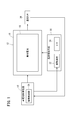
- FIG. 1 is a block diagram showing the configuration of the storage battery control device according to the present embodiment together with the storage battery.
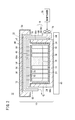
- FIG. 2 is a longitudinal sectional view showing the storage battery with a part thereof omitted.
- FIG. 3 is a circuit diagram showing a part of the assembled battery accommodated in the box.
- FIG. 4 is a block diagram showing a configuration of the storage battery control device (first control device) according to the first embodiment.
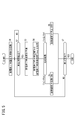
- FIG. 5 is a flowchart showing the processing operation of the first control device.
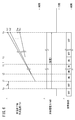
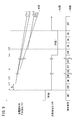
- FIG. 6 is a time chart showing the processing operation of the first control device.
- FIG. 7 is a block diagram illustrating a configuration of a storage battery control device (second control device) according to the second embodiment.
- FIG. 8 is a flowchart showing the processing operation of the second control device.
- FIG. 1 is a block diagram showing the configuration of the storage battery control device according to the present embodiment together with the storage battery.
- FIG. 2 is a longitudinal sectional view showing the storage battery with a part thereof
- FIG. 9 is a time chart showing the processing operation of the second control device.
- FIG. 10 is a block diagram illustrating a configuration of a storage battery control device (third control device) according to the third embodiment.
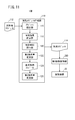
- FIG. 11 is a block diagram illustrating a configuration of a storage battery control device (fourth control device) according to the fourth embodiment.
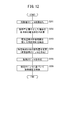
- FIG. 12 is a flowchart showing the processing operation of the fourth control apparatus.
- FIG. 13 is a time chart showing the processing operation of the fourth control apparatus.
- FIG. 14 is a block diagram illustrating a configuration of a storage battery control device (fifth control device) according to the fifth embodiment.
- FIG. 15 is a flowchart showing the processing operation of the fifth control apparatus.
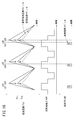
- FIG. 16 is a time chart showing the processing operation of the fifth control apparatus.
- the storage battery 12 controlled by the storage battery control device 10 includes a housing 18 containing a battery assembly 16 composed of a plurality of single cells 14 (see FIG. 3), and a temperature inside the housing 18.
- Temperature maintaining means 20 for maintaining a certain allowable range (operating temperature range).
- the heat radiating device 22 and the heater 24 are installed as the temperature maintaining means 20, the heater 24 may be omitted if the heat insulation effect of the casing 18 is high.
- a temperature sensor 26 for measuring the temperature inside the current casing 18 is installed.
- the storage battery control apparatus 10 has the heat dissipation control part 28 which controls the heat dissipation apparatus 22 so that the amount of heat dissipation may be increased ahead of the time when the temperature of the storage battery 12 becomes high due to the heat generated by charging and discharging of the storage battery 12.
- the storage battery 12 includes a base 40 made of, for example, a steel material, a box 42 placed and fixed on the base 40, and a large number of single cells housed in the box 42. 14 and a lid 44 that closes the opening of the box 42.
- the unit cell 14 has, for example, a cylindrical shape, and is accommodated in the box body 42 with the axial direction facing the vertical direction.
- the box 18 and the lid 44 constitute the casing 18 of the storage battery 12.
- heaters 24 used for raising the temperature in the box 42 are respectively installed on the bottom surface and the inner wall surface of the box 42. Further, silica sand 46 is filled in the gap between the box body 42 and the assembled battery 16 so that the heat of the heater 24 can be transmitted to the single battery 14 and the heat generated by the single battery 14 can be absorbed.
- the box 42 has, for example, a shape close to a rectangular parallelepiped, has four side walls and a bottom wall, and has an upper surface opening.
- the box 42 is made of a plate material made of stainless steel, for example, and is formed in a box shape having a hollow portion 48 itself.
- the hollow portion 48 is an airtightly sealed space, and has a structure in which the hollow portion 48 and the external space can communicate with each other by a vacuum valve (not shown).
- the hollow portion 48 is loaded with a porous vacuum heat insulating board 50 in which glass fibers are solidified with an adhesive into a plate shape, and the box 42 has a vacuum heat insulating structure.
- the lid body 44 includes a ceiling wall 52 and a wall 54 and is installed so as to close the upper surface opening of the box body 42.
- the lid body 44 is made of a plate material made of stainless steel, for example, and is formed in a box shape having a hollow portion 56 itself.
- the hollow portion 56 is a hermetically sealed space, and has a structure in which the hollow portion 56 and the external space can communicate with each other by a vacuum valve (not shown).
- the hollow portion 56 is loaded with a porous vacuum heat insulating board 58 in which glass fibers are solidified with an adhesive to form a lid body 44 with a vacuum heat insulating structure.
- the assembled battery 16 includes two or more blocks 64 connected in series from the positive electrode external terminal 60 toward the negative electrode external terminal 62.
- Each block 64 is configured by connecting in parallel two or more circuits (strings 66) in which two or more single cells 14 are connected in series.
- the positive external terminal 60 protrudes to the outside through the first side wall 68a of the box body 42, and the negative external terminal 62 is externally provided via the second side wall 68b of the box body 42 (side wall facing the first side wall 68a). Is protruding.
- the heat radiating device 22 is installed at least between the box body 42 and the lid body 44, and the metal duct 72 through which the fluid 70 circulates, and between the assembled battery 16 and the duct 72.
- a gas such as air, nitrogen gas, or helium gas can be used as the fluid 70 flowing through the duct 72.
- the duct 72 is installed on the downstream side of the fluid introduction part 78 made of metal into which the fluid 70 is introduced and between the lid body 44 and the box body 42, and at least the box body 42.
- the fluid introducing portion 78 is installed along the first side wall 68a of the box body 42 and between the flange 54 of the lid body 44 and the first side wall 68a of the box body 42.
- a cushioning material 84 heat insulating material
- the buffer material 84 preferably has a heat insulating function. In this embodiment, a heat insulating material is used.
- the fluid introduction part 78 communicates with the fluid supply part 86 to which the fluid 70 from the fan 76 installed outside is supplied, and the fluid supply part 86, and the fluid 70 supplied to the fluid supply part 86 is transferred to the heat transport part. And a fluid guiding portion 88 for guiding to 80.
- the fluid supply unit 86 has an air chamber 90.
- the duct of the air chamber 90 has a shape that gradually increases toward the fluid guide 88.
- the heat transport unit 80 is installed between the top wall 52 of the lid 44 and the box 42.
- the shape of the lower surface 80a of the heat transport section 80 is the same rectangular shape as the shape of the opening of the box body 42, and the size of the lower surface 80a is substantially the same as the size of the opening of the box body 42.
- a plurality of fins 92 extending toward the assembled battery 16 (or plate member 74) are provided on the lower surface 80a of the heat transport section 80 (the surface facing the assembled battery 16 (or plate member 74)).
- a plurality of support parts (not shown) for maintaining the shape of the pipe line 94 are installed in the pipe line 94 of the heat transport unit 80.
- a flat plate shape, a wave shape, or a piece-like member can be used as the support portion.
- the heat-dissipating part 82 is installed along the second side wall 68b of the box body 42 from between the second side wall 68b of the box body 42 and the flange 54 of the lid body 44, and in particular, on the second side wall 68b of the box body 42. Installed in contact.
- the heat dissipation control unit 28 of the storage battery control device 10 drives the fan 76, whereby the cooled fluid 70 accompanying the driving of the fan 76 is supplied to the duct 72.
- the heat in the box body 42 moves to the fluid 70 in the heat transport unit 80 and increases in temperature.
- the heated fluid 70 is discharged out of the box body 42 through the heat release portion 82. That is, the inside of the housing 18 is radiated.
- the inside of the housing 18 is forcibly cooled, and the inside of the housing 18 is efficiently cooled even if both the box body 42 and the lid body 44 have a high heat insulating structure.
- the temperature in the housing 18 can be maintained within an allowable range, and the assembled battery 16 in the box 42 can be operated in an optimum operating environment. It becomes.
- the storage battery control device (referred to as the first control device 10A) according to the first specific example includes a first heat dissipation control unit 28A as shown in FIG.
- the first heat release control unit 28A includes a discharge end temperature predicting unit 100 that predicts a discharge end temperature every unit time during the discharge of the storage battery 12, and a predicted discharge end temperature (discharge end predicted temperature Te).
- a discharge end temperature comparison unit 102 that compares a preset discharge end temperature Tte and a discharge end temperature comparison unit 102 to drive or stop the heat dissipation device 22 based on a comparison result of the discharge end temperature comparison unit 102 104A.
- step S1 the first heat release control unit 28A activates the discharge end time temperature prediction unit 100 at the start of discharge.
- step S2 the discharge end temperature prediction unit 100 waits for the elapse of unit time.
- the process proceeds to the next step S3, where the discharge end temperature prediction unit 100 predicts the discharge end temperature. This prediction is made based on the current temperature and the temperature change until the end of the discharge.
- the current temperature is obtained from the temperature sensor 26.
- the temperature change until the end of the discharge is obtained by dividing the heat balance between the heat generation amount and the heat release amount until the discharge end by the heat capacity of the battery assembly 16.
- the heat generation amount is obtained by multiplying the value obtained by adding the energization heat generation value (electric power conversion) by the heater 24 and the reaction heat generation value (electric power conversion) of the assembled battery 16 by the remaining time until the end of discharge. If the heater 24 is not installed, only the amount of heat generated by the reaction heat of the assembled battery 16 is obtained.
- the amount of heat dissipation is obtained by multiplying the heat dissipation value (electric power conversion) by the heat dissipation device 22 by the remaining time until the end of discharge. If the heat dissipation device 22 is not driven, the amount of heat dissipation is minimized.
- step S4 the discharge end temperature comparison unit 102 compares the predicted discharge end temperature (discharge end predicted temperature Te) with a preset discharge end temperature Tte.
- step S5 If the comparison result is Te> Tte, the process proceeds to step S5, and the first heat dissipation drive unit 104A drives (ON) the heat dissipation device 22.
- the comparison result is Te ⁇ Tte, the process proceeds to step S ⁇ b> 6, and the first heat dissipation drive unit 104 ⁇ / b> A stops (OFF) the heat dissipation device 22.
- step S7 the first heat radiation control unit 28A determines whether or not there is a termination request (power off, maintenance, etc.) to the first control device 10A. If there is no end request, the process returns to step S2, and the processes after step S2 are repeated.
- a termination request power off, maintenance, etc.
- step S7 If there is an end request in step S7 described above, the processing in the first control apparatus 10A ends. Thereafter, when the discharge is started again, the processing operation by the first control device 10A described above is repeated.
- the discharge end predicted temperature Te1 predicted by the discharge end temperature prediction unit 100 is higher than the discharge end target temperature Tte.
- the first heat dissipation drive unit 104A drives the heat dissipation device 22 (indicated as “ON” in FIG. 6).
- the discharge end predicted temperature Te2 is higher than the discharge end target temperature Tte at the time t2 when the unit time Ta elapses from the time t1
- the first heat dissipation drive unit 104A continuously drives the heat dissipation device 22. .
- the first heat dissipation drive unit 104A stops the heat dissipation device 22 (FIG. 6). In FIG. 2). Thereafter, if the discharge end predicted temperature Te is equal to or lower than the discharge end target temperature Tte every unit time Ta, the first heat dissipation drive unit 104A continuously stops the heat dissipation device 22.
- the first heat dissipation is performed in the same manner as the time t1 and the time t2 described above.
- the drive unit 104 ⁇ / b> A drives the heat dissipation device 22.
- the discharge end temperature is predicted every unit time Ta, and the predicted discharge end temperature (discharge end predicted temperature Te) is the discharge end target temperature Tte. If higher, the heat dissipation device 22 is driven. Therefore, it is possible to prevent the temperature in the housing 18 from exceeding the upper limit of the allowable range (> the target temperature Tte at the end of discharge) due to the reaction heat generated during the discharge, and the housing 18 is cooled more than necessary. This can also be avoided. As a result, the heating time by the heater 24 can be shortened or made zero. This leads to a reduction in power consumption when operating the storage battery 12, and can improve system efficiency.
- the first control device 10A When a power outage accident occurs in the power system, it is not known when the power outage will be resolved and restored, or during a power outage, so when a storage battery is used as a backup power source, when the discharge ends, during the discharge I do n’t know. In this way, when the temperature at the end of discharge cannot be predicted because it is not known in advance when the discharge ends, in the first control device 10A described above, the first heat release control unit 28A performs unit time during the discharge of the storage battery 12. Every time, the discharge end temperature when the discharge is continued with the discharge power at that time is predicted, and the heat radiating device 22 may be driven when the predicted discharge end temperature is higher than the preset discharge end target temperature. .
- the end of discharge is a state where the remaining capacity of the storage battery is exhausted. As described above, when it is not known in advance when the discharge ends, it is possible to reduce the possibility that the battery temperature reaches the allowable upper limit by predicting the end-of-discharge temperature.
- the end-of-discharge temperature when the discharge is continued with the average discharge power per unit time may be predicted.
- the temperature at the end of discharge which is the time when the discharge is performed for the longest time, is higher than the target temperature at the end of the discharge, Is less likely to reach the allowable temperature upper limit. Only when the temperature at the end of discharge is higher than the target temperature at the end of discharge, driving the heat dissipation device 22 can prevent the battery from being unnecessarily cooled.
- second control device 10B a storage battery control device (referred to as second control device 10B) according to a second embodiment will be described with reference to FIGS.
- the 2nd control apparatus 10B has the 2nd thermal radiation control part 28B, as shown in FIG.
- the second heat release control unit 28B includes a discharge start temperature prediction unit 106 that predicts a temperature at the start of the next discharge every unit time Ta during a period other than the discharge of the storage battery 12, and a predicted temperature (prediction of discharge start time). Temperature Ts) and a discharge start temperature comparison unit 108 that compares a preset discharge start time temperature Tts, and the heat discharge device 22 is driven or stopped based on the comparison result of the discharge start temperature comparison unit 108.
- 2 heat dissipation drive unit 104B is provided to drive a discharge start temperature prediction unit 106 that predicts a temperature at the start of the next discharge every unit time Ta during a period other than the discharge of the storage battery 12, and a predicted temperature (prediction of discharge start time).
- Temperature Ts and a discharge start temperature comparison unit 108 that compares a preset discharge start time temperature Tts, and the heat discharge device 22 is driven or stopped
- step S101 the second heat release control unit 28B activates the discharge start temperature prediction unit 106 at the time when the discharge is completed.
- step S102 the discharge start temperature prediction unit 106 acquires the current temperature (discharge end temperature) at the time when the discharge ends from the temperature sensor 26, and stores it as the previous current temperature.
- step S103 the discharge start temperature prediction unit 106 waits for the unit time to elapse.
- the process proceeds to the next step S104, where the current temperature is acquired and stored as the current current temperature.
- the temperature gradient is obtained by calculating ⁇ (current current temperature ⁇ previous current temperature) / unit time ⁇ .
- step S106 the discharge start temperature comparing unit 108 compares the discharge start predicted temperature Ts with a preset discharge start target temperature Tts.
- step S107 If the comparison result is Ts> Tts, the process proceeds to step S107, and the second heat dissipation drive unit 104B drives the heat dissipation device 22. On the other hand, if the comparison result is Ts ⁇ Tts, the process proceeds to step S108, and the second heat dissipation drive unit 104B stops the heat dissipation device 22.
- step S109 the discharge start temperature prediction unit 106 re-stores the stored current temperature as the previous current temperature.
- step S110 the 2nd heat dissipation control part 28B discriminate
- step S110 If there is an end request in step S110 described above, the processing in the second control apparatus 10B ends. Thereafter, the discharge is started again, and when the discharge ends, the processing operation by the second control device 10B described above is repeated.
- the discharge start predicted temperature Ts11 predicted by the discharge start temperature prediction unit 106 is higher than the discharge start target temperature Tts.
- the second heat dissipation drive unit 104B drives the heat dissipation device 22 (denoted as “ON” in FIG. 9).
- the discharge start predicted temperature Ts12 is higher than the discharge start target temperature Tts at the time t12 when the unit time Ta elapses from the time t11
- the second heat dissipation drive unit 104B continuously drives the heat dissipation device 22. .
- the second heat dissipation drive unit 104B stops the heat dissipation device 22 (indicated as “OFF” in FIG. 9). Thereafter, if the predicted discharge start temperature Ts is equal to or lower than the discharge start target temperature Tts every unit time Ta, the second heat dissipation drive unit 104B continues to stop the heat dissipation device 22.
- the second heat dissipation drive unit 104B drives the heat dissipation device 22 again.
- the second heat dissipation drive unit 104B drives the heat dissipation device 22 to be equal to or less than the discharge start target temperature Tts. If so, the second heat dissipation drive unit 104B stops the heat dissipation device 22.
- the temperature at the start of discharge rises every time it passes through the charge / discharge cycle, the temperature at the end of discharge also rises accordingly, and after several tens or hundreds of cycles, the temperature at the end of discharge reaches the upper limit temperature within the allowable range. It may exceed. In such a case, there is a possibility that the heat radiating device 22 needs to be constantly driven during discharge, resulting in high power consumption. Further, if the heat radiating device 22 is continuously driven in a period other than the discharge, the inside of the housing 18 is cooled more than necessary, causing the heater 24 to be heated for a long time, and the power consumption is increased.
- the next discharge start temperature is predicted for each unit time Ta, and the predicted discharge start temperature (discharge start prediction).
- the temperature Ts is higher than the discharge start target temperature Tts, the heat dissipation device 22 is driven. Therefore, it is avoided that the temperature at the start of discharge rises every time it goes through a charge / discharge cycle.
- the heating time by the heater 24 can be shortened or made zero. This leads to a reduction in power consumption when operating the storage battery 12, and can improve system efficiency.
- the storage battery control device (referred to as the third control device 10C) according to the third embodiment has a third heat dissipation control unit 28C as shown in FIG.
- the third heat radiation control unit 28C includes the first heat radiation control unit 28A and the second heat radiation control unit 28B described above. According to the third control device 10C, it is possible to have both the operational effects of the first control device 10A and the operational effects of the second control device 10B described above, reducing power consumption during discharge, and in periods other than the discharge. The power consumption can be reduced.
- each charge / discharge cycle can be performed within the optimum operating range. It becomes possible to drive. This is suitable for application to a system in which, for example, the time from the start of discharge of the storage battery 12 to the start of the next discharge is 24 hours, during which discharge is performed once and charging is performed only once. Of course, it is also optimal for short-time operation where the discharge time is within 4 hours, long-time operation where the discharge time is around 12 hours, and the like.
- a storage battery control device (referred to as a fourth control device 10D) according to the fourth embodiment differs from the above-described first control device 10A to third control device 10C as shown in FIG. It has a schedule creation unit 110 and a fourth heat release control unit 28D.
- the heat release schedule creation unit 110 creates a heat release schedule 114 that increases the amount of heat released prior to the time when the temperature of the storage battery 12 becomes higher due to heat generated by the charge and discharge of the storage battery 12 based on a preset charge / discharge schedule 112. .
- the fourth heat dissipation control unit 28D controls the heat dissipation device 22 (drive and stop) based on the created heat dissipation schedule 114.
- the charge / discharge schedule is a scheduled value of charge / discharge power at each time within the schedule period.
- the actual charge / discharge power may or may not match the charge / discharge power of the charge / discharge schedule.
- the charge / discharge schedule is set according to the predicted value of the generated power of the solar power generator. Accordingly, since the actual charge / discharge power of the storage battery 12 is increased / decreased, the actual charge / discharge power of the storage battery 12 is often close to the value of the charge / discharge schedule, but does not necessarily match.
- the heat release schedule creation unit 110 calculates the battery temperature at each time when the heat release amount is minimized based on the schedule read unit 116 that reads the preset charge / discharge schedule 112 from the memory and the charge / discharge schedule 112.
- a battery temperature calculation unit 118 that performs detection
- a specific time detection unit 120 that detects one or more times at which the calculated battery temperature exceeds the upper limit Tth of the allowable range (hereinafter referred to as a specific time), and is detected.
- the first heat radiation amount changing unit 122 that changes the heat radiation amount before the specific time to be larger than the minimum heat radiation amount and smaller than the maximum heat radiation amount until the battery temperature at the specific time falls below the upper limit of the allowable range.
- the first heat dissipation amount changing unit 122 allows the reference heat dissipation schedule 124 that can minimize the power consumption of the heat dissipation device 22 to maintain the temperature in the housing 18 within a certain allowable range during operation of the storage battery 12. Is created.
- the heat release schedule creation unit 110 sets the heat release amount for each time after the change as the heat release amount lower limit value, and sets the set heat release amount before each specific time as the heat release amount lower limit value or more.
- a heat dissipation amount changing unit 126 is included.
- the second heat radiation amount changing unit 126 creates a final heat radiation schedule 114.
- step S201 the schedule reading unit 116 reads a preset charge / discharge schedule 112 from, for example, a memory.
- step S202 the battery temperature calculation unit 118 calculates the battery temperature at each time when the heat radiation amount is minimized based on the charge / discharge schedule 112.
- the heat dissipation value (electric power conversion) can be 0.5 kW.
- the battery temperature can be obtained by the following arithmetic expression (1).
- the lower limit of the allowable range for example, 305 ° C.
- the battery temperature calculation unit 118 calculates the energization calorific value and the reaction calorific value at each time from the scheduled charge / discharge power values of the charge / discharge schedule 112 at each time, and calculates the sum of the energization calorific value and the reaction calorific value at each time.
- the value obtained by subtracting the minimum heat release amount is integrated from the beginning of the schedule period to time t.
- a value obtained by dividing the integrated value by the heat capacity (temperature rise value from the beginning of the schedule period) is added to the initial temperature (temperature at the beginning of the schedule period) to obtain the battery temperature at each time.
- Each time includes a time every time a predetermined time elapses from the start time.
- the predetermined time include 1 minute, 10 minutes, 15 minutes, 20 minutes, 30 minutes, 45 minutes, 1 hour, and the like.
- a short time of, for example, 1 minute or 10 minutes or less is set as the predetermined time.
- step S203 the specific time detection unit 120 detects one or more specific times at which the calculated battery temperature exceeds the upper limit Tth of the allowable range among the times. For example, in the example of FIG. 13, t22, t25, and t28 are detected as specific times.
- step S204 the first heat release amount changing unit 122 changes the heat release amount before the specific time to a value greater than the minimum heat release amount and less than or equal to the maximum heat release amount until the battery temperature at each time falls below the upper limit of the allowable range. To do.
- the maximum heat dissipation value is greater than or equal to the minimum heat dissipation value from the time t21, t24 and t27 immediately before the specific time t22, t25 and t28 to the corresponding specific time t22, t25 and t28, respectively.
- the battery temperature at each of the times t21 to t29 when the heat radiation is performed with the adjusted heat radiation value equal to or less than the heat radiation value is calculated.
- the battery temperature calculation method is performed using the above-described arithmetic expression (1) in the same manner as the battery temperature calculation unit 118.
- the heat dissipation amount is not the minimum heat dissipation amount in the case of the battery temperature calculation unit 118, but the adjusted heat dissipation value.
- the adjustment heat dissipation value is gradually increased from the minimum heat dissipation value.
- the adjusted heat release value is changed until the calculated battery temperature at each time falls below the upper limit of the allowable range. Then, when the battery temperature at each time becomes equal to or lower than the upper limit of the allowable range, each adjusted heat release value at that time is registered as the reference heat release schedule 124.
- the heat dissipation amount before each specific time is set to the heat dissipation amount by the corresponding adjusted heat dissipation value, and the heat dissipation amount before the time excluding the specific time among each time is set to the minimum heat dissipation amount
- a schedule 124 is created.
- the reference heat release schedule 124 is a schedule that can minimize the power consumption of the heat dissipation device 22 while the battery temperature is equal to or lower than the upper limit of the allowable range during operation of the storage battery 12. It has become.
- step S205 the second heat radiation amount changing unit 126 sets the heat radiation amount for each time of the reference heat radiation schedule 124 as the heat radiation amount lower limit value, and sets the set heat radiation amount at each time as the heat radiation amount lower limit value or more.
- the heat release schedule 114 is created.
- the second heat radiation amount changing unit 126 creates the heat radiation schedule 114 according to the following conditions, for example.
- A-1) The heat release schedule 114 is created so that the battery temperature at the start of discharge is not less than the lower limit of the allowable range and approaches the lower limit of the allowable range.
- A-2) The heat release schedule 114 is created according to the expected difference between the charge / discharge power of the charge / discharge schedule and the actual charge / discharge power.
- the heat release amount is set to be large so as to reduce the possibility that the battery temperature reaches the upper limit.
- step S206 the fourth heat radiation control unit 28D controls (drives and stops) the heat radiation device 22 based on the created heat radiation schedule 114.
- a reference heat dissipation schedule 124 that can minimize the power consumption of the heat dissipation device 22 in maintaining the temperature in the housing 18 within a certain allowable range during operation of the storage battery 12 is provided. I try to create it. Therefore, after that, even if the heat dissipation schedule 114 is changed in accordance with the environment in which the storage battery 12 is installed, the user's request, or the like, the power consumption of the heat dissipation device 22 can be reduced to the minimum. Moreover, it is possible to avoid cooling the inside of the housing 18 more than necessary while preventing the temperature in the housing 18 from exceeding the upper limit of the allowable range due to the reaction heat generated during discharge. As a result, power consumption when operating the storage battery 12 can be reduced, and system efficiency can be improved.
- the storage battery control device (referred to as the fifth control device 10E) according to the fifth embodiment includes a battery temperature schedule creation unit 130 and a fifth heat dissipation control unit 28E, as shown in FIG.
- Battery temperature schedule creation unit 130 creates a reference heat release schedule 124 that increases the amount of heat release at least prior to the time when the amount of heat generation increases, based on a preset charge / discharge schedule 112, as described above. Therefore, the battery temperature schedule creation unit 130 includes the above-described schedule reading unit 116, the battery temperature calculation unit 118, the specific time detection unit 120, and the first heat release amount change unit 122.
- the battery temperature schedule creation unit 130 recalculates the battery temperature at each time based on the changed heat release amount based on the created reference heat release schedule 124 to create the reference battery temperature schedule 132.
- a battery temperature changing unit 136 that sets the target battery temperature Tta (see FIG. 16) for each time to be equal to or lower than the recalculated battery temperature at the corresponding time.
- the battery temperature changing unit 136 creates a final battery temperature schedule 138.
- the fifth heat dissipation control unit 28E controls (drives and stops) the heat dissipation device 22 so that the battery temperature at each time approaches the target battery temperature Tta based on the created battery temperature schedule 138.
- a reference heat radiation schedule 124 is created in the same manner as steps S201 to S204 shown in FIG. 12 described above (see FIG. 16).
- step S305 the battery temperature recalculator 134 recalculates the battery temperature at each time based on the changed heat dissipation amount based on the created reference heat dissipation schedule 124. This calculation is performed based on the above-described arithmetic expression (1). Thereby, the reference battery temperature schedule 132 is created.
- the reference battery temperature schedule 132 is a schedule that can minimize the power consumption of the heat dissipation device 22 in order to maintain the temperature in the housing 18 within a certain allowable range during operation of the storage battery 12.
- step S306 the battery temperature changing unit 136 creates a battery temperature schedule 138 in which the target battery temperature Tta for each time is equal to or less than the battery temperature (recalculated battery temperature) at the corresponding time.
- the battery temperature changing unit 136 creates the battery temperature schedule 138 according to the following conditions, for example.
- the battery temperature schedule 138 is created so that the battery temperature at the start of discharge is not less than the lower limit of the allowable range and approaches the lower limit of the allowable range.
- B-2 A battery temperature schedule 138 is created according to the expected difference between the charge / discharge power of the charge / discharge schedule and the actual charge / discharge power.
- the heat release amount is set to be large so as to reduce the possibility that the battery temperature reaches the upper limit.
- step S307 the fifth heat radiation control unit 28E makes the battery temperature at each time, that is, the battery temperature measured by the temperature sensor 26, approach the target battery temperature Tta based on the created battery temperature schedule 138.
- the heat dissipation device 22 is controlled (driven and stopped).
- a control method in the first heat radiation control unit 28A of the first control device 10A or the second heat radiation control unit 28B of the second control device 10B may be adopted.
- the reference battery temperature schedule 132 that can minimize the power consumption of the heat dissipation device 22 in maintaining the temperature in the housing 18 within a certain allowable range during operation of the storage battery 12. Like to create. Therefore, after that, even if the battery temperature schedule 138 is changed according to the environment where the storage battery 12 is installed, the request from the user, or the like, the power consumption of the heat radiating device 22 can be reduced to the minimum. Moreover, it is possible to avoid cooling the inside of the housing 18 more than necessary while preventing the temperature in the housing 18 from exceeding the upper limit Tth of the allowable range due to the reaction heat generated during discharge. As a result, power consumption when operating the storage battery 12 can be reduced, and system efficiency can be improved.
- the fourth heat dissipation control unit 28D and the fifth heat dissipation control unit 28E may be controlled based on the charge / discharge schedule 112 so that the battery temperature at the start of discharge is equal to or higher than the lower limit of the allowable range and approaches the lower limit of the allowable range. In this case, you may employ
- the heat release schedule 114 is set in the second heat release change unit 126
- the battery temperature schedule 138 is set in the battery temperature change unit 136
- the battery temperature at the start of discharge is equal to or higher than the lower limit of the allowable range. You may change so that the lower limit of a range may be approached.
- the battery temperature at the start of discharge closer to the lower limit of the allowable range, compared to the case where the battery temperature becomes the lower limit of the allowable range before the start of discharge, the power for cooling before starting the discharge and the maintenance of the battery temperature are maintained.
- the power of can be reduced.
- the possibility that the battery temperature reaches the upper limit of the allowable range can be reduced.
- the actual battery temperature is a temperature close to the target battery temperature Tta. Therefore, it is most preferable. Even if the actual charging / discharging power does not coincide with the charging / discharging power of the charging / discharging schedule 112, it is preferable that the actual battery temperature is close to the target battery temperature Tta if it is a close value.
- the actual charge / discharge power when the actual charge / discharge power is largely different from the charge / discharge power of the charge / discharge schedule 112 at some times, or at most times, the actual charge / discharge power is When there is a relatively small difference in the charge / discharge power of the charge / discharge schedule 112, there is a difference between the calculated values of the actual energization calorific value and reaction calorific value and the energization calorific value and reaction calorific value when the battery temperature schedule 138 is created Even if it occurs, since the cooling device is controlled so that the actual battery temperature approaches the target battery temperature Tta, the possibility that the battery is excessively cooled or the battery temperature reaches the upper limit of the allowable range may be reduced. it can.
- both the box and the lid have a vacuum heat insulation structure, but both the box and the lid may have an air insulation structure.
- the lid may be an air insulating structure
- the box may be a vacuum heat insulating structure
- the lid may be a vacuum heat insulating structure
- the box may be an air heat insulating structure.
Landscapes
- Engineering & Computer Science (AREA)
- Manufacturing & Machinery (AREA)
- Chemical & Material Sciences (AREA)
- Chemical Kinetics & Catalysis (AREA)
- Electrochemistry (AREA)
- General Chemical & Material Sciences (AREA)
- Secondary Cells (AREA)
- Automation & Control Theory (AREA)
Abstract
本発明は蓄電池制御装置に関する。蓄電池制御装置(10A)は、放熱制御部(28A)を有する。放熱制御部(28A)は、蓄電池(12)の放電中に、単位時間毎に放電終了時温度を予測する放電終了時温度予測部(100)と、予測した放電終了時温度(放電終了時予測温度(Te))と予め設定された放電終了時目標温度(Tte)とを比較する放電終了時温度比較部(102)と、放電終了時温度比較部(102)での比較結果に基づいて放熱装置(22)を駆動あるいは停止する放熱駆動部(104A)とを有する。
Description
本発明は、蓄電池制御装置に関し、例えば高温動作型の蓄電池に適用して好適な蓄電池制御装置に関する。
一般に、電力系統の周波数調整、電力系統の需用電力と供給電力の調整は、系統内の複数の発電機や蓄電池等により実施される。また、自然エネルギー発電装置からの発電電力と計画出力電力との差の調整や、自然エネルギー発電装置からの発電電力の変動緩和も、複数の発電機や蓄電池等により実施される場合が多い。蓄電池は、一般的な発電機に比べて、高速に出力電力を変更することができ、電力系統の周波数調整、自然エネルギー発電装置からの発電電力と計画出力電力との差の調整、電力系統の需用電力と供給電力の調整に有効である。さらに、蓄電池は、電力系統で停電事故が発生した時に、電力系統に代わって電力負荷に電力を供給するバックアップ電源としても有効である。
このような蓄電池として、高温動作型の蓄電池、例えばナトリウム-硫黄電池(以下、NaS電池と記す)が有効である。NaS電池は、活物質である金属ナトリウム及び硫黄が固体電解質管により隔離収納された構造の二次電池である。そのため、NaS電池は、高温に加熱されると、溶融された両活物質の電気化学反応により、所定のエネルギーが発生する。そして、通常、NaS電池は、複数の単電池を立設集合し、相互に接続した蓄電池の形で用いられている(国際公開2013/111426号参照)。
しかし、NaS電池等の高温動作型の蓄電池は、国際公開2013/111426号にも記載されているように、蓄電池の筐体内の温度が上昇しすぎることは望ましくないため、筐体の蓋体に冷却構造を設置するようにしている。この冷却構造は、吸気口、空気室及び排気口を有する。
国際公開2013/111426号記載の冷却に関する運転方法は、蓄電池の筐体内の冷却の要否を判定し、筐体内の冷却が必要であると判定した場合に、空気流を生成して冷却構造に供給するようにしている。具体的には、筐体内に設置された温度センサにより計測された温度が基準以上である場合に、筐体内の冷却が必要であると判定している。すなわち、筐体内の温度が基準温度A以上である場合に、冷却が必要であると判定し、基準温度B以下である場合に冷却が不要であると判定することになる。
このような場合、基準温度A及びBを低めに設定すると、必要以上に筐体内を冷却することになり、冷却のための電力を無駄に消費するおそれがある。また、高温動作型の電池の場合、必要以上に冷却することによって、電池温度を維持するための加熱手段の消費電力が多くなるという問題があった。
一方、基準温度A及びBを高めに設定した場合、筐体内の温度が許容範囲の上限に達してしまう頻度が多くなるという問題がある。
本発明はこのような課題を考慮してなされたものであり、蓄電池の筐体内を必要以上に冷却することによって、冷却のための電力や加熱手段の消費電力を無駄に消費する頻度を少なくすると共に、筐体内の温度が許容温度の上限に達してしまう頻度を少なくすることができる蓄電池制御装置を提供することを目的とする。
[1] 本発明に係る蓄電池制御装置は、複数の単電池で構成された集合電池を内蔵した筐体と、前記筐体内の温度を一定の温度範囲に維持するための、少なくとも放熱装置と、を有する蓄電池を制御する蓄電池制御装置であって、前記放熱装置を制御する放熱制御部を有し、前記放熱制御部は、将来到来する時期での前記蓄電池の予想温度が予め設定された規定温度よりも高い場合に、前記時期に先駆けて前記放熱装置を制御して放熱量を多くすることを特徴とする。
これにより、将来到来する時期での前記蓄電池の予想温度が予め設定された規定温度よりも高い場合に、将来到来する前記時期に先駆けて放熱量を多くするため、前記時期での蓄電池の予想温度を規定温度に近づけることができ、蓄電池の筐体内を必要以上に冷却することを回避することができる。その結果、冷却のための電力や加熱手段の消費電力を無駄に消費する頻度を少なくすると共に、筐体内の温度が許容温度の上限に達してしまう頻度を少なくすることができる。
[2] 本発明において、前記放熱制御部は、前記蓄電池の放電中に、単位時間毎に放電終了時温度を予測し、予測した前記放電終了時温度が予め設定された放電終了時目標温度よりも高い場合に、前記放熱装置を駆動してもよい。すなわち、前記放電終了時が将来到来する前記時期に対応し、前記放電終了時目標温度が前記規定温度に対応する。
これにより、放電中の反応発熱によって筐体内の温度が許容範囲の上限(>放電終了時目標温度)を超えることを防止することができ、しかも、筐体内を必要以上に冷却することも回避することができる。その結果、ヒータによる加熱時間を短縮あるいはゼロにすることが可能となる。これは、蓄電池を運転する際の消費電力の低減につながり、システム効率の向上を図ることができる。
[3] 本発明において、前記放熱制御部は、前記蓄電池の放電中に、単位時間毎に、その時の放電電力で放電を続けた場合の放電末温度を予測し、予測した前記放電末温度が予め設定された目標温度よりも高い場合に、前記放熱装置を駆動してもよい。
放電電力が一定ではなく、時刻と共に変化している場合は、単位時間の平均放電電力で放電を続けた場合の放電末温度を予測するとよい。放電中の放電電力で放電した場合に、最も長時間放電した場合の時刻である、放電末時刻での温度が放電末目標温度よりも高い場合に、放熱装置を駆動することにより、電池温度が許容温度上限に至ってしまう可能性を少なくすることができる。放電末時の温度が放電末目標温度よりも高い場合にのみ、放熱装置を駆動することにより、電池を不必要に冷却することを防ぐことができる。
[4] 本発明において、前記蓄電池の放電以外の期間に、単位時間毎に次の放電開始時の温度を予測し、予測した前記温度が予め設定された目標温度よりも高い場合に、前記放熱装置を駆動してもよい。すなわち、前記次の放電開始時が将来到来する前記時期に対応し、前記目標温度が前記規定温度に対応する。
放電開始時の温度が目標温度よりも高い場合、筐体内の温度が許容温度の上限に達する頻度が多くなる。そこで、予測した前記温度が予め設定された目標温度よりも高い場合に、放熱装置を駆動することで、放電開始時の温度を目標温度に近づけることができ、筐体内の温度が許容温度の上限に達しにくくすることができる。
また、放電開始時温度が充放電サイクルを経る毎に上昇していくと、放電終了時温度もそれに応じて上昇し、数10サイクルあるいは数100サイクル後に放電終了時温度が許容範囲の上限温度を超えてしまう場合がある。このような場合、放電中、放熱装置を常時駆動する必要が出てくるおそれがあり、消費電力が高くなる。また、放電以外の期間において、放熱装置を駆動し続けると、筐体内を必要以上に冷却することにもつながり、ヒータによる長時間加熱を引き起こし、消費電力が高くなる。
これに対して、本発明は、蓄電池の放電以外の期間中に、単位時間毎に次の放電開始時温度を予測し、予測した放電開始時温度(放電開始時予測温度)が放電開始時目標温度よりも高い場合に、放熱装置を駆動するようにしている。そのため、放電開始時温度が充放電サイクルを経る毎に上昇することが回避される。しかも、ヒータによる加熱時間を短縮あるいはゼロにすることが可能となる。これは、蓄電池を運転する際の消費電力の低減につながり、システム効率の向上を図ることができる。
[5] 本発明において、予め設定された充放電スケジュールに基づいて、前記蓄電池の充放電に伴う発熱により前記蓄電池の温度が高くなる時期に先駆けて放熱量を多くするスケジュールを作成するスケジュール作成部を有し、前記放熱制御部は、作成された前記スケジュールに基づいて前記放熱装置を制御してもよい。
これにより、充放電スケジュールが変更になったとしても、放熱装置の消費電力を最小に近づけることができる。しかも、放電中の反応発熱によって筐体内の温度が許容範囲の上限を超えることを防止しながらも、筐体内を必要以上に冷却することも回避することができる。その結果、蓄電池を運転する際の消費電力の低減につながり、システム効率の向上を図ることができる。
[6] この場合、前記スケジュール作成部は、前記充放電スケジュールに基づいて、放熱量を最小とした場合の各時刻の電池温度を計算し、前記各時刻のうち、計算した電池温度が許容範囲の上限を超える1以上の特定時刻がある場合、前記特定時刻の電池温度が許容範囲の上限以下となるまで、特定時刻以前の放熱量を、最小放熱量よりも大きく最大放熱量以下の値に変更し、変更後の特定時刻に対する放熱量を放熱量下限値とし、特定時刻以前の設定放熱量を放熱量下限値以上とした放熱スケジュールを作成し、前記放熱制御部は、作成された前記放熱スケジュールに基づいて前記放熱装置を制御するようにしてもよい。
[7] あるいは、前記筐体内の電池温度を計測する温度センサを有し、前記スケジュール作成部は、前記充放電スケジュールに基づいて、放熱量を最小とした場合の各時刻の電池温度を計算し、前記各時刻のうち、計算した電池温度が許容範囲の上限を超える1以上の特定時刻がある場合、前記特定時刻の電池温度が許容範囲の上限以下となるまで、前記特定時刻以前の放熱量を、最小放熱量よりも大きく最大放熱量以下の値に変更し、変更後の放熱量に基づく各前記時刻の電池温度を再計算し、各前記時刻に対する目標電池温度が、再計算された前記電池温度以下とした電池温度スケジュールを作成し、前記放熱制御部は、前記温度センサからの各前記時刻の電池温度が、作成された前記電池温度スケジュールの各前記時刻に対応する前記目標電池温度に近づくように前記放熱装置を制御してもよい。
[8] [6]又は[7]において、前記蓄電池が、放電時の発熱量が充電時の発熱量より多い蓄電池であって、前記放熱制御部は、前記充放電スケジュールに基づいて、放電開始時の電池温度が、許容範囲下限以上で、且つ、許容範囲下限に近づくように、前記放熱装置を制御してもよい。
これにより、放電開始時の電池温度を許容範囲下限に近づけることで、放電開始前に電池温度が許容範囲下限になる場合に比べて、放電開始前の冷却のための電力及び電池温度維持のための電力を少なくすることができる。また、放電開始時の電池温度が許容範囲下限であるために、電池温度が許容範囲上限に到達する可能性を少なくすることができる。
本発明に係る蓄電池制御装置によれば、蓄電池の筐体内を必要以上に冷却することによって、冷却のための電力や加熱手段の消費電力を無駄に消費する頻度を少なくすると共に、筐体内の温度が許容温度の上限に達してしまう頻度を少なくすることができる。
以下、本発明に係る蓄電池制御装置の実施の形態例を図1~図16を参照しながら説明する。
本実施の形態に係る蓄電池制御装置10によって制御される蓄電池12は、複数の単電池14(図3参照)で構成された集合電池16を内蔵した筐体18と、筐体18内の温度を一定の許容範囲(動作温度範囲)に維持するための温度維持手段20とを有する。温度維持手段20として、放熱装置22とヒータ24とが設置されるが、筐体18の断熱効果が高ければ、ヒータ24を省略してもよい。さらに、現状の筐体18内の温度を計測するための温度センサ26が設置される。
そして、蓄電池制御装置10は、蓄電池12の充放電に伴う発熱により蓄電池12の温度が高くなる時期に先駆けて放熱量を多くするように放熱装置22を制御する放熱制御部28を有する。
ここで、放熱装置22を具備した蓄電池12の1つの具体例について図2及び図3を参照しながら説明する。
蓄電池12は、図2に示すように、例えば鋼材で構成された基台40と、該基台40上に載置固定された箱体42と、箱体42内に収容された多数の単電池14からなる集合電池16と、箱体42の開口を閉塞する蓋体44とを有する。単電池14は例えば円筒状を有し、軸方向が鉛直方向に向けて箱体42内に収容されている。箱体42と蓋体44にて蓄電池12の筐体18が構成される。
また、箱体42の底面及び内壁面には、箱体42内の温度を上昇させる際に使用されるヒータ24がそれぞれ設置されている。さらに、ヒータ24の熱を単電池14に伝えると共に、単電池14の発熱を吸収できるように、珪砂46が箱体42と集合電池16との間隙に充填されている。
箱体42は、例えば直方体に近い形状を有し、4つの側壁及び底壁を備え、上面開口とされている。箱体42は、例えばステンレスからなる板材によって構成し、それ自体が中空部48を有する箱状に形成されている。中空部48は、気密的に封止された密閉空間であり、図示されない真空バルブによって、中空部48と外部空間とが連通し得る構造となっている。中空部48には、ガラス繊維を接着剤で板状に固化させた多孔質の真空断熱ボード50を装填して、箱体42を真空断熱構造としている。
蓋体44は、天壁52及び庇54を備え、箱体42の上面開口を閉塞するように設置される。蓋体44も上述した箱体42と同様に、例えばステンレスからなる板材によって構成し、それ自体が中空部56を有する箱状に形成されている。中空部56は、気密的に封止された密閉空間であり、図示されない真空バルブによって、中空部56と外部空間とが連通し得る構造となっている。中空部56には、ガラス繊維を接着剤で板状に固化させた多孔質の真空断熱ボード58を装填して、蓋体44を真空断熱構造としている。
一方、集合電池16は、図3に示すように、正極外部端子60から負極外部端子62に向かって2以上のブロック64が直列接続されて構成されている。各ブロック64は、2以上の単電池14が直列接続した2以上の回路(ストリング66)が並列に接続されて構成されている。正極外部端子60は、箱体42の第1側壁68aを介して外部に突出され、負極外部端子62は、箱体42の第2側壁68b(第1側壁68aと対向する側壁)を介して外部に突出されている。
そして、放熱装置22は、図2に示すように、少なくとも箱体42と蓋体44との間に設置され、内部を流体70が流通する金属製のダクト72と、集合電池16とダクト72間に設置され、少なくとも電気絶縁性を有する板部材74と、箱体42の外部に設置され、ダクト72に流体70を流すファン76とを有する。なお、本実施の形態では、ダクト72を流通する流体70として、空気、窒素ガス、ヘリウムガス等の気体を使用することができる。
ダクト72は、流体70が導入される金属製の流体導入部78と、流体導入部78の下流側であって、且つ、蓋体44と箱体42との間に設置され、少なくとも箱体42内に発生した熱を流体70と共に輸送する金属製の熱輸送部80と、熱輸送部80の下流側に設けられ、熱を流体70と共に外方に放出する金属製の熱放出部82とを有する。
流体導入部78は、箱体42の第1側壁68aに沿い、且つ、蓋体44の庇54と箱体42の第1側壁68aとの間に向けて設置されている。特に、流体導入部78と箱体42の第1側壁68aとの間に緩衝材84(断熱材)が介在されて、流体導入部78は、箱体42の第1側壁68aと離間して設置されている。緩衝材84としては断熱機能を有することが好ましい。本実施の形態では断熱材を用いた。
この流体導入部78は、外部に設置されたファン76からの流体70が供給される流体供給部86と、流体供給部86と連通し、流体供給部86に供給された流体70を熱輸送部80に案内する流体案内部88とを有する。流体供給部86は、エアーチャンバ90を有する。エアーチャンバ90の管路は、流体案内部88に向かって徐々に大きくなる形状を有する。
一方、熱輸送部80は、蓋体44の天壁52と箱体42との間に設置されている。熱輸送部80の下面80aの形状は、箱体42の開口の形状と同じ長方形状であって、該下面80aのサイズは、箱体42の開口のサイズとほぼ同じである。また、熱輸送部80の下面80a(集合電池16(あるいは板部材74)と対向する面)には、集合電池16(あるいは板部材74)に向かって延びる複数のフィン92が設けられている。
熱輸送部80の管路94内には、管路94の形状を維持するための複数の支持部(図示せず)が設置されている。支持部としては、平板形状、波形状、片状の部材を用いることができる。
熱放出部82は、箱体42の第2側壁68bと蓋体44の庇54との間から箱体42の第2側壁68bに沿って設置され、特に、箱体42の第2側壁68bに接触して設置されている。
そして、後述するように、蓄電池制御装置10の放熱制御部28がファン76を駆動し、これにより、ファン76の駆動に伴う冷えた流体70がダクト72に供給される。ダクト72内に流体70が供給されることで、箱体42内の熱が熱輸送部80で流体70に移動し高温化する。高温化した流体70は熱放出部82を通じて箱体42外に放出される。すなわち、筐体18内が放熱される。これによって、筐体18内が強制冷却され、箱体42及び蓋体44が共に断熱性が高い構造であっても、筐体18内が効率よく冷却される。その結果、放電出力が高い、あるいは時間が長くても、筐体18内の温度を許容範囲に維持させることができ、箱体42内の集合電池16を最適な動作環境で運転することが可能となる。
次に、蓄電池制御装置10のいくつかの具体例について、図4~図16を参照しながら説明する。
第1の具体例に係る蓄電池制御装置(第1制御装置10Aと記す)は、図4に示すように、第1放熱制御部28Aを有する。この第1放熱制御部28Aは、蓄電池12の放電中に、単位時間毎に放電終了時温度を予測する放電終了時温度予測部100と、予測した放電終了時温度(放電終了時予測温度Te)と予め設定された放電終了時目標温度Tteとを比較する放電終了時温度比較部102と、放電終了時温度比較部102での比較結果に基づいて放熱装置22を駆動あるいは停止する第1放熱駆動部104Aとを有する。
第1制御装置10Aでの処理動作を図5のフローチャートを参照しながら説明する。
先ず、ステップS1において、第1放熱制御部28Aは、放電開始時点で放電終了時温度予測部100を起動する。
ステップS2において、放電終了時温度予測部100は、単位時間の経過を待つ。単位時間が経過した段階で次のステップS3に進み、放電終了時温度予測部100は、放電終了時温度を予測する。この予測は、現状の温度と放電終了時までの温度変化とに基づいて行われる。
現状の温度は、温度センサ26から得られる。放電終了時までの温度変化は、放電終了時までの発熱量と放熱量との熱収支を、集合電池16の熱容量で除算することによって得られる。
発熱量は、ヒータ24による通電発熱値(電力換算)と集合電池16の反応発熱値(電力換算)とを加算した値に、放電終了時までの残時間を乗算することによって得られる。ヒータ24が設置されていなければ、集合電池16の反応発熱による発熱量のみとなる。放熱量は、放熱装置22による放熱値(電力換算)に、放電終了時までの残時間を乗算することによって得られる。放熱装置22が駆動していなければ、放熱量は最小になる。
ステップS4において、放電終了時温度比較部102は、予測した放電終了時温度(放電終了時予測温度Te)と予め設定された放電終了時目標温度Tteとを比較する。
比較結果がTe>Tteであれば、ステップS5に進み、第1放熱駆動部104Aは、放熱装置22を駆動(ON)する。一方、比較結果がTe≦Tteであれば、ステップS6に進み、第1放熱駆動部104Aは、放熱装置22を停止(OFF)する。
そして、ステップS7において、第1放熱制御部28Aは、第1制御装置10Aに対する終了要求(電源断、メンテナンス等)があるか否かを判別する。終了要求がなければステップS2に戻り、該ステップS2以降の処理を繰り返す。
上述のステップS7において、終了要求があれば、この第1制御装置10Aでの処理が終了する。その後、放電が再び開始されれば、上述した第1制御装置10Aによる処理動作が繰り返される。
ここで、第1制御装置10Aでの処理動作の一例を図6のタイムチャートを参照しながら説明する。
例えば図6の時点t1、すなわち、放電開始時点tsから単位時間Taの経過時点t1において、放電終了時温度予測部100が予測した放電終了時予測温度Te1が放電終了時目標温度Tteよりも高かった場合、第1放熱駆動部104Aは放熱装置22を駆動(図6において「ON」と表記)する。同様に、時点t1から単位時間Taの経過時点t2において、放電終了時予測温度Te2が放電終了時目標温度Tteよりも高かった場合、第1放熱駆動部104Aは放熱装置22を継続して駆動する。その後、時点tj-1から単位時間Taの経過時点tjにおいて、放電終了時予測温度Tejが放電終了時目標温度Tte以下となった場合、第1放熱駆動部104Aは放熱装置22を停止(図6において「OFF」と表記)する。その後、単位時間Ta毎に、放電終了時予測温度Teが放電終了時目標温度Tte以下であれば、第1放熱駆動部104Aは放熱装置22を継続して停止する。もちろん、時点tjから放電終了時点teまでの間に、再び放電終了時予測温度Teが放電終了時目標温度Tteよりも高くなった場合は、上述した時点t1や時点t2と同様に、第1放熱駆動部104Aは放熱装置22を駆動する。
この第1制御装置10Aにおいては、蓄電池12の放電中に、単位時間Ta毎に放電終了時温度を予測し、予測した放電終了時温度(放電終了時予測温度Te)が放電終了時目標温度Tteよりも高い場合に、放熱装置22を駆動するようにしている。そのため、放電中の反応発熱によって筐体18内の温度が許容範囲の上限(>放電終了時目標温度Tte)を超えることを防止することができ、しかも、筐体18内を必要以上に冷却することも回避することができる。その結果、ヒータ24による加熱時間を短縮あるいはゼロにすることが可能となる。これは、蓄電池12を運転する際の消費電力の低減につながり、システム効率の向上を図ることができる。
電力系統で停電事故が発生した場合は、いつ停電事故が解消して復電するか、停電中には分からないため、バックアップ電源として蓄電池が使われる場合は、いつ放電終了するのか、放電中には分からない。このようにいつ放電終了するか予め分からないために、放電終了時温度を予測できない場合は、上述の第1制御装置10Aにおいて、第1放熱制御部28Aは、蓄電池12の放電中に、単位時間毎に、その時の放電電力で放電を続けた場合の放電末温度を予測し、予測した放電末温度が予め設定された放電末目標温度よりも高い場合に、放熱装置22を駆動してもよい。放電末とは、蓄電池の残存容量がなくなった状態である。このように、いつ放電終了するか予め分かっていない場合は、放電末温度を予測することにより、電池温度が許容温度上限に至ってしまう可能性を少なくすることができる。
放電電力が一定ではなく、時刻と共に変化している場合は、単位時間の平均放電電力で放電を続けた場合の放電末温度を予測するとよい。放電中の放電電力で放電した場合に、最も長時間放電した場合の時刻である、放電末時刻での温度が放電末目標温度よりも高い場合に、放熱装置22を駆動することにより、電池温度が許容温度上限に至ってしまう可能性を少なくすることができる。放電末時の温度が放電末目標温度よりも高い場合にのみ、放熱装置22を駆動することにより、電池を不必要に冷却することを防ぐことができる。
次に、第2の実施の形態に係る蓄電池制御装置(第2制御装置10Bと記す)について図7~図9を参照しながら説明する。
第2制御装置10Bは、図7に示すように、第2放熱制御部28Bを有する。この第2放熱制御部28Bは、蓄電池12の放電以外の期間に、単位時間Ta毎に次の放電開始時の温度を予測する放電開始時温度予測部106と、予測した温度(放電開始時予測温度Ts)と予め設定された放電開始時目標温度Ttsとを比較する放電開始時温度比較部108と、放電開始時温度比較部108での比較結果に基づいて放熱装置22を駆動あるいは停止する第2放熱駆動部104Bとを有する。
第2制御装置10Bでの処理動作を図8のフローチャートを参照しながら説明する。
先ず、ステップS101において、第2放熱制御部28Bは、放電が終了した時点で放電開始時温度予測部106を起動する。
ステップS102において、放電開始時温度予測部106は、放電が終了した時点での現状の温度(放電終了時温度)を温度センサ26から取得し、前回の現状温度として記憶する。
ステップS103において、放電開始時温度予測部106は、単位時間の経過を待つ。単位時間が経過した段階で次のステップS104に進み、現状の温度を取得し、今回の現状温度として記憶する。
ステップS105において、放電開始時温度予測部106は、次の放電開始時の温度を予測して放電開始時予測温度とする。この予測は、例えば下記演算式に基づいて求めることができる。
放電開始時測温度
=今回の現状温度+降温傾き×次の放電開始までの残時間
放電開始時測温度
=今回の現状温度+降温傾き×次の放電開始までの残時間
降温傾きは、{(今回の現状温度-前回の現状温度)/単位時間}を計算することで得られる。
上述の演算は、あくまでも一例であり、その他の演算式を用いてもよいことは勿論である。
ステップS106において、放電開始時温度比較部108は、放電開始時予測温度Tsと予め設定された放電開始時目標温度Ttsとを比較する。
比較結果がTs>Ttsであれば、ステップS107に進み、第2放熱駆動部104Bは、放熱装置22を駆動する。一方、比較結果がTs≦Ttsであれば、ステップS108に進み、第2放熱駆動部104Bは、放熱装置22を停止する。
ステップS109において、放電開始時温度予測部106は、記憶されていた現状温度を前回の現状温度として記憶し直す。
そして、ステップS110において、第2放熱制御部28Bは、第2制御装置10Bに対する終了要求(電源断、メンテナンス等)があるか否かを判別する。終了要求がなければステップS103に戻り、該ステップS103以降の処理を繰り返す。
上述のステップS110において、終了要求があれば、この第2制御装置10Bでの処理が終了する。その後、放電が再び開始され、放電が終了すれば、上述した第2制御装置10Bによる処理動作が繰り返される。
ここで、第2制御装置10Bでの処理動作の一例を図9のタイムチャートを参照しながら説明する。
例えば図9の時点t11、すなわち、放電終了時点teから単位時間Taの経過時点t11において、放電開始時温度予測部106が予測した放電開始時予測温度Ts11が放電開始時目標温度Ttsよりも高かった場合、第2放熱駆動部104Bは放熱装置22を駆動(図9において「ON」と表記)する。同様に、時点t11から単位時間Taの経過時点t12において、放電開始時予測温度Ts12が放電開始時目標温度Ttsよりも高かった場合、第2放熱駆動部104Bは放熱装置22を継続して駆動する。その後、時点tkにおいて、放電開始時予測温度Tskが放電開始時目標温度Tts以下となった場合、第2放熱駆動部104Bは放熱装置22を停止(図9において「OFF」と表記)する。その後、単位時間Ta毎に、放電開始時予測温度Tsが放電開始時目標温度Tts以下であれば、第2放熱駆動部104Bは放熱装置22を継続して停止する。
その後、例えば充電開始時点tssから単位時間Taの経過時点t13において、放電開始時予測温度Ts13が放電開始時目標温度Ttsよりも高かった場合、第2放熱駆動部104Bは再び放熱装置22を駆動する。
このようにして、単位時間Ta毎に、放電開始時予測温度Tsが放電開始時目標温度Ttsよりも高ければ、第2放熱駆動部104Bは放熱装置22を駆動し、放電開始時目標温度Tts以下であれば、第2放熱駆動部104Bは放熱装置22を停止する。
通常、放電開始時温度が充放電サイクルを経る毎に上昇していくと、放電終了時温度もそれに応じて上昇し、数10サイクルあるいは数100サイクル後に放電終了時温度が許容範囲の上限温度を超えてしまう場合がある。このような場合、放電中、放熱装置22を常時駆動する必要が出てくるおそれがあり、消費電力が高くなる。また、放電以外の期間において、放熱装置22を駆動し続けると、筐体18内を必要以上に冷却することにもつながり、ヒータ24による長時間加熱を引き起こし、消費電力が高くなる。
これに対して、この第2制御装置10Bにおいては、蓄電池12の放電以外の期間中に、単位時間Ta毎に次の放電開始時温度を予測し、予測した放電開始時温度(放電開始時予測温度Ts)が放電開始時目標温度Ttsよりも高い場合に、放熱装置22を駆動するようにしている。そのため、放電開始時温度が充放電サイクルを経る毎に上昇することが回避される。しかも、ヒータ24による加熱時間を短縮あるいはゼロにすることが可能となる。これは、蓄電池12を運転する際の消費電力の低減につながり、システム効率の向上を図ることができる。
次に、第3の実施の形態に係る蓄電池制御装置(第3制御装置10Cと記す)は、図10に示すように、第3放熱制御部28Cを有する。この第3放熱制御部28Cは、上述した第1放熱制御部28Aと第2放熱制御部28Bとを有する。この第3制御装置10Cによれば、上述した第1制御装置10Aでの作用効果と第2制御装置10Bでの作用効果を併せ持つことができ、放電中の消費電力の低減、放電以外の期間での消費電力の低減を図ることができる。
しかも、放電終了時温度を放電終了時目標温度Tteに近づけることができ、次の放電開始時温度を放電開始時目標温度Ttsに近づけることができるため、毎回の充放電サイクルを最適な動作範囲で運転することが可能となる。これは、例えば蓄電池12の放電開始から次の放電開始までの時間が24時間であって、その間に放電が1回、充電が1回だけ行われるシステムに適用して好適である。もちろん、放電時間が4時間以内の短時間運転や、放電時間が12時間前後の長時間運転等にも最適となる。
次に、第4の実施の形態に係る蓄電池制御装置(第4制御装置10Dと記す)は、図11に示すように、上述した第1制御装置10A~第3制御装置10Cとは異なり、放熱スケジュール作成部110と、第4放熱制御部28Dとを有する。
放熱スケジュール作成部110は、予め設定された充放電スケジュール112に基づいて、蓄電池12の充放電に伴う発熱により蓄電池12の温度が高くなる時期に先駆けて放熱量を多くする放熱スケジュール114を作成する。第4放熱制御部28Dは、作成された放熱スケジュール114に基づいて放熱装置22(駆動及び停止)を制御する。
ここで、充放電スケジュールとは、スケジュール期間内の各時刻の充放電電力の予定値である。蓄電池の使用目的により、実際の充放電電力が、充放電スケジュールの充放電電力と一致する場合も、一致しない場合もある。
例えば蓄電池12が、電力料金の安い夜間に充電し、電力料金の高い昼間に放電する電力負荷の平準化を目的に使われる場合は、設定された充放電スケジュールに従って、実際の充放電が実施される。そのため、実際の充放電電力は、充放電スケジュールの充放電電力と一致する。
例えば蓄電池12が、太陽光発電電力の一定電力化の目的に使われる場合は、太陽光発電機の発電電力の予測値に応じて充放電スケジュールが設定されるが、実際の太陽光発電電力に応じて、実際の蓄電池12の充放電電力が増減されるため、実際の蓄電池12の充放電電力は、充放電スケジュールの値に近い値となる場合が多いが、必ずしも一致しない。
そして、放熱スケジュール作成部110は、予め設定された充放電スケジュール112をメモリから読み出すスケジュール読出部116と、充放電スケジュール112に基づいて、放熱量を最小とした場合の各時刻の電池温度を計算する電池温度計算部118と、各時刻のうち、計算した電池温度が許容範囲の上限Tthを超える1以上の時刻(以下、特定時刻と記す。)を検出する特定時刻検出部120と、検出された特定時刻の電池温度が許容範囲の上限以下となるまで、特定時刻以前の放熱量を、最小放熱量よりも大きく最大放熱量以下に変更する第1放熱量変更部122とを有する。
この第1放熱量変更部122によって、蓄電池12の運転中、筐体18内の温度を一定の許容範囲に維持させる上で、放熱装置22の消費電力を最小にすることができる基準放熱スケジュール124が作成される。
さらに、放熱スケジュール作成部110は、基準放熱スケジュール124に基づいて、変更後の各時刻に対する放熱量を放熱量下限値とし、各特定時刻以前の設定放熱量を放熱量下限値以上とする第2放熱量変更部126を有する。この第2放熱量変更部126によって最終的な放熱スケジュール114が作成される。
ここで、第4制御装置10Dでの処理動作を図12のフローチャートを参照しながら説明する。
先ず、ステップS201において、スケジュール読出部116は、予め設定された充放電スケジュール112を例えばメモリから読み出す。
ステップS202において、電池温度計算部118は、充放電スケジュール112に基づいて、放熱量を最小とした場合の各時刻の電池温度を計算する。放熱量を最小にするとは、例えば放熱値(電力換算)で0.5kWにすることが挙げられる。
電池温度は、以下の演算式(1)にて求めることができる。

初期温度としては、例えば許容範囲の下限(例えば305℃等)が挙げられる。
電池温度計算部118は、充放電スケジュール112の各時刻の充放電電力予定値から、各時刻の通電発熱量と反応発熱量とを計算し、各時刻の通電発熱量と反応発熱量の和から最小の放熱量を減じた値を、スケジュール期間の初めから時刻tまで積算する。この積算値を熱容量で除した値(スケジュール期間の初めからの温度上昇値)を、初期温度(スケジュール期間の初めの温度)に加えて、各時刻の電池温度を得る。
各時刻としては、開始時刻から所定時間が経過する毎の時刻が挙げられる。所定時間としては、1分、10分、15分、20分、30分、45分、1時間等が挙げられる。また、再生可能エネルギーによる発電電力の一定電力化の場合は、所定時間として、例えば1分、10分以下の短い時間が設定される。
ステップS203において、特定時刻検出部120は、各時刻のうち、計算した電池温度が許容範囲の上限Tthを超える1以上の特定時刻を検出する。例えば図13の例では、特定時刻としてt22、t25及びt28が検出される。
ステップS204において、第1放熱量変更部122は、各時刻の電池温度が許容範囲の上限以下となるまで、特定時刻以前の放熱量を、最小放熱量よりも大きく最大放熱量以下の値に変更する。
これは、例えば図13に示すように、特定時刻t22、t25及びt28の例えば各直前の時刻t21、t24及びt27からそれぞれ対応する特定時刻t22、t25及びt28にわたって、最小の放熱値以上で、最大の放熱値以下の調整放熱値で放熱を行った場合での各時刻t21~t29における電池温度を計算する。電池温度の計算方法は、電池温度計算部118と同様に、上述した演算式(1)を用いて行うが、放熱量は、電池温度計算部118の場合の最小放熱量ではなく、調整放熱値として計算する。調整放熱値の設定は、最小の放熱値から徐々に上げていくことが好ましい。計算された各時刻の電池温度がそれぞれ許容範囲の上限以下となるまで、調整放熱値を変更していく。そして、各時刻での電池温度が許容範囲の上限以下となった段階で、その時の各調整放熱値を、基準放熱スケジュール124として登録する。
この段階で、各特定時刻以前の放熱量がそれぞれ対応する調整放熱値による放熱量に設定され、各時刻のうち、特定時刻を除く時刻以前の放熱量が最小の放熱量に設定された基準放熱スケジュール124が作成される。この基準放熱スケジュール124は、上述したように、蓄電池12の運転中、筐体18内の温度を電池温度が許容範囲の上限以下で、放熱装置22の消費電力を最小にすることができるスケジュールとなっている。
ステップS205において、第2放熱量変更部126は、基準放熱スケジュール124の各時刻に対する放熱量を放熱量下限値として、各時刻の設定放熱量を放熱量下限値以上とする。この処理によって放熱スケジュール114が作成される。
具体的には、第2放熱量変更部126は、例えば以下の条件に応じて放熱スケジュール114を作成する。
(a-1) 放電開始時の電池温度が、許容範囲の下限以上で、且つ、許容範囲の下限に近づくように放熱スケジュール114を作成する。
(a-2) 予想される、充放電スケジュールの充放電電力と実際の充放電電力との差に応じて放熱スケジュール114を作成する。充放電スケジュールの精度が低く、発熱量が多くなる可能性が高い場合は、放熱量を多めに設定し、電池温度が上限に達する可能性を少なくする。
(a-1) 放電開始時の電池温度が、許容範囲の下限以上で、且つ、許容範囲の下限に近づくように放熱スケジュール114を作成する。
(a-2) 予想される、充放電スケジュールの充放電電力と実際の充放電電力との差に応じて放熱スケジュール114を作成する。充放電スケジュールの精度が低く、発熱量が多くなる可能性が高い場合は、放熱量を多めに設定し、電池温度が上限に達する可能性を少なくする。
ステップS206において、第4放熱制御部28Dは、作成された放熱スケジュール114に基づいて放熱装置22を制御(駆動及び停止)する。もちろん、ステップS204で作成された基準放熱スケジュール124に基づいて放熱装置22を制御してもよい。
この第4制御装置10Dにおいては、蓄電池12の運転中、筐体18内の温度を一定の許容範囲に維持させる上で、放熱装置22の消費電力を最小にすることができる基準放熱スケジュール124を作成するようにしている。そのため、その後に、蓄電池12を設置する環境や、ユーザからの要望等に応じて、放熱スケジュール114が変更になったとしても、放熱装置22の消費電力を最小に近づけることができる。しかも、放電中の反応発熱によって筐体18内の温度が許容範囲の上限を超えることを防止しながらも、筐体18内を必要以上に冷却することも回避することができる。その結果、蓄電池12を運転する際の消費電力の低減につながり、システム効率の向上を図ることができる。
次に、第5の実施の形態に係る蓄電池制御装置(第5制御装置10Eと記す)は、図14に示すように、電池温度スケジュール作成部130と、第5放熱制御部28Eとを有する。
電池温度スケジュール作成部130は、上述と同様に、予め設定された充放電スケジュール112に基づいて、少なくとも発熱量が多くなる時期に先駆けて放熱量を多くする基準放熱スケジュール124を作成する。従って、電池温度スケジュール作成部130は、上述したスケジュール読出部116と、電池温度計算部118と、特定時刻検出部120と、第1放熱量変更部122とを有する。
さらに、電池温度スケジュール作成部130は、作成された基準放熱スケジュール124に基づいて、変更後の放熱量に基づく各時刻の電池温度を再計算して基準電池温度スケジュール132を作成する電池温度再計算部134と、各時刻に対する目標電池温度Tta(図16参照)を、それぞれ対応する時刻の再計算された電池温度以下とする電池温度変更部136とを有する。この電池温度変更部136によって最終的な電池温度スケジュール138が作成される。
第5放熱制御部28Eは、作成された電池温度スケジュール138に基づいて、各時刻の電池温度が目標電池温度Ttaに近づくように放熱装置22を制御(駆動及び停止)する。
ここで、第5制御装置10Eでの処理動作を図15のフローチャートを参照しながら説明する。
先ず、ステップS301~S304において、上述した図12に示すステップS201~S204と同様に、基準放熱スケジュール124を作成する(図16参照)。
ステップS305において、電池温度再計算部134は、作成された基準放熱スケジュール124に基づいて、変更後の放熱量に基づく各時刻の電池温度を再計算する。この計算は、上述した演算式(1)に基づいて行われる。これにより、基準電池温度スケジュール132が作成される。この基準電池温度スケジュール132は、蓄電池12の運転中、筐体18内の温度を一定の許容範囲に維持させる上で、放熱装置22の消費電力を最小にすることができるスケジュールとなっている。
ステップS306において、電池温度変更部136は、各時刻に対する目標電池温度Ttaが、それぞれ対応する時刻の電池温度(再計算された電池温度)以下とした電池温度スケジュール138を作成する。
具体的には、電池温度変更部136は、例えば以下の条件に応じて電池温度スケジュール138を作成する。
(b-1) 放電開始時の電池温度が、許容範囲の下限以上で、且つ、許容範囲の下限に近づくように電池温度スケジュール138を作成する。
(b-2) 予想される、充放電スケジュールの充放電電力と実際の充放電電力との差に応じて電池温度スケジュール138を作成する。充放電スケジュールの精度が低く、発熱量が多くなる可能性が高い場合は、放熱量を多めに設定し、電池温度が上限に達する可能性を少なくする。
(b-1) 放電開始時の電池温度が、許容範囲の下限以上で、且つ、許容範囲の下限に近づくように電池温度スケジュール138を作成する。
(b-2) 予想される、充放電スケジュールの充放電電力と実際の充放電電力との差に応じて電池温度スケジュール138を作成する。充放電スケジュールの精度が低く、発熱量が多くなる可能性が高い場合は、放熱量を多めに設定し、電池温度が上限に達する可能性を少なくする。
ステップS307において、第5放熱制御部28Eは、作成された電池温度スケジュール138に基づいて、各時刻の電池温度、すなわち、温度センサ26にて計測された電池温度が目標電池温度Ttaに近づくように放熱装置22を制御(駆動及び停止)する。この制御方法は、第1制御装置10Aの第1放熱制御部28Aや第2制御装置10Bの第2放熱制御部28Bでの制御方法を採用してもよい。
この第5制御装置10Eにおいても、蓄電池12の運転中、筐体18内の温度を一定の許容範囲に維持させる上で、放熱装置22の消費電力を最小にすることができる基準電池温度スケジュール132を作成するようにしている。そのため、その後に、蓄電池12を設置する環境や、ユーザからの要望等に応じて、電池温度スケジュール138が変更になったとしても、放熱装置22の消費電力を最小に近づけることができる。しかも、放電中の反応発熱によって筐体18内の温度が許容範囲の上限Tthを超えることを防止しながらも、筐体18内を必要以上に冷却することも回避することができる。その結果、蓄電池12を運転する際の消費電力の低減につながり、システム効率の向上を図ることができる。
上述した第4制御装置10D及び第5制御装置10Eにおいて、蓄電池12が、放電時の発熱量が充電時の発熱量より多い蓄電池であれば、第4放熱制御部28D及び第5放熱制御部28Eは、充放電スケジュール112に基づいて、放電開始時の電池温度が、許容範囲の下限以上で、且つ、許容範囲の下限に近づくように、放熱装置22を制御するようにしてもよい。この場合、上述した第2制御装置10Bの第2放熱制御部28Bでの制御方法を採用してもよい。
または、上述したように、第2放熱量変更部126において放熱スケジュール114を、電池温度変更部136において電池温度スケジュール138を、放電開始時の電池温度が、許容範囲の下限以上で、且つ、許容範囲の下限に近づくように、変更してもよい。
これにより、放電開始時の電池温度を許容範囲下限に近づけることで、放電開始前に電池温度が許容範囲下限になる場合に比べて、放電開始前の冷却のための電力及び電池温度維持のための電力を少なくすることができる。また、放電開始時の電池温度が許容範囲下限であるために、電池温度が許容範囲上限に到達する可能性を少なくすることができる。
また、第4制御装置10D及び第5制御装置10Eにおいて、実際の充放電電力が、充放電スケジュール112の充放電電力に一致していると、実際の電池温度が目標電池温度Ttaに近い温度となるため、最も好適である。実際の充放電電力が、充放電スケジュール112の充放電電力に一致していなくても、近い値であれば、実際の電池温度が目標電池温度Ttaに近い温度となるため、好適である。
特に、第5制御装置10Eにおいては、一部の時刻において、実際の充放電電力が、充放電スケジュール112の充放電電力との差が大きい場合や、大半の時刻において、実際の充放電電力が、充放電スケジュール112の充放電電力に比較的少ない差がある場合に、実際の通電発熱量及び反応発熱量と、電池温度スケジュール138作成時の通電発熱量及び反応発熱量の計算値に差が生じても、実際の電池温度が目標電池温度Ttaに近づくように冷却装置を制御するため、必要以上に電池を冷却しすぎたり、電池温度が許容範囲上限に到達する可能性を少なくすることができる。
なお、本発明に係る蓄電池制御装置は、上述の実施の形態に限らず、本発明の要旨を逸脱することなく、種々の構成を採り得ることはもちろんである。例えば、上述の例では、箱体と蓋体を共に真空断熱構造としたが、箱体と蓋体を共に大気断熱構造にしてもよい。もちろん、蓋体を大気断熱構造、箱体を真空断熱構造としてもよいし、蓋体を真空断熱構造、箱体を大気断熱構造としてもよい。
Claims (8)
- 複数の単電池(14)で構成された集合電池(16)を内蔵した筐体(18)と、
前記筐体(18)内の温度を一定の温度範囲に維持するための、少なくとも放熱装置(22)と、を有する蓄電池(12)を制御する蓄電池制御装置であって、
前記放熱装置(22)を制御する放熱制御部(28)を有し、
前記放熱制御部(28)は、将来到来する時期での前記蓄電池(12)の予想温度が予め設定された規定温度よりも高い場合に、前記時期に先駆けて前記放熱装置(22)を制御して放熱量を多くすることを特徴とする蓄電池制御装置。 - 請求項1記載の蓄電池制御装置において、
前記放熱制御部(28)は、
前記蓄電池(12)の放電中に、単位時間毎に放電終了時温度を予測し、
予測した前記放電終了時温度が予め設定された放電終了時目標温度よりも高い場合に、前記放熱装置(22)を駆動することを特徴とする蓄電池制御装置。 - 請求項1記載の蓄電池制御装置において、
前記放熱制御部(28)は、
前記蓄電池(12)の放電中に、単位時間毎に、その時の放電電力で放電を続けた場合の放電末温度を予測し、
予測した前記放電末温度が予め設定された放電末目標温度よりも高い場合に、前記放熱装置(22)を駆動することを特徴とする蓄電池制御装置。 - 請求項1~3のいずれか1項に記載の蓄電池制御装置において、
前記蓄電池(12)の放電以外の期間に、単位時間毎に次の放電開始時の温度を予測し、
予測した前記温度が予め設定された目標温度よりも高い場合に、前記放熱装置(22)を駆動することを特徴とする蓄電池制御装置。 - 請求項1記載の蓄電池制御装置において、
予め設定された充放電スケジュール(112)に基づいて、前記蓄電池(12)の充放電に伴う発熱により、前記蓄電池(12)の温度が高くなる時期に先駆けて放熱量を多くするスケジュールを作成するスケジュール作成部(110)を有し、
前記放熱制御部(28)は、作成された前記スケジュールに基づいて前記放熱装置(22)を制御することを特徴とする蓄電池制御装置。 - 請求項5記載の蓄電池制御装置において、
前記スケジュール作成部(110)は、
前記充放電スケジュール(112)に基づいて、放熱量を最小とした場合の各時刻の電池温度を計算し、
前記各時刻のうち、計算した電池温度が許容範囲の上限を超える1以上の特定時刻がある場合、前記特定時刻の電池温度が許容範囲の上限以下となるまで、特定時刻以前の放熱量を、最小放熱量よりも大きく最大放熱量以下の値に変更し、
変更後の特定時刻に対する放熱量を放熱量下限値とし、
特定時刻以前の設定放熱量を放熱量下限値以上とした放熱スケジュール(114)を作成し、
前記放熱制御部(28)は、作成された前記放熱スケジュール(114)に基づいて前記放熱装置(22)を制御することを特徴とする蓄電池制御装置。 - 請求項5記載の蓄電池制御装置において、
前記筐体(18)内の電池温度を計測する温度センサ(26)を有し、
前記スケジュール作成部(110)は、
前記充放電スケジュール(112)に基づいて、放熱量を最小とした場合の各時刻の電池温度を計算し、
前記各時刻のうち、計算した電池温度が許容範囲の上限を超える1以上の特定時刻がある場合、前記特定時刻の電池温度が許容範囲の上限以下となるまで、前記特定時刻以前の放熱量を、最小放熱量よりも大きく最大放熱量以下の値に変更し、
変更後の放熱量に基づく各前記時刻の電池温度を再計算し、
各前記時刻に対する目標電池温度が、再計算された前記電池温度以下とした電池温度スケジュール(124)を作成し、
前記放熱制御部(28)は、前記温度センサ(26)からの各前記時刻の電池温度が、作成された前記電池温度スケジュール(124)の各前記時刻に対応する前記目標電池温度に近づくように前記放熱装置(22)を制御することを特徴とする蓄電池制御装置。 - 請求項6又は7記載の蓄電池制御装置において、
前記蓄電池(12)が、放電時の発熱量が充電時の発熱量より多い蓄電池であって、
前記放熱制御部(28)は、前記充放電スケジュール(112)に基づいて、放電開始時の電池温度が、許容範囲下限以上で、且つ、許容範囲下限に近づくように、前記放熱装置(22)を制御することを特徴とする蓄電池制御装置。
Priority Applications (3)
| Application Number | Priority Date | Filing Date | Title |
|---|---|---|---|
| JP2017502074A JP6356902B2 (ja) | 2015-02-23 | 2016-02-12 | 蓄電池制御装置 |
| CN201680011305.XA CN107431258B (zh) | 2015-02-23 | 2016-02-12 | 蓄电池控制装置 |
| EP16755254.6A EP3264517B1 (en) | 2015-02-23 | 2016-02-12 | Storage battery control device |
Applications Claiming Priority (2)
| Application Number | Priority Date | Filing Date | Title |
|---|---|---|---|
| JP2015-032696 | 2015-02-23 | ||
| JP2015032696 | 2015-02-23 |
Publications (1)
| Publication Number | Publication Date |
|---|---|
| WO2016136507A1 true WO2016136507A1 (ja) | 2016-09-01 |
Family
ID=56788395
Family Applications (1)
| Application Number | Title | Priority Date | Filing Date |
|---|---|---|---|
| PCT/JP2016/054172 Ceased WO2016136507A1 (ja) | 2015-02-23 | 2016-02-12 | 蓄電池制御装置 |
Country Status (4)
| Country | Link |
|---|---|
| EP (1) | EP3264517B1 (ja) |
| JP (1) | JP6356902B2 (ja) |
| CN (1) | CN107431258B (ja) |
| WO (1) | WO2016136507A1 (ja) |
Cited By (6)
| Publication number | Priority date | Publication date | Assignee | Title |
|---|---|---|---|---|
| WO2020080010A1 (ja) | 2018-10-18 | 2020-04-23 | 日本碍子株式会社 | 蓄電池の制御装置及び蓄電池の制御方法 |
| CN112103584A (zh) * | 2019-06-17 | 2020-12-18 | 株式会社牧田 | 蓄电池供电式便携工具 |
| JP2022059568A (ja) * | 2021-08-26 | 2022-04-13 | 東京瓦斯株式会社 | 空調機器制御方法及び空調機器制御プログラム |
| JP2022171118A (ja) * | 2021-04-30 | 2022-11-11 | ルネサスエレクトロニクス株式会社 | 半導体装置およびバッテリ残量監視方法 |
| CN118888931A (zh) * | 2024-09-30 | 2024-11-01 | 杭州煦达新能源科技有限公司 | 钠离子储能电池的热管理系统控制方法、装置和电子设备 |
| WO2025182016A1 (ja) * | 2024-02-29 | 2025-09-04 | 日本碍子株式会社 | 蓄電池の制御方法、蓄電池の制御装置、および蓄電池システム |
Families Citing this family (4)
| Publication number | Priority date | Publication date | Assignee | Title |
|---|---|---|---|---|
| CN110534839B (zh) * | 2019-08-16 | 2021-03-30 | 珠海格力电器股份有限公司 | 一种储能系统的散热控制方法、装置及终端设备 |
| CN112349987B (zh) * | 2020-10-30 | 2022-09-13 | 湖北亿纬动力有限公司 | 一种电芯的温控系统的启动方法、装置、设备及存储介质 |
| KR102380342B1 (ko) | 2022-03-07 | 2022-03-30 | 주식회사 서연이화 | 파형 게이지바가 적용된 전기차용 배터리 모듈 |
| CN116053662B (zh) * | 2023-04-03 | 2023-06-16 | 深圳市创诺新电子科技有限公司 | 移动储能电源的热管理控制方法及系统 |
Citations (2)
| Publication number | Priority date | Publication date | Assignee | Title |
|---|---|---|---|---|
| JPH0773907A (ja) * | 1993-09-03 | 1995-03-17 | Honda Motor Co Ltd | ニッケル−水素電池の温度制御方法 |
| JP2006139963A (ja) * | 2004-11-10 | 2006-06-01 | Toyota Motor Corp | バッテリ冷却装置 |
Family Cites Families (8)
| Publication number | Priority date | Publication date | Assignee | Title |
|---|---|---|---|---|
| DE3734221A1 (de) * | 1987-10-09 | 1989-04-20 | Asea Brown Boveri | Verfahren zur vermeidung einer ueberhitzung von hochtemperatur-speicherbatterien |
| JP3733602B2 (ja) * | 1994-11-25 | 2006-01-11 | 日産自動車株式会社 | バッテリ冷却装置 |
| JPH09199167A (ja) * | 1996-01-22 | 1997-07-31 | Hitachi Ltd | 高温二次電池モジュール及びそれを用いた電池システム |
| JP4126726B2 (ja) * | 1996-04-19 | 2008-07-30 | 日産自動車株式会社 | 電気自動車用電池の冷却装置 |
| JPH09298070A (ja) * | 1996-04-30 | 1997-11-18 | Tokyo Electric Power Co Inc:The | モジュール型二次電池及びモジュール型二次電池ユニット |
| JP2012044813A (ja) * | 2010-08-20 | 2012-03-01 | Denso Corp | 車両用電源装置 |
| CN103503222A (zh) * | 2011-04-18 | 2014-01-08 | 住友电气工业株式会社 | 熔融盐电解质电池装置 |
| EP2808934B1 (en) * | 2012-01-24 | 2017-04-12 | NGK Insulators, Ltd. | Power storage apparatus and method of operating power storage apparatus |
-
2016
- 2016-02-12 CN CN201680011305.XA patent/CN107431258B/zh active Active
- 2016-02-12 JP JP2017502074A patent/JP6356902B2/ja active Active
- 2016-02-12 WO PCT/JP2016/054172 patent/WO2016136507A1/ja not_active Ceased
- 2016-02-12 EP EP16755254.6A patent/EP3264517B1/en active Active
Patent Citations (2)
| Publication number | Priority date | Publication date | Assignee | Title |
|---|---|---|---|---|
| JPH0773907A (ja) * | 1993-09-03 | 1995-03-17 | Honda Motor Co Ltd | ニッケル−水素電池の温度制御方法 |
| JP2006139963A (ja) * | 2004-11-10 | 2006-06-01 | Toyota Motor Corp | バッテリ冷却装置 |
Non-Patent Citations (1)
| Title |
|---|
| See also references of EP3264517A4 * |
Cited By (9)
| Publication number | Priority date | Publication date | Assignee | Title |
|---|---|---|---|---|
| WO2020080010A1 (ja) | 2018-10-18 | 2020-04-23 | 日本碍子株式会社 | 蓄電池の制御装置及び蓄電池の制御方法 |
| CN112103584A (zh) * | 2019-06-17 | 2020-12-18 | 株式会社牧田 | 蓄电池供电式便携工具 |
| US11955615B2 (en) | 2019-06-17 | 2024-04-09 | Makita Corporation | Battery-powered portable tool |
| CN112103584B (zh) * | 2019-06-17 | 2024-06-04 | 株式会社牧田 | 蓄电池供电式便携工具 |
| JP2022171118A (ja) * | 2021-04-30 | 2022-11-11 | ルネサスエレクトロニクス株式会社 | 半導体装置およびバッテリ残量監視方法 |
| JP7653830B2 (ja) | 2021-04-30 | 2025-03-31 | ルネサスエレクトロニクス株式会社 | 半導体装置およびバッテリ残量監視方法 |
| JP2022059568A (ja) * | 2021-08-26 | 2022-04-13 | 東京瓦斯株式会社 | 空調機器制御方法及び空調機器制御プログラム |
| WO2025182016A1 (ja) * | 2024-02-29 | 2025-09-04 | 日本碍子株式会社 | 蓄電池の制御方法、蓄電池の制御装置、および蓄電池システム |
| CN118888931A (zh) * | 2024-09-30 | 2024-11-01 | 杭州煦达新能源科技有限公司 | 钠离子储能电池的热管理系统控制方法、装置和电子设备 |
Also Published As
| Publication number | Publication date |
|---|---|
| CN107431258B (zh) | 2020-02-07 |
| EP3264517A4 (en) | 2018-10-17 |
| JP6356902B2 (ja) | 2018-07-11 |
| JPWO2016136507A1 (ja) | 2017-09-14 |
| CN107431258A (zh) | 2017-12-01 |
| EP3264517B1 (en) | 2021-12-08 |
| EP3264517A1 (en) | 2018-01-03 |
Similar Documents
| Publication | Publication Date | Title |
|---|---|---|
| JP6356902B2 (ja) | 蓄電池制御装置 | |
| JP6391583B2 (ja) | 二次電池 | |
| CN105935003B (zh) | 电池供电的照明系统 | |
| KR102742036B1 (ko) | 배터리 전력 산출 장치 및 방법 | |
| RU2007122197A (ru) | Способ эксплуатации никель-водородной аккумуляторной батареи в составе космического аппарата негерметичного исполнения с радиационным охлаждением и космический аппарат для его реализации | |
| JP2014522491A (ja) | Essの劣化状態予測方法 | |
| CN105978001A (zh) | 储能装置控制方法和电力管理系统 | |
| KR102375845B1 (ko) | 배터리 장치 및 배터리 온도 조절방법 | |
| JP5976950B1 (ja) | 電力供給システムおよびその制御方法 | |
| CN102308427A (zh) | 用于管理电池中的热量的方法 | |
| CN108140910B (zh) | 用于储能装置的热通量组件 | |
| KR20150130696A (ko) | 배터리셀 온도제어시스템 및 그 제어방법 | |
| KR20150125087A (ko) | 최적 효율로 충전하는 차량용 배터리 충전기 및 그 방법 | |
| US12476297B2 (en) | Systems and methods for maintaining temperatures of interior housings based on current levels of batteries | |
| US20160043580A1 (en) | System and method for reducing current variability between multiple energy storage devices | |
| JP2017027936A (ja) | 電力供給システムおよびその制御方法 | |
| JP6047929B2 (ja) | バッテリ制御装置 | |
| JP2010124547A (ja) | 充電制御装置、充電制御方法および太陽光発電システム | |
| WO2018051417A1 (ja) | 水素エネルギー貯蔵システム、及び水素エネルギー貯蔵システムの制御方法 | |
| WO2018123616A1 (ja) | 蓄電池システム | |
| EP2983240A1 (en) | Power generation system, control method for power generation system, and fuel cell | |
| JP2011222427A (ja) | 空気二次電池蓄電装置 | |
| JP2015164380A (ja) | 独立型分散電源システムの運転方法 | |
| KR20150033126A (ko) | 배터리 팩 온도 조절 장치 | |
| US20210234210A1 (en) | Control apparatus of storage battery and control method for storage battery |
Legal Events
| Date | Code | Title | Description |
|---|---|---|---|
| 121 | Ep: the epo has been informed by wipo that ep was designated in this application |
Ref document number: 16755254 Country of ref document: EP Kind code of ref document: A1 |
|
| ENP | Entry into the national phase |
Ref document number: 2017502074 Country of ref document: JP Kind code of ref document: A |
|
| NENP | Non-entry into the national phase |
Ref country code: DE |
|
| REEP | Request for entry into the european phase |
Ref document number: 2016755254 Country of ref document: EP |