WO2016113991A1 - 違反情報選別システム、通報受付システム、及び違反情報選別方法 - Google Patents
違反情報選別システム、通報受付システム、及び違反情報選別方法 Download PDFInfo
- Publication number
- WO2016113991A1 WO2016113991A1 PCT/JP2015/081699 JP2015081699W WO2016113991A1 WO 2016113991 A1 WO2016113991 A1 WO 2016113991A1 JP 2015081699 W JP2015081699 W JP 2015081699W WO 2016113991 A1 WO2016113991 A1 WO 2016113991A1
- Authority
- WO
- WIPO (PCT)
- Prior art keywords
- information
- violation
- violation information
- notification
- image
- Prior art date
- Legal status (The legal status is an assumption and is not a legal conclusion. Google has not performed a legal analysis and makes no representation as to the accuracy of the status listed.)
- Ceased
Links
Images






Classifications
-
- G—PHYSICS
- G06—COMPUTING OR CALCULATING; COUNTING
- G06Q—INFORMATION AND COMMUNICATION TECHNOLOGY [ICT] SPECIALLY ADAPTED FOR ADMINISTRATIVE, COMMERCIAL, FINANCIAL, MANAGERIAL OR SUPERVISORY PURPOSES; SYSTEMS OR METHODS SPECIALLY ADAPTED FOR ADMINISTRATIVE, COMMERCIAL, FINANCIAL, MANAGERIAL OR SUPERVISORY PURPOSES, NOT OTHERWISE PROVIDED FOR
- G06Q50/00—Information and communication technology [ICT] specially adapted for implementation of business processes of specific business sectors, e.g. utilities or tourism
- G06Q50/10—Services
- G06Q50/26—Government or public services
-
- G—PHYSICS
- G08—SIGNALLING
- G08G—TRAFFIC CONTROL SYSTEMS
- G08G1/00—Traffic control systems for road vehicles
-
- G—PHYSICS
- G08—SIGNALLING
- G08G—TRAFFIC CONTROL SYSTEMS
- G08G1/00—Traffic control systems for road vehicles
- G08G1/01—Detecting movement of traffic to be counted or controlled
- G08G1/017—Detecting movement of traffic to be counted or controlled identifying vehicles
-
- G—PHYSICS
- G08—SIGNALLING
- G08G—TRAFFIC CONTROL SYSTEMS
- G08G1/00—Traffic control systems for road vehicles
- G08G1/01—Detecting movement of traffic to be counted or controlled
- G08G1/04—Detecting movement of traffic to be counted or controlled using optical or ultrasonic detectors
Definitions
- the present invention relates to a violation information selection system for selecting violation information acquired by a portable terminal or the like, and a report reception system that uses the violation information for traffic violation control.
- Patent Document 1 discloses a violation vehicle notification system that identifies a registrant of a violating vehicle from a license plate image of the violating vehicle photographed by a mobile terminal.
- points are given to a reporter who has provided information on the violation vehicle so that the reporter can enjoy the benefits of the Road Traffic Law. .
- the violation vehicle notification system disclosed in Patent Document 1 has the following problems. That is, in the violation vehicle notification system disclosed in Patent Document 1, in general, a traffic violation notification is issued from an unspecified number of users in order to enjoy the benefits provided. In such a case, a huge number of notification images are sent to the violating vehicle notification system.
- the reported image is not displayed regardless of whether the reported image is an image related to a traffic violation or whether the image is a content that can be used for actual control. Accepted to the conditions.
- the reported image may include an image that is not related to traffic violations and an image that cannot extract information necessary and sufficient to control traffic violations.
- An object of the present invention is to select only images that can be used to control traffic violations from images of violating vehicles acquired using a mobile terminal.
- the violation information sorting system includes a receiving unit and a report image sorting unit.
- the reception means receives new violation information including the notification image from a notification terminal capable of transmitting violation information including the notification image regarding the vehicle that has performed the violation and information specifying the violation.
- the notification image sorting means determines whether or not there is a possibility of recognizing a specified violation from the notification image included in the new violation information. When it is determined that the violation action designated from the notification image included in the new violation information cannot be recognized, the notification image sorting means discards the notification image.
- the violation information selection system has the following features. That is, when it is determined that the designated violation cannot be recognized from the notification image included in the new violation information, the notification image is discarded. In other words, only the notification images that may be able to be recognized by the person in charge of traffic violation control are selected and stored in the new violation information. Thereby, the violation information selection system can output only new violation information including a notification image that can be used to control violations.
- the report reception system according to the second invention includes the violation information selection system according to the first invention and a report reception server.
- the report reception server stores useful violation information including a report image determined to be able to recognize the designated violation in the violation information selection system as existing useful violation information.
- useful violation information including a report image determined to be able to recognize the designated violation in the violation information selection system as existing useful violation information.
- the report reception system according to the third invention is the report reception system according to the second invention, and the report reception server has a determining means.
- the determination means determines whether or not to give a reward to the reporter of the existing useful violation information. Thereby, it can be determined that a reward is given only to a reporter who has reported existing useful violation information that can be used for crackdown. As a result, it is possible to avoid an unfairness such as giving a reward to a reporter who has reported new violation information that cannot be used for crackdown.
- the violation information sorting method comprises a reception step and a report image sorting step.
- the reception step new violation information including the notification image is received from a notification terminal capable of transmitting violation information including a notification image relating to the vehicle that has performed the violation and information specifying the violation.
- the notification image selection step it is determined whether or not there is a possibility that the specified violation act can be recognized from the notification image included in the new violation information.
- the report image selection step if it is determined that the violation act designated from the report image cannot be recognized, the report image is discarded.
- the violation information selection method has the following features. That is, when it is determined that the designated violation cannot be recognized from the notification image included in the new violation information, the notification image is discarded. In other words, only the notification images that may be able to recognize the designated violation are selected and held in the new violation information by the person in charge of crackdown. Thereby, it is possible to output only new violation information including a notification image that can be used to control violations.
- the violation information selection method according to the fifth invention is the violation information selection method according to the fourth invention, and in the notification image selection step, the violation specified from the notification image determined to be unclear by image analysis It is determined that the act cannot be recognized. That is, since the violation image cannot be recognized from the unclear notification image, the notification image is discarded. Thereby, since it is clear, only the new violation information including the report image considered to be used for the control of the violation act can be output.
- the violation information selection method according to the sixth invention is the violation information selection method according to the fourth or fifth invention, and in the notification image selection step, information necessary for the control of the specified violation is imaged. It is determined that the specified violation cannot be recognized from the notification image that cannot be extracted by the recognition process. That is, it is determined that the violation cannot be recognized from a notification image that does not include information necessary for crackdown. As a result, it is possible to output only new violation information including a notification image that can be used to control a specified violation, which can extract necessary information by image recognition.
- the violation information sorting system comprises a receiving means and a report image sorting means.
- the receiving means receives new violation information including the notification image from a notification terminal capable of transmitting a notification image relating to the vehicle that has performed the violation.
- the report image sorting means analyzes the report image included in the new violation information, and discards the report image in which the image indicating the vehicle cannot be extracted or the report image in which the vehicle is not clear in the report image.
- the violation information selection system when the image indicating the vehicle cannot be extracted from the notification image included in the new violation information, the notification image where the vehicle is not clear in the notification image is discarded. In other words, only the notification images that may be able to be recognized by the person in charge of traffic violation control are selected and stored in the new violation information. Thereby, the violation information selection system can output only new violation information including a notification image that can be used to control violations.
- the violation information sorting system is the violation information sorting system according to the seventh invention, wherein the report image sorting means is the position of the license plate or the position of the vehicle in the part indicating the vehicle in the report image. When the position of the driver's face is not clear, the notification image is discarded. Thereby, the violation information selection system can output only new violation information including a notification image that can be used to control violations.
- the violation information sorting system is the violation information sorting system according to the seventh invention, and the report image sorting means discards the report image when the vehicle is not shown in the report image. Thereby, the violation information selection system can output only new violation information including a notification image that can be used to control violations.
- the report reception system comprises the violation information selection system according to the seventh to ninth inventions, and a report reception server.
- the report reception server stores an image that has not been discarded by the report image sorting means as existing useful report information. Thereby, the report reception system can store a report image that may be used for traffic violation control.
- the report acceptance system is the report acceptance system according to the tenth aspect, wherein the accepting means also accepts the sighting information entered by the reporter at the report terminal together with the report image.
- the report reception server stores the witness information in association with the report image together with the report image that has not been discarded by the report image sorting means.
- This sighting information is a part of the new violation information received together with the notification image that was not discarded.
- This report image and sighting information are stored as existing useful report information. This makes it possible to check the violation image while referring to the information witnessed by the reporter when the traffic violation is controlled.
- the report acceptance system according to the twelfth invention is the report acceptance system according to the tenth or eleventh invention, further comprising a determining means.
- the determination means determines whether or not to give a reward to the reporter of the existing useful violation information. Thereby, it is possible to determine whether or not to provide a reward to the reporter.
- the figure which shows the structure of a report reception system The figure which shows an example of the screen display in a cracking means.
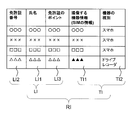
- the figure which shows an example of the data structure of registration information The figure which shows another example of the data structure of registration information.
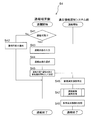
- the flowchart which shows the flow of the process in a report reception system The flowchart which shows the flow of a report process.
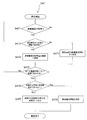
- the flowchart which shows the flow of the selection process of a report image The figure which shows an example of the report image which is clear, and the report image which is unclear.
- the figure which shows an example of the report image which cannot extract required information The figure which shows an example of the report image which cannot extract required information, and the report image which can be extracted.
- the violation information screening system 5 is a system that accepts and sorts out traffic violation reports from a driver driving a vehicle or a pedestrian walking on a road.
- the driver or the pedestrian acquires violation information including an image of a vehicle or the like performing a violation by using the reporting terminal T such as the portable terminal T1.
- the driver or the pedestrian who has acquired the violation information at the reporting terminal T he owns transmits the acquired violation information to the violation information selection system 5 as evidence of the violation.
- the image included in the violation information may be a moving image or a still image. For example, it is a moving image taken with the drive recorder in front of the vehicle, a moving image taken with a smartphone, or the like.
- the violation information selection system 5 acquires the new violation information D from the image of the vehicle or the like (referred to as a report image) included in the received violation information (referred to as the new violation information D). It is determined whether there is a possibility that a driver or a pedestrian (referred to as a registered user) can recognize the violation specified at the time of acquisition of the new violation information D.
- the “violating act” is a specific name of the violation, such as a signal ignorance violation (red signal ignorance) or a traffic band violation (one-way road reverse running).
- the “violation content” is sighting information of the registered user, and is information that describes a traffic violation situation witnessed by the registered user in addition to a specific name of the violation.
- “report images that may be able to recognize violations” are reports images that have a high probability of being able to recognize violations specified by registered users, etc., when viewed by police officers or other enforcement officers. Say. Therefore, the violation information selection system 5 is clear enough to recognize the violations that are viewed and shown by the person in charge of crackdown, and the person in charge of crackdown can browse and extract information necessary for the crackdown.
- the notification image is determined to be a notification image that can be used to control violations.
- the violation information selection system 5 discards the notification image determined to be unable to recognize the designated violation.
- “Discard report image” means to delete a report image determined to be unable to recognize the specified violation from the new violation information D, or to include a new report image that cannot recognize the specified violation This means that the violation information D is discarded (deleted).
- the violation information screening system 5 can output only violation information including a notification image that can recognize the specified violation.
- the violation information selection system 5 outputs the new violation information D including the notification image that can recognize the designated violation to the notification reception server 1 as the useful violation information UD. The detailed configuration of the violation information selection system 5 will be described later.
- the report reception system 100 includes a report reception server 1, a control means 3, and the violation information selection system 5 described above.
- the report reception server 1 receives the useful violation information UD output from the violation information selection system 5, and stores the received useful violation information UD in the first storage unit 11 (described later) as the existing useful violation information UD2.
- the report reception server 1 can function as a database of existing useful violation information UD2 including a report image that may be able to recognize the designated violation.
- the report reception server 1 detects that the existing useful violation information UD2 is actually used for the crackdown, the report reception server 1 owns the reporter terminal T (the report that transmitted the existing useful violation information UD2 used for the crackdown). In return). “Return” refers to the merit that the reporter can enjoy for reporting the existing useful violation information UD2 used for crackdown. By giving the reward to the reporter, the owner of the report terminal T can be encouraged to report the new violation information D.
- the configuration of the report receiving server 1 will be described in detail later.
- the control means 3 is an information processing terminal such as a personal computer.
- the control unit 3 reads the existing useful violation information UD2 from the first storage unit 11 (described later) of the notification receiving server 1, and displays the read existing useful violation information UD2 on the display unit. Thereby, the person in charge of crackdown can browse the content of the existing useful violation information UD2.
- a display window W1 as shown in FIG. 2 is displayed on the display means of the enforcement means 3.
- an area A for displaying the contents of the existing useful violation information UD2 stored in the first storage unit 11 of the notification receiving server 1 is arranged.
- the violation content transmitted in the notification process (described later) in the notification reception system 100 and the notification images P1, P2, and P3 included in the existing useful violation information UD2 are displayed. Has been.
- the date and time (shooting date and time) when each of the notification images P1, P2, and P3 is captured, and the location where the notification image is captured (violation location) are displayed. Further, under the notification images P1, P2, and P3, information on the driver of the violating vehicle (for example, the driver's address, license number, violation history, deduction points, etc.) is displayed.
- the shooting date and time and the violation location are not input by the registered user in the notification process, but are information added when the notification image is captured. As a result, the shooting date and time and the violation location are not falsified by the registered user. Further, the information on the driver of the violating vehicle may not be input by the registered user, and the control unit 3 may extract the information by performing image processing and analysis of the notification image. Or it is good also as the information extracted in the violation information selection system 5.
- the person in charge of crackdown can select the existing useful violation information UD2 including the notice image while browsing the notice images P1, P2, and P3 by pressing the image selection button B1 by the input means of the restriction means 3.
- the existing useful violation information UD2 that is currently selected for use in enforcement can be recognized by highlighting the notification image included in the existing useful violation information UD2 (in the example of FIG. 2, The notification image P1 is currently selected).
- the person in charge of the control executes the control using the selected existing useful violation information UD2 by pressing the button B2 described as “execution of control”.
- the control unit 3 determines the selection result 15 of the existing useful violation information UD2 and a signal (hereinafter referred to as a control execution notification) for notifying that the control has been executed. Notify Thereby, the determination means 15 can specify that the control was executed and which existing useful violation information UD2 was used for the control.
- the cracking means 3 may be set as the timing when the crackdown is executed when a bill for a fine to be collected from an executor (violator) of the breach that has been cracked down using the existing useful violation information UD2. In this case, at the time when the invoice for the fine is created, the enforcement unit 3 notifies the enforcement execution notification.
- control means 3 controls the time when it is detected that the violator has received a deposit of the fine after sending the invoice of the fine to the violator of the breach that has been controlled using the existing useful violation information UD2. It is good also as the timing when was performed.
- a foul money deposit system can be used as the cracking means 3 for detecting the deposit of the foul money from the violator.
- another system linked to the deposit system can be used as the control means 3.
- the cracking means 3 detects the payment of the fine money, the cracking means 3 notifies the above-mentioned cracking execution notification.
- the report reception system 100 having the above-described configuration allows the selection of the existing useful violation information UD2 used for the control of the violation while browsing only the notification images that may be able to recognize the specified violation. As a result, it becomes unnecessary for the person in charge of the cracking to browse the notification image that cannot be clearly used for the crackdown when selecting the existing useful violation information UD2 used for crackdown. As a result, the person in charge of crackdown can efficiently select the existing useful violation information UD2 without imposing a heavy load.
- the report reception server 1 includes a CPU (Central Processing Unit), an SSD (Solid State Drive), an HDD (Hard Disk Drive), a RAM (Random Access Memory), and / or a ROM (Read Only Memory), and the like.
- the report reception server 1 receives a large number of useful violation information UD from the violation information selection system 5 or processes a large number of useful violation information UD. For this reason, a computer system having a CPU with high processing capability may be used as the report receiving server 1.
- a computer system having a configuration capable of parallel processing for example, a computer system equipped with a large number of CPU boards) may be used as the notification receiving server 1.
- the report reception server 1 stores a large number of useful violation information UD received from the violation information selection system 5. Therefore, it is preferable that the storage capacity of the storage device of the notification receiving server 1 is large.
- a computer system having a high processing capacity of the CPU and a large storage capacity of the storage device for example, there is a computer system used as a large-scale server. That is, a computer system used as a large-scale server can be used as the report receiving server 1.
- the function of each structure of the report reception server 1 demonstrated below may be implement
- the program may be stored in a storage device of a computer system.
- the report reception server 1 of the present embodiment includes a first storage unit 11, a storage unit 13, and a determination unit 15.
- the first storage unit 11 corresponds to a part or all of the data storage area of the storage device of the computer system constituting the notification receiving server 1.
- the first storage unit 11 stores the existing useful violation information UD2.
- the storage unit 13 receives the useful violation information UD output from the violation information selection system 5, and stores the received useful violation information UD in the first storage unit 11 as the existing useful violation information UD2.
- the useful violation information UD is stored in the first storage unit 11 and thereafter treated as existing useful violation information UD2.
- the storage unit 13 When storing the existing useful violation information UD2 in the first storage unit 11, the storage unit 13 stores the information related to the reporting terminal T that transmitted the existing useful violation information UD2 in association with the existing useful violation information UD2. Also good. For example, the storage unit 13 stores in the first storage unit 11 a data file (referred to as report information) in which the file name of the existing useful violation information UD2 is associated with information on the report terminal T that has transmitted the existing useful violation information UD2. I can remember. Further, as information associated with the existing useful violation information UD2 in the report information, the license information regarding the driver's license of the owner of the report terminal T may be used instead of the information regarding the report terminal T or together with the information regarding the report terminal T. Good.
- report information data file
- the license information regarding the driver's license of the owner of the report terminal T may be used instead of the information regarding the report terminal T or together with the information regarding the report terminal T. Good.
- the determination means 15 gives a reward to the reporter who is the owner of the report terminal T that has transmitted the existing useful violation information UD2.
- the determination means 15 gives a reward to the reporter of the existing useful violation information UD2 used for the enforcement. .
- the report reception server 1 can function as a database of existing useful violation information UD2 that can be used for crackdown.
- the report reception server 1 gives a reward to the reporter of the existing useful violation information UD2, so that the report reception server 1 reports the new violation information D that cannot be used for crackdown to the reporter who should not give the original return. Avoid rewards.
- the violation information selection system 5 includes a CPU (Central Processing Unit), an SSD (Solid State Drive), an HDD (Hard Disk Drive), a RAM (Random Access Memory), and / or a ROM (Read Only Memory) and the like.
- a computer system having various interfaces.
- the violation information selection system 5 determines whether or not the specified violation can be recognized from the notification image included in the new violation information D by image analysis or image recognition processing of the notification image. That is, in the violation information selection system 5, enormous processing and calculation for image analysis and image recognition of the notification image are executed.
- violation information selection system 5 it is preferable to use a computer system having a CPU with high processing capability as the violation information selection system 5.
- a computer system having a configuration capable of parallel processing for example, a computer system equipped with a large number of CPU boards
- the function of each structure of the violation information selection system 5 demonstrated below may be implement
- the program may be stored in a storage device of a computer system.
- the violation information selection system 5 includes a second storage unit 51, a reception unit 53, a registration unit 55, a notification image selection unit 57, and a communication interface 59.
- the second storage means 51 corresponds to a part or all of the data storage area of the storage device of the computer system constituting the violation information selection system 5.
- storage means 51 memorize
- the area of the second storage means 51 that stores information necessary for the control of violations predetermined for each violation may be referred to as a “control condition database DB”.
- the image of a vehicle that is violating, the license plate and license plate number (including both numbers and letters) of the vehicle, and the face of the driver of the vehicle to crack down on the vehicle Is stored as necessary information.
- the above-described necessary information may be the vehicle type, color, etc. of the vehicle that is in violation.
- information that can be recognized from the notification image that the violation has occurred is stored as information necessary for crackdown. For example, when it is desired to control signal ignorance as a violation, an image indicating that the signal is prohibited from passing through the vehicle, for example, a red signal, is used as information necessary for control.
- information necessary for cracking down on violations is stored in advance for each violation, so that any violations specified may be included in the new violation information D. It is possible to appropriately determine whether or not information necessary for crackdown can be extracted from the notification image. In addition, for example, by preparing a database that stores information necessary for crackdown for each violation in each country or region, even if the information necessary for crackdown on the same violation is different for each country or region, It is possible to appropriately determine whether information corresponding to the country or local standard can be extracted from the notification image.
- the second storage unit 51 stores registration information RI (FIGS. 3A and 3B).
- the registered information RI associates information about the reporting terminal T that is permitted to transmit the new violation information D to the violation information screening system 5 and information about the owner of the reporting terminal T (referred to as a registered user). I remember.
- the data structure of the registration information RI and RI ′ will be described with reference to FIGS. 3A and 3B.
- the registration information RI of the present embodiment includes license information LI and terminal information TI.
- the terminal information TI is information regarding the reporting terminal T owned by the registered user.
- the terminal information TI includes terminal identification information TI1 and terminal type information TI2.
- the terminal identification information TI1 is information for identifying the reporting terminal T owned by the registered user.
- SIM Subscriber Identity Module
- the terminal type information TI2 is information related to the terminal type of the reporting terminal T.
- the terminal type information TI2 is the terminal type of the reporting terminal T such as “smartphone” or “drive recorder”.
- the terminal type information TI2 for example, character information indicating the terminal type as described above can be used.
- a number for identifying the terminal type of the reporting terminal T may be defined, and the defined number may be used as the terminal type information TI2.
- the license information LI is information related to the driver's license owned by the registered user. That is, in the report reception server 1 of the present embodiment, registered users are managed by information included in the driver's license of the owner of the report terminal T.
- the license information LI includes registered user information LI1, license number information LI2, and license point information LI3.
- the registered user information LI1 is information related to the owner of the registered driver's license, that is, a registered user.
- the registered user information LI1 is the name of the owner (registered user) of the registered driver's license.
- the registered user information LI1 may include ID information and password information for the registered user to log in to the violation information selection system 5.
- the license number information LI2 is a license number of a driving license owned by a registered user.
- the license point information LI3 is a point (for example, the number of violations) given to the driver's license owned by the registered user.
- the registration information RI ′ may include a plurality of terminal information TI and TI ′.
- the terminal type information TI2 'of the terminal information TI' is different from the terminal type information TI2 of the terminal information TI. That is, in the registration information RI shown in FIG. 3A, only one reporting terminal T can be registered for one registered user, whereas in the registration information RI ′ shown in FIG. A plurality of reporting terminals T having different terminal types can be registered with the registered user.
- the receiving means 53 is connected to a mobile terminal T1 such as a mobile phone, a smartphone, or a tablet terminal via a network line (may be a wired network line or a wireless network line) and a communication interface 59. And / or the new violation information D acquired by the notification terminal T is received from the notification terminal T such as a device T2 such as a digital camera or a drive recorder. The accepting unit 53 transmits the received new violation information D to the notification image sorting unit 57.
- New violation information D can be transmitted.
- the drive recorder is connected to a PC or a smartphone by wire or wireless (Bluetooth (registered trademark) or the like), the captured video is temporarily stored in the PC or smartphone, and violation information is transmitted from the PC or smartphone.
- a moving image captured in a USB memory connected to the drive recorder is stored, and violation information including the moving image stored in the USB memory is transmitted from a PC, a smartphone, or the like.
- the accepting means 53 accepts new violation information D from the reporting terminal T only when the terminal information of the reporting terminal T is stored in the second storage means 51 as registered information RI and RI ′. .
- the reception means 53 can limit the number and kind of the reporting terminal T which can transmit the new violation information D to the violation information selection system 5 for every registered user. As a result, it is possible to avoid receiving new violation information D from a large number of reporting terminals T owned by one registered user.
- the accepting unit 53 may further receive information regarding the owner of the reporting terminal T from the reporting terminal T.
- the information regarding the owner is, for example, license information of the driver's license of the owner.
- the accepting unit 53 receives the new violation information D from the reporting terminal T only when the received license information LI and the terminal information TI of the reporting terminal T are associated with each other and registered in the second storage unit 51. May be received. Thereby, for example, it is possible to prevent so-called “spoofing” in which the reporting terminal T registered by the registered user is lent to another person and the other person who lent the reporting terminal T is notified of the new violation information D.
- the above-mentioned license information of the owner of the reporting terminal T may be directly input by the owner on the reporting terminal T, or information on the driver's license is electronically obtained from the IC card compatible driver's license. You may acquire by extracting to. By obtaining the license information electronically from the IC card compatible driver's license, it is possible to prevent “spoofing” by entering fake license information.
- the registration unit 55 sets the registration request terminal information that is the terminal information of the new notification terminal as the new notification terminal.
- the information is stored in the second storage means 51 in association with the license information of the owner of the reporting terminal.
- the notification image sorting unit 57 determines whether or not the specified violation can be recognized from the notification image included in the new violation information D received by the reception unit 53.
- “designated violation content” means that information input as character information by a registered user is extracted from the new violation information D when a notification process (described later) of the new violation information D is executed. You can know more. If the report image sorting means 57 determines that the report image is not clear or information necessary for cracking down on the violation cannot be extracted from the report image, the specified violation cannot be recognized from the report image. judge. When it is determined that the violation act designated from the notification image cannot be recognized, the notification image sorting means 57 deletes the notification image from the new violation information D, or the new violation information D including only the notification image.
- the report image sorting means 57 outputs only the new violation information D including the report image that can recognize the designated violation to the report reception server 1 as the useful violation information UD. Details of the configuration of the notification image sorting means 57 will be described later in detail.
- the communication interface 59 controls data transmission / reception between the reporting terminal T and the violation information selection system 5.
- the communication interface 59 for example, an Ethernet (registered trademark) card or the like can be used. Note that when a plurality of network lines are aggregated in the violation information selection system 5, the communication interface 59 may include a switching hub.
- the violation information selection system 5 can recognize the violation specified by the registered user among the new violation information D transmitted from the limited notification terminal T. Only new violation information D including images can be output for use in crackdown. That is, only the new violation information D including the notification image that is considered to be able to control the violation can be output for use in the control.
- the violation information screening system 5 generally receives a large number of new violation information D from a large number of registered reporting terminals T. Further, as will be described later, image analysis and image recognition processing are performed on a large number of notification images.
- the violation information selection system 5 when a lot of new violation information D is transmitted at once in a short time, or when a lot of notification images are subjected to image analysis or image recognition in a short time (or simultaneously), The processing load in the violation information selection system 5 may become excessively large, reception of new violation information D may be delayed, or a large number of new violation information D may be waiting for determination processing. In order to minimize the processing delay, the violation information selection system 5 may be capable of adjusting the processing load allocated to the determination process for the new violation information D and the processing load allocated to the reception process.
- the new violation information D is accepted during the daytime when the amount of the new violation information D is received, while the new violation information D is received at a time such as midnight when the amount of the new violation information D is reduced. Only the determination process of the information D may be performed. Alternatively, the received amount of the new violation information D may be monitored, and the new violation information D may be determined during a period when the received amount of the new violation information D is reduced. As a result, it is possible to efficiently receive and determine the new violation information D without delaying the reception of the new violation information D or waiting for a large number of new violation information D to enter the determination process waiting state.
- the notification image sorting unit 57 includes a first sorting unit 571 and a second sorting unit 573.
- the first sorting means 571 determines whether or not the report image included in the new violation information D is clear by image analysis or the like. For example, if there are a predetermined number or more of locations where the color difference of the contour portion in the notification image can be clearly determined, it can be determined that the notification image is clear. For example, if the contour of the vehicle in the notification image is clear, it is determined that the portion surrounded by the contour is a portion indicating the vehicle.
- the notification image is an image indicating the vehicle (an image of the vehicle taken). In addition, it is determined whether or not the position of the license plate and the position of the driver's face are clear among the parts indicating the vehicle.
- the report image sorting unit 57 determines that the report image is not clear, it determines that the violation act designated from the report image cannot be recognized. If it is determined that the violation act designated from the report image cannot be recognized because the report image is unclear, the first sorting means 571 deletes the report image from the new violation information D.
- the report image selection means 57 determines whether the vehicle is reflected in the report image included in the new violation information D by image analysis or the like.
- the notification image sorting means 57 determines that the violation act designated from the notification image cannot be recognized. This is because if the vehicle is not shown in the notification image, it cannot be considered as an image that can prove a traffic violation in the first place.
- the notification image is one still image, it is determined whether the vehicle is reflected in the still image. Further, in the case of a notification image including a plurality of still images, it is determined whether a vehicle is reflected in each still image.
- the notification image is a moving image, for example, if no vehicle is shown in the moving image, it is determined that the vehicle is not shown.
- the second selection means 573 determines whether or not information necessary for crackdown on the designated violation can be extracted from the notification image. Therefore, the second selection means 573 attempts to extract information necessary for cracking the specified violation from the report image by image recognition processing. When extracting information necessary for the control from the report image, the second selecting means 573 refers to the content stored in the control condition database DB, and the information necessary for controlling the violation act designated by the registered user. Judge what is.
- the second selecting means 573 newly sets the report image. Delete from violation information D.
- the second sorting means 573 holds the notification image in which the information necessary for cracking the designated violation act can be extracted in the new violation information D.
- the notification image sorting unit 57 of the present embodiment determines that the new violation information D including the notification image that is clear and can extract information necessary for control is the useful violation information UD. As a result, only the new violation information D including a notification image that is clear and can extract information necessary for crackdown is output to the notification reception server 1.
- the report image sorting means 57 Since the report image sorting means 57 has the above-described configuration, the report image sorting means 57 is a breach specified by the person in charge of the cracking such as a report image that is clear and can extract information necessary for the crackdown. Only the new violation information D including the report image that can be recognized can be output to the report reception server 1. Thereby, on the display means of the control means 3, only the notification image that can be used for the control of the violation is displayed. As a result, the person in charge of crackdown can use the crackdown means 3 to select the existing useful violation information UD2 used for crackdown efficiently.
- the reporting terminal T transmits the terminal information to the violation information selection system 5.
- the terminal information transmitted from the reporting terminal T includes identification information for identifying the reporting terminal T (for example, SIM card information, individual number, and manufacturing number) and the terminal type of the reporting terminal T. .
- the violation information selection system 5 receives the terminal information transmitted from the reporting terminal T (step S1), the accepting means 53 determines whether the terminal information received from the reporting terminal T has already been registered as registration information RI and RI ′. It is determined whether or not (step S2).
- the terminal identification information TI1, TI1 ′ that matches the identification information included in the received terminal information and the terminal type information TI2, TI2 ′ that matches the terminal type included in the received terminal information are associated with each other. If it is already registered in the storage means 51, it is determined that the received terminal information is registered as registration information RI and RI ′. Note that the method for determining whether or not the received terminal information is registered as the registration information RI is not limited to the above method. For example, when transmitting the above terminal information, license information related to the driving license of the owner of the reporting terminal T is also transmitted, and the violation information selection system 5 associates the received terminal information with the received license information.
- the received terminal information is registered as registration information RI, RI ′. Accordingly, it is possible to prevent “spoofing” in which a person who is not a registered user reports new violation information D using the registered reporting terminal T.
- the registration means 55 of the violation information selection system 5 When it is determined that the received terminal information is not registered as registration information RI and RI ′ (in the case of “No” in step S2), the registration means 55 of the violation information selection system 5 newly reports the received terminal information. A registration process is executed using the terminal as desired terminal information (step S3). Specifically, when the registration information RI as shown in FIG. 3A is stored in the second storage unit 51, that is, when only one reporting terminal T can be registered for one registered user. In the registration means 55, the license information of the owner of the new reporting terminal is not registered as the license information LI of the registration information RI, and the registration request terminal information is registered as the terminal information TI of the registration information RI. If not, the license information of the owner of the new reporting terminal and the registration request terminal information are associated with each other and stored in the second storage means 51 as new registration information RI.
- the registration information RI ′ as shown in FIG. 3B is stored in the second storage means 51, that is, when a plurality of reporting terminals T having different terminal types can be registered for one registered user.
- the registration means 55 is associated with the license information LI of the owner even if the license information of the owner of the new reporting terminal is registered as the license information LI of the registration information RI ′. If the registered terminal type information TI2 is different from the terminal type of the registration-desired terminal information, the second storage unit 51 associates the registration-desired terminal information as new terminal information TI 'with the owner's license information LI. To remember.
- the registration means 55 sends a notification that the terminal information of the new reporting terminal could not be registered. It may be transmitted to the reporting terminal. Thereby, the owner of the new reporting terminal can know that his reporting terminal T is a reporting terminal T that cannot be registered.
- the violation information selection system 5 executes notification processing for receiving the new violation information D from the notification terminal T (step S4).
- the notification process will be described in detail later.
- the accepting unit 53 transmits a report enable notification to the reporting terminal T that has transmitted the terminal information. Thereby, the reporting terminal T that has transmitted the terminal information can recognize that the reporting terminal T is a terminal that can transmit the new violation information D.
- a return execution process is executed in the decision means 15 of the notification reception server 1 (step S5).
- the contents of the reward are determined and executed for the reporter who is the registered user who has reported the existing useful violation information UD2 used for the control.
- the reward execution process in step S5 will be described in detail later.
- step S4 as the notification process and step S5 as the return process do not necessarily have to be performed continuously in time.
- the return process may be appropriately performed.
- the report reception server 1 and / or the violation information selection system 5 stops the report reception server 1 and / or the violation information selection system 5. It is determined whether or not to perform (step S6). For example, when shutdown is instructed to the report reception server 1 and / or the violation information selection system 5, it is determined that the report reception server 1 and / or the violation information selection system 5 is stopped. When it is determined not to stop the report reception server 1 and / or the violation information selection system 5 (“No” in step S6), the process in the report reception system 100 returns to step S1. That is, the notification receiving system 100 continues to execute the processes of steps S1 to S5 described above until the shutdown is instructed in the notification receiving server 1 and / or the violation information selection system 5.
- the report reception server 1 and / or the violation information selection system 5 stops. Even if either the report reception server 1 or the violation information selection system 5 is stopped, the report reception system 100 can continue to operate. For example, when only the report reception server 1 is stopped, in the report reception system 100, the violation information selection system 5 can perform the reception process and the determination process of the new violation information D. In this case, the new violation information D determined to be useful violation information UD is temporarily stored in the second storage means 51 or the like. The temporarily stored new violation information D is output to the report receiving server 1 when the report receiving server 1 starts operating.
- step S41 it is confirmed whether the reporting terminal T can transmit new violation information D to the violation information selection system 5 (step S41). Specifically, when the reporting terminal T receives a reportable notification or a notification of successful registration of registration-desired terminal information from the violation information screening system 5, the reporting terminal T can determine that the new violation information D can be transmitted. . On the other hand, when the reporting terminal T receives a notification that registration of desired registration terminal information is impossible, it is determined that the new violation information D cannot be transmitted from the reporting terminal T. This is because receiving a notification that registration of registration desired terminal information is impossible means that the reporting terminal T that desires registration cannot be registered in the violation information selection system 5.
- the reporting terminal T When it is determined that the new violation information D cannot be reported from the reporting terminal T (in the case of “No” in step S41), the reporting terminal T reports the new violation information D to the owner of the reporting terminal T. It is notified that it is impossible (step S42). Thereafter, the notification process is terminated.
- the owner of the reporting terminal T indicates that it is impossible to report the new violation information D by displaying a message saying “Violation information cannot be transmitted from this terminal” on the display screen of the reporting terminal T. Can be notified.
- the reporting terminal T when it is determined that the reporting terminal T that has transmitted the terminal information (or registration request terminal information) can transmit the new violation information D (“Yes” in step S41), the reporting terminal T A program for transmitting information D is executed.
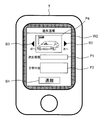
- the program for transmitting the new violation information D is executed, a screen as shown in FIG. On the display screen shown in FIG. 7, a notification image captured using the imaging means of the notification terminal T is displayed at the display location P4 at the top of the display window W2.
- an input field F1 for inputting the violation type as character information and an input field F2 for inputting the sighting content as character information are arranged below the display location P4.
- the registered user who is going to transmit the new violation information D inputs the breach act (for example, “ignore signal”) witnessed in the input field F1.
- specific sighting contents for example, the plate number of the violating vehicle, the characteristics of the driver of the violating vehicle, etc.
- the registered user can specify the violation content of the breach that is controlled by the new breach information D to be transmitted.
- the violation act that is to be controlled by the new violation information D is indicated in the violation content which is the content input in the input fields F1 and F2.
- the method of inputting the witnessed violation is not limited to inputting the violation as character information in the input field F1.
- the witnessed violation may be selected from a list of violations prepared in advance. Thereby, it is possible to avoid erroneous input of violations.
- the notification image to be transmitted as the new violation information D is selected (step S44).
- the captured notification images can be displayed one by one on the display location P4.
- Selection of the notification image to be transmitted as the new violation information D can be confirmed by pressing the button B4 described as “notification” in a state where the notification image to be transmitted included in the new violation information D is displayed on the display location P4.
- the program for transmitting the new violation information D displays a message for confirming whether or not to include other notification images other than the selected notification image in the new violation information D.
- the registered user specifies that another report image is further included in the new violation information D, the registered user further selects the other report image and presses the button B4. Thereby, a plurality of report images can be included in the new violation information D.
- Step S45 After confirming the notification image to be included in the new violation information D, the violation action input in the input field F1, the sighting content input in the input field F2, and the selected notification image are used as the new violation information D.
- the reception unit 53 of the violation information selection system 5 step S46
- the reception unit 53 transmits the new violation information D to the notification image selection unit 57.
- the notification image sorting means 57 sorts out the notification images included in the new violation information D that are considered to be incapable of recognizing the violation specified by the registered user (step S47). . Specifically, the notification image selection means 57 is used when the notification image included in the new violation information D is unclear or when the information necessary for the control of the violation act designated from the notification image cannot be extracted. Discard such notification images. Note that the notification image selection process in step S47 will be described in detail later.
- the report image sorting means 57 After discarding the report image considered to be unable to recognize the designated violation among the report images included in the new violation information D, the report image sorting means 57 creates a new violation including the report image capable of recognizing the designated violation.
- Information D is output to report reception server 1 as useful violation information UD.
- the storage unit 13 of the report receiving server 1 that has received the useful violation information UD stores the useful violation information UD in the first storage unit 11 as the existing useful violation information UD2 (step S48). After this step, the useful violation information UD is treated as the existing useful violation information UD2. That is, it can be said that the existing useful violation information UD2 is useful violation information UD transmitted from the reporting terminal T in the past.
- steps S41 to S48 described above as the notification process it is determined that the violation act designated by the registered user can be recognized among the notification images included in the new violation information D transmitted from the notification terminal T.
- Only the new violation information D including the received notification image, that is, the useful violation information UD is stored in the first storage unit 11 of the notification reception server 1. This eliminates the need for the person in charge of crackdown to browse the new violation information D that cannot be used for crackdown when selecting the violation information used for crackdown. As a result, when selecting violation information for enforcement, it is possible to reduce the burden on the person in charge of enforcement and efficiently select violation information.
- the first selection unit 571 of the notification image selection unit 57 determines whether the notification image included in the received new violation information D is clear. It is determined whether or not (step S471). For example, if the received new violation information D includes a notification image as shown in (1) of FIG. 9A, the first selection unit 571 executes the image analysis processing of the notification image and the like. 571 determines that the contour of the image in the notification image is unclear. That is, the first sorting means 571 cannot clearly distinguish the color difference between the background portion in the notification image and the contour portion of the vehicle or the like, or identifies the contour because the color distribution width of the contour portion is wide. Because it is not possible, it is determined that the outline in the notification image is unclear.
- the first sorting unit 571 determines that the notification image is clear. For example, a notification image with a clear vehicle or the like but an unclear background is determined as a clear notification image. This is because, if only the part where the information necessary for the control of the violation is present is clear, the person in charge of the control may be able to recognize the violation from the notification image.
- the first selection unit 571 executes the image analysis processing of the notification image and the like. 571 determines that the contour of the image in the notification image is clear. That is, the first sorting means 571 can clearly discriminate the color difference between the background portion in the notification image and the contour portion of the vehicle or the like, or the contour portion has a narrow shade distribution width and a large shade difference. Therefore, it is determined that the contour in the notification image is clear.
- the first sorting unit 571 determines the specified violation from the notification image determined to be not clear. It is determined that the act cannot be recognized. Thereafter, the first selection unit 571 deletes the notification image determined as not clear from the new violation information D (step S473). Thereafter, the process of selecting the notification image proceeds to step S475.
- the first sorting unit 571 selects the notification image determined to be clear as the new violation information.
- the new violation information D is output to the second sorting means 573 while being held in D.
- the second sorting means 573 After determining that the notification image included in the new violation information D is clear, the second sorting means 573 that has received the new violation information D receives the specified violation from the notification image determined to be clear. It is determined whether or not information necessary for enforcement can be extracted (step S472).
- a method for determining whether or not necessary information can be extracted from the notification image will be described by taking an example in which the content of violation specified by the registered user at the time of reporting the new violation information D relates to vehicle signal ignorance. . Further, in order to control the signal ignorance of the vehicle, the second storage means 51, the signal neglected vehicle, the license plate number of the vehicle, the face of the driver of the vehicle, and the signal passed by the vehicle It is assumed that an image indicating that is a red signal is necessary.
- the second selection means 573 It is determined from the notification image that the information necessary for controlling the signal disregard of the vehicle cannot be extracted. As described above, it is determined that the signal signal ignorance of the vehicle cannot be recognized from the notification image that is unrelated to the signal ignorance of the vehicle and cannot extract information necessary for the control of the signal ignorance. Or, for example, even if the specified violation is signal ignorance but only an image that is not related to signal ignorance, such as an image showing a crossing, is indicated from the notification image. It is determined that the violation is not recognized.
- the second selection means 573 determines that the notification image It is determined that the signal ignorance cannot be recognized. This is because the second sorting means 573 can extract only an image that can be recognized as a vehicle and an image that can be recognized as a license plate number of the vehicle from the notification image shown in (2) of FIG. 9C. That is, it is because it is because it is not possible to extract all of the information necessary to control the ignorance of vehicle signals from the notification image.
- the second selection means 573 displays an image indicating the vehicle by image recognition processing of the notification image. And the license plate number of the vehicle, the face of the driver of the vehicle, and an image indicating that the signal is a red signal. Therefore, the second sorting means 573 determines that ignoring the signal of the vehicle can be recognized as a violation from the notification image. Note that the second selection means 573 does not need to attempt to extract accurate information necessary for crackdown on violations. In the present embodiment, the second selection unit 573 confirms whether or not information necessary for the control exists in the notification image by the image recognition process.
- the second sorting means 573 confirms the presence of information necessary for control in the notification image
- the second selection means 573 determines that the violation act designated from the notification image can be recognized. Thereby, the load of the image recognition process in the violation information selection system 5 can be reduced.
- the present invention is not limited to this, and the second selection unit 573 may extract accurate information necessary for crackdown on violations.
- the violation entered by the registered user is different from the violation that is clearly controlled from the information that can be extracted from the report image due to an incorrect input by the registered user,
- the content may be modified to content related to a violation that is clearly controlled by the extracted information.
- the unknown part may be supplemented by the information extracted by the second selection means 573.
- the second selection unit 573 When it is determined that information necessary for the control of the specified violation act cannot be extracted from the notification image included in the received new violation information D (in the case of “No” in step S472), the second selection unit 573 A notification image that cannot extract information necessary to control the specified violation is deleted from the new violation information D (step S473). Thereafter, the process for selecting the notification image proceeds to S475. On the other hand, if it is determined that necessary information has been extracted from the notification image included in the new violation information D (“Yes” in step S472), the second selection unit 573 converts the notification image into the new violation information D. (Step S474). In other words, a notification image that is clear and can extract information necessary to control a specified violation is retained without being deleted from the new violation information D.
- the notification image selection means 57 accepts the received new It is confirmed whether or not it is determined whether or not the specified violation can be recognized for all the notification images included in the violation information D (step S475).
- the notification image The selection process returns to S471. That is, the above steps S471 to S474 are repeatedly executed until it is determined whether or not the violation can be recognized for all the notification images included in the new violation information D.
- the notification image The screening unit 57 determines whether or not the new violation information D that has received the notification image that is determined to be clear and capable of extracting information necessary for control is included (step S476).
- the notification image sorting means 57 is designated.
- the new violation information D including the notification image determined to be able to recognize the violation is output as useful violation information UD (step S477).
- the report image sorting unit 57 discards the new violation information D without outputting it to the report reception server 1 (step S478). Specifically, for example, the new violation information D stored as the cache data of the violation information selection system 5 is deleted from the cache data.
- the notification image sorting means 57 sends the notification image included in the transmitted new violation information D to the notification terminal T that has transmitted the new violation information D to be discarded. Notify that the violation specified by the owner of the reporting terminal T cannot be recognized. Thereby, the owner of the notification terminal T that has transmitted the new violation information D to be discarded can recognize that the notification image acquired by the notification terminal T cannot be used for the control of the specified violation. As a result, it is possible to encourage a registered user to obtain a high-quality report image that can be used for crackdown.
- the first sorting unit 571 or the second sorting unit 573 determines that the violation act designated from the notification image cannot be recognized, the first sorting unit 571 or the second sorting unit 573 performs the above notification. Also good. Thereby, the registered user can specify the cause that cannot be used for the control of the breach specified by the notification image acquired by the registered user.
- the violation information selection system 5 can use the useful violation information UD including the notification image that is considered to be able to recognize the violation specified by the registered user during the notification process. Can be output to the report receiving server 1 only.
- the report reception server 1 can function as a database of existing useful violation information UD2 including a report image that is considered to be able to recognize a violation act to be controlled.
- the person in charge of crackdown can browse the report image that can recognize the violation that he / she wants to crack down, and can select the existing useful violation information UD2 that he / she wants to use efficiently for crackdown without imposing a heavy burden.
- the determination unit 15 of the notification receiving server 1 detects whether or not the enforcement execution notification is notified from the enforcement unit 3 (step S51). For example, the existing useful violation information UD2 stored in the notification receiving server 1 in the cracking means 3 is selected for cracking, or an invoice for a breach of fraud to be cracked is created, or If a violator has received a fine, a notification of enforcement will be sent.
- the determination unit 15 determines that the enforcement has not been performed. In that case, the reward execution process ends without executing the reward.
- the determination unit 15 detects a control execution notification (in the case of “Yes” in step S51)
- the determination unit 15 determines that the control has been executed.
- the determination unit 15 specifies the owner of the reporting terminal T that has transmitted the existing useful violation information UD2 used for the control of the violation to the violation information selection system 5, that is, the reporter (step S52). ). Specifically, first, the determination unit 15 specifies the reporting terminal T that has transmitted the existing useful violation information UD2 used for crackdown by referring to the content of the reporting information. Next, the license information LI associated with the terminal information TI of the specified reporting terminal T is specified from the registration information RI stored in the second storage means 51. Therefore, the specified license information LI is information related to the driver's license owned by the reporter.
- the determination means 15 determines the reward given to the specified reporter (step S53). In this embodiment, the determination means 15 determines to recover the traffic violation point given to the driver's driver's license as a reward. Specifically, the determination means 15 recovers the traffic violation points given to the reporter's driver's license as follows. That is, when the traffic violation points increase cumulatively every time a traffic violation occurs, the points of the license point information LI3 included in the license information LI specified as the reporter are subtracted. On the other hand, when the traffic violation points decrease every time a traffic violation occurs, the points of the license point information LI3 included in the specified license information LI are added.
- the determination unit 15 may increase the rank of the driver's license owned by the reporter.
- the rank of the reporter's license may be promoted to a gold license.
- the whistleblower already has a gold license, for example, the renewal period of the driver's license may be extended.
- the determination unit 15 After determining the content of the reward as described above, the determination unit 15 notifies the computer system that manages the information of the driver's license by notifying the determined content of the reward, thereby executing the determined reward (step S54). .
- the contents of the reward are not limited to the increase or decrease of the driver's license points or the promotion of the driver's license rank.
- presentation of a product or a certificate of commendation to the reporter of the existing useful violation information UD2 used for the control may be determined as a reward.
- the determination unit 15 displays information related to the reporter giving a reward on the display unit of the control unit 3, and prompts the person in charge of the control to send a product or a certificate to the reporter.
- the determination means 15 can recover many traffic violation points of the reporter of the existing useful violation information UD2.
- the traffic violation points of the reporter of the existing useful violation information UD2 can be recovered.
- the reporter who has transmitted the useful violation information UD and contributed to the control of the violation can enjoy the merit of transmitting the useful information. As a result, it is possible to encourage registered users to transmit useful violation information UD. Further, in the above reward execution process, when a violation is controlled using the existing useful violation information UD2, the reward is reported to the reporter who has reported the existing useful violation information UD2. As a result, it is possible to avoid giving a reward to a reporter who should not give a reward, like a registered user who has transmitted new violation information D that cannot be used for crackdown.
- the report image selection means 57 of the violation information selection system 5 has a clear report image included in the new violation information D, and When information necessary for crackdown can be extracted from the notification image, it is determined that the specified violation can be recognized from the notification image.
- the method for selecting the notification image is not limited to the above. For example, if the first sorting means 571 determines that the notification image included in the new violation information D is clear, it may be determined that the violation can be recognized from the clear notification image.
- the second sorting means 573 may determine whether the notification image is clear, it may be determined that the violation can be recognized from the notification image. Good. Thereby, even if the notification image is unclear, it is possible to avoid wastefully discarding the notification image that may extract information necessary for the control of the specified violation if the person in charge of the control browses.
- the reception means 53 of the violation information selection system 5 is only for the reporting terminal T whose terminal information is registered as registration information RI, RI ′. Has received new violation information D.
- the present invention is not limited to this, and the accepting unit 53 may accept new violation information D from any reporting terminal T.
- the accepting unit 53 receives information about the owner of the notification terminal T (for example, license information of the owner) from the notification terminal T. Thereby, the reception means 53 can make the received new violation information D and the information about the owner of the notification terminal T that has transmitted the new violation information D associated with each other as the notification information.
- the determination unit 15 of the report reception server 1 specifies a reporter who gives a reward from the above report information. By accepting more new violation information D from any reporting terminal T, more useful violation information UD can be acquired. As a result, violations can be controlled with a higher probability.
- the violation information selection system 5 outputs useful violation information UD that can be used for crackdown to the notification receiving server 1.
- the present invention is not limited to this, and the violation information selection system 5 may output the useful violation information UD to other systems that use the violation information.
- the useful violation information UD may be directly output to the control means 3 described above. Thereby, the new useful violation information UD can be output to the system using the violation information sequentially.
- the report reception system 100 is constructed using the report reception server 1 and the violation information selection system 5 as separate computer systems.
- the present invention is not limited to this, and the function of the notification receiving server 1 and the function of the violation information selection system 5 may be integrated into one computer system.
- the processing load used for the function corresponding to the notification receiving server 1 and the processing load used for the function corresponding to the violation information selection system 5 are based on the received amount of the new violation information D. It may be adjustable. Thereby, the report reception system of a compact structure can be constructed.
- the registration information RI when the registration information RI is stored in the second storage means 51, the registration information RI cannot be updated.
- the registration information registration process is not limited to the process described in the first embodiment.
- the registration information RI once registered may be updated.
- the terminal type included in the terminal information desired to be registered is associated with the license information LI. If the terminal information TI matches the terminal type information TI2, the terminal information TI may be rewritten to the registration desired terminal information.
- the currently registered reporting terminal T may be deleted, and a confirmation as to whether or not to register a new reporting terminal T may be made to the registered user. Thereby, the old terminal information TI can be updated to new registration desired terminal information.
- the registration information RI when the registration information RI can be updated as described above, the number of updates of the registration information RI may be limited, or the number of updates within a predetermined period may be limited.
- the registration information RI can be updated without limitation, the terminal information of the same terminal type can be rewritten (updated) many times. In such a case, one registered user can use a plurality of reporting terminals T of the same terminal type. By setting a limit on the number of times of updating the registered information RI, it is possible to prevent one registered user from using the reporting terminal T of the same terminal type and reporting the new violation information D as described above. Moreover, after the update, the reporting terminal T registered in the past may not be registered.
- the registration information RI relates to the terminal information TI of the reporting terminal T and the driver's license of the owner (registered user) of the reporting terminal T.
- the license information LI is stored in the second storage means 51.
- the information included in the registration information RI is not limited to the terminal information TI and the license information LI.
- information used for biometric authentication such as a registered user's fingerprint and retinal pattern may be further stored (registered) as registered information RI.
- the registration information RI and RI ′ are stored in the second storage means 51 of the violation information selection system 5.
- the present invention is not limited to this, and the registration information RI and RI ′ may be stored in the first storage unit 11 of the notification receiving server 1. That is, the information regarding the registered user may be managed in the report reception server 1.
- the number of rewards that can be received by one whistleblower (registered user) with respect to the control of one violation is limited. There was no. However, the present invention is not limited to this, and the number of rewards that one reporter can receive for one violation may be limited to one. For example, even if a plurality of existing useful violation information UD2 reported by a single whistleblower is used for crackdown of a single violation, the decision is made to give only one reward to the single whistleblower. Also good. Thereby, it can prevent that only the specific reporter who reported more useful violation information UD about the same violation act receives many rewards.
- the useful violation information UD when the useful violation information UD is stored as the existing useful violation information UD2 in the first storage means 11 of the notification receiving server 1,
- the existing useful violation information UD2 was not organized and stored.
- the present invention is not limited to this, and the existing useful violation information UD2 may be organized and stored in the first storage unit 11 based on a predetermined condition.
- the existing useful violation information UD2 indicating the same violation content may be collected together (for example, in one directory) and stored. Or you may memorize
- an existing useful violation information UD2 indicating the same violation content can be browsed in an HTML (HyperText Markup Language) file programmed to display the existing useful violation information UD2 indicating the same violation content. It can be applied as a file.
- HTML HyperText Markup Language
- the HTML file that can display a list of the existing useful violation information UD2 indicating the same violation contents as described above is read into, for example, a Web browser installed in the enforcement means 3, the same violation contents are indicated in the enforcement means 3.
- the existing useful violation information UD2 can be viewed in an organized state.
- the timing for giving a reward is not limited to the above.
- a reward may be given at the timing when the new violation information D is received by the receiving means 53 of the violation information selection system 5.
- the determination unit 15 of the report reception server 1 detects that the violation information selection system 5 has received the new violation information D.
- the determination means 15 receives the information regarding the owner of the notification terminal T transmitted from the notification terminal T, and gives a reward from the information regarding the owner. Identify the whistleblower.
- the determination means 15 determines the content of the reward given to the reporter, and executes the reward. This can encourage registered users to report new violation information D. As a result, it is possible to expect an increase in the amount of notification of new violation information D and notification of powerful useful violation information UD leading to crackdown.
- the determination means 15 of the report reception server 1 may start determination and execution of the content of reward at the timing when the storage means 13 of the report reception server 1 receives the useful violation information UD.
- the determination means 15 receives the information regarding the owner of the notification terminal T that has transmitted the useful violation information UD from the violation information selection system 5, and specifies the reporter who gives a reward from the information regarding the owner. Then, the determination means 15 determines the content of the reward given to the reporter, and executes the reward. Thereby, a reward can be given only to the reporter who has reported the useful violation information UD. As a result, it is possible to encourage the owner of the reporting terminal T to report good new violation information D that can be used for crackdown.
- the present invention can be widely applied to a report reception system that receives violation information acquired by a mobile terminal or the like and provides the violation information for traffic violation control.
- Report reception system 1 Report reception server 11 First storage unit 13 Storage unit 15 Determination unit 3 Control unit 5 Violation information selection system 51 Second storage unit 53 Reception unit 55 Registration unit 57 Report image selection unit 571 First selection unit 573 2 selection means 59 communication interface T reporting terminal T1 portable terminal T2 device PC personal computer D new violation information UD useful violation information UD2 existing useful violation information RI, RI ′ registration information LI license information LI1 registered user information LI2 license number information LI3 License point information TI, TI 'Terminal information TI1, TI1' Terminal identification information TI2, TI2 'Terminal type information DB Enforcement condition database W1, W2 Display window A area B1 Image selection buttons B2, B , B4 buttons F1, F2 input fields P1, P2, P3 Problem image P4 displayed locations
Landscapes
- General Physics & Mathematics (AREA)
- Business, Economics & Management (AREA)
- Physics & Mathematics (AREA)
- Tourism & Hospitality (AREA)
- General Health & Medical Sciences (AREA)
- Primary Health Care (AREA)
- Health & Medical Sciences (AREA)
- Economics (AREA)
- Development Economics (AREA)
- Human Resources & Organizations (AREA)
- Marketing (AREA)
- Educational Administration (AREA)
- Strategic Management (AREA)
- General Business, Economics & Management (AREA)
- Engineering & Computer Science (AREA)
- Theoretical Computer Science (AREA)
- Traffic Control Systems (AREA)
- Management, Administration, Business Operations System, And Electronic Commerce (AREA)
Abstract
携帯端末を用いて取得された違反車両の画像のうち、交通違反の取り締まりに用いることができると考えられる画像のみを選別する。違反情報選別システム5は、受付手段53と、通報画像選別手段57と、を備える。受付手段53は、違反行為を行った車両に関する通報画像と違反行為を指定した情報とを含む違反情報を送信可能な通報端末Tから、当該通報画像を含む新規違反情報Dを受け付ける。通報画像選別手段57は、新規違反情報Dに含まれる通報画像から指定された違反行為を認識できる可能性があるか否かを判定する。通報画像選別手段57は、新規違反情報Dに含まれる通報画像から指定された違反行為を認識できないと判定した場合には、当該通報画像を破棄する。
Description
本発明は、携帯端末などにより取得された違反情報を選別する違反情報選別システム、及び、違反情報を交通違反の取り締まりに用いる通報受付システムに関する。
従来、携帯端末などにより交通違反車両などの画像を撮影し、撮影した画像を交通違反の取り締まりのために使用する通報受付システムが知られている。例えば、特許文献1には、携帯端末により撮影した違反車両のナンバープレート画像から違反車両の登録者を特定する違反車両通報システムが開示されている。これに加えて、特許文献1の違反車両通報システムでは、違反車両についての情報を提供した通報者に対してポイントを付与して、通報者が道路交通法上のメリットを享受できるようにしている。
しかし、特許文献1に開示された違反車両通報システムは、以下に示すような問題点を有している。
すなわち、特許文献1の違反車両通報システムにおいては、一般的には、提供されるメリットを享受するために、不特定多数のユーザから交通違反の通報がされる。このような場合、違反車両通報システムに送られてくる通報画像は膨大な数となる。
すなわち、特許文献1の違反車両通報システムにおいては、一般的には、提供されるメリットを享受するために、不特定多数のユーザから交通違反の通報がされる。このような場合、違反車両通報システムに送られてくる通報画像は膨大な数となる。
また、従来の違反車両通報システムにおいては、通報された画像が交通違反に関する画像なのか、又は、実際の取り締まりに用いることができる内容の画像なのか否かに関わらず、通報された画像を無条件に受け付けていた。この場合、通報されてくる画像には、交通違反に関係の無い画像や、交通違反を取り締まるために必要十分な情報を抽出できない画像が含まれることがある。
従って、従来の違反車両通報システムにおいては、交通違反の取り締まりには役に立たない画像を送信してきた通報者に対しても、違反車両についての情報を提供したことに対するポイントが付与されていた。その結果、従来の違反車両通報システムにおいては、本来ポイントを付与すべきでない通報者も含めた膨大な数の通報者にポイントが付与されていた。
本発明の課題は、携帯端末を用いて取得された違反車両の画像のうち、交通違反の取り締まりに用いることができると考えられる画像のみを選別することにある。
以下に、課題を解決するための手段として複数の態様を説明する。これら態様は、必要に応じて任意に組み合せることができる。
第1の発明に係る違反情報選別システムは、受付手段と、通報画像選別手段と、を備える。受付手段は、違反行為を行った車両に関する通報画像と、違反行為を指定した情報とを含む違反情報を送信可能な通報端末から、当該通報画像を含む新規違反情報を受け付ける。通報画像選別手段は、新規違反情報に含まれる通報画像から指定された違反行為を認識できる可能性があるか否かを判定する。通報画像選別手段は、新規違反情報に含まれる通報画像から指定された違反行為を認識できないと判定した場合には、当該通報画像を破棄する。
第1の発明に係る違反情報選別システムは、受付手段と、通報画像選別手段と、を備える。受付手段は、違反行為を行った車両に関する通報画像と、違反行為を指定した情報とを含む違反情報を送信可能な通報端末から、当該通報画像を含む新規違反情報を受け付ける。通報画像選別手段は、新規違反情報に含まれる通報画像から指定された違反行為を認識できる可能性があるか否かを判定する。通報画像選別手段は、新規違反情報に含まれる通報画像から指定された違反行為を認識できないと判定した場合には、当該通報画像を破棄する。
ここでは、違反情報選別システムは、以下の特徴を備えている。すなわち、新規違反情報に含まれる通報画像から指定された違反行為を認識できないと判定される場合には、当該通報画像を破棄している。つまり、交通違反の取り締まりの担当者などにより違反行為を認識できる可能性がある通報画像のみを選別して新規違反情報に保持している。これにより、違反情報選別システムは、違反行為の取り締まりに用いることができる可能性のある通報画像を含んだ新規違反情報のみを出力できる。
第2の発明に係る通報受付システムは、第1の発明に係る違反情報選別システムと、通報受付サーバと、を備える。通報受付サーバは、違反情報選別システムにおいて、指定された違反行為を認識できると判定された通報画像を含む有用違反情報を既存有用違反情報として記憶する。
これにより、通報受付サーバを違反行為の取り締まりに用いることができると考えられる有用違反情報のデータベースとした通報受付システムを構築できる。
これにより、通報受付サーバを違反行為の取り締まりに用いることができると考えられる有用違反情報のデータベースとした通報受付システムを構築できる。
第3の発明に係る通報受付システムは第2の発明に係る通報受付システムであって、通報受付サーバは決定手段を有する。決定手段は、既存有用違反情報の通報者に対して見返りを与えるか否かを決定する。
これにより、取り締まりに用いることができる既存有用違反情報を通報した通報者にのみ見返りを与えると決定できる。その結果、取り締まりに用いることができない新規違反情報を通報した通報者に見返りを与えるといった不公平が生じることを回避できる。
これにより、取り締まりに用いることができる既存有用違反情報を通報した通報者にのみ見返りを与えると決定できる。その結果、取り締まりに用いることができない新規違反情報を通報した通報者に見返りを与えるといった不公平が生じることを回避できる。
第4の発明に係る違反情報選別方法は、受付ステップと、通報画像選別ステップと、を備える。受付ステップでは、違反行為を行った車両に関する通報画像と違反行為を指定した情報とを含む違反情報を送信可能な通報端末から、当該通報画像を含む新規違反情報を受け付ける。通報画像選別ステップでは、新規違反情報に含まれる通報画像から指定された違反行為を認識できる可能性があるか否かを判定する。通報画像選別ステップでは、通報画像から指定された違反行為を認識できないと判定した場合には、当該通報画像を破棄する。
ここでは、違反情報選別方法は、以下の特徴を備えている。すなわち、新規違反情報に含まれる通報画像から指定された違反行為を認識できないと判定される場合には、当該通報画像を破棄している。つまり、取り締まりの担当者などにより、指定された違反行為を認識できる可能性がある通報画像のみを選別して新規違反情報に保持している。これにより、違反行為の取り締まりに用いることができる可能性のある通報画像を含んだ新規違反情報のみを出力できる。
第5の発明に係る違反情報選別方法は第4の発明に係る違反情報選別方法であって、通報画像選別ステップにおいては、画像解析により鮮明ではないと判定された通報画像からは指定された違反行為を認識できないと判定する。つまり、鮮明でない通報画像からは違反行為を認識できないとして、当該通報画像を破棄する。これにより、鮮明であるために違反行為の取り締まりに用いることができると考えられる通報画像を含んだ新規違反情報のみを出力できる。
第6の発明に係る違反情報選別方法は第4又は第5の発明に係る違反情報選別方法であって、通報画像選別ステップにおいては、指定された違反行為の取り締まりのために必要な情報を画像認識処理により抽出できない通報画像からは指定された違反行為を認識できないと判定する。つまり、違反行為の取り締まりに必要な情報が含まれていない通報画像からは当該違反行為を認識できないと判定する。これにより、画像認識により必要な情報を抽出できる、指定した違反行為の取り締まりに用いることができると考えられる通報画像を含んだ新規違反情報のみを出力できる。
第7の発明に係る違反情報選別システムは、受付手段と、通報画像選別手段と、を備える。受付手段は、違反行為を行った車両に関する通報画像を送信可能な通報端末から、当該通報画像を含む新規違反情報を受け付ける。通報画像選別手段は、新規違反情報に含まれる通報画像の画像解析を行い、車両を示す画像を抽出できない通報画像、または通報画像の中で車両を示す部分が鮮明でない通報画像を破棄する。
上記の違反情報選別システムでは、新規違反情報に含まれる通報画像から車両を示す画像を抽出できない場合や、通報画像の中で車両を示す部分が鮮明でない通報画像を破棄している。つまり、交通違反の取り締まりの担当者などにより違反行為を認識できる可能性がある通報画像のみを選別して新規違反情報に保持している。これにより、違反情報選別システムは、違反行為の取り締まりに用いることができる可能性のある通報画像を含んだ新規違反情報のみを出力できる。
第8の発明に係る違反情報選別システムは第7の発明に係る違反情報選別システムであって、通報画像選別手段は、通報画像の中の車両を示す部分のうち、ナンバープレートの位置または車両の運転者の顔の位置が鮮明でない場合に、通報画像を破棄する。これにより、違反情報選別システムは、違反行為の取り締まりに用いることができる可能性のある通報画像を含んだ新規違反情報のみを出力できる。
第9の発明に係る違反情報選別システムは第7の発明に係る違反情報選別システムであって、通報画像選別手段は、通報画像の中に車両が写っていない場合に、通報画像を破棄する。これにより、違反情報選別システムは、違反行為の取り締まりに用いることができる可能性のある通報画像を含んだ新規違反情報のみを出力できる。
第10の発明に係る通報受付システムは、第7~第9の発明に係る違反情報選別システムと、通報受付サーバと、を備える。通報受付サーバは、通報画像選別手段で破棄されなかった画像を既存有用通報情報として記憶する。これにより、通報受付システムは、交通違反の取り締まりに用いることができる可能性のある通報画像を保存することができる。
第11の発明に係る通報受付システムは第10の発明に係る通報受付システムであって、受付手段は、通報画像とともに通報者が通報端末で入力した目撃情報も受け付ける。通報受付サーバは、通報画像選別手段で破棄されなかった通報画像とともに目撃情報を通報画像と関連づけて記憶する。この目撃情報は、破棄されなかった通報画像とともに受け付けた新規違反情報の一部である。この通報画像と目撃情報とは、既存有用通報情報として記憶される。これにより、交通違反の取り締まりの際に、通報者が目撃した情報も参照しながら違反画像の確認が可能となる。
第12の発明に係る通報受付システムは第10又は第11の発明に係る通報受付システムであって、決定手段をさらに備える。決定手段は、既存有用違反情報の通報者に対して見返りを与えるか否かを決定する。これにより、通報者へ見返りを提供するか否かを決定することができる。
本発明では、違反行為の取り締まりに用いることができると考えられる通報画像のみを選別し使用できる。
<1、第1実施形態>
<1-1、違反情報選別システムの概要>
本発明の第1実施形態に係る違反情報選別システム5について説明すれば以下の通りである。違反情報選別システム5は、車両などを運転中の運転者や道路を歩行する歩行者などからの交通違反の通報を受け付けて選別するシステムである。上記の運転者や歩行者は、違反行為を行っている車両などの画像を含む違反情報を携帯端末T1などの通報端末Tにより取得する。所有する通報端末Tにて違反情報を取得した運転者や歩行者は、取得した違反情報を違反行為の証拠として、違反情報選別システム5に送信する。
なお、違反情報に含まれる画像とは、動画でもよいし静止画でもよい。例えば、ドライブレコーダで車両前方を撮影した動画や、スマートフォンなどで撮影した動画や静止画などである。
<1-1、違反情報選別システムの概要>
本発明の第1実施形態に係る違反情報選別システム5について説明すれば以下の通りである。違反情報選別システム5は、車両などを運転中の運転者や道路を歩行する歩行者などからの交通違反の通報を受け付けて選別するシステムである。上記の運転者や歩行者は、違反行為を行っている車両などの画像を含む違反情報を携帯端末T1などの通報端末Tにより取得する。所有する通報端末Tにて違反情報を取得した運転者や歩行者は、取得した違反情報を違反行為の証拠として、違反情報選別システム5に送信する。
なお、違反情報に含まれる画像とは、動画でもよいし静止画でもよい。例えば、ドライブレコーダで車両前方を撮影した動画や、スマートフォンなどで撮影した動画や静止画などである。
違反情報選別システム5は、受け付けた違反情報(新規違反情報Dと呼ぶことにする)に含まれている車両などの画像(通報画像と呼ぶことにする)から、当該新規違反情報Dを取得した運転者又は歩行者(登録ユーザと呼ぶことにする)が当該新規違反情報Dの取得時に指定した違反行為を認識できる可能性があるかどうかを判定している。ここで、「違反行為」とは具体的な違反の名称であり、例えば信号無視違反(赤信号の無視)や通行帯違反(一方通行道路の逆走)などである。また、「違反内容」とは登録ユーザの目撃情報であり、具体的な違反の名称に加え、登録ユーザが目撃した交通違反の状況などを記載した情報である。また、「違反行為を認識できる可能性がある通報画像」とは、警察官などの取り締まりの担当者が閲覧するによって、登録ユーザなどにより指定された違反行為を認識できる蓋然性が高い通報画像のことをいう。従って、違反情報選別システム5は、取り締まりの担当者が閲覧して示されている違反行為を認識できる程度に鮮明であり、かつ、取り締まりに必要な情報を取り締まりの担当者が閲覧して抽出できる通報画像を、違反行為の取り締まりに用いることができると考えられる通報画像と判定している。
また、違反情報選別システム5は、指定された違反行為を認識できないと判定された通報画像を破棄する。「通報画像を破棄する」とは、指定された違反行為を認識できないと判定された通報画像を新規違反情報Dから削除すること、又は、指定された違反行為を認識できない通報画像のみを含む新規違反情報Dを破棄(削除)することを意味する。これにより、違反情報選別システム5は、指定された違反行為を認識できる通報画像を含んだ違反情報のみを出力できる。
本実施形態において、違反情報選別システム5は、指定された違反行為を認識できる通報画像を含む新規違反情報Dを有用違反情報UDとして通報受付サーバ1へと出力する。違反情報選別システム5の詳細な構成については、後ほど説明する。
本実施形態において、違反情報選別システム5は、指定された違反行為を認識できる通報画像を含む新規違反情報Dを有用違反情報UDとして通報受付サーバ1へと出力する。違反情報選別システム5の詳細な構成については、後ほど説明する。
<1-2、通報受付システムの構成>
以下、上記の違反情報選別システム5が用いられている通報受付システム100の具体的な構成について、図1を用いて説明していく。通報受付システム100は、通報受付サーバ1と、取り締まり手段3と、上記の違反情報選別システム5と、を備えている。
通報受付サーバ1は、違反情報選別システム5から出力された有用違反情報UDを受信し、受信した有用違反情報UDを既存有用違反情報UD2として第1記憶手段11(後述)に記憶する。これにより、通報受付サーバ1は、指定された違反行為を認識できる可能性がある通報画像を含む既存有用違反情報UD2のデータベースとして機能できる。
以下、上記の違反情報選別システム5が用いられている通報受付システム100の具体的な構成について、図1を用いて説明していく。通報受付システム100は、通報受付サーバ1と、取り締まり手段3と、上記の違反情報選別システム5と、を備えている。
通報受付サーバ1は、違反情報選別システム5から出力された有用違反情報UDを受信し、受信した有用違反情報UDを既存有用違反情報UD2として第1記憶手段11(後述)に記憶する。これにより、通報受付サーバ1は、指定された違反行為を認識できる可能性がある通報画像を含む既存有用違反情報UD2のデータベースとして機能できる。
また、通報受付サーバ1は、既存有用違反情報UD2が実際に取り締まりに用いられたことを検出したときに、当該取り締まりに用いられた既存有用違反情報UD2を送信した通報端末Tの所有者(通報者と呼ぶことにする)に対して見返りを与える。「見返り」とは、違反行為の取り締まりに用いた既存有用違反情報UD2を通報したことに対して、通報者が享受できるメリットのことを言う。見返りを通報者に与えることにより、通報端末Tの所有者に対して、新規違反情報Dの通報を奨励できる。
なお、通報受付サーバ1の構成については後ほど詳しく説明する。
なお、通報受付サーバ1の構成については後ほど詳しく説明する。
取り締まり手段3は、パーソナルコンピュータなどの情報処理端末である。取り締まり手段3は、既存有用違反情報UD2を通報受付サーバ1の第1記憶手段11(後述)から読み出して、読み出した既存有用違反情報UD2を表示手段に表示する。これにより、取り締まりの担当者は、既存有用違反情報UD2の内容を閲覧できる。
具体的には、例えば、取り締まりを実行する際、取り締まり手段3の表示手段には、図2に示すような表示ウインドウW1が表示される。
表示ウインドウW1には、通報受付サーバ1の第1記憶手段11に記憶されている既存有用違反情報UD2の内容を表示する領域Aが配置されている。図2に示す例においては、当該領域Aには、通報受付システム100における通報処理(後述)にて送信した違反内容と、既存有用違反情報UD2に含まれる通報画像P1、P2、P3とが表示されている。
表示ウインドウW1には、通報受付サーバ1の第1記憶手段11に記憶されている既存有用違反情報UD2の内容を表示する領域Aが配置されている。図2に示す例においては、当該領域Aには、通報受付システム100における通報処理(後述)にて送信した違反内容と、既存有用違反情報UD2に含まれる通報画像P1、P2、P3とが表示されている。
また、領域Aには、通報画像P1、P2、P3のそれぞれを撮影した日時(撮影日時)と、当該通報画像が撮影された場所(違反場所)が表示されている。さらに、通報画像P1、P2、P3の下には、違反車両の運転者の情報(例えば、運転者の住所、免許証番号、違反の履歴、減点数等)が表示されている。
なお、上記の撮影日時及び違反場所は、通報処理において登録ユーザにより入力されたものでなく、通報画像が撮影された際に付加される情報である。これにより、上記の撮影日時及び違反場所は、登録ユーザなどにより改ざんされなくなる。
また、違反車両の運転者の情報も、登録ユーザにより入力されたものでなくてもよく、取り締まり手段3が通報画像の画像処理と解析を行って抽出してもよい。または、違反情報選別システム5内において抽出された情報としてもよい。
なお、上記の撮影日時及び違反場所は、通報処理において登録ユーザにより入力されたものでなく、通報画像が撮影された際に付加される情報である。これにより、上記の撮影日時及び違反場所は、登録ユーザなどにより改ざんされなくなる。
また、違反車両の運転者の情報も、登録ユーザにより入力されたものでなくてもよく、取り締まり手段3が通報画像の画像処理と解析を行って抽出してもよい。または、違反情報選別システム5内において抽出された情報としてもよい。
取り締まりの担当者は、取り締まり手段3の入力手段により画像選択ボタンB1を押すことにより、通報画像P1、P2、P3を閲覧しながら、当該通報画像を含む既存有用違反情報UD2を選択できる。領域Aにおいて、取り締まりに用いるために現在選択されている既存有用違反情報UD2は、当該既存有用違反情報UD2に含まれている通報画像が強調表示されることにより認識できる(図2の例では、通報画像P1が現在選択されている)。取り締まりの担当者は、既存有用違反情報UD2を選択後、「取り締まり実行」と記載されたボタンB2を押すことにより、選択した既存有用違反情報UD2を用いた取り締まりを実行する。
ボタンB2が押されると、取り締まり手段3は、既存有用違反情報UD2の選択結果と、取り締まりを実行したことを通知する信号(以下、取り締まり実行通知と呼ぶ)とを通報受付サーバ1の決定手段15に通知する。これにより、決定手段15は、取り締まりが実行されたことと、どの既存有用違反情報UD2が取り締まりに用いられたかを特定できる。
または、取り締まり手段3は、既存有用違反情報UD2を用いて取り締まった違反行為の実行者(違反者)から徴収する反則金の請求書が作成されたときを取り締まりが実行されたタイミングとしてもよい。この場合、反則金の請求書が作成された時点において、取り締まり手段3は、取り締まり実行通知を通知する。
さらに、取り締まり手段3は、既存有用違反情報UD2を用いて取り締まった違反行為の違反者に反則金の請求書を送付後、当該違反者から反則金の入金があったことを検出したときを取り締まりが実行されたタイミングとしてもよい。違反者からの反則金の入金を検出する取り締まり手段3としては、例えば、反則金の入金システムを用いることができる。または、当該入金システムと連携した他のシステムを取り締まり手段3とできる。
当該取り締まり手段3が反則金の入金を検出すると、当該取り締まり手段3は上記の取り締まり実行通知を通知する。
当該取り締まり手段3が反則金の入金を検出すると、当該取り締まり手段3は上記の取り締まり実行通知を通知する。
通報受付システム100が上記の構成を有することにより、指定された違反行為を認識できる可能性がある通報画像のみを閲覧しながら、違反行為の取り締まりに用いる既存有用違反情報UD2を選択できる。その結果、取り締まりの担当者にとっては、違反行為の取り締まりに用いる既存有用違反情報UD2を選択する際に、明らかに取り締まりに用いることができない通報画像も閲覧する必要がなくなる。その結果、取り締まり担当者は、多大な負荷をかけることなく、効率よく既存有用違反情報UD2を選択できる。
また、既存有用違反情報UD2のみを用いて取り締まりを実行して、当該既存有用違反情報UD2を通報した通報者に見返りを与えることにより、取り締まりに用いることができない新規違反情報Dを通報した通報者に見返りを与えるといった不公平が生じることを回避できる。
また、既存有用違反情報UD2のみを用いて取り締まりを実行して、当該既存有用違反情報UD2を通報した通報者に見返りを与えることにより、取り締まりに用いることができない新規違反情報Dを通報した通報者に見返りを与えるといった不公平が生じることを回避できる。
<1-3、通報受付サーバの構成>
以下、本実施形態の通報受付サーバ1の具体的な構成について説明していく。通報受付サーバ1は、CPU(Central Processing Unit)と、SSD(Solid State Drive)、HDD(Hard Disk Drive)、RAM(Random Access Memory)、及び/又はROM(Read Only Memory)などの記憶装置と、各種インターフェースなどを有するコンピュータシステムである。
通報受付サーバ1は、違反情報選別システム5から多数の有用違反情報UDを受信したり、多数の有用違反情報UDを処理したりする。このため、通報受付サーバ1として、処理能力の高いCPUを有するコンピュータシステムを用いてもよい。あるいは、並列処理が可能な構成のコンピュータシステム(例えば、多数のCPUボードを搭載したコンピュータシステム)を通報受付サーバ1として用いてもよい。
以下、本実施形態の通報受付サーバ1の具体的な構成について説明していく。通報受付サーバ1は、CPU(Central Processing Unit)と、SSD(Solid State Drive)、HDD(Hard Disk Drive)、RAM(Random Access Memory)、及び/又はROM(Read Only Memory)などの記憶装置と、各種インターフェースなどを有するコンピュータシステムである。
通報受付サーバ1は、違反情報選別システム5から多数の有用違反情報UDを受信したり、多数の有用違反情報UDを処理したりする。このため、通報受付サーバ1として、処理能力の高いCPUを有するコンピュータシステムを用いてもよい。あるいは、並列処理が可能な構成のコンピュータシステム(例えば、多数のCPUボードを搭載したコンピュータシステム)を通報受付サーバ1として用いてもよい。
また、通報受付サーバ1は、違反情報選別システム5から受信した多数の有用違反情報UDを保存する。従って、通報受付サーバ1の記憶装置の記憶容量は大きい方が好ましい。このように、CPUの処理能力が高く、かつ、記憶装置の記憶容量が大きいコンピュータシステムとしては、例えば、大規模サーバとして用いられるコンピュータシステムがある。すなわち、通報受付サーバ1として、大規模サーバとして用いられるコンピュータシステムを用いることができる。
また、以下に説明する通報受付サーバ1の各構成の機能は、上記のコンピュータシステムにて実行可能なプログラムにより実現されてもよい。また、当該プログラムは、コンピュータシステムの記憶装置に記憶されてもよい。
また、以下に説明する通報受付サーバ1の各構成の機能は、上記のコンピュータシステムにて実行可能なプログラムにより実現されてもよい。また、当該プログラムは、コンピュータシステムの記憶装置に記憶されてもよい。
本実施形態の通報受付サーバ1は、図1に示すように、第1記憶手段11と、保存手段13と、決定手段15と、を備える。
第1記憶手段11は、通報受付サーバ1を構成するコンピュータシステムの記憶装置のデータ記憶領域の一部又は全部の領域に対応する。第1記憶手段11は、既存有用違反情報UD2を記憶する。保存手段13は、違反情報選別システム5から出力された有用違反情報UDを受信し、受信した有用違反情報UDを既存有用違反情報UD2として第1記憶手段11に記憶する。有用違反情報UDは、第1記憶手段11に記憶されることで、それ以降は既存有用違反情報UD2として扱われる。
第1記憶手段11は、通報受付サーバ1を構成するコンピュータシステムの記憶装置のデータ記憶領域の一部又は全部の領域に対応する。第1記憶手段11は、既存有用違反情報UD2を記憶する。保存手段13は、違反情報選別システム5から出力された有用違反情報UDを受信し、受信した有用違反情報UDを既存有用違反情報UD2として第1記憶手段11に記憶する。有用違反情報UDは、第1記憶手段11に記憶されることで、それ以降は既存有用違反情報UD2として扱われる。
なお、第1記憶手段11に既存有用違反情報UD2を記憶する際、保存手段13は、既存有用違反情報UD2を送信した通報端末Tに関する情報を、当該既存有用違反情報UD2と関連づけて保存してもよい。例えば、保存手段13は、既存有用違反情報UD2のファイル名と、当該既存有用違反情報UD2を送信した通報端末Tに関する情報とを関連づけたデータファイル(通報情報と呼ぶ)を第1記憶手段11に記憶できる。
また、通報情報において既存有用違反情報UD2と関連づける情報として、通報端末Tに関する情報に代えて、又は通報端末Tに関する情報と共に、通報端末Tの所有者の運転免許証に関する免許証情報を用いてもよい。
また、通報情報において既存有用違反情報UD2と関連づける情報として、通報端末Tに関する情報に代えて、又は通報端末Tに関する情報と共に、通報端末Tの所有者の運転免許証に関する免許証情報を用いてもよい。
決定手段15は、既存有用違反情報UD2を送信した通報端末Tの所有者である通報者に見返りを与える。本実施形態において、決定手段15は、取り締まり手段3において既存有用違反情報UD2を用いて違反行為の取り締まりが実行されたときに、当該取り締まりに用いた既存有用違反情報UD2の通報者に見返りを与える。
通報受付サーバ1が上記の構成を有することにより、通報受付サーバ1は、取り締まりに用いることができる既存有用違反情報UD2のデータベースとして機能できる。また、通報受付サーバ1が既存有用違反情報UD2の通報者に見返りを与えることにより、通報受付サーバ1は、取り締まりに用いることができない新規違反情報Dを通報した本来見返りを与えるべきでない通報者に見返りを与えることを回避できる。
<1-4、違反情報選別システムの構成>
以下、本実施形態の違反情報選別システム5の具体的な構成について、図1を用いて説明していく。違反情報選別システム5は、CPU(Central Processing Unit)と、SSD(Solid State Drive)、HDD(Hard Disk Drive)、RAM(Random Access Memory)、及び/又はROM(Read Only Memory)などの記憶装置と、各種インターフェースなどを有するコンピュータシステムである。
上記のように、違反情報選別システム5は、新規違反情報Dに含まれる通報画像から指定された違反行為を認識できるか否かを、当該通報画像の画像解析や画像認識処理により判定する。すなわち、違反情報選別システム5においては、通報画像の画像解析や画像認識のための膨大な処理や計算が実行される。このため、違反情報選別システム5としては、処理能力の高いCPUを有するコンピュータシステムを用いることが好ましい。例えば、並列処理が可能な構成のコンピュータシステム(例えば、多数のCPUボードを搭載したコンピュータシステム)を違反情報選別システム5として用いることができる。
また、以下に説明する違反情報選別システム5の各構成の機能は、上記のコンピュータシステムにて実行可能なプログラムにより実現されてもよい。また、当該プログラムは、コンピュータシステムの記憶装置に記憶されてもよい。
以下、本実施形態の違反情報選別システム5の具体的な構成について、図1を用いて説明していく。違反情報選別システム5は、CPU(Central Processing Unit)と、SSD(Solid State Drive)、HDD(Hard Disk Drive)、RAM(Random Access Memory)、及び/又はROM(Read Only Memory)などの記憶装置と、各種インターフェースなどを有するコンピュータシステムである。
上記のように、違反情報選別システム5は、新規違反情報Dに含まれる通報画像から指定された違反行為を認識できるか否かを、当該通報画像の画像解析や画像認識処理により判定する。すなわち、違反情報選別システム5においては、通報画像の画像解析や画像認識のための膨大な処理や計算が実行される。このため、違反情報選別システム5としては、処理能力の高いCPUを有するコンピュータシステムを用いることが好ましい。例えば、並列処理が可能な構成のコンピュータシステム(例えば、多数のCPUボードを搭載したコンピュータシステム)を違反情報選別システム5として用いることができる。
また、以下に説明する違反情報選別システム5の各構成の機能は、上記のコンピュータシステムにて実行可能なプログラムにより実現されてもよい。また、当該プログラムは、コンピュータシステムの記憶装置に記憶されてもよい。
違反情報選別システム5は、第2記憶手段51と、受付手段53と、登録手段55と、通報画像選別手段57と、通信インターフェース59と、を備える。
第2記憶手段51は、違反情報選別システム5を構成するコンピュータシステムの記憶装置のデータ記憶領域の一部又は全部の領域に対応する。第2記憶手段51は、違反行為ごとに予め定めた違反行為の取り締まりのために必要な情報を記憶する。違反行為ごとに予め定めた違反行為の取り締まりのために必要な情報を記憶している第2記憶手段51の領域を「取り締まり条件データベースDB」と呼ぶこともある。
第2記憶手段51は、違反情報選別システム5を構成するコンピュータシステムの記憶装置のデータ記憶領域の一部又は全部の領域に対応する。第2記憶手段51は、違反行為ごとに予め定めた違反行為の取り締まりのために必要な情報を記憶する。違反行為ごとに予め定めた違反行為の取り締まりのために必要な情報を記憶している第2記憶手段51の領域を「取り締まり条件データベースDB」と呼ぶこともある。
例えば、違反行為を行っている車両の像と、当該車両のナンバープレート及びナンバープレート番号(数字と文字とを両方含む)と、当該車両の運転者の顔と、が車両に関する違反行為を取り締まるために必要な情報として記憶されている。その他、違反行為を行っている車両の車種や色などを上記の必要な情報としてもよい。
また、違反行為を行っている車両に関する情報の他に、当該違反行為が発生していることを通報画像から認識できる情報を、取り締まりに必要な情報として記憶している。例えば、信号無視を違反行為として取り締まりたい場合には、信号が車両の通行を禁止している状態、例えば赤信号、となっていることを示す像を取り締まりに必要な情報とする。
また、違反行為を行っている車両に関する情報の他に、当該違反行為が発生していることを通報画像から認識できる情報を、取り締まりに必要な情報として記憶している。例えば、信号無視を違反行為として取り締まりたい場合には、信号が車両の通行を禁止している状態、例えば赤信号、となっていることを示す像を取り締まりに必要な情報とする。
上記のように、違反行為を取り締まるために必要な情報を違反行為毎に予め記憶することにより、指定された違反内容がどのような違反行為に関するものであっても、新規違反情報Dに含まれる通報画像から違反の取り締まりに必要な情報を抽出できるか否かを適切に判定できる。
また、例えば、取り締まりに必要な情報を違反行為毎に記憶したデータベースを国又は地方毎に用意することにより、同じ違反行為について取り締まりのために必要な情報が国又は地方毎に異なっていても、当該国又は地方の基準に対応した情報を通報画像から抽出できるか否かを適切に判定できる。
また、例えば、取り締まりに必要な情報を違反行為毎に記憶したデータベースを国又は地方毎に用意することにより、同じ違反行為について取り締まりのために必要な情報が国又は地方毎に異なっていても、当該国又は地方の基準に対応した情報を通報画像から抽出できるか否かを適切に判定できる。
また、第2記憶手段51は、登録情報RI(図3A及び図3B)を記憶している。登録情報RIは、違反情報選別システム5へ新規違反情報Dの送信を許可された通報端末Tに関する情報と、当該通報端末Tの所有者(登録ユーザと呼ぶことにする)に関する情報とを、関連づけて記憶している。
ここで、登録情報RI、RI’のデータ構造について、図3A及び図3Bを用いて説明する。図3Aに示すように、本実施形態の登録情報RIは、免許証情報LIと端末情報TIとを含んでいる。端末情報TIは、登録ユーザが所有する通報端末Tに関する情報である。端末情報TIは、端末識別情報TI1と端末種別情報TI2とを含んでいる。
端末識別情報TI1は、登録ユーザが所有する通報端末Tを識別するための情報である。端末識別情報TI1としては、例えば、通報端末TのSIM(Subscriber Identity Module)カード情報や製造番号などを用いることができる。
ここで、登録情報RI、RI’のデータ構造について、図3A及び図3Bを用いて説明する。図3Aに示すように、本実施形態の登録情報RIは、免許証情報LIと端末情報TIとを含んでいる。端末情報TIは、登録ユーザが所有する通報端末Tに関する情報である。端末情報TIは、端末識別情報TI1と端末種別情報TI2とを含んでいる。
端末識別情報TI1は、登録ユーザが所有する通報端末Tを識別するための情報である。端末識別情報TI1としては、例えば、通報端末TのSIM(Subscriber Identity Module)カード情報や製造番号などを用いることができる。
端末種別情報TI2は、通報端末Tの端末種別に関する情報である。具体的には、端末種別情報TI2は、「スマホ」や「ドライブレコーダ」といった通報端末Tの端末種別である。端末種別情報TI2としては、例えば、上記のような端末種別を示す文字情報を用いることができる。その他、通報端末Tの端末種別を識別する番号を定義して、当該定義された番号を端末種別情報TI2としてもよい。
免許証情報LIは、登録ユーザが所有する運転免許証に関する情報である。すなわち、本実施形態の通報受付サーバ1では、通報端末Tの所有者の運転免許証に含まれる情報により、登録ユーザが管理されている。
本実施形態において、免許証情報LIは、登録ユーザ情報LI1と、免許証番号情報LI2と、免許証ポイント情報LI3とを含んでいる。登録ユーザ情報LI1は、登録されている運転免許証の所有者、すなわち、登録ユーザに関する情報である。本実施形態において、登録ユーザ情報LI1は、登録されている運転免許証の所有者(登録ユーザ)の氏名である。
本実施形態において、免許証情報LIは、登録ユーザ情報LI1と、免許証番号情報LI2と、免許証ポイント情報LI3とを含んでいる。登録ユーザ情報LI1は、登録されている運転免許証の所有者、すなわち、登録ユーザに関する情報である。本実施形態において、登録ユーザ情報LI1は、登録されている運転免許証の所有者(登録ユーザ)の氏名である。
その他、登録ユーザ情報LI1には、登録ユーザが違反情報選別システム5にログインするためのID情報やパスワード情報などが含まれていてもよい。
免許証番号情報LI2は、登録ユーザが所有する運転免許証の免許証番号である。免許証ポイント情報LI3は、登録ユーザが所有する運転免許証に付与されているポイント(例えば、違反点数など)である。
免許証番号情報LI2は、登録ユーザが所有する運転免許証の免許証番号である。免許証ポイント情報LI3は、登録ユーザが所有する運転免許証に付与されているポイント(例えば、違反点数など)である。
または、図3Bに示すように、登録情報RI’は複数の端末情報TI、TI’を含んでいてもよい。図3Bに示す例では、端末情報TI’の端末種別情報TI2’が端末情報TIの端末種別情報TI2とは異なっている。すなわち、図3Aにて示した登録情報RIにおいては1人の登録ユーザに対して1つの通報端末Tのみを登録可能であるのに対し、図3Bにて示した登録情報RI’においては1人の登録ユーザに対して端末種別の異なる複数の通報端末Tが登録可能となっている。
受付手段53は、ネットワーク回線(有線のネットワーク回線であってもよいし、無線のネットワーク回線であってもよい)と通信インターフェース59とを介して、携帯電話、スマートフォン、タブレット端末などの携帯端末T1、及び/又は、デジタルカメラやドライブレコーダなどの機器T2といった通報端末Tから、当該通報端末Tにより取得した新規違反情報Dを受け付ける。受付手段53は、受信した新規違反情報Dを通報画像選別手段57に送信する。
なお、デジタルカメラや通信機能を備えないドライブレコーダなど、ネットワーク回線を介して違反情報選別システム5と直接通信できない端末や機器については、当該端末や機器を接続したパーソナルコンピュータ(PC)やスマートフォン等から新規違反情報Dを送信できる。例えば、ドライブレコーダとPCやスマートフォンとを有線や無線(Bluetooth(登録商標)等)で接続し、撮影した動画を一旦PCやスマートフォンに記憶し、PCやスマートフォンから違反情報を送信する。また、ドライブレコーダに接続したUSBメモリ等に撮影した動画を保存し、そのUSBメモリに保存された動画を含む違反情報をPCやスマートフォン等から送信する。
本実施形態において、受付手段53は、通報端末Tの端末情報が登録情報RI、RI’として第2記憶手段51に記憶されている場合にのみ、当該通報端末Tからの新規違反情報Dを受け付ける。これにより、受付手段53は、新規違反情報Dを違反情報選別システム5に送信できる通報端末Tの数や種類を、登録ユーザ毎に限定できる。その結果、1人の登録ユーザが所有する多数の通報端末Tから新規違反情報Dを受け付けることを回避できる。
また、受付手段53は、通報端末Tから、通報端末Tの所有者に関する情報をさらに受信してもよい。ここで、所有者に関する情報とは、例えば、当該所有者の運転免許証の免許証情報である。この場合、受付手段53は、受信した免許証情報LIと通報端末Tの端末情報TIとが関連づけられて第2記憶手段51に登録されている場合にのみ、当該通報端末Tから新規違反情報Dを受信するようにしてもよい。
これにより、例えば、登録ユーザが登録した通報端末Tを他人に貸し出して、当該通報端末Tを貸し出した他人に新規違反情報Dを通報させる、いわゆる「なりすまし」を防止できる。
これにより、例えば、登録ユーザが登録した通報端末Tを他人に貸し出して、当該通報端末Tを貸し出した他人に新規違反情報Dを通報させる、いわゆる「なりすまし」を防止できる。
上記の通報端末Tの所有者の免許証情報は、通報端末T上にて当該所有者により直接入力されてもよいし、ICカード対応型の運転免許証から当該運転免許証に関する情報を電子的に抽出することによって取得してもよい。ICカード対応型の運転免許証から免許証情報を電子的に取得することにより、偽の免許証情報を入力することによる「なりすまし」を防止できる。
登録手段55は、登録情報RI、RI’に新たに登録を希望する新規通報端末を登録可能であると判定された場合に、当該新規通報端末の端末情報である登録希望端末情報を、当該新規通報端末の所有者の免許証情報に関連づけて第2記憶手段51に記憶する。
通報画像選別手段57は、受付手段53にて受け付けた新規違反情報Dに含まれる通報画像から指定された違反行為を認識できるか否かを判定する。なお、本実施形態において、「指定された違反内容」は、新規違反情報Dの通報処理(後述)の実行時に、登録ユーザにより文字情報として入力された情報を当該新規違反情報Dから抽出することにより知ることができる。通報画像選別手段57は、通報画像が鮮明でないか、または、違反行為を取り締まるために必要な情報を通報画像から抽出できないと判定した場合に、当該通報画像から指定された違反行為を認識できないと判定する。
通報画像選別手段57は、通報画像から指定された違反行為を認識できないと判定した場合に、当該通報画像を新規違反情報Dから削除するか、又は、当該通報画像のみを含む新規違反情報Dを破棄する。つまり、通報画像選別手段57は、指定された違反行為を認識できる通報画像を含む新規違反情報Dのみを有用違反情報UDとして、通報受付サーバ1へ出力する。
なお、通報画像選別手段57の構成の詳細については後ほど詳しく説明する。
通報画像選別手段57は、通報画像から指定された違反行為を認識できないと判定した場合に、当該通報画像を新規違反情報Dから削除するか、又は、当該通報画像のみを含む新規違反情報Dを破棄する。つまり、通報画像選別手段57は、指定された違反行為を認識できる通報画像を含む新規違反情報Dのみを有用違反情報UDとして、通報受付サーバ1へ出力する。
なお、通報画像選別手段57の構成の詳細については後ほど詳しく説明する。
通信インターフェース59は、通報端末Tと違反情報選別システム5との間のデータの送受信を制御する。通信インターフェース59としては、例えば、イーサネット(Ethernet)(登録商標)カードなどを用いることができる。
なお、複数のネットワーク回線を違反情報選別システム5において集約する場合には、通信インターフェース59には、スイッチングハブが含まれていてもよい。
なお、複数のネットワーク回線を違反情報選別システム5において集約する場合には、通信インターフェース59には、スイッチングハブが含まれていてもよい。
違反情報選別システム5が上記の構成を有することにより、違反情報選別システム5は、限定された通報端末Tから送信された新規違反情報Dのうち、登録ユーザにより指定された違反行為を認識できる通報画像を含む新規違反情報Dのみを、取り締まりに用いるために出力できる。つまり、違反行為を取り締まることができると考えられる通報画像を含む新規違反情報Dのみを、取り締まりに用いるために出力できる。
なお、違反情報選別システム5においては、一般的に、多数の登録された通報端末Tから多数の新規違反情報Dを受信する。また、後述するように、多数の通報画像について画像解析や画像認識処理を行う。
従って、違反情報選別システム5において、多数の新規違反情報Dが短期間に一度に送信されてきた場合や、多数の通報画像を短期間に(あるいは同時に)画像解析や画像認識を行った場合、違反情報選別システム5における処理負荷が過剰に大きくなり、新規違反情報Dの受け付けが遅れたり多数の新規違反情報Dが判定処理待ちの状態になったりすることがある。
上記の処理遅れを最小限とするために、違反情報選別システム5において、新規違反情報Dの判定処理に割り振る処理負荷と、受け付け処理に割り振る処理負荷とを調節可能になっていてもよい。
上記の処理遅れを最小限とするために、違反情報選別システム5において、新規違反情報Dの判定処理に割り振る処理負荷と、受け付け処理に割り振る処理負荷とを調節可能になっていてもよい。
例えば、新規違反情報Dの受信量が多くなる昼間などの時間帯には新規違反情報Dの受け付け処理のみを行う一方、新規違反情報Dの受信量が少なくなる深夜などの時間帯には新規違反情報Dの判定処理のみを行ってもよい。あるいは、新規違反情報Dの受信量をモニターしておき、新規違反情報Dの受信量が少なくなった期間に新規違反情報Dの判定処理を行ってもよい。
これにより、新規違反情報Dの受け付けが遅れたり多数の新規違反情報Dが判定処理待ちの状態になったりすることなく、効率的に新規違反情報Dの受け付けと判定とを実行できる。
これにより、新規違反情報Dの受け付けが遅れたり多数の新規違反情報Dが判定処理待ちの状態になったりすることなく、効率的に新規違反情報Dの受け付けと判定とを実行できる。
<1-4-1、通報画像選別手段の構成>
違反情報選別システム5の通報画像選別手段57の詳細な構成について、図4を用いて説明すれば以下の通りである。
通報画像選別手段57は、第1選別手段571と、第2選別手段573と、を有する。
第1選別手段571は、新規違反情報Dに含まれている通報画像が鮮明であるかどうかを、画像解析などにより判定する。例えば、通報画像中の輪郭部分の色の違いを明確に判別可能な箇所が所定の数以上あれば、通報画像が鮮明であると判定できる。そして、例えば通報画像における車両の輪郭が鮮明であれば、その輪郭で囲まれた部分が車両を示す部分であると判定する。通報画像中に車両を示す部分が認識できれば、その通報画像は車両を示す画像(車両が撮影された画像)となる。また、車両を示す部分のうち、特にナンバープレートの位置、運転者の顔の位置について、鮮明であるかを判定していく。通報画像選別手段57は、通報画像が鮮明でないと判定した場合に、当該通報画像から指定された違反行為を認識できないと判定する。
通報画像が不鮮明なために当該通報画像から指定された違反行為を認識できないと判定した場合、第1選別手段571は、当該通報画像を新規違反情報Dから削除する。
また、通報画像選別手段57は、新規違反情報Dに含まれている通報画像に車両が写っているかを画像解析などにより判定する。通報画像選別手段57は、通報画像に車両が写っていないと判定した場合に、当該通報画像から指定された違反行為を認識できないと判定する。通報画像に車両が写っていなければ、そもそも交通違反を立証できるような画像とは考えられないからである。ここで、通報画像が静止画1つの場合には、当該静止画に車両が写っているかを判定する。また、静止画を複数含む通報画像の場合には、各静止画に車両が写っているかを判定する。また、通報画像が動画の場合には、例えば、動画の中に車両が全く写っていなければ、車両が写っていないと判断する。
違反情報選別システム5の通報画像選別手段57の詳細な構成について、図4を用いて説明すれば以下の通りである。
通報画像選別手段57は、第1選別手段571と、第2選別手段573と、を有する。
第1選別手段571は、新規違反情報Dに含まれている通報画像が鮮明であるかどうかを、画像解析などにより判定する。例えば、通報画像中の輪郭部分の色の違いを明確に判別可能な箇所が所定の数以上あれば、通報画像が鮮明であると判定できる。そして、例えば通報画像における車両の輪郭が鮮明であれば、その輪郭で囲まれた部分が車両を示す部分であると判定する。通報画像中に車両を示す部分が認識できれば、その通報画像は車両を示す画像(車両が撮影された画像)となる。また、車両を示す部分のうち、特にナンバープレートの位置、運転者の顔の位置について、鮮明であるかを判定していく。通報画像選別手段57は、通報画像が鮮明でないと判定した場合に、当該通報画像から指定された違反行為を認識できないと判定する。
通報画像が不鮮明なために当該通報画像から指定された違反行為を認識できないと判定した場合、第1選別手段571は、当該通報画像を新規違反情報Dから削除する。
また、通報画像選別手段57は、新規違反情報Dに含まれている通報画像に車両が写っているかを画像解析などにより判定する。通報画像選別手段57は、通報画像に車両が写っていないと判定した場合に、当該通報画像から指定された違反行為を認識できないと判定する。通報画像に車両が写っていなければ、そもそも交通違反を立証できるような画像とは考えられないからである。ここで、通報画像が静止画1つの場合には、当該静止画に車両が写っているかを判定する。また、静止画を複数含む通報画像の場合には、各静止画に車両が写っているかを判定する。また、通報画像が動画の場合には、例えば、動画の中に車両が全く写っていなければ、車両が写っていないと判断する。
第2選別手段573は、通報画像から指定された違反行為の取り締まりに必要な情報を抽出できるか否か判定する。そのため、第2選別手段573は、画像認識処理により、通報画像から指定された違反行為の取り締まりに必要な情報を抽出することを試みる。通報画像から取り締まりに必要な情報を抽出する際、第2選別手段573は、取り締まり条件データベースDBに記憶されている内容を参照して、登録ユーザにより指定された違反行為を取り締まるために必要な情報は何であるかを判断する。
指定された違反行為の取り締まりのために必要な情報が通報画像から抽出できず当該通報画像からは指定された違反行為を認識できないと判定した場合、第2選別手段573は、当該通報画像を新規違反情報Dから削除する。
一方、第2選別手段573は、指定された違反行為の取り締まりのために必要な情報を抽出できた通報画像を新規違反情報Dに保持する。
一方、第2選別手段573は、指定された違反行為の取り締まりのために必要な情報を抽出できた通報画像を新規違反情報Dに保持する。
なお、本実施形態において、第2選別手段573は、第1選別手段571において鮮明であると判定された通報画像のみに対して、さらに当該通報画像から取り締まりに必要な情報が抽出できるか否かを判定している。従って、本実施形態の通報画像選別手段57は、鮮明でありかつ取り締まりに必要な情報を抽出できる通報画像を含む新規違反情報Dを有用違反情報UDであると判定している。これにより、鮮明であり、かつ、違反行為の取り締まりに必要な情報を抽出できる通報画像を含む新規違反情報Dのみを通報受付サーバ1へと出力できる。
通報画像選別手段57が上記の構成を有することにより、通報画像選別手段57は、鮮明でありかつ取り締まりに必要な情報を抽出できる通報画像といった、取り締まりの担当者が閲覧すれば指定された違反行為を認識できると考えられる通報画像を含む新規違反情報Dのみを通報受付サーバ1へと出力できる。これにより、取り締まり手段3の表示手段においては、違反行為の取り締まりに用いることができると考えられる通報画像のみが表示される。その結果、取り締まりの担当者は、取り締まり手段3を用いて、効率よく取り締まりに用いる既存有用違反情報UD2を選択できる。
<1-5、通報受付システムにおける処理の流れ>
本実施形態の通報受付システム100における具体的な処理の流れについて、図5のフローチャートを用いて説明すれば以下の通りである。
本実施形態の通報受付システム100では、図5に示すフローチャートに従って、新規違反情報Dの通報処理及び/又は見返りの実行処理がなされる。
以下では、登録ユーザが、所有する通報端末Tの撮影手段を用いて違反行為の現場の画像を撮影し、当該画像を新規違反情報Dとして通報したい場合を例にとって説明する。撮影した画像を新規違反情報Dとして通報したい登録ユーザは、まず、登録ユーザが所有する通報端末Tにて、新規違反情報Dを通報するためのソフトウェア(アプリケーション)を起動する。
本実施形態の通報受付システム100における具体的な処理の流れについて、図5のフローチャートを用いて説明すれば以下の通りである。
本実施形態の通報受付システム100では、図5に示すフローチャートに従って、新規違反情報Dの通報処理及び/又は見返りの実行処理がなされる。
以下では、登録ユーザが、所有する通報端末Tの撮影手段を用いて違反行為の現場の画像を撮影し、当該画像を新規違反情報Dとして通報したい場合を例にとって説明する。撮影した画像を新規違反情報Dとして通報したい登録ユーザは、まず、登録ユーザが所有する通報端末Tにて、新規違反情報Dを通報するためのソフトウェア(アプリケーション)を起動する。
新規違反情報Dを通報するためのソフトウェアを起動すると、通報端末Tは、端末情報を違反情報選別システム5へ送信する。通報端末Tから送信される端末情報には、当該通報端末Tを識別する識別情報(例えば、SIMカード情報、個体番号、及び製造番号)と、当該通報端末Tの端末種別とが含まれている。
違反情報選別システム5が通報端末Tから送信された端末情報を受信する(ステップS1)と、受付手段53は、通報端末Tから受信した端末情報が登録情報RI、RI’としてすでに登録されているかどうかを判定する(ステップS2)。
違反情報選別システム5が通報端末Tから送信された端末情報を受信する(ステップS1)と、受付手段53は、通報端末Tから受信した端末情報が登録情報RI、RI’としてすでに登録されているかどうかを判定する(ステップS2)。
例えば、受信した端末情報に含まれる識別情報と一致する端末識別情報TI1、TI1’と、当該受信した端末情報に含まれる端末種別と一致する端末種別情報TI2、TI2’とが関連づけられて第2記憶手段51にすでに登録されている場合に、受信した端末情報が登録情報RI、RI’として登録されていると判定する。
なお、受信した端末情報が登録情報RIとして登録されているかどうかの判定方法は、上記の方法に限られない。例えば、上記の端末情報を送信する際に通報端末Tの所有者の運転免許証に関する免許証情報も送信させ、違反情報選別システム5において、受信した端末情報と受信した免許証情報とが関連づけられて第2記憶手段51に記憶されていれば、受信した端末情報が登録情報RI、RI’として登録されていると判定してもよい。これにより、登録ユーザではない人物が、登録された通報端末Tを用いて新規違反情報Dを通報する「なりすまし」を防止できる。
なお、受信した端末情報が登録情報RIとして登録されているかどうかの判定方法は、上記の方法に限られない。例えば、上記の端末情報を送信する際に通報端末Tの所有者の運転免許証に関する免許証情報も送信させ、違反情報選別システム5において、受信した端末情報と受信した免許証情報とが関連づけられて第2記憶手段51に記憶されていれば、受信した端末情報が登録情報RI、RI’として登録されていると判定してもよい。これにより、登録ユーザではない人物が、登録された通報端末Tを用いて新規違反情報Dを通報する「なりすまし」を防止できる。
受信した端末情報が登録情報RI、RI’として登録されていないと判定された場合(ステップS2において「No」の場合)、違反情報選別システム5の登録手段55は、受信した端末情報を新規通報端末の登録希望端末情報として用いて、登録処理を実行する(ステップS3)。
具体的には、上記の図3Aに示すような登録情報RIが第2記憶手段51に記憶される場合、すなわち、1人の登録ユーザに対して1つの通報端末Tのみが登録可能な場合には、登録手段55は、新規通報端末の所有者の免許証情報が登録情報RIの免許証情報LIとして登録されておらず、かつ、登録希望端末情報が登録情報RIの端末情報TIとして登録されていない場合に、新規通報端末の所有者の免許証情報と登録希望端末情報とを関連づけて、新たな登録情報RIとして第2記憶手段51に記憶する。
具体的には、上記の図3Aに示すような登録情報RIが第2記憶手段51に記憶される場合、すなわち、1人の登録ユーザに対して1つの通報端末Tのみが登録可能な場合には、登録手段55は、新規通報端末の所有者の免許証情報が登録情報RIの免許証情報LIとして登録されておらず、かつ、登録希望端末情報が登録情報RIの端末情報TIとして登録されていない場合に、新規通報端末の所有者の免許証情報と登録希望端末情報とを関連づけて、新たな登録情報RIとして第2記憶手段51に記憶する。
一方、上記の図3Bに示すような登録情報RI’が第2記憶手段51に記憶される場合、すなわち、1人の登録ユーザに対して端末種別が異なる複数の通報端末Tを登録可能な場合には、登録手段55は、新規通報端末の所有者の免許証情報が登録情報RI’の免許証情報LIとして登録されている場合であっても、当該所有者の免許証情報LIに関連づけられている端末種別情報TI2が登録希望端末情報の端末種別と異なっていれば、当該登録希望端末情報を新たな端末情報TI’として、当該所有者の免許証情報LIと関連づけて第2記憶手段51に記憶する。
なお、上記の登録希望端末情報を新たな登録情報RI又は追加の登録情報RI’として登録できなかった場合、登録手段55は、新規通報端末の端末情報を登録できなかったことの通知を当該新規通報端末に送信してもよい。これにより、当該新規通報端末の所有者は、自身の通報端末Tが登録できない通報端末Tであると知ることができる。
なお、上記の登録希望端末情報を新たな登録情報RI又は追加の登録情報RI’として登録できなかった場合、登録手段55は、新規通報端末の端末情報を登録できなかったことの通知を当該新規通報端末に送信してもよい。これにより、当該新規通報端末の所有者は、自身の通報端末Tが登録できない通報端末Tであると知ることができる。
一方、受信した端末情報が登録情報RI、RI’として登録されていると判断された場合(ステップS2において「Yes」の場合)、又は、ステップS3における登録処理により登録希望端末情報を登録情報RI、RI’として登録できた場合、違反情報選別システム5は、通報端末Tから新規違反情報Dを受信する通報処理を実行する(ステップS4)。なお、通報処理については、後ほど詳しく説明する。
受信した端末情報が登録情報RI、RI’として登録されていると判定された場合、受付手段53は、当該端末情報を送信してきた通報端末Tに、通報可能通知を送信する。これにより、当該端末情報を送信してきた通報端末Tは、当該通報端末Tが新規違反情報Dを送信可能な端末であると認識できる。
受信した端末情報が登録情報RI、RI’として登録されていると判定された場合、受付手段53は、当該端末情報を送信してきた通報端末Tに、通報可能通知を送信する。これにより、当該端末情報を送信してきた通報端末Tは、当該通報端末Tが新規違反情報Dを送信可能な端末であると認識できる。
通報処理の実行後、及び/又は、上記のステップS1~S4の実行と並行して、通報受付サーバ1の決定手段15において見返りの実行処理が実行される(ステップS5)。当該見返りの実行処理では、取り締まりに用いられた既存有用違反情報UD2を通報した登録ユーザである通報者に対して見返りの内容が決定され実行される。なお、ステップS5における見返りの実行処理については、後ほど詳しく説明する。
なお、通報受付システム100においては、登録ユーザが新規違反情報Dを通報してくるタイミングと、見返りの内容を決定するタイミングとの間には、時間的な開きが存在する。そのため、上記の通報処理であるステップS4と見返り処理であるステップS5とは必ずしも時間的に連続に行われる必要はない。通報処理が完了して有用違反情報UDが既存有用違反情報UD2として第1記憶手段11に記憶された後、適宜見返り処理が行われればよい。
見返りの実行後、及び/又は、上記のステップS1~S5の実行と並行して、通報受付サーバ1及び/又は違反情報選別システム5は、通報受付サーバ1及び/又は違反情報選別システム5を停止するかどうかを判断する(ステップS6)。例えば、通報受付サーバ1及び/又は違反情報選別システム5に対してシャットダウンが指令された場合に、通報受付サーバ1及び/又は違反情報選別システム5を停止すると判断する。
通報受付サーバ1及び/又は違反情報選別システム5を停止しないと判断した場合(ステップS6において「No」の場合)、通報受付システム100における処理はステップS1に戻る。すなわち、通報受付サーバ1及び/又は違反情報選別システム5においてシャットダウンが指令されるまで、通報受付システム100は、上記のステップS1~S5の処理を継続して実行する。
通報受付サーバ1及び/又は違反情報選別システム5を停止しないと判断した場合(ステップS6において「No」の場合)、通報受付システム100における処理はステップS1に戻る。すなわち、通報受付サーバ1及び/又は違反情報選別システム5においてシャットダウンが指令されるまで、通報受付システム100は、上記のステップS1~S5の処理を継続して実行する。
一方、通報受付サーバ1及び/又は違反情報選別システム5を停止すると判断した場合(ステップS6において「Yes」の場合)、通報受付サーバ1及び/又は違反情報選別システム5において停止処理を実行後に、通報受付サーバ1及び/又は違反情報選別システム5は停止する。
なお、通報受付サーバ1又は違反情報選別システム5のいずれかが停止した場合であっても、通報受付システム100は動作を継続できる。例えば、通報受付サーバ1のみが停止している場合には、通報受付システム100においては、違反情報選別システム5において新規違反情報Dの受信処理と判定処理とを実行できる。この場合、有用違反情報UDであると判定された新規違反情報Dは、第2記憶手段51などに一時的に記憶される。当該一時的に記憶された新規違反情報Dは、通報受付サーバ1が動作を開始したときに、通報受付サーバ1へと出力される。
なお、通報受付サーバ1又は違反情報選別システム5のいずれかが停止した場合であっても、通報受付システム100は動作を継続できる。例えば、通報受付サーバ1のみが停止している場合には、通報受付システム100においては、違反情報選別システム5において新規違反情報Dの受信処理と判定処理とを実行できる。この場合、有用違反情報UDであると判定された新規違反情報Dは、第2記憶手段51などに一時的に記憶される。当該一時的に記憶された新規違反情報Dは、通報受付サーバ1が動作を開始したときに、通報受付サーバ1へと出力される。
一方、違反情報選別システム5のみが停止した場合、通報受付サーバ1の第1記憶手段11に記憶された既存有用違反情報UD2を用いた違反行為の取り締まりと、通報者に対する見返りを実行できる。
<1-5-1、通報処理の流れ>
図5に示したフローチャートのステップS4において実行される通報処理の流れについて、図6のフローチャートを用いて説明すれば以下の通りである。
本実施形態の通報受付システム100では、図6に示すフローチャートに従って、登録ユーザが所有する通報端末Tにて取得した新規違反情報Dを通報する。通報処理においては、登録ユーザが所有する通報端末Tと違反情報選別システム5との間でデータのやりとりが行われる。
図5に示したフローチャートのステップS4において実行される通報処理の流れについて、図6のフローチャートを用いて説明すれば以下の通りである。
本実施形態の通報受付システム100では、図6に示すフローチャートに従って、登録ユーザが所有する通報端末Tにて取得した新規違反情報Dを通報する。通報処理においては、登録ユーザが所有する通報端末Tと違反情報選別システム5との間でデータのやりとりが行われる。
具体的には、まず、通報端末Tが違反情報選別システム5に新規違反情報Dを送信できるかどうか確認する(ステップS41)。具体的には、通報端末Tが違反情報選別システム5から通報可能通知又は登録希望端末情報の登録に成功した通知を受信した場合に、当該通報端末Tは新規違反情報Dを送信可能と判断できる。
一方、通報端末Tが登録希望端末情報の登録が不能である通知を受信した場合には、当該通報端末Tから新規違反情報Dを送信できないと判断する。なぜなら、登録希望端末情報の登録が不能である通知を受信したことは、登録を希望した通報端末Tを違反情報選別システム5に登録できないことを意味するからである。
一方、通報端末Tが登録希望端末情報の登録が不能である通知を受信した場合には、当該通報端末Tから新規違反情報Dを送信できないと判断する。なぜなら、登録希望端末情報の登録が不能である通知を受信したことは、登録を希望した通報端末Tを違反情報選別システム5に登録できないことを意味するからである。
通報端末Tから新規違反情報Dを通報できないと判定した場合(ステップS41において「No」の場合)、当該通報端末Tは、当該通報端末Tの所有者に対して、新規違反情報Dの通報が不可能であることを通知する(ステップS42)。その後、通報処理を終了する。例えば、通報端末Tの表示画面に「この端末からは違反情報を送信できません」との内容のメッセージを表示することにより、新規違反情報Dの通報が不可能であることを通報端末Tの所有者に通知できる。
一方、端末情報(又は登録希望端末情報)を送信した通報端末Tが新規違反情報Dを送信可能であると判断された場合(ステップS41において「Yes」の場合)、当該通報端末Tは新規違反情報Dを送信するためのプログラムを実行する。
新規違反情報Dを送信するためのプログラムを実行すると、通報端末Tに図7に示すような画面が表示される。図7に示す表示画面においては、表示ウインドウW2の上部の表示箇所P4に通報端末Tの撮像手段を用いて撮影した通報画像が表示される。
新規違反情報Dを送信するためのプログラムを実行すると、通報端末Tに図7に示すような画面が表示される。図7に示す表示画面においては、表示ウインドウW2の上部の表示箇所P4に通報端末Tの撮像手段を用いて撮影した通報画像が表示される。
また、表示ウインドウW2において、表示箇所P4の下には、違反種類を文字情報として入力するための入力フィールドF1と、目撃内容を文字情報として入力するための入力フィールドF2とが配置されている。新規違反情報Dを送信しようとしている登録ユーザは、入力フィールドF1に目撃した違反行為(例えば、「信号無視」)を入力する。また、目撃内容を入力する入力フィールドF2に、具体的な目撃内容(例えば、違反車両のプレートナンバーや、違反車両の運転者の特徴など)を入力する(ステップS43)。上記の目撃した違反行為や具体的な目撃情報などを入力フィールドF1、F2に入力することにより、登録ユーザは、送信しようとしている新規違反情報Dによって取り締まる違反行為の違反内容を指定できる。すなわち、新規違反情報Dによって取り締まりたい違反行為は、入力フィールドF1、F2に入力された内容である違反内容に示されている。
なお、目撃した違反行為を入力する方法は、入力フィールドF1に違反行為を文字情報として入力する場合に限られない。例えば、予め用意されている違反行為のリストの中から目撃した違反行為を選択するようにしてもよい。これにより、違反行為を誤入力することを回避できる。
なお、目撃した違反行為を入力する方法は、入力フィールドF1に違反行為を文字情報として入力する場合に限られない。例えば、予め用意されている違反行為のリストの中から目撃した違反行為を選択するようにしてもよい。これにより、違反行為を誤入力することを回避できる。
違反行為及び/又は目撃内容を入力後、新規違反情報Dとして送信したい通報画像を選択する(ステップS44)。表示箇所P4の横の2つの三角形のボタンB3のいずれかを押すことにより、(複数枚)撮影した通報画像を1画像ずつ、表示箇所P4に表示できる。新規違反情報Dとして送信したい通報画像の選択は、新規違反情報Dに含めて送信したい通報画像を表示箇所P4に表示させた状態にて「通報」と記載されたボタンB4を押すことにより確定できる。
上記のボタンB4を押したとき、新規違反情報Dを送信するためのプログラムは、選択した通報画像以外の他の通報画像をさらに新規違反情報Dに含めるかどうかを確認するためのメッセージを表示する。登録ユーザにより他の通報画像をさらに新規違反情報Dに含めることが指定されると、登録ユーザは、当該他の通報画像をさらに選択して上記のボタンB4を押す。これにより、複数の通報画像を新規違反情報Dに含めることができる。
上記のボタンB4を押したとき、新規違反情報Dを送信するためのプログラムは、選択した通報画像以外の他の通報画像をさらに新規違反情報Dに含めるかどうかを確認するためのメッセージを表示する。登録ユーザにより他の通報画像をさらに新規違反情報Dに含めることが指定されると、登録ユーザは、当該他の通報画像をさらに選択して上記のボタンB4を押す。これにより、複数の通報画像を新規違反情報Dに含めることができる。
新規違反情報Dに含める通報画像を確定後、入力フィールドF1に入力した違反行為と、入力フィールドF2に入力した目撃内容と、選択された通報画像とが、新規違反情報Dとして違反情報選別システム5へ送信される(ステップS45)。
送信された新規違反情報Dが違反情報選別システム5の受付手段53にて受信されると(ステップS46)、受付手段53は、新規違反情報Dを通報画像選別手段57へと送信する。
送信された新規違反情報Dが違反情報選別システム5の受付手段53にて受信されると(ステップS46)、受付手段53は、新規違反情報Dを通報画像選別手段57へと送信する。
新規違反情報Dを受信した通報画像選別手段57は、当該新規違反情報Dに含まれる通報画像のうち、登録ユーザにより指定された違反行為を認識できないと考えられる通報画像を選別する(ステップS47)。具体的には、通報画像選別手段57は、新規違反情報Dに含まれる通報画像が不鮮明であるか、または、通報画像から指定された違反行為の取り締まりに必要な情報を抽出できない場合に、このような通報画像を破棄する。なお、ステップS47における通報画像の選別処理については、後ほど詳しく説明する。
新規違反情報Dに含まれる通報画像のうち指定された違反行為を認識できないと考えられる通報画像を破棄後、通報画像選別手段57は、指定された違反行為を認識できる通報画像を含んだ新規違反情報Dを、有用違反情報UDとして通報受付サーバ1へ出力する。有用違反情報UDを受信した通報受付サーバ1の保存手段13は、当該有用違反情報UDを既存有用違反情報UD2として第1記憶手段11に記憶する(ステップS48)。このステップ以降、有用違反情報UDは既存有用違反情報UD2として扱われる。すなわち、既存有用違反情報UD2は、過去に通報端末Tから送信された有用違反情報UDであると言える。
上記に説明したステップS41~S48を通報処理として実行することにより、通報端末Tから送信されてきた新規違反情報Dに含まれる通報画像のうち、登録ユーザにより指定された違反行為を認識できると判定した通報画像を含む新規違反情報D、すなわち有用違反情報UDのみが通報受付サーバ1の第1記憶手段11に記憶される。これにより、取り締まりの担当者は、取り締まりに用いる違反情報の選択時に、取り締まりに用いることができない新規違反情報Dまで閲覧する必要がなくなる。その結果、取り締まりを実行するための違反情報を選択する際に、取り締まりの担当者の負担を軽減し、違反情報の選択を効率的に行える。
<1-5-2、新規違反情報の判定処理の流れ>
図6に示したフローチャートのステップS47において実行される通報画像の選別処理の流れについて、図8のフローチャートを用いて説明すれば以下の通りである。
本実施形態の違反情報選別システム5では、図8に示すフローチャートに従って、受け付けた新規違反情報Dに含まれる通報画像の選別を行う。
図6に示したフローチャートのステップS47において実行される通報画像の選別処理の流れについて、図8のフローチャートを用いて説明すれば以下の通りである。
本実施形態の違反情報選別システム5では、図8に示すフローチャートに従って、受け付けた新規違反情報Dに含まれる通報画像の選別を行う。
具体的には、通報画像選別手段57が新規違反情報Dを受信すると、まず、通報画像選別手段57の第1選別手段571が、受け付けた新規違反情報Dに含まれる通報画像が鮮明であるか否かを判定する(ステップS471)。
例えば、受け付けた新規違反情報Dに図9Aの(1)に示すような通報画像が含まれていた場合、第1選別手段571が当該通報画像の画像解析処理などを実行すると、第1選別手段571は、当該通報画像中の画像の輪郭が不明瞭と判定する。すなわち、第1選別手段571は、通報画像中の背景部分と車両などの輪郭部分との色の違いを明確に判別できないか、又は、輪郭部分の色の濃淡分布幅が広いために輪郭を識別できないために、通報画像中の輪郭が不明瞭と判定する。
例えば、受け付けた新規違反情報Dに図9Aの(1)に示すような通報画像が含まれていた場合、第1選別手段571が当該通報画像の画像解析処理などを実行すると、第1選別手段571は、当該通報画像中の画像の輪郭が不明瞭と判定する。すなわち、第1選別手段571は、通報画像中の背景部分と車両などの輪郭部分との色の違いを明確に判別できないか、又は、輪郭部分の色の濃淡分布幅が広いために輪郭を識別できないために、通報画像中の輪郭が不明瞭と判定する。
なお、通報画像の大部分が不明瞭であっても、違反行為を行っている車両の像など、指定された違反行為を取り締まるために必要な情報を抽出する部分が比較的明瞭である場合には、第1選別手段571は、当該通報画像を鮮明であると判定する。例えば、車両などが明瞭な一方背景が不明瞭である通報画像は、鮮明な通報画像と判定する。なぜなら、違反行為の取り締まりに必要な情報が存在する部分のみが明瞭であれば、取り締まりの担当者は当該通報画像から違反行為を認識できる可能性があるからである。
一方、受け付けた新規違反情報Dに図9Aの(2)に示すような通報画像が含まれていた場合、第1選別手段571が当該通報画像の画像解析処理などを実行すると、第1選別手段571は、当該通報画像中の画像の輪郭は明瞭と判定する。すなわち、第1選別手段571は、通報画像中の背景部分と車両などの輪郭部分との色の違いを明確に判別できるか、又は、輪郭部分の色の濃淡分布幅が狭くかつ濃淡差が大きいため、通報画像中の輪郭が明瞭と判定する。
新規違反情報Dに含まれている通報画像が鮮明でないと判定した場合(ステップS471において「No」の場合)、第1選別手段571は、鮮明でないと判定された通報画像からは指定された違反行為を認識できないと判定する。その後、第1選別手段571は、鮮明でないと判定した通報画像を新規違反情報Dから削除する(ステップS473)。その後、通報画像の選別プロセスはステップS475へ進む。
一方、新規違反情報Dに含まれている通報画像が鮮明であると判定した場合(ステップS471において「Yes」の場合)、第1選別手段571は、鮮明と判定された通報画像を新規違反情報Dに保持したまま、当該新規違反情報Dを第2選別手段573へ出力する。
一方、新規違反情報Dに含まれている通報画像が鮮明であると判定した場合(ステップS471において「Yes」の場合)、第1選別手段571は、鮮明と判定された通報画像を新規違反情報Dに保持したまま、当該新規違反情報Dを第2選別手段573へ出力する。
新規違反情報Dに含まれている通報画像が鮮明であると判定後、新規違反情報Dを受信した第2選別手段573は、鮮明であると判定された通報画像から、指定された違反行為の取り締まりに必要な情報が抽出できるか否かを判定する(ステップS472)。
以下では、新規違反情報Dの通報時に登録ユーザによって指定された違反内容が車両の信号無視に関するものである例をとって、必要な情報が通報画像から抽出できるか否かの判定方法について説明する。また、第2記憶手段51は、車両の信号無視を取り締まるためには、信号無視を行った車両と、当該車両のナンバープレート番号と、当該車両の運転者の顔と、当該車両が通過した信号が赤信号であることを示す像とが必要であることを記憶しているものとする。
以下では、新規違反情報Dの通報時に登録ユーザによって指定された違反内容が車両の信号無視に関するものである例をとって、必要な情報が通報画像から抽出できるか否かの判定方法について説明する。また、第2記憶手段51は、車両の信号無視を取り締まるためには、信号無視を行った車両と、当該車両のナンバープレート番号と、当該車両の運転者の顔と、当該車両が通過した信号が赤信号であることを示す像とが必要であることを記憶しているものとする。
その場合に、例えば、図9Bの(1)に示すような通報画像が新規違反情報Dに含まれていた場合、すなわち、通報画像にそもそも車両が写っていない場合、第2選別手段573は、当該通報画像からは車両の信号無視を取り締まるために必要な情報を抽出できないと判定する。このように、車両の信号無視とは無関係の通報画像であり信号無視の取り締まりに必要な情報を抽出できない通報画像からは車両の信号無視を認識できないと判定する。または、例えば、指定された違反行為が信号無視であるにあるにもかかわらず、踏切を示す画像など信号無視とは関係の無い画像のみが写っている場合にも、当該通報画像からは指定された違反行為を認識できないと判定する。
さらに、例えば、受け付けた新規違反情報Dに図9Cの(2)に示すような通報画像が信号無視を取り締まる通報画像として含まれていた場合、第2選別手段573は、当該通報画像からは車両の信号無視を認識できないと判定する。なぜなら、第2選別手段573は、図9Cの(2)に示す通報画像からは、車両と認識できる画像と当該車両のナンバープレート番号と認識できる画像としか抽出できないからである。すなわち、当該通報画像からは、車両の信号無視を取り締まるために必要な情報の全てを抽出できないからである。
さらに、例えば、受け付けた新規違反情報Dに図9Cの(2)に示すような通報画像が信号無視を取り締まる通報画像として含まれていた場合、第2選別手段573は、当該通報画像からは車両の信号無視を認識できないと判定する。なぜなら、第2選別手段573は、図9Cの(2)に示す通報画像からは、車両と認識できる画像と当該車両のナンバープレート番号と認識できる画像としか抽出できないからである。すなわち、当該通報画像からは、車両の信号無視を取り締まるために必要な情報の全てを抽出できないからである。
一方、例えば、受け付けた新規違反情報Dに図9Cの(3)に示すような通報画像が含まれていた場合、第2選別手段573は、当該通報画像の画像認識処理により、車両を示す像と、当該車両のナンバープレート番号と、当該車両の運転者の顔と、信号が赤信号であることを示す像とを抽出できる。従って、第2選別手段573は、当該通報画像から車両の信号無視を違反行為として認識できると判定する。
なお、第2選別手段573においては、違反行為の取り締まりに必要な正確な情報を抽出することを試みる必要はない。本実施形態においては、第2選別手段573は、取り締まりに必要な情報が通報画像中に存在しているか否かを画像認識処理により確認している。具体的には、例えば、車両のナンバープレート番号がはっきり認識できなくとも、ナンバープレートに文字が存在していることが認識できればよい。また、車両の運転者の顔が通報画像に写っていることを確認できれば、当該運転者の顔の特徴まで詳細に認識できる必要はない。
従って、本実施形態において、第2選別手段573は、取り締まりに必要な情報の存在を通報画像中に確認した場合に、当該通報画像から指定された違反行為を認識できると判定している。これにより、違反情報選別システム5における画像認識処理の負荷を軽減できる。
なお、第2選別手段573においては、違反行為の取り締まりに必要な正確な情報を抽出することを試みる必要はない。本実施形態においては、第2選別手段573は、取り締まりに必要な情報が通報画像中に存在しているか否かを画像認識処理により確認している。具体的には、例えば、車両のナンバープレート番号がはっきり認識できなくとも、ナンバープレートに文字が存在していることが認識できればよい。また、車両の運転者の顔が通報画像に写っていることを確認できれば、当該運転者の顔の特徴まで詳細に認識できる必要はない。
従って、本実施形態において、第2選別手段573は、取り締まりに必要な情報の存在を通報画像中に確認した場合に、当該通報画像から指定された違反行為を認識できると判定している。これにより、違反情報選別システム5における画像認識処理の負荷を軽減できる。
しかしこれに限られず、第2選別手段573は、違反行為の取り締まりに必要な正確な情報を抽出してもよい。この場合、例えば、登録ユーザの誤入力により、登録ユーザにより入力された取り締まりたい違反行為と、通報画像から抽出できる情報から明らかに取り締まれる違反行為とが異なっている場合に、誤入力された違反内容を当該抽出できた情報により明らかに取り締まれる違反行為に関する内容に修正してもよい。
また、登録ユーザにより入力された違反行為の違反内容に不明な部分が存在する場合には、第2選別手段573により抽出できた情報により、当該不明な部分を補完してもよい。
また、登録ユーザにより入力された違反行為の違反内容に不明な部分が存在する場合には、第2選別手段573により抽出できた情報により、当該不明な部分を補完してもよい。
受け付けた新規違反情報Dに含まれる通報画像から、指定された違反行為の取り締まりに必要な情報を抽出できないと判定された場合(ステップS472において「No」の場合)、第2選別手段573は、指定された違反行為の取り締まりに必要な情報を抽出できない通報画像を新規違反情報Dから削除する(ステップS473)。その後、通報画像の選別プロセスはS475へ進む。
一方、新規違反情報Dに含まれている通報画像から必要な情報を抽出できたと判定した場合(ステップS472において「Yes」の場合)、第2選別手段573は、当該通報画像を新規違反情報Dに保持する(ステップS474)。すなわち、鮮明であり、かつ、指定された違反行為を取り締まるために必要な情報を抽出できる通報画像を新規違反情報Dから削除することなく保持する。
一方、新規違反情報Dに含まれている通報画像から必要な情報を抽出できたと判定した場合(ステップS472において「Yes」の場合)、第2選別手段573は、当該通報画像を新規違反情報Dに保持する(ステップS474)。すなわち、鮮明であり、かつ、指定された違反行為を取り締まるために必要な情報を抽出できる通報画像を新規違反情報Dから削除することなく保持する。
上記のステップS471~S474を実行して新規違反情報Dに含まれる通報画像から指定された違反行為を認識できるか否かを判定し通報画像を選別後、通報画像選別手段57は、受け付けた新規違反情報Dに含まれる全ての通報画像について指定された違反行為を認識できるか否かの判定を実行したか確認する(ステップS475)。
受け付けた新規違反情報Dに含まれる全ての通報画像について指定された違反行為を認識できるか否かの判定を実行していないと判断された場合(ステップS475において「No」の場合)、通報画像の選別プロセスはS471に戻る。すなわち、新規違反情報Dに含まれる全ての通報画像について違反行為を認識できるか否かを判定するまで、上記のステップS471~S474が繰り返し実行される。
受け付けた新規違反情報Dに含まれる全ての通報画像について指定された違反行為を認識できるか否かの判定を実行していないと判断された場合(ステップS475において「No」の場合)、通報画像の選別プロセスはS471に戻る。すなわち、新規違反情報Dに含まれる全ての通報画像について違反行為を認識できるか否かを判定するまで、上記のステップS471~S474が繰り返し実行される。
一方、受け付けた新規違反情報Dに含まれる全ての通報画像について指定された違反行為を認識できるか否かの判定を実行したと判断された場合(ステップS475において「Yes」の場合)、通報画像選別手段57は、鮮明でありかつ取り締まりに必要な情報を抽出できると判定された通報画像を受け付けた新規違反情報Dが含んでいるか否かを判断する(ステップS476)。
上記のステップS471~S475を実行した結果受け付けた新規違反情報Dに通報画像が含まれていると判断された場合(ステップS476において「No」の場合)、通報画像選別手段57は、指定された違反行為を認識できると判定された通報画像を含んだ新規違反情報Dを有用違反情報UDとして出力する(ステップS477)。
一方、上記のステップS471~S475を実行した結果受け付けた新規違反情報Dに通報画像を全く含まなくなったと判断された場合(ステップS476において「Yes」の場合)、すなわち、受け付けた新規違反情報Dが指定された違反行為を認識できない通報画像しか含んでいなかった場合、通報画像選別手段57は、当該新規違反情報Dを通報受付サーバ1へ出力することなく破棄する(ステップS478)。具体的には、例えば、違反情報選別システム5のキャッシュデータとして記憶されている新規違反情報Dを、キャッシュデータから削除する。
上記のステップS471~S475を実行した結果受け付けた新規違反情報Dに通報画像が含まれていると判断された場合(ステップS476において「No」の場合)、通報画像選別手段57は、指定された違反行為を認識できると判定された通報画像を含んだ新規違反情報Dを有用違反情報UDとして出力する(ステップS477)。
一方、上記のステップS471~S475を実行した結果受け付けた新規違反情報Dに通報画像を全く含まなくなったと判断された場合(ステップS476において「Yes」の場合)、すなわち、受け付けた新規違反情報Dが指定された違反行為を認識できない通報画像しか含んでいなかった場合、通報画像選別手段57は、当該新規違反情報Dを通報受付サーバ1へ出力することなく破棄する(ステップS478)。具体的には、例えば、違反情報選別システム5のキャッシュデータとして記憶されている新規違反情報Dを、キャッシュデータから削除する。
なお、ステップS478において新規違反情報Dを破棄するとき、通報画像選別手段57は、破棄する新規違反情報Dを送信した通報端末Tに対して、送信した新規違反情報Dに含まれる通報画像は、当該通報端末Tの所有者により指定された違反行為を認識できないことを通知する。これにより、破棄される新規違反情報Dを送信した通報端末Tの所有者は、自身が取得した通報画像は指定された違反行為の取り締まりに用いることができないことを認識できる。その結果、登録ユーザに対して、取り締まりに用いることができる良質な通報画像を取得することを奨励できる。
または、第1選別手段571又は第2選別手段573において通報画像から指定された違反行為を認識できないことを判定した時点において、第1選別手段571又は第2選別手段573から上記の通知を行ってもよい。これにより、登録ユーザは、自身が取得した通報画像が指定した違反行為の取り締まりに用いることができない原因を特定することができる。
上記のステップS471~S478を通報画像の選別処理として実行することにより、違反情報選別システム5は、通報処理時に登録ユーザにより指定された違反行為を認識できると考えられる通報画像を含む有用違反情報UDのみを、通報受付サーバ1へ出力できる。これにより、通報受付サーバ1は、取り締まりたい違反行為を認識できると考えられる通報画像を含む既存有用違反情報UD2のデータベースとして機能できる。その結果、取り締まりの担当者は、取り締まりたい違反行為を認識できる通報画像のみを閲覧して、多大な負担をかけることなく効率よく取り締まりに用いたい既存有用違反情報UD2を選択できる。
<1-5-3、見返りの実行処理の流れ>
図5に示したフローチャートのステップS5において実行される見返りの内容の決定と実行を行う処理(見返りの実行処理)の流れについて、図10のフローチャートを用いて説明すれば以下の通りである。
本実施形態の通報受付システム100では、図10に示すフローチャートに従って、取り締まりに用いた既存有用違反情報UD2を通報した通報者に対して与える見返りの内容を決定し当該見返りを実行する。以下に説明する見返りの実行処理は、主に通報受付サーバ1にて実行される。
図5に示したフローチャートのステップS5において実行される見返りの内容の決定と実行を行う処理(見返りの実行処理)の流れについて、図10のフローチャートを用いて説明すれば以下の通りである。
本実施形態の通報受付システム100では、図10に示すフローチャートに従って、取り締まりに用いた既存有用違反情報UD2を通報した通報者に対して与える見返りの内容を決定し当該見返りを実行する。以下に説明する見返りの実行処理は、主に通報受付サーバ1にて実行される。
具体的には、まず、通報受付サーバ1の決定手段15が、取り締まり手段3から取り締まり実行通知が通知されたか否かを検出する(ステップS51)。例えば、取り締まり手段3において通報受付サーバ1に記憶された既存有用違反情報UD2が取り締まりのために選択されるか、取り締まりたい違反行為についての反則金の請求書が作成されるか、又は、違反行為の違反者から反則金の入金があった場合に、取り締まり実行通知が通知される。
決定手段15が取り締まり実行通知を検知していない場合(ステップS51において「No」の場合)、決定手段15は、取り締まりが実行されていないと判定する。その場合、見返りの実行プロセスは見返りを実行することなく終了する。
一方、決定手段15が取り締まり実行通知を検知した場合(ステップS51において「Yes」の場合)、決定手段15は取り締まりが実行されたと判定する。
一方、決定手段15が取り締まり実行通知を検知した場合(ステップS51において「Yes」の場合)、決定手段15は取り締まりが実行されたと判定する。
取り締まりが実行されたと判定すると、決定手段15は、違反行為の取り締まりに用いた既存有用違反情報UD2を違反情報選別システム5に送信した通報端末Tの所有者、すなわち通報者を特定する(ステップS52)。
具体的には、まず、決定手段15は、違反行為の取り締まりに用いた既存有用違反情報UD2を送信した通報端末Tを、通報情報の内容を参照して特定する。次に、第2記憶手段51に記憶されている登録情報RIから、当該特定した通報端末Tの端末情報TIと関連づけられている免許証情報LIを特定する。よって、当該特定された免許証情報LIは、通報者が所有する運転免許証に関する情報である。
具体的には、まず、決定手段15は、違反行為の取り締まりに用いた既存有用違反情報UD2を送信した通報端末Tを、通報情報の内容を参照して特定する。次に、第2記憶手段51に記憶されている登録情報RIから、当該特定した通報端末Tの端末情報TIと関連づけられている免許証情報LIを特定する。よって、当該特定された免許証情報LIは、通報者が所有する運転免許証に関する情報である。
通報者を特定後、決定手段15は、特定された通報者に与える見返りの内容を決定する(ステップS53)。本実施形態においては、決定手段15は、通報者の運転免許証に付与されている交通違反ポイントを回復することを、見返りの内容として決定する。
具体的には、決定手段15は、以下のようにして、通報者の運転免許証に付与されている交通違反ポイントを回復する。すなわち、交通違反を起こすたびに交通違反ポイントが累積的に増加する場合には、通報者として特定された免許証情報LIに含まれる免許証ポイント情報LI3のポイントを差し引く。
一方、交通違反を起こすたびに交通違反ポイントが減少する場合には、特定された免許証情報LIに含まれる免許証ポイント情報LI3のポイントを加算する。
具体的には、決定手段15は、以下のようにして、通報者の運転免許証に付与されている交通違反ポイントを回復する。すなわち、交通違反を起こすたびに交通違反ポイントが累積的に増加する場合には、通報者として特定された免許証情報LIに含まれる免許証ポイント情報LI3のポイントを差し引く。
一方、交通違反を起こすたびに交通違反ポイントが減少する場合には、特定された免許証情報LIに含まれる免許証ポイント情報LI3のポイントを加算する。
その他、差し引いたり加算したりする交通違反ポイントがない場合などには、決定手段15は、例えば、通報者が所有する運転免許証のランクを上げてもよい。例えば、通報者の免許証のランクをゴールド免許へ昇格してもよい。または、通報者がすでにゴールド免許を所有している場合には、例えば、運転免許証の更新期間を延長してもよい。
上記のようにして見返りの内容を決定後、決定手段15は、決定した見返りの内容を、運転免許証の情報を管理するコンピュータシステムに通知することにより、決定した見返りを実行する(ステップS54)。
上記のようにして見返りの内容を決定後、決定手段15は、決定した見返りの内容を、運転免許証の情報を管理するコンピュータシステムに通知することにより、決定した見返りを実行する(ステップS54)。
また、見返りの内容は、運転免許証のポイントの増減や、運転免許証のランクの昇格に限られない。例えば、取り締まりに用いた既存有用違反情報UD2の通報者に対して、商品や表彰状などを贈呈することを、見返りの内容と決定してもよい。この場合、決定手段15は、例えば、見返りを与える通報者に関する情報を取り締まり手段3の表示手段に表示し、取り締まりの担当者に対して、当該通報者へ商品や表彰状を送付するように促す。
さらに、決定手段15は、例えば、既存有用違反情報UD2により重大な交通違反を取り締まれた場合には、当該既存有用違反情報UD2の通報者の交通違反ポイントを多く回復できる。または、既存有用違反情報UD2により目撃情報が少なかった交通違反を取り締まれた場合にも、当該既存有用違反情報UD2の通報者の交通違反ポイントを多く回復できる。
上記のステップS51~S54を見返り実行処理として実行することにより、有用違反情報UDを送信して違反行為の取り締まりに貢献した通報者は、有用な情報を送信したことのメリットを享受できる。その結果、登録ユーザに対して、有用違反情報UDの送信を奨励できる。
また、上記の見返り実行処理においては、既存有用違反情報UD2を用いて違反行為の取り締まりが実行されたときに、当該既存有用違反情報UD2を通報した通報者に対して見返りが実行されている。これにより、取り締まりに用いることができない新規違反情報Dを送信した登録ユーザのように、本来見返りを与えるべきでない通報者に見返りを与えることを回避できる。
また、上記の見返り実行処理においては、既存有用違反情報UD2を用いて違反行為の取り締まりが実行されたときに、当該既存有用違反情報UD2を通報した通報者に対して見返りが実行されている。これにより、取り締まりに用いることができない新規違反情報Dを送信した登録ユーザのように、本来見返りを与えるべきでない通報者に見返りを与えることを回避できる。
<2、他の実施形態>
以上、本発明の一実施形態について説明したが、本発明は上記実施形態に限定されるものではなく、発明の要旨を逸脱しない範囲で種々の変更が可能である。特に、本明細書に書かれた複数の実施形態及び変形例は必要に応じて任意に組み合せ可能である。また、上記の各実施形態において説明した処理における各ステップの順番や動作などは、本発明の範囲を超えない範囲にて適宜変更可能である。
各実施形態の構成は、他の実施形態に適宜適用可能である。また、各実施形態の方法は、他の実施形態に適宜適用可能である。
以上、本発明の一実施形態について説明したが、本発明は上記実施形態に限定されるものではなく、発明の要旨を逸脱しない範囲で種々の変更が可能である。特に、本明細書に書かれた複数の実施形態及び変形例は必要に応じて任意に組み合せ可能である。また、上記の各実施形態において説明した処理における各ステップの順番や動作などは、本発明の範囲を超えない範囲にて適宜変更可能である。
各実施形態の構成は、他の実施形態に適宜適用可能である。また、各実施形態の方法は、他の実施形態に適宜適用可能である。
(A)通報画像の選別方法に関する他の実施形態
上記の第1実施形態において、違反情報選別システム5の通報画像選別手段57は、新規違反情報Dに含まれる通報画像が明瞭であり、かつ、当該通報画像から違反行為の取り締まりに必要な情報が抽出可能な場合に、当該通報画像から指定された違反行為を認識可能と判定していた。しかし、通報画像の選別方法は上記に限られない。
例えば、第1選別手段571において、新規違反情報Dに含まれる通報画像が鮮明であると判定されたら、当該鮮明な通報画像から違反行為を認識できると判定してもよい。これにより、例えば、画像認識によっては取り締まりに必要な情報を抽出(判別)できなくとも、取り締まりの担当者が閲覧すれば取り締まりに必要な情報を判別できる可能性がある通報画像を無駄に破棄することを回避できる。
上記の第1実施形態において、違反情報選別システム5の通報画像選別手段57は、新規違反情報Dに含まれる通報画像が明瞭であり、かつ、当該通報画像から違反行為の取り締まりに必要な情報が抽出可能な場合に、当該通報画像から指定された違反行為を認識可能と判定していた。しかし、通報画像の選別方法は上記に限られない。
例えば、第1選別手段571において、新規違反情報Dに含まれる通報画像が鮮明であると判定されたら、当該鮮明な通報画像から違反行為を認識できると判定してもよい。これにより、例えば、画像認識によっては取り締まりに必要な情報を抽出(判別)できなくとも、取り締まりの担当者が閲覧すれば取り締まりに必要な情報を判別できる可能性がある通報画像を無駄に破棄することを回避できる。
または、通報画像が鮮明であるかどうかを判定することなく第2選別手段573において通報画像から取り締まりに必要な情報を抽出できたと判定したら、当該通報画像から違反行為を認識できると判定してもよい。これにより、通報画像が不鮮明であっても、取り締まりの担当者が閲覧すれば指定された違反行為の取り締まりに必要な情報を抽出できる可能性がある通報画像を無駄に破棄することを回避できる。
(B)新規違反情報の受け付けに関する他の実施形態
上記の第1実施形態において、違反情報選別システム5の受付手段53は、端末情報が登録情報RI、RI’として登録されている通報端末Tのみから新規違反情報Dを受け付けていた。しかし、これに限られず、受付手段53は、任意の通報端末Tからの新規違反情報Dを受け付けてもよい。この場合、受付手段53は、通報端末Tから当該通報端末Tの所有者に関する情報(例えば、当該所有者の免許証情報)を受信する。これにより、受付手段53は、受け付けた新規違反情報Dと当該新規違反情報Dを送信した通報端末Tの所有者に関する情報とを関連づけて通報情報とできる。またこの場合、通報受付サーバ1の決定手段15は、上記の通報情報から見返りを与える通報者を特定する。
任意の通報端末Tからより多くの新規違反情報Dを受け付けることにより、より多くの有用違反情報UDを取得できる。その結果、より高い確率にて違反行為を取り締まることができる。
上記の第1実施形態において、違反情報選別システム5の受付手段53は、端末情報が登録情報RI、RI’として登録されている通報端末Tのみから新規違反情報Dを受け付けていた。しかし、これに限られず、受付手段53は、任意の通報端末Tからの新規違反情報Dを受け付けてもよい。この場合、受付手段53は、通報端末Tから当該通報端末Tの所有者に関する情報(例えば、当該所有者の免許証情報)を受信する。これにより、受付手段53は、受け付けた新規違反情報Dと当該新規違反情報Dを送信した通報端末Tの所有者に関する情報とを関連づけて通報情報とできる。またこの場合、通報受付サーバ1の決定手段15は、上記の通報情報から見返りを与える通報者を特定する。
任意の通報端末Tからより多くの新規違反情報Dを受け付けることにより、より多くの有用違反情報UDを取得できる。その結果、より高い確率にて違反行為を取り締まることができる。
(C)有用違反情報の出力先に関する他の実施形態
上記の第1実施形態において、違反情報選別システム5は、取り締まりに用いることができる有用違反情報UDを通報受付サーバ1へ出力していた。しかし、これに限られず、違反情報選別システム5は、違反情報を用いる他のシステムなどに有用違反情報UDを出力してもよい。例えば、上記の取り締まり手段3に直接有用違反情報UDを出力してもよい。これにより、新しい有用違反情報UDを逐次違反情報を用いるシステムに出力できる。
上記の第1実施形態において、違反情報選別システム5は、取り締まりに用いることができる有用違反情報UDを通報受付サーバ1へ出力していた。しかし、これに限られず、違反情報選別システム5は、違反情報を用いる他のシステムなどに有用違反情報UDを出力してもよい。例えば、上記の取り締まり手段3に直接有用違反情報UDを出力してもよい。これにより、新しい有用違反情報UDを逐次違反情報を用いるシステムに出力できる。
(D)通報受付システムに関する他の実施形態
上記の第1実施形態において、通報受付サーバ1と違反情報選別システム5とをそれぞれ個別のコンピュータシステムとして、通報受付システム100を構築していた。しかし、これに限られず、上記の通報受付サーバ1の機能と違反情報選別システム5の機能とを1つのコンピュータシステムに統合してもよい。この場合、例えば、通報受付サーバ1に対応する機能に対して用いる処理負荷と、違反情報選別システム5に対応する機能に対して用いる処理負荷とを、新規違反情報Dの受信量などに基づいて調整可能としてもよい。
これにより、コンパクトな構成の通報受付システムを構築できる。
上記の第1実施形態において、通報受付サーバ1と違反情報選別システム5とをそれぞれ個別のコンピュータシステムとして、通報受付システム100を構築していた。しかし、これに限られず、上記の通報受付サーバ1の機能と違反情報選別システム5の機能とを1つのコンピュータシステムに統合してもよい。この場合、例えば、通報受付サーバ1に対応する機能に対して用いる処理負荷と、違反情報選別システム5に対応する機能に対して用いる処理負荷とを、新規違反情報Dの受信量などに基づいて調整可能としてもよい。
これにより、コンパクトな構成の通報受付システムを構築できる。
(E)登録情報の登録処理に関する他の実施形態
上記の第1実施形態においては、登録情報RIを第2記憶手段51に記憶すると、当該登録情報RIの更新はできなかった。しかし、登録情報の登録処理は上記の第1実施形態において説明した処理に限られない。
例えば、一度登録した登録情報RIを更新可能としてもよい。例えば、新規通報端末の所有者の免許証情報が免許証情報LIとして第2記憶手段51に登録されている場合に、登録希望端末情報に含まれる端末種別が当該免許証情報LIに関連づけられている端末情報TIの端末種別情報TI2と一致していれば、当該端末情報TIを当該登録希望端末情報に書き換えてもよい。また、現在登録されている通報端末Tを削除し、新たな通報端末Tの登録を行うか否かの確認を登録ユーザに対して行ってもよい。これにより、古い端末情報TIを新たな登録希望端末情報に更新できる。
上記の第1実施形態においては、登録情報RIを第2記憶手段51に記憶すると、当該登録情報RIの更新はできなかった。しかし、登録情報の登録処理は上記の第1実施形態において説明した処理に限られない。
例えば、一度登録した登録情報RIを更新可能としてもよい。例えば、新規通報端末の所有者の免許証情報が免許証情報LIとして第2記憶手段51に登録されている場合に、登録希望端末情報に含まれる端末種別が当該免許証情報LIに関連づけられている端末情報TIの端末種別情報TI2と一致していれば、当該端末情報TIを当該登録希望端末情報に書き換えてもよい。また、現在登録されている通報端末Tを削除し、新たな通報端末Tの登録を行うか否かの確認を登録ユーザに対して行ってもよい。これにより、古い端末情報TIを新たな登録希望端末情報に更新できる。
上記のような端末情報TIの更新が可能となることにより、例えば、登録した通報端末Tを買い換えた場合(例えば、古いスマートフォンを新しいスマートフォンに買い換えた場合)に、新しくなった通報端末Tにより新規違反情報Dを通報できる。
また、上記のように登録情報RIを更新可能とした場合、登録情報RIの更新回数に制限を設けてもよいし、所定期間内の更新回数に制限を設けてもよい。無制限に登録情報RIを更新可能とした場合、同じ端末種別の端末情報を何度も書き換え(更新)可能となる。このような場合、1人の登録ユーザが同じ端末種別の複数の通報端末Tを使用可能となる。
登録情報RIの更新回数に制限を設けることにより、上記のように、1人の登録ユーザが同じ端末種別の通報端末Tを使い回して新規違反情報Dを通報することを回避できる。また、更新後には、過去に登録していた通報端末Tを登録できなくしてもよい。
登録情報RIの更新回数に制限を設けることにより、上記のように、1人の登録ユーザが同じ端末種別の通報端末Tを使い回して新規違反情報Dを通報することを回避できる。また、更新後には、過去に登録していた通報端末Tを登録できなくしてもよい。
(F)登録情報についての他の実施形態
上記の第1実施形態においては、登録情報RIとして、通報端末Tの端末情報TIと、当該通報端末Tの所有者(登録ユーザ)の運転免許証に関する免許証情報LIとが第2記憶手段51に記憶されていた。しかし、登録情報RIに含まれる情報は、端末情報TIと免許証情報LIのみに限られない。
例えば、登録ユーザの指紋や網膜パターンなどの生体認証に用いる情報をさらに登録情報RIとして記憶(登録)してもよい。生体認証に用いる情報をさらに登録情報RIとして登録することにより、例えば、登録ユーザ以外の他人が当該登録ユーザの免許証情報を入力することにより、当該他人が登録ユーザになりすますことを防止できる。
上記の第1実施形態においては、登録情報RIとして、通報端末Tの端末情報TIと、当該通報端末Tの所有者(登録ユーザ)の運転免許証に関する免許証情報LIとが第2記憶手段51に記憶されていた。しかし、登録情報RIに含まれる情報は、端末情報TIと免許証情報LIのみに限られない。
例えば、登録ユーザの指紋や網膜パターンなどの生体認証に用いる情報をさらに登録情報RIとして記憶(登録)してもよい。生体認証に用いる情報をさらに登録情報RIとして登録することにより、例えば、登録ユーザ以外の他人が当該登録ユーザの免許証情報を入力することにより、当該他人が登録ユーザになりすますことを防止できる。
また、上記の第1実施形態においては、登録情報RI、RI’は違反情報選別システム5の第2記憶手段51に記憶されていた。しかし、これに限られず、登録情報RI、RI’を通報受付サーバ1の第1記憶手段11に記憶してもよい。すなわち、登録ユーザに関する情報を通報受付サーバ1において管理してもよい。
(G)見返りの内容についての他の実施形態
上記の第1実施形態においては、1つの違反行為の取り締まりに対して、1人の通報者(登録ユーザ)が受け取ることのできる見返りの数に制限はなかった。しかし、これに限られず、1人の通報者が1つの違反行為に対して受け取ることができる見返りの数を1つに制限してもよい。
例えば、1人の通報者が通報した複数の既存有用違反情報UD2が1つの違反行為の取り締まりに用いられたとしても、当該1人の通報者には1つの見返りのみを与えるように決定してもよい。これにより、同一の違反行為についてより多くの有用違反情報UDを通報した特定の通報者のみが多くの見返りを受けることを防止できる。
上記の第1実施形態においては、1つの違反行為の取り締まりに対して、1人の通報者(登録ユーザ)が受け取ることのできる見返りの数に制限はなかった。しかし、これに限られず、1人の通報者が1つの違反行為に対して受け取ることができる見返りの数を1つに制限してもよい。
例えば、1人の通報者が通報した複数の既存有用違反情報UD2が1つの違反行為の取り締まりに用いられたとしても、当該1人の通報者には1つの見返りのみを与えるように決定してもよい。これにより、同一の違反行為についてより多くの有用違反情報UDを通報した特定の通報者のみが多くの見返りを受けることを防止できる。
(H)違反情報の記憶方法についての他の実施形態
上記の第1実施形態においては、有用違反情報UDを既存有用違反情報UD2として通報受付サーバ1の第1記憶手段11に記憶するときに、当該既存有用違反情報UD2を整理して記憶していなかった。しかし、これに限られず、既存有用違反情報UD2を所定の条件に基づいて整理して第1記憶手段11に記憶してもよい。
例えば、同一の違反内容を示す既存有用違反情報UD2を1つにまとめて(例えば、1つのディレクトリなどに)整理して保存してもよい。あるいは、同一の違反内容を示す既存有用違反情報UD2を一覧できるようなファイルを第1記憶手段11に記憶してもよい。この場合、例えば、同一の違反内容を示す既存有用違反情報UD2を表示可能なようにプログラムされたHTML(HyperText Markup Language)ファイルなどを、同一の違反内容を示す既存有用違反情報UD2を閲覧可能なファイルとして適用できる。
上記の第1実施形態においては、有用違反情報UDを既存有用違反情報UD2として通報受付サーバ1の第1記憶手段11に記憶するときに、当該既存有用違反情報UD2を整理して記憶していなかった。しかし、これに限られず、既存有用違反情報UD2を所定の条件に基づいて整理して第1記憶手段11に記憶してもよい。
例えば、同一の違反内容を示す既存有用違反情報UD2を1つにまとめて(例えば、1つのディレクトリなどに)整理して保存してもよい。あるいは、同一の違反内容を示す既存有用違反情報UD2を一覧できるようなファイルを第1記憶手段11に記憶してもよい。この場合、例えば、同一の違反内容を示す既存有用違反情報UD2を表示可能なようにプログラムされたHTML(HyperText Markup Language)ファイルなどを、同一の違反内容を示す既存有用違反情報UD2を閲覧可能なファイルとして適用できる。
上記のような同一の違反内容を示す既存有用違反情報UD2を一覧表示できるHTMLファイルを、例えば、取り締まり手段3にインストールされたWebブラウザなどに読み込むことにより、取り締まり手段3において同一の違反内容を示す既存有用違反情報UD2を整理された状態にて閲覧できる。
(I)見返りを与えるタイミングに関する他の実施形態
上記の第1実施形態においては、取り締まり手段3において実際に取り締まりが実行されたとき、すなわち、取り締まりの実行通知が通知されたときに通報者に対して見返りが与えられていた。しかし、見返りを与えるタイミングは上記に限られない。例えば、違反情報選別システム5の受付手段53において新規違反情報Dを受信したタイミングにおいて見返りを与えてもよい。
この場合、例えば、通報受付サーバ1の決定手段15は、違反情報選別システム5において新規違反情報Dが受信されたことを検知する。新規違反情報Dが受信されたことを検知したときに、決定手段15は、通報端末Tから送信された当該通報端末Tの所有者に関する情報を受信して、当該所有者に関する情報から見返りを与える通報者を特定する。その後、決定手段15は、通報者に与える見返りの内容を決定し、見返りを実行する。
これにより、登録ユーザに対して新規違反情報Dの通報を奨励できる。その結果、新規違反情報Dの通報量の増加や、取り締まりにつながる有力な有用違反情報UDの通報を期待することできる。
上記の第1実施形態においては、取り締まり手段3において実際に取り締まりが実行されたとき、すなわち、取り締まりの実行通知が通知されたときに通報者に対して見返りが与えられていた。しかし、見返りを与えるタイミングは上記に限られない。例えば、違反情報選別システム5の受付手段53において新規違反情報Dを受信したタイミングにおいて見返りを与えてもよい。
この場合、例えば、通報受付サーバ1の決定手段15は、違反情報選別システム5において新規違反情報Dが受信されたことを検知する。新規違反情報Dが受信されたことを検知したときに、決定手段15は、通報端末Tから送信された当該通報端末Tの所有者に関する情報を受信して、当該所有者に関する情報から見返りを与える通報者を特定する。その後、決定手段15は、通報者に与える見返りの内容を決定し、見返りを実行する。
これにより、登録ユーザに対して新規違反情報Dの通報を奨励できる。その結果、新規違反情報Dの通報量の増加や、取り締まりにつながる有力な有用違反情報UDの通報を期待することできる。
または、通報受付サーバ1の決定手段15は、通報受付サーバ1の保存手段13が有用違反情報UDを受信したタイミングにおいて、見返りの内容の決定と実行を開始してもよい。この場合、決定手段15は、有用違反情報UDを送信した通報端末Tの所有者に関する情報を違反情報選別システム5から受信して、当該所有者に関する情報から見返りを与える通報者を特定する。その後、決定手段15は、通報者に与える見返りの内容を決定し、見返りを実行する。
これにより、有用違反情報UDを通報した通報者のみに対して見返りを与えることができる。その結果、通報端末Tの所有者に対して、取り締まりに用いることができる良質の新規違反情報Dの通報を奨励できる。
これにより、有用違反情報UDを通報した通報者のみに対して見返りを与えることができる。その結果、通報端末Tの所有者に対して、取り締まりに用いることができる良質の新規違反情報Dの通報を奨励できる。
本発明は、携帯端末などにより取得された違反情報を受信し、当該違反情報を交通違反の取り締まりのために提供する通報受付システムに広く適用できる。
100 通報受付システム
1 通報受付サーバ
11 第1記憶手段
13 保存手段
15 決定手段
3 取り締まり手段
5 違反情報選別システム
51 第2記憶手段
53 受付手段
55 登録手段
57 通報画像選別手段
571 第1選別手段
573 第2選別手段
59 通信インターフェース
T 通報端末
T1 携帯端末
T2 機器
PC パーソナルコンピュータ
D 新規違反情報
UD 有用違反情報
UD2 既存有用違反情報
RI、RI’ 登録情報
LI 免許証情報
LI1 登録ユーザ情報
LI2 免許証番号情報
LI3 免許証ポイント情報
TI、TI’ 端末情報
TI1、TI1’ 端末識別情報
TI2、TI2’ 端末種別情報
DB 取り締まり条件データベース
W1、W2 表示ウインドウ
A 領域
B1 画像選択ボタン
B2、B3、B4 ボタン
F1、F2 入力フィールド
P1、P2、P3 通報画像
P4 表示箇所
1 通報受付サーバ
11 第1記憶手段
13 保存手段
15 決定手段
3 取り締まり手段
5 違反情報選別システム
51 第2記憶手段
53 受付手段
55 登録手段
57 通報画像選別手段
571 第1選別手段
573 第2選別手段
59 通信インターフェース
T 通報端末
T1 携帯端末
T2 機器
PC パーソナルコンピュータ
D 新規違反情報
UD 有用違反情報
UD2 既存有用違反情報
RI、RI’ 登録情報
LI 免許証情報
LI1 登録ユーザ情報
LI2 免許証番号情報
LI3 免許証ポイント情報
TI、TI’ 端末情報
TI1、TI1’ 端末識別情報
TI2、TI2’ 端末種別情報
DB 取り締まり条件データベース
W1、W2 表示ウインドウ
A 領域
B1 画像選択ボタン
B2、B3、B4 ボタン
F1、F2 入力フィールド
P1、P2、P3 通報画像
P4 表示箇所
Claims (12)
- 違反行為を行った車両に関する通報画像と前記違反行為を指定した情報とを含む違反情報を送信可能な通報端末から、当該通報画像を含む新規違反情報を受け付ける受付手段と、
前記新規違反情報に含まれる通報画像から指定された違反行為を認識できる可能性があるか否かを判定し、前記新規違反情報に含まれる通報画像から前記指定された違反行為を認識できないと判定された場合には、当該新規違反情報に含まれる通報画像を破棄する通報画像選別手段と、
を備える、違反情報選別システム。 - 請求項1に記載の違反情報選別システムと、
前記違反情報選別システムにおいて、指定された違反行為を認識できると判定された通報画像を含む有用違反情報を既存有用違反情報として記憶する通報受付サーバと、
を備える、通報受付システム。 - 前記通報受付サーバは、前記既存有用違反情報の通報者に対して見返りを与えるか否かを決定する決定手段を有する、請求項2に記載の通報受付システム。
- 違反行為を行った車両に関する通報画像と前記違反行為を指定した情報とを含む違反情報を送信可能な通報端末から、当該通報画像を含む新規違反情報を受け付ける受付ステップと、
前記新規違反情報に含まれる通報画像から指定された違反行為を認識できる可能性があるか否かを判定し、前記新規違反情報に含まれる通報画像から前記指定された違反行為を認識できないと判定された場合には、当該新規違反情報に含まれる通報画像を破棄する通報画像選別ステップと、
を含む、違反情報選別方法。 - 前記通報画像選別ステップにおいて、画像解析により鮮明ではないと判定された通報画像からは前記指定された違反行為を認識できないと判定する、請求項4に記載の違反情報選別方法。
- 前記通報画像選別ステップにおいて、前記指定された違反行為の取り締まりのために必要な情報を画像認識処理により抽出できない通報画像からは前記指定された違反行為を認識できないと判定する、請求項4又は5に記載の違反情報選別方法。
- 違反行為を行った車両に関する通報画像を送信可能な通報端末から、当該通報画像を含む新規違反情報を受け付ける受付手段と、
前記新規違反情報に含まれる通報画像の画像解析を行い、車両を示す画像を抽出できない前記通報画像、または前記通報画像で車両を示す部分が鮮明でない前記通報画像を破棄する通報画像選別手段と、
を備える、違反情報選別システム。 - 前記通報画像選別手段は、前記車両を示す部分のうち、ナンバープレートの位置または当該車両の運転者の顔の位置が鮮明でない場合に、前記通報画像を破棄する、
請求項7に記載の違反情報選別システム。 - 前記通報画像選別手段は、前記通報画像に車両が写っていない場合に、当該通報画像を破棄する、請求項7または8に記載の違反情報選別システム。
- 請求項7から9のいずれかに記載の違反情報選別システムと、
前記違反情報選別システムにおいて、破棄されなかった通報画像を既存有用通報情報として記憶する通報受付サーバと、
を備える、通報受付システム。 - 前記受付手段は、前記通報画像とともに、通報者が前記通報端末で入力した目撃情報を受け付け、
前記通報受付サーバは、前記通報画像選別手段で破棄されなかった通報画像とともに前記目撃情報を前記通報画像と関連づけて前記既存有用通報情報として記憶する、
請求項10に記載の通報受付システム。 - 前記通報受付サーバは、前記既存有用違反情報の通報者に対して見返りを与えるか否かを決定する決定手段をさらに有する、請求項10又は11に記載の通報受付システム。
Priority Applications (2)
| Application Number | Priority Date | Filing Date | Title |
|---|---|---|---|
| JP2016569239A JPWO2016113991A1 (ja) | 2015-01-14 | 2015-11-11 | 違反情報選別システム、通報受付システム、及び違反情報選別方法 |
| CN201580053399.2A CN107111932A (zh) | 2015-01-14 | 2015-11-11 | 违章信息筛选系统、通报受理系统以及违章信息筛选方法 |
Applications Claiming Priority (2)
| Application Number | Priority Date | Filing Date | Title |
|---|---|---|---|
| JP2015005356 | 2015-01-14 | ||
| JP2015-005356 | 2015-01-14 |
Publications (1)
| Publication Number | Publication Date |
|---|---|
| WO2016113991A1 true WO2016113991A1 (ja) | 2016-07-21 |
Family
ID=56405548
Family Applications (1)
| Application Number | Title | Priority Date | Filing Date |
|---|---|---|---|
| PCT/JP2015/081699 Ceased WO2016113991A1 (ja) | 2015-01-14 | 2015-11-11 | 違反情報選別システム、通報受付システム、及び違反情報選別方法 |
Country Status (3)
| Country | Link |
|---|---|
| JP (1) | JPWO2016113991A1 (ja) |
| CN (1) | CN107111932A (ja) |
| WO (1) | WO2016113991A1 (ja) |
Cited By (1)
| Publication number | Priority date | Publication date | Assignee | Title |
|---|---|---|---|---|
| JP2022115445A (ja) * | 2021-01-28 | 2022-08-09 | 株式会社デンソーテン | 情報処理装置および情報処理システム |
Families Citing this family (1)
| Publication number | Priority date | Publication date | Assignee | Title |
|---|---|---|---|---|
| CN109658307A (zh) * | 2018-10-19 | 2019-04-19 | 蔚来汽车有限公司 | 违章人员确认方法及车机、移动终端、服务器、可读介质 |
Citations (6)
| Publication number | Priority date | Publication date | Assignee | Title |
|---|---|---|---|---|
| JP2004086783A (ja) * | 2002-08-29 | 2004-03-18 | Nobuhide Koga | 交通違反取締まりシステム |
| JP2005301377A (ja) * | 2004-04-07 | 2005-10-27 | Nec Corp | 車両照会システム及びそれに用いる車両照会方法 |
| JP2006119767A (ja) * | 2004-10-19 | 2006-05-11 | Nec Corp | 違反車両通報システム、取締サーバ、及び違反車両通報プログラム |
| JP2006252139A (ja) * | 2005-03-10 | 2006-09-21 | Omron Corp | 車両照会システム |
| JP2008192081A (ja) * | 2007-02-07 | 2008-08-21 | Fujitsu Ltd | 位置情報提供システム及び移動装置 |
| WO2010106627A1 (ja) * | 2009-03-16 | 2010-09-23 | 富士通株式会社 | 画像処理装置、画像処理方法、画像処理プログラム、および、監視装置 |
Family Cites Families (5)
| Publication number | Priority date | Publication date | Assignee | Title |
|---|---|---|---|---|
| CN101763388B (zh) * | 2008-12-25 | 2013-03-27 | 北京中星微电子有限公司 | 视频检索方法、系统、设备及视频存储方法、系统 |
| CN202421932U (zh) * | 2011-08-08 | 2012-09-05 | 尹浩林 | Gps中心管理主机 |
| CN102543125B (zh) * | 2012-01-17 | 2016-01-20 | 中兴通讯股份有限公司 | 一种基于视频识别技术提供增值服务的方法及系统 |
| CN203786896U (zh) * | 2013-12-02 | 2014-08-20 | 福建工程学院 | 违章占用公交专用道的检测系统 |
| CN103956046A (zh) * | 2014-05-12 | 2014-07-30 | 公安部第三研究所 | 一种联合交通监管系统及其监管方法 |
-
2015
- 2015-11-11 WO PCT/JP2015/081699 patent/WO2016113991A1/ja not_active Ceased
- 2015-11-11 CN CN201580053399.2A patent/CN107111932A/zh active Pending
- 2015-11-11 JP JP2016569239A patent/JPWO2016113991A1/ja active Pending
Patent Citations (6)
| Publication number | Priority date | Publication date | Assignee | Title |
|---|---|---|---|---|
| JP2004086783A (ja) * | 2002-08-29 | 2004-03-18 | Nobuhide Koga | 交通違反取締まりシステム |
| JP2005301377A (ja) * | 2004-04-07 | 2005-10-27 | Nec Corp | 車両照会システム及びそれに用いる車両照会方法 |
| JP2006119767A (ja) * | 2004-10-19 | 2006-05-11 | Nec Corp | 違反車両通報システム、取締サーバ、及び違反車両通報プログラム |
| JP2006252139A (ja) * | 2005-03-10 | 2006-09-21 | Omron Corp | 車両照会システム |
| JP2008192081A (ja) * | 2007-02-07 | 2008-08-21 | Fujitsu Ltd | 位置情報提供システム及び移動装置 |
| WO2010106627A1 (ja) * | 2009-03-16 | 2010-09-23 | 富士通株式会社 | 画像処理装置、画像処理方法、画像処理プログラム、および、監視装置 |
Cited By (2)
| Publication number | Priority date | Publication date | Assignee | Title |
|---|---|---|---|---|
| JP2022115445A (ja) * | 2021-01-28 | 2022-08-09 | 株式会社デンソーテン | 情報処理装置および情報処理システム |
| JP7536668B2 (ja) | 2021-01-28 | 2024-08-20 | 株式会社デンソーテン | 情報処理装置および情報処理システム |
Also Published As
| Publication number | Publication date |
|---|---|
| CN107111932A (zh) | 2017-08-29 |
| JPWO2016113991A1 (ja) | 2017-06-22 |
Similar Documents
| Publication | Publication Date | Title |
|---|---|---|
| CN106504353B (zh) | 车辆收费方法和装置 | |
| CN109147068A (zh) | 无牌车辆管理方法、装置及计算机可读存储介质 | |
| US11735043B2 (en) | Systems and methods for fraud prevention based on video analytics | |
| CN109389457A (zh) | 申请收款权限的入网方法、装置、设备及可读存储介质 | |
| JP2020144654A (ja) | 駐車場管理システム、情報処理装置、情報処理方法及びプログラム | |
| WO2016113975A1 (ja) | 交通違反管理システムおよび交通違反管理方法 | |
| CN111368617B (zh) | 车辆出入数据处理方法及装置 | |
| WO2016113991A1 (ja) | 違反情報選別システム、通報受付システム、及び違反情報選別方法 | |
| CN107004352B (zh) | 交通违章管理系统和交通违章管理方法 | |
| CN112365717B (zh) | 车辆信息采集方法及系统 | |
| US11010643B1 (en) | System and method to increase confidence of roadway object recognition through gamified distributed human feedback | |
| JPWO2016113986A1 (ja) | 通報受付システム及び通報受付方法 | |
| JP6409882B2 (ja) | 通報受付システム及び通報受付方法 | |
| CN114415908B (zh) | 显示方法、装置、电子设备及存储介质 | |
| CN115880799A (zh) | 基于弱网络的停车缴费方法、装置、终端设备及存储介质 | |
| JP6372574B2 (ja) | 通報受付システム及び通報受付方法 | |
| US11803617B1 (en) | System and method to increase confidence of roadway object recognition through gamified distributed human feedback | |
| WO2016113985A1 (ja) | 通報受付システム及び通報受付方法 | |
| CN113869892A (zh) | 停车缴费二维码的生成方法、装置、系统及存储介质 | |
| JP7385081B1 (ja) | 駐車場管理システム、情報処理装置、情報処理方法及びプログラム | |
| JP7356614B2 (ja) | 駐車場管理システム、情報処理装置、情報処理方法及びプログラム | |
| JP7097499B2 (ja) | 駐車場管理システム、情報処理装置、情報処理方法及びプログラム | |
| CN108876941A (zh) | 私人停车位管理方法、装置及计算机可读存储介质 | |
| Taqy et al. | Integrated Backend System for Automated Law Enforcement: YOLO11 and OCR Fusion with Multi-Channel Notification Delivery | |
| KR20230169734A (ko) | 차량 대여 관리 서버 |
Legal Events
| Date | Code | Title | Description |
|---|---|---|---|
| 121 | Ep: the epo has been informed by wipo that ep was designated in this application |
Ref document number: 15877943 Country of ref document: EP Kind code of ref document: A1 |
|
| ENP | Entry into the national phase |
Ref document number: 2016569239 Country of ref document: JP Kind code of ref document: A |
|
| NENP | Non-entry into the national phase |
Ref country code: DE |
|
| 122 | Ep: pct application non-entry in european phase |
Ref document number: 15877943 Country of ref document: EP Kind code of ref document: A1 |