WO2015182729A1 - 自動取引装置及び自動取引装置の状態管理方法 - Google Patents
自動取引装置及び自動取引装置の状態管理方法 Download PDFInfo
- Publication number
- WO2015182729A1 WO2015182729A1 PCT/JP2015/065480 JP2015065480W WO2015182729A1 WO 2015182729 A1 WO2015182729 A1 WO 2015182729A1 JP 2015065480 W JP2015065480 W JP 2015065480W WO 2015182729 A1 WO2015182729 A1 WO 2015182729A1
- Authority
- WO
- WIPO (PCT)
- Prior art keywords
- automatic transaction
- transaction apparatus
- state
- processing unit
- unit
- Prior art date
- Legal status (The legal status is an assumption and is not a legal conclusion. Google has not performed a legal analysis and makes no representation as to the accuracy of the status listed.)
- Ceased
Links
Images









Classifications
-
- G—PHYSICS
- G07—CHECKING-DEVICES
- G07D—HANDLING OF COINS OR VALUABLE PAPERS, e.g. TESTING, SORTING BY DENOMINATIONS, COUNTING, DISPENSING, CHANGING OR DEPOSITING
- G07D9/00—Counting coins; Handling of coins not provided for in the other groups of this subclass
Definitions
- the present invention relates to an automatic transaction apparatus and an automatic transaction apparatus state management method, and is preferably applied to an automatic transaction apparatus and an automatic transaction apparatus state management method for examining money stored in the automatic transaction apparatus. .
- an automatic transaction apparatus such as an ATM is connected to a host computer, and the current level of the automatic transaction apparatus is managed by the host computer.
- a scrutiny terminal connected to an automatic transaction apparatus and a host computer instructs the automatic transaction processing apparatus to scrutinize, and instructs the host computer to notify the current amount of the automatic transaction processing apparatus.
- a scrutiny terminal makes a scrutiny based on a scrutiny from an automatic transaction processing device and a current height from a host computer.
- Patent Document 1 by providing a function for detecting whether or not a rejection cassette is removed including when the automatic transaction apparatus is powered off, when instructing a scrutiny from a remote location, a staff member can confirm the contents of the rejection cassette. It is disclosed that at least the scrutiny process is completed. Thereby, it is possible to improve the security by preventing labor saving of the scrutiny processing in the automatic transaction apparatus and fraud such as diversion of money.
- Patent Document 1 if the door of the automatic transaction apparatus is closed, the same security as that of the safe can be secured, but when the door is opened, the security for the automatic transaction apparatus is weakened. For example, there is a possibility that an villain who is familiar with the sampling detection mechanism described in Patent Document 1 may use a special tool to destroy or perform a cheating action.
- the automatic transaction apparatus handles not only money but also a medium that should be subject to security, such as a passbook and a card.
- These important management media are not subject to scrutiny, such as re-counting, but the timing of replenishment and collection of the management media, etc. It is desirable to be managed in the same way as money.
- important management media since important management media may need to be replenished and collected at a different timing from the scrutiny of money, it is desirable that important management media be collected and replenished separately from the collection and replenishment of money. .
- Patent Document 2 discloses a mechanism for detecting access to the door of an automatic transaction apparatus in order to improve the security for an important management medium, such as a destructive or deceptive action on the mechanism of an automatic transaction apparatus as described above. The addition is disclosed.
- JP 2011-18207 A Japanese Patent Laid-Open No. 5-98869
- Patent Document 2 does not describe a fail-safe viewpoint when an access detection mechanism fails. If the mechanism fails, access cannot be detected and a security point is lost. End up.
- the access to the door is regarded as equivalent to the access to the money handling department and it is strictly determined whether security is ensured only by opening and closing the door, the access to the legitimate door is also made. Regardless, there is a possibility that the scrutinization process will occur in vain. For example, if access to the door is regarded as equivalent to access to the money handling department, it is determined that security is not secured just by opening the door by daily work such as replenishment of the passbook or normal inspection. It is conceivable that a scrutiny process for re-counting is executed, and labor saving is hindered.
- the present invention has been made in consideration of the above points, and manages cash management operations and important management media in accordance with operations for automatic transaction apparatuses, and executes necessary scrutiny processing without hindering labor saving.
- the present invention is intended to propose an automatic transaction apparatus and a state management method for the automatic transaction apparatus.
- a money processing unit for storing and delivering money, an important medium processing unit for handling important media including a passbook or a card, and turning on / off the automatic transaction apparatus. Opening and closing of the door at the time, a detection unit for detecting access to the money processing unit and the important medium processing unit, and the opening and closing state of the door, the money processing unit and the important medium processing detected by the detection unit.
- An operation determination unit that determines an operation state of the automatic transaction apparatus based on an access status to the unit, and a scrutiny processing instruction that instructs a scrutiny process according to the operation state of the automatic transaction apparatus determined by the operation determination process And an automatic transaction apparatus.
- a money processing unit for storing and delivering money, an important medium processing unit for handling important media including a passbook or a card, and turning on / off the automatic transaction apparatus.
- a state management method of an automatic transaction apparatus comprising: opening and closing of a door at the time and detection unit for detecting access to the money processing unit and the important medium processing unit, the detection unit, Whether the operation state of the automatic transaction apparatus is determined based on the open / closed state of the door, the step of obtaining the access status to the money processing unit and the important medium processing unit, and the open / closed state of the door and the access status.
- the present invention it is possible to manage the cash management business and the important management medium in accordance with the operation with respect to the automatic transaction apparatus, and to execute necessary scrutiny processing without hindering labor saving.
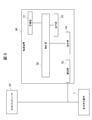
- the automatic transaction apparatus 1 includes a display 7 with a display / operation unit 2, a bill processing unit 3, a coin processing unit 4, a card / detail slip processing unit 5, and a passbook processing unit 6. Configured.
- the display / operation unit 2 is provided on the upper surface of the automatic transaction apparatus 1, displays a guidance screen for the user, and accepts a user's input operation.
- the display / operation unit 2 may include a biometric information reading unit that reads biometric information of a user (fingerprint, finger vein, palm print, etc.).
- the banknote processing unit 3 stores deposit / withdrawal banknotes and is provided with a shutter for storing banknotes.
- the banknote processing unit 3 restricts the insertion and removal of banknotes from the banknote processing unit 3 by opening and closing the shutter.
- the banknote processing unit 3 is configured such that each denomination cassette that stores banknotes in each denomination, a reject cassette that stores non-confirmed banknotes or unidentified banknotes that are unidentified, and forgetting to remove a banknote that has been fed out.
- each cassette has a cassette for each application, such as a loading cassette in which banknotes are first packed, and access to each cassette is an access detection mechanism. Is detected.
- the coin processing unit 4 stores deposit / withdrawal coins and is provided with a shutter for storing coins in the same manner as the banknote processing unit 3.
- the coin processing unit 4 restricts the insertion and removal of coins from the coin processing unit 4 by opening and closing the shutter.
- the coin processing unit 4 stores each denomination cassette for storing coins in each denomination, a reject cassette for storing damaged coins and uncertain coins with unknown discrimination, There is a cassette for each application, such as a forgotten collection cassette to be stored, and a loading cassette for hand-packing coins in order to store coins in each denomination cassette, and access to each cassette is an access detection mechanism. Is detected.
- the card / detail slip processing unit 5 takes in the inserted card, reads the card information (financial institution number, store number, account number, etc.) recorded on the card, rewrites the card information, and the like.
- the card / detail slip processing unit 5 may be configured to process a magnetic card, may be configured to process an IC card, or may be configured to process both cards (magnetic card and IC card).
- the card / detail slip processing section 5 has a print section for printing the transaction contents on the detail slip, and discharges the detail slip printed by the print section.
- the card / detail slip processing unit 5 also includes a journal unit that prints the operation history of the automatic transaction apparatus 1 on a roll paper for a journal, and a transfer ticket that writes, prints, and issues a transfer ticket that records transfer destination information in a transfer transaction.
- a journal unit that prints the operation history of the automatic transaction apparatus 1 on a roll paper for a journal
- a transfer ticket that writes, prints, and issues a transfer ticket that records transfer destination information in a transfer transaction.
- the passbook processing unit 6 has a printing unit that takes in a passbook inserted into a passbook insertion port provided on the front of the main body and prints a transaction history on the passbook. Further, the passbook processing unit 6 is recorded on a page turning mechanism for turning over the page of the taken passbook, a bar code reader for reading a bar code indicating a page number printed on the passbook, and a magnetic stripe attached to the passbook. It also has a magnetic head or the like that reads the bankbook information (financial institution number, store number, account number, etc.).
- the passbook issuing mechanism that prints, writes, and issues a new passbook when there is no printing space in the passbook, and also has a loading cassette for hand-packing the new passbook to the general issuer. Access to each section is detected by the access detection mechanism.
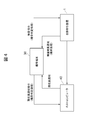
- the automatic transaction apparatus 1 includes a communication control unit 21, an attendant / display operation unit 22, a main storage unit 23, and a control unit 24.
- the communication control unit 21 controls data communication with the host computer 40 installed on the center side where maintenance operation is performed.
- the host computer 40 includes a database in which account management information including the name of the account opener, address, contact telephone number, transaction history, personal identification number, account balance, etc. is registered for each opened account. . Further, the host computer 40 responds to a process of updating the account management information related to the account in which the transaction has been performed based on the transaction content notified from the automatic transaction apparatus 1 or an authentication request from the automatic transaction apparatus 1 regarding whether or not transaction is possible. On the other hand, processing for authenticating whether or not the transaction is possible and returning the authentication result is performed.
- the clerk / display operation unit 22 is provided on the rear door or the front door of the automatic transaction apparatus 1, and displays a state or accepts an input operation to the clerk or maintenance staff.
- the door access detection unit 25 is provided in the front door or the rear door of the automatic transaction apparatus 1.
- the door access detection unit 25 detects the presence or absence of access by an attendant or maintenance staff regardless of whether the power state of the automatic transaction apparatus 1 is on or off, and provides the detection result to the main storage unit 23.
- the detection mechanism of the door access detection unit 25 will be described in detail later.
- the main storage unit 23 stores all access records of the automatic transaction apparatus 1, adjustment of money and consumables, and detailed information on failures. Also, a periodic operation registration table 700, a calendar registration table 900, an important medium management table 1000, a money processing unit table 1100, an access detection table 1200 linked with an access detection mechanism, and a state management table 1400 of an automatic transaction apparatus are stored. Then, the control unit 24 combines these tables and refers to the security level table 1300 to determine the type of scrutiny process. Further, the control unit 24 causes the clerk display / operation unit 22 to display the determination reason and the processing content on the display screen. Details of each table and a determination method will be described later.
- a part of the calendar registration table 900, the important medium management table 1000, and the money processing unit table 1100 is an example of the operation management table of the present invention. Further, the important medium management table 1000 and a part of the money processing unit table 1100 and the access detection table 1200 are examples of the operation determination target table of the present invention.
- the control unit 24 controls the operation of each part of the automatic transaction apparatus 1 main body. For example, when a scrutiny instruction is received from the scrutiny terminal 30 via the communication control unit 21, each table stored in the main storage unit 23 is referred to cause each mechanism to perform a scrutiny process.
- the control unit 24 functions as an operation determination unit and a scrutinization processing instruction unit of the present invention.
- the automatic transaction apparatus 1 is connected to the scrutiny terminal 30 and the host computer 40 via a network.
- the number of the automatic transaction apparatuses 1 connected to the scrutiny terminal 30 and the host computer 40 is not limited to one.
- a transaction system may be comprised from the automatic transaction apparatus 1 and the scrutiny terminal 30, and a transaction system may also be comprised including the host computer 40.
- the scrutinization terminal 30 includes a communication unit 35, an operation unit 34, a display unit 33, and a control unit 32 that controls these units.
- the control unit 32 includes a hardware configuration such as a CPU and a memory and a software configuration such as a program and data, and controls various processes. Specifically, the control part 32 creates and manages the detailed examination result information of the automatic transaction apparatus 1 installed remotely.
- the display unit 33 has a screen display function, and the operation unit 34 has a function of detecting an input by a mouse or contact input.
- the display unit 33 and the operation unit 34 display information on the terminal state of the automatic transaction apparatus 1 and confirmation status information of the scrutiny result when the person who manages the scrutiny information checks the scrutiny data result, and accepts an operation. To do.
- the scrutinization terminal 30 and the host computer 40 correspond to the scrutinization apparatus of the present invention.
- the various processes with respect to a banknote are demonstrated.
- the transaction amount of the process for example, the replenished amount, the withdrawal transaction amount or the deposit transaction
- the amount of money is notified to the host computer 40.
- the host computer 40 updates the current amount of the automatic transaction apparatus 1 based on the notified transaction amount.
- the host computer 40 manages the present amount of each automatic transaction apparatus 1, that is, the amount stored in the automatic transaction apparatus 1.
- the scrutiny terminal 30 performs a scrutiny to check whether the number of banknotes stored in the automatic transaction apparatus 1 is correct for each denomination.
- the scrutiny terminal 30 instructs the automatic transaction apparatus 1 to perform a scrutinization instruction to execute a scrutiny process and also instructs the host computer 40 to notify the current height of the current height.
- the automatic transaction apparatus 1 Upon receiving a scrutiny instruction from the scrutiny terminal 30, the automatic transaction apparatus 1 executes a scrutiny with a counting operation that moves the money in the transport path again and performs actual recounting based on the result of the action determination process described later. Select whether to perform the inspection without performing re-counting and execute the inspection processing. And the automatic transaction apparatus 1 notifies scrutinization information to the scrutinization terminal 30 after completion
- the stock amount information notified to the scrutinization terminal 30 is stored in the storage unit 31 of the scrutinization terminal 30 and printed on a journal, a statement slip or the like.
- the host computer 40 notifies the scrutinization terminal 30 of the current amount of the automatic transaction apparatus 1.
- the scrutinization terminal 30 collates the balance information as a scrutiny result from the automatic transaction apparatus 1 with the current amount from the host computer 40, and the number of denominations of banknotes stored in the automatic transaction apparatus 1 is correct. Determine whether.
- the scrutiny terminal 30 may instruct the automatic transaction apparatus 1 to inquire before the scrutiny instruction.
- the automatic transaction apparatus 1 notifies the scrutinization terminal 30 of the result of the operation determination process described later. Thereby, it becomes possible to grasp the state of the automatic transaction apparatus 1 before giving an actual scrutiny instruction at the scrutiny terminal 30.
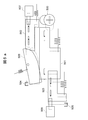
- FIG. 5a shows the door access detection unit 25 of the automatic transaction apparatus 1 in a normal state.
- the access detection mechanism of the door access detection unit 25 is normally stored at a position where it does not react to the optical sensors 504 and 505 that detect the change of light by the upper and lower solenoids 506 and 507.
- the solenoid has two solenoids, an upper solenoid 507 and a lower solenoid 506.
- the optical sensor also has two sensors, an upper optical sensor 504 and a lower optical sensor 505. When one of the two solenoids or the sensor fails, only one of them operates to realize the function of the door access detection unit 25.
- FIG. 5 b shows the mechanism of the door access detection unit 25 when the door is opened during operation of the automatic transaction apparatus 1 (including when the power is turned off).
- the key cylinder 500 rotates 90 degrees counterclockwise. Then, the lower metal fitting 501 is pushed by the key cylinder 500 and moves in the direction of the light shielding member 503. The light shielding member 503 is pushed by the lower metal fitting 501 and moves in the direction of the lower solenoid 506. Thereby, the light shielding member 503 is held at a position where it reacts with the lower optical sensor 505.
- the lower metal fitting 501 pushes the light shielding member 508 upward.
- the light shielding member 508 is held at a position where it reacts with the upper optical sensor 504. Further, the light shielding member 508 moves the upper metal fitting 502 toward the upper solenoid 507.
- the door access detection mechanism when the door access detection mechanism is activated while the automatic transaction apparatus 1 is powered off, the state of the upper and lower optical sensors is detected at the same time as the power is turned on. After detecting the states of the upper and lower optical sensors, the detected contents are stored in the main storage unit 23 of the automatic transaction apparatus 1. Thereafter, the upper solenoid 507 and the lower solenoid 506 are operated to return to the normal state of FIG.
- the state management process of the automatic transaction device 1 will be described.
- the state management process of the automatic transaction apparatus 1 specifically, the state of the automatic transaction apparatus 1 is determined, the state of the automatic transaction apparatus 1 is displayed, or the automatic transaction apparatus 1 is operated.
- the state management process may be performed by the control unit 24 of the automatic transaction apparatus 1 or may be performed by the control unit 32 of the scrutiny terminal 30 that is notified of the state of the apparatus.
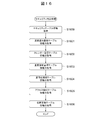
- the pre-processing of the automatic transaction apparatus 1 will be described.
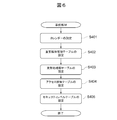
- various tables that are referred to for performing the operation determination process of the automatic transaction apparatus 1 are set.
- the pre-processing of the automatic transaction apparatus 1 is executed in advance by the control unit 24 of the automatic transaction apparatus 1 in accordance with an administrator input.
- the control unit 24 of the automatic transaction apparatus 1 sets the calendar of the automatic transaction apparatus 1 (S401). Next, the control unit 24 sets an important medium management table (S402). Next, the control unit 24 sets a money processing unit table (S403). Next, the control unit 24 sets an access detection table (S404). Then, the control unit 24 sets a security level table (S405).
- the operation determination process of the automatic transaction apparatus 1 to be described later is executed based on the various tables set in these preliminary processes, and the state display process of the automatic transaction apparatus 1 is executed.
- Each table set in the pre-processing may be stored in the main storage unit 23 of the automatic transaction apparatus 1 or may be stored in the storage unit 31 of the scrutiny terminal 30.
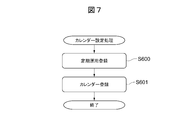
- step S401 the calendar setting in step S401 will be described with reference to FIG.
- the control unit 24 of the automatic transaction apparatus 1 performs regular operation registration in accordance with an administrator input (S600).
- the regular operation registration table 700 shown in FIG. 8 is set.
- the regular operation registration table 700 will be described later in detail.
- control unit 24 performs calendar registration (S601).
- the calendar registration in step S700 the display of the calendar screen 800 shown in FIG. 9 and the calendar registration table 900 shown in FIG. 10 are set.
- the calendar screen 800 and the calendar registration table 900 will be described in detail later.
- the periodic operation registration table 700 set in step S600 is set according to the input of the administrator of the automatic transaction apparatus 1.
- the manager is a staff member or a business consignee.
- the automatic transaction apparatus 1 is an apparatus that handles cash
- rules for handling the automatic transaction apparatus 1 are often defined for staff and guards.
- security guards are hired as outsourced businesses. In that case, as a general rule, an operation determined on the date and day of the week determined in advance by the security guard is performed. Therefore, in the regular operation registration table 700, the regular operation schedule of various processes is set by the input of the administrator in accordance with the rules and operations described above.
- the periodic operation registration table 700 includes a replenishment schedule 701 for replenishing consumable media and money as operation types, a recovery schedule 702 for collecting end-user forgotten media and money, and a close examination of money and media. And a collection schedule 704 for collecting data of the automatic transaction apparatus 1 are set.
- Each setting item of the regular operation registration table 700 may be set on a display screen for setting the regular operation registration table 700 of FIG.
- the administrator selects from the periodic target 705 whether to schedule for each schedule in the periodic operation registration table 700 or to perform management on an individual date.
- “ ⁇ ” indicates a target for periodic operation. When not intended, it may be “blank” as shown in FIG. 8 or may be represented as “x”. In addition, the case where it is not the target of regular operation will be described later.
- the day of the week registration 706 is set.
- the day of the week registration 706 is selected from seven from Monday to Sunday.
- the interval registration 707 is set.
- the interval registration 707 is selectable every week, every other week, and from the first week to the fourth week of each day of the week.
- the interval registration 707 can also be set to a fixed date every month, for example, the 5th or 20th of every month.
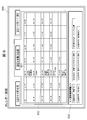
- the automatic transaction apparatus 1 or the scrutiny terminal 30 displays a calendar screen 800 shown in FIG. 9 based on the settings of the regular operation registration table 700.
- the calendar screen 800 is displayed on the clerk / display operation unit in the case of the automatic transaction apparatus 1, and is displayed on the display unit 33 in the case of the examination terminal 30, and can be added to the existing screen.
- the target of regular operation is displayed in the regular operation information column 802 at the bottom of the calendar screen 800 and also displayed on the corresponding day of the calendar 801.
- the target date on the calendar screen 800 is selected and registered.
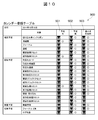
- a calendar registration table 900 shown in FIG. 10 is displayed.
- the calendar registration table 900 incorporates the information of the regular operation registration table 700 set in advance, and the presence or absence of a schedule is indicated by “ ⁇ ” for each target.
- the administrator can change the schedule on the calendar registration table 900 by selecting “O” and “Blank” to change “scheduled” 901 and “scheduled” 902.
- the target medium in the automatic transaction apparatus 1 is in the “normal” state, the “full” state, “ Set to the calendar in the same way as when “Scheduled” in any state other than “Normal” in “Near Full”, “Empty”, or “Near End” Is done.
- the calendar setting in step S401 has been described above.
- the important medium management table 1000 manages important media such as cards, passbooks, statement slips, ink ribbons, and various data that are media other than money.
- the important medium management table 1000 takes over the contents of the calendar setting items set in step S401.
- the “schedule” column 1001 of the important medium management table 1000 reflects the settings of scheduled 901, unscheduled 902 and excess / deficiency 903 in the calendar registration table 900.
- the “next date and time” column 1002 reflects the next scheduled date and time of each item.
- step S402 it is set whether or not access to the target medium is included in the condition of the operation determination process described later. Select “within condition” to enter the condition of the motion determination process, and select “out of condition” otherwise.
- the setting of the important medium management table in step S402 has been described above.
- the money processing unit table 1100 manages the money deposited into and withdrawn from the automatic transaction apparatus 1.
- the contents of the calendar setting items set in step S401 are taken over.
- the “schedule” column 1101 reflects the settings of “scheduled” 901, “scheduled not present” 902, and “when excess / deficiency occurs” 903 in the calendar registration table 900.
- the “next date and time” column 1002 reflects the next scheduled date and time.
- the banknote reject cassette 1104 and the coin reject cassette 1105 have “when scrutiny does not match” as a selection item in the “plan” column 1101.
- the disagreement of scrutiny means that the number of money assumed to be held by the automatic transaction apparatus 1 at the time of scrutiny that means recounting money is different from the recounted money number.
- a cash cassette such as a clerk or a security guard manually calculates the amount of money or the type of money contained in the reject cassette that stores the lost bill or unknown money.
- the banknote reject cassette 1104 and the coin reject cassette 1105 are accessed by an attendant or the like.
- step S403 it is set whether or not access to the target medium is included in the condition of the operation determination process described later. Select “within condition” to enter the condition of the motion determination process, and select “out of condition” otherwise.
- the setting of the money handling unit table in step S403 has been described above.
- the “power-on” is set for the target item set to “Condition” in the confirmed state in the setting of the important medium management table in step S 402 and the setting of the money processing table in step S 403. Select whether the access of “hour” 1201 is “within condition” or “out of condition”, and whether the access of “when power is off” 1202 is “within condition” or “out of condition” .
- the loading cassette of the banknote processing unit is set to “out of condition” when the power is turned on and “in condition” when the power is turned off. In this case, even if the loading cassette of the banknote processing unit is accessed when the power is turned on, it does not affect the determination of the confirmed state of the automatic transaction apparatus 1.
- the loading cassette of the banknote processing unit when there is access to the loading cassette of the banknote processing unit when the power is turned off, it indicates that the determination of the determined state of the automatic transaction apparatus 1 is affected. For example, if the loading cassette of the banknote processing unit is accessed when the power is turned off, it is determined that the automatic transaction apparatus 1 is in an indeterminate state.
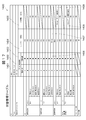
- the security level table 1300 is a table for determining whether to set the automatic transaction apparatus 1 to “indeterminate” with reference to the various tables set in the pre-processing.
- the access detection information column 1301 refers to the access detection table 1200, the money processing unit table 1100, and the important medium management table 1000. Stores information that sets the level of whether or not to perform.
- the calendar information column 1302 stores information for setting a level as to which the automatic transaction apparatus 1 is set to “unconfirmed” when any operation or action is performed with reference to the calendar registration table 900. ing.
- the medium information column 1303 refers to the important medium management table 1000, the money processing unit table 1100, and the calendar registration table 900.
- the automatic transaction apparatus 1 is “indeterminate” when any operation or operation is performed. Stores information for selecting the level.
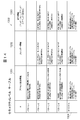
- the matching conditions of the access detection information 1301, the calendar information 1302, and the medium information 1303 may be prepared with a plurality of predetermined patterns as shown in FIG. 14, or may be set for each administrator. .
- the pattern 4 sets a security level for determining that the automatic transaction apparatus 1 is in an unconfirmed state when the banknote processing unit 3 or the coin processing unit 4 is accessed when the automatic transaction apparatus 1 is powered off. .
- the security level pattern 1 shown in FIG. 14 it is always determined that the automatic transaction apparatus 1 is in an unconfirmed state. It is also possible to set the security level.
- the operation determination process of the automatic transaction apparatus 1 is automatically executed when the automatic transaction apparatus 1 performs an operation or changes, and whether the automatic transaction apparatus 1 is in an “indeterminate” state or a “determined” state. It is determined whether the state is any of the following.
- the operation determination process of the automatic transaction apparatus 1 may be performed by an inquiry from a management terminal or the like used by the administrator after various tables are set by the above-described preliminary process.
- the operation determination process of the automatic transaction apparatus 1 may be periodically performed at a predetermined time, or the operation determination process of the automatic transaction apparatus 1 is performed before the scrutiny terminal 30 executes the scrutiny process. You may do it.
- the automatic transaction apparatus 1 When it is determined that the automatic transaction apparatus 1 is in an “indeterminate” state as a result of the operation determination process of the automatic transaction apparatus 1, when the inspection terminal 30 receives a scrutiny instruction, the money transaction path is moved. Perform a scrutiny with a counting operation that actually recounts. Further, when it is determined that the automatic transaction apparatus 1 is in the “determined” state, the scrutiny is performed without re-counting.
- the operation determination process of the automatic transaction apparatus 1 may be executed by the control unit 24 of the automatic transaction apparatus 1 or the control unit 32 of the scrutiny terminal 30. Below, it demonstrates as the control part 24 of the automatic transaction apparatus 1 performs.
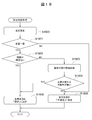
- control unit 24 of the automatic transaction apparatus 1 first performs a security determination process in the operation determination process (S1501).
- the security determination process in step S1501 will be described in detail later.
- step S1502 If it is determined in step S1502 that there is a security problem, the control unit 24 sets the state of the automatic transaction apparatus 1 to the “indeterminate” state (S1508). On the other hand, if it is determined in step S1502 that there is no security problem, the control unit 24 performs a money type number determination process (S1503). The money type number determination process in step S1503 will be described in detail later.
- the control unit 24 determines whether the reject cassette is confirmed or uncertain (S1504). If the reject cassette is uncertain, the state of the automatic transaction apparatus 1 is changed. An “indeterminate” state is set (S1508). On the other hand, when the reject cassette is confirmed in step S1504, a failure determination process is performed (S1505). The failure determination process in step S1505 determines whether there is a possibility that the stock amount will change. Details of the failure determination process will be described later.
- step S1505 If it is determined in step S1505 that the stock amount may change, the control unit 24 sets the state of the automatic transaction apparatus 1 to the “indeterminate” state (S1508). On the other hand, if it is determined in step S1505 that there is no possibility that the stock will change, the control unit 24 sets the state of the automatic transaction apparatus 1 to the “confirmed” state (S1507).
- control part 24 displays the status information of the automatic transaction apparatus 1 on the attendant / display operation part 22 based on the result of the determination process (S1509).
- the state information is displayed on the attendant / display operation unit 22 of the automatic transaction apparatus 1, but the state information of the automatic transaction apparatus 1 may be displayed on the display unit 33 of the scrutiny terminal 30.
- step S1501 the denomination type determination process in step S1504, and the failure determination process in step S1505 are not limited to the processing order shown in FIG.
- the processing time of the operation determination process can be shortened.
- step S1502 the control unit 24 of the automatic transaction apparatus 1 acquires information of the security table 1300 set in step S405 (S1600).
- control unit 24 acquires information of the regular operation registration table 700 set in S401 (S1601), acquires information of the calendar registration table 900 (S1602), and acquires information of the important medium management table 1000 ( S1603), the information of the money processing unit table 1100 is acquired (S1604), and the information of the access detection table 1200 is acquired (S1605). Finally, the control unit 24 acquires information of the state management table 1400 (S1606).
- the state management table 1400 is a table that is updated when there is some change in the automatic transaction apparatus 1.
- the state management table 1400 shows the security level set by the administrator in the security level table 1300 and the actual behavior of the automatic transaction apparatus 1 in terms of an access detection status 1403, a match status with a calendar 1404, and a media status 1405. It is compared and updated from a viewpoint.
- the door and each unit of the automatic transaction apparatus 1 are set to the “Condition” of the final condition in the access detection table 1200 when the power is turned on and when the power is turned off. For this reason, the access status of each section is retained.
- the detailed information of each access is stored in the main storage unit 23 of the automatic transaction apparatus 1 when the power is turned on, and the access information of each section is called and held as the access detection status 1403.
- each unit is also detected by an access detection mechanism (not shown) provided in each unit.
- the calendar match status 1404 determines and holds “match” or “mismatch” between the access detection status 1403 and the calendar registration table 900 set in step S401.
- each denomination cassette of the coin processing unit 4 is not scheduled to be accessed in the calendar registration table 900, but in the access detection status 1403 of the status management table 1400, each denomination cassette is accessed when the power is turned off. 1406 is “present”, and access has occurred. Therefore, the calendar match status is “not match” 1407.
- the medium status matching status 1405 compares the schedule set in the schedule 1001 of the important medium management table 1000 and the schedule 1101 of the money processing unit table 1100 with the actual media status and access detection status of the automatic transaction apparatus 1. It is determined whether it is “match” or “not match”, and the determination result is held.
- the media information matching status 1408 of the journal is scheduled to be replenished when a near end occurs on the important media management table 1000, and in fact, the automatic transaction apparatus 1 indicates a status that has been resolved after detecting the near end. "Match (near-end detection ⁇ resolution)". In this case, it is considered that regular replenishment has been made, and “match” is obtained.
- the medium information coincidence status 1409 of the loaded cassette of the passbook processing unit 6 indicates that the access detection status at the time of power-on is “present” and the access is detected, but the near end of the cassette has not been resolved. Near end detection) ”.
- step S1504 the denomination determining process in step S1504 will be described.
- the control unit 24 of the automatic transaction apparatus 1 determines whether or not money is stored in the reject cassettes of the banknote processing unit 3 and the coin processing unit 4 (S1700).
- step S1700 If it is determined in step S1700 that there is no money in the reject cassette, the control unit 24 holds that the reject cassette is in the “determined” state (S1703). On the other hand, if it is determined in step S1700 that money is stored, the control unit 24 determines whether the “denomination” and the “number of sheets” have been determined (S1701). Holds that the reject cassette is in the “determined” state (S1703).
- step S1701 if any of the “denomination” and “number of sheets” is not confirmed in step S1701, the control unit 24 holds that the reject cassette is in the “indeterminate” state (S1702).
- step S1506 the failure determination process in step S1506 will be described with reference to FIG. As shown in FIG. 19, the control unit 24 collates the amount of money held by the automatic transaction apparatus 1 with the amount of money of the automatic transaction apparatus 1 held by the host computer 40 (matching balance). (S1800).
- step S1800 it is determined whether the stocks match (S1801). If it is determined that the stocks do not match, the control unit 24 determines that the stocks are in an “indeterminate” state. Hold (S1806).
- step S1801 if it is determined that the stocks match, the control unit 24 determines whether a failure has occurred in the automatic transaction apparatus 1 during the period from the end of the previous scrutiny to the present. (S1802).
- step S1802 If it is determined in step S1802 that a failure has not occurred, the control unit 24 holds that the balance state is the “determined” state (S1805). On the other hand, if it is determined in step S1802 that a failure has occurred, the control unit 24 acquires detailed information on the failure (S1803).
- control unit 24 determines the type of failure that has occurred from the information acquired in step S1803, the failure other than the money processing unit such as the passbook processing unit 6, and the failure or money during transmission / reception of a message with the host computer 40. It is determined whether the failure has a possibility of affecting the amount of money, such as a jam failure of the processing unit (S1804).
- step S1804 If it is determined in step S1804 that there is no possibility that the cash balance will change, the control unit 24 holds that the cash balance status is the “determined” status (S1805). On the other hand, if there is a possibility that the stock amount may change in step S1804, the control unit 24 holds that the stock amount state is the “indeterminate” state (S1806).
- the determination results in the security determination process, the number-of- money type determination process, and the failure determination process are held, and the state information displayed in step S1509 changes according to the stored contents.
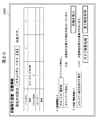
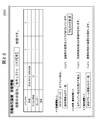
- FIG. 20 is a screen layout 2000 of the display screen displayed on the attendant / display operation unit 22 of the automatic transaction apparatus 1 in step S1509 described above.
- the security table pattern 4 of the state management table 1400 is selected.
- Pattern 4 when the banknote processing unit 3 or the coin processing unit 4 is accessed when the power is turned off, a scrutiny with a counting operation is performed as an “indeterminate” state.
- the access detection when each denomination cassette of the coin processing unit is turned off is “Yes”. Since this matches the condition of the access detection information 1301 of the pattern 4 in the security level table 1300, the state of the automatic transaction apparatus 1 becomes the “indeterminate” state.
- the present invention when the state of the automatic transaction apparatus 1 is “indeterminate”, “high security risk” is displayed.
- the present invention is not limited to this example.
- “10% safety level” Or the like, the security risk may be quantified and displayed.
- the event occurrence time may be displayed, or the fact that the next scrutiny involves a counting operation may be displayed. Further, an “immediate examination process” button for executing the examination process immediately, or a “later examination process” button for executing the examination process later may be displayed.
- a “display details” button for displaying more detailed information of the automatic transaction apparatus 1 may be displayed.
- the “display details” button is pressed, the detailed information acquired from the main storage unit 23 may be displayed on the attendant / display operation unit 22 of the automatic transaction apparatus 1.
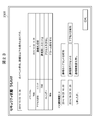
- FIG. 21 is a screen layout 2100 of a display screen including detailed information displayed on the attendant / display operation unit 22 of the automatic transaction apparatus 1. For example, on the screen layout 2100, as the detailed information of the event that has occurred, the name of the unit whose access is detected when the power is turned off, the access schedule of the unit, and the like may be displayed.
- FIG. 22 is another example of the display screen displayed on the attendant / display operation unit 22 of the automatic transaction apparatus 1.
- a display screen example 2200 when the medium information does not match is displayed. If the media information does not match, it is displayed that “security risk is present” and that it is recommended to visually check the bankbook processing unit.
- the “Usage” button for displaying the security risk breakdown of the automatic transaction apparatus 1 may be displayed on the screen layout 2200.
- FIG. 23 is a screen layout 2300 of a display screen including a breakdown of security risks displayed on the attendant / display operation unit 22 of the automatic transaction apparatus 1.
- the screen layout 2300 is displayed on the attendant / display operation unit 22 of the automatic transaction apparatus 1.
- “no change in the number of passbooks” is displayed as detailed information on the discrepancy.
- the cash management business and the important management medium of the automatic transaction apparatus are managed based on the detection of access to the door of the automatic transaction apparatus 1, but the present invention is applied. It is not limited to examples. For example, without detecting the access to the door of the automatic transaction apparatus 1, based on the setting status in the regular operation registration table 700 and the calendar registration table 900, cash management operations and important operations in accordance with the operation for the automatic transaction apparatus 1 A management medium may be managed.
- an item related to access detection of the door of the automatic transaction apparatus 1 in the access detection table 1200, the security level table 1300, and the state management table 1400 is deleted, or the state of the automatic transaction apparatus 1 is “determined without considering the item. Or “indeterminate”.
- the state of the automatic transaction apparatus 1 is determined, and the cash management business and the important operation in accordance with the operation of the automatic transaction apparatus 1 are important. Management media can be managed.
- the scrutiny processing is performed in the scrutinization terminal 30, but the present invention is not limited to such an example.
- the control unit 24 receives a scrutiny instruction from the staff / display operation unit 22, the control unit 24 refers to each table stored in the main storage unit 23 and causes each mechanism to perform a scrutiny process necessary.
- the scrutiny terminal 30 may not be used.
Landscapes
- Physics & Mathematics (AREA)
- General Physics & Mathematics (AREA)
- Financial Or Insurance-Related Operations Such As Payment And Settlement (AREA)
Abstract
Description
まず、図1を参照して、自動取引装置の外観構成について説明する。図1に示すように、自動取引装置1は、1つの筐体7に、表示・操作部2、紙幣処理部3、硬貨処理部4、カード・明細票処理部5及び通帳処理部6を備えて構成される。
次に、自動取引装置1の状態管理処理について説明する。自動取引装置1の状態管理処理では、具体的に、自動取引装置1の状態を判定したり、自動取引装置1の状態を表示したり、自動取引装置1を作動させたりする。状態管理処理は、自動取引装置1の制御部24が行ってもよいし、該装置の状態を通知された精査端末30の制御部32が行ってもよい。
次に、図20~図23を参照して、本実施の形態における自動取引装置1の状態情報を表示する表示画面について説明する。
以上のように本実施形態では、セキュリティレベルテーブル1300と、カレンダー登録テーブル900、重要媒体管理テーブル1000、貨幣処理部テーブル1100及びアクセス検知テーブル1200を組み合わせることにより、自動取引装置1に対する運用に即して現金管理業務及び重要管理媒体を管理し、省力化を阻害することなく必要な精査処理を実行することが可能となる。
上記実施の形態では、自動取引装置1の扉へのアクセス検知をもとに自動取引装置の現金管理業務や重要管理媒体を管理しているが、本発明はかかる例に限定されない。例えば、自動取引装置1の扉へのアクセス検知を行わずとも、定期運用登録テーブル700や、カレンダー登録テーブル900における設定状況に基づいて、自動取引装置1に対する運用に即して現金管理業務及び重要管理媒体を管理するようにしてもよい。
2 操作部
3 紙幣処理部
4 硬貨処理部
5 明細票処理部
6 通信処理部
7 筐体
21 通信制御部
22 係員・表示操作部
23 主記憶部
24 制御部
25 扉アクセス検知部
30 精査端末
40 ホストコンピュータ
Claims (10)
- 貨幣の保管及び繰り出し処理を行う貨幣処理部と、
通帳またはカードを含む重要媒体を取り扱う重要媒体処理部と、
自動取引装置の電源入時または電源断時の扉の開閉及び、前記貨幣処理部及び前記重要媒体処理部へのアクセスを検知する検知部と、
前記検知部により検知された、前記扉の開閉状態及び前記貨幣処理部及び前記重要媒体処理部へのアクセス状況に基づいて、前記自動取引装置の動作状態を判定する動作判定部と、
前記動作判定処理により判定された前記自動取引装置の動作状態に応じた精査処理を指示する精査処理指示部と、
を備えることを特徴とする、自動取引装置。 - 前記自動取引装置に対して予め決められた運用に沿った所定の条件を管理する運用管理テーブル、及び、前記貨幣処理部及び前記重要媒体処理部の各部への何れを前記動作判定部による動作状態の判定対象とするかを設定する動作判定対象テーブル、
を記憶する記憶部を備える
ことを特徴とする、請求項1に記載の自動取引装置。 - 前記動作判定部は、
前記検知部により前記自動取引装置の開扉、及び、前記貨幣処理部及び前記重要媒体処理部へのアクセスが検知された場合に、前記動作判定部による動作状態の判定対象であるか、前記運用管理テーブルに設定された所定の条件と実際の運用とが一致しているかを判定して前記自動取引装置が確定状態か未確定状態かを判定する
ことを特徴とする、請求項2に記載の自動取引装置。 - 前記動作判定部は、
前記検知部により前記自動取引装置の開扉、及び、前記貨幣処理部及び前記重要媒体処理部へのアクセスが検知された場合に、前記動作判定部による動作状態の判定対象であり、前記運用管理テーブルに設定された所定の条件と実際の運用とが一致している場合に、前記自動取引装置が確定状態であると判定し、
前記検知部により前記自動取引装置の開扉、及び、前記貨幣処理部及び前記重要媒体処理部へのアクセスが検知された場合に、前記動作判定部による動作状態の判定対象であり、前記運用管理テーブルに設定された所定の条件と実際の運用とが一致しない場合に、前記自動取引装置を未確定状態であると判定する
ことを特徴とする、請求項3に記載の自動取引装置。 - 前記精査処理指示部は、
前記動作判定部により前記自動取引装置が確定状態であると判定された場合に、計数動作を伴わない精査処理を指示し、
前記動作判定部により前記自動取引装置が未確定状態であると判定された場合に、計数動作を伴う精査処理を指示する、
ことを特徴とする、請求項3に記載の自動取引装置。 - 前記検知部は、
前記自動取引装置の電源入時または電源断時の扉の開閉を検知する扉アクセス検知機構を有し、
前記扉アクセス検知機構は、前記自動取引装置の開扉に応じて移動する2つの遮光部材と、前記移動した遮光部材に反応する2つのセンサとを有する
ことを特徴とする、請求項1に記載の自動取引装置。 - 前記動作判定部により判定された前記自動取引装置の動作状態を含む前記自動取引装置の状態情報を表示画面に表示する表示部を備える
ことを特徴とする、請求項1に記載の自動取引装置。 - 表示部は、
前記自動取引装置の状態情報として、前記自動取引装置の動作状態に応じた精査処理の処理態様の情報、及び、前記貨幣処理部または前記重要媒体処理部の状態情報を前記表示画面に表示する
ことを特徴とする、請求項7に記載の自動取引装置。 - 前記自動取引装置はネットワークを介して精査端末に接続され、
前記精査端末は、前記自動取引装置の前記検知部により検知された、前記扉の開閉状態及び前記貨幣処理部及び前記重要媒体処理部へのアクセス状況を取得して、前記自動取引装置の動作状態を判定し、前記自動取引装置の動作状態に応じた精査処理を前記自動取引装置に指示する
ことを特徴とする、請求項1に記載の自動取引装置。 - 貨幣の保管及び繰り出し処理を行う貨幣処理部と、通帳またはカードを含む重要媒体を取り扱う重要媒体処理部と、自動取引装置の電源入時または電源断時の扉の開閉及び、前記貨幣処理部及び前記重要媒体処理部へのアクセスを検知する検知部と、を備えた自動取引装置の状態管理方法であって、
前記検知部により検知された、前記扉の開閉状態と、前記貨幣処理部及び前記重要媒体処理部へのアクセス状況を取得するステップと、
前記扉の開閉状態及び前記アクセス状況に基づいて、前記自動取引装置の動作状態が確定状態か未確定状態かを判定するステップと、
前記自動取引装置の動作状態が確定状態の場合に計数動作を伴わない精査処理を指示し、前記自動取引装置の動作状態が未確定状態の場合に係数動作を伴う精査処理を指示するステップと、
を含むことを特徴とする、自動取引装置の状態管理方法。
Priority Applications (2)
| Application Number | Priority Date | Filing Date | Title |
|---|---|---|---|
| CN201580025870.7A CN106463019B (zh) | 2014-05-30 | 2015-05-28 | 自动交易装置以及自动交易装置的状态管理方法 |
| JP2016523567A JP6240324B2 (ja) | 2014-05-30 | 2015-05-28 | 自動取引装置及び自動取引装置の状態管理方法 |
Applications Claiming Priority (2)
| Application Number | Priority Date | Filing Date | Title |
|---|---|---|---|
| JP2014-112394 | 2014-05-30 | ||
| JP2014112394 | 2014-05-30 |
Publications (1)
| Publication Number | Publication Date |
|---|---|
| WO2015182729A1 true WO2015182729A1 (ja) | 2015-12-03 |
Family
ID=54699051
Family Applications (1)
| Application Number | Title | Priority Date | Filing Date |
|---|---|---|---|
| PCT/JP2015/065480 Ceased WO2015182729A1 (ja) | 2014-05-30 | 2015-05-28 | 自動取引装置及び自動取引装置の状態管理方法 |
Country Status (3)
| Country | Link |
|---|---|
| JP (1) | JP6240324B2 (ja) |
| CN (1) | CN106463019B (ja) |
| WO (1) | WO2015182729A1 (ja) |
Families Citing this family (1)
| Publication number | Priority date | Publication date | Assignee | Title |
|---|---|---|---|---|
| JP7360972B2 (ja) * | 2020-02-25 | 2023-10-13 | 東芝テック株式会社 | 販売データ処理装置およびプログラム |
Citations (3)
| Publication number | Priority date | Publication date | Assignee | Title |
|---|---|---|---|---|
| JPH02285485A (ja) * | 1989-04-27 | 1990-11-22 | Oki Electric Ind Co Ltd | 現金入出金装置 |
| JP2011018207A (ja) * | 2009-07-09 | 2011-01-27 | Hitachi Omron Terminal Solutions Corp | 取引処理装置、及び精査システム |
| WO2013153572A1 (ja) * | 2012-04-10 | 2013-10-17 | 日立オムロンターミナルソリューションズ株式会社 | 紙葉類処理装置 |
Family Cites Families (2)
| Publication number | Priority date | Publication date | Assignee | Title |
|---|---|---|---|---|
| CN101650857A (zh) * | 2009-07-09 | 2010-02-17 | 广州广电运通金融电子股份有限公司 | 一种银行收款系统及方法 |
| CN101650856B (zh) * | 2009-07-09 | 2012-08-08 | 广州广电运通金融电子股份有限公司 | 一种收银现金管理系统及方法 |
-
2015
- 2015-05-28 JP JP2016523567A patent/JP6240324B2/ja active Active
- 2015-05-28 CN CN201580025870.7A patent/CN106463019B/zh not_active Expired - Fee Related
- 2015-05-28 WO PCT/JP2015/065480 patent/WO2015182729A1/ja not_active Ceased
Patent Citations (3)
| Publication number | Priority date | Publication date | Assignee | Title |
|---|---|---|---|---|
| JPH02285485A (ja) * | 1989-04-27 | 1990-11-22 | Oki Electric Ind Co Ltd | 現金入出金装置 |
| JP2011018207A (ja) * | 2009-07-09 | 2011-01-27 | Hitachi Omron Terminal Solutions Corp | 取引処理装置、及び精査システム |
| WO2013153572A1 (ja) * | 2012-04-10 | 2013-10-17 | 日立オムロンターミナルソリューションズ株式会社 | 紙葉類処理装置 |
Also Published As
| Publication number | Publication date |
|---|---|
| JP6240324B2 (ja) | 2017-11-29 |
| CN106463019B (zh) | 2019-03-01 |
| CN106463019A (zh) | 2017-02-22 |
| JPWO2015182729A1 (ja) | 2017-04-20 |
Similar Documents
| Publication | Publication Date | Title |
|---|---|---|
| EP2104900B1 (en) | Cash tracking system | |
| TWI333634B (ja) | ||
| JP6286313B2 (ja) | 自動取引装置 | |
| JP5047257B2 (ja) | 自動取引処理装置、および自動取引処理システム | |
| US9640007B2 (en) | Medium transaction device | |
| WO2015114746A1 (ja) | 現金自動取引装置、紙幣カセット、紙幣管理システム | |
| JP6544885B2 (ja) | 有価媒体処理装置および有価媒体処理方法 | |
| JP2012203703A (ja) | 現金処理装置 | |
| JP6476006B2 (ja) | 自動取引装置及び取引システム | |
| JP6165551B2 (ja) | 有価媒体処理装置および有価媒体処理方法 | |
| JP6881195B2 (ja) | 媒体処理装置 | |
| JP6240324B2 (ja) | 自動取引装置及び自動取引装置の状態管理方法 | |
| JP6349473B2 (ja) | 自動取引装置 | |
| JP6245029B2 (ja) | 媒体取引装置 | |
| JP7405631B2 (ja) | 貨幣処理装置、貨幣処理システム及び貨幣処理方法 | |
| JP6829538B2 (ja) | 貨幣処理装置、貨幣処理システム、管理装置、および貨幣処理装置のメンテナンス方法 | |
| JP6769216B2 (ja) | 現金処理装置 | |
| WO2015114910A1 (ja) | 自動取引装置、状態管理方法及び管理システム | |
| JP2021056855A (ja) | 貨幣処理システム、貨幣処理装置、貨幣処理方法及びプログラム | |
| JP2005209015A (ja) | 現金取り扱いシステム | |
| JP4916649B2 (ja) | 自動取引装置 | |
| JP5082600B2 (ja) | 現金自動取引装置 | |
| JP2009026193A (ja) | 自動取引装置 | |
| JP2015141627A (ja) | 自動取引装置、自動取引システム、及び、おつり返却方法 | |
| JP2009263908A (ja) | 鍵管理システム |
Legal Events
| Date | Code | Title | Description |
|---|---|---|---|
| 121 | Ep: the epo has been informed by wipo that ep was designated in this application |
Ref document number: 15799118 Country of ref document: EP Kind code of ref document: A1 |
|
| ENP | Entry into the national phase |
Ref document number: 2016523567 Country of ref document: JP Kind code of ref document: A |
|
| WWE | Wipo information: entry into national phase |
Ref document number: IDP00201607987 Country of ref document: ID |
|
| NENP | Non-entry into the national phase |
Ref country code: DE |
|
| 122 | Ep: pct application non-entry in european phase |
Ref document number: 15799118 Country of ref document: EP Kind code of ref document: A1 |