WO2014208956A1 - 내약품성이 우수한 고내열 고분자 수지 조성물 - Google Patents
내약품성이 우수한 고내열 고분자 수지 조성물 Download PDFInfo
- Publication number
- WO2014208956A1 WO2014208956A1 PCT/KR2014/005524 KR2014005524W WO2014208956A1 WO 2014208956 A1 WO2014208956 A1 WO 2014208956A1 KR 2014005524 W KR2014005524 W KR 2014005524W WO 2014208956 A1 WO2014208956 A1 WO 2014208956A1
- Authority
- WO
- WIPO (PCT)
- Prior art keywords
- resin composition
- polymer resin
- graft copolymer
- aromatic vinyl
- copolymer
- Prior art date
- Legal status (The legal status is an assumption and is not a legal conclusion. Google has not performed a legal analysis and makes no representation as to the accuracy of the status listed.)
- Ceased
Links
Classifications
-
- C—CHEMISTRY; METALLURGY
- C08—ORGANIC MACROMOLECULAR COMPOUNDS; THEIR PREPARATION OR CHEMICAL WORKING-UP; COMPOSITIONS BASED THEREON
- C08L—COMPOSITIONS OF MACROMOLECULAR COMPOUNDS
- C08L67/00—Compositions of polyesters obtained by reactions forming a carboxylic ester link in the main chain; Compositions of derivatives of such polymers
- C08L67/02—Polyesters derived from dicarboxylic acids and dihydroxy compounds
- C08L67/03—Polyesters derived from dicarboxylic acids and dihydroxy compounds the dicarboxylic acids and dihydroxy compounds having the carboxyl- and the hydroxy groups directly linked to aromatic rings
-
- C—CHEMISTRY; METALLURGY
- C08—ORGANIC MACROMOLECULAR COMPOUNDS; THEIR PREPARATION OR CHEMICAL WORKING-UP; COMPOSITIONS BASED THEREON
- C08L—COMPOSITIONS OF MACROMOLECULAR COMPOUNDS
- C08L69/00—Compositions of polycarbonates; Compositions of derivatives of polycarbonates
-
- C—CHEMISTRY; METALLURGY
- C08—ORGANIC MACROMOLECULAR COMPOUNDS; THEIR PREPARATION OR CHEMICAL WORKING-UP; COMPOSITIONS BASED THEREON
- C08G—MACROMOLECULAR COMPOUNDS OBTAINED OTHERWISE THAN BY REACTIONS ONLY INVOLVING UNSATURATED CARBON-TO-CARBON BONDS
- C08G63/00—Macromolecular compounds obtained by reactions forming a carboxylic ester link in the main chain of the macromolecule
- C08G63/02—Polyesters derived from hydroxycarboxylic acids or from polycarboxylic acids and polyhydroxy compounds
- C08G63/12—Polyesters derived from hydroxycarboxylic acids or from polycarboxylic acids and polyhydroxy compounds derived from polycarboxylic acids and polyhydroxy compounds
- C08G63/16—Dicarboxylic acids and dihydroxy compounds
- C08G63/18—Dicarboxylic acids and dihydroxy compounds the acids or hydroxy compounds containing carbocyclic rings
- C08G63/181—Acids containing aromatic rings
- C08G63/183—Terephthalic acids
-
- C—CHEMISTRY; METALLURGY
- C08—ORGANIC MACROMOLECULAR COMPOUNDS; THEIR PREPARATION OR CHEMICAL WORKING-UP; COMPOSITIONS BASED THEREON
- C08L—COMPOSITIONS OF MACROMOLECULAR COMPOUNDS
- C08L51/00—Compositions of graft polymers in which the grafted component is obtained by reactions only involving carbon-to-carbon unsaturated bonds; Compositions of derivatives of such polymers
- C08L51/04—Compositions of graft polymers in which the grafted component is obtained by reactions only involving carbon-to-carbon unsaturated bonds; Compositions of derivatives of such polymers grafted on to rubbers
-
- C—CHEMISTRY; METALLURGY
- C08—ORGANIC MACROMOLECULAR COMPOUNDS; THEIR PREPARATION OR CHEMICAL WORKING-UP; COMPOSITIONS BASED THEREON
- C08L—COMPOSITIONS OF MACROMOLECULAR COMPOUNDS
- C08L55/00—Compositions of homopolymers or copolymers, obtained by polymerisation reactions only involving carbon-to-carbon unsaturated bonds, not provided for in groups C08L23/00 - C08L53/00
- C08L55/02—ABS [Acrylonitrile-Butadiene-Styrene] polymers
-
- C—CHEMISTRY; METALLURGY
- C08—ORGANIC MACROMOLECULAR COMPOUNDS; THEIR PREPARATION OR CHEMICAL WORKING-UP; COMPOSITIONS BASED THEREON
- C08L—COMPOSITIONS OF MACROMOLECULAR COMPOUNDS
- C08L67/00—Compositions of polyesters obtained by reactions forming a carboxylic ester link in the main chain; Compositions of derivatives of such polymers
- C08L67/02—Polyesters derived from dicarboxylic acids and dihydroxy compounds
Definitions
- the present invention relates to a high molecular weight polymer resin composition that can provide an environmentally friendly biomass-containing synthetic resin exhibiting improved chemical resistance in more detail.
- Polyester resins are widely used as reinforcing plastics, paints, films, molding resins, etc. due to their relatively excellent heat resistance, mechanical strength and elastic strength, and are also used as a textile material for garments. Recently, due to its characteristic properties, polyester resins are increasingly used in fields such as building interior materials or molded signboards. However, polyester resins have lower heat resistance than other polymer materials, such as acrylic materials or polycarbonate materials, and are not suitable for use as outdoor exterior materials having severe seasonal temperature changes.
- polycarbonate resins are used in various fields such as exterior, packaging materials, cases, boxes, interior and exterior materials of various building materials and electronic products due to excellent characteristics such as layer resistance or heat resistance.
- These polycarbonate resins are in high demand due to their excellent mechanical properties, but the appearance color of the polycarbonate changes or cracks occur due to various detergents, women's cosmetics, and baby hand sanitizers commonly used in the market. There is a problem that causes deterioration of the product.
- ABS acrylonitrile-butadiene-styrene graft copolymer
- polycarbonate resin to improve the layer resistance and heat resistance, but this is not an eco-friendly biomass product.
- ABS acrylonitrile-butadiene-styrene graft copolymer
- various methods have been used to increase the chemical resistance while maintaining the mechanical properties of the polycarbonate, especially heat resistance, but the degree of improvement in chemical resistance was not sufficient to be practically applicable to industrial applications, and the appearance of the resin product manufactured There was a problem of deterioration of characteristics.
- a method of further blending one or more materials has also been attempted, but it is difficult to express an appropriate level of chemical resistance.
- ABS acrylonitrile— butadiene-styrene
- PC / ABS polycarbonate / ABS
- PC / ABS polycarbonate / ABS
- these PCs / ABSs are vulnerable to some chemicals such as aromatic hydrocarbons, acetones, and alcohols in terms of chemical resistance, which results in discoloration, swelling, and cracking when these chemicals are in direct contact with each other. I had a problem that was lost. Accordingly, many studies have been conducted to prepare resin compositions having better chemical resistance than existing heat-resistant ABS or PC / ABS.
- the present invention is to provide a high heat-resistant polymer resin composition capable of providing an environment-friendly biomass-containing synthetic resin showing improved chemical resistance while expressing excellent layer resistance and heat resistance.
- the present invention provides a polyester copolymer comprising a residue of a dicarboxylic acid component containing terephthalic acid and a residue of a dial component including dianhydronuclear; Unsaturated nitrile-diene rubber-aromatic vinyl graft copolymer, alkyl methacrylate-diene rubber-aromatic vinyl graft copolymer, and alkylmethacrylate-silicone / alkylacrylate graft copolymer At least one copolymer; And it provides a high heat-resistant polymer resin composition excellent in chemical resistance, including polytrimethylene terephthalate.
- the polymer resin composition may have a tensile strength loss ratio of 0.5 to 20% represented by the following general formula (1).
- the polymer resin composition may further include 5 to 90% by weight of polycarbonate.
- polytrimethylene terephthalate may comprise 1 to 40% by weight.
- the polymer resin composition may further comprise 1 to 20% by weight of styrene-ethylene-butylene-styrene block copolymer.
- the polyester copolymer has a weight average molecular weight of 10,000 to 100,000, the glass transition temperature may be 0 to 200 ° C.
- the dicarboxylic acid component in the polyester copolymer is an aromatic dicarboxylic acid having 8 to 20 carbon atoms, and an aliphatic carbon having 4 to 20 carbon atoms. It may further include one or more selected from the group consisting of dicarboxylic acid.
- the dianhydronuclear may be isosorbide in the polyester copolymer.
- the content of dianhydronucleic acid in the polyester copolymer may be 5 to 60 mol% based on the content of the total diol component.
- the diol component in the polyester copolymer may further include one or more selected from the group consisting of compounds represented by Formulas 1 2 and 3 below.
- R 3 and R 4 are each independently hydrogen or a substituted or unsubstituted alkyl group having 1 to 5 carbon atoms, 3 ⁇ 4 and n 2 are each independently an integer of 0 to 3.
- R 3 and R 4 are each independently hydrogen or a substituted or unsubstituted alkyl group having 1 to 5 carbon atoms.
- n is an integer of 1 to 7.
- the diol component in the polyester copolymer may further include 1,4-cyclonucleic acid di and ethylene glycol.
- the unsaturated nitrile-diene rubber-aromatic vinyl graft copolymer is in the form of a core-shell rubber (Core-She 11 Rubber), the average particle diameter is 0.01 to 5 ⁇ , the graft rate is 5 to 90%, the core ( The glass transition temperature of the core) is -20 ° C or less, and the glass transition temperature of the shell may be 20 ° C or more.
- the unsaturated nitrile is selected from the group consisting of acrylonitrile, methacrylonitrile, ethacrylonitrile, phenylacrylonitrile, and ⁇ -chloroacrylonitrile. It may be one or more selected.
- the diene rubber in the graft copolymer may be butadiene rubber or isoprene rubber.
- the aromatic vinyl in the graft copolymer is styrene,. It may be at least one selected from the group consisting of ⁇ -methyl styrene vinylene, t-butyl styrene, halogen-substituted styrene, 1,3-dimethyl styrene, 2,4-dimethyl styrene, and ethyl styrene.
- the unsaturated nitrile-diene rubber-aromatic vinyl graft copolymer may be an acrylonitrile-butadiene-styrene graft copolymer.
- the alkyl methacrylate-diene rubber-aromatic vinyl graft copolymer may be a methyl methacrylate-butadiene-styrene graft copolymer.
- the alkyl methacrylate-silicone / alkyl acrylate graft copolymer may be a methyl methacrylate-silicone / butyl acrylate graft copolymer.
- the polycarbonate may have a glass transition temperature of 50 to 200 ° C. and a weight average molecular weight of 10,000 to 200,000.
- the polytrimethylene terephthalate may have a weight average molecular weight of 10,000 to 150,000.
- the polymer resin composition is unsaturated nitrile-aromatic vinyl- Group consisting of glycidyl methacrylate compatibilizer, unsaturated nitrile-aromatic vinyl-maleic anhydride compatibilizer, saturated ethylene-alkylacrylate-glycidyl methacrylate compatibilizer, and carbodiimide hydrolysis agent It may further comprise one or more selected from.
- the polymer resin composition may include at least 10 additives selected from the group consisting of antioxidants, lubricants, light stabilizers, light absorbers, transesterification reaction inhibitors, and hydrolysis agents less than 10% by weight 3 ⁇ 4> total composition Can be.
- a high heat-resistant polymer resin composition capable of providing an eco-friendly biomass-containing synthetic resin exhibiting improved chemical resistance while exhibiting excellent layer resistance and heat resistance, and a synthetic resin or resin molded article obtained using the same can be provided. have.
- the present invention may be modified in various ways and may have various embodiments, and specific embodiments will be described in detail in the detailed description. However, the present invention is not intended to be limited to the specific embodiments, and the spirit of the present invention. And all conversions, equivalents, and substitutes included in the technical scope. In the following description of the present invention, when it is determined that the detailed description of related known technology may obscure the gist of the present invention, the detailed description thereof will be omitted.
- the present invention provides a polyester copolymer comprising a residue of a dicarboxylic acid component containing terephthalic acid and a residue of a diol component including dianhydronuclear; Unsaturated nitrile-diene rubber-aromatic vinyl graft copolymer, alkyl methacrylate-diene rubber-aromatic vinyl graft copolymer, and alkylmethacrylate-silicone / alkylacrylate graft copolymer At least one copolymer; And it provides a high heat-resistant polymer resin composition excellent in chemical resistance, including polytrimethylene terephthalate.
- a polymer resin composition according to a specific embodiment of the present invention will be described in detail.
- a polyester copolymer comprising a residue of a dicarboxylic acid component including terephthalic acid and a residue of a diol component including dianhydronuclear; From saturated nitrile-diene rubber-aromatic vinyl graft copolymers, alkylmethacrylate-diene rubber-aromatic vinyl graft copolymers, and alkylmethacrylate-silicone / alkylacrylate graft copolymers. At least one copolymer selected; And a high heat-resistant polymer resin composition comprising a polytrimethylene terephthalate; it can be provided.
- ABS acrylonitrile-butadiene-styrene graft copolymer
- the present inventors proceed with a study on a high heat-resistant resin composition that is environmentally friendly and improved chemical resistance or environmental stress crack resistance, specific polyester copolymers; Unsaturated nitrile-diene rubber-aromatic vinyl graft copolymer, alkyl methacrylate-diene rubber-aromatic vinyl graft copolymer, and alkylmethacrylate-silicone / alkylacrylate graft copolymer At least one copolymer; And it was confirmed through experiments that the polymer resin composition containing polytrimethylene terephthalate can express physical properties such as high heat resistance and exhibit improved chemical resistance or environmental stress crack resistance.
- the tensile strength loss rate can be measured by the following method.
- the pellets prepared by uniformly extruding the polymer resin composition according to the present invention were uniformly injected at an injection temperature of 250 ° C., and then the injected tensile strength specimens were subjected to 23 ⁇ 2 ° C. and 50 ⁇ 5% relative humidity conditions. Condition was maintained for 24 hours, the chemical resistance test fixture was fabricated with a critical strain of 2.2%, the specimen was fixed with the test fixture, an aromatic / aliphatic blend of chemicals or UV blocker was applied to the specimen for 1 minute, and then 23 It was left for 72 hours at ⁇ 2 ° C. After that, The tensile strength loss ratio (%) was measured by comparing the tensile strength before and after the test to compare the degree of superior chemical resistance.
- the aromatic / aliphatic chemical blend product comprises 10 to 90% by weight of ethanol, and includes, in detail, aliphatic and aromatic alcohols, aliphatic and aromatic esters, aromatic aldehydes, unsaturated hydrocarbons, saturated hydrocarbons, aliphatic amines, aliphatic diamines, and terpins. It further comprises one or more selected from the group consisting of.
- the tensile strength loss ratio is calculated by the following general formula 1 and expressed as%.
- polyester copolymers Unsaturated nitrile-diene rubber-aromatic vinyl graft co-polymer, alkyl methacrylate-diene rubber-aromatic vinyl graft copolymer, and alkyl methacrylate-silicone / alkylacrylate graft copolymer At least one copolymer;
- it is possible to provide the polymer resin composition by mixing the polytrimethylene terephthalate in a conventional mixer, mixer or tumbler and the like through a biaxial kneading extruder.
- each of the resins are preferably used in a completely dried state.
- the polymer resin composition may include polytrimethylene terephthalate, thereby improving chemical resistance or environmental stress crack resistance.
- the polymer resin composition may comprise 1 to 50% by weight of one or more copolymers selected from the group consisting of alkyl methacrylate-silicone / alkylacrylate graft copolymers.
- the polymer resin composition may further include 5 to 90% by weight of polycarbonate.
- the polymer resin composition may include 1 to 40% by weight of the polytrimethylene terephthalate.
- the polymer resin composition may further improve the chemical resistance or environmental stress crack resistance of the polymer resin composition when the polymer resin composition further comprises 1 to 20% by weight of styrene-ethylene-butylene-styrene block copolymer.
- the 'residue' means a certain part or unit included in the result of the chemical reaction and derived from the specific compound when the specific compound participates in the chemical reaction.
- each of the 'residue' of the dicarboxylic acid component or the 'residue' of the diol component is a part or diuretic component derived from the dicarboxylic acid component in a polyester formed by esterification reaction or polycondensation reaction. Means the derived part.
- the 'dicarboxylic acid component' is a dicarboxylic acid such as terephthalic acid, an alkyl ester thereof (lower alkyl ester having 1 to 4 carbon atoms such as monomethyl, monoethyl, dimethyl, diethyl or dibutyl ester) and / or these It is used to include acid anhydride, and may react with a diol component to form a dicarboxylic acid moiety such as a terephthaloyl moiety.
- the dicarboxylic acid component used in the synthesis of the polyester includes terephthalic acid, heat resistance, chemical resistance or weather resistance of the polyester resin produced (for example, prevention of molecular weight decrease or sulfur change due to UV), etc.
- the physical properties of can be improved.
- the dicarboxylic acid component may further include an aromatic dicarboxylic acid component, an aliphatic dicarboxylic acid component, or a mixture thereof as other dicarboxylic acid components.
- 'other dicarboxylic acid component' means a component other than terephthalic acid among the dicarboxylic acid components.
- the dicarboxylic acid component in the polyester copolymer is carbon number
- It may further include one or more selected from the group consisting of 8 to 20 aromatic dicarboxylic acid, and aliphatic dicarboxylic acid having 4 to 20 carbon atoms.
- the aromatic dicarboxylic acid component may be an aromatic dicarboxylic acid having 8 to 20 carbon atoms, preferably 8 to 14 carbon atoms, or a mixture thereof.
- the aromatic dicarboxylic acid include naphthalenedicarboxylic acid such as isophthalic acid and 2,6-naphthalenedicarboxylic acid, diphenyl dicarboxylic acid, 4,4'- stilbendicarboxylic acid, 2, 5-furanedicarboxylic acid, 2,5-thiophene dicarboxylic acid, and the like, but specific examples of the aromatic dicarboxylic acid are not limited thereto.
- the aliphatic dicarboxylic acid component may be an aliphatic dicarboxylic acid component having 4 to 20 carbon atoms, preferably 4 to 12 carbon atoms, or a mixture thereof.
- There may be linear, branched or cyclic aliphatic dicarboxylic acid components such as maleic acid, fumaric acid, adipic acid, glutaric acid, azelaic acid, etc., but specific examples of the aliphatic dicarboxylic acid are not limited thereto.
- the dicarboxylic acid component is 50 to 100 mol%, preferably 70 to 100 mol% terephthalic acid; And 0 to 50 mol%, preferably 0 to 30 mol% of at least one dicarboxylic acid selected from the group consisting of aromatic dicarboxylic acid and aliphatic dicarboxylic acid. If the content of terephthalic acid in the dicarboxylic acid component is too small or too large, physical properties such as heat resistance, chemical resistance or weather resistance of the polyester resin may be lowered.
- the diol component used in the synthesis of the polyester may include 5 to 60 mol% of dianhydronuclear, 5 to 80 mol% of dimethane cyclonucleic acid, and the remaining amount of other diol compounds. .
- the diol component preferably comprises isosorbide (l, 4: 3,6-dianhydroglucitol) as dianhydronuclear. Therefore, not only the heat resistance of the polyester resin to be produced can be improved, but also physical properties such as chemical resistance and chemical resistance can be improved. And in the diol component, cyclohexanedimethanol (eg, 1,2-cyclonucleodimethanol 1,3—cyclonucleic acid dimethane
- the interlaminar strength of the polyester resin produced may increase significantly.
- the diol component may further include other diol components in addition to the isosorbide and cyclohexane dimethane.
- the 'other diol component' means a di-component except for the isosorbide and cyclonucleodimethane, and may be, for example, an aliphatic diol, an aromatic diol or a combination thereof.
- the diol component in the polyester copolymer may further include one or more selected from the group consisting of compounds represented by the following Chemical Formulas 1, 2, and 3.
- Ri, 3 ⁇ 4, 3 ⁇ 4 and R4 are each independently hydrogen or a substituted or unsubstituted alkyl group having 1 to 5 carbon atoms, and ⁇ and n 2 are each independently an integer of 0 to 3.
- R 2 , 3 ⁇ 4 and 3 ⁇ 4 are each independently hydrogen or a substituted or unsubstituted alkyl group having 1 to 5 carbon atoms.
- n is an integer of 1 to 7.
- the diol component of the polyester resin may include 5 to 60 mol% of dianhydronuclear. If the content of dianhydronuclear in the diol component is less than 5 mol%, the heat resistance or chemical resistance of the polyester resin to be prepared may be insufficient, and the melt viscosity characteristics of the polyester resin may not appear. In addition, when the content of the dianhydronucleic acid exceeds 60 mol 3 ⁇ 4>, the appearance or yellowing of the polyester resin or product may occur.
- the polyester copolymer has a weight average molecular weight of 10,000 to 100,000, the glass transition temperature may be 0 to 200 ° C.
- the polyester resin is dicarboxylic acid containing terephthalic acid and diol component containing 5 to 60 mol% of dianhydronucleoiso isosorbide, 5 to 80 mol% of cyclohexane dimethyl methane and the remaining amount of other dialkyl compounds Esterifying the acid component; Adding a phosphorus stabilizer when the esterification reaction is 80% or more; And it may be provided by a method for producing a polyester resin comprising the step of polycondensation reaction of the esterified reaction product.
- an esterification reaction catalyst containing a zinc compound is used, and at the end of the esterification reaction, for example, a phosphorus stabilizer is added to the reaction solution at a time when the reaction proceeds at least 80%.
- a polyester resin exhibiting physical properties such as high heat resistance, flame retardant properties and layer toughness having excellent appearance characteristics, high transparency and excellent molding properties. Details of the dicarboxylic acid component, cyclonucleic acid dimethanol, isosorbide and other diol compounds containing terephthalic acid are as described above.
- the esterification reaction step may be accomplished by reacting the dicarboxylic acid component and diol component at a pressure of 0 to 10.0 kg / cm 2 and a temperature of 150 to 300 ° C.
- the esterification reaction conditions may be appropriately adjusted according to the specific properties of the polyester to be produced, the molar ratio of the dicarboxylic acid component and glycol, or process conditions. Specifically, preferred examples of the esterification reaction conditions, a pressure of 0 to 5.0 kg / cirf, more preferably 0.1 to 3.0 kg / on '; The temperature of 200-270 ° C., more preferably 240-26 CTC can be mentioned.
- esterification reaction may be carried out in a batch or continuous manner, each raw material may be added separately, it is preferable to add a dicarboxylic acid component in the form of a slurry in diol component. .
- the diol component such as dianhydronuclear, which is a solid content at room temperature, may be dissolved in water or ethylene glycol, and then mixed with dicarboxylic acid components such as terephthalic acid to form a slurry.
- a dicarboxylic acid component such as tetephthalic acid and other diol components may be mixed to form a slurry.
- water may be further added to a slurry in which a dicarboxylic acid component, dianhydrohexane, and a copolymerized diol component such as ethylene glycol are mixed to help increase the fluidity of the slurry.
- the molar ratio of the dicarboxylic acid component and the diol component participating in the esterification reaction may be 1: 1.05 to 1: 3.0.
- the molar ratio of the dicarboxylic acid component: diol component is less than 1.05, unreacted dicarboxylic acid component may remain during polymerization reaction, thereby reducing the transparency of the resin, and when the molar ratio exceeds 3.0, the polymerization reaction rate may be It may lower or the productivity of the resin may be lowered.
- the poly-condensation reaction of the esterification reaction product comprises the esterification of the dicarboxylic acid component and di-component.
- the reaction product may include reacting for 1 to 24 hours at 150 to 300 ° C. temperature and 600 to 0.01 mmHg under reduced pressure.
- reaction temperature of 150 to 30 (C, preferably 200 to 290 ° C, more preferably 260 to 280 ° C; and 600 to 0.01 ⁇ 3 ⁇ 4, preferably 200 to 0.05 ⁇ Hg, More preferably, it can be carried out under reduced pressure conditions of 100 to 0.1 mmHg.
- reduced pressure conditions of the polycondensation reaction glycol which is a byproduct of the polycondensation reaction can be removed out of the system, and thus the polycondensation reaction. If it is out of the 400 to 0.1mmHg decompression conditions range by-product removal may be uneven.
- the polycondensation reaction occurs outside the temperature range of 150 to 300 ° C, if the polycondensation reaction proceeds to 150 ° C or less, the intrinsic viscosity of the final reaction product may not be effectively removed from the system as a glycol by-product of the expansion condensation reaction.
- the polycondensation reaction can then proceed for the required time until the intrinsic viscosity of the final reaction product reaches an appropriate level, for example for an average residence time of 1 to 24 hours.
- the production method of the polyester resin composition may further comprise the step of further adding a polycondensation catalyst.
- a polycondensation catalyst may be added to the product of the esterification reaction or transesterification reaction before initiation of the polycondensation reaction, and before the esterification reaction, di is added onto a mixed slurry comprising a component and a dicarboxylic acid component. It may be added during the esterification reaction step.
- a titanium compound, a germanium compound, an antimony compound, an aluminum compound, a tin compound, or a mixture thereof can be used as the polycondensation catalyst.
- examples of the titanium compound and the germanium compound are as described above.
- the polymer resin composition according to the present invention is an unsaturated nitrile-diene rubber-aromatic vinyl graft copolymer, alkyl methacrylate-diene rubber-aromatic vinyl graft copolymer, and alkyl methacrylate- At least one copolymer selected from the group consisting of silicone / alkylacrylate graft copolymers.
- the unsaturated nitrile-diene rubber-aromatic vinyl graft copolymer is in the form of a core-shell rubber (Core-She 11 Rubber), the average particle diameter of 0.01 to 5 and the graft ratio of 5 to 90%, the glass of the core (Core)
- the transition temperature is below -20 ° C, the shell glass transition temperature may be above 20 ° C.
- the unsaturated nitrile-diene rubber ⁇ aromatic vinyl graft co-polymer is a core-shell rubber manufactured through a fusion polymerization or a bulk polymerization process, and has an average particle diameter of 0.01-.
- the geurapeuteuyul 5 to "90% of the core (Core) a glass transition temperature of -20 ° C or less, Shell (Shell)
- the glass transition temperature is above 20 ° C (68 ° F) of, optionally, glycidyl the shell (Shell) dill methacrylate It may or may not contain functional groups, such as a rate or maleic anhydride.
- the unsaturated nitrile is selected from the group consisting of acrylonitrile, methacrylonitrile, ethacrylonitrile, phenylacrylonitrile, and ⁇ -chloroacrylonitrile. It may be one or more selected.
- the diene rubber in the graft copolymers may be butadiene rubber or isoprene rubber.
- the aromatic vinyl in the graft copolymers is selected from the group consisting of styrene, CI-methylstyrene vinylluene, t-butylstyrene, halogen-substituted styrene, 1,3-dimethylstyrene 2,4-dimethylstyrene, and ethyl styrene. It may be one or more selected.
- the core-shell rubber (Core— SheU Rubber) is optionally a monomorphic distribution (Morphology) in the form of a monoparticle distribution (Monomodal distribution) having an average particle diameter of 0.01 to 5 / / m or multi-particles having an average particle diameter of 0.01 to / m It may have a morphology (Morphology) in the form of a multimodal distribution.
- alkyl methacrylate may be at least one selected from the group consisting of methyl methacrylate, ethyl methacrylate, propyl methacrylate, isopropyl methacrylate, and butyl methacrylate. have.
- the unsaturated nitrile-diene rubber-aromatic vinyl graft copolymer may be an acrylonitrile-butadiene-styrene graft copolymer
- the alkyl methacrylate-diene rubber-aromatic vinyl graft copolymer is Methylmethacrylate-butadiene-styrene graft copolymer
- the alkyl methacrylate-silicone / alkyl acrylate graft copolymer may be a methyl methacrylate-silicone / butyl acrylate graft copolymer.
- the polycarbonate may have a glass transition temperature of 50 to 200 ° C, a weight average molecular weight of 10,000 to 200,000.
- polytrimethylene terephthalate has a weight average molecular weight
- the polymer resin composition may be unsaturated nitrile-aromatic vinyl-glycidyl methacrylate compatibilizer, unsaturated nitrile-aromatic vinyl-maleic anhydride compatibilizer, saturated ethylene-alkylacrylate-glycidyl methacrylate compatibilizer.
- a carbodiimide-based hydrolysis agent may further include one or more selected from the group consisting of.
- the unsaturated nitrile-aromatic vinyl-glycidyl methacrylate compatibilizer is 15% by weight or less
- the unsaturated nitrile-aromatic vinyl-maleic anhydride compatibilizer is 15% by weight or less
- the dimethyl methacrylate-based compatibilizer may be included in an amount of 15 wt% or less, and a carbodiimide hydrolysis agent in an amount of 10 wt% or less.
- the alkyl acrylate may be at least one member selected from the group consisting of methyl acrylate, ethyl acrylate, propyl acrylate, isopropyl acrylate, butyl acrylate, nucleosil acrylate, octyl acrylate and 2-ethylnucleo acrylate. have.
- the unsaturated nitrile-aromatic vinyl-glycidyl methacrylate compatibilizer has a glass transition temperature of 20 to 200 ° C and a weight average molecular weight of 200 to 300, 000, optionally aromatic vinyl- glycidyl methacryl Rate can take over.
- the glass transition temperature is 20 to 20CTC
- the weight average molecular weight may be 200 to 300,000
- the saturated ethylene-alkylacrylate-glycidyl methacrylate-based compatibilizer has a glass transition temperature of -150 to 200 ° C
- the weight average molecular weight may be 200 to 300,000.
- the carbodiimide-based hydrolysis agent may have a weight average molecular weight of 50 to 300,000, and may be represented by the following formula (4) or (5).
- R 2 are each independently a hydrogen atom, an alkyl group having 1 to 20 carbon atoms or an aryl group having 6 to 36 carbon atoms.
- R is an alkyl group having 1 to 20 carbon atoms or an aryl group having 6 to 36 carbon atoms
- n represents an average degree of polymerization as an integer of 2 to 3 000.
- the polymer resin composition is one or more additives selected from the group consisting of antioxidants, lubricants, light stabilizers, light absorbers, transesterification reaction inhibitors, and hydrolysis agents, residues of dicarboxylic acid components including terephthalic acid And polyester copolymer containing the residue of the diol component containing dianhydronuclear; And
- Unsaturated nitrile-diene rubber-aromatic vinyl graft copolymer, alkyl methacrylate-diene rubber-aromatic vinyl graft copolymer, and alkyl methacrylate-silicone / alkylacrylate graft copolymer It may comprise less than 10% by weight relative to the total base resin consisting of one or more copolymers.
- the hindered phenolic antioxidant has a weight average molecular weight of 50 to
- the phosphite-based antioxidant may be selected from the group consisting of the following formula (6), (7), and (8). [Formula 6]
- n represents a repeating unit substituted as an integer of 1 or more.
- Ri, R 3 and R 4 are each independently a substituted or unsubstituted alkyl group having 1 to 40 carbon atoms or a substituted or unsubstituted aryl group having 6 to 40 carbon atoms.
- the thioester-based antioxidant may be a compound represented by the following formula (9) or formula (10).
- 3 ⁇ 4 and R4 are each independently a substituted or unsubstituted alkyl group having 1 to 40 carbon atoms or a substituted or unsubstituted aryl group having 6 to 40 carbon atoms.
- the lubricant may be at least one selected from the group consisting of metal stearate lubricants, amide lubricants, paraffin lubricants, and ester lubricants.
- the light stabilizer and the light absorbent may be a Hals light stabilizer, a benzotriazole light absorber or a benzophenone light absorber.
- the transesterification reaction inhibitor may be a phosphorus compound containing a minimum hydroxyl functional group and an alkylester functional group or a hydrazine compound containing a unit represented by the following formula (11).
- the polymer resin composition according to the present invention may further include a chain extender or a coupling agent including an glycidyl methacrylate unit, an inorganic additive, It may further comprise an additive selected from the group consisting of fillers, dyes, pigments, and colorants.
- terephthalic acid-iso carbide-1, 4- cyclodioxydi- ethylene glycol copolymer polyester is eco-enzyme (EC0ZEN), acrylonitrile-butadiene-styrene graft copolymer of SK Chemicals HR-181, a poly-methylene terephthalate graft ABS product of Kumho Petrochemical's Core-Shell Rubber type, ⁇ ⁇ ⁇ of SK Chemicals, and styrene-ethylene-butylene-styrene block copolymer are Asahi, Japan Kasei's H-1052, polycarbonate is 3030PJ from Samyang, and acrylonitrile-styrene-glycidyl methacrylate is SAG-005 from SUNNY FC of China, and phenolic primary oxidative stabilizer is A ()-60 from ADEKA of Japan.
- Clariant Clariant (Igarfos 168) from
- terephthalic acid-iso carbide-1, 4-cyclonucleodiol diol-ethylene glycol copolymer polyester is eco-enzyme (EC0ZEN), acrylonitrile-butadiene-styrene graft copolymer of SK Chemicals HR-181, a poly-methylene terephthalate, is a core-shell rubber product of Kumho Petrochemical Co., Ltd., ⁇ of SK Chemicals, and styrene-ethylene-butylene styrene block co-polymer is Japan Asahi Kasei's H-1052, polycarbonate is 3030PJ of Samyang, and acrylonitrile-styrene-glycidyl methacrylate is SAG-
- terephthalic acid-iso carbide-1,4-cyclonucleic acid di-ethylene glycol copolymer polyester is eco-enzyme (EC0ZEN), acrylonitrile-butadiene-styrene graft copolymer of SK Chemicals' high impact eco-friendly resin Is a kraft ABS product of Kumho Petrochemical's Core-She 11 Rubber type, HR-181, polytrimethylene terephthalate is SK Chemical's PTT, and styrene-ethylene-butylene-styrene block copolymer is Japan Asahi Kasei's H-1052, polycarbonate is 3030PJ of Samyang, Korea, and acrylonitrile-styrene-glycidyl methacrylate is SAG-005 of SUNNY FC of China, and phenolic primary oxidative stabilizer is AO-60 of ADEKA of Japan.
- the phosphite secondary oxidative stabilizer was S-9228
- terephthalic acid-isosorbide-1, 4- cyclonucleic acid-ethylene glycol copolymer polyester is eco-enzyme (EC0ZEN), acrylonitrile-butadiene-styrene graft copolymer of SK Chemicals HR-181, a poly-methylene terephthalate graft ABS product of Kumho Petrochemical's core-shell rubber (Core-She 11 Rubber) type, PTT, styrene-ethylene-butylene-styrene block copolymer of SK Chemicals, Japan Asahi Kasei's H-1052, polycarbonate 3030PJ, Acrylonitrile-styrene-glycidyl methacrylate is SAG-005 manufactured by SUNNY FC of China, phenolic primary oxidative stabilizer A0-60 of ADEKA Japan and phosphite secondary oxidative stabilizer are Igarios 168 from Clariant, Switzerland Used.
- EC0ZEN
- resin which consists of weight%, 0.5 weight% of acrylonitrile- styrene-glycidyl methacrylate, 0.2 weight% of phenolic primary oxidation stabilizers and a phosphite secondary oxidation stabilizer are respectively added uniformly.
- the extrusion was carried out to prepare a pellet
- terephthalic acid-iso carbide-1, 4- cyclonucleic acid-ethylene glycol copolymer polyester is a high-impact eco-resin of Esko Chemical Co. HR-181, a poly-methylene terephthalate graft ABS product of Kumho Petrochemical Co., Ltd., is a PTT of SK Chemicals, and a styrene-ethylene-butylene-styrene block copolymer of Asahi Japan.
- Comparative Example 1 ABS product having a high load (1.82 MPa) and a heat resistance of 95 ° C.
- Comparative Example 2 ABS product with high load (1.82MPa) heat resistance 100 ° C
- test specimen was made and the heat resistance was measured using a heat resistance tester (HDT Tester, Toyoseiki).
- Experimental Example 5 Evaluation of chemical resistance of the molded article prepared from the polymer resin composition
- the pellets prepared according to Examples 1 to 7 and Comparative Examples 1 to 5 were injected in the same manner at an injection temperature of 250 ° C. using an injection machine, and the injected tensile strength specimens were 23 ⁇ 2 ° C. and 50 ⁇ 5.
- Condition was controlled for 24 hours under% relative humidity conditions and evaluated according to the following method.
- the chemical resistance test fixture was manufactured with a critical deformation of 2.2%, and the tensile test piece was fixed with the test fixture.
- the aromatic / aliphatic chemical blend is 10 to 90% by weight of ethanol, it characterized in that it further comprises one or more selected from the group consisting of the following subcomponents.
- aliphatic and aromatic alcohols aliphatic and aromatic esters, aromatic aldehydes, unsaturated hydrocarbons, saturated hydrocarbons, aliphatic amines, aliphatic diamines, and terpins
- the uv blocker was selected as a product that is generally distributed.
Landscapes
- Chemical & Material Sciences (AREA)
- Health & Medical Sciences (AREA)
- Chemical Kinetics & Catalysis (AREA)
- Medicinal Chemistry (AREA)
- Polymers & Plastics (AREA)
- Organic Chemistry (AREA)
- Compositions Of Macromolecular Compounds (AREA)
Abstract
본 발명은 향상된 내약품성을 나타내는 친환경적인 바이오매스 함유 합성 수지를 제공할 수 있는 고분자 수지 조성물에 관한 것이다. 본 발명은, 테레프탈산을 포함한 디카르복실산 성분의 잔기와, 디안히드로헥시톨을 포함한 디올 성분의 잔기를 포함하는 폴리에스테르 공중합체; 불포화니트릴-디엔계고무-방향족비닐 그라프트 공중합체, 알킬메타크릴레이트-디엔계고무-방향족비닐 그라프트 공중합체, 및 알킬메타크릴레이트-실리콘/알킬아크릴레이트 그라프트 공중합체로 이루어진 군으로부터 선택되는 1종 이상의 공중합체; 및 폴리트리메틸렌테레프탈레이트를 포함하고, 하기 일반식 1로 표시되는 인장강도 손실율이 0.5 내지 20% 인 내약품성이 우수한 고내열 고분자 수지 조성물을 제공한다. [일반식 1] 인장강도 손실율(%) = [(테스트 전 인장강도 - 테스트 후 인장강도) / 테스트 전 인장강도] × 100
Description
【명세서】
【발명의 명칭】
내약품성이 우수한고내열고분자수지 조성물
【기술분야】
본발명은고분자수지 조성물에 관한 것으로보다상세하게는향상된 내약품성을 나타내는 친환경적인 바이오매스 함유 합성 수지를 제공할 수 있는고내열고분자수지 조성물에 관한것이다.
【발명의 배경이 되는기술】 '
폴리에스테르 수지는 상대적으로 우수한 내열성, 기계적 강도 및 탄성 강도가 갖는 특징으로 인하여 강화 플라스틱, 도료, 필름, 성형용 수지 등으로 널리 사용되고 있으며, 의복의 섬유 재료로도 쓰여지고 있다. 최근 폴리에스테르 수지는 그 특징적인 물성으로 인하여, 건축 내장재 또는 성형간판 등의 분야에 사용하는 예가 늘어나고 있다. 그러나, 플리에스테르 수지는 다른 고분자 재료, 예를 들어 아크릴계 재료 또는 폴리카보네이트계 재료에 비하여 내열성이 낮아, 계절에 따른 온도 변화가 심한 옥외용 외장재로 사용하기에 부적합한 문제가 있었다.
한편, 폴리카보네이트 수지는 내층격성 또는 내열성 등의 우수한 특징으로 인하여, 각종 건축자재와 전자제품의 외관, 포장재질, 케이스, 박스, 인테리어 내외장재 등의 다양한 분야에 사용되고 있다. 이러한 폴리카보네이트 수지는 우수한 기계적 물성으로 인하여 많은 수요가 있으나, 시중에서 흔히 사용되는 각종 세정제, 여성화장품, 유아용 손소독제등에 의해 폴리카보네이트의 외관 색상이 변하거나, 크랙이 발생하고, 여러가지 생활 케미칼에 의해 제품의 변질이 유발되는 문제점을 가지고 있다.
상기 폴리에스테르 수지 또는 폴리카보네이트 수지의 문제점을 해결하기 위한 다양한 시도가 있었으며, 폴리에스테르 수지와 폴리카보네이트 수지를 블렌딩 하는 방법에 관한 연구가 계속 진행되어 왔다.
또한ᅳ 아크릴로니트릴-부타디엔-스티렌계 그라프트 공중합체 (ABS) 등을 폴리카보네이트 수지와 블렌딩하여 내층격도와 내열성을 향상시킨 기술이 개발되어 왔으나, 이는 친환경적인 바이오매스 제품이 아니라는
한계를 가지고 있었다. 한편, 폴리에스테르 수지와 폴리카보네이트 수지는 용융 점도 및 분자 구조가 서로 상이하기 때문에, 이들을 단순히 블렌딩하는 것으로는 내열성을 향상시키는 데 일정한 한계가 있었다. 또한, 폴리카보네이트의 기계적 물성, 특히 내열성을 유지하면서 내화학성을 증대시키기 위하여 다양한 방법이 사용되었으나, 내화학성의 향상 정도가 실제 산업상 적용할 수 있을 정도로 충분하지 못하였으며, 제조되는 수지 제품의 외관 특성이 저하되는 문제점이 발생하였다. 그리고, 내열성과 내화학성을 동시에 향상시키기 위하여 추가로 하나 이상의 재료를 배합하는 방법도 시도되었으나, 적정 수준의 내화학성을 발현시키기 어려웠다.
한편, 일반적으로 그 사용이 급격히 증가하고 있는 엔지니어링 플라스틱으로는 ABS(acrylonitrile— butadiene-styrene) 또는
PC/ABS(polycarbonate/ABS)가 있으며, PC/ABS는 PC의 뛰어난 내열성, 내층격성 및 자기소화성과 ABS 의 가공성 및 경제성을 이용하기 위하여 개발된 것이다. 그러나, 이러한 PC/ABS 는 내약품성 측면에서 일부 화학 약품인 방향족 탄화수소, 아세톤, 알코을류에 취약하여 이러한 약품이 직접 장기간 접촉 시 변색 (discoloration), 팽창 (swelling) 및 균열이 발생하여 제품으로서 가치를상실하는문제점을가지고 있었다. 따라서,기존내열 ABS 또는 PC/ABS 보다 내약품성이 우수한 수지 조성물을 제조하려는 연구가 많이 이루어지고 있는 실정이었다. 예로써, ABS 의 내약품성을 향상시키기 위하여 내약품성이 우수한폴리올레핀계 수지를흔합하여 사용한예가보고된 바 있으나, 비상용성 물질의 상용성 향상을위하여 상용화제로블록공중합체 등을 사용하여야 하고 실제로 적용하는 경우에 상분리가 발생하여 기계적 물성이 급격히 저하되는문제점이 존재하였다.
【발명의 내용】
【해결하고자하는과제】
본 발명은 우수한 내층격성 및 내열성을 발현하면서 향상된 내약품성을 나타내는 친환경적인 바이오매스 함유 합성 수지를 제공할 수 있는 고내열 고분자 수지 조성물을 제공하기 위한 것이다.
【과제의 해결수단】
본 발명은, 테레프탈산을 포함한 디카르복실산 성분의 잔기와, 디안히드로핵시를을 포함한 디을 성분의 잔기를 포함하는 폴리에스테르 공중합체; 불포화니트릴 -디엔계고무 -방향족비닐 그라프트 공중합체, 알킬메타크릴레이트 -디엔계고무 -방향족비닐 그라프트 공중합체, 및 알킬메타크릴레이트-실리콘 /알킬아크릴레이트 그라프트 공중합체로 이루어진 군으로부터 선택되는 1 종 이상의 공중합체; 및 폴리트리메틸렌테레프탈레이트를 포함하는 내약품성이 우수한 고내열 고분자수지 조성물을제공한다.
또한, 상기 고분자 수지 조성물은 하기 일반식 1 로 표시되는 인장강도 손실율이 0.5 내지 20% 일 수 있다.
[일반식 1]
인장강도 손실율 (%) = [(테스트 전 인장강도 - 테스트 후 인장강도) I 테스트 전 인장강도] X 100
그리고, 상기 폴리에스테르 공중합체 5 내지 90 중량 상기 불포화니트릴 -디엔계고무 -방향족비닐 그라프트 공중합체, 알킬메타크릴레이트 -디엔계고무 -방향족비닐 그라프트 공중합체, 및 알킬메타크릴레이트-실리콘 /알킬아크릴레이트 그라프트 공중합체로 이투어진 군으로부터 선택되는 1 종 이상의 공중합체 1 내지 50 증량 %를 포함할 수 있다.
또한, 상기 고분자 수지 조성물은 폴리카보네이트 5 내지 90 중량 %를 더 포함할 수 있다.
아울러, 상기 폴리트리메틸렌테레프탈레이트 1 내지 40 중량 %를 포함할수있다.
한편, 상기 고분자 수지 조성물은 스티렌 -에틸렌-부틸렌-스티렌 블록공중합체 1내지 20중량 %를더 포함할수있다.
또한, 상기 폴리에스테르 공중합체는 중량평균분자량이 10,000 내지 100,000이고, 유리전이온도가 0 내지 200°C 일 수 있다.
아울러, 상기 폴리에스테르 공중합체에서 디카르복실산 성분은 탄소수 8 내지 20 의 방향족 디카르복실산, 및 탄소수 4 내지 20 의 지방족
디카르복실산으로 이루어진 군으로부터 선택되는 1 종 이상을 더 포함할 수 있다.
그리고, 상기 폴리에스테르 공중합체에서 디안히드로핵시를은 아이소소바이드일 수 있다.
또한, 상기 폴리에스테르 공중합체에서 디안히드로핵시를의 함량은 전체 디올 성분의 함량에 대하여 5 내지 60몰%일 수 있다.
그리고, 상기 폴리에스테르 공중합체에서 디올 성분은 하기 화학식 1 2, 및 3으로 표시되는 화합물들로 이루어진 군으로부터 선택되는 1종 이상을 더 포함할 수 있다.
[화학식 1]

상기에서, , , R3 및 R4 는 각각 독립적으로 수소 또는 탄소수 1 내지 5 의 치환 또는 비치환된 알킬기이며, ¾ 및 n2 는 각각 독립적으로 0 내지 3의 정수이다.
[화학식 2]

상기에서, , , R3 및 R4 는 각각 독립적으로 수소 또는 탄소수 1 내지 5 의 치환 또는 비치환된 알킬기이다.
[화학식 3]
 상기에서, n 은 1 내지 7의 정수이다.
한편, 상기 폴리에스테르 공중합체에서 디을 성분은 1,4- 사이클로핵산디을 및 에틸렌글리콜을 더 포함할 수 있다.
또한, 상기 불포화니트릴 -디엔계고무 -방향족비닐 그라프트 공중합체는 코어-쉘 고무 (Core-She 11 Rubber)형태로, 평균 입자경이 0.01 내지 5卿이고, 그라프트율이 5 내지 90%이고, 코어 (Core)의 유리전이온도가 -20°C 이하이고, 쉘 (Shell)의 유리전이온도가 20°C 이상일 수 있다.
그리고, 상기 불포화니트릴—디엔계고무 -방향족비닐 그라프트 공중합체에서 불포화니트릴은 아크릴로니트릴, 메타크릴로니트릴, 에타크릴로니트릴, 페닐아크릴로니트릴, 및 α-클로로아크릴로니트릴로 이루어진 군으로부터 선택되는 1종 이상일 수 있다.
또한, 상기 그라프트 공중합체에서 디엔계고무는 부타디엔형 고무 또는 이소프렌형 고무일 수 있다.
아울러, 상기 그라프트 공중합체에서 방향족비닐은 스티렌, . α- 메틸스티렌비닐를루엔, t-부틸스티렌, 할로겐치환스티렌, 1,3-디메틸스티렌, 2,4-디메틸스티렌, 및 에틸스티렌으로 이루어진 군으로부터 선택되는 1종 이상일 수 있다.
그리고, 상기 불포화니트릴 -디엔계고무 -방향족비닐 그라프트 공중합체는 아크릴로니트릴 -부타디엔-스티렌 그라프트 공중합체일 수 있다. 또한, 상기 알킬메타크릴레이트 -디엔계고무 -방향족비닐 그라프트 공중합체는 메틸메타크릴레이트 -부타디엔-스티렌 그라프트 공중합체일 수 있다.
그리고, 상기 알킬메타크릴레이트 -실리콘 /알킬아크릴레이트 그라프트 공중합체는 메틸메타크릴레이트-실리콘 /부틸아크릴레이트 그라프트공중합체일수있다.
아울러, 상기 플리카보네이트는 유리전이온도가 50 내지 200°C이고, 중량평균분자량이 10,000 내지 200,000 일 수 있다.
그리고, 상기 폴리트리메틸렌테레프탈레이트는 중량평균분자량이 10,000 내지 150,000 일 수 있다.
그리고, 상기 고분자 수지 조성물은 불포화니트릴-방향족비닐-
글리시딜 메타크릴레이트계 상용화제, 불포화니트릴-방향족비닐- 말레무수산계 상용화제, 포화에틸렌 -알킬아크릴레이트 -글리시딜 메타크릴레이트계 상용화제, 및 카르보디이미드계 내가수분해제로 이루어진 군으로부터 선택되는 1종 이상을 더 포함할 수 있다.
한편, 상기 고분자 수지 조성물은 산화방지제, 활제, 광안정제, 광흡수제, 트랜스에스테르화반웅 억제제, 및 내가수분해제로 이루어진 군으로부터 선택되는 1종 이상의 첨가제를 전체 조성물 대비 10중량 ¾> 이하로 포함할 수 있다.
【발명의 효과】
본 발명에 따르면, 우수한 내층격성 및 내열성을 발현하면서 향상된 내약품성을 나타내는 친환경적인 바이오매스 함유 합성 수지를 제공할 수 있는 고내열 고분자 수지 조성물, 및 이를 이용하여 얻어지는 합성 수지 또는 수지 성형품이 제공될 수 있다.
【발명을실시하기 위한구체적인 내용】
본발명은다양한변환을가할수있고여러 가지 실시예를가질수있는 바,특정 실시예들을상세한설명에 상세하게 설명하고자한다.그러나,이는본 발명을 특정한실시 형태에 대해 한정하려는 것이 아니며, 본 발명의 사상 및 기술 범위에 포함되는 모든 변환, 균등물 내지 대체물을 포함하는 것으로 이해되어야 한다. 본 발명을 설명함에 있어서 관련된 공지 기술에 대한 구체적인 설명이 본 발명의 요지를 흐릴 수 있다고 판단되는 경우 그 상세한 설명을생략한다.
본 발명은, 테레프탈산을 포함한 디카르복실산 성분의 잔기와, 디안히드로핵시를을 포함한 디올 성분의 잔기를 포함하는 폴리에스테르 공중합체; 불포화니트릴 -디엔계고무 -방향족비닐 그라프트 공중합체, 알킬메타크릴레이트 -디엔계고무 -방향족비닐 그라프트 공중합체, 및 알킬메타크릴레이트-실리콘 /알킬아크릴레이트 그라프트 공중합체로 이루어진 군으로부터 선택되는 1 종 이상의 공중합체; 및 폴리트리메틸렌테레프탈레이트를 포함하는 내약품성이 우수한 고내열 고분자수지 조성물을 제공한다.
이하 발명의 구체적인 구현예에 따른 고분자 수지 조성물에 관하여 보다 상세하게 설명하기로 한다 .
발명의 일 구현예에 따르면, 테레프탈산을 포함한 디카르복실산 성분의 잔기와, 디안히드로핵시를을 포함한 디올 성분의 잔기를 포함하는 폴리에스테르 공중합체; 블포화니트릴 -디엔계고무 -방향족비닐 그라프트 공중합체, 알킬메타크릴레이트—디엔계고무 -방향족비닐 그라프트 공중합체, 및 알킬메타크릴레이트-실리콘 /알킬아크릴레이트 그라프트 공중합체로 이루어진 군으로부터 선택되는 1 종 이상의 공중합체; 및 폴리트리메틸렌테레프탈레이트;를 포함하는 내약품성이 우수한 고내열 고분자수지 조성물이 제공될 수 있다.
종래에 아크릴로니트릴-부타디엔—스티렌계 그라프트 공중합체 (ABS) 등을 폴리카보네이트 수지와 블렌딩하여 내층격도와 내열성을 향상시킨 기술이 개발되어 왔으나, 이는 내약품성 또는 내환경웅력균열성이 좋지 않고, 친환경적인 바이오매스 제품이 아니라는 한계를 가지고 있었다.
이에 본 발명자들은 친환경적이고 내약품성 또는 내환경웅력균열성이 향상된 고내열 수지 조성물에 관한 연구를 진행하여, 특정 폴리에스테르 공중합체; 불포화니트릴 -디엔계고무 -방향족비닐 그라프트 공중합체, 알킬메타크릴레이트 -디엔계고무 -방향족비닐 그라프트 공중합체, 및 알킬메타크릴레이트-실리콘 /알킬아크릴레이트 그라프트 공중합체로 이루어진 군으로부터 선택되는 1 종 이상의 공중합체; 및 폴리트리메틸렌테레프탈레이트를 포함하는 고분자 수지 조성물이 고내열 등의 물성을 발현하고 향상된 내약품성 또는 내환경웅력균열성을 나타낼 수 있다는 점을 실험을 통하여 확인하고 발명을 완성하였다.
한편 상기 인장강도 손실율은하기와같은방법으로측정할수 있다. 본발명에 따른고분자수지 조성물을균일하게 흔련 압출하여 제조된 펠렛을 사출온도 250 °C 에서 동일하게 사출한 후, 사출된 인장강도 시편을 23±2°C, 및 50±5% 상대습도 조건 하에서 24 시간 동안 상태조절하고, 내약품성 시험치구를 임계 변형량 2.2%로제작하여 상기 시편을시험치구로 고정시킨 후, 방향족 /지방족 화학약품 블렌드 제품 또는 UV 차단제를 상기 시편에 1 분 동안 도포한 다음 23±2°C 에서 72 시간 방치하였다. 그 후,
테스트 전 /후의 인장강도를 측정하여 인장강도 손실율(%)을 측정해 내약품성의 우수함정도를비교판단하였다.
상기에서 방향족 /지방족 화학약품 블렌드 제품은 에탄올 10 내지 90 중량 % 포함하며, 세부 성분으로 지방족 및 방향족 알코을, 지방족 및 방향족 에스테르, 방향족 알데히드, 불포화 탄화수소, 포화 탄화수소, 지방족 아민, 지방족 디아민, 및 테르핀으로 이루어진 군으로부터 선택되는 1 종 이상을더 포함한다.
한편,상기에서 인장강도손실율은하기의 일반식 1로 계산되며 %로 표시된다.
[일반식 1]
인장강도 손실율 (%) = [(테스트 전 인장강도 - 테스트 후 인장강도)
I 테스트 전 인장강도] X 100
상술한 바와 같이, 테스트 후 인장강도 손실율 (%)이 낮을수록 고분자 수지 조성물은내약품성이 우수한 특성을 가진다.
상기 고분자 수지 조성물을 제조하는 과정에서는 고분자 수지의 블렌드 또는 흔합물을 제조하는테 사용되는 통상적인 방법 및 장치를 별 다른 제한 없이 사용할 수 있다. 예를 들어, 폴리에스테르 공중합체; 불포화니트릴 -디엔계고무 -방향족비닐 그라프트 공증합체, 알킬메타크릴레이트 -디엔계고무 -방향족비닐 그라프트 공중합체, 및 알킬메타크릴레이트-실리콘 /알킬아크릴레이트 그라프트 공중합체로 이루어진 군으로부터 선택되는 1 종 이상의 공중합체; 및 폴리트리메틸렌테레프탈레이트를 통상적인 흔합기, 믹서기 또는 텀블러 등에 넣고 이축흔련압출기를 통해 흔합함으로서 상기 고분자 수지 조성물이 제공될 수 있다. 상기 고분자 수지 조성물을 제조하는 과정에서, 수지들 각각은 층분히 건조된 상태에서 사용되는 것이 바람직하다 .
아울러, 상기 고분자수지 조성물은 폴리트리메틸렌테레프탈레이트를 포함함으로써 내약품성 또는 내환경웅력균열성이 향상될 수 있다.
상기 고분자 수지 조성물은, 폴리에스테르 공중합체 5 내지 90중량 %, 상기 블포화니트릴 -디엔계고무 -방향족비닐 그라프트 공중합체, 알킬메타크릴레이트 -디엔계고무 -방향족비닐 그라프트 공중합체, 및
알킬메타크릴레이트-실리콘 /알킬아크릴레이트 그라프트 공중합체로 이루어진 군으로부터 선택되는 1 종 이상의 공중합체 1 내지 50 중량 ¾>를 포함할 수 있다.
또한, 상기 고분자 수지 조성물은 폴리카보네이트 5 내지 90 중량 %를 더 포함할 수 있다.
아울러, 상기 고분자 수지 조성물은 상기 폴리트리메틸렌테레프탈레이트 1 내지 40중량 %를포함할수 있다.
그리고, 상기 고분자 수지 조성물은 스티렌 -에틸렌-부틸렌-스티렌 블록 공중합체 1 내지 20 중량 %를 더 포함할 경우 고분자 수지 조성물의 내약품성 또는 내환경응력균열성이 더욱 향상될 수 있다.
본 명세서에서, ' 잔기' 는 특정한 화합물이 화학 반웅에 참여하였을 때, 그 화학 반응의 결과물에 포함되고 상기 특정 화합물로부터 유래한 일정한 부분 또는 단위를 의미한다. 예를 들어, 상기 디카르복실산 성분의 ' 잔기' 또는 디올 성분의 ' 잔기' 각각은, 에스테르화 반웅 또는 축중합 반응으로 형성되는 폴리에스테르에서 디카르복실산 성분으로부터 유래한 부분 또는 디을 성분으로부터 유래한 부분을 의미한다.
상기 ' 디카르복실산 성분' 은 테레프탈산 등의 디카르복실산, 이의 알킬 에스테르 (모노메틸, 모노에틸, 디메틸, 디에틸 또는 디부틸에스테르 등 탄소수 1 내지 4 의 저급 알킬 에스테르) 및 /또는 이들의 산무수물 (acid anhydride)을 포함하는 의미로 사용되며, 디올 성분과 반웅하여, 테레프탈로일 부분 (terephthaloyl moiety) 등의 디카르복실산 부분 (dicarboxylic acidmoiety)을 형성할 수 있다.
상기 폴리에스테르의 합성에 사용되는 디카르복실산 성분이 테레프탈산을 포함함에 따라, 제조되는 폴리에스테르 수지의 내열성, 내화학성 또는 내후성 (예를 들어 , UV에 의한 분자량 감소 현상 또는 황변화 현상 방지) 등의 물성이 향상될 수 있다.
상기 디카르복실산 성분은 기타의 디카르복실산 성분으로 방향족 디카르복실산 성분, 지방족 디카르복실산 성분 또는 이들의 흔합물을 더 포함할 수 있다. 이때 ' 기타의 디카르복실산 성분' 은 상기 디카르복실산 성분 중 테레프탈산을 제외한 성분을 의미한다.
한편, 상기 폴리에스테르 공중합체에서 디카르복실산 성분은 탄소수
8 내지 20 의 방향족 디카르복실산, 및 탄소수 4 내지 20 의 지방족 디카르복실산으로 이루어진 군으로부터 선택되는 1 종 이상을 더 포함할 수 있다.
상기 방향족 디카르복실산 성분은 탄소수 8 내지 20, 바람직하게는 탄소수 8 내지 14의 방향족 디카르복실산 또는 이들의 흔합물 등일 수 있다. 상기 방향족 디카르복실산의 예로, 이소프탈산, 2,6—나프탈렌디카르복실산 등의 나프탈렌디카르복실산, 디페닐 디카르복실산, 4,4' - 스틸벤디카르복실산, 2, 5-퓨란디카르복실산, 2,5-티오펜디카르복실산 등이 있으나, 상기 방향족 디카르복실산의 구체적인 예가 이에 한정되는 것은 아니다.
상기 지방족 디카르복실산 성분은 탄소수 4 내지 20, 바람직하게는 탄소수 4 내지 12의 지방족 디카르복실산 성분 또는 이들의 흔합물 등일 수 있다. 상기 지방족 디카르복실산의 예로, 1,4-사이클로핵산디카르복실산, 1,3-사이클로핵산디카르복실산' 등의 사이클로핵산디카르복실산, 프탈산, 세바식산, 숙신산, 이소데실숙신산, 말레산, 푸마르산, 아디픽산, 글루타릭산, 아젤라이산 등의 선형, 가지형 또는 고리형 지방족 디카르복실산 성분 등이 있으나, 상기 지방족 디카르복실산의 구체적인 예가 이에 한정되는 것은 아니다.
한편, 상기 디카르복실산 성분은 테레프탈산 50 내지 100 몰%, 바람직하게는 70 내지 100 몰%; 및 방향족 디카르복실산 및 지방족 디카르복실산으로 이루어진 군에서 선택된 1종 이상의 디카르복실산 0 내지 50몰%, 바람직하게는 0 내지 30몰%;를 포함할 수 있다. 상기 디카르복실산 성분 중 테레프탈산의 함량이 너무 작거나 너무 크면, 폴리에스테르 수지의 내열성, 내화학성 또는 내후성 등의 물성이 저하될 수 있다.
한편, 상기 폴리에스테르의 합성에 사용되는 디올 성분 (diol component)은 디안히드로핵시를 5 내지 60 몰%, 사이클로핵산디메탄을 5 내지 80 몰%, 및 잔량의 기타 디을 화합물을 포함할 수 있다.
상기 디을 성분이 바람직하게는 디안히드로핵시를로써 아이소소바이드 (isosorbide, l,4:3,6-dianhydroglucitol )를 포함함에
따라서, 제조되는 폴리에스테르 수지의 내열성이 향상될 뿐만 아니라 내화학성 , 내약품성 등의 물성이 향상될 수 있다 . 그리고, 상기 디올 성분 (diol component)에서 사이클로핵산디메탄올 (예를 들어, 1,2- 사이클로핵산디메탄올 1,3—사이클로핵산디메탄을
사이클로핵산디메탄올)의 함량이 증가할수록, 제조되는 폴리에스테르 수지의 내층격 강도가 크게 증가할 수 있다.
또한, 상기 디을 성분은 상기 아이소소바이드 및 사이클로핵산디메탄을 이외로 기타의 디올 성분을 더 포함할 수 있다. 상기 ' 기타의 디올 성분' 은 상기 아이소소바이드 및 사이클로핵산디메탄을 제외한 디을 성분을 의미하며, 예를 들어 지방족 디올, 방향족 디을 또는 이들의 흔합물일 수 있다.
상기 폴리에스테르 공중합체에서 디올 성분은 하기 화학식 1, 2, 및 3으로 표시되는 화합물들로 이루어진 군으로부터 선택되는 1종 이상을 더 포함할 수 있다.
[화학식 1]

상기에서, Ri, ¾, ¾ 및 R4 는 각각 독립적으로 수소 또는 탄소수 1 내지 5 의 치환 또는 비치환된 알킬기이며, ηι 및 n2 는 각각 독립적으로 0 내지 3의 정수이다.
[화학식 2]

[화학식 3]

상기에서, n 은 1 내지 7의 정수이다. 상술한 바와 같이, 상기 폴리에스테르 수지의 디올 성분은 5 내지 60 몰%의 디안히드로핵시를을 포함할 수 있다. 상기 디올 성분 중 디안히드로핵시를의 함량이 5 몰% 미만이면 제조되는 폴리에스테르 수지의 내열성 또는 내화학성이 불충분할 수 있으며, 상술한 폴리에스테르 수지의 용융 점도 특성이 나타나지 않을 수 있다. 또한, 상기 디안히드로핵시를의 함량이 60 몰 ¾>를 초과하면, 폴리에스테르 수지 또는 제품이 외관 특성이 저하되거나 황변 (yellowing) 현상이 발생할 수 있다.
또한, 상기 폴리에스테르 공중합체는 중량평균분자량이 10,000 내지 100,000이고, 유리전이온도가 0 내지 200°C 일 수 있다.
한편, 상기 폴리에스테르 수지는 디안히드로핵시를로 아이소소바이드 5 내지 60 몰%, 사이클로핵산디메탄을 5 내지 80 몰% 및 잔량의 기타 디을 화합물을 포함하는 디올 성분과 테레프탈산을 포함하는 디카르복실산 성분을 에스테르화 반웅시키는 단계; 상기 에스테르화 반응이 80% 이상 진행된 시점에 인계 안정제를 첨가하는 단계; 및 상기 에스테르화 반웅 생성물을 중축합 반응시키는 단계를 포함하는 폴리에스테르 수지의 제조 방법에 의하여 제공될 수 있다.
이러한 폴리에스테르 수지의 제조 방법에 따라, 아연계 화합물을 포함하는 에스테르화 반웅 촉매를 사용하고, 상기 에스테르화 반응의 말기에, 예를 들어 반응이 80% 이상 진행된 시점에서 반응액에 인계 안정제를 첨가하고, 상기 에스테르화 반웅의 결과물을 중축합 시키면, 높은 내열성, 난연 특성 및 내층격성 등의 물성을 나타내며 우수한 외관 특성, 고투명도 및 우수한 성형 특성을 갖는 폴리에스테르 수지가 제공될 수 있다.
상기 테레프탈산을 포함하는 디카르복실산 성분, 사이클로핵산디메탄올, 아이소소바이드 및 기타 디올 화합물에 관한 구체적인 내용은 상술한 바와 같다.
상기 에스테르화 반웅 단계는 디카르복실산 성분 및 디을 성분을 0 내지 10.0 kg/cm2 의 압력 및 150 내지 300 °C 온도에서 반웅시킴으로서 이루어질 수 있다. 상기 에스테르화 반웅 조건은 제조되는 폴리에스테르의 구체적인 특성, 디카르복실산 성분과 글리콜의 몰비, 또는 공정 조건 등에 따라 적절히 조절될 수 있다. 구체적으로, 상기 에스테르화 반웅 조건의 바람직한 예로, 0 내지 5.0kg/cirf, 보다 바람직하게는 0.1 내지 3.0 kg/on' 의 압력; 200 내지 270°C, 보다 바람직하게는 240 내지 26CTC의 온도를 들 수 있다.
그리고, 상기 에스테르화 반응은 배치 (batch)식 또는 연속식으로 수행될 수 있고, 각각의 원료는 별도로 투입될 수 있으나, 디을 성분에 디카르복실산 성분을 흔합한 슬러리 형태로 투입하는 것이 바람직하다. 그리고, 상온에서 고형분인 디안히드로핵시를 등의 디을 성분은 물 또는 에틸렌글리콜에 용해시킨 후, 테레프탈산 등의 디카르복실산 성분에 흔합하여 슬러리로 만들 수 있다. 혹은 60°C 이상에서 디안히드로핵시를이 용융된 후, 테테프탈산 등의 디카르복실산 성분과 기타 디올 성분을 흔합하여 슬러리도 만들 수 있다. 또한, 디카르복실산 성분, 디안히드로헥시를 및 에틸렌글리콜 등의 공중합 디올 성분이 흔합된 슬러리에 물을 추가로 투입하여 슬러리의 유동성 증대에 도움을 줄 수도 있다.
상기 에스테르화 반웅에 참여하는 디카르복실산 성분과 디올 성분의 몰비는 1:1.05 내지 1:3.0 일 수 있다. 상기 디카르복실산 성분:디올 성분의 몰비가 1.05 미만이면, 중합반웅 시 미반응 디카르복실산 성분이 잔류하여 수지의 투명성이 저하될 수 있고, 상기 몰비가 3.0을 초과할 경우 중합반웅속도가 낮아지거나 수지의 생산성이 저하될 수 있다.
상기 에스테르화 반웅 생성물을 중축합 (poly-condensation) 반웅시키는 단계는, 상기 디카르복실산 성분 및 디을 성분의 에스테르화
반웅 생성물을 150 내지 300 °C 온도 및 600 내지 0.01 mmHg 의 감압 조건에서 1 내지 24시간 동안 반웅시키는 단계를 포함할 수 있다.
이러한 중축합 반웅은, 150 내지 30( C, 바람직하게는 200 내지 290 °C, 보다 바람직하게는 260 내지 280°C의 반웅 온도; 및 600 내지 0.01醒¾, 바람직하게는 200 내지 0.05 賺 Hg, 보다 바람직하게는 100 내지 0.1 mmHg 의 감압 조건에서 수행될 수 있다.. 상기 중축합 반응의 감압 조건을 적용함에 따라서 중축합 반웅의 부산물인 글리콜을 계외로 제거할 수 있으며, 이에 따라 상기 중축합 반응이 400 내지 O.OlmmHg 감압 조건 범위를 벗어나는 경우 부산물의 제거가 불층분할 수 있다.
또한, 상기 중축합 반웅이 150 내지 300 °C 온도 범위 밖에서 일어나는 경우, 축중합 반응이 150°C 이하로 진행되면 증축합 반웅의 부산물인 글리콜을 효과적으로 계외로 제거하지 못해 최종 반응 생성물의 고유 점도가 낮아 제조되는 폴리에스테르 수지의 물성이 저하될 수 있으며, 300 °C 이상으로 반웅이 진행될 경우, 제조되는 폴리에스테르 수지의 외관이 황변 (yellow)이 될 가능성이 높아진다. 그리고, 상기 중축합 반웅은 최종 반응 생성물의 고유 점도가 적절한 수준에 이를 때까지 필요한 시간 동안, 예를 들면, 평균 체류 시간 1 내지 24시간 동안 진행될 수 있다.
한편, 상기 폴리에스테르 수지 조성물의 제조 방법은, 중축합 촉매를 추가로 첨가하는 단계를 더 포함할 수 있다. 이러한 중축합 촉매는, 상기 중축합 반웅의 개시 전에 에스테르화 반웅 또는 에스테르 교환 반웅의 생성물에 첨가될 수 있고, 상기 에스테르화 반응 전에 디을 성분 및 디카르복실산 성분을 포함하는 흔합 슬러리 상에 첨가할 수 있으며, 상기 에스테르화 반웅 단계 도중에 첨가할 수 도 있다.
상기 중축합 촉매로는, 티타늄계 화합물, 게르마늄계 화합물, 안티몬계 화합물, 알루미늄계 화합물, 주석계 화합물 또는 이들의 흔합물을 사용할 수 있다. 상기 티타늄계 화합물 및 게르마늄계 화합물의 예는 상술한 바와 같다.
한편, 본 발명에 따른 고분자 수지 조성물은 불포화니트릴- 디엔계고무 -방향족비닐 그라프트 공중합체, 알킬메타크릴레이트- 디엔계고무 -방향족비닐 그라프트 공중합체, 및 알킬메타크릴레이트-
실리콘 /알킬아크릴레이트 그라프트 공중합체로 이루어진 군으로부터 선택되는 1종 이상의 공중합체를 포함한다.
상기 불포화니트릴 -디엔계고무 -방향족비닐 그라프트 공중합체는 코어-쉘 고무 (Core-She 11 Rubber)형태로, 평균 입자경이 0.01 내지 5 이고 그라프트율이 5 내지 90%이고, 코어 (Core)의 유리전이온도가 -20 °C 이하이고, 쉘 (Shell)의 유리전이온도가 20°C 이상일 수 있다.
상기 불포화니트릴 -디엔계고무ᅳ방향족비닐 그라프트 공증합체는 유합중합 또는 벌크중합 공정을 통해 제조된 코어ᅳ쉘 고무 (Core-Shell Rubber)로서, 평균 입자경이 0.01 -
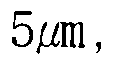 그라프트율이 5 ~' 90%, 코어 (Core)의 유리전이온도가 -20°C 이하, 쉘 (Shell)의 유리전이온도가 20 °C 이상이며, 선택적으로 쉘 (Shell)에 글리시딜 메타크릴레이트 또는 말레산무수물 등의 관능기를 포함하거나 포함하지 않을 수 있다.
그리고, 상기 불포화니트릴 -디엔계고무 -방향족비닐 그라프트 공중합체에서 불포화니트릴은 아크릴로니트릴, 메타크릴로니트릴, 에타크릴로니트릴, 페닐아크릴로니트릴, 및 α-클로로아크릴로니트릴로 이루어진 군으로부터 선택되는 1종 이상일 수 있다.
또한, 상기 그라프트 공중합체들에서 디엔계고무는 부타디엔형 고무 또는 이소프렌형 고무일 수 있다.
아울러, 상기 그라프트 공중합체들에서 방향족비닐은 스티렌, CI- 메틸스티렌비닐를루엔, t-부틸스티렌, 할로겐치환스티렌, 1,3-디메틸스티렌 2,4-디메틸스티렌, 및 에틸스티렌으로 이루어진 군으로부터 선택되는 1종 이상일 수 있다.
한편, 상기 코어-쉘 고무 (Core— SheU Rubber)들은 선택적으로 평균입자경이 0.01 내지 5//m 인 단일입자분포 (Monomodal distribution) 형태의 모폴로지 (Morphology) 또는 평균입자경이 0.01 내지 /m 인 다중입자분포 (Multimodal distribution) 형태의 모폴로지 (Morphology)를 가질 수 있다.
또한, 상기 알킬메타크릴레이트는 메틸메타크릴레이트, 에틸메타아크릴레이트, 프로필메타크릴레이트, 이소프로필메타크릴레이트, 및 부틸메타크릴레이트로 이루어진 군으로부터 선택되는 1종 이상일 수
있다.
바람직하게, 상기 불포화니트릴 -디엔계고무 -방향족비닐 그라프트 공중합체는 아크릴로니트릴 -부타디엔-스티렌 그라프트 공중합체일 수 있고, 상기 알킬메타크릴레이트 -디엔계고무 -방향족비닐 그라프트 공중합체는 메틸메타크릴레이트 -부타디엔-스티렌 그라프트 공중합체일 수 있다. 아을러, 상기 알킬메타크릴레이트-실리콘 /알킬아크릴레이트 그라프트 공중합체는 메틸메타크릴레이트-실리콘 /부틸아크릴레이트그라프트공중합체일수 있다. 한편, 상기 폴리카보네이트는 유리전이온도가 50 내지 200°C이고, 중량평균분자량이 10, 000 내지 200,000 일 수 있다.
또한, 상기 폴리트리메틸렌테레프탈레이트는 중량평균분자량이
10,000 내지 150,000 일 수 있다.
그리고, 상기 고분자 수지 조성물은 불포화니트릴-방향족비닐- 글리시딜 메타크릴레이트계 상용화제, 불포화니트릴-방향족비닐- 말레무수산계 상용화제, 포화에틸렌-알킬아크릴레이트-글리시딜 메타크릴레이트계 상용화제, 및 카르보디이미드계 내가수분해제로 이루어진 군으로부터 선택되는 1종 이상을 더 포함할 수 있다.
상기에서, 불포화니트릴 -방향족비닐—글리시딜 메타크릴레이트계 상용화제는 15중량 % 이하, 불포화니트릴-방향족비닐-말레무수산계 상용화제는 15중량 % 이하, 포화에틸렌-알킬아크릴레이트-글리시딜 메타크릴레이트계 상용화제는 15중량 % 이하, 및 카르보디이미드계 내가수분해제는 10중량 % 이하로 포함될 수 있다.
상기 알킬아크릴레이트는 메틸아크릴레이트, 에틸아크릴레이트, 프로필아크릴레이트, 이소프로필아크릴레이트, 부틸아크릴레이트, 핵실아크릴레이트, 옥틸아크릴레이트 및 2—에틸핵실아크릴레이트로 이루어진 군으로부터 선택되는 1종 이상일 수 있다.
또한, 상기 불포화니트릴-방향족비닐-글리시딜 메타크릴레이트계 상용화제는 유리전이온도가 20 내지 200°C이고 중량평균분자량이 200 내지 300, 000이며, 선택적으로 방향족비닐-글리시딜 메타크릴레이트가 대신할 수 있다.
상기에서 불포화니트릴-방향족비닐-말레무수산계 상용화제는
유리전이온도가 20 내지 20CTC이고, 중량평균분자량은 200 내지 300,000 일 수 있으며, 상기 포화에틸렌-알킬아크릴레이트-글리시딜 메타크릴레이트계 상용화제는 유리전이온도가 -150 내지 200°C이고, 중량평균분자량이 200 내지 300,000일 수 있다.
또한, 상기 카르보디이미드계 내가수분해제는 중량평균분자량이 50 내지 300,000이고, 하기 화학식 4 또는 화학식 5 로 표시될 수 있다.
[화학식 4]
—— N=C=N—— R2
상기 식에서, 및 R2 는 각각 독립적으로 수소원자, 탄소수 1 내지 20 의 알킬기 또는 탄소수 6 내지 36 의 아릴기이다.
[화학식 5]

상기 식에서 , R 은 탄소수 1 내지 20 의 알킬기 또는 탄소수 6 내지 36 의 아릴기이고, n 은 2 내지 3으 000 정수로서 평균중합도를 나타낸다. 한편, 상기 고분자 수지 조성물은 산화방지제, 활제, 광안정제, 광흡수제, 트랜스에스테르화반웅 억제제, 및 내가수분해제로 이루어진 군으로부터 선택되는 1 종 이상의 첨가제를, 테레프탈산을 포함한 디카르복실산 성분의 잔기와, 디안히드로핵시를을 포함한 디올 성분의 잔기를 포함하는 폴리에스테르 공중합체; 및
불포화니트릴 -디엔계고무 -방향족비닐 그라프트 공중합체, 알킬메타크릴레이트 -디엔계고무 -방향족비닐 그라프트 공중합체, 및 알킬메타크릴레이트-실리콘 /알킬아크릴레이트 그라프트 공중합체로 이루어진 군으로부터 선택되는 1종 이상의 공중합체로 구성되는 기본 수지 전체 대비 10중량 % 이하로 포함할 수 있다.
또한, 상기 힌더드 페놀계 산화방지제는 중량평균분자량이 50 내지
300,000 일 수 있다.
그리고, 상기 포스파이트계 산화방지제는 하기 화학식 6, 화학식 7, 및 화학식 8로 이루어진 군으로부터 선택될 수 있다.
[화학식 6]

상기 식에서, 및 는 각각 독립적으로, 탄소수 1 내지 40 의 치환 또는 비치환된 알킬기 또는 탄소수 6 내지 40 의 치환 또는 비치환된 아릴기이다.
[화학식 7]

상기 식에서, 및 는 각각 독립적으로, 탄소수 1 내지 40 의 치환 또는 비치환된 알킬기 또는 탄소수 6 내지 40 의 치환 또는 비치환된 아릴기이고, n 은 1 이상의 정수로서 치환된 반복단위를 나타낸다.

상기 식에세 Ri, , R3 및 R4 는 각각 독립적으 탄소수 1 내지 40 의 치환 또는 비치환된 알킬기 또는 탄소수 6 내지 40 의 치환 또는 비치환된 아릴기이다.
한편, 상기 티오에스테르계 산화방지제는 하기 화학식 9 또는 화학식 10으로 표시되는 화합물 일 수 있다.
[화학식 9]
[화학식 10]

상기 식에서, ¾ 및 R4 는 각각 독립적으로 탄소수 1 내지 40 의 치환 또는 비치환된 알킬기 또는 탄소수 6 내지 40 의 치환 또는 비치환된 아릴기이다.
상기 활제는 금속 스테아레이트계 활제, 아마이드계 활제, 파라핀계 활제, 및 에스테르계 활제로 이루어진 군으로부터 선택된 1종 이상일 수 있다.
상기 광안정제 및 광흡수제는, 할스계 광안정제, 벤조트리아졸계 광흡수제 또는 벤조페논계 광흡수제 일 수 있다.
한편, 상기 트랜스에스테르화반웅 억제제는 최소한의 히드록실 관능기 및 알킬에스테르 관능기를 포함하는 인 화합물 또는 하기 화학식 11로 표시되는 단위를 포함하는 히드라진 화합물일 수 있다.
[화학식 11]

이축흔련압출기 (Φ : 40mm, L/D = 40)를 사용하여 테레프탈산- 아이소소바이드 -1,4-사이클로핵산디올-에틸렌글리콜 공중합체 폴리에스테르 (Tg : 110 °C, 중량평균분자량 : 5.5 만) 22 중량 %, 아크릴로니트릴 -부타디엔-스티렌 그라프트 공중합체 10 중량 , 폴리트리메틸렌테레프탈레이트 10 중량 %, 스티렌 -에틸렌-부틸렌-스티렌 블록 공중합체 3 중량 %, 및 폴리카보네이트 55 중량 % 로 이루어진 수지 100 중량 %에 대해 아크릴로니트릴 -스티렌ᅳ글리시딜 메타크릴레이트 0.5 중량 %, 페놀계 1 차 산화안정제, 포스파이트계 2 차 산화안정제를 각각 0.2중량 % 첨가하여, 균일하게 흔련 압출을 진행하고 펠렛을 제조하였다. 상기에서, 테레프탈산 -아이소소바이드 -1,4-사이클로핵산디을-에틸렌글리콜 공중합체 폴리에스테르는 국내 에스케이케미칼사의 고층격 친환경수지인 에코젠 (EC0ZEN), 아크릴로니트릴 -부타디엔-스티렌 그라프트 공중합체는 금호석유화학사의 코어ᅳ쉘 고무 (Core-Shell Rubber)형태의 그라프트 ABS 제품인 HR-181, 폴리트리메틸렌테레프탈레이트는 에스케이케미칼사의 ΡΊΤ, 스티렌 -에틸렌-부틸렌-스티렌 블록 공중합체는 일본 Asahi Kasei 사의 H- 1052, 폴리카보네이트는 국내 삼양사의 3030PJ, 아크릴로니트릴—스티렌- 글리시딜 메타크릴레이트는 중국 SUNNY FC 사의 SAG-005, 페놀계 1 차 산화안정제는 일본 ADEKA 사의 A()-60, 포스파아트계 2 차 산화안정제는 스위스 Clariant사의 Igarfos 168 제품을 사용하였다. 실시예 2
이축흔련압출기 (Φ : 40mm, L/D = 40)를 사용하여 테레프탈산 _
아이소소바이드 -1,4-사이클로핵산디올-에틸렌글리콜 공중합체 폴리에스테르 (Tg : 110°C, 중량평균분자량 : 5.5 만) 24 중량 %, 아크릴로니트릴 -부타디엔-스티렌 그라프트 공중합체 10 중량 ¾, 폴리트리메틸렌테레프탈레이트 13 중량 %, 스티렌 -에틸렌-부틸렌-스티렌 블록 공중합체 3 중량 %, 및 폴리카보네이트 50 중량 ¾ 로 이루어진 수지 100 중량 %에 대해 아크릴로니트릴 -스티렌-글리시딜 메타크릴레이트
0.5 중량 %, 페놀계 1 차 산화안정제, 포스파이트계 2 차산화안정제를 각각 0.2중량 % 첨가하여 , 균일하게 흔련 압출을 진행하고 펠렛을 제조하였다. 상기에서, 테레프탈산-아이소소바이드 - 1, 4-사이클로핵산디올-에틸렌글리콜 공중합체 폴리에스테르는 국내 에스케이케미칼사의 고충격 친환경수지인 에코젠 (EC0ZEN), 아크릴로니트릴 -부타디엔-스티렌 그라프트 공중합체는 금호석유화학사의 코어-쉘 고무 (Core-Shell Rubber)형태의 그라프트 ABS 제품인 HR-181, 폴리트리메틸렌테레프탈레이트는 에스케이케미칼사의 ΡΊΤ, 스티렌 -에틸렌-부틸렌ᅳ스티렌 블록 공증합체는 일본 Asahi Kasei 사의 H- 1052, 폴리카보네이트는 국내 삼양사의 3030PJ, 아크릴로니트릴 -스티렌- 글리시딜 메타크릴레이트는 중국 SUNNY FC 사의 SAG-005, 페놀계 1 차 산화안정제는 일본 ADEKA 사의 A0-60, 포스파이트계 2 차 산화안정제는 미국 DOVER사의 S-9228 제품을 사용하였다. 실시예 3
이축흔련압출기 (Φ : 40mm, L/D = 40)를 사용하여 테레프탈산- 아이소소바이드 -1, 4-사이클로핵산디올-에틸렌글리콜 공중합체 폴리에스테르 (Tg : 110 °C, 중량평균분자량 : 5.5 만) 14 중량 %, 아크릴로니트릴 -부타디엔-스티렌 그라프트 공중합체 13 중량 %, 폴리트리메틸렌테레프탈레이트 15중량, 스티렌 -에틸렌ᅳ부틸렌-스티렌 블록 공중합체 3 중량 %, 및 폴리카보네이트 55 중량 % 로 이루어진 수지 100 중량 %에 대해, 아크릴로니트릴 -스티렌-글리시딜 메타크릴레이트 0.5 중량 %, 카르보디이미드계 내가수분해제 0.3 중량 ¾ᅳ 페놀계 1 차 산화안정제 및 포스파이트계 2 차 산화안정제를 각각 0.2 중량 ¾ 첨가하여, 균일하게 흔련 압출을 진행하고 펠렛을 제조하였다.
상기에서, 테레프탈산 -아이소소바이드— 1,4-사이클로핵산디을-에틸렌글리콜 공중합체 폴리에스테르는 국내 에스케이케미칼사의 고충격 친환경수지인 에코젠 (EC0ZEN), 아크릴로니트릴 -부타디엔-스티렌 그라프트 공중합체는 금호석유화학사의 코어-쉘 고무 (Core-She 11 Rubber)형태의 그라프트 ABS 제품인 HR-181, 폴리트리메틸렌테레프탈레이트는 에스케이케미칼사의 PTT, 스티렌 -에틸렌-부틸렌-스티렌 블록 공중합체는 일본 Asahi Kasei 사의 H- 1052, 폴리카보네이트는 국내 삼양사의 3030PJ, 아크릴로니트릴 -스티렌- 글리시딜 메타크릴레이트는 중국 SUNNY FC 사의 SAG-005, 페놀계 1 차 산화안정제는 일본 ADEKA 사의 AO-60, 포스파이트계 2 차 산화안정제는 미국 DOVER 사의 S-9228, 카르보디이미드계 내가수분해제는 독일 Raschig사의 9000 제품을 사용하였다. 실시예 4
이축흔련압출기 (Φ : 40誦, L/D = 40)를 사용하여 테레프탈산- 아이소소바이드 -1,4-사이클로핵산디을ᅳ에틸렌글리콜 공중합체 폴리에스테르 (Tg : 110 °C, 중량평균분자량 : 5.5 만) 10 중량 %, 아크릴로니트릴 -부타디엔-스티렌 그라프트 공중합체 10 중량 ¾, 폴리트리메틸렌테레프탈레이트 18 중량 %, 스티렌 -에틸렌-부틸렌-스티렌 블록 공중합체 2 증량 %, 및 폴리카보네이트 60 중량 % 로 이루어진 수지 100 중량 %에 대해, 아크릴로니트릴 -스티렌-글리시딜 메타크릴레이트 0.5 중량 ¾>, 페놀계 1 차 산화안정제 및 포스파이트계 2 차 산화안정제를 각각 0.2 중량 % 첨가하여, 균일하게 흔련 압출을 진행하고 펠렛을 제조하였다.
상기에서, 테레프탈산-아이소소바이드 -1,4-사이클로핵산디을- 에틸렌글리콜 공중합체 폴리에스테르는 국내 에스케이케미칼사의 고층격 친환경수지인 에코젠 (EC0ZEN), 아크릴로니트릴 -부타디엔-스티렌 그라프트 공중합체는 금호석유화학사의 코어-쉘 고무 (Core-She 11 Rubber)형태의 그라프트 ABS 제품인 HR-181, 폴리트리메틸렌테레프탈레이트는 에스케이케미칼사의 PTT, 스티렌 -에틸렌-부틸렌—스티렌 블록 공중합체는 일본 Asahi Kasei 사의 H-1052, 폴리카보네이트는 국내 삼양사의 3030PJ,
아크릴로니트릴 -스티렌-글리시딜 메타크릴레이트는 중국 SUNNY FC 사의 SAG-005, 페놀계 1 차 산화안정제는 일본 ADEKA 사의 A0-60, 포스파이트계 2차 산화안정제는 스위스 Clariant사의 Igarios 168 제품을 사용하였다. 실시예 5
이축흔련압출기 (Φ : 40腦, L/D = 40)를 사용하여 테레프탈산- 아이소소바이드 -1, 4-사이클로핵산디올-에틸렌글리콜 공중합체 폴리에스테르 (Tg : 110 °C, 중량평균분자량 : 5.5 만) 12 중량 %, 아크릴로니트릴 -부타디엔-스티렌 그라프트 공중합체 10 중량 %, 폴리트리메틸렌테레프탈레이트 10 증량 %, 스티렌 -에틸렌-부틸렌-스티렌 블록 공중합체 3 중량 ¾>, 및 폴리카보네이트 65 중량 % 로 이루어진 수지 100 중량 에 대해, 아크릴로니트릴 -스티렌-글리시딜 메타크릴레이트 0.5 중량 %, 페놀계 1 차 산화안정제 및 포스파이트계 2 차 산화안정제를 각각 0.2 중량 % 첨가하여, 균일하게 흔련 압출을 진행하고 펠렛을 제조하였다.
상기에서, 테레프탈산-아이소소바이드 -1,4-사이클로핵산디을- 에틸렌글리콜 공중합체 폴리에스테르는 국내 에스케이케미칼사의 고충격 친환경수지인 에코젠 (ECOZEN), 아크릴로니트릴 -부타디엔-스티렌 그라프트 공중합체는 금호석유화학사의 코어-쉘 고무 (Core— Shell Rubber)형태의 그라프트 ABS 제품인 HR-181, 폴리트리메틸렌테레프탈레이트는 에스케이케미칼사의 PTT, 스티렌-에틸렌 -부틸렌-스티렌 블록 공중합체는 일본 Asahi Kasei 사의 H-1052, 폴리카보네이트는 국내 삼양사의 3030PJ, 아크릴로니트릴 -스티렌-글리시딜 메타크릴레이트는 중국 SUNNY FC 사의 SAG-005, 페놀계 1 차 산화안정제는 일본 ADEKA 사의 AO-60, 포스파이트계 2차산화안정제는 스위스 Clariant사의 Igarfos 168 제품을 사용하였다. 비교예 1내지 5
종래의 내열 ABS 및 PC/ABS 제품을 하기와 같이 비교 대상으로 하였다.
- 비교예 1 : 고하중 (1.82MPa) 내열도 95°C 인 ABS 제품
ᅳ 비교예 2 : 고하중 (1.82MPa) 내열도 100°C 인 ABS 제품
ᅳ 비교예 3 : 폴리카보네이트 함량이 50% 인 PC/ABS제품
- 비교예 4 : 폴리카보네이트 함량이 60% 인 PC/ABS 제품
ᅳ 비교예 5 : 폴리카보네이트 함량이 70% 인 PC/ABS 제품 -
<실험예: 고분자수지 조성물로부터 제조된 성형품의 물성 측정 > 상기 실시예 1 내지 7, 및 비교예 1 내지 5 에 따라 제조된 펠렛을 사출기를 이용하여 사출온도 250°C 에서 동일하게 사출한 후, 사출된 시험편을 23±2°C, 50 ±5% 상대습도 조건 하에서 상태조절을 하고, 하기와 같이 기계적 물성을 측정하였다. 측정결과를하기 표 1내지 3에 나타내었다. 실험예 1 : 층격강도측정
ASTM D 256 에 의거하여 측정용 시편을 만들어 아이조드 충격기 (Impact Tester, Toyoseiki)를 사용, 층격강도 값을 측정하였다. 실험예 2 : 인장특성 측정
ASTM D 638 에 의거하여, 측정용 시편을 만들어 만능재료시험기 (Universal Testing Machine, Zwick Roe 11 Z010)를 사용하여 인장강도, 신율을 측정하였다. 실험예 3 : 굴곡특성 측정
ASTM D 790 에 의거하여, 측정용 시편을 만들어 만능재료시험기 (Universal Testing Machine, Zwick Roe 11 Z010)를 사용하여 굴곡강도, 굴곡탄성률을 측정하였다. 실험예 4 : 내열성 측정
ASTM D 648 에 의거하여, 측정용 시편을 만들어 내열도시험기 (HDT Tester, Toyoseiki)를 사용하여 내열성을 측정하였다. 실험예 5: 고분자수지 조성물로부터 제조된 성형품의 내약품성 평가
상기 실시예 1 내지 7, 및 비교예 1 내지 5 에 따라 제조된 펠렛을 사출기를 이용하여 사출온도 250°C 에서 동일하게 사출한 후, 사출된 인장강도 시편을 23±2°C, 50±5% 상대습도 조건 하에서 24 시간 동안 상태조절을 하고, 하기와 같은 방법에 준해-평가를 실시하였다.
① 내약품성 시험치구를 임계 변형량 2.2% 로 제작하여, 인장시편을 시험치구로 고정시켰다.
② 방향족 /지방족 화학약품 블렌드 제품 또는 UV 차단제를 상기 인장시편에 1분동안 도포한 후, 23±2°C 에서 72시간 방치하였다.
③ 23±2°C 에서 72 시간 경과 후, 테스트 전 /후의 인장강도를 측정하여 하기의 식으로 표시되는 인장강도 손실율 (%)을 측정해서 내약품성을 비교 판단하였다.
[일반식 1]
인장강도 손실율 ¾) = [(테스트 전 인장강도 - 테스트 후 인장강도) I 테스트 전 인장강도] X 100
상기에서, 방향족 /지방족 화학약품 블렌드는 에탄올 10 내지 90중량 % 포함하며, 하기의 세부성분으로 구성되는 군으로부터 선택되는 1 종 이상을 더 포함함을 특징으로 한다.
세부성분: 지방족 및 방향족 알코올, 지방족 및 방향족 에스테르, 방향족 알데히드, 불포화 탄화수소, 포화 탄화수소, 지방족 아민, 지방족 디아민, 및 테르핀
또한, 상기에서 uv 차단제는 일반적으로 유통되는 제품으로 선정하였다.
[표 1]


* ① : 알코올 Base 의 방향족 /지방족 화학약품 블렌드
* ② : UV차단제
[표 2]

① : 알코을 Base 의 방향족 /지방족 화학약품 블렌」
② : UV차단제 상기 측정 결과에서 볼 수 있듯이, 실시예의 경우는 비교예에 비하여 내열성, 내충격성 및 내약품성 또는 내환경웅력균열성이 우수함을 알 수 있었다. 이로써 본 발명에 따른 고분자 수지 조성물은 그 성분이 친환경적일 뿐만 아니라, 향상된 고내열성 또는 내충격성 등의 물성뿐만 아니라, 환경웅력균열성에 대한 우수한 저항성을 나타낼 수 있다는 점을 알 수 있었다.
이상으로 본 발명 내용의 특정한 부분을 상세히 기술하였는바, 당업계의 통상의 지식을 가진 자에게 있어서, 이러한 구체적 기술은 단지 바람직한 실시 양태일 뿐이며, 이에 의해 본 발명의 범위가 제한되는 것이 아닌 점은 명백할 것이다. 따라서 본 발명의 실질적인 범위는 첨부된 청구항들과그것들의 등가물에 의하여 정의된다고할것이다.
Claims
【청구항 1】
테레프탈산을 포함한 디카르복실산 성분의 잔기와, 디안히드로핵시를을 포함한 디올 성분의 잔기를 포함하는 폴리에스테르 공중합체;
불포화니트릴 -디엔계고무 -방향족비닐 그라프트 공중합체, 알킬메타크릴레이트 -디엔계고무ᅳ방향족비닐 그라프트 공중합체, 및 알킬메타크릴레이트-실리콘 /알킬아크릴레이트 그라프트 공중합체로 이루어진 군으로부터 선택되는 1종 이상의 공중합체; 및
폴리트리메틸렌테레프탈레이트;를 포함하는 내약품성이 우수한 고내열고분자수지 조성물.
【청구항 2】
제 1항에 있어서, 하기 일반식 1로 표시되는 인장강도 손실율이 0.5 내지 20% 인 고분자수지 조성물:
[일반식 1]
인장강도 손실율^) = [(테스트 전 인장강도 - 테스트 후 인장강도) I테스트 전 인장강도] X 100
【청구항 3】
제 1항에 있어서, 상기 폴리에스테르 공중합체 5 내지 90증량 %, 상기 불포화니트릴 -디엔계고무ᅳ방향족비닐 그라프트 공중합체, 알킬메타크릴레이트 -디엔계고무 -방향족비닐 그라프트 공중합체, 및 알킬메타크릴레이트-실리콘 /알킬아크릴레이트 그라프트 공중합체로 이루어진 군으로부터 선택되는 1종 이상의 공중합체 1 내지 50중량 %를 포함하는 고분자 수지 조성물.
【청구항 4】
제 1항에 있어서, 폴리카보네이트 5 내지 90중량 ¾를 더 포함하는 고분자 수지 조성물.
【청구항 5】
제 1항에 있어서, 상기 폴리트리메틸렌테레프탈레이트 1 내지 40중량 %를포함하는고분자수지 조성물.
【청구항 6】
제 1항에 있어서, 스티렌 -에틸렌-부틸렌-스티렌 블록 공중합체 1 내지 20중량 %를 더 포함하는 고분자 수지 조성물.
【청구항 7】
제 1항에 있어서, 상기 폴리에스테르 공중합체는 증량평균분자량이
10,000 내지 100,000이고, 유리전이온도가 0 내지 20CTC 인 고분자 수지 조성물.
【청구항 8】
제 1항에 있어서, 상기 플리에스테르 공중합체에서 디카르복실산 성분은 탄소수 8 내지 20의 방향족 디카르복실산, 및 탄소수 4 내지 20의 지방족 디카르복실산으로 이루어진 군으로부터 선택되는 1종 이상을 더 포함하는 고분자 수지 조성물.
【청구항 9】
제 1항에 있어서, 상기 폴리에스테르 공중합체에서 디안히드로핵시를은 아이소소바이드인 고분자 수지 조성물.
【청구항 10】
제 1항에 있어서, 상기 폴리에스테르 공중합체에서 디안히드로핵시를의 함량은 전체 디을 성분의 함량에 대하여 5 내지 60몰%인 고분자 수지 조성물.
【청구항 11】
제 1항에 있어서, 상기 폴리에스테르 공중합체에서 디을 성분은 하기 화학식 1, 2, 및 3 으로 표시되는 화합물들로 이루어진 군으로부터 선택되는 1종 이상을 더 포함하는 고분자 수지 조성물:
[화학식 1]

[화학식 2]

상기에서, , R2, R3 및 ¾ 는 각각 독립적으로 수소 또는 탄소수 1 내지 5 의 치환 또는 비치환된 알킬기이다.
[화학식 3]

상기에서, n은 1내지 7의 정수이다.
【청구항 12】
제 1항에 있어서, 상기 폴리에스테르 공중합체에서 디을 성분은 1,4- 사이클로핵산디을 및 에틸렌글리콜을 더 포함하는 고분자 수지 조성물.
【청구항 13】
제 1항에 있어서, 상기 불포화니트릴 -디엔계고무 -방향족비닐 그라프트 공중합체는 코어-쉘 고무 (Core-Shell Rubber)형태로, 평균 입자경이 0.01 내지 5卿이고, 그라프트율이 5 내지 90%이고, 코어 (Core)와 유리전이온도가 -20 °C 이하이고, 쉘 (Shell)의 유리전이온도가 20°C 이상인 고분자 수지 조성물.
【청구항 14】
계 1항에 있어서, 상기 불포화니트릴 -디엔계고무 -방향족비닐 그라프트 공중합체에서 불포화니트릴은 아크릴로니트릴, 메타크릴로니트릴, 에타크릴로니트릴, 페닐아크릴로니트릴, 및 α-클로로아크릴로니트릴로 이루어진 군으로부터 선택되는 1종 이상인 고분자 수지 조성물.
【청구항 15】
제 1항에 있어서, 상기 그라프트 공중합체에서 디엔계고무는 부타디엔형 고무 또는 이소프렌형 고무인 고분자 수지 조성물.
【청구항 16]
제 1항에 있어서, 상기 그라프트 공중합체에서 방향족비닐은 스티렌, α- 메틸스티렌비닐를루엔, t-부틸스티렌, 할로겐치환스티렌, 1,3- 디메틸스티렌, 2, 4-디메틸스티렌, 및 에틸스티렌으로 이루어진 군으로부터 선택되는 1종 이상인 고분자 수지 조성물.
【청구항 17]
제 1항에 있어서, 상기 불포화니트릴 -디엔계고무 -방향족비닐 그라프트 공중합체는 아크릴로니트릴 -부타디엔-스티렌 그라프트 공중합체인 고분자 수지 조성물.
【청구항 18】
제 1항에 있어서, 상기 알킬메타크릴레이트 -디엔계고무 -방향족비닐 그라프트 공중합체는 메틸메타크릴레이트 -부타디엔-스티렌 그라프트 공중합체인 고분자 수지 조성물.
【청구항 19】
제 1항에 있어서, 상기 알킬메타크릴레이트-실리콘 /알킬아크릴레이트 그라프트 공중합체는 메틸메타크릴레이트-실리콘 /부틸아크릴레이트 그라프트공중합체인고분자수지 조성물.
【청구항 20】
제 4항에 있어서, 상기 폴리카보네이트는 유리전이온도가 50 내지 200°C이고, 중량평균분자량이 10,000 내지 200,000 인 고분자 수지 조성물.
【청구항 21】
제 1항에 있어세 상기 폴리트리메틸렌테레프탈레이트는 중량평균분자량이 10,000내지 150,000 인 고분자 수지 조성물.
【청구항 22】
제 1항에 있어서, 불포화니트릴-방향족비닐ᅳ글리시딜 메타크릴레이트계 상용화제, . 불포화니트릴-방향족비닐-말레무수산계 상용화제, 포화에틸렌-알킬아크릴레이트-글리시딜 메타크릴레이트계
상용화제, 및 카르보디이미드계 내가수분해제로 이루어진 군으로부터 선택되는 1종 이상을 더 포함하는 고분자 수지 조성물.
【청구항 23]
제 1항에 있어서, 산화방지제, 활제, 광안정제, 광흡수제, 트랜스에스테르화반웅 억제제, 및 내가수분해제로 이루어진 군으로부터 선택되는 1종 이상의 첨가제를 더 포함하는 고분자 수지 조성물.
Priority Applications (1)
| Application Number | Priority Date | Filing Date | Title |
|---|---|---|---|
| US14/901,263 US20160369094A1 (en) | 2013-06-28 | 2014-06-23 | High heat resistant polymer resin composition having excellent chemical resistane |
Applications Claiming Priority (2)
| Application Number | Priority Date | Filing Date | Title |
|---|---|---|---|
| KR10-2013-0075871 | 2013-06-28 | ||
| KR1020130075871A KR102042692B1 (ko) | 2013-06-28 | 2013-06-28 | 내약품성이 우수한 고내열 고분자 수지 조성물 |
Publications (1)
| Publication Number | Publication Date |
|---|---|
| WO2014208956A1 true WO2014208956A1 (ko) | 2014-12-31 |
Family
ID=52142230
Family Applications (1)
| Application Number | Title | Priority Date | Filing Date |
|---|---|---|---|
| PCT/KR2014/005524 Ceased WO2014208956A1 (ko) | 2013-06-28 | 2014-06-23 | 내약품성이 우수한 고내열 고분자 수지 조성물 |
Country Status (3)
| Country | Link |
|---|---|
| US (1) | US20160369094A1 (ko) |
| KR (1) | KR102042692B1 (ko) |
| WO (1) | WO2014208956A1 (ko) |
Cited By (1)
| Publication number | Priority date | Publication date | Assignee | Title |
|---|---|---|---|---|
| EP3015507A1 (en) * | 2014-10-31 | 2016-05-04 | Hyundai Motor Company | Chemical resistant polymer composition for a center fascia |
Families Citing this family (4)
| Publication number | Priority date | Publication date | Assignee | Title |
|---|---|---|---|---|
| KR101922246B1 (ko) * | 2013-02-06 | 2018-11-26 | 에스케이케미칼 주식회사 | 내충격성 또는 내열성이 우수한 고분자 수지 조성물 |
| WO2015034286A1 (ko) * | 2013-09-04 | 2015-03-12 | 에스케이케미칼주식회사 | 고분자 수지 조성물 및 그 성형품 |
| CN110016208A (zh) * | 2019-04-02 | 2019-07-16 | 苏州海晨塑胶有限公司 | 一种耐高温热稳定聚酯材料及其制备方法 |
| JP7406936B2 (ja) * | 2019-08-07 | 2023-12-28 | テクノUmg株式会社 | 樹脂組成物及びその成形品 |
Citations (4)
| Publication number | Priority date | Publication date | Assignee | Title |
|---|---|---|---|---|
| KR20110028696A (ko) * | 2009-09-14 | 2011-03-22 | 에스케이케미칼주식회사 | 아이소소바이드와 1,4-사이클로헥산디메탄올이 공중합된 폴리에스테르 수지 및 그 제조방법 |
| US20120128984A1 (en) * | 2009-08-07 | 2012-05-24 | Mitsubishi Gas Chemical Company, Inc. | Polyester resin composition |
| KR20120075085A (ko) * | 2010-12-28 | 2012-07-06 | 금호석유화학 주식회사 | 재생 폴리에스테르 수지를 이용한 열가소성 수지 조성물 |
| KR20130067516A (ko) * | 2011-12-14 | 2013-06-25 | 주식회사 엘지화학 | 충격강도가 우수한 열가소성 abs 수지 조성물 |
Family Cites Families (9)
| Publication number | Priority date | Publication date | Assignee | Title |
|---|---|---|---|---|
| JP2003119363A (ja) * | 2001-08-09 | 2003-04-23 | Asahi Kasei Corp | 強化熱可塑性樹脂組成物 |
| US6630527B2 (en) * | 2001-10-19 | 2003-10-07 | General Electric Company | UV stabilized, impact modified polyester/polycarbonate blends, articles, and methods of manufacture thereof |
| US6914120B2 (en) * | 2002-11-13 | 2005-07-05 | Eastman Chemical Company | Method for making isosorbide containing polyesters |
| KR100727725B1 (ko) * | 2003-08-26 | 2007-06-13 | 미츠비시 레이온 가부시키가이샤 | 광반사체용 열가소성 수지 조성물, 광반사체용 성형품,광반사체, 및 광반사체용 성형품의 제조 방법 |
| KR101145834B1 (ko) * | 2008-12-23 | 2012-05-17 | 주식회사 삼양사 | 저광택 열가소성 수지 조성물 |
| US8796356B2 (en) * | 2009-09-23 | 2014-08-05 | Sabic Innovative Plastics Ip B.V. | Biodegradable aliphatic-aromatic copolyesters, methods of manufacture, and articles thereof |
| KR101288561B1 (ko) * | 2009-12-11 | 2013-07-22 | 제일모직주식회사 | 유리섬유 강화 폴리에스테르 수지 조성물 및 이를 이용한 성형품 |
| KR101367251B1 (ko) * | 2011-06-23 | 2014-02-25 | 제일모직 주식회사 | 열가소성 수지 조성물 및 이를 이용한 성형품 |
| KR102119444B1 (ko) * | 2014-10-31 | 2020-06-16 | 에스케이케미칼 주식회사 | 센터페시아용 내화학성 고분자 수지 조성물 |
-
2013
- 2013-06-28 KR KR1020130075871A patent/KR102042692B1/ko not_active Expired - Fee Related
-
2014
- 2014-06-23 US US14/901,263 patent/US20160369094A1/en not_active Abandoned
- 2014-06-23 WO PCT/KR2014/005524 patent/WO2014208956A1/ko not_active Ceased
Patent Citations (4)
| Publication number | Priority date | Publication date | Assignee | Title |
|---|---|---|---|---|
| US20120128984A1 (en) * | 2009-08-07 | 2012-05-24 | Mitsubishi Gas Chemical Company, Inc. | Polyester resin composition |
| KR20110028696A (ko) * | 2009-09-14 | 2011-03-22 | 에스케이케미칼주식회사 | 아이소소바이드와 1,4-사이클로헥산디메탄올이 공중합된 폴리에스테르 수지 및 그 제조방법 |
| KR20120075085A (ko) * | 2010-12-28 | 2012-07-06 | 금호석유화학 주식회사 | 재생 폴리에스테르 수지를 이용한 열가소성 수지 조성물 |
| KR20130067516A (ko) * | 2011-12-14 | 2013-06-25 | 주식회사 엘지화학 | 충격강도가 우수한 열가소성 abs 수지 조성물 |
Non-Patent Citations (1)
| Title |
|---|
| REN ET AL.: "Glass fiber reinforced, bio-based poly(trimethylene terephthalate) for extruded articles; compounding and processing study", DUPONT PERFORMANCE POLYMERS, 2012 * |
Cited By (2)
| Publication number | Priority date | Publication date | Assignee | Title |
|---|---|---|---|---|
| EP3015507A1 (en) * | 2014-10-31 | 2016-05-04 | Hyundai Motor Company | Chemical resistant polymer composition for a center fascia |
| US9580596B2 (en) | 2014-10-31 | 2017-02-28 | Sk Chemicals Co., Ltd. | Chemical resistant polymer composition for a center fascia |
Also Published As
| Publication number | Publication date |
|---|---|
| KR102042692B1 (ko) | 2019-11-08 |
| US20160369094A1 (en) | 2016-12-22 |
| KR20150002261A (ko) | 2015-01-07 |
Similar Documents
| Publication | Publication Date | Title |
|---|---|---|
| KR102049411B1 (ko) | 내약품성이 우수한 고분자 수지 조성물 | |
| KR101922246B1 (ko) | 내충격성 또는 내열성이 우수한 고분자 수지 조성물 | |
| KR102119444B1 (ko) | 센터페시아용 내화학성 고분자 수지 조성물 | |
| KR102042692B1 (ko) | 내약품성이 우수한 고내열 고분자 수지 조성물 | |
| JP2016089162A (ja) | オーバーヘッドコンソール用耐薬品性高分子樹脂組成物 | |
| WO2015194812A1 (ko) | 내후성이 우수한 고분자 수지 조성물 | |
| KR102049410B1 (ko) | 자동차, 전기전자기기, 가전기기, 사무기기 또는 생활용품용 부품 | |
| KR102046493B1 (ko) | 자동차, 전기전자기기, 가전기기, 사무기기 또는 생활용품용 부품 | |
| KR102217754B1 (ko) | 고분자 수지 조성물 | |
| KR20180040458A (ko) | 내크립성이 우수한 고분자 얼로이 수지 조성물 |
Legal Events
| Date | Code | Title | Description |
|---|---|---|---|
| 121 | Ep: the epo has been informed by wipo that ep was designated in this application |
Ref document number: 14817434 Country of ref document: EP Kind code of ref document: A1 |
|
| NENP | Non-entry into the national phase |
Ref country code: DE |
|
| WWE | Wipo information: entry into national phase |
Ref document number: 14901263 Country of ref document: US |
|
| 122 | Ep: pct application non-entry in european phase |
Ref document number: 14817434 Country of ref document: EP Kind code of ref document: A1 |