WO2013122136A1 - 金属微粒子会合体及びその製造方法 - Google Patents
金属微粒子会合体及びその製造方法 Download PDFInfo
- Publication number
- WO2013122136A1 WO2013122136A1 PCT/JP2013/053515 JP2013053515W WO2013122136A1 WO 2013122136 A1 WO2013122136 A1 WO 2013122136A1 JP 2013053515 W JP2013053515 W JP 2013053515W WO 2013122136 A1 WO2013122136 A1 WO 2013122136A1
- Authority
- WO
- WIPO (PCT)
- Prior art keywords
- group
- aggregate
- metal fine
- fine particle
- fine particles
- Prior art date
- Legal status (The legal status is an assumption and is not a legal conclusion. Google has not performed a legal analysis and makes no representation as to the accuracy of the status listed.)
- Ceased
Links
- 0 C*c1c(C)c(*)c(*)c(*C)c1* Chemical compound C*c1c(C)c(*)c(*)c(*C)c1* 0.000 description 1
Images

Classifications
-
- B—PERFORMING OPERATIONS; TRANSPORTING
- B22—CASTING; POWDER METALLURGY
- B22F—WORKING METALLIC POWDER; MANUFACTURE OF ARTICLES FROM METALLIC POWDER; MAKING METALLIC POWDER; APPARATUS OR DEVICES SPECIALLY ADAPTED FOR METALLIC POWDER
- B22F9/00—Making metallic powder or suspensions thereof
- B22F9/16—Making metallic powder or suspensions thereof using chemical processes
- B22F9/18—Making metallic powder or suspensions thereof using chemical processes with reduction of metal compounds
- B22F9/24—Making metallic powder or suspensions thereof using chemical processes with reduction of metal compounds starting from liquid metal compounds, e.g. solutions
-
- B—PERFORMING OPERATIONS; TRANSPORTING
- B22—CASTING; POWDER METALLURGY
- B22F—WORKING METALLIC POWDER; MANUFACTURE OF ARTICLES FROM METALLIC POWDER; MAKING METALLIC POWDER; APPARATUS OR DEVICES SPECIALLY ADAPTED FOR METALLIC POWDER
- B22F1/00—Metallic powder; Treatment of metallic powder, e.g. to facilitate working or to improve properties
- B22F1/05—Metallic powder characterised by the size or surface area of the particles
- B22F1/054—Nanosized particles
-
- B—PERFORMING OPERATIONS; TRANSPORTING
- B82—NANOTECHNOLOGY
- B82Y—SPECIFIC USES OR APPLICATIONS OF NANOSTRUCTURES; MEASUREMENT OR ANALYSIS OF NANOSTRUCTURES; MANUFACTURE OR TREATMENT OF NANOSTRUCTURES
- B82Y30/00—Nanotechnology for materials or surface science, e.g. nanocomposites
-
- C—CHEMISTRY; METALLURGY
- C22—METALLURGY; FERROUS OR NON-FERROUS ALLOYS; TREATMENT OF ALLOYS OR NON-FERROUS METALS
- C22C—ALLOYS
- C22C5/00—Alloys based on noble metals
- C22C5/04—Alloys based on a platinum group metal
-
- H—ELECTRICITY
- H01—ELECTRIC ELEMENTS
- H01M—PROCESSES OR MEANS, e.g. BATTERIES, FOR THE DIRECT CONVERSION OF CHEMICAL ENERGY INTO ELECTRICAL ENERGY
- H01M4/00—Electrodes
- H01M4/86—Inert electrodes with catalytic activity, e.g. for fuel cells
- H01M4/8605—Porous electrodes
-
- H—ELECTRICITY
- H01—ELECTRIC ELEMENTS
- H01M—PROCESSES OR MEANS, e.g. BATTERIES, FOR THE DIRECT CONVERSION OF CHEMICAL ENERGY INTO ELECTRICAL ENERGY
- H01M4/00—Electrodes
- H01M4/86—Inert electrodes with catalytic activity, e.g. for fuel cells
- H01M4/8663—Selection of inactive substances as ingredients for catalytic active masses, e.g. binders, fillers
-
- H—ELECTRICITY
- H01—ELECTRIC ELEMENTS
- H01M—PROCESSES OR MEANS, e.g. BATTERIES, FOR THE DIRECT CONVERSION OF CHEMICAL ENERGY INTO ELECTRICAL ENERGY
- H01M4/00—Electrodes
- H01M4/86—Inert electrodes with catalytic activity, e.g. for fuel cells
- H01M4/88—Processes of manufacture
- H01M4/8878—Treatment steps after deposition of the catalytic active composition or after shaping of the electrode being free-standing body
- H01M4/8882—Heat treatment, e.g. drying, baking
-
- H—ELECTRICITY
- H01—ELECTRIC ELEMENTS
- H01M—PROCESSES OR MEANS, e.g. BATTERIES, FOR THE DIRECT CONVERSION OF CHEMICAL ENERGY INTO ELECTRICAL ENERGY
- H01M4/00—Electrodes
- H01M4/86—Inert electrodes with catalytic activity, e.g. for fuel cells
- H01M4/90—Selection of catalytic material
- H01M4/9041—Metals or alloys
-
- H—ELECTRICITY
- H01—ELECTRIC ELEMENTS
- H01M—PROCESSES OR MEANS, e.g. BATTERIES, FOR THE DIRECT CONVERSION OF CHEMICAL ENERGY INTO ELECTRICAL ENERGY
- H01M4/00—Electrodes
- H01M4/86—Inert electrodes with catalytic activity, e.g. for fuel cells
- H01M4/90—Selection of catalytic material
- H01M4/92—Metals of platinum group
- H01M4/925—Metals of platinum group supported on carriers, e.g. powder carriers
- H01M4/926—Metals of platinum group supported on carriers, e.g. powder carriers on carbon or graphite
-
- H—ELECTRICITY
- H01—ELECTRIC ELEMENTS
- H01M—PROCESSES OR MEANS, e.g. BATTERIES, FOR THE DIRECT CONVERSION OF CHEMICAL ENERGY INTO ELECTRICAL ENERGY
- H01M4/00—Electrodes
- H01M4/86—Inert electrodes with catalytic activity, e.g. for fuel cells
- H01M4/90—Selection of catalytic material
- H01M4/92—Metals of platinum group
- H01M4/928—Unsupported catalytic particles; loose particulate catalytic materials, e.g. in fluidised state
-
- H—ELECTRICITY
- H01—ELECTRIC ELEMENTS
- H01M—PROCESSES OR MEANS, e.g. BATTERIES, FOR THE DIRECT CONVERSION OF CHEMICAL ENERGY INTO ELECTRICAL ENERGY
- H01M8/00—Fuel cells; Manufacture thereof
- H01M8/10—Fuel cells with solid electrolytes
- H01M8/1007—Fuel cells with solid electrolytes with both reactants being gaseous or vaporised
-
- Y—GENERAL TAGGING OF NEW TECHNOLOGICAL DEVELOPMENTS; GENERAL TAGGING OF CROSS-SECTIONAL TECHNOLOGIES SPANNING OVER SEVERAL SECTIONS OF THE IPC; TECHNICAL SUBJECTS COVERED BY FORMER USPC CROSS-REFERENCE ART COLLECTIONS [XRACs] AND DIGESTS
- Y02—TECHNOLOGIES OR APPLICATIONS FOR MITIGATION OR ADAPTATION AGAINST CLIMATE CHANGE
- Y02E—REDUCTION OF GREENHOUSE GAS [GHG] EMISSIONS, RELATED TO ENERGY GENERATION, TRANSMISSION OR DISTRIBUTION
- Y02E60/00—Enabling technologies; Technologies with a potential or indirect contribution to GHG emissions mitigation
- Y02E60/30—Hydrogen technology
- Y02E60/50—Fuel cells
Definitions
- the present invention relates to an association of fine metal particles and a method for producing the same, and more particularly to an association of fine metal particles having an average particle diameter of 1 to 10 nm, particularly useful as an electrode catalyst for a fuel cell. .
- catalyst-supported carbon in which catalyst metal particles are supported on a conductive carrier such as carbon particles is generally used, and platinum (Pt), palladium (Pd), etc. are used as the catalyst metal particles.
- Platinum (Pt), palladium (Pd), etc. are used as the catalyst metal particles.
- Noble metals are used.
- direct fuel cells that use solid electrolyte membranes use precious metals (catalysts) in large quantities due to the low reactivity of liquid fuels, but the fuel cell performance itself has improved for the practical use of fuel cells.
- electrocatalyst that reduces the amount of catalyst used, that is, a higher activity in a small amount.
- a catalyst in which the particle diameter of the noble metal (catalyst) particles is smaller and the particles are uniformly dispersed without forming aggregates is desirable. It is easy to control the particle diameter, and a catalyst having a small particle diameter and uniformly dispersed is obtained.
- Non-Patent Document 2 Non-Patent Document 1
- conventional dispersants such as polyhydric alcohols and surfactants can once support catalytic metal particles on a conductive support while maintaining high dispersibility and a small particle size. Then, thermal energy is applied to the catalytic metal fine particles by a heat treatment performed to remove the dispersing agent, and these are sintered (sintered) to form large agglomerates due to particle growth of the catalytic metal fine particles. It was caused. For this reason, in the conventional method using a dispersant, it is actually very difficult to obtain an electrode catalyst in which finely divided catalytic metal fine particles are sufficiently dispersed and supported on a conductive carrier.
- the present invention has been made in view of such circumstances, and provides a metal fine particle aggregate and a method for producing the same, which can be suitably used for an electrode catalyst capable of achieving further higher output that leads to reduction in the amount of catalyst used.
- the purpose is to do.
- a metal fine particle aggregate in which a plurality of metal fine particles having an average particle size of several nanometers are associated has excellent activity as a catalyst for a fuel cell.
- the hyperbranched polymer having an ammonium group at the molecular end is used as a dispersant, the aggregate is formed by dispersing the metal microparticles and then firing and removing the hyperbranched polymer by thermal decomposition.
- the present invention was completed by finding that the particles were not dispersed together and supported on the support added together as a sufficiently dispersed aggregate.
- the present invention relates to a metal fine particle aggregate formed by associating a plurality of metal fine particles having an average particle diameter of 1 to 10 nm to form one aggregate.
- the present invention relates to the metal fine particle assembly according to the first aspect, in which 1 to 500 million metal fine particles associate to form a tufted aggregate.
- the aggregate is related to the metal fine particle aggregate according to the second aspect, which is composed of a tufted aggregate having a particle size of a major axis of 5 to 1,000 nm.
- the metal fine particles are iron (Fe), cobalt (Co), nickel (Ni), copper (Cu), ruthenium (Ru), rhodium (Rh), palladium (Pd), silver (Ag), Any one of the first to third aspects, which is at least one kind of fine particles selected from the group consisting of tin (Sn), osmium (Os), iridium (Ir), platinum (Pt), and gold (Au). It relates to the metal fine particle aggregate described in 1.
- the present invention relates to the metal fine particle aggregate according to the fourth aspect, wherein the metal fine particles are at least one kind of fine particles selected from the group consisting of nickel (Ni), palladium (Pd), and platinum (Pt).
- the present invention relates to an aggregate mixture including the metal fine particle aggregate according to any one of the first aspect to the fifth aspect and a conductive carrier.
- the present invention relates to the aggregate mixture according to the sixth aspect, further including a solvent.
- the present invention relates to an aggregate catalyst comprising the metal fine particle aggregate according to any one of the first to fifth aspects.
- the present invention relates to the aggregate catalyst according to the eighth aspect, in which the metal fine particle aggregate is supported on a conductive carrier.
- the present invention relates to the aggregate catalyst according to the ninth aspect, wherein the conductive support is a carbon support.
- the present invention relates to a fuel cell electrode catalyst comprising the aggregate catalyst according to any one of the eighth to tenth aspects.
- the present invention relates to a premix for forming an aggregate including metal fine particles and a metal fine particle dispersant composed of a hyperbranched polymer.
- the present invention relates to the premix according to the thirteenth aspect, further including a conductive carrier.
- the present invention relates to the premix according to the thirteenth aspect or the fourteenth aspect, which further contains a solvent.
- the metal fine particles are iron (Fe), cobalt (Co), nickel (Ni), copper (Cu), ruthenium (Ru), rhodium (Rh), palladium (Pd), silver (Ag), Any one of the thirteenth to fifteenth aspects, which is at least one fine particle selected from the group consisting of tin (Sn), osmium (Os), iridium (Ir), platinum (Pt), and gold (Au).
- the present invention relates to the premix according to the sixteenth aspect, wherein the metal fine particles are at least one kind of fine particles selected from the group consisting of nickel (Ni), palladium (Pd), and platinum (Pt).
- the eighteenth aspect relates to the premix according to any one of the thirteenth to seventeenth aspects, wherein the fine metal particle dispersant is a fine metal particle dispersant composed of a hyperbranched polymer having an ammonium group at its molecular end.
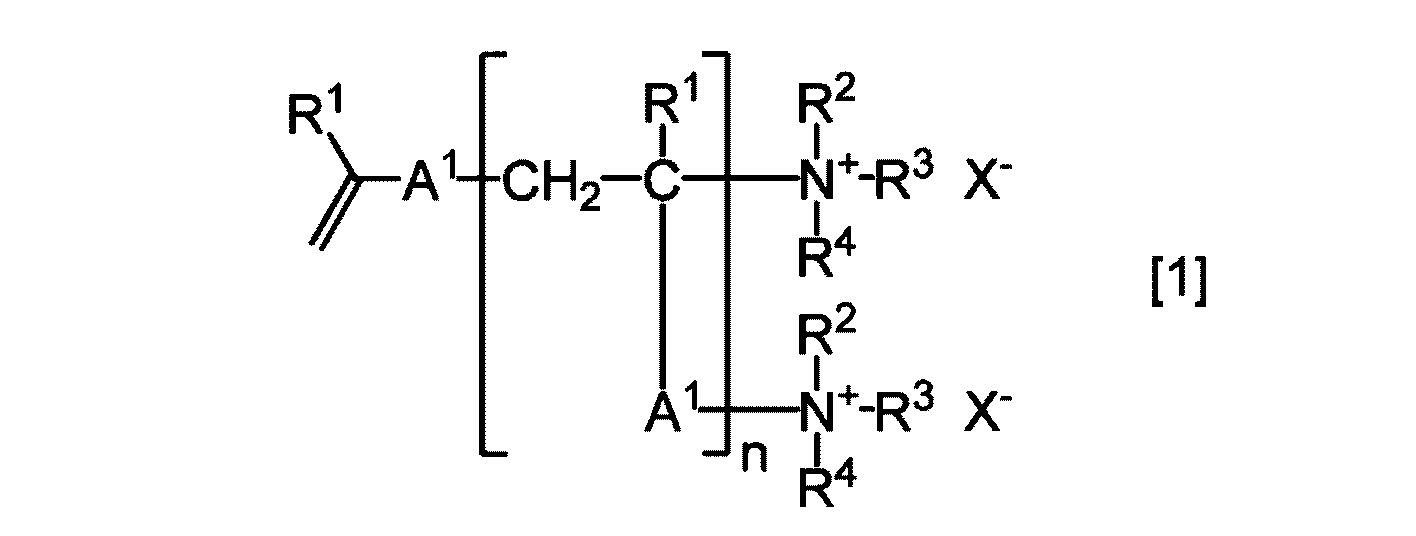
- a nineteenth aspect relates to the premix according to the eighteenth aspect, wherein the metal fine particle dispersant is a metal fine particle dispersant composed of a hyperbranched polymer represented by the formula [1].
- R 1 independently represents a hydrogen atom or a methyl group
- R 2 to R 4 each independently represent a hydrogen atom, a straight chain having 1 to 20 carbon atoms, branched or A cyclic alkyl group, an arylalkyl group having 7 to 20 carbon atoms, or — (CH 2 CH 2 O) m R 5 (wherein R 5 represents a hydrogen atom or a methyl group, and m represents 2 to 100).
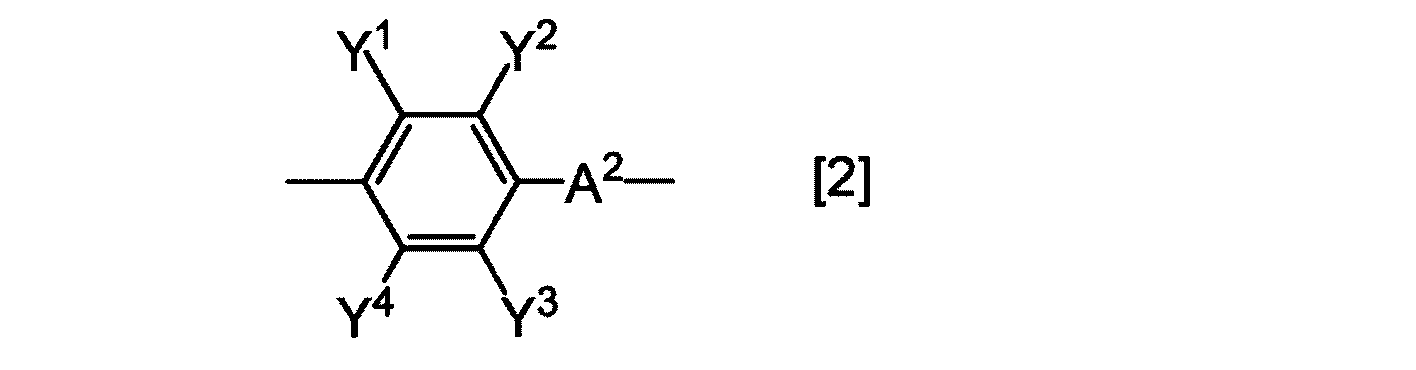
- the alkyl group and arylalkyl group may be substituted with an alkoxy group, a hydroxy group, an ammonium group, a carboxyl group or a cyano group), or R 2 to R 4 are They may be bonded to each other by a linear, branched or cyclic alkylene group, and may form a ring together with the nitrogen atom bonded thereto, X ⁇ represents an anion, n is the number of repeating unit structures, 2-100,00 Represents an integer, A 1 represents a structure represented by the formula [2].) (Wherein A 2 represents a linear, branched or cyclic alkylene group having 1 to 30 carbon atoms which may contain an ether bond or an ester bond, and Y 1 to Y 4 each independently represents And represents a hydrogen atom, an alkyl group having 1 to 20 carbon atoms, an alkoxy group having 1 to 20 carbon atoms, a nitro group, a hydroxy group, an amino group, a carboxyl group
- the present invention relates to a metal fine particle aggregate or aggregate mixture obtained by heat-treating the preliminary mixture according to any one of the thirteenth aspect to the twentieth aspect at 200 ° C. or higher.
- the present invention relates to a method for producing a metal fine particle aggregate or aggregate mixture, wherein the preliminary mixture according to any one of the thirteenth aspect to the twentieth aspect is heat-treated at 200 ° C. or higher.
- the metal fine particle aggregate of the present invention is not an aggregate formed by sintering metal fine particles or the like, but is in the form of an aggregate in which a plurality of particles having a particle size of about several nanometers are gathered.
- the aggregate mixture is in a form in which the aggregate is sufficiently dispersed in the mixture. For this reason, the metal fine particle aggregate, the aggregate mixture and the aggregate catalyst of the present invention are excellent in catalytic activity.
- metal fine particles can be suppressed by suppressing sintering of metal fine particles, which has been a problem in the heat treatment for removing the dispersant.
- the present invention can provide a fuel cell electrode catalyst having a high catalytic activity by the metal fine particle aggregate, the aggregate mixture and the aggregate catalyst, and can provide a fuel cell having a high cell output.
- FIG. 1 is a diagram showing a 1 H NMR spectrum of a hyperbranched polymer (HPS-Cl) having a chlorine atom at the molecular end obtained in Synthesis Example 1.
- FIG. 2 is a diagram showing a 13 C NMR spectrum of a hyperbranched polymer (HPS-NEt 3 Cl) having a triethylammonium group at the molecular end obtained in Synthesis Example 2.
- FIG. 3 is a diagram showing a 13 C NMR spectrum of a hyperbranched polymer (HPS-NBu 3 Cl) having a tributylammonium group at the molecular end obtained in Synthesis Example 3.
- FIG. 1 is a diagram showing a 1 H NMR spectrum of a hyperbranched polymer (HPS-Cl) having a chlorine atom at the molecular end obtained in Synthesis Example 1.
- FIG. 2 is a diagram showing a 13 C NMR spectrum of a hyperbranched polymer (HPS-NEt 3 Cl) having a trieth
- FIG. 4 is a diagram showing a 13 C NMR spectrum of a hyperbranched polymer (HPS-NHex 3 Cl) having a trihexylammonium group at the molecular end obtained in Synthesis Example 4.
- FIG. 5 is a diagram showing a 13 C NMR spectrum of a hyperbranched polymer (HPS-NOct 3 Cl) having a trioctylammonium group at the molecular end obtained in Synthesis Example 5.
- FIG. 6 is a diagram showing a 13 C NMR spectrum of a hyperbranched polymer (HPS—N (Me) 2 BuCl) having a butyldimethylammonium group at the molecular end obtained in Synthesis Example 6.
- FIG. 7 is a diagram showing a 13 C NMR spectrum of a hyperbranched polymer (HPS-N (Me) 2 OctCl) having a dimethyloctylammonium group at the molecular end obtained in Synthesis Example 7.
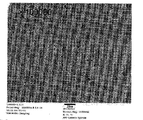
- FIG. 8 is a diagram showing a TEM image of a composite of HBP2 and palladium fine particles (HBP2-Pd (Pd [HPS-NBu 3 Cl])) produced in Example 2.
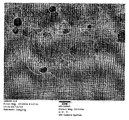
- FIG. 9 is a view showing a TME image of a mixture of CB and palladium fine particle aggregate 1 (Pd [HPS-NBu 3 Cl] / CB) produced in Example 2.
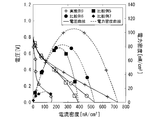
- FIG. FIG. 10 is a graph showing the power generation characteristics (current-voltage curve and current density curve) of the fuel cells produced in Example 9 and Comparative Examples 5 to 7.
- the metal fine particle aggregate of the present invention is an aggregate formed by associating metal fine particles having an average particle diameter of 1 to 10 nm.
- the metal fine particle aggregate is preferably in a form in which approximately 1 to 500 million metal fine particles are aggregated, and the major axis has a length of approximately 5 to 1,000 nm.
- the average particle diameter of the metal fine particles is a primary particle diameter value obtained by observation with an electron microscope, and the long diameter of the aggregate is a value obtained by observation with an electron microscope.
- the metal fine particles constituting the metal fine particle aggregate are not particularly limited, and the metal species include iron (Fe), cobalt (Co), nickel (Ni), copper (Cu), ruthenium (Ru), rhodium (Rh). ), Palladium (Pd), silver (Ag), tin (Sn), osmium (Os), iridium (Ir), platinum (Pt) and gold (Au), and one of these metals may be used. More than one kind of alloy may be used.
- preferable metal fine particles include nickel (Ni) fine particles, palladium fine particles (Pd), and platinum (Pt) fine particles.
- the aggregate mixture of the present invention includes the metal fine particle aggregate and a conductive carrier. Further, in the present invention, a form comprising the metal fine particle aggregate or a form in which the metal fine particle aggregate is supported on a conductive carrier is referred to as an aggregate catalyst, and the aggregate catalyst is also an object of the present invention. is there.
- the content of the metal fine particle aggregate is 1 to 80% by mass, preferably 2 to 60% by mass, more preferably 3 to 3%. 50% by mass.
- the conductive carrier has a specific surface area for supporting the metal fine particle aggregate in a desired dispersed state, and has sufficient electron conductivity as a current collector in a fuel cell electrode.
- a metal oxide such as titanium oxide, a carbon support, or the like can be used.
- a carbon support is preferably used.
- the carbon carrier specifically includes carbon black such as furnace black, lamp black, acetylene black, channel black, and thermal black; activated carbon; carbonizes organic compounds such as pitch, coke, polyacrylonitrile, phenol resin, and furan resin. Carbon materials obtained by this; and graphitized carbon obtained by graphitizing these materials.
- what are called carbon nanohorns, carbon nanotubes, carbon fibers and the like can also be used as the conductive carrier.
- the carbon black may be a commercially available product, such as Vulcan (VULCAN (registered trademark)) XC-72, Vulcan P, Black Pearls 880, Black Pearls 1100, Black Pearls 1300, Black Pearls 2000, Regal 400, manufactured by Cabot Corporation.
- Vulcan VULCAN (registered trademark)
- Black Pearls 880 Black Pearls 1100, Black Pearls 1300, Black Pearls 2000, Regal 400, manufactured by Cabot Corporation.
- oil furnace blacks such as Ketjen Black EC manufactured by Lion Corporation, Ketjen Black EC600JD, # 3150 and # 3250 manufactured by Mitsubishi Chemical Corporation, and acetylene blacks such as Denka Black manufactured by Denki Kagaku Kogyo Co., Ltd.
- graphitized carbon may be used as the conductive carrier.
- Graphitized carbon is obtained by heat-treating carbon black or the like to crystallize the surface layer of carbon particles.
- Carbon black or the like used as a raw material for graphitized carbon may be any material that has been conventionally used. There is no particular limitation.
- the heat treatment is preferably performed in an inert gas atmosphere such as nitrogen, argon, or helium.
- the heat treatment temperature and heat treatment time vary depending on the carbon type to be used, it may be appropriately determined so that the obtained conductive carrier has a desired corrosion resistance, etc., but is 2,000 to 3,000 ° C., preferably 2, Heat treatment is preferably performed at 600 to 3,000 ° C.
- the conductive carrier may be one obtained by activating the carbon carrier or graphitized carbon.
- the specific surface area of the carbon support can be increased, and a conductive support capable of carrying a highly dispersed metal fine particle aggregate is obtained.
- an oxidation activation treatment using zinc chloride, phosphoric acid or the like as an activator an alkali activation treatment using potassium hydroxide or sodium hydroxide as an activator, or a gas activation using carbon dioxide or air as an activator.
- the carbon support can be activated by heating to about 800 to 1,000 ° C. in a nitrogen gas atmosphere containing saturated water vapor of about 80 ° C. or higher.
- the specific surface area of the conductive carrier is preferably 20 to 1,600 m 2 / g, more preferably 80 to 1,200 m 2 / g. If the specific surface area is less than 20 m 2 / g, the dispersibility of the metal fine particle aggregates in the conductive support may be lowered, and sufficient power generation performance may not be obtained, and it exceeds 1,600 m 2 / g. And there is a possibility that the effective utilization rate of the metal fine particle aggregate may be lowered.
- the specific surface area is a value measured by the BET method.
- the particle size of the conductive carrier is not particularly limited, but the thickness, porosity, etc. of the electrode catalyst layer produced using the aggregate catalyst in which the metal fine particle aggregate is supported on the conductive carrier are controlled within an appropriate range. From this viewpoint, the average particle diameter of the conductive carrier is preferably about 5 to 200 nm, more preferably about 10 to 100 nm.
- the aggregate mixture may contain a solvent.
- the solvent used here is not particularly limited as long as it dissolves or disperses the aggregate mixture.
- water aromatic hydrocarbons such as benzene, toluene, xylene, ethylbenzene, chlorobenzene, dichlorobenzene; Alcohols such as methanol, ethanol and isopropanol; ethers such as tetrahydrofuran, 1,4-dioxane, diethyl ether, diethylene glycol dimethyl ether and propylene glycol methyl ether; esters such as ethyl acetate and butyl acetate; acetone, ethyl methyl ketone and isobutyl Ketones such as methyl ketone, cyclopentanone and cyclohexanone; aliphatic hydrocarbons such as n-heptane, n-hexane and cyclohexane; halogenation such
- the present invention is also directed to a mixture containing the above-mentioned metal fine particles and a metal fine particle dispersant composed of a hyperbranched polymer, and a mixture containing the above-mentioned conductive support as a premix for forming an aggregate.
- the preliminary mixture may contain a solvent. Examples of the solvent used here include the same solvents as the solvent that may be contained in the aggregate mixture.
- the hyperbranched polymer used for the metal fine particle dispersant in the present invention is a polymer having an ammonium group at the molecular end, and specifically includes a hyperbranched polymer represented by the following formula [1].
- R 1 represents a hydrogen atom or a methyl group independently.
- R 2 to R 4 may be bonded to each other by a linear, branched or cyclic alkylene group, and may form a ring together with the nitrogen atom bonded thereto.
- X ⁇ represents an anion
- n represents the number of repeating unit structures, and represents an integer of 2 to 100,000.
- Examples of the linear alkyl group having 1 to 20 carbon atoms in R 2 to R 4 include methyl group, ethyl group, n-propyl group, n-butyl group, n-pentyl group, n-hexyl group, n -Heptyl, n-octyl, n-nonyl, n-decyl, n-undecyl, n-dodecyl, n-tridecyl, n-tetradecyl, n-pentadecyl, n-hexadecyl, n -Heptadecyl group, n-octadecyl group, n-nonadecyl group, n-eicosyl group and the like can be mentioned, among which a group having 8 or less carbon atoms is preferable.
- Examples of the branched alkyl group include isopropyl group, isobutyl group, sec-butyl group, tert-butyl group and the like.
- Examples of the cyclic alkyl group include a cyclopentyl ring and a group having a cyclohexyl ring structure.
- Examples of the arylalkyl group having 7 to 20 carbon atoms in R 2 to R 4 include a benzyl group and a phenethyl group.
- examples of the linear alkylene group through which R 2 to R 4 are bonded to each other include a methylene group, an ethylene group, an n-propylene group, an n-butylene group, and an n-hexylene group.
- Examples of the branched alkylene group include an isopropylene group, an isobutylene group, and a 2-methylpropylene group.
- Examples of the cyclic alkylene group include alicyclic aliphatic groups having a monocyclic, polycyclic or bridged cyclic structure having 3 to 30 carbon atoms. Specific examples include groups having a monocyclo, bicyclo, tricyclo, tetracyclo, or pentacyclo structure having 4 or more carbon atoms.
- R 2 to R 4 are bonded to each other, and the ring formed together with the nitrogen atom bonded thereto includes a pyridine ring, a pyrimidine ring, a pyrazine ring, a quinoline ring, a bipyridyl ring, etc. Is mentioned.
- the anion of X ⁇ is preferably Cl ⁇ , Br ⁇ , I ⁇ , PF 6 ⁇ , BF 4 ⁇ , benzene sulfonate, tosylate or perfluoroalkane sulfonate.
- a 1 represents a structure represented by the following formula [2].
- a 2 represents a linear, branched or cyclic alkylene group having 1 to 30 carbon atoms which may contain an ether bond or an ester bond.
- Y 1 to Y 4 each independently represents a hydrogen atom, an alkyl group having 1 to 20 carbon atoms, an alkoxy group having 1 to 20 carbon atoms, a nitro group, a hydroxy group, an amino group, a carboxyl group, or a cyano group.
- alkylene group of A 2 examples include linear alkylene groups such as methylene group, ethylene group, n-propylene group, n-butylene group and n-hexylene group, isopropylene group, isobutylene group, 2-methyl group.
- examples include branched alkylene groups such as propylene groups.
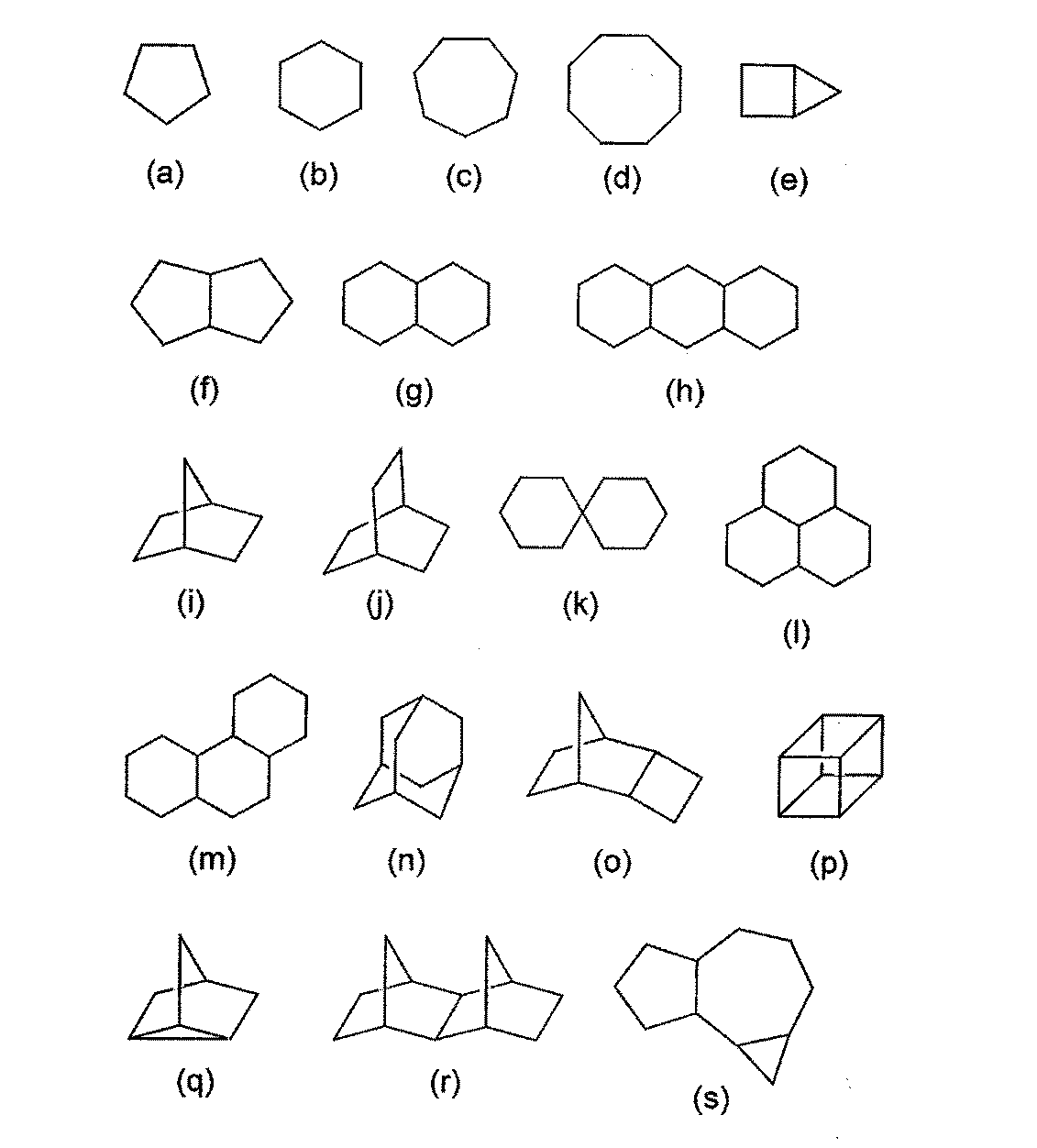
- the cyclic alkylene group include alicyclic aliphatic groups having a monocyclic, polycyclic and bridged cyclic structure having 3 to 30 carbon atoms. Specific examples include groups having a monocyclo, bicyclo, tricyclo, tetracyclo, or pentacyclo structure having 4 or more carbon atoms.
- structural examples (a) to (s) of the alicyclic portion of the alicyclic aliphatic group are shown below.
- Examples of the alkyl group having 1 to 20 carbon atoms of Y 1 to Y 4 in the above formula [2] include a methyl group, an ethyl group, an isopropyl group, a cyclohexyl group, and an n-pentyl group.
- Examples of the alkoxy group having 1 to 20 carbon atoms include methoxy group, ethoxy group, isopropoxy group, cyclohexyloxy group, n-pentyloxy group and the like.
- Y 1 to Y 4 are preferably a hydrogen atom or an alkyl group having 1 to 20 carbon atoms.
- the A 1 is a structure represented by the following formula [3].
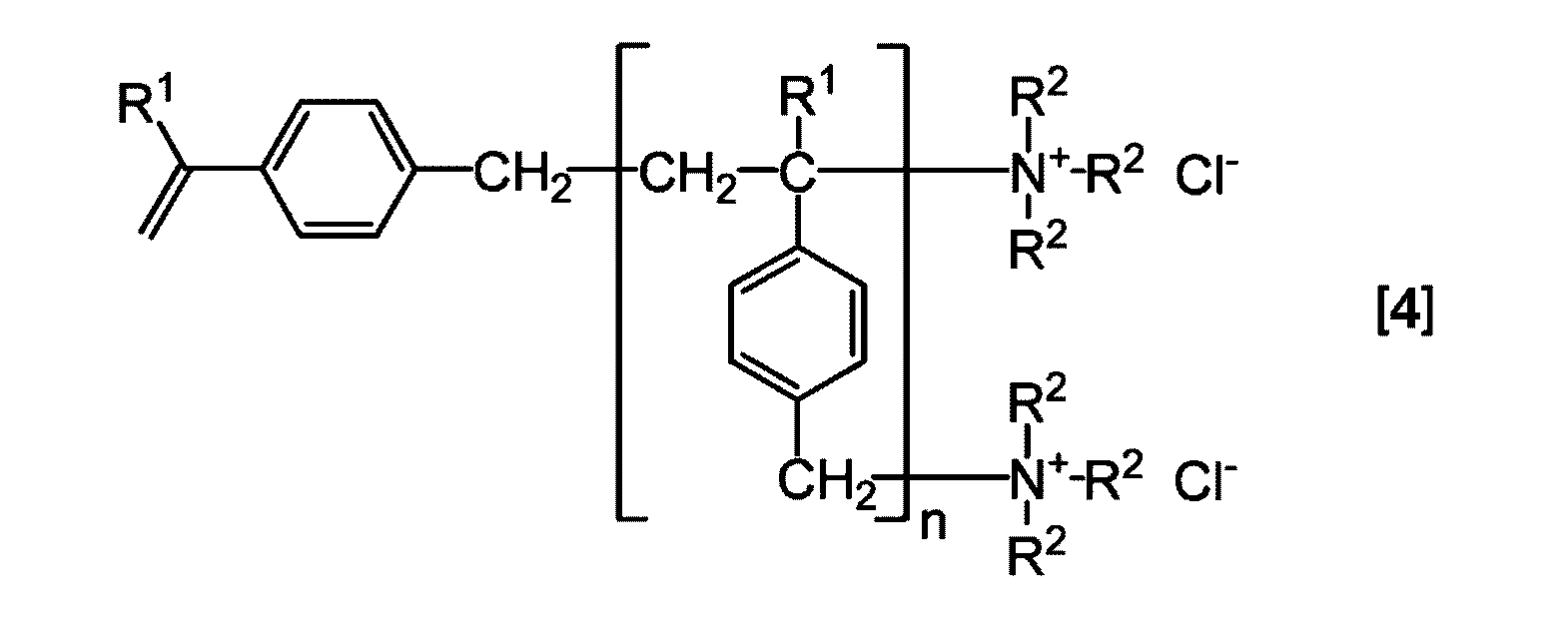
- the hyperbranched polymer used in the present invention includes a hyperbranched polymer represented by the following formula [4].
- R ⁇ 1 >, R ⁇ 2 > and n represent the same meaning as the above.
- the hyperbranched polymer having an ammonium group at the molecular end used in the present invention can be obtained, for example, by reacting an amine compound with a hyperbranched polymer having a halogen atom at the molecular end.
- a hyperbranched polymer having a halogen atom at the molecular end can be produced from a hyperbranched polymer having a dithiocarbamate group at the molecular end in accordance with the description in WO 2008/029688.
- As the hyperbranched polymer having a dithiocarbamate group at the molecular end a commercially available product can be used, and Hypertech (registered trademark) HPS-200 manufactured by Nissan Chemical Industries, Ltd. can be preferably used.
- the amine compounds that can be used in this reaction include, as primary amines, aliphatic amines such as methylamine, ethylamine, n-propylamine, isopropylamine, n-butylamine, isobutylamine, sec-butylamine, tert-butylamine, n -Pentylamine, n-hexylamine, n-heptylamine, n-octylamine, n-nonylamine, n-decylamine, n-undecylamine, n-dodecylamine, n-tridecylamine, n-tetradecylamine, n-pentadecylamine, n-hexadecylamine, n-heptadecylamine, n-octadecylamine, n-nonadecylamine, n-eicosylamine, etc
- Secondary amines include dimethylamine, diethylamine, di-n-propylamine, diisopropylamine, di-n-butylamine, diisobutylamine, di-sec-butylamine, di-n-pentylamine, ethylmethylamine, methyl- n-propylamine, methyl-n-butylamine, methyl-n-pentylamine, ethylisopropylamine, ethyl-n-butylamine, ethyl-n-pentylamine, methyl-n-octylamine, methyl-n-decylamine, methyl- n-dodecylamine, methyl-n-tetradecylamine, methyl-n-hexadecylamine, methyl-n-octadecylamine, ethylisopropylamine, ethyl-n-octylamine, di
- Tertiary amines include trimethylamine, triethylamine, tri-n-propylamine, tri-n-butylamine, tri-n-pentylamine, tri-n-hexylamine, tri-n-octylamine, dimethylethylamine, n- Butyldimethylamine, dimethyl-n-hexylamine, dimethyl-n-octylamine, diethyl-n-decylamine, dimethyl-n-dodecylamine, dimethyl-n-tetradecylamine, dimethyl-n-hexadecylamine, dimethyl-n -Aliphatic amines such as octadecylamine, dimethyl-n-eicosylamine, dimethyl-n-dodecylamine; pyridine, pyrazine, pyrimidine, quinoline, 1-methylimidazole, 4,4'-bipyridyl, 4-methyl-4
- Alcohols such as isopropanol
- organic acids such as acetic acid
- Aromatic hydrocarbons such as chlorobenzene
- Ethers such as tetrahydrofuran and diethyl ether
- Ketones such as acetone, ethyl methyl ketone, isobutyl methyl ketone and cyclohexanone
- Aliphatic hydrocarbons such as n-hexane, n-heptane and cyclohexane
- Halogenated aliphatic hydrocarbons such as chloroform, dichloromethane and 1,2-dichloroethane
- amides such as N, N-dimethylformamide, N, N-dimethylacetamide and N-methyl-2-pyrrolidone can be used.
- solvents may be used alone or in combination of two or more.
- the amount used is 0.2 to 1,000 times, preferably 1 to 500 times, more preferably 5 to 100 times, most preferably the mass of the hyperbranched polymer having a halogen atom at the molecular end. It is preferable to use a solvent having a mass of 10 to 50 times.
- Suitable bases generally include, for example, inorganic compounds such as alkali metal hydroxides and alkaline earth metal hydroxides such as sodium hydroxide, potassium hydroxide and calcium hydroxide; alkali metals such as lithium oxide and calcium oxide. Oxides and alkaline earth metal oxides; alkali metal hydrides such as sodium hydride, potassium hydride, calcium hydride and alkaline earth metal hydrides; alkali metal amides such as sodium amide; lithium carbonate, sodium carbonate, carbonic acid Alkali metal carbonates such as potassium and calcium carbonate and alkaline earth metal carbonates; alkali metal bicarbonates such as sodium bicarbonate include, for example, alkali metal alkyls, alkylmagnesium halides, alkali metals Alkoxide, alkaline earth gold Alkoxides, dimethoxy magnesium and the like are used.
- potassium carbonate and sodium carbonate are particularly preferred.
- the amount used is 0.2 to 10 molar equivalents, preferably 0.5 to 10 molar equivalents, most preferably 1 to 5 molar equivalents per mole of halogen atoms of the hyperbranched polymer having a halogen atom at the molecular end. It is preferable to use the base.
- a hyperbranched polymer represented by the formula [1] can be obtained regardless of the presence / absence of a base.
- a hyperbranched polymer having a halogen atom at the molecular end is reacted with a primary amine or secondary amine compound in the absence of a base, the terminal secondary amine and tertiary tertiary of the corresponding hyperbranched polymer are respectively reacted.
- a hyperbranched polymer having ammonium groups terminated with protonated primary amines is obtained.
- the terminal secondary amine of the corresponding hyperbranched polymer can be obtained by mixing with an aqueous solution of an acid such as hydrogen chloride, hydrogen bromide, or hydrogen iodide in an organic solvent. And a hyperbranched polymer having an ammonium group terminated with a tertiary amine protonated.
- the hyperbranched polymer has a weight average molecular weight Mw measured in terms of polystyrene by gel permeation chromatography of 500 to 5,000,000, preferably 1,000 to 1,000,000, more preferably 2 From 3,000 to 500,000, most preferably from 3,000 to 200,000. Further, the dispersity Mw (weight average molecular weight) / Mn (number average molecular weight) is 1.0 to 7.0, preferably 1.1 to 6.0, and more preferably 1.2 to 5. 0.
- the metal fine particle aggregate or aggregate mixture of the present invention comprises a premix containing the metal fine particle dispersant composed of the metal fine particles and the hyperbranched polymer described above, and a premix containing the conductive carrier described above at 200 ° C. or more. It can be obtained by heat treatment.
- an aqueous solution of a metal salt constituting the metal fine particles (hereinafter referred to as a metal salt) is added to a solution in which the metal fine particles comprising the hyperbranched polymer are dissolved, and the hyperbranched polymer and the metal are added.
- the composite is the one in which both coexist in the state of being in contact with or close to the metal fine particles by the action of the ammonium group at the molecular end of the hyperbranched polymer to form a particulate form. It is expressed as a composite having a structure in which the ammonium group of the branch polymer is attached or coordinated to the metal fine particles. Therefore, in the “composite” in the present specification, not only the metal fine particles and the hyperbranched polymer are combined to form one composite as described above, but also the metal fine particles and the hyperbranched polymer are bonded portions. It is understood that those that exist independently without being formed are also included.
- an aqueous solution of a metal salt is added to a solution in which the metal fine particle dispersant comprising the hyperbranched polymer is dissolved, and then ultraviolet rays are applied thereto.
- metal ions are reduced by irradiating or adding a reducing agent.
- the reducing agent is not particularly limited, and various reducing agents can be used, and it is preferable to select the reducing agent according to the metal species and the like.
- the reducing agent that can be used include metal borohydrides such as sodium borohydride and potassium borohydride; lithium aluminum hydride, potassium aluminum hydride, cesium aluminum hydride, aluminum beryllium hydride, hydrogenation
- Aluminum hydride salts such as aluminum magnesium and calcium aluminum hydride; hydrazine compounds; citric acid and salts thereof; succinic acid and salts thereof; ascorbic acid and salts thereof; primary or secondary such as methanol, ethanol, isopropanol and polyol Tertiary alcohols; tertiary amines such as trimethylamine, triethylamine, diisopropylethylamine, diethylmethylamine, tetramethylethylenediamine [TMEDA], ethylenediaminetetraacetic acid [EDTA]; Roxylamine; tri
- the solvent that can be used in the above reduction reaction is not particularly limited as long as it is a solvent that can dissolve a metal fine particle dispersant composed of a hyperbranched polymer having a metal ion and an ammonium group to a required concentration or more.
- Alcohols such as ethanol, n-propanol, isopropanol and ethylene glycol; halogenated hydrocarbons such as methylene chloride and chloroform; cyclic ethers such as tetrahydrofuran, 2-methyltetrahydrofuran and tetrahydropyran; nitriles such as acetonitrile and butyronitrile And aromatic hydrocarbons such as benzene and toluene, and mixtures of these solvents.
- halogenated hydrocarbons such as methylene chloride and chloroform
- cyclic ethers such as tetrahydrofuran, 2-methyltetrahydrofuran and tetrahydropyran
- nitriles such as acetonitrile and butyronitrile
- aromatic hydrocarbons such as benzene and toluene, and mixtures of these solvents.
- a metal fine particle stabilized to some extent by a lower ammonium ligand is synthesized and then distributed using a metal fine particle dispersant composed of a hyperbranched polymer.
- Examples thereof include a method of exchanging ligands and a method of forming a complex by directly reducing metal ions in a solution of a metal fine particle dispersant made of a hyperbranched polymer having an ammonium group.
- the metal fine particles stabilized to some extent by the lower ammonium ligand used as a raw material can be synthesized by the method described in Journal of Organometallic Chemistry 1996, 520, 143-162 and the like.
- a metal fine particle dispersant composed of a hyperbranched polymer having an ammonium group is dissolved, and the target metal fine particle composite is obtained by room temperature (approximately 25 ° C.) or heating and stirring.
- the solvent to be used is not particularly limited as long as it is a solvent capable of dissolving the metal fine particles and the metal fine particle dispersant composed of a hyperbranched polymer having an ammonium group at a required concentration or higher.
- ethanol, propanol, isopropanol Alcohols such as methylene chloride and chloroform; cyclic ethers such as tetrahydrofuran, 2-methyltetrahydrofuran and tetrahydropyran; nitriles such as acetonitrile and butyronitrile; and mixtures of these solvents.
- the temperature for mixing the reaction mixture of metal fine particles and the metal fine particle dispersant composed of a hyperbranched polymer having an ammonium group can usually be in the range of 0 ° C. to the boiling point of the solvent, preferably room temperature (approximately 25 ° C) to 60 ° C.
- the metal fine particles can be stabilized to some extent in advance by using a phosphine dispersant (phosphine ligand) in addition to the amine dispersant (lower ammonium ligand).
- a desired metal fine particle composite can be obtained by dissolving a metal fine particle dispersant comprising a hyperbranched polymer having a metal ion and an ammonium group in a solvent and reacting in a hydrogen gas atmosphere.
- a metal ion source used here the above-mentioned metal salt, pentacarbonyl iron [Fe (Co) 5 ], octacarbonyl dicobalt [Co 2 (CO) 8 ], tetracarbonyl nickel [Ni (CO) 4 ]
- a metal carbonyl complex such as can be used.
- zero-valent metal complexes such as metal olefin complexes, metal phosphine complexes, and metal nitrogen complexes can also be used.
- the solvent to be used is not particularly limited as long as it can dissolve a hyperbranched polymer having a metal ion and an ammonium group at a required concentration or higher.
- alcohols such as ethanol and propanol
- methylene chloride, chloroform Halogenated hydrocarbons such as: cyclic ethers such as tetrahydrofuran, 2-methyltetrahydrofuran and tetrahydropyran; nitriles such as acetonitrile and butyronitrile; and mixtures of these solvents.
- a range of usually 0 ° C. to the boiling point of the solvent can be used.
- a target metal fine particle composite can be obtained by dissolving a hyperbranched polymer having a metal ion and an ammonium group in a solvent and causing a thermal decomposition reaction.
- a metal ion source used here the above metal salts, metal carbonyl complexes, other zero-valent metal complexes, and metal oxides such as silver oxide can be used.
- the solvent to be used is not particularly limited as long as it can dissolve the hyperbranched polymer having a metal ion and an ammonium group at a required concentration or more.
- methanol, ethanol, n-propanol, isopropanol, ethylene glycol Alcohols such as: Halogenated hydrocarbons such as methylene chloride and chloroform; Cyclic ethers such as tetrahydrofuran, 2-methyltetrahydrofuran and tetrahydropyran; Nitriles such as acetonitrile and butyronitrile; Aromatic hydrocarbons such as benzene and toluene And mixtures of these solvents.
- the temperature at which the metal ion and the hyperbranched polymer having an ammonium group are mixed is usually 0 ° C. to the boiling point of the solvent, preferably around the boiling point of the solvent, for example, 110 ° C. (heating reflux) in the case of toluene. It is.
- the amount of the hyperbranched polymer added is preferably 50 to 2,000 parts by mass with respect to 100 parts by mass of the metal fine particles.
- the amount is less than 50 parts by mass, the dispersibility of the metal fine particles is insufficient, and when the amount exceeds 2,000 parts by mass, the organic matter content increases, and problems such as physical properties tend to occur. More preferably, it is 100 to 1,000 parts by mass.
- the obtained composite of the fine particle dispersant comprising the hyperbranched polymer having an ammonium group and the metal fine particles can be made into a solid form such as a powder through a purification treatment such as reprecipitation.
- the thus obtained hyperbranched polymer composite of metal fine particle dispersant and metal fine particles is dissolved (dispersed) in an appropriate solvent, and the above-mentioned conductive carrier is added to this solution (dispersion) as appropriate in an appropriate solvent.
- the solvent to be used is not particularly limited as long as it is a solvent capable of dissolving the complex and the complex and the conductive carrier to a concentration higher than the required concentration.
- methanol, ethanol, n-propanol, isopropanol Alcohols such as ethylene glycol; Halogenated hydrocarbons such as methylene chloride and chloroform; Cyclic ethers such as tetrahydrofuran, 2-methyltetrahydrofuran and tetrahydropyran; Nitriles such as acetonitrile and butyronitrile; Aromatics such as benzene and toluene Examples thereof include hydrocarbons and a mixture of these solvents.
- the amount added is the amount of metal fine particles supported on the conductive carrier.
- the aggregate loading is 1 to 80% by mass, preferably 2 to 60% by mass, more preferably 3 to 50% by mass with respect to the total amount of the conductive carrier and the metal fine particle aggregate. It is preferable to do.
- the heat treatment is preferably carried out in an inert gas atmosphere such as nitrogen, argon or helium, preferably at a temperature of 300 ° C. or higher, more preferably at a temperature of 400 ° C. or higher, preferably at a temperature of 1,000 ° C. or lower.
- the reaction is usually performed for 1 minute to 24 hours, preferably 5 minutes to 12 hours, more preferably 10 minutes to 6 hours.
- the metal fine particle aggregate has a shape in which a plurality of metal fine particles are arranged and associated in clusters (tufts) like flower bunches or fruit bunches.
- the aggregate mixture is in the form of a so-called aggregate catalyst in which the aggregate is supported on a conductive carrier.
- the metal fine particle aggregate or aggregate mixture of the present invention can be suitably used as a catalyst, particularly as an electrode catalyst for a fuel cell. That is, the present invention is also directed to a fuel cell electrode catalyst composed of the aggregate catalyst and a fuel cell including the fuel cell electrode catalyst.
- the type of the fuel cell is not particularly limited, and examples thereof include a solid polymer fuel cell, an alkaline fuel cell, a phosphoric acid fuel cell, a molten carbonate fuel cell, and a solid oxide fuel cell. Among these, a polymer electrolyte fuel cell that is small in size and capable of high density and high output is preferable.
- the electrode catalyst is preferably used as an electrode catalyst in the anode-side electrode catalyst layer and / or the cathode-side electrode catalyst layer, and has a high oxygen reduction activity in the electrode reaction. It is good to be used at least for the electrode catalyst layer.
- Counter electrode Pt wire CPt manufactured by Interchemy Reference electrode: Mercury sulfate reference electrode RE-2C manufactured by BAS Co., Ltd. Working electrode: manufactured by BAS Co., Ltd. GCE glassy carbon electrode
- Electrolyte A formic acid oxidation activity evaluation: 0.05 mol / L sulfuric acid aqueous solution-5 mol / L formic acid aqueous solution mixed solution (volume ratio 1: 1) (nitrogen (Bubbling at 200mL / min)
- Electrolyte B (Oxygen reduction activity evaluation): 0.05 mol / L sulfuric acid aqueous solution (bubbling with nitrogen or oxygen at 200 mL / min) Sweep potential: 0 to 1V (to hydrogen standard electrode) Number of cycles: 10 times Scan speed: 10 mV / sec (8)
- Power generation test device Electrochemical measurement system HZ-5000 manufactured by Hokuto Denko Corporation Test cell: FC-05-02 manufactured by Toyo Corporation Power generation fuel (anode): 7
- HPS Hyperbranched polystyrene [Hypertech (registered trademark) HPS-200 manufactured by Nissan Chemical Industries, Ltd.]
- IPA isopropanol
- IPE diisopropyl ether
- dba dibenzylideneacetone (C 6 H 5 CH ⁇ CH—C ( ⁇ O) —CH ⁇ CHC 6 H 5 )
- CB Carbon black [VULCAN (registered trademark) XC72 manufactured by Cabot Corporation]
- PB Palladium black [Pd-black, 99.9%, manufactured by Alfa Aesar]
- PtB Platinum black [HiSPEC (registered trademark) 1000 manufactured by Johnson Matthey Fuel Cells]
- PtC Platinum carbon [manufactured by Tanaka Kikinzoku Co., Ltd. TEC10E50E, platinum loading 50 mass%]
- PVP Polyvinylpyrrolidone
- this reaction solution was added to 1,200 g of IPA to precipitate a polymer.
- the white powder obtained by filtering this precipitate was dissolved in 100 g of chloroform and added to 500 g of IPA to reprecipitate the polymer.
- the precipitate was filtered under reduced pressure and vacuum dried to obtain 8.5 g of hyperbranched polymer (HPS-Cl) having a chlorine atom at the molecular end as a white powder (yield 99%).
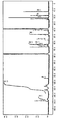
- the 1 H NMR spectrum of the obtained HPS-Cl is shown in FIG.
- HBP1 hyperbranched polymer 1 having a triethylammonium group at the molecular end as a light brown powder.
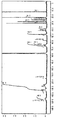
- the 13 C NMR spectrum of the obtained HBP1 is shown in FIG.
- HBP2 hyperbranched polymer 2
- FIG. 1 The 13 C NMR spectrum of the obtained HBP2 is shown in FIG.
- the precipitated polymer was filtered under reduced pressure and vacuum dried at 40 ° C. to obtain 7.2 g of hyperbranched polymer 3 having trihexylammonium group at the molecular end (hereinafter abbreviated as HBP3) as a white powder.
- HBP3 hyperbranched polymer 3 having trihexylammonium group at the molecular end
- the 13 C NMR spectrum of the obtained HBP3 is shown in FIG. From the peaks of the methylene group to which the chlorine atom is bonded and the methylene group to which the ammonium group is bonded, it is clear that in the obtained HBP3, 76% of the chlorine atom at the end of the HPS-Cl molecule is substituted with the ammonium group. It was.
- HBP4 trioctylammonium group at the molecular end
- HBP5 hyperbranched polymer 5
- the 13 C NMR spectrum of the obtained HBP5 is shown in FIG. From the peaks of the methylene group to which the chlorine atom is bonded and the methylene group to which the ammonium group is bonded, it is clear that the obtained HBP5 has quantitatively substituted the chlorine atom at the end of the HPS-Cl molecule with an ammonium group. It was.
- HBP6 hyperbranched polymer 6
- IPE 1,200 g
- FIG. 7 shows the 13 C NMR spectrum of the obtained HBP6.
- Example 1 Production of palladium fine particle aggregate 1
- Pd 2 (dba) 3 ⁇ CHCl 3 [manufactured by N.E. Chemcat Co., Ltd.] 100 mg and 10 mL of a chloroform / ethanol mixture (volume ratio 2: 1) was charged, and the atmosphere was replaced with nitrogen. The mixture was stirred for 6 hours at 70 ° C. with stirring. After cooling to a liquid temperature of 30 ° C., the solvent was distilled off. The obtained residue was dissolved in 10 mL of chloroform and added to 50 mL of IPE for purification by reprecipitation.
- HBP1-Pd palladium fine particles
- the palladium content of the obtained HBP1-Pd was 19% by mass.
- HBP1-Pd and ethanol were mixed so that the HBP1-Pd concentration was 10 mg / mL, and sonicated for 30 minutes to obtain an HBP1-Pd / ethanol solution.
- CB and ethanol were mixed so that the CB concentration was 10 mg / mL, and sonicated for 30 minutes to obtain a CB / ethanol dispersion.
- the above HBP1-Pd / ethanol solution and CB / ethanol dispersion were mixed in the same volume and sonicated for 30 minutes.
- This mixed solution was put in a crucible, heated to 500 ° C. at 5 ° C./min in a nitrogen atmosphere, and heated as it was at 500 ° C. for 1 hour.
- the mixture was allowed to cool to room temperature (approximately 25 ° C.) to obtain a palladium fine particle aggregate 1 supported on CB.
- the palladium content of the obtained mixture (CB + palladium fine particle aggregate 1) was 14% by mass.
- the palladium particle size (primary particle size) in the mixture was 2 to 4 nm, and an aggregate of 10 to 50 nm in which a plurality of primary particles were associated was formed. confirmed.
- Example 2 Production of palladium fine particle aggregate 2 A composite of HBP2 and palladium fine particles (HBP2-Pd) was obtained in the same manner as in Example 1 except that HBP1 was changed to HBP2 produced in Synthesis Example 3. It was. From the results of ICP emission analysis, the palladium content of the obtained HBP2-Pd was 9% by mass. Further, the palladium particle size in the complex by TEM observation was 2 to 4 nm. A TEM image of the composite is shown in FIG. Furthermore, except that HBP1-Pd was changed to the above HBP2-Pd, the same operation as in Example 1 was carried out to obtain a palladium fine particle aggregate 2 supported on CB.
- the palladium content of the obtained mixture was 16% by mass. Further, when the mixture was observed with a TEM, the palladium particle size (primary particle size) in the mixture was 2 to 4 nm, and an aggregate of 10 to 25 nm in which a plurality of primary particles were associated was formed. confirmed.
- a TEM image of the mixture is shown in FIG. In FIG. 9, a substantially circular region surrounded by a white dotted line indicates an aggregate, and a black dot-like portion in the region (aggregate) indicates metal fine particles (palladium fine particles). And the larger substantially circular area
- Example 3 Production of palladium fine particle assembly 3
- HBP1 was changed to HBP3 produced in Synthesis Example 4 to obtain a complex of HBP3 and palladium fine particles (HBP3-Pd). It was. From the results of ICP emission analysis, the palladium content of the obtained HBP3-Pd was 22% by mass. Further, except that HBP1-Pd was changed to the above-mentioned HBP3-Pd and HBP3-Pd was dissolved in acetone, the same operation as in Example 1 was performed to obtain a palladium fine particle aggregate 3 supported on CB. The palladium content of the obtained mixture (CB + palladium fine particle aggregate 3) was 17% by mass. Further, when the mixture was observed with a TEM, the palladium particle size (primary particle size) in the mixture was 2 to 4 nm, and an aggregate of 10 to 70 nm in which a plurality of primary particles were associated was formed. confirmed.
- Example 4 Production of palladium fine particle aggregate 4 A composite of HBP4 and fine palladium particles (HBP4-Pd) was obtained in the same manner as in Example 1 except that HBP1 was changed to HBP4 produced in Synthesis Example 5. It was. From the results of ICP emission analysis, the palladium content of the obtained HBP4-Pd was 11% by mass. Further, except that HBP1-Pd was changed to the above-mentioned HBP4-Pd and HBP4-Pd was dissolved in acetone, the same operation as in Example 1 was performed to obtain a palladium fine particle aggregate 4 supported on CB. The palladium content of the obtained mixture (CB + palladium fine particle aggregate 4) was 8% by mass. Further, when the mixture was observed with a TEM, the palladium particle size (primary particle size) in the mixture was 2 to 4 nm, and an aggregate of 10 to 50 nm in which a plurality of primary particles were associated was formed. confirmed.
- Example 5 Production of Palladium Fine Particle Assemblies 5
- a composite of HBP5 and palladium fine particles (HBP5-Pd) was obtained in the same manner as in Example 1 except that HBP1 was changed to HBP5 produced in Synthesis Example 6. It was. From the results of ICP emission analysis, the palladium content of the obtained HBP5-Pd was 11% by mass. Further, except that HBP1-Pd was changed to the above HBP5-Pd, the same operation as in Example 1 was carried out to obtain a palladium fine particle aggregate 5 supported on CB. The palladium content of the obtained mixture (CB + palladium fine particle aggregate 5) was 16% by mass. Further, when the mixture was observed with a TEM, the palladium particle size (primary particle size) in the mixture was 2 to 4 nm, and an aggregate of 10 to 50 nm in which a plurality of primary particles were associated was formed. confirmed.
- Example 6 Production of palladium fine particle aggregate 6 The same procedure as in Example 1 was carried out except that HBP1-Pd was changed to HBP5-Pd produced in Example 5 and the heating temperature was changed to 300 ° C. Thus obtained palladium fine particle aggregate 6 was obtained.
- the palladium content of the obtained mixture (CB + palladium fine particle aggregate 6) was 14% by mass. Further, when the mixture was observed with a TEM, the palladium particle size (primary particle size) in the mixture was 2 to 4 nm, and an aggregate of 10 to 50 nm in which a plurality of primary particles were associated was formed. confirmed.
- Example 7 Production of palladium fine particle aggregate 7 Except that HBP1 was changed to HBP6 produced in Synthesis Example 7, the same operation as in Example 1 was performed to obtain a complex of HBP6 and palladium fine particles (HBP6-Pd). It was. From the results of ICP emission analysis, the palladium content of the obtained HBP6-Pd was 21% by mass. Further, except that HBP1-Pd was changed to HBP6-Pd and HBP6-Pd was dissolved in acetone, the same operation as in Example 1 was performed to obtain palladium fine particle aggregates 7 supported on CB. The palladium content of the obtained mixture (CB + palladium fine particle aggregate 7) was 13% by mass. Further, when the mixture was observed with a TEM, the palladium particle size (primary particle size) in the mixture was 2 to 4 nm, and an aggregate of 10 to 60 nm in which a plurality of primary particles were associated was formed. confirmed.
- Example 8 Formic acid oxidation activity of palladium fine particle aggregates
- the palladium fine particle aggregates 1 to 7 supported on the CB produced in Examples 1 to 7 were added to IPA so as to be 10 mg / mL, respectively.
- Each mixed solution was subjected to ultrasonic treatment for 10 minutes to obtain a catalyst ink.
- 7.5 ⁇ L of this catalyst ink was dropped on the entire surface of the glassy carbon electrode and dried at room temperature (approximately 25 ° C.) for 20 minutes.
- Comparative Example 1 Formic Acid Oxidation Activity of Palladium Catalyst Using HBP5 as Dispersant
- HBP5-Pd and ethanol were mixed so that the HBP5-Pd concentration was 10 mg / mL, and 30 minutes Sonication was performed to obtain a HBP5-Pd / ethanol solution.
- CB and ethanol were mixed so that the CB concentration was 10 mg / mL, and sonicated for 30 minutes to obtain a CB / ethanol dispersion.
- the above HBP5-Pd / ethanol solution and CB / ethanol dispersion were mixed in the same volume and subjected to ultrasonic treatment for 30 minutes to obtain a catalyst ink.
- the palladium particle diameter (primary particle diameter) in the ink was 2 to 4 nm, and the primary particles were uniformly dispersed on the CB without association or aggregation. It was confirmed that Using this catalyst ink, a working electrode was prepared in the same manner as in Example 8, and the formic acid oxidation activity was evaluated. The results are also shown in Table 1.
- the palladium fine particle aggregates (Examples 1 to 7) of the present invention have an extremely high formic acid oxidation activity that is 4 to 10 times that of PB (Comparative Examples 2 and 3) conventionally used. showed that. Further, the palladium fine particles (Comparative Example 1) which were not subjected to the heat treatment using the same hyperbranched polymer as that of the present invention as a dispersant did not form an aggregate and had a very low formic acid oxidation activity. Further, the palladium fine particle aggregates (Examples 1 to 7) of the present invention are 3 in comparison with the palladium fine particles (Comparative Example 4) that were heat-treated using PVP as a linear polymer as a dispersant. The formic acid oxidation activity was very high, up to 7 times.
- Example 9 Power generation characteristics of direct formic acid fuel cell using palladium fine particle aggregate 7
- the palladium fine particle aggregate 7 supported on the CB produced in Example 7 was added to IPA to 10 mg / mL for 10 minutes. Sonicated. Thereto, 5 mass% Nafion (registered trademark) dispersion solution [manufactured by Wako Pure Chemical Industries, Ltd.] was added so that the amount of Nafion (registered trademark) added was 20 mass% of the mass of palladium in the mixed solution. .
- This mixed solution was further subjected to ultrasonic treatment for 10 minutes to obtain a catalyst ink.
- Comparative Example 6 Power generation characteristics of a direct formic acid fuel cell using PB The same procedure as in Comparative Example 5 was conducted except that the CB / ethanol dispersion was not mixed, and the power generation characteristics of the fuel cell were evaluated. The results are shown in FIG.
- the palladium fine particle aggregate 7 (Example 9) of the present invention is approximately 5 times as much as PP (Comparative Examples 5 and 6) conventionally used, PVP which is a linear polymer. Even when compared with the palladium fine particles (Comparative Example 7) subjected to the heat treatment using as a dispersant, it was confirmed to give a battery output as extremely high as 2.3 times.
- Example 10 Production of platinum fine particle aggregate 1
- Pt (dba) 2 [manufactured by NP Chemcat Co., Ltd.] 28 mg and chloroform / ethanol mixed 10 mL of the liquid (volume ratio 2: 1) was charged and purged with nitrogen. The mixture was stirred for 6 hours at 70 ° C. with stirring. After cooling to a liquid temperature of 30 ° C., the solvent was distilled off. The obtained residue was dissolved in 10 mL of chloroform, and this was added to 50 mL of hexane and purified by reprecipitation.
- the precipitated polymer was filtered under reduced pressure and vacuum dried at 60 ° C. to obtain 92 mg of a complex of HBP1 and platinum fine particles (HBP1-Pt) as a black powder. From the result of ICP emission analysis, the platinum content of the obtained HBP1-Pt was 9% by mass.
- HBP1-Pt and ethanol were mixed so that the HBP1-Pt concentration was 10 mg / mL, and sonicated for 30 minutes to obtain an HBP1-Pt / ethanol solution.
- CB and ethanol were mixed so that the CB concentration was 10 mg / mL, and sonicated for 30 minutes to obtain a CB / ethanol dispersion.
- the above HBP1-Pt / ethanol solution and CB / ethanol dispersion were mixed in the same volume and sonicated for 30 minutes.
- This mixed solution was put in a crucible, heated to 300 ° C. at 5 ° C./min in a nitrogen atmosphere, and heated as it was at 300 ° C. for 1 hour.
- the mixture was allowed to cool to room temperature (approximately 25 ° C.) to obtain a platinum fine particle aggregate 1 supported on CB.
- the platinum content of the obtained mixture (CB + platinum fine particle aggregate 1) was 6% by mass.
- Example 11 Production of platinum fine particle assembly 2 The same procedure as in Example 10 was carried out except that HBP1 was changed to HBP4 produced in Synthesis Example 5, and 89 mg of a complex of HBP4 and platinum fine particles (HBP4-Pt) was added. Obtained as a black powder. From the result of ICP emission analysis, the platinum content of the obtained HBP4-Pt was 11% by mass. Furthermore, platinum fine particle aggregates 2 supported on CB were obtained in the same manner as in Example 10 except that HBP1-Pt was changed to HBP4-Pt and HBP4-Pt was dissolved in acetone. The platinum content of the obtained mixture (CB + platinum fine particle aggregate 2) was 8% by mass.
- Example 12 Production of platinum fine particle aggregate 3
- HBP1 was changed to HBP6 produced in Synthesis Example 7, and 91 mg of a complex of HBP6 and platinum fine particles (HBP6-Pt) was added. Obtained as a black powder. From the result of ICP emission analysis, the platinum content of the obtained HBP6-Pt was 11 mass%. Further, except that HBP1-Pt was changed to HBP6-Pt and HBP6-Pt was dissolved in acetone, the same operation as in Example 10 was performed to obtain platinum fine particle aggregates 3 supported on CB. The platinum content of the obtained mixture (CB + platinum fine particle aggregate 3) was 5% by mass.
- Example 13 Oxygen reduction activity of platinum fine particle aggregates
- Platinum fine particle aggregates 1 to 3 supported on CB produced in Examples 10 to 12 were each added to IPA so as to be 10 mg / mL.
- Each mixed solution was subjected to ultrasonic treatment for 10 minutes to obtain a catalyst ink.
- 7.5 ⁇ L of this catalyst ink was dropped on the entire surface of the glassy carbon electrode and dried at room temperature (approximately 25 ° C.) for 20 minutes. Thereafter, 2.5 ⁇ L of 5% by mass Nafion (registered trademark) dispersion (manufactured by Wako Pure Chemical Industries, Ltd.) was dropped onto the applied catalyst ink, and dried at room temperature (approximately 25 ° C.) for 20 minutes.
- Nafion registered trademark
Landscapes
- Chemical & Material Sciences (AREA)
- Engineering & Computer Science (AREA)
- Chemical Kinetics & Catalysis (AREA)
- General Chemical & Material Sciences (AREA)
- Electrochemistry (AREA)
- Materials Engineering (AREA)
- Nanotechnology (AREA)
- Manufacturing & Machinery (AREA)
- Physics & Mathematics (AREA)
- Sustainable Development (AREA)
- Mechanical Engineering (AREA)
- Life Sciences & Earth Sciences (AREA)
- Organic Chemistry (AREA)
- Sustainable Energy (AREA)
- Composite Materials (AREA)
- Condensed Matter Physics & Semiconductors (AREA)
- General Physics & Mathematics (AREA)
- Crystallography & Structural Chemistry (AREA)
- Metallurgy (AREA)
- Inorganic Chemistry (AREA)
- Thermal Sciences (AREA)
- Inert Electrodes (AREA)
- Catalysts (AREA)
- Compositions Of Macromolecular Compounds (AREA)
- Manufacture Of Metal Powder And Suspensions Thereof (AREA)
- Powder Metallurgy (AREA)
Description
第2観点として、10~5億個の金属微粒子が会合して房状の集合体を形成してなる、第1観点に記載の金属微粒子会合体に関する。
第3観点として、前記会合体は、長径5~1,000nmの粒子サイズを有する房状集合体からなる、第2観点に記載の金属微粒子会合体に関する。
第4観点として、前記金属微粒子が、鉄(Fe)、コバルト(Co)、ニッケル(Ni)、銅(Cu)、ルテニウム(Ru)、ロジウム(Rh)、パラジウム(Pd)、銀(Ag)、スズ(Sn)、オスミウム(Os)、イリジウム(Ir)、白金(Pt)及び金(Au)からなる群より選択される少なくとも一種の微粒子である、第1観点乃至第3観点の何れか一項に記載の金属微粒子会合体に関する。
第5観点として、前記金属微粒子が、ニッケル(Ni)、パラジウム(Pd)及び白金(Pt)からなる群より選択される少なくとも一種の微粒子である、第4観点に記載の金属微粒子会合体に関する。
第6観点として、第1観点乃至第5観点の何れか一項に記載の金属微粒子会合体と、導電性担体とを含む、会合体混合物に関する。
第7観点として、さらに溶媒を含む、第6観点に記載の会合体混合物に関する。
第8観点として、第1観点乃至第5観点の何れか一項に記載の金属微粒子会合体からなる、会合体触媒に関する。
第9観点として、前記金属微粒子会合体が導電性担体に担持されている、第8観点に記載の会合体触媒に関する。
第10観点として、前記導電性担体がカーボン担体である、第9観点に記載の会合体触媒に関する。
第11観点として、第8観点乃至第10観点の何れか一項に記載の会合体触媒からなる燃料電池電極触媒に関する。
第12観点として、第11観点に記載の燃料電池電極触媒を具備した燃料電池に関する。
第13観点として、金属微粒子、及びハイパーブランチポリマーからなる金属微粒子分散剤を含む、会合体形成のための予備混合物に関する。
第14観点として、さらに導電性担体を含む、第13観点に記載の予備混合物に関する。
第15観点として、さらに溶媒を含む、第13観点又は第14観点に記載の予備混合物に関する。
第16観点として、前記金属微粒子が、鉄(Fe)、コバルト(Co)、ニッケル(Ni)、銅(Cu)、ルテニウム(Ru)、ロジウム(Rh)、パラジウム(Pd)、銀(Ag)、スズ(Sn)、オスミウム(Os)、イリジウム(Ir)、白金(Pt)及び金(Au)からなる群より選択される少なくとも一種の微粒子である、第13観点乃至第15観点の何れか一項に記載の予備混合物に関する。
第17観点として、前記金属微粒子が、ニッケル(Ni)、パラジウム(Pd)及び白金(Pt)からなる群より選択される少なくとも一種の微粒子である、第16観点に記載の予備混合物に関する。
第18観点として、前記金属微粒子分散剤が、その分子末端にアンモニウム基を有するハイパーブランチポリマーからなる金属微粒子分散剤である、第13観点乃至第17観点の何れか一項に記載の予備混合物に関する。
第19観点として、前記金属微粒子分散剤が、式[1]で表されるハイパーブランチポリマーからなる金属微粒子分散剤である、第18観点に記載の予備混合物に関する。

第20観点として、前記導電性担体がカーボン担体である、第14観点乃至第19観点の何れか一項に記載の予備混合物に関する。
第21観点として、第13観点乃至第20観点の何れか一項に記載の予備混合物を、200℃以上で加熱処理して得られる、金属微粒子会合体又は会合体混合物に関する。
第22観点として、第13観点乃至第20観点の何れか一項に記載の予備混合物を、200℃以上で加熱処理することを特徴とする、金属微粒子会合体又は会合体混合物の製造方法に関する。
また本発明の製造方法によれば、特定のハイパーブランチポリマーを金属微粒子の分散剤として使用することにより、分散剤の除去の熱処理において従来問題とされた金属微粒子のシンタリングを抑制して金属微粒子会合体を製造でき、また会合体を形成した金属微粒子が十分に分散された会合体混合物並びに、前記金属族微粒子会合体が担体上に十分に分散されて担持された会合体触媒を製造することができる。このため凝集塊形成による活性損失が抑制され、高い触媒活性を有する金属微粒子会合体さらには該会合体と導電性担体を含む会合体混合物及び会合体触媒を製造できる。
そして本発明は前記金属微粒子会合体、会合体混合物及び会合体触媒により高い触媒活性を有する燃料電池電極触媒を提供でき、高い電池出力を備える燃料電池の提供が可能となる。
本発明の金属微粒子会合体は、平均粒子径が1~10nmの金属微粒子を会合させてなる会合体である。
上記金属微粒子会合体は、好ましくはおよそ10~5億個の上記金属微粒子が集合した形態にあり、その大きさは長径がおよそ5~1,000nmの長さを有する。
ここで上記金属微粒子の平均粒子径は、電子顕微鏡による観察によって求められる一次粒子径の値であり、また会合体の長径は電子顕微鏡による観察によって求められる値である。
本発明の会合体混合物は、上記金属微粒子会合体と、導電性担体とを含みて構成される。
また、本発明において、前記金属微粒子会合体からなる形態、又は導電性担体に金属微粒子会合体が担持されている形態にあるものを会合体触媒と称し、該会合体触媒も本発明の対象である。
会合体混合物又は導電性担体に金属微粒子会合体が担持されている会合体触媒において、金属微粒子会合体の含有量は、1~80質量%、好ましくは2~60質量%、より好ましくは3~50質量%である。
前記賦活処理としては、賦活剤として塩化亜鉛やリン酸等を用いる酸化賦活処理、賦活剤として水酸化カリウムや水酸化ナトリウム等を用いるアルカリ賦活処理、賦活剤として二酸化炭素や空気等を用いるガス賦活処理や、賦活剤として水蒸気を用いる水蒸気賦活処理等がある。例えば、水蒸気賦活処理では、80℃程度以上の飽和水蒸気を含んだ窒素ガス雰囲気中で800~1,000℃程度に加熱することによりカーボン担体を賦活することができる。
本発明は、会合体形成のための予備混合物として、前述の金属微粒子、及びハイパーブランチポリマーからなる金属微粒子分散剤を含む混合物、並びにさらに前述の導電性担体を含む混合物も対象とする。前記予備混合物には溶媒が含まれていても良い。
ここで用いられる溶媒としては、前記会合体混合物に含まれていてもよい溶媒と同様の溶媒が挙げられる。
本発明において金属微粒子分散剤に用いられるハイパーブランチポリマーは、アンモニウム基を分子末端に有するポリマーであり、具体的には下記式[1]で表されるハイパーブランチポリマーが挙げられる。
また、R2~R4は、それぞれ独立して、水素原子、炭素原子数1~20の直鎖状、枝分かれ状又は環状のアルキル基、炭素原子数7~20のアリールアルキル基、又は-(CH2CH2O)mR5(式中、R5は水素原子又はメチル基を表し、mは2~100の任意の整数を表す。)を表す。上記アルキル基及びアリールアルキル基は、アルコキシ基、ヒドロキシ基、アンモニウム基、カルボキシル基又はシアノ基で置換されていてもよい。また、R2~R4は、互いに直鎖状、枝分かれ状又は環状のアルキレン基で結合し、それらと結合する窒素原子と共に環を形成してもよい。
またX-は陰イオンを表し、nは繰り返し単位構造の数であって、2~100,000の整数を表す。
またR2~R4における炭素原子数7~20のアリールアルキル基としては、ベンジル基、フェネチル基等が挙げられる。
さらに、R2~R4が互いに結合する際に介する直鎖状のアルキレン基としては、メチレン基、エチレン基、n-プロピレン基、n-ブチレン基、n-ヘキシレン基等が挙げられる。枝分かれ状のアルキレン基としては、イソプロピレン基、イソブチレン基、2-メチルプロピレン基等が挙げられる。環状のアルキレン基としては、炭素原子数3~30の単環式、多環式、架橋環式の環状構造の脂環式脂肪族基が挙げられる。具体的には、炭素原子数4以上のモノシクロ、ビシクロ、トリシクロ、テトラシクロ、ペンタシクロ構造等を有する基を挙げることができる。
そして、式[1]で表される構造でR2~R4が互いに結合し、それらと結合する窒素原子と共に形成する環としては、ピリジン環、ピリミジン環、ピラジン環、キノリン環、ビピリジル環等が挙げられる。
またX-の陰イオンとして好ましくはCl-、Br-、I-、PF6 -、BF4 -、ベンゼンスルホナート、トシラート又はパーフルオロアルカンスルホナートが挙げられる。

Y1~Y4は、それぞれ独立して、水素原子、炭素原子数1~20のアルキル基、炭素原子数1~20のアルコキシ基、ニトロ基、ヒドロキシ基、アミノ基、カルボキシル基又はシアノ基を表す。

なお、分子末端にハロゲン原子を有するハイパーブランチポリマーは、国際公開第2008/029688号パンフレットの記載に従い、ジチオカルバメート基を分子末端に有するハイパーブランチポリマーより製造することができる。該ジチオカルバメート基を分子末端に有するハイパーブランチポリマーは、市販品を用いることができ、日産化学工業(株)製のハイパーテック(登録商標)HPS-200等を好適に使用可能である。
本反応で使用できる溶媒としては、本反応の進行を著しく阻害しないものであれば良く、水;イソプロパノール等のアルコール類;酢酸等の有機酸類;ベンゼン、トルエン、キシレン、エチルベンゼン、1,2-ジクロロベンゼン等の芳香族炭化水素類;テトラヒドロフラン、ジエチルエーテル等のエーテル類;アセトン、エチルメチルケトン、イソブチルメチルケトン、シクロヘキサノン等のケトン類;n-ヘキサン、n-ヘプタン、シクロヘキサン等の脂肪族炭化水素類;クロロホルム、ジクロロメタン、1,2-ジクロロエタン等のハロゲン化脂肪族炭化水素類;N,N-ジメチルホルムアミド、N,N-ジメチルアセトアミド、N-メチル-2-ピロリドン等のアミド類が使用できる。これらの溶媒は1種を用いてもよいし、2種以上を混合して用いてもよい。また、使用量は、分子末端にハロゲン原子を有するハイパーブランチポリマーの質量に対して0.2~1,000倍質量、好ましくは1~500倍質量、より好ましくは5~100倍質量、最も好ましくは10~50倍質量の溶媒を使用することが好ましい。
塩基の非存在下で、第一級アミン又は第二級アミン化合物と分子末端にハロゲン原子を有するハイパーブランチポリマーを反応させた場合、それぞれに対応するハイパーブランチポリマーの末端第二級アミン及び第三級アミンがプロトン化されたアンモニウム基末端のハイパーブランチポリマーが得られる。また、塩基を用いて反応を行った場合においても、有機溶媒中で塩化水素、臭化水素、ヨウ化水素等の酸の水溶液と混合することにより、対応するハイパーブランチポリマーの末端第二級アミン及び第三級アミンがプロトン化されたアンモニウム基末端のハイパーブランチポリマーが得られる。
本発明の金属微粒子会合体又は会合体混合物は、前述の金属微粒子及び前述のハイパーブランチポリマーからなる金属微粒子分散剤を含む予備混合物、そしてさらに前述の導電性担体を含む予備混合物を、200℃以上で加熱処理することにより得られる。
ここで複合体とは、前記ハイパーブランチポリマーの分子末端のアンモニウム基の作用により、金属微粒子に接触又は近接した状態で両者が共存し、粒子状の形態を為すものであり、言い換えると、前記ハイパーブランチポリマーのアンモニウム基が金属微粒子に付着又は配位した構造を有する複合体であると表現される。
従って、本明細書における「複合体」には、上述のように金属微粒子とハイパーブランチポリマーが結合して一つの複合体を形成しているものだけでなく、金属微粒子とハイパーブランチポリマーが結合部分を形成することなく、夫々独立して存在しているものも含まれていると解される。
前記還元剤としては、特に限定されるものではなく、種々の還元剤を用いることができ、金属種等により還元剤を選択することが好ましい。用いることができる還元剤としては、例えば、水素化ホウ素ナトリウム、水素化ホウ素カリウム等の水素化ホウ素金属塩;水素化アルミニウムリチウム、水素化アルミニウムカリウム、水素化アルミニウムセシウム、水素化アルミニウムベリリウム、水素化アルミニウムマグネシウム、水素化アルミニウムカルシウム等の水素化アルミニウム塩;ヒドラジン化合物;クエン酸及びその塩;コハク酸及びその塩;アスコルビン酸及びその塩;メタノール、エタノール、イソプロパノール、ポリオール等の第一級又は第二級アルコール類;トリメチルアミン、トリエチルアミン、ジイソプロピルエチルアミン、ジエチルメチルアミン、テトラメチルエチレンジアミン[TMEDA]、エチレンジアミン四酢酸[EDTA]等の第三級アミン類;ヒドロキシルアミン;トリ-n-プロピルホスフィン、トリ-n-ブチルホスフィン、トリシクロヘキシルホスフィン、トリベンジルホスフィン、トリフェニルホスフィン、トリエトキシホスフィン、1,2-ビス(ジフェニルホスフィノ)エタン[DPPE]、1,3-ビス(ジフェニルホスフィノ)プロパン[DPPP]、1,1’-ビス(ジフェニルホスフィノ)フェロセン[DPPF]、2,2’-ビス(ジフェニルホスフィノ)-1,1’-ビナフチル[BINAP]等のホスフィン類などが挙げられる。
上記還元反応において使用可能な溶媒としては、金属イオンとアンモニウム基を有するハイパーブランチポリマーからなる金属微粒子分散剤を必要濃度以上に溶解できる溶媒であれば特に限定はされないが、具体的には、メタノール、エタノール、n-プロパノール、イソプロパノール、エチレングリコール等のアルコール類;塩化メチレン、クロロホルム等のハロゲン化炭化水素類;テトラヒドロフラン、2-メチルテトラヒドロフラン、テトラヒドロピラン等の環状エーテル類;アセトニトリル、ブチロニトリル等のニトリル系類;ベンゼン、トルエン等の芳香族炭化水素類など及びこれらの溶媒の混合液が挙げられる。
使用する溶媒としては、金属微粒子とアンモニウム基を有するハイパーブランチポリマーからなる金属微粒子分散剤とを必要濃度以上に溶解できる溶媒であれば特に限定はされないが、具体的には、エタノール、プロパノール、イソプロパノール等のアルコール類;塩化メチレン、クロロホルム等のハロゲン化炭化水素類;テトラヒドロフラン、2-メチルテトラヒドロフラン、テトラヒドロピラン等の環状エーテル類;アセトニトリル、ブチロニトリル等のニトリル類など及びこれらの溶媒の混合液が挙げられる。
金属微粒子の反応混合液と、アンモニウム基を有するハイパーブランチポリマーからなる金属微粒子分散剤を混合する温度は、通常0℃乃至溶媒の沸点の範囲を使用することができ、好ましくは、室温(およそ25℃)乃至60℃の範囲である。
なお、配位子交換法において、アミン系分散剤(低級アンモニウム配位子)以外にホスフィン系分散剤(ホスフィン配位子)を用いることによっても、あらかじめ金属微粒子をある程度安定化することができる。
ここで用いられる金属イオン源としては、上述の金属塩や、ペンタカルボニル鉄[Fe(Co)5]、オクタカルボニルジコバルト[Co2(CO)8]、テトラカルボニルニッケル[Ni(CO)4]等の金属カルボニル錯体が使用できる。また金属オレフィン錯体や金属ホスフィン錯体、金属窒素錯体等の0価の金属錯体も使用できる。
使用する溶媒としては、金属イオンとアンモニウム基を有するハイパーブランチポリマーを必要濃度以上に溶解できる溶媒であれば特に限定はされないが、具体的には、エタノール、プロパノール等のアルコール類;塩化メチレン、クロロホルム等のハロゲン化炭化水素類;テトラヒドロフラン、2-メチルテトラヒドロフラン、テトラヒドロピラン等の環状エーテル類;アセトニトリル、ブチロニトリル等のニトリル類など及びこれらの溶媒の混合液が挙げられる。
金属イオンとアンモニウム基を有するハイパーブランチポリマーを混合する温度は、通常0℃乃至溶媒の沸点の範囲を使用することができる。
ここで用いられる金属イオン源としては、上述の金属塩や金属カルボニル錯体やその他の0価の金属錯体、酸化銀等の金属酸化物が使用できる。
使用する溶媒としては、金属イオンとアンモニウム基を有するハイパーブランチポリマーを必要濃度以上に溶解できる溶媒であれば特に限定はされないが、具体的には、メタノール、エタノール、n-プロパノール、イソプロパノール、エチレングリコール等のアルコール類;塩化メチレン、クロロホルム等のハロゲン化炭化水素類;テトラヒドロフラン、2-メチルテトラヒドロフラン、テトラヒドロピラン等の環状エーテル類;アセトニトリル、ブチロニトリル等のニトリル系類;ベンゼン、トルエン等の芳香族炭化水素類など及びこれらの溶媒の混合液が挙げられる。
金属イオンとアンモニウム基を有するハイパーブランチポリマーを混合する温度は、通常0℃乃至溶媒の沸点の範囲を使用することができ、好ましくは溶媒の沸点近傍、例えばトルエンの場合は110℃(加熱還流)である。
なお得られたアンモニウム基を有するハイパーブランチポリマーからなる微粒子分散剤と金属微粒子の複合体は、再沈殿等の精製処理を経て、粉末などの固形物の形態とすることができる。
使用する溶媒としては、前記複合体並びに前記複合体と導電性担体とを必要濃度以上に溶解できる溶媒であれば特に限定はされないが、具体的には、メタノール、エタノール、n-プロパノール、イソプロパノール、エチレングリコール等のアルコール類;塩化メチレン、クロロホルム等のハロゲン化炭化水素類;テトラヒドロフラン、2-メチルテトラヒドロフラン、テトラヒドロピラン等の環状エーテル類;アセトニトリル、ブチロニトリル等のニトリル系類;ベンゼン、トルエン等の芳香族炭化水素類など及びこれらの溶媒の混合液が挙げられる。
本発明の金属微粒子会合体又は会合体混合物は触媒として、特に燃料電池の電極触媒として好適に使用し得る。すなわち、本発明は前記会合体触媒からなる燃料電池電極触媒並びに該燃料電池電極触媒を具備する燃料電池も対象とする。
前記燃料電池の種類としては、特に限定されず、固体高分子型燃料電池、アルカリ型燃料電池、リン酸型燃料電池、溶融炭酸塩型燃料電池、固体酸化物型燃料電池などが挙げられる。なかでも小型かつ高密度・高出力化が可能である固体高分子型燃料電池が好ましく挙げられる。
装置:東ソー(株)製 HLC-8220GPC
カラム:Shodex KF-804L + KF-803L
カラム温度:40℃
溶媒:テトラヒドロフラン
検出器:UV(254nm)、RI
(2)1H NMRスペクトル
装置:日本電子(株)製 JNM-L400
溶媒:CDCl3
内部標準:テトラメチルシラン(0.00ppm)
(3)13C NMRスペクトル
装置:日本電子(株)製 JNM-ECA700
溶媒:CDCl3
緩和試薬:トリスアセチルアセトナートクロム(Cr(acac)3)
基準:CDCl3(77.0ppm)
(4)ICP発光分析(誘導結合プラズマ発光分析)
装置:(株)島津製作所製 ICPM-8500
(5)超音波処理(超音波洗浄器)
装置:アズワン(株)製 ASU-2
(6)TEM(透過型電子顕微鏡)
装置:(株)日立ハイテクノロジーズ製 H-8000
加速電圧:200kV
(7)CV(サイクリックボルタンメトリー)
装置:北斗電工(株)製 電気化学測定システムHZ-5000
対極:インターケミー(株)製 Ptワイヤー CPt
参照電極:ビー・エー・エス(株)製 水銀硫酸水銀参照電極 RE-2C
作用極:ビー・エー・エス(株)製 GCEグラッシーカーボン電極
電解液A(ギ酸酸化活性評価):0.05mol/L硫酸水溶液-5mol/Lギ酸水溶液混合溶液(体積比1:1)(窒素200mL/分でバブリング)
電解液B(酸素還元活性評価):0.05mol/L硫酸水溶液(窒素又は酸素200mL/分でバブリング)
掃引電位:0~1V(対水素標準電極)
サイクル数:10回
スキャン速度:10mV/秒
(8)発電試験
装置:北斗電工(株)製 電気化学測定システムHZ-5000
試験セル:(株)東陽テクニカ製 FC-05-02
発電燃料(アノード):7mol/Lギ酸水溶液、3mL/分
(カソード):酸素、0.2L/分
セル温度:30℃
HPS:ハイパーブランチポリスチレン[日産化学工業(株)製 ハイパーテック(登録商標)HPS-200]
IPA:イソプロパノール
IPE:ジイソプロピルエーテル
dba:ジベンジリデンアセトン(C6H5CH=CH-C(=O)-CH=CHC6H5)
CB:カーボンブラック[キャボット社製 VULCAN(登録商標)XC72]
PB:パラジウムブラック[Alfa Aesar社製 Pd-black,99.9%]
PtB:白金ブラック[Johnson Matthey Fuel Cells社製 HiSPEC(登録商標)1000]
PtC:白金炭素[田中貴金属販売(株)製 TEC10E50E、白金担持量50質量%]
PVP:ポリビニルピロリドン

別の300mLの反応フラスコに、ジチオカルバメート基を分子末端に有するハイパーブランチポリスチレンHPS15g及びクロロホルム150gを仕込み、窒素気流下均一になるまで撹拌した。
前述の0℃に冷却されている塩化スルフリル/クロロホルム溶液中に、窒素気流下、HPS/クロロホルム溶液が仕込まれた前記300mLの反応フラスコから、送液ポンプを用いて、該溶液を反応液の温度が-5~5℃となるように60分間かけて加えた。添加終了後、反応液の温度を-5~5℃に保持しながら6時間撹拌した。
さらにこの反応液へ、シクロヘキセン[東京化成工業(株)製]16gをクロロホルム50gに溶かした溶液を、反応液の温度が-5~5℃となるように加えた。添加終了後、この反応液をIPA1,200gに添加してポリマーを沈殿させた。この沈殿をろ取して得られた白色粉末をクロロホルム100gに溶解し、これをIPA500gに添加してポリマーを再沈殿させた。この沈殿物を減圧ろ過し、真空乾燥して、塩素原子を分子末端に有するハイパーブランチポリマー(HPS-Cl)8.5gを白色粉末として得た(収率99%)。
得られたHPS-Clの1H NMRスペクトルを図1に示す。ジチオカルバメート基由来のピーク(4.0ppm、3.7ppm)が消失していることから、得られたHPS-Clは、HPS分子末端のジチオカルバメート基がほぼ全て塩素原子に置換されていることが明らかとなった。また、得られたHPS-ClのGPCによるポリスチレン換算で測定される重量平均分子量Mwは14,000、分散度Mw/Mnは2.9であった。

液温30℃まで冷却後、溶媒を留去した。得られた残渣をクロロホルム50mLに溶解し、これをIPE200mLに添加して再沈精製した。析出したポリマーを減圧ろ過し、40℃で真空乾燥して、トリエチルアンモニウム基を分子末端に有するハイパーブランチポリマー1(以下HBP1と略す。)6.1gを薄茶色粉末として得た。
得られたHBP1の13C NMRスペクトルを図2に示す。塩素原子が結合したメチレン基と、アンモニウム基が結合したメチレン基のピークから、得られたHBP1は、HPS-Cl分子末端の塩素原子の91%がアンモニウム基に置換されていることが明らかとなった。

液温30℃まで冷却後、溶媒を留去した。得られた残渣を、クロロホルム50mLに溶解し、これをIPE200mLに添加して再沈精製した。析出したポリマーを減圧ろ過し、40℃で真空乾燥して、トリブチルアンモニウム基を分子末端に有するハイパーブランチポリマー2(以下、HBP2と略す。)5.8gを薄茶色粉末として得た。
得られたHBP2の13C NMRスペクトルを図3に示す。塩素原子が結合したメチレン基と、アンモニウム基が結合したメチレン基のピークから、得られたHBP2は、HPS-Cl分子末端の塩素原子の80%がアンモニウム基に置換されていることが明らかとなった。

液温30℃まで冷却後、溶媒を留去した。得られた残渣を、クロロホルム80gに溶解し、これをIPE400gに添加して再沈精製した。析出したポリマーを減圧ろ過し、40℃で真空乾燥して、トリヘキシルアンモニウム基を分子末端に有するハイパーブランチポリマー3(以下、HBP3と略す。)7.2gを白色粉末として得た。
得られたHBP3の13C NMRスペクトルを図4に示す。塩素原子が結合したメチレン基と、アンモニウム基が結合したメチレン基のピークから、得られたHBP3は、HPS-Cl分子末端の塩素原子の76%がアンモニウム基に置換されていることが明らかとなった。

液温30℃まで冷却後、溶媒を留去した。得られた残渣を、クロロホルム150gに溶解し、0℃に冷却した。この溶液を0℃のIPE3,000gに添加して再沈精製した。析出したポリマーを減圧ろ過し、40℃で真空乾燥して、トリオクチルアンモニウム基を分子末端に有するハイパーブランチポリマー4(以下、HBP4と略す。)9.6gを淡黄色粉末として得た。
得られたHBP4の13C NMRスペクトルを図5に示す。塩素原子が結合したメチレン基と、アンモニウム基が結合したメチレン基のピークから、得られたHBP4は、HPS-Cl分子末端の塩素原子の71%がアンモニウム基に置換されていることが明らかとなった。

液温30℃まで冷却後、溶媒を留去した。得られた残渣を、クロロホルム50gに溶解し、これをIPE1,000gに添加して再沈精製した。析出したポリマーを減圧ろ過し、40℃で真空乾燥して、ブチルジメチルアンモニウム基を分子末端に有するハイパーブランチポリマー5(以下、HBP5と略す。)3.9gを白色粉末として得た。
得られたHBP5の13C NMRスペクトルを図6に示す。塩素原子が結合したメチレン基と、アンモニウム基が結合したメチレン基のピークから、得られたHBP5は、HPS-Cl分子末端の塩素原子が定量的にアンモニウム基に置換されていることが明らかとなった。

液温30℃まで冷却後、溶媒を留去した。得られた残渣を、クロロホルム60gに溶解し、これをIPE1,200gに添加して再沈精製した。析出したポリマーを減圧ろ過し、40℃で真空乾燥して、ジメチルオクチルアンモニウム基を分子末端に有するハイパーブランチポリマー6(以下、HBP6と略す。)5.6gを白色粉末として得た。
得られたHBP6の13C NMRスペクトルを図7に示す。塩素原子が結合したメチレン基と、アンモニウム基が結合したメチレン基のピークから、得られたHBP6は、HPS-Cl分子末端の塩素原子が定量的にアンモニウム基に置換されていることが明らかとなった。
50mLの二つ口フラスコに、合成例2で製造したHBP1 200mg、Pd2(dba)3・CHCl3[エヌ・イー ケムキャット(株)製]100mg及びクロロホルム/エタノール混合液(体積比2:1)10mLを仕込み、窒素置換した。この混合物を、撹拌しながら70℃で6時間撹拌した。
液温30℃まで冷却後、溶媒を留去した。得られた残渣をクロロホルム10mLに溶解し、これをIPE50mLに添加して再沈精製した。析出したポリマーを減圧ろ過し、60℃で真空乾燥して、HBP1とパラジウム微粒子との複合体(HBP1-Pd)143mgを黒色粉末として得た。
ICP発光分析の結果から、得られたHBP1-Pdのパラジウム含有量は19質量%であった。
次に、HBP1-Pd濃度が10mg/mLとなるようにHBP1-Pd及びエタノールを混合し、30分間超音波処理してHBP1-Pd/エタノール溶液を得た。
別途、CB濃度が10mg/mLとなるようにCB及びエタノールを混合し、30分間超音波処理してCB/エタノール分散液を得た。
上記HBP1-Pd/エタノール溶液及びCB/エタノール分散液を同体積ずつ混合し、30分間超音波処理した。この混合液をるつぼに入れ、窒素雰囲気下、5℃/分で500℃まで昇温し、そのまま500℃で1時間加熱した。室温(およそ25℃)まで放冷して、CBに担持したパラジウム微粒子会合体1を得た。
得られた混合物(CB+パラジウム微粒子会合体1)のパラジウム含有量は14質量%であった。また、該混合物をTEMで観察したところ、該混合物中のパラジウム粒子径(一次粒子径)は2~4nmであり、この一次粒子が複数会合した10~50nmの会合体が形成していることが確認された。
HBP1を合成例3で製造したHBP2に変更した以外は実施例1と同様に操作し、HBP2とパラジウム微粒子との複合体(HBP2-Pd)を得た。ICP発光分析の結果から、得られたHBP2-Pdのパラジウム含有量は9質量%であった。また、TEM観察による該複合体中のパラジウム粒子径は2~4nmであった。該複合体のTEM画像を図8に示す。
さらに、HBP1-Pdを上記HBP2-Pdに変更した以外は実施例1と同様に操作し、CBに担持したパラジウム微粒子会合体2を得た。
得られた混合物(CB+パラジウム微粒子会合体2)のパラジウム含有量は16質量%であった。また、該混合物をTEMで観察したところ、該混合物中のパラジウム粒子径(一次粒子径)は2~4nmであり、この一次粒子が複数会合した10~25nmの会合体が形成していることが確認された。該混合物のTEM画像を図9に示す。なお図9において、白色点線で囲まれた略円形領域が会合体を示し、該領域(会合体)中の黒色の点状部分が金属微粒子(パラジウム微粒子)を示す。そして黒色点線で囲まれたより大きい略円形領域が導電性担体(CB)を示している。
HBP1を合成例4で製造したHBP3に変更した以外は実施例1と同様に操作し、HBP3とパラジウム微粒子との複合体(HBP3-Pd)を得た。ICP発光分析の結果から、得られたHBP3-Pdのパラジウム含有量は22質量%であった。
さらに、HBP1-Pdを上記HBP3-Pdに変更し、HBP3-Pdをアセトンに溶解した以外は実施例1と同様に操作し、CBに担持したパラジウム微粒子会合体3を得た。
得られた混合物(CB+パラジウム微粒子会合体3)のパラジウム含有量は17質量%であった。また、該混合物をTEMで観察したところ、該混合物中のパラジウム粒子径(一次粒子径)は2~4nmであり、この一次粒子が複数会合した10~70nmの会合体が形成していることが確認された。
HBP1を合成例5で製造したHBP4に変更した以外は実施例1と同様に操作し、HBP4とパラジウム微粒子との複合体(HBP4-Pd)を得た。ICP発光分析の結果から、得られたHBP4-Pdのパラジウム含有量は11質量%であった。
さらに、HBP1-Pdを上記HBP4-Pdに変更し、HBP4-Pdをアセトンに溶解した以外は実施例1と同様に操作し、CBに担持したパラジウム微粒子会合体4を得た。
得られた混合物(CB+パラジウム微粒子会合体4)のパラジウム含有量は8質量%であった。また、該混合物をTEMで観察したところ、該混合物中のパラジウム粒子径(一次粒子径)は2~4nmであり、この一次粒子が複数会合した10~50nmの会合体が形成していることが確認された。
HBP1を合成例6で製造したHBP5に変更した以外は実施例1と同様に操作し、HBP5とパラジウム微粒子との複合体(HBP5-Pd)を得た。ICP発光分析の結果から、得られたHBP5-Pdのパラジウム含有量は11質量%であった。
さらに、HBP1-Pdを上記HBP5-Pdに変更した以外は実施例1と同様に操作し、CBに担持したパラジウム微粒子会合体5を得た。
得られた混合物(CB+パラジウム微粒子会合体5)のパラジウム含有量は16質量%であった。また、該混合物をTEMで観察したところ、該混合物中のパラジウム粒子径(一次粒子径)は2~4nmであり、この一次粒子が複数会合した10~50nmの会合体が形成していることが確認された。
HBP1-Pdを実施例5で製造したHBP5-Pdに、加熱温度を300℃にそれぞれ変更した以外は実施例1と同様に操作し、CBに担持したパラジウム微粒子会合体6を得た。
得られた混合物(CB+パラジウム微粒子会合体6)のパラジウム含有量は14質量%であった。また、該混合物をTEMで観察したところ、該混合物中のパラジウム粒子径(一次粒子径)は2~4nmであり、この一次粒子が複数会合した10~50nmの会合体が形成していることが確認された。
HBP1を合成例7で製造したHBP6に変更した以外は実施例1と同様に操作し、HBP6とパラジウム微粒子との複合体(HBP6-Pd)を得た。ICP発光分析の結果から、得られたHBP6-Pdのパラジウム含有量は21質量%であった。
さらに、HBP1-Pdを上記HBP6-Pdに変更し、HBP6-Pdをアセトンに溶解した以外は実施例1と同様に操作し、CBに担持したパラジウム微粒子会合体7を得た。
得られた混合物(CB+パラジウム微粒子会合体7)のパラジウム含有量は13質量%であった。また、該混合物をTEMで観察したところ、該混合物中のパラジウム粒子径(一次粒子径)は2~4nmであり、この一次粒子が複数会合した10~60nmの会合体が形成していることが確認された。
実施例1~7で製造したCBに担持したパラジウム微粒子会合体1~7を、それぞれ10mg/mLとなるようにIPAに加えた。この各混合液を10分間超音波処理し、触媒インクを得た。この触媒インク7.5μLをグラッシーカーボン電極上全面に滴下し、室温(およそ25℃)で20分間乾燥した。その後、塗布した触媒インクの上に5質量%ナフィオン(登録商標)分散溶液[和光純薬工業(株)製]2.5μLを滴下し、室温(およそ25℃)で20分間乾燥した。さらに80℃で2時間乾燥することで、それぞれのパラジウム微粒子会合体を触媒とした作用電極を作製した。
上記作用電極、Hg/HgSO4参照電極及びPtワイヤー対極からなる三電極セルを作製し、サイクリックボルタンメトリー(CV)を測定した。各作用電極の0.5V(対水素基準電極)における単位パラジウム質量当りの最大電流値を算出し、ギ酸酸化活性を評価した。結果を表1に併せて示す。
実施例5で製造した複合体 HBP5-Pd及びエタノールを、HBP5-Pd濃度が10mg/mLとなるように混合し、30分間超音波処理してHBP5-Pd/エタノール溶液を得た。
別途、CB濃度が10mg/mLとなるようにCB及びエタノールを混合し、30分間超音波処理してCB/エタノール分散液を得た。
上記HBP5-Pd/エタノール溶液及びCB/エタノール分散液を同体積ずつ混合し、30分間超音波処理することで触媒インクを得た。
得られた触媒インクをTEMで観察したところ、該インク中のパラジウム粒子径(一次粒子径)は2~4nmであり、この一次粒子は会合や凝集することなく、CB上に均一に分散していることが確認された。
この触媒インクを使用して、実施例8と同様に作用電極を作製し、ギ酸酸化活性を評価した。結果を表1に併せて示す。
PB濃度が10mg/mLとなるようにPB及びIPAを混合し、30分間超音波処理してPB/IPA分散液を得た。
別途、CB濃度が10mg/mLとなるようにCB及びエタノールを混合し、30分間超音波処理してCB/エタノール分散液を得た。
上記PB/IPA分散液及びCB/エタノール分散液を同体積ずつ混合し、30分間超音波処理することで触媒インクを得た。
得られた触媒インクをTEMで観察したところ、該インク中のパラジウム粒子はシンタリングし、その一次粒子径は20nmを超えていることが確認された。
この触媒インクを使用して、実施例8と同様に作用電極を作製し、ギ酸酸化活性を評価した。結果を表1に併せて示す。
CB/エタノール分散液を混合しなかった以外は比較例2と同様に操作し、触媒インクを得た。
得られた触媒インクをTEMで観察したところ、該インク中のパラジウム粒子はシンタリングし、その一次粒子径は20nmを超えていることが確認された。
この触媒インクを使用して、実施例8と同様に作用電極を作製し、ギ酸酸化活性を評価した。結果を表1に併せて示す。
HBP1-Pdに替えてPVPを分散剤として用いたパラジウム微粒子[(株)ルネッサンス・エナジー・リサーチ製 ナノパラジウム分散液、平均粒子径2~7nm]を使用した以外は実施例1と同様に操作し、CBに担持したパラジウム微粒子を得た。得られた混合物(CB+パラジウム微粒子)のパラジウム含有量は10質量%であった。
次に、CBに担持したパラジウム微粒子会合体1~7を上記混合物に変更した以外は実施例8と同様に操作し、ギ酸酸化活性を評価した。結果を表1に併せて示す。

実施例7で製造したCBに担持したパラジウム微粒子会合体7を10mg/mLとなるようにIPAに加え、10分間超音波処理した。そこへ、5質量%ナフィオン(登録商標)分散溶液[和光純薬工業(株)製]を、ナフィオン(登録商標)添加量が該混合液中のパラジウム質量の20質量%となるように加えた。この混合液を、さらに10分間超音波処理し、触媒インクを得た。
この触媒インク2.5mLを、予め下地層としてCBを塗布したカーボンペーパー(22×22mm、CB塗布量:1mg/cm2)上全面に滴下し、室温(およそ25℃)で20分間乾燥した。さらに80℃で2時間乾燥することで、燃料電池用アノード電極を作製した。
上記アノード電極及び1mg/cm2Pt/C電極[(株)東陽テクニカ製 EC-20-10-7]でナフィオン(登録商標)膜[デュポン社製 Nafion(登録商標)117]を挟み込み、137℃で3分間ホットプレスすることで、膜電極接合体(MEA)を作製した。これを発電セルに組み込み、電流-電圧(i-v)測定を行った。得られたi-v曲線及び電力密度曲線を図10に示す。また、最大電力密度を単位パラジウム質量で規格化した電池出力を算出し、燃料電池の発電特性を評価した。結果を表2に示す。
PB濃度が10mg/mLとなるようにPB及びIPAを混合し、30分間超音波処理してPB/IPA分散液を得た。
別途、CB濃度が10mg/mLとなるようにCB及びIPAを混合し、30分間超音波処理してCB/IPA分散液を得た。
上記PB/IPA分散液及びCB/IPA分散液を同体積ずつ混合し、30分間超音波処理した。そこへ、5質量%ナフィオン(登録商標)分散溶液[和光純薬工業(株)製]を、ナフィオン(登録商標)添加量が該混合液中のパラジウム質量の20質量%となるように加えた。この混合液を、さらに10分間超音波処理し、触媒インクを得た。
この触媒インクをPB量で107mg使用した以外は実施例9と同様に操作し、燃料電池の発電特性を評価した。結果を図10及び表2に併せて示す。
CB/エタノール分散液を混合しなかった以外は比較例5と同様に操作し、燃料電池の発電特性を評価した。結果を図10及び表2に併せて示す。
CBに担持したパラジウム微粒子会合体7を比較例4で製造したCBに担持したパラジウム微粒子に変更した以外は実施例9と同様に操作し、燃料電池の発電特性を評価した。結果を図10及び表2に併せて示す。

50mLの二つ口フラスコに、合成例2で製造したHBP1 90mg、Pt(dba)2[エヌ・イー ケムキャット(株)製]28mg及びクロロホルム/エタノール混合液(体積比2:1)10mLを仕込み、窒素置換した。この混合物を、撹拌しながら70℃で6時間撹拌した。
液温30℃まで冷却後、溶媒を留去した。得られた残渣をクロロホルム10mLに溶解し、これをヘキサン50mLに添加して再沈精製した。析出したポリマーを減圧ろ過し、60℃で真空乾燥して、HBP1と白金微粒子との複合体(HBP1-Pt)92mgを黒色粉末として得た。
ICP発光分析の結果から、得られたHBP1-Ptの白金含有量は9質量%であった。
次に、HBP1-Pt濃度が10mg/mLとなるようにHBP1-Pt及びエタノールを混合し、30分間超音波処理してHBP1-Pt/エタノール溶液を得た。
別途、CB濃度が10mg/mLとなるようにCB及びエタノールを混合し、30分間超音波処理してCB/エタノール分散液を得た。
上記HBP1-Pt/エタノール溶液及びCB/エタノール分散液を同体積ずつ混合し、30分間超音波処理した。この混合液をるつぼに入れ、窒素雰囲気下、5℃/分で300℃まで昇温し、そのまま300℃で1時間加熱した。室温(およそ25℃)まで放冷して、CBに担持した白金微粒子会合体1を得た。
得られた混合物(CB+白金微粒子会合体1)の白金含有量は6質量%であった。
HBP1を合成例5で製造したHBP4に変更した以外は実施例10と同様に操作し、HBP4と白金微粒子との複合体(HBP4-Pt)89mgを黒色粉末として得た。ICP発光分析の結果から、得られたHBP4-Ptの白金含有量は11質量%であった。
さらに、HBP1-Ptを上記HBP4-Ptに変更し、HBP4-Ptをアセトンに溶解した以外は実施例10と同様に操作し、CBに担持した白金微粒子会合体2を得た。
得られた混合物(CB+白金微粒子会合体2)の白金含有量は8質量%であった。
HBP1を合成例7で製造したHBP6に変更した以外は実施例10と同様に操作し、HBP6と白金微粒子との複合体(HBP6-Pt)91mgを黒色粉末として得た。ICP発光分析の結果から、得られたHBP6-Ptの白金含有量は11質量%であった。
さらに、HBP1-Ptを上記HBP6-Ptに変更し、HBP6-Ptをアセトンに溶解した以外は実施例10と同様に操作し、CBに担持した白金微粒子会合体3を得た。
得られた混合物(CB+白金微粒子会合体3)の白金含有量は5質量%であった。
実施例10~12で製造したCBに担持した白金微粒子会合体1~3を、それぞれ10mg/mLとなるようにIPAに加えた。この各混合液を10分間超音波処理し、触媒インクを得た。この触媒インク7.5μLをグラッシーカーボン電極上全面に滴下し、室温(およそ25℃)で20分間乾燥した。その後、塗布した触媒インクの上に5質量%ナフィオン(登録商標)分散溶液[和光純薬工業(株)製]2.5μLを滴下し、室温(およそ25℃)で20分間乾燥した。さらに80℃で2時間乾燥することで、それぞれの白金微粒子会合体を触媒とした作用電極を作製した。
上記作用電極、Hg/HgSO4参照電極及びPtワイヤー対極からなる三電極セルを作製し、サイクリックボルタンメトリー(CV)を測定した。なお、CVは窒素バブリング下でのサイクリックボルタモグラムから酸素バブリング下でのそれを差し引いて求めた。各作用電極の0.5V(対水素基準電極)における単位白金質量当りの最大電流値を算出し、酸素還元活性を評価した。結果を表3に併せて示す。
PtB濃度が10mg/mLとなるようにPtB及びIPAを混合し、30分間超音波処理してPtB/IPA分散液を得た。
このPtB/IPA分散液を触媒インクとして使用して、実施例13と同様に作用電極を作製し、酸素還元活性を評価した。結果を表3に併せて示す。
PtC濃度が10mg/mLとなるようにPtC及びIPAを混合し、30分間超音波処理してPtC/IPA分散液を得た。
このPtC/IPA分散液を触媒インクとして使用して、実施例13と同様に作用電極を作製し、酸素還元活性を評価した。結果を表3に併せて示す。

Claims (22)
- 平均粒子径が1~10nmの複数個の金属微粒子が会合し一の集合体を形成してなる、金属微粒子会合体。
- 10~5億個の金属微粒子が会合して房状の集合体を形成してなる、請求項1に記載の金属微粒子会合体。
- 前記会合体は、長径5~1,000nmの粒子サイズを有する房状集合体からなる、請求項2に記載の金属微粒子会合体。
- 前記金属微粒子が、鉄(Fe)、コバルト(Co)、ニッケル(Ni)、銅(Cu)、ルテニウム(Ru)、ロジウム(Rh)、パラジウム(Pd)、銀(Ag)、スズ(Sn)、オスミウム(Os)、イリジウム(Ir)、白金(Pt)及び金(Au)からなる群より選択される少なくとも一種の微粒子である、請求項1乃至請求項3の何れか一項に記載の金属微粒子会合体。
- 前記金属微粒子が、ニッケル(Ni)、パラジウム(Pd)及び白金(Pt)からなる群より選択される少なくとも一種の微粒子である、請求項4に記載の金属微粒子会合体。
- 請求項1乃至請求項5の何れか一項に記載の金属微粒子会合体と、導電性担体とを含む、会合体混合物。
- さらに溶媒を含む、請求項6に記載の会合体混合物。
- 請求項1乃至請求項5の何れか一項に記載の金属微粒子会合体からなる、会合体触媒。
- 前記金属微粒子会合体が導電性担体に担持されている、請求項8に記載の会合体触媒。
- 前記導電性担体がカーボン担体である、請求項9に記載の会合体触媒。
- 請求項8乃至請求項10の何れか一項に記載の会合体触媒からなる燃料電池電極触媒。
- 請求項11に記載の燃料電池電極触媒を具備した燃料電池。
- 金属微粒子、及びハイパーブランチポリマーからなる金属微粒子分散剤を含む、会合体形成のための予備混合物。
- さらに導電性担体を含む、請求項13に記載の予備混合物。
- さらに溶媒を含む、請求項13又は請求項14に記載の予備混合物。
- 前記金属微粒子が、鉄(Fe)、コバルト(Co)、ニッケル(Ni)、銅(Cu)、ルテニウム(Ru)、ロジウム(Rh)、パラジウム(Pd)、銀(Ag)、スズ(Sn)、オスミウム(Os)、イリジウム(Ir)、白金(Pt)及び金(Au)からなる群より選択される少なくとも一種の微粒子である、請求項13乃至請求項15の何れか一項に記載の予備混合物。
- 前記金属微粒子が、ニッケル(Ni)、パラジウム(Pd)及び白金(Pt)からなる群より選択される少なくとも一種の微粒子である、請求項16に記載の予備混合物。
- 前記金属微粒子分散剤が、その分子末端にアンモニウム基を有するハイパーブランチポリマーからなる金属微粒子分散剤である、請求項13乃至請求項17の何れか一項に記載の予備混合物。
- 前記金属微粒子分散剤が、式[1]で表されるハイパーブランチポリマーからなる金属微粒子分散剤である、請求項18に記載の予備混合物。

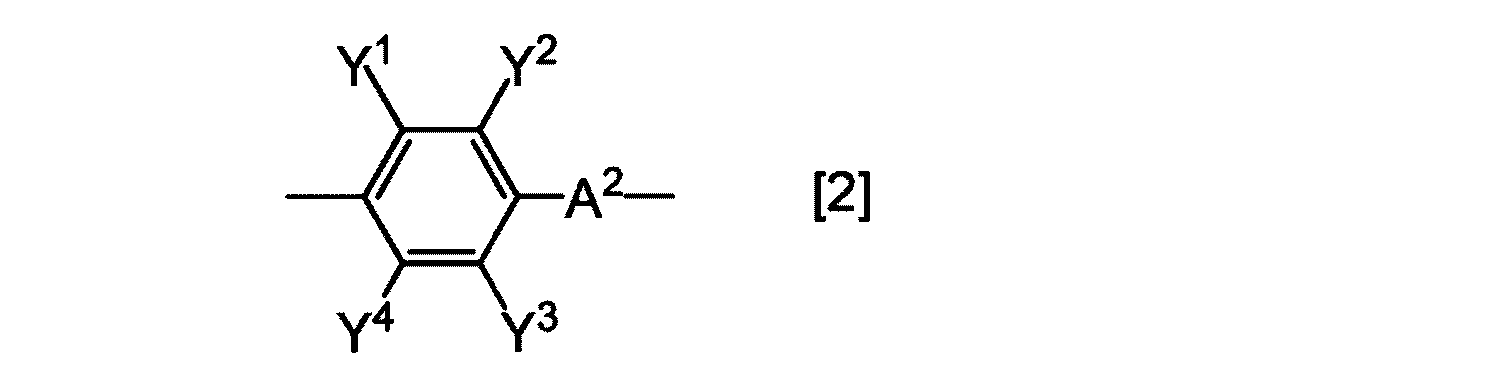
- 前記導電性担体がカーボン担体である、請求項14乃至請求項19の何れか一項に記載の予備混合物。
- 請求項13乃至請求項20の何れか一項に記載の予備混合物を、200℃以上で加熱処理して得られる、金属微粒子会合体又は会合体混合物。
- 請求項13乃至請求項20の何れか一項に記載の予備混合物を、200℃以上で加熱処理することを特徴とする、金属微粒子会合体又は会合体混合物の製造方法。
Priority Applications (2)
| Application Number | Priority Date | Filing Date | Title |
|---|---|---|---|
| JP2013558724A JP6207403B2 (ja) | 2012-02-14 | 2013-02-14 | 金属微粒子会合体及びその製造方法 |
| US14/378,775 US9893366B2 (en) | 2012-02-14 | 2013-02-14 | Metal fine particle association and method for producing the same |
Applications Claiming Priority (2)
| Application Number | Priority Date | Filing Date | Title |
|---|---|---|---|
| JP2012-029721 | 2012-02-14 | ||
| JP2012029721 | 2012-02-14 |
Publications (1)
| Publication Number | Publication Date |
|---|---|
| WO2013122136A1 true WO2013122136A1 (ja) | 2013-08-22 |
Family
ID=48984245
Family Applications (1)
| Application Number | Title | Priority Date | Filing Date |
|---|---|---|---|
| PCT/JP2013/053515 Ceased WO2013122136A1 (ja) | 2012-02-14 | 2013-02-14 | 金属微粒子会合体及びその製造方法 |
Country Status (3)
| Country | Link |
|---|---|
| US (1) | US9893366B2 (ja) |
| JP (1) | JP6207403B2 (ja) |
| WO (1) | WO2013122136A1 (ja) |
Cited By (2)
| Publication number | Priority date | Publication date | Assignee | Title |
|---|---|---|---|---|
| WO2019022151A1 (ja) * | 2017-07-25 | 2019-01-31 | 日産化学株式会社 | 金属微粒子複合体の製造方法 |
| JP2021152221A (ja) * | 2017-01-17 | 2021-09-30 | マクセルホールディングス株式会社 | メッキ部品の製造方法 |
Families Citing this family (4)
| Publication number | Priority date | Publication date | Assignee | Title |
|---|---|---|---|---|
| US9334575B2 (en) * | 2012-05-03 | 2016-05-10 | Los Alamos National Security, Llc | Catalytic oxidation of dimethyl ether |
| CN110153442B (zh) * | 2019-06-16 | 2022-06-17 | 南通大学 | 一种对纤维具有亲和性的纳米金银合金溶液及其制备方法 |
| DE102019219615A1 (de) | 2019-12-13 | 2021-06-17 | Heraeus Deutschland GmbH & Co. KG | Herstellungsverfahren für Edelmetall-Elektroden |
| CN111185169B (zh) * | 2020-01-14 | 2023-02-03 | 上海华谊(集团)公司 | 用于(甲基)丙烯酸酯生产的纳米金催化剂的制备方法 |
Citations (5)
| Publication number | Priority date | Publication date | Assignee | Title |
|---|---|---|---|---|
| JP2001335804A (ja) * | 2000-05-25 | 2001-12-04 | Nobuo Kimizuka | 銀コロイド物質及び銀コロイド会合体物質 |
| JP2003208900A (ja) * | 2002-01-10 | 2003-07-25 | Fuji Photo Film Co Ltd | 燃料電池用電極、燃料電池 |
| JP2008081750A (ja) * | 2005-09-08 | 2008-04-10 | Univ Kinki | 多糖類により金属微粒子を包接してなる複合体及びその応用物 |
| WO2010021386A1 (ja) * | 2008-08-22 | 2010-02-25 | 日産化学工業株式会社 | アンモニウム基を有する分岐高分子化合物からなる金属微粒子分散剤 |
| JP2012196666A (ja) * | 2011-03-10 | 2012-10-18 | Kyushu Univ | 担持された分岐高分子−金属微粒子複合体 |
Family Cites Families (5)
| Publication number | Priority date | Publication date | Assignee | Title |
|---|---|---|---|---|
| KR100464322B1 (ko) * | 2002-12-30 | 2005-01-03 | 삼성에스디아이 주식회사 | 연료전지용 전극 제조 방법 |
| US8541146B2 (en) * | 2005-01-12 | 2013-09-24 | Toyota Motor Engineering & Manufacturing North America, Inc. | Photocatalytic methods for preparation of electrocatalyst materials |
| JP2006210314A (ja) | 2004-12-28 | 2006-08-10 | Nissan Motor Co Ltd | 燃料電池用電極触媒およびその製造方法 |
| CN101506246B (zh) * | 2006-09-01 | 2011-06-22 | 日产化学工业株式会社 | 超支化聚合物及其制造方法 |
| JP5686988B2 (ja) * | 2009-05-04 | 2015-03-18 | シャープ株式会社 | 燃料電池用膜電極複合体に用いられる触媒層、それを用いる燃料電池用膜電極複合体、燃料電池、およびその製造方法 |
-
2013
- 2013-02-14 WO PCT/JP2013/053515 patent/WO2013122136A1/ja not_active Ceased
- 2013-02-14 US US14/378,775 patent/US9893366B2/en active Active
- 2013-02-14 JP JP2013558724A patent/JP6207403B2/ja active Active
Patent Citations (5)
| Publication number | Priority date | Publication date | Assignee | Title |
|---|---|---|---|---|
| JP2001335804A (ja) * | 2000-05-25 | 2001-12-04 | Nobuo Kimizuka | 銀コロイド物質及び銀コロイド会合体物質 |
| JP2003208900A (ja) * | 2002-01-10 | 2003-07-25 | Fuji Photo Film Co Ltd | 燃料電池用電極、燃料電池 |
| JP2008081750A (ja) * | 2005-09-08 | 2008-04-10 | Univ Kinki | 多糖類により金属微粒子を包接してなる複合体及びその応用物 |
| WO2010021386A1 (ja) * | 2008-08-22 | 2010-02-25 | 日産化学工業株式会社 | アンモニウム基を有する分岐高分子化合物からなる金属微粒子分散剤 |
| JP2012196666A (ja) * | 2011-03-10 | 2012-10-18 | Kyushu Univ | 担持された分岐高分子−金属微粒子複合体 |
Cited By (4)
| Publication number | Priority date | Publication date | Assignee | Title |
|---|---|---|---|---|
| JP2021152221A (ja) * | 2017-01-17 | 2021-09-30 | マクセルホールディングス株式会社 | メッキ部品の製造方法 |
| JP7146024B2 (ja) | 2017-01-17 | 2022-10-03 | マクセル株式会社 | メッキ部品の製造方法 |
| WO2019022151A1 (ja) * | 2017-07-25 | 2019-01-31 | 日産化学株式会社 | 金属微粒子複合体の製造方法 |
| JPWO2019022151A1 (ja) * | 2017-07-25 | 2020-07-09 | 日産化学株式会社 | 金属微粒子複合体の製造方法 |
Also Published As
| Publication number | Publication date |
|---|---|
| US9893366B2 (en) | 2018-02-13 |
| JPWO2013122136A1 (ja) | 2015-05-18 |
| US20150030967A1 (en) | 2015-01-29 |
| JP6207403B2 (ja) | 2017-10-04 |
Similar Documents
| Publication | Publication Date | Title |
|---|---|---|
| JP6207403B2 (ja) | 金属微粒子会合体及びその製造方法 | |
| KR101113632B1 (ko) | 탄소에 담지된 전이금속 나노입자 촉매의 제조방법 | |
| US9993806B2 (en) | Catalyst for dehydrogenation reaction of formic acid and method for preparing the same | |
| Amani et al. | Investigation of methanol oxidation on a highly active and stable Pt–Sn electrocatalyst supported on carbon–polyaniline composite for application in a passive direct methanol fuel cell | |
| JP5855023B2 (ja) | 触媒担体の製造方法、複合触媒の製造方法、複合触媒、およびこれを用いた燃料電池 | |
| JP5931069B2 (ja) | 酸素還元触媒の製造方法ならびにその用途 | |
| JP5325355B2 (ja) | 燃料電池用電極触媒の製造方法、燃料電池用電極触媒およびその用途 | |
| US20100041544A1 (en) | Electrode Catalyst of Carbon Nitride Nanotubes Supported by Platinum and Ruthenium Nanoparticles and Preparation Method Thereof | |
| Rosado et al. | Catalytic activity of Pt-Ni nanoparticles supported on multi-walled carbon nanotubes for the oxygen reduction reaction | |
| JP6818288B2 (ja) | 白金族担持触媒及びその製造方法 | |
| US20150207152A1 (en) | Electrode catalyst for fuel cell, method of preparing the same, electrode for fuel cell including the electrolyte catalyst, and fuel cell including the electrode | |
| US20210020954A1 (en) | Fuel cell catalyst and manufacturing method thereof | |
| Hong et al. | High performance of polyoxometalate/PtPd nanoparticles/carbon nanotubes electrocatalysts for the methanol electrooxidation | |
| Liu et al. | Ultrathin PdCu nanosheet as bifunctional electrocatalysts for formate oxidation reaction and oxygen reduction reaction | |
| Hang et al. | Pt/Ru–Sn oxide/carbon catalysts for ethanol oxidation | |
| KR20130067476A (ko) | 연료 전지용 전극 촉매, 이의 제조 방법, 및 이를 포함한 막 전극 접합체 및 연료 전지 | |
| JP3743801B2 (ja) | 貴金属系触媒担持導電性高分子複合体の製造方法 | |
| US10230114B2 (en) | Oxygen reduction catalyst, uses thereof and production process therefor | |
| JP2008080322A (ja) | 白金担持触媒の製造方法 | |
| JP2013530039A (ja) | アルカリ電解液における酸素還元反応のための金属不含有炭素触媒 | |
| Yuan et al. | Uniform PtIr catalysts supported on carbon nanotubes prepared with assistance from phosphomolybdic acid, and their enhanced performance in the oxidation of methanol | |
| JP2006297355A (ja) | 触媒およびその製造方法 | |
| Tang et al. | Synthesis and characterization of high performance Pt-(PrxCeyOz)/C catalysts for methanol electrooxidation | |
| JP2019052116A (ja) | 含窒素多環式化合物 | |
| US9911983B2 (en) | Electrode catalyst for fuel cell, method of preparing the same, and membrane electrode assembly and fuel cell, each including the same |
Legal Events
| Date | Code | Title | Description |
|---|---|---|---|
| 121 | Ep: the epo has been informed by wipo that ep was designated in this application |
Ref document number: 13749079 Country of ref document: EP Kind code of ref document: A1 |
|
| ENP | Entry into the national phase |
Ref document number: 2013558724 Country of ref document: JP Kind code of ref document: A |
|
| NENP | Non-entry into the national phase |
Ref country code: DE |
|
| WWE | Wipo information: entry into national phase |
Ref document number: 14378775 Country of ref document: US |
|
| 122 | Ep: pct application non-entry in european phase |
Ref document number: 13749079 Country of ref document: EP Kind code of ref document: A1 |