WO2012176888A1 - チタン酸アルミニウム系セラミックス及び成形体 - Google Patents
チタン酸アルミニウム系セラミックス及び成形体 Download PDFInfo
- Publication number
- WO2012176888A1 WO2012176888A1 PCT/JP2012/066027 JP2012066027W WO2012176888A1 WO 2012176888 A1 WO2012176888 A1 WO 2012176888A1 JP 2012066027 W JP2012066027 W JP 2012066027W WO 2012176888 A1 WO2012176888 A1 WO 2012176888A1
- Authority
- WO
- WIPO (PCT)
- Prior art keywords
- aluminum
- powder
- aluminum titanate
- molded body
- mass
- Prior art date
- Legal status (The legal status is an assumption and is not a legal conclusion. Google has not performed a legal analysis and makes no representation as to the accuracy of the status listed.)
- Ceased
Links
Images

Classifications
-
- C—CHEMISTRY; METALLURGY
- C04—CEMENTS; CONCRETE; ARTIFICIAL STONE; CERAMICS; REFRACTORIES
- C04B—LIME, MAGNESIA; SLAG; CEMENTS; COMPOSITIONS THEREOF, e.g. MORTARS, CONCRETE OR LIKE BUILDING MATERIALS; ARTIFICIAL STONE; CERAMICS; REFRACTORIES; TREATMENT OF NATURAL STONE
- C04B38/00—Porous mortars, concrete, artificial stone or ceramic ware; Preparation thereof
- C04B38/0006—Honeycomb structures
-
- C—CHEMISTRY; METALLURGY
- C04—CEMENTS; CONCRETE; ARTIFICIAL STONE; CERAMICS; REFRACTORIES
- C04B—LIME, MAGNESIA; SLAG; CEMENTS; COMPOSITIONS THEREOF, e.g. MORTARS, CONCRETE OR LIKE BUILDING MATERIALS; ARTIFICIAL STONE; CERAMICS; REFRACTORIES; TREATMENT OF NATURAL STONE
- C04B35/00—Shaped ceramic products characterised by their composition; Ceramics compositions; Processing powders of inorganic compounds preparatory to the manufacturing of ceramic products
- C04B35/01—Shaped ceramic products characterised by their composition; Ceramics compositions; Processing powders of inorganic compounds preparatory to the manufacturing of ceramic products based on oxide ceramics
- C04B35/46—Shaped ceramic products characterised by their composition; Ceramics compositions; Processing powders of inorganic compounds preparatory to the manufacturing of ceramic products based on oxide ceramics based on titanium oxides or titanates
- C04B35/462—Shaped ceramic products characterised by their composition; Ceramics compositions; Processing powders of inorganic compounds preparatory to the manufacturing of ceramic products based on oxide ceramics based on titanium oxides or titanates based on titanates
- C04B35/478—Shaped ceramic products characterised by their composition; Ceramics compositions; Processing powders of inorganic compounds preparatory to the manufacturing of ceramic products based on oxide ceramics based on titanium oxides or titanates based on titanates based on aluminium titanates
-
- C—CHEMISTRY; METALLURGY
- C04—CEMENTS; CONCRETE; ARTIFICIAL STONE; CERAMICS; REFRACTORIES
- C04B—LIME, MAGNESIA; SLAG; CEMENTS; COMPOSITIONS THEREOF, e.g. MORTARS, CONCRETE OR LIKE BUILDING MATERIALS; ARTIFICIAL STONE; CERAMICS; REFRACTORIES; TREATMENT OF NATURAL STONE
- C04B2111/00—Mortars, concrete or artificial stone or mixtures to prepare them, characterised by specific function, property or use
- C04B2111/00474—Uses not provided for elsewhere in C04B2111/00
- C04B2111/00793—Uses not provided for elsewhere in C04B2111/00 as filters or diaphragms
-
- C—CHEMISTRY; METALLURGY
- C04—CEMENTS; CONCRETE; ARTIFICIAL STONE; CERAMICS; REFRACTORIES
- C04B—LIME, MAGNESIA; SLAG; CEMENTS; COMPOSITIONS THEREOF, e.g. MORTARS, CONCRETE OR LIKE BUILDING MATERIALS; ARTIFICIAL STONE; CERAMICS; REFRACTORIES; TREATMENT OF NATURAL STONE
- C04B2235/00—Aspects relating to ceramic starting mixtures or sintered ceramic products
- C04B2235/02—Composition of constituents of the starting material or of secondary phases of the final product
- C04B2235/30—Constituents and secondary phases not being of a fibrous nature
- C04B2235/32—Metal oxides, mixed metal oxides, or oxide-forming salts thereof, e.g. carbonates, nitrates, (oxy)hydroxides, chlorides
- C04B2235/3224—Rare earth oxide or oxide forming salts thereof, e.g. scandium oxide
- C04B2235/3229—Cerium oxides or oxide-forming salts thereof
-
- C—CHEMISTRY; METALLURGY
- C04—CEMENTS; CONCRETE; ARTIFICIAL STONE; CERAMICS; REFRACTORIES
- C04B—LIME, MAGNESIA; SLAG; CEMENTS; COMPOSITIONS THEREOF, e.g. MORTARS, CONCRETE OR LIKE BUILDING MATERIALS; ARTIFICIAL STONE; CERAMICS; REFRACTORIES; TREATMENT OF NATURAL STONE
- C04B2235/00—Aspects relating to ceramic starting mixtures or sintered ceramic products
- C04B2235/02—Composition of constituents of the starting material or of secondary phases of the final product
- C04B2235/30—Constituents and secondary phases not being of a fibrous nature
- C04B2235/36—Glass starting materials for making ceramics, e.g. silica glass
-
- C—CHEMISTRY; METALLURGY
- C04—CEMENTS; CONCRETE; ARTIFICIAL STONE; CERAMICS; REFRACTORIES
- C04B—LIME, MAGNESIA; SLAG; CEMENTS; COMPOSITIONS THEREOF, e.g. MORTARS, CONCRETE OR LIKE BUILDING MATERIALS; ARTIFICIAL STONE; CERAMICS; REFRACTORIES; TREATMENT OF NATURAL STONE
- C04B2235/00—Aspects relating to ceramic starting mixtures or sintered ceramic products
- C04B2235/02—Composition of constituents of the starting material or of secondary phases of the final product
- C04B2235/50—Constituents or additives of the starting mixture chosen for their shape or used because of their shape or their physical appearance
- C04B2235/54—Particle size related information
- C04B2235/5418—Particle size related information expressed by the size of the particles or aggregates thereof
- C04B2235/5436—Particle size related information expressed by the size of the particles or aggregates thereof micrometer sized, i.e. from 1 to 100 micron
-
- C—CHEMISTRY; METALLURGY
- C04—CEMENTS; CONCRETE; ARTIFICIAL STONE; CERAMICS; REFRACTORIES
- C04B—LIME, MAGNESIA; SLAG; CEMENTS; COMPOSITIONS THEREOF, e.g. MORTARS, CONCRETE OR LIKE BUILDING MATERIALS; ARTIFICIAL STONE; CERAMICS; REFRACTORIES; TREATMENT OF NATURAL STONE
- C04B2235/00—Aspects relating to ceramic starting mixtures or sintered ceramic products
- C04B2235/02—Composition of constituents of the starting material or of secondary phases of the final product
- C04B2235/50—Constituents or additives of the starting mixture chosen for their shape or used because of their shape or their physical appearance
- C04B2235/54—Particle size related information
- C04B2235/5418—Particle size related information expressed by the size of the particles or aggregates thereof
- C04B2235/5445—Particle size related information expressed by the size of the particles or aggregates thereof submicron sized, i.e. from 0,1 to 1 micron
-
- C—CHEMISTRY; METALLURGY
- C04—CEMENTS; CONCRETE; ARTIFICIAL STONE; CERAMICS; REFRACTORIES
- C04B—LIME, MAGNESIA; SLAG; CEMENTS; COMPOSITIONS THEREOF, e.g. MORTARS, CONCRETE OR LIKE BUILDING MATERIALS; ARTIFICIAL STONE; CERAMICS; REFRACTORIES; TREATMENT OF NATURAL STONE
- C04B2235/00—Aspects relating to ceramic starting mixtures or sintered ceramic products
- C04B2235/65—Aspects relating to heat treatments of ceramic bodies such as green ceramics or pre-sintered ceramics, e.g. burning, sintering or melting processes
- C04B2235/656—Aspects relating to heat treatments of ceramic bodies such as green ceramics or pre-sintered ceramics, e.g. burning, sintering or melting processes characterised by specific heating conditions during heat treatment
- C04B2235/6562—Heating rate
-
- C—CHEMISTRY; METALLURGY
- C04—CEMENTS; CONCRETE; ARTIFICIAL STONE; CERAMICS; REFRACTORIES
- C04B—LIME, MAGNESIA; SLAG; CEMENTS; COMPOSITIONS THEREOF, e.g. MORTARS, CONCRETE OR LIKE BUILDING MATERIALS; ARTIFICIAL STONE; CERAMICS; REFRACTORIES; TREATMENT OF NATURAL STONE
- C04B2235/00—Aspects relating to ceramic starting mixtures or sintered ceramic products
- C04B2235/65—Aspects relating to heat treatments of ceramic bodies such as green ceramics or pre-sintered ceramics, e.g. burning, sintering or melting processes
- C04B2235/656—Aspects relating to heat treatments of ceramic bodies such as green ceramics or pre-sintered ceramics, e.g. burning, sintering or melting processes characterised by specific heating conditions during heat treatment
- C04B2235/6567—Treatment time
-
- C—CHEMISTRY; METALLURGY
- C04—CEMENTS; CONCRETE; ARTIFICIAL STONE; CERAMICS; REFRACTORIES
- C04B—LIME, MAGNESIA; SLAG; CEMENTS; COMPOSITIONS THEREOF, e.g. MORTARS, CONCRETE OR LIKE BUILDING MATERIALS; ARTIFICIAL STONE; CERAMICS; REFRACTORIES; TREATMENT OF NATURAL STONE
- C04B2235/00—Aspects relating to ceramic starting mixtures or sintered ceramic products
- C04B2235/70—Aspects relating to sintered or melt-casted ceramic products
- C04B2235/80—Phases present in the sintered or melt-cast ceramic products other than the main phase
-
- C—CHEMISTRY; METALLURGY
- C04—CEMENTS; CONCRETE; ARTIFICIAL STONE; CERAMICS; REFRACTORIES
- C04B—LIME, MAGNESIA; SLAG; CEMENTS; COMPOSITIONS THEREOF, e.g. MORTARS, CONCRETE OR LIKE BUILDING MATERIALS; ARTIFICIAL STONE; CERAMICS; REFRACTORIES; TREATMENT OF NATURAL STONE
- C04B2235/00—Aspects relating to ceramic starting mixtures or sintered ceramic products
- C04B2235/70—Aspects relating to sintered or melt-casted ceramic products
- C04B2235/96—Properties of ceramic products, e.g. mechanical properties such as strength, toughness, wear resistance
- C04B2235/9607—Thermal properties, e.g. thermal expansion coefficient
Definitions
- the present invention relates to an aluminum titanate ceramic and a molded body.
- Patent Document 1 discloses a wall flow type honeycomb object having a plurality of parallel cell channels whose ends are closed.
- the present invention has been made in view of such circumstances, and an object of the present invention is to provide an aluminum titanate-based ceramic whose volume change due to heat is small, and a molded body containing the ceramic.
- the present inventors have found that aluminum titanate-based ceramics containing cerium oxide as a constituent component have a smaller volume change due to heat than conventional ceramics. That is, the aluminum titanate ceramic according to the present invention contains aluminum titanate as a main component and cerium oxide as a subcomponent.
- the aluminum titanate-based ceramics according to the present invention can reduce the thermal expansion coefficient as compared with conventional ceramics by containing the above main component and subcomponents, and the volume change due to heat is small.
- the aluminum titanate-based ceramic according to the present invention has a smaller volume change due to heat than a ceramic containing an oxide of a lanthanoid other than cerium.
- Such a molded body made of an aluminum titanate-based ceramic is suppressed from being damaged even when the temperature of the molded body changes rapidly and a thermal stress is applied to the molded body.
- the content of Ce element converted to CeO 2 is the sum of the content of Ti element converted to TiO 2 and the content of Al element converted to Al 2 O 3. It is preferable that it is more than 0 mass part and 20 mass parts or less with respect to 100 mass parts. Such an aluminum titanate ceramic has a smaller volume change due to heat.
- the molded body according to the present invention includes the aluminum titanate ceramic.
- the molded body according to the present invention has a smaller volume change due to heat than a conventional molded body including ceramics. Further, the molded body according to the present invention has a smaller volume change due to heat than a molded body containing ceramics containing a lanthanoid oxide other than cerium.
- the molded body according to the present invention may have a plurality of substantially parallel flow channels partitioned by porous partition walls, and the partition walls may contain the aluminum titanate-based ceramics.
- one end of a part of the plurality of channels and the other end of the remaining part of the plurality of channels may be sealed.
- DPF Diesel Particulate Filter
- a filter used for filtering food and drink such as beer
- gas components generated during petroleum refining for example, It can be suitably used as a selective transmission filter for selectively transmitting carbon monoxide, carbon dioxide, nitrogen, oxygen).
- an aluminum titanate ceramic with a small volume change due to heat, and a molded body containing the ceramic.
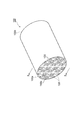
- FIG. 1 is a perspective view showing a molded body according to an embodiment of the present invention.
- FIG. 2 is a view taken along the line II-II in FIG.
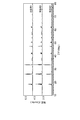
- FIG. 3 is a drawing showing a powder X-ray diffraction spectrum.
- the aluminum titanate-based ceramics according to this embodiment contains aluminum titanate as a main component and cerium oxide (ceria) as a subcomponent. Ceria tends to exhibit a function as an oxygen storage material that promotes combustion of soot and the like contained in exhaust gas.
- the aluminum titanate-based ceramics can have a low thermal expansion coefficient, and the thermal expansion coefficient of the aluminum titanate-based ceramics is, for example, 1.3 ⁇ 10 ⁇ 6 K ⁇ 1 or less.
- the aluminum titanate-based ceramic according to the present embodiment preferably contains aluminum titanate as a main component so as to have the following content.
- the content of aluminum titanate in the aluminum titanate ceramic is preferably 50% by mass or more, more preferably 60% by mass or more, and still more preferably 70% by mass or more based on the entire aluminum titanate ceramic.
- an aluminum titanate ceramic having excellent heat resistance (heat decomposition resistance) can be obtained.
- the content of the aluminum titanate is preferably less than 100% by mass, more preferably 99.9% by mass or less, and still more preferably 99% by mass or less.
- the aluminum titanate-based ceramic according to the present embodiment preferably contains ceria as a subcomponent so as to have the following content.
- the content of ceria in the aluminum titanate-based ceramics is preferably more than 0% by mass, more preferably 0.1% by mass or more, and further more preferably 0.3% by mass or more based on the entire aluminum titanate-based ceramics. preferable.
- the content of the ceria is preferably 30% by mass or less, more preferably 25% by mass or less, and still more preferably 20% by mass or less. When the ceria content is 30% by mass or less, an aluminum titanate-based ceramic having excellent heat resistance (heat decomposition resistance) can be obtained.
- the content of Ce element converted to CeO 2 in the aluminum titanate-based ceramic is 100 parts by mass in total of the content of Ti element converted to TiO 2 and the content of Al element converted to Al 2 O 3. Therefore, it is preferably over 0 parts by mass, more preferably 0.1 parts by mass or more, and still more preferably 0.3 parts by mass or more.
- the Ce element content converted to CeO 2 is preferably 20 parts by mass or less, more preferably 10 parts by mass or less, and still more preferably 5 parts by mass or less. When the content of Ce element is 20 parts by mass or less, an aluminum titanate ceramic having excellent heat resistance (heat decomposition resistance) can be obtained.
- the content of the components of aluminum titanate-based ceramics can be estimated from the amount of each component blended in the raw material mixture, for example. Also, XRF analysis, inductively coupled plasma (ICP: Inductively Coupled Plasma) ) It can also be measured by emission spectroscopy.
- ICP inductively Coupled Plasma
- the aluminum titanate ceramic may further contain magnesium or silicon.
- Aluminum titanate-based ceramics are mainly composed of aluminum titanate-based crystals, and the main crystal phase constituting the aluminum titanate-based ceramic fired body is an aluminum titanate-based crystal phase.
- the aluminum titanate-based crystal phase may be, for example, an aluminum titanate crystal phase, an aluminum magnesium titanate crystal phase, or the like.
- the composition formula of the aluminum titanate-based ceramic is, for example, Al 2 (1-x) Mg x Ti (1 + x) O 5 , and the value of x is 0.03 or more Is preferable, and 0.03 to 0.30 is more preferable.
- Aluminum titanate-based ceramics can contain trace components derived from raw materials or trace components inevitably contained in the production process.
- the aluminum titanate ceramic may contain a glass phase derived from a silicon source powder.
- the glass phase refers to an amorphous phase in which SiO 2 is the main component.
- the glass phase content is preferably 4% by mass or less based on the entire aluminum titanate ceramic.
- the glass phase content is preferably 2% by mass or more.
- the aluminum titanate-based ceramics may contain an aluminum titanate-based crystal phase or a phase (crystal phase) other than the glass phase.
- the phase other than the aluminum titanate-based crystal phase include a phase derived from a raw material used for producing an aluminum titanate-based ceramic fired body. More specifically, the phase derived from the raw material is derived from an aluminum source powder, a titanium source powder, a cerium source powder and / or a magnesium source powder remaining without forming an aluminum titanate crystal phase in the production of the fired body. Is a phase.
- the phase derived from the raw material include phases such as alumina, titania, and ceria.
- the crystal phase forming the aluminum titanate ceramic can be confirmed by an X-ray diffraction spectrum.
- Aluminum titanate-based ceramics can be obtained by firing a raw material mixture containing ceramic powder.
- the ceramic powder includes at least an aluminum source powder, a titanium source powder, and a cerium source powder, and may further include a magnesium source powder, a silicon source powder, and the like.
- the aluminum source powder is a powder of a compound that becomes an aluminum component.
- the aluminum source powder include alumina (aluminum oxide) powder.
- the crystal type of alumina include ⁇ -type, ⁇ -type, ⁇ -type, and ⁇ -type, and may be indefinite (amorphous).
- the crystal type of alumina is preferably ⁇ type.
- the aluminum source powder may be a powder of a compound that is led to alumina by firing alone in air.
- a compound that is led to alumina by firing alone in air.
- examples of such a compound include an aluminum salt, aluminum alkoxide, aluminum hydroxide, metal aluminum and the like.
- the aluminum salt may be an aluminum inorganic salt with an inorganic acid or an aluminum organic salt with an organic acid.
- the aluminum inorganic salt include aluminum nitrates such as aluminum nitrate and ammonium aluminum nitrate; aluminum carbonates such as ammonium carbonate aluminum and the like.
- the aluminum organic salt include aluminum oxalate, aluminum acetate, aluminum stearate, aluminum lactate, and aluminum laurate.
- aluminum alkoxide examples include, for example, aluminum isopropoxide, aluminum ethoxide, aluminum sec-butoxide, aluminum tert-butoxide and the like.
- Examples of the aluminum hydroxide crystal type include a gibbsite type, a bayerite type, a norosotrandite type, a boehmite type, and a pseudo-boehmite type, and may be amorphous (amorphous).
- Examples of amorphous aluminum hydroxide include an aluminum hydrolyzate obtained by hydrolyzing an aqueous solution of a water-soluble aluminum compound such as an aluminum salt or an aluminum alkoxide.
- the aluminum source powder may be one type or two or more types.
- the aluminum source powder may contain trace components that are derived from the raw materials or inevitably contained in the production process.
- the aluminum source powder is preferably alumina powder, more preferably ⁇ -type alumina powder.
- the volume-based cumulative particle size equivalent to 50% (center particle size, D50) measured by a laser diffraction method is preferably 20 to 60 ⁇ m.
- D50 of the aluminum source powder is preferably 20 to 60 ⁇ m.
- the volume-based cumulative particle size equivalent to 90% (center particle diameter, D90) measured by laser diffraction method is preferably 30 to 100 ⁇ m.
- the titanium source powder is a powder of a compound that becomes a titanium component, for example, a titanium oxide powder.
- examples of the titanium oxide include titanium (IV) oxide, titanium (III) oxide, and titanium (II) oxide, with titanium (IV) oxide being preferred.
- the crystal forms of titanium (IV) oxide are anatase, rutile, and brookite.
- the titanium oxide may be amorphous (amorphous).
- the titanium oxide is more preferably anatase type or rutile type titanium (IV) oxide.
- the titanium source powder may be a powder of a compound that is led to titania (titanium oxide) by firing alone in air.
- titania titanium oxide
- titanium salt titanium alkoxide, titanium hydroxide, titanium nitride, titanium sulfide, titanium It is a metal.
- titanium salt examples include titanium trichloride, titanium tetrachloride, titanium (IV) sulfide, titanium sulfide (VI), and titanium sulfate (IV).
- Titanium alkoxides include, for example, titanium (IV) ethoxide, titanium (IV) methoxide, titanium (IV) t-butoxide, titanium (IV) isobutoxide, titanium (IV) n-propoxide, titanium (IV) tetraisopropoxide, And these chelating products.
- the titanium source powder may be one type or two or more types.
- the titanium source powder may contain trace components derived from the raw materials or inevitably contained in the production process.
- the titanium source powder is preferably titanium oxide powder, more preferably titanium (IV) oxide powder.
- the particle diameter (D50) equivalent to 50% of the volume-based cumulative percentage measured by the laser diffraction method is preferably 0.1 to 25 ⁇ m.
- the particle diameter (D90) equivalent to 90% of the volume-based cumulative percentage measured by the laser diffraction method is preferably 0.2 to 1.5 ⁇ m.
- the molar ratio of the aluminum source powder converted to Al 2 O 3 (alumina) to the titanium source powder converted to TiO 2 (titania) is 35:65 to 45: 55 is preferable, and 40:60 to 45:55 is more preferable.
- the titanium source powder excessively relative to the aluminum source powder, it becomes possible to more effectively reduce the thermal expansion coefficient of the molded body of the raw material mixture.
- the raw material mixture contains a cerium source powder.
- the cerium source powder include cerium nitrate, cerium chloride, cerium sulfate, cerium carbonate, and cerium oxide.
- the cerium source powder may be one type or two or more types.
- the cerium source powder may contain a trace component derived from the raw material or inevitably contained in the production process.
- the volume-based cumulative particle size (D50) as measured by a laser diffraction method is preferably 0.01 to 100 ⁇ m.
- the volume-based cumulative particle size equivalent to 90% (D90) measured by a laser diffraction method is preferably 0.1 to 300 ⁇ m.
- the content of the cerium source powder converted to CeO 2 in the raw material mixture is based on a total of 100 parts by mass of the content of the aluminum source powder converted to Al 2 O 3 and the content of the titanium source powder converted to TiO 2. It is preferably over 0 parts by mass, more preferably 0.1 parts by mass or more, and still more preferably 0.3 parts by mass or more.
- the content of the cerium source powder in the raw material mixture is preferably 20 parts by mass or less, more preferably 10 parts by mass or less, and still more preferably 5 parts by mass or less.
- the raw material mixture may further contain a magnesium source powder.
- the obtained aluminum titanate-based ceramic fired body is a fired body containing aluminum magnesium titanate crystals.
- the magnesium source powder is not only magnesia (magnesium oxide) powder but also a powder of a compound introduced into magnesia by firing alone in air. Such compounds are, for example, magnesium salts, magnesium alkoxides, magnesium hydroxide, magnesium nitride, and metallic magnesium.
- Magnesium salts include, for example, magnesium chloride, magnesium perchlorate, magnesium phosphate, magnesium pyrophosphate, magnesium oxalate, magnesium nitrate, magnesium carbonate, magnesium acetate, magnesium sulfate, magnesium citrate, magnesium lactate, magnesium stearate, magnesium salicylate , Magnesium myristate, magnesium gluconate, magnesium dimethacrylate, and magnesium benzoate.
- magnesium alkoxide examples include magnesium methoxide and magnesium ethoxide.
- the magnesium source powder a powder of a compound serving both as a magnesium source and an aluminum source can be used.
- a compound is, for example, magnesia spinel (MgAl 2 O 4 ).
- the magnesium source powder When using a powder of a compound that serves as both a magnesium source and an aluminum source as the magnesium source powder, it is included in the amount of Al 2 O 3 (alumina) equivalent of the aluminum source powder and a compound powder that serves as both the magnesium source and the aluminum source.
- the molar ratio of the total amount of Al 2 O 3 (alumina) equivalent of the Al component and the amount of TiO 2 (titania) equivalent of the titanium source powder in the raw material mixture is preferably 35:65 to 45:55, : 60 to 45:55 is more preferable.
- the magnesium source powder may be one type or two or more types.
- the magnesium source powder may contain trace components that are derived from the raw materials or inevitably contained in the production process.
- the particle diameter (D50) equivalent to 50% of the cumulative percentage by volume measured by laser diffraction method is preferably 0.5 to 20 ⁇ m.
- the particle diameter (D90) equivalent to 90% of the cumulative percentage on the volume basis measured by the laser diffraction method is preferably 1 to 30 ⁇ m.
- the content of the magnesium source powder converted to MgO (magnesia) in the raw material mixture is based on the total amount of the aluminum source powder converted to Al 2 O 3 (alumina) and the titanium source powder converted to TiO 2 (titania).
- the molar ratio is preferably 0.03 to 0.15, and more preferably 0.03 to 0.12.
- the raw material mixture may further contain a silicon source powder.
- the silicon source powder is a powder of a compound that becomes a silicon component and is contained in the aluminum titanate ceramic fired body. By using the silicon source powder in combination, a heat-resistant aluminum titanate ceramic fired body can be obtained. It becomes possible.
- the silicon source powder is, for example, a powder of silicon oxide (silica) such as silicon dioxide or silicon monoxide.
- the silicon source powder may be a powder of a compound led to silica by firing alone in air.
- Such compounds are, for example, silicic acid, silicon carbide, silicon nitride, silicon sulfide, silicon tetrachloride, silicon acetate, sodium silicate, sodium orthosilicate, feldspar, glass frit, feldspar and glass frit being preferred, industrially Glass frit is more preferable because it is easily available and the composition is stable. Glass frit refers to flakes or powdery glass obtained by pulverizing glass. It is also preferable to use a powder made of a mixture of feldspar and glass frit as the silicon source powder.
- the yield point of the glass frit is 600 ° C. or higher from the viewpoint of further improving the thermal decomposition resistance of the obtained aluminum titanate ceramic fired body.
- the yield point of the glass frit is determined by measuring the expansion of the glass frit from a low temperature using a thermomechanical analyzer (TMA: Thermo Mechanical Analysis). It is defined as
- a general silicate glass containing silicate [SiO 2 ] as a main component (50 mass% or more in all components) can be used.
- the glass constituting the glass frit includes, as other components, alumina [Al 2 O 3 ], sodium oxide [Na 2 O], potassium oxide [K 2 O], calcium oxide [ CaO], magnesia [MgO] and the like may be included.
- the glass constituting the glass frit may contain ZrO 2 in order to improve the hot water resistance of the glass itself.
- the silicon source powder may be one type or two or more types.
- the silicon source powder may contain a trace component derived from the raw material or inevitably contained in the production process.
- the particle diameter (D50) corresponding to a volume-based cumulative percentage of 50% measured by a laser diffraction method is preferably 0.5 to 20 ⁇ m.
- the particle diameter (D90) equivalent to 90% of the cumulative percentage by volume based on the laser diffraction method is preferably 1 to 30 ⁇ m.
- the content of the silicon source powder in the raw material mixture is the sum of the aluminum source powder in terms of Al 2 O 3 (alumina) and the titanium source powder in terms of TiO 2 (titania).
- the amount is preferably 0.1 to 10 parts by mass, more preferably 0.1 to 5 parts by mass in terms of SiO 2 (silica) with respect to 100 parts by mass.
- the raw material mixture contains a compound containing two or more metal elements among titanium, aluminum, cerium, silicon and magnesium as a composite oxide such as magnesia spinel (MgAl 2 O 4 ). Also good. Such a compound can be considered to be the same as the raw material in which the respective metal source compounds are mixed. Based on such an idea, the contents of the aluminum source, the titanium source, the cerium source, the magnesium source and the silicon source in the raw material mixture are adjusted within the above range.
- the raw material mixture may contain aluminum titanate or aluminum magnesium titanate.
- the aluminum magnesium titanate when aluminum magnesium titanate is used as a constituent of the raw material mixture, the aluminum magnesium titanate contains a titanium source, an aluminum source, and magnesium. Corresponds to a raw material mixture that also has a source.
- Aluminum titanate or aluminum magnesium titanate may be prepared from a fired body obtained by this production method.
- a fired body obtained by this production method is damaged, a powder obtained by pulverizing debris and the like of the fired body can be used as the aluminum magnesium titanate powder.
- the aluminum titanate-based ceramics may be porous. Such ceramics can be easily obtained by firing a raw material mixture containing ceramic powder and a pore-forming agent.
- the raw material mixture may contain additives such as a binder, a plasticizer, a dispersant, and a solvent in addition to the hole forming agent.
- the pore forming agent those formed by a material that disappears at a temperature lower than the temperature at which the molded body is degreased and fired in the firing step can be used.
- the hole forming agent disappears due to combustion or the like.
- a space is created at the location where the pore-forming agent was present, and the ceramic powder located between the spaces shrinks during firing, so that a communication hole through which fluid can flow is formed in the fired body. Can be formed.
- the pore-forming agent is, for example, corn starch, barley starch, wheat starch, tapioca starch, bean starch, rice starch, pea starch, coral starch, canna starch, potato starch (potato starch).
- the content of the hole forming agent is preferably 1 to 25 parts by mass with respect to 100 parts by mass of the ceramic powder.
- the binder is, for example, celluloses such as methyl cellulose, carboxymethyl cellulose, sodium carboxymethyl cellulose; alcohols such as polyvinyl alcohol; salts such as lignin sulfonate; waxes such as paraffin wax and microcrystalline wax.
- the content of the binder in the raw material mixture is preferably 20 parts by mass or less and more preferably 15 parts by mass or less with respect to 100 parts by mass of the ceramic powder.
- plasticizer examples include alcohols such as glycerin; higher fatty acids such as caprylic acid, lauric acid, palmitic acid, alginic acid, oleic acid, and stearic acid; stearic acid metal salts such as Al stearate, and polyoxyalkylene alkyl ethers.
- the plasticizer content in the raw material mixture is preferably 0 to 10 parts by mass with respect to 100 parts by mass of the ceramic powder.
- the dispersant examples include inorganic acids such as nitric acid, hydrochloric acid, and sulfuric acid; organic acids such as oxalic acid, citric acid, acetic acid, malic acid, and lactic acid; alcohols such as methanol, ethanol, and propanol; interfaces such as ammonium polycarboxylate It is an activator.
- the content of the dispersant in the raw material mixture is preferably 0 to 20 parts by mass with respect to 100 parts by mass of the ceramic powder.
- the solvent is, for example, water, and ion-exchanged water is preferable in terms of few impurities.
- the content of the solvent is preferably 10 to 100 parts by mass with respect to 100 parts by mass of the ceramic powder.
- the aluminum titanate-based ceramics according to the present embodiment can be used as a constituent material for various molded bodies.
- the shape of the molded body according to the present embodiment is not particularly limited, and examples of the molded body include a honeycomb structure, a spherical structure, a cubic structure, and a rectangular block structure.
- the molded body according to the present embodiment includes a firing furnace jig such as a crucible, a setter, a bowl, a furnace material; a DPF for purifying exhaust gas exhausted from an internal combustion engine such as a diesel engine; a catalyst carrier; Filters used for the filtration of food and drink; selective permeation filters for selectively permeating gas components (for example, carbon monoxide, carbon dioxide, nitrogen, oxygen) generated during petroleum refining; for electronic components such as substrates and capacitors Used.
- a firing furnace jig such as a crucible, a setter, a bowl, a furnace material
- a DPF for purifying exhaust gas exhausted from an internal combustion engine such as a diesel engine
- a catalyst carrier for the filtration of food and drink
- Filters used for the filtration of food and drink for selective permeation filters for selectively permeating gas components (for example, carbon monoxide, carbon dioxide, nitrogen, oxygen) generated during petroleum refining
- electronic components such as substrates and capacitor
- FIG. 1 is a perspective view showing a molded body according to the present embodiment
- FIG. 2 is a view taken along the line II-II in FIG.
- the honeycomb filter 100 is a cylindrical body having a plurality of flow paths 110 a and 110 b arranged substantially parallel to each other.
- the flow paths 110 a and 110 b are partitioned by a partition wall 120 that extends substantially parallel to the central axis of the honeycomb filter 100.
- One end of a flow path 110a constituting a part of the plurality of flow paths formed in the honeycomb filter 100 is sealed by a sealing portion 130 on one end face 100a of the honeycomb filter 100, and the other end of the flow path 110a is The other end surface 100b of the honeycomb filter 100 is opened.
- one end of the flow path 110b constituting the remaining part of the plurality of flow paths formed in the honeycomb filter 100 is opened at one end face 100a, and the other end of the flow path 110b is sealed at the other end face 100b. 130 is sealed.
- one end of the channel 110b is opened as a gas inlet
- the other end of the channel 110a is opened as a gas outlet.
- the flow paths 110a and the flow paths 110b are alternately arranged to form a lattice structure.
- the plurality of flow paths 110a and 110b are perpendicular to both end faces of the honeycomb filter 100 and are arranged in a square arrangement when viewed from the end face, that is, the central axes of the flow paths 110a and 110b are respectively located at the apexes of the square. ing.
- the cross-sectional shape of the flow paths 110a and 110b is, for example, a square shape.
- the length of the honeycomb filter 100 in the longitudinal direction of the flow paths 110a and 110b is, for example, 30 to 300 mm.
- the outer diameter of the honeycomb filter 100 is, for example, 10 to 300 mm.
- the inner diameter (the length of one side of the square) of the cross section perpendicular to the longitudinal direction of the flow paths 110a and 110b is, for example, 0.5 to 1.2 mm.
- the average thickness (cell wall thickness) of the partition wall 120 is, for example, 0.1 to 0.5 mm.
- the porosity (open porosity) of the partition wall 120 is, for example, 30 to 70% by volume.
- the partition wall 120 is porous and has a structure that allows fluid (for example, exhaust gas containing fine particles such as soot) to pass therethrough. Specifically, a large number of communication holes (flow channels) through which fluid can pass are formed in the partition wall 120.
- the partition wall 120 contains the above-described aluminum titanate-based ceramics as porous ceramics (porous ceramic sintered body).
- the partition 120 preferably contains an aluminum titanate ceramic as a main component.
- the honeycomb filter 100 is suitable, for example, as a particulate filter that collects an object to be collected (for example, soot) contained in exhaust gas discharged from an internal combustion engine such as a diesel engine.
- an object to be collected for example, soot
- the gas G supplied from the one end face 100a to the flow path 110b passes through the communication hole in the partition wall 120 and reaches the adjacent flow path 110a, and the gas G is discharged from the other end face 100b. Is done.
- the collected matter in the gas G is collected on the surface of the partition wall 120 or in the communication hole and removed from the gas G, whereby the honeycomb filter 100 functions as a filter.
- the present invention is not necessarily limited to the above-described embodiment, and various modifications can be made without departing from the scope of the invention.
- the cross section of the flow channel substantially perpendicular to the axial direction (longitudinal direction) of the flow channel in the honeycomb filter is not limited to a rectangular shape such as a square shape, but a hexagonal shape, an octagonal shape, a triangular shape, a circular shape, An elliptical shape or the like may be used.
- the manufacturing method of the honeycomb filter 100 includes, for example, (a) a raw material preparation step of preparing a raw material mixture containing the ceramic powder and additives, and (b) forming a raw material mixture to obtain a formed body having a flow path. A molding step, and (c) a firing step for firing the molded body, and (d) a sealing step for sealing one end of each flow path between the molding step and the firing step or after the firing step. .
- step (a) Ceramic powder and additives are mixed and then kneaded to prepare a raw material mixture.
- the additive include a pore forming agent and a plasticizer.
- the pore-forming agent include corn starch, barley starch, wheat starch, tapioca starch, bean starch, rice starch, pea starch, coral starch, canna starch, and potato starch (potato starch).
- plasticizer examples include alcohols such as glycerin; higher fatty acids such as caprylic acid, lauric acid, palmitic acid, alginic acid, oleic acid and stearic acid; stearic acid metal salts such as Al stearate; polyoxyalkylene alkyl ether is there.
- step (b) Molding process
- a honeycomb structure having a plurality of flow paths is obtained as a ceramic molded body.
- a so-called extrusion molding method in which the raw material mixture is extruded from a die while being kneaded by a single screw extruder can be employed.
- plasticizers When a plasticizer is added to the raw material mixture as an additive, most of the plasticizers can function as a lubricant for reducing friction between the raw material mixture and the die when the raw material mixture is extruded from the die.
- each plasticizer described above can function as a lubricant.
- degreasing for removing a hole forming agent or the like contained in the molded body (in the raw material mixture) may be performed before firing the molded body.
- Degreasing is performed in an atmosphere having an oxygen concentration of 0.1% or less.
- % used as a unit of oxygen concentration means “volume%”.
- degreasing is preferably performed in an atmosphere having an oxygen concentration of 0.1% or less to remove a part of organic components such as a pore-forming agent, and the remainder is carbonized and remains in the ceramic molded body. .
- the trace amount of carbon remains in the ceramic molded body, so that the strength of the molded body is improved and the ceramic molded body can be easily charged into the firing step.
- Such an atmosphere examples include an inert gas atmosphere such as nitrogen gas and argon gas; a reducing gas atmosphere such as carbon monoxide gas and hydrogen gas; and a vacuum atmosphere.
- firing may be performed in an atmosphere with a low water vapor partial pressure, or steaming with charcoal may reduce the oxygen concentration.
- the maximum degreasing temperature is preferably 700 to 1100 ° C, more preferably 800 to 1000 ° C.
- the maximum temperature for degreasing is preferably 700 to 1100 ° C, more preferably 800 to 1000 ° C.
- Degreasing is used for normal firing of tubular electric furnace, box-type electric furnace, tunnel furnace, far-infrared furnace, microwave heating furnace, shaft furnace, reflection furnace, rotary furnace, roller hearth furnace, gas combustion furnace, etc. A similar furnace is used. Degreasing may be performed batchwise or continuously. Moreover, degreasing may be performed by a stationary method or a fluid method.
- the time required for degreasing may be a time sufficient for a part of the organic component contained in the ceramic molded body to disappear, and preferably 90 to 99% by mass of the organic component contained in the ceramic molded body. It is time to disappear. Specifically, although it depends on the amount of the raw material mixture, the type of furnace used for degreasing, temperature conditions, atmosphere, etc., the time for keeping at the maximum temperature is preferably 1 minute to 10 hours, more preferably 1 to 7 hours.
- the ceramic molded body is fired after the above degreasing.
- the firing temperature is preferably 1300 ° C. or higher, and more preferably 1400 ° C. or higher. Moreover, 1650 degrees C or less is preferable and, as for baking temperature, 1550 degrees C or less is more preferable.
- the rate of temperature increase up to the firing temperature is not particularly limited, but is, for example, 1 to 500 ° C./hour.
- the silicon source powder it is preferable to provide a step of holding at a temperature range of 1100 to 1300 ° C. for 3 hours or more before the firing step. Thereby, melting and diffusion of the silicon source powder can be promoted.
- Calcination is preferably performed in an atmosphere having an oxygen concentration of 1 to 6%.
- oxygen concentration is preferably 1% or more because carbide (soot) derived from organic components does not remain in the obtained aluminum titanate-based ceramic fired body.
- the raw material mixture ie, aluminum source powder, titanium source powder, magnesium source powder and silicon source powder
- it may be fired in an inert gas such as nitrogen gas or argon gas, or carbon monoxide
- You may bake in reducing gas, such as gas and hydrogen gas. Further, the firing may be performed in an atmosphere in which the water vapor partial pressure is lowered.
- Firing is usually performed using conventional equipment such as a tubular electric furnace, box-type electric furnace, tunnel furnace, far-infrared furnace, microwave heating furnace, shaft furnace, reflection furnace, rotary furnace, roller hearth furnace, gas combustion furnace, etc. Done. Firing may be performed batchwise or continuously. Moreover, baking may be performed by a stationary type or may be performed by a fluid type.
- the firing time may be a time sufficient for the ceramic molded body to transition to the aluminum titanate-based crystal, and varies depending on the amount of raw material, type of firing furnace, firing temperature, firing atmosphere, etc., for example, 10 minutes to 24 It's time.
- Step (d) is performed between step (b) and step (c) or after step (c).
- step (d) is performed between step (b) and step (c) or after step (c).
- the sealing material is fired together with the ceramic molded body to obtain a sealing portion that seals one end of the flow path.
- the sealing material is baked together with the ceramic molded body. By doing so, the sealing part which seals one edge part of a flow path is obtained.
- the sealing material the same mixture as the raw material mixture can be used.
- a honeycomb filter can be obtained through the above steps.
- the honeycomb filter has a shape that substantially maintains the shape of the molded body immediately after the molding in the step (b), but after the step (b), the step (c) or the step (d), a grinding process or the like is performed, It can also be processed into a desired shape.
- aluminum titanate conversion rate (AT conversion rate) and thermal expansion coefficient of the obtained aluminum titanate-based ceramics, and D50 and D90 of the metal source material used were measured by the following methods.
- AT conversion ratio aluminum titanate conversion ratio
- thermal expansion coefficient [K ⁇ 1 ] Expansion coefficient of test piece / (975 [K])
- the expansion rate of the test piece is “(length of test piece when heated to 1000 ° C. ⁇ length of test piece before temperature increase (25 ° C.)) / (Before temperature increase (25 ° C. Means the length of the test piece in “)”.
- Titanium source powder Titanium (IV) (titania) powder (“R-900” manufactured by DuPont, rutile crystal, D50: 0.49 ⁇ m, D90: 0.63 ⁇ m): 42.2 g (47.
- the metal source materials (1) to (5) above were charged into a plastic container [internal volume 1 L] together with 500 g of alumina beads [diameter 15 mm]. Then, the container was rotated at a rotational speed of 80 rpm for 4 hours by a ball mill to mix the raw materials in the container to obtain a raw material mixture.
- 3 g of the obtained raw material mixture was molded under a pressure of 0.3 t / cm 2 with a uniaxial press to produce a cylindrical molded body having a diameter of 20 mm.
- this molded body was heated to 1450 ° C. at a temperature rising rate of 300 ° C./h in a box-type electric furnace, and held at 1450 ° C. for 4 hours, thereby firing the molded body.
- the obtained aluminum titanate-based ceramics is represented by a composition formula: Al 2 (1-x) Mg x Ti (1 + x) O 5 (composition formula excluding cerium), and the value of x is about 0.23. Met.
- the content of aluminum titanate was about 96% by mass (calculated value) based on the entire aluminum titanate ceramic fired body.
- the thermal expansion coefficient of the obtained aluminum titanate-based ceramic fired body was 1.1 ⁇ 10 ⁇ 6 (K ⁇ 1 ).
- Titanium source powder Titanium (IV) (titania) powder (“R-900” manufactured by DuPont, rutile crystal, D50: 0.49 ⁇ m, D90: 0.63 ⁇ m): 42.2 g (47.
- the metal source materials (1) to (5) above were charged into a plastic container [internal volume 1 L] together with 500 g of alumina beads [diameter 15 mm]. Then, the container was rotated at a rotational speed of 80 rpm for 4 hours by a ball mill to mix the raw materials in the container to obtain a raw material mixture.
- 3 g of the obtained raw material mixture was molded under a pressure of 0.3 t / cm 2 with a uniaxial press to produce a cylindrical molded body having a diameter of 20 mm.
- this molded body was heated to 1450 ° C. at a temperature rising rate of 300 ° C./h in a box-type electric furnace, and held at 1450 ° C. for 4 hours, thereby firing the molded body.
- the obtained aluminum titanate-based ceramics is represented by a composition formula: Al 2 (1-x) Mg x Ti (1 + x) O 5 (composition formula excluding cerium), and the value of x is about 0.23. Met.
- the content of aluminum titanate was about 96% by mass (calculated value) based on the entire aluminum titanate ceramic fired body.
- the diffraction spectrum of the obtained powder was measured by a powder X-ray diffraction method. This powder showed a crystal peak of aluminum magnesium titanate as shown in FIG. The AT conversion rate of this powder was determined to be 100%.
- the thermal expansion coefficient of the obtained aluminum titanate-based ceramics fired body was 0.9 ⁇ 10 -6 (K -1) .
- Example 1 An aluminum titanate ceramic fired body was obtained in the same manner as in Example 1 except that the cerium source powder was not used.
- the obtained aluminum titanate-based ceramics is represented by a composition formula: Al 2 (1-x) Mg x Ti (1 + x) O 5 (composition formula excluding cerium), and the value of x is about 0.23. Met.
- the obtained fired body was crushed in a mortar, the diffraction spectrum of the obtained powder was measured by a powder X-ray diffraction method. This powder showed a crystal peak of aluminum magnesium titanate as shown in FIG. The AT conversion rate of this powder was determined to be 100%.
- the obtained aluminum titanate ceramic fired body had a thermal expansion coefficient of 1.5 ⁇ 10 ⁇ 6 (K ⁇ 1 ).
Landscapes
- Chemical & Material Sciences (AREA)
- Engineering & Computer Science (AREA)
- Ceramic Engineering (AREA)
- Materials Engineering (AREA)
- Structural Engineering (AREA)
- Organic Chemistry (AREA)
- Manufacturing & Machinery (AREA)
- Compositions Of Oxide Ceramics (AREA)
- Filtering Materials (AREA)
- Processes For Solid Components From Exhaust (AREA)
- Filtering Of Dispersed Particles In Gases (AREA)
Abstract
本発明の一実施形態に係るチタン酸アルミニウム系セラミックスは、主成分としてチタン酸アルミニウムを含有し、副成分として酸化セリウムを含有する。本発明の一実施形態に係る成形体は、多孔質の隔壁120により仕切られた互いに略平行な複数の流路110a,110bを有し、隔壁120が上記チタン酸アルミニウム系セラミックスを含む。
Description
本発明は、チタン酸アルミニウム系セラミックス及び成形体に関する。
近年、チタン酸アルミニウム系セラミックスは、種々の成形体の構成材料として産業上の利用価値が高まっており、例えば、ディーゼルエンジン等の内燃機関から排出される排ガスに含まれる微細なカーボン粒子を捕集するためのセラミックスフィルタを構成する材料として用いられている。例えば、下記特許文献1には、端部の塞がれた複数の平行なセルチャンネルを有するウォールフロー型ハニカム物体が開示されている。
ところで、従来のセラミックスに対しては、当該セラミックスの成形体に熱応力が負荷された際に当該成形体が破損してしまうことを抑制する観点から、熱による体積変化が小さいことが求められている。しかしながら、熱による体積変化が小さいセラミックスは未だ見出されていない。
本発明は、このような実情に鑑みてなされたものであり、熱による体積変化が小さいチタン酸アルミニウム系セラミックス、及び当該セラミックスを含む成形体を提供することを目的とする。
本発明者は鋭意検討した結果、構成成分として酸化セリウムを含むチタン酸アルミニウム系セラミックスが、従来のセラミックスに比して熱による体積変化が小さいことを見出した。すなわち、本発明に係るチタン酸アルミニウム系セラミックスは、主成分としてチタン酸アルミニウムを含有し、副成分として酸化セリウムを含有する。
本発明に係るチタン酸アルミニウム系セラミックスは、上記主成分及び副成分を含有することにより、従来のセラミックスに比して熱膨張係数を低減することが可能であり、熱による体積変化が小さい。また、本発明に係るチタン酸アルミニウム系セラミックスは、セリウム以外のランタノイドの酸化物を含有するセラミックスに比して熱による体積変化が小さい。このようなチタン酸アルミニウム系セラミックスを構成材料とする成形体は、当該成形体の温度が急激に変化して成形体に熱応力が負荷される場合においても破損することが抑制されている。
本発明に係るチタン酸アルミニウム系セラミックスにおいて、CeO2に換算したCe元素の含有量は、TiO2に換算したTi元素の含有量、及び、Al2O3に換算したAl元素の含有量の合計100質量部に対して0質量部を超え20質量部以下であることが好ましい。このようなチタン酸アルミニウム系セラミックスは、熱による体積変化が更に小さい。
本発明に係る成形体は、上記チタン酸アルミニウム系セラミックスを含む。本発明に係る成形体は、上記チタン酸アルミニウム系セラミックスを含むことにより、従来のセラミックスを含む成形体に比して熱による体積変化が小さい。また、本発明に係る成形体は、セリウム以外のランタノイドの酸化物を含有するセラミックスを含む成形体に比して熱による体積変化が小さい。
本発明に係る成形体は、多孔質の隔壁により仕切られた互いに略平行な複数の流路を有し、隔壁が上記チタン酸アルミニウム系セラミックスを含んでいてもよい。この場合、複数の流路のうちの一部の一端及び複数の流路のうちの残部の他端が封口されていてもよい。これらの成形体は、ディーゼルエンジン等の内燃機関から排気される排気ガスを浄化するためのDPF(Diesel Particulate Filter)、ビール等の飲食物の濾過に用いる濾過フィルタ、石油精製時に生じるガス成分(例えば一酸化炭素、二酸化炭素、窒素、酸素)を選択的に透過させるための選択透過フィルタなどとして好適に用いることができる。
本発明によれば、熱による体積変化が小さいチタン酸アルミニウム系セラミックス、及び当該セラミックスを含む成形体を提供することができる。
以下、図面を参照しながら、本発明の好適な一実施形態について詳細に説明する。なお、寸法の比率は図面に示すものに限定されない。
<チタン酸アルミニウム系セラミックス>
本実施形態に係るチタン酸アルミニウム系セラミックスは、主成分としてチタン酸アルミニウムを含有し、副成分として酸化セリウム(セリア)を含有している。セリアは、排気ガス中に含まれるスス等の燃焼を促進させる酸素吸蔵物質としての機能を示す傾向がある。上記チタン酸アルミニウム系セラミックスでは、熱膨張係数を小さくすることが可能であり、チタン酸アルミニウム系セラミックスの熱膨張係数は、例えば1.3×10⁻⁶K-1以下である。
本実施形態に係るチタン酸アルミニウム系セラミックスは、主成分としてチタン酸アルミニウムを含有し、副成分として酸化セリウム(セリア)を含有している。セリアは、排気ガス中に含まれるスス等の燃焼を促進させる酸素吸蔵物質としての機能を示す傾向がある。上記チタン酸アルミニウム系セラミックスでは、熱膨張係数を小さくすることが可能であり、チタン酸アルミニウム系セラミックスの熱膨張係数は、例えば1.3×10⁻⁶K-1以下である。
本実施形態に係るチタン酸アルミニウム系セラミックスは、下記の含有量となるように、主成分としてチタン酸アルミニウムを含有することが好ましい。チタン酸アルミニウム系セラミックスにおけるチタン酸アルミニウムの含有量は、チタン酸アルミニウム系セラミックス全体を基準として50質量%以上が好ましく、60質量%以上がより好ましく、70質量%以上が更に好ましい。チタン酸アルミニウムの含有量が50質量%以上であると、優れた耐熱性(耐熱分解性)を有するチタン酸アルミニウム系セラミックスを得ることができる。上記チタン酸アルミニウムの含有量は、100質量%未満が好ましく、99.9質量%以下がより好ましく、99質量%以下が更に好ましい。
本実施形態に係るチタン酸アルミニウム系セラミックスは、下記の含有量となるように、副成分としてセリアを含有することが好ましい。チタン酸アルミニウム系セラミックスにおけるセリアの含有量は、チタン酸アルミニウム系セラミックス全体を基準として0質量%を超えていることが好ましく、0.1質量%以上がより好ましく、0.3質量%以上が更に好ましい。上記セリアの含有量は、30質量%以下が好ましく、25質量%以下がより好ましく、20質量%以下が更に好ましい。セリアの含有量が30質量%以下であると、優れた耐熱性(耐熱分解性)を有するチタン酸アルミニウム系セラミックスを得ることができる。
チタン酸アルミニウム系セラミックスにおけるCeO2に換算したCe元素の含有量は、TiO2に換算したTi元素の含有量、及び、Al2O3に換算したAl元素の含有量の合計100質量部に対して、0質量部を超えていることが好ましく、0.1質量部以上がより好ましく、0.3質量部以上が更に好ましい。上記CeO2に換算したCe元素の含有量は、20質量部以下が好ましく、10質量部以下がより好ましく、5質量部以下が更に好ましい。Ce元素の含有量が20質量部以下であると、優れた耐熱性(耐熱分解性)を有するチタン酸アルミニウム系セラミックスを得ることができる。
チタン酸アルミニウム系セラミックスの構成成分の含有量は、例えば、原料混合物に配合する各成分の配合量から見積もることが可能であり、また、蛍光X線分析法、誘導結合プラズマ(ICP:Inductively Coupled Plasma)発光分光分析法等により測定することもできる。
チタン酸アルミニウム系セラミックスは、マグネシウムやケイ素を更に含んでいてもよい。チタン酸アルミニウム系セラミックスは、主にチタン酸アルミニウム系結晶からなり、チタン酸アルミニウム系セラミックス焼成体を構成する主結晶相は、チタン酸アルミニウム系結晶相である。チタン酸アルミニウム系結晶相は、例えば、チタン酸アルミニウム結晶相、チタン酸アルミニウムマグネシウム結晶相等であってもよい。
チタン酸アルミニウム系セラミックスがマグネシウムを含有する場合、チタン酸アルミニウム系セラミックスの組成式は、例えばAl2(1-x)MgxTi(1+x)O5であり、xの値は、0.03以上が好ましく、0.03~0.30がより好ましい。チタン酸アルミニウム系セラミックスは、原料由来の微量成分又は製造工程において不可避的に含まれる微量成分を含有し得る。
チタン酸アルミニウム系セラミックスがケイ素を含有する場合、チタン酸アルミニウム系セラミックスは、ケイ素源粉末由来のガラス相を含んでいてもよい。ガラス相は、SiO2が主要成分である非晶質相を指す。この場合、ガラス相の含有量は、チタン酸アルミニウム系セラミックス全体を基準として4質量%以下であることが好ましい。ガラス相の含有量が4質量%以下であることにより、パティキュレートフィルタ等のセラミックスフィルタに要求される細孔特性を充足するチタン酸アルミニウム系セラミックス焼成体が得られ易くなる。ガラス相の含有量は、2質量%以上であることが好ましい。
チタン酸アルミニウム系セラミックスは、チタン酸アルミニウム系結晶相やガラス相以外の相(結晶相)を含んでいてもよい。このようなチタン酸アルミニウム系結晶相以外の相としては、チタン酸アルミニウム系セラミックス焼成体の作製に用いる原料由来の相等を挙げることができる。原料由来の相とは、より具体的には、焼成体の製造に際してチタン酸アルミニウム系結晶相を形成することなく残存したアルミニウム源粉末、チタニウム源粉末、セリウム源粉末及び/又はマグネシウム源粉末由来の相である。原料由来の相としては、アルミナ、チタニア、セリア等の相が挙げられる。チタン酸アルミニウム系セラミックスを形成する結晶相は、X線回折スペクトルにより確認することができる。
チタン酸アルミニウム系セラミックスは、セラミックス粉末を含む原料混合物を焼成することにより得ることができる。セラミックス粉末は、アルミニウム源粉末、チタニウム源粉末及びセリウム源粉末を少なくとも含み、マグネシウム源粉末やケイ素源粉末等を更に含んでいてもよい。
(アルミニウム源粉末)
アルミニウム源粉末は、アルミニウム成分となる化合物の粉末である。アルミニウム源粉末としては、例えば、アルミナ(酸化アルミニウム)の粉末が挙げられる。アルミナの結晶型としては、γ型、δ型、θ型、α型等が挙げられ、不定形(アモルファス)であってもよい。アルミナの結晶型は、α型が好ましい。
アルミニウム源粉末は、アルミニウム成分となる化合物の粉末である。アルミニウム源粉末としては、例えば、アルミナ(酸化アルミニウム)の粉末が挙げられる。アルミナの結晶型としては、γ型、δ型、θ型、α型等が挙げられ、不定形(アモルファス)であってもよい。アルミナの結晶型は、α型が好ましい。
アルミニウム源粉末は、単独で空気中で焼成することによりアルミナに導かれる化合物の粉末であってもよい。かかる化合物としては、例えばアルミニウム塩、アルミニウムアルコキシド、水酸化アルミニウム、金属アルミニウム等が挙げられる。
アルミニウム塩は、無機酸とのアルミニウム無機塩であってもよく、有機酸とのアルミニウム有機塩であってもよい。アルミニウム無機塩の具体例としては、例えば、硝酸アルミニウム、硝酸アンモニウムアルミニウム等のアルミニウム硝酸塩;炭酸アンモニウムアルミニウム等のアルミニウム炭酸塩などが挙げられる。アルミニウム有機塩としては、例えば、蓚酸アルミニウム、酢酸アルミニウム、ステアリン酸アルミニウム、乳酸アルミニウム、ラウリン酸アルミニウム等が挙げられる。
アルミニウムアルコキシドの具体例としては、例えば、アルミニウムイソプロポキシド、アルミニウムエトキシド、アルミニウムsec-ブトキシド、アルミニウムtert-ブトキシド等が挙げられる。
水酸化アルミニウムの結晶型としては、例えば、ギブサイト型、バイヤライト型、ノロソトランダイト型、ベーマイト型、擬ベーマイト型等が挙げられ、不定形(アモルファス)であってもよい。アモルファスの水酸化アルミニウムとしては、例えば、アルミニウム塩、アルミニウムアルコキシド等のような水溶性アルミニウム化合物の水溶液を加水分解して得られるアルミニウム加水分解物が挙げられる。
アルミニウム源粉末は、1種又は2種以上のいずれでもよい。アルミニウム源粉末は、その原料由来あるいは製造工程において不可避的に含まれる微量成分を含有し得る。
アルミニウム源粉末は、アルミナ粉末が好ましく、α型のアルミナ粉末がより好ましい。
アルミニウム源粉末において、レーザ回折法により測定される体積基準の累積百分率50%相当粒子径(中心粒子径、D50)は、20~60μmが好ましい。アルミニウム源粉末のD50をこの範囲内に調整することにより、優れた多孔性を示すチタン酸アルミニウム系セラミックス焼成体が得られると共に、熱膨張係数をより効果的に低減させることができる。また、アルミニウム源粉末において、レーザ回折法により測定される体積基準の累積百分率90%相当粒子径(中心粒子径、D90)は、30~100μmが好ましい。
(チタニウム源粉末)
チタニウム源粉末は、チタン成分となる化合物の粉末であり、例えば酸化チタンの粉末である。酸化チタンは、例えば、酸化チタン(IV)、酸化チタン(III)、酸化チタン(II)であり、酸化チタン(IV)が好ましい。酸化チタン(IV)の結晶型は、アナターゼ型、ルチル型、ブルッカイト型である。酸化チタンは不定形(アモルファス)であってもよい。酸化チタンは、アナターゼ型やルチル型の酸化チタン(IV)がより好ましい。
チタニウム源粉末は、チタン成分となる化合物の粉末であり、例えば酸化チタンの粉末である。酸化チタンは、例えば、酸化チタン(IV)、酸化チタン(III)、酸化チタン(II)であり、酸化チタン(IV)が好ましい。酸化チタン(IV)の結晶型は、アナターゼ型、ルチル型、ブルッカイト型である。酸化チタンは不定形(アモルファス)であってもよい。酸化チタンは、アナターゼ型やルチル型の酸化チタン(IV)がより好ましい。
チタニウム源粉末は、単独で空気中で焼成することによりチタニア(酸化チタン)に導かれる化合物の粉末であってもよく、例えば、チタニウム塩、チタニウムアルコキシド、水酸化チタニウム、窒化チタン、硫化チタン、チタン金属である。
チタニウム塩は、例えば三塩化チタン、四塩化チタン、硫化チタン(IV)、硫化チタン(VI)、硫酸チタン(IV)である。チタニウムアルコキシドは、例えばチタン(IV)エトキシド、チタン(IV)メトキシド、チタン(IV)t-ブトキシド、チタン(IV)イソブトキシド、チタン(IV)n-プロポキシド、チタン(IV)テトライソプロポキシド、及び、これらのキレート化物である。
チタニウム源粉末は、1種又は2種以上のいずれでもよい。チタニウム源粉末は、その原料由来あるいは製造工程において不可避的に含まれる微量成分を含有し得る。
チタニウム源粉末は、酸化チタン粉末が好ましく、酸化チタン(IV)粉末がより好ましい。
チタニウム源粉末において、レーザ回折法により測定される体積基準の累積百分率50%相当粒子径(D50)は、0.1~25μmが好ましい。チタニウム源粉末において、レーザ回折法により測定される体積基準の累積百分率90%相当粒子径(D90)は、0.2~1.5μmが好ましい。
原料混合物中において、Al2O3(アルミナ)に換算したアルミニウム源粉末とTiO2(チタニア)に換算したチタニウム源粉末のモル比(アルミニウム源粉末:チタニウム源粉末)は、35:65~45:55が好ましく、40:60~45:55がより好ましい。このような範囲内で、チタニウム源粉末をアルミニウム源粉末に対して過剰に用いることにより、原料混合物の成形体の熱膨張係数をより効果的に低減させることが可能となる。
(セリウム源粉末)
原料混合物は、セリウム源粉末を含有している。セリウム源粉末は、例えば、硝酸セリウム、塩化セリウム、硫酸セリウム、炭酸セリウム、酸化セリウム等が挙げられる。セリウム源粉末は、1種又は2種以上のいずれでもよい。セリウム源粉末は、その原料由来あるいは製造工程において不可避的に含まれる微量成分を含有し得る。
原料混合物は、セリウム源粉末を含有している。セリウム源粉末は、例えば、硝酸セリウム、塩化セリウム、硫酸セリウム、炭酸セリウム、酸化セリウム等が挙げられる。セリウム源粉末は、1種又は2種以上のいずれでもよい。セリウム源粉末は、その原料由来あるいは製造工程において不可避的に含まれる微量成分を含有し得る。
セリウム源粉末において、レーザ回折法により測定される体積基準の累積百分率50%相当粒子径(D50)は、0.01~100μmが好ましい。セリウム源粉末において、レーザ回折法により測定される体積基準の累積百分率90%相当粒子径(D90)は、0.1~300μmが好ましい。
原料混合物におけるCeO2に換算したセリウム源粉末の含有量は、Al2O3に換算したアルミニウム源粉末の含有量とTiO2に換算したチタニウム源粉末の含有量との合計100質量部を基準として0質量部を超えていることが好ましく、0.1質量部以上がより好ましく、0.3質量部以上が更に好ましい。原料混合物における上記セリウム源粉末の含有量は、20質量部以下が好ましく、10質量部以下がより好ましく、5質量部以下が更に好ましい。
(マグネシウム源粉末)
原料混合物は、マグネシウム源粉末を更に含有していてもよい。原料混合物がマグネシウム源粉末を含む場合、得られるチタン酸アルミニウム系セラミックス焼成体は、チタン酸アルミニウムマグネシウム結晶を含む焼成体である。マグネシウム源粉末は、マグネシア(酸化マグネシウム)の粉末のほか、単独で空気中で焼成することによりマグネシアに導かれる化合物の粉末である。このような化合物は、例えば、マグネシウム塩、マグネシウムアルコキシド、水酸化マグネシウム、窒化マグネシウム、金属マグネシウムである。
原料混合物は、マグネシウム源粉末を更に含有していてもよい。原料混合物がマグネシウム源粉末を含む場合、得られるチタン酸アルミニウム系セラミックス焼成体は、チタン酸アルミニウムマグネシウム結晶を含む焼成体である。マグネシウム源粉末は、マグネシア(酸化マグネシウム)の粉末のほか、単独で空気中で焼成することによりマグネシアに導かれる化合物の粉末である。このような化合物は、例えば、マグネシウム塩、マグネシウムアルコキシド、水酸化マグネシウム、窒化マグネシウム、金属マグネシウムである。
マグネシウム塩は、例えば塩化マグネシウム、過塩素酸マグネシウム、リン酸マグネシウム、ピロりん酸マグネシウム、蓚酸マグネシウム、硝酸マグネシウム、炭酸マグネシウム、酢酸マグネシウム、硫酸マグネシウム、クエン酸マグネシウム、乳酸マグネシウム、ステアリン酸マグネシウム、サリチル酸マグネシウム、ミリスチン酸マグネシウム、グルコン酸マグネシウム、ジメタクリル酸マグネシウム、安息香酸マグネシウムである。
マグネシウムアルコキシドは、例えばマグネシウムメトキシド、マグネシウムエトキシド等である。
マグネシウム源粉末として、マグネシウム源とアルミニウム源とを兼ねた化合物の粉末を用いることができる。このような化合物は、例えば、マグネシアスピネル(MgAl2O4)である。
マグネシウム源粉末として、マグネシウム源とアルミニウム源とを兼ねた化合物の粉末を用いる場合、アルミニウム源粉末のAl2O3(アルミナ)換算量、及び、マグネシウム源とアルミニウム源とを兼ねた化合物粉末に含まれるAl成分のAl2O3(アルミナ)換算量の合計量と、チタニウム源粉末のTiO2(チタニア)換算量とのモル比は、原料混合物中において35:65~45:55が好ましく、40:60~45:55がより好ましい。
マグネシウム源粉末は、1種又は2種以上のいずれでもよい。マグネシウム源粉末は、その原料由来あるいは製造工程において不可避的に含まれる微量成分を含有し得る。
マグネシウム源粉末において、レーザ回折法により測定される体積基準の累積百分率50%相当粒子径(D50)は、0.5~20μmが好ましい。マグネシウム源粉末において、レーザ回折法により測定される体積基準の累積百分率90%相当粒子径(D90)は、1~30μmが好ましい。
原料混合物中におけるMgO(マグネシア)に換算したマグネシウム源粉末の含有量は、Al2O3(アルミナ)に換算したアルミニウム源粉末とTiO2(チタニア)に換算したチタニウム源粉末との合計量に対して、モル比で、0.03~0.15が好ましく、0.03~0.12がより好ましい。マグネシウム源粉末の含有量をこの範囲内に調整することにより、耐熱性がより向上された、大きい気孔径及び気孔率を有するチタン酸アルミニウム系セラミックス焼成体を比較的容易に得ることができる。
(ケイ素源粉末)
原料混合物は、ケイ素源粉末を更に含有していてもよい。ケイ素源粉末は、シリコン成分となってチタン酸アルミニウム系セラミックス焼成体に含まれる化合物の粉末であり、ケイ素源粉末の併用により、耐熱性が更に向上したチタン酸アルミニウム系セラミックス焼成体を得ることが可能となる。ケイ素源粉末は、例えば、二酸化ケイ素、一酸化ケイ素等の酸化ケイ素(シリカ)の粉末である。
原料混合物は、ケイ素源粉末を更に含有していてもよい。ケイ素源粉末は、シリコン成分となってチタン酸アルミニウム系セラミックス焼成体に含まれる化合物の粉末であり、ケイ素源粉末の併用により、耐熱性が更に向上したチタン酸アルミニウム系セラミックス焼成体を得ることが可能となる。ケイ素源粉末は、例えば、二酸化ケイ素、一酸化ケイ素等の酸化ケイ素(シリカ)の粉末である。
ケイ素源粉末は、単独で空気中で焼成することによりシリカに導かれる化合物の粉末であってもよい。かかる化合物は、例えば、ケイ酸、炭化ケイ素、窒化ケイ素、硫化ケイ素、四塩化ケイ素、酢酸ケイ素、ケイ酸ナトリウム、オルトケイ酸ナトリウム、長石、ガラスフリットであり、長石、ガラスフリットが好ましく、工業的に入手が容易であると共に組成が安定している点で、ガラスフリットがより好ましい。ガラスフリットは、ガラスを粉砕して得られるフレーク又は粉末状のガラスをいう。ケイ素源粉末として、長石とガラスフリットとの混合物からなる粉末を用いることも好ましい。
ガラスフリットを用いる場合、得られるチタン酸アルミニウム系セラミックス焼成体の耐熱分解性をより向上させるという観点から、ガラスフリットの屈伏点は、600℃以上であることが好ましい。本明細書において、ガラスフリットの屈伏点は、熱機械分析装置(TMA:Thermo Mechanical Analysis)を用いて、低温からガラスフリットの膨張を測定し、膨張が止まり、次に収縮が始まる温度(℃)と定義される。
ガラスフリットを構成するガラスには、ケイ酸〔SiO2〕を主成分(全成分中50質量%以上)とする一般的なケイ酸ガラスを用いることができる。ガラスフリットを構成するガラスは、その他の含有成分として、一般的なケイ酸ガラスと同様、アルミナ〔Al2O3〕、酸化ナトリウム〔Na2O〕、酸化カリウム〔K2O〕、酸化カルシウム〔CaO〕、マグネシア〔MgO〕等を含んでいてもよい。また、ガラスフリットを構成するガラスは、ガラス自体の耐熱水性を向上させるために、ZrO2を含有していてもよい。
ケイ素源粉末は、1種又は2種以上のいずれでもよい。ケイ素源粉末は、その原料由来あるいは製造工程において不可避的に含まれる微量成分を含有し得る。
ケイ素源粉末において、レーザ回折法により測定される体積基準の累積百分率50%相当粒子径(D50)は、0.5~20μmが好ましい。ケイ素源粉末において、レーザ回折法により測定される体積基準の累積百分率90%相当粒子径(D90)は、1~30μmが好ましい。
原料混合物がケイ素源粉末を含む場合、原料混合物中におけるケイ素源粉末の含有量は、Al2O3(アルミナ)換算でのアルミニウム源粉末とTiO2(チタニア)換算でのチタニウム源粉末との合計量100質量部に対して、SiO2(シリカ)換算で、0.1~10質量部が好ましく、0.1~5質量部がより好ましい。
原料混合物は、上記マグネシアスピネル(MgAl2O4)等の複合酸化物のように、チタニウム、アルミニウム、セリウム、ケイ素及びマグネシウムのうち、2つ以上の金属元素を成分とする化合物を含有していてもよい。このような化合物は、それぞれの金属源化合物を混合した原料と同じであると考えることができる。このような考えに基づき、原料混合物中におけるアルミニウム源、チタニウム源、セリウム源、マグネシウム源及びケイ素源の含有量が上記範囲内に調整される。
原料混合物は、チタン酸アルミニウムやチタン酸アルミニウムマグネシウムを含有していてもよく、例えば、原料混合物の構成成分としてチタン酸アルミニウムマグネシウムを使用する場合、チタン酸アルミニウムマグネシウムは、チタニウム源、アルミニウム源及びマグネシウム源を兼ね備えた原料混合物に相当する。
チタン酸アルミニウムやチタン酸アルミニウムマグネシウムは、本製造方法により得られる焼成体から調製してもよい。例えば、本製造方法により得られた焼成体が破損した場合、焼成体の破片等を粉砕して得られる粉末をチタン酸アルミニウムマグネシウム粉末として用いることができる。
チタン酸アルミニウム系セラミックスは多孔質であってもよい。このようなセラミックスは、セラミックス粉末及び孔形成剤を含む原料混合物を焼成することにより容易に得ることができる。また、原料混合物は、孔形成剤以外にも、バインダ、可塑剤、分散剤、溶媒等の添加剤を含んでいてもよい。
(添加剤)
孔形成剤としては、焼成工程において成形体を脱脂・焼成する温度以下で消失する素材によって形成されたものを使用することができる。脱脂や焼成において、孔形成剤を含有する成形体が加熱されると、孔形成剤は燃焼等によって消滅する。これにより、孔形成剤が存在していた箇所に空間ができると共に、この空間同士の間に位置するセラミックス粉末が焼成の際に収縮することにより、流体を流すことができる連通孔を焼成体内に形成することができる。
孔形成剤としては、焼成工程において成形体を脱脂・焼成する温度以下で消失する素材によって形成されたものを使用することができる。脱脂や焼成において、孔形成剤を含有する成形体が加熱されると、孔形成剤は燃焼等によって消滅する。これにより、孔形成剤が存在していた箇所に空間ができると共に、この空間同士の間に位置するセラミックス粉末が焼成の際に収縮することにより、流体を流すことができる連通孔を焼成体内に形成することができる。
孔形成剤は、例えば、トウモロコシ澱粉、大麦澱粉、小麦澱粉、タピオカ澱粉、豆澱粉、米澱粉、エンドウ澱粉、サンゴヤシ澱粉、カンナ澱粉、ポテト澱粉(馬鈴薯デンプン)である。原料混合物が孔形成剤を含有する場合、孔形成剤の含有量は、セラミックス粉末100質量部に対して1~25質量部が好ましい。
バインダは、例えば、メチルセルロース、カルボキシルメチルセルロース、ナトリウムカルボキシルメチルセルロース等のセルロース類;ポリビニルアルコール等のアルコール類;リグニンスルホン酸塩等の塩;パラフィンワックス、マイクロクリスタリンワックス等のワックスである。原料混合物におけるバインダの含有量は、セラミックス粉末100質量部に対して、20質量部以下が好ましく、15質量部以下がより好ましい。
可塑剤は、例えばグリセリン等のアルコール類;カプリル酸、ラウリン酸、パルミチン酸、アラギン酸、オレイン酸、ステアリン酸等の高級脂肪酸;ステアリン酸Al等のステアリン酸金属塩、ポリオキシアルキレンアルキルエーテルである。原料混合物における可塑剤の含有量は、セラミックス粉末100質量部に対して0~10質量部が好ましい。
分散剤は、例えば、硝酸、塩酸、硫酸等の無機酸;シュウ酸、クエン酸、酢酸、リンゴ酸、乳酸等の有機酸;メタノール、エタノール、プロパノール等のアルコール類;ポリカルボン酸アンモニウムなどの界面活性剤である。原料混合物における分散剤の含有量は、セラミックス粉末100質量部に対して0~20質量部が好ましい。
溶媒は、例えば水であり、不純物が少ない点で、イオン交換水が好ましい。原料混合物が溶媒を含有する場合、溶媒の含有量は、セラミックス粉末100質量部に対して10~100質量部が好ましい。
<成形体>
本実施形態に係るチタン酸アルミニウム系セラミックスは、種々の成形体の構成材料として用いることができる。本実施形態に係る成形体の形状は特に限定されるものではなく、成形体としては、ハニカム構造体、球状構造体、立方構造体、長方ブロック構造体等が挙げられる。本実施形態に係る成形体は、ルツボ、セッター、コウ鉢、炉材等の焼成炉用冶具;ディーゼルエンジン等の内燃機関から排気される排気ガスを浄化するためのDPF;触媒担体;ビール等の飲食物の濾過に用いる濾過フィルタ;石油精製時に生じるガス成分(例えば、一酸化炭素、二酸化炭素、窒素、酸素)を選択的に透過させるための選択透過フィルタ;基板、コンデンサー等の電子部品などに用いられる。
本実施形態に係るチタン酸アルミニウム系セラミックスは、種々の成形体の構成材料として用いることができる。本実施形態に係る成形体の形状は特に限定されるものではなく、成形体としては、ハニカム構造体、球状構造体、立方構造体、長方ブロック構造体等が挙げられる。本実施形態に係る成形体は、ルツボ、セッター、コウ鉢、炉材等の焼成炉用冶具;ディーゼルエンジン等の内燃機関から排気される排気ガスを浄化するためのDPF;触媒担体;ビール等の飲食物の濾過に用いる濾過フィルタ;石油精製時に生じるガス成分(例えば、一酸化炭素、二酸化炭素、窒素、酸素)を選択的に透過させるための選択透過フィルタ;基板、コンデンサー等の電子部品などに用いられる。
以下、ハニカム形状を有する成形体を一例として、本実施形態に係るチタン酸アルミニウム系セラミックス及び成形体を説明する。図1は、本実施形態に係る成形体を示す斜視図であり、図2は、図1のII-II矢視図である。ハニカムフィルタ100は、図1,2に示すように、互いに略平行に配置された複数の流路110a,110bを有する円柱体である。流路110a,110bは、ハニカムフィルタ100の中心軸に略平行に伸びる隔壁120により仕切られている。ハニカムフィルタ100に形成された複数の流路のうちの一部を構成する流路110aの一端は、ハニカムフィルタ100の一端面100aにおいて封口部130により封口されており、流路110aの他端は、ハニカムフィルタ100の他端面100bにおいて開口している。一方、ハニカムフィルタ100に形成された複数の流路のうちの残部を構成する流路110bの一端は、一端面100aにおいて開口しており、流路110bの他端は、他端面100bにおいて封口部130により封口されている。ハニカムフィルタ100において、流路110bの一端はガス流入口として開口しており、流路110aの他端はガス流出口として開口している。
ハニカムフィルタ100では、流路110aと流路110bとが交互に配置されて格子構造が形成されている。複数の流路110a,110bは、ハニカムフィルタ100の両端面に垂直であり、端面から見て正方形配置、すなわち、流路110a,110bの中心軸が、正方形の頂点にそれぞれ位置するように配置されている。流路110a,110bの断面形状は、例えば正方形状である。
流路110a,110bの長手方向におけるハニカムフィルタ100の長さは、例えば30~300mmである。ハニカムフィルタ100が円柱体である場合、ハニカムフィルタ100の外径は、例えば10~300mmである。また、流路110a,110bの長手方向に垂直な断面の内径(正方形の一辺の長さ)は、例えば0.5~1.2mmである。隔壁120の平均厚み(セル壁厚)は、例えば0.1~0.5mmである。隔壁120の気孔率(開気孔率)は、例えば30~70体積%である。
隔壁120は、多孔質であり、流体(例えば、すす等の微粒子を含む排ガス)が透過できるような構造を有している。具体的には、流体が通過し得る多数の連通孔(流通経路)が隔壁120内に形成されている。
隔壁120は、多孔質セラミックス(多孔質セラミックス焼結体)として、上記チタン酸アルミニウム系セラミックスを含んでいる。隔壁120は、チタン酸アルミニウム系セラミックスを主成分として含んでいることが好ましい。
上記ハニカムフィルタ100は、例えば、ディーゼルエンジン等の内燃機関から排出される排ガス中に含まれる被捕集物(例えば、すす)を捕集するパティキュレートフィルタとして適する。例えば、図2に示すように、一端面100aから流路110bに供給されたガスGが隔壁120内の連通孔を通過して隣の流路110aに到達し、他端面100bからガスGが排出される。このとき、ガスG中の被捕集物が隔壁120の表面や連通孔内に捕集されてガスGから除去されることにより、ハニカムフィルタ100はフィルタとして機能する。
本発明は必ずしも上述した実施形態に限定されるものではなく、その要旨を逸脱しない範囲で様々な変更が可能である。例えば、ハニカムフィルタにおける流路の軸方向(長手方向)に略垂直な当該流路の断面は正方形状等の矩形状であることに限定されず、六角形状、八角形状、三角形状、円形状、楕円形状等であってもよい。
次に、ハニカムフィルタ100の製造方法について説明する。上記ハニカムフィルタ100の製造方法は、例えば、(a)上記セラミックス粉末や添加剤を含む原料混合物を調製する原料調製工程と、(b)原料混合物を成形して、流路を有する成形体を得る成形工程と、(c)成形体を焼成する焼成工程と、を備え、(d)成形工程と焼成工程の間、又は、焼成工程の後に、各流路の一端を封口する封口工程を更に備える。
(工程(a):原料調製工程)
工程(a)では、セラミックス粉末や添加剤を混合した後に混練して原料混合物を調製する。添加剤としては、例えば孔形成剤、可塑剤が挙げられる。孔形成剤は、例えば、トウモロコシ澱粉、大麦澱粉、小麦澱粉、タピオカ澱粉、豆澱粉、米澱粉、エンドウ澱粉、サンゴヤシ澱粉、カンナ澱粉、ポテト澱粉(馬鈴薯デンプン)である。可塑剤は、例えば、グリセリン等のアルコール類;カプリル酸、ラウリン酸、パルミチン酸、アラギン酸、オレイン酸、ステアリン酸等の高級脂肪酸;ステアリン酸Al等のステアリン酸金属塩;ポリオキシアルキレンアルキルエーテルである。
工程(a)では、セラミックス粉末や添加剤を混合した後に混練して原料混合物を調製する。添加剤としては、例えば孔形成剤、可塑剤が挙げられる。孔形成剤は、例えば、トウモロコシ澱粉、大麦澱粉、小麦澱粉、タピオカ澱粉、豆澱粉、米澱粉、エンドウ澱粉、サンゴヤシ澱粉、カンナ澱粉、ポテト澱粉(馬鈴薯デンプン)である。可塑剤は、例えば、グリセリン等のアルコール類;カプリル酸、ラウリン酸、パルミチン酸、アラギン酸、オレイン酸、ステアリン酸等の高級脂肪酸;ステアリン酸Al等のステアリン酸金属塩;ポリオキシアルキレンアルキルエーテルである。
(工程(b):成形工程)
工程(b)では、複数の流路が形成されたハニカム構造体をセラミックス成形体として得る。工程(b)では、例えば、一軸押出機により原料混合物を混練しながらダイから押し出す、いわゆる押出成形法を採用することができる。
工程(b)では、複数の流路が形成されたハニカム構造体をセラミックス成形体として得る。工程(b)では、例えば、一軸押出機により原料混合物を混練しながらダイから押し出す、いわゆる押出成形法を採用することができる。
原料混合物に添加剤として可塑剤を添加した場合、可塑剤の多くは、ダイから原料混合物を押し出す際に、原料混合物とダイとの間の摩擦を低減する潤滑剤としても機能させることができる。例えば、上述した各可塑剤であれば、潤滑剤として機能させることができる。
(工程(c):焼成工程)
工程(c)では、成形体の焼成前に、成形体中(原料混合物中)に含まれる孔形成剤等を除去するための脱脂(仮焼)が行われてもよい。脱脂は、酸素濃度0.1%以下の雰囲気下で行われる。
工程(c)では、成形体の焼成前に、成形体中(原料混合物中)に含まれる孔形成剤等を除去するための脱脂(仮焼)が行われてもよい。脱脂は、酸素濃度0.1%以下の雰囲気下で行われる。
本明細書において酸素濃度の単位として用いられる「%」は、「体積%」を意味する。脱脂工程(昇温時)の酸素濃度を0.1%以下の濃度に管理することにより、有機物の発熱が抑えられ、脱脂後の割れを抑制することができる。脱脂においては、脱脂が酸素濃度0.1%以下の雰囲気中で行われることにより孔形成剤等の有機成分の一部が除去され、残部が炭化されてセラミック成形体中に残存することが好ましい。このように、セラミックス成形体中に微量のカーボンが残存することで、成形体の強度が向上し、セラミックス成形体の焼成工程への仕込みが容易になる。このような雰囲気としては、窒素ガス、アルゴンガス等の不活性ガス雰囲気;一酸化炭素ガス、水素ガス等のような還元性ガス雰囲気;真空雰囲気等が挙げられる。また、水蒸気分圧を低くした雰囲気中で焼成を行なってもよく、炭と一緒に蒸し込んで酸素濃度を低減させてもよい。
脱脂の最高温度は、700~1100℃が好ましく、800~1000℃がより好ましい。脱脂の最高温度を従来の600~700℃程度から700~1100℃に上昇させることで、粒成長によって脱脂後のセラミックス成形体の強度が向上するため、セラミックス成形体の焼成への仕込みが容易になる。また、脱脂は、セラミックス成形体の割れを防止するために、最高温度に到達するまでの昇温速度を極力抑えることが好ましい。
脱脂は、管状電気炉、箱型電気炉、トンネル炉、遠赤外線炉、マイクロ波加熱炉、シャフト炉、反射炉、ロータリー炉、ローラーハース炉、ガス燃焼炉等の通常の焼成に用いられるものと同様の炉を用いて行なわれる。脱脂は回分式で行なってもよいし、連続式で行なってもよい。また、脱脂は静置式で行なってもよいし、流動式で行なってもよい。
脱脂に要する時間は、セラミックス成形体中に含まれる有機成分の一部が消失するのに充分な時間であればよく、好ましくは、セラミックス成形体中に含まれる有機成分の90~99質量%が消失する時間である。具体的には、原料混合物の量、脱脂に用いる炉の形式、温度条件、雰囲気等により異なるが、最高温度でキープする時間は、1分~10時間が好ましく、1~7時間がより好ましい。
セラミックス成形体は、上記の脱脂後、焼成される。焼成温度は、1300℃以上が好ましく、1400℃以上がより好ましい。また、焼成温度は、1650℃以下が好ましく、1550℃以下がより好ましい。焼成温度までの昇温速度は特に限定されるものではないが、例えば1~500℃/時間である。ケイ素源粉末を用いる場合には、焼成工程の前に、1100~1300℃の温度範囲で3時間以上保持する工程を設けることが好ましい。これにより、ケイ素源粉末の融解、拡散を促進させることができる。
焼成は、酸素濃度1~6%の雰囲気下で行われることが好ましい。酸素濃度を6%以下とすることによって脱脂で発生した残存炭化物の燃焼を抑制することができるため、焼成におけるセラミックス成形体の割れが生じにくくなる。また、適度な酸素が存在するため、最終的に得られるチタン酸アルミニウム系セラミックス成形体の有機成分を完全に除去することができる。酸素濃度は、得られるチタン酸アルミニウム系セラミックス焼成体中に有機成分に由来する炭化物(すす)が残存しないことから、1%以上が好ましい。原料混合物、すなわちアルミニウム源粉末、チタニウム源粉末、マグネシウム源粉末及びケイ素源粉末の種類や使用量比によっては、窒素ガス、アルゴンガス等の不活性ガス中で焼成してもよいし、一酸化炭素ガス、水素ガス等のような還元性ガス中で焼成してもよい。また、水蒸気分圧を低くした雰囲気中で焼成を行なってもよい。
焼成は、通常、管状電気炉、箱型電気炉、トンネル炉、遠赤外線炉、マイクロ波加熱炉、シャフト炉、反射炉、ロータリー炉、ローラーハース炉、ガス燃焼炉等の従来の装置を用いて行なわれる。焼成は回分式で行なってもよいし、連続式で行なってもよい。また、焼成は静置式で行なってもよいし、流動式で行なってもよい。
焼成時間は、セラミックス成形体がチタン酸アルミニウム系結晶に遷移するのに充分な時間であればよく、原料の量、焼成炉の形式、焼成温度、焼成雰囲気等により異なるが、例えば10分~24時間である。
(工程(d):封口工程)
工程(d)は、工程(b)と工程(c)の間、又は、工程(c)の後に行われる。工程(b)と工程(c)の間に工程(d)を行う場合、工程(b)において得られた未焼成のセラミックス成形体の各流路の一方の端部を封口物で封口した後、工程(c)においてセラミックス成形体と共に封口物を焼成することにより、流路の一方の端部を封口する封口部が得られる。工程(c)の後に工程(d)を行う場合、工程(c)において得られたセラミックス成形体の各流路の一方の端部を封口物で封口した後、セラミックス成形体と共に封口物を焼成することにより、流路の一方の端部を封口する封口部が得られる。封口物としては、上記原料混合物と同様の混合物を用いることができる。
工程(d)は、工程(b)と工程(c)の間、又は、工程(c)の後に行われる。工程(b)と工程(c)の間に工程(d)を行う場合、工程(b)において得られた未焼成のセラミックス成形体の各流路の一方の端部を封口物で封口した後、工程(c)においてセラミックス成形体と共に封口物を焼成することにより、流路の一方の端部を封口する封口部が得られる。工程(c)の後に工程(d)を行う場合、工程(c)において得られたセラミックス成形体の各流路の一方の端部を封口物で封口した後、セラミックス成形体と共に封口物を焼成することにより、流路の一方の端部を封口する封口部が得られる。封口物としては、上記原料混合物と同様の混合物を用いることができる。
以上の工程によって、ハニカムフィルタを得ることができる。なお、ハニカムフィルタは、工程(b)における成形直後の成形体の形状をほぼ維持した形状を有するが、工程(b)、工程(c)又は工程(d)の後に研削加工等を行って、所望の形状に加工することもできる。
以下、本発明を実施例により更に詳細に説明するが、本発明はこれらの実施例に限定されるものではない。なお、得られたチタン酸アルミニウム系セラミックスのチタン酸アルミニウム化率(AT化率)及び熱膨張係数、並びに、用いた金属源原料のD50及びD90は、下記方法により測定した。
(1)AT化率
チタン酸アルミニウム化率(AT化率)は、粉末X線回折スペクトルにおける2θ=26°の位置に現れるピーク〔チタニア・ルチル相(110)面〕の積分強度(IT)と、2θ=33°の位置に現れるピーク〔チタン酸アルミニウムマグネシウム相(230)面〕の積分強度(IAT)とから、下記式により算出した。
AT化率[%]=IAT/(IT+IAT)×100
チタン酸アルミニウム化率(AT化率)は、粉末X線回折スペクトルにおける2θ=26°の位置に現れるピーク〔チタニア・ルチル相(110)面〕の積分強度(IT)と、2θ=33°の位置に現れるピーク〔チタン酸アルミニウムマグネシウム相(230)面〕の積分強度(IAT)とから、下記式により算出した。
AT化率[%]=IAT/(IT+IAT)×100
(2)熱膨張係数
チタン酸アルミニウム系セラミックス成形体を治具の上に固定用樹脂で固定し、長さ13mm、幅4mm、厚さ4mmの直方体形状に切り出した。ついで、切り出された成形体を200℃/hで1000℃まで昇温して熱処理を行い、切り出し作業に用いた固定用樹脂を消失させた。熱処理を施した試験片について、熱機械的分析装置(SIIテクノロジー(株)製 TMA6300)を用いて、室温(25℃)から1000℃まで600℃/hで昇温させた際の試験片の膨張率から、下記式に基づき、熱膨張係数〔K-1〕を算出した。
熱膨張係数〔K-1〕=試験片の膨張率/(975〔K〕)
ここで、試験片の膨張率とは、「(1000℃まで昇温させたときの試験片の長さ-昇温前(25℃)における試験片の長さ)/(昇温前(25℃)における試験片の長さ)」を意味する。
チタン酸アルミニウム系セラミックス成形体を治具の上に固定用樹脂で固定し、長さ13mm、幅4mm、厚さ4mmの直方体形状に切り出した。ついで、切り出された成形体を200℃/hで1000℃まで昇温して熱処理を行い、切り出し作業に用いた固定用樹脂を消失させた。熱処理を施した試験片について、熱機械的分析装置(SIIテクノロジー(株)製 TMA6300)を用いて、室温(25℃)から1000℃まで600℃/hで昇温させた際の試験片の膨張率から、下記式に基づき、熱膨張係数〔K-1〕を算出した。
熱膨張係数〔K-1〕=試験片の膨張率/(975〔K〕)
ここで、試験片の膨張率とは、「(1000℃まで昇温させたときの試験片の長さ-昇温前(25℃)における試験片の長さ)/(昇温前(25℃)における試験片の長さ)」を意味する。
(3)金属源原料の粒度分布
体積基準の累積百分率50%相当粒子径(D50)、及び、体積基準の累積百分率90%相当粒子径(D90)は、レーザ回折式粒度分布測定装置〔日機装社製「Microtrac HRA(X-100)」〕を用いて測定した。
体積基準の累積百分率50%相当粒子径(D50)、及び、体積基準の累積百分率90%相当粒子径(D90)は、レーザ回折式粒度分布測定装置〔日機装社製「Microtrac HRA(X-100)」〕を用いて測定した。
<実施例1>
金属源原料として以下のものを用いた。
(1)チタニウム源粉末
酸化チタン(IV)(チタニア)粉末(デュポン(株)製「R-900」、ルチル型結晶、D50:0.49μm、D90:0.63μm):42.2g(47.3質量部)
(2)アルミニウム源粉末
αアルミナ粉末(D50:38.3μm、D90:59.2μm):39.0g(43.8質量部)
(3)マグネシウム源粉末
マグネシア粉末(宇部マテリアル(株)製「UC-95S」、D50:3.47μm、D90:4.76μm):3.97g(4.5質量部)
(4)ケイ素源粉末
ガラスフリット(タカラスタンダード(株)製「CK-0160M2」、D50:5.43μm、D90:18.5μm):3.43g(3.8質量部)
(5)セリウム源粉末
酸化セリウム粉末(和光純薬社製、D50:1.0μm、D90:5.0μm):0.5g(0.6質量部)
なお、チタニア〔TiO2〕換算のチタニウム源粉末及びアルミナ〔Al2O3〕換算のアルミニウム源粉末の合計量100質量部に対するセリウム源粉末の使用量は、0.6質量部であった。
金属源原料として以下のものを用いた。
(1)チタニウム源粉末
酸化チタン(IV)(チタニア)粉末(デュポン(株)製「R-900」、ルチル型結晶、D50:0.49μm、D90:0.63μm):42.2g(47.3質量部)
(2)アルミニウム源粉末
αアルミナ粉末(D50:38.3μm、D90:59.2μm):39.0g(43.8質量部)
(3)マグネシウム源粉末
マグネシア粉末(宇部マテリアル(株)製「UC-95S」、D50:3.47μm、D90:4.76μm):3.97g(4.5質量部)
(4)ケイ素源粉末
ガラスフリット(タカラスタンダード(株)製「CK-0160M2」、D50:5.43μm、D90:18.5μm):3.43g(3.8質量部)
(5)セリウム源粉末
酸化セリウム粉末(和光純薬社製、D50:1.0μm、D90:5.0μm):0.5g(0.6質量部)
なお、チタニア〔TiO2〕換算のチタニウム源粉末及びアルミナ〔Al2O3〕換算のアルミニウム源粉末の合計量100質量部に対するセリウム源粉末の使用量は、0.6質量部であった。
上記(1)~(5)の金属源原料を、アルミナビーズ〔直径15mm〕500gと共にプラスチック製容器〔内容積1L〕に投入した。その後、該容器をボールミルにより回転数80rpmにて4時間回転させることにより、容器内の原料を混合し、原料混合物を得た。
得られた原料混合物の3gを一軸プレスにて0.3t/cm2の圧力下で成形することにより、直径20mmの円柱状の成形体を作製した。次に、この成形体を箱型電気炉にて昇温速度300℃/hで1450℃まで昇温し、1450℃で4時間保持することにより成形体を焼成した。その後、室温まで放冷して、チタン酸アルミニウムマグネシウム結晶からなるチタン酸アルミニウム系セラミックス焼成体を得た。得られたチタン酸アルミニウム系セラミックスは、組成式:Al2(1-x)MgxTi(1+x)O5(セリウムを除いた組成式である)で表され、xの値は約0.23であった。
チタン酸アルミニウムの含有量は、チタン酸アルミニウム系セラミックス焼成体全体を基準として約96質量%(計算値)であった。
得られた焼成体を乳鉢にて解砕した後、粉末X線回折法により、得られた粉末の回折スペクトルを測定した。この粉末は、図3に示すようにチタン酸アルミニウムマグネシウムの結晶ピークを示した。この粉末のAT化率を求めたところ、100%であった。また、得られたチタン酸アルミニウム系セラミックス焼成体の熱膨張係数は、1.1×10⁻⁶(K―1)であった。
<実施例2>
金属源原料として以下のものを用いた。
(1)チタニウム源粉末
酸化チタン(IV)(チタニア)粉末(デュポン(株)製「R-900」、ルチル型結晶、D50:0.49μm、D90:0.63μm):42.2g(47.1質量部)
(2)アルミニウム源粉末
αアルミナ粉末(D50:38.3μm、D90:59.2μm):39.0g(43.5質量部)
(3)マグネシウム源粉末
マグネシア粉末(宇部マテリアル(株)製「UC-95S」、D50:3.47μm、D90:4.76μm):3.97g(4.4質量部)
(4)ケイ素源粉末
ガラスフリット(タカラスタンダード(株)製「CK-0160M2」、D50:5.43μm、D90:18.5μm):3.43g(3.8質量部)
(5)セリウム源粉末
酸化セリウム粉末(和光純薬社製、D50:1.0μm、D90:5.0μm):1.0g(1.1質量部)
なお、チタニア〔TiO2〕換算のチタニウム源粉末及びアルミナ〔Al2O3〕換算のアルミニウム源粉末の合計量100質量部に対するセリウム源粉末の使用量は、1.2質量部であった。
金属源原料として以下のものを用いた。
(1)チタニウム源粉末
酸化チタン(IV)(チタニア)粉末(デュポン(株)製「R-900」、ルチル型結晶、D50:0.49μm、D90:0.63μm):42.2g(47.1質量部)
(2)アルミニウム源粉末
αアルミナ粉末(D50:38.3μm、D90:59.2μm):39.0g(43.5質量部)
(3)マグネシウム源粉末
マグネシア粉末(宇部マテリアル(株)製「UC-95S」、D50:3.47μm、D90:4.76μm):3.97g(4.4質量部)
(4)ケイ素源粉末
ガラスフリット(タカラスタンダード(株)製「CK-0160M2」、D50:5.43μm、D90:18.5μm):3.43g(3.8質量部)
(5)セリウム源粉末
酸化セリウム粉末(和光純薬社製、D50:1.0μm、D90:5.0μm):1.0g(1.1質量部)
なお、チタニア〔TiO2〕換算のチタニウム源粉末及びアルミナ〔Al2O3〕換算のアルミニウム源粉末の合計量100質量部に対するセリウム源粉末の使用量は、1.2質量部であった。
上記(1)~(5)の金属源原料を、アルミナビーズ〔直径15mm〕500gと共にプラスチック製容器〔内容積1L〕に投入した。その後、該容器をボールミルにより回転数80rpmにて4時間回転させることにより、容器内の原料を混合し、原料混合物を得た。
得られた原料混合物の3gを一軸プレスにて0.3t/cm2の圧力下で成形することにより、直径20mmの円柱状の成形体を作製した。次に、この成形体を箱型電気炉にて昇温速度300℃/hで1450℃まで昇温し、1450℃で4時間保持することにより成形体を焼成した。その後、室温まで放冷して、チタン酸アルミニウムマグネシウム結晶からなるチタン酸アルミニウム系セラミックス焼成体を得た。得られたチタン酸アルミニウム系セラミックスは、組成式:Al2(1-x)MgxTi(1+x)O5(セリウムを除いた組成式である)で表され、xの値は約0.23であった。
チタン酸アルミニウムの含有量は、チタン酸アルミニウム系セラミックス焼成体全体を基準として約96質量%(計算値)であった。
得られた焼成体を乳鉢にて解砕した後、粉末X線回折法により、得られた粉末の回折スペクトルを測定した。この粉末は、図3に示すようにチタン酸アルミニウムマグネシウムの結晶ピークを示した。この粉末のAT化率を求めたところ、100%であった。また、得られたチタン酸アルミニウム系セラミックス焼成体の熱膨張係数は、0.9×10⁻⁶(K-1)であった。
<比較例1>
セリウム源粉末を用いなかったこと以外は、実施例1と同様にしてチタン酸アルミニウム系セラミックス焼成体を得た。得られたチタン酸アルミニウム系セラミックスは、組成式:Al2(1-x)MgxTi(1+x)O5(セリウムを除いた組成式である)で表され、xの値は約0.23であった。
セリウム源粉末を用いなかったこと以外は、実施例1と同様にしてチタン酸アルミニウム系セラミックス焼成体を得た。得られたチタン酸アルミニウム系セラミックスは、組成式:Al2(1-x)MgxTi(1+x)O5(セリウムを除いた組成式である)で表され、xの値は約0.23であった。
得られた焼成体を乳鉢にて解砕した後、粉末X線回折法により、得られた粉末の回折スペクトルを測定した。この粉末は、図3に示すようにチタン酸アルミニウムマグネシウムの結晶ピークを示した。この粉末のAT化率を求めたところ、100%であった。また、得られたチタン酸アルミニウム系セラミックス焼成体の熱膨張係数は、1.5×10⁻⁶(K-1)であった。
100…ハニカムフィルタ(成形体)、110a,110b…流路、120…隔壁。
Claims (5)
- 主成分としてチタン酸アルミニウムを含有し、副成分として酸化セリウムを含有する、チタン酸アルミニウム系セラミックス。
- CeO2に換算したCe元素の含有量が、TiO2に換算したTi元素の含有量、及び、Al2O3に換算したAl元素の含有量の合計100質量部に対して0質量部を超え20質量部以下である、請求項1に記載のチタン酸アルミニウム系セラミックス。
- 請求項1又は2に記載のチタン酸アルミニウム系セラミックスを含む、成形体。
- 多孔質の隔壁により仕切られた互いに略平行な複数の流路を有し、
前記隔壁が前記チタン酸アルミニウム系セラミックスを含む、請求項3に記載の成形体。 - 前記複数の流路のうちの一部の一端及び前記複数の流路のうちの残部の他端が封口されている、請求項4に記載の成形体。
Applications Claiming Priority (2)
| Application Number | Priority Date | Filing Date | Title |
|---|---|---|---|
| JP2011140614 | 2011-06-24 | ||
| JP2011-140614 | 2011-06-24 |
Publications (1)
| Publication Number | Publication Date |
|---|---|
| WO2012176888A1 true WO2012176888A1 (ja) | 2012-12-27 |
Family
ID=47422715
Family Applications (1)
| Application Number | Title | Priority Date | Filing Date |
|---|---|---|---|
| PCT/JP2012/066027 Ceased WO2012176888A1 (ja) | 2011-06-24 | 2012-06-22 | チタン酸アルミニウム系セラミックス及び成形体 |
Country Status (2)
| Country | Link |
|---|---|
| JP (1) | JP2013028527A (ja) |
| WO (1) | WO2012176888A1 (ja) |
Cited By (1)
| Publication number | Priority date | Publication date | Assignee | Title |
|---|---|---|---|---|
| EP3468940B1 (en) * | 2016-06-13 | 2023-07-26 | Corning Incorporated | Aluminum titanate compositions and methods of making aluminum titanate articles |
Citations (6)
| Publication number | Priority date | Publication date | Assignee | Title |
|---|---|---|---|---|
| JPS5692164A (en) * | 1980-09-19 | 1981-07-25 | Asahi Glass Co Ltd | Aluninium titanate honeycomb |
| JPH03215352A (ja) * | 1990-01-19 | 1991-09-20 | Kitagawa Iron Works Co Ltd | 鋳ぐるみ用セラミックス |
| JPH0558722A (ja) * | 1991-08-28 | 1993-03-09 | Ngk Insulators Ltd | アルミニウムチタネートセラミツクス及びその製造方法 |
| JP2008508185A (ja) * | 2004-07-29 | 2008-03-21 | コーニング インコーポレイテッド | 細孔サイズ分布の狭いチタン酸アルミニウム物体およびその製造方法 |
| WO2009122539A1 (ja) * | 2008-03-31 | 2009-10-08 | イビデン株式会社 | ハニカム構造体 |
| WO2010098348A1 (ja) * | 2009-02-25 | 2010-09-02 | 住友化学株式会社 | チタン酸アルミニウム系セラミックス焼結体の製造方法およびチタン酸アルミニウム系セラミックス焼結体 |
-
2012
- 2012-06-22 JP JP2012140909A patent/JP2013028527A/ja active Pending
- 2012-06-22 WO PCT/JP2012/066027 patent/WO2012176888A1/ja not_active Ceased
Patent Citations (6)
| Publication number | Priority date | Publication date | Assignee | Title |
|---|---|---|---|---|
| JPS5692164A (en) * | 1980-09-19 | 1981-07-25 | Asahi Glass Co Ltd | Aluninium titanate honeycomb |
| JPH03215352A (ja) * | 1990-01-19 | 1991-09-20 | Kitagawa Iron Works Co Ltd | 鋳ぐるみ用セラミックス |
| JPH0558722A (ja) * | 1991-08-28 | 1993-03-09 | Ngk Insulators Ltd | アルミニウムチタネートセラミツクス及びその製造方法 |
| JP2008508185A (ja) * | 2004-07-29 | 2008-03-21 | コーニング インコーポレイテッド | 細孔サイズ分布の狭いチタン酸アルミニウム物体およびその製造方法 |
| WO2009122539A1 (ja) * | 2008-03-31 | 2009-10-08 | イビデン株式会社 | ハニカム構造体 |
| WO2010098348A1 (ja) * | 2009-02-25 | 2010-09-02 | 住友化学株式会社 | チタン酸アルミニウム系セラミックス焼結体の製造方法およびチタン酸アルミニウム系セラミックス焼結体 |
Cited By (1)
| Publication number | Priority date | Publication date | Assignee | Title |
|---|---|---|---|---|
| EP3468940B1 (en) * | 2016-06-13 | 2023-07-26 | Corning Incorporated | Aluminum titanate compositions and methods of making aluminum titanate articles |
Also Published As
| Publication number | Publication date |
|---|---|
| JP2013028527A (ja) | 2013-02-07 |
Similar Documents
| Publication | Publication Date | Title |
|---|---|---|
| JP4769978B2 (ja) | チタン酸アルミニウム系セラミックス焼成体の製造方法 | |
| JP4844770B2 (ja) | チタン酸アルミニウム系焼成体の製造方法 | |
| KR20130006621A (ko) | 허니컴 구조체의 제조 방법 및 허니컴 구조체, 그리고 파티큘레이트 필터 | |
| JP2013039514A (ja) | ハニカム構造体 | |
| WO2012081580A1 (ja) | グリーン成形体及びハニカム構造体の製造方法 | |
| JP2011068517A (ja) | セラミックス焼成体の製造方法 | |
| JP5368081B2 (ja) | チタン酸アルミニウム系焼成体の製造方法 | |
| WO2011027783A1 (ja) | セラミックス焼成体の製造方法 | |
| WO2011111666A1 (ja) | グリーン成形体、及び、チタン酸アルミニウム焼成体の製造方法 | |
| KR20130036194A (ko) | 다공질 티탄산 알루미늄 마그네슘의 제조 방법 및 다공질 티탄산 알루미늄 마그네슘 | |
| WO2011027904A1 (ja) | チタン酸アルミニウム系焼成体の製造方法およびチタン酸アルミニウム系焼成体 | |
| WO2013024744A1 (ja) | ハニカムフィルタ | |
| JP2012045926A (ja) | グリーン成形体 | |
| JP2010111547A (ja) | チタン酸アルミニウム系多孔質焼成体の製造方法 | |
| WO2012176888A1 (ja) | チタン酸アルミニウム系セラミックス及び成形体 | |
| JP2010138035A (ja) | チタン酸アルミニウム系焼成体の製造方法 | |
| JP2011241116A (ja) | チタン酸アルミニウム焼結体の製造方法及びチタン酸アルミニウム焼結体 | |
| JP2013129583A (ja) | ハニカム構造体及びハニカムフィルタ | |
| JP5391246B2 (ja) | チタン酸アルミニウム系焼成体の製造方法 | |
| WO2013073532A1 (ja) | ハニカム構造体及びハニカムフィルタ | |
| JP2012045541A (ja) | ハニカム構造体 | |
| JP2012001413A (ja) | グリーン成形体及びハニカム焼成体の製造方法 | |
| WO2012014681A1 (ja) | グリーン成形体 |
Legal Events
| Date | Code | Title | Description |
|---|---|---|---|
| 121 | Ep: the epo has been informed by wipo that ep was designated in this application |
Ref document number: 12802899 Country of ref document: EP Kind code of ref document: A1 |
|
| NENP | Non-entry into the national phase |
Ref country code: DE |
|
| 122 | Ep: pct application non-entry in european phase |
Ref document number: 12802899 Country of ref document: EP Kind code of ref document: A1 |