WO2012115102A1 - タンパク質の植物細胞内への蓄積方法 - Google Patents
タンパク質の植物細胞内への蓄積方法 Download PDFInfo
- Publication number
- WO2012115102A1 WO2012115102A1 PCT/JP2012/054122 JP2012054122W WO2012115102A1 WO 2012115102 A1 WO2012115102 A1 WO 2012115102A1 JP 2012054122 W JP2012054122 W JP 2012054122W WO 2012115102 A1 WO2012115102 A1 WO 2012115102A1
- Authority
- WO
- WIPO (PCT)
- Prior art keywords
- protein
- plant
- amino acid
- target protein
- acid sequence
- Prior art date
- Legal status (The legal status is an assumption and is not a legal conclusion. Google has not performed a legal analysis and makes no representation as to the accuracy of the status listed.)
- Ceased
Links
Images


Classifications
-
- C—CHEMISTRY; METALLURGY
- C12—BIOCHEMISTRY; BEER; SPIRITS; WINE; VINEGAR; MICROBIOLOGY; ENZYMOLOGY; MUTATION OR GENETIC ENGINEERING
- C12N—MICROORGANISMS OR ENZYMES; COMPOSITIONS THEREOF; PROPAGATING, PRESERVING, OR MAINTAINING MICROORGANISMS; MUTATION OR GENETIC ENGINEERING; CULTURE MEDIA
- C12N15/00—Mutation or genetic engineering; DNA or RNA concerning genetic engineering, vectors, e.g. plasmids, or their isolation, preparation or purification; Use of hosts therefor
- C12N15/09—Recombinant DNA-technology
- C12N15/63—Introduction of foreign genetic material using vectors; Vectors; Use of hosts therefor; Regulation of expression
- C12N15/79—Vectors or expression systems specially adapted for eukaryotic hosts
- C12N15/82—Vectors or expression systems specially adapted for eukaryotic hosts for plant cells, e.g. plant artificial chromosomes (PACs)
- C12N15/8216—Methods for controlling, regulating or enhancing expression of transgenes in plant cells
-
- C—CHEMISTRY; METALLURGY
- C12—BIOCHEMISTRY; BEER; SPIRITS; WINE; VINEGAR; MICROBIOLOGY; ENZYMOLOGY; MUTATION OR GENETIC ENGINEERING
- C12P—FERMENTATION OR ENZYME-USING PROCESSES TO SYNTHESISE A DESIRED CHEMICAL COMPOUND OR COMPOSITION OR TO SEPARATE OPTICAL ISOMERS FROM A RACEMIC MIXTURE
- C12P21/00—Preparation of peptides or proteins
- C12P21/02—Preparation of peptides or proteins having a known sequence of two or more amino acids, e.g. glutathione
-
- C—CHEMISTRY; METALLURGY
- C12—BIOCHEMISTRY; BEER; SPIRITS; WINE; VINEGAR; MICROBIOLOGY; ENZYMOLOGY; MUTATION OR GENETIC ENGINEERING
- C12N—MICROORGANISMS OR ENZYMES; COMPOSITIONS THEREOF; PROPAGATING, PRESERVING, OR MAINTAINING MICROORGANISMS; MUTATION OR GENETIC ENGINEERING; CULTURE MEDIA
- C12N15/00—Mutation or genetic engineering; DNA or RNA concerning genetic engineering, vectors, e.g. plasmids, or their isolation, preparation or purification; Use of hosts therefor
- C12N15/09—Recombinant DNA-technology
- C12N15/63—Introduction of foreign genetic material using vectors; Vectors; Use of hosts therefor; Regulation of expression
- C12N15/79—Vectors or expression systems specially adapted for eukaryotic hosts
- C12N15/82—Vectors or expression systems specially adapted for eukaryotic hosts for plant cells, e.g. plant artificial chromosomes (PACs)
- C12N15/8216—Methods for controlling, regulating or enhancing expression of transgenes in plant cells
- C12N15/8221—Transit peptides
-
- C—CHEMISTRY; METALLURGY
- C12—BIOCHEMISTRY; BEER; SPIRITS; WINE; VINEGAR; MICROBIOLOGY; ENZYMOLOGY; MUTATION OR GENETIC ENGINEERING
- C12N—MICROORGANISMS OR ENZYMES; COMPOSITIONS THEREOF; PROPAGATING, PRESERVING, OR MAINTAINING MICROORGANISMS; MUTATION OR GENETIC ENGINEERING; CULTURE MEDIA
- C12N15/00—Mutation or genetic engineering; DNA or RNA concerning genetic engineering, vectors, e.g. plasmids, or their isolation, preparation or purification; Use of hosts therefor
- C12N15/09—Recombinant DNA-technology
- C12N15/63—Introduction of foreign genetic material using vectors; Vectors; Use of hosts therefor; Regulation of expression
- C12N15/79—Vectors or expression systems specially adapted for eukaryotic hosts
- C12N15/82—Vectors or expression systems specially adapted for eukaryotic hosts for plant cells, e.g. plant artificial chromosomes (PACs)
- C12N15/8241—Phenotypically and genetically modified plants via recombinant DNA technology
- C12N15/8242—Phenotypically and genetically modified plants via recombinant DNA technology with non-agronomic quality (output) traits, e.g. for industrial processing; Value added, non-agronomic traits
- C12N15/8257—Phenotypically and genetically modified plants via recombinant DNA technology with non-agronomic quality (output) traits, e.g. for industrial processing; Value added, non-agronomic traits for the production of primary gene products, e.g. pharmaceutical products, interferon
Definitions
- the present invention relates to a method for accumulating a protein in a specific organelle in a plant cell, and a transformed plant produced by the method.
- Non-Patent Document 1 It can be transferred and accumulated in a place called an organelle or an extracellular region (apoplast) (see Non-Patent Document 1).
- apoplast extracellular region
- Non-Patent Document 2 there is a technique in which a gene encoding a target protein is introduced into the chloroplast genome itself to perform gene expression to protein accumulation in the chloroplast (see Non-Patent Document 2).
- protein bodies, ER bodies, and the like are known as intracellular organelles that specifically accumulate proteins (see Non-Patent Document 3).
- the protein body is localized only in the seeds of the plant, and the ER body is localized only in the seedlings of the scorpionae plant including Brassicaceae.
- the ER body dysplasia mutant has a dysfunctional mutation in the nai2 gene, and the ER body is formed by introducing a wild-type nai2 gene into the mutant.
- protein bodies and ER bodies are not suitable as storage organs for mass production of proteins, because the plant species, timing, and organs in which they are formed are limited.
- An object of the present invention is to provide a method for stably accumulating a target protein in plant cells and plants, and a transformed plant in which the protein is accumulated.
- the present inventors have been able to form an ER body by introducing the nai2 gene into plants other than the Lepidoptera Brassicaceae, It was found that the protein can be accumulated in the ER body by expressing a protein added with an intracellular membrane transition signal peptide and an ER retention signal peptide in the formed plant, thereby completing the present invention.
- the present invention (1) A method for accumulating proteins in plant cells, A gene encoding a protein having an ER body-forming function and a gene encoding a target protein having an intracellular translocation signal peptide at the N-terminus and an ER retention signal peptide at the C-terminus are co-located in the plant cell.
- a method for accumulating a protein in a plant cell wherein the target protein or a protein lacking the N-terminal region of the target protein is accumulated in an ER body formed in the plant cell by expressing the protein; (2) The method for accumulating the protein according to (1) above in a plant cell, wherein the protein having the ER body-forming function is a polypeptide selected from any of the following (a) to (d): (A) a polypeptide comprising the amino acid sequence represented by SEQ ID NO: 1, (B) a polypeptide comprising an amino acid sequence in which one or several amino acids are deleted, substituted or added in the amino acid sequence represented by SEQ ID NO: 1 and having an ER body-forming function; (C) a polypeptide having 80% or more homology with the amino acid sequence represented by SEQ ID NO: 1 and having an ER body-forming function, (D) a polypeptide having 80% or more homology with the amino acid sequence consisting of amino acids 473 to 772 in the amino acid sequence represented by SEQ
- the target protein can be accumulated in plant cells while sufficiently reducing the influence of overexpression on plant cells and plant individuals.
- the transformed plant of the present invention can accumulate foreign proteins in the ER body relatively stably.
- Example 1 and 2 it is the figure which showed typically each produced expression cassette.
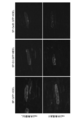
- Example 1 it is the observation image of the fluorescence microscope of the cell into which each expression vector was introduce
- Example 2 it is the observation image of the fluorescence microscope of the cell into which each expression vector was introduce
- the method for accumulating a protein of the present invention in a plant cell is characterized by accumulating a protein of interest that is also expressed by transformation in an intracellular organelle newly formed by transformation. Specifically, by introducing a gene encoding a protein having an ER body forming function into a plant cell, an ER body is formed in the plant cell, and the target protein is accumulated in the ER body. To date, no technology has been reported for producing a new organelle specialized for protein accumulation.
- the method for accumulating a protein of the present invention in a plant cell is a method of accumulating a protein in a plant cell, wherein a gene encoding a protein having an ER body-forming function (ER body formation-related gene), N An ER formed in the plant cell by co-expressing in the plant cell a gene encoding a target protein having an intracellular membrane transition signal peptide at the terminal and an ER retention signal peptide at the C-terminal.
- the target protein or a protein lacking the N-terminal region of the target protein is accumulated in the body.
- a gene encoding a protein having an ER body-forming function a new ER body is formed in the cell.
- a gene encoding a target protein having an intracellular membrane transition signal peptide at the N-terminus and an ER retention signal peptide at the C-terminus is expressed in a plant cell in which an ER body is formed, it is expressed. Protein can be accumulated inside the ER body.
- a gene includes a nucleotide sequence that encodes a protein, and the nucleic acid or derivative thereof that is synthesized by a transcription / translation mechanism of the cell when the encoded protein is introduced into the cell. Means.
- the gene includes not only a natural gene possessed by an organism but also a gene artificially designed and synthesized using a gene recombination technique.
- proteins having an ER body-forming function include Arabidopsis nai2 (SEQ ID NO: 1), proteins encoded by TSK-associating protein1 (TSA1) / At1g52410, At3g15960, and homologous proteins of these proteins.
- nai2 in order from the N-terminal, is an intracellular translocation signal peptide (1st to 24th region of SEQ ID NO: 1), 10 EFE repeats (98th to 472th region), and nai2 domain (473 to 772). Second region). Similar to nai2, TSA1 has an intracellular membrane transition signal peptide, 10 EFE repeats, and nai2 domain, and has 80% homology in amino acid sequence. It is a finding that the present inventors have found for the first time that ER bodies can be formed in plants other than Lepidoptera, including Brassicaceae, by expressing nai2 and homologous proteins thereof.
- the protein having an ER body forming function used in the method for accumulating the protein of the present invention in plant cells is preferably a polypeptide selected from any of the following (a) to (d).
- B A polypeptide comprising an amino acid sequence in which one or several amino acids are deleted, substituted or added in the amino acid sequence represented by SEQ ID NO: 1 and having an ER body forming function.
- C A polypeptide having a homology of 80% or more, more preferably 90% or more with the amino acid sequence represented by SEQ ID NO: 1, and having an ER body forming function.
- the homology on the amino acid sequence with the amino acid sequence represented by SEQ ID NO: 1 can be determined using a known program such as Blast.
- D It has 80% or more, more preferably 90% or more homology with the amino acid sequence consisting of amino acids 473 to 772 in the amino acid sequence represented by SEQ ID NO: 1, and has an ER body-forming function. Having a polypeptide.
- a protein (polypeptide) having an ER body-forming function is a protein that forms an ER body by expressing the protein in plant cells. Whether a certain polypeptide has an ER body-forming function is determined by, for example, introducing an expression vector incorporating a DNA encoding the polypeptide into a plant cell by a known gene transfer method such as electroporation, and the like. Whether or not an ER body is formed on the plant cell can be determined by observing with a microscope or the like.
- an intracellular membrane transition signal peptide at the N-terminal causes the protein synthesized by the ribosome to migrate into the ER.
- the presence of the ER retention signal peptide at the C-terminus allows the protein to remain inside the ER. That is, in order to accumulate the expressed protein inside the ER body, it is necessary that the N-terminal of the protein has an intracellular translocation signal peptide and the C-terminal has an ER retention signal peptide.
- the intracellular membrane transition signal peptide provided in the target protein is particularly limited as long as it is a peptide having the ability to migrate to the inner membrane including ER (hereinafter also referred to as ER migration ability). It can be used by appropriately selecting from signal peptides present at the N-terminus of secreted proteins. Further, it may be a peptide in which one or several amino acids are deleted, substituted or added to a known intracellular membrane transition signal peptide without impairing the ER translocation ability.
- Specific examples of the intracellular membrane system signal peptide include cells possessed by the tobacco mosaic virus Pr1a protein (see Non-Patent Document 10) and Arabidopsis Pyk10 (SEQ ID NO: 2). Examples thereof include an inner membrane transition signal peptide (first to 24th amino acids), an intracellular membrane transition signal peptide (first to 24th amino acids) of nai2 (SEQ ID NO: 1) of Arabidopsis thaliana, and the like.
- the ER retention signal peptide provided in the target protein is not particularly limited as long as it is a peptide having ER retention ability.
- the signal peptides present at the C-terminus of the protein retained in the ER Can be appropriately selected and used.
- Specific examples of the ER retention signal peptide include KDEL, HDEL and the like in terms of amino acid one letter.
- the proteins retained in the ER there is a protein in which at least a part of the N-terminal intracellular membrane transition signal peptide is cleaved by an enzyme in the ER.
- an enzyme in the ER depending on the type of intracellular membrane transition signal peptide included in the target protein, not the target protein but a protein lacking the N-terminal region of the target protein is accumulated inside the formed ER body.
- the cleavage site by the enzyme inside the ER differs depending on the type of target protein, particularly the amino acid sequence of the polypeptide linked to the intracellular membrane transition signal peptide. In many cases, only the intracellular membrane transition signal peptide is deleted by cleavage. However, when a wider N-terminal region including the intracellular membrane transition signal peptide is deleted, In some cases, only the part is missing.
- the gene encoding the protein is co-expressed with a gene related to ER body formation.
- the protein or the protein lacking the N-terminal region of the protein can be accumulated in the ER body.
- an intracellular membrane transition signal peptide is added to the N terminus of the protein, C
- the target protein or a protein lacking the N-terminal region of the protein can be accumulated inside the ER body.
- a target protein a protein obtained by adding an ER retention signal peptide to a target protein to be accumulated in a cell directly at the C terminus of a protein originally having an intracellular membrane transition signal peptide at the N-terminus
- it may be a chimeric protein fused via an appropriate spacer.
- a protein in which another polypeptide is fused to the C-terminus of Pyk10 can be used as the target protein.
- the method of co-expressing a protein having an ER body-forming function and a target protein in plant cells is not particularly limited, and any method known in the technical field may be used.
- an expression vector having a base sequence encoding a protein having an ER body-forming function and an expression vector having a base sequence encoding a target protein into a plant cell, the protein having the ER body-forming function and the target
- a transformed cell co-expressed with a protein can be prepared.
- An expression vector having both a base sequence encoding a protein having an ER body forming function and a base sequence encoding a target protein may be introduced.
- the plant cell that co-expresses the ER body formation-related gene and the gene encoding the target protein may be a cell in a plant individual or a cell collected from a plant individual, such as a dedifferentiation treatment It may be a treated cell or a cultured cell.
- a plant individual having accumulated cells can be obtained.
- the type of plant cell that co-expresses the ER body formation-related gene and the gene encoding the target protein is not particularly limited as long as it is a plant, but no ER body is formed in the wild type. It is preferably a plant species cell. Especially, it is preferable that it is a monocotyledonous plant, and it is more preferable that they are a lily family plant or a gramineous plant. Examples of liliaceae plants include onions. Examples of the grass family include rice, corn, sorghum, wheat, barley, rye, barnyard millet, Elianthus, sugar cane, switchgrass, Miscanthus, and Napiergrass.
- An expression vector having a base sequence encoding a protein having a function of forming an ER body or a target protein is prepared by incorporating a DNA having a base sequence encoding these proteins into the expression vector using a well-known gene recombination technique. can do.
- a commercially available expression vector preparation kit may be used.
- an expression vector having a promoter sequence that can be transcribed in plant cells and a terminator sequence including a polyadenylation site, which is a polypeptide encoded by an incorporated polynucleotide when introduced into a plant cell.
- the vector is not particularly limited as long as the vector can be expressed. Any expression vector usually used for production of transformed plant cells and transformed plants can be used.
- a promoter sequence is used so that both proteins are independently expressed in cells.
- An expression cassette comprising DNA having a base sequence encoding a protein having a ER body forming function, DNA having a terminator sequence, DNA having a promoter sequence, DNA having a base sequence encoding a target protein, terminator sequence It is necessary to have an expression cassette made of DNA having
- expression vectors include a MultiRound Gateway (see Non-Patent Document 11) entry vector, binary vectors such as pIG121 and pIG121Hm, and the like.
- promoters that can be used include nopaline synthase gene promoter, cauliflower mosaic virus 35S promoter, and maize ubi1 promoter.
- usable terminators include nopaline synthase gene terminators.
- promoters specific to tissues and organs may be used. For example, as a leaf-specific expression promoter, a rice rbcS promoter and the like can be mentioned. By using such a tissue or organ-specific promoter, the target protein can be expressed only in a specific tissue or organ, not in the whole plant.
- a transformed plant when a transformed plant is produced by introducing an expression vector having a base sequence encoding a protein having an ER body-forming function and an expression vector having a base sequence encoding a target protein into an edible plant, the transformation The target protein can be expressed only in the non-edible part of the plant.
- the expression vector is preferably an expression vector into which not only a protein having an ER body-forming function and a DNA having a base sequence encoding a target protein but also a drug resistance gene and the like are incorporated. This is because it is possible to easily select a plant transformed with an expression vector and a plant not transformed.
- the drug resistance gene include a kanamycin resistance gene, a hygromycin resistance gene, and a bialaphos resistance gene.
- a method for producing a transformed plant using an expression vector is not particularly limited, and can be carried out by a method usually used for producing a transformed plant cell or a transformed plant.
- the method include an Agrobacterium method, a particle gun method, an electroporation method, and a PEG (polyethylene glycol) method.
- Agrobacterium method it is preferable to carry out by the Agrobacterium method.
- Transformed plant cells and transformed plants can be selected using drug resistance or the like as an index.
- a plant cultured cell may be used as a host, and a plant organ or a plant tissue may be used.
- a transformed plant By using a well-known plant tissue culture method or the like, a transformed plant can be obtained from transformed plant cells or callus.
- a transformed plant cell can be obtained by culturing a transformed plant cell using a hormone-free regeneration medium or the like, and transplanting and cultivating the obtained rooted young plant body to soil or the like. it can.
- rice transformed to co-express a gene encoding ER body formation and a gene encoding a target protein encodes an expression vector having a base sequence encoding a protein having an ER body forming function and the target protein It can be prepared by transforming an expression vector having a base sequence by a conventional method such as the method of Nishimura et al. (See Non-Patent Document 12).
- callus obtained by culturing mature seeds whose surfaces have been sterilized after removing the hull an expression vector having a base sequence encoding a protein having an ER body-forming function, and a base encoding a target protein It is infected by dipping in a solution of Agrobacterium transformed with an expression vector having the sequence. Thereafter, callus transformed with antibiotics or the like is selected. Thereby, the rice which is the transformed plant of this invention can be obtained.
- the transformed plant of the present invention thus obtained can be cultivated in the same manner as the plant individual before transformation, can be cut, or can be obtained as a progeny individual by crossing or the like.
- a clone individual can also be obtained by a known cloning technique.
- the target protein or the protein lacking the N-terminal region of the target protein is accumulated in the ER body newly formed as a protein accumulation organ.
- target protein etc. can be protected from proteolytic enzyme etc. which exist in a vacuole, for example, and can accumulate stably.
- the adverse effects of the target protein and the like on other intracellular organelles, and thus on the growth of plants, can be sufficiently reduced.
- the target protein accumulated in the newly formed ER body or the protein lacking the N-terminal region of the target protein can be recovered.
- the method for recovering the target protein and the like from the transformed plant of the present invention is not particularly limited, and is appropriately selected from methods usually used for extracting and purifying recombinant proteins from cells and living tissues. You can choose to do it. Examples of the method include the method of Kawazu et al. (See Non-Patent Document 13) and the method of Kimura et al. (See Non-Patent Document 14).
- Acidothermus cellulolyticus-derived endoglucanase E1 gene catalytic region (E1-cat) (see Non-Patent Document 15) and Pyrococcus furiosus-derived ⁇ -glucosidase CelB gene
- E1-cat Acidothermus cellulolyticus-derived endoglucanase E1 gene catalytic region
- CelB Pyrococcus furiosus-derived ⁇ -glucosidase CelB gene
- the saccharifying enzyme is accumulated in the ER body in the transformed plant, so that it can be cultivated in the same manner as the plant that became the host at the time of transformation.
- the saccharification enzyme accumulated from the ER body is released as a result of being subjected to pretreatment for bioethanol production. Cellulose is easily decomposed.
- the target protein was accumulated in the newly formed ER body by causing the onion epidermal cells to co-express the gene encoding the nai2 gene and the target protein.
- the reporter Aequorea fluorescens protein (GFP) gene alone, or glycation enzyme Acidothermus cellulolyticus-derived endoglucanase E1 gene catalytic region (E1-cat) (see Non-Patent Document 15) or Pyrococcus furiosus-derived ⁇ -glucosidase CelB gene As a fusion protein with (see Non-Patent Document 16), a corn ubi1 promoter and an Agrobacterium nos terminator were linked by the PCR method to prepare a gene expression cassette.
- a tobacco mosaic virus Pr1a protein signal peptide (see Non-Patent Document 10) is added to the 5 ′ end of the coding region of each gene, and an amino acid 4 residue (HDEL), which is an ER retention signal peptide, is added to the 3 ′ end of the coding region.
- HDEL amino acid 4 residue
- the corn ubi1 promoter, the GFP gene, and the Agrobacterium nos terminator were ligated by the PCR method to produce a gene expression cassette (GFP expression cassette) that did not contain any of the intracellular membrane transition signal peptide and ER retention signal peptide.
- an expression cassette (nai2 expression cassette) of nai2 gene which is an Arabidopsis thaliana ER body formation-related gene, was similarly prepared.
- FIG. 1 is a diagram schematically showing each of the produced expression cassettes.
- Pubi1 is the maize ubi1 promoter
- Tnos is the Agrobacterium nos terminator
- HDEL is the ER retention signal peptide
- SP is the tobacco mosaic virus Pr1a protein signal peptide
- GFP Indicates GFP
- E1 indicates E1-cat
- CelB indicates CelB.
- the cells into which the expression vector was introduced were observed with a fluorescent stereomicroscope and a confocal laser microscope. Specifically, the localization of GFP or GFP fusion protein expressed in the cells was observed by detecting the fluorescence of GFP.
- a fluorescent stereoscopic microscope image is shown in FIG. In FIG. 2, the upper row (without nai2 co-expression) is an image of a cell into which the expression vector containing the nai2 expression cassette was not introduced at the same time, and the lower row (with nai2 co-expression) is the same with the expression vector containing the nai2 expression cassette. It is an image of the introduced cell.
- each GFP or GFP fusion protein was dispersed and localized throughout the ER.
- an intracellular organelle that was elliptical and showed strong fluorescence intensity.
- This intracellular organelle is an ER body, and by co-expressing nai2, an intracellular membrane transition signal peptide and a protein comprising an ER retention signal peptide, an ER body is newly formed, and an intracellular membrane transition signal is formed. It has been shown that proteins comprising a peptide and an ER retention signal peptide can be accumulated in the ER body. [Example 2]
- the target protein is accumulated by forming an ER body in an onion epidermis cell by the method of accumulating the protein of the present invention in a plant cell. It was.
- a fusion protein in which GFP was linked to the C-terminus of Pyk10 it was linked to the maize ubi1 promoter and Agrobacterium nos terminator by the PCR method to prepare a gene expression cassette.
- FIG. 1 A schematic diagram of the prepared expression cassette (Pyk10 :: GFP-HDEL fusion expression cassette) is shown in FIG.
- the Pyk10 :: GFP-HDEL fusion expression cassette was inserted into a MultiRound Gateway (see Non-Patent Document 11) entry vector using an In-Fusion Advantage PCR cloning kit (Clontech) to prepare an expression vector.
- the upper row (without nai2 co-expression) is an image of a cell into which the expression vector containing the nai2 expression cassette was not introduced at the same time
- the lower row (with nai2 co-expression) is the expression vector containing the nai2 expression cassette simultaneously. It is an image of the introduced cell.
- the present invention can provide a method of stably accumulating a target protein in plant cells and plants, and a transformed plant in which the protein is accumulated. Since the protein of the present invention can be accumulated in plant cells while sufficiently reducing the influence on the plant cells and plant individuals due to overexpression by the method for accumulating the proteins in plant cells, the method, The transformed plant of the present invention obtained thereby can be used in fields such as mass production of proteins and modification of plant traits.
Landscapes
- Health & Medical Sciences (AREA)
- Genetics & Genomics (AREA)
- Life Sciences & Earth Sciences (AREA)
- Engineering & Computer Science (AREA)
- Chemical & Material Sciences (AREA)
- Organic Chemistry (AREA)
- Zoology (AREA)
- Wood Science & Technology (AREA)
- Bioinformatics & Cheminformatics (AREA)
- General Engineering & Computer Science (AREA)
- Biotechnology (AREA)
- Biomedical Technology (AREA)
- Molecular Biology (AREA)
- Biochemistry (AREA)
- Microbiology (AREA)
- General Health & Medical Sciences (AREA)
- Biophysics (AREA)
- Plant Pathology (AREA)
- Physics & Mathematics (AREA)
- Cell Biology (AREA)
- Medicinal Chemistry (AREA)
- Pharmacology & Pharmacy (AREA)
- Proteomics, Peptides & Aminoacids (AREA)
- Chemical Kinetics & Catalysis (AREA)
- General Chemical & Material Sciences (AREA)
- Breeding Of Plants And Reproduction By Means Of Culturing (AREA)
- Micro-Organisms Or Cultivation Processes Thereof (AREA)
- Preparation Of Compounds By Using Micro-Organisms (AREA)
- Peptides Or Proteins (AREA)
Abstract
Description
本願は、2011年2月22日に、日本に出願された特願2011-035558号に基づき優先権を主張し、その内容をここに援用する。
その他、目的タンパク質をコードする遺伝子を、葉緑体のゲノムそのものに導入し、葉緑体内で遺伝子発現からタンパク質蓄積までを行う技術もある(非特許文献2参照。)。
(1) タンパク質を植物細胞内に蓄積させる方法であって、
ERボディ形成機能を有するタンパク質をコードする遺伝子と、N末端に細胞内膜系移行シグナルペプチドを有し、かつC末端にER保留シグナルペプチドを有する標的タンパク質をコードする遺伝子とを植物細胞内に共発現させることにより、前記植物細胞内に形成されたERボディの内部に、前記標的タンパク質又は前記標的タンパク質のN末端領域が欠損したタンパク質を蓄積させる、タンパク質の植物細胞内への蓄積方法、
(2) 前記ERボディ形成機能を有するタンパク質が、下記(a)~(d)のいずれかから選択されるポリペプチドである前記(1)に記載のタンパク質の植物細胞内への蓄積方法;
(a)配列番号1で表されるアミノ酸配列からなるポリペプチド、
(b)配列番号1で表されるアミノ酸配列において、1若しくは数個のアミノ酸が欠失、置換若しくは付加されたアミノ酸配列からなり、かつ、ERボディ形成機能を有するポリペプチド、
(c)配列番号1で表されるアミノ酸配列と80%以上の相同性を有し、かつ、ERボディ形成機能を有するポリペプチド、
(d)配列番号1で表されるアミノ酸配列中の473番目から772番目のアミノ酸からなるアミノ酸配列と80%以上の相同性を有し、かつ、ERボディ形成機能を有するポリペプチド、
(3) 前記標的タンパク質が、Pyk10タンパク質のC末端に他のポリペプチドを融合させたタンパク質である前記(1)又は(2)に記載のタンパク質の植物細胞内への蓄積方法、
(4) 前記植物細胞が、植物個体中の細胞である前記(1)~(3)のいずれか一つに記載のタンパク質の植物細胞内への蓄積方法、
(5) ERボディ形成機能を有するタンパク質をコードする塩基配列を有する発現ベクターと標的タンパク質をコードする塩基配列を有する発現ベクター、又は、ERボディ形成機能を有するタンパク質をコードする塩基配列と標的タンパク質をコードする塩基配列とを共に有する発現ベクターが導入されており、
前記標的タンパク質は、N末端に細胞内膜系移行シグナルペプチドを有し、かつC末端にER保留シグナルペプチドを有しており、
植物体中の少なくとも1の細胞において、前記細胞内に形成されたERボディの内部に、前記標的タンパク質又は前記標的タンパク質のN末端領域が欠損したタンパク質が蓄積されている形質転換植物、
(6) 前記ERボディ形成機能を有するタンパク質が、下記(a)~(d)のいずれかから選択されるポリペプチドである前記(5)に記載の形質転換植物;
(a)配列番号1で表されるアミノ酸配列からなるポリペプチド、
(b)配列番号1で表されるアミノ酸配列において、1若しくは数個のアミノ酸が欠失、置換若しくは付加されたアミノ酸配列からなり、かつ、ERボディ形成機能を有するポリペプチド、
(c)配列番号1で表されるアミノ酸配列と80%以上の相同性を有し、かつ、ERボディ形成機能を有するポリペプチド、
(d)配列番号1で表されるアミノ酸配列中の473番目から772番目のアミノ酸からなるアミノ酸配列と80%以上の相同性を有し、かつ、ERボディ形成機能を有するポリペプチド、
(7) 前記標的タンパク質が、Pyk10タンパク質のC末端に他のポリペプチドを融合させたタンパク質である前記(5)又は(6)に記載の形質転換植物、
(8) 単子葉植物である前記(5)~(7)のいずれか一つに記載の形質転換植物、
(9) ユリ科植物又はイネ科植物である前記(5)~(7)のいずれか一つに記載の形質転換植物、
(10) イネである前記(5)~(7)のいずれか一つに記載の形質転換植物、
(11) 前記(5)~(10)のいずれか一つに記載の形質転換植物の後代個体又はクローン個体である植物、
を、提供する。
また、本発明の形質転換植物は、外来タンパク質をERボディに比較的安定して蓄積させることができる。
本発明のタンパク質の植物細胞内への蓄積方法は、形質転換によって新たに形成させた細胞内小器官内に、同じく形質転換によって発現させた目的のタンパク質を蓄積させることを特徴とする。具体的には、ERボディ形成機能を有するタンパク質をコードする遺伝子を植物細胞に導入することにより、ERボディを前記植物細胞内に形成させ、このERボディ内に目的のタンパク質を蓄積させる。このようなタンパク質蓄積に特化した新たな細胞内小器官を作製する技術は、現在までに報告されていない。
(a)配列番号1で表されるアミノ酸配列からなるポリペプチド。
(b)配列番号1で表されるアミノ酸配列において、1若しくは数個のアミノ酸が欠失、置換若しくは付加されたアミノ酸配列からなり、かつ、ERボディ形成機能を有するポリペプチド。
(c)配列番号1で表されるアミノ酸配列と80%以上、より好ましくは90%以上の相同性を有し、かつ、ERボディ形成機能を有するポリペプチド。
なお、配列番号1で表されるアミノ酸配列とのアミノ酸配列上の相同性は、Blast等の公知のプログラムを用いて求めることができる。
(d)配列番号1で表されるアミノ酸配列中の473番目から772番目のアミノ酸からなるアミノ酸配列と80%以上、より好ましくは90%以上の相同性を有し、かつ、ERボディ形成機能を有するポリペプチド。
例えば、食用植物にERボディ形成機能を有するタンパク質をコードする塩基配列を有する発現ベクターと標的タンパク質をコードする塩基配列を有する発現ベクターとを導入して形質転換植物を作製した場合に、前記形質転換植物の非食用部分にのみ標的タンパク質を発現させることができる。
[実施例1]
<遺伝子発現ベクターの作製>
レポーターであるオワンクラゲ蛍光タンパク質(GFP)遺伝子を、単独、若しくは糖化酵素であるAcidothermus cellulolyticus由来エンドグルカナーゼE1遺伝子触媒領域(E1-cat)(非特許文献15参照。)又はPyrococcus furiosus由来β-グルコシダーゼCelB遺伝子(非特許文献16参照。)との融合タンパク質として、トウモロコシubi1プロモーター及びアグロバクテリムnosターミネーターとPCR法により連結し、遺伝子発現カセットを作製した。
各遺伝子のコード領域5’末端にはタバコモザイクウイルスPr1aタンパク質シグナルペプチド(非特許文献10参照。)を付加し、コード領域3’末端にはER保留シグナルペプチドであるアミノ酸4残基(HDEL)を付加した。また、トウモロコシubi1プロモーター、GFP遺伝子、及びアグロバクテリムnosターミネーターをPCR法により連結し、細胞内膜系移行シグナルペプチドとER保留シグナルペプチドのいずれも含まない遺伝子発現カセット(GFP発現カセット)を作製した。さらに、シロイヌナズナERボディ形成関連遺伝子であるnai2遺伝子の発現カセット(nai2発現カセット)を同様に作製した。
作製した発現ベクターを、遺伝子組み換え装置(パーティクルガン)(製品名:PDS-1000/He、Bio-Rad社製)を用いて、インストラクションマニュアルに従ってタマネギ鱗茎に導入した。
発現ベクターを導入した細胞は、蛍光実体顕微鏡及び共焦点レーザー顕微鏡により観察した。具体的には、GFPの蛍光を検出することにより、細胞中に発現しているGFP又はGFP融合タンパク質の局在を観察した。蛍光実体顕微鏡画像を図2に示す。図2中、上段(nai2共発現なし)は、nai2発現カセットを含む発現ベクターを同時に導入しなかった細胞の画像であり、下段(nai2共発現あり)は、nai2発現カセットを含む発現ベクターを同時に導入した細胞の画像である。
[実施例2]
<遺伝子発現ベクターの作製>
Pyk10のC末端にGFPを連結させた融合タンパク質として、トウモロコシubi1プロモーター及びアグロバクテリムnosターミネーターとPCR法により連結し、遺伝子発現カセットを作製した。前記遺伝子のコード領域3’末端にはER保留シグナルペプチドであるアミノ酸4残基(HDEL)を付加した。なお、前述のとおり、Pyk10のN末端には細胞内膜系移行シグナルペプチドが元々備わっている。作製された発現カセット(Pyk10::GFP-HDEL融合発現カセット)の模式図を図1に示す。
Pyk10::GFP-HDEL融合発現カセットを、In-Fusion Advantage PCRクローニングキット(クロンテック社製)を用いてMultiRound Gateway(非特許文献11参照。)エントリーベクターに挿入し、発現ベクターを作製した。
実施例1と同様にして、Pyk10::GFP-HDEL融合発現カセットを含む発現ベクター、実施例1で用いたSP-GFP-HDEL発現カセットを含む発現ベクター、又は、細胞内膜系移行シグナルペプチドとER保留シグナルペプチドのいずれも含まないGFP発現カセットを含む発現ベクター、並びにnai2発現カセットを含む発現ベクターを、それぞれタマネギ鱗茎に導入した。さらに、実施例1と同様にして、発現ベクターを導入した細胞は、蛍光実体顕微鏡及び共焦点レーザー顕微鏡により観察した。蛍光実体顕微鏡画像を図3に示す。図3中、上段(nai2共発現なし)は、nai2発現カセットを含む発現ベクターを同時に導入しなかった細胞の画像であり、下段(nai2共発現あり)は、nai2発現カセットを含む発現ベクターを同時に導入した細胞の画像である。
Claims (11)
- タンパク質を植物細胞内に蓄積させる方法であって、
ERボディ形成機能を有するタンパク質をコードする遺伝子と、N末端に細胞内膜系移行シグナルペプチドを有し、かつC末端にER保留シグナルペプチドを有する標的タンパク質をコードする遺伝子とを植物細胞内に共発現させることにより、前記植物細胞内に形成されたERボディの内部に、前記標的タンパク質又は前記標的タンパク質のN末端領域が欠損したタンパク質を蓄積させる、タンパク質の植物細胞内への蓄積方法。 - 前記ERボディ形成機能を有するタンパク質が、下記(a)~(d)のいずれかから選択されるポリペプチドである請求項1に記載のタンパク質の植物細胞内への蓄積方法。
(a)配列番号1で表されるアミノ酸配列からなるポリペプチド。
(b)配列番号1で表されるアミノ酸配列において、1若しくは数個のアミノ酸が欠失、置換若しくは付加されたアミノ酸配列からなり、かつ、ERボディ形成機能を有するポリペプチド。
(c)配列番号1で表されるアミノ酸配列と80%以上の相同性を有し、かつ、ERボディ形成機能を有するポリペプチド。
(d)配列番号1で表されるアミノ酸配列中の473番目から772番目のアミノ酸からなるアミノ酸配列と80%以上の相同性を有し、かつ、ERボディ形成機能を有するポリペプチド。 - 前記標的タンパク質が、Pyk10タンパク質のC末端に他のポリペプチドを融合させたタンパク質である請求項1又は2に記載のタンパク質の植物細胞内への蓄積方法。
- 前記植物細胞が、植物個体中の細胞である請求項1~3のいずれか一項に記載のタンパク質の植物細胞内への蓄積方法。
- ERボディ形成機能を有するタンパク質をコードする塩基配列を有する発現ベクターと標的タンパク質をコードする塩基配列を有する発現ベクター、又は、ERボディ形成機能を有するタンパク質をコードする塩基配列と標的タンパク質をコードする塩基配列とを共に有する発現ベクターが導入されており、
前記標的タンパク質は、N末端に細胞内膜系移行シグナルペプチドを有し、かつC末端にER保留シグナルペプチドを有しており、
植物体中の少なくとも1の細胞において、前記細胞内に形成されたERボディの内部に、前記標的タンパク質又は前記標的タンパク質のN末端領域が欠損したタンパク質が蓄積されている形質転換植物。 - 前記ERボディ形成機能を有するタンパク質が、下記(a)~(d)のいずれかから選択されるポリペプチドである請求項5に記載の形質転換植物。
(a)配列番号1で表されるアミノ酸配列からなるポリペプチド。
(b)配列番号1で表されるアミノ酸配列において、1若しくは数個のアミノ酸が欠失、置換若しくは付加されたアミノ酸配列からなり、かつ、ERボディ形成機能を有するポリペプチド。
(c)配列番号1で表されるアミノ酸配列と80%以上の相同性を有し、かつ、ERボディ形成機能を有するポリペプチド。
(d)配列番号1で表されるアミノ酸配列中の473番目から772番目のアミノ酸からなるアミノ酸配列と80%以上の相同性を有し、かつ、ERボディ形成機能を有するポリペプチド。 - 前記標的タンパク質が、Pyk10タンパク質のC末端に他のポリペプチドを融合させたタンパク質である請求項5又は6に記載の形質転換植物。
- 単子葉植物である請求項5~7のいずれか一項に記載の形質転換植物。
- ユリ科植物又はイネ科植物である請求項5~7のいずれか一項に記載の形質転換植物。
- イネである請求項5~7のいずれか一項に記載の形質転換植物。
- 請求項5~10のいずれか一項に記載の形質転換植物の後代個体又はクローン個体である植物。
Priority Applications (3)
| Application Number | Priority Date | Filing Date | Title |
|---|---|---|---|
| AU2012221277A AU2012221277A1 (en) | 2011-02-22 | 2012-02-21 | Method for accumulating protein in plant cell |
| US14/000,583 US20140137289A1 (en) | 2011-02-22 | 2012-02-21 | Method For Accumulating A Protein In Plant Cell |
| BR112013021169A BR112013021169A2 (pt) | 2011-02-22 | 2012-02-21 | método para acumular uma proteína em uma célula de planta, e, planta |
Applications Claiming Priority (2)
| Application Number | Priority Date | Filing Date | Title |
|---|---|---|---|
| JP2011-035558 | 2011-02-22 | ||
| JP2011035558A JP5809810B2 (ja) | 2011-02-22 | 2011-02-22 | タンパク質の植物細胞内への蓄積方法 |
Publications (1)
| Publication Number | Publication Date |
|---|---|
| WO2012115102A1 true WO2012115102A1 (ja) | 2012-08-30 |
Family
ID=46720879
Family Applications (1)
| Application Number | Title | Priority Date | Filing Date |
|---|---|---|---|
| PCT/JP2012/054122 Ceased WO2012115102A1 (ja) | 2011-02-22 | 2012-02-21 | タンパク質の植物細胞内への蓄積方法 |
Country Status (5)
| Country | Link |
|---|---|
| US (1) | US20140137289A1 (ja) |
| JP (1) | JP5809810B2 (ja) |
| AU (1) | AU2012221277A1 (ja) |
| BR (1) | BR112013021169A2 (ja) |
| WO (1) | WO2012115102A1 (ja) |
Citations (2)
| Publication number | Priority date | Publication date | Assignee | Title |
|---|---|---|---|---|
| WO2009158716A1 (en) * | 2008-06-28 | 2009-12-30 | The Donald Danforth Plant Science Center | Improved protein production and storage in plants |
| WO2011118058A1 (ja) * | 2010-03-24 | 2011-09-29 | 大学共同利用機関法人自然科学研究機構 | Erボディ形成能を有する遺伝子およびその利用 |
-
2011
- 2011-02-22 JP JP2011035558A patent/JP5809810B2/ja not_active Expired - Fee Related
-
2012
- 2012-02-21 US US14/000,583 patent/US20140137289A1/en not_active Abandoned
- 2012-02-21 BR BR112013021169A patent/BR112013021169A2/pt not_active IP Right Cessation
- 2012-02-21 AU AU2012221277A patent/AU2012221277A1/en not_active Abandoned
- 2012-02-21 WO PCT/JP2012/054122 patent/WO2012115102A1/ja not_active Ceased
Patent Citations (2)
| Publication number | Priority date | Publication date | Assignee | Title |
|---|---|---|---|---|
| WO2009158716A1 (en) * | 2008-06-28 | 2009-12-30 | The Donald Danforth Plant Science Center | Improved protein production and storage in plants |
| WO2011118058A1 (ja) * | 2010-03-24 | 2011-09-29 | 大学共同利用機関法人自然科学研究機構 | Erボディ形成能を有する遺伝子およびその利用 |
Non-Patent Citations (5)
| Title |
|---|
| HERMAN,E ET AL.: "Endoplasmic reticulum to vacuole trafficking of endoplasmic reticulum bodies provides an alternate pathway for protein transfer to the vacuole.", PLANT PHYSIOL., vol. 136, no. 3, November 2004 (2004-11-01), pages 3440 - 3446 * |
| KENJI YAMADA ET AL.: "Mechanisms of endoplasmic reticulum body formation in Arabidopsis thaliana", JOURNAL OF JAPANESE BIOCHEMICAL SOCIETY, 2009, pages ROMBUNNO. 4S1A - 6 * |
| KENJI YAMADA ET AL.: "NAI2 to PYK10 wa ER Body no Keisei to ER Body Maku Tanpakushitsu no Kyokuzai o Seigyo suru", PROCEEDINGS OF THE ANNUAL MEETING OF THE JAPANESE SOCIETY OF PLANT PHYSIOLOGISTS, vol. 51, 2010, pages 156 * |
| YAMADA,K ET AL.: "NAI2 is an endoplasmic reticulum body component that enables ER body formation in Arabidopsis thaliana.", PLANT CELL., vol. 20, no. 9, September 2008 (2008-09-01), pages 2529 - 2540 * |
| YAMADA,K ET AL.: "The ER body, a new organelle in Arabidopsis thaliana, requires NAI2 for its formation and accumulates specific beta-glucosidases.", PLANT SIGNAL BEHAV., vol. 4, no. 9, September 2009 (2009-09-01), pages 849 - 852 * |
Also Published As
| Publication number | Publication date |
|---|---|
| BR112013021169A2 (pt) | 2017-06-13 |
| US20140137289A1 (en) | 2014-05-15 |
| JP5809810B2 (ja) | 2015-11-11 |
| JP2012170400A (ja) | 2012-09-10 |
| AU2012221277A1 (en) | 2013-09-12 |
Similar Documents
| Publication | Publication Date | Title |
|---|---|---|
| CN103097401B (zh) | 提高种子产量和促进植物生长的方法 | |
| JP5847991B2 (ja) | 種子における物質生産性を向上させる遺伝子及びその利用方法 | |
| JP6148328B2 (ja) | 耐熱性セロビオハイドロラーゼ | |
| US7786345B2 (en) | Transgenic plants expressing cellulase for autohydrolysis of cellulose components and methods for production of soluble sugar | |
| CN107090453A (zh) | 用在植物中表达基因产物的组合物、生物体、体系和方法 | |
| US20170275605A1 (en) | Thermostable cellobiohydrolase | |
| CN105367628A (zh) | 一对高效编辑水稻waxy基因的talen其识别打靶位点及其应用 | |
| JP5809810B2 (ja) | タンパク質の植物細胞内への蓄積方法 | |
| US20090158472A1 (en) | Transformant plant | |
| CN103451169B (zh) | 一种调控木材发育的相关基因及其应用 | |
| JP5809817B2 (ja) | タンパク質の植物細胞内への蓄積方法 | |
| KR20220108113A (ko) | 아스퍼질러스 자포니쿠스로부터의 프룩토실트랜스퍼라제의 제조를 위한 핵산, 벡터, 숙주 세포 및 방법 | |
| US20240209387A1 (en) | Novel expression system for production of industrial enzymes | |
| JP5910704B2 (ja) | 種子における物質生産性を向上させる遺伝子及びその利用方法 | |
| CN116217682B (zh) | Irx10蛋白在调控植物导管发育及作物生长中的应用 | |
| JP7097547B2 (ja) | 細胞壁が改変された植物、斯かる植物を得るための方法及び核酸、並びに斯かる植物を用いたグルコースの製造方法 | |
| RU2415936C1 (ru) | Способ секреции зеленого флуоресцентного белка (gfp) из растительных клеток | |
| US10131892B2 (en) | Thermostable cellobiohydrolase | |
| JP5910702B2 (ja) | 種子における物質生産性を向上させる遺伝子及びその利用方法 | |
| JP5920440B2 (ja) | 種子における物質生産性を向上させる遺伝子及びその利用方法 | |
| CN117327719A (zh) | 一种分离的多核苷酸及其编码的LiCWIN2蛋白与应用 | |
| CN102124121A (zh) | 利用瞬时农杆菌渗入法在植物主体中制备纤维素酶 | |
| CN119931996A (zh) | MsUBP13.3基因在提高植物盐胁迫抗性中的应用 | |
| CN121538257A (zh) | ShRPW8-like蛋白质及其相关生物材料在提高植物白粉病抗性中的应用 | |
| CN102453704A (zh) | 植物抗光氧化胁迫基因crtiso及其应用 |
Legal Events
| Date | Code | Title | Description |
|---|---|---|---|
| 121 | Ep: the epo has been informed by wipo that ep was designated in this application |
Ref document number: 12749405 Country of ref document: EP Kind code of ref document: A1 |
|
| NENP | Non-entry into the national phase |
Ref country code: DE |
|
| ENP | Entry into the national phase |
Ref document number: 2012221277 Country of ref document: AU Date of ref document: 20120221 Kind code of ref document: A |
|
| WWE | Wipo information: entry into national phase |
Ref document number: 14000583 Country of ref document: US |
|
| 122 | Ep: pct application non-entry in european phase |
Ref document number: 12749405 Country of ref document: EP Kind code of ref document: A1 |
|
| REG | Reference to national code |
Ref country code: BR Ref legal event code: B01A Ref document number: 112013021169 Country of ref document: BR |
|
| ENP | Entry into the national phase |
Ref document number: 112013021169 Country of ref document: BR Kind code of ref document: A2 Effective date: 20130819 |