WO2010143344A1 - 金属ナノシートの製造方法、および金属ナノシート - Google Patents
金属ナノシートの製造方法、および金属ナノシート Download PDFInfo
- Publication number
- WO2010143344A1 WO2010143344A1 PCT/JP2010/002223 JP2010002223W WO2010143344A1 WO 2010143344 A1 WO2010143344 A1 WO 2010143344A1 JP 2010002223 W JP2010002223 W JP 2010002223W WO 2010143344 A1 WO2010143344 A1 WO 2010143344A1
- Authority
- WO
- WIPO (PCT)
- Prior art keywords
- metal
- nanosheet
- compound
- layered
- producing
- Prior art date
- Legal status (The legal status is an assumption and is not a legal conclusion. Google has not performed a legal analysis and makes no representation as to the accuracy of the status listed.)
- Ceased
Links
Images






Classifications
-
- B—PERFORMING OPERATIONS; TRANSPORTING
- B22—CASTING; POWDER METALLURGY
- B22F—WORKING METALLIC POWDER; MANUFACTURE OF ARTICLES FROM METALLIC POWDER; MAKING METALLIC POWDER; APPARATUS OR DEVICES SPECIALLY ADAPTED FOR METALLIC POWDER
- B22F9/00—Making metallic powder or suspensions thereof
- B22F9/16—Making metallic powder or suspensions thereof using chemical processes
- B22F9/18—Making metallic powder or suspensions thereof using chemical processes with reduction of metal compounds
- B22F9/24—Making metallic powder or suspensions thereof using chemical processes with reduction of metal compounds starting from liquid metal compounds, e.g. solutions
-
- B—PERFORMING OPERATIONS; TRANSPORTING
- B22—CASTING; POWDER METALLURGY
- B22F—WORKING METALLIC POWDER; MANUFACTURE OF ARTICLES FROM METALLIC POWDER; MAKING METALLIC POWDER; APPARATUS OR DEVICES SPECIALLY ADAPTED FOR METALLIC POWDER
- B22F1/00—Metallic powder; Treatment of metallic powder, e.g. to facilitate working or to improve properties
- B22F1/05—Metallic powder characterised by the size or surface area of the particles
- B22F1/054—Nanosized particles
- B22F1/0551—Flake form nanoparticles
-
- B—PERFORMING OPERATIONS; TRANSPORTING
- B82—NANOTECHNOLOGY
- B82Y—SPECIFIC USES OR APPLICATIONS OF NANOSTRUCTURES; MEASUREMENT OR ANALYSIS OF NANOSTRUCTURES; MANUFACTURE OR TREATMENT OF NANOSTRUCTURES
- B82Y30/00—Nanotechnology for materials or surface science, e.g. nanocomposites
Definitions
- the present invention relates to a method for producing a metal nanosheet and a metal nanosheet obtained by the production method.
- a nanosheet is a two-dimensional material having a high anisotropy such that the transverse size is several tens to several hundreds or more, while the thickness is usually on the order of nanometers.
- Such nanosheets not only inherit the functionality of the matrix (conductivity, semiconducting properties, dielectric properties, etc.) but also have a large specific surface area required for catalytic reactions and the like.
- the nanosheet may exhibit outstanding physical properties such as a one-dimensional quantum size effect.
- nanosheets can be reconfigured in three dimensions as functional blocks, once separated nanosheets, to construct physical superlattice-like nanostructured materials that cannot be achieved thermodynamically. It has the potential to be controlled. Therefore, for nanosheets, the superlattice approach, which has so far been the mainstream of gas-phase synthesis techniques such as molecular beam epitaxy, can be developed in the liquid phase. It has attracted a lot of interest from industry, especially in the field.
- Synthesis method (1) Method of growing from molecules, ions, etc.
- Synthesis method (2) A method of separating a layered compound into a single layer has been proposed.
- nanosheet lineup and expansion are indispensable for the application development described above.
- birth of nanosheets with completely different properties from existing nanosheets is the key to opening up the application development of new nanosheet materials, so pioneering search including their synthesis methods is an important issue. Yes.
- the object of the present invention is to produce a metal nanosheet capable of producing various metal nanosheets by using a layered compound of a metal compound as a precursor, and produced by such a method. It is to provide a metal nanosheet.
- the inventors of the present invention have made extensive studies and, as a result, by proceeding the reduction reaction of each of the host layers while suppressing atomic diffusion, the lamellar structure of the layered compound is not greatly broken, It has been found that a metal nanosheet or a laminate thereof can be obtained.
- the present invention has been made on the basis of these series of findings, and provides a metal nanosheet having a thickness of 1 nm or less and a two-dimensional anisotropy having a dimension in the sheet plane direction of 30 nm or more, and a method for producing the metal nanosheet. Is.
- the method for producing a metal nanosheet according to the present invention includes at least a layered compound preparation step of preparing a layered compound in which the metal compound is layered, and a metal nanosheet using the layered compound as a precursor by reducing the metal compound. And a reduction step.
- the present invention is a new technique for producing a metal nanosheet having a layered compound as a precursor by reducing a metal compound constituting the layered compound, and various metal nanosheets can be produced. Therefore, it is possible to greatly realize the nanosheet lineup and expansion necessary for application to various fields such as catalysts, thin film forming materials, and coating films.
- a metal nanosheet or a laminate thereof can be obtained without greatly destroying the lamellar structure of the layered compound. be able to. Therefore, a metal nanosheet having a thickness of 1 nm or less comparable to the existing metal cluster size and having a size of 30 nm or more, for example, several ⁇ m in the sheet plane direction can be realized.
- the metal compound in the reduction step, for example, is reduced in the state of a metal compound nanosheet obtained by peeling the layered compound in a single layer, or in the state of the layered compound, so that the single layer or the multilayer is formed.
- a metal nanosheet is obtained.
- the former method when the former method is employed, after performing the layered compound preparation step, before the reduction step, a single layer peeling step is performed in which the layered compound is peeled off to obtain the metal compound nanosheet.
- the metal compound is reduced in the state of the metal compound nanosheet.
- a deposition step of depositing the metal compound nanosheet to form a thin film is performed, and in the reduction step, the metal compound nanosheet is in a thin film state.
- the metal compound may be reduced.
- the metal compound is reduced in the state of the layered compound to obtain a metal nanosheet structure in which a plurality of the metal nanosheets are laminated.
- a single layer peeling step of peeling the nanosheet structure into a single layer of the metal nanosheet may be performed.
- a baking treatment in a reducing atmosphere in the reduction step.
- a reducing atmosphere can be realized by, for example, a hydrogen-containing atmosphere.
- a wet process using a reducing solution may be used in the reduction step.
- a reducing solution can be realized by a solution such as sodium borohydride (NaBH 4 ).
- the metal compound is, for example, a sulfide, metal oxide, or metal hydroxide of a metal such as ruthenium, titanium, niobium, vanadium, manganese, cobalt, or molybdenum.
- the metal compound may be a clay mineral.
- the present invention is a new technique for producing a metal nanosheet having a layered compound as a precursor by reducing a metal compound constituting the layered compound, and various metal nanosheets can be produced. Therefore, it is possible to greatly realize the nanosheet lineup and expansion necessary for application to various fields such as catalysts, thin film forming materials, and coating films.
- a metal nanosheet or a laminate thereof can be obtained without greatly destroying the lamellar structure of the layered compound. be able to.
- a metal nanosheet having a thickness of 1 nm or less comparable to the existing metal cluster size and a size of 30 nm or more, for example, several ⁇ m in the sheet plane direction can be realized.
- Such two-dimensional anisotropy can be expected not only to inherit the functionality of the matrix (conductivity, semiconducting properties, dielectric properties, etc.), but also to exhibit outstanding physical properties such as a one-dimensional quantum size effect.
- the metal nanosheet to which the present invention is applied has a huge specific surface area, it can be used as a catalyst, or as a thin film material or a coating material.
- a metal nanosheet is excellent in functionality as an industrially important metal material, a nanostructure produced using the metal nanosheet is useful as an electrode or a catalyst material.
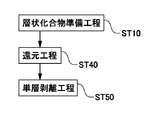
- FIG. 1 is a process diagram illustrating a method for producing a metal nanosheet according to Embodiment 1 of the present invention
- FIGS. 1 (a) and 1 (b) each illustrate production of a metal nanosheet according to Embodiment 1 of the present invention.
- the method there are a process diagram in the case where a deposition process for depositing a metal compound by means such as self-organization is not performed, and a process chart in a case where a deposition process is performed.
- a layered compound for preparing a layered compound in which a metal compound such as a metal sulfide, a metal oxide, or a metal hydroxide is layered is prepared.
- Preparation step ST10 and reduction step ST40 for reducing the metal compound to obtain a metal nanosheet having a layered compound as a precursor are performed.
- Clay minerals may be used as the layered compound.
- a firing process in a reducing atmosphere such as a hydrogen-containing atmosphere or a wet process using a reducing solution containing sodium borohydride or the like is used.
- the metal compound in the reduction step ST40, is reduced in the state of the metal compound nanosheet to obtain a metal nanosheet. For this reason, after performing layered compound preparatory process ST10, before layering process ST40, single layer peeling process ST20 which makes a layered compound peel a single layer, and obtains a metal compound nanosheet is performed.
- a deposition step ST30 is performed in which a metal compound nanosheet is deposited in a self-organized manner to form a thin film.
- the metal compound may be reduced in the state of a thin film of the metal compound nanosheet to obtain a metal nanosheet.
- an infinite swelling process (soft chemical reaction) may be used in which different ions or solvent molecules are inserted between the layers of the layered compound to expand the layers.
- FIG. 2 is a process diagram showing a method for manufacturing a metal nanosheet according to Embodiment 2 of the present invention.
- a layered compound preparation step of preparing a layered compound in which at least a metal compound such as a metal sulfide, a metal oxide, or a metal hydroxide is layered is prepared.
- ST10 and reduction step ST40 for obtaining a metal nanosheet using a layered compound as a precursor by reducing the metal compound are performed.
- a clay mineral may be used as the layered compound.
- a firing process in a reducing atmosphere such as a hydrogen-containing atmosphere or a wet process using a reducing solution containing sodium borohydride or the like is used.
- the metal compound in the reduction step ST40, is reduced in the state of a layered compound to obtain a metal nanosheet structure in which a plurality of metal nanosheets are laminated.
- a single-layer metal nanosheet can be obtained by performing a single-layer peeling step ST50 in which the nanosheet structure is separated into a single-layer metal nanosheet after the reduction step ST40.
- an infinite swelling that expands the layer by inserting different ions or solvent molecules between the layers of the layered compound after the layered compound preparation step ST10 and before the reduction step ST40. It is preferable to perform the conversion process. Such infinite swelling may be performed after the reduction step ST40. In this case, different ions or solvent molecules are inserted between the layers of the metal nanosheet structure via ultrasonic treatment or the like, and the layers of the metal nanosheet structure are inserted. Will spread.
- Example 1 As Example 1 of the present invention, a method for producing a metal ruthenium nanosheet (metal nanosheet) from a layered compound of ruthenium oxide (metal compound) by the method according to Embodiment 1 described with reference to FIG. explain.
- FIG. 3 is an explanatory diagram of a layered compound preparation step ST10 and a single layer peeling step ST20 when K-type layered ruthenium oxide is used in the method for manufacturing a metal nanosheet according to Example 1 of the present invention.
- FIG. 4 is an explanatory diagram of a layered compound preparation step ST10 and a single layer peeling step ST20 when Na-type layered ruthenium oxide is used in the method for producing a metal nanosheet according to Example 1 of the present invention.
- K-type layered ruthenium oxide (layered compound) is used.
- ruthenium oxide and potassium carbonate are weighed out in a molar ratio of 8: 5 and wet-mixed in acetone for 1 hour using an agate mortar.
- the mixed powder is pelletized using a tablet molding machine, the pellet is placed on an alumina boat and baked at 850 ° C. for 12 hours in a tubular furnace under argon flow.
- the pellet is washed with ion-exchanged distilled water, and the supernatant is removed.
- TBAOH tetrabutylammonium hydroxide
- the hydrogen-type layered ruthenium oxide is directly reacted with protons of the hydrogen-type layered ruthenium oxide without treating with ethylamine, the protons are replaced with tetrabutylammonium ions, and the layers of the layered ruthenium oxide are expanded.
- the layered ruthenium oxide is infinitely swollen (infinite swelling treatment).
- the ruthenium oxide nanosheet metal compound nanosheet
- Example using Na-type layered ruthenium oxide In the method for producing a metal nanosheet according to Example 1 of the present invention, when Na-type layered ruthenium oxide is used, as shown in FIG. 4, in the layered compound preparation step ST10, first, Ru, RuO 2 , Na 2 CO 3 are added. Weigh in a molar ratio of 1: 3: 2, respectively. Next, Ru and RuO 2 are pulverized and mixed in an agate mortar, and then Na 2 CO 3 is added and pulverized and mixed again. The obtained mixed powder is pelletized using a tablet molding machine and calcined at 700 ° C. for 1 hour in an Ar atmosphere. Next, the pellet is pulverized and mixed in the glove box using an agate mortar.
- the obtained powder is again pelletized by using a tablet molding machine, and the main fired material at 900 ° C. for 12 hours in an Ar atmosphere is defined as Na-type layered ruthenium oxide (layered compound).
- FIG. 5 is an explanatory diagram of a ruthenium oxide nanosheet deposition step ST30 performed by the metal nanosheet manufacturing method according to Example 1 of the present invention.
- FIG. 6 is an explanatory view showing a state after depositing a ruthenium oxide nanosheet in the method for producing a metal nanosheet according to Example 1 of the present invention, and FIGS.
- 6 (a) and 6 (b) each show a K induction.
- Explanatory view showing the state after depositing a ruthenium oxide nanosheet of a type using an AFM (Atomic Force Microscope), and the state after depositing a Na-derived ruthenium oxide nanosheet It is explanatory drawing which shows a mode observed by AFM.
- Step ST30 is performed.
- aqueous polycation solution an aqueous solution of an amphiphilic cationic polymer
- the substrate is washed in three steps, and water drops on the substrate are blown with a nitrogen gun.
- the substrate is washed three times with ultrapure water, and then water droplets on the substrate are blown off with a nitrogen gun.
- a single layer film (thin film) of ruthenium oxide nanosheets is formed on the substrate.
- the above laminating operation is repeated.
- a 1 wt% aqueous solution of a copolymer of polyvinyl amine 14% and polyvinyl alcohol 86% (hereinafter referred to as a PVA copolymer) is used as the polycation.
- a substrate having a hydrophilic surface silicon substrate, quartz substrate, glass substrate
- PVA copolymer for 10 minutes to coat the substrate surface with polycation.
- the ruthenium oxide nanosheet is adsorbed on the substrate in a self-organized manner by immersing the substrate in a colloidal solution of anionic ruthenium oxide nanosheet to produce a ruthenium oxide nanosheet monolayer film.
- the ruthenium oxide nanosheet can be deposited on the substrate under the condition that the nanosheet coverage is 85% or more.
- the concentration of the ruthenium oxide nanosheet (K-derived type) in the aqueous dispersion is 0.3 g ⁇ L ⁇ 1 , the pH is 11, and the immersion time is 20 minutes.
- the ruthenium oxide nanosheet having a lateral size of submicron to several microns and a thickness of about 1.2 to 1.4 nm is adsorbed on the substrate in the form of a single layer thin film.
- the concentration of the ruthenium oxide nanosheet aqueous dispersion is 0.3 g ⁇ L ⁇ 1
- the pH is 11
- the immersion time is 20 minutes.
- the ruthenium oxide nanosheet having a lateral size of submicron to several microns and a thickness of about 1.2 to 1.5 nm is adsorbed on the substrate in the form of a single layer thin film.
- the positive charge layer formed on the substrate surface is made of a PVA copolymer, and the PVA copolymer is , Amphiphilic with a cationic part (NH 2 + ), a hydrophilic part (OH) and a hydrophobic part (—CH 2 —CH 2 —).
- the composite thin film of a nanosheet and a polymer can be formed on a hydrophilic surface such as a quartz substrate surface or a glass substrate surface.
- the composite thin film of a nanosheet and a polymer can also be formed on a hydrophobic surface such as a PET (Polyethylene terephthalate) substrate surface or a PE (Polyethylene) film surface.
- a copolymer polymer (PVA copolymer) having a cation part, a hydrophilic part and a hydrophobic part is used, the charge density of the positive charge layer is adjusted by changing the ratio of the cation part, the hydrophilic part and the hydrophobic part. be able to.
- FIG. 7 is an explanatory diagram of a reduction step ST40 performed on a ruthenium oxide nanosheet (K-derived type) in the method for producing a metal nanosheet according to Example 1 of the present invention, and FIGS. It is explanatory drawing which shows the X-ray-diffraction pattern of a ruthenium oxide nanosheet before a reduction process, respectively, and explanatory drawing which shows the X-ray-diffraction pattern after performing a reduction
- K-derived type ruthenium oxide nanosheet
- FIGS. 8A and 8B are an explanatory diagram showing a state where a 5 ⁇ m square portion of a metal ruthenium nanosheet formed on a substrate is observed, and an explanatory diagram showing a state where a 3 ⁇ m square portion is observed. .
- FIG. 9 is an explanatory diagram showing an X-ray diffraction pattern after firing the ruthenium oxide nanosheet (K induction type) in the metal nanosheet manufacturing method according to the reference example of Example 1 of the present invention.
- 9A and 9B are an explanatory diagram when the ruthenium oxide nanosheet is fired in an oxygen-containing atmosphere, and an explanatory diagram when the ruthenium oxide nanosheet is fired in an inert atmosphere.
- the in-plane diffraction pattern (see FIG. 7A) of a single-layer film of an unfired ruthenium oxide nanosheet (K induction type) could be attributed by a two-dimensional oblique lattice.
- a 0.5610 (8) nm
- b 0.5121 (6) nm
- ⁇ 109.4 (2) °.
- the monolayer film of the ruthenium oxide nanosheet was heated to 200, 300, 400, 500, 600, 700, 800, and 900 ° C., respectively, at a temperature rising rate of 5 ° C./min, and held at the reached temperature for 2 hours. After that, it was naturally cooled. At that time, firing was performed in a reducing atmosphere (Example), an oxygen-containing atmosphere (Reference Example), and an inert atmosphere (Reference Example).
- metal ruthenium nanocrystal metal ruthenium nanosheet
- FIGS. 8A and 8B it was found that a small sheet-like substance was generated inside the original nanosheet. From the observed image, it was found that the metal ruthenium nanocrystal (metal ruthenium nanosheet) had a sheet size of 50 nm or less and a thickness of about 0.8 nm. This observed thickness is much thinner than that of various conventionally known oxide nanosheets and can be interpreted as reflecting the release of oxygen and metallization.
- Example 1 the reduction temperature of the ruthenium oxide nanosheet in Example 1 is very low compared to 900 ° C. in the case of an inert atmosphere, and is interesting in that the produced metal ruthenium is c-axis oriented. Titanium oxide nanosheet monolayer film in which atoms are constrained in two dimensions has the stability of maintaining the structure up to 800 ° C when heated in the atmosphere, and also generates c-axis oriented anatase when heated above 900 ° C It is known to show a good crystal growth. This is explained by atomic thermal diffusion.
- the temperature at which structural changes occur in ruthenium oxide nanosheets in any atmosphere is extremely low at 200 ° C to 300 ° C, so it can be considered that the diffusion of atoms by heat is small. For this reason, it is considered that metal nanosheets reflecting the original sheet structure or layered structure are generated without significant movement of atoms even when the sheet size shrinks or breaks due to the release of oxygen. At the same time, this shows that even the starting material of the same element type can change the lateral size of the resulting metal nanosheet due to the difference in its two-dimensional structure.
- low-temperature reduction firing was performed on ruthenium oxide, but by softening a nanosheet of oxide, hydroxide, sulfide, etc. under soft conditions using a chemical reducing agent, It is thought that a topological reaction can be induced and a new metal nanosheet can be produced.
- a nanosheet that can only be made of hydroxide is metallized to produce a metal nanosheet, then the metal nanosheet is re-oxidized, whereby a new oxide nanosheet can be synthesized.
- FIG. 10 is an explanatory diagram of a reduction process performed on a ruthenium oxide nanosheet (Na-derived type) in the method for producing a metal nanosheet according to Example 1 of the present invention, and FIGS. 10 (a), 10 (b), and 10 (c).
- the reduction step ST40 for the K-derived ruthenium oxide nanosheet has been described, but substantially the same result can be obtained even when the reduction step ST40 is performed on the Na-derived ruthenium oxide nanosheet.
- firing a monolayer film of Na-derived ruthenium oxide nanosheets it was heated to 200, 300, 400, 500, 600, 700, 800, 900 ° C at a rate of 5 ° C / min in a hydrogen gas atmosphere. The mixture was kept at the reached temperature for 2 hours and then naturally cooled.
- FIG. 10 (a) the in-plane diffraction pattern of an unsintered ruthenium oxide nanosheet (Na-derived type) single-layer film is as shown in FIG. 10 (a), and could be attributed to a two-dimensional hexagonal lattice.
- a 0.929 (6) nm was obtained.
- a metal ruthenium nanosheet having a thickness of about 0.8 nm maintaining the outer shape of the original nanosheet is formed. This decrease in thickness is also observed when a single-layer film of a K-induced ruthenium oxide nanosheet is heated, and it can be considered that oxygen is released by reduction.
- Example 2 As Example 2 of the present invention, a method for producing a metal ruthenium nanosheet (metal nanosheet) by the method according to Embodiment 1 described with reference to FIG. 1A will be described with reference to FIG.
- FIG. 11 is an explanatory diagram of a reduction process performed in the method for producing a metal nanosheet according to Example 2 of the present invention
- FIGS. 11A and 11B are each an X-ray diffraction pattern of the metal ruthenium nanosheet after the reduction process. It is explanatory drawing which shows a pattern, and the explanatory view which shows a mode that the metal ruthenium nanosheet was observed by AFM.
- the layered compound preparation step ST10 and the single layer peeling step ST20 are the same as those in Example 1, and thus the description thereof is omitted.
- a colloidal solution of K-derived ruthenium oxide nanosheets was dropped on glass and dried to prepare a laminated thin film of oriented ruthenium oxide nanosheets in which a plurality of layers of ruthenium oxide nanosheets were accumulated on the substrate. .
- this was baked at 200 ° C. under a hydrogen gas flow serving as a reducing atmosphere, a thin film sample having a metallic luster was produced (reducing step ST40).
- ruthenium oxide nanosheets obtained by dropping a colloidal solution of ruthenium oxide nanosheets onto glass and drying can also be oriented metal ruthenium sheets that are layered when reduced at low temperatures. It became clear.
- FIG. 12 is an explanatory diagram of a reduction process performed in the method for producing a metal nanosheet according to Example 3 of the present invention.
- FIGS. 12A and 12B are each a layered compound (layered ruthenium oxide) after the reduction process. It is explanatory drawing which shows X-ray diffraction pattern of this, and explanatory drawing which shows a mode that the metal ruthenium nanosheet structure obtained by performing a reduction
- a layered compound of a hydrogen-type ruthenium oxide nanosheet (K induction type) is fired at 200 ° C. under a hydrogen gas flow that is a reducing atmosphere (reduction step ST40).
- a powder sample having a metallic luster was produced.
- the XRD pattern of the sample after firing shown in FIG. 12A was attributed to a single phase of metal ruthenium.
- a layered metal ruthenium sheet can be obtained by reducing a layered compound of a hydrogen-type ruthenium oxide nanosheet (K-derived type) at a low temperature of about 200 ° C.
- the metal ruthenium nanosheet structure when ultrasonic waves are applied in the liquid, water molecules (solvent molecules) are inserted into each layer of the metal ruthenium nanosheet structure. As a result, the metal ruthenium nanosheet structure has a single layer of ruthenium. A nanosheet will be manufactured (single layer peeling process ST50).
- metal ruthenium oxide nanosheet is used as a metal compound nanosheet to obtain a metal ruthenium nanosheet
- titanium oxide, niobium oxide, vanadium oxide, manganese oxide, cobalt oxide, molybdenum oxide may be applied to obtain metal nanosheets from other metal oxide nanosheets.
- the present invention may be applied to obtain metal nanosheets from layered compounds of metal compounds such as metal sulfides and metal hydroxides, not limited to metal oxide nanosheets.
- the present invention may be applied to obtain metal nanosheets from the above.
- the present invention is a new technique for producing a metal nanosheet having a layered compound as a precursor by reducing a metal compound constituting the layered compound, and can be used for producing various metal nanosheets. . Therefore, it is possible to greatly realize the nanosheet lineup and expansion necessary for application to various fields such as catalysts, thin film forming materials, and coating films.
- the reduction reaction of each host layer can proceed while suppressing atomic diffusion, a metal nanosheet or a laminate thereof can be obtained without greatly destroying the lamellar structure of the layered compound. be able to.
- a metal nanosheet having a thickness of 1 nm or less comparable to the existing metal cluster size and a size of 30 nm or more, for example, several ⁇ m in the sheet plane direction can be realized.
- Such two-dimensional anisotropy can be expected not only to inherit the functionality of the matrix (conductivity, semiconducting properties, dielectric properties, etc.), but also to exhibit outstanding physical properties such as a one-dimensional quantum size effect.
- the metal nanosheet to which the present invention is applied has a huge specific surface area, it can be used as a catalyst, or as a thin film material or a coating material.
- a metal nanosheet is excellent in functionality as an industrially important metal material, a nanostructure produced using the metal nanosheet is useful as an electrode or a catalyst material.
Landscapes
- Chemical & Material Sciences (AREA)
- Engineering & Computer Science (AREA)
- Nanotechnology (AREA)
- Inorganic Chemistry (AREA)
- General Chemical & Material Sciences (AREA)
- Chemical Kinetics & Catalysis (AREA)
- Condensed Matter Physics & Semiconductors (AREA)
- General Physics & Mathematics (AREA)
- Materials Engineering (AREA)
- Crystallography & Structural Chemistry (AREA)
- Composite Materials (AREA)
- Physics & Mathematics (AREA)
- Manufacture Of Metal Powder And Suspensions Thereof (AREA)
- Powder Metallurgy (AREA)
- Inorganic Compounds Of Heavy Metals (AREA)
Abstract
各種の金属ナノシートを製造するにあたって、金属硫化物、金属酸化物、金属水酸化物、粘土鉱物等の金属化合物が層状に重なる層状化合物を準備する層状化合物準備工程(ST10)と、金属化合物を還元して層状化合物を前駆体とする金属ナノシートを得る還元工程(ST40)とを行なう。還元工程(ST40)では、還元性雰囲気下での焼成処理を行なう。また、単層剥離工程(ST20)の後、還元工程(ST40)の前に、金属化合物ナノシートを自己組織化により堆積させて薄膜を得る堆積工程(ST30)を行い、還元工程(ST40)では、金属化合物ナノシートの薄膜の状態で金属化合物を還元して金属ナノシートを得る。
Description
本発明は、金属ナノシートの製造方法、および当該製造方法により得られた金属ナノシートに関するものである。
ナノシートとは、通常、厚さがナノメートルオーダーであるのに対して、横サイズがその数十倍から数百倍以上という高い異方性を持つ2次元物質である。かかるナノシートは、母相の機能性(導電性、半導体的性質、誘電性等)を継承するだけでなく、触媒反応等に必要な広い比表面積を有する。また、ナノシートは、一次元の量子サイズ効果を発現する等、際立った物性を示すことがある。さらに、ナノシートは、一度分離させたナノシートを機能性ブロックとして再び3次元的に集積化し、熱力学的には達成できない人工超格子状のナノ構造材料を構築することにより、物性・特性を自在に制御できる可能性を秘めている。それ故、ナノシートについては、これまで分子線ビームエピタキシー等の気相合成技術が主流であった超格子アプローチを液相で展開できるため、製品性能だけでなく合成ルートの視点からも、エネルギー・デバイス分野を中心とした産業界から高い関心を集めている。
かかるナノシートの合成方法に関しては、
合成方法(1):分子、イオン等から成長させる方法
合成方法(2):層状化合物を単層剥離する方法
が提案されている。
合成方法(1):分子、イオン等から成長させる方法
合成方法(2):層状化合物を単層剥離する方法
が提案されている。
これらの合成方法(1)、(2)は、金属化合物のナノシートの合成に向けて検討されてきたものであるが、液相反応を利用して白金や金等といった貴金属のナノシートを製造する技術も提案されている(特許文献1、2参照)
前記した応用展開のためには、ナノシートのラインナップや拡充は必要不可欠である。特に、既存のナノシートとは全く異なった性状を有するナノシートの誕生は、新たなナノシート材料の応用展開を切り開く鍵となることから、その合成手法を含めて先駆的な探索が重要な課題となっている。
しかしながら、金属ナノシートについては、極めて一部の金属について実現されたと報告されているだけで、ナノシートのラインナップや拡充を図るには不十分である。一方、上記の合成方法(2)については、ホスト層の層間に異種イオンや溶媒分子などを挿入させてホスト層を無限膨潤させる必要があるため、従来、ナノシートの出発物質は熱力学的に合成された結晶性の層状化合物(硫化物系、酸化物系、水酸化物系、炭素系)、あるいは自然界に存在する粘土鉱物を前駆体にした金属化合物ナノシートを合成するのに限られており、金属ナノシートを得るための方法としては着目されていないのが現状である。
以上の問題点に鑑みて、本発明の課題は、金属化合物の層状化合物を前駆体として利用することにより各種の金属ナノシートを製造することのできる金属ナノシートの製造方法、およびかかる方法で製造された金属ナノシートを提供することにある。
上記課題を解決するため、本願発明者らは、鋭意研究した結果、原子拡散を抑制しながらホスト層一枚一枚の還元反応を進行させることにより、層状化合物のラメラ構造を大きく壊すことなく、金属ナノシートあるいはその積層体を得ることができることを知見したものである。本発明はこれらの一連の知見に基づいてなされたものであり、厚みが1nm以下で、シート平面方向における寸法が30nm以上の2次元異方性を兼ね備えた金属ナノシート、およびその製造方法を提供するものである。
まず、本発明の金属ナノシートの製造方法は、少なくとも、金属化合物が層状に重なる層状化合物を準備する層状化合物準備工程と、前記金属化合物を還元して前記層状化合物を前駆体とする金属ナノシートを得る還元工程と、を有することを特徴とする。
本発明は、層状化合物を構成する金属化合物を還元することにより、層状化合物を前駆体とする金属ナノシートを製造するという新たな技術であり、各種の金属ナノシートを製造することができる。従って、触媒や薄膜形成材料、塗膜等といった各種分野への応用を図るのに必要なナノシートのラインナップや拡充を大幅に実現することができる。また、本発明によれば、原子拡散を抑制しながらホスト層一枚一枚の還元反応を進行させることができるため、層状化合物のラメラ構造を大きく壊すことなく、金属ナノシートあるいはその積層体を得ることができる。それ故、既存の金属クラスターサイズに匹敵する1nm以下の厚みを有し、シート平面方向には30nm以上、例えば、数μmのサイズを有する金属ナノシートを実現することができる。
本発明において、前記還元工程では、例えば、前記層状化合物を単層剥離させてなる金属化合物ナノシートの状態、あるいは前記層状化合物の状態で、前記金属化合物を還元して、単層あるいは複層の前記金属ナノシートを得る。
本発明において、前者の方法を採用する場合、前記層状化合物準備工程を行なった後、前記還元工程の前に、前記層状化合物を単層剥離させて前記金属化合物ナノシートを得る単層剥離工程を行い、前記還元工程では、当該金属化合物ナノシートの状態で前記金属化合物を還元する。
この場合、前記単層剥離工程の後、前記還元工程の前に、前記金属化合物ナノシートを堆積させて薄膜を形成する堆積工程を行い、前記還元工程では、前記金属化合物ナノシートの薄膜の状態で前記金属化合物を還元してもよい。
本発明において、後者の方法を採用する場合、前記還元工程において、前記層状化合物の状態で前記金属化合物を還元して前記金属ナノシートが複数積層した金属ナノシート構造体を得る。この場合、前記還元工程の後、前記ナノシート構造体を単層の前記金属ナノシートに単層剥離させる単層剥離工程を行なってもよい。
本発明において、前記還元工程では、還元性雰囲気下での焼成処理を用いることが好ましい。かかる還元性雰囲気は、例えば、水素含有雰囲気等によって実現することができる。
本発明において、前記還元工程では、還元性溶液を用いた湿式処理を用いてもよい。かかる還元性溶液は、水素化ホウ素ナトリウム(NaBH4)等の溶液によって実現することができる。
本発明において、前記金属化合物は、例えば、ルテニウム、チタン、ニオブ、バナジウム、マンガン、コバルト、モリブデン等の金属の硫化物、金属酸化物、金属水酸化物である。また、前記金属化合物は、粘土鉱物であってもよい。
本発明は、層状化合物を構成する金属化合物を還元することにより、層状化合物を前駆体とする金属ナノシートを製造するという新たな技術であり、各種の金属ナノシートを製造することができる。従って、触媒や薄膜形成材料、塗膜等といった各種分野への応用を図るのに必要なナノシートのラインナップや拡充を大幅に実現することができる。また、本発明によれば、原子拡散を抑制しながらホスト層一枚一枚の還元反応を進行させることができるため、層状化合物のラメラ構造を大きく壊すことなく、金属ナノシートあるいはその積層体を得ることができる。それ故、既存の金属クラスターサイズに匹敵する1nm以下の厚みを有し、シート平面方向には30nm以上、例えば、数μmのサイズを有する金属ナノシートを実現することができる。かかる2次元異方性は、母相の機能性(導電性、半導体的性質、誘電性等)を継承するだけでなく、一次元の量子サイズ効果を発現する等、際立った物性が期待できる。また、本発明を適用した金属ナノシートは、巨大な比表面積を有しているため、触媒としての利用や、薄膜材料やコーティング材としての利用を可能とする。さらに、金属ナノシートは工業的に重要な金属材料として機能性に優れることから、これを用いて作製したナノ構造体は電極や触媒材料等として有用である。
ST10 層状化合物準備工程
ST20、ST50 単層剥離工程
ST30 堆積工程
ST40 還元工程
ST20、ST50 単層剥離工程
ST30 堆積工程
ST40 還元工程
以下、図面を参照して、本発明の実施の形態を説明する。
<実施の形態1>
図1は、本発明の実施の形態1に係る金属ナノシートの製造方法を示す工程図であり、図1(a)、(b)は各々、本発明の実施の形態1に係る金属ナノシートの製造方法において、金属化合物を自己組織化等の手段で堆積させる堆積工程を行なわない場合の工程図、および堆積工程を行なう場合の工程図である。
図1は、本発明の実施の形態1に係る金属ナノシートの製造方法を示す工程図であり、図1(a)、(b)は各々、本発明の実施の形態1に係る金属ナノシートの製造方法において、金属化合物を自己組織化等の手段で堆積させる堆積工程を行なわない場合の工程図、および堆積工程を行なう場合の工程図である。
図1(a)に示すように、本形態の金属ナノシートの製造方法では、少なくとも、金属硫化物、金属酸化物、あるいは金属水酸化物等の金属化合物が層状に重なる層状化合物を準備する層状化合物準備工程ST10と、金属化合物を還元して層状化合物を前駆体とする金属ナノシートを得る還元工程ST40とを行なう。層状化合物としては粘土鉱物を用いてもよい。還元工程ST40では、水素含有雰囲気等の還元性雰囲気下での焼成処理や、水素化ホウ素ナトリウム等を含む還元性溶液を用いた湿式処理を用いる。
本形態において、還元工程ST40では、金属化合物ナノシートの状態で金属化合物を還元して金属ナノシートを得る。このため、層状化合物準備工程ST10を行なった後、還元工程ST40の前に、層状化合物を単層剥離させて金属化合物ナノシートを得る単層剥離工程ST20を行う。
また、図1(b)に示すように、単層剥離工程ST20の後、還元工程ST40の前に、金属化合物ナノシートを自己組織化的に堆積させて薄膜を形成する堆積工程ST30を行い、還元工程ST40では、金属化合物ナノシートの薄膜の状態で金属化合物を還元して金属ナノシートを得てもよい。
これらいずれの場合でも、単層剥離工程ST20では、層状化合物の層間に異種イオンあるいは溶媒分子を挿入して層間を広げる無限膨潤化処理(ソフト化学反応)を利用すればよい。
<実施の形態2>
図2は、本発明の実施の形態2に係る金属ナノシートの製造方法を示す工程図である。図2に示すように、本形態では、実施の形態1と同様、少なくとも、金属硫化物、金属酸化物、あるいは金属水酸化物等の金属化合物が層状に重なる層状化合物を準備する層状化合物準備工程ST10と、金属化合物を還元して層状化合物を前駆体とする金属ナノシートを得る還元工程ST40とを行なう。層状化合物としては粘土鉱物を用いてもよい。還元工程ST40では、水素含有雰囲気等の還元性雰囲気下での焼成処理や、水素化ホウ素ナトリウム等を含む還元性溶液を用いた湿式処理を用いる。
図2は、本発明の実施の形態2に係る金属ナノシートの製造方法を示す工程図である。図2に示すように、本形態では、実施の形態1と同様、少なくとも、金属硫化物、金属酸化物、あるいは金属水酸化物等の金属化合物が層状に重なる層状化合物を準備する層状化合物準備工程ST10と、金属化合物を還元して層状化合物を前駆体とする金属ナノシートを得る還元工程ST40とを行なう。層状化合物としては粘土鉱物を用いてもよい。還元工程ST40では、水素含有雰囲気等の還元性雰囲気下での焼成処理や、水素化ホウ素ナトリウム等を含む還元性溶液を用いた湿式処理を用いる。
本形態において、還元工程ST40では、層状化合物の状態で金属化合物を還元して金属ナノシートが複数積層した金属ナノシート構造体を得る。このため、本形態では、還元工程ST40の後、ナノシート構造体を単層の金属ナノシートに単層剥離させる単層剥離工程ST50を行なえば、単層の金属ナノシートを得ることができる。
また、単層剥離工程ST50を容易に行なうことを目的に、層状化合物準備工程ST10の後、還元工程ST40の前に、層状化合物の層間に異種イオンあるいは溶媒分子を挿入して層間を広げる無限膨潤化処理を行なうことが好ましい。かかる無限膨潤化処理は、還元工程ST40の後に行なってもよく、この場合、超音波処理等を介して金属ナノシート構造体の層間に異種イオンあるいは溶媒分子を挿入して金属ナノシート構造体の層間を広げることになる。
<実施例1>
本発明の実施例1として、図1(b)を参照して説明した実施の形態1に係る方法により、酸化ルテニウム(金属化合物)の層状化合物から金属ルテニウムナノシート(金属ナノシート)を製造する方法を説明する。
本発明の実施例1として、図1(b)を参照して説明した実施の形態1に係る方法により、酸化ルテニウム(金属化合物)の層状化合物から金属ルテニウムナノシート(金属ナノシート)を製造する方法を説明する。
[層状化合物準備工程ST10および単層剥離工程ST20]
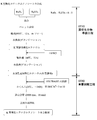
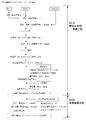
図3は、本発明の実施例1に係る金属ナノシートの製造方法において、K型層状酸化ルテニウムを用いた場合の層状化合物準備工程ST10および単層剥離工程ST20の説明図である。図4は、本発明の実施例1に係る金属ナノシートの製造方法において、Na型層状酸化ルテニウムを用いた場合の層状化合物準備工程ST10および単層剥離工程ST20の説明図である。
図3は、本発明の実施例1に係る金属ナノシートの製造方法において、K型層状酸化ルテニウムを用いた場合の層状化合物準備工程ST10および単層剥離工程ST20の説明図である。図4は、本発明の実施例1に係る金属ナノシートの製造方法において、Na型層状酸化ルテニウムを用いた場合の層状化合物準備工程ST10および単層剥離工程ST20の説明図である。
図3に示すように、本発明の実施例1に係る金属ナノシートの製造方法では、K型層状酸化ルテニウム(層状化合物)を用いる。このため、層状化合物準備工程ST10においては、酸化ルテニウムと炭酸カリウムをモル比8:5の割合となるように量り取り、メノウ乳鉢を用いてアセトン中で1時間湿式混合する。次に、錠剤成型器を用いて混合粉末をペレット化した後、ペレットをアルミナボートにのせ、管状炉にてアルゴン流通下で850℃、12時間焼成する。次に、ペレットを粉砕した後、イオン交換蒸留水で洗浄し、上澄み液を取り除く。かかる操作を上澄み液が中性になるまで繰り返したものをK型層状酸化ルテニウム(層状化合物)とする。次に、K型層状酸化ルテニウムに1MのHClを加え、60℃のウォーターバス内で72時間酸処理を行なう。次に、イオン交換蒸留水で洗浄し上澄み液を取り除く。かかる操作を上澄み液が中性になるまで繰り返し、ろ過後に得られた粉末をK誘導型の水素型層状酸化ルテニウム(H0.2RuO2.1・0.9H2O)とする。
次に、単層剥離工程ST20では、水素型層状酸化ルテニウムに10%TBAOH(水酸化テトラブチルアンモニウム)水溶液をTBA+/H+=5、あるいはTBA+/H+=10の比で加えて、10日間振り続けた後、遠心分離(2000 rpm、30 min)により上澄み液を回収したものを酸化ルテニウムナノシート水分散液とする。すなわち、本形態では、水素型層状酸化ルテニウムをエチルアミンで処理することなく、水素型層状酸化ルテニウムのプロトンに直接反応させて、プロトンをテトラブチルアンモニウムイオンに置換し、層状酸化ルテニウムの層間を拡張させることにより、層状酸化ルテニウムを無限膨潤させる(無限膨潤化処理)。その結果、酸化ルテニウムナノシート(金属化合物ナノシート)が単層剥離するので、酸化ルテニウムナノシートを得ることができる。
(Na型層状酸化ルテニウムを用いた例)
本発明の実施例1に係る金属ナノシートの製造方法において、Na型層状酸化ルテニウムを用いる場合、図4に示すように、層状化合物準備工程ST10では、まず、Ru、RuO2、Na2CO3をそれぞれモル比1:3:2で秤量する。次に、RuとRuO2をメノウ乳鉢で粉砕・混合し、その後、Na2CO3を加えて再度、粉砕・混合を行なう。得られた混合粉体を錠剤成型器を用いてペレット化し、Ar雰囲気下で700℃、1時間仮焼成する。次に、ペレットをグローブボックス内でメノウ乳鉢を用いて粉砕・混合する。得られた粉末を再度、錠剤成型器を用いて粉末をペレット化し、Ar雰囲気下で900℃、12時間本焼成したものをNa型層状酸化ルテニウム(層状化合物)とする。次に、層状酸化ルテニウム(ナトリウム型)に過硫酸ナトリウムをNaRuO2:Na2S2O8=1:1 (モル比)となるように加え、1 g(NaRuO2+ Na2S2O8)/200mlの割合で水を加えて酸化させる。
本発明の実施例1に係る金属ナノシートの製造方法において、Na型層状酸化ルテニウムを用いる場合、図4に示すように、層状化合物準備工程ST10では、まず、Ru、RuO2、Na2CO3をそれぞれモル比1:3:2で秤量する。次に、RuとRuO2をメノウ乳鉢で粉砕・混合し、その後、Na2CO3を加えて再度、粉砕・混合を行なう。得られた混合粉体を錠剤成型器を用いてペレット化し、Ar雰囲気下で700℃、1時間仮焼成する。次に、ペレットをグローブボックス内でメノウ乳鉢を用いて粉砕・混合する。得られた粉末を再度、錠剤成型器を用いて粉末をペレット化し、Ar雰囲気下で900℃、12時間本焼成したものをNa型層状酸化ルテニウム(層状化合物)とする。次に、層状酸化ルテニウム(ナトリウム型)に過硫酸ナトリウムをNaRuO2:Na2S2O8=1:1 (モル比)となるように加え、1 g(NaRuO2+ Na2S2O8)/200mlの割合で水を加えて酸化させる。
次に、粉体を吸引ろ過で回収した後、1M塩酸を加え、60℃のウォーターバス内で24時間酸処理をする。その後、イオン交換蒸留水で洗浄し上澄み液を取り除くことで得られた粉末をNa誘導型の水素型層状酸化ルテニウム(H0.2RuO2・0.5H2O)とする。
次に、単層剥離工程ST20では、水素型層状酸化ルテニウムに10%TBAOH水溶液をTBA+/H+=1~10の比で加えて、10日間振り続けた後、遠心分離(2000 rpm、30 min)により上澄み液を回収したものを酸化ルテニウムナノシート(金属化合物ナノシート)の水分散液とした(無限膨潤化処理)。
[自己組織化による堆積工程ST30]
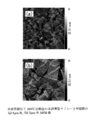
金属化合物ナノシートの堆積方法としては、自己組織化法、ラングミュア-ブロジェット法、電気泳動法等が考案されているが、環境低負荷かつ工業的な観点から容易に単層を取り出すことができるという観点からすると、自己組織化法を採用することが望ましい。図5は、本発明の実施例1に係る金属ナノシートの製造方法で行なう酸化ルテニウムナノシートの堆積工程ST30の説明図である。図6は、本発明の実施例1に係る金属ナノシートの製造方法において、酸化ルテニウムナノシートを堆積させた後の様子を示す説明図であり、図6(a)、(b)は各々、K誘導型の酸化ルテニウムナノシートを堆積させた後の様子をAFM(原子間力顕微鏡(Atomic Force Microscope))により観察した様子を示す説明図、およびNa誘導型の酸化ルテニウムナノシートを堆積させた後の様子をAFMにより観察した様子を示す説明図である。
金属化合物ナノシートの堆積方法としては、自己組織化法、ラングミュア-ブロジェット法、電気泳動法等が考案されているが、環境低負荷かつ工業的な観点から容易に単層を取り出すことができるという観点からすると、自己組織化法を採用することが望ましい。図5は、本発明の実施例1に係る金属ナノシートの製造方法で行なう酸化ルテニウムナノシートの堆積工程ST30の説明図である。図6は、本発明の実施例1に係る金属ナノシートの製造方法において、酸化ルテニウムナノシートを堆積させた後の様子を示す説明図であり、図6(a)、(b)は各々、K誘導型の酸化ルテニウムナノシートを堆積させた後の様子をAFM(原子間力顕微鏡(Atomic Force Microscope))により観察した様子を示す説明図、およびNa誘導型の酸化ルテニウムナノシートを堆積させた後の様子をAFMにより観察した様子を示す説明図である。
まず、シリコン基板、石英基板、ガラス基板の3種類の基板をHCl/メタノール(30分間)、超純水(30分間)、H2SO4/メタノール(30分間)に浸漬させた後、超純水で中性になるまで洗浄し、超純水中に基板を保存しておく。
次に、上記の基板(シリコン基板、石英基板、ガラス基板)に対して、交互積層法(LBL法)により水素型酸化ルテニウムナノシート(K誘導型およびNa誘導型)を自己組織化により堆積させる堆積工程ST30を行なう。
本形態では、図5(a)、(b)に示すように、基板をポリカチオン水溶液(両親媒性のカチオン性ポリマーの水溶液)に浸漬して正電荷層を形成した後、超純水で3回に分けて基板を洗浄し、窒素ガンで基板上の水滴を飛ばす。
次に、金属化合物ナノシートのコロイド溶液(酸化ルテニウムナノシートの水分散液)に基板を浸漬した後、3回にわけて超純水で洗浄し、しかる後に、窒素ガンで基板上の水滴を飛ばす。
その結果、基板上には酸化ルテニウムナノシートの単層膜(薄膜)が形成される。酸化ルテニウムナノシート多層膜(薄膜)を作製する場合は、上記の積層作業を繰り返す。
より具体的には、ポリカチオンとしてポリビニルアミン14%と、ポリビニルアルコール86%との共重合体(以下PVA共重合(polyvinyl alcohol)共重合体という)1wt%水溶液を用いる。まず、表面を親水化した基板(シリコン基板、石英基板、ガラス基板)をPVA共重合体水溶液に10分間浸すことで、基板表面をポリカチオンでコーティングする。
次に、アニオン性である酸化ルテニウムナノシートのコロイド溶液に基板を浸すことにより自己組織化的に酸化ルテニウムナノシートを基板上に吸着させ、酸化ルテニウムナノシート単層膜を作製する。かかる方法によれば、ナノシート被覆率が85%以上の条件で基板に酸化ルテニウムナノシートを堆積させることができる。
かかる堆積工程ST30において、酸化ルテニウムナノシート(K誘導型)の水分散液の濃度は0.3g・L-1、pHは11、浸漬時間は20分である。かかる条件によれば、図6(a)に示すように、横サイズがサブミクロンから数ミクロン、厚みが約1.2~1.4 nm程度の酸化ルテニウムナノシートが基板上に単層の薄膜の状態で吸着される。
一方、酸化ルテニウムナノシート(Na誘導型)を用いる場合、堆積工程ST30において、酸化ルテニウムナノシート水分散液の濃度は0.3g・L-1、pHは11、浸漬時間は20分である。かかる条件によれば、図6(b)に示すように、横サイズがサブミクロンから数ミクロン、厚みが約1.2~1.5 nm程度の酸化ルテニウムナノシートが基板上に単層の薄膜の状態で吸着される。
このように本形態では、自己組織化反応によって酸化ルテニウムナノシート(アニオン性のナノシート)を吸着させる際、基板表面上に形成される正電荷層がPVA共重合体からなり、かかるPVA共重合体は、カチオン部(NH2
+)、親水部(OH)および疎水部(-CH2-CH2-)を備えた両親媒性である。このため、石英基板表面やガラス基板表面等といった親水性表面にナノシートとポリマーとの複合薄膜を形成することができる。また、PET(Polyethylene terephthalate)基板表面やPE(Polyethylene)フィルム表面等といった疎水性表面にもナノシートとポリマーとの複合薄膜を形成することができる。さらに、カチオン部、親水部および疎水部を備えた共重合体ポリマー(PVA共重合体)を用いたため、カチオン部、親水部および疎水部の割合を変えれば、正電荷層の電荷密度を調整することができる。
[還元工程ST40]
図7は、本発明の実施例1に係る金属ナノシートの製造方法において、酸化ルテニウムナノシート(K誘導型)に対して行なう還元工程ST40の説明図であり、図7(a)、(b)は各々、還元工程前の酸化ルテニウムナノシートのX線回折パターンを示す説明図、および酸化ルテニウムナノシートに各種温度で還元工程を行なった後のX線回折パターンを示す説明図である。図8は、本発明の実施例1に係る金属ナノシートの製造方法において、酸化ルテニウムナノシート(K誘導型)に還元工程を行なって得た金属ルテニウムナノシートをAFMにより観察した様子を示す説明図であり、図8(a)、(b)は、基板上に形成された金属ルテニウムナノシートの5μm角の部分を観察した様子を示す説明図、および3μm角の部分を観察した様子を示す説明図である。
図7は、本発明の実施例1に係る金属ナノシートの製造方法において、酸化ルテニウムナノシート(K誘導型)に対して行なう還元工程ST40の説明図であり、図7(a)、(b)は各々、還元工程前の酸化ルテニウムナノシートのX線回折パターンを示す説明図、および酸化ルテニウムナノシートに各種温度で還元工程を行なった後のX線回折パターンを示す説明図である。図8は、本発明の実施例1に係る金属ナノシートの製造方法において、酸化ルテニウムナノシート(K誘導型)に還元工程を行なって得た金属ルテニウムナノシートをAFMにより観察した様子を示す説明図であり、図8(a)、(b)は、基板上に形成された金属ルテニウムナノシートの5μm角の部分を観察した様子を示す説明図、および3μm角の部分を観察した様子を示す説明図である。
なお、図9は、本発明の実施例1の参考例に係る金属ナノシートの製造方法において、酸化ルテニウムナノシート(K誘導型)に焼成を行なった後のX線回折パターンを示す説明図であり、図9(a)、(b)各々は、酸化ルテニウムナノシートを酸素含有雰囲気下で焼成したときの説明図、および酸化ルテニウムナノシートを不活性雰囲気下で焼成したときの説明図である。
まず、未焼成の酸化ルテニウムナノシート(K誘導型)の単層膜のin-plane回折パターン(図7(a)参照)は、2次元斜格子で帰属することができた。格子定数をリファインしたところ、a=0.5610(8) nm、b=0.5121(6) nm、γ=109.4(2)°となった。
次に、酸化ルテニウムナノシートの単層膜を、5℃/minの昇温速度でそれぞれ200、300、400、500、600、700、800、900℃まで加熱し、到達した温度で2時間保持した後、自然冷却した。その際、還元雰囲気下(実施例)、酸素含有雰囲気下(参考例)、不活性雰囲気下(参考例)で焼成を行なった。
(還元雰囲気下での焼成/実施例)
まず、還元雰囲気としての水素ガスフロー下で酸化ルテニウムナノシート(K誘導型)の単層膜を焼成したところ、図7(b)に示すように、200℃ではナノシートの回折線が消失し、ブロードな2本のピークが検出された。これらの2本のピークはそれぞれ金属ルテニウム(六方晶a ≒0.27 nm)の(1 0 0)と(1 1 0)に帰属できることから、基板に対してa軸が水平方向に配向している、つまり基板に対してc軸が垂直配向した金属ルテニウムが生成していることが示唆された。
まず、還元雰囲気としての水素ガスフロー下で酸化ルテニウムナノシート(K誘導型)の単層膜を焼成したところ、図7(b)に示すように、200℃ではナノシートの回折線が消失し、ブロードな2本のピークが検出された。これらの2本のピークはそれぞれ金属ルテニウム(六方晶a ≒0.27 nm)の(1 0 0)と(1 1 0)に帰属できることから、基板に対してa軸が水平方向に配向している、つまり基板に対してc軸が垂直配向した金属ルテニウムが生成していることが示唆された。
さらに加熱温度を上げると、c軸配向した金属ルテニウムの回折線が強くなっており、結晶性が良くなっていることが示された。このとき、(1 0 1)の回折線が検出されるようになり、多結晶成分の金属ルテニウムもわずかに生成していることがわかった。
また、図8(a)、(b)に示した200℃で金属化した薄膜のAFMによる形状像から、元のナノシートの内部で小さなシート状物質が生成していることがわかった。同観察像から50 nm以下のシートサイズと約0.8 nmの厚みを持った金属ルテニウムナノ結晶(金属ルテニウムナノシート)であることがわかった。この観測された厚みは、従来知られている種々の酸化物ナノシートのそれと比べ非常に薄く、酸素をリリースし金属化を反映したものと解釈することができる。
また、小さな異方性ナノ結晶が生成する理由として、a = 0.5610(8) nm、b = 0.5121(6) nm、γ=109.4(2)°の2次元格子定数を有する酸化ルテニウムナノシートから、a≒0.27nmの六方格子を持つc軸配向の金属ルテニウムが生成する際、激しいシートサイズの収縮・破断を伴うためであると考えられる。
(酸素含有雰囲気下での焼成/参考例)
これに対して、空気フロー下で酸化ルテニウムナノシート(K誘導型)の単層膜を焼成したところ、図9(a)に示すように、200℃までは変化が見られなかったが、300℃で加熱したところナノシートの回折線に加え多結晶のルチル型RuO2に帰属される回折線が観測された。このルチル型RuO2の回折線の強度は、加熱温度(≦700℃)の上昇に伴って大きくなり、ナノシートの回折線は消失した。さらに、800℃以上加熱したところ、ルチル型RuO2の回折線が極端に弱くなり、900℃まで至ると完全に回折線が消失した。これは大気下で酸化されることによって揮発性のRuO4が生成したものと考えることができる。この結果から、大気下の焼成過程ではナノシートが一度多結晶のルチル型RuO2に相転移し、その後RuO2が酸化され揮発性のRuO4が生成することが示唆された。
これに対して、空気フロー下で酸化ルテニウムナノシート(K誘導型)の単層膜を焼成したところ、図9(a)に示すように、200℃までは変化が見られなかったが、300℃で加熱したところナノシートの回折線に加え多結晶のルチル型RuO2に帰属される回折線が観測された。このルチル型RuO2の回折線の強度は、加熱温度(≦700℃)の上昇に伴って大きくなり、ナノシートの回折線は消失した。さらに、800℃以上加熱したところ、ルチル型RuO2の回折線が極端に弱くなり、900℃まで至ると完全に回折線が消失した。これは大気下で酸化されることによって揮発性のRuO4が生成したものと考えることができる。この結果から、大気下の焼成過程ではナノシートが一度多結晶のルチル型RuO2に相転移し、その後RuO2が酸化され揮発性のRuO4が生成することが示唆された。
(不活性雰囲気下での焼成/参考例)
また、不活性雰囲気としてのアルゴンガスフロー下で酸化ルテニウムナノシート(K誘導型)の単層膜を焼成したところ、図9(b)に示すように、200℃までは変化が見られなかったが、300℃で加熱したところナノシートの回折線がほとんど消失した。さらに400℃以上加熱すると多結晶のルチル型RuO2に帰属される回折線が観測され、温度が800℃に至るまで強度が増加した。加熱温度が900℃になると、多結晶の金属ルテニウムに帰属される回折パターンが観測された。つまり、ナノシートが一度多結晶のルチル型RuO2に相転移し、その後RuO2が還元され多結晶の金属ルテニウムが生成することがわかった。
また、不活性雰囲気としてのアルゴンガスフロー下で酸化ルテニウムナノシート(K誘導型)の単層膜を焼成したところ、図9(b)に示すように、200℃までは変化が見られなかったが、300℃で加熱したところナノシートの回折線がほとんど消失した。さらに400℃以上加熱すると多結晶のルチル型RuO2に帰属される回折線が観測され、温度が800℃に至るまで強度が増加した。加熱温度が900℃になると、多結晶の金属ルテニウムに帰属される回折パターンが観測された。つまり、ナノシートが一度多結晶のルチル型RuO2に相転移し、その後RuO2が還元され多結晶の金属ルテニウムが生成することがわかった。
[実施例1の主な効果]
以上説明したように、実施例1での酸化ルテニウムナノシートの還元温度は、不活性雰囲気の場合の900℃と比べて非常に低く、生成した金属ルテニウムがc軸配向している点において興味深い。原子が2次元に束縛された酸化チタンナノシート単層膜では、大気下の加熱において800℃まで構造を保つという安定性を有し、さらに900℃以上の加熱でc軸配向アナターゼを生成するという特異な結晶成長を示すことが知られている。これは原子の熱による拡散によって説明されている。
以上説明したように、実施例1での酸化ルテニウムナノシートの還元温度は、不活性雰囲気の場合の900℃と比べて非常に低く、生成した金属ルテニウムがc軸配向している点において興味深い。原子が2次元に束縛された酸化チタンナノシート単層膜では、大気下の加熱において800℃まで構造を保つという安定性を有し、さらに900℃以上の加熱でc軸配向アナターゼを生成するという特異な結晶成長を示すことが知られている。これは原子の熱による拡散によって説明されている。
かかるケースと比べると、酸化ルテニウムナノシートはいずれの雰囲気においても構造変化を起こす温度は200℃~300℃と極端に低いため、原子の熱による拡散は少ないものと捉えることができる。そのため、少なからず起きる酸素のリリースによるシートサイズの収縮・破断によっても、大きく原子が動くことなく元のシート構造あるいは層状構造を反映した金属ナノシートが生成するものと考えられる。同時に、これは同じ元素種の出発物質でもその2次元構造の違いによって、生成する金属ナノシートの横サイズを変えられることを示している。
なお、本例では、酸化ルテニウムに対して低温還元焼成を行なったが、ケミカルな還元剤を用いたソフトな条件下で酸化物、水酸化物、硫化物等のナノシートを金属化することで、トポタクティックな反応を誘発し、新しい金属ナノシートを生み出すことができると考えられる。また、水酸化物でしか作れないナノシートを金属化して金属ナノシートを製造した後、金属ナノシートを再酸化すれば、新しい酸化物ナノシートの合成が可能となる。
[酸化ルテニウムナノシート(Na誘導型)に対する還元工程ST40]
図10は、本発明の実施例1に係る金属ナノシートの製造方法において酸化ルテニウムナノシート(Na誘導型)に対して行なう還元工程の説明図であり、図10(a)、(b)、(c)は各々、還元工程前の酸化ルテニウムのX線回折パターンを示す説明図、酸化ルテニウムに還元工程を行なって得た金属ルテニウムナノシートの5μm角の部分をAFMにより観察した様子を示す説明図、および3μm角の部分をAFMにより観察した様子を示す説明図である。
図10は、本発明の実施例1に係る金属ナノシートの製造方法において酸化ルテニウムナノシート(Na誘導型)に対して行なう還元工程の説明図であり、図10(a)、(b)、(c)は各々、還元工程前の酸化ルテニウムのX線回折パターンを示す説明図、酸化ルテニウムに還元工程を行なって得た金属ルテニウムナノシートの5μm角の部分をAFMにより観察した様子を示す説明図、および3μm角の部分をAFMにより観察した様子を示す説明図である。
上記実施例では、K誘導型の酸化ルテニウムナノシートに対する還元工程ST40を説明したが、Na誘導型の酸化ルテニウムナノシートに対して還元工程ST40を行なった場合でも、略同様な結果を得ることができる。Na誘導型の酸化ルテニウムナノシートの単層膜を焼成するにあたっては、水素ガス雰囲気下で5℃/minの昇温速度でそれぞれ200、 300、400、500、600、700、800、900℃まで加熱し、到達した温度で2時間保持した後自然冷却した。
まず、未焼成の酸化ルテニウムナノシート(Na誘導型)の単層膜のin-plane回折パターンは、図10(a)に示すとおりであり、2次元六方格子で帰属することができた。格子定数をリファインしたところ、a=0.2929(6)nmとなった。これを還元雰囲気となる水素ガスフロー下で焼成し、AFM観察を行った結果を図10(b)、(c)に示す。
図10(b)、(c)に示すように、焼成後、元のナノシートの外形を保った厚み0.8nm程度の金属ルテニウムナノシートが形成されていることが示唆される。この厚さの減少は、K誘導型の酸化ルテニウムナノシートの単層膜を加熱した際にも観測されており、還元によって酸素がリリースされたものと考えることができる。
ここで、K誘導型の酸化ルテニウムナノシートの単層膜から出発した場合と比べて、Na誘導型の酸化ルテニウムナノシートの単層膜から出発した場合には、ナノシート内での顕著な収縮・破断が見られていない。これは、Na誘導型の酸化ルテニウムナノシートの2次元六方格子が、金属ルテニウムのa軸の格子定数(a≒0.27 nm)と比較的近いため、トポタクティックなメタル化(μmの金属ナノシートの生成)が引き起こされたものと考察することができる。
<実施例2>
図11を参照しながら、本発明の実施例2として、図1(a)を参照して説明した実施の形態1に係る方法により、金属ルテニウムナノシート(金属ナノシート)を製造する方法を説明する。図11は、本発明の実施例2に係る金属ナノシートの製造方法で行なう還元工程の説明図であり、図11(a)、(b)は各々、還元工程後の金属ルテニウムナノシートのX線回折パターンを示す説明図、金属ルテニウムナノシートをAFMにより観察した様子を示す説明図である。なお、本例でも、層状化合物準備工程ST10および単層剥離工程ST20については実施例1と同様であるため、それらの説明を省略する。
図11を参照しながら、本発明の実施例2として、図1(a)を参照して説明した実施の形態1に係る方法により、金属ルテニウムナノシート(金属ナノシート)を製造する方法を説明する。図11は、本発明の実施例2に係る金属ナノシートの製造方法で行なう還元工程の説明図であり、図11(a)、(b)は各々、還元工程後の金属ルテニウムナノシートのX線回折パターンを示す説明図、金属ルテニウムナノシートをAFMにより観察した様子を示す説明図である。なお、本例でも、層状化合物準備工程ST10および単層剥離工程ST20については実施例1と同様であるため、それらの説明を省略する。
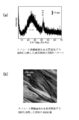
本例では、K誘導型の酸化ルテニウムナノシートのコロイド溶液をガラス上に滴下し乾燥することにより、酸化ルテニウムナノシートが基板上に複数層、累積した配向性の酸化ルテニウムナノシート再積層体薄膜を作製した。これを還元雰囲気となる水素ガスフロー下で200℃焼成したところ、金属光沢を有する薄膜試料が生成した(還元工程ST40)。
図11(a)に示す焼成後の薄膜試料のXRDパターンには、基板として用いたガラスのハロと、42°付近に一本のピークが観測された。42°のピークは金属ルテニウムの(0 0 2)に相当することから、基板法線方向にc軸が配向していることが示唆された。このc軸配向の金属ルテニウム薄膜試料のSEM観察を行ったところ、図11(b)に示すように、ナノスケールの厚みの板状物質(金属ルテニウムシート)が多数観測された。前述の通りSEM観察からでは生成した金属ルテニウム板一枚の正確な厚みを見積もることは困難であるが、観察視野から直接見積もるとおよそ数十nm程度の厚みであった。
以上、これらの結果から、酸化ルテニウムナノシートのコロイド溶液をガラス上に滴下し乾燥して得た酸化ルテニウムナノシートも、低温で還元させた場合、層状に連なった配向性の金属ルテニウムシートとなることが明らかとなった。
<実施例3>
図12を参照しながら、本発明の実施例3として、図2を参照して説明した実施の形態2に係る方法により、金属ルテニウムナノシート(金属ナノシート)を製造する方法を説明する。図12は、本発明の実施例3に係る金属ナノシートの製造方法で行なう還元工程の説明図であり、図12(a)、(b)は各々、還元工程後の層状化合物(層状酸化ルテニウム)のX線回折パターンを示す説明図、および層状化合物に還元工程を行なって得た金属ルテニウムナノシート構造体をAFMにより観察した様子を示す説明図である。なお、本例でも、層状化合物準備工程ST10については実施例1と同様であるため、それらの説明を省略する。
図12を参照しながら、本発明の実施例3として、図2を参照して説明した実施の形態2に係る方法により、金属ルテニウムナノシート(金属ナノシート)を製造する方法を説明する。図12は、本発明の実施例3に係る金属ナノシートの製造方法で行なう還元工程の説明図であり、図12(a)、(b)は各々、還元工程後の層状化合物(層状酸化ルテニウム)のX線回折パターンを示す説明図、および層状化合物に還元工程を行なって得た金属ルテニウムナノシート構造体をAFMにより観察した様子を示す説明図である。なお、本例でも、層状化合物準備工程ST10については実施例1と同様であるため、それらの説明を省略する。
本例では、還元雰囲気となる水素ガスフロー下で水素型酸化ルテニウムナノシート(K誘導型)の層状化合物を、還元雰囲気となる水素ガスフロー下で200℃焼成する(還元工程ST40)。その結果、金属光沢を有する粉体試料が生成した。図12(a)に示した焼成後の試料のXRDパターンは金属ルテニウムの単相で帰属された。
この粉体のSEM観察を行ったところ(図12(b)参照)、元の層状構造を反映した板状ルテニウム(金属ルテニウムナノシート構造体)が観測された。SEM観察から、金属ルテニウムナノシート構造体はおよそ数十nmから数百nm程度の厚みであることが示唆された。
これらの結果から水素型酸化ルテニウムナノシート(K誘導型)の層状化合物を200℃程度の低温で還元することでも、層状に連なった金属ルテニウムシートが得られることが明らかとなった。
また、金属ルテニウムナノシート構造体については液中で超音波を印加すれば、金属ルテニウムナノシート構造体の各層に水分子(溶媒分子)が挿入される結果、金属ルテニウムナノシート構造体からは単層のルテニウムナノシートが製造されることになる(単層剥離工程ST50)。
(他の実施例)
上記実施例では、金属化合物ナノシートとして酸化ルテニウムナノシートを用いて、金属ルテニウムナノシートを得る場合を説明したが、チタン酸化物、ニオブ酸化物、バナジウム酸化物、マンガン酸化物、コバルト酸化物、モリブデン酸化物等の他の金属酸化物ナノシートから金属ナノシートを得るのに本発明を適用してもよい。また、金属酸化物ナノシートに限らず、金属硫化物や金属水酸化物等の金属化合物の層状化合物から金属ナノシートを得るのに本発明を適用してもよく、さらには、粘土鉱物からなる層状化合物から金属ナノシートを得るのに本発明を適用してもよい。
上記実施例では、金属化合物ナノシートとして酸化ルテニウムナノシートを用いて、金属ルテニウムナノシートを得る場合を説明したが、チタン酸化物、ニオブ酸化物、バナジウム酸化物、マンガン酸化物、コバルト酸化物、モリブデン酸化物等の他の金属酸化物ナノシートから金属ナノシートを得るのに本発明を適用してもよい。また、金属酸化物ナノシートに限らず、金属硫化物や金属水酸化物等の金属化合物の層状化合物から金属ナノシートを得るのに本発明を適用してもよく、さらには、粘土鉱物からなる層状化合物から金属ナノシートを得るのに本発明を適用してもよい。
本発明は、層状化合物を構成する金属化合物を還元することにより、層状化合物を前駆体とする金属ナノシートを製造するという新たな技術であり、各種の金属ナノシートを製造するのに利用することができる。従って、触媒や薄膜形成材料、塗膜等といった各種分野への応用を図るのに必要なナノシートのラインナップや拡充を大幅に実現することができる。また、本発明によれば、原子拡散を抑制しながらホスト層一枚一枚の還元反応を進行させることができるため、層状化合物のラメラ構造を大きく壊すことなく、金属ナノシートあるいはその積層体を得ることができる。それ故、既存の金属クラスターサイズに匹敵する1nm以下の厚みを有し、シート平面方向には30nm以上、例えば、数μmのサイズを有する金属ナノシートを実現することができる。かかる2次元異方性は、母相の機能性(導電性、半導体的性質、誘電性等)を継承するだけでなく、一次元の量子サイズ効果を発現する等、際立った物性が期待できる。また、本発明を適用した金属ナノシートは、巨大な比表面積を有しているため、触媒としての利用や、薄膜材料やコーティング材としての利用を可能とする。さらに、金属ナノシートは工業的に重要な金属材料として機能性に優れることから、これを用いて作製したナノ構造体は電極や触媒材料等として有用である。
Claims (10)
- 少なくとも、
金属化合物が層状に重なる層状化合物を準備する層状化合物準備工程と、
前記金属化合物を還元して前記層状化合物を前駆体とする金属ナノシートを得る還元工程と、
を有することを特徴とする金属ナノシートの製造方法。 - 前記還元工程では、前記層状化合物を単層剥離させてなる金属化合物ナノシートの状態、あるいは前記層状化合物の状態で、前記金属化合物を還元することを特徴とする請求項1に記載の金属ナノシートの製造方法。
- 前記層状化合物準備工程を行なった後、前記還元工程の前に、前記層状化合物を単層剥離させて前記金属化合物ナノシートを得る単層剥離工程を行い、
前記還元工程では、当該金属化合物ナノシートの状態で前記金属化合物を還元することを特徴とする請求項2に記載の金属ナノシートの製造方法。 - 前記単層剥離工程の後、前記還元工程の前に、前記金属化合物ナノシートを堆積させて薄膜を形成する堆積工程を行い、
前記還元工程では、前記金属化合物ナノシートの薄膜の状態で前記金属化合物を還元することを特徴とする請求項3に記載の金属ナノシートの製造方法。 - 前記還元工程では、前記層状化合物の状態で前記金属化合物を還元して前記金属ナノシートが複数積層した金属ナノシート構造体を得ることを特徴とする請求項2に記載の金属ナノシートの製造方法。
- 前記還元工程の後、前記ナノシート構造体を単層の前記金属ナノシートに単層剥離させる単層剥離工程を行なうことを特徴とする請求項5に記載の金属ナノシートの製造方法。
- 前記還元工程では、還元性雰囲気下での焼成処理を行なうことを特徴とする請求項1乃至6の何れか一項に記載の金属ナノシートの製造方法。
- 前記還元工程では、還元性溶液を用いた湿式処理を行なうことを特徴とする請求項1乃至6の何れか一項に記載の金属ナノシートの製造方法。
- 前記金属化合物は、金属硫化物、金属酸化物、金属水酸化物、あるいは粘土鉱物であることを特徴とする請求項1乃至6の何れか一項に記載の金属ナノシートの製造方法。
- 前駆体として用いた層状化合物を構成する金属化合物の還元生成物であって、
厚さが1nm以下で、シート平面方向における寸法が30nm以上であることを特徴とする金属ナノシート。
Applications Claiming Priority (2)
| Application Number | Priority Date | Filing Date | Title |
|---|---|---|---|
| JP2009136787A JP5582464B2 (ja) | 2009-06-08 | 2009-06-08 | 金属ナノシートの製造方法、および金属ナノシート |
| JP2009-136787 | 2009-06-08 |
Publications (1)
| Publication Number | Publication Date |
|---|---|
| WO2010143344A1 true WO2010143344A1 (ja) | 2010-12-16 |
Family
ID=43308607
Family Applications (1)
| Application Number | Title | Priority Date | Filing Date |
|---|---|---|---|
| PCT/JP2010/002223 Ceased WO2010143344A1 (ja) | 2009-06-08 | 2010-03-26 | 金属ナノシートの製造方法、および金属ナノシート |
Country Status (2)
| Country | Link |
|---|---|
| JP (1) | JP5582464B2 (ja) |
| WO (1) | WO2010143344A1 (ja) |
Cited By (1)
| Publication number | Priority date | Publication date | Assignee | Title |
|---|---|---|---|---|
| CN114632943A (zh) * | 2022-03-21 | 2022-06-17 | 中国科学院苏州纳米技术与纳米仿生研究所 | 一种二维金属纳米片及其制备方法与应用 |
Families Citing this family (10)
| Publication number | Priority date | Publication date | Assignee | Title |
|---|---|---|---|---|
| WO2014102219A1 (en) * | 2012-12-24 | 2014-07-03 | Solvay Sa | Silicon nanosheet and preparing method of the same |
| JP6466744B2 (ja) * | 2014-03-11 | 2019-02-06 | パナソニック株式会社 | 乱層構造物質、蓄電デバイス用活物質材料、電極および蓄電デバイス |
| JP6173951B2 (ja) | 2014-03-11 | 2017-08-02 | 国立大学法人信州大学 | 層状イリジウム酸塩及び層状イリジウム酸並びに酸化イリジウムナノシートの製造方法 |
| WO2016103494A1 (ja) * | 2014-12-26 | 2016-06-30 | 国立大学法人信州大学 | 燃料電池用電極触媒及びその製造方法 |
| JP6777486B2 (ja) * | 2015-09-25 | 2020-10-28 | 三星電子株式会社Samsung Electronics Co.,Ltd. | 導電体、その製造方法、およびこれを含む素子 |
| KR102452651B1 (ko) | 2015-10-19 | 2022-10-06 | 삼성전자주식회사 | 도전체, 그 제조 방법, 및 이를 포함하는 소자 |
| JP6441834B2 (ja) | 2016-01-19 | 2018-12-19 | 国立大学法人信州大学 | コアシェル構造型ナノシート、電極触媒及び燃料電池用電極触媒の製造方法 |
| CN114311865B (zh) * | 2021-12-15 | 2023-08-15 | 佛山(华南)新材料研究院 | 一种叠层TiO2导热材料的制备方法 |
| CN118317923A (zh) | 2021-12-21 | 2024-07-09 | 国立大学法人琉球大学 | 层状铂酸盐、层状铂酸、铂酸纳米片、铂纳米片及它们的制造方法 |
| JP7797001B2 (ja) * | 2022-02-14 | 2026-01-13 | 国立研究開発法人物質・材料研究機構 | ナノシートを結晶軸方位に沿って切断する方法、および、切断されたナノシート |
Citations (7)
| Publication number | Priority date | Publication date | Assignee | Title |
|---|---|---|---|---|
| JP2003260368A (ja) * | 2002-03-07 | 2003-09-16 | National Institute For Materials Science | 層状化合物ナノシートの層状再構築凝集体およびその製造方法 |
| JP2004315347A (ja) * | 2003-03-28 | 2004-11-11 | Wataru Sugimoto | ルテニウム酸ナノシートおよびその製造方法 |
| JP2005220001A (ja) * | 2004-02-09 | 2005-08-18 | Patent Technology Development Inc | 金属酸化物薄膜形成用塗布液 |
| JP2006233232A (ja) * | 2005-02-22 | 2006-09-07 | Shinshu Univ | 層状ルテニウム酸化合物膜 |
| JP2007284277A (ja) * | 2006-04-14 | 2007-11-01 | National Institute For Materials Science | 酸化タンタルナノメッシュとその合成方法並びにその用途 |
| JP2008174431A (ja) * | 2007-01-22 | 2008-07-31 | Shinshu Univ | ルテニウム酸ナノシートおよびその製造方法 |
| JP2009051687A (ja) * | 2007-08-24 | 2009-03-12 | Ishihara Sangyo Kaisha Ltd | 薄片状酸化タングステン、酸化タングステン膜及びそれらの製造方法並びにそれらの用途 |
-
2009
- 2009-06-08 JP JP2009136787A patent/JP5582464B2/ja active Active
-
2010
- 2010-03-26 WO PCT/JP2010/002223 patent/WO2010143344A1/ja not_active Ceased
Patent Citations (7)
| Publication number | Priority date | Publication date | Assignee | Title |
|---|---|---|---|---|
| JP2003260368A (ja) * | 2002-03-07 | 2003-09-16 | National Institute For Materials Science | 層状化合物ナノシートの層状再構築凝集体およびその製造方法 |
| JP2004315347A (ja) * | 2003-03-28 | 2004-11-11 | Wataru Sugimoto | ルテニウム酸ナノシートおよびその製造方法 |
| JP2005220001A (ja) * | 2004-02-09 | 2005-08-18 | Patent Technology Development Inc | 金属酸化物薄膜形成用塗布液 |
| JP2006233232A (ja) * | 2005-02-22 | 2006-09-07 | Shinshu Univ | 層状ルテニウム酸化合物膜 |
| JP2007284277A (ja) * | 2006-04-14 | 2007-11-01 | National Institute For Materials Science | 酸化タンタルナノメッシュとその合成方法並びにその用途 |
| JP2008174431A (ja) * | 2007-01-22 | 2008-07-31 | Shinshu Univ | ルテニウム酸ナノシートおよびその製造方法 |
| JP2009051687A (ja) * | 2007-08-24 | 2009-03-12 | Ishihara Sangyo Kaisha Ltd | 薄片状酸化タングステン、酸化タングステン膜及びそれらの製造方法並びにそれらの用途 |
Cited By (2)
| Publication number | Priority date | Publication date | Assignee | Title |
|---|---|---|---|---|
| CN114632943A (zh) * | 2022-03-21 | 2022-06-17 | 中国科学院苏州纳米技术与纳米仿生研究所 | 一种二维金属纳米片及其制备方法与应用 |
| CN114632943B (zh) * | 2022-03-21 | 2023-10-03 | 中国科学院苏州纳米技术与纳米仿生研究所 | 一种二维金属纳米片及其制备方法与应用 |
Also Published As
| Publication number | Publication date |
|---|---|
| JP2010280977A (ja) | 2010-12-16 |
| JP5582464B2 (ja) | 2014-09-03 |
Similar Documents
| Publication | Publication Date | Title |
|---|---|---|
| JP5582464B2 (ja) | 金属ナノシートの製造方法、および金属ナノシート | |
| Ma et al. | Two-dimensional oxide and hydroxide nanosheets: controllable high-quality exfoliation, molecular assembly, and exploration of functionality | |
| Yang et al. | Formation mechanism of CaTiO3 hollow crystals with different microstructures | |
| Funatsu et al. | Synthesis of monolayer platinum nanosheets | |
| Chen et al. | Hierarchical metal oxide topographies replicated from highly textured graphene oxide by intercalation templating | |
| Ohgi et al. | Evolution of nanoscale SnO2 grains, flakes, and plates into versatile particles and films through crystal growth in aqueous solutions | |
| TW201210937A (en) | Producing two-dimensional sandwich nanomaterials based on graphene | |
| CN108699684B (zh) | 化学气相沉积法构建三维泡沫状结构 | |
| WO2009031332A1 (ja) | 結晶成長用基板とこれを用いた結晶成長方法 | |
| CN112758950A (zh) | 一种硼烯纳米片及其制备方法 | |
| CN103864139A (zh) | 三维分层多级花状二氧化锡微球的制备方法 | |
| JP2009001441A (ja) | 酸化タングステンナノシート、および、その製造方法 | |
| Yang et al. | Liquid–solid–solution synthesis of ultrafine Gd2Zr2O7 nanoparticles with yield enhancement | |
| KR20240127334A (ko) | 층상 백금산염, 층상 백금산, 백금산 나노시트, 백금 나노시트 및 그것들의 제조 방법 | |
| Kim et al. | Hydrothermal synthesis of titanate nanotubes followed by electrodeposition process | |
| Chen et al. | Phase transformation comparison of TiO2 nanorods and TiO2 thin film after annealing | |
| JP5339372B2 (ja) | Zn(OH)2ナノシートとZnOナノウィスカー膜によるハイブリッドフィルム、ZnOナノシートとZnOナノウィスカー膜によるハイブリッドフィルム、およびそれらの作製方法 | |
| Godbole et al. | Synthesis of titanate nanotubes and its processing by different methods | |
| Ohno et al. | Preparation of barium titanate hollow particle by two-step chemical solution deposition | |
| JP2014136669A (ja) | ナノシート、ナノ積層体及びナノシートの製造方法 | |
| Pandey et al. | Fabrication of TiO2 nanodot films using simple solution dipping method and block copolymer template | |
| WO2004026762A1 (ja) | 金属酸化物超微粒子分散溶液、及び金属酸化物超微粒子薄膜 | |
| Vu et al. | A comprehensive review on the sacrificial template-accelerated hydrolysis synthesis method for the fabrication of supported nanomaterials | |
| Inoue et al. | Synthesis of Inorganic− Organic Layered Compounds Using Immiscible Liquid− Liquid Systems under the Distribution Law | |
| JP2024515757A (ja) | ドープされたAg元素を含むナノチタン酸塩、ナノチタン酸、ナノTiO2の製造方法と用途 |
Legal Events
| Date | Code | Title | Description |
|---|---|---|---|
| 121 | Ep: the epo has been informed by wipo that ep was designated in this application |
Ref document number: 10785876 Country of ref document: EP Kind code of ref document: A1 |
|
| NENP | Non-entry into the national phase |
Ref country code: DE |
|
| 122 | Ep: pct application non-entry in european phase |
Ref document number: 10785876 Country of ref document: EP Kind code of ref document: A1 |