US9029080B2 - Screening assay for insecticides - Google Patents
Screening assay for insecticides Download PDFInfo
- Publication number
- US9029080B2 US9029080B2 US13/127,505 US200913127505A US9029080B2 US 9029080 B2 US9029080 B2 US 9029080B2 US 200913127505 A US200913127505 A US 200913127505A US 9029080 B2 US9029080 B2 US 9029080B2
- Authority
- US
- United States
- Prior art keywords
- nucleic acid
- acid molecule
- seq
- polypeptide
- activity
- Prior art date
- Legal status (The legal status is an assumption and is not a legal conclusion. Google has not performed a legal analysis and makes no representation as to the accuracy of the status listed.)
- Expired - Fee Related, expires
Links
- 239000002917 insecticide Substances 0.000 title abstract description 41
- 238000007423 screening assay Methods 0.000 title description 5
- 108090000765 processed proteins & peptides Proteins 0.000 claims abstract description 382
- 102000004196 processed proteins & peptides Human genes 0.000 claims abstract description 378
- 229920001184 polypeptide Polymers 0.000 claims abstract description 376
- 150000007523 nucleic acids Chemical class 0.000 claims description 577
- 102000039446 nucleic acids Human genes 0.000 claims description 525
- 108020004707 nucleic acids Proteins 0.000 claims description 525
- 230000000694 effects Effects 0.000 claims description 246
- 150000001875 compounds Chemical class 0.000 claims description 207
- 238000000034 method Methods 0.000 claims description 178
- 108090000623 proteins and genes Proteins 0.000 claims description 174
- 241000238631 Hexapoda Species 0.000 claims description 157
- 210000004027 cell Anatomy 0.000 claims description 118
- 102000004169 proteins and genes Human genes 0.000 claims description 114
- 239000012528 membrane Substances 0.000 claims description 80
- 238000003556 assay Methods 0.000 claims description 64
- 102000003734 Voltage-Gated Potassium Channels Human genes 0.000 claims description 48
- 108090000013 Voltage-Gated Potassium Channels Proteins 0.000 claims description 48
- 102000000254 Kv Channel-Interacting Proteins Human genes 0.000 claims description 47
- 108010041081 Kv Channel-Interacting Proteins Proteins 0.000 claims description 47
- 230000000749 insecticidal effect Effects 0.000 claims description 37
- FWMNVWWHGCHHJJ-SKKKGAJSSA-N 4-amino-1-[(2r)-6-amino-2-[[(2r)-2-[[(2r)-2-[[(2r)-2-amino-3-phenylpropanoyl]amino]-3-phenylpropanoyl]amino]-4-methylpentanoyl]amino]hexanoyl]piperidine-4-carboxylic acid Chemical compound C([C@H](C(=O)N[C@H](CC(C)C)C(=O)N[C@H](CCCCN)C(=O)N1CCC(N)(CC1)C(O)=O)NC(=O)[C@H](N)CC=1C=CC=CC=1)C1=CC=CC=C1 FWMNVWWHGCHHJJ-SKKKGAJSSA-N 0.000 claims description 30
- 101100217298 Mus musculus Aspm gene Proteins 0.000 claims description 29
- 125000003275 alpha amino acid group Chemical group 0.000 claims description 28
- 150000001413 amino acids Chemical class 0.000 claims description 24
- 238000012217 deletion Methods 0.000 claims description 19
- 230000037430 deletion Effects 0.000 claims description 19
- 108091026890 Coding region Proteins 0.000 claims description 13
- 210000004978 chinese hamster ovary cell Anatomy 0.000 claims description 13
- 210000004962 mammalian cell Anatomy 0.000 claims description 10
- 230000012010 growth Effects 0.000 claims description 7
- 230000035899 viability Effects 0.000 claims description 4
- FGUUSXIOTUKUDN-IBGZPJMESA-N C1(=CC=CC=C1)N1C2=C(NC([C@H](C1)NC=1OC(=NN=1)C1=CC=CC=C1)=O)C=CC=C2 Chemical compound C1(=CC=CC=C1)N1C2=C(NC([C@H](C1)NC=1OC(=NN=1)C1=CC=CC=C1)=O)C=CC=C2 FGUUSXIOTUKUDN-IBGZPJMESA-N 0.000 claims 1
- 241000255601 Drosophila melanogaster Species 0.000 abstract description 56
- 108091006146 Channels Proteins 0.000 description 107
- 235000018102 proteins Nutrition 0.000 description 100
- -1 Ca2+-activated potassium Chemical class 0.000 description 85
- 230000001660 hyperkinetic effect Effects 0.000 description 80
- 238000009396 hybridization Methods 0.000 description 73
- 230000014509 gene expression Effects 0.000 description 65
- 239000013598 vector Substances 0.000 description 62
- 108091035707 Consensus sequence Proteins 0.000 description 53
- 102000004257 Potassium Channel Human genes 0.000 description 53
- 108010003516 norsynephrine receptor Proteins 0.000 description 53
- 108020001213 potassium channel Proteins 0.000 description 53
- 239000000203 mixture Substances 0.000 description 50
- 108091033319 polynucleotide Proteins 0.000 description 47
- 102000040430 polynucleotide Human genes 0.000 description 47
- 239000002157 polynucleotide Substances 0.000 description 47
- 108091028043 Nucleic acid sequence Proteins 0.000 description 44
- 229910001424 calcium ion Inorganic materials 0.000 description 44
- 102000003688 G-Protein-Coupled Receptors Human genes 0.000 description 41
- 108090000045 G-Protein-Coupled Receptors Proteins 0.000 description 41
- 238000012360 testing method Methods 0.000 description 38
- 108020004414 DNA Proteins 0.000 description 37
- 101100350063 Drosophila melanogaster Oamb gene Proteins 0.000 description 37
- 230000000295 complement effect Effects 0.000 description 32
- 230000008569 process Effects 0.000 description 31
- 239000000523 sample Substances 0.000 description 30
- 241000196324 Embryophyta Species 0.000 description 29
- 125000003729 nucleotide group Chemical group 0.000 description 29
- 230000001105 regulatory effect Effects 0.000 description 29
- 239000000975 dye Substances 0.000 description 28
- 230000002068 genetic effect Effects 0.000 description 28
- 238000012216 screening Methods 0.000 description 28
- 239000002773 nucleotide Substances 0.000 description 27
- ZHNUHDYFZUAESO-UHFFFAOYSA-N Formamide Chemical compound NC=O ZHNUHDYFZUAESO-UHFFFAOYSA-N 0.000 description 26
- 238000009472 formulation Methods 0.000 description 26
- 239000012634 fragment Substances 0.000 description 26
- 241000607479 Yersinia pestis Species 0.000 description 25
- 230000005764 inhibitory process Effects 0.000 description 24
- 239000002299 complementary DNA Substances 0.000 description 23
- 238000001514 detection method Methods 0.000 description 23
- IAZDPXIOMUYVGZ-UHFFFAOYSA-N Dimethylsulphoxide Chemical compound CS(C)=O IAZDPXIOMUYVGZ-UHFFFAOYSA-N 0.000 description 20
- 239000013615 primer Substances 0.000 description 20
- XLYOFNOQVPJJNP-UHFFFAOYSA-N water Substances O XLYOFNOQVPJJNP-UHFFFAOYSA-N 0.000 description 20
- 238000007792 addition Methods 0.000 description 19
- 230000007423 decrease Effects 0.000 description 19
- 108091006027 G proteins Proteins 0.000 description 17
- 102000030782 GTP binding Human genes 0.000 description 17
- 108091000058 GTP-Binding Proteins 0.000 description 17
- 239000011575 calcium Substances 0.000 description 17
- 229910052791 calcium Inorganic materials 0.000 description 17
- 238000003780 insertion Methods 0.000 description 17
- 230000037431 insertion Effects 0.000 description 17
- 230000002829 reductive effect Effects 0.000 description 17
- 239000000243 solution Substances 0.000 description 17
- 238000002360 preparation method Methods 0.000 description 16
- 230000009467 reduction Effects 0.000 description 16
- OYPRJOBELJOOCE-UHFFFAOYSA-N Calcium Chemical compound [Ca] OYPRJOBELJOOCE-UHFFFAOYSA-N 0.000 description 15
- 239000004480 active ingredient Substances 0.000 description 15
- 230000006870 function Effects 0.000 description 15
- 239000000126 substance Substances 0.000 description 15
- 230000009466 transformation Effects 0.000 description 15
- 230000004913 activation Effects 0.000 description 14
- 238000010790 dilution Methods 0.000 description 14
- 239000012895 dilution Substances 0.000 description 14
- 239000003550 marker Substances 0.000 description 14
- 238000006467 substitution reaction Methods 0.000 description 14
- QHGUCRYDKWKLMG-QMMMGPOBSA-N (R)-octopamine Chemical compound NC[C@H](O)C1=CC=C(O)C=C1 QHGUCRYDKWKLMG-QMMMGPOBSA-N 0.000 description 13
- 241001465754 Metazoa Species 0.000 description 13
- QHGUCRYDKWKLMG-MRVPVSSYSA-N Octopamine Natural products NC[C@@H](O)C1=CC=C(O)C=C1 QHGUCRYDKWKLMG-MRVPVSSYSA-N 0.000 description 13
- 229960001576 octopamine Drugs 0.000 description 13
- 108091032973 (ribonucleotides)n+m Proteins 0.000 description 12
- 239000003921 oil Substances 0.000 description 12
- WCUXLLCKKVVCTQ-UHFFFAOYSA-M Potassium chloride Chemical compound [Cl-].[K+] WCUXLLCKKVVCTQ-UHFFFAOYSA-M 0.000 description 11
- 238000002474 experimental method Methods 0.000 description 11
- 244000005700 microbiome Species 0.000 description 11
- 239000001103 potassium chloride Substances 0.000 description 11
- 230000014616 translation Effects 0.000 description 11
- 238000013519 translation Methods 0.000 description 11
- 241000255581 Drosophila <fruit fly, genus> Species 0.000 description 10
- FAPWRFPIFSIZLT-UHFFFAOYSA-M Sodium chloride Chemical compound [Na+].[Cl-] FAPWRFPIFSIZLT-UHFFFAOYSA-M 0.000 description 10
- 230000004071 biological effect Effects 0.000 description 10
- 239000000839 emulsion Substances 0.000 description 10
- 239000008187 granular material Substances 0.000 description 10
- 230000001965 increasing effect Effects 0.000 description 10
- 239000000843 powder Substances 0.000 description 10
- 230000004044 response Effects 0.000 description 10
- 238000013518 transcription Methods 0.000 description 10
- 230000035897 transcription Effects 0.000 description 10
- 230000009261 transgenic effect Effects 0.000 description 10
- 239000000872 buffer Substances 0.000 description 9
- 239000002270 dispersing agent Substances 0.000 description 9
- 239000006185 dispersion Substances 0.000 description 9
- 239000013604 expression vector Substances 0.000 description 9
- 239000005090 green fluorescent protein Substances 0.000 description 9
- 230000004048 modification Effects 0.000 description 9
- 238000012986 modification Methods 0.000 description 9
- 238000010369 molecular cloning Methods 0.000 description 9
- 210000001519 tissue Anatomy 0.000 description 9
- 238000001890 transfection Methods 0.000 description 9
- 230000009471 action Effects 0.000 description 8
- 125000000539 amino acid group Chemical group 0.000 description 8
- 239000000969 carrier Substances 0.000 description 8
- 230000001665 lethal effect Effects 0.000 description 8
- 238000011068 loading method Methods 0.000 description 8
- 235000012054 meals Nutrition 0.000 description 8
- 210000003463 organelle Anatomy 0.000 description 8
- 238000005406 washing Methods 0.000 description 8
- VYPSYNLAJGMNEJ-UHFFFAOYSA-N Silicium dioxide Chemical compound O=[Si]=O VYPSYNLAJGMNEJ-UHFFFAOYSA-N 0.000 description 7
- 238000004458 analytical method Methods 0.000 description 7
- 238000013459 approach Methods 0.000 description 7
- 230000008859 change Effects 0.000 description 7
- 230000003247 decreasing effect Effects 0.000 description 7
- 238000005516 engineering process Methods 0.000 description 7
- LYCAIKOWRPUZTN-UHFFFAOYSA-N ethylene glycol Natural products OCCO LYCAIKOWRPUZTN-UHFFFAOYSA-N 0.000 description 7
- 230000005714 functional activity Effects 0.000 description 7
- 239000003112 inhibitor Substances 0.000 description 7
- 210000002569 neuron Anatomy 0.000 description 7
- 238000012402 patch clamp technique Methods 0.000 description 7
- 239000007787 solid Substances 0.000 description 7
- 239000002904 solvent Substances 0.000 description 7
- 239000000725 suspension Substances 0.000 description 7
- WVDDGKGOMKODPV-UHFFFAOYSA-N Benzyl alcohol Chemical compound OCC1=CC=CC=C1 WVDDGKGOMKODPV-UHFFFAOYSA-N 0.000 description 6
- 241000255925 Diptera Species 0.000 description 6
- 241000258937 Hemiptera Species 0.000 description 6
- 108090000862 Ion Channels Proteins 0.000 description 6
- 102000004310 Ion Channels Human genes 0.000 description 6
- OKKJLVBELUTLKV-UHFFFAOYSA-N Methanol Chemical compound OC OKKJLVBELUTLKV-UHFFFAOYSA-N 0.000 description 6
- ZLMJMSJWJFRBEC-UHFFFAOYSA-N Potassium Chemical compound [K] ZLMJMSJWJFRBEC-UHFFFAOYSA-N 0.000 description 6
- DNIAPMSPPWPWGF-UHFFFAOYSA-N Propylene glycol Chemical compound CC(O)CO DNIAPMSPPWPWGF-UHFFFAOYSA-N 0.000 description 6
- 239000000556 agonist Substances 0.000 description 6
- JHIVVAPYMSGYDF-UHFFFAOYSA-N cyclohexanone Chemical compound O=C1CCCCC1 JHIVVAPYMSGYDF-UHFFFAOYSA-N 0.000 description 6
- 230000001419 dependent effect Effects 0.000 description 6
- 231100000673 dose–response relationship Toxicity 0.000 description 6
- 239000003995 emulsifying agent Substances 0.000 description 6
- 239000003623 enhancer Substances 0.000 description 6
- 238000013537 high throughput screening Methods 0.000 description 6
- 238000004020 luminiscence type Methods 0.000 description 6
- 239000000463 material Substances 0.000 description 6
- 108020004999 messenger RNA Proteins 0.000 description 6
- 230000035772 mutation Effects 0.000 description 6
- 239000000575 pesticide Substances 0.000 description 6
- 239000013612 plasmid Substances 0.000 description 6
- 229910052700 potassium Inorganic materials 0.000 description 6
- 239000011591 potassium Substances 0.000 description 6
- 150000003839 salts Chemical class 0.000 description 6
- 230000035945 sensitivity Effects 0.000 description 6
- 230000032258 transport Effects 0.000 description 6
- 241000193388 Bacillus thuringiensis Species 0.000 description 5
- RTZKZFJDLAIYFH-UHFFFAOYSA-N Diethyl ether Chemical compound CCOCC RTZKZFJDLAIYFH-UHFFFAOYSA-N 0.000 description 5
- PEDCQBHIVMGVHV-UHFFFAOYSA-N Glycerine Chemical compound OCC(O)CO PEDCQBHIVMGVHV-UHFFFAOYSA-N 0.000 description 5
- CTQNGGLPUBDAKN-UHFFFAOYSA-N O-Xylene Chemical compound CC1=CC=CC=C1C CTQNGGLPUBDAKN-UHFFFAOYSA-N 0.000 description 5
- 239000003242 anti bacterial agent Substances 0.000 description 5
- 229940088710 antibiotic agent Drugs 0.000 description 5
- 230000002759 chromosomal effect Effects 0.000 description 5
- 230000006378 damage Effects 0.000 description 5
- 235000014113 dietary fatty acids Nutrition 0.000 description 5
- 239000000194 fatty acid Substances 0.000 description 5
- 229930195729 fatty acid Natural products 0.000 description 5
- 239000007850 fluorescent dye Substances 0.000 description 5
- 235000013305 food Nutrition 0.000 description 5
- 239000007788 liquid Substances 0.000 description 5
- 238000005259 measurement Methods 0.000 description 5
- 239000003068 molecular probe Substances 0.000 description 5
- 239000003960 organic solvent Substances 0.000 description 5
- 229920000642 polymer Polymers 0.000 description 5
- 229920000575 polymersome Polymers 0.000 description 5
- 229910001414 potassium ion Inorganic materials 0.000 description 5
- JWHAUXFOSRPERK-UHFFFAOYSA-N propafenone Chemical compound CCCNCC(O)COC1=CC=CC=C1C(=O)CCC1=CC=CC=C1 JWHAUXFOSRPERK-UHFFFAOYSA-N 0.000 description 5
- 229960000203 propafenone Drugs 0.000 description 5
- 102000005962 receptors Human genes 0.000 description 5
- 108020003175 receptors Proteins 0.000 description 5
- 238000011160 research Methods 0.000 description 5
- 239000011780 sodium chloride Substances 0.000 description 5
- 239000001509 sodium citrate Substances 0.000 description 5
- NLJMYIDDQXHKNR-UHFFFAOYSA-K sodium citrate Chemical compound O.O.[Na+].[Na+].[Na+].[O-]C(=O)CC(O)(CC([O-])=O)C([O-])=O NLJMYIDDQXHKNR-UHFFFAOYSA-K 0.000 description 5
- 239000007921 spray Substances 0.000 description 5
- 239000008096 xylene Substances 0.000 description 5
- 241001674044 Blattodea Species 0.000 description 4
- BHPQYMZQTOCNFJ-UHFFFAOYSA-N Calcium cation Chemical compound [Ca+2] BHPQYMZQTOCNFJ-UHFFFAOYSA-N 0.000 description 4
- 108020004705 Codon Proteins 0.000 description 4
- 241000254173 Coleoptera Species 0.000 description 4
- 102000053602 DNA Human genes 0.000 description 4
- 239000003155 DNA primer Substances 0.000 description 4
- LFQSCWFLJHTTHZ-UHFFFAOYSA-N Ethanol Chemical compound CCO LFQSCWFLJHTTHZ-UHFFFAOYSA-N 0.000 description 4
- CSNNHWWHGAXBCP-UHFFFAOYSA-L Magnesium sulfate Chemical compound [Mg+2].[O-][S+2]([O-])([O-])[O-] CSNNHWWHGAXBCP-UHFFFAOYSA-L 0.000 description 4
- 241000721621 Myzus persicae Species 0.000 description 4
- LRHPLDYGYMQRHN-UHFFFAOYSA-N N-Butanol Chemical compound CCCCO LRHPLDYGYMQRHN-UHFFFAOYSA-N 0.000 description 4
- 108091034117 Oligonucleotide Proteins 0.000 description 4
- 240000004808 Saccharomyces cerevisiae Species 0.000 description 4
- 238000002105 Southern blotting Methods 0.000 description 4
- 241001521235 Spodoptera eridania Species 0.000 description 4
- 239000002253 acid Substances 0.000 description 4
- 239000012190 activator Substances 0.000 description 4
- 150000001298 alcohols Chemical class 0.000 description 4
- 239000002518 antifoaming agent Substances 0.000 description 4
- 229940097012 bacillus thuringiensis Drugs 0.000 description 4
- 230000033228 biological regulation Effects 0.000 description 4
- OSGAYBCDTDRGGQ-UHFFFAOYSA-L calcium sulfate Chemical compound [Ca+2].[O-]S([O-])(=O)=O OSGAYBCDTDRGGQ-UHFFFAOYSA-L 0.000 description 4
- 230000001413 cellular effect Effects 0.000 description 4
- 235000013339 cereals Nutrition 0.000 description 4
- 239000003795 chemical substances by application Substances 0.000 description 4
- 238000003776 cleavage reaction Methods 0.000 description 4
- 230000001276 controlling effect Effects 0.000 description 4
- 238000011161 development Methods 0.000 description 4
- 230000018109 developmental process Effects 0.000 description 4
- 210000003527 eukaryotic cell Anatomy 0.000 description 4
- 238000002866 fluorescence resonance energy transfer Methods 0.000 description 4
- 238000007710 freezing Methods 0.000 description 4
- 239000000499 gel Substances 0.000 description 4
- 229910052500 inorganic mineral Inorganic materials 0.000 description 4
- PGHMRUGBZOYCAA-ADZNBVRBSA-N ionomycin Chemical compound O1[C@H](C[C@H](O)[C@H](C)[C@H](O)[C@H](C)/C=C/C[C@@H](C)C[C@@H](C)C(/O)=C/C(=O)[C@@H](C)C[C@@H](C)C[C@@H](CCC(O)=O)C)CC[C@@]1(C)[C@@H]1O[C@](C)([C@@H](C)O)CC1 PGHMRUGBZOYCAA-ADZNBVRBSA-N 0.000 description 4
- PGHMRUGBZOYCAA-UHFFFAOYSA-N ionomycin Natural products O1C(CC(O)C(C)C(O)C(C)C=CCC(C)CC(C)C(O)=CC(=O)C(C)CC(C)CC(CCC(O)=O)C)CCC1(C)C1OC(C)(C(C)O)CC1 PGHMRUGBZOYCAA-UHFFFAOYSA-N 0.000 description 4
- 231100000518 lethal Toxicity 0.000 description 4
- 230000001404 mediated effect Effects 0.000 description 4
- 125000002496 methyl group Chemical group [H]C([H])([H])* 0.000 description 4
- 235000010755 mineral Nutrition 0.000 description 4
- 239000011707 mineral Substances 0.000 description 4
- 229920000151 polyglycol Polymers 0.000 description 4
- 239000010695 polyglycol Substances 0.000 description 4
- LOUPRKONTZGTKE-LHHVKLHASA-N quinidine Chemical compound C([C@H]([C@H](C1)C=C)C2)C[N@@]1[C@H]2[C@@H](O)C1=CC=NC2=CC=C(OC)C=C21 LOUPRKONTZGTKE-LHHVKLHASA-N 0.000 description 4
- 238000012552 review Methods 0.000 description 4
- 230000007017 scission Effects 0.000 description 4
- 239000002689 soil Substances 0.000 description 4
- 230000004083 survival effect Effects 0.000 description 4
- 238000011144 upstream manufacturing Methods 0.000 description 4
- 235000013311 vegetables Nutrition 0.000 description 4
- ZCVAOQKBXKSDMS-PVAVHDDUSA-N (+)-trans-(S)-allethrin Chemical compound CC1(C)[C@H](C=C(C)C)[C@H]1C(=O)O[C@@H]1C(C)=C(CC=C)C(=O)C1 ZCVAOQKBXKSDMS-PVAVHDDUSA-N 0.000 description 3
- PAWQVTBBRAZDMG-UHFFFAOYSA-N 2-(3-bromo-2-fluorophenyl)acetic acid Chemical compound OC(=O)CC1=CC=CC(Br)=C1F PAWQVTBBRAZDMG-UHFFFAOYSA-N 0.000 description 3
- YEJRWHAVMIAJKC-UHFFFAOYSA-N 4-Butyrolactone Chemical compound O=C1CCCO1 YEJRWHAVMIAJKC-UHFFFAOYSA-N 0.000 description 3
- QTBSBXVTEAMEQO-UHFFFAOYSA-N Acetic acid Chemical compound CC(O)=O QTBSBXVTEAMEQO-UHFFFAOYSA-N 0.000 description 3
- 239000005995 Aluminium silicate Substances 0.000 description 3
- 241000255625 Brachycera Species 0.000 description 3
- 241000256113 Culicidae Species 0.000 description 3
- 229920002307 Dextran Polymers 0.000 description 3
- 241000255582 Drosophilidae Species 0.000 description 3
- 241000159217 Drosophilinae Species 0.000 description 3
- OUVXYXNWSVIOSJ-UHFFFAOYSA-N Fluo-4 Chemical compound CC1=CC=C(N(CC(O)=O)CC(O)=O)C(OCCOC=2C(=CC=C(C=2)C2=C3C=C(F)C(=O)C=C3OC3=CC(O)=C(F)C=C32)N(CC(O)=O)CC(O)=O)=C1 OUVXYXNWSVIOSJ-UHFFFAOYSA-N 0.000 description 3
- 241000282414 Homo sapiens Species 0.000 description 3
- 206010061217 Infestation Diseases 0.000 description 3
- 102100034343 Integrase Human genes 0.000 description 3
- 241000256602 Isoptera Species 0.000 description 3
- 108060001084 Luciferase Proteins 0.000 description 3
- SECXISVLQFMRJM-UHFFFAOYSA-N N-Methylpyrrolidone Chemical compound CN1CCCC1=O SECXISVLQFMRJM-UHFFFAOYSA-N 0.000 description 3
- MUBZPKHOEPUJKR-UHFFFAOYSA-N Oxalic acid Chemical compound OC(=O)C(O)=O MUBZPKHOEPUJKR-UHFFFAOYSA-N 0.000 description 3
- 241000256626 Pterygota <winged insects> Species 0.000 description 3
- 108010092799 RNA-directed DNA polymerase Proteins 0.000 description 3
- 108020004511 Recombinant DNA Proteins 0.000 description 3
- 241001466027 Sternorrhyncha Species 0.000 description 3
- 241000254105 Tenebrio Species 0.000 description 3
- 241000254107 Tenebrionidae Species 0.000 description 3
- 241001235639 Tenebrionoidea Species 0.000 description 3
- YXFVVABEGXRONW-UHFFFAOYSA-N Toluene Chemical compound CC1=CC=CC=C1 YXFVVABEGXRONW-UHFFFAOYSA-N 0.000 description 3
- DZGWFCGJZKJUFP-UHFFFAOYSA-N Tyramine Natural products NCCC1=CC=C(O)C=C1 DZGWFCGJZKJUFP-UHFFFAOYSA-N 0.000 description 3
- JLCPHMBAVCMARE-UHFFFAOYSA-N [3-[[3-[[3-[[3-[[3-[[3-[[3-[[3-[[3-[[3-[[3-[[5-(2-amino-6-oxo-1H-purin-9-yl)-3-[[3-[[3-[[3-[[3-[[3-[[5-(2-amino-6-oxo-1H-purin-9-yl)-3-[[5-(2-amino-6-oxo-1H-purin-9-yl)-3-hydroxyoxolan-2-yl]methoxy-hydroxyphosphoryl]oxyoxolan-2-yl]methoxy-hydroxyphosphoryl]oxy-5-(5-methyl-2,4-dioxopyrimidin-1-yl)oxolan-2-yl]methoxy-hydroxyphosphoryl]oxy-5-(6-aminopurin-9-yl)oxolan-2-yl]methoxy-hydroxyphosphoryl]oxy-5-(6-aminopurin-9-yl)oxolan-2-yl]methoxy-hydroxyphosphoryl]oxy-5-(6-aminopurin-9-yl)oxolan-2-yl]methoxy-hydroxyphosphoryl]oxy-5-(6-aminopurin-9-yl)oxolan-2-yl]methoxy-hydroxyphosphoryl]oxyoxolan-2-yl]methoxy-hydroxyphosphoryl]oxy-5-(5-methyl-2,4-dioxopyrimidin-1-yl)oxolan-2-yl]methoxy-hydroxyphosphoryl]oxy-5-(4-amino-2-oxopyrimidin-1-yl)oxolan-2-yl]methoxy-hydroxyphosphoryl]oxy-5-(5-methyl-2,4-dioxopyrimidin-1-yl)oxolan-2-yl]methoxy-hydroxyphosphoryl]oxy-5-(5-methyl-2,4-dioxopyrimidin-1-yl)oxolan-2-yl]methoxy-hydroxyphosphoryl]oxy-5-(6-aminopurin-9-yl)oxolan-2-yl]methoxy-hydroxyphosphoryl]oxy-5-(6-aminopurin-9-yl)oxolan-2-yl]methoxy-hydroxyphosphoryl]oxy-5-(4-amino-2-oxopyrimidin-1-yl)oxolan-2-yl]methoxy-hydroxyphosphoryl]oxy-5-(4-amino-2-oxopyrimidin-1-yl)oxolan-2-yl]methoxy-hydroxyphosphoryl]oxy-5-(4-amino-2-oxopyrimidin-1-yl)oxolan-2-yl]methoxy-hydroxyphosphoryl]oxy-5-(6-aminopurin-9-yl)oxolan-2-yl]methoxy-hydroxyphosphoryl]oxy-5-(4-amino-2-oxopyrimidin-1-yl)oxolan-2-yl]methyl [5-(6-aminopurin-9-yl)-2-(hydroxymethyl)oxolan-3-yl] hydrogen phosphate Polymers Cc1cn(C2CC(OP(O)(=O)OCC3OC(CC3OP(O)(=O)OCC3OC(CC3O)n3cnc4c3nc(N)[nH]c4=O)n3cnc4c3nc(N)[nH]c4=O)C(COP(O)(=O)OC3CC(OC3COP(O)(=O)OC3CC(OC3COP(O)(=O)OC3CC(OC3COP(O)(=O)OC3CC(OC3COP(O)(=O)OC3CC(OC3COP(O)(=O)OC3CC(OC3COP(O)(=O)OC3CC(OC3COP(O)(=O)OC3CC(OC3COP(O)(=O)OC3CC(OC3COP(O)(=O)OC3CC(OC3COP(O)(=O)OC3CC(OC3COP(O)(=O)OC3CC(OC3COP(O)(=O)OC3CC(OC3COP(O)(=O)OC3CC(OC3COP(O)(=O)OC3CC(OC3COP(O)(=O)OC3CC(OC3COP(O)(=O)OC3CC(OC3CO)n3cnc4c(N)ncnc34)n3ccc(N)nc3=O)n3cnc4c(N)ncnc34)n3ccc(N)nc3=O)n3ccc(N)nc3=O)n3ccc(N)nc3=O)n3cnc4c(N)ncnc34)n3cnc4c(N)ncnc34)n3cc(C)c(=O)[nH]c3=O)n3cc(C)c(=O)[nH]c3=O)n3ccc(N)nc3=O)n3cc(C)c(=O)[nH]c3=O)n3cnc4c3nc(N)[nH]c4=O)n3cnc4c(N)ncnc34)n3cnc4c(N)ncnc34)n3cnc4c(N)ncnc34)n3cnc4c(N)ncnc34)O2)c(=O)[nH]c1=O JLCPHMBAVCMARE-UHFFFAOYSA-N 0.000 description 3
- 230000003213 activating effect Effects 0.000 description 3
- 235000012211 aluminium silicate Nutrition 0.000 description 3
- XSDQTOBWRPYKKA-UHFFFAOYSA-N amiloride Chemical compound NC(=N)NC(=O)C1=NC(Cl)=C(N)N=C1N XSDQTOBWRPYKKA-UHFFFAOYSA-N 0.000 description 3
- 239000005557 antagonist Substances 0.000 description 3
- 230000008827 biological function Effects 0.000 description 3
- 238000004364 calculation method Methods 0.000 description 3
- 235000013877 carbamide Nutrition 0.000 description 3
- 239000004359 castor oil Substances 0.000 description 3
- 235000019438 castor oil Nutrition 0.000 description 3
- KRKNYBCHXYNGOX-UHFFFAOYSA-N citric acid Chemical compound OC(=O)CC(O)(C(O)=O)CC(O)=O KRKNYBCHXYNGOX-UHFFFAOYSA-N 0.000 description 3
- 238000010367 cloning Methods 0.000 description 3
- 239000012141 concentrate Substances 0.000 description 3
- 235000008504 concentrate Nutrition 0.000 description 3
- 201000010099 disease Diseases 0.000 description 3
- 208000037265 diseases, disorders, signs and symptoms Diseases 0.000 description 3
- 125000001495 ethyl group Chemical group [H]C([H])([H])C([H])([H])* 0.000 description 3
- 239000000284 extract Substances 0.000 description 3
- 150000004665 fatty acids Chemical class 0.000 description 3
- NYPJDWWKZLNGGM-UHFFFAOYSA-N fenvalerate Aalpha Natural products C=1C=C(Cl)C=CC=1C(C(C)C)C(=O)OC(C#N)C(C=1)=CC=CC=1OC1=CC=CC=C1 NYPJDWWKZLNGGM-UHFFFAOYSA-N 0.000 description 3
- 239000003337 fertilizer Substances 0.000 description 3
- 230000004907 flux Effects 0.000 description 3
- ZEMPKEQAKRGZGQ-XOQCFJPHSA-N glycerol triricinoleate Natural products CCCCCC[C@@H](O)CC=CCCCCCCCC(=O)OC[C@@H](COC(=O)CCCCCCCC=CC[C@@H](O)CCCCCC)OC(=O)CCCCCCCC=CC[C@H](O)CCCCCC ZEMPKEQAKRGZGQ-XOQCFJPHSA-N 0.000 description 3
- 238000002744 homologous recombination Methods 0.000 description 3
- 230000006801 homologous recombination Effects 0.000 description 3
- 238000000099 in vitro assay Methods 0.000 description 3
- 238000005462 in vivo assay Methods 0.000 description 3
- 230000003834 intracellular effect Effects 0.000 description 3
- 150000002500 ions Chemical class 0.000 description 3
- NLYAJNPCOHFWQQ-UHFFFAOYSA-N kaolin Chemical compound O.O.O=[Al]O[Si](=O)O[Si](=O)O[Al]=O NLYAJNPCOHFWQQ-UHFFFAOYSA-N 0.000 description 3
- 239000003446 ligand Substances 0.000 description 3
- 238000004519 manufacturing process Methods 0.000 description 3
- 239000011159 matrix material Substances 0.000 description 3
- 230000028161 membrane depolarization Effects 0.000 description 3
- 150000002790 naphthalenes Chemical class 0.000 description 3
- 210000000287 oocyte Anatomy 0.000 description 3
- 239000006072 paste Substances 0.000 description 3
- 230000000144 pharmacologic effect Effects 0.000 description 3
- 238000003752 polymerase chain reaction Methods 0.000 description 3
- 210000001236 prokaryotic cell Anatomy 0.000 description 3
- 235000021251 pulses Nutrition 0.000 description 3
- 230000035484 reaction time Effects 0.000 description 3
- 238000003259 recombinant expression Methods 0.000 description 3
- 230000010076 replication Effects 0.000 description 3
- 241000894007 species Species 0.000 description 3
- 238000003892 spreading Methods 0.000 description 3
- 230000007480 spreading Effects 0.000 description 3
- 238000010257 thawing Methods 0.000 description 3
- 108700012359 toxins Proteins 0.000 description 3
- 238000012546 transfer Methods 0.000 description 3
- 230000001052 transient effect Effects 0.000 description 3
- 229960003732 tyramine Drugs 0.000 description 3
- DZGWFCGJZKJUFP-UHFFFAOYSA-O tyraminium Chemical compound [NH3+]CCC1=CC=C(O)C=C1 DZGWFCGJZKJUFP-UHFFFAOYSA-O 0.000 description 3
- 230000009278 visceral effect Effects 0.000 description 3
- WVTKBKWTSCPRNU-KYJUHHDHSA-N (+)-Tetrandrine Chemical compound C([C@H]1C=2C=C(C(=CC=2CCN1C)OC)O1)C(C=C2)=CC=C2OC(=C2)C(OC)=CC=C2C[C@@H]2N(C)CCC3=CC(OC)=C(OC)C1=C23 WVTKBKWTSCPRNU-KYJUHHDHSA-N 0.000 description 2
- KAATUXNTWXVJKI-NSHGMRRFSA-N (1R)-cis-(alphaS)-cypermethrin Chemical compound CC1(C)[C@@H](C=C(Cl)Cl)[C@H]1C(=O)O[C@H](C#N)C1=CC=CC(OC=2C=CC=CC=2)=C1 KAATUXNTWXVJKI-NSHGMRRFSA-N 0.000 description 2
- PXBFMLJZNCDSMP-UHFFFAOYSA-N 2-Aminobenzamide Chemical class NC(=O)C1=CC=CC=C1N PXBFMLJZNCDSMP-UHFFFAOYSA-N 0.000 description 2
- WNZQDUSMALZDQF-UHFFFAOYSA-N 2-benzofuran-1(3H)-one Chemical compound C1=CC=C2C(=O)OCC2=C1 WNZQDUSMALZDQF-UHFFFAOYSA-N 0.000 description 2
- AWSZRJQNBMEZOI-UHFFFAOYSA-N 2-methoxyethyl 2-(4-tert-butylphenyl)-2-cyano-3-oxo-3-[2-(trifluoromethyl)phenyl]propanoate Chemical compound C=1C=C(C(C)(C)C)C=CC=1C(C#N)(C(=O)OCCOC)C(=O)C1=CC=CC=C1C(F)(F)F AWSZRJQNBMEZOI-UHFFFAOYSA-N 0.000 description 2
- NUKYPUAOHBNCPY-UHFFFAOYSA-N 4-aminopyridine Chemical compound NC1=CC=NC=C1 NUKYPUAOHBNCPY-UHFFFAOYSA-N 0.000 description 2
- VSVKOUBCDZYAQY-UHFFFAOYSA-N 7-chloro-1,2-benzothiazole Chemical compound ClC1=CC=CC2=C1SN=C2 VSVKOUBCDZYAQY-UHFFFAOYSA-N 0.000 description 2
- 239000004254 Ammonium phosphate Substances 0.000 description 2
- 244000105975 Antidesma platyphyllum Species 0.000 description 2
- 101710126338 Apamin Proteins 0.000 description 2
- 241000972773 Aulopiformes Species 0.000 description 2
- 241001302798 Bemisia argentifolii Species 0.000 description 2
- 108010045489 Calcium-Activated Potassium Channels Proteins 0.000 description 2
- 102000005702 Calcium-Activated Potassium Channels Human genes 0.000 description 2
- 102000053642 Catalytic RNA Human genes 0.000 description 2
- 108090000994 Catalytic RNA Proteins 0.000 description 2
- 229920002101 Chitin Polymers 0.000 description 2
- 235000008733 Citrus aurantifolia Nutrition 0.000 description 2
- 239000005655 Cyflumetofen Substances 0.000 description 2
- 239000005644 Dazomet Substances 0.000 description 2
- 102000004190 Enzymes Human genes 0.000 description 2
- 108090000790 Enzymes Proteins 0.000 description 2
- VZCYOOQTPOCHFL-OWOJBTEDSA-N Fumaric acid Chemical compound OC(=O)\C=C\C(O)=O VZCYOOQTPOCHFL-OWOJBTEDSA-N 0.000 description 2
- 108700028146 Genetic Enhancer Elements Proteins 0.000 description 2
- WQZGKKKJIJFFOK-GASJEMHNSA-N Glucose Natural products OC[C@H]1OC(O)[C@H](O)[C@@H](O)[C@@H]1O WQZGKKKJIJFFOK-GASJEMHNSA-N 0.000 description 2
- 108010043121 Green Fluorescent Proteins Proteins 0.000 description 2
- 102000004144 Green Fluorescent Proteins Human genes 0.000 description 2
- 102100023954 Guanine nucleotide-binding protein subunit alpha-15 Human genes 0.000 description 2
- 101000904080 Homo sapiens Guanine nucleotide-binding protein subunit alpha-15 Proteins 0.000 description 2
- 241000257303 Hymenoptera Species 0.000 description 2
- 108091092195 Intron Proteins 0.000 description 2
- 239000005909 Kieselgur Substances 0.000 description 2
- 241000255777 Lepidoptera Species 0.000 description 2
- 235000019738 Limestone Nutrition 0.000 description 2
- 239000000232 Lipid Bilayer Substances 0.000 description 2
- 239000005089 Luciferase Substances 0.000 description 2
- 239000005914 Metaflumizone Substances 0.000 description 2
- MIFOMMKAVSCNKQ-HWIUFGAZSA-N Metaflumizone Chemical compound C1=CC(OC(F)(F)F)=CC=C1NC(=O)N\N=C(C=1C=C(C=CC=1)C(F)(F)F)\CC1=CC=C(C#N)C=C1 MIFOMMKAVSCNKQ-HWIUFGAZSA-N 0.000 description 2
- AMQJEAYHLZJPGS-UHFFFAOYSA-N N-Pentanol Chemical compound CCCCCO AMQJEAYHLZJPGS-UHFFFAOYSA-N 0.000 description 2
- UFWIBTONFRDIAS-UHFFFAOYSA-N Naphthalene Chemical compound C1=CC=CC2=CC=CC=C21 UFWIBTONFRDIAS-UHFFFAOYSA-N 0.000 description 2
- 102000019315 Nicotinic acetylcholine receptors Human genes 0.000 description 2
- 108050006807 Nicotinic acetylcholine receptors Proteins 0.000 description 2
- 238000000636 Northern blotting Methods 0.000 description 2
- 102000052812 Ornithine decarboxylases Human genes 0.000 description 2
- 108700005126 Ornithine decarboxylases Proteins 0.000 description 2
- 241000238814 Orthoptera Species 0.000 description 2
- ISWSIDIOOBJBQZ-UHFFFAOYSA-N Phenol Chemical compound OC1=CC=CC=C1 ISWSIDIOOBJBQZ-UHFFFAOYSA-N 0.000 description 2
- XYFCBTPGUUZFHI-UHFFFAOYSA-N Phosphine Chemical compound P XYFCBTPGUUZFHI-UHFFFAOYSA-N 0.000 description 2
- NBIIXXVUZAFLBC-UHFFFAOYSA-N Phosphoric acid Chemical compound OP(O)(O)=O NBIIXXVUZAFLBC-UHFFFAOYSA-N 0.000 description 2
- 229920003171 Poly (ethylene oxide) Polymers 0.000 description 2
- NPYPAHLBTDXSSS-UHFFFAOYSA-N Potassium ion Chemical compound [K+] NPYPAHLBTDXSSS-UHFFFAOYSA-N 0.000 description 2
- MWMQNVGAHVXSPE-UHFFFAOYSA-N Pyriprole Chemical compound ClC=1C=C(C(F)(F)F)C=C(Cl)C=1N1N=C(C#N)C(SC(F)F)=C1NCC1=CC=CC=N1 MWMQNVGAHVXSPE-UHFFFAOYSA-N 0.000 description 2
- 108091030071 RNAI Proteins 0.000 description 2
- 239000000877 Sex Attractant Substances 0.000 description 2
- 108091081024 Start codon Proteins 0.000 description 2
- NINIDFKCEFEMDL-UHFFFAOYSA-N Sulfur Chemical compound [S] NINIDFKCEFEMDL-UHFFFAOYSA-N 0.000 description 2
- 235000011941 Tilia x europaea Nutrition 0.000 description 2
- 241000254086 Tribolium <beetle> Species 0.000 description 2
- 241000254113 Tribolium castaneum Species 0.000 description 2
- XSQUKJJJFZCRTK-UHFFFAOYSA-N Urea Chemical compound NC(N)=O XSQUKJJJFZCRTK-UHFFFAOYSA-N 0.000 description 2
- 241000256856 Vespidae Species 0.000 description 2
- 241000269370 Xenopus <genus> Species 0.000 description 2
- GDZNYEZGJAFIKA-UHFFFAOYSA-N acetoprole Chemical compound NC1=C(S(C)=O)C(C(=O)C)=NN1C1=C(Cl)C=C(C(F)(F)F)C=C1Cl GDZNYEZGJAFIKA-UHFFFAOYSA-N 0.000 description 2
- 230000036982 action potential Effects 0.000 description 2
- 239000013543 active substance Substances 0.000 description 2
- 230000002411 adverse Effects 0.000 description 2
- 239000000443 aerosol Substances 0.000 description 2
- 239000003905 agrochemical Substances 0.000 description 2
- 229910052783 alkali metal Inorganic materials 0.000 description 2
- 229940045714 alkyl sulfonate alkylating agent Drugs 0.000 description 2
- 150000008052 alkyl sulfonates Chemical class 0.000 description 2
- FPIPGXGPPPQFEQ-OVSJKPMPSA-N all-trans-retinol Chemical compound OC\C=C(/C)\C=C\C=C(/C)\C=C\C1=C(C)CCCC1(C)C FPIPGXGPPPQFEQ-OVSJKPMPSA-N 0.000 description 2
- 230000004075 alteration Effects 0.000 description 2
- 229960002576 amiloride Drugs 0.000 description 2
- 229910000148 ammonium phosphate Inorganic materials 0.000 description 2
- 235000019289 ammonium phosphates Nutrition 0.000 description 2
- BFNBIHQBYMNNAN-UHFFFAOYSA-N ammonium sulfate Chemical compound N.N.OS(O)(=O)=O BFNBIHQBYMNNAN-UHFFFAOYSA-N 0.000 description 2
- 229910052921 ammonium sulfate Inorganic materials 0.000 description 2
- 235000011130 ammonium sulphate Nutrition 0.000 description 2
- 230000003321 amplification Effects 0.000 description 2
- 239000012062 aqueous buffer Substances 0.000 description 2
- YZXBAPSDXZZRGB-DOFZRALJSA-N arachidonic acid Chemical compound CCCCC\C=C/C\C=C/C\C=C/C\C=C/CCCC(O)=O YZXBAPSDXZZRGB-DOFZRALJSA-N 0.000 description 2
- 230000001580 bacterial effect Effects 0.000 description 2
- 235000019445 benzyl alcohol Nutrition 0.000 description 2
- WQZGKKKJIJFFOK-VFUOTHLCSA-N beta-D-glucose Chemical compound OC[C@H]1O[C@@H](O)[C@H](O)[C@@H](O)[C@@H]1O WQZGKKKJIJFFOK-VFUOTHLCSA-N 0.000 description 2
- 229960001901 bioallethrin Drugs 0.000 description 2
- 239000003139 biocide Substances 0.000 description 2
- VEMKTZHHVJILDY-UXHICEINSA-N bioresmethrin Chemical compound CC1(C)[C@H](C=C(C)C)[C@H]1C(=O)OCC1=COC(CC=2C=CC=CC=2)=C1 VEMKTZHHVJILDY-UXHICEINSA-N 0.000 description 2
- 230000015572 biosynthetic process Effects 0.000 description 2
- 239000005388 borosilicate glass Substances 0.000 description 2
- 238000009395 breeding Methods 0.000 description 2
- 230000001488 breeding effect Effects 0.000 description 2
- GZUXJHMPEANEGY-UHFFFAOYSA-N bromomethane Chemical compound BrC GZUXJHMPEANEGY-UHFFFAOYSA-N 0.000 description 2
- OOCMUZJPDXYRFD-UHFFFAOYSA-L calcium;2-dodecylbenzenesulfonate Chemical compound [Ca+2].CCCCCCCCCCCCC1=CC=CC=C1S([O-])(=O)=O.CCCCCCCCCCCCC1=CC=CC=C1S([O-])(=O)=O OOCMUZJPDXYRFD-UHFFFAOYSA-L 0.000 description 2
- 239000000298 carbocyanine Substances 0.000 description 2
- 150000001768 cations Chemical class 0.000 description 2
- 210000000170 cell membrane Anatomy 0.000 description 2
- 239000001913 cellulose Substances 0.000 description 2
- 229920002678 cellulose Polymers 0.000 description 2
- 235000010980 cellulose Nutrition 0.000 description 2
- 210000003169 central nervous system Anatomy 0.000 description 2
- 238000012512 characterization method Methods 0.000 description 2
- LOUPRKONTZGTKE-UHFFFAOYSA-N cinchonine Natural products C1C(C(C2)C=C)CCN2C1C(O)C1=CC=NC2=CC=C(OC)C=C21 LOUPRKONTZGTKE-UHFFFAOYSA-N 0.000 description 2
- 239000004927 clay Substances 0.000 description 2
- 238000013377 clone selection method Methods 0.000 description 2
- 238000012411 cloning technique Methods 0.000 description 2
- 238000000975 co-precipitation Methods 0.000 description 2
- YPHMISFOHDHNIV-FSZOTQKASA-N cycloheximide Chemical compound C1[C@@H](C)C[C@H](C)C(=O)[C@@H]1[C@H](O)CC1CC(=O)NC(=O)C1 YPHMISFOHDHNIV-FSZOTQKASA-N 0.000 description 2
- QAYICIQNSGETAS-UHFFFAOYSA-N dazomet Chemical compound CN1CSC(=S)N(C)C1 QAYICIQNSGETAS-UHFFFAOYSA-N 0.000 description 2
- 230000034994 death Effects 0.000 description 2
- 230000002999 depolarising effect Effects 0.000 description 2
- MNNHAPBLZZVQHP-UHFFFAOYSA-N diammonium hydrogen phosphate Chemical compound [NH4+].[NH4+].OP([O-])([O-])=O MNNHAPBLZZVQHP-UHFFFAOYSA-N 0.000 description 2
- OEBRKCOSUFCWJD-UHFFFAOYSA-N dichlorvos Chemical compound COP(=O)(OC)OC=C(Cl)Cl OEBRKCOSUFCWJD-UHFFFAOYSA-N 0.000 description 2
- WQOXQRCZOLPYPM-UHFFFAOYSA-N dimethyl disulfide Chemical compound CSSC WQOXQRCZOLPYPM-UHFFFAOYSA-N 0.000 description 2
- XBDQKXXYIPTUBI-UHFFFAOYSA-N dimethylselenoniopropionate Natural products CCC(O)=O XBDQKXXYIPTUBI-UHFFFAOYSA-N 0.000 description 2
- 238000006073 displacement reaction Methods 0.000 description 2
- 238000009826 distribution Methods 0.000 description 2
- 239000010459 dolomite Substances 0.000 description 2
- 229910000514 dolomite Inorganic materials 0.000 description 2
- 239000003814 drug Substances 0.000 description 2
- 229940088598 enzyme Drugs 0.000 description 2
- 238000011156 evaluation Methods 0.000 description 2
- 230000001747 exhibiting effect Effects 0.000 description 2
- 238000001125 extrusion Methods 0.000 description 2
- GJEREQYJIQASAW-UHFFFAOYSA-N flufenerim Chemical compound CC(F)C1=NC=NC(NCCC=2C=CC(OC(F)(F)F)=CC=2)=C1Cl GJEREQYJIQASAW-UHFFFAOYSA-N 0.000 description 2
- 239000012530 fluid Substances 0.000 description 2
- 230000008014 freezing Effects 0.000 description 2
- 239000000417 fungicide Substances 0.000 description 2
- JLYXXMFPNIAWKQ-GNIYUCBRSA-N gamma-hexachlorocyclohexane Chemical compound Cl[C@H]1[C@H](Cl)[C@@H](Cl)[C@@H](Cl)[C@H](Cl)[C@H]1Cl JLYXXMFPNIAWKQ-GNIYUCBRSA-N 0.000 description 2
- JLYXXMFPNIAWKQ-UHFFFAOYSA-N gamma-hexachlorocyclohexane Natural products ClC1C(Cl)C(Cl)C(Cl)C(Cl)C1Cl JLYXXMFPNIAWKQ-UHFFFAOYSA-N 0.000 description 2
- 239000003349 gelling agent Substances 0.000 description 2
- 230000009368 gene silencing by RNA Effects 0.000 description 2
- 229960001031 glucose Drugs 0.000 description 2
- 235000011187 glycerol Nutrition 0.000 description 2
- 235000009424 haa Nutrition 0.000 description 2
- 238000002868 homogeneous time resolved fluorescence Methods 0.000 description 2
- HICUREFSAIZXFQ-JOWPUVSESA-N i9z29i000j Chemical compound C1C[C@H](C)[C@@H](CC)O[C@@]21O[C@H](C\C=C(C)\[C@H](OC(=O)C(=N/OC)\C=1C=CC=CC=1)[C@@H](C)\C=C\C=C/1[C@]3([C@H](C(=O)O4)C=C(C)[C@@H](O)[C@H]3OC\1)O)C[C@H]4C2 HICUREFSAIZXFQ-JOWPUVSESA-N 0.000 description 2
- RONFGUROBZGJKP-UHFFFAOYSA-N iminoctadine Chemical compound NC(N)=NCCCCCCCCNCCCCCCCCN=C(N)N RONFGUROBZGJKP-UHFFFAOYSA-N 0.000 description 2
- 230000001976 improved effect Effects 0.000 description 2
- 238000000338 in vitro Methods 0.000 description 2
- 238000011065 in-situ storage Methods 0.000 description 2
- 230000002779 inactivation Effects 0.000 description 2
- 238000002347 injection Methods 0.000 description 2
- 239000007924 injection Substances 0.000 description 2
- NOESYZHRGYRDHS-UHFFFAOYSA-N insulin Chemical compound N1C(=O)C(NC(=O)C(CCC(N)=O)NC(=O)C(CCC(O)=O)NC(=O)C(C(C)C)NC(=O)C(NC(=O)CN)C(C)CC)CSSCC(C(NC(CO)C(=O)NC(CC(C)C)C(=O)NC(CC=2C=CC(O)=CC=2)C(=O)NC(CCC(N)=O)C(=O)NC(CC(C)C)C(=O)NC(CCC(O)=O)C(=O)NC(CC(N)=O)C(=O)NC(CC=2C=CC(O)=CC=2)C(=O)NC(CSSCC(NC(=O)C(C(C)C)NC(=O)C(CC(C)C)NC(=O)C(CC=2C=CC(O)=CC=2)NC(=O)C(CC(C)C)NC(=O)C(C)NC(=O)C(CCC(O)=O)NC(=O)C(C(C)C)NC(=O)C(CC(C)C)NC(=O)C(CC=2NC=NC=2)NC(=O)C(CO)NC(=O)CNC2=O)C(=O)NCC(=O)NC(CCC(O)=O)C(=O)NC(CCCNC(N)=N)C(=O)NCC(=O)NC(CC=3C=CC=CC=3)C(=O)NC(CC=3C=CC=CC=3)C(=O)NC(CC=3C=CC(O)=CC=3)C(=O)NC(C(C)O)C(=O)N3C(CCC3)C(=O)NC(CCCCN)C(=O)NC(C)C(O)=O)C(=O)NC(CC(N)=O)C(O)=O)=O)NC(=O)C(C(C)CC)NC(=O)C(CO)NC(=O)C(C(C)O)NC(=O)C1CSSCC2NC(=O)C(CC(C)C)NC(=O)C(NC(=O)C(CCC(N)=O)NC(=O)C(CC(N)=O)NC(=O)C(NC(=O)C(N)CC=1C=CC=CC=1)C(C)C)CC1=CN=CN1 NOESYZHRGYRDHS-UHFFFAOYSA-N 0.000 description 2
- 230000010354 integration Effects 0.000 description 2
- 238000002955 isolation Methods 0.000 description 2
- HJOVHMDZYOCNQW-UHFFFAOYSA-N isophorone Chemical compound CC1=CC(=O)CC(C)(C)C1 HJOVHMDZYOCNQW-UHFFFAOYSA-N 0.000 description 2
- 230000001418 larval effect Effects 0.000 description 2
- 239000010410 layer Substances 0.000 description 2
- 239000004571 lime Substances 0.000 description 2
- 239000006028 limestone Substances 0.000 description 2
- 230000000670 limiting effect Effects 0.000 description 2
- 125000005647 linker group Chemical group 0.000 description 2
- 150000002632 lipids Chemical class 0.000 description 2
- 239000000395 magnesium oxide Substances 0.000 description 2
- CPLXHLVBOLITMK-UHFFFAOYSA-N magnesium oxide Inorganic materials [Mg]=O CPLXHLVBOLITMK-UHFFFAOYSA-N 0.000 description 2
- HQKMJHAJHXVSDF-UHFFFAOYSA-L magnesium stearate Chemical compound [Mg+2].CCCCCCCCCCCCCCCCCC([O-])=O.CCCCCCCCCCCCCCCCCC([O-])=O HQKMJHAJHXVSDF-UHFFFAOYSA-L 0.000 description 2
- 229910052943 magnesium sulfate Inorganic materials 0.000 description 2
- 235000019341 magnesium sulphate Nutrition 0.000 description 2
- AXZKOIWUVFPNLO-UHFFFAOYSA-N magnesium;oxygen(2-) Chemical compound [O-2].[Mg+2] AXZKOIWUVFPNLO-UHFFFAOYSA-N 0.000 description 2
- 238000002844 melting Methods 0.000 description 2
- 230000008018 melting Effects 0.000 description 2
- WSFSSNUMVMOOMR-NJFSPNSNSA-N methanone Chemical compound O=[14CH2] WSFSSNUMVMOOMR-NJFSPNSNSA-N 0.000 description 2
- MEBQXILRKZHVCX-UHFFFAOYSA-N methidathion Chemical compound COC1=NN(CSP(=S)(OC)OC)C(=O)S1 MEBQXILRKZHVCX-UHFFFAOYSA-N 0.000 description 2
- ZFLWDHHVRRZMEI-UHFFFAOYSA-N methyl 2,6-dimethyl-5-nitro-4-[2-(trifluoromethyl)phenyl]-1,4-dihydropyridine-3-carboxylate Chemical compound COC(=O)C1=C(C)NC(C)=C([N+]([O-])=O)C1C1=CC=CC=C1C(F)(F)F ZFLWDHHVRRZMEI-UHFFFAOYSA-N 0.000 description 2
- KBHDSWIXRODKSZ-UHFFFAOYSA-N methyl 5-chloro-2-(trifluoromethylsulfonylamino)benzoate Chemical compound COC(=O)C1=CC(Cl)=CC=C1NS(=O)(=O)C(F)(F)F KBHDSWIXRODKSZ-UHFFFAOYSA-N 0.000 description 2
- 108091070501 miRNA Proteins 0.000 description 2
- 239000002679 microRNA Substances 0.000 description 2
- 238000002156 mixing Methods 0.000 description 2
- 238000000302 molecular modelling Methods 0.000 description 2
- YVIIHEKJCKCXOB-STYWVVQQSA-N molport-023-276-178 Chemical compound C([C@H](NC(=O)[C@H](CCC(N)=O)NC(=O)[C@H](CCC(N)=O)NC(=O)[C@@H]1CSSC[C@H]2C(=O)N[C@@H](CCCCN)C(=O)N[C@@H](C)C(=O)N3CCC[C@H]3C(=O)N[C@@H](CCC(O)=O)C(=O)N[C@H](C(=O)N[C@@H](C)C(=O)N[C@H](C(N[C@@H](CSSC[C@H](N)C(=O)N[C@@H](CC(N)=O)C(=O)N2)C(=O)N[C@@H](C)C(=O)N[C@@H](CCCNC(N)=N)C(=O)N[C@@H](CCCNC(N)=N)C(=O)N1)=O)CC(C)C)[C@@H](C)O)C(N)=O)C1=CNC=N1 YVIIHEKJCKCXOB-STYWVVQQSA-N 0.000 description 2
- PSZYNBSKGUBXEH-UHFFFAOYSA-N naphthalene-1-sulfonic acid Chemical class C1=CC=C2C(S(=O)(=O)O)=CC=CC2=C1 PSZYNBSKGUBXEH-UHFFFAOYSA-N 0.000 description 2
- 210000005036 nerve Anatomy 0.000 description 2
- 230000001537 neural effect Effects 0.000 description 2
- 239000002858 neurotransmitter agent Substances 0.000 description 2
- 238000003199 nucleic acid amplification method Methods 0.000 description 2
- 238000005457 optimization Methods 0.000 description 2
- 230000002018 overexpression Effects 0.000 description 2
- 230000010627 oxidative phosphorylation Effects 0.000 description 2
- 238000005375 photometry Methods 0.000 description 2
- 230000035790 physiological processes and functions Effects 0.000 description 2
- QWYZFXLSWMXLDM-UHFFFAOYSA-M pinacyanol iodide Chemical compound [I-].C1=CC2=CC=CC=C2N(CC)C1=CC=CC1=CC=C(C=CC=C2)C2=[N+]1CC QWYZFXLSWMXLDM-UHFFFAOYSA-M 0.000 description 2
- 230000008488 polyadenylation Effects 0.000 description 2
- 239000001267 polyvinylpyrrolidone Substances 0.000 description 2
- 229920000036 polyvinylpyrrolidone Polymers 0.000 description 2
- 235000013855 polyvinylpyrrolidone Nutrition 0.000 description 2
- 239000011148 porous material Substances 0.000 description 2
- 230000004481 post-translational protein modification Effects 0.000 description 2
- 230000032361 posttranscriptional gene silencing Effects 0.000 description 2
- 239000003755 preservative agent Substances 0.000 description 2
- 230000006916 protein interaction Effects 0.000 description 2
- 238000001273 protein sequence alignment Methods 0.000 description 2
- DDIQWGKUSJOETH-UHFFFAOYSA-N pyrafluprole Chemical compound ClC=1C=C(C(F)(F)F)C=C(Cl)C=1N1N=C(C#N)C(SCF)=C1NCC1=CN=CC=N1 DDIQWGKUSJOETH-UHFFFAOYSA-N 0.000 description 2
- MIOBBYRMXGNORL-UHFFFAOYSA-N pyrifluquinazon Chemical compound C1C2=CC(C(F)(C(F)(F)F)C(F)(F)F)=CC=C2N(C(=O)C)C(=O)N1NCC1=CC=CN=C1 MIOBBYRMXGNORL-UHFFFAOYSA-N 0.000 description 2
- 229960001404 quinidine Drugs 0.000 description 2
- 239000000700 radioactive tracer Substances 0.000 description 2
- 230000037425 regulation of transcription Effects 0.000 description 2
- 230000001850 reproductive effect Effects 0.000 description 2
- 108091092562 ribozyme Proteins 0.000 description 2
- 235000019515 salmon Nutrition 0.000 description 2
- 230000019491 signal transduction Effects 0.000 description 2
- 150000004760 silicates Chemical class 0.000 description 2
- 239000000377 silicon dioxide Substances 0.000 description 2
- 238000010561 standard procedure Methods 0.000 description 2
- 239000000021 stimulant Substances 0.000 description 2
- UCSJYZPVAKXKNQ-HZYVHMACSA-N streptomycin Chemical compound CN[C@H]1[C@H](O)[C@@H](O)[C@H](CO)O[C@H]1O[C@@H]1[C@](C=O)(O)[C@H](C)O[C@H]1O[C@@H]1[C@@H](NC(N)=N)[C@H](O)[C@@H](NC(N)=N)[C@H](O)[C@H]1O UCSJYZPVAKXKNQ-HZYVHMACSA-N 0.000 description 2
- KDYFGRWQOYBRFD-UHFFFAOYSA-N succinic acid Chemical compound OC(=O)CCC(O)=O KDYFGRWQOYBRFD-UHFFFAOYSA-N 0.000 description 2
- 239000011593 sulfur Substances 0.000 description 2
- 229910052717 sulfur Inorganic materials 0.000 description 2
- 238000002198 surface plasmon resonance spectroscopy Methods 0.000 description 2
- 239000004094 surface-active agent Substances 0.000 description 2
- 238000003786 synthesis reaction Methods 0.000 description 2
- 229920002994 synthetic fiber Polymers 0.000 description 2
- 239000000454 talc Substances 0.000 description 2
- 229910052623 talc Inorganic materials 0.000 description 2
- XLNZEKHULJKQBA-UHFFFAOYSA-N terbufos Chemical compound CCOP(=S)(OCC)SCSC(C)(C)C XLNZEKHULJKQBA-UHFFFAOYSA-N 0.000 description 2
- CBXCPBUEXACCNR-UHFFFAOYSA-N tetraethylammonium Chemical compound CC[N+](CC)(CC)CC CBXCPBUEXACCNR-UHFFFAOYSA-N 0.000 description 2
- 239000002562 thickening agent Substances 0.000 description 2
- 239000003053 toxin Substances 0.000 description 2
- 231100000765 toxin Toxicity 0.000 description 2
- 241000701447 unidentified baculovirus Species 0.000 description 2
- 150000003672 ureas Chemical class 0.000 description 2
- 238000010200 validation analysis Methods 0.000 description 2
- 239000013603 viral vector Substances 0.000 description 2
- 239000002023 wood Substances 0.000 description 2
- 238000012982 x-ray structure analysis Methods 0.000 description 2
- ZCVAOQKBXKSDMS-AQYZNVCMSA-N (+)-trans-allethrin Chemical compound CC1(C)[C@H](C=C(C)C)[C@H]1C(=O)OC1C(C)=C(CC=C)C(=O)C1 ZCVAOQKBXKSDMS-AQYZNVCMSA-N 0.000 description 1
- SNICXCGAKADSCV-JTQLQIEISA-N (-)-Nicotine Chemical compound CN1CCC[C@H]1C1=CC=CN=C1 SNICXCGAKADSCV-JTQLQIEISA-N 0.000 description 1
- SFLSHLFXELFNJZ-QMMMGPOBSA-N (-)-norepinephrine Chemical compound NC[C@H](O)C1=CC=C(O)C(O)=C1 SFLSHLFXELFNJZ-QMMMGPOBSA-N 0.000 description 1
- CXBMCYHAMVGWJQ-CABCVRRESA-N (1,3-dioxo-4,5,6,7-tetrahydroisoindol-2-yl)methyl (1r,3r)-2,2-dimethyl-3-(2-methylprop-1-enyl)cyclopropane-1-carboxylate Chemical compound CC1(C)[C@H](C=C(C)C)[C@H]1C(=O)OCN1C(=O)C(CCCC2)=C2C1=O CXBMCYHAMVGWJQ-CABCVRRESA-N 0.000 description 1
- KAATUXNTWXVJKI-GGPKGHCWSA-N (1R)-trans-(alphaS)-cypermethrin Chemical compound CC1(C)[C@H](C=C(Cl)Cl)[C@H]1C(=O)O[C@H](C#N)C1=CC=CC(OC=2C=CC=CC=2)=C1 KAATUXNTWXVJKI-GGPKGHCWSA-N 0.000 description 1
- FJDPATXIBIBRIM-QFMSAKRMSA-N (1R)-trans-cyphenothrin Chemical compound CC1(C)[C@H](C=C(C)C)[C@H]1C(=O)OC(C#N)C1=CC=CC(OC=2C=CC=CC=2)=C1 FJDPATXIBIBRIM-QFMSAKRMSA-N 0.000 description 1
- SBNFWQZLDJGRLK-RTWAWAEBSA-N (1R)-trans-phenothrin Chemical compound CC1(C)[C@H](C=C(C)C)[C@H]1C(=O)OCC1=CC=CC(OC=2C=CC=CC=2)=C1 SBNFWQZLDJGRLK-RTWAWAEBSA-N 0.000 description 1
- ZXQYGBMAQZUVMI-RDDWSQKMSA-N (1S)-cis-(alphaR)-cyhalothrin Chemical compound CC1(C)[C@H](\C=C(/Cl)C(F)(F)F)[C@@H]1C(=O)O[C@@H](C#N)C1=CC=CC(OC=2C=CC=CC=2)=C1 ZXQYGBMAQZUVMI-RDDWSQKMSA-N 0.000 description 1
- XERJKGMBORTKEO-VZUCSPMQSA-N (1e)-2-(ethylcarbamoylamino)-n-methoxy-2-oxoethanimidoyl cyanide Chemical compound CCNC(=O)NC(=O)C(\C#N)=N\OC XERJKGMBORTKEO-VZUCSPMQSA-N 0.000 description 1
- NHOWDZOIZKMVAI-UHFFFAOYSA-N (2-chlorophenyl)(4-chlorophenyl)pyrimidin-5-ylmethanol Chemical compound C=1N=CN=CC=1C(C=1C(=CC=CC=1)Cl)(O)C1=CC=C(Cl)C=C1 NHOWDZOIZKMVAI-UHFFFAOYSA-N 0.000 description 1
- SAPGTCDSBGMXCD-UHFFFAOYSA-N (2-chlorophenyl)-(4-fluorophenyl)-pyrimidin-5-ylmethanol Chemical compound C=1N=CN=CC=1C(C=1C(=CC=CC=1)Cl)(O)C1=CC=C(F)C=C1 SAPGTCDSBGMXCD-UHFFFAOYSA-N 0.000 description 1
- WHOZNOZYMBRCBL-OUKQBFOZSA-N (2E)-2-Tetradecenal Chemical class CCCCCCCCCCC\C=C\C=O WHOZNOZYMBRCBL-OUKQBFOZSA-N 0.000 description 1
- ZMYFCFLJBGAQRS-IRXDYDNUSA-N (2R,3S)-epoxiconazole Chemical compound C1=CC(F)=CC=C1[C@@]1(CN2N=CN=C2)[C@H](C=2C(=CC=CC=2)Cl)O1 ZMYFCFLJBGAQRS-IRXDYDNUSA-N 0.000 description 1
- RYAUSSKQMZRMAI-ALOPSCKCSA-N (2S,6R)-4-[3-(4-tert-butylphenyl)-2-methylpropyl]-2,6-dimethylmorpholine Chemical compound C=1C=C(C(C)(C)C)C=CC=1CC(C)CN1C[C@H](C)O[C@H](C)C1 RYAUSSKQMZRMAI-ALOPSCKCSA-N 0.000 description 1
- LDVVMCZRFWMZSG-OLQVQODUSA-N (3ar,7as)-2-(trichloromethylsulfanyl)-3a,4,7,7a-tetrahydroisoindole-1,3-dione Chemical compound C1C=CC[C@H]2C(=O)N(SC(Cl)(Cl)Cl)C(=O)[C@H]21 LDVVMCZRFWMZSG-OLQVQODUSA-N 0.000 description 1
- XUNYDVLIZWUPAW-UHFFFAOYSA-N (4-chlorophenyl) n-(4-methylphenyl)sulfonylcarbamate Chemical compound C1=CC(C)=CC=C1S(=O)(=O)NC(=O)OC1=CC=C(Cl)C=C1 XUNYDVLIZWUPAW-UHFFFAOYSA-N 0.000 description 1
- ZFLWDHHVRRZMEI-ZDUSSCGKSA-N (4S)-2,6-dimethyl-5-nitro-4-[2-(trifluoromethyl)phenyl]-1,4-dihydropyridine-3-carboxylic acid methyl ester Chemical compound COC(=O)C1=C(C)NC(C)=C([N+]([O-])=O)[C@H]1C1=CC=CC=C1C(F)(F)F ZFLWDHHVRRZMEI-ZDUSSCGKSA-N 0.000 description 1
- PPDBOQMNKNNODG-NTEUORMPSA-N (5E)-5-(4-chlorobenzylidene)-2,2-dimethyl-1-(1,2,4-triazol-1-ylmethyl)cyclopentanol Chemical compound C1=NC=NN1CC1(O)C(C)(C)CC\C1=C/C1=CC=C(Cl)C=C1 PPDBOQMNKNNODG-NTEUORMPSA-N 0.000 description 1
- WCXDHFDTOYPNIE-RIYZIHGNSA-N (E)-acetamiprid Chemical compound N#C/N=C(\C)N(C)CC1=CC=C(Cl)N=C1 WCXDHFDTOYPNIE-RIYZIHGNSA-N 0.000 description 1
- PGOOBECODWQEAB-UHFFFAOYSA-N (E)-clothianidin Chemical compound [O-][N+](=O)\N=C(/NC)NCC1=CN=C(Cl)S1 PGOOBECODWQEAB-UHFFFAOYSA-N 0.000 description 1
- BKBSMMUEEAWFRX-NBVRZTHBSA-N (E)-flumorph Chemical compound C1=C(OC)C(OC)=CC=C1C(\C=1C=CC(F)=CC=1)=C\C(=O)N1CCOCC1 BKBSMMUEEAWFRX-NBVRZTHBSA-N 0.000 description 1
- CFRPSFYHXJZSBI-DHZHZOJOSA-N (E)-nitenpyram Chemical compound [O-][N+](=O)/C=C(\NC)N(CC)CC1=CC=C(Cl)N=C1 CFRPSFYHXJZSBI-DHZHZOJOSA-N 0.000 description 1
- FZRBKIRIBLNOAM-UHFFFAOYSA-N (E,E)-2-propynyl 3,7,11-trimethyl-2,4-dodecadienoate Chemical compound CC(C)CCCC(C)CC=CC(C)=CC(=O)OCC#C FZRBKIRIBLNOAM-UHFFFAOYSA-N 0.000 description 1
- IQVNEKKDSLOHHK-FNCQTZNRSA-N (E,E)-hydramethylnon Chemical compound N1CC(C)(C)CNC1=NN=C(/C=C/C=1C=CC(=CC=1)C(F)(F)F)\C=C\C1=CC=C(C(F)(F)F)C=C1 IQVNEKKDSLOHHK-FNCQTZNRSA-N 0.000 description 1
- XGWIJUOSCAQSSV-XHDPSFHLSA-N (S,S)-hexythiazox Chemical compound S([C@H]([C@@H]1C)C=2C=CC(Cl)=CC=2)C(=O)N1C(=O)NC1CCCCC1 XGWIJUOSCAQSSV-XHDPSFHLSA-N 0.000 description 1
- ZFHGXWPMULPQSE-SZGBIDFHSA-N (Z)-(1S)-cis-tefluthrin Chemical compound FC1=C(F)C(C)=C(F)C(F)=C1COC(=O)[C@@H]1C(C)(C)[C@@H]1\C=C(/Cl)C(F)(F)F ZFHGXWPMULPQSE-SZGBIDFHSA-N 0.000 description 1
- QNBTYORWCCMPQP-JXAWBTAJSA-N (Z)-dimethomorph Chemical compound C1=C(OC)C(OC)=CC=C1C(\C=1C=CC(Cl)=CC=1)=C/C(=O)N1CCOCC1 QNBTYORWCCMPQP-JXAWBTAJSA-N 0.000 description 1
- PCKNFPQPGUWFHO-SXBRIOAWSA-N (Z)-flucycloxuron Chemical compound FC1=CC=CC(F)=C1C(=O)NC(=O)NC(C=C1)=CC=C1CO\N=C(C=1C=CC(Cl)=CC=1)\C1CC1 PCKNFPQPGUWFHO-SXBRIOAWSA-N 0.000 description 1
- HOKKPVIRMVDYPB-UVTDQMKNSA-N (Z)-thiacloprid Chemical compound C1=NC(Cl)=CC=C1CN1C(=N/C#N)/SCC1 HOKKPVIRMVDYPB-UVTDQMKNSA-N 0.000 description 1
- CKPCAYZTYMHQEX-NBVRZTHBSA-N (e)-1-(2,4-dichlorophenyl)-n-methoxy-2-pyridin-3-ylethanimine Chemical compound C=1C=C(Cl)C=C(Cl)C=1C(=N/OC)/CC1=CC=CN=C1 CKPCAYZTYMHQEX-NBVRZTHBSA-N 0.000 description 1
- ODCATTUUPYWMMI-DHZHZOJOSA-N (e)-3-(4-aminophenyl)-1-phenylprop-2-en-1-one Chemical compound C1=CC(N)=CC=C1\C=C\C(=O)C1=CC=CC=C1 ODCATTUUPYWMMI-DHZHZOJOSA-N 0.000 description 1
- 102000040650 (ribonucleotides)n+m Human genes 0.000 description 1
- RHFWLPWDOYJEAL-UHFFFAOYSA-N 1,2-oxazol-3-amine Chemical class NC=1C=CON=1 RHFWLPWDOYJEAL-UHFFFAOYSA-N 0.000 description 1
- JLHMJWHSBYZWJJ-UHFFFAOYSA-N 1,2-thiazole 1-oxide Chemical class O=S1C=CC=N1 JLHMJWHSBYZWJJ-UHFFFAOYSA-N 0.000 description 1
- JWUCHKBSVLQQCO-UHFFFAOYSA-N 1-(2-fluorophenyl)-1-(4-fluorophenyl)-2-(1H-1,2,4-triazol-1-yl)ethanol Chemical compound C=1C=C(F)C=CC=1C(C=1C(=CC=CC=1)F)(O)CN1C=NC=N1 JWUCHKBSVLQQCO-UHFFFAOYSA-N 0.000 description 1
- AWGAMDLEFJOVSA-UHFFFAOYSA-O 1-(2-naphthalen-1-ylethenyl)pyridin-1-ium-2-amine Chemical compound NC1=CC=CC=[N+]1C=CC1=CC=CC2=CC=CC=C12 AWGAMDLEFJOVSA-UHFFFAOYSA-O 0.000 description 1
- WURBVZBTWMNKQT-UHFFFAOYSA-N 1-(4-chlorophenoxy)-3,3-dimethyl-1-(1,2,4-triazol-1-yl)butan-2-one Chemical compound C1=NC=NN1C(C(=O)C(C)(C)C)OC1=CC=C(Cl)C=C1 WURBVZBTWMNKQT-UHFFFAOYSA-N 0.000 description 1
- PXMNMQRDXWABCY-UHFFFAOYSA-N 1-(4-chlorophenyl)-4,4-dimethyl-3-(1H-1,2,4-triazol-1-ylmethyl)pentan-3-ol Chemical compound C1=NC=NN1CC(O)(C(C)(C)C)CCC1=CC=C(Cl)C=C1 PXMNMQRDXWABCY-UHFFFAOYSA-N 0.000 description 1
- VGPIBGGRCVEHQZ-UHFFFAOYSA-N 1-(biphenyl-4-yloxy)-3,3-dimethyl-1-(1,2,4-triazol-1-yl)butan-2-ol Chemical compound C1=NC=NN1C(C(O)C(C)(C)C)OC(C=C1)=CC=C1C1=CC=CC=C1 VGPIBGGRCVEHQZ-UHFFFAOYSA-N 0.000 description 1
- LWWDYSLFWMWORA-BEJOPBHTSA-N 1-[2,6-dichloro-4-(trifluoromethyl)phenyl]-5-[(E)-(4-hydroxy-3-methoxyphenyl)methylideneamino]-4-(trifluoromethylsulfanyl)pyrazole-3-carbonitrile Chemical compound c1cc(O)c(OC)cc1\C=N\c1c(SC(F)(F)F)c(C#N)nn1-c1c(Cl)cc(C(F)(F)F)cc1Cl LWWDYSLFWMWORA-BEJOPBHTSA-N 0.000 description 1
- WKBPZYKAUNRMKP-UHFFFAOYSA-N 1-[2-(2,4-dichlorophenyl)pentyl]1,2,4-triazole Chemical compound C=1C=C(Cl)C=C(Cl)C=1C(CCC)CN1C=NC=N1 WKBPZYKAUNRMKP-UHFFFAOYSA-N 0.000 description 1
- PZBPKYOVPCNPJY-UHFFFAOYSA-N 1-[2-(allyloxy)-2-(2,4-dichlorophenyl)ethyl]imidazole Chemical compound ClC1=CC(Cl)=CC=C1C(OCC=C)CN1C=NC=C1 PZBPKYOVPCNPJY-UHFFFAOYSA-N 0.000 description 1
- MGNFYQILYYYUBS-UHFFFAOYSA-N 1-[3-(4-tert-butylphenyl)-2-methylpropyl]piperidine Chemical compound C=1C=C(C(C)(C)C)C=CC=1CC(C)CN1CCCCC1 MGNFYQILYYYUBS-UHFFFAOYSA-N 0.000 description 1
- YIKWKLYQRFRGPM-UHFFFAOYSA-N 1-dodecylguanidine acetate Chemical compound CC(O)=O.CCCCCCCCCCCCN=C(N)N YIKWKLYQRFRGPM-UHFFFAOYSA-N 0.000 description 1
- NFGXHKASABOEEW-UHFFFAOYSA-N 1-methylethyl 11-methoxy-3,7,11-trimethyl-2,4-dodecadienoate Chemical compound COC(C)(C)CCCC(C)CC=CC(C)=CC(=O)OC(C)C NFGXHKASABOEEW-UHFFFAOYSA-N 0.000 description 1
- FMTFEIJHMMQUJI-NJAFHUGGSA-N 102130-98-3 Natural products CC=CCC1=C(C)[C@H](CC1=O)OC(=O)[C@@H]1[C@@H](C=C(C)C)C1(C)C FMTFEIJHMMQUJI-NJAFHUGGSA-N 0.000 description 1
- VGIRNWJSIRVFRT-UHFFFAOYSA-N 2',7'-difluorofluorescein Chemical compound OC(=O)C1=CC=CC=C1C1=C2C=C(F)C(=O)C=C2OC2=CC(O)=C(F)C=C21 VGIRNWJSIRVFRT-UHFFFAOYSA-N 0.000 description 1
- OVSKIKFHRZPJSS-UHFFFAOYSA-N 2,4-D Chemical compound OC(=O)COC1=CC=C(Cl)C=C1Cl OVSKIKFHRZPJSS-UHFFFAOYSA-N 0.000 description 1
- YTOPFCCWCSOHFV-UHFFFAOYSA-N 2,6-dimethyl-4-tridecylmorpholine Chemical compound CCCCCCCCCCCCCN1CC(C)OC(C)C1 YTOPFCCWCSOHFV-UHFFFAOYSA-N 0.000 description 1
- STMIIPIFODONDC-UHFFFAOYSA-N 2-(2,4-dichlorophenyl)-1-(1H-1,2,4-triazol-1-yl)hexan-2-ol Chemical compound C=1C=C(Cl)C=C(Cl)C=1C(O)(CCCC)CN1C=NC=N1 STMIIPIFODONDC-UHFFFAOYSA-N 0.000 description 1
- SGTNSNPWRIOYBX-UHFFFAOYSA-N 2-(3,4-dimethoxyphenyl)-5-{[2-(3,4-dimethoxyphenyl)ethyl](methyl)amino}-2-(propan-2-yl)pentanenitrile Chemical compound C1=C(OC)C(OC)=CC=C1CCN(C)CCCC(C#N)(C(C)C)C1=CC=C(OC)C(OC)=C1 SGTNSNPWRIOYBX-UHFFFAOYSA-N 0.000 description 1
- OXZMQFKVNVQMLI-UHFFFAOYSA-N 2-(3,4-dimethoxyphenyl)-N-[2-(3,4-dimethoxyphenyl)ethyl]-N-methylethanamine Chemical compound C1=C(OC)C(OC)=CC=C1CCN(C)CCC1=CC=C(OC)C(OC)=C1 OXZMQFKVNVQMLI-UHFFFAOYSA-N 0.000 description 1
- CZWLHKHODFNZFU-UHFFFAOYSA-N 2-(3,5-difluorophenyl)-1-(1,2,4-triazol-1-yl)-3-(triazol-2-yl)propan-2-ol Chemical compound N1=CC=NN1CC(C=1C=C(F)C=C(F)C=1)(O)CN1C=NC=N1 CZWLHKHODFNZFU-UHFFFAOYSA-N 0.000 description 1
- HZJKXKUJVSEEFU-UHFFFAOYSA-N 2-(4-chlorophenyl)-2-(1H-1,2,4-triazol-1-ylmethyl)hexanenitrile Chemical compound C=1C=C(Cl)C=CC=1C(CCCC)(C#N)CN1C=NC=N1 HZJKXKUJVSEEFU-UHFFFAOYSA-N 0.000 description 1
- UFNOUKDBUJZYDE-UHFFFAOYSA-N 2-(4-chlorophenyl)-3-cyclopropyl-1-(1H-1,2,4-triazol-1-yl)butan-2-ol Chemical compound C1=NC=NN1CC(O)(C=1C=CC(Cl)=CC=1)C(C)C1CC1 UFNOUKDBUJZYDE-UHFFFAOYSA-N 0.000 description 1
- NFAOATPOYUWEHM-UHFFFAOYSA-N 2-(6-methylheptyl)phenol Chemical class CC(C)CCCCCC1=CC=CC=C1O NFAOATPOYUWEHM-UHFFFAOYSA-N 0.000 description 1
- MNHVNIJQQRJYDH-UHFFFAOYSA-N 2-[2-(1-chlorocyclopropyl)-3-(2-chlorophenyl)-2-hydroxypropyl]-1,2-dihydro-1,2,4-triazole-3-thione Chemical compound N1=CNC(=S)N1CC(C1(Cl)CC1)(O)CC1=CC=CC=C1Cl MNHVNIJQQRJYDH-UHFFFAOYSA-N 0.000 description 1
- BOTNFCTYKJBUMU-UHFFFAOYSA-N 2-[4-(2-methylpropyl)piperazin-4-ium-1-yl]-2-oxoacetate Chemical compound CC(C)C[NH+]1CCN(C(=O)C([O-])=O)CC1 BOTNFCTYKJBUMU-UHFFFAOYSA-N 0.000 description 1
- JTXMVXSTHSMVQF-UHFFFAOYSA-N 2-acetyloxyethyl acetate Chemical compound CC(=O)OCCOC(C)=O JTXMVXSTHSMVQF-UHFFFAOYSA-N 0.000 description 1
- OWDLFBLNMPCXSD-UHFFFAOYSA-N 2-chloro-N-(2,6-dimethylphenyl)-N-(2-oxotetrahydrofuran-3-yl)acetamide Chemical compound CC1=CC=CC(C)=C1N(C(=O)CCl)C1C(=O)OCC1 OWDLFBLNMPCXSD-UHFFFAOYSA-N 0.000 description 1
- MBPFNOMGYSRGQZ-PBXRRBTRSA-N 2-deoxy-D-glucose 6-phosphate Chemical compound OP(=O)(O)OC[C@@H](O)[C@@H](O)[C@H](O)CC=O MBPFNOMGYSRGQZ-PBXRRBTRSA-N 0.000 description 1
- ZRDUSMYWDRPZRM-UHFFFAOYSA-N 2-sec-butyl-4,6-dinitrophenyl 3-methylbut-2-enoate Chemical compound CCC(C)C1=CC([N+]([O-])=O)=CC([N+]([O-])=O)=C1OC(=O)C=C(C)C ZRDUSMYWDRPZRM-UHFFFAOYSA-N 0.000 description 1
- 108020005345 3' Untranslated Regions Proteins 0.000 description 1
- IBQMHBGFMLHHLE-UHFFFAOYSA-N 3,4,5-trimethoxybenzoic acid 8-(diethylamino)octyl ester Chemical compound CCN(CC)CCCCCCCCOC(=O)C1=CC(OC)=C(OC)C(OC)=C1 IBQMHBGFMLHHLE-UHFFFAOYSA-N 0.000 description 1
- AUQAUAIUNJIIEP-UHFFFAOYSA-N 3,4,5-trimethylphenyl methylcarbamate Chemical compound CNC(=O)OC1=CC(C)=C(C)C(C)=C1 AUQAUAIUNJIIEP-UHFFFAOYSA-N 0.000 description 1
- FOGYNLXERPKEGN-UHFFFAOYSA-N 3-(2-hydroxy-3-methoxyphenyl)-2-[2-methoxy-4-(3-sulfopropyl)phenoxy]propane-1-sulfonic acid Chemical class COC1=CC=CC(CC(CS(O)(=O)=O)OC=2C(=CC(CCCS(O)(=O)=O)=CC=2)OC)=C1O FOGYNLXERPKEGN-UHFFFAOYSA-N 0.000 description 1
- FSCWZHGZWWDELK-UHFFFAOYSA-N 3-(3,5-dichlorophenyl)-5-ethenyl-5-methyl-2,4-oxazolidinedione Chemical compound O=C1C(C)(C=C)OC(=O)N1C1=CC(Cl)=CC(Cl)=C1 FSCWZHGZWWDELK-UHFFFAOYSA-N 0.000 description 1
- HAPJROQJVSPKCJ-UHFFFAOYSA-N 3-[4-[2-[6-(dibutylamino)naphthalen-2-yl]ethenyl]pyridin-1-ium-1-yl]propane-1-sulfonate Chemical compound C1=CC2=CC(N(CCCC)CCCC)=CC=C2C=C1C=CC1=CC=[N+](CCCS([O-])(=O)=O)C=C1 HAPJROQJVSPKCJ-UHFFFAOYSA-N 0.000 description 1
- ZXVONLUNISGICL-UHFFFAOYSA-N 4,6-dinitro-o-cresol Chemical compound CC1=CC([N+]([O-])=O)=CC([N+]([O-])=O)=C1O ZXVONLUNISGICL-UHFFFAOYSA-N 0.000 description 1
- RQDJADAKIFFEKQ-UHFFFAOYSA-N 4-(4-chlorophenyl)-2-phenyl-2-(1,2,4-triazol-1-ylmethyl)butanenitrile Chemical compound C1=CC(Cl)=CC=C1CCC(C=1C=CC=CC=1)(C#N)CN1N=CN=C1 RQDJADAKIFFEKQ-UHFFFAOYSA-N 0.000 description 1
- NXBWFXMEJVOABP-UHFFFAOYSA-N 4-amino-1h-quinazolin-2-one Chemical compound C1=CC=C2C(N)=NC(=O)NC2=C1 NXBWFXMEJVOABP-UHFFFAOYSA-N 0.000 description 1
- SBUKOHLFHYSZNG-UHFFFAOYSA-N 4-dodecyl-2,6-dimethylmorpholine Chemical compound CCCCCCCCCCCCN1CC(C)OC(C)C1 SBUKOHLFHYSZNG-UHFFFAOYSA-N 0.000 description 1
- CNPURSDMOWDNOQ-UHFFFAOYSA-N 4-methoxy-7h-pyrrolo[2,3-d]pyrimidin-2-amine Chemical class COC1=NC(N)=NC2=C1C=CN2 CNPURSDMOWDNOQ-UHFFFAOYSA-N 0.000 description 1
- 108020003589 5' Untranslated Regions Proteins 0.000 description 1
- ZOCSXAVNDGMNBV-UHFFFAOYSA-N 5-amino-1-[2,6-dichloro-4-(trifluoromethyl)phenyl]-4-[(trifluoromethyl)sulfinyl]-1H-pyrazole-3-carbonitrile Chemical compound NC1=C(S(=O)C(F)(F)F)C(C#N)=NN1C1=C(Cl)C=C(C(F)(F)F)C=C1Cl ZOCSXAVNDGMNBV-UHFFFAOYSA-N 0.000 description 1
- XJFIKRXIJXAJGH-UHFFFAOYSA-N 5-chloro-1,3-dihydroimidazo[4,5-b]pyridin-2-one Chemical group ClC1=CC=C2NC(=O)NC2=N1 XJFIKRXIJXAJGH-UHFFFAOYSA-N 0.000 description 1
- NRTLIYOWLVMQBO-UHFFFAOYSA-N 5-chloro-1,3-dimethyl-N-(1,1,3-trimethyl-1,3-dihydro-2-benzofuran-4-yl)pyrazole-4-carboxamide Chemical compound C=12C(C)OC(C)(C)C2=CC=CC=1NC(=O)C=1C(C)=NN(C)C=1Cl NRTLIYOWLVMQBO-UHFFFAOYSA-N 0.000 description 1
- PCCSBWNGDMYFCW-UHFFFAOYSA-N 5-methyl-5-(4-phenoxyphenyl)-3-(phenylamino)-1,3-oxazolidine-2,4-dione Chemical compound O=C1C(C)(C=2C=CC(OC=3C=CC=CC=3)=CC=2)OC(=O)N1NC1=CC=CC=C1 PCCSBWNGDMYFCW-UHFFFAOYSA-N 0.000 description 1
- IBSREHMXUMOFBB-JFUDTMANSA-N 5u8924t11h Chemical compound O1[C@@H](C)[C@H](O)[C@@H](OC)C[C@@H]1O[C@@H]1[C@@H](OC)C[C@H](O[C@@H]2C(=C/C[C@@H]3C[C@@H](C[C@@]4(O3)C=C[C@H](C)[C@@H](C(C)C)O4)OC(=O)[C@@H]3C=C(C)[C@@H](O)[C@H]4OC\C([C@@]34O)=C/C=C/[C@@H]2C)/C)O[C@H]1C.C1=C[C@H](C)[C@@H]([C@@H](C)CC)O[C@]11O[C@H](C\C=C(C)\[C@@H](O[C@@H]2O[C@@H](C)[C@H](O[C@@H]3O[C@@H](C)[C@H](O)[C@@H](OC)C3)[C@@H](OC)C2)[C@@H](C)\C=C\C=C/2[C@]3([C@H](C(=O)O4)C=C(C)[C@@H](O)[C@H]3OC\2)O)C[C@H]4C1 IBSREHMXUMOFBB-JFUDTMANSA-N 0.000 description 1
- HBAQYPYDRFILMT-UHFFFAOYSA-N 8-[3-(1-cyclopropylpyrazol-4-yl)-1H-pyrazolo[4,3-d]pyrimidin-5-yl]-3-methyl-3,8-diazabicyclo[3.2.1]octan-2-one Chemical class C1(CC1)N1N=CC(=C1)C1=NNC2=C1N=C(N=C2)N1C2C(N(CC1CC2)C)=O HBAQYPYDRFILMT-UHFFFAOYSA-N 0.000 description 1
- 239000005660 Abamectin Substances 0.000 description 1
- 241000238876 Acari Species 0.000 description 1
- 241000132121 Acaridae Species 0.000 description 1
- 239000005651 Acequinocyl Substances 0.000 description 1
- 239000005875 Acetamiprid Substances 0.000 description 1
- 102000012440 Acetylcholinesterase Human genes 0.000 description 1
- 108010022752 Acetylcholinesterase Proteins 0.000 description 1
- 239000005964 Acibenzolar-S-methyl Substances 0.000 description 1
- 239000005652 Acrinathrin Substances 0.000 description 1
- 241000251468 Actinopterygii Species 0.000 description 1
- 102000007469 Actins Human genes 0.000 description 1
- 108010085238 Actins Proteins 0.000 description 1
- 206010001497 Agitation Diseases 0.000 description 1
- 241000589158 Agrobacterium Species 0.000 description 1
- 108010011170 Ala-Trp-Arg-His-Pro-Gln-Phe-Gly-Gly Proteins 0.000 description 1
- 239000005877 Alpha-Cypermethrin Substances 0.000 description 1
- GUBGYTABKSRVRQ-XLOQQCSPSA-N Alpha-Lactose Chemical compound O[C@@H]1[C@@H](O)[C@@H](O)[C@@H](CO)O[C@H]1O[C@@H]1[C@@H](CO)O[C@H](O)[C@H](O)[C@H]1O GUBGYTABKSRVRQ-XLOQQCSPSA-N 0.000 description 1
- 239000005952 Aluminium phosphide Substances 0.000 description 1
- 208000031295 Animal disease Diseases 0.000 description 1
- 108020000948 Antisense Oligonucleotides Proteins 0.000 description 1
- 241001425390 Aphis fabae Species 0.000 description 1
- 241001600408 Aphis gossypii Species 0.000 description 1
- 101100163849 Arabidopsis thaliana ARS1 gene Proteins 0.000 description 1
- 241000239223 Arachnida Species 0.000 description 1
- 241001465318 Aspergillus terreus Species 0.000 description 1
- YXSLJKQTIDHPOT-UHFFFAOYSA-N Atracurium Dibesylate Chemical compound C1=C(OC)C(OC)=CC=C1CC1[N+](CCC(=O)OCCCCCOC(=O)CC[N+]2(C)C(C3=CC(OC)=C(OC)C=C3CC2)CC=2C=C(OC)C(OC)=CC=2)(C)CCC2=CC(OC)=C(OC)C=C21 YXSLJKQTIDHPOT-UHFFFAOYSA-N 0.000 description 1
- 239000005730 Azoxystrobin Substances 0.000 description 1
- 101000755953 Bacillus subtilis (strain 168) Ribosome maturation factor RimP Proteins 0.000 description 1
- 239000005734 Benalaxyl Substances 0.000 description 1
- 239000005736 Benthiavalicarb Substances 0.000 description 1
- 102100026189 Beta-galactosidase Human genes 0.000 description 1
- 239000005653 Bifenazate Substances 0.000 description 1
- 239000005874 Bifenthrin Substances 0.000 description 1
- 108010006654 Bleomycin Proteins 0.000 description 1
- 239000005996 Blood meal Substances 0.000 description 1
- 239000005739 Bordeaux mixture Substances 0.000 description 1
- 239000005740 Boscalid Substances 0.000 description 1
- 108091003079 Bovine Serum Albumin Proteins 0.000 description 1
- 239000005885 Buprofezin Substances 0.000 description 1
- FIPWRIJSWJWJAI-UHFFFAOYSA-N Butyl carbitol 6-propylpiperonyl ether Chemical compound C1=C(CCC)C(COCCOCCOCCCC)=CC2=C1OCO2 FIPWRIJSWJWJAI-UHFFFAOYSA-N 0.000 description 1
- JFLRKDZMHNBDQS-UCQUSYKYSA-N CC[C@H]1CCC[C@@H]([C@H](C(=O)C2=C[C@H]3[C@@H]4C[C@@H](C[C@H]4C(=C[C@H]3[C@@H]2CC(=O)O1)C)O[C@H]5[C@@H]([C@@H]([C@H]([C@@H](O5)C)OC)OC)OC)C)O[C@H]6CC[C@@H]([C@H](O6)C)N(C)C.CC[C@H]1CCC[C@@H]([C@H](C(=O)C2=C[C@H]3[C@@H]4C[C@@H](C[C@H]4C=C[C@H]3C2CC(=O)O1)O[C@H]5[C@@H]([C@@H]([C@H]([C@@H](O5)C)OC)OC)OC)C)O[C@H]6CC[C@@H]([C@H](O6)C)N(C)C Chemical compound CC[C@H]1CCC[C@@H]([C@H](C(=O)C2=C[C@H]3[C@@H]4C[C@@H](C[C@H]4C(=C[C@H]3[C@@H]2CC(=O)O1)C)O[C@H]5[C@@H]([C@@H]([C@H]([C@@H](O5)C)OC)OC)OC)C)O[C@H]6CC[C@@H]([C@H](O6)C)N(C)C.CC[C@H]1CCC[C@@H]([C@H](C(=O)C2=C[C@H]3[C@@H]4C[C@@H](C[C@H]4C=C[C@H]3C2CC(=O)O1)O[C@H]5[C@@H]([C@@H]([C@H]([C@@H](O5)C)OC)OC)OC)C)O[C@H]6CC[C@@H]([C@H](O6)C)N(C)C JFLRKDZMHNBDQS-UCQUSYKYSA-N 0.000 description 1
- UXVMQQNJUSDDNG-UHFFFAOYSA-L Calcium chloride Chemical compound [Cl-].[Cl-].[Ca+2] UXVMQQNJUSDDNG-UHFFFAOYSA-L 0.000 description 1
- 239000005745 Captan Substances 0.000 description 1
- TWFZGCMQGLPBSX-UHFFFAOYSA-N Carbendazim Natural products C1=CC=C2NC(NC(=O)OC)=NC2=C1 TWFZGCMQGLPBSX-UHFFFAOYSA-N 0.000 description 1
- 239000005746 Carboxin Substances 0.000 description 1
- 108010078791 Carrier Proteins Proteins 0.000 description 1
- 241001121020 Cetonia aurata Species 0.000 description 1
- 108010035563 Chloramphenicol O-acetyltransferase Proteins 0.000 description 1
- 229940123715 Chloride channel antagonist Drugs 0.000 description 1
- 239000005747 Chlorothalonil Substances 0.000 description 1
- 239000005944 Chlorpyrifos Substances 0.000 description 1
- 239000005945 Chlorpyrifos-methyl Substances 0.000 description 1
- 239000005887 Chromafenozide Substances 0.000 description 1
- 108020004638 Circular DNA Proteins 0.000 description 1
- 239000005654 Clofentezine Substances 0.000 description 1
- 239000005888 Clothianidin Substances 0.000 description 1
- 108700010070 Codon Usage Proteins 0.000 description 1
- RYGMFSIKBFXOCR-UHFFFAOYSA-N Copper Chemical compound [Cu] RYGMFSIKBFXOCR-UHFFFAOYSA-N 0.000 description 1
- 239000005752 Copper oxychloride Substances 0.000 description 1
- XFXPMWWXUTWYJX-UHFFFAOYSA-N Cyanide Chemical compound N#[C-] XFXPMWWXUTWYJX-UHFFFAOYSA-N 0.000 description 1
- 239000005754 Cyazofamid Substances 0.000 description 1
- IVOMOUWHDPKRLL-KQYNXXCUSA-N Cyclic adenosine monophosphate Chemical compound C([C@H]1O2)OP(O)(=O)O[C@H]1[C@@H](O)[C@@H]2N1C(N=CN=C2N)=C2N=C1 IVOMOUWHDPKRLL-KQYNXXCUSA-N 0.000 description 1
- 239000005755 Cyflufenamid Substances 0.000 description 1
- 239000005756 Cymoxanil Substances 0.000 description 1
- 239000005946 Cypermethrin Substances 0.000 description 1
- 239000005757 Cyproconazole Substances 0.000 description 1
- 239000005891 Cyromazine Substances 0.000 description 1
- FBPFZTCFMRRESA-JGWLITMVSA-N D-glucitol Chemical class OC[C@H](O)[C@@H](O)[C@H](O)[C@H](O)CO FBPFZTCFMRRESA-JGWLITMVSA-N 0.000 description 1
- 101150074155 DHFR gene Proteins 0.000 description 1
- 238000012270 DNA recombination Methods 0.000 description 1
- 239000005892 Deltamethrin Substances 0.000 description 1
- 208000006558 Dental Calculus Diseases 0.000 description 1
- FEWJPZIEWOKRBE-JCYAYHJZSA-N Dextrotartaric acid Chemical compound OC(=O)[C@H](O)[C@@H](O)C(O)=O FEWJPZIEWOKRBE-JCYAYHJZSA-N 0.000 description 1
- MDNWOSOZYLHTCG-UHFFFAOYSA-N Dichlorophen Chemical compound OC1=CC=C(Cl)C=C1CC1=CC(Cl)=CC=C1O MDNWOSOZYLHTCG-UHFFFAOYSA-N 0.000 description 1
- RUPBZQFQVRMKDG-UHFFFAOYSA-M Didecyldimethylammonium chloride Chemical compound [Cl-].CCCCCCCCCC[N+](C)(C)CCCCCCCCCC RUPBZQFQVRMKDG-UHFFFAOYSA-M 0.000 description 1
- 239000005759 Diethofencarb Substances 0.000 description 1
- 239000005760 Difenoconazole Substances 0.000 description 1
- 239000005893 Diflubenzuron Substances 0.000 description 1
- IIUZTXTZRGLYTI-UHFFFAOYSA-N Dihydrogriseofulvin Natural products COC1CC(=O)CC(C)C11C(=O)C(C(OC)=CC(OC)=C2Cl)=C2O1 IIUZTXTZRGLYTI-UHFFFAOYSA-N 0.000 description 1
- 108700016256 Dihydropteroate synthases Proteins 0.000 description 1
- 239000005947 Dimethoate Substances 0.000 description 1
- 239000005761 Dimethomorph Substances 0.000 description 1
- 239000005762 Dimoxystrobin Substances 0.000 description 1
- HDWLUGYOLUHEMN-UHFFFAOYSA-N Dinobuton Chemical compound CCC(C)C1=CC([N+]([O-])=O)=CC([N+]([O-])=O)=C1OC(=O)OC(C)C HDWLUGYOLUHEMN-UHFFFAOYSA-N 0.000 description 1
- 239000005764 Dithianon Substances 0.000 description 1
- 239000005765 Dodemorph Substances 0.000 description 1
- 239000005766 Dodine Substances 0.000 description 1
- 108700042754 Drosophila Hk Proteins 0.000 description 1
- AIGRXSNSLVJMEA-UHFFFAOYSA-N EPN Chemical compound C=1C=CC=CC=1P(=S)(OCC)OC1=CC=C([N+]([O-])=O)C=C1 AIGRXSNSLVJMEA-UHFFFAOYSA-N 0.000 description 1
- 102000002322 Egg Proteins Human genes 0.000 description 1
- 108010000912 Egg Proteins Proteins 0.000 description 1
- YUGWDVYLFSETPE-JLHYYAGUSA-N Empenthrin Chemical compound CC\C=C(/C)C(C#C)OC(=O)C1C(C=C(C)C)C1(C)C YUGWDVYLFSETPE-JLHYYAGUSA-N 0.000 description 1
- 239000005767 Epoxiconazole Substances 0.000 description 1
- 241000588724 Escherichia coli Species 0.000 description 1
- 101001091269 Escherichia coli Hygromycin-B 4-O-kinase Proteins 0.000 description 1
- 239000005895 Esfenvalerate Substances 0.000 description 1
- FNELVJVBIYMIMC-UHFFFAOYSA-N Ethiprole Chemical compound N1=C(C#N)C(S(=O)CC)=C(N)N1C1=C(Cl)C=C(C(F)(F)F)C=C1Cl FNELVJVBIYMIMC-UHFFFAOYSA-N 0.000 description 1
- 239000005961 Ethoprophos Substances 0.000 description 1
- IAYPIBMASNFSPL-UHFFFAOYSA-N Ethylene oxide Chemical compound C1CO1 IAYPIBMASNFSPL-UHFFFAOYSA-N 0.000 description 1
- 239000005896 Etofenprox Substances 0.000 description 1
- 239000005897 Etoxazole Substances 0.000 description 1
- 240000002989 Euphorbia neriifolia Species 0.000 description 1
- 108010074860 Factor Xa Proteins 0.000 description 1
- 239000005958 Fenamiphos (aka phenamiphos) Substances 0.000 description 1
- 239000005656 Fenazaquin Substances 0.000 description 1
- 239000005775 Fenbuconazole Substances 0.000 description 1
- 239000005776 Fenhexamid Substances 0.000 description 1
- 239000005898 Fenoxycarb Substances 0.000 description 1
- 239000005777 Fenpropidin Substances 0.000 description 1
- 239000005778 Fenpropimorph Substances 0.000 description 1
- 239000005657 Fenpyroximate Substances 0.000 description 1
- PNVJTZOFSHSLTO-UHFFFAOYSA-N Fenthion Chemical compound COP(=S)(OC)OC1=CC=C(SC)C(C)=C1 PNVJTZOFSHSLTO-UHFFFAOYSA-N 0.000 description 1
- 229920001917 Ficoll Polymers 0.000 description 1
- 239000005899 Fipronil Substances 0.000 description 1
- 239000005900 Flonicamid Substances 0.000 description 1
- 239000005780 Fluazinam Substances 0.000 description 1
- 239000005901 Flubendiamide Substances 0.000 description 1
- 239000005781 Fludioxonil Substances 0.000 description 1
- PITMCSLKSXHPOA-UHFFFAOYSA-N Fluo-5F Chemical compound OC(=O)CN(CC(O)=O)C1=CC=C(F)C=C1OCCOC1=CC(C2=C3C=C(F)C(=O)C=C3OC3=CC(O)=C(F)C=C32)=CC=C1N(CC(O)=O)CC(O)=O PITMCSLKSXHPOA-UHFFFAOYSA-N 0.000 description 1
- DFCRUBKUVOJCOV-UHFFFAOYSA-N Fluo-5N Chemical compound OC(=O)CN(CC(O)=O)C1=CC=C(C2=C3C=C(F)C(=O)C=C3OC3=CC(O)=C(F)C=C32)C=C1OCCOC1=CC([N+]([O-])=O)=CC=C1N(CC(O)=O)CC(O)=O DFCRUBKUVOJCOV-UHFFFAOYSA-N 0.000 description 1
- 239000005784 Fluoxastrobin Substances 0.000 description 1
- 239000005786 Flutolanil Substances 0.000 description 1
- 239000005787 Flutriafol Substances 0.000 description 1
- 239000005789 Folpet Substances 0.000 description 1
- 239000005948 Formetanate Substances 0.000 description 1
- 239000005790 Fosetyl Substances 0.000 description 1
- 239000005959 Fosthiazate Substances 0.000 description 1
- 239000005715 Fructose Substances 0.000 description 1
- 229930091371 Fructose Natural products 0.000 description 1
- RFSUNEUAIZKAJO-ARQDHWQXSA-N Fructose Chemical compound OC[C@H]1O[C@](O)(CO)[C@@H](O)[C@@H]1O RFSUNEUAIZKAJO-ARQDHWQXSA-N 0.000 description 1
- 239000005791 Fuberidazole Substances 0.000 description 1
- 102000005915 GABA Receptors Human genes 0.000 description 1
- 108010005551 GABA Receptors Proteins 0.000 description 1
- XQLWNAFCTODIRK-UHFFFAOYSA-N Gallopamil Chemical compound C1=C(OC)C(OC)=CC=C1CCN(C)CCCC(C#N)(C(C)C)C1=CC(OC)=C(OC)C(OC)=C1 XQLWNAFCTODIRK-UHFFFAOYSA-N 0.000 description 1
- 239000005903 Gamma-cyhalothrin Substances 0.000 description 1
- 102000053187 Glucuronidase Human genes 0.000 description 1
- 108010060309 Glucuronidase Proteins 0.000 description 1
- UXWOXTQWVMFRSE-UHFFFAOYSA-N Griseoviridin Natural products O=C1OC(C)CC=C(C(NCC=CC=CC(O)CC(O)C2)=O)SCC1NC(=O)C1=COC2=N1 UXWOXTQWVMFRSE-UHFFFAOYSA-N 0.000 description 1
- 206010053759 Growth retardation Diseases 0.000 description 1
- 239000005661 Hexythiazox Substances 0.000 description 1
- 101001026236 Homo sapiens Intermediate conductance calcium-activated potassium channel protein 4 Proteins 0.000 description 1
- UFHFLCQGNIYNRP-UHFFFAOYSA-N Hydrogen Chemical compound [H][H] UFHFLCQGNIYNRP-UHFFFAOYSA-N 0.000 description 1
- 239000005795 Imazalil Substances 0.000 description 1
- 239000005906 Imidacloprid Substances 0.000 description 1
- 239000005907 Indoxacarb Substances 0.000 description 1
- 102000004877 Insulin Human genes 0.000 description 1
- 108090001061 Insulin Proteins 0.000 description 1
- 239000005797 Iprovalicarb Substances 0.000 description 1
- 108010025815 Kanamycin Kinase Proteins 0.000 description 1
- 239000005800 Kresoxim-methyl Substances 0.000 description 1
- NWUWYYSKZYIQAE-ZBFHGGJFSA-N L-(R)-iprovalicarb Chemical compound CC(C)OC(=O)N[C@@H](C(C)C)C(=O)N[C@H](C)C1=CC=C(C)C=C1 NWUWYYSKZYIQAE-ZBFHGGJFSA-N 0.000 description 1
- COLNVLDHVKWLRT-QMMMGPOBSA-N L-phenylalanine Chemical compound OC(=O)[C@@H](N)CC1=CC=CC=C1 COLNVLDHVKWLRT-QMMMGPOBSA-N 0.000 description 1
- QIVBCDIJIAJPQS-VIFPVBQESA-N L-tryptophane Chemical compound C1=CC=C2C(C[C@H](N)C(O)=O)=CNC2=C1 QIVBCDIJIAJPQS-VIFPVBQESA-N 0.000 description 1
- OUYCCCASQSFEME-QMMMGPOBSA-N L-tyrosine Chemical compound OC(=O)[C@@H](N)CC1=CC=C(O)C=C1 OUYCCCASQSFEME-QMMMGPOBSA-N 0.000 description 1
- GUBGYTABKSRVRQ-QKKXKWKRSA-N Lactose Natural products OC[C@H]1O[C@@H](O[C@H]2[C@H](O)[C@@H](O)C(O)O[C@@H]2CO)[C@H](O)[C@@H](O)[C@H]1O GUBGYTABKSRVRQ-QKKXKWKRSA-N 0.000 description 1
- 102000016469 Large-Conductance Calcium-Activated Potassium Channels Human genes 0.000 description 1
- 108010092555 Large-Conductance Calcium-Activated Potassium Channels Proteins 0.000 description 1
- 108091026898 Leader sequence (mRNA) Proteins 0.000 description 1
- 239000005912 Lufenuron Substances 0.000 description 1
- 241000721701 Lynx Species 0.000 description 1
- 241000193386 Lysinibacillus sphaericus Species 0.000 description 1
- 239000005949 Malathion Substances 0.000 description 1
- 101710175625 Maltose/maltodextrin-binding periplasmic protein Proteins 0.000 description 1
- 241000124008 Mammalia Species 0.000 description 1
- 239000005802 Mancozeb Substances 0.000 description 1
- 108091022912 Mannose-6-Phosphate Isomerase Proteins 0.000 description 1
- 239000005805 Mepanipyrim Substances 0.000 description 1
- 239000005807 Metalaxyl Substances 0.000 description 1
- 239000002169 Metam Substances 0.000 description 1
- 239000005868 Metconazole Substances 0.000 description 1
- 101100261636 Methanothermobacter marburgensis (strain ATCC BAA-927 / DSM 2133 / JCM 14651 / NBRC 100331 / OCM 82 / Marburg) trpB2 gene Proteins 0.000 description 1
- 239000005951 Methiocarb Substances 0.000 description 1
- 239000005916 Methomyl Substances 0.000 description 1
- 239000005917 Methoxyfenozide Substances 0.000 description 1
- 239000005809 Metiram Substances 0.000 description 1
- UEQUQVLFIPOEMF-UHFFFAOYSA-N Mianserin Chemical compound C1C2=CC=CC=C2N2CCN(C)CC2C2=CC=CC=C21 UEQUQVLFIPOEMF-UHFFFAOYSA-N 0.000 description 1
- 239000005918 Milbemectin Substances 0.000 description 1
- 101100412856 Mus musculus Rhod gene Proteins 0.000 description 1
- 239000005811 Myclobutanil Substances 0.000 description 1
- FTCOKXNKPOUEFH-UHFFFAOYSA-N Myclozolin Chemical compound O=C1C(COC)(C)OC(=O)N1C1=CC(Cl)=CC(Cl)=C1 FTCOKXNKPOUEFH-UHFFFAOYSA-N 0.000 description 1
- 241000721623 Myzus Species 0.000 description 1
- IUOKJNROJISWRO-UHFFFAOYSA-N N-(2-cyano-3-methylbutan-2-yl)-2-(2,4-dichlorophenoxy)propanamide Chemical compound CC(C)C(C)(C#N)NC(=O)C(C)OC1=CC=C(Cl)C=C1Cl IUOKJNROJISWRO-UHFFFAOYSA-N 0.000 description 1
- XFOXDUJCOHBXRC-UHFFFAOYSA-N N-Ethyl-N-methyl-4-(trifluoromethyl)-2-(3,4-dimethoxyphenyl)benzamide Chemical compound CCN(C)C(=O)C1=CC=C(C(F)(F)F)C=C1C1=CC=C(OC)C(OC)=C1 XFOXDUJCOHBXRC-UHFFFAOYSA-N 0.000 description 1
- WPPOGHDFAVQKLN-UHFFFAOYSA-N N-Octyl-2-pyrrolidone Chemical compound CCCCCCCCN1CCCC1=O WPPOGHDFAVQKLN-UHFFFAOYSA-N 0.000 description 1
- NQRFDNJEBWAUBL-UHFFFAOYSA-N N-[cyano(2-thienyl)methyl]-4-ethyl-2-(ethylamino)-1,3-thiazole-5-carboxamide Chemical compound S1C(NCC)=NC(CC)=C1C(=O)NC(C#N)C1=CC=CS1 NQRFDNJEBWAUBL-UHFFFAOYSA-N 0.000 description 1
- DDUHZTYCFQRHIY-UHFFFAOYSA-N Negwer: 6874 Natural products COC1=CC(=O)CC(C)C11C(=O)C(C(OC)=CC(OC)=C2Cl)=C2O1 DDUHZTYCFQRHIY-UHFFFAOYSA-N 0.000 description 1
- 229930193140 Neomycin Natural products 0.000 description 1
- 101100396751 Neurospora crassa (strain ATCC 24698 / 74-OR23-1A / CBS 708.71 / DSM 1257 / FGSC 987) ilv-2 gene Proteins 0.000 description 1
- 206010029350 Neurotoxicity Diseases 0.000 description 1
- ZBBHBTPTTSWHBA-UHFFFAOYSA-N Nicardipine Chemical compound COC(=O)C1=C(C)NC(C)=C(C(=O)OCCN(C)CC=2C=CC=CC=2)C1C1=CC=CC([N+]([O-])=O)=C1 ZBBHBTPTTSWHBA-UHFFFAOYSA-N 0.000 description 1
- JZFPYUNJRRFVQU-UHFFFAOYSA-N Niflumic acid Chemical compound OC(=O)C1=CC=CN=C1NC1=CC=CC(C(F)(F)F)=C1 JZFPYUNJRRFVQU-UHFFFAOYSA-N 0.000 description 1
- 241001556089 Nilaparvata lugens Species 0.000 description 1
- IGFHQQFPSIBGKE-UHFFFAOYSA-N Nonylphenol Natural products CCCCCCCCCC1=CC=C(O)C=C1 IGFHQQFPSIBGKE-UHFFFAOYSA-N 0.000 description 1
- 108091005461 Nucleic proteins Chemical group 0.000 description 1
- 108010038807 Oligopeptides Proteins 0.000 description 1
- 102000015636 Oligopeptides Human genes 0.000 description 1
- 239000005950 Oxamyl Substances 0.000 description 1
- 229910019142 PO4 Inorganic materials 0.000 description 1
- 239000005813 Penconazole Substances 0.000 description 1
- 239000005814 Pencycuron Substances 0.000 description 1
- 108091005804 Peptidases Proteins 0.000 description 1
- 108010067902 Peptide Library Proteins 0.000 description 1
- 241000238675 Periplaneta americana Species 0.000 description 1
- 239000005921 Phosmet Substances 0.000 description 1
- IAJOBQBIJHVGMQ-UHFFFAOYSA-N Phosphinothricin Natural products CP(O)(=O)CCC(N)C(O)=O IAJOBQBIJHVGMQ-UHFFFAOYSA-N 0.000 description 1
- 101100124346 Photorhabdus laumondii subsp. laumondii (strain DSM 15139 / CIP 105565 / TT01) hisCD gene Proteins 0.000 description 1
- 239000005818 Picoxystrobin Substances 0.000 description 1
- 239000005923 Pirimicarb Substances 0.000 description 1
- 239000005924 Pirimiphos-methyl Substances 0.000 description 1
- 108010064851 Plant Proteins Proteins 0.000 description 1
- 229930182764 Polyoxin Natural products 0.000 description 1
- 239000004721 Polyphenylene oxide Substances 0.000 description 1
- KWYUFKZDYYNOTN-UHFFFAOYSA-M Potassium hydroxide Chemical compound [OH-].[K+] KWYUFKZDYYNOTN-UHFFFAOYSA-M 0.000 description 1
- 239000005820 Prochloraz Substances 0.000 description 1
- 239000005821 Propamocarb Substances 0.000 description 1
- 239000005822 Propiconazole Substances 0.000 description 1
- 239000005823 Propineb Substances 0.000 description 1
- 239000005824 Proquinazid Substances 0.000 description 1
- 239000004365 Protease Substances 0.000 description 1
- 108010029485 Protein Isoforms Proteins 0.000 description 1
- 102000001708 Protein Isoforms Human genes 0.000 description 1
- 108010026552 Proteome Proteins 0.000 description 1
- 239000005825 Prothioconazole Substances 0.000 description 1
- 239000005925 Pymetrozine Substances 0.000 description 1
- 239000005663 Pyridaben Substances 0.000 description 1
- 239000005926 Pyridalyl Substances 0.000 description 1
- 239000005828 Pyrimethanil Substances 0.000 description 1
- 239000005927 Pyriproxyfen Substances 0.000 description 1
- 239000005831 Quinoxyfen Substances 0.000 description 1
- 108020005091 Replication Origin Proteins 0.000 description 1
- 108700008625 Reporter Genes Proteins 0.000 description 1
- 102100037486 Reverse transcriptase/ribonuclease H Human genes 0.000 description 1
- ISRUGXGCCGIOQO-UHFFFAOYSA-N Rhoden Chemical compound CNC(=O)OC1=CC=CC=C1OC(C)C ISRUGXGCCGIOQO-UHFFFAOYSA-N 0.000 description 1
- 108091028664 Ribonucleotide Proteins 0.000 description 1
- 102000019027 Ryanodine Receptor Calcium Release Channel Human genes 0.000 description 1
- 101100097319 Schizosaccharomyces pombe (strain 972 / ATCC 24843) ala1 gene Proteins 0.000 description 1
- 238000012300 Sequence Analysis Methods 0.000 description 1
- 102000013541 Shaker Superfamily of Potassium Channels Human genes 0.000 description 1
- 108010026533 Shaker Superfamily of Potassium Channels Proteins 0.000 description 1
- 108091081674 Shaker family Proteins 0.000 description 1
- 239000005835 Silthiofam Substances 0.000 description 1
- 108020004682 Single-Stranded DNA Proteins 0.000 description 1
- 241000258242 Siphonaptera Species 0.000 description 1
- 108020004688 Small Nuclear RNA Proteins 0.000 description 1
- 102000039471 Small Nuclear RNA Human genes 0.000 description 1
- 108020004459 Small interfering RNA Proteins 0.000 description 1
- 102000002582 Small-Conductance Calcium-Activated Potassium Channels Human genes 0.000 description 1
- 108010093479 Small-Conductance Calcium-Activated Potassium Channels Proteins 0.000 description 1
- 108010052164 Sodium Channels Proteins 0.000 description 1
- 102000018674 Sodium Channels Human genes 0.000 description 1
- 239000005930 Spinosad Substances 0.000 description 1
- 239000005664 Spirodiclofen Substances 0.000 description 1
- 239000005665 Spiromesifen Substances 0.000 description 1
- 239000005931 Spirotetramat Substances 0.000 description 1
- 229920002472 Starch Polymers 0.000 description 1
- 101001091268 Streptomyces hygroscopicus Hygromycin-B 7''-O-kinase Proteins 0.000 description 1
- 229930182692 Strobilurin Natural products 0.000 description 1
- CZMRCDWAGMRECN-UGDNZRGBSA-N Sucrose Chemical compound O[C@H]1[C@H](O)[C@@H](CO)O[C@@]1(CO)O[C@@H]1[C@H](O)[C@@H](O)[C@H](O)[C@@H](CO)O1 CZMRCDWAGMRECN-UGDNZRGBSA-N 0.000 description 1
- 229930006000 Sucrose Natural products 0.000 description 1
- FEWJPZIEWOKRBE-UHFFFAOYSA-N Tartaric acid Natural products [H+].[H+].[O-]C(=O)C(O)C(O)C([O-])=O FEWJPZIEWOKRBE-UHFFFAOYSA-N 0.000 description 1
- 239000005839 Tebuconazole Substances 0.000 description 1
- 239000005937 Tebufenozide Substances 0.000 description 1
- 239000005658 Tebufenpyrad Substances 0.000 description 1
- 239000005938 Teflubenzuron Substances 0.000 description 1
- 239000005939 Tefluthrin Substances 0.000 description 1
- 101100242191 Tetraodon nigroviridis rho gene Proteins 0.000 description 1
- 239000005940 Thiacloprid Substances 0.000 description 1
- 239000005941 Thiamethoxam Substances 0.000 description 1
- 239000005842 Thiophanate-methyl Substances 0.000 description 1
- 239000005843 Thiram Substances 0.000 description 1
- 108090000190 Thrombin Proteins 0.000 description 1
- 206010044221 Toxic encephalopathy Diseases 0.000 description 1
- 239000005846 Triadimenol Substances 0.000 description 1
- 229940123445 Tricyclic antidepressant Drugs 0.000 description 1
- 239000005857 Trifloxystrobin Substances 0.000 description 1
- 239000005942 Triflumuron Substances 0.000 description 1
- 239000005859 Triticonazole Substances 0.000 description 1
- QIVBCDIJIAJPQS-UHFFFAOYSA-N Tryptophan Natural products C1=CC=C2C(CC(N)C(O)=O)=CNC2=C1 QIVBCDIJIAJPQS-UHFFFAOYSA-N 0.000 description 1
- 239000006035 Tryptophane Substances 0.000 description 1
- IVOMOUWHDPKRLL-UHFFFAOYSA-N UNPD107823 Natural products O1C2COP(O)(=O)OC2C(O)C1N1C(N=CN=C2N)=C2N=C1 IVOMOUWHDPKRLL-UHFFFAOYSA-N 0.000 description 1
- 241000251539 Vertebrata <Metazoa> Species 0.000 description 1
- 241000700605 Viruses Species 0.000 description 1
- 229920004482 WACKER® Polymers 0.000 description 1
- CVQODEWAPZVVBU-UHFFFAOYSA-N XMC Chemical compound CNC(=O)OC1=CC(C)=CC(C)=C1 CVQODEWAPZVVBU-UHFFFAOYSA-N 0.000 description 1
- BUHNCQOJJZAOMJ-UHFFFAOYSA-N ZXI 8901 Chemical compound C=1C=C(OC(F)F)C=CC=1C(C(C)C)C(=O)OC(C#N)C(C=1)=CC=CC=1OC1=CC=C(Br)C=C1 BUHNCQOJJZAOMJ-UHFFFAOYSA-N 0.000 description 1
- 108010084455 Zeocin Proteins 0.000 description 1
- 239000005870 Ziram Substances 0.000 description 1
- GBAWQJNHVWMTLU-RQJHMYQMSA-N [(1R,5S)-7-chloro-6-bicyclo[3.2.0]hepta-2,6-dienyl] dimethyl phosphate Chemical compound C1=CC[C@@H]2C(OP(=O)(OC)OC)=C(Cl)[C@@H]21 GBAWQJNHVWMTLU-RQJHMYQMSA-N 0.000 description 1
- ZBKWXCDJHKAWLQ-YADLLCHFSA-N [(2R,4S,5R)-5-ethenyl-1-azabicyclo[2.2.2]octan-2-yl]-(6-methoxyquinolin-4-yl)methanol (5-ethenyl-1-azabicyclo[2.2.2]octan-2-yl)-(6-methoxyquinolin-4-yl)methanol Chemical compound COC1=CC=C2N=CC=C(C([C@H]3C[C@H]4[C@H](CN3CC4)C=C)O)C2=C1.C(=C)C1C2CC(N(C1)CC2)C(O)C2=CC=NC1=CC=C(C=C21)OC ZBKWXCDJHKAWLQ-YADLLCHFSA-N 0.000 description 1
- FZSVSABTBYGOQH-XFFZJAGNSA-N [(e)-(3,3-dimethyl-1-methylsulfanylbutan-2-ylidene)amino] n-methylcarbamate Chemical compound CNC(=O)O\N=C(C(C)(C)C)\CSC FZSVSABTBYGOQH-XFFZJAGNSA-N 0.000 description 1
- CTJBHIROCMPUKL-WEVVVXLNSA-N [(e)-3-methylsulfonylbutan-2-ylideneamino] n-methylcarbamate Chemical compound CNC(=O)O\N=C(/C)C(C)S(C)(=O)=O CTJBHIROCMPUKL-WEVVVXLNSA-N 0.000 description 1
- BZMIHNKNQJJVRO-LVZFUZTISA-N [(e)-c-(3-chloro-2,6-dimethoxyphenyl)-n-ethoxycarbonimidoyl] benzoate Chemical compound COC=1C=CC(Cl)=C(OC)C=1C(=N/OCC)\OC(=O)C1=CC=CC=C1 BZMIHNKNQJJVRO-LVZFUZTISA-N 0.000 description 1
- KAATUXNTWXVJKI-QPIRBTGLSA-N [(s)-cyano-(3-phenoxyphenyl)methyl] 3-(2,2-dichloroethenyl)-2,2-dimethylcyclopropane-1-carboxylate Chemical compound CC1(C)C(C=C(Cl)Cl)C1C(=O)O[C@H](C#N)C1=CC=CC(OC=2C=CC=CC=2)=C1 KAATUXNTWXVJKI-QPIRBTGLSA-N 0.000 description 1
- FSAVDKDHPDSCTO-WQLSENKSSA-N [(z)-2-chloro-1-(2,4-dichlorophenyl)ethenyl] diethyl phosphate Chemical compound CCOP(=O)(OCC)O\C(=C/Cl)C1=CC=C(Cl)C=C1Cl FSAVDKDHPDSCTO-WQLSENKSSA-N 0.000 description 1
- QSGNQELHULIMSJ-POHAHGRESA-N [(z)-2-chloro-1-(2,4-dichlorophenyl)ethenyl] dimethyl phosphate Chemical compound COP(=O)(OC)O\C(=C/Cl)C1=CC=C(Cl)C=C1Cl QSGNQELHULIMSJ-POHAHGRESA-N 0.000 description 1
- APERIXFHHNDFQV-UHFFFAOYSA-N [2-[2-[2-[bis(carboxymethyl)amino]-5-methylphenoxy]ethoxy]-4-[3,6-bis(dimethylamino)xanthen-9-ylidene]cyclohexa-2,5-dien-1-ylidene]-bis(carboxymethyl)azanium;chloride Chemical compound [Cl-].C12=CC=C(N(C)C)C=C2OC2=CC(N(C)C)=CC=C2C1=C(C=1)C=CC(=[N+](CC(O)=O)CC(O)=O)C=1OCCOC1=CC(C)=CC=C1N(CC(O)=O)CC(O)=O APERIXFHHNDFQV-UHFFFAOYSA-N 0.000 description 1
- YXWCBRDRVXHABN-JCMHNJIXSA-N [cyano-(4-fluoro-3-phenoxyphenyl)methyl] 3-[(z)-2-chloro-2-(4-chlorophenyl)ethenyl]-2,2-dimethylcyclopropane-1-carboxylate Chemical compound C=1C=C(F)C(OC=2C=CC=CC=2)=CC=1C(C#N)OC(=O)C1C(C)(C)C1\C=C(/Cl)C1=CC=C(Cl)C=C1 YXWCBRDRVXHABN-JCMHNJIXSA-N 0.000 description 1
- 229950008167 abamectin Drugs 0.000 description 1
- YASYVMFAVPKPKE-UHFFFAOYSA-N acephate Chemical compound COP(=O)(SC)NC(C)=O YASYVMFAVPKPKE-UHFFFAOYSA-N 0.000 description 1
- QDRXWCAVUNHOGA-UHFFFAOYSA-N acequinocyl Chemical group C1=CC=C2C(=O)C(CCCCCCCCCCCC)=C(OC(C)=O)C(=O)C2=C1 QDRXWCAVUNHOGA-UHFFFAOYSA-N 0.000 description 1
- DHKHKXVYLBGOIT-UHFFFAOYSA-N acetaldehyde Diethyl Acetal Natural products CCOC(C)OCC DHKHKXVYLBGOIT-UHFFFAOYSA-N 0.000 description 1
- 235000011054 acetic acid Nutrition 0.000 description 1
- 150000001242 acetic acid derivatives Chemical class 0.000 description 1
- 230000021736 acetylation Effects 0.000 description 1
- 238000006640 acetylation reaction Methods 0.000 description 1
- 229940022698 acetylcholinesterase Drugs 0.000 description 1
- UELITFHSCLAHKR-UHFFFAOYSA-N acibenzolar-S-methyl Chemical group CSC(=O)C1=CC=CC2=C1SN=N2 UELITFHSCLAHKR-UHFFFAOYSA-N 0.000 description 1
- 150000007513 acids Chemical class 0.000 description 1
- YLFSVIMMRPNPFK-WEQBUNFVSA-N acrinathrin Chemical compound CC1(C)[C@@H](\C=C/C(=O)OC(C(F)(F)F)C(F)(F)F)[C@H]1C(=O)O[C@H](C#N)C1=CC=CC(OC=2C=CC=CC=2)=C1 YLFSVIMMRPNPFK-WEQBUNFVSA-N 0.000 description 1
- 239000008186 active pharmaceutical agent Substances 0.000 description 1
- 239000000654 additive Substances 0.000 description 1
- 239000000695 adrenergic alpha-agonist Substances 0.000 description 1
- 238000001042 affinity chromatography Methods 0.000 description 1
- 238000005054 agglomeration Methods 0.000 description 1
- 230000002776 aggregation Effects 0.000 description 1
- 230000032683 aging Effects 0.000 description 1
- GMAUQNJOSOMMHI-JXAWBTAJSA-N alanycarb Chemical compound CSC(\C)=N/OC(=O)N(C)SN(CCC(=O)OCC)CC1=CC=CC=C1 GMAUQNJOSOMMHI-JXAWBTAJSA-N 0.000 description 1
- QGLZXHRNAYXIBU-WEVVVXLNSA-N aldicarb Chemical compound CNC(=O)O\N=C\C(C)(C)SC QGLZXHRNAYXIBU-WEVVVXLNSA-N 0.000 description 1
- 125000001931 aliphatic group Chemical group 0.000 description 1
- 150000001340 alkali metals Chemical class 0.000 description 1
- 229910052784 alkaline earth metal Inorganic materials 0.000 description 1
- 150000001342 alkaline earth metals Chemical class 0.000 description 1
- 125000002877 alkyl aryl group Chemical group 0.000 description 1
- 150000008055 alkyl aryl sulfonates Chemical class 0.000 description 1
- 150000005215 alkyl ethers Chemical class 0.000 description 1
- 125000005037 alkyl phenyl group Chemical group 0.000 description 1
- 150000008051 alkyl sulfates Chemical class 0.000 description 1
- 239000011717 all-trans-retinol Substances 0.000 description 1
- 235000019169 all-trans-retinol Nutrition 0.000 description 1
- ZCVAOQKBXKSDMS-UHFFFAOYSA-N allethrin Chemical compound CC1(C)C(C=C(C)C)C1C(=O)OC1C(C)=C(CC=C)C(=O)C1 ZCVAOQKBXKSDMS-UHFFFAOYSA-N 0.000 description 1
- 229940024113 allethrin Drugs 0.000 description 1
- 230000003281 allosteric effect Effects 0.000 description 1
- 239000002160 alpha blocker Substances 0.000 description 1
- 229910000147 aluminium phosphate Inorganic materials 0.000 description 1
- PPNXXZIBFHTHDM-UHFFFAOYSA-N aluminium phosphide Chemical compound P#[Al] PPNXXZIBFHTHDM-UHFFFAOYSA-N 0.000 description 1
- 239000002647 aminoglycoside antibiotic agent Substances 0.000 description 1
- 229960002587 amitraz Drugs 0.000 description 1
- QXAITBQSYVNQDR-ZIOPAAQOSA-N amitraz Chemical compound C=1C=C(C)C=C(C)C=1/N=C/N(C)\C=N\C1=CC=C(C)C=C1C QXAITBQSYVNQDR-ZIOPAAQOSA-N 0.000 description 1
- 229960000836 amitriptyline Drugs 0.000 description 1
- KRMDCWKBEZIMAB-UHFFFAOYSA-N amitriptyline Chemical compound C1CC2=CC=CC=C2C(=CCCN(C)C)C2=CC=CC=C21 KRMDCWKBEZIMAB-UHFFFAOYSA-N 0.000 description 1
- 150000003863 ammonium salts Chemical class 0.000 description 1
- IMHBYKMAHXWHRP-UHFFFAOYSA-N anilazine Chemical compound ClC1=CC=CC=C1NC1=NC(Cl)=NC(Cl)=N1 IMHBYKMAHXWHRP-UHFFFAOYSA-N 0.000 description 1
- 150000008059 anilinopyrimidines Chemical class 0.000 description 1
- 235000021120 animal protein Nutrition 0.000 description 1
- 125000000129 anionic group Chemical group 0.000 description 1
- 150000001450 anions Chemical class 0.000 description 1
- 230000000844 anti-bacterial effect Effects 0.000 description 1
- 230000001887 anti-feedant effect Effects 0.000 description 1
- 230000000340 anti-metabolite Effects 0.000 description 1
- 230000000692 anti-sense effect Effects 0.000 description 1
- 239000007798 antifreeze agent Substances 0.000 description 1
- 239000002256 antimetabolite Substances 0.000 description 1
- 229940100197 antimetabolite Drugs 0.000 description 1
- 239000000074 antisense oligonucleotide Substances 0.000 description 1
- 238000012230 antisense oligonucleotides Methods 0.000 description 1
- 229940114079 arachidonic acid Drugs 0.000 description 1
- 235000021342 arachidonic acid Nutrition 0.000 description 1
- 150000004945 aromatic hydrocarbons Chemical class 0.000 description 1
- 239000003849 aromatic solvent Substances 0.000 description 1
- 210000001367 artery Anatomy 0.000 description 1
- 125000005228 aryl sulfonate group Chemical group 0.000 description 1
- 239000012131 assay buffer Substances 0.000 description 1
- 229960001862 atracurium Drugs 0.000 description 1
- VNKBTWQZTQIWDV-UHFFFAOYSA-N azamethiphos Chemical compound C1=C(Cl)C=C2OC(=O)N(CSP(=O)(OC)OC)C2=N1 VNKBTWQZTQIWDV-UHFFFAOYSA-N 0.000 description 1
- RQVGAIADHNPSME-UHFFFAOYSA-N azinphos-ethyl Chemical group C1=CC=C2C(=O)N(CSP(=S)(OCC)OCC)N=NC2=C1 RQVGAIADHNPSME-UHFFFAOYSA-N 0.000 description 1
- CJJOSEISRRTUQB-UHFFFAOYSA-N azinphos-methyl Chemical group C1=CC=C2C(=O)N(CSP(=S)(OC)OC)N=NC2=C1 CJJOSEISRRTUQB-UHFFFAOYSA-N 0.000 description 1
- ONHBDDJJTDTLIR-UHFFFAOYSA-N azocyclotin Chemical compound C1CCCCC1[Sn](N1N=CN=C1)(C1CCCCC1)C1CCCCC1 ONHBDDJJTDTLIR-UHFFFAOYSA-N 0.000 description 1
- 150000003851 azoles Chemical class 0.000 description 1
- WFDXOXNFNRHQEC-GHRIWEEISA-N azoxystrobin Chemical compound CO\C=C(\C(=O)OC)C1=CC=CC=C1OC1=CC(OC=2C(=CC=CC=2)C#N)=NC=N1 WFDXOXNFNRHQEC-GHRIWEEISA-N 0.000 description 1
- 239000003899 bactericide agent Substances 0.000 description 1
- 229910001626 barium chloride Inorganic materials 0.000 description 1
- WDIHJSXYQDMJHN-UHFFFAOYSA-L barium chloride Chemical compound [Cl-].[Cl-].[Ba+2] WDIHJSXYQDMJHN-UHFFFAOYSA-L 0.000 description 1
- 230000004888 barrier function Effects 0.000 description 1
- 239000002585 base Substances 0.000 description 1
- 239000003659 bee venom Substances 0.000 description 1
- XEGGRYVFLWGFHI-UHFFFAOYSA-N bendiocarb Chemical compound CNC(=O)OC1=CC=CC2=C1OC(C)(C)O2 XEGGRYVFLWGFHI-UHFFFAOYSA-N 0.000 description 1
- 230000009286 beneficial effect Effects 0.000 description 1
- 230000008901 benefit Effects 0.000 description 1
- FYZBOYWSHKHDMT-UHFFFAOYSA-N benfuracarb Chemical compound CCOC(=O)CCN(C(C)C)SN(C)C(=O)OC1=CC=CC2=C1OC(C)(C)C2 FYZBOYWSHKHDMT-UHFFFAOYSA-N 0.000 description 1
- RIOXQFHNBCKOKP-UHFFFAOYSA-N benomyl Chemical compound C1=CC=C2N(C(=O)NCCCC)C(NC(=O)OC)=NC2=C1 RIOXQFHNBCKOKP-UHFFFAOYSA-N 0.000 description 1
- YFXPPSKYMBTNAV-UHFFFAOYSA-N bensultap Chemical compound C=1C=CC=CC=1S(=O)(=O)SCC(N(C)C)CSS(=O)(=O)C1=CC=CC=C1 YFXPPSKYMBTNAV-UHFFFAOYSA-N 0.000 description 1
- VVSLYIKSEBPRSN-PELKAZGASA-N benthiavalicarb Chemical compound C1=C(F)C=C2SC([C@@H](C)NC(=O)[C@@H](NC(O)=O)C(C)C)=NC2=C1 VVSLYIKSEBPRSN-PELKAZGASA-N 0.000 description 1
- DMSMPAJRVJJAGA-UHFFFAOYSA-N benzo[d]isothiazol-3-one Chemical compound C1=CC=C2C(=O)NSC2=C1 DMSMPAJRVJJAGA-UHFFFAOYSA-N 0.000 description 1
- MITFXPHMIHQXPI-UHFFFAOYSA-N benzoxaprofen Natural products N=1C2=CC(C(C(O)=O)C)=CC=C2OC=1C1=CC=C(Cl)C=C1 MITFXPHMIHQXPI-UHFFFAOYSA-N 0.000 description 1
- 108010005774 beta-Galactosidase Proteins 0.000 description 1
- VHLKTXFWDRXILV-UHFFFAOYSA-N bifenazate Chemical compound C1=C(NNC(=O)OC(C)C)C(OC)=CC=C1C1=CC=CC=C1 VHLKTXFWDRXILV-UHFFFAOYSA-N 0.000 description 1
- OMFRMAHOUUJSGP-IRHGGOMRSA-N bifenthrin Chemical compound C1=CC=C(C=2C=CC=CC=2)C(C)=C1COC(=O)[C@@H]1[C@H](\C=C(/Cl)C(F)(F)F)C1(C)C OMFRMAHOUUJSGP-IRHGGOMRSA-N 0.000 description 1
- 239000011230 binding agent Substances 0.000 description 1
- 230000000035 biogenic effect Effects 0.000 description 1
- 239000003124 biologic agent Substances 0.000 description 1
- 230000005540 biological transmission Effects 0.000 description 1
- 238000005415 bioluminescence Methods 0.000 description 1
- 230000029918 bioluminescence Effects 0.000 description 1
- 229920001222 biopolymer Polymers 0.000 description 1
- 229950002373 bioresmethrin Drugs 0.000 description 1
- 230000006696 biosynthetic metabolic pathway Effects 0.000 description 1
- OIPMQULDKWSNGX-UHFFFAOYSA-N bis[[ethoxy(oxo)phosphaniumyl]oxy]alumanyloxy-ethoxy-oxophosphanium Chemical compound [Al+3].CCO[P+]([O-])=O.CCO[P+]([O-])=O.CCO[P+]([O-])=O OIPMQULDKWSNGX-UHFFFAOYSA-N 0.000 description 1
- 229960001561 bleomycin Drugs 0.000 description 1
- OYVAGSVQBOHSSS-UAPAGMARSA-O bleomycin A2 Chemical compound N([C@H](C(=O)N[C@H](C)[C@@H](O)[C@H](C)C(=O)N[C@@H]([C@H](O)C)C(=O)NCCC=1SC=C(N=1)C=1SC=C(N=1)C(=O)NCCC[S+](C)C)[C@@H](O[C@H]1[C@H]([C@@H](O)[C@H](O)[C@H](CO)O1)O[C@@H]1[C@H]([C@@H](OC(N)=O)[C@H](O)[C@@H](CO)O1)O)C=1N=CNC=1)C(=O)C1=NC([C@H](CC(N)=O)NC[C@H](N)C(N)=O)=NC(N)=C1C OYVAGSVQBOHSSS-UAPAGMARSA-O 0.000 description 1
- 229920001400 block copolymer Polymers 0.000 description 1
- 238000009835 boiling Methods 0.000 description 1
- 229910021538 borax Inorganic materials 0.000 description 1
- ZADPBFCGQRWHPN-UHFFFAOYSA-N boronic acid Chemical compound OBO ZADPBFCGQRWHPN-UHFFFAOYSA-N 0.000 description 1
- 229940118790 boscalid Drugs 0.000 description 1
- WYEMLYFITZORAB-UHFFFAOYSA-N boscalid Chemical compound C1=CC(Cl)=CC=C1C1=CC=CC=C1NC(=O)C1=CC=CN=C1Cl WYEMLYFITZORAB-UHFFFAOYSA-N 0.000 description 1
- 229940098773 bovine serum albumin Drugs 0.000 description 1
- 210000004556 brain Anatomy 0.000 description 1
- 125000001246 bromo group Chemical group Br* 0.000 description 1
- FOANIXZHAMJWOI-UHFFFAOYSA-N bromopropylate Chemical compound C=1C=C(Br)C=CC=1C(O)(C(=O)OC(C)C)C1=CC=C(Br)C=C1 FOANIXZHAMJWOI-UHFFFAOYSA-N 0.000 description 1
- PRLVTUNWOQKEAI-VKAVYKQESA-N buprofezin Chemical compound O=C1N(C(C)C)\C(=N\C(C)(C)C)SCN1C1=CC=CC=C1 PRLVTUNWOQKEAI-VKAVYKQESA-N 0.000 description 1
- SFNPDDSJBGRXLW-UITAMQMPSA-N butocarboxim Chemical compound CNC(=O)O\N=C(\C)C(C)SC SFNPDDSJBGRXLW-UITAMQMPSA-N 0.000 description 1
- 239000001110 calcium chloride Substances 0.000 description 1
- 229910001628 calcium chloride Inorganic materials 0.000 description 1
- 235000011148 calcium chloride Nutrition 0.000 description 1
- 239000001506 calcium phosphate Substances 0.000 description 1
- 229910000389 calcium phosphate Inorganic materials 0.000 description 1
- 235000011010 calcium phosphates Nutrition 0.000 description 1
- YYRMJZQKEFZXMX-UHFFFAOYSA-N calcium;phosphoric acid Chemical compound [Ca+2].OP(O)(O)=O.OP(O)(O)=O YYRMJZQKEFZXMX-UHFFFAOYSA-N 0.000 description 1
- JHRWWRDRBPCWTF-OLQVQODUSA-N captafol Chemical compound C1C=CC[C@H]2C(=O)N(SC(Cl)(Cl)C(Cl)Cl)C(=O)[C@H]21 JHRWWRDRBPCWTF-OLQVQODUSA-N 0.000 description 1
- 229940117949 captan Drugs 0.000 description 1
- FFGPTBGBLSHEPO-UHFFFAOYSA-N carbamazepine Chemical compound C1=CC2=CC=CC=C2N(C(=O)N)C2=CC=CC=C21 FFGPTBGBLSHEPO-UHFFFAOYSA-N 0.000 description 1
- 229960000623 carbamazepine Drugs 0.000 description 1
- 150000004657 carbamic acid derivatives Chemical class 0.000 description 1
- 239000004202 carbamide Substances 0.000 description 1
- 229960005286 carbaryl Drugs 0.000 description 1
- CVXBEEMKQHEXEN-UHFFFAOYSA-N carbaryl Chemical compound C1=CC=C2C(OC(=O)NC)=CC=CC2=C1 CVXBEEMKQHEXEN-UHFFFAOYSA-N 0.000 description 1
- JNPZQRQPIHJYNM-UHFFFAOYSA-N carbendazim Chemical compound C1=C[CH]C2=NC(NC(=O)OC)=NC2=C1 JNPZQRQPIHJYNM-UHFFFAOYSA-N 0.000 description 1
- 239000006013 carbendazim Substances 0.000 description 1
- DUEPRVBVGDRKAG-UHFFFAOYSA-N carbofuran Chemical compound CNC(=O)OC1=CC=CC2=C1OC(C)(C)C2 DUEPRVBVGDRKAG-UHFFFAOYSA-N 0.000 description 1
- JLQUFIHWVLZVTJ-UHFFFAOYSA-N carbosulfan Chemical compound CCCCN(CCCC)SN(C)C(=O)OC1=CC=CC2=C1OC(C)(C)C2 JLQUFIHWVLZVTJ-UHFFFAOYSA-N 0.000 description 1
- GYSSRZJIHXQEHQ-UHFFFAOYSA-N carboxin Chemical compound S1CCOC(C)=C1C(=O)NC1=CC=CC=C1 GYSSRZJIHXQEHQ-UHFFFAOYSA-N 0.000 description 1
- RXDMAYSSBPYBFW-UHFFFAOYSA-N carpropamid Chemical compound C=1C=C(Cl)C=CC=1C(C)NC(=O)C1(CC)C(C)C1(Cl)Cl RXDMAYSSBPYBFW-UHFFFAOYSA-N 0.000 description 1
- 238000004113 cell culture Methods 0.000 description 1
- 238000003889 chemical engineering Methods 0.000 description 1
- 238000006243 chemical reaction Methods 0.000 description 1
- 239000003153 chemical reaction reagent Substances 0.000 description 1
- BIWJNBZANLAXMG-YQELWRJZSA-N chloordaan Chemical compound ClC1=C(Cl)[C@@]2(Cl)C3CC(Cl)C(Cl)C3[C@]1(Cl)C2(Cl)Cl BIWJNBZANLAXMG-YQELWRJZSA-N 0.000 description 1
- XFDJMIHUAHSGKG-UHFFFAOYSA-N chlorethoxyfos Chemical compound CCOP(=S)(OCC)OC(Cl)C(Cl)(Cl)Cl XFDJMIHUAHSGKG-UHFFFAOYSA-N 0.000 description 1
- CWFOCCVIPCEQCK-UHFFFAOYSA-N chlorfenapyr Chemical compound BrC1=C(C(F)(F)F)N(COCC)C(C=2C=CC(Cl)=CC=2)=C1C#N CWFOCCVIPCEQCK-UHFFFAOYSA-N 0.000 description 1
- UISUNVFOGSJSKD-UHFFFAOYSA-N chlorfluazuron Chemical compound FC1=CC=CC(F)=C1C(=O)NC(=O)NC(C=C1Cl)=CC(Cl)=C1OC1=NC=C(C(F)(F)F)C=C1Cl UISUNVFOGSJSKD-UHFFFAOYSA-N 0.000 description 1
- 239000003467 chloride channel stimulating agent Substances 0.000 description 1
- QGTYWWGEWOBMAK-UHFFFAOYSA-N chlormephos Chemical compound CCOP(=S)(OCC)SCCl QGTYWWGEWOBMAK-UHFFFAOYSA-N 0.000 description 1
- 125000001309 chloro group Chemical group Cl* 0.000 description 1
- HKMOPYJWSFRURD-UHFFFAOYSA-N chloro hypochlorite;copper Chemical compound [Cu].ClOCl HKMOPYJWSFRURD-UHFFFAOYSA-N 0.000 description 1
- CRQQGFGUEAVUIL-UHFFFAOYSA-N chlorothalonil Chemical compound ClC1=C(Cl)C(C#N)=C(Cl)C(C#N)=C1Cl CRQQGFGUEAVUIL-UHFFFAOYSA-N 0.000 description 1
- ZPEIMTDSQAKGNT-UHFFFAOYSA-N chlorpromazine Chemical compound C1=C(Cl)C=C2N(CCCN(C)C)C3=CC=CC=C3SC2=C1 ZPEIMTDSQAKGNT-UHFFFAOYSA-N 0.000 description 1
- 229960001076 chlorpromazine Drugs 0.000 description 1
- SBPBAQFWLVIOKP-UHFFFAOYSA-N chlorpyrifos Chemical compound CCOP(=S)(OCC)OC1=NC(Cl)=C(Cl)C=C1Cl SBPBAQFWLVIOKP-UHFFFAOYSA-N 0.000 description 1
- TZFWDZFKRBELIQ-UHFFFAOYSA-N chlorzoxazone Chemical compound ClC1=CC=C2OC(O)=NC2=C1 TZFWDZFKRBELIQ-UHFFFAOYSA-N 0.000 description 1
- 229960003633 chlorzoxazone Drugs 0.000 description 1
- HPNSNYBUADCFDR-UHFFFAOYSA-N chromafenozide Chemical compound CC1=CC(C)=CC(C(=O)N(NC(=O)C=2C(=C3CCCOC3=CC=2)C)C(C)(C)C)=C1 HPNSNYBUADCFDR-UHFFFAOYSA-N 0.000 description 1
- 230000014107 chromosome localization Effects 0.000 description 1
- 235000015165 citric acid Nutrition 0.000 description 1
- UXADOQPNKNTIHB-UHFFFAOYSA-N clofentezine Chemical compound ClC1=CC=CC=C1C1=NN=C(C=2C(=CC=CC=2)Cl)N=N1 UXADOQPNKNTIHB-UHFFFAOYSA-N 0.000 description 1
- 238000013373 clone screening Methods 0.000 description 1
- 239000011280 coal tar Substances 0.000 description 1
- 239000007931 coated granule Substances 0.000 description 1
- 239000003086 colorant Substances 0.000 description 1
- 238000004891 communication Methods 0.000 description 1
- 238000003271 compound fluorescence assay Methods 0.000 description 1
- 230000021615 conjugation Effects 0.000 description 1
- 108091036078 conserved sequence Proteins 0.000 description 1
- 238000007796 conventional method Methods 0.000 description 1
- 238000001816 cooling Methods 0.000 description 1
- 239000010949 copper Substances 0.000 description 1
- 229910052802 copper Inorganic materials 0.000 description 1
- OPQARKPSCNTWTJ-UHFFFAOYSA-L copper(ii) acetate Chemical compound [Cu+2].CC([O-])=O.CC([O-])=O OPQARKPSCNTWTJ-UHFFFAOYSA-L 0.000 description 1
- 238000012937 correction Methods 0.000 description 1
- BXNANOICGRISHX-UHFFFAOYSA-N coumaphos Chemical compound CC1=C(Cl)C(=O)OC2=CC(OP(=S)(OCC)OCC)=CC=C21 BXNANOICGRISHX-UHFFFAOYSA-N 0.000 description 1
- 230000008878 coupling Effects 0.000 description 1
- 238000010168 coupling process Methods 0.000 description 1
- 238000005859 coupling reaction Methods 0.000 description 1
- 244000038559 crop plants Species 0.000 description 1
- 239000013078 crystal Substances 0.000 description 1
- SCKHCCSZFPSHGR-UHFFFAOYSA-N cyanophos Chemical compound COP(=S)(OC)OC1=CC=C(C#N)C=C1 SCKHCCSZFPSHGR-UHFFFAOYSA-N 0.000 description 1
- YXKMMRDKEKCERS-UHFFFAOYSA-N cyazofamid Chemical compound CN(C)S(=O)(=O)N1C(C#N)=NC(Cl)=C1C1=CC=C(C)C=C1 YXKMMRDKEKCERS-UHFFFAOYSA-N 0.000 description 1
- 229940095074 cyclic amp Drugs 0.000 description 1
- 125000004122 cyclic group Chemical group 0.000 description 1
- HPXRVTGHNJAIIH-UHFFFAOYSA-N cyclohexanol Chemical compound OC1CCCCC1 HPXRVTGHNJAIIH-UHFFFAOYSA-N 0.000 description 1
- LSFUGNKKPMBOMG-UHFFFAOYSA-N cycloprothrin Chemical compound ClC1(Cl)CC1(C=1C=CC=CC=1)C(=O)OC(C#N)C1=CC=CC(OC=2C=CC=CC=2)=C1 LSFUGNKKPMBOMG-UHFFFAOYSA-N 0.000 description 1
- APJLTUBHYCOZJI-VZCXRCSSSA-N cyenopyrafen Chemical compound CC1=NN(C)C(\C(OC(=O)C(C)(C)C)=C(/C#N)C=2C=CC(=CC=2)C(C)(C)C)=C1C APJLTUBHYCOZJI-VZCXRCSSSA-N 0.000 description 1
- ACMXQHFNODYQAT-UHFFFAOYSA-N cyflufenamid Chemical compound FC1=CC=C(C(F)(F)F)C(C(NOCC2CC2)=NC(=O)CC=2C=CC=CC=2)=C1F ACMXQHFNODYQAT-UHFFFAOYSA-N 0.000 description 1
- 229960001591 cyfluthrin Drugs 0.000 description 1
- QQODLKZGRKWIFG-QSFXBCCZSA-N cyfluthrin Chemical compound CC1(C)[C@@H](C=C(Cl)Cl)[C@H]1C(=O)O[C@@H](C#N)C1=CC=C(F)C(OC=2C=CC=CC=2)=C1 QQODLKZGRKWIFG-QSFXBCCZSA-N 0.000 description 1
- ZXQYGBMAQZUVMI-UNOMPAQXSA-N cyhalothrin Chemical compound CC1(C)C(\C=C(/Cl)C(F)(F)F)C1C(=O)OC(C#N)C1=CC=CC(OC=2C=CC=CC=2)=C1 ZXQYGBMAQZUVMI-UNOMPAQXSA-N 0.000 description 1
- WCMMILVIRZAPLE-UHFFFAOYSA-M cyhexatin Chemical compound C1CCCCC1[Sn](C1CCCCC1)(O)C1CCCCC1 WCMMILVIRZAPLE-UHFFFAOYSA-M 0.000 description 1
- KAATUXNTWXVJKI-UHFFFAOYSA-N cypermethrin Chemical compound CC1(C)C(C=C(Cl)Cl)C1C(=O)OC(C#N)C1=CC=CC(OC=2C=CC=CC=2)=C1 KAATUXNTWXVJKI-UHFFFAOYSA-N 0.000 description 1
- 229960005424 cypermethrin Drugs 0.000 description 1
- JJCFRYNCJDLXIK-UHFFFAOYSA-N cyproheptadine Chemical compound C1CN(C)CCC1=C1C2=CC=CC=C2C=CC2=CC=CC=C21 JJCFRYNCJDLXIK-UHFFFAOYSA-N 0.000 description 1
- 229960001140 cyproheptadine Drugs 0.000 description 1
- LVQDKIWDGQRHTE-UHFFFAOYSA-N cyromazine Chemical compound NC1=NC(N)=NC(NC2CC2)=N1 LVQDKIWDGQRHTE-UHFFFAOYSA-N 0.000 description 1
- 229950000775 cyromazine Drugs 0.000 description 1
- 238000004163 cytometry Methods 0.000 description 1
- 229940008203 d-transallethrin Drugs 0.000 description 1
- 229960002483 decamethrin Drugs 0.000 description 1
- 238000006731 degradation reaction Methods 0.000 description 1
- 230000003111 delayed effect Effects 0.000 description 1
- OWZREIFADZCYQD-NSHGMRRFSA-N deltamethrin Chemical compound CC1(C)[C@@H](C=C(Br)Br)[C@H]1C(=O)O[C@H](C#N)C1=CC=CC(OC=2C=CC=CC=2)=C1 OWZREIFADZCYQD-NSHGMRRFSA-N 0.000 description 1
- WEBQKRLKWNIYKK-UHFFFAOYSA-N demeton-S-methyl Chemical compound CCSCCSP(=O)(OC)OC WEBQKRLKWNIYKK-UHFFFAOYSA-N 0.000 description 1
- 239000003398 denaturant Substances 0.000 description 1
- 238000013461 design Methods 0.000 description 1
- 239000003599 detergent Substances 0.000 description 1
- 230000001627 detrimental effect Effects 0.000 description 1
- 239000008121 dextrose Substances 0.000 description 1
- WOWBFOBYOAGEEA-UHFFFAOYSA-N diafenthiuron Chemical compound CC(C)C1=C(NC(=S)NC(C)(C)C)C(C(C)C)=CC(OC=2C=CC=CC=2)=C1 WOWBFOBYOAGEEA-UHFFFAOYSA-N 0.000 description 1
- FHIVAFMUCKRCQO-UHFFFAOYSA-N diazinon Chemical compound CCOP(=S)(OCC)OC1=CC(C)=NC(C(C)C)=N1 FHIVAFMUCKRCQO-UHFFFAOYSA-N 0.000 description 1
- 150000008056 dicarboxyimides Chemical class 0.000 description 1
- WURGXGVFSMYFCG-UHFFFAOYSA-N dichlofluanid Chemical compound CN(C)S(=O)(=O)N(SC(F)(Cl)Cl)C1=CC=CC=C1 WURGXGVFSMYFCG-UHFFFAOYSA-N 0.000 description 1
- 229960003887 dichlorophen Drugs 0.000 description 1
- 229950001327 dichlorvos Drugs 0.000 description 1
- YEJGPFZQLRMXOI-PKEIRNPWSA-N diclocymet Chemical compound N#CC(C(C)(C)C)C(=O)N[C@H](C)C1=CC=C(Cl)C=C1Cl YEJGPFZQLRMXOI-PKEIRNPWSA-N 0.000 description 1
- UOAMTSKGCBMZTC-UHFFFAOYSA-N dicofol Chemical compound C=1C=C(Cl)C=CC=1C(C(Cl)(Cl)Cl)(O)C1=CC=C(Cl)C=C1 UOAMTSKGCBMZTC-UHFFFAOYSA-N 0.000 description 1
- VEENJGZXVHKXNB-VOTSOKGWSA-N dicrotophos Chemical compound COP(=O)(OC)O\C(C)=C\C(=O)N(C)C VEENJGZXVHKXNB-VOTSOKGWSA-N 0.000 description 1
- 239000002283 diesel fuel Substances 0.000 description 1
- JZUKGAJJLZRHGL-UHFFFAOYSA-N diethoxy-[2-phenyl-5-(trifluoromethyl)pyrazol-3-yl]oxy-sulfanylidene-lambda5-phosphane Chemical compound CCOP(=S)(OCC)OC1=CC(C(F)(F)F)=NN1C1=CC=CC=C1 JZUKGAJJLZRHGL-UHFFFAOYSA-N 0.000 description 1
- JXSJBGJIGXNWCI-UHFFFAOYSA-N diethyl 2-[(dimethoxyphosphorothioyl)thio]succinate Chemical compound CCOC(=O)CC(SP(=S)(OC)OC)C(=O)OCC JXSJBGJIGXNWCI-UHFFFAOYSA-N 0.000 description 1
- BQYJATMQXGBDHF-UHFFFAOYSA-N difenoconazole Chemical compound O1C(C)COC1(C=1C(=CC(OC=2C=CC(Cl)=CC=2)=CC=1)Cl)CN1N=CN=C1 BQYJATMQXGBDHF-UHFFFAOYSA-N 0.000 description 1
- 229940019503 diflubenzuron Drugs 0.000 description 1
- 230000010339 dilation Effects 0.000 description 1
- MCWXGJITAZMZEV-UHFFFAOYSA-N dimethoate Chemical compound CNC(=O)CSP(=S)(OC)OC MCWXGJITAZMZEV-UHFFFAOYSA-N 0.000 description 1
- 229960001760 dimethyl sulfoxide Drugs 0.000 description 1
- 230000003467 diminishing effect Effects 0.000 description 1
- WXUZAHCNPWONDH-DYTRJAOYSA-N dimoxystrobin Chemical compound CNC(=O)C(=N\OC)\C1=CC=CC=C1COC1=CC(C)=CC=C1C WXUZAHCNPWONDH-DYTRJAOYSA-N 0.000 description 1
- YKBZOVFACRVRJN-UHFFFAOYSA-N dinotefuran Chemical compound [O-][N+](=O)\N=C(/NC)NCC1CCOC1 YKBZOVFACRVRJN-UHFFFAOYSA-N 0.000 description 1
- 239000004491 dispersible concentrate Substances 0.000 description 1
- DOFZAZXDOSGAJZ-UHFFFAOYSA-N disulfoton Chemical compound CCOP(=S)(OCC)SCCSCC DOFZAZXDOSGAJZ-UHFFFAOYSA-N 0.000 description 1
- PYZSVQVRHDXQSL-UHFFFAOYSA-N dithianon Chemical compound S1C(C#N)=C(C#N)SC2=C1C(=O)C1=CC=CC=C1C2=O PYZSVQVRHDXQSL-UHFFFAOYSA-N 0.000 description 1
- 239000012990 dithiocarbamate Substances 0.000 description 1
- 150000004659 dithiocarbamates Chemical class 0.000 description 1
- LQZZUXJYWNFBMV-UHFFFAOYSA-N dodecan-1-ol Chemical compound CCCCCCCCCCCCO LQZZUXJYWNFBMV-UHFFFAOYSA-N 0.000 description 1
- JMXKCYUTURMERF-UHFFFAOYSA-N dodemorph Chemical compound C1C(C)OC(C)CN1C1CCCCCCCCCCC1 JMXKCYUTURMERF-UHFFFAOYSA-N 0.000 description 1
- GCKZANITAMOIAR-XWVCPFKXSA-N dsstox_cid_14566 Chemical compound [O-]C(=O)C1=CC=CC=C1.C1=C[C@H](C)[C@@H]([C@@H](C)CC)O[C@]11O[C@H](C\C=C(C)\[C@@H](O[C@@H]2O[C@@H](C)[C@H](O[C@@H]3O[C@@H](C)[C@H]([NH2+]C)[C@@H](OC)C3)[C@@H](OC)C2)[C@@H](C)\C=C\C=C/2[C@]3([C@H](C(=O)O4)C=C(C)[C@@H](O)[C@H]3OC\2)O)C[C@H]4C1 GCKZANITAMOIAR-XWVCPFKXSA-N 0.000 description 1
- 239000000428 dust Substances 0.000 description 1
- 238000010410 dusting Methods 0.000 description 1
- 235000013399 edible fruits Nutrition 0.000 description 1
- AWZOLILCOUMRDG-UHFFFAOYSA-N edifenphos Chemical compound C=1C=CC=CC=1SP(=O)(OCC)SC1=CC=CC=C1 AWZOLILCOUMRDG-UHFFFAOYSA-N 0.000 description 1
- 230000000459 effect on growth Effects 0.000 description 1
- 210000002969 egg yolk Anatomy 0.000 description 1
- 235000013345 egg yolk Nutrition 0.000 description 1
- 239000003792 electrolyte Substances 0.000 description 1
- 230000007831 electrophysiology Effects 0.000 description 1
- 238000002001 electrophysiology Methods 0.000 description 1
- 238000004520 electroporation Methods 0.000 description 1
- 239000002895 emetic Substances 0.000 description 1
- 238000000295 emission spectrum Methods 0.000 description 1
- 239000004495 emulsifiable concentrate Substances 0.000 description 1
- RDYMFSUJUZBWLH-SVWSLYAFSA-N endosulfan Chemical compound C([C@@H]12)OS(=O)OC[C@@H]1[C@]1(Cl)C(Cl)=C(Cl)[C@@]2(Cl)C1(Cl)Cl RDYMFSUJUZBWLH-SVWSLYAFSA-N 0.000 description 1
- 229960002125 enilconazole Drugs 0.000 description 1
- 230000007613 environmental effect Effects 0.000 description 1
- 230000009088 enzymatic function Effects 0.000 description 1
- NYPJDWWKZLNGGM-RPWUZVMVSA-N esfenvalerate Chemical compound C=1C([C@@H](C#N)OC(=O)[C@@H](C(C)C)C=2C=CC(Cl)=CC=2)=CC=CC=1OC1=CC=CC=C1 NYPJDWWKZLNGGM-RPWUZVMVSA-N 0.000 description 1
- 239000003797 essential amino acid Substances 0.000 description 1
- 235000020776 essential amino acid Nutrition 0.000 description 1
- 150000002170 ethers Chemical class 0.000 description 1
- HEZNVIYQEUHLNI-UHFFFAOYSA-N ethiofencarb Chemical compound CCSCC1=CC=CC=C1OC(=O)NC HEZNVIYQEUHLNI-UHFFFAOYSA-N 0.000 description 1
- RIZMRRKBZQXFOY-UHFFFAOYSA-N ethion Chemical compound CCOP(=S)(OCC)SCSP(=S)(OCC)OCC RIZMRRKBZQXFOY-UHFFFAOYSA-N 0.000 description 1
- VJYFKVYYMZPMAB-UHFFFAOYSA-N ethoprophos Chemical compound CCCSP(=O)(OCC)SCCC VJYFKVYYMZPMAB-UHFFFAOYSA-N 0.000 description 1
- YREQHYQNNWYQCJ-UHFFFAOYSA-N etofenprox Chemical compound C1=CC(OCC)=CC=C1C(C)(C)COCC1=CC=CC(OC=2C=CC=CC=2)=C1 YREQHYQNNWYQCJ-UHFFFAOYSA-N 0.000 description 1
- 229950005085 etofenprox Drugs 0.000 description 1
- IXSZQYVWNJNRAL-UHFFFAOYSA-N etoxazole Chemical compound CCOC1=CC(C(C)(C)C)=CC=C1C1N=C(C=2C(=CC=CC=2F)F)OC1 IXSZQYVWNJNRAL-UHFFFAOYSA-N 0.000 description 1
- 238000001704 evaporation Methods 0.000 description 1
- 230000008020 evaporation Effects 0.000 description 1
- 230000005284 excitation Effects 0.000 description 1
- 238000000695 excitation spectrum Methods 0.000 description 1
- 238000000605 extraction Methods 0.000 description 1
- JISACBWYRJHSMG-UHFFFAOYSA-N famphur Chemical compound COP(=S)(OC)OC1=CC=C(S(=O)(=O)N(C)C)C=C1 JISACBWYRJHSMG-UHFFFAOYSA-N 0.000 description 1
- 229960004979 fampridine Drugs 0.000 description 1
- 239000003925 fat Substances 0.000 description 1
- 235000019197 fats Nutrition 0.000 description 1
- 150000002191 fatty alcohols Chemical class 0.000 description 1
- ZCJPOPBZHLUFHF-UHFFFAOYSA-N fenamiphos Chemical compound CCOP(=O)(NC(C)C)OC1=CC=C(SC)C(C)=C1 ZCJPOPBZHLUFHF-UHFFFAOYSA-N 0.000 description 1
- DMYHGDXADUDKCQ-UHFFFAOYSA-N fenazaquin Chemical compound C1=CC(C(C)(C)C)=CC=C1CCOC1=NC=NC2=CC=CC=C12 DMYHGDXADUDKCQ-UHFFFAOYSA-N 0.000 description 1
- VDLGAVXLJYLFDH-UHFFFAOYSA-N fenhexamid Chemical compound C=1C=C(O)C(Cl)=C(Cl)C=1NC(=O)C1(C)CCCCC1 VDLGAVXLJYLFDH-UHFFFAOYSA-N 0.000 description 1
- ZNOLGFHPUIJIMJ-UHFFFAOYSA-N fenitrothion Chemical compound COP(=S)(OC)OC1=CC=C([N+]([O-])=O)C(C)=C1 ZNOLGFHPUIJIMJ-UHFFFAOYSA-N 0.000 description 1
- DIRFUJHNVNOBMY-UHFFFAOYSA-N fenobucarb Chemical compound CCC(C)C1=CC=CC=C1OC(=O)NC DIRFUJHNVNOBMY-UHFFFAOYSA-N 0.000 description 1
- HJUFTIJOISQSKQ-UHFFFAOYSA-N fenoxycarb Chemical compound C1=CC(OCCNC(=O)OCC)=CC=C1OC1=CC=CC=C1 HJUFTIJOISQSKQ-UHFFFAOYSA-N 0.000 description 1
- FKLFBQCQQYDUAM-UHFFFAOYSA-N fenpiclonil Chemical compound ClC1=CC=CC(C=2C(=CNC=2)C#N)=C1Cl FKLFBQCQQYDUAM-UHFFFAOYSA-N 0.000 description 1
- XQUXKZZNEFRCAW-UHFFFAOYSA-N fenpropathrin Chemical compound CC1(C)C(C)(C)C1C(=O)OC(C#N)C1=CC=CC(OC=2C=CC=CC=2)=C1 XQUXKZZNEFRCAW-UHFFFAOYSA-N 0.000 description 1
- YYJNOYZRYGDPNH-MFKUBSTISA-N fenpyroximate Chemical compound C=1C=C(C(=O)OC(C)(C)C)C=CC=1CO/N=C/C=1C(C)=NN(C)C=1OC1=CC=CC=C1 YYJNOYZRYGDPNH-MFKUBSTISA-N 0.000 description 1
- WDQNIWFZKXZFAY-UHFFFAOYSA-M fentin acetate Chemical compound CC([O-])=O.C1=CC=CC=C1[Sn+](C=1C=CC=CC=1)C1=CC=CC=C1 WDQNIWFZKXZFAY-UHFFFAOYSA-M 0.000 description 1
- WHDGWKAJBYRJJL-UHFFFAOYSA-K ferbam Chemical compound [Fe+3].CN(C)C([S-])=S.CN(C)C([S-])=S.CN(C)C([S-])=S WHDGWKAJBYRJJL-UHFFFAOYSA-K 0.000 description 1
- GOWLARCWZRESHU-AQTBWJFISA-N ferimzone Chemical compound C=1C=CC=C(C)C=1C(/C)=N\NC1=NC(C)=CC(C)=N1 GOWLARCWZRESHU-AQTBWJFISA-N 0.000 description 1
- 230000035558 fertility Effects 0.000 description 1
- 238000001914 filtration Methods 0.000 description 1
- 229940013764 fipronil Drugs 0.000 description 1
- 235000019688 fish Nutrition 0.000 description 1
- 239000004467 fishmeal Substances 0.000 description 1
- RLQJEEJISHYWON-UHFFFAOYSA-N flonicamid Chemical compound FC(F)(F)C1=CC=NC=C1C(=O)NCC#N RLQJEEJISHYWON-UHFFFAOYSA-N 0.000 description 1
- UZCGKGPEKUCDTF-UHFFFAOYSA-N fluazinam Chemical compound [O-][N+](=O)C1=CC(C(F)(F)F)=C(Cl)C([N+]([O-])=O)=C1NC1=NC=C(C(F)(F)F)C=C1Cl UZCGKGPEKUCDTF-UHFFFAOYSA-N 0.000 description 1
- ZGNITFSDLCMLGI-UHFFFAOYSA-N flubendiamide Chemical compound CC1=CC(C(F)(C(F)(F)F)C(F)(F)F)=CC=C1NC(=O)C1=CC=CC(I)=C1C(=O)NC(C)(C)CS(C)(=O)=O ZGNITFSDLCMLGI-UHFFFAOYSA-N 0.000 description 1
- GBIHOLCMZGAKNG-CGAIIQECSA-N flucythrinate Chemical compound O=C([C@@H](C(C)C)C=1C=CC(OC(F)F)=CC=1)OC(C#N)C(C=1)=CC=CC=1OC1=CC=CC=C1 GBIHOLCMZGAKNG-CGAIIQECSA-N 0.000 description 1
- MUJOIMFVNIBMKC-UHFFFAOYSA-N fludioxonil Chemical compound C=12OC(F)(F)OC2=CC=CC=1C1=CNC=C1C#N MUJOIMFVNIBMKC-UHFFFAOYSA-N 0.000 description 1
- RYLHNOVXKPXDIP-UHFFFAOYSA-N flufenoxuron Chemical compound C=1C=C(NC(=O)NC(=O)C=2C(=CC=CC=2F)F)C(F)=CC=1OC1=CC=C(C(F)(F)F)C=C1Cl RYLHNOVXKPXDIP-UHFFFAOYSA-N 0.000 description 1
- QEWYKACRFQMRMB-UHFFFAOYSA-M fluoroacetate Chemical compound [O-]C(=O)CF QEWYKACRFQMRMB-UHFFFAOYSA-M 0.000 description 1
- UFEODZBUAFNAEU-NLRVBDNBSA-N fluoxastrobin Chemical compound C=1C=CC=C(OC=2C(=C(OC=3C(=CC=CC=3)Cl)N=CN=2)F)C=1C(=N/OC)\C1=NOCCO1 UFEODZBUAFNAEU-NLRVBDNBSA-N 0.000 description 1
- FQKUGOMFVDPBIZ-UHFFFAOYSA-N flusilazole Chemical compound C=1C=C(F)C=CC=1[Si](C=1C=CC(F)=CC=1)(C)CN1C=NC=N1 FQKUGOMFVDPBIZ-UHFFFAOYSA-N 0.000 description 1
- PTCGDEVVHUXTMP-UHFFFAOYSA-N flutolanil Chemical compound CC(C)OC1=CC=CC(NC(=O)C=2C(=CC=CC=2)C(F)(F)F)=C1 PTCGDEVVHUXTMP-UHFFFAOYSA-N 0.000 description 1
- HKIOYBQGHSTUDB-UHFFFAOYSA-N folpet Chemical compound C1=CC=C2C(=O)N(SC(Cl)(Cl)Cl)C(=O)C2=C1 HKIOYBQGHSTUDB-UHFFFAOYSA-N 0.000 description 1
- 230000037406 food intake Effects 0.000 description 1
- RMFNNCGOSPBBAD-MDWZMJQESA-N formetanate Chemical compound CNC(=O)OC1=CC=CC(\N=C\N(C)C)=C1 RMFNNCGOSPBBAD-MDWZMJQESA-N 0.000 description 1
- VUERQRKTYBIULR-UHFFFAOYSA-N fosetyl Chemical compound CCOP(O)=O VUERQRKTYBIULR-UHFFFAOYSA-N 0.000 description 1
- DUFVKSUJRWYZQP-UHFFFAOYSA-N fosthiazate Chemical compound CCC(C)SP(=O)(OCC)N1CCSC1=O DUFVKSUJRWYZQP-UHFFFAOYSA-N 0.000 description 1
- 230000037433 frameshift Effects 0.000 description 1
- ZEYJIQLVKGBLEM-UHFFFAOYSA-N fuberidazole Chemical compound C1=COC(C=2N=C3[CH]C=CC=C3N=2)=C1 ZEYJIQLVKGBLEM-UHFFFAOYSA-N 0.000 description 1
- 239000001530 fumaric acid Substances 0.000 description 1
- 235000011087 fumaric acid Nutrition 0.000 description 1
- 239000002316 fumigant Substances 0.000 description 1
- 230000000855 fungicidal effect Effects 0.000 description 1
- YFHXZQPUBCBNIP-UHFFFAOYSA-N fura-2 Chemical compound CC1=CC=C(N(CC(O)=O)CC(O)=O)C(OCCOC=2C(=CC=3OC(=CC=3C=2)C=2OC(=CN=2)C(O)=O)N(CC(O)=O)CC(O)=O)=C1 YFHXZQPUBCBNIP-UHFFFAOYSA-N 0.000 description 1
- HAWJXYBZNNRMNO-UHFFFAOYSA-N furathiocarb Chemical compound CCCCOC(=O)N(C)SN(C)C(=O)OC1=CC=CC2=C1OC(C)(C)C2 HAWJXYBZNNRMNO-UHFFFAOYSA-N 0.000 description 1
- 229960000457 gallopamil Drugs 0.000 description 1
- 229960003692 gamma aminobutyric acid Drugs 0.000 description 1
- BTCSSZJGUNDROE-UHFFFAOYSA-N gamma-aminobutyric acid Chemical compound NCCCC(O)=O BTCSSZJGUNDROE-UHFFFAOYSA-N 0.000 description 1
- ZXQYGBMAQZUVMI-GCMPRSNUSA-N gamma-cyhalothrin Chemical compound CC1(C)[C@@H](\C=C(/Cl)C(F)(F)F)[C@H]1C(=O)O[C@H](C#N)C1=CC=CC(OC=2C=CC=CC=2)=C1 ZXQYGBMAQZUVMI-GCMPRSNUSA-N 0.000 description 1
- 238000010353 genetic engineering Methods 0.000 description 1
- 239000011521 glass Substances 0.000 description 1
- 239000008103 glucose Substances 0.000 description 1
- 235000001727 glucose Nutrition 0.000 description 1
- IAJOBQBIJHVGMQ-BYPYZUCNSA-N glufosinate-P Chemical compound CP(O)(=O)CC[C@H](N)C(O)=O IAJOBQBIJHVGMQ-BYPYZUCNSA-N 0.000 description 1
- 150000004676 glycans Chemical class 0.000 description 1
- 150000002334 glycols Chemical class 0.000 description 1
- 230000013595 glycosylation Effects 0.000 description 1
- 238000006206 glycosylation reaction Methods 0.000 description 1
- 238000000227 grinding Methods 0.000 description 1
- DDUHZTYCFQRHIY-RBHXEPJQSA-N griseofulvin Chemical compound COC1=CC(=O)C[C@@H](C)[C@@]11C(=O)C(C(OC)=CC(OC)=C2Cl)=C2O1 DDUHZTYCFQRHIY-RBHXEPJQSA-N 0.000 description 1
- 229960002867 griseofulvin Drugs 0.000 description 1
- 239000003966 growth inhibitor Substances 0.000 description 1
- 231100000001 growth retardation Toxicity 0.000 description 1
- ZJYYHGLJYGJLLN-UHFFFAOYSA-N guanidinium thiocyanate Chemical compound SC#N.NC(N)=N ZJYYHGLJYGJLLN-UHFFFAOYSA-N 0.000 description 1
- WIFXJBMOTMKRMM-UHFFFAOYSA-N halfenprox Chemical compound C=1C=C(OC(F)(F)Br)C=CC=1C(C)(C)COCC(C=1)=CC=CC=1OC1=CC=CC=C1 WIFXJBMOTMKRMM-UHFFFAOYSA-N 0.000 description 1
- CNKHSLKYRMDDNQ-UHFFFAOYSA-N halofenozide Chemical compound C=1C=CC=CC=1C(=O)N(C(C)(C)C)NC(=O)C1=CC=C(Cl)C=C1 CNKHSLKYRMDDNQ-UHFFFAOYSA-N 0.000 description 1
- 125000005843 halogen group Chemical group 0.000 description 1
- 230000036541 health Effects 0.000 description 1
- 239000004009 herbicide Substances 0.000 description 1
- 150000002391 heterocyclic compounds Chemical class 0.000 description 1
- CKAPSXZOOQJIBF-UHFFFAOYSA-N hexachlorobenzene Chemical compound ClC1=C(Cl)C(Cl)=C(Cl)C(Cl)=C1Cl CKAPSXZOOQJIBF-UHFFFAOYSA-N 0.000 description 1
- RGNPBRKPHBKNKX-UHFFFAOYSA-N hexaflumuron Chemical compound C1=C(Cl)C(OC(F)(F)C(F)F)=C(Cl)C=C1NC(=O)NC(=O)C1=C(F)C=CC=C1F RGNPBRKPHBKNKX-UHFFFAOYSA-N 0.000 description 1
- 101150113423 hisD gene Proteins 0.000 description 1
- 235000012907 honey Nutrition 0.000 description 1
- 239000005556 hormone Substances 0.000 description 1
- 229940088597 hormone Drugs 0.000 description 1
- 150000007857 hydrazones Chemical class 0.000 description 1
- 239000001257 hydrogen Substances 0.000 description 1
- 229910052739 hydrogen Inorganic materials 0.000 description 1
- FYQGBXGJFWXIPP-UHFFFAOYSA-N hydroprene Chemical compound CCOC(=O)C=C(C)C=CCC(C)CCCC(C)C FYQGBXGJFWXIPP-UHFFFAOYSA-N 0.000 description 1
- 229930000073 hydroprene Natural products 0.000 description 1
- WGCNASOHLSPBMP-UHFFFAOYSA-N hydroxyacetaldehyde Natural products OCC=O WGCNASOHLSPBMP-UHFFFAOYSA-N 0.000 description 1
- 230000002102 hyperpolarization Effects 0.000 description 1
- 239000000819 hypertonic solution Substances 0.000 description 1
- 229940021223 hypertonic solution Drugs 0.000 description 1
- 238000003384 imaging method Methods 0.000 description 1
- 229940056881 imidacloprid Drugs 0.000 description 1
- YWTYJOPNNQFBPC-UHFFFAOYSA-N imidacloprid Chemical compound [O-][N+](=O)\N=C1/NCCN1CC1=CC=C(Cl)N=C1 YWTYJOPNNQFBPC-UHFFFAOYSA-N 0.000 description 1
- 229960004801 imipramine Drugs 0.000 description 1
- BCGWQEUPMDMJNV-UHFFFAOYSA-N imipramine Chemical compound C1CC2=CC=CC=C2N(CCCN(C)C)C2=CC=CC=C21 BCGWQEUPMDMJNV-UHFFFAOYSA-N 0.000 description 1
- VPRAQYXPZIFIOH-UHFFFAOYSA-N imiprothrin Chemical compound CC1(C)C(C=C(C)C)C1C(=O)OCN1C(=O)N(CC#C)CC1=O VPRAQYXPZIFIOH-UHFFFAOYSA-N 0.000 description 1
- 230000014726 immortalization of host cell Effects 0.000 description 1
- 230000001900 immune effect Effects 0.000 description 1
- 238000005470 impregnation Methods 0.000 description 1
- 238000001727 in vivo Methods 0.000 description 1
- 238000011534 incubation Methods 0.000 description 1
- 150000005624 indolones Chemical class 0.000 description 1
- VBCVPMMZEGZULK-NRFANRHFSA-N indoxacarb Chemical compound C([C@@]1(OC2)C(=O)OC)C3=CC(Cl)=CC=C3C1=NN2C(=O)N(C(=O)OC)C1=CC=C(OC(F)(F)F)C=C1 VBCVPMMZEGZULK-NRFANRHFSA-N 0.000 description 1
- 230000006698 induction Effects 0.000 description 1
- 230000001939 inductive effect Effects 0.000 description 1
- 208000015181 infectious disease Diseases 0.000 description 1
- 239000004615 ingredient Substances 0.000 description 1
- 230000002401 inhibitory effect Effects 0.000 description 1
- 229940125396 insulin Drugs 0.000 description 1
- 230000017730 intein-mediated protein splicing Effects 0.000 description 1
- 239000002555 ionophore Substances 0.000 description 1
- 230000000236 ionophoric effect Effects 0.000 description 1
- 230000001057 ionotropic effect Effects 0.000 description 1
- QBSJMKIUCUGGNG-UHFFFAOYSA-N isoprocarb Chemical compound CNC(=O)OC1=CC=CC=C1C(C)C QBSJMKIUCUGGNG-UHFFFAOYSA-N 0.000 description 1
- UFHLMYOGRXOCSL-UHFFFAOYSA-N isoprothiolane Chemical compound CC(C)OC(=O)C(C(=O)OC(C)C)=C1SCCS1 UFHLMYOGRXOCSL-UHFFFAOYSA-N 0.000 description 1
- 239000000644 isotonic solution Substances 0.000 description 1
- SDMSCIWHRZJSRN-UHFFFAOYSA-N isoxathion Chemical compound O1N=C(OP(=S)(OCC)OCC)C=C1C1=CC=CC=C1 SDMSCIWHRZJSRN-UHFFFAOYSA-N 0.000 description 1
- 229930014550 juvenile hormone Natural products 0.000 description 1
- 239000002949 juvenile hormone Substances 0.000 description 1
- 150000003633 juvenile hormone derivatives Chemical class 0.000 description 1
- UGWALRUNBSBTGI-ZKMZRDRYSA-N kadethrin Chemical compound C(/[C@@H]1C([C@@H]1C(=O)OCC=1C=C(CC=2C=CC=CC=2)OC=1)(C)C)=C1/CCSC1=O UGWALRUNBSBTGI-ZKMZRDRYSA-N 0.000 description 1
- 229960000318 kanamycin Drugs 0.000 description 1
- SBUJHOSQTJFQJX-NOAMYHISSA-N kanamycin Chemical compound O[C@@H]1[C@@H](O)[C@H](O)[C@@H](CN)O[C@@H]1O[C@H]1[C@H](O)[C@@H](O[C@@H]2[C@@H]([C@@H](N)[C@H](O)[C@@H](CO)O2)O)[C@H](N)C[C@@H]1N SBUJHOSQTJFQJX-NOAMYHISSA-N 0.000 description 1
- 229930027917 kanamycin Natural products 0.000 description 1
- 229930182823 kanamycin A Natural products 0.000 description 1
- PVTHJAPFENJVNC-MHRBZPPQSA-N kasugamycin Chemical compound N[C@H]1C[C@H](NC(=N)C(O)=O)[C@@H](C)O[C@@H]1O[C@H]1[C@H](O)[C@@H](O)[C@@H](O)[C@H](O)[C@@H]1O PVTHJAPFENJVNC-MHRBZPPQSA-N 0.000 description 1
- 239000003350 kerosene Substances 0.000 description 1
- 150000002576 ketones Chemical class 0.000 description 1
- 229930001540 kinoprene Natural products 0.000 description 1
- ZOTBXTZVPHCKPN-HTXNQAPBSA-N kresoxim-methyl Chemical compound CO\N=C(\C(=O)OC)C1=CC=CC=C1COC1=CC=CC=C1C ZOTBXTZVPHCKPN-HTXNQAPBSA-N 0.000 description 1
- 238000002372 labelling Methods 0.000 description 1
- 150000002596 lactones Chemical class 0.000 description 1
- 239000008101 lactose Substances 0.000 description 1
- 239000005910 lambda-Cyhalothrin Substances 0.000 description 1
- 229960002809 lindane Drugs 0.000 description 1
- 238000001638 lipofection Methods 0.000 description 1
- 239000002502 liposome Substances 0.000 description 1
- 235000014666 liquid concentrate Nutrition 0.000 description 1
- 229960000521 lufenuron Drugs 0.000 description 1
- PWPJGUXAGUPAHP-UHFFFAOYSA-N lufenuron Chemical compound C1=C(Cl)C(OC(F)(F)C(C(F)(F)F)F)=CC(Cl)=C1NC(=O)NC(=O)C1=C(F)C=CC=C1F PWPJGUXAGUPAHP-UHFFFAOYSA-N 0.000 description 1
- 235000019359 magnesium stearate Nutrition 0.000 description 1
- 230000014759 maintenance of location Effects 0.000 description 1
- 206010025482 malaise Diseases 0.000 description 1
- 229960000453 malathion Drugs 0.000 description 1
- CUONGYYJJVDODC-UHFFFAOYSA-N malononitrile Chemical class N#CCC#N CUONGYYJJVDODC-UHFFFAOYSA-N 0.000 description 1
- YKSNLCVSTHTHJA-UHFFFAOYSA-L maneb Chemical compound [Mn+2].[S-]C(=S)NCCNC([S-])=S YKSNLCVSTHTHJA-UHFFFAOYSA-L 0.000 description 1
- 229920000940 maneb Polymers 0.000 description 1
- KLGMSAOQDHLCOS-UHFFFAOYSA-N mecarbam Chemical compound CCOC(=O)N(C)C(=O)CSP(=S)(OCC)OCC KLGMSAOQDHLCOS-UHFFFAOYSA-N 0.000 description 1
- 230000007246 mechanism Effects 0.000 description 1
- 239000002609 medium Substances 0.000 description 1
- 238000002779 membrane potential assay Methods 0.000 description 1
- CIFWZNRJIBNXRE-UHFFFAOYSA-N mepanipyrim Chemical compound CC#CC1=CC(C)=NC(NC=2C=CC=CC=2)=N1 CIFWZNRJIBNXRE-UHFFFAOYSA-N 0.000 description 1
- BCTQJXQXJVLSIG-UHFFFAOYSA-N mepronil Chemical compound CC(C)OC1=CC=CC(NC(=O)C=2C(=CC=CC=2)C)=C1 BCTQJXQXJVLSIG-UHFFFAOYSA-N 0.000 description 1
- 239000002207 metabolite Substances 0.000 description 1
- 229910021645 metal ion Inorganic materials 0.000 description 1
- HYVVJDQGXFXBRZ-UHFFFAOYSA-N metam Chemical compound CNC(S)=S HYVVJDQGXFXBRZ-UHFFFAOYSA-N 0.000 description 1
- XWPZUHJBOLQNMN-UHFFFAOYSA-N metconazole Chemical compound C1=NC=NN1CC1(O)C(C)(C)CCC1CC1=CC=C(Cl)C=C1 XWPZUHJBOLQNMN-UHFFFAOYSA-N 0.000 description 1
- NNKVPIKMPCQWCG-UHFFFAOYSA-N methamidophos Chemical compound COP(N)(=O)SC NNKVPIKMPCQWCG-UHFFFAOYSA-N 0.000 description 1
- YFBPRJGDJKVWAH-UHFFFAOYSA-N methiocarb Chemical compound CNC(=O)OC1=CC(C)=C(SC)C(C)=C1 YFBPRJGDJKVWAH-UHFFFAOYSA-N 0.000 description 1
- UHXUZOCRWCRNSJ-QPJJXVBHSA-N methomyl Chemical compound CNC(=O)O\N=C(/C)SC UHXUZOCRWCRNSJ-QPJJXVBHSA-N 0.000 description 1
- 229930002897 methoprene Natural products 0.000 description 1
- 229950003442 methoprene Drugs 0.000 description 1
- QCAWEPFNJXQPAN-UHFFFAOYSA-N methoxyfenozide Chemical compound COC1=CC=CC(C(=O)NN(C(=O)C=2C=C(C)C=C(C)C=2)C(C)(C)C)=C1C QCAWEPFNJXQPAN-UHFFFAOYSA-N 0.000 description 1
- GEPDYQSQVLXLEU-AATRIKPKSA-N methyl (e)-3-dimethoxyphosphoryloxybut-2-enoate Chemical compound COC(=O)\C=C(/C)OP(=O)(OC)OC GEPDYQSQVLXLEU-AATRIKPKSA-N 0.000 description 1
- ZQEIXNIJLIKNTD-UHFFFAOYSA-N methyl N-(2,6-dimethylphenyl)-N-(methoxyacetyl)alaninate Chemical compound COCC(=O)N(C(C)C(=O)OC)C1=C(C)C=CC=C1C ZQEIXNIJLIKNTD-UHFFFAOYSA-N 0.000 description 1
- CJPQIRJHIZUAQP-UHFFFAOYSA-N methyl N-(2,6-dimethylphenyl)-N-(phenylacetyl)alaninate Chemical compound CC=1C=CC=C(C)C=1N(C(C)C(=O)OC)C(=O)CC1=CC=CC=C1 CJPQIRJHIZUAQP-UHFFFAOYSA-N 0.000 description 1
- 229940102396 methyl bromide Drugs 0.000 description 1
- 229920000609 methyl cellulose Polymers 0.000 description 1
- 230000011987 methylation Effects 0.000 description 1
- 238000007069 methylation reaction Methods 0.000 description 1
- 239000001923 methylcellulose Substances 0.000 description 1
- 229920000257 metiram Polymers 0.000 description 1
- VOEYXMAFNDNNED-UHFFFAOYSA-N metolcarb Chemical compound CNC(=O)OC1=CC=CC(C)=C1 VOEYXMAFNDNNED-UHFFFAOYSA-N 0.000 description 1
- HIIRDDUVRXCDBN-OBGWFSINSA-N metominostrobin Chemical compound CNC(=O)C(=N\OC)\C1=CC=CC=C1OC1=CC=CC=C1 HIIRDDUVRXCDBN-OBGWFSINSA-N 0.000 description 1
- 229960001952 metrifonate Drugs 0.000 description 1
- 229960003955 mianserin Drugs 0.000 description 1
- 238000002493 microarray Methods 0.000 description 1
- 230000000813 microbial effect Effects 0.000 description 1
- ZLBGSRMUSVULIE-GSMJGMFJSA-N milbemycin A3 Chemical compound O1[C@H](C)[C@@H](C)CC[C@@]11O[C@H](C\C=C(C)\C[C@@H](C)\C=C\C=C/2[C@]3([C@H](C(=O)O4)C=C(C)[C@@H](O)[C@H]3OC\2)O)C[C@H]4C1 ZLBGSRMUSVULIE-GSMJGMFJSA-N 0.000 description 1
- 239000002480 mineral oil Substances 0.000 description 1
- 235000010446 mineral oil Nutrition 0.000 description 1
- 150000007522 mineralic acids Chemical class 0.000 description 1
- 235000013379 molasses Nutrition 0.000 description 1
- KRTSDMXIXPKRQR-AATRIKPKSA-N monocrotophos Chemical compound CNC(=O)\C=C(/C)OP(=O)(OC)OC KRTSDMXIXPKRQR-AATRIKPKSA-N 0.000 description 1
- 238000002887 multiple sequence alignment Methods 0.000 description 1
- 210000003205 muscle Anatomy 0.000 description 1
- 238000002703 mutagenesis Methods 0.000 description 1
- 231100000350 mutagenesis Toxicity 0.000 description 1
- 239000003158 myorelaxant agent Substances 0.000 description 1
- 210000001087 myotubule Anatomy 0.000 description 1
- YNKFZRGTXAPYFD-UHFFFAOYSA-N n-[[2-chloro-3,5-bis(trifluoromethyl)phenyl]carbamoyl]-2,6-difluorobenzamide Chemical compound FC1=CC=CC(F)=C1C(=O)NC(=O)NC1=CC(C(F)(F)F)=CC(C(F)(F)F)=C1Cl YNKFZRGTXAPYFD-UHFFFAOYSA-N 0.000 description 1
- UQJQVUOTMVCFHX-UHFFFAOYSA-L nabam Chemical compound [Na+].[Na+].[S-]C(=S)NCCNC([S-])=S UQJQVUOTMVCFHX-UHFFFAOYSA-L 0.000 description 1
- BUYMVQAILCEWRR-UHFFFAOYSA-N naled Chemical compound COP(=O)(OC)OC(Br)C(Cl)(Cl)Br BUYMVQAILCEWRR-UHFFFAOYSA-N 0.000 description 1
- FEBNTWHYQKGEIQ-BIMULSAOSA-N nardin Natural products C[C@H]1CC[C@H](C=C(/C)C(=O)O)C2=C(C)CC[C@@H]12 FEBNTWHYQKGEIQ-BIMULSAOSA-N 0.000 description 1
- 229960003255 natamycin Drugs 0.000 description 1
- 239000004311 natamycin Substances 0.000 description 1
- NCXMLFZGDNKEPB-FFPOYIOWSA-N natamycin Chemical compound O[C@H]1[C@@H](N)[C@H](O)[C@@H](C)O[C@H]1O[C@H]1/C=C/C=C/C=C/C=C/C[C@@H](C)OC(=O)/C=C/[C@H]2O[C@@H]2C[C@H](O)C[C@](O)(C[C@H](O)[C@H]2C(O)=O)O[C@H]2C1 NCXMLFZGDNKEPB-FFPOYIOWSA-N 0.000 description 1
- 235000010298 natamycin Nutrition 0.000 description 1
- 239000005645 nematicide Substances 0.000 description 1
- 229960004927 neomycin Drugs 0.000 description 1
- 230000036403 neuro physiology Effects 0.000 description 1
- 239000000712 neurohormone Substances 0.000 description 1
- 230000002232 neuromuscular Effects 0.000 description 1
- 230000008587 neuronal excitability Effects 0.000 description 1
- 230000008062 neuronal firing Effects 0.000 description 1
- 102000008434 neuropeptide hormone activity proteins Human genes 0.000 description 1
- 108040002669 neuropeptide hormone activity proteins Proteins 0.000 description 1
- 230000007135 neurotoxicity Effects 0.000 description 1
- 231100000228 neurotoxicity Toxicity 0.000 description 1
- 229960001783 nicardipine Drugs 0.000 description 1
- 229960002715 nicotine Drugs 0.000 description 1
- SNICXCGAKADSCV-UHFFFAOYSA-N nicotine Natural products CN1CCCC1C1=CC=CN=C1 SNICXCGAKADSCV-UHFFFAOYSA-N 0.000 description 1
- HYIMSNHJOBLJNT-UHFFFAOYSA-N nifedipine Chemical compound COC(=O)C1=C(C)NC(C)=C(C(=O)OC)C1C1=CC=CC=C1[N+]([O-])=O HYIMSNHJOBLJNT-UHFFFAOYSA-N 0.000 description 1
- 229960001597 nifedipine Drugs 0.000 description 1
- 229960000916 niflumic acid Drugs 0.000 description 1
- 229940079888 nitenpyram Drugs 0.000 description 1
- 125000006501 nitrophenyl group Chemical group 0.000 description 1
- 108091027963 non-coding RNA Proteins 0.000 description 1
- 102000042567 non-coding RNA Human genes 0.000 description 1
- SNQQPOLDUKLAAF-UHFFFAOYSA-N nonylphenol Chemical compound CCCCCCCCCC1=CC=CC=C1O SNQQPOLDUKLAAF-UHFFFAOYSA-N 0.000 description 1
- 229960002748 norepinephrine Drugs 0.000 description 1
- SFLSHLFXELFNJZ-UHFFFAOYSA-N norepinephrine Natural products NCC(O)C1=CC=C(O)C(O)=C1 SFLSHLFXELFNJZ-UHFFFAOYSA-N 0.000 description 1
- NJPPVKZQTLUDBO-UHFFFAOYSA-N novaluron Chemical compound C1=C(Cl)C(OC(F)(F)C(OC(F)(F)F)F)=CC=C1NC(=O)NC(=O)C1=C(F)C=CC=C1F NJPPVKZQTLUDBO-UHFFFAOYSA-N 0.000 description 1
- YTYGAJLZOJPJGH-UHFFFAOYSA-N noviflumuron Chemical compound FC1=C(Cl)C(OC(F)(F)C(C(F)(F)F)F)=C(Cl)C=C1NC(=O)NC(=O)C1=C(F)C=CC=C1F YTYGAJLZOJPJGH-UHFFFAOYSA-N 0.000 description 1
- 238000000655 nuclear magnetic resonance spectrum Methods 0.000 description 1
- JPMIIZHYYWMHDT-UHFFFAOYSA-N octhilinone Chemical compound CCCCCCCCN1SC=CC1=O JPMIIZHYYWMHDT-UHFFFAOYSA-N 0.000 description 1
- 229920002114 octoxynol-9 Polymers 0.000 description 1
- PZXOQEXFMJCDPG-UHFFFAOYSA-N omethoate Chemical compound CNC(=O)CSP(=O)(OC)OC PZXOQEXFMJCDPG-UHFFFAOYSA-N 0.000 description 1
- 210000000056 organ Anatomy 0.000 description 1
- 150000007524 organic acids Chemical class 0.000 description 1
- 235000005985 organic acids Nutrition 0.000 description 1
- 125000000962 organic group Chemical group 0.000 description 1
- 230000008520 organization Effects 0.000 description 1
- JHIPUJPTQJYEQK-ZLHHXESBSA-N orysastrobin Chemical compound CNC(=O)C(=N\OC)\C1=CC=CC=C1CO\N=C(/C)\C(=N\OC)\C(\C)=N\OC JHIPUJPTQJYEQK-ZLHHXESBSA-N 0.000 description 1
- UWVQIROCRJWDKL-UHFFFAOYSA-N oxadixyl Chemical compound CC=1C=CC=C(C)C=1N(C(=O)COC)N1CCOC1=O UWVQIROCRJWDKL-UHFFFAOYSA-N 0.000 description 1
- 235000006408 oxalic acid Nutrition 0.000 description 1
- KZAUOCCYDRDERY-UHFFFAOYSA-N oxamyl Chemical compound CNC(=O)ON=C(SC)C(=O)N(C)C KZAUOCCYDRDERY-UHFFFAOYSA-N 0.000 description 1
- AMEKQAFGQBKLKX-UHFFFAOYSA-N oxycarboxin Chemical compound O=S1(=O)CCOC(C)=C1C(=O)NC1=CC=CC=C1 AMEKQAFGQBKLKX-UHFFFAOYSA-N 0.000 description 1
- PMCVMORKVPSKHZ-UHFFFAOYSA-N oxydemeton-methyl Chemical compound CCS(=O)CCSP(=O)(OC)OC PMCVMORKVPSKHZ-UHFFFAOYSA-N 0.000 description 1
- GVEAYVLWDAFXET-XGHATYIMSA-N pancuronium Chemical compound C[N+]1([C@@H]2[C@@H](OC(C)=O)C[C@@H]3CC[C@H]4[C@@H]5C[C@@H]([C@@H]([C@]5(CC[C@@H]4[C@@]3(C)C2)C)OC(=O)C)[N+]2(C)CCCCC2)CCCCC1 GVEAYVLWDAFXET-XGHATYIMSA-N 0.000 description 1
- 229960005457 pancuronium Drugs 0.000 description 1
- 239000012188 paraffin wax Substances 0.000 description 1
- 229960004623 paraoxon Drugs 0.000 description 1
- WYMSBXTXOHUIGT-UHFFFAOYSA-N paraoxon Chemical compound CCOP(=O)(OCC)OC1=CC=C([N+]([O-])=O)C=C1 WYMSBXTXOHUIGT-UHFFFAOYSA-N 0.000 description 1
- 244000045947 parasite Species 0.000 description 1
- LCCNCVORNKJIRZ-UHFFFAOYSA-N parathion Chemical compound CCOP(=S)(OCC)OC1=CC=C([N+]([O-])=O)C=C1 LCCNCVORNKJIRZ-UHFFFAOYSA-N 0.000 description 1
- RLBIQVVOMOPOHC-UHFFFAOYSA-N parathion-methyl Chemical group COP(=S)(OC)OC1=CC=C([N+]([O-])=O)C=C1 RLBIQVVOMOPOHC-UHFFFAOYSA-N 0.000 description 1
- 239000002245 particle Substances 0.000 description 1
- 244000052769 pathogen Species 0.000 description 1
- 230000001717 pathogenic effect Effects 0.000 description 1
- 239000001814 pectin Substances 0.000 description 1
- 229920001277 pectin Polymers 0.000 description 1
- 235000010987 pectin Nutrition 0.000 description 1
- OGYFATSSENRIKG-UHFFFAOYSA-N pencycuron Chemical compound C1=CC(Cl)=CC=C1CN(C(=O)NC=1C=CC=CC=1)C1CCCC1 OGYFATSSENRIKG-UHFFFAOYSA-N 0.000 description 1
- LKPLKUMXSAEKID-UHFFFAOYSA-N pentachloronitrobenzene Chemical compound [O-][N+](=O)C1=C(Cl)C(Cl)=C(Cl)C(Cl)=C1Cl LKPLKUMXSAEKID-UHFFFAOYSA-N 0.000 description 1
- 230000002093 peripheral effect Effects 0.000 description 1
- 210000001428 peripheral nervous system Anatomy 0.000 description 1
- 229940021222 peritoneal dialysis isotonic solution Drugs 0.000 description 1
- 229960000490 permethrin Drugs 0.000 description 1
- RLLPVAHGXHCWKJ-UHFFFAOYSA-N permethrin Chemical compound CC1(C)C(C=C(Cl)Cl)C1C(=O)OCC1=CC=CC(OC=2C=CC=CC=2)=C1 RLLPVAHGXHCWKJ-UHFFFAOYSA-N 0.000 description 1
- 235000020030 perry Nutrition 0.000 description 1
- 230000002085 persistent effect Effects 0.000 description 1
- 229940044654 phenolsulfonic acid Drugs 0.000 description 1
- 229960003536 phenothrin Drugs 0.000 description 1
- XAMUDJHXFNRLCY-UHFFFAOYSA-N phenthoate Chemical compound CCOC(=O)C(SP(=S)(OC)OC)C1=CC=CC=C1 XAMUDJHXFNRLCY-UHFFFAOYSA-N 0.000 description 1
- COLNVLDHVKWLRT-UHFFFAOYSA-N phenylalanine Natural products OC(=O)C(N)CC1=CC=CC=C1 COLNVLDHVKWLRT-UHFFFAOYSA-N 0.000 description 1
- 150000008048 phenylpyrazoles Chemical class 0.000 description 1
- 150000008060 phenylpyrroles Chemical class 0.000 description 1
- 239000003016 pheromone Substances 0.000 description 1
- CWCMIVBLVUHDHK-ZSNHEYEWSA-N phleomycin D1 Chemical compound N([C@H](C(=O)N[C@H](C)[C@@H](O)[C@H](C)C(=O)N[C@@H]([C@H](O)C)C(=O)NCCC=1SC[C@@H](N=1)C=1SC=C(N=1)C(=O)NCCCCNC(N)=N)[C@@H](O[C@H]1[C@H]([C@@H](O)[C@H](O)[C@H](CO)O1)O[C@@H]1[C@H]([C@@H](OC(N)=O)[C@H](O)[C@@H](CO)O1)O)C=1N=CNC=1)C(=O)C1=NC([C@H](CC(N)=O)NC[C@H](N)C(N)=O)=NC(N)=C1C CWCMIVBLVUHDHK-ZSNHEYEWSA-N 0.000 description 1
- BULVZWIRKLYCBC-UHFFFAOYSA-N phorate Chemical compound CCOP(=S)(OCC)SCSCC BULVZWIRKLYCBC-UHFFFAOYSA-N 0.000 description 1
- IOUNQDKNJZEDEP-UHFFFAOYSA-N phosalone Chemical compound C1=C(Cl)C=C2OC(=O)N(CSP(=S)(OCC)OCC)C2=C1 IOUNQDKNJZEDEP-UHFFFAOYSA-N 0.000 description 1
- LMNZTLDVJIUSHT-UHFFFAOYSA-N phosmet Chemical compound C1=CC=C2C(=O)N(CSP(=S)(OC)OC)C(=O)C2=C1 LMNZTLDVJIUSHT-UHFFFAOYSA-N 0.000 description 1
- RGCLLPNLLBQHPF-HJWRWDBZSA-N phosphamidon Chemical compound CCN(CC)C(=O)C(\Cl)=C(/C)OP(=O)(OC)OC RGCLLPNLLBQHPF-HJWRWDBZSA-N 0.000 description 1
- 235000021317 phosphate Nutrition 0.000 description 1
- 150000003904 phospholipids Chemical class 0.000 description 1
- 150000003013 phosphoric acid derivatives Chemical class 0.000 description 1
- 229910000073 phosphorus hydride Inorganic materials 0.000 description 1
- 230000026731 phosphorylation Effects 0.000 description 1
- 238000006366 phosphorylation reaction Methods 0.000 description 1
- ATROHALUCMTWTB-OWBHPGMISA-N phoxim Chemical compound CCOP(=S)(OCC)O\N=C(\C#N)C1=CC=CC=C1 ATROHALUCMTWTB-OWBHPGMISA-N 0.000 description 1
- 229950001664 phoxim Drugs 0.000 description 1
- 229910052615 phyllosilicate Inorganic materials 0.000 description 1
- IBSNKSODLGJUMQ-SDNWHVSQSA-N picoxystrobin Chemical compound CO\C=C(\C(=O)OC)C1=CC=CC=C1COC1=CC=CC(C(F)(F)F)=N1 IBSNKSODLGJUMQ-SDNWHVSQSA-N 0.000 description 1
- 229960005235 piperonyl butoxide Drugs 0.000 description 1
- YFGYUFNIOHWBOB-UHFFFAOYSA-N pirimicarb Chemical compound CN(C)C(=O)OC1=NC(N(C)C)=NC(C)=C1C YFGYUFNIOHWBOB-UHFFFAOYSA-N 0.000 description 1
- QHOQHJPRIBSPCY-UHFFFAOYSA-N pirimiphos-methyl Chemical group CCN(CC)C1=NC(C)=CC(OP(=S)(OC)OC)=N1 QHOQHJPRIBSPCY-UHFFFAOYSA-N 0.000 description 1
- 239000005648 plant growth regulator Substances 0.000 description 1
- 239000010773 plant oil Substances 0.000 description 1
- 235000021118 plant-derived protein Nutrition 0.000 description 1
- 231100000614 poison Toxicity 0.000 description 1
- 239000002574 poison Substances 0.000 description 1
- 239000002798 polar solvent Substances 0.000 description 1
- 229920000570 polyether Polymers 0.000 description 1
- 229920001223 polyethylene glycol Polymers 0.000 description 1
- 229920005862 polyol Polymers 0.000 description 1
- 150000003077 polyols Chemical class 0.000 description 1
- YEBIHIICWDDQOL-YBHNRIQQSA-N polyoxin Polymers O[C@@H]1[C@H](O)[C@@H](C(C=O)N)O[C@H]1N1C(=O)NC(=O)C(C(O)=O)=C1 YEBIHIICWDDQOL-YBHNRIQQSA-N 0.000 description 1
- 229920001282 polysaccharide Polymers 0.000 description 1
- 239000005017 polysaccharide Substances 0.000 description 1
- 229920001296 polysiloxane Polymers 0.000 description 1
- 229920002635 polyurethane Polymers 0.000 description 1
- 230000008092 positive effect Effects 0.000 description 1
- 229940072033 potash Drugs 0.000 description 1
- 150000003109 potassium Chemical class 0.000 description 1
- BWHMMNNQKKPAPP-UHFFFAOYSA-L potassium carbonate Substances [K+].[K+].[O-]C([O-])=O BWHMMNNQKKPAPP-UHFFFAOYSA-L 0.000 description 1
- 235000015320 potassium carbonate Nutrition 0.000 description 1
- SMKRKQBMYOFFMU-UHFFFAOYSA-N prallethrin Chemical compound CC1(C)C(C=C(C)C)C1C(=O)OC1C(C)=C(CC#C)C(=O)C1 SMKRKQBMYOFFMU-UHFFFAOYSA-N 0.000 description 1
- 230000036278 prepulse Effects 0.000 description 1
- 230000002265 prevention Effects 0.000 description 1
- WHHIPMZEDGBUCC-UHFFFAOYSA-N probenazole Chemical compound C1=CC=C2C(OCC=C)=NS(=O)(=O)C2=C1 WHHIPMZEDGBUCC-UHFFFAOYSA-N 0.000 description 1
- 238000012545 processing Methods 0.000 description 1
- TVLSRXXIMLFWEO-UHFFFAOYSA-N prochloraz Chemical compound C1=CN=CN1C(=O)N(CCC)CCOC1=C(Cl)C=C(Cl)C=C1Cl TVLSRXXIMLFWEO-UHFFFAOYSA-N 0.000 description 1
- QYMMJNLHFKGANY-UHFFFAOYSA-N profenofos Chemical compound CCCSP(=O)(OCC)OC1=CC=C(Br)C=C1Cl QYMMJNLHFKGANY-UHFFFAOYSA-N 0.000 description 1
- 230000000750 progressive effect Effects 0.000 description 1
- 230000001737 promoting effect Effects 0.000 description 1
- WZZLDXDUQPOXNW-UHFFFAOYSA-N propamocarb Chemical compound CCCOC(=O)NCCCN(C)C WZZLDXDUQPOXNW-UHFFFAOYSA-N 0.000 description 1
- BDERNNFJNOPAEC-UHFFFAOYSA-N propan-1-ol Chemical compound CCCO BDERNNFJNOPAEC-UHFFFAOYSA-N 0.000 description 1
- WHMZYGMQWIBNOC-UHFFFAOYSA-N propan-2-yl n-(3,4-dimethoxyphenyl)carbamate Chemical compound COC1=CC=C(NC(=O)OC(C)C)C=C1OC WHMZYGMQWIBNOC-UHFFFAOYSA-N 0.000 description 1
- ZYHMJXZULPZUED-UHFFFAOYSA-N propargite Chemical compound C1=CC(C(C)(C)C)=CC=C1OC1C(OS(=O)OCC#C)CCCC1 ZYHMJXZULPZUED-UHFFFAOYSA-N 0.000 description 1
- BZNDWPRGXNILMS-VQHVLOKHSA-N propetamphos Chemical compound CCNP(=S)(OC)O\C(C)=C\C(=O)OC(C)C BZNDWPRGXNILMS-VQHVLOKHSA-N 0.000 description 1
- STJLVHWMYQXCPB-UHFFFAOYSA-N propiconazole Chemical compound O1C(CCC)COC1(C=1C(=CC(Cl)=CC=1)Cl)CN1N=CN=C1 STJLVHWMYQXCPB-UHFFFAOYSA-N 0.000 description 1
- KKMLIVYBGSAJPM-UHFFFAOYSA-L propineb Chemical compound [Zn+2].[S-]C(=S)NC(C)CNC([S-])=S KKMLIVYBGSAJPM-UHFFFAOYSA-L 0.000 description 1
- 235000019260 propionic acid Nutrition 0.000 description 1
- FLVBXVXXXMLMOX-UHFFFAOYSA-N proquinazid Chemical compound C1=C(I)C=C2C(=O)N(CCC)C(OCCC)=NC2=C1 FLVBXVXXXMLMOX-UHFFFAOYSA-N 0.000 description 1
- 231100000654 protein toxin Toxicity 0.000 description 1
- 230000017854 proteolysis Effects 0.000 description 1
- FITIWKDOCAUBQD-UHFFFAOYSA-N prothiofos Chemical compound CCCSP(=S)(OCC)OC1=CC=C(Cl)C=C1Cl FITIWKDOCAUBQD-UHFFFAOYSA-N 0.000 description 1
- 238000000746 purification Methods 0.000 description 1
- QHMTXANCGGJZRX-WUXMJOGZSA-N pymetrozine Chemical compound C1C(C)=NNC(=O)N1\N=C\C1=CC=CN=C1 QHMTXANCGGJZRX-WUXMJOGZSA-N 0.000 description 1
- QHGVXILFMXYDRS-UHFFFAOYSA-N pyraclofos Chemical compound C1=C(OP(=O)(OCC)SCCC)C=NN1C1=CC=C(Cl)C=C1 QHGVXILFMXYDRS-UHFFFAOYSA-N 0.000 description 1
- DWFZBUWUXWZWKD-UHFFFAOYSA-N pyridaben Chemical compound C1=CC(C(C)(C)C)=CC=C1CSC1=C(Cl)C(=O)N(C(C)(C)C)N=C1 DWFZBUWUXWZWKD-UHFFFAOYSA-N 0.000 description 1
- AEHJMNVBLRLZKK-UHFFFAOYSA-N pyridalyl Chemical group N1=CC(C(F)(F)F)=CC=C1OCCCOC1=C(Cl)C=C(OCC=C(Cl)Cl)C=C1Cl AEHJMNVBLRLZKK-UHFFFAOYSA-N 0.000 description 1
- CXJSOEPQXUCJSA-UHFFFAOYSA-N pyridaphenthion Chemical compound N1=C(OP(=S)(OCC)OCC)C=CC(=O)N1C1=CC=CC=C1 CXJSOEPQXUCJSA-UHFFFAOYSA-N 0.000 description 1
- ZLIBICFPKPWGIZ-UHFFFAOYSA-N pyrimethanil Chemical compound CC1=CC(C)=NC(NC=2C=CC=CC=2)=N1 ZLIBICFPKPWGIZ-UHFFFAOYSA-N 0.000 description 1
- ITKAIUGKVKDENI-UHFFFAOYSA-N pyrimidifen Chemical compound CC1=C(C)C(CCOCC)=CC=C1OCCNC1=NC=NC(CC)=C1Cl ITKAIUGKVKDENI-UHFFFAOYSA-N 0.000 description 1
- 125000000714 pyrimidinyl group Chemical group 0.000 description 1
- NHDHVHZZCFYRSB-UHFFFAOYSA-N pyriproxyfen Chemical compound C=1C=CC=NC=1OC(C)COC(C=C1)=CC=C1OC1=CC=CC=C1 NHDHVHZZCFYRSB-UHFFFAOYSA-N 0.000 description 1
- XRJLAOUDSILTFT-UHFFFAOYSA-N pyroquilon Chemical compound O=C1CCC2=CC=CC3=C2N1CC3 XRJLAOUDSILTFT-UHFFFAOYSA-N 0.000 description 1
- 150000004040 pyrrolidinones Chemical class 0.000 description 1
- JYQUHIFYBATCCY-UHFFFAOYSA-N quinalphos Chemical compound C1=CC=CC2=NC(OP(=S)(OCC)OCC)=CN=C21 JYQUHIFYBATCCY-UHFFFAOYSA-N 0.000 description 1
- IUVKMZGDUIUOCP-BTNSXGMBSA-N quinbolone Chemical compound O([C@H]1CC[C@H]2[C@H]3[C@@H]([C@]4(C=CC(=O)C=C4CC3)C)CC[C@@]21C)C1=CCCC1 IUVKMZGDUIUOCP-BTNSXGMBSA-N 0.000 description 1
- FBQQHUGEACOBDN-UHFFFAOYSA-N quinomethionate Chemical compound N1=C2SC(=O)SC2=NC2=CC(C)=CC=C21 FBQQHUGEACOBDN-UHFFFAOYSA-N 0.000 description 1
- WRPIRSINYZBGPK-UHFFFAOYSA-N quinoxyfen Chemical compound C1=CC(F)=CC=C1OC1=CC=NC2=CC(Cl)=CC(Cl)=C12 WRPIRSINYZBGPK-UHFFFAOYSA-N 0.000 description 1
- WVTKBKWTSCPRNU-UHFFFAOYSA-N rac-Tetrandrin Natural products O1C(C(=CC=2CCN3C)OC)=CC=2C3CC(C=C2)=CC=C2OC(=C2)C(OC)=CC=C2CC2N(C)CCC3=CC(OC)=C(OC)C1=C23 WVTKBKWTSCPRNU-UHFFFAOYSA-N 0.000 description 1
- 230000002285 radioactive effect Effects 0.000 description 1
- 238000002708 random mutagenesis Methods 0.000 description 1
- 238000013102 re-test Methods 0.000 description 1
- 239000011541 reaction mixture Substances 0.000 description 1
- 239000000018 receptor agonist Substances 0.000 description 1
- 229940044601 receptor agonist Drugs 0.000 description 1
- 239000002464 receptor antagonist Substances 0.000 description 1
- 229940044551 receptor antagonist Drugs 0.000 description 1
- 238000010188 recombinant method Methods 0.000 description 1
- 230000009712 regulation of translation Effects 0.000 description 1
- 230000009711 regulatory function Effects 0.000 description 1
- 239000005871 repellent Substances 0.000 description 1
- 230000002940 repellent Effects 0.000 description 1
- 229940108410 resmethrin Drugs 0.000 description 1
- VEMKTZHHVJILDY-FIWHBWSRSA-N resmethrin Chemical compound CC1(C)[C@H](C=C(C)C)C1C(=O)OCC1=COC(CC=2C=CC=CC=2)=C1 VEMKTZHHVJILDY-FIWHBWSRSA-N 0.000 description 1
- 230000012865 response to insecticide Effects 0.000 description 1
- 108091008146 restriction endonucleases Proteins 0.000 description 1
- 230000000717 retained effect Effects 0.000 description 1
- 239000002336 ribonucleotide Substances 0.000 description 1
- 125000002652 ribonucleotide group Chemical group 0.000 description 1
- 229940080817 rotenone Drugs 0.000 description 1
- JUVIOZPCNVVQFO-UHFFFAOYSA-N rotenone Natural products O1C2=C3CC(C(C)=C)OC3=CC=C2C(=O)C2C1COC1=C2C=C(OC)C(OC)=C1 JUVIOZPCNVVQFO-UHFFFAOYSA-N 0.000 description 1
- 102220277134 rs776745497 Human genes 0.000 description 1
- 229910052701 rubidium Inorganic materials 0.000 description 1
- IGLNJRXAVVLDKE-UHFFFAOYSA-N rubidium atom Chemical compound [Rb] IGLNJRXAVVLDKE-UHFFFAOYSA-N 0.000 description 1
- 108091052345 ryanodine receptor (TC 1.A.3.1) family Proteins 0.000 description 1
- MSHXTAQSSIEBQS-UHFFFAOYSA-N s-[3-carbamoylsulfanyl-2-(dimethylamino)propyl] carbamothioate;hydron;chloride Chemical compound [Cl-].NC(=O)SCC([NH+](C)C)CSC(N)=O MSHXTAQSSIEBQS-UHFFFAOYSA-N 0.000 description 1
- 238000007493 shaping process Methods 0.000 description 1
- HPYNBECUCCGGPA-UHFFFAOYSA-N silafluofen Chemical compound C1=CC(OCC)=CC=C1[Si](C)(C)CCCC1=CC=C(F)C(OC=2C=CC=CC=2)=C1 HPYNBECUCCGGPA-UHFFFAOYSA-N 0.000 description 1
- 239000000741 silica gel Substances 0.000 description 1
- 229910002027 silica gel Inorganic materials 0.000 description 1
- RMAQACBXLXPBSY-UHFFFAOYSA-N silicic acid Chemical compound O[Si](O)(O)O RMAQACBXLXPBSY-UHFFFAOYSA-N 0.000 description 1
- 239000010703 silicon Substances 0.000 description 1
- 229910052710 silicon Inorganic materials 0.000 description 1
- 235000012239 silicon dioxide Nutrition 0.000 description 1
- MXMXHPPIGKYTAR-UHFFFAOYSA-N silthiofam Chemical compound CC=1SC([Si](C)(C)C)=C(C(=O)NCC=C)C=1C MXMXHPPIGKYTAR-UHFFFAOYSA-N 0.000 description 1
- 238000002741 site-directed mutagenesis Methods 0.000 description 1
- 229940125794 sodium channel blocker Drugs 0.000 description 1
- 239000003195 sodium channel blocking agent Substances 0.000 description 1
- 239000012064 sodium phosphate buffer Substances 0.000 description 1
- 239000004328 sodium tetraborate Substances 0.000 description 1
- 235000010339 sodium tetraborate Nutrition 0.000 description 1
- 239000004550 soluble concentrate Substances 0.000 description 1
- 239000011877 solvent mixture Substances 0.000 description 1
- 125000006850 spacer group Chemical group 0.000 description 1
- 238000001228 spectrum Methods 0.000 description 1
- 229940014213 spinosad Drugs 0.000 description 1
- DTDSAWVUFPGDMX-UHFFFAOYSA-N spirodiclofen Chemical compound CCC(C)(C)C(=O)OC1=C(C=2C(=CC(Cl)=CC=2)Cl)C(=O)OC11CCCCC1 DTDSAWVUFPGDMX-UHFFFAOYSA-N 0.000 description 1
- GOLXNESZZPUPJE-UHFFFAOYSA-N spiromesifen Chemical compound CC1=CC(C)=CC(C)=C1C(C(O1)=O)=C(OC(=O)CC(C)(C)C)C11CCCC1 GOLXNESZZPUPJE-UHFFFAOYSA-N 0.000 description 1
- CLSVJBIHYWPGQY-GGYDESQDSA-N spirotetramat Chemical compound CCOC(=O)OC1=C(C=2C(=CC=C(C)C=2)C)C(=O)N[C@@]11CC[C@H](OC)CC1 CLSVJBIHYWPGQY-GGYDESQDSA-N 0.000 description 1
- 238000001694 spray drying Methods 0.000 description 1
- 238000005507 spraying Methods 0.000 description 1
- 238000010186 staining Methods 0.000 description 1
- 238000012409 standard PCR amplification Methods 0.000 description 1
- 239000008107 starch Substances 0.000 description 1
- 235000019698 starch Nutrition 0.000 description 1
- 230000000638 stimulation Effects 0.000 description 1
- 238000003860 storage Methods 0.000 description 1
- 229960005322 streptomycin Drugs 0.000 description 1
- 239000000758 substrate Substances 0.000 description 1
- 239000001384 succinic acid Substances 0.000 description 1
- 235000011044 succinic acid Nutrition 0.000 description 1
- 239000005720 sucrose Substances 0.000 description 1
- 235000000346 sugar Nutrition 0.000 description 1
- 150000008163 sugars Chemical class 0.000 description 1
- 101150043409 sul gene Proteins 0.000 description 1
- 150000003447 sulfenic acid derivatives Chemical class 0.000 description 1
- 229940124530 sulfonamide Drugs 0.000 description 1
- 150000003456 sulfonamides Chemical class 0.000 description 1
- XIUROWKZWPIAIB-UHFFFAOYSA-N sulfotep Chemical compound CCOP(=S)(OCC)OP(=S)(OCC)OCC XIUROWKZWPIAIB-UHFFFAOYSA-N 0.000 description 1
- LVJNOBLNGAANOM-UHFFFAOYSA-N sulfuryl difluoride;trichloro(nitro)methane Chemical compound FS(F)(=O)=O.[O-][N+](=O)C(Cl)(Cl)Cl LVJNOBLNGAANOM-UHFFFAOYSA-N 0.000 description 1
- 239000002426 superphosphate Substances 0.000 description 1
- 230000002195 synergetic effect Effects 0.000 description 1
- 238000001308 synthesis method Methods 0.000 description 1
- YLJREFDVOIBQDA-UHFFFAOYSA-N tacrine Chemical compound C1=CC=C2C(N)=C(CCCC3)C3=NC2=C1 YLJREFDVOIBQDA-UHFFFAOYSA-N 0.000 description 1
- 229960001685 tacrine Drugs 0.000 description 1
- 239000011975 tartaric acid Substances 0.000 description 1
- 235000002906 tartaric acid Nutrition 0.000 description 1
- 239000005936 tau-Fluvalinate Substances 0.000 description 1
- INISTDXBRIBGOC-XMMISQBUSA-N tau-fluvalinate Chemical compound N([C@H](C(C)C)C(=O)OC(C#N)C=1C=C(OC=2C=CC=CC=2)C=CC=1)C1=CC=C(C(F)(F)F)C=C1Cl INISTDXBRIBGOC-XMMISQBUSA-N 0.000 description 1
- QYPNKSZPJQQLRK-UHFFFAOYSA-N tebufenozide Chemical compound C1=CC(CC)=CC=C1C(=O)NN(C(C)(C)C)C(=O)C1=CC(C)=CC(C)=C1 QYPNKSZPJQQLRK-UHFFFAOYSA-N 0.000 description 1
- ZZYSLNWGKKDOML-UHFFFAOYSA-N tebufenpyrad Chemical compound CCC1=NN(C)C(C(=O)NCC=2C=CC(=CC=2)C(C)(C)C)=C1Cl ZZYSLNWGKKDOML-UHFFFAOYSA-N 0.000 description 1
- AWYOMXWDGWUJHS-UHFFFAOYSA-N tebupirimfos Chemical compound CCOP(=S)(OC(C)C)OC1=CN=C(C(C)(C)C)N=C1 AWYOMXWDGWUJHS-UHFFFAOYSA-N 0.000 description 1
- CJDWRQLODFKPEL-UHFFFAOYSA-N teflubenzuron Chemical compound FC1=CC=CC(F)=C1C(=O)NC(=O)NC1=CC(Cl)=C(F)C(Cl)=C1F CJDWRQLODFKPEL-UHFFFAOYSA-N 0.000 description 1
- WWJZWCUNLNYYAU-UHFFFAOYSA-N temephos Chemical compound C1=CC(OP(=S)(OC)OC)=CC=C1SC1=CC=C(OP(=S)(OC)OC)C=C1 WWJZWCUNLNYYAU-UHFFFAOYSA-N 0.000 description 1
- UBCKGWBNUIFUST-YHYXMXQVSA-N tetrachlorvinphos Chemical compound COP(=O)(OC)O\C(=C/Cl)C1=CC(Cl)=C(Cl)C=C1Cl UBCKGWBNUIFUST-YHYXMXQVSA-N 0.000 description 1
- LITQZINTSYBKIU-UHFFFAOYSA-F tetracopper;hexahydroxide;sulfate Chemical compound [OH-].[OH-].[OH-].[OH-].[OH-].[OH-].[Cu+2].[Cu+2].[Cu+2].[Cu+2].[O-]S([O-])(=O)=O LITQZINTSYBKIU-UHFFFAOYSA-F 0.000 description 1
- MLGCXEBRWGEOQX-UHFFFAOYSA-N tetradifon Chemical compound C1=CC(Cl)=CC=C1S(=O)(=O)C1=CC(Cl)=C(Cl)C=C1Cl MLGCXEBRWGEOQX-UHFFFAOYSA-N 0.000 description 1
- CXWXQJXEFPUFDZ-UHFFFAOYSA-N tetralin Chemical compound C1=CC=C2CCCCC2=C1 CXWXQJXEFPUFDZ-UHFFFAOYSA-N 0.000 description 1
- 229960005199 tetramethrin Drugs 0.000 description 1
- XAGUNWDMROKIFJ-UHFFFAOYSA-J tetrapotassium;2-[2-[[8-[bis(carboxylatomethyl)amino]-6-methoxyquinolin-2-yl]methoxy]-n-(carboxylatomethyl)-4-methylanilino]acetate Chemical compound [K+].[K+].[K+].[K+].C1=CC2=CC(OC)=CC(N(CC([O-])=O)CC([O-])=O)=C2N=C1COC1=CC(C)=CC=C1N(CC([O-])=O)CC([O-])=O XAGUNWDMROKIFJ-UHFFFAOYSA-J 0.000 description 1
- 230000001225 therapeutic effect Effects 0.000 description 1
- 239000004308 thiabendazole Substances 0.000 description 1
- 235000010296 thiabendazole Nutrition 0.000 description 1
- WJCNZQLZVWNLKY-UHFFFAOYSA-N thiabendazole Chemical compound S1C=NC(C=2NC3=CC=CC=C3N=2)=C1 WJCNZQLZVWNLKY-UHFFFAOYSA-N 0.000 description 1
- 229960004546 thiabendazole Drugs 0.000 description 1
- 125000001113 thiadiazolyl group Chemical group 0.000 description 1
- NWWZPOKUUAIXIW-FLIBITNWSA-N thiamethoxam Chemical compound [O-][N+](=O)\N=C/1N(C)COCN\1CC1=CN=C(Cl)S1 NWWZPOKUUAIXIW-FLIBITNWSA-N 0.000 description 1
- 150000003556 thioamides Chemical class 0.000 description 1
- DNVLJEWNNDHELH-UHFFFAOYSA-N thiocyclam Chemical compound CN(C)C1CSSSC1 DNVLJEWNNDHELH-UHFFFAOYSA-N 0.000 description 1
- BAKXBZPQTXCKRR-UHFFFAOYSA-N thiodicarb Chemical compound CSC(C)=NOC(=O)NSNC(=O)ON=C(C)SC BAKXBZPQTXCKRR-UHFFFAOYSA-N 0.000 description 1
- OPASCBHCTNRLRM-UHFFFAOYSA-N thiometon Chemical compound CCSCCSP(=S)(OC)OC OPASCBHCTNRLRM-UHFFFAOYSA-N 0.000 description 1
- QGHREAKMXXNCOA-UHFFFAOYSA-N thiophanate-methyl Chemical compound COC(=O)NC(=S)NC1=CC=CC=C1NC(=S)NC(=O)OC QGHREAKMXXNCOA-UHFFFAOYSA-N 0.000 description 1
- QSOHVSNIQHGFJU-UHFFFAOYSA-L thiosultap disodium Chemical compound [Na+].[Na+].[O-]S(=O)(=O)SCC(N(C)C)CSS([O-])(=O)=O QSOHVSNIQHGFJU-UHFFFAOYSA-L 0.000 description 1
- 229960002447 thiram Drugs 0.000 description 1
- KUAZQDVKQLNFPE-UHFFFAOYSA-N thiram Chemical compound CN(C)C(=S)SSC(=S)N(C)C KUAZQDVKQLNFPE-UHFFFAOYSA-N 0.000 description 1
- 229960004072 thrombin Drugs 0.000 description 1
- VJQYLJSMBWXGDV-UHFFFAOYSA-N tiadinil Chemical compound N1=NSC(C(=O)NC=2C=C(Cl)C(C)=CC=2)=C1C VJQYLJSMBWXGDV-UHFFFAOYSA-N 0.000 description 1
- WPALTCMYPARVNV-UHFFFAOYSA-N tolfenpyrad Chemical compound CCC1=NN(C)C(C(=O)NCC=2C=CC(OC=3C=CC(C)=CC=3)=CC=2)=C1Cl WPALTCMYPARVNV-UHFFFAOYSA-N 0.000 description 1
- HYVWIQDYBVKITD-UHFFFAOYSA-N tolylfluanid Chemical compound CN(C)S(=O)(=O)N(SC(F)(Cl)Cl)C1=CC=C(C)C=C1 HYVWIQDYBVKITD-UHFFFAOYSA-N 0.000 description 1
- 231100000331 toxic Toxicity 0.000 description 1
- 231100000167 toxic agent Toxicity 0.000 description 1
- 230000002588 toxic effect Effects 0.000 description 1
- 231100000419 toxicity Toxicity 0.000 description 1
- 230000001988 toxicity Effects 0.000 description 1
- 230000002110 toxicologic effect Effects 0.000 description 1
- 231100000027 toxicology Toxicity 0.000 description 1
- YWSCPYYRJXKUDB-KAKFPZCNSA-N tralomethrin Chemical compound CC1(C)[C@@H](C(Br)C(Br)(Br)Br)[C@H]1C(=O)O[C@H](C#N)C1=CC=CC(OC=2C=CC=CC=2)=C1 YWSCPYYRJXKUDB-KAKFPZCNSA-N 0.000 description 1
- VZCYOOQTPOCHFL-UHFFFAOYSA-N trans-butenedioic acid Natural products OC(=O)C=CC(O)=O VZCYOOQTPOCHFL-UHFFFAOYSA-N 0.000 description 1
- 230000002103 transcriptional effect Effects 0.000 description 1
- 238000010361 transduction Methods 0.000 description 1
- 230000026683 transduction Effects 0.000 description 1
- DDVNRFNDOPPVQJ-HQJQHLMTSA-N transfluthrin Chemical compound CC1(C)[C@H](C=C(Cl)Cl)[C@H]1C(=O)OCC1=C(F)C(F)=CC(F)=C1F DDVNRFNDOPPVQJ-HQJQHLMTSA-N 0.000 description 1
- 230000001131 transforming effect Effects 0.000 description 1
- 230000014621 translational initiation Effects 0.000 description 1
- 102000035160 transmembrane proteins Human genes 0.000 description 1
- 108091005703 transmembrane proteins Proteins 0.000 description 1
- 150000003626 triacylglycerols Chemical class 0.000 description 1
- BAZVSMNPJJMILC-UHFFFAOYSA-N triadimenol Chemical compound C1=NC=NN1C(C(O)C(C)(C)C)OC1=CC=C(Cl)C=C1 BAZVSMNPJJMILC-UHFFFAOYSA-N 0.000 description 1
- NKNFWVNSBIXGLL-UHFFFAOYSA-N triazamate Chemical compound CCOC(=O)CSC1=NC(C(C)(C)C)=NN1C(=O)N(C)C NKNFWVNSBIXGLL-UHFFFAOYSA-N 0.000 description 1
- AMFGTOFWMRQMEM-UHFFFAOYSA-N triazophos Chemical compound N1=C(OP(=S)(OCC)OCC)N=CN1C1=CC=CC=C1 AMFGTOFWMRQMEM-UHFFFAOYSA-N 0.000 description 1
- 229920000428 triblock copolymer Polymers 0.000 description 1
- ZOKXUAHZSKEQSS-UHFFFAOYSA-N tribufos Chemical compound CCCCSP(=O)(SCCCC)SCCCC ZOKXUAHZSKEQSS-UHFFFAOYSA-N 0.000 description 1
- QORWJWZARLRLPR-UHFFFAOYSA-H tricalcium bis(phosphate) Chemical compound [Ca+2].[Ca+2].[Ca+2].[O-]P([O-])([O-])=O.[O-]P([O-])([O-])=O QORWJWZARLRLPR-UHFFFAOYSA-H 0.000 description 1
- NFACJZMKEDPNKN-UHFFFAOYSA-N trichlorfon Chemical compound COP(=O)(OC)C(O)C(Cl)(Cl)Cl NFACJZMKEDPNKN-UHFFFAOYSA-N 0.000 description 1
- DQJCHOQLCLEDLL-UHFFFAOYSA-N tricyclazole Chemical compound CC1=CC=CC2=C1N1C=NN=C1S2 DQJCHOQLCLEDLL-UHFFFAOYSA-N 0.000 description 1
- 239000003029 tricyclic antidepressant agent Substances 0.000 description 1
- ONCZDRURRATYFI-TVJDWZFNSA-N trifloxystrobin Chemical compound CO\N=C(\C(=O)OC)C1=CC=CC=C1CO\N=C(/C)C1=CC=CC(C(F)(F)F)=C1 ONCZDRURRATYFI-TVJDWZFNSA-N 0.000 description 1
- HSMVPDGQOIQYSR-KGENOOAVSA-N triflumizole Chemical compound C1=CN=CN1C(/COCCC)=N/C1=CC=C(Cl)C=C1C(F)(F)F HSMVPDGQOIQYSR-KGENOOAVSA-N 0.000 description 1
- XAIPTRIXGHTTNT-UHFFFAOYSA-N triflumuron Chemical compound C1=CC(OC(F)(F)F)=CC=C1NC(=O)NC(=O)C1=CC=CC=C1Cl XAIPTRIXGHTTNT-UHFFFAOYSA-N 0.000 description 1
- ZEWQUBUPAILYHI-UHFFFAOYSA-N trifluoperazine Chemical compound C1CN(C)CCN1CCCN1C2=CC(C(F)(F)F)=CC=C2SC2=CC=CC=C21 ZEWQUBUPAILYHI-UHFFFAOYSA-N 0.000 description 1
- 229960002324 trifluoperazine Drugs 0.000 description 1
- RROQIUMZODEXOR-UHFFFAOYSA-N triforine Chemical compound O=CNC(C(Cl)(Cl)Cl)N1CCN(C(NC=O)C(Cl)(Cl)Cl)CC1 RROQIUMZODEXOR-UHFFFAOYSA-N 0.000 description 1
- 101150081616 trpB gene Proteins 0.000 description 1
- 101150111232 trpB-1 gene Proteins 0.000 description 1
- 229960004799 tryptophan Drugs 0.000 description 1
- JFJZZMVDLULRGK-URLMMPGGSA-O tubocurarine Chemical compound C([C@H]1[N+](C)(C)CCC=2C=C(C(=C(OC3=CC=C(C=C3)C[C@H]3C=4C=C(C(=CC=4CCN3C)OC)O3)C=21)O)OC)C1=CC=C(O)C3=C1 JFJZZMVDLULRGK-URLMMPGGSA-O 0.000 description 1
- 229960001844 tubocurarine Drugs 0.000 description 1
- OUYCCCASQSFEME-UHFFFAOYSA-N tyrosine Natural products OC(=O)C(N)CC1=CC=C(O)C=C1 OUYCCCASQSFEME-UHFFFAOYSA-N 0.000 description 1
- 238000009827 uniform distribution Methods 0.000 description 1
- LESVOLZBIFDZGS-UHFFFAOYSA-N vamidothion Chemical compound CNC(=O)C(C)SCCSP(=O)(OC)OC LESVOLZBIFDZGS-UHFFFAOYSA-N 0.000 description 1
- 229960001722 verapamil Drugs 0.000 description 1
- 230000003612 virological effect Effects 0.000 description 1
- 239000002699 waste material Substances 0.000 description 1
- 239000004562 water dispersible granule Substances 0.000 description 1
- 239000003021 water soluble solvent Substances 0.000 description 1
- 229920001285 xanthan gum Polymers 0.000 description 1
- 239000000230 xanthan gum Substances 0.000 description 1
- 235000010493 xanthan gum Nutrition 0.000 description 1
- 229940082509 xanthan gum Drugs 0.000 description 1
- WCJYTPVNMWIZCG-UHFFFAOYSA-N xylylcarb Chemical compound CNC(=O)OC1=CC=C(C)C(C)=C1 WCJYTPVNMWIZCG-UHFFFAOYSA-N 0.000 description 1
- 239000005943 zeta-Cypermethrin Substances 0.000 description 1
- DUBNHZYBDBBJHD-UHFFFAOYSA-L ziram Chemical compound [Zn+2].CN(C)C([S-])=S.CN(C)C([S-])=S DUBNHZYBDBBJHD-UHFFFAOYSA-L 0.000 description 1
Images

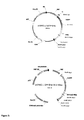


Classifications
-
- G—PHYSICS
- G01—MEASURING; TESTING
- G01N—INVESTIGATING OR ANALYSING MATERIALS BY DETERMINING THEIR CHEMICAL OR PHYSICAL PROPERTIES
- G01N33/00—Investigating or analysing materials by specific methods not covered by groups G01N1/00 - G01N31/00
- G01N33/48—Biological material, e.g. blood, urine; Haemocytometers
- G01N33/50—Chemical analysis of biological material, e.g. blood, urine; Testing involving biospecific ligand binding methods; Immunological testing
- G01N33/68—Chemical analysis of biological material, e.g. blood, urine; Testing involving biospecific ligand binding methods; Immunological testing involving proteins, peptides or amino acids
- G01N33/6872—Intracellular protein regulatory factors and their receptors, e.g. including ion channels
-
- A—HUMAN NECESSITIES
- A01—AGRICULTURE; FORESTRY; ANIMAL HUSBANDRY; HUNTING; TRAPPING; FISHING
- A01N—PRESERVATION OF BODIES OF HUMANS OR ANIMALS OR PLANTS OR PARTS THEREOF; BIOCIDES, e.g. AS DISINFECTANTS, AS PESTICIDES OR AS HERBICIDES; PEST REPELLANTS OR ATTRACTANTS; PLANT GROWTH REGULATORS
- A01N43/00—Biocides, pest repellants or attractants, or plant growth regulators containing heterocyclic compounds
- A01N43/34—Biocides, pest repellants or attractants, or plant growth regulators containing heterocyclic compounds having rings with one nitrogen atom as the only ring hetero atom
- A01N43/36—Biocides, pest repellants or attractants, or plant growth regulators containing heterocyclic compounds having rings with one nitrogen atom as the only ring hetero atom five-membered rings
- A01N43/38—Biocides, pest repellants or attractants, or plant growth regulators containing heterocyclic compounds having rings with one nitrogen atom as the only ring hetero atom five-membered rings condensed with carbocyclic rings
-
- A—HUMAN NECESSITIES
- A01—AGRICULTURE; FORESTRY; ANIMAL HUSBANDRY; HUNTING; TRAPPING; FISHING
- A01N—PRESERVATION OF BODIES OF HUMANS OR ANIMALS OR PLANTS OR PARTS THEREOF; BIOCIDES, e.g. AS DISINFECTANTS, AS PESTICIDES OR AS HERBICIDES; PEST REPELLANTS OR ATTRACTANTS; PLANT GROWTH REGULATORS
- A01N43/00—Biocides, pest repellants or attractants, or plant growth regulators containing heterocyclic compounds
- A01N43/34—Biocides, pest repellants or attractants, or plant growth regulators containing heterocyclic compounds having rings with one nitrogen atom as the only ring hetero atom
- A01N43/40—Biocides, pest repellants or attractants, or plant growth regulators containing heterocyclic compounds having rings with one nitrogen atom as the only ring hetero atom six-membered rings
-
- A—HUMAN NECESSITIES
- A01—AGRICULTURE; FORESTRY; ANIMAL HUSBANDRY; HUNTING; TRAPPING; FISHING
- A01N—PRESERVATION OF BODIES OF HUMANS OR ANIMALS OR PLANTS OR PARTS THEREOF; BIOCIDES, e.g. AS DISINFECTANTS, AS PESTICIDES OR AS HERBICIDES; PEST REPELLANTS OR ATTRACTANTS; PLANT GROWTH REGULATORS
- A01N43/00—Biocides, pest repellants or attractants, or plant growth regulators containing heterocyclic compounds
- A01N43/34—Biocides, pest repellants or attractants, or plant growth regulators containing heterocyclic compounds having rings with one nitrogen atom as the only ring hetero atom
- A01N43/40—Biocides, pest repellants or attractants, or plant growth regulators containing heterocyclic compounds having rings with one nitrogen atom as the only ring hetero atom six-membered rings
- A01N43/42—Biocides, pest repellants or attractants, or plant growth regulators containing heterocyclic compounds having rings with one nitrogen atom as the only ring hetero atom six-membered rings condensed with carbocyclic rings
-
- A—HUMAN NECESSITIES
- A01—AGRICULTURE; FORESTRY; ANIMAL HUSBANDRY; HUNTING; TRAPPING; FISHING
- A01N—PRESERVATION OF BODIES OF HUMANS OR ANIMALS OR PLANTS OR PARTS THEREOF; BIOCIDES, e.g. AS DISINFECTANTS, AS PESTICIDES OR AS HERBICIDES; PEST REPELLANTS OR ATTRACTANTS; PLANT GROWTH REGULATORS
- A01N43/00—Biocides, pest repellants or attractants, or plant growth regulators containing heterocyclic compounds
- A01N43/48—Biocides, pest repellants or attractants, or plant growth regulators containing heterocyclic compounds having rings with two nitrogen atoms as the only ring hetero atoms
- A01N43/54—1,3-Diazines; Hydrogenated 1,3-diazines
-
- A—HUMAN NECESSITIES
- A01—AGRICULTURE; FORESTRY; ANIMAL HUSBANDRY; HUNTING; TRAPPING; FISHING
- A01N—PRESERVATION OF BODIES OF HUMANS OR ANIMALS OR PLANTS OR PARTS THEREOF; BIOCIDES, e.g. AS DISINFECTANTS, AS PESTICIDES OR AS HERBICIDES; PEST REPELLANTS OR ATTRACTANTS; PLANT GROWTH REGULATORS
- A01N43/00—Biocides, pest repellants or attractants, or plant growth regulators containing heterocyclic compounds
- A01N43/72—Biocides, pest repellants or attractants, or plant growth regulators containing heterocyclic compounds having rings with nitrogen atoms and oxygen or sulfur atoms as ring hetero atoms
- A01N43/74—Biocides, pest repellants or attractants, or plant growth regulators containing heterocyclic compounds having rings with nitrogen atoms and oxygen or sulfur atoms as ring hetero atoms five-membered rings with one nitrogen atom and either one oxygen atom or one sulfur atom in positions 1,3
- A01N43/78—1,3-Thiazoles; Hydrogenated 1,3-thiazoles
-
- A—HUMAN NECESSITIES
- A01—AGRICULTURE; FORESTRY; ANIMAL HUSBANDRY; HUNTING; TRAPPING; FISHING
- A01N—PRESERVATION OF BODIES OF HUMANS OR ANIMALS OR PLANTS OR PARTS THEREOF; BIOCIDES, e.g. AS DISINFECTANTS, AS PESTICIDES OR AS HERBICIDES; PEST REPELLANTS OR ATTRACTANTS; PLANT GROWTH REGULATORS
- A01N43/00—Biocides, pest repellants or attractants, or plant growth regulators containing heterocyclic compounds
- A01N43/72—Biocides, pest repellants or attractants, or plant growth regulators containing heterocyclic compounds having rings with nitrogen atoms and oxygen or sulfur atoms as ring hetero atoms
- A01N43/80—Biocides, pest repellants or attractants, or plant growth regulators containing heterocyclic compounds having rings with nitrogen atoms and oxygen or sulfur atoms as ring hetero atoms five-membered rings with one nitrogen atom and either one oxygen atom or one sulfur atom in positions 1,2
-
- A—HUMAN NECESSITIES
- A01—AGRICULTURE; FORESTRY; ANIMAL HUSBANDRY; HUNTING; TRAPPING; FISHING
- A01N—PRESERVATION OF BODIES OF HUMANS OR ANIMALS OR PLANTS OR PARTS THEREOF; BIOCIDES, e.g. AS DISINFECTANTS, AS PESTICIDES OR AS HERBICIDES; PEST REPELLANTS OR ATTRACTANTS; PLANT GROWTH REGULATORS
- A01N43/00—Biocides, pest repellants or attractants, or plant growth regulators containing heterocyclic compounds
- A01N43/72—Biocides, pest repellants or attractants, or plant growth regulators containing heterocyclic compounds having rings with nitrogen atoms and oxygen or sulfur atoms as ring hetero atoms
- A01N43/88—Biocides, pest repellants or attractants, or plant growth regulators containing heterocyclic compounds having rings with nitrogen atoms and oxygen or sulfur atoms as ring hetero atoms six-membered rings with three ring hetero atoms
-
- A—HUMAN NECESSITIES
- A01—AGRICULTURE; FORESTRY; ANIMAL HUSBANDRY; HUNTING; TRAPPING; FISHING
- A01N—PRESERVATION OF BODIES OF HUMANS OR ANIMALS OR PLANTS OR PARTS THEREOF; BIOCIDES, e.g. AS DISINFECTANTS, AS PESTICIDES OR AS HERBICIDES; PEST REPELLANTS OR ATTRACTANTS; PLANT GROWTH REGULATORS
- A01N47/00—Biocides, pest repellants or attractants, or plant growth regulators containing organic compounds containing a carbon atom not being member of a ring and having no bond to a carbon or hydrogen atom, e.g. derivatives of carbonic acid
- A01N47/40—Biocides, pest repellants or attractants, or plant growth regulators containing organic compounds containing a carbon atom not being member of a ring and having no bond to a carbon or hydrogen atom, e.g. derivatives of carbonic acid the carbon atom having a double or triple bond to nitrogen, e.g. cyanates, cyanamides
- A01N47/42—Biocides, pest repellants or attractants, or plant growth regulators containing organic compounds containing a carbon atom not being member of a ring and having no bond to a carbon or hydrogen atom, e.g. derivatives of carbonic acid the carbon atom having a double or triple bond to nitrogen, e.g. cyanates, cyanamides containing —N=CX2 groups, e.g. isothiourea
- A01N47/44—Guanidine; Derivatives thereof
-
- A—HUMAN NECESSITIES
- A01—AGRICULTURE; FORESTRY; ANIMAL HUSBANDRY; HUNTING; TRAPPING; FISHING
- A01N—PRESERVATION OF BODIES OF HUMANS OR ANIMALS OR PLANTS OR PARTS THEREOF; BIOCIDES, e.g. AS DISINFECTANTS, AS PESTICIDES OR AS HERBICIDES; PEST REPELLANTS OR ATTRACTANTS; PLANT GROWTH REGULATORS
- A01N61/00—Biocides, pest repellants or attractants, or plant growth regulators containing substances of unknown or undetermined composition, e.g. substances characterised only by the mode of action
-
- C—CHEMISTRY; METALLURGY
- C07—ORGANIC CHEMISTRY
- C07K—PEPTIDES
- C07K14/00—Peptides having more than 20 amino acids; Gastrins; Somatostatins; Melanotropins; Derivatives thereof
- C07K14/435—Peptides having more than 20 amino acids; Gastrins; Somatostatins; Melanotropins; Derivatives thereof from animals; from humans
- C07K14/43504—Peptides having more than 20 amino acids; Gastrins; Somatostatins; Melanotropins; Derivatives thereof from animals; from humans from invertebrates
- C07K14/43563—Peptides having more than 20 amino acids; Gastrins; Somatostatins; Melanotropins; Derivatives thereof from animals; from humans from invertebrates from insects
- C07K14/43577—Peptides having more than 20 amino acids; Gastrins; Somatostatins; Melanotropins; Derivatives thereof from animals; from humans from invertebrates from insects from flies
-
- C—CHEMISTRY; METALLURGY
- C07—ORGANIC CHEMISTRY
- C07K—PEPTIDES
- C07K14/00—Peptides having more than 20 amino acids; Gastrins; Somatostatins; Melanotropins; Derivatives thereof
- C07K14/435—Peptides having more than 20 amino acids; Gastrins; Somatostatins; Melanotropins; Derivatives thereof from animals; from humans
- C07K14/43504—Peptides having more than 20 amino acids; Gastrins; Somatostatins; Melanotropins; Derivatives thereof from animals; from humans from invertebrates
- C07K14/43563—Peptides having more than 20 amino acids; Gastrins; Somatostatins; Melanotropins; Derivatives thereof from animals; from humans from invertebrates from insects
- C07K14/43577—Peptides having more than 20 amino acids; Gastrins; Somatostatins; Melanotropins; Derivatives thereof from animals; from humans from invertebrates from insects from flies
- C07K14/43581—Peptides having more than 20 amino acids; Gastrins; Somatostatins; Melanotropins; Derivatives thereof from animals; from humans from invertebrates from insects from flies from Drosophila
-
- G—PHYSICS
- G01—MEASURING; TESTING
- G01N—INVESTIGATING OR ANALYSING MATERIALS BY DETERMINING THEIR CHEMICAL OR PHYSICAL PROPERTIES
- G01N33/00—Investigating or analysing materials by specific methods not covered by groups G01N1/00 - G01N31/00
- G01N33/48—Biological material, e.g. blood, urine; Haemocytometers
- G01N33/50—Chemical analysis of biological material, e.g. blood, urine; Testing involving biospecific ligand binding methods; Immunological testing
- G01N33/5005—Chemical analysis of biological material, e.g. blood, urine; Testing involving biospecific ligand binding methods; Immunological testing involving human or animal cells
- G01N33/5008—Chemical analysis of biological material, e.g. blood, urine; Testing involving biospecific ligand binding methods; Immunological testing involving human or animal cells for testing or evaluating the effect of chemical or biological compounds, e.g. drugs, cosmetics
- G01N33/502—Chemical analysis of biological material, e.g. blood, urine; Testing involving biospecific ligand binding methods; Immunological testing involving human or animal cells for testing or evaluating the effect of chemical or biological compounds, e.g. drugs, cosmetics for testing non-proliferative effects
- G01N33/5041—Chemical analysis of biological material, e.g. blood, urine; Testing involving biospecific ligand binding methods; Immunological testing involving human or animal cells for testing or evaluating the effect of chemical or biological compounds, e.g. drugs, cosmetics for testing non-proliferative effects involving analysis of members of signalling pathways
-
- G—PHYSICS
- G01—MEASURING; TESTING
- G01N—INVESTIGATING OR ANALYSING MATERIALS BY DETERMINING THEIR CHEMICAL OR PHYSICAL PROPERTIES
- G01N2333/00—Assays involving biological materials from specific organisms or of a specific nature
- G01N2333/435—Assays involving biological materials from specific organisms or of a specific nature from animals; from humans
- G01N2333/705—Assays involving receptors, cell surface antigens or cell surface determinants
- G01N2333/72—Assays involving receptors, cell surface antigens or cell surface determinants for hormones
- G01N2333/726—G protein coupled receptor, e.g. TSHR-thyrotropin-receptor, LH/hCG receptor, FSH
-
- G—PHYSICS
- G01—MEASURING; TESTING
- G01N—INVESTIGATING OR ANALYSING MATERIALS BY DETERMINING THEIR CHEMICAL OR PHYSICAL PROPERTIES
- G01N2500/00—Screening for compounds of potential therapeutic value
- G01N2500/10—Screening for compounds of potential therapeutic value involving cells
-
- Y—GENERAL TAGGING OF NEW TECHNOLOGICAL DEVELOPMENTS; GENERAL TAGGING OF CROSS-SECTIONAL TECHNOLOGIES SPANNING OVER SEVERAL SECTIONS OF THE IPC; TECHNICAL SUBJECTS COVERED BY FORMER USPC CROSS-REFERENCE ART COLLECTIONS [XRACs] AND DIGESTS
- Y02—TECHNOLOGIES OR APPLICATIONS FOR MITIGATION OR ADAPTATION AGAINST CLIMATE CHANGE
- Y02A—TECHNOLOGIES FOR ADAPTATION TO CLIMATE CHANGE
- Y02A50/00—TECHNOLOGIES FOR ADAPTATION TO CLIMATE CHANGE in human health protection, e.g. against extreme weather
- Y02A50/30—Against vector-borne diseases, e.g. mosquito-borne, fly-borne, tick-borne or waterborne diseases whose impact is exacerbated by climate change
-
- Y—GENERAL TAGGING OF NEW TECHNOLOGICAL DEVELOPMENTS; GENERAL TAGGING OF CROSS-SECTIONAL TECHNOLOGIES SPANNING OVER SEVERAL SECTIONS OF THE IPC; TECHNICAL SUBJECTS COVERED BY FORMER USPC CROSS-REFERENCE ART COLLECTIONS [XRACs] AND DIGESTS
- Y10—TECHNICAL SUBJECTS COVERED BY FORMER USPC
- Y10S—TECHNICAL SUBJECTS COVERED BY FORMER USPC CROSS-REFERENCE ART COLLECTIONS [XRACs] AND DIGESTS
- Y10S530/00—Chemistry: natural resins or derivatives; peptides or proteins; lignins or reaction products thereof
- Y10S530/855—Proteins from animals other than mammals or birds
- Y10S530/858—Proteins from animals other than mammals or birds insects; venom
Definitions
- the present invention relates to a potassium channel with the activity of a voltage-gated potassium channel ShaI (Shaker cognate I or Shaker-like), preferably from Drosophila melanogaster (DmShaI) as target for insecticides.
- a voltage-gated potassium channel ShaI ShaI (Shaker cognate I or Shaker-like), preferably from Drosophila melanogaster (DmShaI) as target for insecticides.
- the voltage-gated potassium channel ShaI is co-expressed with its accessory protein KChIP (potassium channel-interacting protein), preferably its putative accessory protein CG5890, the Drosophila KChIP (potassium channel-interacting protein) ortholog.
- the present invention provides polypeptides with the activity of an insect voltage-gated potassium channel ShaI (Shaker cognate I or Shaker-like), preferably from Drosophila melanogaster (DmShaI) and its accessory protein KChIP (potassium channel-interacting protein), preferably its putative accessory protein CG5890, the Drosophila KChIP (potassium channel-interacting protein) ortholog as targets for insecticides, provides novel nucleic acid sequences encoding a polypeptide with the activity of an insect voltage-gated potassium channel ShaI (Shaker cognate I or Shaker-like) and its accessory protein KChIP (potassium channel-interacting protein) and functional equivalents of the aforementioned nucleic acid sequences.
- ShaI insect voltage-gated potassium channel ShaI
- DmShaI Drosophila melanogaster
- KChIP potential channel-interacting protein
- CG5890 putative accessory protein CG5890
- the Drosophila KChIP potassium channel-interacting protein ortholog as
- the present invention relates further to the use of a polypeptide with the activity of an insect voltage-gated potassium channel ShaI and/or its accessory protein KChIP (potassium channel-interacting protein) in a method and in an assay for identifying insecticidally active compound that reduces the activity of an insect voltage-gated potassium channel ShaI (Shaker cognate I or Shaker-like) and/or its accessory protein KChIP (potassium channel-interacting protein). Furthermore, the invention relates to insecticidal compounds identified by the above mentioned method and the use of these compounds as insecticides.
- the present invention relates to a potassium channel with the activity of a Shaker potassium channel, preferably from Drosophila melanogaster as target for insecticides.
- a Shaker potassium channel is co-expressed with a Hyperkinetic beta subunit, preferably H-kv beta subunit A or C subtype, preferably from Drosophila melanogaster.
- the present invention further provides polypeptides with the activity of an insect Shaker channel, preferably from Drosophila melanogaster and a Hyperkinetic beta subunit, preferably H-kv beta subunit A or C subtype in an screening assay for insecticides, provides novel nucleic acid sequences encoding a polypeptide with the activity of an insect Shaker channel and a Hyperkinetic beta subunit, preferably H-kv beta subunit A or C subtype and functional equivalents of the aforementioned nucleic acid sequences.
- the present invention furthermore relates further to the use of a polypeptide with the activity of an insect Shaker channel and/or a Hyperkinetic beta subunit, preferably H-kv beta subunit A or C subtype respectively in a method and in an assay for identifying insecticidally active compound that reduces the activity of an insect Shaker channel and a Hyperkinetic beta subunit, preferably H-kv beta subunit A or C subtype respectively.
- the invention relates to insecticidal compounds identified by the above mentioned method and the use of these compounds as insecticides.
- the present invention relates to a G-protein coupled receptor (GPCR) with the activity of an octopamine receptor, preferably from Drosophila melanogaster as target for insecticides.
- GPCR G-protein coupled receptor
- the present invention further provides polypeptides with the activity of an an octopamine receptor, preferably from Drosophila melanogaster in an screening assay for insecticides, provides novel nucleic acid sequences encoding a polypeptide with the activity of an octopamine receptor, preferably from Drosophila melanogaster and functional equivalents of the aforementioned nucleic acid sequences.
- the present invention relates further to the use of a polypeptide with the activity of an octopamine receptor selected from the group consisting of oa2, preferably from Drosophila melanogaster , Oamb, Oct-beta-2R and Oct-beta-3R in a method and in an assay for identifying insecticidally active compound that reduces the activity of an octopamine receptor selected from the group consisting of oa2, preferably from Drosophila melanogaster , Oamb, Oct-beta-2R and Oct-beta-3R.
- the invention relates to insecticidal compounds identified by the above mentioned method and the use of these compounds as insecticides.
- the present invention relates to a SK-channel as target for insecticides.
- the present invention furthermore provides polypeptides with the activity of an insect small-conductance Ca2+-activated potassium channel as targets for insecticides, provides novel nucleic acid sequences encoding a polypeptide with the activity of an insect small-conductance Ca2+-activated potassium channel and functional equivalents of the aforementioned nucleic acid sequences.
- the present invention relates further to the use of a polypeptide with the activity of an insect small-conductance Ca2+-activated potassium channel in a method and in an assay for identifying insecticidally active compound that reduces the activity of an insect small-conductance Ca2+-activated potassium channel. Furthermore, the invention relates to insecticidal compounds identified by the above mentioned method and the use of these compounds as insecticides.
- transgenic crops that express insecticidal toxins, such as protein toxins from the bacterium Bacillus thuringiensis.
- Insect pests tend to acquire resistance to all kinds of insecticides because they have an exceptional ability to adapt to their environment, due to a mechanisms which leads to the rapid development of resistance in an insect population, such as short life cycles, a high reproductive rate and the ability to travel long distances. At the moment pests exhibiting insecticide resistance is increasing.
- FIG. 1 Vector NTI-generated map of the primary Sha1 clone showing the major features of the construct.
- FIG. 2 Vector NTI-generated map of the primary KChIP clone showing the major features of the construct.
- FIG. 3 Vector maps of pcDNA3/AcGFP-Sha1 and pcDNA3/AcGFP-Sha1delN2-40aa.
- FIG. 4 Patch clamp data for full length and truncated constructs Sha1 and Sha1_delN when coexpressed with AmCyan as well as AcGFP-tagged versions (top); schematic representation of GFP-Sha1 pore mutant and patch clamp data for wild type and pore mutant.
- FIG. 5 Sha1_DelN clones tested on FLIPR with KCl depolarization.
- FIG. 6 K channel blocker inhibition curves of known K-channel blockers tested on FLIPR.
- FIG. 7 Screening Sha1_delN Clone10 subclones by KCl depolarization on FLIPR.
- FIG. 8 Patch clamp data for clones 10-2, 10-3 and 10-6. IV curves showing the relationship of applied voltage to current.
- FIG. 9 Sha1_DelN C10-3 cells at passage 12. Left panel—fluorescence excitation, right panel—normal light.
- FIG. 10 Effect of BaCl2 on Sha1 channel activity on FLIPR.
- FIG. 11 Sha1_delN C10-3 function on FLIPR at passage 20.
- FIG. 12 CHO-K1 cells stably expressing Sha1_delN were either mock transfected (lower line) or cotransfected with KChIP (upper line).
- FIG. 13 Sha1/KChIP inhibition by arachidonic acid measured by whole cell patch-clamp; Right panel: Peak current amplitudes; Left panel: Integrated area.
- FIG. 14 I/V curves for clones 18-13-6 and 18-13-20.
- FIG. 15 Sha1/KChIP clone screening and Neo/Zeo control line. ScreenWorks screenshots showing primary FLIPR data and a reduced data table for the 19 clones and the Neo/Zeo pool (middle panel, wells H4-6).
- FIG. 16 Sha1/KChIP final subclone screening. Reduced FLIPR data from subclone screening resulting in the final cell line.
- FIG. 17 Sha1/KChIP assay FLIPR response profiles.
- FIG. 18 Effect of dye in activation buffer measured on FLIPR Tetra.
- FIG. 19 Comparison of BD and Greiner 384-well assay plates.
- FIG. 20 Cell density optimization measured on FLIPR.
- FIG. 21 Dye concentration evaluation for Sha1/KChIP clones 18-13 and 18-28.
- FIG. 22 Effect of DMSO on Sha1/KChIP assay window size, standard deviations and Z′ statistics.
- FIG. 23 Effect of dye loading time on Sha1/KChIP assay window size, standard deviation and resulting Z′ statistic.
- FIG. 24 The effects of pre-cooling cells to room temperature on the Sha1/KChIP assay prior to dye-loading.
- FIG. 25 Group-averaged primary FLIPR data and preliminary EC50 for Sha1/KChIP18-13 cell line.
- FIG. 26 Comparison of GraphPad Prism scatter plots showing maximum and minimum responses with resultant statistics of the Sha1/KChIP assay for MDC and Axygen FLIPR 384 tips.
- FIG. 27 Determination of stability of reagents used in the Sha1/KChIP 18-13 assay over time.
- FIG. 28 Three-day minimum, midpoint and maximum statistics for Sha1/KChIP 20 assay cells.
- FIG. 29 Three-day KCl dose response curves and EC50s of Sha1/KChIP 20 assay cells.
- FIG. 30 Three-day amiloride dose response curves in Sha1/KChIP 20 cells.
- FIG. 31 Sha1/KChIP 20 direct-to-plate assay results.
- FIG. 32 ScreenWorks screenshots showing primary FLIPR data for BIOMOL compound screening in Sha1/KChIP 20 cells.
- FIG. 33 Assay plate views showing percent inhibition of Sha1/KChIP response by BIOMOL compounds.
- FIG. 34 Compound preparation protocol for BioFocus screening.
- FIG. 35 Sha1/KChIP FLIPR BioFocus 1° screening—activation and distribution of actives on Sha1/KChIP.
- FIG. 35A PCR products from the reactions described in Table A1.
- FIG. 36 VectorNTi map of the final pExSelect_Shaker construct.
- FIG. 37 Assay data for mock clones upon KCl injection.
- FIG. 38 Assay data for Shaker and Hkv ⁇ clones upon KCl injection.
- FIG. 39 Re-test assay data for two mock clones and six clones each from both Shaker plus A or C subtype.
- FIG. 40 A-3A10 signal stability at different cell passages.
- FIG. 41 A-3A10 signal stability after freezing and thawing.
- FIG. 42 TEA effect on A-3A10 clone.
- FIG. 43 Hypertonic and isotonic solutions analysis.
- FIG. 44 A-3A10 II limiting dilution clone selection at FLIPR384.
- FIG. 45 n° 1 and n° 9 II limiting dilution clones analyzed at FLIPRTETRA.
- FIG. 46 Cell density dependency and KCl dose-response.
- FIG. 47 DMSO sensitivity: 10000 c/w-24 h.
- FIG. 48 DMSO sensitivity: 7500 c/w-24 h.
- FIG. 49 DMSO sensitivity: 5000 c/w-24 h.
- FIG. 50 Clone stability in culture and after freezing/thawing: 10000, 7500, 5000 c/w-24 h.
- FIG. 51 EC50 reproducibility on three different days.
- FIG. 52 a Patch clamp analysis of clone 3a10 subtype A.
- FIG. 52 b Patch clamp analysis of clone 7d1 subtype C.
- FIG. 53 Activation of Dm-Shaker in cells: a) Activation of Dm-Shaker in cells cultured for 10-11 passages; b) Activation of Dm-Shaker in cells cultured for 17-20 passages; c) Activation of Dm-Shaker in cells after thawing.
- FIG. 54 The I-V relationship of voltage dependency of the activity of DM-Shaker.
- FIG. 55 a Schematic of calcium release from activation of G-alpha-16-protein.
- FIG. 55 b Vector maps of pcDNA3.1-OcrR for and pcDNA3.1-OcrR-GFP.
- FIG. 55 c Fluorescence change in response to 1 ⁇ M and 100 nM octopamine.
- FIG. 55 d Calcium-sensing Fluo-4 fluorescent dye response to octopamine or tyramine stimulation in CHO cells stably expressing G-alpha-16 and transiently expressed tagged or untagged OctR-pcDNA3.1.
- FIG. 56 Stable pool of zeocin-selected CHO-G-alpha-16 cells identified by green fluorescent protein expression.
- FIG. 57 Screening of all GFP-positive monoclonal cell lines for response to octopamine.
- FIG. 58 Response of clones #13 and #30 to octopamine on FLIPR Tetra.
- FIG. 59 Single-cell response to octopamine for clones #13 and #30.
- FIG. 60 OCTR clone 55 selection.
- FIG. 61 Homogeneity assay of OCTR clone 55.
- FIG. 62 Antagonist dose response curves and agonist dose response curves in transfected and parent cell lines analysed on FLIPR.
- FIG. 63 Octopamine EC50 curves in different DMSO concentrations in 1st and 2nd additions.
- FIG. 64 Graphical representation of effect of cell density measured on FLIP.
- FIG. 65 Graphical representation of effect of dye concentration on assay window size.
- FIG. 66 Graphical results of time course experiment of effect of dye loading time.
- FIG. 67 Graphical results of effect of different tip washings measured on FLIPR.
- FIG. 68 Octopamine and mianserin dose response curves run on three separate days in OCTR cells.
- FIG. 69 A scatter plot of plate #7, showing the controls and test wells for the agonist portion of the screen (left) and antagonist portion of the screen (right).
- FIG. 70 Vector map of pCRII-SK2+4D
- FIG. 71 Vector map of pTriEx3 Neo SK
- FIG. 72 Activation curves for CHO-K1 cells transfected with pTriEx3 Neo SK and activated with ionomycin.
- FIG. 73 Activation curves comparing normal assay buffer and Ca2+ free buffer.
- FIG. 74 EC50 curves for SK/CHO-K1 and SK/pTx-CHO cells activated with increasing amounts of ionomycin.
- FIG. 75 Graphical representation of assay window size variability in relation to dye loading time.
- FIG. 76 Graphical representation of DMSO concentration effect on ionomycin activation.
- FIG. 77 Graphical representation of data used for statistically testing the probability of a differential response occurring by chance in the assay.
- FIG. 78 Graphical result for BAY K-8644 L-type Ca2+ channel agonist.
- FIG. 79 Graphical result for Propafenone.
- FIG. 80 Graphical result for tetraethylammonium (SK3) as percent baseline.
- FIG. 81 Graphical EC50 result for 4-aminopyridine (SK3-4) as a percent baseline.
- FIG. 82 Graphical EC50 results for propafenone (SK3).
- FIG. 83 Graphical representation of characterization of DmSK expression in CHO cells by functional expression assay.
- FIG. 84 Graphical representation of the effect of Propafenone on DmSK expressing CHO cells
- FIG. 85 Graphical results of whole cell patch-clamp assay for DmSK expressing CHO cells subjected to 70 ⁇ m propafenone.
- FIG. 86 Schematic of an automated scheduled process for a single assay experiment.
- FIG. 87 Schematic of Tripos compound dilution file.
- FIG. 88 Schematic of Divpick compound dilution control file.
- FIG. 89 Schematic of Read 1 plate map.
- FIG. 90 Schematic of Read 2 plate map.
- FIG. 91 Screenshot of Batch Export statistics interface.
- FIG. 92 Reference graph of activity of rat SK channel in oocyte expression system.
- the present invention provides a insect voltage-gated potassium channel ShaI (Shaker cognate I or Shaker-like) and/or its accessory protein KChIP (potassium channel-interacting protein) as new target for insecticides.
- the present invention puts further a method and an assay at disposal for identifying insecticidally active compounds that reduce the activity of a insect voltage-gated potassium channel ShaI (Shaker cognate I or Shaker-like) and/or its accessory protein KChIP (potassium channel-interacting protein).
- KChIP a Kv4.x (ShaI) accessory protein
- KChIP a Kv4.x (ShaI) accessory protein
- the present invention provides a insect Shaker channel and/or a Hyperkinetic beta subunit, preferably H-kv beta subunit A or C subtype respectively as new target for insecticides.
- the present invention puts further a method and an assay at disposal for identifying insecticidally active compounds that reduce the activity of a insect Shaker channel and/or a Hyperkinetic beta subunit, preferably H-kv beta subunit A or C subtype respectively.
- Hk Drosophila Hyperkinetic
- the present invention provides a insect octopamine receptor selected from the group consisting of oa2, preferably from Drosophila melanogaster , Oamb, Oct-beta-2R and Oct-beta-3R as new target for insecticides.
- the present invention puts further a method and an assay at disposal for identifying insecticidally active compounds that reduce the activity of a insect octopamine receptor selected from the group consisting of oa2, preferably from Drosophila melanogaster , Oamb, Oct-beta-2R and Oct-beta-3R.
- Octopamine a biogenic monoamine structurally related to noradrenaline, is a major neurotransmitter, neuromodulator and neurohormone, mediating diverse physiological processes in peripheral and central nervous system of invertebrates. Together with tyramine, octopamine is the only neuroactive non-peptide transmitter whose physiological role is restricted to invertebrates.
- octopamine is mediated through various receptor classes like oa2, Oamb, Oct-beta-2R or Oct-beta-3R.
- octopamine receptors can only/mainly be found in invertebrates makes them a significant target for insecticides. Compounds that specifically modulate octopamine receptors should therefore have low vertebrate toxicity. In addition to selectivity, octopamine receptors are a good target for insecticides due to its neuronal expression. Together with tyramine, octopamine is the only neuroactive non-peptide transmitter whose physiological role is restricted to invertebrates.
- the present invention puts a method at disposal for cloning octopamine receptors and for introducing them in membranes, preferably of cells. Preferably additionally linked proteins are introduced in the membrane.
- Octopamine receptors can modulate their action through cyclic AMP production or intracellular calcium release, dependent on the receptor isoform.
- Octopamine receptors preferably oa2 endogenously signals though cAMP. A detection of the activity of the receptor is difficult.
- the present invention puts a method at disposal to force coupling to calcium, which leads to calcium release upon its activation.
- the calcium release is measurable by fluorescent calcium sensing dyes.
- octopamine receptor selected from the group consisting of oa2, preferably from Drosophila melanogaster , Oamb, Oct-beta-2R and Oct-beta-3R and expression of a promiscuous G-alpha protein leads to a new screening assay for insecticides.
- GPCRs mediate signal transduction across a cell membrane upon the binding of a ligand to an extracellular portion of a GPCR.
- the intracellular portion of a GPCR interacts with a G-protein to modulate signal transduction from outside to inside a cell.
- a GPCR is therefore said to be “coupled” to a G-protein.
- G-proteins are composed of three polypeptide subunits: an a subunit, which binds and hydolyzes GTP, and a dimeric ⁇ subunit. Certain G-proteins are considered “promiscuous” G-proteins because their G subunits allow them to couple with GPCRs that normally couple with G-proteins of other families.
- octopamine receptor selected from the group consisting of oa2, preferably from Drosophila melanogaster , Oamb, Oct-beta-2R and Oct-beta-3R as its primary mode of action, meaning that a compound does not merely contribute by a “side effect” to a insecticidal activity, but its activity is the key lethal effect.
- the present invention provides a small-conductance calcium-activated potassium channel as new target for insecticides.
- the present invention puts further a method and an assay at disposal for identifying insecticidally active compounds that reduce the activity of an insect small-conductance Ca2+-activated potassium channel.
- Calcium-activated potassium channels are a functionally diverse group of ion channels activated by an increase in intracellular calcium. In mammals they are found in a majority of nerve cells where they contribute to the shaping of action potentials and regulate neuronal excitability. More specifically, their currents underlie the after hyper-polarization that follows an action potential; they also appear to be involved in neuronal firing frequency precision (for review see: Stocker et al., Nature Reviews Neuroscience 5, 2004).
- This class of potassium channel exists in three general types based on single channel conductances.
- the large-, intermediate- and small-conductance channels are termed BK, IK and SK, respectively.
- the genes are termed slo, slack and SK, respectively.
- potassium ion channel shows a distinct pharmacological profile.
- Potassium ion channels have been associated with a number of physiological processes, including regulation of heartbeat, dilation of arteries, release of insulin, excitability of nerve cells, and regulation of renal electrolyte transport. Therefore potassium ion channels are already known as a therapeutic target in the treatment of a number of diseases as disclosed in WO 2005 099711 and US 2005 0239800.
- SK channels have been shown to have distinct pharmacological profiles.
- different compounds were found with clinically relevant psycho activity using patch clamp techniques.
- the evaluated compounds are structurally related to tricyclic antidepressants and include amitriptyline, carbamazepine, chlorpromazine, cyproheptadine, imipramine, tacrine and trifluperazine.
- Each of the compounds tested was found to block SK2 channel currents with micro-molar affinity.
- a number of neuromuscular inhibiting agents exist that affect SK channels e. g. apamin, atracurium, pancuronium and tubocurarine (Shah et al., Br J Pharmacol 129: 627-30 (2000)).
- Recombinant rat brain SK2 channels were expressed in HEK293 mammalian cells to study by patch clamp technique the effect of centrally acting muscle relaxant compounds, like chlorzoxazone (Cao et al., J. Pharmacol. Exp. Ther. 296: 683-689, 2001).
- the effect of metal ions on the activation of recombinant human SK4 channels has also been studied by patch clamp technique with transformed HEK293 cells (Cao et al., FEBS, 446: 137-141, 1999).
- a method of identifying a compound which increases or decreases the potassium ion flux through a calcium-activated potassium SK channel is described in WO 98/11139.
- classical molecular targets in insects were acetylcholinesterase, voltage-dependent sodium channels, ionotropic receptors such as nicotinic acetylcholine and GABA receptors.
- Gautier et al. J. Pharm. Exp. Therapeutics, jpet.107.128694, 2007 have brought evidence for the participation of calcium-activated potassium channel as an indirect target in insecticide neurotoxicity.
- DUM di-methyl disulfide
- the present invention now provides an insect voltage-gated potassium channel ShaI (Shaker cognate I or Shaker-like) and/or its accessory protein KChIP (potassium channel-interacting protein) as targets for insecticides and a method and an assay for identifying insecticidally active compound that reduces the activity of an insect voltage-gated potassium channel ShaI (Shaker cognate I or Shaker-like) and/or its accessory protein KChIP (potassium channel-interacting protein).
- KChIP potential channel-interacting protein
- the present invention also provides an Shaker channel and/or a Hyperkinetic beta subunit, preferably H-kv beta subunit A or C subtype respectively as targets for insecticides and a method and an assay for identifying insecticidally active compound that reduces the activity of Shaker channel and/or a Hyperkinetic beta subunit, preferably H-kv beta subunit A or C subtype respectively.
- the present invention further provides an octopamine receptor selected from the group consisting of oa2, preferably from Drosophila melanogaster , Oamb, Oct-beta-2R and Oct-beta-3R as targets for insecticides and a method and an assay for identifying insecticidally active compound that reduces the activity of octopamine receptor selected from the group consisting of oa2, preferably from Drosophila melanogaster , Oamb, Oct-beta-2R and Oct-beta-3R.
- the present invention furthermore provides an insect small-conductance Ca2+-activated potassium channel as targets for insecticides and a method and an assay for identifying insecticidally active compound that reduces the activity of an insect small-conductance Ca2+-activated potassium channel.
- the SK channels of the invention are targets for insecticides as thy influence their survival.
- One embodiment of the present invention is directed to a method for identifying an insecticidal active compound that reduces the activity of a polypeptide with the activity of an insect voltage-gated potassium channel ShaI (Shaker cognate I or Shaker-like) and/or its accessory protein KChIP (potassium channel-interacting protein) which method comprises:
- this object is achieved by the use of a polypeptide with the activity of an insect Shaker channel and/or a Hyperkinetic beta subunit, preferably H-kv beta subunit A or C subtype respectively.
- One embodiment of the present invention is directed to a method for identifying an insecticidal active compound that reduces the activity of a polypeptide with the activity of an insect Shaker channel and/or a Hyperkinetic beta subunit, preferably H-kv beta subunit A or C subtype respectively which method comprises:
- this object is achieved by the use of a polypeptide with the activity of an insect octopamine receptor selected from the group consisting of oa2, preferably from Drosophila melanogaster , Oamb, Oct-beta-2R and Oct-beta-3R.
- One embodiment of the present invention is directed to a method for identifying an insecticidal active compound that reduces the activity of a polypeptide with the activity of an insect octopamine receptor selected from the group consisting of oa2, preferably from Drosophila melanogaster , Oamb, Oct-beta-2R and Oct-beta-3R which method comprises:
- this object is achieved by the use of a polypeptide with the activity of an insect small-conductance Ca2+-activated potassium channel.
- One embodiment of the present invention is directed to a method for identifying a insecticidally active compound that reduces the activity of an insect small-conductance Ca2+-activated potassium channel which method comprises:
- a membrane is a structure like a semipermeable sheet or layer which acts as a barrier between two phases or solutions, whereby the membrane is solvent permeable, preferably water permeable.
- the membrane is a biological membrane, biomembrane or a lipid layer or lipid bilayer.
- the membrane is preferably composed of a fluid lipid bilayer.
- the membrane is the outer surface of a cell, cell compartment, vesicle, liposomes (vesicles made of phospholipids which are amphiphilic molecules), polymer vesicles or synthosomes.
- Polymer vesicles are often referred as “polymersomes”, which have been studied in detail and progress has been summarized in reviews [Discher et al., Science 2002, 297; 967 973]. Polymersomes or polymer vesicles consist of self-assembled di- or triblock copolymers.
- a Synthosome which is a functionalized nanocompartment system, has been developed for putative biotechnological applications [Nardin et al., Chem. Commun. 2000, 1433 1434].
- a Synthosome is a hollow sphere consisting of a mechanically stable vesicle with a block copolymer membrane and an engineered transmembrane protein acting as the selective gate.
- The, preferably insect, voltage-gated potassium channel ShaI (Shaker cognate I or Shaker-like) and/or its accessory protein KChIP (potassium channel-interacting protein) of the invention is assembled or intercalated, embedded or integrated, terms which are synonymously and interchangeable, in the membrane.
- The, preferably insect, Shaker channel and/or a Hyperkinetic beta subunit, preferably H-kv beta subunit A or C subtype respectively of the invention is assembled or intercalated, embedded or integrated, terms which are synonymously and interchangeable, in the membrane.
- The, preferably insect, octopamine receptor selected from the group consisting of oa2, preferably from Drosophila melanogaster , Oamb, Oct-beta-2R and Oct-beta-3R of the invention is assembled or intercalated, embedded or integrated, terms which are synonymously and interchangeable, in the membrane.
- the insect small-conductance Ca2+-activated potassium channel is assembled or intercalated, embedded or integrated, terms which are synonymously and interchangeable, in the membrane.
- sequence may relate to polynucleotides, nucleic acids, nucleic acid molecules, peptides, polypeptides and proteins, depending on the context in which the term “sequence” is used.
- nucleic acid molecule(s) refers to a polymeric form of nucleotides of any length, either ribonucleotides or de-oxyribonucleotides. The terms refer only to the primary structure of the molecule.
- the terms “gene(s)”, “polynucleotide”, “nucleic acid sequence”, “nucleotide sequence”, or “nucleic acid molecule(s)” as used herein include double- and single-stranded DNA and RNA. They also include known types of modifications, for example, methylation, “caps”, substitutions of one or more of the naturally occurring nucleotides with an analog.
- the DNA or RNA sequence comprises a coding sequence encoding the herein defined polypeptide.
- a “coding sequence” is a nucleotide sequence, which is transcribed into a RNA, e.g. a regulatory RNA, such as a miRNA, a ta-siRNA, cosuppression molecule, a RNAi, a ribozyme, etc. or into a mRNA which is translated into a polypeptide when placed under the control of appropriate regulatory sequences.
- the boundaries of the coding sequence are determined by a translation start codon at the 5′-terminus and a translation stop codon at the 3′-terminus.
- a coding sequence can include, but is not limited to mRNA, cDNA, recombinant nucleotide sequences or genomic DNA, while introns may be present as well under certain circumstances.
- nucleic acid molecule may also encompass the untranslated sequence located at the 3′ and at the 5′ end of the coding gene region, for example at least 500, preferably 200, especially preferably 100, nucleotides of the sequence upstream of the 5′ end of the coding region and at least 100, preferably 50, especially preferably 20, nucleotides of the sequence downstream of the 3′ end of the coding gene region.
- the antisense, RNAi, snRNA, dsRNA, siRNA, miRNA, ta-siRNA, cosuppression molecule, ribozyme etc. technology is used coding regions as well as the 5′- and/or 3′-regions can advantageously be used.
- Polypeptide refers to a polymer of amino acid (amino acid sequence) and does not refer to a specific length of the molecule. Thus peptides and oligopeptides are included within the definition of polypeptide. This term does also refer to or include post-translational modifications of the polypeptide, for example, glycosylations, acetylations, phosphorylations and the like. Included within the definition are, for example, polypeptides containing one or more analogs of an amino acid (including, for example, unnatural amino acids, etc.), polypeptides with substituted linkages, as well as other modifications known in the art, both naturally occurring and non-naturally occurring.
- reduction refers to a corresponding change of a property in an organism, a part of an organism such as a tissue, or in a cell.
- change of a property it is understood that the activity is changed in a specific volume or in a specific amount of protein relative to a corresponding volume or amount of protein of a control, reference or wild type.
- reduction include the change of said property in only parts of the subject of the present invention, for example, the modification can be found in compartment of a cell, like an organelle, or in a part of a organism, like tissue, wing, leg, trunk etc.
- the “reduction”, “repression”, “decrease” or “inhibition” is found cellular, thus the term “reduction, decrease or inhibition of an activity” relates to the cellular reduction, decrease or inhibition compared to the wild type cell or to the control cell.
- the term “reduction”, “repression”, “decrease” or “inhibition” means that the specific activity of a gene product, a protein or a regulatory RNA as well as the amount of a compound or metabolite, e.g. of a polypeptide, a nucleic acid molecule, a ion or an encoding mRNA or DNA, can be reduced, decreased or inhibited in a specific volume.
- the terms “reduction”, “repression”, “decrease” or “inhibition” include that the reason for said “reduction”, “repression”, “decrease” or “inhibition” can be a chemical compound that is administered to the organism or part thereof.
- reduction is exchangeable.
- reduction shall include the terms “repression”, “decrease” or “inhibition” if not otherwise specified.
- Reduction is also understood as meaning the modification of the activity.
- the function or activity e.g. the “functional activity” or the “biological activity”
- the function or activity is reduced by at least 10%, advantageously 20%, preferably 30%, especially preferably 40%, 50% or 60%, very especially preferably 70%, 80%, 85% or 90% or more, very especially preferably are 95%, more preferably are 99% or more in comparison to the control, reference or wild type.
- Most preferably the reduction, decrease or deletion in activity amounts to essentially 100%.
- a particularly advantageous embodiment is the inactivation, e.g. inhibition of the function of a compound, e.g. a polypeptide or a nucleic acid molecule.
- wild type can be a cell or a part of organisms such as an organelle or a tissue, or an organism, in particular an insect, which was not modified or treated according to the herein described process according to the invention. Accordingly, the cell or a part of organisms such as an organelle or a tissue, or an organism, in particular an insect used as wild type, control or reference corresponds to the cell, organism or part thereof as much as possible and is in any other property but in the result of the process of the invention as identical to the subject matter of the invention as possible. Thus, the wild type, control, or reference is treated identically or as identical as possible, saying that only conditions or properties might be different which do not influence the quality of the tested property.
- analogous conditions means that all conditions such as, for example, culture or growing conditions, assay conditions (such as buffer composition, temperature, substrates, pathogen strain, concentrations and the like) are kept identical between the experiments to be compared.
- the “reference”, “control”, or “wild type” is preferably a subject, e.g. an organelle, a cell, a tissue, an organism, in particular an insect, which was not modified or treated according to the herein described process of the invention and is in any other property as similar to the subject matter of the invention as possible.
- the reference, control, or wild type is in its genome, transcriptome, proteome or metabolome as similar as possible to the subject of the present invention.
- the term “reference-” “control-” or “wild type-”-organelle, -cell, -tissue or -organism relates to an organelle, cell, tissue or organism, which is nearly genetically identical to the organelle, cell, tissue or organism, of the present invention or a part thereof preferably 95%, more preferred are 98%, even more preferred are 99.00%, in particular 99.10%, 99.30%, 99.50%, 99.70%, 99.90%, 99.99%, 99.999% or more.
- the “reference”, “control”, or “wild type” is a subject, e.g.
- an organelle, a cell, a tissue, an organism which is genetically identical to the organism, cell or organelle used according to the process of the invention except that the responsible or activity conferring nucleic acid molecules or the gene product encoded by them are amended, manipulated, exchanged or introduced according to the inventive process.
- the reference, control or wild type differs form the subject of the present invention only in the activity of the polypeptide of the invention or the polypeptide used in the method of the invention.
- “Significant decrease” referring to the activity of the polypeptide encoded by a nucleic acid sequence according to the invention, this is understood as meaning a decrease in activity of the polypeptide treated with a test compound in comparison with the control. e.g. in comparison with the activity of the polypeptide which has not been incubated with the test compound, with a magnitude outside a measurement error.
- references to the “functional activity” of an ion channel should be understood as a reference to any one or more of the functions and/or traits which an ion channel performs or is involved in.
- references to the “functional activity” of an octopamine receptor should be understood as a reference to any one or more of the functions and/or traits which an octopamine receptor performs or is involved in.
- the term “functional activity” or “biological activity” of a polypeptide with the activity of an insect voltage-gated potassium channel ShaI (Shaker cognate I or Shaker-like) and/or its accessory protein KChIP (potassium channel-interacting protein) is defined by the transport of potassium ions across membranes.
- the term “functional activity” or “biological activity” of a polypeptide with the activity of an insect Shaker channel and/or a Hyperkinetic beta subunit, preferably H-kv beta subunit A or C subtype respectively is defined by the transport of potassium ions across membranes.
- the term “functional activity” or “biological activity” of a polypeptide with the activity of an octopamine receptor selected from the group consisting of oa2, preferably from Drosophila melanogaster , Oamb, Oct-beta-2R and Oct-beta-3R is defined by the fact, that octopamine receptors are selectively blocked by ⁇ -adrenergic antagonists and activated by ⁇ -adrenergic agonists.
- the term “functional activity” or “biological activity” of a polypeptide with the activity of an insect small-conductance Ca2+-activated potassium channel is defined by the transport of potassium ions across membranes. This transport is activated by calcium ions, with a half maximal activation or Ca2+ sensitivity K0.5 selected from the group of intervals 200-1000 nM, 300-900 nM, 300-800 nM and 400-800 nM.
- the SK channels of the invention have a single-channel conductance selected from the group of intervals 2-20 pS, 3-20 pS, 4-15 pS, 5-12 pS and 5-10 pS.
- the biological activity of a polypeptide of the invention is apamine-insensitive.
- the term “activity” of a compound refers to the function of a compound in a biological system such as a cell, an organ or an organism.
- the term “activity” of a compound refers to the enzymatic function, regulatory function or its function as binding partner, transporter, regulator, or carrier, etc of a compound.
- Insecticidal activity of a compound refers to the ability of said compound to kill or paralyze insects, or to inhibit the insect development or growth in such a manner that the insects provide less damage.
- Compounds having insecticidal activity are also referred to as toxic to insects. Insecticidal activity of a compound induce not just to death of insects, but also include other detrimental effects on insects such as sickness, anti-feedant activity, growth retardation, reduced reproductive ability and reduced fecundity.
- a compound with a insecticidal activity as used herein is a “insecticide”.
- insecticide generally refers to chemicals, biological agents, and other compounds that adversely affect insect viability, e.g., that kill, paralyze, sterilize or otherwise disable insect species in the areas of agricultural crop protection, human and animal health.
- the method of the invention is implemented with a membrane which comprises at least a functional equivalent or homologue of a polypeptide encoded by a nucleic acid molecule selected from the group as depicted above under item a), b), c), d), e), f), g), h), i) or j), for example a ShaI_delN mutant, which has an N-terminal deletion for the 2-40 amino acid coding region.
- the method of the invention is implemented with a membrane which comprises at least a functional equivalent or homologue of a polypeptide with the activity of a voltage-gated potassium channel ShaI as depicted in SEQ ID NO: 2, 6, 10, 14, 18 and/or 22 or homolog thereof and/or a ShaI_delN mutant, which has an N-terminal deletion for the 2-40 amino acid coding region linked to a polypeptide with the activity of its accessory protein KChIP as depicted in SEQ ID NO: 26 and/or 30 or homolog thereof.
- nucleic acid molecule encoding a polypeptide comprising the polypeptide shown in SEQ ID NO: 73, 75, 77, 79, 81, 83, 85 and/or 87;
- nucleic acid molecule comprising the nucleic acid molecule shown in SEQ ID NO: 72, 74, 76, 78, 80, 82, 84 and/or 86;
- nucleic acid molecule which, as a result of the degeneracy of the genetic code, can be derived from a polypeptide comprising a polypeptide sequence according to SEQ ID NO: 73, 75, 77, 79, 81, 83, 85 and/or 87;
- nucleic acid molecule having at least 50% identity with the nucleic acid molecule sequence of a polynucleotide comprising the nucleic acid molecule shown in SEQ ID NO: 72, 74, 76, 78, 80, 82, 84 and/or 86;
- nucleic acid molecule encoding a polypeptide having at least 50% identity with the amino acid sequence of the polypeptide encoded by the nucleic acid molecule of (a) to (c) and having the activity of an insect Shaker channel and/or a Hyperkinetic beta subunit, preferably H-kv beta subunit A or C subtype respectively;
- nucleic acid molecule which hybridizes with a nucleic acid molecule of (a) to (c) under stringent hybridization conditions
- nucleic acid molecule encoding a polypeptide which can be isolated with the aid of monoclonal or polyclonal antibodies made against a polypeptide encoded by one of the nucleic acid molecules of (a) to (e) and having the activity of a an insect Shaker channel and/or a Hyperkinetic beta subunit, preferably H-kv beta subunit A or C subtype respectively;
- nucleic acid molecule encoding a polypeptide comprising the consensus sequence as depicted in SEQ ID NO: 102 and/or 103 respectively or one or more motifs as depicted in SEQ ID NO: 104, 105, 106, 107, 108, 109, 110, 111, 112, 113, 114, 115, 116, 117, 118, 119, 120, 121, 122, 123, 124 and/or 125 and/or 126, 127 and/or 128 respectively;
- nucleic acid molecule which comprises a polynucleotide, which is obtained by amplifying a cDNA library or a genomic library using the primers in SEQ ID NO: 88, 89; 90, 91; 92, 93; 94, 95; 96, 97; 98, 99 and/or 100, 101 respectively;
- nucleic acid molecule which is obtainable by screening a suitable nucleic acid library under stringent hybridization conditions with a probe comprising a complementary sequence of a nucleic acid molecule of (a) or (b) or with a fragment thereof, having at least 15 nt, preferably 20 nt, 30 nt, 50 nt, 100 nt, 200 nt or 500 nt of a nucleic acid molecule complementary to a nucleic acid molecule sequence characterized in (a) to (e) and encoding a polypeptide and having the activity of a an insect Shaker channel and/or a Hyperkinetic beta subunit, preferably H-kv beta subunit A or C subtype respectively.
- the method of the invention is implemented with a membrane which comprises at least a functional equivalent or homologue of a polypeptide encoded by a nucleic acid molecule selected from the group as depicted above under item a), b), c), d), e), f), g), h), i) orj), whereby the nucleic acid molecule comprises a Kozak sequence (e.g. ACCATG).
- a nucleic acid molecule selected from the group as depicted above under item a), b), c), d), e), f), g), h), i) orj
- the nucleic acid molecule comprises a Kozak sequence (e.g. ACCATG).
- the method of the invention is implemented with a membrane which comprises at least a functional equivalent or homologue of a polypeptide encoded by a nucleic acid molecule selected from the group as depicted above under item a), b), c), d), e), f), g), h), i) orj), whereby the nucleic acid molecule comprises a sequence coding for a 400 bp or 500 bp 5′-fragment of the Shaker channel, preferably comprising the Shaker ATG codon, preferably together with a proper Kozak, and/or 1770 bp fragment of the Shaker channel and/or for a Hyperkinetic beta subunit, preferably H-kv beta subunit A or C subtype.
- the method of the invention is implemented with a membrane which comprises any combination of at least a polypeptide selected from the group consisting of SEQ ID NO: 73, 75, 77, 79, 81 and 83 or a functional equivalent or homologue thereof and a polypeptide selected from the group consisting of SEQ ID NO: 85 and 87 or a functional equivalent or homologue thereof.
- nucleic acid molecule encoding the polypeptide shown in SEQ ID NO: 130, 134, 138, 142, 146, 150, 154, 158, 162, 166, 170 and/or 174;
- nucleic acid molecule which, as a result of the degeneracy of the genetic code, can be derived from a polypeptide sequence according to SEQ ID NO: 130, 134, 138, 142, 146, 150, 154, 158, 162, 166, 170 and/or 174;
- nucleic acid molecule having at least 50% identity with the nucleic acid molecule sequence of a polynucleotide comprising the nucleic acid molecule shown in SEQ ID NO: 129, 133, 137, 141, 145, 149, 153, 157, 161, 165, 169 and/or 173;
- nucleic acid molecule encoding a polypeptide having at least 50% identity with the amino acid sequence of the polypeptide encoded by the nucleic acid molecule of (a) to (c) and having the activity of an insect octopamine receptor selected from the group consisting of oa2, preferably from Drosophila melanogaster , Oamb, Oct-beta-2R and Oct-beta-3R;
- nucleic acid molecule which hybridizes with a nucleic acid molecule of (a) to (c) under stringent hybridization conditions
- nucleic acid molecule encoding a polypeptide which can be isolated with the aid of monoclonal or polyclonal antibodies made against a polypeptide encoded by one of the nucleic acid molecules of (a) to (e) and having the activity of a an insect octopamine receptor selected from the group consisting of oa2, preferably from Drosophila melanogaster , Oamb, Oct-beta-2R and Oct-beta-3R;
- nucleic acid molecule encoding a polypeptide comprising the consensus sequence as depicted in SEQ ID NO: 177, 178 and/or 179 respectively or one or more motifs as depicted in SEQ ID NO: 180, 181, 182, 183, 184, 185, 186, 187, 188, 189 and/or 190, and/or 191, 192, 193, 194, 195, 196, 197, 198, 199, 200, 201, 202, 203, 204, 205, 206, 207 and/or 208, and/or 209, 210, 211, 212, 213, 214, 215, 216, 217, 218, 219, 220, 221, 222, 223, 224, 225 and/or 226 respectively;
- nucleic acid molecule which comprises a polynucleotide, which is obtained by amplifying a cDNA library or a genomic library using the primers in SEQ ID NO: 131, 132; 135, 136; 139, 140; 143, 144; 147, 148; 151, 152; 155, 156, 159, 160; 163, 164; 167, 168; 171, 172 and/or 175, 176;
- nucleic acid molecule which is obtainable by screening a suitable nucleic acid library under stringent hybridization conditions with a probe comprising a complementary sequence of a nucleic acid molecule of (a) or (b) or with a fragment thereof, having at least 15 nt, preferably 20 nt, 30 nt, 50 nt, 100 nt, 200 nt or 500 nt of a nucleic acid molecule complementary to a nucleic acid molecule sequence characterized in (a) to (e) and encoding a polypeptide and having the activity of a an insect octopamine receptor selected from the group consisting of oa2, preferably from Drosophila melanogaster , Oamb, Oct-beta-2R and Oct-beta-3R.
- the method of the invention is implemented with a membrane which comprises at least a functional equivalent or homologue of a polypeptide encoded by a nucleic acid molecule selected from the group as depicted above under item a), b), c), d), e), f), g), h), i) or j) and additionally a marker protein, e.g. GFP, whereby it is preferably linked with the polypeptide of the invention, e.g. encoded by a nucleic acid molecule selected from the group as depicted above under item a), b), c), d), e), f), g), h), i) or j).
- a marker protein e.g. GFP
- the method of the invention is implemented with a membrane which comprises at least a functional equivalent or homologue of a polypeptide as shown in SEQ ID NO: 46 encoded by a nucleic acid molecule as depicted in SEQ ID NO: 173 or a homolog thereof.
- the method of the invention is implemented with a membrane which comprises at least a functional equivalent or homologue of a polypeptide encoded by a nucleic acid molecule selected from the group as depicted above under item a), b), c), d), e), f), g), h), i) orj) and additionally a “promiscuous” G-protein, whose G subunits allow the G-proteins to couple with GPCRs that normally couple with G-proteins of other families, whereby the “promiscuous” G-protein is preferably linked with the polypeptide of the invention, e.g. encoded by a nucleic acid molecule selected from the group as depicted above under item a), b), c), d), e), f), g), h), i) or j).
- the method of the invention is implemented with a membrane which comprises at least a functional equivalent or homologue of a polypeptide encoded by a nucleic acid molecule selected from the group as depicted above under item a), b), c), d), e), f), g), h), i) or j) and additionally a marker protein, e.g. GFP, and/or additionally a “promiscuous” G-protein, whereby marker protein and/or the “promiscuous” G-protein is preferably linked with the polypeptide of the invention, e.g. encoded by a nucleic acid molecule selected from the group as depicted above under item a), b), c), d), e), f), g), h), i) or j).
- a marker protein e.g. GFP
- marker protein and/or the “promiscuous” G-protein is preferably linked with the polypeptide of the invention, e.g. encoded by
- the method of the invention is implemented with a membrane which comprises at least a functional equivalent or homologue of a polypeptide as shown in SEQ ID NO: 46 encoded by a nucleic acid molecule as depicted in SEQ ID NO: 173 or a homolog thereof and additionally a “promiscuous” G-protein whereby the protein is preferably linked with the.
- the “promiscuous” G-protein is a promiscuous G-alpha-16-protein or a homolog thereof.
- nucleic acid molecule encoding the polypeptide shown in SEQ ID NO: 228, 230, 232;
- nucleic acid molecule which, as a result of the degeneracy of the genetic code, can be derived from a polypeptide sequence according to SEQ ID NO: 228, 230, 232;
- nucleic acid molecule having at least 50% identity with the nucleic acid molecule sequence of a polynucleotide comprising the nucleic acid molecule shown in SEQ ID NO: 227, 229, 231;
- nucleic acid molecule encoding a polypeptide having at least 50% identity with the amino acid sequence of the polypeptide encoded by the nucleic acid molecule of (a) to (c) and having the activity of a small-conductance Ca2+-activated potassium channel;
- nucleic acid molecule which hybridizes with a nucleic acid molecule of (a) to (c) under stringent hybridization conditions
- nucleic acid molecule encoding a polypeptide which can be isolated with the aid of monoclonal or polyclonal antibodies made against a polypeptide encoded by one of the nucleic acid molecules of (a) to (e) and having the activity of a small-conductance Ca2+-activated potassium channel;
- nucleic acid molecule encoding a polypeptide comprising the consensus sequence as shown in SEQ ID NO: 239 or one or more motifs selected from the group consisting of SEQ ID NO: 240, 241, 242, 243, 244, 245, 246, 247, 248, 249, 250, 251, 252 and 253;
- nucleic acid molecule which comprises a polynucleotide, which is obtained by amplifying a cDNA library or a genomic library using the primers in SEQ ID NO: 233, 234, 235, 236; and 237, 238 respectively;
- nucleic acid molecule which is obtainable by screening a suitable nucleic acid library under stringent hybridization conditions with a probe comprising a complementary sequence of a nucleic acid molecule of (a) or (b) or with a fragment thereof, having at least 15 nt, preferably 20 nt, 30 nt, 50 nt, 100 nt, 200 nt or 500 nt of a nucleic acid molecule complementary to a nucleic acid molecule sequence characterized in (a) to (e) and encoding a polypeptide and having the activity of a small-conductance Ca2+-activated potassium channel.
- the method of the invention is implemented with a membrane which comprises at least a functional equivalent or homologue of a polypeptide encoded by a nucleic acid molecule selected from the group as depicted above under item a), b), c), d), e), f), g), h), i) or j).
- polypeptide which confers essentially the activity of a polypeptide as depicted in SEQ ID NO: 2, 6, 10, 14, 18, 22, 26 and/or 30, in the case of the shaker channel and/or a Hyperkinetic beta subunit SEQ ID NO:73, 75, 77, 79, 81, 83, 85 and/or 87, in the case of the G-protein coupled receptor SEQ ID NO: 130, 134, 138, 142, 146, 150, 154, 158, 162, 166, 170 and/or 174 and in the case of the SK-channel SEQ ID NO: 228, 230, 232.
- nucleic acid molecule as depicted above is a polynucleotide which confers essentially the activity of a nucleic acid molecule as depicted in SEQ ID NO: 1, 5, 9, 13, 17, 21, 25 and/or 29, in the case of the shaker channel and/or a Hyperkinetic beta subunit SEQ ID NO: 72, 74, 76, 78, 80, 82, 84 and/or 86, in the case of the G-protein coupled receptor SEQ ID NO: 129, 133, 137, 141, 145, 149, 153, 157, 161, 165, 169 and/or 173 and in the case of the SK-channel SEQ ID NO: 227, 229, 231.
- a protein or polypeptide has the activity of a polypeptide as depicted in SEQ ID NO: 2, 6, 10, 14, 18, 22, 26 and/or 30, in the case of the shaker channel and/or a Hyperkinetic beta subunit SEQ ID NO: 73, 75, 77, 79, 81, 83, 85 and/or 87, in the case of the G-protein coupled receptor SEQ ID NO: 130, 134, 138, 142, 146, 150, 154, 158, 162, 166, 170 and/or 174 and in the case of the SK-channel SEQ ID NO:228, 230, 232 if the reduction, repression, decrease or inhibition of its activity mediates a decrease of potassium flux through the membrane.
- a nucleic acid molecule or polynucleotide has the activity of a nucleic acid molecule as depicted in SEQ ID NO: 1, 5, 9, 13, 17, 21, 25 and/or 29, in the case of the shaker channel and/or a Hyperkinetic beta subunit SEQ ID NO: 72, 74, 76, 78, 80, 82, 84 and/or 86, in the case of the G-protein coupled receptor SEQ ID NO: 129, 133, 137, 141, 145, 149, 153, 157, 161, 165, 169 and/or 173 and in the case of the SK-channel SEQ ID NO: 227, 229, 231 if the reduction, repression, decrease or inhibition of its expression mediates a decrease of potassium flux through the membrane.
- homologues of the polypeptide of the present invention, in particular homologues of a polypeptide which is encoded by or which is comprising a nucleic acid molecule as shown in SEQ ID NO: 129, 133, 137, 141, 145, 149, 153, 157, 161, 165, 169 and/or 173, or a polypeptide comprising the polypeptide, the consensus sequence as shown in SEQ ID NO: 177, 178 and/or 179 respectively or one or more motifs selected from the group consisting of SEQ ID NO: 180, 181, 182, 183, 184, 185, 186, 187, 188, 189 and/or 190, and/or 191, 192, 193, 194, 195, 196, 197, 198, 199, 200, 201, 202, 203, 204, 205, 206, 207 and/or 208, and/or 209, 210, 211
- the term “homologue” relates to the sequence of an organism having preferably the highest or essentially the highest sequence homology to the herein mentioned or listed sequences of all expressed sequences of said organism.
- the biological function or activity in an organism essentially relates or corresponds to the activity or function as described for the genes mentioned in SEQ ID NO: 1, 5, 9, 13, 17, 21, 25 and/or 29, in the case of the shaker channel and/or a Hyperkinetic beta subunit SEQ ID NO: 72, 74, 76, 78, 80, 82, 84 and/or 86, in the case of the G-protein coupled receptor SEQ ID NO: 129, 133, 137, 141, 145, 149, 153, 157, 161, 165, 169 and/or 173, and in the case of the SK-channel SEQ ID NO: 227, 229, 231.
- the homologue or the functional equivalent comprises the sequence of a polypeptide encoded by a nucleic acid molecule comprising a sequence indicated in SEQ ID NO: 1, 5, 9, 13, 17, 21, 25 and/or 29 or a polypeptide sequence as depicted in SEQ ID NO: 2, 6, 10, 14, 18, 22, 26 and/or 30, a consensus sequence as shown in SEQ ID NO: 33 and/or 34 respectively or one or more motifs selected from the group consisting of SEQ ID NO: 35, 36, 37, 38, 39, 40, 41, 42, 43, 44, 45, 46, 47, 48, 49, 50, 51, 52, 53, 54 and/or 55, and/or 56, 57, 58, 59, 60, 61, 62, 63, 64, 65, 66, 67, 68, 69, 70 and/or 71 respectively or it is the expression product of a nucleic acid molecule comprising a polynucleotide indicated in SEQ ID NO: 2, 6, 10, 14, 18, 22, 26 and/
- the homologue or the functional equivalent comprises the sequence of a polypeptide encoded by a nucleic acid molecule comprising a sequence indicated in SEQ ID NO: 72, 74, 76, 78, 80, 82, 84 and/or 86 or a polypeptide sequence as depicted in SEQ ID NO: 73, 75, 77, 79, 81, 83, 85 and/or 87, a consensus sequence as shown in SEQ ID NO: 102 and/or 103 respectively or one or more motifs selected from the group consisting of SEQ ID NO: 104, 105, 106, 107, 108, 109, 110, 111, 112, 113, 114, 115, 116, 117, 118, 119, 120, 121, 122, 123, 124 and/or 125 and/or 126, 127 and/or 128 respectively or it is the expression product of a nucle
- the homologue or the functional equivalent comprises the sequence of a polypeptide encoded by a nucleic acid molecule comprising a sequence indicated in SEQ ID NO: 129, 133, 137, 141, 145, 149, 153, 157, 161, 165, 169 and/or 173 or a polypeptide sequence as depicted in SEQ ID NO: 130, 134, 138, 142, 146, 150, 154, 158, 162, 166, 170 and/or 174, a consensus sequence as shown in SEQ ID NO: 177, 178 and/or 179 respectively or one or more motifs selected from the group consisting of SEQ ID NO: 180, 181, 182, 183, 184, 185, 186, 187, 188, 189 and/or 190, and/or 191, 192, 193, 194, 195, 196, 197, 198, 199, 200, 201, 202, 203,
- the homologue or the functional equivalent comprises the sequence of a polypeptide encoded by a nucleic acid molecule comprising a sequence indicated in SEQ ID NO: 227, 229, 231 or a polypeptide sequence as depicted in SEQ ID NO: 228, 230, 232, a consensus sequence as shown in SEQ ID NO: 239 or one or more motifs selected from the group consisting of SEQ ID NO: 240, 241, 242, 243, 244, 245, 246, 247, 248, 249, 250, 251, 252 and 253 or it is the expression product of a nucleic acid molecule comprising a polynucleotide indicated in SEQ ID NO: 228, 230, 232.
- the homolog of any one of the polypeptides of the invention is derived from an insect and has a sequence identity of at least 50% and preferably has essentially the same or a similar activity of an insect voltage-gated potassium channel ShaI (Shaker cognate I or Shaker-like) and/or its accessory protein KChIP (potassium channel-interacting protein) respectively.
- ShaI Seser cognate I or Shaker-like
- KChIP potassium channel-interacting protein
- the homolog of any one of the polypeptides of the invention is derived from an insect and has a sequence identity of at least 50% and preferably has essentially the same or a similar activity of a Shaker channel and/or a Hyperkinetic beta subunit, preferably H-kv beta subunit A or C subtype respectively.
- the homolog of any one of the polypeptides of the invention is derived from an insect and has a sequence identity of at least 50% and preferably has essentially the same or a similar activity of a octopamine receptor selected from the group consisting of oa2, preferably from Drosophila melanogaster , Oamb, Oct-beta-2R and Oct-beta-3R.
- the homolog of any one of the polypeptides of the invention is derived from an insect and has a sequence identity of at least 50% and preferably has essentially the same or a similar activity of an insect small-conductance Ca2+-activated potassium channel.
- the homolog of any one of the polypeptides of the invention is derived from a insect, preferably from a insect selected from the group consisting of Pterygota, Neopetra, Hemiptera, Lepidoptera, Coleoptera, Diptera, Homoptera, Tenebrionoidea, Tenebrionidae, Tenebrio, Sternorrhyncha, Aphidina, Brachycera, Drosophilidae, Drosophilinae and Drosophila and has a sequence identity of at least 50% and preferably has essentially the same or a essentially similar activity of
- an insect voltage-gated potassium channel ShaI (Shaker cognate I or Shaker-like) and/or its accessory protein KChIP (potassium channel-interacting protein) respectively, or
- a Shaker channel and/or a Hyperkinetic beta subunit preferably H-kv beta subunit A or C subtype respectively, or
- a octopamine receptor selected from the group consisting of oa2, preferably from Drosophila melanogaster , Oamb, Oct-beta-2R and Oct-beta-3R, or
- the homolog of any one of the polypeptides of the invention is derived from
- Drosophila melanogaster i) Drosophila melanogaster , southern armyworm, tribolium, brown plant hopper, or
- Drosophila melanogaster a southern armyworm, tribolium, green peach aphid, cotton aphid and/or black bean aphid, or
- Drosophila melanogaster Drosophila melanogaster , southern armyworm ( Spodoptera eridania ), Red Fluor Beetle ( Tribolium castaneum ), Green Peach Aphid ( Myzus persicae ), and Silverleaf Whitefly ( Bemisia argentifolii ), or
- a insect preferably from a insect selected from the group consisting of Pterygota, Neopetra, Hemiptera, Lepidoptera, Coleoptera, Diptera, Homoptera, Tenebrionoidea, Tenebrionidae, Tenebrio, Sternorrhyncha, Aphidina, Brachycera, Drosophilidae, Drosophilinae and Drosophila and has a sequence identity of at least 50% and preferably has essentially the same or a essentially similar activity of an insect small-conductance Ca2+-activated potassium channel.
- the functional equivalent or homologs of the polypeptide of the invention have the activity of
- an insect voltage-gated potassium channel ShaI (Shaker cognate I or Shaker-like) and/or its accessory protein KChIP (potassium channel-interacting protein) respectively, or
- an insect Shaker channel and/or a Hyperkinetic beta subunit preferably H-kv beta subunit A or C subtype respectively, or
- an insect octopamine receptor selected from the group consisting of oa2, preferably from Drosophila melanogaster , Oamb, Oct-beta-2R and Oct-beta-3R, or
- “Functional equivalents” describe, in the present context, nucleic acid sequences which hybridize under standard conditions with the nucleic acid sequence encoding a polypeptide with the biological activity of
- an insect voltage-gated potassium channel ShaI (Shaker cognate I or Shaker-like) and/or its accessory protein KChIP (potassium channel-interacting protein) respectively, or
- an insect Shaker channel and/or a Hyperkinetic beta subunit preferably H-kv beta subunit A or C subtype respectively, or
- an octopamine receptor selected from the group consisting of oa2, preferably from Drosophila melanogaster , Oamb, Oct-beta-2R and Oct-beta-3R, or
- nucleic acid sequence which are capable of bringing about the expression, in a cell or an organism, of a polypeptide with the biological activity of a of
- an insect voltage-gated potassium channel ShaI (Shaker cognate I or Shaker-like) and/or its accessory protein KChIP (potassium channel-interacting protein) respectively, or
- an insect Shaker channel and/or a Hyperkinetic beta subunit preferably H-kv beta subunit A or C subtype respectively, or
- an insect octopamine receptor selected from the group consisting of oa2, preferably from Drosophila melanogaster , Oamb, Oct-beta-2R and Oct-beta-3R, or
- oligonucleotides with a length of approximately 10-50 bp, preferably 15-40 bp, for example of the conserved or other regions, which can be determined in the manner with which the skilled worker is familiar by comparisons with other related genes.
- longer fragments of the nucleic acids according to the invention with a length of 100-500 bp, or the complete sequences may also be used for hybridization.
- the length of the fragment or the complete sequence, or depending on which type of nucleic acid, i.e. DNA or RNA is being used for the hybridization, these standard conditions vary.
- the melting temperatures for DNA:DNA hybrids are approximately 10° C. lower than those of DNA:RNA hybrids of the same length.
- the hybridization conditions for DNA:DNA hybrids are advantageously 0.1 ⁇ SSC and temperatures of between approximately 20° C. and 65° C., preferably between approximately 30° C. and 45° C. In the case of DNA:RNA hybrids, the hybridization conditions are advantageously 0.1 ⁇ SSC and temperatures of between approximately 30° C.
- hybridization temperatures which have been stated are melting temperature values which have been calculated by way of example for a nucleic acid with a length of approx. 100 nucleotides and a G+C content of 50% in the absence of formamide.
- the experimental conditions for DNA hybridization are described in specialist textbooks of genetics such as, for example, in Sambrook et al., “Molecular Cloning”, Cold Spring Harbor Laboratory, 1989, and can be calculated using formulae with which the skilled worker is familiar, for example as a function of the length of the nucleic acids, the type of the hybrids or the G+C content. The skilled worker will find further information on hybridization in the following textbooks: Ausubel et al.
- a functional equivalent is furthermore also understood as meaning in particular natural or artificial mutations of the respective nucleic acid sequences of the protein encoded by the nucleic acid sequences according to the invention and their homologs from other organisms.
- the present invention also encompasses, for example, those nucleotide sequences which are obtained by modification of the nucleic acid sequence of SEQ ID NO: 1, 5, 9, 13, 17, 21, 25 and/or 29, in the case of the shaker channel and/or a Hyperkinetic beta subunit SEQ ID NO: 72, 74, 76, 78, 80, 82, 84 and/or 86, in the case of the G-protein coupled receptor SEQ ID NO: 129, 133, 137, 141, 145, 149, 153, 157, 161, 165, 169 and/or 173, and in the case of the SK-channel SEQ ID NO: 227, 229, 231.
- modifications can be generated by techniques with which the skilled worker is familiar, such as “Site Directed Mutagenesis”, “Error Prone PCR”, “DNA shuffling” (Nature 370, 1994, pp. 389-391) or “Staggered Extension Process” (Nature Biotechnol. 16, 1998, pp. 258-261).
- the purpose of such a modification can be, for example, the insertion of further cleavage sites for restriction enzymes, the removal of DNA in order to truncate the sequence, the substitution of nucleotides to optimize the codons, or the addition of further sequences.
- Proteins which are encoded via modified nucleic acid sequences must retain the desired functions despite a deviating nucleic acid sequence, which is the biological activity of
- an insect voltage-gated potassium channel ShaI (Shaker cognate I or Shaker-like) and/or its accessory protein KChIP (potassium channel-interacting protein) respectively, or
- an insect Shaker channel and/or a Hyperkinetic beta subunit preferably H-kv beta subunit A or C subtype respectively, or
- an insect octopamine receptor selected from the group consisting of oa2, preferably from Drosophila melanogaster , Oamb, Oct-beta-2R and Oct-beta-3R, or
- Functional equivalents thus comprise naturally occurring variants of the herein-described sequences and artificial nucleic acid sequences, for example those which have been obtained by chemical synthesis and which are adapted to the codon usage, and also the amino acid sequences derived from them.
- Nucleic acid molecules corresponding to natural variant homologues of the nucleic acid molecule comprising a polynucleotide shown in SEQ ID NO: 2, 6, 10, 14, 18, 22, 26 and/or 30, in the case of the shaker channel and/or a Hyperkinetic beta subunit SEQ ID NO: 73, 75, 77, 79, 81, 83, 85 and/or 87, in the case of the G-protein coupled receptor SEQ ID NO: 130, 134, 138, 142, 146, 150, 154, 158, 162, 166, 170 and/or 174, and in the case of the SK-channel SEQ ID NO: 228, 230, 232, such as the nucleic acid molecule of the invention, and which can also be a cDNA, can be isolated based on their homology to the nucleic acid molecules disclosed herein using the nucleic acid molecule shown in SEQ ID NO: 1, 5, 9, 13, 17, 21, 25 and/or 29, in the case of the shaker channel and/or a Hyperkinetic
- Nucleic acid molecules which are advantageously for the process according to the invention can be isolated based on their homology to the nucleic acid molecules disclosed herein using the sequences or part thereof as hybridization probe and following standard hybridization techniques under stringent hybridization conditions.
- the term “homology” means that the respective nucleic acid molecules or encoded proteins are functionally and/or structurally equivalent.
- the nucleic acid molecules that are homologous to the nucleic acid molecules described above and that are derivatives of said nucleic acid molecules are, for example, variations of said nucleic acid molecules which represent modifications having the same biological function, in particular encoding proteins with the same or substantially the same biological function. They may be naturally occurring variations, such as sequences from other plant varieties or species, or mutations. These mutations may occur naturally or may be obtained by mutagenesis techniques.
- the allelic variations may be naturally occurring allelic variants as well as synthetically produced or genetically engineered variants.
- Structural equivalents can for example be identified by testing the binding of said polypeptide to antibodies or computer based predictions. Structural equivalents have the similar immunological characteristic, e.g. comprise similar epitopes.
- hybridizing it is meant that such nucleic acid molecules hybridize under conventional hybridization conditions, preferably under stringent conditions such as described by, e.g., Sambrook (Molecular Cloning; A Laboratory Manual, 2 nd Edition, Cold Spring Harbor Laboratory Press, Cold Spring Harbor, N.Y. (1989)) or in Current Protocols in Molecular Biology, John Wiley & Sons, N. Y. (1989), 6.3.1-6.3.6.
- DNA as well as RNA molecules of the nucleic acid of the invention can be used as probes.
- Northern blot assays as well as Southern blot assays can be performed.
- the Northern blot assay advantageously provides further information about the expressed gene product: e.g. expression pattern, occurrence of processing steps, like splicing and capping, etc.
- the Southern blot assay provides additional information about the chromosomal localization and organization of the gene encoding the nucleic acid molecule of the invention.
- SSC sodium chloride/sodium citrate
- 0.1% SDS 0.1% SDS at 50 to 65° C., for example at 50° C., 55° C. or 60° C.
- the skilled worker knows that these hybridization conditions differ as a function of the type of the nucleic acid and, for example when organic solvents are present, with regard to the temperature and concentration of the buffer.
- the temperature under “standard hybridization conditions” differs for example as a function of the type of the nucleic acid between 42° C. and 58° C., preferably between 45° C. and 50° C.
- the hybridization conditions for DNA:DNA hybrids are preferably for example 0.1 ⁇ SSC and 20° C., 25° C., 30° C., 35° C., 40° C. or 45° C., preferably between 30° C. and 45° C.
- the hybridization conditions for DNA:RNA hybrids are preferably for example 0.1 ⁇ SSC and 30° C., 35° C., 40° C., 45° C., 50° C. or 55° C., preferably between 45° C. and 55° C.
- a further example of one such stringent hybridization condition is hybridization at 4 ⁇ SSC at 65° C., followed by a washing in 0.1 ⁇ SSC at 65° C. for one hour.
- an exemplary stringent hybridization condition is in 50% formamide, 4 ⁇ SSC at 42° C.
- the conditions during the wash step can be selected from the range of conditions delimited by low-stringency conditions (approximately 2 ⁇ SSC at 50° C.) and high-stringency conditions (approximately 0.2 ⁇ SSC at 50° C., preferably at 65° C.) (20 ⁇ SSC: 0.3M sodium citrate, 3M NaCl, pH 7.0).
- the temperature during the wash step can be raised from low-stringency conditions at room temperature, approximately 22° C., to higher-stringency conditions at approximately 65° C.
- Both of the parameters salt concentration and temperature can be varied simultaneously, or else one of the two parameters can be kept constant while only the other is varied.
- Denaturants for example formamide or SDS, may also be employed during the hybridization. In the presence of 50% formamide, hybridization is preferably effected at 42° C. Relevant factors like i) length of treatment, ii) salt conditions, iii) detergent conditions, iv) competitor DNAs, v) temperature and vi) probe selection can combined case by case so that not all possibilities can be mentioned herein.
- Hybridization conditions can be selected, for example, from the following conditions:
- Wash steps can be selected, for example, from the following conditions:
- hybridizes under stringent conditions is intended to describe conditions for hybridization and washing under which nucleotide sequences of at least 30%, 40%, 50% or 65% identical to each other typically remain hybridized to each other.
- the conditions are such that sequences of at least about 70%, more preferably at least about 75% or 80%, and even more preferably of at least about 85%, 90% or 95% or more identical to each other typically remain hybridized to each other.
- the nucleic acid molecule of the invention hybridizes under stringent conditions to a sequence shown in SEQ ID NO: 1, 5, 9, 13, 17, 21, 25 and/or 29, in the case of the shaker channel and/or a Hyperkinetic beta subunit SEQ ID NO: 72, 74, 76, 78, 80, 82, 84 and/or 86, in the case of the G-protein coupled receptor SEQ ID NO: 129, 133, 137, 141, 145, 149, 153, 157, 161, 165, 169 and/or 173, and in the case of the SK-channel SEQ ID NO: 227, 229, 231 and corresponds to a naturally-occurring nucleic acid molecule.
- a “naturally-occurring” nucleic acid molecule refers to a RNA or DNA molecule having a nucleotide sequence that occurs in nature (e.g., encodes a natural protein).
- nucleic acid or protein sequence that may exist in the population
- changes can be introduced by mutation into a nucleotide sequence of the nucleic acid molecule encoding the polypeptide, thereby leading to changes in the amino acid sequence of the encoded polypeptide and thereby altering the functional ability of the polypeptide, meaning preferably reducing, decreasing or deleting said activity.
- nucleotide substitutions leading to amino acid substitutions at “essential” amino acid residues can be made in a sequence of the nucleic acid molecule to be reduced in the process of the invention, e.g.
- amino acid residues are changed in such a manner that the activity is reduced, decreased or deleted that means preferably essential amino acid residues and/or more non-essential residues are changed and thereby the activity is reduced after decreasing the expression or activity of the polypeptide.
- amino acid residues e.g., those that are not conserved or only semi-conserved in the domain having said activity
- may not be essential for activity and thus are likely to be amenable to alteration without altering said activity are less preferred.
- the protein encoded by the nucleic acid molecule is at least about 60%, 70% or 80% identical to the sequence shown in SEQ ID NO: 2, 6, 10, 14, 18, 22, 26 and/or 30 or to a sequence comprising a consensus sequence as shown in SEQ ID NO: 33 and/or 34 respectively or one or more motifs selected from the group consisting of SEQ ID NO: 35, 36, 37, 38, 39, 40, 41, 42, 43, 44, 45, 46, 47, 48, 49, 50, 51, 52, 53, 54 and/or 55, and/or 56, 57, 58, 59, 60, 61, 62, 63, 64, 65, 66, 67, 68, 69, 70 and/or 71 respectively, more preferably at least about 85% identical to one of the sequences shown in SEQ ID NO: 2, 6, 10, 14, 18, 22, 26 and/or 30 or to a sequence comprising a consensus sequence as shown in SEQ ID NO: 33 and/or 34 respectively or one or more motifs selected from the group consisting of
- the protein encoded by the nucleic acid molecule is at least about 60%, 70% or 80% identical to the sequence shown in SEQ ID NO: 73, 75, 77, 79, 81, 83, 85 and/or 87 or to a sequence comprising a consensus sequence as shown in SEQ ID NO: 102 and/or 103 respectively or one or more motifs selected from the group consisting of SEQ ID NO: 104, 105, 106, 107, 108, 109, 110, 111, 112, 113, 114, 115, 116, 117, 118, 119, 120, 121, 122, 123, 124 and/or 125 and/or 126, 127 and/or 128 respectively, more preferably at least about 85% identical to one of the sequences shown in SEQ ID NO: 73, 75, 77, 79, 81, 83, 85 and/or 87 or to a sequence comprising
- the protein encoded by the nucleic acid molecule is at least about 60%, 70% or 80% identical to the sequence shown in SEQ ID NO: 130, 134, 138, 142, 146, 150, 154, 158, 162, 166, 170 and/or 174 or to a sequence comprising a consensus sequence as shown in SEQ ID NO: 177, 178 and/or 179 respectively or one or more motifs selected from the group consisting of SEQ ID NO: 180, 181, 182, 183, 184, 185, 186, 187, 188, 189 and/or 190, and/or 191, 192, 193, 194, 195, 196, 197, 198, 199, 200, 201, 202, 203, 204, 205, 206, 207 and/or 208, and/or 209, 210, 211, 212, 213, 214, 215, 216, 217, 218, 219, 220, 221,
- the protein encoded by the nucleic acid molecule is at least about 60%, 70% or 80% identical to the sequence shown in SEQ ID NO: 228, 230, 232 or to a sequence comprising a consensus sequence as shown in SEQ ID NO: 239 or one or more motifs selected from the group consisting of SEQ ID NO: 240, 241, 242, 243, 244, 245, 246, 247, 248, 249, 250, 251, 252 and 253, more preferably at least about 85% identical to one of the sequences shown in SEQ ID NO: 228, 230, 232 or to a sequence comprising a consensus sequence as shown in SEQ ID NO: 239 or one or more motifs selected from the group consisting of SEQ ID NO: 240, 241, 242, 243, 244, 245, 246, 247, 248, 249, 250, 251, 252 and 253, even more preferably at least about 90%, 91%, 92%, 93%, 94%, 95% homologous to the sequence
- the sequences are written one underneath the other for an optimal comparison. Gaps may be inserted into the sequence of a protein or of a nucleic acid molecule in order to generate an optimal alignment with the other protein or the other nucleic acid.
- the amino acid residue or nucleotide at the corresponding amino acid position or nucleotide position is then compared between both polymers. If a position in one sequence is occupied by the same amino acid residue or the same nucleotide as in the corresponding position of the other sequence, the molecules are identical at this position.
- Amino acid or nucleotide “identity” as used in the present context corresponds to amino acid or nucleic acid “homology”.
- % homology number of identical positions/total number of positions ⁇ 100.
- Results of high quality are reached by using the algorithm of Needleman and Wunsch or Smith and Waterman. Therefore programs based on said algorithms are preferred.
- the comparisons of sequences can be done with the program PileUp (J. Mol. Evolution., 25, 351-360, 1987, Higgins et al., CABIOS, 5 1989: 151-153) or preferably with the programs Gap and BestFit, which are respectively based on the algorithms of Needleman and Wunsch [J. Mol. Biol. 48; 443-453 (1970)] and Smith and Waterman [Adv. Appl. Math. 2; 482-489 (1981)].
- sequence which has a 80% homology with sequence shown in SEQ ID NO.: 1 at the nucleic acid level is understood as meaning a sequence which, upon comparison with the sequence SEQ ID NO: 1 by the above Gap program algorithm with the above parameter set, has 80% homology.
- Homology between two polypeptides is understood as meaning the identity of the amino acid sequence over in each case the entire sequence length which is calculated by comparison with the aid of the program algorithm Gap (Wisconsin Package Version 10.0, University of Wisconsin, Genetics Computer Group (GCG), Madison, USA), setting the following parameters: gap weight: 8; length weight: 2; average match: 2.912; average mismatch: ⁇ 2.003.
- sequence which has a 80% homology with sequence SEQ ID NO: 2 at the protein level is understood as meaning a sequence which, upon comparison with the sequence SEQ ID NO: 2 by the above Gap program algorithm with the above parameter set, has 80% homology.
- Functional equivalents derived from the nucleic acid sequence as shown in SEQ ID NO: 1, 5, 9, 13, 17, 21, 25 and/or 29 according to the invention by substitution, insertion or deletion have at least 30%, 35%, 40%, 45% or 50%, preferably at least 55%, 60%, 65% or 70% by preference at least 80%, especially preferably at least 85% or 90%, 91%, 92%, 93% or 94%, very especially preferably at least 95%, 97%, 98% or 99% homology with one of the nucleic acids as shown in SEQ ID NO: 1, 5, 9, 13, 17, 21, 25 and/or 29 according to the invention and encode polypeptides having essentially the same properties as the polypeptide as shown in SEQ ID NO: 2, 6, 10, 14, 18, 22, 26 and/or 30.
- functional equivalents derived from the nucleic acid sequence as shown in SEQ ID NO: 129, 133, 137, 141, 145, 149, 153, 157, 161, 165, 169 and/or 173 according to the invention by substitution, insertion or deletion have at least 30%, 35%, 40%, 45% or 50%, preferably at least 55%, 60%, 65% or 70% by preference at least 80%, especially preferably at least 85% or 90%, 91%, 92%, 93% or 94%, very especially preferably at least 95%, 97%, 98% or 99% homology with one of the nucleic acids as shown in SEQ ID NO: 129, 133, 137, 141, 145, 149, 153, 157, 161, 165, 169 and/or 173 according to the invention and encode polypeptides having essentially the same properties as the polypeptide as shown in SEQ ID NO: 130, 134, 138, 142, 146, 150, 154,
- functional equivalents derived from the nucleic acid sequence as shown in SEQ ID NO: 227, 229, 231 according to the invention by substitution, insertion or deletion have at least 30%, 35%, 40%, 45% or 50%, preferably at least 55%, 60%, 65% or 70% by preference at least 80%, especially preferably at least 85% or 90%, 91%, 92%, 93% or 94%, very especially preferably at least 95%, 97%, 98% or 99% homology with one of the nucleic acids as shown in SEQ ID NO: 227, 229, 231 according to the invention and encode polypeptides having essentially the same properties as the polypeptide as shown in SEQ ID NO: 228, 230, 232.
- homology or “identity” between two nucleic acid sequences or polypeptide sequences is defined by the identity of the nucleic acid sequence/polypeptide sequence over in each case the entire sequence length, which is calculated by alignment with the aid of the program algorithm GAP (Wisconsin Package Version 10.0, University of Wisconsin, Genetics Computer Group (GCG), Madison, USA), setting the following parameters:
- Gap Weight 8 Length Weight: 2
- “Mutations” comprise substitutions, additions, deletions, inversions or insertions of one or more nucleotide residues, which may also bring about changes in the corresponding amino acid sequence of the target protein by substitution, insertion or deletion of one or more amino acids.
- nucleic acid molecule encoding the polypeptide shown in SEQ ID NO: 2, 6, 10, 14, 18, 22, 26 and/or 30;
- nucleic acid molecule which, as a result of the degeneracy of the genetic code, can be derived from a polypeptide sequence according to SEQ ID NO: 2, 6, 10, 14, 18, 22, 26 and/or 30;
- nucleic acid molecule having at least 50% identity with the nucleic acid molecule sequence of a polynucleotide comprising the nucleic acid molecule shown in SEQ ID NO: 1, 5, 9, 13, 17, 21, 25 and/or 29;
- nucleic acid molecule encoding a polypeptide having at least 50% identity with the amino acid sequence of the polypeptide encoded by the nucleic acid molecule of (a) to (c) and having the activity of a voltage-gated potassium channel ShaI (Shaker cognate I or Shaker-like) and/or its accessory protein KChIP (potassium channel-interacting protein) respectively;
- ShaI Seser cognate I or Shaker-like
- KChIP potential channel-interacting protein
- nucleic acid molecule which hybridizes with a nucleic acid molecule of (a) to (c) under stringent hybridization conditions
- a nucleic acid molecule encoding a polypeptide which can be isolated with the aid of monoclonal or polyclonal antibodies made against a polypeptide encoded by one of the nucleic acid molecules of (a) to (e) and having the activity of a voltage-gated potassium channel ShaI (Shaker cognate I or Shaker-like) and/or its accessory protein KChIP (potassium channel-interacting protein) respectively;
- ShaI Seshaker cognate I or Shaker-like
- KChIP potassium channel-interacting protein
- nucleic acid molecule encoding a polypeptide comprising the consensus sequence as shown in SEQ ID NO: 33 and/or 34 respectively or one or more motifs selected from the group consisting of SEQ ID NO: 35, 36, 37, 38, 39, 40, 41, 42, 43, 44, 45, 46, 47, 48, 49, 50, 51, 52, 53, 54 and/or 55, and/or 56, 57, 58, 59, 60, 61, 62, 63, 64, 65, 66, 67, 68, 69, 70 and/or 71 respectively;
- nucleic acid molecule which comprises a polynucleotide, which is obtained by amplifying a cDNA library or a genomic library using the primers in SEQ ID NO: 7, 8; 9, 10; 11, 12; respectively
- nucleic acid molecule which is obtainable by screening a suitable nucleic acid library under stringent hybridization conditions with a probe comprising a complementary sequence of a nucleic acid molecule of (a) or (b) or with a fragment thereof, having at least 15 nt, preferably 20 nt, 30 nt, 50 nt, 100 nt, 200 nt or 500 nt of a nucleic acid molecule complementary to a nucleic acid molecule sequence characterized in (a) to (e) and encoding a polypeptide and having the activity of a voltage-gated potassium channel ShaI (Shaker cognate I or Shaker-like) and/or its accessory protein KChIP (potassium channel-interacting protein) respectively.
- ShaI Seshaker cognate I or Shaker-like
- KChIP potential channel-interacting protein
- the present invention is directed to an isolated nucleic acid molecule selected from the group consisting of:
- nucleic acid molecule encoding a polypeptide comprising the polypeptide shown in SEQ ID NO: 73, 75, 77, 79, 81, 83, 85 and/or 87;
- nucleic acid molecule comprising the nucleic acid molecule shown in SEQ ID NO: 72, 74, 76, 78, 80, 82, 84 and/or 86;
- nucleic acid molecule which, as a result of the degeneracy of the genetic code, can be derived from a polypeptide comprising a polypeptide sequence according to SEQ ID NO: 73, 75, 77, 79, 81, 83, 85 and/or 87;
- nucleic acid molecule having at least 50% identity with the nucleic acid molecule sequence of a polynucleotide comprising the nucleic acid molecule shown in SEQ ID NO: 72, 74, 76, 78, 80, 82, 84 and/or 86;
- nucleic acid molecule encoding a polypeptide having at least 50% identity with the amino acid sequence of the polypeptide encoded by the nucleic acid molecule of (a) to (c) and having the activity of a Shaker channel and/or a Hyperkinetic beta subunit, preferably H-kv beta subunit A or C subtype respectively;
- nucleic acid molecule which hybridizes with a nucleic acid molecule of (a) to (c) under stringent hybridization conditions
- nucleic acid molecule encoding a polypeptide which can be isolated with the aid of monoclonal or polyclonal antibodies made against a polypeptide encoded by one of the nucleic acid molecules of (a) to (e) and having the activity of a Shaker channel and/or a Hyperkinetic beta subunit, preferably H-kv beta subunit A or C subtype respectively;
- nucleic acid molecule encoding a polypeptide comprising the consensus sequence as shown in SEQ ID NO: 102 and/or 103 respectively or one or more motifs selected from the group consisting of SEQ ID NO: 104, 105, 106, 107, 108, 109, 110, 111, 112, 113, 114, 115, 116, 117, 118, 119, 120, 121, 122, 123, 124 and/or 125 and/or 126, 127 and/or 128 respectively;
- nucleic acid molecule which comprises a polynucleotide, which is obtained by amplifying a cDNA library or a genomic library using the primers in SEQ ID NO: 88, 89; 90, 91; 92, 93; 94, 95; 96, 97; 98, 99 and/or 100, 101 respectively
- nucleic acid molecule which is obtainable by screening a suitable nucleic acid library under stringent hybridization conditions with a probe comprising a complementary sequence of a nucleic acid molecule of (a) or (b) or with a fragment thereof, having at least 15 nt, preferably 20 nt, 30 nt, 50 nt, 100 nt, 200 nt or 500 nt of a nucleic acid molecule complementary to a nucleic acid molecule sequence characterized in (a) to (e) and encoding a polypeptide and having the activity of a Shaker channel and/or a Hyperkinetic beta subunit, preferably H-kv beta subunit A or C subtype respectively.
- the present invention is directed to an isolated nucleic acid molecule selected from the group consisting of:
- nucleic acid molecule encoding the polypeptide shown in SEQ ID NO: 130, 134, 138, 142, 146, 150, 154, 158, 162, 166, 170 and/or 174;
- nucleic acid molecule which, as a result of the degeneracy of the genetic code, can be derived from a polypeptide comprising a polypeptide sequence according to SEQ ID NO: 130, 134, 138, 142, 146, 150, 154, 158, 162, 166, 170 and/or 174;
- nucleic acid molecule having at least 50% identity with the nucleic acid molecule sequence of a polynucleotide comprising the nucleic acid molecule shown in SEQ ID NO: 129, 133, 137, 141, 145, 149, 153, 157, 161, 165, 169 and/or 173;
- nucleic acid molecule encoding a polypeptide having at least 50% identity with the amino acid sequence of the polypeptide encoded by the nucleic acid molecule of (a) to (c) and having the activity of a octopamine receptor selected from the group consisting of oa2, preferably from Drosophila melanogaster , Oamb, Oct-beta-2R and Oct-beta-3R;
- nucleic acid molecule which hybridizes with a nucleic acid molecule of (a) to (c) under stringent hybridization conditions
- nucleic acid molecule encoding a polypeptide which can be isolated with the aid of monoclonal or polyclonal antibodies made against a polypeptide encoded by one of the nucleic acid molecules of (a) to (e) and having the activity of a octopamine receptor selected from the group consisting of oa2, preferably from Drosophila melanogaster , Oamb, Oct-beta-2R and Oct-beta-3R;
- nucleic acid molecule encoding a polypeptide comprising the consensus sequence as shown in SEQ ID NO: 177, 178 and/or 179 respectively or one or more motifs selected from the group consisting of SEQ ID NO: 180, 181, 182, 183, 184, 185, 186, 187, 188, 189 and/or 190, and/or 191, 192, 193, 194, 195, 196, 197, 198, 199, 200, 201, 202, 203, 204, 205, 206, 207 and/or 208, and/or 209, 210, 211, 212, 213, 214, 215, 216, 217, 218, 219, 220, 221, 222, 223, 224, 225 and/or 226 respectively,
- nucleic acid molecule which comprises a polynucleotide, which is obtained by amplifying a cDNA library or a genomic library using the primers in SEQ ID NO: 131, 132; 135, 136; 139, 140; 143, 144; 147, 148; 151, 152; 155, 156, 159, 160; 163, 164; 167, 168; 171, 172 and/or 175, 176
- nucleic acid molecule which is obtainable by screening a suitable nucleic acid library under stringent hybridization conditions with a probe comprising a complementary sequence of a nucleic acid molecule of (a) or (b) or with a fragment thereof, having at least 15 nt, preferably 20 nt, 30 nt, 50 nt, 100 nt, 200 nt or 500 nt of a nucleic acid molecule complementary to a nucleic acid molecule sequence characterized in (a) to (e) and encoding a polypeptide and having the activity of a octopamine receptor selected from the group consisting of oa2, preferably from Drosophila melanogaster , Oamb, Oct-beta-2R and Oct-beta-3R.
- the present invention is directed to an isolated nucleic acid molecule selected from the group consisting of:
- nucleic acid molecule encoding the polypeptide shown in SEQ ID NO: 230, 232;
- nucleic acid molecule which, as a result of the degeneracy of the genetic code, can be derived from a polypeptide sequence according to SEQ ID NO: 230, 232;
- nucleic acid molecule having at least 50% identity with the nucleic acid molecule sequence of a polynucleotide comprising the nucleic acid molecule shown in SEQ ID NO: 229, 231;
- nucleic acid molecule encoding a polypeptide having at least 50% identity with the amino acid sequence of the polypeptide encoded by the nucleic acid molecule of (a) to (c) and having the activity of a small-conductance Ca2+-activated potassium channel;
- nucleic acid molecule which hybridizes with a nucleic acid molecule of (a) to (c) under stringent hybridization conditions
- nucleic acid molecule encoding a polypeptide which can be isolated with the aid of monoclonal or polyclonal antibodies made against a polypeptide encoded by one of the nucleic acid molecules of (a) to (e) and having the activity of a small-conductance Ca2+-activated potassium channel;
- nucleic acid molecule encoding a polypeptide comprising the consensus sequence as shown in SEQ ID NO: 239 or one or more motifs selected from the group consisting of SEQ ID NO: 240, 241, 242, 243, 244, 245, 246, 247, 248, 249, 250, 251, 252 and 253;
- nucleic acid molecule which comprises a polynucleotide, which is obtained by amplifying a cDNA library or a genomic library using the primers in SEQ ID NO: 233, 234, 235, 236; and 237, 238; respectively
- nucleic acid molecule which is obtainable by screening a suitable nucleic acid library under stringent hybridization conditions with a probe comprising a complementary sequence of a nucleic acid molecule of (a) or (b) or with a fragment thereof, having at least 15 nt, preferably 20 nt, 30 nt, 50 nt, 100 nt, 200 nt or 500 nt of a nucleic acid molecule complementary to a nucleic acid molecule sequence characterized in (a) to (e) and encoding a polypeptide and having the activity of a small-conductance Ca2+-activated potassium channel.
- the present invention is directed to nucleic acid construct comprising the isolated nucleic acid molecule of the invention.
- the present invention is directed to a vector comprising the nucleic acid construct or the isolated nucleic acid molecule of the invention.
- the present invention is directed to a transgenic host cell, comprising the vector, the nucleic acid construct or the isolated nucleic acid molecule of the invention by way of transfection/transformation.
- An “isolated” polynucleotide or nucleic acid molecule is separated from other polynucleotides or nucleic acid molecules, which are present in the natural source of the nucleic acid molecule.
- An isolated nucleic acid molecule may be a chromosomal fragment of several kb, or preferably, a molecule only comprising the coding region of the gene.
- an isolated nucleic acid molecule may comprise chromosomal regions, which are adjacent 5′ and 3′ or further adjacent chromosomal regions, but preferably comprises no such sequences which naturally flank the nucleic acid molecule sequence in the genomic or chromosomal context in the organism from which the nucleic acid molecule originates (for example sequences which are adjacent to the regions encoding the 5′- and 3′-UTRs of the nucleic acid molecule).
- the isolated nucleic acid molecule used in the process according to the invention may, for example comprise less than approximately 5 kb, 4 kb, 3 kb, 2 kb, 1 kb, 0.5 kb or 0.1 kb nucleotide sequences which naturally flank the nucleic acid molecule in the genomic DNA of the cell from which the nucleic acid molecule originates.
- nucleic acid molecules used in the process or a part thereof can be isolated using molecular-biological standard techniques and the sequence information provided herein. Also, for example a homologous sequence or homologous, conserved sequence regions at the DNA or amino acid level can be identified with the aid of comparison algorithms. The former can be used as hybridization probes under standard hybridization techniques (for example those described in Sambrook et al., Molecular Cloning: A Laboratory Manual. 2nd Ed., Cold Spring Harbor Laboratory, Cold Spring Harbor Laboratory Press, Cold Spring Harbor, N.Y., 1989) for isolating further nucleic acid sequences useful in this process.
- a nucleic acid molecule encompassing a complete sequence of a molecule which activity is to be reduced in the process of the present invention or a part thereof may additionally be isolated by polymerase chain reaction, oligonucleotide primers based on this sequence or on parts thereof being used.
- a nucleic acid molecule comprising the complete sequence or part thereof can be isolated by polymerase chain reaction using oligonucleotide primers which have been generated on the basis of this every sequence.
- mRNA can be isolated from cells, for example by means of the guanidinium thiocyanate extraction method of Chirgwin et al.
- cDNA can be generated by means of reverse transcriptase (for example Moloney MLV reverse transcriptase, available from Gibco/BRL, Bethesda, Md., or AMV reverse transcriptase, obtainable from Seikagaku America, Inc., St. Louis, Fla.).
- reverse transcriptase for example Moloney MLV reverse transcriptase, available from Gibco/BRL, Bethesda, Md., or AMV reverse transcriptase, obtainable from Seikagaku America, Inc., St. Moscow, Fla.
- Synthetic oligonucleotide primers for the amplification by means of polymerase chain reaction can be generated on the basis of a sequence shown herein. Such primers can be used to amplify nucleic acids sequences for example from cDNA libaries or from genomic libraries and identify nucleic acid molecules, which are useful in the inventive process.
- conserved regions are those, which show a very little variation in the amino acid in one particular position of several homologs from different origin.
- the consenus sequence and polypeptide motifs shown herein are derived from said aligments.
- it is possible to identify conserved regions from various organisms by carrying out protein sequence alignments with the polypeptide encoded by the nucleic acid molecule to be reduced according to the process of the invention, in particular with the sequences encoded by the polypeptide molecule shown in SEQ ID NO: 2, 6, 10, 14, 18, 22, 26 and/or 30, in the case of the shaker channel and/or a Hyperkinetic beta subunit SEQ ID NO: 73, 75, 77, 79, 81, 83, 85 and/or 87, in the case of the G-protein coupled receptor SEQ ID NO: 130, 134, 138, 142, 146, 150, 154, 158, 162, 166, 170 and/or 174, and in the case of the SK-channel SEQ ID NO: 228, 230,
- conserveed regions are those, which show a very little variation in the amino acid in one particular position of several homologs from different origin.
- the consenus sequences and polypeptide motifs shown herein are derived from said aligments.
- the activity of a polypeptide is decreased comprising or consisting of a consensus sequence as shown in SEQ ID NO: 33 and/or 34, in the case of the shaker channel and/or a Hyperkinetic beta subunit SEQ ID NO: 102 and/or 103, in the case of the G-protein coupled receptor SEQ ID NO: 177, 178 and/or 179, and in the case of the SK-channel SEQ ID NO: 239 respectively or one or more motifs selected from the group consisting of SEQ ID NO: 35, 36, 37, 38, 39, 40, 41, 42, 43, 44, 45, 46, 47, 48, 49, 50, 51, 52, 53, 54 and/or 55, and/or 56, 57, 58, 59, 60,
- not more than 15%, preferably 10%, even more preferred 5%, 4%, 3%, or 2%, most preferred 1% or 0% of the amino acid position indicated by a letter are/is replaced another amino acid.
- 20 or less, preferably 15 or 10, preferably 9, 8, 7, or 6, more preferred 5 or 4, even more preferred 3, even more preferred 2, even more preferred 1, most preferred 0 amino acids are inserted into a consensus sequence or protein motif.
- the consensus sequence was derived from a multiple alignment of the sequences as shown in SEQ ID NO 2, 6, 10, 14, 18, 22, 26 and/or 30, in the case of the shaker channel and/or a Hyperkinetic beta subunit SEQ ID NO 73, 75, 77, 79, 81, 83, 85 and/or 87, in the case of the G-protein coupled receptor SEQ ID NO 130, 134, 138, 142, 146, 150, 154, 158, 162, 166, 170 and/or 174, and in the case of the SK-channel SEQ ID NO 228, 230, 232.
- the letters represent the one letter amino acid code and indicate that the amino acids are conserved in all aligned proteins.
- the letter X stands for amino acids, which are not conserved in all sequences.
- conserved domains were identified from all sequences and are described using a subset of the standard Prosite notation, e.g the pattern Y-x(21,23)-[FW] means that a conserved tyrosine is separated by minimum 21 and maximum 23 amino acid residues from either a phenylalanine or tryptophane.
- MEME conserveed patterns were identified with the software tool MEME version 3.5.1 or manually.
- MEME was developed by Timothy L. Bailey and Charles Elkan, Dept. of Computer Science and Engeneering, University of California, San Diego, USA and is described by Timothy L. Bailey and Charles Elkan [Fitting a mixture model by expectation maximization to discover motifs in biopolymers, Proceedings of the Second International Conference on Intelligent Systems for Molecular Biology, pp. 28-36, AAAI Press, Menlo Park, Cali., 1994].
- the source code for the stand-alone program is public available from the San Diego Supercomputer center (http://meme.sdsc.edu).
- Prosite patterns for conserved domains were generated with the software tool Pratt version 2.1 or manually.
- Pratt was developed by Inge Jonassen, Dept. of Informatics, University of Bergen, Norway and is described by Jonassen et al. [I. Jonassen, J. F. Collins and D. G. Higgins, Finding flexible patterns in unaligned protein sequences, Protein Science 4 (1995), pp. 1587-1595; I. Jonassen, Efficient discovery of conserved patterns using a pattern graph, Submitted to CABIOS February 1997].
- the source code (ANSI C) for the stand-alone program is public available, e.g. at establisched Bioinformatic centers like EBI (European Bioinformatics Institute).
- the Prosite patterns of the conserved domains can be used to search for protein sequences matching this pattern.
- Various establisched Bioinformatic centers provide public internet portals for using those patterns in database searches (e.g. PIR [Protein Information Resource, located at Georgetown University Medical Center] or ExPASy [Expert Protein Analysis System]).
- stand-alone software is available, like the program Fuzzpro, which is part of the EMBOSS software package.
- the program Fuzzpro not only allows to search for an exact pattern-protein match but also allows to set various ambiguities in the performed search.
- Degenerate primers designed as described above, can then be utilized by PCR for the amplification of fragments of novel coding regions coding for proteins having above-mentioned activity.
- a nucleic acid molecule according to the invention can be amplified using cDNA or, as an alternative, genomic DNA as template and suitable oligonucleotide primers, following standard PCR amplification techniques.
- the nucleic acid molecule amplified thus can be cloned into a suitable vector and characterized by means of DNA sequence analysis.
- Oligonucleotides, which correspond to one of the nucleic acid molecules used in the process can be generated by standard synthesis methods, for example using an automatic DNA synthesizer.
- Nucleic acid molecules which are advantageously for the process according to the invention can be isolated based on their homology to the nucleic acid molecules disclosed herein using the sequences or part thereof as hybridization probe and following standard hybridization techniques under stringent hybridization conditions.
- the present invention is directed to a polypeptide encoded by a nucleic acid molecule selected from the group consisting of:
- the present invention is directed to a polypeptide encoded by a nucleic acid molecule selected from the group consisting of:
- the present invention is directed to a polypeptide encoded by a nucleic acid molecule selected from the group consisting of:
- the present invention is directed to a membrane comprising the polypeptide of the invention, whereby the membrane has not shown endogenous activity of the polypeptide of the invention.
- the present invention is directed to a host cell comprising the polypeptide of the invention, whereby the membrane of the host has not shown endogenous activity of the polypeptide of the invention.
- the membrane has not shown originally the activity of the polypeptide of the invention.
- a polypeptide of the invention is not part of the natural occuring membrane, but it was assembled into the membrane according to a method of the invention.
- an insect voltage-gated potassium channel ShaI (Shaker cognate I or Shaker-like) and/or its accessory protein KChIP (potassium channel-interacting protein) respectively in the membrane of a host cell, or
- an insect Shaker channel and/or a Hyperkinetic beta subunit preferably H-kv beta subunit A or C subtype respectively in the membrane of a host cell, or
- an insect octopamine receptor selected from the group consisting of oa2, preferably from Drosophila melanogaster , Oamb, Oct-beta-2R and Oct-beta-3R in the membrane of a host cell, or
- the host cell is a mammalian cell.
- the host cell is a cell that in its native state has low or uninteresting electric activity.
- a host cell expressing the polypeptide of the invention shows conductivity selected from the group of intervals 2-20 pS, 3-20 pS, 4-15 pS, 5-12 pS and 5-10 pS.
- the host cell is selected from the group consisting of CHO-cells, HEK293, COS, HeLa, NIH3T3, BAK21, Jurkat, CV-1, HepC-2-, Xenopus oocyte; Sf9, S2, Sf21, Hi5, Pc12, U2OS.
- a ion channel and/or a Hyperkinetic beta subunit preferably H-kv beta subunit A or C subtype, a nucleotide sequence encoding the polypeptide, or
- an octopamine receptor and preferably additionally a marker protein, e.g. GFP, and/or additionally a “promiscuous” G-protein at least one nucleotide sequence encoding the polypeptides, or
- a ion channel a nucleotide sequence encoding the polypeptide is introduced into the host cell where it is recombinantly produced.
- a potassium ion channel of the invention and/or a Hyperkinetic beta subunit, preferably H-kv beta subunit A or C subtype, or
- an octopamine receptor of the invention and preferably additionally a marker protein, e.g. GFP, and/or additionally a “promiscuous” G-protein, or
- nucleic acid molecules can be cloned into a nucleic acid constructs or vectors according to the invention in combination together with further genes, or else different genes are introduced by transforming several nucleic acid constructs or vectors (including plasmids) into a host cell.
- the invention also relates to a nucleic acid construct, preferably to an expression construct, comprising the nucleic acid molecule or molecules used in the process of the present invention or a fragment thereof functionally linked to one or more regulatory elements or signals. Furthermore the invention also relates to a nucleic acid constructs for the production of homologous recombination events, comprising the nucleic acids molecule used in the process of the present invention or parts thereof.
- the nucleic acid construct can also comprise further genes, which are to be introduced into the host cells.
- regulator sequences or factors can have a positive effect on preferably the expression of the constructs introduced, thus increasing it.
- an enhancement of the regulator elements may advantageously take place at the transcriptional level by using strong transcription signals such as promoters and/or enhancers.
- an enhancement of translation is also possible, for example by increasing RNA stability.
- the nucleic acid construct of the invention can be used as expression cassette and thus can be used directly for introduction into the host cell, or else they may be introduced into a vector.
- the nucleic acid construct is an expression cassette comprising a microorganism promoter or a microorganism terminator or both.
- the expression cassette encompasses a eukaryotic promoter or a eukaryotic terminator or both.
- the marker of a preceding transformation must be removed or a further marker employed in a following transformation.
- the markers can be removed from the host cell as described in the state of art via methods with which the skilled worker is familiar.
- nucleic acid sequences used in the method according to the invention can be advantageously linked operably to one or more regulatory signals in order to increase gene expression.
- These regulatory sequences are intended to enable the specific expression of nucleic acid molecules, e.g. the genes or gene fragments or of the gene products or the nucleic acid used in the process of the invention. Depending on the host organism for example eukaryotic cell or microorganism, this may mean, for example, that the gene or gene constructs is expressed and/or overexpressed after induction only, or that it is expressed and/or overexpressed constitutive.
- These regulatory sequences are, for example, sequences to which the inductors or repressors bind and which thus regulate the expression of the nucleic acid.
- the gene construct can advantageously also comprise one or more of what are known as enhancer sequences in operable linkage with the promoter, and these enable an increased expression of the nucleic acid sequence. Also, it is possible to insert additional advantageous sequences at the 3′ end of the DNA sequences, such as, for example, further regulatory elements or terminators.
- Isolated nucleic acids which serve as promoter or enhancer elements may be introduced in an appropriate position (typically upstream) of a non-heterologous form of a polynucleotide so as to upregulate expression of a nucleic acid encoding the polypeptide of interest.
- a Kozak sequence is used.
- nucleic acid molecules which encode proteins according to the invention and nucleic acid molecules, which encode other polypeptides may be present in one nucleic acid construct or vector or in several ones. In one embodiment, only one copy of the nucleic acid molecule for use in the process of the invention or its encoding genes is present in the nucleic acid construct or vector. Several vectors or nucleic acid construct or vector can be expressed together in the host organism. The nucleic acid molecule or the nucleic acid construct according to the invention can be inserted in a vector and be present in the cell in a free form. If a stable transformation is preferred, a vector is used, which is stably duplicated over several generations or which or a part of which is else be inserted into the genome.
- constructs to be expressed might be present together in one vector, for example in above-described vectors bearing a plurality of constructs.
- regulatory sequences for the expression rate of a constructs are located upstream (5′), within, and/or downstream (3′) relative to the sequence of the nucleic acid molecule to be regulated. They control in particular transcription and/or translation and/or the transcript stability.
- the expression level is dependent on the conjunction of further cellular regulatory systems, such as the protein biosynthesis and degradation systems of the cell.
- Regulatory sequences include transcription and translation regulating sequences or signals, e.g. sequences located upstream (5′), which concern in particular the regulation of transcription or translation initiation, such as promoters or start codons, and sequences located downstream (3′), which concern in particular the regulation of transcription or translation termination and transcript stability, such as polyadenylation signals or stop codons.
- Promoters which are particularly advantageous, are constitutive, tissue or compartment specific and inducible promoters.
- promoter is understood as meaning, in the present context, a regulatory sequence in a nucleic acid molecule, which mediates the expression of a coding sequence segment of a nucleic acid molecule.
- Some promoters for mammalian cells are for example CMV, SV40, TK, Beta-actin.
- the nucleic acid construct is advantageously constructed in such a way that a promoter is followed by a suitable cleavage site for insertion of the nucleic acid to be expressed, advantageously in a polylinker, followed, if appropriate, by a terminator located behind the polylinker. If appropriate, this order is repeated several times so that several genes are combined in one construct and thus can be introduced into the transgenic plant in order to be expressed.
- the sequence is a for example repeated up to three times.
- the nucleic acid sequences are inserted via the suitable cleavage site, for example in the polylinker behind the promoter. It is advantageous for each nucleic acid sequence to have its own promoter and, if appropriate, its own terminator, as mentioned above.
- nucleic acid sequences behind a promoter and, if appropriate, before a terminator, in particular, if a polycistronic transcription is possible in the host or target cells.
- the insertion site, or the sequence of the nucleic acid molecules inserted, in the nucleic acid construct is not decisive, that is to say a nucleic acid molecule can be inserted in the first or last position in the cassette without this having a substantial effect on the expression.
- One embodiment of the present invention also relates to a method for generating a vector, which comprises the insertion, into a vector, of the nucleic acid molecule characterized herein, the nucleic acid molecule according to the invention or the expression cassette according to the invention.
- the vector can, for example, be introduced into a cell, e.g. a microorganism or a mammalian cell, as described herein for the nucleic acid construct, or below under transformation or transfection or shown in the examples.
- a transient or stable transformation of the host or target cell is possible, however, a stable transformation is preferred.
- the vector according to the invention is preferably a vector, which is suitable for expressing the polypeptide according to the invention in a cell, preferable a mammalian cell.
- the method can thus also encompass one or more steps for integrating regulatory signals into the vector, in particular signals, which mediate the expression in an organism such as a microorganism or mammalian cell.
- the present invention also relates to a vector comprising the nucleic acid molecule characterized herein as part of a nucleic acid construct suitable for plant expression or the nucleic acid molecule according to the invention.
- a advantageous vector used in the process of the invention comprises a nucleic acid molecule which encodes a nucleic acid molecule which is used in the method of the invention, or a nucleic acid construct suitable for the expression in a cell comprising the nucleic acid molecules usable in the method of the invention as described above, either alone or in combination with further genes such as marker or selection genes.
- the recombinant expression vectors which are advantageously used in the method of the invention comprise the nucleic acid molecules used in the method according to the invention or the nucleic acid construct according to the invention in a form which is suitable for expressing a nucleic acid molecule comprising a polynucleotide as shown in SEQ ID NO 2, 6, 10, 14, 18, 22, 26 and/or 30, in the case of the shaker channel and/or a Hyperkinetic beta subunit SEQ ID NO 73, 75, 77, 79, 81, 83, 85 and/or 87, in the case of the G-protein coupled receptor SEQ ID NO 130, 134, 138, 142, 146, 150, 154, 158, 162, 166, 170 and/or 174, and in the case of the SK-channel SEQ ID NO 228, 230, 232, or a homologue thereof and/or in the same time expressing, in a host cell, additional genes, which are accompanied by the nucleic acid molecules according to the invention or described
- the term “vector” refers to a nucleic acid molecule, which is capable of transporting another nucleic acid to which it is linked.
- a vector which means a circular double-stranded DNA loop into which additional DNA segments can be ligated.
- a further type of vector is a viral vector, it being possible to ligate additional DNA segments into the viral genome.
- Certain vectors are capable of autonomous replication in a host cell into which they have been introduced (for example bacterial vectors with bacterial replication origin). Other preferred vectors are advantageously completely or partly integrated into the genome of a host cell when they are introduced into the host cell and thus replicate together with the host genome.
- vectors are capable of controlling the expression of genes with which they are in operable linkage.
- these vectors are referred to as “expression vectors”.
- expression vectors which are suitable for DNA recombination techniques usually, take the form of plasmids.
- plasmid and “vector” can be used interchangeably since the plasmid is the most frequently used form of a vector.
- the invention is also intended to encompass these other forms of expression vectors, such as viral vectors, which exert similar functions.
- vector is furthermore also to encompass other vectors which are known to the skilled worker, such as phages, viruses such as SV40, CMV, TMV, transposons, IS elements, phasmids, phagemids, cosmids, and linear or circular DNA.
- phages viruses
- viruses such as SV40, CMV, TMV, transposons, IS elements, phasmids, phagemids, cosmids, and linear or circular DNA.
- operable linkage means that the nucleic acid molecule of interest is linked to the regulatory signals in such a way that expression of the genes is possible: they are linked to one another in such a way that the two sequences fulfill the predicted function assigned to the sequence (for example in an in-vitro transcription/translation system, or in a host cell if the vector is introduced into the host cell).
- regulatory sequence is intended to comprise promoters, enhancers and other expression control elements (for example polyadenylation signals). These regulatory sequences are described, for example, in Goeddel: Gene Expression Technology: Methods in Enzymology 185, Academic Press, San Diego, Calif. (1990), or see: Gruber and Crosby, in: Methods in Plant Molecular Biology and Biotechnolgy, CRC Press, Boca Raton, Fla., Ed.: Glick and Thompson, chapter 7, 89-108, including the references cited therein.
- Regulatory sequences encompass those, which control the constitutive expression of a nucleotide sequence in many types of host cells and those which control the direct expression of the nucleotide sequence in specific host cells only, and under specific conditions.
- the skilled worker knows that the design of the expression vector may depend on factors such as the selection of the host cell to be transformed, the extent to which the protein amount is reduced, and the like.
- a preferred selection of regulatory sequences is described above, for example promoters, terminators, enhancers and the like.
- the term regulatory sequence is to be considered as being encompassed by the term regulatory signal.
- Advantage regulatory sequences in particular promoters and terminators are described above.
- the regulatory sequences described as advantageous for nucleic acid construct suitable for expression are also applicable for vectors.
- the nucleic acid sequences can be expressed in insect cells using baculovirus expression vectors.
- Baculovirus vectors which are available for expressing proteins in cultured insect cells encompass the pAc series (Smith et al. (1983) Mol. Cell Biol. 3:2156-2165) and the pVL series (Lucklow and Summers (1989) Virology 170:31-39).
- the abovementioned vectors are only a small overview of potentially suitable vectors. Further plasmids are known to the skilled worker and are described, for example, in: Cloning Vectors (Ed. Pouwels, P.
- one embodiment of the invention relates to a vector comprising a nucleic acid molecule for use in the process according to the invention or a nucleic acid construct for use in the method of the invention, e.g. the nucleic acid molecule or the nucleic acid construct of the invention.
- Said vector is useful for the transfection or transformation of host cells in order to provide the expression of the polypeptide according to the invention.
- said nucleic acid molecule is in an operable linkage with regulatory sequences for the expression in a prokaryotic or eukaryotic, or in a prokaryotic and an eukaryotic host.
- vectors which are suitable for homologous recombination are also within the scope of the invention.
- one embodiment of the invention relates to a host cell, which has been transformed stably or transiently with the vector usable in the process of the invention, in particular with the vector according to the invention or the nucleic acid molecule according to the invention or the nucleic acid construct according to the invention, whereby the membrane of the host has not shown endogenously the activity of the polypeptide of the invention.
- a further embodiment of the invention also relates to a method for the generation of a transgenic host cell, e.g. a eukaryotic or prokaryotic host or host cell, preferably a transgenic mammalian cell which comprises introducing, into the host cell, the nucleic acid construct according to the invention, the vector according to the invention, or the nucleic acid molecule according to the invention, whereby the membrane of the host has not shown endogenously the activity of the polypeptide of the invention.
- a transgenic host cell e.g. a eukaryotic or prokaryotic host or host cell, preferably a transgenic mammalian cell which comprises introducing, into the host cell, the nucleic acid construct according to the invention, the vector according to the invention, or the nucleic acid molecule according to the invention, whereby the membrane of the host has not shown endogenously the activity of the polypeptide of the invention.
- Vector DNA can be introduced into prokaryotic or eukaryotic cells via conventional transformation or transfection techniques.
- transformation and “transfection” include conjugation and transduction and, as used in the present context, are intended to encompass a multiplicity of prior-art methods for introducing foreign nucleic acid molecules (for example DNA) into a host cell, including calcium phosphate coprecipitation or calcium chloride coprecipitation, DEAE-dextran-mediated transfection, PEG-mediated transfection, lipofection, natural competence, chemically mediated transfer, electroporation or particle bombardment.
- Suitable methods for the transformation or transfection of host cells, including plant cells, can be found in Sambrook et al.
- nucleic acid molecule, vector or nucleic acid construct into a host organism, it is advantageous to use marker genes as have already been described above in detail. It is known of the stable or transient integration of nucleic acids into plant cells that only a minority of the cells takes up the foreign DNA and, if desired, integrates it into its genome, depending on the expression vector used and the transfection technique used. To identify and select these integrants, a gene encoding for a selectable marker (as described above, for example resistance to antibiotics) is usually introduced into the host cells together with the gene of interest.
- a selectable marker as described above, for example resistance to antibiotics
- Preferred selectable markers are, for example, markers, which encode genes involved in a resistance, preferably gene for resistance to antibiotics, or in biosynthetic pathways of, for example, sugars or amino acids, such as 1-galactosidase, ura3 or ilv2. Markers, which encode genes such as luciferase, gfp or other fluorescence genes, are likewise suitable. These markers and the aforementioned markers can be used in mutants in whom these genes are not functional since, for example, they have been deleted by conventional methods.
- nucleic acid molecules, which encode a selectable marker can be introduced into a host cell on the same vector as those, which encode the nucleotide acid molecule used in the process or else in a separate vector. Cells which have been transfected stably with the nucleic acid molecule introduced can be identified for example by selection (for example, cells which have integrated the selectable marker survive whereas the other cells die).
- reporter genes encode readily quantifiable proteins, as the above mentioned marker genes.
- the transformation efficacy or the expression site or timing can be assessed by means of these genes via growth assay, fluorescence assay, chemoluminescence assay, bioluminescence assay or resistance assay or via a photometric measurement (intrinsic color) or enzyme activity.
- reporter proteins Schoenborn E, Groskreutz D. Mol Biotechnol. 1999; 13(1):29-44) such as the “green fluorescent protein” (GFP) (Gerdes H H and Kaether C, FEBS Lett.
- GFP green fluorescent protein
- “Selection markers” confer resistance to antibiotics or other toxic compounds: examples which may be mentioned in this context are the neomycin phosphotransferase gene, which confers resistance to the aminoglycoside antibiotics neomycin (G 418), kanamycin, paromycin (Deshayes A et al., EMBO J. 4 (1985) 2731-2737), the sul gene encoding a mutated dihydropteroate synthase (Guerineau F et al., Plant Mol Biol.
- selection marker genes are genes which confer resistance to 2-deoxyglucose-6-phosphate (WO 98/45456) or phosphinothricin and the like, or those which confer a resistance to antimetabolites, for example the dhfr gene (Reiss, Plant Physiol. (Life Sci. Adv.) 13 (1994) 142-149).
- genes which are suitable are trpB or hisD (Hartman S C and Mulligan R C, Proc Natl Acad Sci USA. 85 (1988) 8047-8051).
- Another suitable gene is the mannose phosphate isomerase gene (WO 94/20627), the ODC (ornithine decarboxylase) gene (McConlogue, 1987 in: Current Communications in Molecular Biology, Cold Spring Harbor Laboratory, Ed.) or the Aspergillus terreus deaminase (Tamura K et al., Biosci Biotechnol Biochem. 59 (1995) 2336-2338).
- the vector or nucleic acid construct of the invention comprises a nucleic acid sequence coding fo an affinity tag.
- affinity tag refers to a peptide or polypeptide whose coding nucleic acid sequence can be fused to the nucleic acid sequence encoding the polypeptide of the invention either directly or by means of a linker, using customary cloning techniques.
- the affinity tag serves for the isolation, concentration and/or specific purification of the recombinant target protein by means of affinity chromatography from total cell extracts.
- the abovementioned linker can advantageously contain a protease cleavage site (for example for thrombin or factor Xa), whereby the affinity tag can be cleaved from the target protein when required.
- affinity tags examples include the “His tag” for example from Quiagen, Hilden, “Strep tag”, the “Myc tag” (Invitrogen, Carlsberg), the tag from New England Biolabs which consists of a chitin-binding domain and an intein, the maltose-binding protein (pMal) from New England Biolabs, and what is known as the CBD tag from Novagen.
- the affinity tag can be attached to the 5′ or the 3′ end of the coding nucleic acid sequence with the sequence encoding the target protein.
- the nucleic acid molecules of the invention can be used for generating hybridization probes via which functional equivalents of the nucleic acid sequences according to the invention can be isolated.
- the generation of these probes and the experimental procedure are known. For example, this involves the specific generation of radioactive or nonradioactive probes by means of PCR and the use of suitably labeled oligonucleotides, followed by hybridization experiments.
- the techniques required for this purpose are mentioned, for example, in T. Maniatis, E. F. Fritsch and J. Sambrook, Molecular Cloning: A Laboratory Manual, Cold Spring Harbor Laboratory, Cold Spring Harbor, N.Y. (1989).
- the probes in question can furthermore be modified by standard techniques (Lit.
- SDM or random mutagenesis in such a way that they can be employed for further purposes, for example as probe which hybridizes specifically with mRNA and the corresponding coding sequences, in order to analyze the corresponding sequences in other organisms.
- the probe can be used for example for screening a genomic library or a cDNA library of the insect in question or in a computer search for analogous sequences in electronic databases.
- Genetic control sequence the term “genetic control sequence” is considered as equivalent to the term “regulatory sequence” and describes sequences which have an effect on the transcription and, if appropriate, translation of the nucleic acids according to the invention in prokaryotic or eukaryotic organisms. Examples are promoters, terminators or what are known as “enhancer” sequences. In addition to these control sequences, or instead of these sequences, the natural regulation of these sequences may still be present before the actual structural genes and may, if appropriate, have been genetically modified in such a way that the natural regulation is switched off and the expression of the target gene has been modified, that is to say increased or reduced. The choice of the control sequence depends on the host organism or starting organism.
- Genetic control sequences furthermore also comprise the 5′-untranslated region, introns or the noncoding 3′ region of genes. Control sequences are furthermore understood as meaning those which make possible homologous recombination or insertion into the genome of a host organism or which permit removal from the genome.
- “Knock-out transformants” refers to individual transgenic organism in which a specific gene has been inactivated, respectively the activity of a specific gene has been decreased, doew regulated, reduced or deleted in a targeted fashion by means of transformation.
- Natural genetic environment refers to the natural chromosomal locus in the organism of origin.
- the natural genetic environment of the nucleic acid sequence is preferably retained at least in part.
- the environment flanks the nucleic acid sequence at least 5′ or 3′ and has a sequence length of at least 50 bp, preferably at least 100 bp, especially preferably at least 500 bp, very especially preferably at least 1 000 bp, and most preferably at least 5 000 bp.
- reaction time refers to the time required for carrying out an activity assay until a significant finding regarding an activity is obtained; it depends both on the specific activity of the protein employed in the assay and on the method used and the sensitivity of the apparatus used. The skilled worker is familiar with the determination of the reaction times. In the case of methods for identifying fungicidally active compounds which are based on photometry, the reaction times are generally between >0 and 360 minutes.
- Recombinant DNA describes a combination of DNA sequences which can be generated by recombinant DNA technology.
- Recombinant DNA technology generally known techniques for fusing DNA sequences (for example described in Sambrook et al., 1989, Cold Spring Harbor, N.Y., Cold Spring Harbor Laboratory Press).
- “Origin of Replication” ensure the multiplication of the expression cassettes or vectors according to the invention in microorganisms and yeasts, for example the pBR322 ori, ColE1 or the P15A on in E. coli (Sambrook et al.: Molecular Cloning. A Laboratory Manual, 2nd ed. Cold Spring Harbor Laboratory Press, Cold Spring Harbor, N.Y., 1989) and the ARS1 on in yeast (Nucleic Acids Research, 2000, 28(10): 2060-2068).
- Target/target protein the polypeptide of the invention, a protein, with the activity of
- a potassium ion channel and/or a Hyperkinetic beta subunit preferably H-kv beta subunit A or C subtype, or
- a protein with the activity of an octopamine receptor, or
- Transformation describes a process for introducing heterologous DNA into a prokaryotic or eukaryotic cell.
- a transformed cell describes not only the product of the transformation process per se, but also all of the transgenic progeny of the transgenic organism generated by the transformation process.
- Transgenic referring to a nucleic acid sequence, an expression cassette or a vector comprising a nucleic acid sequence according to the invention or an organism transformed with a nucleic acid sequence according to the invention, expression cassette or vector, the term transgenic describes all those constructs which have been generated by genetic engineering methods in which either the nucleic acid sequence of the target protein or a genetic control sequence linked operably to the nucleic acid sequence of the target protein or a combination of the abovementioned possibilities are not in their natural genetic environment or have been modified by recombinant methods. In this context, the modification can be achieved, for example, by mutating one or more nucleotide residues of the nucleic acid sequence in quest.
- the present invention is directed to the use of the polypeptide, the membrane or the host cell of the invention as insecticidal target.
- the present invention is directed to the use of a polypeptide encoded by a nucleic acid molecule selected from the group consisting of:
- the present invention is directed to the use of a polypeptide encoded by a nucleic acid molecule selected from the group consisting of:
- the present invention is directed to the use of a polypeptide encoded by a nucleic acid molecule selected from the group consisting of:
- the deletion of the gene coding for insect small-conductance Ca2+-activated potassium channel in Drosophila melanogaster , or the inhibition of the activity of the insect small-conductance Ca2+-activated potassium channel is lethal for Drosophila melanogaster.
- the present invention is directed to the use of a polypeptide encoded by a nucleic acid molecule selected from the group consisting of:
- the invention furthermore relates to nucleic acid construct or expression cassettes comprising
- nucleic acid sequence which, on the basis of the degeneracy of the genetic code, can be derived from the amino acid sequence shown in SEQ ID NO 2, 6, 10, 14, 18, 22, 26 and/or 30, in the case of the shaker channel and/or a Hyperkinetic beta subunit SEQ ID NO 73, 75, 77, 79, 81, 83, 85 and/or 87, in the case of the G-protein coupled receptor SEQ ID NO 130, 134, 138, 142, 146, 150, 154, 158, 162, 166, 170 and/or 174, and in the case of the SK-channel SEQ ID NO 228, 230, 232 by back translation; or
- the invention furthermore relates to the use of the abovementioned embodiments of the nucleic acid construct or the expression cassettes for expressing the polypeptide of the invention for in-vitro or in-vivo assay systems.
- the present invention is directed to the use of the polypeptide, the membrane or the host cell of the invention for identifying compounds with insecticidal activity.
- the present invention furthermore relates to the use of a polypeptide of the invention in a method for identifying insecticidal compounds.
- test compound reduces or inhibits or blocks the activity of the polypeptide of the invention set forth in i); or
- test compound iv. detecting whether the test compound reduces or inhibits or blocks the transcription, translation or expression of the polypeptide with the activity of
- octopamine receptor selected from the group consisting of oa2, preferably from Drosophila melanogaster , Oamb, Oct-beta-2R and Oct-beta-3R set forth in i), or
- the detection in accordance with step ii or iii of the above method regarding the activity of the polypeptide of the invention can be assessed using a variety of in vitro and in vivo assays, e. g., measuring current, measuring membrane potential, measuring ion flow, e. g., potassium or rubidium, measuring potassium concentration, measuring second messengers and transcription levels, using potassium-dependent yeast growth assays, and using e. g., voltage-sensitive dyes, radioactive tracers, and patch-clamp electrophysiology.
- in vitro and in vivo assays e. g., measuring current, measuring membrane potential, measuring ion flow, e. g., potassium or rubidium, measuring potassium concentration, measuring second messengers and transcription levels, using potassium-dependent yeast growth assays, and using e. g., voltage-sensitive dyes, radioactive tracers, and patch-clamp electrophysiology.
- the detection in accordance with step ii or iii of the above method regarding the activity of the polypeptide of the invention can be assessed using a variety of in vitro and in vivo assays, e. g., measuring current, measuring membrane potential, measuring ion flow, e. g., calcium, preferably measuring calcium concentration, measuring second messengers and transcription levels, using potassium-dependent yeast growth assays, and using e. g., calcium concentration sensitive dyes or radioactive tracers.
- in vitro and in vivo assays e. g., measuring current, measuring membrane potential, measuring ion flow, e. g., calcium, preferably measuring calcium concentration, measuring second messengers and transcription levels, using potassium-dependent yeast growth assays, and using e. g., calcium concentration sensitive dyes or radioactive tracers.
- test compound or the polypeptide can contain a detectable label such as, for example, a fluorescent label, a radioisotope, a chemiluminescent label or an membrane or potentiometric label.
- labels are selected from the group consisting blue membrane potential dye from Molecular Devices, ANEP (AminoNaphthylEthenylPyridinium) dyes like di-4-ANEPPS, di-8-ANEPPS, di-2-ANEPEQ+, di-8-ANEPPQ, di-12-ANEPPQ; RH dyes (originally synthesized by Rina Hildesheim), including a variety of dialkylaminophenylpolyenylpyridinium dyes from Molecular Probes like RH 414 (T-1111), RH 795 (R-649) and RH 237 (S-1109). RH 421 (S-1108), or other dyes from Molecular Probes based on Carbocyanine and Oxonol as described in the Seventh Edition of Molecular Probes' Handbook of Fluorescent Probes and Research Chemicals published in 1999.
- ANEP AminoNaphthylEthenylPyridinium
- RH dyes originally synthesized
- the method of detection whether the test compound reduces or inhibits or blocks the activity of the polypeptide of the invention comprises subjecting CHO-cells stably transfected with a insect Shaker channel and/or a Hyperkinetic beta subunit, preferably H-kv beta subunit A or C subtype respectively, preferably selected from the group consisting of SEQ ID NOs: 72, 74, 76, 78, 80, 82, 84 and/or 86, to loading with at least one of the above mentioned dyes, preferably blue membrane potential dye from Molecular Devices, for 0.1-3 hours, preferably 0.5-1 hours, preferably 0.45 hours,
- a Hyperkinetic beta subunit preferably H-kv beta subunit A or C subtype respectively by increasing the extrcellular level of KCl, in a concentration of the EC50 value of 1-120 mM, preferably 10-60 mM, more preferably 50 mM KCl,
- the detection in accordance with step ii or iii of the above method can be effected using techniques which identify the interaction between protein and ligand.
- either the test compound or the polypeptide can contain a detectable label such as, for example, a fluorescent label, a radioisotope, a chemiluminescent label or an membrane or potentiometric label.
- a detectable label such as, for example, a fluorescent label, a radioisotope, a chemiluminescent label or an membrane or potentiometric label.
- labels are selected from the group of calcium concentration sensitive dyes, e.g.
- the method of detection whether the test compound reduces or inhibits or blocks the activity of the polypeptide of the invention comprises subjecting CHO-cells stably transfected with a insect small-conductance Ca2+-activated potassium channel, preferably selected from the group consisting of SEQ ID NOs: 227, 229, 231, to loading with at least one of the above mentioned dyes, preferably blue membrane potential dye from Molecular Devices, for 2-6 hours, preferably ⁇ 5 hours, preferably 4 hours,
- a ionophore preferably ionomycin
- a concentration of the EC50 value of 100-500 nM, more preferably 200 nM meaning incubation the cells in a concentration of 1-5 ⁇ M, adding the compound suspected to have the ability to inhibit the activity of the channel in a concentration of 5-50 ⁇ M, 5-20 ⁇ M, preferably 10 ⁇ M measuring the luminescence, fluorescence
- the method of detection whether the test compound reduces or inhibits or blocks the activity of the polypeptide of the invention comprises subjecting CHO-cells stably transfected with a insect voltage-gated potassium channel ShaI (Shaker cognate I or Shaker-like) and/or its accessory protein KChIP (potassium channel-interacting protein) respectively, preferably selected from the group consisting of SEQ ID NOs: 1, 5, 9, 13, 17, 21, 25 and/or 29, to loading with at least one of the above mentioned dyes, preferably blue membrane potential dye from Molecular Devices, for 0.5-3 hours, preferably 1.5 hours, preferably 2-2.5 hours,
- the compound suspected of having the ability to inhibit the activity of the polypeptide of the invention is added directly to the bath solution.
- step ii or iii of the above method can be effected using the patch clamp technique.
- the subsequent detection depends on the label and is known to the skilled worker.
- the method of detection whether the test compound reduces or inhibits or blocks the activity of the polypeptide of the invention comprises subjecting CHO-cells stably transfected with a insect voltage-gated potassium channel ShaI (Shaker cognate I or Shaker-like) and/or its accessory protein KChIP (potassium channel-interacting protein) respectively, preferably selected from the group consisting of SEQ ID NOs: 2, 6, 10, 14, 18, 22, 26 and/or 30, to the whole-cell configuration of the patch-clamp technique at room temperature (22-25° C.), using borosilicate glass capillaries with a resistances of 2-3 MOhm when filled with pipette solution and measured in bath solution, preferably compensating liquid junction potential between bath and pipette solution, measuring membrane current under whole-cell clamp, sampled at 2 kHz and filtered at 1 kHz, holding the cells at ⁇ 70 mV and applying a family of 400 ms test voltage pulses starting from ⁇ 100 to +130 mV in 10 mV increment
- the method of detection whether the test compound reduces or inhibits or blocks the activity of the polypeptide of the invention comprises subjecting CHO-cells stably transfected with a insect Shaker channel and/or a Hyperkinetic beta subunit, preferably H-kv beta subunit A or C subtype respectively, preferably selected from the group consisting of SEQ ID NOs: 73, 75, 77, 79, 81, 83, 85 and/or 87, to the whole-cell configuration of the patch-clamp technique at room temperature (22-25° C.).
- the whole-cell voltage-clamp method of the invention comprises for data acquisition and further analysis, using the EPC10 digitally controlled amplifier in combination with PATCHMASTER software (HEKA Electronics, Lambrect, Germany).
- the EPC10 provides automatic subtraction of capacitance and leakage currents by mean of prepulse.
- the data are filtered at 66.7 KHz ( ⁇ 3 dB, 8-pole Bessel lowpass) and digitized at 5 ⁇ s per point.
- Membrane potential is clamped at ⁇ 100 mV and currents are elicited by 50 ms depolarization pulses (0.1 Hz) from ⁇ 60 mV to +100 mV (or +60 mV).
- the compound suspected of having the ability to inhibit the activity of the polypeptide of the invention is added directly to the bath solution.
- the subtraction of residual capacitance and leak current is performed with an on-line P/4 protocol by pClamp.
- the method of detection whether the test compound reduces or inhibits or blocks the activity of the polypeptide of the invention comprises subjecting CHO-cells stably expressing the G-alpha-16 promiscuous G protein and stably or transiently expressing a octopamine receptor selected from the group consisting of oa2, preferably from Drosophila melanogaster , Oamb, Oct-beta-2R and Oct-beta-3R, preferably selected from the group consisting of SEQ ID NOs: 129, 133, 137, 141, 145, 149, 153, 157, 161, 165, 169 and/or 173, to
- test compounds preferably Fluo-4, for 0.1-3 hours, preferably 0.5-2 hours, preferably 1 hour, placing into the FLIPR and run using a two-addition protocol, whereby the test compounds, the compound suspected to have the ability to block or to activate the octopamine receptor, is to be added in the first addition and allowed to incubate for three minutes,
- the activator octopamine is then to be introduced in the second addition at an EC80 concentration and the fluorescence read for two minutes. Controls will to be run for both additions. An increase in fluorescence above baseline in the first addition will indicate a possible activator and a reduced response or no increase in the second addition may indicate a possible inhibitor.
- the subsequent detection depends on the label and is known to the skilled worker.
- the method of detection whether the test compound reduces or inhibits or blocks the activity of the polypeptide of the invention comprises subjecting CHO-cells stably transfected with a insect small-conductance Ca2+-activated potassium channel, preferably selected from the group consisting of SEQ ID NOs: 228, 230, 232, to the whole-cell configuration of the patch-clamp technique at room temperature (22-25° C.), using borosilicate glass capillaries with a resistances of 2-3 MOhm when filled with pipette solution and measured in bath solution, preferably compensating liquid junction potential between bath and pipette solution, measuring membrane current under whole-cell clamp, sampled at 2 kHz and filtered at 1 kHz, holding the cells at ⁇ 70 mV and applying a family of 400 ms test voltage pulses starting from ⁇ 100 to +130 mV in 10 mV increments every 2 sec, measuring the amplitude, as measured for the current-voltage relationship
- test compounds in the method according to the invention, it is also possible, in the method according to the invention, to employ a plurality of test compounds in a method according to the invention. If a group of test compounds affects the target, then it is either possible directly to isolate the individual test compounds or to divide the group of test compounds into a variety of subgroups, for example when it consists of a multiplicity of different components, in order to reduce the number of the different test compounds in the method according to the invention. The method according to the invention is then repeated with the individual test compound or the relevant subgroup of test compounds. Depending on the complexity of the sample, the above-described steps can be carried out repeatedly, preferably until the subgroup identified in accordance with the method according to the invention only comprises a small number of test compounds, or indeed just one test compound.
- the method according to the invention can advantageously be carried out as an HTS procedure.
- HTS makes possible the simultaneous testing of a multiplicity of different compounds.
- the quality of a high throughput screen is determined by two factors, the relative size of the assay window, in this case signal from a fully activated channel minus a the signal from an unactivated channel (usually expressed in arbitrary units).
- Z ′ 1 - ( 3 * ( ST . DEV ⁇ ⁇ agonist + ST . DEV ⁇ ⁇ Tyrode MEAN ⁇ ⁇ agonist - MEAN ⁇ ⁇ Tyrode )
- the detection of step ii (and in the case of the SK-channel, variant 3) of the method according to the invention encompasses the following steps: Fluorescent resonance energy transfer (FRET) is based on the irradiation-free energy transfer between two spatially adjacent fluorescent molecules under suitable conditions. A prerequisite is that the emission spectrum of the donor molecule overlaps with the excitation spectrum of the acceptor molecule. By fluorescently labeling UGP and the test compounds, the binding can be measured by means of FRET (Cytometry 34, 1998, pp. 159-179). As an alternative, the method according to the invention may also take the form of the “displacement assay” described under 1. An especially suitable embodiment of FRET technology is “Homogeneous Time Resolved Fluorescence” (HTRF) as can be obtained from Packard BioScience. The compounds which are identified in this manner may be suitable as inhibitors.
- FRET Fluorescent resonance energy transfer
- the detection of step ii (and in the case of the SK-channel, variant 3) of the method according to the invention comprises the following steps:
- the measurement of surface plasmon resonance is based on the change in the refractive index at a surface when a chemical compound binds to a protein which is immobilized to said surface. Since the change in the refractive index is identical for virtually all proteins and polypeptides for a defined change in the mass concentration at the surface, this method can be applied to any protein in principle (Lindberg et al. Sensor Actuators 4 (1983) 299-304; Malmquist Nature 361 (1993) 186-187).
- the measurement can be carried out for example with the automatic analyzer based on surface plasmon resonance which is available from Biacore (Freiburg) at a throughput of, currently, up to 384 samples per day.
- a method according to the invention can be designed directly for measuring the binding of the test compound to the UGP.
- the method according to the invention may also take the form of the “displacement assay” described under 1.
- the compounds identified in this manner may be suitable as inhibitors.
- the detection of step ii of the method according to the invention comprises the use of FLIPR Membrane Potential Assay Kits from Molecular Devices as disclosed in the examples.
- the method is based on the application of voltage-sensitive dyes on the FLIPR Fluorometric Imaging Plate Reader system, while showing good correlation with manual patch clamping data.
- the detection of step ii of the method according to the invention comprises the use of BIOMOL Compound Screening or the BioFocus compound screening, using two fluid addition method to permit the detection of activators and antagonists in a single experiment, or subsequent BIOMOL and BioFocus validation screening as disclosed in the examples.
- the method of the invention puts a functional cellular-based assay for the Drosophila melanogaster Shaker channel at disposal, preferably developed in CHO-K1 cells by stable pure clone selection and functional characterization with Membrane Potential sensitive dye at FLIPR, preferably for FLIPR384 and/or FLIPRTETRA or both experiments, and electrophysiological techniques.
- the generated assay completely fulfil the HTS requirements showing very high signal quality and reproducibility.
- Activator KCl concentration 50 mM ( ⁇ EC80) in Activation buffer
- the activity of the polypeptide of the invention incubated with the test compound is compared with the activity of a control a wild type cell or a polypeptide of the invention which has not been incubated with a test compound in step iii.
- step (iii) compounds are selected in step (iii) which result in a significant decrease in the activity of the polypeptide of the invention, a reduction of at least 10%, advantageously at least 20%, 25%, 29% preferably at least 30%, especially preferably at least 50% and very especially preferably at least 70%, 80%, 90%, 95% 96%, 97%, 98%, 995, or 100% reduction (inhibition), being achieved.
- the invention furthermore relates to compounds identified by the methods according to the invention. These compounds are hereinbelow referred to as “selected compounds”. They have a molecular weight of less than 1 000 g/mol, advantageously less than 500 g/mol, preferably less than 400 g/mol, especially preferably less than 300 g/mol. Insecticidal active compounds have a Ki value of less than 1 ⁇ M, preferably less than 1 ⁇ M, especially preferably less than 0.1 ⁇ M, very especially preferably less than 0.01 ⁇ M.
- insects are suitable for controlling insect pests as those mentioned above.
- insects are the selected from the group consisting of Pterygota, Neopetra, Hemiptera, Coleoptera, Diptera, Homoptera, Tenebrionoidea, Tenebrionidae, Tenebrio, Sternorrhyncha, Aphidina, Brachycera, Drosophilidae, Drosophilinae and Drosophila , preferably in the case of the SK-channel Green Peach Aphid ( Myzus persica ) and/or Red Flower Beetle ( Tribolium castaneum ).
- the selected compounds are suitable for controlling insect pests in agriculture, for protection of crops, forests, urban trees, rangelands, postharvest systems (e.g. stored grains) and natural areas against insect pests as well as in storage of grains and/or food.
- postharvest systems e.g. stored grains
- the selected compounds are suitable for preventing Infestation, meaning to impede the growth of a pest population that it becomes so large it becomes harmful or unpleasant.
- a insect pest is any insect that is undesirable or causes harm to people, property, or the environment.
- An organism may be a pest in one place but not in another; for example, termites in a house vs. those that recycle dead trees in a forest.
- the selected compounds can also be present in the form of their useful salts.
- Useful salts which are suitable are mainly the salts of those cations, or the acid addition salts of those acids, whose cations, or anions, do not adversely affect the insecticidal action of the insecticidal active compounds identified via the methods according to the invention.
- the selected compounds can be chemically synthesized substances or substances produced by microorganisms and can be found, for example, in cell extracts of, for example, plants, animals or microorganisms.
- the reaction mixture can be a cell-free extract or comprise a cell or cell culture. Suitable methods are known to the SKilled worker and are described generally for example in Alberts, Molecular Biology the cell, 3 rd Edition (1994), for example chapter 17.
- test compounds can be expression libraries such as, for example, cDNA expression libraries, peptides, proteins, nucleic acids, antibodies, small organic substances, hormones, PNAs or the like (Milner, Nature Medicin 1 (1995), 879-880; Hupp, Cell. 83 (1995), 237-245; Gibbs, Cell. 79 (1994), 193-198 and references cited therein).
- Compounds with an insecticidal activity according to the invention are selected from the group consisting of TMB-8, Nifedipine, Nitrndipine, Tetrandrine, Verapamil, Methoxy Verapamil, YS035, Propafenone, Quinidine, Sulfonamides, Thiazolidinones, Indolones, Isoxazolylamides.
- the compounds can be converted into the customary formulations, e.g. solutions, emulsions, suspensions, dusts, powders, pastes, granules and directly sprayable solutions.
- the use form depends on the particular purpose and application method. Formulations and application methods are chosen to ensure in each case a fine and uniform distribution of the compound of the formula I according to the present invention.
- the formulations are prepared in a known manner (see e.g. for review U.S. Pat. No. 3,060,084, EP-A 707 445 (for liquid concentrates), Browning, “Agglomeration”, Chemical Engineering, Dec. 4, 1967, 147-48, Perry's Chemical Engineer's Handbook, 4th Ed., McGraw-Hill, New York, 1963, pages 8-57 and et seq. WO 91/13546, U.S. Pat. No. 4,172,714, U.S. Pat. No. 4,144,050, U.S. Pat. No. 3,920,442, U.S. Pat. No. 5,180,587, U.S. Pat. No. 5,232,701, U.S. Pat. No.
- auxiliaries suitable for the formulation of agrochemicals such as solvents and/or carriers, if desired emulsifiers, surfactants and dispersants, preservatives, antifoaming agents, anti-freezing agents, for seed treatment formulation also optionally colorants and/or binders and/or gelling agents.
- Solvents/carriers which are suitable, are e.g.:
- Suitable emulsifiers are nonionic and anionic emulsifiers (for example polyoxyethylene fatty alcohol ethers, alkylsulfonates and arylsulfonates).
- dispersants examples include lignin-sulfite waste liquors and methylcellulose.
- Suitable surfactants are alkali metal, alkaline earth metal and ammonium salts of lignosulfonic acid, naphthalenesulfonic acid, phenolsulfonic acid, dibutylnaphthalenesulfonic acid, alkylarylsulfonates, alkyl sulfates, alkylsulfonates, fatty alcohol sulfates, fatty acids and sulfated fatty alcohol glycol ethers, furthermore condensates of sulfonated naphthalene and naphthalene derivatives with formaldehyde, condensates of naphthalene or of naphthalenesulfonic acid with phenol and formaldehyde, polyoxyethylene octylphenyl ether, ethoxylated isooctylphenol, octylphenol, nonylphenol, alkylphenyl polyglycol ethers, tributylpheny
- anti-freezing agents such as glycerin, ethylene glycol, propylene glycol and bactericides such as can be added to the formulation.
- Suitable antifoaming agents are for example antifoaming agents based on silicon or magnesium stearate.
- Suitable preservatives are for example dichlorophen and benzyl alcohol hemiformal
- Suitable thickeners are compounds which confer a pseudoplastic flow behavior to the formulation, i.e. high viscosity at rest and low viscosity in the agitated stage. Mention may be made, in this context, for example, of commercial thickeners based on polysaccharides, such as Xanthan Gum® (Kelzan® from Kelco), Rhodopol®23 (Rhone Poulenc) or Veegum® (from R.T. Vanderbilt), or organic phyllosilicates, such as Attaclay® (from Engelhardt).
- polysaccharides such as Xanthan Gum® (Kelzan® from Kelco), Rhodopol®23 (Rhone Poulenc) or Veegum® (from R.T. Vanderbilt)
- organic phyllosilicates such as Attaclay® (from Engelhardt).
- Antifoam agents suitable for the dispersions according to the invention are, for example, silicone emulsions (such as, for example, Silikon® SRE, Wacker or Rhodorsil® from Rhodia), long-chain alcohols, fatty acids, organofluorine compounds and mixtures thereof.
- Biocides can be added to stabilize the compositions according to the invention against attack by microorganisms. Suitable biocides are, for example, based on isothiazolones such as the compounds marketed under the trademarks Proxel® from Avecia (or Arch) or Acticide® RS from Thor Chemie and Kathon® MK from Rohm & Haas.
- Suitable antifreeze agents are organic polyols, for example ethylene glycol, propylene glycol or glycerol. These are usually employed in amounts of not more than 10% by weight, based on the total weight of the active compound composition.
- the active compound compositions according to the invention may comprise 1 to 5% by weight of buffer, based on the total amount of the formulation prepared, to regulate the pH, the amount and type of the buffer used depending on the chemical properties of the active compound or the active compounds.
- buffers are alkali metal salts of weak inorganic or organic acids, such as, for example, phosphoric acid, boronic acid, acetic acid, propionic acid, citric acid, fumaric acid, tartaric acid, oxalic acid and succinic acid.
- Substances which are suitable for the preparation of directly sprayable solutions, emulsions, pastes or oil dispersions are mineral oil fractions of medium to high boiling point, such as kerosene or diesel oil, furthermore coal tar oils and oils of vegetable or animal origin, aliphatic, cyclic and aromatic hydrocarbons, for example toluene, xylene, paraffin, tetrahydronaphthalene, alkylated naphthalenes or their derivatives, methanol, ethanol, propanol, butanol, cyclohexanol, cyclohexanone, isophorone, strongly polar solvents, for example dimethyl sulfoxide, N-methylpyrrolidone and water.
- mineral oil fractions of medium to high boiling point such as kerosene or diesel oil, furthermore coal tar oils and oils of vegetable or animal origin, aliphatic, cyclic and aromatic hydrocarbons, for example toluene, xylene, paraffin
- Powders, materials for spreading and dusts can be prepared by mixing or concomitantly grinding the active substances with a solid carrier.
- Granules for example coated granules, impregnated granules and homogeneous granules, can be prepared by binding the active ingredients to solid carriers.
- solid carriers are mineral earths such as silica gels, silicates, talc, kaolin, attaclay, limestone, lime, chalk, bole, loess, clay, dolomite, diatomaceous earth, calcium sulfate, magnesium sulfate, magnesium oxide, ground synthetic materials, fertilizers, such as, for example, ammonium sulfate, ammonium phosphate, ammonium nitrate, ureas, and products of vegetable origin, such as cereal meal, tree bark meal, wood meal and nutshell meal, cellulose powders and other solid carriers.
- mineral earths such as silica gels, silicates, talc, kaolin, attaclay, limestone, lime, chalk, bole, loess, clay, dolomite, diatomaceous earth
- the formulations comprise from 0.01 to 95% by weight, preferably from 0.1 to 90% by weight, of the active ingredient.
- the active ingredients are employed in a purity of from 90% to 100%, preferably 95% to 100% (according to NMR spectrum).
- respective formulations can be diluted 2-10 fold leading to concentrations in the ready to use preparations of 0.01 to 60% by weight active compound by weight, preferably 0.1 to 40% by weight.
- the compound identified according to the method of the invention can be used as such, in the form of their formulations or the use forms prepared therefrom, for example in the form of directly sprayable solutions, powders, suspensions or dispersions, emulsions, oil dispersions, pastes, dustable products, materials for spreading, or granules, by means of spraying, atomizing, dusting, spreading or pouring.
- the use forms depend entirely on the intended purposes; they are intended to ensure in each case the finest possible distribution of the active compounds according to the invention.
- such products may be applied to the seed diluted or undiluted.
- the active compound dissolves upon dilution with water, whereby a formulation with 10% (w/w) of active compound is obtained.
- a dispersant for example polyvinylpyrrolidone. Dilution with water gives a dispersion, whereby a formulation with 20% (w/w) of active compounds is obtained.
- Emulsions EW, EO, ES
- 25 parts by weight of the active compound is dissolved in 35 parts by weight of xylene with addition of calcium dodecylbenzenesulfonate and castor oil ethoxylate (in each case 5 parts by weight).
- This mixture is introduced into 30 parts by weight of water by means of an emulsifier machine (e.g. Ultraturrax) and made into a homogeneous emulsion. Dilution with water gives an emulsion, whereby a formulation with 25% (w/w) of active compound is obtained.
- an emulsifier machine e.g. Ultraturrax
- 50 parts by weight of the active compound is ground finely with addition of 50 parts by weight of dispersants and wetters and made as water-dispersible or water-soluble granules by means of technical appliances (for example extrusion, spray tower, fluidized bed). Dilution with water gives a stable dispersion or solution of the active compound, whereby a formulation with 50% (w/w) of active compound is obtained.
- 75 parts by weight of the active compound are ground in a rotor-stator mill with addition of 25 parts by weight of dispersants, wetters and silica gel. Dilution with water gives a stable dispersion or solution of the active compound, whereby a formulation with 75% (w/w) of active compound is obtained.
- Products to be applied undiluted for foliar applications may be applied to the seed diluted or undiluted.
- 0.5 part by weight of the active compound is ground finely and associated with 95.5 parts by weight of carriers, whereby a formulation with 0.5% (w/w) of active compound is obtained.
- Current methods are extrusion, spray-drying or the fluidized bed. This gives granules to be applied undiluted for foliar use.
- Aqueous use forms can be prepared from emulsion concentrates, pastes or wettable powders (sprayable powders, oil dispersions) by adding water.
- emulsions, pastes or oil dispersions the substances, as such or dissolved in an oil or solvent, can be homogenized in water by means of a wetter, tackifier, dispersant or emulsifier.
- concentrates composed of active substance, wetter, tackifier, dispersant or emulsifier and, if appropriate, solvent or oil and such concentrates are suitable for dilution with water.
- the active ingredient concentrations in the ready-to-use products can be varied within relatively wide ranges. In general, they are from 0.0001 to 10%, preferably from 0.01 to 1%.
- the active ingredients may also be used successfully in the ultra-low-volume process (ULV), it being possible to apply formulations comprising over 95% by weight of active ingredient, or even to apply the active ingredient without additives.
- UUV ultra-low-volume process
- compounds identified according to the method of the invention may be applied with other active ingredients, for example with other pesticides, insecticides, herbicides, fertilizers such as ammonium nitrate, urea, potash, and superphosphate, phytotoxicants and plant growth regulators, safeners and nematicides.
- additional ingredients may be used sequentially or in combination with the above-described compositions, if appropriate also added only immediately prior to use (tank mix).
- the plant(s) may be sprayed with a composition of this invention either before or after being treated with other active ingredients.
- Organo(thio)phosphates acephate, azamethiphos, azinphos-ethyl, azinphosmethyl, chlorethoxyfos, chlorfenvinphos, chlormephos, chlorpyrifos, chlorpyrifosmethyl, coumaphos, cyanophos, demeton-S-methyl, diazinon, dichlorvos/DDVP, dicrotophos, dimethoate, dimethylvinphos, disulfoton, EPN, ethion, ethoprophos, famphur, fenamiphos, fenitrothion, fenthion, flupyrazophos, fosthiazate, heptenophos, isoxathion, malathion, mecarbam, methamidophos, methidathion, mevinphos, monocrotophos, naled, omethoate, oxydemeton-methyl, parathion,
- Juvenile hormone mimics hydroprene, kinoprene, methoprene, fenoxycarb, pyriproxyfen;
- Nicotinic receptor agonists/antagonists compounds acetamiprid, bensultap, cartap hydrochloride, clothianidin, dinotefuran, imidacloprid, thiamethoxam, nitenpyram, nicotine, spinosad (allosteric agonist), thiacloprid, thiocyclam, thiosultap-sodium and AKD1022.
- GABA gated chloride channel antagonist compounds chlordane, endosulfan, gamma-HCH (lindane); acetoprole, ethiprole, fipronil, pyrafluprole, pyriprole, vaniliprole, the phenylpyrazole compound of formula M6.1
- Chloride channel activators abamectin, emamectin benzoate, milbemectin, lepimectin;
- METI I compounds fenazaquin, fenpyroximate, pyrimidifen, pyridaben, tebufenpyrad, tolfenpyrad, flufenerim, rotenone;
- METI II and III compounds acequinocyl, fluacyprim, hydramethylnon;
- Inhibitors of oxidative phosphorylation azocyclotin, cyhexatin, diafenthiuron, fenbutatin oxide, propargite, tetradifon;
- Moulting disruptors cyromazine, chromafenozide, halofenozide, methoxyfenozide, tebufenozide;
- Mite growth inhibitors clofentezine, hexythiazox, etoxazole;
- Lipid biosynthesis inhibitors spirodiclofen, spiromesifen, spirotetramat
- ryanodine receptor modulators flubendiamide
- RM-22 is methyl or ethyl and Het* is 3,3-dimethylpyrrolidin-1-yl, 3-methylpiperidin-1-yl, 3,5-dimethylpiperidin-1-yl, 3-trifluormethylpiperidin-1-yl, hexahydroazepin-1-yl, 2,6-dimethylhexahydroazepin-1-yl or 2,6-dimethylmorpholin-4-yl.
- Anthranilamide derivatives of formula M 24.1 have been described in WO 01/70671, WO 04/067528 and WO 05/118552. Cyflumetofen and its preparation have been described in WO 04/080180. The aminoquinazolinone compound pyrifluquinazon has been described in EPA 109 7932. The alkynylether compounds M 22.1 and M 22.2 are described e.g. in JP 2006131529.
- the malononitrile compounds CF 3 (CH 2 ) 2 C(CN) 2 CH 2 (CF 2 ) 3 CF 2 H, CF 3 (CH 2 ) 2 C(CN) 2 CH 2 (CF 2 ) 5 CF 2 H, CF 3 (CH 2 ) 2 C(CN) 2 (CH 2 ) 2 C(CF 3 ) 2 F, CF 3 (CH 2 ) 2 C(CN) 2 (CH 2 ) 2 (CF 2 ) 3 CF 3 , CF 2 H(CF 2 ) 3 CH 2 C(CN) 2 CH 2 (CF 2 ) 3 CF 2 H, CF 3 (CH 2 ) 2 C(CN) 2 CH 2 (CH 2 ) 3 CF 3 , CF 3 (CF 2 ) 2 CH 2 C(CN) 2 CH 2 (CF 2 ) 3 CF 2 H, CF 3 CF 2 CH 2 C(CN) 2 CH 2 (CF 2 ) 3 CF 2 H, 2-(2,2,3,3,4,4,5,5-octafluoropentyl
- Fungicidal mixing partners are those selected from the group F consisting of
- F.1 acylalanines such as benalaxyl, metalaxyl, ofurace, oxadixyl;
- F.2 amine derivatives such as aldimorph, dodine, dodemorph, fenpropimorph, fenpropidin, guazatine, iminoctadine, spiroxamin, tridemorph;
- F.3 anilinopyrimidines such as pyrimethanil, mepanipyrim or cyrodinyl
- F.4 antibiotics such as cycloheximid, griseofulvin, kasugamycin, natamycin, polyoxin or streptomycin;
- F.5 azoles such as bitertanol, bromoconazole, cyproconazole, difenoconazole, dinitroconazole, epoxiconazole, fenbuconazole, fluquiconazole, flusilazole, hexaconazole, imazalil, metconazole, myclobutanil, penconazole, propiconazole, prochloraz, prothioconazole, tebuconazole, triadimefon, triadimenol, triflumizol, triticonazole, flutriafol;
- F.6 dicarboximides such as iprodion, myclozolin, procymidon, vinclozolin;
- F.7 dithiocarbamates such as ferbam, nabam, maneb, mancozeb, metam, metiram, propineb, polycarbamate, thiram, ziram, zineb;
- F.8 heterocyclic compounds such as anilazine, benomyl, boscalid, carbendazim, carboxin, oxycarboxin, cyazofamid, dazomet, dithianon, famoxadon, fenamidon, fenarimol, fuberidazole, flutolanil, furametpyr, isoprothiolane, mepronil, nuarimol, probenazole, proquinazid, pyrifenox, pyroquilon, quinoxyfen, silthiofam, thiabendazole, thifluzamid, thiophanate-methyl, tiadinil, tricyclazole, triforine;
- nitrophenyl derivatives such as binapacryl, dinocap, dinobuton, nitrophthalisopropyl
- F.11 phenylpyrroles such as fenpiclonil or fludioxonil
- F.12 strobilurins such as azoxystrobin, dimoxystrobin, fluoxastrobin, kresoxim-methyl, metominostrobin, orysastrobin, picoxystrobin or trifloxystrobin;
- F.13 sulfenic acid derivatives such as captafol, captan, dichlofluanid, folpet, tolylfluanid;
- F.14 cinnemamides and analogs such as dimethomorph, flumetover or flumorph;
- F.15 sulfur, and other fungicides such as acibenzolar-S-methyl, benthiavalicarb, carpropamid, chlorothalonil, cyflufenamid, cymoxanil, dazomet, diclomezin, diclocymet, diethofencarb, edifenphos, ethaboxam, fenhexamid, fentin-acetate, fenoxanil, ferimzone, fluazinam, fosetyl, fosetyl-aluminum, iprovalicarb, hexachlorobenzene, metrafenon, pencycuron, propamocarb, phthalide, toloclofos-methyl, quintozene, zoxamid.
- acibenzolar-S-methyl benthiavalicarb, carpropamid
- chlorothalonil cyflufenamid
- cymoxanil
- the animal pest i.e. the insects, the plant, soil or water in which the plant is growing can be contacted with the present compound(s) identified according to the method of the invention or composition(s) containing them by any application method known in the art.
- “contacting” includes both direct contact (applying the compounds/compositions directly on the animal pest or plant—typically to the foliage, stem or roots of the plant) and indirect contact (applying the compounds/compositions to the locus of the animal pest or plant).
- the compounds of formula identified according to the method of the invention or the insecticidal compositions comprising them may be used to protect growing plants and crops from attack or infestation by animal pests, especially insects, acaridae or arachnids by contacting the plant/crop with a insecticidally effective amount of compounds identified according to the method of the invention.
- crop refers both to growing and harvested crops.
- animal pests may be controlled by contacting the target pest, its food supply, habitat, breeding ground or its locus with a insecticidally effective amount of compounds identified according to the method of the invention.
- the application may be carried out before or after the infection of the locus, growing crops, or harvested crops by the pest.
- the compounds of the invention can also be applied preventively to places at which occurrence of the pests is expected.
- the compounds identified according to the method of the invention may be also used to protect growing plants from attack or infestation by pests by contacting the plant with a insecticidally effective amount of compounds identified according to the method of the invention.
- “contacting” includes both direct contact (applying the compounds/compositions directly on the pest and/or plant—typically to the foliage, stem or roots of the plant) and indirect contact (applying the compounds/compositions to the locus of the pest and/or plant).
- “Locus” means a habitat, breeding ground, plant, seed, soil, area, material or environment in which a pest or parasite is growing or may grow.
- insecticidally effective amount means the amount of active ingredient needed to achieve an observable effect on growth, death, retardation, prevention, and removal, destruction, or otherwise diminishing the occurrence and activity of the target organism.
- the insecticidally effective amount can vary for the various compounds/compositions used in the invention.
- a insecticidally effective amount of the compositions will also vary according to the prevailing conditions such as desired insecticidal effect and duration, weather, target species, locus, mode of application, and the like.
- the quantity of active ingredient ranges from 0.0001 to 500 g per 100 m 2 , preferably from 0.001 to 20 g per 100 m 2 .
- Customary application rates in the protection of materials are, for example, from 0.01 g to 1000 g of active compound per m 2 treated material, desirably from 0.1 g to 50 g per m 2 .
- Insecticidal compositions for use in the impregnation of materials typically contain from 0.001 to 95 weight %, preferably from 0.1 to 45 weight %, and more preferably from 1 to 25 weight % of at least one repellent and/or insecticide.
- the rate of application of the active ingredients of this invention may be in the range of 0.1 g to 4000 g per hectare, desirably from 25 g to 600 g per hectare, more desirably from 50 g to 500 g per hectare.
- the compounds of formula I are effective through both contact (via soil, glass, wall, bed net, carpet, plant parts or animal parts), and ingestion (bait, or plant part).
- the compounds of the invention may also be applied against non-crop insect pests, such as ants, termites, wasps, flies, mosquitos, crickets, or cockroaches.
- non-crop insect pests such as ants, termites, wasps, flies, mosquitos, crickets, or cockroaches.
- compounds of formula I are preferably used in a bait composition.
- the bait can be a liquid, a solid or a semisolid preparation (e.g. a gel).
- Solid baits can be formed into various shapes and forms suitable to the respective application e.g. granules, blocks, sticks, disks.
- Liquid baits can be filled into various devices to ensure proper application, e.g. open containers, spray devices, droplet sources, or evaporation sources.
- Gels can be based on aqueous or oily matrices and can be formulated to particular necessities in terms of stickyness, moisture retention or aging characteristics.
- the bait employed in the composition is a product, which is sufficiently attractive to incite insects such as ants, termites, wasps, flies, mosquitos, crickets etc. or cockroaches to eat it.
- the attractiveness can be manipulated by using feeding stimulants or sex pheromones.
- Food stimulants are chosen, for example, but not exclusively, from animal and/or plant proteins (meat-, fish- or blood meal, insect parts, egg yolk), from fats and oils of animal and/or plant origin, or mono-, oligo- or polyorganosaccharides, especially from sucrose, lactose, fructose, dextrose, glucose, starch, pectin or even molasses or honey.
- Fresh or decaying parts of fruits, crops, plants, animals, insects or specific parts thereof can also serve as a feeding stimulant.
- Sex pheromones are known to be more insect specific. Specific pheromones are described in the literature and are known to those skilled in the art.
- the typical content of active ingredient is from 0.001 weight % to 15 weight %, desirably from 0.001 weight % to 5% weight % of active compound.
- Formulations of compounds identified according to the method of the invention as aerosols are highly suitable for the non-professional user for controlling pests such as flies, fleas, ticks, mosquitos or cockroaches.
- Aerosol recipes are preferably composed of the active compound, solvents such as lower alcohols (e.g. methanol, ethanol, propanol, butanol), ketones (e.g. acetone, methyl ethyl ketone), paraffin hydrocarbons (e.g.
- kerosenes having boiling ranges of approximately 50 to 250° C., dimethylformamide, N-methylpyrrolidone, di-methyl sulfoxide, aromatic hydrocarbons such as toluene, xylene, water, furthermore auxiliaries such as emulsifiers such as sorbitol monooleate, oleyl ethoxylate having 3-7 mol of ethylene oxide, fatty alcohol ethoxylate, perfume oils such as ethereal oils, esters of medium fatty acids with lower alcohols, aromatic carbonyl compounds, if appropriate stabilizers such as sodium benzoate, amphoteric surfactants, lower epoxides, triethyl orthoformate and, if required, propellants such as propane, butane, nitrogen, compressed air, dimethyl ether, carbon dioxide, nitrous oxide, or mixtures of these gases.
- emulsifiers such as sorbitol monooleate, oleyl ethoxylate having 3-7 mol of
- the oil spray formulations differ from the aerosol recipes in that no propellants are used.
- the content of active ingredient is from 0.001 to 80 weights %, preferably from 0.01 to 50 weight % and most preferably from 0.01 to 15 weight %.
- the compounds identified according to the method of the invention and its respective compositions can also be used in mosquito and fumigating coils, smoke cartridges, vaporizer plates or long-term vaporizers and also in moth papers, moth pads or other heat-independent vaporizer systems.
- Methods to control infectious diseases transmitted by insects e.g. malaria, dengue and yellow fever, lymphatic filariasis, and leishmaniasis
- compounds of formula I and its respective compositions also comprise treating surfaces of huts and houses, air spraying and impregnation of curtains, tents, clothing items, bed nets, tsetse-fly trap or the like.
- Insecticidal compositions for application to fibers, fabric, knitgoods, nonwovens, netting material or foils and tarpaulins preferably comprise a mixture including the insecticide, optionally a repellent and at least one binder.
- Suitable repellents for example are N,N-Diethyl-meta-toluamide (DEET), N,N-diethylphenylacetamide (DEPA), 1-(3-cyclohexan-1-yl-carbonyl)-2-methylpiperine, (2-hydroxymethylcyclohexyl)acetic acid lactone, 2-ethyl-1,3-hexandiol, indalone, Methylneodecanamide (MNDA), a pyrethroid not used for insect control such as ⁇ (+/ ⁇ )-3-allyl-2-methyl-4-oxocyclopent-2-(+)-enyl-(+)-trans-chrysantemate (Esbiothrin), a repellent derived from or identical with plant extracts like limonene, eugenol, (+)-Eucamalol (1), ( ⁇ )-1-epi-eucamalol or crude plant extracts from plants like Eucalyptus maculate
- Suitable binders are selected for example from polymers and copolymers of vinyl esters of aliphatic acids (such as such as vinyl acetate and vinyl versatate), acrylic and methacrylic esters of alcohols, such as butyl acrylate, 2-ethylhexylacrylate, and methyl acrylate, mono- and di-ethylenically unsaturated hydrocarbons, such as styrene, and aliphatic diens, such as butadiene.
- vinyl esters of aliphatic acids such as such as vinyl acetate and vinyl versatate
- acrylic and methacrylic esters of alcohols such as butyl acrylate, 2-ethylhexylacrylate, and methyl acrylate
- mono- and di-ethylenically unsaturated hydrocarbons such as styrene
- aliphatic diens such as butadiene.
- the impregnation of curtains and bednets is done in general by dipping the textile material into emulsions or dispersions of the insecticide or spraying them onto the nets.
- the compounds identified according to the method of the invention and its compositions can be used for protecting wooden materials such as trees, board fences, sleepers, etc. and buildings such as houses, outhouses, factories, but also construction materials, furniture, leathers, fibers, vinyl articles, electric wires and cables etc. from ants and/or termites, and for controlling ants and termites from doing harm to crops or human being (e.g. when the pests invade into houses and public facilities).
- the compounds identified according to the method of the invention are applied not only to the surrounding soil surface or into the under-floor soil in order to protect wooden materials but it can also be applied to lumbered articles such as surfaces of the under-floor concrete, alcove posts, beams, plywoods, furniture, etc., wooden articles such as particle boards, half boards, etc.
- the ant controller of the present invention is applied to the crops or the surrounding soil, or is directly applied to the nest of ants or the like.
- the compounds identified according to the method of the invention are also suitable for the treatment of seeds in order to protect the seed from insect pest, in particular from soil-living insect pests and the resulting plant's roots and shoots against soil pests and foliar insects.
- the compounds identified according to the method of the invention are particularly useful for the protection of the seed from soil pests and the resulting plant's roots and shoots against soil pests and foliar insects.
- the protection of the resulting plant's roots and shoots is preferred. More preferred is the protection of resulting plant's shoots from piercing and sucking insects, wherein the protection from aphids is most preferred, specially Green Peach Aphid ( Myzus persica ) and/or Red Flower Beetle ( Tribolium castaneum )
- the present invention therefore comprises a method for the protection of seeds from insects, in particular from soil insects and of the seedlings' roots and shoots from insects, in particular from soil and foliar insects, said method comprising contacting the seeds before sowing and/or after pregermination with a compound identified according to the method of the invention.
- a method wherein the plant's roots and shoots are protected, more preferably a method, wherein the plants shoots are protected form piercing and sucking insects, most preferably a method, wherein the plants shoots are protected from aphids.
- seed embraces seeds and plant propagules of all kinds including but not limited to true seeds, seed pieces, suckers, corms, bulbs, fruit, tubers, grains, cuttings, cut shoots and the like and means in a preferred embodiment true seeds.
- seed treatment comprises all suitable seed treatment techniques known in the art, such as seed dressing, seed coating, seed dusting, seed soaking and seed pelleting.
- the present invention also comprises seeds coated with or containing the active compound.
- coated with and/or containing generally signifies that the active ingredient is for the most part on the surface of the propagation product at the time of application, although a greater or lesser part of the ingredient may penetrate into the propagation product, depending on the method of application. When the said propagation product is (re)planted, it may absorb the active ingredient.
- Suitable seed is seed of cereals, root crops, oil crops, vegetables, spices, ornamentals, for example seed of durum and other wheat, barley, oats, rye, maize (fodder maize and sugar maize/sweet and field corn), soybeans, oil crops, crucifers, cotton, sunflowers, bananas, rice, oilseed rape, turnip rape, sugarbeet, fodder beet, egg-plants, potatoes, grass, lawn, turf, fodder grass, tomatoes, leeks, pumpkin/squash, cabbage, iceberg lettuce, pepper, cucumbers, melons, Brassica species, melons, beans, peas, garlic, onions, carrots, tuberous plants such as potatoes, sugar cane, tobacco, grapes, petunias, geranium/pelargoniums, pansies and impatiens.
- the active compound may also be used for the treatment seeds from plants, which tolerate the action of herbicides or fungicides or insecticides owing to breeding, including genetic engineering methods.
- the active compound can be employed in treatment of seeds from plants, which are resistant to herbicides from the group consisting of the sulfonylureas, imidazolinones, glufosinate-ammonium or glyphosate-isopropylammonium and analogous active substances (see for example, EP-A-0242236, EP-A-242246) (WO 92/00377) (EP-A-0257993, U.S. Pat. No.
- the active compound can be used also for the treatment of seeds from plants, which have modified characteristics in comparison with existing plants consist, which can be generated for example by traditional breeding methods and/or the generation of mutants, or by recombinant procedures). For example, a number of cases have been described of recombinant modifications of crop plants for the purpose of modifying the starch synthesized in the plants (e.g. WO 92/11376, WO 92/14827, WO 91/19806) or of transgenic crop plants having a modified fatty acid composition (WO 91/13972).
- the seed treatment application of the active compound is carried out by spraying or by dusting the seeds before sowing of the plants and before emergence of the plants.
- compositions which are especially useful for seed treatment are e.g.:
- a Soluble concentrates (SL, LS)
- Conventional seed treatment formulations include for example flowable concentrates FS, solutions LS, powders for dry treatment DS, water dispersible powders for slurry treatment WS, water-soluble powders SS and emulsion ES and EC and gel formulation GF. These formulations can be applied to the seed diluted or undiluted. Application to the seeds is carried out before sowing, either directly on the seeds or after having pregerminated the latter
- a FS formulation is used for seed treatment.
- a FS formulation may comprise 1-800 g/l of active ingredient, 1-200 g/l Surfactant, 0 to 200 g/l antifreezing agent, 0 to 400 g/l of binder, 0 to 200 g/l of a pigment and up to 1 liter of a solvent, preferably water.
- Especially preferred FS formulations of compounds identified according to the method of the invention for seed treatment usually comprise from 0.1 to 80% by weight (1 to 800 g/l) of the active ingredient, from 0.1 to 20% by weight (1 to 200 g/l) of at least one surfactant, e.g. 0.05 to 5% by weight of a wetter and from 0.5 to 15% by weight of a dispersing agent, up to 20% by weight, e.g. from 5 to 20% of an anti-freeze agent, from 0 to 15% by weight, e.g. 1 to 15% by weight of a pigment and/or a dye, from 0 to 40% by weight, e.g.
- a binder optionally up to 5% by weight, e.g. from 0.1 to 5% by weight of a thickener, optionally from 0.1 to 2% of an anti-foam agent, and optionally a preservative such as a biocide, antioxidant or the like, e.g. in an amount from 0.01 to 1% by weight and a filler/vehicle up to 100% by weight.
- Seed Treatment formulations may additionally also comprise binders and optionally colorants.
- Binders can be added to improve the adhesion of the active materials on the seeds after treatment.
- Suitable binders are homo- and copolymers from alkylene oxides like ethylene oxide or propylene oxide, polyvinylacetate, polyvinylalcohols, polyvinylpyrrolidones, and copolymers thereof, ethylene-vinyl acetate copolymers, acrylic homo- and copolymers, polyethyleneamines, polyethyleneamides and polyethyleneimines, polysaccharides like celluloses, tylose and starch, polyolefin homo- and copolymers like olefin/maleic anhydride copolymers, polyurethanes, polyesters, polystyrene homo and copolymers
- colorants can be included in the formulation.
- Suitable colorants or dyes for seed treatment formulations are Rhodamin B, C.I. Pigment Red 112, C.I. Solvent Red 1, pigment blue 15:4, pigment blue 15:3, pigment blue 15:2, pigment blue 15:1, pigment blue 80, pigment yellow 1, pigment yellow 13, pigment red 112, pigment red 48:2, pigment red 48:1, pigment red 57:1, pigment red 53:1, pigment orange 43, pigment orange 34, pigment orange 5, pigment green 36, pigment green 7, pigment white 6, pigment brown 25, basic violet 10, basic violet 49, acid red 51, acid red 52, acid red 14, acid blue 9, acid yellow 23, basic red 10, basic red 108.
- Gelling Agent examples include Carrageen (Satiagel®)
- the application rates of the compounds I are generally from 0.1 g to 10 kg per 100 kg of seed, preferably from 1 g to 5 kg per 100 kg of seed, more preferably from 1 g to 1000 g per 100 kg of seed and in particular from 1 g to 200 g per 100 kg of seed.
- the invention therefore also relates to seed comprising a compound identified according to the method of the invention, or an agriculturally useful salt of I, as defined herein.
- the amount of the compound identified according to the method of the invention or the agriculturally useful salt thereof will in general vary from 0.1 g to 10 kg per 100 kg of seed, preferably from 1 g to 5 kg per 100 kg of seed, in particular from 1 g to 1000 g per 100 kg of seed. For specific crops such as lettuce the rate can be higher.
- a method for identifying a insecticidally active compound that reduces the activity of an insect voltage-gated potassium channel ShaI (Shaker cognate I or Shaker-like) and/or its accessory protein KChIP (potassium channel-interacting protein) respectively comprises:
- a method according to item a1 whereby a gene coding for a polypeptide with the activity of an insect voltage-gated potassium channel ShaI (Shaker cognate I or Shaker-like) and/or its accessory protein KChIP (potassium channel-interacting protein) respectively is expressed in the membrane of a host cell.
- ShaI Ster cognate I or Shaker-like
- KChIP potassium channel-interacting protein
- a method of item a2 whereby a gene coding for a polypeptide with the activity of an insect voltage-gated potassium channel ShaI (Shaker cognate I or Shaker-like) and/or its accessory protein KChIP (potassium channel-interacting protein) respectively is expressed in a mammalian cell.
- ShaI Ster cognate I or Shaker-like
- KChIP potassium channel-interacting protein
- a method of item a2 whereby a gene coding for a polypeptide with the activity of an insect voltage-gated potassium channel ShaI (Shaker cognate I or Shaker-like) and/or its accessory protein KChIP (potassium channel-interacting protein) respectively is expressed in a mammalian cell selected from the group consisting of: CHO-cells and HEK293.
- ShaI Ster cognate I or Shaker-like
- KChIP potential channel-interacting protein
- a method of item a1 which comprises:
- An assay system comprising a host organism, tissue, cells or a cell digest thereof or a membrane, which has embedded, assembled, intercalated or incorporated a nucleic acid molecule selected from the group consisting of the nucleic acid molecule as depicted in item a3 a) to 3 j) and, based on the expression of this nucleic acid molecule, a polypeptide having the biological activity of a insect voltage-gated potassium channel ShaI (Shaker cognate I or Shaker-like) and/or its accessory protein KChIP (potassium channel-interacting protein) respectively, for identifying insecticidally active compound that reduces the activity of an insect voltage-gated potassium channel ShaI (Shaker cognate I or Shaker-like) and/or its accessory protein KChIP (potassium channel-interacting protein) respectively.
- a polypeptide having the biological activity of a insect voltage-gated potassium channel ShaI (Shaker cognate I or Shaker-like) and/or its accessory protein KChIP (potassium channel
- the assay system of item a10 whereby the mammalian cell is selected from the group consisting of: CHO-cells, HEK293, COS, HeLa, NIH3T3, BAK21, Jurkat, CV-1, HepC-2-, Xenopus oocyte , Sf9, S2, Sf21, Hi5, Pc12 and U2OS.
- a method for killing or inhibiting the growth or viability of an insect comprising applying to the insect a compound identified according to the method of item a1.
- a nucleic acid molecule selected from the group consisting of:
- a nucleic acid construct comprising a nucleic acid molecule according to item a13.
- a vector comprising a nucleic acid construct according to item a14 or a nucleic acid molecule according to item a13.
- a transgenic cell comprising a vector according to item a15, a nucleic acid construct according to item a14 or a nucleic acid molecule according to item a13.
- a method for controlling a insecticidal pest comprising the application of a composition comprising as insecticidal active ingredient at least one compound as depicted in table I or a derivate thereof.
- Item b1 A method for identifying a insecticidally active compound that reduces the activity of an insect Shaker channel and/or a Hyperkinetic beta subunit, preferably H-kv beta subunit A or C subtype respectively which method comprises:
- Item b2 A method according to item b1 whereby a gene coding for a polypeptide with the activity of an insect Shaker channel and/or a Hyperkinetic beta subunit, preferably H-kv beta subunit A or C subtype respectively is expressed in the membrane of a host cell.
- Item b3 A method of any one of the items b1 or b2 wherein the membrane comprises at least one polypeptide encoded by a nucleic acid molecule selected from the group consisting of:
- nucleic acid molecule encoding a polypeptide comprising the polypeptide shown in SEQ ID NO: 73, 75, 77, 79, 81, 83, 85 and/or 87;
- nucleic acid molecule comprising a nucleic acid molecule shown in SEQ ID NO: 72, 74, 76, 78, 80, 82, 84 and/or 86;
- nucleic acid molecule which, as a result of the degeneracy of the genetic code, can be derived from a polypeptide comprising a polypeptide sequence according to SEQ ID NO: 73, 75, 77, 79, 81, 83, 85 and/or 87;
- nucleic acid molecule having at least 50% identity with the nucleic acid molecule sequence of a polynucleotide comprising the nucleic acid molecule shown in SEQ ID NO: 72, 74, 76, 78, 80, 82, 84 and/or 86;
- nucleic acid molecule encoding a polypeptide having at least 50% identity with the amino acid sequence of the polypeptide encoded by the nucleic acid molecule of (a) to (c) and having the activity of a Shaker channel and/or a Hyperkinetic beta subunit, preferably H-kv beta subunit A or C subtype respectively;
- nucleic acid molecule which hybridizes with a nucleic acid molecule of (a) to (c) under stringent hybridization conditions
- nucleic acid molecule encoding a polypeptide which can be isolated with the aid of monoclonal or polyclonal antibodies made against a polypeptide encoded by one of the nucleic acid molecules of (a) to (e) and having the activity of a Shaker channel and/or a Hyperkinetic beta subunit, preferably H-kv beta subunit A or C subtype respectively;
- nucleic acid molecule encoding a polypeptide comprising the consensus sequence as shown in SEQ ID NO: 102 and/or 103 respectively or one or more motifs selected from the group consisting of SEQ ID NO: 104, 105, 106, 107, 108, 109, 110, 111, 112, 113, 114, 115, 116, 117, 118, 119, 120, 121, 122, 123, 124 and/or 125 and/or 126, 127 and/or 128 respectively;
- nucleic acid molecule which comprises a polynucleotide, which is obtained by amplifying a cDNA library or a genomic library using the primers in SEQ ID NO: 88, 89; 90, 91; 92, 93; 94, 95; 96, 97; 98, 99 and/or 100, 101 respectively;
- nucleic acid molecule which is obtainable by screening a suitable nucleic acid library under stringent hybridization conditions with a probe comprising a complementary sequence of a nucleic acid molecule of (a) or (b) or with a fragment thereof, having at least 15 nt, preferably 20 nt, 30 nt, 50 nt, 100 nt, 200 nt or 500 nt of a nucleic acid molecule complementary to a nucleic acid molecule sequence characterized in (a) to (e) and encoding a polypeptide and having the activity of a Shaker channel and/or a Hyperkinetic beta subunit, preferably H-kv beta subunit A or C subtype respectively.
- Item b4 A method of item b1 whereby the activity of said polypeptide with the activity of insect Shaker channel and/or a Hyperkinetic beta subunit, preferably H-kv beta subunit A or C subtype respectively is determinated electrophysiologically.
- Item b5. A method of item b4 whereby the activity of said polypeptide with the activity of insect Shaker channel and/or a Hyperkinetic beta subunit, preferably H-kv beta subunit A or C subtype respectively is determinated by patch clamp or FLIPR.
- Item b6 A method of item b2 whereby a gene coding for a polypeptide with the activity of an insect Shaker channel and/or a Hyperkinetic beta subunit, preferably H-kv beta subunit A or C subtype respectively is expressed in a mammalian cell.
- Item b7 A method of item b2 whereby a gene coding for a polypeptide with the activity of an insect Shaker channel and/or a Hyperkinetic beta subunit, preferably H-kv beta subunit A or C subtype respectively is expressed in a mammalian cell selected from the group consisting of: CHO-cells, HEK293.
- Item b8 A method of item b1 which comprises:
- Item b9 An assay system comprising a host organism, tissue, cells or a cell digest thereof or a membrane, which has embedded, assembled, intercalated or incorporated a nucleic acid molecule selected from the group consisting of the nucleic acid molecule as depicted in item b3 a) to b3 j) and, based on the expression of this nucleic acid molecule, a polypeptide having the biological activity of a insect Shaker channel and/or a Hyperkinetic beta subunit, preferably H-kv beta subunit A or C subtype respectively, for identifying insecticidally active compound that reduces the activity of an insect Shaker channel and/or a Hyperkinetic beta subunit, preferably H-kv beta subunit A or C subtype respectively.
- Item b10 The assay system of item b9 whereby the host organism is a stably transfected mammalian cell which expresses a nucleic acid molecule selected from the group consisting of the nucleic acid molecule as depicted in item b3 a) to b3 j).
- Item b11 The assay system of item b10 whereby the mammalian cell is selected from the group consisting of: CHO-cells, HEK293, COS, HeLa, NIH3T3, BAK21, Jurkat, CV-1, HepC-2-, Xenopus oocyte , Sf9, S2, Sf21, Hi5, Pc12, U2O5.
- Item b12 A method for killing or inhibiting the growth or viability of an insect, comprising applying to the insect a compound identified according to the method of item b1.
- nucleic acid molecule encoding a polypeptide comprising the polypeptide shown in SEQ ID NO: 73, 75, 77, 79, 81, 83, 85 and/or 87;
- nucleic acid molecule comprising a nucleic acid molecule shown in SEQ ID NO: 72, 74, 76, 78, 80, 82, 84 and/or 86;
- nucleic acid molecule which, as a result of the degeneracy of the genetic code, can be derived from a polypeptide comprising a polypeptide sequence according to SEQ ID NO: 73, 75, 77, 79, 81, 83, 85 and/or 87;
- nucleic acid molecule having at least 50% identity with the nucleic acid molecule sequence of a polynucleotide comprising the nucleic acid molecule shown in SEQ ID NO: 72, 74, 76, 78, 80, 82, 84 and/or 86;
- nucleic acid molecule encoding a polypeptide having at least 50% identity with the amino acid sequence of the polypeptide encoded by the nucleic acid molecule of (a) to (c) and having the activity of a Shaker channel and/or a Hyperkinetic beta subunit, preferably H-kv beta subunit A or C subtype respectively;
- nucleic acid molecule which hybridizes with a nucleic acid molecule of (a) to (c) under stringent hybridization conditions
- nucleic acid molecule encoding a polypeptide which can be isolated with the aid of monoclonal or polyclonal antibodies made against a polypeptide encoded by one of the nucleic acid molecules of (a) to (e) and having the activity of a Shaker channel and/or a Hyperkinetic beta subunit, preferably H-kv beta subunit A or C subtype respectively;
- nucleic acid molecule encoding a polypeptide comprising the consensus sequence as shown in SEQ ID NO: 102 and/or 103 respectively or one or more motifs selected from the group consisting of SEQ ID NO: 104, 105, 106, 107, 108, 109, 110, 111, 112, 113, 114, 115, 116, 117, 118, 119, 120, 121, 122, 123, 124 and/or 125 and/or 126, 127 and/or 128 respectively;
- nucleic acid molecule which comprises a polynucleotide, which is obtained by amplifying a cDNA library or a genomic library using the primers in SEQ ID NO: 88, 89; 90, 91; 92, 93; 94, 95; 96, 97; 98, 99 and/or 100, 101 respectively; and
- nucleic acid molecule which is obtainable by screening a suitable nucleic acid library under stringent hybridization conditions with a probe comprising a complementary sequence of a nucleic acid molecule of (a) or (b) or with a fragment thereof, having at least 15 nt, preferably 20 nt, 30 nt, 50 nt, 100 nt, 200 nt or 500 nt of a nucleic acid molecule complementary to a nucleic acid molecule sequence characterized in (a) to (e) and encoding a polypeptide and having the activity of a Shaker channel and a Hyperkinetic beta subunit, preferably H-kv beta subunit A or C subtype respectively.
- Item b14 A nucleic acid construct comprising a nucleic acid molecule according to item b13.
- Item b15 A vector comprising a nucleic acid construct according to item b14 or a nucleic acid molecule according to item b13.
- a transgenic cell comprising a vector according to item b15, a nucleic acid construct according to item b14 or a nucleic acid molecule according to item b13.
- Item b17 A polypeptide encoded by a nucleic acid molecule according to item b13.
- Item b18 Use of a polypeptide with the activity of an insect Shaker channel and a Hyperkinetic beta subunit, preferably H-kv beta subunit A or C subtype respectively as insecticidal target.
- Item b19 Use of a polypeptide encoded by a nucleic acid molecule selected from the group consisting of the nucleic acid molecule as depicted in item b3 a) to b3 j) as insecticidal target.
- a method for identifying a insecticidal active compound that reduces the activity of an octopamine receptor selected from the group consisting of oa2, preferably from Drosophila melanogaster , Oamb, Oct-beta-2R and Oct-beta-3R which method comprises:
- Item c2 A method according to Item c1 whereby a gene coding for a polypeptide with the activity of an octopamine receptor selected from the group consisting of oa2, preferably from Drosophila melanogaster , Oamb, Oct-beta-2R and Oct-beta-3R is expressed in the membrane of a host cell.
- an octopamine receptor selected from the group consisting of oa2, preferably from Drosophila melanogaster , Oamb, Oct-beta-2R and Oct-beta-3R is expressed in the membrane of a host cell.
- Item c3 A method of any one of the Items c1 or c2 wherein the membrane comprises at least one polypeptide encoded by a nucleic acid molecule selected from the group consisting of:
- nucleic acid molecule encoding the polypeptide shown in SEQ ID NO: 130, 134, 138, 142, 146, 150, 154, 158, 162, 166, 170 and/or 174;
- nucleic acid molecule which, as a result of the degeneracy of the genetic code, can be derived from a polypeptide sequence according to SEQ ID NO: 130, 134, 138, 142, 146, 150, 154, 158, 162, 166, 170 and/or 174
- nucleic acid molecule having at least 50% identity with the nucleic acid molecule sequence of a polynucleotide comprising the nucleic acid molecule shown in SEQ ID NO: 129, 133, 137, 141, 145, 149, 153, 157, 161, 165, 169 and/or 173;
- nucleic acid molecule encoding a polypeptide having at least 50% identity with the amino acid sequence of the polypeptide encoded by the nucleic acid molecule of (a) to (c) and having the activity of an octopamine receptor selected from the group consisting of oa2, preferably from Drosophila melanogaster , Oamb, Oct-beta-2R and Oct-beta-3R;
- nucleic acid molecule which hybridizes with a nucleic acid molecule of (a) to (c) under stringent hybridization conditions
- nucleic acid molecule encoding a polypeptide which can be isolated with the aid of monoclonal or polyclonal antibodies made against a polypeptide encoded by one of the nucleic acid molecules of (a) to (e) and having the activity of an octopamine receptor selected from the group consisting of oa2, preferably from Drosophila melanogaster , Oamb, Oct-beta-2R and Oct-beta-3R;
- nucleic acid molecule encoding a polypeptide comprising the consensus sequence as shown in SEQ ID NO: 177, 178 and/or 179 respectively or one or more motifs selected from the group consisting of SEQ ID NO: 180, 181, 182, 183, 184, 185, 186, 187, 188, 189 and/or 190, and/or 191, 192, 193, 194, 195, 196, 197, 198, 199, 200, 201, 202, 203, 204, 205, 206, 207 and/or 208, and/or 209, 210, 211, 212, 213, 214, 215, 216, 217, 218, 219, 220, 221, 222, 223, 224, 225 and/or 226 respectively;
- nucleic acid molecule which comprises a polynucleotide, which is obtained by amplifying a cDNA library or a genomic library using the primers in SEQ ID NO: 131, 132; 135, 136; 139, 140; 143, 144; 147, 148; 151, 152; 155, 156; 159, 160; 163, 164; 167, 168; 171, 172 and/or 175, 176 respectively; and
- nucleic acid molecule which is obtainable by screening a suitable nucleic acid library under stringent hybridization conditions with a probe comprising a complementary sequence of a nucleic acid molecule of (a) or (b) or with a fragment thereof, having at least 15 nt, preferably 20 nt, 30 nt, 50 nt, 100 nt, 200 nt or 500 nt of a nucleic acid molecule complementary to a nucleic acid molecule sequence characterized in (a) to (e) and encoding a polypeptide and having the activity of an octopamine receptor selected from the group consisting of oa2, preferably from Drosophila melanogaster , Oamb, Oct-beta-2R and Oct-beta-3R.
- Item c4 A method of Item c1 whereby the activity of said polypeptide with the activity of an octopamine receptor selected from the group consisting of oa2, preferably from Drosophila melanogaster , Oamb, Oct-beta-2R and Oct-beta-3R is determinated by fluorescence measurement.
- an octopamine receptor selected from the group consisting of oa2, preferably from Drosophila melanogaster , Oamb, Oct-beta-2R and Oct-beta-3R is determinated by fluorescence measurement.
- Item c5 A method of Item c2 whereby the activity of said polypeptide with the activity of an octopamine receptor selected from the group consisting of oa2, preferably from Drosophila melanogaster , Oamb, Oct-beta-2R and Oct-beta-3R is determinated with Calcium concentration sensitive dyes.
- an octopamine receptor selected from the group consisting of oa2, preferably from Drosophila melanogaster , Oamb, Oct-beta-2R and Oct-beta-3R is determinated with Calcium concentration sensitive dyes.
- Item c6 A method of Item c2 whereby a gene coding for a polypeptide with the activity of an octopamine receptor selected from the group consisting of oa2, preferably from Drosophila melanogaster , Oamb, Oct-beta-2R and Oct-beta-3R is expressed in a mammalian cell.
- an octopamine receptor selected from the group consisting of oa2, preferably from Drosophila melanogaster , Oamb, Oct-beta-2R and Oct-beta-3R is expressed in a mammalian cell.
- Item c7 A method of Item c2 whereby a gene coding for a polypeptide with the activity of an octopamine receptor selected from the group consisting of oa2, preferably from Drosophila melanogaster , Oamb, Oct-beta-2R and Oct-beta-3R is expressed in a mammalian cell selected from the group consisting of: CHO-cells, HEK293.
- Item c8 A method of Item c1 which comprises:
- Item c9 An assay system comprising a host organism, tissue, cells or a cell digest thereof or a membrane, which has embedded, assembled, intercalated or incorporated a nucleic acid molecule selected from the group consisting of the nucleic acid molecule as depicted in Item c3 a) to c3 j) and, based on the expression of this nucleic acid molecule, a polypeptide having the biological activity of an octopamine receptor selected from the group consisting of oa2, preferably from Drosophila melanogaster , Oamb, Oct-beta-2R and Oct-beta-3R, for identifying insecticidally active compound that reduces the activity of an octopamine receptor selected from the group consisting of oa2, preferably from Drosophila melanogaster , Oamb, Oct-beta-2R and Oct-beta-3R.
- Item c10 The assay system of Item c9 whereby the host organism is a stably transfected mammalian cell which expresses a nucleic acid molecule selected from the group consisting of the nucleic acid molecule as depicted in Item c3 a) to c3 j).
- Item c11 The assay system of Item c10 whereby the mammalian cell is selected from the group consisting of: CHO-cells, HEK293, COS, HeLa, NIH3T3, BAK21, Jurkat, CV-1, HepC-2-, Xenopus oocyte , Sf9, S2, Sf21, Hi5, Pc12, U2O5.
- Item c12 A method for killing or inhibiting the growth or viability of an insect, comprising applying to the insect a compound identified according to the method of Item c1.
- nucleic acid molecule encoding the polypeptide shown in 2, 6, 10, 14, 18, 22, 26, 30, 34, 38, 42 and/or 46;
- nucleic acid molecule which, as a result of the degeneracy of the genetic code, can be derived from a polypeptide sequence according to SEQ ID NO: 130, 134, 138, 142, 146, 150, 154, 158, 162, 166, 170 and/or 174;
- nucleic acid molecule having at least 50% identity with the nucleic acid molecule sequence of a polynucleotide comprising the nucleic acid molecule shown in SEQ ID NO: 129, 133, 137, 141, 145, 149, 153, 157, 161, 165, 169 and/or 173;
- nucleic acid molecule encoding a polypeptide having at least 50% identity with the amino acid sequence of the polypeptide encoded by the nucleic acid molecule of (a) to (c) and having the activity of an octopamine receptor selected from the group consisting of oa2, preferably from Drosophila melanogaster , Oamb, Oct-beta-2R and Oct-beta-3R;
- nucleic acid molecule which hybridizes with a nucleic acid molecule of (a) to (c) under stringent hybridization conditions
- nucleic acid molecule encoding a polypeptide which can be isolated with the aid of monoclonal or polyclonal antibodies made against a polypeptide encoded by one of the nucleic acid molecules of (a) to (e) and having the activity of an octopamine receptor selected from the group consisting of oa2, preferably from Drosophila melanogaster , Oamb, Oct-beta-2R and Oct-beta-3R;
- nucleic acid molecule encoding a polypeptide comprising the consensus sequence as shown in SEQ ID NO: 177, 178 and/or 179 respectively or one or more motifs selected from the group consisting of SEQ ID NO: 180, 181, 182, 183, 184, 185, 186, 187, 188, 189 and/or 190, and/or 191, 192, 193, 194, 195, 196, 197, 198, 199, 200, 201, 202, 203, 204, 205, 206, 207 and/or 208, and/or 209, 210, 211, 212, 213, 214, 215, 216, 217, 218, 219, 220, 221, 222, 223, 224, 225 and/or 226 respectively;
- nucleic acid molecule which comprises a polynucleotide, which is obtained by amplifying a cDNA library or a genomic library using the primers in SEQ ID NO: 131, 132; 135, 136; 139, 140; 143, 144; 147, 148; 151, 152; 155, 156; 159, 160; 163, 164; 167, 168; 171, 172 and/or 175, 176 respectively;
- nucleic acid molecule which is obtainable by screening a suitable nucleic acid library under stringent hybridization conditions with a probe comprising a complementary sequence of a nucleic acid molecule of (a) or (b) or with a fragment thereof, having at least 15 nt, preferably 20 nt, 30 nt, 50 nt, 100 nt, 200 nt or 500 nt of a nucleic acid molecule complementary to a nucleic acid molecule sequence characterized in (a) to (e) and encoding a polypeptide and having the activity of an octopamine receptor selected from the group consisting of oa2, preferably from Drosophila melanogaster , Oamb, Oct-beta-2R and Oct-beta-3R.
- Item c14 A nucleic acid construct comprising a nucleic acid molecule according to Item c13.
- Item c15 A vector comprising a nucleic acid construct according to Item c14 or a nucleic acid molecule according to Item c13.
- a transgenic cell comprising a vector according to Item c15, a nucleic acid construct according to Item c14 or a nucleic acid molecule according to Item c13.
- Item c17 A polypeptide encoded by a nucleic acid molecule according to Item c13.
- Item c18 Use of a polypeptide with the activity of an octopamine receptor selected from the group consisting of oa2, preferably from Drosophila melanogaster , Oamb, Oct-beta-2R and Oct-beta-3R as insecticidal target.
- an octopamine receptor selected from the group consisting of oa2, preferably from Drosophila melanogaster , Oamb, Oct-beta-2R and Oct-beta-3R as insecticidal target.
- Item c19 Use of a polypeptide encoded by a nucleic acid molecule selected from the group consisting of the nucleic acid molecule as depicted in Item c3 a) to c3 j) as insecticidal target.
- Item c20 Use of manserin and/or cyproheptadine as insecticidal active ingredients.
- a method for identifying a insecticidally active compound that reduces the activity of an insect small-conductance Ca2+-activated potassium channel which method comprises:
- Item d2 A method according to Item d1 whereby a gene coding for a polypeptide with the activity of an insect small-conductance Ca2+-activated potassium channel is expressed in the membrane of a host cell.
- Item d3 A method of any one of the Items d1 or d2 wherein the membrane comprises at least one polypeptide encoded by a nucleic acid molecule selected from the group consisting of:
- nucleic acid molecule encoding the polypeptide shown in SEQ ID NO: 228, 230, 232;
- nucleic acid molecule which, as a result of the degeneracy of the genetic code, can be derived from a polypeptide sequence according to SEQ ID NO: 228, 230, 232;
- nucleic acid molecule having at least 50% identity with the nucleic acid molecule sequence of a polynucleotide comprising the nucleic acid molecule shown in SEQ ID NO: 227, 229, 231;
- nucleic acid molecule encoding a polypeptide having at least 50% identity with the amino acid sequence of the polypeptide encoded by the nucleic acid molecule of (a) to (c) and having the activity of a small-conductance Ca2+-activated potassium channel;
- nucleic acid molecule which hybridizes with a nucleic acid molecule of (a) to (c) under stringent hybridization conditions
- nucleic acid molecule encoding a polypeptide which can be isolated with the aid of monoclonal or polyclonal antibodies made against a polypeptide encoded by one of the nucleic acid molecules of (a) to (e) and having the activity of a small-conductance Ca2+-activated potassium channel;
- nucleic acid molecule encoding a polypeptide comprising the consensus sequence as shown in SEQ ID NO: 239 or one or more motifs selected from the group consisting of SEQ ID NO: 240, 241, 242, 243, 244, 245, 246, 247, 248, 249, 250, 251, 252 and 253;
- nucleic acid molecule which comprises a polynucleotide, which is obtained by amplifying a cDNA library or a genomic library using the primers in SEQ ID NO: 233, 234; 235, 236; 237, 238 respectively;
- nucleic acid molecule which is obtainable by screening a suitable nucleic acid library under stringent hybridization conditions with a probe comprising a complementary sequence of a nucleic acid molecule of (a) or (b) or with a fragment thereof, having at least 15 nt, preferably 20 nt, 30 nt, 50 nt, 100 nt, 200 nt or 500 nt of a nucleic acid molecule complementary to a nucleic acid molecule sequence characterized in (a) to (e) and encoding a polypeptide and having the activity of a small-conductance Ca2+-activated potassium channel.
- Item d4 A method of Item d1 whereby the activity of said polypeptide with the activity of insect small-conductance Ca2+-activated potassium channel is determinated electrophysiologically.
- Item d5. A method of Item d4 whereby the activity of said polypeptide with the activity of insect small-conductance Ca2+-activated potassium channel is determinated by patch clamp.
- Item d6 A method of Item d2 whereby a gene coding for a polypeptide with the activity of an insect small-conductance Ca2+-activated potassium channel is expressed in a mammalian cell.
- Item d7 A method of Item d2 whereby a gene coding for a polypeptide with the activity of an insect small-conductance Ca2+-activated potassium channel is expressed in a mammalian cell selected from the group consisting of: CHO-cells, HEK293.
- Item d8 A method of Item d1 which comprises:
- Item d9 An assay system comprising a host organism, tissue, cells or a cell digest thereof or a membrane, which has embedded, assembled, intercalated or incorporated a nucleic acid molecule selected from the group consisting of the nucleic acid molecule as depicted in Item d3 a) to d3 j) and, based on the expression of this nucleic acid molecule, a polypeptide having the biological activity of a insect small-conductance Ca2+-activated potassium channel, for identifying insecticidally active compound that reduces the activity of an insect small-conductance Ca2+-activated potassium channel.
- Item d10 The assay system of Item d9 whereby the host organism is a stably transfected mammalian cell which expresses a nucleic acid molecule selected from the group consisting of the nucleic acid molecule as depicted in Item d3 a) to d3 j).
- Item d11 The assay system of Item d10 whereby the mammalian cell is selected from the group consisting of: CHO-cells, HEK293, COS, HeLa, NIH3T3, BAK21, Jurkat, CV-1, HepC-2-, Xenopus oocyte some more?. Sf9, S2, Sf21, Hi5, Pc12, U2O5.
- Item d12 A method for killing or inhibiting the growth or viability of an insect, comprising applying to the insect a compound identified according to the method of Item d1.
- nucleic acid molecule encoding the polypeptide shown in SEQ ID NO: 230, 232;
- nucleic acid molecule which, as a result of the degeneracy of the genetic code, can be derived from a polypeptide sequence according to SEQ ID NO: 230, 232;
- nucleic acid molecule having at least 50% identity with the nucleic acid molecule sequence of a polynucleotide comprising the nucleic acid molecule shown in SEQ ID NO: 229, 231;
- nucleic acid molecule encoding a polypeptide having at least 50% identity with the amino acid sequence of the polypeptide encoded by the nucleic acid molecule of (a) to (c) and having the activity of a small-conductance Ca2+-activated potassium channel;
- nucleic acid molecule which hybridizes with a nucleic acid molecule of (a) to (c) under stringent hybridization conditions
- nucleic acid molecule encoding a polypeptide which can be isolated with the aid of monoclonal or polyclonal antibodies made against a polypeptide encoded by one of the nucleic acid molecules of (a) to (e) and having the activity of a small-conductance Ca2+-activated potassium channel;
- nucleic acid molecule encoding a polypeptide comprising the consensus sequence as shown in SEQ ID NO: 239 or one or more motifs selected from the group consisting of SEQ ID NO: 240, 241, 242, 243, 244, 245, 246, 247, 248, 249, 250, 251, 252 and 253;
- nucleic acid molecule which comprises a polynucleotide, which is obtained by amplifying a cDNA library or a genomic library using the primers in SEQ ID NO: 233, 234; 235, 236; 237, 238 respectively;
- nucleic acid molecule which is obtainable by screening a suitable nucleic acid library under stringent hybridization conditions with a probe comprising a complementary sequence of a nucleic acid molecule of (a) or (b) or with a fragment thereof, having at least 15 nt, preferably 20 nt, 30 nt, 50 nt, 100 nt, 200 nt or 500 nt of a nucleic acid molecule complementary to a nucleic acid molecule sequence characterized in (a) to (e) and encoding a polypeptide and having the activity of a small-conductance Ca2+-activated potassium channel.
- Item d14 A nucleic acid construct comprising a nucleic acid molecule according to Item d13.
- Item d15 A vector comprising a nucleic acid construct according to Item d14 or a nucleic acid molecule according to Item d13.
- Item d16 A transgenic cell comprising a vector according to Item d15, a nucleic acid construct according to Item d14 or a nucleic acid molecule according to Item d13.
- Item d17 A polypeptide encoded by a nucleic acid molecule according to Item d13.
- Item d18 Use of a polypeptide with the activity of an insect small-conductance Ca2+-activated potassium channel as insecticidal target.
- Item d19 Use of a polypeptide encoded by a nucleic acid molecule selected from the group consisting of the nucleic acid molecule as depicted in Item d3 a) to d3 j) as insecticidal target.
- the full-length ShaI CDS (coding sequence) was subcloned into the pcDNA3/Neo( ⁇ ) expression vector using the EcoR1 restriction site.
- the ShaI_delN mutant has an N-terminal deletion for the 2-40 aa coding region.
- the deletion mutation was inserted into the pcDNA3_ShaI construct using ShaI_del — 2-4aa_fwd (5′ gca-gaattcgcccttgccaccatggagaagctcctga tcaacgtctccgg-3′) and ShaI_del — 2-4aa_rev (5′-ccggagacgttgatcaggagcttctccatggtggcaagggc gaattctgc-3′) primers and the XL Site-Directed Mutagenesis Kit (Stratagene).
- a unique AscI restriction site was inserted before the ATG start codon in pcDNA_ShaI and pcDNA_ShaI_delN constructs by site-directed mutagenesis.
- the full length ShaI and ShaI_delN inserts were subcloned into the pcDNA3_AcGFPC1 vector (AscI and HindIII restriction sites) to obtain an AcGFP chimera ( FIG. 1 )
- the AcGFP is thus tagged to the N-terminus of both these constructs. All constructs were double-stranded sequenced for the ShaI coding region to confirm sequence integrity.
- the dominant-negative ShaI_DelNW362F mutant was made by changing the tryptophan (W) to phenylalanine (F) at position 362 in the pore region.
- KChIP a ShaI accessory protein, was cloned from Drosophila and subcloned into the pcDNA3.1/Zeo vector.
- FIG. 1 Primary ShaI clone.
- the ShaI coding region is 1473 bp in length
- FIG. 2 Primary KChIP clone.
- the KChIP coding region is 621 bp in length.
- the expression construct, pcDNA3.1-Zeo-KChIP-intron1 (data not shown, notebook 1049294 #5) contains a ⁇ 700 bp intron to aid in cloning, and places the KChIP ORF downstream of a CMV promoter.
- FIG. 3 ShaI and KChIP expression constructs. Maps of pcDNA3/AcGFP-ShaI and pcDNA3/AcGFP-ShaIdelN2-40aa and links to Vector NTI pcDNA3_ShaIDelN and pcDNA3_Zeo_KCHiP_intron1 constructs.
- FIG. 4 Patch clamp data for full length and truncated constructs ShaI and ShaI_delN when coexpressed with AmCyan as well as AcGFP-tagged versions (top). Schematic representation of GFP-ShaI pore mutant and patch clamp data for wild type and pore mutant, showing that the measured currents indeed arise from overexpressed ShaI and not an upregulated endogenous current (bottom).
- ShaI channels were transiently expressed in CHO cells and tested for function at 48 hrs by whole-cell voltage clamp recordings.
- the untagged ShaI constructs were cotransfected with pcDNA3_AmCyan.
- the full length ShaI and ShaI_delN mutant mediated functional channel activity.
- the GFP tag at the amino terminus did not alter channel function.
- the ShaI_delN-W362F mutant did not form functional channels.
- Stable cell line generation Wild type CHO cells were transfected with AcGFP-ShaI and AcGFP-ShaI_delN DNA using FuGene Transfection Reagent (Roche). Stable clonal lines were generated by selecting the cells with G418 (900 ug/ml) at 24 hrs post transfection. 25 colonies were picked for each construct and evaluated for GFP expression using a fluorescence microscope. 70-75% of the clonal lines had very weak or no GFP expression. Based on the fluorescence rating, some of the high and medium GFP expressing clonal lines were tested for ShaI activity by patch clamp (Table 1). The ShaI_delN clones (Clone 10 & 15) had higher current density than the full length ShaI clones. Thus, the development of an assay was proceeded with these 2 clones.
- ShaI_DelN C10 and C15 were tested for function on the FLIPR using the Molecular Devices blue membrane potential dye.
- the cells were seeded at 60K cells/well in 96-well Costar plates in complete media and assayed for function at 24 hrs. Depolarization with 15-60 mM KCl caused a 2-2.8 fold higher activity in the clonal line than the pcDNA control cell line ( FIG. 5 ). Clone 10 had slightly higher activity than clone 15.
- FIG. 5 ShaI_DelN clones tested on FLIPR with KCl depolarization.
- We also tested some known K-channel blockers on channel activity on the FLIPR ( FIG. 6 ).
- Bay K8644, nicardipine, quinidine and niflumic acid showed dose dependent inhibition of KCl depolarization in both the ShaI_delN clonal lines and the control pcDNA3 cell line.
- Flecainide did not show any inhibition on the clones and control cell lines at the concentrations tested.
- FIG. 6 K channel blocker inhibition curves tested on the FLIPR.
- ShaI_delN C10 cells were subcloned by flow-sorting. The cells were flow-sorted into 96-well tissue culture plates to obtain GFP-positive single cells. Several clonal lines were expanded and tested for function using KCl depolarization on the FLIPR ( FIG. 7 ).
- FIG. 7 Screening ShaI_delN Clone10 subclones by KCl depolarization on FLIPR. Based on the FLIPR data, clones 10-2, 10-3 and 10-6 were further tested by patch clamp ( FIG. 8 ). Clones 10-3 and 10-6 had high currents in the whole-cell patch clamp studies.
- FIG. 8 Patch clamp data for clones 10-2, 10-3 and 10-6. IV curves showing the relationship of applied voltage to current.
- a ShaI_delN clone 10-3 subclone maintained the GFP expression over several cell passages. At Passage12, about 80-85% of the cell population was GFP positive ( FIG. 9 ).
- FIG. 9 ShaI_DelN C10-3 cells at passage 12 showing stability of fluorescence over time. Left panel—fluorescence excitation, right panel—normal light.
- Barium Barium is known to inhibit some open rectifier and inward rectifier K-channel activities.
- Cells were dye loaded in the presence of BaCl2 for 1 hr at RT and assayed on the FLIPR using KCl depolarization for channel activation.
- Ba2+ at a concentration of 4-5 mM significantly reduced fluorescent responses in CHO_pcDNA3 control cells without any significant reduction in the ShaI_delN channel activity with KCl depolarization ( FIG. 10 ).
- FIG. 10 Effect of BaCl2 on ShaI channel activity on FLIPR.
- Clone 10-3 had a higher assay window on FLIPR in the presence of Ba2+, than clone 10-6.
- ShaI outward currents were not inhibited by Ba2+ as shown by electrophysiology. The idea is that in pcDNA3 cells, Ba2+ inhibits the endogenous outward K+ currents leading to an accumulation in intracellular Potassium and therefore depolarization of the cells.
- Ba2+ inhibits the endogenous outward K+ currents leading to an accumulation in intracellular Potassium and therefore depolarization of the cells.
- the membrane potential is increased with complete collapse of the wild-type cell assay window at 5 mM BaCl2.
- the ShaI_delN clone 10-3 cell line still has significant ShaI outward K+ current activity at 5 mM Ba2+ resulting in an assay window.
- ShaI_delN clone 10-3 cells were tested for function on FLIPR up to passage 20 (P20, FIG. 11 ). The cells still had a significant assay window at passage window at P20. However, the size of the window is reduced with increase in cell passage.
- FIG. 11 ShaI_delN C10-3 function on FLIPR at passage 20.
- FIG. 12 CHO-K1 cells stably expressing ShaI_delN were either mock transfected (red trace, lower line) or cotransfected with KChIP (blue trace, upper line).
- CHO cells transfected with (a) a Drosophila ShaI gene (b) a Drosophila ShaI pore mutant gene and (c) a Drosophila ShaI+KChIP gene, and were used for all measurements. Cells were plated in 35 mm Petri dishes 2-6 hours before the experiment.
- Membrane current was measured under whole-cell clamp, sampled at 2 kHz and filtered at 1 kHz by an Axoclamp 200B (Axon Instruments). Capacitance currents were electronically compensated at the beginning of each experiment. P/4 leak correction was applied.
- FIG. 13 ShaI/KChIP inhibited by arachidonic acid.
- ShaI/KChIP 20 cells were perfused with a 100 uM [final] solution of arachidonic acid in bath solution. Pre- and post-compound currents were measured under whole-cell clamp. Left panel: Integrations of the areas under the curves (total current). Right panel: Peak current amplitudes.
- ShIP_GFP stable clones in CHO cell line, shown in FIG. 14 .
- FIG. 14 I/V curves for clones 18-13-6 and 18-13-20.
- Neo/Zeo control cells were propagated as a polyclonal pool.
- FIG. 15 ShaI/KChIP clone screening and Neo/Zeo control line.
- ScreenWorks screenshots showing primary FLIPR data and a reduced data table for the 19 clones and the Neo/Zeo pool (middle panel, wells H4-6).
- Cells were plated at an estimated 5 ⁇ 104 cells/well into 96-well assay plates (TC-treated, BD Biosciences) and incubated overnight at 37° C./5% CO2. Culture medium was removed and replaced with 1 ⁇ blue membrane potential dye in assay buffer and incubated for 0.5 hour at 25° C.
- the assay was read on a FLIPR Tetra by recording baseline fluorescence for 20 sec, and recording an additional 180 sec after activation with isometrically-substituted KCl (60 mM [final], columns 1, 2, 4 & 5). Columns 3 & 6 show the responses to normal assay buffer (0.5 mM KCl [final]). Subtract bias was set at 1 and negative control correction was OFF. For the data table, subtract bias was at 1 and negative control correction (from columns 3 & 6) was ON.
- FIG. 16 ShaI/KChIP final subclone screening. Reduced FLIPR data from subclone screening resulting in the final cell line. Cells were plated at an estimated 5 ⁇ 104 cells/well into 96-well assay plates (TC-treated, BD Biosciences) and incubated overnight at 37° C./5% CO2. Culture medium was aspirated and replaced with 1 ⁇ blue membrane potential dye in assay buffer and incubated for 0.5 hour at 25° C. The assay was read on a FLIPR Tetra by recording baseline fluorescence for 20 sec, and recording an additional 60 sec after activation with isometrically-substituted KCl (60 mM [final]). No data reductions were used during data export.
- ratioed response is equal to the raw response divided by the signal test (i.e., baseline fluorescence)—this was done to compensate for variations in the number of cells plated for each clone.
- the green cells in the “ratio” column indicate clones with a raw/baseline ration >1. Clones were chosen for further evaluation by considering one and/or both reductions (indicated by marked lines).
- This assay uses two fluid additions to permit the detection of activators and antagonists in a single experiment ( FIG. 17 ).
- test compounds are added in the first addition and allowed to incubate for three minutes.
- An activating dose of KCl is then introduced in the second addition and the fluorescence read for an additional three minutes.
- Controls are run for both additions.
- a response (rise in fluorescence) significantly greater than that from buffer/DMSO in the first addition indicates that the compound may be an activator (green trace).
- a reduced response after the second addition indicates that the compound may be an antagonist (blue trace).
- FIG. 17 ShaI/KChIP assay FLIPR response profiles. Sample control group averages from BioFocus compound screening showing first and second addition assay windows, and potential activator and antagonist profiles.
- Cells were dispensed in a 50 ⁇ l volume containing 7,500 cells into 384-well TC clear/black assay plates (Greiner 781091) using a Multidrop 384 dispenser, incubated at ambient temperature for one hour (to reduce edge effects), and incubated overnight at 37° C./5% CO2. The cells were assayed 18-24 hours after seeding, at which point they were just approaching confluency in the wells. Culture medium was removed by flicking and tapping it out of the plate, and cells were loaded with 20 ul/well of 1 ⁇ blue membrane potential dye in assay buffer for 30 minutes at 25° C. After 30 minutes the assay plate was placed into the FLIPR and run using a two-addition protocol.
- the first addition (5 ⁇ , 5 ul) contained 2.5% DMSO in assay buffer.
- the pipetting height was set at 15 and the speed 20.
- the plate was read for three minutes after this addition.
- the second addition (2 ⁇ , 25 ul) was either assay buffer or 120 mM isometrically-substituted KCl (i.e., KCl substituted for NaCl on a 1:1 molar basis).
- the height was 20 and the speed 25.
- Aspirate speeds were set at the lowest values and no hold or expel volumes applied.
- the plate was read for an additional three minutes after the second addition.
- the ShaI cell line assay used the addition of membrane potential dye in the activation buffer to increase the size of the assay window (data not shown). After the addition of KChIP to the ShaI cell line, we examined whether this requirement for dye could be dropped in order to simplify the protocol and reduce the cost of the assay for both development and HTS ( FIG. 18 ).
- FIG. 18 Use of dye in activation buffer.
- ShaI/KChIP (ShIP), ShaI and Neo (ShaI control) cell lines were plated at 5 ⁇ 104 cells/well into 96-well assay plates (TC-treated, BD Biosciences) and incubated overnight at 37° C./5% CO2.
- Culture medium was aspirated and replaced with 50 ul 1 ⁇ blue membrane potential dye in assay buffer and incubated for 0.5 hour at 25° C.
- the assay was read on a FLIPR Tetra by recording baseline fluorescence for 20 sec, and recording an additional 60 sec after addition of 50 ul isometrically-substituted KCl (60 mM [final]) with and without membrane potential dye.
- subtract bias was set at 1. Error bars are +/ ⁇ 1 SD.
- FIG. 19 Comparison of BD and Greiner 384-well assay plates: ShaI/KChIP 20 cells were plated at 7500 cells/well into BD and Greiner 384-well assay plates and incubated overnight at 37° C./5% CO2. Culture medium was flicked out and replaced with 20 ul 1 ⁇ blue membrane potential dye in assay buffer and incubated for 0.5 hour at 25° C. The assay was read on a FLIPR Tetra. The first addition (5 ⁇ , 5 ul) contained 2.5% DMSO in assay buffer, and was read for three minutes. The second addition (2 ⁇ , 25 ul) consisted of isometrically-substituted KCl at dose, and was also read for three minutes.
- Subtract bias was set at 1.
- Left panel Window sizes (calculated as stat2-stat1) as a function of [KCl] for the two plate types.
- Z′ statistics calculated as a function of [KCl] for the two plate types.
- Plating densities from 5,000 to 15,000 cells/well were examined for mean response and standard deviation, and Z′ statistics were calculated ( FIG. 20 ).
- FIG. 20 Cell density optimization. Reduced FLIPR data showing statistics for full plates at the indicated cell densities with resulting Z′ statistics. Platings below 5000 cells/well did not yield a monolayer the next day and were not tested. ShaI/KChIP cells were plated at the indicated densities incubated at 37° C./5% CO2 and assayed the following day. Cells were loaded with 20 ul 1 ⁇ dye/well for 0.5 hour at 25° C. A two-addition protocol was used.
- the first addition was 5 ul 2.5% DMSO in assay buffer (0.5% [final]) read for 180 sec
- the second (2 ⁇ ) was 25 ul isometrically-substituted KCl in assay buffer (60 mM [final]) read for an additional 180 sec.
- the statistics were calculated using the average of reads 190-200 (minimum response) and the maximum of reads 260-end (maximum response). Spatial uniformity correction was ON. The bars show response to activation, and the line shows the trend in Z′ statistics
- FIG. 21 Dye concentration evaluation. ShaI/KChIP clones 18-13 and 18-28 were plated at 5 ⁇ 104 cells/well into 96-well assay plates (TC-treated, BD Biosciences) and incubated overnight at 37° C./5% CO2. Culture medium was removed and replaced with 50 ul 1 ⁇ or 0.4 ⁇ blue membrane potential dye in assay buffer and incubated for 0.5 hour at 25° C. The assay was read on a FLIPR Tetra by recording baseline fluorescence for 20 sec, and recording an additional 60 sec after addition of 50 ul isometrically-substituted KCl (60 mM [final]). Maximum RFU values are shown. For the data export, subtract bias was set at 1 and negative control correction was ON. Error bars are +/ ⁇ 1 SD.
- FIG. 22 ShaI/KChIP assay window size, standard deviations and Z′ statistics.
- ShaI/KChIP18-13 cells were plated at 7500 cells/well into Greiner 384-well assay plates and incubated overnight at 37° C./5% CO2. Culture medium was flicked out and replaced with 20 ul 1 ⁇ blue membrane potential dye in assay buffer and incubated for 0.5 hour at 25° C.
- the assay was run on a FLIPR Tetra using the following conditions: the first addition (5 ⁇ , 5 ul) contained 5 ⁇ [final] DMSO in assay buffer, and was read for three minutes. The second addition (2 ⁇ , 25 ul) consisted of isometrically-substituted KCl (120 mM), and was read for an additional three minutes.
- Subtract bias was set at 1 and negative control correction was OFF. Blue bars (stat2-stat1) show response to activation, and the red line shows the trend in Z′ statistics. Error bars are +/ ⁇ 1 SD.
- FIG. 23 Effect of dye loading time on assay statistics. Filtered full-plate statistics showing the effect of dye loading times between 0.5 and 3 hours on window size, standard deviation and Z′ statistics. ShaI/KChIP18-13 cells were plated at 7500 cells/well in 384-well assay plates and tested the following day. Culture medium was removed by flicking the plates and cells loaded with 20 ul 1 ⁇ membrane potential dye per well for 0.5-3 hours at 25° C. A two-addition protocol was used.
- the first addition was 5 ul 2.5% DMSO in assay buffer (0.5% [final]) read for 180 sec, and the second (2 ⁇ ) was 25 ul 120 mM isometrically-substituted KCl in assay buffer (60 mM [final]) read for an additional 180 sec.
- Statistics were calculated using the average of reads 190-200 (minimum response) and the maximum of reads 260-end (maximum response). Subtract bias was set at 1 and negative control correction was OFF, green bars (stat2-stat1) show response to activation, and the blue line shows the trend in Z′ statistics. Error bars are +/ ⁇ 1 SD. The data were minimally corrected for systematic artifacts.
- FIG. 24 The effects of pre-cooling cells to room temperature prior to dye-loading.
- ShaI/KChIP (ShIP), ShaI and Neo (ShaI control) cell lines were plated at 5 ⁇ 104 cells/well into 96-well assay plates (TC-treated, BD Biosciences) and incubated overnight at 37° C./5% CO2 for testing the following day.
- Culture medium was removed and replaced with 50 ul 1 ⁇ blue membrane potential dye in assay buffer and incubated for 0.5 hour at 25° C.
- the assay was read on a FLIPR Tetra by recording baseline fluorescence for 20 sec, and recording an additional 60 sec after addition of 50 ul isometrically-substituted 120 mM KCl (60 mM [final]).
- FIG. 25 Group-averaged primary FLIPR data and preliminary EC50.
- ShaI/KChIP18-13 cells were plated at 7500 cells/well in 384-well assay plates and tested the following day. Culture medium was removed by flicking the plates and cells loaded with 20 ul 1 ⁇ membrane potential dye per well for 0.5 hours at 25° C. A two-addition protocol was used. The first addition (5 ⁇ ) was 5 ul 2.5% DMSO in assay buffer (0.5% [final]) read for 180 sec, and the second (2 ⁇ ) was 25 ul 1 isometrically-substituted KCl at dose in assay buffer (0-60 mM [final]) read for an additional 180 sec.
Landscapes
- Life Sciences & Earth Sciences (AREA)
- Health & Medical Sciences (AREA)
- Engineering & Computer Science (AREA)
- Zoology (AREA)
- General Health & Medical Sciences (AREA)
- Wood Science & Technology (AREA)
- Dentistry (AREA)
- Plant Pathology (AREA)
- Pest Control & Pesticides (AREA)
- Agronomy & Crop Science (AREA)
- Environmental Sciences (AREA)
- Chemical & Material Sciences (AREA)
- Molecular Biology (AREA)
- Biomedical Technology (AREA)
- Insects & Arthropods (AREA)
- Immunology (AREA)
- Medicinal Chemistry (AREA)
- Biochemistry (AREA)
- Hematology (AREA)
- Organic Chemistry (AREA)
- Urology & Nephrology (AREA)
- Proteomics, Peptides & Aminoacids (AREA)
- Cell Biology (AREA)
- Tropical Medicine & Parasitology (AREA)
- Toxicology (AREA)
- Microbiology (AREA)
- Biotechnology (AREA)
- General Physics & Mathematics (AREA)
- Analytical Chemistry (AREA)
- Physics & Mathematics (AREA)
- Food Science & Technology (AREA)
- Gastroenterology & Hepatology (AREA)
- Biophysics (AREA)
- Genetics & Genomics (AREA)
- Pathology (AREA)
- Bioinformatics & Cheminformatics (AREA)
- Peptides Or Proteins (AREA)
- Agricultural Chemicals And Associated Chemicals (AREA)
- Micro-Organisms Or Cultivation Processes Thereof (AREA)
- Investigating Or Analysing Biological Materials (AREA)
Priority Applications (1)
| Application Number | Priority Date | Filing Date | Title |
|---|---|---|---|
| US13/127,505 US9029080B2 (en) | 2008-11-06 | 2009-11-05 | Screening assay for insecticides |
Applications Claiming Priority (6)
| Application Number | Priority Date | Filing Date | Title |
|---|---|---|---|
| US11187008P | 2008-11-06 | 2008-11-06 | |
| US13968608P | 2008-12-22 | 2008-12-22 | |
| US13967608P | 2008-12-22 | 2008-12-22 | |
| US13966708P | 2008-12-22 | 2008-12-22 | |
| US13/127,505 US9029080B2 (en) | 2008-11-06 | 2009-11-05 | Screening assay for insecticides |
| PCT/EP2009/064700 WO2010052276A2 (en) | 2008-11-06 | 2009-11-05 | A screening assay for insecticides |
Related Parent Applications (1)
| Application Number | Title | Priority Date | Filing Date |
|---|---|---|---|
| PCT/EP2009/064700 A-371-Of-International WO2010052276A2 (en) | 2008-11-06 | 2009-11-05 | A screening assay for insecticides |
Related Child Applications (1)
| Application Number | Title | Priority Date | Filing Date |
|---|---|---|---|
| US14/607,445 Continuation US20150196031A1 (en) | 2008-11-06 | 2015-01-28 | Screening Assay for Insecticides |
Publications (2)
| Publication Number | Publication Date |
|---|---|
| US20110263585A1 US20110263585A1 (en) | 2011-10-27 |
| US9029080B2 true US9029080B2 (en) | 2015-05-12 |
Family
ID=41718260
Family Applications (2)
| Application Number | Title | Priority Date | Filing Date |
|---|---|---|---|
| US13/127,505 Expired - Fee Related US9029080B2 (en) | 2008-11-06 | 2009-11-05 | Screening assay for insecticides |
| US14/607,445 Abandoned US20150196031A1 (en) | 2008-11-06 | 2015-01-28 | Screening Assay for Insecticides |
Family Applications After (1)
| Application Number | Title | Priority Date | Filing Date |
|---|---|---|---|
| US14/607,445 Abandoned US20150196031A1 (en) | 2008-11-06 | 2015-01-28 | Screening Assay for Insecticides |
Country Status (8)
| Country | Link |
|---|---|
| US (2) | US9029080B2 (de) |
| EP (1) | EP2353014A2 (de) |
| JP (1) | JP2012507273A (de) |
| CN (2) | CN102272603B (de) |
| AU (1) | AU2009312751B8 (de) |
| BR (1) | BRPI0915275A2 (de) |
| CA (1) | CA2740701A1 (de) |
| WO (1) | WO2010052276A2 (de) |
Families Citing this family (16)
| Publication number | Priority date | Publication date | Assignee | Title |
|---|---|---|---|---|
| BR112014009228A8 (pt) | 2011-10-17 | 2017-06-20 | Univ California | métodos para avaliar a qualidade de repelente dos materiais orgânicos e métodos e composições para repelir artrópodes |
| WO2014153190A1 (en) * | 2013-03-14 | 2014-09-25 | The Regents Of The University Of California | Methods for identifying arthropod repellents based on modulation of ionotropic receptors, and compounds and compositions identified thereby |
| BR112015023640A2 (pt) | 2013-03-15 | 2017-07-18 | Univ California | métodos para identificar repelentes e atraentes de artrópodes e compostos e composições identificados por tais métodos |
| WO2015035265A1 (en) * | 2013-09-06 | 2015-03-12 | University Of Florida Research Foundaion, Inc. | Induced expression of proteins in insect cells |
| WO2016022520A1 (en) * | 2014-08-05 | 2016-02-11 | Kyung-An Han | Composition and methods for modulation of the octopamine receptor and its homologs |
| US20160272612A1 (en) | 2015-03-18 | 2016-09-22 | The Regents Of The University Of California | Anthropod repellent chemicals |
| WO2018005738A1 (en) * | 2016-07-01 | 2018-01-04 | Mclaughlin Gormley King Company | Mixtures of sabadilla alkaloids and pyrethroids and uses thereof |
| CN108226105A (zh) * | 2017-01-14 | 2018-06-29 | 安庆师范大学 | 一种对毒死蜱及其水解产物具有可视化检测的罗丹明b修饰金纳米颗粒探针及其制备方法 |
| CN109813894A (zh) * | 2017-11-18 | 2019-05-28 | 镇江亿特生物科技发展有限公司 | 一种检测大米中乙虫腈的化学发光免疫检测试剂盒 |
| CN107996537A (zh) * | 2017-12-11 | 2018-05-08 | 江苏飞视文化发展有限公司 | 一种用于监测粮仓中粮虫的装置 |
| JP7318897B2 (ja) * | 2019-04-26 | 2023-08-01 | 国立大学法人京都大学 | ペプチド、組成物、及びグレリン分泌促進剤 |
| CN110208919B (zh) * | 2019-07-03 | 2020-11-10 | 宏安集团有限公司 | 一种5g通信光缆 |
| CN110487877B (zh) * | 2019-07-11 | 2021-08-10 | 南方医科大学 | 一种筛选降尿酸小分子化合物的方法 |
| CN111758421B (zh) * | 2020-06-02 | 2022-03-29 | 中山大学 | 水稻代谢物β-D-葡聚糖在鉴定水稻对稻飞虱抗性中的应用 |
| CN112358434B (zh) * | 2020-11-18 | 2025-04-22 | 湖南理工学院 | 一种3-(邻氰基苯甲基)吲哚-2-酮类化合物的制备方法 |
| CN118592405B (zh) * | 2024-06-21 | 2025-02-21 | 华南师范大学 | 离子型受体共受体基因在德国小蠊行为调控中的应用 |
Citations (2)
| Publication number | Priority date | Publication date | Assignee | Title |
|---|---|---|---|---|
| WO1998016185A2 (en) | 1996-10-17 | 1998-04-23 | Nps Pharmaceuticals, Inc. | Potassium channel blocking compounds and their use |
| WO2007056043A2 (en) | 2005-11-03 | 2007-05-18 | Fmc Corporation | Use of potassium channels for identifying compounds that have an insecticidal effect |
Family Cites Families (4)
| Publication number | Priority date | Publication date | Assignee | Title |
|---|---|---|---|---|
| IL143148A0 (en) * | 1998-11-20 | 2002-04-21 | Millennium Pharm Inc | Potassium channel interactors and uses therefor |
| EP1322759A2 (de) * | 2000-09-27 | 2003-07-02 | Millennium Pharmaceuticals, Inc. | Kaliumkanal interagierender faktor und seine verwendungen |
| CN1703625A (zh) * | 2002-08-06 | 2005-11-30 | 法赫马西亚及普强有限公司 | 果蝇g蛋白偶联受体,核酸和相关方法 |
| CN101250214B (zh) * | 2008-03-27 | 2012-04-18 | 北京大学 | 辅助亚基KChIP4与Kv4钾通道相互作用的结构和功能位点的应用 |
-
2009
- 2009-11-05 CA CA 2740701 patent/CA2740701A1/en not_active Abandoned
- 2009-11-05 CN CN200980153714.3A patent/CN102272603B/zh not_active Expired - Fee Related
- 2009-11-05 US US13/127,505 patent/US9029080B2/en not_active Expired - Fee Related
- 2009-11-05 JP JP2011533766A patent/JP2012507273A/ja not_active Ceased
- 2009-11-05 AU AU2009312751A patent/AU2009312751B8/en not_active Ceased
- 2009-11-05 WO PCT/EP2009/064700 patent/WO2010052276A2/en not_active Ceased
- 2009-11-05 BR BRPI0915275A patent/BRPI0915275A2/pt not_active IP Right Cessation
- 2009-11-05 EP EP20090749106 patent/EP2353014A2/de not_active Withdrawn
- 2009-11-05 CN CN201410319978.4A patent/CN104316693A/zh active Pending
-
2015
- 2015-01-28 US US14/607,445 patent/US20150196031A1/en not_active Abandoned
Patent Citations (2)
| Publication number | Priority date | Publication date | Assignee | Title |
|---|---|---|---|---|
| WO1998016185A2 (en) | 1996-10-17 | 1998-04-23 | Nps Pharmaceuticals, Inc. | Potassium channel blocking compounds and their use |
| WO2007056043A2 (en) | 2005-11-03 | 2007-05-18 | Fmc Corporation | Use of potassium channels for identifying compounds that have an insecticidal effect |
Non-Patent Citations (4)
| Title |
|---|
| International Preliminary Report on Patentability, PCT/EP2009/064700. |
| Kunjilwar, K. et al., KChIP3 rescues the functional expression of Shal channel tetramerization mutants, Journal of Biological Chemistry, vol. 279, No. 52, Dec. 24, 2004, pp. 54542-54551, XP002571448. |
| Tsunoda, S. et al., "Genetic analysis of Drosophila neurons: Shal, Shaw, and Shab encode most embryonic potassium currents", The Journal of Neuroscience: The Official Journal of the Society for Neuroscience, vol. 15, No. 3, Mar. 1995, pp. 1741-1754, XP002571447. |
| Wei, A. et al., "K+ Current diversity is produced by extended gene family conserved in Drosophila and mouse", Science, vol. 248, No. 4955, May 4, 1990, pp. 599-603, XP002571446. |
Also Published As
| Publication number | Publication date |
|---|---|
| AU2009312751B2 (en) | 2015-03-19 |
| WO2010052276A2 (en) | 2010-05-14 |
| WO2010052276A3 (en) | 2010-07-08 |
| CN102272603A (zh) | 2011-12-07 |
| BRPI0915275A2 (pt) | 2016-02-16 |
| EP2353014A2 (de) | 2011-08-10 |
| CN102272603B (zh) | 2014-08-13 |
| CA2740701A1 (en) | 2010-05-14 |
| AU2009312751A8 (en) | 2015-04-09 |
| US20150196031A1 (en) | 2015-07-16 |
| JP2012507273A (ja) | 2012-03-29 |
| AU2009312751A1 (en) | 2010-05-14 |
| US20110263585A1 (en) | 2011-10-27 |
| AU2009312751B8 (en) | 2015-04-09 |
| CN104316693A (zh) | 2015-01-28 |
Similar Documents
| Publication | Publication Date | Title |
|---|---|---|
| US9029080B2 (en) | Screening assay for insecticides | |
| Jeschke | Status and outlook for acaricide and insecticide discovery | |
| Fang et al. | Characterization of chimeric Bacillus thuringiensis Vip3 toxins | |
| Kita et al. | Amitraz and its metabolite differentially activate α‐and β‐adrenergic‐like octopamine receptors | |
| Albright III et al. | A review of Cry protein detection with enzyme-linked immunosorbent assays | |
| Sun et al. | Insecticide resistance monitoring of Cnaphalocrocis medinalis (Lepidoptera: Pyralidae) and its mechanism to chlorantraniliprole | |
| CN116096236A (zh) | 杀昆虫组合 | |
| Naik et al. | A new gene Bph33 (t) conferring resistance to brown planthopper (BPH), Nilaparvata lugens (Stål) in rice line RP2068-18-3-5 | |
| Zimmer et al. | Target-site resistance to pyrethroid insecticides in German populations of the cabbage stem flea beetle, Psylliodes chrysocephala L.(Coleoptera: Chrysomelidae) | |
| EP2067787A1 (de) | Verfahren zur Kontrolle von Insektenpopulationen | |
| Tsitoura et al. | Inhibition of Anopheles gambiae odorant receptor function by mosquito repellents | |
| Tay et al. | Resistance bioassays and allele characterization inform analysis of Spodoptera frugiperda (Lepidoptera: Noctuidae) introduction pathways in Asia and Australia | |
| TW201016693A (en) | Sulfonamide compounds | |
| Zou et al. | Cucurbitacin B acts a potential insect growth regulator by antagonizing 20‐hydroxyecdysone activity | |
| US10024845B2 (en) | Methods for determining modulators of insect transient receptor potential V (TRPV) channel | |
| Ma et al. | A nanocarrier-mediated dsRNA oral delivery enhances RNAi efficiency in thrips | |
| Jiang et al. | Identification of polymorphisms in Cyrtorhinus lividipennis RDL subunit contributing to fipronil sensitivity | |
| Yun et al. | Identification and characterisation of PRXamide peptides in the western flower thrips, Frankliniella occidentalis | |
| Wang et al. | GPR11, a putative seven-transmembrane G protein-coupled receptor, controls zoospore development and virulence of Phytophthora sojae | |
| US11632953B2 (en) | Method for controlling hematophagous or sap-feeding arthropods | |
| Farinós et al. | Comparative assessment of the field-susceptibility of Sesamia nonagrioides to the Cry1Ab toxin in areas with different adoption rates of Bt maize and in Bt-free areas | |
| CN115251064B (zh) | 一种杀菌杀虫组合物及其应用 | |
| CN111704660A (zh) | 烟粉虱creb转录因子及其检测烟粉虱对吡虫啉抗性或敏感性的方法 | |
| Salgado | Resistant target sites and insecticide discovery | |
| SATPATHY et al. | HOST PLANT RESISTANCE TO INSECT PESTS AND DISEASES IN JUTE BS GOTYAL, RK DE, K. MANDAL |
Legal Events
| Date | Code | Title | Description |
|---|---|---|---|
| AS | Assignment |
Owner name: BASF SE, GERMANY Free format text: ASSIGNMENT OF ASSIGNORS INTEREST;ASSIGNORS:GROSS, STEFFEN;DICKHAUT, JOACHIM;BERNASCONI, PAUL;AND OTHERS;SIGNING DATES FROM 20091201 TO 20100803;REEL/FRAME:026709/0609 |
|
| STCF | Information on status: patent grant |
Free format text: PATENTED CASE |
|
| FEPP | Fee payment procedure |
Free format text: MAINTENANCE FEE REMINDER MAILED (ORIGINAL EVENT CODE: REM.); ENTITY STATUS OF PATENT OWNER: LARGE ENTITY |
|
| LAPS | Lapse for failure to pay maintenance fees |
Free format text: PATENT EXPIRED FOR FAILURE TO PAY MAINTENANCE FEES (ORIGINAL EVENT CODE: EXP.); ENTITY STATUS OF PATENT OWNER: LARGE ENTITY |
|
| STCH | Information on status: patent discontinuation |
Free format text: PATENT EXPIRED DUE TO NONPAYMENT OF MAINTENANCE FEES UNDER 37 CFR 1.362 |
|
| FP | Expired due to failure to pay maintenance fee |
Effective date: 20190512 |