US8993317B2 - Baculovirus-based production of biopharmaceuticals free of contaminating baculoviral virions - Google Patents
Baculovirus-based production of biopharmaceuticals free of contaminating baculoviral virions Download PDFInfo
- Publication number
- US8993317B2 US8993317B2 US13/390,806 US201013390806A US8993317B2 US 8993317 B2 US8993317 B2 US 8993317B2 US 201013390806 A US201013390806 A US 201013390806A US 8993317 B2 US8993317 B2 US 8993317B2
- Authority
- US
- United States
- Prior art keywords
- gene
- baculovirus
- cells
- bacmid
- egfp
- Prior art date
- Legal status (The legal status is an assumption and is not a legal conclusion. Google has not performed a legal analysis and makes no representation as to the accuracy of the status listed.)
- Expired - Fee Related, expires
Links
Images




Classifications
-
- C—CHEMISTRY; METALLURGY
- C12—BIOCHEMISTRY; BEER; SPIRITS; WINE; VINEGAR; MICROBIOLOGY; ENZYMOLOGY; MUTATION OR GENETIC ENGINEERING
- C12N—MICROORGANISMS OR ENZYMES; COMPOSITIONS THEREOF; PROPAGATING, PRESERVING, OR MAINTAINING MICROORGANISMS; MUTATION OR GENETIC ENGINEERING; CULTURE MEDIA
- C12N7/00—Viruses; Bacteriophages; Compositions thereof; Preparation or purification thereof
-
- A—HUMAN NECESSITIES
- A61—MEDICAL OR VETERINARY SCIENCE; HYGIENE
- A61P—SPECIFIC THERAPEUTIC ACTIVITY OF CHEMICAL COMPOUNDS OR MEDICINAL PREPARATIONS
- A61P37/00—Drugs for immunological or allergic disorders
- A61P37/02—Immunomodulators
- A61P37/04—Immunostimulants
-
- C—CHEMISTRY; METALLURGY
- C12—BIOCHEMISTRY; BEER; SPIRITS; WINE; VINEGAR; MICROBIOLOGY; ENZYMOLOGY; MUTATION OR GENETIC ENGINEERING
- C12N—MICROORGANISMS OR ENZYMES; COMPOSITIONS THEREOF; PROPAGATING, PRESERVING, OR MAINTAINING MICROORGANISMS; MUTATION OR GENETIC ENGINEERING; CULTURE MEDIA
- C12N15/00—Mutation or genetic engineering; DNA or RNA concerning genetic engineering, vectors, e.g. plasmids, or their isolation, preparation or purification; Use of hosts therefor
- C12N15/09—Recombinant DNA-technology
- C12N15/63—Introduction of foreign genetic material using vectors; Vectors; Use of hosts therefor; Regulation of expression
- C12N15/79—Vectors or expression systems specially adapted for eukaryotic hosts
- C12N15/85—Vectors or expression systems specially adapted for eukaryotic hosts for animal cells
- C12N15/86—Viral vectors
-
- C—CHEMISTRY; METALLURGY
- C12—BIOCHEMISTRY; BEER; SPIRITS; WINE; VINEGAR; MICROBIOLOGY; ENZYMOLOGY; MUTATION OR GENETIC ENGINEERING
- C12N—MICROORGANISMS OR ENZYMES; COMPOSITIONS THEREOF; PROPAGATING, PRESERVING, OR MAINTAINING MICROORGANISMS; MUTATION OR GENETIC ENGINEERING; CULTURE MEDIA
- C12N2710/00—MICROORGANISMS OR ENZYMES; COMPOSITIONS THEREOF; PROPAGATING, PRESERVING, OR MAINTAINING MICROORGANISMS; MUTATION OR GENETIC ENGINEERING; CULTURE MEDIA dsDNA viruses
- C12N2710/00011—Details
- C12N2710/14011—Baculoviridae
- C12N2710/14111—Nucleopolyhedrovirus, e.g. autographa californica nucleopolyhedrovirus
- C12N2710/14141—Use of virus, viral particle or viral elements as a vector
- C12N2710/14143—Use of virus, viral particle or viral elements as a vector viral genome or elements thereof as genetic vector
-
- C—CHEMISTRY; METALLURGY
- C12—BIOCHEMISTRY; BEER; SPIRITS; WINE; VINEGAR; MICROBIOLOGY; ENZYMOLOGY; MUTATION OR GENETIC ENGINEERING
- C12N—MICROORGANISMS OR ENZYMES; COMPOSITIONS THEREOF; PROPAGATING, PRESERVING, OR MAINTAINING MICROORGANISMS; MUTATION OR GENETIC ENGINEERING; CULTURE MEDIA
- C12N2710/00—MICROORGANISMS OR ENZYMES; COMPOSITIONS THEREOF; PROPAGATING, PRESERVING, OR MAINTAINING MICROORGANISMS; MUTATION OR GENETIC ENGINEERING; CULTURE MEDIA dsDNA viruses
- C12N2710/00011—Details
- C12N2710/14011—Baculoviridae
- C12N2710/14111—Nucleopolyhedrovirus, e.g. autographa californica nucleopolyhedrovirus
- C12N2710/14151—Methods of production or purification of viral material
- C12N2710/14152—Methods of production or purification of viral material relating to complementing cells and packaging systems for producing virus or viral particles
-
- C—CHEMISTRY; METALLURGY
- C12—BIOCHEMISTRY; BEER; SPIRITS; WINE; VINEGAR; MICROBIOLOGY; ENZYMOLOGY; MUTATION OR GENETIC ENGINEERING
- C12N—MICROORGANISMS OR ENZYMES; COMPOSITIONS THEREOF; PROPAGATING, PRESERVING, OR MAINTAINING MICROORGANISMS; MUTATION OR GENETIC ENGINEERING; CULTURE MEDIA
- C12N2750/00—MICROORGANISMS OR ENZYMES; COMPOSITIONS THEREOF; PROPAGATING, PRESERVING, OR MAINTAINING MICROORGANISMS; MUTATION OR GENETIC ENGINEERING; CULTURE MEDIA ssDNA viruses
- C12N2750/00011—Details
- C12N2750/14011—Parvoviridae
- C12N2750/14111—Dependovirus, e.g. adenoassociated viruses
- C12N2750/14141—Use of virus, viral particle or viral elements as a vector
- C12N2750/14143—Use of virus, viral particle or viral elements as a vector viral genome or elements thereof as genetic vector
-
- C—CHEMISTRY; METALLURGY
- C12—BIOCHEMISTRY; BEER; SPIRITS; WINE; VINEGAR; MICROBIOLOGY; ENZYMOLOGY; MUTATION OR GENETIC ENGINEERING
- C12N—MICROORGANISMS OR ENZYMES; COMPOSITIONS THEREOF; PROPAGATING, PRESERVING, OR MAINTAINING MICROORGANISMS; MUTATION OR GENETIC ENGINEERING; CULTURE MEDIA
- C12N2800/00—Nucleic acids vectors
- C12N2800/50—Vectors for producing vectors
Definitions
- the present invention relates to methods for the production of biopharmaceuticals implementing a baculovirus-based system. These methods advantageously allow the production of biopharmaceuticals with reduced or no contaminating baculoviral virions.
- baculovirus-insect cell technology has become a very frequently used eukaryotic expression system for the production of recombinant proteins, not only for scientific purposes, but more and more for human and veterinary medicine (Condreay and Kost, 2007, van Oers, 2006).
- recombinant baculoviruses derived from Autographa californica multicapsid nucleopolyhedrovirus (AcMNPV) are widely employed for large-scale production of heterologous proteins in cultured insect cells.
- VLPs Virus-like particles
- Virus-like particles are highly organised structures that self-assemble from virus-derived structural proteins. These stable and versatile nano-particles possess excellent adjuvant properties capable of inducing innate and acquired immune responses (Ludwig & Wagner, 2007).
- VLPs have been applied in other branches of biotechnology taking advantage of their structural stability and tolerance towards manipulation to carry and display heterologous molecules or serve as building blocks for novel nanomaterials.
- many types of virus-like particles (VLP) have been successfully produced in baculovirus-infected insect cells (Noad & Roy, 2003, van Oers et al., 2006, Ramqvist et al., 2007).
- HPV human papillomavirus
- GlaxoSmithKline prophylactic against HPV strains 16 and 18.
- the L1 protein of each of these types of HPV was expressed via a recombinant baculovirus vector and the resulting VLPs were combined to produce the vaccine CervarixTM (Harper et al., 2006).
- Non-replicating influenza virus-like particles are effective in eliciting a broadened, cross-clade protective immune response to proteins from emerging H5N1 influenza isolates giving rise to a potential pandemic influenza vaccine candidate for humans that can be stockpiled for use in the event of an outbreak of H5N1 influenza (Bright et al., 2008).
- An influenza subunit vaccine produced in insect cells is close to FDA approval (Cox and Hollister, 2009). Similar strategies could in principle be applied for vaccines against the pandemic influenza such as the recent outbreak of Swine flu.
- baculovirus-insect cell technology is also being applied for the production of infectious adeno-associated virus vectors (e.g. Urabe et al., 2002) and lentiviral vectors (Lesch et al., 2008).
- infectious adeno-associated virus vectors e.g. Urabe et al., 2002
- lentiviral vectors e.g. adeno-associated virus vectors
- AAV vectors insect cells are co-infected with three recombinant baculoviruses—One producing the AAV replicase (REP) proteins, one carrying the cap functions for producing the AAV viral structural proteins (VP1, VP2. VP3), and a third baculovirus comprising an AAV-ITR vector with the ability to carry and transfer transgenes.
- AAV vector is indistinguishable from that produced in mammalian cells in its physical and biological properties.
- the yield of the AAV-ITR vector particles approached 5 ⁇ 10 4 per Sf9 insect cell demonstrating that the system is able to produce high quantities of AAV vectors in a simple manner.
- clinical trials with baculovirus-derived AAV vectors are underway for instance for lipoprotein lipase deficiency (Amsterdam Molecular Therapeutics B.V.).
- mammalian 293T cells were transduced simultaneously by four recombinant baculoviruses produced in insect cells to express all elements required for generation of a safe lentivirus vector.
- the unconcentrated lentiviral titers in mammalian cell culture media were on average 2.5 ⁇ 10 6 TU ml ⁇ 1 , comparable to titers of the lentiviruses produced by conventional four-plasmid transfection methods.
- AcMNPV is also recognized by Toll-like receptor 9 on dendritic cells and macrophages, and AcMNPV induces antitumor acquired immunity (Kitajima & Takaku, 2008). These results suggest that AcMNPV has the potential to be an efficient virus or tumor therapy agent which induces innate and acquired immunity. In spite of universally positive effects of AcMNPV on components of the humoral and adaptive cell-mediated immunity in mice, the interaction of baculoviruses with the human immune system can be slightly different. Additionally, immunoadjuvant properties of AcMNPV should be fully separated from immune response against target vaccine/biopharmaceuticals produced in insect cells.
- baculoviruses are strongly disadvantageous in cases where baculoviruses are utilized for the production of vaccines or viral vectors for therapeutical purposes (e.g. AAV, lentivirus).
- BVs embedded virions
- ODVs occlusion-derived virions
- the recombinant proteins can be produced in insect cells as cytosolic, membrane-bound, or extra-cellularly secreted proteins. The latter secreted proteins are highly “contaminated” with baculoviral BVs present in the culture medium.
- the present invention is based on the identification of efficient baculovirus-insect cell based methods for producing biopharmaceuticals with reduced amounts or absence of baculovirus virions.
- An object of the present invention thus provides a method for the production of a biopharmaceutical product, comprising:
- the invention relates to the above method, wherein said at least one gene essential for proper baculovirus virion assembly is made deficient in said genome by mutation, for example by way of nucleotide substitution, insertion or deletion.
- the invention relates to the above method, wherein the biopharmaceutical-producing insect cell is a recombinant insect cell comprising a construct expressing a dsRNA specific for the at least one gene essential for proper baculovirus virion assembly, the dsRNA being optionally expressed under the control of an inducible promoter.
- the invention relates to the above method, wherein the at least one baculovirus is produced before step (a) in a baculovirus-producing cell expressing a complementing copy of the at least one gene essential for proper baculovirus virion assembly.
- the invention relates to the above method, wherein the at least one gene essential for proper baculovirus virion assembly is selected from vp80, vp39, vp1054 and p6.9.
- the invention relates to the above method, wherein the deficiency or inactivation of the at least one gene essential for proper baculovirus virion assembly does not affect very late gene expression from said baculovirus in comparison to very late gene expression from the wild-type baculovirus vector.
- the invention relates to the above method, wherein the at least one baculovirus is preferably derived from AcMNPV or Bombyx mori (Bm) NPV.
- the invention relates to the above method, wherein the biopharmaceutical product is a recombinant protein, a recombinant virus, a virus-derived vector, or a virus-like particle.
- the invention relates to the above method, wherein the biopharmaceutical product is a recombinant AAV vector. Furthermore, the invention relates to the above method, wherein the biopharmaceutical product is a vaccine.
- vaccines include, but are not limited to, influenza virus-like particles or influenza subunit vaccines, and vaccines against Human papillomavirus.
- the invention relates to the above method, wherein the biopharmaceutical product is coded by at least one gene introduced in the recombinant baculovirus genome under the control of a baculovirus promoter, preferably the p10 or polyhedrin promoter.
- Another object of the invention provides the use of a baculovirus-insect cell system for the production of a biopharmaceutical product wherein the baculovirus-insect cell system comprises a biopharmaceutical-producing insect cell infected with at least one recombinant baculovirus, wherein:
- Yet another object of the invention relates to a bacmid comprising a baculovirus genome, wherein said genome is deficient for a gene essential for proper baculovirus virion assembly, preferably wherein the genome of said baculovirus is deficient for vp80, vp39, p6.9 or vp1054.
- said bacmid is derived from AcMNPV and is lacking the vp80 ORF.
- a further object of the invention relates to a recombinant AcMNPV baculovirus vector, wherein the genome of said baculovirus is deficient for a gene essential for proper baculovirus virion assembly, preferably wherein the genome of said baculovirus is deficient for vp80, vp39, vp1054 or p6.9.
- the invention relates to a recombinant AcMNPV baculovirus lacking the vp80 ORF.
- the invention has also as an object an insect cell infected with the above mentioned recombinant AcMNPV baculovirus.
- Another object of the invention relates to an insect cell, comprising a construct expressing a dsRNA specific for a gene essential for proper baculovirus virion assembly, preferably directed against vp80, vp39, vp1054 and/or p6.9, said construct being preferably integrated in the genome of the insect cell.
- a further object of the invention relates to an insect cell comprising an expression cassette coding for a gene essential for proper baculovirus virion assembly.
- the invention relates to said insect cell, wherein the gene coded by the expression cassette is vp80, vp39, vp1054 and/or p6.9.
- Another object of the invention relates to a method for the production of a baculovirus deficient for at least one gene essential for proper baculovirus virion assembly, comprising the step of transfecting an insect cell comprising an expression cassette coding for a gene essential for proper baculovirus virion assembly, with a bacmid comprising a baculoviral genome, wherein said genome is deficient for a gene essential for proper baculovirus virion assembly, preferably wherein the genome of said baculovirus is deficient for vp80, vp39, p6.9 and/or vp1054, wherein the gene essential for proper baculovirus virion assembly deficient in said bacmid is the gene coded by the expression cassette comprised in said insect cell.
- the present invention relates to the production of biopharmaceuticals in insect cells by implementing a baculoviral system, but without coproduction of contaminating baculovirus virions.
- the methods of the invention simplify the downstream processing of biopharmaceuticals produced in insect cells to a large extent.
- the invention relates to methods for the production of a biopharmaceutical product implementing a baculoviral system designed to avoid the production of contaminating baculoviral virions.
- the method of the present invention comprises the infection of biopharmaceutical-producing insect cells with at least one baculovirus coding for said biopharmaceutical product.
- Baculoviruses are enveloped DNA viruses of arthropods, two members of which are well known expression vectors for producing recombinant proteins in cell cultures. Baculoviruses have circular double-stranded genomes (80-200 kbp) which can be engineered to allow the delivery of large genomic content to specific cells.
- the viruses used as a vector are generally Autographa californica multicapsid nucleopolyhedrovirus (AcMNPV) or Bombyx mori (Bm)NPV (Kato et al., 2010).
- Baculoviruses are commonly used for the infection of insect cells for the expression of recombinant proteins.
- expression of heterologous genes in insects can be accomplished as described in for instance U.S. Pat. No. 4,745,051; Friesen et al (1986); EP 127,839; EP 155,476; Vlak et al (1988); Miller et al (1988); Carbonell et al (1988); Maeda et al (1985); Lebacq-Verheyden et al (1988); Smith et al (1985); Miyajima et al (1987); and Martin et al (1988).
- any genome derived from a baculovirus commonly used for the recombinant expression of proteins and biopharmaceutical products may be used.
- the baculovirus genome may be derived from for instance AcMNPV, BmNPV, Helicoverpa armigera (HearNPV) or Spodoptera exigua MNPV, preferably from AcMNPV or BmNPV.
- the baculovirus genome may be derived from the AcMNPV clone C6 (genomic sequence: Genbank accession no. NC — 001623.1—SEQ ID NO:1).
- Biopharmaceutical “Biopharmaceuticals” and “Biopharmaceutical Product” are intended to define medical drugs produced using biotechnology.
- biopharmaceuticals may correspond to recombinantly produced drugs such as recombinant proteins, notably recombinant hormones or recombinant proteins for use as vaccines, viruses, for example therapeutic recombinant AAV or other viral vectors for use in gene therapy, as well as virus-like-particles (or VLPs).
- Such biopharmaceuticals are intended to be administered to a subject in need thereof for the prophylactic or curative treatment of a disease condition in said subject which may be of either human or animal origin.
- a biopharmaceutical product may correspond to a single chain protein or peptide, for example in the case of a therapeutic recombinant protein, or may be a complex structure such as a virus or a virus-like particle.
- the components of the complex may be expressed from several recombinant baculoviruses, each carrying at least one component of the complex structure, or from a single baculovirus whose genome has been genetically modified by the insertion of sequences encoding all the components of the complex.
- a system comprising three baculoviruses may be used: a baculovirus coding for the AAV Rep proteins, a baculovirus coding the AAV Cap proteins and a baculovirus coding the AAV-ITR genome comprising a therapeutic gene between the two AAV ITRs.
- a system comprising two baculoviruses is also available now, for which the DNA sequences coding for the AAV Rep proteins and the AAV Cap proteins are provided by one baculovirus.
- the heterologous gene(s) encoding the biopharmaceuticals are placed under the control of a baculoviral promoter.
- the heterologous gene(s) is (are) placed under the control of the polyhedrin or p10 promoter, or of any other baculoviral promoter commonly used for expression in an insect cell (e.g. ie-1, p6.9, gp64 or the Orchyia pseudotsugata (Op) MNPV ie-2 promoter).
- the baculoviral promoter is selected from very late expression promoters, for example from the p10 and polyhedrin promoters, preferably under the control of the polyhedrin promoter.
- At least one gene essential for proper baculovirus virion assembly is either absent from the genome of the recombinant baculovirus(es) implemented in the above described method, or its expression is prevented.
- the inventors have shown that the deletion or inactivation of such genes results in the reduction, or even the complete absence, of budded virions and/or occlusion derived virions, the two forms of a baculovirus.
- a “gene essential for proper baculovirus virion assembly” is a gene whose deficiency or inactivation in a baculovirus-producing cell negatively impacts the number of BVs and ODVs produced from said cell. Such a gene may be identified as provided in the herein below examples.
- double stranded RNAs specific for a particular baculoviral gene to assess the impact of the absence of said particular gene on the production of BVs and ODVs, for example by detecting the expression of a reporter gene present in the baculoviral genome in the cell culture, and thus determine the spreading or absence of spreading of the baculovirus (single-infection phenotype).
- baculovirus virions may be detected by the presence of baculoviral structural proteins or genome sequences in the culture medium when sampling for BV production. Both virion types may be detected by electron microscopy.
- the gene essential for proper baculovirus virion assembly is selected from vp80, vp39, vp1054 and p6.9. More preferably, the gene is selected from vp80 and vp39, said gene being preferably vp80.
- the invention provides the inactivation of genes essential for proper baculovirus virion assembly.
- Several strategies may be implemented for this purpose, and in particular: the mutation, for example by deletion, of the selected gene(s) in the recombinant baculovirus genome; or the reduction of the expression of the selected gene by an expression control system provided in the biopharmaceutical-producing insect cell intended to be infected by the baculovirus.
- the expression control system involves the down-regulation by RNA interference of the expression of the protein(s) encoded by the selected gene(s).
- the genome of the at least one baculovirus implemented in the method of the invention is deficient for at least one gene essential for proper baculovirus virion assembly, in particular for a gene coding for vp80, vp39, vp1054 and/or p6.9, preferably for vp80 and/or vp39, and even more preferably for vp80. More particularly, said genome is derived from AcMNPV, more particularly from AcMNPV clone C6 genome sequence (Genbank accession no. NC — 001623.1-SEQ ID NO: 1).
- the invention provides the method as defined above, wherein the baculoviral genome is an AcMNPV genome, in particular an AcMNPV clone C6 genome, deficient for the gene coding for vp80, vp39, vp1054 and/or p6.9, preferably for vp80 and/or vp39, and even more preferably for vp80.
- AcMNPV clone C6 genome deficient for the gene coding for vp80, vp39, vp1054 and/or p6.9, preferably for vp80 and/or vp39, and even more preferably for vp80.
- these genes are positioned as follows in AcMNPV clone C6 genome (i.e.
- positions 89564-91639 for vp80 positions 75534-76577 for vp39 (complementary sequence); positions 45222-46319 for vp1054; positions 86712-86879 for p6.9 (complementary sequence).
- the biopharmaceutical product is a complex product comprising various subunits each encoded by different baculoviruses
- the genomes of all the implemented recombinant baculoviruses are deficient for the selected essential gene, so as to avoid complementation of one genome by another.
- each of these baculoviruses are deficient for the same gene(s) essential for proper baculovirus virion assembly.
- a gene may be made deficient by mutating said gene.
- a mutation of a gene essential for proper baculovirus virion assembly is a modification of said gene that results in the complete absence of a functional essential gene product. Accordingly, said mutation may result in the introduction of one or several stop codon in the open reading frame of the mRNA transcribed from the gene essential for proper baculoviral virion assembly or may correspond to the deletion, either total or partial, of the gene essential for proper baculovirus virion assembly.
- a gene essential for the proper baculoviral virion assembly may be mutated by way of nucleotide substitution, insertion or deletion in the sequence of all or a part of the wild type gene (for example in the sequence provided in Genbank Accession No.
- the mutation may correspond to the complete deletion of the gene, or to only a part of said gene. For example, one may delete at least 50%, more preferably at least 60%, more preferably at least 70%, more preferably at least 80% and even preferably more at least 90% of the gene essential for proper baculoviral virion assembly.
- the mutant baculoviral genome may be produced using standard methods well known in the art, such as site-directed mutagenesis (see, e.g., Sambrook et al. (1989)) and Lambda red recombination (Datsenko & Wanner, 2000).
- the gene essential for proper baculovirus virion assembly may in particular be deleted as provided in the below examples.
- the reporter gene for example the gene coding for chloramphenicol acetyl transferase (cat) is then excised by implementing a recombination with Cre recombinase.
- This embodiment is illustrated in the below examples and is detailed for baculoviruses whose genome has been modified by deleting a 2074-bp fragment of the vp80 ORF in the AcMNPV genome.
- This particular genome is part of the present invention, but is given as a non limiting example of what is a mutant baculoviral genome according to the invention.
- recombinant engineering of the baculovirus genome may result in the insertion of several sequences like cloning sites or recombination sites (for example one remaining LoxP site after recombination with Cre recombinase). This is irrelevant as long as the resulting genome is made deficient for the selected gene essential for proper baculovirus virion assembly.
- the production of recombinant budded baculovirus particles needed for the initial infection of the cells producing the bio-pharmaceuticals requires the implementation of special cells rescuing the deficient gene, i.e. these baculovirus-producing cells express the selected gene.
- the baculovirus-producing cell expresses a complementing copy of the at least one gene essential for proper baculoviral virion assembly which is deficient in the baculovirus genome.
- a Sf9-derived cell line constitutively producing the product of the gene essential for proper assembly of the baculovirus virion may be established.
- This recombinant cell line is used for production of baculovirus seed stock while conventional insect cell lines like Sf9, Sf21 or High-five cell lines can be infected with the produced baculovirus for heterologous expression of the biopharmaceutical product.
- the invention also relates to an insect cell modified so as to express a gene essential for proper baculovirus assembly, said gene being mutated in a baculovirus used for the production of biopharmaceuticals, as defined above.
- Such a cell line used for the production of the mutant baculovirus vector implemented in the method of the present invention is referred to as a “baculovirus-producing cell”.
- the baculovirus-producing insect cell When the baculovirus genome is deficient for a gene essential for proper baculovirus virion assembly, the baculovirus-producing insect cell must provide and express said gene in order to complement the deficiency and to produce an infectious baculovirus.
- the insect cell used for the production of the baculovirus is modified by transfection with an expression cassette coding for at least one gene essential for proper baculovirus virion assembly.
- said expression cassette is integrated in the genome of said cell.
- expression cassette denote a construct comprising the coding sequence of a gene of interest functionally linked to expression control sequences.
- Such an expression cassette may be a plasmid comprising the ORF of a gene essential for proper baculovirus virion assembly placed under the control of a promoter functional in the selected insect cell, and does not contain baculoviral genome sequences other than the gene essential for proper baculovirus virion assembly to be complemented and optionally the promoter sequence allowing the expression of said gene (in particular, an expression cassette is not a bacmid or any other baculoviral entire genome).
- Exemplary expression control sequences may be chosen among promoters, enhancers, insulators, etc.
- the complementing gene is derived from the genome of the baculovirus in which the gene essential for proper baculovirus virion assembly has been made deficient.
- the complementing gene originates from the genome of a different baculovirus species than the baculovirus genome used for the production of biopharmaceuticals.
- the baculovirus used for the production of biopharmaceuticals may be derived from the AcMNPV genome, and the complementing gene introduced in the baculovirus-producing cell is derived from BmNPV or SeMNPV.
- the baculovirus genome may be made deficient for vp80, vp39, vp1054 and/or p6.9 and the baculovirus-producing cell may comprise a copy of a gene from BmNPV or SeMNPV able to complement these genes (e.g. as provided in the examples, p6.9 is deleted in the AcMNPV genome and the baculovirus-producing cell provides a rescuing copy of SeMNPV p6.9 gene).
- the invention thus also provides a method for the production of a baculovirus deficient for at least one gene essential for proper baculovirus virion assembly, comprising the step of transfecting an insect cell comprising an expression cassette coding for a gene essential for proper baculovirus virion assembly, with a bacmid comprising a baculoviral genome, wherein said genome is deficient for a gene essential for proper baculovirus virion assembly, preferably wherein the genome of said baculovirus is deficient for vp80 or vp39, p6.9 and/or vp1054, wherein the gene essential for proper baculovirus virion assembly deficient in said bacmid is the gene coded by the expression cassette comprised in said insect cell.
- the gene deficient in the baculoviral genome is complemented by the gene expressed in the insect cell.
- the cells transfected with the bacmid are maintained in conditions such that baculovirus virions are produced.
- These produced baculovirus virions which comprise a genome where at least one gene essential for proper baculovirus virion assembly is lacking, are then collected for their subsequent use for infecting biopharmaceutical-producing insect cells for the production of the biopharmaceutical.
- the biopharmaceutical-producing insect cell must be unable to complement the deficiency of said gene. Otherwise, the deficiency would be rescued by the biopharmaceutical-producing cell and BVs and ODVs might be produced.
- the presence or absence of a gene essential for proper baculovirus assembly may be monitored for example by checking said cell by a PCR specific to said gene or by detection of the protein product of this gene (for example by western-blot with an antibody specific to said gene product).
- Cells expressing a functional product of the gene essential for proper baculovirus virion assembly which has been made deficient in the genome of the implemented baculovirus intended to infect said cell must be disregarded as bio-pharmaceutical producing cells.
- the expression of the gene essential for proper assembly of baculovirus virions is controlled by an expression control system.
- expression control system defines a modification of the baculovirus-producing insect cell system/the biopharmaceutical-producing cell system and/or yet another adaptation of the viral genome, resulting in the specific regulation of the gene essential for proper baculovirus virion assembly.
- This system may be an inducible expression system (for example Tet-On, Tet-Off, ecdysone-based systems (Dai et al., 2005) or baculovirus homologous region (hr) containing elements, such as the hr2 system described by Aslanidi et al., (2009) allowing the desired triggering or shutdown of the essential gene, an RNA interference expressing construct or a combination of these.
- inducible expression system for example Tet-On, Tet-Off, ecdysone-based systems (Dai et al., 2005) or baculovirus homologous region (hr) containing elements, such as the hr2 system described by Aslanidi et al., (2009) allowing the desired triggering or shutdown of the essential gene, an RNA interference expressing construct or a combination of these.
- the expression of the gene essential for proper assembly of baculovirus is inactivated by RNA mediated silencing, or RNA interference (Salem & Maruniak, 2007, Kanginakudru et al., 2007).
- RNA mediated silencing or RNA interference
- an insect-cell derived cell line in particular a Sf9-derived cell line, is established by stably transforming such a cell with a construct coding for a gene-specific double stranded RNA (dsRNA) to silence the expression of the gene essential for proper baculovirus virion assembly.
- dsRNA gene-specific double stranded RNA
- This dsRNA expressing cell line is used for the expression of the biopharmaceutical product after infection with the recombinant baculovirus(es) carrying the gene coding for said biopharmaceutical product.
- seed stock recombinant baculovirus(es) may be produced with conventional Sf9, Sf21 or High-Five cell lines (i.e. without the need of a complementing copy of the gene in the cell), since in this case the baculovirus genome comprises the wild-type gene essential for proper baculovirus virion assembly.
- the gene essential for proper baculovirus virion assembly is placed under the control of an inducible promoter, allowing either the expression or repression of said gene under controlled conditions.
- the number of baculovirus virions produced in the method of the present invention is reduced by at least 50% in comparison to the number of baculovirus otherwise produced by the biopharmaceutical-producing cell using a baculovirus genome comprising all the genes essential for proper baculovirus virion assembly. More preferably, the number of baculovirus virions is reduced by at least 60%, at least 70%, at least 80%, at least 90% and most preferably by at least 95% in comparison to a wild type baculovirus genome.
- insect cell/baculovirus systems for the production of biopharmaceuticals in the prior art is characterized by the co-production of huge quantities of recombinant baculoviruses (and may be over 10 8 pfu/ml) in parallel to the biopharmaceutical product, needing carefully developed and optimized downstream processing protocols to inactivate and eliminate this baculovirus contamination.
- Inactivation can be performed by the addition of a detergent step leading to disintegration of the lipid layer of the contaminating baculovirus, such as used for the purification of virus like particles for vaccine purposes (porcine parvovirus-VLPs (Maranga et al. (2002)) or rotavirus-VLPs (Mellado et al. (2008)) or the purification of different serotypes of AAV (Smith et al. 2009).
- centrifugation Wang et al. (2000); Maranga et al. (2002); Mellado et al. (2008)
- microfiltration Tellez. (2005)
- negative elimination of baculovirus proteins e.g. Mellado et al. (2008)
- positive affinity chromatography retention/capture of a biopharmaceutical—flow through of the contaminating proteins, such as capture of the vp7 protein of rotavirus by Concanavalin A chromatography
- Magellado et al. (2008) capture of the immunogenic chimeric rVP2H infectious bursal disease virus particles by immobilized metal-ion affinity chromatography (Wang et al.
- the method of the present invention allows a significant reduction of the number of contaminating baculovirus virions, or even a complete absence. As a consequence, a reduced number of purification steps will be necessary for getting a biopharmaceutical for clinical purposes (or even no purification step if no baculoviral virion is produced).
- the biopharmaceutical production and purification protocol is simplified because by using the method of the present invention, the need for eliminating residual baculovirus virion is greatly reduced.
- the skilled artisan may select at least one of the above identified methods and protocols to obtain a purified biopharmaceutical product.
- the selected essential gene is a gene whose inactivation does not affect baculoviral very late gene expression, compared to the original baculovirus vector.
- the p10 and polyhedrin promoters are the very late expression promoters and it should be noted that in baculovirus/insect cell production systems, the heterologous gene is most commonly inserted under the control of these very strong promoters allowing expression of very large amounts of recombinant proteins. The inactivation of a gene essential for proper baculovirus virion assembly, which does not affect very late gene expression is thus preferred.
- the terms “does not affect very late gene expression” denotes the fact that the level of recombinant protein expression from very late baculovirus promoter comprised in the genome of a baculovirus modified according to the invention is at least 70% in comparison to the levels obtained from a non-modified genome, more preferably greater than 80%, more preferably greater than 90%. It should be mentioned that the level of expression of a biopharmaceutical product from a very late baculoviral promoter may even be greater than 100% of the level obtained with the non-modified vector in the method of the present invention.
- the vp80 gene is particularly preferred since its deletion does not affect very late expression, while it totally prevents production of BVs and results in a significant reduction in the number of intracellular nucleocapsids, the precursors of ODVs.
- Very late expression may be evaluated by placing a reporter gene, for example a gene coding for a GFP, in particular egfp, or a luciferase gene, under the control of the polyhedrin or p10 promoter in a wild type AcMNPV vector and in a mutant AcMNPV genome from which the essential gene has been inactivated, and by comparing the expression of the product of the reporter gene from both genomes.
- a reporter gene for example a gene coding for a GFP, in particular egfp, or a luciferase gene
- very late expression from the vector with a mutated baculovirus backbone is at least 60% of the expression level obtained with the wild type AcMNPV vector and preferably higher than 80%, more preferably higher than 90%, as measured from a reporter gene under the control of either p10 or polyhedrin gene promoters.
- the invention also relates to a method for screening baculoviral genes, the inactivation of which could be useful for producing biopharmaceuticals without contaminating baculovirus virions in an insect cell—baculovirus system as defined above, comprising:
- the method for screening of the invention further comprise step d) of testing very late gene expression from the cell culture contacted with said means in comparison to very late gene expression from a cell culture not contacted with said means;
- test gene is selected as potentially useful for producing biopharmaceuticals if its inactivation results in a reduction of baculoviral virion formation and if it does not affect very late gene expression from said baculoviral genome.
- the invention also relates to a method for screening baculoviral genes, the inactivation of which could be useful for producing biopharmaceuticals without contaminating baculovirus virions in an insect cell—baculovirus system as defined above, comprising:
- the inactivation of the test gene is carried out with dsRNA specific for said test gene.
- the candidate baculovirus gene can be identified by knocking down its expression by RNA interference to test its role in virion formation.
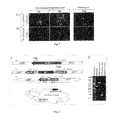
- FIG. 1 dsRNA-mediated gene silencing screening. Insect Sf9 cells were seeded in 24-well tissue culture plates (2 ⁇ 10 5 cells/well) in 1 ml Sf-900 II SFM culture medium at 28° C. After two hours, the culture medium was removed, and the cells were infected with recombinant baculovirus carrying the egfp gene under control of the polyhedrin promoter (AcMNPV-EGFP) under standard conditions. (A) Determination of very late gene expression level using fluorescent microscopy.
- the level of very late gene expression was analyzed by using an rabbit anti-EGFP polyclonal antiserum at 48 h p.i. Anti-vp39 and anti- ⁇ -tubulin antibodies were used as internal controls.
- C Titration and detection of produced budded virions in dsRNA-treated cells. Budded virions were harvested at 36 hours p.i., and used either for end-point dilution assays to measure titers of infectious virions, or for PCR-based detection to check the presence of virus particles.
- D Presence of occlusion-derived virions and rod-shaped structures in vp39- and vp80-down-regulated cells.
- the cells were harvested 36 hours p.i., lysed, and the cell lysates were ultracentrifuged through a cushion of 40% sucrose solution (45,000 rpm for 1 hour, Beckman SW55). Pellets were resuspended in demi-water and analyzed by negative staining electron microscopy. The bars represent 100 nm.
- FIG. 2 Construction of the AcMNPV vp80-null bacmid.
- A Strategy for construction of a vp80-null bacmid containing a complete deletion of the AcMNPV vp80 open-reading frame via homologous recombination in E. coli .
- a 2074-bp fragment encompassing the vp80 ORF was deleted and replaced with a sequence cassette containing the chloramphenicol (cat) resistance gene flanked by modified loxP (LE and RE) sites.
- the antibiotic resistance gene (cat) was eliminated from the bacmid sequence using the Cre/loxP recombination system.
- the top figure confirms the vp80 gene deletion and the insertion of the cat cassette into the vp80 locus with primer pairs 90292/90889 and cat-F/cat-R.
- the bottom figure is showing PCR-based verification of the correct recombination processes in the vp80 locus using the 89507/91713 primer pair.
- FIG. 3 Viral replication capacity of AcMNPV-vp80 knockout and repaired bacmid constructs using transfection-infection assays
- A Schematic representation of expression cassettes transposed into the polyhedrin locus. Four repair constructs were made (vp80 driven by its native promoter, vp80 driven by the polyhedrin promoter, N-terminally FLAG-tagged vp80 and C-terminally FLAG-tagged vp80, both expressed from its native promoter). The bacmid genome backbones used for transfection assays are indicated on the left. As positive control of viral replication the wild type AcMNPV (bMON14272) bacmid was used.
- the Ac-gp64null bacmid was used as negative control representing a prototype bacmid with a “single-cell infection” phenotype.
- B Time course fluorescence microscopy showing the propagation of the infection in Sf9 cells transfected with indicated bacmid constructs. Progress of viral infection was checked by EGFP detection at indicated times post transfection. At 120 hours p.t., the cell culture supernatants were collected to initiate a secondary infection.
- C Secondary infection assay. EGFP was detected at 72 hours p.i. to signal the progress of infection.
- FIG. 4 Growth curves of AcMNPV-vp80null repaired bacmid constructs generated from a transfection time-course assays.
- Sf9 cells were transfected with 5.0 ⁇ g of DNA from each repair bacmid.
- Cell culture supernatants were harvested at the indicated time points post-transfection and analysed for the production of infectious budded virus by an TCID 50 end-point dilution assay. Infectivity was determined by monitoring EGFP expression. The points indicate the averages of titers derived from three independent transfections, and the error bars represent the standard deviation.
- FIG. 5 The AcMNPV-vp80null mutant is unable to produce any infectious/non-infectious budded virions.
- the Sf9 cells were independently transfected with 20 ⁇ g of bacmid DNA of Ac- ⁇ vp80 (a), Ac-wt (b), Ac- ⁇ vp80-vp80 (c), Ac- ⁇ vp80-pH-vp80 (d), Ac- ⁇ vp80-FLAG-vp80 (e), or Ac- ⁇ vp80-vp80-FLAG (f).
- the budded virus-enriched cell culture supernatants were ultracentrifuged and budded viruses were observed by negative staining electron microscopy (A). The bars represent 200 nm.
- harvested budded virions were also either separated on SDS-PAGE, blotted and immuno-detected using anti-VP39 antibody or used for PCR-based detection to detect the presence of viral particles (B).
- FIG. 6 The null bacmid mutant in the vp80gene forms small number of nucleocapsids, and is deficient in production of occlusion-derived virions.
- the Sf9 cells transfected either with Ac- ⁇ vp80 (A to D), Ac- ⁇ vp80-vp80 (E, F), or Ac-wt (G, H) were fixed, stained, embedded and thin-sectioned as described in Materials and Methods.
- A Representative overview of Sf9 cell transfected with Ac-vp80null bacmid mutant.
- Nc nucleocapsid
- NM nuclear membrane
- Nu nucleus
- RZ ring zone
- Mi mitochondrion
- ODV occlusion-derived virions
- VS virogenic stroma.
- FIG. 7 Functional complementation of the Ac-vp80null bacmid mutant using the trans-acting vp80 gene.
- the Sf9 cells were transfected with either pIZ-flag-vp80 (A) or pIZ (B) vector, and subjected to Zeocin-based selection. Three weeks post-transfection, a polyclonal Zeocin resistant populations of cells were seeded to new 6-well plate and transfected with the Ac-vp80null bacmid mutant to check complementation activity. Virus propagation was monitored by EGFP-specific fluorescence at 72 h and 96 h p.t.
- the cell culture supernatants were collected to initiate a secondary infection in untreated (wild-type) Sf9 cells (right panel).
- EGFP was detected at 72 hours p.i. to signal the progress of infection.
- EGFP was detected at 120 hours p.i. to signal the progress of infection.
- FIG. 8 Construction of an AcMNPV vp39-null bacmid.
- A Strategy for construction of a vp39-null bacmid containing a partial deletion of the AcMNPV vp39 open-reading frame via homologous recombination in E. coli .
- An internal 498-bp fragment of the vp39 ORF was deleted and replaced with a sequence cassette containing the chloramphenicol (cat) resistance gene flanked by modified loxP (LE and RE) sites.
- the cat gene was eliminated from the bacmid sequence using the Cre/loxP recombination system.
- the promoter sequences of the lef-4 and cg-30 genes were not affected.
- FIG. 9 Determination of viral replication capacity of AcMNPV-vp39 knockout and repaired bacmid constructs using transfection-infection assays
- A Schematic representation of expression cassettes, Tn7-based transposed into the polyhedrin locus. (1) vp39 expressed form the polyhedrin promoter, (2) a double gene vp39 and lef-4, both driven by their native promoters, (3) a double gene vp39 and cg-30 both driven by the polyhedrin promoter, and finally (4) a double gene construct of N-terminally FLAG-tagged vp39 driven by the polyhedrin promoter and the cg-30 ORF expressed from both its native and also the more upstream polyhedrin promoter.
- the parental bacmid genome backbones used for transfection assays are indicated on the left.
- the wild type AcMNPV (bMON14272) bacmid was used as positive control of viral replication.
- B Time course fluorescence microscopy showing the propagation of the infection in Sf9 cells transfected with indicated bacmid constructs. Viral progressions were checked by EGFP detection at indicated times post transfection. At 168 hours p.t., the cell culture supernatants were collected to initiate a secondary infection.
- C Secondary infection assay. EGFP detection was performed at 72 hours p.i. to measure progress of the infection.
- FIG. 10 Construction of an AcMNPV vp1054-null bacmid.
- A Strategy for the construction of a vp1054-null bacmid containing a deletion of the AcMNPV vp1054 open-reading frame via homologous recombination in E. coli .
- a 955-bp sequence from the 3′-end of the vp1054 ORF was deleted and replaced with a cat sequence cassette flanked by modified loxP (LE and RE) sites.
- a single point mutation was introduced to change the first translation codon ATG ⁇ Met to ACG ⁇ Thr, to prevent translation into a C-truncated VP1054 protein. It also meant that the internal AAT codon no.
- the top figure is showing confirmation of the vp1054 gene deletion and insertion of the cat cassette into vp1054 locus using primer pairs 90292/90889 and cat-F/cat-R.
- the bottom figure shows CR-based verification of the correct recombination processes in the vp1054 locus using the 89507/91713 primer pair.
- FIG. 11 Viral replication capacity of AcMNPV-vp1054 knockout and repaired bacmid constructs using transfection-infection assays
- A Schematic representation of expression cassettes transposed into the polyhedrin locus. The bacmid genome backbones used for transfection assays are indicated on the left.
- Two Ac-vp1054null-derived constructs were made: first construct carrying only egfp marker gene under control of p10 promoter, and second construct carrying both egfp marker and over-lapping lef-10/vp1054 locus directed from their natural promoter sequences (d).
- d As positive control of viral replication the wild type AcMNPV (bMON14272) bacmid was used (a).
- the Ac-gp64null bacmid was used as negative control representing a prototype bacmid with a “single-cell infection” phenotype (b).
- B Time course fluorescence microscopy showing the propagation of the infection in Sf9 cells transfected with indicated bacmid constructs. Progress of viral infection was checked by EGFP detection at indicated times post transfection. At 120 hours p.t., the cell culture supernatants were collected to initiate a secondary infection.
- C Secondary infection assay. EGFP was detected at 72 hours p.i. to signal the progress of infection.
- FIG. 12 Construction of an AcMNPV p6.9-null bacmid.
- A Strategy for construction of a p6.9-null bacmid containing a complete deletion of the AcMNPV p6.9 open-reading frame via homologous recombination in E. coli .
- a 164-bp fragment of the p6.9 ORF was deleted and replaced with a cat resistance gene flanked by modified loxP (LE and RE) sites. Subsequently, the cat gene was eliminated from the bacmid sequence using Cre/loxP recombination. The promoter sequence of p6.9 gene was left unaffected, since its sequence is overlapping with the p40 ORF.
- FIG. 13 Viral replication capacity of AcMNPV-p6.9 knockout and repaired bacmid constructs using transfection-infection assays
- A Schematic representation of expression cassettes transposed into the polyhedrin locus. Two repair constructs were made (AcMNPV p6.9 and SeMNPV p6.9 genes, both driven by the AcMNPV p6.9 promoter). The bacmid genome backbones used for transfection assays are indicated on the left.
- As positive control of viral replication the wild type AcMNPV (bMON14272) bacmid was used.
- the Ac-gp64null bacmid was used as negative control representing a prototype bacmid with a “single-cell infection” phenotype.
- FIG. 14 Western blot analysis of Flag:vpp80 in cells, BV and ODC Time course of vp80 expression in infected insect cells.
- Sf9 cells were infected with the Ac- ⁇ vp80-Flag ⁇ vp80 repair virus, and harvested at an indicated time points.
- Flag ⁇ VP80 was detectable by western blot analysis from 12 h to 72 h p.i. as a band of approximately 95 kDa.
- a second Flag ⁇ VP80-specific band of ⁇ 80 kDa accumulated from 48 h till 72 h p.i. Tubulin was used as an internal loading control.
- the VP80 associates with the nucleocapsid fraction of BV.
- Nc nucleocapsid
- Env envelope fractions by Nonidet-P40-based extraction.
- Flag ⁇ VP80 was detected in the Nc fraction as a double-band with molecular weights between the two variants (80-kDa and 95-kDa) detected in infected Sf9 cells (upper panel). Correct separation into Nc and Env fractions was controlled by anti-VP39 and anti-GP64 antibodies (bottom panels).
- C VP80 is also a structural component of ODV- nucleocapsids.
- Five days p.i., ODVs were released from occlusion bodies and subsequently separated into nucleocapsid (Nc) and envelope (Env) fractions.
- Nc nucleocapsid
- Env envelope fractions.
- Western blot analysis showed that VP80 is present in the DV Nc fraction as a single band of ⁇ 80 kDa. Proper fractionation into Nc and Env fractions was controlled using anti-PIF-1 antiserum (bottom panel).
- FIG. 15 Functional complementation of the Ac-vp80null bacmid defective in BV production by trans-complementation.
- A Detection of FLAG:VP80 in a transgenic Sf9-derived cell line (Sf9-vp80) by Western analysis. Tubulin was used as an internal loading control.
- B Time-course fluorescence microscopy (EGFP) to follow the infection in Sf9-vp80 cells transfected (i) or infected (ii) with the Ac- ⁇ vp80 bacmid (a,b).
- EGFP Time-course fluorescence microscopy
- the cell culture supernatants were collected to initiate a secondary infection in either Sf9-vp80 (a) or Sf9 (b) cells (panels on the right side).
- Sf9-vp80 cells were transfected with the Ac- ⁇ vp80 bacmid and Sf9 cells with either the Ac- ⁇ vp80 (negative control) or the Ac-wt (positive control) bacmid.
- BVs were quantified in cell culture supernatants at 6 days p.t. by end point dilution. Representative results of three independent assays with error bars giving the SD are shown.
- FIG. 16 Analysis of foreign gene expression by trans-complemented, replication-deficient baculovirus seed.
- MOI 10 TCID 50 units per cell
- A At 48 h p.i. the presence of EGFP, Flag:VP80 and GP64 was analyzed by Western blotting. Actin was used as an internal loading control.
- B Photomicrographs of cells expressing EGFP 72 h p.i. (top), and relative amount of EGFP measured by ELISA at 48 and 72 h p.i.
- FIG. 17 The novel baculovirus-insect cell technology approach designated for the production of biopharmaceuticals free of contaminating baculoviral virions.
- A Insect cell engineering to express an essential viral factor (vp80) to complement a vp80 mutation in the virus.
- the transgenic Sf9 cells encode the vp80 ORF and a resistance gene allowing antibiotics-based selection of the transgenic cells.
- B Generation of an Ac- ⁇ vp80 bacmid defective in production of BV and ODV virions. The bacmid lacks the entire vp80 ORF.
- C Production of a baculovirus seed stock by trans-complementation in the engineered Sf-vp80 cells.
- the Sf9-vp80 cells are transfected with the Ac- ⁇ vp80 bacmid to produce trans-complemented virus progeny. After budded virus propagation, high-titer virus stocks are produced in the Sf9-vp80 packaging cells (D) Baculovirus-based recombinant protein expression. Conventional Sf9 cells are infected with the trans-complemented budded virus progeny. Recombinant protein is expressed from very late baculovirus promoters (p10 or polh) allowing high levels of expression, while no contaminating baculovirus virions (BV/ODV) are produced.
- BV/ODV very late baculovirus promoters
- Spodoptera frugiperda (Sf9) cells were maintained in SF900-II serum-free medium (Invitrogen) under standard conditions.
- Recombinant bacmid-derived AcMNPV virus (AcMNPV-EGFP) carrying an egfp reporter gene under control of the very late polyhedrin promoter transposed into the polyhedrin locus was obtained from Pijlman et al. (2006). The virus was propagated and its titers were determined by an end-point dilution assay in Sf9 cells.
- dsRNA The method used to synthesize dsRNA is similar to that described by Ramadan et al. (2007) with minor modifications. All DNA templates were PCR amplified using primers with twenty-five nucleotide overhangs homologous to the T7 RNA polymerase promoter sequence 5′-gcttctaatacgactcactataggg-3′. The sequences of the primers indicated below are given in Table 1.
- primers vp39-F and vp39-R for vp39
- primers 45510 and 46235 for vp1054, primers 90292 and 90889 for vp80
- primers ec-27-F and ec-27-R for odv-ec27
- primers dbp-F and dbp- for dbp.
- RNAi studies we made dsRNA against egfp with primers gfp-F and gfp-R, and to have a negative control we made dsRNA with primers cat-F and cat-R for the chloramphenicol acetyl transferase (cat) gene.
- PCR products were purified using the Illustra GFX PCR DNA and Gel Band Purification Kit (GE Healthcare, Buckinghamshire, UK) and were used as templates for dsRNA in vitro synthesis using the T7 RiboMAXTM Express RNAi System (Promega, Madison, Wis., USA) according to manufacturer's protocol. Briefly, approximately 1 ⁇ g of purified DNA templates were used for RNA synthesis at 37° C. for 4 h. After synthesis, DNA templates were removed by digestion with DNase. Complementary RNA strands were annealed by incubation at 70° C. for 10 min followed by slow cooling to room temperature ( ⁇ 30 min).
- Non-annealed (single-stranded) RNA molecules were degraded by RNase A treatment (30 min, 37° C.). Finally, the dsRNA was isopropanol precipitated, resuspended in DEPC-treated sterile water to a final concentration of 0.5-1 mg/ml, and its purity and integrity were checked by agarose gel electrophoresis. The dsRNA was kept at ⁇ 80° C. in aliquots of 40 ⁇ l. Immediately before transfection, the dsRNA was thawed on ice.
- Sf9 cells were seeded in 24-well tissue culture plates (2 ⁇ 10 5 cells/well) in 1 ml Sf900-II culture medium without serum at 28° C. After two hours, the culture medium was removed, and the cells were infected with recombinant baculovirus AcMNPV-EGFP at a multiplicity of infection (MOI) of 10 TCID 50 units/cell for 1 h, under standard conditions.
- MOI multiplicity of infection
- dsRNA 20 ⁇ g/well
- the cells were incubated for a total of 48 h p.i. at 28° C. and then harvested by centrifuging at 1000 ⁇ g for 5 min for Western blot and electron microscopy analysis. However, one fifth of the culture medium was harvested at 36 h p.i., and used for titration of budded virions by end-point dilution assays or for PCR-based detection of viral DNA. In all the experiments, dsRNA corresponding to the cat gene was taken as negative control. On the other hand, egfp gene-specific dsRNA was used as positive control for the RNAi procedure.
- the Sf9 cells were disrupted in 125 mM Tris-HCl, 2% sodium dodecyl sulfate (SDS), 5% 2-mercapthoethanol, 10% glycerol, 0.001% bromophenol blue, pH 6.8 at 95° C. for 10 min. Proteins were separated in 10% SDS-polyacrylamide gels, and subsequently transferred to Immobilon-P membranes (Millipore) by semi-dry electroblotting.
- Membranes were blocked for 30 min in 1 ⁇ PBS containing 2% fat-extracted milk powder, followed by incubation for 1 h at room temperature with either rabbit polyclonal anti-GFP antiserum (Molecular Probes), rabbit polyclonal anti-VP39 antiserum, or monoclonal anti- ⁇ -tubulin antibody (Sigma-Aldrich), all diluted 1/2000 in 1 ⁇ PBS containing 0.2% milk power. After washing (3 ⁇ 10 min) in 1 ⁇ PBS, the membranes were incubated with 1/4000 dilution of either goat anti-rabbit IgG or rabbit anti-mouse IgG antibodies conjugated with alkaline phosphatase (Sigma).
- BVs Two-hundred microliters of cell culture medium were collected at 36 h p.i. and used for preparation of viral DNA. The cells and cell debris were removed from samples by centrifuging at 1000 ⁇ g for 5 min. Supernatants containing budded virions were quantitatively transferred to new sterile tubes and centrifuged again at 12000 ⁇ g for 90 min. Pelleted BVs were re-suspended in 200 ⁇ l TE buffer (10 mM Tris-HCl [pH 7.5], 1mM EDTA) containing Proteinase K (540 ⁇ g/ml), and incubated at 55° C. for 2 h.
- TE buffer 10 mM Tris-HCl [pH 7.5], 1mM EDTA
- a phenol:chloroform:isoamyl alcohol (25:24:1) and a chloroform extraction were subsequently performed.
- the DNA was precipitated by adding an equal amount of isopropanol and the pellet was washed with 70% ethanol.
- the DNA pellet was dissolved in 15 ⁇ l sterile water, and 2 ⁇ l of the final DNA solution was applied to PCR-based detection of the vp39 gene sequence using primers mentioned above. All PCR reactions were performed in 25 ⁇ l volumes including: 2 ⁇ l DNA, 200 ⁇ M dNTPs, 10 pmol of each primer, 1.5 mM MgCl 2 and 1.5 U GoTaq DNA polymerase (Promega).
- Amplification conditions were as follows: an initial denaturation at 94° C.
- VP80 protein has an essential role in the context of viral progeny production.
- AcMNPV bacmid derived from bMON14272 (from Invitrogene)
- a deletion of the vp80 ORF by homologous recombination in E. coli .
- a cat gene flanked by mutant LoxP sites was amplified using PCR primers vp80-KO-F and vp80-KO-R (see Table 1) from a plasmid comprising a cat gene flanked by mutant LoxP sites.
- the resulting PCR fragment which contained the cat gene flanked by mutant LoxP sites and AcMNPV ⁇ 50-bp homology sequences to the 5′ or 3′ proximal region of the vp80 ORF, was treated with DpnI and gel-purified to eliminate the template plasmid.
- the PCR product was then transformed into DH10 ⁇ E. coli cells containing bMON14272 (Invitrogen) and the Lambda RED recombinase-producing plasmid pKD46 (Datsenko & Wanner, 2000), which had been prepared in the following manner. Transformed DH10 ⁇ -bMON14272/pKD46 E.
- coli cells were grown in 50-ml LB (2.0% peptone, 0.5% yeast extract, 85.5 mM NaCl, [pH 7.0]) cultures with kanamycin (50 ⁇ g/ml), ampicillin (100 ⁇ g/ml) and L-arabinose (1.5 mg/ml) at 30° C. to an OD 600 of ⁇ 0.6 and then made electrocompetent by a standard procedure.
- the electroporated cells were incubated at 37° C. for 3 h in 3 ml LB medium and plated on LB-agar containing chloramphenicol at a concentration of 6.5 ⁇ g/ml.
- a Cre recombinase-carrying plasmid pCRE obtained from Jeanine Louwerse (LUMC Leiden, The Netherlands) was introduced into DH10b-bMON14272-vp80null E. coli cells, and CRE expression was subsequently induced by the addition of isopropyl thiogalactoside (IPTG). Briefly, the electroporated cells were incubated at 37° C.
- the helper transposase-encoding plasmid pMON7124 (Invitrogen) was re-introduced into DH10 ⁇ -bMON14272-vp80null E. coli cells.
- the egfp reporter gene was introduced into the vp80-null bacmid to facilitate observation of its behaviour in insect cells.
- the egfp reporter gene was amplified using PCR oligonucleotides gfp-NheI-F and gfp-SphI-R (Table 1) from plasmid pEGFP-N3 (Clontech).
- PCR product was cloned into plasmid pJet1.2/Blunt using CloneJETTTM PCR Cloning Kit (Fermentas) according to manufacturer's protocol. Subsequently, the egfp ORF was excised from error-free pJet1.2-egfp with NheI and SphI and subcloned into NheI/SphI-digested pFastBacDUAL (Invitrogen), to generate plasmid pFB-egfp.
- vp80 repair donor vectors we modified plasmid pFB-egfp (noted above) by removing the polyhedrin promoter and replacing it with a fragment containing the vp80 promoter region and the vp80 ORF.
- a 2300-bp fragment containing both the vp80 promoter and ORF sequence was amplified using primers pvp80-StuI-F and vp80-XbaI-R (Table 1) from bacmid bMON14272 template, and cloned into vector pJet1.2/Blunt (Fermentas) to form pJet1.2-pvp80-vp80.
- the vp80 cassette was excised from pJet1.2-pvp80-vp80 by StuI/XbaI double digestion, and then subcloned into Bst1107I/XbaI-digested and gel-purified pFB-egfp to generate donor plasmid pFB-egfp-pvp80-vp80.
- a donor plasmid pFB-egfp-polh-vp80, where vp80 ORF is driven by the very late polyhedrin promoter (polh) was constructed.
- vp80-SacI-F and vp80-XbaI-R (Table 1) and cloned into pJet1.2/Blunt, to generate pJet1.2-vp80.
- the vp80 ORF was cut out (SacI/XbaI) from pJetol.2p-vpo80p, and subcloned into SacI/Xba/-digested pFB-egfp, to create pFB-egfp-polH-vp80.
- FLAG tag decoration (N— and C-terminus fusion) of VP80 was performed to facilitate immunodetection.
- the N-terminally fused FLAG-vp80 sequence was generated by a double-step PCR strategy, a so-called fusion PCR.
- a 259-bp fragment containing the vp80 promoter and the FLAG tag was PCR amplified using primers pvp80-StuI-F and vp80-FLAG-R1 from the bMON14272 bacmid template.
- the 259-bp fragment was used as forward primer in a second step PCR amplification with the reverse primer vp80-XbaI-R on the bMON14272 bacmid template.
- the final PCR product (2324 bp) was cloned into vector pJet1.2/Blunt (Fermentas) to form pJet1.2-pvp80-FLAG-vp80.
- the FLAG-vp80 cassette was excised from pJet1.2-pvp80-FLAG-vp80 by StuI/XbaI double digestion, and then subcloned into Bst1107I/XbaI-digested and gel-purified pFB-egfp to generate donor plasmid pFB-egfp-pvp80-FLAG-vp80.
- the C-terminally fused vp80-FLAG cassette was amplified using pvp80-StuI-F and vp80-FLAG-R from the bMON14272 bacmid template.
- the 2324-bp fragment was cloned into pJet1.2/Blunt, and subsequently transfer into pFB-egfp in a similar way as previous constructs.
- FLAG tag decoration (N- and C-terminus fusion) of VP80 was performed to facilitate immunodetection.
- the N-terminally fused FLAG-vp80 sequence was generated by a double-step PCR strategy, a so-called fusion PCR.
- a 259-bp fragment containing the vp80 promoter and the FLAG tag was PCR amplified using primers pvp80-StuI-F and vp80-FLAG-R1 from the bMON14272 bacmid template.
- the 259-bp fragment was used as forward primer in a second step PCR amplification with the reverse primer vp80-XbaI-R on the bMON14272 bacmid template.
- the final PCR product (2324 bp) was cloned into vector pJet1.2/Blunt (Fermentas) to form pJet1.2-pvp80-FLAG-vp80.
- the FLAG-vp80 cassette was excised from pJet1.2-pvp80-FLAG-vp80 by StuI/XbaI double digestion, and then subcloned into Bst11071/XbaI-digested and gel-purified pFB-egfp to generate donor plasmid pFB-egfp-pvp 80-FLAG-vp80.
- the C-terminally fused vp80-FLAG cassette was amplified using pvp80-StuI-F and vp80-FLAG-R from the bMON14272 bacmid template.
- the 2324-bp fragment was cloned into pJet1.2/Blunt, and subsequently transfer into pFB-egfp in a similar way as previous constructs.
- Bacmid DNAs were prepared from 1.5-ml over-night bacterial cultures of 2 to 3 independent colonies carrying the bacmid with the inserted heterologous gene according to the Bac-to-Bac manual (Invitrogen) and were analyzed in parallel.
- 1 ⁇ g of each bacmid DNA preparation was used to transfect 1 ⁇ 10 6 Sf9 cells in a 6-well plate by the CellfectinTM-based transfection protocol as described in the Bac-to-Bac (Invitrogen) manual. From 72 h to 120 h post transfection (p.t.), viral propagation was checked by fluorescence microscopy.
- the cell culture medium was centrifuged for 5 min at 2000 ⁇ g to remove cell debris, and this clarified supernatant was used to infect 1.5 ⁇ 10 6 Sf9 cells in 6-well plates. After 72 h p.i., the spread of virus infection was again monitored by fluorescence microscopy.
- a wild-type bMON14272 bacmid carrying the egfp reporter gene under control of the p10 promoter was used as positive control.
- a bMON14272-gp64null bacmid also carrying the egfp reporter gene under control p10 promoter served as negative control, since it has lost the ability of cell-to-cell movement of the infection (Lung et al., 2002).
- TCID 50 tissue culture infective dose 50
- Insect Sf9 cells were seeded in 25T flask (3.5 ⁇ 10 6 cells/flask), and transfected with 20 ⁇ g either the Ac- ⁇ vp80, rescue Ac- ⁇ vp80-vp80 or Ac-wt bacmid construct. After 48 h p.t., the cells were harvested and prepared for transmission electron microscopy as described previously (van Lent et al., 1990). Samples were examined and photographed with a Philips CM12 electron microscope.
- Insect Sf9 cells were seeded in two 25T flasks (3.5 ⁇ 10 6 cells/flask), and transfected with 20 ⁇ g either Ac- ⁇ vp80, Ac- ⁇ vp80-vp80, Ac- ⁇ vp80-pH-vp80, Ac- ⁇ vp80-FLAG-vp80, Ac- ⁇ vp80-vp80-FLAG, or Ac-wt bacmid construct.
- the BV-enriched cell culture supernatants were harvested, and ultracentrifuged through a cushion of 10% sucrose solution (25,000 rpm for 1.5 hour, Beckman SW32). Pelleted budded virions were resuspended in sterile demi-water, and prepared for either negative staining electron microscopy, SDS-polyacrylamide electrophoresis, or PCR-based detection (as mentioned the above
- ODVs and rod-like structures in infected/transfected insect cells was analyzed by electron microscopy (EM).
- EM electron microscopy
- insect cells were harvested 48 h p.i., lysed and the cell lysates were ultracentrifuged through a 40% sucrose cushion in TE (1 mM Tris-HCl pH 7.4, 0.1 mM EDTA) buffer (45,000 rpm for 1 hour, Beckman SW55). Pellets were resuspended in sterile demi-water and analyzed by negative staining EM as described previously (van Lent et al., 1990).
- vp80-SacI-F and vp80-XbaI-R primers vp80-SacI-F and vp80-XbaI-R (Table 1) and cloned into pJet1.2/Blunt, to generate pJet1.2-vp80.
- the vp80 ORF was cut out (SacIlXbaI) from pJet1.2-vp80, and subcloned into SacI/Xba/-digested pIZ (Invitrogen), to create pIZ-vp80.
- the resulting plasmid vector pIZ-vp80 was linearized with Eco57I, and gel-purified. Sf9 cells were seeded in six-well plate (1 ⁇ 10 6 cells/well), and transfected with 10 ⁇ g of the linearized vector. After 24 hours post-transfection, cells were selected by cell culture medium containing ZeocinTM(300 ⁇ g/ml) for 2 to 3 weeks, until no control Sf9 cells survived under the same conditions. Cells were then propagated as an uncloned cell line.
- vp39 gene in the context of viral progeny production and the nucleocapsid assembly process, we constructed an AcMNPV bacmid (bMON14272) with a deletion of vp39 by homologous recombination in E. coli according to the same procedure as noted above for the AcMNPV vp80null bacmid construct. Since the sequence of the vp39 ORF is overlapping with promoter sequences of both flanking ORFs (cg-30 and lef-4), only an internal part of the vp39 ORF could be deleted, to avoid de-regulations of cg-30 and lef-4 expression.
- a cat gene flanked by mutant LoxP sites was amplified using PCR primers vp39-KO- and vp39-KO-R (Table 1) from a plasmid comprising a cat gene flanked by mutant LoxP sites.
- the resulting PCR fragment which contained the cat gene flanked by mutant LoxP sites and ⁇ 50-bp sequences homologous to an internal region of the vp39 ORF, was treated with DpnI and gel-purified to eliminate the template plasmid.
- the PCR product was then transformed into DH10 ⁇ E.
- vp39 repair donor vector To prepare a vp39 repair donor vector, we modified plasmid pFB-egfp (noted above) by introduction of the vp39 ORF under control of the polyhedrin promoter. Initially, a 1073-bp fragment was amplified using primers vp39-SacI-F and vp39-XbaI-R (see Table I for primer sequences) from the bMON14272 template, and cloned into vector pJet1.2/Blunt (Fermentas) to form pJet1.2-vp39.
- the vp39 ORF was excised from pJet1.2-vp39 by SacI/XbaI double digestion, and then subcloned into SacI/XbaI-digested and gel-purified pFB-egfp to generate donor plasmid pFB-egfp-vp39. After an unsuccessful attempt to rescue AcMNPV vp39null with pFB-egfp-vp39, a set of novel donor plasmids was prepared.
- a 2498-bp fragment containing vp39 and lef-4 ORFs was PCR-generated using primers vp39-StuI-F and lef-4-XbaI-R from bacmid bMON14272 template, and cloned into vector pJet1.2/Blunt (Fermentas) to form pJet1.2-vp39-lef-4.
- the fragment containing vp39 and lef-4 ORFs was excised from pJet1.2-vp39-lef-4 by StuI/XbaI double digestion, and then subcloned into StuI/XbaI-digested and gel-purified pFB-egfp to generate donor plasmid pFB-egfp-vp39-lef-4.
- donor plasmid pFB-egfp-vp39-cg30 was constructed, where both vp39 and cg-30 ORFs are driven from the very late polyhedrin promoter, and the cg-30 ORF can also use its native promoter situated inside the 3′-end of the vp9 ORF.
- a 1868-bp fragment carrying both vp39 and cg-30 ORFs was amplified using primers cg30-XbaI-F and vp39-XbaI-R (noted above) and cloned into pJet1.2/Blunt, to generate pJet1.2-vp39-cg30.
- the vp39/cg-30 cassette was subcloned as SacI/Xba into pFB-egfp, to create pFB-egfp-vp39-cg30. Additionally, a similar donor vector pFB-egfp-FLAG-vp39-cg30 was constructed, where vp39 ORF is N-terminally FLAG-tagged. The same strategy was employed to develop this vector, only the reverse primer vp39-FLAG-SacI-R was used to amplified vp39/cg-30 cassette instead of the vp39-XbaI-R primer.
- vp1054 To verify the essential role of the vp1054 gene in the context of viral progeny production and nucleocapsid assembly, we constructed an AcMNPV bacmid (bMON14272) with a deletion of vp1054 by homologous recombination in E. coli according to the same procedure as for the vp80null bacmid construct with minor alternations. Since the vp1054 ORF is overlapping with the essential lef-10 ORF, we could not remove the whole vp1054 ORF, but only a 955-bp nucleotide 3′-end part of the ORF.
- the 214-bp PCR product contained a mutation of the ATG start codon of the vp1054 ORF, introduced a synthetic stop/poly-A signal sequence for the lef-10 ORF, and has a 3′-end sequence homology overhang to the cat cassette to facilitate the second PCR, and a 49-bp homology sequence to the 5′-end of vp1054 ORF to mediate Lambda RED-directed homologous recombination in E. coli .
- the 214-bp fragment was used as forward primer in a second step PCR with reverse primer vp1054-KO-R2 with a plasmid comprising a cat gene flanked with mutant LoxP sites as template.
- the resulting 1230-bp PCR fragment which contained the cat gene flanked by mutant LoxP sites, a mutated 5′-end of the vp1054 ORF and ⁇ 50-bp sequences homologous to the 5′ or 3′ proximal region of the vp1054 ORF, was treated with DpnI and gel-purified to eliminate the template plasmid. Recombination of this PCR product with the bMON14272 bacmid was performed as described above for the vp80 mutant. Kanamycin resistant colonies were verified by PCR with primer pairs cat-F/cat-R, 45510/46235, and 45122 and 46441 to check the insertion/elimination of the cat gene from the bacmid backbone.
- Insertion sites were also confirmed by DNA-sequencing. This method resulted in the deletion of 955 bp from nucleotide positions 45365 to 46319 in the AcMNPV clone C6 genome provided in SEQ ID NO: 1. All primers sequences are given in Table 1.
- vp1054 repair donor vector we modified plasmid pFB-egfp (noted above) by removing the polyhedrin promoter and replacing it with a fragment containing the vp1054 promoter region and the vp1054 ORF.
- a 1714-bp fragment containing both the vp1054 promoter and ORF sequence was amplified using primers vp1054-Rep-F and vp1054-Rep-R from bacmid bMON14272 template, and cloned into vector pJet1.2/Blunt (Fermentas) to form pJet1.2-pvp1054-vp1054.
- the vp1054 cassette was excised from pJet1.2-pvp1054-vp1054 by StuI/XbaI double digestion, and then subcloned into Bst11071/XbaI-digested and gel-purified pFB-egfp to generate donor plasmid pFB-egfp-pvp1054-vp1054.
- the developed donor plasmids were transposed into the vp1054-null bacmid following the Bac-to-Bac protocol (Invitrogen) and screened. Recombinant bacmids were analyzed as detailed above for vp80 bacmids.
- the pFB-GFP-p6.9 vector was used, which was constructed by Marcel Westenberg (Wageningen University).
- the AcMNPV p6.9 promoter sequence was amplified from the plasmid pAcMP1 (Hill-Perkins & Possee, 1990) with primers pp 6.9-F and pp 6.9-R using the high-fidelity Expand long-template PCR system (Roche).
- the PCR product was cloned as SalI fragment into pFastBac1 (Invitrogen), from which the polyhedrin promoter was deleted in advance by fusing the Bst1107I to the StuI site, to obtain pFB1-p6.9.
- the p6.9 promoter from pFB1-p6.9 was recloned as SnaBI/BamHI fragment into the Bst1107I and BamHI sites of pFastBacDUAL (Invitrogen), thereby deleting the polyhedrin promoter.
- the egfp reporter gene was cloned downstream of the p10 promoter into the XmaI site to obtain pFB-GFP-p6.9.
- the p6.9 genes of AcMNPV and Spodoptera exigua (Se)MNPV were PCR amplified from either the AcMNPV bacmid (bMON14272) or SeMNPV genomic DNA by using the high-fidelity Expand long-template PCR system and primers generating EcoRI and NotI at the 5′ and 3′ ends, respectively (Table 1).
- the PCR products were cloned downstream of the p6.9 promoter in the EcoRI/NotI sites of pFB-GFP-p6.9. All generated clones were sequenced to verify the incorporated p6.9 sequences.
- RNAi treatment has no negative effect on the production of infectious budded virions progeny.
- transfect dsRNA into the cells at two different time points, 24 h prior to infection or 1 h p.i. The results proved that transfection performed at 1 h p.i. is more efficient in silencing of genes expressed at late/very late phases of baculoviral infection in contrast to transfection carried out at 24 h prior to infection (data not shown).
- dsRNA corresponding to the cat gene was transfected as an RNAi negative control.
- RNAi negative control we could observe a moderate inhibition of baculovirus infection propagation in comparison to untransfected insect cells. However, the same phenomenon was also observed when insect cells were treated only with transfection reagents. Therefore, we could conclude that the effect can be explained by a negative impact (cytotoxicity) of the presence of transfection reagents on cell viability.
- vp80 dsRNA Only cells treated with vp80 dsRNA showed a similar level of EGFP expression as untransfected cells or particularly with cat dsRNA-treated cells. Importantly, very few EGFP-producing cells were observed in insect cells where egfp-specific dsRNA was introduced (positive RNAi control), showing that the transfection efficiency was high. Based on our RNAi screening achievements, the vp80 gene (locus) seems to be a suitable candidate for RNAi-based targeting in context of interference with baculoviral very late gene expression.
- the AcMNPV vp80 Gene is Essential for Viral Replication
- FIG. 2 An AcMNPV deletion virus was constructed as detailed in FIG. 2 .
- Repair constructs were designed such that the wild-type vp80 ORF or N- and C-terminally FLAG-tagged vp80 genes along with its native or polyhedrin promoter regions were inserted into the polyhedrin locus along with the egfp gene under the p10 promoter ( FIG. 3A ).
- Sf9 cells were transfected with either the knock-out or repair bacmid constructs and monitored for EGFP expression by fluorescence microscopy. When Ac-vp80 null was introduced into Sf9 cells, no viral propagation was observed in cell culture at 72 h to 120 h p.t.
- the repaired Ac- ⁇ vp80-vp80Rep, Ac- ⁇ vp80-polh-vp80Rep, Ac- ⁇ vp80-FLAG-vp80Rep viruses showed kinetics of viral replication consistent with wild-type virus (Ac-wt) propagation. Budded virion production by the C-terminal flagged Ac- ⁇ vp80-vp80-FLAGRep virus was reduced to approximately 0.06% compared to the Ac-wt virus or the other repaired viruses.
- vp80 gene is essential for infectious BV production. It has clearly been proven that the whole sequence of vp80 ORF can completely be deleted from the bacmid backbone and adequately rescued by introduction of the vp80 ORF into a heterologous site (polyhedrin locus) of the genome. We also showed that vp80 gene expression can be driven by the heterologous polyhedrin promoter sequence with no negative effect on viral replication in cell culture. Additionally, we observed that the N-terminus in contrast to the C-terminus of VP80 is permissive to gene modifications (epitope tag-labeling). We noted that the kinetics of the C-terminally FLAG-tagged VP80 virus was significantly delayed when compared with all other rescue or wild-type viruses, indicating the functional importance of the VP80 C-terminus.
- VP80 is Required for Production of Both BV and ODV
- the formed nucleocapsids were phenotypically undistinguishable from those produced by either the Ac-vp80null repair or Ac-wt bacmids. However, an abundance of assembled nucleocapsids was rather less as compared with cells-transfected with the Ac-vp80null repair or Ac-wt bacmids ( FIGS. 6E and 6G ). In addition, no occlusion-derived virions nor bundles of nucleocapsids prior to an envelopment could be observed in the peristromal compartment of a nucleoplasm (so called the ring zone) of Ac-vp80null bacmid-transfected cells ( FIGS. 6B and 6D ).
- VP80 plays a role during maturation of nucleocapsids and/or their release/transport from the virogenic stroma. Eventually, VP80 can somehow contribute to an efficient nucleocapsid assembly which could be explained by small number of nucleocapsids present in the virogenic stroma of Ac-vp80null transfected cells.
- vp80 gene was re-introduced back into the bacmid mutant, a lot of nucleocapsids and occlusion-derived virions could be seen in the ring zones of transfected cells ( FIG. 6F ).
- An abundance and morphology of occlusion-derived virions produced in Ac- ⁇ vp80-vp80 repair bacmid-transfected cells were similar to those produced by wild-type bacmid ( FIGS. 6F and 6H ).
- VP80 Function can be Complemented by the Trans-Acting vp80 Gene
- VP80 function can be complemented by the trans-acting vp80 ORF
- a complementation assay was performed with a transgenic cell line, Sf9-vp80, that was stably transformed with the vp80 gene expressed under control of an early baculovirus Orgyia pseudotsugata ie-2 promoter.
- both Sf9 and Sf9-vp80 cells were transfected with the Ac-vp80null bacmid mutant ( FIG. 7 ).
- Virus infection spread was monitored by EGFP-specific fluorescence at 72 h and 96 h p.t. In Sf9-vp80 cells we could observe viral plaques demonstrating the virus spread.
- Sf9 cells only “single-cell infection” phenotype could be seen as previously described above. After six days, the cell culture supernatants were harvested and used as a inoculum to infect fresh groups of Sf9 cells. After 5 days, EGFP-positive cells were monitored by fluorescence microscopy. Only “single-cell infection” phenotype was observed in Sf9 cells receiving the supernatant from Sf9-vp80 cells. As assumed, no EGFP signal was detected in Sf9 cells receiving the supernatant from Sf9 cells.
- an vp39-null AcMNPV bacmid was constructed by partial deletion of the vp39 gene. The deletion construct was selected by its resistance to chloramphenicol indicating that site-specific deletion of the vp39 gene had occurred. In the resulting vp39-null AcMNPV bacmid, the internal part of vp39 gene was correctly replaced by the cat gene. Subsequently, the cat was eliminated by Cre/LoxP recombination ( FIG. 8A ). The vp39 sequence was removed from nucleotides 75894 to 76391 according to the AcMNPV clone C6 genome sequence (SEQ ID NO:1).
- the structure of the vp39 deletion constructs was confirmed by PCR using primers 75834 and 76420 ( FIG. 8B ).
- a 647-bp DNA fragment was amplified when wild-type AcMNPV bacmid was used as a template, whereas a 1113-bp DNA fragment could be amplified on AcMNPV vp39-null(+cat) template ( FIG. 8B ).
- the final construct AcMNPV-vp80null( ⁇ cat) with eliminated cat cassette was used in PCR analysis, only a short 183-bp DNA fragment could be detected ( FIG. 8B ). The results were confirmed by DNA sequencing.
- the repair constructs were designed in such a way that the wild-type vp39 ORF under control of the polyhedrin promoter sequence was inserted into the polyhedrin locus along with the egfp gene controlled by the p10 promoter ( FIG. 9A ).
- Sf9 cells were transfected with either the knock-out or repair bacmid constructs and monitored for EGFP expression by fluorescence microscopy.
- Ac-vp39 null was introduced into Sf9 cells, no viral propagation was observed from 72 h to 168 h p.t.
- vp39 ORF sequence overlaps with the promoter sequences of the two flanking ORFs (lef-4 and cg-30), we could not delete the whole vp39 ORF in our vp39null bacmid construct. It may therefore also be that C- and/or N-truncated mutant(s) of vp39 may be expressed which may interfere as a competitive inhibitor with the normal VP39 protein.
- an vp1054-null AcMNPV bacmid was constructed by partially deleting the vp1054 gene from AcMNPV bacmid (bMON14272) by homologous recombination in E. coli .
- the deletion construct was selected by its resistance to chloramphenicol that indicated that site-specific deletion of the vp1054 gene had occurred.
- the 955-bp 3′-end part of the vp1054 gene was correctly replaced by the cat gene.
- FIG. 10A The deleted sequence was removed from the nucleotide coordinates 45365 to 46319 according to the AcMNPV clone C6 genome sequence (SEQ ID NO:1). The structure of all the deletion constructs was confirmed by PCR ( FIG. 10B ).
- vp1054 gene When the vp1054 gene is present, as in the parental wild-type AcMNPV bacmid, a 775-bp PCR product can be amplified using primers 45510 and 46235, whereas a 596-bp PCR fragment amplified with cat-F and cat-R primers is produced only when cat gene was introduced into bacmid sequence in case of AcMNPV vp1054null(+cat) construct ( FIG. 10B ). Correct recombination process was also confirmed by PCR mapping of vp1054 locus using primers 45122 and 46441.
- a 1320-bp DNA fragment was amplified when wild-type AcMNPV bacmid was used as a template, whereas a 1353-bp DNA fragment could be amplified on AcMNPV vp1054-null(+cat) template ( FIG. 10B ).
- a 1353-bp DNA fragment could be amplified on AcMNPV vp1054-null(+cat) template ( FIG. 10B ).
- the repair construct was designed such that the AcMNPV vp1054 ORF with its native promoter region was inserted into the polyhedrin locus along with the egfp gene under the control of the p10 promoter ( FIG. 11A ). Since the vp1054 promoter and ORF sequences are overlapping with lef-10 ORF, the repair construct is also capable to express LEF-10.
- Sf9 cells were transfected with either the vp1054 knock-out or repair bacmid construct and monitored for EGFP expression by fluorescence microscopy. When Ac-vp1054 null construct was introduced into Sf9 cells, no viral propagation was observed in cell culture at 72 h to 120 h p.t.
- vp1054 gene is essential for infectious BV production. It has clearly been proven that the 955-bp 3′-end sequence part of the vp1054 ORF can completely be deleted from the bacmid backbone and adequately rescued by introduction of the AcMNPV vp1054 ORF into a heterologous site (polyhedrin locus) of the genome. In addition, the results proved that deletion of the vp1054 gene does not affect very late gene expression, as demonstrated by EGFP-positive cells in cells transfected with Ac-vp1054null bacmid mutant ( FIG. 11B ).
- an vp80-null AcMNPV bacmid was constructed by deleting the p6.9 gene from AcMNPV bacmid (bMON14272) by homologous recombination in E. coli .
- the deletion construct was selected by its resistance to chloramphenicol that indicated that site-specific deletion of the p6.9 gene had occurred.
- the p6.9 gene was correctly replaced by the cat gene.
- the antibiotic resistance cassette (cat) was eliminated from bacmid backbone using Cre/LoxP recombination system ( FIG. 12A ).
- the deleted sequence was removed from the translational start codon (ATG ⁇ Met) to the stop codon (TAT ⁇ Tyr), nucleotide coordinates 86716 to 86879 according to the AcMNPV clone C6 genome sequence (SEQ ID NO:1).
- the stop codon of the p6.9 orf was not removed since its sequence is overlapping with the stop codon of flanked lef-5 orf.
- the structure of all the deletion constructs was confirmed by PCR ( FIG. 12 B).
- the repair constructs were designed such that the wild-type AcMNPV or SeMNPV p6.9 ORFs with AcMNPV p6.9 promoter region were inserted into the polyhedrin locus along with the egfp gene under the p10 promoter ( FIG. 13A ).
- Sf9 cells were transfected with either the p6.9 knock-out or repair bacmid constructs and monitored for EGFP expression by fluorescence microscopy. When Ac-p6.9 null was introduced into Sf9 cells, no viral propagation was observed in cell culture at 72 h to 120 h p.t.
- VP80 protein has an essential role in the context of viral progeny production.
- AcMNPV bacmid derived from bMON14272 (from Invitrogene)
- a deletion of the vp80 ORF by homologous recombination in E. coli .
- a cat gene flanked by mutant LoxP sites was amplified using PCR primers vp80-KO-F and vp80-KO-R (see Table 1) from a plasmid comprising a cat gene flanked by mutant LoxP sites.
- the resulting PCR fragment which contained the cat gene flanked by mutant LoxP sites and AcMNPV ⁇ 50-bp homology sequences to the 5′ or 3′ proximal region of the vp80 ORF, was treated with DpnI and gel-purified to eliminate the template plasmid.
- the PCR product was then transformed into DH10 ⁇ E. coli cells containing bMON14272 (Invitrogen) and the Lambda RED recombinase-producing plasmid pKD46 (Datsenko & Wanner, 2000), which had been prepared in the following manner. Transformed DH10 ⁇ -bMON14272/pKD46 E.
- coli cells were grown in 50-ml LB (2.0% peptone, 0.5% yeast extract, 85.5 mM NaCl, [pH 7.0]) cultures with kanamycin (50 ⁇ g/ml), ampicillin (100 ⁇ g/ml) and L-arabinose (1.5 mg/ml) at 30° C. to an OD 600 of ⁇ 0.6 and then made electrocompetent by a standard procedure.
- the electroporated cells were incubated at 37° C. for 3 h in 3 ml LB medium and plated on LB-agar containing chloramphenicol at a concentration of 6.5 ⁇ g/ml.
- a Cre recombinase-carrying plasmid pCRE obtained from Jeanine Louwerse (LUMC Leiden, The Netherlands) was introduced into DH10b-bMON14272-vp80null E. coli cells, and CRE expression was subsequently induced by the addition of isopropyl thiogalactoside (IPTG). Briefly, the electroporated cells were incubated at 37° C.
- the helper transposase-encoding plasmid pMON7124 (Invitrogen) was re-introduced into DH10 ⁇ -bMON14272-vp80null E. coli cells.
- the egfp reporter gene was introduced into the vp80-null bacmid to facilitate observation of its behaviour in insect cells.
- the egfp reporter gene was amplified using PCR oligonucleotides gfp-NheI-F and gfp-SphI-R (Table 1) from plasmid pEGFP-N3 (Clontech).
- PCR product was cloned into plasmid pJet1.2/Blunt using CloneJETTM PCR Cloning Kit (Fermentas) according to manufacturer's protocol. Subsequently, the egfp ORF was excised from error-free pJet1.2-egfp with NheI and SphI and subcloned into NheI/SphI-digested pFastBacDUAL (Invitrogen), to generate plasmid pFB-egfp.
- vp80 repair donor vectors we modified plasmid pFB-egfp (noted above) by removing the polyhedrin promoter and replacing it with a fragment containing the vp80 promoter region and the vp80 ORF.
- a 2300-bp fragment containing both the vp80 promoter and ORF sequence was amplified using primers pvp80-StuI-F and vp80-XbaI-R (Table 1) from bacmid bMON14272 template, and cloned into vector pJet1.2/Blunt (Fermentas) to form pJet1.2-pvp80-vp80.
- the vp80 cassette was excised from pJet1.2-pvp80-vp80 by StuI/XbaI double digestion, and then subcloned into Bst1107I/XbaI-digested and gel-purified pFB-egfp to generate donor plasmid pFB-egfp-pvp80-vp80.
- a donor plasmid pFB-egfp-polh-vp80, where vp80 ORF is driven by the very late polyhedrin promoter (polh) was constructed.
- vp80-SacI-F and vp80-XbaI-R primers vp80-SacI-F and vp80-XbaI-R (Table 1) and cloned into pJet1.2/Blunt, to generate pJet1.2-vp80.
- the vp80 ORF was cut out (SacI/XbaI) from pJet1.2-vp80, and subcloned into SacI/Xba/-digested pFB-egfp, to create pFB-egfp-polH-vp80.
- FLAG tag decoration (N— and C-terminus fusion) of VP80 was performed to facilitate immunodetection.
- the N-terminally fused FLAG-vp80 sequence was generated by a double-step PCR strategy, a so-called fusion PCR.
- a 259-bp fragment containing the vp80 promoter and the FLAG tag was PCR amplified using primers pvp80-StuI-F and vp80-FLAG-R1 from the bMON14272 bacmid template.
- the 259-bp fragment was used as forward primer in a second step PCR amplification with the reverse primer vp80-XbaI-R on the bMON14272 bacmid template.
- the final PCR product (2324 bp) was cloned into vector pJet1.2/Blunt (Fermentas) to form pJet1.2-pvp80-FLAG-vp80.
- the FLAG-vp80 cassette was excised from pJet1.2-pvp80-FLAG-vp80 by StuI/XabaI double digestion, and then subcloned into Bst1107I/XbaI-digested and gel-purified pFB-egfp to generate donor plasmid pFB-egfp-pvp80-FLAG-vp80.
- the C-terminally fused vp80-FLAG cassette was amplified using pvp80-StuI-F and vp80-FLAG-R from the bMON14272 bacmid template.
- the 2324-bp fragment was cloned into pJet1.2/Blunt, and subsequently transfer into pFB-egfp in a similar way as previous constructs.
- Bacmid DNAs were prepared from 1.5-ml over-night bacterial cultures of 2 to 3 independent colonies carrying the bacmid with the inserted heterologous gene according to the Bac-to-Bac manual (Invitrogen) and were analyzed in parallel.
- 1 ⁇ g of each bacmid DNA preparation was used to transfect 1 ⁇ 10 6 Sf9 cells in a 6-well plate by the CellfectinTM-based transfection protocol as described in the Bac-to-Bac (Invitrogen) manual. From 72 h to 120 h post transfection (p.t.), viral propagation was checked by fluorescence microscopy.
- the cell culture medium was centrifuged for 5 min at 2000 ⁇ g to remove cell debris, and this clarified supernatant was used to infect 1.5 ⁇ 10 6 Sf9 cells in 6-well plates. After 72 h p.i., the spread of virus infection was again monitored by fluorescence microscopy.
- a wild-type bMON14272 bacmid carrying the egfp reporter gene under control of the p10 promoter was used as positive control.
- a bMON14272-gp64null bacmid also carrying the egfp reporter gene under control p10 promoter served as negative control, since it has lost the ability of cell-to-cell movement of the infection (Lung et al., 2002).
- TCID 50 tissue culture infective dose 50
- Insect Sf9 cells were seeded in 25T flask (3.5 ⁇ 10 6 cells/flask), and transfected with 20 ⁇ g either the Ac- ⁇ vp80, rescue Ac- ⁇ vp80-vp80 or Ac-wt bacmid construct. After 48 h p.t., the cells were harvested and prepared for transmission electron microscopy as described previously (van Lent et al., 1990). Samples were examined and photographed with a Philips CM12 electron microscope.
- Insect Sf9 cells were seeded in two 25T flasks (3.5 ⁇ 10 6 cells/flask), and transfected with 20 ⁇ g either Ac- ⁇ vp80, Ac- ⁇ vp80-vp80, Ac- ⁇ vp80-pH-vp80, Ac- ⁇ vp80-FLAG-vp80, Ac- ⁇ vp80-vp80-FLAG, or Ac-wt bacmid construct.
- the BV-enriched cell culture supernatants were harvested, and ultracentrifuged through a cushion of 10% sucrose solution (25,000 rpm for 1.5 hour, Beckman SW32). Pelleted budded virions were resuspended in sterile demi-water, and prepared for either negative staining electron microscopy, SDS-polyacrylamide electrophoresis, or PCR-based detection (as mentioned the above
- ODVs and rod-like structures in infected/transfected insect cells was analyzed by electron microscopy (EM).
- EM electron microscopy
- insect cells were harvested 48 h p.i., lysed and the cell lysates were ultracentrifuged through a 40% sucrose cushion in TE (1 mM Tris-HCl pH 7.4, 0.1 mM EDTA) buffer (45,000 rpm for 1 hour, Beckman SW55). Pellets were resuspended in sterile demi-water and analyzed by negative staining EM as described previously (van Lent et al., 1990).
- the purified BV and ODV virions were fractionated into envelope and nucleocapsid fractions as described previously (Braunagel et al., 1994). Final fractions were processed for SDS-PAGE and immunoblotted against either mouse monoclonal anti-Flag antibody (Stratagene), rabbit polyclonal anti-VP39 antiserum (kindly provided by Lorena Passarelli, Kansas State University, USA), rabbit polyclonal anti-GP64 antiserum (kindly provided by Hualin Wang and Feifei Yin, Wuhan Institute of Virology, China (Yin et al., 2008), or rabbit polyclonal antiserum against per os infectivity factor 1 (PIF-1) (kindly provided by Ke Peng, Wageningen University, The Netherlands (Peng et al., 2010).
- PEF-1 per os infectivity factor 1
- vp80-SacI-F and vp80-XbaI-R primers vp80-SacI-F and vp80-XbaI-R (Table 1) and cloned into pJet1.2/Blunt, to generate pJet1.2-vp80.
- the vp80 ORF was cut out (SacI/XbaI) from pJet1.2-vp80, and subcloned into SacI/Xba/-digested pIZ (Invitrogen), to create pIZ-vp80.
- the resulting plasmid vector pIZ-vp80 was linearized with Eco57I, and gel-purified. Sf9 cells were seeded in six-well plate (1 ⁇ 10 6 cells/well), and transfected with 10 ⁇ g of the linearized vector. After 24 hours post-transfection, cells were selected by cell culture medium containing ZeocinTM(300 ⁇ g/ml) for 2 to 3 weeks, until no control Sf9 cells survived under the same conditions. Cells were then propagated as an uncloned cell line.
- the AcMNPV vp80 Gene is Essential for Viral Replication
- FIG. 2 An AcMNPV deletion virus was constructed as detailed in FIG. 2 .
- Repair constructs were designed such that the wild-type vp80 ORF or N- and C-terminally FLAG-tagged vp80 genes along with its native or polyhedrin promoter regions were inserted into the polyhedrin locus along with the egfp gene under the p10 promoter ( FIG. 3A ).
- Sf9 cells were transfected with either the knock-out or repair bacmid constructs and monitored for EGFP expression by fluorescence microscopy. When Ac-vp80 null was introduced into Sf9 cells, no viral propagation was observed in cell culture at 72 h to 120 h p.t.
- the repaired Ac- ⁇ vp80-vp80Rep, Ac- ⁇ vp80-polh-vp80Rep, Ac- ⁇ vp80-FLAG-vp80Rep viruses showed kinetics of viral replication consistent with wild-type virus (Ac-wt) propagation. Budded virion production by the C-terminal flagged Ac- ⁇ vp80-vp80-FLAGRep virus was reduced to approximately 0.06% compared to the Ac-wt virus or the other repaired viruses.
- vp80 gene is essential for infectious BV production. It has clearly been proven that the whole sequence of vp80 ORF can completely be deleted from the bacmid backbone and adequately rescued by introduction of the vp80 ORF into a heterologous site (polyhedrin locus) of the genome. We also showed that vp80 gene expression can be driven by the heterologous polyhedrin promoter sequence with no negative effect on viral replication in cell culture. Additionally, we observed that the N-terminus in contrast to the C-terminus of VP80 is permissive to gene modifications (epitope tag-labeling). We noted that the kinetics of the C-terminally FLAG-tagged VP80 virus was significantly delayed when compared with all other rescue or wild-type viruses, indicating the functional importance of the VP80 C-terminus.
- VP80 is Required for Production of Both BV and ODV
- the formed nucleocapsids were phenotypically undistinguishable from those produced by either the Ac-vp80null repair or Ac-wt bacmids. However, an abundance of assembled nucleocapsids was rather less as compared with cells-transfected with the Ac-vp80null repair or Ac-wt bacmids ( FIGS. 6E and 6G ). In addition, no occlusion-derived virions nor bundles of nucleocapsids prior to an envelopment could be observed in the peristromal compartment of a nucleoplasm (so called the ring zone) of Ac-vp80null bacmid-transfected cells ( FIGS. 6B and 6D ).
- VP80 plays a role during maturation of nucleocapsids and/or their release/transport from the virogenic stroma. Eventually, VP80 can somehow contribute to an efficient nucleocapsid assembly which could be explained by small number of nucleocapsids present in the virogenic stroma of Ac-vp80null transfected cells.
- vp80 gene was re-introduced back into the bacmid mutant, a lot of nucleocapsids and occlusion-derived virions could be seen in the ring zones of transfected cells ( FIG. 6F ).
- An abundance and morphology of occlusion-derived virions produced in Ac- ⁇ vp80-vp80 repair bacmid-transfected cells were similar to those produced by wild-type bacmid ( FIGS. 6F and 6H ).
- VP80 is Associated with Nucleocapsids of Both BV and ODV
- BVs were collected at 48 h p.i. and nucleocapsid and envelope fractions were separated.
- the Flag ⁇ VP80 protein was only detected in the nucleocapsid fraction as a double-band of molecular masses ranging between 80-kDa and 95-kDa that were observed in infected Sf9 cells ( FIG. 14A , upper panel).
- Correct separation into nucleocapsid and envelope fractions was confirmed with antibodies against VP39 (nucleocapsid only) and GP64 (envelope only) ( FIG. 14A , lower panels).
- VP80 associates with the nucleocapsid fraction of ODVs and in this case migrates as a single band of ⁇ 80 kDa, corresponding to the 80-kDa form produced in the very late phase of infection ( FIG. 14B , upper panel).
- Proper fractionation into nucleocapsid and envelope fractions was controlled with antiserum against PIF-1, an ODV envelope protein ( FIG. 14B , lower panel).
- vp80 The Function of vp80 can be Rescued by Genetic Trans-Complementation
- a transgenic cell line expressing Flag-tagged vp80 was constructed.
- VP80 was mainly produced as a protein of approximately 95-kDa as was shown by Western blot analysis with anti-Flag antibody ( FIG. 15A ). Two minor bands, one of ⁇ 80-kDa and second of ⁇ 65-kDa were also observed.
- Sf9-vp80 cells were transfected with the Ac- ⁇ vp80 bacmid, and the spread of virus infection was monitored by EGFP-specific fluorescence at 96 h and 120 h p.t. (FIG. 15 Ba-c). Viral plaques were seen in the transfected Sf9-vp80 cells demonstrating that the virus was transmitted from cell to cell. Nevertheless, we noted that the number and size of the developed plaques was significantly smaller than observed in Sf9 cells transfected with the Ac-wt bacmid (FIG. 15 Bd). As a control, non-transgenic Sf9 cells showed only single-cell infections when transfected with the Ac- ⁇ vp80 bacmid (FIG. 15 Bc).
- the relative amount of EGFP was quantified by ELISA at 48 and 72 h p.i in infected cell lysates ( FIG. 16B ) and did not reveal any statistically significant difference in EGFP levels between the three tested baculovirus genotypes.
- the results thus demonstrate that the trans-complemented Ac- ⁇ vp80 virus seed, although defective in viral replication, is as capable to produce recombinant protein as conventional baculovirus expression vectors as long as the initial multiplicity of infection is high enough to infect all cells.
- FIG. 17 A summarizing overview of the new technology with the vp80 gene as example is presented in FIG. 17 .
- the inventors constructed an AcMNPV genome lacking the vp80 gene ( FIG. 17B ).
- Functional genomics and electron microscopy analyses revealed that vp80 deficiency prevents production of both BVs and ODVs.
- Sf9 cells were engineered to produce VP80 to trans-complement the Ac- ⁇ vp80 knock-out bacmid (FIGS. 17 A,C).
- trans-complemented, replication-deficient baculovirus seed is capable to produce an amount of recombinant protein similar to that produced by conventional baculovirus vectors.
Landscapes
- Health & Medical Sciences (AREA)
- Life Sciences & Earth Sciences (AREA)
- Genetics & Genomics (AREA)
- Engineering & Computer Science (AREA)
- Chemical & Material Sciences (AREA)
- Bioinformatics & Cheminformatics (AREA)
- Organic Chemistry (AREA)
- Zoology (AREA)
- Wood Science & Technology (AREA)
- Biomedical Technology (AREA)
- General Engineering & Computer Science (AREA)
- Biotechnology (AREA)
- General Health & Medical Sciences (AREA)
- Immunology (AREA)
- Biochemistry (AREA)
- Microbiology (AREA)
- Virology (AREA)
- Medicinal Chemistry (AREA)
- Physics & Mathematics (AREA)
- Plant Pathology (AREA)
- Molecular Biology (AREA)
- Biophysics (AREA)
- Pharmacology & Pharmacy (AREA)
- General Chemical & Material Sciences (AREA)
- Chemical Kinetics & Catalysis (AREA)
- Nuclear Medicine, Radiotherapy & Molecular Imaging (AREA)
- Veterinary Medicine (AREA)
- Animal Behavior & Ethology (AREA)
- Public Health (AREA)
- Micro-Organisms Or Cultivation Processes Thereof (AREA)
- Measuring Or Testing Involving Enzymes Or Micro-Organisms (AREA)
Applications Claiming Priority (4)
| Application Number | Priority Date | Filing Date | Title |
|---|---|---|---|
| EP09305761A EP2292781A1 (en) | 2009-08-17 | 2009-08-17 | Baculovirus-based production of biopharmaceuticals free of contaminating baculoviral virions |
| EP09305761 | 2009-08-17 | ||
| EP09305761.0 | 2009-08-17 | ||
| PCT/EP2010/061456 WO2011020710A2 (en) | 2009-08-17 | 2010-08-05 | Baculovirus-based production of biopharmaceuticals free of contaminating baculoviral virions |
Related Parent Applications (1)
| Application Number | Title | Priority Date | Filing Date |
|---|---|---|---|
| PCT/EP2010/061456 A-371-Of-International WO2011020710A2 (en) | 2009-08-17 | 2010-08-05 | Baculovirus-based production of biopharmaceuticals free of contaminating baculoviral virions |
Related Child Applications (1)
| Application Number | Title | Priority Date | Filing Date |
|---|---|---|---|
| US14/670,459 Continuation US9862934B2 (en) | 2009-08-17 | 2015-03-27 | Baculovirus-based production of biopharmaceuticals free of contaminating baculoviral virions |
Publications (2)
| Publication Number | Publication Date |
|---|---|
| US20120149010A1 US20120149010A1 (en) | 2012-06-14 |
| US8993317B2 true US8993317B2 (en) | 2015-03-31 |
Family
ID=41203903
Family Applications (4)
| Application Number | Title | Priority Date | Filing Date |
|---|---|---|---|
| US13/390,806 Expired - Fee Related US8993317B2 (en) | 2009-08-17 | 2010-08-05 | Baculovirus-based production of biopharmaceuticals free of contaminating baculoviral virions |
| US14/670,459 Expired - Fee Related US9862934B2 (en) | 2009-08-17 | 2015-03-27 | Baculovirus-based production of biopharmaceuticals free of contaminating baculoviral virions |
| US15/841,359 Expired - Fee Related US10428315B2 (en) | 2009-08-17 | 2017-12-14 | Baculovirus-based production of biopharmaceuticals free of contaminating baculoviral virions |
| US16/551,787 Expired - Fee Related US11236307B2 (en) | 2009-08-17 | 2019-08-27 | Baculovirus-based production of biopharmaceuticals free of contaminating baculoviral virions |
Family Applications After (3)
| Application Number | Title | Priority Date | Filing Date |
|---|---|---|---|
| US14/670,459 Expired - Fee Related US9862934B2 (en) | 2009-08-17 | 2015-03-27 | Baculovirus-based production of biopharmaceuticals free of contaminating baculoviral virions |
| US15/841,359 Expired - Fee Related US10428315B2 (en) | 2009-08-17 | 2017-12-14 | Baculovirus-based production of biopharmaceuticals free of contaminating baculoviral virions |
| US16/551,787 Expired - Fee Related US11236307B2 (en) | 2009-08-17 | 2019-08-27 | Baculovirus-based production of biopharmaceuticals free of contaminating baculoviral virions |
Country Status (10)
| Country | Link |
|---|---|
| US (4) | US8993317B2 (pl) |
| EP (4) | EP2292781A1 (pl) |
| CN (1) | CN102686732A (pl) |
| CA (2) | CA3050271A1 (pl) |
| DK (3) | DK2933336T3 (pl) |
| ES (3) | ES2787706T3 (pl) |
| HU (1) | HUE025056T2 (pl) |
| PL (2) | PL2467489T3 (pl) |
| PT (3) | PT2467489E (pl) |
| WO (1) | WO2011020710A2 (pl) |
Cited By (1)
| Publication number | Priority date | Publication date | Assignee | Title |
|---|---|---|---|---|
| US11236307B2 (en) | 2009-08-17 | 2022-02-01 | Genethon | Baculovirus-based production of biopharmaceuticals free of contaminating baculoviral virions |
Families Citing this family (56)
| Publication number | Priority date | Publication date | Assignee | Title |
|---|---|---|---|---|
| US20140287460A1 (en) * | 2011-07-27 | 2014-09-25 | Gbiotech Sarl | Production of recombinant protein in insect cells using a baculovirus expression system |
| FR2978456B1 (fr) * | 2011-07-27 | 2015-02-20 | Genethon | Systeme baculoviral pour l'expression d'un vecteur de therapie genique |
| TWI698240B (zh) | 2012-05-15 | 2020-07-11 | 澳大利亞商艾佛蘭屈澳洲私營有限公司 | 使用腺相關病毒(aav)sflt-1治療老年性黃斑部退化(amd) |
| US9982239B2 (en) | 2012-06-12 | 2018-05-29 | Alternative Gene Expression S.L. | Baculoviral DNA elements for the expression of recombinant proteins in a host cell |
| EP3800191B1 (en) | 2014-03-17 | 2025-08-20 | Adverum Biotechnologies, Inc. | Compositions and methods for enhanced gene expression in cone cells |
| EP3151866B1 (en) | 2014-06-09 | 2023-03-08 | Voyager Therapeutics, Inc. | Chimeric capsids |
| RU2716991C2 (ru) | 2014-11-05 | 2020-03-17 | Вояджер Терапьютикс, Инк. | Полинуклеотиды aadc для лечения болезни паркинсона |
| KR20230145206A (ko) | 2014-11-14 | 2023-10-17 | 보이저 테라퓨틱스, 인크. | 조절성 폴리뉴클레오티드 |
| WO2016077687A1 (en) | 2014-11-14 | 2016-05-19 | Voyager Therapeutics, Inc. | Compositions and methods of treating amyotrophic lateral sclerosis (als) |
| US11697825B2 (en) | 2014-12-12 | 2023-07-11 | Voyager Therapeutics, Inc. | Compositions and methods for the production of scAAV |
| US11021519B2 (en) | 2015-03-02 | 2021-06-01 | Adverum Biotechnologies, Inc. | Compositions and methods for intravitreal delivery of polynucleotides to retinal cones |
| ES2865487T3 (es) | 2015-09-28 | 2021-10-15 | Univ North Carolina Chapel Hill | Métodos y composiciones para vectores virales que evaden los anticuerpos |
| GB2545763A (en) | 2015-12-23 | 2017-06-28 | Adverum Biotechnologies Inc | Mutant viral capsid libraries and related systems and methods |
| US11299751B2 (en) | 2016-04-29 | 2022-04-12 | Voyager Therapeutics, Inc. | Compositions for the treatment of disease |
| EP3448874A4 (en) | 2016-04-29 | 2020-04-22 | Voyager Therapeutics, Inc. | COMPOSITIONS FOR TREATING A DISEASE |
| KR102427379B1 (ko) | 2016-05-18 | 2022-08-02 | 보이저 테라퓨틱스, 인크. | 헌팅톤 질환을 치료하기 위한 조성물 및 방법 |
| KR20240056729A (ko) | 2016-05-18 | 2024-04-30 | 보이저 테라퓨틱스, 인크. | 조절성 폴리뉴클레오티드 |
| JP7106461B2 (ja) * | 2016-06-07 | 2022-07-26 | セファイド | 熱安定性ポリメラーゼ阻害剤組成物及び方法 |
| WO2018044933A1 (en) | 2016-08-30 | 2018-03-08 | The Regents Of The University Of California | Methods for biomedical targeting and delivery and devices and systems for practicing the same |
| JP2020518259A (ja) | 2017-05-05 | 2020-06-25 | ボイジャー セラピューティクス インコーポレイテッドVoyager Therapeutics,Inc. | ハンチントン病治療組成物および方法 |
| JP2020518258A (ja) | 2017-05-05 | 2020-06-25 | ボイジャー セラピューティクス インコーポレイテッドVoyager Therapeutics,Inc. | 筋萎縮性側索硬化症(als)治療組成物および方法 |
| JOP20190269A1 (ar) | 2017-06-15 | 2019-11-20 | Voyager Therapeutics Inc | بولي نوكليوتيدات aadc لعلاج مرض باركنسون |
| CA3070087A1 (en) | 2017-07-17 | 2019-01-24 | Voyager Therapeutics, Inc. | Trajectory array guide system |
| EP3808849A1 (en) | 2017-08-03 | 2021-04-21 | Voyager Therapeutics, Inc. | Compositions and methods for delivery of aav |
| NZ762100A (en) | 2017-08-09 | 2025-12-19 | Bioverativ Therapeutics Inc | Nucleic acid molecules and uses thereof |
| AU2018338728B2 (en) | 2017-09-29 | 2025-01-02 | Centre National De La Recherche Scientifique (Cnrs) | Rescue of central and peripheral neurological phenotype of Friedreich's Ataxia by intravenous delivery |
| EP3697908A1 (en) | 2017-10-16 | 2020-08-26 | Voyager Therapeutics, Inc. | Treatment of amyotrophic lateral sclerosis (als) |
| TW202413649A (zh) | 2017-10-16 | 2024-04-01 | 美商航海家醫療公司 | 肌萎縮性脊髓側索硬化症(als)之治療 |
| MX2020010465A (es) | 2018-04-03 | 2021-01-08 | Vectores de virus para direccionamiento a tejidos oftalmicos. | |
| EP3774852A1 (en) | 2018-04-03 | 2021-02-17 | Stridebio, Inc. | Antibody-evading virus vectors |
| AU2019247748A1 (en) | 2018-04-03 | 2020-10-08 | Ginkgo Bioworks, Inc. | Antibody-evading virus vectors |
| KR20210019996A (ko) | 2018-05-15 | 2021-02-23 | 보이저 테라퓨틱스, 인크. | 파킨슨병의 치료를 위한 조성물 및 방법 |
| WO2019237376A1 (zh) * | 2018-06-16 | 2019-12-19 | 深圳市博奥康生物科技有限公司 | TXGP1基因定点整合至Raji细胞的方法及其应用 |
| WO2019237377A1 (zh) * | 2018-06-16 | 2019-12-19 | 深圳市博奥康生物科技有限公司 | 一种将SLEB2基因定点整合至Jurkat细胞的方法及其应用 |
| WO2019237374A1 (zh) * | 2018-06-16 | 2019-12-19 | 深圳市博奥康生物科技有限公司 | Mtabc3基因定点整合至a375细胞的方法及其应用 |
| CN108823176B (zh) * | 2018-07-20 | 2021-09-28 | 山西大学 | 一种重组杆状病毒及其构建方法和应用 |
| EP3833766A1 (en) | 2018-08-09 | 2021-06-16 | Bioverativ Therapeutics Inc. | Nucleic acid molecules and uses thereof for non-viral gene therapy |
| CN108998455B (zh) * | 2018-08-13 | 2021-03-16 | 西南大学 | 家蚕核型多角体病毒诱导型39k启动子及其重组载体和应用 |
| EP3856762A1 (en) | 2018-09-28 | 2021-08-04 | Voyager Therapeutics, Inc. | Frataxin expression constructs having engineered promoters and methods of use thereof |
| CN111434774B (zh) * | 2019-01-11 | 2023-06-23 | 陕西杆粒生物科技有限公司 | 一种解除高滴度抑制的杆状病毒表达载体 |
| AR118465A1 (es) | 2019-03-21 | 2021-10-06 | Stridebio Inc | Vectores de virus adenoasociados recombinantes |
| EP3947700A4 (en) | 2019-04-01 | 2023-01-04 | Tenaya Therapeutics, Inc. | Adeno-associated virus with engineered capsid |
| JP7805169B2 (ja) * | 2019-06-26 | 2026-01-23 | ビロベク,インコーポレイテッド | バキュロウイルス発現系 |
| JP2022551739A (ja) | 2019-10-17 | 2022-12-13 | ストライドバイオ,インコーポレイテッド | ニーマン・ピック病c型の治療のためのアデノ随伴ウイルスベクター |
| US12611436B2 (en) | 2019-10-17 | 2026-04-28 | Sarepta Therapeutics, Inc. | AAV transfer cassette |
| CN110940807A (zh) * | 2019-11-08 | 2020-03-31 | 江苏科技大学 | 研究家蚕基因抑制BmNPV DNA复制相关基因的表达的方法 |
| AU2021328475A1 (en) | 2020-08-19 | 2023-03-16 | Sarepta Therapeutics, Inc. | Adeno-associated virus vectors for treatment of Rett syndrome |
| WO2022046665A1 (en) * | 2020-08-23 | 2022-03-03 | Bioverativ Therapeutics Inc. | MODIFIED BACULOVIRUS SYSTEM FOR IMPROVED PRODUCTION OF CLOSED-ENDED DNA (ceDNA) |
| BR112023006305A2 (pt) | 2020-10-09 | 2023-05-09 | Tenaya Therapeutics Inc | Métodos e composições de terapia gênica com placofilina-2 |
| CN115491377B (zh) * | 2021-06-18 | 2025-09-16 | 北京三诺佳邑生物技术有限责任公司 | 一种诱导rna干扰和降低并清除细胞中病毒污染的核苷酸序列及应用 |
| CN115491436A (zh) * | 2021-06-18 | 2022-12-20 | 舒泰神(北京)生物制药股份有限公司 | 一种用于检测杆状病毒残留dna的引物、探针及方法 |
| MX2024002333A (es) * | 2021-08-23 | 2024-03-07 | Bioverativ Therapeutics Inc | Sistema de expresion de baculovirus. |
| CN114058598B (zh) * | 2021-11-04 | 2023-04-28 | 中国科学院精密测量科学与技术创新研究院 | 新的重组杆状病毒基因组插入位点及其应用 |
| WO2023201207A1 (en) | 2022-04-11 | 2023-10-19 | Tenaya Therapeutics, Inc. | Adeno-associated virus with engineered capsid |
| CN118956967A (zh) * | 2024-04-17 | 2024-11-15 | 和元生物技术(上海)股份有限公司 | 核酸分子、包含其的重组杆状病毒及其应用 |
| CN120137918B (zh) * | 2025-05-12 | 2025-09-02 | 中国林业科学研究院高原林业研究所 | 重组dsRNA-杆状病毒及其制备方法和应用 |
Citations (3)
| Publication number | Priority date | Publication date | Assignee | Title |
|---|---|---|---|---|
| WO2001012829A2 (en) | 1999-08-18 | 2001-02-22 | Oxford Brookes University | Replication deficient baculovirus expression system |
| US6387670B1 (en) * | 1996-11-22 | 2002-05-14 | Aventis Pharma, S.A. | Method for producing recombinant virus |
| US20060166363A1 (en) | 2004-01-27 | 2006-07-27 | Sergei Zolotukhin | Modified baculovirus expression system for production of pseudotyped rAAV vector |
Family Cites Families (6)
| Publication number | Priority date | Publication date | Assignee | Title |
|---|---|---|---|---|
| US4745051A (en) | 1983-05-27 | 1988-05-17 | The Texas A&M University System | Method for producing a recombinant baculovirus expression vector |
| EP0127839B1 (en) | 1983-05-27 | 1992-07-15 | THE TEXAS A&M UNIVERSITY SYSTEM | Method for producing a recombinant baculovirus expression vector |
| ZA848495B (en) | 1984-01-31 | 1985-09-25 | Idaho Res Found | Production of polypeptides in insect cells |
| CN1062601C (zh) * | 1992-03-24 | 2001-02-28 | 剑桥药物研究有限公司 | 病毒疫苗 |
| JP2005532829A (ja) * | 2002-07-18 | 2005-11-04 | インヴィトロジェン コーポレーション | 組換え部位を含むウイルスベクター |
| EP2292781A1 (en) * | 2009-08-17 | 2011-03-09 | Genethon | Baculovirus-based production of biopharmaceuticals free of contaminating baculoviral virions |
-
2009
- 2009-08-17 EP EP09305761A patent/EP2292781A1/en not_active Withdrawn
-
2010
- 2010-08-05 CN CN2010800456298A patent/CN102686732A/zh active Pending
- 2010-08-05 EP EP15168775.3A patent/EP2933336B1/en not_active Not-in-force
- 2010-08-05 WO PCT/EP2010/061456 patent/WO2011020710A2/en not_active Ceased
- 2010-08-05 DK DK15168775.3T patent/DK2933336T3/en active
- 2010-08-05 ES ES16205440T patent/ES2787706T3/es active Active
- 2010-08-05 US US13/390,806 patent/US8993317B2/en not_active Expired - Fee Related
- 2010-08-05 PT PT107430837T patent/PT2467489E/pt unknown
- 2010-08-05 EP EP16205440.7A patent/EP3187589B1/en active Active
- 2010-08-05 PT PT151687753T patent/PT2933336T/pt unknown
- 2010-08-05 DK DK16205440.7T patent/DK3187589T3/da active
- 2010-08-05 ES ES10743083.7T patent/ES2542740T3/es active Active
- 2010-08-05 CA CA3050271A patent/CA3050271A1/en not_active Abandoned
- 2010-08-05 HU HUE10743083A patent/HUE025056T2/en unknown
- 2010-08-05 EP EP10743083.7A patent/EP2467489B1/en not_active Not-in-force
- 2010-08-05 DK DK10743083.7T patent/DK2467489T3/en active
- 2010-08-05 PT PT162054407T patent/PT3187589T/pt unknown
- 2010-08-05 PL PL10743083T patent/PL2467489T3/pl unknown
- 2010-08-05 CA CA2771250A patent/CA2771250C/en not_active Expired - Fee Related
- 2010-08-05 PL PL16205440T patent/PL3187589T3/pl unknown
- 2010-08-05 ES ES15168775.3T patent/ES2627744T3/es active Active
-
2015
- 2015-03-27 US US14/670,459 patent/US9862934B2/en not_active Expired - Fee Related
-
2017
- 2017-12-14 US US15/841,359 patent/US10428315B2/en not_active Expired - Fee Related
-
2019
- 2019-08-27 US US16/551,787 patent/US11236307B2/en not_active Expired - Fee Related
Patent Citations (3)
| Publication number | Priority date | Publication date | Assignee | Title |
|---|---|---|---|---|
| US6387670B1 (en) * | 1996-11-22 | 2002-05-14 | Aventis Pharma, S.A. | Method for producing recombinant virus |
| WO2001012829A2 (en) | 1999-08-18 | 2001-02-22 | Oxford Brookes University | Replication deficient baculovirus expression system |
| US20060166363A1 (en) | 2004-01-27 | 2006-07-27 | Sergei Zolotukhin | Modified baculovirus expression system for production of pseudotyped rAAV vector |
Non-Patent Citations (8)
| Title |
|---|
| Palombo et al. J. Virol, 1998, vol. 72 (6), pp. 5025-5034. * |
| Possee, R. D. et al. "Generation of Baculovirus Vectors for the High-Throughput Production of Proteins in Insect Cells" Biotechnology and Bioengineering, Dec. 15, 2008, pp. 1115-1122, vol. 101, No. 6. |
| Tang, X.-D. et al. "Characterization of a Bombyx mori nucleopolyhedrovirus with Bmvp80 disruption" Virus Research, pp. 81-88, vol. 138. |
| Todd et al. (J. Viol. 1995, vol. 69 (2), pp. 968-974). * |
| Urabe et al. J. Virol. 2006, vol. 80(4), pp. 1874-1885. * |
| Wang et al. (Journal of Huazhong University of Science and technology, 2007, vol. 27 (3), pp. 269-273). * |
| Wang et al. J. Virol. 2010, vol. 84, No. 17, pp. 8821-8828. * |
| Written Opinion in International Application No. PCT/EP2010/061456, Mar. 14, 2011, pp. 1-6. |
Cited By (1)
| Publication number | Priority date | Publication date | Assignee | Title |
|---|---|---|---|---|
| US11236307B2 (en) | 2009-08-17 | 2022-02-01 | Genethon | Baculovirus-based production of biopharmaceuticals free of contaminating baculoviral virions |
Also Published As
Similar Documents
| Publication | Publication Date | Title |
|---|---|---|
| US11236307B2 (en) | Baculovirus-based production of biopharmaceuticals free of contaminating baculoviral virions | |
| Van Oers et al. | Thirty years of baculovirus–insect cell protein expression: from dark horse to mainstream technology | |
| Marek et al. | Engineering of baculovirus vectors for the manufacture of virion‐free biopharmaceuticals | |
| JP7595371B2 (ja) | トリコプルシア・ニの蛹における組み換えタンパク質の発現 | |
| Possee et al. | Recent developments in the use of baculovirus expression vectors | |
| JP2019514352A (ja) | 昆虫細胞中でのaav生成、方法およびその組成物 | |
| CN108276486A (zh) | 猫ω2干扰素突变体及其制备方法和应用 | |
| AU2012288681A1 (en) | Baculovirus system for the expression of a gene therapy vector | |
| Lin et al. | Recent patents on the baculovirus systems | |
| US6806064B2 (en) | Baculovirus enhancer-like sequence | |
| CN112359053B (zh) | 一种融合基因及其应用 | |
| EP1548119A1 (en) | Baculovirus vector, method of constructing baculovirus vector and gene transfer method | |
| Pidre et al. | Immunization and Therapeutic Applications | |
| WO2024225904A1 (en) | Temperature-sensitive baculovirus expression vector system for the production of baculovirus virion-free biopharmaceuticals | |
| Cai et al. | Generation of PCV2 in PK15 cells transfected with recombinant baculovirus containing a 1.1 copy of the PCV2 genome | |
| Shang | Polyhedrin gene expression on protein production and polyhedra | |
| Sandro et al. | Baculovirus: A Powerful Tool for Various Biotechnological Applications | |
| Ke et al. | Characterization of AcMNPV with a deletion of ac69 gene | |
| GP64 | Autographa californica Pseudotyping | |
| Hu et al. | The F-Like Protein Ac23 Enhances the | |
| Cheng | The Effects of AcMNPV fp25k Mutations on Very Late Gene Expression and Virion Occlusion in Insects and Insect Cells |
Legal Events
| Date | Code | Title | Description |
|---|---|---|---|
| AS | Assignment |
Owner name: GENETHON, FRANCE Free format text: ASSIGNMENT OF ASSIGNORS INTEREST;ASSIGNORS:MERTEN, OTTO-WILHELM;MAREK, MARTIN;VAN OERS, MONIQUE;SIGNING DATES FROM 20120307 TO 20120314;REEL/FRAME:027951/0893 |
|
| STCF | Information on status: patent grant |
Free format text: PATENTED CASE |
|
| CC | Certificate of correction | ||
| MAFP | Maintenance fee payment |
Free format text: PAYMENT OF MAINTENANCE FEE, 4TH YR, SMALL ENTITY (ORIGINAL EVENT CODE: M2551); ENTITY STATUS OF PATENT OWNER: SMALL ENTITY Year of fee payment: 4 |
|
| MAFP | Maintenance fee payment |
Free format text: PAYMENT OF MAINTENANCE FEE UNDER 1.28(C) (ORIGINAL EVENT CODE: M1559); ENTITY STATUS OF PATENT OWNER: LARGE ENTITY |
|
| FEPP | Fee payment procedure |
Free format text: ENTITY STATUS SET TO UNDISCOUNTED (ORIGINAL EVENT CODE: BIG.); ENTITY STATUS OF PATENT OWNER: LARGE ENTITY |
|
| FEPP | Fee payment procedure |
Free format text: PETITION RELATED TO MAINTENANCE FEES GRANTED (ORIGINAL EVENT CODE: PTGR); ENTITY STATUS OF PATENT OWNER: LARGE ENTITY |
|
| FEPP | Fee payment procedure |
Free format text: MAINTENANCE FEE REMINDER MAILED (ORIGINAL EVENT CODE: REM.); ENTITY STATUS OF PATENT OWNER: LARGE ENTITY |
|
| LAPS | Lapse for failure to pay maintenance fees |
Free format text: PATENT EXPIRED FOR FAILURE TO PAY MAINTENANCE FEES (ORIGINAL EVENT CODE: EXP.); ENTITY STATUS OF PATENT OWNER: LARGE ENTITY |
|
| STCH | Information on status: patent discontinuation |
Free format text: PATENT EXPIRED DUE TO NONPAYMENT OF MAINTENANCE FEES UNDER 37 CFR 1.362 |
|
| FP | Lapsed due to failure to pay maintenance fee |
Effective date: 20230331 |