US6433018B1 - Method for reducing hypertrophy and ischemia - Google Patents
Method for reducing hypertrophy and ischemia Download PDFInfo
- Publication number
- US6433018B1 US6433018B1 US09/945,192 US94519201A US6433018B1 US 6433018 B1 US6433018 B1 US 6433018B1 US 94519201 A US94519201 A US 94519201A US 6433018 B1 US6433018 B1 US 6433018B1
- Authority
- US
- United States
- Prior art keywords
- hypertrophy
- ischemia
- set forth
- tyrphostin
- heart
- Prior art date
- Legal status (The legal status is an assumption and is not a legal conclusion. Google has not performed a legal analysis and makes no representation as to the accuracy of the status listed.)
- Expired - Lifetime
Links
- TUCIOBMMDDOEMM-RIYZIHGNSA-N N#C/C(=C\c1ccc(O)c(O)c1)C(=O)NCc1ccccc1 Chemical compound N#C/C(=C\c1ccc(O)c(O)c1)C(=O)NCc1ccccc1 TUCIOBMMDDOEMM-RIYZIHGNSA-N 0.000 description 1
- 0 [1*]C(=O)/C(C#N)=C/c1ccc([3*])c([2*])c1 Chemical compound [1*]C(=O)/C(C#N)=C/c1ccc([3*])c([2*])c1 0.000 description 1
Images




Classifications
-
- A—HUMAN NECESSITIES
- A61—MEDICAL OR VETERINARY SCIENCE; HYGIENE
- A61K—PREPARATIONS FOR MEDICAL, DENTAL OR TOILETRY PURPOSES
- A61K31/00—Medicinal preparations containing organic active ingredients
- A61K31/16—Amides, e.g. hydroxamic acids
- A61K31/165—Amides, e.g. hydroxamic acids having aromatic rings, e.g. colchicine, atenolol, progabide
-
- A—HUMAN NECESSITIES
- A61—MEDICAL OR VETERINARY SCIENCE; HYGIENE
- A61K—PREPARATIONS FOR MEDICAL, DENTAL OR TOILETRY PURPOSES
- A61K31/00—Medicinal preparations containing organic active ingredients
- A61K31/275—Nitriles; Isonitriles
- A61K31/277—Nitriles; Isonitriles having a ring, e.g. verapamil
-
- A—HUMAN NECESSITIES
- A61—MEDICAL OR VETERINARY SCIENCE; HYGIENE
- A61K—PREPARATIONS FOR MEDICAL, DENTAL OR TOILETRY PURPOSES
- A61K31/00—Medicinal preparations containing organic active ingredients
-
- A—HUMAN NECESSITIES
- A61—MEDICAL OR VETERINARY SCIENCE; HYGIENE
- A61P—SPECIFIC THERAPEUTIC ACTIVITY OF CHEMICAL COMPOUNDS OR MEDICINAL PREPARATIONS
- A61P43/00—Drugs for specific purposes, not provided for in groups A61P1/00-A61P41/00
-
- A—HUMAN NECESSITIES
- A61—MEDICAL OR VETERINARY SCIENCE; HYGIENE
- A61P—SPECIFIC THERAPEUTIC ACTIVITY OF CHEMICAL COMPOUNDS OR MEDICINAL PREPARATIONS
- A61P9/00—Drugs for disorders of the cardiovascular system
-
- A—HUMAN NECESSITIES
- A61—MEDICAL OR VETERINARY SCIENCE; HYGIENE
- A61P—SPECIFIC THERAPEUTIC ACTIVITY OF CHEMICAL COMPOUNDS OR MEDICINAL PREPARATIONS
- A61P9/00—Drugs for disorders of the cardiovascular system
- A61P9/04—Inotropic agents, i.e. stimulants of cardiac contraction; Drugs for heart failure
-
- A—HUMAN NECESSITIES
- A61—MEDICAL OR VETERINARY SCIENCE; HYGIENE
- A61P—SPECIFIC THERAPEUTIC ACTIVITY OF CHEMICAL COMPOUNDS OR MEDICINAL PREPARATIONS
- A61P9/00—Drugs for disorders of the cardiovascular system
- A61P9/10—Drugs for disorders of the cardiovascular system for treating ischaemic or atherosclerotic diseases, e.g. antianginal drugs, coronary vasodilators, drugs for myocardial infarction, retinopathy, cerebrovascula insufficiency, renal arteriosclerosis
-
- A—HUMAN NECESSITIES
- A61—MEDICAL OR VETERINARY SCIENCE; HYGIENE
- A61P—SPECIFIC THERAPEUTIC ACTIVITY OF CHEMICAL COMPOUNDS OR MEDICINAL PREPARATIONS
- A61P9/00—Drugs for disorders of the cardiovascular system
- A61P9/12—Antihypertensives
Definitions
- This invention relates to methods for reducing hypertrophy and ischemia.
- An increase in the size of the heart (cardiac hypertrophy) in humans is the compensatory response of the myocardium (cardiac muscle) to increased work as a result of an increase in blood pressure or blood volume (hemodynamic overload).
- the myocardium can increase in size but is not capable of increasing cell number.
- Two patterns of hypertrophy can occur depending on the stimulus, either pressure-overloaded hypertrophy or volume-overloaded hypertrophy.
- Pressure-overloaded hypertrophy typically occurs as a result of hypertension.
- the ventricles develop concentric hypertrophy, and exhibit an increased ratio of wall thickness to cavity radius.
- Volume-overloaded hypertrophy generally occurs as a result of a defect in one of the valves of the heart.
- the ventricles develop hypertrophy with dilatation (eccentric hypertrophy), resulting in a proportionate increase in ventricular radius and wall thickness.
- the hypertrophied heart With prolonged hemodynamic overload, however, when the hypertrophied heart can no longer meet the increased demand in workload, the heart begins to dilate, stretching the sarcomeres and increasing the force of contraction and stroke volume. The increased stretching of the myocytes further perpetuates the hypertrophy.
- Hypertrophy of the myocardium may become increasingly harmful due to the increased metabolic requirements of the enlarged heart.
- Molecular changes have been observed in the myocytes during development of myocardial hypertrophy. Such changes include the rapid induction of proto-oncogenes and heat shock protein genes, quantitative and qualitative changes in gene expression, and increased rate of protein synthesis (Ruwhof et al., (2000) Cardio. Res ., 47:23-37). Changes that occur in the hypertrophied heart may contribute to the development of heart failure. Moreover, ischemic heart disease and arrhythmias may develop, increasing the risk of death.
- Ischemia is an imbalance between the supply and demand of the heart for oxygenated blood. In addition to insufficient oxygen, ischemia is also caused by a reduced availability of nutrient substrates and inadequate removal of metabolites. In the majority of cases, myocardial ischemia occurs as a result of the narrowing or obstruction of an artery due to atherosclerosis.
- myocardial ischemia occurs as a result of the narrowing or obstruction of an artery due to atherosclerosis.
- Four ischemic syndromes may result depending on the rate of development and severity of the arterial narrowing and the myocardial response. The ischemic syndromes are angina pectoris, myocardial infarction, chronic ischemic heart disease, and sudden cardiac death.
- the tissue and systemic renin-angiotensin systems play a major role in regulation of pathological cardiovascular functions, such as in hypertension (Raizada et al., (1993) Cellular and Molecular Biology of the Renin-Angiotensin System , 515-555), left ventricular hypertrophy (Lavie et al., (1991) Drugs 42:945-946), ischemic dilated cardiomyopathy, and heart failure Raynolds et al., (1993) Lancet 342:1073-1075).
- the renin-angiotensin system also exists in other organs and tissues, including the kidneys, prostate, brain, intestines, and the vasculature.
- Renin is an enzyme that was first isolated from the kidneys over a hundred years ago. Angiotensinogen is cleaved by renin to yield the inactive decapeptide angiotensin I.
- the vascular endothelium especially in the lungs, has an enzyme known as angiotensin converting enzyme (ACE) which cleaves off two amino acids to form the octapeptide, angiotensin II.
- ACE angiotensin converting enzyme
- Angiotensin II is one component of the renin-angiotensin system that is prominently involved in virtually all aspects of the renin-angiotensin activity. The angiotensin II then exerts its effects on target organs and tissues by binding its receptor.
- angiotensin II to its transmembrane domain G-protien coupled receptor (AT 1 and/or AT 2 ) can activate several different intracellular signal transduction pathways that use the well-known signal transducers, such as protein kinase A, protein kinase C, MAP kinase, and src (Sadoshima et al., (1993) Circ. Res . 73:413-423; Duff et al., (1995) Cardiovasc. Res . 30:511-517; Booz et al., (1995) Cardiovasc. Res . 30:537-543; Schieffer et al., (1996) Hypertension 27:476-480; Bernstein et al., (1996) Trends Cardiovasc. Med . 6:179-197).
- signal transducers such as protein kinase A, protein kinase C, MAP kinase, and src (Sadoshima et al., (19
- angiotensin II also activates the Janus-associated kinase/signal transducer and activator of transcription (Jak/STAT) pathway.
- the components of the Jak/STAT pathway are present in a latent state in the cytoplasm of unstimulated cells. Binding of angiotensin II to its receptor leads to activation of Jak, a tyrosine kinase that phosphorylates STAT proteins and allows them to translocate to the nucleus.
- the phosphorylated STAT functions as a transcription factor (Ihle (1996) Cell 84:331-334) that recognizes and binds, in a sequence-specific fashion, to cis-regulatory elements in the promoter of target genes.
- Jak family consists of Jak1, Jak2, Jak3, and Tyk2. Seven STAT proteins have been identified in mammalin cells, STAT1, STAT2, STAT3, STAT4, STAT5A, STAT5B, and STAT6.
- Jaks are crucial components of diverse signal transduction pathways that govern important cellular functions, including cell survival, proliferation, differentiation and apoptosis. Interfering with Jak activity may lead to the loss of a vital signal transduction pathway, thereby disrupting normal cellular processes needed for cell survival. Therefore, it is important to selectively inhibit particular Jaks that are involved in various disease states.
- Inhibitors of Jaks include tyrphostins, which are a class of compounds that inhibit protein tyrosine kinases.
- the tyrosine kinases that are inhibited depends on the substituents that are present on the tyrphostin.
- tyrophostin AG490 selectively inhibits Jak2 and has been proposed for treating cancer (Meydan N, et al. (1996) Nature 379:645).
- Tyrphostin AG556 is a protein tyrosine kinase inhibitor that reduces myocardial damage due to ischemia (Altavilla D., et al, (2000) Life Sciences 67:2615).
- the reference does not disclose the molecular mechanism of action of tyrphostin AG556.
- tyrphostin AG556 is a selective Jak2 inhibitor.
- treatments include administering drugs, such as vasiodilators, beta-blockers, free-radical scavengers, and calcium antagonists.
- drugs such as vasiodilators, beta-blockers, free-radical scavengers, and calcium antagonists.
- Another type of treatment is surgery and includes by-pass surgery and angioplasty. Virtually all of these methods have performed poorly in vivo, and have been ineffective for favorable long-term results.
- Cardiovascular disease is the predominant cause of death in all industrialized countries. Diseases such as diabetes, hypertension, myocardial hypertrophy, ischemia and heart failure are on the rise.
- Heart muscle cannot currently be regenerated. As a consequence, affected individuals must contend with damaged heart tissue for the rest of their lives. Therefore, restoring normal cardiac function to heart muscles damaged by cardiovascular disease has been a long-term goal of cardiology.
- the method comprises administering to said mammal an effective amount of a pharmaceutical composition comprising a selective Jak2 inhibitor.
- the invention in another embodiment, relates to a method for reducing ischemia of an organ in a mammal at risk for said ischemia.
- the method comprises administering to said mammal an effective amount of a pharmaceutical composition comprising a selective Jak2 inhibitor.
- FIG. 1 depicts a model for transverse aortic constriction (TAC) in mice.
- FIG. 2 depicts cardioprotection of left ventricular hypertrophy (LVH) by tyrphostin AG490.
- FIG. 2A Visual inspection of cross section of the heart demonstrates a decrease in LVH in tyrphostin AG490 treated animals.
- FIG. 2B Histogram demonstrates a decrease in ratio of heart weight to body weight in tyrphostin AG490 treated animals.
- FIG. 2C Light microscopy of cardiomyocytes of left ventricle demonstrates a decrease in hypertrophy in tyrphostin AG490 treated animals.
- FIG. 3 depicts ANF inhibition by tyrphostin AG490 during cardiac hypertrophy.
- FIG. 4 A depicts the effects of tyrphostin AG490 on myocardial function.
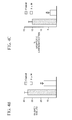
- FIG. 4 B depicts reduction of infarct size by tyrphostin AG490 during ischemia/reperfusion.
- FIG. 4 C depicts reduction of apoptosis of cardiomyocytes by tyrphostin AG490 during ischemia/reperfusion.
- FIG. 5 depicts up-regulation of angiotensinogen mRNA during ischemia/reperfusion (I/R) is mediated by STATs.
- FIG. 5A Angiotensinogen mRNA is increased during ischemia/reperfusion.
- FIG. 5B St-domain/STAT binding activity is increased in hearts subjected to ischemia/reperfusion.
- FIG. 5C STAT5A and STAT6 are activated in ischemic hearts.
- FIG. 6 A depicts Jak2 inhibition by tyrophostin AG490 during ischemia/reperfusion (I/R).
- FIG. 6 B depicts reduction of St-domain/STAT binding activity by tyrphostin AG490 in hearts subjected to ischemia/reperfusion.
- FIG. 6 C depicts inhibition of angiotensinogen mRNA by tyrphostin AG490 in hearts subjected to ischemia/reperfusion.
- the present invention is based on the discovery by the inventors that a specific signaling pathway is responsible for the onset and maintenance of the renin-angiotensin system in hypertrophy and ischemia.
- the inventors have discovered that the activation of Jak2, during hypertrophy and ischemia, activates specific STAT proteins, specifically STAT5A and STAT6.
- the inventors have discovered that administration of a Jak2 inhibitor significantly reduces the myocardial damage caused by hypertrophy and ischemia.
- the invention relates to a method for reducing hypertrophy of an organ in a mammal at risk for hypertrophy.
- the method comprises administering to said mammal an effective amount of a pharmaceutical composition comprising a selective Jak2 inhibitor.
- Hypertrophy is the enlarging of an organ.
- the increase in size may, for example, be due to an increase in workload due to some physical defect in the organ itself or one of the biological systems supporting the organ.
- Some organs are subject to hypertrophy. Some examples include the heart, kidney, and prostate.
- Myocardial hypertrophy for example, is hypertrophy of the heart, which is typically caused by either myocardial valve damage or high blood pressure. Myocardial hypertrophy may also result from a dilation or expansion of the heart in response to heart muscle damage that causes weak muscle action. Hypertrophic damage may lead, for example, to myocardial infarction, congestive heart failure, and cardiomyopathy.
- Left ventricular hypertrophy is the medical term for enlargement of the left ventricle of the heart.
- the left ventricle is the heart's main pumping chamber, and pumps oxygenated blood via the aorta through the systemic circulation.
- Hypertrophy may be assessed, for example, by any method known to those skilled in the art.
- the weight of the organ relative to the body weight of the mammal may be expressed as a ratio, as described in Example 1 and depicted in FIG. 2 B.
- the invention in another embodiment, relates to a method for reducing ischemia of an organ in a mammal at risk for ischemia.
- the method comprises administering to said mammal an effective amount of a pharmaceutical composition comprising a selective Jak2 inhibitor.
- Ischemia is a deficiency of oxygenated blood.
- the deficiency of blood may, for example, be caused by functional constriction or obstruction of a blood vessel.
- the lack of oxygen and/or reduced availability of nutrient substrates and inadequate removal of metabolites may result in tissue damage, for example, apoptosis and/or necrosis of cells.
- organs are subject to ischemia. Some examples include, but are not limited to, the heart, brain, kidney, and intestines.
- Ischemic heart disease is often caused by a reduction in coronary blood flow relative to myocardial demand.
- the reduction in blood flow may result from a variety of reasons, and typically occurs as a result of atherosclerosis.
- ischemic damage As a result of ischemic damage to the heart muscle, the damaged area ceases to contract. Symptoms of such damage include, but are not limited to, cardiac arrhythmias, angina, myocardial infarction, congestive heart failure, and sudden cardiac death.
- Ischemia may be assessed by any method known to those skilled in the art.
- An assessment of ischemic damage may be made, for example, by measuring the infarct (scar) size of the organ, as described in Example 2 and depicted in FIG. 4 B.
- reducing hypertrophy of an organ means a significant reduction in the size of a hypertrophic organ relative to a healthy organ.
- Reducing ischemia of an organ means a significant reduction in the infarct size of an ischemic organ.
- Hypertrophy or ischemia is considered significantly reduced if the size of the hypertrophic organ or the infarct size of the ischemic organ is reduced by at least 10%, preferably at least about 25%, more preferably at least about 50%, even more preferably at least about 75%, and most preferably about 100%.
- Mammals include, for example, humans, baboons and other primates, as well as pet animals such as dogs and cats, laboratory animals such as rats and mice, and farm animals such as horses, sheep, and cows.
- a mammal at risk for hypertrophy or ischemia may be susceptible for any number or reasons, including a genetic predisposition and/or environmental insult.
- reasons for susceptibility to hypertrophy include, but are not limited to, familial history of high blood pressure, valvular heart disease, and side effects of medication.
- Valvular heart disease includes, for example, congenital heart disease and rheumatic heart disease.
- reasons for susceptibility to ischemia include, but are not limited to, familial history of atherosclerosis, diet and lifestyle, surgical procedures, and side effects of medication.
- a Jak2 inhibitor is any compound that selectively inhibits the phosphorylation of the Jak2 protein in the Jak/STAT pathway.
- the compound may directly inhibit Jak2, or a component upstream of Jak2.
- the inhibition of the Jak2 protein must be sufficient to substantially inhibit and preferably prevent the Jak/STAT cascade.
- the Jak2 inhibitor may be any type of compound.
- the compound may be a small organic molecule or a biological compound, such as an antibody or an enzyme.
- Jak2 inhibitors include some members of a class of small organic molecules called tyrphostins. Tyrphostins inhibit the activity of protein tyrosine kinases and have the basic structure shown below:
- the tyrphostin may be any tyrphostin that selectively inhibits Jak2.
- Some examples of tyrphostins include the various structures described in Meydan et al., (1996) Nature , 379:645-648; Levitzki et al, (1995) Science , 267:1782-1788; and PCT application WO 98/06391. These structures are incorporated herein by reference.
- a preferred class of tyrphostins for use are those wherein:
- R 1 C 6 H 5 —CH 2 —NH
- R 2 and R 3 H, OH, lower alkyl, F, NO 2 , CF 3 , C 6 H 5 —SO 2 , O—R 4 , O—CO—R 4 , or R 4
- R 4 phenyl or lower alkyl
- lower alkyl C 1 -C 4 branched or unbranched alkyl (for example, methyl or ethyl).
- R 2 and R 3 may be the same or different except R 2 and R 3 cannot both be H.
- R 2 and R 3 are OH.
- the preferred substituent for R 1 is C 6 H 5 —CH 2 —NH.
- the preferred compound is known as Tyrphostin AG490, which is a selective, specific, and potent Jak2 protein tyrosine kinase inhibitor.
- the structure of AG490 is shown below:
- the tyrphostins may be made by methods known in the art, for example, as described in the PCT application WO 98/06391. Briefly, the typhostins may be synthesized by knoevenagel condensation of the appropriate benzaldehyde with malononitrile or the appropriate substituted amide.
- a compound is considered a selective inhibitor of Jak2 when the compound inhibits Jak2 activity to an extent significantly greater than it inhibits the activity of other members of the Jak family, e.g., Jak1, Jak3, and Tyk2.
- the selective inhibitor inhibits Jak2 at least 2-fold more than it inhibits other members of the Jak family, more preferably at least about 5-fold more, and most preferably at least about 10-fold more.
- Jak2 inhibitors as defined herein also include pharmaceutically acceptable salts.
- pharmaceutically acceptable salts may be formed by treating the compounds identified above with salt-forming acids and bases which do not substantially increase the toxicity of the compound.
- the Jak2 inhibitor is administered in a pharmaceutical composition.
- the pharmaceutical composition may be manufactured by known means.
- the pharmaceutical compositions are preferably sterile, non-pyrogenic and isotonic preparations, optionally with one or more of the pharmaceutically acceptable additives listed below.
- the pharmaceutical composition may be any composition suitable for pharmaceutical use in a mammal, especially a human.
- the composition may, for example, be in the form of a solid, a solution, or a suspension.
- compositions of the Jak2 inhibitors of the invention are preferably stable compositions which may comprise one or more of the following: a stabilizer, a surfactant, preferably a nonionic surfactant, and optionally a salt and/or a buffering agent.
- the pharmaceutical composition may be in the form of an aqueous solution, or in a lyophilized form.
- the stabilizer may, for example, be an amino acid, such as for instance, glycine; or an oligosaccharide, such as for example, sucrose, tetralose, lactose or a dextran.
- the stabilizer may be a sugar alcohol, such as for instance, mannitol; or a combination thereof.
- the stabilizer or combination of stabilizers constitutes from about 0.1% to about 10% by weight of the Jak2 inhibitor.
- the surfactant is preferably a nonionic surfactant, such as a polysorbate.
- suitable surfactants include Tween20, Tween80; a polyethylene glycol or a polyoxyethylene polyoxypropylene glycol, such as Pluronic F-68 at from about ) 001% (w/v) to about 10% (w/v),
- the salt or buffering agent may be any salt or buffering agent, such as for example, sodium chloride, or sodium/potassium phosphate, respectively.
- the buffering agent maintains the pH of the pharmaceutical composition in the range of about 5.5 to about 7.5.
- the salt and/or buffering agent is also useful to maintain the osmolarity at a level suitable for administration to a human or an animal.
- the salt or buffering agent is present at a roughly isotonic concentration of about 150 mM to about 300 mM.
- the pharmaceutical compositions of the present invention may additionally contain one or more conventional additive.
- additives include a solubilizer such as for example, glycerol; an antioxidant such as for example, benzalkonium chloride (a mixture of quaternary ammonium compounds, known as “quats”), benzyl alcohol, chloretone or chlorobutanol; anaesthetic agent such as for example a morphine derivative; or an isotonic agent etc., such as described above.
- a solubilizer such as for example, glycerol
- an antioxidant such as for example, benzalkonium chloride (a mixture of quaternary ammonium compounds, known as “quats”), benzyl alcohol, chloretone or chlorobutanol
- anaesthetic agent such as for example a morphine derivative
- an isotonic agent etc. such as described above.
- the pharmaceutical compositions may be stored under nitrogen gas in vials sealed with impermeable stoppers.
- an effective amount of a Jak2 inhibitor is the amount which reduces hypertrophy and/or ischemia of the organ.
- Optimal doses can be determined by those skilled in the art based on a number of parameters including, for example, age, sex, weight, severity of the condition being treated, the compound being administered, and the route of administration.
- an effective amount of Jak2 inhibitor can be that amount that would produce a blood serum volume level of between about 0.01 ⁇ M to about 50 ⁇ M, preferably between about 1.0 ⁇ M to about 5 ⁇ M.
- the Jak2 inhibitor can be administered by any suitable method, as is known in the art.
- the Jak2 inhibitor can be administered topically or systemically. Systemic administration is preferred.
- Adminstration using controlled release delivery systems, as is known in the art, is also contemplated herein.
- Systemic administration includes both parenteral and enteral routes.
- Jak2 inhibitors such as tyrphostins can easily be administered intravenously, which is a preferred route of delivery.
- Intravenous administration can be accomplished by mixing the Jak2 inhibitor in a suitable pharmaceutical carrier (vehicle) or excipient as understood by practitioners in the art.
- Oral or enteral administration includes, for example, formulations such as tablets, capsules, pills, troches, elixirs, suspensions, syrups, wafers, chewing gum and the like.
- the Jak2 inhibitor may be administered as a protective agent before hypertrophy and/or ischemia occurs.
- the Jak2 inhibitor may be used as a prophylactic treatment to prevent hypertrophy and/or ischemia in a mammal at risk for hypertrophy and/or ischemia.
- the Jak2 inhibitor may be administered at a time after the hypertrophy and/or ischemia occurs in order to minimize and/or reverse the hypertrophy and/or ischemia, as well as to prevent further damage resulting from hypertrophy and/or ischemia.
- the Jak2 inhibitor When administering the Jak2 inhibitor after hypertrophy and/or ischemia has occurred, it is preferred that the Jak2 inhibitor be administered as soon thereafter as possible. Jak2 can also be administered while the hypertrophy and/or ischemia is occurring.
- This example demonstrates cardioprotection from left ventricular hypertrophy by Tyrphostin AG 490.
- TAC transverse aortic constriction
- FIG. 1 left ventricular hypertrophy
- mice Male C57/BL6 mice, weighing 20 to 24 grams, were anesthetized by intra-peritoneal injection of a cocktail of ketamine (100 mg/kg) and xylazine (5 mg/ml). The mice were shaved, restrained, and orally intubated (under direct vision via a vertical cervical incision) using a 22 guage blunt feeding needle. Respiration was artificially controlled (tidal volume of 0.1 to 0.3 ml) at a respiratory rate of 110 to 150 breaths/minute using a ventilator (Harvard Apparatus Rodent Ventilator, model 683).
- a median stemotomy was performed and the sternum retracted.
- the thymus was retracted anteriorly and the aortic arch identified and ligated (using 8.0 nylon suture; Ethicon) between the innominate and left common carotid artery with an overlying 27-guage needle; and then the needle removed to leave a discrete region of stenosis.
- the chest was then closed in two layers (using 6.0 vicryl suture, Ethicon) and the pneumothorax evacuated.
- Some mice were subjected to a sham operation in which the aortic arch was visualized but not banded. The mice were then extubated and monitored post-op for 3 to 12 hours. The survival rate at the end of the learning period is greater than 90%.
- mice Nine days post-op, the hearts were removed from heparinized (500 U) mice and euthanized with a lethal dose of pentobarbital (150 mg/kg). The hearts were analyzed by visual inspection of a cross-section of the heart (FIG. 2 A), determination of heart to body weight ratio (FIG. 2 B), and light microscopy of the cardiomyocytes in the left ventricular (FIG. 2 C), and activation of artiel natuiretic factor (ANF), a specific molecular marker for hypertrophy (FIG. 3 ). Based on these determinations, all trans-aortic constricted mice developed well-defined left ventricular hypertrophy.
- tyrphostin AG490 To determine whether tyrphostin AG490 could reverse the hypertrophy induced by traverse aortic constriction, tyrphostin AG490 (5 ⁇ M) was administered to the mice, intra-peritoneal, 24 hours before being subjected to transverse aortic constriction and every 24 hours thereafter for the duration of the study (9 days). Chronic administration of tyrophostin AG490 caused a remarkable reversal of hypertrophy (see FIGS. 2A, 2 B, 2 C, and 3 ).
- dp/dt values were markedly higher in groups at both concentrations throughout most of the reperfusion period compared with the control reperfused group, the difference being apparent at R-30 (3818 ⁇ 49.46 and 4156 ⁇ 238 versus 3382 ⁇ 68.8), R-60 (3362 ⁇ 53.14 and 3840 ⁇ 140 versus 2878 ⁇ 237), R-90 (2840 ⁇ 88 and 3194.7 ⁇ 228 versus 1842 ⁇ 162), and R-120 (2552 ⁇ 58.9 and 2626 ⁇ 269 versus 1543 ⁇ 94).
- tyrphostin AG490 To gain insight into the physiological basis for cardioprotection afforded by tyrphostin AG490, the extent of cardiomyocyte infarct size and apoptosis were measured. On termination of treatment with tyrphostin AG490, hearts were immersed in 1% triphenyl tetrazolium solution in phosphate buffer (Na 2 HPO 4 88 mmol/l, NaH 2 PO 4 1.8 mmol/l) for 10 min. at 37° C. and stored at ⁇ 70° C. for processing.
- phosphate buffer Na 2 HPO 4 88 mmol/l, NaH 2 PO 4 1.8 mmol/l
- Frozen hearts (ventricular tissue) were sliced transversely in a plane perpendicular to the apicobasal axis into 0.5 mm thick sections, blotted dry, placed between microscope slides, and scanned on a Hewlett-Packard Scanjet 5p single-pass flatbed scanner.
- NIH 1.61 image processing software each digitized image was subjected to equivalent degrees of background subtraction, brightness, and contrast enhancement for improved clarity and distinctness. Risk (equivalent to total left ventricular muscle mass) and infarct zones of each slice were traced, and the respective areas were calculated in terms of pixels. The weight of each slice was then recorded to facilitate the expression of total and infarct masses of each slice in grams.
- the risk and infarct volumes of each slice in cubic centimeters were then calculated on the basis of slice weight to correct for any errors due to nonuniformity of heart slice thickness.
- the risk volumes and infarct volumes of each slice were summed to obtain the risk and infarct volumes for the whole heart.
- Infarct size was taken to be the percent infarct volume/risk volume for any one heart.
- Immunohistochemical detection of apoptotic cells was carried out by use of terminal dUTP nick end-labeling (TUNEL), in which residues of digoxigenin-labeled dUTP are catalytically incorporated into the DNA by terminal deoxynucleotidyl transferase II.
- TUNEL terminal dUTP nick end-labeling
- the cells were incubated with a sheep polyclonal anti-digoxigenin antibody followed by a FITC-conjugated rabbit anti-sheep IgG as a secondary antibody.
- the heart sections were washed in PBS 3 times, blocked with normal rabbit serum, and incubated with mouse monoclonal antibody recognizing cardiac myosin heavy chain (Biogenesis Ltd) followed by staining with TRIRC-conjugated rabbit anti-mouse IgG (200:1 dilution, Dako, Japan). The fluorescence staining was viewed with a confocal laser microscope (Olympus Co). The apoptoic cells were counted and expressed as percentage of total myocyte population.
- tyrphostin AG490 reduced myocardial infarct size (FIG. 4B) and caused a marked lowering of apoptotic cell death (FIG. 4 C), thereby, attributing, at least in part, to the recovery of contractile function upon treatment with tyrphostin AG490.
- This example demonstrates upregulation of rat heart angiotensinogen mRNA during ischemia/reperfusion.
- Ischemia was induced by a modified Langendorf-reperfusion method in rat hearts.
- Hearts from adult male rats were randomly divided into 4 groups and subjected to ischemia/reperfusion.
- ischemic group hearts were perfused with Krebs-Henseleit buffer for 60 minutes, followed by 30 minutes of global ischemia.
- ischemic/reperfused group hearts were perfused for 60 minutes, followed by 30 minutes of global ischemia and 120 minutes of reperfusion. Control group hearts were perfused for the same lengths of time.
- Rat hearts subjected to ischemia/referfusion were tested to determine whether activation of the renin-angiotensin system, as reflected by an increase in angiotensinogen mRNA, occurs in ischemic injury.
- the level of angiotensinogen mRNA was analyzed by primer extension assay using gene-specific DNA probes.
- a DNA primer spanning the complementary sequence of the rat angiotensinogen cDNA between nucleotides 302 and 279 (5′-AGGAGATGAAAGGGGTGGATGTAT-3′) was end-labeled and used to evaluate the expression of angiotensinogen mRNA in total RNA isolated from the rat heart.
- the primer extension protocol was performed according to instructions provided by the supplier (Progema).
- Rat GAPDH cDNA specific primer was used as control. There was a marked increase in mRNA level after 30 minutes of ischemia and 120 minutes of reperfusion (FIG. 5 A). The increase in mRNA was sensitive to blockage of the AT 1 , receptor, because pretreatment with losartan (L) reduced it almost entirely to the level of the control sample (C). The levels of the ribosomal marker L32 mRNA, used as control, remained unchanged.
- This example demonstrates STAT activation during ischemia/reperfusion.
- Nuclear extracts were examined in hearts subjected to global ischemia to determine whether there is enhanced STAT binding activity to the St domain of the angiotensinogen promoter.
- the nuclear heart extracts were examined by the electrophoretic gel mobility-shift assay that exployed the use of the chemically synthesized oligonucleotide sequence of the St domain.
- the St-domain DNA probe for protein binding was a double-stranded oligonucleotide containing the sequence 5′-GGGTtcCTGGAAGGG-3′ and complementary strand 5′-CCCTTCCAGgaACCC-3′, respectively. These probes were end-labeled by polynucleotide kinase and [ ⁇ - 32 P]ATP.
- Binding reaction mixture containing 0.5 ng of labeled DNA (1,000 cpm), 2 ⁇ g of poly(dI-C), and 1-12 ⁇ g of protein in buffer containing 20 MM Hepes, 3% glycerol, 1.5 mM MgCl 2 , 1 mM DTT, 2 mM EDTA and 50 mM KCl, pH 7.5 was allowed to incubate at 4° C. for 30 min. The reactions were analyzed by electrophoresis on 8% polyacrylamide gel in 0.375 ⁇ TBE (0.33 mM Tris borate, pH 8.7 and 1.0 mM EDTA). After electrophoresis, the gels were dried and subjected to autoradiography.
- This example demonstrates the effect of Jak2 inhibition on STAT/DNA binding and angiotensinogen mRNA.
- Rats were pretreated with 5 or 50 ⁇ mol/L of tyrphostin AG490 24 h prior to ischemia/reperfusion followed by chronic administration of tyrphostin AG490 during the process of ischemia/reperfusion.
- a phosphotyrosine assay was performed. Briefly, nuclear extracts from hearts subjected to ischemia/reperfusion in presence of absence of tyrphostin AG490 were immunoprecipitated with anti-phosphotyrosine antibodies (4G10). Fifty microliters of 50% protein A-agarose, prewashed in lysis buffer (Upstate Biotechnology) was then added and the mixture was incubated for 2 hr at 4° C.
- Each sample was washed with washing buffer containing 150 mM NaCl, 50 mM Tris-HCL (pH 7.4), 5 mM EDTA, 0.25% Triton X-100, 2 mM phenylmethylsulfonyl fluoride, aprotinin (0.2 unit/ml), 1 mM Na 3 VO 4 , and 1 mM NaF.
- Samples were eluted in 2X Laemmli's sample buffer. Proteins were separated on a 7.5% SDS/polyacrylamide gel and transferred to nitrocellulose membrane, Nitropure (Micron Separations, Westboro, Mass.).
- Blots were probed with polyclonal antibody against Jak2 and developed according to the chemiluminescence protocol.
- Administration of tyrphostin AG490 in perfusion medium was inhibitory at both 5 and 50 lmol/L for phosphorylation of Jak2, which was activated readily in the ischemic heart in absence of the inhibitor (FIG. 6 A).
Landscapes
- Health & Medical Sciences (AREA)
- Veterinary Medicine (AREA)
- Public Health (AREA)
- General Health & Medical Sciences (AREA)
- Animal Behavior & Ethology (AREA)
- Chemical & Material Sciences (AREA)
- Life Sciences & Earth Sciences (AREA)
- Pharmacology & Pharmacy (AREA)
- Medicinal Chemistry (AREA)
- Engineering & Computer Science (AREA)
- Bioinformatics & Cheminformatics (AREA)
- Organic Chemistry (AREA)
- Nuclear Medicine, Radiotherapy & Molecular Imaging (AREA)
- General Chemical & Material Sciences (AREA)
- Chemical Kinetics & Catalysis (AREA)
- Cardiology (AREA)
- Epidemiology (AREA)
- Heart & Thoracic Surgery (AREA)
- Vascular Medicine (AREA)
- Urology & Nephrology (AREA)
- Hospice & Palliative Care (AREA)
- Medicines That Contain Protein Lipid Enzymes And Other Medicines (AREA)
- Pharmaceuticals Containing Other Organic And Inorganic Compounds (AREA)
- Acyclic And Carbocyclic Compounds In Medicinal Compositions (AREA)
Priority Applications (13)
| Application Number | Priority Date | Filing Date | Title |
|---|---|---|---|
| US09/945,192 US6433018B1 (en) | 2001-08-31 | 2001-08-31 | Method for reducing hypertrophy and ischemia |
| CA2458798A CA2458798C (en) | 2001-08-31 | 2002-07-23 | Method for reducing hypertension and heart failure |
| EP02753409A EP1427401A4 (en) | 2001-08-31 | 2002-07-23 | METHOD FOR REDUCING HYPERTENSION AND HEART FAILURE |
| US10/488,279 US7235588B2 (en) | 2001-08-31 | 2002-07-23 | Method for reducing hypertension and heart failure |
| JP2003524516A JP2005505545A (ja) | 2001-08-31 | 2002-07-23 | 高血圧及び心不全を減少させる方法 |
| BR0212252-9A BR0212252A (pt) | 2001-08-31 | 2002-07-23 | Métodos para reduzir a hipertensão e a insuficiência cardìaca em um mamìfero |
| PCT/US2002/023444 WO2003020202A2 (en) | 2001-08-31 | 2002-07-23 | Method for reducing hypertension and heart failure |
| KR10-2004-7003111A KR20040050894A (ko) | 2001-08-31 | 2002-07-23 | 고혈압증 및 심기능 부전을 경감시키는 방법 |
| AU2002313700A AU2002313700B2 (en) | 2001-08-31 | 2002-07-23 | Method for reducing hypertension and heart failure |
| NZ531693A NZ531693A (en) | 2001-08-31 | 2002-07-23 | Method for reducing hypertension and heart failure |
| MXPA04001913A MXPA04001913A (es) | 2001-08-31 | 2002-07-23 | Metodos para reducir la hipertension y falla cardiaca. |
| ZA2004/02540A ZA200402540B (en) | 2001-08-31 | 2004-03-31 | Method for reducing hypertension and heart failure |
| JP2010180146A JP2010285455A (ja) | 2001-08-31 | 2010-08-11 | 高血圧及び心不全を減少させる方法 |
Applications Claiming Priority (1)
| Application Number | Priority Date | Filing Date | Title |
|---|---|---|---|
| US09/945,192 US6433018B1 (en) | 2001-08-31 | 2001-08-31 | Method for reducing hypertrophy and ischemia |
Related Child Applications (2)
| Application Number | Title | Priority Date | Filing Date |
|---|---|---|---|
| US10/488,279 Continuation-In-Part US7235588B2 (en) | 2001-08-31 | 2002-07-23 | Method for reducing hypertension and heart failure |
| US10488279 Continuation-In-Part | 2002-07-23 |
Publications (1)
| Publication Number | Publication Date |
|---|---|
| US6433018B1 true US6433018B1 (en) | 2002-08-13 |
Family
ID=25482762
Family Applications (2)
| Application Number | Title | Priority Date | Filing Date |
|---|---|---|---|
| US09/945,192 Expired - Lifetime US6433018B1 (en) | 2001-08-31 | 2001-08-31 | Method for reducing hypertrophy and ischemia |
| US10/488,279 Expired - Lifetime US7235588B2 (en) | 2001-08-31 | 2002-07-23 | Method for reducing hypertension and heart failure |
Family Applications After (1)
| Application Number | Title | Priority Date | Filing Date |
|---|---|---|---|
| US10/488,279 Expired - Lifetime US7235588B2 (en) | 2001-08-31 | 2002-07-23 | Method for reducing hypertension and heart failure |
Country Status (11)
| Country | Link |
|---|---|
| US (2) | US6433018B1 (enExample) |
| EP (1) | EP1427401A4 (enExample) |
| JP (2) | JP2005505545A (enExample) |
| KR (1) | KR20040050894A (enExample) |
| AU (1) | AU2002313700B2 (enExample) |
| BR (1) | BR0212252A (enExample) |
| CA (1) | CA2458798C (enExample) |
| MX (1) | MXPA04001913A (enExample) |
| NZ (1) | NZ531693A (enExample) |
| WO (1) | WO2003020202A2 (enExample) |
| ZA (1) | ZA200402540B (enExample) |
Cited By (28)
| Publication number | Priority date | Publication date | Assignee | Title |
|---|---|---|---|---|
| US20040029902A1 (en) * | 2002-02-01 | 2004-02-12 | Rajinder Singh | 2,4-Pyrimidinediamine compounds and their uses |
| US20040266661A1 (en) * | 2001-08-31 | 2004-12-30 | Siddiqui Mohammed A. Q. | Method for reducing hypertension and heart failure |
| US20050038450A1 (en) * | 2003-06-03 | 2005-02-17 | Ping Hu | Methods and apparatus for minimally invasive transverse aortic banding |
| US20050153927A1 (en) * | 2003-12-17 | 2005-07-14 | Alcon, Inc. | Use of serum amyloid a gene in diagnosis and treatment of glaucoma and identification of anti-glaucoma agents |
| US20050234049A1 (en) * | 2003-07-30 | 2005-10-20 | Rajinder Singh | Methods of treating or preventing autoimmune diseases with 2, 4-pyrimidinediamine compounds |
| US20050277680A1 (en) * | 2003-12-11 | 2005-12-15 | Board Of Regents, The University Of Texas System | Compounds for treatment of cell proliferative diseases |
| US20060293311A1 (en) * | 2005-06-08 | 2006-12-28 | Rigel Pharmaceuticals, Inc. | Compositions and methods for inhibition of the jak pathway |
| US20070203161A1 (en) * | 2006-02-24 | 2007-08-30 | Rigel Pharmaceuticals, Inc. | Compositions and methods for inhibition of the jak pathway |
| WO2007098507A2 (en) | 2006-02-24 | 2007-08-30 | Rigel Pharmaceuticals, Inc. | Compositions and methods for inhibition of the jak pathway |
| US20070208043A1 (en) * | 2003-12-17 | 2007-09-06 | Alcon, Inc. | Use of Serum Amyloid A Gene in Diagnosis and Treatment of Glaucoma and Identification of Anti-Glaucoma Agents |
| US20070232668A1 (en) * | 2006-03-31 | 2007-10-04 | The Board Of Regents Of The University Of Texas System | Orally Bioavailable Caffeic Acid Related Anticancer Drugs |
| WO2007084861A3 (en) * | 2006-01-13 | 2008-03-20 | Harvard College | Xenohormesis based compositions and methods |
| WO2007101232A3 (en) * | 2006-02-28 | 2008-11-27 | Cytopia Res Pty Ltd | Inhibition of jak2 as a treatment of pulmonary arterial hypertension |
| US20090258864A1 (en) * | 2008-02-15 | 2009-10-15 | Rigel Pharmaceuticals, Inc. | Pyrimidine-2-amine compounds and their use as inhibitors of jak kinases |
| US20090298823A1 (en) * | 2008-04-22 | 2009-12-03 | Portola Pharmaceuticals, Inc. | Inhibitors of protein kinases |
| US20090318545A1 (en) * | 2008-06-09 | 2009-12-24 | Cornell Reasearch Foundation, Inc. | Mast cell inhibition in diseases of the retina and vitreous |
| US20090318407A1 (en) * | 2008-04-16 | 2009-12-24 | Portola Pharmaceuticals, Inc. | Inhibitors of protein kinases |
| US20100113481A1 (en) * | 2003-12-17 | 2010-05-06 | Alcon Research, Ltd. | Use of serum amyloid a gene in diagnosis and treatment of glaucoma and identification of anti-glaucoma agents |
| US20110028503A1 (en) * | 2009-07-28 | 2011-02-03 | Rigel Pharmaceuticals, Inc. | Compositions and methods for inhibition of the jak pathway |
| WO2012061428A2 (en) | 2010-11-01 | 2012-05-10 | Portola Pharmaceuticals, Inc. | Nicotinamides as jak kinase modulators |
| US8637675B2 (en) | 2008-07-08 | 2014-01-28 | Board Of Regents, The University Of Texas System | Inhibitors of proliferation and activation of signal transducer and activators of transcription (STATS) |
| US8952027B2 (en) | 2008-04-16 | 2015-02-10 | Portola Pharmaceuticals, Inc. | Inhibitors of syk and JAK protein kinases |
| US9359308B2 (en) | 2011-11-23 | 2016-06-07 | Portola Pharmaceuticals, Inc. | Pyrazine kinase inhibitors |
| US9573964B2 (en) | 2005-11-16 | 2017-02-21 | Cti Biopharma Corp. | Oxygen linked pyrimidine derivatives |
| US9624242B2 (en) | 2008-12-11 | 2017-04-18 | Cti Biopharma Corp. | 11-2(2-pyrrolidin-1-yl-ethoxy)-14,19-dioxa-5,7,26-triaza-tetracyclo[19.3.1.1(2,6).1(8,12)]heptacosa-1(25),2(26),3,5,8,10,12(27),16,21,23-decaene citrate salt |
| US9676756B2 (en) | 2012-10-08 | 2017-06-13 | Portola Pharmaceuticals, Inc. | Substituted pyrimidinyl kinase inhibitors |
| WO2018002673A1 (en) | 2016-07-01 | 2018-01-04 | N4 Pharma Uk Limited | Novel formulations of angiotensin ii receptor antagonists |
| US10517876B2 (en) | 2005-11-16 | 2019-12-31 | Cti Biopharma Corp. | Oxygen linked pyrimidine derivatives |
Families Citing this family (6)
| Publication number | Priority date | Publication date | Assignee | Title |
|---|---|---|---|---|
| US20050130893A1 (en) * | 2003-09-30 | 2005-06-16 | Joan Smith-Sonneborn | Use of opioids in prevention of and recovery from a stress-induced crash in blood pressure |
| US8691877B2 (en) * | 2004-10-15 | 2014-04-08 | Palo Alto Investors | Methods and compositions for treating a disease condition in a subject |
| HUE029188T2 (en) | 2007-03-12 | 2017-03-28 | Ym Biosciences Australia Pty | Phenylamino-pyrimidine compounds and their use |
| JP5275966B2 (ja) * | 2009-12-21 | 2013-08-28 | パナソニック株式会社 | 繊維ボードの製造方法 |
| US8809359B2 (en) | 2012-06-29 | 2014-08-19 | Ym Biosciences Australia Pty Ltd | Phenyl amino pyrimidine bicyclic compounds and uses thereof |
| TWI681954B (zh) | 2014-06-12 | 2020-01-11 | 美商西爾拉癌症醫學公司 | N-(氰基甲基)-4-(2-(4-𠰌啉基苯基胺基)嘧啶-4-基)苯甲醯胺 |
Citations (3)
| Publication number | Priority date | Publication date | Assignee | Title |
|---|---|---|---|---|
| US5573772A (en) | 1993-03-15 | 1996-11-12 | Gensia, Inc. | Methods for protecting tissues and organs from ischemic damage |
| WO1998006391A1 (en) | 1996-08-14 | 1998-02-19 | Mor-Research Applications Ltd. | Pharmaceutical compositions comprising tyrphostins |
| US6255296B1 (en) | 1994-01-11 | 2001-07-03 | Endomatrix, Inc. | Composition and method for treating a patient susceptible to or suffering from a cardiovascular disorder or disease |
Family Cites Families (5)
| Publication number | Priority date | Publication date | Assignee | Title |
|---|---|---|---|---|
| US5138069A (en) * | 1986-07-11 | 1992-08-11 | E. I. Du Pont De Nemours And Company | Angiotensin II receptor blocking imidazoles |
| CA2012634A1 (en) * | 1990-03-20 | 1991-09-20 | Hassan Salari | Tyrphostins for treatment of allergic, inflammatory and cardiovascular diseases |
| US6358954B1 (en) * | 1999-11-09 | 2002-03-19 | Yissum Research Development Company Of The Hebrew University Of Jerusalem | PDGF receptor kinase inhibitory compounds, their preparation, purification and pharmaceutical compositions including same |
| US6433018B1 (en) * | 2001-08-31 | 2002-08-13 | The Research Foundation Of State University Of New York | Method for reducing hypertrophy and ischemia |
| DK1864677T3 (da) * | 2006-06-02 | 2008-04-28 | Teva Pharma | Stabil formulering omfattende et fugtsensitivt lægemiddel og fremstillingsmetoder deraf |
-
2001
- 2001-08-31 US US09/945,192 patent/US6433018B1/en not_active Expired - Lifetime
-
2002
- 2002-07-23 CA CA2458798A patent/CA2458798C/en not_active Expired - Fee Related
- 2002-07-23 MX MXPA04001913A patent/MXPA04001913A/es active IP Right Grant
- 2002-07-23 BR BR0212252-9A patent/BR0212252A/pt not_active IP Right Cessation
- 2002-07-23 EP EP02753409A patent/EP1427401A4/en not_active Withdrawn
- 2002-07-23 AU AU2002313700A patent/AU2002313700B2/en not_active Ceased
- 2002-07-23 NZ NZ531693A patent/NZ531693A/en not_active IP Right Cessation
- 2002-07-23 US US10/488,279 patent/US7235588B2/en not_active Expired - Lifetime
- 2002-07-23 WO PCT/US2002/023444 patent/WO2003020202A2/en not_active Ceased
- 2002-07-23 KR KR10-2004-7003111A patent/KR20040050894A/ko not_active Ceased
- 2002-07-23 JP JP2003524516A patent/JP2005505545A/ja active Pending
-
2004
- 2004-03-31 ZA ZA2004/02540A patent/ZA200402540B/en unknown
-
2010
- 2010-08-11 JP JP2010180146A patent/JP2010285455A/ja active Pending
Patent Citations (3)
| Publication number | Priority date | Publication date | Assignee | Title |
|---|---|---|---|---|
| US5573772A (en) | 1993-03-15 | 1996-11-12 | Gensia, Inc. | Methods for protecting tissues and organs from ischemic damage |
| US6255296B1 (en) | 1994-01-11 | 2001-07-03 | Endomatrix, Inc. | Composition and method for treating a patient susceptible to or suffering from a cardiovascular disorder or disease |
| WO1998006391A1 (en) | 1996-08-14 | 1998-02-19 | Mor-Research Applications Ltd. | Pharmaceutical compositions comprising tyrphostins |
Non-Patent Citations (15)
| Title |
|---|
| Alexander Levitzki and Aviv Gazit, "Tyrosine Kinase Inhibition: An Approach to Drug Development," Science (1995) 267: 1782-1788. |
| Alexander Levitzki, "Protein Tyrosine Kinase Inhibitors as Novel Therapeutic Agents," Pharmacol. Ther. (1999) 82/2-3: 231-239. |
| Alexander Levitzki, "Tyrphostins-Potential Antiproliferative Agents and Novel Molecular Tools," Biochemical Pharmacology (1990) 40/5: 913-918. |
| Cindy Ruwhof, Arnoud van der Laarse, "Mechanical stress-induced cardiac hypertrophy: mechanisms and signal transduction pathways," Cardiovascular Research (2000) 47: 23-37. |
| Diane H. Boschelli, "Small molecule inhibitors of receptor tyrosine kinases," www.prous.com/journals/dof/sample/html/df240515/df240515.html. Date of publication unknown. |
| DL Beckles, E. Mascareno, and MAQ Siddiqui, "Attenuation of Cardiac Hypertrophy in vivo by Interference with Activation of the Jak/Stat Pathway," presented at the XVII World Congress of the International Society for Heart Research, Winnipeg, Manitoba, Canada (Jul. 6-11, 2001). |
| Domenica Altavilla, Francesco Squadrito, Giuseppe M. Campo, Antonino Saitta, Giovanni Squadrito, Cristina Quartarone, Barbara Deodato, Mariarita Arlotta, Marcella Ferlito, Letteria Minutoli, Michelangelo Tringali, Giuseppe Urna, Aurora Sardella, Achille P. Caputi, "The reduction of myocardial damage and leukocyte polymorphonuclear accumulation following coronary artery occlusion by the tyrosine kinase inhibitor tyrphostin AG 556," Life Sciences (2000) 67: 2615-2629. |
| Eduardo Mascareno and M.A.Q. Siddiqui, "The role of Jak/STAT signaling in heart tissue renin-angiotensin system," Molecular and Cellular Biochemistry (2000) 212: 171-175. |
| Eduardo Mascareno, Manya Dhar, and M.A.Q. Siddiqui, "Signal transduction and activator of transcription (STAT) protein-dependent activation of angiotensinogen promoter: A cellular signal for hypertrophy in cardiac muscle, " Proc. Natl. Adac. Sci. USA (1998) 95: 5590-5594. |
| Eduardo Mascareno, PhD; Mohammed El-Shafei, MD; Nilanjana Maulik, Phd; M.Sato, MD; Yueling Guo; Dipak Das, PhD; M.A.Q. Siddiqui, PhD, "JAK/STAT Signaling Is Associated With Cardiac Dysfunction During Ischemia and Reperfusion," Circulation (2001) 104:1-5. |
| Michael M. Givertz, MD, "Manipulation of the Renin-Angiotensin System," Circulation (2001) 104: e14-e18. |
| Naftaly Meydan, Tom Grunberger, Harjit Dadi, Michal Shahar, Enrico Arpaia, Zvi Lapidot, J. Steven Leeder, Melvin Freedman, Amos Cohen, Aviv Gazit, Alexander Levitzki and Chaim M. Roifman, "Inhibition of acute lymophoblastic leukaemia by a Jak-2 inhibitor," Nature (1996) 379:645-648. |
| Shao-Ling Zhang, Catherine To, Xing Chen, Janos G. Filep, Shiow-Shih Tang, Julie R. Ingelfinger, Serge Carrière, John S.D. Chan, "Effect of Renin-Angiotensin System Blockade on the Expression of the Angiotensinogen Gene and Induction of Hypertrophy in Rat Kidney Proximal Tubular Cells," Experimental Nephrology (2001) 9: 109-117. |
| Shinji Negoro, Keita Kunisada, Erioh Tone, Masanobu Funamoto, Hidemasa Oh, Tadamitsu Kishimoto, Keiko Yamauchi-Takihara, "Activation of JAK/STAT pathway transduces cytoprotective signal in rat acute myocardial infarction," Cardiovascular Research (2000) 47: 797-805. |
| Stephanie W. Watts, Jennifer A. Florian and Kimberly M. Monroe, "Dissociation of Angiotensin II-Stimulated Activation of Mitogen-Activated Protein Kinase Kinase from Vascular Contraction," The Journal of Pharmacology and Experimental Therapeutics (1998) 286/3: 1431-1438. |
Cited By (87)
| Publication number | Priority date | Publication date | Assignee | Title |
|---|---|---|---|---|
| US7235588B2 (en) * | 2001-08-31 | 2007-06-26 | The Research Foundation Of State University Of New York | Method for reducing hypertension and heart failure |
| US20040266661A1 (en) * | 2001-08-31 | 2004-12-30 | Siddiqui Mohammed A. Q. | Method for reducing hypertension and heart failure |
| US7803939B2 (en) | 2002-02-01 | 2010-09-28 | Rigel Pharmaceuticals, Inc. | 2,4-pyrimidinediamine compounds and their uses |
| US8334296B2 (en) | 2002-02-01 | 2012-12-18 | Rigel Pharmaceuticals, Inc. | 2,4-pyrimidinediamine compounds and their uses |
| US7655797B2 (en) | 2002-02-01 | 2010-02-02 | Rigel Pharmaceuticals, Inc. | Intermediates for making 2,4-pyrimidinediamine compounds |
| US7557210B2 (en) | 2002-02-01 | 2009-07-07 | Rigel Pharmaceuticals, Inc. | 2,4-pyrimidinediamine compounds and their uses |
| US20090171085A1 (en) * | 2002-02-01 | 2009-07-02 | Rigel Pharmaceuticals, Inc. | 2,4-pyrimidinediamine compounds and their uses |
| US20090156622A1 (en) * | 2002-02-01 | 2009-06-18 | Rigel Pharmaceuticals, Inc. | 2,4-pyrimidinediamine compounds and their uses |
| US20040029902A1 (en) * | 2002-02-01 | 2004-02-12 | Rajinder Singh | 2,4-Pyrimidinediamine compounds and their uses |
| US7435814B2 (en) | 2002-02-01 | 2008-10-14 | Rigel Pharmaceuticals, Inc. | 2,4-Pyrimidinediamine compounds and their uses |
| US20090082567A1 (en) * | 2002-02-01 | 2009-03-26 | Rigel Pharmaceuticals, Inc. | 2,4-pyrimidinediamine compounds and their uses |
| US20050038450A1 (en) * | 2003-06-03 | 2005-02-17 | Ping Hu | Methods and apparatus for minimally invasive transverse aortic banding |
| US8178671B2 (en) | 2003-07-30 | 2012-05-15 | Rigel Pharmaceuticals, Inc. | Methods of treating or preventing autoimmune diseases with 2, 4-pyrimidinediamine compounds |
| US7582648B2 (en) | 2003-07-30 | 2009-09-01 | Rigel Pharmaceuticals, Inc. | Methods of treating or preventing autoimmune diseases with 2,4-pyrimidinediamine compounds |
| US20050234049A1 (en) * | 2003-07-30 | 2005-10-20 | Rajinder Singh | Methods of treating or preventing autoimmune diseases with 2, 4-pyrimidinediamine compounds |
| US7452879B2 (en) | 2003-07-30 | 2008-11-18 | Rigel Pharmaceuticals, Inc. | Methods of treating or preventing autoimmune diseases with 2,4-pyrimidinediamine compounds |
| US8119827B2 (en) | 2003-12-11 | 2012-02-21 | Board Of Regents, The University Of Texas System | Compounds for treatment of cell proliferative diseases |
| US9096499B2 (en) | 2003-12-11 | 2015-08-04 | Board Of Regents, The University Of Texas System | Compounds for treatment of cell proliferative diseases |
| US20050277680A1 (en) * | 2003-12-11 | 2005-12-15 | Board Of Regents, The University Of Texas System | Compounds for treatment of cell proliferative diseases |
| US20110021805A1 (en) * | 2003-12-11 | 2011-01-27 | The Board Of Regents Of The University Of Texas System | Compounds for treatment of cell proliferative diseases |
| US8648102B2 (en) | 2003-12-11 | 2014-02-11 | Board Of Regents, The University Of Texas System | Compounds for treatment of cell proliferative diseases |
| EP2487156A1 (en) | 2003-12-11 | 2012-08-15 | Board Of Regents The University Of Texas System | Compounds for treatment of cell proliferative diseases |
| US7745468B2 (en) | 2003-12-11 | 2010-06-29 | Board of Regents, University of Texas Systems The | Compounds for treatment of cell proliferative diseases |
| US20100113481A1 (en) * | 2003-12-17 | 2010-05-06 | Alcon Research, Ltd. | Use of serum amyloid a gene in diagnosis and treatment of glaucoma and identification of anti-glaucoma agents |
| US20090036371A1 (en) * | 2003-12-17 | 2009-02-05 | Alcon, Inc. | Use of Serum Amyloid A Gene in Diagnosis and Treatment of Glaucoma and Identification of Anti-Glaucoma Agents |
| US20070208043A1 (en) * | 2003-12-17 | 2007-09-06 | Alcon, Inc. | Use of Serum Amyloid A Gene in Diagnosis and Treatment of Glaucoma and Identification of Anti-Glaucoma Agents |
| WO2005060542A3 (en) * | 2003-12-17 | 2006-10-26 | Alcon Inc | Use of serum amyloid a gene in diagnosis and treatment of glaucoma and identification of anti-glaucoma agents |
| US7357931B2 (en) | 2003-12-17 | 2008-04-15 | Alcon, Inc. | Use of serum amyloid a gene in diagnosis and treatment of glaucoma and identification of anti-glaucoma agents |
| US20050153927A1 (en) * | 2003-12-17 | 2005-07-14 | Alcon, Inc. | Use of serum amyloid a gene in diagnosis and treatment of glaucoma and identification of anti-glaucoma agents |
| US7662389B2 (en) | 2003-12-17 | 2010-02-16 | Alcon, Inc. | Use of serum amyloid A gene in diagnosis and treatment of glaucoma and identification of anti-glaucoma agents |
| US20080221089A1 (en) * | 2005-06-08 | 2008-09-11 | Rigel Pharmaceuticals, Inc. | Compositions and methods for inhibition of the jak pathway |
| US10421752B2 (en) | 2005-06-08 | 2019-09-24 | Rigel Pharmaceuticals, Inc. | Compositions and methods for inhibition of the JAK pathway |
| US11198689B2 (en) | 2005-06-08 | 2021-12-14 | Rigel Pharmaceuticals, Inc. | Compositions and methods for inhibition of the JAK pathway |
| US11827628B2 (en) | 2005-06-08 | 2023-11-28 | Rigel Pharmaceuticals, Inc. | Compositions and methods for inhibition of the JAK pathway |
| US9248190B2 (en) | 2005-06-08 | 2016-02-02 | Rigel Pharmaceuticals, Inc. | Compositions and methods for inhibition of the JAK pathway |
| US7491732B2 (en) | 2005-06-08 | 2009-02-17 | Rigel Pharmaceuticals, Inc. | Compositions and methods for inhibition of the JAK pathway |
| US20090041786A1 (en) * | 2005-06-08 | 2009-02-12 | Rigel Pharmaceuticals, Inc. | Compositions and methods for inhibition of the jak pathway |
| US20080306099A1 (en) * | 2005-06-08 | 2008-12-11 | Rigel Pharmaceuticals, Inc. | Compositions and methods for inhibition of the jak pathway |
| US9593082B2 (en) | 2005-06-08 | 2017-03-14 | Rigel Pharmaceuticals, Inc. | Compositions and methods for inhibition of the JAK pathway |
| US8815848B2 (en) | 2005-06-08 | 2014-08-26 | Rigel Pharmaceuticals, Inc. | Compositions and methods for inhibition of the JAK pathway |
| US20060293311A1 (en) * | 2005-06-08 | 2006-12-28 | Rigel Pharmaceuticals, Inc. | Compositions and methods for inhibition of the jak pathway |
| US9732073B2 (en) | 2005-06-08 | 2017-08-15 | Rigel Pharmaceuticals, Inc. | Compositions and methods for inhibition of the JAK pathway |
| US8415365B2 (en) | 2005-06-08 | 2013-04-09 | Rigel Pharmaceuticals, Inc. | Compositions and methods for inhibition of the JAK pathway |
| US8399472B2 (en) | 2005-06-08 | 2013-03-19 | Rigel Pharmaceuticals, Inc. | Compositions and methods for inhibition of the JAK pathway |
| US11135227B2 (en) | 2005-11-16 | 2021-10-05 | Cti Biopharma Corp. | Oxygen linked pyrimidine derivatives |
| US10517876B2 (en) | 2005-11-16 | 2019-12-31 | Cti Biopharma Corp. | Oxygen linked pyrimidine derivatives |
| US9573964B2 (en) | 2005-11-16 | 2017-02-21 | Cti Biopharma Corp. | Oxygen linked pyrimidine derivatives |
| WO2007084861A3 (en) * | 2006-01-13 | 2008-03-20 | Harvard College | Xenohormesis based compositions and methods |
| US20070203161A1 (en) * | 2006-02-24 | 2007-08-30 | Rigel Pharmaceuticals, Inc. | Compositions and methods for inhibition of the jak pathway |
| WO2007098507A2 (en) | 2006-02-24 | 2007-08-30 | Rigel Pharmaceuticals, Inc. | Compositions and methods for inhibition of the jak pathway |
| US8962643B2 (en) | 2006-02-24 | 2015-02-24 | Rigel Pharmaceuticals, Inc. | Compositions and methods for inhibition of the JAK pathway |
| US20070203162A1 (en) * | 2006-02-24 | 2007-08-30 | Rigel Pharmaceuticals, Inc. | Compositions and methods for inhibition of the jak pathway |
| US11667611B2 (en) | 2006-02-24 | 2023-06-06 | Rigel Pharmaceuticals, Inc. | Compositions and methods for inhibition of the JAK pathway |
| US20110117159A1 (en) * | 2006-02-28 | 2011-05-19 | Zisman Lawrence S | Inhibition of jak2 as a treatment of pulmonary arterial hypertension |
| WO2007101232A3 (en) * | 2006-02-28 | 2008-11-27 | Cytopia Res Pty Ltd | Inhibition of jak2 as a treatment of pulmonary arterial hypertension |
| US8410173B2 (en) | 2006-02-28 | 2013-04-02 | Ym Biosciences Australia Pty Ltd | Inhibition of JAK2 as a treatment of pulmonary arterial hypertension |
| EP2514742A2 (en) | 2006-03-31 | 2012-10-24 | The Board of Regents of The University of Texas System | Orally bioavailable cafeic acid related anticancer drugs |
| US8779151B2 (en) | 2006-03-31 | 2014-07-15 | The Board Of Regents Of The University Of Texas System | Orally bioavailable caffeic acid related anticancer drugs |
| US20070232668A1 (en) * | 2006-03-31 | 2007-10-04 | The Board Of Regents Of The University Of Texas System | Orally Bioavailable Caffeic Acid Related Anticancer Drugs |
| US9624229B2 (en) | 2008-02-15 | 2017-04-18 | Rigel Pharmaceuticals, Inc. | Pyrimidine-2-amine compounds and their use as inhibitors of JAK kinases |
| US8735418B2 (en) | 2008-02-15 | 2014-05-27 | Rigel Pharmaceuticals, Inc. | Pyrimidine-2-amine compounds and their use as inhibitors of JAK kinases |
| US8309566B2 (en) | 2008-02-15 | 2012-11-13 | Rigel Pharmaceuticals, Inc. | Pyrimidine-2-amine compounds and their use as inhibitors of JAK kinases |
| US20090258864A1 (en) * | 2008-02-15 | 2009-10-15 | Rigel Pharmaceuticals, Inc. | Pyrimidine-2-amine compounds and their use as inhibitors of jak kinases |
| US8138339B2 (en) | 2008-04-16 | 2012-03-20 | Portola Pharmaceuticals, Inc. | Inhibitors of protein kinases |
| US8501944B2 (en) | 2008-04-16 | 2013-08-06 | Portola Pharmaceuticals, Inc. | Inhibitors of protein kinases |
| US11414410B2 (en) | 2008-04-16 | 2022-08-16 | Alexion Pharmaceuticals, Inc. | Inhibitors of protein kinases |
| US20090318407A1 (en) * | 2008-04-16 | 2009-12-24 | Portola Pharmaceuticals, Inc. | Inhibitors of protein kinases |
| US8952027B2 (en) | 2008-04-16 | 2015-02-10 | Portola Pharmaceuticals, Inc. | Inhibitors of syk and JAK protein kinases |
| US9579320B2 (en) | 2008-04-16 | 2017-02-28 | Portola Pharmaceuticals, Inc. | Inhibitors of syk and JAK protein kinases |
| US8937070B2 (en) | 2008-04-16 | 2015-01-20 | Portola Pharmaceuticals, Inc. | Inhibitors of protein kinases |
| US10533001B2 (en) | 2008-04-16 | 2020-01-14 | Portola Pharmaceuticals, Inc. | Inhibitors of protein kinases |
| US9868729B2 (en) | 2008-04-16 | 2018-01-16 | Portola Pharmaceuticals, Inc. | Inhibitors of protein kinases |
| US9139581B2 (en) | 2008-04-22 | 2015-09-22 | Portola Pharmaceuticals, Inc. | Inhibitors of protein kinases |
| US20090298823A1 (en) * | 2008-04-22 | 2009-12-03 | Portola Pharmaceuticals, Inc. | Inhibitors of protein kinases |
| US8258144B2 (en) | 2008-04-22 | 2012-09-04 | Portola Pharmaceuticals, Inc. | Inhibitors of protein kinases |
| US10517839B2 (en) | 2008-06-09 | 2019-12-31 | Cornell University | Mast cell inhibition in diseases of the retina and vitreous |
| US20090318545A1 (en) * | 2008-06-09 | 2009-12-24 | Cornell Reasearch Foundation, Inc. | Mast cell inhibition in diseases of the retina and vitreous |
| US8637675B2 (en) | 2008-07-08 | 2014-01-28 | Board Of Regents, The University Of Texas System | Inhibitors of proliferation and activation of signal transducer and activators of transcription (STATS) |
| US9000179B2 (en) | 2008-07-08 | 2015-04-07 | Board Of Regents, The University Of Texas System | Inhibitors of proliferation and activation of signal transducer and activator of transcription (STATs) |
| US9624242B2 (en) | 2008-12-11 | 2017-04-18 | Cti Biopharma Corp. | 11-2(2-pyrrolidin-1-yl-ethoxy)-14,19-dioxa-5,7,26-triaza-tetracyclo[19.3.1.1(2,6).1(8,12)]heptacosa-1(25),2(26),3,5,8,10,12(27),16,21,23-decaene citrate salt |
| US20110028503A1 (en) * | 2009-07-28 | 2011-02-03 | Rigel Pharmaceuticals, Inc. | Compositions and methods for inhibition of the jak pathway |
| US9102625B2 (en) | 2010-11-01 | 2015-08-11 | Portola Pharmaceuticals, Inc. | Nicotinamides as JAK kinase modulators |
| WO2012061428A2 (en) | 2010-11-01 | 2012-05-10 | Portola Pharmaceuticals, Inc. | Nicotinamides as jak kinase modulators |
| EP2975027A1 (en) | 2010-11-01 | 2016-01-20 | Portola Pharmaceuticals, Inc. | Nicotinamides as jak kinase modulators |
| US9359308B2 (en) | 2011-11-23 | 2016-06-07 | Portola Pharmaceuticals, Inc. | Pyrazine kinase inhibitors |
| US9676756B2 (en) | 2012-10-08 | 2017-06-13 | Portola Pharmaceuticals, Inc. | Substituted pyrimidinyl kinase inhibitors |
| WO2018002673A1 (en) | 2016-07-01 | 2018-01-04 | N4 Pharma Uk Limited | Novel formulations of angiotensin ii receptor antagonists |
Also Published As
| Publication number | Publication date |
|---|---|
| WO2003020202A2 (en) | 2003-03-13 |
| ZA200402540B (en) | 2005-06-29 |
| CA2458798A1 (en) | 2003-03-13 |
| EP1427401A4 (en) | 2009-04-29 |
| NZ531693A (en) | 2006-05-26 |
| JP2010285455A (ja) | 2010-12-24 |
| AU2002313700B2 (en) | 2007-04-26 |
| EP1427401A2 (en) | 2004-06-16 |
| WO2003020202A3 (en) | 2003-08-28 |
| CA2458798C (en) | 2013-06-25 |
| BR0212252A (pt) | 2004-09-14 |
| US20040266661A1 (en) | 2004-12-30 |
| MXPA04001913A (es) | 2004-06-18 |
| KR20040050894A (ko) | 2004-06-17 |
| US7235588B2 (en) | 2007-06-26 |
| JP2005505545A (ja) | 2005-02-24 |
Similar Documents
| Publication | Publication Date | Title |
|---|---|---|
| US7235588B2 (en) | Method for reducing hypertension and heart failure | |
| AU2002313700A1 (en) | Method for reducing hypertension and heart failure | |
| Daehn et al. | The glomerular filtration barrier: a structural target for novel kidney therapies | |
| JP2023519140A (ja) | Pcsk9のアンタゴニスト | |
| Cai et al. | Empagliflozin activates Wnt/β-catenin to stimulate FUNDC1-dependent mitochondrial quality surveillance against type-3 cardiorenal syndrome | |
| Vogler et al. | Pre-and post-conditional inhibition of prolyl-4-hydroxylase domain enzymes protects the heart from an ischemic insult | |
| JP2003238445A (ja) | 心肥大のための処置としてのヒストンデアセチラーゼの阻害 | |
| KR20170141757A (ko) | 테트라하이드로나프티리디닐 프로피온산 유도체 및 이의 용도 | |
| KR20010031177A (ko) | 레닌-안지오텐신 시스템 억제제의 용도 | |
| EP3419666A1 (en) | Alpha-1-adrenergic receptor agonist therapy | |
| Ikegaki et al. | Involvement of Rho-kinase in vascular remodeling caused by long-term inhibition of nitric oxide synthesis in rats | |
| El-Sayed et al. | Contribution of angiotensin II in hepatic ischemia/reperfusion induced lung injury: Acute versus chronic usage of captopril | |
| CN103429242A (zh) | 用于预防和治疗心脏肥大的方法和组合物 | |
| US20160199463A1 (en) | Hdac2 defends vascular endothelium from injury | |
| US20140286928A1 (en) | Treatment of heart disease by inhibition of the action of ribosomal s6 kinase 3 (rsk3) | |
| US7307101B2 (en) | Use of 20-HETE synthesizing enzyme inhibitors as therapy for cerebral vascular disease | |
| AU2001288798A1 (en) | Use of 20-HETE synthesizing enzyme inhibitors as therapy for cerebral vascular diseases | |
| US20090305225A1 (en) | Inhibition of Creatine Uptake to Promote Weight Loss | |
| US20120276012A1 (en) | Method of Treatment and Screening Method | |
| US10213422B2 (en) | Compositions and methods of inhibiting histone deacetylases | |
| US20250290066A1 (en) | COMPOSITIONS FOR THE SILENCING OF snoRNAS AND METHODS OF USING SAME | |
| Kirshenbaum et al. | Biochemistry of hypertrophy and heart failure | |
| Kugathasan | The Protective Role of the Angiopoetin-1-Tie2 System in Transgenic Models of Pulmonary Arterial Hypertension | |
| MÜLLER-WERDAN¹ et al. | ROLE OF CYTOKINES IN SEPTIC CARDIOΜΥΟΡΑΤHY | |
| Somers | The role of signal transducer and activator of transcription-3 (STAT-3) in ischaemic and pharmacological postconditioning |
Legal Events
| Date | Code | Title | Description |
|---|---|---|---|
| AS | Assignment |
Owner name: THE RESEARCH FOUNDATION OF STATE UNIVERSITY OF NEW Free format text: ASSIGNMENT OF ASSIGNORS INTEREST;ASSIGNORS:SIDDIQUI, MOHAMMED A. Q.;MASCARENO, EDUARDO;BECKLES, DANIEL L.;REEL/FRAME:012477/0911;SIGNING DATES FROM 20011025 TO 20011029 |
|
| STCF | Information on status: patent grant |
Free format text: PATENTED CASE |
|
| CC | Certificate of correction | ||
| FPAY | Fee payment |
Year of fee payment: 4 |
|
| AS | Assignment |
Owner name: NATIONAL INSTITUTES OF HEALTH (NIH), U.S. DEPT. OF Free format text: EXECUTIVE ORDER 9424, CONFIRMATORY LICENSE;ASSIGNOR:STATE UNIVERSITY OF NEW YORK;REEL/FRAME:021031/0244 Effective date: 20020304 |
|
| FPAY | Fee payment |
Year of fee payment: 8 |
|
| FPAY | Fee payment |
Year of fee payment: 12 |