US10188694B2 - Peptide for skin regeneration or wound treatment and use thereof - Google Patents
Peptide for skin regeneration or wound treatment and use thereof Download PDFInfo
- Publication number
- US10188694B2 US10188694B2 US15/739,894 US201715739894A US10188694B2 US 10188694 B2 US10188694 B2 US 10188694B2 US 201715739894 A US201715739894 A US 201715739894A US 10188694 B2 US10188694 B2 US 10188694B2
- Authority
- US
- United States
- Prior art keywords
- peptide
- group
- present
- wound
- amino acid
- Prior art date
- Legal status (The legal status is an assumption and is not a legal conclusion. Google has not performed a legal analysis and makes no representation as to the accuracy of the status listed.)
- Active
Links
Images




Classifications
-
- A—HUMAN NECESSITIES
- A61—MEDICAL OR VETERINARY SCIENCE; HYGIENE
- A61K—PREPARATIONS FOR MEDICAL, DENTAL OR TOILETRY PURPOSES
- A61K38/00—Medicinal preparations containing peptides
- A61K38/04—Peptides having up to 20 amino acids in a fully defined sequence; Derivatives thereof
- A61K38/08—Peptides having 5 to 11 amino acids
-
- A—HUMAN NECESSITIES
- A61—MEDICAL OR VETERINARY SCIENCE; HYGIENE
- A61K—PREPARATIONS FOR MEDICAL, DENTAL OR TOILETRY PURPOSES
- A61K38/00—Medicinal preparations containing peptides
- A61K38/04—Peptides having up to 20 amino acids in a fully defined sequence; Derivatives thereof
- A61K38/10—Peptides having 12 to 20 amino acids
-
- A—HUMAN NECESSITIES
- A61—MEDICAL OR VETERINARY SCIENCE; HYGIENE
- A61K—PREPARATIONS FOR MEDICAL, DENTAL OR TOILETRY PURPOSES
- A61K47/00—Medicinal preparations characterised by the non-active ingredients used, e.g. carriers or inert additives; Targeting or modifying agents chemically bound to the active ingredient
- A61K47/06—Organic compounds, e.g. natural or synthetic hydrocarbons, polyolefins, mineral oil, petrolatum or ozokerite
- A61K47/08—Organic compounds, e.g. natural or synthetic hydrocarbons, polyolefins, mineral oil, petrolatum or ozokerite containing oxygen, e.g. ethers, acetals, ketones, quinones, aldehydes, peroxides
- A61K47/10—Alcohols; Phenols; Salts thereof, e.g. glycerol; Polyethylene glycols [PEG]; Poloxamers; PEG/POE alkyl ethers
-
- A—HUMAN NECESSITIES
- A61—MEDICAL OR VETERINARY SCIENCE; HYGIENE
- A61K—PREPARATIONS FOR MEDICAL, DENTAL OR TOILETRY PURPOSES
- A61K8/00—Cosmetics or similar toiletry preparations
- A61K8/02—Cosmetics or similar toiletry preparations characterised by special physical form
-
- A—HUMAN NECESSITIES
- A61—MEDICAL OR VETERINARY SCIENCE; HYGIENE
- A61K—PREPARATIONS FOR MEDICAL, DENTAL OR TOILETRY PURPOSES
- A61K8/00—Cosmetics or similar toiletry preparations
- A61K8/18—Cosmetics or similar toiletry preparations characterised by the composition
- A61K8/30—Cosmetics or similar toiletry preparations characterised by the composition containing organic compounds
- A61K8/64—Proteins; Peptides; Derivatives or degradation products thereof
-
- A—HUMAN NECESSITIES
- A61—MEDICAL OR VETERINARY SCIENCE; HYGIENE
- A61K—PREPARATIONS FOR MEDICAL, DENTAL OR TOILETRY PURPOSES
- A61K9/00—Medicinal preparations characterised by special physical form
-
- A—HUMAN NECESSITIES
- A61—MEDICAL OR VETERINARY SCIENCE; HYGIENE
- A61K—PREPARATIONS FOR MEDICAL, DENTAL OR TOILETRY PURPOSES
- A61K9/00—Medicinal preparations characterised by special physical form
- A61K9/0012—Galenical forms characterised by the site of application
- A61K9/0014—Skin, i.e. galenical aspects of topical compositions
-
- A—HUMAN NECESSITIES
- A61—MEDICAL OR VETERINARY SCIENCE; HYGIENE
- A61P—SPECIFIC THERAPEUTIC ACTIVITY OF CHEMICAL COMPOUNDS OR MEDICINAL PREPARATIONS
- A61P17/00—Drugs for dermatological disorders
-
- A—HUMAN NECESSITIES
- A61—MEDICAL OR VETERINARY SCIENCE; HYGIENE
- A61P—SPECIFIC THERAPEUTIC ACTIVITY OF CHEMICAL COMPOUNDS OR MEDICINAL PREPARATIONS
- A61P17/00—Drugs for dermatological disorders
- A61P17/02—Drugs for dermatological disorders for treating wounds, ulcers, burns, scars, keloids, or the like
-
- A—HUMAN NECESSITIES
- A61—MEDICAL OR VETERINARY SCIENCE; HYGIENE
- A61P—SPECIFIC THERAPEUTIC ACTIVITY OF CHEMICAL COMPOUNDS OR MEDICINAL PREPARATIONS
- A61P43/00—Drugs for specific purposes, not provided for in groups A61P1/00-A61P41/00
-
- A—HUMAN NECESSITIES
- A61—MEDICAL OR VETERINARY SCIENCE; HYGIENE
- A61Q—SPECIFIC USE OF COSMETICS OR SIMILAR TOILETRY PREPARATIONS
- A61Q19/00—Preparations for care of the skin
-
- A—HUMAN NECESSITIES
- A61—MEDICAL OR VETERINARY SCIENCE; HYGIENE
- A61Q—SPECIFIC USE OF COSMETICS OR SIMILAR TOILETRY PREPARATIONS
- A61Q19/00—Preparations for care of the skin
- A61Q19/02—Preparations for care of the skin for chemically bleaching or whitening the skin
-
- A—HUMAN NECESSITIES
- A61—MEDICAL OR VETERINARY SCIENCE; HYGIENE
- A61Q—SPECIFIC USE OF COSMETICS OR SIMILAR TOILETRY PREPARATIONS
- A61Q19/00—Preparations for care of the skin
- A61Q19/08—Anti-ageing preparations
-
- C—CHEMISTRY; METALLURGY
- C07—ORGANIC CHEMISTRY
- C07K—PEPTIDES
- C07K7/00—Peptides having 5 to 20 amino acids in a fully defined sequence; Derivatives thereof
- C07K7/04—Linear peptides containing only normal peptide links
- C07K7/06—Linear peptides containing only normal peptide links having 5 to 11 amino acids
-
- C—CHEMISTRY; METALLURGY
- C07—ORGANIC CHEMISTRY
- C07K—PEPTIDES
- C07K7/00—Peptides having 5 to 20 amino acids in a fully defined sequence; Derivatives thereof
- C07K7/04—Linear peptides containing only normal peptide links
- C07K7/08—Linear peptides containing only normal peptide links having 12 to 20 amino acids
-
- A—HUMAN NECESSITIES
- A61—MEDICAL OR VETERINARY SCIENCE; HYGIENE
- A61K—PREPARATIONS FOR MEDICAL, DENTAL OR TOILETRY PURPOSES
- A61K38/00—Medicinal preparations containing peptides
Definitions
- the present invention relates to a peptide for skin regeneration or wound healing and a use thereof.
- the present invention is achieved by the project number of 1711030975 under the support of the governmental department in Korea, the research management organization of the project is the Korea Research Foundation, the name of the research business is the discovery business of creative materials, the name of the research project is the development of biodegradable skin regeneration material based on the functional immune technology, and the research period is from Dec. 4, 2015 to Apr. 30, 2016.
- the skin is a primary barrier of the human body and protects the organs in the body from stimulation caused by external environments such as a temperature, a change in humidity, ultraviolet rays, pollutants, and plays an important role in maintaining homeostasis such as regulation of body temperature.
- the keratin which is located at the outermost part of the skin, is a tissue formed by a change in cells of the skin, and consists of completely dead cells. Coarse cell layers formed in the dermal connective tissue of the dermis have no vitality of cells toward the epidermis and are changed into solid and regular cell layers.
- the skin with this structure serves as a line of defense that protects the moisture of the body from the outermost side and defends the various substances input from outside. That is, when the surface of the skin is wounded, the rapid regenerating ability of the epidermis promotes the recovery of the wound, thereby preventing additional infection through the wound and reducing the scarring of the skin surface.
- the process of wound healing is a very complex reaction involving various cells and factors, and first, the platelet is aggregated at the wound site and various cell proliferation factors such as a transfection factor, a platelet-derived proliferative factor, and an epithelial cell proliferative factor are released to stimulate vascular endothelium, phagocyte, fibroblast and epithelial cells, thereby promoting cell proliferation. At the same time, while these cells themselves self-secretively produce and secrete substances such as fibroblast proliferation, transforming growth factors, interleukin and other substances, the wound healing mechanism proceeds.
- various cell proliferation factors such as a transfection factor, a platelet-derived proliferative factor, and an epithelial cell proliferative factor are released to stimulate vascular endothelium, phagocyte, fibroblast and epithelial cells, thereby promoting cell proliferation.
- an epidermal growth factor which is widely used as a wound therapeutic agent due to various activities, is either obtained by purification or obtained by overexpression in bacteria. It takes a lot of time, money, and labor to obtain by direct purification. Also, the over-expression method in the bacteria has a problem in that the recovery yield is very low due to the low expression level in the cells and proteolytic enzyme of the bacteria. In addition, the EGF has been reported to exhibit a low therapeutic effect on chronic wound sites, and it has been difficult to commercialize the EGF due to the high price to the efficiency due to a temperature and a short half-life due to the proteolytic enzyme.
- the present invention has been made in an effort to solve the above problems, and the present inventors have made intensive studies on formulations for skin generation or wound healing to prepare a peptide consisting of 15 amino acids or less and confirmed enhancement of the production amount of collagen of dermal fibroblasts, the production amount of melanin of melanoma cells and a tyrosinase activity inhibition effect when the peptide was treated, and completed the present invention based thereon.
- An object of the present invention is to provide a peptide for skin regeneration or wound healing, consisting of amino acid represented by SEQ ID NO: 1 or 2.
- Another object of the present invention is to provide a pharmaceutical composition for skin regeneration or wound healing, containing the peptide or a polynucleotide encoding the peptide as an active ingredient.
- Yet another object of the present invention is to provide a health functional food/cosmetic composition for skin regeneration or wound healing, containing the peptide as an active ingredient.
- the present invention provides a peptide consisting of amino acid represented by SEQ ID NO: 1 or 2.
- an N- or C-terminal of the peptide may bind to a protective group which is selected from the group consisting of an acetyl group, a fluorenylmethoxy carbonyl group, a formyl group, a palmitoyl group, a myristyl group, a stearyl group, and a polyethylene glycol (PEG) group.
- a protective group which is selected from the group consisting of an acetyl group, a fluorenylmethoxy carbonyl group, a formyl group, a palmitoyl group, a myristyl group, a stearyl group, and a polyethylene glycol (PEG) group.
- the present invention provides a pharmaceutical composition for skin regeneration or wound healing, containing the peptide or a polynucleotide encoding the peptide as an active ingredient.
- the peptide may be contained at a concentration of 1 to 500 ng/ml.
- the wound may be a gash.
- the composition may further include a pharmaceutically acceptable carrier.
- the present invention provides a cosmetic composition for improving skin aging or wound, containing the peptide as an active ingredient.
- the composition may be in the form of suspension, emulsion, paste, gel, cream, lotion, powder, wax or spray.
- the composition may have a skin whitening activity.
- the present invention provides a method for skin regeneration or wound healing including administering the peptide to a subject.
- the present invention provides a use for skin regeneration or wound healing of the peptide.
- the novel peptide according to the present invention not only promotes the wound healing by increasing the production amount of collagen in dermal fibroblasts but also has an excellent whitening effect by inhibiting the production amount of melanin and tyrosinase activity of melanoma cells, and consists of peptides having a very small size to minimize side effects according to administration of external substances of very small peptides.
- the novel peptide can be used as an active substance that can replace existing skin regeneration or would therapeutic agents.
- FIG. 1 illustrates a result of measuring an amount of procollagen produced from human dermal fibroblasts according to treatment of peptide 1 of the present invention.
- FIG. 2 illustrates a result of measuring an amount of Col1A1 produced from human dermal fibroblasts according to treatment of peptide 1 of the present invention.
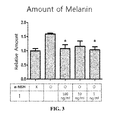
- FIG. 3 illustrates a result of measuring an amount of melanin produced from melanoma cells according to treatment of peptide 1 of the present invention.
- FIG. 4 illustrates a result of evaluating tyrosinase activity of melanoma cells according to treatment of peptide 1 of the present invention.
- FIG. 5 illustrates a result of confirming a wound healing effect in an in vitro wound model according to treatment of peptide 1 of the present invention.
- FIG. 6 illustrates a result of confirming a wound healing effect in an in vitro wound model according to treatment of peptide 2 of the present invention.
- FIG. 7 illustrates a result of quantifying and evaluating a wound healing effect in an in vitro wound model according to treatment of peptide 1 of the present invention.
- FIG. 8 illustrates a result of quantifying and evaluating a wound healing effect in an in vitro wound model according to treatment of peptide 2 of the present invention.
- FIG. 9 illustrates a result of confirming a wound healing effect in an acute cut animal model according to treatment of peptide 1 or 2 of the present invention.
- FIG. 10 illustrates a result of quantifying and evaluating a wound healing effect in an acute cut animal model according to treatment of peptide 1 or 2 of the present invention.
- FIG. 11 illustrates a result of confirming a skin tissue change through H&E staining in an acute cut animal model according to treatment of peptide 1 or 2 of the present invention.
- the present invention provides a peptide consisting of amino acid represented by SEQ ID NO: 1 or 2.
- the “peptide” refers to a polymer consisting of two or more amino acids linked by an amide bond (alternatively, a peptide bond) and refers to a peptide having skin regeneration or wound healing activity for the purpose of the present invention.
- a peptide bond refers to a polymer consisting of two or more amino acids linked by an amide bond (alternatively, a peptide bond) and refers to a peptide having skin regeneration or wound healing activity for the purpose of the present invention.
- the peptide is too large in self-size to effectively introduce target tissues or cells, or has a short half-life and disappears in the body in a short period.
- the present invention has a technical meaning in that a novel peptide consisting of 20 amino acids or less while having an effective therapeutic effect is first established.
- the peptide of the present invention may consist of amino acid represented by SEQ ID NO: 1 or 2, and may include an amino acid sequence having sequence homology with the amino acid sequence represented by SEQ ID NO: 1 or 2 of 75% or more, preferably 80% or more, more preferably 90% or more and most preferably 95% or more, and may additionally include an amino acid sequence prepared for the specific purpose of increasing a targeting sequence, a tag, a labeled residue, half-life, or peptide stability.
- the peptide may include a functional variant for the peptide of the present invention.
- the functional variant includes biological equivalents of a peptide sequence (SEQ ID NOS: 1 or 2) disclosed in the present specification.
- additional modifications in amino acid or polynucleotide sequence of the peptide may be made to further improve the binding affinity and/or other biological properties of the peptide.
- Such modifications include deletion, insertion, and/or substitution of amino acid sequence residues of the peptide and are performed based on the relative similarity of amino acid side chain substituents, for example, hydrophobicity, hydrophilicity, charge size, and the like.
- arginine, lysine and histidine are all positively charged residues; alanine, glycine and serine have similar sizes; and phenylalanine, tryptophan and tyrosine have similar shapes. Accordingly, based on these considerations, arginine, lysine and histidine; alanine, glycine and serine; and phenylalanine, tryptophan and tyrosine may refer to biologically functional equivalents.
- the peptide of the present invention may be obtained by various methods well known in the art.
- the peptide may be prepared by polynucleotide recombination and protein expression systems or synthesis in vitro through chemical synthesis such as peptide synthesis, and cell-free protein synthesis.
- a protective group may bind to an N- or C-terminal of the peptide.
- the protective group may be an acetyl group, a fluorenylmethoxycarbonyl group, a formyl group, a palmitoyl group, a myristyl group, a stearyl group or a polyethylene glycol (PEG) group, but may include any ingredient capable of enhancing modification of the peptide, particularly, stability of the peptide, without limitation.
- the term “stability” used in the present invention refers to storage stability (for example, room-temperature storage stability) as well as in-vivo stability that protects the peptide of the present invention from attack of a protein cleavage enzyme in vivo.
- polynucleotide is a polymer to which a nucleotide binds, and serves to transmit genetic information.
- the polynucleotide encodes the peptide of SEQ ID NO: 1 or 2 and may include a polynucleotide sequence encoding the peptide and a sequence having sequence homology of 75% or more, preferably 85% or more, more preferably 90% or more, and most preferably 75% or more.
- homology used in the present invention is to indicate a similar degree to a wide-type amino acid sequence or a polynucleotide sequence, and the comparison of the homology may be performed using a comparison program which is well-known in the art and homology between at least two sequences may be calculated by a percentage (%).
- the present invention provides a pharmaceutical composition for skin regeneration or wound healing, containing the peptide or a polynucleotide encoding the peptide as an active ingredient; a use for skin regeneration or wound healing of the peptide; and a method for skin regeneration or wound healing including administering a therapeutically effective dose of peptide to a subject.
- treatment used in the present invention means all actions for improving or beneficially changing symptoms for the wound by administering the pharmaceutical composition according to the present invention.
- the “subject” refers to a subject requiring treatment of the wound, and more specifically, refers to human or non-human primates, and mammals such as mice, dogs, cats, horses, and cows.
- skin regeneration used in the present invention refers to a series of reactions in which a skin tissue is reconstituted in response to an overall skin aging and an external stimulus induced in the skin, and as one example, exhibits skin whitening, skin elasticity improvement, and wrinkle improvement effects.
- skin whitening refers to not only brightening skin tone by inhibiting the synthesis of a melanin pigment but also improving skin hyperpigmentation such as spots or freckles caused due to ultraviolet rays, hormones or heredity.
- wound used in the present invention refers to a phenomenon in which the tissues are damaged by external stimuli and general wound healing is usually accompanied by processes such as degeneration and death of cells, planocytes from surrounding tissues, effusion of tissue liquids, and precipitation of fibrin and formation of granulation tissue.
- the wound treatment refers to helping reconstitution into normal skin tissue by promoting the processes as described above.
- the wound may preferably be a gash, but is not limited thereto.
- two kinds of peptides (peptide 1 and peptide 2) were prepared (see Example 1), and by treating the peptide, a production amount of collagen is increased to promote wound healing and melanin production and tyrosinase activity of a B16F10 melanoma cell line were inhibited to confirm an excellent whitening effect (see Examples 2 to 4).
- a scratch assay and an acute cut animal model to evaluate the migration ability of HaCaT cells, an excellent wound treatment effect (reduction of wound) of the peptide can be confirmed (see Examples 5 and 6), and the peptide may be widely used as an active substance and a skin whitening agent which can replace existing formulations for skin regeneration or wound healing.
- the peptide or the polynucleotide encoding the peptide of the present invention may be delivered to a pharmaceutically acceptable carrier such as a colloidal suspension, powder, saline, lipid, liposome, microspheres, or nanospheric particles.
- a pharmaceutically acceptable carrier such as a colloidal suspension, powder, saline, lipid, liposome, microspheres, or nanospheric particles.
- the peptide or the polynucleotide may form a complex with a carrier or associated with the carrier and may be delivered in vivo using a delivery system which is known in the art, such as lipids, liposomes, microparticles, gold, nanoparticles, polymers, condensation reagents, polysaccharides, polyamino acids, dendrimers, saponins, adsorption enhancers or fatty acids.
- the pharmaceutically acceptable carrier includes lactose, dextrose, sucrose, sorbitol, mannitol, starch, acacia, rubber, calcium phosphate, alginate, gelatin, calcium silicate, microcrystalline cellulose, polyvinylpyrrolidone, cellulose, water, syrup, methylcellulose, hydroxybenzoate, propylhydroxybenzoate, talc, magnesium stearate, mineral oil, and the like, which are generally used in formulation, but is not limited thereto.
- the pharmaceutical composition may further include lubricants, wetting agents, sweeteners, flavors, emulsifiers, suspensions, preservatives, and the like in addition to the ingredients.
- the pharmaceutical composition of the present invention may preferably contain the peptide of the present invention at a concentration of 1 to 500 ng/ml for the skin regeneration effect, but is not limited thereto as long as the concentration may predict an effective therapeutic effect without cytotoxicity.
- the pharmaceutical composition of the present invention may be administered orally or parenterally (for example, intramuscularly, intravenously, intraperitoneally, subcutaneously, intradermally, or topically) depending on the intended method, and the dose varies according to the condition and weight of a patient, the degree of disease, a type of drug, and the route and time of administration, but may be suitably selected by those skilled in the art.
- the pharmaceutical composition may additionally contain an adjuvant which is commonly used in a dermatology field, such as any other ingredient commonly used in the dermal external preparation including a fatty substance, an organic solvent, a solubilizer, a thickener and a gelling agent, a softener, an antioxidant, a suspending agent, a stabilizer, a foaming agent, a perfume, a surfactant, water, an ionic emulsifier, a nonionic emulsifier, a filler, a sequestering agent, a chelating agent, a preservative, vitamins, a blocking agent, a wetting agent, essential oil, a dye, a pigment, a hydrophilic active agent, a lipophilic active agent or a lipid vesicle.
- an adjuvant which is commonly used in a dermatology field such as any other ingredient commonly used in the dermal external preparation including a fatty substance, an organic solvent, a solubilizer, a thickener and a
- the ingredients may be introduced with amounts commonly used in the dermatology field.
- the pharmaceutical composition is provided as the dermal external preparation, but is not limited thereto, and may be a formulation, such as an ointment, a patch, a gel, a cream or a spray.
- the pharmaceutical composition of the present invention is administered with a pharmaceutically effective dose.
- the “pharmaceutically effective dose” means a amount which is sufficient to treat the diseases at a reasonable benefit/risk ratio applicable to medical treatment, and an effective dose level may be determined according to elements including a kind of disease of the patient, the severity, activity of a drug, sensitivity to a drug, a time of administration, a pathway of administration, and an emission rate, duration of treatment, and simultaneously used drugs and other elements well-known in the medical field.
- the pharmaceutical composition according to the present invention may be administered as an individual therapeutic agent or in combination with other therapeutic agents, simultaneously, separately or sequentially administered with existing therapeutic agents, and administered singly or multiply. It is important to administer an amount capable of obtaining a maximum effect with a minimal amount without side effects by considering all of the elements and the amount may be easily determined by those skilled in the art.
- the effective dose of the pharmaceutical composition according to the present invention may vary according to age, gender, condition, and weight of the patient, absorption of active ingredients in the body, inactive rate, excretion rate, disease type, and combined drugs, and may be increased or decreased according to the route of administration, the severity of obesity, gender, weight, age, and the like.
- the present invention provides a health functional food/cosmetic composition for improving skin aging or wound, containing the peptide or a polynucleotide encoding the peptide as an active ingredient.
- the term “improvement” used in the present invention means all actions that at least reduce parameters associated with a treated condition, for example, the degree of symptoms.
- the health functional food/cosmetic composition may be used simultaneously or separately with the drug for treatment before or after the onset of the related diseases for preventing or improving skin aging or wound.
- the active ingredient may be added to the food as it is or may be used together with other food or food ingredients, and may be appropriately used according to general methods.
- a mixing amount of the active ingredients may be appropriately determined according to a purpose of use (for prevention or improvement) thereof.
- the composition of the present invention may be added with an amount of preferably 15 wt % or less and more preferably 10 wt % or less with respect to a raw material.
- the amount may be below the above range.
- the health functional food composition of the present invention may contain other ingredients as a required ingredient without specific limitation other than the active ingredient.
- various flavoring agents or natural carbohydrates may be added as an additional ingredient.
- the aforementioned natural carbohydrates include general sugars, such as monosaccharides, for example, glucose, fructose, and the like; disaccharides, for example, maltose, sucrose, and the like; and polysaccharides, for example, dextrin, cyclodextrin, and the like, and sugar alcohols, such as xylitol, sorbitol, and erythritol.
- natural flavoring agents thaumatin and stevia extract (e.g., rebaudioside A, glycyrrhizin, etc.) and synthetic flavoring agents (saccharin, aspartame, etc.) may be advantageously used.
- the ratio of the natural carbohydrate may be appropriately determined by selection of those skilled in the art.
- the health food composition according to the present invention may contain various nutrients, vitamins, minerals (electrolytes), flavoring agents such as synthetic flavoring agents and natural flavoring agents, coloring agents and thickening agents (cheese, chocolate, etc.), pectic acid and salts thereof, alginic acid and salts thereof, organic acid, a protective colloidal thickener, a pH adjusting agent, a stabilizer, a preservative, glycerin, alcohol, a carbonic acid agent used in a carbonated drink, and the like.
- These ingredients may be used independently or in combination, and the ratio of such additives may also be appropriately selected by those skilled in the art.
- the cosmetic composition of the present invention may be prepared by any formulation which is generally prepared in the art and for example, may be formulated by a solution, a suspension, an emulsion, paste, gel, cream, lotion, powder, soap, a surfactant-containing cleanser, oil, powder foundation, emulsion foundation, wax foundation, spray and the like, but is not limited thereto. More particularly, the cosmetic composition of the present invention may be prepared by a formulation of emulsion lotion, nutrition lotion, nourishing cream, massage cream, essence, eye cream, cleansing cream, cleansing foam, cleansing water, pack, spray or powder.
- the effective carrier contained in the cosmetic composition of the present invention may use a carrier which is generally used in the art depending on the formulation.
- a carrier ingredient animal oil, vegetable oil, waxes, paraffins, starch, tragacanth, cellulose derivatives, polyethylene glycol, silicone, bentonite, silica, talc, zinc oxide, or the like may be used.
- the formulation of the present invention is the powder or the spray
- the carrier ingredient lactose, talc, silica, aluminum hydroxide, calcium silicate, or polyamide powder
- a propellant such as chlorofluoro hydrocarbon, propane/butane or dimethyl ether may be additionally included.
- a solvent, a dissolving agent, or an emulsifying agent is used as the carrier ingredient, and for example, water, ethanol, isopropanol, ethyl carbonate, ethyl acetate, benzyl alcohol, benzyl benzoate, propylene glycol, 1,3-butyl glycol oil, glycerol aliphatic ester, polyethylene glycol, or sorbitan fatty acid ester is included.
- a liquid diluent such as water, ethanol, or propylene glycol
- a suspension such as ethoxylated isostearyl alcohol, polyoxyethylene sorbitol ester and polyoxyethylene sorbitan ester, microcrystalline cellulose, aluminum metahydroxide, bentonite, agarose or tragacanth may be used.
- the formulation of the present invention is the surfactant-containing cleanser
- the carrier ingredient aliphatic alcohol sulfate, aliphatic alcohol ether sulfate, sulfosuccinate monoester, isethionate, imidazolinium derivatives, methyl taurate, sarcosinate, fatty acid amide ether sulfate, alkyl amido betaine, aliphatic alcohol, fatty acid glyceride, fatty acid diethanolamide, vegetable oil, lanoline derivatives, ethoxylated glycerol fatty acid ester, or the like may be used.
- the ingredients contained in the cosmetic composition of the present invention may contain ingredients which are generally used in the cosmetic composition in addition to the active ingredients and the carrier ingredients, and for example, may contain general adjuvants such as antioxidants, stabilizers, solubilizers, vitamins, pigments and fragrances.
- Example 1 peptides in Table 1 below were prepared. Thereafter, the synthesized peptides were purified using a high-performance liquid chromatography (SHIMADZU Prominence HPLC) and a column used a Shiseido capcell pak C18 column (4.6 ⁇ 50 mm) Further, the mass of the synthesized peptide was confirmed using a mass spectrometer (HP 1100 series LC/MSD).
- HPLC high-performance liquid chromatography
- MSD mass spectrometer
- Collagen is a main ingredient of skin connective tissues, and increased collagen expression is essential in wound healing such as a gash or skin regeneration.
- HDF human dermal fibroblasts
- the production ability of collagen of human dermal fibroblasts (HDF) according to the treatment of the peptide (peptide 1) prepared in Example 1 was evaluated by an experimental method disclosed in the existing document (J. Biol. Chem. 1993 268(14): 9941-9944).
- the human dermal fibroblasts were cultured in a DMEM medium added with 10% fetal bovine albumin (FBS), and the cultured cells were divided into a 6-well plate at a concentration of 2 ⁇ 10 5 cell/well and cultured for 24 hours, and then the medium was replaced with 2% FBS.
- FBS fetal bovine albumin
- the cells were treated with the peptide (100, 10, 1 ng/ml) of the present invention, and thereafter, an amount of procollagen secreted to the culture medium was measured by using a Procollagen Type I C-peptide (PIP) EIA Kit, RNA was extracted with a Trizol reagent, and then the expression of Col1A1 (collagen type I, alpha 1) mRNA of the human dermal fibroblasts was confirmed through real-time PCR. Meanwhile, a separately untreated group (Control) was used as a control group and a TGF-treated group (TGF-) was used as a positive control group.
- PIP Procollagen Type I C-peptide
- FIGS. 1 and 2 it could be seen that in the group treated with the peptide of the present invention, a secretion amount of procollagen was increased compared to the control group and the TGF-treated group, and the expression of Col1A1 was significantly increased at a concentration of 10 ng/ml or more. From the result, it could be seen that the peptide of the present invention induced the generation of collagen to contribute to promotion of skin generation or wound healing.
- the color of the skin is determined by an amount of melanin pigment produced by melanoma cells, and many studies have been conducted to improve abnormal pigmentation of the skin. Particularly, excessive pigmentation caused by chronic gashes is considered as a major medical problem, but no definitive treatment method has yet been developed.
- the production ability of melanin of a melanoma cell line according to the treatment of the peptide (peptide 1) prepared in Example 1 was evaluated by an experimental method disclosed in the existing document (Life Sci. 2013 Aug. 14; 93(5-6):226-32).
- the melanoma cell line B16F10 cells
- a DMEM medium added with 10% fetal bovine albumin, and the cultured cells were divided into a 12 well-plate at a concentration of 1 ⁇ 10 5 cells/well.
- ⁇ -MSH (10 uM) promoting melanin synthesis and the peptide (1, 10, and 100 ng/ml) of the present invention were treated and cultured again for 24 hours, added with 200 ⁇ l of a 1N NaOH solution after washing each well with PBS, and then dissolved at 100° C. for 30 minutes. Thereafter, the absorbance was measured at 405 nm with an ELISA reader to confirm the amount of melanin produced from the melanoma cell line. Meanwhile, an untreated group was used as a control group and a ⁇ -MSH-treated group was used as a positive control group.
- Tyrosinase as a rate-regulating enzyme that catalyzes the reaction in the melanin biosynthesis process was known to play a crucial role in regulating the amount of melanin in the cells.
- the tyrosinase activity of the melanoma cell line according to the treatment of the peptide (peptide 1) prepared in Example 1 was evaluated by an experimental method disclosed in the existing document (J. Dermatol. Sci. Vol. 57 (2010) 170-177).
- the melanoma cell line, B16F10 cells was divided into a 12 well-plate at a concentration of 1 ⁇ 10 5 cells/well and cultured for 24 hours, and then treated with ⁇ -MSH (1M) and the peptide of the present invention (1, 10, 100 ng/ml), cultured for 24 hours again, and then was washed with PBS and suspended in a 50 mM phosphate buffer (pH 6.8) containing 1% Triton X-100 after washing each well with PBS. After vortexing, the cells was frozen at 80° C.
- the tyrosinase activity of the melanoma cell line was greatly increased in the ⁇ -MSH-treated group, whereas the enzyme activity was greatly reduced in the group treated with the peptide of the present invention and there was no significant difference from the Kojic acid-treated group having tyrosinase inhibition activity. From the result, it could be seen that the peptide of the present invention had a skin whitening effect according to inhibition of tyrosinase activity.
- Example 5 the wound treatment effect according to the treatment of the peptides (peptides 1 and 2) prepared in Example 1 was confirmed through a scratch assay.
- a human epithelial cell line, HaCaT cells was cultured for 2 hours by adding Mitomycin C (10 ug/ml) in a serum-free medium to induce scratch wound. After the cells were treated with the peptide (1 or 10 ng/ml) and TGF- ⁇ (1 ng/ml) as a positive control group in a medium added with 10% FBS, the migration ability of cells was observed over time and the reduction in wound size was quantified.
- FIGS. 5 and 6 it was confirmed that the migration of HaCaT cells was increased in a peptide concentration-dependent manner in the group treated with the peptide of the present invention. Further, as the result of quantifying and evaluating the wound size, as illustrated in FIGS. 7 and 8 , significant reduction of the wound size according to treatment of peptide 1 or peptide 2 was confirmed, and particularly, the effect of peptide 2 was more remarkable and a definite wound reduction effect was observed even at a relatively low concentration (1 ng/ml) as well as a high concentration (10 ng/ml).
- Example 6 the wound treatment effect according to the treatment of the peptides (peptides 1 and 2) prepared in Example 1 was confirmed in vivo using an acute wound animal model.
- the skin of the animal's back was cut by using a circular punch having a 10 mm diameter to induce an acute wound.
- the peptide was treated (500 ng/one time) at the site of excision total 5 times at 24-hour intervals at the site of excision and reduction of the wound area over time was measured for 14 days and an EGF was used as a positive control group (10 ug/one time).
- the peptide was treated with 20% pluronic F-127 (PBS) in a mixture state and the wound sizes over time were measured and digitized using a digital camera and an ImageJ program and compared with each other.
- PBS pluronic F-127
- Example 6-1 An acute wound was induced in the same manner as in Example 6-1, and the skin tissue was cut on 5 day after the acute wound was induced to prepare tissue fragments. Thereafter, histological changes according to peptide treatment were observed by H&E staining and observing the H&E staining by a microscope. Meanwhile, an EGF was used as a positive control group.
- the peptides (peptide 1 and peptide 2) of the present invention may remarkably accelerate the wound recovery rate and may be used as an active substance for wound healing.
Landscapes
- Health & Medical Sciences (AREA)
- Life Sciences & Earth Sciences (AREA)
- General Health & Medical Sciences (AREA)
- Chemical & Material Sciences (AREA)
- Veterinary Medicine (AREA)
- Public Health (AREA)
- Animal Behavior & Ethology (AREA)
- Medicinal Chemistry (AREA)
- Epidemiology (AREA)
- Pharmacology & Pharmacy (AREA)
- Organic Chemistry (AREA)
- Dermatology (AREA)
- Engineering & Computer Science (AREA)
- Proteomics, Peptides & Aminoacids (AREA)
- Bioinformatics & Cheminformatics (AREA)
- Chemical Kinetics & Catalysis (AREA)
- General Chemical & Material Sciences (AREA)
- Immunology (AREA)
- Gastroenterology & Hepatology (AREA)
- Genetics & Genomics (AREA)
- Biochemistry (AREA)
- Biophysics (AREA)
- Molecular Biology (AREA)
- Birds (AREA)
- Nuclear Medicine, Radiotherapy & Molecular Imaging (AREA)
- Gerontology & Geriatric Medicine (AREA)
- Oil, Petroleum & Natural Gas (AREA)
- Medicines That Contain Protein Lipid Enzymes And Other Medicines (AREA)
- Cosmetics (AREA)
- Micro-Organisms Or Cultivation Processes Thereof (AREA)
- Peptides Or Proteins (AREA)
Priority Applications (1)
| Application Number | Priority Date | Filing Date | Title |
|---|---|---|---|
| US16/222,808 US10995117B2 (en) | 2016-03-23 | 2018-12-17 | Peptide for skin regeneration or wound treatment and use thereof |
Applications Claiming Priority (3)
| Application Number | Priority Date | Filing Date | Title |
|---|---|---|---|
| KR20160034327 | 2016-03-23 | ||
| KR10-2016-0034327 | 2016-03-23 | ||
| PCT/KR2017/002998 WO2017164609A2 (ko) | 2016-03-23 | 2017-03-21 | 피부 재생 또는 상처 치료용 펩타이드 및 이의 용도 |
Related Parent Applications (1)
| Application Number | Title | Priority Date | Filing Date |
|---|---|---|---|
| PCT/KR2017/002998 A-371-Of-International WO2017164609A2 (ko) | 2016-03-23 | 2017-03-21 | 피부 재생 또는 상처 치료용 펩타이드 및 이의 용도 |
Related Child Applications (1)
| Application Number | Title | Priority Date | Filing Date |
|---|---|---|---|
| US16/222,808 Continuation-In-Part US10995117B2 (en) | 2016-03-23 | 2018-12-17 | Peptide for skin regeneration or wound treatment and use thereof |
Publications (2)
| Publication Number | Publication Date |
|---|---|
| US20180193406A1 US20180193406A1 (en) | 2018-07-12 |
| US10188694B2 true US10188694B2 (en) | 2019-01-29 |
Family
ID=59899599
Family Applications (1)
| Application Number | Title | Priority Date | Filing Date |
|---|---|---|---|
| US15/739,894 Active US10188694B2 (en) | 2016-03-23 | 2017-03-21 | Peptide for skin regeneration or wound treatment and use thereof |
Country Status (7)
| Country | Link |
|---|---|
| US (1) | US10188694B2 (enExample) |
| EP (1) | EP3444265B1 (enExample) |
| JP (1) | JP6573295B2 (enExample) |
| KR (1) | KR101969904B1 (enExample) |
| CN (1) | CN109563132B (enExample) |
| ES (1) | ES2835124T3 (enExample) |
| WO (1) | WO2017164609A2 (enExample) |
Cited By (4)
| Publication number | Priority date | Publication date | Assignee | Title |
|---|---|---|---|---|
| US20190112336A1 (en) * | 2016-03-23 | 2019-04-18 | Bio Pep Co., Ltd. | Peptide for skin regeneration or wound treatment and use thereof |
| US11453700B2 (en) | 2019-08-20 | 2022-09-27 | Caregen Co., Ltd. | Peptide having activities of skin whitening and uses thereof |
| US11654097B2 (en) | 2019-08-20 | 2023-05-23 | Caregen Co., Ltd. | Peptide having activities of skin whitening and uses thereof |
| RU2862236C1 (ru) * | 2025-07-23 | 2026-05-19 | Мария Валерьевна Веселова | Способ выполнения педикюра с восстановлением кожи стопы |
Families Citing this family (6)
| Publication number | Priority date | Publication date | Assignee | Title |
|---|---|---|---|---|
| KR102233646B1 (ko) * | 2018-11-16 | 2021-03-30 | 고려대학교 산학협력단 | 피부 재생 또는 상처 치료용 펩타이드 aes11-1 및 이의 용도 |
| KR102233647B1 (ko) * | 2018-11-16 | 2021-03-30 | 고려대학교 산학협력단 | 피부 재생 또는 상처 치료용 펩타이드 aec1d 및 이의 용도 |
| KR102261105B1 (ko) * | 2018-11-16 | 2021-06-04 | 고려대학교 산학협력단 | 피부 재생 또는 상처 치료용 펩타이드 aesis-1p3 및 이의 용도 |
| KR102506020B1 (ko) * | 2020-11-27 | 2023-03-06 | 웰펩 주식회사 | 항산화 활성 및 티로시나제 저해활성을 갖는 펩타이드 및 이를 포함하는 조성물 |
| CN120322218A (zh) * | 2022-12-07 | 2025-07-15 | 凯尔格恩有限公司 | 具有皮肤状态改善活性的肽以及其用途 |
| PL449964A1 (pl) * | 2024-10-07 | 2026-04-13 | Gdański Uniwersytet Medyczny | Kompozycja farmaceutyczna o działaniu ochronnym i proregeneracyjnym oraz jej zastosowanie |
Citations (7)
| Publication number | Priority date | Publication date | Assignee | Title |
|---|---|---|---|---|
| US20060234210A1 (en) * | 2004-04-14 | 2006-10-19 | Affinergy, Inc. | Filtration device and method for removing selected materials from biological fluids |
| KR101020658B1 (ko) | 2006-01-23 | 2011-03-09 | 주식회사 이매진 | 신규한 펩타이드 및 이의 용도 |
| KR101092915B1 (ko) | 2009-07-10 | 2011-12-12 | (주)케어젠 | 성장인자―유래 펩타이드 및 이의 용도 |
| KR101355385B1 (ko) | 2013-09-10 | 2014-02-06 | 주식회사 위노바 | 피부재생용 펩타이드, 이를 포함하는 화장품 조성물 및 이를 이용한 피부재생 방법 |
| WO2014109417A1 (ko) | 2013-01-08 | 2014-07-17 | (주)노바셀테크놀로지 | 콜라겐 합성능이 있는 신규 펩타이드 및 그의 용도 |
| KR20150135743A (ko) | 2014-05-22 | 2015-12-03 | 제주대학교 산학협력단 | 해조류 추출물을 포함하는 상처 치료 및 피부 재생용 조성물 |
| KR20160006994A (ko) | 2014-07-10 | 2016-01-20 | 강원대학교산학협력단 | 표피성장인자 유래의 펩타이드 단편을 포함하는 상처 치료 또는 피부 주름형성 억제용 조성물 |
Family Cites Families (6)
| Publication number | Priority date | Publication date | Assignee | Title |
|---|---|---|---|---|
| CN100506275C (zh) * | 2002-10-21 | 2009-07-01 | 上海益众生物技术有限公司 | 成骨生长肽对红系造血祖细胞的促增殖作用及应用 |
| WO2011119484A1 (en) * | 2010-03-23 | 2011-09-29 | Iogenetics, Llc | Bioinformatic processes for determination of peptide binding |
| EP2771349B1 (en) * | 2011-09-16 | 2020-02-26 | Iogenetics, LLC. | Bioinformatic processes for determination of peptide binding |
| JP6253286B2 (ja) | 2013-07-18 | 2017-12-27 | キャタピラー エス エー アール エル | 建設機械のキャットウオーク |
| KR20150029498A (ko) * | 2013-11-14 | 2015-03-18 | 우리들휴브레인 주식회사 | 피부재생용 펩타이드, 이를 포함하는 화장품 조성물 및 이를 이용한 피부재생 방법 |
| KR20150130614A (ko) * | 2014-05-13 | 2015-11-24 | (주)케어젠 | 성장인자 활성을 나타내는 펩타이드 및 그의 용도 |
-
2017
- 2017-03-21 CN CN201780002140.4A patent/CN109563132B/zh active Active
- 2017-03-21 JP JP2018517117A patent/JP6573295B2/ja active Active
- 2017-03-21 KR KR1020170035249A patent/KR101969904B1/ko active Active
- 2017-03-21 US US15/739,894 patent/US10188694B2/en active Active
- 2017-03-21 EP EP17770579.5A patent/EP3444265B1/en active Active
- 2017-03-21 ES ES17770579T patent/ES2835124T3/es active Active
- 2017-03-21 WO PCT/KR2017/002998 patent/WO2017164609A2/ko not_active Ceased
Patent Citations (7)
| Publication number | Priority date | Publication date | Assignee | Title |
|---|---|---|---|---|
| US20060234210A1 (en) * | 2004-04-14 | 2006-10-19 | Affinergy, Inc. | Filtration device and method for removing selected materials from biological fluids |
| KR101020658B1 (ko) | 2006-01-23 | 2011-03-09 | 주식회사 이매진 | 신규한 펩타이드 및 이의 용도 |
| KR101092915B1 (ko) | 2009-07-10 | 2011-12-12 | (주)케어젠 | 성장인자―유래 펩타이드 및 이의 용도 |
| WO2014109417A1 (ko) | 2013-01-08 | 2014-07-17 | (주)노바셀테크놀로지 | 콜라겐 합성능이 있는 신규 펩타이드 및 그의 용도 |
| KR101355385B1 (ko) | 2013-09-10 | 2014-02-06 | 주식회사 위노바 | 피부재생용 펩타이드, 이를 포함하는 화장품 조성물 및 이를 이용한 피부재생 방법 |
| KR20150135743A (ko) | 2014-05-22 | 2015-12-03 | 제주대학교 산학협력단 | 해조류 추출물을 포함하는 상처 치료 및 피부 재생용 조성물 |
| KR20160006994A (ko) | 2014-07-10 | 2016-01-20 | 강원대학교산학협력단 | 표피성장인자 유래의 펩타이드 단편을 포함하는 상처 치료 또는 피부 주름형성 억제용 조성물 |
Cited By (5)
| Publication number | Priority date | Publication date | Assignee | Title |
|---|---|---|---|---|
| US20190112336A1 (en) * | 2016-03-23 | 2019-04-18 | Bio Pep Co., Ltd. | Peptide for skin regeneration or wound treatment and use thereof |
| US10995117B2 (en) * | 2016-03-23 | 2021-05-04 | Kine Sciences Co., Ltd. | Peptide for skin regeneration or wound treatment and use thereof |
| US11453700B2 (en) | 2019-08-20 | 2022-09-27 | Caregen Co., Ltd. | Peptide having activities of skin whitening and uses thereof |
| US11654097B2 (en) | 2019-08-20 | 2023-05-23 | Caregen Co., Ltd. | Peptide having activities of skin whitening and uses thereof |
| RU2862236C1 (ru) * | 2025-07-23 | 2026-05-19 | Мария Валерьевна Веселова | Способ выполнения педикюра с восстановлением кожи стопы |
Also Published As
| Publication number | Publication date |
|---|---|
| KR20170113156A (ko) | 2017-10-12 |
| JP2018528978A (ja) | 2018-10-04 |
| CN109563132B (zh) | 2022-03-29 |
| EP3444265B1 (en) | 2020-09-02 |
| JP6573295B2 (ja) | 2019-09-11 |
| CN109563132A (zh) | 2019-04-02 |
| KR101969904B1 (ko) | 2019-04-18 |
| EP3444265A4 (en) | 2019-08-21 |
| EP3444265A2 (en) | 2019-02-20 |
| ES2835124T3 (es) | 2021-06-21 |
| US20180193406A1 (en) | 2018-07-12 |
| WO2017164609A2 (ko) | 2017-09-28 |
| WO2017164609A3 (ko) | 2018-07-12 |
Similar Documents
| Publication | Publication Date | Title |
|---|---|---|
| US20180193406A1 (en) | Peptide for skin regeneration or wound treatment and use thereof | |
| KR102299412B1 (ko) | 피부 미백 활성을 갖는 펩타이드 및 이의 용도 | |
| US12290588B2 (en) | Peptide having activity of improving skin condition and use thereof | |
| US11453700B2 (en) | Peptide having activities of skin whitening and uses thereof | |
| US10995117B2 (en) | Peptide for skin regeneration or wound treatment and use thereof | |
| KR102261105B1 (ko) | 피부 재생 또는 상처 치료용 펩타이드 aesis-1p3 및 이의 용도 | |
| KR102859706B1 (ko) | 피부 미백 활성을 갖는 펩타이드 및 이의 용도 | |
| KR20250018285A (ko) | 펩타이드 복합물을 유효성분으로 포함하는 피부 상태 개선용 조성물 | |
| KR102274658B1 (ko) | 염증성 피부질환 치료용 펩타이드 및 이의 용도 | |
| KR101868058B1 (ko) | 피부 재생 또는 상처 치료를 위한 적혈구 분화 조절인자 1의 신규한 용도 | |
| KR102265434B1 (ko) | 피부 미백 활성을 갖는 펩타이드 및 이의 용도 | |
| EP4631491A1 (en) | Peptide having activity of improving state of skin, and use thereof | |
| KR102859707B1 (ko) | 피부 미백 활성을 갖는 펩타이드 및 이의 용도 | |
| KR102920744B1 (ko) | 피부 미백 활성을 갖는 펩타이드 및 이의 용도 | |
| KR20250054871A (ko) | 피부 상태 개선 활성을 갖는 펩타이드 및 이의 용도 | |
| KR20230099483A (ko) | 피부 상태 개선 활성을 갖는 펩타이드 및 이의 용도 |
Legal Events
| Date | Code | Title | Description |
|---|---|---|---|
| AS | Assignment |
Owner name: BIO PEP CO., LTD, KOREA, REPUBLIC OF Free format text: ASSIGNMENT OF ASSIGNORS INTEREST;ASSIGNORS:CHO, DAE HO;GIL, MIN CHAN;LEE, SO MI;AND OTHERS;SIGNING DATES FROM 20171211 TO 20171212;REEL/FRAME:044485/0723 |
|
| FEPP | Fee payment procedure |
Free format text: ENTITY STATUS SET TO UNDISCOUNTED (ORIGINAL EVENT CODE: BIG.); ENTITY STATUS OF PATENT OWNER: SMALL ENTITY |
|
| FEPP | Fee payment procedure |
Free format text: ENTITY STATUS SET TO SMALL (ORIGINAL EVENT CODE: SMAL); ENTITY STATUS OF PATENT OWNER: SMALL ENTITY |
|
| STCF | Information on status: patent grant |
Free format text: PATENTED CASE |
|
| AS | Assignment |
Owner name: KINE SCIENCES CO., LTD., KOREA, REPUBLIC OF Free format text: CHANGE OF NAME;ASSIGNOR:BIO PEP CO., LTD.;REEL/FRAME:051435/0562 Effective date: 20191224 |
|
| MAFP | Maintenance fee payment |
Free format text: PAYMENT OF MAINTENANCE FEE, 4TH YR, SMALL ENTITY (ORIGINAL EVENT CODE: M2551); ENTITY STATUS OF PATENT OWNER: SMALL ENTITY Year of fee payment: 4 |
|
| MAFP | Maintenance fee payment |
Free format text: PAYMENT OF MAINTENANCE FEE, 8TH YR, SMALL ENTITY (ORIGINAL EVENT CODE: M2552); ENTITY STATUS OF PATENT OWNER: SMALL ENTITY Year of fee payment: 8 |