JP7582002B2 - R-t-b系焼結磁石の製造方法 - Google Patents
R-t-b系焼結磁石の製造方法 Download PDFInfo
- Publication number
- JP7582002B2 JP7582002B2 JP2021049197A JP2021049197A JP7582002B2 JP 7582002 B2 JP7582002 B2 JP 7582002B2 JP 2021049197 A JP2021049197 A JP 2021049197A JP 2021049197 A JP2021049197 A JP 2021049197A JP 7582002 B2 JP7582002 B2 JP 7582002B2
- Authority
- JP
- Japan
- Prior art keywords
- mass
- sintered magnet
- alloy
- based sintered
- less
- Prior art date
- Legal status (The legal status is an assumption and is not a legal conclusion. Google has not performed a legal analysis and makes no representation as to the accuracy of the status listed.)
- Active
Links
Images

Classifications
-
- H—ELECTRICITY
- H01—ELECTRIC ELEMENTS
- H01F—MAGNETS; INDUCTANCES; TRANSFORMERS; SELECTION OF MATERIALS FOR THEIR MAGNETIC PROPERTIES
- H01F41/00—Apparatus or processes specially adapted for manufacturing or assembling magnets, inductances or transformers; Apparatus or processes specially adapted for manufacturing materials characterised by their magnetic properties
- H01F41/02—Apparatus or processes specially adapted for manufacturing or assembling magnets, inductances or transformers; Apparatus or processes specially adapted for manufacturing materials characterised by their magnetic properties for manufacturing cores, coils, or magnets
- H01F41/0253—Apparatus or processes specially adapted for manufacturing or assembling magnets, inductances or transformers; Apparatus or processes specially adapted for manufacturing materials characterised by their magnetic properties for manufacturing cores, coils, or magnets for manufacturing permanent magnets
- H01F41/0293—Apparatus or processes specially adapted for manufacturing or assembling magnets, inductances or transformers; Apparatus or processes specially adapted for manufacturing materials characterised by their magnetic properties for manufacturing cores, coils, or magnets for manufacturing permanent magnets diffusion of rare earth elements, e.g. Tb, Dy or Ho, into permanent magnets
-
- H—ELECTRICITY
- H01—ELECTRIC ELEMENTS
- H01F—MAGNETS; INDUCTANCES; TRANSFORMERS; SELECTION OF MATERIALS FOR THEIR MAGNETIC PROPERTIES
- H01F1/00—Magnets or magnetic bodies characterised by the magnetic materials therefor; Selection of materials for their magnetic properties
- H01F1/01—Magnets or magnetic bodies characterised by the magnetic materials therefor; Selection of materials for their magnetic properties of inorganic materials
- H01F1/03—Magnets or magnetic bodies characterised by the magnetic materials therefor; Selection of materials for their magnetic properties of inorganic materials characterised by their coercivity
- H01F1/032—Magnets or magnetic bodies characterised by the magnetic materials therefor; Selection of materials for their magnetic properties of inorganic materials characterised by their coercivity of hard-magnetic materials
- H01F1/04—Magnets or magnetic bodies characterised by the magnetic materials therefor; Selection of materials for their magnetic properties of inorganic materials characterised by their coercivity of hard-magnetic materials metals or alloys
- H01F1/047—Alloys characterised by their composition
- H01F1/053—Alloys characterised by their composition containing rare earth metals
- H01F1/055—Alloys characterised by their composition containing rare earth metals and magnetic transition metals, e.g. SmCo5
- H01F1/057—Alloys characterised by their composition containing rare earth metals and magnetic transition metals, e.g. SmCo5 and IIIa elements, e.g. Nd2Fe14B
- H01F1/0571—Alloys characterised by their composition containing rare earth metals and magnetic transition metals, e.g. SmCo5 and IIIa elements, e.g. Nd2Fe14B in the form of particles, e.g. rapid quenched powders or ribbon flakes
- H01F1/0575—Alloys characterised by their composition containing rare earth metals and magnetic transition metals, e.g. SmCo5 and IIIa elements, e.g. Nd2Fe14B in the form of particles, e.g. rapid quenched powders or ribbon flakes pressed, sintered or bonded together
- H01F1/0577—Alloys characterised by their composition containing rare earth metals and magnetic transition metals, e.g. SmCo5 and IIIa elements, e.g. Nd2Fe14B in the form of particles, e.g. rapid quenched powders or ribbon flakes pressed, sintered or bonded together sintered
-
- Y—GENERAL TAGGING OF NEW TECHNOLOGICAL DEVELOPMENTS; GENERAL TAGGING OF CROSS-SECTIONAL TECHNOLOGIES SPANNING OVER SEVERAL SECTIONS OF THE IPC; TECHNICAL SUBJECTS COVERED BY FORMER USPC CROSS-REFERENCE ART COLLECTIONS [XRACs] AND DIGESTS
- Y02—TECHNOLOGIES OR APPLICATIONS FOR MITIGATION OR ADAPTATION AGAINST CLIMATE CHANGE
- Y02T—CLIMATE CHANGE MITIGATION TECHNOLOGIES RELATED TO TRANSPORTATION
- Y02T10/00—Road transport of goods or passengers
- Y02T10/60—Other road transportation technologies with climate change mitigation effect
- Y02T10/64—Electric machine technologies in electromobility
Landscapes
- Engineering & Computer Science (AREA)
- Power Engineering (AREA)
- Manufacturing & Machinery (AREA)
- Chemical & Material Sciences (AREA)
- Crystallography & Structural Chemistry (AREA)
- Inorganic Chemistry (AREA)
- Hard Magnetic Materials (AREA)
- Powder Metallurgy (AREA)
- Manufacturing Cores, Coils, And Magnets (AREA)
Description
また、主相であるR2T14B化合物のRの一部をDy、Tb、Hoなどの重希土類元素で置換することによって飽和磁化を下げつつ、主相の異方性磁界を高められることが知られている。特に二粒子粒界相と接する主相外殻は磁化反転の起点となりやすいため、主相外殻に優先的に重希土類元素を置換できる重希土類拡散技術は、飽和磁化の低下を抑制しつつ効率的に高いHcJが得られる。
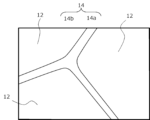
一方、二粒子粒界相14aの磁性を制御することによっても、高いHcJが得られることが知られている。具体的には二粒子粒界相中の磁性元素(Fe、Co、Ni等)の濃度を下げることによって、二粒子粒界相を非磁性に近づけることで、主相同士の磁気的な結合を弱めて磁化反転を抑制することができる。
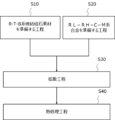
本開示によるR-T-B系焼結磁石の製造方法は、図2に示すように、更に、R-T-B系焼結磁石素材表面の少なくとも一部にRL-RH-C-M系合金の少なくとも一部を付着させ、真空又は不活性ガス雰囲気中、700℃以上1100℃以下の温度で加熱する拡散工程S30を含む。
R-T-B系焼結磁石素材において、Rは希土類元素であり、Nd、PrおよびCeからなる群から選択された少なくとも1つを必ず含み、TはFe、Co、Al、Mn、およびSiからなる群から選択された少なくとも1つであり、必ずFeを含む。Rの含有量は、例えば、R-T-B系焼結磁石素材全体の27mass%以上35mass%以下である。T全体に対するFeの含有量が80mass%以上であることが好ましい。
Rが27mass%未満では焼結過程で液相が十分に生成せず、焼結体を充分に緻密化することが困難になる可能性がある。一方、Rが35mass%を超えると焼結時に粒成長が起こり、HcJが低下する可能性がある。Rは28mass%以上33mass%以下であることが好ましい。
R:27~35mass%、
B:0.80~1.20mass%、
Ga:0~1.0mass%、
X:0~2mass%(XはCu、Nb、Zrの少なくとも一種)、
T:60mass%以上を含有する。
前記RL-RH-C-M系合金において、RLは軽希土類元素のうちの少なくとも1つであり、Nd、PrおよびCeからなる群から選択された少なくとも1つを必ず含み、RHは、Tb、DyおよびHoからなる群から選択された少なくとも1つであり、Cはカーボンであり、Mは、Cu、Ga、Fe、Co、Ni、Al、Ag、Zn、Si、Snからなる群から選択された少なくとも1つである。RLの含有量は、RL-RH-C-M系合金全体の50mass%以上95mass%以下である。軽希土類元素は、La、Ce、Pr、Nd、Pm、Sm、Euなどが挙げられる。RHの含有量は、RL-RH-C-M系合金全体の45mass%以下(0mass%を含む)である。すわなち、RHは含有しなくてもよい。Cの含有量は、RL-RH-C-M系合金全体の0.10mass%以上0.50mass%以下である。Mの含有量は、RL-RH-C-M系合金全体の4mass%以上49.9mass%以下である。RL-RH-C-M系合金の典型例は、TbNdPrCCu合金、TbNdCePCCu合金、TbNdPrCCuFe合金、TbNdCGa合金、TbNdPrCGaCu合金、TbNdCGaCuFe合金、NdPrTbCCuGaAl合金などである。上記元素の他にMn、O、N等の不可避不純物等の元素を少量含有してもよい。
前述のように準備したR-T-B系焼結磁石素材の表面の少なくとも一部に、準備したRL-RH-C-M系合金の少なくとも一部を付着させ、真空又は不活性ガス雰囲気中、700℃以上1100℃以下の温度で加熱する拡散工程を行う。これにより、RL-RH-C-M系合金からRL、C、(RH)およびMを含む液相が生成し、その液相がR-T-B系焼結磁石素材中の粒界を経由して焼結素材表面から内部に拡散導入される。また、RL-RH-C-M系合金によるR-T-B系焼結磁石素材への付着量は1mass%以上8mass%以下が好ましく、1mass%以上5mass%以下がさらに好ましい。この範囲にすることにより、より確実に重希土類元素の使用量を低減しつつ、高いHcJを有するR-T-B系焼結磁石を得ることができる。
また、RL-RH-C-M系合金の少なくとも一部がR-T-B系焼結磁石素材の少なくとも一部に付着していれば、その配置位置は特に問わない。
好ましくは、図2に示すように、拡散工程が実施されたR-T-B系焼結磁石に対して、真空又は不活性ガス雰囲気中、400℃以上900℃以下で、かつ、前記拡散工程で実施した温度よりも低い温度で熱処理を行う。熱処理は複数回行ってもよい。熱処理を行うことにより、より高いHcJを得ることができる。
本開示の製造方法により得られたR-T-B系焼結磁石は、R(Rは希土類元素であり、Nd、PrおよびCeからなる群から選択された少なくとも1つを必ず含む。)、T(TはFe、Co、Al、Mn、およびSiからなる群から選択された少なくとも1つであり、必ずFeを含む)、BおよびCを含有し、さらに、Cu、Ga、Ni、Ag、Zn、Snからなる群から選択された少なくとも1つを含有する。
B:0.90mass%以上0.97mass%以下、
C:0.08mass%以上0.30mass%以下、
M:0.05mass%以上1.0mass%以下(Mは、Ga、Cu、ZnおよびSiからなる群から選択された少なくとも1種である)、
M1:0mass%以上2.0mass%以下(M1は、Al、Ti、V、Cr、Mn、Ni,Zr、Nb、Mo、Ag、In、Sn、Hf、Ta、W、Pb、およびBiからなる群から選択された少なくとも1種)
残部T(TはFe又はFeとCo)、および不可避的不純物からなる。
本開示は、重希土類元素の使用量を低減しつつ、BrとHcJのバランスに優れたR-T-B系焼結磁石を有することができる。そのため、特にTbは、R-T-B系焼結磁石全体の5mass%以下(0mass%を含む)が好ましく、さらに1mass%以下が好ましく、さらに0.5mass%以下が好ましい。
[R-T-B系焼結磁石素材(磁石素材)を準備する工程]
表1の符号1-Aに示す磁石素材の組成となるように、各元素を秤量しストリップキャスト法により鋳造し、厚み0.2~0.4mmのフレーク状の原料合金を得た。得られたフレーク状の原料合金を水素粉砕した後、550℃まで真空中で加熱後冷却する脱水素処理を施し粗粉砕粉を得た。次に、得られた粗粉砕粉を気流式粉砕機(ジェットミル装置)を用いて粉砕し、粒径D50が3μmの微粉砕粉(合金粉末)を得た。なお、粒径D50は、気流分散法によるレーザー回折法で得られた体積中心値(体積基準メジアン径)である。

表2の符号1-a~1-eに示すRL-RH-C-M系合金の組成となるように、各元素を秤量しそれらの原料を溶解して、単ロール超急冷法(メルトスピニング法)によりリボンまたはフレーク状の合金を得た。得られた合金を乳鉢を用いてアルゴン雰囲気中で粉砕しRL-RH-C-M系合金を準備した。得られたRL-RH-C-M系合金の組成を表2に示す。
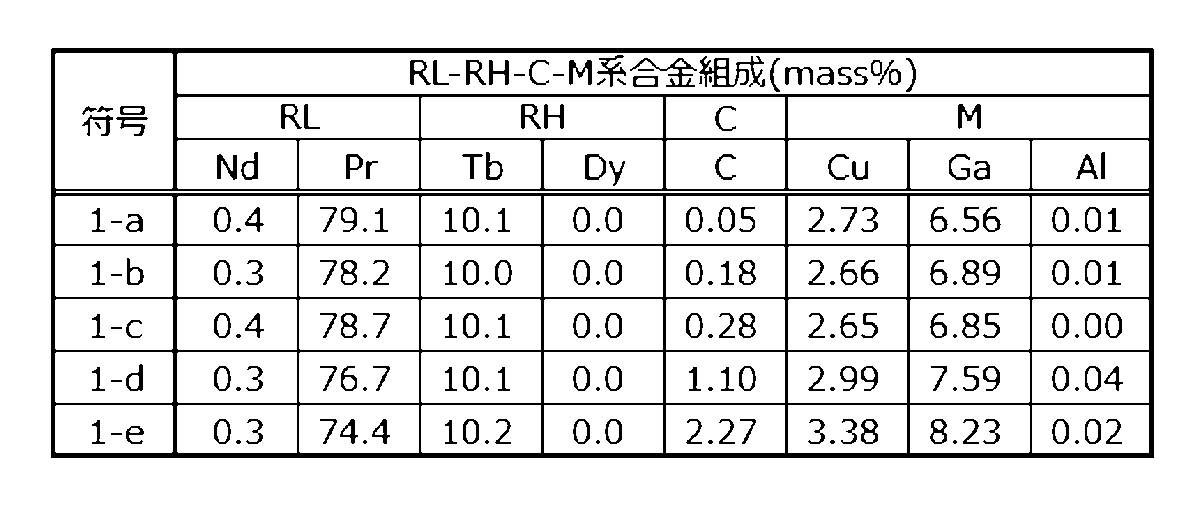
表1の符号1-AのR-T-B系焼結磁石素材を切断、切削加工し、7.2mm×7.2mm×7.2mmの立方体とした。次に、R-T-B系焼結磁石素材にディッピング法により糖アルコール類を含有する粘着剤をR-T-B系焼結磁石素材の全面に塗布した。粘着剤を塗布したR-T-B系焼結磁石素材にRL-RH-C-M系合金粉末をR-T-B系焼結磁石素材の質量に対し3mass%付着させた。次に、真空熱処理炉を用いて900℃で10時間の条件で前記RL-RH-C-M系合金及び前記R-T-B系焼結磁石素材を加熱して拡散工程を実施した後、冷却した。その後、真空熱処理炉を用いて470℃以上530℃以下で3時間の条件で熱処理を実施した後、冷却した。
R-T-B系焼結磁石素材および得られたサンプル(熱処理後のR-T-B系焼結磁石)を、B-Hトレーサによって各試料のBr及びHcJを測定した。R-T-B系焼結磁石のBrおよびHcJの測定結果、及び、R-T-B系焼結磁石のBr値(拡散後のBr)からR-T-B系焼結磁石素材のBr値(拡散前のBr)を差し引いた値を△Brとして表3に示す。また、サンプルの成分を高周波誘導結合プラズマ発光分光分析法(ICP-OES)を使用して測定した結果を表4に示す。表3の通りR-T-B系焼結磁石素材であるサンプルNo.1-1を用いてRL-RH-C-M系合金を拡散させたサンプルNo.1-3~1-4の実施例は、いずれも拡散工程で高いHcJが得られているだけでなく、Brの低下が少ないことが分かる。よって、BrとHcJのバランスに優れた(Brの低下を抑制しつつ、高いHcJの)R-T-B系焼結磁石が得られている。一方、C量が適正範囲以下のRL-RH-C-M系合金を拡散させたサンプルNo.1-2の比較例は拡散工程で高いHcJが得られているもののBrが大きく低下していることが分かる。また、C量が適正範囲以上のRL-RH-C-M系合金を拡散させたサンプルNo.1-5および1-6の比較例はBrの低下は少ないが、十分なHcJが得られていないことが分かる。


[R-T-B系焼結磁石素材(磁石素材)を準備する工程]
表5の符号2-A~2-Bに示す磁石素材の組成となるように、各元素を秤量しストリップキャスト法により鋳造し、厚み0.2~0.4mmのフレーク状の原料合金を得た。得られたフレーク状の原料合金を水素粉砕した後、550℃まで真空中で加熱後冷却する脱水素処理を施し粗粉砕粉を得た。次に、得られた粗粉砕粉を気流式粉砕機(ジェットミル装置)を用いて粉砕し、粒径D50が3μmの微粉砕粉(合金粉末)を得た。なお、粒径D50は、気流分散法によるレーザー回折法で得られた体積中心値(体積基準メジアン径)である。
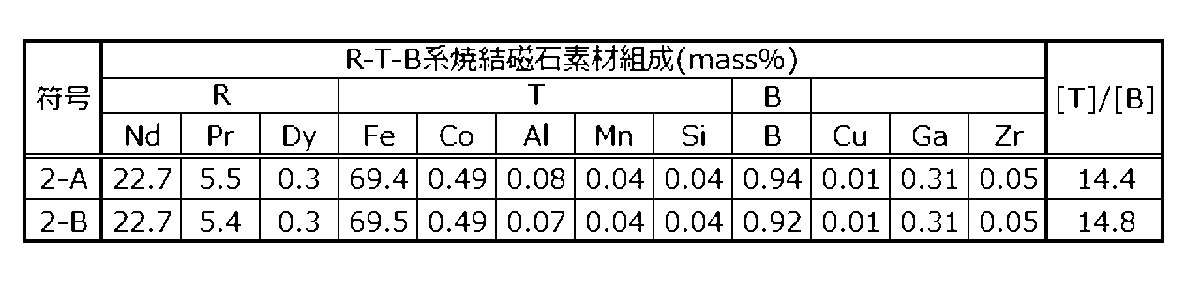
表6の符号2-a~2-eに示すRL-RH-C-M系合金の組成およびBを含まない合金の組成となるように、各元素を秤量しそれらの原料を溶解して、単ロール超急冷法(メルトスピニング法)によりリボンまたはフレーク状の合金を得た。得られた合金を乳鉢を用いてアルゴン雰囲気中で粉砕しRL-RH-C-M系合金を準備した。得られたRL-RH-C-M系合金の組成を表6に示す。

表5の符号2-A~2-BのR-T-B系焼結磁石素材を切断、切削加工し、7.2mm×7.2mm×7.2mmの立方体とした。次に、R-T-B系焼結磁石素材にディッピング法により糖アルコール類を含有する粘着剤をR-T-B系焼結磁石素材の全面に塗布した。粘着剤を塗布したR-T-B系焼結磁石素材にRL-RH-C-M系合金粉末をR-T-B系焼結磁石素材の質量に対し3mass%付着させた。次に、真空熱処理炉を用いて900℃で10時間の条件で前記RL-RH-C-M系合金及び前記R-T-B系焼結磁石素材を加熱して拡散工程を実施した後、冷却した。その後、真空熱処理炉を用いて470℃以上530℃以下で1時間の条件で熱処理を実施した後、冷却した。
R-T-B系焼結磁石素材および得られたサンプル(熱処理後のR-T-B系焼結磁石)を、B-Hトレーサによって各試料のBr及びHcJを測定した。R-T-B系焼結磁石のBrおよびHcJの測定結果、及び、R-T-B系焼結磁石のBr値(拡散後のBr)からR-T-B系焼結磁石素材のBr値(拡散前のBr)を差し引いた値を△Brとして表7に示す。表7の通りR-T-B系焼結磁石素材であるサンプルNo.2-1、サンプルNo.2-7を用いてRL-RH-C-M系合金を拡散させたサンプルNo.2-3~2-5、サンプルNo.2-9~2-10の実施例は、いずれも拡散工程で高いHcJが得られているだけでなく、Brの低下が少ないことが分かる。よって、BrとHcJのバランスに優れたR-T-B系焼結磁石が得られている。一方、C量が適正範囲以下のRL-RH-C-M系合金を拡散させたサンプルNo.2-2、No.2-8の比較例は拡散工程で高いHcJが得られているもののBrが大きく低下しており、また、サンプルNo.2-6、サンプルNo.2-11の比較例は、Brの低下は少ないが、十分なHcJが得られていないことが分かる。

14 粒界相
14a 二粒子粒界相
14b 粒界三重点
Claims (2)
- R-T-B系焼結磁石素材(Rは希土類元素であり、Nd、PrおよびCeからなる群から選択された少なくとも1つを必ず含み、TはFe、Co、Al、Mn、およびSiからなる群から選択された少なくとも1つであり、必ずFeを含む。)を準備する工程と、
前記R-T-B系焼結磁石素材の表面の少なくとも一部に、RL-RH-C-M系合金(RLは軽希土類元素のうちの少なくとも1つであり、Nd、PrおよびCeからなる群から選択された少なくとも1つを必ず含み、RHは、Tb、DyおよびHoからなる群から選択された少なくとも1つであり、Cはカーボンであり、Mは、Cu、Ga、Fe、Co、Ni、Al、Ag、Zn、Si、Snからなる群から選択された少なくとも1つである。)の少なくとも一部を付着させ、真空又は不活性ガス雰囲気中、700℃以上1100℃以下の温度で加熱する拡散工程と、を含み、
前記R-T-B系焼結磁石素材は、Bに対するTのmol比[T]/[B]が14.0超15.0以下であり、
前記RL-RH-C-M系合金における、RLの含有量は50mass%以上95mass%以下であり、RHの含有量は45mass%以下(0mass%を含む)であり、Cの含有量は0.10mass%以上0.50mass%以下であり、Mの含有量は4mass%以上49.9mass%以下である、R-T-B系焼結磁石の製造方法。 - 前記R-T-B系焼結磁石素材における、Bに対するTのmol比[T]/[B]が14.0超15.0以下である、請求項1に記載のR-T-B系焼結磁石の製造方法。
Priority Applications (2)
| Application Number | Priority Date | Filing Date | Title |
|---|---|---|---|
| JP2021049197A JP7582002B2 (ja) | 2021-03-23 | 2021-03-23 | R-t-b系焼結磁石の製造方法 |
| CN202210157081.0A CN115116726A (zh) | 2021-03-23 | 2022-02-21 | R-t-b系烧结磁体的制造方法 |
Applications Claiming Priority (1)
| Application Number | Priority Date | Filing Date | Title |
|---|---|---|---|
| JP2021049197A JP7582002B2 (ja) | 2021-03-23 | 2021-03-23 | R-t-b系焼結磁石の製造方法 |
Publications (2)
| Publication Number | Publication Date |
|---|---|
| JP2022147793A JP2022147793A (ja) | 2022-10-06 |
| JP7582002B2 true JP7582002B2 (ja) | 2024-11-13 |
Family
ID=83325023
Family Applications (1)
| Application Number | Title | Priority Date | Filing Date |
|---|---|---|---|
| JP2021049197A Active JP7582002B2 (ja) | 2021-03-23 | 2021-03-23 | R-t-b系焼結磁石の製造方法 |
Country Status (2)
| Country | Link |
|---|---|
| JP (1) | JP7582002B2 (ja) |
| CN (1) | CN115116726A (ja) |
Families Citing this family (2)
| Publication number | Priority date | Publication date | Assignee | Title |
|---|---|---|---|---|
| JP7794099B2 (ja) * | 2022-10-19 | 2026-01-06 | トヨタ自動車株式会社 | R-t-b系希土類磁石及びその製造方法 |
| JP7865297B2 (ja) * | 2023-09-08 | 2026-05-26 | トヨタ自動車株式会社 | 希土類磁石及びその製造方法 |
Citations (5)
| Publication number | Priority date | Publication date | Assignee | Title |
|---|---|---|---|---|
| JP2007194599A (ja) | 2005-12-22 | 2007-08-02 | Hitachi Ltd | 低損失磁石とそれを用いた磁気回路 |
| JP2012248827A (ja) | 2011-05-02 | 2012-12-13 | Shin Etsu Chem Co Ltd | 希土類永久磁石及びその製造方法 |
| WO2015020181A1 (ja) | 2013-08-09 | 2015-02-12 | Tdk株式会社 | R-t-b系焼結磁石、および、モータ |
| JP2015057820A (ja) | 2013-08-09 | 2015-03-26 | Tdk株式会社 | R−t−b系焼結磁石 |
| WO2016093174A1 (ja) | 2014-12-12 | 2016-06-16 | 日立金属株式会社 | R-t-b系焼結磁石の製造方法 |
Family Cites Families (1)
| Publication number | Priority date | Publication date | Assignee | Title |
|---|---|---|---|---|
| JP6508447B1 (ja) * | 2017-09-26 | 2019-05-08 | 日立金属株式会社 | R−t−b系焼結磁石の製造方法 |
-
2021
- 2021-03-23 JP JP2021049197A patent/JP7582002B2/ja active Active
-
2022
- 2022-02-21 CN CN202210157081.0A patent/CN115116726A/zh active Pending
Patent Citations (5)
| Publication number | Priority date | Publication date | Assignee | Title |
|---|---|---|---|---|
| JP2007194599A (ja) | 2005-12-22 | 2007-08-02 | Hitachi Ltd | 低損失磁石とそれを用いた磁気回路 |
| JP2012248827A (ja) | 2011-05-02 | 2012-12-13 | Shin Etsu Chem Co Ltd | 希土類永久磁石及びその製造方法 |
| WO2015020181A1 (ja) | 2013-08-09 | 2015-02-12 | Tdk株式会社 | R-t-b系焼結磁石、および、モータ |
| JP2015057820A (ja) | 2013-08-09 | 2015-03-26 | Tdk株式会社 | R−t−b系焼結磁石 |
| WO2016093174A1 (ja) | 2014-12-12 | 2016-06-16 | 日立金属株式会社 | R-t-b系焼結磁石の製造方法 |
Also Published As
| Publication number | Publication date |
|---|---|
| CN115116726A (zh) | 2022-09-27 |
| JP2022147793A (ja) | 2022-10-06 |
Similar Documents
| Publication | Publication Date | Title |
|---|---|---|
| JP7588618B2 (ja) | R-t-b系永久磁石 | |
| CN101944430B (zh) | 稀土磁体及其制备 | |
| JP6614084B2 (ja) | R−Fe−B系焼結磁石の製造方法 | |
| JP6414654B1 (ja) | R−t−b系焼結磁石の製造方法 | |
| JP6414653B1 (ja) | R−t−b系焼結磁石の製造方法 | |
| JP6451900B2 (ja) | R−Fe−B系焼結磁石及びその製造方法 | |
| CN105453196B (zh) | R‑t‑b系烧结磁铁以及电动机 | |
| WO2016133071A1 (ja) | R-t-b系焼結磁石の製造方法 | |
| JP4677942B2 (ja) | R−Fe−B系希土類焼結磁石の製造方法 | |
| JP6508447B1 (ja) | R−t−b系焼結磁石の製造方法 | |
| JP6939337B2 (ja) | R−t−b系焼結磁石の製造方法 | |
| CN115116726A (zh) | R-t-b系烧结磁体的制造方法 | |
| CN111489874A (zh) | R-t-b系烧结磁体的制造方法 | |
| JP7533424B2 (ja) | 希土類焼結磁石の製造方法 | |
| JP7447606B2 (ja) | R-t-b系焼結磁石 | |
| JP7661811B2 (ja) | R-t-b系焼結磁石の製造方法およびr-t-b系焼結磁石 | |
| JP2020120102A (ja) | R−t−b系焼結磁石の製造方法 | |
| JP7452159B2 (ja) | R-t-b系焼結磁石の製造方法 | |
| CN115116725A (zh) | R-t-b系烧结磁体的制造方法和r-t-b系烧结磁体 | |
| JP6610957B2 (ja) | R−t−b系焼結磁石の製造方法 | |
| JP7310499B2 (ja) | R-t-b系焼結磁石の製造方法 | |
| JP7631955B2 (ja) | R-t-b系焼結磁石の製造方法 | |
| JP7476601B2 (ja) | R-t-b系焼結磁石の製造方法 | |
| JP6939338B2 (ja) | R−t−b系焼結磁石の製造方法 | |
| CN111489888B (zh) | R-t-b系烧结磁体的制造方法 |
Legal Events
| Date | Code | Title | Description |
|---|---|---|---|
| A621 | Written request for application examination |
Free format text: JAPANESE INTERMEDIATE CODE: A621 Effective date: 20240115 |
|
| A977 | Report on retrieval |
Free format text: JAPANESE INTERMEDIATE CODE: A971007 Effective date: 20240829 |
|
| TRDD | Decision of grant or rejection written | ||
| A01 | Written decision to grant a patent or to grant a registration (utility model) |
Free format text: JAPANESE INTERMEDIATE CODE: A01 Effective date: 20241001 |
|
| A61 | First payment of annual fees (during grant procedure) |
Free format text: JAPANESE INTERMEDIATE CODE: A61 Effective date: 20241014 |
|
| R150 | Certificate of patent or registration of utility model |
Ref document number: 7582002 Country of ref document: JP Free format text: JAPANESE INTERMEDIATE CODE: R150 |