JP5927770B2 - Development waste liquid recycling apparatus and recycling method - Google Patents
Development waste liquid recycling apparatus and recycling method Download PDFInfo
- Publication number
- JP5927770B2 JP5927770B2 JP2011077083A JP2011077083A JP5927770B2 JP 5927770 B2 JP5927770 B2 JP 5927770B2 JP 2011077083 A JP2011077083 A JP 2011077083A JP 2011077083 A JP2011077083 A JP 2011077083A JP 5927770 B2 JP5927770 B2 JP 5927770B2
- Authority
- JP
- Japan
- Prior art keywords
- membrane
- waste liquid
- liquid
- membrane separation
- solid
- Prior art date
- Legal status (The legal status is an assumption and is not a legal conclusion. Google has not performed a legal analysis and makes no representation as to the accuracy of the status listed.)
- Expired - Fee Related
Links
Images
Landscapes
- Photosensitive Polymer And Photoresist Processing (AREA)
- Separation Using Semi-Permeable Membranes (AREA)
- Separation Of Suspended Particles By Flocculating Agents (AREA)
Description
本発明は、半導体、液晶、プリント基板等の電子部品製造過程で発生するテトラアルキルアンモニウムハイドロオキサイド(以下、「TAAH」という。)を含む現像廃液を再生する現像廃液の再生装置及び再生方法に関する。 The present invention relates to an apparatus and method for regenerating a developing waste liquid that regenerates a developing waste liquid containing tetraalkylammonium hydroxide (hereinafter referred to as “TAAH”) generated in the process of manufacturing electronic components such as semiconductors, liquid crystals, and printed circuit boards.
従来、半導体、液晶、プリント基板等の電子部品を製造する際、Siウエハー等の基板上にネガ型又はポジ型のフォトレジストの被膜を形成し(被膜形成工程)、次いで、このレジスト被膜にパターンマスクを通して光等を照射し(照射工程)、次に現像液を用いて不要なフォトレジストを溶解除去し(現像工程)、さらにエッチング等の処理を行った(エッチング工程)後、基板上の不溶性のフォトレジスト膜を剥離する(剥離工程)方法が採られている。上記の現像液としては、通常TAAH水溶液が用いられているため、このような電子部品の製造分野における現像工程からは、レジスト剥離物とTAAHを含む現像廃液が排出される。 Conventionally, when manufacturing electronic parts such as semiconductors, liquid crystals, and printed circuit boards, a negative or positive photoresist film is formed on a substrate such as a Si wafer (film formation process), and then a pattern is formed on the resist film. Irradiate light etc. through a mask (irradiation process), then dissolve and remove unnecessary photoresist using a developer (development process), and further perform etching and other processing (etching process), then insoluble on the substrate The method of stripping the photoresist film (stripping step) is employed. Since the TAAH aqueous solution is usually used as the developer, a developing waste solution containing a resist strip and TAAH is discharged from such a development step in the field of manufacturing electronic components.
TAAH含有フォトレジスト現像廃液は排出量が多く、また、TAAHの窒素が水質汚染の原因となるためにそのまま投棄することはできず、減容化して廃棄量を削減して処分する場合もあるが、一般的には、廃液中の不純物を除去し、精製して再利用することが行われている。 TAAH-containing photoresist development wastewater is a large amount of discharge, and since TAAH nitrogen causes water pollution, it cannot be discarded as it is, but it may be disposed of by reducing the volume and reducing the amount of waste. Generally, impurities in the waste liquid are removed, purified and reused.
従来、TAAH含有現像廃液の再生方法として、ナノフィルトレーション(NF)膜による膜分離法が知られており、特許文献1には、現像廃液に酸を添加してpHを9.5〜12に調整することによりレジスト成分を析出させた後、NF膜分離処理する方法が提案されている。しかし、pH調整でレジスト成分が析出した現像廃液を直接膜分離処理すると膜の濁質負荷が高く、長期に亘り、安定に膜分離処理を継続することができない。特許文献1には、NF膜分離処理に先立ち、遠心分離や濾過等で固液分離を行うことが記載されているが、濃縮水の取扱いについての記載がなく、廃棄物量が多くなる可能性がある。 Conventionally, a membrane separation method using a nanofiltration (NF) membrane has been known as a method for regenerating a TAAH-containing developer waste solution. Patent Document 1 discloses that pH is adjusted to 9.5 to 12 by adding an acid to the developer waste solution. A method of performing an NF membrane separation treatment after depositing a resist component by adjusting to the above has been proposed. However, if the development waste solution in which the resist component is deposited by pH adjustment is directly subjected to membrane separation treatment, the membrane has a high turbidity load, and the membrane separation treatment cannot be stably continued over a long period of time. Patent Document 1 describes that solid-liquid separation is performed by centrifugation, filtration, or the like prior to NF membrane separation treatment, but there is no description about handling of concentrated water, and the amount of waste may increase. is there.
特許文献2には、現像廃液にカチオン系凝集剤やアニオン系凝集剤を添加して濾過する方法が提案されているが、この方法は、現像廃液のpH調整を行わないため、析出するレジスト成分が少なく効率が悪い。
特許文献3には、感光性平版印刷版の循環水洗水の処理方法として、被処理水のpHを8.5〜12に調整した後に凝集剤を添加して濾過する方法が提案されているが、凝集剤の添加前に濾過などの析出物の濃縮処理を実施していないため、凝集剤の添加量が増え、ランニングコストが高くなる。
本発明は、上記従来の問題点を解決し、レジスト剥離物とTAAHとを含む現像廃液を安定かつ効率的に再生処理する装置及び方法を提供することを課題とする。 An object of the present invention is to solve the above-mentioned conventional problems and to provide an apparatus and a method for stably and efficiently regenerating a developing waste solution containing a resist strip and TAAH.
本発明者らは、上記課題を解決すべく鋭意検討した結果、現像廃液を膜分離処理するに当たり、膜供給水ではなく、膜濃縮水に凝集剤を添加して凝集・固液分離処理を行うことにより、上記課題を解決することができることを見出した。 As a result of intensive studies to solve the above-mentioned problems, the inventors of the present invention add a flocculant to membrane concentrated water, not membrane feed water, and perform agglomeration / solid-liquid separation treatment when performing membrane separation treatment on development waste liquid. It has been found that the above problems can be solved.
本発明はこのような知見に基いて達成されたものであり、以下を要旨とする。 The present invention has been achieved on the basis of such findings, and the gist thereof is as follows.
[1] レジスト剥離物とテトラアルキルアンモニウムハイドロオキサイドとを含有する現像廃液の再生装置において、該現像廃液をpH8〜12に調整して、膜分離処理する限外濾過膜又は精密濾過膜分離手段と、該膜分離手段の濃縮水に無機凝集剤及び/又は高分子凝集剤を添加して固液分離する凝集・固液分離手段と、固液分離により得られた分離水を前記膜分離手段の一次側に返送する返送手段とを備える現像廃液の再生装置であって、
前記膜分離手段の膜分離処理は、所定の回収率となるまで濃縮水を循環濃縮して行われ、所定の回収率に達した後、該膜分離手段の濃縮水が前記凝集・固液分離手段で凝集・固液分離されることを特徴とする現像廃液の再生装置。
[1] An ultrafiltration membrane or microfiltration membrane separation means for adjusting the pH of the development waste solution to 8 to 12 and subjecting it to membrane separation treatment in a recycling apparatus for the development waste solution containing the resist strip and tetraalkylammonium hydroxide. , A flocculent / solid-liquid separation means for adding an inorganic flocculant and / or a polymer flocculant to the concentrated water of the membrane separation means to perform solid-liquid separation, and separating water obtained by the solid-liquid separation of the membrane separation means A recycling apparatus for developing waste liquid comprising a return means for returning to the primary side ,
The membrane separation process of the membrane separation means is performed by circulating and concentrating concentrated water until a predetermined recovery rate is reached, and after reaching the predetermined recovery rate, the concentrated water of the membrane separation means is subjected to the aggregation / solid-liquid separation. An apparatus for regenerating development waste liquid, characterized in that it is agglomerated and solid-liquid separated by means.
[2] [1]において、前記無機凝集剤及び/又は高分子凝集剤が、Cl型凝集剤であることを特徴とする現像廃液の再生装置。 [2] A regenerating apparatus for developing waste liquid according to [1], wherein the inorganic flocculant and / or polymer flocculant is a Cl-type flocculant.
[3] [1]又は[2]において、前記精密濾過膜の孔径1μm以下であることを特徴とする現像廃液の再生装置。 [3] The developing waste liquid regenerating apparatus according to [1] or [2], wherein the microfiltration membrane has a pore diameter of 1 μm or less.
[4] [1]又は[2]において、前記限外濾過膜の分画分子量10万以下であることを特徴とする現像廃液の再生装置。 [4] A regeneration apparatus for developing waste liquid according to [1] or [2], wherein the ultrafiltration membrane has a molecular weight cut-off of 100,000 or less.
[5] [1]ないし[4]のいずれかにおいて、前記膜分離手段の透過水をナノフィルトレーション膜により膜分離処理する手段を備えることを特徴とする現像廃液の再生装置。 [5] In any one of [1] to [4], there is provided a regenerating apparatus for developing waste liquid, comprising means for subjecting the permeated water of the membrane separating means to membrane separation treatment by a nanofiltration membrane.
[6] レジスト剥離物とテトラアルキルアンモニウムハイドロオキサイドとを含有する現像廃液の再生方法において、該現像廃液をpH8〜12に調整して限外濾過膜又は精密濾過膜分離処理する膜分離工程と、該膜分離工程の濃縮水に無機凝集剤及び/又は高分子凝集剤を添加して固液分離する凝集・固液分離工程と、固液分離により得られた分離水を前記膜分離工程に返送して膜分離処理する返送工程とを備える現像廃液の再生方法であって、前記膜分離工程の膜分離処理は、所定の回収率となるまで濃縮水を循環濃縮して行われ、所定の回収率に達した後、該膜分離工程の濃縮水が前記凝集・固液分離工程で凝集・固液分離されることを特徴とする現像廃液の再生方法。
[6] In a method for regenerating a developing waste solution containing a resist strip and a tetraalkylammonium hydroxide, a membrane separation step of adjusting the developing waste solution to
[7] [6]において、前記無機凝集剤及び/又は高分子凝集剤が、Cl型凝集剤であることを特徴とする現像廃液の再生方法。 [7] A method for regenerating a developing waste liquid according to [6], wherein the inorganic flocculant and / or polymer flocculant is a Cl-type flocculant.
[8] [6]又は[7]において、前記精密濾過膜の孔径1μm以下であることを特徴とする現像廃液の再生方法。 [8] The method for regenerating a developing waste liquid according to [6] or [7], wherein the microfiltration membrane has a pore size of 1 μm or less.
[9] [6]又は[7]において、前記限外濾過膜の分画分子量10万以下であることを特徴とする現像廃液の再生方法。 [9] The method for regenerating a developing waste liquid according to [6] or [7], wherein the ultrafiltration membrane has a molecular weight cut-off of 100,000 or less.
[10] [6]ないし[9]のいずれかにおいて、前記膜分離工程の透過水をナノフィルトレーション膜により膜分離処理する工程を備えることを特徴とする現像廃液の再生方法。 [10] The method for regenerating a developing waste liquid according to any one of [6] to [9], further comprising a step of membrane separation treatment of the permeated water in the membrane separation step with a nanofiltration membrane.
本発明によれば、現像廃液を膜分離処理するに当たり、膜供給水ではなく、限外濾過膜又は精密濾過膜分離処理で得られた濃縮水に凝集剤を添加して凝集・固液分離処理し、得られた分離水を膜の一次側に返送して現像廃液と共に膜分離処理することにより、凝集剤使用量を低減すると共に、凝集・固液分離のための設備を小型化した上で、膜の濁質負荷を軽減し、安定かつ効率的な処理を行える。
即ち、現像廃液を膜分離処理して得られる膜濃縮水は、膜分離処理による濃縮で、現像廃液量に対して大幅に減容化されているため、このような濃縮水に対して、凝集剤をその有効濃度で添加する場合、減容化された分、凝集剤使用量を低減することができる。また、凝集槽や固液分離槽についても、濃縮水量に見合う容量のものでよく、設備の小型化が可能となる。
According to the present invention, in the membrane separation treatment of the development waste liquid, the flocculant is added to the concentrated water obtained by the ultrafiltration membrane or the microfiltration membrane separation treatment instead of the membrane supply water, thereby performing the aggregation / solid-liquid separation treatment. In addition, the separation water obtained is returned to the primary side of the membrane and subjected to membrane separation treatment with the development waste liquid, thereby reducing the amount of coagulant used and reducing the size of the equipment for coagulation / solid-liquid separation. , Reduce the turbidity load on the membrane and perform stable and efficient treatment.
That is, the membrane concentrated water obtained by membrane separation treatment of the development waste liquid is greatly reduced in volume with respect to the amount of the development waste liquid by the concentration by the membrane separation treatment. When the agent is added at its effective concentration, the amount of the flocculant used can be reduced by the amount reduced. Further, the coagulation tank and the solid-liquid separation tank may have a capacity corresponding to the amount of concentrated water, and the equipment can be downsized.
このように濃縮水に対して凝集・固液分離を行っても、この凝集・固液分離で濁質を除去した分離水を膜の一次側に返送することで、膜に導入される供給水全体の濁質は十分に低減することができるため、膜の濁質負荷を軽減して長期に亘り安定に処理することが可能となる。 Thus, even if coagulation / solid-liquid separation is performed on the concentrated water, supply water introduced into the membrane is returned to the primary side of the membrane by returning the separated water from which turbidity has been removed by the coagulation / solid-liquid separation. Since the entire turbidity can be sufficiently reduced, it is possible to reduce the turbidity load on the membrane and to stably process for a long time.
なお、凝集剤には、塩化アルミニウムのようなCl型凝集剤と硫酸バンドのような硫酸塩系凝集剤とがあるが、このうち、Cl型凝集剤であれば、後段でTAAHをカチオン交換樹脂に吸着させて塩酸で脱離回収するにあたり、SO4 2−等の多価アニオンの含有量を抑制でき、後段処理を簡略化することができる。 The flocculant includes a Cl-type flocculant such as aluminum chloride and a sulfate-type flocculant such as a sulfuric acid band. Among these, in the case of the Cl-type flocculant, TAAH is converted into a cation exchange resin later. In the desorption and recovery with hydrochloric acid, the content of polyvalent anions such as SO 4 2− can be suppressed, and post-treatment can be simplified.
以下に図面を参照して本発明の実施の形態を詳細に説明する。 Hereinafter, embodiments of the present invention will be described in detail with reference to the drawings.
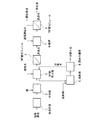
図1は本発明の現像廃液の再生装置の実施の形態を示す系統図であり、図1において、1は廃液貯槽、2は中和槽、3は精密濾過(MF)膜原水槽、4はMF膜モジュール、5は凝集槽、6は固液分離槽、7は中継槽、8はNF膜モジュールである。 FIG. 1 is a system diagram showing an embodiment of a developing waste liquid regenerating apparatus according to the present invention. In FIG. 1, 1 is a waste liquid storage tank, 2 is a neutralization tank, 3 is a microfiltration (MF) membrane raw water tank, MF membrane module, 5 is a coagulation tank, 6 is a solid-liquid separation tank, 7 is a relay tank, and 8 is an NF membrane module.
図1の再生装置では、現像廃液貯槽1に貯留された現像廃液は、中和槽2で酸が添加され所定のpHに調整された後にMF膜原水槽3に貯留される。MF膜原水槽3に貯留された現像廃液はMF膜モジュール4に導入され、濃縮水と透過水とに膜分離処理される。前記濃縮水はMF膜原水槽3に循環返送され、透過水は中継槽7に貯留される。このMF膜モジュール4での膜分離処理は、所定の回収率となるまで循環濃縮される。この時の回収率は70%以上、特に80%以上であることが好ましく、98%以下、特に95%以下であることが好ましい。回収率が低いと廃棄される現像液量が増大し、また、回収率が高すぎるとMF膜の透過流束が低下し、効率的な膜分離処理が行えなくなる。
In the regenerator of FIG. 1, the developer waste liquid stored in the developer waste liquid storage tank 1 is stored in the MF membrane
所定の回収率に達すると、MF膜モジュール4による膜分離処理を停止し、次に、MF膜原水槽3から凝集槽5に濃縮水が導入され、凝集剤が添加されて凝集処理された後に、固液分離槽6で固液分離され、分離水がMF膜原水槽に返送される。一方、分離汚泥は系外へ排出される。
When the predetermined recovery rate is reached, the membrane separation process by the
なお、MF膜モジュール4は循環処理を行わずに、MF膜モジュール4の濃縮水を直接凝集槽5に送給し、凝集処理した後、凝集処理水を固液分離槽6で固液分離するようにしてもよい。
この場合においても、固液分離槽6の分離水は、MF膜原水槽3に返送される。
In addition, the
Also in this case, the separated water in the solid-liquid separation tank 6 is returned to the MF membrane
MF膜モジュール4の透過水は、中継槽7を経てNF膜モジュール8に導入されて膜分離処理される。
このNF膜モジュール8の濃縮水の一部は濃縮廃液として系外へ排出され、残部は中継槽7に戻されて循環処理される。
The permeated water of the
A part of the concentrated water of the
NF膜モジュール8の透過水は、必要に応じて活性炭処理、イオン交換、電気分解等の後処理が施された後、再生液として回収される。
The permeated water of the
本発明において処理する現像廃液は、半導体、液晶、プリント基板等の電子部品製造過程で発生するTAAHとレジスト剥離物を含むものである。なお、この現像廃液には、現像時の現像廃液のみならず、その後の洗浄処理で排出される洗浄廃液も含まれる。 The developing waste liquid to be treated in the present invention contains TAAH and resist strips generated in the process of manufacturing electronic parts such as semiconductors, liquid crystals, and printed circuit boards. The developing waste liquid includes not only the developing waste liquid during development but also the cleaning waste liquid discharged in the subsequent cleaning process.
現像廃液中に含まれるTAAHとしては、テトラメチルアンモニウムハイドロオキサイド(以下、「TMAH」という。)、テトラエチルアンモニウムハイドロオキサイド(以下、「TEAH」という。)、テトラプロピルアンモニウムハイドロオキサイド、テトラブチルアンモニウムハイドロオキサイド、ジエチルジメチルアンモニウムハイドロオキサイド、トリメチル(2−ヒドロキシエチル)アンモニウムハイドロオキサイド、トリエチル(2−ヒドロキシエチル)アンモニウムハイドロオキサイド、ジメチルジ(2−ヒドロキシエチル)アンモニウムハイドロオキサイド、ジエチルジ(2−ヒドロキシエチル)アンモニウムハイドロオキサイド、メチルトリ(2−ヒドロキシエチル)アンモニウムハイドロオキサイド、エチルトリ(2−ヒドロキシエチル)アンモニウムハイドロオキサイド、テトラ(2−ヒドロキシエチル)アンモニウムハイドロオキサイドなどの1種又は2種以上が挙げられるが、通常、TMAH、又はTEAHが用いられる。 TAAH contained in the developing waste liquid includes tetramethylammonium hydroxide (hereinafter referred to as “TMAH”), tetraethylammonium hydroxide (hereinafter referred to as “TEAH”), tetrapropylammonium hydroxide, and tetrabutylammonium hydroxide. , Diethyldimethylammonium hydroxide, trimethyl (2-hydroxyethyl) ammonium hydroxide, triethyl (2-hydroxyethyl) ammonium hydroxide, dimethyldi (2-hydroxyethyl) ammonium hydroxide, diethyldi (2-hydroxyethyl) ammonium hydroxide , Methyltri (2-hydroxyethyl) ammonium hydroxide, ethyltri ( - hydroxyethyl) ammonium hydroxide, tetra (2-hydroxyethyl) but one or more of such ammonium hydroxide and the like, usually, TMAH, or TEAH is used.
通常、本発明で処理対象とする現像廃液は、これらのTAAH濃度が1〜20重量%程度で、レジスト剥離物を0.01〜10g/L程度含むpH12〜14、濁度0〜10NTU程度の強アルカリ性である。なお、現像工程から排出された現像廃液や洗浄廃液中のTAAH濃度が上記範囲よりも低い場合、エバポレーター等により濃縮して本発明に従って処理するようにしてもよい。 Usually, the developing waste liquid to be processed in the present invention has a TAAH concentration of about 1 to 20% by weight, a pH of 12 to 14 containing about 0.01 to 10 g / L of a resist strip, and a turbidity of about 0 to 10 NTU. Strongly alkaline. When the concentration of TAAH in the development waste liquid and the cleaning waste liquid discharged from the development step is lower than the above range, the TAAH concentration may be concentrated by an evaporator or the like and processed according to the present invention.
本発明においては、このような現像廃液に必要に応じて酸を添加してpH8〜12、好ましくは9〜10.5に調整することにより、現像廃液中に溶解しているレジスト剥離物を不溶化して析出させる。この調整pH値が高過ぎると、レジスト剥離物の析出が十分でなく、8未満の低pHとしてもそれ以上のレジスト剥離物の析出効果は得られず、pH調整に用いる酸の添加量が過大となり好ましくない。 In the present invention, the resist exfoliation dissolved in the developing waste solution is insolubilized by adding an acid to such a developing waste solution as necessary to adjust the pH to 8 to 12, preferably 9 to 10.5. To precipitate. If this adjusted pH value is too high, the resist stripped material is not sufficiently precipitated, and even if the pH is lower than 8, no further effect of depositing the resist stripped material is obtained, and the amount of acid used for pH adjustment is excessive. It is not preferable.
pH調整に用いる酸としては、二酸化炭素及び/又は炭酸が好ましい。塩酸、硫酸、硝酸等の無機酸では、塩素イオン、硫酸イオン、硝酸イオン等の無機アニオンが残留し、再生液を再利用する際、半導体装置等に悪影響を及ぼし、好ましくない。 As the acid used for pH adjustment, carbon dioxide and / or carbonic acid is preferable. Inorganic acids such as hydrochloric acid, sulfuric acid, and nitric acid are not preferable because inorganic anions such as chlorine ions, sulfate ions, and nitrate ions remain and adversely affect the semiconductor device and the like when the regenerated solution is reused.
pH調整した現像廃液を膜分離処理するMF膜モジュール4のMF膜の材質としては、ポリスルホン、ポリフッ化ビニリデン(PVDF)、ポリエチレン(PE)、ポリ塩化ビニル(PVC)、ポリテトラフルオロエチレン(PTFE)、セラミック等が挙げられるが、膜の透過液量が低下したときには、pH13以上の強アルカリ性の洗浄液で洗浄することから、耐アルカリ性のポリスルホンやポリエチレン、ポリテトラフルオロエチレンが好ましい。
The material of the MF membrane of the
また、析出したレジスト剥離物は、通常粒径0.5〜10μm程度の粒子であるため、MF膜の孔径は1μm以下、特に0.02〜0.1μmであることが、透過水量を維持した上でこのようなレジスト剥離物の析出粒子を効率的に除去する上で好ましい。 Moreover, since the resist stripped deposits are usually particles having a particle size of about 0.5 to 10 μm, the pore size of the MF membrane is 1 μm or less, particularly 0.02 to 0.1 μm, maintaining the amount of permeated water. It is preferable for efficiently removing the deposited particles of such a resist strip.
なお、MF膜モジュール4の代りに、限外濾過(UF)膜モジュールを用いてもよい。この場合、現像廃液をpH9.5以下に調整しても析出しない溶解性のレジスト剥離物が多く残留し、また、現像廃液中にはレジスト剥離物以外にも界面活性剤等の有機物も含まれているため、これらを効率的に除去するために、分画分子量10万以下、好ましくは13000以下、例えば1000〜13000程度のUF膜を用いると、後段のNF膜の負荷を軽減してNF膜モジュールの安定運転を図ることができ、好ましい。
In place of the
MF膜モジュール4又はUF膜モジュールにおける通液条件としては特に制限はないが、次のような条件とすることが好ましい。
操作圧力:0.01〜0.15MPa
回収率:85〜95%
循環水量:処理水に対して2〜5倍
There are no particular limitations on the liquid flow conditions in the
Operating pressure: 0.01-0.15 MPa
Recovery rate: 85-95%
Circulating water volume: 2 to 5 times the treated water
MF膜モジュール4の濃縮水に添加する凝集剤としては、無機凝集剤、高分子凝集剤が用いられ、これらを併用してもよい。
As the flocculant added to the concentrated water of the
無機凝集剤としては、前述の如くCl型凝集剤を用いることが好ましく、Cl型無機凝集剤としては、塩化第二鉄、塩化アルミニウム、ポリ塩化アルミニウム等を用いることができる。これらは1種を単独で用いてもよく、2種以上を併用してもよい。 As the inorganic flocculant, a Cl-type flocculant is preferably used as described above, and as the Cl-type inorganic flocculant, ferric chloride, aluminum chloride, polyaluminum chloride, or the like can be used. These may be used alone or in combination of two or more.
高分子凝集剤としては、一般的なカチオン系高分子凝集剤、ノニオン系高分子凝集剤、アニオン系高分子凝集剤、両性高分子凝集剤のいずれも使用可能であり、これらは1種を単独で用いてもよく、2種以上を併用してもよいが、高分子凝集剤についても前述の如く、Cl型凝集剤、すなわち対イオンがCl−である高分子凝集剤が好ましい。また、現像廃液中で析出したレジスト成分はマイナスに帯電しているため、これらを効率的に凝集処理するために、カチオン系高分子凝集剤又は両性高分子凝集剤を用いることが好ましい。 As the polymer flocculant, any of general cationic polymer flocculants, nonionic polymer flocculants, anionic polymer flocculants, and amphoteric polymer flocculants can be used. The polymer flocculant is also preferably a Cl-type flocculant, that is, a polymer flocculant having a counter ion of Cl − as described above. Further, since the resist component deposited in the developing waste liquid is negatively charged, it is preferable to use a cationic polymer flocculant or an amphoteric polymer flocculant in order to efficiently agglomerate them.
凝集剤の添加量には、良好な凝集処理効果が得られればよく、特に制限はないが、濃縮水に対して、無機凝集剤であれば50〜1000mg/L程度、高分子凝集剤であれば1〜100mg/L程度添加することが好ましい。 The addition amount of the flocculant is not particularly limited as long as a good flocculation treatment effect can be obtained. However, the concentration of the flocculant is about 50 to 1000 mg / L if the inorganic flocculant is used with respect to the concentrated water. It is preferable to add about 1 to 100 mg / L.
本発明においては、MF膜モジュール4の濃縮水を凝集・固液分離することにより、濃縮水の濁度に対して濁度が1/100以下に低減された分離水、例えば濁度50NTU以下の分離水を得、これをMF膜モジュール4の供給水側に返送することが、濃縮水の凝集・固液分離処理を行うことによるMF膜モジュール4の濁質負荷の軽減効果を有効に図る上で好ましい。
In the present invention, the concentrated water of the
MF膜モジュール4の透過水を膜分離処理するNF膜モジュール8のNF膜の材質についてもpH13以上の強アルカリ性の洗浄液で洗浄する必要があることから、ポリスルホンやポリエーテルスルホン等の耐アルカリ性のものが好ましい。
Since the NF membrane material of the
このNF膜モジュール8ではTAAHを透過させ、TAAH以外の不純物を除去するために、分画分子量200〜1500、特に200〜1000程度のNF膜を用いることが好ましい。NF膜の分画分子量が200未満では、十分な透過流量を得ることができず、900より大きいとレジスト剥離物等の不純物を十分に除去し得ない。
In this
このような分画分子量を有する耐アルカリ性のNF膜としては、例えばKoch社製「MPS−34」、Nadia社製「NP030」等を用いることができる。 As the alkali-resistant NF film having such a molecular weight cut off, for example, “MPS-34” manufactured by Koch, “NP030” manufactured by Nadia, and the like can be used.
このNF膜モジュール8における通液条件としては特に制限はないが、次のような条件とすることが好ましい。
操作圧力:2.8〜3.8MPa
回収率:75〜85%
循環水量:処理水に対して1〜100倍
There are no particular limitations on the liquid passing conditions in the
Operating pressure: 2.8 to 3.8 MPa
Recovery rate: 75-85%
Circulating water volume: 1 to 100 times that of treated water
なお、図1に示す再生装置は、本発明の実施の形態の一例であって、本発明は何ら図示のものに限定されるものではない。 The playback apparatus shown in FIG. 1 is an example of an embodiment of the present invention, and the present invention is not limited to the illustrated one.
例えば、前述の如く、MF膜モジュール4の代りにUF膜モジュールを用いてもよい。
For example, as described above, a UF membrane module may be used instead of the
また、凝集槽と固液分離槽とをそれぞれ設けずに、凝集槽と固液分離槽とを兼ねた槽を一槽のみ設けることもできる。また、濃縮水の凝集処理水の固液分離手段としては、沈殿槽の他、MF膜等を用いた膜分離装置を用いることもできる。
更に、濃縮水に無機凝集剤及び/又は高分子凝集剤を添加して凝集処理する場合は、各々の凝集剤による凝集処理のための凝集槽を設けることもできる。
Moreover, it is also possible to provide only one tank that serves as both the coagulation tank and the solid-liquid separation tank without providing the coagulation tank and the solid-liquid separation tank. Moreover, as a solid-liquid separation means of the condensed water of the condensed water, a membrane separation apparatus using an MF membrane or the like can be used in addition to the precipitation tank.
Furthermore, when an inorganic flocculant and / or a polymer flocculant is added to the concentrated water for the flocculant treatment, a flocculant tank for the flocculant treatment with each flocculant can be provided.
以下に実験例、比較実験例、実施例及び比較例を挙げて本発明をより具体的に説明する。
なお、以下において、試料液としては、半導体製造工程から排出され、約6倍濃縮されたTMAH含有現像廃液(pH14以上、TMAH濃度13重量%、濁度1000NTU、塩化物イオン濃度:3mg/L、硫酸イオン濃度:7mg/L)を用いた。
また、濁度は、HACH社製濁度計「2100P」により測定し、TMAH濃度はブロモクレゾールグリーン/メチルレッド指示薬を用いた中和滴定により測定した。
Hereinafter, the present invention will be described more specifically with reference to experimental examples, comparative experimental examples, examples, and comparative examples.
In the following, as a sample solution, a TMAH-containing developer waste solution (pH 14 or more, TMAH concentration 13 wt%, turbidity 1000 NTU, chloride ion concentration: 3 mg / L, discharged from the semiconductor manufacturing process and concentrated about 6 times) Sulfate ion concentration: 7 mg / L) was used.
The turbidity was measured with a turbidimeter “2100P” manufactured by HACH, and the TMAH concentration was measured by neutralization titration using a bromocresol green / methyl red indicator.
用いたMF膜及びNF膜の仕様及び条件は以下の通りである。 The specifications and conditions of the used MF film and NF film are as follows.
<MF膜>
旭化成製 内圧式中空糸膜 PSP−303
材質:ポリエチレン
公称孔径:0.1μm
サイズ:89×1129mm
膜面積:6.0m2
操作圧力:0.05MPa
回収率:90%(10倍濃縮)
<MF membrane>
Asahi Kasei internal pressure hollow fiber membrane PSP-303
Material: Polyethylene Nominal pore size: 0.1 μm
Size: 89 x 1129mm
Membrane area: 6.0 m 2
Operating pressure: 0.05 MPa
Recovery rate: 90% (10-fold concentration)
<NF膜>
Koch社製 4インチエレメント MPS34−4040
材質:ポリエーテルスルホン
分画分子量:200
濃縮水循環量:1.5m3/h
操作圧力:3.0MPa
回収率:75%
<NF film>
4 inch element MPS34-4040 made by Koch
Material: Polyethersulfone Fractionated molecular weight: 200
Concentrated water circulation rate: 1.5 m 3 / h
Operating pressure: 3.0 MPa
Recovery rate: 75%
[実験例1]
現像廃液3Lに炭酸を添加してpH9.7に調整した後、MF膜分離処理して10倍に濃縮した。
得られた濃縮水(濁度9720NTU)300mLに、カチオン系高分子凝集剤として栗田工業(株)製「クリフィックスCP805」を30mg/L添加して、1分静置後の上澄水の濁度を測定したところ20NTUであった。
現像廃液3Lの処理に用いた凝集剤の使用量は9mgであった。塩化物イオン、硫酸イオンの濃度は凝集処理の前後においてほとんど変化はなかった。
[Experiment 1]
Carbonic acid was added to 3 L of the developing waste liquid to adjust the pH to 9.7, followed by MF membrane separation treatment and concentration 10 times.
30 mg / L of “Krifix CP805” manufactured by Kurita Kogyo Co., Ltd. as a cationic polymer flocculant was added to 300 mL of the obtained concentrated water (turbidity 9720 NTU), and the turbidity of the supernatant water after standing for 1 minute. Was measured to be 20 NTU.
The amount of the flocculant used for the treatment of the developing waste liquid 3L was 9 mg. The concentrations of chloride ion and sulfate ion were almost unchanged before and after the aggregation treatment.
[実験例2]
濃縮水に対して、凝集剤として、高分子凝集剤の代りに塩化アルミニウムを200mg/L添加したこと以外は実験例1と同様の条件で凝集処理を行い、上澄水の濁度を測定したところ20NTUであった。また、上澄水の塩化物イオン濃度は16mg/Lで、硫酸イオンの濃度は凝集前後においてほとんど変化はなかった。
[Experiment 2]
The concentrated water was subjected to a coagulation treatment under the same conditions as in Experimental Example 1 except that 200 mg / L of aluminum chloride was added as a coagulant instead of the polymer coagulant, and the turbidity of the supernatant was measured. It was 20 NTU. The chloride ion concentration of the supernatant water was 16 mg / L, and the sulfate ion concentration was almost unchanged before and after aggregation.
[比較実験例1]
現像廃液3Lに炭酸を添加してpH9.7に調整した後、実験例1で用いたと同じカチオン系高分子凝集剤を10mg/L添加し、1分静置後の上澄水の濁度を測定したところ、23NTUであった。
現像廃液3Lの処理に用いた凝集剤の使用量は30mgであった。塩化物イオン、硫酸イオンの濃度は凝集前後においてほとんど変化はなかった。
[Comparative Experiment Example 1]
After adjusting the pH to 9.7 by adding carbonic acid to 3 L of developing waste liquid, 10 mg / L of the same cationic polymer flocculant as used in Experimental Example 1 was added, and the turbidity of the supernatant water after standing for 1 minute was measured. As a result, it was 23 NTU.
The amount of the flocculant used for the treatment of the developing waste liquid 3L was 30 mg. The concentrations of chloride ion and sulfate ion were almost unchanged before and after aggregation.
[比較実験例2]
凝集剤として硫酸バンド200mg/Lを添加したこと以外は比較実験例1と同様の条件で凝集処理を行い、上澄水の濁度を測定したところ22NTUであった。また、上澄水の硫酸イオン濃度は17mg/Lで、塩化物イオン濃度は凝集前後においてほとんど変化がなかった。
[Comparative Experiment Example 2]
A flocculation treatment was performed under the same conditions as in Comparative Experimental Example 1 except that 200 mg / L of sulfuric acid band was added as a flocculant, and the turbidity of the supernatant water was measured to be 22 NTU. Moreover, the sulfate ion concentration of the supernatant water was 17 mg / L, and the chloride ion concentration hardly changed before and after the aggregation.
[実施例1]
実験例1の凝集・固液分離処理を適用して、以下のように、図1に示す装置により、現像廃液の処理を行った。
廃液貯槽1からの現像廃液1000L/hrに中和槽2において、炭酸を添加してpH9.7に調整した後、MF膜モジュール4で膜分離処理して10倍濃縮し、得られた濃縮水に凝集槽5で実験例1と同様の条件で凝集剤を添加して凝集処理した後、固液分離槽6で固液分離し、分離水80L/hrを中和槽2に返送した。
MF膜透過水900L/hrは、中継槽7を経て、NF膜モジュール8に導入して処理した。
その結果、MF膜モジュール4に導入される膜供給水の濁度は20NTUであり、30分間継続して以下の水質のNF膜透過水を安定に得ることができた。
[Example 1]
By applying the aggregation / solid-liquid separation process of Experimental Example 1, the development waste liquid was processed by the apparatus shown in FIG. 1 as follows.
In the
The MF membrane permeated water 900 L / hr was introduced into the
As a result, the turbidity of the membrane feed water introduced into the
<NF膜透過水>
TMAH(重量%):13
濁度:1NTU以下
塩化物イオン濃度(mg/L):3
硫酸イオン濃度(mg/L):7
<NF membrane permeate>
TMAH (% by weight): 13
Turbidity: 1 NTU or less Chloride ion concentration (mg / L): 3
Sulfate ion concentration (mg / L): 7
[実施例2]
実験例2の凝集・固液分離処理を適用したこと以外は、実施例1と同様に現像廃液の処理を行った。
その結果、MF膜モジュール4に導入される膜供給水の濁度は22NTUであり、30分間継続して以下の水質のNF膜透過水を安定に得ることができた。
[Example 2]
The development waste liquid was treated in the same manner as in Example 1 except that the aggregation / solid-liquid separation treatment of Experimental Example 2 was applied.
As a result, the turbidity of the membrane feed water introduced into the
<NF膜透過水>
TMAH(重量%):13
濁度:1NTU以下
塩化物イオン濃度(mg/L):16
硫酸イオン濃度(mg/L):7
<NF membrane permeate>
TMAH (% by weight): 13
Turbidity: 1 NTU or less Chloride ion concentration (mg / L): 16
Sulfate ion concentration (mg / L): 7
[比較例1]
MF膜濃縮水の凝集・固液分離処理を行わなかったこと以外は、実施例1と同様に処理を行ったところMF膜モジュール4に導入される膜供給水の濁度が15000NTUを超え、処理水流量が低下した。
[Comparative Example 1]
The turbidity of the membrane feed water introduced into the
以上の結果から、本発明によれば、凝集剤使用量を低減した上で膜モジュールの濁質負荷を軽減し、現像廃液を安定かつ効率的に処理することができることが分かる。
また、凝集剤としては、Cl型凝集剤を用いることにより、後段処理の負荷となる凝集剤由来の硫酸イオンの混入を防止することができる。
From the above results, it can be seen that according to the present invention, the amount of the flocculant used can be reduced and the turbidity load of the membrane module can be reduced, and the development waste liquid can be treated stably and efficiently.
Further, by using a Cl-type flocculant as the flocculant, it is possible to prevent the mixing of sulfate ions derived from the flocculant, which is a load for the subsequent processing.
1 廃液貯槽
2 中和槽
3 MF膜原水槽
4 MF膜モジュール
5 凝集槽
6 固液分離槽
7 中継槽
8 NF膜モジュール
DESCRIPTION OF SYMBOLS 1 Waste
Claims (10)
該現像廃液をpH8〜12に調整して、膜分離処理する限外濾過膜又は精密濾過膜分離手段と、
該膜分離手段の濃縮水に無機凝集剤及び/又は高分子凝集剤を添加して固液分離する凝集・固液分離手段と、
固液分離により得られた分離水を前記膜分離手段の一次側に返送する返送手段とを備える現像廃液の再生装置であって、
前記膜分離手段の膜分離処理は、所定の回収率となるまで濃縮水を循環濃縮して行われ、所定の回収率に達した後、該膜分離手段の濃縮水が前記凝集・固液分離手段で凝集・固液分離されることを特徴とする現像廃液の再生装置。 In a recycling apparatus for developing waste liquid containing a resist strip and tetraalkylammonium hydroxide,
An ultrafiltration membrane or a microfiltration membrane separation means for adjusting the pH of the developing waste solution to pH 8-12 and performing membrane separation treatment;
An agglomeration / solid-liquid separation means for adding an inorganic flocculant and / or a polymer flocculant to the concentrated water of the membrane separation means for solid-liquid separation;
A developing waste liquid regenerating apparatus comprising a returning means for returning the separated water obtained by solid-liquid separation to the primary side of the membrane separating means ,
The membrane separation process of the membrane separation means is performed by circulating and concentrating concentrated water until a predetermined recovery rate is reached, and after reaching the predetermined recovery rate, the concentrated water of the membrane separation means is subjected to the aggregation / solid-liquid separation. An apparatus for regenerating development waste liquid, characterized in that it is agglomerated and solid-liquid separated by means.
該現像廃液をpH8〜12に調整して限外濾過膜又は精密濾過膜分離処理する膜分離工程と、
該膜分離工程の濃縮水に無機凝集剤及び/又は高分子凝集剤を添加して固液分離する凝集・固液分離工程と、
固液分離により得られた分離水を前記膜分離工程に返送して膜分離処理する返送工程とを備える現像廃液の再生方法であって、
前記膜分離工程の膜分離処理は、所定の回収率となるまで濃縮水を循環濃縮して行われ、所定の回収率に達した後、該膜分離工程の濃縮水が前記凝集・固液分離工程で凝集・固液分離されることを特徴とする現像廃液の再生方法。 In a method for regenerating a waste developer containing a resist strip and a tetraalkylammonium hydroxide,
A membrane separation step of adjusting the developing waste solution to pH 8-12 and subjecting it to ultrafiltration membrane or microfiltration membrane separation,
An agglomeration / solid-liquid separation step in which an inorganic flocculant and / or a polymer flocculant is added to the concentrated water in the membrane separation step to perform solid-liquid separation;
A method for regenerating a developing waste liquid, comprising: a separation step in which separated water obtained by solid-liquid separation is returned to the membrane separation step and subjected to membrane separation treatment ;
The membrane separation process in the membrane separation step is performed by circulating and concentrating concentrated water until a predetermined recovery rate is reached, and after reaching the predetermined recovery rate, the concentrated water in the membrane separation step is subjected to the aggregation / solid-liquid separation. A method for regenerating a developing waste liquid, characterized in that the process is agglomerated and solid-liquid separated .
Priority Applications (1)
| Application Number | Priority Date | Filing Date | Title |
|---|---|---|---|
| JP2011077083A JP5927770B2 (en) | 2011-03-31 | 2011-03-31 | Development waste liquid recycling apparatus and recycling method |
Applications Claiming Priority (1)
| Application Number | Priority Date | Filing Date | Title |
|---|---|---|---|
| JP2011077083A JP5927770B2 (en) | 2011-03-31 | 2011-03-31 | Development waste liquid recycling apparatus and recycling method |
Publications (2)
| Publication Number | Publication Date |
|---|---|
| JP2012210567A JP2012210567A (en) | 2012-11-01 |
| JP5927770B2 true JP5927770B2 (en) | 2016-06-01 |
Family
ID=47265010
Family Applications (1)
| Application Number | Title | Priority Date | Filing Date |
|---|---|---|---|
| JP2011077083A Expired - Fee Related JP5927770B2 (en) | 2011-03-31 | 2011-03-31 | Development waste liquid recycling apparatus and recycling method |
Country Status (1)
| Country | Link |
|---|---|
| JP (1) | JP5927770B2 (en) |
Family Cites Families (5)
| Publication number | Priority date | Publication date | Assignee | Title |
|---|---|---|---|---|
| JPS52125476A (en) * | 1975-02-28 | 1977-10-21 | Ebara Infilco Co Ltd | Treatment of suspension |
| JPH0517889A (en) * | 1991-07-12 | 1993-01-26 | Chlorine Eng Corp Ltd | Regeneration method of tetraalkylammonium hydroxide |
| JP4038702B2 (en) * | 1998-01-29 | 2008-01-30 | 東洋紡績株式会社 | Processing method and processing apparatus for developing solution for photosensitive resin plate |
| JP3497841B2 (en) * | 2001-06-01 | 2004-02-16 | 長瀬産業株式会社 | Developing waste liquid recycling apparatus and developing waste liquid recycling method |
| JP2005175118A (en) * | 2003-12-10 | 2005-06-30 | Japan Organo Co Ltd | Photoresist development waste liquid recycling equipment |
-
2011
- 2011-03-31 JP JP2011077083A patent/JP5927770B2/en not_active Expired - Fee Related
Also Published As
| Publication number | Publication date |
|---|---|
| JP2012210567A (en) | 2012-11-01 |
Similar Documents
| Publication | Publication Date | Title |
|---|---|---|
| JP4880656B2 (en) | Water treatment apparatus and water treatment method | |
| JP4385407B2 (en) | Method for treating tetraalkylammonium ion-containing liquid | |
| CN103796957A (en) | Organic sewage collection processing device and collection processing method | |
| AU2014235024B2 (en) | Process for water treatment prior to reverse osmosis | |
| JP3735883B2 (en) | Membrane separation apparatus and membrane module cleaning method | |
| JP2001149950A (en) | Water treatment method and water treatment device | |
| JP2012210568A (en) | Regeneration apparatus and regeneration method of development waste liquid | |
| JP2012200696A (en) | Desalting method and desalting apparatus | |
| KR20230070403A (en) | Liquid zero discharge recirculation system for PCB manufacturing, general metal finishing and chemical milling | |
| JP2000051665A (en) | Desalting method | |
| JP2005288442A (en) | Membrane module cleaning method | |
| JP3968678B2 (en) | Method for treating tetraalkylammonium ion-containing liquid | |
| KR19980078119A (en) | Wastewater Treatment and Reuse Method using Microfiltration and Reverse Osmosis Membrane and Its Apparatus | |
| JP7168324B2 (en) | Silica-containing water treatment apparatus and treatment method | |
| JP5986819B2 (en) | Water treatment method and equipment | |
| JP5665002B2 (en) | Treatment method for fluorine-containing wastewater | |
| JP2012210567A (en) | Regeneration apparatus and regeneration method of development waste liquid | |
| JP7547907B2 (en) | Method and equipment for treating fluorine-containing wastewater | |
| WO2023026554A1 (en) | Method and device for treating fluorine-containing water | |
| JP2007098270A (en) | Method and apparatus for producing pure water | |
| JP4021688B2 (en) | Method and apparatus for treatment of wastewater containing fluorine and silicon | |
| JP5700080B2 (en) | Method and apparatus for treating waste water containing cationic surfactant | |
| CN111051253A (en) | Apparatus and method for treating silica-containing water | |
| KR19980083856A (en) | Recycling method of wastewater by electrodialysis and reverse osmosis membrane and its device | |
| JP2012210565A (en) | Apparatus and method for regenerating development waste liquid |
Legal Events
| Date | Code | Title | Description |
|---|---|---|---|
| A621 | Written request for application examination |
Free format text: JAPANESE INTERMEDIATE CODE: A621 Effective date: 20140325 |
|
| A977 | Report on retrieval |
Free format text: JAPANESE INTERMEDIATE CODE: A971007 Effective date: 20150126 |
|
| A131 | Notification of reasons for refusal |
Free format text: JAPANESE INTERMEDIATE CODE: A131 Effective date: 20150203 |
|
| A521 | Written amendment |
Free format text: JAPANESE INTERMEDIATE CODE: A523 Effective date: 20150331 |
|
| A131 | Notification of reasons for refusal |
Free format text: JAPANESE INTERMEDIATE CODE: A131 Effective date: 20150825 |
|
| TRDD | Decision of grant or rejection written | ||
| A01 | Written decision to grant a patent or to grant a registration (utility model) |
Free format text: JAPANESE INTERMEDIATE CODE: A01 Effective date: 20160329 |
|
| A61 | First payment of annual fees (during grant procedure) |
Free format text: JAPANESE INTERMEDIATE CODE: A61 Effective date: 20160411 |
|
| R150 | Certificate of patent or registration of utility model |
Ref document number: 5927770 Country of ref document: JP Free format text: JAPANESE INTERMEDIATE CODE: R150 |
|
| R250 | Receipt of annual fees |
Free format text: JAPANESE INTERMEDIATE CODE: R250 |
|
| R250 | Receipt of annual fees |
Free format text: JAPANESE INTERMEDIATE CODE: R250 |
|
| LAPS | Cancellation because of no payment of annual fees |