EP4570822A1 - Immunisation et/ou préparation médicale destinée à être utilisée dans la prévention et/ou le traitement d'états inflammatoires du pis de vache - Google Patents
Immunisation et/ou préparation médicale destinée à être utilisée dans la prévention et/ou le traitement d'états inflammatoires du pis de vache Download PDFInfo
- Publication number
- EP4570822A1 EP4570822A1 EP23461695.1A EP23461695A EP4570822A1 EP 4570822 A1 EP4570822 A1 EP 4570822A1 EP 23461695 A EP23461695 A EP 23461695A EP 4570822 A1 EP4570822 A1 EP 4570822A1
- Authority
- EP
- European Patent Office
- Prior art keywords
- hydrogel
- preparation
- igy
- strain
- cows
- Prior art date
- Legal status (The legal status is an assumption and is not a legal conclusion. Google has not performed a legal analysis and makes no representation as to the accuracy of the status listed.)
- Withdrawn
Links
Images

Classifications
-
- C—CHEMISTRY; METALLURGY
- C07—ORGANIC CHEMISTRY
- C07K—PEPTIDES
- C07K16/00—Immunoglobulins [IG], e.g. monoclonal or polyclonal antibodies
- C07K16/12—Immunoglobulins [IG], e.g. monoclonal or polyclonal antibodies against material from bacteria
- C07K16/1267—Gram-positive bacteria
- C07K16/1275—Streptococcus (G)
-
- A—HUMAN NECESSITIES
- A61—MEDICAL OR VETERINARY SCIENCE; HYGIENE
- A61P—SPECIFIC THERAPEUTIC ACTIVITY OF CHEMICAL COMPOUNDS OR MEDICINAL PREPARATIONS
- A61P31/00—Antiinfectives, i.e. antibiotics, antiseptics, chemotherapeutics
- A61P31/04—Antibacterial agents
-
- C—CHEMISTRY; METALLURGY
- C07—ORGANIC CHEMISTRY
- C07K—PEPTIDES
- C07K16/00—Immunoglobulins [IG], e.g. monoclonal or polyclonal antibodies
- C07K16/02—Immunoglobulins [IG], e.g. monoclonal or polyclonal antibodies from eggs
-
- C—CHEMISTRY; METALLURGY
- C07—ORGANIC CHEMISTRY
- C07K—PEPTIDES
- C07K16/00—Immunoglobulins [IG], e.g. monoclonal or polyclonal antibodies
- C07K16/12—Immunoglobulins [IG], e.g. monoclonal or polyclonal antibodies against material from bacteria
- C07K16/1203—Gram-negative bacteria
- C07K16/1228—Enterobacterales (O), e.g. Citrobacter (G), Serratia (G), Proteus (G), Providencia (G), Morganella (G) or Yersinia (G)
-
- C—CHEMISTRY; METALLURGY
- C07—ORGANIC CHEMISTRY
- C07K—PEPTIDES
- C07K16/00—Immunoglobulins [IG], e.g. monoclonal or polyclonal antibodies
- C07K16/12—Immunoglobulins [IG], e.g. monoclonal or polyclonal antibodies against material from bacteria
- C07K16/1203—Gram-negative bacteria
- C07K16/1228—Enterobacterales (O), e.g. Citrobacter (G), Serratia (G), Proteus (G), Providencia (G), Morganella (G) or Yersinia (G)
- C07K16/1232—Escherichia (G)
-
- C—CHEMISTRY; METALLURGY
- C07—ORGANIC CHEMISTRY
- C07K—PEPTIDES
- C07K16/00—Immunoglobulins [IG], e.g. monoclonal or polyclonal antibodies
- C07K16/12—Immunoglobulins [IG], e.g. monoclonal or polyclonal antibodies against material from bacteria
- C07K16/1267—Gram-positive bacteria
- C07K16/1271—Micrococcaceae (F); Staphylococcaceae (F), e.g. Staphylococcus (G)
-
- A—HUMAN NECESSITIES
- A61—MEDICAL OR VETERINARY SCIENCE; HYGIENE
- A61K—PREPARATIONS FOR MEDICAL, DENTAL OR TOILETRY PURPOSES
- A61K39/00—Medicinal preparations containing antigens or antibodies
- A61K2039/505—Medicinal preparations containing antigens or antibodies comprising antibodies
-
- C—CHEMISTRY; METALLURGY
- C07—ORGANIC CHEMISTRY
- C07K—PEPTIDES
- C07K2317/00—Immunoglobulins specific features
- C07K2317/10—Immunoglobulins specific features characterized by their source of isolation or production
- C07K2317/11—Immunoglobulins specific features characterized by their source of isolation or production isolated from eggs
-
- C—CHEMISTRY; METALLURGY
- C07—ORGANIC CHEMISTRY
- C07K—PEPTIDES
- C07K2317/00—Immunoglobulins specific features
- C07K2317/20—Immunoglobulins specific features characterized by taxonomic origin
- C07K2317/23—Immunoglobulins specific features characterized by taxonomic origin from birds
-
- C—CHEMISTRY; METALLURGY
- C07—ORGANIC CHEMISTRY
- C07K—PEPTIDES
- C07K2317/00—Immunoglobulins specific features
- C07K2317/70—Immunoglobulins specific features characterized by effect upon binding to a cell or to an antigen
- C07K2317/76—Antagonist effect on antigen, e.g. neutralization or inhibition of binding
Definitions
- the present invention relates to an immunizing and/or therapeutic preparation for use in the prevention and/or treatment of udder inflammations (mastitis) in cows.
- Mastitis, udder inflammation is a chronic, latent or acute inflammation of the mammary gland in animals; term also sometimes used in medicine for breast inflammation.
- Clinical form acute and chronic
- subclinical septic and aseptic
- Udder inflammation causes a variety of qualitative changes in the milk, primarily reducing its technological suitability.
- Mastitis is a multifactorial disease, both the host (cow), the pathogens and the environment are important. Pathogens most commonly isolated from cows include: Staphylococcus aureus, Streptococcus agalactiae, Streptococcus uberis, Trueperella pyogenes, Escherichia coli. During the course of the disease, the main changes in the milk (reducing its technological suitability) are: increased somatic cell count, concentration of chloride ions, level of the LDH enzyme, as well as the presence of secretory changes in the form of clots. Mastitis causes a decrease in a cow's milk yield by up to 17%.
- European patent application EP3184120 relates to a therapy for treating or preventing several diseases in animals, based on the administration of a highly concentrated avian derived immunoglobulin formulation, obtained from the egg yolk from hens previously hyper-immunized with a vaccine formulation comprising infectious agents or toxin antigens, a light mineral oil and a particulate adjuvant.
- European patent application EP1485414 relates to a multifunctional complex directed to the induction of a specific immunostimulatory response, preferably phagocytosis, against at least one target pathogenic agent.
- the complex according to the invention contains at least one target-recognizing component comprising a molecule that specifically binds to the desired target agent, an immunoactive component comprising an immunostimulatory agent; and optionally a linking component that links the targeting component and the immunoactive component.
- the complex according to the invention provides effective therapeutic prevention and treatment of various pathological conditions, such as mastitis in cows and furunculosis in fish.
- the invention further relates to compositions containing the targeting complex, methods of treatment and their applications.
- the objective of the present invention was to develop new preparations for the prophylaxis and treatment of udder inflammation (mastitis) in cows, which could be an alternative to conventional chemotherapeutics and antibiotics.
- the IgY antibodies are combined in a weight ratio of 1:1:1:1:1.
- the IgY antibodies are isolated from chicken eggs yolks from hens immunized with the strain:
- the preparation is for intramammary administration.
- the preparation contains a carrier in the form of a hydrogel
- the hydrogel contains 10% glycerol in water, 1% hydroxyethylcellulose powder with a viscosity of 1500 to 2500 cps.
- the preparation contains saline and thimerosal 0.01% as additives.
- the final protein concentration in the preparation is 1 to 20 mg/mL for each antigen, preferably 2 to 10 mg/mL, more preferably 4 to 8 mg/mL.
- the preparation is administered according to the following scheme: Administration Age of the animal Composition of the intramammary dose 2x daily for 6 days cows older than 24 months 20 mg/mL of specific IgY antibodies (mixed in 1:1:1:1:1 weight ratio of 4 mg/mL of each antibody type) in a 1% hydrogel 2x daily for 3 days cows older than 24 months 40 mg/mL of specific IgY antibodies (mixed in 1:1:1:1:1 weight ratio of 8 mg/mL of each antibody type) in a 0.5% hydrogel
- the subject matter of the present invention is also a method for obtaining the preparation defined above comprising the steps in which:
- the authors of the present invention have developed immunological preparations for the prevention and treatment of udder inflammations (mastitis) in cows, which can be an alternative to conventional chemotherapeutics and antibiotics.
- a preparation against bacterial udder inflammation (mastitis) in cows has been developed, which is administered in hydrogel form as an intramammary infusion.
- the preparation according to the present invention contains IgY antibodies directed against the most common mastitis pathogens:
- Target animal species The product is intended for cows of all ages, including heifers.
- the veterinary therapeutic preparation according to the present invention contains as active ingredients IgY antibodies directed against the mastitis pathogens Escherichia coli, Klebsiella ssp., Staphylococcus aureus, Streptococcus uberis, Streptococcus dysgalactiae combined in a weight ratio of 1:1:1:1:1.
- Preparation administration scheme Administration Age of the animal Composition of the intramammary dose 2x daily for 6 days cows older than 24 months 20 mg/mL of specific IgY antibodies (mixed in 1:1:1:1:1 weight ratio of 4 mg/mL of each antibody type) in a 1% hydrogel 2x daily for 3 days cows older than 24 months 40 mg/mL of specific IgY antibodies (mixed in 1:1:1:1:1 weight ratio of 8 mg/mL of each antibody type) in a 0.5% hydrogel IgY antibodies directed against mastitis pathogens were extracted from egg yolks from hens immunized with the following strains:
- the strain has the stx1 gene, which is responsible for the production of Shiga toxin in shigatoxigenic E coli (STEC) strains.
- the strain has the eae and stx1 genes.
- the eae gene encodes the outer membrane protein intimin, which is responsible for adhesion to the host intestinal epithelium in enteropathogenic E coli (EPEC) strains, while the stx1 gene, encodes Shiga toxin in shigatoxigenic E coli (STEC) strains.
- the strain has the ipaH gene, typical of enteroinvasive E coli (EIEC) strains.
- Origin of the strain A strain isolated from milk from a cow with mastitis symptoms. The sample was collected in May 2020 from a farm in the Warmian-Masurian voivodeship. The sample was obtained from PAS Olsztyn.
- the strain has the elt gene, encoding the LT heat-labile toxin in enterotoxigenic E coli (ETEC) strains.
- the strain has the uge gene encoding the enzyme UDP-galactose-4'-epimerase, responsible for the synthesis of lipopolysaccharides, as well as the kfu gene responsible for the iron absorption system.
- the strain was isolated from milk from a cow with mastitis symptoms. The sample was collected in May 2021 from the Sta ⁇ czat B. farm in the village of Kosiny Bartosowe, Wi ⁇ niewo municipality. Received from PAS Olsztyn.
- Serotype K1 has a gene encoding aerobactin. It is a citrate-hydroxamate siderophore produced by many pathogenic Gram-negative bacteria to promote iron assimilation.
- the strain expresses a wide range of virulence factors that include surface proteins covalently attached to the cell wall and proteins secreted during infection. These proteins include: IsdC - iron-regulated surface determinant protein C, EsxA - ESAT-6 secretory system extracellular protein, IsdA - surface adhesin, involved in iron sequestration, IsdB - adhesin, Bap - surface protein involved in biofilm formation, SdrD, SrdC - a subfamily of cell wall-anchored proteins called MSCRAMMs (microbial surface component recognizing adhesive matrix molecules) mediate adhesion to host tissues.
- MSCRAMMs microbial surface component recognizing adhesive matrix molecules
- Antibiotic resistance Antibiotic abbreviation and concentration Name of the antibiotic AX 25 Amoxicillin P 1 Penicillin AM 10 Ampicillin CX 5 Cloxacillin CL 30 Cephalexin CEP 30 Cefoperazone CFQ 30 Cefquinome E 15 Erythromycin TE 30 Tetracycline N 30 Neomycin L 15 Lincomycin B 10 Bacitracin Strain tested Antibiotic AX 25 P 1 AM 10 CX 5 CL 30 CEP 30 CFQ 30 E 15 TE 30 N 30 L 15 B 10 2 MO2 S. dysgalactiae R R R MS S R R R R R MS MS MS S: sensitive MS: medium sensitive R: resistant
- the strain has the eno gene, encoding ⁇ -enolase. It is a glycolytic enzyme that is found on the surface of most streptococcal species as a multifunctional protein. It is involved in pathogenicity through plasminogen binding and cell adhesion/invasion.
- the strain also has the napr gene, encoding a plasminogen-binding receptor associated with nephritis.
- Antibiotic resistance Antibiotic abbreviation and concentration Name of the antibiotic AX 25 Amoxicillin P 1 Penicillin AM 10 Ampicillin CX 5 Cloxacillin CL 30 Cephalexin CEP 30 Cefoperazone CFQ 30 Cefquinome E 15 Erythromycin TE 30 Tetracycline N 30 Neomycin L 15 Lincomycin B 10 Bacitracin Strain tested Antibiotic AX 25 P 1 AM 10 CX 5 CL 30 CEP 30 CFQ 30 E 15 TE 30 N 30 L 15 B 10 7MO S. uberis O S O O S O O MS O O O S S S: sensitive MS: medium sensitive R: resistant
- the strain has genes: sua - gene encoding adhesin protein, responsible for adhesion and invasion of epithelial cells, pauA / skc - plasminogen activators, responsible for colonization, gapC - encodes surface dehydrogenase protein, responsible for colonization, hasA, hasB, hasC - hyaluronic acid capsules, responsible for resistance to phagocytosis, oppF - gene encoding an oligopeptide permease co-forming oligopeptide transport system.
- Antibiotic resistance Antibiotic abbreviation and concentration Name of the antibiotic AX 25 Amoxicillin P 1 Penicillin AM 10 Ampicillin CX 5 Cloxacillin CL 30 Cephalexin CEP 30 Cefoperazone CFQ 30 Cefquinome E 15 Erythromycin TE 30 Tetracycline N 30 Neomycin L 15 Lincomycin B 10 Bacitracin Strain tested Antibiotic AX 25 P 1 AM 10 CX 5 CL 30 CEP 30 CFQ 30 E 15 TE 30 N 30 L 15 B 10 19MK S . uberis R R R R R R R R R R R R R R R R R S: sensitive MS: medium sensitive R: resistant
- the strain has the cfu gene, which encodes the cAMP factor, responsible for creating pores in the host cell membrane, allowing entry into the cell, and the gapC gene, which encodes the surface dehydrogenase protein, responsible for colonization.
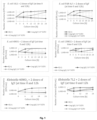
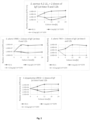
- the objective of the experiments is to test the ability of IgY antibodies to inhibit and/or limit bacterial growth.
- the study was conducted for all strains selected for hen immunization to produce antibodies.
- the starting amount of bacteria in the medium was 10 4 CFU/mL; in milk cultures, such results are most often obtained for the total amount of bacteria.
- Antibody was used in two different amounts: 0.1 mg/10 4 CFU and 0.05 mg/10 4 CFU (IgY concentration measured for the total amount of IgY and not specific in the antibody series produced).
- a culture was run in LB broth to rejuvenate the cultures of E. coli 16L1, PAN4/1, 4MO1 and 13MO2 strains and cultured overnight at 37 °C with shaking.
- Flasks were prepared with 20 mL of medium, 3 for each strain - 1: control, 2: 0.1 mg, 3: 0.05 mg.
- a second dose of IgY was added at 12h (the product is to be administered to cows for 6 days every 12h, mimicking target conditions).
- the test was repeated analogously for Klebsiella 40 MO 2 and 7 L2 strains and S. aureus 4.2 LG 2 strain (on TSA medium).
- the test was repeated analogously for S. uberis 19MK and 7MO strains and S. dysgalactiae 2MO2 (on Columbia medium with blood).
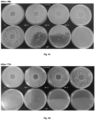
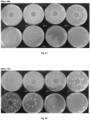
- Fig. 1 The results for E coli and Klebsiella are shown in Fig. 1 , while the results for S. aureus, S. uberis and S. dysgalactiae are shown in Fig. 2 .
- IgY can effectively inhibit bacterial proliferation.
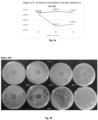
- the colonies on the plates were very fine, barely grown, compared to the grown colonies of the control cultures. This indicates a great weakening of their viability due to the effect of IgY. This result also indicates that each successive dose weakens the viability of the bacteria and after the assumed 12 doses, complete inhibition of growth will be possible.
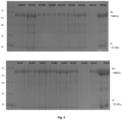
- the objective of the experiment was to evaluate the purity of IgY antibodies (series MS/SA/043, SU/045, SD/047; KL/049, SA/050, EC/065, KL/088, SA/094, SD/105, SD/109, SU/110, EC/111, SD/112, SA/113, SU/115) isolated from chicken egg yolks with water and activated carbon and precipitated with sodium chloride. Evaluation was done by vertical electrophoretic separation in polyacrylamide gel.
- a 12.5% polyacrylamide gel was prepared and casted. The gel was stored overnight at 4 °C in a box filled with deionized water. Appropriate dilutions were prepared for each test series. The samples were diluted 40-fold, i.e. in a sterile way (at the burner), 2 ⁇ L of antibodies were taken from each series and added to 78 ⁇ L of 0.85% NaCl. Loading buffer (7 ⁇ L) was added to each sample. Standard antibodies were diluted 10x in 0.85% NaCl. The samples prepared in this way were heated for 10 minutes at 96 °C, and then centrifuged.
- the samples were applied in the order as marked on the gel; the mass marker in a volume of 4 ⁇ L was applied to the first well, the standard chicken IgY to the last well.
- Vertical electrophoretic separation was carried out first at 100V, then 160V.
- the gel was stained in Coomassie Blue by rocking with the dye on a lab cradle for 20 minutes. The gel thus stained was rinsed in dH 2 O and then boiled in the microwave 4 times for 4 minutes each and analyzed.
- the tested series present a similar pattern during separation under denaturing conditions as standard chicken IgY ( Fig. 3 ).
- the objective of the work performed was to determine the degree of neutralization of E. coli strains with IgY antibodies in a 0.5% hydrogel at a dose of 4 mg/mL.
- the plates were incubated for 24, 48 and 72 hours, respectively, with rinsing and changing media every morning and after 8 hours. After the specified incubation time, cell lysates were prepared and seeded onto plates with CLA medium (Columbia) in several dilutions. The next day, bacterial colonies were counted using a Scan 500 device.
- CLA medium Coldia
- the objective of the work performed was to determine the degree of neutralization of S. dysgalactiae bacteria with IgY antibodies in a 4 mg/mL hydrogel solution.
- the plates were incubated for 24, 48 and 72 hours, respectively, with rinsing and changing media every morning and after 8 hours. After the specified incubation time, cell lysates were prepared and seeded onto plates with CLA medium (Columbia) in several dilutions. The next day, bacterial colonies were counted using Scan 500 device.
- CLA medium Coldia
- the objective of the work performed is to prepare a therapeutic preparation based on IgY antibodies in hydrogel.
- IgY antibodies directed against 5 mastitis pathogens: E coli, Klebsiella, S. aureus, S. uberis and S. dysgalactiae were used.
- antibodies selected taking into account the result of tube agglutination and the measurement of protein concentration (in the case of S. dysgalactiae, only the concentration) were used. It was assumed that the final protein concentration in the preparation should be 8 mg/mL (for each antigen).
- the drug would be administered 2x daily for 3 days.
- Milk samples and blood from the external jugular vein were collected twice daily on days: -1, 0, 1, 2, 3, 4, 5, 7, 14, 21, 28, 35 and blood from the milk vein once daily. On day 35, udder tissue was collected. In the experiments, animal health and the following parameters were monitored: Milk analysis: Although the drug administration inhibited inflammation, the high somatic cell count and LDH level persisted on average until day 21 and reached the initial level on day 35.
- Health Check panel included: ALB, TP, GLOB, TB, AST, ALT, AMY, CK, CREA, BUN, GLU, TG, Ca, PHOS. Changes in parameters (mainly CK, CREA, TP) were observed in cows with severe induced mastitis, mainly S. aureus.
- ELISA Levels of TGF- ⁇ , PGE2 and PGF2 ⁇ and mediators of ECM remodeling (MMP-9 and TIMP-1) changed during the course of the disease and treatment. A decrease in the amount of the studied factors was observed along with the healing process, the profile of which varied for the pathogens studied.
- Bacteria shedding (milk): Log CFU below maximum value, SCC below normal range from day 14 or 21. The results correlate with antibody and individual cytokine levels. SCC in all study groups fell to the limits of the normal range around day 14-21 (in most cases the amount of bacteria remained below the acceptable limit during the whole period of the experiment).
- IgG serum: The level of IgG antibodies successively decreased from the beginning of the experiment in all experimental groups. Eventually, despite spikes in amounts, in each group the amount of antibodies on day 35 was lower than at the beginning of the study.
- IgM serum: During the course of the study, antibodies remained high in the group treated with liposomes with oleoamine, and a large spike was also observed on day 21 in the group treated with the oleoamine preparation. The rest of the groups, on the other hand, showed stable antibody levels during the whole period of experiment (all groups at similar levels).
- IgA milk: All test groups presented a similar pattern of IgA antibody levels; until day 7 of the experiment there was a very large decrease (to almost 0), followed by a significant increase. On the last day of the experiment, antibody levels dropped to the initial value or lower in all groups.
- TNF- ⁇ (serum): Almost all groups showed an increase in the level of the factor from day 1 to day 3, followed by a sharp decrease. The group given empty liposomes with oleoamine showed an increasing trend in concentration throughout the study.
- TNF- ⁇ (milk) The results of the TNF- ⁇ in milk obtained in the study confirmed the success of the infection carried out, which was particularly evident between infected and uninfected quarters. An increase in the factor could also be observed in the serum in the liposome-treated control group, indicating a strong ongoing inflammatory response in the body (compared to the group that was administered hydrogel with antibodies).
- IL-8 serum interleukin: In each group, the profile of serum interleukin levels differed. Elevated levels already at the beginning of the experiment were in the following groups: oleo liposomes-here, after a decrease on day 1, there was a significant increase and it persisted up to a week; in the groups which were given IgY in liposomes and empty hydrogel after a decrease on day 1, an increase was observed however, at the end of the experiment the amount of cytokine fell below the initial level (day 0). The situation was similar in the group which was given antibodies in hydrogel, however, in this group the level of interleukin was the lowest during the whole period of experiment.
- IL-8 milk: All study groups presented a very similar profile of interleukin levels. High increases were observed on days 1, 3 and 7, followed by a sharp decrease in interleukin in milk.
- IL-1 ⁇ (serum): All groups showed a low, similar pattern of interleukin levels during the whole period of experiment. The control group, which was given liposomes with oleoamine, presented a very high initial amount of IL-1 ⁇ , after which a significant decrease was noted (1 day).
- IL-1 ⁇ milk: The course of cytokine levels in all groups had a very similar profile during the whole period of the study. The highest increases were observed on days 2 and 4, followed by a sharp decrease in this factor.
- the local immunologic response (milk) is significantly higher than that obtained from serum samples.
- the drug was shown to be effective in inhibiting inflammations: 7 days after the end of drug administration, a return to initial parameters was observed, depending on the pathogen, in 30% to 70% of experimentally treated cows. Only higher level of SCC, as in standard antibiotic therapy, persisted in some cases until the day 21 after infection.
- the original plan was: to use carriers in the form of liposomes with a cationic additive and 1% hydrogel, to use a dose of antibodies of 4 mg/mL in a treatment scheme of 2x daily for 6 days. Due to the results obtained (the irritant effect of the proposed carriers) and the welfare of animals in which the proposed dosing scheme could cause too much irritation, it was decided to make the following changes:
- the efficacy of the adjunctive treatment of an intramammary infusion with a mixture of IgY was demonstrated.
- the preparation according to the present invention is effective, as the results of microbiological tests on the milk of the treatment groups indicate a lower number of CFU of mastitis-causing bacteria (at the level of significance p ⁇ 0.05) compared to the control group.
- the veterinary therapeutic preparation according to the present invention shows effective activity against mastitis. There are many factors that affect the efficacy of the drug, such as farming conditions or individual immune response of animals, seasonality, etc.
- Such therapies have varied efficacy due to the rising of bacterial resistance to antibiotics, as well as untargeted treatment. Too frequent administration of antibiotics can cause allergies, skin lesions, exacerbate or over-inhibit cytokines, and eradicate the normal microflora.
- Antibiotics are not in direct competition with antibody intramammary infusion, but are an entity with partially the same functionality.
- the main advantages of the antibody infusion are the anticipated lack of withdrawal period for milk, the safety of use (no side effects) and the possibility of using it in organic farms due to its biological origin [Regulation (EU) 2018].
- the antibodies present in the infusion do not induce bacterial resistance, which is a problem with antibiotics.
- liposomes may contribute to better penetration of antibodies into cells, deep into tissues or the biofilm formed by pathogenic bacteria, as well as result in longer persistence of antibodies in the body, potentially increasing the protective effect of the preparation, so it is planned to continue work on this variant of the therapeutic preparation.
- the proposed preparation (not an antibiotic) is an effective and innovative strategy for the treatment of udder inflammation in cows.
- the drug in the form of local therapy promotes alleviating bacterial udder inflammations of various etiologies and can find use as a complement to antibiotic therapy.
- Effective treatment of udder inflammations in cows requires an individualized approach, taking into account a number of factors, such as the type of pathogen, the stage of the disease, the overall health of the animal and the specifics of the farming. If mastitis is suspected in cows, it is always advisable to consult a veterinarian, who can conduct the appropriate tests and plan the appropriate therapy.
Landscapes
- Chemical & Material Sciences (AREA)
- Health & Medical Sciences (AREA)
- Organic Chemistry (AREA)
- General Health & Medical Sciences (AREA)
- Life Sciences & Earth Sciences (AREA)
- Medicinal Chemistry (AREA)
- Proteomics, Peptides & Aminoacids (AREA)
- Genetics & Genomics (AREA)
- Biophysics (AREA)
- Molecular Biology (AREA)
- Biochemistry (AREA)
- Immunology (AREA)
- Oncology (AREA)
- Communicable Diseases (AREA)
- Chemical Kinetics & Catalysis (AREA)
- General Chemical & Material Sciences (AREA)
- Nuclear Medicine, Radiotherapy & Molecular Imaging (AREA)
- Pharmacology & Pharmacy (AREA)
- Animal Behavior & Ethology (AREA)
- Public Health (AREA)
- Veterinary Medicine (AREA)
- Measuring Or Testing Involving Enzymes Or Micro-Organisms (AREA)
Priority Applications (1)
| Application Number | Priority Date | Filing Date | Title |
|---|---|---|---|
| EP23461695.1A EP4570822A1 (fr) | 2023-12-15 | 2023-12-15 | Immunisation et/ou préparation médicale destinée à être utilisée dans la prévention et/ou le traitement d'états inflammatoires du pis de vache |
Applications Claiming Priority (1)
| Application Number | Priority Date | Filing Date | Title |
|---|---|---|---|
| EP23461695.1A EP4570822A1 (fr) | 2023-12-15 | 2023-12-15 | Immunisation et/ou préparation médicale destinée à être utilisée dans la prévention et/ou le traitement d'états inflammatoires du pis de vache |
Publications (1)
| Publication Number | Publication Date |
|---|---|
| EP4570822A1 true EP4570822A1 (fr) | 2025-06-18 |
Family
ID=91027100
Family Applications (1)
| Application Number | Title | Priority Date | Filing Date |
|---|---|---|---|
| EP23461695.1A Withdrawn EP4570822A1 (fr) | 2023-12-15 | 2023-12-15 | Immunisation et/ou préparation médicale destinée à être utilisée dans la prévention et/ou le traitement d'états inflammatoires du pis de vache |
Country Status (1)
| Country | Link |
|---|---|
| EP (1) | EP4570822A1 (fr) |
Citations (5)
| Publication number | Priority date | Publication date | Assignee | Title |
|---|---|---|---|---|
| US5585098A (en) * | 1993-11-23 | 1996-12-17 | Ovimmune, Inc. | Oral administration of chicken yolk immunoglobulins to lower somatic cell count in the milk of lactating ruminants |
| WO2003076471A2 (fr) * | 2002-03-10 | 2003-09-18 | Yamit Biotechnologies Ltd. | Complexe multifonctionnel permettant du cibler la phagocytose specifique d'un agent cible |
| CN102898518A (zh) * | 2011-07-25 | 2013-01-30 | 深圳雅臣生物科技有限公司 | 抗牛乳房炎致病微生物特异性IgY的制备方法 |
| EP3184120A1 (fr) | 2014-08-22 | 2017-06-28 | Investigacion Aplicada, S.A. de C.V. | Vaccin émulsionné pour obtenir des formulations d'immunoglobulines igy concentrées, procédés et utilisations de celles-ci |
| WO2021127423A1 (fr) * | 2019-12-20 | 2021-06-24 | Veri Nano Inc. | Composition de gel binaire nanostructuré et utilisation de celle-ci |
-
2023
- 2023-12-15 EP EP23461695.1A patent/EP4570822A1/fr not_active Withdrawn
Patent Citations (6)
| Publication number | Priority date | Publication date | Assignee | Title |
|---|---|---|---|---|
| US5585098A (en) * | 1993-11-23 | 1996-12-17 | Ovimmune, Inc. | Oral administration of chicken yolk immunoglobulins to lower somatic cell count in the milk of lactating ruminants |
| WO2003076471A2 (fr) * | 2002-03-10 | 2003-09-18 | Yamit Biotechnologies Ltd. | Complexe multifonctionnel permettant du cibler la phagocytose specifique d'un agent cible |
| EP1485414A2 (fr) | 2002-03-10 | 2004-12-15 | Yamit Biotechnologies Ltd. | Complexe multifonctionnel permettant de cibler la phagocytose specifique d'un agent cible |
| CN102898518A (zh) * | 2011-07-25 | 2013-01-30 | 深圳雅臣生物科技有限公司 | 抗牛乳房炎致病微生物特异性IgY的制备方法 |
| EP3184120A1 (fr) | 2014-08-22 | 2017-06-28 | Investigacion Aplicada, S.A. de C.V. | Vaccin émulsionné pour obtenir des formulations d'immunoglobulines igy concentrées, procédés et utilisations de celles-ci |
| WO2021127423A1 (fr) * | 2019-12-20 | 2021-06-24 | Veri Nano Inc. | Composition de gel binaire nanostructuré et utilisation de celle-ci |
Non-Patent Citations (8)
| Title |
|---|
| JIRAO SHEN: "Antimicrobial Resistance and Virulence Factor of Streptococcus dysgalactiae Isolated from Clinical Bovine Mastitis Cases in Northwest China", INFECTION AND DRUG RESISTANCE, vol. Volume 14, 1 August 2021 (2021-08-01), pages 3519 - 3530, XP093166971, ISSN: 1178-6973, Retrieved from the Internet <URL:https://www.dovepress.com/getfile.php?fileID=73167> DOI: 10.2147/IDR.S327924 * |
| KAMELIA M. OSMAN: "Phenotypic, antimicrobial susceptibility profile and virulence factors of Klebsiella pneumoniae isolated from buffalo and cow mastitic milk", PATHOGENS AND GLOBAL HEALTH, vol. 108, no. 4, 1 June 2014 (2014-06-01), GB, pages 191 - 199, XP093166934, ISSN: 2047-7724, DOI: 10.1179/2047773214Y.0000000141 * |
| LIN-HUI WANG ET AL: "Characterization of chicken egg yolk immunoglobulins (IgYs) specific for the most prevalent capsular serotypes of mastitis-causing", VETERINARY MICROBIOLOGY, ELSEVIER BV, NL, vol. 149, no. 3, 19 November 2010 (2010-11-19), pages 415 - 421, XP028159513, ISSN: 0378-1135, [retrieved on 20101126], DOI: 10.1016/J.VETMIC.2010.11.029 * |
| MONIKA ZOUHAROVA: "Multilocus Sequence Genotype Heterogeneity in Streptococcus uberis Isolated from Bovine Mastitis in the Czech Republic", ANIMALS, vol. 12, no. 18, 7 September 2022 (2022-09-07), pages 2327, XP093166957, ISSN: 2076-2615, DOI: 10.3390/ani12182327 * |
| SOHAIL NAUSHAD: "Genomic Analysis of Bovine Staphylococcus aureus Isolates from Milk To Elucidate Diversity and Determine the Distributions of Antimicrobial and Virulence Genes and Their Association with Mastitis", MSYSTEMS, vol. 5, no. 4, 25 August 2020 (2020-08-25), XP093166949, ISSN: 2379-5077, Retrieved from the Internet <URL:https://journals.asm.org/doi/pdf/10.1128/mSystems.00063-20> DOI: 10.1128/mSystems.00063-20 * |
| ZHEN Y H ET AL: "Characterization of specific egg yolk immunoglobulin (IgY) against mastitis-causing Escherichia coli", VETERINARY MICROBIOLOGY, ELSEVIER BV, NL, vol. 130, no. 1-2, 27 July 2008 (2008-07-27), pages 126 - 133, XP022732186, ISSN: 0378-1135, [retrieved on 20080103], DOI: 10.1016/J.VETMIC.2007.12.014 * |
| ZHEN Y H ET AL: "Efficacy of specific egg yolk immunoglobulin (IgY) to bovine mastitis caused by Staphylococcus aureus", VETERINARY MICROBIOLOGY, ELSEVIER BV, NL, vol. 133, no. 4, 2 February 2009 (2009-02-02), pages 317 - 322, XP025860804, ISSN: 0378-1135, [retrieved on 20080805], DOI: 10.1016/J.VETMIC.2008.07.016 * |
| ZUHAIR BANI ISMAIL: "Molecular characterization of antimicrobial resistance and virulence genes of Escherichia coli isolates from bovine mastitis", VETERINARY WORLD, vol. 13, no. 8, 1 January 2020 (2020-01-01), India, pages 1588 - 1593, XP093166853, ISSN: 0972-8988, Retrieved from the Internet <URL:http://www.veterinaryworld.org/Vol.13/August-2020/14.pdf> DOI: 10.14202/vetworld.2020.1588-1593 * |
Similar Documents
| Publication | Publication Date | Title |
|---|---|---|
| CN100571715C (zh) | 含有生物活性物质的组合物及其制备和处理方法 | |
| US9981032B2 (en) | Vaccine for intrauterine disease | |
| US6099853A (en) | Vaginal suppository vaccine for urogenital infections | |
| CN114042153B (zh) | 一种奶牛乳房炎多联灭活疫苗及其制备方法和应用 | |
| EP0135951B1 (fr) | Méthode pour produire un vaccin polyvalent anti-mastite | |
| US3911109A (en) | Rearing calves | |
| RU2744744C1 (ru) | Вакцина против манхеймиоза, биберштейниоза и пастереллёза крупного и мелкого рогатого скота ассоциированная инактивированная, способ её получения | |
| CN114805554B (zh) | 抗猪链球菌和副猪嗜血杆菌的精制卵黄抗体注射剂及其制备方法 | |
| KR101694427B1 (ko) | 신규한 에드워드시엘라 타르다 et-191 균주 및 상기 균주를 포함하는 어류의 에드워드 감염증 예방용 불활화 백신 | |
| RU2218924C2 (ru) | Способ профилактики диарейных болезней новорожденных телят и поросят | |
| KR19990063786A (ko) | 유두종 사지 피부염의 발견, 예방 및 치료 방법 | |
| KR100646938B1 (ko) | 헬리코박터 필로리의 정착과 생육 활성을 저해하는락토바실루스 람노서스 아이디씨씨 3201 | |
| CN115814070A (zh) | 一种副嗜血杆菌病疫苗及其制备方法和应用 | |
| RU2831198C1 (ru) | Средство специфической профилактики против клинических и субклинических маститов коров | |
| RU2373275C1 (ru) | Штамм bifidobacterium pseudocatenulatum ov-17, используемый для получения бактерийных препаратов, биологически активных добавок к пище, неферментированных пищевых продуктов, гигиенических и косметических средств | |
| EP4570265A1 (fr) | Vaccin pour la prévention d'états inflammatoires chez les vaches | |
| RU2761379C1 (ru) | Поливалентная инактивированная вакцина против стрептококкозов свиней, способ ее получения и применения | |
| Ball et al. | Mycoplasma californicum mastitis in ewes as an experimental model for antibiotic treatment | |
| RU2799603C1 (ru) | Штамм "SA-21" бактерии рода Streptococcus вида Streptococcus agalactiae для изготовления биопрепаратов для специфической профилактики мастита коров | |
| RU2316345C1 (ru) | Способ изготовления вакцины ассоциированной против колибактериоза, сальмонеллеза, стрептококкоза и энтерококковой инфекции нутрий | |
| RU2840041C1 (ru) | Вакцина против инфекционных маститов и эндометритов коров инактивированная, способ её получения | |
| CN115992116B (zh) | 一种多功能奶牛溶菌酶及其制备方法和应用 | |
| Opdebeeck et al. | Colony morphology of Staphylococcus aureus in serum-soft agar following in vivo and in vitro growth | |
| Manjunath | Effect of lactic acid bacteria on tumor cell lines | |
| US4027011A (en) | Rearing pigs |
Legal Events
| Date | Code | Title | Description |
|---|---|---|---|
| PUAI | Public reference made under article 153(3) epc to a published international application that has entered the european phase |
Free format text: ORIGINAL CODE: 0009012 |
|
| STAA | Information on the status of an ep patent application or granted ep patent |
Free format text: STATUS: THE APPLICATION HAS BEEN PUBLISHED |
|
| AK | Designated contracting states |
Kind code of ref document: A1 Designated state(s): AL AT BE BG CH CY CZ DE DK EE ES FI FR GB GR HR HU IE IS IT LI LT LU LV MC ME MK MT NL NO PL PT RO RS SE SI SK SM TR |
|
| STAA | Information on the status of an ep patent application or granted ep patent |
Free format text: STATUS: THE APPLICATION IS DEEMED TO BE WITHDRAWN |
|
| 18D | Application deemed to be withdrawn |
Effective date: 20251219 |