EP4530299A1 - Stabile antikörperzubereitung - Google Patents
Stabile antikörperzubereitung Download PDFInfo
- Publication number
- EP4530299A1 EP4530299A1 EP23810691.8A EP23810691A EP4530299A1 EP 4530299 A1 EP4530299 A1 EP 4530299A1 EP 23810691 A EP23810691 A EP 23810691A EP 4530299 A1 EP4530299 A1 EP 4530299A1
- Authority
- EP
- European Patent Office
- Prior art keywords
- mmol
- antibody
- formulation
- antibody formulation
- disease
- Prior art date
- Legal status (The legal status is an assumption and is not a legal conclusion. Google has not performed a legal analysis and makes no representation as to the accuracy of the status listed.)
- Pending
Links
Images




Classifications
-
- A—HUMAN NECESSITIES
- A61—MEDICAL OR VETERINARY SCIENCE; HYGIENE
- A61P—SPECIFIC THERAPEUTIC ACTIVITY OF CHEMICAL COMPOUNDS OR MEDICINAL PREPARATIONS
- A61P11/00—Drugs for disorders of the respiratory system
- A61P11/06—Antiasthmatics
-
- A—HUMAN NECESSITIES
- A61—MEDICAL OR VETERINARY SCIENCE; HYGIENE
- A61K—PREPARATIONS FOR MEDICAL, DENTAL OR TOILETRY PURPOSES
- A61K39/00—Medicinal preparations containing antigens or antibodies
- A61K39/395—Antibodies; Immunoglobulins; Immune serum, e.g. antilymphocytic serum
-
- A—HUMAN NECESSITIES
- A61—MEDICAL OR VETERINARY SCIENCE; HYGIENE
- A61K—PREPARATIONS FOR MEDICAL, DENTAL OR TOILETRY PURPOSES
- A61K39/00—Medicinal preparations containing antigens or antibodies
- A61K39/395—Antibodies; Immunoglobulins; Immune serum, e.g. antilymphocytic serum
- A61K39/39591—Stabilisation, fragmentation
-
- A—HUMAN NECESSITIES
- A61—MEDICAL OR VETERINARY SCIENCE; HYGIENE
- A61P—SPECIFIC THERAPEUTIC ACTIVITY OF CHEMICAL COMPOUNDS OR MEDICINAL PREPARATIONS
- A61P37/00—Drugs for immunological or allergic disorders
- A61P37/02—Immunomodulators
-
- C—CHEMISTRY; METALLURGY
- C07—ORGANIC CHEMISTRY
- C07K—PEPTIDES
- C07K16/00—Immunoglobulins [IGs], e.g. monoclonal or polyclonal antibodies
- C07K16/18—Immunoglobulins [IGs], e.g. monoclonal or polyclonal antibodies against material from animals or humans
- C07K16/24—Immunoglobulins [IGs], e.g. monoclonal or polyclonal antibodies against material from animals or humans against cytokines, lymphokines or interferons
- C07K16/244—Interleukins [IL]
-
- C—CHEMISTRY; METALLURGY
- C07—ORGANIC CHEMISTRY
- C07K—PEPTIDES
- C07K16/00—Immunoglobulins [IGs], e.g. monoclonal or polyclonal antibodies
- C07K16/18—Immunoglobulins [IGs], e.g. monoclonal or polyclonal antibodies against material from animals or humans
- C07K16/28—Immunoglobulins [IGs], e.g. monoclonal or polyclonal antibodies against material from animals or humans against receptors, cell surface antigens or cell surface determinants
- C07K16/2866—Immunoglobulins [IGs], e.g. monoclonal or polyclonal antibodies against material from animals or humans against receptors, cell surface antigens or cell surface determinants against receptors for cytokines, lymphokines, interferons
-
- A—HUMAN NECESSITIES
- A61—MEDICAL OR VETERINARY SCIENCE; HYGIENE
- A61K—PREPARATIONS FOR MEDICAL, DENTAL OR TOILETRY PURPOSES
- A61K39/00—Medicinal preparations containing antigens or antibodies
- A61K2039/505—Medicinal preparations containing antigens or antibodies comprising antibodies
-
- A—HUMAN NECESSITIES
- A61—MEDICAL OR VETERINARY SCIENCE; HYGIENE
- A61K—PREPARATIONS FOR MEDICAL, DENTAL OR TOILETRY PURPOSES
- A61K39/00—Medicinal preparations containing antigens or antibodies
- A61K2039/54—Medicinal preparations containing antigens or antibodies characterised by the route of administration
-
- A—HUMAN NECESSITIES
- A61—MEDICAL OR VETERINARY SCIENCE; HYGIENE
- A61K—PREPARATIONS FOR MEDICAL, DENTAL OR TOILETRY PURPOSES
- A61K39/00—Medicinal preparations containing antigens or antibodies
- A61K2039/545—Medicinal preparations containing antigens or antibodies characterised by the dose, timing or administration schedule
-
- C—CHEMISTRY; METALLURGY
- C07—ORGANIC CHEMISTRY
- C07K—PEPTIDES
- C07K2317/00—Immunoglobulins specific features
- C07K2317/20—Immunoglobulins specific features characterized by taxonomic origin
- C07K2317/22—Immunoglobulins specific features characterized by taxonomic origin from camelids, e.g. camel, llama or dromedary
-
- C—CHEMISTRY; METALLURGY
- C07—ORGANIC CHEMISTRY
- C07K—PEPTIDES
- C07K2317/00—Immunoglobulins specific features
- C07K2317/30—Immunoglobulins specific features characterized by aspects of specificity or valency
- C07K2317/31—Immunoglobulins specific features characterized by aspects of specificity or valency multispecific
-
- C—CHEMISTRY; METALLURGY
- C07—ORGANIC CHEMISTRY
- C07K—PEPTIDES
- C07K2317/00—Immunoglobulins specific features
- C07K2317/50—Immunoglobulins specific features characterized by immunoglobulin fragments
- C07K2317/56—Immunoglobulins specific features characterized by immunoglobulin fragments variable (Fv) region, i.e. VH and/or VL
- C07K2317/569—Single domain, e.g. dAb, sdAb, VHH, VNAR or nanobody®
-
- C—CHEMISTRY; METALLURGY
- C07—ORGANIC CHEMISTRY
- C07K—PEPTIDES
- C07K2317/00—Immunoglobulins specific features
- C07K2317/70—Immunoglobulins specific features characterized by effect upon binding to a cell or to an antigen
- C07K2317/73—Inducing cell death, e.g. apoptosis, necrosis or inhibition of cell proliferation
-
- C—CHEMISTRY; METALLURGY
- C07—ORGANIC CHEMISTRY
- C07K—PEPTIDES
- C07K2317/00—Immunoglobulins specific features
- C07K2317/70—Immunoglobulins specific features characterized by effect upon binding to a cell or to an antigen
- C07K2317/76—Antagonist effect on antigen, e.g. neutralization or inhibition of binding
-
- C—CHEMISTRY; METALLURGY
- C07—ORGANIC CHEMISTRY
- C07K—PEPTIDES
- C07K2317/00—Immunoglobulins specific features
- C07K2317/90—Immunoglobulins specific features characterized by (pharmaco)kinetic aspects or by stability of the immunoglobulin
- C07K2317/92—Affinity (KD), association rate (Ka), dissociation rate (Kd) or EC50 value
-
- C—CHEMISTRY; METALLURGY
- C07—ORGANIC CHEMISTRY
- C07K—PEPTIDES
- C07K2317/00—Immunoglobulins specific features
- C07K2317/90—Immunoglobulins specific features characterized by (pharmaco)kinetic aspects or by stability of the immunoglobulin
- C07K2317/94—Stability, e.g. half-life, pH, temperature or enzyme-resistance
Definitions
- the present disclosure relates to the field of medicine. More specifically, the present disclosure relates to a stable antibody formulation.
- proteins tend to be larger and more complex than traditional organic or inorganic drugs, special problems are found in the formulation of these proteins.
- Liquid antibody products have a short shelf life and the antibody may biologically inactivate due to chemical and physical instability during storage.
- Chemical instability may result from deamidation, racemization, hydrolysis, oxidation, beta-elimination, or disulfide bond exchange
- physical instability may result from antibody denaturation, aggregation, precipitation, or adsorption.
- aggregation, deamidation and oxidation are known to be the most common causes of antibody degradation ( Wang et al., 1988, J. of parenteral Science & Technology 42(Suppl): S4-S26 ; Cleland et al., 1993, Critical Reviews in Therapeutic Drug Carrier Systems 10(4): 307-377 ). Therefore, there is a need for stable liquid formulations of antibodies, and in particular, for stable liquid formulations of high-concentration antibodies.
- a stable formulation is a formulation wherein the antibody therein essentially retains its physical and chemical stability and integrity upon storage. It is a further object to provide a stable liquid antibody formulation which is suitable for administration such as subcutaneous administration and intravenous drip infusion.
- the subcutaneous administration requires high-concentration antibody formulations. Because of the required high antibody concentrations, the formulations including antibodies pose challenges relating to the physical and chemical stability of the antibody, formation of aggregates and difficulty with manufacture, storage, and delivery of the antibody formulation.
- the formulation should be of acceptable pH value and osmolality for application. It is also known that a high concentration of antibodies would increase the viscosity of the formulation and also the aggregation. Suitable pharmaceutical formulations according to the present disclosure have a desired suitable viscosity.
- the present disclosure provides in its broadest aspect a pharmaceutical formulation (formulation of the present disclosure) including an antibody as an active ingredient, a buffer system, a stabilizer and a surfactant.
- the formulation of the present disclosure is liquid (e.g., aqueous solution) but is also suitable to be lyophilized and subsequently formed into a liquid formulation with a lower, same or higher antibody concentration.
- a first aspect of the present disclosure provides the following stable formulations.
- the antibody molecules in the compositions (1) to (3) are capable of specifically binding to both IL-5 and IL-4R ⁇ , and include at least two immunoglobulin variable domains including a first immunoglobulin variable domain capable of specifically binding to IL-4R ⁇ molecule and a second immunoglobulin variable domain capable of specifically binding to IL-5.
- Treatment refers to both therapeutic treatment and prophylactic treatment. Those in need of treatment include those have been suffering from the disorder as well as those in which the disorder is to be prevented.
- “Mammal” for purposes of treatment refers to any animal classified as a mammal, including but not limited to humans, domestic and farm animals, and zoo, sport, or pet animals, such as dogs, horses, cats, and cattle.
- a "therapeutically effective amount” of an antibody refers to an amount at which an antibody has a therapeutic or prophylactic effect on the disorder that can be effectively treated with the antibody.
- a “disorder” is any condition that would benefit from treatment with the antibody. This includes chronic and acute disorders or diseases including those pathological conditions which predispose the mammal to the disorder in question.
- disorder is a disease involving expressing IL-4R and/or IL-5.
- the formulation according to the present disclosure provides the advantage that it stably supports high concentrations of bioactive antibody in solution and is suitable for parenteral administration, including intravenous, intramuscular, or subcutaneous injection.
- the pH can be in a range of 4.5 to 5.5, preferably between about pH 4.5 and any of about pH 4.6, 4.7, 4.8, 4.9, 5.0, 5.1, 5.2, 5.3, 5.4, or 5.5.
- the pH is selected from pH values between pH 4.6 and any of about pH 4.7, 4.8, 4.9, 5.0, 5.1, 5.2, 5.3, 5.4, or 5.5; more preferably, the pH is selected from pH values between about pH 4.7 and any of about pH 4.8, 4.9, 5.0, 5.1, 5.2, 5.3, 5.4, or 5.5; more preferably, the pH is selected from pH values between about pH 4.8 and any of about pH 4.9, 5.0, 5.1, 5.2, 5.3, 5.4, or 5.5; more preferably, the pH is selected from pH values between about pH 4.9 and any of pH 5.0, 5.1, 5.2, 5.3, 5.4, or 5.5; more preferably, the pH is selected from pH values between pH 5.0 and any of pH 5.1, 5.2, 5.3, 5.4, or 5.5; more preferably, the pH is selected from pH values between pH 5.1 and any of pH 5.2, 5.3, 5.4, or 5.5; more preferably, the pH is selected from pH values between pH 5.1
- the pH can be in a range of about pH 5.2 to any of pH 5.3, 5.4, or 5.5, or the pH can be in a range of about pH 5.3 to pH 5.4, or pH 5.5, or in a range of pH5.4 to 5.5.
- the pH can be selected from any pH values of about 4.5, 4.6, 4.7, 4.8, 4.9, 5.0, 5.1, 5.2, 5.3, 5.4, or 5.5, most preferably the pH is pH 5.0 ⁇ 0.2.
- the pH values in these ranges provides the formulation with enhanced protection from antibody aggregation and fragmentation and is close to physiological pH (about pH 7.2 to 7.4) for reduced risk of pain or anaphylactoid side effects upon injection.
- the tonicity agent preferably includes a polyol, a saccharide, a carbohydrate, a salt, such as sodium chloride, or mixtures thereof.
- the polyol has a molecular weight that is less than about 600 kD (e.g., in a range from about 120 to about 400 kD), preferably selected from mannitol, trehalose, sorbitol, erythritol, isomalt, lactitol, maltitol, xylitol, glycerol, lactitol, propylene glycol, polyethylene glycol, inositol, or mixtures thereof.
- the saccharide or carbohydrate is selected from the group consisting of monosaccharides, disaccharides and polysaccharides and mixtures thereof.
- the saccharide or carbohydrate is selected from the group consisting of fructose, glucose, mannose, sucrose, sorbose, xylose, lactose, maltose, sucrose, dextran, pullulan, dextrin, cyclodextrins, soluble starch, hydroxyethyl starch, water- soluble glucans, and mixtures thereof.
- the tonicity agent includes a saccharide selected from the group consisting of reducing sugar, non-reducing sugar and mixtures thereof.
- the tonicity agent includes a saccharide which is a non-reducing sugar, preferably selected from the group consisting of sucrose, trehalose, and mixtures thereof.
- the tonicity agent includes sucrose.
- a concentration of the tonicity agent ranges from about 1 mg/ml to about 300 mg/ml, from about 1 mg/ml to about 200 mg/ml, or from about 1 mg/ml to about 100 mg/ml.
- concentration of the tonicity agent in the liquid composition is about 60 mg/ml, about 65 mg/ml, about 70 mg/ml, about 75 mg/ml, about 80 mg/ml, about 81 mg/ml, about 82 mg/ml, about 83 mg/ml, about 84 mg/ml, about 85 mg/ml, about 86 mg/ml, about 87 mg/ml, about 88 mg/ml, about 89 mg/ml, about 90 mg/ml, about 91 mg/ml, about 92 mg/ml, about 93 mg/ml, about 94 mg/ml, about 95 mg/ml, about 96 mg/ml, about 97 mg/ml, about 98 mg/ml, about 99 mg/ml,
- the buffer agent can be selected from the group consisting of acetate, succinate, gluconate, citrate, histidine, acetic acid, phosphate, phosphoric acid, ascorbate, tartartic acid, maleic acid, glycine, lactate, lactic acid, ascorbic acid, imidazole, bicarbonate and carbonic acid, succinic acid, sodium benzoate, benzoic acid, gluconate, edetate, acetate, malate, imidazole, tris, phosphate, and mixtures thereof.
- the buffer agent particularly acetate buffer as a preferred buffer agent, provides the liquid composition with a pH close to physiological pH for reduced risk of pain or anaphylactoid side effects upon injection and also provides enhanced antibody stability and resistance to aggregation, oxidation and fragmentation.
- a concentration of the buffer agent can range from about 0.1 millimolar (mM) to about 100 mM.
- the concentration of the buffer agent is from about 0.5 mM to about 50 mM, further preferably about 1 mM to about 30 mM, more preferably about 1 mM to about 20 mM, or more preferably about 10 mM to about 20 mM.
- the concentration of the buffer agent is about 1 mM, about 2 mM, about 3 mM, about 4 mM, about 5 mM, about 6 mM, about 7 mM, about 8 mM, about 9 mM, about 10 mM, about 11 mM, about 12 mM, about 13 mM, about 14 mM, about 15 mM, about 16 mM, about 17 mM, about 10 mM, about 18 mM, about 19 mM, or about 20 mM.
- surfactant refers to organic substances having amphipathic structures; i.e., they are composed of groups of opposing solubility tendencies, typically an oil-soluble hydrocarbon chain and a water-soluble ionic group. Surfactants can be classified, depending on the charge of the surface-active moiety, into anionic surfactant, cationic surfactant and dispersing agents for various pharmaceutical compositions and preparations of biological materials.
- the suitable surfactant for use in the disclosure includes, but is not limited to, a non-ionic surfactant, an ionic surfactant and a zwitterionic surfactant.
- the typical surfactant for use in the present disclosure includes, but is not limited to, sorbitan fatty acid esters (e.g. sorbitan monocaprylate, sorbitan monolaurate, sorbitan monopalmitate), sorbitan trioleate, glycerine fatty acid esters (e.g. glycerine monocaprylate, glycerine monomyristate, glycerine monostearate), polyglycerine fatty acid esters (e.g.
- polyoxyethylene glyceryl monostearate polyethylene glycol fatty acid esters (e.g. polyethylene glycol distearate), polyoxyethylene alkyl ethers (e.g. polyoxyethylene lauryl ether), polyoxyethylene polyoxypropylene alkyl ethers (e.g. polyoxyethylene polyoxypropylene glycol, polyoxyethylene polyoxypropylene propyl ether, polyoxyethylene polyoxypropylene cetyl ether), polyoxyethylene alkylphenyl ethers (e.g. polyoxyethylene nonylphenyl ether), polyoxyethylene hydrogenated castor oils (e.g. polyoxyethylene castor oil, polyoxyethylene hydrogenated castor oil), polyoxyethylene beeswax derivatives (e.g.
- polyoxyethylene sorbitol beeswax polyoxyethylene lanolin derivatives (e.g. polyoxyethylene lanolin), and polyoxyethylene fatty acid amides (e.g. polyoxyethylene stearic acid amide); C 10 -C 18 alkyl sulfates (e.g. sodium cetyl sulfate, sodium lauryl sulfate, sodium oleyl sulfate), polyoxyethylene C 10 -C 18 alkyl ether sulfate with an average of 2 to 4 moles of ethylene oxide units added (e.g. sodium polyoxyethylene lauryl sulfate), and C 1 -C 18 alkyl sulfosuccinate (e.g.
- sodium lauryl sulfosuccinate sodium lauryl sulfosuccinate
- natural surfactant such as lecithin, glycerophospholipid, sphingophospholipids (e.g. sphingomyelin), and sucrose esters of C 12 -C 18 fatty acids.
- a composition may include one or more of these surfactants.
- a preferred surfactant is polyoxyethylene sorbitan fatty acid esters e.g. polysorbate 20, 40, 60 or 80. Polysorbate 80 (Tween 80) is particularly useful. According to the present disclosure, the surfactant, particularly polysorbate 80, provides the liquid composition with enhanced antibody stability and resistance to aggregation and fragmentation.
- a concentration of the surfactant generally ranges from about 0.01 mg/ml to about 10 mg/ml, from about 0.01 mg/ml to about 5.0 mg/ml, from about 0.01 mg/ml to about 2.0 mg/ml, from about 0.01 mg/ml to about 1.5 mg/ml, from about 0.01 mg/ml to about 01.0 mg/ml, from about 0.01 mg/ml to about 0.5 mg/ml, from about 0.01 mg/ml to about 0.4 mg/ml, from about 0.01 mg/ml to about 0.3 mg/ml, from about 0.01 mg/ml to about 0.2 mg/ml, from about 0.01 mg/ml to about 0.15 mg/ml, from about 0.01 mg/ml to about 0.1 mg/ml, or from about 0.01 mg/ml to about 0.05 mg/ml.
- the concentration of the surfactant is about 5 mg/ml, about 0.5 mg/ml, about 0.6 mg/ml, about 0.7 mg/ml, about 0.8 mg/ml, about 0.9 mg/ml, about 1 mg/ml, about 1.1 mg/ml, about 1.2 mg/ml, about 1.3 mg/ml, about 1.4 mg/ml, about 1.5 mg/ml, about 1.6 mg/ml, about 1.7 mg/ml, about 1.8 mg/ml, about 1.9 mg/ml, or about 2 mg/ml.
- the first immunoglobulin variable domain is a first single-domain antibody molecule, wherein the first single-domain antibody molecule binds to IL-4Ra and includes three complementary determining regions (CDRs), CDR1 having an amino acid sequence as set forth in SEQ ID NO: 1, CDR2 having an amino acid sequence as set forth in SEQ ID NO: 2, and CDR3 having an amino acid sequence as set forth in SEQ ID NO: 3, or CDRs having less than 3, 2 or 1 amino acid substitution (e.g., conservative substitution) as compared to said CDRs.
- CDRs complementary determining regions
- the second immunoglobulin variable domain is a second single-domain antibody molecule, wherein the second single-domain antibody molecule binds to IL-5 and includes three complementary determining regions (CDRs), CDR1 having an amino acid sequence as set forth in SEQ ID NO: 4, CDR2 having an amino acid sequence as set forth in SEQ ID NO: 5, and CDR3 having an amino acid sequence as set forth in SEQ ID NO: 6, or CDRs having less than 3, 2 or 1 amino acid substitution (e.g., conservative substitution) as compared to said CDRs.
- CDRs complementary determining regions
- the antibody molecule is a polypeptide fusion including no linker group between the first single-domain antibody molecule and the second single-domain antibody molecule.
- the antibody molecule is a polypeptide fusion including a biocompatible polymer with 1-100 atoms as a linker group via which the first single-domain antibody molecule and the second single-domain antibody molecule are ligated.
- the linker group can be any linker group apparent to those of skill in the art.
- the linker group includes or consists of polyglycine, polyalanine, polyserine, polylysine, polyglutamate, polyisoleucine, or polyarginine residues, or a combination thereof.
- the polyglycine or polyserine linkers can include at least five, seven, eight, nine, ten, twelve, fifteen, twenty, thirty, thirty-five and forty glycine and serine residues.
- Exemplary linkers that can be used include Gly-Ser repeats, for example, (Gly)4-Ser repeats of one, two, three, four, five, six, seven or more repeats.
- the linker has the following sequence: (GIy)4- Ser-(Gly)3-Ser or ((Gly)4-Ser)n, where n is 4, 5, or 6.
- the first single-domain antibody molecule and the second single-domain antibody molecule are ligated via a human IgG Fc region.
- the antibody molecule which has a homodimer structure and is named 4E9V10-2B3V2, includes two identical single-chain Fc fusion proteins.
- Each of the single-chain Fc fusion proteins is composed of a first immunoglobulin variable domain, a human IgG Fc region, and a second immunoglobulin variable domain.
- Each single-chain Fc fusion protein is referred to as each single-chain for short.
- a process of preparing the above antibodies includes introducing a gene sequence encoding anti-IL-4R ⁇ single-domain antibody or a gene sequence encoding anti-IL-5 single-domain antibody into a vector (obtained referring to the method disclosed in Chinese invention patent application no. CN202010576200.7 titled with "ANTI-IL-4RA SINGLE-DOMAIN ANTIBODY AS WELL AS APPLICATION AND DRUG”), respectively, through sequence synthesis, and producing a dual chain antibody molecule through genetic recombination technology.
- the first single-domain antibody molecule and the second immunoglobulin variable domain can be derived from molecules naturally devoid of light chains (e.g., VHH, nanobodies, or camelid-derived antibodies).
- the single-domain antibody molecule can be derived or obtained from camelids such as camel, llama, dromedary, alpaca or guanaco.
- the SDAB molecule may include single-domain molecules including, but not limited to, other naturally-occurring single-domain molecules, such as shark single-domain polypeptides (Shark Immunoglobulin New Antigen Receptors (IgNAR)); and single-domain scaffolds (e.g., fibronectin scaffolds). Single-domain molecules may be derived from sharks.
- the antibody molecule is a dual-chain antibody molecule composed of two identical single-chain Fc fusion proteins paired and ligated with each other.
- each of the single-chain Fc fusion proteins is composed of a first immunoglobulin variable domain, a human IgG Fc region, and a second immunoglobulin variable domain.
- one of the antigens that the bispecific antibody can recognize is IL-5 protein, and the other is IL-4R ⁇ protein.
- the human IgG Fc region is derived from human IgG1, IgG2, IgG3 or IgG4.
- the human IgG Fc region is amino acids derived from human IgG4 region; and the Fc region has an amino acid sequence as set forth in SEQ ID NO: 13, or at positions 116 to 356 of SEQ ID NO: 9.
- the first immunoglobulin variable domain has an amino acid sequence as set forth in SEQ ID NO: 7
- the second immunoglobulin variable domain has an amino acid sequence as set forth in SEQ ID NO: 8.
- the first immunoglobulin variable domain as set forth in SEQ ID NO: 7 is a humanized single-domain antibody molecule.
- the second immunoglobulin variable domain as set forth in SEQ ID NO: 8 is a humanized single-domain antibody molecule.
- SEQ ID NO: 7 (4E9V10) is derived from humanization of the amino acid sequence of single-domain antibody 4E9 of CN202010576200.7 titled with "ANTI-IL-4RA SINGLE-DOMAIN ANTIBODY AS WELL AS APPLICATION AND DRUG".
- SEQ ID NO: 8 (2B3V2) is derived from humanization of the amino acid sequence of single-domain antibody 2B3 of CN202010843501.1 titled with IL-5 BINDING MOLECULES AND PREPARATION METHODS AND APPLICATIONS THEREOF.
- the humanization method of single-domain antibody 2B3 is described in CN202010843501.1 titled with IL-5 BINDING MOLECULES AND PREPARATION METHODS AND APPLICATIONS THEREOF.
- a humanization method of the single-domain antibody 4E9 is to humanize by high-throughput screening of an antibody framework region mutation library constructed based on the results of big data analysis. The detailed steps are as follows:
- a humanized antibody library is constructed for non-humanized 4E9, and the constructed libraries are panned with corresponding antigens, thereby finally obtaining an antibody sequence with higher affinity and a higher degree of humanization.
- 4E9V10 has a structure of FR1-CDR1-FR2-CDR2-FR3-CDR3-FR4.
- FR1 has an amino acid sequence of SEQ ID NO: 14;
- FR2 has an amino acid sequence of SEQ ID NO: 15;
- FR3 has an amino acid sequence of SEQ ID NO: 16; and
- FR4 has an amino acid sequence of SEQ ID NO: 17.
- 2B3V2 has a structure of FR1-CDR1-FR2-CDR2-FR3-CDR3-FR4.
- FR1 has an amino acid sequence of SEQ ID NO: 18;
- FR2 has an amino acid sequence of SEQ ID NO: 19;
- FR3 has an amino acid sequence of SEQ ID NO: 20; and
- FR4 has an amino acid sequence of SEQ ID NO: 21.
- a “humanized antibody” refers to an antibody obtained by fusing the heavy chain variable domain of a target antibody (such as an animal antibody) with the constant region of a human antibody, an antibody obtained by grafting the complementarity-determining region (CDR 1-3 sequences) of a target antibody into the variable region of a human antibody, or an antibody obtained by subjecting a target antibody to amino acid mutation according to the characteristics of the framework region (FRs 1-4) of a human antibody.
- the humanized antibody may be obtained through synthesis or site-directed mutagenesis.
- a process of preparing the above antibodies in item 1.9 can include introducing a gene sequence (nucleotides at positions 1 to 345 of SEQ ID NO: 11 or 12) of anti-IL-4R ⁇ humanized single-domain antibody (4E9V10) or a gene sequence (nucleotides at positions 1069 to 1434 of SEQ ID NO: 11 or 12) of anti-IL-5 humanized single-domain antibody (named 2B3V2) into a vector (obtained referring to the method disclosed in Chinese invention patent application no.
- a stable antibody formulation includes a therapeutically effective amount of an antibody molecule, a tonicity agent, a buffer agent, and a surfactant, and the formulation has a pH of 4.5 to 5.5; the antibody molecule includes a fusion protein with the amino acid sequence as set forth in SEQ ID NO: 9 or 10.
- the antibody molecule is a dual chain antibody, and each single chain constituting the dual chain antibody molecule has an amino acid sequence as set forth in SEQ ID NO. 9 or SEQ ID NO. 10. The two single-chain Fc regions automatically pair up to form a dual chain antibody molecule.
- the antibody molecule includes, or consists of, the amino acid sequence as set forth in SEQ ID NO: 9 or 10, or an amino acid sequence substantially identical thereto (e.g., an amino acid sequence at least 85%, 90%, 95% or more identical to, or having up to 20, 15, 10, 5, 4, 3, 2, 1 amino acid alterations (e.g., deletions, insertions or substitutions (e.g., conservative substitutions) relative to the amino acid sequence as set forth in SEQ ID NO: 9 or 10)).
- an amino acid sequence substantially identical thereto e.g., an amino acid sequence at least 85%, 90%, 95% or more identical to, or having up to 20, 15, 10, 5, 4, 3, 2, 1 amino acid alterations (e.g., deletions, insertions or substitutions (e.g., conservative substitutions) relative to the amino acid sequence as set forth in SEQ ID NO: 9 or 10).
- 4E9V10-2B3V2 has an amino acid sequence as set forth in SEQ ID NO: 9 or 10, and the corresponding nucleotide sequence is as set forth in SEQ ID NO: 11 or 12.
- 4E9V10-2B3V2 includes three segments: 4E9V10-Fc segment-2B3V2, wherein 4E9V10 is located at the amino terminus (positions 1 to 115 of SEQ ID NO. 9 or 10), Fc segment is located at positions 116 to 356 of SEQ ID NO. 9 or 10, and 2B3V2 is located at the carboxyl terminus (positions 357 to 478 of SEQ ID NO. 9 or 10).
- 4E9V10-2B3V2 includes 4E9V10-2B3V2-1 (i.e.,having an amino acid sequence as set forth in SEQ ID NO: 9, and a nucleotide sequence as set forth in SEQ ID NO: 11) and 4E9V10-2B3V2-2 (i.e., having an amino acid sequence as set forth in SEQ ID NO: 10, and a nucleotide sequence as set forth in SEQ ID NO: 12).
- the formulation buffer agent in item 1.1 is an acetic acid-sodium acetate buffer
- the tonicity agent includes sucrose
- the surfactant includes polysorbate.
- the formulation further includes a filler including glycine, and arginine hydrochloride.
- the formulation (optionally) includes acetic acid-sodium acetate at a concentration of 10 to 20 mmol/L, for example, at a concentration of about 10 mmol/L to 19 mmol/L, about 10 mmol/L to 18 mmol/L, about 10 mmol/L to 17 mmol/L, about 10 mmol/L to 16 mmol/L, about 10 mmol/L to 15 mmol/L, about 10 mmol/L to 14 mmol/L, about 10 mmol/L to 13 mmol/L, about 10 mmol/L to 12 mmol/L, about 10 mmol/L to 11 mmol/L, about 10 mmol/L, about 11 mmol/L, about 12 mmol/L, about 13 mmol/L, about 14 mmol/L, 15 mmol/L, 16 mmol/L, 17 mmol
- a mass ratio of acetic acid to sodium acetate is (0.2 to 2) : (1 to 10). More preferably, the mass ratio of acetic acid to sodium acetate is 2 : 9.
- the formulation (optionally) includes arginine hydrochloride at a concentration of 25 to 100 mmol/L, for example, at a concentration of about 25 mmol/L to 90 mmol/L, about 25 mmol/L to 80 mmol/L, about 25 mmol/L to 70 mmol/L, about 25 mmol/L to 60 mmol/L, about 25 mmol/L to 50 mmol/L, about 25 mmol/L to 40 mmol/L, about 25 mmol/L to 30 mmol/L, about 25 mmol/L, about 30 mmol/L, about 40 mmol/L, about 50 mmol/L, about 60 mmol/L, 70 mmol/L, 80 mmol/L, 90 mmol/L, or 100 mmol/L.
- the formulation (optionally) includes sucrose as a tonicity agent at a concentration of 80 to 120 mmol/L, for example, at a concentration of about 80 mmol/L to 118 mmol/L, about 80 mmol/L to 115 mmol/L, about 80 mmol/L to 110 mmol/L, about 80 mmol/L to 105 mmol/L, about 80 mmol/L to 100 mmol/L, about 80 mmol/L to 95 mmol/L, about 80 mmol/L to 90 mmol/L, about 80 mmol/L, about 85 mmol/L, about 90 mmol/L, about 95 mmol/L, about 100 mmol/L, about 110 mmol/L, about 115 mmol/L, or 120 mmol/L.
- sucrose as a tonicity agent at a concentration of 80 to 120 mmol/L, for example, at a concentration of about 80 mmol/L to 118
- the formulation (optionally) includes glycine as a protein stabilizer at a concentration of 50 to 75 mmol/L, for example, at a concentration of about 50 mmol/L to 73 mmol/L, about 50 mmol/L to 70 mmol/L, about 50 mmol/L to 67 mmol/L, about 50 mmol/L to 64 mmol/L, about 50 mmol/L to 60 mmol/L, about 50 mmol/L to 55 mmol/L, about 50 mmol/L, about 55 mmol/L, about 60 mmol/L, about 64 mmol/L, about 67 mmol/L, about 70 mmol/L, or 75 mmol/L.
- the formulation (optionally) includes polysorbate 80 as a surfactant at a concentration of about 0.02% to 0.03% (w/v, g/ml), for example, at a concentration of about 0.02% to 0.03%, about 0.02% to 0.04%, about 0.03% to 0.04%, about 0.03% to 0.05%, about 0.04% to 0.05%, about 0.02%, about 0.03%, about 0.04%, or about 0.05%
- the formulation may further include an antioxidant.
- an antioxidant is selected from the group consisting of methionine, sodium thiosulfate, catalase and platinum. The most preferred is methionine.
- the antioxidant has a concentration typically ranging from about 0.01 mg/ml to about 50 mg/ml, about 0.01 mg/ml to about 10.0 mg/ml, about 0.01 mg/ml to about 5.0 mg/ml, about 0.01 mg/ml to about 1.0 mg/ml, or about 0.01 mg/ml to about 0.02 mg/ml.
- the concentration of the antioxidant may be about 0.01 mg/ml, 0.02 mg/ml, 0.03 mg/ml, about 0.04 mg/ml, about 0.05 mg/ml, about 0.06 mg/ml, about 0.07 mg/ml, 0.08 mg/ml, 0.09 mg/ml, about 0.10 mg/ml, 0.11 mg/ml, 0.12 mg/ml, 0.13 mg/ml, about 0.14 mg/ml, about 0.15 mg/ml, about 0.16 mg/ml, about 0.17 mg/ml, 0.18 mg/ml, 0.19 mg/ml, about 0.20 mg/ml, about 0.25 mg/ml, 0.3 mg/ml, 0.4 mg/ml, 0.5 mg/ml, 0.6 mg/ml, 0.7 mg/ml, 0.8 mg/ml, 0.9 mg/ml, or 1.0 mg/ml.
- the formulation includes methionine at a concentration of 10 mmol/L.
- the antibody molecule is present in an amount of less than 120 mg/mL, preferably, in an amount of no more than 100 mg/mL.
- the antibody molecule may have a concentration ranging from about 0.1 to about 120 mg/ml.
- the concentration of the antibody is about 0.5 mg/ml, about 1 mg/ml, about 2 mg/ml, about 2.5 mg/ml, about 3 mg/ml, about 3.5 mg/ml, about 4 mg/ml, about 4.5 mg/ml, about 5 mg/ml, about 5.5 mg/ml, about 6 mg/ml, about 6.5 mg/ml, about 7 mg/ml, about 7.5 mg/ml, about 8 mg/ml, about 8.5 mg/ml, about 9 mg/ml, about 9.5 mg/ml, about 10 mg/ml, about 11 mg/ml, about 12 mg/ml, about 13 mg/ml, about 14 mg/ml, about 15 mg/ml, about 16 mg/ml, about 17 mg/ml, about 18 mg/ml, about 19 mg/ml, about 20 mg/ml, about
- the concentration of the anti-IL-4 R ⁇ /IL-5 bispecific antibody is 100 mg/mL.
- the formulation includes 100 mg/mL anti-IL-4 R ⁇ /IL-5 bispecific antibody, 20 mmol/L acetic acid-sodium acetate, 50 mmol/L glycine, 50 mmol/L arginine hydrochloride, 100 mmol/L sucrose and 0.05 w/v% of polysorbate 80, with pH of 5.0 to 5.2.
- the formulation includes 100 mg/mL anti-IL-4 R ⁇ /IL-5 bispecific antibody, 20 mmol/L acetic acid-sodium acetate, 50 mmol/L glycine, 50 mmol/L arginine hydrochloride, 100 mmol/L sucrose, 10 mmol/L methionine and 0.05 w/v% of polysorbate 80, with pH of 5.0 to 5.2.
- the formulation includes 100 mg/mL anti-IL-4 R ⁇ /IL-5 bispecific antibody, 10 mmol/L acetic acid-sodium acetate, 50 mmol/L glycine, 50 mmol/L arginine hydrochloride, 120 mmol/L sucrose and 0.05 w/v% of polysorbate 80, with pH of 5.0 to 5.2.
- the formulation includes 100 mg/mL anti-IL-4 R ⁇ /IL-5 bispecific antibody, 10 mmol/L acetic acid-sodium acetate, 75 mmol/L glycine, 25 mmol/L arginine hydrochloride, 120 mmol/L sucrose and 0.05 w/v% of polysorbate 80, with pH of 5.0 to 5.2.
- the formulation includes 100 mg/mL anti-IL-4 R ⁇ /IL-5 bispecific antibody, 20 mmol/L acetic acid-sodium acetate, 100 mmol/L arginine hydrochloride, 80 mmol/L sucrose and 0.02 w/v% of polysorbate 80, with pH of 5.0 to 5.2.
- the formulation further includes one or more selected from preservatives and/or excipients.
- the formulation may include a preservative.
- the preservative is selected from phenol, m-cresol, benzyl alcohol, benzalkonium chloride, benzalthonium chloride, phenoxyethanol and methyl paraben.
- a concentration of the preservative ranges from about 0.001 mg/ml to about 50 mg/ml, from about 0.005 mg/ml to about 15.0 mg/ml, from about 0.008 mg/ml to about 12.0 mg/ml or from about 0.01 mg/ml to about 10.0 mg/ml.
- the concentration of the preservative can be 0.1 mg/ml, 0.2 mg/ml, 0.3 mg/ml, about 0.4 mg/ml, about 0.5 mg/ml, about 0.6 mg/ml, about 0.7 mg/ml, 0.8 mg/ml, 0.9 mg/ml, about 1.0 mg/ml, 2.0 mg/ml, 3.0 mg/ml, about 4.0 mg/ml, about 5.0 mg/ml, about 6.0 mg/ml, about 7.0 mg/ml, 8.0 mg/ml, 9.0 mg/ml, about 9.1 mg/ml, about 9.2 mg/ml, 9.3 mg/ml, 9.4 mg/ml, 9.5 mg/ml, 9.6 mg/ml, 9.7 mg/ml, 9.8 mg/ml, 9.9 mg/ml, or 10.0 mg/ml. Most preferably, the concentration of the preservative is about 0. 1 mg/ml or 9.0 mg/mL.
- the composition includes no antioxidants.
- the composition includes no preservatives.
- viscosity as used herein, may be "kinematic viscosity” or “absolute viscosity.” Commonly, kinematic viscosity is expressed in centistokes (cSt).
- the SI unit of kinematic viscosity is mm 2 /s, which is 1 cSt. Absolute viscosity is expressed in units of centipoise (cP).
- Suitable pharmaceutical formulations according to the present disclosure have a viscosity of about less than 16 mPa.s, more preferably less than 7 mPa.s, and preferably 5.7 to 6.1 mPa.s.
- the formulation of the present disclosure is isotonic.
- isotonic means that the formulation of interest has essentially the same osmotic pressure as human blood.
- the isotonic formulation of the disclosure generally has an osmotic pressure in the range of 299 to 331 mOsm. Isotonicity can be measured using a vapor pressure or freezing point osmometer for example.
- the formulations of the present disclosure are stable for at least 3, 6, 9, 12 months (e.g., at least 24, 30, 36 months), at a temperature of about 2 °C to about 25 °C (e.g., about 4 °C or 25 °C).
- the antibody molecule keeps intact after storage in the formulation for at least 3, 6, 9, 12 months (e.g., at least 24, 30, 36 months), at a temperature of about 2 °C to about 25 °C (e.g., about 4 °C or 25 °C).
- the antibody in the formulation retains at least 50%, 70%, 75%, 80%, 85%, 90%, 95%, 98% or up to 100% of a biological activity, e.g., binding activity, of the antibody molecule after storage at a temperature of about 2 °C to about 25 °C (e.g., about 4 °C or 25 °C).
- the formulation includes less than 10%, 9%, 5%, 4%, 3%, 2%, 1% or less high molecular weight (HMW) species after storage in the formulation for at least 3, 6, 9, 12 months (e.g., at least 24, 30, 36 months), at a temperature of about 2 °C to about 25 °C (e.g., about 4 °C or 25 °C).
- HMW high molecular weight
- the formulation includes less than 10%, 9%, 5%, 4%, 3%, 2%, 1% or less low molecular weight (LMW) species after storage in the formulation for at least 3, 6, 9, 12 months (e.g., at least 24, 30, 36 months), at a temperature of about 2 °C to about 25 °C (e.g., about 4 °C or 25 °C).
- LMW low molecular weight
- the formulation includes less than 10%, 9%, 8%, 7%, 6%, 5%, 4%, 3%, 2%, 1% or less acidic species after storage in the formulation for at least 3, 6, 9, 12 months (e.g., at least 24, 30, 36 months), at a temperature of about 2 °C to about 25 °C (e.g., about 4 °C or 25 °C).
- the formulation includes less than 10%, 9%, 8%, 7%, 6%, 5%, 4%, 3%, 2%, 1% or less basic species after storage in the formulation for at least 3, 6, 9, 12 months (e.g., at least 24, 30, 36 months), at a temperature of about 2 °C to about 25 °C (e.g., about 4 °C or 25 °C).
- the HMW, LMW, acidic and basic species in the formulations can be detected using standard techniques, such as size exclusion-high performance liquid chromatography (SEC-HPLC) and the like as described herein.
- the formulation upon reconstitution of the lyophilized antibody formulation, retains the structure of at least 80%, 90%, 95% or higher of the antibody molecules compared to the formulation prior to lyophilization.
- the structure of antibody molecules is determined, for example, by binding assay, bioassay, or the ratio of HMW species to LMW species.
- the content of monomer in the formulation solution decreases by no more than 5% after storage at about 37 °C for 14 days.
- the monomer refers to the dual-chain antibody molecule in the present disclosure.
- the content of monomer in the sample changes by no more than 1.5%.
- the liquid formulation can be present in a product, such as a device, a syringe or a vial with an instruction manual.
- a product such as a device, a syringe or a vial with an instruction manual.
- the syringe or a vial is made of glass, plastic, or a polymeric material, such as cyclic olefin polymer or copolymer.
- the formulation can be present in an injectable device.
- a syringe e.g., a prefilled syringe.
- the syringe may be adapted for individual administration, e.g., as a single vial system including an autoinjector (e.g., a pen-injector device), and/or an instruction manual.
- the formulation can be administered to a subject, e.g., a patient, by injection, e.g., peripheral administration.
- a container including the aforementioned stable bispecific antibody formulation is provided.
- the aforementioned container includes a syringe or bottle made of any one of glass, plastic, or polymeric materials.
- a sealed package including any of the above stable bispecific antibody formulation or the container is provided.
- a delivery system including the aforementioned stable antibody formulation is provided and is selected from a disposable syringe.
- a medicament for treating diseases including the aforementioned stable antibody formulation is provided.
- a stable antibody formulation in preparing a medicament for treating diseases.
- the diseases include asthma, allergic dermatitis, eczema, arthritis, herpes, chronic primary urticaria, scleroderma, hypertrophic scars, chronic obstructive pulmonary disease, atopic dermatitis, idiopathic pulmonary fibrosis, Kawasaki disease, sickle cell disease, Graves' disease, Sjögren's syndrome, autoimmune lymphoproliferative syndrome, autoimmune hemolytic anemia, Barrett's esophagus, autoimmune uveitis, tuberculosis, kidney disease, autoimmune diseases, treatment of adults with eosinophilic granulomatosis with polyangiitis, severe eosinophilic asthma, hypereosinophilic syndrome, chronic sinusitis with nasal polyps, chronic obstructive pulmonary disease, uncontrolled chronic sinusitis without nasal polyps, allergic fungal sinusit
- the medicament is a medicament administered by the intravenous or subcutaneous route.
- the diseases include asthma, allergic dermatitis, eczema, arthritis, herpes, chronic primary urticaria, scleroderma, hypertrophic scars, chronic obstructive pulmonary disease, atopic dermatitis, idiopathic pulmonary fibrosis, Kawasaki disease, sickle cell disease, Graves' disease, Sjögren's syndrome, autoimmune lymphoproliferative syndrome, autoimmune hemolytic anemia, Barrett's esophagus, autoimmune uveitis, tuberculosis, and kidney disease, autoimmune diseases, treatment of adults with eosinophilic granulomatosis with polyangiitis, severe eosinophilic asthma, hypereosinophilic syndrome, chronic sinusitis with nasal polyps, chronic obstructive pulmonary disease, uncontrolled chronic sinusitis without nasal polyps, allergic fungal sinusitis
- glycine in preparing a stable antibody formulation, wherein the antibody molecule would still be present stably upon the concentration of the antibody molecule in the antibody formulation reaching 100 mg/mL.
- an antibody formulation in improving the stability of high-concentration antibodies in liquid formulations.
- the present disclosure provides a method for preparing a stable antibody formulation, including: step 1) preparing an antibody molecule; and step 2) mixing a therapeutically effective amount of the antibody molecule with a tonicity agent, a buffer agent, a surfactant and/or other required components to form a stable solution.
- the present disclosure describes a method or process of preparing the formulations described herein.
- the method or process includes: expressing the antibody molecule in a cell culture; purifying the antibody molecule, e.g., by passing the antibody molecule through at least one of a chromatography or other similar purification step, an ultrafiltration/diafiltration steps; adjusting the concentration of the antibody molecule using a formulation buffer agent, e.g., to about 10 to 100 mg/mL, and adjusting pH of the formulation to about 4.5 to 5.3, e.g., 4.5, 4.6, 4.7, 4.8, 4.9, 5.0, 5.1, 5.2 or 5.3.
- a formulation buffer agent e.g., to about 10 to 100 mg/mL
- pH of the formulation e.g., 4.5, 4.6, 4.7, 4.8, 4.9, 5.0, 5.1, 5.2 or 5.3.
- protein formulation or "antibody formulation” refers to preparations which are in such form that permit the biological activity of the active ingredients to be unequivocally effective, and which contain no additional components which are toxic to the subjects to be administered with the formulation.
- “Pharmaceutically acceptable” excipients are those which can reasonably be administered to a mammal subject to provide an effective dose of the active ingredient employed.
- the concentration of the excipient is also relevant for acceptability for injection.
- a “stable” formulation is one in which the protein therein substantially retains its physical and/or chemical stability and/or biological activity upon storage.
- Various analytical techniques for measuring protein stability are available in the art and are reviewed in Peptide and Protein Drug Delivery, 247-301, Vincent Lee Ed., Marcel Dekker, Inc., New York, N.Y., Pubs (1991 ) and Jones, A. Adv. Drug Delivery Rev. 10: 29-90 (1993 ), for example.
- Stability can be measured at a selected temperature for a selected time period.
- the formulation is stable following freezing (e.g. to -80°C) and thawing of the product.
- a protein "retains its physical stability" in a biopharmaceutical formulation if it shows little to no change in terms of aggregation, precipitation and/or denaturation as observed by visual examination of color and/or clarity, or as measured by UV light scattering (for measuring visible aggregates) or size exclusion chromatography (SEC). SEC can be used to measure soluble aggregates that are not necessarily a precursor for visible aggregates.
- a protein "retains its chemical stability” in a biopharmaceutical formulation, if the chemical stability of the protein at a given time is such that the protein is considered to retain its biological activity as defined below. Chemical stability can be assessed by detecting and quantifying chemically altered forms of the protein. Chemical alteration may involve size modification (e.g.
- An antibody "retains its biological activity" in a pharmaceutical formulation, if the change of the biological activity of the antibody at a given time is within about 10% (within the assay error) of the biological activity exhibited when the pharmaceutical formulation was prepared, for example as determined in an antigen binding assay.
- Other assays for "biological activity" of antibodies are elaborated herein below.
- Single-domain antibodies are antibodies whose complementarity determining regions are part of a single-domain polypeptide. Single-domain antibodies thus include a single complementarity determining region (CDR)1, a single CDR2 and a single CDR3. Examples of single-domain antibodies are antibodies having a heavy chain only (i.e. antibodies that naturally do not include a light chain), single-domain antibodies derived from conventional antibodies, and engineered antibodies.
- Single-domain antibodies may be derived from any species including mouse, human, camel, llama, goat, rabbit, and cattle.
- naturally occurring VHH molecules can be derived from antibodies raised in Camelidae species, for example in camel, dromedary, alpaca and guanaco.
- a single-domain antibody is able to bind selectively to a specific antigen.
- Single-domain antibodies may contain only the variable domain of an immunoglobulin chain having CDR1, CDR2 and CDR3 and framework regions.
- sequence homology indicates the extent to which two (nucleotide or amino acid) sequences have identical residues at the same positions in an alignment, and is often expressed as a percentage. Preferably, homology is determined over the entire length of the sequences being compared. Thus, two copies of exactly the same sequence have 100% homology.
- bispecific antibodies can also be obtained from sequences with high homology to the sequences of CDRs 1-3 disclosed in the present disclosure.
- sequences with "at least 80% homology”, or “at least 85% homology”, “at least 90% homology”, “at least 95% homology” or “at least 98% homology” to the sequences as set forth in SEQ ID NO: 1 to 6 can also achieve the purpose of the present disclosure.
- sequences with only one or a few amino acids replaced with other amino acids can also achieve the purpose of the present disclosure.
- These variation forms include, but are not limited to, deletion, insertion and/or substitution of one or more (typically 1 to 50, preferably 1 to 30, more preferably 1 to 20, most preferably 1 to 10) amino acids, and addition of one or several (typically 20 or less, preferably 10 or less, more preferably 5 or less) amino acids at the C-terminus and/or N-terminus.
- substitutions when determining the degree of sequence homology between two amino acid sequences or when determining the combination of CDR1, CDR2 and CDR3 in a single-domain antibody.
- substitutions will preferably be conservative amino acid substitutions.
- the conservative amino acid substitution can generally be described as an amino acid residue that is replaced by another amino acid residue of similar chemical structure and which has little or essentially no influence on the function, activity or other biological properties of the polypeptide.
- conservative amino acid substitutions are commonly used in the art, for example, the conservative amino acid substitutions are substitutions in which one or a few amino acids within the following groups (a) - (d) is substituted by another or a few amino acids residue within the same group: (a) polar, negatively charged residues and their uncharged amides: Asp, Asn, Glu and Gln; (b) polar, positively charged residues: His, Arg and Lys; (c) aromatic residues: Phe, Tyr and Trp; (d) small aliphatic, nonpolar or slightly polar residues: Ala, Ser, Thr, Gly, Pro, Met, Leu, Ile, Val, Cys.
- Particularly preferred conservative amino acid substitutions are as follows: Asp into Glu; Asn into Gln or His; Glu into Asp; Gln into Asn; His into Asn or Gln; Arg into Lys; Lys into Arg, Gln; Phe into Met, Leu, Tyr; Trp into Tyr; Tyr into Phe, Trp; Ala into Gly or Ser; Ser into Thr; Thr into Ser; Gly into Ala or Pro; Met into Leu, Tyr or Ile; Leu into Ile or Val; Ile into Leu or Val; Val into Ile or Leu; Cys into Ser.
- the present disclosure relates to the following aspects:
- the antibody formulation of the present disclosure can specifically bind both IL-4R ⁇ and IL-5.
- the concentration of the antibody molecule in the formulation during storage is about 0.01 mg/ml to 120 mg/mL. Within this concentration range, the antibody, especially at high antibody concentrations (e.g., 100 mg/mL), in the formulation retains its physical and chemical stability and keeps intact.
- the content of the monomer in the formulation solution will decrease by no more than 5% after storage at about 37 °C for 14 days. Under the conditions of -20 °C, 5 °C, shaking, or freezing and thawing, the content of the monomer in the sample changes by no more than 1.5%, which meets the application requirements of high-concentration antibody formulations.
- the vector RJK-V4-3 was obtained by the applicant through fusing the Fc segment of the heavy chain coding sequence of human IgG4 on the basis of a commercial vector pCDNA3.4 from Invitrogen (information for the vector can be found in https://assets.thermofisher.com/TFS-Assets/LSG/manuals/pcdna3_4_topo_ta_cloning_kit_man.pdf), that is, the vector contains the hinge region and CH2 and CH3 regions of the IgG4 heavy chain.
- the scheme was as follows.
- the anti-IL-4R ⁇ /IL-5 bispecific antibody (each single chain of the bispecific antibody has an amino acid sequence as set forth in SEQ ID NO.9, and has a corresponding gene sequence as set forth in SEQ ID NO: 11) named 4E9V10-2B3V2 (specifically 4E9V10-2B3V2-1), includes three segments: 4E9V10-Fc segment-2B3V2, wherein 4E9V10 is located at the amino terminus (positions 1 to 115 of SEQ ID NO. 9), Fc segment is located at positions 116 to 356 of SEQ ID NO. 9, and 2B3V2 is located at the carboxyl terminus (positions 357 to 478 of SEQ ID NO. 9).
- the anti-IL-4R ⁇ /IL-5 bispecific antibody (each single chain of the bispecific antibody has an amino acid sequence as set forth in SEQ ID NO: 10, and has a corresponding gene sequence as set forth in SEQ ID NO: 12) named 4E9V10-2B3V2 (specifically 4E9V10-2B3V2-2), includes three segments: 4E9V10-Fc segment-2B3V2, wherein 4E9V10 is located at the amino terminus (positions 1 to 115 of SEQ ID NO. 10), Fc segment is located at positions 116 to 356 of SEQ ID NO. 10, and 2B3V2 is located at the carboxyl terminus (positions 357 to 478 of SEQ ID NO. 10).
- the anti-IL-4R ⁇ /IL-5 bispecific single-domain antibody was expressed in suspension ExpiCHO-S cells based on the assay method referring to Chinese invention patent no. CN202010576200.7 titled with "ANTI-IL-4RA SINGLE-DOMAIN ANTIBODY AS WELL AS APPLICATION AND DRUG".
- the bispecific antibody 4E9V10-2B3V2-1 (sample A) and the bispecific antibody 4E9V10-2B3V2-2 (sample B) were expressed and obtained, respectively.
- the anti-IL-4R ⁇ /IL-5 bispecific single-domain antibody was expressed in suspension 293F cells based on the assay method referring to Chinese invention patent no. CN202010576200.7 titled with "Anti-IL-4R ⁇ single-domain antibody as well as application and drug".
- the bispecific antibody 4E9V10-2B3V2-1 (sample A) and the bispecific antibody 4E9V10-2B3V2-2 (sample B) were respectively expressed.
- the anti-IL-4R ⁇ /IL-5 bispecific single-domain antibody was purified based on the assay method referring to Chinese invention patent no. CN202010576200.7 titled with "ANTI-IL-4RA SINGLE-DOMAIN ANTIBODY AS WELL AS APPLICATION AND DRUG".
- the bispecific antibody 4E9V10-2B3V2-1 (sample A) and the bispecific antibody 4E9V10-2B3V2-2 (sample B) were obtained, respectively.
- sample A and the sample B used in all the following Examples were obtained by expression of the corresponding recombinant vector in suspension 293F cells and purification in Example 4.
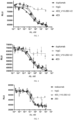
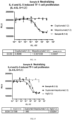
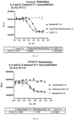
- the humanized bispecific antibody was non-attenuated and slightly advantageous in blocking IL-4/IL-4R ⁇ or IL-5/IL-5R receptor-ligand binding than the non-humanized antibody. Compared with the corresponding commercial drugs, the humanized bispecific antibody has almost the same and slightly advantageous blocking ability.
- Table 3 Assay results of bispecific single-domain antibodies neutralizing IL-4-induced TF-1 proliferation 4E9V0 4E9V10-2B3V2-1 dupilumab hIgG EC50(nM) 0.2812 0.2618 0.1297 0.3750
- Table 4 Assay results of bispecific single-domain antibodies neutralizing IL-13-induced TF-1 proliferation 4E9V0 4E9V10-2B3V2-1 dupilumab hIgG EC50(nM) 0.2291 0.2154 0.1783 0.1312
- the humanized bispecific antibody was non-attenuated and slightly advantageous in neutralizing IL-5-induced TF-1 cell proliferation than the non-humanized antibody. Compared with the corresponding commercial drugs, the humanized bispecific antibody has almost the same blocking ability.
- Affinity kinetic assay for the humanized bispecific antibody 4E9V10-2B3V2-1 was carried out as follows.
- Assay steps Octet 96 and Data Acquisition software in the supporting computer were run. The bottom and sides of an acquisition probe were cleaned using a lens tissue with an appropriate amount of 75% ethanol, and the instrument was preheated for 15 min or more. Sensor pre-wetting: before the assay, the Sensor was soaked in the SD buffer for 10 min or more for later use. Then, the machine procedure was set according to baseline ⁇ antibody ⁇ baseline ⁇ antigen binding ⁇ antigen dissociation-sensor regeneration for assay operation. The assay results are shown in Table 6.
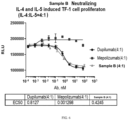
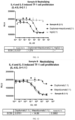
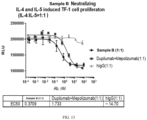
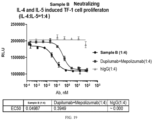
- a proliferation neutralization assay was established in this experiment to determine the activity of 4E9V10-2B3V2-2 (sample B) in neutralizing mixed human IL-4 and IL-5 induced TF-1 cell proliferation.
- 4E9V10 -2B3V2- 2 will be referred to as sample B in subsequent descriptions.
- Table 7 Information for positive control sample Sample name Dupilumab Mepolizumab Manufacturer/Supplier Sanofi Winthrop Industrie GlaxoSmithKline Trading Services Ltd. Lot No.
- OL193F 2T2P Properties a solution varying from transparent to slightly milky white, or from colorless to light yellow solution, without visible particles a solution varying from transparent to milky white, or from colorless to light yellow or to light brown Concentration 150 mg/ml 100 mg/ml Storage Conditions 2 to 8 °C, protected from light, sealed, and away from freezing. 2 to 8 °C, protected from light, sealed, and away from freezing.
- Table 8 Information for negative control sample Sample name Human IgG1, kappa Isotype Control Manufacturer/Supplier Sino Biological Inc. Lot No.
- Test buffer test medium, RPMI-1640 + 10% FBS, stored at 2 to 8 °C for later use.
- Human IL-4 preparation Human IL-4 was dissolved in sterile ultrapure water to 100 ⁇ g/ml. The prepared protein was stored at -80 °C for later use.
- Human IL-5 preparation Human IL-5 was dissolved in sterile ultrapure water to 100 ⁇ g/ml. The prepared protein was stored at -80 °C for later use.
- Cell culture medium RPMI-1640 + 10%FBS + 2ng/ml GM-CSF, passage density was 3E 4 to 7E 5 .
- 3.3 Cell counting and seeding the cells were counted in the resuspended cell suspension, adjusted to a cell density of 2 ⁇ 10 5 cells/ml, and inoculated at 50 ⁇ l per well, or 1 ⁇ 10 4 cells/well, in a 96-well cell culture plate with transparent bottom and white edges.
- 3.4 IL-4 and IL-5 were mixed in proportion (4:1, 3:1, 2:1, 1:1, 1:2, 1:3, 1:4) to a total protein concentration of 100 ⁇ g/ml.
- 100 ⁇ g/ml mixed proteins were diluted with test buffer to 3.11 ng/ml, 2.6928 ng/ml, 3.1532 ng/ml, 5.184 ng/ml, 15.568 ng/ml, 6.84 ng/ml, and 3.9116 ng/ml, respectively, for later use.
- the controls or samples were diluted with test buffer to 4 ⁇ 10 ⁇ g/ml, and then five-fold serial diluted in a 9-concentration gradient, and the 10 th well was 0 ⁇ g/ml. Each concentration was set in duplicate.
- the mixture of IL-4 and IL-5 in each ratio was mixed with the diluted sample at 1:1.
- the 96-well plate was placed in a cell culture incubator at 37°C and 5% CO 2 and incubated for 72 hours.
- the cell plate was taken from the incubator, added with 100 ⁇ l CellTiter-Glo per well, incubated at room temperature for 15 minutes in the dark, and measured for the cell viability in each well with a multifunctional microplate reader.
- Dupilumab, Mepolizumab and Dupilumab + Mepolizumab were used as positive controls, Human IgG as a negative control, and sample B (4E9V10-2B3V2-2) as a sample to be tested.
- Each sample was set in duplicate. The samples with an initial concentration of 4*10 ⁇ g/mL were diluted in 5-fold gradient dilution to 9 concentrations. The last duplicate wells in each group were 0 ⁇ g/ml concentration.
- the concentration in column 2 was 10 ⁇ g/ml
- the concentration in column 3 was 2 ⁇ g/ml
- the concentration in column 4 was 0.4 ⁇ g/ml
- the concentration in column 5 was 0.08 ⁇ g/ml
- the concentration in column 6 was 0.016 ⁇ g/ml
- the concentration in column 7 was 0.0032 ⁇ g/ml
- the concentration in column 8 was 0.00064 ⁇ g/ml
- the concentration in column 9 was 0.000128 ⁇ g/ml
- the concentration in column 10 was 0.0000256 ⁇ g/ml
- the concentration in column 11 was 0 ⁇ g/ml.
- the IL-4 and IL-5 mixed in a proportion (4:1, 3:1, 2:1, 1:1, 1:2, 1:3, 1:4) were formulated to 3.11 ng/ml, 2.6928 ng/ml, 3.1532 ng/ml, 5.184 ng/ml, 15.568 ng/ml, 6.84 ng/ml, and 3.9116 ng/ml for later use, and mixed with the above samples at 1:1. Then the mixture and cells were mixed at a volume ratio of 1:1 and incubated in a CO 2 incubator for 72 hours (at 37 °C and 5% CO 2 ). Finally, a multifunctional microplate reader was used for reading, and the data was processed to draw a conclusion.
- the window of the bivalent antibody sample B was comparable to those of Dupilumab and mixed Dupilumab + Mepolizumab, respectively, and the EC50 was significantly lower than that of Dupilumab and mixed Dupilumab + Mepolizumab, respectively. Therefore, the neutralizing activity of bivalent antibody sample B was similar to Dupilumab and better than mixed Dupilumab + Mepolizumab.
- the formulation, which was an aqueous solution, of the bispecific antibody (4E9V10-2B3V2-2) targeting IL-4R ⁇ and IL-5 prepared in Example 4 was formulated as follows: 1.1 Tween-free buffer (10 mM acetate-sodium acetate, 120 mM sucrose, 75 mM glycine, 25 mM arginine hydrochloride, pH 5.0) was formulated as follows.
- Each buffer can be enlarged or reduced in formulated volume as needed.
- the antibody protein can be added to the formulation buffer to obtain a formulation with a desired concentration.
- the viscosity of protein was measured using RheoSense micro VISC viscometer.
- the measurement was performed using high performance liquid chromatography. Separation was carried out in a size exclusion chromatography column using 50 mmol/L phosphate buffer+300 mmol/L NaCl + 10% acetonitrile, pH 6.8 (7.8 g of NaH 2 PO 4 ⁇ 2H 2 O and 17.53 g of NaCl were weighed and dissolved in 800 ml of ultrapure water, mixed well, added with 100 ml of acetonitrile, adjusted to pH 6.8 using NaOH, made up to a volume of 1000 ml, filtered through a 0.22 ⁇ m filter membrane, and stored at room temperature) as a mobile phase, with a flow rate of 0.5 ml/min, a detection wavelength of 280 nm, at column temperature of 25 °C.
- the sample to be tested was diluted with ultrapure water to 2 mg/ml as the sample solution to be tested; the working reference was diluted with ultrapure water to 2 mg/ml as the system applicability solution.
- the sample buffer was diluted in the same fold with ultrapure water and the diluted sample buffer was used as a blank solution. 50 ⁇ l each of the blank solution, system applicability solution, and sample solution to be tested were used and injected into the liquid chromatograph.
- the measurement was performed using capillary gel electrophoresis. Before electrophoresis, the capillary column was rinsed with 0.1 mol/L sodium hydroxide, 0.1 mol/L hydrochloric acid, ultrapure water, and electrophoresis gel 70 psi, respectively.
- sample to be tested containing about 100 ⁇ g protein
- sample buffer pH 6.0 (0.44 g Na 2 HPO 4 ⁇ 12H 2 O and 1.36 g NaH 2 PO 4 ⁇ 2H 2 O
- 90 ml ultrapure water was added for full dissolution and well mixed, followed by ultrapure water to make up the volume to 100 ml to prepare a phosphate buffer solution.
- sample buffer solution 200 ⁇ l of phosphate buffer solution was precisely measured, and added with 100 ⁇ l of 10% sodium dodecyl sulfate solution and 700 ⁇ l of ultrapure water were added and mixed well to obtain the sample buffer), 2 ⁇ l Internal Standard (10 kDa), and 5 ⁇ l 250 mmol/L NEM (31 mg of N-ethylmaleimide was weighed and dissolved in 1 ml of ultrapure water), mixed well, heated at 70 °C for 10 minutes, cooled to room temperature and then transferred to a sample vial as the sample solution to be tested.
- the sample buffer at same volume as the test sample was used and subjected to the same operation to prepare a blank solution. Sample injection conditions: 5 kV, 20 seconds; separation voltage: 15 kV, 35 minutes.
- the capillary column temperature was controlled at 25 °C, and the test window width was 100 ⁇ 800 ⁇ m.
- the measurement was performed using imaging capillary isoelectric focusing electrophoresis (iCIEF).
- the capillary has an inner diameter of 100 ⁇ m and a total length of 5 cm.
- the capillary column needed to be rinsed with 0.5% MC (methylcellulose) solution and ultrapure water.
- the sample was loaded in a vacuum injection manner for 55 seconds.
- the prefocusing voltage was 1.5 KV for 1 minute, and the focusing voltage was 3 KV for 7 minutes.
- the sample disk temperature was 10°C
- the capillary column temperature was room temperature
- the detection wavelength was 280 nm.
- arginine solution 500 mmol/L arginine solution was used as cathode stabilizer, 10 mol/L urea solution was used to improve protein solubility, and 0.5% MC solution was used to reduce the adhesion between protein and capillary.
- 400 ⁇ g/ml IL-5 antigen was diluted to 0.5 ⁇ g/ml in 1 ⁇ ELISA coating solution, and coated on a 96-well plate at 50.0 ⁇ l/well, and left standing overnight at 2 to 8 °C. The coated ELISA plate was taken out, with the coating solution discarded. ELISA washing solution was added at 250 ⁇ l/well, the plate was left standing for 30 s, and then the ELISA washing solution was discarded. Washing was repeated 4 times. ELISA working solution was added at 250 ⁇ l/well for blocking and the plate was incubated at room temperature for 2 h.
- the gradient diluted sample was transferred to a 96 well plate at 50.0 ⁇ l/well in duplicate, and incubated at room temperature for 1 h.
- the 0.5 ug/ml diluted biotinylated human IL-4R was transferred to a 96 well plate at 50.0 ⁇ l/well, and incubated at room temperature for 1 h.
- the secondary antibody working solution was obtained by 1:10000 diluting streptavidin HRP in ELISA working solution.
- the secondary antibody working solution was added at 50.0 ⁇ l/well and incubated at room temperature for 1 h.
- the reaction solution in the 96 well plate that has been reacted with the secondary antibody working solution was discarded.
- ELISA wash solution was added at 250 ⁇ l/ well and then discarded.
- the protein 4E9V10-2B3V2-2 was concentrated and subjected to buffer exchange into each formula. After the buffer exchange was completed, the concentration was adjusted so that the target (4E9V10-2B3V2-2) had a concentration of about 100 mg/ml (the pH of each formulation upon addition of 4E9V10-2B3V2-2 was shown in the column T0 in Table 18). After the buffer exchange was completed, except for the samples for freeze-thaw inspection which were placed in the 5ml Flexboy storage bag, the rest were placed in an injection vial made of 2R medium borosilicate glass tube and inspected according to Table 16.
- Agt represents agitation (650 rpm).
- Ft-5cyc represents five freeze-thaw cycles (-80 °C/room temperature).
- the viscosity and osmotic pressure results are shown in Table 20.
- the viscosity in all formulas was within the range of 5.7m to 6.1mPa.s, and the osmotic pressure was within the range of 299 mOsmol/kg to 331 mOsmol/kg.
- Table 20 Summary of viscosity and osmotic pressure results No. Viscosity (mPa.s) osmotic pressure (mOsmol/kg) D01 6.032 313.5 D02 5.713 319.5 D03 6.066 317.5 D04 6.057 299.5 D06 5.854 330.5
- nrCE-SDS non-reducing capillary electrophoresis
- icIEF is whole-column imaging capillary isoelectric focusing electrophoresis.
- the charge variant (icIEF) results are shown in Tables 27 to 29. Based on the results in tables, it can be seen that the value of the main peak content of the formula D04 sample varied relatively little, so the formula D04 can be used as an alternative formula.
- Table 27 Charge variant test results (icIEF_acidic component) No.
- Formula E01 (DO4) (10 mmol/L acetic acid-sodium acetate, 75 mmol/L glycine, 25 mmol/L arginine hydrochloride, 120 mmol/L sucrose, 0.05% PS80, pH 5.0, protein concentration 100 mg/ml) was confirmed for its formulation.
- the confirmation scheme is shown in Table 30.
- the protein was concentrated and subjected to buffer exchange into each formula. After the buffer exchange was completed, except for the samples for freeze-thaw inspection which were placed in the 5ml Flexboy storage bag, the rest were placed in an injection vial made of 2R medium borosilicate glass tube and inspected according to Table 30.
- Viscosity and osmotic pressure results are shown in Table 31.
- the viscosity was 4.590 mPa.s.
- the osmotic pressure was 286 mOsmol/kg.
- Table 31 Viscosity and osmotic pressure results in formula confirmation No. Viscosity (mPa.s) Osmotic pressure (mOsmol/kg) E01 4.590 286
- the test results of the charge variant are shown in Table 35. After 14 days of investigation at 37 °C, compared with T0, the content of the main peak decreased by 5.2%, indicating that the contents of each components of the charge variants in the sample varied under high temperature conditions. Under conditions of -20 °C, 5 °C, shaking, or freezing and thawing, the main peak content in the sample varied by no more than 2.0%.
- Table 35 Charge variant test results in formula confirmation (icIEF) Components T0 -20 °C 5 °C 37 °C Agt 48h FT-5cyc 14d 30d 91d 14d 30d 91d 7d 14d Acidic component % 49.3 47.6 47.4 47.6 48.1 47.4 46.5 47.2 47.4 48.6 48.4 Main peak% 48.4 49.7 49.8 50.3 49.2 49.7 50.1 44.8 43.2 48.0 49.0 Basic component % 2.4 2.6 2.8 2.0 2.7 2.8 3.4 8.0 9.5 3.4 2.5
- binding activity test results are shown in Table 36. After the 4E9V10-2B3V2-2 protein was tested at -20 °C and 5 °C for 30 days and 91 days, the binding activity (ELISA) results were all qualified judgment standard: 70% ⁇ 130%). Table 36 Summary of binding activity test results T0 -20 °C 5 °C 30d 91d 30d 91d Binding activity % 92 77 80 78 80
Landscapes
- Health & Medical Sciences (AREA)
- Chemical & Material Sciences (AREA)
- Immunology (AREA)
- Organic Chemistry (AREA)
- Medicinal Chemistry (AREA)
- Life Sciences & Earth Sciences (AREA)
- General Health & Medical Sciences (AREA)
- Proteomics, Peptides & Aminoacids (AREA)
- Molecular Biology (AREA)
- Pharmacology & Pharmacy (AREA)
- Engineering & Computer Science (AREA)
- Animal Behavior & Ethology (AREA)
- Bioinformatics & Cheminformatics (AREA)
- Public Health (AREA)
- Veterinary Medicine (AREA)
- Biochemistry (AREA)
- Biophysics (AREA)
- Genetics & Genomics (AREA)
- Microbiology (AREA)
- Epidemiology (AREA)
- Mycology (AREA)
- Chemical Kinetics & Catalysis (AREA)
- General Chemical & Material Sciences (AREA)
- Nuclear Medicine, Radiotherapy & Molecular Imaging (AREA)
- Pulmonology (AREA)
- Medicines Containing Antibodies Or Antigens For Use As Internal Diagnostic Agents (AREA)
- Medicinal Preparation (AREA)
- Peptides Or Proteins (AREA)
Applications Claiming Priority (2)
| Application Number | Priority Date | Filing Date | Title |
|---|---|---|---|
| CN202210561675 | 2022-05-23 | ||
| PCT/CN2023/088385 WO2023226617A1 (zh) | 2022-05-23 | 2023-04-14 | 一种稳定的抗体制剂 |
Publications (2)
| Publication Number | Publication Date |
|---|---|
| EP4530299A1 true EP4530299A1 (de) | 2025-04-02 |
| EP4530299A4 EP4530299A4 (de) | 2025-11-19 |
Family
ID=88918422
Family Applications (1)
| Application Number | Title | Priority Date | Filing Date |
|---|---|---|---|
| EP23810691.8A Pending EP4530299A4 (de) | 2022-05-23 | 2023-04-14 | Stabile antikörperzubereitung |
Country Status (7)
| Country | Link |
|---|---|
| EP (1) | EP4530299A4 (de) |
| JP (1) | JP2025504063A (de) |
| KR (1) | KR20240107348A (de) |
| CN (1) | CN117999291A (de) |
| AU (1) | AU2023274641A1 (de) |
| CA (1) | CA3239182A1 (de) |
| WO (1) | WO2023226617A1 (de) |
Families Citing this family (1)
| Publication number | Priority date | Publication date | Assignee | Title |
|---|---|---|---|---|
| WO2025116637A1 (ko) * | 2023-12-01 | 2025-06-05 | 삼성바이오에피스 주식회사 | 항-IL-4Rα 항체의 안정한 액상 제형 |
Family Cites Families (6)
| Publication number | Priority date | Publication date | Assignee | Title |
|---|---|---|---|---|
| CN114702594B (zh) * | 2013-12-20 | 2025-05-09 | 豪夫迈·罗氏有限公司 | 双重特异性抗体 |
| TWI694836B (zh) * | 2014-05-16 | 2020-06-01 | 英商葛蘭素史克智慧財產管理有限公司 | 抗體調配物 |
| GB201802487D0 (en) * | 2018-02-15 | 2018-04-04 | Argenx Bvba | Cytokine combination therapy |
| CN117327181A (zh) * | 2020-06-22 | 2024-01-02 | 南京融捷康生物科技有限公司 | 抗IL-4Rα的单域抗体以及应用和药物 |
| CN114075282B (zh) * | 2020-08-20 | 2024-01-02 | 南京融捷康生物科技有限公司 | Il-5的结合分子及其制备方法和应用 |
| KR102697769B1 (ko) * | 2020-09-14 | 2024-08-23 | 아주대학교산학협력단 | 인터루킨-4 수용체 알파 서브유닛과 인터루킨-5 수용체 알파 서브유닛에 동시에 결합하는 이중특이항체 및 이의 용도 |
-
2023
- 2023-04-14 EP EP23810691.8A patent/EP4530299A4/de active Pending
- 2023-04-14 CA CA3239182A patent/CA3239182A1/en active Pending
- 2023-04-14 AU AU2023274641A patent/AU2023274641A1/en active Pending
- 2023-04-14 KR KR1020247020538A patent/KR20240107348A/ko active Pending
- 2023-04-14 WO PCT/CN2023/088385 patent/WO2023226617A1/zh not_active Ceased
- 2023-04-14 CN CN202380013711.XA patent/CN117999291A/zh active Pending
- 2023-04-14 JP JP2024545182A patent/JP2025504063A/ja active Pending
Also Published As
| Publication number | Publication date |
|---|---|
| JP2025504063A (ja) | 2025-02-06 |
| WO2023226617A9 (zh) | 2024-05-30 |
| CN117999291A (zh) | 2024-05-07 |
| WO2023226617A1 (zh) | 2023-11-30 |
| KR20240107348A (ko) | 2024-07-09 |
| CA3239182A1 (en) | 2023-11-30 |
| EP4530299A4 (de) | 2025-11-19 |
| AU2023274641A1 (en) | 2024-09-19 |
Similar Documents
| Publication | Publication Date | Title |
|---|---|---|
| CN102271707B (zh) | 单域抗原结合性分子的制剂 | |
| KR102385802B1 (ko) | Gm-csf 중화 화합물을 포함하는 액체 제제 | |
| KR102106914B1 (ko) | Gm-csf를 중화하는 화합물을 포함하는 액체 제제 | |
| TWI802882B (zh) | 包含抗IL-23p19抗體的製劑、其製備方法和用途 | |
| AU2021221998A1 (en) | Formulations of human anti-TSLP antibodies and methods of using the same | |
| EP4530299A1 (de) | Stabile antikörperzubereitung | |
| EP4527852A1 (de) | Pharmazeutische zusammensetzung mit anti-nectin-4-antikörper-wirkstoffkonjugat und verwendung davon | |
| US20200129633A1 (en) | Pharmaceutical composition comprising c-met antibody-drug conjugate and use thereof | |
| CN112618482A (zh) | 新型蛋白制剂 | |
| HK40118508A (en) | Stable antibody preparation | |
| RU2853138C2 (ru) | Стабильный состав на основе антитела (варианты), набор, содержащий его (варианты), применение стабильного состава (варианты), способ лечения с применением стабильного состава (варианты) и способ получения стабильного состава | |
| CN114832102A (zh) | 一种稳定的抗egfr抗体组合物 | |
| CN117138036A (zh) | 一种稳定的双特异性纳米抗体制剂 | |
| CN116763917A (zh) | 一种稳定的抗人il15/pd-l1双功能融合蛋白制剂 | |
| ES2794449T3 (es) | Formulación líquida que comprende un compuesto neutralizante del GM-CSF | |
| EA040788B1 (ru) | Жидкая композиция, содержащая соединение, нейтрализующее gm-csf | |
| HK1235316B (en) | Liquid formulation comprising gm-csf neutralizing compound | |
| HK1235316A1 (en) | Liquid formulation comprising gm-csf neutralizing compound | |
| NZ756260B2 (en) | Liquid protein formulations containing viscosity-lowering agents |
Legal Events
| Date | Code | Title | Description |
|---|---|---|---|
| STAA | Information on the status of an ep patent application or granted ep patent |
Free format text: STATUS: THE INTERNATIONAL PUBLICATION HAS BEEN MADE |
|
| PUAI | Public reference made under article 153(3) epc to a published international application that has entered the european phase |
Free format text: ORIGINAL CODE: 0009012 |
|
| STAA | Information on the status of an ep patent application or granted ep patent |
Free format text: STATUS: REQUEST FOR EXAMINATION WAS MADE |
|
| 17P | Request for examination filed |
Effective date: 20240527 |
|
| AK | Designated contracting states |
Kind code of ref document: A1 Designated state(s): AL AT BE BG CH CY CZ DE DK EE ES FI FR GB GR HR HU IE IS IT LI LT LU LV MC ME MK MT NL NO PL PT RO RS SE SI SK SM TR |
|
| REG | Reference to a national code |
Ref country code: HK Ref legal event code: DE Ref document number: 40118508 Country of ref document: HK |
|
| DAV | Request for validation of the european patent (deleted) | ||
| DAX | Request for extension of the european patent (deleted) | ||
| A4 | Supplementary search report drawn up and despatched |
Effective date: 20251022 |
|
| RIC1 | Information provided on ipc code assigned before grant |
Ipc: C07K 16/46 20060101AFI20251016BHEP Ipc: C07K 16/28 20060101ALI20251016BHEP Ipc: C12N 15/13 20060101ALI20251016BHEP Ipc: A61K 39/395 20060101ALI20251016BHEP Ipc: A61P 11/06 20060101ALI20251016BHEP |