EP4516802A1 - Neues entzündungshemmendes peptid und verwendung davon - Google Patents
Neues entzündungshemmendes peptid und verwendung davon Download PDFInfo
- Publication number
- EP4516802A1 EP4516802A1 EP23796840.9A EP23796840A EP4516802A1 EP 4516802 A1 EP4516802 A1 EP 4516802A1 EP 23796840 A EP23796840 A EP 23796840A EP 4516802 A1 EP4516802 A1 EP 4516802A1
- Authority
- EP
- European Patent Office
- Prior art keywords
- peptide
- amino acid
- lysine
- tyrosine
- arginine
- Prior art date
- Legal status (The legal status is an assumption and is not a legal conclusion. Google has not performed a legal analysis and makes no representation as to the accuracy of the status listed.)
- Pending
Links
Images


Classifications
-
- C—CHEMISTRY; METALLURGY
- C07—ORGANIC CHEMISTRY
- C07K—PEPTIDES
- C07K7/00—Peptides having 5 to 20 amino acids in a fully defined sequence; Derivatives thereof
- C07K7/04—Linear peptides containing only normal peptide links
- C07K7/06—Linear peptides containing only normal peptide links having 5 to 11 amino acids
-
- A—HUMAN NECESSITIES
- A61—MEDICAL OR VETERINARY SCIENCE; HYGIENE
- A61K—PREPARATIONS FOR MEDICAL, DENTAL OR TOILETRY PURPOSES
- A61K38/00—Medicinal preparations containing peptides
- A61K38/04—Peptides having up to 20 amino acids in a fully defined sequence; Derivatives thereof
- A61K38/08—Peptides having 5 to 11 amino acids
-
- A—HUMAN NECESSITIES
- A61—MEDICAL OR VETERINARY SCIENCE; HYGIENE
- A61K—PREPARATIONS FOR MEDICAL, DENTAL OR TOILETRY PURPOSES
- A61K8/00—Cosmetics or similar toiletry preparations
- A61K8/18—Cosmetics or similar toiletry preparations characterised by the composition
- A61K8/30—Cosmetics or similar toiletry preparations characterised by the composition containing organic compounds
- A61K8/64—Proteins; Peptides; Derivatives or degradation products thereof
-
- A—HUMAN NECESSITIES
- A61—MEDICAL OR VETERINARY SCIENCE; HYGIENE
- A61P—SPECIFIC THERAPEUTIC ACTIVITY OF CHEMICAL COMPOUNDS OR MEDICINAL PREPARATIONS
- A61P1/00—Drugs for disorders of the alimentary tract or the digestive system
-
- A—HUMAN NECESSITIES
- A61—MEDICAL OR VETERINARY SCIENCE; HYGIENE
- A61P—SPECIFIC THERAPEUTIC ACTIVITY OF CHEMICAL COMPOUNDS OR MEDICINAL PREPARATIONS
- A61P19/00—Drugs for skeletal disorders
- A61P19/02—Drugs for skeletal disorders for joint disorders, e.g. arthritis, arthrosis
-
- A—HUMAN NECESSITIES
- A61—MEDICAL OR VETERINARY SCIENCE; HYGIENE
- A61P—SPECIFIC THERAPEUTIC ACTIVITY OF CHEMICAL COMPOUNDS OR MEDICINAL PREPARATIONS
- A61P25/00—Drugs for disorders of the nervous system
-
- A—HUMAN NECESSITIES
- A61—MEDICAL OR VETERINARY SCIENCE; HYGIENE
- A61P—SPECIFIC THERAPEUTIC ACTIVITY OF CHEMICAL COMPOUNDS OR MEDICINAL PREPARATIONS
- A61P25/00—Drugs for disorders of the nervous system
- A61P25/14—Drugs for disorders of the nervous system for treating abnormal movements, e.g. chorea, dyskinesia
- A61P25/16—Anti-Parkinson drugs
-
- A—HUMAN NECESSITIES
- A61—MEDICAL OR VETERINARY SCIENCE; HYGIENE
- A61P—SPECIFIC THERAPEUTIC ACTIVITY OF CHEMICAL COMPOUNDS OR MEDICINAL PREPARATIONS
- A61P27/00—Drugs for disorders of the senses
- A61P27/02—Ophthalmic agents
-
- A—HUMAN NECESSITIES
- A61—MEDICAL OR VETERINARY SCIENCE; HYGIENE
- A61P—SPECIFIC THERAPEUTIC ACTIVITY OF CHEMICAL COMPOUNDS OR MEDICINAL PREPARATIONS
- A61P29/00—Non-central analgesic, antipyretic or antiinflammatory agents, e.g. antirheumatic agents; Non-steroidal antiinflammatory drugs [NSAID]
-
- A—HUMAN NECESSITIES
- A61—MEDICAL OR VETERINARY SCIENCE; HYGIENE
- A61P—SPECIFIC THERAPEUTIC ACTIVITY OF CHEMICAL COMPOUNDS OR MEDICINAL PREPARATIONS
- A61P35/00—Antineoplastic agents
-
- A—HUMAN NECESSITIES
- A61—MEDICAL OR VETERINARY SCIENCE; HYGIENE
- A61P—SPECIFIC THERAPEUTIC ACTIVITY OF CHEMICAL COMPOUNDS OR MEDICINAL PREPARATIONS
- A61P37/00—Drugs for immunological or allergic disorders
-
- A—HUMAN NECESSITIES
- A61—MEDICAL OR VETERINARY SCIENCE; HYGIENE
- A61P—SPECIFIC THERAPEUTIC ACTIVITY OF CHEMICAL COMPOUNDS OR MEDICINAL PREPARATIONS
- A61P37/00—Drugs for immunological or allergic disorders
- A61P37/02—Immunomodulators
- A61P37/06—Immunosuppressants, e.g. drugs for graft rejection
-
- A—HUMAN NECESSITIES
- A61—MEDICAL OR VETERINARY SCIENCE; HYGIENE
- A61Q—SPECIFIC USE OF COSMETICS OR SIMILAR TOILETRY PREPARATIONS
- A61Q17/00—Barrier preparations; Preparations brought into direct contact with the skin for affording protection against external influences, e.g. sunlight, X-rays or other harmful rays, corrosive materials, bacteria or insect stings
- A61Q17/04—Topical preparations for affording protection against sunlight or other radiation; Topical sun tanning preparations
-
- A—HUMAN NECESSITIES
- A61—MEDICAL OR VETERINARY SCIENCE; HYGIENE
- A61Q—SPECIFIC USE OF COSMETICS OR SIMILAR TOILETRY PREPARATIONS
- A61Q19/00—Preparations for care of the skin
-
- A—HUMAN NECESSITIES
- A61—MEDICAL OR VETERINARY SCIENCE; HYGIENE
- A61Q—SPECIFIC USE OF COSMETICS OR SIMILAR TOILETRY PREPARATIONS
- A61Q19/00—Preparations for care of the skin
- A61Q19/08—Anti-ageing preparations
-
- C—CHEMISTRY; METALLURGY
- C07—ORGANIC CHEMISTRY
- C07K—PEPTIDES
- C07K7/00—Peptides having 5 to 20 amino acids in a fully defined sequence; Derivatives thereof
- C07K7/04—Linear peptides containing only normal peptide links
- C07K7/08—Linear peptides containing only normal peptide links having 12 to 20 amino acids
-
- A—HUMAN NECESSITIES
- A61—MEDICAL OR VETERINARY SCIENCE; HYGIENE
- A61K—PREPARATIONS FOR MEDICAL, DENTAL OR TOILETRY PURPOSES
- A61K38/00—Medicinal preparations containing peptides
Definitions
- the present invention relates to a novel peptide, and a pharmaceutical composition for preventing or treating an immune disease or cancer and an anti-inflammatory cosmetic composition including the same.
- the resolution of inflammation is a biological mechanism that terminates an innate immune response, restores tissue homeostasis, and induces an appropriate adaptive immune response.
- the resolution of inflammation was understood as a passive phenomenon occurring after an inflammatory response, whereas recently, mediators for the resolution of inflammation have been identified, revealing that the resolution of inflammation is an active biological mechanism that progresses step by step according to inflammatory responses involving complex factors.
- a defensive mechanism occurs through an acute inflammatory response of the innate immune system, and then the resolution of inflammation action controls the inflammatory response to an appropriate level and induces healing and recovery of damaged tissue.
- the resolution of inflammation limits further neutrophil infiltration into inflammatory tissue, induces cell death of neutrophil, and mediates decreases in lipid inflammatory substances, cytokines and chemokines, which cause inflammatory responses. Afterward, by inducing the efferocytosis of macrophages, the removal of damaged tissue or dead cells is promoted. To this end, inflammatory macrophages are reduced and an increase in macrophages having anti-inflammatory properties is induced.
- the appropriate resolution of inflammation mediates a normal adaptive immune response and strengthens the ability to respond to repeated inflammatory situations in the future. However, an insufficient resolution of inflammation occurs excessively/continuously, causing various chronic inflammatory diseases, and it is an abnormal adaptive immune response, causing an autoimmune disease.
- pro-resolving factors called specialized pro-resolving mediators (SPMs).
- SPMs pro-resolving mediators
- various types of pro-resolving factors such as lipids, peptides, and proteins control inflammatory responses, such as the activation of immune cells, through specific receptors such as GPCRs.
- Targets of therapeutic strategy for inducing the resolution of inflammation include not only inflammatory diseases that occur due to immune dysfunction in various tissues such as the skin, the respiratory system, the digestive system, the eyes, the musculoskeletal system, and the circulatory system, but also diseases in which an inflammatory response occurring upon onset has a significant impact on the progression of the disease.
- diseases in which an inflammatory response occurring upon onset has a significant impact on the progression of the disease.
- Parkinson's disease and Alzheimer's disease which are well-known neurological diseases in which neuroinflammation greatly affects the worsening of symptoms.
- anticancer treatment through immunomodulation by induing the resolution of inflammation is also being evaluated as a new strategy.
- Formyl-peptide receptor (FPR)-based receptors are G protein-coupled receptors (GPCRs) that are mainly present in immune cells and mediate various cell functions through downstream signaling systems.
- FPR1 mainly binds to a bacteria-derived peptide to induce an acute inflammatory response and mediates a defensive function
- FPR2 has been shown to control inflammatory responses by binding to various types of endogenous ligands (peptides, proteins, and lipids), and is attracting attention as a target for the treatment of inflammatory diseases.
- FPR2 is a receptor for representative pro-resolving factors (LXA4, AnxA1, Ac2-26, RvD1, etc.) that are expressed in innate immune cells and mediate the induction of the resolution of inflammation, and based on the characteristics of FPR2 with complex ligands, there are attempts to develop various types of substances such as peptides, lipids, proteins, and small molecule compounds as materials for FPR2-targeting treatments for inducing the resolution of inflammation.
- LXA4, AnxA1, Ac2-26, RvD1, etc. pro-resolving factors
- various inflammatory diseases such as atopic dermatitis, psoriasis, asthma, lung damage, lung inflammation, conjunctivitis, keratitis, dry eye syndrome, rheumatoid arthritis, ankylosing spondylitis, ulcerative colitis, Crohn's disease, and systemic sclerosis as inflammatory diseases that occur in various tissues such as the skin, the respiratory system,
- Patent Document 1 The present inventors developed a peptide with antibacterial activity in previous research and secured a patent (Patent Document 1), and developed a peptide with excellent antibacterial and immune function-regulating abilities and secured a patent (Patent Document 2).
- the present invention is directed to providing a novel peptide having an immunoregulatory function and therapeutic effect on immune diseases by inducing the resolution of inflammation.
- the present invention is also directed to providing various uses of the peptide, such as a pharmaceutical composition for preventing or treating an immune disease or cancer, and an anti-inflammatory cosmetic composition.
- one aspect of the present invention provides a peptide consisting of an amino acid sequence represented by X1-X2-X3-X4-X5-X6-m, wherein X1 is absent, or arginine (R), lysine (K), histidine (H), or proline (P); X2 is methionine (M) or tryptophan (W); X3 is a basic amino acid such as arginine (R) or lysine (K); X4 is tyrosine (Y); X5 is a basic amino acid such as arginine (R) or lysine (K), or an aromatic amino acid such as tryptophan (W) or tyrosine (Y); X6 is proline (P), tyrosine (Y), or valine (V); and m is D-methionine.
- Another aspect of the present invention provides a peptide consisting of an amino acid sequence represented by X2-X3-X4-X5-X6-m, wherein X2 is isoleucine (I), proline (P), or histidine (H); X3 is lysine (K); X4 is tyrosine (Y) or phenylalanine (F); X5 is lysine (K) or tryptophan (W); X6 is valine (V), proline (P), tyrosine (Y), or methionine (M); and m is D-methionine.
- X2 is isoleucine (I), proline (P), or histidine (H)
- X3 is lysine (K)
- X4 is tyrosine (Y) or phenylalanine (F)
- X5 is lysine (K) or tryptophan (W)
- X6 is valine (V), proline
- Still another aspect of the present invention provides a peptide consisting of an amino acid sequence represented by X1-X2-X3-X4-X5-X6-m, wherein X1 is a basic amino acid such as arginine (R) or lysine (K); X2 is an aromatic amino acid such as tryptophan (W); X3 a basic amino acid such as arginine (R) or lysine (K); X4 is tyrosine (Y); X5 is arginine (R), lysine (K), leucine (L), asparagine (N), phenylalanine (F), or threonine (T); X6 is isoleucine (I), threonine (T), tyrosine (Y), or valine (V); and m is D-methionine.
- X1 is a basic amino acid such as arginine (R) or lysine (K)
- X2 is an aromatic
- Yet another aspect of the present invention provides a pharmaceutical composition for preventing or treating an immune disease, including the above-described peptide as an active ingredient.
- Yet another aspect of the present invention provides a pharmaceutical composition for preventing or treating cancer, including the above-described peptide as an active ingredient.
- Yet another aspect of the present invention provides an anti-inflammatory cosmetic composition, including the above-described peptide as an active ingredient.
- a novel peptide according to the present invention has the function of regulating the activity of immune cells, and an immune disease or cancer treatment function induced by the resolution of inflammation, it can be used as a pharmaceutical composition for treating an immune disease or cancer, or an anti-inflammatory cosmetic composition including the above-described peptide.
- the present invention provides a novel peptide that binds to an FPR2 receptor to perform the function of controlling an inflammatory response.
- a peptide consisting of an amino acid sequence represented by X1-X2-X3-X4-X5-X6-m is provided, wherein
- X1 is absent, or arginine (R), lysine (K), histidine (H), or proline (P);
- X2 is methionine (M) or tryptophan (W);
- X3 is a basic amino acid such as arginine (R) or lysine (K);
- X4 is tyrosine (Y);
- X5 is a basic amino acid such as arginine (R) or lysine (K), or an aromatic amino acid such as tryptophan (W) or tyrosine (Y);
- X6 is proline (P), tyrosine (Y), or valine (V); and
- m is D-methionine.
- peptide refers to a polymer consisting of one or more amino acids connected by an amide bond (or a peptide bond), and includes pharmaceutically acceptable salts of peptides as well as the peptides.
- amino end (or N-terminus) of a peptide is shown at the left end of the amino acid sequence of the peptide, and the carboxyl end (or C-terminus) is shown at the right end of the amino acid sequence thereof.
- the amino acid sequence of a peptide may be written with one-letter symbols to indicate amino acids covalently bonded by peptide bonds. When the D-conformation is not specifically indicated, the L-conformation may be assumed, and the amino acid residues constituting the peptide may be natural or non-natural amino acid residues.
- the peptide of the present invention may be obtained by various methods well known in the art. For example, after extracting a protein from the living body, it may be treated with a proteolytic enzyme to reduce a molecular weight, or may be biologically produced using genetic recombination and protein expression systems, or may be produced by in vitro synthesis through chemical synthesis such as peptide synthesis or cell-free protein synthesis.
- X1 may be absent, or arginine (R), lysine (K), histidine (H), or proline (P);
- X2 may be methionine (M) or tryptophan (W);
- X3 may be a basic amino acid such as arginine (R) or lysine (K);
- X4 may be tyrosine (Y);
- X5 may be a basic amino acid such as arginine (R) or lysine (K);
- X6 may be proline (P), tyrosine (Y), or valine (V); and
- m may be D-methionine.
- X1 may be absent, or arginine (R), lysine (K); X2 may be methionine (M) or tryptophan (W); X3 may be a basic amino acid such as arginine (R) or lysine (K); X4 may be tyrosine (Y); X5 may be an aromatic amino acid such as tryptophan (W); X6 may be proline (P), tyrosine (Y), or valine (V); and m may be D-methionine.
- X1 may be absent, or arginine (R), lysine (K); X2 may be methionine (M) or tryptophan (W); X3 may be a basic amino acid such as arginine (R); X4 may be tyrosine (Y); X5 may be an aromatic amino acid such as tyrosine (Y); X6 may be proline (P), tyrosine (Y), or valine (V); and m may be D-methionine.
- X1 may be absent, or arginine (R), lysine (K), histidine (H), or proline (P);
- X2 may be methionine (M) or tryptophan (W);
- X3 may be a basic amino acid such as arginine (R) or lysine (K);
- X4 may be tyrosine (Y);
- X5 may be a basic amino acid such as lysine (K);
- X6 may be proline (P), tyrosine (Y), or valine (V); and
- m may be D-methionine.
- X1 may be absent or arginine (R); X2 may be methionine (M) or tryptophan (W); X3 may be a basic amino acid such as arginine (R) or lysine (K); X4 may be tyrosine (Y); X5 may be an aromatic amino acid such as tryptophan (W); X6 may be proline (P), tyrosine (Y), or valine (V); and m may be D-methionine.
- X1 may be absent, or arginine (R); X2 may be methionine (M) or tryptophan (W); X3 may be a basic amino acid such as arginine (R); X4 may be tyrosine (Y); X5 may be an aromatic amino acid such as tyrosine (Y); X6 may be proline (P), tyrosine (Y), or valine (V); and m may be D-methionine.
- R arginine
- M methionine
- W tryptophan
- X3 may be a basic amino acid such as arginine (R)
- X4 may be tyrosine (Y)
- X5 may be an aromatic amino acid such as tyrosine (Y)
- X6 may be proline (P), tyrosine (Y), or valine (V); and m may be D-methionine.
- one or more amino acids of the peptide may be chemically modified.
- the "stability" is used to include not only in vivo stability, which protects the peptide of the present invention from the in vivo attack of proteolytic enzymes, but also storage stability (e.g., room temperature storage stability).
- a protecting group may be added to the N-terminus or C-terminus of the peptide of the present invention.
- the protecting group may be an acetyl group, a butanoyl group, a hexanoyl group, an octanoyl group, a fluorenylmethoxycarbonyl group, a palmitoyl group, myristoyl group, a stearyl group, a butoxycarbonyl group, an acryloxycarbonyl group, or polyethylene glycol (PEG), but may be any component that can modify the properties of a peptide, and particularly, improve the stability of a peptide without limitation.
- PEG polyethylene glycol
- the terminal amino group in the N-terminal amino acid of a peptide, may be alkylated or acylated.
- the N-terminal amino group of a peptide may be acylated to include an aliphatic acyl group (i.e., including an acetyl group, a myristoyl group, or a butanoyl group), carboxylic acid, benzoic acid, trifluoroacetic acid, or sulfonic acid.
- the N-terminal amino acid of a peptide may be alkylated with aliphatic alkyl, halide, or aliphatic alkynesulfonic acid ester.
- the C-terminal carboxyl group (-COOH) of a peptide may be amidated or esterified.
- the C-terminal carboxyl group may be chemically modified by forming an amide with an amine.
- the C-terminal carboxyl group may be chemically modified by forming an ester with alcohol.
- a side chain in an amino acid of a peptide may be chemically modified.
- the phenyl group in tyrosine may be substituted with an aliphatic alkyl group, an aliphatic carboxyl group, or an alkoxy group, but the present invention is not limited thereto.
- the epsilon amino group in lysine may be chemically modified by forming an amide with, for example, an aliphatic carboxyl group, a benzoic acid group, or an amino acid group.
- the epsilon amino group in lysine may be chemically modified by the alkylation of one or two C1 to C4 aliphatic alkyl groups, but the present invention is not limited thereto.
- any one selected from the group consisting of an acetyl group, a butanoyl group, a hexanoyl group, and an ocatonyl group may be added to the N-terminus of the peptide.
- the C-terminus of the peptide may be amidated.
- the peptide may consist of any one of the amino acid sequences of SEQ ID NOs: 1 to 127.
- a peptide consisting of an amino acid sequence represented by X2-X3-X4-X5-X6-m is provided, wherein
- X2 may be isoleucine (I), proline (P), or histidine (H);
- X3 may be lysine (K);
- X4 is tyrosine (Y) or phenylalanine (F);
- X5 may be lysine (K) or tryptophan (W);
- X6 may be valine (V), proline (P), tyrosine (Y), or methionine (M); and m may be D-methionine.
- X2 may be isoleucine (I), proline (P), or histidine (H);
- X3 may be lysine (K);
- X4 is tyrosine (Y) or phenylalanine (F);
- X5 may be lysine (K) or tryptophan (W);
- X6 may be valine (V) or proline (P); and
- m may be D-methionine.
- X2 may be isoleucine (I) or histidine (H); X3 may be lysine (K); X4 is tyrosine (Y) or phenylalanine (F); X5 may be lysine (K) or tryptophan (W); X6 may be tyrosine (Y) or methionine (M); and m may be D-methionine.
- X2 may be isoleucine (I) or proline (P);
- X3 may be lysine (K);
- X4 may be tyrosine (Y) or phenylalanine (F);
- X5 may be lysine (K) or tryptophan (W);
- X6 may be valine (V); and
- m may be D-methionine.
- X2 may be isoleucine (I) or histidine (H); X3 may be lysine (K); X4 may be tyrosine (Y) or phenylalanine (F); X5 may be lysine (K) or tryptophan (W); X6 may be proline (P); and m may be D-methionine.
- X2 may be isoleucine (I); X3 may be lysine (K); X4 may be phenylalanine (F); X5 may be lysine (K) or tryptophan (W); X6 may be tyrosine (Y) or methionine (M); and m may be D-methionine.
- X2 may be isoleucine (I) or proline (P);
- X3 may be lysine (K);
- X4 may be tyrosine (Y) or phenylalanine (F);
- X5 may be lysine (K);
- X6 may be valine (V); and
- m may be D-methionine.
- X2 may be isoleucine (I) or histidine (H); X3 may be lysine (K); X4 may be tyrosine (Y) or phenylalanine (F); X5 may be lysine (K) or tryptophan (W); X6 may be proline (P); and m may be D-methionine.
- X2 may be isoleucine (I); X3 may be lysine (K); X4 may be phenylalanine (F); X5 may be lysine (K) or tryptophan (W); X6 may be tyrosine (Y) or methionine (M); m may be D-methionine.
- any one selected from the group consisting of an acetyl group, a butanoyl group, a hexanoyl group, and an octanoyl group may be added to the N-terminus of the peptide.
- the C-terminus of the peptide may be amidated.
- the peptide may consist of any one of the amino acid sequences of SEQ ID NOs: 128 to 151.
- a peptide consisting of an amino acid sequence represented by X1-X2-X3-X4-X5-X6-m wherein X1 is a basic amino acid such as arginine (R) or lysine (K); X2 is an aromatic amino acid such as tryptophan (W); X3 is a basic amino acid such as arginine (R) or lysine (K); X4 is tyrosine (Y); X5 is arginine (R), lysine (K), leucine (L), asparagine (N), phenylalanine (F), or threonine (T); X6 is isoleucine (I), threonine (T), tyrosine (Y), or valine (V); and m is D-methionine.
- X1 is a basic amino acid such as arginine (R) or lysine (K)
- X2 is an aromatic amino acid such as tryptophan
- X1 may be a basic amino acid such as arginine (R) or lysine (K);
- X2 may be an aromatic amino acid such as tryptophan (W);
- X3 may be a basic amino acid such as arginine (R) or lysine (K);
- X4 may be tyrosine (Y);
- X5 may be arginine (R) or lysine (K);
- X6 may be isoleucine (I) or threonine (T); and m may be D-methionine.
- X1 may be a basic amino acid such as arginine (R) or lysine (K);
- X2 may be an aromatic amino acid such as tryptophan (W);
- X3 may be a basic amino acid such as arginine (R) or lysine (K);
- X4 may be tyrosine (Y);
- X5 may be leucine (L), asparagine (N), phenylalanine (F), or threonine (T);
- X6 may be tyrosine (Y) or valine (V); and
- m may be D-methionine.
- X1 may be a basic amino acid such as arginine (R); X2 may be an aromatic amino acid such as tryptophan (W); X3 may be a basic amino acid such as arginine (R); X4 may be tyrosine (Y); X5 may be arginine (R) or lysine (K); X6 may be isoleucine (I) or threonine (T); and m may be D-methionine.
- R arginine
- W tryptophan
- X3 may be a basic amino acid such as arginine (R)
- X4 may be tyrosine (Y)
- X5 may be arginine (R) or lysine (K)
- X6 may be isoleucine (I) or threonine (T); and m may be D-methionine.
- X1 may be a basic amino acid such as arginine (R); X2 may be an aromatic amino acid such as tryptophan (W); X3 may be a basic amino acid such as arginine (R); X4 may be tyrosine (Y); X5 may be leucine (L), asparagine (N), phenylalanine (F), or threonine (T); X6 may be tyrosine (Y) or valine (V); and m may be D-methionine.
- R arginine
- X2 may be an aromatic amino acid such as tryptophan
- X4 may be tyrosine (Y)
- X5 may be leucine (L), asparagine (N), phenylalanine (F), or threonine (T)
- X6 may be tyrosine (Y) or valine
- any one selected from the group consisting of an acetyl group, a butanoyl group, a hexanoyl group, and an octanoyl group may be added to the N-terminus of the peptide.
- the C-terminus of the peptide may be amidated.
- the peptide may consist of any one of the amino acid sequences of SEQ ID NOs: 152 to 160.
- the peptide may directly or indirectly act as an immunomodulatory peptide that plays an immunomodulatory role such as regulating the inflammatory response of immune cells, regulating the migration of immune cells, regulating the inflammatory response of epidermal or endothelial cells.
- the immunomodulatory peptide may exhibit an immunomodulatory function by inducing the resolution of inflammation through the activation of formyl peptide receptor 2 (FPR2) expressed in phagocytic cells such as neutrophils and monocytes, antigen presenting cells such as dendritic cells, immune cells such as eosinophils, basophils, mast cells, and microglial cells, neuronal cells, epidermal cells, and endothelial cells.
- FPR2 formyl peptide receptor 2
- the FPR2 activation efficacy was shown to be high even at a low concentration, and selectivity was also confirmed to be high when compared with FPR1.
- the present inventors confirmed that inflammatory cytokines (TNF ⁇ , IL-6, and IL-1 ⁇ ) were lower than those of the control, and the efficacy of the peptide of the present invention in inhibiting inflammatory responses at the individual level was exhibited in an animal model.
- the present invention provides a pharmaceutical composition for preventing or treating an immune disease, including the above-described peptide as an active ingredient, a use of the peptide for preventing or treating an immune disease, and a method of preventing or treating an immune disease, which includes administering the peptide to a subject.
- the immune disease may be atopic dermatitis, psoriasis, infantile eczema, sepsis, conjunctivitis, keratitis, dry eye syndrome, asthma, lung injury, lung inflammation, rheumatoid arthritis, ankylosing spondylitis, ulcerative colitis, Crohn's disease, peritonitis, systemic sclerosis, neuroinflammation, Parkinson's disease, or Alzheimer's disease, but the present invention is not limited thereto.
- the peptide may act as a ligand that binds to FPR2 and may be used as a pharmaceutical composition for preventing or treating atopic dermatitis.
- a pharmaceutical composition for preventing or treating atopic dermatitis.
- the peptide may act as a ligand that binds to FPR2 and may be used in a pharmaceutical composition for preventing or treating psoriasis.
- a pharmaceutical composition for preventing or treating psoriasis.
- the peptide may act as a ligand that binds to FPR2 and may be used in a pharmaceutical composition for preventing or treating infantile eczema.
- a pharmaceutical composition for preventing or treating infantile eczema.
- the peptide may act as a ligand that binds to FPR2 and may be used in a pharmaceutical composition for preventing or treating sepsis.
- a pharmaceutical composition for preventing or treating sepsis.
- the peptide may act as a ligand that binds to FPR2 and may be used in a pharmaceutical composition for preventing or treating conjunctivitis.
- a pharmaceutical composition for preventing or treating conjunctivitis.
- the peptide may act as a ligand that binds to FPR2 and may be used in a pharmaceutical composition for preventing or treating keratitis.
- a pharmaceutical composition for preventing or treating keratitis.
- the peptide may act as a ligand that binds to FPR2 and may be used in a pharmaceutical composition for preventing or treating dry eye syndrome.
- a pharmaceutical composition for preventing or treating dry eye syndrome.
- the peptide may act as a ligand that binds to FPR2 and may be used in a pharmaceutical composition for preventing or treating asthma.
- a pharmaceutical composition for preventing or treating asthma.
- the peptide may act as a ligand that binds to FPR2 and may be used in a pharmaceutical composition for preventing or treating lung injury.
- a pharmaceutical composition for preventing or treating lung injury.
- the peptide may act as a ligand that binds to FPR2 and may be used in a pharmaceutical composition for preventing or treating lung inflammation.
- a pharmaceutical composition for preventing or treating lung inflammation.
- the peptide may act as a ligand that binds to FPR2 and may be used in a pharmaceutical composition for preventing or treating rheumatoid arthritis.
- a pharmaceutical composition for preventing or treating rheumatoid arthritis.
- the peptide may act as a ligand that binds to FPR2 and may be used in a pharmaceutical composition for preventing or treating ankylosing spondylitis.
- a pharmaceutical composition for preventing or treating ankylosing spondylitis.
- the peptide may act as a ligand that binds to FPR2 and may be used in a pharmaceutical composition for preventing or treating ulcerative colitis or Crohn's disease.
- a pharmaceutical composition for preventing or treating ulcerative colitis or Crohn's disease.
- the peptide may act as a ligand that binds to FPR2 and may be used in a pharmaceutical composition for preventing or treating systemic sclerosis.
- a pharmaceutical composition for preventing or treating systemic sclerosis.
- the peptide may act as a ligand that binds to FPR2 and may be used in a pharmaceutical composition for preventing or treating neuroinflammation.
- a pharmaceutical composition for preventing or treating neuroinflammation.
- the peptide may act as a ligand that binds to FPR2 and may be used in a pharmaceutical composition for preventing or treating Parkinson's disease.
- a pharmaceutical composition for preventing or treating Parkinson's disease.
- the peptide may act as a ligand that binds to FPR2 and may be used in a pharmaceutical composition for preventing or treating Alzheimer's disease.
- a pharmaceutical composition for preventing or treating Alzheimer's disease.
- the peptide may act as a pro-resolving factor binding to an FPR2 receptor.
- the present inventors confirmed that tumor growth is inhibited when an animal model is treated with the peptide of the present invention. Therefore, it was confirmed that the peptide inducing the resolution of inflammation can inhibit tumor growth through immunomodulation.
- the present invention provides a pharmaceutical composition for preventing or treating cancer, including the peptide as an active ingredient, a use of the peptide for preventing or treating cancer, and a method of preventing or treating cancer, which includes administering the peptide to a subject.
- the cancer may be solid cancer or non-solid cancer, and may be gastric cancer, breast cancer, lung cancer, liver cancer, blood cancer, bone cancer, pancreatic cancer, skin cancer, head or neck cancer, cutaneous or intraocular melanoma, uterine sarcoma, ovarian cancer, rectal cancer, anal cancer, colon cancer, colorectal cancer, fallopian tube carcinoma, endometrial carcinoma, cervical cancer, small intestine cancer, endocrine cancer, thyroid cancer, parathyroid cancer, adrenal cancer, soft tissue tumors, urethral cancer, prostate cancer, bronchogenic cancer, bone marrow tumors, or lymphoma.
- the cancer may be breast cancer, colon cancer, colorectal cancer, lung cancer, ovarian cancer, pancreatic cancer, melanoma, or lymphoma, but the present invention is not limited thereto.
- the peptide may act as a ligand that binds to FPR2 and may be used in a pharmaceutical composition for preventing or treating cancer.
- prevention refers to all actions involved in inhibiting or delaying an immune disease or cancer by administering the pharmaceutical composition according to the present invention
- treatment refers to all actions involved in alleviating or beneficially changing an immune disease or cancer by administering the pharmaceutical composition according to the present invention.
- subject used herein refers to an individual in need of prevention or treatment of a disease, and more specifically, can be any mammal, including, for example, not only a human or other primates, but also livestock including cattle, pigs, sheep, horses, dogs, and cats without limitation, but is preferably a human.
- An administration route of the pharmaceutical composition including the peptide as an active ingredient may be any of the general routes that can deliver a drug to target tissue, and the pharmaceutical composition may be administered to a subject orally or parenterally.
- the pharmaceutical composition may be provided by intraperitoneal, intravenous, intraarterial, intramuscular, subcutaneous, intradermal, oral, topical (including dermal application, instillation, and inhalation), transdermal, intrathecal and epidural, intranasal, intraocular, intrapulmonary, rectal, or intravaginal administration, but the present invention is not limited thereto.
- the pharmaceutical composition including the peptide as an active ingredient may be administered in any form of convenient pharmaceutical product, for example, tablets, powder, granules, capsules, an oral liquid, a solution, a dispersion, a suspension, a syrup, a spray, suppositories, a gel, an emulsion, or patches.
- an oral composition is preferably formulated to coat an active agent or to protect it from decomposition in the stomach.
- the pharmaceutical composition including the peptide of the present invention may further include a pharmaceutically or physiologically acceptable carrier, excipient and diluent.
- a pharmaceutically or physiologically acceptable carrier used herein refer to a carrier, an excipient, and a diluent, which do not irritate a living organism and do not inhibit the biological activity and properties of the administered compound.
- Examples of appropriate carriers, excipients and diluents, which can be included in the composition may include saline, sterile water, Ringer's solution, buffered saline, albumin injection solution, glycerol, ethanol, lactose, dextrose, sucrose, sorbitol, mannitol, xylitol, erythritol, maltitol, starch, gum acacia, alginate, gelatin, calcium phosphate, calcium silicate, cellulose, methyl cellulose, amorphous cellulose, hypromellose, polyvinylpyrrolidone, water, methylhydroxybenzoate, propylhydroxybenzoate, talc, magnesium stearate, and mineral oil.
- composition when the composition is pharmaceutically formulated, it may further include a conventional dispersant, filler, extender, binder, disintegrant, surfactant, anti-coagulant, lubricant, wetting agent, fragrance, emulsifier, preservative or freeze-drying agent.
- a conventional dispersant filler, extender, binder, disintegrant, surfactant, anti-coagulant, lubricant, wetting agent, fragrance, emulsifier, preservative or freeze-drying agent.
- the pharmaceutical composition may be administered in the form of an injection.
- the injection may be formulated as intravenous or subcutaneous injections.
- ingredients contained in a general injection composition may be included.
- the injection composition includes a liquid carrier such as sterile water, water for injection, and physiological saline.
- the injection composition may further include an amino acid, a sugar, a lipid, a vitamin, an electrolyte, a pH adjuster, a stabilizer, an osmotic pressure adjuster, or a solubilizer.
- the pharmaceutical composition when topically administered, it may be formulated in the form of, for example, an ointment, a gel, a cream, or a lotion.
- the type of topical administration may be, but is not limited to, for example, the application to the skin, instillation into the eyes, transdermal penetration using microneedles, or intradermal injection.
- the application of the composition or the attachment of a patch containing the composition is preferable.
- the composition may include, for example, a base material, an excipient, a lubricant, and a preservative.
- the pharmaceutical composition when the pharmaceutical composition is administered in the form of eye drops, it may further include a buffer, a viscosity agent, an isotonic agent, a pH adjuster, or a solvent.
- a buffer when the pharmaceutical composition is administered in the form of an ointment for dermal application, it may further include a gelating agent, a stabilizer, an emulsifier, or a suspending agent.
- the pharmaceutical composition of the present invention may be applied differently depending on the purpose of administration and disease.
- the amount of the active ingredient actually administered may be suitably selected by those of ordinary skill in the art, considering various related factors, such as a disease to be treated, the severity of the disease, whether it is co-administered with other drugs, the activity of a drug, the sensitivity to the drug, a patient's age, sex, weight, food, administration time, administration route, and the administration ratio of the composition.
- the composition may be administered once a day or in divided doses 1 to 3 times, although the dosage and administration route may be adjusted depending on the type and severity of the disease.
- the pharmaceutical composition including the peptide of the present invention as an active ingredient may be administered at a dose of 0.001 mg/kg to 1 g/kg, and more preferably, 0.1 mg/kg to 100 mg/kg.
- the dose may be suitably adjusted according to a patient's age, sex, and condition.
- the present invention provides an anti-inflammatory cosmetic composition including the peptide as an active ingredient, a use of the peptide for inhibiting inflammation, and a method of inhibiting inflammation, which includes applying the peptide on a subject.
- the anti-inflammatory cosmetic composition including the peptide of the present invention may be prepared in a general emulsion formulation or solubilizing formulation.
- the anti-inflammatory cosmetic composition may be formulated in the form of a solution, an ointment for external use, a toner such as a softening lotion or nourishing lotion, an emulsion such as a facial lotion or body lotion, a cream such as a nourishing cream, a moisturizing cream, or an eye cream, an essence, a cosmetic ointment, a spray, a gel, a pack, a sunscreen, a makeup base, a liquid-, solid- or spray-type foundation, a powder, a makeup remover such as a cleansing cream, a cleansing lotion, or a cleansing oil, a cleansing foam, a cleanser such as a soap or a body wash, an oil, or a patch, but the present invention is not limited thereto.
- the cosmetic composition may further include one or more supplements and carriers, which are conventionally used in the field of cosmetology, such as a pearling agent, a thickener, a viscosity modifier, a pH adjuster, a fatty substance, an organic solvent, a solubilizer, a concentrating agent, a gelling agent, a softener, an anti-oxidant, a suspending agent, a stabilizer, a foaming agent, a fragrance a surfactant, water, an ionic or nonionic emulsifier, a filler, a chelating agent, a preservative, a vitamin, a blocking agent, a humectant, an essential oil, a dye, a pigment, a hydrophilic activator, a lipophilic activator, a lipid vesicle, or any other ingredients commonly used in cosmetics.
- supplements and carriers which are conventionally used in the field of cosmetology, such as a pearling agent, a thickener,
- the present inventors observed changes in calcium ion permeability to confirm whether the immunomodulatory peptide candidates prepared according to one example of the present invention activate the immune function of a living organism. Specifically, the concentration of calcium ions in cells was measured to confirm whether the peptides activate FPR2.
- the present inventors used RBL cells that do not express FPR2 (RBL-WT) and RBL cells in which FPR2 was overexpressed (RBL-FPR2), and as a method for sensitively measuring the release of intracellular calcium ions, Fura-2/AM, which is a staining substance having a strong binding strength to calcium, was used.
- a peptide dissolved in water or 50% DMSO at a concentration of 0.5mM was prepared by diluting it to an appropriate concentration in HBSS (Sigma, #55037C) + 20 mM HEPES buffer.
- the cells were cultured in DMEM (Lonza, #BE12-604F) containing 10% fetal bovine serum (FBS) and 1% penicillin-streptomycin under conditions of 37 °C and 5% CO 2 .
- DMEM Nonza, #BE12-604F
- FBS fetal bovine serum
- penicillin-streptomycin under conditions of 37 °C and 5% CO 2 .
- the cells were prepared at 3 x 10 5 cells per well in a 96-well flat clear bottom black plate (Costar, #3603).
- the prepared cells were treated with a Fura-2 QBT calcium kit (component A; Molecular Devices, #8197) at the same volume per well. After incubation at 37 °C for 1 hour, the cells were incubated in a dark room at room temperature for 30 minutes. After the Fura-2-treated cells, the prepared peptide, and a dedicated tip were placed at each section of FlexStation 3 Multi-Mode Microplate Reader (Molecular Devices, #Flex3), changes in calcium activity caused by the peptides were measured using SoftMax Pro 7 Software (Molecular Devices, #FLEX3-INSTALL-OS).
- the immunomodulatory peptide according to the present invention has an EC 50 value for FPR2 that is generally 100 nM or less, but an EC 50 value for FPR1 of 10,000 nM or more. Through this, it was confirmed that the immunomodulatory peptide specifically binds to FPR2.
- the present inventors observed the cytokine inhibition ability of the immunomodulatory peptide candidates prepared according to one example of the present invention. Specifically, to confirm whether the peptides reduce inflammatory responses in cells, changes in cytokine gene expression in cells upon inflammation was measured.
- the present inventors used a RAW264.7 cell line, that is, mouse macrophages, and used lipopolysaccharide (LPS; Sigma-Aldrich, #L2630), which is the main component of a gram-negative bacterial cell wall, as a material causing an inflammatory response.
- LPS lipopolysaccharide
- the cells were cultured in a DMEM (Lonza, #BE12-604F) containing 10% FBS and 1% penicillin-streptomycin under conditions of 37 °C and 5% CO 2 .
- the cells were plated in a 24-well plate (Costar, #3603) at a density of 2.5 ⁇ 10 5 cells/well. After 24 hours, the prepared cells were treated with the peptide at 100 nM. After incubation at 37 °C for 30 minutes, to induce inflammation, 200 ng/mL of LPS was treated. After incubation at 37 °C for 6 hours, the cells in a medium-free state were treated with TRIzol TM (Invitrogen, #15596018) to lyse the cells.
- RNA was obtained, cDNA was produced using a reverse transcriptase (Promega, #M1705). Afterward, a cytokine expression level was measured using SYBR Green (Enzynomics, RT530) and mouse primers of each inflammatory cytokine gene (TNF ⁇ , IL-6, and IL-1 ⁇ ).
- a peptide having an excellent effect was selected from the candidates of the immunomodulatory peptides to confirm the efficacy of the peptide in an animal model.
- the present inventors observed the efficacy on the inhibition of inflammatory response at the individual level using the immunomodulatory peptide candidates prepared according to one example of the present invention. Specifically, to confirm whether the peptides control inflammatory responses at the individual level, cytokine changes were observed in an LPS (Sigma-Aldrich, #L2630)-induced acute peritonitis model.
- Blood and abdominal lavage fluid were collected 6 or 24 hours after the end of peptide administration, and an inflammatory factor such as a cytokine was analyzed using an enzyme-linked immunosorbent assay (ELISA) technique.
- ELISA enzyme-linked immunosorbent assay
- inflammatory cytokines TNF ⁇ , IL-6, IL-1 ⁇ , and IL-17a
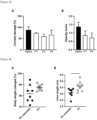
- FIG. 1 The results of analyzing cytokine changes upon the administration of the peptide are shown in FIG. 1 .
- the present inventors observed the efficacy on rheumatoid arthritis using the immunomodulatory peptide candidates prepared according to one example of the present invention. Specifically, to confirm whether the peptides reduce intracellular inflammatory responses, changes in clinical scores and arthritis symptoms such as sole edema were measured in a collagen-induced arthritis (CIA) model.
- CIA collagen-induced arthritis
- the present inventors used approximately 8 to 12-week-old DBA1/J mice, and Complete Freund's Adjuvant (CFA) and bovine type II collagen, which are inflammatory substances, were mixed and used as an arthritis-inducing substance.
- the inflammatory substance was injected into the mouse tail (1 st injection), and after about 2 to 3 weeks, the inflammatory substance was injected (2 nd boosting) to induce arthritis.
- the peptide was injected intraperitoneally once every two days for a total of 10 times.
- the present inventors observed the efficacy on dry eye syndome using the immunomodulatory peptide candidates prepared according to one example of the present invention. Specifically, to confirm whether the peptides improved dry eye syndrome, changes in dry eye symptoms such as corneal damage and corneal opacity were measured in a benzalkonium chloride (BAC)-induced dry eye disease (DED) model.
- BAC benzalkonium chloride
- DED dry eye disease
- the present inventors treated BAC as a dry eye syndrome-inducing agent in approximately 12 to 16-week-old C57BL/6 mice.
- BAC was administered topically by instillation into the right eye twice a day for a total of 16 days.
- the present inventors observed the efficacy on colitis using the immunomodulatory peptide candidates prepared according to one example of the present invention. Specifically, to confirm whether the peptides reduce inflammatory responses occurring in the large intestine, changes in weight and intestinal length of an individual were measured in a dextran sulfate sodium (DSS)-induced colitis (inflammatory bowel disease (IBD)) model.
- DSS dextran sulfate sodium
- IBD inflammatory bowel disease
- the present inventors used approximately 7 to 8-week-old C57BL/6 mice, and 2.5% DSS as a substance for inducing colitis was dissolved in water and provided ad libitum. After 3 days, the existing water was discarded and newly prepared 2.5% DSS water was available to drink for two more days. After a total of 5 days, it was replaced with fresh water. From the day after providing 2.5% DSS, 100 ⁇ L of the peptide was administered intraperitoneally once a day.
- the present inventors observed the efficacy on neuroinflammation using the immunomodulatory peptide candidates prepared according to one example of the present invention. Specifically, to determine whether the peptides reduce inflammatory responses in neuronal cells, changes in cytokine gene expression in neuronal cells were measured upon inflammation.
- the present inventors used an SK-N-MC cell line, that is, human neuronal cells, and dorsal root ganglion (DRG) neurons, that is, rat neuronal cells.
- the cells were cultured in a neuronal cell culture medium under conditions of 37 °C and 5% CO 2 condition.
- Lipopolysaccharide (LPS; Sigma-Aldrich, #L2630) which is the main component of a gram-negative bacterial cell wall, was used as a substance causing an inflammatory response.
- a peptide that had been dissolved in water at 1 mM was prepared.
- the cells were plated in a 24-well plate (Costar, #3603) at a density of 2.5 ⁇ 10 5 cells/well. After 24 hours, the prepared cells were treated with the peptide at 1 ⁇ M. After incubation at 37 °C for 30 minutes, to induce inflammation, 500 ng/mL of LPS was treated. After incubation at 37 °C for 6 hours, the cells in a medium-free state were treated with TRIzol TM (Invitrogen, #15596018) to lyse the cells.
- RNA was obtained, cDNA was produced using a reverse transcriptase (Promega, #M1705). Afterward, a cytokine expression level was measured using SYBR Green (Enzynomics, RT530) and mouse primers of each inflammatory cytokine gene (IL-1 ⁇ , IL-6).
- the present inventors observed the efficacy on brain diseases involving neuroinflammation using the immunomodulatory peptide candidates prepared according to one example of the present invention. Specifically, to confirm whether the peptides reduce Parkinson's disease based on the inflammatory response inhibition efficacy in neuronal cells, in an MPTP-induced Parkinson's disease animal model, changes in the number of dopaminergic neurons and density of terminal fibers in brain tissue were analyzed.
- the present inventors used approximately 7 to 8-week-old C57BL/6 mice, and used 1-methyl-4-phenyl-1,2,3,6-tetrahydropyridine (MPTP) hydrochloride, which induces neuroinflammation, as a brain lesion-inducing substance. 15 mg/kg MPTP was intraperitoneally administered four times to induce the disease, and then selected peptide candidate was intraperitoneally administered a total of seven times once a day for 7 days.
- MPTP 1-methyl-4-phenyl-1,2,3,6-tetrahydropyridine
- mice were anesthetized and perfused with phosphate buffered saline and a fixative (4% paraformaldehyde) to remove blood and fix tissue, and then the brain was extracted. Using the extracted brain, cryoblock was manufactured, and then section slides were crated out of the cryoblock. In the section slides, dopaminergic neurons were stained using TH staining. Afterward, the stained tissue was photographed under a microscope and the recovery of the number of dopaminergic neurons and the density of nerve terminal fibers was analyzed.
- phosphate buffered saline and a fixative 4% paraformaldehyde
- the peptide according to the present invention can improve Parkinson's disease by recovering dopaminergic neurons affected by neuroinflammation at the individual level through the resolution of inflammation.
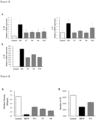
- the results of analyzing changes in the severity score of the peptide are shown in FIG. 6 .
- the present inventors used approximately 8-week-old C57BL/6 mice and a CT-26 cell line as colon cancer cells. 2.5 ⁇ 10 5 cells were subcutaneously implanted at the flank of each mouse to induce tumor growth for about 2 weeks. Animals in which the tumors had grown to a uniform size were selected and randomly assigned to drug administration groups. Afterward, the peptide was intraperitoneally injected five times a week, and 5-fluorouracil (5-FU), which is a positive control drug, was injected twice a week.
- 5-fluorouracil 5-fluorouracil
Landscapes
- Health & Medical Sciences (AREA)
- Life Sciences & Earth Sciences (AREA)
- General Health & Medical Sciences (AREA)
- Chemical & Material Sciences (AREA)
- Animal Behavior & Ethology (AREA)
- Public Health (AREA)
- Veterinary Medicine (AREA)
- Organic Chemistry (AREA)
- Medicinal Chemistry (AREA)
- Pharmacology & Pharmacy (AREA)
- Nuclear Medicine, Radiotherapy & Molecular Imaging (AREA)
- General Chemical & Material Sciences (AREA)
- Chemical Kinetics & Catalysis (AREA)
- Engineering & Computer Science (AREA)
- Bioinformatics & Cheminformatics (AREA)
- Immunology (AREA)
- Proteomics, Peptides & Aminoacids (AREA)
- Dermatology (AREA)
- Epidemiology (AREA)
- Rheumatology (AREA)
- Biophysics (AREA)
- Biochemistry (AREA)
- Molecular Biology (AREA)
- Genetics & Genomics (AREA)
- Neurosurgery (AREA)
- Neurology (AREA)
- Biomedical Technology (AREA)
- Birds (AREA)
- Pain & Pain Management (AREA)
- Physical Education & Sports Medicine (AREA)
- Ophthalmology & Optometry (AREA)
- Transplantation (AREA)
- Orthopedic Medicine & Surgery (AREA)
- Psychology (AREA)
- Gastroenterology & Hepatology (AREA)
- Gerontology & Geriatric Medicine (AREA)
- Medicines That Contain Protein Lipid Enzymes And Other Medicines (AREA)
- Peptides Or Proteins (AREA)
- Cosmetics (AREA)
Applications Claiming Priority (2)
| Application Number | Priority Date | Filing Date | Title |
|---|---|---|---|
| KR20220052169 | 2022-04-27 | ||
| PCT/KR2023/005779 WO2023211198A1 (ko) | 2022-04-27 | 2023-04-27 | 신규 염증해소 펩타이드 및 그의 용도 |
Publications (2)
| Publication Number | Publication Date |
|---|---|
| EP4516802A1 true EP4516802A1 (de) | 2025-03-05 |
| EP4516802A4 EP4516802A4 (de) | 2026-05-06 |
Family
ID=88519224
Family Applications (1)
| Application Number | Title | Priority Date | Filing Date |
|---|---|---|---|
| EP23796840.9A Pending EP4516802A4 (de) | 2022-04-27 | 2023-04-27 | Neues entzündungshemmendes peptid und verwendung davon |
Country Status (6)
| Country | Link |
|---|---|
| US (1) | US20250361268A1 (de) |
| EP (1) | EP4516802A4 (de) |
| JP (1) | JP2025514376A (de) |
| KR (1) | KR20230153943A (de) |
| CN (1) | CN119213012A (de) |
| WO (1) | WO2023211198A1 (de) |
Families Citing this family (2)
| Publication number | Priority date | Publication date | Assignee | Title |
|---|---|---|---|---|
| KR102728422B1 (ko) * | 2024-05-27 | 2024-11-11 | 주식회사 아이바이오코리아 | 염증성 질환의 치료 효과를 갖는 신규한 펩타이드 및 이의 용도 |
| KR20260002193A (ko) * | 2024-06-25 | 2026-01-06 | (주)노바셀테크놀로지 | 신규 펩타이드 및 그의 용도 |
Family Cites Families (4)
| Publication number | Priority date | Publication date | Assignee | Title |
|---|---|---|---|---|
| KR102093003B1 (ko) * | 2015-04-27 | 2020-03-24 | 맥케이 메모리얼 호스피탈 | 혈관 신생과 관련된 질병 및/또는 상태를 치료하기 위한 짧은 합성 펩타이드 |
| KR101855170B1 (ko) | 2015-11-18 | 2018-05-08 | (주)노바셀테크놀로지 | 신규 항균 펩타이드 및 그의 용도 |
| KR101957014B1 (ko) * | 2017-04-18 | 2019-06-20 | 순천대학교 산학협력단 | 항염증 활성을 나타내는 펩타이드 및 이를 유효성분으로 포함하는 항염증용 조성물 |
| KR102170236B1 (ko) | 2019-03-19 | 2020-10-29 | (주)노바셀테크놀로지 | 신규 다중 기능성 펩타이드 및 그의 용도 |
-
2023
- 2023-04-27 CN CN202380037031.1A patent/CN119213012A/zh active Pending
- 2023-04-27 WO PCT/KR2023/005779 patent/WO2023211198A1/ko not_active Ceased
- 2023-04-27 KR KR1020230055284A patent/KR20230153943A/ko active Pending
- 2023-04-27 US US18/860,412 patent/US20250361268A1/en active Pending
- 2023-04-27 JP JP2024563835A patent/JP2025514376A/ja active Pending
- 2023-04-27 EP EP23796840.9A patent/EP4516802A4/de active Pending
Also Published As
| Publication number | Publication date |
|---|---|
| CN119213012A (zh) | 2024-12-27 |
| KR20230153943A (ko) | 2023-11-07 |
| US20250361268A1 (en) | 2025-11-27 |
| EP4516802A4 (de) | 2026-05-06 |
| WO2023211198A1 (ko) | 2023-11-02 |
| JP2025514376A (ja) | 2025-05-02 |
Similar Documents
| Publication | Publication Date | Title |
|---|---|---|
| US10487113B2 (en) | Peptide having activity to improve skin condition and use thereof | |
| AU715036B2 (en) | Conjugates of lipophilic moieties and fragments of vasoactive intestinal peptide (VIP) | |
| EP4516802A1 (de) | Neues entzündungshemmendes peptid und verwendung davon | |
| EP2686431B1 (de) | Antagonisten des interleukin-1rezeptors | |
| US9610318B2 (en) | Peptides for promoting angiogenesis and use thereof | |
| EP2922869B1 (de) | Peptide zur stimulierung der subkutanen adipogenese | |
| CN104169294A (zh) | N-酰基肽衍生物及其应用 | |
| CN115583988B (zh) | 合成肽及其组合物和用途 | |
| WO2003057820A2 (en) | Peptide activators of vegf | |
| KR100897915B1 (ko) | 경피전달을 위한 약제 조성물 | |
| US20070123453A1 (en) | Uses of melanocortin-4 receptor (mc4r) agonist peptides administered by continuous infusion | |
| Ladenheim et al. | Caudal hindbrain neuromedin B-preferring receptors participate in the control of food intake | |
| US9249185B2 (en) | Peptides for promoting angiogenesis and an use thereof | |
| US10844102B2 (en) | Peptides, compositions, and methods for stimulating subcutaneous adipogenesis | |
| KR20040045041A (ko) | 구조적 심장 질환에서의 심근 기능장애를 치료하기 위한칼모듈린 키나제 ⅱ 억제제의 용도 | |
| KR101046425B1 (ko) | 신경교란 진정용 펩타이드 및 이를 포함하는 피부자극 완화용 조성물 | |
| CN104853778A (zh) | 用于肌萎缩性侧索硬化的治疗剂 | |
| EP3536382A1 (de) | Prophylaktisches oder therapeutisches mittel gegen entzündliche hauterkrankungen | |
| KR20260002193A (ko) | 신규 펩타이드 및 그의 용도 | |
| JP2021528390A (ja) | ムスカリン受容体m3に対して阻害活性を有するペプチド | |
| EP4534544A1 (de) | Neuartiges d-aminosäurederivat und pharmazeutische zusammensetzung damit | |
| EP4545551A1 (de) | Peptidinhibitor und verwendung davon | |
| WO2024175887A1 (en) | Compositions and methods of using c/ebp alpha sarna | |
| US20170022258A1 (en) | Peptides for use in the treatment of il-1 related diseases and conditions | |
| NZ615710B2 (en) | Antagonists of the interleukin- 1 receptor |
Legal Events
| Date | Code | Title | Description |
|---|---|---|---|
| STAA | Information on the status of an ep patent application or granted ep patent |
Free format text: STATUS: THE INTERNATIONAL PUBLICATION HAS BEEN MADE |
|
| PUAI | Public reference made under article 153(3) epc to a published international application that has entered the european phase |
Free format text: ORIGINAL CODE: 0009012 |
|
| STAA | Information on the status of an ep patent application or granted ep patent |
Free format text: STATUS: REQUEST FOR EXAMINATION WAS MADE |
|
| 17P | Request for examination filed |
Effective date: 20241122 |
|
| AK | Designated contracting states |
Kind code of ref document: A1 Designated state(s): AL AT BE BG CH CY CZ DE DK EE ES FI FR GB GR HR HU IE IS IT LI LT LU LV MC ME MK MT NL NO PL PT RO RS SE SI SK SM TR |
|
| DAV | Request for validation of the european patent (deleted) | ||
| DAX | Request for extension of the european patent (deleted) |