EP4516797A1 - Icg lipid derivative, and lipid microparticles each containing same - Google Patents
Icg lipid derivative, and lipid microparticles each containing same Download PDFInfo
- Publication number
- EP4516797A1 EP4516797A1 EP23796385.5A EP23796385A EP4516797A1 EP 4516797 A1 EP4516797 A1 EP 4516797A1 EP 23796385 A EP23796385 A EP 23796385A EP 4516797 A1 EP4516797 A1 EP 4516797A1
- Authority
- EP
- European Patent Office
- Prior art keywords
- lipid
- icg
- liposome
- chain
- dox
- Prior art date
- Legal status (The legal status is an assumption and is not a legal conclusion. Google has not performed a legal analysis and makes no representation as to the accuracy of the status listed.)
- Pending
Links
Images


Classifications
-
- A—HUMAN NECESSITIES
- A61—MEDICAL OR VETERINARY SCIENCE; HYGIENE
- A61P—SPECIFIC THERAPEUTIC ACTIVITY OF CHEMICAL COMPOUNDS OR MEDICINAL PREPARATIONS
- A61P35/00—Antineoplastic agents
-
- A—HUMAN NECESSITIES
- A61—MEDICAL OR VETERINARY SCIENCE; HYGIENE
- A61K—PREPARATIONS FOR MEDICAL, DENTAL OR TOILETRY PURPOSES
- A61K31/00—Medicinal preparations containing organic active ingredients
- A61K31/70—Carbohydrates; Sugars; Derivatives thereof
- A61K31/7028—Compounds having saccharide radicals attached to non-saccharide compounds by glycosidic linkages
- A61K31/7034—Compounds having saccharide radicals attached to non-saccharide compounds by glycosidic linkages attached to a carbocyclic compound, e.g. phloridzin
- A61K31/704—Compounds having saccharide radicals attached to non-saccharide compounds by glycosidic linkages attached to a carbocyclic compound, e.g. phloridzin attached to a condensed carbocyclic ring system, e.g. sennosides, thiocolchicosides, escin, daunorubicin
-
- A—HUMAN NECESSITIES
- A61—MEDICAL OR VETERINARY SCIENCE; HYGIENE
- A61K—PREPARATIONS FOR MEDICAL, DENTAL OR TOILETRY PURPOSES
- A61K41/00—Medicinal preparations obtained by treating materials with wave energy or particle radiation ; Therapies using these preparations
- A61K41/0028—Disruption, e.g. by heat or ultrasounds, sonophysical or sonochemical activation, e.g. thermosensitive or heat-sensitive liposomes, disruption of calculi with a medicinal preparation and ultrasounds
-
- A—HUMAN NECESSITIES
- A61—MEDICAL OR VETERINARY SCIENCE; HYGIENE
- A61K—PREPARATIONS FOR MEDICAL, DENTAL OR TOILETRY PURPOSES
- A61K41/00—Medicinal preparations obtained by treating materials with wave energy or particle radiation ; Therapies using these preparations
- A61K41/0052—Thermotherapy; Hyperthermia; Magnetic induction; Induction heating therapy
-
- A—HUMAN NECESSITIES
- A61—MEDICAL OR VETERINARY SCIENCE; HYGIENE
- A61K—PREPARATIONS FOR MEDICAL, DENTAL OR TOILETRY PURPOSES
- A61K41/00—Medicinal preparations obtained by treating materials with wave energy or particle radiation ; Therapies using these preparations
- A61K41/0057—Photodynamic therapy with a photosensitizer, i.e. agent able to produce reactive oxygen species upon exposure to light or radiation, e.g. UV or visible light; photocleavage of nucleic acids with an agent
-
- A—HUMAN NECESSITIES
- A61—MEDICAL OR VETERINARY SCIENCE; HYGIENE
- A61K—PREPARATIONS FOR MEDICAL, DENTAL OR TOILETRY PURPOSES
- A61K45/00—Medicinal preparations containing active ingredients not provided for in groups A61K31/00 - A61K41/00
-
- A—HUMAN NECESSITIES
- A61—MEDICAL OR VETERINARY SCIENCE; HYGIENE
- A61K—PREPARATIONS FOR MEDICAL, DENTAL OR TOILETRY PURPOSES
- A61K47/00—Medicinal preparations characterised by the non-active ingredients used, e.g. carriers or inert additives; Targeting or modifying agents chemically bound to the active ingredient
- A61K47/06—Organic compounds, e.g. natural or synthetic hydrocarbons, polyolefins, mineral oil, petrolatum or ozokerite
- A61K47/08—Organic compounds, e.g. natural or synthetic hydrocarbons, polyolefins, mineral oil, petrolatum or ozokerite containing oxygen, e.g. ethers, acetals, ketones, quinones, aldehydes, peroxides
- A61K47/14—Esters of carboxylic acids, e.g. fatty acid monoglycerides, medium-chain triglycerides, parabens or PEG fatty acid esters
-
- A—HUMAN NECESSITIES
- A61—MEDICAL OR VETERINARY SCIENCE; HYGIENE
- A61K—PREPARATIONS FOR MEDICAL, DENTAL OR TOILETRY PURPOSES
- A61K47/00—Medicinal preparations characterised by the non-active ingredients used, e.g. carriers or inert additives; Targeting or modifying agents chemically bound to the active ingredient
- A61K47/06—Organic compounds, e.g. natural or synthetic hydrocarbons, polyolefins, mineral oil, petrolatum or ozokerite
- A61K47/22—Heterocyclic compounds, e.g. ascorbic acid, tocopherol or pyrrolidones
-
- A—HUMAN NECESSITIES
- A61—MEDICAL OR VETERINARY SCIENCE; HYGIENE
- A61K—PREPARATIONS FOR MEDICAL, DENTAL OR TOILETRY PURPOSES
- A61K47/00—Medicinal preparations characterised by the non-active ingredients used, e.g. carriers or inert additives; Targeting or modifying agents chemically bound to the active ingredient
- A61K47/06—Organic compounds, e.g. natural or synthetic hydrocarbons, polyolefins, mineral oil, petrolatum or ozokerite
- A61K47/24—Organic compounds, e.g. natural or synthetic hydrocarbons, polyolefins, mineral oil, petrolatum or ozokerite containing atoms other than carbon, hydrogen, oxygen, halogen, nitrogen or sulfur, e.g. cyclomethicone or phospholipids
-
- A—HUMAN NECESSITIES
- A61—MEDICAL OR VETERINARY SCIENCE; HYGIENE
- A61K—PREPARATIONS FOR MEDICAL, DENTAL OR TOILETRY PURPOSES
- A61K47/00—Medicinal preparations characterised by the non-active ingredients used, e.g. carriers or inert additives; Targeting or modifying agents chemically bound to the active ingredient
- A61K47/06—Organic compounds, e.g. natural or synthetic hydrocarbons, polyolefins, mineral oil, petrolatum or ozokerite
- A61K47/28—Steroids, e.g. cholesterol, bile acids or glycyrrhetinic acid
-
- A—HUMAN NECESSITIES
- A61—MEDICAL OR VETERINARY SCIENCE; HYGIENE
- A61K—PREPARATIONS FOR MEDICAL, DENTAL OR TOILETRY PURPOSES
- A61K47/00—Medicinal preparations characterised by the non-active ingredients used, e.g. carriers or inert additives; Targeting or modifying agents chemically bound to the active ingredient
- A61K47/44—Oils, fats or waxes according to two or more groups of A61K47/02-A61K47/42; Natural or modified natural oils, fats or waxes, e.g. castor oil, polyethoxylated castor oil, montan wax, lignite, shellac, rosin, beeswax or lanolin
-
- A—HUMAN NECESSITIES
- A61—MEDICAL OR VETERINARY SCIENCE; HYGIENE
- A61K—PREPARATIONS FOR MEDICAL, DENTAL OR TOILETRY PURPOSES
- A61K49/00—Preparations for testing in vivo
- A61K49/001—Preparation for luminescence or biological staining
- A61K49/0013—Luminescence
- A61K49/0017—Fluorescence in vivo
- A61K49/0019—Fluorescence in vivo characterised by the fluorescent group, e.g. oligomeric, polymeric or dendritic molecules
- A61K49/0021—Fluorescence in vivo characterised by the fluorescent group, e.g. oligomeric, polymeric or dendritic molecules the fluorescent group being a small organic molecule
- A61K49/0032—Methine dyes, e.g. cyanine dyes
- A61K49/0034—Indocyanine green, i.e. ICG, cardiogreen
-
- A—HUMAN NECESSITIES
- A61—MEDICAL OR VETERINARY SCIENCE; HYGIENE
- A61K—PREPARATIONS FOR MEDICAL, DENTAL OR TOILETRY PURPOSES
- A61K9/00—Medicinal preparations characterised by special physical form
- A61K9/0002—Galenical forms characterised by the drug release technique; Application systems commanded by energy
- A61K9/0009—Galenical forms characterised by the drug release technique; Application systems commanded by energy involving or responsive to electricity, magnetism or acoustic waves; Galenical aspects of sonophoresis, iontophoresis, electroporation or electroosmosis
-
- A—HUMAN NECESSITIES
- A61—MEDICAL OR VETERINARY SCIENCE; HYGIENE
- A61K—PREPARATIONS FOR MEDICAL, DENTAL OR TOILETRY PURPOSES
- A61K9/00—Medicinal preparations characterised by special physical form
- A61K9/10—Dispersions; Emulsions
- A61K9/127—Synthetic bilayered vehicles, e.g. liposomes or liposomes with cholesterol as the only non-phosphatidyl surfactant
-
- A—HUMAN NECESSITIES
- A61—MEDICAL OR VETERINARY SCIENCE; HYGIENE
- A61P—SPECIFIC THERAPEUTIC ACTIVITY OF CHEMICAL COMPOUNDS OR MEDICINAL PREPARATIONS
- A61P35/00—Antineoplastic agents
- A61P35/04—Antineoplastic agents specific for metastasis
-
- A—HUMAN NECESSITIES
- A61—MEDICAL OR VETERINARY SCIENCE; HYGIENE
- A61P—SPECIFIC THERAPEUTIC ACTIVITY OF CHEMICAL COMPOUNDS OR MEDICINAL PREPARATIONS
- A61P43/00—Drugs for specific purposes, not provided for in groups A61P1/00-A61P41/00
-
- C—CHEMISTRY; METALLURGY
- C07—ORGANIC CHEMISTRY
- C07D—HETEROCYCLIC COMPOUNDS
- C07D209/00—Heterocyclic compounds containing five-membered rings, condensed with other rings, with one nitrogen atom as the only ring hetero atom
- C07D209/56—Ring systems containing three or more rings
- C07D209/58—[b]- or [c]-condensed
- C07D209/60—Naphtho [b] pyrroles; Hydrogenated naphtho [b] pyrroles
-
- C—CHEMISTRY; METALLURGY
- C07—ORGANIC CHEMISTRY
- C07F—ACYCLIC, CARBOCYCLIC OR HETEROCYCLIC COMPOUNDS CONTAINING ELEMENTS OTHER THAN CARBON, HYDROGEN, HALOGEN, OXYGEN, NITROGEN, SULFUR, SELENIUM OR TELLURIUM
- C07F9/00—Compounds containing elements of Groups 5 or 15 of the Periodic Table
-
- C—CHEMISTRY; METALLURGY
- C07—ORGANIC CHEMISTRY
- C07F—ACYCLIC, CARBOCYCLIC OR HETEROCYCLIC COMPOUNDS CONTAINING ELEMENTS OTHER THAN CARBON, HYDROGEN, HALOGEN, OXYGEN, NITROGEN, SULFUR, SELENIUM OR TELLURIUM
- C07F9/00—Compounds containing elements of Groups 5 or 15 of the Periodic Table
- C07F9/02—Phosphorus compounds
- C07F9/547—Heterocyclic compounds, e.g. containing phosphorus as a ring hetero atom
- C07F9/553—Heterocyclic compounds, e.g. containing phosphorus as a ring hetero atom having one nitrogen atom as the only ring hetero atom
- C07F9/572—Five-membered rings
-
- C—CHEMISTRY; METALLURGY
- C09—DYES; PAINTS; POLISHES; NATURAL RESINS; ADHESIVES; COMPOSITIONS NOT OTHERWISE PROVIDED FOR; APPLICATIONS OF MATERIALS NOT OTHERWISE PROVIDED FOR
- C09B—ORGANIC DYES OR CLOSELY-RELATED COMPOUNDS FOR PRODUCING DYES, e.g. PIGMENTS; MORDANTS; LAKES
- C09B23/00—Methine or polymethine dyes, e.g. cyanine dyes
- C09B23/02—Methine or polymethine dyes, e.g. cyanine dyes the polymethine chain containing an odd number of >CH- or >C[alkyl]- groups
- C09B23/08—Methine or polymethine dyes, e.g. cyanine dyes the polymethine chain containing an odd number of >CH- or >C[alkyl]- groups more than three >CH- groups, e.g. polycarbocyanines
-
- C—CHEMISTRY; METALLURGY
- C09—DYES; PAINTS; POLISHES; NATURAL RESINS; ADHESIVES; COMPOSITIONS NOT OTHERWISE PROVIDED FOR; APPLICATIONS OF MATERIALS NOT OTHERWISE PROVIDED FOR
- C09B—ORGANIC DYES OR CLOSELY-RELATED COMPOUNDS FOR PRODUCING DYES, e.g. PIGMENTS; MORDANTS; LAKES
- C09B23/00—Methine or polymethine dyes, e.g. cyanine dyes
- C09B23/02—Methine or polymethine dyes, e.g. cyanine dyes the polymethine chain containing an odd number of >CH- or >C[alkyl]- groups
- C09B23/08—Methine or polymethine dyes, e.g. cyanine dyes the polymethine chain containing an odd number of >CH- or >C[alkyl]- groups more than three >CH- groups, e.g. polycarbocyanines
- C09B23/086—Methine or polymethine dyes, e.g. cyanine dyes the polymethine chain containing an odd number of >CH- or >C[alkyl]- groups more than three >CH- groups, e.g. polycarbocyanines more than five >CH- groups
-
- A—HUMAN NECESSITIES
- A61—MEDICAL OR VETERINARY SCIENCE; HYGIENE
- A61K—PREPARATIONS FOR MEDICAL, DENTAL OR TOILETRY PURPOSES
- A61K9/00—Medicinal preparations characterised by special physical form
- A61K9/48—Preparations in capsules, e.g. of gelatin, of chocolate
- A61K9/50—Microcapsules having a gas, liquid or semi-solid filling; Solid microparticles or pellets surrounded by a distinct coating layer, e.g. coated microspheres, coated drug crystals
- A61K9/51—Nanocapsules; Nanoparticles
- A61K9/5107—Excipients; Inactive ingredients
- A61K9/5123—Organic compounds, e.g. fats, sugars
Definitions
- the present invention relates to ICG lipid derivatives and lipid-based particles comprising same, and to applications of the preceding.
- ICG Indocyanine green
- HT effect heat-generating action
- PDT effect photodynamic effect
- PAI Photoacoustic imaging
- ICG-loaded PFC particle Photoacoustic imaging
- the ICG derivative is loaded on a portion of the particles entirely as a probe for imaging, and the use of the ICG derivative itself for carrying a drug is not considered.
- drugs e.g., anticancer agents and antibiotics
- the ultrasonic contrast medium using ICG-loaded PFC particles in this literature is an O/W emulsion of particles in which perfluorocarbon is the core substance, and it is thus difficult from a practical standpoint to incorporate a water-soluble drug in this emulsion.
- Photodynamic hyperthermal therapy (PHT) using the HT effect and PDT effect of ICG and photodynamic hyperthermal chemotherapy (PHCT), which combines local chemotherapy with PHT are known.
- PTL 4 Japanese Patent Application Laid-open No. 2010-69001
- PTL 5 discloses a transcutaneous photodynamic therapy that uses a photosensitizing agent, e.g., ICG, and discloses, as a photosensitizing agent delivery system, a liposome delivery system comprising a photosensitizing agent.
- PTL 6 discloses a drug-encapsulating liposome that contains a liposome membrane constituent material that is bonded to ICG; this can be used, for example, for a DDS.
- ICG-containing particles While a large number of ICG-containing particles have been proposed, ICG lipid derivatives and particles containing same that can be utilized in various medical and diagnostic applications are still required.
- the present invention is, for example, as follows.
- the ICG lipid derivative according to the present invention has one or more of the following effects.
- a “particle”, referred to as, inter alia, a nanosphere, microsphere, nanocapsule, and microcapsule, is a particle having an average particle diameter from nanosizes to microsizes (1 nm to 1 ⁇ m or um). Particles may be the phase dispersed in an emulsion or the internal phase in a suspension.
- a “particle carrier” or “lipid-based particle carrier” denotes a particle or lipid-based particle that can fix or support a chemical substance, e.g., a drug.
- the "particle carrier” or “lipid-based particle carrier” indicates a structure that is biocompatible and that is sufficiently resistant to chemical and/or physical degradation for a sufficient interval of time to enable a desired target to be reached.
- Fiberd denotes an immovable disposition on the outer surface and/or in the interior.
- Space denotes a movable disposition of, e.g., a drug, on the outer surface and/or in the interior of a particle.
- a liposome denotes a closed vesicle formed by a bilayer molecular membrane.
- a liposome is typically constructed of a single lipid bilayer or a plurality of lipid bilayers.
- a "polymer micelle” denotes a closed vesicle formed by a single-layer molecular membrane.
- Alkyl denotes a straight-chain, cyclic, or branched saturated aliphatic hydrocarbon group having a designated number of carbon atoms.
- Alkenyl designates a straight-chain or branched hydrocarbon group that has a predetermined number of carbon atoms and at least one carbon-carbon double bond. Examples here are monoenes, dienes, trienes, and tetraenes, but there is no limitation to these.
- An embodiment of the present invention relates to a compound represented by formula (A) below or a pharmaceutically acceptable salt thereof.
- the ICG lipid derivative exhibits absorption and fluorescence in the near-infrared region of 700 to 1300 nm and particularly approximately 700 to 900 nm, and the molar extinction coefficient anywhere in the 700 to 1300 nm (preferably 700 to 900 nm) wavelength region can be at least 1.6 ⁇ 10 5 [L/mol/cm].
- R 1 and R 2 in formula (A) each independently represent - (CH 2 ) k - CONH - R 3 .
- R 1 and R 2 may be the same as each other or may differ from one another.
- R 3 in formula (A) represents a group selected from the group consisting of - (CH 2 ) m - OPO 3 - - CH 2 - CH(CH 2 OCOR 4 )(OCOR 5 ), straight-chain C 14 to C 22 alkyl, straight-chain C 14 to C 22 alkenyl, branched-chain C 14 to C 40 alkyl, and branched-chain C 14 to C 40 alkenyl.
- the "-OPO 3 - -" represents the following structure (the * represents a connecting point) in this Description.
- R 4 and R 5 each independently represent straight-chain or branched-chain C 13 to C 21 alkyl or straight-chain or branched-chain C 13 to C 21 alkenyl.
- R 4 and R 5 may be the same as each other or may differ from one another.
- the k in formula (A) represents an integer from 2 to 4. This k is preferably 2 or 3 and is more preferably 2.
- the m in formula (A) represents an integer from 2 to 4. This m is preferably 2 or 3 and is more preferably 2.
- the compound represented by formula (A) or a pharmaceutically acceptable salt thereof is a compound, or a pharmaceutically acceptable salt thereof, in which, in formula (A),
- Compounds according to these embodiments are preferred for at least one of the following advantages: biocompatibility, ease of synthesis, affinity for lipid-based particles, chemical stability, physical stability of the lipid-based particle (inhibition of aggregation), stability and drug encapsulation ratio of the lipid-based particle carrier when a drug is encapsulated in the lipid-based particle, reactivity of the lipid-based particle upon irradiation with near-infrared light (heat generation and drug releasability), and so forth.
- the compound represented by formula (A) or a pharmaceutically acceptable salt thereof is a compound, or a pharmaceutically acceptable salt thereof, in which, in formula (A),
- Compounds according to these embodiments are preferred for at least one of the following advantages: biocompatibility, ease of synthesis, affinity for lipid-based particles, chemical stability, physical stability of the lipid-based particle (inhibition of aggregation), stability and drug encapsulation ratio of the lipid-based particle carrier when a drug is encapsulated in the lipid-based particle, reactivity of the lipid-based particle upon irradiation with near-infrared light (heat generation and drug releasability), and so forth.
- Compounds according to these embodiments are preferred for at least one of the following advantages: biocompatibility, ease of synthesis, affinity for lipid-based particles, chemical stability, physical stability of the lipid-based particle (inhibition of aggregation), stability and drug encapsulation ratio of the lipid-based particle carrier when a drug is encapsulated in the lipid-based particle, reactivity of the lipid-based particle upon irradiation with near-infrared light (heat generation and drug releasability), and so forth.
- the compound represented by formula (A) or a pharmaceutically acceptable salt thereof is a compound, or a pharmaceutically acceptable salt thereof, in which, in formula (A),
- Compounds according to these embodiments are preferred for at least one of the following advantages: biocompatibility, ease of synthesis, affinity for lipid-based particles, chemical stability, physical stability of the lipid-based particle (inhibition of aggregation), stability and drug encapsulation ratio of the lipid-based particle carrier when a drug is encapsulated in the lipid-based particle, reactivity of the lipid-based particle upon irradiation with near-infrared light (heat generation and drug releasability), and so forth.
- the compound represented by formula (A) or a pharmaceutically acceptable salt thereof is a compound, or a pharmaceutically acceptable salt thereof, in which, in formula (A),
- the compound represented by formula (A) or a pharmaceutically acceptable salt thereof is a compound represented by formula (B) below or a pharmaceutically acceptable salt thereof.
- Compounds according to this embodiment are preferred for at least one of the following advantages: biocompatibility, ease of synthesis, affinity for lipid-based particles, chemical stability, physical stability of the lipid-based particle (inhibition of aggregation), stability and drug encapsulation ratio when a drug is encapsulated in the lipid-based particle, reactivity of the lipid-based particle upon irradiation with near-infrared light (heat generation and drug releasability), and so forth.
- Compounds according to this embodiment are preferred for at least one of the following advantages: biocompatibility, ease of synthesis, affinity for lipid-based particles, chemical stability, physical stability of the lipid-based particle (inhibition of aggregation), stability and drug encapsulation ratio of the lipid-based particle carrier when a drug is encapsulated in the lipid-based particle, reactivity of the lipid-based particle upon irradiation with near-infrared light (heat generation and drug releasability), and so forth.
- R 4 and R 5 in the aforementioned formula (B) are the same as each other.
- the compound represented by formula (A) or a pharmaceutically acceptable salt thereof is a compound, or a pharmaceutically acceptable salt thereof, in which, in formula (A),
- Compounds according to these embodiments are preferred for at least one of the following advantages: biocompatibility, ease of synthesis, affinity for lipid-based particles, chemical stability, physical stability of the lipid-based particle (inhibition of aggregation), stability and drug encapsulation ratio of the lipid-based particle carrier when a drug is encapsulated in the lipid-based particle, reactivity of the lipid-based particle upon irradiation with near-infrared light (heat generation and drug releasability), and so forth.
- the compound represented by formula (A) or a pharmaceutically acceptable salt thereof is a compound, or a pharmaceutically acceptable salt thereof, in which, in formula (A),
- Compounds according to these embodiments are preferred for at least one of the following advantages: biocompatibility, ease of synthesis, affinity for lipid-based particles, chemical stability, physical stability of the lipid-based particle (inhibition of aggregation), stability and drug encapsulation ratio of the lipid-based particle carrier when a drug is encapsulated in the lipid-based particle, reactivity of the lipid-based particle upon irradiation with near-infrared light (heat generation and drug releasability), and so forth.
- the compound represented by formula (A) or a pharmaceutically acceptable salt thereof is a compound, or a pharmaceutically acceptable salt thereof, in which, in formula (A),
- Compounds according to these embodiments are preferred for at least one of the following advantages: biocompatibility, ease of synthesis, affinity for lipid-based particles, chemical stability, physical stability of the lipid-based particle (inhibition of aggregation), stability and drug encapsulation ratio of the lipid-based particle carrier when a drug is encapsulated in the lipid-based particle, reactivity of the lipid-based particle upon irradiation with near-infrared light (heat generation and drug releasability), and so forth.
- the compound represented by formula (A) or a pharmaceutically acceptable salt thereof is a compound represented by formula (C) below or a pharmaceutically acceptable salt thereof.
- a particular embodiment is a compound represented by any of the preceding formula (I) (ICG-diDSPE), the preceding formula (II) (ICG-diDOPE), and the preceding formula (III) (ICG-diSA), or a pharmaceutically acceptable salt thereof.
- Stereoisomers e.g., geometric isomers and optical isomers, as well as tautomers, etc. may be present in the compounds represented by formula (A) in the present invention, and the compounds according to the present invention encompass all possible isomers and their mixtures.
- the compounds represented by formula (A), or their salts may be in the form of a hydrate or solvate, and the hydrates and solvates are also encompassed by the compounds according to the present invention.
- the carboxyalkyl-substituted indole derivative (a2) is obtained by reacting 1,1,2-trimethyl[1H]benz[e]indole (a1) and a halogen-substituted carboxylic acid X - (CH 2 ) k - COOH (X is a halogen atom, preferably bromine (Br)).
- the solvent is, for example, dichlorobenzene, dichloromethane, toluene, and so forth.
- Compound (a4) is obtained by reacting acetic anhydride and glutaconaldehyde dianilide (a3), preferably in the presence of a base (for example, N,N-diisopropylethylamine (DIPEA)).
- a base for example, N,N-diisopropylethylamine (DIPEA)
- DIPEA N,N-diisopropylethylamine
- the carboxyalkyl-substituted indole derivative (a2) and compound (a4) are then reacted in the presence of a base to obtain the indocyanine green dicarboxylic acid compound (a5), in which the carboxyalkyl-substituted indole derivative is attached at both ends of the hexatriene chain.
- the base is exemplified by sodium acetate, pyridine, and so forth.
- the solvent is exemplified by methanol, tetrahydrofuran, and so forth.
- a compound in which the alkyl chain - (CH 2 ) k - of the carboxyalkyl group substituted on the indole ring on the right is different from that on the left can be obtained by attaching a carboxyalkyl-substituted indole derivative to one end of the hexatriene chain by reacting one equivalent of the carboxyalkyl-substituted indole derivative (a2) with (a4), followed by another addition reaction with a carboxyalkyl-substituted indole derivative (a2) having a different number of carbons (k) in the alkyl chain.
- the target formula (A) compound is obtained by carrying out an amidation by reacting an amine R 3 - NH 2 with the dicarboxylic acid compound (a5).
- a compound with the aforementioned formula (B) can be produced by using a compound given by the following (a6) as the R 3 - NH 2 .
- (a6) a compound given by the following (a6) as the R 3 - NH 2 .
- m, R 4 , and R 5 are defined as for formula (B).
- a compound with the previously indicated formula (C) is obtained by using an R 3 - NH 2 in which R 3 is straight-chain C 14 to C 22 alkyl, straight-chain C 14 to C 22 alkenyl, branched-chain C 14 to C 40 alkyl, or branched-chain C 14 to C 40 alkenyl.
- the R 3 - NH 2 may be synthesized by a common method or a commercially available R 3 - NH 2 may be used.
- the amidation reaction may be carried out according to the usual means; for example, it is preferably run in the presence of a condensing agent such as, for example, a benzotriazole, e.g., 1-hydroxybenzotriazole (HOBt), N-hydroxysuccinimide (HOSu), 1-hydroxybenzotriazole (HOAt), 1-[bis(dimethylamino)methylene]-1H-benzotriazolium 3-oxide hexafluorophosphate (HBTU), and so forth, or 1-[3-(dimethylamino)propyl]-3-ethylcarbodiimide (EDC) hydrochloride, N,N'-dicyclohexylcarbodiimide (DCC), and so forth.
- a condensing agent such as, for example, a benzotriazole, e.g., 1-hydroxybenzotriazole (HOBt), N-hydroxysuccinimide (HOSu), 1-hydroxybenzotri
- a base may also be added to the reaction as necessary, and the base can be exemplified by N-methylmorpholine (NMM), triethylamine (TEA), N,N-diisopropylethylamine (DIPEA), 4-(dimethylamino)pyridine (DMAP), and so forth.
- the solvent can be exemplified by dimethylformamide, tetrahydrofuran (THF), dichloromethane, acetonitrile, and so forth.
- one equivalent of the carboxyalkyl-substituted indole derivative (a2) may be reacted with (a4) in (step 3) to attach the carboxyalkyl-substituted indole derivative at one terminal of the hexatriene chain, followed by reaction with R 3 - NH 2 to synthesize a compound in which R 3 - NH 2 has been added to only one side of (a4); R 3 - NH 2 bearing a different R 3 may be reacted by carrying out the same process on the other side.
- Compounds according to the present invention may have one or more asymmetric centers, and such compounds may be produced as the individual (R)- or (S)-stereoisomer or as a mixture thereof. Unless specified otherwise, the description of particular compounds in this Description intends to encompass both the individual enantiomers and their racemic mixtures. Methods for establishing the stereochemistry and separating stereoisomers are well-known to the person skilled in the art.
- An embodiment of the present invention provides a lipid-based particle that contains an ICG derivative lipid according to a hereinabove-described embodiment (also referred to in this Description simply as a "lipid-based particle").
- the ICG derivative lipid is provided with the ICG structure for a part of its structure, it may itself form an ICG-supporting lipid-based particle. Accordingly, in some embodiments, the lipid-based particle is constructed from the ICG derivative lipid described in the preceding.
- the configuration of the lipid particle is not particularly limited and may be any of, for example, a polymer micelle, liposome, emulsion, microsphere, nanosphere, and so forth.
- the lipid-based particle is a polymer micelle or liposome that is formed from a single or a plurality of lipids that includes the hereinabove-described ICG derivative lipid.
- the lipid-based particle is, for example, at least one selection from liposomes, lipid particles, O/W emulsions that use lipid as an interfacial substance, and so forth.
- the lipid-based particle is a liposome in an embodiment.
- the lipid-based particle contains, as its lipid component, (I) the hereinabove-described ICG derivative lipid and (II) at least one lipid selected from the group consisting of neutral lipids, polyethylene glycol-modified lipids, and sterols, and contains the lipid component at, for example, 50 to 100 weight%, for example, 70 to 100 weight%, and, for example, 90 to 100 weight%, with reference to the total weight of the lipid-based particle.
- the lipid component combination in the lipid-based particle according to the present embodiments is not particularly limited, and can be exemplified by combinations of the hereinabove-described ICG derivative lipid with a neutral lipid and a sterol and combinations of the hereinabove-described ICG derivative lipid with a neutral lipid, a polyethylene glycol-modified lipid, and a sterol.
- Neutral lipid denotes a lipid that is present, at physiological pH, in either an uncharged form or in the form of a neutral amphoteric ion.
- the neutral lipids can be exemplified by dioleoylphosphatidylethanolamine (DOPE), palmitoyloleoylphosphatidylcholine (POPC), egg phosphatidylcholine (EPC), dimyristoylphosphatidylcholine (DMPC), dipalmitoylphosphatidylcholine (DPPC), distearoylphosphatidylcholine (DSPC), diarachidoylphosphatidylcholine (DAPC), dibehenoylphosphatidylcholine (DBPC), dilignoceroyl phosphatidylcholine (DLPC), dioleoylphosphatidylcholine (DOPC), sphingomyelin, ceramide, dioleoylphosphatidylglyce
- the lipid-based particle of the present embodiments may contain the neutral lipid at, for example, 0 to 99.999 mol%, for example, 50 to 99.99 mol%, for example, 60 to 99.9 mol%.
- PEG-dialkyloxypropyl can be exemplified by PEG-dilauryloxypropyl, PEG-dimyristyloxypropyl, PEG-dipalmityloxypropyl, PEG-distearyloxypropyl, and so forth.
- PEG-phospholipids can be exemplified by PEG2000-DSPE ((poly(ethylene glycol)2000)-1,2-distearoyl-sn-glycero-3-phosphoethanolamine), MPEG2000-DSPE ((methoxypoly(ethylene glycol)2000)-1,2-distearoyl-sn-glycero-3-phosphoethanolamine), and so forth.
- PEG2000-DSPE poly(ethylene glycol)2000)-1,2-distearoyl-sn-glycero-3-phosphoethanolamine
- MPEG2000-DSPE (methoxypoly(ethylene glycol)2000)-1,2-distearoyl-sn-glycero-3-phosphoethanolamine)
- a single species of the polyethylene glycol-modified lipid may be used alone or a mixture of two or more species may be used.
- the terminals of the PEG (polyethylene glycol) in these polyethylene glycol-modified lipids may be methoxylated (MPEG, methoxy(polyethylene glycol)).
- the sterol is an alcohol having the steroid skeleton.
- the sterol can be exemplified by cholesterol, dehydrocholesterol, lanosterol, ⁇ -sitosterol, campesterol, stigmasterol, brassicasterol, ergosterol, fucosterol, 3 ⁇ -[N-(N',N'-dimethylaminoethyl)carbamoyl]cholesterol (DC-Chol), and so forth.
- a single species of the sterol may be used alone or a mixture of two or more species may be used.
- the lipid-based particle according to the present embodiments may contain a sterol at, for example, 0 to 90 mol%, for example, 0 to 80 mol%, for example, 0 to 50 mol% or 0 to 40 mol%, for example, 0 to 30 mol%, for example, 0 to 20 mol%, for example, 0 to 10 mol%, for example, 0 to 5 mol%, with reference to the total lipid contained by the lipid-based particle.
- the stability in the blood can be improved by the presence of a sterol.
- the heat sensitivity exhibits a declining trend as the amount of sterol increases.
- the lipid-based particle does not contain a sterol.
- the hereinabove-described ICG derivative lipid is contained at 0.1 to 10 mol%, neutral lipid is contained at 60 to 99.9 mol%, polyethylene glycol-modified lipid is contained at 0 to 10 mol%, and sterol is contained at 0 to 39.9 mol%, in each case with reference to the total lipid contained by the lipid-based particle.
- the hereinabove-described ICG derivative lipid is contained at 0.1 to 10 mol%, neutral lipid is contained at 70 to 99.9 mol%, polyethylene glycol-modified lipid is contained at 0 to 10 mol%, and sterol is contained at 0 to 10 mol%, in each case with reference to the total lipid contained by the lipid-based particle.
- the hereinabove-described ICG derivative lipid is contained at 0.1 to 10 mol%, neutral lipid is contained at 80 to 99.9 mol%, and polyethylene glycol-modified lipid is contained at 0 to 10 mol%, in each case with reference to the total lipid contained by the lipid-based particle.
- a drug is contained in a closed spaced formed by a lipid layer of the lipid-based particle.
- the drug is present within one lipid layer or a plurality of lipid layers of the lipid-based particle.
- the drug is linked to the surface of an outer lipid layer of the lipid-based particle or the surface of an inner lipid layer of the lipid-based particle.
- a drug is contained in the internal phase and/or a lipid layer of a liposome constructed of lipid containing the ICG derivative lipid.
- the drug may be water soluble or lipid soluble.
- the drug may be hydrophilic or hydrophobic.
- the drug is water soluble.
- the lipid-based particle is present in an aqueous solvent and encapsulates a water-soluble drug within a closed space formed by a lipid layer of the lipid-based particle (for example, the internal aqueous phase of the lipid-based particle, such as the internal phase of a liposome) and/or within one lipid layer or a plurality of lipid layers of the lipid-based particle (within a monolamellar or polylamellar lipid layer).
- the aqueous solvent can be exemplified by sterilized water; physiological saline; isotonic solutions that contain an auxiliary reagent, e.g., glucose, D-sorbitol, D-mannose, D-mannitol, sodium chloride, and so forth; and buffers such as phosphate buffers, citrate buffers, acetate buffers, and so forth.
- an auxiliary reagent e.g., glucose, D-sorbitol, D-mannose, D-mannitol, sodium chloride, and so forth
- buffers such as phosphate buffers, citrate buffers, acetate buffers, and so forth.
- the drug may be, for example, any of the following: a synthetic compound, fermentation product, peptide, protein, steroid compound, gene, virus, saccharide (polysaccharide), fatty acid, vitamin, or coenzyme (or derivative).
- it may be a drug as used in any field, e.g., medicines, agrochemicals, fertilizers, and so forth, but a medicine is preferably used.
- the drug can be, for example, a freely selected molecule or compound (for example, an active drug) capable of exercising a desired effect on a cell, tissue, organ, or subject.
- the drugs provided here are only examples and a limitation to these is not intended. These drugs may be purified or partially purified and may be naturally occurring or derived from nature, or may be synthesized, or may by the product of genetic technology, or may be chemically modified.
- the drug is a therapeutic drug.
- the drug comprises at least one selection from anticancer agents or antimicrobials.
- the drug comprises an anticancer agent.
- the anticancer agent can be exemplified by the following, although this is not a particular limitation: camptothecin derivatives such as irinotecan hydrochloride, nogitecan hydrochloride, and exatecan; taxane derivatives such as docetaxel hydrate, docetaxel, and paclitaxel; as well as ifosfamide, nimustine hydrochloride, carboquone, cyclophosphamide, dacarbazine, thiotepa, busulfan, melphalan, ranimustine, estramustine phosphate sodium, 6-mercaptopurine riboside, enocitabine, gemcitabine hydrochloride, carmofur, cytarabine, cytarabine ocfosfate, tegafur, doxifluridine, hydroxycarbamide, fluorouracil, methotrexate, mercaptopurine, fludara
- the antimicrobial can be exemplified by the following, although this is not a particular limitation: antifungal triazole derivatives (fluconazole, itraconazole, ketoconazole, miconazole); antibacterial cephalosporins (cefazolin, cefonicid, cefotaxime, ceftazimide, cefoxime); antibacterial ⁇ -lactam derivatives (aztreopam, cefmetazole, cefoxitin); erythromycin group antibacterials (erythromycin, azithromycin, clarithromycin, oleandomycin); penicillins (benzylpenicillin, phenoxymethylpenicillin, cloxacillin, methicillin, nafcillin, oxacillin, carbenicillin); and tetracyclines.
- the compound in these antimicrobials may be a freely selected salt.
- the lipid-based particle carrier contains the drug at, for example, 0.01 to 50 weight%, for example, 0.1 to 30 weight%, for example, 1 to 10 weight%.
- the “average particle diameter” of the lipid-based particle according to the present embodiment (also referred to hereafter as the “average particle diameter” or the “particle diameter”) can be calculated by any method selected from volume average, number average, and Z-average, but the “average particle diameter” of the lipid-based particle according to the present invention refers to the Z-average particle diameter.
- the average particle diameter (Z-average particle diameter) of the lipid-based particle of the present embodiment may be, for example, 30 to 200 nm, for example, 70 to 150 nm.
- the lipid-based particle according to embodiments exhibits an excellent stability by the particle structure (particularly the stability in the organism), an excellent drug encapsulation capability, and/or an excellent ability to control drug release.
- the ICG derivative lipid according to the hereinabove-described embodiments has an ICG skeleton that is modified by groups containing a hydrocarbon chain (R 1 and R 2 ) and can form a stable particle structure.
- the lipid-based particle according to embodiments forms a liposome that exhibits an excellent stability within the organism (particularly in the blood).
- the ICG derivative lipid according to the hereinabove-described embodiments has an ICG skeleton that is modified by groups containing a hydrocarbon chain (R 1 and R 2 ) and can support a drug in a stable manner. Accordingly, the lipid-based particle according to embodiments can form a particle structure in which a drug is encapsulated in a stable manner.
- the lipid-based particle according to embodiments forms, for example, a drug-encapsulating liposome that exhibits an excellent stability in the organism (particularly in the blood) and/or exhibits an excellent drug encapsulation ratio.
- a lipid-based particle constructed of the ICG lipid derivative according to the present invention can, upon exposure to near-infrared light, selectively release the encapsulated drug to the outside of the lipid-based particle.
- Investigations by the present inventors showed that, when the modifying group contains a polar group such as the sulfo group, stable support of a drug is impeded and control of drug encapsulation and release is problematic.
- the lipid-based particle according to the present invention provides an ICG-derived near-infrared fluorescence capability because it contains the ICG derivative lipid according to the hereinabove-described embodiments.
- the lipid-based particle according to embodiments emits fluorescence upon irradiation with excitation light (for example, near-infrared light).
- the lipid-based particle according to the present invention because it contains the ICG derivative lipid according to the hereinabove-described embodiments, upon irradiation with near-infrared light provides a heat-generating action (heating effect, HT effect) and/or an active oxygen-generating action (photodynamic effect, PDT effect).
- a lipid-based particle containing the ICG lipid derivative according to the present invention functions as a temperature-sensitive liposome.
- the lipid-based particle carrier according to embodiments can be produced using any methods known in the concerned technical field.
- a production method comprises (1) a step of obtaining a liposome-containing liposome dispersion, and optionally (2) a step of mixing a drug with the liposome dispersion to encapsulate the drug in the liposomes in the liposome dispersion.
- the step of obtaining a liposome-containing liposome dispersion preferably comprises (i) a step of producing a liposome from at least one species of lipid that includes the ICG lipid derivative according to the hereinabove-described embodiments, and a (ii) step of replacing or diluting the liposome external phase.
- the liposome preparation method is not particularly limited and can be exemplified by the lipid film method (vortex method), reverse phase evaporation method, ultrasonic method, prevesicle method, ethanol injection method, French Press method, cholate depletion method, Triton X-100 batch method, Ca2+ fusion method, ether injection method, annealing method, and freeze-thaw fusion method.
- the various conditions in liposome preparation can be established as appropriate in correspondence to, e.g., the liposome preparation method, the target liposome composition, the particle diameter, and so forth.
- Liposome preparation by the following procedure is provided as an example.
- one or more lipids containing the ICG lipid derivative is dissolved in a suitable solvent (for example, chloroform) to prepare a lipid solution.
- a suitable solvent for example, chloroform
- the organic solvent is then removed from the lipid solution (preferably removal under reduced pressure) to form a lipid thin film.
- aqueous solvent is subsequently added to the lipid thin film to effect hydration, and liposome formation is performed by stirring using, for example, a vortex mixer.
- the aqueous solution can be exemplified by buffers such as HEPES buffers, phosphate buffers, citrate buffers, phosphate-buffered physiological saline and so forth, and by physiological saline. Hydration is preferably carried out while heating to bring the temperature to at least the phase transition temperature of the lipid bilayer of the liposome.
- an ultrasound treatment is preferably carried out as necessary after the stirring with, for example, a vortex mixer.
- a liposome dispersion can be obtained by replacing or diluting the external phase for the obtained liposome.
- the replacement or dilution of the liposome external phase may be carried out a single time or may be carried out a plurality of times and various types of replacement or dilution methods may be combined.
- the method for replacing the liposome external phase of the liposome preparation solution can be exemplified by dialysis, centrifugal separation, gel filtration, and so forth.
- the solvent (dispersion medium) used in replacement and/or dilution of the liposome external phase can be exemplified by buffers such as HEPES buffers, phosphate buffers, citrate buffers, phosphate-buffered physiological saline and so forth, and by physiological saline.
- the pH of this solvent is not particularly limited, but is preferably 3 to 11, more preferably 4 to 10, and still more preferably 5 to 10.
- the liposome particle diameter can be freely adjusted as necessary.
- the particle diameter can be adjusted by carrying out extrusion under high pressure (extrusion filtration) using a membrane filter having a uniform pore size. Adjustment of the particle diameter can be carried out at any time duing liposome production; for example, it may be carried out prior to replacement or dilution of the liposome external phase, after replacement or dilution of the liposome external phase, or after introduction of a drug into the liposome internal phase. Particle diameter adjustment is preferably carried out prior to the introduction of a drug into the liposome internal phase and is more preferably carried out prior to replacement or dilution of the liposome external phase.
- step (ii) an ion gradient and/or a pH gradient is preferably introduced between the interior phase and external phase of the liposome (remote loading method).
- step (ii) is a step in which the liposome external phase is replaced to obtain a liposome dispersion containing a liposome that has an ion gradient and/or a pH gradient between the internal phase and the external phase.
- the production method of the present embodiments yields a drug-encapsulating liposome that exhibits an excellent drug encapsulation ratio and an excellent stability.
- the pH gradient method is a technology in which a compound is imported into a liposome utilizing a pH-mediated shift in the molecular form/ionic form dissociation equilibrium of the drug.
- the difference in the pH of the liposome internal phase and liposome external phase in the liposome dispersion is preferably 1 to 5 and more preferably 2 to 3.
- the pH of either the liposome internal phase or external phase may also be increased.
- the pH of the liposome internal phase and the liposome external phase may be substantially the same.
- the pH gradient can be adjusted using compounds heretofore known for use in the pH gradient method, for example, amino acids such as arginine, histidine, and glycine; acids such as ascorbic acid, benzoic acid, citric acid, glutamic acid, phosphoric acid, acetic acid, propionic acid, tartaric acid, carbonic acid, lactic acid, boric acid, maleic acid, fumaric acid, malic acid, adipic acid, hydrochloric acid, and sulfuric acid; salts of these acids, such as the sodium salts, potassium salts, and ammonium salts; and alkaline compounds such as trishydroxymethylaminomethane, aqueous ammonia, sodium hydroxide, potassium hydroxide, and sodium bicarbonate.
- amino acids such as arginine, histidine, and glycine
- acids such as ascorbic acid, benzoic acid, citric acid, glutamic acid, phosphoric acid, acetic acid, propionic acid, tartaric
- Doxorubicin (DOX, pKa: 8.2) is an example of a compound that can be encapsulated in a liposome using the pH gradient method.
- a liposome dispersion can be prepared using a buffer with a pH of approximately 4 (for example, a citrate buffer), and the liposome external phase can then be replaced with a buffer having a pH of approximately 7 (for example, a HEPES buffer) to obtain a liposome dispersion that contains liposomes having a pH gradient between the internal phase and the external phase.
- the molecular-form DOX in the pH 7 external phase transfers into the liposome membrane rather than being in the aqueous phase.
- the DOX that has transferred into the liposome membrane comes into contact with the pH 4 liposome internal phase, the DOX assumes its ionic form and dissolves into the liposome internal phase. The DOX can thus be transported from the liposome external phase to the internal phase through a shift in the dissociation equilibrium.
- the ion gradient method is a technology that brings a drug into the liposome internal phase utilizing an ion gradient that is formed between the internal phase/external phase of the liposome.
- the ion used in the ion gradient method is not particularly limited and can be exemplified by ammonium sulfate, ammonium chloride, ammonium borate, ammonium formate, ammonium acetate, ammonium citrate, ammonium tartrate, ammonium succinate, and ammonium phosphate.
- the ion concentration of the liposome internal phase in the ion gradient method can be selected as appropriate in correspondence to the drug species; however, higher is better and it is preferably at least 10 mM, more preferably at least 20 mM, and still more preferably at least 50 mM.
- the ion concentration in either the liposome internal phase or external phase can also be increased depending on the drug species.
- the ion concentrations of the liposome internal phase and the liposome external phase may be substantially the same.
- the ion gradient may also be adjusted by replacing or diluting the liposome external phase.
- step (ii) is a step in which the liposome external phase is replaced to yield a liposome dispersion that contains a liposome that has, between the internal phase and the external phase, an ammonium sulfate ion gradient and/or a pH gradient.
- step (ii) is a step in which the liposome external phase is replaced to obtain a liposome dispersion that contains a liposome that has an ammonium sulfate ion gradient and a pH gradient between the internal phase and the external phase.
- a drug can be efficiently encapsulated in the liposome internal phase using this embodiment.
- an aqueous ammonium sulfate solution may be used as the aqueous medium used for hydration in the aforementioned step (i) and, for example, physiological saline or a buffer such as a HEPES buffer, phosphate buffer, citrate buffer, or phosphate-buffered physiological saline may be used in step (ii).
- physiological saline or a buffer such as a HEPES buffer, phosphate buffer, citrate buffer, or phosphate-buffered physiological saline may be used in step (ii).
- the lipid concentration in the liposome dispersion is not particularly limited, but is preferably 1 to 100 mM and is more preferably 1 to 50 mM. Within these ranges, a larger number of liposome particles can be suitably formed without impairing the physical properties of the liposome dispersion.
- a drug is encapsulated in the liposomes (preferably the liposome internal phase) in the liposome dispersion by mixing the drug with the obtained liposome dispersion.
- a drug-encapsulating liposome can be obtained as a result.
- Methods for increasing the membrane permeability of the liposome in the mixture can be exemplified by methods in which the mixture is heated, methods in which a membrane fluidizing agent is added to the mixture, and so forth.
- the drug can generally be introduced into the liposome internal phase more efficiently by raising the temperature to a higher temperature.
- the target temperature is not particularly limited, and the target temperature is preferably established based on a consideration of the thermal stability of the drug and the constituent components used for the liposome membrane. For example, it is preferably equal to or greater than room temperature and is more preferably equal to or greater than the phase transition temperature of the lipid bilayer of the liposome.
- An additional aspect of the present invention provides a composition that contains the hereinabove-described lipid-based particle.
- composition according to some embodiments comprises the hereinabove-described lipid-based particle and, depending on the circumstances, a pharmaceutically acceptable medium and other additives.
- the pharmaceutically acceptable medium is an aqueous solvent.
- the other additives may include, for example, solubilizing agents, e.g., an alcohol such as ethanol, propylene glycol, polyethylene glycol, and so forth; stabilizers; antioxidants; antiseptics; excipients as generally used in drug production; fillers; extenders; binders; wetting agents; disintegrants; lubricants; surfactants; dispersants; preservatives; taste- and/or odor-masking agents; analgesics; and so forth.
- solubilizing agents e.g., an alcohol such as ethanol, propylene glycol, polyethylene glycol, and so forth
- stabilizers e.g., antioxidants; antiseptics; excipients as generally used in drug production
- fillers extenders
- binders wetting agents
- disintegrants lubricants
- surfactants dispersants
- preservatives e.g., taste- and/or odor-masking agents
- the other additives may also include, for example, sugars such as sucrose, glucose, sorbitol, lactose, and so forth; amino acids such as glutamine, glutamic acid, sodium glutamate, histidine, and so forth; and the salts of an acid such as citric acid, phosphoric acid, acetic acid, lactic acid, carbonic acid, tartaric acid, and so forth.
- sugars such as sucrose, glucose, sorbitol, lactose, and so forth
- amino acids such as glutamine, glutamic acid, sodium glutamate, histidine, and so forth
- the salts of an acid such as citric acid, phosphoric acid, acetic acid, lactic acid, carbonic acid, tartaric acid, and so forth.
- the composition includes solid forms and liquid forms.
- the composition can be made into a liquid form by dissolution or suspension in a predetermined pharmaceutically acceptable medium as described in the following.
- a solid provided by freezing the composition it can be made into a liquid form by melting, for example, by standing at room temperature.
- the composition for example, may have a powder form provided by removal of a solvent by, for example, freeze drying, or may have a liquid form.
- the composition according to an embodiment of the present invention is a powder composition that contains the lipid-based particle according to the hereinabove-described embodiments.
- the powder composition may be produced by removing the solvent from the liquid composition (dispersion) by, for example, filtration, centrifugation separation, and the like, or may be produced by freeze-drying the dispersion.
- composition according to the present invention may be formulated as a pharmaceutical composition.
- An injectable is an example of a pharmaceutical composition formulation.
- composition according to the present invention can be used as a diagnostic composition.
- diagnostic composition denotes a composition that is administered to a subject in order to carry out diagnosis (in vivo diagnosis or in vitro diagnosis and particularly in vivo diagnosis).
- the formulation of the diagnostic composition is not particularly limited with injectables being an example.
- Administration of the composition, pharmaceutical composition, or diagnostic composition to a subject can be carried out, for example, by a parenteral method, e.g., intraarterial injection, intravenous injection, subcutaneous injection, and so forth.
- the dosage will also vary depending on the target of the administration, the target organ, the symptoms, and the method of administration.
- the target of the administration is not limited and application to various animals can be carried out, and in particular application to mammals and preferably humans as well as to clinical testing, screening, and experimental animals in experiments can be carried out.
- the ICG lipid derivative, lipid-based particle, and lipid-based particle-containing composition according to the hereinabove-described embodiments can be used in a variety of applications.
- the lipid-based particle-containing composition according to the hereinabove-described embodiments is used in fluorescence imaging.
- the lipid-based particle according to the hereinabove-described embodiments because it incorporates the ICG lipid derivative, can emit fluorescence upon the absorption of near-infrared light and can be used as a probe (contrast agent) for fluorescence imaging.
- the lipid-based particle is a probe for fluorescence imaging according to an embodiment.
- the fluorescence imaging method according to an embodiment is characterized by the use of the lipid-based particle according to the hereinabove-described embodiments.
- the imaging method of the present embodiment is useful as a noninvasive identification method that can bring about visualization while reducing or preventing damage to the tissue of the organism.
- the fluorescence imaging method typically comprises a step of administering, to a subject, a lipid-based particle (ICG lipid derivative)-containing composition (probe) according to the hereinabove-described embodiments; and exposing the subject to excitation light (for example, near-infrared light) from an excitation light source and then detecting fluorescence emitted from the lipid-based particle (ICG lipid derivative) due to this excitation light.
- excitation light for example, near-infrared light
- the excitation wavelength will vary depending on the ICG lipid derivative contained in the lipid-based particle and is not limited as long as it is in a range where the lipid-based particle (ICG lipid derivative) effectively emits fluorescence in the near-infrared region.
- the excitation light is, for example, near-infrared light.
- the fluorescence imaging is carried out based on known methods, and the individual parameters, such as the excitation wavelength and the fluorescence wavelength to be detected, can be established as appropriate in correspondence to the target of the administration and the type of ICG lipid derivative contained in the lipid-based particle.
- the subject or target for this fluorescence imaging method is not limited, and it can be applied to various animals and in particular can be applied to mammals and preferably humans and to clinical testing, screening, and experimental animals in experiments. This may be in vivo or in vitro.
- An embodiment is a fluorescence imaging method in order to identify sentinel lymph nodes.
- the lipid-based particle-containing composition according to the hereinabove-described embodiments is used as a diagnostic composition in the aforementioned fluorescence imaging method.
- the diagnostic composition can be used for diagnosis, or to assist diagnosis, in animals, or for the detection of predetermined cells or tissue.
- the lipid-based particle-containing pharmaceutical composition of the hereinabove-described embodiments is used in photodynamic hyperthermal therapy and/or photodynamic therapy.
- the photodynamic hyperthermal therapy and/or photodynamic therapy according to an embodiment is characterized by the use of the lipid-based particle according to the hereinabove-described embodiments.
- the photodynamic hyperthermal therapy and/or photodynamic therapy typically comprises administering (for example, intravenous administration or intratumoral administration), to a subject, the lipid-based particle-containing pharmaceutical composition according to the hereinabove-described embodiments, and, after a certain period of time, irradiating the subject (diseased portion of the subject) with near-infrared light.
- the photodynamic hyperthermal therapy and/or photodynamic therapy is carried out based on known methods.
- the various parameters such as the wavelength region of the near-infrared light, the irradiation time, and the lipid-based particle concentration, are established as appropriate depending on the type of ICG lipid derivative contained in the lipid-based particle, the subject or target for the administration, and the desired therapeutic effect.
- the photodynamic hyperthermal therapy and/or photodynamic therapy exhibits therapeutic efficacy against various tumors, for example, brain tumors, insulinomas, nasal cancers, oral cancers, kidney cancers, lung cancers, colorectal cancers, soft tissue sarcomas, metastatic cancers (pleural metastases, peritoneal metastases), and so forth.
- tumors for example, brain tumors, insulinomas, nasal cancers, oral cancers, kidney cancers, lung cancers, colorectal cancers, soft tissue sarcomas, metastatic cancers (pleural metastases, peritoneal metastases), and so forth.
- the lipid-based particle-containing pharmaceutical composition according to the hereinabove-described embodiments is used for the treatment of cancer.
- the lipid-based particle of the hereinabove-described embodiments can be used as a means for selectively and efficiently introducing a desired encapsulated drug to a target site.
- the composition according to the present invention can be used in therapies in which a desired drug is transported to a target site.
- an embodiment of the present invention provides a method for treating various diseases using a pharmaceutical composition comprising drug-containing lipid-based particles as described in the preceding.
- Another embodiment provides the use of the lipid-based particle according to the hereinabove-described embodiments in the production of drugs that treat various diseases.
- Some embodiments provide a method for transporting a drug to a target, comprising administering to a subject a pharmaceutical composition that contains a drug-containing lipid-based particle according to the hereinabove-described embodiments.
- Another embodiment provides a method for releasing, or a method for controlling the release, at a target site of a desired drug that is supported by a lipid-based particle.
- the lipid-based particle according to the embodiment releases the encapsulated drug to the outside of the lipid-based particle (for example, a liposome) accompanying an increase in the temperature of the lipid-based particle when the ICG lipid derivative contained in the lipid-based particle generates heat due to exposure to near-infrared light.
- Selective drug release at a target site is thus made possible by exposing the target site to near-infrared light.
- the liposome is a temperature-sensitive liposome. A temperature-sensitive liposome can efficiently and rapidly release a drug at a target site.
- the lipid-based particle-containing pharmaceutical composition of the hereinabove-described embodiments is used to treat cancer.
- a method for treating cancer comprising administering, to a subject or target, a lipid composite or lipid-based particle-containing pharmaceutical composition according to the hereinabove-described embodiments.
- Some embodiments provide use of a lipid composite or lipid-based particle-containing pharmaceutical composition according to the hereinabove-described embodiments for use in the treatment of cancer.
- the lipid-based particle contains an anticancer agent as a drug.
- liposomes particularly liposomes with a particle diameter of not more than 200 nm
- EPR enhanced permeability and retention
- the ICG lipid derivative-containing liposome is advantageously used for cancer treatment because it provides a combination of the following functions in vivo: a cancer tissue imaging function based on the infrared fluorescence capability of the ICG lipid derivative, a thermal cancer treatment function based on the heat-generating effect of the ICG lipid derivative, and, as a result of the encapsulation of an anticancer drug, the function of an anticancer agent-incorporating temperature-sensitive liposome (a liposome that selectively releases an anticancer agent accompanying an increase in temperature).
- the starting materials, reagents, acids, bases, drying agents, solvents, and catalysts used for synthesis of the compounds of the present invention in all instances can be purchased or can be produced by organic synthesis methods known to the person skilled in the art.
- the compounds of the present invention can be produced by organic synthesis methods known to the person skilled in the art, as shown in the following examples.
- the solvent was distilled off, followed by purification with silica gel (Cosmosil 75C 18 OPN (30 g)) using 0.1% trifluoroacetic acid/methanol (100/0 to 0/100) and additionally with silica gel (Cosmosil 75C 18 OPN (40 g) using methanol/water (75/25 to 92/8)) to obtain ICG-diSA (222 mg).
- silica gel Cosmosil 75C 18 OPN (30 g)
- silica gel Cosmosil 75C 18 OPN (40 g) using methanol/water (75/25 to 92/8)
- the ICG lipid derivatives ICG-diDOPE and ICG-diDSPE were synthesized according to scheme below from the compound 5 obtained in Production Example 1.
- ICG-DOPE was synthesized based on scheme below with reference to the method described in [0050] to [0053] and [0068] in WO 2011/152046 .
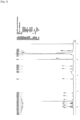
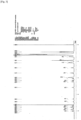
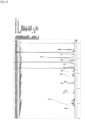
- the 1 H NMR chart of ICG-DOPE is given in Fig. 4 .
- the molar extinction coefficient ⁇ (L/mol/cm) was calculated from the absorbance (the absorbance of ethanol was subtracted) at 790 nm, which was the maximum absorption wavelength.
- the molar concentration used in the calculation of the molar extinction coefficient was itself calculated using a purity of 100% for the ICG lipid derivative and using the nonsalt form.
- the molar extinction coefficients of the individual ICG lipid derivatives are given in Table A. [Table A] Table A.
- the ICG lipid derivatives exhibited absorption in the near-infrared region of 700 to 900 nm. In addition, all of the ICG lipid derivatives also had a molar extinction coefficient of at least 1.6 ⁇ 10 5 [L/mol/cm]. The ICG lipid derivatives according to the present invention were confirmed to have excellent absorption characteristics for near-infrared light.
- the ICG lipid derivatives according to the present invention exhibit the same near-infrared absorption characteristics as ICG, a lipid-based particle constructed with the incorporation of such an ICG lipid derivative is thought to be applicable to fluorescence imaging and photoacoustic imaging and to be useful as a diagnostic reagent and/or a contrast agent. That is, ICG lipid derivatives according to the present invention and lipid-based particles containing same can also be used for theranostics (fusion of therapy and diagnosis).
- an ICG lipid derivative-modified liposome (iLip-1 (ICG-DOPE)) and a doxorubicin-encapsulating ICG lipid derivative-modified liposome (DOX-iLip-1 (ICG-DOPE)) were prepared according to the following procedure using an ammonium sulfate gradient and a pH gradient and using the ICG lipid derivative synthesized in Comparative Example A1 and using doxorubicin as a drug.
- the ICG-diSA synthesized in Example A1 was used as the ICG lipid derivative.
- the liposome particle diameter was adjusted by passing the resulting liposome dispersion five times through a polycarbonate Nuclepore membrane filter having a pore diameter of 100 nm (GE Healthcare) using an extruder (Transferra Nanosciences, Inc.) heated to 50°C. The resulting liposome dispersion was then subjected to a separation process for 15 minutes using an ultracentrifugal separator (CS120GXL, Hitachi Koki Co., Ltd.) set to 453,000 ⁇ g and 4°C.
- a polycarbonate Nuclepore membrane filter having a pore diameter of 100 nm (GE Healthcare) using an extruder (Transferra Nanosciences, Inc.) heated to 50°C.
- the resulting liposome dispersion was then subjected to a separation process for 15 minutes using an ultracentrifugal separator (CS120GXL, Hitachi Koki Co., Ltd.) set to 453,000 ⁇ g and 4°C.
- Example A2 Except for the use of the ICG-diDOPE obtained in Example A2 as the ICG lipid derivative rather than ICG-diSA, the same procedure as in Example B1 was carried out to obtain a dispersion of ICG lipid derivative-modified liposomes (iLip-1 (ICG-diDOPE)) and a dispersion of doxorubicin-encapsulating ICG lipid derivative-modified liposomes (DOX-iLip-1 (ICG-diDOPE)).
- ICG-diDOPE ICG lipid derivative-modified liposomes
- DOX-iLip-1 ICG-diDOPE
- Example A3 Except for the use of the ICG-diDSPE obtained in Example A3 as the ICG lipid derivative rather than ICG-diSA, the same procedure as in Example B1 was carried out to obtain a dispersion of ICG lipid derivative-modified liposomes (iLip-1 (ICG-diDSPE)) and a dispersion of doxorubicin-encapsulating ICG lipid derivative-modified liposomes (DOX-iLip-1 (ICG-diDSPE)).
- ICG-diDSPE ICG lipid derivative-modified liposomes
- DOX-iLip-1 ICG-diDSPE
- Example B1 Except for the use of the ICG-DOPE obtained in Comparative Example A1 as the ICG lipid derivative rather than ICG-diSA, the same procedure as in Example B1 was carried out to obtain a dispersion of ICG lipid derivative-modified liposomes (iLip-1 (ICG-DOPE)) and a dispersion of doxorubicin-encapsulating ICG lipid derivative-modified liposomes (DOX-iLip-1 (ICG-DOPE)).
- ICG-DOPE ICG lipid derivative-modified liposomes
- DOX-iLip-1 ICG-DOPE
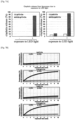
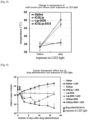
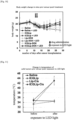
- the particle diameter distribution (average particle diameter (Z-average) (d) and polydispersity index) and zeta potential of the liposomes were measured by the usual methods on samples of the liposomes (iLip-1) obtained in Examples B1 to B3 and Comparative Example B1 prior to doxorubicin encapsulation and on samples of the liposomes (DOX-iLip-1) after doxorubicin encapsulation.
- Table 1 reports the particle diameter distribution and zeta potential of the liposomes (iLip-1) prior to encapsulation of doxorubicin.
- Table 2 reports the particle diameter distribution and zeta potential of the various doxorubicin-encapsulating liposomes (DOX-iLip-1).
- Table 1 Particle diameter distribution and zeta potential of the liposomes (iLip-1) prior to encapsulation of doxorubicin liposome ICG lipid derivative-modified liposome according to the present invention conventional ICG lipid derivative-modified liposome iLip-1 (ICG-diSA) iLip-1 (ICG-diDOPE) iLip-1 (ICG-diDSPE) iLip-1 (ICG-DOPE) average particle diameter d (nm) 126.2 126.4 135.5 103.4 polydispersity index 0.071 0.039 0.070 0.085 zeta potential (mV) -0.12 +1.52 -1.52 -1.66 [Table 2] Table 2.
- the respective liposome solubilized solutions were obtained by adding 35 ⁇ l of a 10% reduced Triton X-100 (Sigma-Aldrich) solution and 280 ⁇ l ultrapure water to 35 ⁇ l of the particular post-doxorubicin-encapsulation liposome (DOX-iLip-1) dispersion obtained in Examples B1 to B3 and Comparative Example B1.
- samples were also prepared by the addition of an aqueous doxorubicin solution (solutions prepared by dilution with ultrapure water so as to provide a final doxorubicin concentration of 0, 3.125, 6.25, 12.5, 25, 50, 100, 200, 400, and 800 ⁇ g/ml) in place of the liposome dispersion.
- 100 ⁇ l of each particular mixture was dispensed into a well of a 96-well microplate (Corning), and the absorbance at a wavelength of 495 nm was measured using a multiplate reader (Infinite (registered trademark) M200, Tecan).
- the amount of doxorubicin encapsulated in the DOX-iLip-1 was determined from the obtained absorbance using the calibration curve method.
- the percentage for the amount of doxorubicin encapsulated in the DOX-iLip-1 (doxorubicin concentration, DOX concentration) with reference to the amount of doxorubicin (concentration of doxorubicin solution) added to the liposome (iLip-1) dispersion for encapsulation in the liposome, was calculated and is reported as the encapsulation ratio (DOX encapsulation ratio, %) of doxorubicin into the particular liposome.
- DOX encapsulation ratio DOX encapsulation ratio
- Encapsulation ratio of doxorubicin in the individual DOX-iLip-1's liposome ICG lipid derivative-modified liposome according to the present invention conventional ICG lipid derivative-modified liposome DOX-iLip-1 (ICG-diSA) DOX-iLip-1 (ICG-diDOPE) DOX-iLip-1 (ICG-diDSPE) DOX-iLip-1 (ICG-DOPE) DOX concentration ( ⁇ g/ml)* 704.3 878.5 914.4 530.4 DOX encapsulation ratio (%) 70.4 87.9 91.4 53.0 * Gives the doxorubicin concentration in the DOX-iLip-1 dispersion when the liposome concentration (total lipid concentration for the DPPC, cholesterol, MPEG2000-DSPE, and ICG lipid derivative contained in the DOX-iLip-1 dispersion) is 10 mM.
- a uniform ICG lipid derivative-modified liposome (iLip-1), having prior to doxorubicin encapsulation an average particle diameter of approximately 100 to 140 nm and a polydispersity index not greater than 0.1, could be produced using any of the ICG lipid derivatives.
- the results in Table 1 show that the ICG lipid derivatives according to the present invention can be used as a constituent material of lipid-based particles.
- the particle diameters for the DOX-iLip-1's post-doxorubicin encapsulation were substantially unchanged and were 130 to 140 nm.
- the DOX-iLip-1 prepared using the heretofore known material ICG-DOPE a large increase in the polydispersity index and a large increase in the average particle diameter, presumably due to aggregation, were confirmed after doxorubicin encapsulation in the liposome.
- the ICG lipid derivatives according to the present invention were demonstrated to be useful as a lipid-based particle that encapsulates a drug such as doxorubicin and to be capable of forming a drug-encapsulating liposome that exhibits an excellent stability.
- the reason that a stable drug-encapsulating liposome could not be formed with the use of the heretofore known material ICG-DOPE is hypothesized to be as follows: with the heretofore known material ICG-DOPE, the sulfo group (- SO 3 H) present in a part of the structure when a liposome is formed is exposed at the surface of the liposome membrane and encapsulation into the liposome interior is impeded by interaction between this sulfo group and the drug (doxorubicin).
- the doxorubicin encapsulation ratios of the individual DOX-iLip-1's as shown in Table 3 the doxorubicin encapsulation ratios for the liposomes DOX-iLip-1 (ICG-diSA), DOX-iLip-1 (ICG-diDOPE), and DOX-iLip-1 (ICG-diDSPE) prepared using the ICG lipid derivatives according to the present invention (ICG-diSA, ICG-diDOPE, ICG-diDSPE) were higher at 70 to 90% than the approximately 50% of the DOX-iLip-1 (ICG-DOPE) of Comparative Example B1, which was prepared using the heretofore known material ICG-DOPE.
- the liposomes prepared using the ICG lipid derivatives according to the present invention were demonstrated to exhibit the following in comparison to the liposome prepared using a heretofore known ICG lipid derivative (ICG-DOPE): 1) a better and an excellent stability of the drug-encapsulating liposome formed by the encapsulation of a drug from outside the liposome into the liposome interior; 2) a higher efficiency of encapsulation of a drug into the liposome interior.
- ICG lipid derivative-modified liposomes iLip-2 (ICG-diSA), iLip-2 (ICG-diDOPE), iLip-2 (ICG-diDSPE)
- doxorubicin-encapsulating ICG lipid derivative-modified liposomes DOX-iLip-2 (ICG-diSA), DOX-iLip-2 (ICG-diDOPE), DOX-iLip-2 (ICG-diDSPE)
- DOX-iLip-2 ICG-diSA
- DOX-iLip-2 ICG-diDOPE
- DOX-iLip-2 ICG-diDSPE
- an ICG lipid derivative-modified liposome (iLip-2 (ICG-DOPE)) and a doxorubicin-encapsulating ICG lipid derivative-modified liposome (DOX-iLip-2 (ICG-DOPE)) were prepared according to the following procedure using an ammonium sulfate gradient and a pH gradient and using the ICG lipid derivative synthesized in Comparative Example A1 and using doxorubicin as a drug.
- the ICG-diSA synthesized in Example A1 was used as the ICG lipid derivative.
- the liposome dispersion was then subjected to a separation process for 30 minutes using an ultracentrifugal separator (CS120GXL, Hitachi Koki Co., Ltd.) set to 511,000 ⁇ g and 4°C. The supernatant was removed and 4 ml of a 0.9% aqueous sodium chloride solution was added to yield a dispersion of doxorubicin-encapsulating ICG lipid derivative-modified liposomes (DOX-iLip-2 (ICG-diSA)).
- Example A2 Except for the use of the ICG-diDOPE obtained in Example A2 as the ICG lipid derivative rather than ICG-diSA, the same procedure as in Example B4 was carried out to obtain a dispersion of ICG lipid derivative-modified liposomes (iLip-2 (ICG-diDOPE)) and a dispersion of doxorubicin-encapsulating ICG lipid derivative-modified liposomes (DOX-iLip-2 (ICG-diDOPE)).
- ICG-diDOPE ICG lipid derivative-modified liposomes
- DOX-iLip-2 ICG-diDOPE
- Example A3 Except for the use of the ICG-diDSPE obtained in Example A3 as the ICG lipid derivative rather than ICG-diSA, the same procedure as in Example B4 was carried out to obtain a dispersion of ICG lipid derivative-modified liposomes (iLip-2 (ICG-diDSPE)) and a dispersion of doxorubicin-encapsulating ICG lipid derivative-modified liposomes (DOX-iLip-2 (ICG-diDSPE)).
- ICG-diDSPE ICG lipid derivative-modified liposomes
- DOX-iLip-2 ICG-diDSPE
- Example B4 Except for the use of the ICG-DOPE obtained in Comparative Example A1 as the ICG lipid derivative rather than ICG-diSA, the same procedure as in Example B4 was carried out to obtain a dispersion of ICG lipid derivative-modified liposomes (iLip-2 (ICG-DOPE)) and a dispersion of doxorubicin-encapsulating ICG lipid derivative-modified liposomes (DOX-iLip-2 (ICG-DOPE)).
- ICG-DOPE ICG lipid derivative-modified liposomes
- DOX-iLip-2 ICG-DOPE
- Encapsulation ratio of doxorubicin in the individual DOX-iLip-2's liposome ICG lipid derivative-modified liposome according to the present invention conventional ICG lipid derivative-modified liposome DOX-iLip-2 (ICG-diSA) DOX-iLip-2 (ICG-diDOPE) DOX-iLip-2 (ICG-diDSPE) DOX-iLip-2 (ICG-DOPE) DOX concentration ( ⁇ g/mL)* 882.6 803.0 842.1 522.5 DOX encapsulation ratio (%) 88.3 80.3 84.2 52.3 * Gives the doxorubicin concentration in the DOX-iLip-2 dispersion when the liposome concentration (total lipid concentration for the DPPC, DSPC, MPEG2000-DSPE, and ICG lipid derivative contained in the DOX-iLip-2 dispersion) is 10 mM.
- ICG-iLip-2 A uniform ICG lipid derivative-modified liposome (ICG-iLip-2), having after doxorubicin encapsulation an average particle diameter of approximately 85 to 140 nm and a polydispersity index not greater than 0.16, could be produced in Examples B4 to B6 and Comparative Example B2 using any of the ICG lipid derivatives (refer to Table 4 and Fig. 8 ).
- ICG-diSA ICG-diDOPE
- ICG-diDSPE ICG-diDSPE
- the reason that the drug encapsulation ratio is smaller with the use of the heretofore known material ICG-DOPE is hypothesized to be as follows: with the heretofore known material ICG-DOPE, the sulfo group (- SO 3 H) present in a part of the structure when a liposome is formed is exposed at the surface of the liposome membrane and encapsulation into the liposome interior is impeded by interaction between this sulfo group and the drug (doxorubicin).
- the temperature of the DOX-iLip-2 dispersion exposed to the near-infrared light was simultaneously measured (data acquisition every 10 seconds) using a temperature logger (SK-L400T, Sato Keiryoki Mfg. Co., Ltd.).
- the DOX-iLip-2 dispersion was recovered after a near-infrared light exposure of 5, 10, and 60 minutes and a 0.9% aqueous sodium chloride solution was added with mixing.
- Each of the resulting mixtures was processed as in (2) of ⁇ Liposome analysis 1 > and the amount of doxorubicin remaining within the liposome was determined and the amount (%) of doxorubicin released from the liposome with elapsed time was calculated.
- a control experiment was performed for each formulation by introducing each liposome dispersion into microplate wells in a thermostatted chamber (Taitec Corporation) set to 37°C and also determining the amount (%) of doxorubicin released with elapsed time for samples held without exposure to the LED lamp.
- Tables 6 to 9 report the timewise changes in the doxorubicin release ratio (%) from the various DOX-iLip-2's due to exposure to near-infrared light.
- Table 6 Timewise change in the doxorubicin release ratio (%) from the ICG lipid derivative-modified liposome DOX-iLip-2 (ICG-diSA) according to the present invention due to exposure to near-infrared light time 0 min 5 min 10 min 60 min exposure to near-infrared light (NIRL), yes (+), no (-) NIRL- NIRL- NIRL+ NIRL- NIRL+ NIRL- NIRL+ DOX release ratio (%) 0 1.92 14.3 0 14.5 0 47.4 [Table 7] Table 7.
- the ICG lipid derivative according to the present invention can be applied to thermal therapeutic methods based on exposure to near-infrared light. It has generally been reported that cancer cells are killed at 42°C and above. Under actual conditions in vivo, liposome particles are distributed into cancer tissue in a state that is more dilute in comparison with experimental systems in current use and the heating temperature of the solvent as a whole is predicted to be lower; however, when the amount of the ICG lipid derivative added to the liposome particle is considered, it can be expected that the liposome particle itself that has come into the vicinity of cancer cells will be heated by exposure to near-infrared light, causing the death of the nearby cancer cells.
- ICG lipid derivative-modified liposomes ICGLip73, ICGLip82
- doxorubicin-encapsulating ICG lipid derivative-modified liposomes ICGLip73-DOX, ICGLip82-DOX
- Liposomes (Lip73, Lip82) and doxorubicin-encapsulating liposomes (Lip73-DOX, Lip82-DOX) that did not contain an ICG lipid derivative were also prepared using an ammonium sulfate gradient and a pH gradient according to the procedure described in the following.
- Lip73 liposome
- Lip73-DOX doxorubicin-encapsulating liposome
- ICG lipid derivative-modified liposome (ICGLip82) dispersion and a doxorubicin-encapsulating ICG lipid derivative-modified liposome (ICGLip82-DOX) were obtained proceeding as in 1(ii) and (2) under Preparation of ICGLip73-DOX in Example B7.
- ICGLip82-DOX approximately 50% of the doxorubicin was released from the liposome due to exposure to the LED light, while doxorubicin was not released from the ICGLip82-DOX that was not exposed to the LED light.
- doxorubicin release was not confirmed for exposure to the LED light and for the absence of exposure to the LED light.
- liposomes prepared from ICG lipid derivatives according to the present invention (ICG-diSA, ICG-diDOPE, ICG-diDSPE) store doxorubicin within the liposomes in a stable manner in the organism, have themselves a heat-generating action upon exposure to near-infrared light, and can at the same time release the encapsulated doxorubicin to the outside of the liposome.
- Cisplatin-encapsulating ICG lipid derivative-modified liposomes (ICGLip73-Cis, ICGLip82-Cis) were prepared using the following procedure and using the ICG lipid derivative synthesized in Example A3 and using cisplatin (Cis) as the drug.
- Liposomes (Lip73, Lip82) and cisplatin-encapsulating liposomes (Lip73-DOX, Lip82-DOX) that did not contain the ICG lipid derivative were also prepared using the following procedure.
- DPPC (NOF Corporation), DSPC (Nippon Fine Chemical Co., Ltd.), MPEG2000-DSPE (Genzyme), and ICG-diDSPE were weighed into glass vials in accordance with the following table to provide the following molar ratios (DPPC : DSPC : MPEG2000-DSPE : ICG-diDSPE), respectively: 7 : 2.5 : 0.5 : 0 (Lip73-Cis), 7 : 1.5 : 0.5 : 0.5 (ICGLip73-Cis), 8 : 1.5 : 0.5 : 0 (Lip82-Cis), and 8 : 0.5 : 0.5 : 0.5 (ICGLip82-Cis). [Table 11] Table 11.
- Lipid mixture compositions DPPC (mg) DSPC (mg) MPEG2000-DSPE (mg) ICG-diDSPE (mg) Comparative Example C1 Lip73-Cis 128.6 49.5 34.9 0 Example C1 ICGLip73-Cis 120.7 29.6 35.2 25.9 Comparative Example C2 Lip82-Cis 146.8 29.5 35.0 0 Example C2 ICGLip82-Cis 146.7 9.8 35.0 26.0
- lipid solutions 1 mL ethanol was added to each glass vial and heating to 80°C was carried out to prepare lipid solutions.
- An 8.3 mg/mL aqueous cisplatin solution was prepared by weighing out 150 mg cisplatin, adding 18 mL physiological saline, and heating to 80°C. 4 mL of the aqueous cisplatin solution was added to each lipid solution to prepare aqueous liposome solutions. While heating to 80°C and using an extruder (LIPEX), each aqueous liposome solution was passed five times through a filter (Whatman) having a pore diameter of 100 nm.
- LIPEX extruder
- Liposome solubilized solutions were obtained by adding 10 ⁇ l of a 10% reduced Triton X-100 (Sigma-Aldrich) solution and 80 ⁇ l ultrapure water to 10 ⁇ l of a 50-fold dilution of each resulting liposome dispersion in a 96-well microplate (Corning) and mixing.
- the absorbance at a wavelength of 800 nm was measured using a multiplate reader (Synergy H1, BIOTEC Co., Ltd.).
- the amount of ICG in the liposomes was determined from the obtained absorbance using a calibration curve. The results are given in Table 12. [Table 12] Table 12.
- Formulation characteristics of the cisplatin-encapsulating liposomes liposome particle diameter (d, nm) polydispersity index zeta potential (mV) cisplatin concentration ( ⁇ g/mL) ICG concentration (mM)
- uniform cisplatin-encapsulating ICG lipid derivative-modified liposomes ICGLip73-Cis, ICGLip82-Cis
- cisplatin-encapsulating liposomes Lip73-Cis, Lip82-Cis
- the temperature of the liposome dispersion exposed to the near-infrared light was measured every 10 seconds using a temperature logger (SK-L400T, Sato Keiryoki Mfg. Co., Ltd.). After the exposure to near-infrared light, each liposome dispersion was recovered and 2.5 ml of 0.066 mol/l phosphate buffer (pH 7.4) was added with mixing; this was followed by sedimentation of the liposomes for 30 minutes using an ultracentrifugal separator (Optima TM TLX, Beckman Coulter, Inc.) set to 543,200 ⁇ g and 4°C, removal of the supernatant, and then the addition of 200 ⁇ l of 0.066 mol/l phosphate buffer (pH 7.4).
- Optima TM TLX Beckman Coulter, Inc.
- each of these suspensions was processed as in (2) of ⁇ Liposome analysis 4 > and the amount of cisplatin remaining within the liposome was determined and the amount (%) of cisplatin released from the liposome was calculated.
- a control experiment was performed for each formulation by introducing each liposome dispersion into microplate wells in a thermostatted chamber (Taitec Corporation) set to 37°C and also determining the amount (%) of cisplatin released for samples held for 10 minutes without exposure to the LED light.
- Fig. 7A and Fig. 7B report the results for ICGLip73-Cis, Lip73-Cis, ICGLip82-Cis, and Lip82-Cis.
- Fig. 7B shows that for the ICG lipid derivative-containing liposomes (ICGLip73-Cis, ICGLip82-Cis) the temperature of the liposome dispersion underwent a significant increase due to exposure to the LED light.
- DPPC (NOF Corporation), DSPC (Nippon Fine Chemical Co., Ltd.), MPEG2000-DSPE (Genzyme), and ICG-diDSPE were weighed into glass vials in accordance with the table below.
- the molar ratios for the lipids are, respectively, 70 : 15 : 5 : 5 (ICG-Lip), 70 : 25 : 5 : 0 (Lip-Cis), and 70 : 15 : 5 : 5 (ICG-Lip-Cis). [Table 15] Table 15.
- a tumor regression effect was confirmed for BxPC3 solid tumor-bearing mice that received ICGLip-Cis and then subsequently received irradiation of the solid tumor with LED light (ICGLip-Cis + LED).
- the ICG lipid derivative according to the present invention can be advantageously applied in the fields of fluorescence imaging, photodynamic hyperthermal therapy and/or photodynamic therapy, or DDS.
Landscapes
- Health & Medical Sciences (AREA)
- Chemical & Material Sciences (AREA)
- Life Sciences & Earth Sciences (AREA)
- General Health & Medical Sciences (AREA)
- Veterinary Medicine (AREA)
- Animal Behavior & Ethology (AREA)
- Public Health (AREA)
- Organic Chemistry (AREA)
- Medicinal Chemistry (AREA)
- Pharmacology & Pharmacy (AREA)
- Epidemiology (AREA)
- General Chemical & Material Sciences (AREA)
- Chemical Kinetics & Catalysis (AREA)
- Engineering & Computer Science (AREA)
- Molecular Biology (AREA)
- Nuclear Medicine, Radiotherapy & Molecular Imaging (AREA)
- Oil, Petroleum & Natural Gas (AREA)
- Biochemistry (AREA)
- Bioinformatics & Cheminformatics (AREA)
- Oncology (AREA)
- Biophysics (AREA)
- Dispersion Chemistry (AREA)
- Biomedical Technology (AREA)
- Medicinal Preparation (AREA)
Applications Claiming Priority (2)
| Application Number | Priority Date | Filing Date | Title |
|---|---|---|---|
| JP2022073640 | 2022-04-27 | ||
| PCT/JP2023/016320 WO2023210645A1 (ja) | 2022-04-27 | 2023-04-25 | Icg脂質誘導体及びこれを含む脂質微粒子 |
Publications (1)
| Publication Number | Publication Date |
|---|---|
| EP4516797A1 true EP4516797A1 (en) | 2025-03-05 |
Family
ID=88519099
Family Applications (1)
| Application Number | Title | Priority Date | Filing Date |
|---|---|---|---|
| EP23796385.5A Pending EP4516797A1 (en) | 2022-04-27 | 2023-04-25 | Icg lipid derivative, and lipid microparticles each containing same |
Country Status (6)
| Country | Link |
|---|---|
| EP (1) | EP4516797A1 (enExample) |
| JP (1) | JPWO2023210645A1 (enExample) |
| KR (1) | KR20250006836A (enExample) |
| CN (1) | CN119183454A (enExample) |
| CA (1) | CA3248143A1 (enExample) |
| WO (1) | WO2023210645A1 (enExample) |
Family Cites Families (8)
| Publication number | Priority date | Publication date | Assignee | Title |
|---|---|---|---|---|
| AU2412800A (en) | 1999-01-15 | 2000-08-01 | Light Sciences Corporation | Noninvasive vascular therapy |
| JP2001299676A (ja) | 2000-04-25 | 2001-10-30 | Fuji Photo Film Co Ltd | センチネルリンパ節検出方法および検出システム |
| JP2003261464A (ja) * | 2002-03-07 | 2003-09-16 | Fuji Photo Film Co Ltd | 近赤外蛍光造影剤および蛍光造影法 |
| JP2010069001A (ja) | 2008-09-18 | 2010-04-02 | Tottori Univ | 動物の自然発生腫瘍に対する光感受性色素剤を用いた光線力学的温熱化学療法およびそれに用いる装置 |
| JP2010266295A (ja) | 2009-05-13 | 2010-11-25 | Chiba Univ | 蛍光組織マーカー及びその製造方法 |
| WO2011152046A1 (ja) | 2010-05-31 | 2011-12-08 | 国立大学法人千葉大学 | リンパ節イメージング用蛍光プローブ |
| US9872833B2 (en) | 2011-10-07 | 2018-01-23 | National University Corporation Tottori University | Liposome composite body |
| JP6700750B2 (ja) * | 2014-12-09 | 2020-05-27 | キヤノン株式会社 | 化合物、および、前記化合物を有する光学イメージング用造影剤 |
-
2023
- 2023-04-25 EP EP23796385.5A patent/EP4516797A1/en active Pending
- 2023-04-25 WO PCT/JP2023/016320 patent/WO2023210645A1/ja not_active Ceased
- 2023-04-25 CA CA3248143A patent/CA3248143A1/en active Pending
- 2023-04-25 CN CN202380033760.XA patent/CN119183454A/zh active Pending
- 2023-04-25 KR KR1020247033702A patent/KR20250006836A/ko active Pending
- 2023-04-25 JP JP2024517345A patent/JPWO2023210645A1/ja active Pending
Also Published As
| Publication number | Publication date |
|---|---|
| KR20250006836A (ko) | 2025-01-13 |
| WO2023210645A1 (ja) | 2023-11-02 |
| JPWO2023210645A1 (enExample) | 2023-11-02 |
| CN119183454A (zh) | 2024-12-24 |
| CA3248143A1 (en) | 2025-07-10 |
Similar Documents
| Publication | Publication Date | Title |
|---|---|---|
| US11382987B2 (en) | Microbubble-chemotherapeutic agent complex for sonodynamic therapy | |
| ES2694154T3 (es) | Composiciones de liposomas combinatorias para el tratamiento del cáncer | |
| EP4563151A1 (en) | Pharmaceutical composition comprising kras g12d inhibitor | |
| AU2017216525B2 (en) | pH-SENSITIVE CARRIER AND METHOD FOR PRODUCTION THEREOF, pH-SENSITIVE MEDICINE AND pH-SENSITIVE PHARMACEUTICAL COMPOSITION EACH CONTAINING SAID CARRIER, AND CULTURE METHOD USING SAID pH-SENSITIVE MEDICINE OR SAID pH-SENSITIVE PHARMACEUTICAL COMPOSITION | |
| EP2764861A1 (en) | Liposome composite body | |
| CN106581693B (zh) | 一种具有抗癌活性的熊果酸偶联物作为药物载体或者分子探针载体的应用 | |
| CN103990151A (zh) | 一种磁共振成像造影剂及其制备方法和应用 | |
| CN111372609A (zh) | 声动力学疗法 | |
| CN112773766A (zh) | 一种用于肿瘤治疗的脂质体递送系统及其制备方法与应用 | |
| Sun et al. | Supramolecular nanomedicine for selective cancer therapy via sequential responsiveness to reactive oxygen species and glutathione | |
| WO2022115488A1 (en) | Immunogenic nanovesicles for cancer immunotherapy | |
| Hu et al. | An engineered-exosome disguised multifunctional nanoplatform for enhanced chemo-photothermal therapy of triple-negative breast cancer | |
| EP4516797A1 (en) | Icg lipid derivative, and lipid microparticles each containing same | |
| US10532105B2 (en) | Formulations for improving the efficacy of hydrophobic drugs | |
| JP5914418B2 (ja) | 脂質粒子、核酸送達キャリア、核酸送達キャリア製造用組成物、脂質粒子の製造方法及び遺伝子導入方法 | |
| JP2024534479A (ja) | 非晶質光増感性粒子、その調製方法、及びその使用方法 | |
| BR112019022423A2 (pt) | composto ou um agente que alveja integrina, composição, e, métodos para produzir um lipossomo, para produzir um agente que alveja integrina, para liberação de fármaco, para obter imagens, para liberar um agente bioativo, para obter imagem de uma estrutura biológica e para identificar um paciente em risco | |
| Ma et al. | Selective antileukemia effect of stabilized nanohybrid vesicles based on cholesteryl succinyl silane | |
| Li et al. | Self-assembly of paclitaxel derivative and fructose as a potent inducer of immunogenic cell death to enhance cancer immunotherapy | |
| Sun et al. | [12] aneN 3-modified camptothecin and PEGylated AIEgens co-assembly into core–shell nanoparticles with ROS/NTR dual-response for enhanced cancer therapy | |
| KR20240100433A (ko) | 암의 치료에 유용한 면역원성 세포 사멸 (icd) 유도 전구약물을 함유하는 제제화된 및/또는 공동-제제화된 나노담체 조성물 및 그의 방법 | |
| KR20240000677A (ko) | 나노-바이오 구조 조절을 기반으로 하는 새로운 고리형 펩티드, 이를 포함하는 코어/쉘 구조의 펩티좀 및 이의 용도 | |
| EP4358952A1 (en) | <smallcaps/>? ? ?in vivo? ? ? ? ?indocarbocyanine lipid derivatives forcargo delivery | |
| Qiao-Ling et al. | Hepatocyte-targeted delivery using ph-sensitive liposomes loaded with lactosylnorcantharidin phospholipid complex: Preparation, characterization, and therapeutic evaluation in vivo and in vitro | |
| WO2018067551A1 (en) | Texaphyrin and antitumor antibiotic conjugates |
Legal Events
| Date | Code | Title | Description |
|---|---|---|---|
| STAA | Information on the status of an ep patent application or granted ep patent |
Free format text: STATUS: THE INTERNATIONAL PUBLICATION HAS BEEN MADE |
|
| PUAI | Public reference made under article 153(3) epc to a published international application that has entered the european phase |
Free format text: ORIGINAL CODE: 0009012 |
|
| STAA | Information on the status of an ep patent application or granted ep patent |
Free format text: STATUS: REQUEST FOR EXAMINATION WAS MADE |
|
| 17P | Request for examination filed |
Effective date: 20241009 |
|
| AK | Designated contracting states |
Kind code of ref document: A1 Designated state(s): AL AT BE BG CH CY CZ DE DK EE ES FI FR GB GR HR HU IE IS IT LI LT LU LV MC ME MK MT NL NO PL PT RO RS SE SI SK SM TR |
|
| DAV | Request for validation of the european patent (deleted) | ||
| DAX | Request for extension of the european patent (deleted) |