EP4512243A1 - Bindungsmoleküle - Google Patents
Bindungsmoleküle Download PDFInfo
- Publication number
- EP4512243A1 EP4512243A1 EP23192521.5A EP23192521A EP4512243A1 EP 4512243 A1 EP4512243 A1 EP 4512243A1 EP 23192521 A EP23192521 A EP 23192521A EP 4512243 A1 EP4512243 A1 EP 4512243A1
- Authority
- EP
- European Patent Office
- Prior art keywords
- human
- cell
- domain
- antibody
- heavy chain
- Prior art date
- Legal status (The legal status is an assumption and is not a legal conclusion. Google has not performed a legal analysis and makes no representation as to the accuracy of the status listed.)
- Pending
Links
- 230000027455 binding Effects 0.000 title description 29
- 239000000427 antigen Substances 0.000 claims abstract description 72
- 108091007433 antigens Proteins 0.000 claims abstract description 72
- 102000036639 antigens Human genes 0.000 claims abstract description 72
- 238000000034 method Methods 0.000 claims abstract description 51
- 238000004519 manufacturing process Methods 0.000 claims abstract description 20
- 210000004102 animal cell Anatomy 0.000 claims abstract description 18
- 239000008194 pharmaceutical composition Substances 0.000 claims abstract description 12
- 108090000623 proteins and genes Proteins 0.000 claims description 141
- 210000004027 cell Anatomy 0.000 claims description 111
- 238000012217 deletion Methods 0.000 claims description 96
- 230000037430 deletion Effects 0.000 claims description 96
- 230000014509 gene expression Effects 0.000 claims description 47
- 108020004414 DNA Proteins 0.000 claims description 44
- 150000007523 nucleic acids Chemical class 0.000 claims description 38
- 241001465754 Metazoa Species 0.000 claims description 37
- 108020004707 nucleic acids Proteins 0.000 claims description 35
- 102000039446 nucleic acids Human genes 0.000 claims description 35
- 101150008942 J gene Proteins 0.000 claims description 30
- 239000002773 nucleotide Substances 0.000 claims description 26
- 125000003729 nucleotide group Chemical group 0.000 claims description 26
- 238000011144 upstream manufacturing Methods 0.000 claims description 26
- 101150117115 V gene Proteins 0.000 claims description 24
- 101150097493 D gene Proteins 0.000 claims description 23
- 230000035772 mutation Effects 0.000 claims description 20
- 239000000546 pharmaceutical excipient Substances 0.000 claims description 14
- 239000003937 drug carrier Substances 0.000 claims description 12
- 210000004602 germ cell Anatomy 0.000 claims description 6
- 108091026890 Coding region Proteins 0.000 claims description 4
- 108091092195 Intron Proteins 0.000 claims description 4
- 241000283984 Rodentia Species 0.000 claims description 4
- 238000010367 cloning Methods 0.000 claims description 3
- 238000012258 culturing Methods 0.000 claims description 3
- 239000001963 growth medium Substances 0.000 claims description 3
- 230000009261 transgenic effect Effects 0.000 abstract description 21
- 108700028369 Alleles Proteins 0.000 description 46
- 241000699666 Mus <mouse, genus> Species 0.000 description 40
- 241000699670 Mus sp. Species 0.000 description 31
- 210000003719 b-lymphocyte Anatomy 0.000 description 31
- 108020005004 Guide RNA Proteins 0.000 description 30
- 238000003780 insertion Methods 0.000 description 26
- 230000037431 insertion Effects 0.000 description 26
- 239000000203 mixture Substances 0.000 description 21
- 230000002779 inactivation Effects 0.000 description 19
- 229920001184 polypeptide Polymers 0.000 description 17
- 102000004196 processed proteins & peptides Human genes 0.000 description 17
- 108090000765 processed proteins & peptides Proteins 0.000 description 17
- 230000006798 recombination Effects 0.000 description 14
- 238000005215 recombination Methods 0.000 description 14
- 238000011830 transgenic mouse model Methods 0.000 description 14
- 210000000952 spleen Anatomy 0.000 description 13
- 239000012634 fragment Substances 0.000 description 12
- 102000004169 proteins and genes Human genes 0.000 description 12
- 108060003951 Immunoglobulin Proteins 0.000 description 11
- 102000018358 immunoglobulin Human genes 0.000 description 11
- 108091033409 CRISPR Proteins 0.000 description 10
- 238000001727 in vivo Methods 0.000 description 10
- 230000004048 modification Effects 0.000 description 10
- 238000012986 modification Methods 0.000 description 10
- 230000001225 therapeutic effect Effects 0.000 description 10
- 241000699660 Mus musculus Species 0.000 description 9
- 239000003153 chemical reaction reagent Substances 0.000 description 9
- 238000010348 incorporation Methods 0.000 description 9
- 238000002198 surface plasmon resonance spectroscopy Methods 0.000 description 9
- 210000002257 embryonic structure Anatomy 0.000 description 8
- 239000002671 adjuvant Substances 0.000 description 7
- 210000000349 chromosome Anatomy 0.000 description 7
- 230000000415 inactivating effect Effects 0.000 description 7
- 230000008569 process Effects 0.000 description 7
- 108010047041 Complementarity Determining Regions Proteins 0.000 description 6
- 102000053602 DNA Human genes 0.000 description 6
- 241000282412 Homo Species 0.000 description 6
- 230000001105 regulatory effect Effects 0.000 description 6
- 102000006496 Immunoglobulin Heavy Chains Human genes 0.000 description 5
- 108010019476 Immunoglobulin Heavy Chains Proteins 0.000 description 5
- FAPWRFPIFSIZLT-UHFFFAOYSA-M Sodium chloride Chemical compound [Na+].[Cl-] FAPWRFPIFSIZLT-UHFFFAOYSA-M 0.000 description 5
- 230000009824 affinity maturation Effects 0.000 description 5
- 125000003275 alpha amino acid group Chemical group 0.000 description 5
- 210000004436 artificial bacterial chromosome Anatomy 0.000 description 5
- 210000001671 embryonic stem cell Anatomy 0.000 description 5
- 238000002649 immunization Methods 0.000 description 5
- 230000004777 loss-of-function mutation Effects 0.000 description 5
- 210000001165 lymph node Anatomy 0.000 description 5
- 108020004999 messenger RNA Proteins 0.000 description 5
- 230000000392 somatic effect Effects 0.000 description 5
- 108010019670 Chimeric Antigen Receptors Proteins 0.000 description 4
- VYZAMTAEIAYCRO-UHFFFAOYSA-N Chromium Chemical compound [Cr] VYZAMTAEIAYCRO-UHFFFAOYSA-N 0.000 description 4
- 239000006146 Roswell Park Memorial Institute medium Substances 0.000 description 4
- 108010003723 Single-Domain Antibodies Proteins 0.000 description 4
- 239000000872 buffer Substances 0.000 description 4
- 230000011712 cell development Effects 0.000 description 4
- 229910052804 chromium Inorganic materials 0.000 description 4
- 239000011651 chromium Substances 0.000 description 4
- 239000003085 diluting agent Substances 0.000 description 4
- 239000003814 drug Substances 0.000 description 4
- 230000006870 function Effects 0.000 description 4
- 230000002163 immunogen Effects 0.000 description 4
- 239000003550 marker Substances 0.000 description 4
- 239000000463 material Substances 0.000 description 4
- 230000001404 mediated effect Effects 0.000 description 4
- 238000000520 microinjection Methods 0.000 description 4
- 230000004044 response Effects 0.000 description 4
- 210000002966 serum Anatomy 0.000 description 4
- 238000010186 staining Methods 0.000 description 4
- 230000008685 targeting Effects 0.000 description 4
- KCXVZYZYPLLWCC-UHFFFAOYSA-N EDTA Chemical compound OC(=O)CN(CC(O)=O)CCN(CC(O)=O)CC(O)=O KCXVZYZYPLLWCC-UHFFFAOYSA-N 0.000 description 3
- 102000018251 Hypoxanthine Phosphoribosyltransferase Human genes 0.000 description 3
- 108010091358 Hypoxanthine Phosphoribosyltransferase Proteins 0.000 description 3
- BELBBZDIHDAJOR-UHFFFAOYSA-N Phenolsulfonephthalein Chemical compound C1=CC(O)=CC=C1C1(C=2C=CC(O)=CC=2)C2=CC=CC=C2S(=O)(=O)O1 BELBBZDIHDAJOR-UHFFFAOYSA-N 0.000 description 3
- 108010004729 Phycoerythrin Proteins 0.000 description 3
- 241000700159 Rattus Species 0.000 description 3
- 108010020764 Transposases Proteins 0.000 description 3
- 102000008579 Transposases Human genes 0.000 description 3
- 241000251539 Vertebrata <Metazoa> Species 0.000 description 3
- 230000002776 aggregation Effects 0.000 description 3
- 238000004220 aggregation Methods 0.000 description 3
- 108010004469 allophycocyanin Proteins 0.000 description 3
- 230000004075 alteration Effects 0.000 description 3
- 150000001413 amino acids Chemical class 0.000 description 3
- 238000004458 analytical method Methods 0.000 description 3
- 239000011230 binding agent Substances 0.000 description 3
- 210000001185 bone marrow Anatomy 0.000 description 3
- 230000008859 change Effects 0.000 description 3
- 230000000295 complement effect Effects 0.000 description 3
- 239000002299 complementary DNA Substances 0.000 description 3
- 230000005782 double-strand break Effects 0.000 description 3
- 230000000694 effects Effects 0.000 description 3
- 238000004520 electroporation Methods 0.000 description 3
- MHMNJMPURVTYEJ-UHFFFAOYSA-N fluorescein-5-isothiocyanate Chemical compound O1C(=O)C2=CC(N=C=S)=CC=C2C21C1=CC=C(O)C=C1OC1=CC(O)=CC=C21 MHMNJMPURVTYEJ-UHFFFAOYSA-N 0.000 description 3
- 239000010437 gem Substances 0.000 description 3
- 210000004408 hybridoma Anatomy 0.000 description 3
- 210000003297 immature b lymphocyte Anatomy 0.000 description 3
- 230000028993 immune response Effects 0.000 description 3
- 230000016784 immunoglobulin production Effects 0.000 description 3
- 238000000338 in vitro Methods 0.000 description 3
- 230000003993 interaction Effects 0.000 description 3
- 238000005304 joining Methods 0.000 description 3
- 210000004698 lymphocyte Anatomy 0.000 description 3
- 210000003519 mature b lymphocyte Anatomy 0.000 description 3
- 230000007246 mechanism Effects 0.000 description 3
- 229960003531 phenolsulfonphthalein Drugs 0.000 description 3
- 230000008707 rearrangement Effects 0.000 description 3
- 230000008439 repair process Effects 0.000 description 3
- 238000011160 research Methods 0.000 description 3
- 239000011780 sodium chloride Substances 0.000 description 3
- 230000003393 splenic effect Effects 0.000 description 3
- 238000002560 therapeutic procedure Methods 0.000 description 3
- JKMHFZQWWAIEOD-UHFFFAOYSA-N 2-[4-(2-hydroxyethyl)piperazin-1-yl]ethanesulfonic acid Chemical compound OCC[NH+]1CCN(CCS([O-])(=O)=O)CC1 JKMHFZQWWAIEOD-UHFFFAOYSA-N 0.000 description 2
- 206010069754 Acquired gene mutation Diseases 0.000 description 2
- 241000282836 Camelus dromedarius Species 0.000 description 2
- 101710098119 Chaperonin GroEL 2 Proteins 0.000 description 2
- 102000004190 Enzymes Human genes 0.000 description 2
- 108090000790 Enzymes Proteins 0.000 description 2
- 108700024394 Exon Proteins 0.000 description 2
- 108700019828 Hinge Exons Proteins 0.000 description 2
- 108700005091 Immunoglobulin Genes Proteins 0.000 description 2
- OUYCCCASQSFEME-QMMMGPOBSA-N L-tyrosine Chemical compound OC(=O)[C@@H](N)CC1=CC=C(O)C=C1 OUYCCCASQSFEME-QMMMGPOBSA-N 0.000 description 2
- 108010091086 Recombinases Proteins 0.000 description 2
- 102000018120 Recombinases Human genes 0.000 description 2
- 238000012300 Sequence Analysis Methods 0.000 description 2
- 101000588258 Taenia solium Paramyosin Proteins 0.000 description 2
- 125000000539 amino acid group Chemical group 0.000 description 2
- 230000003321 amplification Effects 0.000 description 2
- 238000012197 amplification kit Methods 0.000 description 2
- 239000007864 aqueous solution Substances 0.000 description 2
- 238000013475 authorization Methods 0.000 description 2
- 239000011324 bead Substances 0.000 description 2
- 230000008901 benefit Effects 0.000 description 2
- 239000006285 cell suspension Substances 0.000 description 2
- 239000003795 chemical substances by application Substances 0.000 description 2
- 230000005757 colony formation Effects 0.000 description 2
- 239000000356 contaminant Substances 0.000 description 2
- 230000002939 deleterious effect Effects 0.000 description 2
- 239000003599 detergent Substances 0.000 description 2
- 238000011161 development Methods 0.000 description 2
- 230000018109 developmental process Effects 0.000 description 2
- 230000004069 differentiation Effects 0.000 description 2
- 230000009977 dual effect Effects 0.000 description 2
- 238000005516 engineering process Methods 0.000 description 2
- 239000003623 enhancer Substances 0.000 description 2
- 238000002474 experimental method Methods 0.000 description 2
- 238000001943 fluorescence-activated cell sorting Methods 0.000 description 2
- 230000002068 genetic effect Effects 0.000 description 2
- 102000054766 genetic haplotypes Human genes 0.000 description 2
- 230000013595 glycosylation Effects 0.000 description 2
- 238000006206 glycosylation reaction Methods 0.000 description 2
- HNDVDQJCIGZPNO-UHFFFAOYSA-N histidine Natural products OC(=O)C(N)CC1=CN=CN1 HNDVDQJCIGZPNO-UHFFFAOYSA-N 0.000 description 2
- 239000005556 hormone Substances 0.000 description 2
- 229940088597 hormone Drugs 0.000 description 2
- 230000002209 hydrophobic effect Effects 0.000 description 2
- 238000011065 in-situ storage Methods 0.000 description 2
- 238000002347 injection Methods 0.000 description 2
- 239000007924 injection Substances 0.000 description 2
- 230000001926 lymphatic effect Effects 0.000 description 2
- 230000003472 neutralizing effect Effects 0.000 description 2
- 238000003199 nucleic acid amplification method Methods 0.000 description 2
- 238000004806 packaging method and process Methods 0.000 description 2
- 239000000825 pharmaceutical preparation Substances 0.000 description 2
- 229940127557 pharmaceutical product Drugs 0.000 description 2
- 230000000144 pharmacologic effect Effects 0.000 description 2
- 210000003720 plasmablast Anatomy 0.000 description 2
- 210000004180 plasmocyte Anatomy 0.000 description 2
- 238000002360 preparation method Methods 0.000 description 2
- 238000012545 processing Methods 0.000 description 2
- 230000035755 proliferation Effects 0.000 description 2
- 238000000746 purification Methods 0.000 description 2
- RXWNCPJZOCPEPQ-NVWDDTSBSA-N puromycin Chemical compound C1=CC(OC)=CC=C1C[C@H](N)C(=O)N[C@H]1[C@@H](O)[C@H](N2C3=NC=NC(=C3N=C2)N(C)C)O[C@@H]1CO RXWNCPJZOCPEPQ-NVWDDTSBSA-N 0.000 description 2
- 230000000717 retained effect Effects 0.000 description 2
- 238000012216 screening Methods 0.000 description 2
- 230000037432 silent mutation Effects 0.000 description 2
- 239000000243 solution Substances 0.000 description 2
- 230000037439 somatic mutation Effects 0.000 description 2
- 241000894007 species Species 0.000 description 2
- 210000004988 splenocyte Anatomy 0.000 description 2
- 230000001052 transient effect Effects 0.000 description 2
- OUYCCCASQSFEME-UHFFFAOYSA-N tyrosine Natural products OC(=O)C(N)CC1=CC=C(O)C=C1 OUYCCCASQSFEME-UHFFFAOYSA-N 0.000 description 2
- 108091032973 (ribonucleotides)n+m Proteins 0.000 description 1
- QFVHZQCOUORWEI-UHFFFAOYSA-N 4-[(4-anilino-5-sulfonaphthalen-1-yl)diazenyl]-5-hydroxynaphthalene-2,7-disulfonic acid Chemical compound C=12C(O)=CC(S(O)(=O)=O)=CC2=CC(S(O)(=O)=O)=CC=1N=NC(C1=CC=CC(=C11)S(O)(=O)=O)=CC=C1NC1=CC=CC=C1 QFVHZQCOUORWEI-UHFFFAOYSA-N 0.000 description 1
- 241000251468 Actinopterygii Species 0.000 description 1
- 235000002198 Annona diversifolia Nutrition 0.000 description 1
- 108010032595 Antibody Binding Sites Proteins 0.000 description 1
- 108010083359 Antigen Receptors Proteins 0.000 description 1
- 102000006306 Antigen Receptors Human genes 0.000 description 1
- 102100024222 B-lymphocyte antigen CD19 Human genes 0.000 description 1
- 102000004506 Blood Proteins Human genes 0.000 description 1
- 108010017384 Blood Proteins Proteins 0.000 description 1
- 101150111062 C gene Proteins 0.000 description 1
- 101150116855 CH1 gene Proteins 0.000 description 1
- 241001678559 COVID-19 virus Species 0.000 description 1
- 238000010356 CRISPR-Cas9 genome editing Methods 0.000 description 1
- 241000282832 Camelidae Species 0.000 description 1
- 241000251730 Chondrichthyes Species 0.000 description 1
- 108020004705 Codon Proteins 0.000 description 1
- 108091035707 Consensus sequence Proteins 0.000 description 1
- 108010051219 Cre recombinase Proteins 0.000 description 1
- 102000004127 Cytokines Human genes 0.000 description 1
- 108090000695 Cytokines Proteins 0.000 description 1
- 238000002965 ELISA Methods 0.000 description 1
- 108700028146 Genetic Enhancer Elements Proteins 0.000 description 1
- 101000980825 Homo sapiens B-lymphocyte antigen CD19 Proteins 0.000 description 1
- 101000933320 Homo sapiens Breakpoint cluster region protein Proteins 0.000 description 1
- 108090000144 Human Proteins Proteins 0.000 description 1
- 102000003839 Human Proteins Human genes 0.000 description 1
- 108010009817 Immunoglobulin Constant Regions Proteins 0.000 description 1
- 108010021625 Immunoglobulin Fragments Proteins 0.000 description 1
- 102000008394 Immunoglobulin Fragments Human genes 0.000 description 1
- 108700029228 Immunoglobulin Heavy Chain Genes Proteins 0.000 description 1
- 102000013463 Immunoglobulin Light Chains Human genes 0.000 description 1
- 108010065825 Immunoglobulin Light Chains Proteins 0.000 description 1
- 101150071292 J4 gene Proteins 0.000 description 1
- SHZGCJCMOBCMKK-DHVFOXMCSA-N L-fucopyranose Chemical group C[C@@H]1OC(O)[C@@H](O)[C@H](O)[C@@H]1O SHZGCJCMOBCMKK-DHVFOXMCSA-N 0.000 description 1
- 241000282838 Lama Species 0.000 description 1
- 101100437372 Mus musculus Bcr gene Proteins 0.000 description 1
- 108091034117 Oligonucleotide Proteins 0.000 description 1
- 206010035226 Plasma cell myeloma Diseases 0.000 description 1
- 229920001213 Polysorbate 20 Polymers 0.000 description 1
- 108020004511 Recombinant DNA Proteins 0.000 description 1
- BQCADISMDOOEFD-UHFFFAOYSA-N Silver Chemical compound [Ag] BQCADISMDOOEFD-UHFFFAOYSA-N 0.000 description 1
- 108010052160 Site-specific recombinase Proteins 0.000 description 1
- 108700019146 Transgenes Proteins 0.000 description 1
- 241001416177 Vicugna pacos Species 0.000 description 1
- 238000012452 Xenomouse strains Methods 0.000 description 1
- 230000001594 aberrant effect Effects 0.000 description 1
- 239000004480 active ingredient Substances 0.000 description 1
- 238000010171 animal model Methods 0.000 description 1
- 230000005875 antibody response Effects 0.000 description 1
- 230000010056 antibody-dependent cellular cytotoxicity Effects 0.000 description 1
- 238000013459 approach Methods 0.000 description 1
- 238000003556 assay Methods 0.000 description 1
- 230000000975 bioactive effect Effects 0.000 description 1
- 230000033228 biological regulation Effects 0.000 description 1
- 230000005540 biological transmission Effects 0.000 description 1
- 229960000074 biopharmaceutical Drugs 0.000 description 1
- 230000015572 biosynthetic process Effects 0.000 description 1
- 210000002459 blastocyst Anatomy 0.000 description 1
- 238000009395 breeding Methods 0.000 description 1
- 230000001488 breeding effect Effects 0.000 description 1
- 239000007975 buffered saline Substances 0.000 description 1
- 210000004899 c-terminal region Anatomy 0.000 description 1
- 244000309466 calf Species 0.000 description 1
- 150000001720 carbohydrates Chemical class 0.000 description 1
- 235000014633 carbohydrates Nutrition 0.000 description 1
- 239000000969 carrier Substances 0.000 description 1
- 230000001364 causal effect Effects 0.000 description 1
- 238000004113 cell culture Methods 0.000 description 1
- 238000006243 chemical reaction Methods 0.000 description 1
- 210000004978 chinese hamster ovary cell Anatomy 0.000 description 1
- 230000002759 chromosomal effect Effects 0.000 description 1
- 230000004186 co-expression Effects 0.000 description 1
- 230000009260 cross reactivity Effects 0.000 description 1
- 230000002950 deficient Effects 0.000 description 1
- 230000001419 dependent effect Effects 0.000 description 1
- 201000010099 disease Diseases 0.000 description 1
- 208000037265 diseases, disorders, signs and symptoms Diseases 0.000 description 1
- 229940079593 drug Drugs 0.000 description 1
- -1 e.g. Substances 0.000 description 1
- 239000000839 emulsion Substances 0.000 description 1
- 230000002708 enhancing effect Effects 0.000 description 1
- 125000001495 ethyl group Chemical group [H]C([H])([H])C([H])([H])* 0.000 description 1
- 210000003527 eukaryotic cell Anatomy 0.000 description 1
- 230000002349 favourable effect Effects 0.000 description 1
- 238000000684 flow cytometry Methods 0.000 description 1
- 238000011010 flushing procedure Methods 0.000 description 1
- 230000003325 follicular Effects 0.000 description 1
- 238000013467 fragmentation Methods 0.000 description 1
- 238000006062 fragmentation reaction Methods 0.000 description 1
- 230000037433 frameshift Effects 0.000 description 1
- 230000004077 genetic alteration Effects 0.000 description 1
- 231100000118 genetic alteration Toxicity 0.000 description 1
- 238000010353 genetic engineering Methods 0.000 description 1
- 239000003102 growth factor Substances 0.000 description 1
- 208000025750 heavy chain disease Diseases 0.000 description 1
- 102000051878 human BCR Human genes 0.000 description 1
- 210000005260 human cell Anatomy 0.000 description 1
- 210000003917 human chromosome Anatomy 0.000 description 1
- 230000028996 humoral immune response Effects 0.000 description 1
- 108091008915 immune receptors Proteins 0.000 description 1
- 102000027596 immune receptors Human genes 0.000 description 1
- 210000000987 immune system Anatomy 0.000 description 1
- 238000003018 immunoassay Methods 0.000 description 1
- 229940127121 immunoconjugate Drugs 0.000 description 1
- 108010075597 immunoglobulin M receptor Proteins 0.000 description 1
- 229940072221 immunoglobulins Drugs 0.000 description 1
- 230000001771 impaired effect Effects 0.000 description 1
- 230000000977 initiatory effect Effects 0.000 description 1
- 238000007918 intramuscular administration Methods 0.000 description 1
- 238000007912 intraperitoneal administration Methods 0.000 description 1
- 238000001990 intravenous administration Methods 0.000 description 1
- 238000011835 investigation Methods 0.000 description 1
- 238000002955 isolation Methods 0.000 description 1
- 238000012004 kinetic exclusion assay Methods 0.000 description 1
- 150000002632 lipids Chemical class 0.000 description 1
- 239000007788 liquid Substances 0.000 description 1
- 210000001161 mammalian embryo Anatomy 0.000 description 1
- 238000013507 mapping Methods 0.000 description 1
- 210000003826 marginal zone b cell Anatomy 0.000 description 1
- 230000035800 maturation Effects 0.000 description 1
- 238000005259 measurement Methods 0.000 description 1
- 238000010999 medical injection Methods 0.000 description 1
- 210000001806 memory b lymphocyte Anatomy 0.000 description 1
- 208000024191 minimally invasive lung adenocarcinoma Diseases 0.000 description 1
- 238000012544 monitoring process Methods 0.000 description 1
- 239000000178 monomer Substances 0.000 description 1
- 201000000050 myeloid neoplasm Diseases 0.000 description 1
- 210000004897 n-terminal region Anatomy 0.000 description 1
- 230000009871 nonspecific binding Effects 0.000 description 1
- 231100000252 nontoxic Toxicity 0.000 description 1
- 230000003000 nontoxic effect Effects 0.000 description 1
- 230000001575 pathological effect Effects 0.000 description 1
- 238000002823 phage display Methods 0.000 description 1
- 239000008363 phosphate buffer Substances 0.000 description 1
- 108091033319 polynucleotide Proteins 0.000 description 1
- 102000040430 polynucleotide Human genes 0.000 description 1
- 239000002157 polynucleotide Substances 0.000 description 1
- 235000010486 polyoxyethylene sorbitan monolaurate Nutrition 0.000 description 1
- 239000000256 polyoxyethylene sorbitan monolaurate Substances 0.000 description 1
- 229940068977 polysorbate 20 Drugs 0.000 description 1
- 238000004321 preservation Methods 0.000 description 1
- 230000037452 priming Effects 0.000 description 1
- 210000001236 prokaryotic cell Anatomy 0.000 description 1
- 230000002035 prolonged effect Effects 0.000 description 1
- 230000000069 prophylactic effect Effects 0.000 description 1
- 229950010131 puromycin Drugs 0.000 description 1
- 108020003175 receptors Proteins 0.000 description 1
- 102000005962 receptors Human genes 0.000 description 1
- 238000011084 recovery Methods 0.000 description 1
- 238000009877 rendering Methods 0.000 description 1
- 230000010076 replication Effects 0.000 description 1
- 238000012552 review Methods 0.000 description 1
- 150000003839 salts Chemical class 0.000 description 1
- 238000012163 sequencing technique Methods 0.000 description 1
- 229910052709 silver Inorganic materials 0.000 description 1
- 239000004332 silver Substances 0.000 description 1
- 238000012174 single-cell RNA sequencing Methods 0.000 description 1
- 238000002415 sodium dodecyl sulfate polyacrylamide gel electrophoresis Methods 0.000 description 1
- 230000009870 specific binding Effects 0.000 description 1
- 238000012421 spiking Methods 0.000 description 1
- 238000009987 spinning Methods 0.000 description 1
- 238000010561 standard procedure Methods 0.000 description 1
- 230000000638 stimulation Effects 0.000 description 1
- 238000007920 subcutaneous administration Methods 0.000 description 1
- 238000010254 subcutaneous injection Methods 0.000 description 1
- 239000007929 subcutaneous injection Substances 0.000 description 1
- 238000006467 substitution reaction Methods 0.000 description 1
- 239000003053 toxin Substances 0.000 description 1
- 238000013518 transcription Methods 0.000 description 1
- 230000035897 transcription Effects 0.000 description 1
- 230000002103 transcriptional effect Effects 0.000 description 1
- 238000011824 transgenic rat model Methods 0.000 description 1
- 230000005945 translocation Effects 0.000 description 1
- 210000005253 yeast cell Anatomy 0.000 description 1
Images


Classifications
-
- A—HUMAN NECESSITIES
- A01—AGRICULTURE; FORESTRY; ANIMAL HUSBANDRY; HUNTING; TRAPPING; FISHING
- A01K—ANIMAL HUSBANDRY; AVICULTURE; APICULTURE; PISCICULTURE; FISHING; REARING OR BREEDING ANIMALS, NOT OTHERWISE PROVIDED FOR; NEW BREEDS OF ANIMALS
- A01K67/00—Rearing or breeding animals, not otherwise provided for; New or modified breeds of animals
- A01K67/027—New or modified breeds of vertebrates
- A01K67/0275—Genetically modified vertebrates, e.g. transgenic
-
- C—CHEMISTRY; METALLURGY
- C07—ORGANIC CHEMISTRY
- C07K—PEPTIDES
- C07K16/00—Immunoglobulins [IGs], e.g. monoclonal or polyclonal antibodies
-
- C—CHEMISTRY; METALLURGY
- C12—BIOCHEMISTRY; BEER; SPIRITS; WINE; VINEGAR; MICROBIOLOGY; ENZYMOLOGY; MUTATION OR GENETIC ENGINEERING
- C12N—MICROORGANISMS OR ENZYMES; COMPOSITIONS THEREOF; PROPAGATING, PRESERVING, OR MAINTAINING MICROORGANISMS; MUTATION OR GENETIC ENGINEERING; CULTURE MEDIA
- C12N15/00—Mutation or genetic engineering; DNA or RNA concerning genetic engineering, vectors, e.g. plasmids, or their isolation, preparation or purification; Use of hosts therefor
- C12N15/09—Recombinant DNA-technology
- C12N15/11—DNA or RNA fragments; Modified forms thereof; Non-coding nucleic acids having a biological activity
- C12N15/113—Non-coding nucleic acids modulating the expression of genes, e.g. antisense oligonucleotides; Antisense DNA or RNA; Triplex- forming oligonucleotides; Catalytic nucleic acids, e.g. ribozymes; Nucleic acids used in co-suppression or gene silencing
- C12N15/1137—Non-coding nucleic acids modulating the expression of genes, e.g. antisense oligonucleotides; Antisense DNA or RNA; Triplex- forming oligonucleotides; Catalytic nucleic acids, e.g. ribozymes; Nucleic acids used in co-suppression or gene silencing against enzymes
-
- C—CHEMISTRY; METALLURGY
- C12—BIOCHEMISTRY; BEER; SPIRITS; WINE; VINEGAR; MICROBIOLOGY; ENZYMOLOGY; MUTATION OR GENETIC ENGINEERING
- C12N—MICROORGANISMS OR ENZYMES; COMPOSITIONS THEREOF; PROPAGATING, PRESERVING, OR MAINTAINING MICROORGANISMS; MUTATION OR GENETIC ENGINEERING; CULTURE MEDIA
- C12N15/00—Mutation or genetic engineering; DNA or RNA concerning genetic engineering, vectors, e.g. plasmids, or their isolation, preparation or purification; Use of hosts therefor
- C12N15/09—Recombinant DNA-technology
- C12N15/63—Introduction of foreign genetic material using vectors; Vectors; Use of hosts therefor; Regulation of expression
- C12N15/79—Vectors or expression systems specially adapted for eukaryotic hosts
- C12N15/85—Vectors or expression systems specially adapted for eukaryotic hosts for animal cells
- C12N15/8509—Vectors or expression systems specially adapted for eukaryotic hosts for animal cells for producing genetically modified animals, e.g. transgenic
-
- A—HUMAN NECESSITIES
- A01—AGRICULTURE; FORESTRY; ANIMAL HUSBANDRY; HUNTING; TRAPPING; FISHING
- A01K—ANIMAL HUSBANDRY; AVICULTURE; APICULTURE; PISCICULTURE; FISHING; REARING OR BREEDING ANIMALS, NOT OTHERWISE PROVIDED FOR; NEW BREEDS OF ANIMALS
- A01K2207/00—Modified animals
- A01K2207/15—Humanized animals
-
- A—HUMAN NECESSITIES
- A01—AGRICULTURE; FORESTRY; ANIMAL HUSBANDRY; HUNTING; TRAPPING; FISHING
- A01K—ANIMAL HUSBANDRY; AVICULTURE; APICULTURE; PISCICULTURE; FISHING; REARING OR BREEDING ANIMALS, NOT OTHERWISE PROVIDED FOR; NEW BREEDS OF ANIMALS
- A01K2217/00—Genetically modified animals
- A01K2217/07—Animals genetically altered by homologous recombination
- A01K2217/072—Animals genetically altered by homologous recombination maintaining or altering function, i.e. knock in
-
- A—HUMAN NECESSITIES
- A01—AGRICULTURE; FORESTRY; ANIMAL HUSBANDRY; HUNTING; TRAPPING; FISHING
- A01K—ANIMAL HUSBANDRY; AVICULTURE; APICULTURE; PISCICULTURE; FISHING; REARING OR BREEDING ANIMALS, NOT OTHERWISE PROVIDED FOR; NEW BREEDS OF ANIMALS
- A01K2217/00—Genetically modified animals
- A01K2217/07—Animals genetically altered by homologous recombination
- A01K2217/075—Animals genetically altered by homologous recombination inducing loss of function, i.e. knock out
-
- A—HUMAN NECESSITIES
- A01—AGRICULTURE; FORESTRY; ANIMAL HUSBANDRY; HUNTING; TRAPPING; FISHING
- A01K—ANIMAL HUSBANDRY; AVICULTURE; APICULTURE; PISCICULTURE; FISHING; REARING OR BREEDING ANIMALS, NOT OTHERWISE PROVIDED FOR; NEW BREEDS OF ANIMALS
- A01K2217/00—Genetically modified animals
- A01K2217/15—Animals comprising multiple alterations of the genome, by transgenesis or homologous recombination, e.g. obtained by cross-breeding
-
- A—HUMAN NECESSITIES
- A01—AGRICULTURE; FORESTRY; ANIMAL HUSBANDRY; HUNTING; TRAPPING; FISHING
- A01K—ANIMAL HUSBANDRY; AVICULTURE; APICULTURE; PISCICULTURE; FISHING; REARING OR BREEDING ANIMALS, NOT OTHERWISE PROVIDED FOR; NEW BREEDS OF ANIMALS
- A01K2227/00—Animals characterised by species
- A01K2227/10—Mammal
- A01K2227/105—Murine
-
- A—HUMAN NECESSITIES
- A01—AGRICULTURE; FORESTRY; ANIMAL HUSBANDRY; HUNTING; TRAPPING; FISHING
- A01K—ANIMAL HUSBANDRY; AVICULTURE; APICULTURE; PISCICULTURE; FISHING; REARING OR BREEDING ANIMALS, NOT OTHERWISE PROVIDED FOR; NEW BREEDS OF ANIMALS
- A01K2267/00—Animals characterised by purpose
- A01K2267/01—Animal expressing industrially exogenous proteins
-
- C—CHEMISTRY; METALLURGY
- C07—ORGANIC CHEMISTRY
- C07K—PEPTIDES
- C07K2317/00—Immunoglobulins specific features
- C07K2317/10—Immunoglobulins specific features characterized by their source of isolation or production
-
- C—CHEMISTRY; METALLURGY
- C07—ORGANIC CHEMISTRY
- C07K—PEPTIDES
- C07K2317/00—Immunoglobulins specific features
- C07K2317/20—Immunoglobulins specific features characterized by taxonomic origin
- C07K2317/21—Immunoglobulins specific features characterized by taxonomic origin from primates, e.g. man
-
- C—CHEMISTRY; METALLURGY
- C07—ORGANIC CHEMISTRY
- C07K—PEPTIDES
- C07K2317/00—Immunoglobulins specific features
- C07K2317/50—Immunoglobulins specific features characterized by immunoglobulin fragments
- C07K2317/56—Immunoglobulins specific features characterized by immunoglobulin fragments variable (Fv) region, i.e. VH and/or VL
- C07K2317/569—Single domain, e.g. dAb, sdAb, VHH, VNAR or nanobody®
-
- C—CHEMISTRY; METALLURGY
- C12—BIOCHEMISTRY; BEER; SPIRITS; WINE; VINEGAR; MICROBIOLOGY; ENZYMOLOGY; MUTATION OR GENETIC ENGINEERING
- C12N—MICROORGANISMS OR ENZYMES; COMPOSITIONS THEREOF; PROPAGATING, PRESERVING, OR MAINTAINING MICROORGANISMS; MUTATION OR GENETIC ENGINEERING; CULTURE MEDIA
- C12N2310/00—Structure or type of the nucleic acid
- C12N2310/10—Type of nucleic acid
- C12N2310/20—Type of nucleic acid involving clustered regularly interspaced short palindromic repeats [CRISPR]
-
- C—CHEMISTRY; METALLURGY
- C12—BIOCHEMISTRY; BEER; SPIRITS; WINE; VINEGAR; MICROBIOLOGY; ENZYMOLOGY; MUTATION OR GENETIC ENGINEERING
- C12N—MICROORGANISMS OR ENZYMES; COMPOSITIONS THEREOF; PROPAGATING, PRESERVING, OR MAINTAINING MICROORGANISMS; MUTATION OR GENETIC ENGINEERING; CULTURE MEDIA
- C12N2800/00—Nucleic acids vectors
- C12N2800/30—Vector systems comprising sequences for excision in presence of a recombinase, e.g. loxP or FRT
-
- C—CHEMISTRY; METALLURGY
- C12—BIOCHEMISTRY; BEER; SPIRITS; WINE; VINEGAR; MICROBIOLOGY; ENZYMOLOGY; MUTATION OR GENETIC ENGINEERING
- C12N—MICROORGANISMS OR ENZYMES; COMPOSITIONS THEREOF; PROPAGATING, PRESERVING, OR MAINTAINING MICROORGANISMS; MUTATION OR GENETIC ENGINEERING; CULTURE MEDIA
- C12N2800/00—Nucleic acids vectors
- C12N2800/90—Vectors containing a transposable element
-
- C—CHEMISTRY; METALLURGY
- C12—BIOCHEMISTRY; BEER; SPIRITS; WINE; VINEGAR; MICROBIOLOGY; ENZYMOLOGY; MUTATION OR GENETIC ENGINEERING
- C12Y—ENZYMES
- C12Y301/00—Hydrolases acting on ester bonds (3.1)
- C12Y301/04—Phosphoric diester hydrolases (3.1.4)
- C12Y301/04011—Phosphoinositide phospholipase C (3.1.4.11)
Definitions
- the disclosure relates to the production of fully human heavy chain only antibodies in non-human animal cells.
- the antigen-binding region of a native human immunoglobulin is composed of two variable domains - the heavy chain variable (VH) domain and the light chain variable (VL) domain - which pair together to form an Fv region.
- the Fv region has an antigen-binding site provided by six loops of variable amino acid sequence - the complementarity determining regions (CDRs).
- the VH domain comprises HCDR1, HCDR2 and HCDR3 interspersed with framework regions (FRs)
- the VL domain comprises LCDR1, LCDR2 and LCDR3 interspersed with FRs.
- One or more CDRs of the VH domain and/or of the VL domain bind to the antigen.
- HCDR3 of the VH domain often has a major role in antigen-binding, although other CDRs of both domains can and often do contribute. Even where an antigen binds solely or mainly to CDRs of the VH domain, the presence of the VL domain in the Fv may stabilise the VH in a functional binding conformation.
- Antibody variable domains are generated in vivo through combinatorial rearrangement of gene segments at the immunoglobulin (Ig) loci within cells of B lymphocyte lineage, which provides a repertoire of encoded amino acid sequences capable of binding to the diverse immunogenic stimuli encountered by the immune system.
- the Ig heavy chain locus in humans has approximately 41 functional V gene segments, 27 functional D gene segments and 6 functional J gene segments, depending on haplotype. Nucleic acid encoding a VH domain is generated through V-D-J gene segment recombination.
- the V gene segment encodes the N terminal region of the polypeptide chain comprising FR1, HCDR1, FR2, HCDR2, FR3 and the start of HCDR3, while the D gene segment is encompassed within HCDR3 and the J gene segment provides the end of HCDR3 and the C terminal framework region FR4.
- the highly variable nature of HCDR3 sequences in an antibody repertoire reflects the combinatorial diversity generated by rearrangement of the many different V, D and J segments.
- Humans have two Ig light chain loci, kappa (k) and lambda ( ⁇ ).
- the human Ig light chain loci have approximately 40 functional Vk segments, 5 functional Jk segments, 29 functional V ⁇ segments and 4 functional J ⁇ segments, depending on haplotype.
- Nucleic acid encoding a VL domain is produced by the recombination of two gene segments, V and J, at either the kappa (k) or lambda ( ⁇ ) locus.
- the V gene segment encodes the FR1, LCDR1, FR2, LCDR2, FR3 and the first part of LCDR3, while the J gene segment forms the second part of LCDR3 and the FR4.
- WO90/05144 disclosed that VH domains, when isolated from complete antibodies comprising heavy and light chains, were able to bind to antigen in a 1:1 ratio and with binding constants of equivalent magnitude to those of complete antibody molecules.
- Camelids (the animal family including camels and llamas) naturally produce antibodies which bind antigen with unpaired VH domains in the absence of a VL. These antibodies completely lack the immunoglobulin light chain, and are bivalent binders composed of homodimeric heavy chains each comprising an antigen-binding single VH or "VHH" domain, a hinge region and a dimerising constant region comprising CH2 and CH3 domains.
- HCAbs While homologous to the heavy chains of classical mammalian antibodies, these "heavy chain antibodies” (“HCAbs”) lack the first domain of the constant region (CH1), which is spliced out during mRNA processing ( WO94/ 04678 Casterman & Hamers ; WO96/34103 Hamers & Muyldermans ).
- Immunoglobulin heavy chains are expressed comprising the VH, CH2 and CH3 domains, but lacking a CH1 domain. In patients with this disease the heavy chains are found to accumulate instead of pairing with light chains to form normal antibodies.
- Cartilaginous fish such as sharks also have antibodies composed of heavy chains and lacking any light chain. These antibodies are termed IgNAR (immunoglobulin new antigen receptor) and have been used as a source of single domain antibodies called VNAR fragments.
- IgNAR immunoglobulin new antigen receptor
- Antigen-binding molecules comprising single variable domains of antibodies include immunoconjugates (e.g., dAb-toxin) and chimeric antigen receptors (CARs).
- immunoconjugates e.g., dAb-toxin
- CARs chimeric antigen receptors
- mice have been genetically engineered to express heavy chain antibodies as a further source of single antigen-binding variable domains.
- the heavy chain alone is then expressed, and homodimerises.
- the CH1 domain of the heavy chain is intrinsically disordered and adopts the typical immunoglobulin fold only upon interaction with its cognate partner, the Ck or C ⁇ domain of the light chain.
- Expression of Ig heavy chains has been reported to be non-productive owing to misfolding and aggregation of the CH1 domain.
- nucleic acid encoding the VH is normally joined to nucleic acid encoding a CH1-CH2-CH3 constant region, but in the aberrant mechanism, the VH is joined to only CH2-CH3.
- the resulting HCAbs like those of camelids, lack the CH1 domain and can be expressed and selected for antigen binding.
- functional HCAbs are generated only at low efficiency by this method, since the normal mechanism of class switching predominates and produces a full Ig heavy chain including the CH1.
- mice used for producing heavy chain antibodies have therefore been engineered to have a genetic deletion of the CH1 domain of the immunoglobulin heavy chain and knockout of the light chains.
- Such mice produce antibodies comprising dimeric heavy chains and lacking light chains, each heavy chain having a variable (VH) domain and constant regions CH2 and CH3.
- the constant regions dimerise to form an Fc region, while the two VH domains are available for divalent antigen binding.
- VH variable
- heavy chain antibodies specific for the antigen are generated, selected and affinity matured in vivo, and can be isolated.
- Nucleic acid encoding the VH domains can then be expressed recombinantly and cloned as desired to provide polypeptides comprising the VH domain, optionally in the context of larger molecules such as CARs or other products for therapeutic or diagnostic use.
- Erasmus Universiteit Rotterdam have described transgenic mice whose genomes comprise exons from camelid VHH domains or "camelised” VH domains and heavy chain constant region genes which did not express a functional CH1 domain ( WO02/085944 , WO02/085945 , WO2006/008548 , WO2010/109165 ).
- "Camelised” VH are human (or other non-camelid) VH sequences which have been mutated to resemble camelid VHH.
- the heavy chain genes are engineered to exclude functional CH1 domains.
- WO02/085944 As reported in WO02/085944 , the absence of the CH1 rendered the heavy chain antibodies unable to associate with light chains to form "conventional" antibodies, since the CH1 was the natural partner for the constant domain of the light chain.
- WO2006/008548 reported that normal B-cell maturation and antibody production in the mice was dependent on the complete absence of CH1 sequences from each heavy chain constant region present in the transgenic locus.
- WO2004/049794 (The Babraham Institute) describes production of HCAbs from a YAC transgene in mice, in which the CH1 domain of the heavy chain is spliced out during mRNA processing. The resulting mice could then be crossed with mice in which endogenous heavy and light chain genes had been knocked out, to generate mice which only expressed the desired HCAbs.
- mice carrying CH1 deletions in their Ig heavy chains do not have normal B cell populations.
- Mice in which DNA encoding the CH1 domain was deleted from both the ⁇ and the ⁇ heavy chain constant region genes produced IgM heavy chains lacking CH1 (CH1 ⁇ ) and IgG heavy chains lacking CH1 (CH1 ⁇ y), but the proportion of immature B cells in these mice was increased, with impaired differentiation into follicular zone B cells and marginal zone B cells. ( Janssens et al., PNAS (2006) 103(41):15130-15135 ).
- Human VH domains are desirable for administration to humans for a variety of reasons. Human VH domains exhibit improved stability and are of a smaller size compared to a full-length antibody, allowing generation of antibodies directed against wider range of targets, including epitopes that conventional antibodies fail to target. Human VH domains are also associated with lower immunogenic side effects in patients compared with administration of polypeptides of non-human origin such as camelid VHH. Transgenic mice expressing human antibody heavy chains are a source of human VH domains that undergo in vivo selection for antigen-binding. However, human antibodies naturally contain both heavy and light chains, and only a subset of heavy chain variable regions are able to generate functional heavy chain antibodies in the absence of the light chain.
- Human VH domains from heavy chain antibodies produced in heavy chain only mice therefore lack the sequence diversity of VH domains from full immunoglobulins.
- the limitation of the human VH domain repertoire in such mice is compounded where the human Ig heavy chain genes are introduced at a random insertion point in the mouse genome, since the ectopic transgenic locus produces VH domains with HCDR3 sequences which are shorter than in humans (believed to result from limited N-addition occurring during VDJ recombination) and which undergo limited hypermutation, resulting in an already low diversity of VH domains. This appears to be an intrinsic limitation of known random insertion transgenic platforms for human antibody generation.
- WO2011/072204 described mice expressing heavy chain antibodies comprising human VH domains and mouse constant regions with deleted CH1 domains. These mice were said to comprise a germline deletion of the sequence encoding CH1 in an endogenous Ig constant region gene, rendering them incapable of expressing an IgG mRNA that comprised a sequence encoding a CH1 domain, but the mice retained the ability to express normal functional IgM antibody as the CH1 domain of the IgM isotype constant domain was not deleted.
- WO2013/171505 (Kymab Limited) described a mouse engineered to express normal IgM antibodies and CH1-deleted IgG antibodies, where stage-specific class switching from IgM to IgG in lymphocytes was accompanied by inactivation of the endogenous Ig light chain loci and genetic deletion of CH1 from the IgG constant region, so that IgG antibodies were expressed by the cell in the absence of light chain expression.
- This modification enabled antibody and B-cell compartment development to pass through a favourable 4-chain (H2L2, i.e.
- WO2018/039180 (Teneobio Inc.) reported that HCAbs with less propensity for aggregation could be prepared by replacement of the native amino acid residue at the first position of FR4 of an HCAb by another amino acid residue to disrupt a surface-exposed hydrophobic patch which, in a normal Fv, would be buried in the VH-VL interface.
- the exposure of the hydrophobic patch was identified as being a causal factor in the unwanted aggregation of heavy chains in the absence of light chain, as well as in VH-VL domain pairing in the presence of light chain.
- Rats were genetically engineered to express HCAbs including identified VH residue mutations, and heavy chain homodimerisation was enforced by inactivation of the endogenous light chain loci.
- Xu et al disclose a mouse comprising VHH genes from alpaca, dromedary and camel, comprising CH1 deletions in C ⁇ and Cy1, and retaining the mouse constant region, for the production of nanobodies useful for neutralising SARS-CoV-2 variants.
- WO2022/126113 (Trianni Inc.) describes a mouse engineered to produce HCAbs of the IgG type by incorporating within the endogenous immunoglobulin heavy chain constant region locus a transgenic C ⁇ gene segment upstream of the endogenous C ⁇ gene segment (in 5' to 3' orientation), wherein the C ⁇ gene segment comprises a deletion of at least part of the CH1 domain.
- EP3770261 A1 (Chongqing Jinmaibo Biotec. Co.) discloses using transgenic host animals to produce humanized single-domain antibodies. According to the disclosure, all the IgM sequences, and all IgG regulatory control sequences, are originated from the host animal and the CH1 sequence of IgM is deleted. The IgG C ⁇ sequences are human sequences, and the CH1 sequence of IgG is deleted. The inventors aim to ensure normal B cell development in the transgenic animal and disclose that the use of host animal genes are necessary to ensure proper B cell development.
- a first aspect of the disclosure provides a non-human animal cell comprising an antibody heavy chain locus comprising a plurality of human IgH V gene segments, one or more human IgH D gene segments and one or more human IgH J gene segments upstream of all or part of a human heavy constant (C) region and forming a human heavy VDJC region, wherein:
- a second aspect of the disclosure provides a non-human animal comprising a plurality of cells according to the first aspect, wherein the animal is capable of expressing a repertoire of IgM and IgG heavy chain only antibodies.
- a third aspect of the disclosure provides a method for producing a human heavy chain only antibody specific to a desired antigen, the method comprising immunising a non-human animal according to the second aspect of the disclosure with the desired antigen and recovering the antibody or its encoding nucleic acid or recovering a cell producing the antibody from the animal.
- a fourth aspect of the disclosure provides a method of producing a pharmaceutical composition comprising an antibody specific to a desired antigen and a pharmaceutically acceptable carrier or other excipient, the method comprising immunising a non-human animal according to the second aspect, with the desired antigen and recovering the antibody and formulating the antibody with the pharmaceutically acceptable carrier or other excipient.
- the present disclosure relates to a non-human animal cell comprising an antibody heavy chain locus comprising a plurality of human IgH V gene segments, one or more human IgH D gene segments and one or more human IgH J gene segments upstream of all or part of a human heavy constant (C) region and forming a human heavy VDJC region, wherein:
- human heavy VDJC DNA refers to DNA encoding for the V (Variable), D (Diversity) and J (Joining) gene segments (also referred to as “segments”), and the C (constant) genes (also referred to as “constant regions”).
- locus refers to a specific position on a chromosome where a gene, gene segment or gene region comprising multiple gene segments is located.
- VDJ region or "V(D)J region” refer to a DNA encoding for the V, D and J gene segments for the heavy chain, and V and J gene segments for the light chain.
- the cell is homozygous for said antibody heavy chain locus.
- Endogenous indicates that the gene, region (e.g. variable or constant region) or locus is a of gene, region or locus that is normally found in the vertebrate or cell (as opposed to an exogenous gene, region or locus whose sequence is not normally found in such a vertebrate or cell, e.g. a human sequence).
- the endogenous constant region can be those encoded by the wild-type genome of the non-human vertebrate or cell. Therefore, in an example wherein the vertebrate is a mouse, the endogenous constant region would be a mouse constant region.
- substantially no expression means essentially none (e.g. less than 10, 5, 4, 3, 2, 1 or 0.5%, or 0%) of the antibody chain (e.g. kappa or lambda light chain or non-human heavy chain V, D, J or C segments) is expressed (e.g. no endogenous light chain expressed and no non-human heavy chains expressed).
- no kappa or lambda light chain is expressed. This can be determined, for example, at the antibody chain (protein) level by assessing the antibody repertoire produced by the non-human animal or at the nucleotide level by assessing mRNA transcripts of antibody chain loci, e.g. using RACE.
- a non-human animal cell according to the disclosure produces fully human heavy chain-only antibodies (HCAbs) that are advantageous in a number of ways, as described in more detail below.
- Said non-human animal cell is capable of producing antibodies of both IgM and IgG isotypes.
- the (full or partial) inactivation of the CH1 domains in C ⁇ and C ⁇ 1 allows for the preservation of class switching from IgM to IgG and enables a natural affinity maturation process, resulting in greater diversity of fully human antibodies.
- the presence of both IgM and IgG heavy chain-only populations in the non-human animal allows differentiation between those that are somatically hypermutated and those that are not.
- Transgenic non-human animals according to the disclosure are capable of producing fully human serum antibodies, i.e. they make human polyclonal serum in response to immunisation, which can be directly analysed with assays set up to interrogate human IgG1 response.
- Antibodies variable domains, and specific antigen-binding
- antibody herein includes monoclonal antibodies (including full length antibodies which have an immunoglobulin Fc region), antibody compositions with polyepitopic specificity, multi-specific antibodies (e.g. bispecific antibodies), and single-chain molecules, as well as antibody fragments.
- antibody refers to antibodies that do not comprise functional light chain variable or functional light chain constant regions.
- Antibodies and polypeptide domains herein are fully human antibodies generated directly from transgenic non-human animals whose genomes have been engineered to contain human variable region gene segments and human constant region genes. Accordingly, an antibody of the invention is a human antibody comprising multiple human heavy chain variable regions and human heavy chain constant regions. The human heavy chain constant regions are modified to inactivate the CH1 regions in the C ⁇ and C ⁇ gene segments.
- An antibody variable domain provides a binding site for antigen. Recognition between an antibody and its cognate antigen may be referred to as specific binding, contrasting with nonspecific binding whereby an antibody or other polypeptide binds non-target molecules through relatively low affinity interactions. Antigen-binding of a variable domain is via contact between the antigen and one or (usually) multiple residues in the CDRs (HCDRs or LCDRs). One or more FR residues of the variable domain may also make contact with the antigen.
- the region of the antigen bound by the antibody is referred to as its epitope.
- the region of the antibody which binds the antigen is referred to as its paratope.
- a variable domain or binding site that "specifically binds to" or is “specific for” a particular antigen or epitope may be one that binds to that particular antigen or epitope without substantially binding to other antigens or epitopes.
- binding to the antigen or epitope is specific when the antibody binds with a KD of 1 mM or less, e.g. 100 mM or less, 10 pM or less, 1 pM or less, 100 nM or less, e.g. 10 nM or less, 1 nM or less, 500 pM or less, 100 pM or less, or 10pM or less.
- the binding affinity (K D ) can be determined using standard procedures as will be known by the skilled person, e.g., binding in ELISA and/or affinity determination using surface plasmon resonance (SPR) (e.g., Biacore TM , Proteon TM or KinExA TM solution phase affinity measurement which can detect down to fM affinities (Sapidyne Instruments, Idaho)).
- SPR surface plasmon resonance
- SPR is carried out at 25°C.
- the SPR is carried out at 37°C.
- the SPR is carried out at physiological pH, such as about pH 7 or at pH 7.6 (e.g. using Hepes buffered saline at pH 7.6 (also referred to as HBS-EP)).
- the SPR is carried out at a physiological salt level, e.g., 150 mM NaCl. In one example, the SPR is carried out at a detergent level of no greater than 0.05% by volume, e.g., in the presence of P20 (polysorbate 20; eg, Tween-20TM) at 0.05% and EDTA at 3mM.
- the SPR may be carried out at 25°C or 37°C in a buffer at pH 7.6, 150 mM NaCl, 0.05% detergent (eg, P20) and 3 mM EDTA.
- the buffer can contain 10 mM Hepes.
- the SPR is carried out at 25°C or 37°C in HBS-EP.
- HBS-EP is available from Teknova Inc (California; catalogue number H8022).
- An HCAb is useful in a bispecific or multispecific antigen-binding format.
- Such a format may comprise first and second variable domains, wherein the first variable domain specifically binds a first antigen or epitope and the second variable domain specifically binds a second antigen or epitope.
- the first and second variable domains may have amino acid sequences that differ from one another, for binding to different first and second antigens/epitopes respectively.
- the different epitopes may be epitopes of one antigen or of different antigens.
- the first variable domain may specifically bind antigen A (and not antigen B) and the second variable domain may specifically bind antigen B (and not antigen A).
- a non-human animal genome may be engineered to contain a plurality of human heavy chain V gene segments, one or more human heavy chain D gene segments and one or more human heavy chain J gene segments, for expression of a human VH domain. It may contain a full set of all human heavy chain V, D and J gene segments.
- the human VDJ region may be inserted upstream of a constant region, for production of VH domains linked to a constant region. As discussed below, the constant region is a human constant region.
- V(D)J gene segments generates combinatorial diversity in each variable domain.
- the full combinatorial diversity of human variable domains can be incorporated into a transgenic animal platform. Affinity maturation of these variable domains then proceeds through the natural in vivo processes of somatic hypermutation and selection, providing an extensive and diverse sequence repertoire from which antigen-specific variable domains with desirable properties may be identified and their sequences recovered.
- transgenic animals having genomes comprising all or part of human immunoglobulin loci are well known in this technical field. Such animals have been used to discover and produce several antibodies comprising human variable domains which are currently on the market as pharmaceutical products.
- Methods of engineering the non-human animal genome to contain human immunoglobulin gene segments are described for example in WO2011/004192 (Genome Research Limited) , which is incorporated herein by reference.
- Examples of transgenic non-human animals include the transgenic mouse described in WO2011/004192 , VelociMouse ® , OmniMouse ® , Omnirat ® , XenoMouse ® , HuMab mouse ® and MeMo Mouse ® .
- the non-human animal is a rodent, preferably a mouse or a rat.
- the transgenic non-human animal is a transgenic rodent, preferably a transgenic mouse or a transgenic rat.
- the inserted human DNA comprises at least 50% of the human heavy chain variable (V) genes, such as at least 60%, at least 70%, at least 80%, at least 90%, at least 95%, at least 99%, and preferably all of the human V genes.
- V human heavy chain variable
- the inserted human DNA comprises at least 50% of the human heavy chain diversity (D) genes, such as at least 60%, at least 70%, at least 80%, at least 90%, at least 95%, at least 99%, and preferably all of the human D genes.
- D human heavy chain diversity
- the inserted human DNA comprises at least 50% of the human heavy chain joining (J) genes, such as at least 60%, at least 70%, at least 80%, at least 90%, at least 95%, at least 99%, and preferably all of the human J genes
- the inserted human genes may be derived from the same individual or different individuals, or be synthetic or represent human consensus sequences.
- the human heavy chain locus inserted into the non-human mammal contains the full repertoire of human V, D and J gene segments.
- This total inserted human heavy chain genetic material is referred to herein as the "human IgH VDJ region" or "human heavy VDJ region”, and comprises DNA from a human genome that encodes all the exons encoding human V, D and J portions and suitably also the associated introns.
- the inserted human IgH VDJ region comprises, in germline configuration, all of the V, D and J gene segments and intervening sequences from a human.
- Transgenic animals of the present invention can thus display a robust immune response, including somatic hypermutation and affinity maturation of antibody variable domains, following exposure to an immunogenic composition comprising target antigen.
- 800-1000kb of the human IgH VDJ region is inserted into the non-human mammal IgH locus, and in one embodiment a 940, 950 or 960 kb fragment is inserted.
- this includes bases 105,400,051 to 106,368,585 from human chromosome 14 (all coordinates refer to NCBI36 for the human genome, ENSEMBL Release 54 and NCBIM37 for the mouse genome, relating to mouse strain C57BL/6J).
- the inserted IgH human fragment consists of bases 105,400,051 to 106,368,585 from chromosome 14.
- the inserted human heavy chain DNA such as DNA consisting of bases 105,400,051 to 106,368,585 from chromosome 14 is inserted into mouse chromosome 12 between the end of the mouse J4 gene segment and the E ⁇ region, suitably between coordinates 114,667,091 and 114,665,190, suitably at coordinate 114,667,091.
- non-human heavy chains there is substantially no expression of non-human heavy chains.
- An example methodology for inactivating the endogenous VDJ sequences is provided in Example 1 below.
- the endogenous non-human animal heavy chain V, D, and J gene segments are inactivated to render these gene segments non-functional. This can be achieved by introducing a loss-of-function mutation, full or partial deletion, or introduction of an inactivating mutation.
- the endogenous non-human animal heavy chain V, D, and J gene segments are inactivated by introducing a full deletion.
- the endogenous non-human animal heavy chain V, D, and J gene segments are inactivated by introducing a partial deletion.
- inactivation is achieved by inversion of all or part of the non-human animal VDJ gene segments, optionally by insertion of one or more site specific recombinase sites into the genome and then use of these sites in recombinase-mediated excision or inversion of all or a part of the non-human animal Ig locus.
- a double inversion may be employed, the first to move the VDJ gene segments away from the endogenous locus and then a more local inversion which puts them in the correct orientation.
- a single IoxP site is used to invert the non-human animal VDJ gene segments to a centromeric locus or telomeric locus.
- one or more of the inverted endogenous heavy chain J gene segments are partially or fully deleted.
- the endogenous heavy chain VDJ regions are inactivated by full or partial deletion of the endogenous heavy chain V and/or J gene segments.
- the genome of the non-human animal encodes the heavy chain constant region of an antibody described herein.
- the locus comprising the variable region gene segments further comprises a constant region gene or genes, e.g. a heavy chain constant region comprising CH1, CH2 and/or CH3 domains, and a hinge region, located between CH1 and CH2, for added flexibility.
- the constant region is a fully human IgH constant region, i.e. the domains are of human origin and all constant region sequences, including interdomain region sequences (e.g. hinge region sequences) and regulatory control sequences (e.g. 5' enhancer sequences, switch region sequences, PolyA, TM1 and TM2 sequences, 3' locus control region (LCRT) sequences) are fully human sequences.
- the non-human animal genome may be engineered to contain the full repertoire of human constant region genes: IgM, IgD, IgG1, IgG2, IgG3, IgG4, IgE, lgA1 and IgA2, e.g. by insertion of a fragment of human genomic DNA containing these genes.
- Intergenic and regulatory elements of the human immunoglobulin locus are preferably also included.
- the inserted human heavy chain DNA is the complete human heavy chain VDJC region, including all intergenic and regulatory elements of the human IgH locus.
- the endogenous non-human animal IgH C region is inactivated to render this region non-functional. This can be achieved by introducing a loss-of-function mutation, full or partial deletion, or introduction of an inactivating mutation, such as inversion as described above.
- the endogenous non-human animal IgH C region sequence is excised and replaced by the insertion of the human IgH C region sequence.
- the human heavy chain constant region comprises a C ⁇ gene segment, and a C ⁇ 1 gene segment, and optionally also one or more of an alpha, delta, epsilon and other gamma C gene segments.
- the constant region comprises all of the human C ⁇ , C ⁇ , C ⁇ , C ⁇ 1, C ⁇ 2, C ⁇ 3 and C ⁇ gene segments.
- the C ⁇ gene segment is positioned is upstream of the C ⁇ 1 gene segment.
- the gene segments of the C region are in germline configuration of C segments found in wildtype (human and mouse) IgH locus, i.e., in 5' to 3' orientation, C ⁇ , C ⁇ , C ⁇ 3, C ⁇ 1, C ⁇ 1, C ⁇ 2, C ⁇ 4, C ⁇ and C ⁇ 2.
- the CH1 domain can be inactivated in the C ⁇ and C ⁇ 1 gene segments by any suitable means, including by introduction of a loss-of-function mutation, partial or full deletion of a nucleotide sequence encoding at least part of the CH1 domain or by introduction of an inactivating mutation introducing a stop codon in CH1 domain of the C ⁇ and/or C ⁇ 1 gene segments.
- loss-of-function mutation can refer to any genetic alteration, compared to the wild-type gene, resulting in inactivation of the gene segment (i.e. loss of transcriptional activity and/or failure to express functional protein).
- Loss of function-related alterations may encompass the entire gene locus or may be located within the gene sequence or in regulatory or promoter sequences. Loss of function-related alterations include, but are not limited to, point mutations, insertions, deletions, frame-shift mutations and translocations, resulting in gene inactivation or a null allele genotype.
- Inactivation of the CH1 domain in the C ⁇ and C ⁇ 1 gene segments many be achieved by full or partial deletion of the relevant gene segments, such that there is no expression of CH1 in C ⁇ and C ⁇ 1 gene segments.
- CH1 is inactivated in the C ⁇ gene segment by partial deletion of the CH1 domain. In an embodiment, CH1 is inactivated in the C ⁇ 1 gene segment by partial deletion of the CH1 domain, In an embodiment, CH1 is inactivated in both the C ⁇ and C ⁇ 1 gene segments by partial deletion of both CH1 domains,
- the part of the CH1 domain that is deleted comprises all or part of the CH1 domain, preferably at least 50, 55, 60, 65, 70, 75, 80, 85, 90, 95, 99 or 100% of the entire nucleotide sequence encoding the CH1 domain.
- CH1 is inactivated in the C ⁇ gene segment by full deletion of the CH1 domain. In an embodiment, CH1 is inactivated in the C ⁇ 1 gene segment by full deletion of the CH1 domain.
- CH1 is inactivated in both the C ⁇ and C ⁇ 1 gene segments by full deletion of both CH1 domains.
- full deletion refers to deletion of the entire nucleotide sequence encoding the CH1 domain.
- partial deletion refers to deletion of less than 100% of the entire nucleotide sequence encoding the CH1 domain, wherein the deletion results in inactivation of the CH1 domain, such that there is no expression of a functional CH1 domain protein.
- partial deletion refers to deletion of at least 50, 55, 60, 65, 70, 75, 80, 85, 90, 95, 96, 97, 98, or 99% of the entire nucleotide sequence encoding the CH1 domain.
- CH1 is inactivated in the C ⁇ gene segment by full deletion of the entire CH1 domain and CH1 is inactivated in the C ⁇ 1 gene segment by partial deletion of the CH1 domain.
- CH1 is inactivated in the C ⁇ gene segment by partial deletion of the CH1 domain and CH1 is inactivated in the C ⁇ 1 gene segment by full deletion of the entire CH1 domain.
- Inactivation of the CH1 domain in the C ⁇ and C ⁇ 1 gene segments may be achieved in a single or multistep process.
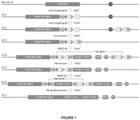
- inactivation of the gene segments may be achieved in a two-step process comprising a first partial of full deletion of CH1 in C ⁇ and a subsequent second partial of full deletion in C ⁇ 1. This is illustrated in Figure 4 and described in Example 2 below.
- the CH1 domain can be inactivated in the C ⁇ and C ⁇ 1 gene segments in a two-step process comprising a first deletion of CH1 in C ⁇ 1 and a subsequent second deletion in C ⁇ .
- the CH1 domain can be inactivated in both the C ⁇ and C ⁇ 1 gene segments simultaneously in a single step, e.g. in a multiplex modification.
- the CH1 domain is retained in some or all of the other constant region gene segments.
- the heavy chain constant region encodes a CH1 domain in each of the C ⁇ , C ⁇ , C ⁇ 2, C ⁇ 3 and C ⁇ gene segments.
- the disclosure relates to a non-human animal cell comprising an antibody heavy chain locus comprising a plurality of human IgH V gene segments, one or more human IgH D gene segments and one or more human IgH J genes segments upstream of all or part of a human heavy constant (C) region and forming a human heavy VDJC region, wherein:
- the disclosure relates to a non-human animal cell comprising an antibody heavy chain locus comprising a plurality of human IgH V gene segments, one or more human IgH D gene segments and one or more human IgH J genes segments upstream of all or part of a human heavy constant (C) region and forming a human heavy VDJC region, wherein:
- the disclosure relates to a non-human animal cell comprising an antibody heavy chain locus comprising a plurality of human IgH V gene segments, one or more human IgH D gene segments and one or more human IgH J genes segments upstream of all or part of a human heavy constant (C) region and forming a human heavy VDJC region, wherein:
- SEQ ID NO. 7, referred to herein as the CC1-3 allele, is an exemplary sequence of the C ⁇ gene segment wherein the CH1 region is inactivated by full deletion of the CH1 gene. See Example 2 below for a detained description of a methodology for generating this allele.
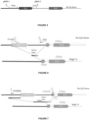
- SEQ ID Nos. 11 and 12 referred to herein as the Vega2-8 allele and Vega 2-15 allele respectively, are exemplary sequences of C ⁇ 1 gene segments comprising a partial deletion of CH1. The generation of these alleles is described in detail in Example 2 below, and illustrated in Figure 6 and 7 , respectively.
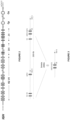
- SEQ ID NO. 16 is an exemplary sequence of the C ⁇ 1 gene segment comprising full deletion of CH1 (shown in Figure 8a and described in detail in Example 2 below).
- the C ⁇ 1 hinge region is engineered to comprise a H237Y mutation.
- SNP single nucleotide polymorphism
- SEQ ID NO. 17 is an exemplary sequence of the C ⁇ 1 gene segment comprising full deletion of CH1 and incorporation of donor sequence with a C to T point mutation that results in a non-deleterious histidine to tyrosine change (H237Y) in the IgG1 coding sequence (SEQ ID NO. 18; described in detail in Example 2 below).
- SEQ ID NO. 19 is an alternative exemplary sequence of a C ⁇ 1 gene segment comprising full deletion of CH1 (described in detail in Example 2 below).
- the endogenous light chain is inactivated to prevent expression of a functional Ig light chain.
- all endogenous lambda and/or kappa V and/or J genes are inactivated, preferably by introduction of one or more loss-of-function mutations within, or full or partial deletion of, the endogenous lambda and kappa light chain loci.
- all endogenous lambda and/or kappa V and J genes are inactivated.
- the endogenous lambda locus retains JC1 and/or JC3. In an embodiment, the endogenous lambda locus retains JC1 and JC3. In an embodiment, all endogenous kappa V genes are deleted. In another embodiment, the endogenous lambda locus retains JC1 and JC3 and all endogenous kappa V genes are deleted.
- heavy chains are expressed in the absence of light chain expression and thus there is no possibility for residual pairing of light chains, either with ⁇ CH1 IgM/ ⁇ CH1 IgG heavy chains, or with other isotypes (e.g. IgD) during B-cell proliferation and during somatic mutation and selection of heavy chains following antigen or epitope immunisation.
- heavy chain production is essentially exclusively the production of H2 antibody-type heavy chains, wherein the variable regions bind antigen in the absence of a light chain variable region partner.
- H2 antibodies can be a good source for antibody single variable domain sequences (e.g. human VH single variable domains when the heavy chain loci comprise human variable regions).
- the in vivo antibody production machinery of the non-human vertebrate or cell of the invention can be dedicated to H2 antibody production without any significant 4-chain antibody (H2L2) production hampering the extent of H2 antibody response following immunisation and ultimately the desirable levels of H2 that are obtainable.
- H2L2 4-chain antibody
- Example methodologies for inactivating the endogenous kappa and lambda genes are provided in Example 1 below. Furthermore, Example 5 of WO2020/049128 describes inactivation of endogenous kappa and lambda light chain loci in transgenic animals, resulting in generation of fully human VH-only antibodies. The content of this publication is incorporated by reference herein.
- an embodiment of the present disclosure provides a non-human animal cell comprising an antibody heavy chain locus comprising a plurality of human IgH V gene segments, one or more human IgH D gene segments and one or more human IgH J gene segments upstream of all or part of a human heavy constant (C) region and forming a human heavy VDJC region, wherein:
- a non-human animal cell according to the present disclosure produces antibodies of both IgG and IgM isotypes and is capable of undergoing isotype switching.
- the invention therefore relates to a non-human animal cell according to the present disclosure, wherein said cell produces antibodies of both IgG and IgM isotypes and is capable of undergoing isotype switching.
- said cell produces IgM antibodies which can mature, leading the cell to undergo class-switching to produce other isotype such as IgG, IgA or IgE, preferably IgG.
- a second aspect of the disclosure provides a non-human animal comprising a plurality of cells according to the first aspect, wherein the animal is capable of expressing a repertoire of IgM and IgG heavy chain only antibodies.
- a HCAb according to the present invention may be produced by exposing a non-human animal as described herein to immunogenic stimulation with the target antigen.
- a third aspect of the disclosure provides a method for producing a human HCAb specific to a desired antigen, the method comprising immunising a non-human animal according to the second aspect of the disclosure with the desired antigen and recovering the antibody or its encoding nucleic acid or recovering a cell producing the antibody from said animal.
- the antigen is selected from a human cytokine, growth factor, hormone, enzyme and a serum protein. In an embodiment, the antigen is a multi-subunit human protein antigen.
- the non-human animal can be challenged with the target antigen, and lymphatic cells (such as B cells) can then recovered from animals that express antibodies.
- lymphatic cells such as B cells
- the lymphatic cells may be fused with a myeloma cell line to prepare immortal hybridoma cell lines, and such hybridoma cell lines are screened and selected to identify hybridoma cell lines that produce antibodies specific to the antigen of interest.
- Nucleic acid encoding an antibody heavy chain can be isolated from lymphocytes.
- nucleic acid encoding the antibody heavy chain region may be performed, such as mutation of residues and generation of variants. There are many reasons why it may be desirable to create variants, which include optimising the sequence for large-scale manufacturing, facilitating purification, enhancing stability or improving suitability for inclusion in a desired pharmaceutical formulation. Protein engineering work can be performed at one or more chosen residues in the sequence, e.g., to substituting one amino acid with an alternative amino acid (optionally, generating variants containing all naturally occurring amino acids at this position, with the possible exception of Cys and Met), and monitoring the impact on function and expression to determine the best substitution.
- the method further comprises formulating the antibody or antibody chain with a pharmaceutically acceptable carrier or other excipient to produce a pharmaceutical composition.
- a fourth aspect of the disclosure provides a method of producing a pharmaceutical composition comprising an antibody specific to a desired antigen and a pharmaceutically acceptable carrier or other excipient, the method comprising immunising a non-human animal according to the second aspect, with the desired antigen and recovering the antibody and formulating the antibody with the pharmaceutically acceptable carrier or other excipient.
- the method further comprises packaging the composition in a sterile container.
- the method further comprises producing a kit comprising combining the package with a label or instructions indicating use of the antibody composition for human medical use.
- the label or instructions comprises a medicament batch number and/or marketing authorisation number, e.g. an EMA or FDA marketing authorisation number.
- Antibodies and their encoding nucleic acid according to the present invention may be provided in isolated form and/or in solution, e.g., aqueous solution.
- Antibodies may be monoclonal or polyclonal, but are preferably provided as monoclonal antibodies for therapeutic use. They may be provided as part of a mixture of other antibodies, optionally including antibodies of different binding specificity.
- Antibodies according to the invention, and encoding nucleic acids will usually be provided in isolated form.
- the antibodies and nucleic acids may be provided purified from their natural environment or their production environment. Isolated antibodies and isolated nucleic acid will be free or substantially free of material with which they are naturally associated, such as other polypeptides or nucleic acids with which they are found in vivo, or the environment in which they are prepared (e.g., cell culture) when such preparation is by recombinant DNA technology in vitro.
- an isolated antibody or nucleic acid (1) is free of at least some other proteins with which it would normally be found, (2) is essentially free of other proteins from the same source, e.g., from the same species, (3) is expressed by a cell from a different species, (4) has been separated from at least about 50 percent of polynucleotides, lipids, carbohydrates, or other materials with which it is associated in nature, (5) is operably associated (by covalent or noncovalent interaction) with a polypeptide with which it is not associated in nature, or (6) does not occur in nature.
- Antibodies or nucleic acids may be formulated with diluents or adjuvants and still for practical purposes be isolated - for example they may be mixed with carriers if used to coat microtitre plates for use in immunoassays, and may be mixed with pharmaceutically acceptable carriers or diluents when used in therapy. Other active ingredients may also be included in therapeutic preparations.
- Antibodies may be glycosylated, either naturally in vivo or by systems of heterologous eukaryotic cells such as CHO cells, or they may be (for example if produced by expression in a prokaryotic cell) unglycosylated.
- the invention encompasses antibodies having a modified glycosylation pattern. In some applications, modification to remove undesirable glycosylation sites may be useful, or e.g., removal of a fucose moiety to increase ADCC function. In other applications, modification of galactosylation can be made in order to modify CDC.
- an isolated product constitutes at least about 5%, at least about 10%, at least about 25%, or at least about 50% of a given sample.
- An antibody may be substantially free from proteins or polypeptides or other contaminants that are found in its natural or production environment that would interfere with its therapeutic, diagnostic, prophylactic, research or other use.
- An antibody may have been identified, separated and/or recovered from a component of its production environment (e.g. naturally or recombinantly).
- the isolated antibody may be free of association with all other components from its production environment, e.g., so that the antibody has been isolated to an FDA-approvable or approved standard.
- Contaminant components of its production environment such as that resulting from recombinant transfected cells, are materials that would typically interfere with research, diagnostic or therapeutic uses for the antibody, and may include enzymes, hormones, and other proteinaceous or non-proteinaceous solutes.
- the antibody will be purified: (1) to greater than 95% by weight of antibody as determined by, for example, the Lowry method, and in some embodiments, to greater than 99% by weight; (2) to a degree sufficient to obtain at least 15 residues of N-terminal or internal amino acid sequence by use of a spinning cup sequenator, or (3) to homogeneity by SDS-PAGE under non reducing or reducing conditions using Coomassie blue or silver stain.
- Isolated antibody includes the antibody in situ within recombinant cells since at least one component of the antibody's natural environment will not be present. Ordinarily, however, an isolated antibody or its encoding nucleic acid will be prepared by at least one purification step.
- polypeptides comprising HCAbs of the present invention, or their encoding nucleic acids may be formulated for the desired route of administration to a patient, e.g., in liquid (optionally aqueous solution) for injection.
- Compositions may comprise a polypeptide or nucleic acid in combination with medical injection buffer and/or with adjuvant.
- Various delivery systems are known and can be used to administer the pharmaceutical composition of the invention. Methods of introduction include, but are not limited to, intradermal, intramuscular, intraperitoneal, intravenous, subcutaneous, intranasal, epidural, and oral routes.
- the composition may comprise a diluent, excipient or carrier.
- the diluent, excipient or carrier is pharmaceutically acceptable.
- “Pharmaceutically acceptable” refers to approved or approvable by a regulatory agency of the USA Federal or a state government or listed in the U.S. Pharmacopeia or other generally recognized pharmacopeia for use in animals, including humans.
- a "pharmaceutically acceptable carrier, excipient, or adjuvant” refers to a carrier, excipient, or adjuvant that can be administered to a subject, together with an agent, e.g. any antibody described herein, and which does not destroy the pharmacological activity thereof and is nontoxic when administered in doses sufficient to deliver a therapeutic amount of the agent.
- Compositions comprising polypeptides or nucleic acids described herein may be contained in a sterile container in vitro.
- a composition may be in a bag or other medical container connected to an IV syringe. It may be within a phial, syringe or an injection device.
- a kit is provided comprising the antibody, polypeptide or nucleic acid, plus packaging and instructions for use in a therapeutic method.
- compositions comprising polypeptides comprising antibody heavy chains as described herein.
- Therapeutic compositions comprising nucleic acid encoding such polypeptides are also provided. Encoding nucleic acids are described in more detail elsewhere herein and include DNA and RNA, e.g. mRNA.
- use of nucleic acid encoding the antibody, and/or of cells containing such nucleic acid may be used as alternatives (or in addition) to compositions comprising the antibody itself.
- Cells e.g., human cells, e.g., human lymphocytes
- nucleic acid is stably integrated into the genome, thus represent medicaments for therapeutic use in a patient.
- Cells expressing CARs are an example.
- nucleic acid encoding an antibody of the present invention may be introduced into human B lymphocytes, optionally B lymphocytes derived from the intended patient and modified ex vivo.
- memory B cells are used.
- Administration of cells containing the encoding nucleic acid to the patient provides a reservoir of cells capable of expressing the antibody, which may provide therapeutic benefit over a longer term compared with administration of isolated nucleic acid or isolated antibody.
- the words “comprising” (and any form of comprising, such as “comprise” and “comprises”), “having” (and any form of having, such as “have” and “has”), "including” (and any form of including, such as “includes” and “include”) or “containing” (and any form of containing, such as “contains” and “contain”) are inclusive or open-ended and do not exclude additional, unrecited elements or method steps.
- compositions and/or methods disclosed and claimed herein can be made and executed without undue experimentation in light of the present disclosure. While the compositions and methods of this invention have been described in terms of preferred embodiments, it will be apparent to those of skill in the art that variations may be applied to the compositions and/or methods and in the steps or in the sequence of steps of the method described herein without departing from the concept, spirit and scope of the invention. All such similar substitutes and modifications apparent to those skilled in the art are deemed to be within the spirit, scope and concept of the invention as defined by the appended claims.
- Example 1 Generation of transgenic mouse comprising fully human heavy chain and inactivated mouse lambda and kappa loci
- Human heavy chain V, D, J gene segments were inserted at the mouse heavy chain locus on chromosome 12, as illustrated in Figure 2 .
- Transgenic animals of the invention comprising human IgH-VDJ can be generated using a site-specific recombination (SSR)-based technique called sequential RMCE (SRMCE), which allows continuous insertion of BAC inserts into the same locus.
- SSR site-specific recombination
- SRMCE sequential RMCE
- the method comprises the steps of:
- VDJ sequences were inactivated through an inversion via chromosomal engineering as follows:
- the resulting transgenic animals have an inactivated endogenous IgH VDJ region and comprise human IgH VDJ gene segments.
- Embryonic stem cells derived from a transgenic mouse as described above, having an inactivated endogenous IgH VDJ region and comprising human IgH V, D and J gene segments, were cultured and modified in order to humanise the constant region of the IgH locus. This involved 7 sequential steps of manipulation, with clonal screening, expansion and QC at each step. The steps are summarised below, and in Figure 1 :
- the region containing the mouse J gene segments was deleted. This was done using CRISPR Cas9 reagents microinjected into embryos obtained from the strain comprising fully human IgH VDJC (step 8 above).
- Microinjected embryos were transferred to pseudo pregnant recipient females and F0 founder animals were screened by PCR for the desired J deletion allele.
- One allele HJD5 - deletion of Js but no insertion of the donor sequence was selected to take forward to generate the "J Deletion" colony.
- the Kappa KO allele was generated by manipulation of mESCs derived from embryos containing the WT mouse Kappa locus. mESCs were electroporated with a targeting vector containing of a PGK promoter and Neo cassette flanked by 4.5 kb homology arms complementary to the mouse Kappa locus. This facilitated insertion of this cassette around 800bp downstream of the mouse J genes. Insertion at this location results in disrupted rearrangement and/or transcription of the locus giving a Kappa KO phenotype in the mouse strain generated by subsequent microinjection of ESCs, chimera breeding and colony expansion.
- the Lambda KO allele was generated by microinjection of CRISPR Cas9 into embryos carrying the mouse WT Lambda locus.
- the KO strategy is to create deletion in the endogenous Lambda locus that inactivates Lambda light chain expression.
- Inactivation of the Lambda locus can be achieved by deletion or replacement of V2, V3, V1 plus J2/C2 cluster, leaving J3/C3 and J1/1 clusters.
- Figure 3 illustrates the deletion of 200kb of endogenous mouse Lambda locus to generate Lambda knockout.
- Ear clips from F0 founder animals resulting from embryo manipulation were screened by PCR for the deletion and the deletion junction was sequenced.
- An allele with confirmed incorporation of the donor unique sequence (allele name LKD9) was chosen to take forward for colony generation.
- Example 2 Engineering fully human heavy chain allele containing a deletion of CH1 at C ⁇ and C ⁇ 1
- mice described in Example 1 were further modified using CRISPR-Cas9 to delete CH1 from C ⁇ and C ⁇ 1.
- An overview of this two-step deletion strategy is illustrated in Figure 4 .
- the C ⁇ CH1 deletion was generated by microinjection of CRISPR Cas9 reagents into embryos carrying the humanised IgH locus generated as detailed in Example 1.
- a pair of gRNAs were designed to direct Cas9 to create double strand breaks flanking the CH1 exon in the humanised C ⁇ locus.
- the pair of gRNAs used was as follows: gRNA ID Sequence PAM gRNA length Direction HCG062 TCACTACTTGCGTCCCGCTG (SEQ ID NO. 5) TGG 20 Rev HCG066 GCCCAGCCACCGGGACAGAG (SEQ ID NO. 6) AGG 20 For
- F0 founder animals were screened by PCR for deletion between the gRNA sites and/or incorporation of the donor sequence.
- An allele with a 50bp deletion and a small insertion of an 11 bp 'random sequence' was selected to take forward for colony formation. This allele is referred to herein as ⁇ CC1-3' (see Figure 5 ).
- This strategy was designed to create a precise deletion to inactivate expression of C ⁇ 1 CH1 and the CH1 to hinge exon using CRISPR Cas9 and a ssDNA oligo repair template.
- deletion alleles were generated by electroporation of CRISPR Cas9 reagents into embryos homozygous for the human IgH VDJC region sequences with the 'CC1-3' C ⁇ CH1 deletion allele described above.
- a pair of gRNAs were designed to direct Cas9 to create double strand breaks within the C ⁇ 1 CH1 exon and within the CH1 to hinge intron in the humanised C ⁇ 1 locus ( see Figure 6 ).
- the pair of gRNAs used was as follows: gRNA ID Sequence PAM gRNA length Direction HCG104 GATTGGGAGTTACTGGAATC (SEQ ID NO. 8) TGG 20 Rev HCG105 GCCCCCAGAGGTGCTCTTGG (SEQ ID NO. 9) AGG 20 Rev
- a ssDNA donor template was also included in the reagent electroporation mix, having the following sequence:
- F0 founder animals were screened by PCR for deletion between the gRNA sites and/or incorporation of the donor sequence. Two alleles with a deletion were selected to take forward for colony formation and investigation. Each allele retains a small region at the 5' of the CH1 with the remainder of the CH1, and a portion of the CH1 to Hinge intron, deleted.
- deletion alleles were generated by pronuclear microinjection of CRISPR Cas9 reagents into embryos homozygous for the human IgH VDJC sequences with the 'CC1-3' C ⁇ CH1 deletion allele.
- a pair of gRNAs were designed to direct Cas9 to create double strand breaks 5' upstream of C ⁇ 1 CH1 and within the hinge exon in the humanised C ⁇ 1 locus.
- the pair of gRNAs used was as follows: gRNA ID Sequence PAM gRNA length Direction HCG069 TGGGTTCTTAACTGTCCGCG (SEQ ID NO.13 ) AGG 20 Rev HCG108 CACACATGCCCACCGTGCCC (SEQ ID NO.14) AGG 20 For
- a ssDNA donor template was also included in the reagent electroporation mix. This donor is 234bp in length designed to facilitate a precise deletion of the CH1 and CH1 to hinge intron while replacing the hinge with a modified sequence. The donor is designed to introduce 1 silent mutation 5' of the CH1 and 3 silent mutations in the hinge to prevent further Cas9 activity after repair of the targeted locus.
- the donor sequence is as follows:
- F0 founder animals were screened by PCR for deletion between the gRNA sites and/or incorporation of the donor sequence.
- Figure 7 illustrates the generation of alleles with a full deletion of the C ⁇ 1 CH1 and CH1 to hinge intron using a longer ssDNA donor template.
- Vega2-28 Three alleles, referred to herein as Vega2-28, Vega2-31 and Vega2-32, with different configurations were taken forward.
- Allele Vega2-28 full deletion and incorporation of donor sequence with modified hinge but with a deletion of 168bp around 5' gRNA site upstream of the hinge (shown in Figure 8a ).
- Allele Vega2-31 full deletion and incorporation of donor sequence with one base pair mutation within hinge - this is a C to T point mutation that results in a non-deleterious histidine to tyrosine change (H237Y) in the IgG1 coding sequence (shown in Figure 8b ).
- Allele Vega2-32 full deletion and incorporation of donor sequence with modified hinge but with an insertion of 24bp (a duplication of the adjacent sequence in the 5' homology arm of the repair donor) around 5' gRNA site upstream of the hinge (shown in Figure 8c ).
- T1 cells transitional 1 (T1) and transitional 2 (T2) B cells.
- T2 cells transitional 2 B cells.
- T1 cells give rise to T2 cells
- T2 cells can further differentiate into mature (M) B cells.
- M mature B cells.
- immature B cells 3-4 days old
- mature B cells are long-lived (15-20 weeks old) and are ready to respond to antigens ( Pillai S et a I; Immunol. Reviews. 2004. 197: 206-218 ).
- the component of mature B cell population is directly linked to the efficiency of humoral immune response.
- the T1, T2 and M cell populations can be categorized by their cell surface IgM and IgD levels.
- a normal phenotype of splenic B cell compartment is required to mount a robust immune response.
- Flow cytometric analysis of mature B lymphocytes To obtain a single cell suspension from spleen, the spleens of mice listed below were gently passaged through a 30 ⁇ m cell strainer. Single cells were resuspended in PBS supplemented with 3% heat inactivated foetal calf serum (FCS; Gibco ® ). The following antibodies were used for staining:
- mice described herein Spleens from the mice described herein were collected and analysed for their B cell compartments. The number and percentages of T1, T2 and M cells among those mice are similar compared to wildtype, indicating that genetic manipulation of endogenous IG loci in transgenic mice according to the invention do not compromise their B cell development. These data help to establish that animals according to the invention provide a robust platform for antibody discovery.
- mice of the invention As explained, normal splenic and bone marrow compartments are seen in such mice of the invention (i.e., equivalent to the compartments of mice expressing only mouse antibody chains).
- Example 4 Methods for analysis of class-switching, affinity maturation and response to antigen challenge in transgenic mice described herein
- Transgenic animals known in the art for producing human HCAbs e.g. platforms developed by Harbour Biomed, Crescendo Biologics and Teneobio Inc. (UNIRAT) are not able to undergo class switching because the entire C ⁇ region is deleted or the CH1 region of every constant gene is deleted.
- transgenic non-human animal cells described herein provide a platform for producing human HCAbs are able to undergo allows class-switching from IgM to IgG1.
- the CH1 deletions described herein lead to correct splicing of VH to CH2 for IgM and to the hinge region for IgG.
- mice that have not been immunised Spleens and lymph nodes were collected from na ⁇ ve mice and processed for sorting. For this particular example, these mice were older than used as standard, ⁇ 14 weeks of age.
- Immunised mice transgenic mice at 6-8 weeks of age were primed by subcutaneous injection with 20ug target protein suspended in phosphate buffer saline (PBS) and equivalent volume of Addavax as adjuvant. The immunized mice were boosted three times with 10ug of target protein in PBS and same volume of Addavax as adjuvant every three weeks after priming. Final boost was administrated three weeks after the last boost using 5ug of target protein in PBS without adjuvant. Five days after the final boost spleens and lymph nodes were collected and processed for sorting.
- PBS phosphate buffer saline
- Splenocytes were isolated from spleens using the flushing method. Briefly, a full spleen was flushed with approximately 10 ml of 10% FBS/RPMI w/o phenol red buffer or until the spleen has lost its red colour. The cell suspension was periodically pipetted onto 40 ⁇ m cell strainer. Homogenise LN cells were filtered in the same 40 ⁇ m cell strainers used for the spleens. Cells were pelleted at 400xg for 10 min at RT and resuspend in 5mL 3%FBS/1mM EDTA/RPMI before proceeding with B cell enrichment by magnetic beads technologies.
- B cell enriched samples were resuspended in 300 ⁇ l of 3%FBS/RPMI w/o phenol red. 20 ⁇ l of Fc blocker was added and incubated for 10 min on ice.100 ⁇ l of staining cocktail containing B220-BUV395, CD19-BUV395, CD4-BV510, CD8 ⁇ -BV510, Ly6G-BV510, F4/80-BV510, IgM-BV650, IgG-PE. Samples were incubated for 30min on ice. Cells were pelleted at 400xg for 10min at 4°C and resuspended to 800 ⁇ l before sorting. IgG+ B cells were collected and used to retrieve VDJ sequences.
- B cell enriched samples were resuspended in 300 ⁇ l of 3%FBS/RPMI w/o phenol red. 20 ⁇ l of Fc blocker was added and incubated for 10 min on ice.100 ⁇ l of staining cocktail containing B220-BUV395, CD19-BUV395, CD4-BV510, CD8 ⁇ -BV510, Ly6G-BV510, F4/80-BV510, IgM-BV650, IgG-PE, CD138-BV711, and target proteins conjugated with -PE or -APC were added to each sample. Samples were incubated for 30min on ice. Cells were pelleted at 400xg for 10min at 4°C and resuspended to 800 ⁇ l before sorting.
- Live cells were gated to exclude doublets, and non-B cells using CD4/CD8/Ly6G/F4-80 markers.
- CD138+, IgM- cells were sorted as a plasmablast/plasma cell population.
- CD138- CD19/B220+, IgM-, IgG+, Ag+ cells were sorted as an antigen positive B cell population. Both antigen positive B cells and plasmablast/plasma cells collected were used to retrieve VDJ sequences.
- Sorted cells were processed using standard kits manufactured by 10x Genomics: Chromium Single Cell 5' Reagent Kits (v2 Chemistry Dual Index); and the Chromium Single Cell Human BCR amplification Kit as per manufacturer's protocol. Additional IgM & IgG1 CH2 specific oligos were spiked in at the VDJ amplification stage to capture the CH1 deleted transcripts.
- GEMs Green-Coupled Devices
- 10x Genomics Controller 10x Genomics Controller.
- GEMs were transferred to a PCR tube and incubated on a thermocycle for the RT reaction to generate cDNA.
- cDNA was purified with magnetic beads and amplified as described by the 10x Genomics protocol. After amplification the samples were cleaned using SPRIselect reagents.
- the resulting amplified cDNA was VDJ enriched by two sequential PCR using the Mouse BCR amplification kit spiking in at each round primers targeting the constant region upward of the deleted CH1 .
- the enriched material was then process as per protocol to construct an NGS library, then sequenced on a NextSeq2000. Sequencing data were analysed using 10x Genomics Cell Ranger 3.0.0.
- spleens and lymph nodes from non-immunized animals homozygous for one of two heavy locus alleles (Vega2-8 and Vega2-15), plus the lambda and kappa knockout alleles, were harvested and analysed using the 10X platform.
- B cells were sorted using a panel of markers and scRNA-seq experiments and NGS (Next Generation Sequence) analyses were performed to further demonstrate that the transgenic mice can class switch from IgM to IgG1.
- the rearranged transcripts can be detected Chromium Single Cell 5' Reagent Kits (v2 Chemistry Dual Index) with Immune Receptor Mapping spiked with hinge and CH2 specific primers from spleen and lymph nodes cells of naive and immunized transgenic mice. Further sequence analysis of these amplified fragments demonstrated hypermutation happened within the human variable region of these IgG chains.
- transgenic locus described herein comprising insertion of human heavy chain sequence, and deletion of CH1 in C ⁇ and C ⁇ 1 allows class switching from IgM to IgG.
- Table 1 Criteria Vega2-8 mouse #1 Vega2-8 mouse #2 Vega2-15 mouse #1 Vega2-15 mouse #2 Total cells after B cell enrichment 8.85x10 ⁇ 6 6.36x10 ⁇ 6 10.6x10 ⁇ 6 8.34x10 ⁇ 6 Total cells sorted and analysed 8371 15078 24001 18539 Total sequences recovered 761 2454 3381 2499 Total high quality IgM sequences 583 2196 2856 2161 Total high quality IgG sequences 111 70 215 126 Highest nucleotide mutations 7 8 9 8
Landscapes
- Life Sciences & Earth Sciences (AREA)
- Health & Medical Sciences (AREA)
- Genetics & Genomics (AREA)
- Engineering & Computer Science (AREA)
- Chemical & Material Sciences (AREA)
- Organic Chemistry (AREA)
- Biotechnology (AREA)
- Biomedical Technology (AREA)
- Zoology (AREA)
- Bioinformatics & Cheminformatics (AREA)
- General Engineering & Computer Science (AREA)
- General Health & Medical Sciences (AREA)
- Wood Science & Technology (AREA)
- Molecular Biology (AREA)
- Biophysics (AREA)
- Biochemistry (AREA)
- Physics & Mathematics (AREA)
- Microbiology (AREA)
- Plant Pathology (AREA)
- Environmental Sciences (AREA)
- Veterinary Medicine (AREA)
- Proteomics, Peptides & Aminoacids (AREA)
- Medicinal Chemistry (AREA)
- Immunology (AREA)
- Animal Behavior & Ethology (AREA)
- Animal Husbandry (AREA)
- Biodiversity & Conservation Biology (AREA)
- Virology (AREA)
- Peptides Or Proteins (AREA)
- Medicines Containing Antibodies Or Antigens For Use As Internal Diagnostic Agents (AREA)
Priority Applications (3)
| Application Number | Priority Date | Filing Date | Title |
|---|---|---|---|
| EP23192521.5A EP4512243A1 (de) | 2023-08-21 | 2023-08-21 | Bindungsmoleküle |
| TW113131398A TW202526009A (zh) | 2023-08-21 | 2024-08-21 | 結合分子 |
| PCT/EP2024/073458 WO2025040713A1 (en) | 2023-08-21 | 2024-08-21 | Binding molecules |
Applications Claiming Priority (1)
| Application Number | Priority Date | Filing Date | Title |
|---|---|---|---|
| EP23192521.5A EP4512243A1 (de) | 2023-08-21 | 2023-08-21 | Bindungsmoleküle |
Publications (1)
| Publication Number | Publication Date |
|---|---|
| EP4512243A1 true EP4512243A1 (de) | 2025-02-26 |
Family
ID=87760491
Family Applications (1)
| Application Number | Title | Priority Date | Filing Date |
|---|---|---|---|
| EP23192521.5A Pending EP4512243A1 (de) | 2023-08-21 | 2023-08-21 | Bindungsmoleküle |
Country Status (3)
| Country | Link |
|---|---|
| EP (1) | EP4512243A1 (de) |
| TW (1) | TW202526009A (de) |
| WO (1) | WO2025040713A1 (de) |
Citations (18)
| Publication number | Priority date | Publication date | Assignee | Title |
|---|---|---|---|---|
| WO1990005144A1 (en) | 1988-11-11 | 1990-05-17 | Medical Research Council | Single domain ligands, receptors comprising said ligands, methods for their production, and use of said ligands and receptors |
| WO1992003918A1 (en) | 1990-08-29 | 1992-03-19 | Genpharm International, Inc. | Transgenic non-human animals capable of producing heterologous antibodies |
| WO1994004678A1 (en) | 1992-08-21 | 1994-03-03 | Casterman Cecile | Immunoglobulins devoid of light chains |
| WO1996034103A1 (en) | 1995-04-25 | 1996-10-31 | Vrije Universiteit Brussel | Variable fragments of immunoglobulins - use for therapeutic or veterinary purposes |
| WO2002085945A2 (en) | 2001-04-24 | 2002-10-31 | Erasmus Universiteit Rotterdam | Vhh single heavy chain antibody and a method for its preparation in a mammal |
| WO2003000737A2 (en) | 2001-06-21 | 2003-01-03 | The Babraham Institute | MOUSE μ LIGHT CHAIN LOCUS |
| WO2004049794A2 (en) | 2002-12-03 | 2004-06-17 | The Babraham Institute | Single chain antibodies produced in a transgenic mouse |
| WO2006008548A2 (en) | 2004-07-22 | 2006-01-26 | Erasmus University Medical Centre Rotterdam | Binding molecules |
| WO2007096779A2 (en) * | 2006-01-25 | 2007-08-30 | Erasmus University Medical Center Rotterdam | Generation of heavy-chain only antibodies in transgenic animals |
| WO2009143472A2 (en) * | 2008-05-23 | 2009-11-26 | Aliva Biopharmaceuticals, Inc. | Method of generating single vl domain antibodies in transgenic animals |
| WO2010109165A2 (en) | 2009-03-24 | 2010-09-30 | Erasmus University Medical Center Rotterdam | Binding molecules |
| WO2011004192A1 (en) | 2009-07-08 | 2011-01-13 | Genome Research Limited | Animal models and therapeutic molecules |
| WO2011072204A1 (en) | 2009-12-10 | 2011-06-16 | Regeneron Pharmaceuticals, Inc. | Mice that make heavy chain antibodies |
| WO2013171505A2 (en) | 2012-05-17 | 2013-11-21 | Kymab Limited | In vivo guided selection & antibodies |
| WO2018039180A1 (en) | 2016-08-24 | 2018-03-01 | Teneobio, Inc. | Transgenic non-human animals producing modified heavy chain-only antibodies |
| WO2020049128A1 (en) | 2018-09-06 | 2020-03-12 | Kymab Limited | Antigen-binding molecules comprising unpaired variable domains |
| EP3770261A1 (de) | 2018-03-27 | 2021-01-27 | Chongqing Jinmaibo Biotec. Co., Ltd. | Nukleinsäuremolekül und verwendung davon zur herstellung eines humanisierten einzeldomänenantikörpers |
| WO2022126113A1 (en) | 2020-12-09 | 2022-06-16 | Trianni, Inc. | Heavy chain-only antibodies |
-
2023
- 2023-08-21 EP EP23192521.5A patent/EP4512243A1/de active Pending
-
2024
- 2024-08-21 TW TW113131398A patent/TW202526009A/zh unknown
- 2024-08-21 WO PCT/EP2024/073458 patent/WO2025040713A1/en active Pending
Patent Citations (19)
| Publication number | Priority date | Publication date | Assignee | Title |
|---|---|---|---|---|
| WO1990005144A1 (en) | 1988-11-11 | 1990-05-17 | Medical Research Council | Single domain ligands, receptors comprising said ligands, methods for their production, and use of said ligands and receptors |
| WO1992003918A1 (en) | 1990-08-29 | 1992-03-19 | Genpharm International, Inc. | Transgenic non-human animals capable of producing heterologous antibodies |
| WO1994004678A1 (en) | 1992-08-21 | 1994-03-03 | Casterman Cecile | Immunoglobulins devoid of light chains |
| WO1996034103A1 (en) | 1995-04-25 | 1996-10-31 | Vrije Universiteit Brussel | Variable fragments of immunoglobulins - use for therapeutic or veterinary purposes |
| WO2002085945A2 (en) | 2001-04-24 | 2002-10-31 | Erasmus Universiteit Rotterdam | Vhh single heavy chain antibody and a method for its preparation in a mammal |
| WO2002085944A2 (en) | 2001-04-24 | 2002-10-31 | Erasmus Universiteit Rotterdam | Single chain camelid vhh antibodies, method for their production in a mammal and their uses |
| WO2003000737A2 (en) | 2001-06-21 | 2003-01-03 | The Babraham Institute | MOUSE μ LIGHT CHAIN LOCUS |
| WO2004049794A2 (en) | 2002-12-03 | 2004-06-17 | The Babraham Institute | Single chain antibodies produced in a transgenic mouse |
| WO2006008548A2 (en) | 2004-07-22 | 2006-01-26 | Erasmus University Medical Centre Rotterdam | Binding molecules |
| WO2007096779A2 (en) * | 2006-01-25 | 2007-08-30 | Erasmus University Medical Center Rotterdam | Generation of heavy-chain only antibodies in transgenic animals |
| WO2009143472A2 (en) * | 2008-05-23 | 2009-11-26 | Aliva Biopharmaceuticals, Inc. | Method of generating single vl domain antibodies in transgenic animals |
| WO2010109165A2 (en) | 2009-03-24 | 2010-09-30 | Erasmus University Medical Center Rotterdam | Binding molecules |
| WO2011004192A1 (en) | 2009-07-08 | 2011-01-13 | Genome Research Limited | Animal models and therapeutic molecules |
| WO2011072204A1 (en) | 2009-12-10 | 2011-06-16 | Regeneron Pharmaceuticals, Inc. | Mice that make heavy chain antibodies |
| WO2013171505A2 (en) | 2012-05-17 | 2013-11-21 | Kymab Limited | In vivo guided selection & antibodies |
| WO2018039180A1 (en) | 2016-08-24 | 2018-03-01 | Teneobio, Inc. | Transgenic non-human animals producing modified heavy chain-only antibodies |
| EP3770261A1 (de) | 2018-03-27 | 2021-01-27 | Chongqing Jinmaibo Biotec. Co., Ltd. | Nukleinsäuremolekül und verwendung davon zur herstellung eines humanisierten einzeldomänenantikörpers |
| WO2020049128A1 (en) | 2018-09-06 | 2020-03-12 | Kymab Limited | Antigen-binding molecules comprising unpaired variable domains |
| WO2022126113A1 (en) | 2020-12-09 | 2022-06-16 | Trianni, Inc. | Heavy chain-only antibodies |
Non-Patent Citations (6)
| Title |
|---|
| JANSSENS ET AL., PNAS, vol. 103, no. 41, 2006, pages 15130 - 15135 |
| LEE ET AL., NATURE BIOTECH, vol. 32, no. 43, 2014, pages 356 - 363 |
| PILLAI S, IMMUNOL. REVIEWS., vol. 197, 2004, pages 206 - 218 |
| S SUZUKI ET AL., NATURE SCIENTIFIC REPORTS, vol. 8, 2018, pages 17253 |
| SUZUKI SAORI ET AL: "Engineering the hinge region of human IgG1 Fc-fused bispecific antibodies to improve fragmentation resistance", SCIENTIFIC REPORTS, vol. 8, no. 1, 22 November 2018 (2018-11-22), pages 1 - 10, XP055776016, Retrieved from the Internet <URL:http://www.nature.com/articles/s41598-018-35489-y> DOI: 10.1038/s41598-018-35489-y * |
| XU ET AL., NATURE, vol. 595, 2021, pages 278 - 282 |
Also Published As
| Publication number | Publication date |
|---|---|
| TW202526009A (zh) | 2025-07-01 |
| WO2025040713A1 (en) | 2025-02-27 |
Similar Documents
| Publication | Publication Date | Title |
|---|---|---|
| JP7507823B2 (ja) | ヒト化軽鎖マウス | |
| CN112400022B (zh) | 具有人源化免疫球蛋白基因座的经遗传修饰的非人动物 | |
| JP6615830B2 (ja) | 重鎖抗体を作製するマウス | |
| CN105861548B (zh) | Adam6小鼠 | |
| CN108611369B (zh) | 表达限制的免疫球蛋白轻链库的小鼠 | |
| JP2004515230A (ja) | ヒト抗体作製用トランスジェニック染色体導入齧歯動物 | |
| RS55495B1 (sr) | Miševi koji stvaraju vezujuće proteine koji sadrže vl domene | |
| JP2013513388A5 (de) | ||
| EP4512243A1 (de) | Bindungsmoleküle | |
| HK40010699A (en) | Mice that make heavy chain antibodies | |
| WO2019015677A1 (en) | GENETICALLY MODIFIED IMMUNOGLOBULIN HEAVY CHAIN ANIMALS | |
| HK1220865B (en) | Mice that make heavy chain antibodies |
Legal Events
| Date | Code | Title | Description |
|---|---|---|---|
| PUAI | Public reference made under article 153(3) epc to a published international application that has entered the european phase |
Free format text: ORIGINAL CODE: 0009012 |
|
| STAA | Information on the status of an ep patent application or granted ep patent |
Free format text: STATUS: THE APPLICATION HAS BEEN PUBLISHED |
|
| AK | Designated contracting states |
Kind code of ref document: A1 Designated state(s): AL AT BE BG CH CY CZ DE DK EE ES FI FR GB GR HR HU IE IS IT LI LT LU LV MC ME MK MT NL NO PL PT RO RS SE SI SK SM TR |