EP4501339A1 - Postbiotische zusammensetzung für hauterkrankungen und kosmetische verwendung - Google Patents
Postbiotische zusammensetzung für hauterkrankungen und kosmetische verwendung Download PDFInfo
- Publication number
- EP4501339A1 EP4501339A1 EP23382797.1A EP23382797A EP4501339A1 EP 4501339 A1 EP4501339 A1 EP 4501339A1 EP 23382797 A EP23382797 A EP 23382797A EP 4501339 A1 EP4501339 A1 EP 4501339A1
- Authority
- EP
- European Patent Office
- Prior art keywords
- lactobacillus
- composition
- lysates
- bacillus
- genus
- Prior art date
- Legal status (The legal status is an assumption and is not a legal conclusion. Google has not performed a legal analysis and makes no representation as to the accuracy of the status listed.)
- Pending
Links
Images



Classifications
-
- A—HUMAN NECESSITIES
- A23—FOODS OR FOODSTUFFS; TREATMENT THEREOF, NOT COVERED BY OTHER CLASSES
- A23L—FOODS, FOODSTUFFS OR NON-ALCOHOLIC BEVERAGES, NOT OTHERWISE PROVIDED FOR; PREPARATION OR TREATMENT THEREOF
- A23L33/00—Modifying nutritive qualities of foods; Dietetic products; Preparation or treatment thereof
- A23L33/10—Modifying nutritive qualities of foods; Dietetic products; Preparation or treatment thereof using additives
- A23L33/135—Bacteria or derivatives thereof, e.g. probiotics
-
- A—HUMAN NECESSITIES
- A23—FOODS OR FOODSTUFFS; TREATMENT THEREOF, NOT COVERED BY OTHER CLASSES
- A23L—FOODS, FOODSTUFFS OR NON-ALCOHOLIC BEVERAGES, NOT OTHERWISE PROVIDED FOR; PREPARATION OR TREATMENT THEREOF
- A23L33/00—Modifying nutritive qualities of foods; Dietetic products; Preparation or treatment thereof
- A23L33/10—Modifying nutritive qualities of foods; Dietetic products; Preparation or treatment thereof using additives
- A23L33/14—Yeasts or derivatives thereof
-
- A—HUMAN NECESSITIES
- A61—MEDICAL OR VETERINARY SCIENCE; HYGIENE
- A61K—PREPARATIONS FOR MEDICAL, DENTAL OR TOILETRY PURPOSES
- A61K35/00—Medicinal preparations containing materials or reaction products thereof with undetermined constitution
- A61K35/66—Microorganisms or materials therefrom
- A61K35/74—Bacteria
- A61K35/741—Probiotics
-
- A—HUMAN NECESSITIES
- A61—MEDICAL OR VETERINARY SCIENCE; HYGIENE
- A61K—PREPARATIONS FOR MEDICAL, DENTAL OR TOILETRY PURPOSES
- A61K35/00—Medicinal preparations containing materials or reaction products thereof with undetermined constitution
- A61K35/66—Microorganisms or materials therefrom
- A61K35/74—Bacteria
- A61K35/741—Probiotics
- A61K35/742—Spore-forming bacteria, e.g. Bacillus coagulans, Bacillus subtilis, clostridium or Lactobacillus sporogenes
-
- A—HUMAN NECESSITIES
- A61—MEDICAL OR VETERINARY SCIENCE; HYGIENE
- A61K—PREPARATIONS FOR MEDICAL, DENTAL OR TOILETRY PURPOSES
- A61K35/00—Medicinal preparations containing materials or reaction products thereof with undetermined constitution
- A61K35/66—Microorganisms or materials therefrom
- A61K35/74—Bacteria
- A61K35/741—Probiotics
- A61K35/744—Lactic acid bacteria, e.g. enterococci, pediococci, lactococci, streptococci or leuconostocs
-
- A—HUMAN NECESSITIES
- A61—MEDICAL OR VETERINARY SCIENCE; HYGIENE
- A61K—PREPARATIONS FOR MEDICAL, DENTAL OR TOILETRY PURPOSES
- A61K35/00—Medicinal preparations containing materials or reaction products thereof with undetermined constitution
- A61K35/66—Microorganisms or materials therefrom
- A61K35/74—Bacteria
- A61K35/741—Probiotics
- A61K35/744—Lactic acid bacteria, e.g. enterococci, pediococci, lactococci, streptococci or leuconostocs
- A61K35/745—Bifidobacteria
-
- A—HUMAN NECESSITIES
- A61—MEDICAL OR VETERINARY SCIENCE; HYGIENE
- A61K—PREPARATIONS FOR MEDICAL, DENTAL OR TOILETRY PURPOSES
- A61K35/00—Medicinal preparations containing materials or reaction products thereof with undetermined constitution
- A61K35/66—Microorganisms or materials therefrom
- A61K35/74—Bacteria
- A61K35/741—Probiotics
- A61K35/744—Lactic acid bacteria, e.g. enterococci, pediococci, lactococci, streptococci or leuconostocs
- A61K35/747—Lactobacilli, e.g. L. acidophilus or L. brevis
-
- A—HUMAN NECESSITIES
- A61—MEDICAL OR VETERINARY SCIENCE; HYGIENE
- A61K—PREPARATIONS FOR MEDICAL, DENTAL OR TOILETRY PURPOSES
- A61K8/00—Cosmetics or similar toiletry preparations
- A61K8/18—Cosmetics or similar toiletry preparations characterised by the composition
- A61K8/96—Cosmetics or similar toiletry preparations characterised by the composition containing materials, or derivatives thereof of undetermined constitution
- A61K8/99—Cosmetics or similar toiletry preparations characterised by the composition containing materials, or derivatives thereof of undetermined constitution from microorganisms other than algae or fungi, e.g. protozoa or bacteria
-
- A—HUMAN NECESSITIES
- A61—MEDICAL OR VETERINARY SCIENCE; HYGIENE
- A61P—SPECIFIC THERAPEUTIC ACTIVITY OF CHEMICAL COMPOUNDS OR MEDICINAL PREPARATIONS
- A61P17/00—Drugs for dermatological disorders
-
- A—HUMAN NECESSITIES
- A61—MEDICAL OR VETERINARY SCIENCE; HYGIENE
- A61P—SPECIFIC THERAPEUTIC ACTIVITY OF CHEMICAL COMPOUNDS OR MEDICINAL PREPARATIONS
- A61P17/00—Drugs for dermatological disorders
- A61P17/04—Antipruritics
-
- A—HUMAN NECESSITIES
- A61—MEDICAL OR VETERINARY SCIENCE; HYGIENE
- A61P—SPECIFIC THERAPEUTIC ACTIVITY OF CHEMICAL COMPOUNDS OR MEDICINAL PREPARATIONS
- A61P17/00—Drugs for dermatological disorders
- A61P17/06—Antipsoriatics
-
- A—HUMAN NECESSITIES
- A61—MEDICAL OR VETERINARY SCIENCE; HYGIENE
- A61P—SPECIFIC THERAPEUTIC ACTIVITY OF CHEMICAL COMPOUNDS OR MEDICINAL PREPARATIONS
- A61P17/00—Drugs for dermatological disorders
- A61P17/08—Antiseborrheics
-
- A—HUMAN NECESSITIES
- A61—MEDICAL OR VETERINARY SCIENCE; HYGIENE
- A61Q—SPECIFIC USE OF COSMETICS OR SIMILAR TOILETRY PREPARATIONS
- A61Q19/00—Preparations for care of the skin
- A61Q19/08—Anti-ageing preparations
-
- C—CHEMISTRY; METALLURGY
- C12—BIOCHEMISTRY; BEER; SPIRITS; WINE; VINEGAR; MICROBIOLOGY; ENZYMOLOGY; MUTATION OR GENETIC ENGINEERING
- C12N—MICROORGANISMS OR ENZYMES; COMPOSITIONS THEREOF; PROPAGATING, PRESERVING, OR MAINTAINING MICROORGANISMS; MUTATION OR GENETIC ENGINEERING; CULTURE MEDIA
- C12N1/00—Microorganisms; Compositions thereof; Processes of propagating, maintaining or preserving microorganisms or compositions thereof; Processes of preparing or isolating a composition containing a microorganism; Culture media therefor
- C12N1/20—Bacteria; Culture media therefor
-
- C—CHEMISTRY; METALLURGY
- C12—BIOCHEMISTRY; BEER; SPIRITS; WINE; VINEGAR; MICROBIOLOGY; ENZYMOLOGY; MUTATION OR GENETIC ENGINEERING
- C12R—INDEXING SCHEME ASSOCIATED WITH SUBCLASSES C12C - C12Q, RELATING TO MICROORGANISMS
- C12R2001/00—Microorganisms ; Processes using microorganisms
- C12R2001/01—Bacteria or Actinomycetales ; using bacteria or Actinomycetales
-
- C—CHEMISTRY; METALLURGY
- C12—BIOCHEMISTRY; BEER; SPIRITS; WINE; VINEGAR; MICROBIOLOGY; ENZYMOLOGY; MUTATION OR GENETIC ENGINEERING
- C12R—INDEXING SCHEME ASSOCIATED WITH SUBCLASSES C12C - C12Q, RELATING TO MICROORGANISMS
- C12R2001/00—Microorganisms ; Processes using microorganisms
- C12R2001/01—Bacteria or Actinomycetales ; using bacteria or Actinomycetales
- C12R2001/07—Bacillus
-
- C—CHEMISTRY; METALLURGY
- C12—BIOCHEMISTRY; BEER; SPIRITS; WINE; VINEGAR; MICROBIOLOGY; ENZYMOLOGY; MUTATION OR GENETIC ENGINEERING
- C12R—INDEXING SCHEME ASSOCIATED WITH SUBCLASSES C12C - C12Q, RELATING TO MICROORGANISMS
- C12R2001/00—Microorganisms ; Processes using microorganisms
- C12R2001/01—Bacteria or Actinomycetales ; using bacteria or Actinomycetales
- C12R2001/225—Lactobacillus
-
- C—CHEMISTRY; METALLURGY
- C12—BIOCHEMISTRY; BEER; SPIRITS; WINE; VINEGAR; MICROBIOLOGY; ENZYMOLOGY; MUTATION OR GENETIC ENGINEERING
- C12R—INDEXING SCHEME ASSOCIATED WITH SUBCLASSES C12C - C12Q, RELATING TO MICROORGANISMS
- C12R2001/00—Microorganisms ; Processes using microorganisms
- C12R2001/01—Bacteria or Actinomycetales ; using bacteria or Actinomycetales
- C12R2001/46—Streptococcus ; Enterococcus; Lactococcus
-
- C—CHEMISTRY; METALLURGY
- C12—BIOCHEMISTRY; BEER; SPIRITS; WINE; VINEGAR; MICROBIOLOGY; ENZYMOLOGY; MUTATION OR GENETIC ENGINEERING
- C12R—INDEXING SCHEME ASSOCIATED WITH SUBCLASSES C12C - C12Q, RELATING TO MICROORGANISMS
- C12R2001/00—Microorganisms ; Processes using microorganisms
- C12R2001/645—Fungi ; Processes using fungi
- C12R2001/85—Saccharomyces
Definitions
- Such measurements and assessments can be made in qualitative and/or quantitative terms. Thus, for example, characteristics or features of a disease, pathological condition, or disorder and/or symptoms of a disease, pathological condition, or disorder can be reduced to any effect or to any amount.
- treatment and “treating” refer to the medical management of a subject with the intent to cure, ameliorate, or stabilize skin disorders.
- treatment and “treating” refer to the medical management of a subject with the intent to prevent skin disorders.
- the present invention relates to a postbiotic composition that comprises lysates of probiotic microorganisms in a percentage amount by weight with respect to the total weight of the lysates of microorganisms of the composition:
- the postbiotic composition of the invention comprises lysates of probiotic microorganisms in a percentage amount by weight with respect to the total weight of the lysates of microorganisms of the composition:
- the composition can comprise between 1% - 99.5% by weight of lysates of microorganisms; particularly 5%-99% by weight of lysates of microorganisms, particularly 10%-96% by weight of lysates of microorganisms, particularly 25%-95% by weight of lysates of microorganisms, or particularly 50% ⁇ 10% by weight of lysates of microorganisms.
- the postbiotic composition of the invention is administered orally or topically.
- the inventors have identified the need to develop a composition that is administered both orally and topically, that is easy to administer and that does not present toxicity to the skin.
- compositions that can be administered orally or topically, which comprises lysates of microorganisms that can be accompanied by other components and which has proven to be surprisingly beneficial for humans and animals, as it has an immunomodulatory character.
- composition of the invention may comprise additional components or additives or any other substance, such as salts or excipients that facilitate the packaging, preparation and/or administration of the composition but do not affect the capacity of treatment the skin diseases of the postbiotic composition of the invention.
- lysates of probiotic microorganisms are understood to be the product obtained after the procedure of culturing and subsequently mechanically or chemically breaking these cells in order to obtain a product with microbial fragments, as well as all the components contained therein.
- this document states that they are lysates of dried probiotic microorganisms, since, thanks to the method of obtaining them, said lysates are subsequently subjected to drying techniques, in such a way that said dried lysates are optionally in the form of a dry powder.
- the bacterial lysates of the genus Bacillus are of the species that are selected from the group consisting of Bacillus clausii, Bacillus coagulans, Bacillus licheniformis, Bacillus pumilus, Bacillus subtilis, Bacillus mesentericus, Bacillus paralicheniformes, and combinations thereof.
- Bacillus coagulans, Bacillus licheniformis, Bacillus mesentericus and Bacillus subtilis are selected from the group consisting of Bacillus clausii, Bacillus coagulans, Bacillus licheniformis, Bacillus pumilus, Bacillus subtilis, Bacillus mesentericus, Bacillus paralicheniformes, and combinations thereof.
- Bacillus coagulans, Bacillus licheniformis, Bacillus mesentericus and Bacillus subtilis are selected from the group consisting of Bacillus clausii, Bacillus coagulans, Bacillus licheni
- the bacterial lysates of the genus Bifidobacterium are of the species Bifidobacterium animalis subsp lactis, Bifidobacterium bifidum, Bifidobacterium breve, Bifidobacterium lactis, Bifidobacterium longum, Bifidobacterium infantis, Bifidobacterium animalis, and combinations thereof, preferably Bifidobacterium lactis.
- the bacterial lysates of the genus Lactobacillus are of the species that are selected from the group consisting of Lactobacillus acidophilus, Lactobacillus bulgaricus, Lactobacillus casei, Lactobacillus fermentum, Lactobacillus paracasei, Lactobacillus plantarum, Lactobacillus reuteri, Lactobacillus rhamnosus, Lactobacillus salivarius, Lactobacillus helvéticus, Lactobacillus gasseri, Lactobacillus johnsonii, Lactobacillus brevis, Lactobacillus kefiri, and combinations thereof, preferably Lactobacillus acidophilus, Lactobacillus bulgaricus, Lactobacillus casei, Lactobacillus paracasei, and Lactobacillus rhamnosus.
- the lysates of yeasts of the genus Saccharomyces are of the species that are selected from the group consisting of Saccharomyces cerevisiae, Saccharomyces boulardi, and combinations thereof, preferably Saccharomyces cerevisiae.
- the bacterial lysates of the genus Streptococcus are of the species Streptococcus thermophilus.
- the composition of the invention comprises bacterial lysates of the genus Bacillus in an amount in percentage by weight between approximately 6 % to 19 % of the total lysates of the composition, preferably 13 % to 19 % of the total lysates of the composition.
- the amount of bacterial lysates of the genus Bacillus can be approximately 14%, 15%, 16%, 17%, or 18% of the total lysates of the composition.
- the percentage by weight of Bacillus licheniformis, Bacillus mesentericus and Bacillus subtilis is approximately the same, and is higher than that of Bacillus coagulans.
- the composition of the invention comprises bacterial lysates of the genus Bifidobacterium in an amount in percentage by weight between approximately 4% to 8% of the total lysates of the composition, preferably between 5% to 7%.
- the amount of bacterial lysates of the genus Bifidobacterium can be approximately 5%, 6%, 7%, or 8% of the total lysates of the composition.
- the composition of the invention comprises bacterial lysates of the genus Lactobacillus in an amount in percentage by weight between approximately 15% to 25% of the total lysates of the composition, preferably between 20% to 24% of the total lysates of the composition.
- the amount of bacterial lysates of the genus Lactobacillus can be about 20%, 21%, 22%, 23%, 24%, or 25% of the total lysates of the composition.
- the percentage by weight of Lactobacillus rhamnosus is smaller than the rest of Lactobacillus species: Lactobacillus casei, Lactobacillus paracasei, Lactobacillus bulgaricus and Lactobacillus acidophilus
- the percentage by weight of Lactobacillus casei, and Lactobacillus paracasei is approximately the same, and is higher than that of Lactobacillus acidophilus and Lactobacillus bulgaricus, which is also approximately the same and is higher than that of Lactobacillus rhamnosus.
- the composition comprises lysates of yeasts of the genus Saccharomyces in an amount in percentage by weight of between approximately 50% to 60% of the total lysates of the composition, preferably between 52% to 57% of the total lysates of the composition.
- the amount of lysates of yeasts of the genus Saccharomyces can be about 50%, 51%, 52%, 53%, 54%, 55%, 56%, 57%, 58%, 59%, or 60% of the total lysates of the composition.
- the composition comprises bacterial lysates of the genus Streptococcus in an amount in percentage by weight of between about 1.5% to 5% of the total lysates of the composition, preferably between about 3% to 4% of the total lysates of the composition.
- the amount of bacterial lysates of the genus Streptococcus can be about 1.5%, 1.6%, 1.7%, 1.8%, 1.9%, 2%, 2.1%, 2.2%, 2.3%, 2.4%, 2.5%, 2.6%, 2.7%, 2.8%, 2.9% or 3% of the total lysates of the composition.
- the amount of bacterial lysates of the genus Streptococcus can be about 3.5%, 4%, 4.5% or 5% of the total lysates of the composition.
- the composition comprises lysates of probiotic microorganisms in an amount in percentage by weight on the total lysates of the composition:
- composition A This composition is called composition "A”.
- the composition comprises lysates of probiotic microorganisms in an amount in percentage by weight on the total lysates of the composition:
- composition B This composition is called composition "B”.
- the composition comprises lysates of probiotic microorganisms in an amount in percentage by weight with respect to the total:
- the composition comprises lysates of probiotic microorganisms in an amount in percentage by weight with respect to the total:
- composition "D" This composition is called composition "D”.
- the composition comprises lysates of probiotic microorganisms in an amount in percentage by weight with respect to the total:
- the composition comprises lysates of probiotic microorganisms in an amount in percentage by weight with respect to the total:
- probiotic bacteria are cultured under standard conditions, as set out in the culture protocols published by the Spanish Collection of Type Cultures (CECT), indicated for each of the bacterial species described in this document.
- composition of the invention when the composition of the invention is in powder form, the composition, in line with the first aspect of the invention, can be presented in sealed sachets, which is in itself conventional in the food and pharmaceutical industry.
- a dosage may comprise between 100mg to 50000mg of the composition of the invention, including any of the compositions A-K; in another preferred embodiment, a dosage may comprise between 100mg to 2000mg of the composition of the invention, including any of the compositions A-K; in another preferred embodiment, a dosage may comprise between 100mg to 700mg of the composition of the invention, including any of the compositions A-K.
- the administration of the postbiotic composition of the invention is daily for at least 2 weeks, preferably daily for at least 3 weeks, even more preferably daily for at least 4 weeks, even more preferably daily for at least 5 weeks, even more preferably daily for at least 6 weeks, even more preferably daily for at least 7 weeks, even more preferably daily for at least 8 weeks, or daily for at least 9 weeks, or daily for at least 10 weeks, or daily for at least 11 weeks, or daily for at least 12 weeks.
- An additional object of the invention relates to a pharmaceutical formulation comprising an effective pharmaceutical amount of the composition, in accordance with the first aspect of the invention, and at least one pharmaceutically acceptable excipient for use in the treatment of skin disorders.
- the expression "pharmaceutical composition” refers to a formulation that has been adapted to deliver a predetermined dose of one or more useful therapeutic agents to a cell, a group of cells, an organ, or a tissue.
- an effective pharmaceutical quantity is understood as a nontoxic amount, capable of providing a therapeutic effect.
- the exact amount required will vary from one subject to another, depending on the species, age and general condition of the subject, the severity of the disease being treated, the particular compound used, its mode of administration, and the like. Therefore, it is not possible to specify an exact "effective quantity". However, an appropriate effective amount can be determined by a skilled person through routine experimentation.
- the pharmaceutically effective quantity can refer to the amount necessary to relieve the symptoms of cancer suffered by the subject and improve their quality of life.
- pharmaceutically acceptable excipient means a therapeutically inactive substance that is said to be used to incorporate the active ingredient, and that is acceptable to the patient from a pharmacological/toxicological point of view and to the pharmaceutical chemist who manufactures it from a physical/chemical point of view, with respect to composition, formulation, stability, patient acceptance and bioavailability.
- the pharmaceutical formulation of the invention can be suited for topical Administration or oral administration.
- food supplement is a food product whose purpose it is to supplement the normal diet, and which consists of concentrated sources of nutrients or other substances, that has a nutritional or physiological effect, in simple or combined form, and is marketed in dosed form, ie capsules, tablets, pills and other similar means, sachets of powders, ampoules of liquid, dropper bottles, and other similar forms of liquids and powders to be taken in small unit quantities, as defined in Directive 2002/46/EC of the European Parliament.
- the food supplement in accordance with the invention, is in capsule form, such as conventional gelatin capsules, inside which the composition in powder form is contained.
- composition in sealed sachets, said composition can be administered to the patient dissolved or suspended in a liquid, preferably in an aqueous liquid, and more preferably, in beverages such as fruit juices, milk, water.
- a liquid preferably in an aqueous liquid
- beverages such as fruit juices, milk, water.
- it can also be mixed with foods such as yoghurt, liquid yoghurt, soups, purees, creams, or porridges. These foods must be at optimum temperature to be consumed, and never heated after having added the composition of the invention.
- the invention relates to the composition defined herein for cosmetic use in skin conditions by improving the appearance of skin or at least one sign of aging.
- compositions described herein are useful for improving the appearance of skin or improving signs of aging of the skin. Improving the appearance of skin or a sign of aging may include effects that include, but are not limited to, that skin looks more radiant, skin looks healthier, skin feels more hydrated, pores are reduced in size, skin feels softer, skin looks clearer, moisture is increased, sebum production is decreased, and reducing the appearance of wrinkles, dryness, roughness, dullness, spots including age spots, and impurities.
- the postbiotic composition of the invention or the pharmaceutical composition comprising thereof is useful in the treatment and/or prevention of dehydrated skin; skin with redness; aged or photo-aged skin; skin ageing, in particular photo-ageing; and disorders linked to radical attacks linked to chemical or atmospheric pollution.
- Pore size, skin moisture content, sebum productions, wrinkles, spots, and impurities may all be measured using a Skin analyser device (eg. (Dermo Prime (dp)/viso, CHOWIS, South Korea).
- An Al powered skin analyser device quantitatively measures changes in various skin parameters such as hydration, sebum, pores, wrinkles, spots/pigmentation, impurities, keratin, skin tone, blackheads, and skin sensitivity.
- the device is equipped with a moisture sensor and utilizes advanced optic technology with interchangeable lenses to measure up to 10 different skin measurements and performs accurate analysis of high resolution images via the DermoBella app installed in android or OS tablets or smartphones.
- the device is used according to the protocols as set out in the Examples herein. Skin parameter measurements are taken at the same skin site each time.
- the degree of impurities such as redness can be analyzed by measuring the amount of porphyrin. It is indicated as scarlet, orange light in response to a specific wavelength range of UV light.
- Impurities are seen as either a scarlet colour or a yellow-green colour. These can be analyzed separately, but the device combines the two and classifies them as impurities.
- the index is computed by a percentage against image size. There are no arbitrary values that classify the degree of redness severity based on the amount of porphyrin detected.
- EXAMPLE 1 STUDY TO DETERMINE THE THERAPEUTIC EFFICACY OF THE COMPOUND OF THE INVENTION BY IN VITRO STUDIES.
- the composition of the extracts appears in Table 2 in an amount in percentage by weight over the total weight of the lysates of the composition.
- Table 2 Components of the postbiotic composition of the invention Species/Strains % (w/w) Bacillus coagulans 3 Bacillus licheniformis 4 Bacillus mesentericus 4 Bacillus subtilis 4 Bifidobacterium lactis 5 Lactobacillus acidophilus 4 Lactobacillus bulgaricus 4 Lactobacillus casei 5 Lactobacillus paracasei 5 Lactobacillus rhamnosus 3 Saccharomyces cereviseae 56 Streptococcus thermophilus 3
- HDF Human Dermal Fibroblasts purchased from Innoprot (P10858) were isolated by ScienCell Research Laboratories from human dermal tissue. HDF were grown in the medium of Fibroblasts + Supplements in standard culture conditions according to the manufacturer's instructions. At approximately 80-90% confluence, cells were trypsinised with the primary detachment kit, diluted at a 1:4 ratio, and subcultured. Cells subcultured 2-6 times were used in this study. Cell cultures were maintained under standard cell culture conditions (37°C, 5% CO2 and 95% humidity).
- HaCaT cell line immortalized human keratinocytes
- This cell line was originally supplied by the Cell Line Service (CLS, Eppelheim, Germany).
- CLS Cell Line Service
- FBS complete culture medium
- DMEM + 10% FBS complete culture medium
- cells exceeded 70% confluence (but less than 90%), they were subcultured into new culture flasks. All cell cultures were maintained under standard cell culture conditions (37°C, 5% CO2 and 95% humidity).
- THP-1 cell line human monocyte cell line, ATCC ® TIB-202
- ATCC ® TIB-202 human monocyte cell line
- THP-1 cells are grown in suspension at 37°C in a humidified atmosphere of 5% CO 2 .
- Cells were maintained in culture medium (RPMI + 10 % FBSi + 50 ⁇ M) ⁇ -mercaptoethanol), for a minimum of two weeks prior to any experiment. Cells were subcultured before reaching 80% confluence (cell concentration/volume).
- a cell suspension of 1 ⁇ 10 5 cells/mL was prepared 24 hours prior to the anti-inflammatory efficacy assay.
- 1 ⁇ 10 4 cells/well were dispensed into 96-well plates in the presence of 0.31 ⁇ g/mL PMA to differentiate monocytes to macrophages. Plates were incubated at 37°C, 5% CO 2 for 24 hours.
- Adherent BALB/c 3T3 cells (mouse fibroblast cell line, ATCC ® CCL-163TM) were cultured at 37°C in a humidified atmosphere of 5% CO 2 .
- the culture medium was DMEM supplemented with 5% FBS and 5% Newborn Calf Serum (NCBS), non-essential amino acids and sodium pyruvate. Cells were subcultured before reaching 80% confluence (cell concentration/volume).
- MTT viability assay was performed to investigate the cytotoxicity of the postbiotic composition of the invention.
- Cells cultured in 96-well plates were treated with 8 concentrations of the test products for 24 hours (37°C, 5% CO2).
- 8 concentrations of a positive control sodium dodecyl sulphate (SDS)
- SDS sodium dodecyl sulphate
- the cells were washed with PBS, stained with MTT solution and incubated at 37°C for 2 hours. At the end of this incubation period, the staining medium was removed and 100 ⁇ l DMSO/well was added to solubilize the colored precipitate. Absorbance was read at 540 nm on the plate reader of the spectrophotometer.
- % cell viability AbT / AbC ⁇ 100
- PMA-differentiated THP-1 cells were incubated with the test products at different concentrations for 24 hours in the presence of the inflammatory stimulus lipopolysaccharide, LPS (20 ⁇ g/ml).
- Non-inflamed cells (culture medium) were used as negative control.
- Cell secretion of IL-8 and TNF- ⁇ was measured by ELISA.
- the main objective of this study was to evaluate the efficacy of the postbiotic composition of the invention (administered in the diet) in promoting tissue regeneration of the caudal fin after amputation
- Sample size 30 larvae per experimental group, distributed in 2 nests (15 larvae/nest, 2 nests per 3-liter tank).
- Synchronized embryos were supplied to the laboratory and kept at 28.5 °C in an incubator until they reached 5 dpf. At this time, larvae were transferred to 3-liter tanks and fed manually. An automatic water recirculation system with a daily replacement of 10% of water was employed until 12 dpf.
- All diets were spray-coated with vegetal oil and left to dry overnight at room temperature in a dry and dark place. Diets were kept at 4 °C during the duration of the trial to avoid degradation of the test compounds.
- a total amount of 792 mg of Sera Micron and a mix of 396 mg of Sera Micron plus 396 mg of the postbiotic composition of the invention were initially prepared for the standard diet and the supplemented diet, respectively.
- the length of the regenerated tissue at 15 dpf was measured and a comparison during the regeneration time between the two experimental groups was made.
- the phototoxicity assay used 3T3 cells as test system.
- the aim of this study was to obtain the Photo-Irritation Factor (PIF) for the postbiotic composition of the invention.
- PPF Photo-Irritation Factor
- 3T3 cells were treated with the postbiotic composition of the invention at eight different concentrations for 1 hour. Thereafter, half of the samples were exposed to simulated solar irradiation, whereas the other half was kept in the dark. Cell viability was calculated after 24 hours of incubation by means of the neutral red assay. The following reagents were used for these assays.
- Test systems in vitro skin irritation assay
- the RHE model was used as a test system.
- This model consists of normal human-derived epidermal keratinocytes, which have been cultured from a multilayered highly differentiated model of the human epidermis. It consists of organized basal, spinous and granular layers, and a multilayered stratum corneum containing intercellular lamellar lipid layers arranged in patterns analogous to those found in vivo. To prepare the system, on the day of the receipt, tissues were conditioned by incubation with the assay medium to release transport stress related compounds and debris overnight.
- Balb/c 3T3 cells were used as a test system. Once thawed, cells were grown as a monolayer in DMEM culture medium supplemented with 10% Newborn Calf Serum (NCBS) and antibiotics (100 U/mL penicillin and 100 ⁇ g/mL streptomycin). The cells were incubated under standard culture conditions (37°C ⁇ 2°C and 5% CO2/air), changing the medium every 2-3 days and sub-cultivating before reaching 80% confluency. According to the guideline, the 3T3 cells used in this study were tested for mycoplasma and only mycoplasma-free cells were used throughout the study.
- NCBS Newborn Calf Serum
- antibiotics 100 U/mL penicillin and 100 ⁇ g/mL streptomycin
- Each assay required different concentrations of the postbiotic composition.
- the skin irritation assay uses the composition as neat, so no preparation was needed.
- the protocol for the skin irritation assay is disclosed in OECD Guideline for testing of chemicals: In vitro Skin Irritation: Reconstructed Human Epidermis Test Method, protocol No 439 (2019)
- tissues were conditioned by incubation with the assay medium to release transport stress related compounds and debris overnight.
- the inserts containing reconstituted human epithelium were placed onto 1 mL of the SGM medium in 6-well plates. The plates were incubated overnight at 37 °C, 5% CO2.
- solubility of the composition was determined, it was decided to start from 20 mg/mL in culture media. Starting from this concentration, a dose range finding experiment (cytotoxicity assay) was performed. Starting from 20 mg/mL in culture media, eight concentrations were prepared in 1/10 dilutions: 20 mg/mL; 2 mg/mL; 0.2 mg/mL; 0.02 mg/mL; 0.002 mg/mL; 0.0002 mg/mL; 0.00002 mg/mL; and 0.000002 mg/mL
- the maximum concentration to be analyzed is 1 mg/mL.
- the cytotoxicity assay exposed the cells to the composition for 24 hours, and the phototoxicity assay includes an exposition of 1 hour, it was decided to perform the phototoxicity test starting from 1 mg/mL. From this concentration, eight concentrations were prepared in 1/3 dilutions. This solution was prepared in Hank's with Ca2+ and Mg2+ and HEPES.
- the cytotoxicity assay showed toxicity signs up to 2 ⁇ g/mL. As the exposition time involved in the phototoxicity test was shorter, it was decided to start this assay from highest concentration allowed: 1 mg/mL. Seven more concentrations were prepared in 1/3 dilutions. 3T3 cells were seeded at 20,000 cells/well in 96-well plates. Cells were exposed to the eight concentrations of the postbiotic composition of the invention defined above for 1 hour at 37°C and 5% CO2. Two 96-well plates were prepared for the postbiotic composition of the invention, the postbiotic composition and reference control (CPZ).
- CPZ postbiotic composition and reference control
- Table 4 The results obtained in the mycoplasma test are shown in Table 4: Table 4: mycoalert ratio obtained from cell culture Cells: Measurement A Measurement B Ratio (B/A) THP-1 1183 723,1 0.611 3T3 1906 953.0 0.500 HaCaT 702.9 355.7 0.506 HDF 1451 882.0 0.608
- Figure 1 shows that concentrations below 2 ⁇ g/ml resulted in cell viability of over 80% in the 3T3 experimental system. Concentrations close to 700 ⁇ g/mL and 20 ⁇ g/mL reduced cell viability to 60% in the HaCaT and 3T3 experimental systems, respectively. These concentrations were used for the following efficacy assays.
- THP-1 cells differentiated into macrophages were simultaneously exposed to the inflammatory insult, LPS, and different concentrations of the postbiotic composition of the invention (selected according to cytotoxicity results) for 24 hours. After this exposure time, cell supernatants were collected and analysed. The anti-inflammatory effect of the test compound was analysed by quantifying the levels of IL-8 and TNF- ⁇ secretion by ELISA. The results are shown in Figure 2 .
- the test compound showed a dose-dependent anti-inflammatory capacity at concentrations ranging from 250 ⁇ g/ml to 62.5 ⁇ g/ml.
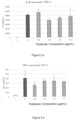
- the antioxidant activity of the postbiotic composition of the invention was evaluated in an in vitro assay in the HaCaT cell line by measuring the inhibition of reactive oxygen species (ROS) production. All experimental groups, except the negative control, included TBHP (ROS-generating agent). Two independent assays were performed with different concentration ranges. From 500 ⁇ g/mL to 3.9 ⁇ g/mL and from 5 ⁇ g/mL to 0.0000005 ⁇ g/mL. The results are shown in Figure 4a, 4b and Table 6.
- the postbiotic composition of the invention shows antioxidant activity at concentrations ranging from 0.5 ⁇ g/mL to 0.005 ⁇ g/mL. The rest of the concentrations tested show no antioxidant activity (ROS). Table 6.
- the postbiotic composition of the invention exhibits dose-dependent anti-inflammatory activity in the THP-1 cell line at concentrations ranging from 250 ⁇ g/mL to 62.5 ⁇ g/mL.
- the test compound shows no proliferative effect in primary human dermal fibroblasts at concentrations ranging from 0.5 ⁇ g/ml to 0.00005 ⁇ g/ml.
- the main objective of this Study was to assess the potential value of the postbiotic composition of the invention on the tissue regeneration capacity in a zebrafish tail resection model.
- the postbiotic composition was administered in the diet to zebrafish larvae from 5 to 15 dpf.
- a caudal fin amputation was performed on day 12 post-fertilization and the regrown tissue was analyzed using distance parameters.
- the postbiotic diet give a significant advantage on the regeneration pace of the amputated tails when compared with the standard diet groups from 15 dpf time point between Groups 1 and 2 (standard and supplemented diet respectively). If the tail regrowth measurement would have been done after 15 dpf, the difference between standard diet and the supplemented diet would have been larger. Furthermore, a higher amount than 18 mg/day and tank would show a greater difference between standard diet and supplemented diet in this experiment
- Fig. 6 The results obtained in the skin irritation assay are shown in Fig. 6 .
- An irritant is predicted if the mean relative tissue viability of three individual tissues exposed to the test item (postbiotic composition of the invention) is reduced below 50% of the mean of the negative controls.
- Table 8 shows the result obtained for the composition of the invention.
- the postbiotic composition of the invention is classified as Non-irritant (GHS No Category) Table 8 % of viabilities Mean of viabilities (%) Classification Negative Control (NC) 100 Non Irritant (NI) Positive Control (PC) 2.0 Irritant (I) (R30 o GHS cat. 2) Postbiotic Composition 90.4 Non Irritant (NI)
- the phototoxicity assay for the postbiotic composition of the invention was performed using 1 mg/mL as the highest dose. Although toxic signs were observed at this concentration, the exposure time during cytotoxicity assay was longer than in the phototoxicity test. Therefore, it was decided to use the highest concentration allowed according to OECD 432 guideline. In total, 8 concentrations were prepared as disclosed in the material and methods section above.
- OECD 432 guideline if an IC 50 cannot be calculated, a PIF value cannot be determined for the postbiotic composition of the invention. So, the mean photo effect (MPE) is calculated.
- MPE mean photo effect
- the IC50 value for cells exposed to the postbiotic composition could not be determined, while the IC50 of CPZ was 31.406 for non-irradiated plates and 0.974 for irradiated plates.
- the calculation of the MPE and PIF values for controls and the postbiotic composition was performed with a software developed within the OECD 432 framework and available in http://www.oecd.org/env/ehs/testing/section4software.htm
- the results obtained should meet the following criteria: After the irradiation with UVA dose of 5 J/cm 2 the cell viability of the solvent control was > 80% of non-irradiated cells. In this experiment, the % difference between solvent controls - mean solvent controls (this is, non-irradiated plates) was 1.61% for the postbiotic composition and 2.74 % for CPZ. The PIF value for the positive reference (CPZ) is disclosed in the previous table. According to these results, the postbiotic composition of the invention is classified as non-phototoxic
Landscapes
- Health & Medical Sciences (AREA)
- Life Sciences & Earth Sciences (AREA)
- Mycology (AREA)
- Microbiology (AREA)
- Veterinary Medicine (AREA)
- Chemical & Material Sciences (AREA)
- Public Health (AREA)
- General Health & Medical Sciences (AREA)
- Animal Behavior & Ethology (AREA)
- Medicinal Chemistry (AREA)
- Pharmacology & Pharmacy (AREA)
- Engineering & Computer Science (AREA)
- Epidemiology (AREA)
- Dermatology (AREA)
- Molecular Biology (AREA)
- Nuclear Medicine, Radiotherapy & Molecular Imaging (AREA)
- Organic Chemistry (AREA)
- Bioinformatics & Cheminformatics (AREA)
- Chemical Kinetics & Catalysis (AREA)
- General Chemical & Material Sciences (AREA)
- Nutrition Science (AREA)
- Food Science & Technology (AREA)
- Polymers & Plastics (AREA)
- Gerontology & Geriatric Medicine (AREA)
- Birds (AREA)
- Tropical Medicine & Parasitology (AREA)
- Biotechnology (AREA)
- Zoology (AREA)
- Medicines Containing Material From Animals Or Micro-Organisms (AREA)
- Cosmetics (AREA)
- Micro-Organisms Or Cultivation Processes Thereof (AREA)
Priority Applications (3)
| Application Number | Priority Date | Filing Date | Title |
|---|---|---|---|
| EP23382797.1A EP4501339A1 (de) | 2023-07-31 | 2023-07-31 | Postbiotische zusammensetzung für hauterkrankungen und kosmetische verwendung |
| PCT/EP2024/071694 WO2025027083A1 (en) | 2023-07-31 | 2024-07-31 | Postbiotic composition for skin disorders and cosmetic use |
| CONC2026/0000255A CO2026000255A2 (es) | 2023-07-31 | 2026-01-13 | Composición postbiótica para trastornos cutáneos y uso cosmético |
Applications Claiming Priority (1)
| Application Number | Priority Date | Filing Date | Title |
|---|---|---|---|
| EP23382797.1A EP4501339A1 (de) | 2023-07-31 | 2023-07-31 | Postbiotische zusammensetzung für hauterkrankungen und kosmetische verwendung |
Publications (1)
| Publication Number | Publication Date |
|---|---|
| EP4501339A1 true EP4501339A1 (de) | 2025-02-05 |
Family
ID=87845827
Family Applications (1)
| Application Number | Title | Priority Date | Filing Date |
|---|---|---|---|
| EP23382797.1A Pending EP4501339A1 (de) | 2023-07-31 | 2023-07-31 | Postbiotische zusammensetzung für hauterkrankungen und kosmetische verwendung |
Country Status (3)
| Country | Link |
|---|---|
| EP (1) | EP4501339A1 (de) |
| CO (1) | CO2026000255A2 (de) |
| WO (1) | WO2025027083A1 (de) |
Citations (5)
| Publication number | Priority date | Publication date | Assignee | Title |
|---|---|---|---|---|
| WO2013153358A1 (en) * | 2012-04-13 | 2013-10-17 | The University Of Manchester | Probiotic bacteria |
| CN107184958A (zh) * | 2017-06-08 | 2017-09-22 | 太仓优活生物技术有限公司 | 一种治疗猪寄生虫与细菌性皮肤病产品的生产方法 |
| CN113925884A (zh) * | 2020-06-29 | 2022-01-14 | 创百股份有限公司 | 后生元提取物用于促进皮肤再生与抗老化的用途 |
| WO2022185238A1 (en) | 2021-03-04 | 2022-09-09 | Blis Technologies Limited | Topical composition and use thereof |
| US11517597B2 (en) * | 2020-09-29 | 2022-12-06 | Chambio Co., Ltd. | Method for improving skin condition with postbiotic extract |
Family Cites Families (5)
| Publication number | Priority date | Publication date | Assignee | Title |
|---|---|---|---|---|
| US9579353B2 (en) * | 2011-06-10 | 2017-02-28 | Prothera, Inc. | Pharmaceutical compositions containing pediococcus and methods for reducing the symptoms of gastroenterological syndromes |
| CN104472887A (zh) * | 2014-12-29 | 2015-04-01 | 邳州市小河科技发展有限公司 | 一种益生菌饲料添加剂 |
| US11419882B2 (en) * | 2017-06-08 | 2022-08-23 | Allergyintellect, Inc | Vitamin D compounds and methods of using the same |
| KR102364448B1 (ko) * | 2019-12-31 | 2022-02-17 | 심민보 | 프로바이오틱스 및 항생제를 포함하는 항염증용 약학적 조성물 및 이를 이용한 방법 |
| KR20220109664A (ko) * | 2021-01-29 | 2022-08-05 | 주식회사 농협사료 | 피부 염증의 예방 또는 개선 효과를 갖는 바실러스 리체니포미스 및 이의 용도 |
-
2023
- 2023-07-31 EP EP23382797.1A patent/EP4501339A1/de active Pending
-
2024
- 2024-07-31 WO PCT/EP2024/071694 patent/WO2025027083A1/en active Pending
-
2026
- 2026-01-13 CO CONC2026/0000255A patent/CO2026000255A2/es unknown
Patent Citations (5)
| Publication number | Priority date | Publication date | Assignee | Title |
|---|---|---|---|---|
| WO2013153358A1 (en) * | 2012-04-13 | 2013-10-17 | The University Of Manchester | Probiotic bacteria |
| CN107184958A (zh) * | 2017-06-08 | 2017-09-22 | 太仓优活生物技术有限公司 | 一种治疗猪寄生虫与细菌性皮肤病产品的生产方法 |
| CN113925884A (zh) * | 2020-06-29 | 2022-01-14 | 创百股份有限公司 | 后生元提取物用于促进皮肤再生与抗老化的用途 |
| US11517597B2 (en) * | 2020-09-29 | 2022-12-06 | Chambio Co., Ltd. | Method for improving skin condition with postbiotic extract |
| WO2022185238A1 (en) | 2021-03-04 | 2022-09-09 | Blis Technologies Limited | Topical composition and use thereof |
Non-Patent Citations (1)
| Title |
|---|
| GUENICHE AUDREY ET AL: "Advances in Microbiome-Derived Solutions and Methodologies Are Founding a New Era in Skin Health and Care", PATHOGENS, vol. 11, no. 2, 20 January 2022 (2022-01-20), pages 121, XP055943801, DOI: 10.3390/pathogens11020121 * |
Also Published As
| Publication number | Publication date |
|---|---|
| CO2026000255A2 (es) | 2026-03-26 |
| WO2025027083A1 (en) | 2025-02-06 |
Similar Documents
| Publication | Publication Date | Title |
|---|---|---|
| US20130251695A1 (en) | Cosmetic Compositions | |
| AU2018378419B2 (en) | Composition based on probiotics and uses thereof | |
| Nuño et al. | Effects of the marine microalgae Isochrysis galbana and Nannochloropsis oculata in diabetic rats | |
| EP2082731B1 (de) | Verwendung einer Hesperidinverbindung und eines Mikroorganismus zur Beeinflussung der Barrierefunktion der Haut | |
| JP5954828B2 (ja) | 皮膚状態の改善用組成物 | |
| Cerro et al. | Daily ingestion of Akkermansia mucciniphila for one month promotes healthy aging and increases lifespan in old female mice | |
| EP2033627B1 (de) | Einsatz eines Lysats einer Bifidobakteriengattung zur Behandlung von sensiblen Hauttypen | |
| US20150044317A1 (en) | Topical Compositions for Reducing Visible Signs of Aging and Methods of Use Thereof | |
| RU2309760C2 (ru) | Композиция для фотопротекции кожи | |
| Sugimoto et al. | Photoprotective effects of B ifidobacterium breve supplementation against skin damage induced by ultraviolet irradiation in hairless mice | |
| WO2009053564A2 (fr) | Utilisation cosmetique de lysat de bifidobacterium species pour renforcer la fonction barriere cutanee | |
| EP3030247B1 (de) | Probiotikum für übermässiges kinderschreien | |
| Abbasi et al. | Postbiotics: science, technology and applications | |
| Molina et al. | Lactobacillus reuteri CRL 1098 prevents side effects produced by a nutritional vitamin B12 deficiency | |
| CN111818812B (zh) | 皮肤状态改善用组合物 | |
| Arora et al. | Evolving advances in the cosmetic use of probiotics and postbiotics: health, regulatory and marketing aspects | |
| JP2020523329A (ja) | バチルス・コアグランスの脂質低下効果 | |
| EP4501339A1 (de) | Postbiotische zusammensetzung für hauterkrankungen und kosmetische verwendung | |
| Yoha et al. | Co-encapsulation of Lactiplantibacillus plantarum NCIM 2083 with resveratrol for improved bioaccessibility | |
| US12582682B2 (en) | Probiotic compositions for the treatment of acne | |
| CN116724108A (zh) | 用于使用多能干细胞来源的皮肤类器官构建特应性皮炎模型的方法 | |
| JP2017001961A (ja) | 生体抗酸化能賦活剤 | |
| Brandão et al. | Effects of pre-and postnatal protein energy deprivation on the myenteric plexus of the small intestine: a morphometric study in weanling rats | |
| US20250325601A1 (en) | Composition of oral administration obtained from lysates of probiotic microorganisms for use as an anti-aging agent | |
| EP4527397A1 (de) | Therapeutische verwendung einer postbiotischen zusammensetzung bei dyslipidämien |
Legal Events
| Date | Code | Title | Description |
|---|---|---|---|
| PUAI | Public reference made under article 153(3) epc to a published international application that has entered the european phase |
Free format text: ORIGINAL CODE: 0009012 |
|
| STAA | Information on the status of an ep patent application or granted ep patent |
Free format text: STATUS: THE APPLICATION HAS BEEN PUBLISHED |
|
| AK | Designated contracting states |
Kind code of ref document: A1 Designated state(s): AL AT BE BG CH CY CZ DE DK EE ES FI FR GB GR HR HU IE IS IT LI LT LU LV MC ME MK MT NL NO PL PT RO RS SE SI SK SM TR |
|
| RAP1 | Party data changed (applicant data changed or rights of an application transferred) |
Owner name: IGEN BIOLAB S.L. |
|
| RAP1 | Party data changed (applicant data changed or rights of an application transferred) |
Owner name: SIGNIFER S.L. |