EP4477232A1 - Rekombinanter multivalenter impfstoff - Google Patents
Rekombinanter multivalenter impfstoff Download PDFInfo
- Publication number
- EP4477232A1 EP4477232A1 EP23851587.8A EP23851587A EP4477232A1 EP 4477232 A1 EP4477232 A1 EP 4477232A1 EP 23851587 A EP23851587 A EP 23851587A EP 4477232 A1 EP4477232 A1 EP 4477232A1
- Authority
- EP
- European Patent Office
- Prior art keywords
- rbd
- antigenic peptide
- seq
- polypeptide
- sars
- Prior art date
- Legal status (The legal status is an assumption and is not a legal conclusion. Google has not performed a legal analysis and makes no representation as to the accuracy of the status listed.)
- Pending
Links
Images









Classifications
-
- A—HUMAN NECESSITIES
- A61—MEDICAL OR VETERINARY SCIENCE; HYGIENE
- A61K—PREPARATIONS FOR MEDICAL, DENTAL OR TOILETRY PURPOSES
- A61K39/00—Medicinal preparations containing antigens or antibodies
- A61K39/12—Viral antigens
- A61K39/215—Coronaviridae, e.g. avian infectious bronchitis virus
-
- C—CHEMISTRY; METALLURGY
- C07—ORGANIC CHEMISTRY
- C07K—PEPTIDES
- C07K14/00—Peptides having more than 20 amino acids; Gastrins; Somatostatins; Melanotropins; Derivatives thereof
- C07K14/005—Peptides having more than 20 amino acids; Gastrins; Somatostatins; Melanotropins; Derivatives thereof from viruses
-
- A—HUMAN NECESSITIES
- A61—MEDICAL OR VETERINARY SCIENCE; HYGIENE
- A61K—PREPARATIONS FOR MEDICAL, DENTAL OR TOILETRY PURPOSES
- A61K39/00—Medicinal preparations containing antigens or antibodies
- A61K39/12—Viral antigens
-
- A—HUMAN NECESSITIES
- A61—MEDICAL OR VETERINARY SCIENCE; HYGIENE
- A61P—SPECIFIC THERAPEUTIC ACTIVITY OF CHEMICAL COMPOUNDS OR MEDICINAL PREPARATIONS
- A61P31/00—Antiinfectives, i.e. antibiotics, antiseptics, chemotherapeutics
- A61P31/12—Antivirals
- A61P31/14—Antivirals for RNA viruses
-
- C—CHEMISTRY; METALLURGY
- C12—BIOCHEMISTRY; BEER; SPIRITS; WINE; VINEGAR; MICROBIOLOGY; ENZYMOLOGY; MUTATION OR GENETIC ENGINEERING
- C12N—MICROORGANISMS OR ENZYMES; COMPOSITIONS THEREOF; PROPAGATING, PRESERVING, OR MAINTAINING MICROORGANISMS; MUTATION OR GENETIC ENGINEERING; CULTURE MEDIA
- C12N7/00—Viruses; Bacteriophages; Compositions thereof; Preparation or purification thereof
-
- A—HUMAN NECESSITIES
- A61—MEDICAL OR VETERINARY SCIENCE; HYGIENE
- A61K—PREPARATIONS FOR MEDICAL, DENTAL OR TOILETRY PURPOSES
- A61K39/00—Medicinal preparations containing antigens or antibodies
- A61K2039/51—Medicinal preparations containing antigens or antibodies comprising whole cells, viruses or DNA/RNA
- A61K2039/525—Virus
- A61K2039/5252—Virus inactivated (killed)
-
- A—HUMAN NECESSITIES
- A61—MEDICAL OR VETERINARY SCIENCE; HYGIENE
- A61K—PREPARATIONS FOR MEDICAL, DENTAL OR TOILETRY PURPOSES
- A61K39/00—Medicinal preparations containing antigens or antibodies
- A61K2039/54—Medicinal preparations containing antigens or antibodies characterised by the route of administration
- A61K2039/541—Mucosal route
- A61K2039/543—Mucosal route intranasal
-
- A—HUMAN NECESSITIES
- A61—MEDICAL OR VETERINARY SCIENCE; HYGIENE
- A61K—PREPARATIONS FOR MEDICAL, DENTAL OR TOILETRY PURPOSES
- A61K39/00—Medicinal preparations containing antigens or antibodies
- A61K2039/545—Medicinal preparations containing antigens or antibodies characterised by the dose, timing or administration schedule
-
- A—HUMAN NECESSITIES
- A61—MEDICAL OR VETERINARY SCIENCE; HYGIENE
- A61K—PREPARATIONS FOR MEDICAL, DENTAL OR TOILETRY PURPOSES
- A61K39/00—Medicinal preparations containing antigens or antibodies
- A61K2039/555—Medicinal preparations containing antigens or antibodies characterised by a specific combination antigen/adjuvant
- A61K2039/55505—Inorganic adjuvants
-
- A—HUMAN NECESSITIES
- A61—MEDICAL OR VETERINARY SCIENCE; HYGIENE
- A61K—PREPARATIONS FOR MEDICAL, DENTAL OR TOILETRY PURPOSES
- A61K39/00—Medicinal preparations containing antigens or antibodies
- A61K2039/555—Medicinal preparations containing antigens or antibodies characterised by a specific combination antigen/adjuvant
- A61K2039/55511—Organic adjuvants
- A61K2039/55522—Cytokines; Lymphokines; Interferons
- A61K2039/55527—Interleukins
- A61K2039/55533—IL-2
-
- A—HUMAN NECESSITIES
- A61—MEDICAL OR VETERINARY SCIENCE; HYGIENE
- A61K—PREPARATIONS FOR MEDICAL, DENTAL OR TOILETRY PURPOSES
- A61K39/00—Medicinal preparations containing antigens or antibodies
- A61K2039/555—Medicinal preparations containing antigens or antibodies characterised by a specific combination antigen/adjuvant
- A61K2039/55511—Organic adjuvants
- A61K2039/55522—Cytokines; Lymphokines; Interferons
- A61K2039/55527—Interleukins
- A61K2039/55538—IL-12
-
- A—HUMAN NECESSITIES
- A61—MEDICAL OR VETERINARY SCIENCE; HYGIENE
- A61K—PREPARATIONS FOR MEDICAL, DENTAL OR TOILETRY PURPOSES
- A61K39/00—Medicinal preparations containing antigens or antibodies
- A61K2039/555—Medicinal preparations containing antigens or antibodies characterised by a specific combination antigen/adjuvant
- A61K2039/55511—Organic adjuvants
- A61K2039/55561—CpG containing adjuvants; Oligonucleotide containing adjuvants
-
- A—HUMAN NECESSITIES
- A61—MEDICAL OR VETERINARY SCIENCE; HYGIENE
- A61K—PREPARATIONS FOR MEDICAL, DENTAL OR TOILETRY PURPOSES
- A61K39/00—Medicinal preparations containing antigens or antibodies
- A61K2039/555—Medicinal preparations containing antigens or antibodies characterised by a specific combination antigen/adjuvant
- A61K2039/55511—Organic adjuvants
- A61K2039/55566—Emulsions, e.g. Freund's adjuvant, MF59
-
- A—HUMAN NECESSITIES
- A61—MEDICAL OR VETERINARY SCIENCE; HYGIENE
- A61K—PREPARATIONS FOR MEDICAL, DENTAL OR TOILETRY PURPOSES
- A61K39/00—Medicinal preparations containing antigens or antibodies
- A61K2039/555—Medicinal preparations containing antigens or antibodies characterised by a specific combination antigen/adjuvant
- A61K2039/55511—Organic adjuvants
- A61K2039/55572—Lipopolysaccharides; Lipid A; Monophosphoryl lipid A
-
- A—HUMAN NECESSITIES
- A61—MEDICAL OR VETERINARY SCIENCE; HYGIENE
- A61K—PREPARATIONS FOR MEDICAL, DENTAL OR TOILETRY PURPOSES
- A61K39/00—Medicinal preparations containing antigens or antibodies
- A61K2039/555—Medicinal preparations containing antigens or antibodies characterised by a specific combination antigen/adjuvant
- A61K2039/55588—Adjuvants of undefined constitution
- A61K2039/55594—Adjuvants of undefined constitution from bacteria
-
- A—HUMAN NECESSITIES
- A61—MEDICAL OR VETERINARY SCIENCE; HYGIENE
- A61K—PREPARATIONS FOR MEDICAL, DENTAL OR TOILETRY PURPOSES
- A61K39/00—Medicinal preparations containing antigens or antibodies
- A61K2039/57—Medicinal preparations containing antigens or antibodies characterised by the type of response, e.g. Th1, Th2
- A61K2039/575—Medicinal preparations containing antigens or antibodies characterised by the type of response, e.g. Th1, Th2 humoral response
-
- A—HUMAN NECESSITIES
- A61—MEDICAL OR VETERINARY SCIENCE; HYGIENE
- A61K—PREPARATIONS FOR MEDICAL, DENTAL OR TOILETRY PURPOSES
- A61K39/00—Medicinal preparations containing antigens or antibodies
- A61K2039/70—Multivalent vaccine
-
- C—CHEMISTRY; METALLURGY
- C07—ORGANIC CHEMISTRY
- C07K—PEPTIDES
- C07K2319/00—Fusion polypeptide
-
- C—CHEMISTRY; METALLURGY
- C07—ORGANIC CHEMISTRY
- C07K—PEPTIDES
- C07K2319/00—Fusion polypeptide
- C07K2319/40—Fusion polypeptide containing a tag for immunodetection, or an epitope for immunisation
-
- C—CHEMISTRY; METALLURGY
- C12—BIOCHEMISTRY; BEER; SPIRITS; WINE; VINEGAR; MICROBIOLOGY; ENZYMOLOGY; MUTATION OR GENETIC ENGINEERING
- C12N—MICROORGANISMS OR ENZYMES; COMPOSITIONS THEREOF; PROPAGATING, PRESERVING, OR MAINTAINING MICROORGANISMS; MUTATION OR GENETIC ENGINEERING; CULTURE MEDIA
- C12N2770/00—MICROORGANISMS OR ENZYMES; COMPOSITIONS THEREOF; PROPAGATING, PRESERVING, OR MAINTAINING MICROORGANISMS; MUTATION OR GENETIC ENGINEERING; CULTURE MEDIA ssRNA viruses positive-sense
- C12N2770/00011—Details
- C12N2770/20011—Coronaviridae
- C12N2770/20022—New viral proteins or individual genes, new structural or functional aspects of known viral proteins or genes
-
- C—CHEMISTRY; METALLURGY
- C12—BIOCHEMISTRY; BEER; SPIRITS; WINE; VINEGAR; MICROBIOLOGY; ENZYMOLOGY; MUTATION OR GENETIC ENGINEERING
- C12N—MICROORGANISMS OR ENZYMES; COMPOSITIONS THEREOF; PROPAGATING, PRESERVING, OR MAINTAINING MICROORGANISMS; MUTATION OR GENETIC ENGINEERING; CULTURE MEDIA
- C12N2770/00—MICROORGANISMS OR ENZYMES; COMPOSITIONS THEREOF; PROPAGATING, PRESERVING, OR MAINTAINING MICROORGANISMS; MUTATION OR GENETIC ENGINEERING; CULTURE MEDIA ssRNA viruses positive-sense
- C12N2770/00011—Details
- C12N2770/20011—Coronaviridae
- C12N2770/20034—Use of virus or viral component as vaccine, e.g. live-attenuated or inactivated virus, VLP, viral protein
Definitions
- the present invention relates to a recombinant multivalent vaccine, in particular to a recombinant multivalent vaccine against cancer and infectious bacteria and viruses, in particular against infectious bacteria and viruses having more than one serological subtype or variant, such as coronaviruses and influenza viruses, and belongs to the technical field of biomedicines.
- Infectious pathogens including bacteria and viruses, especially those with more than one serological subtype or variant, pose a great threat to public health.
- a disease caused by SARS-CoV-2 is named COVID-19. Since a SARS-CoV-2 original strain, variants such as Alpha (B.1.1.7), Beta (B. 1.351), Gamma (P.1), Delta (B.1.617.2) and Omicron (B.1.1.529) have emerged one after another, and have caused serious problems about the nature, extent and consequences of antigenic drift in SARS-CoV-2. The unpredictable emergence of SARS-CoV-2 variants of concern (VOC) with different antigenicity has increased the risk of global transmission and led to the COVID-19 pandemic.
- VOC SARS-CoV-2 variants of concern
- An object of the present invention is to provide a safe and effective vaccine against cancer and infectious pathogens.
- the technical solution adopted by the present invention is to provide a recombinant multivalent vaccine, including a recombinant protein, wherein the recombinant protein includes, from a N-terminus to a C-terminus, a first antigenic peptide, an N-polypeptide, a second antigenic peptide, a C-polypeptide and a third antigenic peptide;
- the variant of the N-polypeptide is functionally identical to and has at least 95% sequence homology with SEQ ID NO. 1; and the variant of the C-polypeptide is functionally identical to and has at least 95% sequence homology with SEQ ID NO. 3.
- the first antigenic peptide, the second antigenic peptide and the third antigenic peptide are polypeptides consisting of 10-900 amino acids that induce an antigenic peptide specific humoral and/or cellular immune response when the recombinant multivalent vaccine is used to immunize a host subject.
- the first antigenic peptide, the second antigenic peptide and the third antigenic peptide are derived from an infectious pathogen, a variant of an infectious pathogen or a cancer/tumor-specific antigen.
- the first antigenic peptide, the second antigenic peptide and the third antigenic peptide are derived from a SARS-CoV-2 variant.
- the antigenic peptide is a receptor binding domain (RBD) region aa.319-527 of a spike protein of the SARS-CoV-2 variant.
- RBD receptor binding domain
- the RBD is derived from any one of a SARS-CoV-2 original strain, Delta, Omicron, and Gamma variants and SARS-related coronavirus strains such as SHC014 and WIV1, wherein Delta RBD has an amino acid sequence as shown in SEQ ID NO. 5 and a nucleotide sequence as shown in SEQ ID NO. 6, Omicron RBD has an amino acid sequence as shown in SEQ ID NO. 7 and a nucleotide sequence as shown in SEQ ID NO. 8, RBD of the SARS-CoV-2 original strain has an amino acid sequence as shown in SEQ ID NO. 9 and a nucleotide sequence as shown in SEQ ID NO.
- Gamma RBD has an amino acid sequence as shown in SEQ ID NO. 11 and a nucleotide sequence as shown in SEQ ID NO. 12
- SHC014 RBD has an amino acid sequence as shown in SEQ ID NO. 13 and a nucleotide sequence as shown in SEQ ID NO. 14
- WIV1 RBD has an amino acid sequence as shown in SEQ ID NO. 15 and a nucleotide sequence as shown in SEQ ID NO. 16.
- the recombinant protein includes, from the N-terminus to the C-terminus, Omicron RBD, an N-polypeptide, Delta RBD, a C-polypeptide and Omicron RBD, having an amino acid sequence as shown in SEQ ID NO. 17; or the recombinant protein includes, from the N-terminus to the C-terminus, Omicron RBD, an N-polypeptide, SHC014 RBD, a C-polypeptide, and WIV1 RBD, having an amino acid sequence as shown in SEQ ID NO. 19.
- the recombinant multivalent vaccine further includes an adjuvant selected from at least one of flagellin, polyinosinic-polycytidylic acid, MF59, AS01, AS03, AS04, CpG, MPL, CT, CTB, IL-1 ⁇ , IL-2, IL-12, IL-18, GM-CSF, PIKA, and BFA03.
- an adjuvant selected from at least one of flagellin, polyinosinic-polycytidylic acid, MF59, AS01, AS03, AS04, CpG, MPL, CT, CTB, IL-1 ⁇ , IL-2, IL-12, IL-18, GM-CSF, PIKA, and BFA03.
- the adjuvant is recombinant flagellin KFD, having an amino acid sequence shown in SEQ ID NO. 21 or having at least 95% sequence homology with SEQ ID NO. 21 and retaining the TLR-5 agonist activity.
- the present invention also provides a nucleic acid molecule encoding a recombinant protein for a recombinant multivalent vaccine, wherein the nucleic acid molecule includes from 5' to 3': a first polynucleotide encoding a first antigenic peptide, a polynucleotide encoding an N-polypeptide, a second polynucleotide encoding a second antigenic peptide, a polynucleotide encoding a C-polypeptide, and a third polynucleotide encoding a third antigenic peptide;
- the present invention has the following beneficial effects:
- cancer is a collective term for any type or form of tumor and cancer.
- the present invention addresses at least two problems in vaccine development. First, maintenance of the conformation of antigenic peptides; this ensures that the antigenic peptides can induce a humoral and cellular immune response, especially the effective neutralizing antibody responses; and second, presentation of multivalent antigenic peptides, this enables to induce humoral and cellular immune responses against more than one cancer or more than one infectious pathogen variant.
- the present invention provides an intramolecular scaffold that can maintain the conformations of the antigenic peptides, and the antigenic peptides are presented at three different positions of the intramolecular scaffold.
- the intramolecular scaffold is applicable to any antigenic peptide, whether it is derived from viruses, bacteria or cancer.
- a multivalent vaccine of COVID-19 described hereinafter fully illustrates the practicality of the present invention.
- the present invention provides a recombinant multivalent vaccine including a recombinant protein, wherein the recombinant protein includes, from a N-terminus to a C-terminus, a first antigenic peptide, an N-polypeptide, a second antigenic peptide, a C-polypeptide and a third antigenic peptide, wherein the N-polypeptide and the C-polypeptide are intramolecular scaffold-forming polypeptides, forming an intramolecular scaffold NC for stabilizing conformations of the first antigenic peptide, the second antigenic peptide and the third antigenic peptide.
- a linker is inserted at one or more of the junctions between the first antigenic peptide and the N-polypeptide, between the N-polypeptide and the second antigenic peptide, between the second antigenic peptide and the C-polypeptide, and between the C-polypeptide and the third antigenic peptide.
- the linker may consist of 4-40 amino acids; and an exemplary linker is (GSSS)n, wherein n is 1-10.
- the N-polypeptide and the C-polypeptide of the intramolecular scaffold NC are developed via the modification of flagellin derived from an Escherichia coli K12 strain (KF).
- the N-polypeptide of the intramolecular scaffold NC has an amino acid sequence as shown in SEQ ID NO. 1 or a variant thereof, wherein the variant has at least 95% sequence homology with SEQ ID NO. 1.
- the N-polypeptide of the intramolecular scaffold NC is encoded by a nucleotide sequence as shown in SEQ ID NO. 2 or a variant thereof, wherein the variant has at least 95% sequence homology with SEQ ID NO. 2.
- the C-polypeptide of the intramolecular scaffold NC has an amino acid sequence as shown in SEQ ID NO. 3, or a variant thereof, wherein the variant has at least 95% sequence homology with SEQ ID NO. 3.
- the C-polypeptide of the intramolecular scaffold NC is encoded by a nucleotide sequence as shown in SEQ ID NO. 4 or a variant thereof, wherein the variant has at least 95% sequence homology with SEQ ID NO. 4.
- the antigenic peptide can be a polypeptide that can induce a humoral B cell epitope-based and/or cellular T cell epitope-based immune response when the recombinant multivalent vaccine is used to immunize a host subject including, for example, humans, cows, cats, dogs, horses, and pigs.
- the first antigenic peptide, the second antigenic peptide and the third antigenic peptide are all derived from one variant of one infectious pathogen or derived from one cancer-specific antigen.
- the first antigenic peptide, the second antigenic peptide and the third antigenic peptide are derived from one or more variants of one infectious pathogen, or one or more cancer-specific antigens of one cancer.
- the antigenic peptides are derived from one or more infectious pathogens, or derived from one or more cancers.
- Tumor-specific antigens include, for example, MARA antigens in melanoma, and Ras oncogenic mutants in gastrointestinal and lung cancers.
- the "cancer-specific antigen” in the present invention includes cancer/tumor-specific antigens, cancer/tumor-associated antigens, and cancer-associated pathogens; for example, the tumor-specific antigens include MARA antigens in melanoma, and Ras oncogenic mutants in gastrointestinal and lung cancers, the cancer/tumor-associated antigens include CD19 and CD20, and the cancer-associated pathogens include Epstein-Barr virus, HPV and HBV, and the like.
- the antigenic peptides contain 10-900, 10-600, or 10-300 amino acids.
- the present invention provides a recombinant multivalent vaccine against SARS-CoV-2 variants.
- the spike (S) protein on the surface of the SARS-CoV-2 virus mediates virus attachment and entry via a receptor binding domain (RBD) (aa. 319-527), which makes it a potential target for COVID-19 vaccine design.
- RBD-based antigens have been widely used in the development of coronavirus vaccines.
- the protection rate of SARS-CoV-2 vaccines declined with the emergence of COVID-19 variants.
- immunogens of chimeric RBD-dimers with tandem RBDs are designed by using RBDs of different strains.
- SARS-CoV-2 RBD conjugated with an Fc fragment of human IgG as an immune enhancer can induce strong antibody neutralizing activity against SARS-CoV-2 infection in mice.
- these RBD-based subunit vaccines do not strongly induce mucosal immune responses in the respiratory tract to prevent SARS-CoV-2 nasal infection and asymptomatic transmission.
- the recombinant multivalent vaccine against SARS-CoV-2 variants includes a recombinant protein, wherein the recombinant protein includes, from the N-terminus to the C-terminus, a first RBD, an N-polypeptide, a second RBD, a C-polypeptide, and a third RBD, wherein the N-polypeptide and the C-polypeptide have been described above.
- the first RBD, the second RBD, and the third RBD are derived from one SARS-CoV-2 variant.
- the first RBD, the second RBD, and the third RBD are derived from one or more SARS-CoV-2 variants.
- the RBD is derived from a SARS-CoV-2 original strain, Delta, Omicron, and Gamma variants and SARS-related coronavirus strains SHC014 and WIV1.
- Delta RBD has an amino acid sequence as shown in SEQ ID NO. 5 and a corresponding nucleotide sequence shown in SEQ ID NO. 6.
- Omicron RBD has an amino acid sequence as shown in SEQ ID NO. 7 and a corresponding nucleotide sequence shown in SEQ ID NO. 8.
- RBD of the SARS-CoV-2 original strain has an amino acid sequence as shown in SEQ ID NO. 9 and a corresponding nucleotide sequence shown in SEQ ID NO. 10.
- Gamma RBD has an amino acid sequence as shown in SEQ ID NO.
- SHC014 RBD has an amino acid sequence as shown in SEQ ID NO. 13 and a corresponding nucleotide sequence shown in SEQ ID NO. 14.
- WIV1 RBD has an amino acid sequence as shown in SEQ ID NO. 15 and a corresponding nucleotide sequence shown in SEQ ID NO. 16.
- the recombinant multivalent vaccine against SARS-CoV-2 variants includes a recombinant protein, wherein the recombinant protein includes, from the N-terminus to the C-terminus, Omicron RBD, an N-polypeptide, Delta RBD, a C-polypeptide, and Omicron RBD (designated as 3Ro-NC).
- 3Ro-NC is highly immunogenic with a native conformation of RBD and potent to induce broad-spectrum protective immune responses against SARS-CoV-1 and SARS-CoV-2 variants, particularly against the immune escape Omicron variant.
- the 3Ro-NC used for the experiments performed in the embodiments has an amino acid sequence (SEQ ID NO. 17) and a nucleotide sequence (SEQ ID NO. 18).
- the recombinant multivalent vaccine against SARS-CoV-2 variants includes a recombinant protein, wherein the recombinant protein includes, from the N-terminus to the C-terminus, Omicron RBD, an N-polypeptide, SHC014 RBD, a C-polypeptide, and WIV1 RBD (designated as 3Rs-NC).
- 3Rs-NC is highly immunogenic with a native conformation of RBD and potent to induce broad-spectrum protective immune responses against the SARS-CoV-1 and SARS-CoV-2 variants.
- the 3Rs-NC used for the experiments performed in the embodiments has an amino acid sequence (SEQ ID NO. 19) and a nucleotide sequence (SEQ ID NO. 20).
- the recombinant multivalent vaccine further includes an adjuvant.
- the adjuvant includes pathogen-associated molecular patterns such as flagellin, poly I:C, MF59 (Novartis), AS series such as AS01, AS03, and AS04 (GSK), Matrix-M (Novavax), CpG (e.g., CpG1018) (Dynavax), MPL (Lipid A-based), cytokines (e.g., IL-2, IL-12, and GM-CSF), PIKA (YISHENG BIOPHARMA), and BFA03 (Jiangsu Recbio).
- pathogen-associated molecular patterns such as flagellin, poly I:C, MF59 (Novartis), AS series such as AS01, AS03, and AS04 (GSK), Matrix-M (Novavax), CpG (e.g., CpG1018) (Dynavax), MPL (Lipid A-based), cytokines (
- a mucosal adjuvant includes CT, CTB, IL-1 ⁇ , IL-12, IL-18, CpG (e.g., CpG1018) (Dynavax), cytokines (e.g., IL-2, IL-12, and GM-CSF), PIKA (YISHENG BIOPHARMA), and flagellin.
- the mucosal adjuvant is recombinant flagellin KFD, which is proven to be safe and effective for intranasal immunization in the inventors' previous works.
- the KFD has an amino acid sequence shown in SEQ ID NO. 21 or its variants, wherein the variants have at least 95% sequence homology with SEQ ID NO. 21, and a nucleotide sequence shown in SEQ ID NO. 22 or its variants, wherein the variants have at least 95% sequence homology with SEQ ID NO. 22.
- the KFD and its variants exert their immunomodulatory activity by activating a TLR5 pathway in nasal epithelial cells and enhancing local and distal mucosal IgA responses.
- Intranasal immunization with 3Ro-NC plus recombinant flagellin KFD as the mucosal adjuvant can induce synergistic mucosal and systemic immunity against SARS-CoV-1 and SARS-CoV-2 variants in mice.
- antibodies induced by intranasal immunization with 3Ro-NC plus KFD show higher specificity and neutralization to the Omicron variant compared with intramuscular injection immunization with either 3Ro-NC plus an aluminum adjuvant or RBD-dimer plus an aluminum adjuvant.
- the amount of the recombinant protein for inducing a sufficient immune response against an infectious pathogen or cancer in the recombinant multivalent vaccine can be determined by routine clinical trials.
- the recombinant protein in a dose of vaccine is in the range of 1-1000 ⁇ g, 10-500 ⁇ g, or 50-250 ⁇ g.
- the present invention also provides a nucleic acid molecule encoding a recombinant protein for a recombinant multivalent vaccine, wherein the nucleic acid molecule includes from 5' to 3': a first polynucleotide encoding a first antigenic peptide, a polynucleotide encoding an N-polypeptide, wherein the polynucleotide encoding the N-polypeptide has a nucleotide sequence shown in SEQ ID NO.
- a second polynucleotide encoding a second antigenic peptide a polynucleotide encoding a C-polypeptide, wherein the polynucleotide encoding the C-polypeptide has a nucleotide sequence shown in SEQ ID NO. 4 or its variant
- a third polynucleotide encoding a third antigenic peptide wherein when a recombinant protein encoded by the nucleic acid molecule is expressed, the N-polypeptide and the C-polypeptide are intramolecular scaffold-forming polypeptides, forming an intramolecular scaffold NC for supporting the antigenic peptides.
- the antigenic peptide consists of 10-900 amino acids.
- the antigenic peptide is a receptor binding domain (RBD) region (aa. 319-527) of the spike (S) protein of SARS-CoV-2 variants.
- the RBD region is a polypeptide represented by SEQ ID NO. 5 (Delta), SEQ ID NO. 7 (Omicron), SEQ ID NO. 9 (the SARS-CoV-2 original strain), SEQ ID NO. 11 (Gamma), SEQ ID NO. 13 (SHC014), and SEQ ID NO. 15 (WIV1).
- the nucleic acid molecule may be present in mRNA, an expression vector, or a viral vector (e.g., adenoviruses and adeno-associated viruses).
- a viral vector e.g., adenoviruses and adeno-associated viruses.
- the recombinant multivalent vaccine further includes any pharmaceutically acceptable components, such as excipients (e.g., a saline solution, PBS, etc.).
- excipients e.g., a saline solution, PBS, etc.
- mice Female 6-to 8-week-old BALB/c mice were purchased from Beijing Vital River Laboratory Animal Technology Co., Ltd. (Beijing, China).
- HFH4-hACE2 transgenic mice on C57BL/6 background were obtained from Dr. Ralph Baric at the University of North Carolina at Chapel Hill, bred and housed at the Wuhan Institute of Virology (WIV) Animal Center, Chinese Academy of Sciences (CAS).
- the mice were randomly divided into groups. All mice were housed in individually ventilated cages (IVCs) under specific pathogen-free (SPF) conditions.
- the infection experiments were performed at the Animal Biosafety Level 3 (ABSL-3) laboratory at WIV, CAS. Animal studies were approved by the Animal Welfare and Ethics Review Committee of Wuhan Institute of Virology in accordance with the Regulations for the Administration of Affairs Concerning Experimental Animals in China (Study No. WIVA09202101).
- N-terminal and C-terminal regions of D0-D1 genes of flagellin KF were ligated to construct a KFD gene (SEQ ID NO. 21), which was then cloned into a pET-28a plasmid vector (Invitrogen).
- a pET-28a-KFD recombinant plasmid was transformed into an Escherichia coli BL21 DE3 strain, and the transformed bacteria were cultured in Luria-Bertani broth containing 50 mg/ml kanamycin at 37°C overnight.
- a scaffold NC was designed based on a 3D structure of KFD to preserve conserved domains D0 and D1.
- An N-polypeptide (SEQ ID NO. 1) and a C-polypeptide (SEQ ID NO. 3) have about 72% amino acid (aa.) homology to KFD (SEQ ID NO. 21).
- RBD aa. 319-527 of an Omicron variant (SEQ ID NO. 8) were sequentially ligated to construct a 3Ro-NC gene (SEQ ID NO. 18).
- a 6 ⁇ His tag or an 8 ⁇ His tag was added to a C-terminus to facilitate protein purification.
- the recombinant proteins were purified by affinity chromatography on a Ni-NTA column (QIAGEN) and contaminated lipopolysaccharides (LPSs) were removed respectively.
- the residual LPS content was determined by using a Limulus assay (a Cape Cod complex), and was less than 0.01 EU/ ⁇ g protein.
- Caco-2 cells obtained from the American Type Culture Collection (ATCC) were used to test the TLR5 agonist activity.
- the Caco-2 cells were maintained in a Dulbecco's Modified Eagle's Medium (DMEM) supplemented with 10% (v/v) fetal bovine serum (FBS) and 1% (v/v) penicillin/streptomycin (a standard medium) to be cultured at 37°C and 5% carbon dioxide.
- DMEM Dulbecco's Modified Eagle's Medium
- FBS fetal bovine serum
- penicillin/streptomycin a standard medium
- the cells were seeded into a 24-well plate at 2 ⁇ 10 5 /well, and maintained in a standard medium for 5 days at 37°C and 5% CO 2 to form a tight cell monolayer, and then cultured overnight in a serum-free DMEM, followed by stimulation with a continuous concentration gradient of recombinant protein for 8 hours; the supernatants were collected for detection of interleukin-8 (IL-8) by an enzyme-linked immunosorbent assay (ELISA) kit (BD Bioscience).
- IL-8 interleukin-8
- ELISA enzyme-linked immunosorbent assay
- SARS-CoV-2 virus (an original strain) was used to infect Vero cells. The supernatant was collected on day 3 or day 4 when cytopathic effects (CPEs) were observed. Beta-propiolactone was then added to the supernatant in a ratio of 1:4000 (v/v), and the virus was inactivated at 2°C-8°C for 48 h, followed by removal of cell debris and concentration by ultrafiltration. Inactivation was verified by passaging the treated sample for 3 passages without the appearance of CPE. After gel chromatography, ion exchange chromatography, and sterile filtration, the viral particles were formulated with buffer.
- CPEs cytopathic effects
- 6- to 8-week-old female BALB/c or 12- to 16-week-old hACE2 mice were subjected to intramuscular injection immunization after mixing with Imject TM (Thermo Fisher) (AL-adjuvant) in a lower hind limb or intranasal immunization after mixing with a flagellin-derived KFD protein adjuvant for three times at three-week intervals. Anesthesia was performed with pentobarbital sodium (50 mg/kg) before intranasal immunization.
- Antibody responses were assessed by ELISA. Briefly, a 96-well plate was coated with a target protein (2 ⁇ g/mL) in a carbonate-bicarbonate buffer at 4°C overnight, and then blocking was performed with 1% BSA for 2 hours at 37°C. Four-fold serially diluted samples were then added to wells, and incubated at 37°C for 2 hours. After washing, an alkaline phosphatase-labeled secondary antibody (goat anti-mouse IgG, human ads-AP antibody or goat anti-mouse IgA-AP antibody, SouthernBiotech) was added to wells, followed by substrate (p-nitrophenyl phosphate, Sigma) coloring after washing. OD values were read by an ELISA plate reader (Thermo Labsystems) at 405 nm.
- SARS-CoV-2 spike pseudoviruses 60 ⁇ g of plasmid pNL4-3.luc.RE and 20 ⁇ g of plasmid expressing spike of different SARS-CoV-2 variants were co-transfected with PEI into a 15 cm cell culture dish in which HEK293T cells were cultured. The supernatant was collected 72 hours after transfection, centrifuged at 1000 rpm, and stored at -80°C for later use.
- samples were serially diluted from 1: 10 to 1:3000 with DMEM supplemented with 10% FBS, with a total volume of 50 ⁇ l, and then co-incubated with 20 ⁇ l of 200 ⁇ TCID 50 SARS-CoV-2 pseudovirus for 1 hour at 37°C.
- 30 ⁇ l of a complete medium containing approximately 3 ⁇ 10 5 ACE2-293T cells was added into each well, and incubation was performed for 48 hours at 37°C and 5% CO 2 .
- Luciferase activity was analyzed by a Luciferase Assay System (Promega). Inhibition of the SARS-CoV-2 pseudovirus was expressed as percent inhibition.
- the 50% neutralization titer (NT50) was determined by four-parameter logistic regression analysis using GraphPad Prism 8.0 (GraphPad Software Inc.).
- Antigen cartography was created with R packages Racmacs (https://acorg.github.io/Racmacs/index.html) by using serum neutralization titers against SARS-CoV-2 pseudovirus (Alpha, Beta, Gamma, Delta, and Omicron variants and a Wuhan-Hu-1 strain) and SARS-CoV-1 pseudovirus.
- the antigenic distance was measured in antigenic units (AU).
- One AU corresponds to a two-fold dilution of antibody in a neutralization assay.
- Each square in the cartography represents 1 AU.
- the antigenic distance can be measured in any direction of the cartography.
- the Omicron strain BA.1 of SARS-CoV-2 (IVCAS6.7600) was provided by the National Virus Resource Center (Wuhan, China). Viruses were propagated and titrated in Cercopithecus aethiops kidney cells (Vero-E6, ATCC CRL-1586).
- HFH4-hACE2 mice were inoculated intranasally with 50 ⁇ l of the Omicron strain of SARS-CoV-2 (5 ⁇ 10 4 TCID 50 ) under avertin (250 mg/kg) anesthesia. At 3 days post-infection, the mice were euthanized and then the lung and nasal turbinate tissues were harvested. All procedures involving infectious SARS-CoV-2 were performed at a biosafety level 3 laboratory.
- Vero-E6 cells were seeded into a 24-well plate 1 day before use. Infected lungs and nasal turbinates were homogenized in DMEM and 10-fold serially diluted. The cells were seeded with a tissue dilution buffer for 1 hour. Next, an inoculum was removed, and the cells were incubated with 0.9% methylcellulose for 5 days. Plaques were counted after crystal violet staining and virus titers were calculated.
- the mean, SD, neutralization titer and correlation were calculated by using GraphPad Prism 8.0 software. A significance test was applied as shown in a legend for each figure. Statistical analysis was performed by using one-way ANOVA and a Dunnett's multiple comparison test unless otherwise indicated. To analyze differences between two groups, an unpaired two-tailed Student's t-test was used for normally distributed data with equal variance and a Mann-Whitney U-test was used for non-normally distributed data. Simple linear regression was used for correlation analysis. Analysis was performed by using GraphPad Prism 8.0 software. Significance values were expressed as *P ⁇ 0.05, **P ⁇ 0.01 and ***P ⁇ 0.001; ns, not significant. P ⁇ 0.05 was considered significant.
- FIG. 1 shows a schematic domain configuration of KF, KFD and a chimeric triple RBD protein called 3Ro-NC.
- 3Ro-NC three immunodominant RBDs from SARS-CoV-2 variants of concern (VOC) Omicron and Delta were integrated into NC.
- the chimeric protein 3Ro-NC includes: NC, one RBD of the Delta variant integrated at the N-polypeptide and C-polypeptide junction of NC, and two RBDs of the Omicron variant BA.1 (B.1. 1.529) linked to the N-terminal and C-terminal of NC, respectively.
- FIG. 2 shows a 3D structure of 3Ro-NC predicted by Alpha Fold 2. As shown in FIG. 2 , three RBDs are presented in a stabilized conformation.
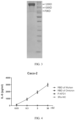
- FIG. 3 is a Western blot image of purified 3Ro-NC.
- the immunogen 3Ro-NC was expressed in 293F cells and purified as a single band with a molecular weight of approximately 120 kDa and a purity of over 95% as verified by sodium dodecyl sulfate-polyacrylamide gel electrophoresis (SDS-PAGE).
- FIG. 4 shows the TLR5 agonist activity of recombinant proteins such as RBD of a SARS-CoV-2 original strain, RBD of Omicron, P-KFD, and 3Ro-NC.
- Recombinant protein-stimulated IL-8 production in the supernatant of cultured Caco-2 cells was detected by ELISA, 3 replicates per group.
- P-KFD is a flagellin fusion protein expressed in our previously published Escherichia coli system ( B. Zhao et al., A safe and effective mucosal RSV vaccine in mice considering of RSV phosphoprotein and flagellin variant. Cell reports 36, 109401 (2021 ).).
- 3Ro-NC has no toll-like receptor 5 (TLR5) activating activity.
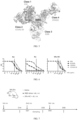
- FIG. 5 shows a 3D schematic diagram of the binding of SARS-CoV-2 RBD to four classes of neutralizing monoclonal antibodies.
- Four monoclonal antibodies (mAb) B38, M-S309, CR3022 and COVA2-39 represent four classes of RBD-specific neutralizing antibodies ( B. He et al., Rapid isolation and immune profiling of SARS-CoV-2 specific memory B cell in convalescent COVID-19 patients via LIBRA-seq. Signal transduction and targeted therapy 6, 195 (2021 ).).
- FIG. 6 is a graph showing three ELISA results, showing the binding ability of RBD of a Delta strain (Rd), RBD of an Omicron (B. 1.1.529) BA. 1 strain (Ro) and 3Ro-NC to four representative classes of neutralizing monoclonal antibodies B38, M-S309, CR3022 and COVA2-39.
- Rd Delta strain
- Ro Omicron
- FIG. 6 although the monomeric RBD of the Delta variant (Rd) showed potent binding ability to all four monoclonal antibodies, the monomeric RBD of the Omicron variant (Ro) had significantly reduced binding ability to mAb CR3022 and M-S309 and eliminated binding ability to B38 and COVA2-39.
- the binding ability of 3Ro-NC to all four mAbs was high, even with higher affinity than Rd, indicating that a satisfactory native conformation of RBD is retained in the chimeric protein 3Ro-NC.
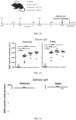
- FIG. 7 shows the immunization and sampling schedule (5 mice per group).
- 3Ro-NC BALB/c mice were immunized by intramuscular injection with 3Ro-NC or the RBD dimer of the SARS-CoV-2 original strain (5. L. Dai et al., A Universal Design of Betacoronavirus Vaccines against COVID-19, MERS, and SARS. Cell 182, 722-733.e711 (2020 ).) and an aluminum adjuvant (AL-adjuvant) at 4 ⁇ g/dose for three times. Saline alone was administered as a control. Mouse serum samples were collected 14 days after each immunization and humoral responses were detected by using ELISA.
- FIG. 8 is a graph showing RBD-specific IgG responses in serum.
- 3Ro-NC 3Ro-NC+AL i.m
- RBD dimer RBD dimer+AL i.m
- 3Ro-NC induced prominent Omicron RBD-specific IgG responses after the 1st immunization.
- FIG. 9 is a dot plot showing the results of titers of neutralizing antibodies against SARS-CoV-2 variants after the 2nd and 3rd immunizations in a pseudovirus assay; neutralizing antibodies against SARS-CoV-2 VOC were assessed by the pseudovirus assay.
- Sera from 3Ro-NC immunized mice (3Ro-NC+AL i.m) could effectively neutralize pseudoviruses of all tested SARS-CoV-2 variants, with higher neutralization titers than those of RBD dimer immunized mice (RBD dimer+AL i.m) after the 2nd and 3rd immunizations, although not significant at all time points.
- FIG. 10 is a dot plot showing the results of titers of neutralizing antibodies against SARS-CoV-1 after the 2nd and 3rd immunizations in a pseudovirus assay; sera from 3Ro-NC immunized mice (3Ro-NC+AL i.m) could effectively neutralize SARS-CoV-1 pseudovirus, with higher neutralization titers than those of RBD dimer immunized mice (RBD dimer+AL i.m) after the 2nd and 3rd immunizations, although not significant at all time points.
- FIG. 11 is a dot plot showing the results of titers of neutralizing antibodies against Omicron and the original strain after the 1st immunization in a pseudovirus assay; notably, after the 1st immunization, only 3Ro-NC could induce prominent neutralizing antibodies against Omicron and the original strain.
- FIG. 12 is a graph showing a geometric mean titer (GMT) of neutralizing antibodies against different variants.
- the geometric mean titer of the neutralizing antibodies also indicated that 3Ro-NC could induce potent neutralizing antibody responses against all tested SARS-CoV-2 variants as well as SARS-CoV-1.
- FIG. 13 is a dot plot showing a ratio of the titer (a 50% neutralization titer, NT50) of neutralizing antibodies against Omicron to the titer of neutralizing antibodies against the original strain or Delta; in 3Ro-NC immunized mice, the ratio of the neutralization titer of the Omicron variant to the neutralization titer of the original strain or the Delta variant was significantly higher than that in RBD dimmer immunized mice (6.1-fold and 10.7-fold, respectively, post 3rd immunization), suggesting that the antibody response induced by 3Ro-NC can easily neutralize Omicron, which has the potential to evade neutralization.
- NT50 50% neutralization titer
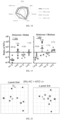
- FIG. 14 shows the antigenic map generated from serum samples post 2nd (squares) or 3rd (triangles) vaccination in RBD dimer (white) and 3Ro-NC (grey) groups.
- neutralizing antibody titers were used to make antigenic maps, respectively.
- serum samples post 2nd and 3rd vaccinations FIG. 14 , an upper panel
- serum samples post 2nd and 3rd vaccinations FIG. 14 , an upper panel
- the antigenic distance between Omicron and the original strain or Delta was large for these two groups of RBD dimer immune sera.
- the antigenic distance between the Omicron and the original strain was closer than that in the RBD dimer+AL i.m group (a 25.1-fold difference).
- the distance between Omicron and Delta was significantly reduced from a 26.9-fold difference to a 3.5-fold difference after the 3rd 3Ro-NC vaccination ( FIG. 14 , a lower panel).
- the antigenic distance between Omicron and the original strain or Delta in the 3Ro-NC+AL i.m group was closer than that in the RBD dimer+AL i.m group (55.7-fold and 48.5-fold differences) ( FIG. 14 , a right panel).
- the change in antigenic distance to Omicron indicates that an increase in the proportion of neutralizing antibodies against Omicron occurred after the 3rd immunization in the 3Ro-NC+AL i.m group.
- a suitable mucosal adjuvant is often essential to a subunit protein immunogen.
- BALB/c mice were subjected to intranasal immunization with 4 ⁇ g 3Ro-NC plus 1 ⁇ g KFD adjuvant (3Ro-NC+KFD i.n) or intramuscular injection immunization with 4 ⁇ g 3Ro-NC plus 200 ⁇ g AL-adjuvant (3Ro-NC+AL i.m) for 3 times.
- Saline alone was administered as a control.
- Mouse serum and mucosal samples were collected 14 days after each immunization, and humoral responses were detected by using ELISA.
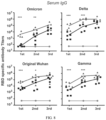
- FIG. 16 is a dot plot showing the results of Delta, Gamma or Omicron RBD-specific IgG responses in serum. The results showed that after the 2nd and 3rd immunizations, the level of RBD-specific IgG responses induced by the 3Ro-NC+KFD i.n immunization group was similar to that in the 3Ro-NC+AL i.m group, although much lower antibody titers were observed in the 3Ro-NC+KFD i.n group after the 1st immunization.
- FIG. 17 is a graph showing titers of neutralizing antibodies against SARS-CoV-2 variants or SARS-CoV-1 by a pseudovirus assay in serum after the 2nd and 3rd immunizations in 3Ro-NC+KFD intranasal immunization and 3Ro-NC+AL intramuscular injection groups, wherein each connecting line represents the neutralization titer of one single serum sample to a different viral strain. Serum neutralizing antibodies were assessed with pseudoviruses.
- FIG. 18 is a graph showing the geometric mean titer of neutralizing antibodies against different variants in serum after the 2nd and 3rd immunizations in 3Ro-NC+KFD intranasal immunization and 3Ro-NC+AL intramuscular injection groups.
- the geometric mean titer (GMT) of neutralizing antibodies against Omicron in the sera of 3Ro-NC+KFD i.n immunized mice was even higher than that of 3Ro-NC+AL i.m immunized mice, especially at the time point after the 2nd immunization.
- FIG. 19 is a dot plot showing a ratio of the titer of neutralizing antibodies against Omicron to the titer of neutralizing antibodies against Delta or the original strain.
- 3Ro-NC+KFD i.n immunized mice the ratio of the neutralization titer of the Omicron variant to the neutralization titer of the original strain or the Delta variant was significantly higher than that in 3Ro-NC+AL i.m immunized mice (42-fold and 32-fold, respectively, post 2nd immunization).
- FIG. 20 shows an antigenic map generated from serum samples after the 2nd (squares) or 3rd (triangles) vaccination in the 3Ro-NC+KFD intranasal immunization group
- FIG. 21 shows an antigenic map generated by the 3Ro-NC+KFD intranasal immunization group (brown) and the 3Ro-NC+AL intramuscular injection group (grey); antigenic cartography is used to explore how sera from 3Ro-NC intranasally immunized mice distinguish different spike antigens.
- Antigenic maps were made by using neutralizing antibody titers alone or together after the 2nd or 3rd immunization ( FIG. 20 and FIG. 21 ).
- the serum samples after the 2nd and 3rd vaccinations were both tightly clustered around the Delta and Omicron strains ( FIG. 20 and FIG. 21 ), while the serum samples in the 3Ro-NC+AL i.m group were all tightly clustered around the Delta strain ( FIG. 21 ).
- the antigenic distance between Omicron and Delta in the 3Ro-NC+KFD i.n group was closer than that in the 3Ro-NC+AL i.m group (a 26.9-fold difference) ( FIG. 20 , a left panel).
- the antigenic distance between Omicron and the original strain or Delta in the 3Ro-NC+KFD i.n group was still closer than that in the 3Ro-NC+AL i.m group (6.1-fold and 3.5-fold differences, respectively) ( FIG. 20 , a right panel).
- the difference in antigenic distance from Omicron reflects that 3Ro-NC+KFD i.n immunization tends to induce stronger neutralizing antibody responses against the Omicron variant compared with 3Ro-NC+AL i.m immunization, indicating that changes in the immunization route and adjuvant type significantly alter the specificity of the antibody response.
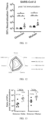
- FIG. 22 , FIG. 23 and FIG. 24 are dot plots showing RBD-specific mucosal IgA responses in saliva, vaginal lavage fluid, and nasal turbinate lavage fluid, respectively.
- mucosal immune response evaluation as expected, only intranasal immunization (3Ro-NC+KFD i.n) could induce specific mucosal IgA antibody responses against Omicron and Delta RBD in the saliva ( FIG. 22 ).
- 3Ro-NC+KFD i.n intranasal immunization
- FIG. 24 a right panel
- FIG. 25 , FIG. 26 and FIG. 27 show the correlation between RBD-specific IgA in nasal lavage fluid and RBD-specific IgA in saliva (triangles represent Delta; and squares represent Omicron), the correlation between RBD-specific IgG in nasal lavage fluid and RBD-specific IgG in serum (triangles represent Delta; and squares represent Omicron), and the correlation between RBD-specific IgA and IgG in nasal lavage fluid and neutralizing antibody responses of BALB/c mice immunized with 3Ro-NC determined in a pseudovirus system, respectively.
- a high correlation between RBD-specific IgA titers in the nasal lavage fluid and titers in the saliva can be observed ( FIG.
- 3Ro-NC has high immunogenicity through intranasal immunization with KFD as the adjuvant and can induce coordinated systemic and local mucosal immune responses against different SARS-CoV-2 variants, particularly against Omicron.
- FIG. 28 shows the immunization and viral challenge schedule used to investigate the protection of 3Ro-NC immunized hACE2 mice against infection with the Omicron variant of SARS-CoV-2 (6-8 mice per group).
- human ACE2 transgenic mice hACE2 were utilized to evaluate mucosal protection against infection with the Omicron variant of SARS-CoV-2.
- FIG. 29, FIG. 30 and FIG. 31 are dot plots showing Omicron, Delta and Gamma RBD-specific serum IgG titers; Delta and Omicron RBD-specific salivary IgA; and Delta and Omicron RBD-specific vaginal lavage fluid IgA after the 3rd immunization, respectively; consistent with the results in BALB/c mice, strong serum IgG antibody responses against Omicron, Delta and Gamma RBD were induced in the mice by intranasal immunization (3Ro-NC+KFD i.n) and intramuscular injection immunization (3Ro-NC+AL i.m).
- the IAV+AL i.m group produced the lowest RBD-specific serum IgG
- the 3Ro-NC+KFD i.n group produced the highest Omicron RBD-specific serum IgG ( FIG. 29 ).
- RBD-specific IgA could only be induced in the mice of the 3Ro-NC+KFD i.n group in the saliva ( FIG. 30 ) and the vaginal lavage fluid ( FIG. 31 ).
- FIG. 32 is a dot plot showing the RNA copy number of the SARS-CoV-2 RBD gene in nasal turbinates and lungs tested by qPCR, and a plaque assay of infectious virus in lungs 3 days post-infection, respectively. Twenty-eight days after the 3rd immunization, mice were challenged intranasally with 5 ⁇ 10 4 TCID 50 Omicron variant in a total volume of 50 ⁇ l. After three days of exposure to the Omicron variant, viral loads in nasal turbinate tissue and lungs were determined by using qPCR and the plaque assay.
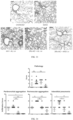
- FIG. 33 shows images of hematoxylin and eosin (H&E) staining of lung sections (scale, 100 ⁇ m).
- FIG. 34 is a dot plot showing pathology scores and infiltration scores of immune cell aggregation around bronchioles, pulmonary vessels and interstitial pneumonia according to H&E stained sections (6-8 mice/group); simultaneously, histopathological examination was performed to analyze infection- and immunization-related inflammation in the lungs after viral challenge ( FIG. 33 ). The results showed that widely distributed inflammatory cell infiltration could be observed in the lungs of IAV-immunized (IAV+AL i.m) mice, especially at perivascular sites ( FIG. 33 ).
- IAV+AL i.m IAV-immunized mice
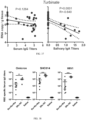
- FIG. 35 is a graph showing the correlation between the RNA copy number in lungs and the RNA copy number in nasal turbinates.
- protection against Omicron infection in the alveolar or vascular parts could be more or less observed ( FIG. 35 ).
- protection against infection in the lungs and nasal turbinates ( FIG. 32 ) could only be observed in mice that had received intranasal immunization, which produced protective serum IgG and mucosal IgA. This raises the question that whether mucosal IgA and IgG exert different protective effects in the upper and lower respiratory tracts. Accordingly, in the experiment, no significant correlation in virus copy number between lung tissues and nasal turbinates was observed ( FIG. 36 ).
- salivary IgA and serum IgG are highly correlated with nasal IgA and IgG levels, respectively, as representatives of humoral immune responses.
- salivary IgA and serum IgG are highly correlated with nasal IgA and IgG levels, respectively, as representatives of humoral immune responses.
- the copy number of viral RNAs was negatively correlated with serum IgG titers, but not with salivary IgA titers ( FIG. 36 ).
- the copy number of viral RNAs in nasal turbinate tissue was only negatively correlated with salivary IgA titers, but not with serum IgG titers ( FIG. 37 ), indicating that protection of the lungs and nasal turbinates is provided primarily by RBD-specific IgG responses and mucosal IgA, respectively.
- FIG. 38 is a dot plot showing serum RBD-specific IgG responses after the 2nd immunization; and FIG. 39 is a dot plot showing titers of neutralizing antibodies against the SARS-CoV-2 variant Omicron or SARS-like viruses SHC014 and WIV1 after the 2nd immunization.
Landscapes
- Health & Medical Sciences (AREA)
- Life Sciences & Earth Sciences (AREA)
- Chemical & Material Sciences (AREA)
- Virology (AREA)
- General Health & Medical Sciences (AREA)
- Medicinal Chemistry (AREA)
- Organic Chemistry (AREA)
- Pharmacology & Pharmacy (AREA)
- Veterinary Medicine (AREA)
- Public Health (AREA)
- Animal Behavior & Ethology (AREA)
- Molecular Biology (AREA)
- Microbiology (AREA)
- Immunology (AREA)
- Genetics & Genomics (AREA)
- Communicable Diseases (AREA)
- Biochemistry (AREA)
- General Chemical & Material Sciences (AREA)
- Chemical Kinetics & Catalysis (AREA)
- Mycology (AREA)
- Epidemiology (AREA)
- Oncology (AREA)
- Nuclear Medicine, Radiotherapy & Molecular Imaging (AREA)
- Engineering & Computer Science (AREA)
- Wood Science & Technology (AREA)
- Zoology (AREA)
- Bioinformatics & Cheminformatics (AREA)
- Gastroenterology & Hepatology (AREA)
- Biophysics (AREA)
- Proteomics, Peptides & Aminoacids (AREA)
- Biotechnology (AREA)
- Biomedical Technology (AREA)
- General Engineering & Computer Science (AREA)
- Pulmonology (AREA)
- Medicines Containing Antibodies Or Antigens For Use As Internal Diagnostic Agents (AREA)
- Peptides Or Proteins (AREA)
Applications Claiming Priority (2)
| Application Number | Priority Date | Filing Date | Title |
|---|---|---|---|
| CN202210965587.4A CN117582492A (zh) | 2022-08-12 | 2022-08-12 | 重组多价疫苗 |
| PCT/CN2023/109037 WO2024032365A1 (zh) | 2022-08-12 | 2023-07-25 | 重组多价疫苗 |
Publications (2)
| Publication Number | Publication Date |
|---|---|
| EP4477232A1 true EP4477232A1 (de) | 2024-12-18 |
| EP4477232A4 EP4477232A4 (de) | 2025-08-13 |
Family
ID=89850762
Family Applications (1)
| Application Number | Title | Priority Date | Filing Date |
|---|---|---|---|
| EP23851587.8A Pending EP4477232A4 (de) | 2022-08-12 | 2023-07-25 | Rekombinanter multivalenter impfstoff |
Country Status (6)
| Country | Link |
|---|---|
| US (1) | US20250041406A1 (de) |
| EP (1) | EP4477232A4 (de) |
| JP (1) | JP2025506806A (de) |
| CN (1) | CN117582492A (de) |
| AU (1) | AU2023321413A1 (de) |
| WO (1) | WO2024032365A1 (de) |
Family Cites Families (10)
| Publication number | Priority date | Publication date | Assignee | Title |
|---|---|---|---|---|
| CN102000329B (zh) * | 2009-11-27 | 2013-03-13 | 中国科学院武汉病毒研究所 | 一种改造的非致病细菌来源的鞭毛素粘膜佐剂及制备方法 |
| CN102002098B (zh) * | 2009-11-27 | 2013-07-24 | 中国科学院武汉病毒研究所 | 一种改造的鞭毛素蛋白及其制备方法和应用 |
| LT3383428T (lt) * | 2016-10-31 | 2022-05-10 | Wuhan Sanli Biotechnology Co., Ltd. | Respiracinio sincitinio viruso vakcina |
| KR102482994B1 (ko) * | 2020-04-29 | 2022-12-29 | 에스케이바이오사이언스(주) | 사스-코로나바이러스-2 감염증 예방 또는 치료용 백신 조성물 |
| CN113943373B (zh) * | 2020-10-27 | 2022-09-06 | 中国科学院微生物研究所 | 一种β冠状病毒多聚体抗原、其制备方法和应用 |
| US12440553B2 (en) * | 2020-11-11 | 2025-10-14 | California Institute Of Technology | Multivalent carriers and related vaccine compositions |
| CN114437185B (zh) * | 2020-12-31 | 2023-06-27 | 中国科学院微生物研究所 | 冠状病毒三聚体亚单位疫苗及其应用 |
| CN113185613B (zh) * | 2021-04-13 | 2022-09-13 | 武汉大学 | 新型冠状病毒s蛋白及其亚单位疫苗 |
| CN113861278B (zh) * | 2021-06-18 | 2022-08-05 | 国药中生生物技术研究院有限公司 | 一种产生广谱交叉中和活性的重组新型冠状病毒rbd三聚体蛋白疫苗、其制备方法和应用 |
| CN114634556B (zh) * | 2022-04-01 | 2023-12-19 | 中国科学院微生物研究所 | 一种新冠病毒Delta和Omicron变异株嵌合抗原、其制备方法和应用 |
-
2022
- 2022-08-12 CN CN202210965587.4A patent/CN117582492A/zh active Pending
-
2023
- 2023-07-25 WO PCT/CN2023/109037 patent/WO2024032365A1/zh not_active Ceased
- 2023-07-25 EP EP23851587.8A patent/EP4477232A4/de active Pending
- 2023-07-25 JP JP2024550145A patent/JP2025506806A/ja active Pending
- 2023-07-25 AU AU2023321413A patent/AU2023321413A1/en active Pending
-
2024
- 2024-10-22 US US18/922,463 patent/US20250041406A1/en active Pending
Also Published As
| Publication number | Publication date |
|---|---|
| JP2025506806A (ja) | 2025-03-13 |
| EP4477232A4 (de) | 2025-08-13 |
| AU2023321413A1 (en) | 2024-11-07 |
| US20250041406A1 (en) | 2025-02-06 |
| WO2024032365A1 (zh) | 2024-02-15 |
| CN117582492A (zh) | 2024-02-23 |
Similar Documents
| Publication | Publication Date | Title |
|---|---|---|
| US9889194B2 (en) | Immunogenic composition for MERS coronavirus infection | |
| CN113164586B (zh) | 免疫组合物及其制备方法与应用 | |
| US9943589B2 (en) | Immunopotentiator-linked oligomeric influenza immunogenic compositions | |
| Yang et al. | A triple-RBD-based mucosal vaccine provides broad protection against SARS-CoV-2 variants of concern | |
| Sui et al. | Cross-protection against influenza virus infection by intranasal administration of M1-based vaccine with chitosan as an adjuvant | |
| TW202207979A (zh) | 組合疫苗 | |
| RU2464316C2 (ru) | F-белок респираторно-синцитиального вируса и его применение | |
| WO2011103453A2 (en) | Vaccines for use in the prophylaxis and treatment of influenza virus disease | |
| US20230346916A1 (en) | Immunogenic compositions against severe acute respiratory syndrome coronavirus 2 | |
| JP2023524990A (ja) | SARS-CoV-2スパイクタンパク質を発現する組換えニューカッスル病ウイルス及びその使用 | |
| Heinimäki et al. | Antigenicity and immunogenicity of HA2 and M2e influenza virus antigens conjugated to norovirus-like, VP1 capsid-based particles by the SpyTag/SpyCatcher technology | |
| WO2022003119A1 (en) | Cross-reactive coronavirus vaccine | |
| Gillam et al. | Hepatitis B core antigen based novel vaccine against porcine epidemic diarrhea virus | |
| WO2021253172A1 (zh) | 利用受体识别域诱导抗新冠病毒中和抗体的方法 | |
| Yang et al. | Protection against influenza H7N9 virus challenge with a recombinant NP–M1–HSP60 protein vaccine construct in BALB/c mice | |
| Zhao et al. | Induction of protection against divergent H5N1 influenza viruses using a recombinant fusion protein linking influenza M2e to Onchocerca volvulus activation associated protein-1 (ASP-1) adjuvant | |
| EP4408463A2 (de) | Rekombinantes newcastle-krankheitsvirus mit expression des spike-proteins einer sars-cov-2-delta-variante und verwendungen davon | |
| EP4477232A1 (de) | Rekombinanter multivalenter impfstoff | |
| Hajam et al. | Intranasally administered polyethylenimine adjuvanted influenza M2 ectodomain induces partial protection against H9N2 influenza A virus infection in chickens | |
| US20220296701A1 (en) | Synthetic plasmid dna vaccine expressing a codon-optimized sars-cov-2 spike protein and methods for its use | |
| Li et al. | Fusion of C3d with hemagglutinin enhances protective immunity against swine influenza virus | |
| KR101605521B1 (ko) | 인플루엔자 바이러스에 대해 범용면역성을 갖는, 재조합 헤마글루티닌 ha5 항원 및 이의 용도 | |
| EP3202780A1 (de) | Fusionsprotein mit n proteinen von einem virus der pneumovirinae-unterfamilie | |
| CN105085671A (zh) | 抗肠道病毒3d蛋白的单克隆免疫球蛋白g抗体及其免疫原性组合物 | |
| WO2019004811A1 (es) | Proteína quimérica para la prevención y el diagnóstico del síndrome respiratorio y reproductivo porcino (prss) |
Legal Events
| Date | Code | Title | Description |
|---|---|---|---|
| STAA | Information on the status of an ep patent application or granted ep patent |
Free format text: STATUS: THE INTERNATIONAL PUBLICATION HAS BEEN MADE |
|
| PUAI | Public reference made under article 153(3) epc to a published international application that has entered the european phase |
Free format text: ORIGINAL CODE: 0009012 |
|
| STAA | Information on the status of an ep patent application or granted ep patent |
Free format text: STATUS: REQUEST FOR EXAMINATION WAS MADE |
|
| 17P | Request for examination filed |
Effective date: 20240909 |
|
| AK | Designated contracting states |
Kind code of ref document: A1 Designated state(s): AL AT BE BG CH CY CZ DE DK EE ES FI FR GB GR HR HU IE IS IT LI LT LU LV MC ME MK MT NL NO PL PT RO RS SE SI SK SM TR |
|
| A4 | Supplementary search report drawn up and despatched |
Effective date: 20250715 |
|
| RIC1 | Information provided on ipc code assigned before grant |
Ipc: A61K 39/215 20060101AFI20250709BHEP Ipc: A61K 39/295 20060101ALI20250709BHEP Ipc: A61P 31/14 20060101ALI20250709BHEP Ipc: C12N 15/62 20060101ALI20250709BHEP |
|
| STAA | Information on the status of an ep patent application or granted ep patent |
Free format text: STATUS: EXAMINATION IS IN PROGRESS |
|
| DAV | Request for validation of the european patent (deleted) | ||
| DAX | Request for extension of the european patent (deleted) | ||
| 17Q | First examination report despatched |
Effective date: 20251106 |