EP4467679A1 - Nichtorientiertes elektromagnetisches stahlblech und verfahren zur herstellung davon - Google Patents
Nichtorientiertes elektromagnetisches stahlblech und verfahren zur herstellung davon Download PDFInfo
- Publication number
- EP4467679A1 EP4467679A1 EP23749585.8A EP23749585A EP4467679A1 EP 4467679 A1 EP4467679 A1 EP 4467679A1 EP 23749585 A EP23749585 A EP 23749585A EP 4467679 A1 EP4467679 A1 EP 4467679A1
- Authority
- EP
- European Patent Office
- Prior art keywords
- steel sheet
- less
- group
- oriented electrical
- electrical steel
- Prior art date
- Legal status (The legal status is an assumption and is not a legal conclusion. Google has not performed a legal analysis and makes no representation as to the accuracy of the status listed.)
- Pending
Links
Images


Classifications
-
- C—CHEMISTRY; METALLURGY
- C22—METALLURGY; FERROUS OR NON-FERROUS ALLOYS; TREATMENT OF ALLOYS OR NON-FERROUS METALS
- C22C—ALLOYS
- C22C38/00—Ferrous alloys, e.g. steel alloys
- C22C38/02—Ferrous alloys, e.g. steel alloys containing silicon
-
- H—ELECTRICITY
- H01—ELECTRIC ELEMENTS
- H01F—MAGNETS; INDUCTANCES; TRANSFORMERS; SELECTION OF MATERIALS FOR THEIR MAGNETIC PROPERTIES
- H01F1/00—Magnets or magnetic bodies characterised by the magnetic materials therefor; Selection of materials for their magnetic properties
- H01F1/01—Magnets or magnetic bodies characterised by the magnetic materials therefor; Selection of materials for their magnetic properties of inorganic materials
- H01F1/03—Magnets or magnetic bodies characterised by the magnetic materials therefor; Selection of materials for their magnetic properties of inorganic materials characterised by their coercivity
- H01F1/12—Magnets or magnetic bodies characterised by the magnetic materials therefor; Selection of materials for their magnetic properties of inorganic materials characterised by their coercivity of soft-magnetic materials
- H01F1/14—Magnets or magnetic bodies characterised by the magnetic materials therefor; Selection of materials for their magnetic properties of inorganic materials characterised by their coercivity of soft-magnetic materials metals or alloys
- H01F1/147—Alloys characterised by their composition
- H01F1/14766—Fe-Si based alloys
- H01F1/14791—Fe-Si-Al based alloys, e.g. Sendust
-
- C—CHEMISTRY; METALLURGY
- C21—METALLURGY OF IRON
- C21D—MODIFYING THE PHYSICAL STRUCTURE OF FERROUS METALS; GENERAL DEVICES FOR HEAT TREATMENT OF FERROUS OR NON-FERROUS METALS OR ALLOYS; MAKING METAL MALLEABLE, e.g. BY DECARBURISATION OR TEMPERING
- C21D1/00—General methods or devices for heat treatment, e.g. annealing, hardening, quenching or tempering
- C21D1/26—Methods of annealing
- C21D1/30—Stress-relieving
-
- C—CHEMISTRY; METALLURGY
- C21—METALLURGY OF IRON
- C21D—MODIFYING THE PHYSICAL STRUCTURE OF FERROUS METALS; GENERAL DEVICES FOR HEAT TREATMENT OF FERROUS OR NON-FERROUS METALS OR ALLOYS; MAKING METAL MALLEABLE, e.g. BY DECARBURISATION OR TEMPERING
- C21D1/00—General methods or devices for heat treatment, e.g. annealing, hardening, quenching or tempering
- C21D1/74—Methods of treatment in inert gas, controlled atmosphere, vacuum or pulverulent material
- C21D1/76—Adjusting the composition of the atmosphere
-
- C—CHEMISTRY; METALLURGY
- C21—METALLURGY OF IRON
- C21D—MODIFYING THE PHYSICAL STRUCTURE OF FERROUS METALS; GENERAL DEVICES FOR HEAT TREATMENT OF FERROUS OR NON-FERROUS METALS OR ALLOYS; MAKING METAL MALLEABLE, e.g. BY DECARBURISATION OR TEMPERING
- C21D6/00—Heat treatment of ferrous alloys
- C21D6/008—Heat treatment of ferrous alloys containing Si
-
- C—CHEMISTRY; METALLURGY
- C21—METALLURGY OF IRON
- C21D—MODIFYING THE PHYSICAL STRUCTURE OF FERROUS METALS; GENERAL DEVICES FOR HEAT TREATMENT OF FERROUS OR NON-FERROUS METALS OR ALLOYS; MAKING METAL MALLEABLE, e.g. BY DECARBURISATION OR TEMPERING
- C21D8/00—Modifying the physical properties of ferrous metals or ferrous alloys by deformation combined with, or followed by, heat treatment
- C21D8/12—Modifying the physical properties of ferrous metals or ferrous alloys by deformation combined with, or followed by, heat treatment during manufacturing of articles with special electromagnetic properties
- C21D8/1216—Modifying the physical properties of ferrous metals or ferrous alloys by deformation combined with, or followed by, heat treatment during manufacturing of articles with special electromagnetic properties characterised by the working steps
- C21D8/1222—Hot rolling
-
- C—CHEMISTRY; METALLURGY
- C21—METALLURGY OF IRON
- C21D—MODIFYING THE PHYSICAL STRUCTURE OF FERROUS METALS; GENERAL DEVICES FOR HEAT TREATMENT OF FERROUS OR NON-FERROUS METALS OR ALLOYS; MAKING METAL MALLEABLE, e.g. BY DECARBURISATION OR TEMPERING
- C21D8/00—Modifying the physical properties of ferrous metals or ferrous alloys by deformation combined with, or followed by, heat treatment
- C21D8/12—Modifying the physical properties of ferrous metals or ferrous alloys by deformation combined with, or followed by, heat treatment during manufacturing of articles with special electromagnetic properties
- C21D8/1216—Modifying the physical properties of ferrous metals or ferrous alloys by deformation combined with, or followed by, heat treatment during manufacturing of articles with special electromagnetic properties characterised by the working steps
- C21D8/1233—Cold rolling
-
- C—CHEMISTRY; METALLURGY
- C21—METALLURGY OF IRON
- C21D—MODIFYING THE PHYSICAL STRUCTURE OF FERROUS METALS; GENERAL DEVICES FOR HEAT TREATMENT OF FERROUS OR NON-FERROUS METALS OR ALLOYS; MAKING METAL MALLEABLE, e.g. BY DECARBURISATION OR TEMPERING
- C21D8/00—Modifying the physical properties of ferrous metals or ferrous alloys by deformation combined with, or followed by, heat treatment
- C21D8/12—Modifying the physical properties of ferrous metals or ferrous alloys by deformation combined with, or followed by, heat treatment during manufacturing of articles with special electromagnetic properties
- C21D8/1244—Modifying the physical properties of ferrous metals or ferrous alloys by deformation combined with, or followed by, heat treatment during manufacturing of articles with special electromagnetic properties characterised by the heat treatment
- C21D8/1261—Modifying the physical properties of ferrous metals or ferrous alloys by deformation combined with, or followed by, heat treatment during manufacturing of articles with special electromagnetic properties characterised by the heat treatment following hot rolling
-
- C—CHEMISTRY; METALLURGY
- C21—METALLURGY OF IRON
- C21D—MODIFYING THE PHYSICAL STRUCTURE OF FERROUS METALS; GENERAL DEVICES FOR HEAT TREATMENT OF FERROUS OR NON-FERROUS METALS OR ALLOYS; MAKING METAL MALLEABLE, e.g. BY DECARBURISATION OR TEMPERING
- C21D8/00—Modifying the physical properties of ferrous metals or ferrous alloys by deformation combined with, or followed by, heat treatment
- C21D8/12—Modifying the physical properties of ferrous metals or ferrous alloys by deformation combined with, or followed by, heat treatment during manufacturing of articles with special electromagnetic properties
- C21D8/1244—Modifying the physical properties of ferrous metals or ferrous alloys by deformation combined with, or followed by, heat treatment during manufacturing of articles with special electromagnetic properties characterised by the heat treatment
- C21D8/1266—Modifying the physical properties of ferrous metals or ferrous alloys by deformation combined with, or followed by, heat treatment during manufacturing of articles with special electromagnetic properties characterised by the heat treatment between cold rolling steps
-
- C—CHEMISTRY; METALLURGY
- C21—METALLURGY OF IRON
- C21D—MODIFYING THE PHYSICAL STRUCTURE OF FERROUS METALS; GENERAL DEVICES FOR HEAT TREATMENT OF FERROUS OR NON-FERROUS METALS OR ALLOYS; MAKING METAL MALLEABLE, e.g. BY DECARBURISATION OR TEMPERING
- C21D8/00—Modifying the physical properties of ferrous metals or ferrous alloys by deformation combined with, or followed by, heat treatment
- C21D8/12—Modifying the physical properties of ferrous metals or ferrous alloys by deformation combined with, or followed by, heat treatment during manufacturing of articles with special electromagnetic properties
- C21D8/1244—Modifying the physical properties of ferrous metals or ferrous alloys by deformation combined with, or followed by, heat treatment during manufacturing of articles with special electromagnetic properties characterised by the heat treatment
- C21D8/1272—Final recrystallisation annealing
-
- C—CHEMISTRY; METALLURGY
- C21—METALLURGY OF IRON
- C21D—MODIFYING THE PHYSICAL STRUCTURE OF FERROUS METALS; GENERAL DEVICES FOR HEAT TREATMENT OF FERROUS OR NON-FERROUS METALS OR ALLOYS; MAKING METAL MALLEABLE, e.g. BY DECARBURISATION OR TEMPERING
- C21D8/00—Modifying the physical properties of ferrous metals or ferrous alloys by deformation combined with, or followed by, heat treatment
- C21D8/12—Modifying the physical properties of ferrous metals or ferrous alloys by deformation combined with, or followed by, heat treatment during manufacturing of articles with special electromagnetic properties
- C21D8/1277—Modifying the physical properties of ferrous metals or ferrous alloys by deformation combined with, or followed by, heat treatment during manufacturing of articles with special electromagnetic properties involving a particular surface treatment
-
- C—CHEMISTRY; METALLURGY
- C21—METALLURGY OF IRON
- C21D—MODIFYING THE PHYSICAL STRUCTURE OF FERROUS METALS; GENERAL DEVICES FOR HEAT TREATMENT OF FERROUS OR NON-FERROUS METALS OR ALLOYS; MAKING METAL MALLEABLE, e.g. BY DECARBURISATION OR TEMPERING
- C21D9/00—Heat treatment, e.g. annealing, hardening, quenching or tempering, adapted for particular articles; Furnaces therefor
- C21D9/46—Heat treatment, e.g. annealing, hardening, quenching or tempering, adapted for particular articles; Furnaces therefor for sheet metals
-
- C—CHEMISTRY; METALLURGY
- C22—METALLURGY; FERROUS OR NON-FERROUS ALLOYS; TREATMENT OF ALLOYS OR NON-FERROUS METALS
- C22C—ALLOYS
- C22C38/00—Ferrous alloys, e.g. steel alloys
- C22C38/002—Ferrous alloys, e.g. steel alloys containing In, Mg, or other elements not provided for in one single group C22C38/001 - C22C38/60
-
- C—CHEMISTRY; METALLURGY
- C22—METALLURGY; FERROUS OR NON-FERROUS ALLOYS; TREATMENT OF ALLOYS OR NON-FERROUS METALS
- C22C—ALLOYS
- C22C38/00—Ferrous alloys, e.g. steel alloys
- C22C38/004—Very low carbon steels, i.e. having a carbon content of less than 0,01%
-
- C—CHEMISTRY; METALLURGY
- C22—METALLURGY; FERROUS OR NON-FERROUS ALLOYS; TREATMENT OF ALLOYS OR NON-FERROUS METALS
- C22C—ALLOYS
- C22C38/00—Ferrous alloys, e.g. steel alloys
- C22C38/005—Ferrous alloys, e.g. steel alloys containing rare earths, i.e. Sc, Y, Lanthanides
-
- C—CHEMISTRY; METALLURGY
- C22—METALLURGY; FERROUS OR NON-FERROUS ALLOYS; TREATMENT OF ALLOYS OR NON-FERROUS METALS
- C22C—ALLOYS
- C22C38/00—Ferrous alloys, e.g. steel alloys
- C22C38/008—Ferrous alloys, e.g. steel alloys containing tin
-
- C—CHEMISTRY; METALLURGY
- C22—METALLURGY; FERROUS OR NON-FERROUS ALLOYS; TREATMENT OF ALLOYS OR NON-FERROUS METALS
- C22C—ALLOYS
- C22C38/00—Ferrous alloys, e.g. steel alloys
- C22C38/04—Ferrous alloys, e.g. steel alloys containing manganese
-
- C—CHEMISTRY; METALLURGY
- C22—METALLURGY; FERROUS OR NON-FERROUS ALLOYS; TREATMENT OF ALLOYS OR NON-FERROUS METALS
- C22C—ALLOYS
- C22C38/00—Ferrous alloys, e.g. steel alloys
- C22C38/06—Ferrous alloys, e.g. steel alloys containing aluminium
-
- C—CHEMISTRY; METALLURGY
- C22—METALLURGY; FERROUS OR NON-FERROUS ALLOYS; TREATMENT OF ALLOYS OR NON-FERROUS METALS
- C22C—ALLOYS
- C22C38/00—Ferrous alloys, e.g. steel alloys
- C22C38/10—Ferrous alloys, e.g. steel alloys containing cobalt
-
- C—CHEMISTRY; METALLURGY
- C22—METALLURGY; FERROUS OR NON-FERROUS ALLOYS; TREATMENT OF ALLOYS OR NON-FERROUS METALS
- C22C—ALLOYS
- C22C38/00—Ferrous alloys, e.g. steel alloys
- C22C38/12—Ferrous alloys, e.g. steel alloys containing tungsten, tantalum, molybdenum, vanadium, or niobium
-
- C—CHEMISTRY; METALLURGY
- C22—METALLURGY; FERROUS OR NON-FERROUS ALLOYS; TREATMENT OF ALLOYS OR NON-FERROUS METALS
- C22C—ALLOYS
- C22C38/00—Ferrous alloys, e.g. steel alloys
- C22C38/14—Ferrous alloys, e.g. steel alloys containing titanium or zirconium
-
- C—CHEMISTRY; METALLURGY
- C22—METALLURGY; FERROUS OR NON-FERROUS ALLOYS; TREATMENT OF ALLOYS OR NON-FERROUS METALS
- C22C—ALLOYS
- C22C38/00—Ferrous alloys, e.g. steel alloys
- C22C38/16—Ferrous alloys, e.g. steel alloys containing copper
-
- C—CHEMISTRY; METALLURGY
- C22—METALLURGY; FERROUS OR NON-FERROUS ALLOYS; TREATMENT OF ALLOYS OR NON-FERROUS METALS
- C22C—ALLOYS
- C22C38/00—Ferrous alloys, e.g. steel alloys
- C22C38/18—Ferrous alloys, e.g. steel alloys containing chromium
- C22C38/26—Ferrous alloys, e.g. steel alloys containing chromium with niobium or tantalum
-
- C—CHEMISTRY; METALLURGY
- C22—METALLURGY; FERROUS OR NON-FERROUS ALLOYS; TREATMENT OF ALLOYS OR NON-FERROUS METALS
- C22C—ALLOYS
- C22C38/00—Ferrous alloys, e.g. steel alloys
- C22C38/18—Ferrous alloys, e.g. steel alloys containing chromium
- C22C38/28—Ferrous alloys, e.g. steel alloys containing chromium with titanium or zirconium
-
- C—CHEMISTRY; METALLURGY
- C22—METALLURGY; FERROUS OR NON-FERROUS ALLOYS; TREATMENT OF ALLOYS OR NON-FERROUS METALS
- C22C—ALLOYS
- C22C38/00—Ferrous alloys, e.g. steel alloys
- C22C38/18—Ferrous alloys, e.g. steel alloys containing chromium
- C22C38/30—Ferrous alloys, e.g. steel alloys containing chromium with cobalt
-
- C—CHEMISTRY; METALLURGY
- C22—METALLURGY; FERROUS OR NON-FERROUS ALLOYS; TREATMENT OF ALLOYS OR NON-FERROUS METALS
- C22C—ALLOYS
- C22C38/00—Ferrous alloys, e.g. steel alloys
- C22C38/18—Ferrous alloys, e.g. steel alloys containing chromium
- C22C38/34—Ferrous alloys, e.g. steel alloys containing chromium with more than 1.5% by weight of silicon
-
- C—CHEMISTRY; METALLURGY
- C22—METALLURGY; FERROUS OR NON-FERROUS ALLOYS; TREATMENT OF ALLOYS OR NON-FERROUS METALS
- C22C—ALLOYS
- C22C38/00—Ferrous alloys, e.g. steel alloys
- C22C38/18—Ferrous alloys, e.g. steel alloys containing chromium
- C22C38/40—Ferrous alloys, e.g. steel alloys containing chromium with nickel
- C22C38/42—Ferrous alloys, e.g. steel alloys containing chromium with nickel with copper
-
- C—CHEMISTRY; METALLURGY
- C22—METALLURGY; FERROUS OR NON-FERROUS ALLOYS; TREATMENT OF ALLOYS OR NON-FERROUS METALS
- C22C—ALLOYS
- C22C38/00—Ferrous alloys, e.g. steel alloys
- C22C38/18—Ferrous alloys, e.g. steel alloys containing chromium
- C22C38/40—Ferrous alloys, e.g. steel alloys containing chromium with nickel
- C22C38/48—Ferrous alloys, e.g. steel alloys containing chromium with nickel with niobium or tantalum
-
- C—CHEMISTRY; METALLURGY
- C22—METALLURGY; FERROUS OR NON-FERROUS ALLOYS; TREATMENT OF ALLOYS OR NON-FERROUS METALS
- C22C—ALLOYS
- C22C38/00—Ferrous alloys, e.g. steel alloys
- C22C38/18—Ferrous alloys, e.g. steel alloys containing chromium
- C22C38/40—Ferrous alloys, e.g. steel alloys containing chromium with nickel
- C22C38/50—Ferrous alloys, e.g. steel alloys containing chromium with nickel with titanium or zirconium
-
- C—CHEMISTRY; METALLURGY
- C22—METALLURGY; FERROUS OR NON-FERROUS ALLOYS; TREATMENT OF ALLOYS OR NON-FERROUS METALS
- C22C—ALLOYS
- C22C38/00—Ferrous alloys, e.g. steel alloys
- C22C38/18—Ferrous alloys, e.g. steel alloys containing chromium
- C22C38/40—Ferrous alloys, e.g. steel alloys containing chromium with nickel
- C22C38/52—Ferrous alloys, e.g. steel alloys containing chromium with nickel with cobalt
-
- C—CHEMISTRY; METALLURGY
- C22—METALLURGY; FERROUS OR NON-FERROUS ALLOYS; TREATMENT OF ALLOYS OR NON-FERROUS METALS
- C22C—ALLOYS
- C22C38/00—Ferrous alloys, e.g. steel alloys
- C22C38/60—Ferrous alloys, e.g. steel alloys containing lead, selenium, tellurium, or antimony, or more than 0.04% by weight of sulfur
-
- C—CHEMISTRY; METALLURGY
- C23—COATING METALLIC MATERIAL; COATING MATERIAL WITH METALLIC MATERIAL; CHEMICAL SURFACE TREATMENT; DIFFUSION TREATMENT OF METALLIC MATERIAL; COATING BY VACUUM EVAPORATION, BY SPUTTERING, BY ION IMPLANTATION OR BY CHEMICAL VAPOUR DEPOSITION, IN GENERAL; INHIBITING CORROSION OF METALLIC MATERIAL OR INCRUSTATION IN GENERAL
- C23C—COATING METALLIC MATERIAL; COATING MATERIAL WITH METALLIC MATERIAL; SURFACE TREATMENT OF METALLIC MATERIAL BY DIFFUSION INTO THE SURFACE, BY CHEMICAL CONVERSION OR SUBSTITUTION; COATING BY VACUUM EVAPORATION, BY SPUTTERING, BY ION IMPLANTATION OR BY CHEMICAL VAPOUR DEPOSITION, IN GENERAL
- C23C22/00—Chemical surface treatment of metallic material by reaction of the surface with a reactive liquid, leaving reaction products of surface material in the coating, e.g. conversion coatings, passivation of metals
- C23C22/05—Chemical surface treatment of metallic material by reaction of the surface with a reactive liquid, leaving reaction products of surface material in the coating, e.g. conversion coatings, passivation of metals using aqueous solutions
- C23C22/06—Chemical surface treatment of metallic material by reaction of the surface with a reactive liquid, leaving reaction products of surface material in the coating, e.g. conversion coatings, passivation of metals using aqueous solutions using aqueous acidic solutions with pH less than 6
- C23C22/07—Chemical surface treatment of metallic material by reaction of the surface with a reactive liquid, leaving reaction products of surface material in the coating, e.g. conversion coatings, passivation of metals using aqueous solutions using aqueous acidic solutions with pH less than 6 containing phosphates
-
- C—CHEMISTRY; METALLURGY
- C23—COATING METALLIC MATERIAL; COATING MATERIAL WITH METALLIC MATERIAL; CHEMICAL SURFACE TREATMENT; DIFFUSION TREATMENT OF METALLIC MATERIAL; COATING BY VACUUM EVAPORATION, BY SPUTTERING, BY ION IMPLANTATION OR BY CHEMICAL VAPOUR DEPOSITION, IN GENERAL; INHIBITING CORROSION OF METALLIC MATERIAL OR INCRUSTATION IN GENERAL
- C23C—COATING METALLIC MATERIAL; COATING MATERIAL WITH METALLIC MATERIAL; SURFACE TREATMENT OF METALLIC MATERIAL BY DIFFUSION INTO THE SURFACE, BY CHEMICAL CONVERSION OR SUBSTITUTION; COATING BY VACUUM EVAPORATION, BY SPUTTERING, BY ION IMPLANTATION OR BY CHEMICAL VAPOUR DEPOSITION, IN GENERAL
- C23C22/00—Chemical surface treatment of metallic material by reaction of the surface with a reactive liquid, leaving reaction products of surface material in the coating, e.g. conversion coatings, passivation of metals
- C23C22/05—Chemical surface treatment of metallic material by reaction of the surface with a reactive liquid, leaving reaction products of surface material in the coating, e.g. conversion coatings, passivation of metals using aqueous solutions
- C23C22/06—Chemical surface treatment of metallic material by reaction of the surface with a reactive liquid, leaving reaction products of surface material in the coating, e.g. conversion coatings, passivation of metals using aqueous solutions using aqueous acidic solutions with pH less than 6
- C23C22/07—Chemical surface treatment of metallic material by reaction of the surface with a reactive liquid, leaving reaction products of surface material in the coating, e.g. conversion coatings, passivation of metals using aqueous solutions using aqueous acidic solutions with pH less than 6 containing phosphates
- C23C22/08—Orthophosphates
- C23C22/10—Orthophosphates containing oxidants
-
- C—CHEMISTRY; METALLURGY
- C23—COATING METALLIC MATERIAL; COATING MATERIAL WITH METALLIC MATERIAL; CHEMICAL SURFACE TREATMENT; DIFFUSION TREATMENT OF METALLIC MATERIAL; COATING BY VACUUM EVAPORATION, BY SPUTTERING, BY ION IMPLANTATION OR BY CHEMICAL VAPOUR DEPOSITION, IN GENERAL; INHIBITING CORROSION OF METALLIC MATERIAL OR INCRUSTATION IN GENERAL
- C23C—COATING METALLIC MATERIAL; COATING MATERIAL WITH METALLIC MATERIAL; SURFACE TREATMENT OF METALLIC MATERIAL BY DIFFUSION INTO THE SURFACE, BY CHEMICAL CONVERSION OR SUBSTITUTION; COATING BY VACUUM EVAPORATION, BY SPUTTERING, BY ION IMPLANTATION OR BY CHEMICAL VAPOUR DEPOSITION, IN GENERAL
- C23C22/00—Chemical surface treatment of metallic material by reaction of the surface with a reactive liquid, leaving reaction products of surface material in the coating, e.g. conversion coatings, passivation of metals
- C23C22/05—Chemical surface treatment of metallic material by reaction of the surface with a reactive liquid, leaving reaction products of surface material in the coating, e.g. conversion coatings, passivation of metals using aqueous solutions
- C23C22/06—Chemical surface treatment of metallic material by reaction of the surface with a reactive liquid, leaving reaction products of surface material in the coating, e.g. conversion coatings, passivation of metals using aqueous solutions using aqueous acidic solutions with pH less than 6
- C23C22/48—Chemical surface treatment of metallic material by reaction of the surface with a reactive liquid, leaving reaction products of surface material in the coating, e.g. conversion coatings, passivation of metals using aqueous solutions using aqueous acidic solutions with pH less than 6 not containing phosphates, hexavalent chromium compounds, fluorides or complex fluorides, molybdates, tungstates, vanadates or oxalates
- C23C22/50—Treatment of iron or alloys based thereon
-
- C—CHEMISTRY; METALLURGY
- C23—COATING METALLIC MATERIAL; COATING MATERIAL WITH METALLIC MATERIAL; CHEMICAL SURFACE TREATMENT; DIFFUSION TREATMENT OF METALLIC MATERIAL; COATING BY VACUUM EVAPORATION, BY SPUTTERING, BY ION IMPLANTATION OR BY CHEMICAL VAPOUR DEPOSITION, IN GENERAL; INHIBITING CORROSION OF METALLIC MATERIAL OR INCRUSTATION IN GENERAL
- C23G—CLEANING OR DE-GREASING OF METALLIC MATERIAL BY CHEMICAL METHODS OTHER THAN ELECTROLYSIS
- C23G1/00—Cleaning or pickling metallic material with solutions or molten salts
- C23G1/02—Cleaning or pickling metallic material with solutions or molten salts with acid solutions
- C23G1/08—Iron or steel
-
- H—ELECTRICITY
- H01—ELECTRIC ELEMENTS
- H01F—MAGNETS; INDUCTANCES; TRANSFORMERS; SELECTION OF MATERIALS FOR THEIR MAGNETIC PROPERTIES
- H01F1/00—Magnets or magnetic bodies characterised by the magnetic materials therefor; Selection of materials for their magnetic properties
- H01F1/01—Magnets or magnetic bodies characterised by the magnetic materials therefor; Selection of materials for their magnetic properties of inorganic materials
- H01F1/03—Magnets or magnetic bodies characterised by the magnetic materials therefor; Selection of materials for their magnetic properties of inorganic materials characterised by their coercivity
- H01F1/12—Magnets or magnetic bodies characterised by the magnetic materials therefor; Selection of materials for their magnetic properties of inorganic materials characterised by their coercivity of soft-magnetic materials
- H01F1/14—Magnets or magnetic bodies characterised by the magnetic materials therefor; Selection of materials for their magnetic properties of inorganic materials characterised by their coercivity of soft-magnetic materials metals or alloys
- H01F1/147—Alloys characterised by their composition
-
- H—ELECTRICITY
- H01—ELECTRIC ELEMENTS
- H01F—MAGNETS; INDUCTANCES; TRANSFORMERS; SELECTION OF MATERIALS FOR THEIR MAGNETIC PROPERTIES
- H01F1/00—Magnets or magnetic bodies characterised by the magnetic materials therefor; Selection of materials for their magnetic properties
- H01F1/01—Magnets or magnetic bodies characterised by the magnetic materials therefor; Selection of materials for their magnetic properties of inorganic materials
- H01F1/03—Magnets or magnetic bodies characterised by the magnetic materials therefor; Selection of materials for their magnetic properties of inorganic materials characterised by their coercivity
- H01F1/12—Magnets or magnetic bodies characterised by the magnetic materials therefor; Selection of materials for their magnetic properties of inorganic materials characterised by their coercivity of soft-magnetic materials
- H01F1/14—Magnets or magnetic bodies characterised by the magnetic materials therefor; Selection of materials for their magnetic properties of inorganic materials characterised by their coercivity of soft-magnetic materials metals or alloys
- H01F1/147—Alloys characterised by their composition
- H01F1/14766—Fe-Si based alloys
- H01F1/14775—Fe-Si based alloys in the form of sheets
-
- H—ELECTRICITY
- H01—ELECTRIC ELEMENTS
- H01F—MAGNETS; INDUCTANCES; TRANSFORMERS; SELECTION OF MATERIALS FOR THEIR MAGNETIC PROPERTIES
- H01F1/00—Magnets or magnetic bodies characterised by the magnetic materials therefor; Selection of materials for their magnetic properties
- H01F1/01—Magnets or magnetic bodies characterised by the magnetic materials therefor; Selection of materials for their magnetic properties of inorganic materials
- H01F1/03—Magnets or magnetic bodies characterised by the magnetic materials therefor; Selection of materials for their magnetic properties of inorganic materials characterised by their coercivity
- H01F1/12—Magnets or magnetic bodies characterised by the magnetic materials therefor; Selection of materials for their magnetic properties of inorganic materials characterised by their coercivity of soft-magnetic materials
- H01F1/14—Magnets or magnetic bodies characterised by the magnetic materials therefor; Selection of materials for their magnetic properties of inorganic materials characterised by their coercivity of soft-magnetic materials metals or alloys
- H01F1/16—Magnets or magnetic bodies characterised by the magnetic materials therefor; Selection of materials for their magnetic properties of inorganic materials characterised by their coercivity of soft-magnetic materials metals or alloys in the form of sheets
-
- C—CHEMISTRY; METALLURGY
- C21—METALLURGY OF IRON
- C21D—MODIFYING THE PHYSICAL STRUCTURE OF FERROUS METALS; GENERAL DEVICES FOR HEAT TREATMENT OF FERROUS OR NON-FERROUS METALS OR ALLOYS; MAKING METAL MALLEABLE, e.g. BY DECARBURISATION OR TEMPERING
- C21D2201/00—Treatment for obtaining particular effects
- C21D2201/05—Grain orientation
-
- Y—GENERAL TAGGING OF NEW TECHNOLOGICAL DEVELOPMENTS; GENERAL TAGGING OF CROSS-SECTIONAL TECHNOLOGIES SPANNING OVER SEVERAL SECTIONS OF THE IPC; TECHNICAL SUBJECTS COVERED BY FORMER USPC CROSS-REFERENCE ART COLLECTIONS [XRACs] AND DIGESTS
- Y02—TECHNOLOGIES OR APPLICATIONS FOR MITIGATION OR ADAPTATION AGAINST CLIMATE CHANGE
- Y02P—CLIMATE CHANGE MITIGATION TECHNOLOGIES IN THE PRODUCTION OR PROCESSING OF GOODS
- Y02P10/00—Technologies related to metal processing
- Y02P10/20—Recycling
Definitions
- the present disclosure relates to a non-oriented electrical steel sheet and a method of producing the same.
- HEVs hybrid electric vehicles
- EVs electric vehicles driven only by an electric motor
- FCEVs fuel cell electric vehicles
- Non-oriented electrical steel sheets are often used as an iron core material for such drive motors of HEVs and EVs. In order to achieve high motor efficiency, non-oriented electrical steel sheets are strongly required to have lower iron loss in the high frequency range.
- the iron loss of non-oriented electrical steel sheets is reduced mainly by adding alloying elements such as Si and Al to enhance specific resistance or by reducing the sheet thickness to reduce eddy current loss.
- alloying elements such as Si and Al
- saturation magnetic flux density decreases.
- a decrease in magnetic flux density causes an increase in copper loss in the motor, leading to lower motor efficiency.
- JP H11-343544 A discloses a method in which 1.5 mass% to 20 mass% of Cr is added to enhance the specific resistance of steel and achieve low iron loss in the high frequency range.
- Non-oriented electrical steel sheets are sometimes subjected to stress relief annealing.
- the non-oriented electrical steel sheet is processed into a core shape by blanking or the like and then subjected to stress relief annealing in order to release the strain introduced during processing.
- JP 2006-265720 A (PTL 2) proposes a technique in which final annealing, then skin pass rolling, and then stress relief annealing are performed to improve the magnetic properties after stress relief annealing.
- the technique proposed in PTL 2 requires additionally performing skin pass rolling. This causes a decrease in productivity and an increase in production costs.
- a plurality of non-oriented electrical steel sheets with different Co contents were each produced according to the following procedure, and the iron loss in the high frequency range of each of the obtained non-oriented electrical steel sheets was evaluated.
- the steel ingot was hot rolled to obtain a hot-rolled steel sheet with a sheet thickness of 2.0 mm, and the hot-rolled steel sheet was subjected to hot-rolled sheet annealing at 960 °C for 30 seconds to obtain a hot-rolled and annealed sheet.
- the hot-rolled and annealed sheet was pickled and then cold rolled to obtain a cold-rolled steel sheet with a final sheet thickness of 0.25 mm.
- the steel sheet was immersed in 10 % hydrochloric acid for 10 seconds.
- stress relief annealing was performed at 850 °C for 2 hours in an atmosphere having a nitrogen content of 100 vol% to obtain a non-oriented electrical steel sheet.
- Test pieces of 30 mm in width and 180 mm in length were cut out from the rolling direction (L direction) and transverse direction (C direction) of the non-oriented electrical steel sheet obtained in the foregoing manner, and the high-frequency iron loss of the test pieces was evaluated. Specifically, the iron loss W 10/400 of the test pieces in the (L + C) direction at a maximum magnetic flux density of 1.0 T and a frequency of 400 Hz was measured by Epstein testing.
- FIG. 1 illustrates the correlation between the Co content and the measured W 10/400 .
- the iron loss decreased significantly when the Co content was in the range of 0.0005 % to 0.0050 %.
- nitrides such as AlN in the surface layer (such a surface layer into which nitrides have precipitated is also referred to as "nitrided layer").
- nitrided layer such a surface layer into which nitrides have precipitated.
- FIG. 2 illustrates the correlation between the measured surface layer nitridation amount and W 10/400 .
- the surface layer nitridation amount decreased significantly when the surface layer nitridation amount was 0.003 % or less.
- the iron loss decreased as a result of reduction in the amount of AlN, as mentioned above.
- the Co content was in the range of 0.0005 % to 0.0050 %.
- each non-oriented electrical steel sheet that was found to have decreased in iron loss was observed using a transmission electron microscope (TEM).
- TEM transmission electron microscope
- an oxide layer containing Fe and one or both of Al and Si was formed at the surface of the steel sheet and an oxide film consisting of one or both of Al oxide and Si oxide was formed at the interface between the oxide layer and the steel substrate.
- the oxide layer was formed at the surface of the steel sheet by the acidizing and the oxide film was formed at the interface between the oxide layer and the steel substrate by the subsequent stress relief annealing.
- steel containing C: 0.0024 %, Si: 3.6 %, Mn: 0.5 %, P: 0.01 %, S: 0.0021 %, Al: 1.0 %, N: 0.0022 %, Ti: 0.0011 %, Nb: 0.0007 %, O: 0.0020 %, and Co: 0.0023 % with the balance consisting of Fe and inevitable impurities was obtained by steelmaking in a vacuum furnace and cast into a steel ingot.
- the steel ingot was hot rolled to obtain a hot-rolled steel sheet with a sheet thickness of 1.8 mm, and the hot-rolled steel sheet was subjected to hot-rolled sheet annealing at 980 °C for 30 seconds to obtain a hot-rolled and annealed sheet.
- the hot-rolled and annealed sheet was pickled and then cold rolled to obtain a cold-rolled steel sheet with a final sheet thickness of 0.20 mm.
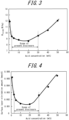
- the acidizing was performed by immersing the steel sheet in hydrochloric acid for 10 seconds.
- the concentration of the hydrochloric acid used was varied in the range of 1 % to 50 %.
- stress relief annealing was performed at 800 °C for 2 hours in an atmosphere having a nitrogen content of 100 vol% to obtain a non-oriented electrical steel sheet.
- Test pieces of 30 mm in width and 180 mm in length were cut out from the rolling direction (L direction) and transverse direction (C direction) of the non-oriented electrical steel sheet obtained in the foregoing manner, and the high-frequency iron loss (W 10/400 ) of the test pieces was evaluated.
- the iron loss W 10/400 of the test pieces in the (L + C) direction at a maximum magnetic flux density of 1.0 T and a frequency of 400 Hz was measured by Epstein testing.
- the concentration of N existing as AlN in the range from the surface of the non-oriented electrical steel sheet to a depth of 1/20 of the sheet thickness was measured by electrolytic extraction.
- FIGS. 3 and 4 illustrate the measurement results.
- non-oriented electrical steel sheets were produced in the same manner as in Experiment 2 except that the concentration of hydrochloric acid in acidizing was 20 % and the acidizing time (immersion time) was varied in the range of 0.5 seconds to 100 seconds, and the high-frequency iron loss (W 10/400 ) and the surface layer nitridation amount were measured.
- FIGS. 5 and 6 illustrate the measurement results.
- the high-frequency iron loss decreased significantly when the acid concentration was 3 % to 30 % and when the acidizing time was 1 second to 60 seconds.
- the acid concentration was less than 3 % or the acidizing time was less than 1 second, the iron loss remained high despite acidizing being performed. This is considered to be because, in the case where the acid concentration was low and in the case where the acidizing time was short, the effect of acidizing was insufficient and the nitrided layer formed during final annealing could not be removed sufficiently, as a result of which an oxide film was not formed during stress relief annealing and nitridation progressed.
- C is a harmful element that degrades iron loss by magnetic aging.
- C content is excessively high, C forms carbides that precipitate over time, causing an increase in iron loss.
- the C content is therefore limited to 0.0050 % or less.
- the C content is preferably 0.0040 % or less.
- the C content is preferably 0.0001 % or more from the viewpoint of reducing the decarburization costs in the refining process.
- Si is an element that has the effect of enhancing the specific resistance of steel and reducing iron loss. Si also has the effect of enhancing the strength of steel through solid solution strengthening. In order to achieve these effects, the Si content is 2.0 % or more, and preferably 2.5 % or more. If the Si content is more than 6.5 %, slab cracking is likely to occur during production, resulting in decreased productivity. The Si content is therefore 6.5 % or less, and preferably 6.0 % or less.
- Mn is an element that has the effect of enhancing the specific resistance of steel and reducing iron loss, as with Si. Mn also has the effect of forming sulfides and improving hot brittleness. In order to achieve these effects, the Mn content is 0.05 % or more, and preferably 0.1 % or more. If the Mn content is more than 2.0 %, slab cracking is likely to occur during production, resulting in decreased productivity. The Mn content is therefore 2.0 % or less, and preferably 1.5 % or less.
- the P content is therefore 0.10 % or less, and preferably 0.05 % or less. No lower limit is placed on the P content, and the lower limit may be 0 %. However, since P is an element that is highly effective in enhancing specific resistance and reducing eddy current loss, P may be optionally added within the foregoing range. From the viewpoint of reducing eddy current loss, the P content is preferably 0.001 % or more and more preferably 0.003 % or more.
- the S content is therefore 0.0050 % or less, and preferably 0.0030 % or less. Since a lower S content is better, no lower limit is placed on the S content, and the lower limit may be 0 %. Excessively reducing the S content, however, causes an increase in production costs, and accordingly the S content is preferably 0.0001 % or more and more preferably 0.0005 % or more.
- Al is an element that has the effect of enhancing the specific resistance of steel and reducing iron loss, as with Si. If the Al content is more than 3.0 %, however, the steel becomes brittle and slab cracking is likely to occur during production. The Al content is therefore 3.0 % or less, preferably 2.0 % or less, and more preferably 1.5 % or less. If the Al content is less than 0.3 %, Al forms fine nitrides that precipitate, causing an increase in iron loss. The Al content is therefore 0.3 % or more, and preferably 0.4 % or more.
- N is a harmful element that forms nitrides and degrades magnetic properties.
- the N content is therefore 0.0050 % or less, and preferably 0.0040 % or less. Since a lower N content is better, no lower limit is placed on the N content, and the lower limit may be 0 %. Excessively reducing the N content, however, causes an increase in production costs, and accordingly the N content is preferably 0.0005 % or more and more preferably 0.0010 % or more.
- Co is an element that has the effect of inhibiting nitridation of the surface layer of the steel sheet during final annealing, as mentioned above.
- the Co content is therefore 0.0005 % or more, and preferably 0.001 % or more. If the Co content is more than 0.0050 %, an outer oxide layer formed during final annealing increases in thickness, hindering the formation of an oxide layer by acidizing.
- the Co content is therefore 0.0050 % or less, and preferably 0.0040 % or less.
- Ti is a harmful element that forms fine carbonitrides that precipitate and increases iron loss.
- the adverse effect of Ti is particularly noticeable when the Ti content is more than 0.0030 %.
- the Ti content is therefore 0.0030 % or less, and preferably 0.0020 % or less. Since a lower Ti content is better, no lower limit is placed on the Ti content, and the lower limit may be 0 %. Excessively reducing the Ti content, however, causes an increase in production costs, and accordingly the Ti content is preferably 0.0001 % or more and more preferably 0.0005 % or more.
- Nb is a harmful element that forms fine carbonitrides that precipitate and increases iron loss.
- the adverse effect of Nb is particularly noticeable when the Nb content is more than 0.0030 %.
- the Nb content is therefore 0.0030 % or less, and preferably 0.0020 % or less. Since a lower Nb content is better, no lower limit is placed on the Nb content, and the lower limit may be 0 %. Excessively reducing the Nb content, however, causes an increase in production costs, and accordingly the Nb content is preferably 0.0001 % or more and more preferably 0.0005 % or more.
- O is a harmful element that forms oxides and degrades magnetic properties.
- the O content is therefore limited to 0.0050 % or less.
- the O content is preferably 0.0040 % or less. Since a lower O content is better, no lower limit is placed on the O content, and the lower limit may be 0 %. Excessively reducing the O content, however, causes an increase in production costs, and accordingly the O content is preferably 0.0005 % or more and more preferably 0.0010 % or more.
- a non-oriented electrical steel sheet in one embodiment of the present disclosure has a chemical composition containing the above-described components with the balance consisting of Fe and inevitable impurities.
- the chemical composition may optionally further contain one or both of Sn and Sb in the following amounts.
- Sb is an element that has the effect of improving recrystallized texture and improving magnetic flux density and iron loss, as with Sn.
- the Sb content is 0.005 % or more in order to achieve the effect. If the Sb content is more than 0.20 %, the effect is saturated. The Sb content is therefore 0.20 % or less.
- the chemical composition may optionally further contain at least one selected from the group consisting of Ca, Mg, and REM (rare earth metal) in the following amount.
- Ca, Mg, and REM are components that have the effect of forming stable sulfides and improving grain growth.
- the total content of Ca, Mg, and REM is 0.0005 % or more in order to achieve the effect. If the total content is more than 0.020 %, the effect is saturated. The total content is therefore 0.020 % or less.
- the chemical composition may optionally further contain at least one selected from the group consisting of Cu, Cr, and Ni in the following amount.
- Cu, Cr, and Ni are elements that have the effect of enhancing the specific resistance of steel and further reducing iron loss.
- the total content of Cu, Cr, and Ni is 0.03 % or more in order to achieve the effect. Since excessive addition decreases magnetic flux density, the total content is 1.0 % or less.
- the chemical composition may optionally further contain one or both of Ge and Ga in the following amount.
- Ge and Ga are elements that have the effect of improving texture.
- the total content of Ge and Ga is 0.0005 % or more and preferably 0.0020 % or more in order to achieve the effect. If the total content is more than 0.01 %, the effect is saturated and the alloy cost increases. The total content is therefore 0.01 % or less, and preferably 0.0050 % or less.
- the chemical composition may optionally further contain Zn in the following amount.
- Zn is an element that has the effect of inhibiting nitridation during final annealing.
- the Zn content is 0.001 % or more, and preferably 0.002 % or more. If the Zn content is more than 0.05 %, Zn forms sulfides, causing an increase in iron loss.
- the Zn content is therefore 0.05 % or less, and preferably 0.01 % or less.
- the chemical composition may optionally further contain one or both of Mo and W in the following amount.
- Mo and W are elements that have the effect of improving high-temperature strength. Adding one or both of Mo and W can suppress surface defects (scab) in non-oriented electrical steel sheets.
- the steel sheet according to the present disclosure is high-alloy steel and its surface is easily-oxidizable, and thus the likelihood of scab caused by surface cracking is high. By adding one or both of Mo and W, such cracking can be suppressed.
- the total content of Mo and W is 0.001 % or more and preferably 0.005 % or more in order to sufficiently achieve the effect. If the total content is more than 0.05 %, the effect is saturated and the alloy cost increases. The total content is therefore 0.05 % or less, and preferably 0.020 % or less.
- the surface layer nitridation amount at at least one surface (i.e. at least one side) of the non-oriented electrical steel sheet is 0.003 % or less. Since a lower surface layer nitridation amount is better from the viewpoint of reducing the high-frequency iron loss, no lower limit is placed on the surface layer nitridation amount, and the lower limit may be 0 %.
- the surface layer nitridation amount may be 0.0001 % or more, and may be 0.0005 % or more.
- the "surface layer nitridation amount" herein refers to the amount of N existing as AlN in the range from the surface of the non-oriented electrical steel sheet to a depth of 1/20 of the sheet thickness.
- the surface layer nitridation amount can be measured by electrolytic extraction analysis. More specifically, the surface layer nitridation amount can be measured by the method described in the EXAMPLES section. It is preferable that the surface layer nitridation amount at both surfaces (sides) of the non-oriented electrical steel sheet satisfies the foregoing condition.
- the non-oriented electrical steel sheet according to the present disclosure has, at at least one surface, an oxide layer containing Fe and one or both of Al and Si.
- the oxide layer is formed by acidizing after final annealing and before stress relief annealing, as described later.
- the oxide layer may be a Fe-Al-based oxide layer containing Fe and Al, a Fe-Si-based oxide layer containing Fe and Si, or a Fe-Si-Al-based oxide layer containing Fe, Si, and Al.
- the Fe concentration in the oxide layer is not limited, but is preferably less than 100 mass% relative to the total concentration of Al and Si.
- Fe may be dissolved in the oxide, or may exist as a precipitate or an oxide.
- the oxide layer may optionally further contain other elements, for example, one or both of Co and Mn.
- the thickness of the oxide layer is not limited, but is preferably 50 nm or more from the viewpoint of further inhibiting nitridation during stress relief annealing. If the oxide layer is excessively thick, not only nitridation is accelerated but also the stacking factor of the steel sheet decreases. Therefore, from the viewpoint of further inhibiting nitridation and improving the stacking factor, the thickness of the oxide layer is preferably 200 nm or less.
- the thickness of the oxide layer can be measured by scanning transmission electron microscope-energy dispersive X-ray spectroscopy (STEM-EDS). More specifically, the thickness of the oxide layer can be measured by the method described in the EXAMPLES section.
- the oxide layer may be amorphous, crystalline, or a composite oxide of amorphous and crystalline.
- the ratio of the crystalline phase to the total of the amorphous phase and the crystalline phase contained in the oxide layer is preferably in the range of 0 % or more and 30 % or less and more preferably in the range of 0 % or more and 10 % or less.
- the ratio of the crystalline phase can be measured by observing the oxide layer using a scanning transmission electron microscope (STEM). Specifically, first, a STEM image is obtained with about 2,000,000 to 10,000,000 magnification using a beam diameter that provides a resolution of 1 nm or less.
- the region where the lattice fringes can be seen is the crystalline phase and the region where the maze pattern can be seen is the amorphous phase, and the areas of both regions are determined. From this result, the ratio of the area of the crystalline phase to the total area of the amorphous phase and the crystalline phase is calculated, and the ratio expressed as a percentage is taken to be the ratio of the crystalline phase.
- the non-oriented electrical steel sheet according to the present disclosure has an oxide film consisting of one or both of Al oxide and Si oxide at the interface between the oxide layer and the steel substrate.
- the non-oriented electrical steel sheet according to the present disclosure includes the oxide film on the surface of the steel substrate and includes the oxide layer on the surface of the oxide film.
- the thickness of the oxide film is not limited. However, given that high-frequency iron loss decreased significantly as a result of acidizing with an acid concentration of 3 % to 30 % and an acidizing time of 1 second to 60 seconds and the thickness of the oxide film in this case was 10 nm to 40 nm as mentioned above, the thickness of the oxide film is preferably in the range of 10 nm or more and 40 nm or less.
- the oxide film may be composed of a single film or a plurality of films.
- the oxide film may be an Al-rich oxide film, a Si-rich oxide film, or a multilayer film in which an Al-rich oxide film and a Si-rich oxide film are stacked.
- an oxide film in which an Al-rich oxide film and a Si-rich oxide film are alternately deposited is preferable.
- Al-rich oxide film is defined as an oxide film in which the Al concentration is higher than the Si concentration.
- the Al-rich oxide film may be a film consisting essentially of Al oxide.
- Si-rich oxide film is defined as an oxide film in which the Si concentration is higher than the Al concentration.
- the Si-rich oxide film may be a film consisting essentially of Si oxide.
- the coverage of the oxide film is not limited, but is preferably 80 % or more and more preferably 90 % or more. Although no upper limit is placed on the coverage, the upper limit may be 100 %.
- the coverage herein is the coverage of the oxide film on the surface of the steel sheet.
- the structure of the oxide film can be measured by observing the interface between the oxide layer and the steel substrate using STEM-EDS.
- the thickness and layer structure of the oxide film can be measured by observing the interface between the oxide layer and the steel substrate using STEM-EDS. Specifically, EDS-line profiles at the interface between the oxide layer and the steel substrate are obtained at intervals of 0.5 nm. From the obtained elemental distributions of Al, Si, and O, the thickness and layer structure of the oxide film can be determined.
- the coverage of the oxide film can be measured using STEM-EDS as well. Specifically, first, an elemental analysis map of the interface between the oxide layer and the steel substrate of the steel sheet is obtained using STEM-EDS with at least 100,000 magnification. The length of the oxide film covering the steel substrate of the steel sheet is determined from the elemental distributions of Al, Si, and O in the obtained elemental analysis map. The determined length of the oxide film is divided by the length of the steel substrate of the steel sheet to calculate the coverage of the oxide film. In other words, the coverage of the oxide film herein is a percentage expressing the ratio of the length of the oxide film to the length of the steel substrate of the steel sheet, as measured by STEM-EDS.
- a non-oriented electrical steel sheet can be produced by subjecting a steel material (slab) having the above-described chemical composition to the following treatments (1) to (4) sequentially:
- hot rolling and hot-rolled sheet annealing may be performed before the cold rolling.
- a non-oriented electrical steel sheet can be produced by subjecting a steel material (slab) having the above-described chemical composition to the following treatments (1) to (6) sequentially:
- any steel material having the above-described chemical composition may be used.
- a typical example of the steel material is a steel slab.
- the method of producing the steel material is not limited, and the steel material may be produced by any method.
- steel is prepared by steelmaking in a refining process using a converter, an electric furnace, a vacuum degasser, etc., and then made into a steel material by a continuous casting method or an ingot casting and blooming method.
- a thin slab or thinner cast steel of 100 mm or less in thickness produced by a direct casting method may be used as the steel material.
- the steel material is hot rolled to obtain a hot-rolled steel sheet.
- the hot rolling conditions are not limited, and hot rolling may be performed under commonly known conditions.
- the steel material is reheated in a heating furnace or the like and then rolled.
- the cast steel material may be immediately hot rolled without reheating.
- the steel material can be directly subjected to cold rolling.
- hot rolling it is preferable to use a thin slab or thinner cast steel as the steel material.
- the obtained hot-rolled steel sheet is subjected to hot-rolled sheet annealing to obtain a hot-rolled and annealed sheet.
- the hot-rolled sheet annealing conditions are not limited. If the soaking temperature is less than 800 °C, however, the effect of hot-rolled sheet annealing is small and the magnetic property improving effect may be insufficient. Accordingly, the soaking temperature in the hot-rolled sheet annealing is preferably 800 °C or more and more preferably 850 °C or more. If the soaking temperature is more than 1100 °C, the production costs increase. In addition, due to coarsening of crystal grains, embrittlement fracture (breakage) tends to occur during subsequent cold rolling. The soaking temperature is therefore preferably 1100 °C or less and more preferably 1000 °C or less.
- the soaking time in the hot-rolled sheet annealing is preferably 3 minutes or less and more preferably 1 minute or less, from the viewpoint of ensuring productivity. Although no lower limit is placed on the soaking time, the soaking time is preferably 1 second or more and more preferably 5 seconds or more.
- cold rolling is performed.
- the hot-rolled and annealed sheet is subjected to cold rolling to obtain a cold-rolled steel sheet having a final sheet thickness.
- the steel material is directly subjected to cold rolling to obtain a cold-rolled steel sheet having a final sheet thickness.
- Cold rolling may be performed only once, or twice or more. In the case of performing cold rolling twice or more, intermediate annealing is performed between cold rolling.
- the cold rolling conditions are not limited, and cold rolling may be performed under commonly known conditions.
- the final sheet thickness in the cold rolling that is, the sheet thickness of the non-oriented electrical steel sheet finally obtained, is not limited and may be any thickness. If the non-oriented electrical steel sheet is excessively thick, however, iron loss increases. The final sheet thickness is therefore preferably 0.35 mm or less. If the non-oriented electrical steel sheet is excessively thin, it is difficult to handle the steel sheet during the production processes such as cold rolling and annealing. The final sheet thickness is therefore preferably 0.10 mm or more.
- the cold-rolled steel sheet obtained as a result of the cold rolling is subjected to final annealing.
- the final annealing conditions are not limited, and final annealing may be performed under commonly known conditions.
- the soaking temperature in the final annealing is preferably 700 °C to 1200 °C and more preferably 800 °C to 1100 °C.
- the soaking time in the final annealing is preferably 1 second to 120 seconds and more preferably 5 seconds to 60 seconds.
- acidizing is performed on the surface of the steel sheet before subsequent stress relief annealing.
- an acid containing at least one selected from the group consisting of hydrochloric acid, phosphoric acid, sulfuric acid, and nitric acid at a total concentration of 3 % to 30 %, in order to form a desired oxide film during stress relief annealing and inhibit nitridation.
- the total concentration of the acid is preferably 5 % to 25 %.
- the acidizing time is 1 second to 60 seconds, and preferably 2 seconds to 20 seconds.
- an insulating coating on the surface of the non-oriented electrical steel sheet.
- the insulating coating may be formed under commonly known conditions.
- an organic coating containing resin is preferable from the viewpoint of ensuring good blanking workability. If weldability is given importance, on the other hand, a semi-organic coating or an inorganic coating is preferable.
- the non-oriented electrical steel sheet according to the present disclosure also includes a core-shaped steel sheet obtained as a result of steel sheets after final annealing being processed into a core shape by blanking or the like, stacked and fixed together, and then subjected to stress relief annealing.
- Stress relief annealing is performed at a soaking temperature of 750 °C to 950 °C in an atmosphere having a nitrogen content of 50 vol% or more. If the soaking temperature is less than 750 °C, the iron loss improving effect by stress relief annealing is insufficient. If the soaking temperature is more than 950 °C, it is difficult to ensure insulation between the stacked steel sheets.
- the soaking time in the stress relief annealing is not limited, but is preferably 0.1 hours to 10 hours. In the present disclosure, excellent iron loss property can be achieved even when stress relief annealing is performed in an atmosphere mainly composed of nitrogen gas which is relatively inexpensive. Accordingly, the upper limit of the nitrogen content in the atmosphere is not limited and may be 100 %.
- the heating rate in the stress relief annealing to 50 °C/hr to 800 °C/hr, it is possible to form an oxide film having a structure in which a Si-rich oxide film and an Al-rich oxide film are alternately deposited.
- non-oriented electrical steel sheets were produced according to the following procedure and their magnetic properties were evaluated.
- Comparative Example No. 14 with an excessively high Mn content slab cracking occurred during hot rolling and consequently production was discontinued.
- Comparative Example No. 15 with an excessively high Al content and Comparative Example No. 18 with an excessively high Si content slab cracking occurred during hot rolling and consequently production was discontinued.
- Comparative Example No. 21 with an excessively high P content cracking occurred during cold rolling and consequently production was discontinued.
- test pieces were collected from each of the obtained non-oriented electrical steel sheets, and electrolytic extraction analysis was conducted to measure the amount of N existing as AlN in the range from one surface of the non-oriented electrical steel sheet to a depth of 1/20 of the sheet thickness (surface layer nitridation amount).
- surface layer nitridation amount The measurement results are shown in Tables 7 to 9.
- An oxide layer containing Fe and one or both of Al and Si was formed at the surface of the obtained non-oriented electrical steel sheet.
- the thickness of the oxide layer was measured by scanning transmission electron microscope-energy dispersive X-ray spectroscopy (STEM-EDS). Specifically, EDS-line profiles were obtained at intervals of 0.5 nm, and the thickness of the oxide layer was determined from the obtained elemental distributions of Al, Si, and O. The measurement results are shown in Tables 7 to 9.
- the thickness and layer structure of the oxide film formed at the interface between the oxide layer and the steel substrate in the obtained non-oriented electrical steel sheet were measured using STEM-EDS. Specifically, EDS-line profiles at the interface were obtained at intervals of 0.5 nm, and the thickness and layer structure of the oxide film were determined from the obtained elemental distributions of Al, Si, and O.
- each example marked with "Si, Al” had a membranous oxide film containing Si and Al and having a structure in which a Si-rich oxide film and an Al-rich oxide film are alternately deposited.
- Each example marked with "Al” had a membranous oxide film containing Si and Al and composed only of an Al-rich oxide film.
- the coverage of the oxide film was also measured using STEM-EDS. Specifically, first, an elemental analysis map of the interface between the oxide layer and the steel substrate of the steel sheet was obtained using STEM-EDS with at least 100,000 magnification. The length of the oxide film covering the steel substrate of the steel sheet was determined from the elemental distributions of Al, Si, and O in the obtained elemental analysis map. The determined length of the oxide film was divided by the length of the steel substrate of the steel sheet to calculate the coverage of the oxide film. The measurement results are shown in Tables 7 to 9.
- each non-oriented electrical steel sheet satisfying the conditions according to the present disclosure exhibited reduction in iron loss in the high frequency range. According to the present disclosure, it is possible to reduce iron loss in the high frequency range without addition of a large amount of alloying elements, which causes a decrease in magnetic flux density.
- the non-oriented electrical steel sheet according to the present disclosure is thus suitable for use as a material for motor cores of hybrid electric vehicles, electric vehicles, high-speed generators, air conditioner compressors, vacuum cleaners, machine tools, etc.
Landscapes
- Chemical & Material Sciences (AREA)
- Engineering & Computer Science (AREA)
- Metallurgy (AREA)
- Organic Chemistry (AREA)
- Materials Engineering (AREA)
- Mechanical Engineering (AREA)
- Physics & Mathematics (AREA)
- Thermal Sciences (AREA)
- Crystallography & Structural Chemistry (AREA)
- Electromagnetism (AREA)
- Manufacturing & Machinery (AREA)
- Power Engineering (AREA)
- Dispersion Chemistry (AREA)
- General Chemical & Material Sciences (AREA)
- Chemical Kinetics & Catalysis (AREA)
- Child & Adolescent Psychology (AREA)
- Health & Medical Sciences (AREA)
- Soft Magnetic Materials (AREA)
- Manufacturing Of Steel Electrode Plates (AREA)
- Other Surface Treatments For Metallic Materials (AREA)
- Chemical Treatment Of Metals (AREA)
- Laminated Bodies (AREA)
Applications Claiming Priority (2)
| Application Number | Priority Date | Filing Date | Title |
|---|---|---|---|
| JP2022015256 | 2022-02-02 | ||
| PCT/JP2023/001969 WO2023149269A1 (ja) | 2022-02-02 | 2023-01-23 | 無方向性電磁鋼板およびその製造方法 |
Publications (2)
| Publication Number | Publication Date |
|---|---|
| EP4467679A1 true EP4467679A1 (de) | 2024-11-27 |
| EP4467679A4 EP4467679A4 (de) | 2025-11-12 |
Family
ID=87552184
Family Applications (1)
| Application Number | Title | Priority Date | Filing Date |
|---|---|---|---|
| EP23749585.8A Pending EP4467679A4 (de) | 2022-02-02 | 2023-01-23 | Nichtorientiertes elektromagnetisches stahlblech und verfahren zur herstellung davon |
Country Status (8)
| Country | Link |
|---|---|
| US (1) | US20250115982A1 (de) |
| EP (1) | EP4467679A4 (de) |
| JP (1) | JP7392902B1 (de) |
| KR (1) | KR20240125977A (de) |
| CN (1) | CN118510931A (de) |
| MX (1) | MX2024009556A (de) |
| TW (1) | TWI823765B (de) |
| WO (1) | WO2023149269A1 (de) |
Cited By (1)
| Publication number | Priority date | Publication date | Assignee | Title |
|---|---|---|---|---|
| EP4600386A4 (de) * | 2022-10-31 | 2026-01-07 | Jfe Steel Corp | Nichtorientiertes elektromagnetisches stahlblech und herstellungsverfahren dafür |
Families Citing this family (1)
| Publication number | Priority date | Publication date | Assignee | Title |
|---|---|---|---|---|
| JPWO2025047016A1 (de) * | 2023-08-30 | 2025-03-06 |
Family Cites Families (10)
| Publication number | Priority date | Publication date | Assignee | Title |
|---|---|---|---|---|
| JP3224781B2 (ja) | 1997-11-04 | 2001-11-05 | 川崎製鉄株式会社 | 高周波磁気特性に優れるFe−Cr−Si系合金及びその製造方法 |
| JP4044739B2 (ja) * | 2001-05-22 | 2008-02-06 | 新日本製鐵株式会社 | 張力付与性絶縁皮膜の皮膜密着性に優れる一方向性珪素鋼板とその製造方法 |
| JP4258164B2 (ja) * | 2002-04-02 | 2009-04-30 | Jfeスチール株式会社 | 歪取焼鈍後の磁気特性および耐食性に優れた無方向性電磁鋼板 |
| JP4681450B2 (ja) | 2005-02-23 | 2011-05-11 | 新日本製鐵株式会社 | 圧延方向の磁気特性に優れた無方向性電磁鋼板とその製造方法 |
| JP5211434B2 (ja) * | 2006-03-27 | 2013-06-12 | 新日鐵住金株式会社 | 皮膜密着性が良好で磁気特性が優れた電磁鋼板、その製造方法および使用方法 |
| JP5423440B2 (ja) * | 2010-02-02 | 2014-02-19 | 新日鐵住金株式会社 | 無方向性電磁鋼板および無方向性電磁鋼板の製造方法 |
| EP3992312A4 (de) * | 2019-06-28 | 2022-07-20 | JFE Steel Corporation | Verfahren zur herstellung eines nichtorientierten elektromagnetischen stahlbleches, verfahren zur herstellung eines motorkernes und motorkern |
| WO2021117325A1 (ja) * | 2019-12-09 | 2021-06-17 | Jfeスチール株式会社 | 無方向性電磁鋼板とモータコアならびにそれらの製造方法 |
| KR102325005B1 (ko) * | 2019-12-20 | 2021-11-11 | 주식회사 포스코 | 무방향성 전기강판 및 그 제조방법 |
| WO2023149248A1 (ja) * | 2022-02-02 | 2023-08-10 | Jfeスチール株式会社 | 無方向性電磁鋼板およびその製造方法 |
-
2023
- 2023-01-23 KR KR1020247024352A patent/KR20240125977A/ko active Pending
- 2023-01-23 US US18/729,167 patent/US20250115982A1/en active Pending
- 2023-01-23 CN CN202380016478.0A patent/CN118510931A/zh active Pending
- 2023-01-23 EP EP23749585.8A patent/EP4467679A4/de active Pending
- 2023-01-23 JP JP2023530912A patent/JP7392902B1/ja active Active
- 2023-01-23 MX MX2024009556A patent/MX2024009556A/es unknown
- 2023-01-23 WO PCT/JP2023/001969 patent/WO2023149269A1/ja not_active Ceased
- 2023-02-01 TW TW112103519A patent/TWI823765B/zh active
Cited By (1)
| Publication number | Priority date | Publication date | Assignee | Title |
|---|---|---|---|---|
| EP4600386A4 (de) * | 2022-10-31 | 2026-01-07 | Jfe Steel Corp | Nichtorientiertes elektromagnetisches stahlblech und herstellungsverfahren dafür |
Also Published As
| Publication number | Publication date |
|---|---|
| EP4467679A4 (de) | 2025-11-12 |
| WO2023149269A1 (ja) | 2023-08-10 |
| JP7392902B1 (ja) | 2023-12-06 |
| CN118510931A (zh) | 2024-08-16 |
| TWI823765B (zh) | 2023-11-21 |
| MX2024009556A (es) | 2024-08-19 |
| US20250115982A1 (en) | 2025-04-10 |
| TW202334456A (zh) | 2023-09-01 |
| JPWO2023149269A1 (de) | 2023-08-10 |
| KR20240125977A (ko) | 2024-08-20 |
Similar Documents
| Publication | Publication Date | Title |
|---|---|---|
| EP3656885B1 (de) | Nicht-orientiertes elektrostahlblech | |
| TWI665313B (zh) | 無方向性電磁鋼板及其製造方法 | |
| US20260015686A1 (en) | Non-oriented electrical steel sheet and method for producing same | |
| EP4467668A1 (de) | Nichtorientiertes elektromagnetisches stahlblech und verfahren zur herstellung davon | |
| EP4467669A1 (de) | Verfahren zur herstellung von warmgewalztem stahlblech für nichtorientiertes elektrostahlblech, verfahren zur herstellung von nichtorientiertem elektrostahlblech und warmgewalztes stahlblech für nichtorientiertes elektrostahlblech | |
| EP4467679A1 (de) | Nichtorientiertes elektromagnetisches stahlblech und verfahren zur herstellung davon | |
| EP4400622A1 (de) | Nichtorientiertes elektrostahlblech und verfahren zur herstellung davon sowie verfahren zur herstellung von motorkernen | |
| EP4467667A1 (de) | Nichtorientiertes elektromagnetisches stahlblech und verfahren zur herstellung davon | |
| EP4495275A1 (de) | Nichtorientiertes elektromagnetisches stahlblech, motorkern und verfahren zur herstellung davon | |
| JP7606075B2 (ja) | 磁気特性に優れた無方向性電磁鋼板およびその製造方法 | |
| EP4600386A1 (de) | Nichtorientiertes elektromagnetisches stahlblech und herstellungsverfahren dafür | |
| EP4455318A1 (de) | Nichtorientiertes elektromagnetisches stahlblech | |
| WO2026042676A1 (ja) | 無方向性電磁鋼板およびその製造方法 |
Legal Events
| Date | Code | Title | Description |
|---|---|---|---|
| STAA | Information on the status of an ep patent application or granted ep patent |
Free format text: STATUS: THE INTERNATIONAL PUBLICATION HAS BEEN MADE |
|
| PUAI | Public reference made under article 153(3) epc to a published international application that has entered the european phase |
Free format text: ORIGINAL CODE: 0009012 |
|
| STAA | Information on the status of an ep patent application or granted ep patent |
Free format text: STATUS: REQUEST FOR EXAMINATION WAS MADE |
|
| 17P | Request for examination filed |
Effective date: 20240822 |
|
| AK | Designated contracting states |
Kind code of ref document: A1 Designated state(s): AL AT BE BG CH CY CZ DE DK EE ES FI FR GB GR HR HU IE IS IT LI LT LU LV MC ME MK MT NL NO PL PT RO RS SE SI SK SM TR |
|
| DAV | Request for validation of the european patent (deleted) | ||
| DAX | Request for extension of the european patent (deleted) | ||
| REG | Reference to a national code |
Ref country code: DE Ref legal event code: R079 Free format text: PREVIOUS MAIN CLASS: C22C0038000000 Ipc: C21D0006000000 |
|
| A4 | Supplementary search report drawn up and despatched |
Effective date: 20251010 |
|
| RIC1 | Information provided on ipc code assigned before grant |
Ipc: C21D 6/00 20060101AFI20251010BHEP Ipc: C21D 8/12 20060101ALI20251010BHEP Ipc: C21D 1/30 20060101ALI20251010BHEP Ipc: C21D 9/46 20060101ALI20251010BHEP Ipc: C21D 1/76 20060101ALI20251010BHEP Ipc: C22C 38/00 20060101ALI20251010BHEP Ipc: C22C 38/14 20060101ALI20251010BHEP Ipc: C22C 38/60 20060101ALI20251010BHEP Ipc: C22C 38/02 20060101ALI20251010BHEP Ipc: C22C 38/04 20060101ALI20251010BHEP Ipc: C22C 38/06 20060101ALI20251010BHEP Ipc: C22C 38/10 20060101ALI20251010BHEP Ipc: C22C 38/12 20060101ALI20251010BHEP Ipc: C22C 38/16 20060101ALI20251010BHEP Ipc: C22C 38/26 20060101ALI20251010BHEP Ipc: C22C 38/28 20060101ALI20251010BHEP Ipc: C22C 38/30 20060101ALI20251010BHEP Ipc: C22C 38/34 20060101ALI20251010BHEP Ipc: C22C 38/48 20060101ALI20251010BHEP Ipc: C22C 38/50 20060101ALI20251010BHEP |