EP4455280A1 - Mutierte lysophospholipase und mutierter aspergillus niger stamm zur expression von lysophospholipase - Google Patents
Mutierte lysophospholipase und mutierter aspergillus niger stamm zur expression von lysophospholipase Download PDFInfo
- Publication number
- EP4455280A1 EP4455280A1 EP22910050.8A EP22910050A EP4455280A1 EP 4455280 A1 EP4455280 A1 EP 4455280A1 EP 22910050 A EP22910050 A EP 22910050A EP 4455280 A1 EP4455280 A1 EP 4455280A1
- Authority
- EP
- European Patent Office
- Prior art keywords
- lysophospholipase
- strain
- aspergillus niger
- mutated
- enzyme
- Prior art date
- Legal status (The legal status is an assumption and is not a legal conclusion. Google has not performed a legal analysis and makes no representation as to the accuracy of the status listed.)
- Pending
Links
Images



Classifications
-
- C—CHEMISTRY; METALLURGY
- C12—BIOCHEMISTRY; BEER; SPIRITS; WINE; VINEGAR; MICROBIOLOGY; ENZYMOLOGY; MUTATION OR GENETIC ENGINEERING
- C12N—MICROORGANISMS OR ENZYMES; COMPOSITIONS THEREOF; PROPAGATING, PRESERVING, OR MAINTAINING MICROORGANISMS; MUTATION OR GENETIC ENGINEERING; CULTURE MEDIA
- C12N9/00—Enzymes; Proenzymes; Compositions thereof; Processes for preparing, activating, inhibiting, separating or purifying enzymes
- C12N9/14—Hydrolases (3)
- C12N9/16—Hydrolases (3) acting on ester bonds (3.1)
- C12N9/18—Carboxylic ester hydrolases (3.1.1)
-
- C—CHEMISTRY; METALLURGY
- C11—ANIMAL OR VEGETABLE OILS, FATS, FATTY SUBSTANCES OR WAXES; FATTY ACIDS THEREFROM; DETERGENTS; CANDLES
- C11B—PRODUCING, e.g. BY PRESSING RAW MATERIALS OR BY EXTRACTION FROM WASTE MATERIALS, REFINING OR PRESERVING FATS, FATTY SUBSTANCES, e.g. LANOLIN, FATTY OILS OR WAXES; ESSENTIAL OILS; PERFUMES
- C11B3/00—Refining fats or fatty oils
- C11B3/003—Refining fats or fatty oils by enzymes or microorganisms, living or dead
-
- C—CHEMISTRY; METALLURGY
- C12—BIOCHEMISTRY; BEER; SPIRITS; WINE; VINEGAR; MICROBIOLOGY; ENZYMOLOGY; MUTATION OR GENETIC ENGINEERING
- C12N—MICROORGANISMS OR ENZYMES; COMPOSITIONS THEREOF; PROPAGATING, PRESERVING, OR MAINTAINING MICROORGANISMS; MUTATION OR GENETIC ENGINEERING; CULTURE MEDIA
- C12N1/00—Microorganisms; Compositions thereof; Processes of propagating, maintaining or preserving microorganisms or compositions thereof; Processes of preparing or isolating a composition containing a microorganism; Culture media therefor
- C12N1/14—Fungi; Culture media therefor
-
- C—CHEMISTRY; METALLURGY
- C12—BIOCHEMISTRY; BEER; SPIRITS; WINE; VINEGAR; MICROBIOLOGY; ENZYMOLOGY; MUTATION OR GENETIC ENGINEERING
- C12N—MICROORGANISMS OR ENZYMES; COMPOSITIONS THEREOF; PROPAGATING, PRESERVING, OR MAINTAINING MICROORGANISMS; MUTATION OR GENETIC ENGINEERING; CULTURE MEDIA
- C12N1/00—Microorganisms; Compositions thereof; Processes of propagating, maintaining or preserving microorganisms or compositions thereof; Processes of preparing or isolating a composition containing a microorganism; Culture media therefor
- C12N1/14—Fungi; Culture media therefor
- C12N1/145—Fungi isolates
-
- C—CHEMISTRY; METALLURGY
- C12—BIOCHEMISTRY; BEER; SPIRITS; WINE; VINEGAR; MICROBIOLOGY; ENZYMOLOGY; MUTATION OR GENETIC ENGINEERING
- C12N—MICROORGANISMS OR ENZYMES; COMPOSITIONS THEREOF; PROPAGATING, PRESERVING, OR MAINTAINING MICROORGANISMS; MUTATION OR GENETIC ENGINEERING; CULTURE MEDIA
- C12N15/00—Mutation or genetic engineering; DNA or RNA concerning genetic engineering, vectors, e.g. plasmids, or their isolation, preparation or purification; Use of hosts therefor
- C12N15/09—Recombinant DNA-technology
- C12N15/63—Introduction of foreign genetic material using vectors; Vectors; Use of hosts therefor; Regulation of expression
- C12N15/79—Vectors or expression systems specially adapted for eukaryotic hosts
- C12N15/80—Vectors or expression systems specially adapted for eukaryotic hosts for fungi
-
- C—CHEMISTRY; METALLURGY
- C12—BIOCHEMISTRY; BEER; SPIRITS; WINE; VINEGAR; MICROBIOLOGY; ENZYMOLOGY; MUTATION OR GENETIC ENGINEERING
- C12N—MICROORGANISMS OR ENZYMES; COMPOSITIONS THEREOF; PROPAGATING, PRESERVING, OR MAINTAINING MICROORGANISMS; MUTATION OR GENETIC ENGINEERING; CULTURE MEDIA
- C12N15/00—Mutation or genetic engineering; DNA or RNA concerning genetic engineering, vectors, e.g. plasmids, or their isolation, preparation or purification; Use of hosts therefor
- C12N15/09—Recombinant DNA-technology
- C12N15/63—Introduction of foreign genetic material using vectors; Vectors; Use of hosts therefor; Regulation of expression
- C12N15/79—Vectors or expression systems specially adapted for eukaryotic hosts
- C12N15/80—Vectors or expression systems specially adapted for eukaryotic hosts for fungi
- C12N15/81—Vectors or expression systems specially adapted for eukaryotic hosts for fungi for yeasts
- C12N15/815—Vectors or expression systems specially adapted for eukaryotic hosts for fungi for yeasts for yeasts other than Saccharomyces
-
- C—CHEMISTRY; METALLURGY
- C12—BIOCHEMISTRY; BEER; SPIRITS; WINE; VINEGAR; MICROBIOLOGY; ENZYMOLOGY; MUTATION OR GENETIC ENGINEERING
- C12N—MICROORGANISMS OR ENZYMES; COMPOSITIONS THEREOF; PROPAGATING, PRESERVING, OR MAINTAINING MICROORGANISMS; MUTATION OR GENETIC ENGINEERING; CULTURE MEDIA
- C12N9/00—Enzymes; Proenzymes; Compositions thereof; Processes for preparing, activating, inhibiting, separating or purifying enzymes
- C12N9/10—Transferases (2.)
- C12N9/1048—Glycosyltransferases (2.4)
- C12N9/1051—Hexosyltransferases (2.4.1)
-
- C—CHEMISTRY; METALLURGY
- C12—BIOCHEMISTRY; BEER; SPIRITS; WINE; VINEGAR; MICROBIOLOGY; ENZYMOLOGY; MUTATION OR GENETIC ENGINEERING
- C12N—MICROORGANISMS OR ENZYMES; COMPOSITIONS THEREOF; PROPAGATING, PRESERVING, OR MAINTAINING MICROORGANISMS; MUTATION OR GENETIC ENGINEERING; CULTURE MEDIA
- C12N9/00—Enzymes; Proenzymes; Compositions thereof; Processes for preparing, activating, inhibiting, separating or purifying enzymes
- C12N9/10—Transferases (2.)
- C12N9/1048—Glycosyltransferases (2.4)
- C12N9/1077—Pentosyltransferases (2.4.2)
-
- C—CHEMISTRY; METALLURGY
- C12—BIOCHEMISTRY; BEER; SPIRITS; WINE; VINEGAR; MICROBIOLOGY; ENZYMOLOGY; MUTATION OR GENETIC ENGINEERING
- C12N—MICROORGANISMS OR ENZYMES; COMPOSITIONS THEREOF; PROPAGATING, PRESERVING, OR MAINTAINING MICROORGANISMS; MUTATION OR GENETIC ENGINEERING; CULTURE MEDIA
- C12N9/00—Enzymes; Proenzymes; Compositions thereof; Processes for preparing, activating, inhibiting, separating or purifying enzymes
- C12N9/14—Hydrolases (3)
- C12N9/16—Hydrolases (3) acting on ester bonds (3.1)
- C12N9/18—Carboxylic ester hydrolases (3.1.1)
- C12N9/20—Triglyceride splitting, e.g. by means of lipase
-
- C—CHEMISTRY; METALLURGY
- C12—BIOCHEMISTRY; BEER; SPIRITS; WINE; VINEGAR; MICROBIOLOGY; ENZYMOLOGY; MUTATION OR GENETIC ENGINEERING
- C12P—FERMENTATION OR ENZYME-USING PROCESSES TO SYNTHESISE A DESIRED CHEMICAL COMPOUND OR COMPOSITION OR TO SEPARATE OPTICAL ISOMERS FROM A RACEMIC MIXTURE
- C12P21/00—Preparation of peptides or proteins
- C12P21/02—Preparation of peptides or proteins having a known sequence of two or more amino acids, e.g. glutathione
-
- C—CHEMISTRY; METALLURGY
- C12—BIOCHEMISTRY; BEER; SPIRITS; WINE; VINEGAR; MICROBIOLOGY; ENZYMOLOGY; MUTATION OR GENETIC ENGINEERING
- C12Y—ENZYMES
- C12Y204/00—Glycosyltransferases (2.4)
- C12Y204/02—Pentosyltransferases (2.4.2)
- C12Y204/0201—Orotate phosphoribosyltransferase (2.4.2.10)
-
- C—CHEMISTRY; METALLURGY
- C12—BIOCHEMISTRY; BEER; SPIRITS; WINE; VINEGAR; MICROBIOLOGY; ENZYMOLOGY; MUTATION OR GENETIC ENGINEERING
- C12Y—ENZYMES
- C12Y301/00—Hydrolases acting on ester bonds (3.1)
- C12Y301/01—Carboxylic ester hydrolases (3.1.1)
- C12Y301/01003—Triacylglycerol lipase (3.1.1.3)
-
- C—CHEMISTRY; METALLURGY
- C12—BIOCHEMISTRY; BEER; SPIRITS; WINE; VINEGAR; MICROBIOLOGY; ENZYMOLOGY; MUTATION OR GENETIC ENGINEERING
- C12Y—ENZYMES
- C12Y301/00—Hydrolases acting on ester bonds (3.1)
- C12Y301/01—Carboxylic ester hydrolases (3.1.1)
- C12Y301/01005—Lysophospholipase (3.1.1.5)
-
- C—CHEMISTRY; METALLURGY
- C12—BIOCHEMISTRY; BEER; SPIRITS; WINE; VINEGAR; MICROBIOLOGY; ENZYMOLOGY; MUTATION OR GENETIC ENGINEERING
- C12R—INDEXING SCHEME ASSOCIATED WITH SUBCLASSES C12C - C12Q, RELATING TO MICROORGANISMS
- C12R2001/00—Microorganisms ; Processes using microorganisms
- C12R2001/645—Fungi ; Processes using fungi
- C12R2001/66—Aspergillus
- C12R2001/685—Aspergillus niger
-
- C—CHEMISTRY; METALLURGY
- C12—BIOCHEMISTRY; BEER; SPIRITS; WINE; VINEGAR; MICROBIOLOGY; ENZYMOLOGY; MUTATION OR GENETIC ENGINEERING
- C12R—INDEXING SCHEME ASSOCIATED WITH SUBCLASSES C12C - C12Q, RELATING TO MICROORGANISMS
- C12R2001/00—Microorganisms ; Processes using microorganisms
- C12R2001/645—Fungi ; Processes using fungi
- C12R2001/84—Pichia
Definitions
- the present invention relates to the field of biotechnology, and more specifically relates to a mutated lysophospholipase.
- the present invention also relates to a gene encoding said enzyme, as well as a vector and a host cell comprising said gene. Furthermore, the use of said enzyme is also related to.
- the present application also relates to a mutated Aspergillus niger strain that can be used to express the mutated lysophospholipase of the invention.
- the invention also relates to a method for producing exogenous proteins, in particular the lysophospholipase of the invention using the strain.
- Aspergillus niger is a common species of fungi belonging to the subphylum Ascomycota, the family Moniliacea, and the genus Aspergillus. It is also the most common filamentous fungus in nature and is widely distributed in plant products, food and soil.
- the conidial heads thereof are dark brown radial, globular apical capsule.
- the conidiophores thereof vary in length, and the mycelia thereof are well developed and multi-branched.
- Aspergillus niger can grow rapidly by degrading organic matter in nature and absorbing nutrients therein. Aspergillus niger is classified as GRAS (Generally Regards As Safe) by the U.S. Food and Drug Administration (FDA) and recognized by the World Health Organization. It is a very commonly used species among filamentous fungi. Aspergillus niger has become an important strain for industrial production because of its ability to produce enzyme preparations and organic acids.
- Aspergillus niger has efficient protein secretion and expression capabilities.
- the foreign proteins expressed by Aspergillus niger have the characteristics such as large expression amount, high extracellular secretion rate, and protein molecular folding and modification system close to higher eukaryotic cells, and the expressed foreign proteins having natural activities.
- Aspergillus niger can also perform various post-translational processes, such as glycosylation modification, protease cleavage and disulfide bond formation. Therefore, the use of Aspergillus niger as an expression strain to express homologous and heterologous proteins has attracted increasing attention.
- enzyme preparations currently produced using Aspergillus niger include amylase, glucose oxidase, catalase, cellulase, pectinase, protease, phytase and xylanase etc. used in food, detergent, textile and paper industries.
- the heterologous proteins expressed by it include lysozyme, interleukin-6, human lactoferrin, bovine chymosin, thaumatin, lipase, etc.
- Enzyme preparations used in food in China must comply with the National Standard of the People's Republic of China GB2760 - National Food Standard ⁇ Food Additive Usage Standard.
- the heterologously expressed lysophospholipases for food derived from Aspergillus niger
- Aspergillus niger the heterologously expressed lysophospholipases for food (derived from Aspergillus niger ) that meet the regulations can only be heterologously expressed by Aspergillus niger.
- lipases Two lipases have been reported in Aspergillus niger, named as lipaseA and lipaseB, or lipase1 and lipase2. Among them, lipaseB has special properties. Zhu Shu-sen has cloned and expressed lipaseB from Aspergillus niger A733 and has found that the optimal temperature of lipaseB is 15°C, the optimal pH is 3.5-4.0, and it cannot tolerate temperatures above 40°C.
- the enzyme can hydrolyze substrates with chain lengths of pNPC4-pNPC18, wherein pNPC12 is the optimal substrate.
- the specific enzyme activity of lipB is extremely low, and the specific enzyme activity of purified lipB is only 6.8U/mg.
- the optimal substrates are pNPC8 and pNPC10, the optimal pH is less than 6.5, the optimal temperature is 50°C, and it cannot tolerate temperatures above 40°C.
- liapse2 or lipaseB derived from Aspergillus niger is not very practical.
- the specific enzyme activity is extremely low and the temperature tolerance is not high.
- the most suitable substrates are triglycerides of short-chain fatty acids. This enzyme is not as good as the more widely used lipases TL and RML, which have specific enzyme activity of 12000 or 8000U/mg. TL can tolerate temperature of 60°C for 20 hours without inactivation, and RML can hydrolyze triglycerides of various long-chain fatty acids.
- AN02 Aspergillus niger GIM 3.24
- AN02-LPL had a very high phospholipase A1 activity and lysophospholipase activity, and could be used for oil degumming. Without adding alkali, the phosphorus content of crude oil could be reduced to 5ppm. It can be used for enzymatic degumming and can reduce the formation of soap during degumming because there is no need to add alkali.
- AN02-LPL has extremely high lysophospholipase activity, it can be used in combination with phospholipase A2 to use soybean phospholipase as raw material to prepare glycerol phospholipase (GPC), which has brain-building and anti-aging effects and is used in medicine and in health care products.
- GPC glycerol phospholipase
- the inventor obtained the LPL encoded by the AN02 mutant picAN02m1 by random mutation.
- the mutation sites are L86I, G187D, E209K, and A245D.
- the thermal stability is 3.2 times, 31 times and 28.5 times higher than that of the wild type AN02-LPL under the conditions of pH 5.6, 6.0 and 6.6 respectively.
- the inventor developed new mutants. Specifically, after mutating the threonine at position 255 of LPL to tryptophan or phenylalanine on the basis of picAN02m1, the specific enzyme activities of the lysophospholipases were increased from 12746 U/mg and 13473U/mg of LPLs encoded by picAN02 and picAN02m1 to 30224U/mg and 18973U/mg respectively. This further improves the efficiency of using the lysophospholipase to produce glycerol phosphorylcholine (GPC).
- GPC glycerol phosphorylcholine
- the present invention used Aspergillus niger CICC2243 as the starting strain to construct an orotate phosphoribosyltransferase auxotrophic strain (pyrE-) strain, and then through ARTP mutagenesis, a strain was screened which had a significantly larger sedimentation circle compared with the starting strain on the lysophospholipase screening plate added with uracil, which had its own lysophospholipase (LPL) enzyme activity increased by 10.8 times. Recombinant expression of the lysophospholipase LPL was carried out in it, and the expression capability was found to be significantly improved, which was increased by 112% compared with the starting strain.
- This strain can be used to heterologously express various proteins, especially lysophospholipases for food efficiently.
- the present invention relates to the following aspects: In one aspect, the invention relates to a lysophospholipase comprising the amino acid sequence of SEQ ID NO: 14 or 16.
- the present invention relates to a nucleic acid molecule comprising: (a) a nucleotide sequence encoding the above-mentioned lysophospholipase; and (b) a nucleotide sequence complementary to the nucleotide sequence described in (a), either partially or fully.
- nucleotide sequences can encode the same enzyme.
- skilled in the art can use routine techniques to make nucleotide substitutions that do not affect the activity of the enzyme encoded by the nucleotide sequence of the invention and thus reflect the codon bias of any particular host organism in which the enzyme of the invention is expressed.
- the invention also provides a vector comprising the nucleic acid molecule, and a host cell comprising the nucleic acid molecule or the vector.
- Vector refers to an extrachromosomal element that usually carries a gene that is not a part of the central metabolism of a cell, and is often in the form of a circular double-stranded DNA molecule. Such elements may be autonomously replicating sequences, genomic integration sequences, phage or nucleotide sequences, linear or circular single- or double-stranded DNAs or RNAs from any source, in which many of the nucleotide sequences have been spliced or recombined into specific constructs that are capable of introducing the promoter fragments and DNA sequences of the selected gene products together with appropriate 3' untranslated sequences into a cell.
- Genes and gene products encoding the lysophospholipases of the invention can be expressed in heterologous host cells, such as bacterial cells, fungal cells, such as yeast cells, mammalian cells, insect cells and plant cells.
- Heterologous host cells for expressing the nucleic acid molecules of the invention can be microbial hosts in fungal or bacterial families and grow over a wide range of temperature, pH, and solvent tolerance.
- any bacteria, yeast, and filamentous fungi may be suitable hosts for expression of the nucleic acid molecules of the invention.
- host strains include, but are not limited to, bacterial, fungal or yeast species such as Pichia, Aspergillus, Trichoderma, Saccharomyces, Phaffia , Kluyveromyces, Yarrowia, Candida, Hansenula, Salmonella, Bacillus, Acinetobacter, Zymomonas, Agrobacterium, Erythrobacter, Chlorobium, Chromatium, Flavobacterium, Cytophaga, Rhodobacter, Rhodococcus, Streptomyces, Brevibacterium, Corynebacteria, Mycobacterium, Deinococcus, Escherichia, Erwinia, Pantoea, Pseudomonas, Sphingomonas, Methylomonas, Methylobacter, Methylococcus, Methylosinus, Methylomicrobium, Methylocystis, Alcaligenes, Synechocystis, Syne
- the host cell is a fungal cell. In one embodiment, the host cell is a Pichia pastoris or Aspergillus niger cell. In one embodiment, the host cell is an Aspergillus niger cell of the present invention having a deposit number of CGMCC No. 40011.
- vectors useful for transforming the host cells described above are well known in the art. Typically, vectors contain sequences that direct transcription and translation of the related genes, selectable markers, and sequences that allow autonomous replication or chromosomal integration.
- a suitable vector contains a 5' region of the gene that controls transcription initiation and a 3' region of the DNA fragment that controls transcription termination.
- the invention also relates to a method for producing a lysophospholipase, comprising expressing in a host cell a nucleic acid molecule encoding the lysophospholipase of the invention and recovering the resulting polypeptide.
- a variety of culture methods can be used to prepare the enzymes of the invention.
- large-scale production of specific gene products from recombinant microbial hosts can be performed by batch, fed-batch, and continuous culture methods.
- Continuous culture is an open system in which conditioned media are continuously added to the bioreactor and equal amounts of conditioned media are simultaneously removed for processing.
- Continuous culture generally maintains cells at a constant high liquid density where the cells are primarily in the logarithmic phase of growth.
- continuous culture can be performed with immobilized cells, wherein carbon and nutrients are continuously added and valuable products, byproducts or waste products are continuously removed from the cell pellet.
- Cell immobilization can be performed using a wide range of solid supports consisting of natural and/or synthetic materials.
- Recovery of the desired enzyme from batch fermentation, fed-batch fermentation, or continuous culture can be accomplished by any method known to those skilled in the art.
- the cell slurry is separated from the culture medium by centrifugation or membrane filtration, optionally washed with water or an aqueous buffer of the desired pH. Then the cell slurry in the aqueous buffer of the desired pH is suspended to be homogenized to produce a cell extract containing the required enzyme.
- the present invention also relates to a composition comprising the lysophospholipase of the invention, or a fermentation broth, fermentation supernatant and/or fermentation concentrate of the host cell of the invention.
- the enzyme composition of the present invention may be in any form suitable for use, for example, crude fermentation broth with or without cell removal, cell lysate with or without cell debris, semi-purified or purified enzyme composition, or host cells as a source of enzymes.
- the enzyme composition may be a dry powder or granule, a dust-free granule, a liquid, a stabilized liquid or a stabilized protected enzyme.
- the liquid enzyme composition can be stabilized according to established processes, for example by adding stabilizers such as sugars, sugar alcohols or other polyols, and/or lactic acid or other organic acids.
- the present invention further relates to a fermentation broth, fermentation supernatant or fermentation concentrate of the host cell of the present invention.
- the present invention also relates to use of the lysophospholipase of the present invention in oil degumming.
- the lysophospholipase of the present invention is used for oil degumming, the specific enzyme activity is significantly improved compared to the lysophospholipase of the prior art, and the production cost is reduced.
- the present invention relates to a mutated Aspergillus niger strain, which is an orotate phosphoribosyltransferase auxotrophic strain, and which has an increased production capacity of an endogenous enzyme, such a lysophospholipase relative to an unmutated strain. For example, it can be increased by 10-15 times, such as 10-12 times, especially 10.8 times.
- the term "endogenous enzyme” refers to an enzyme expressed by the mutant Aspergillus niger strain itself, for example, including but not limited to a lysophospholipase expressed by the mutant Aspergillus niger strain itself.
- the orotate phosphoribosyltransferase pyrE gene of the mutated Aspergillus niger of the invention has a deletion of nucleotides TT at positions 64 and 65.
- the mutated Aspergillus niger strain of the invention has a deposit number of CGMCC No. 40011.
- the mutated Aspergillus niger strain of the present invention is capable of efficiently expressing heterologous proteins.
- the mutated Aspergillus niger strain of the present invention can be used to express a wide range of heterologous proteins, such as amylase, glucose oxidase, catalase, cellulase, pectinase, protease, phytase, xylanase, lysozyme, interleukin-6, human lactoferrin, bovine chymosin, thaumatin, lipase, etc.
- the protein expression level can be increased by more than 100% compared with the starting strain, for example, increased by 100%-150%, particularly 100%-120%, more particularly 100%-112%. Therefore, this strain has obvious utility for efficient expression of heterologous proteins.
- the present invention relates to a recombinant Aspergillus niger strain obtained by introducing a gene encoding a foreign protein into the above-described mutated Aspergillus niger strain.
- the exogenous proteins are enzymes and other proteins such as amylase, glucose oxidase, catalase, cellulase, pectinase, protease, phytase, xylanase, lysozyme, interleukin-6, human lactoferrin, bovine chymosin, thaumatin, lipase, etc., especially lysophospholipase.
- the present invention relates to a method for producing a target protein, comprising introducing a gene encoding the target protein into the above-mentioned mutant Aspergillus niger strain, and culturing the strain to produce the target protein.
- the method comprises culturing the above recombinant Aspergillus niger strain to produce the target protein.
- the exogenous proteins are enzymes and other proteins such as amylase, glucose oxidase, catalase, cellulase, pectinase, protease, phytase, xylanase, lysozyme, interleukin-6, human lactoferrin, bovine chymosin, thaumatin, lipase, etc., especially lysophospholipase.
- enzymes and other proteins such as amylase, glucose oxidase, catalase, cellulase, pectinase, protease, phytase, xylanase, lysozyme, interleukin-6, human lactoferrin, bovine chymosin, thaumatin, lipase, etc., especially lysophospholipase.
- the present invention relates to a biocatalyst, which comprises the mutated Aspergillus niger strain as described above into which a gene encoding a foreign protein is introduced.
- the foreign proteins are enzymes and other proteins, such as amylase, glucose oxidase, catalase, cellulase, pectinase, protease, phytase, xylanase, lysozyme, interleukin-6, human lactoferrin, bovine chymosin, thaumatin, lipase, etc., especially lysophospholipase.
- the invention relates to a foreign protein produced by the strain described above.
- the foreign proteins are enzymes and other proteins such as amylase, glucose oxidase, catalase, cellulase, pectinase, protease, phytase, xylanase, lysozyme, interleukin- 6, human lactoferrin, bovine chymosin, thaumatin, lipase, etc., especially lysophospholipase.
- the foreign proteins can be used in food, preferably as an enzyme for food, more preferably as a lysophospholipase for food.
- the lysophospholipase is a mutated lysophospholipase of the invention.
- the present invention also relates to a recombinant microbial cell into which an intrabacterial component derived from the above-described mutated Aspergillus niger strains is introduced.
- an intrabacterial component derived from the above-described mutated Aspergillus niger strains
- intrabacterial components can be isolated by conventional techniques and introduced into other microorganisms.
- the recombinant microbial cells into which the components are introduced have the excellent properties of the strain of the present invention.
- the term "intrabacterial component” refers to the sum of all genetic materials of an organism, specifically including but not limited to: encoding DNAs, non-encoding DNAs, and mitochondrial DNAs.
- the mutated Aspergillus niger strain of the present invention can be used to express foreign proteins.
- a commonly used expression vector can be introduced into it for expressing foreign proteins.
- the expression vector can contain a promoter and a terminator, with a multiple cloning site between the promoter and the terminator, where a gene encoding a foreign protein can be inserted.
- a promoter may comprise one or more copies of an enhancer.
- Many commercial vectors can be used to express foreign proteins in the mutated Aspergillus niger strain of the present invention.
- the codons of some species may be rare ones in Aspergillus niger. Therefore, when introducing the expression vector, the gene encoding the foreign protein can be firstly codon-optimized for the Aspergillus niger of the present invention, thereby increasing the expression.
- the Aspergillus niger of the present invention can express a variety of foreign proteins, including food enzymes, such a lipases for food, pharmaceutical proteins, various enzymes from plants, animals and bacteria, membrane receptor proteins, proteins comprising prosthetic groups, and proteins which can be used to study crystal structures, etc.
- the Aspergillus niger of the present invention which expresses foreign enzyme components can also be used as a biocatalyst via the whole cell.
- the mutated Aspergillus niger strain of the invention for example an Aspergillus niger strain having the deposit number of CGMCC No. 40011, can be used to express a mutated lysophospholipase of the invention, for example the lysophospholipase comprising an amino acid sequence of SEQ ID NO: 14 or 16. Due to the combination effects of the two, the expression efficiency of the lysophospholipase is expected to be further improved.
- the strain AN19E-13 of the present invention was deposited in China General Microbiological Culture Collection Center (CGMCC), Institute of Microbiology, Chinese Academy of Sciences, No. 1, West Beichen Road, Chaoyang District, Beijing, China, on December 20, 2021, with the deposit number CGMCC No. 40011, classified as Aspergillus niger.
- CGMCC General Microbiological Culture Collection Center
- Aspergillus niger strain GIM 3.24 (AN02) was purchased from Guangdong Microbial Culture Collection Center.
- the formula of Aspergillus niger fermentation medium was: 2% glucose, 10% maltose, 7% sodium citrate, 1.5% ammonium sulfate, 4% Tryptic soy broth, 0.1% sodium dihydrogen phosphate, 0.1% magnesium sulfate, 0.07% Tween 80, trace elements (KI 0.83g/L, H 3 BO 3 6.2g/L, MnSO 4 •4H 2 O 22.3g/L, ZnSO 4 •7H 2 O 8.6g/L, Na 2 MoO 4 •2H 2 O 0.25g/L, CuSO 4 •5H 2 O 0.025g/L, CoCl 2 •6H 2 O 0.025g/L added at the ratio of 1/1000, FeSO 4 •7H 2 O 2.78g/L, Na 2 •EDTA 3.73g/L added at the ratio of 1/100).
- the formula of lysis buffer was: 100mM Tris-HCl pH 8.0; 50mM Na•EDTA; 1% SDS.
- BMMY-soybean lecithin medium Component A, BMMY solid medium: 1% yeast extract, 2% peptone, 100mM citric acid-sodium citrate buffer, pH 6.6, 1.34% YNB, 4 ⁇ 10-5% biotin (add before inverting the plate), 2% methanol (added before inverting the plate), 2% agar dissolved in 250 ml deionized water.
- Component B 250 ml of soybean lecithin substrate solution: 4% soybean lecithin, emulsified for 3 minutes with a high-speed homogenizer at 8000 rpm, paused for 1 minute and then emulsified for 3 minutes to prepare a substrate solution.
- Glass beads were purchased from Biospec, U.S.A. PrimeSTAR ® HS DNA Polymerase was purchased from Takara, Cat. No. R010A.
- SalI, EcoRI and BglII restriction enzymes were purchased from NEB.
- Lysophospholipid 1-palmitoyl-sn-glycero-3-phosphocholine was purchased from Aladdin, Cat. No. P130493-500 mg.
- NEFA kit was purchased from Wako Pure Chemical Industries, Ltd., Japan.
- MGYS plate 1.34% YNB, 4x 10⁻⁵% biotin (filter sterilized), 2% glycerol, 1M sorbitol.
- YPD medium 1% yeast extract, 2% peptone, 2% glucose.
- BMGY shake flask medium 1% yeast extract, 2% peptone, 100mM citric acid-sodium citrate buffer, pH 6.6, 1.34% YNB, 4x 10⁻⁵% biotin (filter sterilized), 2% glycerol.
- BMMY shake flask medium 1% yeast extract, 2% peptone, 100mM citric acid-sodium citrate buffer, pH 6.6, 1.34% YNB, 4x 10⁻⁵% biotin (filter sterilized), 2% methanol (added during inoculation).
- Example 1 cloning of Aspergillus niger lipaseB gene
- Aspergillus niger strain GIM 3.24 (AN02) was cultured in Aspergillus niger fermentation medium at 30°C for 24 hours. The fermentation culture was centrifuged at 4000 rpm for 5 minutes, and the cells were taken out and suspended in 700ul lysis buffer, transferred to a cryovial, added with 300ul glass beads, vibrated on mini beadbeater for 40s, and centrifuged at 12000rpm for 10min. 600ul of the supernatant was taken out and added with 275ul of 7M ammonium acetate, and then was subjected to water bath at 65°C for 10 minutes and ice bath for 5 minutes.
- Primers LPL-1 and LPL-2 were designed according to the gene sequence of lipaseB of Aspergillus niger CBS513.88 in NCBI.
- the LPL DNA of Aspergillus niger strain GIM 3.24 (AN02) was cloned with PrimeSTAR ® HS DNA Polymerase. After TA cloning with Mighty TA-cloning Reagent Set for PrimeSTAR ® kit, it was transform into DH5a E. coli. The DNA sequencing was performed by Sangon Bioengineering Co., Ltd. The following LPL DNA sequence of GIM 3.24 (AN02) was obtained: DNA sequence of GIM 3.24 (AN02) LPL:
- the mature peptide of AN02-LPL was selected, and the first 10 amino acids thereof was used as the leading peptide to obtain AN02-LPL.
- the amino acid sequence was as follows:
- the gene sequence was synthesized by Sangon Bioengineering Co., Ltd, and was cloned into the pAO815 vector (purchased from invitrogen) through the EcoRI restriction site to obtain the pic-AN02 plasmid.
- the vector was transformed into competent cells of Pichia pastoris GS115 strain (purchased from invitrogen) using electroporation. The transformants were inoculated on the MGYS plate and cultured at 30°C for 3 days to obtain Pichia pastoris transformants. Single clones on the plate were picked and placed on the BMMY-soybean phospholipid medium screening plate. A clone with a large white sedimentation circle was selected and named as pic-AN02-LPL.
- the plate containing the pic-AN02 mutant was washed with 2 ml of sterile water, and the plasmid was extracted, linearized with SalI, and a fragment of approximately 8.5 kb was recovered and used as the vector. 500ng of the vector was taken and transformed into competent cells of Pichia pastoris GS115 strain using electrotransformation method. The transformants were inoculated on the BMM-soybean phospholipid screening medium plate and cultured at 30°C for 3 days to obtain a Pichia pastoris mutant library of pic-AN02-LPL. A mutant strain pic-AN02m1 was obtained through screening.
- the pic-AN02m1 strain was inoculated into 3 ml YPD liquid medium, cultured at 30°C overnight, and genomic DNA was extracted. Using the genomic DNA of the pic-AN0m1 strain as a template, PCR amplification was performed with PrimeSTAR ® HS DNA polymerase and primer pair AOX-5: GACTGGTTCCAATTGACAAGC (SEQ ID NO: 9) and 3'-AOX1: GGCAAATGGCATTCTGACATCCTC (SEQ ID NO: 10) to obtain the DNA sequence of the AN02 mutant in the pic-AN02m1 strain. The obtained sequence was sent to Shanghai Sangon Bioengineering Company to be sequenced with the primer pair AOX-5/3'-AOX1.
- the DNA sequence of the mutated LPL of the pic-AN02m1 strain and the amino acid encoded by it were as follows, and the mutation sites were L86I, G187D, E209K, and A245D.
- Example 3 Site-directed mutagenesis of the LPL gene encoded by pic-AN02m1 in Pichia pastoris
- the threonine at position 255 of the lysophospholipase LPL encoded by pic-AN02m1 was mutated to tryptophan, phenylalanine and tyrosine respectively, and the mutated genes were named W, F and Y.
- the gene sequences were synthesized by Sangon Bioengineering Co., Ltd. and were cloned into pic-AN02-LPL vector to obtain mutant W, F and Y plasmids respectively.
- the vector was transformed into competent cells of Pichia pastoris GS115 strain using electroporation.
- the transformants were inoculated on the MGYS plate and cultured at 30°C for 3 days to obtain P. pastoris transformants of mutants W, F and Y.
- Single clones on the plate were picked and placed on the BMM-soybean phospholipid medium screening plate. Clones with large white sedimentation circles were selected and named as mutants W, F and Y respectively.
- pic-AN02m1, pic-AN02-LPL Pichia pastoris expression strains and mutant W, F and Y Pichia pastoris expression strains were picked, firstly activated in liquid YPD, and then inoculated into BMGY medium, and cultured overnight at 30°C with shaking at 220 rpm. The culture was transferred to BMMY medium with an initial OD600 of 6.
- 2% methanol was used for induction. 1% methanol was added after 24h and 32h respectively. 1% methanol was added after 48h and 56h respectively, and sampling was done at 72h.
- the fermentation broth obtained was subjected to ultrafiltration, desalination and concentration 30 times using an ultrafiltration tube with a molecular weight cutoff of 10 kDa.
- the processed sample was added into the buffer (20mM citric acid-sodium citrate buffer (pH 4.0)).
- the lysophospholipase activity of the concentrated enzyme solution was determined as follows: 9ml substrate: 5ml 1% lysophospholipid, 1ml 20% Triton X-100, 2.5ml 0.1M citric acid-sodium citrate buffer.
- the starting Aspergillus niger strain was purchased from China Center of Industrial Culture Collection (CICC), with the deposit number of CICC2243.
- the starting strain was first spread on an MM solid medium plate to cultivate spores. After the spores were eluted, they were subjected to UV mutagenesis and finally were screened by adding 5-fluoroorotic acid and uracil to the screening plate to obtain the orotate phosphoribosyltransferase auxotrophic strain AN19E.
- AN19E-13 was screened. On the lysophospholipase screening plate added with uracil, the sedimentation circle of AN19E-13 was significantly larger than that of the starting strain AN19E. The test found that AN19E-13's own lysophospholipase (LPL) enzyme activity was 10.8 times higher than that of the starting strain AN19E.
- LPL lysophospholipase
- ARTP is the abbreviation of Atmospheric and Room Temperature Plasma, specifically refers to a plasma jet capable of producing high concentrations of active particles (including excited helium atoms, oxygen atoms, nitrogen atoms, OH radicals, etc.) at temperatures between 25-40 ° C under atmospheric pressure.
- ARTP mutagenesis refers to the use of normal pressure and room temperature plasma technology for strain mutagenesis.
- the normal pressure and room temperature plasma source using helium as the working gas contains a variety of chemically active particle components, such as OH, nitrogen molecule two positive system, nitrogen molecule one negative system, excited state helium atom, hydrogen atom and oxygen atom, etc.
- the active energy particles rich in ARTP cause damage to the genetic materials of strains/plants/cells, etc., and induce biological cells to initiate the SOS repair mechanism.
- the SOS repair process is a highly error-tolerant repair process, so a rich variety of mismatch sites will be generated during the repair process, and ultimately the inheritance will be stabilized to form mutated strains.
- the strength of SOS repair is closely related to the degree of DNA damage.
- Example 4 Obtaining orotate phosphoribosyltransferase auxotrophic Aspergillus niger strain
- the cells were washed twice with sterile water and were adjusted to 1 ⁇ 10 7 cells/mL. 2 mL of spore suspension was dispersed evenly on the surface of a petri dish, which was placed under the ultraviolet lamp of a clean workbench and irradiated for 90 seconds. 100 ⁇ L was taken and coated on MM solid medium added with 0.3% uracil and 1 mg/mL 5-fluoroorotic acid (5 -FOA), cultured at 28°C in the dark (the entire process was operated under red light to prevent reverse mutation) for 7 days.
- 5 -FOA 5-fluoroorotic acid
- LPL Aspergillus niger lysophospholipase
- the LPL gene expression vector pANE-LPL as shown in Figure 2 was constructed as follows: The LPL gene (SEQ ID NO: 19, containing Aspergillus oryzae ⁇ -amylase signal peptide (NCBI Sequence Number: XM_001821384.2, 1-63bp sequence)) obtained from the whole gene synthesis by Sangon (Shanghai) Bioengineering Co., Ltd was inserted into an expression cassette comprising the Aspergillus oryzae enolase promoter (NCBI sequence number: D63941.1, 215-734bp; containing 12 copies of the enhancer sequence (gtcgtgtcgggcatttatcgggggatggaccaatcagcgtagg, SEQ ID NO: 21) ) and the Aspergillus niger glycosylase terminator (NCBI sequence number: AF214480.1
- the entire expression cassette was inserted into the multiple cloning site of the cloning vector pSP72 via BglII and XhoI, and finally the PyrE expression gene derived from Aspergillus niger (NCBI sequence number: AY840014.1) was inserted into the vector via the XhoI restriction site to construct the LPL gene expression vector pANE-LPL. See Figure 2 .
- Fresh spores of Aspergillus niger AN19E were eluted with spore washing solution, filtered through Miracloth to prepare a spore suspension, and adjusted to 1 ⁇ 10 7 spores/mL. 1 mL of spore suspension was inoculated into mycelia culture medium (2% tryptone, 1% yeast extract, 2% glucose, 0.3% uracil), cultured for 40 hours at 28°C, 180 rpm. Grown mycelia was collected by sterilized Miracloth filtration.
- the mycelia were transferred to a 100mL Erlenmeyer flask, and every 0.8g of mycelia were suspended in 20mL of enzymatic hydrolysis solution (an osmotic pressure stabilizer was used to prepare an enzymatic hydrolysis solution of 1% lytic enzyme, 1% cellulase, and 0.1% helicase, which was sterilized by 0.22 ⁇ m microporous membrane filter), and were subjected to enzymatic hydrolysis at 30°C, 90 rpm for 60-90 minutes.
- the above mixture was coated on the regeneration medium (1% glucose, 0.6% NaNO 3 , 0.15% KH 2 PO 4 , 0.05% KCl, 0.05% MgSO 4 , 0.001% FeSO 4 , 1M sucrose, 2% agar powder), and cultured at 28°C for 7 days until the colonies grew.
- the regeneration medium 1% glucose, 0.6% NaNO 3 , 0.15% KH 2 PO 4 , 0.05% KCl, 0.05% MgSO 4 , 0.001% FeSO 4 , 1M sucrose, 2% agar powder
- the colonies grown on the plate were transferred to lysophospholipase LPL screening medium and cultured at 28°C for 3 days.
- LPL screening medium The components of LPL screening medium were as follows:
- Fresh spores of Aspergillus niger AN19E were eluted with spore washing solution, filtered through Miracloth to prepare a spore suspension, and adjusted to 2 ⁇ 10 7 spores/mL. After mixing the spore suspension and 10% glycerol at 1:1, 10 ⁇ L of the mixed solution was taken onto an iron sheet and treated with an ARTP instrument (Wuxi Tmaxtree Biotechnology Co., Ltd., instrument model: ARTP-M) for 100 s.
- the instrument parameter setting was: radio frequency power range of 120W, helium volume of 10SLM (99.999% high-purity helium), and irradiation distance of 2mm.
- the iron sheet was removed and put into a centrifuge tube filled with 1 mL of sterile water, and then a pipette tip was used to repeatedly absorb to wash off the cells on the iron sheet.
- the cells were diluted to about 100 colonies/screening plate, and finally coated on the lysophospholipase screening plate added with uracil. The plate was then placed in a 30°C incubator for 3 days.
- Example 7 The spores mutagenized in Example 7 were coated on a lysophospholipase screening plate added with uracil for screening. A strain with a significantly enlarged sedimentation circle was found ( Figure 5 ), and was named as AN19E-13.
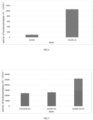
- the strain AN19E-13 with significantly enlarged sedimentation circle and the starting strain AN19E were fermented in shake flasks added with the fermentation medium (2% maltose, 1.34% YNB, 1.38% citric acid, 1% sodium citrate, 5mM CaCl 2 , 1% lecithin) autoclave sterilized at 115°C for 15min.
- the fermentation conditions were 28°C, 200rpm, 5d, inoculation volume of 1 ⁇ 10 7 spores/50mL. Lysophospholipase LPL activity was determined.
- the method for determining lysophospholipase LPL activity was as follows: 9mL substrate: 5mL 1% soy lecithin, 1mL 20% Triton X-100, 2.5mL 0.1M pH4.0 citric acid-sodium citrate buffer.
- the transformation operation of Aspergillus niger AN19E-13 was the same as Example 6.
- the LPL expression vector pANE-LPL was transformed into the strain for recombinant expression.
- the Aspergillus niger AN19E transformant of Example 6 was used as a control, and pANE-LPL was transformed into Aspergillus niger CICC2243. Since pANE-LPL could not use pyrE as the screening marker, p3SR2 (BCCM/LMBP: Deposit number: 2363) comprising acetamidase (amdS) gene was used for transformation screening.
- the regeneration medium needed to remove sodium nitrate and to add 15mM acetamide and 20mM cesium chloride.
- transformants were selected for shaking flask fermentation.
- the fermentation medium (2% glucose, 15% maltose, 7% sodium citrate, 1.5% ammonium sulfate, 4% TSB, 0.1% dihydrogen phosphate sodium, 0.1% magnesium sulfate, 0.07% Tween 80, trace elements) was autoclave sterilized at 115°C for 15min.
- the fermentation conditions were: 28°C, 200rpm, 8d, inoculation amount of 1 ⁇ 10 7 spores/50mL.
- the activity of lysophospholipase LPL was measured.
- Example 8 The method for measuring lysophospholipase LPL activity was shown in Example 8.
- Polyacrylamide gel electrophoresis analysis A 0.22 ⁇ m filter membrane was used to filter the supernatant. After an equal amount of the supernatant was concentrated to the same volume using a Milipore 10KDa ultrafiltration concentration tank, the same volume of concentrated enzyme solution was used for polyacrylamide gel electrophoresis analysis. The electrophoresis results are shown in Figure 8 .
Landscapes
- Life Sciences & Earth Sciences (AREA)
- Chemical & Material Sciences (AREA)
- Health & Medical Sciences (AREA)
- Organic Chemistry (AREA)
- Engineering & Computer Science (AREA)
- Genetics & Genomics (AREA)
- Wood Science & Technology (AREA)
- Zoology (AREA)
- Bioinformatics & Cheminformatics (AREA)
- General Engineering & Computer Science (AREA)
- Biochemistry (AREA)
- Biotechnology (AREA)
- General Health & Medical Sciences (AREA)
- Biomedical Technology (AREA)
- Microbiology (AREA)
- Molecular Biology (AREA)
- Medicinal Chemistry (AREA)
- Mycology (AREA)
- Physics & Mathematics (AREA)
- Biophysics (AREA)
- Plant Pathology (AREA)
- Tropical Medicine & Parasitology (AREA)
- Botany (AREA)
- Virology (AREA)
- Chemical Kinetics & Catalysis (AREA)
- Oil, Petroleum & Natural Gas (AREA)
- Proteomics, Peptides & Aminoacids (AREA)
- General Chemical & Material Sciences (AREA)
- Enzymes And Modification Thereof (AREA)
- Micro-Organisms Or Cultivation Processes Thereof (AREA)
- Preparation Of Compounds By Using Micro-Organisms (AREA)
Applications Claiming Priority (3)
| Application Number | Priority Date | Filing Date | Title |
|---|---|---|---|
| CN202111586420 | 2021-12-23 | ||
| CN202111598184.2A CN116376725A (zh) | 2021-12-24 | 2021-12-24 | 突变的黑曲霉菌株及其应用 |
| PCT/CN2022/140539 WO2023116738A1 (zh) | 2021-12-23 | 2022-12-21 | 突变的溶血磷脂酶以及用于表达该酶的突变的黑曲霉菌株 |
Publications (1)
| Publication Number | Publication Date |
|---|---|
| EP4455280A1 true EP4455280A1 (de) | 2024-10-30 |
Family
ID=86901276
Family Applications (1)
| Application Number | Title | Priority Date | Filing Date |
|---|---|---|---|
| EP22910050.8A Pending EP4455280A1 (de) | 2021-12-23 | 2022-12-21 | Mutierte lysophospholipase und mutierter aspergillus niger stamm zur expression von lysophospholipase |
Country Status (6)
| Country | Link |
|---|---|
| US (1) | US20250376666A1 (de) |
| EP (1) | EP4455280A1 (de) |
| JP (1) | JP7752247B2 (de) |
| CN (1) | CN118574928A (de) |
| AU (1) | AU2022420136B2 (de) |
| WO (1) | WO2023116738A1 (de) |
Families Citing this family (2)
| Publication number | Priority date | Publication date | Assignee | Title |
|---|---|---|---|---|
| CN118685384B (zh) * | 2024-08-07 | 2025-10-17 | 青岛蔚蓝生物集团有限公司 | 溶血磷脂酶突变体 |
| CN121427873B (zh) * | 2025-12-31 | 2026-03-27 | 华南理工大学 | 一种磷脂酶a1突变体及其应用 |
Family Cites Families (9)
| Publication number | Priority date | Publication date | Assignee | Title |
|---|---|---|---|---|
| WO1998018912A1 (en) * | 1996-10-31 | 1998-05-07 | Novo Nordisk A/S | Novel phospholipase, production and use thereof |
| US6489154B1 (en) * | 1998-11-10 | 2002-12-03 | Novozymes Biotech, Inc. | Polypeptides having lysophospholipase activity and nucleic acids encoding same |
| DK1272669T3 (da) * | 2000-04-13 | 2009-07-13 | Dyadic Internat Usa Inc | High-throughput screening af udtrykte DNA-biblioteker i trådsvampe |
| DE102006046857A1 (de) * | 2006-10-02 | 2008-04-03 | Ab Enzymes Gmbh | Klonierung, Expression und Verwendung saurer Lysophospholipasen |
| CN106676081B (zh) * | 2016-12-23 | 2019-11-15 | 天津科技大学 | 一种磷脂酶b及其应用 |
| CN106635846B (zh) * | 2016-12-28 | 2019-11-08 | 青岛蔚蓝生物集团有限公司 | 一种高产果胶甲酯酶的黑曲霉菌株 |
| CN113106126B (zh) * | 2020-01-09 | 2023-07-18 | 中国科学院分子植物科学卓越创新中心 | 一种提高真菌的原生质体转化效率或基因编辑效率的方法及试剂盒 |
| WO2021170799A1 (en) * | 2020-02-28 | 2021-09-02 | Chr. Hansen A/S | Lipases, compositions, methods and uses thereof |
| CN113699176A (zh) * | 2021-10-11 | 2021-11-26 | 南京正扬生物科技有限公司 | 高产溶血磷脂酶黑曲霉重组表达菌株的构建及应用 |
-
2022
- 2022-12-21 CN CN202280085419.4A patent/CN118574928A/zh active Pending
- 2022-12-21 EP EP22910050.8A patent/EP4455280A1/de active Pending
- 2022-12-21 US US18/723,207 patent/US20250376666A1/en active Pending
- 2022-12-21 JP JP2024537032A patent/JP7752247B2/ja active Active
- 2022-12-21 WO PCT/CN2022/140539 patent/WO2023116738A1/zh not_active Ceased
- 2022-12-21 AU AU2022420136A patent/AU2022420136B2/en active Active
Also Published As
| Publication number | Publication date |
|---|---|
| JP2025500943A (ja) | 2025-01-15 |
| JP7752247B2 (ja) | 2025-10-09 |
| WO2023116738A1 (zh) | 2023-06-29 |
| US20250376666A1 (en) | 2025-12-11 |
| AU2022420136B2 (en) | 2026-01-22 |
| AU2022420136A1 (en) | 2024-08-01 |
| CN118574928A (zh) | 2024-08-30 |
Similar Documents
| Publication | Publication Date | Title |
|---|---|---|
| CN111378585B (zh) | 用于表达外源基因的毕赤酵母突变株 | |
| EP3392336B1 (de) | Nicht von zinkionen abhängiger effizienter phospholipase-c-mutant | |
| EP4640829A1 (de) | Mutierte lipase | |
| US20250376666A1 (en) | Mutated lysophospholipase, and mutated aspergillus niger strain for expressing lysophospholipase | |
| JP2022110110A (ja) | 糸状真菌宿主細胞によって発現された組換えシュウ酸デカルボキシラーゼ | |
| CN108251400B (zh) | 脂肪酶及其应用 | |
| CN106676081B (zh) | 一种磷脂酶b及其应用 | |
| CN113403242B (zh) | 突变的米曲霉菌株 | |
| WO2012128260A1 (ja) | シゾサッカロミセス属酵母の形質転換体、該形質転換体の製造方法、β-グルコシダーゼの製造方法、およびセルロースの分解方法 | |
| CN108118039B (zh) | 一种磷脂酶c突变体 | |
| CN108220267B (zh) | 磷脂酶及其应用 | |
| EP3725878B1 (de) | Phospholipase c und dafür codierendes gen | |
| WO2025130948A1 (zh) | 突变的溶血磷脂酶 | |
| KR102170228B1 (ko) | 에스터전이반응 효율이 향상된 변이 리파제 및 이를 이용한 바이오디젤 전환 기술 | |
| CN104480028B (zh) | 一种稳定高产脂肪酶的黑曲霉突变菌株 | |
| CN108424894A (zh) | 一种嗜热真菌角质酶及其编码基因与应用 | |
| JPH074256B2 (ja) | リパーゼの活性発現を調節する遺伝子、ベクターおよびリパーゼの生産方法 | |
| Wu et al. | High yield Rhizopus chinenisis prolipase production in Pichia pastoris: impact of methanol concentration | |
| KR20060108327A (ko) | 바이오디젤의 생물학적 생산방법 | |
| KR20200050438A (ko) | 활성 개선된 리조무코르 미에헤이 유래 변이 리파제 및 효모를 이용한 재조합 생산 방법 | |
| CN113699176A (zh) | 高产溶血磷脂酶黑曲霉重组表达菌株的构建及应用 | |
| KR101837130B1 (ko) | 효모 캔디다 뷰티리 sh-14 유래의 신규 리파아제 및 그의 용도 | |
| CN119464353B (zh) | 生产α-葡萄糖苷酶的菌株及其构建方法和应用 | |
| CN106701714A (zh) | 磷脂酶、编码基因、制备方法及其应用 | |
| JP2017060424A (ja) | リパーゼ、ポリヌクレオチド、組換えベクター、形質転換体、リパーゼの製造法、グリセロ脂質を加水分解する方法及びグリセロ脂質の加水分解物を製造する方法 |
Legal Events
| Date | Code | Title | Description |
|---|---|---|---|
| STAA | Information on the status of an ep patent application or granted ep patent |
Free format text: STATUS: THE INTERNATIONAL PUBLICATION HAS BEEN MADE |
|
| PUAI | Public reference made under article 153(3) epc to a published international application that has entered the european phase |
Free format text: ORIGINAL CODE: 0009012 |
|
| STAA | Information on the status of an ep patent application or granted ep patent |
Free format text: STATUS: REQUEST FOR EXAMINATION WAS MADE |
|
| 17P | Request for examination filed |
Effective date: 20240722 |
|
| AK | Designated contracting states |
Kind code of ref document: A1 Designated state(s): AL AT BE BG CH CY CZ DE DK EE ES FI FR GB GR HR HU IE IS IT LI LT LU LV MC ME MK MT NL NO PL PT RO RS SE SI SK SM TR |
|
| DAV | Request for validation of the european patent (deleted) | ||
| DAX | Request for extension of the european patent (deleted) | ||
| REG | Reference to a national code |
Ref country code: DE Ref legal event code: R079 Free format text: PREVIOUS MAIN CLASS: C12N0009180000 Ipc: C12N0001140000 |
|
| RIC1 | Information provided on ipc code assigned before grant |
Ipc: C12N 1/14 20060101AFI20260224BHEP Ipc: C12N 1/145 20260101ALI20260224BHEP Ipc: C12N 1/15 20060101ALI20260224BHEP Ipc: C12N 9/10 20060101ALI20260224BHEP Ipc: C12N 9/18 20060101ALI20260224BHEP Ipc: C12N 9/20 20060101ALI20260224BHEP Ipc: C12R 1/685 20060101ALI20260224BHEP Ipc: C12R 1/84 20060101ALI20260224BHEP Ipc: C11B 3/00 20060101ALI20260224BHEP Ipc: C12N 15/80 20060101ALI20260224BHEP Ipc: C12N 15/81 20060101ALI20260224BHEP Ipc: C12P 21/02 20060101ALI20260224BHEP |