EP4455270A1 - Verfahren zur kultivierung von stammzellen aus haarfollikeln und verwendung davon - Google Patents
Verfahren zur kultivierung von stammzellen aus haarfollikeln und verwendung davon Download PDFInfo
- Publication number
- EP4455270A1 EP4455270A1 EP22912033.2A EP22912033A EP4455270A1 EP 4455270 A1 EP4455270 A1 EP 4455270A1 EP 22912033 A EP22912033 A EP 22912033A EP 4455270 A1 EP4455270 A1 EP 4455270A1
- Authority
- EP
- European Patent Office
- Prior art keywords
- hair follicle
- stem cells
- derived stem
- hair
- tissue
- Prior art date
- Legal status (The legal status is an assumption and is not a legal conclusion. Google has not performed a legal analysis and makes no representation as to the accuracy of the status listed.)
- Pending
Links
Images








Classifications
-
- C—CHEMISTRY; METALLURGY
- C12—BIOCHEMISTRY; BEER; SPIRITS; WINE; VINEGAR; MICROBIOLOGY; ENZYMOLOGY; MUTATION OR GENETIC ENGINEERING
- C12N—MICROORGANISMS OR ENZYMES; COMPOSITIONS THEREOF; PROPAGATING, PRESERVING, OR MAINTAINING MICROORGANISMS; MUTATION OR GENETIC ENGINEERING; CULTURE MEDIA
- C12N5/00—Undifferentiated human, animal or plant cells, e.g. cell lines; Tissues; Cultivation or maintenance thereof; Culture media therefor
- C12N5/06—Animal cells or tissues; Human cells or tissues
- C12N5/0602—Vertebrate cells
- C12N5/0625—Epidermal cells, skin cells; Cells of the oral mucosa
- C12N5/0627—Hair cells
-
- A—HUMAN NECESSITIES
- A61—MEDICAL OR VETERINARY SCIENCE; HYGIENE
- A61Q—SPECIFIC USE OF COSMETICS OR SIMILAR TOILETRY PREPARATIONS
- A61Q7/00—Preparations for affecting hair growth
-
- C—CHEMISTRY; METALLURGY
- C12—BIOCHEMISTRY; BEER; SPIRITS; WINE; VINEGAR; MICROBIOLOGY; ENZYMOLOGY; MUTATION OR GENETIC ENGINEERING
- C12N—MICROORGANISMS OR ENZYMES; COMPOSITIONS THEREOF; PROPAGATING, PRESERVING, OR MAINTAINING MICROORGANISMS; MUTATION OR GENETIC ENGINEERING; CULTURE MEDIA
- C12N5/00—Undifferentiated human, animal or plant cells, e.g. cell lines; Tissues; Cultivation or maintenance thereof; Culture media therefor
- C12N5/06—Animal cells or tissues; Human cells or tissues
- C12N5/0602—Vertebrate cells
- C12N5/0625—Epidermal cells, skin cells; Cells of the oral mucosa
- C12N5/0627—Hair cells
- C12N5/0628—Hair stem cells; Hair progenitors
-
- A—HUMAN NECESSITIES
- A61—MEDICAL OR VETERINARY SCIENCE; HYGIENE
- A61K—PREPARATIONS FOR MEDICAL, DENTAL OR TOILETRY PURPOSES
- A61K35/00—Medicinal preparations containing materials or reaction products thereof with undetermined constitution
- A61K35/12—Materials from mammals; Compositions comprising non-specified tissues or cells; Compositions comprising non-embryonic stem cells; Genetically modified cells
- A61K35/36—Skin; Hair; Nails; Sebaceous glands; Cerumen; Epidermis; Epithelial cells; Keratinocytes; Langerhans cells; Ectodermal cells
-
- A—HUMAN NECESSITIES
- A61—MEDICAL OR VETERINARY SCIENCE; HYGIENE
- A61K—PREPARATIONS FOR MEDICAL, DENTAL OR TOILETRY PURPOSES
- A61K8/00—Cosmetics or similar toiletry preparations
- A61K8/18—Cosmetics or similar toiletry preparations characterised by the composition
- A61K8/96—Cosmetics or similar toiletry preparations characterised by the composition containing materials, or derivatives thereof of undetermined constitution
- A61K8/98—Cosmetics or similar toiletry preparations characterised by the composition containing materials, or derivatives thereof of undetermined constitution of animal origin
-
- A—HUMAN NECESSITIES
- A61—MEDICAL OR VETERINARY SCIENCE; HYGIENE
- A61K—PREPARATIONS FOR MEDICAL, DENTAL OR TOILETRY PURPOSES
- A61K8/00—Cosmetics or similar toiletry preparations
- A61K8/18—Cosmetics or similar toiletry preparations characterised by the composition
- A61K8/96—Cosmetics or similar toiletry preparations characterised by the composition containing materials, or derivatives thereof of undetermined constitution
- A61K8/98—Cosmetics or similar toiletry preparations characterised by the composition containing materials, or derivatives thereof of undetermined constitution of animal origin
- A61K8/981—Cosmetics or similar toiletry preparations characterised by the composition containing materials, or derivatives thereof of undetermined constitution of animal origin of mammals or bird
- A61K8/985—Skin or skin outgrowth, e.g. hair, nails
-
- A—HUMAN NECESSITIES
- A61—MEDICAL OR VETERINARY SCIENCE; HYGIENE
- A61P—SPECIFIC THERAPEUTIC ACTIVITY OF CHEMICAL COMPOUNDS OR MEDICINAL PREPARATIONS
- A61P17/00—Drugs for dermatological disorders
- A61P17/14—Drugs for dermatological disorders for baldness or alopecia
-
- C—CHEMISTRY; METALLURGY
- C12—BIOCHEMISTRY; BEER; SPIRITS; WINE; VINEGAR; MICROBIOLOGY; ENZYMOLOGY; MUTATION OR GENETIC ENGINEERING
- C12N—MICROORGANISMS OR ENZYMES; COMPOSITIONS THEREOF; PROPAGATING, PRESERVING, OR MAINTAINING MICROORGANISMS; MUTATION OR GENETIC ENGINEERING; CULTURE MEDIA
- C12N5/00—Undifferentiated human, animal or plant cells, e.g. cell lines; Tissues; Cultivation or maintenance thereof; Culture media therefor
- C12N5/0012—Cell encapsulation
-
- C—CHEMISTRY; METALLURGY
- C12—BIOCHEMISTRY; BEER; SPIRITS; WINE; VINEGAR; MICROBIOLOGY; ENZYMOLOGY; MUTATION OR GENETIC ENGINEERING
- C12N—MICROORGANISMS OR ENZYMES; COMPOSITIONS THEREOF; PROPAGATING, PRESERVING, OR MAINTAINING MICROORGANISMS; MUTATION OR GENETIC ENGINEERING; CULTURE MEDIA
- C12N2506/00—Differentiation of animal cells from one lineage to another; Differentiation of pluripotent cells
- C12N2506/09—Differentiation of animal cells from one lineage to another; Differentiation of pluripotent cells from epidermal cells, from skin cells, from oral mucosa cells
- C12N2506/092—Differentiation of animal cells from one lineage to another; Differentiation of pluripotent cells from epidermal cells, from skin cells, from oral mucosa cells from hair cells
-
- C—CHEMISTRY; METALLURGY
- C12—BIOCHEMISTRY; BEER; SPIRITS; WINE; VINEGAR; MICROBIOLOGY; ENZYMOLOGY; MUTATION OR GENETIC ENGINEERING
- C12N—MICROORGANISMS OR ENZYMES; COMPOSITIONS THEREOF; PROPAGATING, PRESERVING, OR MAINTAINING MICROORGANISMS; MUTATION OR GENETIC ENGINEERING; CULTURE MEDIA
- C12N2513/00—3D culture
-
- C—CHEMISTRY; METALLURGY
- C12—BIOCHEMISTRY; BEER; SPIRITS; WINE; VINEGAR; MICROBIOLOGY; ENZYMOLOGY; MUTATION OR GENETIC ENGINEERING
- C12N—MICROORGANISMS OR ENZYMES; COMPOSITIONS THEREOF; PROPAGATING, PRESERVING, OR MAINTAINING MICROORGANISMS; MUTATION OR GENETIC ENGINEERING; CULTURE MEDIA
- C12N2533/00—Supports or coatings for cell culture, characterised by material
- C12N2533/50—Proteins
- C12N2533/56—Fibrin; Thrombin
Definitions
- the present invention relates to a method for culturing hair follicle-derived stem cells and uses thereof, particularly to a method for culturing hair follicle-derived stem cells; hair follicle-derived stem cells prepared by the method; and a pharmaceutical composition for hair loss treatment or hair growth promotion; a quasi-drug composition; and a cosmetic composition, which contains the prepared hair follicle-derived stem cells, a culture of the hair follicle-derived stem cells, or cells differentiated from the hair follicle-derived stem cells as an active ingredient.
- Stem cells are cells in a stage before differentiating into the respective cells that make up a tissue, and are cells that can proliferate indefinitely in an undifferentiated state and have the potential to differentiate into cells of various tissues by specific differentiation stimulation.
- Embryonic stem cells are stem cells isolated from the inner cell mass (ICM), which will develop into a fetus, of a blastocyst embryo, the initial stage in which the fertilized egg is formed but is not yet implanted in the endometrium, and are cells that have the potential to differentiate into cells of all tissues.
- ICM inner cell mass
- tissue-specific stem cells are stem cells specific to each organ that appear in the stage in which the embryonic development process progresses and each organ of the embryo is formed, and their differentiation potency is generally limited (multipotent) only to the cells that make up the tissue.
- Representative tissue specific stem cells include hematopoietic stem cells, which exist in bone marrow, and mesenchymal stem cells, which differentiate into connective tissue cells other than blood cells. Hematopoietic stem cells differentiate into various blood cells such as red blood cells and white blood cells, and mesenchymal stem cells differentiate into osteoblasts, chondroblasts, adipocytes, and myoblasts.
- stem cells As a cell source for cell replacement therapy.
- the existing hair follicle stem cell isolation method is an enzymatic isolation method using collagenase and the like ( Korean Patent Publication No. 10-2014-0075469 A ), which has the disadvantage of affecting cell performance since the damage to proteins on the cell surface is inevitable, and it is thus required to study skin stem cell isolating and culturing methods.
- hair follicle-derived stem cells prepared by the culture method of the present invention have excellent in vitro proliferation ability, cell performance, and differentiation potency, and can be used for hair loss treatment and hair growth promotion, and thus completed the present invention.
- An object of the present invention is to provide a method for culturing hair follicle-derived stem cells using hair follicle tissue and a hydrogel.
- Another object of the present invention is to provide hair follicle-derived stem cells prepared by the method.
- Still another object of the present invention is to provide a pharmaceutical composition for hair loss treatment or hair growth promotion, containing the hair follicle-derived stem cells, a culture of the hair follicle-derived stem cells, or cells differentiated from the hair follicle-derived stem cells as an active ingredient.
- Still another object of the present invention is to provide a quasi-drug composition for hair loss improvement or hair growth promotion, containing the hair follicle-derived stem cells, a culture of the hair follicle-derived stem cells, or cells differentiated from the hair follicle-derived stem cells as an active ingredient.
- Still another object of the present invention is to provide a cosmetic composition for hair loss improvement or hair growth promotion, containing the hair follicle-derived stem cells, a culture of the hair follicle-derived stem cells, or cells differentiated from the hair follicle-derived stem cells as an active ingredient.
- Still another object of the present invention is to provide a composition for hair follicle-derived stem cell culture, containing hair follicle tissue and a hydrogel.
- Still another object of the present invention is to provide a kit for hair follicle-derived stem cell culture, containing the composition for stem cell culture.
- stem cells can be effectively isolated and obtained from hair follicle tissue, and the obtained hair follicle-derived stem cells have excellent pluripotency and self-replication ability as well as excellent hair loss treatment and hair growth promotion effects and can be usefully utilized for hair loss improvement, prevention, or treatment.
- An aspect of the present invention that aims to achieve the objects provides a method for culturing hair follicle-derived stem cells using a hair follicle tissue and a hydrogel, and hair follicle-derived stem cells cultured by the method.
- the method for culturing hair follicle tissue-derived stem cells includes (a) encapsulating hair follicle tissue in a hydrogel and culturing the hair follicle tissue to obtain a culture; and (b) decomposing the hydrogel in the obtained culture to recover stem cells that have migrated from the hair follicle tissue into the hydrogel and proliferated in the hydrogel.
- the hydrogel refers to a three-dimensional network structure formed by crosslinking hydrophilic polymers through covalent or non-covalent bonds.
- the hydrogel may provide physical support to the hair follicle tissue, and at the same time, provide an extracellular matrix function that allows hair follicle-derived stem cells present in the hair follicle tissues to migrate into and proliferate in the hydrogel.
- the hydrogel of the present invention is preferably a phase transitional hydrogel that exists in a solution state and can be converted into sol and gel for hydrogel-supported three-dimensional culture, and may specifically be one or more selected from the group consisting of collagen, gelatin, chondroitin, hyaluronic acid, alginic acid, Matrigel TM , chitosan, peptide, fibrin, PGA (polyglycolic acid), PLA (polylactic acid), PEG (polyethylene glycol), and polyacrylamide, but is not limited thereto.
- step (a) the culture of a hydrogel in which hair follicle tissue is encapsulated may be performed after the hydrogel in which hair follicle tissue is encapsulated is immersed in a conventional medium known to be suitable for stem cell culture in the art.
- Step (a) may involve encapsulating hair follicle tissue in a multilayered hydrogel and culturing the hair follicle tissue.
- Step (a) may specifically involve encapsulating hair follicle tissue in a double-layered hydrogel and culturing the hair follicle tissue, but is not limited thereto.
- Example of the present invention when hair follicle tissue was encapsulated in a hydrogel, the hydrogel was added in two stages so that the hair follicle tissue was encapsulated in the sandwich-type double-layered hydrogel, and culture was performed.
- a fragment obtained by removing the site corresponding to the follicular infundibulum from the epidermis may be used as the hair follicle tissue.
- the fragment may be 0.01 to 10 mm, 0.05 to 5 mm, or 0.1 to 3 mm, but the size of the fragment is not limited.
- Example of the present invention when a hair follicle tissue fragment was formed, a 1 to 3 mm hair follicle tissue fragment obtained by removing the site corresponding to the infundibulum of the epidermal region was used for culture.
- the culture period of hair follicle tissue may be 3 to 20 days, 3 to 18 days, 3 to 16 days, 3 to 14 days, or 4 to 12 days, but is not limited thereto.
- the culture period it is important to appropriately adjust the culture period to a period during which cell outgrowth is observed when a tissue is cultured since aggregation due to cell overcrowding around the tissue and turbidity around the tissue are observed.
- Example of the present invention hair follicle tissue was cultured for 4 to 12 days and used.
- the hair follicle tissue may be seeded with an inter-tissue spacing of 1 mm or more, 2 mm or more, 3 mm or more, 4 mm or more, 5 mm or more, 50 mm or less, 40 mm or less, 30 mm or less, 20 mm or less, or 10 mm or less, but is not limited thereto.
- the inter-tissue spacing is required to be adjusted in consideration of the outgrown distance and the distance of cells that have migrated/proliferated from one tissue.
- Example of the present invention tissue fragments were seeded with an inter-tissue spacing of 5 mm or more and cultured.
- step (b) only the hydrogel may be selectively decomposed in order to recover hair follicle-derived stem cells that have migrated/proliferated in the hydrogel after the hydrogel-supported three-dimensional culture step of step (a).
- the hydrogel may be decomposed through one or more enzymes selected from the group consisting of collagenase, gelatinase, urokinase, streptokinase, TPA (tissue plasminogen activator), plasmin, and hyaluronidase.
- the hair follicle stem cell isolation/culture technology of the present invention is a hydrogel-based niche preservation self-replication induced isolation technology, which isolates stem cells, and corresponds to a new technology that allows hair follicle tissue to survive/culture in vitro and to isolate high-purity cells directly from the tissue without enzyme treatment.
- this isolation method differs from existing methods and has the advantage of being superior in terms of in vitro proliferation ability and cell performance.
- Cells isolated by existing methods can be amplified in vitro only up to 2 to 3 passages (maximum 5 passages), but cells isolated by the method of the present invention have excellent performance that cellular senescence does not occur when the cells are subcultured 8 passages or more and can be subcultured for a long period of time, and mass production of the cells is possible.
- hair follicle-derived stem cells prepared by the method for preparing hair follicle-derived stem cells provided by the present invention exhibit immunological characteristics where CD73, CD90, CD105, Nestin, and Lgr5 are expressed but CD34, CD45, and HLA-DR are not expressed, and exhibit pluripotent characteristics such that the hair follicle-derived stem cells can differentiate into adipocytes, osteocytes, and the like, but are not limited thereto.
- the hair follicle-derived stem cells may be used interchangeably with hair follicle-derived stem cells prepared by the method for preparing hair follicle-derived stem cells provided by the present invention, hair follicle-derived stem cells of the present invention, hair follicle-derived stem cells, HB-hair follicle-derived stem cells, HB-hair follicle-derived stem cells of the present invention, and HB-HFSC.
- Example of the present invention it was possible to verify the proliferation ability, differentiation potency, and colony formation ability of hair follicle-derived stem cells prepared by the method for preparing hair follicle-derived stem cells of the present invention.
- Example of the present invention it was possible to verify the hair growth promotion effect of hair follicle-derived stem cells prepared by the method for preparing hair follicle-derived stem cells of the present invention.
- Example of the present invention it was further possible to verify that hair follicle-derived stem cells prepared by the method for preparing hair follicle-derived stem cells of the present invention had a long survival period in vitro and excellent viability through the evaluation of cell growth ability/cellular senescence (in vitro proliferative power) and purity of primary cells when subculture was performed.
- Hair follicle-derived stem cells prepared by the method for preparing hair follicle-derived stem cells provided by the present invention can express specific hair growth promotion functional genes.
- the hair growth promotion functional genes may specifically be one or more genes selected from SANP25(Synaptosome Associated Protein 25), COL10A1 (Collagen Type X Alpha 1 Chain), TMEM119 (Transmembrane Protein 119), AQP1 (Aquaporin 1), PLCB4(1-Phosphatidylinositol-4,5-bisphosphate phosphodiesterase beta-4), or ITGA8(Integrin Subunit Alpha 8), but is not limited thereto, and may include any gene known to be a hair growth promotion functional gene.
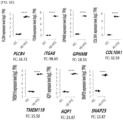
- Example of the present invention it was found that the expression levels of the seven hair growth promotion functional genes in hair follicle-derived stem cells prepared by the method for preparing hair follicle-derived stem cells were as remarkable as 10-fold or more compared to those in adipose-derived stem cells, and it was possible to verify that hair follicle-derived stem cells prepared by the method of the present disclosure exhibited specific hair growth promotion functional genes.
- Another aspect of the present invention provides a pharmaceutical composition for hair loss treatment or hair growth promotion, containing the hair follicle-derived stem cells, a culture of the hair follicle-derived stem cells, or cells differentiated from the hair follicle-derived stem cells as an active ingredient.
- culture or “culture solution” may be a culture obtained during or after culture of hair follicle-derived stem cells in a medium, or its supernatant, its concentrate, or its lyophilized product.
- hair growth or “hair growth promotion” is a concept that may include not only the effects of promoting hair growth, increasing the number of hairs, and thickening hair but also hair follicle regeneration or proliferation of hair follicle cells, and the proliferation of hair follicle cells may include promoting the conversion of hair follicle cells from the telogen phase to the anagen phase, but the hair growth or hair growth promotion is not limited thereto.
- the term "pharmaceutical composition” refers to a product prepared for the purpose of preventing or treating a disease, and may be administered in various oral and parenteral dosage forms in actual clinical administration, and may be prepared using commonly used diluents or excipients such as fillers, extenders, binders, wetting agents, disintegrants, and surfactants in the case of being formulated.
- pharmaceutically acceptable additives may be further contained, and at this time, as the pharmaceutically acceptable additives, starch, gelatinized starch, microcrystalline cellulose, lactose, povidone, colloidal silicon dioxide, calcium hydrogen phosphate, lactose, mannitol, taffy, gum arabic, pregelatinized starch, corn starch, powdered cellulose, hydroxypropyl cellulose, Opadry, sodium starch glycolate, lead carnauba, synthetic aluminum silicate, stearic acid, magnesium stearate, aluminum stearate, calcium stearate, white sugar, dextrose, sorbitol, and talc may be used.
- the pharmaceutically acceptable additives according to the present invention may be contained by 0.1 to 90 parts by weight based on the composition.
- the pharmaceutical composition may further contain one or more conventional pharmaceutically acceptable inert carriers, for example, preservatives, analgesics, solubilizers, stabilizers or the like in the case of injections and bases, excipients, lubricants, preservatives or the like in the case of preparations for topical administration.
- inert carriers for example, preservatives, analgesics, solubilizers, stabilizers or the like in the case of injections and bases, excipients, lubricants, preservatives or the like in the case of preparations for topical administration.
- the pharmaceutical composition of the present invention may be administered as an individual therapeutic agent or in combination with other therapeutic agents, and may be administered sequentially or simultaneously with conventional therapeutic agents.
- the pharmaceutical composition of the present invention may be administered a single time or multiple times. It is important to administer the pharmaceutical composition of the present invention in a minimum amount that can afford the maximum effect as well as does not cause side effects, taking all the factors into consideration, and this minimum amount can be easily determined by a person skilled in the art.
- the pharmaceutical composition provided by the present invention may further contain various ingredients that assist hair loss treatment or hair growth promotion, maintain the activity of the hair follicle-derived stem cells, or promote differentiation of the hair follicle-derived stem cells other than the hair follicle-derived stem cells, as an example, may further contain anti-inflammatory agents, stem cell mobilization factors, growth inducing factors, and the like.
- the pharmaceutical composition of the present invention may be used for the purpose of improving, preventing or treating hair loss.
- Hair loss of the present invention includes both non-scarring alopecia, which is temporary hair loss, and cicatricial alopecia, which occurs when hair follicles or hair roots are permanently destroyed, and non-scarring alopecia includes infectious alopecia, traumatic alopecia, inflammatory alopecia, congenital alopecia, endocrine alopecia, neoplastic alopecia, nutritional deficiency alopecia, hair loss caused by drugs, and hair loss caused by hair structural abnormalities, and also includes male pattern baldness, female pattern baldness, and alopecia areata.
- the term “improvement” may refer to any action that delays the progression of hair loss or alleviates symptoms of hair loss by administering the composition according to the present invention to an individual.
- prevention may refer to any action that suppresses or delays the occurrence of hair loss by administering the composition according to the present invention to an individual.
- treatment may refer to any action that improves or benefits hair loss symptoms by administering the composition of the present invention to an individual suspected of having hair loss.
- Still another object of the present invention is to provide a method for hair growth promotion or hair loss prevention or treatment, which includes administering to an individual a composition containing the hair follicle-derived stem cells, a culture of the hair follicle-derived stem cells, or cells differentiated from the hair follicle-derived stem cells as an active ingredient.
- the hair follicle-derived stem cells, culture of the hair follicle-derived stem cells, or cells differentiated from the hair follicle-derived stem cells, hair growth promotion, hair loss, prevention, and treatment are as described above.
- the term "administration" means introducing the composition into an individual in an appropriate manner.
- a composition containing the hair follicle-derived stem cells of the present invention, a culture of the hair follicle-derived stem cells, or cells differentiated from the hair follicle-derived stem cells as an active ingredient, or the pharmaceutical composition containing the same may be applied to a local site, for example, to a hair loss site or administered as an injection, but the administration is not limited thereto.
- composition may be used in combination with other pharmaceutical compositions that can be used to promote hair growth or prevent or treat hair loss.
- the term "individual” means any animal such as rats, mice, and livestock, including humans, that has or may develop hair loss.
- the animal may be a human as well as a mammal, such as a cow, horse, sheep, pig, goat, camel, antelope, dog, or cat in need of prevention or treatment of similar symptoms thereto, but is not limited thereto.
- composition of the present invention can be administered in a pharmaceutically effective amount.
- pharmaceutically effective amount means an amount sufficient to treat a disease with a reasonable benefit/risk ratio applicable to medical treatment, and the effective dosage level may be determined based on factors including the type and severity of the individual, age, sex, activity of the drug, sensitivity to the drug, time of administration, route of administration and rate of excretion, period of treatment, and concurrently used drugs, and other factors well known in the medical field.
- the composition may be administered as an individual therapeutic agent or in combination with other therapeutic agents, and may be administered sequentially or simultaneously with conventional therapeutic agents.
- the composition may be administered a single time or multiple times. It is important to administer the composition in a minimum amount that can afford the maximum effect as well as does not cause side effects, taking all the factors into consideration, and this minimum amount can be easily determined by a person skilled in the art.
- the composition may be administered orally or parenterally (for example, intravenously, subcutaneously, intraperitoneally, or topically) depending on the desired method, and the dosage varies depending on the patient's condition and weight, degree of disease, drug form, and route and time of administration, but may be appropriately selected by a person skilled in the art.
- the composition can generally be administered once or several times a day, but the preferred dosage may be appropriately selected by a person skilled in the art depending on the individual's condition and weight, degree of disease, drug form, and route and period of administration.
- Still another object of the present invention is to provide a quasi-drug composition for hair loss improvement or hair growth promotion, containing the hair follicle-derived stem cells, a culture of the hair follicle-derived stem cells, or cells differentiated from the hair follicle-derived stem cells as an active ingredient.
- the term "quasi-drug composition” is an article used for the purpose of treating, alleviating, healing, or preventing diseases in humans or animals, which corresponds to one of textiles, rubber products or similar articles; articles that weakly act on the human body or do not directly act on the human body and are not instruments or machines and similar articles; and preparations used for sterilization, deinsectization, and similar purposes to prevent infection, and refers to articles used for the purpose of diagnosing, treating, alleviating, healing or preventing diseases in humans or animals excluding those that are not instruments, machines or devices and articles used for the purpose of having a pharmacological effect on the structure and function of humans or animals excluding those that are not instruments, machines, or devices, and may specifically be a skin preparation for external use or a personal care product.
- Still another object of the present invention is to provide a cosmetic composition for hair loss improvement or hair growth promotion, containing the hair follicle-derived stem cells, a culture of the hair follicle-derived stem cells, or cells differentiated from the hair follicle-derived stem cells as an active ingredient.
- cosmetic composition may be prepared in any commonly prepared formulation, for example, may be formulated as a solution, emulsion, suspension, paste, cream, lotion, gel, powder, spray, surfactant-containing cleansing product, oil, soap, liquid detergent, bath salt, foundation, makeup base, essence, toner, foam, pack, softening water, sunscreen cream, or sun oil.
- Still another object of the present invention is to provide a composition for hair follicle-derived stem cell culture, containing a hair follicle tissue and a hydrogel, and a kit for hair follicle-derived stem cell culture, containing the composition.
- kit for hair follicle-derived stem cell culture may include the composition for stem cell culture and various components such as solutions and devices necessary for the culture of the stem cells.
- Still another object of the present invention is to provide a use of a composition containing the hair follicle-derived stem cells, a culture of the hair follicle-derived stem cells, or cells differentiated from the hair follicle-derived stem cells as an active ingredient for hair growth promotion or hair loss prevention or treatment.
- Example 1 Three-dimensional culture of multilayered hydrogel-supported hair follicle tissue
- the donated hair follicle tissue which was soaked in physiological saline solution and stored under refrigeration, was used as a sample and was washed with PBS (Gibco) three times. After the hair shaft portion of the washed hair follicle tissue was cut, 0.5 mm to 1 mm of the infundibulum portion was removed from the cut side to form a hair follicle tissue fragment. After washing with DMEM (low glucose, Gibco) once, the supernatant was removed, and 5 mL of fibrinogen solution (0.25% w/v fibrinogen (GC Biopharma) and 200 ⁇ g/mL tranexamic acid (Shin Poong Pharmaceutical) in DMEM) was added.
- PBS Gibco
- thrombin solution 0.5 IU/mL thrombin (GC Biopharma) in DMEM
- DMEM fetal calf serum
- fibrinogen solution 0.25% w/v fibrinogen and 200 ⁇ g/mL tranexamic acid in DMEM
- thrombin solution 0.5 IU/mL thrombin in DMEM
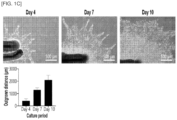
- Hair follicle tissue was cultured for 10 days or 14 days by the method described in Example 1. After the hydrogel was washed three times with warm PBS for 3 minutes, 30% FBS/DMEM was added, and stirring was performed on an orbital shaker at a speed of 10 to 30 rpm. After the supernatant was removed 1 hour later, 10 mL of 30% FBS/DMEM containing 1 ⁇ g/mL alteplase was added, and the gel was decomposed. When the gel was sufficiently decomposed, culture was performed overnight under static conditions, then the supernatant was removed, the growth medium was added, and culture was performed in a conventional manner. The growth medium was replaced every 2 to 3 days, and subculture was performed every 4 to 6 days.
- FIG. 1 The results obtained by performing tissue culture and cell isolation and culture by the methods are illustrated in FIG. 1 .
- FITC-conjugated CD73 (Abcam, 1:25) antibody
- APC-conjugated CD90 (Invitrogen, 1:40)
- FITC-conjugated CD105 (Abcam, 1:50)
- FITC-conjugated CD34 (Abcam, 1:10) antibody
- FITC-conjugated HLA-DR (Novusbiologicals, 1:20) antibody
- Nestin (Novusbiologicals, 1:100) antibody
- FITC-conjugated Lgr5 Origene, 1:100) antibody
- FITC-conjugated mouse IgG Isotype control (Novusbiologicals, 1:5) antibody
- the isolated and cultured HB-hair follicle-derived stem cells expressed CD73, CD90, CD105, Nestin, and Lgr5 but did not express CD34, CD45, and HLA-DR.
- Example 4 Examination of proliferation ability and colony formation ability of isolated and cultured HB-hair follicle-derived stem cells
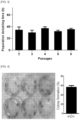
- the population doubling time depending on the number of passages was measured through the number of cells obtained by seeding cells at a density of 4000 cells/cm 2 at the time of initial culture and subculturing the cells every 4 days.
- human hair follicle-derived stem cells (4 passages) were seeded in a 6-well plate at 20 cells/well. The cells were cultured for 14 days while the growth medium was replaced every 3 days. The cells were washed with PBS and fixed with 4% paraformaldehyde (4% PFA, Sigma) at room temperature for 15 minutes. The fixed cells were washed with PBS three times and then stained with 0.5% crystal violet/methanol at room temperature for 15 minutes. After the remaining solutions were all removed, washing with distilled water was performed three times, the stained colonies were observed, and the results are illustrated in FIG. 4 .
- the HB-hair follicle-derived stem cells obtained by the method of Example 2 maintained the proliferation ability when subculture was performed and also had the colony formation ability at a certain level or more.
- HB-hair follicle-derived stem cells were seeded at a concentration of 1 ⁇ 10 4 cells/cm 2 and cultured in a growth medium until 80% confluency was achieved, then the medium was changed to StemPro TM Adipogenesis differentiation kit (Gibco, cat. A1007001), and culture was performed for 14 days while the medium was changed every 3 days.
- the cells were fixed with 4% PFA for 15 minutes and reacted with 60% isopropanol for 15 minutes, then the solutions were all removed, and the cells were thoroughly dried.
- the cells were stained with 60% Oil Red O (sigma)/ethanol at room temperature for 15 minutes to examine whether there was fat accumulation in the cytoplasm ( FIG. 5A ).
- HB-hair follicle-derived stem cells were seeded at a concentration of 1 ⁇ 10 4 cells/cm 2 and cultured in a growth medium until 80% confluency was achieved, then the medium was changed to StemPro TM Osteogenesis differentiation kit (Gibco, cat. A1007201), and culture was performed for 14 days while the medium was changed every 3 days.
- the cells were fixed with 4% PFA for 60 seconds, treated with BCIP/NBT substrate solution (Sigma), and stained for 10 minutes under light-blocking conditions to examine the activity of alkaline phosphatase (ALP) ( FIG. 5B ).
- ALP alkaline phosphatase
- Example 6 Examination of differentially expressed genes in HB-hair follicle-derived stem cells compared to adipose-derived stem cells
- a paired-end RNA library was constructed using the TruSeq Stranded mRNA Library Prep Kit according to the manufacturer's protocol, and sequencing was performed at Macrogen (Seoul, Korea).
- a protein-protein interaction (PPI) network was constructed using String Database (version 11.5) [3] (3. SMYTH, Gordon K., et al. LIMMA: linear models for microarray data. In Bioinformatics and Computational Biology Solutions Using R and Bioconductor. Statistics for Biology and Health. 2005 .) ( FIGS. 7A and 7B ).
- the organism reference used to construct the PPI network was Homo sapiens.
- the edges connecting nodes representing proteins to each other were connected based on evidence such as experimental results, biological databases and literature, and gene fusion, and an edge score of 0.4 or more was considered significant.
- genes expressed in HB-hair follicle-derived stem cells were analyzed with the hair growth promotion-related gene network to examine the correlation with known hair growth promotion pathways, and seven hair growth promotion functional genes (SNAP25, ITGA8, PLCB4, COL10A1, GPNMB, TMEM119, and AQP1) were derived.
- FIG. 6A It was found that HB-hair follicle-derived stem cells expressed major hair growth function-related genes (TCF3, PRDM1, WNT5A, WNT5B, WNT9A, FGFR2, and the like) at higher levels compared to those in adipose-derived stem cells ( FIG. 6B ).
- HB-hair follicle-derived stem cells 80 genes expressed with fold change > 10 compared to those in adipose-derived stem cells were identified, and among these, seven hair growth promotion functional genes (SNAP25, ITGA8, PLCB4, COL10A1, GPNMB, TMEM119, and AQP1) derived in FIG. 6A were found to be differentially expressed compared to those in adipose-derived stem cells ( FIGS. 6C and 6D ).
- the seven hair growth promotion functional genes are known to be genes associated with Wnt signaling and PI3K signaling, which are known signalings related to hair follicle formation and growth, and based on this, the hair growth promotion effect of hair follicle-derived stem cells prepared by the hair follicle-derived stem cell preparing method of the present invention can be inferred.
- CCN2 and TGFB1 genes known as genes that induced the catagen phase of hair follicles, decreased ( FIG. 6B ).
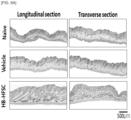
- mice 7- to 12-week-old BALB/c nude mice (Central Laboratory Animals), were anesthetized by inhalation with 3% isoflurane (Hana Pharmaceuticals). After it was confirmed that anesthesia was complete, 1 ⁇ 10 6 HB-hair follicle-derived stem cells were suspended in 100 ⁇ L of normal saline (NS), and intradermal injection was performed using an insulin syringe (30 gauge) at four corners (2 ⁇ 2 cm) at the dorsal part. After administration of HB-hair follicle-derived stem cells, follow-up observation was conducted for 14 and 31 days, and the administration site was photographed using a digital camera immediately after administration (day 0) and on days 3, 7, 14, 28, and 31 after administration.
- NS normal saline
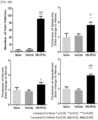
- the area of the portion where hair grew was measured based on the percentage of the administration site (2 ⁇ 2 cm, 4 cm 2 ) using Image J (NIH). ( FIGS. 7A and 7B ). From the results, the hair growth promotion effect of the HB-hair follicle-derived stem cells was verified.
- IF staining was performed by attaching a secondary antibody to the beta-catenin antibody (Invitrogen, MA 1-2001) ( FIG. 9A ), the reaction was conducted in a prehybridization solution (50% formamide, 4X SSC, 50 mM DDT, 4X Denhart's soln, 'X TED, 100 ug/ml denatured salmon sperm DNA, 250 ug/ml yeast RNA) at 42 degrees for 1 hour to bind the tissue to CD34 mRNA ( FIG. 9B ). It was found that ⁇ -catenin expression increased and CD34 gene expression increased 31 days after administration of HB-hair follicle-derived stem cells.
Landscapes
- Health & Medical Sciences (AREA)
- Life Sciences & Earth Sciences (AREA)
- Engineering & Computer Science (AREA)
- General Health & Medical Sciences (AREA)
- Chemical & Material Sciences (AREA)
- Biomedical Technology (AREA)
- Zoology (AREA)
- Dermatology (AREA)
- Biotechnology (AREA)
- Bioinformatics & Cheminformatics (AREA)
- Organic Chemistry (AREA)
- Public Health (AREA)
- Veterinary Medicine (AREA)
- Animal Behavior & Ethology (AREA)
- Cell Biology (AREA)
- Wood Science & Technology (AREA)
- Genetics & Genomics (AREA)
- Medicinal Chemistry (AREA)
- Pharmacology & Pharmacy (AREA)
- Epidemiology (AREA)
- Developmental Biology & Embryology (AREA)
- Biochemistry (AREA)
- Microbiology (AREA)
- General Engineering & Computer Science (AREA)
- Virology (AREA)
- Immunology (AREA)
- Chemical Kinetics & Catalysis (AREA)
- General Chemical & Material Sciences (AREA)
- Nuclear Medicine, Radiotherapy & Molecular Imaging (AREA)
- Birds (AREA)
- Medicines Containing Material From Animals Or Micro-Organisms (AREA)
- Micro-Organisms Or Cultivation Processes Thereof (AREA)
- Cosmetics (AREA)
Applications Claiming Priority (2)
| Application Number | Priority Date | Filing Date | Title |
|---|---|---|---|
| KR20210187682 | 2021-12-24 | ||
| PCT/KR2022/021214 WO2023121400A1 (ko) | 2021-12-24 | 2022-12-23 | 모낭유래 줄기세포의 배양방법 및 그의 용도 |
Publications (2)
| Publication Number | Publication Date |
|---|---|
| EP4455270A1 true EP4455270A1 (de) | 2024-10-30 |
| EP4455270A4 EP4455270A4 (de) | 2025-11-12 |
Family
ID=86903187
Family Applications (1)
| Application Number | Title | Priority Date | Filing Date |
|---|---|---|---|
| EP22912033.2A Pending EP4455270A4 (de) | 2021-12-24 | 2022-12-23 | Verfahren zur kultivierung von stammzellen aus haarfollikeln und verwendung davon |
Country Status (6)
| Country | Link |
|---|---|
| US (1) | US20250066725A1 (de) |
| EP (1) | EP4455270A4 (de) |
| JP (1) | JP2024546381A (de) |
| KR (1) | KR102945188B1 (de) |
| CN (1) | CN118679243A (de) |
| WO (1) | WO2023121400A1 (de) |
Family Cites Families (9)
| Publication number | Priority date | Publication date | Assignee | Title |
|---|---|---|---|---|
| JP5885233B2 (ja) * | 2011-06-01 | 2016-03-15 | 重昭 石坂 | 毛包幹細胞の培養方法 |
| KR101389849B1 (ko) * | 2012-05-04 | 2014-04-29 | 이화여자대학교 산학협력단 | 위장관, 말초신경, 또는 혈관 기원의 중간엽줄기세포의 배양방법 및 그 용도 |
| KR20140075469A (ko) | 2012-12-11 | 2014-06-19 | 주식회사 디올메디케어 | 지방유래 줄기세포 및 이의 분리방법 |
| WO2017060240A1 (en) * | 2015-10-05 | 2017-04-13 | MAX-PLANCK-Gesellschaft zur Förderung der Wissenschaften e.V. | Method and culture medium for ex vivo culturing of epidermis-derived stem cells |
| KR102445537B1 (ko) * | 2018-03-22 | 2022-09-21 | 방동하 | 3d 세포 배양을 위한 방법과 시스템 및 이의 용도 |
| WO2020081838A1 (en) * | 2018-10-17 | 2020-04-23 | Frequency Therapeutics, Inc. | Methods for hair follicle stem cell proliferation |
| KR20210054749A (ko) * | 2019-11-06 | 2021-05-14 | (주)아모레퍼시픽 | 인공 모낭 구조체의 제조방법 및 이에 의해 제조된 인공 모낭 구조체 |
| KR102543215B1 (ko) * | 2020-02-10 | 2023-06-14 | 연세대학교 산학협력단 | 모낭조직 배양액을 포함하는 탈모의 예방 또는 치료용 조성물 |
| CN112063582A (zh) * | 2020-08-20 | 2020-12-11 | 吉林省银丰生物工程技术有限公司 | 一种毛囊间充质干细胞的培养方法 |
-
2022
- 2022-12-23 WO PCT/KR2022/021214 patent/WO2023121400A1/ko not_active Ceased
- 2022-12-23 JP JP2024538423A patent/JP2024546381A/ja active Pending
- 2022-12-23 EP EP22912033.2A patent/EP4455270A4/de active Pending
- 2022-12-23 KR KR1020220183482A patent/KR102945188B1/ko active Active
- 2022-12-23 CN CN202280091254.1A patent/CN118679243A/zh active Pending
- 2022-12-23 US US18/723,596 patent/US20250066725A1/en active Pending
Also Published As
| Publication number | Publication date |
|---|---|
| KR102945188B1 (ko) | 2026-03-30 |
| WO2023121400A1 (ko) | 2023-06-29 |
| JP2024546381A (ja) | 2024-12-20 |
| KR20230098491A (ko) | 2023-07-04 |
| US20250066725A1 (en) | 2025-02-27 |
| EP4455270A4 (de) | 2025-11-12 |
| CN118679243A (zh) | 2024-09-20 |
Similar Documents
| Publication | Publication Date | Title |
|---|---|---|
| ES2387402T3 (es) | Composiciones celulares derivadas del amnios, procedimientos de fabricación y usos de las mismas | |
| EP2447357B1 (de) | Verfahren zum Herstellen von Haarmikrofollikeln und de novo Papillae und ihre Verwendung bei In-vitro-Tests und In-vivo-Implantationen | |
| JP5844435B2 (ja) | 毛嚢生成のための細胞同時培養 | |
| US10870830B2 (en) | Method for culturing differentiation-promoting and -sustaining spheroid form of tonsil-derived stem cells | |
| CN107106613A (zh) | 用于成脂分化诱导、脂肪组织再生、皮肤美白或改善皱纹的包含干细胞来源外泌体的组合物 | |
| JP2011525370A5 (de) | ||
| JP2011525370A (ja) | ヒト多能性幹細胞からヒト代用皮膚を調製するための方法 | |
| WO2021147922A1 (zh) | 细胞外囊泡及其在皮肤产品的用途 | |
| JP7802384B2 (ja) | Gdf-3を高発現する臍帯血幹細胞の分離及び培養方法、並びにgdf-3の用途 | |
| EP4455270A1 (de) | Verfahren zur kultivierung von stammzellen aus haarfollikeln und verwendung davon | |
| US20190367879A1 (en) | Composition for enhancing hair growth-inducing ability of adipose stem cells comprising udenafil as active ingredient | |
| KR101907534B1 (ko) | 3차원 스페로이드 배양을 통한 기능 강화 선조직 유래 선줄기세포의 분리 방법 | |
| EP4455269A1 (de) | Verfahren zur kultivierung von hautabgeleiteten stammzellen und verwendung davon | |
| CN115354021A (zh) | 一种干细胞体外三维培养方法、药物组合物及其应用 | |
| KR101883775B1 (ko) | 3차원 스페로이드 배양을 통한 기능 강화 선조직 유래 선줄기세포의 분리 방법 | |
| WO2005062791A2 (en) | Utilization of stem cell and fibroblast combined products and nutrients in topical compositions | |
| Shive | Emergence, Differentiation, and Modeling of Hematopoietic Stem Cells in Developing Embryos | |
| Shive | The Caroliniana | |
| KR20240021761A (ko) | 아텔로콜라겐과 모구부 모근초(dsc) 세포를 포함하는 조성물, 모발을 재생하기 위한 키트, 모발을 재생하기 위한 조성물을 제조하는 방법 및 모발을 재생하는 방법 | |
| JP2023041486A (ja) | 毛髪損傷の治療剤 |
Legal Events
| Date | Code | Title | Description |
|---|---|---|---|
| STAA | Information on the status of an ep patent application or granted ep patent |
Free format text: STATUS: THE INTERNATIONAL PUBLICATION HAS BEEN MADE |
|
| PUAI | Public reference made under article 153(3) epc to a published international application that has entered the european phase |
Free format text: ORIGINAL CODE: 0009012 |
|
| STAA | Information on the status of an ep patent application or granted ep patent |
Free format text: STATUS: REQUEST FOR EXAMINATION WAS MADE |
|
| 17P | Request for examination filed |
Effective date: 20240723 |
|
| AK | Designated contracting states |
Kind code of ref document: A1 Designated state(s): AL AT BE BG CH CY CZ DE DK EE ES FI FR GB GR HR HU IE IS IT LI LT LU LV MC ME MK MT NL NO PL PT RO RS SE SI SK SM TR |
|
| DAV | Request for validation of the european patent (deleted) | ||
| DAX | Request for extension of the european patent (deleted) | ||
| A4 | Supplementary search report drawn up and despatched |
Effective date: 20251015 |
|
| RIC1 | Information provided on ipc code assigned before grant |
Ipc: C12N 5/071 20100101AFI20251009BHEP Ipc: A61K 35/36 20150101ALI20251009BHEP Ipc: A61P 17/14 20060101ALI20251009BHEP Ipc: A61K 8/98 20060101ALI20251009BHEP Ipc: A61Q 7/00 20060101ALI20251009BHEP |