EP4428240A1 - Erythritol-inducible promoter, and target substance production method using same - Google Patents
Erythritol-inducible promoter, and target substance production method using same Download PDFInfo
- Publication number
- EP4428240A1 EP4428240A1 EP22887226.3A EP22887226A EP4428240A1 EP 4428240 A1 EP4428240 A1 EP 4428240A1 EP 22887226 A EP22887226 A EP 22887226A EP 4428240 A1 EP4428240 A1 EP 4428240A1
- Authority
- EP
- European Patent Office
- Prior art keywords
- erythritol
- gene
- target substance
- nucleotide sequence
- promoter
- Prior art date
- Legal status (The legal status is an assumption and is not a legal conclusion. Google has not performed a legal analysis and makes no representation as to the accuracy of the status listed.)
- Pending
Links
Images
Classifications
-
- C—CHEMISTRY; METALLURGY
- C12—BIOCHEMISTRY; BEER; SPIRITS; WINE; VINEGAR; MICROBIOLOGY; ENZYMOLOGY; MUTATION OR GENETIC ENGINEERING
- C12P—FERMENTATION OR ENZYME-USING PROCESSES TO SYNTHESISE A DESIRED CHEMICAL COMPOUND OR COMPOSITION OR TO SEPARATE OPTICAL ISOMERS FROM A RACEMIC MIXTURE
- C12P1/00—Preparation of compounds or compositions, not provided for in groups C12P3/00 - C12P39/00, by using microorganisms or enzymes
- C12P1/02—Preparation of compounds or compositions, not provided for in groups C12P3/00 - C12P39/00, by using microorganisms or enzymes by using fungi
-
- C—CHEMISTRY; METALLURGY
- C12—BIOCHEMISTRY; BEER; SPIRITS; WINE; VINEGAR; MICROBIOLOGY; ENZYMOLOGY; MUTATION OR GENETIC ENGINEERING
- C12N—MICROORGANISMS OR ENZYMES; COMPOSITIONS THEREOF; PROPAGATING, PRESERVING, OR MAINTAINING MICROORGANISMS; MUTATION OR GENETIC ENGINEERING; CULTURE MEDIA
- C12N15/00—Mutation or genetic engineering; DNA or RNA concerning genetic engineering, vectors, e.g. plasmids, or their isolation, preparation or purification; Use of hosts therefor
- C12N15/09—Recombinant DNA-technology
- C12N15/63—Introduction of foreign genetic material using vectors; Vectors; Use of hosts therefor; Regulation of expression
-
- C—CHEMISTRY; METALLURGY
- C12—BIOCHEMISTRY; BEER; SPIRITS; WINE; VINEGAR; MICROBIOLOGY; ENZYMOLOGY; MUTATION OR GENETIC ENGINEERING
- C12N—MICROORGANISMS OR ENZYMES; COMPOSITIONS THEREOF; PROPAGATING, PRESERVING, OR MAINTAINING MICROORGANISMS; MUTATION OR GENETIC ENGINEERING; CULTURE MEDIA
- C12N15/00—Mutation or genetic engineering; DNA or RNA concerning genetic engineering, vectors, e.g. plasmids, or their isolation, preparation or purification; Use of hosts therefor
- C12N15/09—Recombinant DNA-technology
- C12N15/63—Introduction of foreign genetic material using vectors; Vectors; Use of hosts therefor; Regulation of expression
- C12N15/79—Vectors or expression systems specially adapted for eukaryotic hosts
- C12N15/80—Vectors or expression systems specially adapted for eukaryotic hosts for fungi
-
- C—CHEMISTRY; METALLURGY
- C12—BIOCHEMISTRY; BEER; SPIRITS; WINE; VINEGAR; MICROBIOLOGY; ENZYMOLOGY; MUTATION OR GENETIC ENGINEERING
- C12P—FERMENTATION OR ENZYME-USING PROCESSES TO SYNTHESISE A DESIRED CHEMICAL COMPOUND OR COMPOSITION OR TO SEPARATE OPTICAL ISOMERS FROM A RACEMIC MIXTURE
- C12P21/00—Preparation of peptides or proteins
Definitions
- the present invention relates to an erythritol-inducible promoter and a method for producing a target substance using the promoter.
- Trichoderma fungus can produce a large quantity of an enzyme such as cellulase and xylanase, and has long been drawn attention as a microorganism for producing a cellulolytic enzyme (Non Patent Literature 1).
- Non Patent Literature 2 discloses that Trichoderma reesei is used as a microorganism for producing heterologous proteins derived from a human and other types of microorganisms using its high protein production ability.
- Non Patent Literature 3 a promoter for inducing gene expression of a target-protein in a Trichoderma fungus
- a promoter for enolase gene enol and a constitutive expression promoter such as a promoter for translation elongation factor tef1
- these promoters are not sufficient for use in the expression of a target substance because their abilities to induce gene expression are not high.
- Trichoderma promoters having a higher ability to induce gene expression e.g., promoters of cellulase genes cbh1 and cbh2 and a promoter of a xylanase gene xyn3 are used (Non Patent Literature 3).
- these promoters are activated under the conditions of producing cellulase. Because of this, when these promoters are activated, a plurality of cellulase genes present in a Trichoderma fungal cell are simultaneously expressed to produce a large amount of cellulase, with the result that a desired protein alone cannot be produced.
- Production of cellulase can be suppressed by deleting a cellulase gene in a Trichoderma fungus, but it is extremely difficult to delete all of the cellulase genes on the genome. In addition, if major cellulase genes are deleted, the growth of a Trichoderma fungus under conditions of producing cellulase is significantly decreased.
- the present invention provides an erythritol-inducible promoter consisting of DNA selected from the group consisting of the following (a) to (c):
- the present invention provides an expression vector comprising the erythritol-inducible promoter.
- the present invention provides an erythritol-inducible gene expression cassette comprising a gene encoding a target substance or an enzyme involved in synthesis of the target substance and the erythritol-inducible promoter.
- the present invention provides a transformed Trichoderma fungal cell comprising the expression vector or the gene expression cassette.
- the present invention provides a method for producing a target substance comprising culturing the transformed Trichoderma fungal cell in a culture medium containing erythritol.
- the present invention provides use of DNA selected from the group consisting of (a) to (c) mentioned above as an erythritol-inducible promoter.
- amino acid sequences or nucleotide sequences is calculated in accordance with the Lipman-Pearson method ( Science, 1985, 227: 1435-1441 ); more specifically, calculated using the homology analysis program of genetic information processing software GENETYX Ver. 12 with a unit size to compare (ktup) set to 2.
- the identity of at least 90% used for amino acid sequences or nucleotide sequences refers to an identity of 90% or more, preferably 95% or more, more preferably 96% or more, further preferably 97% or more, further preferably 98% or more, further preferably 99% or more, and further preferably 99.5% or more.
- nucleotide sequence having a deletion, substitution, addition or insertion of one or several nucleotides refers to a nucleotide sequence having a deletion, substitution, addition or insertion of preferably 1 or more and 10 or less, more preferably 1 or more and 6 or less, further preferably 1 or more and 3 or less, and further preferably 1 or 2 nucleotides.
- addition of a nucleotide includes the addition of a nucleotide to one and both ends of a sequence.
- upstream and downstream refer to the upstream and downstream in the transcription direction, respectively.
- upstream sequence and downstream sequence refer to, in a DNA sense strand, sequences present on the 5' side and 3' side of the gene, respectively.
- a "promoter linked upstream of a gene” means that the promoter is present on the 5' side of the gene in a DNA sense strand.
- operable linkage between a gene and a control region such as a promoter means that the gene and the control region are linked such that the gene can be expressed under the control of the control region.
- the procedure for creating "operable linkage" between a gene and a control region is commonly known to those skilled in the art.
- the term "inherent” used for the function, property, and trait of a cell is used to indicate that the function, property, and trait are originally present in the cell.
- the term “foreign” is used to indicate that the function, property, and trait of a cell that are not originally present but introduced from outside.
- "foreign" nucleotide or DNA refers to a nucleotide or DNA externally introduced into a cell.
- the foreign nucleotide or DNA may be derived from a homogeneous or heterogenous organism to the cell into which it was introduced (more specifically, a heterogenous nucleotide or heterogenous DNA).
- promoter activity refers to the activity to promote the transcription of DNA (gene) into mRNA.
- the promoter activity can be confirmed using an appropriate reporter gene.
- the promoter activity can be confirmed, for example, by linking DNA encoding a detectable protein, in other words, a reporter gene, downstream of a promoter and measuring the yield of a gene product by the reporter gene.
- the reporter gene examples include genes for enzymes acting on a chromogenic substrate, such as ⁇ -galactosidase (LacZ) gene, ⁇ -glucuronidase (GUS) gene, luciferase gene, ⁇ -lactamase gene and a gene encoding EtbC (2,3-dihydroxy-ethylbenzene 1,2-dioxygenase), and genes for a fluorescent protein, such as a gene encoding GFP (green fluorescent protein).
- the promoter activity can be confirmed by measuring the expression level of mRNA transcribed from a reporter gene by, e.g., sequencing, quantitative RT-PCR.
- the "erythritol-inducible promoter” refers to a promoter having promoter activity in the presence of erythritol, preferably, a promoter that can induce expression of mRNA of a target gene (more specifically, a gene to which the promoter is operably linked) in the presence of erythritol at a level 40 times or more, preferably 50 times or more, and more preferably 100 times or more higher than the absence of erythritol or in the presence of cellulose, glucose, or sorbitol; more specifically, refers to a promoter that can induce expression of mRNA of a target gene in the presence of 0.2 w/v% erythritol, 8 hours later, at the level mentioned above.
- the present invention provides an erythritol-inducible promoter, an expression vector containing the promoter, a gene expression cassette and a transformed Trichoderma fungal cell, and a method for producing a target substance using the transformed Trichoderma fungal cell.
- the erythritol-inducible promoter provided by the present invention enables induction of the expression of a gene for a target substance in a Trichoderma fungus without promoting a cellulase expression induction process inherent to the cell. Accordingly, the present invention makes it possible to produce a target substance with a higher purity in a Trichoderma fungus.
- a target substance in a Trichoderma fungus without promoting the cellulase production inherent to the cell.
- the present inventors specified a gene which rarely expresses in the absence of erythritol and whose expression significantly increases in the presence of erythritol in a Trichoderma fungus.
- Erythritol is a kind of sugar alcohol contained in, e.g., fruits and mushrooms.
- cellulose and glucose are used as a carbon source and erythritol is not virtually used.
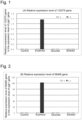
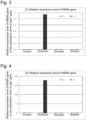
- erythritol does not induce the expression of a cellulolytic enzyme for a biomass inherent to a fungal cell (see, Table 4). Accordingly, when genes for a target substance are expressed by promoters of these genes using erythritol as an induction substance, the target substance can be produced in a Trichoderma fungus without promoting the cellulase expression induction process inherent to the cell.
- the present invention makes it possible to produce a target substance in a Trichoderma fungus with a higher purity.
- the erythritol-inducible promoter (hereinafter also referred to simply as “the promoter of the present invention") to be provided by the present invention is DNA selected from the group consisting of the following (a) to (c) and having promoter activity in the presence of erythritol.
- the promoters of SEQ ID NOs: 1 to 4 are promoters derived from Trichoderma reesei. As mentioned above, since erythritol is not used conventionally for culturing a Trichoderma fungus, it has not been known that the promoters of SEQ ID NOs: 1 to 4 are erythritol-inducible promoters. The promoters of SEQ ID NOs: 1 to 4 are erythritol-inducible promoters found for the first time in a Trichoderma fungus.
- a method for obtaining the promoter of the present invention is not particularly limited.
- the promoter can be obtained by a chemical synthesis method or a genetic engineering method commonly used.
- the promoter DNAs of the present invention can be artificially synthesized based on the nucleotide sequences of SEQ ID NOs: 1 to 4.
- a commercially available DNA synthesis service provided by, for example, GenScript, can be used.
- the promoter of the present invention can be cloned from a Trichoderma fungus such as Trichoderma reesei.
- the promoter of the present invention can be produced by introducing a mutation into DNA of any one of the nucleotide sequences of SEQ ID NOs: 1 to 4.
- a mutation for example, UV irradiation and site-directed mutagenesis may be used.
- Examples of the method for site-directed mutagenesis include a method using a splicing overlap extension (SOE) PCR ( Gene, 198977: 61-68 ), an ODA method ( Gene, 1995, 152: 271-276 ) and the Kunkel method ( Proc. Natl. Acad. Sci. USA, 1985, 82 (2): 488-492 ).
- SOE splicing overlap extension
- the promoter of the present invention can be obtained by selecting DNA having promoter activity in the presence of erythritol from the DNAs into which a mutation has been introduced.
- the DNA of an erythritol-inducible promoter can be selected by operably linking a reporter gene downstream of the DNAs into which a mutation has been introduced and analyzing the expression level of the reporter gene in the presence of erythritol.
- a method for deletion, substitution, addition or insertion of a nucleotide(s) in a nucleotide sequence is, for example, disclosed in Dieffenbach et al., (Cold Spring Harbar Laboratory Press, New York, 581-621, 1995).
- erythritol-inducible promoters consisting of the nucleotide sequences of SEQ ID NOs: 1 to 4 or nucleotide sequences having an identity of at least 90% to them, or obtain erythritol-inducible promoters consisting of nucleotide sequences having a deletion, substitution, addition or insertion of one or several nucleotides in the sequences of SEQ ID NOs: 1 to 4.
- the promoter of the present invention has the function of controlling the expression of a gene arranged downstream thereof. Using the promoter of the present invention, it is possible to obtain a DNA fragment having an expression control region excellent in transcriptional activity.
- a DNA fragment containing a target gene and the promoter of the present invention operably linked upstream of the gene can be constructed.
- the DNA fragment may contain, other than the promoter of the present invention and a target gene, a cis element which can increase transcriptional activity of the promoter, or a terminator.
- the DNA fragment may further contain a selection marker gene such as a drug resistance gene or an auxotrophic marker gene.
- the DNA fragment containing a target gene and the promoter of the present invention is preferably an erythritol-inducible gene expression cassette for expressing the target gene.
- the DNA fragment containing the promoter of the present invention mentioned above can be constructed such that the fragment has a restriction-enzyme recognition sequence at both ends.
- the promoter of the present invention can be introduced into a vector using the restriction-enzyme recognition sequence.
- the vector is cleaved with a restriction enzyme and a DNA fragment containing the promoter of the present invention and a restriction-enzyme cleavage sequence at an end is added thereto.
- the promoter of the present invention can be introduced into a vector (restriction enzyme method).
- a DNA fragment containing the promoter of the present invention may be introduced directly into the genome of a host cell.
- a DNA fragment containing the promoter of the present invention may be introduced, for example, upstream of a target gene on the genome of a host cell.
- a gene expression cassette containing a target gene and the promoter of the present invention as mentioned above may be, for example, introduced into the genome of a host cell.
- the promoter of the present invention is introduced into an expression vector which can express a target gene, it is possible to obtain an expression vector which can increase the expression of the target gene at the transcriptional level.
- the promoter of the present invention can be operably linked upstream of DNA encoding a target gene.
- the expression vector having the promoter of the present invention may be the vector to be introduced into the genome of a host cell or the vector to be retained outside the genome.
- the vector is preferably replicable in a host cell.
- the vector examples include pBluescript II SK (-) (Stratagene), pUC vectors such as pUC18/19 and pUC118/119 (Takara Bio Inc.), and pET vector (Takara Bio Inc.), pGEX vector (GE healthcare), pCold vector (Takara Bio Inc.), pHY300PLK (Takara Bio Inc.), pUB110 ( Plasmid, 1986, 15 (2): 93-103 ), pBR322 (Takara Bio Inc.), pRS403 (Stratagene) and pMW218/219 (Nippon Gene Co., Ltd.); pRI vector such as pRI909/910 (Takara Bio Inc.), pBI vector (Clontech), IN3 vector (Inplanta Innovations Inc.), pPTR1/2 (Takara Bio Inc.), pDJB2 ( Gene, 1985, 36: 321-331 ), pAB4-1 ( Mol Gen Genet, 1987,
- the target gene to be arranged downstream of the promoter of the present invention is not particularly limited.
- the target gene is, for example, a gene encoding a target substance or an enzyme involved in synthesis of the target substance.
- the target gene may be a heterologous gene encoding a heterologous expression product, a gene derived from the same species and externally introduced, a gene inherently present in a host cell and encoding an expression product, a gene encoding any other protein, peptide or nucleic acid.
- the target substance include enzymes, hormones, cytokines, other bioactive peptides, transporters and non-coding RNAs.
- Examples of the enzymes include oxidoreductases, transferases, hydrolases, lyases, isomerases, and ligases or synthetases.
- Examples of preferable enzymes include a cellulolytic enzyme for a biomass such as cellulase and hemicellulase, exoglucanase, endoglucanase, ⁇ -glucosidase, protease, lipase, mannase, arabinase, galactase and amylase. More preferably, cellulase or hemicellulase is mentioned. Examples of the hemicellulase include xylanase, ⁇ -xylosidase and ⁇ -arabinofuranosidase. Of them, xylanase is preferable.
- the transformant of the present invention can be obtained by introducing an expression vector or DNA fragment containing the promoter of the present invention into a host cell by use of a general transformation method such as an electroporation method, a transformation method, a transfection method, a conjugation method, a protoplast method, a particle gun method or an agrobacterium method.
- a general transformation method such as an electroporation method, a transformation method, a transfection method, a conjugation method, a protoplast method, a particle gun method or an agrobacterium method.
- the host cell into which a vector or a DNA fragment as mentioned above is to be introduced is not particularly limited as long as the promoter of the present invention can function as a promoter in the cell, and is preferably a fungal cell belonging to the genus Trichoderma.
- the host cell other than this include filamentous fungal cells belonging to the genera Aspergillus, Penicillium, Neurospora, Fusarium, Chrysosporium, Humicola, Emericella, Hypocrea, Acremonium, Chrysosporium, Myceliophthora, Piromyces, Talaromyces, Thermoascus and Thielavia.
- Trichoderma reesei examples include Trichoderma reesei, Trichoderma longibrachiatum, Trichoderma harzianum, Trichoderma koningii, and Trichoderma viride.
- Trichoderma reesei and a mutant strain thereof are mentioned.
- Trichoderma reesei QM9414 strain and a mutant strain thereof preferably, Trichoderma reesei PC-3-7 strain (ATCC66589), Trichoderma reesei PCD-10 strain (FERM P-8172), Trichoderma reesei E1AB1 strain (sometimes referred to as JN13 strain) or a mutant strain of any one of them can be used as a host cell.
- Trichoderma reesei QM9414 strain and a mutant strain thereof preferably, Trichoderma reesei PC-3-7 strain (ATCC66589), Trichoderma reesei PCD-10 strain (FERM P-8172), Trichoderma reesei E1AB1 strain (sometimes referred to as JN13 strain) or a mutant strain of any one of them can be used as a host cell.
- E1AB1 strain is a Trichoderma reesei PC-3-7 strain modified such that ⁇ -glucosidase (BGL) derived from Aspergillus aculeatus is expressed using egl1 promoter (see Enzyme Microb Technol, 2016, 82: 89-95 , and WO2013/115305 , Examples 1 to 3).
- BGL ⁇ -glucosidase
- the transformant of the present invention can be used for producing a target substance.
- a target substance is produced by culturing, in the presence of erythritol, a transformant containing an expression vector or DNA fragment having a gene encoding a target substance or an enzyme involved in synthesis of the target substance and the promoter of the present invention operably linked upstream of the gene to allow the gene to express under the control of the promoter of the present invention.
- Examples of the target substance are the same as mentioned above.
- the culture conditions for a transformant are not particularly limited as long as the transformant cell can grow and a target substance can be produced.
- the culture medium for use in culturing either a synthetic medium or a natural medium may be used as long as it contains components required for ordinary growth of a cell and production of a target substance, such as a carbon source, a nitrogen source, inorganic salts and vitamins.
- the concentration of erythritol in the culture is preferably from 0.1 to 10% (w/v) as the initial concentration in a culture medium.
- a carbon source not inducing a cellulase is desirably used such that a cellulase expression induction process inherent to a fungal cell is not stimulated.
- the carbon source that can be used include carbohydrates not inducing a cellulase such as glucose and fructose, sugar alcohols such as sorbitol, alcohols such as ethanol and glycerol, and organic acids such as acetic acid.
- erythritol may be used as a carbon source.
- the culture medium does not contain a cellulase-inducible carbon source such as cellulose.
- the cell may be cultured while continuously feeding a carbon source not inducing a cellulase such as glucose.
- a carbon source not inducing a cellulase e.g., glucose
- ammonia water or an aqueous solution containing an ammonium salt serving as a nitrogen source is dissolved in ammonia water or an aqueous solution containing an ammonium salt serving as a nitrogen source and culturing is carried out by feeding the solution, in consideration of culture efficiency and suppression of bubble formation during the culturing.
- nitrogen source examples include ammonia, ammonium salts such as ammonium sulfate, nitrogen compounds such as amine, and natural nitrogen sources such as peptone and a soybean hydrolysate.
- examples of the inorganic salts include potassium phosphate, magnesium sulfate, sodium chloride, ferrous sulfate and potassium carbonate.
- examples of the vitamins include biotin and thiamine. Furthermore, if necessary, substances required for the growth of the transformant can be added.
- Culturing is preferably carried out aerobically by, e.g., shaking culture or an aerated agitation.
- the culture temperature is preferably 10°C or more, more preferably 20°C or more, and more preferably 25°C or more, and preferably 50°C or less, more preferably 42°C or less and more preferably 35°C or less, in other words, preferably from 10 to 50°C, more preferably from 20 to 42°C, and more preferably from 25 to 35°C.
- the pH during culturing is from 3 to 9 and preferably from 4 to 5.
- the culture time is from 10 hours to 10 days and preferably from 2 to 7 days.
- a target substance is collected from a culture to obtain the target substance. If necessary, the target substance collected can be further purified.
- a method for collecting or purifying a target substance from a culture is not particularly limited, and the collection and purification may be performed in accordance with a method commonly known collection and purification method. For example, a culture is collected, and, if necessary, subjected to a crushing process for a fungal cell by, e.g., ultrasonic wave or pressurization, and then, subjected to a process such as gradient method, filtration and centrifugation to remove cell components. Thereafter, fractions containing a remaining target substance may be collected.
- a secretory signal peptide functioning in a transformant is operably linked to a gene encoding the target substance. In this manner, the target substance can be secretory-produced outside the cell.
- the fractions collected can be subjected to a process such as dialysis, salting out, ion exchange, distillation or solvent extraction or a process employing these in combination to purify a target substance.
- a process such as dialysis, salting out, ion exchange, distillation or solvent extraction or a process employing these in combination to purify a target substance.
- the culturing of a transformant and collection of the target substance can be performed in any one of the batch, semi-batch and continuous systems.
- T. reesei PC-3-7 strain was inoculated in a culture medium such that the number of spores was 1 ⁇ 10 5 /mL and subjected to shaking culture at 220 rpm and 28°C (PRXYg-98R manufactured by PRECI Co., Ltd.).
- composition of the culture medium was as follows: 3% cellulose, 0.14% (NH 4 ) 2 SO 4 , 0.2% KH 2 PO 4 , 0.03% CaCl 2 ⁇ 2H 2 O, 0.03% MgSO 4 ⁇ 7H 2 O, 0.1% Bacto Peptone, 0.05% Bacto Yeast extract, 0.1% Tween80, 0.1% Trace element 2, 1.28% diammonium hydrogen citrate, a 50 mM tartrate buffer (pH4.0) (all % indicate w/v%) .
- the composition of Trace element 2 was as follows: 6 mg H 3 BO 3 , 26 mg (NH 4 ) 6 Mo 7 O 24 ⁇ 4H 2 O, 100 mg FeCl 3 ⁇ 6H 2 O, 40 mg CuSO 4 ⁇ 5H 2 O, 8 mg MnCl 2 ⁇ 4H 2 O and 200 mg ZnCl 2 , which were diluted with distilled water up to 100 mL. After culturing was carried out for 72 hours in the above conditions, erythritol was added to the culture medium so as to obtain a final concentration of 0.2 w/v%. After culturing was carried out for further 8 hours, fungal cells were collected. Fungal cells cultured in the absence of erythritol for 80 hours in the above conditions were used as a control.
- RPKM Reads Per Kilobase of exon per Million mapped reads
- T. reesei E1AB1 strain Enzyme Microb Technol, 2016, 82: 89-95
- T. reesei PC-3-7 strain was used, which was obtained by modifying T. reesei PC-3-7 strain such that AaBGL1 was highly expressed by egl1 promoter.
- E1AB1 strain was inoculated such that the number of spores was 1 ⁇ 10 5 /mL and subjected to shaking culture at 220 rpm and 28°C (PRXYg-98R manufactured by PRECI Co., Ltd.).
- the composition of the culture medium was as follows: 1% glucose, 0.14% (NH 4 ) 2 SO 4 , 0.2% KH 2 PO 4 , 0.03% CaCl 2 ⁇ 2H 2 O, 0.03% MgSO 4 ⁇ 7H 2 O, 0.1% Bacto Peptone, 0.05% Bacto Yeast extract, 0.1% Tween80, 0.1% Trace element 2, 1.28% diammonium hydrogen citrate and a 50 mM tartrate buffer (pH4.0) (all % indicate w/v%).
- the composition of Trace element 2 was the same as employed in Example 1.
- cDNA was synthesized (using PrimeScript TM II 1st strand cDNA Synthesis Kit manufactured by TaKaRa Bio Inc.). The cDNA synthesized was subjected to real-time PCR analysis (using Brilliant III Ultra-Fast SYBR Green QPCR Master Mixes of Agilent Technologies). The primers used in the real-time PCR are shown in Table 2. The expression levels of individual genes were obtained in accordance with a relative quantification procedure ( ⁇ Ct method). A phosphoglycerate kinase (a kind of glycolytic enzyme) gene, pgk1 (TRIREDRAFT_21406) was used as normalization gene.
- ⁇ Ct method A phosphoglycerate kinase (a kind of glycolytic enzyme) gene, pgk1 (TRIREDRAFT_21406) was used as normalization gene.
- Example 2 Whether the promoter regions of the 4 genes, which were confirmed to induce expression in an erythritol-specific manner in Example 2, function as the erythritol-inducible promoter was examined.
- the following 6 DNA fragments were prepared by a PCR using genomic DNA of T. reesei as a template.
- Fragments 5 and 6 were ligated to prepare XYN3-pyr4 and then XYN3-pyr4 was ligated to each of Fragments 1 to 4.
- the obtained fragments were each inserted into pUC118 (Takara Bio Inc.) at a cleavage site with HincII restriction enzyme to construct 4 vectors: pUC-P122079-XYN3-pyr4, pUC-P68466-XYN3-pyr4, pUC-P68606-XYN3-pyr4 and pUC-P68585-XYN3-pyr4.
- DNA fragments were ligated in accordance with the protocol of In-Fusion HD Cloning kit (Takara Bio Inc.).
- E. coli DH5 ⁇ Competent Cells (Takara Bio Inc.) were transformed with the plasmids constructed.
- strains containing a plasmid into which a target gene had been inserted were selected by a colony PCR.
- the selected transformants were cultured in LB medium containing ampicillin (37°C, one day). From the fungal cells obtained, plasmids were collected and purified by NucleoSpin Plasmid EasyPure (Macherey-Nagel).
- T. reesei E1AB1 ⁇ pyr4 strain was transformed with each of the plasmids constructed in Example 3. Introduction was carried out in accordance with the protoplast PEG method ( Biotechnol Bioeng, 2012, 109 (1): 92-99 ). Transformants were screened using pyr4 gene as a selection marker in a selective medium (2% glucose, 1.1 M sorbitol, 2% agar, 0.5% (NH 4 ) 2 SO 4 , 0.2% KH 2 PO 4 (pH5.5), 0.06% CaCl 2 ⁇ 2H 2 O, 0.06% CsCl 2 , 0.06% MgSO 4 ⁇ 7H 2 O, 0.1% Trace element 1; all % indicate w/v%).
- a selective medium 2% glucose, 1.1 M sorbitol, 2% agar, 0.5% (NH 4 ) 2 SO 4 , 0.2% KH 2 PO 4 (pH5.5), 0.06% CaCl 2 ⁇ 2H 2 O, 0.06% CsC
- Trace element 1 was as follows: 0.5 g FeSO 4 ⁇ 7H 2 O, 0.2 g CoCl 2 , 0.16 g MnSO 4 ⁇ H 2 O, 0.14 g ZnSO 4 ⁇ 7H 2 O, which were diluted with distilled water up to 100 mL. The transformants screened were stabilized by subculturing and thereafter strains stably containing a target gene were further selected by a colony PCR.
- the transformed strains prepared in Example 4 were cultured to produce proteins by erythritol induction. In the culturing, 50 mL of culture medium was placed in a 500 mL-flask. Spores of the strains prepared in Example 4 were inoculated in the culture medium so as to obtain a density of 1 ⁇ 10 5 /mL and subjected to shaking culture at 220 rpm and 28°C (PRXYg-98R manufactured by PRECI Co., Ltd.).
- the composition of the culture medium was as follows: 1% glucose, 0.14% (NH 4 ) 2 SO 4 , 0.2% KH 2 PO 4 , 0.03% CaCl 2 ⁇ 2H 2 O, 0.03% MgSO 4 ⁇ 7H 2 O, 0.1% Bacto Peptone, 0.05% Bacto Yeast extract, 0.1% Tween80, 0.1% Trace element 2, 50 mM tartrate buffer (pH4.0) (all % indicate w/v%).
- the composition of Trace element 2 was the same as that employed in Example 1. Forty-eight hours after culturing, erythritol was added so as to obtain a final concentration of 0.2 w/v% and culture solutions were collected. Culturing was carried out for further 4 hours, and thereafter, the culture solutions were collected again.
- the activity of xylanase (XYN3) in the culture solutions collected in Example 5 was measured in accordance with the pNP (p-nitrophenol) method.
- the culture supernatants were diluted to prepare enzyme solutions.
- a 1 mM pNP- ⁇ -xylobioside solution (50 mM Na-acetate buffer, pH5.0) was used as a substrate solution.
- the substrate solution 80 ⁇ L was added.
- 100 ⁇ L of a 1 M Na 2 Co 3 solution was added to terminate the reaction.
- the absorbance at 420 nm was measured.
- the same operation was carried out using p-nitrophenol to prepare a calibration curve.
- the amount of an enzyme to separate 1 ⁇ mol of pNP in a minute was defined as 1 U and the activity of XYN3 in each of the culture solutions was obtained.
Landscapes
- Life Sciences & Earth Sciences (AREA)
- Health & Medical Sciences (AREA)
- Genetics & Genomics (AREA)
- Organic Chemistry (AREA)
- Engineering & Computer Science (AREA)
- Chemical & Material Sciences (AREA)
- Zoology (AREA)
- Wood Science & Technology (AREA)
- Bioinformatics & Cheminformatics (AREA)
- Biotechnology (AREA)
- General Engineering & Computer Science (AREA)
- Microbiology (AREA)
- Biomedical Technology (AREA)
- Biochemistry (AREA)
- General Health & Medical Sciences (AREA)
- Molecular Biology (AREA)
- Mycology (AREA)
- Plant Pathology (AREA)
- Biophysics (AREA)
- Physics & Mathematics (AREA)
- Chemical Kinetics & Catalysis (AREA)
- General Chemical & Material Sciences (AREA)
- Micro-Organisms Or Cultivation Processes Thereof (AREA)
- Preparation Of Compounds By Using Micro-Organisms (AREA)
Applications Claiming Priority (2)
| Application Number | Priority Date | Filing Date | Title |
|---|---|---|---|
| JP2021178778 | 2021-11-01 | ||
| PCT/JP2022/040804 WO2023074901A1 (ja) | 2021-11-01 | 2022-10-31 | エリスリトール誘導性プロモーター、及びこれを用いた目的物質の製造方法 |
Publications (1)
| Publication Number | Publication Date |
|---|---|
| EP4428240A1 true EP4428240A1 (en) | 2024-09-11 |
Family
ID=86159532
Family Applications (1)
| Application Number | Title | Priority Date | Filing Date |
|---|---|---|---|
| EP22887226.3A Pending EP4428240A1 (en) | 2021-11-01 | 2022-10-31 | Erythritol-inducible promoter, and target substance production method using same |
Country Status (4)
| Country | Link |
|---|---|
| EP (1) | EP4428240A1 (enExample) |
| JP (1) | JP7778672B2 (enExample) |
| CN (1) | CN118202057A (enExample) |
| WO (1) | WO2023074901A1 (enExample) |
Family Cites Families (2)
| Publication number | Priority date | Publication date | Assignee | Title |
|---|---|---|---|---|
| WO2013115305A1 (ja) | 2012-01-31 | 2013-08-08 | 国立大学法人長岡技術科学大学 | セルロース系バイオマスからの糖及びアルコールの製造方法、並びに該方法に用いられる微生物 |
| CN108070609B (zh) * | 2017-12-27 | 2020-12-18 | 福建师范大学 | 利用里氏木霉作为宿主表达重组蛋白的方法 |
-
2022
- 2022-10-31 CN CN202280073396.5A patent/CN118202057A/zh active Pending
- 2022-10-31 WO PCT/JP2022/040804 patent/WO2023074901A1/ja not_active Ceased
- 2022-10-31 JP JP2022174878A patent/JP7778672B2/ja active Active
- 2022-10-31 EP EP22887226.3A patent/EP4428240A1/en active Pending
Also Published As
| Publication number | Publication date |
|---|---|
| WO2023074901A1 (ja) | 2023-05-04 |
| CN118202057A (zh) | 2024-06-14 |
| JP7778672B2 (ja) | 2025-12-02 |
| JP2023067862A (ja) | 2023-05-16 |
Similar Documents
| Publication | Publication Date | Title |
|---|---|---|
| KR102350405B1 (ko) | 진균 게놈 변형 시스템 및 사용 방법 | |
| JP6937740B2 (ja) | ゲノム編集システムおよび使用方法 | |
| JP2769305B2 (ja) | トリコダーマにおいてタンパク質生成物を産生するための方法 | |
| EP3421597A1 (en) | Chrysosporium lucknowense protein production system | |
| EP4092128A1 (en) | Factor regulating protein expression efficiency of trichoderma reesei, and regulation method and use thereof | |
| US20160289690A1 (en) | Mortierella alpina recombinant gene expression system and construction method and use thereof | |
| CN109790510A (zh) | 在不存在诱导底物下丝状真菌细胞中的蛋白产生 | |
| WO2017093450A1 (en) | Method of producing proteins in filamentous fungi with decreased clr2 activity | |
| US10597429B2 (en) | Method of producing proteins in filamentous fungi with decreased CLR1 activity | |
| JP2019122386A (ja) | 選択的オートファジー経路の不活性化成分を含む糸状真菌細胞及びその使用方法 | |
| EP4428240A1 (en) | Erythritol-inducible promoter, and target substance production method using same | |
| JP3343567B2 (ja) | 糸状菌のエンハンサーdna塩基配列およびその用途 | |
| EP0205506A1 (en) | METHOD FOR TRANSFORMING MUSHROOMS WITH A VECTOR. | |
| KR20230004495A (ko) | 사상 진균 세포에서의 개선된 단백질 생산을 위한 조성물 및 방법 | |
| US20250320512A1 (en) | Compositions and methods for enhanced protein production in fungal cells | |
| CN108779155A (zh) | RlmA灭活的丝状真菌宿主细胞 | |
| WO2021100631A1 (ja) | 変異糸状菌、及びそれを用いたタンパク質の製造方法 | |
| JP7685012B2 (ja) | エリスリトール資化能欠損変異トリコデルマ属菌、及びこれを用いた目的物質の製造方法 | |
| JP4495904B2 (ja) | 改変プロモーター | |
| CN113056552A (zh) | 经修饰的丝状真菌宿主细胞 | |
| CN110114455A (zh) | 真菌中蛋白质的选择性分泌技术 | |
| JP2013051893A (ja) | 新規プロモーター及びその利用 | |
| WO2025140482A1 (zh) | 可改善目标多肽表达效果的多核苷酸构建体及其应用 | |
| EP4615861A1 (en) | Filamentous fungal strains comprising enhanced protein productivity phenotypes and methods thereof |
Legal Events
| Date | Code | Title | Description |
|---|---|---|---|
| STAA | Information on the status of an ep patent application or granted ep patent |
Free format text: STATUS: THE INTERNATIONAL PUBLICATION HAS BEEN MADE |
|
| PUAI | Public reference made under article 153(3) epc to a published international application that has entered the european phase |
Free format text: ORIGINAL CODE: 0009012 |
|
| STAA | Information on the status of an ep patent application or granted ep patent |
Free format text: STATUS: REQUEST FOR EXAMINATION WAS MADE |
|
| 17P | Request for examination filed |
Effective date: 20240529 |
|
| AK | Designated contracting states |
Kind code of ref document: A1 Designated state(s): AL AT BE BG CH CY CZ DE DK EE ES FI FR GB GR HR HU IE IS IT LI LT LU LV MC ME MK MT NL NO PL PT RO RS SE SI SK SM TR |
|
| DAV | Request for validation of the european patent (deleted) | ||
| DAX | Request for extension of the european patent (deleted) |