EP4359400B1 - Salt and crystal form of an azetidinyl substituted isoquinline acting as epidermal growth factor receptor inhibitor for the treatment of cancer - Google Patents
Salt and crystal form of an azetidinyl substituted isoquinline acting as epidermal growth factor receptor inhibitor for the treatment of cancer Download PDFInfo
- Publication number
- EP4359400B1 EP4359400B1 EP22744048.4A EP22744048A EP4359400B1 EP 4359400 B1 EP4359400 B1 EP 4359400B1 EP 22744048 A EP22744048 A EP 22744048A EP 4359400 B1 EP4359400 B1 EP 4359400B1
- Authority
- EP
- European Patent Office
- Prior art keywords
- salt
- compound
- egfr
- ray powder
- powder diffraction
- Prior art date
- Legal status (The legal status is an assumption and is not a legal conclusion. Google has not performed a legal analysis and makes no representation as to the accuracy of the status listed.)
- Active
Links
Images






Classifications
-
- A—HUMAN NECESSITIES
- A61—MEDICAL OR VETERINARY SCIENCE; HYGIENE
- A61K—PREPARATIONS FOR MEDICAL, DENTAL OR TOILETRY PURPOSES
- A61K31/00—Medicinal preparations containing organic active ingredients
- A61K31/33—Heterocyclic compounds
- A61K31/395—Heterocyclic compounds having nitrogen as a ring hetero atom, e.g. guanethidine or rifamycins
- A61K31/495—Heterocyclic compounds having nitrogen as a ring hetero atom, e.g. guanethidine or rifamycins having six-membered rings with two or more nitrogen atoms as the only ring heteroatoms, e.g. piperazine or tetrazines
- A61K31/505—Pyrimidines; Hydrogenated pyrimidines, e.g. trimethoprim
- A61K31/506—Pyrimidines; Hydrogenated pyrimidines, e.g. trimethoprim not condensed and containing further heterocyclic rings
-
- A—HUMAN NECESSITIES
- A61—MEDICAL OR VETERINARY SCIENCE; HYGIENE
- A61K—PREPARATIONS FOR MEDICAL, DENTAL OR TOILETRY PURPOSES
- A61K31/00—Medicinal preparations containing organic active ingredients
- A61K31/33—Heterocyclic compounds
- A61K31/395—Heterocyclic compounds having nitrogen as a ring hetero atom, e.g. guanethidine or rifamycins
- A61K31/495—Heterocyclic compounds having nitrogen as a ring hetero atom, e.g. guanethidine or rifamycins having six-membered rings with two or more nitrogen atoms as the only ring heteroatoms, e.g. piperazine or tetrazines
- A61K31/505—Pyrimidines; Hydrogenated pyrimidines, e.g. trimethoprim
- A61K31/517—Pyrimidines; Hydrogenated pyrimidines, e.g. trimethoprim ortho- or peri-condensed with carbocyclic ring systems, e.g. quinazoline, perimidine
-
- A—HUMAN NECESSITIES
- A61—MEDICAL OR VETERINARY SCIENCE; HYGIENE
- A61K—PREPARATIONS FOR MEDICAL, DENTAL OR TOILETRY PURPOSES
- A61K31/00—Medicinal preparations containing organic active ingredients
- A61K31/33—Heterocyclic compounds
- A61K31/395—Heterocyclic compounds having nitrogen as a ring hetero atom, e.g. guanethidine or rifamycins
- A61K31/535—Heterocyclic compounds having nitrogen as a ring hetero atom, e.g. guanethidine or rifamycins having six-membered rings with at least one nitrogen and one oxygen as the ring hetero atoms, e.g. 1,2-oxazines
- A61K31/5375—1,4-Oxazines, e.g. morpholine
- A61K31/5377—1,4-Oxazines, e.g. morpholine not condensed and containing further heterocyclic rings, e.g. timolol
-
- C—CHEMISTRY; METALLURGY
- C07—ORGANIC CHEMISTRY
- C07C—ACYCLIC OR CARBOCYCLIC COMPOUNDS
- C07C55/00—Saturated compounds having more than one carboxyl group bound to acyclic carbon atoms
- C07C55/02—Dicarboxylic acids
- C07C55/10—Succinic acid
-
- C—CHEMISTRY; METALLURGY
- C07—ORGANIC CHEMISTRY
- C07C—ACYCLIC OR CARBOCYCLIC COMPOUNDS
- C07C55/00—Saturated compounds having more than one carboxyl group bound to acyclic carbon atoms
- C07C55/02—Dicarboxylic acids
- C07C55/12—Glutaric acid
-
- C—CHEMISTRY; METALLURGY
- C07—ORGANIC CHEMISTRY
- C07C—ACYCLIC OR CARBOCYCLIC COMPOUNDS
- C07C57/00—Unsaturated compounds having carboxyl groups bound to acyclic carbon atoms
- C07C57/02—Unsaturated compounds having carboxyl groups bound to acyclic carbon atoms with only carbon-to-carbon double bonds as unsaturation
- C07C57/13—Dicarboxylic acids
- C07C57/15—Fumaric acid
-
- C—CHEMISTRY; METALLURGY
- C07—ORGANIC CHEMISTRY
- C07D—HETEROCYCLIC COMPOUNDS
- C07D401/00—Heterocyclic compounds containing two or more hetero rings, having nitrogen atoms as the only ring hetero atoms, at least one ring being a six-membered ring with only one nitrogen atom
- C07D401/14—Heterocyclic compounds containing two or more hetero rings, having nitrogen atoms as the only ring hetero atoms, at least one ring being a six-membered ring with only one nitrogen atom containing three or more hetero rings
-
- C—CHEMISTRY; METALLURGY
- C07—ORGANIC CHEMISTRY
- C07B—GENERAL METHODS OF ORGANIC CHEMISTRY; APPARATUS THEREFOR
- C07B2200/00—Indexing scheme relating to specific properties of organic compounds
- C07B2200/13—Crystalline forms, e.g. polymorphs
Definitions
- EGFR signaling including increased expression of EGFR or its ligands and deletions or mutations in the EGFR gene or protein, can activate cell growth or mitigate normal apoptosis mechanisms and pathway, traditional hallmarks of tumor cell growth and proliferation.
- EFGR mutations or deletions are commonly found in non-small cell lung cancer (NSCLC) tumors.
- osimertinib (Tagrisso ® ), a third generation EGFR TKI, has been developed to treat NSCLC patients if the cancer cells are positive for the primary EGFR mutations del19 or L858R with or without the T790M mutation in the gene coding for EGFR.
- the EGFR del19/L858R T790M C797S cis mutant kinase variant typically emerges in second line (2L) patients following treatment with osimertinib and is often referred to as "triple mutant" EGFR and it can no longer be inhibited by first, second, or third generation EGFR inhibitors.
- the present disclosure provides a first polymorph of the free base of Compound (I).
- This first polymorph is also referred herein as "Compound (I) Free Base Form A”.
- the present disclosure provides a second polymorph of the free base of Compound (I).
- This second polymorph is also referred herein as "Compound (I) Free Base Form B”.
- the present disclosure provides a pharmaceutical composition
- a pharmaceutical composition comprising 1:0.5 Compound (I) Semi-Succinate, 1:0.5 Compound (I) Semi-Glutarate, 1:1 Compound (I) Fumarate, Compound (I) Free Base Form A, or Compound (I) Free Base Form B, and a pharmaceutically acceptable carrier or diluent.
- references to methods of treatment in the subsequent paragraphs of this description are to be interpreted as references to the compounds, pharmaceutical compositions and medicaments of the present invention for use in a method for treatment of the human (or animal) body by therapy (or for diagnosis).
- the present disclosure provides a method of treating or ameliorating cancer in a subject, comprising administering to the subject in need thereof a pharmaceutically effective amount of the salt or free base form disclosed herein or the corresponding pharmaceutical composition.
- the cancer which is treated or ameliorated is non-small cell lung cancer.
- the present disclosure also provides a method of inhibiting aberrant EGFR activity in a subject, comprising administering to the subject in need thereof a pharmaceutically effective amount of the salt or free base disclosed herein or the corresponding pharmaceutical composition.
- the present disclosure provides a method of inhibiting various mutated forms of EGFR, including EGFR enzymes with amino acid modification selected from the group consisting of L858R, T790M, C797S, and combinations thereof.
- crystalline refers to a solid having a crystal structure wherein the individual molecules have a highly homogeneous regular three dimensional configuration.
- At least a particular percentage by weight of the 1:0.5 or 1:1 Compound (I) salt or free base is in a particular crystalline form.
- Particular weight percentages include 85%, 86%, 87%, 88%, 89%, 90%, 91%, 92%, 93%, 94%, 95%, 96%, 97%, 98%, 99%, 99.5%, 99.9%, or a weight percentage of 70%-75%, 75%-80%, 80%-85%, 85%-90%, 90%-95%, 95%-100%, 70-80%, 80-90%, 90-100% by weight of the Compound (I) salt or free base is in a particular crystalline form. It is to be understood that all values and ranges between these values and ranges are meant to be encompassed by the present disclosure.
- crystalline Compound (I) salt or free base is defined as a specified percentage of one particular crystal form of the Compound (I) salt or free base, the remainder is made up of amorphous form and/or crystal forms other than the one or more particular forms that are specified.
- particular crystalline forms include 1:0.5 Compound (I) Semi-Succinate Form C, 1:0.5 Compound (I) Semi-Glutarate Form D, 1:1 Compound (I) Fumarate Form E, Compound (I) Freebase Form A, and Compound (I) Freebase Form B, each of which are characterized by one or more properties as discussed herein.
- Compound (I) has 4 chiral centers.
- Compound (I) in the salts and free base polymorphs disclosed herein is at least 80%, 90%, 99% or 99.9% by weight pure relative to the other stereoisomers, i.e., the ratio of the weight of the stereoisomer over the weight of all the stereoisomers.
- the crystalline Compound (I) salts disclosed herein exhibit strong, unique XRPD patterns with sharp peaks corresponding to angular peak positions in 2 ⁇ and a flat baseline, indicative of a highly crystalline material ( e.g., see Figure 1 ).
- an X-ray powder diffractogram is "substantially similar to that in [a particular] Figure" when at least 90%, such as at least 95%, at least 98%, or at least 99%, of the signals in the two diffractograms are the same ⁇ 0.2 °2 ⁇ .
- substantially similarity one of ordinary skill in the art will understand that there may be variation in the intensities and/or signal positions in XRPD diffractograms even for the same crystalline form.
- the succinate salt is crystalline.
- 1:0.5 Compound (I) Semi-Succinate is crystalline Form C, characterized by an X-ray powder diffraction pattern which comprises peaks at 4.5°, 9.3°, and 15.3° ⁇ 0.2 in 2 ⁇ .
- Form C is characterized by an X-ray powder diffraction pattern which comprises at least three peaks chosen from 4.5°, 8.9°, 9.3°, 15.3°, and 17.8° ⁇ 0.2 in 2 ⁇ .
- Form C is characterized by an X-ray powder diffraction pattern which comprises peaks at 4.5°, 8.9°, 9.3°, 15.3°, and 17.8° ⁇ 0.2 in 2 ⁇ .
- Form C is characterized by an X-ray powder diffraction pattern which comprises peaks at 4.5°, 8.9°, 9.3°, 13.0°, 15.3°, 16.8°, 17.8°, 18.1°, 18.5°, and 22.3° ⁇ 0.2 in 2 ⁇ .
- Form C is characterized by an X-ray powder diffraction pattern which comprises peaks at 4.5°, 6.7°, 8.9°, 9.3°, 11.1°, 12.3°, 13.0°, 14.4°, 15.3°, 16.3°, 16.8°, 17.8°, 18.1°, 18.5°, 20.5°, 22.3°, and 26.0° ⁇ 0.2 in 2 ⁇ .
- Form C is characterized by an X-ray powder diffraction pattern substantially similar to Figure 1 .
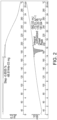
- Form C is characterized by a thermogravimetric analysis (TGA) substantially similar to Figure 2 .
- TGA thermogravimetric analysis
- Compound (I) Semi-Succinate is in crystalline Form C.
- the present disclosure provides a glutarate salt of Compound (I), represented by the following structural formula: and wherein the molar ratio between compound (I) and glutaric acid is 1:0.5.
- the glutarate salt is crystalline.
- 1:0.5 Compound (I) Semi-Glutarate crystalline Form D, characterized by an X-ray powder diffraction pattern which comprises peaks at 8.8°, 16.1°, and 18.3° ⁇ 0.2 in 2 ⁇ .
- Form D is characterized by an X-ray powder diffraction pattern which comprises at least three peaks chosen from 8.8°, 14.8°, 16.1°. 18.3°, and 18.7° ⁇ 0.2 in 2 ⁇ .
- Form D is characterized by an X-ray powder diffraction pattern which comprises peaks at 8.8°, 14.8°, 16.1°. 18.3°, and 18.7° ⁇ 0.2 in 2 ⁇ .
- Form D is characterized by an X-ray powder diffraction pattern which comprises peaks at 7.4°, 8.8°, 12.3°, 14.8°, 16.1°, 18.3°, and 18.7° ⁇ 0.2 in 2 ⁇ . In some embodiments, Form D is characterized by an X-ray powder diffraction pattern which comprises peaks at 6.6°, 7.4°, 8.8°, 12.3°, 12.9°, 14.8°, 16.1°, 18.3°, 18.7°, 19.2°, 20.0°, and 22.2° ⁇ 0.2 in 2 ⁇ . In some embodiments, Form D is characterized by an X-ray powder diffraction pattern substantially similar to Figure 4 .
- Form D is characterized by a differential scanning calorimeter with an onset temperature of 142 ⁇ 2°C. In some embodiments, Form D is characterized by a differential scanning calorimeter with a peak temperature of 150 ⁇ 2°C. In some embodiments, Form D is characterized by a differential scanning calorimeter with a peak temperature of 148 ⁇ 2°C.
- Compound (I) Semi-Glutarate is in crystalline Form D.
- the fumarate salt is crystalline.
- Form E is characterized by an X-ray powder diffraction pattern which comprises peaks at 6.3°, 8.5°, 9.0°, 12.1°, 14.5°, 15.7°, 18.0°, 19.7°, 20.1°, and 21.9° ⁇ 0.2 in 2 ⁇ .
- Form E is characterized by an X-ray powder diffraction pattern which comprises peaks at 6.3°, 8.5°, 9.0°, 12.1°, 14.5°, 15.1°, 15.2°, 15.4°, 15.7°, 18.0°, 18.2°, 18.9°, 19.3°, 19.7°, 20.1°, 20.6°, 20.7°, 21.3°, and 21.9° ⁇ 0.2 in 2 ⁇ .
- Form E is characterized by an X-ray powder diffraction pattern substantially similar to Figure 7 .
- Form E is characterized by a differential scanning calorimeter with an onset temperature of 164 ⁇ 3°C. In some embodiments, Form E is characterized by a differential scanning calorimeter with an onset temperature of 165 ⁇ 2°C. In some embodiments, Form E is characterized by a differential scanning calorimeter with an onset temperature of 162 ⁇ 2°C. In some embodiments, Form E is characterized by a differential scanning calorimeter with a peak temperature of 171 ⁇ 2°C.
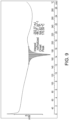
- Form E is characterized by a thermogravimetric analysis (TGA) substantially similar to Figure 8 .
- TGA thermogravimetric analysis
- At least 90%, 91%, 92%, 93%, 94%, 95%, 96%, 97%, 98%, 99%, 99.5%, or 99.9% by weight of 1:1 Compound (I) Fumarate is in crystalline Form E.
- the present disclosure provides the freebase of Compound (I), represented by the following structural formula: and wherein the freebase of Compound (I) is in a crystalline Form A.
- Compound (I) Freebase is in a crystalline Form A, characterized by an X-ray powder diffraction pattern which comprises peaks at 9.9°, 12.1°, and 14.5° ⁇ 0.2 in 2 ⁇ .
- Form A is characterized by an X-ray powder diffraction pattern which comprises at least three peaks chosen from 9.9°, 12.1°, 14.5°, 15.9°, and 20.1° ⁇ 0.2 in 2 ⁇ .
- Form A is characterized by an X-ray powder diffraction pattern which comprises peaks at 9.9°, 12.1°, 14.5°, 15.9°, and 20.1° ⁇ 0.2 in 2 ⁇ .
- Form A is characterized by an X-ray powder diffraction pattern which comprises peaks at 8.0°, 9.9°, 11.8°, 12.1°, 14.5°, 15.9°, 19.4°, 19.7°, 20.1°, and 20.7° ⁇ 0.2 in 2 ⁇ .
- Form A is characterized by an X-ray powder diffraction pattern which comprises peaks at 6.7°, 8.0°, 9.9°, 11.8°, 12.1°, 14.5°, 15.9°, 18.7°, 19.4°, 19.7°, 20.1°, 20.5°, 20.7°, 22.0°, 22.8°, and 23.8° ⁇ 0.2 in 2 ⁇ .
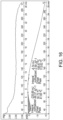
- Form A is characterized by an X-ray powder diffraction pattern substantially similar to Figure 10 .
- Form A is characterized by a differential scanning calorimeter with an onset temperature of 198 ⁇ 2°C. In some embodiments, Form A is characterized by a differential scanning calorimeter with an onset temperature of 197 ⁇ 2°C. In some embodiments, Form A is characterized by a differential scanning calorimeter with a peak temperature of 202 ⁇ 2°C. In some embodiments, Form A is characterized by a differential scanning calorimeter with an onset temperature of 199 ⁇ 2°C. In some embodiments, Form A is characterized by a differential scanning calorimeter with a peak temperature of 203 ⁇ 2°C.
- Form A is characterized by a differential scanning calorimeter with an onset temperature of 181 ⁇ 2°C. In some embodiments, Form A is characterized by a differential scanning calorimeter with a peak temperature of 188 ⁇ 2°C.
- Form A is characterized by a thermogravimetric analysis (TGA) substantially similar to Figure 11 .
- TGA thermogravimetric analysis
- At least 90%, 91%, 92%, 93%, 94%, 95%, 96%, 97%, 98%, 99%, 99.5%, or 99.9% by weight of Compound (I) Freebase is in crystalline Form A.
- the present disclosure provides the freebase of Compound (I), represented by the following structural formula: and wherein the freebase of Compound (I) is in a crystalline Form B.
- Compound (I) Freebase is in crystalline Form B, characterized by an X-ray powder diffraction pattern which comprises peaks at 5.1°, 12.2°. 13.5°, 16.6°, and 20.1° ⁇ 0.2 in 2 ⁇ .
- Form B is characterized by an X-ray powder diffraction pattern which comprises peaks at 5.1°, 12.2°, 13.5°, 16.3°, 16.6°, 19.5°, 20.1°, 20.4°, 21.4°, 22.7°, and 25.2° ⁇ 0.2 in 2 ⁇ .
- Form B is characterized by an X-ray powder diffraction pattern which comprises peaks at 5.1°, 12.2°, 13.5°, 15.2°, 16.3°, 16.6°, 17.9°, 19.5°, 20.1°, 20.4°, 20.7°, 20.9°, 21.4°, 22.7°, 25.2°, and 26.3° ⁇ 0.2 in 2 ⁇ .
- Form B is characterized by an X-ray powder diffraction pattern substantially similar to Figure 12 .
- Form B is characterized by a differential scanning calorimeter with an onset temperature of 158 ⁇ 2°C. In some embodiments, Form B is characterized by a differential scanning calorimeter with an onset temperature of 159 ⁇ 2°C. In some embodiments, Form B is characterized by a differential scanning calorimeter with a peak temperature of 165 ⁇ 2°C. In some embodiments, Form B is characterized by a differential scanning calorimeter with a peak temperature of 166 ⁇ 2°C.
- Form B is characterized by a thermogravimetric analysis (TGA) substantially similar to Figure 13 .
- TGA thermogravimetric analysis
- At least 90%, 91%, 92%, 93%, 94%, 95%, 96%, 97%, 98%, 99%, 99.5%, or 99.9% by weight of Compound (I) Freebase is in crystalline Form B.
- the present disclosure provides amorphous form of Compound (I), represented by the following structural formula:
- the amorphous form is characterized by a differential scanning calorimeter with an onset temperature of 106 ⁇ 2°C. In some embodiments, the amorphous form is characterized by a differential scanning calorimeter with an onset temperature of 109 ⁇ 2°C. In some embodiments, the amorphous form is characterized by a differential scanning calorimeter with a peak temperature of 113 ⁇ 2°C. In some embodiments, the amorphous form is characterized by a differential scanning calorimeter with a peak temperature of 114 ⁇ 2°C.
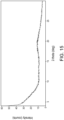
- the amorphous form is characterized by an X-ray powder diffraction pattern substantially similar to Figure 15 .
- Some embodiments of the disclosure relate to a pharmaceutical composition
- a pharmaceutical composition comprising: a pharmaceutically acceptable excipient or a diluent; and a succinate salt of Compound (I), wherein the molar ratio between Compound (I) and succinic acid is 1:0.5.
- the succinate salt is crystalline.
- the succinate salt of Compound (I) is crystalline Form C.
- Some embodiments of the disclosure relate to a pharmaceutical composition
- a pharmaceutical composition comprising: a pharmaceutically acceptable excipient or a diluent; and a glutarate salt of Compound (I), wherein the molar ratio between Compound (I) and glutaric acid is 1:0.5.
- the glutarate salt is crystalline.
- the glutarate salt of Compound (I) is crystalline Form D.
- Some embodiments of the disclosure relate to a pharmaceutical composition
- a pharmaceutical composition comprising: a pharmaceutically acceptable excipient or a diluent; and a fumarate salt of Compound (I), wherein the molar ratio between Compound (I) and fumaric acid is 1:1.
- the fumarate salt is crystalline.
- the fumarate salt of Compound (I) is crystalline Form E.
- Some embodiments of the disclosure relate to a pharmaceutical composition
- a pharmaceutical composition comprising: a pharmaceutically acceptable excipient or a diluent; and Compound (I) free base.
- the free base is crystalline.
- the free base of Compound (I) is crystalline Form A.
- the free base of Compound (I) is crystalline Form B.
- a pharmaceutically acceptable carrier or "a pharmaceutically acceptable diluent” refer to a substance that aids the formulation and/or administration of an active agent to and/or absorption by a subject and can be included in the pharmaceutical compositions of the disclosure without causing a significant adverse toxicological effect on the subject.
- Nonlimiting examples of pharmaceutically acceptable carriers and/or diluents include water, NaCl, normal saline solutions, lactated Ringer's, normal sucrose, normal glucose, binders, fillers, disintegrants, lubricants, coatings, sweeteners, flavors, salt solutions (such as Ringer's solution), alcohols, oils, gelatins, carbohydrates such as lactose, amylose or starch, hydroxymethycellulose, fatty acid esters, polyvinyl pyrrolidine, and colors, and the like.
- Such preparations can be sterilized and, if desired, mixed with auxiliary agents such as lubricants, preservatives, stabilizers, wetting agents, emulsifiers, salts for influencing osmotic pressure, buffers, coloring, and/or aromatic substances and the like that do not deleteriously react with or interfere with the activity of the compounds provided herein.
- auxiliary agents such as lubricants, preservatives, stabilizers, wetting agents, emulsifiers, salts for influencing osmotic pressure, buffers, coloring, and/or aromatic substances and the like that do not deleteriously react with or interfere with the activity of the compounds provided herein.
- auxiliary agents such as lubricants, preservatives, stabilizers, wetting agents, emulsifiers, salts for influencing osmotic pressure, buffers, coloring, and/or aromatic substances and the like that do not deleteriously react with or interfere with the activity of the compounds provided herein.
- auxiliary agents such
- compositions of the disclosure optionally include one or more pharmaceutically acceptable carriers and/or diluents therefor, such as lactose, starch, cellulose and dextrose.
- pharmaceutically acceptable carriers and/or diluents therefor such as lactose, starch, cellulose and dextrose.
- Other excipients such as flavoring agents, sweeteners, and preservatives, such as methyl, ethyl, propyl and butyl parabens, can also be included. More complete listings of suitable excipients can be found in the Handbook of Pharmaceutical Excipients (5th Ed., Pharmaceutical Press (2005 )). A person skilled in the art would know how to prepare formulations suitable for various types of administration routes.
- the present disclosure provides a method of inhibiting certain mutant forms of epidermal growth factor receptor (EGFR) in a subject in need thereof, comprising administering to the subject an effective amount of a Salt or Solid Form of the Disclosure or a pharmaceutical composition disclosed herein.
- Mutant forms of EGFR include for example, EGFR with LRTMCS mutation (the exon 19 deletion (del19) or exon 21 (L858R) substitution mutation, T790M mutation, and C797S mutation).
- Subjects "in need of inhibiting EGFR” are those having a disease for which a beneficial therapeutic effect can be achieved by inhibiting at least one mutant EGFR, e.g., a slowing in disease progression, alleviation of one or more symptoms associated with the disease or increasing the longevity of the subject in view of the disease.
- the disclosure provides a method of treating a disease/condition/or cancer associated with or modulated by mutant EGFR, wherein the inhibition of the mutant EGFR is of therapeutic benefit, including but not limited to the treatment of cancer in a subject in need thereof.
- the method comprises administering to the subject an effective amount of a Salt or Solid Form of the Disclosure or pharmaceutical composition disclosed herein.
- the disclosure provides a method of treating a subject with cancer, comprising administering to the subject an effective amount of a Salt or Solid Form of the Disclosure or a pharmaceutical composition disclosed herein.
- Cancers to be treated according to the disclosed methods include lung cancer, colon cancer, urothelial cancer, breast cancer, prostate cancer, brain cancers, ovarian cancer, gastric cancer, pancreatic cancer, head and neck cancer, bladder cancer, and mesothelioma, including metastasis (in particular brain metastasis) of all cancers listed.
- the cancer is characterized by at one or more EGFR mutations described herein.
- the cancer has progressed on or after EGFR tyrosine kinase inhibitor (TKI) Therapy.
- the disease has progressed on or after first line osimertinib.
- the cancer to be treated is lung cancer.
- the cancer is non-small cell lung cancer (NSCLC).
- the lung cancer is locally advanced or metastatic NSCLC, NSCLC adenocarcinoma, NSCLC with squamous histology and NSCLC with non-squamous histology.
- the lung cancer is NSCLC adenocarcinoma.
- the lung cancer (or non-small cell lung cancer) has metastasized to the brain.
- delE746_A750 (most common), delE746_S752insV, del747_A750insP, delL747_P753insS, and delS752_I759; ex20ins - Exon 20 insertion, specifically, e.g ., D761-E762insX, A763-Y764insX, Y764-V765insX, V765-M766insX, A767-S768insX, S768-D769insX, V769-D770insX, N771-P772insX, P772-H773insX, H773-V774insX, and V774-C775insX): EGFR Genotype 1 EGFR del19 2 EGFR del19 T790M 3 EGFR del19 C797S 4 EGFR del19 C797X (C797G)
- the disease/condition/or cancer e.g., NSCLC
- a Salt or Solid Form of the Disclosure or a pharmaceutical composition disclosed herein, is characterized by EGFR comprising EGFR del19.
- the disease/condition/or cancer e.g., NSCLC
- a Salt or Solid Form of the Disclosure or a pharmaceutical composition disclosed herein, is characterized by EGFR comprising EGFR del19 T790M.
- the disease/condition/or cancer e.g., NSCLC
- a Salt or Solid Form of the Disclosure or a pharmaceutical composition disclosed herein, is characterized by EGFR comprising EGFR del19 C797S.
- the disease/condition/or cancer e.g., NSCLC
- a Salt or Solid Form of the Disclosure or a pharmaceutical composition disclosed herein, is characterized by EGFR comprising EGFR del19 T790M C797S.
- the disease/condition/or cancer e.g., NSCLC
- a Salt or Solid Form of the Disclosure or a pharmaceutical composition disclosed herein, is characterized by EGFR comprising EGFR del19 G796R (G796S).
- the disease/condition/or cancer e.g., NSCLC
- a Salt or Solid Form of the Disclosure or a pharmaceutical composition disclosed herein, is characterized by EGFR comprising EGFR del19 L718Q (L718V).
- the disease/condition/or cancer e.g., NSCLC
- a Salt or Solid Form of the Disclosure or a pharmaceutical composition disclosed herein, is characterized by EGFR comprising EGFR del19 T790M G796R (G796S).
- the disease/condition/or cancer e.g., NSCLC
- a Salt or Solid Form of the Disclosure or a pharmaceutical composition disclosed herein, is characterized by EGFR comprising EGFR del19 T790M L792R (L792V or L792P).
- the disease/condition/or cancer e.g., NSCLC
- a Salt or Solid Form of the Disclosure or a pharmaceutical composition disclosed herein, is characterized by EGFR comprising EGFR del19 T790M L718Q (L718V).
- the disease/condition/or cancer e.g., NSCLC
- a Salt or Solid Form of the Disclosure or a pharmaceutical composition disclosed herein, is characterized by EGFR comprising EGFR L858R.
- the disease/condition/or cancer e.g., NSCLC
- a Salt or Solid Form of the Disclosure or a pharmaceutical composition disclosed herein, is characterized by EGFR comprising EGFR L858R T790M.
- the disease/condition/or cancer e.g., NSCLC
- a Salt or Solid Form of the Disclosure or a pharmaceutical composition disclosed herein, is characterized by EGFR comprising EGFR L858R C797S.
- the disease/condition/or cancer e.g., NSCLC
- a Salt or Solid Form of the Disclosure or a pharmaceutical composition disclosed herein, is characterized by EGFR comprising EGFR L858R C797X (797G or C797N).
- the disease/condition/or cancer e.g., NSCLC
- a Salt or Solid Form of the Disclosure or a pharmaceutical composition disclosed herein, is characterized by EGFR comprising EGFR L858R T790M C797S.
- the disease/condition/or cancer e.g., NSCLC
- a Salt or Solid Form of the Disclosure or a pharmaceutical composition disclosed herein, is characterized by EGFR comprising EGFR L858R T790M C797X (797G or C797N).
- the disease/condition/or cancer e.g., NSCLC
- a Salt or Solid Form of the Disclosure is characterized by EGFR comprising EGFR L858R L792X (L792F, L792H or L792Y).
- the disease/condition/or cancer e.g., NSCLC
- a Salt or Solid Form of the Disclosure is characterized by EGFR comprising EGFR L858R L790M L792X (L792F, L792H or L792Y).
- the disease/condition/or cancer e.g., NSCLC
- a Salt or Solid Form of the Disclosure or a pharmaceutical composition disclosed herein
- EGFR comprising EGFR E709X (E709K, E709H, or E709A).
- the disease/condition/or cancer e.g., NSCLC
- a Salt or Solid Form of the Disclosure or a pharmaceutical composition disclosed herein, is characterized by EGFR mutations that confer resistance to osimertinib.
- the disease/condition/or cancer e.g., NSCLC
- a Salt or Solid Form of the Disclosure or a pharmaceutical composition disclosed herein, is characterized by EGFR mutations that confer resistance to osimertinib and dacomitinib.
- a "subject” is a human in need of treatment.
- the precise amount of the Salt or Solid Form of the Disclosure, or a pharmaceutical composition disclosed herein, administered to provide an "effective amount" to the subject will depend on the mode of administration, the type, and severity of the cancer, and on the characteristics of the subject, such as general health, age, sex, body weight, and tolerance to drugs. The skilled artisan will be able to determine appropriate dosages depending on these and other factors.
- an "effective amount" of any additional therapeutic agent(s) will depend on the type of drug used.
- Suitable dosages are known for approved therapeutic agents and can be adjusted by the skilled artisan according to the condition of the subject, the type of condition(s) being treated and the amount of a Salt or Solid Form of the Disclosure being used by following, for example, dosages reported in the literature and recommended in the Physician's Desk Reference (57th Ed., 2003 ).
- Treating refers to obtaining a desired pharmacological and/or physiological effect.
- the effect can be therapeutic, which includes achieving, partially or substantially, one or more of the following results: partially or substantially reducing the extent of the disease, condition or cancer; ameliorating or improving a clinical symptom or indicator associated with the disease, condition or cancer; delaying, inhibiting or decreasing the likelihood of the progression of the disease, condition or cancer; or decreasing the likelihood of recurrence of the disease, condition or cancer.
- a therapeutically effective amount means an amount when administered to the subject which results in beneficial or desired results, including clinical results, e.g., inhibits, suppresses or reduces the symptoms of the condition being treated in the subject as compared to a control.
- a therapeutically effective amount can be given in unit dosage form (e.g., 0.1 mg to about 50 g per day, alternatively from 1 mg to about 5 grams per day; and in another alternatively from 10 mg to 1 gram per day).
- administer refers to methods that may be used to enable delivery of compositions to the desired site of biological action. These methods include, but are not limited to, intraarticular (in the joints), intravenous, intramuscular, intratumoral, intradermal, intraperitoneal, subcutaneous, orally, topically, intrathecally, inhalationally, transdermally, rectally, and the like. Administration techniques that can be employed with the agents and methods described herein are found in e.g., Goodman and Gilman, The Pharmacological Basis of Therapeutics, current ed.; Pergamon ; and Remington's, Pharmaceutical Sciences (current edition), Mack Publishing Co., Easton, Pa .
- a Salt or Solid Form of the Disclosure can be co-administered with other therapeutic agents.
- the terms “co-administration”, “administered in combination with”, and their grammatical equivalents are meant to encompass administration of two or more therapeutic agents to a single subject, and are intended to include treatment regimens in which the agents are administered by the same or different route of administration or at the same or different times.
- the Salt or Solid Form of the Disclosure, or a pharmaceutical composition disclosed herein will be co-administered with other agents. These terms encompass administration of two or more agents to the subject so that both agents and/or their metabolites are present in the subject at the same time.
- the Salt or Solid Form of the Disclosure, or a pharmaceutical composition disclosed herein, and the other agent(s) are administered in a single composition.
- the compounds described herein and the other agent(s) are admixed in the composition.
- the particular mode of administration and the dosage regimen will be selected by the attending clinician, taking into account the particulars of the case (e.g. the subject, the disease, the disease state involved, the particular treatment). Treatment can involve daily or multi-daily or less than daily (such as weekly or monthly etc.) doses over a period of a few days to months, or even years. However, a person of ordinary skill in the art would immediately recognize appropriate and/or equivalent doses looking at dosages of approved compositions for treating a disease using the disclosed EGFR inhibitors for guidance.
- the Salt or Solid Form of the Disclosure, or a pharmaceutical composition disclosed herein can be administered to a patient in a variety of forms depending on the selected route of administration, as will be understood by those skilled in the art.
- the Salt or Solid Form of the Disclosure, or a pharmaceutical composition disclosed herein may be administered, for example, by oral, parenteral, buccal, sublingual, nasal, rectal, patch, pump or transdermal administration and the pharmaceutical compositions formulated accordingly.
- Parenteral administration includes intravenous, intraperitoneal, subcutaneous, intramuscular, transepithelial, nasal, intrapulmonary, intrathecal, rectal and topical modes of administration. Parenteral administration can be by continuous infusion over a selected period of time.
- the pharmaceutical composition of the disclosure is formulated to be compatible with its intended route of administration.
- the composition is formulated in accordance with routine procedures as a pharmaceutical composition adapted for intravenous, subcutaneous, intramuscular, oral, intranasal, or topical administration to human beings.
- the pharmaceutical composition is formulated for intravenous administration.
- sterile aqueous solutions or dispersion of, and sterile powders of, a Salt or Solid Form of the Disclosure for the extemporaneous preparation of sterile injectable solutions or dispersions are appropriate.
- DSC was performed using a Mettler Toledo DSC3 + .
- the sample (1-5 mg) was weighed directly in a 40 ⁇ L hermetic aluminum pan with pin-hole and analyzed according to the parameters below: Parameters Method Ramp Sample size 3-5 mg Heating rate 10.0 °C/min Temperature range 30 to 300 °C Method gas N 2 at 60.00 mL/min Parameters Method Modulation Sample size 5-10 mg Amplitude 1 °C Period 60 s Heating rate 2.0 °C/min Temperature range 30 to 300 °C Method gas N 2 at 60.00 mL/min
- DVS was performed using a DVS Intrinsic 1.
- the sample (5-25 mg) was loaded into a sample pan, suspended from a microbalance and exposed to a humidified stream of nitrogen gas.
- the sample was held for a minimum of 5 min at each level and only progressed to the next humidity level if there was ⁇ 0.002 % change in weight between measurements (interval: 60 s) or 60 min had elapsed.
- the following program was used:
- HPLC was conducted using an Agilent 1220 Infinity LC. Flow rate range was 0.2-5.0 mL/min, operating pressure range was 0-600 bar, temperature range was 5 °C above ambient to 60 °C, and wavelength range was 190-600 nm.
- the HPLC method is shown below: Parameters Mobile Phase A 0.05% TFA in distilled water Mobile Phase B 0.05% TFA in ACN Diluent ACN:water (1:1 vol) Injection Volume 5 ⁇ L Monitoring Wavelength 275 nm Column Waters Acquity UPLC BEH C-18, 2.1 ⁇ 50 mm, 1.7 ⁇ m Column Temperature 40 °C Time (min) %A Flow Rate (mL/min) Gradient Method 0 95 0.8 6 5 0.8 8 5 0.8 8.5 95 0.8 10 95 0.8
- the liquid chromatography-mass spectrometry (LC-MS) data were obtained with an Agilent model-1260 LC system using an Agilent model 6120 mass spectrometer utilizing ES-API ionization fitted with an Agilent Poroshel 120 (EC-C18, 2.7 ⁇ m particle size, 3.0 x 50mm dimensions) reverse-phase column at 22.4 °C.
- the mobile phase consisted of a mixture of solvent 0.1% formic acid in water and 0.1% formic acid in acetonitrile. A constant gradient from 95% aqueous/5% organic to 5% aqueous/95% organic mobile phase over the course of 4 minutes was utilized. The flow rate was constant at 1 mL/min.
- pH was measured using a Mettler Toledo FP20 bench meter equipped with a Mettler Toledo InLab Micro pH electrode.
- the electrode had a ceramic junction and membrane resistance of ⁇ 600 M ⁇ .
- the internal reference electrolyte solution used was KCl and the operating range was 0-14 pH units and 0-80 °C.
- Step 1 Synthesis of (3S,4R)-tert-butyl 3-fluoro-4-methoxypiperidine-1-carboxylate:
- Step 3 Synthesis of 2-((3S,4R)-3-fluoro-4-methoxypiperidin-1-yl)pyrimidin-4-amine:
- Step 1 Synthesis of 8-bromo-3-chloroisoquinolin-5-yl trifluoromethanesulfonate:
Landscapes
- Chemical & Material Sciences (AREA)
- Organic Chemistry (AREA)
- Health & Medical Sciences (AREA)
- Medicinal Chemistry (AREA)
- Pharmacology & Pharmacy (AREA)
- Epidemiology (AREA)
- Life Sciences & Earth Sciences (AREA)
- Animal Behavior & Ethology (AREA)
- General Health & Medical Sciences (AREA)
- Public Health (AREA)
- Veterinary Medicine (AREA)
- Pharmaceuticals Containing Other Organic And Inorganic Compounds (AREA)
- Acyclic And Carbocyclic Compounds In Medicinal Compositions (AREA)
- Organic Low-Molecular-Weight Compounds And Preparation Thereof (AREA)
Applications Claiming Priority (2)
| Application Number | Priority Date | Filing Date | Title |
|---|---|---|---|
| US202163214089P | 2021-06-23 | 2021-06-23 | |
| PCT/US2022/034550 WO2022271846A1 (en) | 2021-06-23 | 2022-06-22 | Salt and crystal forms of an epidermal growth factor receptor inhibitor |
Publications (2)
| Publication Number | Publication Date |
|---|---|
| EP4359400A1 EP4359400A1 (en) | 2024-05-01 |
| EP4359400B1 true EP4359400B1 (en) | 2025-07-02 |
Family
ID=82608408
Family Applications (1)
| Application Number | Title | Priority Date | Filing Date |
|---|---|---|---|
| EP22744048.4A Active EP4359400B1 (en) | 2021-06-23 | 2022-06-22 | Salt and crystal form of an azetidinyl substituted isoquinline acting as epidermal growth factor receptor inhibitor for the treatment of cancer |
Country Status (9)
| Country | Link |
|---|---|
| US (1) | US20240293404A1 (https=) |
| EP (1) | EP4359400B1 (https=) |
| JP (1) | JP2024523506A (https=) |
| CN (1) | CN117836287A (https=) |
| CA (1) | CA3223859A1 (https=) |
| ES (1) | ES3042447T3 (https=) |
| IL (1) | IL309469A (https=) |
| TW (1) | TW202317543A (https=) |
| WO (1) | WO2022271846A1 (https=) |
Families Citing this family (3)
| Publication number | Priority date | Publication date | Assignee | Title |
|---|---|---|---|---|
| TW202309022A (zh) | 2021-04-13 | 2023-03-01 | 美商努法倫特公司 | 用於治療具egfr突變之癌症之胺基取代雜環 |
| EP4358942A1 (en) * | 2021-06-23 | 2024-05-01 | Blueprint Medicines Corporation | Pharmaceutical compositions of an epidermal growth factor receptor inhibitor |
| CN116554150B (zh) * | 2022-12-30 | 2025-12-19 | 苏州浦合医药科技有限公司 | 第四代egfr抑制剂 |
Family Cites Families (5)
| Publication number | Priority date | Publication date | Assignee | Title |
|---|---|---|---|---|
| TWI726968B (zh) * | 2016-01-07 | 2021-05-11 | 開曼群島商Cs醫藥技術公司 | Egfr酪胺酸激酶之臨床重要突變體之選擇性抑制劑 |
| MX2022007969A (es) * | 2019-12-23 | 2022-12-13 | Blueprint Medicines Corp | Inhibidores de egfr. |
| US20240058340A1 (en) * | 2020-09-21 | 2024-02-22 | The Regents Of The University Of California | Compositions and methods for treating cancer |
| EP4358942A1 (en) * | 2021-06-23 | 2024-05-01 | Blueprint Medicines Corporation | Pharmaceutical compositions of an epidermal growth factor receptor inhibitor |
| AR126196A1 (es) * | 2021-06-23 | 2023-09-27 | Blueprint Medicines Corp | Proceso para preparar inhibidores de egfr |
-
2022
- 2022-06-22 JP JP2023579154A patent/JP2024523506A/ja active Pending
- 2022-06-22 CN CN202280057121.2A patent/CN117836287A/zh active Pending
- 2022-06-22 WO PCT/US2022/034550 patent/WO2022271846A1/en not_active Ceased
- 2022-06-22 TW TW111123214A patent/TW202317543A/zh unknown
- 2022-06-22 ES ES22744048T patent/ES3042447T3/es active Active
- 2022-06-22 IL IL309469A patent/IL309469A/en unknown
- 2022-06-22 EP EP22744048.4A patent/EP4359400B1/en active Active
- 2022-06-22 US US18/573,222 patent/US20240293404A1/en active Pending
- 2022-06-22 CA CA3223859A patent/CA3223859A1/en active Pending
Also Published As
| Publication number | Publication date |
|---|---|
| CA3223859A1 (en) | 2022-12-29 |
| WO2022271846A1 (en) | 2022-12-29 |
| JP2024523506A (ja) | 2024-06-28 |
| ES3042447T3 (en) | 2025-11-20 |
| EP4359400A1 (en) | 2024-05-01 |
| IL309469A (en) | 2024-02-01 |
| US20240293404A1 (en) | 2024-09-05 |
| TW202317543A (zh) | 2023-05-01 |
| CN117836287A (zh) | 2024-04-05 |
Similar Documents
| Publication | Publication Date | Title |
|---|---|---|
| EP4359400B1 (en) | Salt and crystal form of an azetidinyl substituted isoquinline acting as epidermal growth factor receptor inhibitor for the treatment of cancer | |
| CN113993590B (zh) | 新型egfr抑制剂 | |
| EP3584239B1 (en) | O-aminoheteroaryl alkynyl-containing compound, preparation method therefor, and use thereof | |
| CN106188138B (zh) | 一种二氨基嘧啶化合物及包含该化合物的组合物 | |
| EP3954693A1 (en) | Crystal form of egfr inhibitor and preparation method therefor | |
| JP2022517396A (ja) | Egfr阻害剤の塩、結晶形及びその製造方法 | |
| CN107540661A (zh) | 作为egfr抑制剂的苯胺嘧啶化合物的结晶 | |
| EP4495109A1 (en) | Salt of substituted amino six-membered nitric heterocyclic compound, crystal form thereof, method for preparing same, and use thereof | |
| CN110903283B (zh) | 一种取代的喹唑啉类化合物、包含该化合物的药物组合物和该化合物的用途 | |
| CN113248497A (zh) | 用作fgfr4抑制剂的稠环衍生物 | |
| JP7054528B2 (ja) | プロテインキナーゼ活性を抑制する化合物の結晶形態、及びその適用 | |
| WO2021121390A1 (zh) | 杂环化合物及其药物组合物、制备方法、中间体和应用 | |
| US20240254130A1 (en) | Salt and solid forms of a kinase inhibitor | |
| CN104557870B (zh) | 一种吡啶胺化合物的富马酸盐 | |
| JP2021529175A (ja) | Cdk4/6活性阻害化合物の結晶形およびその使用 | |
| CN111718325A (zh) | 一种2,4,5-取代嘧啶类化合物及其制备方法和应用 | |
| US20250282761A1 (en) | Salt and crystal forms of an epidermal growth factor receptor inhibitor | |
| TWI824313B (zh) | Ttk抑制劑之固體形式 | |
| CN113966330B (zh) | Plk4抑制剂的晶型s4 | |
| WO2022242753A1 (zh) | 一种吡唑并杂芳基类衍生物的可药用盐及其结晶形式 | |
| EP4053121A1 (en) | Novel heterocyclic-substituted pyrimidine derivative exhibiting cancer cell growth inhibitory effect, and pharmaceutical composition containing same | |
| HK40104230A (zh) | 表皮生长因子受体抑制剂的盐和晶体形式 | |
| CN111620818B (zh) | 8,9-二甲氧基啡啶类化合物及其应用 | |
| US20230365596A1 (en) | Crystal forms of pyridopyrazole compounds and preparation method therefor | |
| EP4653445A1 (en) | Cdk inhibitor and crystal form of pharmaceutically acceptable salt thereof, and use thereof |
Legal Events
| Date | Code | Title | Description |
|---|---|---|---|
| STAA | Information on the status of an ep patent application or granted ep patent |
Free format text: STATUS: UNKNOWN |
|
| STAA | Information on the status of an ep patent application or granted ep patent |
Free format text: STATUS: THE INTERNATIONAL PUBLICATION HAS BEEN MADE |
|
| PUAI | Public reference made under article 153(3) epc to a published international application that has entered the european phase |
Free format text: ORIGINAL CODE: 0009012 |
|
| STAA | Information on the status of an ep patent application or granted ep patent |
Free format text: STATUS: REQUEST FOR EXAMINATION WAS MADE |
|
| 17P | Request for examination filed |
Effective date: 20240122 |
|
| AK | Designated contracting states |
Kind code of ref document: A1 Designated state(s): AL AT BE BG CH CY CZ DE DK EE ES FI FR GB GR HR HU IE IS IT LI LT LU LV MC MK MT NL NO PL PT RO RS SE SI SK SM TR |
|
| DAV | Request for validation of the european patent (deleted) | ||
| GRAP | Despatch of communication of intention to grant a patent |
Free format text: ORIGINAL CODE: EPIDOSNIGR1 |
|
| STAA | Information on the status of an ep patent application or granted ep patent |
Free format text: STATUS: GRANT OF PATENT IS INTENDED |
|
| INTG | Intention to grant announced |
Effective date: 20250127 |
|
| GRAS | Grant fee paid |
Free format text: ORIGINAL CODE: EPIDOSNIGR3 |
|
| GRAA | (expected) grant |
Free format text: ORIGINAL CODE: 0009210 |
|
| STAA | Information on the status of an ep patent application or granted ep patent |
Free format text: STATUS: THE PATENT HAS BEEN GRANTED |
|
| AK | Designated contracting states |
Kind code of ref document: B1 Designated state(s): AL AT BE BG CH CY CZ DE DK EE ES FI FR GB GR HR HU IE IS IT LI LT LU LV MC MK MT NL NO PL PT RO RS SE SI SK SM TR |
|
| REG | Reference to a national code |
Ref country code: GB Ref legal event code: FG4D |
|
| REG | Reference to a national code |
Ref country code: CH Ref legal event code: EP |
|
| REG | Reference to a national code |
Ref country code: DE Ref legal event code: R096 Ref document number: 602022016979 Country of ref document: DE |
|
| REG | Reference to a national code |
Ref country code: IE Ref legal event code: FG4D |
|
| REG | Reference to a national code |
Ref country code: NL Ref legal event code: MP Effective date: 20250702 |
|
| REG | Reference to a national code |
Ref country code: ES Ref legal event code: FG2A Ref document number: 3042447 Country of ref document: ES Kind code of ref document: T3 Effective date: 20251120 |
|
| PG25 | Lapsed in a contracting state [announced via postgrant information from national office to epo] |
Ref country code: PT Free format text: LAPSE BECAUSE OF FAILURE TO SUBMIT A TRANSLATION OF THE DESCRIPTION OR TO PAY THE FEE WITHIN THE PRESCRIBED TIME-LIMIT Effective date: 20251103 |
|
| PG25 | Lapsed in a contracting state [announced via postgrant information from national office to epo] |
Ref country code: NL Free format text: LAPSE BECAUSE OF FAILURE TO SUBMIT A TRANSLATION OF THE DESCRIPTION OR TO PAY THE FEE WITHIN THE PRESCRIBED TIME-LIMIT Effective date: 20250702 |
|
| REG | Reference to a national code |
Ref country code: AT Ref legal event code: MK05 Ref document number: 1809148 Country of ref document: AT Kind code of ref document: T Effective date: 20250702 |
|
| PG25 | Lapsed in a contracting state [announced via postgrant information from national office to epo] |
Ref country code: IS Free format text: LAPSE BECAUSE OF FAILURE TO SUBMIT A TRANSLATION OF THE DESCRIPTION OR TO PAY THE FEE WITHIN THE PRESCRIBED TIME-LIMIT Effective date: 20251102 |
|
| PG25 | Lapsed in a contracting state [announced via postgrant information from national office to epo] |
Ref country code: NO Free format text: LAPSE BECAUSE OF FAILURE TO SUBMIT A TRANSLATION OF THE DESCRIPTION OR TO PAY THE FEE WITHIN THE PRESCRIBED TIME-LIMIT Effective date: 20251002 |
|
| REG | Reference to a national code |
Ref country code: LT Ref legal event code: MG9D |
|
| PG25 | Lapsed in a contracting state [announced via postgrant information from national office to epo] |
Ref country code: AT Free format text: LAPSE BECAUSE OF FAILURE TO SUBMIT A TRANSLATION OF THE DESCRIPTION OR TO PAY THE FEE WITHIN THE PRESCRIBED TIME-LIMIT Effective date: 20250702 |
|
| PG25 | Lapsed in a contracting state [announced via postgrant information from national office to epo] |
Ref country code: FI Free format text: LAPSE BECAUSE OF FAILURE TO SUBMIT A TRANSLATION OF THE DESCRIPTION OR TO PAY THE FEE WITHIN THE PRESCRIBED TIME-LIMIT Effective date: 20250702 |
|
| PG25 | Lapsed in a contracting state [announced via postgrant information from national office to epo] |
Ref country code: HR Free format text: LAPSE BECAUSE OF FAILURE TO SUBMIT A TRANSLATION OF THE DESCRIPTION OR TO PAY THE FEE WITHIN THE PRESCRIBED TIME-LIMIT Effective date: 20250702 |
|
| PG25 | Lapsed in a contracting state [announced via postgrant information from national office to epo] |
Ref country code: GR Free format text: LAPSE BECAUSE OF FAILURE TO SUBMIT A TRANSLATION OF THE DESCRIPTION OR TO PAY THE FEE WITHIN THE PRESCRIBED TIME-LIMIT Effective date: 20251003 |
|
| PG25 | Lapsed in a contracting state [announced via postgrant information from national office to epo] |
Ref country code: SE Free format text: LAPSE BECAUSE OF FAILURE TO SUBMIT A TRANSLATION OF THE DESCRIPTION OR TO PAY THE FEE WITHIN THE PRESCRIBED TIME-LIMIT Effective date: 20250702 Ref country code: CZ Free format text: LAPSE BECAUSE OF FAILURE TO SUBMIT A TRANSLATION OF THE DESCRIPTION OR TO PAY THE FEE WITHIN THE PRESCRIBED TIME-LIMIT Effective date: 20250702 |
|
| PG25 | Lapsed in a contracting state [announced via postgrant information from national office to epo] |
Ref country code: LV Free format text: LAPSE BECAUSE OF FAILURE TO SUBMIT A TRANSLATION OF THE DESCRIPTION OR TO PAY THE FEE WITHIN THE PRESCRIBED TIME-LIMIT Effective date: 20250702 |
|
| PG25 | Lapsed in a contracting state [announced via postgrant information from national office to epo] |
Ref country code: PL Free format text: LAPSE BECAUSE OF FAILURE TO SUBMIT A TRANSLATION OF THE DESCRIPTION OR TO PAY THE FEE WITHIN THE PRESCRIBED TIME-LIMIT Effective date: 20250702 Ref country code: BG Free format text: LAPSE BECAUSE OF FAILURE TO SUBMIT A TRANSLATION OF THE DESCRIPTION OR TO PAY THE FEE WITHIN THE PRESCRIBED TIME-LIMIT Effective date: 20250702 |
|
| PG25 | Lapsed in a contracting state [announced via postgrant information from national office to epo] |
Ref country code: RS Free format text: LAPSE BECAUSE OF FAILURE TO SUBMIT A TRANSLATION OF THE DESCRIPTION OR TO PAY THE FEE WITHIN THE PRESCRIBED TIME-LIMIT Effective date: 20251002 |
|
| PG25 | Lapsed in a contracting state [announced via postgrant information from national office to epo] |
Ref country code: SM Free format text: LAPSE BECAUSE OF FAILURE TO SUBMIT A TRANSLATION OF THE DESCRIPTION OR TO PAY THE FEE WITHIN THE PRESCRIBED TIME-LIMIT Effective date: 20250702 |
|
| PG25 | Lapsed in a contracting state [announced via postgrant information from national office to epo] |
Ref country code: DK Free format text: LAPSE BECAUSE OF FAILURE TO SUBMIT A TRANSLATION OF THE DESCRIPTION OR TO PAY THE FEE WITHIN THE PRESCRIBED TIME-LIMIT Effective date: 20250702 |
|
| PG25 | Lapsed in a contracting state [announced via postgrant information from national office to epo] |
Ref country code: SK Free format text: LAPSE BECAUSE OF FAILURE TO SUBMIT A TRANSLATION OF THE DESCRIPTION OR TO PAY THE FEE WITHIN THE PRESCRIBED TIME-LIMIT Effective date: 20250702 Ref country code: EE Free format text: LAPSE BECAUSE OF FAILURE TO SUBMIT A TRANSLATION OF THE DESCRIPTION OR TO PAY THE FEE WITHIN THE PRESCRIBED TIME-LIMIT Effective date: 20250702 |