EP4358735B1 - Isofucosterol und kombinationen aus isofucosterol und einer vielzahl von sterolen als tiernahrung - Google Patents
Isofucosterol und kombinationen aus isofucosterol und einer vielzahl von sterolen als tiernahrung Download PDFInfo
- Publication number
- EP4358735B1 EP4358735B1 EP23768543.3A EP23768543A EP4358735B1 EP 4358735 B1 EP4358735 B1 EP 4358735B1 EP 23768543 A EP23768543 A EP 23768543A EP 4358735 B1 EP4358735 B1 EP 4358735B1
- Authority
- EP
- European Patent Office
- Prior art keywords
- pollen
- isofucosterol
- fucosterol
- cholesterol
- diet
- Prior art date
- Legal status (The legal status is an assumption and is not a legal conclusion. Google has not performed a legal analysis and makes no representation as to the accuracy of the status listed.)
- Active
Links
Images








Classifications
-
- A—HUMAN NECESSITIES
- A23—FOODS OR FOODSTUFFS; TREATMENT THEREOF, NOT COVERED BY OTHER CLASSES
- A23K—FODDER
- A23K20/00—Accessory food factors for animal feeding-stuffs
- A23K20/10—Organic substances
- A23K20/168—Steroids
-
- A—HUMAN NECESSITIES
- A23—FOODS OR FOODSTUFFS; TREATMENT THEREOF, NOT COVERED BY OTHER CLASSES
- A23K—FODDER
- A23K20/00—Accessory food factors for animal feeding-stuffs
- A23K20/10—Organic substances
- A23K20/142—Amino acids; Derivatives thereof
- A23K20/147—Polymeric derivatives, e.g. peptides or proteins
-
- A—HUMAN NECESSITIES
- A23—FOODS OR FOODSTUFFS; TREATMENT THEREOF, NOT COVERED BY OTHER CLASSES
- A23K—FODDER
- A23K20/00—Accessory food factors for animal feeding-stuffs
- A23K20/10—Organic substances
- A23K20/158—Fatty acids; Fats; Products containing oils or fats
-
- A—HUMAN NECESSITIES
- A23—FOODS OR FOODSTUFFS; TREATMENT THEREOF, NOT COVERED BY OTHER CLASSES
- A23K—FODDER
- A23K20/00—Accessory food factors for animal feeding-stuffs
- A23K20/10—Organic substances
- A23K20/163—Sugars; Polysaccharides
-
- A—HUMAN NECESSITIES
- A23—FOODS OR FOODSTUFFS; TREATMENT THEREOF, NOT COVERED BY OTHER CLASSES
- A23K—FODDER
- A23K20/00—Accessory food factors for animal feeding-stuffs
- A23K20/10—Organic substances
- A23K20/174—Vitamins
-
- A—HUMAN NECESSITIES
- A23—FOODS OR FOODSTUFFS; TREATMENT THEREOF, NOT COVERED BY OTHER CLASSES
- A23K—FODDER
- A23K50/00—Feeding-stuffs specially adapted for particular animals
- A23K50/80—Feeding-stuffs specially adapted for particular animals for aquatic animals, e.g. fish, crustaceans or molluscs
-
- A—HUMAN NECESSITIES
- A23—FOODS OR FOODSTUFFS; TREATMENT THEREOF, NOT COVERED BY OTHER CLASSES
- A23K—FODDER
- A23K50/00—Feeding-stuffs specially adapted for particular animals
- A23K50/90—Feeding-stuffs specially adapted for particular animals for insects, e.g. bees or silkworms
Definitions
- Insects are increasingly used as economically important animals as pollinators and as animals capable of producing animal protein for human and animal feed cost effectively with less impact on the environment than traditional animal protein crops (birds, fish, mammals). Bees are very important in modem agriculture for the pollination of crops. Pollinators have recently been under threat due to exposure to pesticides, increased prevalence of pathogens and parasites, and changes to landscape management that reduce the abundance of naturally occurring floral pollen.
- WO2007056823 (COMMW SCIENT IND RES ORG [AU], et al ) discloses a method of rearing a fish or crustacean, the method comprising feeding the fish or crustacean a feedstuff comprising lipid, the fatty acid of said lipid comprising at least 5.5% (w/w) stearidonic acid (SDA).
- SDA stearidonic acid
- Plant sterols can be grouped by the presence or absence of one or more functionalities. For example they can be divided into three groups based on ethylation levels at C4 as follows: 4-desmethylsterols or end product sterols, 4 alfa-monomethyl sterols and 4,4-di-ethylsterols.
- sterol refers to the total weight sterol groups whereby the weight of the conjugating groups such as fatty acid or phenolic acid is excluded.
- fucosterol is defined as fucosterol or its isomer isofucosterol or a mixture of the two isomers.
- isofucosterol is defined as isofucosterol or its isomer fucosterol or a mixture of the two isomers.
- the isofucosterol, fucosterol or a mixture thereof and the at least one further sterol is administered in a ratio of 0,6 g to 20 g per 30000 bees per a time period of two weeks, and the isofucosterol, fucosterol or a mixture thereof is administered in an amount from 10 w% to 60 w% of the total amount of sterols of the group of isofucosterol, fucosterol, cholesterol, 24-Methylenecholesterol, campesterol, stigmasterol and beta-sitosterol in the total diet of bees or of the pollen substitute composition.
- composition is administered
- the source of the isofucosterol, fucosterol or a mixture thereof or the source of the at least one further sterol selected from the group consisting of cholesterol, 24-Methylenecholesterol, campesterol, and beta-sitosterol and stigmasterol is a pollen substitute tissue of one or more plant species selected from the group consisting of Solanaceae, Poaceae, Ranunculaceae, Fabaceae, Corylaceae.
- the source of the isofucosterol, fucosterol or a mixture thereof or the source of the at least one further sterol selected from the group consisting of cholesterol, 24-Methylenecholesterol, campesterol, and beta-sitosterol and stigmasterol is a pollen substitute source selected from the group consisting of:
- the source of the isofucosterol, fucosterol or a mixture thereof or the at least one further sterol selected from the group consisting of cholesterol, 24-Methylenecholesterol, campesterol, and beta-sitosterol, and stigmasterol is selected from the group consisting of algae, plant, fungus, algae, diatom and combinations thereof and wherein source of the isofucosterol, fucosterol or a mixture thereof is a pollen substitute tissue.
- the isofucosterol, fucosterol or a mixture thereof and the at least one further sterol selected from the group consisting of cholesterol, 24-Methylenecholesterol, campesterol, and beta-sitosterol, and stigmasterol is provided to a eusocial bee colony from a synthetic source.
- the pollen substitute composition comprises the bee appetite/consumption inducing constituent selected from the group consisting of pollen, sugar, oil or fat, honey, or protein or a mixture thereof. In case of other invertebrates, a different appetite/consumption inducing constituent can be used.
- the concentration of the bee appetite/consumption inducing constituent is from 1 w% to 20 w%, preferably from 2.5 w% to 15 w%, even more preferably from 5 w% to 10 w% as compared to the total weight of the pollen substitute composition.
- Another aspect of the present invention is a pollen-free feed composition or a pollen-substitute composition in particular for bees comprising 0.01 w% to 1 w% isofucosterol, preferably 0.01 w% to 0.3 w% isofucosterol, as compared to the total weight of the pollen-substitute composition, wherein the composition optionally further comprises natural pollen in an amount from 1 w% to 15 w% as compared to the total weight of the pollen-substitute composition to increase food consumption.
- Another aspect of the present invention is a pollen-free feed composition or a pollen-substitute composition in particular for bees comprising 0.01 w% to 1 w% isofucosterol and fucosterol, preferably 0.01 w% to 0.3 w% as compared to the total weight of the pollen-substitute composition, wherein the weight-ratio of isofucosterol to fucosterol is from 0,01 :to 100 to1 00:0,01 and wherein the composition optionally further comprises natural pollen in an amount from 1 w% to 15 w% as compared to the total weight of the pollen-substitute composition to increase food consumption.
- Another aspect of the present invention is a pollen-free feed composition or a pollen-substitute composition in particular for bees comprising 0.01 w% to 1 w% isofucosterol/fucosterol, preferably 0.01 w% to 0.3 w% as compared to the total weight of the pollen-substitute composition;
- Another aspect of the present invention is a pollen-free feed composition or a pollen-substitute composition in particular for bees comprising 0.01 w% to 1 w% 24-methylene-cholesterol, preferably 0.01 w% to 0.3 w% as compared to the total weight of the pollen-substitute composition;
- bee colonies When bee colonies receive supplementary feeding in periods of pollen dearth, they typically receive supplementary food in the form of a protein patty or pollen patty, (most feeding regimes are "ad libitum") resulting in a consumption of ⁇ 1,5 to 2 to-3 pounds (0,680-1 ,35kg) per 12,5 frames per 2 weeks.
- a frame of bees In the industry a frame of bees is defined as ⁇ 2400 bees (30000 bees in the colony) and the hives used in the industry can contain 5 or 8, 10 or 12 frames or even more.
- a hive In the beginning of the spring season a hive is only partially populated (e.g., 5 frames of bees in a 10frame hive) and as the season proceeds the bee population in that hive then expands to fill the 10-frame hive with 10 frames of bees. During the winter the colony then decreases its population to 5-6 frames of bees.
- Counting the bee's active and reproducing period on 200 days and the average life span of a bee of 35 days (Steen et al, 2012), it takes 200/35 6 generations.
- the number of bees raised annually, and the calculated amount of pollen required are summarized in table 1 [of this article].
- the 35 kg mentioned in the beginning is the amount required for a big colony and is an optimal estimation. Amounts varying between 15 and 25 looks more realistic. Again, it all depends on pollen type, environment, colony development and yes/no pollen trap. Depriving colonies from pollen stimulated pollen collection. It is up to the beekeeper to maintain an adequate pollen flow. To check whether the pollen stores are sufficient it simply takes a rough estimation of the surface/ number of beebread cells in a colony. A healthy normally sized colony needs / consumes per day about 0,5 to 2 dm 2 (200 - 800 half-full beebread cells). Another simple estimation is weighing the harvest of the pollen trap. It must be taken into account that the efficacy of the pollen trap varies between 10 and 50% (Keller et al., 2005b).
- the larvae and nurse bees are the consumers of pollen.
- the older worker bees consume honey / nectar.
- the inventors showed that the addition at a dose calculated for a colony of 30000 bees of between 0,14 to 12 grams isofucosterol over a 2-week period is beneficial to the performance of the colony and the bees (as seen in the production of bee brood and other fitness parameters such as longevity).
- This dose represents a concentration 0,01% to 1,76% isofucosterol in a 680-gram patty fed over a two-week period to a 30000-bee colony.
- the administration to a bee colony or organism can be only for the period when a desired effect is needed: as short as a single administration to improve, induce or support normal brood development as bees come out of the winter, to induce or support queen breeding or when an insect needs to produce gametes or eggs , it can be for longer periods when bees are fed on a crop that produces nutritionally poor pollen (such as blueberries, carrots, ...) or throughout periods of pollen dearth in the spring, summer or fall. For colonies of different size the dose can be proportionally adjusted to the amount of bees or nurse bees present.
- This biweekly dose of isofucosterol can be administered in different ways to a beehive or the fed insects:
- This dose of isofucosterol can be administered to the colony in different formulations (incorporated in suspended, dissolved, or emulsified form in a way that bees or the target animal readily ingests):
- the sterol mixture is not administered through a patty or similar diet but the above multiplicity and ratio of sterols are dissolved in an aqueous or oily medium or nutrient slush or other edible form and administered to the colony as a liquid for drinking, liquid paste or spray in the hive or powder.
- the dry weight concentration of the sterols can be 0,01-100% dry weight (since the water carrier is evaporated from the administered medium).
- the inventors furthermore show that a combination of isofucosterol and/or cholesterol, and/or 24-Methylenecholesterol, and/or beta-sitosterol, and/or stigmasterol and/or campesterol represents
- a bee colony fed a diet containing isofucosterol and a multiplicity of sterols including 24-Methylenecholesterol, cholesterol, isofucosterol and campesterol, beta-sitosterol or stigmasterol can support brood development for more than 4 cycles.
- the same diet without isofucosterol cannot do so.
- This trajectory demonstrates that our diet supplies an adequate level of essential nutrients permitting indefinite brood production.
- isofucosterol in this diet makes beekeeping independent of pollen resources in a natural setting or agricultural setting. In bumblebees, such diet with a multiplicity of sterols makes it possible for founding queen bees to rear larvae to adulthood, without need for pollen.
- the inventors extended the utility of the invented diet from honeybees to other pollen eating insects with commercial relevance in biocontrol (e.g., lady bird beetles), insect biomass production (e.g. Black soldier fly) and pollination (Hoverflies).
- biocontrol e.g., lady bird beetles
- insect biomass production e.g. Black soldier fly
- pollination Hoverflies
- fly larvae in waste material such as the black soldier fly ( Hermetia illucens ).
- Black soldier fly larvae are omnivorous generalists and can be fed with plant or animal waste, including feces, making them an advantageous means of converting waste biomass into feed for livestock.
- these larvae and pupae are fed to poultry and fish.
- These insects acquire nutrients from the diet they consume as larvae which are valuable additions to the food chain, such as fatty acids and sterols ( Boukid et al. 2021 Insects 12, 672. https://doi.org/10.3390/insects12080672 ).
- pollen feeding by adult beetles has been shown to be required for fertility; male beetles that do not feed on pollen are unable to produce viable spermatozoa ( Ugine et al. 2019 Ecology Letters 22: 275-283 ).
- Pollen feeding is also an essential component of the fecundity of hover flies (Syrphidae) which are important pollinators and predators of aphids ( Hickman et al. 1995 New Zealand Journal of Zoology 22: 387-392 ).
- Female hoverflies are very selective of the types of pollen that they feed; the type of pollen influences their fecundity and the survival of their offspring ( Amorous-Jimenez et al. 2014 BioControl 59-427-435 ).
- Pollen contains many different phytosterols which are not found in other terrestrial plant or animal sources ( Zu et al. 2020. New Phyt 230: 1169-1184 ). These sterols have a wide range of functions in the plant and outside the plant. Many phytosterols are produced by plants to inhibit feeding of insects on the plant.
- the present inventors have surprisingly established that isofucosterol, a common sterol found in pollen, is an essential nutrient for pollen feeding insects. Isofucosterol delivered through a pollen-free diet increases the performance of adult and larval BSF. The present inventors have also identified that the main sterol component of pollens selected by adult female hoverflies is isofucosterol.
- the present inventors have further found that the combination of isofucosterol and at least one further sterol, in particular cholesterol, 24-Methylenecholesterol, and other phytosterols, in particular campesterol, beta-sitosterol or stigmasterol delivers higher growth and/or health performance in many invertebrates, in particular Holometabolous insects including bees and pollen feeding flies, moths/butterflies, and beetles.
- sterol in particular cholesterol, 24-Methylenecholesterol, and other phytosterols, in particular campesterol, beta-sitosterol or stigmasterol
- the inventors furthermore established that feeding a combination of isofucosterol, cholesterol, 24-Methylenecholesterol, beta-sitosterol, stigmasterol and campesterol represents
- feeding cultivated Black Soldier Fly or beetle adults with a diet containing isofucosterol and a sterol mixture improves egg laying and egg hatching performance and adult longevity.
- the same effect can be obtained by feeding the larvae that will produce the brood stock with a diet containing isofucosterol and a sterol mixture (adults inherit substantial nutrition reserves from their larval/pupal stage).
- This means that such a diet can act as a pollen replacement and a form of supplemental nutrition to lab reared insect colonies. Therefore, this diet makes it possible to optimize larval development times and adult fecundity in industrial cultures of beneficial insects.
- a first aspect of the invention is a method for feeding bees such as honeybees and bumblebees and pollen or algae consuming animals such as ladybird beetles, black soldier fly, hoverfly, oysters, shrimp, and fish larvae comprising:
- the dosage of administration of the pollen substitute formulation containing isofucosterol or fucosterol or a mixture thereof and the further sterols from the group consisting of cholesterol, 24-Methylenecholesterol, campesterol, stigmasterol and beta-sitosterol results in a total biweekly dosage of the above group of sterols to a colony of 30000 bees of 0,2 to 48 grams, preferably from 0,4 grams to 36 grams and even more preferably from 0,6 to 20 grams whereby the 100% of the sterols in the doses indicated above are divided as follows: isofucosterol - fucosterol is 10-60% of the sterol dose; the remainder of the sterols or multiplicity of sterols representing the remainder of the total sterol dose.
- the 100% doses of the group of sterols consisting of isofucosterol/fucosterol and/or cholesterol, and/or 24-Methylenecholesterol, and/or the phytosterols consisting of campesterol and/or stigmasterol and/or beta-sitosterol in the diet for a colony of 30,000 bees over a 14 day period is 0,3 gram to 20 gram of a composition of which 10-60% is isofucosterol and/or 0-50% is cholesterol and/or 0-50% 24-Methylenecholesterol and/or 0-50% of a mixture of beta-sitosterol and/or stigmasterol and/or campesterol.
- This calculation is based on 50% of the bees being nurse bees each weighing 110 mg.
- compositions and dose ranges apply to other pollen eating insects.
- these sterol moieties can be delivered as a prodrug such as a water-soluble sterol glycoside or a sterol sulphate or similar salt, or lipid-soluble form such as a sterol-ester or other similar prodrug forms in which the dose is adjusted to represent the fraction of the Molecular Weight of the respective sterol nucleus in the overall molecular weight of the conjugated sterol molecule.
- a prodrug such as a water-soluble sterol glycoside or a sterol sulphate or similar salt
- lipid-soluble form such as a sterol-ester or other similar prodrug forms in which the dose is adjusted to represent the fraction of the Molecular Weight of the respective sterol nucleus in the overall molecular weight of the conjugated sterol molecule.
- the source of the isofucosterol, fucosterol or a mixture thereof or of the at least one further sterol selected from the group consisting of cholesterol, 24-Methylenecholesterol, stigmasterol, campesterol, and beta-sitosterol is a pollen substitute tissue of one or more plant species selected from the group consisting of leaves, stems, roots, tubers, flowers, seeds, barks and fruits and combinations thereof.
- the isofucosterol orfucosterol is chemically or enzymatically synthesized or obtained by genetically modified host organisms such as fungi, bacteria, or algae.
- the isofucosterol, fucosterol or a mixture thereof and/or the at least one further sterol selected from the group consisting of cholesterol, 24-Methylenecholesterol, campesterol, stigmasterol and beta-sitosterol is provided as part of a liquid or semiliquid feed supplement to which optionally an appetite stimulant such as sugar, or any other appetite stimulant is added, wherein the liquid or semi liquid feed supplement composition comprises:
- steryl-glycoside examples include steryl-glycoside, steryl ester and acetylated steryl glycoside.
- Preferred invertebrates are invertebrates that are cultured or farmed for purposes of human or animal nutrition such as honeybees, bumblebees, earthworms, meal worms, shrimps, prawns or crayfish, crickets, fly larvae ladybird beetles, black soldier flies, hoverflies, and oysters or other bivalves.
- Particularly preferred invertebrates are those of the Apidae or Bombidae family which are used as pollinators for agricultural or horticultural plants, such as
- the dose and concentrations in the examples described below are for feeding a colony of 30000 bees with a 1,5 pound to 3 pounds of a bee patty over a period of 14 days.
- the dose of the patty can be adapted to the size of the colony and the dose per 14 days can be repeated as desired by the beekeeper.
- the same doses can be delivered in embodiments whereby the administration is not through patties but through other forms as described above.
- the formulae for calculating the dose for different formulations, methods of administration or size of bee colonies or as dose/day as % of insect biomass are described above.
- the campesterol is administered in an amount that is nutritionally effective for invertebrates, in particular for honeybees or bumblebees.
- the campesterol is administered in a concentration of 0,001-2%, preferably 0,001-1%, more preferably 0,02-0,35% by dry weight of the total pollen substitute composition.
- the stigmasterol is administered in an amount that is nutritionally effective for invertebrates, in particular for honeybees or bumblebees.
- the stigmasterol is administered in a concentration of 0,001-2%, preferably 0,001-1%, more preferably 0,01 -0,2% by dry weight of the pollen substitute composition.
- a further aspect of the invention is a pollen substitute composition
- a pollen substitute composition comprising
- a further aspect of the invention is the use of the pollen substitute composition of the invention comprising a nutritionally effective amount of isofucosterol, fucosterol or a mixture thereof for feeding invertebrates or aquaculture organisms, wherein the pollen substitute composition comprises a nutritionally effective amount of at least one further sterol, preferably at least two further sterols selected from the group consisting of cholesterol, 24-Methylenecholesterol, campesterol, stigmasterol and beta-sitosterol or a physiologically available conjugate thereof
- a further aspect of the invention is the use of the pollen substitute composition of the invention for feeding invertebrates or aquaculture organisms, wherein the pollen substitute composition comprises:
- a further aspect is a method for feeding invertebrates, in particular honeybees, wherein a pollen substitute composition is administered, wherein the pollen substitute composition comprises:
- composition and ranges apply to bumblebees, Black soldier flies, ladybird beetles and other pollen eating insects.
- Comparative example 1 Isofucosterol levels in commercial bee feed
- Example 1 Preference essay: Bees prefer specific concentrations of isofucosterol in foods.
- One treatment diet contained the isofucosterol and the other contained no sterol. Newly emerged bees were removed from the brood frame and cohorts of 30 bees per replicate were housed in plastic rearing cages. In all experiments, 10 cohorts of ⁇ 30 bees each were used for each treatment group. In all diets carbohydrate was maintained at 60% using sucrose and fat was maintained at 8%. Consumption of each diet was measured every 24 h for 5 days. Preference index was calculated as (amount of treatment consumed - amount of control consumed)/(total amount of food consumed).
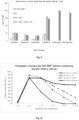
- Example 1 cohorts of bees were given a choice of diet with or without isofucosterol. Bees preferred to consume food that contained at least 0,05 % isofucosterol in the diet, as shown in Figure 7 .
- Example 2 Survival: bees live longer on foods containing isofucosterol
- the treatment diet contained the isofucosterol.
- Newly emerged bees were removed from the brood frame and cohorts of 30 bees per replicate were housed in plastic rearing cages. In all experiments, 10 cohorts of ⁇ 30 bees each were used for each treatment group. In all diet's carbohydrate was maintained at 60% using sucrose and fat was maintained at 8%. Consumption of each diet was measured every day over the course of the experiment. The number of bees alive in the box was counted each day for 14 days.
- Example 2 represents the survival of cohorts of bees confined to feed on diets containing specific concentrations of isofucosterol (0%, 0,5% and 1% weight of diet), as shown in Figure 8 .
- Example 3 Brood production: Honeybees produce more brood with isofucosterol and produce brood for longer periods of time.
- Honeybees Fully functional insulated styrofoam Apidea nucs comprised 5 mini frames populated with adult workers and 1 mated laying queen bee were populated with 300-400 ml of young adult workers ( ⁇ N ⁇ 1,000 bees of mixed ages).
- the colony was located in an enclosed glasshouse with ventilation which did not permit the honeybees to forage on nectar or pollen.
- Each treatment was tested with 3-6 colonies; each colony was fed with a 60-100g patty (solid diet) on the top feeder fitted with a mesh floor. Diet was fed on the first day and again on day 6; the quantity consumed was measured on day 6 and day 15. If no larvae or eggs/queen are observed by day 6 then the experiment is terminated. The number of capped brood cells was counted on day 15. The number of bee seams was estimated during each inspection. Sugar syrup (34%) and water was provided in feeders inside the tent to prevent carbohydrate starvation and to stimulate foraging activity.
- Example 3 bees were fed with a diet containing 10-18% protein, 6% fat, 1% vitamins/minerals and > 75% carbohydrates.
- the colonies are located in an enclosed screenhouse with ventilation which did not permit the honeybees to forage on nectar or pollen.
- Each treatment was tested with 3-6 colonies; each colony was fed ad libitum with the solid diet on the top feeder fitted with a mesh floor, and the quantity consumed was assessed at every feeding. The number of capped brood cells was assessed every 12 days. The number of bee seams was recorded during each inspection. If the colony reaches maximal size for the Apidea box, a super is added.
- Sugar syrup (34%) and water was provided in feeders inside the tent to prevent carbohydrate starvation and to stimulate foraging activity.
- Example 4A bees were fed with a diet containing 15-30% protein, 4-12% fat, 1% vitamins/minerals and > 40% carbohydrates (Diet 1).
- Honeybees Fully functional insulated styrofoam Apidea nucs comprised 3-5 mini frames populated with adult workers and 1 mated laying queen bee were populated with 300-400 ml of young adult workers ( ⁇ N ⁇ 1,000 bees of mixed ages).
- Honeybees Fully functional insulated styrofoam Apidea nucs comprised 3-5 mini frames populated with adult workers and 1 mated laying queen bee were populated with 300-400 ml of young adult workers ( ⁇ N ⁇ 1,000 bees of mixed ages).
- FIG. 6 Results of Example 4C: Results of a long-term feeding experiment in Apidea colonies with bees fed a multiplicity of sterols whereby the total concentration of sterols in the diet is kept constant and the presence (concentration) of specific sterols is varied between diets.
- Figure 7 shows the results of Example 5A: Feeding adult Black soldier flies with a diet containing a multiplicity of sterols: effect on hatching rate of the eggs laid and the weight of the egg mass laid.
- Adult survival and number of egg masses laid from a population fed with a pollen substitute diet was measured daily using the methods of rearing described in Thinn and Kainoh 2022. JARQ 56 (2), 211-217 (2022 ).
- FIG 8 shows the results of Example 5B: Feeding adult Black soldier flies with a diet containing a multiplicity of sterols: effect on adult longevity and larval survival to prepupae stage.
- Black soldier fly (BSF) larvae were fed with a diet containing 22% protein, 4% fat as described in Hogsette 1992. J. Econ. Entomol. 85(6): 2291-2294 until ecclosion.
- Sterols were sourced as pure compounds added directly to diet to a total quantity of 0,1%. Larvae and adult survival over a 50 day period measured as in Georgescu et al., Eur. J. Entomol. 118: 297-306, 2021 .
- FIG 9 shows the results of Example 5C: Feeding adult Black soldier flies with different diets containing a multiplicity of sterols: sterols found in in the tissues of black soldier flies fed with a multiplicity of sterols. Sterols were added to diet. Measurement of sterols in tissues was performed after saponification of BSF tissues using GC-MS as described in Boukid et al. 2022. Insects 12, 672.
- Figure 10 shows the results of Example 6: Feeding honeybee colonies in an Apidea experiment with a diet containing an extract of Black soldier flies that were fed a multiplicity of sterols.
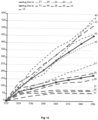
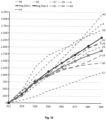
- Figure 13 shows the consumption of diets A and B. Since the primary use of pollen in a hive is to feed nurse bees which then feed larvae and the queen it is logical that if fewer brood is produced, less of the diets will be consumed ( Figure 13 ).
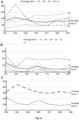
- Hives fed on diet C diet A from which 24-methylene-cholesterol was omitted started to show an increasing difference in the amount produced from day 48 onwards ( Figure 18 and 19 , Tables 2, 3 and 4). Between day 36 to day 96, the hives fed diet C produced 1126 cumulative capped brood on average versus 1588 cumulative capped brood on average for hives fed diet A. We note that the difference in capped brood produced in diet A versus diet B (minus isofucosterol-fucosterol) is already apparent on day 24-36 (Table 2, Table 3).
Landscapes
- Life Sciences & Earth Sciences (AREA)
- Chemical & Material Sciences (AREA)
- Polymers & Plastics (AREA)
- Food Science & Technology (AREA)
- Zoology (AREA)
- Animal Husbandry (AREA)
- Engineering & Computer Science (AREA)
- Birds (AREA)
- Insects & Arthropods (AREA)
- Proteomics, Peptides & Aminoacids (AREA)
- Marine Sciences & Fisheries (AREA)
- Jellies, Jams, And Syrups (AREA)
- Pharmaceuticals Containing Other Organic And Inorganic Compounds (AREA)
- Steroid Compounds (AREA)
- Medicines Containing Material From Animals Or Micro-Organisms (AREA)
- Coloring Foods And Improving Nutritive Qualities (AREA)
- Feed For Specific Animals (AREA)
- Fodder In General (AREA)
Claims (33)
- Verfahren zur Fütterung von wirbellosen Tieren oder Aquakulturorganismen, umfassend▪ Bereitstellung einer Pollenersatzzusammensetzung, die eine ernährungsphysiologisch wirksame Menge an Isofucosterol, Fucosterol oder einer Mischung davon enthält; und▪ Verabreichung der Pollenersatzzusammensetzung an wirbellose Tiere oder Aquakulturorganismen;wobei die Pollenersatzzusammensetzung eine ernährungsphysiologisch wirksame Menge von mindestens einem weiteren Sterol, vorzugsweise mindestens zwei weiteren Sterolen, ausgewählt aus der Gruppe bestehend aus Cholesterol, 24-Methylencholesterol, Campesterol, Stigmasterol und beta-Sitosterol oder einem physiologisch verfügbaren Konjugat davon, enthält.
- Das Verfahren nach Anspruch 1, wobei▪ Bei den wirbellosen Tieren handelt es sich um pollenfressende Insekten, vorzugsweise aus den Ordnungen der Hautflügler (Hymenoptera) und der Schmetterlinge (Coleoptera), besonders bevorzugt Honigbienen, Hummeln, schwarze Soldatenfliegen, Schwebfliegen oder Marienkäfer,▪ Bei den Aquakulturorganismen handelt es sich um Plankton und Algen fressende Aquakulturorganismen, vorzugsweise Fische, Fischlarven, Austern, Muscheln, Weichtiere, Schnecken oder Krustentiere.
- Verfahren nach einem der vorhergehenden Ansprüche, wobei die ernährungsphysiologisch wirksame Menge an Isofucosterol, Fucosterol oder einer Mischung davon eine Tagesdosis von 0,0006 Gew.-% bis 0,052 Gew.-% des lebenden Körpergewichts der wirbellosen Tiere oder Aquakulturorganismen ist.
- Verfahren nach einem der vorhergehenden Ansprüche, wobei die ernährungsphysiologisch wirksame Menge an Isofucosterol, Fucosterol oder einer Mischung davon 10 bis 60 Gew.-% der Gesamtmenge an Sterolen aus der Gruppe Isofucosterol, Fucosterol, Cholesterol, 24-Methylencholesterol, Campesterol, Stigmasterol und Beta-Sitosterol in der Gesamtnahrung der wirbellosen Tiere oder Aquakulturorganismen oder der Pollenersatzzusammensetzung beträgt.
- Verfahren nach einem der vorhergehenden Ansprüche, wobei das Isofucosterol, Fucosterol oder eine Mischung davon in einem Verhältnis von 0,14 g bis 12 g Isofucosterol, Fucosterol oder einer Mischung davon pro 30000 Bienen über einen Zeitraum von zwei Wochen verabreicht wird.
- Verfahren nach Anspruch 5, wobei das Isofucosterol, Fucosterol oder ein Gemisch davon in einer Menge von 10 Gew.-% bis 60 Gew.-% der Gesamtmenge an Sterolen aus der Gruppe Isofucosterol, Fucosterol, Cholesterol, 24-Methylencholesterol, Campesterol, Stigmasterol und Beta-Sitosterol in der Gesamtnahrung der wirbellosen Tiere oder Aquakulturorganismen oder der Pollenersatzzusammensetzung verabreicht wird.
- Verfahren nach einem der vorhergehenden Ansprüche,▪ wobei die ernährungsphysiologisch wirksame Menge des Isofucosterols, Fucosterols oder einer Mischung davon und des mindestens einen weiteren Sterols einem Verabreichungsverhältnis von 0,2 bis 48 Gramm pro 30000 Bienen über einen Zeitraum von zwei Wochen entspricht, und▪ wobei das Isofucosterol, Fucosterol oder ein Gemisch davon in einer Menge von 10 Gew.-% bis 60 Gew.-% der Gesamtmenge an Sterolen aus der Gruppe Isofucosterol, Fucosterol, Cholesterol, 24-Methylencholesterol, Campesterol, Stigmasterol und Beta-Sitosterol in der Gesamtnahrung der Bienen oder der Pollenersatzzusammensetzung verabreicht wird.
- Verfahren nach einem der vorhergehenden Ansprüche,▪ wobei das Isofucosterol, Fucosterol oder eine Mischung davon und das mindestens eine weitere Sterol in einem Verhältnis von 0,4 g bis 36 g pro 30000 Bienen über einen Zeitraum von zwei Wochen verabreicht wird, und▪ wobei das Isofucosterol, Fucosterol oder ein Gemisch davon in einer Menge von 10 Gew.-% bis 60 Gew.-% der Gesamtmenge an Sterolen aus der Gruppe Isofucosterol, Fucosterol, Cholesterol, 24-Methylencholesterol, Campesterol, Stigmasterol und Beta-Sitosterol in der Gesamtnahrung der Bienen oder der Pollenersatzzusammensetzung verabreicht wird.
- Verfahren nach einem der vorhergehenden Ansprüche,▪ wobei das Isofucosterol, Fucosterol oder eine Mischung davon und das mindestens eine weitere Sterol in einem Verhältnis von 0,6 g bis 20 g pro 30000 Bienen über einen Zeitraum von zwei Wochen verabreicht wird, und▪ wobei das Isofucosterol, Fucosterol oder ein Gemisch davon in einer Menge von 10 Gew.-% bis 60 Gew.-% der Gesamtmenge an Sterolen aus der Gruppe Isofucosterol, Fucosterol, Cholesterol, 24-Methylencholesterol, Campesterol, Stigmasterol und Beta-Sitosterol in der Gesamtnahrung der Bienen oder der Pollenersatzzusammensetzung verabreicht wird.
- Verfahren nach einem der vorhergehenden Ansprüche, wobei das Isofucosterol, Fucosterolcholesterol, 24-Methylencholesterol, beta-Stigmasterol, Stigmasterol und/oder Campesterol in einer Menge von 0,001 Gew.-% bis 0,087 Gew.-% des Lebensgewichts der Wirbellosen oder Aquakulturorganismen pro Tag verabreicht wird.
- Die Verfahren nach einem der vorhergehenden Ansprüche, wobei die ernährungsphysiologisch wirksame Menge ist:▪ Isofucosterol in einer Menge von 10 Gew.-% bis 60 Gew.-%,▪ Cholesterol in einer Menge von 0 Gew.-% bis 50 Gew.-%,▪ 24-Methylencholesterol in einer Menge von 0 Gew.-% bis 50 Gew.-%,▪ Beta-Sitosterol, Stigmasterol und/oder Campesterol in einer Menge von 0 bis 50 Gewichtsprozentim Vergleich zur Gesamtmenge an Isofucosterol, Fucosterolcholesterol, 24-Methylencholesterol, beta-Stigmasterol, Stigmasterol und/oder Campesterol.
- Verfahren nach einem der vorhergehenden Ansprüche, wobei die Gesamtkonzentration an Sterolen 0,01 bis 4 Gew.-%, vorzugsweise 0,05 bis 3 Gew.-% und noch bevorzugter 0,05 bis 2 Gew.-% und noch bevorzugter 0,05 bis 1,5 Gew.-%, bezogen auf das Gesamtgewicht der Pollenersatzzusammensetzung, beträgt.
- Verfahren nach einem der vorhergehenden Ansprüche, wobei die Konzentrationen der Sterole ausgewählt sind aus der Gruppe von:▪ Cholesterol in einer Menge von 0,001 Gew.-% bis 2 Gew.-%, vorzugsweise von 0,001 Gew.-% bis 1,5 Gew.-%, besonders bevorzugt von 0,06 Gew.-% bis 1,2 Gew.-%, bezogen auf das Gesamtgewicht der Pollenersatzzusammensetzung,▪ 24-Methylencholesterol in einer Menge von 0,001 Gew.-% bis 2 Gew.-%, vorzugsweise 0,001 Gew.-% bis 1,5 Gew.-%, besonders bevorzugt von 0,06 Gew.-% bis 1,2 Gew.-%, bezogen auf das Gesamtgewicht der Pollenersatzzusammensetzung,▪ Sitosterol, vorzugsweise beta-Sitosterol in einer Menge von 0,001 Gew.-% bis 2 Gew.-%, vorzugsweise von 0,001 Gew.-% bis 1 Gew.-%, besonders bevorzugt von 0,03 Gew.-% bis 0,6 Gew.-%, bezogen auf das Gesamtgewicht der Pollenersatzzusammensetzung,▪ Isofucosterol in einer Menge von 0,01 Gew.-% bis 5 Gew.-%, vorzugsweise von 0,01 Gew.-% bis 2 Gew.-%, noch bevorzugter von 0,01 Gew.-% bis 1,0 Gew.-%, noch bevorzugter von 0,03 Gew.-% bis 0,6 Gew.-%, bezogen auf das Gesamtgewicht der Pollenersatzmasse,▪ Campesterol in einer Menge von 0,001 Gew.-% bis 2 Gew.-%, vorzugsweise von 0,001 Gew.-% bis 1 Gew.-%, besonders bevorzugt von 0,02 Gew.-% bis 0,35 Gew.-%, bezogen auf das Gesamtgewicht der Pollenersatzzusammensetzung,▪ Stigmasterol in einer Menge von 0,001 Gew.-% bis 2 Gew.-%, vorzugsweise 0,001 bis 1 Gew.-%, besonders bevorzugt 0,01-0,2 %, bezogen auf das Gesamtgewicht der Pollenersatzzusammensetzung, oder▪ eine beliebige Kombination davon.
- Verfahren nach einem der vorhergehenden Ansprüche, wobei die Zusammensetzung eine ganze Wirbellosen-Diät, ein Teil einer Wirbellosen-Diät oder ein Nahrungsergänzungsmittel ist und wobei das Verhältnis von 24-Methylencholesterol zu dem weiteren Sterol oder zu der Kombination weiterer Sterole 10:1 bis 1:1 beträgt.
- Verfahren nach einem der vorhergehenden Ansprüche, wobei die Zusammensetzung an Wirbellose der Apidae-Familien, insbesondere Honigbienen (Apini), Hummeln (Bombini) oder stachellose Honigbienen (Meliponini) verabreicht wird.
- Verfahren nach einem der vorhergehenden Ansprüche, wobei die Zusammensetzung verabreicht wird▪ in fester Form, z. B. als Patty oder Pulver, oder in flüssiger Form, z. B. als Lösung, Öl oder Spray;▪ innerhalb oder außerhalb des Bienenstocks.
- Das Verfahren nach einem der vorhergehenden Ansprüche, wobei▪ die Quelle des Isofucosterols, Fucosterols oder einer Mischung davon ein Pollenersatzgewebe einer oder mehrerer Pflanzenarten ist, die aus der Gruppe ausgewählt sind, die aus Blättern, Stängeln, Wurzeln, Knollen, Blüten, Samen, Rinden und Früchten und Kombinationen davon besteht; und/oder▪ die Quelle des weiteren Sterols, ausgewählt aus der Gruppe bestehend aus Cholesterol, 24-Methylencholesterol, Campesterol und beta-Sitosterol und Stigmasterol, insbesondere das Cholesterol, ist ein Pollenersatzgewebe einer oder mehrerer Pflanzenarten, ausgewählt aus der Gruppe bestehend aus Blättern, Stängeln, Wurzeln, Knollen, Blüten, Samen, Rinden und Früchten und Kombinationen davon.
- Verfahren nach einem der vorhergehenden Ansprüche, wobei die Quelle des Isofucosterols, Fucosterols oder einer Mischung davon oder die Quelle des mindestens einen weiteren Sterols, ausgewählt aus der Gruppe bestehend aus Cholesterol, 24-Methylencholesterol, Campesterol und beta-Sitosterol und Stigmasterol, ein Extrakt, ein Öl oder eine Veredelung eines Nicht-Pollengewebes einer oder mehrerer Pflanzenarten oder eine Kombination davon ist.
- Verfahren nach einem der vorhergehenden Ansprüche, wobei die Quelle des Isofucosterols, Fucosterols oder einer Mischung davon oder die Quelle des mindestens einen weiteren Sterols, ausgewählt aus der Gruppe bestehend aus Cholesterol, 24-Methylencholesterol, Campesterol und beta-Sitosterol, Stigmasterol ein Pollenersatzgewebe einer oder mehrerer Pflanzenarten ist, ausgewählt aus der Gruppe bestehend aus Solanaceae, Poaceae, Ranunculaceae, Fabaceae, Corylaceae.
- Verfahren nach einem der vorhergehenden Ansprüche, wobei die Quelle für das Isofucosterol, Fucosterol oder ein Gemisch davon oder die Quelle für das mindestens eine weitere Sterol, ausgewählt aus der Gruppe bestehend aus Cholesterol, 24-Methylencholesterol, Campesterol und beta-Sitosterol und Stigmasterol, eine Pollenersatzquelle ist, ausgewählt aus der Gruppe bestehend aus:▪ eine Meeres- oder Süßwasseralgenart, insbesondere ein Extrakt, ein Öl oder eine Veredelung von Ulva lactuca;▪ eine marine Kieselalgenart, insbesondere ein Extrakt, ein Öl oder eine Veredelung von Thalassiosira pseudonana, Thalassiosira rotula oder Chaetoceros muelleri; und▪ ein Pilz, insbesondere ein Extrakt, ein Öl oder eine Veredelung einer Hefe wie Saccharomyces cerevesiae oder Yarrowia lipolytica.
- Verfahren nach einem der vorhergehenden Ansprüche, wobei das Isofucosterol oder Fucosterol und das mindestens eine weitere Sterol, ausgewählt aus der Gruppe bestehend aus Cholesterol, 24-Methylencholesterol, Campesterol und beta-Sitosterol und Stigmasterol, chemisch oder enzymatisch synthetisiert oder durch gentechnisch veränderte Wirtsorganismen wie Pilze, Bakterien oder Algen gewonnen wird.
- Verfahren nach einem der vorhergehenden Ansprüche, wobei die Quelle des Isofucosterols, Fucosterols oder eines Gemischs davon oder des mindestens einen weiteren Sterols, das aus der Gruppe ausgewählt ist, die aus Cholesterol, 24-Methylencholesterol, Campesterol und Beta-Sitosterol und Stigmasterol besteht, aus der Gruppe ausgewählt ist, die aus Algen, Pflanzen, Pilzen, Algen, Kieselalgen und Kombinationen davon besteht, und wobei die Quelle des Isofucosterols, Fucosterols oder eines Gemischs davon ein Pollenersatzgewebe ist.
- Verfahren nach einem der vorhergehenden Ansprüche, wobei das Isofucosterol, Fucosterol oder ein Gemisch davon und das mindestens eine weitere Sterol, ausgewählt aus der Gruppe bestehend aus Cholesterol, 24-Methylencholesterol, Campesterol und beta-Sitosterol und Stigmasterol, einem eusozialen Bienenvolk aus einer synthetischen Quelle zugeführt wird.
- Verfahren nach einem der vorhergehenden Ansprüche, wobei das Isofucosterol, Fucosterol oder ein Gemisch davon und das eine oder mehrere weitere Sterole aus der Gruppe bestehend aus Cholesterol, 24-Methylencholesterol, Campesterol, Stigmasterol und Beta-Sitosterol als Teil einer Pollenersatzzusammensetzung bereitgestellt werden, wobei die Pollenersatzzusammensetzung umfasst:▪ Proteine in einer Menge von 10 Gew.-% bis 50 Gew.-%, vorzugsweise von 15 Gew.-% bis 40 Gew.-%,▪ Fettsäuren in einer Menge von 1 Gew.-% bis 20 Gew.-%, vorzugsweise von 2 Gew.-% bis 12 Gew.-%,▪ Kohlenhydrate in einer Menge von 20 Gew.-% bis 90 Gew.-%, vorzugsweise von 30 Gew.-% bis 70 Gew.-%,▪ gegebenenfalls Vitamine, und▪ gegebenenfalls Mineralien,wobei sich die Gesamtmenge der Komponenten auf 100 Gew.-% addiert und wobei die Gew.-% auf das Gesamttrockengewicht der Zusammensetzung bezogen sind.
- Verfahren nach einem der vorhergehenden Ansprüche, wobei die Pollenersatzzusammensetzung im Wesentlichen frei von Pollen ist.
- Verwendung der Pollenersatzzusammensetzung nach einem der vorhergehenden Ansprüche zur Fütterung eines Organismus, ausgewählt aus der Gruppe bestehend aus:▪ Wirbellose Tiere, vorzugsweise pollenfressende Insekten, vorzugsweise Insekten der Ordnungen Hymenoptera und Coleoptera, noch bevorzugter Honigbienen, Hummeln, schwarze Soldatenfliegen, Schwebfliegen oder Marienkäfer,▪ Aquakulturorganismen, vorzugsweise Plankton und Algen fressende Aquakulturorganismen, insbesondere Fische, Fischlarven, Austern, Muscheln, Weichtiere, Schnecken oder Krebstiere.
- Verwendung der Pollenersatzzusammensetzung nach Anspruch 26 als konzentrierte Pastete, wobei die Konzentration an Isofucosterol, Fucosterol, Cholesterol, 24-Methylencholesterol, Campesterol, Stigmasterol und Beta-Sitosterol 10 bis 33 Gew.-%, bezogen auf das Gesamtgewicht der Pollenersatzzusammensetzung, beträgt.
- Verwendung der Pollenersatzzusammensetzung nach Anspruch 27, wobei die Zusammensetzung einen Bienenverzehr/Appetit anregenden Bestandteil umfasst, der aus der Gruppe ausgewählt ist, die aus Pollen, Zucker, Öl oder Fett, Honig oder Protein oder einer Mischung davon besteht.
- Verwendung der Pollenersatzzusammensetzung nach Anspruch 28, wobei die Konzentration des den Appetit/Verbrauch der Bienen anregenden Bestandteils von 1 Gew.-% bis 20 Gew.-%, vorzugsweise von 2,5 Gew.-% bis 15 Gew.-%, noch mehr bevorzugt von 5 Gew.-% bis 10 Gew.-%, bezogen auf das Gesamtgewicht der Pollenersatzzusammensetzung, beträgt.
- Verwendung der Pollenersatzzusammensetzung nach Anspruch 26, wobei die Pollenersatzzusammensetzung in flüssiger Form oder als Pulver vorliegt.
- Verwendung nach Anspruch 30, wobei die Konzentration von Isofucosterol, Fucosterol, Cholesterol, 24-Methylencholesterol, Campesterol, Stigmasterol und Beta-Sitosterol 0,01 Gew.-% bis 99 Gew.-%, bezogen auf das Gesamttrockengewicht der Pollenersatzmasse, beträgt.
- Eine pollenfreie Futterzusammensetzung oder eine Pollenersatzzusammensetzung, insbesondere für Bienen, die entweder▪ 0,01 Gew.-% bis 1 Gew.-% Isofucosterol, vorzugsweise 0,01 Gew.-% bis 0,3 Gew.-% Isofucosterol, bezogen auf das Gesamtgewicht der Pollenersatz-Zusammensetzung, wobei die Zusammensetzung gegebenenfalls weiterhin natürlichen Pollen in einer Menge von 1 Gew.-% bis 15 Gew.-%, bezogen auf das Gesamtgewicht der Pollenersatz-Zusammensetzung, umfasst, um den Nahrungsmittelverbrauch zu erhöhen; oder▪ 0,01 Gew.-% bis 1 Gew.-% Fucosterol, vorzugsweise 0,01 Gew.-% bis 0,3 Gew.-%, bezogen auf das Gesamtgewicht der Pollenersatz-Zusammensetzung, wobei die Zusammensetzung gegebenenfalls weiterhin natürlichen Pollen in einer Menge von 1 Gew.-% bis 15 Gew.-%, bezogen auf das Gesamtgewicht der Pollenersatz-Zusammensetzung, enthält, um die Nahrungsaufnahme zu erhöhen; oder▪ 0,01 Gew.-% bis 1 Gew.-% Isofucosterol und Fucosterol, vorzugsweise 0,01 Gew.-% bis 0,3 Gew.-%, bezogen auf das Gesamtgewicht der Pollenersatz-Zusammensetzung, wobei das Gewichtsverhältnis von Isofucosterol zu Fucosterol 0,01:100 bis 100:0,01 beträgt und wobei die Zusammensetzung gegebenenfalls weiterhin natürlichen Pollen in einer Menge von 1 Gew.-% bis 15 Gew.-%, bezogen auf das Gesamtgewicht der Pollenersatz-Zusammensetzung, umfasst, um die Nahrungsaufnahme zu erhöhen; oder▪ 0,01 Gew.-% bis 1 Gew.-% Isofucosterol/Fucosterol, vorzugsweise 0,01 Gew.-% bis 0,3 Gew.-%, bezogen auf das Gesamtgewicht der Pollen-Ersatzstoff-Zusammensetzung;- Wobei das Gewichtsverhältnis von Isofucosterol zu Fucosterol zwischen 0,01:100 und 100:0,01 liegt;- Wobei die Pollenersatzzusammensetzung weiterhin 0,01 bis 0,5 Gew.-% 24-Methylencholesterol im Vergleich zum Gesamtgewicht der Pollenersatzzusammensetzung enthält;- wobei das Verhältnis von Isofucosterol und Fucosterol zu 24-Methylencholesterol 2:100 bis 100:2 beträgt; und- wobei die Pollenersatz-Zusammensetzung gegebenenfalls zusätzlich natürlichen Pollen in einer Menge von 1 bis 15 Gew.-% im Vergleich zum Gesamtgewicht der Pollenersatz-Zusammensetzung enthält, um die Nahrungsaufnahme zu erhöhen; oder▪ 0,01 Gew.-% bis 1 Gew.-% 24-Methylen-Cholesterol, vorzugsweise 0,01 Gew.-% bis 0,3 Gew.-%, bezogen auf das Gesamtgewicht der Pollen-Ersatzstoff-Zusammensetzung;- Wobei die Pollenersatz-Zusammensetzung ferner Isofucosterol und Fucosterol mit einem Gewichtsverhältnis von Isofucosterol zu Fucosterol von 0,01:100 bis 100:0,01 umfasst;- wobei das Gewichtsverhältnis von Isofucosterol und Fucosterol zu 24-Methylencholesterol 2:100 bis 100:2 beträgt; und- Wobei die Pollenersatz-Zusammensetzung optional zusätzlich natürlichen Pollen in einer Menge von 1 bis 15 Gew.-% im Vergleich zum Gesamtgewicht der Pollenersatz-Zusammensetzung enthält, um die Nahrungsaufnahme zu erhöhen.
- Pollenfreie Futterzusammensetzung oder Pollenersatzzusammensetzung, insbesondere für Bienen, umfassend 0,02 Gew.-% bis 3 Gew.-% Sterole, wobei die Sterole aus einer Gruppe ausgewählt sind, die aus 24-Methylen-Cholesterol, Isofucosterol, Fucosterol, Beta-Sitosterol, Campester, Stigmasterol, Ergosterol und Cholesterol besteht, bezogen auf das Gesamtgewicht der Pollenersatzzusammensetzung;▪ wobei das Gewichtsverhältnis von Isofucosterol und Fucosterol zu 24-Methylencholesterol 0,5:100 bis 100:0,5 beträgt; und/oder▪ wobei das Gewichtsverhältnis von Isofucosterol zu Fucosterol zwischen 0:10 und 10:0 liegt; und/oder▪ von Isofucosterol zur Summe eines oder mehrerer anderer Sterole, ausgewählt aus der Gruppe 24-Methylen-Cholesterol, Fucosterol, Beta-Sitosterol, Campesterol, Stigmasterol, Cholesterol, Ergosterol von 2:100 bis 100:2; und/oder▪ wobei das Gewichtsverhältnis von Fucosterol zur Summe der anderen Sterole, ausgewählt aus der Gruppe 24-Methylen-Cholesterol, Isofucosterol, beta-Sitosterol, Campesterol, Stigmasterol, Cholesterol, Ergosterol, 2:100 bis 100:2 beträgt; und/oder▪ wobei das Gewichtsverhältnis von 24-Methylen-Cholesterol zur Summe von einem oder mehreren anderen Sterolen, ausgewählt aus der Gruppe Isofucosterol, Fucosterol, beta-Sitosterol, Campesterol, Stigmasterol, Cholesterol, Ergosterol, 2:100 bis 100:2 beträgt; und/oder▪ wobei das Gewichtsverhältnis von Cholesterol zur Summe von einem oder mehreren Sterolen, ausgewählt aus der Gruppe 24-Methylen-Cholesterol, Isofucosterol, Fucosterol, beta-Sitosterol, Campesterol, Stigmasterol, Ergosterol, 15:1 bis 1:100 beträgt; und/oder▪ Wobei die Pollenersatz-Zusammensetzung optional zusätzlich natürlichen Pollen in einer Menge von 1 bis 15 Gew.-% im Vergleich zum Gesamtgewicht der Pollenersatz-Zusammensetzung enthält, um die Nahrungsaufnahme zu erhöhen.
Priority Applications (5)
| Application Number | Priority Date | Filing Date | Title |
|---|---|---|---|
| SI202330006T SI4358735T1 (sl) | 2022-09-13 | 2023-09-10 | Izofukosterol ter kombinacije izofukosterola in številnih sterolov kot hranilo za živali |
| SM20240331T SMT202400331T1 (it) | 2022-09-13 | 2023-09-10 | Isofucosterolo e combinazioni di isofucosterolo e una molteplicità di steroli come nutriente per animali |
| RS20240916A RS65841B1 (sr) | 2022-09-13 | 2023-09-10 | Izofukosterol i kombinacije izofukosterola i mnoštva sterola kao nutrijent za životinje |
| EP24176811.8A EP4397188A3 (de) | 2022-09-13 | 2023-09-10 | Isofucosterol und kombinationen aus isofucosterol und einer vielzahl von sterolen als tiernahrung |
| HRP20241123TT HRP20241123T1 (hr) | 2022-09-13 | 2023-09-10 | Izofukosterol i kombinacije izofukosterola i mnoštva sterola kao hranjiva tvar za životinje |
Applications Claiming Priority (2)
| Application Number | Priority Date | Filing Date | Title |
|---|---|---|---|
| BE20225727A BE1030873B1 (nl) | 2022-09-13 | 2022-09-13 | Isofucosterol en combinaties van isofucosterol en een veelheid van sterolen als voedingsstof voor dieren |
| PCT/EP2023/074820 WO2024056559A1 (en) | 2022-09-13 | 2023-09-10 | Isofucosterol and combinations of isofucosterol and a multiplicity of sterols as a nutrient for animals |
Related Child Applications (2)
| Application Number | Title | Priority Date | Filing Date |
|---|---|---|---|
| EP24176811.8A Division-Into EP4397188A3 (de) | 2022-09-13 | 2023-09-10 | Isofucosterol und kombinationen aus isofucosterol und einer vielzahl von sterolen als tiernahrung |
| EP24176811.8A Division EP4397188A3 (de) | 2022-09-13 | 2023-09-10 | Isofucosterol und kombinationen aus isofucosterol und einer vielzahl von sterolen als tiernahrung |
Publications (2)
| Publication Number | Publication Date |
|---|---|
| EP4358735A1 EP4358735A1 (de) | 2024-05-01 |
| EP4358735B1 true EP4358735B1 (de) | 2024-07-10 |
Family
ID=90230689
Family Applications (2)
| Application Number | Title | Priority Date | Filing Date |
|---|---|---|---|
| EP24176811.8A Pending EP4397188A3 (de) | 2022-09-13 | 2023-09-10 | Isofucosterol und kombinationen aus isofucosterol und einer vielzahl von sterolen als tiernahrung |
| EP23768543.3A Active EP4358735B1 (de) | 2022-09-13 | 2023-09-10 | Isofucosterol und kombinationen aus isofucosterol und einer vielzahl von sterolen als tiernahrung |
Family Applications Before (1)
| Application Number | Title | Priority Date | Filing Date |
|---|---|---|---|
| EP24176811.8A Pending EP4397188A3 (de) | 2022-09-13 | 2023-09-10 | Isofucosterol und kombinationen aus isofucosterol und einer vielzahl von sterolen als tiernahrung |
Country Status (18)
| Country | Link |
|---|---|
| US (1) | US20250089742A1 (de) |
| EP (2) | EP4397188A3 (de) |
| JP (1) | JP7721012B2 (de) |
| KR (1) | KR102927119B1 (de) |
| CN (1) | CN118785814A (de) |
| AU (2) | AU2023274082B2 (de) |
| CA (1) | CA3223742C (de) |
| DK (1) | DK4358735T3 (de) |
| ES (1) | ES2993095T3 (de) |
| FI (1) | FI4358735T3 (de) |
| HR (1) | HRP20241123T1 (de) |
| IL (1) | IL315316B2 (de) |
| LT (1) | LT4358735T (de) |
| NZ (1) | NZ806016A (de) |
| PL (1) | PL4358735T3 (de) |
| RS (1) | RS65841B1 (de) |
| SI (1) | SI4358735T1 (de) |
| SM (1) | SMT202400331T1 (de) |
Family Cites Families (7)
| Publication number | Priority date | Publication date | Assignee | Title |
|---|---|---|---|---|
| WO1994017674A1 (en) * | 1993-02-12 | 1994-08-18 | Peter Roland Ramm | An improved bee food and method of feeding |
| CA2630173C (en) * | 2005-11-18 | 2018-01-09 | Commonwealth Scientific And Industrial Research Organisation | Feedstuffs for aquaculture comprising stearidonic acid |
| KR100755027B1 (ko) * | 2005-12-28 | 2007-09-06 | 한국과학기술연구원 | 꿀벌응애 구제용 사료의 제조방법 |
| WO2017017313A1 (en) * | 2015-07-24 | 2017-02-02 | University Of Helsinki | Edible vaccination against microbial pathogens |
| GB201520144D0 (en) * | 2015-11-16 | 2015-12-30 | Univ Newcastle Upon Tyne And Yissum Res Dev Company Of The Hebrew University Of Jerusalem And Board | Bee nutrition |
| JP7443658B2 (ja) * | 2018-05-22 | 2024-03-06 | ディーエスエム アイピー アセッツ ビー.ブイ. | C-8ステロール異性化の最適化 |
| CN111235207A (zh) * | 2020-04-16 | 2020-06-05 | 杭州巴洛特生物科技有限公司 | 一种提高鼠尾藻合成岩藻甾醇效率的工艺 |
-
2023
- 2023-09-10 PL PL23768543.3T patent/PL4358735T3/pl unknown
- 2023-09-10 JP JP2024550133A patent/JP7721012B2/ja active Active
- 2023-09-10 FI FIEP23768543.3T patent/FI4358735T3/fi active
- 2023-09-10 AU AU2023274082A patent/AU2023274082B2/en active Active
- 2023-09-10 CA CA3223742A patent/CA3223742C/en active Active
- 2023-09-10 EP EP24176811.8A patent/EP4397188A3/de active Pending
- 2023-09-10 US US18/580,901 patent/US20250089742A1/en active Pending
- 2023-09-10 CN CN202380024148.6A patent/CN118785814A/zh active Pending
- 2023-09-10 EP EP23768543.3A patent/EP4358735B1/de active Active
- 2023-09-10 RS RS20240916A patent/RS65841B1/sr unknown
- 2023-09-10 KR KR1020247028678A patent/KR102927119B1/ko active Active
- 2023-09-10 SI SI202330006T patent/SI4358735T1/sl unknown
- 2023-09-10 SM SM20240331T patent/SMT202400331T1/it unknown
- 2023-09-10 LT LTEPPCT/EP2023/074820T patent/LT4358735T/lt unknown
- 2023-09-10 ES ES23768543T patent/ES2993095T3/es active Active
- 2023-09-10 NZ NZ806016A patent/NZ806016A/en unknown
- 2023-09-10 DK DK23768543.3T patent/DK4358735T3/da active
- 2023-09-10 HR HRP20241123TT patent/HRP20241123T1/hr unknown
- 2023-10-09 IL IL315316A patent/IL315316B2/en unknown
-
2024
- 2024-09-20 AU AU2024219912A patent/AU2024219912A1/en active Pending
Also Published As
| Publication number | Publication date |
|---|---|
| KR20240132532A (ko) | 2024-09-03 |
| CA3223742A1 (en) | 2024-03-13 |
| ES2993095T3 (en) | 2024-12-20 |
| DK4358735T3 (da) | 2024-08-05 |
| AU2024219912A1 (en) | 2024-10-10 |
| SMT202400331T1 (it) | 2024-09-16 |
| HRP20241123T1 (hr) | 2024-11-22 |
| FI4358735T3 (fi) | 2024-08-09 |
| JP2025507436A (ja) | 2025-03-18 |
| IL315316B2 (en) | 2026-01-01 |
| CN118785814A (zh) | 2024-10-15 |
| AU2023274082B2 (en) | 2024-10-10 |
| LT4358735T (lt) | 2024-08-26 |
| US20250089742A1 (en) | 2025-03-20 |
| RS65841B1 (sr) | 2024-09-30 |
| PL4358735T3 (pl) | 2024-09-16 |
| NZ806016A (en) | 2026-02-27 |
| EP4358735A1 (de) | 2024-05-01 |
| JP7721012B2 (ja) | 2025-08-08 |
| AU2023274082A1 (en) | 2024-03-28 |
| EP4397188A2 (de) | 2024-07-10 |
| EP4397188A3 (de) | 2024-08-07 |
| KR102927119B1 (ko) | 2026-02-12 |
| IL315316B1 (en) | 2025-09-01 |
| IL315316A (en) | 2024-10-01 |
| SI4358735T1 (sl) | 2024-09-30 |
| CA3223742C (en) | 2025-06-17 |
Similar Documents
| Publication | Publication Date | Title |
|---|---|---|
| Arien et al. | Effect of diet lipids and omega-6: 3 ratio on honey bee brood development, adult survival and body composition | |
| US12514269B2 (en) | Bee nutrition | |
| Brodschneider et al. | Nutrition and health in honey bees | |
| US20240315283A1 (en) | Isofucosterol a key nutrient for phytosterol eating animals such as pollen eating and algae-eating and plankton eating organisms | |
| AU2023274082B2 (en) | Isofucosterol and combinations of isofucosterol and a multiplicity of sterols as a nutrient for animals | |
| Rana et al. | Artificial diet supplementation: A review for sustainable approach to boost honeybee health: Dearth period and artificial diet for bee health | |
| WO2024056559A1 (en) | Isofucosterol and combinations of isofucosterol and a multiplicity of sterols as a nutrient for animals | |
| AU2026203445A1 (en) | Isofucosterol and combinations of isofucosterol and a multiplicity of sterols as a nutrient for animals | |
| BE1029426B1 (nl) | Methoden voor de toediening van heilzame voedingsstoffen aan organismen | |
| BE1029373B1 (nl) | Methoden voor de toediening van heilzame voedingsstoffen aan ongewervelde dieren door een micro-organisme met een tekort aan antinutriënten | |
| Kartik et al. | Artificial diet supplementation: A review for sustainable approach to boost honeybee health | |
| US20240389618A1 (en) | Methods for delivering 24-methylene cholesterol, isofucosterol, cholesterol or desmosterol to invertebrates, in particular honey bees or bumble bees | |
| WO2023057041A1 (en) | Methods for delivering 24-methylene cholesterol, isofucosterol, cholesterol or desmosterol to invertebrates, in particular honey bees or bumble bees | |
| WO2023052339A1 (en) | Methods for delivering beneficial nutrients to invertebrates through a microorganism deficient in antinutrients |
Legal Events
| Date | Code | Title | Description |
|---|---|---|---|
| REG | Reference to a national code |
Ref country code: HR Ref legal event code: TUEP Ref document number: P20241123T Country of ref document: HR |
|
| STAA | Information on the status of an ep patent application or granted ep patent |
Free format text: STATUS: UNKNOWN |
|
| STAA | Information on the status of an ep patent application or granted ep patent |
Free format text: STATUS: THE INTERNATIONAL PUBLICATION HAS BEEN MADE |
|
| PUAI | Public reference made under article 153(3) epc to a published international application that has entered the european phase |
Free format text: ORIGINAL CODE: 0009012 |
|
| STAA | Information on the status of an ep patent application or granted ep patent |
Free format text: STATUS: REQUEST FOR EXAMINATION WAS MADE |
|
| 17P | Request for examination filed |
Effective date: 20231023 |
|
| AK | Designated contracting states |
Kind code of ref document: A1 Designated state(s): AL AT BE BG CH CY CZ DE DK EE ES FI FR GB GR HR HU IE IS IT LI LT LU LV MC ME MK MT NL NO PL PT RO RS SE SI SK SM TR |
|
| STAA | Information on the status of an ep patent application or granted ep patent |
Free format text: STATUS: EXAMINATION IS IN PROGRESS |
|
| GRAP | Despatch of communication of intention to grant a patent |
Free format text: ORIGINAL CODE: EPIDOSNIGR1 |
|
| STAA | Information on the status of an ep patent application or granted ep patent |
Free format text: STATUS: GRANT OF PATENT IS INTENDED |
|
| GRAS | Grant fee paid |
Free format text: ORIGINAL CODE: EPIDOSNIGR3 |
|
| 17Q | First examination report despatched |
Effective date: 20240506 |
|
| GRAA | (expected) grant |
Free format text: ORIGINAL CODE: 0009210 |
|
| STAA | Information on the status of an ep patent application or granted ep patent |
Free format text: STATUS: THE PATENT HAS BEEN GRANTED |
|
| DAV | Request for validation of the european patent (deleted) | ||
| DAX | Request for extension of the european patent (deleted) | ||
| INTG | Intention to grant announced |
Effective date: 20240524 |
|
| INTG | Intention to grant announced |
Effective date: 20240531 |
|
| RAP3 | Party data changed (applicant data changed or rights of an application transferred) |
Owner name: PHYTANT Owner name: APIX BIOSCIENCES |
|
| AK | Designated contracting states |
Kind code of ref document: B1 Designated state(s): AL AT BE BG CH CY CZ DE DK EE ES FI FR GB GR HR HU IE IS IT LI LT LU LV MC ME MK MT NL NO PL PT RO RS SE SI SK SM TR |
|
| REG | Reference to a national code |
Ref country code: CH Ref legal event code: EP |
|
| REG | Reference to a national code |
Ref country code: DE Ref legal event code: R096 Ref document number: 602023000229 Country of ref document: DE |
|
| REG | Reference to a national code |
Ref country code: DK Ref legal event code: T3 Effective date: 20240730 |
|
| P01 | Opt-out of the competence of the unified patent court (upc) registered |
Free format text: CASE NUMBER: APP_38721/2024 Effective date: 20240627 |
|
| REG | Reference to a national code |
Ref country code: FI Ref legal event code: FGE |
|
| REG | Reference to a national code |
Ref country code: SE Ref legal event code: TRGR |
|
| REG | Reference to a national code |
Ref country code: NL Ref legal event code: FP |
|
| REG | Reference to a national code |
Ref country code: PT Ref legal event code: SC4A Ref document number: 4358735 Country of ref document: PT Date of ref document: 20240906 Kind code of ref document: T Free format text: AVAILABILITY OF NATIONAL TRANSLATION Effective date: 20240903 |
|
| REG | Reference to a national code |
Ref country code: SK Ref legal event code: T3 Ref document number: E 44697 Country of ref document: SK |
|
| PGFP | Annual fee paid to national office [announced via postgrant information from national office to epo] |
Ref country code: SM Payment date: 20240905 Year of fee payment: 3 |
|
| REG | Reference to a national code |
Ref country code: EE Ref legal event code: FG4A Ref document number: E024400 Country of ref document: EE Effective date: 20240814 |
|
| REG | Reference to a national code |
Ref country code: GR Ref legal event code: EP Ref document number: 20240401907 Country of ref document: GR Effective date: 20241007 |
|
| REG | Reference to a national code |
Ref country code: HR Ref legal event code: T1PR Ref document number: P20241123 Country of ref document: HR |
|
| REG | Reference to a national code |
Ref country code: HU Ref legal event code: AG4A Ref document number: E067843 Country of ref document: HU |
|
| REG | Reference to a national code |
Ref country code: ES Ref legal event code: FG2A Ref document number: 2993095 Country of ref document: ES Kind code of ref document: T3 Effective date: 20241220 |
|
| REG | Reference to a national code |
Ref country code: DE Ref legal event code: R097 Ref document number: 602023000229 Country of ref document: DE |
|
| PLBE | No opposition filed within time limit |
Free format text: ORIGINAL CODE: 0009261 |
|
| STAA | Information on the status of an ep patent application or granted ep patent |
Free format text: STATUS: NO OPPOSITION FILED WITHIN TIME LIMIT |
|
| 26N | No opposition filed |
Effective date: 20250411 |
|
| REG | Reference to a national code |
Ref country code: HR Ref legal event code: ODRP Ref document number: P20241123 Country of ref document: HR Payment date: 20250904 Year of fee payment: 3 |
|
| PGFP | Annual fee paid to national office [announced via postgrant information from national office to epo] |
Ref country code: PT Payment date: 20250828 Year of fee payment: 3 Ref country code: FI Payment date: 20250922 Year of fee payment: 3 |
|
| PGFP | Annual fee paid to national office [announced via postgrant information from national office to epo] |
Ref country code: LT Payment date: 20250828 Year of fee payment: 3 Ref country code: DE Payment date: 20250919 Year of fee payment: 3 Ref country code: DK Payment date: 20250922 Year of fee payment: 3 |
|
| PGFP | Annual fee paid to national office [announced via postgrant information from national office to epo] |
Ref country code: MC Payment date: 20250923 Year of fee payment: 3 Ref country code: NO Payment date: 20250919 Year of fee payment: 3 Ref country code: GR Payment date: 20250918 Year of fee payment: 3 |
|
| PGFP | Annual fee paid to national office [announced via postgrant information from national office to epo] |
Ref country code: PL Payment date: 20250830 Year of fee payment: 3 Ref country code: TR Payment date: 20250905 Year of fee payment: 3 Ref country code: LU Payment date: 20250922 Year of fee payment: 3 |
|
| PGFP | Annual fee paid to national office [announced via postgrant information from national office to epo] |
Ref country code: BG Payment date: 20250917 Year of fee payment: 4 Ref country code: HU Payment date: 20250903 Year of fee payment: 3 Ref country code: BE Payment date: 20250919 Year of fee payment: 3 |
|
| PGFP | Annual fee paid to national office [announced via postgrant information from national office to epo] |
Ref country code: HR Payment date: 20250904 Year of fee payment: 3 |
|
| PGFP | Annual fee paid to national office [announced via postgrant information from national office to epo] |
Ref country code: AL Payment date: 20250924 Year of fee payment: 3 Ref country code: FR Payment date: 20250924 Year of fee payment: 3 Ref country code: AT Payment date: 20251020 Year of fee payment: 3 |
|
| PGFP | Annual fee paid to national office [announced via postgrant information from national office to epo] |
Ref country code: MT Payment date: 20250919 Year of fee payment: 3 Ref country code: SE Payment date: 20250922 Year of fee payment: 3 |
|
| PGFP | Annual fee paid to national office [announced via postgrant information from national office to epo] |
Ref country code: IE Payment date: 20250919 Year of fee payment: 3 Ref country code: RS Payment date: 20250902 Year of fee payment: 3 Ref country code: EE Payment date: 20250922 Year of fee payment: 3 Ref country code: CZ Payment date: 20250828 Year of fee payment: 3 |
|
| PGFP | Annual fee paid to national office [announced via postgrant information from national office to epo] |
Ref country code: RO Payment date: 20250909 Year of fee payment: 3 |
|
| PGFP | Annual fee paid to national office [announced via postgrant information from national office to epo] |
Ref country code: SK Payment date: 20250908 Year of fee payment: 3 |
|
| PGFP | Annual fee paid to national office [announced via postgrant information from national office to epo] |
Ref country code: IS Payment date: 20250924 Year of fee payment: 3 |
|
| PGFP | Annual fee paid to national office [announced via postgrant information from national office to epo] |
Ref country code: LV Payment date: 20250923 Year of fee payment: 3 |
|
| PGFP | Annual fee paid to national office [announced via postgrant information from national office to epo] |
Ref country code: SI Payment date: 20250903 Year of fee payment: 3 |
|
| PGFP | Annual fee paid to national office [announced via postgrant information from national office to epo] |
Ref country code: MK Payment date: 20250901 Year of fee payment: 3 |
|
| PGFP | Annual fee paid to national office [announced via postgrant information from national office to epo] |
Ref country code: IT Payment date: 20250930 Year of fee payment: 3 |
|
| PGFP | Annual fee paid to national office [announced via postgrant information from national office to epo] |
Ref country code: ME Payment date: 20250903 Year of fee payment: 3 |
|
| PGFP | Annual fee paid to national office [announced via postgrant information from national office to epo] |
Ref country code: CY Payment date: 20250904 Year of fee payment: 3 |
|
| PGFP | Annual fee paid to national office [announced via postgrant information from national office to epo] |
Ref country code: ES Payment date: 20251020 Year of fee payment: 3 |
|
| REG | Reference to a national code |
Ref country code: AT Ref legal event code: UEP Ref document number: 1701190 Country of ref document: AT Kind code of ref document: T Effective date: 20240710 |