EP4356898A1 - Cosmetic composition comprising ceramides and sphingolipid - Google Patents
Cosmetic composition comprising ceramides and sphingolipid Download PDFInfo
- Publication number
- EP4356898A1 EP4356898A1 EP23164187.9A EP23164187A EP4356898A1 EP 4356898 A1 EP4356898 A1 EP 4356898A1 EP 23164187 A EP23164187 A EP 23164187A EP 4356898 A1 EP4356898 A1 EP 4356898A1
- Authority
- EP
- European Patent Office
- Prior art keywords
- ceramide
- skin
- cosmetic composition
- sphingolipid
- ceramides
- Prior art date
- Legal status (The legal status is an assumption and is not a legal conclusion. Google has not performed a legal analysis and makes no representation as to the accuracy of the status listed.)
- Pending
Links
Images





Classifications
-
- A—HUMAN NECESSITIES
- A61—MEDICAL OR VETERINARY SCIENCE; HYGIENE
- A61K—PREPARATIONS FOR MEDICAL, DENTAL OR TOILETRY PURPOSES
- A61K8/00—Cosmetics or similar toiletry preparations
- A61K8/18—Cosmetics or similar toiletry preparations characterised by the composition
- A61K8/30—Cosmetics or similar toiletry preparations characterised by the composition containing organic compounds
- A61K8/68—Sphingolipids, e.g. ceramides, cerebrosides, gangliosides
-
- A—HUMAN NECESSITIES
- A61—MEDICAL OR VETERINARY SCIENCE; HYGIENE
- A61K—PREPARATIONS FOR MEDICAL, DENTAL OR TOILETRY PURPOSES
- A61K31/00—Medicinal preparations containing organic active ingredients
- A61K31/16—Amides, e.g. hydroxamic acids
-
- A—HUMAN NECESSITIES
- A61—MEDICAL OR VETERINARY SCIENCE; HYGIENE
- A61K—PREPARATIONS FOR MEDICAL, DENTAL OR TOILETRY PURPOSES
- A61K8/00—Cosmetics or similar toiletry preparations
- A61K8/18—Cosmetics or similar toiletry preparations characterised by the composition
- A61K8/30—Cosmetics or similar toiletry preparations characterised by the composition containing organic compounds
- A61K8/40—Cosmetics or similar toiletry preparations characterised by the composition containing organic compounds containing nitrogen
- A61K8/41—Amines
-
- A—HUMAN NECESSITIES
- A61—MEDICAL OR VETERINARY SCIENCE; HYGIENE
- A61P—SPECIFIC THERAPEUTIC ACTIVITY OF CHEMICAL COMPOUNDS OR MEDICINAL PREPARATIONS
- A61P17/00—Drugs for dermatological disorders
-
- A—HUMAN NECESSITIES
- A61—MEDICAL OR VETERINARY SCIENCE; HYGIENE
- A61Q—SPECIFIC USE OF COSMETICS OR SIMILAR TOILETRY PREPARATIONS
- A61Q19/00—Preparations for care of the skin
-
- A—HUMAN NECESSITIES
- A61—MEDICAL OR VETERINARY SCIENCE; HYGIENE
- A61Q—SPECIFIC USE OF COSMETICS OR SIMILAR TOILETRY PREPARATIONS
- A61Q19/00—Preparations for care of the skin
- A61Q19/007—Preparations for dry skin
-
- A—HUMAN NECESSITIES
- A61—MEDICAL OR VETERINARY SCIENCE; HYGIENE
- A61Q—SPECIFIC USE OF COSMETICS OR SIMILAR TOILETRY PREPARATIONS
- A61Q19/00—Preparations for care of the skin
- A61Q19/02—Preparations for care of the skin for chemically bleaching or whitening the skin
-
- A—HUMAN NECESSITIES
- A61—MEDICAL OR VETERINARY SCIENCE; HYGIENE
- A61Q—SPECIFIC USE OF COSMETICS OR SIMILAR TOILETRY PREPARATIONS
- A61Q19/00—Preparations for care of the skin
- A61Q19/08—Anti-ageing preparations
-
- A—HUMAN NECESSITIES
- A61—MEDICAL OR VETERINARY SCIENCE; HYGIENE
- A61K—PREPARATIONS FOR MEDICAL, DENTAL OR TOILETRY PURPOSES
- A61K2800/00—Properties of cosmetic compositions or active ingredients thereof or formulation aids used therein and process related aspects
- A61K2800/40—Chemical, physico-chemical or functional or structural properties of particular ingredients
- A61K2800/59—Mixtures
- A61K2800/592—Mixtures of compounds complementing their respective functions
- A61K2800/5922—At least two compounds being classified in the same subclass of A61K8/18
-
- A—HUMAN NECESSITIES
- A61—MEDICAL OR VETERINARY SCIENCE; HYGIENE
- A61K—PREPARATIONS FOR MEDICAL, DENTAL OR TOILETRY PURPOSES
- A61K2800/00—Properties of cosmetic compositions or active ingredients thereof or formulation aids used therein and process related aspects
- A61K2800/74—Biological properties of particular ingredients
- A61K2800/78—Enzyme modulators, e.g. Enzyme agonists
Definitions
- the present disclosure relates to a cosmetic composition including ceramides and a sphingolipid.
- Ceramides are mainly produced by the hydrolysis of sphingomyelin, a type of phospholipids constituting cell membranes, by the action of the enzyme sphingomyelinase, are major polar lipid components of the stratum corneum, which account for about 50% of the stratum corneum, and are components that form a lipid bilayer with moisture to have constant humidity and barrier functions.
- Sphingolipids are a type of lipids and known to exist in the cell membranes of almost all living organisms, and collectively refer to various derivatives including sphingoid bases as a backbone (sphingosine, sphinganine, or phytosphingosine), fatty acids, and head groups.
- sphingoid bases as a backbone (sphingosine, sphinganine, or phytosphingosine), fatty acids, and head groups.
- corneocytes which are degenerated keratinocytes that have differentiated and matured from the basal layer, and these corneocytes maintain the elasticity of the skin by binding to the double-chained lamellar structure of ceramides, which are abundantly present in the stratum corneum. That is, ceramides are arranged in parallel as a layered structure, and moisture is filled and maintained therebetween, so that the layered structure exhibits an overall barrier function.
- ceramide levels are commonly observed in atopic eczema, dermatitis, and psoriasis, it can be seen that sphingolipids are very closely related to skin health.
- the skin barrier can be damaged due to various causes, such as skin stress due to various stresses or environmental pollution, frequent face washing and natural skin aging, and loss-of-function mutations in the filaggrin gene (FLG).
- FLG filaggrin gene
- compositions or functional cosmetics for strengthening the skin barrier or skin moisturizing have recently attracted attention.
- a humectant having the property of absorbing moisture or an occlusive moisturizer for preventing moisture evaporation is used.
- a moisturizer is applied, which requires the prescription of a steroid therapeutic agent.
- dermal atrophy may occur or capillary vessels may expand, and it may rather cause a deterioration in skin barrier function.
- the inventors of the present disclosure have made efforts to overcome the problems of previously known moisturizing agents or steroid therapeutic agents, and as a result, confirmed that a mixture of ceramides and a sphingolipid are effective in skin improvement, thus completing the present disclosure.
- a cosmetic composition including: two or more different ceramides; and a sphingolipid.
- Another aspect is to provide a dermatologic composition for external application, including: two or more different ceramides; and a sphingolipid.
- a cosmetic composition includes: two or more different ceramides; and a sphingolipid.
- ceramide is used interchangeably with N-acylsphingosine, and may include all compounds consisting of sphingosine and fatty acids. Specific examples of the ceramides may include natural ceramides, synthetic ceramides, pseudo-ceramides, or a derivative thereof. Natural ceramides are ceramides that exist in nature, and may be ceramides extracted from animals, plants, and microorganisms. Pseudo-ceramides are a generic term for compounds having a double-chained lamellar structure of a natural ceramide.
- the pseudo-ceramide may include, for example, one selected from the group consisting of 1,3-bis(N-2-(hydroxyethyl)palmitoylamino)-2-hydroxypropane, 1,3-bis(N-2-(hydroxyethyl)lauroyl amino)-2-hydroxypropane, 1,3-bis(N-2-(hydroxyethyl)isostearoylamino)-2-hydroxypropane, 1,3-bis(N-2-(hydroxylethyl)stearoylamino)-2-hydroxypropane, and a mixture thereof.
- Each of the two different ceramides may be any one selected from the group consisting of ceramide 1 (ceramide EOP), ceramide 2 (ceramide NS), ceramide 3 (ceramide NP), ceramide 4 (ceramide EOH), ceramide 5 (ceramide AS), ceramide 6 (ceramide AP), ceramide 7 (ceramide AH), ceramide 8 (ceramide NH), ceramide 9 (ceramide EOS), ceramide 10 (ceramide Nds), ceramide 11 (ceramide Ads), and ceramide 12 (ceramide EOds).
- the two different ceramides may refer to a ceramide mixture in which two different ceramides selected from the above-described ceramides are combined.
- the two different ceramides may be ceramide 3 (ceramide NP) and ceramide 6 (ceramide AP), respectively.
- the sphingolipid may be any one selected from the group consisting of sphingosine, dihydrosphingosine, dehydrosphingosine, phytosphingosine, dehydrophytosphingosine, acetylphytosphingosine, tetraacetylphytosphingosine, and sphinganine.
- the two different ceramides and the sphingolipid may be mixed in a weight ratio of 1-10:1-10:1-10.
- the ceramide 3 (ceramide NP), the ceramide 6 (ceramide AP), and the sphingolipid may be mixed in a weight ratio of 1-10:1-10:1-10.
- the ceramide 3 (ceramide NP), the ceramide 6 (ceramide AP), and the sphingolipid may be mixed in a weight ratio of 1-8:1-8:1-8, 1-6:1-6:1-6, 1-5:1-5:1-5, 1-3:1-3:1-3, 1-10:1-5:1-5, 1-8:1-5:1-5, 1-8:1-3:1-3, 1-5:1-2:1-2, 1-5:1-1.8:1-1.8, 1-5:1-1.5:1-1.5, 1-3:1-1.8:1-1.8, 1-3:1-1.5:1-1.5, 1-2.8:1-1.8:1-1.8, 1-2.8:1-1.5:1-1.5, 1-2.5:1-1.8:1-1.8, 1-2.5:1-1.5:1-1.5, 1-2.3:1-1.8:1-1.8, 1-2.3:1-1.5:1-1.5, 1-5:1:1, 1-3:1:1, or 2:1:1.
- the composition may further include ceramide 1 (ceramide EOP).
- ceramide EOP ceramide 1
- the composition may further include ceramide 1 (ceramide EOP).
- each of the two different ceramides may be included in an amount of 0.001 wt% to 10 wt% with respect to the total weight of the composition.
- each ceramide may be included in an amount of 0.001 wt% to 8 wt%, 0.001 wt% to 6 wt%, 0.001 wt% to 4 wt%, 0.001 wt% to 3 wt%, 0.001 wt% to 2 wt%, 0.01 wt% to 10 wt%, 0.01 wt% to 8 wt%, 0.01 wt% to 6 wt%, 0.01 wt% to 4 wt%, 0.01 wt% to 3 wt%, 0.01 wt% to 2 wt%, 0.5 wt% to 10 wt%, 0.5 wt% to 8 wt%, 0.5 wt% to 6 wt%, 0.5 wt% to 4 wt%, 0.5
- the sphingolipid may be included in an amount of 0.01 wt% to 5 wt% with respect to the total weight of the composition.
- the sphingolipid may be included in an amount of 0.01 wt% to 4 wt%, 0.01 wt% to 3 wt%, 0.01 wt% to 2 wt%, 0.05 wt% to 5 wt%, 0.05 wt% to 4 wt%, 0.05 wt% to 3 wt%, 0.05 wt% to 2 wt%, 0.1 wt% to 5 wt% %, 0.1 wt% to 4 wt%, 0.1 wt% to 3 wt%, 0.1 wt% to 2 wt%, 0.5 wt% to 5 wt%, 0.5 wt% to 4 wt%, 0.5 wt% to 3 wt%, or 0.5 wt% to 2 wt%.
- ceramide 1 may be included in an amount of 0.0001 wt% to 0.5 wt% with respect to the total weight of the composition.
- ceramide 1 may be included in an amount of 0.0001 wt% to 0.3 wt%, 0.0001 wt% to 0.1 wt%, 0.0001 wt% to 0.05 wt%, 0.0001 wt% to 0.01 wt%, 0.0005 wt% to 0.5 wt%, 0.0005 wt% to 0.3 wt%, 0.0005 wt% to 0.1 wt%, 0.0005 wt% to 0.05 wt% %, 0.0005 wt% to 0.01 wt%, 0.001 wt% to 0.5 wt%, 0.001 wt% to 0.3 wt%, 0.001 wt% to 0.1 wt%, 0.001 wt% to 0.001 wt% to 0.001 wt% to
- Another aspect provides a dermatologic composition for external application including: two or more different ceramides; and a sphingolipid.
- the ceramides and the sphingolipid are the same as described above.
- the cosmetic composition or the dermatologic composition for external application may be for improving skin conditions.
- the improvement of the skin conditions may be skin moisturizing, strengthening the skin barrier, skin aging improvement, skin wrinkle improvement, skin elasticity improvement, skin regeneration, or skin whitening.
- the term "strengthening the skin barrier” as used herein comprehensively means the function of improving or protecting the skin barrier.
- stratum corneum which is the outermost layer of the epidermis, mainly consists of non-nucleated flat corneocytes.
- the strengthening of the skin barrier may refer to any action that enhances the function of the skin barrier to prevent moisture and nutrient loss.
- the strengthening of the skin barrier may refer to any action of: alleviating psoriasis, contact dermatitis, eczematous dermatitis, actinic dermatitis, seborrheic dermatitis, dermatitis herpetiformis, lichen planus, lichen scleroderma, pyoderma gangrenosum, pemphigus, epidermolysis bullosa, systemic sclerosis or leprosy that is a skin disease caused by a deterioration in the skin barrier function; or improving damaged skin barrier function.
- skin aging may refer to tangible and intangible changes that appear on the skin with aging.
- skin aging may include decreased epidermal thickness, a reduction in the number of dermal cells or blood vessels, reduced ability to repair DNA damage, decreased cell turnover, delayed wound healing, reduced skin barrier functions, reduced water retention in the epidermis, decreased sweat and sebum secretion, decreased vitamin D production, decreased physical damage defense, decreased chemical removal ability, decreased immune responses, decreased sensory function, and decreased temperature control.
- the skin aging includes not only early aging symptoms caused by external stimuli such as UV, air pollution, cigarette smoke, and chemicals, but also natural aging occurring due to a reduction in skin cell proliferation with aging, and may include all of wrinkles, loss of elasticity, saggy skin, dryness, and the like.
- wrinkles may include wrinkles caused by changes in the components constituting the skin tissue by stimulation due to changes in internal or external factors.
- the aging may be photoaging.
- photoaging as used herein may be a phenomenon caused by external environmental factors, for example, ultraviolet rays. Ultraviolet rays cause damage to biological components, such as activation of proteolytic enzymes, chain cleavage of matrix proteins, and abnormal cross-linking, and repetition of these mechanisms can lead to apparent skin aging.
- wrinkles may refer to a state in which elasticity of the skin is reduced. For example, wrinkles may be folding of the skin. Pigmentation may refer to the case in which the amount of a pigment in the body is abnormal or a state in which there is an abnormality in a place where the pigment appears, and may be, for example, melisma, freckles, and the like.
- preventing or improving skin wrinkles as used herein may refer to any action that prevents or improves wrinkles by inhibiting the expression of factors related to wrinkles, or increases the total amount of collagen.
- skin whitening may refer to brightening of skin tone by inhibiting the synthesis of melanin pigment, and improvement of skin hyperpigmentation such as melisma or freckles caused by ultraviolet rays, hormones, or heredity.
- the cosmetic composition may be prepared in any formulation commonly prepared in the technical field to which the present disclosure pertains.
- the cosmetic composition may be formulated into, but is not limited to, a softening lotion, a nutrient lotion, an emulsion, a lotion, a cream, a paste, a gel, a pack, a solution, a suspension, oil, a wax, a pack, a powder, a foundation, a spray, a hair product, or a surfactant-containing cleansing.
- the cosmetic composition may be prepared as a formulation such as a skin lotion, a skin softener, a skin toner, a nourishing cream, a massage cream, a milk lotion, a powder, an essence, an eye cream, a sun lotion, a sun cream, a makeup primer, a makeup base, a BB cream, a powder foundation, an emulsion foundation, a cleansing cream, a cleansing foam, cleansing water, a soap, a pack, a stick-type product, a balm-type product, a spray, or a powder.
- a formulation such as a skin lotion, a skin softener, a skin toner, a nourishing cream, a massage cream, a milk lotion, a powder, an essence, an eye cream, a sun lotion, a sun cream, a makeup primer, a makeup base, a BB cream, a powder foundation, an emulsion foundation, a cleansing cream, a cleansing foam, cleansing water, a soap, a pack, a stick
- the cosmetic composition may further include any common cosmetic ingredient which may be selected from additional ingredients commonly used in cosmetics, for example, a thickener, a dispersant, a fragrance, a filler, a preservative, a neutralizer, a sweetener, vitamins, a free-radical scavenger, a sequestering agent, a functional ingredient, and a mixture thereof.
- additional ingredients commonly used in cosmetics for example, a thickener, a dispersant, a fragrance, a filler, a preservative, a neutralizer, a sweetener, vitamins, a free-radical scavenger, a sequestering agent, a functional ingredient, and a mixture thereof.
- Those of ordinary skill in the art may select any additional ingredient and/or the amount thereof, so that the advantageous properties of the composition according to the present specification are not adversely or substantially affected by the expected addition.
- the cosmetic composition may have one formulation selected from the group consisting of a skin toner, a lotion, a cream, an essence, a pack, a foundation, a soap, a cleansing product, a body moisturizer, a hair product, and a cleaning agent.
- the cosmetic composition may further include at least one selected from the group consisting of a stabilizer, a surfactant, oil, a chelating agent, a polyol, a preservative, and a thickener.
- the cosmetic composition may further include additional ingredients commonly used in cosmetics. Those of ordinary skill in the art may select any additional ingredient and/or the amount thereof, so that the advantageous properties of the composition according to the present specification are not adversely or substantially affected by the expected addition.
- the dermatologic agent for external application may be a cream, a gel, an ointment, a skin emulsifier, a skin suspension, a patch for transdermal delivery, a drug-containing bandage, a lotion, or a combination thereof.
- the dermatologic agent for external application may be, if needed, appropriately mixed with an ingredient, which is used in general dermatologic agents for external application, such as cosmetics or medicines, for example, an aqueous component, an oily component, a powder component, alcohols, a moisturizer, a thickener, an ultraviolet absorber, a whitening agent, a preservative, an antioxidant, a surfactant, a fragrance, a colorant, various skin nutrients, or a combination thereof.
- metal chelating agents such as disodium edetate, trisodium edetate, sodium citrate, sodium polyphosphate, sodium metaphosphate, and gluconic acid
- drugs such as caffeine, tannin, verapamil, a licorice extract, glabridin, a hot water extract of calin fruit, various herbal medicines, tocopherol acetate, glycyrrhizic acid, tranexamic acid, and derivatives or salts thereof, vitamin C, magnesium ascorbyl phosphate, ascorbic acid glucoside, albutin, kojic acid, sugars such as glucose, fructose, and trehalose, and the like may also be appropriately mixed.
- the cosmetic composition or the dermatologic agent for external application may be used via single or double application, or may be used via double application in combination with other cosmetic compositions other than the present disclosure.
- the cosmetic composition according to the present disclosure may be used according to a commonly used method, and the number of times of use may vary according to the skin condition or preference of a user.
- ceramide NP, ceramide AP, and phytosphingosine were added (Examples 1 to 3), ceramide NP and ceramide AP were added at different ratios (Examples 4 to 6), ceramide NP and phytosphingosine were added at different ratios (Examples 7 to 9), ceramide AP and phytosphingosine were added at different ratios (Examples 10 to 12), ceramide NP, ceramide AP, and phytosphingosine were added at different ratios (Examples 13 to 16), and ceramide NP, ceramide AP, and phytosphingosine were added at different ratios and ceramide EOP was further added (Examples 17 to 21).
- ceramide NP ceramide NP
- ceramide AP phytosphingosine
- ceramide EOP ceramide EOP
- Example 17 Example 18
- Example 19 Example 20
- Example 21 1 Water 51.329 51.32 51.32 51.32 2
- Disodium EDTA 0.02 0.02 0.02 0.02 0.02 3 1,2-Hexanediol 1.00 1.00 1.00 1.00 4
- Butylene glycol 5.00 5.00 5.00 6 Carbomer (1%) 17.00 17.00 17.00 17.00 7
- Ammonium Acryloyldimethyltaur ate/VP Copolymer 0.05 0.05 0.05 0.05 0.05 0.05 0.05 8
- Ceramide NP 1.00 1.00 0.67 0.50 0.50 9
- Ceramide EOP 0.001 0.010 0.010 0.010 0.010 11 Phytosphingosine 0.50 0.50 0.67 0.50 1.00 12 Glyceryl stearate, PEG-100 Stearate 2.00 2.00 2.00 2.00 2.00 13 Glyceryl mono
- each of the creams of Examples 1 to 16 was applied to 3D skin model (EPI-201) manufactured by MatTek, and then the expression of aquaporin 3 and filaggrin was examined.
- Aquaporin 3 expression and filaggrin expression were analyzed by immunofluorescence. Specifically, after the 3D skin model was treated with each of the creams of Examples 1 to 16, the 3D skin model was incubated for 48 hours, and then each cream was washed out with PBS. The 3D skin model was put into a cassette and fixed with 10% formalin, and then made into a paraffin block through dehydration, transparency, penetration, and embedding processes. For deparaffinization, slides were prepared by sectioning to 3 ⁇ m, and then paraffin was melted in a dry oven at 60 °C for 30 minutes.
- the slides were treated with xylene for 15 minutes, 100% ethanol for 5 minutes, 95% ethanol for 5 minutes, and 70% ethanol for 5 minutes, and washed with tap water.
- Antigen retrieval was carried out by boiling for 10 minutes in citrate buffer in a cooker, followed by cooling in running water. After treatment with 0.5% Triton X-100 for 15 minutes, the slides were washed three times with PBS buffer for 5 minutes. The slides were blocked with 1% BSA at room temperature for 1 hour, followed by washing three times with PBS each for 5 minutes. The primary antibody was diluted at a certain ratio and left overnight at 4 °C, and citrate buffer was used as the retrieval antigen.
- the moisturizing factors were highly expressed in creams according to embodiments as compared to a control, and in particular, the highest expression thereof was shown in Example 13. These results indicate that the composition according to an embodiment has the effect of improving skin conditions, e.g., skin moisturizing.
- each of the creams of Examples 1 to 16 was applied to under-developed 3D skin model, and then changes in the skin barrier thickness were examined.
- the skin barrier thickness was identified with H&E staining.
- a paraffin block was made, and then, for deparaffinization, slides were prepared by sectioning to 3 ⁇ m, and thereafter, paraffin was melted in a dry oven at 60 °C for 30 minutes.
- the slides were immersed in xylene, 100% ethanol, 85% ethanol, 70% ethanol, and water in this order, and then stained with hematoxylin for 10 minutes. After being washed in running water, the slides were sequentially immersed in 1% HCl and 1% ammonia. After staining with eosin for 2 minutes, dehydration was carried out, followed by mounting, and the microscopic observation results are illustrated in FIGS. 5 and 6 .
- the skin barrier was shown to be thicker in creams according to embodiments than in the control, and in particular, the largest skin barrier thickness was shown in the composition of Example 13.
- each of the creams of Examples 13 to 16 was applied to under-developed 3D skin model, and then changes in loricrin and involucrin were examined.
- the skin differentiation factors were highly expressed in creams according to embodiments as compared to the control, and in particular, the highest expression of the skin differentiation factors was shown in the composition of Example 13. These results indicate that the composition according to an embodiment has the effect of improving skin conditions, e.g., strengthening the skin barrier and skin moisturizing.
- EOP ceramide EOP
- each of the creams of Examples 17 and 18 was applied to 3D skin model, and then the skin moisturizing and differentiation factors were examined.
- the analysis results are illustrated in FIGS. 13 and 14 .
- the skin became thicker in a concentration-dependent manner, and the expression of all the skin moisturizing and differentiation factors was increased.
- the moisturizing factors were analyzed by immunofluorescence in the same manner as in Experimental Example 1, and the results thereof are illustrated in FIGS. 15 to 18 .
- composition according to one embodiment has the effect of improving skin conditions, for example, moisturizing the skin.
- a composition including two or more different ceramides and a sphingolipid has the activity of increasing a ceramide content in the skin, increasing the expression level of aquaporin 3, increasing the expression level of fillaggrin, increasing the expression level of loricrin, increasing the expression level of involucrin, and increasing the skin thickness, and thus can be effectively used for improving skin conditions.
Landscapes
- Health & Medical Sciences (AREA)
- Life Sciences & Earth Sciences (AREA)
- Animal Behavior & Ethology (AREA)
- Veterinary Medicine (AREA)
- Public Health (AREA)
- General Health & Medical Sciences (AREA)
- Dermatology (AREA)
- Epidemiology (AREA)
- Birds (AREA)
- Molecular Biology (AREA)
- Biophysics (AREA)
- Gerontology & Geriatric Medicine (AREA)
- Pharmacology & Pharmacy (AREA)
- Medicinal Chemistry (AREA)
- Chemical & Material Sciences (AREA)
- Organic Chemistry (AREA)
- Nuclear Medicine, Radiotherapy & Molecular Imaging (AREA)
- General Chemical & Material Sciences (AREA)
- Chemical Kinetics & Catalysis (AREA)
- Bioinformatics & Cheminformatics (AREA)
- Engineering & Computer Science (AREA)
- Cosmetics (AREA)
Abstract
Provided is a cosmetic composition including ceramides and a sphingolipid. A composition including two or more different ceramides and a sphingolipid, according to an embodiment, has the activity of increasing a ceramide content in the skin, increasing the expression level of aquaporin 3, increasing the expression level of fillaggrin, increasing the expression level of loricrin, increasing the expression level of involucrin, and increasing the skin thickness, and thus can be effectively used for improving skin conditions.
Description
- The present disclosure relates to a cosmetic composition including ceramides and a sphingolipid.
- Ceramides are mainly produced by the hydrolysis of sphingomyelin, a type of phospholipids constituting cell membranes, by the action of the enzyme sphingomyelinase, are major polar lipid components of the stratum corneum, which account for about 50% of the stratum corneum, and are components that form a lipid bilayer with moisture to have constant humidity and barrier functions.
- Sphingolipids are a type of lipids and known to exist in the cell membranes of almost all living organisms, and collectively refer to various derivatives including sphingoid bases as a backbone (sphingosine, sphinganine, or phytosphingosine), fatty acids, and head groups.
- The surface of human skin is protected by corneocytes, which are degenerated keratinocytes that have differentiated and matured from the basal layer, and these corneocytes maintain the elasticity of the skin by binding to the double-chained lamellar structure of ceramides, which are abundantly present in the stratum corneum. That is, ceramides are arranged in parallel as a layered structure, and moisture is filled and maintained therebetween, so that the layered structure exhibits an overall barrier function.
- Also, from the fact that abnormal ceramide levels (sphingolipid deficiency) are commonly observed in atopic eczema, dermatitis, and psoriasis, it can be seen that sphingolipids are very closely related to skin health.
- Meanwhile, the skin barrier can be damaged due to various causes, such as skin stress due to various stresses or environmental pollution, frequent face washing and natural skin aging, and loss-of-function mutations in the filaggrin gene (FLG). When the skin barrier is damaged, chemicals and microorganisms can easily penetrate into the skin and cause dermatitis, dry skin, and the like.
- Thus, to preemptively protect, strengthen or improve the skin barrier before damage thereto, compositions or functional cosmetics for strengthening the skin barrier or skin moisturizing have recently attracted attention. To strengthen the skin barrier or improve the function, for example, a humectant having the property of absorbing moisture or an occlusive moisturizer for preventing moisture evaporation is used. Once the skin barrier is damaged, the skin barrier does not recover well even when a moisturizer is applied, which requires the prescription of a steroid therapeutic agent. However, when a steroid therapeutic agent is used for a long period of time, dermal atrophy may occur or capillary vessels may expand, and it may rather cause a deterioration in skin barrier function. Thus, it is important to protect or strengthen the skin barrier or improve skin barrier function before damage to the skin barrier.
- Therefore, the inventors of the present disclosure have made efforts to overcome the problems of previously known moisturizing agents or steroid therapeutic agents, and as a result, confirmed that a mixture of ceramides and a sphingolipid are effective in skin improvement, thus completing the present disclosure.
- Provided is a cosmetic composition including: two or more different ceramides; and a sphingolipid.
- Another aspect is to provide a dermatologic composition for external application, including: two or more different ceramides; and a sphingolipid.
- According to an aspect of an embodiment, a cosmetic composition includes: two or more different ceramides; and a sphingolipid.
- The term "ceramide" is used interchangeably with N-acylsphingosine, and may include all compounds consisting of sphingosine and fatty acids. Specific examples of the ceramides may include natural ceramides, synthetic ceramides, pseudo-ceramides, or a derivative thereof. Natural ceramides are ceramides that exist in nature, and may be ceramides extracted from animals, plants, and microorganisms. Pseudo-ceramides are a generic term for compounds having a double-chained lamellar structure of a natural ceramide. The pseudo-ceramide may include, for example, one selected from the group consisting of 1,3-bis(N-2-(hydroxyethyl)palmitoylamino)-2-hydroxypropane, 1,3-bis(N-2-(hydroxyethyl)lauroyl amino)-2-hydroxypropane, 1,3-bis(N-2-(hydroxyethyl)isostearoylamino)-2-hydroxypropane, 1,3-bis(N-2-(hydroxylethyl)stearoylamino)-2-hydroxypropane, and a mixture thereof.
- Each of the two different ceramides may be any one selected from the group consisting of ceramide 1 (ceramide EOP), ceramide 2 (ceramide NS), ceramide 3 (ceramide NP), ceramide 4 (ceramide EOH), ceramide 5 (ceramide AS), ceramide 6 (ceramide AP), ceramide 7 (ceramide AH), ceramide 8 (ceramide NH), ceramide 9 (ceramide EOS), ceramide 10 (ceramide Nds), ceramide 11 (ceramide Ads), and ceramide 12 (ceramide EOds).
- In one embodiment, the two different ceramides may refer to a ceramide mixture in which two different ceramides selected from the above-described ceramides are combined.
- In one embodiment, the two different ceramides may be ceramide 3 (ceramide NP) and ceramide 6 (ceramide AP), respectively.
- The sphingolipid may be any one selected from the group consisting of sphingosine, dihydrosphingosine, dehydrosphingosine, phytosphingosine, dehydrophytosphingosine, acetylphytosphingosine, tetraacetylphytosphingosine, and sphinganine.
- In one embodiment, the two different ceramides and the sphingolipid may be mixed in a weight ratio of 1-10:1-10:1-10. Specifically, the ceramide 3 (ceramide NP), the ceramide 6 (ceramide AP), and the sphingolipid may be mixed in a weight ratio of 1-10:1-10:1-10. For example, the ceramide 3 (ceramide NP), the ceramide 6 (ceramide AP), and the sphingolipid may be mixed in a weight ratio of 1-8:1-8:1-8, 1-6:1-6:1-6, 1-5:1-5:1-5, 1-3:1-3:1-3, 1-10:1-5:1-5, 1-8:1-5:1-5, 1-8:1-3:1-3, 1-5:1-2:1-2, 1-5:1-1.8:1-1.8, 1-5:1-1.5:1-1.5, 1-3:1-1.8:1-1.8, 1-3:1-1.5:1-1.5, 1-2.8:1-1.8:1-1.8, 1-2.8:1-1.5:1-1.5, 1-2.5:1-1.8:1-1.8, 1-2.5:1-1.5:1-1.5, 1-2.3:1-1.8:1-1.8, 1-2.3:1-1.5:1-1.5, 1-5:1:1, 1-3:1:1, or 2:1:1. In one embodiment, the ceramide 3 (cramide NP), the ceramide 6 (cramide AP), and the sphingolipid may be mixed in a weight ratio of 1-3:1-1.5:1-1.5 to have the strongest skin condition improvement effect.
- In one embodiment, the composition may further include ceramide 1 (ceramide EOP). Specifically, in addition to ceramide 3 (ceramide NP), ceramide 6 (ceramide AP), and the sphingolipid, the composition may further include ceramide 1 (ceramide EOP).
- In one embodiment, each of the two different ceramides may be included in an amount of 0.001 wt% to 10 wt% with respect to the total weight of the composition. For example, each ceramide may be included in an amount of 0.001 wt% to 8 wt%, 0.001 wt% to 6 wt%, 0.001 wt% to 4 wt%, 0.001 wt% to 3 wt%, 0.001 wt% to 2 wt%, 0.01 wt% to 10 wt%, 0.01 wt% to 8 wt%, 0.01 wt% to 6 wt%, 0.01 wt% to 4 wt%, 0.01 wt% to 3 wt%, 0.01 wt% to 2 wt%, 0.5 wt% to 10 wt%, 0.5 wt% to 8 wt%, 0.5 wt% to 6 wt%, 0.5 wt% to 4 wt%, 0.5 wt% to 3 wt%, 0.5 wt% to 2 wt%, 0.1 wt% to 10 wt%, 0.1 wt% to 8 wt%, 0.1 wt% to 6 wt%, 0.1 wt% to 4 wt%, 0.1 wt% to 3 wt%, or 0.1 wt% to 2 wt%.
- In one embodiment, the sphingolipid may be included in an amount of 0.01 wt% to 5 wt% with respect to the total weight of the composition. For example, the sphingolipid may be included in an amount of 0.01 wt% to 4 wt%, 0.01 wt% to 3 wt%, 0.01 wt% to 2 wt%, 0.05 wt% to 5 wt%, 0.05 wt% to 4 wt%, 0.05 wt% to 3 wt%, 0.05 wt% to 2 wt%, 0.1 wt% to 5 wt% %, 0.1 wt% to 4 wt%, 0.1 wt% to 3 wt%, 0.1 wt% to 2 wt%, 0.5 wt% to 5 wt%, 0.5 wt% to 4 wt%, 0.5 wt% to 3 wt%, or 0.5 wt% to 2 wt%.
- In one embodiment, ceramide 1 (ceramide EOP) may be included in an amount of 0.0001 wt% to 0.5 wt% with respect to the total weight of the composition. For example, ceramide 1 (ceramide EOP) may be included in an amount of 0.0001 wt% to 0.3 wt%, 0.0001 wt% to 0.1 wt%, 0.0001 wt% to 0.05 wt%, 0.0001 wt% to 0.01 wt%, 0.0005 wt% to 0.5 wt%, 0.0005 wt% to 0.3 wt%, 0.0005 wt% to 0.1 wt%, 0.0005 wt% to 0.05 wt% %, 0.0005 wt% to 0.01 wt%, 0.001 wt% to 0.5 wt%, 0.001 wt% to 0.3 wt%, 0.001 wt% to 0.1 wt%, 0.001 wt% to 0.05 wt%, or 0.001 wt% to 0.01 wt%.
- Another aspect provides a dermatologic composition for external application including: two or more different ceramides; and a sphingolipid.
- The ceramides and the sphingolipid are the same as described above.
- In one embodiment, the cosmetic composition or the dermatologic composition for external application may be for improving skin conditions.
- In one embodiment, the improvement of the skin conditions may be skin moisturizing, strengthening the skin barrier, skin aging improvement, skin wrinkle improvement, skin elasticity improvement, skin regeneration, or skin whitening.
- The term "strengthening the skin barrier" as used herein comprehensively means the function of improving or protecting the skin barrier. In the skin barrier, the stratum corneum, which is the outermost layer of the epidermis, mainly consists of non-nucleated flat corneocytes. The strengthening of the skin barrier may refer to any action that enhances the function of the skin barrier to prevent moisture and nutrient loss. The strengthening of the skin barrier may refer to any action of: alleviating psoriasis, contact dermatitis, eczematous dermatitis, actinic dermatitis, seborrheic dermatitis, dermatitis herpetiformis, lichen planus, lichen scleroderma, pyoderma gangrenosum, pemphigus, epidermolysis bullosa, systemic sclerosis or leprosy that is a skin disease caused by a deterioration in the skin barrier function; or improving damaged skin barrier function.
- The term "skin aging" as used herein may refer to tangible and intangible changes that appear on the skin with aging. For example, skin aging may include decreased epidermal thickness, a reduction in the number of dermal cells or blood vessels, reduced ability to repair DNA damage, decreased cell turnover, delayed wound healing, reduced skin barrier functions, reduced water retention in the epidermis, decreased sweat and sebum secretion, decreased vitamin D production, decreased physical damage defense, decreased chemical removal ability, decreased immune responses, decreased sensory function, and decreased temperature control.
- The skin aging includes not only early aging symptoms caused by external stimuli such as UV, air pollution, cigarette smoke, and chemicals, but also natural aging occurring due to a reduction in skin cell proliferation with aging, and may include all of wrinkles, loss of elasticity, saggy skin, dryness, and the like. In addition, wrinkles may include wrinkles caused by changes in the components constituting the skin tissue by stimulation due to changes in internal or external factors.
- The aging may be photoaging. The term "photoaging" as used herein may be a phenomenon caused by external environmental factors, for example, ultraviolet rays. Ultraviolet rays cause damage to biological components, such as activation of proteolytic enzymes, chain cleavage of matrix proteins, and abnormal cross-linking, and repetition of these mechanisms can lead to apparent skin aging.
- The term "wrinkles" as used herein may refer to a state in which elasticity of the skin is reduced. For example, wrinkles may be folding of the skin. Pigmentation may refer to the case in which the amount of a pigment in the body is abnormal or a state in which there is an abnormality in a place where the pigment appears, and may be, for example, melisma, freckles, and the like. The term "preventing or improving skin wrinkles" as used herein may refer to any action that prevents or improves wrinkles by inhibiting the expression of factors related to wrinkles, or increases the total amount of collagen.
- The term "skin whitening" as used herein may refer to brightening of skin tone by inhibiting the synthesis of melanin pigment, and improvement of skin hyperpigmentation such as melisma or freckles caused by ultraviolet rays, hormones, or heredity.
- The cosmetic composition may be prepared in any formulation commonly prepared in the technical field to which the present disclosure pertains. For example, the cosmetic composition may be formulated into, but is not limited to, a softening lotion, a nutrient lotion, an emulsion, a lotion, a cream, a paste, a gel, a pack, a solution, a suspension, oil, a wax, a pack, a powder, a foundation, a spray, a hair product, or a surfactant-containing cleansing. More specifically, the cosmetic composition may be prepared as a formulation such as a skin lotion, a skin softener, a skin toner, a nourishing cream, a massage cream, a milk lotion, a powder, an essence, an eye cream, a sun lotion, a sun cream, a makeup primer, a makeup base, a BB cream, a powder foundation, an emulsion foundation, a cleansing cream, a cleansing foam, cleansing water, a soap, a pack, a stick-type product, a balm-type product, a spray, or a powder.
- The cosmetic composition may further include any common cosmetic ingredient which may be selected from additional ingredients commonly used in cosmetics, for example, a thickener, a dispersant, a fragrance, a filler, a preservative, a neutralizer, a sweetener, vitamins, a free-radical scavenger, a sequestering agent, a functional ingredient, and a mixture thereof. Those of ordinary skill in the art may select any additional ingredient and/or the amount thereof, so that the advantageous properties of the composition according to the present specification are not adversely or substantially affected by the expected addition.
- In one embodiment, the cosmetic composition may have one formulation selected from the group consisting of a skin toner, a lotion, a cream, an essence, a pack, a foundation, a soap, a cleansing product, a body moisturizer, a hair product, and a cleaning agent.
- In one embodiment, the cosmetic composition may further include at least one selected from the group consisting of a stabilizer, a surfactant, oil, a chelating agent, a polyol, a preservative, and a thickener.
- The cosmetic composition may further include additional ingredients commonly used in cosmetics. Those of ordinary skill in the art may select any additional ingredient and/or the amount thereof, so that the advantageous properties of the composition according to the present specification are not adversely or substantially affected by the expected addition.
- In the present specification, the dermatologic agent for external application may be a cream, a gel, an ointment, a skin emulsifier, a skin suspension, a patch for transdermal delivery, a drug-containing bandage, a lotion, or a combination thereof. The dermatologic agent for external application may be, if needed, appropriately mixed with an ingredient, which is used in general dermatologic agents for external application, such as cosmetics or medicines, for example, an aqueous component, an oily component, a powder component, alcohols, a moisturizer, a thickener, an ultraviolet absorber, a whitening agent, a preservative, an antioxidant, a surfactant, a fragrance, a colorant, various skin nutrients, or a combination thereof. In the dermatologic agent for external application, metal chelating agents such as disodium edetate, trisodium edetate, sodium citrate, sodium polyphosphate, sodium metaphosphate, and gluconic acid, drugs such as caffeine, tannin, verapamil, a licorice extract, glabridin, a hot water extract of calin fruit, various herbal medicines, tocopherol acetate, glycyrrhizic acid, tranexamic acid, and derivatives or salts thereof, vitamin C, magnesium ascorbyl phosphate, ascorbic acid glucoside, albutin, kojic acid, sugars such as glucose, fructose, and trehalose, and the like may also be appropriately mixed.
- The cosmetic composition or the dermatologic agent for external application may be used via single or double application, or may be used via double application in combination with other cosmetic compositions other than the present disclosure. In addition, the cosmetic composition according to the present disclosure may be used according to a commonly used method, and the number of times of use may vary according to the skin condition or preference of a user.
-
-
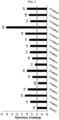
FIG. 1 illustrates images showing the effect of a composition according to an embodiment on the expression level ofaquaporin 3 in the skin. -
FIG. 2 is a graph showing the effect of a composition according to an embodiment on the expression level ofaquaporin 3 in the skin. -
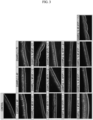
FIG. 3 illustrates images showing the effect of a composition according to an embodiment on the expression level of filaggrin in the skin. -
FIG. 4 is a graph showing the effect of a composition according to an embodiment on the expression level of filaggrin in the skin. -
FIG. 5 illustrates images showing the effect of a composition according to an embodiment on the thickness of the skin. -
FIG. 6 is a graph showing the effect of a composition according to an embodiment on the thickness of the skin. -
FIG. 7 illustrates images showing the effect of a composition according to an embodiment on the expression level of loricrin in the skin. -
FIG. 8 is a graph showing the effect of a composition according to an embodiment on the expression level of loricrin in the skin model. -
FIG. 9 illustrates images showing the effect of a composition according to an embodiment on the expression level of involucrin in the skin model. -
FIG. 10 is a graph showing the effect of a composition according to an embodiment on the expression level of involucrin in the skin model. -
FIG. 11 illustrates images showing the effect of ceramide 1 (ceramide EOP) on the expression levels ofaquaporin 3, filaggrin, and ceramide. -
FIG. 12 illustrates graphs showing the effect of ceramide 1 (ceramide EOP) on the expression levels ofaquaporin 3, filaggrin, and ceramide. -
FIG. 13 illustrates images showing the effect of a composition according to an embodiment on skin thickness and the expression levels ofaquaporin 3, filaggrin, loricrin, and involucrin. -
FIG. 14 illustrates graphs showing the effect of a composition according to an embodiment on skin thickness and the expression levels ofaquaporin 3, filaggrin, loricrin, and involucrin. -
FIG. 15 illustrates images showing the effect of a composition according to an embodiment on the expression level ofaquaporin 3. -
FIG. 16 is a graph showing the effect of a composition according to an embodiment on the expression level ofaquaporin 3. -
FIG. 17 illustrates images showing the effect of a composition according to an embodiment on the expression level of filaggrin. -
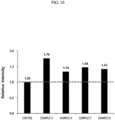
FIG. 18 is a graph showing the effect of a composition according to an embodiment on the expression level of filaggrin. - Hereinafter, exemplary embodiments will be described to aid in understanding of the present disclosure. However, the following examples are provided only for easier understanding of the present disclosure and are not intended to limit the scope of the present disclosure. Various modifications can be made in embodiments, and thus embodiments are not limited to the following examples and can be implemented in various forms.
- Ingredients shown in tables 1 to 3 below were mixed to prepare creams of Examples 1 to 21.
- Each of ceramide NP, ceramide AP, and phytosphingosine was added (Examples 1 to 3), ceramide NP and ceramide AP were added at different ratios (Examples 4 to 6), ceramide NP and phytosphingosine were added at different ratios (Examples 7 to 9), ceramide AP and phytosphingosine were added at different ratios (Examples 10 to 12), ceramide NP, ceramide AP, and phytosphingosine were added at different ratios (Examples 13 to 16), and ceramide NP, ceramide AP, and phytosphingosine were added at different ratios and ceramide EOP was further added (Examples 17 to 21).
- Hereinafter, ceramide NP, ceramide AP, phytosphingosine, and ceramide EOP were denoted as NP, AP, PY, and EOP, respectively.
[Table 1] Cont rol Crea m Single ingredient 1:1 1:2 2:1 NP AP PY NP+AP N o. INCI name Cont rol Exam ple 1 Exam ple 2 Exam ple 3 Exam ple 4 Exam ple 5 Exam ple 6 1 Water 53.33 51.33 51.33 51.33 51.33 51.34 51.32 2 Disodium EDTA 0.02 0.02 0.02 0.02 0.02 0.02 0.02 3 1,2-Hexanediol 1.00 1.00 1.00 1.00 1.00 1.00 1.00 4 Glycerin 3.00 3.00 3.00 3.00 3.00 3.00 3.00 5 Butylene glycol 5.00 5.00 5.00 5.00 5.00 5.00 5.00 6 Carbomer (1%) 17.00 17.00 17.00 17.00 17.00 17.00 17.00 7 Ammonium Acryloyldimethylta urate/VP Copolymer 0.05 0.05 0.05 0.05 0.05 0.05 0.05 8 Ceramide NP 2.00 1.00 0.67 1.33 9 Ceramide AP 2.00 1.00 1.33 0.67 10 Ceramide EOP 11 Phytosphingosine 2.00 12 Glyceryl stearate, 2.00 2.00 2.00 2.00 2.00 2.00 2.00 PEG-100 Stearate 13 Glyceryl monostearate 1.00 1.00 1.00 1.00 1.00 1.00 1.00 14 Cetearyl alcohol 3.00 3.00 3.00 3.00 3.00 3.00 3.00 15 Stearic acid 0.90 0.90 0.90 0.90 0.90 0.90 0.90 16 Hydrogenated polydecene 5.00 5.00 5.00 5.00 5.00 5.00 5.00 17 Cetyl Ethylhexanoate 2.00 2.00 2.00 2.00 2.00 2.00 2.00 18 Caprylic/capric triglycerides 2.00 2.00 2.00 2.00 2.00 2.00 2.00 19 Dimethicone 3.00 3.00 3.00 3.00 3.00 3.00 3.00 20 Arginine (10%) 1.70 1.70 1.70 1.70 1.70 1.70 1.70 [Table 2] 1:1 1:2 2:1 1:1 1:2 2:1 2:1:1 1:1:1 1:2:1 1:1:2 NP+PY AP+PY NP+AP+PY N o . INCI name Exa mpl e 7 Exa mpl e 8 Exa mpl e 9 Exa mpl e 10 Exa mpl e 11 Exa mpl e 12 Exa mpl e 13 Exa mpl e 14 Exa mpl e 15 Exa mpl e 16 1 Water 51.3 3 51.3 4 51.3 2 51.3 3 51.3 3 51.3 3 51.3 3 51.3 3 51.3 3 51.3 3 2 Disodium EDTA 0.02 0.02 0.02 0.02 0.02 0.02 0.02 0.02 0.02 0.02 3 1,2-Hexanedio l 1.00 1.00 1.00 1.00 1.00 1.00 1.00 1.00 1.00 1.00 4 Glycerin 3.00 3.00 3.00 3.00 3.00 3.00 3.00 3.00 3.00 3.00 5 Butylene glycol 5.00 5.00 5.00 5.00 5.00 5.00 5.00 5.00 5.00 5.00 6 Carbomer (1%) 17.0 0 17.0 0 17.0 0 17.0 0 17.0 0 17.0 0 17.0 0 17.0 0 17.0 0 17.0 0 7 Ammoniu m Acryloyldi methyltaur ate/VP Copolymer 0.05 0.05 0.05 0.05 0.05 0.05 0.05 0.05 0.05 0.05 8 Ceramide NP 1.00 0.67 1.33 1.00 0.67 0.50 0.50 9 Ceramide AP 1.00 0.67 1.33 0.50 0.67 1.00 0.50 10 Ceramide EOP 11 Phytosphi ngosine 1.00 1.33 0.67 1.00 1.33 0.67 0.50 0.67 0.50 1.00 12 Glyceryl stearate, PEG-100 Stearate 2.00 2.00 2.00 2.00 2.00 2.00 2.00 2.00 2.00 2.00 13 Glyceryl monostear ate 1.00 1.00 1.00 1.00 1.00 1.00 1.00 1.00 1.00 1.00 14 Cetearyl alcohol 3.00 3.00 3.00 3.00 3.00 3.00 3.00 3.00 3.00 3.00 15 Stearic acid 0.90 0.90 0.90 0.90 0.90 0.90 0.90 0.90 0.90 0.90 16 Hydrogena ted polydecen e 5.00 5.00 5.00 5.00 5.00 5.00 5.00 5.00 5.00 5.00 17 Cetyl Ethylhexa noate 2.00 2.00 2.00 2.00 2.00 2.00 2.00 2.00 2.00 2.00 18 Caprylic/ca pric Triglycerid es 2.00 2.00 2.00 2.00 2.00 2.00 2.00 2.00 2.00 2.00 19 Dimethico ne 3.00 3.00 3.00 3.00 3.00 3.00 3.00 3.00 3.00 3.00 20 Arginine (10%) 1.70 1.70 1.70 1.70 1.70 1.70 1.70 1.70 1.70 1.70 [Table 3] 2:1:1+EOP 1:1:1 1:2:1 1:1:2 EOP 0.001 EOP 0.01 NP+AP+PY+EOP N o. INCI name Example 17 Example 18 Example 19 Example 20 Example 21 1 Water 51.329 51.32 51.32 51.32 51.32 2 Disodium EDTA 0.02 0.02 0.02 0.02 0.02 3 1,2-Hexanediol 1.00 1.00 1.00 1.00 1.00 4 Glycerin 3.00 3.00 3.00 3.00 3.00 5 Butylene glycol 5.00 5.00 5.00 5.00 5.00 6 Carbomer (1%) 17.00 17.00 17.00 17.00 17.00 7 Ammonium Acryloyldimethyltaur ate/VP Copolymer 0.05 0.05 0.05 0.05 0.05 8 Ceramide NP 1.00 1.00 0.67 0.50 0.50 9 Ceramide AP 0.50 0.50 0.67 1.00 0.50 10 Ceramide EOP 0.001 0.010 0.010 0.010 0.010 11 Phytosphingosine 0.50 0.50 0.67 0.50 1.00 12 Glyceryl stearate, PEG-100 Stearate 2.00 2.00 2.00 2.00 2.00 13 Glyceryl monostearate 1.00 1.00 1.00 1.00 1.00 14 Cetearyl alcohol 3.00 3.00 3.00 3.00 3.00 15 Stearic acid 0.90 0.90 0.90 0.90 0.90 16 Hydrogenated polydecene 5.00 5.00 5.00 5.00 5.00 17 Cetyl Ethylhexanoate 2.00 2.00 2.00 2.00 2.00 18 Caprylic/capric triglycerides 2.00 2.00 2.00 2.00 2.00 19 Dimethicone 3.00 3.00 3.00 3.00 3.00 20 Arginine (10%) 1.70 1.70 1.70 1.70 1.70 - To verify the difference in skin moisturizing according to a ceramide content ratio, each of the creams of Examples 1 to 16 was applied to 3D skin model (EPI-201) manufactured by MatTek, and then the expression of
aquaporin 3 and filaggrin was examined. -
Aquaporin 3 expression and filaggrin expression were analyzed by immunofluorescence. Specifically, after the 3D skin model was treated with each of the creams of Examples 1 to 16, the 3D skin model was incubated for 48 hours, and then each cream was washed out with PBS. The 3D skin model was put into a cassette and fixed with 10% formalin, and then made into a paraffin block through dehydration, transparency, penetration, and embedding processes. For deparaffinization, slides were prepared by sectioning to 3 µm, and then paraffin was melted in a dry oven at 60 °C for 30 minutes. Then, the slides were treated with xylene for 15 minutes, 100% ethanol for 5 minutes, 95% ethanol for 5 minutes, and 70% ethanol for 5 minutes, and washed with tap water. Antigen retrieval was carried out by boiling for 10 minutes in citrate buffer in a cooker, followed by cooling in running water. After treatment with 0.5% Triton X-100 for 15 minutes, the slides were washed three times with PBS buffer for 5 minutes. The slides were blocked with 1% BSA at room temperature for 1 hour, followed by washing three times with PBS each for 5 minutes. The primary antibody was diluted at a certain ratio and left overnight at 4 °C, and citrate buffer was used as the retrieval antigen. After being washed with PBS, the slides were reacted with FITC 488 antibody at room temperature for 1 hour, followed by washing three times with PBS. After DAPI mounting, the slides were observed using a fluorescence microscope, and the results thereof are illustrated inFIGS. 1 to 4 . - As a result, as illustrated in
FIGS. 1 to 4 , the moisturizing factors were highly expressed in creams according to embodiments as compared to a control, and in particular, the highest expression thereof was shown in Example 13. These results indicate that the composition according to an embodiment has the effect of improving skin conditions, e.g., skin moisturizing. - To verify the difference in skin barrier thickness according to a ceramide content ratio, each of the creams of Examples 1 to 16 was applied to under-developed 3D skin model, and then changes in the skin barrier thickness were examined.
- The skin barrier thickness was identified with H&E staining. Specifically, as in Experimental Example 1, a paraffin block was made, and then, for deparaffinization, slides were prepared by sectioning to 3 µm, and thereafter, paraffin was melted in a dry oven at 60 °C for 30 minutes. The slides were immersed in xylene, 100% ethanol, 85% ethanol, 70% ethanol, and water in this order, and then stained with hematoxylin for 10 minutes. After being washed in running water, the slides were sequentially immersed in 1% HCl and 1% ammonia. After staining with eosin for 2 minutes, dehydration was carried out, followed by mounting, and the microscopic observation results are illustrated in
FIGS. 5 and6 . - As a result, as illustrated in
FIGS. 5 and6 , it was confirmed that the skin barrier was shown to be thicker in creams according to embodiments than in the control, and in particular, the largest skin barrier thickness was shown in the composition of Example 13. These results indicate that the composition according to an embodiment has the effect of improving skin conditions, e.g., strengthening the skin barrier. - To verify the difference in expression of skin differentiation factors according to a ceramide content ratio, each of the creams of Examples 13 to 16 was applied to under-developed 3D skin model, and then changes in loricrin and involucrin were examined.
- The expression of loricrin and involucrin was analyzed by immunofluorescence in the same manner as in Experimental Example 1, and the results thereof are illustrated in
FIGS. 7 to 10 . - As a result, as illustrated in
FIGS. 7 to 10 , it was confirmed that the skin differentiation factors were highly expressed in creams according to embodiments as compared to the control, and in particular, the highest expression of the skin differentiation factors was shown in the composition of Example 13. These results indicate that the composition according to an embodiment has the effect of improving skin conditions, e.g., strengthening the skin barrier and skin moisturizing. - To confirm the effect of ceramide EOP (hereinafter, EOP) on skin moisturizing and barrier factors, each of the creams including 0.01% and 0.1% of EOP was applied to 3D skin model, and then the amounts of
aquaporin 3, filaggrin, and ceramide were identified. - The moisturizing and barrier factors were analyzed by immunofluorescence in the same manner as in Experimental Example 1, and the results thereof are illustrated in
FIGS. 11 and12 . - As a result, as illustrated in
FIGS. 11 and12 , it was confirmed that, in the case of containing EOP, the amounts ofaquaporin 3, filaggrin, and ceramide increased as compared to the control, and the moisturizing factors were increased in a concentration-dependent manner. - To confirm whether EOP enhances the efficacy of a ceramide mixture, each of the creams of Examples 17 and 18 was applied to 3D skin model, and then the skin moisturizing and differentiation factors were examined.
- The expression of
aquaporin 3, filaggrin, loricrin, and involucrin was identified by immunofluorescence in the same manner as in Experimental Example 1, and skin thickness was identified through H&E staining in the same manner as in Experimental Example 2. - The analysis results are illustrated in
FIGS. 13 and14 . As illustrated inFIGS. 13 and14 , in the case of containing EOP, the skin became thicker in a concentration-dependent manner, and the expression of all the skin moisturizing and differentiation factors was increased. These results indicate that the composition according to an embodiment has the effect of improving skin conditions, for example, strengthening the skin barrier and skin moisturizing. - To verify that the increased expression of the skin moisturizing and differentiation factors, confirmed through Experimental Example 5, is caused by EOP, not by the ratio of NP to AP to PY, each of the creams of Examples 14, 15, and 16 containing NP, AP, and PY at different ratios and each of the creams of Examples 19, 20, and 21 further containing EOP were applied to 3D skin model, and then the expression of
aquaporin 3 and filaggrin was examined. - The moisturizing factors were analyzed by immunofluorescence in the same manner as in Experimental Example 1, and the results thereof are illustrated in
FIGS. 15 to 18 . - As illustrated in
FIGS. 15 to 18 , it was confirmed that, in the case of containing EOP, the expression of the moisturizing factors was increased, as compared to the case of containing NP, AP, and PY alone. These results indicate that the composition according to one embodiment has the effect of improving skin conditions, for example, moisturizing the skin. - A composition including two or more different ceramides and a sphingolipid, according to an embodiment, has the activity of increasing a ceramide content in the skin, increasing the expression level of
aquaporin 3, increasing the expression level of fillaggrin, increasing the expression level of loricrin, increasing the expression level of involucrin, and increasing the skin thickness, and thus can be effectively used for improving skin conditions. - The foregoing description of the present disclosure is provided for illustrative purposes, and it will be understood by those of ordinary skill in the art to which the present disclosure pertains that the disclosure may be easily modified in different specific forms without departing from the technical ideas or essential characteristics of the present disclosure. Therefore, it is to be understood that the above-described embodiments are illustrative in all aspects and not restrictive.
Claims (15)
- A cosmetic composition comprising: two or more different ceramides; and a sphingolipid.
- The cosmetic composition of claim 1, wherein the two or more different ceramides are each a natural ceramide, a synthetic ceramide, or a pseudo-ceramide.
- The cosmetic composition of claim 1, wherein the two or more different ceramides are any one selected from the group consisting of ceramide 1 (ceramide EOP), ceramide 2 (ceramide NS), ceramide 3 (ceramide NP), ceramide 4 (ceramide EOH), ceramide 5 (ceramide AS), ceramide 6 (ceramide AP), ceramide 7 (ceramide AH), ceramide 8 (ceramide NH), ceramide 9 (ceramide EOS), ceramide 10 (ceramide Nds), ceramide 11 (ceramide Ads), and ceramide 12 (ceramide EOds).
- The cosmetic composition of claim 1, wherein the two or more different ceramides are ceramide 3 (ceramide NP) and ceramide 6 (ceramide AP), respectively.
- The cosmetic composition of claim 1, wherein the sphingolipid is any one selected from the group consisting of sphingosine, dihydrosphingosine, dehydrosphingosine, phytosphingosine, dehydrophytosphingosine, acetylphytosphingosine, tetraacetylphytosphingosine, and sphinganine.
- The cosmetic composition of claim 4, wherein the ceramide 3 (ceramide NP), the ceramide 6 (ceramide AP), and the sphingolipid are mixed in a weight ratio of 1-10:1-10:1-10.
- The cosmetic composition of claim 4, wherein the ceramide 3 (ceramide NP), the ceramide 6 (ceramide AP), and the sphingolipid are mixed in a weight ratio of 1-5:1-5:1-5.
- The cosmetic composition of claim 4, wherein the ceramide 3 (ceramide NP), the ceramide 6 (ceramide AP), and the sphingolipid are mixed in a weight ratio of 1-3:1-1.5:1-1.5.
- The cosmetic composition of claim 1, further comprising ceramide 1 (ceramide EOP).
- The cosmetic composition of claim 1, wherein each of the two or more different ceramides is included in an amount of 0.001 wt% to 10 wt% with respect to a total weight of the composition.
- The cosmetic composition of claim 1, wherein the sphingolipid is included in an amount of 0.01 wt% to 5 wt% with respect to a total weight of the composition.
- The cosmetic composition of claim 9, wherein the ceramide 1 (ceramide EOP) is included in an amount of 0.0001 wt% to 0.5 wt% with respect to a total weight of the composition.
- The cosmetic composition of claim 1, wherein the cosmetic composition is for improving skin conditions.
- The cosmetic composition of claim 13, wherein the improvement of the skin conditions comprises skin moisturizing, strengthening the skin barrier, skin aging improvement, skin wrinkle improvement, skin elasticity improvement, skin regeneration, or skin whitening.
- A dermatologic composition for external application, comprising: two or more different ceramides; and a sphingolipid.
Applications Claiming Priority (1)
| Application Number | Priority Date | Filing Date | Title |
|---|---|---|---|
| KR1020220135792 | 2022-10-20 |
Publications (1)
| Publication Number | Publication Date |
|---|---|
| EP4356898A1 true EP4356898A1 (en) | 2024-04-24 |
Family
ID=85772904
Family Applications (1)
| Application Number | Title | Priority Date | Filing Date |
|---|---|---|---|
| EP23164187.9A Pending EP4356898A1 (en) | 2022-10-20 | 2023-03-24 | Cosmetic composition comprising ceramides and sphingolipid |
Country Status (4)
| Country | Link |
|---|---|
| US (1) | US12514806B2 (en) |
| EP (1) | EP4356898A1 (en) |
| KR (1) | KR102856466B1 (en) |
| CN (1) | CN117942279A (en) |
Families Citing this family (1)
| Publication number | Priority date | Publication date | Assignee | Title |
|---|---|---|---|---|
| EP4732827A1 (en) * | 2024-10-24 | 2026-04-29 | LCS Biotech Co., Ltd. | Multiple ceramides composition and use thereof |
Citations (5)
| Publication number | Priority date | Publication date | Assignee | Title |
|---|---|---|---|---|
| CN102579297A (en) * | 2012-03-16 | 2012-07-18 | 深圳市金因生物技术有限公司 | Cosmetic for improving tolerance of skin and preparation method thereof |
| CN103315934A (en) * | 2013-06-21 | 2013-09-25 | 深圳市金因生物技术有限公司 | Composition for promoting opening of skin aquaporin and preparation method thereof |
| CN113693986A (en) * | 2021-09-13 | 2021-11-26 | 广州筱蔻生物科技有限公司 | Sensitive skin soothing composition, preparation method and application |
| CN114053201A (en) * | 2021-11-03 | 2022-02-18 | 沃淄(上海)生物科技有限公司 | Composition for strongly repairing damaged skin lipid membrane and preparation method and application thereof |
| CN114129479A (en) * | 2021-12-03 | 2022-03-04 | 沃淄(上海)生物科技有限公司 | Composition for effectively and rapidly relieving infant dry eczema and preparation method and application thereof |
Family Cites Families (7)
| Publication number | Priority date | Publication date | Assignee | Title |
|---|---|---|---|---|
| US20030059447A1 (en) * | 1997-12-05 | 2003-03-27 | Johannes Wilhelmus J Lambers | Compositions comprising a combination of a free sphingoid base and a ceramide and uses thereof |
| KR101899025B1 (en) | 2016-10-31 | 2018-09-14 | 진성현 | Cosmetic composition and manufacturing method for the same |
| KR20190050697A (en) | 2018-09-03 | 2019-05-13 | 주식회사 엔에프씨 | Method for the Preparation of Cosmetic Composition Comprising Mixed Ceramides and Cosmetic Composition Prepared by the Same |
| KR20190134582A (en) | 2019-11-27 | 2019-12-04 | 주식회사 엔에프씨 | Method for the Preparation of Cosmetic Composition Comprising Mixed Ceramides and Cosmetic Composition Prepared by the Same |
| KR102380796B1 (en) | 2019-12-02 | 2022-03-31 | 주식회사 위즈켐 | Multilamella emulsion type cosmetic composition |
| JP7406057B2 (en) | 2021-03-03 | 2023-12-27 | 東洋ビューティ株式会社 | External microparticle capsule preparations and skin external preparations |
| KR102405326B1 (en) | 2021-12-06 | 2022-06-07 | 주식회사 에이텍 | Composition for preventing or treating of atopic dermatitis |
-
2023
- 2023-03-24 EP EP23164187.9A patent/EP4356898A1/en active Pending
- 2023-04-03 CN CN202310355539.8A patent/CN117942279A/en active Pending
- 2023-04-04 US US18/130,595 patent/US12514806B2/en active Active
- 2023-10-05 KR KR1020230132658A patent/KR102856466B1/en active Active
Patent Citations (5)
| Publication number | Priority date | Publication date | Assignee | Title |
|---|---|---|---|---|
| CN102579297A (en) * | 2012-03-16 | 2012-07-18 | 深圳市金因生物技术有限公司 | Cosmetic for improving tolerance of skin and preparation method thereof |
| CN103315934A (en) * | 2013-06-21 | 2013-09-25 | 深圳市金因生物技术有限公司 | Composition for promoting opening of skin aquaporin and preparation method thereof |
| CN113693986A (en) * | 2021-09-13 | 2021-11-26 | 广州筱蔻生物科技有限公司 | Sensitive skin soothing composition, preparation method and application |
| CN114053201A (en) * | 2021-11-03 | 2022-02-18 | 沃淄(上海)生物科技有限公司 | Composition for strongly repairing damaged skin lipid membrane and preparation method and application thereof |
| CN114129479A (en) * | 2021-12-03 | 2022-03-04 | 沃淄(上海)生物科技有限公司 | Composition for effectively and rapidly relieving infant dry eczema and preparation method and application thereof |
Non-Patent Citations (3)
| Title |
|---|
| "Ultim-Age The Ultimate Anti-Ageing Serum", GNPD, MINTEL, 1 January 2011 (2011-01-01), XP002775142 * |
| DATABASE GNPD [online] MINTEL; 10 April 2018 (2018-04-10), ANONYMOUS: "Sensitive Cream", XP055626967, retrieved from https://www.gnpd.com/sinatra/recordpage/5550201/ Database accession no. 5550201 * |
| DATABASE GNPD [online] MINTEL; 7 October 2010 (2010-10-07), ANONYMOUS: "Nourishing Eye & Eyelid Cream", XP093039127, retrieved from https://www.gnpd.com/sinatra/recordpage/1410240/ Database accession no. 1410240 * |
Also Published As
| Publication number | Publication date |
|---|---|
| KR20240055643A (en) | 2024-04-29 |
| US20240173240A1 (en) | 2024-05-30 |
| CN117942279A (en) | 2024-04-30 |
| KR102856466B1 (en) | 2025-09-10 |
| US12514806B2 (en) | 2026-01-06 |
Similar Documents
| Publication | Publication Date | Title |
|---|---|---|
| CN1663559B (en) | skin tonic | |
| CN109846757B (en) | Sebum biomimetic composition and cosmetic containing same | |
| KR102212787B1 (en) | Peeling composition for skin whitening | |
| CN1406123B (en) | skin toner | |
| CN108904302A (en) | A kind of fullerene topical composition | |
| KR101890854B1 (en) | Cosmetic composition for removing skin keratin having superior moisturizing effect | |
| CN113041172B (en) | Sebum membrane bionic composition for skin barrier repair, application thereof and cosmetics | |
| CN111053728B (en) | Composition for regulating water-oil balance of skin and cosmetic thereof | |
| KR20180105998A (en) | A cosmetic composition having excellent skin exfoliation and wrinkle improvement | |
| CN104352385A (en) | anti aging serum | |
| KR101956155B1 (en) | Skin external composition comprising theanine derivative | |
| US12514806B2 (en) | Cosmetic composition comprising ceramides and sphingolipid | |
| EP2833124B1 (en) | Method for evaluating cosmetic for effectiveness in improving wrinkles | |
| KR101803271B1 (en) | Cosmetic composition for moisturizing or improving skin elasticity | |
| RU2456977C1 (en) | Dry and very dry skin care preparation | |
| KR102590645B1 (en) | Liquid crystal composition comprising ceramide and uses thereof | |
| EP3466406A1 (en) | Anti-wrinkle cosmetic composition, composition system and method for cosmetic skin treatment | |
| KR101154772B1 (en) | Cosmetic composition containing the zizyphus jujuba fruit extract and walnut extract for moisturizing effect on the skin | |
| CN113509429B (en) | Liposome anti-wrinkle composition containing sturgeon caviar extract, and preparation method and application thereof | |
| KR20170010499A (en) | Cosmetic Compositions comprising Snail mucus fermentation filtrate for improving skin barrier function and having high skin absorption and Functional Cosmetic using this | |
| KR102252668B1 (en) | Peeling composition for skin whitening and elasticity | |
| TW202425945A (en) | Use of thioethylamine composition for skin rejuvenation and improved synergistic effect when combined with an organic acid and/or azabenzene-4-carboxamide | |
| KR20240091578A (en) | Cosmetic composition for whitening or wrinkle improvement comprising fermented kudzu root extract | |
| KR101436819B1 (en) | Cosmetic composition for moisturing, soothing skin and improving acne | |
| WO2011140224A1 (en) | Extracts of southernwood and topical uses thereof |
Legal Events
| Date | Code | Title | Description |
|---|---|---|---|
| PUAI | Public reference made under article 153(3) epc to a published international application that has entered the european phase |
Free format text: ORIGINAL CODE: 0009012 |
|
| STAA | Information on the status of an ep patent application or granted ep patent |
Free format text: STATUS: REQUEST FOR EXAMINATION WAS MADE |
|
| 17P | Request for examination filed |
Effective date: 20230324 |
|
| AK | Designated contracting states |
Kind code of ref document: A1 Designated state(s): AL AT BE BG CH CY CZ DE DK EE ES FI FR GB GR HR HU IE IS IT LI LT LU LV MC ME MK MT NL NO PL PT RO RS SE SI SK SM TR |
|
| P01 | Opt-out of the competence of the unified patent court (upc) registered |
Effective date: 20240426 |