EP4346839B1 - Pharmazeutische zusammensetzungen für die klinische ernährung - Google Patents
Pharmazeutische zusammensetzungen für die klinische ernährung Download PDFInfo
- Publication number
- EP4346839B1 EP4346839B1 EP22732755.8A EP22732755A EP4346839B1 EP 4346839 B1 EP4346839 B1 EP 4346839B1 EP 22732755 A EP22732755 A EP 22732755A EP 4346839 B1 EP4346839 B1 EP 4346839B1
- Authority
- EP
- European Patent Office
- Prior art keywords
- sgp
- pharmaceutical composition
- phosphate
- composition according
- amount
- Prior art date
- Legal status (The legal status is an assumption and is not a legal conclusion. Google has not performed a legal analysis and makes no representation as to the accuracy of the status listed.)
- Active
Links
Images



Classifications
-
- A—HUMAN NECESSITIES
- A61—MEDICAL OR VETERINARY SCIENCE; HYGIENE
- A61K—PREPARATIONS FOR MEDICAL, DENTAL OR TOILETRY PURPOSES
- A61K31/00—Medicinal preparations containing organic active ingredients
- A61K31/66—Phosphorus compounds
- A61K31/683—Diesters of a phosphorus acid with two hydroxy compounds, e.g. phosphatidylinositols
-
- A—HUMAN NECESSITIES
- A61—MEDICAL OR VETERINARY SCIENCE; HYGIENE
- A61K—PREPARATIONS FOR MEDICAL, DENTAL OR TOILETRY PURPOSES
- A61K31/00—Medicinal preparations containing organic active ingredients
- A61K31/66—Phosphorus compounds
- A61K31/661—Phosphorus acids or esters thereof not having P—C bonds, e.g. fosfosal, dichlorvos, malathion or mevinphos
-
- A—HUMAN NECESSITIES
- A61—MEDICAL OR VETERINARY SCIENCE; HYGIENE
- A61K—PREPARATIONS FOR MEDICAL, DENTAL OR TOILETRY PURPOSES
- A61K9/00—Medicinal preparations characterised by special physical form
- A61K9/0012—Galenical forms characterised by the site of application
- A61K9/0019—Injectable compositions; Intramuscular, intravenous, arterial, subcutaneous administration; Compositions to be administered through the skin in an invasive manner
-
- A—HUMAN NECESSITIES
- A61—MEDICAL OR VETERINARY SCIENCE; HYGIENE
- A61K—PREPARATIONS FOR MEDICAL, DENTAL OR TOILETRY PURPOSES
- A61K9/00—Medicinal preparations characterised by special physical form
- A61K9/0012—Galenical forms characterised by the site of application
- A61K9/0019—Injectable compositions; Intramuscular, intravenous, arterial, subcutaneous administration; Compositions to be administered through the skin in an invasive manner
- A61K9/0029—Parenteral nutrition; Parenteral nutrition compositions as drug carriers
-
- A—HUMAN NECESSITIES
- A61—MEDICAL OR VETERINARY SCIENCE; HYGIENE
- A61L—METHODS OR APPARATUS FOR STERILISING MATERIALS OR OBJECTS IN GENERAL; DISINFECTION, STERILISATION OR DEODORISATION OF AIR; CHEMICAL ASPECTS OF BANDAGES, DRESSINGS, ABSORBENT PADS OR SURGICAL ARTICLES; MATERIALS FOR BANDAGES, DRESSINGS, ABSORBENT PADS OR SURGICAL ARTICLES
- A61L2/00—Methods or apparatus for disinfecting or sterilising materials or objects other than foodstuffs or contact lenses; Accessories therefor
- A61L2/0005—Methods or apparatus for disinfecting or sterilising materials or objects other than foodstuffs or contact lenses; Accessories therefor for pharmaceuticals, biologicals or living parts
- A61L2/0011—Methods or apparatus for disinfecting or sterilising materials or objects other than foodstuffs or contact lenses; Accessories therefor for pharmaceuticals, biologicals or living parts using physical methods
- A61L2/0023—Heat
-
- A—HUMAN NECESSITIES
- A61—MEDICAL OR VETERINARY SCIENCE; HYGIENE
- A61P—SPECIFIC THERAPEUTIC ACTIVITY OF CHEMICAL COMPOUNDS OR MEDICINAL PREPARATIONS
- A61P3/00—Drugs for disorders of the metabolism
- A61P3/02—Nutrients, e.g. vitamins, minerals
-
- A—HUMAN NECESSITIES
- A61—MEDICAL OR VETERINARY SCIENCE; HYGIENE
- A61P—SPECIFIC THERAPEUTIC ACTIVITY OF CHEMICAL COMPOUNDS OR MEDICINAL PREPARATIONS
- A61P3/00—Drugs for disorders of the metabolism
- A61P3/12—Drugs for disorders of the metabolism for electrolyte homeostasis
-
- C—CHEMISTRY; METALLURGY
- C07—ORGANIC CHEMISTRY
- C07F—ACYCLIC, CARBOCYCLIC OR HETEROCYCLIC COMPOUNDS CONTAINING ELEMENTS OTHER THAN CARBON, HYDROGEN, HALOGEN, OXYGEN, NITROGEN, SULFUR, SELENIUM OR TELLURIUM
- C07F9/00—Compounds containing elements of Groups 5 or 15 of the Periodic Table
- C07F9/02—Phosphorus compounds
- C07F9/06—Phosphorus compounds without P—C bonds
- C07F9/08—Esters of oxyacids of phosphorus
- C07F9/09—Esters of phosphoric acids
- C07F9/091—Esters of phosphoric acids with hydroxyalkyl compounds with further substituents on alkyl
Definitions
- the invention relates to the field of medical IV solutions, specifically for use in clinical nutrition, corresponding pharmaceutical compositions and nutritional solutions, as well as methods of preparing the same.
- the invention relates to pharmaceutical compositions or medical products for providing phosphorus to an adult or a pediatric patient, wherein the composition is an aqueous solution of sodium glycerophosphate (SGP) which is characterized by a low amount of free phosphate, by a low amount of SGP-related substances and by a low amount of aluminum.
- SGP sodium glycerophosphate
- the pharmaceutical compositions are used in clinical nutrition, preferably in the preparation of nutritional formulations by compounding.
- the compositions can further be used for preventing or correcting phosphorus deficiency (hypophosphatemia) in said adult or pediatric patients.
- the pharmaceutical compositions of the invention comprise free phosphate in an amount of not more than 5 % of the total phosphate and aluminum in an amount of not more than 500 ppb, preferably not more than 400 ppb.
- the pharmaceutical compositions of the invention in certain embodiments of the invention, comprise SGP-related products in an amount of less than 15% of the total phosphate.
- PN Parenteral nutrition
- Nutrients are composed of macronutrients (lipids, amino acids or proteins and dextrose or carbohydrates), micronutrients (vitamins and trace elements) and electrolytes.
- Parenteral nutrition such as in the form of one or more solutions, can be provided in the form of flexible bags either in the form of flexible bags containing glucose, amino acids and/or lipids with or without electrolytes in pre-determined concentrations in mono- or multi-chamber bags (MCBs) containing said formulations, respectively.
- MCBs mono- or multi-chamber bags
- parenteral nutrition formulations can be obtained by preparing or compounding parenteral nutrition solutions according to an individual prescription for a patient under sterile conditions.
- ACDs automated compounding devices
- PN compounding at large institutions is now largely automated using volumetric pump systems, so-called automated compounding devices (ACDs) to compound the PN formulations.
- ACDs automated compounding devices
- These devices can be used to customize a PN prescription for each patient. It is possible to use ACDs to compound two-in-one PN bags that contain amino acids, dextrose and other additives in one bag, or three-in-one PN bags that contain amino acids, dextrose, additives, and fat all in one bag.
- Some pharmacies will compound both types and will infuse IVFE (intra-venous fat emulsions) as a separate infusion with two-in-one PNs. This strategy is often used for pediatric patients.
- IVFE intra-venous fat emulsions
- a phosphate compound can be diluted in or added to a solution for infusion, such as, for example, 0.9% w/v sodium chloride and glucose 5% w/v solution for infusion before administering it to the patient in need.
- phosphate One of the critically important micronutrients which can be compounded into a solution for infusion or a parenteral nutrition formulation is phosphate. This is especially the case for pediatric patients, such as pre-term infants and neonates, who have a rapid bone growth rate and who without appropriate levels of phosphate and calcium cannot maintain appropriate bone accretion and are at risk of developing metabolic bone disease, leading to osteomalacia, fractures and impaired linear growth.
- parenterally fed pre-term infants and neonates require large amounts of calcium and phosphate, but in a low volume of solution. However, the lower the volume of solution, the higher is the possibility of precipitation of calcium hydrogen phosphate (CaHPO 4 ). Precipitation could cause, for example, respiratory distress and pulmonary embolism and must absolutely be avoided ( Zenoni and Loiacono, European Journal of Hospital Pharmacy (2016), 25(1): 38-42 ).
- CaGluc-Gl calcium gluconate, especially if stored or provided in glass vials (CaGluc-Gl), contains significantly higher amounts of aluminium (Al) compared to, for example, solutions made with calcium chloride (CaCl 2 ), see Huston et al, Clinical Research (2017), 32(2):266-270 . Accordingly, while calcium chloride contains about 2500 mcg/L of Al, calcium gluconate contains about 9500 mcg/L of Al. It could be shown by Huston et al that the aluminium content can be lowered when providing calcium gluconate in plastic bags (CaGluc-Pl), but it is still higher than what should be targeted to reduce aluminium in the final PN formulations. Accordingly, aluminium remains a concern and solutions for this problem are required.
- Al (Al) toxicity in parenteral nutrition solutions has been known for a long time and is still unresolved, as many medical products used to compound parenteral nutrition formulations contain Al as a contaminant or as a component of the raw materials.
- Al is not taken up by the body in large amounts when ingested orally or enterally due to the gastrointestinal tract which allows only ⁇ 1% of ingested aluminum to reach the blood stream (Hernández-Sánchez et al. (2013)).
- Aluminum tends to accumulate in the body, such as in bones, the liver and CNS, but also in the spleen and the kidneys. For example, aluminum seems to interfere with and impair the kidneys, especially in neonates with an immature renal function, patients with an established renal impairment, including patients suffering from acute or chronic kidney failure and/or elderly and geriatric patients with a normal, age related reduced renal function, such as, for example, patients older than about 40, about 50 or about 60 and especially older than about 70 years of age. Other patients having an increased risk may be burn patients or plasmapheresis patients, as well as other patients having received higher amounts of albumin (see also Hernández-Sánchez, 2013).
- Al toxicity summarized again in Hernández-Sánchez et al. (2013) are neurodegenerative disorders (e.g., dialysis encephalopathy, progressive dementia, impaired neurological development, Alzheimer's disease and Parkinson's disease); metabolic bone disease (e.g., bone pain, proximal muscle weakness, multiple nonhealing fractures, premature osteoporosis, osteopenia and osteomalacia); microcytic anemia and cholestasis. Al may further have a hepatotoxic effect, causing, for example, hepatic hemorrhage and necrosis of hepatocytes.
- neurodegenerative disorders e.g., dialysis encephalopathy, progressive dementia, impaired neurological development, Alzheimer's disease and Parkinson's disease
- metabolic bone disease e.g., bone pain, proximal muscle weakness, multiple nonhealing fractures, premature osteoporosis, osteopenia and osteomalacia
- microcytic anemia and cholestasis may further have a
- the present invention addresses the need to further reduce the issues of aluminium toxicity while maintaining a low risk approach for precipitation.
- the drug substance or API (active pharmaceutical ingredient) sodium glycerophosphate available today due to raw materials used and available processes for producing it also comprises certain amounts of aluminium, even though amounts are lower than in inorganic phosphate sources. Bringing down the amount of aluminium contained in sodium glycerophosphate as used for the preparation of pharmaceutical compositions or medical products for use in clinical nutrition or for infusion would render such medical products highly beneficial especially for use with pediatric patients, and specifically for the most vulnerable ones, pre-term babies and neonates.
- SGP is stable in solutions compounded at concentrations up to 120mmol/L and 96 mEq/L of calcium chloride, for example.
- micronutrients such as sodium phosphate, potassium phosphate or sodium glycerophosphate are typically added to nutrition bags before administration to the patient or are provided for compounding a parenteral nutrition formulation, such as with automatic compounding devices as described above.
- the compounds can also be added to IV solutions such as sodium chloride 0.9% w/v and glucose 5% w/v solutions for infusion. They are generally not for direct intravenous administration but are concentrated solutions for compounding or dilution in a PN formulation or solution for infusion.
- the currently available phosphate compositions are available in concentrations of from about 1 mmol/mL to about 3 mmol/mL of phosphate.
- the phosphate solutions are provided in glass vials, polypropylene ampoules, polyethylene vials or in non-PVC flexible bags.
- the drug substance and the medical product manufactured therefrom are intended to have a low content of free phosphate, as the free phosphate could result in the aforementioned unwanted precipitation with calcium and formation of calcium phosphate during and/or after compounding, especially when using the intended SGP in combination with inorganic calcium salts.
- SGP as drug substance for use in the preparation of a medical product and, accordingly, the resulting medical product should therefore contain as low amounts of free phosphate as possible.
- SGP compositions for infusion are available on the European market, such as, for example, Glycophos ® Sodium Glycerophosphate (Fresenius Kabi), which comprises 1 mmol of glycerophosphate and 2 mmol of sodium per mL, i.e., 1 mMol of phosphate per 1 mL. It is provided in 20 ml single dose plastic vials.
- Glycophos ® Sodium Glycerophosphate (Fresenius Kabi), which comprises 1 mmol of glycerophosphate and 2 mmol of sodium per mL, i.e., 1 mMol of phosphate per 1 mL. It is provided in 20 ml single dose plastic vials.
- no pharmaceutical compositions comprising SGP as an organic phosphate source especially for compounding parenteral nutrition formulations are approved to date, even though Glycophos ® received temporary authorization to be imported and distributed due to the critical shortage of phosphate injection in the
- CN101851252B describes how SGP was prepared from sodium carbonate, phosphoric acid and glycerine, wherein the phosphoric acid and the glycerine were submitted to an esterification reactor, sodium carbonate was added vapor introduced; the pH value was from 3.0-5.5 in the reaction process and the reaction temperature was 120-145°C. The reaction was followed again by adding water and esterification by adding sodium hydroxide. After carrying out reflux for 8-12 hours and the addition of NaOH at a pH of 8.0-11.0, MgO was added according to the content of intermediate free phosphate after hydrolyzation so as to eliminate free phosphate generated in the reaction. The raw sodium glycerophosphate was concentrated and free glycerine was removed. The sodium glycerophosphate prepared by the method was reported to have a high content of beta-sodium glycerophosphate.
- CN1517093A discloses a sodium glycerylphosphate solution for injection which was prepared from anhydrous sodium glycerylphosphate, hydrochloric acid and water for injection wherein the concentrated hydrochloric acid was added to the water for injection at 20-30°C and dissolving the anhydrous sodium glycerylphosphate in it while stirring, followed by the addition of hydrochloric acid to regulate pH to 7.2-7.6.
- the solution was mixed with an amino acid or glucose solution before injection.
- US4576930A describes a transfusion preparation containing glucose and electrolytes for intravenous infusion, the improvement comprising the preparation containing a salt of citric acid, salicylic acid, ethylenediaminetetraacetic acid or lactic acid as a chelating agent, and a pharmaceutically acceptable, water-soluble glycerophosphate such as, for example, sodium glycerophosphate, glucose-1-phosphate or glucose-6-phosphate as a phosphorous source, and having a pH of 5 to 7.5.
- a salt of citric acid, salicylic acid, ethylenediaminetetraacetic acid or lactic acid as a chelating agent
- a pharmaceutically acceptable, water-soluble glycerophosphate such as, for example, sodium glycerophosphate, glucose-1-phosphate or glucose-6-phosphate as a phosphorous source, and having a pH of 5 to 7.5.
- CN105732700A describes a method for preparing beta-sodium glycerophosphate.
- the method comprises the following steps of: (a) esterification and cyclization, namely heating a glycerinum and inorganic phosphate mixture to 120-150 DEG C for reaction to 120-168 hours; (b) hydrolysis, namely adding a proper amount of water and 30% of a sodium hydroxide solution, carrying out temperature reaction on the reaction liquid for 8-20 hours, sampling and detecting the content of inorganic phosphorus of the solution, adding a proper amount of magnesium oxide according to the detected content of the inorganic phosphorus, stirring the solution for 3-5 hours and filtering the solution; (c) devitrification, namely cooling filtrate to 20-30 °C, dripping ethanol, cooling the filtrate to 0-5 °C for devitrification for 12-28 hours, filtering the product and washing the solid with ethanol to obtain a crude product; and (d) refining, dissolving the obtained crude product with
- EP2389348B1 describes methods for the preparation of beta glycerol phosphate and its salts, specifically efficient methods for the synthesis of beta glycerol phosphate of high purity.
- RO114618B1 describes a process for the preparation of sodium glycerophosphate by the reaction between disodium phosphate and glycerol, in an aqueous medium. Specifically, disodium phosphate reacts with glycerol, in an aqueous medium at 40-50°C, in weight ratio of 3.6-4/1-1.3, under gentle stirring, then the reaction product crystallizes at a temperature of 2-4°C over 6-12 h, is filtered and then dried by known means.
- CN111961077A describes discloses a preparation method of sodium beta-glycerophosphate containing crystal water.
- the technical problem underlying the present invention is to provide a medical product comprising sodium glycerophosphate for injection and use in clinical nutrition in a concentration of from about 0.5 mmol/mL to about 30.0 mmol/mL, wherein the medical product is characterized by low amounts of aluminum, such as not more than about 500 ppb, preferably not more than about 400 ppb and especially preferably not more than about 300 ppb, a low amount of free phosphate and low amounts of SGP-related products.
- the invention therefore relates to a medical product for injection comprising sodium glycerophosphate (SGP) in a concentration of from about 0.5 mmol/mL to about 3.0 mmol/mL, wherein the medical is characterized by amounts of aluminum not exceeding about 500 ppb.
- the medical product is characterized by low amounts of free phosphate below about 10% of the total phosphate and preferably below about 5% of the total phosphate.
- the medical product is characterized by an amount of SGP-related substances of not more than about 15% (w/w) of the total phosphate, wherein the SGP related substances are selected from the group consisting of SGP related substances consisting of glycerodiphosphate (GDP), diglycerophosphate (DGP), triglycerophosphate (TGP), diglycerodiphosphate (DGDP), triglycerodiphosphate (TGDP), cyclic glycerodiphosphate (CGDP), and diglycerotriphosphate (DGTP).
- GDP glycerodiphosphate
- DGP diglycerophosphate
- TGP triglycerophosphate
- DGDP diglycerodiphosphate
- TGDP triglycerodiphosphate
- CGDP cyclic glycerodiphosphate
- DGTP diglycerotriphosphate
- the medical product according to the invention comprises sodium glycerophosphate (SGP) in a concentration of from about 0.8 mmol/L to about 2.0 mmol/L.
- SGP sodium glycerophosphate
- the amount of free phosphate in the medical product is not more than about 3% (w/w) of the total phosphate, preferably not more than about 1% (w/w) of the total phosphate, more preferably not more than about 0.5% (w/w), and especially preferably not more than about 0.1% (w/w) of the total phosphate in the medical product.
- the amount of SGP related substances in the medical product is not more than about 15% (w/w) of the total phosphate, preferably not more than about 12% (w/w) of the total phosphate, and especially preferably not more than about 10% of the total phosphate.
- the SGP related substances are selected from the group of SGP related substances consisting of GlyceroDiPhosphate (GDP), DiGlyceroPhosphate (DGP), TriGlyceroPhosphate (TGP), DiGlyceroDiPhosphate (DGDP), TriGlyceroDiPhosphate (TGDP), Cyclic GlyceroDiPhosphate (CGDP) and DiGlyceroTriPhosphate (DGTP).
- GDP GlyceroDiPhosphate
- DGP DiGlyceroPhosphate
- TGP TriGlyceroPhosphate
- DGDP DiGlyceroDiPhosphate
- TGDP TriGlyceroDiPhosphate
- CGDP Cyclic GlyceroDiPhosphate
- DGTP DiGlyceroTriPhosphate
- the amount of aluminum in the medical product is not more than about 400 ppb, preferably not more than about 300 ppb, and especially preferably not more than about 250 ppb.
- the ratio of alpha sodium glycerophosphate ( ⁇ -SGP) and beta sodium glycerophosphate ( ⁇ -SGP) in the medical product is from about 1:10 to about 10:1, preferably from about 1:5 to about 5:1, more preferably from about 1:2 to about 2:1, and especially preferably from about 1.5:1 to about 1:1.5, such as, for example, from about 1.2:1 to about 1:1.2.
- the pH of the medical product is between about 6.0 to about 8.0, preferably from about 6.8 to about 7.8, such as for example, from about 7.0 to about 7.5 or from about 7.1 to about 7.7.
- the medical product is terminally heat-sterilized. According to yet another embodiment of the invention, the medical product is sterile.
- the medical product is provided in a concentration of SGP of from about 0.5 mmol/L to about 3.0 mmol/L or from about 0.8 mmol/L to about 2.0 mmol/L in polymeric container, such as a polymeric vial or flexible bag, having a volume of from about 50mL to about 500mL, preferably a volume of from about 80mL to about 300mL, such as about 100mL or about 250mL.
- the medical product is stable at a temperature of from about 1°C to about 25°C for at least 12 months, preferably at least 18 months, and more preferably for at least 24 months.
- the medical product is provided for intravenous administration after addition to or dilution in a solution for intravenous injection or infusion, such as a saline solution for intravenous injection or a parenteral nutrition product.
- a solution for intravenous injection or infusion such as a saline solution for intravenous injection or a parenteral nutrition product.
- the medical product is administration to a patient receiving parenteral nutrition.
- the medical product is provided for administering phosphate to said patient, wherein the patient is an adult patient or a pediatric patient.
- the medical product is provided for preventing and/or treating phosphate deficiency, specifically in a patient receiving parenteral nutrition.
- a “saline solution for intravenous injection or infusion” as used herein refers to solutions which are suitable for intravenous injection , including solutions comprising sodium chloride, such as, for example sodium chloride about 0.9% (w/v), glucose solutions, such as, for example, glucose about 5% (w/v) in water, Lactated Ringer's solution (also called Ringer's Lactate or sodium lactate solution), multiple electrolyte solutions such as, for example, Plasma-Lyte 148 (Baxter), an isotonic solution of electrolytes, or combinations thereof, such as, for example, sodium chloride about 0.9 % w/v and glucose about 5% w/v solution for infusion (Baxter).
- sodium chloride such as, for example sodium chloride about 0.9% (w/v)
- glucose solutions such as, for example, glucose about 5% (w/v) in water
- Lactated Ringer's solution also called Ringer's Lactate or sodium lactate solution
- multiple electrolyte solutions such as
- the medical product is for use in the compounding of parenteral nutrition formulations.
- the medical product is provided for administering phosphate to a patient, specifically to a patient who receives parenteral nutrition.
- the medical product serves for the prevention and/or treatment of phosphate deficiency of a patient.
- a patient in the context of the present invention can be an adult or a pediatric patient.
- the medical product is prepared from the API (SGP) by dissolving the SGP in water for injection under close pH control, wherein the pH is adjusted to a pH in the range of from about 6.0 to about 8.0, preferably to a pH of from about 6.8 to about 7.8, such as for example, from about 7.0 to about 7.5 or from about 7.1 to about 7.7.
- the pH is adjusted preferably with hydrochloric acid.
- the pH adjusted SGP solution is then filled into flexible bags of the desired size, the bags are sealed and overpouched and submitted to sterilization, preferably terminal heat-sterilization.
- the SGP used for preparing the medical product comprises not more than about 500 pbb, not more than about 400 ppb, not more than about 300 ppb and not more than about 250 ppb of aluminum, not more than about 15% (w/w), not more than about 12% (w/w) or not more than about 10% (w/w) of SGP related substances and not more than about 5%, not more than about 3% (w/w), not more than about 1% (w/w), not more than about 0.5% (w/w) or not more than about 0.1% (w/w) of free phosphate.
- compositions disclosed herein may lack any element that is not specifically disclosed herein.
- a disclosure of an embodiment using the term “comprising” includes a disclosure of embodiments “consisting essentially of” and “consisting of” the components identified.
- X and/or Y should be interpreted as “X,” or “Y,” or “X and Y.”
- at least one of X or Y should be interpreted as “X,” or “Y,” or “X and Y.”
- dithionite or a functionally similar reducing agent should be interpreted as “dithionite,” or “a functionally similar reducing agent,” or “both dithionite and a functionally similar reducing agent.”
- a condition “associated with” or “linked with” another condition means the conditions occur concurrently, preferably means that the conditions are caused by the same underlying condition, and most preferably means that one of the identified conditions is caused by the other identified condition.
- the present invention is directed to a stable, sterilized medical product comprising sodium glycerophosphate (SGP) in a concentration of from about 0.5 mmol/mL to about 3.0 mmol/mL, wherein the amount of free phosphate is below about 5% (w/w) of the total phosphate, the amount of SGP related substances is below about 15% (w/w) of the total phosphate, and the amount of aluminum is below about 300 ppb.
- the ratio of alpha sodium glycerophosphate ( ⁇ -SGP) and beta sodium glycerophosphate ( ⁇ -SGP) in the medical product is from about 1:1.5 to about 1.5:1.
- a “medical product” is interchangeably used herein with the expressions “pharmaceutical product(s)” and “pharmaceutical composition(s)”.
- Such “medical product” relates to any product designed for and intended to be used for medical purposes, preferably for injection.
- a “medical product” according to the invention is designed for and can be used for the preparation of compounded parenteral nutrition products and for injection in products intended for parenteral nutrition, and is preferably designed for use in the compounding of parenteral nutrition formulations for injection and/or for being added to a pre-prepared, ready-to-use parenteral nutrition formulation or parenteral nutrition product before administration to a patient.
- stable as used herein in connection with SGP means that at least 80%, at least 90%, at least 95%, at least 98% or at least 99% of the amount of SGP initially provided in the product is still available after terminal heat-sterilization and storage of the terminally heat-sterilized product of the invention for at least 12 months, for at least 18 months and preferably for at least 24 months at a temperature of from 1°C to 25°C and/or for at least 6 months and preferably for at least 8 months at temperatures of from 1°C to 40°C.
- the medical product is stable at a temperature of from 1°C to 25°C for at least 12 months, preferably at least 18 months, and more preferably for at least 24 months.
- the term “adult” refers to persons of 20 years of age and older.
- the term “pediatric” refers to neonates, including premature (pre-term), full term, and post-mature neonates of up to one month of age; infants of between one month and one year of age; children of between one and up to 12 years of age, and adolescents of between 13 and up to 19 years of age.
- free phosphate refers to the phosphate anion [PO 4] 3- , hydrogen phosphate [HPO 4] 2- , dihydrogen phosphate [H 2 PO 4 ] - , or phosphoric acid H 3 PO 4 , depending on the pH, and encompasses the respective salts thereof.
- free phosphate primarily consists of a mixture of [HPO 4 ] 2- and [H 2 PO 4 ] - ions. It was one of the goals of the present invention to reduce the presence, amount and generation of free phosphate in the SGP drug product and the medical product prepared therefrom by optimizing the production of both the SGP drug product, i.e.
- the major goal and benefit of reducing the amount of free phosphate is to further reduce the risk of precipitation of calcium phosphate which may potentially not be detectable by visual inspection and may occur during compounding, during mixing with a pre-prepared or ready-to-use parenteral nutrition product, and/or during administration to the patient.
- SGP sodium glycerophosphate
- SGP sodium salt form of an organic phosphate compound that provides phosphate for nutritional purposes.
- the active pharmaceutical or drug substance SGP is hydrated.
- SGP is freely soluble in water and essentially insoluble in acetone and in ethanol.
- SGP is hygroscopic.
- SGP if not expressly stated otherwise, does not encompass any SGP related products.
- SGP is described in Ph. Eur. (monograph n°1995).
- SGP occurs as alpha-SGP and as beta-SGP, see again Table I . When using the expression SGP, both alpha-SGP and beta-SGP are encompassed if not expressly stated otherwise.
- SGP is also known, for example, as (2RS)-2,3-dihydrooxypropyl phosphate, sodium 2-hydroxy-1-(hydroxymethyl)ethyl phosphate, glycerolmonophosphoric acid ester sodium salt, 1,2,3-propanetriol mono(dihydrogen phosphate) disodium salt, or disodium glycerol phosphate.
- Sodium glycerophosphate is one of several glycerophosphate salts. It is used clinically to treat or prevent low phosphate levels. Glycerophosphate is hydrolysed to inorganic phosphate and glycerol in the body. The extent of this reaction is dependent on the activity of serum alkaline phosphatases.
- a medical product or pharmaceutical composition which comprises sodium glycerophosphate for injection and use in clinical nutrition in a concentration of from about 0.5 mmol/mL to about 3.0 mmol/mL, such as, for example, from about 0.5 mmol/mL to about 2.0 mmol/mL.
- the medical product comprises from about 0.8 mmol/L to about 2.0 mmol/L.
- the medical product comprises from about 0.8 mmol/L to about 1.5 mmol/L.
- the medical product comprises from about 0.8 mmol/L to about 1.2 mmol/L.
- the medical product for injection comprises sodium glycerophosphate (SGP) in a concentration of from about 0.5 mmol/mL to about 3.0 mmol/mL, wherein the medical product is characterized by low amounts of aluminum, preferably below about 300 ppb. According to another embodiment of the invention, the medical product is further characterized by low amounts of free phosphate, preferably below about 5% of the total phosphate.
- SGP sodium glycerophosphate
- the medical product is further characterized by a low amount of SGP-related substances, wherein the amount of SGP-related products in the medical product is below about 15% (w/w) of the total phosphate, wherein the SGP related substances in the pharmaceutical composition are selected from the group consisting of SGP related substances consisting of glycerodiphosphate (GDP), diglycerophosphate (DGP), triglycerophosphate (TGP), diglycerodiphosphate (DGDP), triglycerodiphosphate (TGDP), cyclic glycerodiphosphate (CGDP), and diglycerotriphosphate (DGTP).
- GDP glycerodiphosphate
- DGP diglycerophosphate
- TGP triglycerophosphate
- DGDP diglycerodiphosphate
- TGDP triglycerodiphosphate
- CGDP cyclic glycerodiphosphate
- DGTP diglycerotriphosphate
- the amount of free phosphate in the medical product is below about 3% (w/w) of the total phosphate, preferably below about 1% (w/w) of the total phosphate, more preferably below about 0.5% (w/w), and especially preferably below about 0.1% (w/w) of the total phosphate in the medical product.
- SGP related product(s) refers to esters of glycerol and phosphate which are generated during the production or synthesis of SGP.
- SGP related products does not encompass alpha-SGP, beta-SGP, glycerol and phosphate (Alpha-GP, Beta-GP, Gly and Phos in Table I) .
- Typical SGP related products are shown in Table I. Further esters of glycerol and phosphate can be formed but they are present at lower amounts and are not shown in the table.
- SGP-related products For a medical product, the presence of any such SGP-related products is generally undesirable, even though it can be assumed that they can also serve as phosphate sources and are non-toxic and, therefore, are no classical impurities. Accordingly, it was an object of the present invention to provide an SGP drug product or API and a medical product prepared therefrom which is characterized by the absence and/or a low amount of SGP-related products. This could be achieved by a new and optimized process of preparing the SGP drug product and the final medical product.
- GDP glycerodiphosphate
- DGP diglycerophosphate
- TGP triglycerophosphate
- DGDP diglycerodiphosphate
- TGDP triglycerodiphosphate
- DGTP diglycerotriphosphate
- Empirical Formula Structure (only one isomer is shown) Gly Glycerol C 3 H 8 O 3 Phos Phosphate PO 4 Alpha-GP ( ⁇ -SGP) ⁇ -Glycerophosphate C 3 H 7 O 6 P Beta-GP ( ⁇ -SGP) ⁇ -Glycerophosphate C 3 H 7 O 6 P GDP Glycerodiphosphate C 3 H 6 O 9 P 2 DGP Diglycerophosphate C 6 H 10 O 8 P TGP Triglycerophosphate C 9 H 15 O 10 P DGDP Diglycerodiphosphate C 6 H 10 O 11 P 2 TGDP Triglycerodiphosphate C 9 H 15 O 13 P 2 DGTP Diglycerotriphosphate C 6 H 10 O 14 P 3
- the amount of SGP-related substances in the medical product is below about 15% (w/w) of the total phosphate, preferably below about 12% (w/w) of the total phosphate, and especially preferably below about 10% of the total phosphate.
- the SGP related substances are selected from the group of SGP related substances consisting of glycerodiphosphate (GDP), diglycerophosphate (DGP), triglycerophosphate (TGP), diglycerodiphosphate (DGDP), triglycerodiphosphate (TGDP), and diglycerotriphosphate (DGTP) and cyclic glycerodiphosphate (CGDP).
- SGP and SGP-related products can be determined in a given drug substance or medical product via chromatographic separation (HPLC or UPLC) followed by CAD, Charged Aerosol Detection (Corona ® ).
- This method can also be used to determine the amount of alpha- and beta-SGP and any impurities and is therefore a feasible option to determine the quality of a new chemical synthesis method to produce a SGP drug substance according to the invention, so an improved medical product with a low content of SGP-related substances can be provided.
- Other methods can also be used, such as, for example, NMR, ion chromatography or LC-MS methods.
- the aluminum concentration is below about 300 ppb, below about 275 ppb, below about 250 ppb and especially preferably below about 225 ppb, in order to obtain a medical product that can be used for the preparation of parenteral nutrition formulations for the safe administration to patients, including pediatric patients.
- the aluminum concentration can be determined as described, for example, in Example 3. Basically, the aluminum determination analysis can be performed by Inductively Coupled Plasma Mass Spectrometry (ICP-MS).
- ICP-MS Inductively Coupled Plasma Mass Spectrometry
- ICP-MS is a type of mass spectrometry that is highly sensitive and capable of the determination of a wide range of metals at trace levels (one part per billion (ppb) level). It is based on the combination of an inductively coupled plasma as a method of producing ions with a mass spectrometer as a method of separating and detecting the ions.
- the ratio of alpha sodium glycerophosphate ( ⁇ -SGP) and beta sodium glycerophosphate ( ⁇ -SGP) in the medical product is from about 1:2 to about 2:1, preferably from about 1.5:1 to about 1:1.5, and especially preferably from about 1.2:1 to about 1:1.2.
- the pH of the medical product is between about 5.0 to about 8.0, preferably from about 6.0 to about 7.5.
- a process for producing an SGP drug product for use in the production of a medical product according to the invention is disclosed.
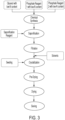
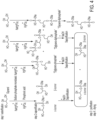
- the process is schematically depicted in Figures 3 and 4 .
- Phosphate based reactions are known to be very complex and may lead to non-reproducible results.
- Various intermediates may occur as shown, for example, in Figure 4 , and the content of free phosphate and SGP-related products may vary.
- the ratio between alpha- and beta-SGP can be influenced.
- the starting materials glycerol, phosphoric acid and sodium phosphate should be carefully selected, and their impurity profile should be monitored throughout the manufacturing process regarding Al content, including analyzing individual lots and selecting only such raw materials and lots that fulfil the required standard.
- the starting materials glycerol, phosphoric acid and sodium phosphate should be tested and selected in a way that they have an aluminum content below the level of quantification.
- care must be taken to avoid reactors, vessels or sieves that could introduce elemental impurities such as, for example, Cr, Ni, Mo, Ti or Mn. Rather, stainless steel equipment should be used throughout to avoid any such contamination.
- the level of metallic residues is consistently low in the SGP drug product and resulting pharmaceutical composition according to the invention.
- Table II analytical results of ICP-MS on elemental impurities confirm that the concentration of Cd, PB, AS, Hg, CO, V, Ni, Tl, Au, Pd, Ir, Os, Rh, Ru, Se, Ag, Pt, Li, Sb and Cu are below 0.10 ppm in the batches tested, and therefore well below concentration limits (ppm) provided for by the ICH guideline Q3D (R1) on elemental impurities (March 28, 2019). Also, Ba, Mo, Sn and Cr are significantly lower than the guidelines requests.
- the content of barium (Ba) is generally below 1.0 ppm, preferably below 1.5 ppm, and especially preferably below 1.0 ppm in the SGP drug product and medical product according to the invention.
- the content of molybdenum (Mo) is generally below 2.0 ppm, preferably below 0.75 ppm, and especially preferably below 0.5 ppm in the SGP drug product and medical product according to the invention.
- the content of tin (Sn) is generally below 0.8 ppm, preferably below 0.5 ppm, and especially preferably below 0.2 ppm in the SGP drug product and medical product according to the invention.
- the content of chromium (Cr) is generally below 1.0 ppm, preferably below 0.3 ppm, and especially preferably below 0.2 ppm in the SGP drug product and medical product according to the invention.
- Table II Analytical results of ICP-MS on elemental impurities. Results for on exemplary batch are shown and can be compared directly with the limit provided for by ICH guideline Q3D (R1) on elemental impurities.
- every intermediate product can be considered as a potential impurity.
- DGP diglycero-phosphate
- DGDP diglycero-diphosphate
- GDP glycerol-diphosphate
- DGP-related products may be formed, for example, during esterification. The formation of these SGP-related products is controlled to a significant extent by the reaction time which in turn is controlled by the kinetics of the esterification reaction. Longer reaction times showed to increase the level of SGP-related substances.
- the parameters, in order of magnitude, impacting the most the kinetic, are the reaction temperature, the pressure applied and the pH (quantity of acid).
- the reaction time in no case should be exceeding 73h.
- degradation studies showed that the amount of phosphoric acid increases when heat reaches 80°C. So, temperature and reaction time must be managed carefully throughout the process to avoid the generation of phosphoric acid as a degradation product and must be balanced again the generation of SGP-related products during the esterification step.
- the process for producing SGP comprises the steps of
- step (a) may be done with monobasic sodium phosphate.
- glycerol is added at about 3 to 6eq, such as, for example, about 4eq.
- the saponification step may be performed under stirring at about 220 rpm to about 500 rpm, such as from about 220 to about 300 rpm or from about 230 to about 270 rpm, such as, for example, at about 250 rpm.
- the saponification may be done with sodium hydroxide, preferably with about 0.3 to about 0.4 equivalents.
- the solution is preferably subjected to filtration in order to remove precipitated salts before crystallization.
- Glycerol is eliminated at the end of the process during crystallization in ethanol and successive washes.
- the monitoring of glycerol removal can be routinely performed on the final SGP drug substance.
- Glycerol impurities according to the invention are below the detection limit of 40.0 mg/kg.
- the saponification may be done at a pressure of from about 100 mbar to about 270 mbar, about 150 mbar to about 270 mbar or about 230 mbar to about 270 mbar, such as, for example, at about 235 mbar, about 240 mbar, about 245 mbar, about 250 mbar, about 255 mbar, about 260 mbar or about 265 mbar.
- the pressure used may be about 245 mbar, about 250 mbar or about 255 mbar.
- the solution from which sodium glycerophosphate crystals are precipitated may comprise from about 100g/L to about 500g/L of sodium glycerophosphate, preferably from about 200g/L to about 300g/L of SGP, such as, for example, about 200g/L, about 210 g/L, about 220g/L, about 230g/L, about 240g/L, about 250g/L, about 260g/L, about 270g/L, about 280g/L, about 290g/L or about 300g/L.
- the crystallization may be performed at a temperature of from about 1°C to about 20°C, preferably at a temperature of from about 5°C to about 15°C, such as for example, at a temperature of about 6°C, about 7°C, about 8°C, about 9°C, about 10°C, about 11°C, about 12°C, about 13°C, about 14°C or about 15°C.
- the crystallization may be done in water to which ethanol is slowly added, for example over about 30 minutes to about 2.5 hours. Generally, adding ethanol over about 1 to about 2 hours will be enough.
- the ethanol is added at a temperature of about 1°C to about 20°C, preferably at a temperature of from about 5°C to about 15°C, such as about 10°C, until a mixture water in ethanol of about 50% (v/v) to about 60% (v/v) is reached.
- the pH of the solution may vary over a relatively broad range and may be from about 8.0 to about 12.5.
- the crystallization can then be supported by seeding (e.g. 0.25-0.33p), for example with SGP crystals consisting of alpha- and beta-SGP in a ratio of about 1:1.
- the solution should can be kept standing for about 1 to 8 hours, preferably for about 3 to about 7 hours, such as about 3, about 4, about 5, about 6, or about 7 hours, at a temperature of about 1°C to about 20°C, preferably at a temperature of from about 5°C to about 15°C, such as about 10°C.
- More ethanol can be added after the said holding time. Adding ethanol can be done over a time period of again over about 3 to about 8 hours, about 1 to about 8 hours, preferably for about 3 to about 7 hours, such as about 3, about 4, about 5, about 6, or about 7 hours, at a temperature of about 1°C to about 20°C, preferably at a temperature of from about 5°C to about 15°C, such as about 10°C, to achieve a about 15-40% (v/v) mixture of water in ethanol.
- a mixture of water in ethanol of about 20%-35% (v/v) is achieved.
- Another seeding step may be added as described before. After seeding (e.g., 0.25-0.33p), the solution should again be kept for several hours (e.g., between 3 and 8 hours, e.g., 5 hours) at the same temperature of about 5°C to 15°C as before (e.g., at 10°C).
- the formed crystals can then be filtrated and, where needed, the mother liquor can be used to push the product from the crystallization reactor.
- the SGP crystals are dried, for example in a stream of nitrogen for about 24 hours at about 20°C (i.e. RT). Alternatively, drying can also be done by a stream of nitrogen under vacuum.
- the SGP drug substance may be packaged in a double low-density polyethylene bag (LDPE), and the double polyethylene bag is placed in a cardboard drum which is sealed, e.g., with metal clamps.
- LDPE double low-density polyethylene bag
- the quality of the LDPE resin should comply with the European Pharmacopoeia monograph PhEur.3.1.3 Polyolefin with additive, or PhEur.3.1.4 Polyethylene without additives for containers, with external antistatic additive; Current European regulation on plastic materials and articles intended to come into contact with food, Commission Regulation (EU) No 10/2011and related amendments.
- a process to produce a medical product according to the invention from a pharmaceutical drug substance (SGP) according to the invention is disclosed. It was found that critical steps in producing such finished medical product encompass, for example, the careful control of the pH and the careful control of the heat exposure during sterilization.
- a schematic representation of the production of the finished medical product is provided in Figure 5 .
- Thehe process for preparing the medical product comprises the steps of
- WFI water for injection
- the water for injection may be heated to a temperature of about 40°C.
- the pH may be adjusted in step (b) with 25% HCl.
- the solution may be stirred for about 20 to about 40 minutes after step (c) and the adding up of the solution with WFI to Q.S.
- the pH may be adjusted to about 7.3 to about 7.6, such as about 7.4 or about 7.5, preferably to about 7.4, after step (C), preferably with 0.5% HCl.
- the pharmaceutical composition is a sterilized solution.
- the term "sterilized” relates to a solution that has undergone a process of sterilization.
- Sterilization refers to any process that eliminates, removes, kills, or deactivates all forms of life (in particular referring to microorganisms such as fungi, bacteria, viruses, spores, unicellular eukaryotic organisms such as Plasmodium, etc.) and other biological agents like prions present in a specific surface, object or fluid, for example food or biological culture media.
- Sterilization can be achieved through various means, including heat, chemicals, irradiation, high pressure, and filtration.
- Sterilization is distinct from disinfection, sanitization, and pasteurization, in that those methods reduce rather than eliminate all forms of life and biological agents present.
- an object is referred to as being sterile or aseptic.
- the expression "terminally heat sterilized” or “terminal heat sterilization” as used herein refers to sterilization which takes place after the product has been filled into the primary packaging. Because of this, there are no further opportunities for contamination due to intervention. For example, terminal sterilization with moist heat (i.e., steam) is recommended by all pharmacopeias, for example with heating to 121 °C at 15 psi for 15 minutes.
- sterilization is done by heat.
- sterilization may involve heating under pressure in the presence of water to generate steam.
- Other methods encompass sterilization with moist heat.
- Sterilization by "moist heat” includes the use of saturated steam, steam air and hot water cascade or water spray sterilization.
- Sterilization with moist heat allows to reduce the total heat exposure of a solution to be sterilized.
- Sterilization can also be achieved via dry heating. Much higher temperatures (about 180-200°C) are required for this method. Dry heating is commonly used to sterilize glassware, metal and other surfaces.
- sterilization is preferably performed by a multi-cycle sterilization process.
- Fo-values are used to determine the exposure time of a material for sterilization, in minutes, at a temperature of about 121°C.
- T sterilization temperature in °C
- the sterilization cycle/process used must be reproducible from load to load and from sterilizer to sterilizer to guarantee that a 10 -6 Sterility Assurance Level (SAL) is provided for the medical product.
- SAL Sterility Assurance Level
- Exposure to radiation is another sterilization method used throughout the industry.
- Gamma radiation is the most common, though other options include infrared and ultraviolet radiation and high-velocity electrons. Radiation is typically used for the sterilization of single-use components/systems, but it can also be used for packaged drug products.
- gases include ethylene oxide, formaldehyde, glutaraldehyde, propylene oxide, hydrogen peroxide and chlorine dioxide. This method is more commonly used to sterilize clean-room suites. Sterilization via filtration is the only option if the other processes are not suitable for the specific product or component. In filtration, the final drug product solution is passed through a filter that has been produced under aseptic manufacturing conditions and designed with appropriate pore sizes/surface chemistries that remove bacteria via size exclusion, entrapment, electrostatic attraction and other modalities.
- the pharmaceutical composition is provided in a polymer (plastic) container which can be a flexible polymer container, such as a monobag, or a rigid or semi-rigid container, such as a polymer vial or bottle, including glass containers which have been coated with a polymer layer so as to avoid contact of the liquid contained with the glass.
- Said containers are composed wholly or in substantial portion of plastic materials which contain or are intended to contain a pharmaceutical formulation such as disclosed herein.
- the container has a fill volume of between about 20 and about 1000 mL.
- the medical product is provided in a concentration of SGP of from about 0.8 mmol/L to about 2.0 mmol/L in flexible polymeric bag having a volume of from about 50mL to about 500mL, preferably in a volume of from about 50mL to about 300mL, such as about 100mL or about 250mL.
- the "rigid" or “semi-rigid” containers which can be used in the context of the present invention refer to containers which are not squeezable (rigid) or squeezable (semi-rigid) and consist wholly or in part of a polymeric material which is in contact with the pharmaceutical composition.
- Rigid containers can be made from durable and lightweight PET plastics to heavy-duty HDPE. More options include PC, PETG, PP, LDPE or COP. These can appear in various shapes such as bottles or vials.
- the term "flexible container” refers to a container or bag made of a flexible material, such as bags made from plastic films. The term does not encompass polymeric rigid or semi-rigid containers. Using glass vials is discouraged because of the potential introduction of unwanted aluminum and other heavy metal ions which could potentially be released into the pharmaceutical composition.
- Flexible containers or bags of the invention can be made of materials comprising, without limitation, polyvinyl chloride (PVC), polypropylene (PP), polyethylene (PE), ethylene vinyl alcohol (EVOH), ethylene-vinyl acetate (EVA) and all possible copolymers, essentially any synthetic material suitable for containing the components to be administered.
- a flexible container according to the invention is made from a non-PVC material and/or does not contain DEHP.
- the disclosure provides for a flexible container, preferably a single-chamber container for pharmaceutical compositions according to the invention which may be prepared from any of the before-mentioned flexible films or materials.
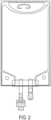
- the container may be in the form of a bag having one port tube only as the medical product according to the invention is generally not intended for direct administration but for use in the compounding of a parenteral nutrition formulation or for addition to a solution for intravenous infusion or to a ready-to-use or pre-mixed parenteral nutrition formulation ( Figure 2 ) .
- Suitable containers, including soft bags typically are sterile, non-pyrogenic, single-use, and/or ready-to-use.
- the non-PVC and non-DEHP Viaflex or Viaflo containers can be used for accomplishing the present invention.
- the pharmaceutical composition according to the invention is provided for administration to patients who require or should receive phosphate supplementation, including patients receiving parenteral nutrition.
- the medical product is provided for administering phosphate to said patient, wherein the patient is an adult patient or a pediatric patient.
- the medical product is provided for preventing and/or treating phosphate deficiency in a patient, including patients receiving parenteral nutrition.
- the pharmaceutical composition is for use in the compounding of parenteral nutrition formulations.
- the pharmaceutical composition is used for supplementation of solution for intravenous injection or of ready-to-use parenteral nutrition products, such as, for example, multi-chamber bags having two, three, four or more chambers and comprising macronutrients such as amino acids, carbohydrates or lipids as well as, optionally, electrolytes and/or vitamins and/or trace elements.
- the medical product of the invention can be added to the solution for intravenous injection or to the parenteral nutrition product immediately before administration to the patient.
- the solution is kept at about 10°C for about 12 hours followed by filtration and washing thrice with about 80mL of 70% ethanol the crystals are dried under nitrogen at a temperature below 25°C, but temperatures of up to 30°C do not create any issues.
- the yield is about 85%.
- the ethanol content is below 500ppm.
- the SGP drug substance (hydrated) is packaged in a double low-density polyethylene bag (LDPE), and the double polyethylene bag is placed in a cardboard drum which is sealed with metal clamps.
- LDPE double low-density polyethylene bag
- Example 2 Determination of alpha-glycerophosphate, beta-glycerophosphate and related substances in parenteral nutrition products by UPLC/CAD
- DL- ⁇ -sodium glycerophosphate, ⁇ -sodium glycerophosphate, and the total SGP related substances are separated using ion exchange gradient HPLC on an anion exchange column.
- the SGP and the related substances are retained on the column and separated by differential ionic interaction with the column packing.
- the analytes are detected by Corona CAD (charged aerosol detector) by the following steps: nebulization of the eluent from the column; evaporation of the solvent from the aerosol; charging of the solid particles; monitoring the charged particles.
- Corona CAD charged aerosol detector
- HPLC High Performance Liquid Chromatography
- UPLC Ultra Performance Liquid Chromatography
- an auto sampler and injection system able to deliver 50 ⁇ L
- a column oven able to work at 30°C
- a Corona CAD detector e.g., a Corona CAD detector
- an analytical column such as a Hamilton PRP-X100 Anion Exchange column, 5 ⁇ m particle size, 250 mm length x 4.6 mm.
- Channel A purified water
- Channel B 5mM ammonium formate as mobile phase 1
- Channel C 200 mM ammonium formate buffer, pH 3.70 as mobile phase 2
- Channel D H2O/MeOH 50/50.
- Total flow is about 1 mL/min
- gas pressure 35 psi current (initial) is ⁇ 0.4 pA
- flow rate (mL/min) is about 1, column temperature 30°C.
- the relative retention time for each peak including phosphoric acid, alpha- and beta-SGP and SGP-related products is shown in Table III.
- Table III Relative retention time for the peaks relating to phosphoric acid, alpha- and beta-SGP and SGP-related products. RRT refers to "relative retention time".
- a sodium glycerophsophate according to the invention (Example 1) was provided in a 30% (w/v) solution.
- the pH was adjusted to physiological pH (7.4) using 30% HCl.
- the solution was filled in 100 mL monobags and sterilized.
- the samples were analyzed before and after sterilization and after T3M storage at 40°C and 5°C.
- Glycophos ® was analyzed in the same way for comparison. The results are summarized in Table IV.
- Table IV Determination of alpha-glycerophosphate, beta-glycerophosphate and related substances in parenteral nutrition products by UPLC / CAD % of total phosphate SGP (invention) before sterilization* SGP (invention) after sterilization SGP (invention) T3M at 5°C/NMT 25% RH SGP (invention) T3M at 40°C/NMT 25% RH GLYCOPHOS Phosphoric acid 0.31 0.37 0.78 1.13 1.85 alpha-SGP 39.75 39.41 40.01 39.85 34.55 beta-SGP 48.68 48.03 48.91 48.60 36.24 DGP-1 1.80 1.83 1.49 1.45 4.50 DGP-2 0.91 0.93 0.63 0.67 2.57 GDP-1 3.81 3.74 3.40 3.43 8.32 GDP-2 4.74 4.69 4.80 4.82 11.30 TGDP-1 not detected 0.04 not detected not detected not detected TGDP-2 not detected not detected not detected not detected not detected DGTP not detected 0.15 not detected not detected not
- the content of phosphoric acid, individual related substances and the total related substances observed in the medical product according to the invention is very low, and lower in comparison to the prior art product which was used for comparison.
- the study also showed that the free phosphate content of the medical product increased after sterilization, but that after T3M of storage at 40°C/NMT 25% RH, it does not show an increase.
- the samples stored at 5°C again have a lower free phosphate content compared to the sample kept at 40°C.
- the medical product according to the invention tends to comprise more beta-SGP than alpha-SGP. Without wanting to be bound by theory, this may be a result of the production process of SGP as described above.
- ICP-MS Inductively Coupled Plasma Mass Spectrometry
- ICP-MS is a type of mass spectrometry that is highly sensitive and capable of the determination of a wide range of metals at trace levels (one part per billion (ppb) level). It is based on the combination of an inductively coupled plasma as a method of producing ions with a mass spectrometer as a method of separating and detecting the ions.
- a solution is introduced into an argon plasma as aerosol droplets.
- the high temperature plasma dries the aerosol and dissociates the molecules which are then decomposed into excited atoms and ions.
- the ions are directed into the MS.
- the detector rapidly scans the mass range. At any given time, only one mass-to-charge ratio will be allowed to pass through the mass spectrometer from the entrance to the exit. This allows separation of the tested ions.
- the ion Upon exiting the mass spectrometer, the ion strikes an electron multiplier, which serves as a detector.
- the ICP-MS can determine aluminum against a calibration curve, constructed using standard solutions of the analyte. Equivalent equipment may be used.
- Quantities proportionally larger or smaller that the specified volumes of samples and reagents may be used. Subsequent steps, such as dilution, may be adjusted accordingly to yield to concentrations equivalent to those specified. As required, calculation of results may be corrected to account for changes in volumes.
- Materials include a diluent which is prepared from 5% nitric acid and 2% hydrochloric acid and adding purified water in appropriate proportions after mixing. 1.0 ng/mL and 50 ng/mL calibration standards in diluent are prepared using Al stock standard material. The diluent is used as blank solution Drift check solution consists of 25ng/mL in diluent using Al stock control material.
- the analysis is done with standards and samples. A linear regression will be calculated by the software using blank and the calibration standards.
- the sample concentration will be calculated by the instrument software, taking into account the dilution factor of the sample introduced in the sequence of analysis. Correction with internal standard will be performed by the instrument software for all solutions. Drift check solution are analysed after the calibration standards, periodically during the analytical run and at the end of the analytical run. If the test solution concentration is lower than or equal to the QL (quantitation limit), the data is reported as not more than the QL. If the test solution concentration of the test solution is higher than the QL, the calculated content is reported.
- QL quantitative limit
- Free phosphate is complexed by ammonium vanadate and ammonium molybdate into a phosphate-vanado-molybdate complex of yellow color.
- the absorbance of said complex at a wavelength of 405nm is directly proportional to the analyte content.
- a UV-Visible Spectrophotometer from Perkin-Elmer Lambda 25 can be used for the measurement together with 2.5 ml cuvettes. Purified water (Milli-Q) is used for the analysis.
- Ammonium heptamolybdate, 4H 2 O can be obtained from Merck (Ref. 1.01182)
- ammonium vanadate (V) with a purity ⁇ 99.0% can be obtained from Sigma Aldrich (Ref. 398128).
- nitric acid 69% Merck, Ref. 1.01799) and sodium phosphate (Aldrich, Ref.342483) are required.
- the vanado-molybdate reagent is prepared by adding 2g of ammonium heptamolybdate, 4H 2 O, and 0.100g of ammonium vanadate (V) to 50mL of purified water in a 100mL volumetric flask.
- the solution is mixed and kept at 70°C for 30 minutes in order to fully dissolve the reagents.
- the solution is again mixed and allowed to cool to room temperature.
- 14mL of nitric acid 69% are added to the flask, followed by mixing and cooling to RT.
- the solution is filled up to volume with purified water and thoroughly mixed.
- the solution should be prepared on the day of its used and should not be stored.
- the Blank solution is purified water.
- the Blank is analyzed after application of the complexing process.
- Sample solution are prepared by weighing in between 225 and 275 mg of a test sample into a 25mL volumetric flask. After dissolving the sample, the solution is diluted to volume with purified water and thoroughly mixed. The sample solution is then analyzed according to the complexing process, which should be carried out in the order in which the samples solutions have been prepared, including adhering to the same time intervals so as to avoid any false results.
- Said complexing process is carried out by combining 20mL of the solution (Sample, Blank or Calibration solution as required) and 5mL of the vanado-molybdate reagent.
- the solution should not be stored but instead be processed immediately.
- the solutions are allowed to react for 30 minutes after the addition of the vanado-molybdate reagent before the absorbance measurement.
Landscapes
- Health & Medical Sciences (AREA)
- Chemical & Material Sciences (AREA)
- Life Sciences & Earth Sciences (AREA)
- General Health & Medical Sciences (AREA)
- Animal Behavior & Ethology (AREA)
- Veterinary Medicine (AREA)
- Public Health (AREA)
- Medicinal Chemistry (AREA)
- Pharmacology & Pharmacy (AREA)
- Epidemiology (AREA)
- Engineering & Computer Science (AREA)
- Bioinformatics & Cheminformatics (AREA)
- Organic Chemistry (AREA)
- Nutrition Science (AREA)
- Dermatology (AREA)
- Nuclear Medicine, Radiotherapy & Molecular Imaging (AREA)
- Hematology (AREA)
- Obesity (AREA)
- Chemical Kinetics & Catalysis (AREA)
- General Chemical & Material Sciences (AREA)
- Diabetes (AREA)
- Molecular Biology (AREA)
- Biomedical Technology (AREA)
- Biochemistry (AREA)
- Pharmaceuticals Containing Other Organic And Inorganic Compounds (AREA)
- Medicinal Preparation (AREA)
- Medicines That Contain Protein Lipid Enzymes And Other Medicines (AREA)
- Medicines Containing Material From Animals Or Micro-Organisms (AREA)
- Coloring Foods And Improving Nutritive Qualities (AREA)
Claims (15)
- Pharmazeutische Zusammensetzung, umfassend Natriumglycerophosphat (SGP) in einer Konzentration von etwa 0,5 mmol/ml bis etwa 3,0 mmol/ml, wobei(a) die Menge an freiem Phosphat unter etwa 10 % (Gew./Gew.) der gesamten Phosphatmenge liegt;(b) die Menge an SGP-verwandten Substanzen weniger als 15 % (Gew./Gew.) des Gesamtphosphats beträgt und die SGP-verwandten Substanzen in der pharmazeutischen Zusammensetzung ausgewählt sind aus der Gruppe, bestehend aus SGP-verwandten Substanzen, bestehend aus Glycerodiphosphat (GDP), Diglycerophosphat (DGP), Triglycerophosphat (TGP), Diglycerodiphosphat (DGDP), Triglycerodiphosphat (TGDP), zyklischem Glycerodiphosphat (CGDP) und Diglycerotriphosphat (DGTP); und(c) die Menge an Aluminium unter 500 ppb liegt;wobei der Ausdruck "etwa" für ±10 % des angegebenen Wertes steht.
- Pharmazeutische Zusammensetzung nach Anspruch 1, wobei das Verhältnis von Alpha-Natriumglycerophosphat (α-SGP) und Beta-Natriumglycerophosphat (β-SGP) von 1:10 (±10 %) bis 10:1 (±10 %) beträgt.
- Pharmazeutische Zusammensetzung nach Anspruch 1, wobei der pH-Wert der pharmazeutischen Zusammensetzung zwischen 5,0 (±10 %) und 8,0 (±10 %) liegt.
- Pharmazeutische Zusammensetzung nach Anspruch 1, wobei die pharmazeutische Zusammensetzung in einem polymeren Behälter bereitgestellt wird oder wobei die pharmazeutische Zusammensetzung endständig hitzesterilisiert ist.
- Pharmazeutische Zusammensetzung nach Anspruch 1, wobei die pharmazeutische Zusammensetzung bei einer Temperatur von 1 (±10 %) °C bis 25 (±10 %) °C für mindestens 12 Monate stabil ist.
- Pharmazeutische Zusammensetzung nach Anspruch 1 für die Verabreichung von Phosphat an einen Patienten.
- Pharmazeutische Zusammensetzung nach Anspruch 1 zur Vorbeugung oder Behandlung von Phosphatmangel bei einem Patienten, wobei der Patient vorzugsweise ein Patient ist, der parenterale Ernährung empfängt.
- Pharmazeutische Zusammensetzung nach einem der Ansprüche 7, wobei der Patient ein Erwachsener oder ein pädiatrischer Patient ist.
- Pharmazeutische Zusammensetzung nach Anspruch 1 zur Verwendung bei der Zusammenstellung einer parenteralen Ernährungsformulierung.
- Pharmazeutische Zusammensetzung nach Anspruch 1 zum Hinzufügen zu einem gebrauchsfertigen parenteralen Ernährungsprodukt oder einer Lösung zur intravenösen Injektion.
- Pharmazeutische Zusammensetzung nach Anspruch 1, wobei das Verhältnis von Alpha-Natriumglycerophosphat (α-SGP) und Beta-Natriumglycerophosphat (β-SGP) von 1:5 (±10 %) bis 5:1 (±10 %) beträgt.
- Pharmazeutische Zusammensetzung nach Anspruch 1, wobei die Menge an freiem Phosphat in der pharmazeutischen Zusammensetzung unter etwa 5 % (Gew./Gew.) des Gesamtphosphats liegt; wobei der Ausdruck "etwa" für ±10 % des angegebenen Wertes steht.
- Arzneimittel aus Natriumglycerophosphat (SGP), wobei(a) die Menge an freiem Phosphat in dem Arzneimittel nicht mehr als 5 % (Gew./Gew.) des Gesamtphosphats beträgt;(b) die Menge an SGP-verwandten Substanzen in dem Arzneimittel nicht mehr als 15 % (Gew./Gew.) des Gesamtphosphats beträgt und die SGP-verwandten Substanzen in dem Arzneimittel ausgewählt sind aus der Gruppe, bestehend aus SGP-verwandten Substanzen, bestehend aus Glycerodiphosphat (GDP), Diglycerophosphat (DGP), Triglycerophosphat (TGP), Diglycerodiphosphat (DGDP), Triglycerodiphosphat (TGDP), zyklischem Glycerodiphosphat (CGDP) und Diglycerotriphosphat (DGTP); und(c) die Menge an Aluminium in dem Arzneimittel nicht mehr als 500 ppb beträgt.
- Pharmazeutische Zusammensetzung nach Anspruch 1, wobei die pharmazeutische Zusammensetzung bei einer Temperatur von 1 (±10 %) °C bis 25 (±10 %) °C für mindestens 18 Monate, vorzugsweise für mindestens 24 Monate, stabil ist.
- Pharmazeutische Zusammensetzung nach Anspruch 1 oder das Arzneimittel aus Natriumglycerophosphat (SGP) nach Anspruch 13, wobei die Menge an Aluminium unter 400 ppb liegt.
Priority Applications (5)
| Application Number | Priority Date | Filing Date | Title |
|---|---|---|---|
| HRP20250685TT HRP20250685T1 (hr) | 2021-05-27 | 2022-05-24 | Farmaceutske kompozicije za kliničku prehranu |
| SM20250235T SMT202500235T1 (it) | 2021-05-27 | 2022-05-24 | Composizioni farmaceutiche per la nutrizione clinica |
| EP24210283.8A EP4527844A3 (de) | 2021-05-27 | 2022-05-24 | Pharmazeutische zusammensetzungen für die klinische ernährung |
| RS20250488A RS66807B1 (sr) | 2021-05-27 | 2022-05-24 | Farmaceutske kompozicije za kliničku ishranu |
| SI202230112T SI4346839T1 (sl) | 2021-05-27 | 2022-05-24 | Farmacevtski sestavki za klinično prehrano |
Applications Claiming Priority (2)
| Application Number | Priority Date | Filing Date | Title |
|---|---|---|---|
| US17/332,499 US20220395516A1 (en) | 2021-05-27 | 2021-05-27 | Pharmaceutical compositions for clinical nutrition |
| PCT/US2022/030674 WO2022251177A2 (en) | 2021-05-27 | 2022-05-24 | Pharmaceutical compositions for clinical nutrition |
Related Child Applications (2)
| Application Number | Title | Priority Date | Filing Date |
|---|---|---|---|
| EP24210283.8A Division EP4527844A3 (de) | 2021-05-27 | 2022-05-24 | Pharmazeutische zusammensetzungen für die klinische ernährung |
| EP24210283.8A Division-Into EP4527844A3 (de) | 2021-05-27 | 2022-05-24 | Pharmazeutische zusammensetzungen für die klinische ernährung |
Publications (2)
| Publication Number | Publication Date |
|---|---|
| EP4346839A2 EP4346839A2 (de) | 2024-04-10 |
| EP4346839B1 true EP4346839B1 (de) | 2025-03-26 |
Family
ID=82156761
Family Applications (2)
| Application Number | Title | Priority Date | Filing Date |
|---|---|---|---|
| EP24210283.8A Pending EP4527844A3 (de) | 2021-05-27 | 2022-05-24 | Pharmazeutische zusammensetzungen für die klinische ernährung |
| EP22732755.8A Active EP4346839B1 (de) | 2021-05-27 | 2022-05-24 | Pharmazeutische zusammensetzungen für die klinische ernährung |
Family Applications Before (1)
| Application Number | Title | Priority Date | Filing Date |
|---|---|---|---|
| EP24210283.8A Pending EP4527844A3 (de) | 2021-05-27 | 2022-05-24 | Pharmazeutische zusammensetzungen für die klinische ernährung |
Country Status (19)
| Country | Link |
|---|---|
| US (1) | US20220395516A1 (de) |
| EP (2) | EP4527844A3 (de) |
| KR (1) | KR20240013185A (de) |
| CN (1) | CN117396210A (de) |
| AU (1) | AU2022281320A1 (de) |
| CA (1) | CA3221388A1 (de) |
| DK (1) | DK4346839T3 (de) |
| ES (1) | ES3028084T3 (de) |
| FI (1) | FI4346839T3 (de) |
| HR (1) | HRP20250685T1 (de) |
| HU (1) | HUE071938T2 (de) |
| LT (1) | LT4346839T (de) |
| MX (1) | MX2023014023A (de) |
| PL (1) | PL4346839T3 (de) |
| PT (1) | PT4346839T (de) |
| RS (1) | RS66807B1 (de) |
| SI (1) | SI4346839T1 (de) |
| SM (1) | SMT202500235T1 (de) |
| WO (1) | WO2022251177A2 (de) |
Families Citing this family (2)
| Publication number | Priority date | Publication date | Assignee | Title |
|---|---|---|---|---|
| US20220395516A1 (en) | 2021-05-27 | 2022-12-15 | Baxter International Inc. | Pharmaceutical compositions for clinical nutrition |
| US20240335469A1 (en) * | 2023-04-04 | 2024-10-10 | Amneal Eu, Limited | Ready-to-use pharmaceutical compositions of potassium phosphates injection |
Citations (8)
| Publication number | Priority date | Publication date | Assignee | Title |
|---|---|---|---|---|
| CN1517093A (zh) | 2003-01-15 | 2004-08-04 | 华瑞制药有限公司 | 注射用甘油磷酸纳注射液与其制造方法及其应用方法 |
| CN101575348A (zh) | 2008-05-08 | 2009-11-11 | 上海中药创新研究中心 | 一种β-甘油磷酸钠的合成方法 |
| WO2010080969A1 (en) | 2009-01-09 | 2010-07-15 | Sigma-Aldrich Co. | Process for the synthesis of beta glycerol phosphate |
| CN101851252A (zh) | 2009-09-01 | 2010-10-06 | 紫光古汉集团衡阳制药有限公司 | 甘油磷酸钠的制备方法 |
| CN104163827A (zh) | 2014-05-21 | 2014-11-26 | 江苏德峰药业有限公司 | 一种β-磷酸甘油钠的合成方法 |
| CN105732700A (zh) | 2016-03-23 | 2016-07-06 | 江苏诚信药业有限公司 | 一种制备β-甘油磷酸钠的方法 |
| CN111961077A (zh) | 2020-09-11 | 2020-11-20 | 山西千岫制药有限公司 | 一种含结晶水β甘油磷酸钠的制备方法 |
| WO2022251177A2 (en) | 2021-05-27 | 2022-12-01 | Baxter International Inc. | Pharmaceutical compositions for clinical nutrition |
Family Cites Families (3)
| Publication number | Priority date | Publication date | Assignee | Title |
|---|---|---|---|---|
| JPS5916818A (ja) | 1982-07-20 | 1984-01-28 | Shimizu Seiyaku Kk | 経静脈投与用輸液剤 |
| RU1667364C (ru) * | 1990-01-04 | 1995-03-10 | Санкт-Петербургский химико-фармацевтический институт | Способ получения водного раствора глицерофосфата натрия |
| RO114618B1 (ro) * | 1997-09-01 | 1999-06-30 | Marin Marinescu | Procedeu de preparare a glicerofosfatului de sodiu |
-
2021
- 2021-05-27 US US17/332,499 patent/US20220395516A1/en active Pending
-
2022
- 2022-05-24 FI FIEP22732755.8T patent/FI4346839T3/fi active
- 2022-05-24 EP EP24210283.8A patent/EP4527844A3/de active Pending
- 2022-05-24 HU HUE22732755A patent/HUE071938T2/hu unknown
- 2022-05-24 RS RS20250488A patent/RS66807B1/sr unknown
- 2022-05-24 SI SI202230112T patent/SI4346839T1/sl unknown
- 2022-05-24 PL PL22732755.8T patent/PL4346839T3/pl unknown
- 2022-05-24 KR KR1020237044472A patent/KR20240013185A/ko active Pending
- 2022-05-24 PT PT227327558T patent/PT4346839T/pt unknown
- 2022-05-24 DK DK22732755.8T patent/DK4346839T3/da active
- 2022-05-24 LT LTEPPCT/US2022/030674T patent/LT4346839T/lt unknown
- 2022-05-24 AU AU2022281320A patent/AU2022281320A1/en active Pending
- 2022-05-24 CA CA3221388A patent/CA3221388A1/en active Pending
- 2022-05-24 HR HRP20250685TT patent/HRP20250685T1/hr unknown
- 2022-05-24 SM SM20250235T patent/SMT202500235T1/it unknown
- 2022-05-24 CN CN202280036603.XA patent/CN117396210A/zh active Pending
- 2022-05-24 MX MX2023014023A patent/MX2023014023A/es unknown
- 2022-05-24 ES ES22732755T patent/ES3028084T3/es active Active
- 2022-05-24 EP EP22732755.8A patent/EP4346839B1/de active Active
- 2022-05-24 WO PCT/US2022/030674 patent/WO2022251177A2/en not_active Ceased
Patent Citations (9)
| Publication number | Priority date | Publication date | Assignee | Title |
|---|---|---|---|---|
| CN1517093A (zh) | 2003-01-15 | 2004-08-04 | 华瑞制药有限公司 | 注射用甘油磷酸纳注射液与其制造方法及其应用方法 |
| CN101575348A (zh) | 2008-05-08 | 2009-11-11 | 上海中药创新研究中心 | 一种β-甘油磷酸钠的合成方法 |
| WO2010080969A1 (en) | 2009-01-09 | 2010-07-15 | Sigma-Aldrich Co. | Process for the synthesis of beta glycerol phosphate |
| CN101851252A (zh) | 2009-09-01 | 2010-10-06 | 紫光古汉集团衡阳制药有限公司 | 甘油磷酸钠的制备方法 |
| CN104163827A (zh) | 2014-05-21 | 2014-11-26 | 江苏德峰药业有限公司 | 一种β-磷酸甘油钠的合成方法 |
| CN105732700A (zh) | 2016-03-23 | 2016-07-06 | 江苏诚信药业有限公司 | 一种制备β-甘油磷酸钠的方法 |
| CN105732700B (zh) | 2016-03-23 | 2018-01-16 | 江苏诚信药业有限公司 | 一种制备β‑甘油磷酸钠的方法 |
| CN111961077A (zh) | 2020-09-11 | 2020-11-20 | 山西千岫制药有限公司 | 一种含结晶水β甘油磷酸钠的制备方法 |
| WO2022251177A2 (en) | 2021-05-27 | 2022-12-01 | Baxter International Inc. | Pharmaceutical compositions for clinical nutrition |
Non-Patent Citations (14)
| Title |
|---|
| "Food and Drugs, Extract from the US Code of Federal Regulations US § 201.323", 3 June 2003, article ANONYMOUS: "Aluminum in large and small volume parenterals used in total parenteral nutrition", pages: 1 - 2, XP093223700 |
| ANONYMOUS: "Merkblatt 914 - Nichtrostender Stahl – wenn die Gesundheit zählt", STAHL, 1 January 2009 (2009-01-01), XP093353782, Retrieved from the Internet <URL:https://www.edelstahl-rostfrei.de/fileadmin/user_upload/ISER/downloads/MB_914.pdf> |
| D10 - HTTPS://EN.WIKIPEDIA.ORG/WIKI/CHEMICAL_PURITY |
| D12 - J.S. TOAL AND J.I. PHILIPS: "Sodium and Calcium Glycerophosphates A Survey", JOURNAL OF PHARMACY AND PHARMACOLOGY, vol. 1, no. 12, December 1949 (1949-12-01), pages 869 - 876 |
| D19 - UL-HAQUE AND CAUGHLAN: "The Crystal and Molecular Structure of Disodium β-Glycerophosphate Pentahydrate (Na2PO4C3H5(OH)2·5H20)", JOURNAL OF THE AMERICAN CHEMICAL SOCIETY, vol. 88, no. 18, 1966 |
| D23 - SIGMA ALDRICH, CERTIFICATE OF ANALYSIS FOR RAC-GLYCEROL 1-PHOSPHARE SODIUM SALT, DATED 19 MAY 2021 |
| D5 - EXTRACT FROM THE FEDERAL REGISTER, VOL. 66, NO. 18, RULES AND REGULATIONS, PAGE 7864 (PUBLISHED ON 26.01.2001) |
| D9 - HTTPS://EN.WIKIPEDIA.ORG/WIKI/YIELD_(CHEMISTRY) |
| DE OLIVEIRA SANDRA R., BOHRER DENISE, GARCIA SOLANGE C., DO NASCIMENTO PAULO CÍCERO, NOREMBERG SIMONE: "Aluminum Content in Intravenous Solutions for Administration to Neonates : Role of Product Preparation and Administration Methods", JPEN - JOURNAL OF PARENTERAL AND ENTERAL NUTRITION, SAGE PUBLICATIONS, INC., US, vol. 34, no. 3, 1 May 2010 (2010-05-01), US , pages 322 - 328, XP055958153, ISSN: 0148-6071, DOI: 10.1177/0148607110362531 |
| FRESENIUS KABI AB: "SUMMARY OF PRODUCT CHARACTERISTICS: Glycophos Concentrate for Infusion Solutions", 11 June 2007 (2007-06-11), XP055958152 |
| HERNÁNDEZ-SÁNCHEZ A; TEJADA-GONZÁLEZ P; ARTETA-JIMÉNEZ M: "Aluminium in parenteral nutrition: a systematic review", EUROPEAN JOURNAL OF CLINICAL NUTRITION, NATURE PUBLISHING GROUP, GB, vol. 67, no. 3, 13 February 2013 (2013-02-13), GB , pages 230 - 238, XP037764931, ISSN: 0954-3007, DOI: 10.1038/ejcn.2012.219 |
| JIBEN ROY: "Pharmaceutical impurities—A mini-review", AAPS PHARMSCITECH, vol. 3, no. 2, 1 June 2002 (2002-06-01), pages 1 - 8, XP055650671, DOI: 10.1208/pt030206 |
| KING HAROLD, FRANK LEE PYMAN: "CXV.—The Constitution of the Glycerylphosphates. The synthesis of α-and β-Glycerylphosphates", JOURNAL OF THE CHEMICAL SOCIETY, TRANSACTIONS, vol. 105, 1 January 1914 (1914-01-01), pages 1238 - 1259, XP093353600, DOI: 10.1039/CT9140501238 |
| MIRTALLO JAY M.: "Aluminum Contamination of Parenteral Nutrition Fluids", JPEN - JOURNAL OF PARENTERAL AND ENTERAL NUTRITION, SAGE PUBLICATIONS, INC., US, vol. 34, no. 3, 1 May 2010 (2010-05-01), US , pages 346 - 347, XP093353603, ISSN: 0148-6071, DOI: 10.1177/0148607110361906 |
Also Published As
| Publication number | Publication date |
|---|---|
| WO2022251177A2 (en) | 2022-12-01 |
| CA3221388A1 (en) | 2022-12-01 |
| SMT202500235T1 (it) | 2025-07-22 |
| MX2023014023A (es) | 2023-12-12 |
| EP4527844A2 (de) | 2025-03-26 |
| EP4527844A3 (de) | 2025-05-28 |
| AU2022281320A1 (en) | 2023-11-23 |
| PT4346839T (pt) | 2025-05-20 |
| FI4346839T3 (fi) | 2025-04-30 |
| US20220395516A1 (en) | 2022-12-15 |
| RS66807B1 (sr) | 2025-06-30 |
| HUE071938T2 (hu) | 2025-10-28 |
| WO2022251177A3 (en) | 2023-01-05 |
| KR20240013185A (ko) | 2024-01-30 |
| ES3028084T3 (en) | 2025-06-18 |
| LT4346839T (lt) | 2025-05-12 |
| PL4346839T3 (pl) | 2025-06-09 |
| CN117396210A (zh) | 2024-01-12 |
| EP4346839A2 (de) | 2024-04-10 |
| DK4346839T3 (en) | 2025-04-14 |
| SI4346839T1 (sl) | 2025-07-31 |
| HRP20250685T1 (hr) | 2025-08-15 |
Similar Documents
| Publication | Publication Date | Title |
|---|---|---|
| EP4346839B1 (de) | Pharmazeutische zusammensetzungen für die klinische ernährung | |
| US11813291B2 (en) | Ready-to-use potassium phosphates in sodium chloride solutions | |
| US11998565B2 (en) | Trace element compositions, methods of making and use | |
| US11141430B1 (en) | Phosphate compositions with a low aluminum content | |
| US11925661B2 (en) | Ready-to-use potassium phosphates in sodium chloride solutions | |
| US12268825B1 (en) | Ready-to-use sodium phosphates injection | |
| US12115187B1 (en) | Ready-to-use sodium phosphates injection | |
| SK16542002A3 (sk) | Nové prípravky alfa-(2,4-disulfofenyl)-N-terc-butylnitrónu | |
| HK40098784A (zh) | 临床营养用药物组合物 | |
| US20240277607A1 (en) | Parenteral nutrition containing trace elements | |
| JP7512762B2 (ja) | スガマデクス含有の液体製剤 | |
| CN119656106A (zh) | 一种骨化三醇注射液及制备方法 | |
| US20240335469A1 (en) | Ready-to-use pharmaceutical compositions of potassium phosphates injection | |
| US20260007695A1 (en) | Ready-to-use potassium phosphate injection | |
| CN113350271A (zh) | 一种质子泵抑制剂的组合物及其制备方法 |
Legal Events
| Date | Code | Title | Description |
|---|---|---|---|
| REG | Reference to a national code |
Ref country code: HR Ref legal event code: TUEP Ref document number: P20250685T Country of ref document: HR |
|
| STAA | Information on the status of an ep patent application or granted ep patent |
Free format text: STATUS: UNKNOWN |
|
| STAA | Information on the status of an ep patent application or granted ep patent |
Free format text: STATUS: THE INTERNATIONAL PUBLICATION HAS BEEN MADE |
|
| PUAI | Public reference made under article 153(3) epc to a published international application that has entered the european phase |
Free format text: ORIGINAL CODE: 0009012 |
|
| STAA | Information on the status of an ep patent application or granted ep patent |
Free format text: STATUS: REQUEST FOR EXAMINATION WAS MADE |
|
| 17P | Request for examination filed |
Effective date: 20231218 |
|
| AK | Designated contracting states |
Kind code of ref document: A2 Designated state(s): AL AT BE BG CH CY CZ DE DK EE ES FI FR GB GR HR HU IE IS IT LI LT LU LV MC MK MT NL NO PL PT RO RS SE SI SK SM TR |
|
| DAV | Request for validation of the european patent (deleted) | ||
| DAX | Request for extension of the european patent (deleted) | ||
| GRAP | Despatch of communication of intention to grant a patent |
Free format text: ORIGINAL CODE: EPIDOSNIGR1 |
|
| STAA | Information on the status of an ep patent application or granted ep patent |
Free format text: STATUS: GRANT OF PATENT IS INTENDED |
|
| RIC1 | Information provided on ipc code assigned before grant |
Ipc: C07F 9/09 20060101ALI20240909BHEP Ipc: A61K 9/00 20060101ALI20240909BHEP Ipc: C07F 9/11 20060101ALI20240909BHEP Ipc: A61P 3/12 20060101ALI20240909BHEP Ipc: A61P 3/02 20060101ALI20240909BHEP Ipc: A61K 9/08 20060101ALI20240909BHEP Ipc: A61K 31/661 20060101AFI20240909BHEP |
|
| GRAS | Grant fee paid |
Free format text: ORIGINAL CODE: EPIDOSNIGR3 |
|
| TPAC | Observations filed by third parties |
Free format text: ORIGINAL CODE: EPIDOSNTIPA |
|
| GRAJ | Information related to disapproval of communication of intention to grant by the applicant or resumption of examination proceedings by the epo deleted |
Free format text: ORIGINAL CODE: EPIDOSDIGR1 |
|
| GRAL | Information related to payment of fee for publishing/printing deleted |
Free format text: ORIGINAL CODE: EPIDOSDIGR3 |
|
| STAA | Information on the status of an ep patent application or granted ep patent |
Free format text: STATUS: REQUEST FOR EXAMINATION WAS MADE |
|
| INTG | Intention to grant announced |
Effective date: 20241004 |
|
| STAA | Information on the status of an ep patent application or granted ep patent |
Free format text: STATUS: EXAMINATION IS IN PROGRESS |
|
| TPAA | Information related to observations by third parties modified |
Free format text: ORIGINAL CODE: EPIDOSCTIPA |
|
| TPAC | Observations filed by third parties |
Free format text: ORIGINAL CODE: EPIDOSNTIPA |
|
| INTC | Intention to grant announced (deleted) | ||
| GRAP | Despatch of communication of intention to grant a patent |
Free format text: ORIGINAL CODE: EPIDOSNIGR1 |
|
| STAA | Information on the status of an ep patent application or granted ep patent |
Free format text: STATUS: GRANT OF PATENT IS INTENDED |
|
| 17Q | First examination report despatched |
Effective date: 20241113 |
|
| P01 | Opt-out of the competence of the unified patent court (upc) registered |
Free format text: CASE NUMBER: APP_60245/2024 Effective date: 20241107 |
|
| GRAJ | Information related to disapproval of communication of intention to grant by the applicant or resumption of examination proceedings by the epo deleted |
Free format text: ORIGINAL CODE: EPIDOSDIGR1 |
|
| STAA | Information on the status of an ep patent application or granted ep patent |
Free format text: STATUS: EXAMINATION IS IN PROGRESS |
|
| INTG | Intention to grant announced |
Effective date: 20241216 |
|
| GRAP | Despatch of communication of intention to grant a patent |
Free format text: ORIGINAL CODE: EPIDOSNIGR1 |
|
| GRAJ | Information related to disapproval of communication of intention to grant by the applicant or resumption of examination proceedings by the epo deleted |
Free format text: ORIGINAL CODE: EPIDOSDIGR1 |
|
| INTC | Intention to grant announced (deleted) | ||
| GRAP | Despatch of communication of intention to grant a patent |
Free format text: ORIGINAL CODE: EPIDOSNIGR1 |
|
| STAA | Information on the status of an ep patent application or granted ep patent |
Free format text: STATUS: GRANT OF PATENT IS INTENDED |
|
| GRAA | (expected) grant |
Free format text: ORIGINAL CODE: 0009210 |
|
| STAA | Information on the status of an ep patent application or granted ep patent |
Free format text: STATUS: THE PATENT HAS BEEN GRANTED |
|
| INTG | Intention to grant announced |
Effective date: 20250214 |
|
| AK | Designated contracting states |
Kind code of ref document: B1 Designated state(s): AL AT BE BG CH CY CZ DE DK EE ES FI FR GB GR HR HU IE IS IT LI LT LU LV MC MK MT NL NO PL PT RO RS SE SI SK SM TR |
|
| REG | Reference to a national code |
Ref country code: GB Ref legal event code: FG4D |
|
| REG | Reference to a national code |
Ref country code: CH Ref legal event code: EP |
|
| REG | Reference to a national code |
Ref country code: DK Ref legal event code: T3 Effective date: 20250407 |
|
| REG | Reference to a national code |
Ref country code: DE Ref legal event code: R096 Ref document number: 602022012311 Country of ref document: DE |
|
| REG | Reference to a national code |
Ref country code: IE Ref legal event code: FG4D |
|
| REG | Reference to a national code |
Ref country code: SE Ref legal event code: TRGR |
|
| REG | Reference to a national code |
Ref country code: FI Ref legal event code: FGE |
|
| PGFP | Annual fee paid to national office [announced via postgrant information from national office to epo] |
Ref country code: NL Payment date: 20250423 Year of fee payment: 4 |
|
| PGFP | Annual fee paid to national office [announced via postgrant information from national office to epo] |
Ref country code: LU Payment date: 20250423 Year of fee payment: 4 |
|
| REG | Reference to a national code |
Ref country code: PT Ref legal event code: SC4A Ref document number: 4346839 Country of ref document: PT Date of ref document: 20250520 Kind code of ref document: T Free format text: AVAILABILITY OF NATIONAL TRANSLATION Effective date: 20250515 |
|
| REG | Reference to a national code |
Ref country code: NL Ref legal event code: FP |
|
| REG | Reference to a national code |
Ref country code: ES Ref legal event code: FG2A Ref document number: 3028084 Country of ref document: ES Kind code of ref document: T3 Effective date: 20250618 |
|
| PGFP | Annual fee paid to national office [announced via postgrant information from national office to epo] |
Ref country code: SM Payment date: 20250627 Year of fee payment: 4 |
|
| PGFP | Annual fee paid to national office [announced via postgrant information from national office to epo] |
Ref country code: MC Payment date: 20250429 Year of fee payment: 4 |
|
| PGFP | Annual fee paid to national office [announced via postgrant information from national office to epo] |
Ref country code: FI Payment date: 20250423 Year of fee payment: 4 |
|
| PGFP | Annual fee paid to national office [announced via postgrant information from national office to epo] |
Ref country code: DE Payment date: 20250423 Year of fee payment: 4 Ref country code: PL Payment date: 20250522 Year of fee payment: 4 |
|
| PGFP | Annual fee paid to national office [announced via postgrant information from national office to epo] |
Ref country code: ES Payment date: 20250602 Year of fee payment: 4 Ref country code: DK Payment date: 20250423 Year of fee payment: 4 |
|
| PGFP | Annual fee paid to national office [announced via postgrant information from national office to epo] |
Ref country code: LT Payment date: 20250423 Year of fee payment: 4 |
|
| PGFP | Annual fee paid to national office [announced via postgrant information from national office to epo] |
Ref country code: RS Payment date: 20250514 Year of fee payment: 4 Ref country code: IS Payment date: 20250513 Year of fee payment: 4 Ref country code: NO Payment date: 20250424 Year of fee payment: 4 |
|
| PGFP | Annual fee paid to national office [announced via postgrant information from national office to epo] |
Ref country code: BE Payment date: 20250423 Year of fee payment: 4 |
|
| REG | Reference to a national code |
Ref country code: SK Ref legal event code: T3 Ref document number: E 46447 Country of ref document: SK |
|
| PGFP | Annual fee paid to national office [announced via postgrant information from national office to epo] |
Ref country code: LV Payment date: 20250423 Year of fee payment: 4 Ref country code: PT Payment date: 20250522 Year of fee payment: 4 |
|
| PGFP | Annual fee paid to national office [announced via postgrant information from national office to epo] |
Ref country code: FR Payment date: 20250423 Year of fee payment: 4 |
|
| PGFP | Annual fee paid to national office [announced via postgrant information from national office to epo] |
Ref country code: GR Payment date: 20250528 Year of fee payment: 4 Ref country code: MT Payment date: 20250506 Year of fee payment: 4 Ref country code: BG Payment date: 20250429 Year of fee payment: 4 |
|
| PGFP | Annual fee paid to national office [announced via postgrant information from national office to epo] |
Ref country code: CH Payment date: 20250601 Year of fee payment: 4 |
|
| PGFP | Annual fee paid to national office [announced via postgrant information from national office to epo] |
Ref country code: RO Payment date: 20250519 Year of fee payment: 4 Ref country code: AT Payment date: 20250721 Year of fee payment: 4 |
|
| PGFP | Annual fee paid to national office [announced via postgrant information from national office to epo] |
Ref country code: SK Payment date: 20250429 Year of fee payment: 4 Ref country code: TR Payment date: 20250515 Year of fee payment: 4 |
|
| PGFP | Annual fee paid to national office [announced via postgrant information from national office to epo] |
Ref country code: CZ Payment date: 20250429 Year of fee payment: 4 |
|
| PGFP | Annual fee paid to national office [announced via postgrant information from national office to epo] |
Ref country code: IE Payment date: 20250424 Year of fee payment: 4 |
|
| PGFP | Annual fee paid to national office [announced via postgrant information from national office to epo] |
Ref country code: SI Payment date: 20250429 Year of fee payment: 4 Ref country code: SE Payment date: 20250423 Year of fee payment: 4 |
|
| REG | Reference to a national code |
Ref country code: HR Ref legal event code: T1PR Ref document number: P20250685 Country of ref document: HR |
|
| REG | Reference to a national code |
Ref country code: GR Ref legal event code: EP Ref document number: 20250401044 Country of ref document: GR Effective date: 20250613 |
|
| REG | Reference to a national code |
Ref country code: EE Ref legal event code: FG4A Ref document number: E025171 Country of ref document: EE Effective date: 20250625 |
|
| REG | Reference to a national code |
Ref country code: HR Ref legal event code: ODRP Ref document number: P20250685 Country of ref document: HR Payment date: 20250911 Year of fee payment: 4 |
|
| PGFP | Annual fee paid to national office [announced via postgrant information from national office to epo] |
Ref country code: IT Payment date: 20250531 Year of fee payment: 4 |
|
| PGFP | Annual fee paid to national office [announced via postgrant information from national office to epo] |
Ref country code: HU Payment date: 20250515 Year of fee payment: 4 |
|
| PGFP | Annual fee paid to national office [announced via postgrant information from national office to epo] |
Ref country code: HR Payment date: 20250911 Year of fee payment: 4 |
|
| PGFP | Annual fee paid to national office [announced via postgrant information from national office to epo] |
Ref country code: EE Payment date: 20250716 Year of fee payment: 4 |
|
| REG | Reference to a national code |
Ref country code: HU Ref legal event code: AG4A Ref document number: E071938 Country of ref document: HU |
|
| PGFP | Annual fee paid to national office [announced via postgrant information from national office to epo] |
Ref country code: MK Payment date: 20250609 Year of fee payment: 4 |
|
| REG | Reference to a national code |
Ref country code: DE Ref legal event code: R026 Ref document number: 602022012311 Country of ref document: DE |
|
| PLBI | Opposition filed |
Free format text: ORIGINAL CODE: 0009260 |