EP4251200B1 - Neues replikationsdefizientes influenza-a-virus zur induktion hoher konzentrationen von interferon vom typ i - Google Patents
Neues replikationsdefizientes influenza-a-virus zur induktion hoher konzentrationen von interferon vom typ i Download PDFInfo
- Publication number
- EP4251200B1 EP4251200B1 EP21815535.6A EP21815535A EP4251200B1 EP 4251200 B1 EP4251200 B1 EP 4251200B1 EP 21815535 A EP21815535 A EP 21815535A EP 4251200 B1 EP4251200 B1 EP 4251200B1
- Authority
- EP
- European Patent Office
- Prior art keywords
- virus
- influenza
- ifn
- influenza virus
- vector
- Prior art date
- Legal status (The legal status is an assumption and is not a legal conclusion. Google has not performed a legal analysis and makes no representation as to the accuracy of the status listed.)
- Active
Links
Images




Classifications
-
- A—HUMAN NECESSITIES
- A61—MEDICAL OR VETERINARY SCIENCE; HYGIENE
- A61K—PREPARATIONS FOR MEDICAL, DENTAL OR TOILETRY PURPOSES
- A61K39/00—Medicinal preparations containing antigens or antibodies
- A61K39/12—Viral antigens
- A61K39/145—Orthomyxoviridae, e.g. influenza virus
-
- A—HUMAN NECESSITIES
- A61—MEDICAL OR VETERINARY SCIENCE; HYGIENE
- A61K—PREPARATIONS FOR MEDICAL, DENTAL OR TOILETRY PURPOSES
- A61K39/00—Medicinal preparations containing antigens or antibodies
- A61K39/12—Viral antigens
-
- A—HUMAN NECESSITIES
- A61—MEDICAL OR VETERINARY SCIENCE; HYGIENE
- A61K—PREPARATIONS FOR MEDICAL, DENTAL OR TOILETRY PURPOSES
- A61K39/00—Medicinal preparations containing antigens or antibodies
- A61K39/39—Medicinal preparations containing antigens or antibodies characterised by the immunostimulating additives, e.g. chemical adjuvants
-
- A—HUMAN NECESSITIES
- A61—MEDICAL OR VETERINARY SCIENCE; HYGIENE
- A61K—PREPARATIONS FOR MEDICAL, DENTAL OR TOILETRY PURPOSES
- A61K45/00—Medicinal preparations containing active ingredients not provided for in groups A61K31/00 - A61K41/00
- A61K45/06—Mixtures of active ingredients without chemical characterisation, e.g. antiphlogistics and cardiaca
-
- A—HUMAN NECESSITIES
- A61—MEDICAL OR VETERINARY SCIENCE; HYGIENE
- A61P—SPECIFIC THERAPEUTIC ACTIVITY OF CHEMICAL COMPOUNDS OR MEDICINAL PREPARATIONS
- A61P31/00—Antiinfectives, i.e. antibiotics, antiseptics, chemotherapeutics
- A61P31/12—Antivirals
- A61P31/14—Antivirals for RNA viruses
-
- A—HUMAN NECESSITIES
- A61—MEDICAL OR VETERINARY SCIENCE; HYGIENE
- A61P—SPECIFIC THERAPEUTIC ACTIVITY OF CHEMICAL COMPOUNDS OR MEDICINAL PREPARATIONS
- A61P31/00—Antiinfectives, i.e. antibiotics, antiseptics, chemotherapeutics
- A61P31/12—Antivirals
- A61P31/14—Antivirals for RNA viruses
- A61P31/16—Antivirals for RNA viruses for influenza or rhinoviruses
-
- C—CHEMISTRY; METALLURGY
- C07—ORGANIC CHEMISTRY
- C07K—PEPTIDES
- C07K14/00—Peptides having more than 20 amino acids; Gastrins; Somatostatins; Melanotropins; Derivatives thereof
- C07K14/005—Peptides having more than 20 amino acids; Gastrins; Somatostatins; Melanotropins; Derivatives thereof from viruses
-
- C—CHEMISTRY; METALLURGY
- C12—BIOCHEMISTRY; BEER; SPIRITS; WINE; VINEGAR; MICROBIOLOGY; ENZYMOLOGY; MUTATION OR GENETIC ENGINEERING
- C12N—MICROORGANISMS OR ENZYMES; COMPOSITIONS THEREOF; PROPAGATING, PRESERVING, OR MAINTAINING MICROORGANISMS; MUTATION OR GENETIC ENGINEERING; CULTURE MEDIA
- C12N7/00—Viruses; Bacteriophages; Compositions thereof; Preparation or purification thereof
-
- A—HUMAN NECESSITIES
- A61—MEDICAL OR VETERINARY SCIENCE; HYGIENE
- A61K—PREPARATIONS FOR MEDICAL, DENTAL OR TOILETRY PURPOSES
- A61K39/00—Medicinal preparations containing antigens or antibodies
- A61K2039/51—Medicinal preparations containing antigens or antibodies comprising whole cells, viruses or DNA/RNA
- A61K2039/525—Virus
- A61K2039/5254—Virus avirulent or attenuated
-
- A—HUMAN NECESSITIES
- A61—MEDICAL OR VETERINARY SCIENCE; HYGIENE
- A61K—PREPARATIONS FOR MEDICAL, DENTAL OR TOILETRY PURPOSES
- A61K39/00—Medicinal preparations containing antigens or antibodies
- A61K2039/57—Medicinal preparations containing antigens or antibodies characterised by the type of response, e.g. Th1, Th2
-
- C—CHEMISTRY; METALLURGY
- C12—BIOCHEMISTRY; BEER; SPIRITS; WINE; VINEGAR; MICROBIOLOGY; ENZYMOLOGY; MUTATION OR GENETIC ENGINEERING
- C12N—MICROORGANISMS OR ENZYMES; COMPOSITIONS THEREOF; PROPAGATING, PRESERVING, OR MAINTAINING MICROORGANISMS; MUTATION OR GENETIC ENGINEERING; CULTURE MEDIA
- C12N2760/00—MICROORGANISMS OR ENZYMES; COMPOSITIONS THEREOF; PROPAGATING, PRESERVING, OR MAINTAINING MICROORGANISMS; MUTATION OR GENETIC ENGINEERING; CULTURE MEDIA ssRNA viruses negative-sense
- C12N2760/00011—Details
- C12N2760/16011—Orthomyxoviridae
- C12N2760/16111—Influenzavirus A, i.e. influenza A virus
- C12N2760/16121—Viruses as such, e.g. new isolates, mutants or their genomic sequences
-
- C—CHEMISTRY; METALLURGY
- C12—BIOCHEMISTRY; BEER; SPIRITS; WINE; VINEGAR; MICROBIOLOGY; ENZYMOLOGY; MUTATION OR GENETIC ENGINEERING
- C12N—MICROORGANISMS OR ENZYMES; COMPOSITIONS THEREOF; PROPAGATING, PRESERVING, OR MAINTAINING MICROORGANISMS; MUTATION OR GENETIC ENGINEERING; CULTURE MEDIA
- C12N2760/00—MICROORGANISMS OR ENZYMES; COMPOSITIONS THEREOF; PROPAGATING, PRESERVING, OR MAINTAINING MICROORGANISMS; MUTATION OR GENETIC ENGINEERING; CULTURE MEDIA ssRNA viruses negative-sense
- C12N2760/00011—Details
- C12N2760/16011—Orthomyxoviridae
- C12N2760/16111—Influenzavirus A, i.e. influenza A virus
- C12N2760/16122—New viral proteins or individual genes, new structural or functional aspects of known viral proteins or genes
-
- C—CHEMISTRY; METALLURGY
- C12—BIOCHEMISTRY; BEER; SPIRITS; WINE; VINEGAR; MICROBIOLOGY; ENZYMOLOGY; MUTATION OR GENETIC ENGINEERING
- C12N—MICROORGANISMS OR ENZYMES; COMPOSITIONS THEREOF; PROPAGATING, PRESERVING, OR MAINTAINING MICROORGANISMS; MUTATION OR GENETIC ENGINEERING; CULTURE MEDIA
- C12N2760/00—MICROORGANISMS OR ENZYMES; COMPOSITIONS THEREOF; PROPAGATING, PRESERVING, OR MAINTAINING MICROORGANISMS; MUTATION OR GENETIC ENGINEERING; CULTURE MEDIA ssRNA viruses negative-sense
- C12N2760/00011—Details
- C12N2760/16011—Orthomyxoviridae
- C12N2760/16111—Influenzavirus A, i.e. influenza A virus
- C12N2760/16133—Use of viral protein as therapeutic agent other than vaccine, e.g. apoptosis inducing or anti-inflammatory
-
- C—CHEMISTRY; METALLURGY
- C12—BIOCHEMISTRY; BEER; SPIRITS; WINE; VINEGAR; MICROBIOLOGY; ENZYMOLOGY; MUTATION OR GENETIC ENGINEERING
- C12N—MICROORGANISMS OR ENZYMES; COMPOSITIONS THEREOF; PROPAGATING, PRESERVING, OR MAINTAINING MICROORGANISMS; MUTATION OR GENETIC ENGINEERING; CULTURE MEDIA
- C12N2760/00—MICROORGANISMS OR ENZYMES; COMPOSITIONS THEREOF; PROPAGATING, PRESERVING, OR MAINTAINING MICROORGANISMS; MUTATION OR GENETIC ENGINEERING; CULTURE MEDIA ssRNA viruses negative-sense
- C12N2760/00011—Details
- C12N2760/16011—Orthomyxoviridae
- C12N2760/16111—Influenzavirus A, i.e. influenza A virus
- C12N2760/16134—Use of virus or viral component as vaccine, e.g. live-attenuated or inactivated virus, VLP, viral protein
Definitions
- the present invention refers to a novel replication deficient influenza A virus which is inducing high levels of type I interferon (IFN) in cells infected by said virus, comprising an NS1 protein with a functional effector domain and a non-functional RNA binding domain with a deletion of at least 15 amino acids within the N-terminal 80 amino acids of the NS1 protein, wherein the virus comprises the sequence of any of SEQ ID NOs: 3, 5, 7, 9 and 11, and its use for antiviral treatment.
- IFN type I interferon
- Influenza A virus enters a cell due to entry into the host cell through endocytosis, stimulus-specific signals are transduced along the interferon signaling pathway to activate antiviral responses.
- Pattern recognition receptors PRRs
- IFN interferon
- IFNs launch the expression of IFN-stimulated genes (ISGs) in infected cells as well as in nearby non-infected cells, protecting them from potential viral invasion.
- the ISGs encode a variety of antiviral proteins with diverse modes of action, regulation of apoptosis; production of neuro- and immuno-modulators; cytokines and chemokines for activation and recruitment of immune cells to the site of infection, GTP catabolism and cytokine processing; STAT1 for amplification of autocrine ISG expression, as well as many other antiviral factors.
- ISG products can inhibit viral replication in infected cells, alert non-infected cells for potential infections, attract immune cells, and trigger an alarm in the central nervous system about the ongoing infection ( Shim J.M. et al., Viruses, 2017, 9(8), 223 ).
- Severe acute respiratory syndrome coronavirus 2 (SARS-CoV-2) is a newly emerged coronavirus which causes a severe acute respiratory disease, COVID-19. COVID-19 first appeared in Wuhan, a city in China, in December 2019.
- SARS-CoV is an animal virus, perhaps bats are the reservoir of the virus, which spread to other animals including humans. The transmission of SARS-CoV is primarily from human to human. These viruses generally target the respiratory system of a patient and lead to influenza-like symptoms.
- Coronaviruses are enveloped spherical particles, the spike glycoproteins (S protein) of which form a crown-like surface. The S protein consists of two subunits: S1 and S2.
- the fragment located in the middle of the S1 subunit is the minimum receptor-binding domain (RBD) in SARS-CoV, which binds to the host cell receptor angiotensin converting enzyme 2 (ACE2).
- RBD is about 192 amino acids long and comprises the receptor binding motif (RBM).
- RBM receptor binding motif
- COVID-19 can range from mild-illness to pneumonia, renal dysfunction, respiratory and multi-organ failure. Unlike the previous SARS-CoV, COVID-19 has proved to be more lethal. Patients infected with COVID-19 rely on their natural immunity and generally seek supportive care to help relieve symptoms. In severe cases, treatment involves mechanical ventilation and vital organ function support.
- IFN alfacon-1 is a non-naturally occurring synthetic recombinant type I IFN- ⁇ that contains the most common amino acids from 13 IFN- ⁇ non-allelic subtypes in each amino acid position. Its specific activity against numerous viruses was higher than that exhibited by other IFN- ⁇ agents, indicating its higher antiviral activity on a molar basis (Melian and Plosker, 2001). In the preliminary, uncontrolled study of patients with SARS, 13 patients who received single treatment with corticosteroids were compared with 9 patients who additionally received IFN alfacon-1 (Loutfy et al., 2003).
- IFNs type I IFNs are promising candidates for SARS treatment protocols. They may not only be used as inhibitors of SARS-CoV replication but also to improve deregulated immune responses and inflammatory processes that are known to contribute to SARS. Although most studies focus on the evaluation and clinical use of IFN- ⁇ , IFN- ⁇ was superior to IFN- ⁇ in terms of SARS-CoV replication inhibition (Cinatl et al., 2003).
- IFN is established as an essential component of hepatitis B and C treatment regimens (Friedman 2008). Even though clinical studies demonstrated that intranasal IFN treatment can also prevent rhinovirus infection and spread (McKinlay, 2001) side effects such as irritation of the nasal mucosa and occasional nose prevented further in-depth evaluation of the potential therapeutic use of IFNs to combat respiratory diseases such as influenza.
- Effective innate immune response against viral infection relies heavily on the IFN type I responses and their downstream cascade that culminates in controlling viral replication and induction of effective adaptive immune response.
- a successful mounting of this type I IFN response is able to suppress viral replication and dissemination at an early stage.
- all viruses employ multiple strategies to interfere with type I IFN production and/or the signaling downstream.
- this dampening strategy is closely associated with the disease severity.
- Innate immune response plays a crucial role in protective or destructive responses and may open a window for immune intervention.
- a strong innate immune response is a critical factor for disease outcome.
- Effective innate immune response against viral infection relies heavily on the IFN type I responses and their downstream cascade that culminates in controlling viral replication and induction of effective adaptive immune response.
- a successful mounting of this type I IFN response suppresses viral replication and dissemination at an early stage.
- deINS IFN virus variant high levels of type I interferon in cells infected by the virus described herein (deINS IFN virus variant) were induced by said novel replication deficient deINS IFN virus variant which comprises an NS1 protein with a functional effector domain and a non-functional RNA binding domain with a deletion of at least 15 amino acids within the N-terminal 80 amino acids of the NS1 protein.
- the inventive virus inducing high levels of interferon and other cytokines but being fully replication deficient in interferon competent cells, the inventive virus also showed high replication rates and grows to titers above 8log10 in interferon-deficient cells.
- the inventive virus described herein strongly attenuates or fully inhibits infection with and replication of other viruses, specifically with IFN sensitive viruses.
- influenza A virus described herein has the potential to prevent or limit virus induced diseases in general.
- influenza A viruses and vectors described herein can induce a high level of IFN which triggers and enhances an immediate unspecific immune response (innate immunity) and a longer-term specific immune response (adaptive immunity). It also stimulates the production of antiviral molecules.
- innate immunity immediate unspecific immune response
- adaptive immunity adaptive immunity
- Prophylactic treatment with the influenza virus variants described herein induces an innate antiviral response which provides protection against IFN-sensitive viruses.
- influenza A virus described herein is not only a promising tool to combat cancer but could be an entirely new method in fighting infectious diseases.
- the influenza A virus described herein comprises deletions of the N-terminal amino acids 15 to 73 (deINS15-73, specifically influenza A/New Caledonia like virus strain IVR116 lacking amino acids 15-73 of the NS1 protein), 35 to 50 (deINS35-50, specifically influenza A/New Caledonia like virus strain IVR116 lacking amino acids 35-50 of the NS1 protein), 35 to 70 (deINS35-70, specifically influenza A/New Caledonia like virus strain IVR116 lacking amino acids 35-70 of the NS1 protein), 40 to 60 (deINS40-60, specifically influenza A/New Caledonia like virus IVR116 lacking amino acids 40 to 60 of the NS1 protein), or 40 to 80 (deINS40-80, specifically influenza A/New Caledonia like virus strain IVR116 lacking amino acids 40 to 80 of the NS1 protein) with reference to the numbering of SEQ ID NO:1.
- influenza A virus comprises the sequence of any one of SEQ ID NOs: 3, 5, 7, 9, and 11.
- a pharmaceutical preparation comprising the influenza A virus described herein, optionally in combination with a pharmaceutically acceptable carrier.
- influenza A virus or the pharmaceutical preparation described herein for use in the preparation of a medicament.
- an antiviral treatment of a subject specifically in the prophylactic or therapeutic treatment of an infection caused by IFN-sensitive viruses.
- influenza A virus variant described herein is for use in the treatment of a subject suffering from or going to suffer from virus infection.
- influenza A virus, or the pharmaceutical preparation according described herein is for use in the preparation of a medicament for therapeutic treatment of a subject, specifically for use in the preparation of a medicament for therapeutic treatment of a subject in need of antiviral treatment.
- the antiviral treatment is effective against IFN-sensitive viruses.
- the IFN-sensitive viruses are selected from the group of coronavirus, influenza virus, respiratory syncytial virus, metapneumovirus, parainfluenza virus, flaviviruses, hepatitis virus, herpes simplex virus, rhinovirus and vaccinia virus.
- the coronavirus is ⁇ -coronavirus, SARS-CoV-2, MERS-CoV, SARS-CoV-1, HCoV-OC43, HCoV-HKU1, and an ⁇ -coronavirus, such as HCoV-NL63, HCoV-229E or PEDV.
- deINS IFN virus variant early treatment with the influenza A virus variant (deINS IFN virus variant) described herein has the potential to abolish virus, specifically SARS-CoV, and influenza virus replication.
- deINS IFN variants described herein will permit the innate immune system to overcome the IFN antagonist functions of the candidates.
- the blockage of IFN through the respective IFN antagonists will be compensated by IFN induction, specifically type I interferon, specifically ⁇ interferon induction, through deINS IFN virus variants.
- influenza virus or the pharmaceutical preparation described herein is for use in the treatment of a disease condition caused by an IFN-sensitive virus, wherein said disease condition is influenza, common cold, infection of the nose, sinusitis, throat and larynx, bronchiolitis, diarrhea, rash on skin, or pneumonia, acute respiratory distress syndrome (ARDS).
- ARDS acute respiratory distress syndrome
- the pharmaceutical preparation described herein is formulated for local administration, preferably for application to the upper and lower respiratory tract, nasal, pulmonary, intraoral, ocular, or dermal use, or for systemic administration, preferably by intravenous, intramuscular, subcutaneous, intradermal, transdermal, or oral administration.
- IFN induction by intranasal application of the influenza A virus variant described herein is safe and well tolerated.
- the preparation is administered to the subject as a spray, a powder, a gel, an ointment, a cream, a foam, or a liquid solution, a lotion, a gargle solution, an aerosolized powder, an aerosolized liquid formulation, granules, capsules, drops, tablet, syrup, lozenge, or a preparation for infusion or injection.
- the pharmaceutical preparation is administered as the sole antiviral substance, or wherein treatment is combined with a further treatment with one or more active substances, preferably selected from the group consisting of antiviral, and antibiotic substances.
- a subject is treated which has been infected or is at risk of being infected with an IFN-sensitive virus, preferably it is a human being, dog, cat, horse, camelid, cattle or pig.
- influenza A virus or the pharmaceutical preparation described herein for use in inhibiting replication of IFN sensitive viruses.
- Also provided herein but not claimed is a method for increasing interferon production in a subject with the influenza A virus of the invention, comprising the steps of administering an effective amount of the influenza A virus to the subject.
- influenza A virus is administered to the subject on a plurality of occasions.
- influenza A virus according to the invention further comprises modifications of the NA and HA proteins.
- influenza A virus comprises modifications of the PB1, PB2, PA and or NP proteins.
- nuclei acid sequence expressing the replication deficient influenza A virus described herein.
- the isolated nucleic acid sequence comprises any one of SEQ ID NOs: 4, 6, 8, 10, and 12.
- amino acids refer to twenty naturally occurring amino acids encoded by sixty-one triplet codons. These 20 amino acids can be split into those that have neutral charges, positive charges, and negative charges:
- the " neutral " amino acids are shown below along with their respective three-letter and single-letter code and polarity: Alanine(Ala, A; nonpolar, neutral), Asparagine (Asn, N; polar, neutral), Cysteine (Cys, C; nonpolar, neutral), Glutamine (Gln, Q; polar, neutral), Glycine (Gly, G; nonpolar, neutral), Isoleucine (Ile, I; nonpolar, neutral), Leucine (Leu, L; nonpolar, neutral), Methionine (Met, M; nonpolar, neutral), Phenylalanine (Phe, F; nonpolar, neutral), Proline (Pro, P; nonpolar, neutral), Serine (Ser, S; polar, neutral), Threonine (Thr, T; polar, neutral), Tryptophan (Trp,
- the " positively “ charged amino acids are: Arginine (Arg, R; polar, positive), and Lysine (Lys, K; polar, positive).
- the "negatively" charged amino acids are: Aspartic acid (Asp, D; polar, negative), and Glutamic acid (Glu, E; polar, negative).
- influenza viruses There are three general types of influenza viruses, Type A, Type B and Type C, which are defined by the absence of serological cross-reactivity between their internal proteins. Influenza Type A viruses are further classified into subtypes based on antigenic and genetic differences of their glycoproteins, the HA and NA proteins. Most of all the known HA and NA subtypes (H1 to H17 and N1 to N10) have been isolated from birds, which are thought to act as a natural reservoir for influenza.
- the influenza virion consists of an internal ribonucleoprotein core (a helical nucleocapsid) containing the single-stranded RNA genome, and an outer lipoprotein envelope lined inside by a matrix protein (M1).
- the segmented genome of influenza A and B virus consists of eight segments, seven for influenza C, of linear, negative polarity, single-stranded RNAs which encode eleven, some influenza A strains ten, polypeptides, including the RNA-dependent RNA polymerase proteins (PB2, PB1 and PA) and nucleoprotein (NP) which form the nucleocapsid; the matrix membrane proteins (M1, M2 or BM2 for influenza B, respectively); two surface glycoproteins which project from the lipid containing envelope: hemagglutinin (HA) and neuraminidase (NA); the nonstructural protein (NS1) and the nuclear export protein (NEP, also: NS2).
- HA hemagglutinin
- NA nuclear export protein
- NEP
- Influenza B viruses encode also NB, a membrane protein which might have ion channel activity and most influenza A strains also encode an eleventh protein (PB1-F2) believed to have proapoptotic properties. Transcription and replication of the genome takes place in the nucleus and assembly occurs via budding on the plasma membrane. The viruses can reassort genes during mixed infections. Influenza virus adsorbs via HA to sialyloligosaccharides in cell membrane glycoproteins and glycolipids. Following endocytosis of the virion, a conformational change in the HA molecule occurs within the cellular endosome which facilitates membrane fusion, thus triggering uncoating. The nucleocapsid migrates to the nucleus where viral mRNA is transcribed.
- PB1-F2 eleventh protein
- Viral mRNA is transcribed and processed by a unique mechanism in which viral endonuclease cleaves the capped 5'-terminus from cellular heterologous mRNAs which then serve as primers for transcription from viral RNA templates by the viral transcriptase. Transcripts terminate at sites 15 to 22 bases from the ends of their templates, where oligo(U) sequences act as signals for the addition of poly(A) tracts.
- oligo(U) sequences act as signals for the addition of poly(A) tracts.
- segment 2 also encodes for a second protein (PB1-F2), expressed from an overlapping reading frame.
- PB1-F2 the eight viral RNA segments code for eleven proteins: nine structural and 2 non-structural (NS1, PB1-F2) proteins.
- a "recombinant" virus is one which has been manipulated in vitro, e.g., using recombinant DNA techniques, to introduce changes to the viral genome, or otherwise artificially generated.
- Influenza virus wherein the NS1 protein is fully deleted stimulates increased levels of type I IFNs, due to lack of its IFN-antagonist NS1.
- deINS1 virus stimulates increased levels of type I IFNs, due to lack of its IFN-antagonist NS1.
- targeted deletion of at least 15 amino acids within the N-terminal 80 amino acids of the NS1 protein a significant increase of the level of IFN induction compared to deINS1 virus was achieved while growth properties of the virus in Interferon deficient cells was also improved compared to deINS1 virus, whereas replication in normal cells was prevented. Therefore, these virus variants provide excellent antiviral properties.
- the truncated NS1 protein of the herein described recombinant influenza virus has a deletion of at least 15 amino acids within the N-terminal 80 amino acids of the NS1 protein and thus the virus lacks a functional NS1 protein but preserves its effector domain functionality. It may be referred to it as NS1 influenza virus variant. Specifically, said variants comprise deletions of the N-terminal amino acids 14 to 73, or 35 to 50, or 35 to 70, or 40 to 60, or 40 to 80 with reference to the numbering of wt PR8 NS1 protein (SEQ ID NO:1), wherein the amino terminal acid is number 1.
- Viruses comprising NS1 deletions as described herein are not able to antagonize cytokine production of infected cells, therefore inducing self-adjuvanting and immune modulating effects.
- the hallmark of immune response after immunization with the inventive recombinant influenza virus is increase of type I interferon production in infected cells.
- NS1 activity achieves highly advantageous properties for the replication deficient virus. Specifically, when delivered intranasally, it infects cells of the upper respiratory tract and expresses viral antigens, but it does not form viral progeny and the vaccine strains are not shed by the recipient, making replication deficient deINS1 IFN virus variant very safe; and, additionally, since these NS1 depleted strains are unable to counteract the host interferon (IFN) response, infection induces high levels of interferon (> 300pg/ml as determined by ELISA, Fig.3 ) achieving a natural adjuvant effect that activates also B and T cell-mediated immune responses.
- IFN host interferon
- Type I interferons are a large subgroup of interferon proteins that help regulate the activity of the immune system. Interferons bind to interferon receptors. All type I IFNs bind to a specific cell surface receptor complex known as the IFN- ⁇ receptor (IFNAR). The mammalian types are designated IFN- ⁇ (alpha), IFN- ⁇ (beta), IFN- ⁇ (kappa), IFN- ⁇ (delta), IFN- ⁇ (epsilon), IFN- ⁇ (tau), IFN- ⁇ (omega), and IFN- ⁇ (zeta, also known as limitin). Using the replication deficient influenza A virus variant described herein, the infected cells specifically produce increased levels of interferon-beta compared to uninfected cells.
- replication deficient is defined as replication rate in interferon competent host cells that is at least reduced by 95%, preferably 99%, preferably 99,9% compared to wild type influenza virus replication rate, determined by hemagglutination assay, TCID50 assay or plaque assay as well known in the art. Specifically, the influenza virus is completely replication deficient.
- influenza virus described herein can be human or animal influenza virus, such as, but not limited to avian, equine, and swine. Preferably, it is human influenza virus.
- the replication deficient influenza A virus comprises an NS1 protein with a functional effector domain, which is located at the C-terminus of the NS1 protein (specifically comprising amino acids 79-230) and a non-functional RNA binding domain located at the N-terminus of the NS1-protein with a deletion of at least 15 amino acids within the N-terminal 80 amino acids of the NS1 protein, specifically comprising deletions of the N-terminal amino acids 14 to 73, 35 to 50, 35 to 70, 40 to 60, or 40 to 80 with reference to wild type NS1 protein having an NS1 protein of SEQ ID NO:1.
- the NS1 protein comprises any one of SEQ ID NOs:3, 5, 7, 9, and 11.
- influenza virus variant comprises a deletion of 16, 17, 18, 19, 20, 21, 22, 23, 24, 25, 26, 27, 28, 29, 30, 31, 32, 33, 34, 35, 36, 37, 38, 39, 40, 41, 42, 43, 44, 45, 46, 47, 48, 49, 50, 51, 52, 53, 54, 55, 56, 57, 48, 49, 60, 61, 62, 63, 64, 65, 66, 67, 68, 69, 70, 71, 72, 73, 74, 75, 76, 77, 78, 79, 80 within the N-terminal 80 amino acids of the NS1 protein.
- the term "functional effector domain” refers to an NS1 effector domain that is able to trigger the suppression of host transcription and to mediate global deregulation of host transcription termination.
- the effector domain specifically inhibits reporter gene expression and interacts with CPSF30 (CPSF4, cleavage and polyadenylation specificity factor 4) or other CPSF subunits.
- the recombinant influenza virus comprises modified hemagglutinin (HA) and/or neuraminidase (NA) polypeptides.
- HA and NA antigens represent the most important viral target structures for the host immune system.
- antibodies which bind specifically to HA it is thought that they neutralize the viral infectivity, probably by blocking the early steps of infection (Kida et al., 1983).
- NA-specific antibodies normally do not prevent the initial infection of a target cell but precisely the spread of the virus.
- the immunologic response to NA appears to be partly suppressed in favor of the more frequently occurring HA antigen (Kilbourne, 1976).
- NA neuraminidase
- the neuraminidase (NA) assembles as a tetramer of four identical polypeptides and, when embedded in the envelope of the virus, accounts for approximately 10-20% of the total glycoproteins on the virion surface, with about 40-50 NA spikes and 300-400 HA spikes on an average sized virion of 120nm (McAuley J.L. et al., 2019, Varghese et al., 1983; Ward et al., 1983; Moules et al., 2010).
- the N-terminal domain sequence is nearly 100% conserved across all live attenuated virus subtypes. Reverse engineered viruses containing site-specific mutations in this domain exhibit altered virion morphology and reduced replicative yields (Mitnaul et al., 1996; Jin et al., 1997; Barman et al., 2004). Live attenuated viruses engineered to encode an NA lacking a cytoplasmic tail could still be rescued but with a markedly attenuated phenotype (Garcia-Sastre and Palese, 1995).
- hemagglutinin and “HA” refer to any influenza virus hemagglutinin.
- the hemagglutinin is influenza hemagglutinin, such as an influenza A hemagglutinin, an influenza B hemagglutinin, or an influenza C hemagglutinin.
- a typical hemagglutinin comprises domains known to those of skill in the art including a signal peptide (optional), a stem domain (also referred to as a "stalk domain"), a globular head domain, a luminal domain (optional), a transmembrane domain (optional) and a cytoplasmic domain (optional).
- the hemagglutinin glycoprotein is composed of an immunodominant globular head domain involved in virus attachment to the host cell and the membrane proximal stalk/stem domain mediating fusion of the viral and cell membrane in the host endosome.
- the terms "stalk” and “stem” can be used interchangeably herein.
- the stalk domain is more conserved among influenza A (group 1 and 2) and B viruses allowing antibodies that target this region to neutralize a wide spectrum of influenza virus subtypes and is identified to harbor neutralizing B-cell epitopes.
- the immunodominant HA head domains undergo constant antigenic drift or shift
- the HA stalk domain is composed of three helical bundles and is functionally required for the pH induced conformational changes involved in membrane fusion during viral entry and exit from the host cell.
- the stalk domain displays a much higher level of conservation across influenza strains with some central residues being identical across all subtypes (Krystal M, et al., 1982).
- the stalk domain is evolving at a rate that is significantly slower than that of the head domain.
- the cross-reactive epitopes in the stalk domain targeted by broadly neutralizing monoclonal antibodies are evolving at an even slower rate compared to the full head and stalk regions of the protein (Kirkpatrick E. et al.,2018).
- Epitope 1 is centered on the ⁇ -helix of the HA2 region of HA. Targeting this epitope is also protective against B strains, but the antibody must have unique properties to accommodate key modifications helping to obscure the epitope surface (Dreyfus C., et al, 2012).
- Epitopes 2 and 3 are protective across group 2 influenza A subtypes. Epitope 2 includes the upper portion of the long alpha helix CD in HA2 (Wang T.T.
- epitope 3 is located at the base of the HA2 stalk spanning regions of the fusion peptide and helix-capping loops (Ekiert D.C., et al., 2011).
- the fourth protective stalk epitope is located in the C terminal portion of HA1 and offers broad protection across both B strain lineages (Yasugi M., et al., 2013) Generating a strong antibody response against any of these conserved epitopes can offer broader and more durable protection against influenza by circumventing reliance on epitopes prone to antigenic drift.
- influenza virus is a high growth influenza virus specifically comprising one or more amino acid substitutions in the PB1, M and NS2 proteins as described in WO2020152318A .
- antigenicity can be due to amino acid substitutions in the HA head domains due to antigenic drifts and shifts of the influenza virus.
- the 'classical' antigenic sites were historically determined using murine mAbs and analysis of changes in amino acid sequences connected to antigenic drift (as measured by reduction of HI activity).
- the majority of mutations in the head were focused on sites related to immune escape, while the majority of mutations in the stalk seem to be evenly dispersed throughout the domain. (Kirkpatrick et al., 2018).
- an infection means the invasion by, multiplication and/or presence of a virus, specifically an IFN sensitive virus, in a cell or a subject.
- An infection can be an "active" infection, i.e., an infection in which the virus is replicating in a cell or a subject. Such an infection is characterized by the spread of the virus to other cells, tissues, and/or organs, from the cells, tissues, and/or organs initially infected by the virus.
- An infection may also be a latent infection, i.e. an infection in which the virus is not replicating.
- an infection refers to the pathological state resulting from the presence of the virus in a cell or a subject, or by the invasion of a cell or subject by the virus.
- infection is infection with an IFN-sensitive virus, such as but not limited to coronavirus, influenza virus, respiratory syncytial virus, metapneumovirus, parainfluenza virus, flaviviruses, hepatitis virus, herpes simplex virus, rhinovirus and vaccinia virus and any combinations thereof.
- an IFN-sensitive virus such as but not limited to coronavirus, influenza virus, respiratory syncytial virus, metapneumovirus, parainfluenza virus, flaviviruses, hepatitis virus, herpes simplex virus, rhinovirus and vaccinia virus and any combinations thereof.
- virus disease refers to the pathological state resulting from the presence of an IFN sensitive virus in a cell or subject or the invasion of a cell or subject by an IFN sensitive virus.
- the term refers to influenza, common cold, infection of the nose, sinusitis, throat and larynx, bronchiolitis, diarrhea, rash on skin, or pneumonia, acute respiratory distress syndrome (ARDS) caused by said virus.
- ARDS acute respiratory distress syndrome
- influenza virus disease refers to the pathological state resulting from the presence of an influenza (e.g ., influenza A or B) virus in a cell or subject or the invasion of a cell or subject by an influenza virus.
- influenza virus disease refers to a respiratory illness caused by an influenza virus.
- corona virus disease refers to the pathological state resulting from the presence of a coronavirus (e.g ., ⁇ -coronavirus, such as but not limited to SARS-CoV-2, MERS-CoV, SARS-CoV-1, HCoV-OC43, and HCoV-HKU1) virus in a cell or subject or the invasion of a cell or subject by a coronavirus.
- a coronavirus e.g ., ⁇ -coronavirus, such as but not limited to SARS-CoV-2, MERS-CoV, SARS-CoV-1, HCoV-OC43, and HCoV-HKU1
- the term refers to a respiratory illness caused by a coronavirus.
- nucleic acid includes DNA molecules (e.g., cDNA) and RNA molecules (e.g., mRNA or pre-mRNA) and analogs of the DNA or RNA generated using nucleotide analogs.
- the nucleic acid can be single-stranded or doublestranded.
- the terms "subject” or “patient” are used interchangeably to refer to an animal ( e.g ., birds, reptiles, and mammals).
- the subject is a mammal including a non-primate (e.g ., a camel, donkey, zebra, cow, pig, horse, goat, sheep, cat, dog, rat, and mouse) and a primate (e.g ., a monkey, chimpanzee, and a human).
- the subject is a non-human animal.
- the subject is a farm animal or pet.
- the subject is a human.
- the pharmaceutical preparation comprising the inventive influenza A virus described herein can further comprise one or more adjuvants.
- an adjuvant refers to a substance or mixture that enhances the body's immune response to an antigen, in the present disclosure an adjuvant increases the cellular IFN level.
- stabilizers refers to any agent that can increase the stability of the virus, for example it can be bovine serum albumin, sugars, chitosan, dextrans, PEGs etc.
- administration is meant introducing the pharmaceutical preparation of the present disclosure into a subject; it may also refer to the act of providing the preparation of the present disclosure to a subject (e.g., by prescribing).
- the preparation can be administered to a human or animal subject in vivo using a variety of known routes and techniques.
- the preparation may be provided as an injectable solution, suspension or emulsion and administered via parenteral, subcutaneous, oral, epidermal, intradermal, intramuscular, intraarterial, intraperitoneal, intravenous injection using a conventional needle and syringe, or using a liquid jet injection system.
- the preparation may be administered topically to skin or mucosal tissue, such as nasally, intratracheally, intestinally, sublingually, rectally or vaginally, or provided as a finely divided spray, such as a mist, suitable for respiratory or pulmonary administration.
- the preparations are administered intramuscularly or intranasally.
- an effective amount with respect to an antiviral effect as used herein, shall refer to an amount (in particular a predetermined amount) that has a proven antiviral effect.
- the amount is typically a quantity or activity sufficient to, when applied to a surface or administered to a subject effect beneficial of desired results, including antiviral or clinical results, and, as such, an effective amount or synonym thereof depends upon the context in which it is being applied.
- An effective amount of the pharmaceutical preparation is intended to mean that amount of a compound that is sufficient to treat, prevent or inhibit a disease, disease condition or disorder. Such an effective dose specifically refers to that amount of the compound sufficient to result in healing, prevention or amelioration of conditions related to diseases or disorders described herein.
- effective amounts in particular prophylactically or therapeutically effective amounts
- the influenza A virus as described herein are specifically used to treat, modulate, attenuate, reverse, or affect a disease or condition that benefits from its antiviral effect.
- the amount of the compound that will correspond to such an effective amount will vary depending on various factors, such as the given drug or compound, the formulation, the route of administration, the type of disease or disorder, the identity of the subject or host being treated, the assessment of the medical situations and other relevant factors, but can nevertheless be routinely determined by one skilled in the art. Specifically, the amount results in an increased production of IFN in a subject treated with the deINS IFN virus variants described herein.
- An effective amount can be in the range of between about 1 ⁇ 10 6 and 1 ⁇ 10 11 , specifically between about 1 ⁇ 10 7 to 1 ⁇ 10 9 , specifically about 7 ⁇ 10 7 to 1 ⁇ 10 9 TCID50.
- a preferred outcome is a significant reduction of fever, weight loss and a reduction of challenge virus in the nasal turbinates and lungs, indicating the antiviral effect.
- the replication deficient influenza A virus is administered to a subject which is going to suffer from a viral infection or to a subject at an early stage of infection.
- a treatment or prevention regime of a subject with an effective amount of the deINS IFN virus variant described herein may consist of a single application or administration, or alternatively comprise a series of applications and administrations, respectively.
- the deINS IFN virus variant described herein may be used at least once a month, or at least once a week, or at least once a day.
- the deINS IFN virus variant described herein may be used more frequently e.g., 1, 2 or-3 times a day.
- a combination therapy includes treatment with the preparation described herein and standard therapy of a virus-caused disease, specifically of a coronavirus caused disease.
- Doses may be applied in combination with other active agents such as antiviral agents, anti-inflammatory drugs or antibiotics, e.g. upon the subject's risk of viral spread, so to prevent a pathogen associated reaction.
- active agents such as antiviral agents, anti-inflammatory drugs or antibiotics
- Treatment can be combined with an antiviral, anti-inflammatory or antibiotic treatment, preferably wherein a pharmaceutical preparation is administered before, during (e.g., by co-administration or in parallel), or after said antiviral, anti-inflammatory or antibiotic treatment.
- the deINS IFN virus variant described herein is combined with an antibiotic such as a beta lactam antibiotic, an aminoglycoside antibiotic, an ansamycin, a carbacephem, a carbapenem, a cephalosporin, a glycopeptide, a lincosamide, a lipopeptide, a macrolide, a monobactam, a nitrofuran, an oxazolidinone, a polypeptide, a sulfonamide, Clofazimine, Dapsone, Capreomycin, Cycloserine, Ethambutol, Ethionamide, Isoniazid, Pyrazinamide, Rifampicin, Rifabutin, Rifapentine, Streptomycin, Arsphenamine, Chloramphenicol, Fosfomycin, Mupirocin, Platensimycin, Quinupristin/Dalfopristin, Thiamphenicol, Tigecycline, Tinidazole,
- the deINS IFN virus variant described herein is combined with an anti-inflammatory agent such as standard steroidal anti-inflammatory drugs, glucocorticoids and nonsteroidal anti-inflammatory drugs (NSAIDs).
- NSAIDs include, but are not limited to ibuprofen, naproxen, fenoprofen, ketoprofen, flurbiprofen, oxaprozin, indomethacin, sulindac, etodolac, ketorolac, diclofenac, nabumetone, piroxicam, meloxicam, tenoxicam, droxicam, lornoxicam, isoxicam, mefenamic acid, meclofenamic acid, mefenamine, flufenamic acid, tolfenamic acid and celecoxib.
- Suitable steroidal anti-inflammatory agents include, but are not limited to, corticosteroids such as synthetic glucocorticoids.
- the pharmaceutical preparation can be formulated as a spray, a powder, a gel, an ointment, a cream, a foam, or a liquid solution, a lotion, a gargle solution, an aerosolized powder, an aerosolized liquid formulation, granules, capsules, drops, tablet, syrup, lozenge, or a preparation for infusion or injection.
- pharmaceutical preparation or “pharmaceutical composition” or “pharmaceutical formulation” refer to the recombinant influenza virus comprising the NS1 protein with a deletion of at least 15 amino acids within the N-terminal 80 amino acids of the NS1 protein as described herein, with other chemical components, such as pharmaceutically acceptable carriers and excipients.
- One purpose of a pharmaceutical composition is to facilitate administration of a compound to the organism.
- a "pharmaceutically acceptable carrier” refers to a carrier or diluent that does not cause significant irritation to an organism and does not abrogate the biological activity and properties of the administered vaccine compositions. It refers to a diluent, adjuvant, excipient, or vehicle with which the pharmaceutical preparation (e.g., immunogenic or vaccine formulation) is administered.
- a pharmaceutical preparation e.g., immunogenic or vaccine formulation
- Saline solutions and aqueous dextrose and glycerol solutions can also be employed as liquid carriers, particularly for injectable solutions.
- Suitable excipients include starch, glucose, lactose, sucrose, gelatine, malt, rice, flour, chalk, silica gel, sodium stearate, glycerol monostearate, talc, sodium chloride, dried skim milk, glycerol, propylene, glycol, water, ethanol and the like.
- suitable pharmaceutical carriers are described in "Remington's Pharmaceutical Sciences” by E.W. Martin.
- the formulation should be selected according to the mode of administration. The particular formulation may also depend on whether the virus is live or inactivated.
- Unit-dose or multi-dose containers may be used, for example, sealed ampoules and vials, or single and multi-use sprays, and may be stored comprising a liquid or dry phase, e.g., in a freeze-dried (lyophilized) condition requiring only the addition of the sterile liquid carrier, for example water for injection, immediately prior to use.
- Preferred unit dosage formulations are those containing a daily dose or unit daily sub-dose, or multiple doses, of the deINS IFN virus variant described herein.
- single-dose as used herein is understood in the following way.
- a single-dose or amount for single-use is the amount intended for administration that is meant for use in a single subject, such as a patient, either human or animal for a single case/procedure/administration.
- the pharmaceutical preparation described herein is specifically provided as human or veterinary medicinal product or pharmaceutical composition.
- a 6:1:1 reassortant according to the present invention is an influenza virus with 6 internal gene segments, an NA gene segment from a different, second, viral isolate, and a HA gene segment from a third isolate;
- a 6:2 reassortant is an influenza virus with 6 internal gene segments, and an NA gene segment and a HA gene segment from a different (second) viral isolate;
- a 7:1 reassortant is an influenza virus with 6 internal gene segments and an NA gene segment from a vaccine virus, and a HA gene segment from a different viral source than the vaccine virus, or an influenza virus with 6 internal gene segments and a HA gene segment, and an NA gene segment is from a different viral source than the vaccine virus.
- 5:1:2 reassortants are also encompassed herein.
- NS1 can be derived from any influenza A virus, such as but not limited to A/Puerto Rico/08/1934, A/IVR-116 (a lab strain A virus that contains PB2, PA, NP, M and NS genes from A/Puerto Rico/08/1934 and PB1 from A/Texas/1/1977), A/Hong Kong/4801/2014, A/Texas/1/1977.
- influenza A virus such as but not limited to A/Puerto Rico/08/1934, A/IVR-116 (a lab strain A virus that contains PB2, PA, NP, M and NS genes from A/Puerto Rico/08/1934 and PB1 from A/Texas/1/1977), A/Hong Kong/4801/2014, A/Texas/1/1977.
- the NS1 protein is originating from A/Puerto Rico/08/1934.
- the replication deficient influenza A virus of the invention can be produced in interferon deficient cells, such as Vero cells by methods well known in the art. Considering a target dose of about 8-9log 10 particles per day and subject, an important prerequisite for technical feasibility is a titer of at least 8log 10 preferably 9log 10 in the upstream process.
- a plurality of vectors incorporating at least the 6 internal genome segments of a one influenza A strain along with one or more genome segments encoding immunogenic influenza surface antigens of a different influenza strain are introduced into a population of host cells.
- the 6 internal genome segments (“the backbone") of a selected influenza A strain e.g., an artificially engineered influenza A backbone strain encoding the recombinant influenza virus comprising the NS1 segment comprising at least 15 and up to 80 amino acid deletions of the NS1 protein, e.g.
- the immunogenic surface antigens include either or both of the hemagglutinin (HA) and/or neuraminidase (NA) antigens.
- HA hemagglutinin
- NA neuraminidase
- an influenza A virus vector encoding an NS1 protein with a functional effector domain and a non-functional RNA binding domain with a deletion of at least 15 amino acids within the N-terminal 80 amino acids of the NS1 protein.
- said nucleic acid sequences are selected from SEQ ID NOs:4, 6, 8, 10 and 12.
- influenza virus vectors comprising
- influenza virus vectors comprising
- provided herein is a method for preparing an influenza virus A described herein, by contacting a cell with
- Example 1 Growth of influenza wild-type and NS1 deletion mutants in interferon-competent human fibroblasts.
- Influenza wild-type virus, an NS1 deletion mutant lacking the complete NS1 gene and different NS1 deletion mutants were analyzed for their growth properties on interferon-competent human fibroblasts after infection at an MOI of 0.01 in the presence of 0.5% 10xTrypLE in the media.
- the wild-type virus that grew to a titer of 5.55 Iog10 after 24 hours post infection (p.i.), 7.52 after 48 hours p.i. and 7.61 72 hours p.i. none of the NS1 deletion mutants were detectable at any time point.
- the results 72 hours p.i. are shown in Figure 1 and indicate that despite having only partial NS1 deletions all the designed candidates had the desirable phenotype of being replication-deficient.
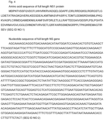
- nucleotide sequences of NS genes encoding the NS1 proteins and the amino acid sequences of the NS1 proteins of the present invention are as follows:
- Figure 1 shows the growth of NS1 deletion mutants in interferon-competent cells.
- Human fibroblasts were infected with influenza wild-type virus (WT NS), and different deletion mutants: deINS1 has a complete NS1 deletion, for the other deletion mutants the deleted amino acids of the NS1 protein are indicated.
- WT NS influenza wild-type virus
- Example 2 Growth of influenza wild-type and NS1 deletion mutants in interferon-deficient Vero cells .
- Different NS1 deletion mutants (length of the deletion is indicated) were analyzed for their growth properties on Vero cells at an MOI of 0.001 in the presence of 0.5% 10xTrypLE in the media.
- Supernatants were harvested 48 hours p.i. and viral titers of the different deletion mutants were determined.
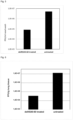
- all NS1 deletion mutants grow to high titers above 8log10 per ml ( Fig.2 ) indicating to have sufficient growth to be used in a therapeutic approach.
- Figure 2 shows the growth of NS1 deletion mutants in interferon-deficient Vero cells. Cell were infected with different deletion mutants and viral titers were determined. The length of the NS1 deletion is indicated.
- Interferon-beta induction of NS1 deletion mutants Influenza wild-type virus, an NS1 deletion mutant lacking the complete NS1 gene and different NS1 deletion mutants were analyzed for their ability to induce interferon (IFN)-beta upon infection of human fibroblasts after infection at an MOI of 10. Two hours post infection (p.i.) the media was supplemented with 10% FCS. 24 hours p.i. the supernatants were analyzed for the presence of IFN by ELISA. All deletion mutants induced significantly higher IFN levels than the virus lacking the complete NS1 and the wild-type virus. ( Fig.3 ).
- IFN interferon
- Figure 3 shows the interferon-beta induction by NS1 deletion mutants.
- Human fibroblasts were infected with wild-type influenza virus (WT NS), and different deletion mutants.
- deINS1 has a complete NS1 deletion, for the other deletion mutants the deleted amino acids of the NS1 protein are indicated. High amounts of > 300pg/ml IFN-beta were found for the intermediate deletion mutants but not for the complete deletion mutant or the wild-type.
- the anti-viral activity of the deINS40-60 deletion mutant was tested in animal models. Influenza virus inhibition was tested in a ferret model and Sars-CoV-2 inhibition was tested in the mouse ACE2 model. Ferrets were treated with deINS40-60 at different time points before and after infection with pandemic influenza H1N1pdm09 wild-type virus. This treatment was protective as indicated by significant reduction of the H1 N1 pdm09 challenge virus in the nasal wash titers after challenge ( Fig 5 ). In the mouse model, mice were treated with deINS40-60, at different time points before and/or after infection with Sars-CoV-2 virus. The treatment was protective as indicated by significant reduction of the Sars-CoV-2 challenge virus in the lungs after infection ( Fig 6 ). Another indicator of disease, weight loss was also substantially reduced from approximately 20% to 5% by pretreatment with deINS40-60 ( Fig.7 ).
Landscapes
- Health & Medical Sciences (AREA)
- Life Sciences & Earth Sciences (AREA)
- Chemical & Material Sciences (AREA)
- Virology (AREA)
- General Health & Medical Sciences (AREA)
- Medicinal Chemistry (AREA)
- Organic Chemistry (AREA)
- Veterinary Medicine (AREA)
- Public Health (AREA)
- Animal Behavior & Ethology (AREA)
- Pharmacology & Pharmacy (AREA)
- Molecular Biology (AREA)
- Epidemiology (AREA)
- Immunology (AREA)
- Microbiology (AREA)
- Genetics & Genomics (AREA)
- General Chemical & Material Sciences (AREA)
- Biochemistry (AREA)
- Chemical Kinetics & Catalysis (AREA)
- Mycology (AREA)
- Oncology (AREA)
- Communicable Diseases (AREA)
- Nuclear Medicine, Radiotherapy & Molecular Imaging (AREA)
- Proteomics, Peptides & Aminoacids (AREA)
- Biophysics (AREA)
- Gastroenterology & Hepatology (AREA)
- Pulmonology (AREA)
- Engineering & Computer Science (AREA)
- Zoology (AREA)
- Wood Science & Technology (AREA)
- Bioinformatics & Cheminformatics (AREA)
- General Engineering & Computer Science (AREA)
- Biotechnology (AREA)
- Biomedical Technology (AREA)
- Medicines That Contain Protein Lipid Enzymes And Other Medicines (AREA)
- Peptides Or Proteins (AREA)
- Pharmaceuticals Containing Other Organic And Inorganic Compounds (AREA)
- Medicines Containing Antibodies Or Antigens For Use As Internal Diagnostic Agents (AREA)
Claims (17)
- Replikationsdefizientes Influenza-A-Virus, das hohe Niveaus von Interferon (IFN) Typ I in Zellen induziert, die mit dem Virus infiziert sind, umfassend ein NS1-Protein mit einer funktionellen Effektordomäne und einer nicht funktionellen RNA-Bindungsdomäne, mit einer Deletion von mindestens 15 Aminosäuren innerhalb der 80 N-terminalen Aminosäuren des NS1-Proteins, und wobei das Virus die Sequenz nach einer der SEQ ID NO: 3, 5, 7, 9 und 11 umfasst.
- Influenza-A-Virus nach Anspruch 1, umfassend Deletionen der N-terminalen Aminosäuren 15 bis 73, 35 bis 50, 35 bis 70, 40 bis 60 oder 40 bis 80 bezogen auf die Nummerierung von SEQ ID NO:1.
- Influenza-A-Virus nach einem der Ansprüche 1 bis 2, ferner umfassend Modifikationen der NA-, HA-, PB1-, PB2-, PA- und/oder NP-Proteine.
- Pharmazeutische Zubereitung, umfassend das Influenza-A-Virus nach einem der Ansprüche 1 bis 3, gegebenenfalls in Kombination mit einem pharmazeutisch annehmbaren Träger.
- Influenza-A-Virus nach einem der Ansprüche 1 bis 3, oder die pharmazeutische Zubereitung nach Anspruch 4, zur Verwendung bei der Herstellung eines Medikaments.
- Influenza-A-Virus oder pharmazeutische Zubereitung zur Verwendung nach Anspruch 5 bei der antiviralen Behandlung eines Subjekts, im Speziellen bei der prophylaktischen oder therapeutischen Behandlung einer durch IFN-sensitive Viren verursachten Infektion.
- Influenza-A-Virus oder pharmazeutische Zubereitung zur Verwendung nach Anspruch 6, wobei die IFN-sensitiven Viren aus der Gruppe bestehend aus Corona-Virus, Influenza-Virus, respiratorischen Synzytial-Virus, Metapneumo-Virus, Parainfluenza-Virus, Flavi-Viren, Hepatitis-Virus, Herpes-simplex-Virus, Rhino-Virus und Vaccinia-Virus ausgewählt sind.
- Influenza-Virus oder pharmazeutische Zubereitung zur Verwendung nach Anspruch 6 oder 7, wobei das Corona-Virus ein β-Corona-Virus, SARS-CoV-2, MERS-CoV, SARS-CoV-1, HCoV-OC43, HCoV-HKU1, oder ein α-Corona-Virus, HCoV-NL63, HCOV-229E oder PEDV ist.
- Influenza-Virus nach einem der Ansprüche 1 bis 3 zur Verwendung bei der Behandlung eines Krankheitszustands, der von SARS-CoV-2 verursacht wird oder damit assoziiert ist.
- Influenza-Virus oder pharmazeutische Zubereitung zur Verwendung nach einem der Ansprüche 6 bis 9 bei der Behandlung eines von einem IFN-sensitiven Virus verursachten Krankheitszustands, wobei der Krankheitszustand Influenza, gewöhnliche Erkältung, Infektion der Nase, Sinusitis, des Rachens und Kehlkopfs, Bronchiolitis, Diarrhöe, Ausschlag auf der Haut, oder Pneumonie, akutes Atemnotsyndrom (ARDS) ist.
- Pharmazeutische Zubereitung nach Anspruch 4, die für die lokale Verabreichung formuliert ist, vorzugsweise zur Aufbringung auf die oberen und unteren Atemwege, die nasale, pulmonale, intraorale, okulare oder dermale Verwendung, oder für die systemische Verabreichung, vorzugsweise durch intravenöse, intramuskuläre, subkutane, intradermale, transdermale oder orale Verabreichung, wobei sie im Speziellen für die nasale Verabreichung formuliert ist.
- Pharmazeutische Zubereitung nach Anspruch 11, wobei die pharmazeutische Zubereitung als ein Spray, ein Pulver, ein Gel, eine Salbe, eine Creme, ein Schaum oder eine flüssige Lösung, eine Lotion, eine Gurgellösung, ein zerstäubtes Pulver, eine zerstäubte flüssige Formulierung, als Granulat, Kapseln, Tropfen, Tablette, Sirup, Lutschtablette oder als Zubereitung für die Infusion oder Injektion formuliert ist.
- Pharmazeutische Zubereitung nach Anspruch 4, wobei die Zubereitung für die Verabreichung als einzige antivirale Substanz vorgesehen ist, oder wobei die Zubereitung mit einer weiteren Zubereitung kombiniert wird, die eine oder mehrere aktive Substanzen umfasst, die vorzugsweise aus der Gruppe bestehend aus antiviralen und antibiotischen Substanzen ausgewählt sind.
- Pharmazeutische Zubereitung zur Verwendung nach Anspruch 6, wobei das Subjekt mit einem IFN-sensitiven Virus infiziert ist oder das Risiko besteht, dass es damit infiziert wird, wobei es vorzugsweise ein menschliches Wesen, ein Hund, eine Katze, ein Pferd, ein Kamelid, ein Rind oder Schwein ist.
- Influenza-A-Virus nach einem der Ansprüche 1 bis 3, oder pharmazeutische Zubereitung nach Anspruch 4, zur Verwendung bei der Hemmung der Replikation von IFN-sensitiven Viren.
- Isolierte Nukleinsäuresequenz, welche das replikationsdefiziente Influenza-A-Virus nach einem der Ansprüche 1 bis 3 exprimiert.
- Isolierte Nukleinsäuresequenz nach Anspruch 16, umfassend eine beliebige der SEQ ID NO: 4, 6, 8, 10 und 12.
Applications Claiming Priority (2)
| Application Number | Priority Date | Filing Date | Title |
|---|---|---|---|
| EP20210630 | 2020-11-30 | ||
| PCT/EP2021/083534 WO2022112595A1 (en) | 2020-11-30 | 2021-11-30 | Novel replication deficient influenza a virus inducing high levels of type i interferon |
Publications (3)
| Publication Number | Publication Date |
|---|---|
| EP4251200A1 EP4251200A1 (de) | 2023-10-04 |
| EP4251200B1 true EP4251200B1 (de) | 2024-10-30 |
| EP4251200C0 EP4251200C0 (de) | 2024-10-30 |
Family
ID=73646174
Family Applications (1)
| Application Number | Title | Priority Date | Filing Date |
|---|---|---|---|
| EP21815535.6A Active EP4251200B1 (de) | 2020-11-30 | 2021-11-30 | Neues replikationsdefizientes influenza-a-virus zur induktion hoher konzentrationen von interferon vom typ i |
Country Status (5)
| Country | Link |
|---|---|
| US (1) | US20240108713A1 (de) |
| EP (1) | EP4251200B1 (de) |
| CN (1) | CN116888139A (de) |
| ES (1) | ES3005234T3 (de) |
| WO (1) | WO2022112595A1 (de) |
Families Citing this family (1)
| Publication number | Priority date | Publication date | Assignee | Title |
|---|---|---|---|---|
| CN117122599B (zh) * | 2022-07-01 | 2026-04-21 | 上海交通大学 | 氯法齐明在制备预防和/或治疗猪流行性腹泻病毒感染的药物中的应用 |
Family Cites Families (7)
| Publication number | Priority date | Publication date | Assignee | Title |
|---|---|---|---|---|
| FR702E (fr) | 1903-02-28 | Caille Charles | Appareil stérilisateur pour l'eau ou d'autres liquides | |
| KR100637937B1 (ko) * | 1998-06-12 | 2006-10-23 | 마운트 시나이 스쿨 오브 메디신 오브 뉴욕 유니버시티 | 변형된 인터페론 길항물질을 보유하고, 백신 및 약제로사용되는 약독화된 네거티브 가닥 바이러스 |
| EP2048237A1 (de) * | 2007-10-05 | 2009-04-15 | Avir Green Hills Biotechnology Research Development Trade Ag | Replikationsdefizienter Influenza-Virus zur Expression heterologer Sequenzen |
| WO2015063085A1 (en) * | 2013-10-28 | 2015-05-07 | Thomas Muster | Novel influenza virus vector for virotherapy |
| WO2017031401A2 (en) * | 2015-08-20 | 2017-02-23 | University Of Rochester | Ns1 truncated virus for the development of canine influenza vaccines |
| CN109689093B (zh) * | 2016-04-18 | 2024-03-08 | 港大科桥有限公司 | 适合于粘膜递送的冷适应的和毒力因子缺失的活减毒疫苗 |
| WO2020152318A2 (en) | 2019-01-24 | 2020-07-30 | Blue Sky Vaccines Gmbh | High growth influenza virus |
-
2021
- 2021-11-30 US US18/039,687 patent/US20240108713A1/en active Pending
- 2021-11-30 ES ES21815535T patent/ES3005234T3/es active Active
- 2021-11-30 EP EP21815535.6A patent/EP4251200B1/de active Active
- 2021-11-30 WO PCT/EP2021/083534 patent/WO2022112595A1/en not_active Ceased
- 2021-11-30 CN CN202180080542.2A patent/CN116888139A/zh active Pending
Also Published As
| Publication number | Publication date |
|---|---|
| WO2022112595A1 (en) | 2022-06-02 |
| EP4251200C0 (de) | 2024-10-30 |
| EP4251200A1 (de) | 2023-10-04 |
| US20240108713A1 (en) | 2024-04-04 |
| ES3005234T3 (en) | 2025-03-14 |
| CN116888139A (zh) | 2023-10-13 |
Similar Documents
| Publication | Publication Date | Title |
|---|---|---|
| JP5450402B2 (ja) | インフルエンザを阻害する組成物および方法 | |
| KR102604877B1 (ko) | 감염성 질환의 예방 및/또는 치료와 종양학적 질환의 치료를 위한 약독화된 인플루엔자 벡터 | |
| EP3022298B1 (de) | Abgeschwächte influenza-vakzine und verwendungen davon | |
| CN115003328A (zh) | 重组神经氨酸酶及其用途 | |
| US20230414745A1 (en) | Influenza virus encoding a truncated ns1 protein and a sars-cov receptor binding domain | |
| EP4251200B1 (de) | Neues replikationsdefizientes influenza-a-virus zur induktion hoher konzentrationen von interferon vom typ i | |
| US20070122430A1 (en) | Influenza vaccine compositions and methods of use thereof | |
| CN116782920A (zh) | 用于治疗病毒感染的神经毡蛋白和血管紧张素转化酶2融合肽 | |
| KR20190122229A (ko) | 인플루엔자에 대한 면역원성 조성물 | |
| KR102182987B1 (ko) | 재조합 인플루엔자 a 바이러스 h5n1주 및 이를 포함하는 고병원성 인플루엔자 a 바이러스 백신 조성물 | |
| US10323231B2 (en) | Attenuated influenza vaccines and uses thereof | |
| CN101454023B (zh) | 干扰缺损病毒 | |
| KR102706801B1 (ko) | 인플루엔자 b 바이러스 변이체들과 그것들의 용도들 | |
| JP4683844B2 (ja) | インフルエンザウイルス感染予防剤 | |
| ES2913063T3 (es) | Ensayo y medicamento | |
| US20250049912A1 (en) | Multicistronic Vaccine and Methods for Producing and Using the Same | |
| US20220401549A1 (en) | Novel prime-boost influenza vaccine | |
| Class et al. | Patent application title: INFLUENZA INHIBITING COMPOSITIONS AND METHODS Inventors: Robert F. Garry (New Orleans, LA, US) Robert F. Garry (New Orleans, LA, US) Russell B. Wilson (Mandeville, LA, US) Russell B. Wilson (Mandeville, LA, US) Assignees: Autoimmune Technologies, LLC. THE ADMINISTRATORS OF THE TULANE EDUCATIONAL FUND | |
| HK1251616B (en) | Attenuated influenza vectors for the prevention and/or treatment of infectious diseases and for the treatment of oncological diseases |
Legal Events
| Date | Code | Title | Description |
|---|---|---|---|
| STAA | Information on the status of an ep patent application or granted ep patent |
Free format text: STATUS: UNKNOWN |
|
| STAA | Information on the status of an ep patent application or granted ep patent |
Free format text: STATUS: THE INTERNATIONAL PUBLICATION HAS BEEN MADE |
|
| PUAI | Public reference made under article 153(3) epc to a published international application that has entered the european phase |
Free format text: ORIGINAL CODE: 0009012 |
|
| STAA | Information on the status of an ep patent application or granted ep patent |
Free format text: STATUS: REQUEST FOR EXAMINATION WAS MADE |
|
| 17P | Request for examination filed |
Effective date: 20230503 |
|
| AK | Designated contracting states |
Kind code of ref document: A1 Designated state(s): AL AT BE BG CH CY CZ DE DK EE ES FI FR GB GR HR HU IE IS IT LI LT LU LV MC MK MT NL NO PL PT RO RS SE SI SK SM TR |
|
| DAV | Request for validation of the european patent (deleted) | ||
| DAX | Request for extension of the european patent (deleted) | ||
| GRAP | Despatch of communication of intention to grant a patent |
Free format text: ORIGINAL CODE: EPIDOSNIGR1 |
|
| STAA | Information on the status of an ep patent application or granted ep patent |
Free format text: STATUS: GRANT OF PATENT IS INTENDED |
|
| INTG | Intention to grant announced |
Effective date: 20240610 |
|
| GRAS | Grant fee paid |
Free format text: ORIGINAL CODE: EPIDOSNIGR3 |
|
| GRAA | (expected) grant |
Free format text: ORIGINAL CODE: 0009210 |
|
| STAA | Information on the status of an ep patent application or granted ep patent |
Free format text: STATUS: THE PATENT HAS BEEN GRANTED |
|
| AK | Designated contracting states |
Kind code of ref document: B1 Designated state(s): AL AT BE BG CH CY CZ DE DK EE ES FI FR GB GR HR HU IE IS IT LI LT LU LV MC MK MT NL NO PL PT RO RS SE SI SK SM TR |
|
| REG | Reference to a national code |
Ref country code: GB Ref legal event code: FG4D |
|
| REG | Reference to a national code |
Ref country code: CH Ref legal event code: EP |
|
| REG | Reference to a national code |
Ref country code: IE Ref legal event code: FG4D |
|
| REG | Reference to a national code |
Ref country code: DE Ref legal event code: R096 Ref document number: 602021021133 Country of ref document: DE |
|
| U01 | Request for unitary effect filed |
Effective date: 20241127 |
|
| U07 | Unitary effect registered |
Designated state(s): AT BE BG DE DK EE FI FR IT LT LU LV MT NL PT RO SE SI Effective date: 20241204 |
|
| PGFP | Annual fee paid to national office [announced via postgrant information from national office to epo] |
Ref country code: ES Payment date: 20241230 Year of fee payment: 4 |
|
| REG | Reference to a national code |
Ref country code: ES Ref legal event code: FG2A Ref document number: 3005234 Country of ref document: ES Kind code of ref document: T3 Effective date: 20250314 |
|
| U20 | Renewal fee for the european patent with unitary effect paid |
Year of fee payment: 4 Effective date: 20250221 |
|
| PG25 | Lapsed in a contracting state [announced via postgrant information from national office to epo] |
Ref country code: HR Free format text: LAPSE BECAUSE OF FAILURE TO SUBMIT A TRANSLATION OF THE DESCRIPTION OR TO PAY THE FEE WITHIN THE PRESCRIBED TIME-LIMIT Effective date: 20241030 Ref country code: IS Free format text: LAPSE BECAUSE OF FAILURE TO SUBMIT A TRANSLATION OF THE DESCRIPTION OR TO PAY THE FEE WITHIN THE PRESCRIBED TIME-LIMIT Effective date: 20250228 |
|
| PG25 | Lapsed in a contracting state [announced via postgrant information from national office to epo] |
Ref country code: NO Free format text: LAPSE BECAUSE OF FAILURE TO SUBMIT A TRANSLATION OF THE DESCRIPTION OR TO PAY THE FEE WITHIN THE PRESCRIBED TIME-LIMIT Effective date: 20250130 |
|
| PG25 | Lapsed in a contracting state [announced via postgrant information from national office to epo] |
Ref country code: GR Free format text: LAPSE BECAUSE OF FAILURE TO SUBMIT A TRANSLATION OF THE DESCRIPTION OR TO PAY THE FEE WITHIN THE PRESCRIBED TIME-LIMIT Effective date: 20250131 |
|
| PG25 | Lapsed in a contracting state [announced via postgrant information from national office to epo] |
Ref country code: PL Free format text: LAPSE BECAUSE OF FAILURE TO SUBMIT A TRANSLATION OF THE DESCRIPTION OR TO PAY THE FEE WITHIN THE PRESCRIBED TIME-LIMIT Effective date: 20241030 |
|
| PG25 | Lapsed in a contracting state [announced via postgrant information from national office to epo] |
Ref country code: RS Free format text: LAPSE BECAUSE OF FAILURE TO SUBMIT A TRANSLATION OF THE DESCRIPTION OR TO PAY THE FEE WITHIN THE PRESCRIBED TIME-LIMIT Effective date: 20250130 |
|
| REG | Reference to a national code |
Ref country code: CH Ref legal event code: PL |
|
| PG25 | Lapsed in a contracting state [announced via postgrant information from national office to epo] |
Ref country code: SM Free format text: LAPSE BECAUSE OF FAILURE TO SUBMIT A TRANSLATION OF THE DESCRIPTION OR TO PAY THE FEE WITHIN THE PRESCRIBED TIME-LIMIT Effective date: 20241030 |
|
| PG25 | Lapsed in a contracting state [announced via postgrant information from national office to epo] |
Ref country code: MC Free format text: LAPSE BECAUSE OF FAILURE TO SUBMIT A TRANSLATION OF THE DESCRIPTION OR TO PAY THE FEE WITHIN THE PRESCRIBED TIME-LIMIT Effective date: 20241030 |
|
| REG | Reference to a national code |
Ref country code: CH Ref legal event code: PL |
|
| PG25 | Lapsed in a contracting state [announced via postgrant information from national office to epo] |
Ref country code: CH Free format text: LAPSE BECAUSE OF NON-PAYMENT OF DUE FEES Effective date: 20241130 |
|
| PG25 | Lapsed in a contracting state [announced via postgrant information from national office to epo] |
Ref country code: SK Free format text: LAPSE BECAUSE OF FAILURE TO SUBMIT A TRANSLATION OF THE DESCRIPTION OR TO PAY THE FEE WITHIN THE PRESCRIBED TIME-LIMIT Effective date: 20241030 |
|
| PG25 | Lapsed in a contracting state [announced via postgrant information from national office to epo] |
Ref country code: CZ Free format text: LAPSE BECAUSE OF FAILURE TO SUBMIT A TRANSLATION OF THE DESCRIPTION OR TO PAY THE FEE WITHIN THE PRESCRIBED TIME-LIMIT Effective date: 20241030 |
|
| PLBE | No opposition filed within time limit |
Free format text: ORIGINAL CODE: 0009261 |
|
| STAA | Information on the status of an ep patent application or granted ep patent |
Free format text: STATUS: NO OPPOSITION FILED WITHIN TIME LIMIT |
|
| 26N | No opposition filed |
Effective date: 20250731 |
|
| PG25 | Lapsed in a contracting state [announced via postgrant information from national office to epo] |
Ref country code: IE Free format text: LAPSE BECAUSE OF NON-PAYMENT OF DUE FEES Effective date: 20241130 |