EP4222147B1 - Thiadiazolone derivatives and their use as ampk agonists for the treatment of diabetes and related disorders - Google Patents
Thiadiazolone derivatives and their use as ampk agonists for the treatment of diabetes and related disorders Download PDFInfo
- Publication number
- EP4222147B1 EP4222147B1 EP21816508.2A EP21816508A EP4222147B1 EP 4222147 B1 EP4222147 B1 EP 4222147B1 EP 21816508 A EP21816508 A EP 21816508A EP 4222147 B1 EP4222147 B1 EP 4222147B1
- Authority
- EP
- European Patent Office
- Prior art keywords
- compound
- pharmaceutically acceptable
- formula
- ampk
- compounds
- Prior art date
- Legal status (The legal status is an assumption and is not a legal conclusion. Google has not performed a legal analysis and makes no representation as to the accuracy of the status listed.)
- Active
Links
Images

Classifications
-
- A—HUMAN NECESSITIES
- A61—MEDICAL OR VETERINARY SCIENCE; HYGIENE
- A61K—PREPARATIONS FOR MEDICAL, DENTAL OR TOILETRY PURPOSES
- A61K31/00—Medicinal preparations containing organic active ingredients
- A61K31/33—Heterocyclic compounds
- A61K31/395—Heterocyclic compounds having nitrogen as a ring hetero atom, e.g. guanethidine or rifamycins
- A61K31/41—Heterocyclic compounds having nitrogen as a ring hetero atom, e.g. guanethidine or rifamycins having five-membered rings with two or more ring hetero atoms, at least one of which being nitrogen, e.g. tetrazole
- A61K31/433—Thidiazoles
-
- A—HUMAN NECESSITIES
- A61—MEDICAL OR VETERINARY SCIENCE; HYGIENE
- A61P—SPECIFIC THERAPEUTIC ACTIVITY OF CHEMICAL COMPOUNDS OR MEDICINAL PREPARATIONS
- A61P3/00—Drugs for disorders of the metabolism
- A61P3/04—Anorexiants; Antiobesity agents
-
- A—HUMAN NECESSITIES
- A61—MEDICAL OR VETERINARY SCIENCE; HYGIENE
- A61P—SPECIFIC THERAPEUTIC ACTIVITY OF CHEMICAL COMPOUNDS OR MEDICINAL PREPARATIONS
- A61P3/00—Drugs for disorders of the metabolism
- A61P3/08—Drugs for disorders of the metabolism for glucose homeostasis
- A61P3/10—Drugs for disorders of the metabolism for glucose homeostasis for hyperglycaemia, e.g. antidiabetics
-
- A—HUMAN NECESSITIES
- A61—MEDICAL OR VETERINARY SCIENCE; HYGIENE
- A61P—SPECIFIC THERAPEUTIC ACTIVITY OF CHEMICAL COMPOUNDS OR MEDICINAL PREPARATIONS
- A61P35/00—Antineoplastic agents
-
- A—HUMAN NECESSITIES
- A61—MEDICAL OR VETERINARY SCIENCE; HYGIENE
- A61P—SPECIFIC THERAPEUTIC ACTIVITY OF CHEMICAL COMPOUNDS OR MEDICINAL PREPARATIONS
- A61P9/00—Drugs for disorders of the cardiovascular system
-
- C—CHEMISTRY; METALLURGY
- C07—ORGANIC CHEMISTRY
- C07D—HETEROCYCLIC COMPOUNDS
- C07D285/00—Heterocyclic compounds containing rings having nitrogen and sulfur atoms as the only ring hetero atoms, not provided for by groups C07D275/00 - C07D283/00
- C07D285/01—Five-membered rings
- C07D285/02—Thiadiazoles; Hydrogenated thiadiazoles
- C07D285/04—Thiadiazoles; Hydrogenated thiadiazoles not condensed with other rings
- C07D285/08—1,2,4-Thiadiazoles; Hydrogenated 1,2,4-thiadiazoles
-
- C—CHEMISTRY; METALLURGY
- C07—ORGANIC CHEMISTRY
- C07F—ACYCLIC, CARBOCYCLIC OR HETEROCYCLIC COMPOUNDS CONTAINING ELEMENTS OTHER THAN CARBON, HYDROGEN, HALOGEN, OXYGEN, NITROGEN, SULFUR, SELENIUM OR TELLURIUM
- C07F9/00—Compounds containing elements of Groups 5 or 15 of the Periodic Table
- C07F9/02—Phosphorus compounds
- C07F9/547—Heterocyclic compounds, e.g. containing phosphorus as a ring hetero atom
- C07F9/6536—Heterocyclic compounds, e.g. containing phosphorus as a ring hetero atom having nitrogen and sulfur atoms with or without oxygen atoms, as the only ring hetero atoms
- C07F9/6539—Five-membered rings
- C07F9/65392—Five-membered rings containing two nitrogen atoms
- C07F9/65397—Five-membered rings containing two nitrogen atoms having the two nitrogen atoms in positions 1 and 3
Definitions
- the present invention relates to novel compounds, and the use of such compounds in medicine.
- the present invention relates to compounds that are useful in treating a disorder or condition ameliorated by the activation of AMP-activated protein kinase.
- AMP-activated protein kinase is a protein kinase enzyme that consists of three protein sub-units and is activated by hormones, cytokines, exercise, and stresses that diminish cellular energy state (e.g. glucose deprivation). Activation of AMPK increases processes that generate adenosine 5'-triphosphate (ATP) (e.g., fatty-acid oxidation) and restrains others such as fatty acid-, glycerolipid- and protein-synthesis that consume ATP, but are not acutely necessary for survival. Conversely, when cells are presented with a sustained excess of glucose, AMPK activity diminishes and fatty acid-, glycerolipid- and protein-synthesis are enhanced.
- ATP adenosine 5'-triphosphate
- AMPK activity diminishes and fatty acid-, glycerolipid- and protein-synthesis are enhanced.
- AMPK thus is a protein kinase enzyme that plays an important role in cellular energy homeostasis. Therefore, the activation of AMPK is coupled to glucose lowering effects and triggers several other biological effects, including the inhibition of cholesterol synthesis, lipogenesis, triglyceride synthesis, and the reduction of hyperinsulinemia.
- AMPK is a preferred target for the treatment of the metabolic syndrome and especially type 2 diabetes.
- AMPK is also involved in a number of pathways that are important for many different diseases (e.g. AMPK is also involved in a number of pathways that are important in CNS disorders, fibrosis, osteoporosis, heart failure and sexual dysfunction).
- AMPK is also involved in a number of pathways that are important in cancer. Several tumour suppressors are part of the AMPK pathway. AMPK acts as a negative regulator of the mammalian TOR (mTOR) and EF2 pathway, which are key regulators of cell growth and proliferation. The deregulation may therefore be linked to diseases such as cancer (as well as diabetes). AMPK activators may therefore be of utility as anticancer drugs.
- mTOR mammalian TOR
- EF2 EF2 pathway
- AMPK activator drugs e.g. metformin and 4-chloro-N-[2-[(4-chlorophenyl)methyl]-3-oxo-1,2,4-thiadiazol-5-yl]benzamide (i.e. the compound of formula II below)
- AMPK activator drugs e.g. metformin and 4-chloro-N-[2-[(4-chlorophenyl)methyl]-3-oxo-1,2,4-thiadiazol-5-yl]benzamide (i.e. the compound of formula II below)
- Das and co-workers report that, following lumbar disc puncture, postinjury treatment in mice with AMPK activator drugs reduces mechanical hypersensitivity ( Das V, et al. Reg Anesth Pain Med 2019;0:1-5. doi:10.1136/rapm-2019-100839 ).
- AMPK activator drugs reduces mechanical hypersensitivity in a postoperative pain model in mice ( Das V, et al. Reg Anesth Pain Med 2019;0:1-6. doi:10.1136jrapm-2019-100651 ). These drugs also normalize the AMPK pathway in the dorsal root ganglion. AMPK activators may therefore be used in the treatment of pain, particularly post-operative pain.
- hepatic steatosis may be regulated by AMPK ( Zhao et al. J. Biol. Chem. 2020 295: 12279- 12289 ).
- AMPK Activation of AMPK inhibits de novo lipogenesis while promoting fatty acid oxidation ( ⁇ -oxidation) in the liver.
- AMPK activation also reduces free fatty acid release from adipose tissue and prevents hepatic steatosis.
- Pharmacological activation of AMPK in the liver was reported to promote beneficial effects on multiple aspects of non-alcoholic fatty liver disease (NAFLD).
- NAFLD non-alcoholic fatty liver disease
- activation of AMPK was found to improve non-alcoholic steatohepatitis (NASH) in both murine and simian animal models. Accordingly, AMPK activators may be useful in the treatment of NAFLD and NASH.
- An example of an AMPK activator is 4-chloro-N-[2-[(4-chlorophenyl)methyl]-3-oxo-1,2,4-thiadiazol-5-yl]benzamide (i.e. the compound of formula II), which was first disclosed in WO 2011/004162 .
- the compound of formula II is useful in the treatment of disorders or conditions which are ameliorated by the activation of AMPK.
- Such compounds may be useful in the treatment of cardiovascular disease (such as heart failure), diabetic kidney disease, type 2 diabetes, insulin resistance, non-alcoholic fatty liver disease, non-alcoholic steatohepatitis, pain, opioid addiction, obesity, cancer, inflammation (including chronic inflammatory diseases), autoimmune diseases, osteoporosis and intestinal diseases.
- AMPK activators Although a number of AMPK activators are known, there is still a need for the development of novel compounds for the treatment of a disorder or condition ameliorated by the activation of AMPK.
- the inventors have now found novel compounds that are metabolised in vivo to form a known AMPK activator, with a surprising enhancement of the bioavailability of the AMPK activator. Said compounds were also found to activate AMPK.
- the compounds of the invention have been found to metabolise in vivo to form 4-chloro-N-[2-[(4-chlorophenyl)methyl]-3-oxo-1,2,4-thiadiazol-5-yl] benzamide (referred to herein as a compound of formula II) which is known to be an AMPK activator.
- the compounds of the invention may be considered to be prodrugs of 4-chloro-N-[2-[(4-chlorophenyl)methyl]-3-oxo-1,2,4-thiadiazol-5-yl]benzamide.
- salts include base salts.
- Such salts may be formed by conventional means, for example by reaction of a free acid or phosphate form of a compound of the invention with one or more equivalents of an appropriate base, optionally in a solvent, or in a medium in which the salt is insoluble, followed by removal of said solvent, or said medium, using standard techniques (e.g. in vacuo, by freeze-drying or by filtration).
- Salts may also be prepared using techniques known to those skilled in the art, such as by exchanging a counter-ion of a compound of the invention in the form of a salt with another counter-ion, for example using a suitable ion exchange resin.
- salts of potential utility include those discussed in J. Pharmaceutical Sciences, 66: 1-19 (1977), by Berge et al.
- the salts can be prepared in situ during the final isolation and/or purification for a compound of the invention, or separately by reaction of the free acid function with a suitable inorganic or organic base.
- Suitable counterions for said salts include, but are not limited to, metals, such as sodium, potassium and calcium, or amines, such as triethylammonium and lysine.
- Particular pharmaceutically acceptable addition salts that may be mentioned include alkali metal salts, alkaline earth metal salts or quaternary ammonium salts of the compound of formula I.
- Alkali metals are metals found, along with hydrogen, in group I of the periodic table, most notably lithium, sodium, potassium, rubidium and caesium. It will therefore be understood that an “alkali metal salt” is a chemical compound consisting of an assembly of one or more alkali metal cations and one or more associated anions.
- Alkaline earth metals are metals found in group II of the periodic table, most notably magnesium, calcium, strontium and barium. It will therefore be understood that an "alkaline earth metal salt” is a chemical compound consisting of an assembly of one or more alkaline earth metal cations and one or more associated anions.
- Quaternary ammonium cations are positively charged ions of the structure [NR 4 ] + , where each R may independently represent H, a C 1-6 alkyl group, a C 2-6 alkenyl group, a C 2-6 alkynyl group or an aryl group.
- a "quaternary ammonium” cation is a cationic form (particularly a protonated form) of an amino acid, such as an amino acid bearing a positively charged side chain (e.g. lysine, histidine or arginine). It will therefore be understood that a "quaternary ammonium salt” is a chemical compound consisting of an assembly of one or more quaternary ammonium cations and one or more associated anions.
- alkyl groups defined herein may be straight-chain or, when there is a sufficient number (i.e. a minimum of two or three, as appropriate) of carbon atoms, be branched-chain, and/or cyclic (so forming a cycloalkyl group). When there is a sufficient number (i.e. a minimum of four) of carbon atoms, such groups may also be part cyclic (so forming a partial cycloalkyl group).
- cycloalkyl groups that may be mentioned include cyclopropyl, cyclopentyl and cyclohexyl.
- part cyclic alkyl groups (which may also be referred to as "part cycloalkyl" groups) that may be mentioned include cyclopropylmethyl.
- alkenyl groups defined herein may be straight-chain or, when there is a sufficient number (i.e. a minimum of three) of carbon atoms, be branched-chain.
- alkenyl groups that may be mentioned include straight chain (i.e. not branched) alkenyl groups.
- alkynyl groups defined herein may be straight-chain or, when there is a sufficient number (i.e. a minimum of four) of carbon atoms, be branched-chain.
- alkynyl groups that may be mentioned include straight chain (i.e. not branched) alkynyl groups.
- alkyl groups referred to herein as “alkyl”, “alkenyl” and/or “alkynyl” will be taken as referring to the highest degree of unsaturation in a bond present in such groups.
- alkynyl groups referred to herein as “alkyl”, “alkenyl” and/or “alkynyl” will be taken as referring to the highest degree of unsaturation in a bond present in such groups.
- alkynyl groups referred to herein as “alkyl”, “alkenyl” and/or “alkynyl”
- aryl may refer to aromatic groups. Such groups may be monocyclic or bicyclic and, when bicyclic, be either wholly or partly aromatic. aryl groups that may be mentioned include C 6-10 aryl groups, particularly phenyl, naphthyl, 1,2,3,4-tetrahydronaphthyl, indanyl, and the like (e.g. phenyl and naphthyl). For the avoidance of doubt, the point of attachment of substituents on aryl groups may be via any suitable carbon atom of the ring system.
- an "alkali metal salt”, “alkaline earth metal salt” or “quaternary ammonium salt” of a compound of formula I refers to a compound comprising one or more alkali metal, alkaline earth metal or quaternary ammonium cations (e.g. lithium, magnesium, calcium, ammonium, tetramethylammonium and, particularly, sodium and potassium) and one or more anions of a compound of formula I.
- alkali metal salt e.g. lithium, magnesium, calcium, ammonium, tetramethylammonium and, particularly, sodium and potassium
- alkali metal, alkaline earth metal and quaternary ammonium salts of a compound of formula I include compounds of formula III, and formula IV, wherein X + represents an alkali metal, alkaline earth metal or quaternary ammonium (e.g. lithium, magnesium, calcium, ammonium, tetramethylammonium and, particularly, sodium and potassium) cation, with appropriate stoichiometric adjustments being made in view of charges of the ions.
- X + represents an alkali metal, alkaline earth metal or quaternary ammonium (e.g. lithium, magnesium, calcium, ammonium, tetramethylammonium and, particularly, sodium and potassium) cation, with appropriate stoichiometric adjustments being made in view of charges of the ions.
- quaternary ammonium e.g. lithium, magnesium, calcium, ammonium, tetramethylammonium and, particularly, sodium and potassium
- the pharmaceutically acceptable salt e.g. alkali metal salt, alkaline earth metal salt or quaternary ammonium salt
- a suitable solvent e.g. water
- the pharmaceutically acceptable salt e.g. alkali metal salt, alkaline earth metal salt or quaternary ammonium salt
- the compound of formula I may dissociate into its anionic and cationic components.
- salts of the compound of formula I may be prepared in accordance with techniques that are well known to those skilled in the art.
- the compound of formula I may be reacted with the appropriate alkali metal hydroxide, or an alternative alkali metal base compound. Salt switching techniques may also be used to convert one salt into another salt.
- the pharmaceutically acceptable salt is a sodium or potassium salt of the compound of formula I.
- the pharmaceutically acceptable salt is the sodium salt.
- the compounds disclosed herein may exist in unsolvated as well as solvated forms with pharmaceutically acceptable solvents such as water and ethanol, and it is intended that the invention embraces both solvated and unsolvated forms of the compounds of the invention.
- the present invention also embraces isotopically-labelled compounds of formula I which are identical to those recited herein, but for the fact that one or more atoms are replaced by an atom having an atomic mass or mass number different from the atomic mass or mass number usually found in nature (or the most abundant one found in nature). All isotopes of any particular atom or element as specified herein are contemplated within the scope of the invention.
- the compounds of formula I also include deuterated compounds, i.e. compounds of formula I in which one or more hydrogen atoms are replaced by the hydrogen isotope deuterium.
- references herein to particular aspects of the invention will include references to all embodiments and particular features thereof, which embodiments and particular features may be taken in combination to form further embodiments and features of the invention.
- the compound of formula I is Compound 3: or a pharmaceutically acceptable salt or solvate thereof.
- Compound 3 is known as 4-( ⁇ (5Z)-5-[(4-chlorobenzoyl)imino]-2-[(4-chlorophenyl)methyl]-3-oxo-1,2,4-thiadiazolidin-4-yl ⁇ methoxy)-4-oxobutanoic acid.
- the compound of the invention is a sodium salt of Compound 3.
- the compound of formula I is Compound 5A: or a pharmaceutically acceptable salt or solvate thereof.
- Compound 5A is known as ⁇ (5Z)-5-[(4-chlorobenzoyl)imino]-2-[(4-chlorophenyl)methyl]-3-oxo-1,2,4-thiadiazolidin-4-yl ⁇ methyl phosphoric acid.
- the compound of the invention is a sodium salt of Compound 5A, particularly disodium ⁇ (5Z)-5-[(4-chlorobenzoyl)imino]-2-[(4-chlorophenyl)methyl]-3-oxo-1,2,4-thiadiazolidin-4-yl ⁇ methyl phosphate (referred to herein as "Compound 5").
- the compounds of the invention may be considered to be prodrugs of 4-chloro-N-[2-[(4-chlorophenyl)methyl]-3-oxo-1,2,4-thiadiazol-5-yl]benzamide as they have been found to break down in vivo to form said compound.
- 4-Chloro-N-[2-[(4-chlorophenyl)methyl]-3-oxo-1,2,4-thiadiazol-5-yl]benzamide maybe depicted as the compound of formula II
- prodrug refers to a compound that, following oral or parenteral administration, is metabolised in vivo to yield a pharmalogically active compound in an experimentally-detectable amount, and within a predetermined time (e.g. within a dosing interval of between 6 and 24 hours (i.e. once to four times daily)).
- parenteral administration includes all forms of administration other than oral administration.
- General information on prodrugs may be found e.g. in Bundegaard, H. "Design of Prodrugs” p. I-92, Elsevier, New York-Oxford (1985 ).
- the bioavailability of a drug is the amount of an administered dose that reaches the systemic circulation in that drug form. Sufficient bioavailability is important to achieve a therapeutically active concentration at the site of action. An improvement (i.e. an increase) in bioavailability may be demonstrated by measuring the C max or the area under the curve (AUC) in the blood of a subject following administration of the compound (or pharmaceutical formulation thereof) to that subject.
- the compounds and formulations of the invention are useful in the therapies described herein in a subject in need of such therapy.
- Subjects that may be mentioned include animals, such as mammals. Particular mammals that might be mentioned include, for example, primates (e.g., humans, male or female), cows, horses, dogs and cats. Preferably the subject is a human.
- C max and "AUC” will be well understood by the person skilled in the art to refer, in the present context, to the peak plasma concentration of 4-chloro-N-[2-[(4-chlorophenyl)methyl]-3-oxo-1,2,4-thiadiazol-5-yl]benzamide after administration (e.g. to a human subject) and the integral of the concentration/time curve for that substance following the administration of the compound of the invention (or formulation thereof), respectively.
- administration of the compounds of the invention is capable of increasing the bioavailability of 4-chloro-N-[2-[(4-chlorophenyl)methyl]-3-oxo-1,2,4-thiadiazol-5-yl]benzamide compared to administration of 4-chloro-N-[2-[(4-chlorophenyl)methyl]-3-oxo-1,2,4-thiadiazol-5-yl]benzamide.
- the phrase "increasing the bioavailability” means that administration of the compound of the invention results in a larger systemically available fraction of 4-chloro-N-[2-[(4-chlorophenyl)methyl]-3-oxo-1,2,4-thiadiazol-5-yl]benzamide in vivo compared to administration of 4-chloro-N-[2-[(4-chlorophenyl)methyl]-3-oxo-1,2,4-thiadiazol-5-yl]benzamide.
- the increase in the systemically available fraction of 4-chloro-N-[2-[(4-chlorophenyl)methyl]-3-oxo-1,2,4-thiadiazol-5-yl]benzamide may be at least about 10%, (at least) about 20%, about 30%, about 40%, about 50%, about 60%, about 70%, about 80%, about 90%, about 100% (i.e. 2-fold), about 150%, about 200% (i.e. 3-fold), about 250%, about 300% (i.e. 4-fold), about 350%, or about 400% (i.e. 5-fold).
- the improvement of the bioavailability provided by the compounds of the invention may be demonstrated using suitable methods known in the art.
- the improvement in bioavailability may be demonstrated by comparing the pharmacokinetic data (e.g. AUC data) for a subject who has been administered a compound of the invention with the corresponding data for a subject who has been administered 4-chloro-N-[2-[(4-chlorophenyl)methyl]-3-oxo-1,2,4-thiadiazol-5-yl]benzamide.
- the compounds of the invention have comparable stability to 4-chloro-N-[2-[(4-chlorophenyl)methyl]-3-oxo-1,2,4-thiadiazol-5-yl]benzamide in mildly basic solutions (e.g. at pH 7.4).
- mildly basic solutions e.g. at pH 7.4
- the compounds of the invention are suited to being prepared into pharmaceutical formulations for administration to patients.
- both the compounds of the invention and Compound of Formula II show reduced stability under acidic condition so decomposition in the stomach environment is likely unless adequate protection is provided for orally administered formulations.
- the compounds of the invention have also been found to be surprisingly effective at activating AMPK, as is evidenced by the data in the examples.
- AMPK activators i.e. AMPK agonists
- the compounds of the invention may be useful in the treatment of disorders or conditions which are ameliorated by the activation of AMPK. Such compounds may therefore be useful in the treatment of the particular diseases described herein.
- the compounds of the invention may be prepared from 4-chloro-N-[2-[(4-chlorophenyl)methyl]-3-oxo-1,2,4-thiadiazol-5-yl]benzamide.
- 4-Chloro-N-[2-[(4-chlorophenyl)methyl]-3-oxo-1,2,4-thiadiazol-5-yl]benzamide may, in turn, be prepared in accordance with techniques that are well known to those skilled in the art.
- 4-chloro-N-[2-[(4-chlorophenyl)methyl]-3-oxo-1,2,4-thiadiazol-5-yl]benzamide may be made in accordance with the techniques described in international patent application WO 2011/004162 .
- the compound of formula V may be obtained by conventional synthetic procedures, in accordance with standard techniques, from available starting materials using appropriate reagents and reaction conditions.
- the compound of formula V may be prepared by reaction of a compound of formula II, with formaldehyde in the presence of a suitable base (e.g. triethylamine) and a suitable solvent (e.g. N,N-dimethylformamide) according to procedures know to the person skilled in the art.
- a suitable base e.g. triethylamine
- a suitable solvent e.g. N,N-dimethylformamide
- the compound of formula VI may also be obtained by conventional synthetic procedures, in accordance with standard techniques, from available starting materials using appropriate reagents and reaction conditions.
- the compound of formula VI may be prepared by reaction of a compound of formula V with a chlorinating agent (e.g. thionyl chloride) according to procedures know to the person skilled in the art.
- a chlorinating agent e.g. thionyl chloride
- the compound of formula II i.e. 4-chloro-N-[2-[(4-chlorophenyl)methyl]-3-oxo-1,2,4-thiadiazol-5-yl]benzamide; referred to in the examples as Compound 1) may be prepared in accordance with techniques that are well known to those skilled in the art, e.g. the techniques described in international patent application no. WO 2011/004162 .
- the compounds of the invention are useful as therapeutic agents for treating a variety of medical disorders or conditions.
- compounds of the invention will be administered to a subject in need thereof in the form of a pharmaceutical formulation.
- a pharmaceutical formulation comprising the compound of formula I (or a pharmaceutically acceptable salt or solvate thereof).
- Such formulations are referred to herein as the formulations of the invention. All embodiments and particular features thereof described herein in respect of the first aspect of the invention are disclosed herein in respect of the second aspect of the invention.
- compositions of the second aspect of the invention may be prepared in accordance with standard and/or accepted pharmaceutical practice.
- the compound of the invention (or the pharmaceutically acceptable salt or solvate thereof) is the sole active pharmaceutical ingredient present in the formulation.
- the compound of the invention (or a pharmaceutically acceptable salt or solvate thereof) is present in the formulation alongside one or more other active pharmaceutical ingredients, or may be administered as part of a combination therapy with one or more other active pharmaceutical ingredients.
- the formulations of the second aspect of the invention will generally be provided as a mixture comprising the compound of the invention (or a pharmaceutically acceptable salt or solvate thereof) and one or more pharmaceutically acceptable excipients.
- the one or more pharmaceutically acceptable excipients may be selected with due regard to the intended route of administration in accordance with standard pharmaceutical practice.
- Such pharmaceutically acceptable excipients are preferably chemically inert to the active compound and preferably have no detrimental side effects or toxicity under the conditions of use.
- Suitable pharmaceutical formulations may be found in, for example, Remington The Science and Practice of Pharmacy, 19th ed., Mack Printing Company, Easton, Pennsylvania (1995 ). A brief review of methods of drug delivery may also be found in e.g. Langer, Science 249, 1527 (1990 ).
- pH modifying excipients are particularly advantageous in the formulations of the invention.
- pH modifying excipients are those which substantially alter the pH of an aqueous solution of a formulation compared to the pH of an aqueous solution of the same formulation that does not otherwise comprise said excipients.
- a pH modifying excipient may raise (or lower) the pH of an aqueous solution of a formulation (e.g. to a pH of 8 or more) compared to an aqueous solution of the same formulation that does not comprise said excipient.
- Such excipients may be useful for increasing (i.e. improving) the aqueous solubility and/or stability of the compound of the invention in the formulation.
- the at least one pharmaceutically acceptable excipient is a basic excipient.
- basic excipient refers to a pharmaceutically acceptable excipient that increases the microenvironmental pH of the formulation. Modulation of the microenvironmental pH of a formulation has been found to improve the dissolution of the active ingredient in the formulation, which in turn may lead to enhanced oral absorption of the active ingredient.
- Particular basic excipients include magnesium oxide, sodium hydrogen carbonate, potassium hydrogen carbonate, sodium carbonate, potassium carbonate, magnesium carbonate and calcium carbonate.
- the basic excipient is magnesium oxide.
- formulations of the invention may contain a lubricant, a binder, a filler, a surfactant, a diluent, an anti-adherent, a coating, a flavouring, a colourant, a glidant, a preservative, a sweetener, a disintegrant, an adsorbent, a buffering agent, an antioxidant, a chelating agent, a dissolution enhancer, a dissolution retardant and/or a wetting agent.
- Particular pharmaceutically acceptable excipients include microcrystalline cellulose, lactose monohydrate, crospovidone, magnesium stearate, colloidal silicon dioxide, anhydrous lactose, dicalcium phosphate, mannitol, pregelatinised starch, hydroxypropyl cellulose, povidone, low-substituted hydroxypropyl cellulose, croscarmellose sodium, sodium starch glycolate, sodium stearyl fumarate, talc, hydroxypropyl methylcellulose, polysorbate 80, sodium lauryl sulphate, poloxamer 188, poloxamer 407, propylene glycol, titanium dioxide, hypromellose phthalate, hypromellose acetate succinate, methacrylic acid, methyl methacrylate copolymer, Opadry ® I, Opadry ® II.
- the compounds of the invention may be mixed, either together or separately, with one or more of the pharmaceutical excipients (including basic excipients) listed above.
- compositions of a compound of the invention and one or more pharmaceutically acceptable excipients may be processed into pellets or granules, or compressed into tablets.
- pharmaceutical formulations of the invention include formulations that are provided in the form of a tablet, mini-tablets, blocks, pellets, particles, granules or a powder for oral administration.
- Mixtures of a compound of the invention and one or more pharmaceutically acceptable excipients may also be provided in a form that is suitable for subcutaneous or intramuscular delivery, such as an injectable solution or a freeze-dried powder suitable for reconstitution in a suitable fluid prior to administration.
- formulations described herein may act systemically, and may therefore be administered accordingly using suitable techniques known to those skilled in the art.
- Formulations as described herein will normally be administered orally, subcutaneously or intramuscularly in a suitable pharmaceutically acceptable dosage form.
- the pharmaceutical formulation of the second aspect of the invention is preferably an oral pharmaceutical formulation.
- Formulations of the invention may be prepared for oral administration in the form of a capsule.
- capsules such as soft gelatin capsules may be prepared containing the compound of the invention alone (or a pharmaceutically acceptable salt or solvate thereof), optionally together with a suitable vehicle, e.g. vegetable oil, fat etc.
- hard gelatin capsules may contain the compound of the invention alone (or a pharmaceutically acceptable salt or solvate thereof) alone, or in combination with solid powdered ingredients such as a disaccharide (e.g. lactose or saccharose), an alcohol sugar (e.g. sorbitol or mannitol), a vegetable starch (e.g. potato starch or corn starch), a polysaccharide (e.g. amylopectin or cellulose derivatives) or gelling agent (e.g. gelatin).
- a disaccharide e.g. lactose or saccharose
- an alcohol sugar e.g. sorbitol or mannitol
- compositions that may be mentioned are those provided in the form of a capsule or a tablet, e.g. for oral administration.
- Preparations intended for oral administration may further comprise an enteric coating in order to prevent or minimise dissolution or disintegration in the gastric environment.
- oral preparations e.g. capsules or tablets coated with an enteric coating may provide targeted release of the compound of the invention (or a pharmaceutically acceptable salt or solvate thereof) alone in the small intestine.
- the enteric coating may be present on the surface of the formulation (e.g. on the surface of a tablet or a capsule).
- the formulation further comprises an enteric coating.
- the enteric coating is present on said capsule or tablet.
- said coating may be provided as an outer layer on said capsule or tablet.
- enteric coating refers to a substance (e.g. a polymer) that is incorporated into an oral medication (e.g. applied onto the surface of a tablet or a capsule) and that inhibits dissolution or disintegration of the medication in the gastric environment.
- Enteric coatings are typically stable at the highly acidic pH found in the stomach, but break down rapidly in higher pH of the small intestine. Therefore, enteric coatings prevent release of the active ingredient in the medication until it reaches the small intestine.
- enteric coating Any enteric coating known to the skilled person may be used in the present invention.
- enteric coating materials include those which comprise a substance selected from the group consisting of beeswax, shellac, an alkylcellulose polymer resin (e.g. ethylcellulose polymers, carboxymethylethylcellulose, or hydroxypropyl methylcellulose phthalate) or an acrylic polymer resin (e.g.
- acrylic acid and methacrylic acid copolymers methyl methacrylate copolymers, ethoxyethyl methacrylates, cyanoethyl methacrylate, methacrylate copolymers, aminoalkyl methacrylate copolymer, poly(acrylic acid), poly(methacrylic acid), methacrylic acid alkylamide copolymer, poly(methyl methacrylate), poly(methacrylic acid anhydride), methyl methacrylate, polymethacrylate, poly(methyl methacrylate), poly(methyl methacrylate) copolymer, polyacrylamide, aminoalkyl methacrylate copolymer, poly(methacrylic acid anhydride), glycidyl methacrylate copolymers), cellulose acetate phthalate, and polyvinyl acetate phthalate.
- a particular polyacrylic resin that may be mentioned is polyacrylic resin HB-50.
- compositions that may be mentioned include those in which the compound of the invention (or a pharmaceutically acceptable salt or solvate thereof) is present in a total amount that is at least 1% (or at least 10%, at least 30% or at least 50%) by weight of the formulation and up to 99% by weight of the formulation.
- the weight ratio of the compound of the invention (or a pharmaceutically acceptable salt or solvate thereof) to the totality of the components (i.e. the compound of the invention and all pharmaceutical excipients, e.g. adjuvants, diluents and carriers) of the pharmaceutical formulation is at least 1:99 (or at least 10:90, at least 30:70 or at least 50:50) and up to 99:1.
- a “therapeutically effective amount”, an “effective amount” and a “dosage” as used herein refer to an amount of a compound of the invention (or a pharmaceutically acceptable salt or solvate thereof) that is sufficient to produce a desired clinical effect, which can be a therapeutic and/or beneficial effect.
- the effective amount or dosage will vary with the age or general condition of the subject (e.g. a human), the severity of the condition being treated, the particular agents administered, the duration of the treatment, the nature of any concurrent treatment, the pharmaceutically acceptable excipients used, and like factors within the knowledge and expertise of those skilled in the art.
- a “therapeutically effective amount”, “effective amount” or “dosage” in any individual case can be determined by one of skill in the art by reference to the pertinent texts and literature and/or by using routine experimentation. Those skilled in the art will appreciate that the therapeutic effects need not be complete or curative, as long as some benefit is provided to the subject.
- the skilled person will understand that compounds of the invention, and formulations thereof, may be administered (for example, by way of one or more preparations as described herein) at varying doses, with suitable doses being readily determined by one of skill in the art.
- the total dosage of the compound of the invention (or a pharmaceutically acceptable salt or solvate thereof) that is to be administered to a subject in need thereof may range from about 0.01 milligrams per day (mg/day) to about 3000 mg/day, about 0.1 mg/day to about 2000 mg/day, or about 1 mg/day to about 1000 mg/day (e.g. from about 10 mg/day to about 500 mg/day).
- Such dosages may be, for example, oral dosages of the formulations of the second aspect of the invention.
- the compound of the invention (or a pharmaceutically acceptable salt or solvate thereof) is to be administered either intramuscularly or subcutaneously, the skilled person will recognise that the dosage should be adjusted accordingly.
- treatment with such formulations may comprise administration of a unit dose formulation containing from about 0.01 mg to about 3000 mg of the compound of the invention, for example from about 0.1 mg to about 2000 mg, or from about 1 mg to about 1000 mg (e.g. from about 10 mg to about 500 mg), of the compound of the invention.
- treatment may comprise administration of the compound of the invention (e.g. in the form of one or more capsules containing said formulation) using a single daily dose.
- the total daily dosage of the compound of the invention may be administered in divided doses two, three or four times daily (e.g. twice daily with reference to the doses described herein, such as a dose of 100 mg, 250 mg, 500 mg or 1000 mg twice daily).
- the skilled physician will recognise that the dosage will vary from subject to subject.
- the daily dose of the compound of the invention administered to a subject is in the range of from about 1 to about 3000 mg, preferably from about 1 to about 1000 mg.
- the dose administered to a subject, particularly a human subject, in the context of the present invention should be sufficient to effect a therapeutic response in the subject over a reasonable timeframe.
- the selection of the exact dose and composition and the most appropriate delivery regimen will also be influenced by inter alia the pharmacological properties of the formulation, the nature and severity of the condition being treated, and the physical condition and mental acuity of the recipient, as well as the potency of the specific compound, the age, condition, body weight, sex and response of the subject to be treated, and the stage/severity of the disease.
- the medical practitioner or other skilled person, will be able to determine routinely the actual dosage which will be most suitable for an individual subject.
- the above-mentioned dosages are exemplary of the average case; there can, of course, be individual instances where higher or lower dosage ranges are merited, and such are within the scope of this invention.
- treatment with compounds of the invention may further comprise (i.e. be combined with) further treatment(s) for the same condition.
- compounds of the invention may also be combined with one or more other (i.e. different) therapeutic agents (i.e. agents that are not compounds of the invention) that are useful in the treatment a disorder or condition ameliorated by the activation of AMPK.
- therapeutic agents i.e. agents that are not compounds of the invention
- Such combination products that provide for the administration of a compound of the invention in conjunction with one or more other therapeutic agent may be presented either as separate formulations, wherein at least one of those formulations comprises a compound of the invention, and at least one comprises the other therapeutic agent, or may be presented (i.e. formulated) as a combined preparation (i.e. presented as a single formulation including a compound of the invention and the one or more other therapeutic agent).
- a combination product comprising:
- kit-of-parts comprising:
- kits-of-parts as described herein, by “administration in conjunction with” (and similarly “administered in conjunction with”) we include that the respective formulations are administered, sequentially, separately or simultaneously, as part of a medical intervention directed towards treatment of the relevant condition.
- the term "administration in conjunction with” includes that the two active ingredients (i.e. a compound of the invention and a further agent for the treatment of a disorder or condition ameliorated by the activation of AMPK, or compositions comprising the same) are administered (optionally repeatedly) either together, or sufficiently closely in time, to enable a beneficial effect for the patient, that is greater, over the course of the treatment of the relevant condition, than if either agent is administered (optionally repeatedly) alone, in the absence of the other component, over the same course of treatment. Determination of whether a combination provides a greater beneficial effect in respect of, and over the course of, treatment of a particular condition will depend upon the condition to be treated, but may be achieved routinely by the skilled person.
- the term "in conjunction with” includes that one or other of the two formulations may be administered (optionally repeatedly) prior to, after, and/or at the same time as, administration of the other component.
- the terms “administered simultaneously” and “administered at the same time as” includes instances where the individual doses of the compound of the invention and the additional compound for the treatment of a disorder or condition ameliorated by the activation of AMPK, or pharmaceutically acceptable salts thereof, are administered within 48 hours (e.g. within 24 hours, 12 hours, 6 hours, 3 hours, 2 hours, 1 hour, 45 minutes, 30 minutes, 20 minutes or 10 minutes) of each other.
- therapeutic agents useful in the treatment of a disorder or condition ameliorated by the activation of AMPK will be well-known to those skilled in the art.
- the other therapeutic agent will be selected from the group consisting of biguanide antihyperglycemic agents and sodium-glucose transport protein 2 (SGLT2) inhibitors (and pharmaceutically acceptable salts and solvates thereof).
- SGLT2 sodium-glucose transport protein 2
- Biguanide antihyperglycemic agents that may be mentioned include phenformin, buformin and, particularly, metformin (and pharmaceutically acceptable salts thereof).
- a compound of the invention may be provided in combination with metformin (or a pharmaceutically acceptable salt thereof) in order to treat any of the diseases disclosed herein.
- a sodium-glucose transport protein 2 inhibitor is a substance or agent that elicits a decrease in one or more functions of sodium-glucose transport protein 2, and by "decrease in the functions of sodium-glucose transport protein 2" we include the cessation of one or more functions of sodium-glucose transport protein 2, or a reduction in the rate of a particular function.
- a particular function that may be fully or partially inhibited is the ability of sodium-glucose transport protein 2 to act as a glucose transporter.
- the sodium-glucose transport protein 2 inhibitor is a gliflozin.
- Gliflozins are a known class of small-molecule sodium-glucose transport protein 2 inhibitors. Hawley et al. (Diabetes, 2016, 65, 2784-2794 ) and Villani et al. (Molecular Metabolism, 2016, 5, 1048-1056 ) have recently discussed the possible mechanisms of action of certain gliflozins.
- gliflozins which may be mentioned include, canagliflozin, dapagliflozin, empagliflozin, ipragliflozin, tofogliflozin, sergliflozin (such as sergliflozin etabonate), remogliflozin (such as remogliflozin etabonate), ertugliflozin and sotagliflozin, and pharmaceutically acceptable salts and solvates thereof.
- references to methods of treatment by therapy in this description are to be interpreted as references to compounds and pharmaceutical formulations of the present invention for use in those methods.
- the compounds of the invention are useful as pharmaceuticals.
- Compounds of the invention are useful because they possess pharmacological activity, and/or are metabolised in the body following oral or parenteral administration to form a compound that possesses pharmacological activity.
- a compound of the invention as hereinbefore defined (i.e. a compound as defined in the first aspect of the invention), or a pharmaceutical formulation, combination product or kit of parts as defined in respect of the second, third and fourth aspects of the invention, for use in medicine.
- references to compounds as defined in the first aspect of the invention include references to compounds of formula I (including all embodiments thereof) and pharmaceutically acceptable salts and solvates thereof.
- Compounds of the invention i.e. a compound as defined in the first aspect of the invention
- formulations, combination products and kits containing the same may be particularly useful in treating a disorder or condition ameliorated by the activation of AMP-activated protein kinase (AMPK).
- AMPK AMP-activated protein kinase
- a compound of the invention, or a formulation comprising said compound for use in the treatment of a disorder or condition ameliorated by the activation of AMPK.
- a compound of the invention or a formulation comprising said compound, in the manufacture of a medicament for the treatment of a disorder or condition ameliorated by the activation of AMPK.
- a method of treating a disorder or condition ameliorated by the activation of AMPK comprising administering a compound of the invention (or a formulation comprising said compound) to a subject (e.g. a human) in need thereof.
- AMPK-alpha AMPK-alpha
- a compound of formula I or an active metabolite thereof e.g. 4-chloro-N-[2-[(4-chlorophenyl)methyl]-3-oxo-1,2,4-thiadiazol-5-yl]benzamide.
- ACC acetyl-CoA carboxylase
- disorders or condition ameliorated by the activation of AMPK will be understood by those skilled in the art to include cardiovascular disease (such as heart failure), diabetic kidney disease, diabetes (such as type 2 diabetes), insulin resistance, non-alcoholic fatty liver disease, non-alcoholic steatohepatitis, pain, opioid addiction, obesity, cancer, inflammation (including chronic inflammatory diseases), autoimmune diseases, osteoporosis and intestinal diseases.
- cardiovascular disease such as heart failure
- diabetes such as type 2 diabetes
- insulin resistance non-alcoholic fatty liver disease
- non-alcoholic steatohepatitis non-alcoholic steatohepatitis
- pain opioid addiction
- obesity cancer
- inflammation including chronic inflammatory diseases
- osteoporosis and intestinal diseases.
- Other diseases or conditions that may be ameliorated by the activation of AMPK include hyperinsulinemia and associated conditions, a condition/disorder where fibrosis plays a role, sexual dysfunction and neurodegenerative diseases.
- cancer will be understood by those skilled in the art to include one or more diseases in the class of disorders that is characterized by uncontrolled division of cells and the ability of these cells to invade other tissues, either by direct growth into adjacent tissue through invasion, proliferation or by implantation into distant sites by metastasis.
- proliferation we include an increase in the number and/or size of cancer cells.
- metastasis we mean the movement or migration (e.g. invasiveness) of cancer cells from a primary tumor site in the body of a subject to one or more other areas within the subject's body (where the cells can then form secondary tumors).
- compounds of the invention may be suitable for use in the treatment of any cancer type, including all tumors (non-solid and, preferably, solid tumors, such as carcinoma, adenoma, adenocarcinoma, blood cancer, irrespective of the organ).
- the cancer cells may be selected from the group consisting of cancer cells of the breast, bile duct, brain, colon, stomach, reproductive organs, thyroid, hematopoietic system, lung and airways, skin, gallbladder, liver, nasopharynx, nerve cells, kidney, prostate, lymph glands and gastrointestinal tract.
- the cancer is selected from the group consisting of colon cancer (including colorectal adenomas), breast cancer (e.g.
- the cancer is selected from the group consisting of colon, prostate and, particularly, breast cancer.
- the cancer is a non-solid tumor, it is preferably a hematopoietic tumor such as a leukemia (e.g.
- AML Acute Myelogenous Leukemia
- CML Chronic Myelogenous Leukemia
- ALL Acute Lymphocytic Leukemia
- CLL Chronic Lymphocytic Leukemia
- the cancer cells are breast cancer cells.
- diabetes i.e. diabetes mellitus
- type 1 diabetes insulin-dependent
- type 2 diabetes insulin-independent
- the compounds of the invention and formulations thereof may be particularly suitable for use in the treatment of type 1 diabetes and/or type 2 diabetes.
- the compounds of the invention are particularly suited for the treatment of type 2 diabetes.
- the compounds of the invention are also suitable for treating diabetic kidney disease (i.e. diabetic nephropathy).
- diabetic kidney disease refers to kidney damage caused by diabetes and is a serious complication of type 1 diabetes and type 2 diabetes. Diabetic kidney disease affects the kidneys' ability to remove waste products from blood to be excreted as urine, and can lead to kidney failure.
- the compounds of the invention are also suitable for treating chronic kidney disease, including chronic kidney disease in the absence of type 2 diabetes.
- Chronic kidney disease is a condition characterised by a gradual loss of kidney function over time. Chronic kidney disease usually occurs as a result of one or more other diseases or conditions that affect the kidneys, such as high blood pressure, diabetes, high cholesterol, kidney infections, glomerulonephritis, polycystic kidney disease, obstruction of the urinary tract blockages in the flow of urine and long-term medication use.
- hyperinsulinemia or an associated condition will be understood by those skilled in the art to include hyperinsulinemia, type 2 diabetes, glucose intolerance, insulin resistance, metabolic syndrome, dyslipidemia, hyperinsulinism in childhood, hypercholesterolemia, high blood pressure, obesity, fatty liver conditions, diabetic nephropathy, diabetic neuropathy, diabetic retinopathy, cardiovascular disease, atherosclerosis, cerebrovascular conditions such as stroke, systemic lupus erythematosus, neurodegenerative diseases such as Alzheimer's disease, and polycystic ovary syndrome.
- Other disease states include progressive renal disease such as chronic renal failure.
- compounds of the invention and formulations thereof may be suitable for use in the treatment of obesity associated with hyperinsulinemia and/or cardiovascular disease associated with hyperinsulinemia.
- Compounds of the invention and formulations thereof may also be suitable for use in the treatment of cardiovascular disease, such as heart failure, wherein said cardiovascular disease is not associated with hyperinsulinemia.
- cardiovascular disease such as heart failure
- compounds of the invention and formulations thereof may also be suitable for use in the treatment of obesity which is not associated with hyperinsulinemia.
- the treatment of obesity and/or cardiovascular disease (such as heart failure) where AMPK activation may be beneficial is included within the scope of the invention.
- a condition/disorder where fibrosis plays a role includes (but is not limited to) scar healing, keloids, scleroderma, pulmonary fibrosis (including idiopathic pulmonary fibrosis), nephrogenic systemic fibrosis, and cardiovascular fibrosis (including endomyocardial fibrosis), systemic sclerosis, liver cirrhosis, eye macular degeneration, retinal and vitreal retinopathy, Crohn's/inflammatory bowel disease, post-surgical scar tissue formation, radiation and chemotherapeutic-drug induced fibrosis, and cardiovascular fibrosis.
- the compounds of invention may also be useful in the treatment of sexual dysfunction (e.g. the treatment of erectile dysfunction).
- the compounds of invention may also be useful in the treatment of inflammation.
- Neurodegenerative diseases that may be mentioned include Alzheimer's disease, Parkinson's disease and Huntington's disease, amyotrophic lateral sclerosis, polyglutamine disorders, such as spinal and bulbar muscular atrophy (SBMA), dentatorubral and pallidoluysian atrophy (DRPLA), and a number of spinocerebellar ataxias (SCA).
- SBMA spinal and bulbar muscular atrophy
- DPLA dentatorubral and pallidoluysian atrophy
- SCA spinocerebellar ataxias
- NAFLD non-alcoholic fatty liver disease
- Non-alcoholic fatty liver disease is defined by excessive fat accumulation in the form of triglycerides (steatosis) in the liver (designated as an accumulation of greater than 5% of hepatocytes histologically). It is the most common liver disorder in developed countries (for example, affecting around 30% of US adults) and most patients are asymptomatic. If left untreated, the condition may progressively worsen and may ultimately lead to cirrhosis of the liver. NAFLD is particularly prevalent in obese patients, with around 80% thought to have the disease.
- NAFLD may be diagnosed wherein alcohol consumption of the patient is not considered to be a main causative factor.
- a typical threshold for diagnosing a fatty liver disease as "not alcohol related" is a daily consumption of less than 20 g for female subjects and less than 30 g for male subjects.
- Particular diseases or conditions that are associated with NAFLD include metabolic conditions such as diabetes, hypertension, obesity, dyslipidemia, abetalipoproteinemia, glycogen storage diseases, Weber--Christian disease, acute fatty liver of pregnancy, and lipodystrophy.
- Other non-alcohol related factors related to fatty liver diseases include malnutrition, total parenteral nutrition, severe weight loss, refeeding syndrome, jejunoileal bypass, gastric bypass, polycystic ovary syndrome and diverticulosis.
- Non-alcoholic steatohepatitis is the most aggressive form of NAFLD, and is a condition in which excessive fat accumulation (steatosis) is accompanied by inflammation of the liver. If advanced, NASH can lead to the development of scar tissue in the liver (fibrosis) and, eventually, cirrhosis.
- the compounds of the invention have been found to be useful in the treatment of NAFLD and inflammation. It follows that the compounds of the invention are also useful in the treatment of NASH. Therefore, in a further embodiments, the treatment is of non-alcoholic steatohepatitis (NASH).
- AMPK activator compounds such as 4-chloro-N-[2-[(4-chlorophenyl)methyl]-3-oxo-1,2,4-thiadiazol-5-yl]benzamide (i.e. the compound of formula II)
- AMPK activator compounds are capable of treating pain ( Das V, et al. Reg Anesth Pain Med 2019;0:1-5. doi:10.1136/rapm-2019-100839 and Das V, et al. Reg Anesth Pain Med 2019;0:1-6. doi:10.1136/rapm-2019-100651 ) and such compounds may be considered to be analgesics.
- the compounds of the invention may be useful in the treatment of pain.
- the compounds of the invention may be useful in the treatment of patients with severe pain, chronic pain or useful in the management of pain after surgery.
- Opioid-based therapies such as opioid analgesics
- opioid analgesics are used to treat severe, chronic cancer pain, acute pain (e.g. during recovery from surgery and breakthrough pain) and their use is increasing in the management of chronic, non-malignant pain.
- opioid-based therapies to treat pain has resulted in an increase of opioid dependence (e.g. opioid addiction).
- opioid addiction e.g. opioid addiction
- the compounds of the invention may be used to treat pain in place of an opioid-based therapy, as known by those skilled in the art. Accordingly, the compounds of the invention may be useful in treating opioid addiction.
- autoimmune diseases include Crohn's/inflammatory bowel disease, systemic lupus erythematosus and type 1 diabetes.
- Particular intestinal diseases include Crohn's/inflammatory bowel disease and cancer of gastrointestinal tract.
- references to the "treatment” of a particular condition will take their normal meanings in the field of medicine.
- the terms may refer to achieving a reduction in the severity and/or frequency of occurrence of one or more clinical symptom associated with the condition, as judged by a physician attending a subject having or being susceptible to such symptoms.
- a "subject in need” of the compound of the invention includes a subject that is suffering a disorder or condition ameliorated by the activation of AMPK.
- the terms “disease” and “disorder” may be used interchangeably.
- formulations comprising a compound of the invention have been shown to provide an approximately two-fold increase in the plasma concentration of 4-chloro-N-[2-[(4-chlorophenyl)methyl]-3-oxo-1,2,4-thiadiazol-5-yl]benzamide under certain circumstances compared to administration of a formulation that comprises 4-chloro-N-[2-[(4-chlorophenyl)methyl]-3-oxo-1,2,4-thiadiazol-5-yl]benzamide.
- Compounds of the invention may have the advantage that they may be more efficacious than, be less toxic than, be longer acting than, be more potent than, produce fewer side effects than, be more easily absorbed than, and/or have a better pharmacokinetic profile (e.g. higher oral bioavailability and/or lower clearance) than, and/or have other useful pharmacological, physical, or chemical properties over, other therapies known in the prior art, whether for use in the above-stated indications or otherwise.
- compounds of the invention may have the advantage that they are more efficacious and/or exhibit advantageous properties in vivo.
- reaction schemes described below are intended to provide a general description of the methodology employed in the preparation of the compounds of the invention.
- the examples provided herein are offered to illustrate but not limit the compounds of the invention, as well as the preparation of such compounds and intermediates.
- a reaction may be carried out in the presence of a suitable solvent or diluent or of mixture thereof in a manner known to those skilled in the art of organic synthesis.
- a reaction may also be carried out, if needed, in the presence of an acid or a base, with cooling or heating, for example in a temperature range from about -30 °C to about 150 °C.
- a reaction is carried out in a temperature range from about 0 °C to about 100 °C, and more particularly, in a temperature range from room temperature to about 80 °C, in an open or closed reaction vessel and/or in the atmosphere of an inert gas, for example nitrogen.
- Example 1 preparation of 4-( ⁇ (5Z)-5-r(4-chlorobenzoyl)imino]-2-[(4-chlorophenyl)methy]-3-oxo-1,2,4-thiadiazolidin-4-yl ⁇ methoxy)-4-oxobutanoic acid
- Compound 1 was prepared in accordance with the procedures described in WO 2011/004162 .
- Example 2 preparation of disodium ⁇ (5Z)-5-[(4-chlorobenzoyl)imino]-2-[(4-chlorophenyl)methyl]-3-oxo-1,2,4-thiadiazolidin-4-yl ⁇ methyl phosphate
- each test compound (Compounds 1 and 5) was weighed in duplicate, and each weighed sample was transferred to a separate centrifuge tube containing 5 mL of the respective buffer. All the tubes were tightly stoppered and agitated at a constant rate at 30 ⁇ 1 °C using an orbital shaker.
- each buffer solution was removed from the shaker. 50 ⁇ L of the buffer solution from each removed tube was transferred into a 10 mL tube and made up to the mark with diluent. Then 2.5 mL of the supernatant of each tube was transferred into a 50 mL tube and made up to 25 mL.
- the nominal concentration of the solution in each 50 mL tube was 5 ⁇ g/mL.
- INS-1E cells were cultivated as described in Steneberg et al., JCI Insight. 2018;3(12):e99114. https://doi.org/10.1172/jci.insight.99114 , using 5% instead of 10% fetal bovine serum when plated for treatment.
- Compound 3 was dissolved at 10 mM in DMSO and frozen at -20 °C.
- Compound 5 was dissolved at 10 mM in a 50:50 water/DMSO mixture, incubated for 15 minutes at room temperature in ultrasonic bath (VWR ultrasonic cleaner), and stored at room temperature.
- VWR ultrasonic cleaner ultrasonic bath
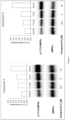
- the INS-1E cells were treated in serum free medium with increasing doses of Compounds 3 and 5 for 4 and 16 hours, respectively, in accordance with the methods described in Steneberg et al., JCI Insight. 2018;3(12):e99114. https://doi.org/10.1172/jcl.insight.99114 .
- blood specimens were collected by retro-orbital puncture method using capillary tubes into pre-labeled tubes containing anticoagulant (K 2 EDTA: 2 mg/mL blood) during the next 72 hours post-dosing, as detailed in Table 6.
- K 2 EDTA 2 mg/mL blood
- the right and left eyes were used alternatively. Collected blood specimens were centrifuged at 6000 rpm, 4 O C for 10 minutes and the plasma samples were separated and stored at -80 O C until analysis.
- blood specimens were collected by retro-orbital puncture method using capillary tubes into pre-labeled tubes containing anticoagulant (K 2 EDTA: 2 mg/mL blood) during the next 72 hours post-dosing.
- K 2 EDTA 2 mg/mL blood
- the right and left eyes were used alternatively. Collected blood specimens were centrifuged at 6000 rpm, 4 O C for 10 minutes and the plasma samples were separated and stored at -80 O C until analysis.
- Plasma Concentration of Compound 1 Following Administration of Compound 5 Plasma concentration of Compound 1 ( ⁇ g/mL) Time (h) Compound 5 Mean SD 0.00 0.00 0.00 0.25 0.84 0.20 0.50 2.39 0.50 1.00 4.78 1.42 2.00 11.09 2.17 4.00 23.97 10.19 6.00 30.77 9.68 8.00 29.23 10.80 24.00 13.84 10.73 48.00 0.23 0.40 72.00 0.00 0.00 Lower limit of quantification of Compound 1 0.5 ⁇ g/mL
Landscapes
- Chemical & Material Sciences (AREA)
- Health & Medical Sciences (AREA)
- Organic Chemistry (AREA)
- General Health & Medical Sciences (AREA)
- Life Sciences & Earth Sciences (AREA)
- Veterinary Medicine (AREA)
- Public Health (AREA)
- Animal Behavior & Ethology (AREA)
- Pharmacology & Pharmacy (AREA)
- Medicinal Chemistry (AREA)
- Nuclear Medicine, Radiotherapy & Molecular Imaging (AREA)
- Chemical Kinetics & Catalysis (AREA)
- General Chemical & Material Sciences (AREA)
- Diabetes (AREA)
- Engineering & Computer Science (AREA)
- Molecular Biology (AREA)
- Biochemistry (AREA)
- Bioinformatics & Cheminformatics (AREA)
- Hematology (AREA)
- Obesity (AREA)
- Child & Adolescent Psychology (AREA)
- Cardiology (AREA)
- Heart & Thoracic Surgery (AREA)
- Epidemiology (AREA)
- Emergency Medicine (AREA)
- Endocrinology (AREA)
- Pharmaceuticals Containing Other Organic And Inorganic Compounds (AREA)
- Medicinal Preparation (AREA)
Applications Claiming Priority (2)
| Application Number | Priority Date | Filing Date | Title |
|---|---|---|---|
| GBGB2015585.9A GB202015585D0 (en) | 2020-10-01 | 2020-10-01 | New compounds |
| PCT/GB2021/052535 WO2022069894A1 (en) | 2020-10-01 | 2021-09-30 | Thiadiazolone derivatives and their use as ampk agonists for the treatment of diabetes and related disorders |
Publications (3)
| Publication Number | Publication Date |
|---|---|
| EP4222147A1 EP4222147A1 (en) | 2023-08-09 |
| EP4222147C0 EP4222147C0 (en) | 2025-03-19 |
| EP4222147B1 true EP4222147B1 (en) | 2025-03-19 |
Family
ID=73223766
Family Applications (1)
| Application Number | Title | Priority Date | Filing Date |
|---|---|---|---|
| EP21816508.2A Active EP4222147B1 (en) | 2020-10-01 | 2021-09-30 | Thiadiazolone derivatives and their use as ampk agonists for the treatment of diabetes and related disorders |
Country Status (13)
| Country | Link |
|---|---|
| US (1) | US20230382930A1 (https=) |
| EP (1) | EP4222147B1 (https=) |
| JP (1) | JP7793614B2 (https=) |
| KR (1) | KR20230079163A (https=) |
| CN (1) | CN116368141B (https=) |
| AU (1) | AU2021352146A1 (https=) |
| CA (1) | CA3193947A1 (https=) |
| ES (1) | ES3018732T3 (https=) |
| GB (1) | GB202015585D0 (https=) |
| HU (1) | HUE071685T2 (https=) |
| MX (1) | MX2023003825A (https=) |
| PL (1) | PL4222147T3 (https=) |
| WO (1) | WO2022069894A1 (https=) |
Families Citing this family (3)
| Publication number | Priority date | Publication date | Assignee | Title |
|---|---|---|---|---|
| US11691954B2 (en) | 2019-10-18 | 2023-07-04 | Betagenon Ab | Formulations |
| GB202112529D0 (en) * | 2021-09-02 | 2021-10-20 | Betagenon Bio Ab | New compounds |
| EP4600642A1 (en) * | 2022-10-05 | 2025-08-13 | Sawai Pharmaceutical Co., Ltd. | Method for selecting additive capable of inhibiting nitrosation reaction, and preparation prevented from generation of nitroso compound |
Family Cites Families (3)
| Publication number | Priority date | Publication date | Assignee | Title |
|---|---|---|---|---|
| JP5982281B2 (ja) * | 2009-07-08 | 2016-08-31 | バルティック バイオ アーベー | 医薬として有用な化合物 |
| WO2013108026A1 (en) * | 2012-01-17 | 2013-07-25 | Baltic Bio Ab | Thiadiazolone derivatives useful in the treatment of diabetes |
| AU2018448511B2 (en) * | 2018-11-05 | 2025-07-03 | Betagenon Ab | Methods of treating diabetes in severe insulin-resistant diabetic subjects |
-
2020
- 2020-10-01 GB GBGB2015585.9A patent/GB202015585D0/en not_active Ceased
-
2021
- 2021-09-30 CN CN202180067894.4A patent/CN116368141B/zh active Active
- 2021-09-30 HU HUE21816508A patent/HUE071685T2/hu unknown
- 2021-09-30 WO PCT/GB2021/052535 patent/WO2022069894A1/en not_active Ceased
- 2021-09-30 EP EP21816508.2A patent/EP4222147B1/en active Active
- 2021-09-30 CA CA3193947A patent/CA3193947A1/en active Pending
- 2021-09-30 JP JP2023520459A patent/JP7793614B2/ja active Active
- 2021-09-30 ES ES21816508T patent/ES3018732T3/es active Active
- 2021-09-30 US US18/028,192 patent/US20230382930A1/en active Pending
- 2021-09-30 MX MX2023003825A patent/MX2023003825A/es unknown
- 2021-09-30 AU AU2021352146A patent/AU2021352146A1/en active Pending
- 2021-09-30 PL PL21816508.2T patent/PL4222147T3/pl unknown
- 2021-09-30 KR KR1020237014527A patent/KR20230079163A/ko active Pending
Also Published As
| Publication number | Publication date |
|---|---|
| CA3193947A1 (en) | 2022-04-07 |
| HUE071685T2 (hu) | 2025-09-28 |
| JP7793614B2 (ja) | 2026-01-05 |
| CN116368141A (zh) | 2023-06-30 |
| ES3018732T3 (en) | 2025-05-19 |
| PL4222147T3 (pl) | 2025-06-09 |
| EP4222147C0 (en) | 2025-03-19 |
| JP2023543924A (ja) | 2023-10-18 |
| EP4222147A1 (en) | 2023-08-09 |
| AU2021352146A1 (en) | 2023-06-01 |
| MX2023003825A (es) | 2023-06-06 |
| GB202015585D0 (en) | 2020-11-18 |
| WO2022069894A1 (en) | 2022-04-07 |
| KR20230079163A (ko) | 2023-06-05 |
| US20230382930A1 (en) | 2023-11-30 |
| CN116368141B (zh) | 2025-09-23 |
Similar Documents
| Publication | Publication Date | Title |
|---|---|---|
| EP4222147B1 (en) | Thiadiazolone derivatives and their use as ampk agonists for the treatment of diabetes and related disorders | |
| US6706746B2 (en) | Thiazolidine-2,4-dione hydrochloride salt, pharmaceutical compositions thereof and treatment method therewith | |
| US20230109134A1 (en) | Pyridazinone or pyridazine compound and derivative and pharmaceutical composition thereof | |
| EP2703396A1 (en) | Inhibitor of sodium-dependent glucose transport protein and preparation method therefor and use thereof | |
| SK287252B6 (sk) | Farmaceutický prípravok s obsahom benzamidového derivátu | |
| KR100716389B1 (ko) | N-히드록시-4-{5-[4-(5-이소프로필-2-메틸-1,3-티아졸-4-일)페녹시]펜톡시}벤즈아미딘 2메탄술폰산염 | |
| US20240082222A1 (en) | 4-chloro-n-[2-[(4-chlorophenyl)methyl]-3-oxo-1,2,4-thiadiazol-5-yl]benzamide for use in medicine | |
| US20250136563A1 (en) | Thiadiazolone derivatives useful as ampk activator | |
| AU2013318672B2 (en) | Means and method for treating solid tumours | |
| EP4585593A1 (en) | Polymorph of glp-1r agonist compound, preparation method therefor, and use thereof | |
| HK40092998B (en) | Thiadiazolone derivatives and their use as ampk agonists for the treatment of diabetes and related disorders | |
| HK40092998A (en) | Thiadiazolone derivatives and their use as ampk agonists for the treatment of diabetes and related disorders | |
| JP2001158789A (ja) | 4,5,6,7−テトラヒドロチエノ〔2,3−c〕ピリジン誘導体 | |
| US12522628B2 (en) | Aryl glucoside derivative and use thereof in drug | |
| CN111662239B (zh) | 1,2,4-三唑类化合物及其制法和药物用途 | |
| EP4163287A1 (en) | A class of aryl glucoside derivatives, preparation method therefor and application thereof | |
| JP6843845B2 (ja) | 1,4−ジ−(4−メチルチオフェニル)−3−フタロイルアゼチジン−2−オンおよびその誘導体 | |
| US20240216402A1 (en) | Pharmaceutical composition, and preparation method therefor and application thereof | |
| WO2010098298A1 (ja) | 栄養素の消化吸収抑制作用を有する化合物とシクロヘキサンカルボキサミド誘導体を組み合わせてなる医薬組成物 | |
| KR20190090729A (ko) | 토파시티닙의 신규 염, 이의 제조방법 및 이를 포함하는 약학 조성물 | |
| WO2025099561A1 (en) | Oral controlled-release matrix formulations of 2-[(4-{6-[(4-cyano-2-fluorobenzyl)oxy]pyridin-2-yl}piperidin-1-yl)methyl]-1-[(2s)-oxetan-2-ylmethyl]-1h-benzimidazole-6-carboxylic acid or a pharmaceutically salt thereof | |
| WO2026013581A1 (en) | Dosage forms comprising a vav1 degrader | |
| JPWO1993023360A1 (ja) | 新規第4級アンモニウム塩類およびそれらの医薬としての使用 |
Legal Events
| Date | Code | Title | Description |
|---|---|---|---|
| STAA | Information on the status of an ep patent application or granted ep patent |
Free format text: STATUS: UNKNOWN |
|
| STAA | Information on the status of an ep patent application or granted ep patent |
Free format text: STATUS: THE INTERNATIONAL PUBLICATION HAS BEEN MADE |
|
| PUAI | Public reference made under article 153(3) epc to a published international application that has entered the european phase |
Free format text: ORIGINAL CODE: 0009012 |
|
| STAA | Information on the status of an ep patent application or granted ep patent |
Free format text: STATUS: REQUEST FOR EXAMINATION WAS MADE |
|
| 17P | Request for examination filed |
Effective date: 20230428 |
|
| AK | Designated contracting states |
Kind code of ref document: A1 Designated state(s): AL AT BE BG CH CY CZ DE DK EE ES FI FR GB GR HR HU IE IS IT LI LT LU LV MC MK MT NL NO PL PT RO RS SE SI SK SM TR |
|
| REG | Reference to a national code |
Ref country code: HK Ref legal event code: DE Ref document number: 40092998 Country of ref document: HK |
|
| DAV | Request for validation of the european patent (deleted) | ||
| DAX | Request for extension of the european patent (deleted) | ||
| GRAP | Despatch of communication of intention to grant a patent |
Free format text: ORIGINAL CODE: EPIDOSNIGR1 |
|
| STAA | Information on the status of an ep patent application or granted ep patent |
Free format text: STATUS: GRANT OF PATENT IS INTENDED |
|
| RAP1 | Party data changed (applicant data changed or rights of an application transferred) |
Owner name: BETAGENON AB |
|
| INTG | Intention to grant announced |
Effective date: 20240515 |
|
| GRAJ | Information related to disapproval of communication of intention to grant by the applicant or resumption of examination proceedings by the epo deleted |
Free format text: ORIGINAL CODE: EPIDOSDIGR1 |
|
| STAA | Information on the status of an ep patent application or granted ep patent |
Free format text: STATUS: REQUEST FOR EXAMINATION WAS MADE |
|
| GRAP | Despatch of communication of intention to grant a patent |
Free format text: ORIGINAL CODE: EPIDOSNIGR1 |
|
| STAA | Information on the status of an ep patent application or granted ep patent |
Free format text: STATUS: GRANT OF PATENT IS INTENDED |
|
| INTC | Intention to grant announced (deleted) | ||
| INTG | Intention to grant announced |
Effective date: 20241008 |
|
| GRAS | Grant fee paid |
Free format text: ORIGINAL CODE: EPIDOSNIGR3 |
|
| GRAA | (expected) grant |
Free format text: ORIGINAL CODE: 0009210 |
|
| STAA | Information on the status of an ep patent application or granted ep patent |
Free format text: STATUS: THE PATENT HAS BEEN GRANTED |
|
| AK | Designated contracting states |
Kind code of ref document: B1 Designated state(s): AL AT BE BG CH CY CZ DE DK EE ES FI FR GB GR HR HU IE IS IT LI LT LU LV MC MK MT NL NO PL PT RO RS SE SI SK SM TR |
|
| REG | Reference to a national code |
Ref country code: GB Ref legal event code: FG4D |
|
| REG | Reference to a national code |
Ref country code: CH Ref legal event code: EP |
|
| REG | Reference to a national code |
Ref country code: DE Ref legal event code: R096 Ref document number: 602021027891 Country of ref document: DE |
|
| REG | Reference to a national code |
Ref country code: IE Ref legal event code: FG4D |
|
| U01 | Request for unitary effect filed |
Effective date: 20250401 |
|
| U07 | Unitary effect registered |
Designated state(s): AT BE BG DE DK EE FI FR IT LT LU LV MT NL PT RO SE SI Effective date: 20250407 |
|
| REG | Reference to a national code |
Ref country code: ES Ref legal event code: FG2A Ref document number: 3018732 Country of ref document: ES Kind code of ref document: T3 Effective date: 20250519 |
|
| PG25 | Lapsed in a contracting state [announced via postgrant information from national office to epo] |
Ref country code: RS Free format text: LAPSE BECAUSE OF FAILURE TO SUBMIT A TRANSLATION OF THE DESCRIPTION OR TO PAY THE FEE WITHIN THE PRESCRIBED TIME-LIMIT Effective date: 20250619 |
|
| PG25 | Lapsed in a contracting state [announced via postgrant information from national office to epo] |
Ref country code: HR Free format text: LAPSE BECAUSE OF FAILURE TO SUBMIT A TRANSLATION OF THE DESCRIPTION OR TO PAY THE FEE WITHIN THE PRESCRIBED TIME-LIMIT Effective date: 20250319 |
|
| PG25 | Lapsed in a contracting state [announced via postgrant information from national office to epo] |
Ref country code: GR Free format text: LAPSE BECAUSE OF FAILURE TO SUBMIT A TRANSLATION OF THE DESCRIPTION OR TO PAY THE FEE WITHIN THE PRESCRIBED TIME-LIMIT Effective date: 20250620 |
|
| REG | Reference to a national code |
Ref country code: HU Ref legal event code: AG4A Ref document number: E071685 Country of ref document: HU |
|
| REG | Reference to a national code |
Ref country code: CH Ref legal event code: U11 Free format text: ST27 STATUS EVENT CODE: U-0-0-U10-U11 (AS PROVIDED BY THE NATIONAL OFFICE) Effective date: 20251001 |
|
| PG25 | Lapsed in a contracting state [announced via postgrant information from national office to epo] |
Ref country code: SM Free format text: LAPSE BECAUSE OF FAILURE TO SUBMIT A TRANSLATION OF THE DESCRIPTION OR TO PAY THE FEE WITHIN THE PRESCRIBED TIME-LIMIT Effective date: 20250319 |
|
| PGFP | Annual fee paid to national office [announced via postgrant information from national office to epo] |
Ref country code: NO Payment date: 20250923 Year of fee payment: 5 |
|
| PGFP | Annual fee paid to national office [announced via postgrant information from national office to epo] |
Ref country code: TR Payment date: 20250916 Year of fee payment: 5 |
|
| PGFP | Annual fee paid to national office [announced via postgrant information from national office to epo] |
Ref country code: HU Payment date: 20250924 Year of fee payment: 5 Ref country code: GB Payment date: 20250922 Year of fee payment: 5 |
|
| PGFP | Annual fee paid to national office [announced via postgrant information from national office to epo] |
Ref country code: CZ Payment date: 20250917 Year of fee payment: 5 Ref country code: IE Payment date: 20250919 Year of fee payment: 5 |
|
| PG25 | Lapsed in a contracting state [announced via postgrant information from national office to epo] |
Ref country code: SK Free format text: LAPSE BECAUSE OF FAILURE TO SUBMIT A TRANSLATION OF THE DESCRIPTION OR TO PAY THE FEE WITHIN THE PRESCRIBED TIME-LIMIT Effective date: 20250319 |
|
| PG25 | Lapsed in a contracting state [announced via postgrant information from national office to epo] |
Ref country code: IS Free format text: LAPSE BECAUSE OF FAILURE TO SUBMIT A TRANSLATION OF THE DESCRIPTION OR TO PAY THE FEE WITHIN THE PRESCRIBED TIME-LIMIT Effective date: 20250719 |
|
| U20 | Renewal fee for the european patent with unitary effect paid |
Year of fee payment: 5 Effective date: 20250923 |
|
| PGFP | Annual fee paid to national office [announced via postgrant information from national office to epo] |
Ref country code: CH Payment date: 20251001 Year of fee payment: 5 |
|
| PGFP | Annual fee paid to national office [announced via postgrant information from national office to epo] |
Ref country code: PL Payment date: 20250918 Year of fee payment: 5 |
|
| PLBE | No opposition filed within time limit |
Free format text: ORIGINAL CODE: 0009261 |
|
| STAA | Information on the status of an ep patent application or granted ep patent |
Free format text: STATUS: NO OPPOSITION FILED WITHIN TIME LIMIT |
|
| REG | Reference to a national code |
Ref country code: CH Ref legal event code: L10 Free format text: ST27 STATUS EVENT CODE: U-0-0-L10-L00 (AS PROVIDED BY THE NATIONAL OFFICE) Effective date: 20260128 |
|
| PGFP | Annual fee paid to national office [announced via postgrant information from national office to epo] |
Ref country code: ES Payment date: 20251223 Year of fee payment: 5 |
|
| 26N | No opposition filed |
Effective date: 20251222 |