EP4126040B1 - Lipophilic enantiomers of desacetylglucosamine muramyl dipeptide with anti-inflammatory and growth promoting activity - Google Patents
Lipophilic enantiomers of desacetylglucosamine muramyl dipeptide with anti-inflammatory and growth promoting activity Download PDFInfo
- Publication number
- EP4126040B1 EP4126040B1 EP21774898.7A EP21774898A EP4126040B1 EP 4126040 B1 EP4126040 B1 EP 4126040B1 EP 21774898 A EP21774898 A EP 21774898A EP 4126040 B1 EP4126040 B1 EP 4126040B1
- Authority
- EP
- European Patent Office
- Prior art keywords
- oligopeptide
- substituted
- composition
- feed
- animal
- Prior art date
- Legal status (The legal status is an assumption and is not a legal conclusion. Google has not performed a legal analysis and makes no representation as to the accuracy of the status listed.)
- Active
Links
Images

Classifications
-
- C—CHEMISTRY; METALLURGY
- C07—ORGANIC CHEMISTRY
- C07K—PEPTIDES
- C07K5/00—Peptides containing up to four amino acids in a fully defined sequence; Derivatives thereof
- C07K5/04—Peptides containing up to four amino acids in a fully defined sequence; Derivatives thereof containing only normal peptide links
- C07K5/06—Dipeptides
- C07K5/06008—Dipeptides with the first amino acid being neutral
- C07K5/06017—Dipeptides with the first amino acid being neutral and aliphatic
- C07K5/06026—Dipeptides with the first amino acid being neutral and aliphatic the side chain containing 0 or 1 carbon atom, i.e. Gly or Ala
-
- A—HUMAN NECESSITIES
- A23—FOODS OR FOODSTUFFS; TREATMENT THEREOF, NOT COVERED BY OTHER CLASSES
- A23K—FODDER
- A23K20/00—Accessory food factors for animal feeding-stuffs
- A23K20/10—Organic substances
- A23K20/142—Amino acids; Derivatives thereof
- A23K20/147—Polymeric derivatives, e.g. peptides or proteins
-
- A—HUMAN NECESSITIES
- A61—MEDICAL OR VETERINARY SCIENCE; HYGIENE
- A61K—PREPARATIONS FOR MEDICAL, DENTAL OR TOILETRY PURPOSES
- A61K39/00—Medicinal preparations containing antigens or antibodies
- A61K39/39—Medicinal preparations containing antigens or antibodies characterised by the immunostimulating additives, e.g. chemical adjuvants
-
- A—HUMAN NECESSITIES
- A61—MEDICAL OR VETERINARY SCIENCE; HYGIENE
- A61P—SPECIFIC THERAPEUTIC ACTIVITY OF CHEMICAL COMPOUNDS OR MEDICINAL PREPARATIONS
- A61P1/00—Drugs for disorders of the alimentary tract or the digestive system
-
- A—HUMAN NECESSITIES
- A61—MEDICAL OR VETERINARY SCIENCE; HYGIENE
- A61P—SPECIFIC THERAPEUTIC ACTIVITY OF CHEMICAL COMPOUNDS OR MEDICINAL PREPARATIONS
- A61P29/00—Non-central analgesic, antipyretic or antiinflammatory agents, e.g. antirheumatic agents; Non-steroidal antiinflammatory drugs [NSAID]
-
- C—CHEMISTRY; METALLURGY
- C07—ORGANIC CHEMISTRY
- C07K—PEPTIDES
- C07K5/00—Peptides containing up to four amino acids in a fully defined sequence; Derivatives thereof
- C07K5/04—Peptides containing up to four amino acids in a fully defined sequence; Derivatives thereof containing only normal peptide links
- C07K5/08—Tripeptides
- C07K5/0802—Tripeptides with the first amino acid being neutral
- C07K5/0804—Tripeptides with the first amino acid being neutral and aliphatic
- C07K5/0806—Tripeptides with the first amino acid being neutral and aliphatic the side chain containing 0 or 1 carbon atoms, i.e. Gly, Ala
-
- A—HUMAN NECESSITIES
- A61—MEDICAL OR VETERINARY SCIENCE; HYGIENE
- A61K—PREPARATIONS FOR MEDICAL, DENTAL OR TOILETRY PURPOSES
- A61K39/00—Medicinal preparations containing antigens or antibodies
- A61K2039/555—Medicinal preparations containing antigens or antibodies characterised by a specific combination antigen/adjuvant
- A61K2039/55511—Organic adjuvants
- A61K2039/5555—Muramyl dipeptides
-
- A—HUMAN NECESSITIES
- A61—MEDICAL OR VETERINARY SCIENCE; HYGIENE
- A61K—PREPARATIONS FOR MEDICAL, DENTAL OR TOILETRY PURPOSES
- A61K38/00—Medicinal preparations containing peptides
-
- C—CHEMISTRY; METALLURGY
- C07—ORGANIC CHEMISTRY
- C07B—GENERAL METHODS OF ORGANIC CHEMISTRY; APPARATUS THEREFOR
- C07B2200/00—Indexing scheme relating to specific properties of organic compounds
- C07B2200/07—Optical isomers
Definitions
- the field of the present invention relates to lipophilic muramyl dipeptide enantiomer compositions and methods for reducing inflammation, promoting growth and enhancing feed conversion in animals including humans.
- Muramyl dipeptide is the minimal structure that is preserved in all bacterial peptidoglycans (PGN). It consists of N-acetyl muramic acid (ether of N-acetylglucosamine and D-lactic acid) linked with peptide bonds to L-alanine and D- ⁇ -glutamate or D-isoglutamine (MacDonald 2005).
- MDP has long been known to promote an inflanunatory response.
- the MDP subcomponent of PGN was found to be the minimal chemical structure required to elicit inflammation.
- MDP is also required for the adjuvant activity of Freund's complete adjuvant, an emulsion of a mycobacterial extract (MacDonald 2005).
- Freund's complete adjuvant an emulsion of a mycobacterial extract (MacDonald 2005).
- MDP promotes a strong immune reaction that is used to boost the effectiveness of vaccines when injected together with vaccine antigens.
- MDP While stimulating extraintestinal inflammation, MDP has anti-inflammatory effects in the intestinal tract, and protects mice from experimentally induced colitis (Watanabe 2008; Watanabe 2014).
- MDP intestinal anti-inflammatory properties
- the intestinal anti-inflammatory properties of MDP provide opportunities for therapeutic applications (Strober 2013).
- MDP is hydrophilic and rapidly removed via kidney excretion from circulation, thus requiring high-dosed and repeated administration in order to mediate nonspecific resistance to infection or adjuvant activity (Fogler 1985).
- Covalent lipid MDP conjugates thus have demonstrated several advantages including improved oral bioavailability, enhanced tumor targeting and therapeutic potency, reduced toxicity, and enhanced drug loading into delivery carriers such as liposomes (Fidler 1987; Irby 2017).
- the complete muramyl dipeptide molecule is not required for biological activity with lipophilic conjugated MDP.
- the L-alanine-D-isoglutamine dipeptide MDP moiety without N-acetyl muramic acid retains immunomodulating activity of MDP, when covalently conjugated to lipophilic moieties.
- Gobec (2016) successfully replaces N-acetyl muramyl with acyl moieties in acyl-glycine-L-alanine-D-glutamate MDP analogs.
- Penney (1999) removes the muramyl moiety altogether in octadecyl L-alanine-D-isoglutamine that still retains strong immunomodulating activity.
- Enhanced growth in animals is measured either by growth in mass per unit of time or by growth in mass per unit of nutrition; the latter is sometimes referred to as feed conversion. Promotion of growth by either measure is economically useful in the production of animal protein for consumption by humans and other animals because it reduces the amount of time or feed required to obtain equal gains in body mass.
- Antibiotics fed at subinhibitory doses have been used for a long time as growth promoters to enhance growth in agricultural production animals. They presumably work by releasing components from intestinal bacteria (postbiotics), including MDP, which suppress inflammation within the intestinal tract. This mechanism most likely has evolved to protect animals from damaging responses to the trillions of gut-dwelling bacteria.
- Nalle and Kaltenboeck teach that low-dose oral administration of potent lipophilic MDP analogs improves growth rates and feed conversion in animals (Nalle 2017), presumably due to reduction of asymptomatic intestinal inflammation, and thus of the whole-body systemic inflammatory status.
- N-acetyl muramic acid MDP intermediate by multi-step chemical synthesis is difficult, rendering lipophilic MDP analogs too expensive for use as growth promoters in livestock. This makes immunomodulating lipophilic desmuramyl dipeptides prime candidates for non-antibiotic growth promotion in animals.
- octadecyl D-alanine-L-glutamine desmuramyl dipeptide has two shortcomings: i) it lacks the lactic acid moiety of N-acetyl muramic acid that links the N-acetylglucosamine moiety of muramic acid to the dipeptide (Jeanloz 1970), thus may forfeit some binding strength to its cognate receptor; ii) it contains the high-melting octadecyl aliphatic lipid that is suboptimal for cell membrane insertion (cellular targeting), intra-membrane transport, and intracellular release (Spector 1985; van Meer 2008), and thus disfavors the intracellular esterase cleavage of the ester bond (Hatfield 2016) between dipeptide and lipid that intracellularly releases the active dipeptide component of octadecyl D-alanine-L-glutamine.
- oligopeptide analog of MDP (also referred to herein as an oligopeptide or a compound) comprising an L-lactate-D-alanine-L-glutamine moiety.
- the analog does not contain the N-acetylglucosamine moiety of MDP.
- the oligopeptides described herein can have the following formula: or a pharmaceutically acceptable acid or salt thereof, wherein R 1 is substituted or unsubstituted alkyl or substituted or unsubstituted aryl; R 2 , R 3 , R 4 , and R 5 are each independently selected from H, substituted or unsubstituted alkyl and substituted or unsubstituted aryl; and X is O or NR 6 , wherein R 6 is hydrogen, substituted or unsubstituted alkyl, or substituted or unsubstituted aryl.
- X is O.
- R 1 is C 1 -C 18 linear alkyl or an amino acid.
- the oligopeptide has one of the following structures:
- the oligopeptide has one of the following structures: wherein R 7 is substituted or unsubstituted alkyl or substituted or unsubstituted aryl; and Y is O or NR 8 , wherein R 8 is hydrogen, substituted or unsubstituted alkyl, or substituted or unsubstituted aryl.
- the oligopeptide is L-lactate-D-alanine-L-glutamine-hexadecyl ester
- compositions comprising a compound as described herein.
- the composition is a pharmaceutical composition comprising at least one oligopeptide described herein and a pharmaceutically acceptable carrier.
- the composition comprises at least one oligopeptide as described herein and animal feed.
- the at least one oligopeptide can be present in the composition in an amount of from about 0.01 mg/kg to 5 mg/kg.
- the composition further comprises an additive used in an animal diet (e.g., an enzyme, a probiotic. a prebiotic, an antioxidant, an antibiotic growth promoter, a coloring agent, or a combination thereof).
- methods for reducing intestinal inflammation in a human comprising administering a pharmaceutical composition as described herein to a human having intestinal inflammation, wherein the administration reduces the intestinal inflammation.
- the methods can further comprise selecting a human having a disease or condition associated with intestinal inflammation (e.g., inflaminatory bowel disease, irritable bowel syndrome, Crohn's disease, ulcerative colitis, or a bacterial infection).
- Methods for promoting growth in animal are also provided herein, wherein the methods comprise administering the compounds or compositions as described herein, wherein the administration enhances the growth of the animal.
- methods for enhancing feed conversion in an animal wherein the methods comprise administering the compounds or compositions as described herein, wherein the administration enhances the feed conversion in the animal.
- compositions containing a lipophilic enantiomer of desacetylglucosamine muramyl dipeptide (e.g., L-lactate-D-alanine-L-glutamine-hexadecyl ester).
- MDP desacetylglucosamine muramyl dipeptide
- This compound improves i) binding strength to the cognate intracellular receptor(s) by enlarging the dipeptide via the additional mirror 1-lactate moiety; and ii) maximizes intracellular targeting and active dipeptide release via the increased membrane fluidity provided by the lower-melting hexadecyl (palmityl) aliphatic lipid.
- the compositions containing the lipophilic enantiomer of MDP When administered to humans or animals, the compositions containing the lipophilic enantiomer of MDP reduce inflammation, promote growth and improve feed conversion. Therefore, methods for reducing inflammation in humans and animals, and methods for promoting growth and enhancing feed conversion in animals are provided.
- the lipophilic enantiomer of MDP is combined with a pharmaceutically acceptable acid or addition salt thereof, a pharmaceutical carrier or animal feed, which is then administered to the animal or human in a sufficient amount to achieve the desired reduction in inflammation, promotion of growth or improvement of feed conversion.
- oligopeptide analogs of desacetylglucosamine muramyl dipeptide can include an L-lactate-D-alanine-L-glutamine moiety bonded to an organic lipid molecule, and any pharmaceutically acceptable acid or salt thereof. In some cases, the analog does not contain the N-acetylglucosamine moiety of MDP.
- the compounds described herein includes Formula I: , wherein:
- R 1 is substituted or unsubstituted alkyl or substituted or unsubstituted aryl.
- R 1 is a C 1 -C 18 linear alkyl.
- R 1 is an amino acid, such as a lysine group (D-lysine or L-lysine).
- R 2 , R 3 , R 4 , and R 5 are each independently selected from H, substituted or unsubstituted alkyl and substituted or unsubstituted aryl.
- X is O or NR 6 , wherein R 6 is hydrogen, substituted or unsubstituted alkyl, or substituted or unsubstituted aryl.
- the compounds of Formula I can include compounds according to Structure I-A:
- R 1 is defined as above for Formula I.
- the compounds of Formula I can include compounds according to Structure I-B:
- R 1 is defined as above for Formula I.
- the compounds of Formula I can include compounds according to Structure I-C or Structure I-D:
- R 7 is substituted or unsubstituted alkyl or substituted or unsubstituted aryl.
- Y is O or NR 8 , wherein R 8 is hydrogen, substituted or unsubstituted alkyl, or substituted or unsubstituted aryl.
- the alkyl can be a straight-chain alkyl or a branched-chain alkyl.
- the straight-chain alkyl can be a C 1 -C 18 alkyl (e.g., a C 2 -C 17 alkyl or a C 3 - C 16 alkyl).
- suitable alkyl groups include methyl, ethyl, propyl, butyl, pentyl, hexyl. heptyl, octyl, nonyl, decyl, undecyl, dodecyl, tridecyl, tetradecyl. pentadecyl, hexadecyl.
- the oligopeptide is L-lactate-D-alanine-L-glutamine-hexadecyl ester, also referred to herein as L-lactate-D-alanine-L-glutamine palmityl ester (Lactate-DiPeptide-Palmityl ester, LDPP) or as hexadecyl (2S)-5-amino-2-[[(2R)-2-[[(2S)-2-hydroxypropanoyl]amino]propanoyl]amino]-5-oxo-pentanoate.
- the aryl group includes a phenyl group.
- the aryl group can include additional fused rings, for example, naphthalene, anthracene, and pyrene.
- the aryl and heteroaryl groups can be attached at any position on the ring, unless otherwise noted.
- alkyl and aryl groups used herein can be substituted or unsubstituted.
- substituted includes the addition of a functional group to a position attached to the main chain of the alkyl or aryl group, e.g., the replacement of a hydrogen by one of these molecules.
- substitution groups include, but are not limited to, hydroxy, halogen (e.g., F, Br, Cl, or I), and carboxyl groups.
- the term unsubstituted indicates the alkyl or aryl group has a full complement of hydrogens, i.e., commensurate with its saturation level, with no substitutions, e.g., linear hexadecyl (-(CH 2 ) 15 -CH 3 ).
- the compounds described herein can be prepared in a variety of ways.
- the compounds can be synthesized using various synthetic methods. At least some of these methods are known in the art of synthetic organic chemistry.
- the compounds described herein can be prepared from readily available starting materials. Optimum reaction conditions may vary with the particular reactants or solvents used, but such conditions can be determined by one skilled in the art.
- Variations on Formula I and the compounds described herein include the addition. subtraction, or movement of the various constituents as described for each compound. Similarly. when one or more chiral centers are present in a molecule, all possible chiral variants are included. Additionally, compound synthesis can involve the protection and deprotection of various chemical groups. The use of protection and deprotection, and the selection of appropriate protecting groups can be determined by one skilled in the art. The chemistry of protecting groups can be found, for example, in Wuts, Greene's Protective Groups in Organic Synthesis, 5th. Ed., Wiley & Sons, 2014 .
- Reactions to produce the compounds described herein can be carried out in solvents, which can be selected by one of ordinary skill in the art of organic synthesis. Solvents can be substantially nonreactive with the starting materials (reactants), the intermediates, or products under the conditions at which the reactions are carried out, i.e., temperature and pressure. Reactions can be carried out in one solvent or a mixture of more than one solvent. Product or intermediate formation can be monitored according to any suitable method known in the art.
- product formation can be monitored by spectroscopic means, such as nuclear magnetic resonance spectroscopy (e.g., 1 H-NMR or 13 C-NMR), infrared spectroscopy (IR), spectrophotometry (e.g., UV-visible), or mass spectrometry (MS), or by chromatography such as high performance liquid chromatography (HPLC) or thin layer chromatography (TLC).
- spectroscopic means such as nuclear magnetic resonance spectroscopy (e.g., 1 H-NMR or 13 C-NMR), infrared spectroscopy (IR), spectrophotometry (e.g., UV-visible), or mass spectrometry (MS), or by chromatography such as high performance liquid chromatography (HPLC) or thin layer chromatography (TLC).
- spectroscopic means such as nuclear magnetic resonance spectroscopy (e.g., 1 H-NMR or 13 C-NMR), infrared spectroscopy (IR), spectrophotometry (e.g
- Example 1 Exemplary methods for synthesizing compounds as described herein are provided in Example 1 below, depicting the synthesis of LDPP by way of example.
- compositions including a compound of Formula I as described herein (e.g., at least one oligopeptide analog of MDP) and a carrier.
- the composition includes L-lactate-D-alanine-L-glutamine palmityl ester (LDPP) and a carrier.
- LDPP L-lactate-D-alanine-L-glutamine palmityl ester
- the composition includes a compound of Formula I as described herein, such as, for example, LDPP, and animal feed.
- animal feed can be used, including animal feed that includes one or more of maize, sorghum, wheat. barley, oats, soybean meal, fish meal, and/or whey.
- the compound of Formula I can be included in the composition in an amount of from about 0.01 mg/kg to 5 mg/kg (e.g., 0.05 mg/kg to 4.5 mg/kg, 0.1 mg/kg to 4 mg/kg, 0.15 mg/kg to 3.5 mg/kg, or 0.2 mg/kg to 3 mg/kg).
- the compound of Formula I can be included in a composition including animal feed in an amount of 0.01 mg/kg, 0.05 mg/kg. 0.1 mg/kg, 0.15 mg/kg, 0.2 mg/kg, 0.25 mg/kg, 0.3 mg/kg, 0.35 mg/kg, 0.4 mg/kg, 0.45 mg/kg, 0.5 mg/kg, 0.55 mg/kg, 0.6 mg/kg, 0.65 mg/kg, 0.7 mg/kg, 0.75 mg/kg, 0.8 mg/kg, 0.85 mg/kg, 0.9 mg/kg, 0.95 mg/kg, 1.0 mg/kg, 1.5 mg/kg, 2.0 mg/kg, 2.5 mg/kg, 3.0 mg/kg, 3.5 mg/kg, 4.0 mg/kg, 4.5 mg/kg, or 5.0 mg/kg.
- the animal feed composition can further include additives used in animal diets, including enzymes, probiotics, prebiotics, antioxidants, antibiotic growth promoters, and coloring agents.
- compositions described herein may be suitable for oral, parenteral, inhalation spray, topical, rectal, nasal, buccal, vaginal, or implanted reservoir administration.
- parenteral as used herein includes subcutaneous, intradermal, intravenous, intramuscular, intra-articular, intra-synovial, intrasternal, intrathecal, intrahepatic, intralesional and intracranial injection or infusion techniques.
- the compositions described herein can administered orally, topically, intranasally, intravenously, subcutaneously. intradermally, transdermally, intramucosally, intramuscularly, by inhalation spray, rectally, nasally, sublingually, buccally, vaginally or via an implanted reservoir.
- compositions are pharmaceutical compositions that include a compound of Formula I and a pharmaceutically acceptable carrier.
- the pharmaceutical composition can be in the form of solid, semi-solid or liquid dosage forms, such as, for example, tablets, suppositories, pills, capsules, powders, liquids, or suspensions, preferably in unit dosage form suitable for single administration of a precise dosage.
- the compositions will include a therapeutically effective amount of the compound described herein or derivatives thereof in combination with a pharmaceutically acceptable carrier and, in addition, may include other medicinal agents, pharmaceutical agents, carriers, or diluents.
- pharmaceutically acceptable is meant a material that is not biologically or otherwise undesirable, which can be administered to an individual along with the selected compound without causing unacceptable biological effects or interacting in a deleterious manner with the other components of the pharmaceutical composition in which it is contained.
- compositions can include one or more of the compounds described herein and a pharmaceutically acceptable carrier.
- a pharmaceutically acceptable carrier encompasses any excipient, diluent, filler, salt, buffer, stabilizer, solubilizer, lipid, stabilizer, or other material well known in the art for use in pharmaceutical formulations.
- the choice of a carrier for use in a composition will depend upon the intended route of administration for the composition.
- the preparation of pharmaceutically acceptable carriers and formulations containing these materials is described in, e.g., Remington: The Science and Practice of Pharmacy, Adeboye Adejare ed.. 23rd Ed., Academic Press (2021 ).
- physiologically acceptable carriers include buffers, such as phosphate buffers.
- citrate buffer and buffers with other organic acids; antioxidants including ascorbic acid; low molecular weight (less than about 10 residues) polypeptides; proteins, such as serum albumin. gelatin, or immunoglobulins; hydrophilic polymers, such as polyvinylpyrrolidone: amino acids such as glycine.
- glutamine asparagine, arginine or lysine
- monosaccharides, disaccharides, and other carbohydrates including glucose, mannose, or dextrins
- chelating agents such as EDTA
- sugar alcohols such as mannitol or sorbitol
- salt-forming counterions such as sodium
- nonionic surfactants such as TWEEN ® (ICI, Inc.; Bridgewater, New Jersey), polyethylene glycol (PEG), and PLURONICS TM (BASF: Florham Park, NJ).
- compositions containing the compound described herein or derivatives thereof suitable for parenteral injection may comprise physiologically acceptable sterile aqueous or nonaqueous solutions, dispersions, suspensions or emulsions, and sterile powders for reconstitution into sterile injectable solutions or dispersions.
- suitable aqueous and nonaqueous carriers, diluents, solvents or vehicles include water, ethanol, polyols (propyleneglycol, polyethyleneglycol, glycerol, and the like), suitable mixtures thereof, vegetable oils (such as olive oil) and injectable organic esters such as ethyl oleate.
- Proper fluidity can be maintained, for example, by the use of a coating such as lecithin, by the maintenance of the required particle size in the case of dispersions and by the use of surfactants.
- compositions may also contain adjuvants, such as preserving, wetting, emulsifying, and dispensing agents.
- adjuvants such as preserving, wetting, emulsifying, and dispensing agents.
- Prevention of the action of microorganisms can be promoted by various antibacterial and antifungal agents, for example, parabens, chlorobutanol, phenol, sorbic acid, and the like.
- Isotonic agents for example, sugars, sodium chloride, and the like may also be included.
- Prolonged absorption of the injectable pharmaceutical form can be brought about by the use of agents delaying absorption. for example, aluminum monostearate and gelatin.
- Solid dosage forms for oral administration of the compounds described herein or derivatives thereof include capsules, tablets, pills, powders, and granules.
- the compounds described herein or derivatives thereof is admixed with at least one inert customary excipient (or carrier), such as sodium citrate or dicalcium phosphate, or (a) fillers or extenders, as for example, starches, lactose, sucrose, glucose, mannitol, and silicic acid, (b) binders, as for example, carboxymethylcellulose.
- inert customary excipient such as sodium citrate or dicalcium phosphate
- fillers or extenders as for example, starches, lactose, sucrose, glucose, mannitol, and silicic acid
- binders as for example, carboxymethylcellulose.
- alginate alginate, gelatin, polyvinylpyrrolidone, sucrose, and acacia
- humectants as for example, glycerol
- disintegrating agents as for example, agar-agar, calcium carbonate.
- the dosage forms may also comprise buffering agents.
- compositions of a similar type may also be employed as fillers in soft and hard-filled gelatin capsules using such excipients as lactose or milk sugar as well as high molecular weight polyethyleneglycols, and the like.
- Solid dosage forms such as tablets, dragees, capsules, pills, and granules can be prepared with coatings and shells, such as enteric coatings and others known in the art. They may contain opacifying agents and can also be of such composition that they release the active compound or compounds in a certain part of the intestinal tract in a delayed manner. Examples of embedding compositions that can be used are polymeric substances and waxes. The active compounds can also be in micro-encapsulated form, if appropriate, with one or more of the above-mentioned excipients.
- Liquid dosage forms for oral or intravenous administration of the compounds described herein or derivatives thereof include pharmaceutically acceptable emulsions, solutions, suspensions, syrups, and elixirs.
- the liquid dosage forms may contain inert diluents commonly used in the art, such as water or other solvents, solubilizing agents, and emulsifiers, as for example, ethyl alcohol, isopropyl alcohol.
- ethyl carbonate ethyl acetate
- benzyl alcohol benzyl benzoate
- propyleneglycol 1,3-butyleneglycol, dimethylformamide
- oils in particular, cottonseed oil, groundnut oil, corn germ oil, olive oil, castor oil, sesame oil, glycerol, tetrahydrofurfuryl alcohol.
- composition can also include additional agents, such as wetting, emulsifying, suspending, sweetening, flavoring, or perfuming agents.
- additional agents such as wetting, emulsifying, suspending, sweetening, flavoring, or perfuming agents.
- Suspensions in addition to the active compounds, may contain additional agents, as for example, ethoxylated isostearyl alcohols, polyoxyethylene sorbitol and sorbitan esters, microcrystalline cellulose, aluminum metahydroxide. bentonite, agar-agar and tragacanth, or mixtures of these substances, and the like.
- additional agents as for example, ethoxylated isostearyl alcohols, polyoxyethylene sorbitol and sorbitan esters, microcrystalline cellulose, aluminum metahydroxide. bentonite, agar-agar and tragacanth, or mixtures of these substances, and the like.
- the one or more compounds described herein can be provided with a nebulizer, which is an instrument that generates very fine liquid particles of substantially uniform size in a gas.
- the liquid containing the one or more compounds described herein can be dispersed as droplets about 5 mm or less in diameter in the form of a mist.
- the small droplets can be carried by a current of air or oxygen through an outlet tube of the nebulizer. The resulting mist can penetrate into the respiratory tract of the patient.
- Additional inhalants useful for delivery of the compounds described herein include intra-oral sprays, mists, metered dose inhalers, and dry powder generators (See Gonda, J. Pharm. Sci. 89:940-945, 2000 ).
- a powder composition containing the one or more compounds as described herein, with or without a lubricant, carrier, or propellant can be administered to a patient.
- the delivery of the one or more compounds in powder form can be carried out with a conventional device for administering a powder pharmaceutical composition by inhalation.
- compositions of the compounds described herein or derivatives thereof for rectal administrations are optionally suppositories, which can be prepared by mixing the compounds with suitable non-irritating excipients or carriers, such as cocoa butter, polyethyleneglycol or a suppository wax, which are solid at ordinary temperatures but liquid at body temperature and, therefore, melt in the rectum or vaginal cavity and release the active component.
- suitable non-irritating excipients or carriers such as cocoa butter, polyethyleneglycol or a suppository wax, which are solid at ordinary temperatures but liquid at body temperature and, therefore, melt in the rectum or vaginal cavity and release the active component.
- Dosage forms for topical administration of the compounds described herein or derivatives thereof include ointments, powders, sprays, and inhalants.
- the compounds described herein or derivatives thereof are admixed under sterile conditions with a physiologically acceptable carrier and any preservatives, buffers, or propellants as may be required.
- Ophthalmic formulations, ointments, powders, and solutions are also contemplated as being within the scope of the compositions.
- compositions can include one or more of the compounds described herein or pharmaceutically acceptable salts thereof.
- pharmaceutically acceptable salt refers to those salts of the compound described herein or derivatives thereof that are, within the scope of sound medical judgment, suitable for use in contact with the tissues of subjects without undue toxicity, irritation, allergic response, and the like, commensurate with a reasonable benefit/risk ratio, and effective for their intended use, as well as the zwitterionic forms, where possible, of the compounds described herein.
- salts refers to the relatively non-toxic, inorganic and organic acid addition salts of the compounds described herein.
- salts can be prepared in situ during the isolation and purification of the compounds or by separately reacting the purified compound in its free base form with a suitable organic or inorganic acid and isolating the salt thus formed.
- Representative salts include the hydrobromide, hydrochloride, sulfate, bisulfate, nitrate, acetate, oxalate, valerate, oleate, palmitate, stearate, laurate, borate, benzoate, lactate, phosphate, tosylate, citrate, maleate, fumarate, succinate, tartrate, naphthylate mesylate, glucoheptonate, lactobionate, methane sulphonate, and laurylsulphonate salts, and the like.
- alkali and alkaline earth metals such as sodium, lithium, potassium, calcium, magnesium, and the like
- non-toxic ammoniun, quaternary ammonium, and amine cations including, but not limited to anunonium, tetramethylammonium, tetraethylammonium, methylamine, dimethylamine, trimethylamine, triethylamine, ethylamine, and the like.
- Administration of the compounds and compositions described herein or pharmaceutically acceptable salts thereof can be carried out using therapeutically effective amounts of the compounds and compositions described herein or pharmaceutically acceptable salts thereof as described herein for periods of time effective to treat a disorder.
- the effective amount of the compounds and compositions described herein or pharmaceutically acceptable salts thereof as described herein may be determined by one of ordinary skill in the art and includes exemplary administrations for an animal or human at a dose that delivers the active compound to the subject in an amount between about 0.01 x (BW/20) 3/4 ⁇ g and 10,000 x BW/20) 3/4 ⁇ g per day, wherein BW is the body weight of the subject in grams. This amount may be administered in a single dose or in the form of individual divided doses, such as from 1 to 4 times per day.
- the precise dose to be employed in the formulation will also depend on the route of administration, and the seriousness of the disease or disorder, and should be decided according to the judgment of the practitioner and each subject's circumstances. Effective doses can be extrapolated from dose-response curves derived from in vitro or animal model test systems. Further, depending on the route of administration, one of skill in the art would know how to determine doses that result in a plasma concentration for a desired level of response in the cells, tissues and/or organs of a subject.
- an effective amount of one or more of the compounds or pharmaceutical compositions described herein, or a pharmaceutically acceptable salt thereof refers to the amount of a compound that achieves the desired pharmacological effect or other effect, for example, an amount that results in enhanced growth or feed conversion.
- Methods for promoting growth in an animal are provided herein, along with methods for enhancing feed conversion in an animal.
- the methods comprise administering a compound or composition as described herein to the animal.
- the administration can enhance the growth of the animal and/or enhance the feed conversion of the animal as compared to a control (an animal not administered a compound or composition as described herein).
- the compounds and compositions described herein or pharmaceutically acceptable salts thereof are useful for treating and/or preventing a disease or condition associated with intestinal inflammation.
- methods for reducing intestinal inflammation in a human comprising administering a composition as described herein (e.g., a pharmaceutical composition as described herein) to a human having intestinal inflammation, wherein the administration reduces the intestinal inflammation.
- the human has or is at risk of developing inflammatory bowel disease, irritable bowel syndrome, Crohn's disease, ulcerative colitis, or a bacterial infection (such as Clostridium difficile infection).
- the methods can further include selecting a human having a disease or condition associated with intestinal inflammation (e.g., inflammatory bowel disease, irritable bowel syndrome, Crohn's disease, ulcerative colitis, or a bacterial infection).
- the methods described herein are useful for treating the diseases and conditions described herein in humans, including, without limitation, pediatric and geriatric populations, and in animals, e.g., veterinary application.
- kits for promoting growth in an animal are provided herein, along with methods for enhancing feed conversion in an animal.
- a kit can include any of the compounds or compositions described herein.
- a kit can include a compound of Formula I.
- a kit can further include one or more additional agents, such as animal feed and/or animal feed supplements.
- a kit can include an oral formulation of any of the compounds or compositions described herein.
- a kit can additionally include directions for use of the kit (e.g., instructions for treating a subject), a container, a means for administering the compounds or compositions, and/or a carrier.
- kits for treating or preventing a disease or condition associated with intestinal inflammation in a subject can include any of the compounds or compositions described herein.
- a kit can include a compound of Formula I.
- a kit can further include one or more additional agents, such as anti-inflammatory agents.
- a kit can include an oral formulation of any of the compounds or compositions described herein.
- a kit can additionally include directions for use of the kit (e.g., instructions for treating a subject), a container, a means for administering the compounds or compositions, and/or a carrier.
- treatment refers to a method of reducing one or more symptoms of a disease or condition.
- treatment can refer to a 10%, 20%, 30%, 40%, 50%, 60%, 70%, 80%, 90%, or 100% reduction in the severity of one or more symptoms of the disease or condition.
- a method for treating a disease is considered to be a treatment if there is a 10% reduction in one or more symptoms or signs of the disease in a subject as compared to a control.
- control refers to the untreated condition.
- the reduction can be a 10%, 20%, 30%, 40%, 50%, 60%, 70%, 80%, 90%, 100%, or any percent reduction in between 10% and 100% as compared to native or control levels. It is understood that treatment does not necessarily refer to a cure or complete ablation of the disease, condition, or symptoms of the disease or condition.
- prevent, preventing, and prevention of a disease or disorder refer to an action, for example, administration of a composition or therapeutic agent, that occurs before or at about the same time a subject begins to show one or more symptoms of the disease or disorder, which inhibits or delays onset or severity of one or more symptoms of the disease or disorder.
- references to decreasing, reducing, or inhibiting include a change of 10%, 20%, 30%, 40%, 50%, 60%, 70%, 80%, 90% or greater as compared to a control level. Such terms can include, but do not necessarily include, complete elimination.
- subject is meant an individual.
- the subject is a mammal such as a primate, and, more preferably, a human.
- Non-human primates are subjects as well.
- the term subject includes domesticated animals, such as cats, dogs, etc., livestock (for example, cattle, horses, pigs, sheep, goats, etc.), farmed birds (chickens, turkeys, pigeons, geese, etc.), and laboratory animals (for example, ferret, chinchilla, mouse, rabbit, rat, gerbil, guinea pig, etc.).
- livestock for example, cattle, horses, pigs, sheep, goats, etc.
- farmed birds chickens, turkeys, pigeons, geese, etc.
- laboratory animals for example, ferret, chinchilla, mouse, rabbit, rat, gerbil, guinea pig, etc.
- veterinary uses and medical formulations are contemplated herein.
- Non-human subjects are
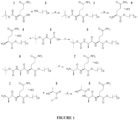
- L-lactate-D-alanine-L-glutamine palmityl ester (LDPP) was synthesized according to the method detailed below, and depicted in Figure 1 .
- the hexadecyl ester of tert-butyloxycarbonyl (BOC) L-glutamine was prepared in step a by esterification reaction of BOC-glutamine ( 1 ) with 1-hexadecanol ( 2 ) in tetrahydrofuran, in the presence of dicyclohexyl carbodiimide. to yield hexadecyl BOC-L-glutamine ( 3 ) .
- the BOC protecting group was removed in step b by treatment of intermediate ( 3 ) dissolved in methylene chloride with hydrogen chloride gas to yield the hydrochloride salt of hexadecyl L-glutamine ( 4 ) .
- the objective of this experiment was to evaluate if supplementation of feed with L-lactate-D-alanine-L-glutamine palmityl ester (LDPP) at 0.2 mg/kg feed increases the growth rate and/or improves the feed conversion in broiler chickens, i.e., if it promotes growth by making broiler chickens grow faster and/or require less feed for the same amount of gain in body weight.
- LDPP L-lactate-D-alanine-L-glutamine palmityl ester
- Freshly hatched female Ross 708 broiler chickens were housed for as single flock for 21 days on a floor pen with used bedding. All chickens received crumbled untreated standard Aviagen 708 starter and grower feeds during this time, with 80% recommended crude protein and without anti-coccidial supplement. After 3 weeks, the chickens were grouped into 38 replicate floor pens of 25 chickens with fresh bedding. Chickens were fed for 24 days from day 21 through termination on day 44 standard crumbled finisher Aviagen 708 finisher feed with 100% protein and 0.0125% amprolium anti-coccidial inclusion. Feed and water were available ad libitum throughout the trial.
- pens Thirteen pens each were assigned to untreated controls (feed without supplement) and LDPP-treatment (0.2 mg LDPP/kg feed), and 12 pens were assigned to bacitracin treatment (50 mg bacitracin/kg feed).
- the experimental unit was the pen rather than individual chickens. Pen weights of chickens were determined on day 21 and 44. Finisher feed uptake was be recorded. and on day 44 residual feed was detennined, and the experiment was terminated.
- the overall (true) feed conversion for each treatment group was determined by dividing total consumed feed by total weight gains of all pens of each treatment group.
- Body weight gain and feed consumption data were analyzed by one-way ANOVA and Tukey Honest True Difference correction for multiple comparisons. Group differences in feed conversion rates were evaluated from pen FCR data by non-parametric Mann Whitney U test.
- LDPP low density polyethylene
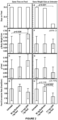
- the feed conversion rate of LDPP-treated versus untreated chickens is improved at constant time from 1.818 to 1.805, and more strongly by 1.7% to 1.787 at constant body weight gain.
- the growth promoting effect of LDPP is significantly stronger than that of bacitracin, an industry-standard growth promoting antibiotic, which showed a significantly higher feed conversion rate of 1.827 at constant body weight gain. The results are shown in Figure 2 .
- the objective of this experiment was to evaluate if supplementation of feed with L-lactate-D-alanine-L-glutamine palmityl ester (LDPP) at 0.2 mg/kg feed increases the growth rate and/or improves the feed conversion in freshly weaned nursery pigs.
- LDPP L-lactate-D-alanine-L-glutamine palmityl ester
- Phase 2 diet had been consumed, pigs were switched to Phase 3 diet and maintained until termination of the study on day 42. No antibiotics were added to any diet. Diets were formulated to meet or exceed all the nutrient requirements based on the 2012 NRC specifications. Pigs received diets and water ad libitum. Pigs were weighed individually on days 0 and 42 of the experiment. Feed intake per pen was monitored for the weigh period. Although individual pig weights were obtained, the pen was the experimental unit. On day 42, the study was terminated and untreated pigs were retained in the food chain while the treatment pigs were euthanized.
- Pen data were converted into individual pig data by dividing by the number of pigs. For three pens in which pigs were euthanized, a time-fractional pig number was used. Body weight gain and calculated feed consumption data were analyzed by pairwise T-test. The overall (true) feed conversion for each treatment was determined by dividing total consumed feed by total weight gains of all pens of each treatment. Treatment differences in feed conversion were statistically evaluated by non-parametric Mann Whitney U test of pen feed conversion data.
- the time on feed of the LDPP treated group was modeled to match the weight gain of the untreated control group.
- Daily body weights and weight gains were modeled by linear interpolation between weights on days 0 and 42.
- the mean body weight gain of the LDPP treatment group was adjusted to the control mean by subtracting the calculated day 42 and 41 body weight gains, and then iteratively subtracting the same fractions of the calculated day 40 body weight gain of all pens of the LDPP treatment until a single fractional day was found that produced a weight gain matching with the control group.
- daily feed consumption was first calculated as 5% of body weight. The sum of these daily feed uptakes was then divided by the actual weighed feed uptake of each pen.
- Body weight gain and feed consumption data were analyzed by one-way ANOVA and Student's T-test. Differences in feed conversion rates were evaluated from pen FCR data by non-parametric Mann Whitney U test.
- LDPP LDPP, supplemented at 0.2 mg/kg feed, significantly improves the growth rate of nursery pigs by increasing the weight gain of LDPP-treated pigs by 7.9 % to 23.826 kg as compared to the 22.076 kg weight gain of untreated nursery pigs. This resulted in highly significant, 2.1 days more rapid growth of the LDPP-treated pigs as compared to the controls (39.921 vs 42 days).
- the feed conversion rate of LDPP-treated versus untreated pigs is improved by 3.8% at constant time from 1.479 to 1.423, and more strongly by 5.5% to 1.396 at constant body weight gain. The results are shown in Figure 3 .
Landscapes
- Chemical & Material Sciences (AREA)
- Life Sciences & Earth Sciences (AREA)
- Health & Medical Sciences (AREA)
- Organic Chemistry (AREA)
- Proteomics, Peptides & Aminoacids (AREA)
- Polymers & Plastics (AREA)
- General Health & Medical Sciences (AREA)
- Medicinal Chemistry (AREA)
- Animal Behavior & Ethology (AREA)
- Public Health (AREA)
- Engineering & Computer Science (AREA)
- Pharmacology & Pharmacy (AREA)
- Veterinary Medicine (AREA)
- Chemical Kinetics & Catalysis (AREA)
- General Chemical & Material Sciences (AREA)
- Genetics & Genomics (AREA)
- Molecular Biology (AREA)
- Biochemistry (AREA)
- Biophysics (AREA)
- Food Science & Technology (AREA)
- Nuclear Medicine, Radiotherapy & Molecular Imaging (AREA)
- Animal Husbandry (AREA)
- Zoology (AREA)
- Epidemiology (AREA)
- Bioinformatics & Cheminformatics (AREA)
- Immunology (AREA)
- Mycology (AREA)
- Microbiology (AREA)
- Pain & Pain Management (AREA)
- Rheumatology (AREA)
- Medicines That Contain Protein Lipid Enzymes And Other Medicines (AREA)
- Acyclic And Carbocyclic Compounds In Medicinal Compositions (AREA)
- Peptides Or Proteins (AREA)
- Fodder In General (AREA)
- Coloring Foods And Improving Nutritive Qualities (AREA)
- Organic Low-Molecular-Weight Compounds And Preparation Thereof (AREA)
Applications Claiming Priority (2)
| Application Number | Priority Date | Filing Date | Title |
|---|---|---|---|
| US202063000364P | 2020-03-26 | 2020-03-26 | |
| PCT/US2021/024142 WO2021195372A1 (en) | 2020-03-26 | 2021-03-25 | Lipophilic enantiomers of desacetylglucosamine muramyl dipeptide with anti-inflammatory and growth promoting activity |
Publications (4)
| Publication Number | Publication Date |
|---|---|
| EP4126040A1 EP4126040A1 (en) | 2023-02-08 |
| EP4126040A4 EP4126040A4 (en) | 2024-04-24 |
| EP4126040B1 true EP4126040B1 (en) | 2025-02-19 |
| EP4126040C0 EP4126040C0 (en) | 2025-02-19 |
Family
ID=77892334
Family Applications (1)
| Application Number | Title | Priority Date | Filing Date |
|---|---|---|---|
| EP21774898.7A Active EP4126040B1 (en) | 2020-03-26 | 2021-03-25 | Lipophilic enantiomers of desacetylglucosamine muramyl dipeptide with anti-inflammatory and growth promoting activity |
Country Status (12)
| Country | Link |
|---|---|
| EP (1) | EP4126040B1 (pl) |
| JP (1) | JP7667177B2 (pl) |
| CN (1) | CN115605226A (pl) |
| AU (1) | AU2021241625B2 (pl) |
| BR (1) | BR112022019202A2 (pl) |
| CA (1) | CA3172936A1 (pl) |
| ES (1) | ES3014076T3 (pl) |
| MX (1) | MX2022011751A (pl) |
| NZ (1) | NZ792610A (pl) |
| PL (1) | PL4126040T3 (pl) |
| WO (1) | WO2021195372A1 (pl) |
| ZA (1) | ZA202210586B (pl) |
Families Citing this family (11)
| Publication number | Priority date | Publication date | Assignee | Title |
|---|---|---|---|---|
| EP3929293A3 (en) | 2015-04-03 | 2022-03-16 | University Of Massachusetts | Fully stabilized asymmetric sirna |
| US10633653B2 (en) | 2015-08-14 | 2020-04-28 | University Of Massachusetts | Bioactive conjugates for oligonucleotide delivery |
| EP3408391A4 (en) | 2016-01-31 | 2019-08-28 | University of Massachusetts | BRANCHED OLIGONUCLEOTIDES |
| CA3064590A1 (en) | 2017-06-23 | 2018-12-27 | University Of Massachusetts | Two-tailed self-delivering sirna and related methods |
| US11279930B2 (en) | 2018-08-23 | 2022-03-22 | University Of Massachusetts | O-methyl rich fully stabilized oligonucleotides |
| WO2020150636A1 (en) | 2019-01-18 | 2020-07-23 | University Of Massachusetts | Dynamic pharmacokinetic-modifying anchors |
| JP2022528840A (ja) | 2019-03-26 | 2022-06-16 | ユニバーシティ・オブ・マサチューセッツ | 安定性が増加した修飾オリゴヌクレオチド |
| US12024706B2 (en) | 2019-08-09 | 2024-07-02 | University Of Massachusetts | Modified oligonucleotides targeting SNPs |
| US12365894B2 (en) | 2019-09-16 | 2025-07-22 | University Of Massachusetts | Branched lipid conjugates of siRNA for specific tissue delivery |
| US12146136B2 (en) | 2020-03-26 | 2024-11-19 | University Of Massachusetts | Synthesis of modified oligonucleotides with increased stability |
| WO2024102639A1 (en) * | 2022-11-08 | 2024-05-16 | The Scripps Research Institute | N-arylpyrazole nod2 agonists as promoters of immune checkpoint inhibitor therapy |
Family Cites Families (4)
| Publication number | Priority date | Publication date | Assignee | Title |
|---|---|---|---|---|
| MX9301789A (es) * | 1992-04-03 | 1993-10-01 | Iaf Biochem Int | Nuevos oligopeptidos lipofilicos con actividad inmunomoduladora. |
| EP2975046A1 (en) * | 2014-07-16 | 2016-01-20 | The Provost, Fellows, Foundation Scholars, and The Other Members of Board, of The College of The Holy and Undivided Trinity of Queen Elizabeth | Novel compounds |
| US10927147B2 (en) * | 2015-12-10 | 2021-02-23 | Bharat Biotech International Limited | Muramyl peptide derivative compound, synthesis and uses thereof |
| TWI634902B (zh) | 2017-10-28 | 2018-09-11 | 醫療財團法人徐元智先生醫藥基金會亞東紀念醫院 | Use of glucosamine peptide compounds for the treatment of abnormal liver metabolism |
-
2021
- 2021-03-25 EP EP21774898.7A patent/EP4126040B1/en active Active
- 2021-03-25 MX MX2022011751A patent/MX2022011751A/es unknown
- 2021-03-25 WO PCT/US2021/024142 patent/WO2021195372A1/en not_active Ceased
- 2021-03-25 PL PL21774898.7T patent/PL4126040T3/pl unknown
- 2021-03-25 ES ES21774898T patent/ES3014076T3/es active Active
- 2021-03-25 CN CN202180038086.5A patent/CN115605226A/zh active Pending
- 2021-03-25 NZ NZ792610A patent/NZ792610A/en unknown
- 2021-03-25 BR BR112022019202A patent/BR112022019202A2/pt unknown
- 2021-03-25 AU AU2021241625A patent/AU2021241625B2/en active Active
- 2021-03-25 JP JP2022558084A patent/JP7667177B2/ja active Active
- 2021-03-25 CA CA3172936A patent/CA3172936A1/en active Pending
-
2022
- 2022-09-23 ZA ZA2022/10586A patent/ZA202210586B/en unknown
Also Published As
| Publication number | Publication date |
|---|---|
| JP2023518973A (ja) | 2023-05-09 |
| EP4126040C0 (en) | 2025-02-19 |
| JP7667177B2 (ja) | 2025-04-22 |
| PL4126040T3 (pl) | 2025-04-28 |
| MX2022011751A (es) | 2022-12-02 |
| CA3172936A1 (en) | 2021-09-30 |
| AU2021241625A1 (en) | 2022-11-10 |
| EP4126040A1 (en) | 2023-02-08 |
| ZA202210586B (en) | 2023-05-31 |
| US20230174577A1 (en) | 2023-06-08 |
| AU2021241625B2 (en) | 2025-04-24 |
| ES3014076T3 (en) | 2025-04-16 |
| NZ792610A (en) | 2025-07-25 |
| WO2021195372A1 (en) | 2021-09-30 |
| EP4126040A4 (en) | 2024-04-24 |
| CN115605226A (zh) | 2023-01-13 |
| KR20220158773A (ko) | 2022-12-01 |
| BR112022019202A2 (pt) | 2022-11-08 |
Similar Documents
| Publication | Publication Date | Title |
|---|---|---|
| EP4126040B1 (en) | Lipophilic enantiomers of desacetylglucosamine muramyl dipeptide with anti-inflammatory and growth promoting activity | |
| JP4151765B2 (ja) | 免疫調節活性を有する新規な置換プリニル誘導体 | |
| US10626139B2 (en) | Cationic steroidal antimicrobial compounds | |
| US8637521B2 (en) | Substituted piperazin-2,5-diones and their use as multifunctional bioactive compounds | |
| JP6789916B2 (ja) | 薬学的組成物及び方法 | |
| JP2013040209A (ja) | Tlrアゴニスト | |
| US9623111B2 (en) | Pegylated artesunate derivative, pharmaceutical composition and use thereof | |
| TW200418451A (en) | Modified carbamate-containing prodrugs and methods of synthesizing same | |
| EP3270975A1 (en) | Cryptophycin-based antibody-drug conjugates with novel self-immolative linkers | |
| KR20130042501A (ko) | 이중기능 복합체의 화학합성 및 항 종양과 항 종양 전이 작용 | |
| US20220105189A1 (en) | Polyethylene glycol conjugated drug and its preparation method and use | |
| EP2293809B1 (en) | Peptidyl diacylglycerides | |
| US12492222B2 (en) | Lipophilic enantiomers of desacetylglucosamine muramyl dipeptide with anti-inflammatory and growth promoting activity | |
| US20250222117A1 (en) | Compound comprising raltitrexed or 5-mthf linked to a therapeutic agent, composition, and method of use | |
| KR102897673B1 (ko) | 항염증 및 성장 촉진 활성을 갖는 데스아세틸글루코사민 무라밀 디펩티드의 친지성 거울상이성질체 | |
| US9518088B2 (en) | Peptide-phospholipid conjugates | |
| US20220249686A1 (en) | Glycoside dual-cleavage linkers for antibody-drug conjugates | |
| JP2018518464A (ja) | 炎症の治療のための抗葉酸剤結合体 | |
| WO2025006896A1 (en) | Low dose muramyl dipeptide analogue-containing compositions and methods of using same for immunoprotection | |
| JP6803589B2 (ja) | 抗腫瘍剤 | |
| US20180250321A1 (en) | Compositions and methods for restoring the immune system | |
| WO2024074553A1 (en) | Cell penetrating peptides and uses thereof | |
| US20240207458A1 (en) | Targeted alpha particle therapy for somatostatin receptor 2 positive neuroendocrine tumors and metastases | |
| WO2025238360A1 (en) | Novel compounds and therapeutic uses thereof | |
| JP2013528587A (ja) | 治療用ペプチド組成物および方法 |
Legal Events
| Date | Code | Title | Description |
|---|---|---|---|
| STAA | Information on the status of an ep patent application or granted ep patent |
Free format text: STATUS: THE INTERNATIONAL PUBLICATION HAS BEEN MADE |
|
| PUAI | Public reference made under article 153(3) epc to a published international application that has entered the european phase |
Free format text: ORIGINAL CODE: 0009012 |
|
| STAA | Information on the status of an ep patent application or granted ep patent |
Free format text: STATUS: REQUEST FOR EXAMINATION WAS MADE |
|
| 17P | Request for examination filed |
Effective date: 20220922 |
|
| AK | Designated contracting states |
Kind code of ref document: A1 Designated state(s): AL AT BE BG CH CY CZ DE DK EE ES FI FR GB GR HR HU IE IS IT LI LT LU LV MC MK MT NL NO PL PT RO RS SE SI SK SM TR |
|
| DAV | Request for validation of the european patent (deleted) | ||
| DAX | Request for extension of the european patent (deleted) | ||
| REG | Reference to a national code |
Ref country code: DE Ref legal event code: R079 Free format text: PREVIOUS MAIN CLASS: A61K0039390000 Ipc: C07K0005083000 Ref country code: DE Ref legal event code: R079 Ref document number: 602021026435 Country of ref document: DE Free format text: PREVIOUS MAIN CLASS: A61K0039390000 Ipc: C07K0005083000 |
|
| A4 | Supplementary search report drawn up and despatched |
Effective date: 20240322 |
|
| RIC1 | Information provided on ipc code assigned before grant |
Ipc: A61P 1/00 20060101ALI20240318BHEP Ipc: A23K 20/147 20160101ALI20240318BHEP Ipc: A61K 39/00 20060101ALI20240318BHEP Ipc: A61K 38/00 20060101ALI20240318BHEP Ipc: A61K 39/39 20060101ALI20240318BHEP Ipc: C07K 5/062 20060101ALI20240318BHEP Ipc: C07K 5/083 20060101AFI20240318BHEP |
|
| RAP3 | Party data changed (applicant data changed or rights of an application transferred) |
Owner name: NUTRIVERT INC. |
|
| GRAP | Despatch of communication of intention to grant a patent |
Free format text: ORIGINAL CODE: EPIDOSNIGR1 |
|
| STAA | Information on the status of an ep patent application or granted ep patent |
Free format text: STATUS: GRANT OF PATENT IS INTENDED |
|
| INTG | Intention to grant announced |
Effective date: 20240916 |
|
| GRAS | Grant fee paid |
Free format text: ORIGINAL CODE: EPIDOSNIGR3 |
|
| GRAA | (expected) grant |
Free format text: ORIGINAL CODE: 0009210 |
|
| STAA | Information on the status of an ep patent application or granted ep patent |
Free format text: STATUS: THE PATENT HAS BEEN GRANTED |
|
| AK | Designated contracting states |
Kind code of ref document: B1 Designated state(s): AL AT BE BG CH CY CZ DE DK EE ES FI FR GB GR HR HU IE IS IT LI LT LU LV MC MK MT NL NO PL PT RO RS SE SI SK SM TR |
|
| REG | Reference to a national code |
Ref country code: GB Ref legal event code: FG4D |
|
| REG | Reference to a national code |
Ref country code: CH Ref legal event code: EP |
|
| REG | Reference to a national code |
Ref country code: IE Ref legal event code: FG4D |
|
| REG | Reference to a national code |
Ref country code: DE Ref legal event code: R096 Ref document number: 602021026435 Country of ref document: DE |
|
| U01 | Request for unitary effect filed |
Effective date: 20250224 |
|
| U07 | Unitary effect registered |
Designated state(s): AT BE BG DE DK EE FI FR IT LT LU LV MT NL PT RO SE SI Effective date: 20250228 |
|
| REG | Reference to a national code |
Ref country code: ES Ref legal event code: FG2A Ref document number: 3014076 Country of ref document: ES Kind code of ref document: T3 Effective date: 20250416 |
|
| U20 | Renewal fee for the european patent with unitary effect paid |
Year of fee payment: 5 Effective date: 20250318 |
|
| PG25 | Lapsed in a contracting state [announced via postgrant information from national office to epo] |
Ref country code: RS Free format text: LAPSE BECAUSE OF FAILURE TO SUBMIT A TRANSLATION OF THE DESCRIPTION OR TO PAY THE FEE WITHIN THE PRESCRIBED TIME-LIMIT Effective date: 20250519 |
|
| PGFP | Annual fee paid to national office [announced via postgrant information from national office to epo] |
Ref country code: PL Payment date: 20250317 Year of fee payment: 5 |
|
| PGFP | Annual fee paid to national office [announced via postgrant information from national office to epo] |
Ref country code: GB Payment date: 20250407 Year of fee payment: 5 Ref country code: ES Payment date: 20250506 Year of fee payment: 5 |
|
| PG25 | Lapsed in a contracting state [announced via postgrant information from national office to epo] |
Ref country code: NO Free format text: LAPSE BECAUSE OF FAILURE TO SUBMIT A TRANSLATION OF THE DESCRIPTION OR TO PAY THE FEE WITHIN THE PRESCRIBED TIME-LIMIT Effective date: 20250519 Ref country code: IS Free format text: LAPSE BECAUSE OF FAILURE TO SUBMIT A TRANSLATION OF THE DESCRIPTION OR TO PAY THE FEE WITHIN THE PRESCRIBED TIME-LIMIT Effective date: 20250619 |
|
| PG25 | Lapsed in a contracting state [announced via postgrant information from national office to epo] |
Ref country code: HR Free format text: LAPSE BECAUSE OF FAILURE TO SUBMIT A TRANSLATION OF THE DESCRIPTION OR TO PAY THE FEE WITHIN THE PRESCRIBED TIME-LIMIT Effective date: 20250219 |
|
| PG25 | Lapsed in a contracting state [announced via postgrant information from national office to epo] |
Ref country code: GR Free format text: LAPSE BECAUSE OF FAILURE TO SUBMIT A TRANSLATION OF THE DESCRIPTION OR TO PAY THE FEE WITHIN THE PRESCRIBED TIME-LIMIT Effective date: 20250520 |
|
| PGFP | Annual fee paid to national office [announced via postgrant information from national office to epo] |
Ref country code: TR Payment date: 20250509 Year of fee payment: 5 |
|
| PG25 | Lapsed in a contracting state [announced via postgrant information from national office to epo] |
Ref country code: SM Free format text: LAPSE BECAUSE OF FAILURE TO SUBMIT A TRANSLATION OF THE DESCRIPTION OR TO PAY THE FEE WITHIN THE PRESCRIBED TIME-LIMIT Effective date: 20250219 |
|
| PG25 | Lapsed in a contracting state [announced via postgrant information from national office to epo] |
Ref country code: CZ Free format text: LAPSE BECAUSE OF FAILURE TO SUBMIT A TRANSLATION OF THE DESCRIPTION OR TO PAY THE FEE WITHIN THE PRESCRIBED TIME-LIMIT Effective date: 20250219 |
|
| REG | Reference to a national code |
Ref country code: CH Ref legal event code: H13 Free format text: ST27 STATUS EVENT CODE: U-0-0-H10-H13 (AS PROVIDED BY THE NATIONAL OFFICE) Effective date: 20251024 |
|
| PG25 | Lapsed in a contracting state [announced via postgrant information from national office to epo] |
Ref country code: SK Free format text: LAPSE BECAUSE OF FAILURE TO SUBMIT A TRANSLATION OF THE DESCRIPTION OR TO PAY THE FEE WITHIN THE PRESCRIBED TIME-LIMIT Effective date: 20250219 |