EP4100479B1 - Systèmes de culture cellulaire, procédés et utilisations de ceux-ci - Google Patents
Systèmes de culture cellulaire, procédés et utilisations de ceux-ci Download PDFInfo
- Publication number
- EP4100479B1 EP4100479B1 EP21916500.8A EP21916500A EP4100479B1 EP 4100479 B1 EP4100479 B1 EP 4100479B1 EP 21916500 A EP21916500 A EP 21916500A EP 4100479 B1 EP4100479 B1 EP 4100479B1
- Authority
- EP
- European Patent Office
- Prior art keywords
- cells
- poly
- cancer
- plga
- hydrophilic polymer
- Prior art date
- Legal status (The legal status is an assumption and is not a legal conclusion. Google has not performed a legal analysis and makes no representation as to the accuracy of the status listed.)
- Active
Links
Images




Classifications
-
- C—CHEMISTRY; METALLURGY
- C12—BIOCHEMISTRY; BEER; SPIRITS; WINE; VINEGAR; MICROBIOLOGY; ENZYMOLOGY; MUTATION OR GENETIC ENGINEERING
- C12M—APPARATUS FOR ENZYMOLOGY OR MICROBIOLOGY; APPARATUS FOR CULTURING MICROORGANISMS FOR PRODUCING BIOMASS, FOR GROWING CELLS OR FOR OBTAINING FERMENTATION OR METABOLIC PRODUCTS, i.e. BIOREACTORS OR FERMENTERS
- C12M23/00—Constructional details, e.g. recesses, hinges
- C12M23/02—Form or structure of the vessel
- C12M23/12—Well or multiwell plates
-
- C—CHEMISTRY; METALLURGY
- C12—BIOCHEMISTRY; BEER; SPIRITS; WINE; VINEGAR; MICROBIOLOGY; ENZYMOLOGY; MUTATION OR GENETIC ENGINEERING
- C12M—APPARATUS FOR ENZYMOLOGY OR MICROBIOLOGY; APPARATUS FOR CULTURING MICROORGANISMS FOR PRODUCING BIOMASS, FOR GROWING CELLS OR FOR OBTAINING FERMENTATION OR METABOLIC PRODUCTS, i.e. BIOREACTORS OR FERMENTERS
- C12M23/00—Constructional details, e.g. recesses, hinges
- C12M23/20—Material Coatings
-
- C—CHEMISTRY; METALLURGY
- C12—BIOCHEMISTRY; BEER; SPIRITS; WINE; VINEGAR; MICROBIOLOGY; ENZYMOLOGY; MUTATION OR GENETIC ENGINEERING
- C12N—MICROORGANISMS OR ENZYMES; COMPOSITIONS THEREOF; PROPAGATING, PRESERVING, OR MAINTAINING MICROORGANISMS; MUTATION OR GENETIC ENGINEERING; CULTURE MEDIA
- C12N5/00—Undifferentiated human, animal or plant cells, e.g. cell lines; Tissues; Cultivation or maintenance thereof; Culture media therefor
- C12N5/06—Animal cells or tissues; Human cells or tissues
- C12N5/0602—Vertebrate cells
- C12N5/0693—Tumour cells; Cancer cells
-
- G—PHYSICS
- G01—MEASURING; TESTING
- G01N—INVESTIGATING OR ANALYSING MATERIALS BY DETERMINING THEIR CHEMICAL OR PHYSICAL PROPERTIES
- G01N33/00—Investigating or analysing materials by specific methods not covered by groups G01N1/00 - G01N31/00
- G01N33/48—Biological material, e.g. blood, urine; Haemocytometers
- G01N33/50—Chemical analysis of biological material, e.g. blood, urine; Testing involving biospecific ligand binding methods; Immunological testing
- G01N33/5005—Chemical analysis of biological material, e.g. blood, urine; Testing involving biospecific ligand binding methods; Immunological testing involving human or animal cells
- G01N33/5008—Chemical analysis of biological material, e.g. blood, urine; Testing involving biospecific ligand binding methods; Immunological testing involving human or animal cells for testing or evaluating the effect of chemical or biological compounds, e.g. drugs, cosmetics
- G01N33/5011—Chemical analysis of biological material, e.g. blood, urine; Testing involving biospecific ligand binding methods; Immunological testing involving human or animal cells for testing or evaluating the effect of chemical or biological compounds, e.g. drugs, cosmetics for testing antineoplastic activity
-
- G—PHYSICS
- G01—MEASURING; TESTING
- G01N—INVESTIGATING OR ANALYSING MATERIALS BY DETERMINING THEIR CHEMICAL OR PHYSICAL PROPERTIES
- G01N33/00—Investigating or analysing materials by specific methods not covered by groups G01N1/00 - G01N31/00
- G01N33/48—Biological material, e.g. blood, urine; Haemocytometers
- G01N33/50—Chemical analysis of biological material, e.g. blood, urine; Testing involving biospecific ligand binding methods; Immunological testing
- G01N33/5005—Chemical analysis of biological material, e.g. blood, urine; Testing involving biospecific ligand binding methods; Immunological testing involving human or animal cells
- G01N33/5008—Chemical analysis of biological material, e.g. blood, urine; Testing involving biospecific ligand binding methods; Immunological testing involving human or animal cells for testing or evaluating the effect of chemical or biological compounds, e.g. drugs, cosmetics
- G01N33/5082—Supracellular entities, e.g. tissue, organisms
- G01N33/5088—Supracellular entities, e.g. tissue, organisms of vertebrates
-
- C—CHEMISTRY; METALLURGY
- C12—BIOCHEMISTRY; BEER; SPIRITS; WINE; VINEGAR; MICROBIOLOGY; ENZYMOLOGY; MUTATION OR GENETIC ENGINEERING
- C12N—MICROORGANISMS OR ENZYMES; COMPOSITIONS THEREOF; PROPAGATING, PRESERVING, OR MAINTAINING MICROORGANISMS; MUTATION OR GENETIC ENGINEERING; CULTURE MEDIA
- C12N2513/00—3D culture
-
- C—CHEMISTRY; METALLURGY
- C12—BIOCHEMISTRY; BEER; SPIRITS; WINE; VINEGAR; MICROBIOLOGY; ENZYMOLOGY; MUTATION OR GENETIC ENGINEERING
- C12N—MICROORGANISMS OR ENZYMES; COMPOSITIONS THEREOF; PROPAGATING, PRESERVING, OR MAINTAINING MICROORGANISMS; MUTATION OR GENETIC ENGINEERING; CULTURE MEDIA
- C12N2533/00—Supports or coatings for cell culture, characterised by material
- C12N2533/30—Synthetic polymers
- C12N2533/32—Polylysine, polyornithine
-
- C—CHEMISTRY; METALLURGY
- C12—BIOCHEMISTRY; BEER; SPIRITS; WINE; VINEGAR; MICROBIOLOGY; ENZYMOLOGY; MUTATION OR GENETIC ENGINEERING
- C12N—MICROORGANISMS OR ENZYMES; COMPOSITIONS THEREOF; PROPAGATING, PRESERVING, OR MAINTAINING MICROORGANISMS; MUTATION OR GENETIC ENGINEERING; CULTURE MEDIA
- C12N2533/00—Supports or coatings for cell culture, characterised by material
- C12N2533/30—Synthetic polymers
- C12N2533/40—Polyhydroxyacids, e.g. polymers of glycolic or lactic acid (PGA, PLA, PLGA); Bioresorbable polymers
-
- C—CHEMISTRY; METALLURGY
- C12—BIOCHEMISTRY; BEER; SPIRITS; WINE; VINEGAR; MICROBIOLOGY; ENZYMOLOGY; MUTATION OR GENETIC ENGINEERING
- C12N—MICROORGANISMS OR ENZYMES; COMPOSITIONS THEREOF; PROPAGATING, PRESERVING, OR MAINTAINING MICROORGANISMS; MUTATION OR GENETIC ENGINEERING; CULTURE MEDIA
- C12N2533/00—Supports or coatings for cell culture, characterised by material
- C12N2533/50—Proteins
-
- C—CHEMISTRY; METALLURGY
- C12—BIOCHEMISTRY; BEER; SPIRITS; WINE; VINEGAR; MICROBIOLOGY; ENZYMOLOGY; MUTATION OR GENETIC ENGINEERING
- C12N—MICROORGANISMS OR ENZYMES; COMPOSITIONS THEREOF; PROPAGATING, PRESERVING, OR MAINTAINING MICROORGANISMS; MUTATION OR GENETIC ENGINEERING; CULTURE MEDIA
- C12N2537/00—Supports and/or coatings for cell culture characterised by physical or chemical treatment
- C12N2537/10—Cross-linking
-
- C—CHEMISTRY; METALLURGY
- C12—BIOCHEMISTRY; BEER; SPIRITS; WINE; VINEGAR; MICROBIOLOGY; ENZYMOLOGY; MUTATION OR GENETIC ENGINEERING
- C12N—MICROORGANISMS OR ENZYMES; COMPOSITIONS THEREOF; PROPAGATING, PRESERVING, OR MAINTAINING MICROORGANISMS; MUTATION OR GENETIC ENGINEERING; CULTURE MEDIA
- C12N2539/00—Supports and/or coatings for cell culture characterised by properties
- C12N2539/10—Coating allowing for selective detachment of cells, e.g. thermoreactive coating
Definitions
- 3D spheroid models The interest in 3D spheroid models is growing among researchers, from basic science to preclinical drug discovery applications, including studies in tumor biology, neurodegenerative diseases, and drug toxicity.
- Three-dimensional (3D) cell culture methods are increasingly used to generate complex tissue or tumor models.
- Matrigel is a commonly used embedded substrate for tissue-based cell growth, such as organoid formation. But out of focus, inefficient compound diffusion, and difficulty in sample isolation limits its application for ex vivo 3D spheroid-based applications.
- the present disclosure provides a a method for culturing cells, comprising the steps of: (a) providing a cell culture article having a surface coated with a composition comprising: (i) a hydrophilic polymer, wherein the hydrophilic polymer is crosslinked to the surface of the cell culture article, and (ii) polyelectrolyte multilayers, wherein the hydrophilic polymer is in direct contact with a polycation or a polyanion of the polyelectrolyte multilayers, (b) seeding cells on the coated surface; and (c) culturing the cells under a suitable medium for a sufficient period of time to form one or more singe-cell-derived spheroids, wherein the one or more spheroids are generated via single cell proliferation.
- the surface coating described herein comprises a hydrophilic polymer, wherein the hydrophilic polymer is crosslinked to the surface of the cell culture article, and polyelectrolyte multilayers, wherein the hydrophilic polymer is in direct contact with a polycation or a polyanion of the polyelectrolyte multilayers.
- the substrate provided herein is advantageous for hydration preservation. It can prevent the cell culture substrate from undesirable surface cracks caused by prolonged storage at ambient temperature.
- the surface coating provided herein enables the formation of single-cell derived spheroids derived from single cells.
- a cell culture system comprising the cell culture article. Uses and methods of preparing the surface coatings and systems are provided as well.
- composition described herein comprises a) a hydrophilic polymer, in which the hydrophilic polymer is deposited on a surface of the cell culture article, and b) polyelectrolyte multilayers, in which the hydrophilic polymer is in direct contact with a polycation or a polyanion of the polyelectrolyte multilayers.
- the cell culture article described herein may be made of any suitable plastics or polymers such as polyethylene, polypropylene, polymethylpentene, cyclic olefin polymer, cyclic olefin copolymer, polyvinyl chloride, polyurethane, polyester, polyamide, ethylene-vinyl acetate copolymer, ethylene-vinyl alcohol copolymer, ethylene-acrylic acid copolymer, ethylene-methyl acrylate copolymer, ethylene-methacrylic acid copolymer, ethylene-methyl methacrylate copolymer, polyacrylic acid, polymethacrylic acid, methyl polyacrylate, and methyl polymethacrylate, or derivatives of these or the like.
- suitable plastics or polymers such as polyethylene, polypropylene, polymethylpentene, cyclic olefin polymer, cyclic olefin copolymer, polyvinyl chloride, polyurethane, polyester, polyamide, ethylene-
- the surface coating described herein may be dehydrated or hydrated. In some embodiments, the surface coating is in a dehydrated state. In some embodiments, the surface coating is in a hydrated state.
- Suitable hydrophilic polymers include, but are not limited to, poly(vinyl alcohol) (PVA), poly(ethylene glycol) (PEG), PEG-acrylate, polyvinylpyrrolidone (PVP), polyethyleneimine (PEI), poly-L-lactide (PLLA), poly-D-lactide (PDLA), poly(L-lactide-coD,L-lactide) (PLDLLA), poly(glycolic acid) (PGA), poly(lactic-co-glycolic acid) (PL-co-GA), poly(methyl methacrylate) (PMMA), poly(hydroxyethyl methacrylate) (p-HEMA) and derivatives thereof.
- PVA poly(vinyl alcohol)
- PEG poly(ethylene glycol)
- PEG-acrylate polyvinylpyrrolidone
- PEI polyethyleneimine
- PLA poly-L-lactide
- PDLA poly-D-lactide
- PLDLLA poly(L-lactide-
- the hydrophilic polymer is PVA, PEG, PVP, PEI, PMMA or a derivative thereof.
- the absorbent polymer is PVA.
- the hydrophilic polymer is PEG or PEG-acrylate such as PEGMA, PEGDMA or PEGDA.
- the hydrophilic polymer is PLA or a derivative such as PLLA, PDLA or PLDLLA.
- the hydrophilic polymer is PGA or a derivative such as PLGA.
- the hydrophilic polymer is PMAA or a derivative such as pHEMA.
- the volume of the hydrophilic polymer (e.g. PVA) is 0.01-10% of the total volume of the surface coating.
- the polyelectrolyte multiplayers described herein comprise at least one layer pair (referred as "bilayer") comprising a cationic polyelectrolyte (referred as "polycation") and an polyelectrolyte (referred as "polyanion").
- the polycation is a poly(amino acid).
- the polyanion is a poly(amino acid).
- the polycation and the polyanion are poly(amino acid)s.
- the poly(amino acid)s described herein may comprise L and/or D amino-acid forms.
- the polyelectrolyte multiplayers can be formed by depositing polycations and polyanions in an alternative fashion via layer-by-layer assembly.
- the polyelectrolyte multilayers having a formula of (polycation/polyanion) n comprise n bilayers of polycations and polyanions, wherein n is an integer number ranging from 1 to 30. In some embodiments, n is 1, 2, 3, 4, 5, 6, 7, 8, 9, 10, 11, 12, 13, 14, 15, 16, 17, 18, 19 or 20. In some embodiments, n is in a range of 1-10, 1-8, 1-5, 3-20, 5-20, 10-20, 11-19, 12-18, 13-17, or 14-16.
- the polyelectrolyte multilayers having a formula of polyanion(polycation/polyanion) n comprise n+1 layers of polyanions and n layers of polycations, wherein n is an integer number ranging from 1 to 30. In some embodiments, n is 1, 2, 3, 4, 5, 6, 7, 8, 9, 10, 11, 12, 13, 14, 15, 16, 17, 18, 19 or 20. In some embodiments, n is in a range of 1-10, 1-8, 1-5, 3-20, 5-20, 10-20, 11-19, 12-18, 13-17, or 14-16.
- the polyelectrolyte multilayers having a formula of polycation(polyanion/polycation) n comprise n+1 layers of polycations and n layers of polyanions, wherein n is an integer number ranging from 1 to 30. In some embodiments, n is 1, 2, 3, 4, 5, 6, 7, 8, 9, 10, 11, 12, 13, 14, 15, 16, 17, 18, 19 or 20. In some embodiments, n is in a range of 1-10, 1-8, 1-5, 3-20, 5-20, 10-20, 11-19, 12-18, 13-17, or 14-16.
- the polycation is poly(L-lysine) (PLL), poly(L-arginine) (PLA), poly(L- ornithine) (PLO), poly(L- histidine) (PLH), or a combination thereof.
- the polycation is PLL.
- the polyanion is poly(L-glutamic acid) (PLGA), poly(L-aspartic acid) (PLAA), or a combination thereof. In a preferred embodiment, the polyanion is PLGA.
- said polyelectrolyte multilayers comprise at least one layer pair (i.e., bilayer) of polycation/polycation selecting from the group consisting of PLL/PLGA, PLL/PLAA, PLA/PLGA, PLA/PLAA, PLO/PLGA, PLO/PLAA, PLH/PLGA, PLH/PLAA, and a combination thereof.
- layer pair i.e., bilayer
- the bilayer described herein comprises a combination of PLL and PLGA. In some embodiments, the bilayer described herein comprises a combination of PLO and PLGA. In some embodiments, the bilayer described herein comprises a combination of PLH and PLGA. In some embodiments, the bilayer described herein comprises a combination of PLA and PLGA.
- the bilayer described herein comprises a combination of PLL and PLAA. In some embodiments, the bilayer described herein comprises a combination of PLO and PLAA. In some embodiments, the bilayer described herein comprises a combination of PLH and PLAA. In some embodiments, the bilayer described herein comprises a combination of PLA and PLAA.
- the polyelectrolyte multilayers described herein may have a thickness ranging from 30 nm to 30 ⁇ m. In some embodiments, the surface coating has a thickness ranging from 100 nm to 20 ⁇ m. In some embodiments, the surface coating has a thickness of 200, 400, 600 or 800 nm. In some embodiments, the surface coating has a thickness of 1, 5, 10, 15 or 20 ⁇ m.
- the surface coating of the present disclosure offers an improved proliferation rate for a variety of cells including, but not limited to, tumor cells, pluripotent and multipotent stem and progenitor cells, hematopoietic cells and immune cells.
- the surface coating with elevated water retention offers an advantage to prevent the surface coating from undesirable surface cracks caused by dehydration due to prolonged storage at ambient temperature.
- the present invention provides methods for coating a cell culture article.
- the method described herein comprises the steps of: (a) providing a cell culture article having a hydrophobic surface; (b) modifying the hydrophobic surface with a treatment; (c) crosslinking hydrophilic polymer to the modified surface; and (d) sequentially depositing on the hydrophilic polymer alternating layers of polycations and polyanions.
- the treatment described herein is a plasma treatment, corona discharge or UV ozone treatment.
- the hydrophobic surface described herein is irradiated or hydrophilized after the treatment.
- the hydrophobic surface is hydrophilized after applying the hydrophilic polymer (e.g., PVA) to the surface.
- the hydrophilic polymer (e.g., PVA) is covalently linked (i.e., conjugated) to the surface.
- a cross-linking agent may be used to facilitate the crosslinking (i.e., conjugation).
- Exemplary cross-linking agents include, but are not limited to, maleic acid, formaldehyde, glutaraldehyde, butanal (butyraldehyde), sodium borate, or a combination thereof.
- one or more parameters of the polyelectrolyte multilayers and the culture medium may be selected by the user, based on one or more microenvironment selection criteria for the cells.
- the present invention provides methods for culturing cells using the cell culture article disclosed herein.
- the method for culturing cells comprises the steps of: a) providing a cell culture article having a surface coated with a composition comprising: (i) a hydrophilic polymer, wherein the hydrophilic polymer is crosslinked to the surface of the cell culture article, and (ii) polyelectrolyte multilayers, wherein the hydrophilic polymer is in direct contact with a polycation or a polyanion of the polyelectrolyte multilayers; b) seeding cells on the coated surface; c) culturing the cells under a suitable medium for a sufficient period of time to form one or more spheroids.
- the spheroids generated herein are adhered to the substrate. In some embodiments, the spheroids generated herein are semi-attached to the substrate.
- the spheroids are derived from single cells via single cell proliferation.
- the cultured cells e.g., cultured and harvested cells
- the cells are living cells.
- the cells are mammalian cells.
- the cells are tissue cells, immune cells, endothelial cells, stem cells, epithelial cells, mesenchymal cells, mesothelial cells, tumor cells or tumor-associated cells.
- culturing the cells comprise maintaining and/or proliferating cells. In some embodiments, culturing the cells comprises maintaining cells. In some embodiments, culturing the cells comprises proliferating cells. In some embodiments, culturing the cells may further comprise differentiating cells.
- the cells are stem cells such as mesenchymal stem cells (MSCs) or pluripotent stem cells (PSCs) including embryonic stem cells (ESCs) and induced pluripotent stem cells (iPSCs).
- MSCs mesenchymal stem cells
- PSCs pluripotent stem cells
- ESCs embryonic stem cells
- iPSCs induced pluripotent stem cells
- the cells are tumor cells, and the cultured cells are tumor spheroids.
- the tumor spheroids may be derived from a cell line, a tumor tissue or a liquid biopsy.
- tumor spheroids described herein are derived from circulating tumor cells (CTCs) isolated from a blood sample obtained from a cancer patient.
- the blood sample described herein is a whole blood.
- the blood sample can be obtained by liquid biopsy.
- the cancer patient described herein is a human cancer patient having a metastatic cancer.
- the blood sample is obtained from the cancer patient before, during, and/or after therapeutic treatment.
- the present disclosure relates to a new generation of scaffold-free 3D cell culture technology and uses thereof.
- a method for culturing cells comprising the steps of: (a) providing a cell culture article having a surface coated with a composition comprising: (i) a hydrophilic polymer, wherein the hydrophilic polymer is crosslinked to the surface of the cell culture article, and (ii) polyelectrolyte multilayers, wherein the hydrophilic polymer is in direct contact with a polycation or a polyanion of the polyelectrolyte multilayers, (b) seeding cells on the coated surface; and (c) culturing the cells under a suitable medium for a sufficient period of time to form one or more singe-cell-derived spheroids, wherein the one or more spheroids are generated via single cell proliferation.
- the surface coating can induce the formation of highly uniform 3D cell culture, making it possible to form 3D cell culture on difficult primary cell types that did not form on any other low attachment surface.
- the surface coating described herein offers an improved proliferation rate for a variety of cells including, but not limited to, tumor cells, pluripotent and multipotent stem and progenitor cells, hematopoietic cells and immune cells.
- the surface coating comprises a hydrophilic polymer (e.g. PVA), and one or more pairs of polyelectrolytes.
- the surface coating of the present disclosure comprises a hydrophilic polymer and polyelectrolyte multilayers.
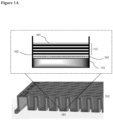
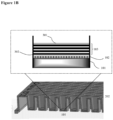
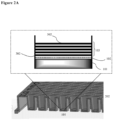
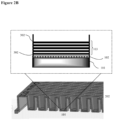
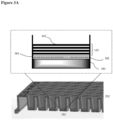
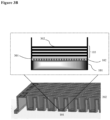
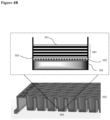
- the surface coating is as illustrated in FIG. 1 .
- 104 indicates an illustrative surface coating.
- the hydrophilic polymer 102 is deposited on the top surface of the well 201 of a cell culturing plate 202.
- Polyelectrolyte multilayers 103 is deposited on top of the hydrophilic polymer layer 102.
- the surface coating enables robust multiplication or stable maintenance of cells (e.g., rare cells extracted from blood, low-density cells, or single cells) seeded on the surface coating with or without the substrate for an extended period, for example, over 48 hours, over 72 hours, over 96 hours, over 5 days, over 6 days, over 7 days, or in one to several weeks (e.g., 1, 2, 3, 4, 5, 6, or more weeks).
- cells e.g., rare cells extracted from blood, low-density cells, or single cells
- Hydrophilic polymers described herein are hydrophilic absorbent polymers (“absorbent polymers”) that water soluble and may swell as a result of uptake and retention of aqueous solutions.
- a non-limiting list of hydrophilic absorbent polymers that may be used with the present invention includes hydrophilic and biocompatible grades of the following polymers and their derivatives: poly(vinyl alcohol) (PVA), ethylene vinyl alcohol co-polymers (typically non-biodegradable materials which degree of hydrophilicity depends on distribution of ethylene (hydrophobic) and vinyl alcohol (hydrophilic) groups), co-polymers of polyvinyl alcohol and ethylene vinyl alcohol, polyacrylate compositions, polyurethane compositions, poly(ethylene glycol) (PEG), otherwise known as poly(oxyethylene) (POE) and poly(ethylene oxide) (PEO), and its derivatives including but not limited to polyethylene glycol methacrylate (PEGMA), polyethylene glycol dimethacrylate (PEGDMA) and polyethylene glycol diacryl
- poly-L-lactide and its derivatives
- poly-D-lactide PDLA
- poly(L-lactide-co-D,L-lactide) PLDLLA
- poly(glycolic acid) PGA
- PGA poly(glycolic acid)
- PLA poly-L-lactide
- PDLA poly-D-lactide
- PLDLLA poly(L-lactide-co-D,L-lactide)
- PGA poly(glycolic acid)
- PGA also known as polyglycolide
- co-polymers of lactic acid and glycolic acid poly(lactic-co-glycolic acid) PL-co-GA
- co-polymers of PLA and/or PGA with PEG polymethacrylic acid
- poly(hydroxyethyl methacrylate) poly-HEMA
- the hydrophilic absorbent polymer is selected from the group consisting of poly(vinyl alcohol) (PVA), copolymers of ethylene vinyl alcohol, copolymers of polyvinyl alcohol and ethylene vinyl alcohol, polyacrylate compositions, polyurethane compositions, poly(ethylene glycol) (PEG), PEG-acrylate, polyethylene glycol methacrylate (PEGMA), polyethylene glycol dimethacrylate (PEGDMA), polyethylene glycol diacrylate (PEGDA), polyacrylamide (PAM), polyvinylpyrrolidone (PVP), polyvinylamine (PVAm), polyethyleneimine (PEI), poly-L-lactide (PLLA), poly-D-lactide (PDLA), poly(L-lactide-coD,L-lactide) (PLDLLA), poly(glycolic acid) (PGA), poly(lactic-co-glycolic acid) (PL-co-GA), poly(methyl methacrylate) (PMMA) and poly(hydroxye
- PEG
- the hydrophilic absorbent polymer is selected from the group consisting of PVA, PEG, PEG-acrylate, polylactide, PMMA, p-HEMA, a combination or a derivative thereof.
- the absorbent polymer is PVA or a derivative thereof.
- the absorbent polymer is PEG or PEG-acrylate such as PEGMA, PEGDMA or PEGDA.
- the absorbent polymer is polylactide or a derivative such as PLLA, PDLA or PLDLLA.
- the absorbent polymer is PGA or a derivative such as PLGA.
- the absorbent polymer is PMAA or a derivative such as pHEMA.
- the hydrophilic polymer has an average molecular weight of from about 2,500 g/mol to about 200,000 g/mol. In some cases, the average molecular weight of the hydrophilic polymer is from about 5,000 g/mol to about 175,000 g/mol, from about 5,000 g/mol to about 150,000 g/mol, from about 5,000 g/mol to about 125,000 g/mol, from about 5,000 g/mol to about 100,000 g/mol, from about 5,000 g/mol to about 75,000 g/mol, from about 5,000 g/mol to about 50,000 g/mol, from about 5,000 g/mol to about 25,000 g/mol, from about 5,000 g/mol to about 10,000 g/mol, from about 10,000 g/mol to about 175,000 g/mol, from about 10,000 g/mol to about 150,000 g/mol, from about 10,000 g/mol to about 125,000 g/mol, from about 10,000 g/mol to about 100,000 g/mol, from about 10,000 g/mol to
- the hydrophilic polymer is deposited directly onto the surface of a target substrate. In other instances, the hydrophilic polymer is deposited indirectly onto the surface. In some cases, one or more additional layers (e.g., 1, 2, 3, 4, 5, or more layers) are formed between the hydrophilic polymer layer and the surface of the substrate. In some cases, one additional layer (also referred to herein as the innermost layer) is formed between the hydrophilic polymer layer and the surface of the substrate.
- additional layers e.g., 1, 2, 3, 4, 5, or more layers
- one additional layer also referred to herein as the innermost layer
- the hydrophilic polymer is PVA.
- PVA can have an average molecular weight ranging from about 10,000 g/mol to about 125,000 g/mol. In some instances, PVA has an average molecular weight of from about 10,000 g/mol to about 100,000 g/mol, from about 10,000 g/mol to about 75,000 g/mol, from about 10,000 g/mol to about 50,000 g/mol, from about 20,000 g/mol to about 125,000 g/mol, from about 20,000 g/mol to about 100,000 g/mol, from about 20,000 g/mol to about 75,000 g/mol, from about 20,000 g/mol to about 50,000 g/mol, from about 50,000 g/mol to about 125,000 g/mol, or from about 50,000 g/mol to about 100,000 g/mol.
- the PVA is deposited directly onto the surface of a target substrate. In other instances, the PVA is deposited indirectly onto the surface. In some cases, one or more additional layers (e.g., 1, 2, 3, 4, 5, or more layers) are formed between the PVA layer and the surface. In some cases, one additional layer is formed between the PVA layer and the surface of the substrate.
- the hydrophilic polymer is PEG.
- the average molecular weight of PEG is about 200, 300, 400, 500, 600, 700, 800, 900, 1000, 1100, 1200, 1300, 1400, 1450, 1500, 1600, 1700, 1800, 1900, 2000, 2100, 2200, 2300, 2400, 2500, 2600, 2700, 2800, 2900, 3000, 3250, 3350, 3500, 3750, 4000, 4250, 4500, 4600, 4750, 5000, 5500, 6000, 6500, 7000, 7500, 8000, 10,000, 12,000, 20,000, 35,000, 40,000, 50,000, 60,000, or 100,000 Da.
- the PEG utilized herein is a discrete PEG (dPEG).
- a discrete PEG can be a polymeric PEG comprising more than one repeating ethylene oxide units.
- the discrete PEG comprises from 2 to 60, from 2 to 50, or from 2 to 48 repeating ethylene oxide units.
- the dPEG comprises 2, 3, 4, 5, 6, 7, 8, 9, 10, 11, 12, 13, 14, 15, 16, 17, 18, 19, 20, 22, 24, 26, 28, 30, 35, 40, 42, 48, 50 or more repeating ethylene oxide units.
- the volume of the hydrophilic polymer is from about 0.01% to about 10% of the total volume of the surface coating.
- the hydrophilic polymer is from about 0.01% to about 9% v/v, from about 0.01% to about 8% v/v, from about 0.01% to about 7% v/v, from about 0.01% to about 6% v/v, from about 0.01% to about 5% v/v, from about 0.01% to about 4% v/v, from about 0.01% to about 3% v/v, from about 0.01% to about 2% v/v, from about 0.01% to about 1% v/v, from about 0.1% to about 10% v/v, from about 0.1% to about 9% v/v, from about 0.1% to about 8% v/v, from about 0.1% to about 7% v/v, from about 0.1% to about 6% v/v, from about 0.1% to about 5% v/
- the volume of the hydrophilic polymer (e.g. PVA or PEG) is about 0.01%, about 0.05%, about 0.1%, about 0.5%, about 1%, about 2%, about 3%, about 4%, about 5%, about 6%, about 7%, about 8%, about 9%, or about 10% of the total volume of the surface coating.
- the weight of the hydrophilic polymer (e.g. PVA or PEG) per total weight of the surface coating is from about 1% to about 50%. In some instances, the weight of the hydrophilic polymer (e.g. PVA or PEG) per total weight of the surface coating is from about 1% to about 40%. In some instances, the weight of the hydrophilic polymer (e.g. PVA or PEG) per total weight of the surface coating is from about 1% to about 30%. In some instances, the weight of the hydrophilic polymer (e.g. PVA or PEG) per total weight of the surface coating is from about 1% to about 20%. In some instances, the weight of the hydrophilic polymer (e.g. PVA or PEG) per total weight of the surface coating is from about 1% to about 10%.
- the surface coating comprises polyelectrolyte multilayers (PEMs).
- PEMs described herein comprise a plurality of alternating layers of oppositely charged polymers (i.e., polyelectrolytes).
- the oppositely charged polymers described herein comprise a combination of a positively charged polyelectrolyte (also referred to herein as a polycation) and a negatively charged polyelectrolyte (also referred to herein as a polyanion).
- Exemplary polycations include, but are not limited to, poly(L-lysine) (PLL), poly(L-arginine) (PLA), poly(L- ornithine) (PLO), poly(L- histidine) (PLH), polyethyleneimine (PEI), poly[ ⁇ -(4-aminobutyl)-L-glycolic acid] (PAGA), 2-(dimethylamino)ethyl methacrylate (DMAEMA), N,N-Diethylaminoethyl methacrylate (DEAEMA), and a combination thereof.
- the polycation is PLL.
- the polycation is PLO.
- the polycation is PLH.
- the polycation is PLA.
- Exemplary polyanions include, but are not limited to, poly-L-glutamic acid (PLGA), poly-L-aspartic acid (PLAA), poly(acrylic acid), poly(methacrylic acid) (PMAA), poly(styrenesulfonic acid) (PSS), poly(N-isopropylacrylamide) (NIPAM), poly(2-acrylamido-2-methyl-1-propane sulfonic acid) (PAMPS), and a combination thereof.
- the polyanion is PLGA.
- the polyanion is PLAA.
- Polyelectrolyte multilayers may be formed by depositing polycations and polyanions in an alternative fashion via layer-by-layer assembly.
- Polyelectrolyte multilayers described herein include at least one bilayer including a polycation layer and a polyanion layer.
- the PEMs may include from about 1 bilayers to about 100 bilayers. In some embodiments, the PEMs may include from about 1 bilayers about 50 bilayers. In some embodiments, the PEMs may include from about 1 bilayers to about 30 bilayers. In some embodiments, the PEMs may include from about 1 bilayers to about 20 bilayers. In some embodiments, the number of bilayers is 1, 2, 3, 4, 5, 6, 7, 8, 9, 10, 11, 12, 13, 14, 15, 16, 17, 18, 19 or 20. In some embodiments, the number of bilayers is in a range of 1-10, 1-8, 1-5, 3-20, 5-20, 10-20, 11-19, 12-18, 13-17, or 14-16. In some embodiments, the number of bilayers is 3.
- the number of bilayers is 4. In some embodiments, the number of bilayers is 5. In some embodiments, the number of bilayers is 6. In some embodiments, the number of bilayers is 7. In some embodiments, the number of bilayers is 8. In some embodiments, the number of bilayers is 9. In some embodiments, the number of bilayers is 10. In some embodiments, the number of bilayers is 11. In some embodiments, the number of bilayers is 12. In some embodiments, the number of bilayers is 13. In some embodiments, the number of bilayers is 14. In some embodiments, the number of bilayers is 15. In some embodiments, the number of bilayers is 16. In some embodiments, the number of bilayers is 17. In some embodiments, the number of bilayers is 18. In some embodiments, the number of bilayers is 19. In some embodiments, the number of bilayers is 20.
- the polyelectrolyte multilayers described herein comprise one or more bilayers of positively charged polyelectrolyte(s) and negatively charged polyelectrolyte(s), in which the polycation is selected from PLL, PLO PLH, and PLA, and the polyanion is selected from PLGA and PLAA.
- the number of sets ranges from 1 to 100, 3 to 60, from 3 to 50, or from 3 to 30. In some embodiments, the number of sets is greater than 3, 4, 5, 6, 7, 8, 9, 10, 11, 12, 13, 14, 15, 16, 17, 18, 19 or 20. In some embodiments, the number of sets is 3, 4, 5, 6, 7, 8, 9, 10, 11, 12, 13, 14, 15, 16, 17, 18, 19 or 20. In some embodiments, the number of sets is in a range of 1-10, 1-8, 1-5, 3-20, 5-20, 10-20, 11-19, 12-18, 13-17, or 14-16.
- the polyelectrolyte multilayers described herein comprise one or more bilayers of PLL and PLGA.
- the number of bilayers of PLL and PLGA ranges from 1 to 100, 3 to 60, from 3 to 50, or from 3 to 30. In some embodiments, the number of bilayers is greater than 3, 4, 5, 6, 7, 8, 9, 10, 11, 12, 13, 14, 15, 16, 17, 18, 19 or 20. In some embodiments, the number of bilayers is 3, 4, 5, 6, 7, 8, 9, 10, 11, 12, 13, 14, 15, 16, 17, 18, 19 or 20. In some embodiments, the number of bilayers is in a range of 1-10, 1-8, 1-5, 3-20, 5-20, 10-20, 11-19, 12-18, 13-17, or 14-16.
- the polyelectrolyte multilayers described herein comprise one or more bilayers of PLO and PLGA.
- the number of bilayers of PLO and PLGA ranges from 1 to 100, 3 to 60, from 3 to 50, or from 3 to 30. In some embodiments, the number of bilayers is greater than 3, 4, 5, 6, 7, 8, 9, 10, 11, 12, 13, 14, 15, 16, 17, 18, 19 or 20. In some embodiments, the number of bilayers is 3, 4, 5, 6, 7, 8, 9, 10, 11, 12, 13, 14, 15, 16, 17, 18, 19 or 20. In some embodiments, the number of bilayers is in a range of 1-10, 1-8, 1-5, 3-20, 5-20, 10-20, 11-19, 12-18, 13-17, or 14-16.
- the polyelectrolyte multilayers described herein comprise one or more bilayers of PLH and PLGA.
- the number of bilayers of PLH and PLGA ranges from 1 to 100, 3 to 60, from 3 to 50, or from 3 to 30. In some embodiments, the number of bilayers is greater than 3, 4, 5, 6, 7, 8, 9, 10, 11, 12, 13, 14, 15, 16, 17, 18, 19 or 20. In some embodiments, the number of bilayers is 3, 4, 5, 6, 7, 8, 9, 10, 11, 12, 13, 14, 15, 16, 17, 18, 19 or 20. In some embodiments, the number of bilayers is in a range of 1-10, 1-8, 1-5, 3-20, 5-20, 10-20, 11-19, 12-18, 13-17, or 14-16.
- the polyelectrolyte multilayers described herein comprise one or more bilayers of PLA and PLGA.
- the number of bilayers of PLA and PLGA ranges from 1 to 100, 3 to 60, from 3 to 50, or from 3 to 30. In some embodiments, the number of bilayers is greater than 3, 4, 5, 6, 7, 8, 9, 10, 11, 12, 13, 14, 15, 16, 17, 18, 19 or 20. In some embodiments, the number of bilayers is 3, 4, 5, 6, 7, 8, 9, 10, 11, 12, 13, 14, 15, 16, 17, 18, 19 or 20. In some embodiments, the number of bilayers is in a range of 1-10, 1-8, 1-5, 3-20, 5-20, 10-20, 11-19, 12-18, 13-17, or 14-16.
- the polyelectrolyte multilayers described herein comprise one or more bilayers of PLL and PLAA.
- the number of bilayers of PLL and PLAA ranges from 1 to 100, 3 to 60, from 3 to 50, or from 3 to 30.
- the number of bilayers is greater than 3, 4, 5, 6, 7, 8, 9, 10, 11, 12, 13, 14, 15, 16, 17, 18, 19 or 20.
- the number of bilayers is 3, 4, 5, 6, 7, 8, 9, 10, 11, 12, 13, 14, 15, 16, 17, 18, 19 or 20.
- the number of bilayers is in a range of 1-10, 1-8, 1-5, 3-20, 5-20, 10-20, 11-19, 12-18, 13-17, or 14-16.
- the polyelectrolyte multilayers described herein comprise one or more bilayers of PLO and PLAA.
- the number of bilayers of PLO and PLAA ranges from 1 to 100, 3 to 60, from 3 to 50, or from 3 to 30. In some embodiments, the number of bilayers is greater than 3, 4, 5, 6, 7, 8, 9, 10, 11, 12, 13, 14, 15, 16, 17, 18, 19 or 20. In some embodiments, the number of bilayers is 3, 4, 5, 6, 7, 8, 9, 10, 11, 12, 13, 14, 15, 16, 17, 18, 19 or 20. In some embodiments, the number of bilayers is in a range of 1-10, 1-8, 1-5, 3-20, 5-20, 10-20, 11-19, 12-18, 13-17, or 14-16.
- the polyelectrolyte multilayers described herein comprise one or more bilayers of PLH and PLAA.
- the number of bilayers of PLH and PLAA ranges from 1 to 100, 3 to 60, from 3 to 50, or from 3 to 30. In some embodiments, the number of bilayers is greater than 3, 4, 5, 6, 7, 8, 9, 10, 11, 12, 13, 14, 15, 16, 17, 18, 19 or 20. In some embodiments, the number of bilayers is 3, 4, 5, 6, 7, 8, 9, 10, 11, 12, 13, 14, 15, 16, 17, 18, 19 or 20. In some embodiments, the number of bilayers is in a range of 1-10, 1-8, 1-5, 3-20, 5-20, 10-20, 11-19, 12-18, 13-17, or 14-16.
- the polyelectrolyte multilayers described herein comprise one or more bilayers of PLA and PLAA.
- the number of bilayers of PLA and PLAA ranges from 1 to 100, 3 to 60, from 3 to 50, or from 3 to 30.
- the number of bilayers is greater than 3, 4, 5, 6, 7, 8, 9, 10, 11, 12, 13, 14, 15, 16, 17, 18, 19 or 20.
- the number of bilayers is 3, 4, 5, 6, 7, 8, 9, 10, 11, 12, 13, 14, 15, 16, 17, 18, 19 or 20.
- the number of bilayers is in a range of 1-10, 1-8, 1-5, 3-20, 5-20, 10-20, 11-19, 12-18, 13-17, or 14-16.
- the thickness of the PEM as a thin film may be in a broad range, for example, in a range from about 30 nm to about 30 ⁇ m, or from about 100 nm to about 20 ⁇ m. In some embodiments, the thickness is about 100 nm to about 500 nm, about 500 nm to about 1 ⁇ m, or about 1 ⁇ m to about 10 ⁇ m. In some embodiments, the thickness is about 200, 400, 600, 800 nm, or any number in between. In some embodiments, the thickness is about 1, 5, 10, 15 or 20 ⁇ m, or any number in between.
- the methodologies may comprise ellipsometry (thickness), quartz crystal microbalance with dissipation monitoring (mass adsorbed, viscoelasticity), contact angle analysis (surface energy), Fourier transform infrared spectroscopy (functional groups), X-ray photoelectron spectroscopy (chemical composition), scanning electron microscopy (surface structure), and atomic force microscopy (roughness/surface structure).
- PEMs may be deposited by pipetting polyanion or polycation solutions into/onto the dish, either as a mixture or sequentially.
- a PEM is formed on the surface by dip coating.
- the substrate is immersed in a polyelectrolyte solution for a set amount of time (usually 10-15 min), followed by multiple rinses and immersion in a second polyelectrolyte solution of opposite charge. This process is repeated until the desired number of layers is achieved.
- the PEM is formed on the surface by spray coating.
- a polyelectrolyte may be sprayed onto the surface for 3-10 sec followed by a rest/draining period of 10-30 sec, washing of the surface with a water spray for 3-20 sec, an additional rest period of 10 sec, and repeating the cycle with a polyelectrolyte of opposite charge.
- the PEM is formed on the surface by spin coating.
- Spin coating is a highly controlled method for solution-based coating of a system.
- a typical spin coating procedure includes spin coating for 10-15 sec, rinsing at least once by "spin coating" water for 15-30 sec and repeating the procedure with the oppositely charged polyelectrolyte. The wash step may not be necessary in spin coating.
- Another aspect of the present disclosure features a method for coating a cell culture article using the composition described herein.
- the method described herein comprises the steps of: (a) providing a cell culture article having a hydrophobic surface; (b) modifying the hydrophobic surface with a treatment; (c) covalently linking the hydrophilic polymer to the modified surface; and (d) sequentially depositing on the hydrophilic polymer alternating layers of polycations and polyanions.
- the treatment described herein is a plasma treatment, corona discharge or UV ozone treatment.
- the hydrophobic surface described herein is irradiated or hydrophilized after the treatment.
- the hydrophobic surface is hydrophilized after applying the hydrophilic polymer (e.g., PVA) to the surface.
- the hydrophilic polymer (e.g., PVA) is covalently linked (i.e., conjugated) to the surface.
- a cross-linking agent may be used to facilitate the crosslinking (i.e., conjugation).
- Exemplary cross-linking agents include, but are not limited to, maleic acid, formaldehyde, glutaraldehyde, butanal (butyraldehyde), sodium borate, or a combination thereof.
- a surface is hydrophilic if a contact angle for a water droplet on the surface is less than 90 degrees (the contact angle is defined as the angle passing through the drop interior).
- Embodiments include hydrophilic surfaces with a contact angle from 90 to 0 degrees; Artisans will immediately appreciate that all ranges and values between the explicitly stated bounds are contemplated, with, e.g., any of the following being available as an upper or lower limit: 90, 80, 70, 60, 50, 40, 30, 20, 10, 5, 2, 0 degrees.
- the substrate described herein comprises (polyanion/polycation) n /PVA, wherein the polyanion/polycation is selected from PLGA/PLL, PLAA/PLL, PLGA/PLA, PLAA/PLA, PLGA/PLO, PLAA/PLO, PLGA/PLH and PLAA/PLH, and n is an integer number ranging from 1 to 20, optionally 1, 2, 3, 4, 5, 6, 7, 8, 9, 10, 11, 12, 13, 14, 15, 16, 17, 18, 19, 20. In some embodiments, n is in a range of 1-10, 1-8, 1-5, 3-20, 5-20, 10-20, 11-19, 12-18, 13-17, or 14-16.
- the substrate described herein comprises (polycation/polyanion) n /PEG, wherein the polycation/polyanion is selected from PLL/PLGA, PLL/PLAA, PLA/PLGA, PLA/PLAA, PLO/PLGA, PLO/PLAA, PLH/PLGA and PLH/PLAA, and n is an integer number ranging from 1 to 20, optionally 1, 2, 3, 4, 5, 6, 7, 8, 9, 10, 11, 12, 13, 14, 15, 16, 17, 18, 19, 20. In some embodiments, n is in a range of 1-10, 1-8, 1-5, 3-20, 5-20, 10-20, 11-19, 12-18, 13-17, or 14-16.
- the substrate described herein polycation (polyanion/polycation) n /PEG-acrylate, wherein the polyanion/polycation is selected from PLGA/PLL, PLAA/PLL, PLGA/PLA, PLAA/PLA, PLGA/PLO, PLAA/PLO, PLGA/PLH and PLAA/PLH, and n is an integer number ranging from 1 to 20, optionally 1, 2, 3, 4, 5, 6, 7, 8, 9, 10, 11, 12, 13, 14, 15, 16, 17, 18, 19, 20. In some embodiments, n is in a range of 1-10, 1-8, 1-5, 3-20, 5-20, 10-20, 11-19, 12-18, 13-17, or 14-16.
- the substrate described herein polyanion (polycation/polyanion) n /PVP, wherein the polycation/polyanion is selected from PLL/PLGA, PLL/PLAA, PLA/PLGA, PLA/PLAA, PLO/PLGA, PLO/PLAA, PLH/PLGA and PLH/PLAA, and n is an integer number ranging from 1 to 20, optionally 1, 2, 3, 4, 5, 6, 7, 8, 9, 10, 11, 12, 13, 14, 15, 16, 17, 18, 19, 20. In some embodiments, n is in a range of 1-10, 1-8, 1-5, 3-20, 5-20, 10-20, 11-19, 12-18, 13-17, or 14-16.
- the surface coating described herein can be dehydrated or hydrated. In some embodiments, the surface coating is in a dehydrated state. In other embodiments, the surface coating is in a hydrated state.
- a "dehydrated state” and a “hydrated state” each refers to a volume of an aqueous solution (e.g., water) in reference to the total volume of the surface coating.
- the volume of the aqueous solution e.g., water
- the volume of the aqueous solution e.g., water
- the volume of the aqueous solution is at least 20%, at least 30%, at least 40%, at least 50%, at least 60%, or higher of the total volume of the surface coating.
- the surface coating described herein comprises an aqueous solution (e.g., water).
- the aqueous solution e.g., water
- the aqueous solution is from about 1% to about 60% by weight of the total weight of the surface coating.
- the aqueous solution is from about 1% to about 50% by weight, from about 1% to about 40% by weight, from about 1% to about 30% by weight, from about 1% to about 20% by weight, from about 10% to about 60% by weight, from about 10% to about 50% by weight, from about 10% to about 40% by weight, from about 10% to about 30% by weight, from about 10% to about 20% by weight, from about 20% to about 60% by weight, from about 20% to about 50% by weight, from about 20% to about 40% by weight, or from about 30% to about 60% by weight of the total weight of the surface coating.
- the surface coating further comprises a filler.
- the filler comprises a mineral filler such as but not limited to silica, alumina, calcium carbonate, or silicone resin.
- each of polycations and polyanions, and absorbent polymer may be dissolved in an aqueous solution for use in the present disclosure.
- the aqueous solution is free, or substantially free, of organic solvents. It will be understood that some minor amounts of organic solvents may be present in the aqueous solution, for example as a result some organic solvent remaining in the polymer after polymerization.
- substantially free as it relates to an organic solvent in an aqueous solution, means that the aqueous solution comprises less than 1% of the organic solvent by weight. In many embodiments, the aqueous solution contains less than 0.8%, less than 0.5%, less than 0.2% or less that 0.1% of an organic solvent.
- Each of polycations and polyanions, and absorbent polymer may be dissolved in an aqueous solution at any suitable concentration for the purposes of coating.
- the present disclosure thus provides a method for culturing cells.
- the method comprises the steps of: (a) providing a cell culture article having a surface coated with the a composition comprising: (i) a hydrophilic polymer, wherein the hydrophilic polymer is crosslinked to the surface of the cell culture article, and (ii) polyelectrolyte multilayers, wherein the hydrophilic polymer is in direct contact with a polycation or a polyanion of the polyelectrolyte multilayers, (b) seeding cells on the coated surface; and (c) culturing the cells under a suitable medium for a sufficient period of time to form one or more singe-cell-derived spheroids, wherein the one or more spheroids are generated via single cell proliferation; (b) seeding cells on the coated surface; and (c) culturing the cells under a suitable medium.
- the cells are cultured for a sufficient period of time to form spheroids.
- the spheroids are 3D spheroids.
- the spheroids described herein are generated via single cell proliferation. In some embodiments, the spheroids described herein are generated via single cell proliferation without cell agglomeration. In some embodiments, the spheroids have uniform size.
- the cells described herein may be derived from a cell line, a tissue biopsy or a liquid biopsy.
- the cells are mammalian cells.
- the cells are human cells.
- the cells are tissue cells, immune cells, endothelial cells, stem cells, epithelial cells, mesenchymal cells, mesothelial cells, cancer cells or tumor-associated cells.
- the cells described herein are stem cells such as mesenchymal stem cells (MSCs) or pluripotent stem cells (PSCs) including embryonic stem cells (ESCs) and induced pluripotent stem cells (iPSCs).
- MSCs mesenchymal stem cells
- PSCs pluripotent stem cells
- ESCs embryonic stem cells
- iPSCs induced pluripotent stem cells
- the cells described herein are cancer cells.
- Exemplary cancer described herein includes, but is not limited to, acute lymphatic cancer, acute myeloid leukemia, alveolar rhabdomycosarcoma, bone cancer, brain cancer, breast cancer, cancer of the anus, anal canal or anorectum cancer, cancer of the eye, cancer of the intrahepatic bile duct cancer, cancer of the joints, cancer of the neck, gallbladder or pleura cancer, cancer of the nose, nasal cavity or middle ear, cancer of the oral cavity, cancer of the vulva, chronic lymphatic leukemia, chronic myeloid cancer, colon cancer, esophageal cancer, cervical cancer, gastrointestinal carcinoid tumor, glioma, Hodgkin lymphoma, hypopharynx cancer, kidney cancer, larynx cancer, liver cancer, lung cancer, malignant mesothelioma, melanoma, multiple myeloma, nasopharynx cancer, non-Hod
- the cells described herein are tumor-associated cells.
- tumor-associated cells include, but are not limited to, tumor cell clusters, tumor infiltrating lymphocytes (TILs), cancer associated macrophage-like cells (CAMLs), tumor-associated macrophages (TAMs), tumor-associated monocyte/macrophage lineage cells (MMLCs), cancer stem cells, tumor microemboli, tumor-associated stromal cells (TASC), tumor-associated myeloid cells (TAMCs), tumor-associated regulatory T cells (Treg), cancer-associated fibroblasts (CAFs), tumor-derived endothelial cells (TECs), tumor-associated neutrophils (TAN), tumor-associated platelets (TAP), tumor-associated immune cells (TAI), myeloid-derived suppressor cells (MDSC), and a combination thereof.
- TILs tumor infiltrating lymphocytes
- CAMLs cancer associated macrophage-like cells
- TAMs tumor-associated macrophages
- MMLCs tumor-associated monocyte/ma
- Exemplary cells include low-density cells, single cells, rare cells, or a combination thereof.
- Low-density cells can be cells when seeded, are less than 5000 per cm 2 on the substrate, e.g., no more than about any of 1, 5, 10, 20, 50, 100, 200, 300, 500, 1000, 2000, 3000, 4000, or 4500 per cm 2 on the substrate.
- seeding the isolated cells in step (c) comprises plating the cells at a density of between one cell and 10 cells per cm 2 on the substrate surface (i.e. cell growth surface). In some embodiments, seeding the isolated cells in step (c) comprises plating the cells at a density of between 10 cells and 100 cells per cm 2 on the substrate surface. In some embodiments, seeding the isolated cells in step (c) comprises plating the cells at a density of between 100 cells and 1000 cells per cm 2 on the substrate surface.
- the cells are cultured for a period of time ranging from about 2 days to about 5 weeks, such as from about 3 to about 14 days, for example about 7 days. In some embodiments, the cells are cultured for 3 days and the spheroids have an average diameter ranging from about 40 ⁇ m to about 200 ⁇ m.
- exemplary culture medium includes, but is not limited to, Dulbecco's modified Eagle's medium (DMEM), epidermal growth factor (EGF) and/or basic fibroblast growth factor (bFGF), a mixture of Dulbecco's modified Eagle's medium (DMEM), supplemented with B27 supplement, epidermal growth factor (EGF) and basic fibroblast growth factor (bFGF).
- DMEM Dulbecco's modified Eagle's medium
- EGF epidermal growth factor
- bFGF basic fibroblast growth factor
- the present disclosure provides a provides a method of preparing a single-cell derived spheroid, the method comprising the steps of: (a) providing a cell culture article having a surface coated with a composition comprising: (i) a hydrophilic polymer, wherein the hydrophilic polymer is crosslinked to the surface of the cell culture article, and (ii) polyelectrolyte multilayers, wherein the hydrophilic polymer is in direct contact with a polycation or a polyanion of the polyelectrolyte multilayers, (b) seeding cells on the coated surface; and (c) culturing the cells under a suitable medium for a sufficient period of time to form one or more singe-cell-derived spheroids, wherein the one or more spheroids are generated via single cell proliferation; and (c) culturing the cells under a suitable medium for a sufficient period of time to form spheroids, in which the spheroids are single-cell derived
- the cells are derived from cell lines. In some embodiments, the cells are mammalian cells. In some embodiments, the cells are human cells. In some embodiments, the cells are tissue cells, immune cells, endothelial cells, stem cells, epithelial cells, mesenchymal cells, mesothelial cells, cancer cells or tumor-associated cells.
- the cells are stem cells such as mesenchymal stem cells (MSCs) or pluripotent stem cells (PSCs) including embryonic stem cells (ESCs) and induced pluripotent stem cells (iPSCs).
- MSCs mesenchymal stem cells
- PSCs pluripotent stem cells
- ESCs embryonic stem cells
- iPSCs induced pluripotent stem cells
- the cells are cancer cells. In some embodiments, the cells are cancer cells. In certain embodiments, the cancer cells are isolated from human primary tumor tissue. In certain embodiments, the cancer cells are isolated from a blood sample of a cancer patient. Exemplary cancer described herein includes, but is not limited to, acute lymphatic cancer, acute myeloid leukemia, alveolar rhabdomycosarcoma, bone cancer, brain cancer, breast cancer, cancer of the anus, anal canal or anorectum cancer, cancer of the eye, cancer of the intrahepatic bile duct cancer, cancer of the joints, cancer of the neck, gallbladder or pleura cancer, cancer of the nose, nasal cavity or middle ear, cancer of the oral cavity, cancer of the vulva, chronic lymphatic leukemia, chronic myeloid cancer, colon cancer, esophageal cancer, cervical cancer, gastrointestinal carcinoid tumor, glioma, Hodgkin lymphoma, hypopharynx cancer, kidney cancer, larynx cancer,
- the cells are tumor-associated cells.
- tumor-associated cells include, but are not limited to, tumor cell clusters, tumor infiltrating lymphocytes (TILs), cancer associated macrophage-like cells (CAMLs), tumor-associated macrophages (TAMs), tumor-associated monocyte/macrophage lineage cells (MMLCs), cancer stem cells, tumor microemboli, tumor-associated stromal cells (TASC), tumor-associated myeloid cells (TAMes), tumor-associated regulatory T cells (Treg), cancer-associated fibroblasts (CAFs), tumor-derived endothelial cells (TECs), tumor-associated neutrophils (TAN), tumor-associated platelets (TAP), tumor-associated immune cells (TAI), myeloid-derived suppressor cells (MDSC), and a combination thereof.
- TILs tumor infiltrating lymphocytes
- CAMLs cancer associated macrophage-like cells
- TAMs tumor-associated macrophages
- MMLCs tumor-associated monocyte/macrophag
- Exemplary cells include low-density cells, single cells, rare cells, or a combination thereof.
- Low-density cells can be cells when seeded, are less than 5000 per cm 2 on the substrate, e.g., no more than about any of 1, 5, 10, 20, 50, 100, 200, 300, 500, 1000, 2000, 3000, 4000, or 4500 per cm 2 on the substrate.
- seeding the isolated cells in step (c) comprises plating the cells at a density of between one cell and 10 cells per cm 2 on the substrate surface (i.e. cell growth surface). In some embodiments, seeding the isolated cells in step (c) comprises plating the cells at a density of between 10 cells and 100 cells per cm 2 on the substrate surface. In some embodiments, seeding the isolated cells in step (c) comprises plating the cells at a density of between 100 cells and 1000 cells per cm 2 on the substrate surface.
- the culturing step occurs over a period of 2-8 days (e.g., 2, 3, 4, 5, 6, 7, or 8 days). In other embodiments, the culturing step culturing step occurs over a period of 7-14 days (e.g., 7, 8, 9, 10, 11, 12, 13, or 14 days). In other embodiments, the culturing step culturing step occurs over a period of 1-4weeks (e.g., 1, 2, 3, or 4 weeks). In some embodiments, the cells are cultured for 3 days and the spheroids have an average diameter ranging from about 40 ⁇ m to about 200 ⁇ m.
- exemplary culture medium includes, but is not limited to, Dulbecco's modified Eagle's medium (DMEM), epidermal growth factor (EGF) and/or basic fibroblast growth factor (bFGF), a mixture of Dulbecco's modified Eagle's medium (DMEM), supplemented with B27 supplement, epidermal growth factor (EGF) and basic fibroblast growth factor (bFGF).
- DMEM Dulbecco's modified Eagle's medium
- EGF epidermal growth factor
- bFGF basic fibroblast growth factor
- the single-cell derived spheroid may be used for screening a therapeutic agent.
- a method of screening a therapeutic agent comprises: (a) applying a test substance to the single-cell derived spheroid generated thereof; and (b) evaluating an effect of the test substance on the single-cell derived spheroid.
- the effect of the test substance is analyzed with an imaging system, e.g., to analyze the biochemical activity and/or the expression levels of a gene or a protein.
- the single-cell derived spheroid generated thereof is a tumor spheroid.
- the test substance described herein is a chemotherapeutic drug, such as a cytotoxic or cytostatic chemotherapeutic drug.
- the therapeutic agent is an immune checkpoint inhibitor, such as an immune checkpoint inhibitor.
- the therapeutic agent is a nucleic acid drug.
- the therapeutic agent is a therapeutic cell composition, including, but not limited to, T cells, natural killer (NK) cells, and dendritic cells.
- the cells are cultured for a period of time ranging from about 2 days to about 5 weeks, such as from about 3 to about 14 days, for example about 7 days. In some embodiments, the cells are cultured for 3 days and the at least one 3D spheroid has an average diameter ranging from about 40 ⁇ m to about 200 ⁇ m.
- a single-cell-derived spheroid (e.g., tumor spheroid) generated according to any one of the culture methods employing the cell culture systems described herein.
- a library of single-cell-derived spheroids (e.g., tumor spheroids) derived according to any one of the culture methods employing the cell culture systems described herein.
- ranges and amounts can be expressed as “about” a particular value or range. About also includes the exact amount. Hence “about 5 ⁇ L” means “about 5 ⁇ L” and also “5 ⁇ L.” Generally, the term “about” includes an amount that would be expected to be within experimental error.
- the term "positively charged polyelectrolyte” encompasses a plurality of monomer units or a non-polymeric molecule that comprises two or more positive charges. In some instances, the positively charged polyelectrolyte also encompasses a plurality of monomer units or a non-polymeric molecule that comprise charge positive groups, charge neutral groups, or charge negative groups, with a net charge of being positive.
- the term "cationic polymer” encompasses a plurality of monomer units or a non-polymeric molecule. In some instances, the cationic polymer is a synthetic polymer. In other instances, the cationic polymer is a natural polymer.
- the term "cationic polypeptide” refers to a polypeptide comprising two or more positive charges. In some instances, the cationic polypeptide comprises positively charged amino acid residues, negatively charged residues, and polar residues but the net charge of the polypeptide is positive. In some cases, the cationic polypeptide is from 8 to 100 amino acids in length.
- the cationic polypeptide is from 8 to 80, 8 to 50, 8 to 40, 8 to 30, 8 to 25, 8 to 20, 8 to 15, 10 to 100, 10 to 80, 10 to 50, 10 to 40, 10 to 30, 10 to 20, 20 to 100, 20 to 80, 20 to 50, 20 to 40, 20 to 30, 30 to 100, 30 to 80, 30 to 50, 40 to 100, 40 to 80, or 50 to 100 amino acids in length.
- the term "negatively charged polyelectrolyte” encompasses a plurality of monomer units or a non-polymeric molecule that comprises two or more negative charges. In some instances, the negatively charged polyelectrolyte also encompasses a plurality of monomer units or a non-polymeric molecule that comprise charge positive groups, charge neutral groups, or charge negative groups, with a net charge of being negative.
- anionic polymer encompasses a plurality of monomer units or a non-polymeric molecule. In some instances, the anionic polymer is a synthetic polymer. In other instances, the anionic polymer is a natural polymer.
- anionic polypeptide refers to a polypeptide comprising two or more negative charges. In some instances, the anionic polypeptide comprises positively charged amino acid residues, negatively charged residues, and polar residues but the net charge of the polypeptide is negative. In some cases, the anionic polypeptide is from 8 to 100 amino acids in length.
- the anionic polypeptide is from 8 to 80, 8 to 50, 8 to 40, 8 to 30, 8 to 25, 8 to 20, 8 to 15, 10 to 100, 10 to 80, 10 to 50, 10 to 40, 10 to 30, 10 to 20, 20 to 100, 20 to 80, 20 to 50, 20 to 40, 20 to 30, 30 to 100, 30 to 80, 30 to 50, 40 to 100, 40 to 80, or 50 to 100 amino acids in length.
- hydrophilic polymer encompasses a plurality of monomer units or a non-polymeric molecule that comprise one or more hydrophilic groups. In some instances, the hydrophilic polymer is permeable to an aqueous solution. In other instances, the hydrophilic polymer is impermeable or does not absorb the aqueous solution. In some cases, the hydrophilic polymer encompasses a non-reactive polymer, or a polymer that does not contain a reactive group, e.g., a group that forms covalent bonds with another compound.
- polymer includes both homo- and copolymers, branched and unbranched, and natural or synthetic polymers.
- a cell culture article such as a sheet, film, tube, plate, dish, or a biomedical device.
- a biomedical device is any article that is designed to be used while either in or on tissue (e.g., mammalian tissue) or fluid, preferably in or on human tissue or fluids.
- tissue e.g., mammalian tissue
- Exemplary devices include, but are not limited to, cell culturing dishes, cell culture plates, bioreactors, and the like.
- immune cells encompass neutrophils, eosinophils, basophils, mast cells, monocytes, macrophages, dendritic cells, natural killer cells, and lymphocytes (B cells and T cells).
- Endothelial cells are cells that line the interior surface of blood vessels and lymphatic vessels.
- Exemplary endothelial cells include high endothelial venules (HEV), endothelium of the bone marrow, and endothelium of the brain.
- HEV high endothelial venules
- Epithelial cells are cells that line the outer surfaces of organs and blood vessels, and the inner surfaces of cavities within internal organs.
- Exemplary epithelial cells include squamous epithelium, cuboidal epithelium, and columnar epithelium.
- stem cell encompasses an adult stem cell and an embryonic stem cell.
- exemplary stem cells include hematopoietic stem cells, mesenchymal stem cells (MSCs), neural stem cells, epithelial stem cells, skin stem cells, embryonic stem cells (ESCs), and induced pluripotent stem cells (iPSCs).
- MSCs mesenchymal stem cells
- ESCs embryonic stem cells
- iPSCs induced pluripotent stem cells
- chemically defined medium refers to an in vitro culture medium in which all of the chemical components are known.
- a chemically defined medium can include a basal media (such as DMEM, F12, or RPMI 1640, containing amino acids, vitamins, inorganic salts, buffers, antioxidants and energy sources), which is supplemented with recombinant albumin, chemically defined lipids, recombinant insulin and/or zinc, recombinant transferrin or iron, selenium and an antioxidant thiol such as 2-mercaptoethanol or 1-thioglycerol.
- basal media such as DMEM, F12, or RPMI 1640, containing amino acids, vitamins, inorganic salts, buffers, antioxidants and energy sources
- enriched medium refers to an in vitro culture medium in which a basal media is further supplemented with growth factors, vitamins, and essential nutrients.
- cultured cells refer to cells that can be detached from the surface of a substrate with gentle agitation, or gentle mechanical force. In some instances, the cells can be detached without the need for a cell dissociation enzyme.
- single-cell-derived spheroid refers to a cluster of cells grown ex vivo and formed in 3D format, which cluster is grown from a single cell disposed on the surface coating.
- therapeutic agents include, but are not limited to, a chemotherapeutic drug, an immune checkpoint inhibitor, a nucleic acid drug, a therapeutic cell composition, or a combination thereof.
- the therapeutic agent is a cytotoxic or cytostatic chemotherapeutic drug.
- the chemotherapeutic drug can be alkylating agents (such as cisplatin, carboplatin, oxaliplatin, mechlorethamine, cyclophosphamide, chlorambucil, dacarbazine, lomustine, carmustine, procarbazine, chlorambucil and ifosfamide), antimetabolites (such as fluorouracil (5-FU), gemcitabine, methotrexate, cytosine arabinoside, fludarabine, and floxuridine), antimitotics (including taxanes such as paclitaxel and decetaxel and vinca alkaloids such as vincristine, vinblastine, vinorelbine, and vindesine), anthracyclines (including doxorubicin, daunorubicin, valrubicin, idarubicin, and epirubicin, as well as an
- the therapeutic agent is an immune checkpoint inhibitor.
- the immune checkpoint inhibitor can be CD137, CD134, PD-1, KIR, LAG-3, PD-L1, PDL2, CTLA-4, B7.1, B7.2, B7-DC, B7-H1, B7-H2, B7-H3, B7-H4, B7-H5, B7-H6, B7-H7, BTLA, LIGHT, HVEM, GAL9, TIM-3, TIGHT, VISTA, 2B4, CGEN-15049, CHK 1, CHK2, A2aR, TGF- ⁇ , PI3K ⁇ , GITR, ICOS, IDO, TLR, IL-2R, IL-10, PVRIG, CCRY, OX-40, CD160, CD20, CD52, CD47, CD73, CD27-CD70, CD40, and a combination thereof.
- the therapeutic agent is a nucleic acid drug.
- the nucleic acid drug can be DNA, DNA plasmid, nDNA, mtDNA, gDNA, RNA, siRNA, miRNA, mRNA, piRNA, antisense RNA, snRNA, snoRNA, vRNA, and a combination thereof.
- the therapeutic nucleic acid is a DNA plasmid comprising a nucleotide sequence encoding a gene selected from the group consisting of GM-CSF, IL-12, IL-6, IL-4, IL-12, TNF, IFNy, IFNa, and a combination thereof.
- the therapeutic agent is a therapeutic cell composition.
- exemplary therapeutic cell compositions include, but are not limited to T cells, natural killer (NK) cells and dendritic cells.
- the therapeutic agent is a therapeutic antigen-binding molecule composition.
- therapeutic antigen-binding molecule compositions include, but are not limited to monoclonal antibody, bispecific antibody, multispecific antibody, scFv, Fab, VHH/VH, etc.
- the therapeutic agent comprises a first-line therapy.
- first-line therapy comprises a primary treatment for a subject with a cancer.
- the cancer is a primary cancer.
- the cancer is a metastatic or recurrent cancer.
- the first-line therapy comprises chemotherapy.
- the first-line treatment comprises radiation therapy.
- the therapeutic agent comprises a second-line therapy, a third-line therapy, or a fourth-line therapy.
- the terms "individual(s)", “subject(s)” and “patient(s)” mean any mammal.
- the mammal is a human.
- the mammal is a non-human. None of the terms require or are limited to situations characterized by the supervision (e.g. constant or intermittent) of a health care worker (e.g. a doctor, a registered nurse, a nurse practitioner, a physician's assistant, an orderly or a hospice worker).
- a health care worker e.g. a doctor, a registered nurse, a nurse practitioner, a physician's assistant, an orderly or a hospice worker.
- a tissue culture plate made of polystyrene plastic is first treated by exposing the polystyrene plate to a plasma gas to modify the hydrophobic plastic surface to make it more hydrophilic, followed by depositing a hydrophilic polymer (e.g. PVA or PEG) onto the modified surface of the polystyrene plate to form a PVA or PEG-coated polystyrene plate.
- a hydrophilic polymer e.g. PVA or PEG
- a tissue culture plate made of polystyrene plastic is first treated by exposing the polystyrene plate to an ozone plasma to modify the hydrophobic plastic surface to make it more hydrophilic, followed by addition of a photo-activated azidophenyl-PVA to the plasma treated surface of the polystyrene plate to form a PVA-crosslinked polystyrene plate (shown in FIG. 5 ).
- Azidophenyl-derivatized poly(vinyl alcohol) (AzPh-PVA) can be synthesized by coupling -OH groups of PVA to 4-azidobenzoic acid, as reported ( J. Nanosci. Nanotechnol., 2009, 9, 230-239 ).
- a tissue culture plate made of polytetrafluoroethylene (PTFE) is first treated by exposing the PTFE plate to a plasma gas to modify the hydrophobic plastic surface to make it more hydrophilic, followed by depositing a hydrophilic polymer (e.g. PVA or PEG) onto the modified surface of the PTFE plate.
- a hydrophilic polymer e.g. PVA or PEG
- a cross-linking agent, glutaraldehyde (GA) is applied to crosslink PVA to PTFE to form a PVA-crosslinked PTFE plate (shown in FIG. 6 )
- PLL MW 150K-300K
- PLGA MW 50K-100K
- PLO 0.01%
- PLH MW 5K-25K
- PLA MW 15K-70K
- Tris-HCl buffer pH 7.4
- PLL polycation and polyanion are dissolved in Tris-HCl buffer (pH 7.4) and deposited onto the PVA or PEG coated surface after rinsing with Tris-HCl buffer. Each layer of polycation or polyanion is deposited and incubated for 10 min, followed by washing with Tris-HCl buffer 3 times for 2, 1, and 1 min.
- the PLL/PLGA, PLO/PLGA, PLH/PLGA and PLA/PLGA multilayer films can be fabricated by layer-by-layer self-assembly onto the PVA or PEG coated surface as follows.
- the polyelectrolyte multilayers are PLL/PLGA multilayers that can be constructed by sequentially depositing PLL and PLGA on a surface of (i) PVA or PEG-coated polystyrene plate, (ii) PVA-crosslinked polystyrene plate, or (iii) PVA-crosslinked PTFE plate.
- Each depositing step comprises adding the PLL or PLGA solution to the plate surface, incubated for 10 min and washed 3 times for 2, 1, and 1 min.
- the surface coating composed of (PLGA/PLL) 3 /PVA is constructed. In one embodiment, the surface coating composed of (PLGA/PLL) 5 /PVA is constructed. In one embodiment, the surface coating composed of (PLGA/PLL) 10 /PVA is constructed. In one embodiment, the surface coating composed of (PLGA/PLL) 15 /PVA is constructed. In one embodiment, the surface coating composed of PLL(PLGA/PLL) 3 /PVA is constructed. In one embodiment, the surface coating composed of PLL (PLGA/PLL) 5 /PVA is constructed. In one embodiment, the surface coating composed of PLL (PLGA/PLL) 10 /PVA is constructed. In one embodiment, the surface coating composed of PLL (PLGA/PLL) 15 /PVA is constructed.
- the polyelectrolyte multilayers are PLO/PLGA multilayers that can be constructed by sequentially depositing PLO and PLGA on a surface of (i) PVA or PEG-coated polystyrene plate, (ii) PVA-crosslinked polystyrene plate, or (iii) PVA-crosslinked PTFE plate.
- Each depositing step comprises adding the PLO or PLGA solution to the plate surface, incubated for 10 min and washed 3 times for 2, 1, and 1 min.
- the surface coating composed of (PLGA/PLO) 3 /PVA is constructed. In one embodiment, the surface coating composed of (PLGA/PLO) 5 /PVA is constructed. In one embodiment, the surface coating composed of (PLGA/PLO) 10 /PVA is constructed. In one embodiment, the surface coating composed of (PLGA/PLO) 15 /PVA is constructed. In one embodiment, the surface coating composed of PLO(PLGA/PLO) 3 /PVA is constructed. In one embodiment, the surface coating composed of PLO(PLGA/PLO) 5 /PVA is constructed. In one embodiment, the surface coating composed of PLO(PLGA/PLO) 10 /PVA is constructed. In one embodiment, the surface coating composed of PLO(PLGA/PLO) 15 /PVA is constructed.
- the polyelectrolyte multilayers are PLH/PLGA multilayers that can be constructed by sequentially depositing PLH and PLGA on a surface of (i) PVA or PEG-coated polystyrene plate, (ii) PVA-crosslinked polystyrene plate, or (iii) PVA-crosslinked PTFE plate.
- Each depositing step comprises adding the PLH or PLGA solution to the plate surface, incubated for 10 min and washed 3 times for 2, 1, and 1 min.
- the surface coating composed of (PLGA/PLH) 3 /PVA is constructed. In one embodiment, the surface coating composed of (PLGA/PLH) 5 /PVA is constructed. In one embodiment, the surface coating composed of (PLGA/PLH) 10 /PVA is constructed. In one embodiment, the surface coating composed of (PLGA/PLH) 15 /PVA is constructed. In one embodiment, the surface coating composed of PLH(PLGA/PLH) 3 /PVA is constructed. In one embodiment, the surface coating composed of PLH(PLGA/PLH) 5 /PVA is constructed. In one embodiment, the surface coating composed of PLH(PLGA/PLH) 10 /PVA is constructed. In one embodiment, the surface coating composed of PLH(PLGA/PLH) 15 /PVA is constructed.
- the polyelectrolyte multilayers are PLA/PLGA multilayers that can be constructed by sequentially depositing PLA and PLGA on a surface of (i) PVA or PEG-coated polystyrene plate, (ii) PVA-crosslinked polystyrene plate, or (iii) PVA-crosslinked PTFE plate.
- Each depositing step comprises adding the PLA or PLGA solution to the plate surface, incubated for 10 min and washed 3 times for 2, 1, and 1 min.
- the surface coating composed of (PLGA/PLA) 3 /PVA is constructed. In one embodiment, the surface coating composed of (PLGA/PLA) 5 /PVA is constructed. In one embodiment, the surface coating composed of (PLGA/PLA) 10 /PVA is constructed. In one embodiment, the surface coating composed of (PLGA/PLA) 15 /PVA is constructed. In one embodiment, the surface coating composed of PLA(PLGA/PLA) 3 /PVA is constructed. In one embodiment, the surface coating composed of PLA(PLGA/PLA) 5 /PVA is constructed. In one embodiment, the surface coating composed of PLA(PLGA/PLA) 10 /PVA is constructed. In one embodiment, the surface coating composed of PLA(PLGA/PLA) 15 /PVA is constructed.
- the chemical composition of the surface coating of the present disclosure was analyzed by X-ray photoelectron spectroscopy (XPS;VersaProbe III, PHI) with C 60 (10 kV, 10 nA) etching on silicon wafer.
- the pass energy used was 93.9 eV at steps of 0.5 eV.
- the relative atomic concentrations of carbon, nitrogen, oxygen and silicon were measured in the layer of samples to a maximum thickness of 10 nm.
- the roughness of the surface coating of the present disclosure was measured using atomic force microscope (AFM;Nanowizard 3, JPK instrument) with tapping mode. Silicon cantilevers with a resonant frequency of 134 kHz were utilized for the experiments.
- Figure 7 shows the time-lapse microscope observation of HCT116 colorectal cancer cells cultured on the surface coating of the present disclosure on day 0, 1, 2, 3, 4 and 5 during the growth of the cancer cells supplied with complete DMEM medium. (Image photographed by Leica DMI6000B time-lapse microscope under 10x objective).
- EXAMPLE 3 Generation of cell line-derived tumor spheroids
- the surface coating of the present disclosure provides a biocompatible multilayer coated surface that enables cell adhesion for cell proliferation, and also provides non-fouling characteristic for spheroid formation directly on the surface.
- the cell culture system comprising the surface coating of the present disclosure was tested with various cancer cell lines and resulted in the successful cultivation and formation of spheroids derived from various cancer cell lines (shown in FIG. 8A-E).
- Figures 8A-E show the results of ex vivo cultivation using the culture platform of the invention, and the formation of spheroids (after 7-14 days) derived from (A) lung cancer cell lines A549, H1299, PC-9 and H1975; (B) liver cancer cell lines SNU-398, SNU-475, PLC/PRF/S, Hep3B and Huh7 (C) breast cancer cell lines MDA-MB-231 and CGBC01; (D) colorectal cancer cell lines HCT116, HCT15 and WiDr; and (E) human tongue squamous carcinoma cell line SAS, ovarian cancer cell line SK-OV-3, and cell line T24 derived from a human urinary bladder cancer patient. These cancer cells were grown on the culture system of the invention for 7 to 14 days (the number of seeding cells is about 1000).
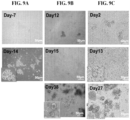
- FIG. 9A-C show the representative time-dependent images of CTC-derived spheroid cultivation on the culture platform of the invention.
- CTCs were isolated from a blood sample of a breast cancer patient; CTC-derived spheroids formed after 14 days.
- B CTCs were isolated from a blood sample of a head&neck cancer patient; CTC-derived spheroids formed after 38 days.
- C CTCs were isolated from a blood sample of a colorectal cancer patient; CTC-derived spheroids formed after 13-27 days.
- Scale bar 50 ⁇ m.
- the spheroids generated thereof may further benefit for future diagnosis and guidance in medical treatment and application, ex: non-invasive early cancer detection, personal medicine guidance, pre- and post-treatment drug resistance investigation, cell activity evaluation for immune cell-based cancer therapy, and provide substantial material to elucidate the mechanism participated in cancer progression by using the ex vivo cultivated patient-derived primary CTC cells.
- FIG. 10A-B show the images of tumor spheroids derived from primary colorectal tumor tissues obtained from colorectal cancer (CRC) patient. Tumor spheroids were generated on the culture platform of the invention after 2 weeks and 4 weeks. The results indicated that the cell culture platform of the invention is capable of forming tumoroids from primary tissue cells.
Landscapes
- Health & Medical Sciences (AREA)
- Engineering & Computer Science (AREA)
- Life Sciences & Earth Sciences (AREA)
- Biomedical Technology (AREA)
- Chemical & Material Sciences (AREA)
- Bioinformatics & Cheminformatics (AREA)
- Zoology (AREA)
- Wood Science & Technology (AREA)
- Organic Chemistry (AREA)
- Biotechnology (AREA)
- Immunology (AREA)
- Biochemistry (AREA)
- Microbiology (AREA)
- General Health & Medical Sciences (AREA)
- Genetics & Genomics (AREA)
- General Engineering & Computer Science (AREA)
- Cell Biology (AREA)
- Molecular Biology (AREA)
- Urology & Nephrology (AREA)
- Hematology (AREA)
- Clinical Laboratory Science (AREA)
- Sustainable Development (AREA)
- Toxicology (AREA)
- Pathology (AREA)
- Food Science & Technology (AREA)
- Medicinal Chemistry (AREA)
- Physics & Mathematics (AREA)
- Analytical Chemistry (AREA)
- General Physics & Mathematics (AREA)
- Tropical Medicine & Parasitology (AREA)
- Oncology (AREA)
- Apparatus Associated With Microorganisms And Enzymes (AREA)
- Micro-Organisms Or Cultivation Processes Thereof (AREA)
- Measuring Or Testing Involving Enzymes Or Micro-Organisms (AREA)
- Paints Or Removers (AREA)
- Materials For Medical Uses (AREA)
Claims (15)
- Procédé de culture cellulaire, comprenant les étapes de :a) fourniture d'un article de culture cellulaire ayant une surface revêtue d'une composition comprenant : (i) un polymère hydrophile, dans lequel le polymère hydrophile est lié de manière covalente à la surface de l'article de culture cellulaire, et (ii) des multicouches de polyélectrolytes, dans lequel le polymère hydrophile est en contact direct avec un polycation ou un polyanion des multicouches de polyélectrolytes ;b) ensemencement de cellules sur la surface revêtue ; etc) culture des cellules dans un milieu approprié pendant une période suffisante pour former un ou plusieurs sphéroïdes dérivés d'une seulecellule, dans lequel les un ou plusieurs sphéroïdes sontgénérés par la prolifération d'une seule cellule.
- Procédé selon la revendication 1, dans lequel l'ensemencement comprend le placage des cellules à une densité inférieure à 1 000 cellules par cm2 sur le substrat.
- Procédé selon la revendication 1, dans lequel le polymère hydrophile est choisi dans le groupe constitué par poly(alcool vinylique) (PVA), poly(éthylène glycol) (PEG), PEG-acrylate, polyvinylpyrrolidone (PVP), poly-L-lactide (PLLA), poly-D-lactide (PDLA), poly(L-lactide-co-D,L-lactide) (PLDLLA), poly(acide glycolique) (PGA), poly(acide lactique-co-glycolique) (PL-co-GA), poly(méthacrylate de méthyle) (PMMA), poly(méthacrylate d'hydroxyéthyle) (p-HEMA) et leurs dérivés,de préférence, dans lequel le polymère hydrophile est du PVA, du PEG, du PEG-acrylate, du PVP, du PMMA ou un de leurs dérivés, oude préférence, dans lequel le polymère hydrophile est du PVA, du PEG ou du PEG-acrylate.
- Procédé selon la revendication 1, dans lequel le polycation est un poly(acide aminé).
- Procédé selon la revendication 1, dans lequel le polyanion est un poly(acide aminé).
- Procédé selon la revendication 1, dans lequel le polycation est choisi dans le groupe constitué par la poly(L-lysine) (PLL), la poly(L-arginine) (PLA), la poly(L- ornithine) (PLO), la poly(L- histidine) (PLH), et une combinaison de celles-ci.
- Procédé selon la revendication 1, dans lequel le polyanion est un poly(acide L-glutamique) (PLGA), un poly(acide L-aspartique) (PLAA) ou une combinaison de ceux-ci.
- Procédé selon la revendication 1, dans lequel les multicouches de polyélectrolytes comprennent au moins une bicouche de (polycation/polyanion) choisie dans le groupe constitué par PLUPLGA, PLL/PLAA, PLA/PLGA, PLA/PLAA, PLO/PLGA, PLO/PLAA, PLH/PLGA, PLH/PLAA, et une combinaison de ceux-ci.
- Procédé selon la revendication 1, dans lequel les multicouches de polyélectrolytes :a) sont formées par assemblage couche par couche ; oub) comprennent n bicouches, dans lequel n est un nombre entier allant de 1 à 30, et dans lequel la couche la plus externe est un polycation ou un polyanion ; ouc) comprennent n bicouches de (polycation/polyanion) et une couche supplémentaire de polyanion, dans lequel n est un nombre entier allant de 1 à 30, et dans lequel la couche la plus externe est un polyanion ; oud) comprennent n bicouches de (polyanion/polycation) et une couche supplémentaire de polycation, dans lequel n est un nombre entier allant de 1 à 30, et dans lequel la couche la plus externe est un polycation.
- Procédé selon la revendication 1, dans lequel l'article de culture cellulaire est revêtu par un procédé comprenant l'étape de :a) fourniture d'un article de culture cellulaire ayant une surface, dans lequel la surface est hydrophobe,b) modification de la surface hydrophobe par un traitement,c) liaison de manière covalente du polymère hydrophile à la surface modifiée, etd) dépôt successif de couches alternées de polycations et de polyanions sur le polymère hydrophile.
- Procédé selon la revendication 10, dans lequel le traitement est un traitement au plasma, une décharge à effet couronne ou un traitement UV-ozone.
- Procédé selon la revendication 10, dans lequel la surface hydrophobe est irradiée ou hydrophilisée après le traitement.
- Procédé selon la revendication 10, dans lequel la surface est hydrophilisée après la liaison covalente du polymère hydrophile à la surface modifiée.
- Procédé selon la revendication 1, dans lequel l'étape (c) comprend la culture d'une population de cellules sur la surface revêtue pour obtenir au moins un sphéroïde dérivé d'une cellule unique disposé sur la surface.
- Procédé selon la revendication 1, dans lequel l'étape (c) comprend la culture d'une population hétérogène de cellules sur la surface revêtue pour obtenir au moins un sphéroïde dérivé d'une cellule unique disposé sur la surface.
Applications Claiming Priority (3)
| Application Number | Priority Date | Filing Date | Title |
|---|---|---|---|
| US202063132934P | 2020-12-31 | 2020-12-31 | |
| US202163252268P | 2021-10-05 | 2021-10-05 | |
| PCT/US2021/065694 WO2022147258A1 (fr) | 2020-12-31 | 2021-12-30 | Systèmes de culture cellulaire, procédés et utilisations de ceux-ci |
Publications (4)
| Publication Number | Publication Date |
|---|---|
| EP4100479A1 EP4100479A1 (fr) | 2022-12-14 |
| EP4100479A4 EP4100479A4 (fr) | 2023-09-13 |
| EP4100479C0 EP4100479C0 (fr) | 2025-02-05 |
| EP4100479B1 true EP4100479B1 (fr) | 2025-02-05 |
Family
ID=82120051
Family Applications (2)
| Application Number | Title | Priority Date | Filing Date |
|---|---|---|---|
| EP21916500.8A Active EP4100479B1 (fr) | 2020-12-31 | 2021-12-30 | Systèmes de culture cellulaire, procédés et utilisations de ceux-ci |
| EP21916496.9A Active EP4103691B8 (fr) | 2020-12-31 | 2021-12-30 | Substrats de culture cellulaire, procédés et utilisations de ceux-ci |
Family Applications After (1)
| Application Number | Title | Priority Date | Filing Date |
|---|---|---|---|
| EP21916496.9A Active EP4103691B8 (fr) | 2020-12-31 | 2021-12-30 | Substrats de culture cellulaire, procédés et utilisations de ceux-ci |
Country Status (9)
| Country | Link |
|---|---|
| US (4) | US20220204943A1 (fr) |
| EP (2) | EP4100479B1 (fr) |
| JP (2) | JP7338077B2 (fr) |
| KR (2) | KR102554582B1 (fr) |
| CN (2) | CN117098819B (fr) |
| AU (2) | AU2021413867B2 (fr) |
| CA (2) | CA3203767A1 (fr) |
| TW (2) | TWI865851B (fr) |
| WO (2) | WO2022147250A1 (fr) |
Families Citing this family (3)
| Publication number | Priority date | Publication date | Assignee | Title |
|---|---|---|---|---|
| US11713441B2 (en) | 2020-12-31 | 2023-08-01 | Academia Sinica | Cell culture substrates, methods and uses thereof |
| TWI848840B (zh) * | 2023-10-25 | 2024-07-11 | 財團法人金屬工業研究發展中心 | 細胞改質系統及裝置 |
| WO2025254451A1 (fr) * | 2024-06-03 | 2025-12-11 | 고려대학교 산학협력단 | Dispositif pour trier et cultiver de multiples cellules dérivées de tissus tumoraux |
Family Cites Families (24)
| Publication number | Priority date | Publication date | Assignee | Title |
|---|---|---|---|---|
| US20050059150A1 (en) | 2003-09-17 | 2005-03-17 | Becton, Dickinson And Company | Environments that maintain function of primary liver cells |
| US7695775B2 (en) * | 2004-06-04 | 2010-04-13 | Applied Microstructures, Inc. | Controlled vapor deposition of biocompatible coatings over surface-treated substrates |
| JP2006246883A (ja) * | 2005-02-14 | 2006-09-21 | Fuji Photo Film Co Ltd | 細胞培養担体 |
| WO2007038625A2 (fr) * | 2005-09-28 | 2007-04-05 | Northwestern University | Nanocomposites biodegradables avec proprietes mecaniques accrues pour elaboration de tissus mous |
| US20090041825A1 (en) * | 2006-02-10 | 2009-02-12 | Kotov Nicholas A | Cell culture well-plates having inverted colloidal crystal scaffolds |
| KR100891946B1 (ko) * | 2007-02-12 | 2009-04-08 | 충남대학교산학협력단 | 세포의 고정화를 위한 기판의 표면 처리 방법 |
| FR2917425B1 (fr) * | 2007-06-18 | 2010-11-19 | Univ Nancy 1 Henri Poincare | Procede de proliferation de cellules sur des multicouches de polyelectrolytes et son application, notamment a la preparation de biomateriaux cellularises |
| JP5162784B2 (ja) * | 2007-07-11 | 2013-03-13 | 日東電工株式会社 | 細胞培養基材及びその製造方法並びに細胞培養方法 |
| US8399252B2 (en) * | 2009-09-30 | 2013-03-19 | General Electric Company | Methods and kits for cell release |
| US20120027837A1 (en) * | 2010-07-27 | 2012-02-02 | Massachusetts Institute Of Technology | Multilayer coating compositions, coated substrates and methods thereof |
| US20120156777A1 (en) | 2010-12-16 | 2012-06-21 | General Electric Company | Cell carrier, associated methods for making cell carrier and culturing cells using the same |
| US9926523B2 (en) * | 2010-12-16 | 2018-03-27 | General Electric Company | Cell carriers and methods for culturing cells |
| JP6019771B2 (ja) * | 2012-06-01 | 2016-11-02 | 大日本印刷株式会社 | 細胞培養方法及び細胞培養容器 |
| GB201213654D0 (en) | 2012-08-01 | 2012-09-12 | Univ Singapore | Cell culture |
| DE102012213838A1 (de) * | 2012-08-03 | 2014-02-06 | Katharina Pachmann | Verfahren zur Kultivierung einer Subpopulation zirkulierender epithelialer Tumorzellen aus einer Körperflüssigkeit |
| US20140093962A1 (en) | 2012-10-01 | 2014-04-03 | The Regents Of The University Of Michigan | Non-adherent cell support and manufacturing method |
| JP6113999B2 (ja) * | 2012-10-18 | 2017-04-12 | 株式会社クラレ | 化合物のスクリーニング方法 |
| KR101458425B1 (ko) * | 2014-04-03 | 2014-11-07 | 동아대학교 산학협력단 | 3차원 구조의 다단 세포배양 구조체, 이를 포함하는 에세이칩 및 에세이칩을 이용한 세포 분석방법 |
| JP2015213450A (ja) | 2014-05-08 | 2015-12-03 | 国立大学法人大阪大学 | 細胞培養用基材、コーティングキット、及び三次元組織の製造キット |
| KR101714010B1 (ko) * | 2015-07-13 | 2017-03-08 | 재단법인 아산사회복지재단 | 3차원 조직 재생을 위한 적층 가능한 세포배양용장치 및 이를 이용한 배양방법 |
| KR20170060194A (ko) * | 2015-11-04 | 2017-06-01 | 중앙대학교 산학협력단 | 세포 배양 부재 |
| WO2017106512A1 (fr) | 2015-12-15 | 2017-06-22 | Worcester Polytechnic Institute | Dispositif de culture cellulaire à revêtement et procédés d'utilisation |
| JP2020528747A (ja) * | 2017-07-21 | 2020-10-01 | バークレー ライツ,インコーポレイテッド | 抗原提示合成表面、共有結合官能化表面、活性化t細胞及びそれらの使用 |
| EP3626814B1 (fr) * | 2018-09-21 | 2023-03-08 | Technische Universität Wien | Production de sphéroïdes cellulaires |
-
2021
- 2021-12-30 TW TW110149682A patent/TWI865851B/zh active
- 2021-12-30 WO PCT/US2021/065683 patent/WO2022147250A1/fr not_active Ceased
- 2021-12-30 CN CN202180088919.9A patent/CN117098819B/zh active Active
- 2021-12-30 EP EP21916500.8A patent/EP4100479B1/fr active Active
- 2021-12-30 CA CA3203767A patent/CA3203767A1/fr active Pending
- 2021-12-30 EP EP21916496.9A patent/EP4103691B8/fr active Active
- 2021-12-30 CN CN202180024552.4A patent/CN115413296A/zh active Pending
- 2021-12-30 WO PCT/US2021/065694 patent/WO2022147258A1/fr not_active Ceased
- 2021-12-30 JP JP2022564269A patent/JP7338077B2/ja active Active
- 2021-12-30 KR KR1020227032947A patent/KR102554582B1/ko active Active
- 2021-12-30 US US17/566,166 patent/US20220204943A1/en not_active Abandoned
- 2021-12-30 AU AU2021413867A patent/AU2021413867B2/en active Active
- 2021-12-30 US US18/267,996 patent/US20240110139A1/en active Pending
- 2021-12-30 TW TW110149673A patent/TWI808589B/zh active
- 2021-12-30 JP JP2023539971A patent/JP7572567B2/ja active Active
- 2021-12-30 CA CA3170695A patent/CA3170695C/fr active Active
- 2021-12-30 AU AU2021411588A patent/AU2021411588B2/en active Active
- 2021-12-30 US US17/566,179 patent/US11492598B2/en active Active
- 2021-12-30 KR KR1020237025842A patent/KR102837377B1/ko active Active
-
2022
- 2022-10-14 US US17/966,281 patent/US20230036162A1/en active Pending
Also Published As
Similar Documents
| Publication | Publication Date | Title |
|---|---|---|
| EP4100479B1 (fr) | Systèmes de culture cellulaire, procédés et utilisations de ceux-ci | |
| US11873514B2 (en) | Method of screening for a substance that acts on a cell mass | |
| EP3421588A1 (fr) | Procédé de production de tissu cellulaire tridimensionnel | |
| US20250002866A1 (en) | Cell culture platforms, methods and uses thereof | |
| JPH03266980A (ja) | 細胞培養用基材およびそれを用いた細胞集合体の製造方法 | |
| US11713441B2 (en) | Cell culture substrates, methods and uses thereof | |
| TWI862999B (zh) | 細胞培養平台、方法及其用途 | |
| HK40084075A (en) | Cell culture substrates, methods and uses thereof | |
| WO2023120573A1 (fr) | Procédé de culture de tissu cellulaire tridimensionnel |
Legal Events
| Date | Code | Title | Description |
|---|---|---|---|
| STAA | Information on the status of an ep patent application or granted ep patent |
Free format text: STATUS: THE INTERNATIONAL PUBLICATION HAS BEEN MADE |
|
| PUAI | Public reference made under article 153(3) epc to a published international application that has entered the european phase |
Free format text: ORIGINAL CODE: 0009012 |
|
| STAA | Information on the status of an ep patent application or granted ep patent |
Free format text: STATUS: REQUEST FOR EXAMINATION WAS MADE |
|
| 17P | Request for examination filed |
Effective date: 20220908 |
|
| AK | Designated contracting states |
Kind code of ref document: A1 Designated state(s): AL AT BE BG CH CY CZ DE DK EE ES FI FR GB GR HR HU IE IS IT LI LT LU LV MC MK MT NL NO PL PT RO RS SE SI SK SM TR |
|
| A4 | Supplementary search report drawn up and despatched |
Effective date: 20230809 |
|
| RIC1 | Information provided on ipc code assigned before grant |
Ipc: C12M 1/32 20060101ALI20230804BHEP Ipc: C12N 5/09 20100101ALI20230804BHEP Ipc: C12M 1/00 20060101ALI20230804BHEP Ipc: C12N 5/00 20060101ALI20230804BHEP Ipc: C08J 7/04 20200101ALI20230804BHEP Ipc: C09D 171/02 20060101ALI20230804BHEP Ipc: C09D 129/04 20060101ALI20230804BHEP Ipc: C09D 177/04 20060101AFI20230804BHEP |
|
| DAV | Request for validation of the european patent (deleted) | ||
| DAX | Request for extension of the european patent (deleted) | ||
| STAA | Information on the status of an ep patent application or granted ep patent |
Free format text: STATUS: EXAMINATION IS IN PROGRESS |
|
| 17Q | First examination report despatched |
Effective date: 20240523 |
|
| GRAP | Despatch of communication of intention to grant a patent |
Free format text: ORIGINAL CODE: EPIDOSNIGR1 |
|
| STAA | Information on the status of an ep patent application or granted ep patent |
Free format text: STATUS: GRANT OF PATENT IS INTENDED |
|
| INTG | Intention to grant announced |
Effective date: 20241028 |
|
| RAP3 | Party data changed (applicant data changed or rights of an application transferred) |
Owner name: ACADEMIA SINICA |
|
| GRAS | Grant fee paid |
Free format text: ORIGINAL CODE: EPIDOSNIGR3 |
|
| GRAA | (expected) grant |
Free format text: ORIGINAL CODE: 0009210 |
|
| STAA | Information on the status of an ep patent application or granted ep patent |
Free format text: STATUS: THE PATENT HAS BEEN GRANTED |
|
| AK | Designated contracting states |
Kind code of ref document: B1 Designated state(s): AL AT BE BG CH CY CZ DE DK EE ES FI FR GB GR HR HU IE IS IT LI LT LU LV MC MK MT NL NO PL PT RO RS SE SI SK SM TR |
|
| REG | Reference to a national code |
Ref country code: GB Ref legal event code: FG4D |
|
| REG | Reference to a national code |
Ref country code: CH Ref legal event code: EP |
|
| REG | Reference to a national code |
Ref country code: DE Ref legal event code: R096 Ref document number: 602021025845 Country of ref document: DE |
|
| REG | Reference to a national code |
Ref country code: IE Ref legal event code: FG4D |
|
| U01 | Request for unitary effect filed |
Effective date: 20250303 |
|
| U07 | Unitary effect registered |
Designated state(s): AT BE BG DE DK EE FI FR IT LT LU LV MT NL PT RO SE SI Effective date: 20250310 |
|
| PG25 | Lapsed in a contracting state [announced via postgrant information from national office to epo] |
Ref country code: RS Free format text: LAPSE BECAUSE OF FAILURE TO SUBMIT A TRANSLATION OF THE DESCRIPTION OR TO PAY THE FEE WITHIN THE PRESCRIBED TIME-LIMIT Effective date: 20250505 |
|
| PG25 | Lapsed in a contracting state [announced via postgrant information from national office to epo] |
Ref country code: PL Free format text: LAPSE BECAUSE OF FAILURE TO SUBMIT A TRANSLATION OF THE DESCRIPTION OR TO PAY THE FEE WITHIN THE PRESCRIBED TIME-LIMIT Effective date: 20250205 |
|
| PG25 | Lapsed in a contracting state [announced via postgrant information from national office to epo] |
Ref country code: ES Free format text: LAPSE BECAUSE OF FAILURE TO SUBMIT A TRANSLATION OF THE DESCRIPTION OR TO PAY THE FEE WITHIN THE PRESCRIBED TIME-LIMIT Effective date: 20250205 |
|
| PG25 | Lapsed in a contracting state [announced via postgrant information from national office to epo] |
Ref country code: NO Free format text: LAPSE BECAUSE OF FAILURE TO SUBMIT A TRANSLATION OF THE DESCRIPTION OR TO PAY THE FEE WITHIN THE PRESCRIBED TIME-LIMIT Effective date: 20250505 Ref country code: IS Free format text: LAPSE BECAUSE OF FAILURE TO SUBMIT A TRANSLATION OF THE DESCRIPTION OR TO PAY THE FEE WITHIN THE PRESCRIBED TIME-LIMIT Effective date: 20250605 |
|
| PG25 | Lapsed in a contracting state [announced via postgrant information from national office to epo] |
Ref country code: HR Free format text: LAPSE BECAUSE OF FAILURE TO SUBMIT A TRANSLATION OF THE DESCRIPTION OR TO PAY THE FEE WITHIN THE PRESCRIBED TIME-LIMIT Effective date: 20250205 |
|
| PG25 | Lapsed in a contracting state [announced via postgrant information from national office to epo] |
Ref country code: GR Free format text: LAPSE BECAUSE OF FAILURE TO SUBMIT A TRANSLATION OF THE DESCRIPTION OR TO PAY THE FEE WITHIN THE PRESCRIBED TIME-LIMIT Effective date: 20250506 |
|
| PG25 | Lapsed in a contracting state [announced via postgrant information from national office to epo] |
Ref country code: SM Free format text: LAPSE BECAUSE OF FAILURE TO SUBMIT A TRANSLATION OF THE DESCRIPTION OR TO PAY THE FEE WITHIN THE PRESCRIBED TIME-LIMIT Effective date: 20250205 |
|
| PG25 | Lapsed in a contracting state [announced via postgrant information from national office to epo] |
Ref country code: CZ Free format text: LAPSE BECAUSE OF FAILURE TO SUBMIT A TRANSLATION OF THE DESCRIPTION OR TO PAY THE FEE WITHIN THE PRESCRIBED TIME-LIMIT Effective date: 20250205 |
|
| PG25 | Lapsed in a contracting state [announced via postgrant information from national office to epo] |
Ref country code: SK Free format text: LAPSE BECAUSE OF FAILURE TO SUBMIT A TRANSLATION OF THE DESCRIPTION OR TO PAY THE FEE WITHIN THE PRESCRIBED TIME-LIMIT Effective date: 20250205 |
|
| PLBE | No opposition filed within time limit |
Free format text: ORIGINAL CODE: 0009261 |
|
| STAA | Information on the status of an ep patent application or granted ep patent |
Free format text: STATUS: NO OPPOSITION FILED WITHIN TIME LIMIT |
|
| REG | Reference to a national code |
Ref country code: CH Ref legal event code: L10 Free format text: ST27 STATUS EVENT CODE: U-0-0-L10-L00 (AS PROVIDED BY THE NATIONAL OFFICE) Effective date: 20251217 |
|
| U20 | Renewal fee for the european patent with unitary effect paid |
Year of fee payment: 5 Effective date: 20251110 |
|
| REG | Reference to a national code |
Ref country code: CH Ref legal event code: U11 Free format text: ST27 STATUS EVENT CODE: U-0-0-U10-U11 (AS PROVIDED BY THE NATIONAL OFFICE) Effective date: 20260101 |
|
| REG | Reference to a national code |
Ref country code: CH Ref legal event code: R18 Free format text: ST27 STATUS EVENT CODE: U-0-0-R10-R18 (AS PROVIDED BY THE NATIONAL OFFICE) Effective date: 20260106 |
|
| PGFP | Annual fee paid to national office [announced via postgrant information from national office to epo] |
Ref country code: GB Payment date: 20251113 Year of fee payment: 5 |
|
| 26N | No opposition filed |
Effective date: 20251106 |