EP4088745A1 - Composé pour le diagnostic du cancer - Google Patents
Composé pour le diagnostic du cancer Download PDFInfo
- Publication number
- EP4088745A1 EP4088745A1 EP21173674.9A EP21173674A EP4088745A1 EP 4088745 A1 EP4088745 A1 EP 4088745A1 EP 21173674 A EP21173674 A EP 21173674A EP 4088745 A1 EP4088745 A1 EP 4088745A1
- Authority
- EP
- European Patent Office
- Prior art keywords
- compound
- talazoparib
- cancer
- parp
- hplc
- Prior art date
- Legal status (The legal status is an assumption and is not a legal conclusion. Google has not performed a legal analysis and makes no representation as to the accuracy of the status listed.)
- Withdrawn
Links
Images






Classifications
-
- A—HUMAN NECESSITIES
- A61—MEDICAL OR VETERINARY SCIENCE; HYGIENE
- A61K—PREPARATIONS FOR MEDICAL, DENTAL OR TOILETRY PURPOSES
- A61K51/00—Preparations containing radioactive substances for use in therapy or testing in vivo
- A61K51/02—Preparations containing radioactive substances for use in therapy or testing in vivo characterised by the carrier, i.e. characterised by the agent or material covalently linked or complexing the radioactive nucleus
- A61K51/04—Organic compounds
- A61K51/041—Heterocyclic compounds
- A61K51/044—Heterocyclic compounds having nitrogen as a ring hetero atom, e.g. guanethidine, rifamycins
- A61K51/0459—Heterocyclic compounds having nitrogen as a ring hetero atom, e.g. guanethidine, rifamycins having six-membered rings with two nitrogen atoms as the only ring hetero atoms, e.g. piperazine
-
- A—HUMAN NECESSITIES
- A61—MEDICAL OR VETERINARY SCIENCE; HYGIENE
- A61B—DIAGNOSIS; SURGERY; IDENTIFICATION
- A61B5/00—Measuring for diagnostic purposes; Identification of persons
- A61B5/0059—Measuring for diagnostic purposes; Identification of persons using light, e.g. diagnosis by transillumination, diascopy, fluorescence
- A61B5/0073—Measuring for diagnostic purposes; Identification of persons using light, e.g. diagnosis by transillumination, diascopy, fluorescence by tomography, i.e. reconstruction of 3D images from 2D projections
-
- A—HUMAN NECESSITIES
- A61—MEDICAL OR VETERINARY SCIENCE; HYGIENE
- A61B—DIAGNOSIS; SURGERY; IDENTIFICATION
- A61B5/00—Measuring for diagnostic purposes; Identification of persons
- A61B5/05—Detecting, measuring or recording for diagnosis by means of electric currents or magnetic fields; Measuring using microwaves or radio waves
-
- A—HUMAN NECESSITIES
- A61—MEDICAL OR VETERINARY SCIENCE; HYGIENE
- A61B—DIAGNOSIS; SURGERY; IDENTIFICATION
- A61B5/00—Measuring for diagnostic purposes; Identification of persons
- A61B5/72—Signal processing specially adapted for physiological signals or for diagnostic purposes
- A61B5/7271—Specific aspects of physiological measurement analysis
- A61B5/7282—Event detection, e.g. detecting unique waveforms indicative of a medical condition
-
- C—CHEMISTRY; METALLURGY
- C07—ORGANIC CHEMISTRY
- C07B—GENERAL METHODS OF ORGANIC CHEMISTRY; APPARATUS THEREFOR
- C07B59/00—Introduction of isotopes of elements into organic compounds ; Labelled organic compounds per se
- C07B59/002—Heterocyclic compounds
-
- C—CHEMISTRY; METALLURGY
- C07—ORGANIC CHEMISTRY
- C07D—HETEROCYCLIC COMPOUNDS
- C07D471/00—Heterocyclic compounds containing nitrogen atoms as the only ring hetero atoms in the condensed system, at least one ring being a six-membered ring with one nitrogen atom, not provided for by groups C07D451/00 - C07D463/00
- C07D471/02—Heterocyclic compounds containing nitrogen atoms as the only ring hetero atoms in the condensed system, at least one ring being a six-membered ring with one nitrogen atom, not provided for by groups C07D451/00 - C07D463/00 in which the condensed system contains two hetero rings
- C07D471/06—Peri-condensed systems
-
- A—HUMAN NECESSITIES
- A61—MEDICAL OR VETERINARY SCIENCE; HYGIENE
- A61B—DIAGNOSIS; SURGERY; IDENTIFICATION
- A61B2503/00—Evaluating a particular growth phase or type of persons or animals
- A61B2503/40—Animals
-
- A—HUMAN NECESSITIES
- A61—MEDICAL OR VETERINARY SCIENCE; HYGIENE
- A61B—DIAGNOSIS; SURGERY; IDENTIFICATION
- A61B2503/00—Evaluating a particular growth phase or type of persons or animals
- A61B2503/42—Evaluating a particular growth phase or type of persons or animals for laboratory research
-
- A—HUMAN NECESSITIES
- A61—MEDICAL OR VETERINARY SCIENCE; HYGIENE
- A61B—DIAGNOSIS; SURGERY; IDENTIFICATION
- A61B5/00—Measuring for diagnostic purposes; Identification of persons
- A61B5/02—Detecting, measuring or recording for evaluating the cardiovascular system, e.g. pulse, heart rate, blood pressure or blood flow
- A61B5/02028—Determining haemodynamic parameters not otherwise provided for, e.g. cardiac contractility or left ventricular ejection fraction
-
- A—HUMAN NECESSITIES
- A61—MEDICAL OR VETERINARY SCIENCE; HYGIENE
- A61B—DIAGNOSIS; SURGERY; IDENTIFICATION
- A61B5/00—Measuring for diagnostic purposes; Identification of persons
- A61B5/08—Measuring devices for evaluating the respiratory organs
-
- A—HUMAN NECESSITIES
- A61—MEDICAL OR VETERINARY SCIENCE; HYGIENE
- A61B—DIAGNOSIS; SURGERY; IDENTIFICATION
- A61B5/00—Measuring for diagnostic purposes; Identification of persons
- A61B5/20—Measuring for diagnostic purposes; Identification of persons for measuring urological functions restricted to the evaluation of the urinary system
- A61B5/201—Assessing renal or kidney functions
-
- A—HUMAN NECESSITIES
- A61—MEDICAL OR VETERINARY SCIENCE; HYGIENE
- A61B—DIAGNOSIS; SURGERY; IDENTIFICATION
- A61B5/00—Measuring for diagnostic purposes; Identification of persons
- A61B5/42—Detecting, measuring or recording for evaluating the gastrointestinal, the endocrine or the exocrine systems
- A61B5/4222—Evaluating particular parts, e.g. particular organs
- A61B5/4244—Evaluating particular parts, e.g. particular organs liver
-
- A—HUMAN NECESSITIES
- A61—MEDICAL OR VETERINARY SCIENCE; HYGIENE
- A61B—DIAGNOSIS; SURGERY; IDENTIFICATION
- A61B5/00—Measuring for diagnostic purposes; Identification of persons
- A61B5/45—For evaluating or diagnosing the musculoskeletal system or teeth
- A61B5/4504—Bones
-
- A—HUMAN NECESSITIES
- A61—MEDICAL OR VETERINARY SCIENCE; HYGIENE
- A61B—DIAGNOSIS; SURGERY; IDENTIFICATION
- A61B5/00—Measuring for diagnostic purposes; Identification of persons
- A61B5/45—For evaluating or diagnosing the musculoskeletal system or teeth
- A61B5/4519—Muscles
-
- A—HUMAN NECESSITIES
- A61—MEDICAL OR VETERINARY SCIENCE; HYGIENE
- A61B—DIAGNOSIS; SURGERY; IDENTIFICATION
- A61B5/00—Measuring for diagnostic purposes; Identification of persons
- A61B5/72—Signal processing specially adapted for physiological signals or for diagnostic purposes
- A61B5/7235—Details of waveform analysis
- A61B5/7264—Classification of physiological signals or data, e.g. using neural networks, statistical classifiers, expert systems or fuzzy systems
Definitions
- the present invention relates to a compound for the diagnosis of cancer, a compound for visualizing a PARP enzyme, to a method for the diagnosis of cancer in a living being, and to a method of visualizing a PARP enzyme in biological material.
- the present invention relates to the field of molecular diagnostics, especially preclinical and clinical imaging and radiopharmacy.
- a tumor marker is a biomarker found in blood, urine, or body tissues that can be elevated by the presence of one or more types of cancer.
- tumor markers There are many different tumor markers, each indicative of a particular disease process, and they are used in oncology to help detect the presence of cancer.
- An elevated level of a tumor marker can indicate cancer.
- PARP Poly (ADP-ribose) polymerase
- Non-invasive imaging techniques such as positron emission tomography (PET) are used to track the fate of a radioactively labeled molecule in vivo ; thus, aiding diagnosis and therapy surveillance.
- PET positron emission tomography
- Quantification of PARP expression is thought to be predictive of tumor malignancy, as its overexpression is correlated with a poor clinical prognosis.
- the PARP enzyme family consists of 17 members, of which PARP1 is the most abundant and best-characterized. It senses DNA single-strand breaks (SSBs) with its zinc finger domains and initiates their repair upon auto poly(ADP-ribosyl)ation (PARyla-tion), which recruits repair enzymes.
- the catalytic domains of PARP enzymes use nicotinamide adenine dinucleotide (NAD + ) as the substrate for PARylation.
- PARP1, PARP2, and PARP5a and b are capable of PAR chain formation while the remaining PARP enzymes can perform mono(ADP-ribosyl)ation (MARylation) or are enzymatically inactive.
- PARP enzymes have also have become important targets for personalized cancer treatment, and this has spurred the development of several highly potent PARP inhibitors.
- PARP inhibitors induce synthetic lethality in malignant tumors that lack the homologous recombination (HR) DNA repair pathway.
- PARP inhibitors structurally mimic NAD + , thus blocking the catalytic domain and escalating the SSBs to double-strand breaks (DSBs) that can only be repaired by alternative DNA repair mechanisms like HR. In addition to their catalytic inhibition, some PARP inhibitors are (to various extents) able to trap the PARP enzyme on the damaged DNA site, leading to replication fork collapse and ultimately cell death.
- Talazoparib is considered the most potent of the known PARP1 inhibitors and the best PARP trapping agent.
- the molecule possesses two distinct chiral centers and is present as two dominant enantiomers.
- the (8S, 9R)-diastereomer (talazoparib) is an excellent PARP inhibitor, while its enantiomer (LT-674) is less active by several orders of magnitude. It has been proposed that the bulky structure and stereochemistry of talazoparib contribute to its high potency, although the exact molecular interplay remains elusive.
- PARP imaging has proven its exceptional clinical merit in several scenarios, specifically for the detection and delineation of oral, brain, pancreatic, and liver cancers, as well as target engagement imaging of different PARP inhibitors.
- PARPi-FL a fluorescently labeled olaparib analog
- [ 18 F]PARPi PARPi-FL's radioactive sibling
- [ 18 F]olaparib isotopically radiolabeled olaparib
- [ 18 F]FTT the first clinically applied PARP radiotracer.
- the existing compounds for the diagnosis of cancer are characterized by a relatively low affinity to the targeted tumor marker or PARP, respectively, which requires a considerably high amount to be administered to the patient. This, in turn, results in a high radiation exposure of the patient. Further, the achieved contrast to healthy tissue is still not satisfactory.
- an object underlying the invention to provide a new compound for the diagnosis of cancer by means of which the disadvantages of the known compounds are overcome or at least reduced.
- a compound is to be provided which can be used in an imaging method, such as PET.
- This present invention satisfies this and other needs.
- heterocyclic residue' pertains to residues that encompass a saturated cyclic compounds having 5 or 6 atoms that are selected from C, N, O, or S; preferably C or N. More preferred are saturated cyclic compounds having 4 C and 1 N atoms, 3 C and 2 N atoms, 2 C and 3 N atoms, 5 C and 1 N atoms, 4 C and 2 N atoms, or 3 C and 3 N atoms.
- Examples of preferred heteroaromatic residues involve me-1,2,4-triazol-5-yl, 4-me-1,2,4-triazol-3-yl, 4-pyridyl, 3-pyridyl, 2-pyridyl, 1-me-imidazol-2-yl, and 1-me-pyrazol-5-yl.
- An 'aromatic residue' as used herein encompasses an unsaturated cyclic compound having 6 C-atoms.
- the 'aromatic residue' may exhibit one or more functional groups such as methyl or ethyl.
- a preferred aromatic residue is phenyl.
- the molecular weight of the heteroaromatic residue or aromatic residue is 120 g/mol or less, preferably 110 g/mol or less, 100 g/mol or less, or 90 g/mol or less.
- X and Y are selected from the group consisting of H, one or more leaving groups for [ 18 F] fluorination, or a saturated or unsaturated alkyl residue of a molecular weight of 80 g/mol or less, such as 70 g/mol or less, 60 g/mol or less, 50 g/mol or less, 40 g/mol or less, or 30 g/mol or less, provided that at least one leaving group for [ 18 F] fluorination is present.
- the molecular sizes of the heteroaromatic residue, aromatic residue as well as the saturated or unsaturated alkyl residue ensures that that the [ 18 F] talazoparib derivatives do not exhibit a sterical hindrance that negatively affects or even impedes the biological activity.
- the retention time is not negatively affected, i.e. the retention may be similar to that of talazoparib.
- Leaving groups for [ 18 F] fluorination are well known in the art and include any leaving group susceptible to nucleophilic fluorination, such as Cl, Br, or I.
- Exemplary reactions involve the reactions of corresponding bromonium salts or iodonium salts with the cyclotron- produced [ 18 F]-potassium fluoride in the presence of a phase-transfer reagent, such as Kryptofix-222.
- residues such as nitro, trialkylamine, halogen, mesylate, tosylate, or triflate
- residues may be susceptible to nucleophilic fluorination as well depending on the molecules structures, particularly the presence of electron withdrawing groups or atoms that are close to the leaving group for [ 18 F] fluorination, i.e. that are located within the same ring structure as the leaving group for [ 18 F] fluorination.
- leaving groups for 18 F fluorination are substituted by 18 F in course of the present method. Rather one or more leaving groups, such as one, two, or three leaving groups, may remain in the compound of formula 10a and/or 10b provided that at least one leaving groups for 18 F fluorination is in fact converted to 18 F.
- nucleophilic fluorination is stretched to its limits in context with the present compounds.
- the reason essentially resides in the presence of nitrogen based heterocycles, which are believed to complex the copper mediator and forming unreactive copper species that inhibit radiosynthesis performance.
- particularly suitable leaving groups [ 18 F] fluorination include boronic acids, boronic acid esters, iodonium salts, iodonium ylids, trialkylstannanes, a nitro group, trialkyl ammonium salts, and sulfonate esters, such as tosylate (OTs), mesylate (Oms), nosylate (ONs), brosylate (OBs), or trifluoromethanesulfonate (OTf).
- boronic acids such as tosylate (OTs), mesylate (Oms), nosylate (ONs), brosylate (OBs), or trifluoromethanesulfonate (OTf).
- the compound of formula 10 has a single 18 F radiolabel, preferrably 18 F at the position C5 or z 3 , more preferably 18 F at the position z 3 . Radiolabeling at these positions is expected to have no disadvantageous effects on the retention time and biological activity of the molecules.
- the new compound is suitable for the diagnosis of cancer due to its binding affinity to poly [ADP-ribose] polymerase (PARP) enzymes, which is significantly higher than the affinity of known PARP binding or inhibiting compounds such as olaparib, rucaparib, or niraparib.
- PARP poly [ADP-ribose] polymerase
- the compound according to the invention has an effectivity which is up to 100 fold higher than such of the aforementioned compounds. For this reason, the compound according to the invention provides better contrast to healthy tissue with lower radiation exposure.
- the compound according to the invention not only binds to the PARP 1 and PARP 2 isoforms but also to the PARP isoforms of tankyrase 1 and tankyrase 2 (PARP5a/b).
- PARP5a/b PARP isoforms of tankyrase 1 and tankyrase 2
- the compound according to the invention also offers the possibility to visualize this enzyme class and to gain new insights.
- the compound according to the invention binds only to tankyrase enzymes, allowing them to be detected in vivo.
- said cancer is selected from the group consisting of: oral cancer, brain cancer, pancreatic cancer, liver cancer, breast cancer and ovarian cancer.
- the compound according to the invention makes use in an advantageous manner of the findings already observed for other PARP inhibitors, such as olaparib.
- the latter inhibitor has already been successfully used in the diagnosis of such tumors.
- the compound according to the inventions provides better contrast to healthy tissue with lower radiation exposure.
- said PARP enzyme is tankyrase, preferably tankyrase 1 and/ or tankyrase 2.
- the compound is [ 18 F] talazoparib.
- the compound according to the invention is configured as the eponymous PARP inhibitor initially developed by Pfizer for the treatment of advanced breast cancer with germline BRCA mutations, however, for the very first time provided as a radiotracer.
- 'Talazoparib' sold under the brand name Talzenna, was approved in October 2018, in the United States and June 2019, in the European Union for germline BRCA-mutated, HER2-negative locally advanced or metastatic breast cancer.
- Talazoparib acts as an inhibitor of poly ADP ribose polymerase (PARP) which aids in single strand DNA repair.
- PARP poly ADP ribose polymerase
- Talazoparib is theorized to have a higher potency than olaparib due to the additional mechanism of action called PARP trapping.
- PARP trapping is the mechanism of action where the PARP molecule is trapped on the DNA, which interferes with the cells ability to replicate.
- Talazoparib is found to be -100 fold more efficient in PARP trapping than olaparib.
- 'talazoparib designates the CAS Name of the compound (8 S ,9 R )-5-Fluoro-8-(4-fluorophenyl)-2,7,8,9-tetrahydro-9-(1-methyl-1 H -1,2,4-triazol-5-yl)-3 H -pyrido[4,3,2-de]phthalazin-3-one.
- Talazoparib is the biologically active enantiomer and is also known as BMN 673.
- the biologically inactive (8R, 9S) enantiomer of talazoparib is also designated as "LT-674".
- talazoparib' refers to talazoparib with one or both fluorine atoms subsituted by 18 F, i.e. the compounds (8 S ,9 R )-5- 18 Fluoro-8-(4-fluorophenyl)-2,7,8,9-tetrahydro-9-(1-methyl-1 H -1,2,4-triazo1-5-yl)-3 H -pyrido[4,3,2- de ]phthalazin-3-one, (8 S ,9 R )-5-Fluoro-8-(4- 18 fluorophenyl)-2,7,8,9-tetrahydro-9-(1-methyl-1 H -1,2,4-triazol-5-yl)-3 H -pyrido[4,3,2-de]phthalazin-3-one, and (8 S ,9 R )-5- 18 Fluoro-8-(4- 18 fluorophenyl)-2,7,8,9-t
- said diagnosis or said visualizing is made by an imaging method.
- This measure has the advantage that the compound according to the invention is configured for a use in routine diagnostic practise.
- said imaging method is positron emission tomography (PET).
- PET is a common imaging technique, a medical scintillography technique used in nuclear medicine.
- the invention also relates to a pharmaceutical composition, preferably a radiopharmaceutical, comprising the compound according to the invention and a pharmaceutically acceptable carrier.
- a 'pharmaceutical composition' is a composition suitable for an administration to an animal and/or human being in a medical setting.
- a pharmaceutical composition is sterile and produced according to GMP guidelines.
- the compound according to the invention can be used as the only active agent of the pharmaceutical composition, i.e. without any additional further active agent.
- Pharmaceutically acceptable carriers include, for example, aqueous solutions such as water or physiologically buffered saline or other solvents or vehicles such as glycols, glycerol, oils such as olive oil or injectable organic esters.
- aqueous solutions such as water or physiologically buffered saline or other solvents or vehicles such as glycols, glycerol, oils such as olive oil or injectable organic esters.
- the aqueous solution is pyrogen-free, or substantially pyrogen-free.
- the excipients can be chosen, for example, to effect delayed release of an agent or to selectively target one or more cells, tissues or organs.
- the pharmaceutical composition can be in dosage unit form such as tablet, capsule (including sprinkle capsule and gelatin capsule), granule, powder, syrup, suppository, injection or the like.
- the composition can also be present in a transdermal delivery system, e.g., a skin patch.
- the composition can also be present in a solution suitable for topical administration, such as an eye drop.
- the pharmaceutical composition can be present in form of an aerosol administrable by inhalation.
- the invention also relates to a method for the diagnosis of cancer in a living being, comprising the step of introducing the compound or the pharmaceutical composition according to the invention into said living being, and a step of visualizing said cancer by an imaging method, preferably by positron emission tomography (PET).
- PET positron emission tomography
- a 'living being' according to the invention includes any being, especially a mammal, including a human being.
- the invention further relates to a method of visualizing a poly [ADP-ribose] polymerase (PARP) enzyme in biological material, preferably tankyrase 1/2, comprising the step of introducing the compound according to the invention into said biological material, and a step of visualizing said PARP enzyme by an imaging method, preferably by positron emission tomography (PET).
- PARP poly [ADP-ribose] polymerase
- Bio material refers to any biological material suspected of comprising PARP enzymes, including biological cells, tissue, organs and living beings.
- Preparative flash chromatography was performed using pre-packed silica gel columns (SNAP KP-Sil or SNAP Ultra (25 ⁇ m HP-Sphere), 10 g, 25 g, 50 g, or 100 g, ( Biotage, Uppsala, Sweden)) on an automated chromatography system (Isolera 4, Biotage ) which featured a UV detector and fraction collector. Unless otherwise stated, all columns were dry loaded by absorption onto either silica gel or diatomaceous earth packing material (Isolute, Biotage). 1 H and 13 C NMR spectra were obtained at 300 K using an Avance III AV 600 ( 1 H: 600.13 MHz and 13 C: 150.61 MHz) spectrometer ( Bruker, Billerica, Massachusetts, USA).
- Analytical HPLC-MS data was collected using a 1200 series HPLC machine coupled to quadrupole 6120 series MS detector in ESI mode ( Agilent, Santa Clara, California, USA) under the following conditions: Column: Luna 5 ⁇ m C18 (2) 100 ⁇ , 50 x 2 mm; Solvent A: H 2 O + Formic acid (0.1%); Solvent B: acetonitrile; Gradient: 0-7.60 min (0% - 100% B), 7.60 - 7.80 min (100% B), 7.80 - 8.30 min (100% - 0% B), 8.30 - 12.0 min (0% B).
- 1-Methyl-1H-1,2,4-triazole-5-carbaldehyde (1).
- 1-methyl-1H-1,2,4-triazole (10 g, 120 mmol) was dissolved in THF (60 ml) in a dry argon purged two-neck reaction flask fitted with a rubber septum, and the resulting solution was then cooled to 0 °C.
- a solution of 2M isopropylmagnesium chloride (66 ml, 132 mmol) was then added dropwise through the septum via a syringe over 15 min. The reaction mixture was then allowed to warm slowly to room temperature and stir for 1.5 hours.
- the reaction vessel was again cooled to 0 °C, after which N,N-dimethyl formamide (DMF) (14 ml, 180.5 mmol) was added dropwise via syringe.
- the reaction mixture was once more allowed to slowly warm to room temperature and stir overnight. The next morning, the reaction was quenched by the slow addition of HCl (2M) until pH 2, and the resulting mixture was diluted with DCM (100 ml).
- the phases were separated with a separating funnel, and the aqueous phase was neutralized with saturated aqueous sodium bicarbonate (NaHCO 3 ) and extracted with DCM (2 x 80 ml).
- 6-Fluoro-3-((1-methyl-1H-1,2,4-triazol-5-yl)methylene)-4-nitroisobenzofuran-1(3H)-one (2) 6-fluoro-4-nitroisobenzofuran-1(3 H )-one (9.8 g, 50 mmol), a solution of 1 in THF (ca. 100 mmol, assuming 75% conversion in the previous step), and triethylamine (21 ml, 150 mmol) were dissolved in dry THF (150 ml) in an argon-filled two-neck reaction flask fitted with a reflux condenser.
- Acetic anhydride 35 ml was then added dropwise to the reaction mixture over 3 min, and the resulting mixture was then heated to reflux for 1 hour. The mixture was then removed from the heat and concentrated under reduced pressure to a volume of approximately (10 ml) until a green/yellow precipitate formed. The resulting slurry was then cooled in a freezer to -5 °C, and the solid was collected through vacuum filtration. The resulting cake was washed with cold ethyl acetate, and the residue was then dried under high vacuum for 4 hours to afford 2 as a grey-green solid (7.34 g, 50 %). The analytical data agree with the literature.
- the reaction temperature was maintained between 30 and 50 °C for 2 hours, after which it was quenched by the slow addition of water (260 ml).
- the reaction mixture was then poured into a separating funnel and extracted with ethyl acetate (4 x 140 ml).
- the organic fractions were pooled and washed with NaHCO 3 (3 x 60 ml) and NaHSO 3 (3 x 100 ml), dried with sodium sulfate (NaSO 4 ), and concentrated under reduced pressure to afford a think yellow syrup, which was carefully washed with aliquots of diethyl ether (3 x 10 ml).
- the resulting yellow syrup was then dried under high vacuum to afford the crude intermediate 4 as a yellow amorphous solid (11.3 g, 98%) that was used in the next step without any further purification.
- the reaction flask was purged with argon, and the reaction was heated to 90 °C for 4 hours until HPLC-MS showed conversion of the starting material into the desired product.
- the reaction mixture was diluted with ethyl acetate (80 ml) and passed through a tightly packed plug of Celite ® under vacuum. The filtrate was collected and transferred to a separating funnel where it was washed with water (200 ml). The aqueous layer was further extracted with ethyl acetate (3 x 80 ml), after which the organic fractions were pooled, washed with brine, dried with MgSO4, and concentrated under reduced pressure to afford the desired product racemate (7a) as an off-white solid (1.391 g, 89%).
- the product (515 mg) was further purified by recrystallization.
- the product was dissolved completely in a hot mixture of acetone and acetonitrile (1:1), and deionized water was then added dropwise until the solution became turbid.
- the solution was again lightly heated until the solution was nearly transparent, and it was then allowed to slowly cool to the ambient temperature, after which the recrystallization vessel was placed in a refrigerator at 4 °C and allowed to sit overnight.
- the pure product was collected via vacuum filtration to afford a pure racemic mixture of 7a as a white crystalline solid (361 mg, 70% recovery).
- the present inventors adapted the synthesis of the precursor from the synthetic route employed by Wang et al. for the synthesis of talazoparib ( Wang, B.; Chu, D.; Feng, Y.; Shen, Y.; Aoyagi-Scharber, M.; Post, L.
- Optimal chiral HPLC conditions were screened using racemic ( ⁇ )talazoparib in combination with commercially obtained authentic samples of talazoparib and LT-674.
- CHIRALPAK IA-U, IB-U, IC-U and IG-U UHPLC columns were tested for their abilities to resolve the two enantiomers under reverse-phase conditions (Water (0.1% TFA):Acetonitrile).
- CHIRALPAK IB packing material was found to provide a good enantiomeric resolution at relatively low retention time.
- CHIRALPAK IB-N5 (5 ⁇ m) columns under reverse-phase conditions would thus be used for both semipreparative enantiomeric resolution of [ 18 F] talazoparib and [ 18 F]LT-674 and for chiral quality control (QC) analysis.
- the inventors have previously explored the use of DoE to solve complex radiochemical optimization problems and have developed a 18 F processing method and workflow that is compatible with small scale DoE radiochemical experiments shown in DoE Studies hereinafter.
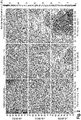
- the inventors applied this workflow to a computer-generated D-optimal DoE study designed investigate the effects of precursor load ( Pre, 5-30 ⁇ mol), the copper-mediator load ( Cop , 5-40 ⁇ mol), the pyridine load ( Py, 20-500 ⁇ mol), and the % of n-BuOH co-solvent ( Bu , 0-75%) in DMA, on reaction performance ( Figs. 1A and 1B ).
- n-BuOH increases the rate of the CMRF transmetalation step.
- Factor interactions where the setting of factor effects the behavior of another were found between pyridine and the precursor amount as well as pyridine and n-BuOH. The effect of pyridine on reaction performance was found to possess strong quadratic (py 2 , curved) behavior.
- the optimized CMRF radiosynthesis was translated onto two separate synthesis platforms: An Elixys Flex/Chem automated radiosynthesizer coupled to a Pure/Form purification and formulation module (Sofie biosciences, USA), and a FX N Pro (GE, Sweden).
- the Elixys Flex/Chem platform is a cassette-based system (up to 3) and is able to perform complex multi-reactor radiosynthesis, while the Pure/Form module is equipped with two semipreparative HPLC injection loops (5 ml) and up to 3 selectable HPLC columns. This setup would therefore allow for the sequential HPLC based purification and enantiomeric resolution required for the synthesis of [ 18 F] talazoparib.
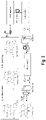
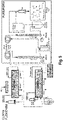
- the Tracerlab FX N Pro is a fixed fluid path system with a single HPLC injection loop and column; therefore, the purified product racemate must be transferred to a secondary external HPLC system (in this case an Elixys Pure/Form) for enantiomeric resolution. While the exact technical details differ between the two synthesis modules (the automated radiosynthesis using both systems are described in detail in the SI), the automated synthesis of [ 18 F] talazoparib follows the same general procedure irrespective of which module is used ( Why! Verweissammlungrtzetti, multetti, etc. ).
- the DoE optimized reaction mixture was added to the processed dry [ 18 F]TBAF and reacted at 120 °C for 20 minutes. This was followed by the removal of the SEM protecting group with 6M HCl 120 °C for 10 min. The pH of the reaction mixture was then adjusted to pH 5-7 with the addition of NaOH (2M). The reaction mixture was then diluted and passed over an HLB SPE cartridge (Waters), trapping the product ( ⁇ )[ 18 F] talazoparib and removing residual salts and unreacted [ 18 F] fluoride. The product is then eluted from the HLB cartridge with acetonitrile (1 ml) and reformulated with HPLC buffer for purification in the first HPLC step (C-18 reverse-phase).
- the product HPLC peak is isolated ( ⁇ 5 mL) and this solution is then transferred to a second HPLC injection loop for enantiomeric resolution using a semipreparative CHIRALPAK IB-N5 (5 ⁇ m, 10 x 250 mm) column operating under reverse-phase conditions.
- the solvents and columns used for the chiral separation HPLC step were carefully chosen to be directly compatible with the conditions of the first HPLC step.
- the product enantiomer is then isolated, diluted, and trapped on a second HLB cartridge.
- 18 F processing may be carried out by using known procedures. For instance, [ 18 F]Fluoride, delivered from the cyclotron in an aqueous solution, was passed over a preconditioned QMA-OTf cartridge. (The QMA cartridge was conditioned using 10 ml KOTf solution in water (90 mg/ml), followed by air (10 ml), followed by water (10 ml), followed by air (10 ml)). The [ 18 O]H 2 O (or cyclotron target wash water) was collected in a separate vial for recycling, and a stream of argon was used to blow any residual water off the QMA cartridge.
- the [ 18 F] fluoride was eluted from the QMA as [ 18 F]TBAF, using a solution of TBAOTf (10 mg) in methanol (1 ml). The resulting solution of [ 18 F]TBAF in methanol was then either distributed into aliquots for DoE optimization experiments or used as a full batch for tracer productions.
- the [ 18 F]TBAF was added into a reactor vessel, and the methanol was removed by evaporation under a stream of argon gas to afford dry [ 18 F]TBAF without the need for extended azeotropic drying.
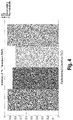
- Fig. 3 shows the general automated procedure for the radiosynthesis. From Fig. 4 the summary statistics for D-Optimal DoE for CMRF of [ 18 F] talazoparib are derivable.
- a computer-generated D-optimal DoE (design of experiments) study was designed and analyzed using MODDE Go 12 (Sartorius, Germany).
- the D-optimal DoE study was performed to maximize the radiochemical yield of the CMRF step of the [ 18 F] talazoparib radiosynthesis across four experimental factors: The precursor load ( Pre, 5-30 ⁇ mol), the copper-mediator load ( Cop , 5-40 ⁇ mol), the pyridine load ( Py , 20-500 ⁇ mol), and the % of n -BuOH co-solvent ( Bu , 0-75%).
- the resulting worksheet table (table 1) was used to calculate the required reactants, reagents, and solvents for each experiment, and the study was performed over 4 days using four cyclotron target washes.
- the response (Y) was the %RCY of the labeling reaction and was measured by radio TLC (100% ethyl acetate development solvent). Selected runs were analyzed via radio HPLC against a non-radioactive standard to confirm compound identity.
- the DoE optimized reaction mixture consisting of 7a (19 mg, 30 ⁇ mol), Cu(OTf) 2 (3 mg, 5 ⁇ mol), and pyridine (24 ⁇ l, 300 ⁇ mol) in 700 ⁇ l DMA with n-BuOH (10%), was then added to the [ 18 F]TBAF reacted at 120 °C for 20 min. After cooling the reactor vessel to ambient temperature HCI (6M, 700 ⁇ l) was added to the mixture and reacted at 120 °C for 10 min. The reaction vessel was again cooled, and the reaction was quenched with the addition of NaOH (2 M, 2.1 ml). The mixture was diluted with water ( ⁇ 15% organic solvents) and passed over an HLB SPE cartridge, trapping the product.
- the product was then eluted into a 5 ml vessel with acetonitrile (1 ml) and HLPC buffer (4 ml) and this solution was transferred to the first HPLC injection loop (5ml).
- the product racemate was then isolated from the reaction mixture using reverse-phase HPLC (C-18 Luna (10 ⁇ m, 10 x 250 mm)) via an isocratic method using water (0.1% TFA):acetonitrile (72:28).
- the radioactive fraction was collected in seal v-vial that was subsequently pressurized to load the solution onto a second HPLC injection loop.
- the purified racemic product was then injected on to a semipreparative CHIRALPAK IB-N5 (5 ⁇ m, 10 x 250 mm) HPLC column for enantiomeric resolution.
- the radioactive fraction corresponding to [ 18 F] talazoparib was collected in a dilution reservoir, the contents of which was subsequently passed over an HLB cartridge.
- the product [ 18 F] talazoparib was eluted from the cartridge with ethanol (0.5 ml) and reconstituted with PBS (4.5 ml).
- the automated radiosynthesis of [ 18 F] talazoparib may feature the following process steps: 1) Radiosynthesis of ( ⁇ ) [ 18 F] talazoparib. 2) Semi-preparative HPLC of ( ⁇ )[ 18 F] talazoparib. 3) Enantiomeric separation of [ 18 F] talazoparib and [ 18 F]LT-674 via Semi-preparative Chiral-PAK HPLC . 4) Tracer concentration and formulation. It will be clear, however, that this segregation is for better understanding and may be employed in a different manner.
- steps 1) and 2) could be performed using a FX N Pro (GE), after which the compound was transferred to an external purification and Formulation module for steps 3) and 4).
- GE FX N Pro
- Elixys sequence for the radiosynthesis of [ 18 F] talazoparib (listed as Elixys unit operations) is as follows: Step 1: Trap Isotope ( 18 F delivered directly from the cyclotron, over the QMA cartridge in Position A). Step 2: Elute Isotope (Cassette 1: Position 1: QMA Eluent). Step 3: Evaporate (90 °C, 4-7 minutes or until no liquid is observed through reactor camera). Step 4: Add Reagent (Cassette 1: Position 2: Reaction Mixture). Step 5: Move Reactor (Blow 20 ml of air into the reactor vessel with a syringe fitted with a long needle). Step 6: React (120 °C, 20 min).
- Step 7 Add Reagent (Cassette 1: Position 3: HCI (700 ⁇ l)).
- Step 8 React (100 °C, 15 min).
- Step 9 Add Reagent (Cassette 1: Position 4: water (2 ml)).
- Step 10 Transfer (Out to collection vial (dilution reservoir 1)).
- Step 11 Add Reagent (Cassette 1: Position 5 water, (3 ml)).
- Step 12 Transfer (Out to collection vial (dilution reservoir 1)).
- Prompt 13 Remove the needle from cassette 1 and the vent needle from the dilution reservoir.
- Step 14 Trap Isotope (From external vial, over the HLB ( Waters ) cartridge in position B, 8 minutes).
- Step 15 Elute Isotope (Cassette 2: Position 1: acetonitrile (1 ml)).
- Step 16 and 17 Add Reagent (Cassette 2: Positions 2 & 3: HPLC Aqueous phase (4 ml)).
- Step 18 Transfer (Cassette 2 to PURE/FORM Loop 1 (manual injection)). When the transfer is complete (fluid detector reads "No Fluid"), trigger HPLC injection manually.
- Step 19 Semiprep HPLC 1. Column: C-18 Luna (10 ⁇ m, 10 x 250 mm). HPLC Eluent (Isocratic): 28 % Acetonitrile; 72 % Water (w/ 0.1% TFA); 6 ml/min.
- HPLC Eluent 40 % Acetonitrile; 60 % Water (w/ 0.1% TFA); 5 ml/min.
- the product enantiomer peak elutes at approximately 9-10 min (see attached HPLC Trace) and is cut into the PURE/FORM Dilution reservoir (Containing 60 ml water) for SPE reformulation.
- the Inactive enantiomer elutes at 14:30-15:30 min and can be isolated using the Elixys fraction collector if need be.
- Step 23 Formulation.
- the dilution reservoir contents are passed over an HLB cartridge, trapping the purified [ 18 F]olaparib. Ethanol (0.5 ml) is then used to elute the radiotracer into a product vial.
- PBS 4.5 ml is then used to reconstitute the tracer in the product vial.
- the synthesis protocol is shown hereinafter.
- EOB end of bombardment
- 18 F was delivered from the cyclotron into a delivery vial contained within the FX N pro.
- the contents of the vial were then drawn over the QMA cartridge by vacuum, and the [ 18 O]water was collected in a separate waste vial for recycling.
- the 18 F was then eluted from the QMA with TBAOTf (10 mg) in methanol (1 ml) into the reactor.
- the walls of the reaction vessel were then washed with methanol (0.5 ml) from vial 5, and the methanol was removed by evaporation at 90 °C for 5 minutes under vacuum and a stream of helium.
- the reaction mixture was drawn into the reaction vessel with vacuum from vial 2.
- vial 2 was open to the air, air was thus also drawn into the reaction vessel over 1 minute.
- the reactor was sealed and heated to 120 °C for 20 minutes, after which it was cooled to 45 °C, and the contents of vial 3 (TFA, 700 ⁇ l) were pushed into the reactor using helium carrier gas.
- the reactor was then again heated to 120 °C for 15 minutes to allow for the removal of the SEM protecting group.
- 12.5 ml of 25 mM ammonium formate buffer was then added to the reaction mixture with stirring.
- the reactor needle was lowered to the bottom of the reactor, and the contents were pushed over the first HLB cartridge to trap the crude product.
- the crude product was then eluted into tube 2 (containing ammonium formate buffer, 3.5 ml, 25 mM) with acetonitrile (1 ml, from vial 6).
- the contents of tube 2 were then loaded onto the HPLC injection loop (5 ml) and injected onto the HPLC column for purification using eluent A.
- the product radio peak appeared at 10-12 minutes and was cut into the large dilution reservoir.
- the contents of the dilution were then stirred and passed over the second HLB cartridge into the waste.
- the product, which was trapped on the HLB cartridge was washed with water (4 ml, from vial 14), after which it was eluted with ethanol (0.5 ml) into the product collection vial.
- the product was finally reconstituted with PBS (4.5 ml).
- the final tracer solution was pushed out into a sterile product delivery vial to afford a solution of [ 18 F] olaparib (5.4 ⁇ 1.6 %AY; 9.3 ⁇ 3.3 %RCY; synthesis time 90 min) in PBS with 10% ethanol.
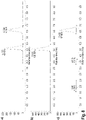
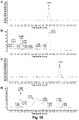
- Figs. 8 to 10 show RadioHPLC of the different compounds.
- the present inventors adapted the synthesis of the precursor from the synthetic route employed by Wang et al. for the synthesis of talazoparib ( Wang, B.; Chu, D.; Feng, Y.; Shen, Y.; Aoyagi-Scharber, M.; Post, L.
- 1-methyl-1H-1,2,4-triazole was formylated to 1 via the published procedure ( W. Hungate; Tae-Seong Kim; Richard T. Lewis; Longbin Liu; Julia Lohman; Mark H. Norman; Michelle Potashman; Aaron C. Siegmund; Stephanie K. Springer; Markian Stec; Ning Xi; Kevin Yang, B. K. A. D. B. S. B. C. M. B. S. B. A. B. D. C. D. D. A. J.-C. H. S. H. R. FUSED HETEROCYCLIC DERIVATIVES AND METHODS OF USE. WO2009/091374 ).
- the differently substituted aromatic aldehydes may involve benzaldehyde derivatives, wherein z and z 2-5 are independently selected from the group consisting of C and N, and Y* is selected from the group consisting of H, [ 18 F], one or more leaving groups for [ 18 F] fluorination and a saturated or unsaturated alkyl residue of a molecular weight of 80 g/mol or less, provided that at least one [ 18 F] is present.
- Human breast carcinoma cells (HCC1937, ACC513) were purchased from the German Collection of Microorganisms and Cell Cultures (DSMZ GmbH, Braunschweig, Germany) and cultured in Roswell Park Memorial Institute (RPMI) 1640 medium supplemented with 16 % fetal calf serum (FCS), 100 U/ml penicillin and 100 ⁇ g/ml streptomycin at 37°C under humid 5 % CO2 atmosphere. Absence of mycoplasma infection was confirmed by PCR analysis in monthly intervals.
- HCC1937 cells (0.2 ⁇ 10 6 ) were incubated in 96-well filter plates (MADVN6550, Merck Millipore, Darmstadt, Germany) with 60 ⁇ l of a 0.4 MBq/ml radiotracer solution containing either 2.5 ⁇ l DMSO as vehicle, 2.5 ⁇ l 10 mM olaparib or 2.5 ⁇ l talazoparib to a final concentration of 25 ⁇ M for blocking.
- HCC1937 cells (0.2 ⁇ 106) were incubated in 96-well filter plates (MADVN6550, Merck Millipore, Darmstadt, Germany) with 40 ⁇ l of a 0.4 MBq/ml radiotracer and 20 ⁇ l of a 1:2 serial dilution of either talazoparib or olaparib starting with a final concentration of 1 ⁇ M. After 30 min of incubation at 37°C, the cells were washed by vacuum filtration of medium through the plate (2 ⁇ 100 ⁇ l followed by 2 ⁇ 200 ⁇ l), the filters were transferred into tubes using a commercial punch kit (MAMP09608, Merck) and measured in a gamma counter (Wizard 2, Perkin-Elmer, Waltham, MA, USA). Experiments were performed in triplicates and the uptake was quantified as percent of added activity.
- mice were injected with MBq [ 18 F] talazoparib and subjected to 1 h dynamic PET imaging (Inveon D-PET, Siemens, Knoxville, TN, USA) with subsequent MR anatomical scans using a 7 Tesla Biospec 70/30 USR (Clinscan, Bruker Biospin MRI GmbH) and a T2-weighted spin echo sequence.
- the mice underwent a second, 10 min static PET scan 2 h post-injection (p.i.). Mice were sacrificed by cervical dislocation, the collected organs were weighed and the tissue uptake was determined by gamma-counting (WIZARD2, PerkinElmer).
- PET image reconstruction and correlation with MR images was performed with Inveon Acquisition Workplace and Inveon Research Workplace, respectively, using a user-defined dynamic framing and an ordered subset expectation maximization (OSEM3D) algorithm.
- ROIs Regions of interest (ROIs) were drawn according to the acquired MR images and co-registered with the PET data to obtain time-activity curves (TACs).
- Immunohistochemistry staining was performed by the Department of Dermatology at the University Hospital Tuebingen, Germany. Sections of paraffin-embedded xenografts were blocked with donkey serum for 30 min and incubated with primary antibody overnight (rabbit anti-PARP (1:50, ab74290, Abcam, Cambridge, UK)). After washing, the sections were incubated for 1 h at room temperature with secondary antibody (donkey anti-mouse IgG Cy3 (1:250, 715-166-151 Dianova)).
- Nuclei were stained with YO-PRO-1 iodide solution (Y3603, Thermo Scientific) for 5 min; the samples were subsequently mounted with Mowiol (Sigma-Aldrich) and imaged on a LSM 800 microscope (Carl Zeiss).
- [ 18 F] talazoparib demonstrated high uptake in HCC1937 cells that was blockable to baseline by both excess olaparib and talazoparib. Notably, talazoparib was observed to block an over 2-fold higher amount of the radioactive signal than olaparib. In contrast, the inactive enantiomer [ 18 F]LT-674 showed only very low radiotracer uptake although blocking with olaparib resulted in a significantly lower signal ( Fig. 7A ). A competition assay performed with different concentrations of olaparib and talazoparib resulted in similar curves, however, talazoparib again blocked the signal more effective resulting in a slightly shifted curve ( Fig. 11 ). Stability of [ 18 F] talazoparib was tested in mouse and human serum and no radiometabolite was detected over a time course of 240 minutes ( Fig 7 B) .
- [ 18 F] talazoparib thus presented with similar to slightly higher uptake in HCC1937 cells compared to [ 18 F] olaparib demonstrating high affinity. Since [ 18 F] talazoparib did not show significantly higher binding to PARP expressing cells compared to [ 18 F] olaparib, the inventors conclude that only the binding to the catalytic domain can be visualized, as only a slightly better catalytic inhibition of PARP1 by talazoparib over olaparib is reported. Thus, the superior ability of talazoparib to trap PARP1 on the site of the DNA damage seems not to affect the amount of bound compound but might increase the retention time at the binding site. As talazoparib blocked the amount of bound [ 18 F] talazoparib to a significantly greater extent than olaparib, we theorize that this difference represents a second target of talazoparib besides PARP1.
- talazoparib was further characterized in vivo in HCC1937 xenograft-bearing mice showing overall high uptake in the abdomen as well as decent xenograft uptake already 1 h p.i. that further intensified at 2 h p.i. Remarkably, the bone uptake increased as well over time ( Fig. 12 A) .
- These findings were further confirmed by the biodistribution analysis 2.5 h p.i. as the overall high uptake peaked in liver, spleen, intestine and kidney ( Fig. 12 B) .
- TMR tumor-to-muscle ratio
- Fig. 12 C mean tumor-to-muscle ratio
- TBR tumor-to-blood ratio
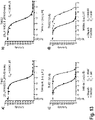
- Potential target candidates are the PARP enzymes tankyrase 1 and 2, as talazoparib exhibits an affinity in the low nanomolar range for those ubiquitous proteins which is among others expressed in muscle tissue (see Fig. 13 for IC50). This might also explain the high bone (or skeletal muscle) uptake, since the radiotracer is highly stable in both mouse and human serum, however, liver metabolism might as well defluorinate [ 18 F] talazoparib in vivo in mice as it was observed to a lower extent for [ 18 F] PARPi.
- the liver-to-kidney ratio gives first insights in the metabolism of [ 18 F] talazoparib, with a mean LKR of 1.1 ⁇ 0.09 indicating a balanced clearance by both renal and hepatobiliary pathways.
- a closer analysis of the pharmacokinetic profile by time-activity curve (TAC) analysis of several organs in the first hour after radiotracer administration verified this statement and shows similar uptake patterns and absolute values in liver and kidney ( Fig. 14 ).
- TAC time-activity curve
- the radiotracer uptake in muscle and xenograft is comparably high during the first hour after radiotracer administration.
- the brain TAC shows an initial injection peak but the radiotracer is washed out rapidly and stays on a low level thereafter. With the blood TAC, fast blood clearance with a calculated blood half-life of 3.3 minutes was determined.
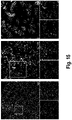
- PARP1 expression in the xenograft tissue was verified ex vivo by PARP1 immunofluorescence ( Fig. 15 ).
- [ 18 F] talazoparib gives the opportunity to visualize different aspects of PARP than the gold-standard radiotracers [ 18 F]PARPi and [ 18 F]FTT. Since it exhibits very low uptake in the brain tissue, [ 18 F] talazoparib should be examined in glioblastoma models to determine its PARP binding in a setting in which the observed high muscle uptake plays only a minor role.
- Alternative cell models for evaluation of [ 18 F] talazoparib could also include tankyrase-overexpressing cells, cell lines that express different PARP enzymes to assess binding besides PARP1/2, and tumor entities that reportedly respond well to talazoparib treatment in comparison to non-responding tumors.
- tankyrases in disease development and progression are still mainly unclear as they are involved in many essential biological processes like Wnt/ ⁇ -catenin signaling, telomerase maintenance, regulation of insulin sensitivity, and mitosis regulation. Shedding light on tankyrases by in vivo PET imaging with [ 18 F] talazoparib would aid future drug development as tankyrase inhibitors are currently investigated in their role as anti-cancer drugs.
Landscapes
- Health & Medical Sciences (AREA)
- Life Sciences & Earth Sciences (AREA)
- Chemical & Material Sciences (AREA)
- Organic Chemistry (AREA)
- General Health & Medical Sciences (AREA)
- Engineering & Computer Science (AREA)
- Animal Behavior & Ethology (AREA)
- Physics & Mathematics (AREA)
- Public Health (AREA)
- Veterinary Medicine (AREA)
- Biophysics (AREA)
- Pathology (AREA)
- Biomedical Technology (AREA)
- Heart & Thoracic Surgery (AREA)
- Medical Informatics (AREA)
- Molecular Biology (AREA)
- Surgery (AREA)
- Radiology & Medical Imaging (AREA)
- Nuclear Medicine, Radiotherapy & Molecular Imaging (AREA)
- Proteomics, Peptides & Aminoacids (AREA)
- Medicinal Chemistry (AREA)
- Optics & Photonics (AREA)
- Pharmacology & Pharmacy (AREA)
- Epidemiology (AREA)
- Artificial Intelligence (AREA)
- Computer Vision & Pattern Recognition (AREA)
- Physiology (AREA)
- Psychiatry (AREA)
- Signal Processing (AREA)
- Medicines Containing Antibodies Or Antigens For Use As Internal Diagnostic Agents (AREA)
Priority Applications (1)
| Application Number | Priority Date | Filing Date | Title |
|---|---|---|---|
| EP21173674.9A EP4088745A1 (fr) | 2021-05-12 | 2021-05-12 | Composé pour le diagnostic du cancer |
Applications Claiming Priority (1)
| Application Number | Priority Date | Filing Date | Title |
|---|---|---|---|
| EP21173674.9A EP4088745A1 (fr) | 2021-05-12 | 2021-05-12 | Composé pour le diagnostic du cancer |
Publications (1)
| Publication Number | Publication Date |
|---|---|
| EP4088745A1 true EP4088745A1 (fr) | 2022-11-16 |
Family
ID=75919211
Family Applications (1)
| Application Number | Title | Priority Date | Filing Date |
|---|---|---|---|
| EP21173674.9A Withdrawn EP4088745A1 (fr) | 2021-05-12 | 2021-05-12 | Composé pour le diagnostic du cancer |
Country Status (1)
| Country | Link |
|---|---|
| EP (1) | EP4088745A1 (fr) |
Cited By (1)
| Publication number | Priority date | Publication date | Assignee | Title |
|---|---|---|---|---|
| EP4319755A4 (fr) * | 2021-04-08 | 2025-03-26 | Board of Regents, The University of Texas System | Composés et procédés pour le ciblage théranostique d'une activité parp |
Citations (1)
| Publication number | Priority date | Publication date | Assignee | Title |
|---|---|---|---|---|
| WO2009091374A2 (fr) | 2008-01-15 | 2009-07-23 | Amgen Inc. | Dérivés hétérocycliques réunis par fusion et procédés d'utilisation associés |
-
2021
- 2021-05-12 EP EP21173674.9A patent/EP4088745A1/fr not_active Withdrawn
Patent Citations (1)
| Publication number | Priority date | Publication date | Assignee | Title |
|---|---|---|---|---|
| WO2009091374A2 (fr) | 2008-01-15 | 2009-07-23 | Amgen Inc. | Dérivés hétérocycliques réunis par fusion et procédés d'utilisation associés |
Non-Patent Citations (5)
| Title |
|---|
| BING WANG ET AL: "Discovery and Characterization of (8 S ,9 R )-5-Fluoro-8-(4-fluorophenyl)-9-(1-methyl-1 H -1,2,4-triazol-5-yl)-2,7,8,9-tetrahydro-3 H -pyrido[4,3,2-de]phthalazin-3-one (BMN 673, Talazoparib), a Novel, Highly Potent, and Orally Efficacious Poly(ADP-ribose) Polymerase-1/2 Inhibitor, as an Anticancer A", JOURNAL OF MEDICINAL CHEMISTRY, vol. 59, no. 1, 20 December 2015 (2015-12-20), US, pages 335 - 357, XP055447877, ISSN: 0022-2623, DOI: 10.1021/acs.jmedchem.5b01498 * |
| BOWDEN GREGORY D ET AL: "DoE Optimization Empowers the Automated Preparation of Enantiomerically Pure [ 18 F]Talazoparib and its In Vivo Evaluation as a PARP Radiotracer", 13 May 2021 (2021-05-13), pages 1 - 20, XP055842138, Retrieved from the Internet <URL:https://chemrxiv.org/engage/api-gateway/chemrxiv/assets/orp/resource/item/60c758b7bdbb897071a3ae01/original/do-e-optimization-empowers-the-automated-preparation-of-enantiomerically-pure-18f-talazoparib-and-its-in-vivo-evaluation-as-a-parp-radiotracer.pdf> [retrieved on 20210917] * |
| GOUD NERELLA SRIDHAR ET AL: "Fluorine-18: A radionuclide with diverse range of radiochemistry and synthesis strategies for target based PET diagnosis", EUROPEAN JOURNAL OF MEDICINAL CHEMISTRY, ELSEVIER, AMSTERDAM, NL, vol. 187, 19 December 2019 (2019-12-19), XP085994891, ISSN: 0223-5234, [retrieved on 20191219], DOI: 10.1016/J.EJMECH.2019.111979 * |
| WANG, B.CHU, D.FENG, Y.SHEN, Y.AOYAGI-SCHARBER, M.POST, L. E.: "Discovery and Characterization of (8S,9R)-5-Fluoro-8-(4-fluorophenyl)-9-(1-methyl-1 H-1,2,4-triazol-5-yl)-2,7,8,9-te trahy-dro-3H-pyrido[4,3,2-de]phthalazin-3-one (BMN 673, talazoparib), a Novel, Highly Potent, and Orally Efficacious Poly(ADP-ribose) Polymerase-1/2 Inhibitor, as an Anticancer Agent", J MED CHEM, vol. 59, no. 1, 2016, pages 335 - 57 |
| ZHOU DONG ET AL: "Radiosynthesis and Evaluation of Talazoparib and Its Derivatives as PARP-1-Targeting Agents", BIOMEDICINES, vol. 9, no. 5, 18 May 2021 (2021-05-18), pages 565, XP055842135, DOI: 10.3390/biomedicines9050565 * |
Cited By (1)
| Publication number | Priority date | Publication date | Assignee | Title |
|---|---|---|---|---|
| EP4319755A4 (fr) * | 2021-04-08 | 2025-03-26 | Board of Regents, The University of Texas System | Composés et procédés pour le ciblage théranostique d'une activité parp |
Similar Documents
| Publication | Publication Date | Title |
|---|---|---|
| JP6254126B2 (ja) | 造影剤およびその中間体を合成するための方法および装置 | |
| EP2785325B1 (fr) | Compositions pharmaceutiques de 7-(6-(2-hydroxypropan-2-y1)pyridin-3-yl)-1-((trans)-4-méthoxycyclohexyl)-3,4-dihydropyrazino[2,3-b]pyrazin-2(1h)-one, forme solide de celles-ci et leurs procédés d'utilisation | |
| CA2756137C (fr) | Agents d'imagerie pour detecter des troubles neurologiques | |
| JP6517979B2 (ja) | 1−エチル−7−(2−メチル−6−(1H−1,2,4−トリアゾール−3−イル)ピリジン−3−イル)−3,4−ジヒドロピラジノ[2,3−b]ピラジン−2(1H)−オンに関する医薬製剤、プロセス、固形形態、及び使用方法 | |
| Bowden et al. | DoE optimization empowers the automated preparation of enantiomerically pure [18F] talazoparib and its in vivo evaluation as a PARP radiotracer | |
| JP7752201B2 (ja) | 放射性標識カンナビノイド受容体2リガンド | |
| WO2016123291A1 (fr) | Isotopologues de 2-(tert-butylamino)-4-((1r,3r,4r) -3-hydroxy-4-méthylcyclohexylamino)-pyrimidine-5-carboxamide | |
| EP3687980B1 (fr) | Darapladib radiomarqué, analogues et leur utilisation comme composés d'imagerie | |
| BRPI0808503B1 (pt) | Composto, uso de um composto, e, composição farmacêutica | |
| WO2008024829A2 (fr) | Radiohaloimatinibes, procédés de synthèse de ceux-ci et leur utilisation dans l'imagerie de cancers par tomographie à émission de positrons | |
| Gao et al. | Synthesis of carbon-11-labeled isonicotinamides as new potential PET agents for imaging of GSK-3 enzyme in Alzheimer’s disease | |
| Kadirvel et al. | Detection of apoptosis by PET/CT with the diethyl ester of [18F] ML-10 and fluorescence imaging with a dansyl analogue | |
| CN107596394A (zh) | 采用全自动化、一步法合成18f标记的嘧啶丙烯酰胺类egfr正电子示踪剂的方法 | |
| Zhao et al. | VMAT2 imaging agent, D6-[18F] FP-(+)-DTBZ: improved radiosynthesis, purification by solid-phase extraction and characterization | |
| WO2022238500A1 (fr) | Radiosynthèse de talazoparib [18f] | |
| Kawamura et al. | Efficient radiosynthesis and non-clinical safety tests of the TSPO radioprobe [18F] FEDAC: Prerequisites for clinical application | |
| JP5864046B2 (ja) | 11c標識イソキノリン誘導体、その製造方法、その前駆体、それを利用したpet用プローブ及び組織の画像化方法 | |
| CN114057589B (zh) | 18f标记的联苯类化合物、其中间体、制备方法、药物组合物及应用 | |
| Kimura et al. | Synthesis and biological evaluation of Tc-99m-cyclopentadienyltricarbonyl-technetium-labeled A-85380: An imaging probe for single-photon emission computed tomography investigation of nicotinic acetylcholine receptors in the brain | |
| EP3247706B1 (fr) | Agents pour l'imagerie pet | |
| CN109503591A (zh) | 二氢吡嗪并吡嗪化合物的药物组合物、其固体形式和它们的用途 | |
| JP6037330B2 (ja) | 11c−標識チアミン及びその誘導体、11c−標識フルスルチアミン、チアミン前駆体、並びにpet用プローブ及びそれらを用いたイメージング方法 | |
| CN107304201A (zh) | 一种氘代激酶选择性抑制剂 | |
| CN107304188A (zh) | 一种氘代激酶选择性抑制剂及其应用 | |
| EP3111960B1 (fr) | Agent d'imagerie de diagnostic de médecine nucléaire |
Legal Events
| Date | Code | Title | Description |
|---|---|---|---|
| PUAI | Public reference made under article 153(3) epc to a published international application that has entered the european phase |
Free format text: ORIGINAL CODE: 0009012 |
|
| STAA | Information on the status of an ep patent application or granted ep patent |
Free format text: STATUS: REQUEST FOR EXAMINATION WAS MADE |
|
| 17P | Request for examination filed |
Effective date: 20210512 |
|
| AK | Designated contracting states |
Kind code of ref document: A1 Designated state(s): AL AT BE BG CH CY CZ DE DK EE ES FI FR GB GR HR HU IE IS IT LI LT LU LV MC MK MT NL NO PL PT RO RS SE SI SK SM TR |
|
| STAA | Information on the status of an ep patent application or granted ep patent |
Free format text: STATUS: THE APPLICATION IS DEEMED TO BE WITHDRAWN |
|
| 18D | Application deemed to be withdrawn |
Effective date: 20230517 |