EP4048555B1 - Turn signal auto cancel mechanism having axially-operable toggle - Google Patents
Turn signal auto cancel mechanism having axially-operable toggle Download PDFInfo
- Publication number
- EP4048555B1 EP4048555B1 EP20878215.1A EP20878215A EP4048555B1 EP 4048555 B1 EP4048555 B1 EP 4048555B1 EP 20878215 A EP20878215 A EP 20878215A EP 4048555 B1 EP4048555 B1 EP 4048555B1
- Authority
- EP
- European Patent Office
- Prior art keywords
- turn
- toggle
- cancellation
- trunnion
- steering assembly
- Prior art date
- Legal status (The legal status is an assumption and is not a legal conclusion. Google has not performed a legal analysis and makes no representation as to the accuracy of the status listed.)
- Active
Links
Images







Classifications
-
- B—PERFORMING OPERATIONS; TRANSPORTING
- B60—VEHICLES IN GENERAL
- B60Q—ARRANGEMENT OF SIGNALLING OR LIGHTING DEVICES, THE MOUNTING OR SUPPORTING THEREOF OR CIRCUITS THEREFOR, FOR VEHICLES IN GENERAL
- B60Q1/00—Arrangement of optical signalling or lighting devices, the mounting or supporting thereof or circuits therefor
- B60Q1/26—Arrangement of optical signalling or lighting devices, the mounting or supporting thereof or circuits therefor the devices being primarily intended to indicate the vehicle, or parts thereof, or to give signals, to other traffic
- B60Q1/34—Arrangement of optical signalling or lighting devices, the mounting or supporting thereof or circuits therefor the devices being primarily intended to indicate the vehicle, or parts thereof, or to give signals, to other traffic for indicating change of drive direction
- B60Q1/40—Arrangement of optical signalling or lighting devices, the mounting or supporting thereof or circuits therefor the devices being primarily intended to indicate the vehicle, or parts thereof, or to give signals, to other traffic for indicating change of drive direction having mechanical, electric or electronic automatic return to inoperative position
- B60Q1/42—Arrangement of optical signalling or lighting devices, the mounting or supporting thereof or circuits therefor the devices being primarily intended to indicate the vehicle, or parts thereof, or to give signals, to other traffic for indicating change of drive direction having mechanical, electric or electronic automatic return to inoperative position having mechanical automatic return to inoperative position due to steering-wheel position, e.g. with roller wheel control
- B60Q1/425—Arrangement of optical signalling or lighting devices, the mounting or supporting thereof or circuits therefor the devices being primarily intended to indicate the vehicle, or parts thereof, or to give signals, to other traffic for indicating change of drive direction having mechanical, electric or electronic automatic return to inoperative position having mechanical automatic return to inoperative position due to steering-wheel position, e.g. with roller wheel control using a latching element for resetting a switching element
-
- B—PERFORMING OPERATIONS; TRANSPORTING
- B62—LAND VEHICLES FOR TRAVELLING OTHERWISE THAN ON RAILS
- B62D—MOTOR VEHICLES; TRAILERS
- B62D1/00—Steering controls, i.e. means for initiating a change of direction of the vehicle
- B62D1/02—Steering controls, i.e. means for initiating a change of direction of the vehicle vehicle-mounted
- B62D1/04—Hand wheels
- B62D1/046—Adaptations on rotatable parts of the steering wheel for accommodation of switches
-
- H—ELECTRICITY
- H01—ELECTRIC ELEMENTS
- H01H—ELECTRIC SWITCHES; RELAYS; SELECTORS; EMERGENCY PROTECTIVE DEVICES
- H01H19/00—Switches operated by an operating part which is rotatable about a longitudinal axis thereof and which is acted upon directly by a solid body external to the switch, e.g. by a hand
- H01H19/02—Details
- H01H19/10—Movable parts; Contacts mounted thereon
- H01H19/14—Operating parts, e.g. turn knob
-
- H—ELECTRICITY
- H01—ELECTRIC ELEMENTS
- H01H—ELECTRIC SWITCHES; RELAYS; SELECTORS; EMERGENCY PROTECTIVE DEVICES
- H01H25/00—Switches with compound movement of handle or other operating part
- H01H25/04—Operating part movable angularly in more than one plane, e.g. joystick
-
- B—PERFORMING OPERATIONS; TRANSPORTING
- B60—VEHICLES IN GENERAL
- B60Q—ARRANGEMENT OF SIGNALLING OR LIGHTING DEVICES, THE MOUNTING OR SUPPORTING THEREOF OR CIRCUITS THEREFOR, FOR VEHICLES IN GENERAL
- B60Q1/00—Arrangement of optical signalling or lighting devices, the mounting or supporting thereof or circuits therefor
- B60Q1/0076—Switches therefor
Definitions
- the present invention generally relates to vehicle turn signals, and more specifically, a vehicle turn signal having an auto cancel mechanism that includes an axially-operable cancel toggle that operates along an axis of rotation for the drive shaft.
- reference numeral 10 generally refers to a turn signal assembly that is incorporated within a steering assembly 12 for a vehicle.
- the steering assembly 12 includes a steering shaft 14 having a rotational axis 16.
- the steering shaft 14 is attached to and rotates with a clockspring that contains a cancellation rib 18 that also forms a portion of the turn signal assembly 10.
- a turn-signal housing 20 is included that surrounds the steering shaft 14.
- the turn signal assembly 10 also includes a cancellation mechanism 48 that includes the cancellation rib 18.
- the turn-signal housing 20 includes a signal portion 50 that defines a right-turn interface 22 and a left-turn interface 24.
- axial positioning surface 106 assists in biasing the toggle 34 in a direction parallel with the rotational axis 16 and toward the trunnion 28 to the rest position 66.
- the trunnion 28 and stalk 26 are in the null position 68 that is between the right-turn and left-turn positions 30, 32.
- the cancellation member 36 is offset from the operational path 62 of the cancellation rib 18 in the axial direction 44.
- Operation of the steering wheel in a first (typically clockwise) rotational direction 64 indicative of a left-turn condition of the vehicle wheels which are returning to a straight line condition, engages the cancellation rib 18 of the steering shaft 14 with the cancellation member 36 to slidably operate the toggle 34 with respect to, and typically against, the left-turn interface 24.
- the axial positioning surface 106 serves to assist in biasing the toggle 34 in the axial direction 44 along the rotational axis 16 and toward the trunnion 28, into the rest position 66.
- the toggle 34 includes a guide protrusion 100 that extends through a guide aperture 102 of the trunnion 28, and the guide aperture 102 axially guides the operation of the toggle 34 in the axial direction 44 with respect to the trunnion 28. Additionally, the guide aperture 102 also guides a rotational operation of the toggle 34 about an axis of rotational movement 108. As discussed above, the spring 42 for the turn signal assembly 10 biases the toggle 34 away from the trunnion 28 so that the cancellation member 36 of the toggle 34 is biased toward an interference with the operational path 62 of the cancellation rib 18.
- the guide protrusion 100 and the biasing protrusion 104 of the toggle 34 also define the axis of rotational movement 108 for the toggle 34 with respect to the guide aperture 102 of the trunnion 28 and the axial positioning surface 106 of the turn-signal housing 20.
- This axial and rotational movement of the toggle 34 is configured to maintain the cancellation member 36 of the toggle 34 within the path of a cancellation rib 18 when in the right or left-turn positions 30, 32 or axially offset from the cancellation rib 18 when in the rest position 66.
- the axial rotational movement is typically parallel with the rotational axis 16 of the steering shaft 14.
- the biasing protrusion 104 and the guide protrusion 100 operate axially and rotationally along the axial positioning surface 106.
- the axis of rotational movement 108 remains parallel with the axis of rotation for the steering shaft 14.
- operation of the biasing protrusion 104 along the axial positioning surface 106 overcomes the biasing force 124 when the toggle 34 moves to the rest position 66. It is contemplated that the spring 42 continuously exerts the biasing force 124 against the toggle 34 and towards the turn-signal housing 20. When the toggle 34 is moved to the rest position 66, the axial positioning surface 106 further overcomes the biasing force 124 of the spring 42 to move the toggle 34 into the rest position 66 that is nearer to the trunnion 28 for the turn signal assembly 10. Using the compression spring 42 for exerting the biasing force 124, the compression spring 42 can flex to accommodate the rotational movement of the toggle 34 and generate the torsion force 126. The torsion force 126 is typically exerted only when the toggle 34 is moved away from the rest position 66 and the first leg 120 rotates about the axis of rotational movement 108 relative to the second leg 122.
- the right-turn interface 22 and the left-turn interface 24 cooperate with the stalk 26 and the trunnion 28 to operate the toggle 34 between the rest position 66 and the right-turn position 30 and left-turn position 32.
- the right-turn interface 22 and the left-turn interface 24 can be part of a slider 140.
- the right-turn interface 22 and the left-turn interface 24 can be defined by features that extend from or are incorporated within the turn-signal housing 20.
- the slider 140 engages respective interference portions 142 of the toggle 34 to operate the toggle 34 relative to the turn-signal housing 20 and the trunnion 28 in both the rotational and axial directions 46, 44.
- the toggle 34 includes an interference portion 142 at each side of the toggle 34 to correspond to the right-turn and left-turn interfaces 22, 24, respectively.
- the turn signal assembly 10 includes a detent surface 170 that selectively holds the stalk 26 in the null position 68, which typically corresponds to the rest position 66 of the toggle 34 for the cancellation mechanism 48.
- the detent surface 170 also includes features that selectively retain the stalk 26 in the latched right and left-turn positions 30, 32.
- the stalk 26 also includes a spring-loaded stalk protrusion 174 that interacts with the detent surface 170 to generate a latching force. The latching force generated by the stalk protrusion 174 and the detent surface 170 in the latched right and left-turn positions 30, 32 is overcome by the cancellation mechanism 48 to selectively return the stalk 26 from the right-turn and left-turn positions 30, 32 to the null position 68.
- the outer boundary wall 150 of the axial positioning surface 106 also assists in maintaining the biasing protrusion 104 within the axial positioning surface 106 during this hold down condition as well as other non-conforming or abuse loads that may be experienced by the toggle 34 and other components of the turn signal assembly 10.
- the turn signal assembly 10 utilizes a combination torsion and compression spring 42 to bias the toggle 34 away from the trunnion 28, toward the turn-signal housing 20 and also toward the rest position 66.
- the turn-signal housing 20 contains the axial positioning surface 106 that the biasing protrusion 104 of the toggle 34 slidably follows. This profile is shaped such that it has a peak 160 having the central detent 132 that forces the cancellation member 36 of the toggle 34 away and along the rotational axis 16 of the steering shaft 14, and axially offset from the cancellation rib 18 when the turn signal stalk 26 is in the null position 68.
- the axial positioning surface 106 includes corresponding valleys 162 that allow the cancellation member 36 of the toggle 34 to axially approach the operational path 62 of the cancellation rib 18 when in the right-turn or left-turn positions 30, 32.
- the toggle 34 can operate axially to be biased either toward or away from the driver, depending upon the positioning of the turn signal assembly 10 with respect to the steering shaft 14. Accordingly, where the terms right-turn or left-turn are indicated in the figures and the specification, the opposite orientation may also be used, depending on the design of the vehicle.
- the toggle 34 is configured for axial operation relative to the steering shaft 14 that places the cancellation member 36 within the operational path 62 and axially offset from the operational path 62 of the cancellation rib 18 for the steering shaft 14. Accordingly, the toggle 34 containing the cancellation member 36 extends into the shaft enclosure 40 for the steering shaft 14 at all times. However, because the cancellation member 36 is offset from the path of the cancellation rib 18, no engagement occurs between the cancellation rib 18 and the cancellation member 36 for the toggle 34 when the turn signal stalk 26 is in the central null position 68.
- significant interfaces of the turn-signal assembly 10 reside between the toggle 34 and the right-turn and left-turn interfaces 22, 24, between the toggle 34 and the axial positioning surface 106, and between the toggle 34 and the cancellation rib 18, although other significant operational relationships are present.
- the operational relationships between these components define the cancellation mechanism 48 that releases the trunnion 28 and the stalk 26 from the right-turn and left-turn positions 30, 32.
- the positioning of the toggle 34, the right-turn and left-turn interfaces 22, 24 and the axial positioning surface 106 can be modified to be located on the trunnion 28 and the turn-signal housing 20 in various combinations and permutations without deviating from the intended operational configurations of the toggle 34, the right-turn and left-turn interfaces 22, 24 and the axial positioning surface 106. Accordingly, where these components are discussed as being located on one of the trunnion 28 or the turn-signal housing 20, the component may alternatively be located on the other of the trunnion 28 or the turn signal housing 20.
Landscapes
- Engineering & Computer Science (AREA)
- Mechanical Engineering (AREA)
- Chemical & Material Sciences (AREA)
- Combustion & Propulsion (AREA)
- Transportation (AREA)
- Guiding Agricultural Machines (AREA)
- Lighting Device Outwards From Vehicle And Optical Signal (AREA)
- Mechanisms For Operating Contacts (AREA)
- Non-Deflectable Wheels, Steering Of Trailers, Or Other Steering (AREA)
Description
- The present invention generally relates to vehicle turn signals, and more specifically, a vehicle turn signal having an auto cancel mechanism that includes an axially-operable cancel toggle that operates along an axis of rotation for the drive shaft.
- Vehicles typically include a turn signal cancel mechanism that cooperates with the steering column to automatically cancel when the steering column is rotated opposite the direction of the turn being signaled. This mechanism cooperates with various biasing mechanisms which maintain the turn signal in a right-turn or a left-turn position, to reset that turn position back to a null position upon rotation of the steering column in a direction opposite of that selected with the stalk. Such a turn signal cancel mechanism is for instance known from
EP 2 756 991 A1 . - According to the present invention, a steering assembly for a vehicle includes the features of the appended
claim 1. The cancellation member extends through the internal shaft perimeter and is axially offset from the cancellation rib in a rest position where the cancellation rib bypasses the cancellation member. - Operation of the stalk in a first direction operates the toggle with the right-turn interface to bias the toggle away from the trunnion and along the rotational axis to selectively secure the toggle in the right-turn position and within the path of the cancellation rib. Operation of the steering wheel in a clockwise rotational direction engages the cancellation rib of the steering shaft with the cancellation member to slidably operate the toggle with the right-turn interface to bias the toggle along the rotational axis and away from the right-turn position. The trunnion returns to the null position between the right-turn and left-turn positions. Operation of the stalk in a second direction operates the toggle with the left-turn interface to bias the toggle away from the trunnion and along the rotational axis to selectively secure the toggle in the left-turn position and within the path of the cancellation rib. Operation of the steering wheel in a counter-clockwise rotational direction engages the cancellation rib of the steering shaft with the cancellation member to slidably operate the toggle with the left-turn interface to bias the toggle along the rotational axis and away from the left-turn position. The trunnion returns to the null position between the right-turn and left-turn positions.
- These and other aspects, objects, and features of the present invention will be understood and appreciated by those skilled in the art upon studying the following description, claims, and appended drawings.
- In the drawings:
-
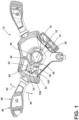
FIG. 1 is a cross-sectional view of a steering assembly incorporating an aspect of a turn signal assembly that incorporates an aspect of the toggle, and showing the toggle in the central rest position and the stalk in the null position; -
FIG. 2 is a bottom perspective view of the turn signal assembly ofFIG. 1 ; -
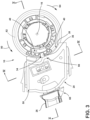
FIG. 3 is a bottom plan view of the turn signal assembly ofFIG. 2 ; -
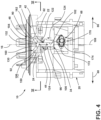
FIG. 4 is a cross-sectional view of the turn-signal assembly ofFIG. 3 , taken along line IV-IV; -
FIG. 5 is cross-sectional view of the turn-signal assembly ofFIG. 3 , taken along line V-V; -
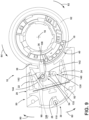
FIGS. 6 is a cross-sectional view of the turn-signal assembly ofFIG. 4 , taken along line VI-VI; -
FIG. 7 is an exploded perspective view of the turn-signal assembly ofFIG. 2 ; -
FIG. 8 is another exploded perspective view of the turn-signal assembly ofFIG. 2 ; -
FIG. 9 is the turn signal assembly ofFIG. 6 shown in the right-turn position; -
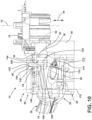
FIG. 10 is the turn signal assembly ofFIG. 5 shown in the right-turn position; -
FIG. 11 is the turn signal assembly ofFIG. 4 shown in the right-turn position; -
FIG. 12 is the turn signal assembly ofFIG. 9 shown in the right-turn position and under a bypass condition; -
FIG. 13 is the turn signal assembly ofFIG. 9 shown in the right-turn position and showing engagement of the cancellation rib and the cancellation member to return the turn-signal assembly to the null position and the toggle to the rest position; -
FIG. 14 is a cross-sectional view of the turn-signal assembly ofFIG. 13 taken along line XIV-XIV and showing the toggle returning to the central detent and the rest position; -
FIG. 15 is the turn signal assembly ofFIG. 6 shown in the left-turn position; -
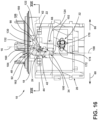
FIG. 16 is the turn signal assembly ofFIG. 4 shown in the left-turn position; -
FIG. 17 is the turn signal assembly ofFIG. 15 shown in the left-turn position and under a bypass condition; -
FIG. 18 is the turn signal assembly ofFIG. 15 shown in the left-turn position and showing engagement of the cancellation rib and the cancellation member to return the turn-signal assembly to the null position and the toggle to the rest position; and -
FIG. 19 is a cross-sectional view of the turn-signal assembly ofFIG. 18 taken along line XIX-XIX and showing the toggle returning to the central detent and the rest position. - For purposes of description herein, the terms "upper," "lower," "right," "left," "rear," "front," "vertical," "horizontal," and derivatives thereof shall relate to the invention as oriented in
FIG. 1 . However, it is to be understood that the invention may assume various alternative orientations, except where expressly specified to the contrary. It is also to be understood that the specific devices and processes illustrated in the attached drawings, and described in the following specification are simply exemplary embodiments of the inventive concepts defined in the appended claims. Hence, specific dimensions and other physical characteristics relating to the embodiments disclosed herein are not to be considered as limiting, unless the claims expressly state otherwise. - As exemplified in
FIGS. 1-19 ,reference numeral 10 generally refers to a turn signal assembly that is incorporated within asteering assembly 12 for a vehicle. Thesteering assembly 12 includes asteering shaft 14 having arotational axis 16. Thesteering shaft 14 is attached to and rotates with a clockspring that contains acancellation rib 18 that also forms a portion of theturn signal assembly 10. A turn-signal housing 20 is included that surrounds thesteering shaft 14. Theturn signal assembly 10 also includes acancellation mechanism 48 that includes thecancellation rib 18. The turn-signal housing 20 includes asignal portion 50 that defines a right-turn interface 22 and a left-turn interface 24. Aturn signal stalk 26 is rotationally coupled to thesignal portion 50 of the turn-signal housing 20 via atrunnion 28 that is rotationally engaged with the turn-signal housing 20. To operate the turn-signal cancellation mechanism 48, thetrunnion 28 rotationally operates relative to the turn-signal housing 20 to define the right-turn position 30 and the left-turn position 32. Atoggle 34 is selectively and alternatively operated to arest position 66 that allows theturn signal stalk 26 and thetrunnion 28 to return to anull position 68 from one of the right-turn position 30 and the left-turn position 32, depending upon the selection of the user of the vehicle. Thetoggle 34 includes acancellation member 36 that extends beyond aninternal shaft perimeter 38 of the turn-signal housing 20. Theinternal perimeter 38 surrounds thesteering shaft 14 as well as thecancellation rib 18. Accordingly, thecancellation member 36 continuously extends into ashaft enclosure 40 that is at least partially defined by the turn-signal housing 20. - A
spring 42 is included within theturn signal assembly 10 that biases thetoggle 34 away from thetrunnion 28 and in anaxial direction 44 parallel with therotational axis 16 of thesteering shaft 14. Accordingly, thetoggle 34 is configured for axial operation relative to thesteering shaft 14. Additionally, thetoggle 34 rotationally operates relative to thetrunnion 28 and the turn-signal housing 20 to facilitate a load transfer from thecancellation rib 18 and through thetoggle 34. This load transfer operates thetoggle 34 to unseat theturn signal stalk 26 from the latched right-turn and left-turn positions spring 42 can also provide a biasing component in arotational direction 46 toward therest position 66. The rotational operation of thetoggle 34 also allows a bypassing engagement between thecancellation rib 18 and thecancellation member 36 of thetoggle 34. This bypassing engagement allows thecancellation rib 18 to engage and pass by thecancellation member 36 without reset of the turn signal stalk 26 to thenull position 68. This bypassing engagement typically occurs in conditions where the steering wheel is turned in the same direction as indicated by theturn signal stalk 26. - Referring again to
FIGS. 1-14 , operation of thestalk 26 in afirst direction 60 engages thetoggle 34 with the right-turn interface 22. The right-turn interface 22 cooperates with anaxial positioning surface 106 and thespring 42 to bias thetoggle 34 away from thetrunnion 28 and in theaxial direction 44 along therotational axis 16. This movement selectively locates thetoggle 34 and thetrunnion 28 in the right-turn position 30 and places thecancellation member 36 within theoperational path 62 of thecancellation rib 18. Again, the movement of thecancellation member 36 of thetoggle 34 is, in primary part, in theaxial direction 44 and parallel with therotational axis 16 of the steeringshaft 14. Thecancellation member 36 of thetoggle 34 also moves in secondary part in arotational direction 46 to maintain tangential contact between thetoggle interference portions 142 and the right-turn interface 22. This places thecancellation member 36 in selective engagement with thecancellation rib 18 in the right-turn position 30. Accordingly, operation of thetoggle 34 andcancellation member 36 in theaxial direction 44 moves thecancellation member 36 within and away from theoperational path 62 of thecancellation rib 18 of the steeringshaft 14. - Once the
toggle 34 and thetrunnion 28 are in the right-turn position 30, operation of the steering wheel in a second (typically counter-clockwise)rotational direction 82, indicative of movement of the wheels for the vehicle in a right-turn condition which are returning to a straight line condition, causes an engagement between thecancellation rib 18 of the steeringshaft 14 with thecancellation member 36 of thetoggle 34. This engagement slidably operates thetoggle 34 with respect to, and typically against, the right-turn interface 22. This pushes thetrunnion 28 and stalk 26 from the stable right-turn position 30, thereby allowing thetrunnion 28 and thestalk 26 to return to thenull position 68. As thetrunnion 28 and stalk 26 return to thenull position 68,axial positioning surface 106 assists in biasing thetoggle 34 in a direction parallel with therotational axis 16 and toward thetrunnion 28 to therest position 66. In thisrest position 66, thetrunnion 28 and stalk 26 are in thenull position 68 that is between the right-turn and left-turn positions rest position 66 of thetoggle 34, thecancellation member 36 is offset from theoperational path 62 of thecancellation rib 18 in theaxial direction 44. - Additionally, when the
toggle 34 and thetrunnion 28 are in the right-turn position 30, operation of the steering wheel in a first (typically clockwise)rotational direction 64, indicative of movement of the wheels for the vehicle in a right-turn condition, causes the bypassing engagement between thecancellation rib 18 of the steeringshaft 14 with thecancellation member 36 of thetoggle 34. This engagement causes thetoggle 34 to rotate in a counter-clockwise direction, rotating away from contact with the right-turn interface 22. Thecancellation member 36 remains slidably in contact with thecancellation rib 18 as biased against it byspring 42, but does not generate any force to cause movement of thetoggle 34 into therest position 66 or rotation of thetrunnion 28 or stalk 26 into thenull position 68. Once thecancellation rib 18 has rotated past thecancellation member 36 and is no longer in contact with said cancellation member, thetoggle 34 rotates back in a clockwise direction to return to contact with the right-turn interface 22. - Referring again to
FIGS. 1-8 and15-19 , operation of thestalk 26 in a second (typically counter-clockwise)direction 80 engages thetoggle 34 with the left-turn interface 24. This engagement moves thetoggle 34 relative to theaxial positioning surface 106. Theaxial positioning surface 106, in turn, allows the spring to bias thetoggle 34 away from thetrunnion 28 and in theaxial direction 44 along therotational axis 16. This movement selectively locates thetoggle 34 and thetrunnion 28 in the left-turn position 32 and places thecancellation member 36 within theoperational path 62 of acancellation rib 18. Operation of the steering wheel in a first (typically clockwise)rotational direction 64, indicative of a left-turn condition of the vehicle wheels which are returning to a straight line condition, engages thecancellation rib 18 of the steeringshaft 14 with thecancellation member 36 to slidably operate thetoggle 34 with respect to, and typically against, the left-turn interface 24. This pushes thetrunnion 28 and stalk 26 assembly from the stableleft turn position 32, allowing it to return to thenull position 68. As this slidable operation occurs, theaxial positioning surface 106 serves to assist in biasing thetoggle 34 in theaxial direction 44 along therotational axis 16 and toward thetrunnion 28, into therest position 66. In therest position 66, thetrunnion 28 and stalk 26 are in thenull position 68 that is between the right-turn and left-turn positions rest position 66 of thetoggle 34, thecancellation member 36 is offset from theoperational path 62 of thecancellation rib 18 in theaxial direction 44. - Additionally, when the
toggle 34 and thetrunnion 28 are in the left-turn position 32, operation of the steering wheel in a counter-clockwiserotational direction 82, indicative of movement of the wheels for the vehicle in a left-turn condition, causes an engagement between thecancellation rib 18 of the steeringshaft 14 with thecancellation member 36 of thetoggle 34. This engagement causes thetoggle 34 to rotate in a clockwise direction, rotating away from contact with the left-turn interface 24. Thecancellation member 36 remains slidably in contact with thecancellation rib 18 as biased against it byspring 42, but does not generate any force to cause movement of thetoggle 34 to therest position 66 or rotation of thetrunnion 28 or stalk 26 to thenull position 68. Once thecancellation rib 18 has rotated past thecancellation member 36 and is no longer in contact with said cancellation member, thetoggle 34 rotates back in a counter-clockwise direction to return to contact with the left-turn interface 24. - As exemplified in
FIGS. 1-19 , thetoggle 34 includes aguide protrusion 100 that extends through aguide aperture 102 of thetrunnion 28, and theguide aperture 102 axially guides the operation of thetoggle 34 in theaxial direction 44 with respect to thetrunnion 28. Additionally, theguide aperture 102 also guides a rotational operation of thetoggle 34 about an axis ofrotational movement 108. As discussed above, thespring 42 for theturn signal assembly 10 biases thetoggle 34 away from thetrunnion 28 so that thecancellation member 36 of thetoggle 34 is biased toward an interference with theoperational path 62 of thecancellation rib 18. Thetoggle 34 also includes a biasingprotrusion 104 that slidably engages anaxial positioning surface 106 of the turn-signal housing 20. This engagement of the biasingprotrusion 104 with theaxial positioning surface 106 cooperates with thespring 42 to define the movement of thetoggle 34 in theaxial direction 44 with respect to the turn-signal housing 20 and thetrunnion 28. Stated another way, the biasingforce 124 of thespring 42 continually biases thetoggle 34 away from thetrunnion 28. - Referring again to
FIGS. 4-19 , engagement of the biasingprotrusion 104 with a sloped surface of theaxial positioning surface 106 at least partially overcomes this biasingforce 124 of thespring 42 to allow for movement of thetoggle 34 toward and away from thetrunnion 28 along anaxial direction 44 that is parallel with therotational axis 16 of the steeringshaft 14. Through this configuration, theguide protrusion 100 and the biasingprotrusion 104 of thetoggle 34 also define the axis ofrotational movement 108 for thetoggle 34 with respect to theguide aperture 102 of thetrunnion 28 and theaxial positioning surface 106 of the turn-signal housing 20. In certain aspects of the device, thespring 42 can be positioned around theguide protrusion 100 to bias thetoggle 34 away from thetrunnion 28 and toward theaxial positioning surface 106. Theaxial positioning surface 106 is a sloped and contoured surface that defines a right-turn detent 90, a left-turn detent 92 and acentral detent 132. In addition, the axial positioning surface can include anouter boundary wall 150 that serves to contain the biasingprotrusion 104 within the area of theaxial positioning surface 106. - This axial and rotational movement of the
toggle 34 is configured to maintain thecancellation member 36 of thetoggle 34 within the path of acancellation rib 18 when in the right or left-turn positions cancellation rib 18 when in therest position 66. The axial rotational movement is typically parallel with therotational axis 16 of the steeringshaft 14. During operation of thestalk 26 and thetrunnion 28, the biasingprotrusion 104 and theguide protrusion 100 operate axially and rotationally along theaxial positioning surface 106. During this combined movement, the axis ofrotational movement 108 remains parallel with the axis of rotation for the steeringshaft 14. Also, theguide aperture 102 of thetrunnion 28 maintains theguide protrusion 100 in a laterally fixed position with respect to thetrunnion 28. Accordingly, as thetrunnion 28 operates about atrunnion axis 110, thetoggle 34, via theguide protrusion 100, axially and rotationally operates along and about the axis ofrotational movement 108. The axial component of this operation of thetoggle 34 is operated through cooperative operation of thespring 42 and theaxial positioning surface 106 of the turn-signal housing 20. - Referring again to
FIGS. 1-8 ,13 and18 , thespring 42 is typically acompression spring 42 having afirst leg 120 that engages thetrunnion 28 and asecond leg 122 that engages thetoggle 34. Thecompression spring 42 is positioned to exert anaxial biasing force 124 that biases thetoggle 34 toward the turn-signal housing 20. Additionally, thecompression spring 42 can be configured to operate at least partially as atorsion spring 42, where movement of thetoggle 34 rotationally operates thefirst leg 120 of thecompression spring 42 relative to thesecond leg 122 of thecompression spring 42 to exert atorsion force 126. Accordingly, thesecond leg 122 of thecompression spring 42 exerts, through a spring-type torque, thetorsion force 126 that biases thetoggle 34 toward therest position 66. Simultaneously, the biasingforce 124 operates thetoggle 34 away from thetrunnion 28 and toward theaxial positioning surface 106 of the turn-signal housing 20. - Stated another way, operation of the biasing
protrusion 104 along theaxial positioning surface 106 overcomes the biasingforce 124 when thetoggle 34 moves to therest position 66. It is contemplated that thespring 42 continuously exerts the biasingforce 124 against thetoggle 34 and towards the turn-signal housing 20. When thetoggle 34 is moved to therest position 66, theaxial positioning surface 106 further overcomes the biasingforce 124 of thespring 42 to move thetoggle 34 into therest position 66 that is nearer to thetrunnion 28 for theturn signal assembly 10. Using thecompression spring 42 for exerting the biasingforce 124, thecompression spring 42 can flex to accommodate the rotational movement of thetoggle 34 and generate thetorsion force 126. Thetorsion force 126 is typically exerted only when thetoggle 34 is moved away from therest position 66 and thefirst leg 120 rotates about the axis ofrotational movement 108 relative to thesecond leg 122. - As exemplified in the figures, the
axial positioning surface 106 can includerespective detents 130 that define and correspond to the right-turn and left-turn positions toggle 34 with respect to the turn-signal housing 20. Additionally, acentral detent 132 can define therest position 66 for thetoggle 34. It should be understood that theaxial positioning surface 106 can include a continuous and smooth surface that defines the rest, right-turn and left-turn positions toggle 34. Accordingly, operation of theturn signal assembly 10 between these positions is contemplated to be a smooth and continuous operation that is controlled through operation of the various components, as described herein. - According to various aspects of the device, the right-
turn interface 22 and the left-turn interface 24 cooperate with thestalk 26 and thetrunnion 28 to operate thetoggle 34 between therest position 66 and the right-turn position 30 and left-turn position 32. According to various aspects of the device, the right-turn interface 22 and the left-turn interface 24 can be part of aslider 140. Alternatively, the right-turn interface 22 and the left-turn interface 24 can be defined by features that extend from or are incorporated within the turn-signal housing 20. Theslider 140 engagesrespective interference portions 142 of thetoggle 34 to operate thetoggle 34 relative to the turn-signal housing 20 and thetrunnion 28 in both the rotational andaxial directions toggle 34 includes aninterference portion 142 at each side of thetoggle 34 to correspond to the right-turn and left-turn interfaces - Referring again to
FIGS 1-19 , theturn signal assembly 10 includes adetent surface 170 that selectively holds thestalk 26 in thenull position 68, which typically corresponds to therest position 66 of thetoggle 34 for thecancellation mechanism 48. Thedetent surface 170 also includes features that selectively retain thestalk 26 in the latched right and left-turn positions stalk 26 also includes a spring-loadedstalk protrusion 174 that interacts with thedetent surface 170 to generate a latching force. The latching force generated by thestalk protrusion 174 and thedetent surface 170 in the latched right and left-turn positions cancellation mechanism 48 to selectively return thestalk 26 from the right-turn and left-turn positions null position 68. In thenull position 68, acentral interface 172 of thedetent surface 170 cooperates with the biasingprotrusion 104 and thecentral detent 132 of theaxial positioning surface 106 to maintain thetoggle 34 in therest position 66. When thestalk 26 is moved to either of the right-turn or left-turn positions protrusion 104 of thetoggle 34 is moved into the right-turn detent or left-turn detent - As discussed previously, when the
cancellation rib 18 engages thecancellation member 36, the biasingprotrusion 104 is moved away from the right-turn detent or left-turn detent guide protrusion 100 engages theguide aperture 102 of thetrunnion 28 and pulls thetrunnion 28 away from the respective right-turn or left-turn positions stalk protrusion 174 and thecentral interface 172 of thedetent surface 170, returns thetrunnion 28 and thestalk 26 to thenull position 68. - As discussed herein, when the
cancellation member 36 and thecancellation rib 18 engage one another, theguide protrusion 100 of thetoggle 34 is biased back into thecentral detent 132 to define therest position 66 of thetoggle 34. In therest position 66, the retaining force of thedetent surface 170 slides astalk protrusion 174 of thedetent surface 170 away from the right-turn or left-turn positions central interface 172. In this manner, thestalk 26 and thetrunnion 28 are returned to thenull position 68 that corresponds to therest position 66 of thecancellation mechanism 48. The use of thecancellation mechanism 48 described herein provides a compact configuration of thetoggle 34 and thetrunnion 28. This is accomplished through the movement of thecancellation member 36 of thetoggle 34 in theaxial direction 44 between therest position 66 and the right-turn and left-turn positions - Referring now to
FIGS. 13 and18 , it is contemplated that with theslider 140 containing the right-turn and left-turn interfaces turn signal assembly 10 can withstand a hold-down component or abuse load that can be effected when thestalk 26 of theturn signal assembly 10 is held in the right-turn position 30 or the left-turn position 32, as the steering wheel is operated in the opposite direction of the indicated turn and thecancellation rib 18 engages thecancellation member 36. In a typical operation of thecancellation mechanism 48,spring arms 144 of theslider 140 provide a preload that resists displacement of theslider 140. The preload of theslider 140 provides a preferential force sufficient to instead move thetoggle 34 toward thecentral detent 132. This results in operation of thestalk 26 andtrunnion 28 from the latched right or left-turn positions null position 68. In an abuse load of thecancellation mechanism 48 where thestalk 26 is held in the right-turn or left-turn positions cancellation rib 18 with thecancellation member 36 can be absorbed through displacement of theslider 140 from the normal position against theslider 140 spring load to prevent damage to theturn signal assembly 10. The hold-down component or abuse load overcomes the preload of thespring arms 144. In this manner, thespring arms 144 deflect to absorb the forces resulting from the hold-down component or abuse load.. Theouter boundary wall 150 of theaxial positioning surface 106 also assists in maintaining the biasingprotrusion 104 within theaxial positioning surface 106 during this hold down condition as well as other non-conforming or abuse loads that may be experienced by thetoggle 34 and other components of theturn signal assembly 10. - As exemplified in
FIGS. 1-19 , the operation of thetoggle 34 for theturn signal assembly 10 is designed to disengage thetoggle 34 in therest position 66, and preventing interaction between thecancellation member 36 and thecancellation rib 18 by moving thetoggle 34 axially, either away from or toward the driver in a direction parallel with therotational axis 16 of the steeringshaft 14. The design of theturn signal assembly 10 includes the auto cancel mechanism that has thetoggle 34 that interacts with thecancellation rib 18 on the steeringshaft 14. Again, thetoggle 34 can be disengaged, or placed in therest position 66, and can also be placed in right-turn or left-turn positions trunnion 28 and the turn-signal housing 20. Theturn signal assembly 10 utilizes a combination torsion andcompression spring 42 to bias thetoggle 34 away from thetrunnion 28, toward the turn-signal housing 20 and also toward therest position 66. As discussed above, the turn-signal housing 20 contains theaxial positioning surface 106 that the biasingprotrusion 104 of thetoggle 34 slidably follows. This profile is shaped such that it has apeak 160 having thecentral detent 132 that forces thecancellation member 36 of thetoggle 34 away and along therotational axis 16 of the steeringshaft 14, and axially offset from thecancellation rib 18 when theturn signal stalk 26 is in thenull position 68. When theturn signal stalk 26 departs from thenull position 68 to indicate a right-turn or left-turn position axial positioning surface 106 includes correspondingvalleys 162 that allow thecancellation member 36 of thetoggle 34 to axially approach theoperational path 62 of thecancellation rib 18 when in the right-turn or left-turn positions - According to various aspects of the device, the
toggle 34 can operate axially to be biased either toward or away from the driver, depending upon the positioning of theturn signal assembly 10 with respect to the steeringshaft 14. Accordingly, where the terms right-turn or left-turn are indicated in the figures and the specification, the opposite orientation may also be used, depending on the design of the vehicle. - According to various aspects of the device, the
toggle 34 is configured for axial operation relative to the steeringshaft 14 that places thecancellation member 36 within theoperational path 62 and axially offset from theoperational path 62 of thecancellation rib 18 for the steeringshaft 14. Accordingly, thetoggle 34 containing thecancellation member 36 extends into theshaft enclosure 40 for the steeringshaft 14 at all times. However, because thecancellation member 36 is offset from the path of thecancellation rib 18, no engagement occurs between thecancellation rib 18 and thecancellation member 36 for thetoggle 34 when theturn signal stalk 26 is in the centralnull position 68. When thestalk 26 is moved into the right-turn or left-turn positions trunnion 28 with respect to the turn-signal housing 20 causes a movement of thetoggle 34 in anaxial direction 44 that places thecancellation member 36 within theoperational path 62 of thecancellation rib 18. This axial operation of thetoggle 34 can provide for a more compact assembly for theturn signal assembly 10. This construction is also advantageous as it is less sensitive to radial misalignment of therotational axis 16 of the steeringshaft 14 and the central axis of thestalk 26 andtrunnion 28 ofturn signal assembly 10, which is generally perpendicular or oblique to therotational axis 16. - According to various aspects of the device, significant interfaces of the turn-
signal assembly 10 reside between thetoggle 34 and the right-turn and left-turn interfaces toggle 34 and theaxial positioning surface 106, and between thetoggle 34 and thecancellation rib 18, although other significant operational relationships are present. The operational relationships between these components define thecancellation mechanism 48 that releases thetrunnion 28 and thestalk 26 from the right-turn and left-turn positions toggle 34, the right-turn and left-turn interfaces axial positioning surface 106 can be modified to be located on thetrunnion 28 and the turn-signal housing 20 in various combinations and permutations without deviating from the intended operational configurations of thetoggle 34, the right-turn and left-turn interfaces axial positioning surface 106. Accordingly, where these components are discussed as being located on one of thetrunnion 28 or the turn-signal housing 20, the component may alternatively be located on the other of thetrunnion 28 or theturn signal housing 20. - It is to be understood that variations and modifications can be made on the aforementioned structure without departing from the scope of the present invention defined following claims.
Claims (15)
- A steering assembly (12) for a vehicle, the steering assembly (12) comprising:a turn-signal housing (20) having a signal portion (50) and defining a shaft enclosure (40);a steering shaft (14) having a cancellation rib (18) that rotates about a rotational axis (16) and within the shaft enclosure (40);a trunnion (28) that rotates within the signal portion (50) of the turn-signal housing (20) about a trunnion axis (110) to define a null position (68) and right-turn and left-turn positions (30, 32); anda toggle (34) having a cancellation member (36), wherein the toggle (34) operates axially and rotationally with respect to the rotational axis (16) and with respect to one of the trunnion (28) and the turn-signal housing (20) to define an axis of rotational movement (108), wherein the cancellation member (36) in the null position (68) is within the shaft enclosure (40) and axially offset from the cancellation rib (18) with respect to the rotational axis (16), and wherein the cancellation member (36) in one of the right-turn and left-turn positions (30, 32) is within the shaft enclosure (40) and axially aligned with respect to the rotational axis (16) for selective engagement with the cancellation rib (18), wherein selective engagement of the cancellation rib (18) with the cancellation member (36) as the steering shaft (14) is operated in a direction opposite to the selected turn, axially operates the toggle (34) with respect to the rotational axis (16) to the null position (68).
- The steering assembly (12) of claim 1, wherein the toggle (34) slidably engages an axial positioning surface (106) of the turn-signal housing (20), wherein the axial positioning surface (106) axially guides the toggle (34) with respect to the rotational axis (16) between a rest position (66), corresponding to the null position (68), and the right-turn and left-turn positions (30, 32).
- The steering assembly (12) of claim 2, further comprising:
a right-turn interface (22) and a left-turn interface (24) that selectively engage interference portions of the toggle (34), wherein the right-turn interface (22) and the left-turn interface (24) cooperate with the axial positioning surface (106) and the trunnion (28) to rotationally operate the toggle (34) between the rest position (66) and the right-turn and left-turn positions (30, 32). - The steering assembly (12) of claim 3, wherein the right-turn and left-turn interfaces (22, 24) extends from the turn-signal housing (20).
- The steering assembly (12) of any of claims 2-4, wherein during operation of the toggle (34) between the null position (68) and the right-turn and left-turn positions (30, 32), the axis of rotational movement (108) remains parallel with at least one of the trunnion axis (110) and the rotational axis (16) of the steering shaft (14).
- The steering assembly (12) of any of claims 2-5, wherein a spring (42) biases the toggle (34) away from the trunnion (28) and toward the axial positioning surface (106), and wherein the spring (42) is positioned around a guide protrusion (100) of the toggle (34), wherein the guide protrusion (100) extends through a guide aperture (102).
- The steering assembly (12) of claim 6, wherein the axial positioning surface (106) is a sloped surface that defines right-turn and left-turn detents (90, 92) that correspond to the right-turn and left-turn positions (30, 32).
- The steering assembly (12) of claim 7, wherein the axial positioning surface (106) includes a central detent (132) that corresponds to the rest position (66), wherein the central detent (132) is axially offset from the right-turn and left-turn detents (90, 92) with respect to the rotational axis (16).
- The steering assembly (12) of any of claims 3-8, wherein the toggle (34) includes a biasing protrusion (104) that is aligned with the axis of rotational movement (108) and slidably operates through the axial positioning surface (106).
- The steering assembly (12) of any of claims 1-9, wherein a stalk (26) extends from the trunnion (28) and rotationally operates about the trunnion axis (110) between the null position (68) and the right-turn and left-turn positions (30, 32).
- The steering assembly (12) of claim 3 and optionally any of claims 4-10, wherein the right-turn and left-turn interfaces (22, 24) are attached to the turn-signal housing (20).
- The steering assembly (12) of claim 3 and optionally any of claims 4-10, wherein the right-turn and left-turn interfaces (22, 24) are integrally formed with the turn-signal housing (20).
- The steering assembly (12) of claims 6-12, wherein the guide protrusion (100) extends through the turn-signal housing (20) at least in the rest position (66).
- The steering assembly (12) of any one of claims 6-13, wherein the trunnion (28) includes the guide aperture (102) that receives the toggle (34) to define the axis of rotational movement (108).
- The steering assembly (12) of claim 14, wherein the axial positioning surface (106) of the turn signal housing receives the toggle (34) to further define the axis of rotational movement (108).
Applications Claiming Priority (2)
| Application Number | Priority Date | Filing Date | Title |
|---|---|---|---|
| US201962925785P | 2019-10-25 | 2019-10-25 | |
| PCT/IB2020/059981 WO2021079334A1 (en) | 2019-10-25 | 2020-10-23 | Turn signal auto cancel mechanism having axially-operable toggle |
Publications (3)
| Publication Number | Publication Date |
|---|---|
| EP4048555A1 EP4048555A1 (en) | 2022-08-31 |
| EP4048555A4 EP4048555A4 (en) | 2023-11-15 |
| EP4048555B1 true EP4048555B1 (en) | 2025-07-02 |
Family
ID=75620573
Family Applications (1)
| Application Number | Title | Priority Date | Filing Date |
|---|---|---|---|
| EP20878215.1A Active EP4048555B1 (en) | 2019-10-25 | 2020-10-23 | Turn signal auto cancel mechanism having axially-operable toggle |
Country Status (6)
| Country | Link |
|---|---|
| US (1) | US12059998B2 (en) |
| EP (1) | EP4048555B1 (en) |
| JP (1) | JP7671745B2 (en) |
| KR (1) | KR20220087485A (en) |
| CN (1) | CN114845906B (en) |
| WO (1) | WO2021079334A1 (en) |
Family Cites Families (22)
| Publication number | Priority date | Publication date | Assignee | Title |
|---|---|---|---|---|
| JPH09132081A (en) | 1995-11-10 | 1997-05-20 | Alps Electric Co Ltd | Cansel device of turn signal switch |
| JPH11250774A (en) * | 1998-02-27 | 1999-09-17 | Niles Parts Co Ltd | Cancelling mechanism of turn signal switch |
| US5923010A (en) | 1998-03-27 | 1999-07-13 | Eaton Corporation | Automotive steering column switch |
| JP4102489B2 (en) * | 1998-09-01 | 2008-06-18 | 株式会社ユーシン | Direction indicator lever cancellation mechanism |
| JP4139027B2 (en) | 1999-11-18 | 2008-08-27 | 株式会社東海理化電機製作所 | Turn signal canceling device |
| KR100366217B1 (en) * | 2000-12-06 | 2002-12-31 | 주식회사 신창전기 | Turn signal switch apparatus |
| JP2002225625A (en) * | 2001-01-29 | 2002-08-14 | Yazaki Corp | Turn signal switch |
| JP2003127762A (en) | 2001-10-19 | 2003-05-08 | Alps Electric Co Ltd | Turn signal switch device |
| CN1269161C (en) | 2003-07-24 | 2006-08-09 | 阿尔卑斯电气株式会社 | Turn signal switch device |
| JP2006221933A (en) * | 2005-02-09 | 2006-08-24 | Alps Electric Co Ltd | Turn signal lamp switch device |
| CN200988452Y (en) * | 2006-11-20 | 2007-12-12 | 比亚迪股份有限公司 | Automobile turning lamp switch controller |
| JP4652356B2 (en) | 2007-02-26 | 2011-03-16 | アルプス電気株式会社 | Turn signal switch device |
| JP2010143391A (en) * | 2008-12-18 | 2010-07-01 | Tokai Rika Co Ltd | Direction indicator |
| JP5521513B2 (en) | 2009-11-30 | 2014-06-18 | パナソニック株式会社 | Turning direction indicator |
| JP5509832B2 (en) | 2009-12-17 | 2014-06-04 | パナソニック株式会社 | Turning direction indicator |
| KR101359282B1 (en) * | 2011-02-25 | 2014-02-05 | 알프스 덴키 가부시키가이샤 | Turn signal switch device |
| JP2012195103A (en) * | 2011-03-15 | 2012-10-11 | Alps Electric Co Ltd | Turn signal switch device |
| JP5617043B2 (en) * | 2011-09-13 | 2014-10-29 | 本田技研工業株式会社 | Turn signal switch device for vehicles |
| JP6152314B2 (en) | 2013-07-31 | 2017-06-21 | アルプス電気株式会社 | Vehicle control device |
| JP6581515B2 (en) * | 2016-01-14 | 2019-09-25 | アルプスアルパイン株式会社 | Input operation device |
| JP6613180B2 (en) | 2016-03-16 | 2019-11-27 | アルプスアルパイン株式会社 | Turn signal switch device |
| KR101866120B1 (en) * | 2017-01-09 | 2018-06-11 | 엘에스오토모티브테크놀로지스 주식회사 | Multi function switch unit for vehicle |
-
2020
- 2020-10-23 KR KR1020227016518A patent/KR20220087485A/en active Pending
- 2020-10-23 CN CN202080089900.1A patent/CN114845906B/en active Active
- 2020-10-23 WO PCT/IB2020/059981 patent/WO2021079334A1/en not_active Ceased
- 2020-10-23 EP EP20878215.1A patent/EP4048555B1/en active Active
- 2020-10-23 JP JP2022523880A patent/JP7671745B2/en active Active
- 2020-10-23 US US17/770,802 patent/US12059998B2/en active Active
Also Published As
| Publication number | Publication date |
|---|---|
| CN114845906B (en) | 2025-12-16 |
| KR20220087485A (en) | 2022-06-24 |
| JP2022554150A (en) | 2022-12-28 |
| US20220402426A1 (en) | 2022-12-22 |
| WO2021079334A1 (en) | 2021-04-29 |
| EP4048555A1 (en) | 2022-08-31 |
| EP4048555A4 (en) | 2023-11-15 |
| JP7671745B2 (en) | 2025-05-02 |
| US12059998B2 (en) | 2024-08-13 |
| CN114845906A (en) | 2022-08-02 |
Similar Documents
| Publication | Publication Date | Title |
|---|---|---|
| US8783717B2 (en) | Steering column telescope lock | |
| US8438944B2 (en) | Telescope positive lock for steering column | |
| US7900944B2 (en) | Retractable vehicle step | |
| US9162701B2 (en) | Steering column energy absorbing rake lock | |
| US20090167009A1 (en) | Telescopically adjustable steering column assembly including an adjustment stop having minimal effect on impact loads | |
| CN110159746B (en) | Gear shifting device | |
| JP4938386B2 (en) | Movable steering device | |
| EP4048555B1 (en) | Turn signal auto cancel mechanism having axially-operable toggle | |
| US6986531B2 (en) | Steering column linkage tilt lever | |
| US6472623B1 (en) | Turn signal cancel device | |
| US7503234B2 (en) | One lever tilt and telescope mechanism | |
| US11318998B2 (en) | Locking mechanism for a rotating mudguard assembly | |
| JP2918962B2 (en) | Shift lever for automatic transmission for vehicles | |
| JPS6232905Y2 (en) | ||
| KR0164721B1 (en) | Tilt lever of a steering column | |
| JPH10236225A (en) | Cancelling mechanism of turn lever switch device for vehicle | |
| JPH0322035Y2 (en) | ||
| JP7110152B2 (en) | Operating device and work vehicle | |
| JP3083743B2 (en) | Operation lever mechanism for transmission | |
| JP3836916B2 (en) | Automobile speed change device | |
| JPH0346280Y2 (en) | ||
| KR19990040360U (en) | Car Steering Handle | |
| JPH0233532B2 (en) | ||
| JPH0716929Y2 (en) | Walk-behind farm work machine | |
| JPH0765419B2 (en) | Steering lock device |
Legal Events
| Date | Code | Title | Description |
|---|---|---|---|
| STAA | Information on the status of an ep patent application or granted ep patent |
Free format text: STATUS: THE INTERNATIONAL PUBLICATION HAS BEEN MADE |
|
| PUAI | Public reference made under article 153(3) epc to a published international application that has entered the european phase |
Free format text: ORIGINAL CODE: 0009012 |
|
| STAA | Information on the status of an ep patent application or granted ep patent |
Free format text: STATUS: REQUEST FOR EXAMINATION WAS MADE |
|
| 17P | Request for examination filed |
Effective date: 20220420 |
|
| AK | Designated contracting states |
Kind code of ref document: A1 Designated state(s): AL AT BE BG CH CY CZ DE DK EE ES FI FR GB GR HR HU IE IS IT LI LT LU LV MC MK MT NL NO PL PT RO RS SE SI SK SM TR |
|
| DAV | Request for validation of the european patent (deleted) | ||
| DAX | Request for extension of the european patent (deleted) | ||
| A4 | Supplementary search report drawn up and despatched |
Effective date: 20231016 |
|
| RIC1 | Information provided on ipc code assigned before grant |
Ipc: H01H 25/04 20060101ALI20231010BHEP Ipc: B60Q 1/42 20060101AFI20231010BHEP |
|
| GRAP | Despatch of communication of intention to grant a patent |
Free format text: ORIGINAL CODE: EPIDOSNIGR1 |
|
| STAA | Information on the status of an ep patent application or granted ep patent |
Free format text: STATUS: GRANT OF PATENT IS INTENDED |
|
| INTG | Intention to grant announced |
Effective date: 20250203 |
|
| GRAS | Grant fee paid |
Free format text: ORIGINAL CODE: EPIDOSNIGR3 |
|
| GRAA | (expected) grant |
Free format text: ORIGINAL CODE: 0009210 |
|
| STAA | Information on the status of an ep patent application or granted ep patent |
Free format text: STATUS: THE PATENT HAS BEEN GRANTED |
|
| P01 | Opt-out of the competence of the unified patent court (upc) registered |
Free format text: CASE NUMBER: APP_23193/2025 Effective date: 20250515 |
|
| AK | Designated contracting states |
Kind code of ref document: B1 Designated state(s): AL AT BE BG CH CY CZ DE DK EE ES FI FR GB GR HR HU IE IS IT LI LT LU LV MC MK MT NL NO PL PT RO RS SE SI SK SM TR |
|
| REG | Reference to a national code |
Ref country code: GB Ref legal event code: FG4D |
|
| REG | Reference to a national code |
Ref country code: CH Ref legal event code: EP |
|
| REG | Reference to a national code |
Ref country code: DE Ref legal event code: R096 Ref document number: 602020053992 Country of ref document: DE |
|
| REG | Reference to a national code |
Ref country code: SE Ref legal event code: TRGR |
|
| REG | Reference to a national code |
Ref country code: IE Ref legal event code: FG4D |
|
| PGFP | Annual fee paid to national office [announced via postgrant information from national office to epo] |
Ref country code: GB Payment date: 20250911 Year of fee payment: 6 |
|
| PGFP | Annual fee paid to national office [announced via postgrant information from national office to epo] |
Ref country code: FR Payment date: 20250912 Year of fee payment: 6 |
|
| REG | Reference to a national code |
Ref country code: NL Ref legal event code: MP Effective date: 20250702 |
|
| PG25 | Lapsed in a contracting state [announced via postgrant information from national office to epo] |
Ref country code: PT Free format text: LAPSE BECAUSE OF FAILURE TO SUBMIT A TRANSLATION OF THE DESCRIPTION OR TO PAY THE FEE WITHIN THE PRESCRIBED TIME-LIMIT Effective date: 20251103 |
|
| PG25 | Lapsed in a contracting state [announced via postgrant information from national office to epo] |
Ref country code: NL Free format text: LAPSE BECAUSE OF FAILURE TO SUBMIT A TRANSLATION OF THE DESCRIPTION OR TO PAY THE FEE WITHIN THE PRESCRIBED TIME-LIMIT Effective date: 20250702 |
|
| REG | Reference to a national code |
Ref country code: AT Ref legal event code: MK05 Ref document number: 1808887 Country of ref document: AT Kind code of ref document: T Effective date: 20250702 |
|
| PG25 | Lapsed in a contracting state [announced via postgrant information from national office to epo] |
Ref country code: IS Free format text: LAPSE BECAUSE OF FAILURE TO SUBMIT A TRANSLATION OF THE DESCRIPTION OR TO PAY THE FEE WITHIN THE PRESCRIBED TIME-LIMIT Effective date: 20251102 |
|
| PGFP | Annual fee paid to national office [announced via postgrant information from national office to epo] |
Ref country code: DE Payment date: 20250912 Year of fee payment: 6 |
|
| PG25 | Lapsed in a contracting state [announced via postgrant information from national office to epo] |
Ref country code: NO Free format text: LAPSE BECAUSE OF FAILURE TO SUBMIT A TRANSLATION OF THE DESCRIPTION OR TO PAY THE FEE WITHIN THE PRESCRIBED TIME-LIMIT Effective date: 20251002 |
|
| REG | Reference to a national code |
Ref country code: LT Ref legal event code: MG9D |
|
| PG25 | Lapsed in a contracting state [announced via postgrant information from national office to epo] |
Ref country code: AT Free format text: LAPSE BECAUSE OF FAILURE TO SUBMIT A TRANSLATION OF THE DESCRIPTION OR TO PAY THE FEE WITHIN THE PRESCRIBED TIME-LIMIT Effective date: 20250702 |
|
| PG25 | Lapsed in a contracting state [announced via postgrant information from national office to epo] |
Ref country code: FI Free format text: LAPSE BECAUSE OF FAILURE TO SUBMIT A TRANSLATION OF THE DESCRIPTION OR TO PAY THE FEE WITHIN THE PRESCRIBED TIME-LIMIT Effective date: 20250702 |
|
| PGFP | Annual fee paid to national office [announced via postgrant information from national office to epo] |
Ref country code: IT Payment date: 20251010 Year of fee payment: 6 |
|
| PG25 | Lapsed in a contracting state [announced via postgrant information from national office to epo] |
Ref country code: HR Free format text: LAPSE BECAUSE OF FAILURE TO SUBMIT A TRANSLATION OF THE DESCRIPTION OR TO PAY THE FEE WITHIN THE PRESCRIBED TIME-LIMIT Effective date: 20250702 |
|
| PG25 | Lapsed in a contracting state [announced via postgrant information from national office to epo] |
Ref country code: GR Free format text: LAPSE BECAUSE OF FAILURE TO SUBMIT A TRANSLATION OF THE DESCRIPTION OR TO PAY THE FEE WITHIN THE PRESCRIBED TIME-LIMIT Effective date: 20251003 |
|
| PGFP | Annual fee paid to national office [announced via postgrant information from national office to epo] |
Ref country code: SE Payment date: 20251010 Year of fee payment: 6 |
|
| PG25 | Lapsed in a contracting state [announced via postgrant information from national office to epo] |
Ref country code: CZ Free format text: LAPSE BECAUSE OF FAILURE TO SUBMIT A TRANSLATION OF THE DESCRIPTION OR TO PAY THE FEE WITHIN THE PRESCRIBED TIME-LIMIT Effective date: 20250702 |
|
| PG25 | Lapsed in a contracting state [announced via postgrant information from national office to epo] |
Ref country code: LV Free format text: LAPSE BECAUSE OF FAILURE TO SUBMIT A TRANSLATION OF THE DESCRIPTION OR TO PAY THE FEE WITHIN THE PRESCRIBED TIME-LIMIT Effective date: 20250702 |
|
| PG25 | Lapsed in a contracting state [announced via postgrant information from national office to epo] |
Ref country code: BG Free format text: LAPSE BECAUSE OF FAILURE TO SUBMIT A TRANSLATION OF THE DESCRIPTION OR TO PAY THE FEE WITHIN THE PRESCRIBED TIME-LIMIT Effective date: 20250702 Ref country code: PL Free format text: LAPSE BECAUSE OF FAILURE TO SUBMIT A TRANSLATION OF THE DESCRIPTION OR TO PAY THE FEE WITHIN THE PRESCRIBED TIME-LIMIT Effective date: 20250702 |
|
| PG25 | Lapsed in a contracting state [announced via postgrant information from national office to epo] |
Ref country code: RS Free format text: LAPSE BECAUSE OF FAILURE TO SUBMIT A TRANSLATION OF THE DESCRIPTION OR TO PAY THE FEE WITHIN THE PRESCRIBED TIME-LIMIT Effective date: 20251002 |
|
| PG25 | Lapsed in a contracting state [announced via postgrant information from national office to epo] |
Ref country code: ES Free format text: LAPSE BECAUSE OF FAILURE TO SUBMIT A TRANSLATION OF THE DESCRIPTION OR TO PAY THE FEE WITHIN THE PRESCRIBED TIME-LIMIT Effective date: 20250702 |
|
| PG25 | Lapsed in a contracting state [announced via postgrant information from national office to epo] |
Ref country code: RO Free format text: LAPSE BECAUSE OF FAILURE TO SUBMIT A TRANSLATION OF THE DESCRIPTION OR TO PAY THE FEE WITHIN THE PRESCRIBED TIME-LIMIT Effective date: 20250702 |
|
| PG25 | Lapsed in a contracting state [announced via postgrant information from national office to epo] |
Ref country code: SM Free format text: LAPSE BECAUSE OF FAILURE TO SUBMIT A TRANSLATION OF THE DESCRIPTION OR TO PAY THE FEE WITHIN THE PRESCRIBED TIME-LIMIT Effective date: 20250702 |
|
| PG25 | Lapsed in a contracting state [announced via postgrant information from national office to epo] |
Ref country code: DK Free format text: LAPSE BECAUSE OF FAILURE TO SUBMIT A TRANSLATION OF THE DESCRIPTION OR TO PAY THE FEE WITHIN THE PRESCRIBED TIME-LIMIT Effective date: 20250702 |
|
| PG25 | Lapsed in a contracting state [announced via postgrant information from national office to epo] |
Ref country code: SK Free format text: LAPSE BECAUSE OF FAILURE TO SUBMIT A TRANSLATION OF THE DESCRIPTION OR TO PAY THE FEE WITHIN THE PRESCRIBED TIME-LIMIT Effective date: 20250702 Ref country code: EE Free format text: LAPSE BECAUSE OF FAILURE TO SUBMIT A TRANSLATION OF THE DESCRIPTION OR TO PAY THE FEE WITHIN THE PRESCRIBED TIME-LIMIT Effective date: 20250702 |